AIT SIGNS TRILATERAL MOU WITH EGAT AND CSU TO BOOST SOLAR TECHNOLOGY AT SIRINDHORN DAM
Description:
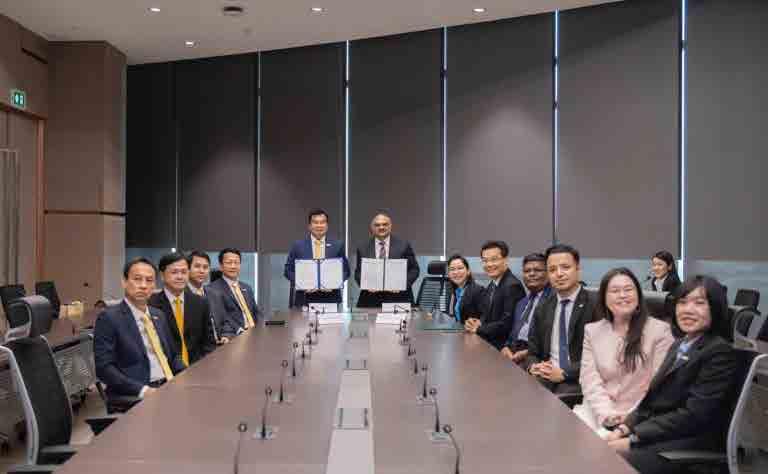
AIT signed a trilateral Memorandum of Understanding with the Electricity Generating Authority of Thailand (EGAT) and Colorado State University on July 15, 2024. The agreement aims to enhance solar technology by installing the Edge Seal Module (ESM) on a floating platform at Sirindhorn Dam. This collaboration focuses on testing ESM efficiency, promoting renewable energy solutions, and advancing sustainable development initiatives.
� https://ait.ac.th/2024/07/ait-signs-trilateral-mouwith-egat-and-csu-to-boost-solar-technology-atsirindhorn-dam/
AIT SIGNS TRILATERAL MOU WITH EGAT AND CSU TO BOOST SOLAR TECHNOLOGY AT SIRINDHORN DAM
Description:
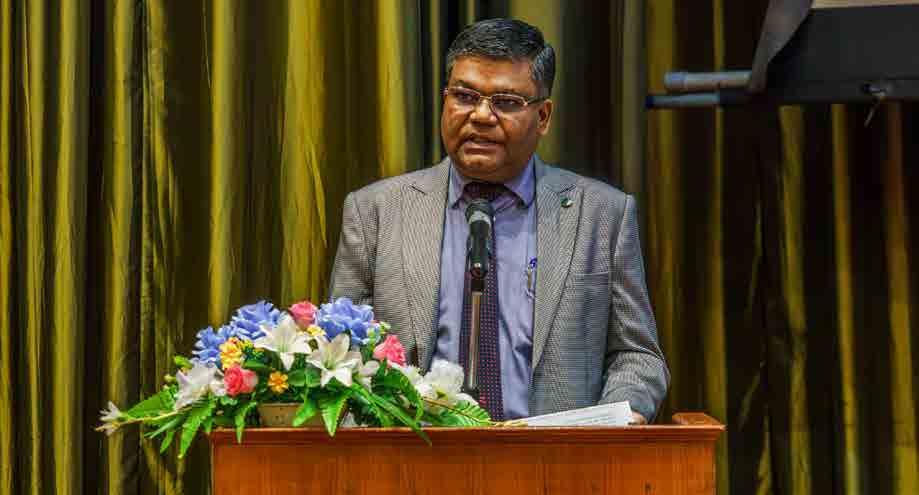
On 19 September 2024, P. Abdul Salam, Dean of the School of Environment, Resources, and Development at AIT, was appointed to the Board of Directors of the International Institute for Energy Conservation (IIEC). The IIEC, established in 1984, focuses on promoting energy efficiency and renewable energy adoption, particularly in developing countries. Salam brings over 30 years of experience in sustainable energy research, consultancy, and capacity building. His expertise includes bioenergy, waste-to-energy systems, and climate change mitigation. This appointment reflects his commitment to advancing sustainable energy solutions and strengthens AIT’s role in global energy initiatives.
� https://ait.ac.th/2024/07/ait-signs-trilateral-mouwith-egat-and-csu-to-boost-solar-technology-atsirindhorn-dam/
Description:
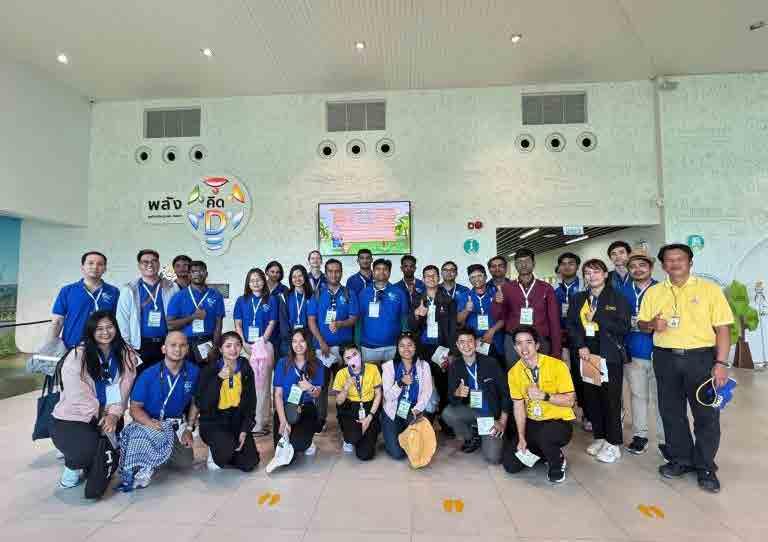
From September 30 to October 4, 2024, students from AIT’s Sustainable Energy Transition program participated in a field trip across southern Thailand. They explored various renewable energy facilities, including solar, hydro, natural gas, and biomass plants. Highlights included a visit to a solar power plant in Thap Sakae, Ratchaprapha Dam, and a biomass power plant in Chumphon. The trip emphasized the importance of sustainable energy practices and innovation in addressing global energy challenges. Students reflected on the significance of transitioning to cleaner energy sources and the value of integrating nature with technology for a sustainable future.
� https://ait.ac.th/2024/10/empowering-the-futurea-journey-through-southern-thailands-sustainableenergy-landscape/
Description:
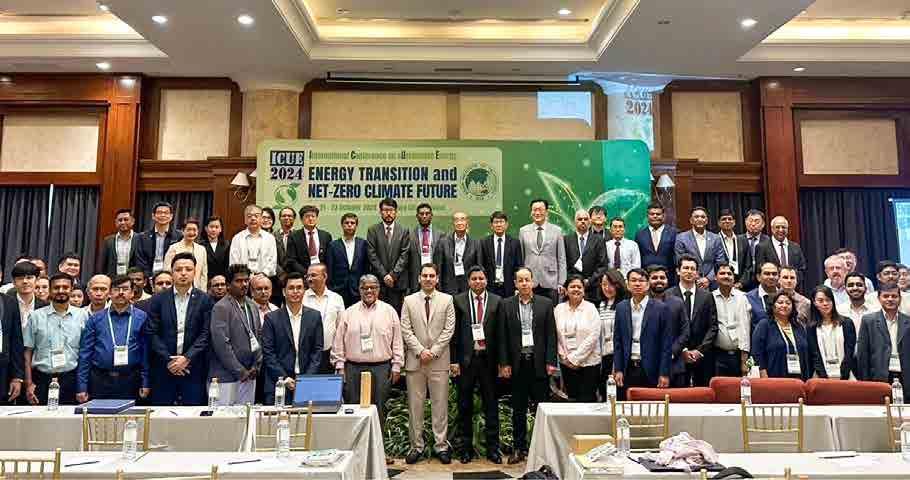
AIT hosted the International Conference on Sustainable Energy (ICUE) 2024 from October 21 to 23 in Pattaya, Thailand, with a focus on “Energy Transition and Net Zero Climate Future.” The event drew around 180 delegates from nearly 30 countries, featuring keynotes from Priyantha Wijayatunga and Joy Jacqueline Pereira. Discussions emphasized collaboration in addressing climate change, energy policies, and education for sustainability. ICUE 2024 highlighted the importance of international cooperation in promoting sustainable energy practices and achieving climate goals
� https://ait.ac.th/2024/10/ait-hosts-icue-2024driving-global-dialogue-on-energy-transition-andnet-zero-future/
Description:
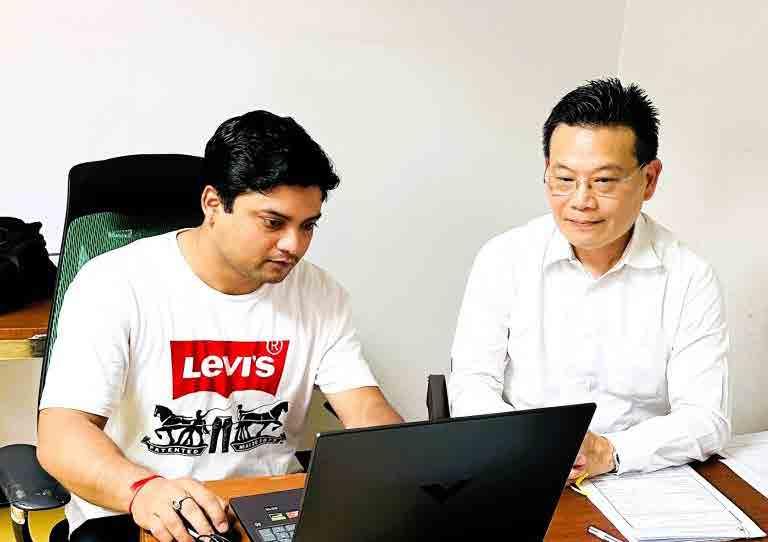
In the groundbreaking research conducted by Avrojyoti Barua at the School of Environment, Resources, and Development (SERD) at the Asian Institute of Technology (AIT), his study, ‘Towards a Zero Carbon Future for Thailand’s Power Sector,’ under the supervision of Weerakorn Ongsakul, the Department of Energy and Climate Change, and Joyasree Roy, Director & Founder of SMARTS* Center, AIT, presents a comprehensive and data-driven roadmap to decarbonizing the power sector, using the advanced SWITCH* model for energy system optimization. [*South and South-east Asia Multidisciplinary Applied Research Network on Transforming Societies of Global South; *Solar and wind energy integrated with transmission and conventional sources] � https://ait.ac.th/2024/12/towards-a-zero-carbonfuture-how-thailand-can-lead-the-energy-transitionby-2050/
AIT Research Theme: Infrastructure
AIT Unit: Yunus Center
Duration: 07 Nov 2022 to 30 Jun 2025
Project Sponsors/Clients: World Bank, Pakistan Water and Power Development Authority (WAPDA)
Project Partner: ECEWI and Menaal International
Expected Social Impact: Improved efficiencies in energy services, management, and technologies enhance energy security for citizens of Pakistan
Description:
Dams are crucial infrastructure that impacts national socio-economic development goals. They are also crucial in terms of the risks they pose to the surrounding
communities, the energy infrastructure, and overall public safety should an emergency or unforeseen event happen. This course develops the competencies of engineers and staff of hydropower projects and facilities of Pakistan’s Water and Power Development Authority to analyze and mitigate potential disasters and implement measures to ensure safety. In particular, the course helps participants:
a. Understand the elements of an effective dam safety program
b. Learn and apply best practices and guidelines of dam safety
c. Identify and assess risks in hydropower operations
d. Learn and apply strategies in emergency response planning
AIT Research Theme: Infrastructure
AIT Unit: Yunus Center
Duration: 07 Nov 2022 to 30 Jun 2025
Project Sponsor/Client: The World Bank
Project Partners: Entura Clean Energy & Water Institute (ECEWI) Menaal Travel Iraj Consultants
Expected Social Impact: Improved efficiencies in energy services, management, and technologies enhance energy security for citizens of Pakistan
Description:
Module C14 of the EDSMAT3 Program is designed to enhance the knowledge and skills of participants in managing the construction of hydel projects and maintaining quality control.
AIT Research Theme: Infrastructure
AIT Unit: Yunus Center
Duration: 17 Aug 2022 to 30 Jun 2025
Project Sponsors/Clients: World Bank, Pakistan Water and Power Development Authority (WAPDA)
Project Partner: ECEWI and Menaal Travel
Expected Social Impact: Improved efficiencies in energy services, management, and technologies enhance energy security for citizens of Pakistan
Description:
Hydropower Project Management
The Hydropower Project Management course is designed for engineers of Pakistan’s Water and Power Development
Authority to develop competencies in managing and implementing activities of hydropower projects. It is aimed at strengthening individual skill sets vital to a smooth implementation of the entire project and the successful achievement of its desired outcomes. The course helps participants:
a. Enhance their understanding of the project cycle and organizational structure
b. Understand roles and responsibilities of engineers and other project staff
c. Understand the importance of testing and essential operational procedures
d. Analyze project costs and budgets
e. Learn to develop a project implementation plan
AIT Research Theme: Infrastructure
AIT Unit: Yunus Center
Duration: 31 Oct 2022 to 30 Jun 2025
Project Sponsors/Clients: World Bank, Pakistan Water and Power Development Authority (WAPDA)
Project Partners: GEEC Ltd (Masud Karim), Menaal International (Saqib Izhar), HSE-Vision (Bilal Mustafa Syed), Iraj Consultants (Irshad Ahmed)
Expected Social Impact: Improved efficiencies in energy services, management and technologies enhance energy security for citizens of Pakistan
Description:
Hydropower Project Management
The Hydropower Project Management course is designed for engineers of Pakistan’s Water and Power Development Authority to develop competencies in managing and
implementing activities of hydropower projects. It is aimed at strengthening individual skill sets vital to a smooth implementation of the entire project and the successful achievement of its desired outcomes. The course helps participants:
a. Understand the need for health and safety standards within the project organization
b. Explain the operational and non-operation factors affecting health and safety
c. Analyze health and safety scenarios, operations and inspection procedures, and emergency and crisis situations.
d. Demonstrate the behavioral and leadership qualities of a successful health and safety professional
AIT Research Theme: Infrastructure
AIT Unit: Yunus Center
Duration: 21 Nov 2022 to 30 Jun 2025
Project Sponsors/Clients: World Bank, WAPDA
Project Partner: ECEWI and Menaal International Travel
Expected Social Impact: Improved efficiencies in energy services, management, and technologies enhance energy
security for the citizens of Pakistan through a capacitybuilding program for the professionals.
Description:
Materials and Procurement for Hydropower Projects
AIT Research Theme: Infrastructure
AIT Unit: Yunus Center
Duration: 21 Nov 2022 to 30 Jun 2025
Project Sponsors/Clients: World Bank, WAPDA
Project Partner: ECEWI and Menaal International Travel
Expected Social Impact: Improved efficiencies in energy services, management, and technologies enhance energy security for citizens of Pakistan
Description:
The Implementing Selective ERP Applications course prepares engineers from Pakistan’s Water and Power Development Authority to implement specific ERP applications. A Capacity building program for professionals
AIT Research Theme: Infrastructure
AIT Unit: Infrastructure
Duration: 05 Dec 2022 to 30 Jun 2025
Project Sponsors/Clients: World Bank, Pakistan Water and Power Development Authority (WAPDA)
Project Partner: Tarcisio Alvarez-Rivero, Menaal Internal Travel and Rob McBride
Expected Social Impact: Improved efficiencies in energy services, management and technologies enhance energy security for citizens of Pakistan
Description:
This course intends to build the capacity to access and evaluate the performance of the system for the hydropower projects. 15 training courses delivered at WAPDA Academies in Pakistan by AIT and partners
AIT Research Theme: Infrastructure
AIT Unit: Yunus Center
Duration: 21 Nov 2022 to 30 Jun 2025
Project Sponsors/Clients: World Bank, Pakistan Water and Power Development Authority (WAPDA)
Project Partner: ECEWI and Menaal International Travel
Expected Social Impact: Improved efficiencies in energy services, management and technologies enhance energy security for citizens of Pakistan
Description:
Building the capacity of professional engineers in Pakistan for investment Analysis of Renewable Energy Projects. 15 training courses delivered at WAPDA Academies in Pakistan by AIT and partners
AIT Research Theme: Infrastructure
AIT Unit: Yunus Center
Duration: 05 Dec 2022 to 30 Jun 2025
Project Sponsors/Clients: World Bank, Pakistan Water and Power Development Authority (WAPDA)
Project Partners: Tarcisio Alvarez-Rivero, Menaal International Travel and Rb McBride
Expected Social Impact: Improved efficiencies in energy services, management and technologies enhance energy security for citizens of Pakistan. 15 training courses delivered at WAPDA Academies in Pakistan by AIT and partners
Description:
Build capacity of institutional Development Gap Analysis and PDNA for key personnel in the energy sector in Pakistan
AIT Research Theme: Infrastructure
AIT Unit: Yunus Center
Duration: 30 Jun 2022 to 30 Jun 2025
Project Sponsors/Clients: World Bank, Pakistan Water and Power Development Authority (WAPDA)
Project Partners Menaal International Travel, Jerson Remo and Team
Expected Social Impact: Improved efficiencies in energy services, management, and technologies enhance energy security for citizens of Pakistan. 10 training courses delivered at WAPDA Academies in Pakistan by AIT and partners
Description:
This course is designed for engineers of Pakistan’s Water and Power Development Authority to develop competencies in financial and economic planning activities of hydropower projects. It is aimed at strengthening individual skill sets vital to the smooth implementation of the entire project and the successful achievement of its desired outcomes.
AIT Research Theme: Infrastructure
AIT Unit: Yunus Center
Duration: 05 Dec 2022 to 30 Jun 2025
Project Sponsors/Clients: World Bank, Pakistan Water and Power Development Authority (WAPDA)
Project Partners: ECEWI, Menaal International Travel and Tanatat
Expected Social Impact: Improved efficiencies in energy services, management, and technologies enhance energy security for citizens of Pakistan. 10 training courses
delivered at WAPDA Academies in Pakistan by AIT and partners
Description:
This course is designed for engineers of Pakistan’s Water and Power Development Authority to develop competencies in hydropower financing and risk management activities of hydropower projects. It is aimed at strengthening individual skill sets vital to the smooth implementation of the entire project and the successful achievement of its desired outcomes.
AIT Research Theme: Food-Energy-Water
AIT Unit: Sustainable Energy Transition, SERD
Duration: 05 Jul 2023 to 31 Dec 2025
Project Sponsor/Client: The World Bank
Project Partners: The Yunus Center at AIT and participants from Bangladesh, Bhutan, India, Maldives, Nepal, Pakistan, and Sri Lanka.
Expected Social Impact:
1. 100 women from 7 designated countries would be trained in power and energy areas.
2. These professionals would work on clean energy transition in the region, which would improve energy supply and mitigate climate change, etc.
Description:
Rational: Design, develop, deliver, assess, and validate ten (10) modules of technical training for 100 women energy professionals in South Asia (SAR-100) for the World Bank-
led, Australian Government-funded South Asia Regional Infrastructure Connectivity (SARIC) Large Systems Training Program (LSTP) under subcontract to Palladium International, via the Regional Knowledge Hub (RKH) established by the Yunus Center AIT’s Energy Development: Services, Management & Technology (EDSMAT) program at AIT.
The scope of work shall comprise the design, development, delivery, assessment, and validation of the SAR100 program. This scope of work shall include the preparation and standardization of materials, delivery of the requisite teaching materials, facilitation of all online classes and onsite practicums, coordination of the capstone field visit, and submission of individual performance assessments of all module participants according to the client’s reporting framework. The level of effort shall be equivalent to a cumulative 225 hours of contact time over the duration of the program, as conveyed in the Terms of Reference.
AIT Research Theme: Food-Energy-Water
AIT Unit: Sustainable Energy Transition, SERD
Duration:10 Jul 2023 to 31 Dec 2025
Project Sponsor/Client: Department of Foreign Affairs & Trade (DFAT)
Project Partners: DFAT & Palladium International Pty Ltd.
Expected Social Impact:
The outcomes of the project will benefit as follows.
a. mid-career women engineering/technical professionals and
b. grassroots women technicians in rural areas.
Description:
\WePOWER SAR100 is a series of training for women professionals in the energy sector from the Southeast
Asia region (SAR). It is a collaborative regional effort that will upgrade skill sets and build gender diversity in a key development sector. SAR100 is offered as part of the South Asia Regional Infrastructure Connectivity (SARIC) program, funded by the Australian Department of Foreign Affairs and Trade (DFAT) through Palladium International. The World Bank is spearheading SAR100 together with national counterparts from seven (7) participating countries represented in the Regional Working Group (RWG). SAR100 is a professional training series for mid-career women engineering professionals from the South Asian Region (SAR) designed to equip them for leadership, ensuring gender diversity in the energy sector.
AIT Research Theme: Food-Energy-Water
AIT Unit: Sustainable Energy Transition, SERD
Duration: 01 May 2023 to 30 Jun 2024
Project Sponsor/Client: UNOPS
Project Partners: DFAT & Palladium International Pty Ltd.
Expected Social Impact:
Technologies for climate change mitigation and adaptation are assessed, technology actions are assessed, and a technology action plan is implemented.
Description:
This is a project to assist countries, i.e., Maldives, Timor Leste, and Papua New Guinea, to assess their technology needs for climate change mitigation and adaptation. Conducting a workshop to train the country’s participants on the development of a technology action plan.
AIT Research Theme: Food-Energy-Water
AIT Unit: Entrepreneurship Center
Duration: 01 Jul 2024 to 31 Jul 2025
Project Sponsor/Client: Bhargab Mohan Das
Project Partners:
1. AIT Alumni, Bhargab Mohan Das,
2. Mimi Das Saikia,
3. Giang Thi Thu Thao,
4. Hemant C. Warad, 5. Sutee Nuntaburus.
Expected Social Impact: Support for initiatives that promote clean energy access, with a focus on underserved communities and regions.
• Support for initiatives that align with the global sustainability agenda of achieving a net-zero future, reducing carbon emissions, and reducing environmental impact.
• This project assessment includes considerations for environmental impact, resource efficiency, cost-
effectiveness, and policy implications, all while emphasizing social and community benefits.
Description:
This multidimensional sustainability enhancement is open under Incubation Service Agreement no. AITEC-23002 in a collaboration with AIT alumnus Bhargab Mohan Das. The primary aim of this endeavor is to contribute to the
achievement of Sustainable Development Goals (SDGs) 7 (Affordable and Clean Energy), 11 (Sustainable Cities and Communities), and 12 (Responsible Consumption and Production)
AIT Research Theme: Climate change
AIT Unit: Energy, SERD
Duration: 16 Feb 2024 to 31 Jul 2025
Project Sponsors/Clients: Conference delegates, members of the academe, corporate delegates
Expected Social Impact: Conference attendees will help accelerate joint learning on recent developments and technological innovations in energy use and practices and help facilitate better understanding of the technical and policy aspects of integrated approaches to the interconnected economic, social, and environmental challenges for a just energy transition leading to a net-zero climate future.
Description:
The Sustainable Energy Transition program of the Department of Energy, Environment, and Climate Change
regularly organizes an international conference every 2 years in the name of AIT. The program believes that this activity contributes to promoting AIT to different global energy and environment stakeholders Buoyed by the success of ICUE 2022 on energy, environment, and climate change, AIT can continue to contribute to advancing the discussions on sustainable development by hosting ICUE 2024. This iteration of the ICUE conference series will be under the new theme “International Conference on Sustainable Energy 2024 (ICUE 2024) on Energy Transition and Net Zero Climate Future.” ICUE 2024 will aim to promote sustainable practices, foster awareness and education, facilitate collaboration, and support policy initiatives in the context of a sustainable energy transition for a green, net-zero climate future. The ICUE 2024 will take place on October 21–23, 2024, in Pattaya City, Thailand.
AIT Research Theme: Food-Energy-Water
AIT Unit: AIT Extension
Duration: 31 Dec 2024 to 31 Dec 2024
Project Sponsor/Client: NEA Engineering Co., Ltd., Nepal
Expected Social Impact: This program will enhance the professional capacity of participants—particularly engineers, project managers, and contract administrators— by equipping them with in-depth knowledge of international construction contract standards
Description:
The program will feature a mixture of classroom input sessions and field visits relevant to providing participants with a holistic learning experience. Classroom sessions will cover key principles and provisions of FIDIC’s Red, Yellow, and Silver Books, while field visits will offer real-world examples and best practices.
AIT Research Theme: Food-Energy-Water
AIT Unit: Environmental Engineering and Management, SERD
Duration: 01 May 2024 to 30 Jun 2025
Project Sponsors/Clients: Research Initiation Grant
Expected Social Impact: The following major activities are proposed during the project implementation:
i. Biochar Production and Biochar Characterization: Biochar will be produced using agricultural residues and will be characterized for its physicochemical properties.
ii. Determination of effects of biochar in anaerobic digestion of food waste (FW): Biomethane potential (BMP) tests will be used to determine the effects of the biochar addition on AD of FW. Kinetic parameters, like disintegration rates, will be studied using firstorder kinetics, and experimental data will be fitted with the modified Gompertz equation to determine the maximum biogas production rates and lag time.
iii. Operation of a semi-continuous anaerobic digestion process: A semi-continuous reactor will be operated to assess the dosing strategies and long-term effects of biochar additions in a mesophilic one-stage anaerobic digestion process. The biogas and digestate will be analyzed for gas composition and concentration of VFA and nutrient analysis.
iv. Dissemination of findings: Results of the study will be disseminated via one conference presentation and one scientific manuscript.
The proposed project is expected to train two graduate students.
Description:
Food waste (FW) accounts for a significant portion of global waste, and proper management and disposal are essential to reduce environmental impacts like greenhouse gas emissions and land disposal. Anaerobic digestion (AD) of FW has emerged as a promising solution to generate renewable energy in the form of methane gas. However, the FW is a readily degradable substrate that can easily destabilize the AD process due to rapid hydrolysis and acidification leading to volatile fatty acid (VFA) accumulation. There has been increasing interest in the application of biochar in anaerobic digestion processes to minimize the effect of several inhibitors. Therefore, the application of biochar can be effective in enhancing the AD process performance. Kinetic modeling is also a recognized method for describing the particular system performance parameters. Studies on how biochar affects the kinetics of AD are limited. Therefore, it becomes important to study the effects of biochar addition on the kinetic parameters during the AD of readily degradable substrates like FW. Moreover, it is equally important to study the impact of biochar addition on the semicontinuous or continuous operation of the AD process for scale-up implications. The outcomes of the study can be used for estimating treatment efficiencies of higher-scale reactors with similar operational conditions. This study aims to assess the effect of different biochar types and doses on biogas production during the mesophilic AD of FW at higher substrate concentrations or loads.
AIT Research Theme: Technology, Policy and Society
AIT Unit: Sustainable Energy Transition, SERD
Duration: 11 Nov 2024 to 31 Dec 2026
Project Sponsors/Clients: The World Bank-led, Australian Government-funded SARIC Large Systems Training Program (LSTP) under subcontract to Palladium International
Project Partners: YCA@AIT
Expected Social Impact:
1. Train 100 mid-career women in energy sectors from South Asia
2. Improve women’s participation in energy sectors
3. Improve women’s socioeconomic standing in South Asia
Description:
Design, develop, deliver, assess, and validate 8 modules for the second cohort of the Technical Training for 100 South Asian Women Engineers Leadership (SAR100-2.0) program for the World Bank-led, Australian Government-funded South Asia Regional Infrastructure Connectivity (SARIC) Large Systems Training Program (LSTP) under subcontract to Palladium International, via the Regional Knowledge Hub (RKH) established by the Yunus Center AIT’s Energy Development: Services, Management & Technology (EDSMAT) program at AIT.
AIT Research Theme: Infrastructure
AIT Unit: Yunus Center
Duration: 21 Nov 2022 to 30 Jun 2025
Project Sponsors/Clients: World Bank, Pakistan Water and Power Development Authority (WAPDA)
Project Partner: ECEWI and Menaal International Travel
Expected Social Impact: Improved efficiencies in energy services, management and technologies enhance energy security for citizens of Pakistan
Description:
Grid Station Operations Management: An electrical grid station is an important unit in the transmission of electricity throughout a country. A grid station is like a middleman who receives electricity from power plants and other grids and then transmits that electricity over long distances.
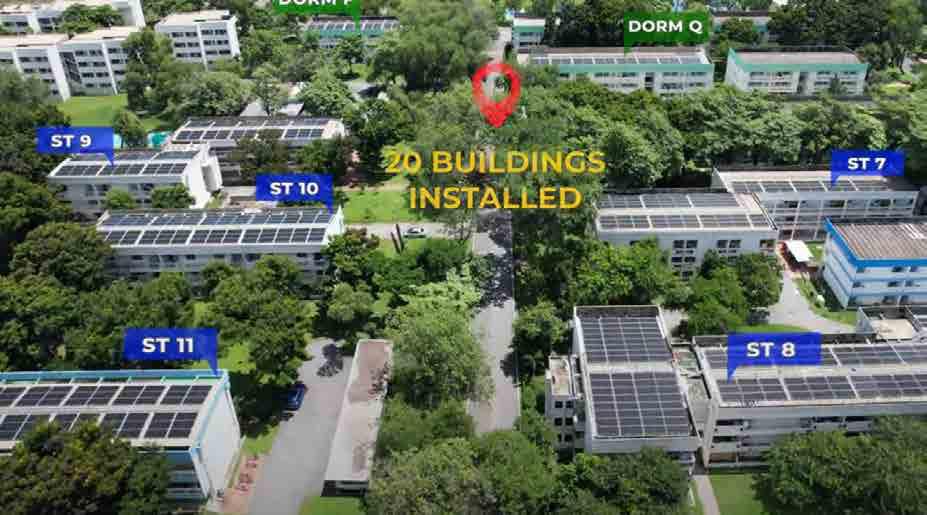
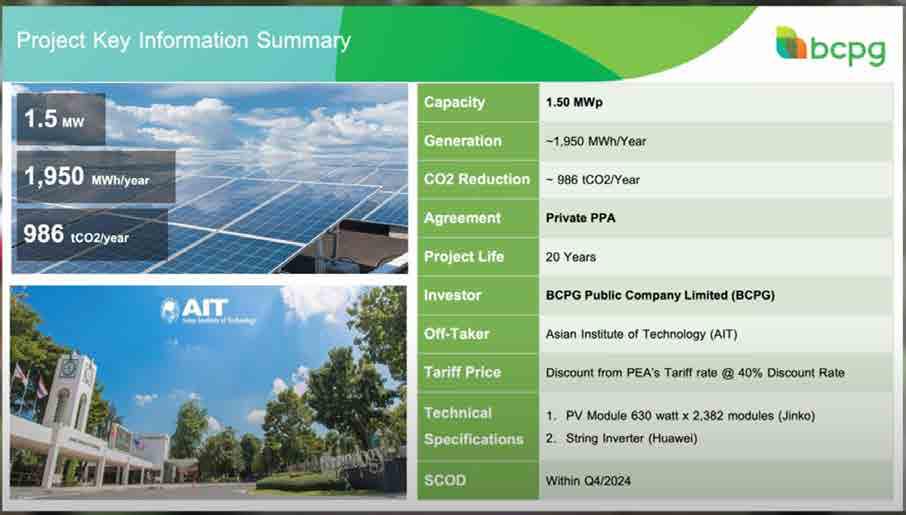
Launched on 20 August 2024 in partnership with BCPG Public Company Limited, the AIT Solar Rooftop Project is a landmark sustainability initiative with a total installed capacity of 1.5 MW, projected to generate 1.95 GWh of electricity per year and reduce carbon emissions by
973 tons annually. The project supports AIT’s target of achieving net zero emissions by 2030, aligning with
The actual impact of the solar rooftop installation is evident in the decreasing trend in monthly electricity consumption since its launch in August 2024:
From August to December 2024, AIT recorded an average monthly electricity consumption reduction of 11.68%, compared to the same months in 2023. The most substantial drop occurred in December with a 24.41% decrease, strongly indicating the positive effect of solar energy integration. The Solar Rooftop Project has already started yielding measurable energy savings within the first five months of operation. With further optimization and the upcoming 1.2 MW floating solar installation, AIT is well on track to achieve its energy goals.
• Substantially reduce reliance on grid electricity
• Lower operational carbon emissions
• Serve as a model for other academic institutions pursuing sustainable energy transitions
The project showcases the successful integration of renewable energy technologies in campus operations, directly contributing to climate action and clean energy goals.
� https://www.youtube.com/watch?v=1tdh3et7Tg&t=47s