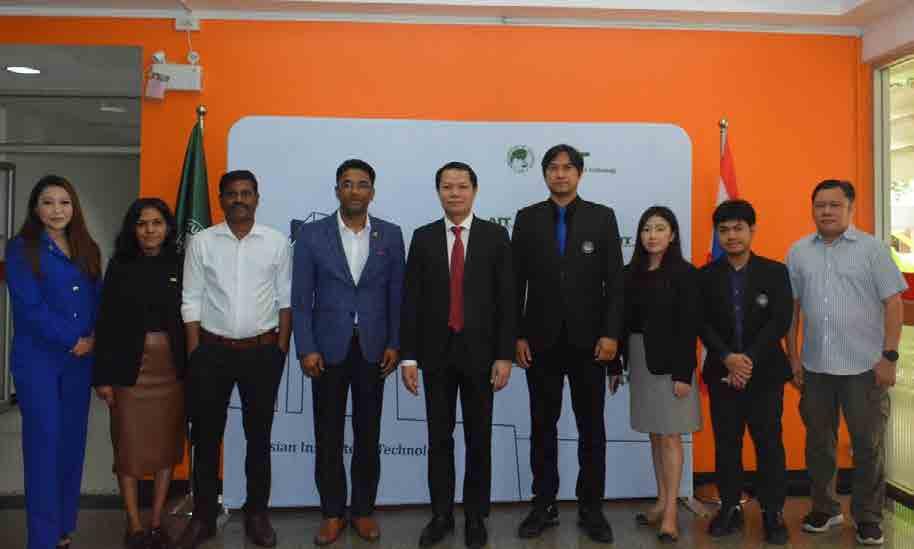
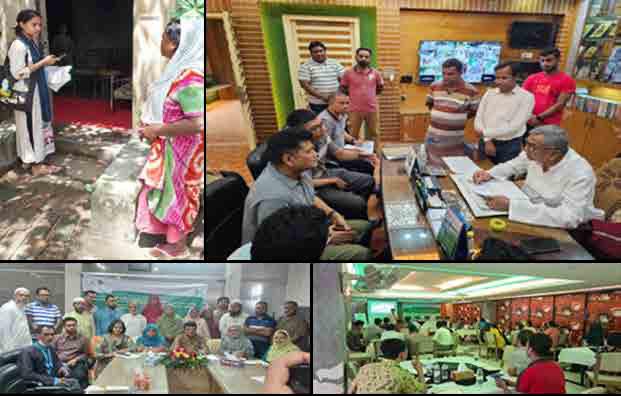
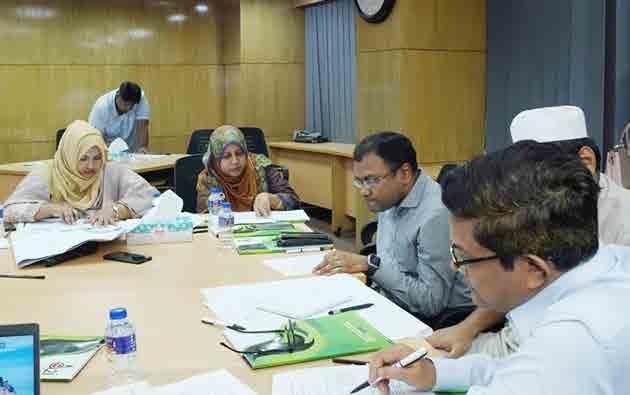
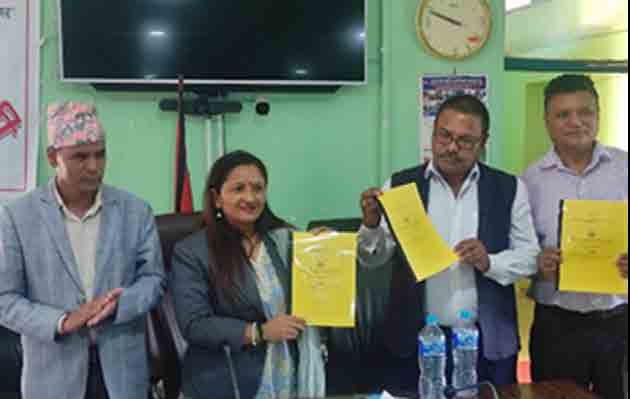
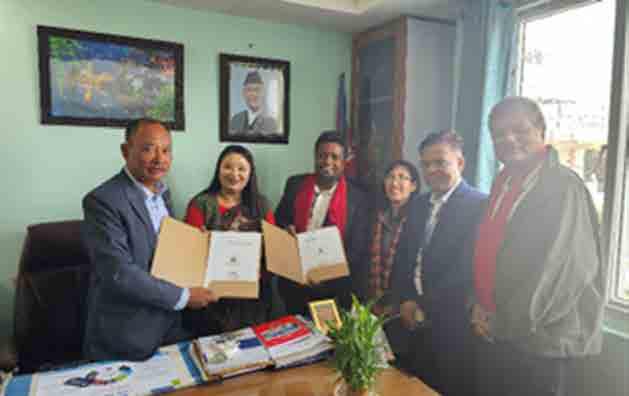
WOMEN IN PAKISTAN: KHYBER PAKHTUNKHWA’S YOUNG WOMEN TO RECEIVE SCHOLARSHIPS FOR MASTER’S DEGREE PROGRAM AT AIT
Description:
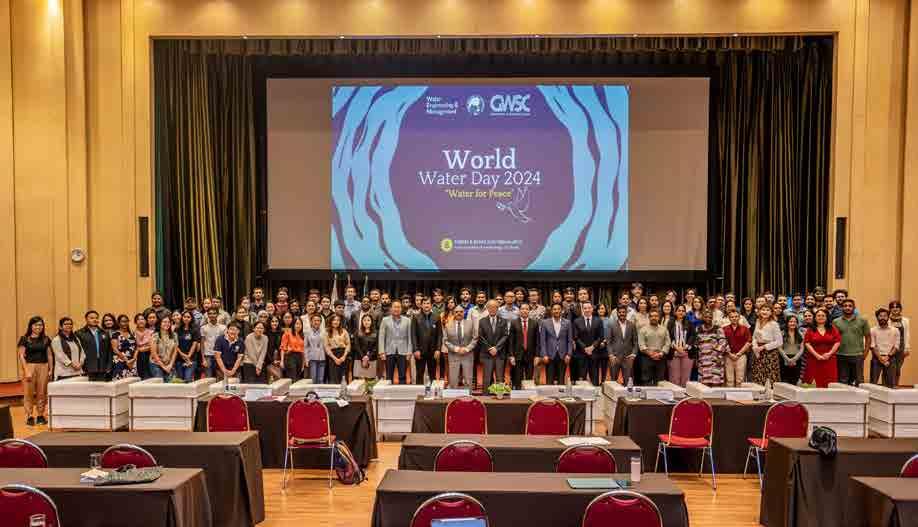
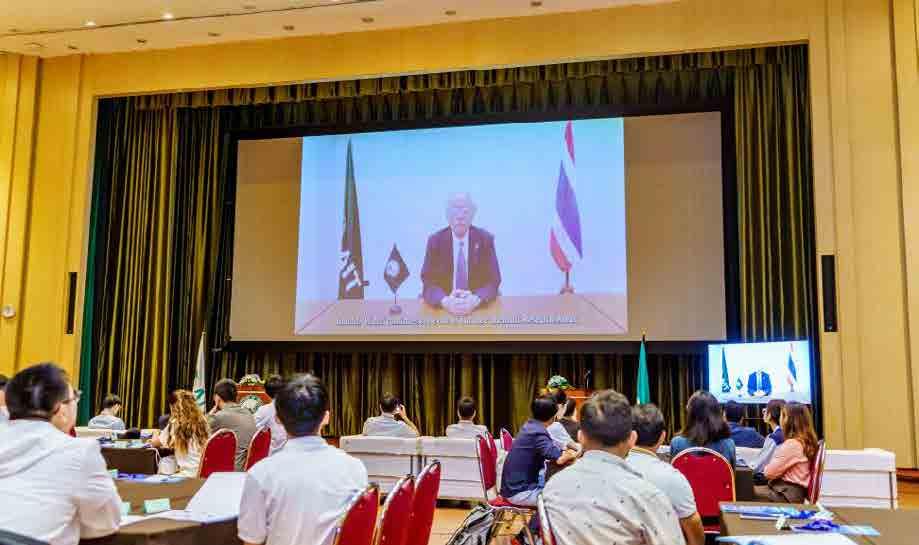
Asian Institute of Technology (AIT) proudly hosted the World Water Day 2024 celebration under the theme “Water for Peace.” The event, jointly organized by the Water Engineering and Management (WEM) Program of the School of Engineering and Technology (SET) and the Global Water and Sanitation Center (GWSC), aimed to foster dialogue, inspire action, and promote sustainable water management practices.
WOMEN IN PAKISTAN: KHYBER PAKHTUNKHWA’S YOUNG WOMEN TO RECEIVE SCHOLARSHIPS FOR MASTER’S DEGREE PROGRAM AT AIT
Description:
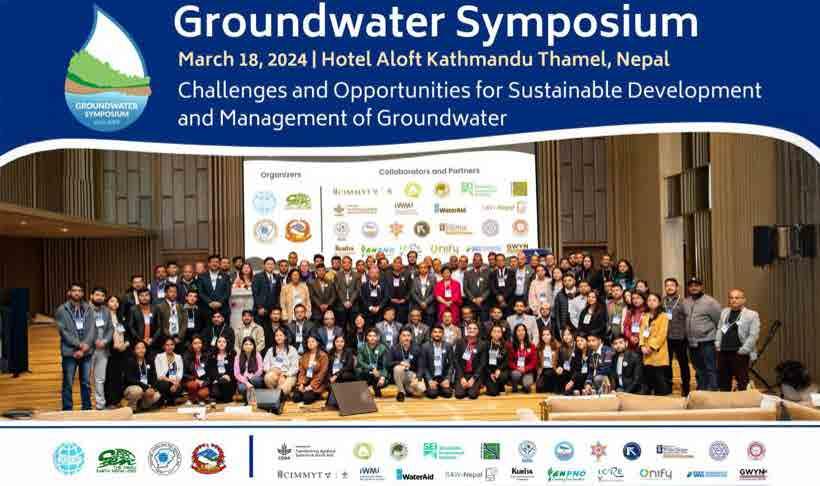
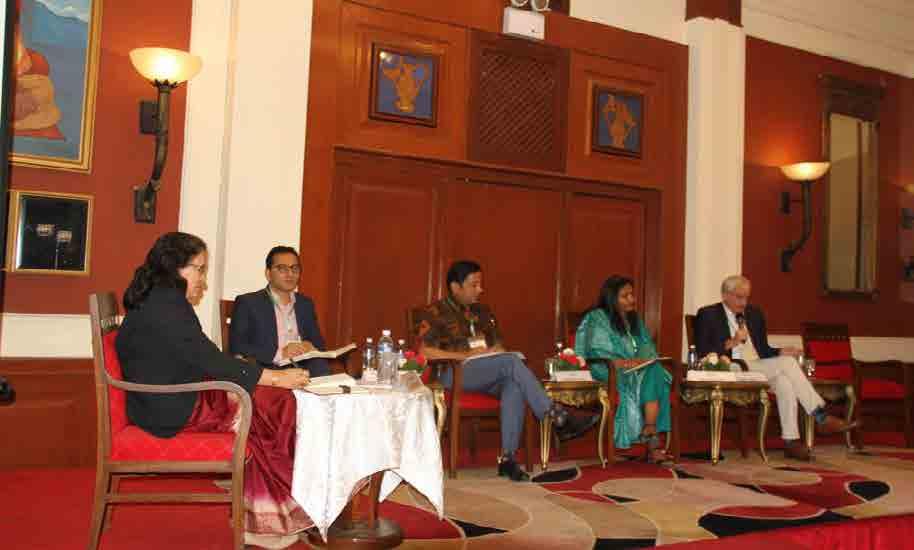
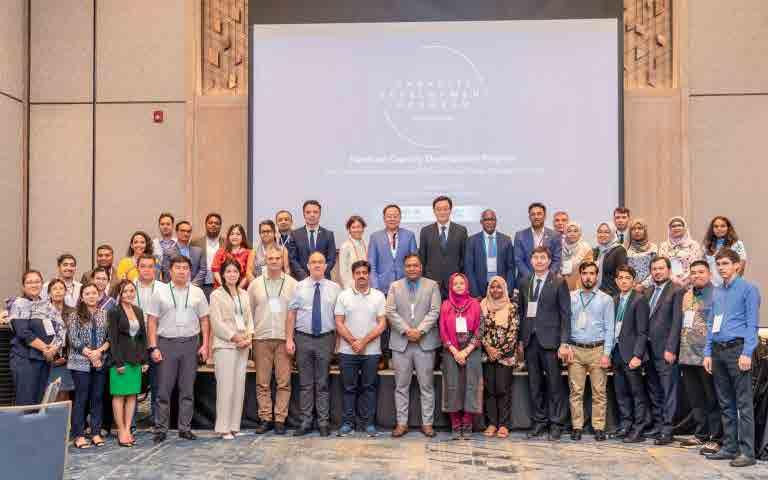
To address critical challenges in groundwater management, the Asian Institute of Technology’s School of Engineering and Technology (SET) collaborated with the Stockholm Environment Institute (SEI Asia Center), Sustainable Mekong Research Network (SUMERNET), and the Center of Research for Environment, Energy, and Water (CREEW) to host a special session at the 2024 Groundwater Symposium in Kathmandu, Nepal, on March 18.
MEKONG RIVER COMMISSION SECRETARIAT VISITS HYDROELECTRIC INFRASTRUCTURE PROJECTS AT AIT HYDRAULICS LABORATORY
Description:
The Mekong River Commission (MRC) Secretariat, led by the Chief Executive Officer, Anoulak Kittikhoun, visited the Hydraulics Laboratory of the AIT School of Engineering and Technology (SET). This visit, led by Dean Sangam Shrestha and Mohana Sundaram Shanmugam, Program Chair of Water and Engineering Management (WEM) aimed to present to Kittikhoun the crucial physical model projects pertinent to hydroelectric infrastructure within the Mekong River basin.
EMPOWERING WOMEN IN PAKISTAN: KHYBER PAKHTUNKHWA’S YOUNG WOMEN TO RECEIVE SCHOLARSHIPS FOR MASTER’S DEGREE PROGRAM AT AIT
Description:
As we mark World Water Day 2024 with the theme “Leveraging Water for Peace,” it’s a moment to recognize water’s crucial role in fostering harmony among communities. The Asian Institute of Technology (AIT) stands firmly behind this cause, spearheading various initiatives aimed at enhancing water security and sanitation. Through its focused centers and initiatives, AIT has been dedicated to ensuring access to clean water and sanitation, understanding their importance in promoting stability and well-being.
TRANSFER SEMINAR-CUM-WORKSHOP ON “CLIMATE- AND WATERINDUCED DISASTERS: FROM RISK TO RESILIENCE”
Description:
The Centre for Water and Climate Adaptation (CWCA) at the Asian Institute of Technology (AIT), in association with the Global Water and Climate Adaptation Centre (ABCDCentre), the Center for Water Resources Studies (CWRS) at the Tribhuvan University (TU) Nepal, the Department of Water Resources and Irrigation (DWRI) Nepal, and the International Water Management Institute (IWMI), successfully organized a 3-day transfer seminar-cum-workshop on ‘Climate and water-induced disasters: From risk to resilience’ on 30 April – 02 May 2024 in Kathmandu, Nepal.
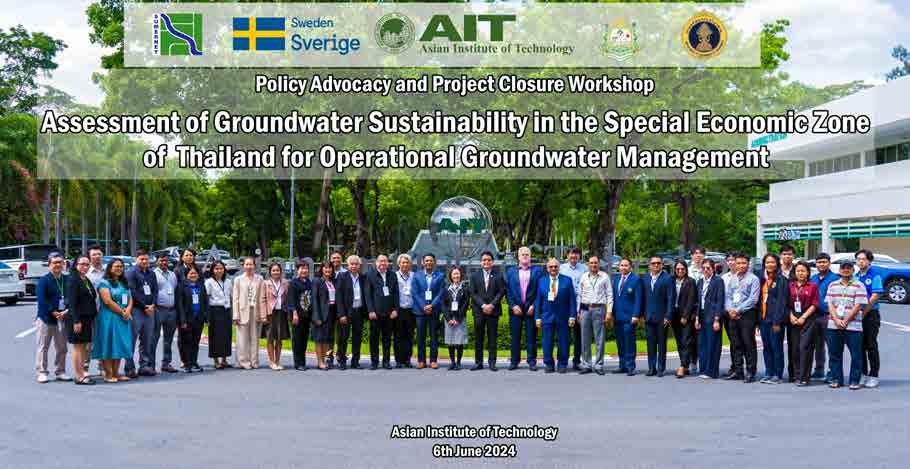
POLICY ADVOCACY AND PROJECT CLOSURE WORKSHOP ON GROUNDWATER SUSTAINABILITY IN THAILAND’S SPECIAL ECONOMIC ZONE
Description:
AIT hosted a workshop on groundwater sustainability in Thailand’s Special Economic Zone, focusing on policy recommendations and project outcomes. The event facilitated discussions among stakeholders to enhance groundwater management practices.
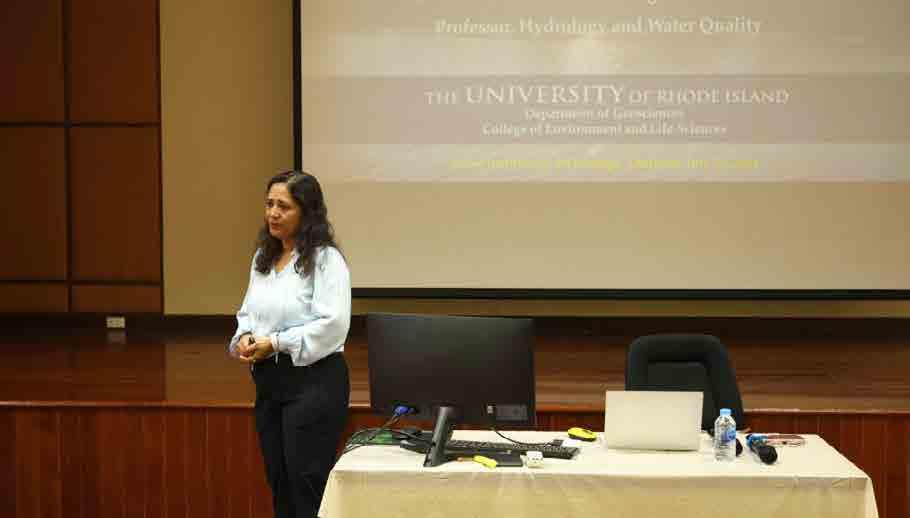
AIT WELCOMES SONI M. PRADHANANG FOR AN INSIGHTFUL SEMINAR AND COLLABORATIVE DISCUSSIONS
Description:
Soni M. Pradhanang from the University of Rhode Island delivered a seminar at AIT on watershed contributions to coastal environments. She emphasized the interdisciplinary approach needed to address water quality issues and announced three PhD openings related to nature-based solutions. The seminar fostered discussions on potential collaborations between AIT and her university.
INTERNATIONAL LEADERSHIP TRAINING PROGRAM FOR LANCANGMEKONG RIVER YOUNG PROFESSIONALS IN WATER SCIENCES’
Description:
AIT and Hohai University co-hosted the “2024 International Leadership Training Program for Lancang-Mekong River Young Professionals in Water Sciences” from June 30 to July 3, 2024. The program focused on sustaining water resources and ecosystems, bringing together young professionals to address critical challenges in the LancangMekong River region through collaboration and knowledge exchange.
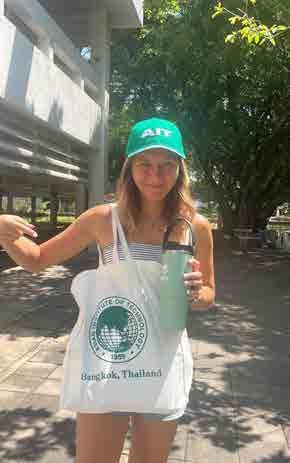
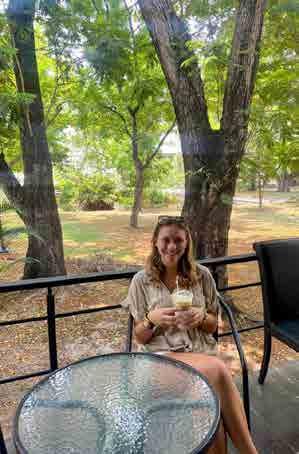
Emilie Badert, an exchange student from Université Côte d’Azur, shared her transformative experience at the Asian Institute of Technology (AIT) in Thailand from January to August 2024. Immersed in the Water Engineering and Management program, she engaged in hands-on projects, learning about sustainable water resource management and hydrological modeling. Emilie cherished the multicultural environment, made lasting friendships, and explored Thai culture through various adventures, including cooking classes, the Songkran festival, and visits to natural and historical sites. The experience significantly enhanced her academic and personal growth.
STRENGTHENING GROUNDWATER SUSTAINABILITY: AIT’S PARTICIPATION IN THAILAND GROUNDWATER SYMPOSIUM 2024
Description:
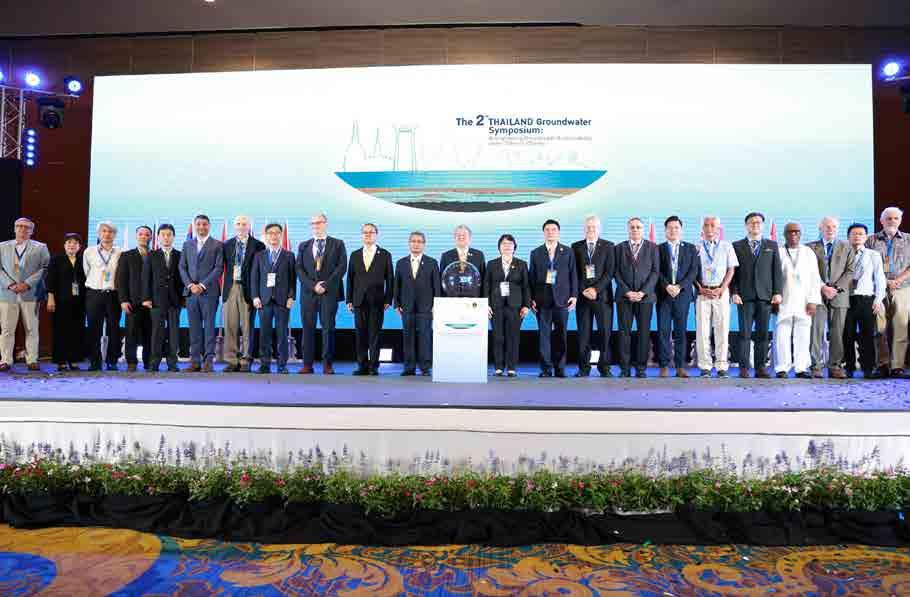
From August 19-23, 2024, AIT participated in the Second Thailand Groundwater Symposium, focusing on “Strengthening Groundwater Sustainability under Climate Change.” The event featured keynote presentations and discussions from global experts, including AIT’s Mukand Singh Babel. AIT representatives shared insights on groundwater management and sustainability projects, enhancing collaboration on critical water resource issues. The symposium concluded with an excursion to observe successful groundwater management practices in Phetchaburi and Prachuap Khiri Khan provinces.
AIT WELCOMES SONI M. PRADHANANG FOR AN INSIGHTFUL SEMINAR AND COLLABORATIVE DISCUSSIONS
Description:
From 10 to 12 September 2024, the AIT Global Water & Sanitation Center (GWSC) conducted a three-day capacity development program in partnership with the Islamic Development Bank (IsDB). It brought together 20 representatives from 10 IsDB member countries to enhance expertise in the sanitation sector, focusing on Citywide Inclusive Sanitation (CWIS), Faecal Sludge Management (FSM), and advanced sanitation technologies.
AIT President Pai-Chi Li emphasized the institute’s commitment to sustainable sanitation solutions aligned with SDG 6. Roshan Raj Shrestha from the Bill & Melinda Gates Foundation and Papa Abdoulaye SY from IsDB highlighted the importance of equitable sanitation services, particularly for marginalized communities.
Key learning objectives included understanding urban sanitation issues and integrating CWIS/FSM into project development. Participants engaged in hands-on activities, discussions, and a site visit to Bangkok’s sanitation agency, gaining practical insights into effective sanitation practices.
The program aimed to empower attendees to drive progress in the sanitation sector, addressing the needs of underserved populations.
CHINA-THAI SEMINAR ON CUTTING-EDGE URBAN BLACK ODOROUS RIVER SOLUTIONS
Description:
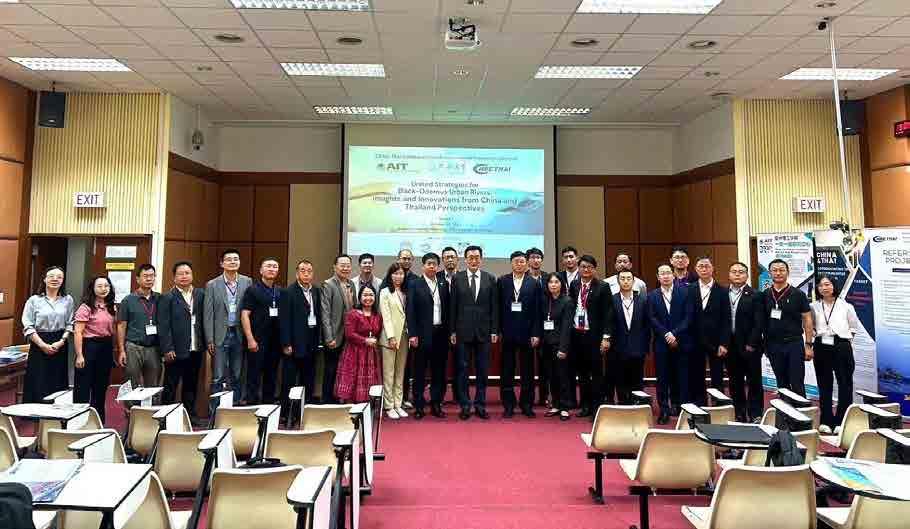
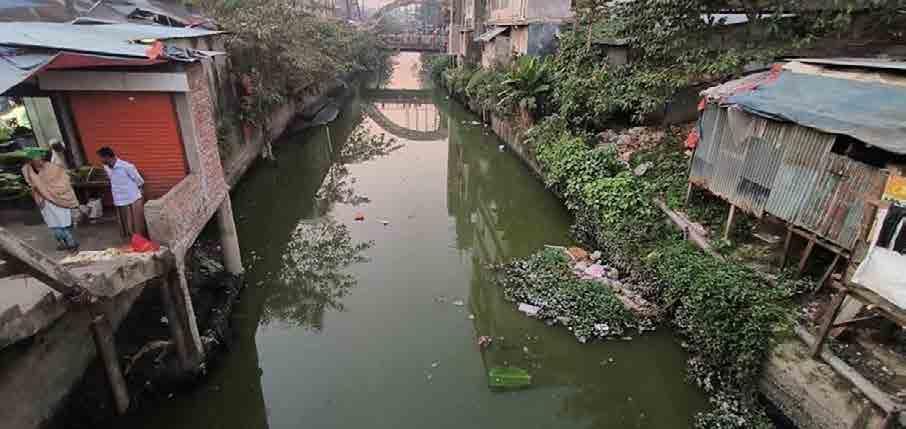
On October 25, 2024, AIT’s Belt and Road Research Center hosted the inaugural China-Thai Seminar on “United Strategies for Black-Odorous Urban Rivers.” The seminar focused on addressing urban water pollution and featured discussions on strategies from both China and Thailand. Key presentations included approaches to pollution control, sediment dredging, and community engagement in water management. The event emphasized collaboration between experts and policymakers to enhance environmental solutions and marked the beginning of a seminar series aimed at strengthening bilateral cooperation on environmental protection.
VALIDATION AND CAPACITY-BUILDING WORKSHOP ON GROUNDWATER MANAGEMENT FRAMEWORK FOR CAMBODIA
Description:
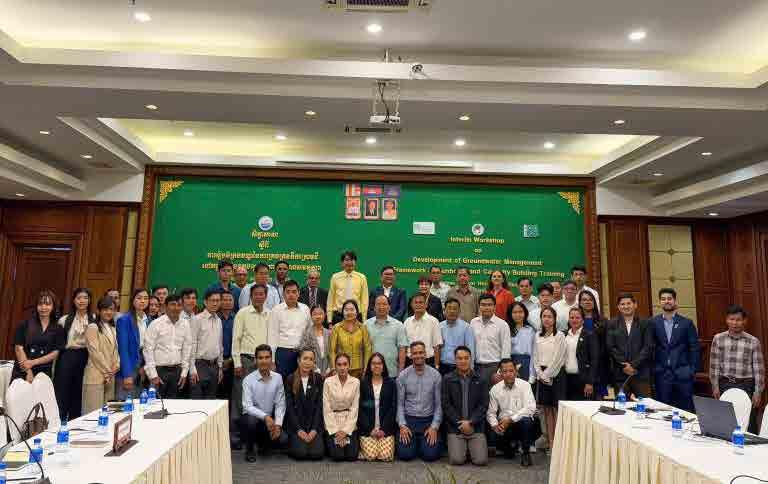
A two-day validation and capacity-building workshop on the “Development of Groundwater Management Framework for Cambodia” was concluded in Siem Reap, Cambodia, from November 19 to 20. The workshop is part of AIT’s “Strengthening Groundwater Governance and Management in Cambodia” project under the SUMERNET 4 All Program, funded by the Swedish International Development Cooperation Agency (SIDA). The event was jointly organized by the Asian Institute of Technology (AIT), the Stockholm Environment Institute (SEI)–Asia Center, the SUMERNET 4 All Programme, and the Department of Water Supply and Sanitation (DWSS) of the Ministry of Water Resources and Meteorology (MOWRAM), Cambodia.
CROSSING BORDERS, EXPANDING MINDS: A RESEARCH EXCHANGE FROM AIT TO ICTP – TRIESTE, ITALY
Description:
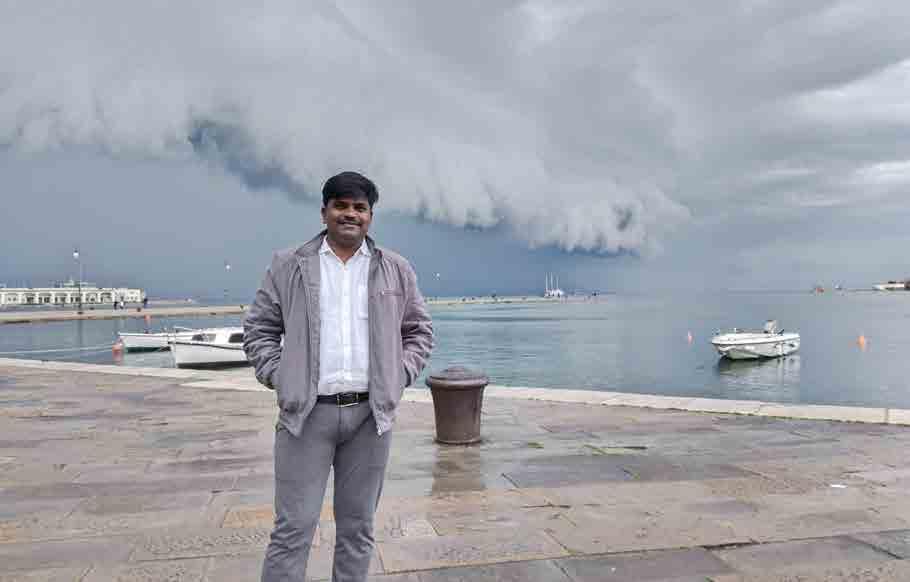
In June 2024, Mallappa J. Madolli, a doctoral student at AIT, participated in the “6th Workshop on Water Resources in Developing Countries” at the ICTP in Trieste, Italy. Funded by the ICTP and co-sponsored by UNESCO and the IAEA, the workshop focused on hydroclimate modeling and included hands-on sessions and presentations. Madolli presented his research on water resources, enhancing his knowledge and networking with international experts. The experience also allowed him to explore the cultural heritage of Trieste and Venice, contributing to his academic and personal growth. � https://ait.ac.th/2024/06/crossing-bordersexpanding-minds-a-research-exchange-from-ait-toictp-trieste-italy/
Projects:
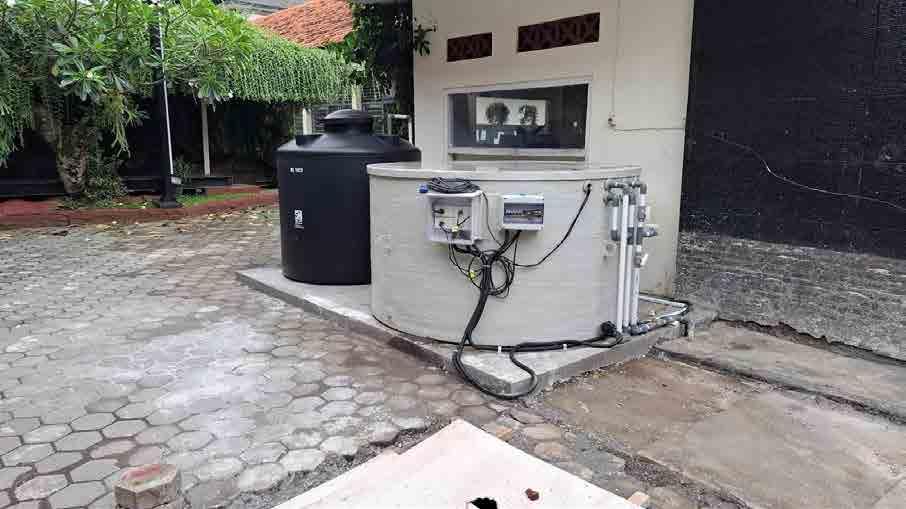
TRANSFORMATIVE SANITATION TECHNOLOGY DEMONSTRATION IN INDONESIA.
Project Duration: 2023 to 2029
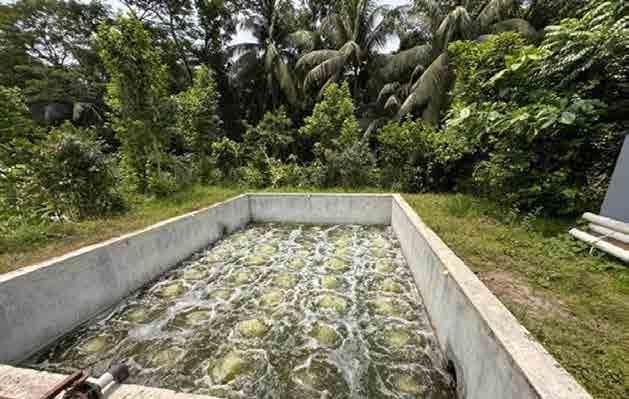
Description: GWSC-AIT is collaborating with the Bill & Melinda Gates Foundation, Pijar Foundation, and Tahir Foundation on a three-year project spanning Yogyakarta and Surakarta (Solo), Indonesia. This initiative aims to demonstrate the potential of innovative sanitation solutions, including Reinvented Toilet (RT) Technology and potentially distinct “Smart Sanitation” technology approaches in each city. In Surakarta, the implementation of Indonesia’s first reference project for RT Technology— aquaponics technology—follows a phased approach. The initial phase identified 5 key sites for installation out of 11 surveyed, chosen for visibility, impact, and sustainability. These diverse initial sites include a school, low-income housing, a water utility office building, a public toilet, and an urban park, showcasing the technology’s versatility. The Global Water & Sanitation Center at Asian Institute of Technology (AIT-GWSC) oversees the implementation across the project. Furthermore, in Yogyakarta, the
project plans include the installation of RT Technology–Aquaponics systems in 5 strategic locations based on 15 prospects, poten,;tially focusing on improving school sanitation.
Aquonic systems - BMGF, Pijar Foundation and Tahir Foundation collaboration on a three-year project in Yogyakarta and Solo, Indonesia
In Bangladesh, the Local Government Division (LGD) under the Ministry of Local Government, Rural Development, and Cooperatives has set off a flagship data unifying program, “Strengthening of Public Data Systems for Sanitation in Bangladesh (SPDSSB).” The program is being executed by the Department of Public Health Engineering (DPHE) and managed by the Global Water & Sanitation Center at the Asian Institute of Technology (AIT-GWSC) in collaboration with national and international data partners. This initiative aims to integrate public data systems at both sub-national and national levels, creating a unified ecosystem to catalyze Sustainable Development Goals (SDG) 6.2 outcomes. This public data system integration will facilitate a seamless flow of data and information, essential for effective sanitation service delivery.
In Nepal, the Integrated Municipal Information System (IMIS) is being implemented in Birendranagar Municipality and upgraded in Mahalaxmi Municipality. The specific data collected through IMIS will also be integrated into
the national NWASH Management Information System. This effort is being carried out in collaboration with the municipality offices, the Department of Water Supply and Sewerage Management (DWSSM), and UN-Habitat, with the aim of strengthening the public data system and promoting data-driven monitoring and planning. These initiatives would enhance functions related to investment shaping, planning, sustainable management, and monitoring & evaluation of safe sanitation systems in Bangladesh and Nepal, with potential for replicability in other countries in the region.
Launch of Open-Source Integrated Municipal Information System (IMIS) (8 February 2025): IMIS is now publicly available to empower local governments with data-driven decision-making, advancing Citywide Inclusive Sanitation (CWIS) and urban service management. This milestone marks the beginning of a collaborative journey toward more efficient, inclusive, and sustainable cities.
Explore IMIS: � https://imis.gwsc.ait.ac.th
TRIPURA URBAN AND TOURISM DEVELOPMENT PROJECT IN INDIA
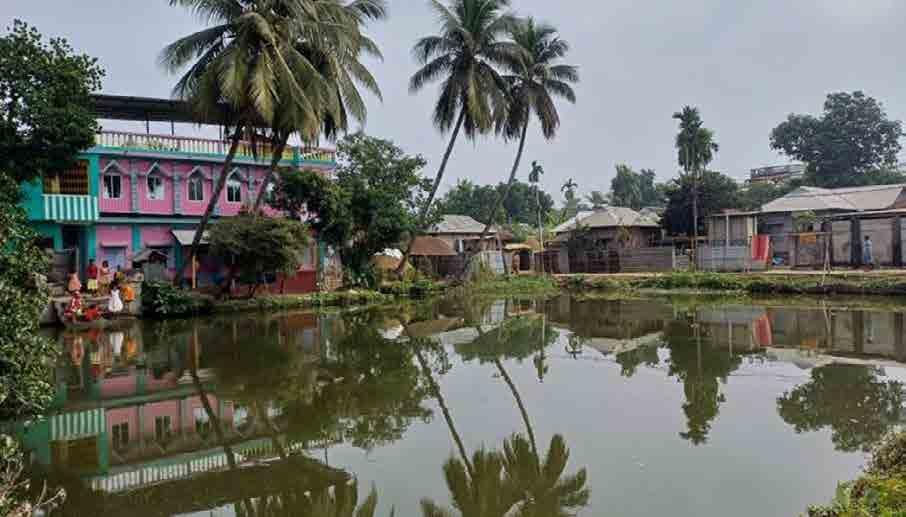
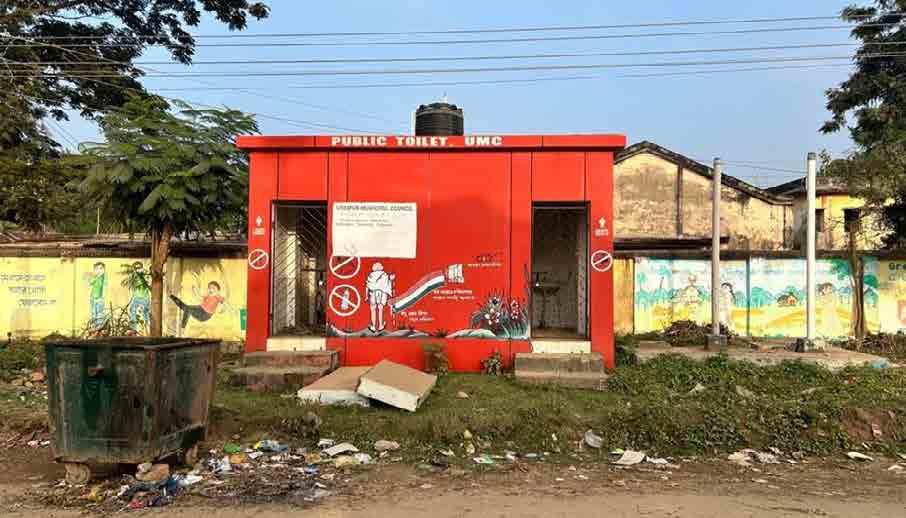
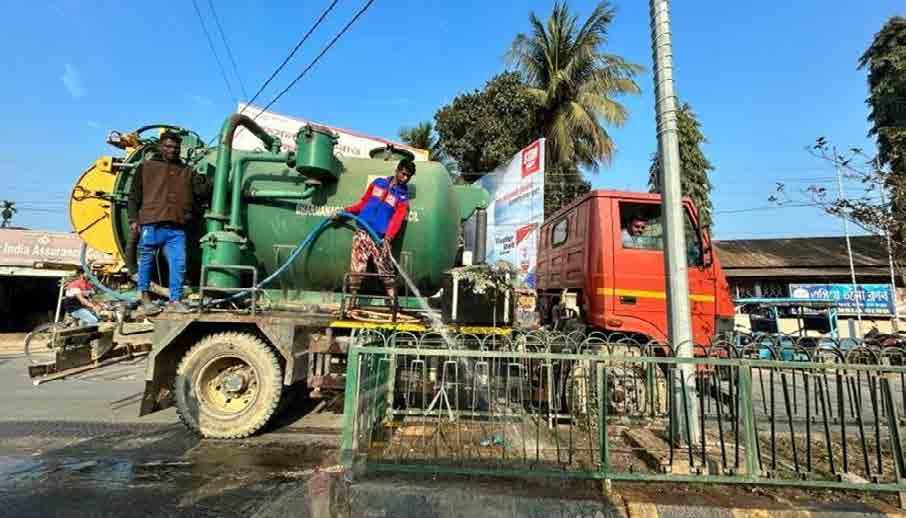
Description: The Asian Development Bank (ADB) is providing a loan to India for the Tripura Urban and Tourism Development Project. This project aims to improve essential services and infrastructure in selected towns within Tripura state. One area of focus is improving urban water supply and sanitation systems. The GWSC is conducting feasibility studies in Dharmanagar, Udaipur, and Bishramganj. These studies will assess the potential for developing a city-wide inclusive sanitation (CWIS) package for each town. Notably, the sanitation improvements in Bishramganj will consider the concept of urban-rural convergence. The feasibility studies include reviewing
existing sanitation situations, planned infrastructure, and services in the mentioned towns. Conducting a spatial analysis aligned with CWIS principles to assess feasible sanitation solutions. Explore the potential of incorporating innovative sanitation technologies. The study also aims to provide recommendations and solutions to enhance the current sanitation situation.
In Tripura, groundwater contains a higher level of iron. Therefore, most of the surface water sources in Tripura have iron contamination.
FAECAL SLUDGE MANAGEMENT (FSM) AND GREYWATER MANAGEMENT (GWM) PROJECT IN SEVEN BANGLADESHI TOWNS
Project Duration: 8 months, 2023-2024
Description:
In the FSM and GWM Project, GWSC has conducted NSS planning, encompassing a comprehensive analysis of demographics, waste generation, service coverage, infrastructure design, treatment options, costing, financing, and implementation. The Government of Bangladesh (GoB) is working on a project to improve sanitation in seven towns: Bhola, Faridpur, Jhalokathi, Kushtia, Magura, Narail, and Pirojpur. This “Seven Towns Project” is supported by technical advisors (TA) with the goal of implementing nonsewer sanitation (NSS) practices following the city-wide inclusive sanitation (CWIS) approach.
The project emphasizes critical review and analysis of available data and reports on NSS planning. This data will be used to assess demographics and quantify and characterize the generated fecal sludge and greywater in the targeted towns.
Furthermore, the project scope will assess the current service coverage and level for both fecal sludge and greywater management. Using the CWIS approach, the project will design infrastructure and investment plans specifically for NSS interventions. The scope also includes analyzing treatment options for fecal sludge and potential resource recovery options. An outline scheme design, cost estimates, and option comparisons for identified NSS interventions will be developed. This process includes outlining costs for capacity building, public awareness campaigns, and institutional/governance strengthening. The project will develop preliminary engineering designs for fecal sludge and greywater management. Financial and economic analyses will be conducted to assess the affordability and establish tariffs for the proposed NSS interventions, with a focus on project sustainability. Finally, the project will estimate the project’s capital expenditure (CAPEX) and operational expenditure (OPEX) for NSS, along with the development of an implementation plan.
Field Visit 7 towns in Bangladesh
CITYWIDE INCLUSIVE SANITATION INSTITUTIONAL DEVELOPMENT SYSTEMS PROJECT IN SIEM REAP
Project Duration: 2 years, 2022-2024
Description:
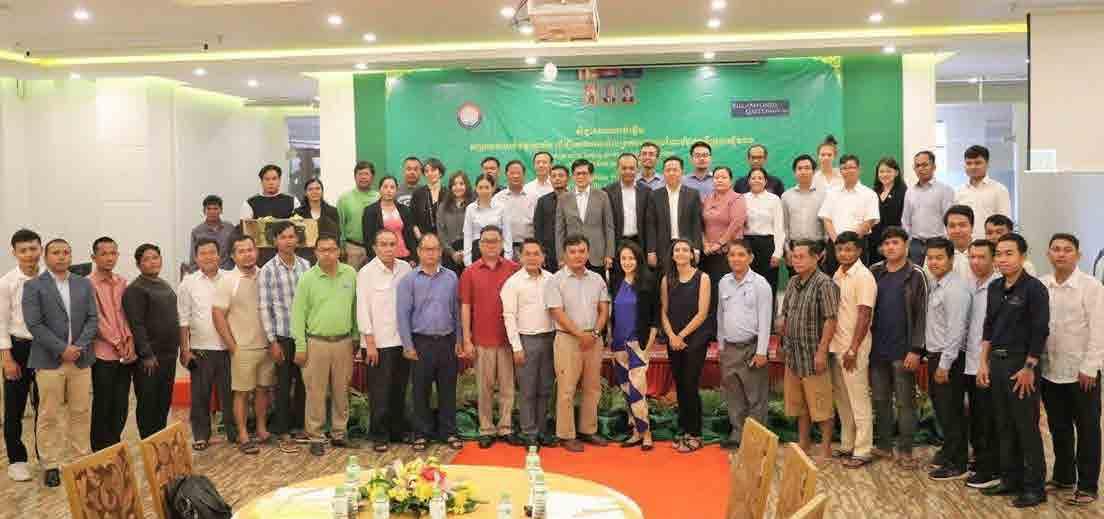
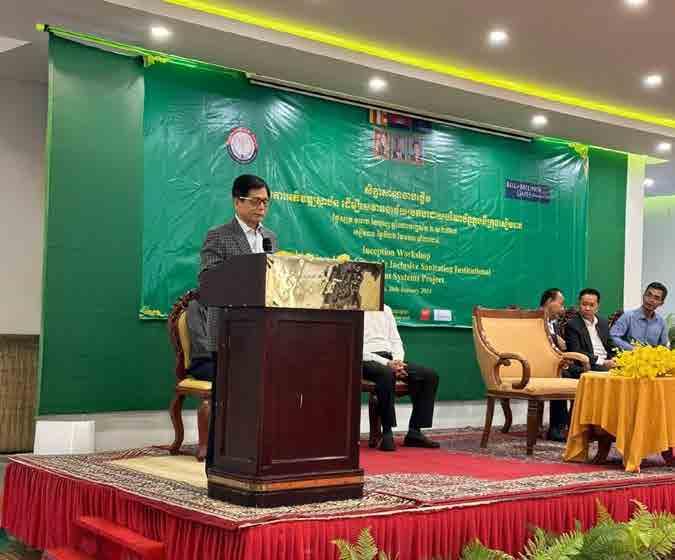
GWSC, as supported by the Bill and Melinda Gates Foundation, is to provide complimentary technical assistance support to the Royal Government of Cambodia with the World Bank’s for the Citywide Inclusive Sanitation Institutional Development Systems Project in Siem Reap. This project aims to develop performance-based contracts for sludge emptying contractors and provide capacity building and the creation of an integrated database system aligned with the Water Supply Authority (WSA), leading to more streamlined and effective sanitation service
monitoring for Siem Reap City. TA support components aim to establish a sustainable and integrated sanitation service in Siem Reap city by developing the capacity of Siem Reap Water Treatment Plant Utility (SR-SWTPU) and private desludging operators, leveraging billing collection efficiency, and improving information management through GIS mapping. Performance-based contracting, capacity building, and training of SR-SWTPU and private sector FSM service providers. Develop sanitation components within the SR-WSA customer database to integrate a combined billing system and sanitation management information system (MIS).
RAPID BASELINE STUDY WOMEN IN SANITATION ENTERPRISES (WISE) PROJECT IN BANGLADESH
Project Duration: 3 months (Apr 2024 – Jul 2024)
Description:
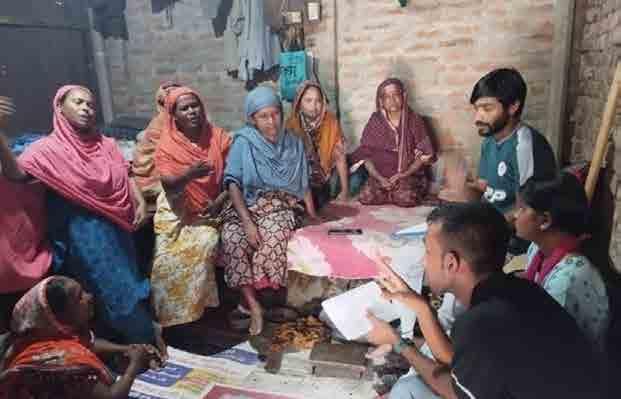
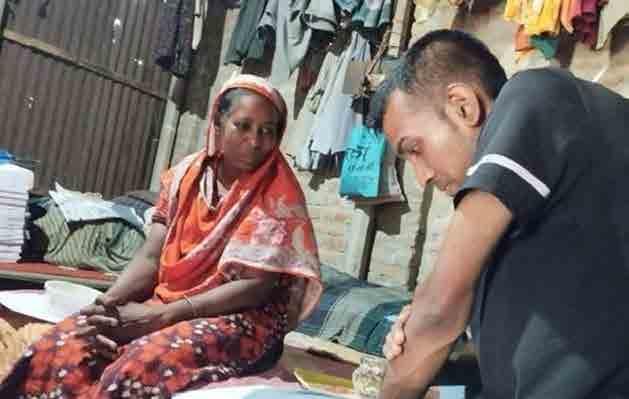
The Women in Sanitation Enterprises (WISE) project is a four-year initiative funded by the Women Entrepreneurs Finance Initiative (We-Fi) of the Islamic Development Bank (IsDB). It seeks to empower 500 women-led sanitation enterprises in Bangladesh by strengthening access to finance, enhancing business capabilities, and fostering a more supportive policy environment. In response to a request from IsDB, the Global Water & Sanitation Center (GWSC), together with its technical partner Water & Sanitation for the Urban Poor (WSUP), provided technical assistance to the Department of Public Health Engineering (DPHE), Bangladesh, to undertake a rapid baseline study.
This study was conducted across three diverse urban areas in Bangladesh, Dohar Paurashava, Cumilla City Corporation, and Lakshmipur Paurashava, to understand the current state of women-led sanitation businesses, as well as the challenges and opportunities they face. The findings revealed several systemic barriers, including limited access to affordable finance, weak market linkages, and persistent social norms that hinder women’s entrepreneurship. In addressing these challenges, the WISE project focuses on building capacity through tailored training, facilitating digital financial services, promoting climate-resilient business practices, and advocating for inclusive policy reforms.
Presentations by GWSC’s partners, GRET and Innovative Solutions, introducing the project’s framework and objectives.
STRENGTHENING PARTNERSHIPS FOR SUSTAINABLE URBAN WATER AND SANITATION COLLABORATIVE EVENT
Project Duration: Feb 2024
Description:
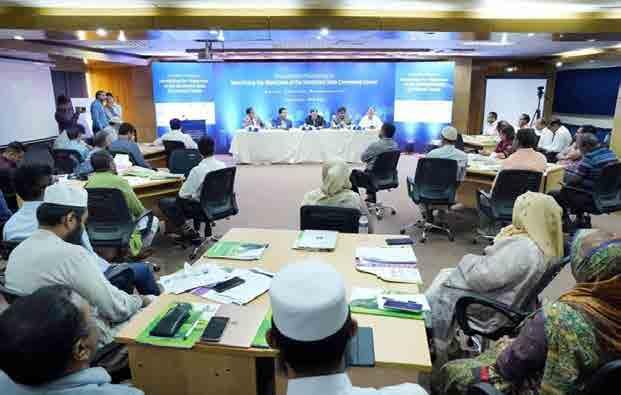
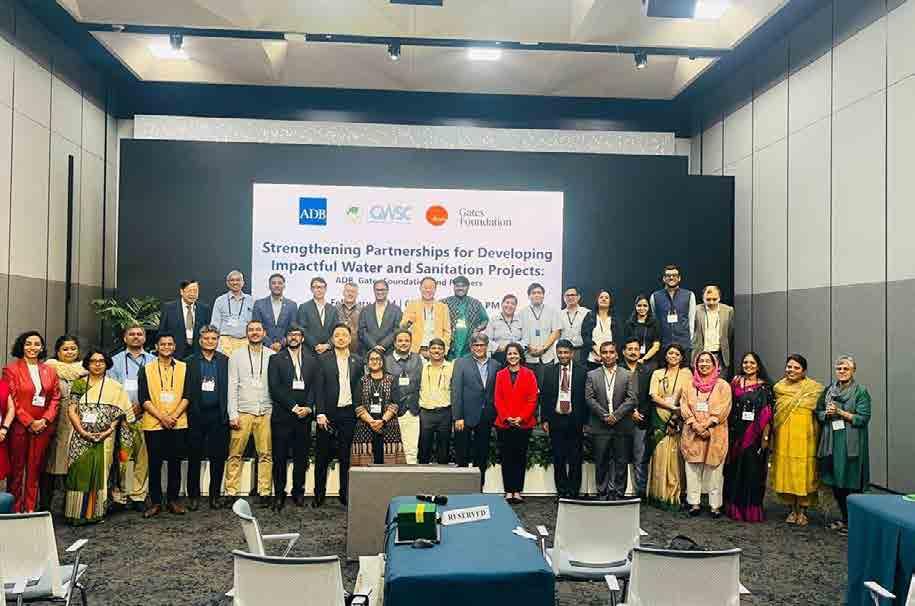
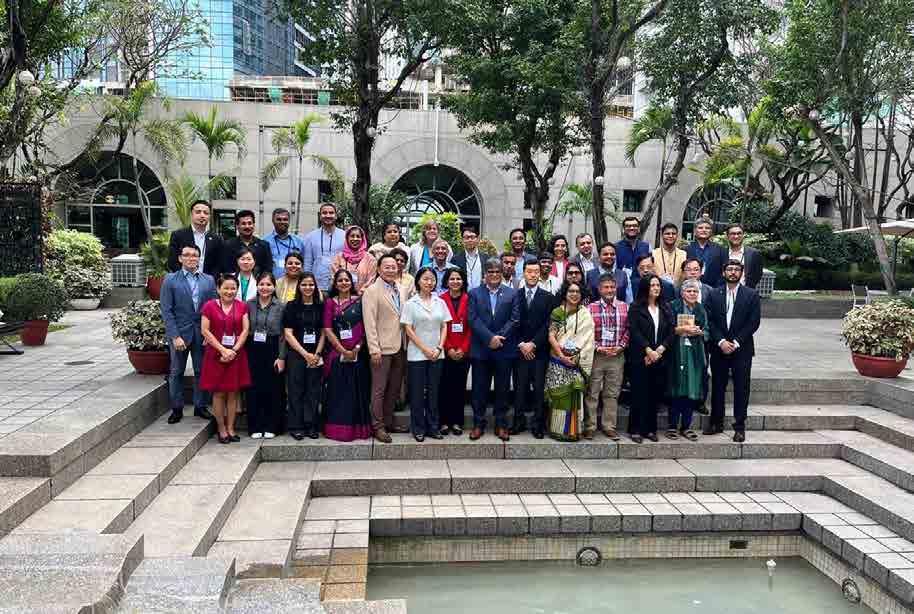
The Asian Development Bank (ADB), the Gates Foundation, the Global Water & Sanitation Center at the Asian Institute of Technology (GWSC-AIT), and Dasra hosted a collaborative event at ADB Headquarters in Manila and online on 11-12th February 2024. The event aimed to strengthen partnerships and collaboration among Gates Foundation partners, experts, and ADB colleagues to advance sustainable and inclusive water
and sanitation projects. Key aspects of the event included discussions on technical assistance, digital systems (IMIS and DPI), capacity building, civil society engagement, best practices, knowledge management, and ADB’s investment strategies. A follow-up meeting between ADB and GWSC focused on developing a country-specific training program for enhancing sanitation systems across Asia, involving ADB Country Focal Points from multiple countries and the GWSC team.
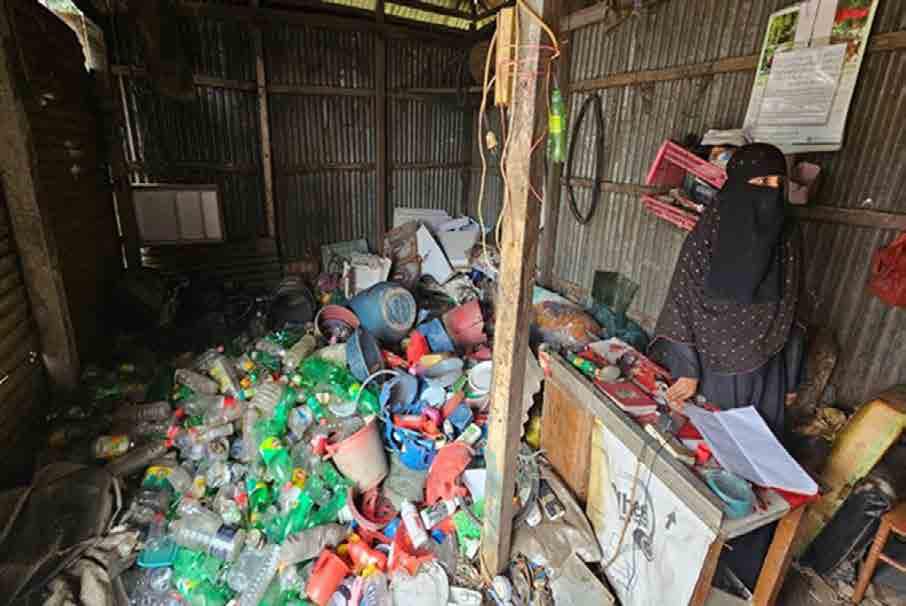
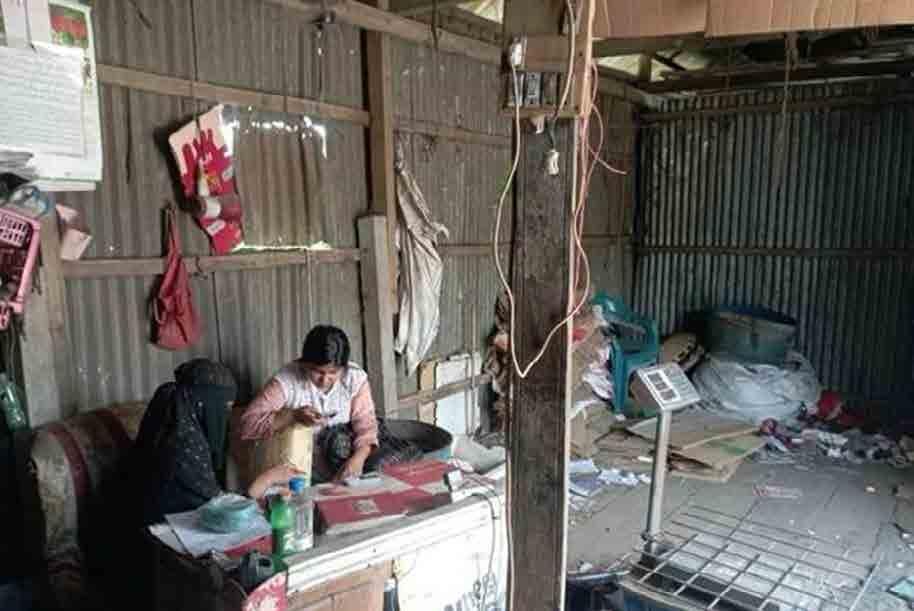
A women-led scrap business shop in Cumilla
ECOSYSTEM-BASED ADAPTATIONS FOR SUSTAINABLE GROUNDWATER RESOURCES MANAGEMENT IN THE TRANSBOUNDARY CAMBODIAVIETNAM MEKONG DELTA AQUIFER, LOWER MEKONG
AIT Research Theme: Climate Change
AIT Unit: SET-Water Engineering and Management
Project Duration: 01 June 2022 to 30 May 2025
Project Partner: CTU Can Tho University CCIHP - Center for Creative Initiatives in Health and Population ITC Institute of Technology of Cambodia
Project Sponsor/Client: Stockholm Environmental Institute (SEI)
Expected Social Impact: Project GEBA design and activities follow a highly multidisciplinary approach while simultaneously seeking the answers to (i) technical research questions: What is Spatio-temporal heterogeneity of groundwater storage of TCVA, one of the most important TBA in the region; (ii) social search question: rural studies on how to mitigate the water insecurity issues and improve the resilience of the local communities; and (iii) institutional research question: how to effectively mainstream EbA into relevant decision-making processes, plans, and policies to achieve the co-benefits in both social and environmental aspects, contributing to poverty reduction and gender and social equality in the Lower Mekong Region, focusing on Cambodia and Viet Nam. In addition, the three WPs are designed to facilitate truly multidisciplinary exchange and integration of different expertise domains, including (i) remote sensing, groundwater modeling, rural studies, and (iii) capacity building.
Description:
In essence, project GEBA targets the transformative changes in planning and decision-making processes in the management of TCVA, one of the most important Transboundary Aquifers (TBAs) in Asia. We do so by leveraging and mainstreaming EbA into plans, policies, and management practices in groundwater management
at local, sub-national, and transnational levels. The project team, henceforth, adopts a two-dimensional scaling approach, simultaneously targeting horizontal and vertical scaling. The horizontal scaling will be realized via objectives 1 and 2, in which we seek to (i) showcase the dual benefits of EbA in rendering the vulnerability of the TCVA-dependent communities in Cambodia and Viet Nam with respect to groundwater depletion and (ii) develop and analyze mechanisms for integrating EbA with groundwater management, focusing on the capacities of the marginalized group, including women, poor households, youth, and ethnic minorities. On the other hand, the vertical scaling will be materialized via objective 3, where we contribute policy recommendations to integrate EbA into regulations and policies across different sectors in Cambodia and Viet Nam that are issue-specific, science-based, gender-inclusive, and human rights-based. Three work packages (WP) are developed from the overall project approach, including WP1, integrated assessment of EbA and groundwater resources; WP2, development and analysis of mechanisms for integrating EbA and groundwater management with target stakeholders; and WP3, capacity building and advocacy based on impactful engagement and communication.
WATER SECURITY AND CLIMATE CHANGE CONFERENCE (WSCC2022): ADAPTATION FOR SUSTAINABLE AND RESILIENT DEVELOPMENT
AIT Research Theme: Climate Change
AIT Unit: Centre for Water and Climate Adaptation
Project Duration: 01 Oct 2023 to 31 Dec 2025
Project Sponsor/Client: DAAD through Technical University Braunschweig (TUB)
Expected Social Impact: The proceedings of the conference seek to strengthen and harmonize these synergies as a means to inform holistic and integrated solutions to combat the impacts of climate change. In doing so, it envisages covering the gamut of discourse spanning science, policy, and practice to improve the quality of life with a water- and climatesecure world.
Description:
The overarching objective of the conference is to proliferate the exchange of knowledge and practical know-how on the intrinsic relationship between water security and climate change, with a view to advancing fundamental and action research in this domain that will help humankind address one of the greatest challenges of our times. The key focus area of WSCC2022 is adaptation for sustainable and resilient development. The conference will be organized in a hybrid format, with a selected group of participants (chosen through an open call) invited to Bangkok, while the remaining join online. The conference will feature four categories of sessions: keynote sessions, partner sessions, technical sessions, and special sessions.
UTILIZATION OF SEWAGE SLUDGE FOR PRODUCING NOVEL SLUDGE BASED ADSORPTIVE MEDIA FOR TREATED WASTEWATER
AIT Research Theme: Global Water and Sanitation Center
AIT Unit: Global Water and Sanitation Center
Duration: 01 Sep 2022 to 31 Dec 2024
Project Partner:
1. Faculty of Engineering, Thammasat University, Thailand, led by Chongrak Polprasert.
2. Faculty of Engineering, Kasetsart University, Thailand, led by Pongsak Noopan.
3. Faculty of Science, Chulalongkorn University, Thailand, led by Sumeth Wongkiew.
Project Sponsor/Client: Utility Business Alliance Public Company Limited
Expected Social Impact: As this research is to find out appropriate technologies and techniques for utilization of the generated sewage sludge and reuse of the treated wastewater, the findings of this research would provide the BMA with technical and technological information to sustainably manage the generated sludge as well as treated wastewater in the Bangkok and nearby areas. The reuse of the treated wastewater for activities, such as cleaning, gardening, and flushing toilets in private companies, would also help reduce the negative impacts of freshwater scarcity during the seawater intrusion periods in the BMA areas.
Description:
The Nong Kham Wastewater Treatment Plants (WWTP) of the Bangkok Metropolitan Administration (BMA) have been operated by the Utility Business Alliance Public Company Limited, Thailand (UBA), to receive and treat municipal wastewater from Bangkok and nearby areas. The WWTP can effectively treat the wastewater, meeting the discharge standards but not complying with some reuse standards. Meanwhile, high amounts of sewage sludge have been generated by the WWTPs during the treatment processes. Since the BMA has planned to manage the treated wastewater as well as the generated sewage sludge properly and sustainably, the research team has prepared the research proposal towards reusing the generated sewage sludge to produce sludge-based adsorptive media for treatment and reclamation of the treated wastewater. This research was proposed to develop sludge-based adsorptive media suitable for removing organics and nutrients (e.g., nitrogen and phosphorus) as well as pathogenic organisms from the treated wastewater from the WWTP as possible as the treated wastewater quality can comply with the reuse standards. As a result, the UBA, as a WWTP operator, has approved a budget for the AIT to conduct the research study based on the proposal approved by the BMA committees in August 2022.
DIGITAL BELT AND ROAD INTERNATIONAL CENTER OF EXCELLENCE-
BANGKOK,
NATIONAL RESEARCH COUNCIL OF THAILAND
AIT Research Theme: Food-Energy-Water
AIT Unit: Global Water and Sanitation Center Project
Duration: 01 Nov 2022 to 31 Dec 2024
Project Partners: Digital Belt and Road International Center of Excellence-Bangkok, National Research Council of Thailand, International Research Center of Big Data for Sustainable Development Goals
Project Sponsor/Client: Digital Belt and Road International Center of Excellence-Bangkok, National Research Council of Thailand
Expected Social Impact: The proposed multiple activities on capacity building, R&D, and professional network building through utilizing Big Earth Data to support SDG research, monitoring, and reporting are expected to enhance the progress and quality of sustainable development in Thailand. These activities will eventually benefit the equity of the society and the sustainability of the environment by providing comprehensive development information, creating new environmentally friendly technology and enhancing the science-to-policy transformation.
Description:
The overall objective of this project is to consolidate the outputs and impact of DBAR ICoE-Bangkok and to explore the future direction for research and development towards sustainable development in Thailand. Main activities to be implemented include,
1. The aim is to strengthen national capacity in utilizing the CASEarth Data Platform to enhance SDG research, monitoring, and reporting.
2. The purpose of this study is to demonstrate the potential value and extension of technology innovation based on the critical development issues evaluated and identified by DBAR. A Case study on SDG 6
3. The goal is to deliver a series of national research-policy roundtables to identify the highest priority areas of research for selected SDGs that will have an immediate impact on national policy.
COMPENDIUM OF LESSONS LEARNED
AIT Research Theme: Technology, Policy and Society
AIT Unit: Global Water and Sanitation Center
Duration: 18 Nov 2022 to 31 Dec 2024
Project Partner: DUKE University; Center for WaSH-AID
Project Sponsor/Client: DUKE University
Expected Social Impact: This publication is expects to be the reliable and available manuscript which can be published on Gate Open Research Platform
Description:
The Asian Institute of Technology team works with Duke University and other project collaborators in the
preparation of a 15-30 page compendium of lessons learned from the field testing of transformative onsite sanitation technologies funded by the Bill & Melinda Gates Foundation. The compendium will be published on the Gates Open Research Platform and submitted at the end of this project. AIT will contribute concepts and narrative related to the experience of Koottatep’s lab, including the setting up of the Naturally Acceptable and Technological Sustainable (NATS) laboratory. The AIT team will contribute as co-authors to the compendium, defining its content and contributing material (narrative, figures, and pictures) to be used in the document.
APPROPRIATE MANAGEMENT SYSTEM AND POLICY BRIEF FOR
MANAGEMENT IN THAILAND
AIT Research Theme: Technology, Policy and Society
AIT Unit: Global Water and Sanitation Center
Duration: 04 Apr 2023 to 30 Apr 2025
Project Sponsor/Client: National Research Council of Thailand (NRCT)
Expected Social Impact: Appropriate fecal sludge management in Thailand
Description:
There are technical or knowledge limitations in fecal sludge management and unclear roles, duties, and enforcement
from both the central and local governments, which led to increased improper fecal sludge management in Thailand. Thus, this project focuses on a national fecal sludge management plan and a driving force development. The current situation and the problem of assessing suitability— technical, economic, social, and environmental possibilities in fecal sludge management will be identified. The goal is to create a national plan for fecal sludge management and establish guidelines for the Department of Health.
13 TH SOUTHEAST ASIA SUBREGIONAL COMMITTEE MEETING, PROPOSAL DEVELOPMENT TRAINING WORKSHOP
AIT Research Theme: Technology, Policy and Society
AIT Unit: Global Water and Sanitation Center
Duration: 01 Jan 2024 to 31 Dec 2024
Project Sponsor/Client: Asia-Pacific Network for Global Change Research (APN)
Expected Social Impact: Raise awareness about APN among early-career professionals; Increase their capacity to submit proposals to APN and compete in its call for proposals processes; Create opportunities for networking, finding research collaborators and building professional relationships; Enhance the participation of early-career professionals in regional research activities; and
Empower APN members and project leaders to share their knowledge of the APN proposal submission process.
Description:
The aim of the project is to organize the 13th Southeast Asia Subregional Committee Meeting, the Proposal Development Training Workshop, the Early-Career Professional Networking Session, and the Water Security Assessment Tool Training Workshop on May 22–26, 2023. We are expecting about 60 participants from several countries in Southeast Asia and South Asia.
INTEGRATED APPROACHES TO URBAN RIVER CORRIDOR MANAGEMENT EXPERIENCES FROM SOUTHEAST ASIA, 10 -17 OCTOBER 2023
AIT Research Theme: Food-Energy-Water
AIT Unit: AIT Extension
Duration: 10 Oct 2023 to 30 Mar 2024
Project Sponsor/Client: Asian Development Bank
Project Partner: Vietnam National University of Agriculture
Expected Social Impact: Participants will establish networks and partnerships with stakeholders from Southeast Asian countries, fostering ongoing collaboration, knowledge sharing, and support in river basin management initiatives.
Description:
River Basin Planning Corridor Management | IWRM | Water and Wastewater Management Environmental Management
Expected Social Impact: Participants will establish networks and partnerships with stakeholders from Southeast Asian countries, fostering ongoing collaboration, knowledge sharing, and support in river basin management initiatives.
PUMPING TECHNOLOGY FOR WATER SUPPLY DATED 15 TO 22 NOVEMBER, 2023 &
25
SEPTEMBER - 02 OCTOBER 2024
AIT Research Theme: Food-Energy-Water, Infrastructure
AIT Unit: AIT Extension
Duration: 15 Nov 2023 to 20 May 2024 & 25 Sep 2024 to 31 Mar 2025
Project Sponsor/Client: EBARA Hatekayama Memorial Fund (EHMF)
Expected Social Impact: Able to apply modern turbo pump technologies and to provide appropriate planning and design based on accurate engineering practices for optimum utilization of resources.
Description: A training and capacity building program
HIRING A CONSULTANT TO REVIEW THE MASTER PLAN OF BANGKOK’S SEWERAGE SYSTEM
AIT Research Theme: Climate Change
AIT Unit: Global Water and Sanitation Center
Duration: 26 Sep 2023 to 31 Aug 2025
Expected Social Impact: Appropriate sewerage system management in Bangkok
Description: Bangkok has been experiencing problems with water pollution for a long time. Even though the areas for wastewater treatment services have been clearly defined, it has been found that wastewater cannot be collected into a comprehensive treatment system. The project
aims to address the environmental policies set forth by the Governor of Bangkok. Thus, this project focuses on studying and reviewing the master plan of the sewerage system to be consistent with the changing urban conditions at present and in the future, guidelines for improving the sewage collection system to be able to utilize the plant for controlling water quality for maximum efficiency and considering using onsite wastewater treatment systems and cluster wastewater treatment systems in areas that do not yet have a central wastewater treatment system and dense communities.
TRANSFORMATIVE TECHNOLOGY COMMERCIALIZATION HUB
AIT Research Theme: Technology, Policy and Society
AIT Unit: Global Water and Sanitation Center
Duration: 05 Nov 2023 to 01 Nov 2026
Project Sponsor/Client: Bill & Melinda Gates Foundation
Project Partner: AWR Lloyd Thailand, UPM Germany
Expected Social Impact: The first outcome helps raise awareness and understanding of the benefits and challenges of Transformative Sanitation Technologies (TSTs) among the key stakeholders, such as policymakers, regulators, service providers, consumers, and civil society groups. This enables them to make informed decisions and take strategic actions to support the adoption and scaling of TSTs in their respective contexts.
The second outcome helps identify and address the market barriers and opportunities for TSTs in the focus countries, such as Indonesia. This procedure could involve conducting market assessments, developing market strategies, designing business models, creating value propositions, and establishing partnerships.
The third outcome helps demonstrate the feasibility and viability of Reinvented Toilet (RT) technologies in Indonesia, which is one of the TSTs that aim to provide safe and sustainable sanitation solutions for urban and peri-urban areas.
FUTURE-WATER
AIT Research Theme: Global Water and Sanitation Center
AIT Unit: Global Water and Sanitation Center
Duration: 01 Mar 2024 to 31 Aug 2024
Project Sponsor/Client: Future H2O-B Inc
Expected Social Impact: Appropriate sewerage system management in Bangkok
Description: Bangkok has been experiencing problems with water pollution for a long time. Even though the areas for wastewater treatment services have been clearly defined, it has been found that wastewater cannot be collected
Description:
To facilitate the promotion and adoption of reinvented sanitation technologies in Asia, GWSC established a Transformative Technology Commercialization Hub. It will manage the implementation of awareness raising, market development, and demonstration of reinvented sanitation technologies project packages. The hub will play a pivotal role in driving the project, and its foreseen functions and responsibilities, such as strategic support, project oversight, communication, and advocacy, will evolve in line with the project’s implementation.
Engaging with government officials, national and regional standard bodies, development financial institutions (DFI), and UN agencies, the projects allow the Hub to strategically guide government officials and development financial institutions in raising awareness and identifying the most suitable reinvented sanitation technologies for their specific needs. It offers insights on their integration into existing infrastructure. It connects the missing links between product manufacturing and standardization, regulatory adjustment (such as procurement), and sustainable operation and maintenance. In support of broader market assessment and action planning, the Hub oversees the execution of the ongoing projects, ensuring timely deliverables and quality results through continuous monitoring and evaluation of implementation.
into a comprehensive treatment system. The project aims to address the environmental policies set forth by the Governor of Bangkok. Thus, this project focuses on studying and reviewing the master plan of the sewerage system to be consistent with the changing urban conditions at present and in the future, guidelines for improving the sewage collection system to be able to utilize the plant for controlling water quality for maximum efficiency and considering using onsite wastewater treatment systems and cluster wastewater treatment systems in areas that do not yet have a central wastewater treatment system and dense communities.
TECHNO-ECONOMIC FEASIBILITY OF SEWAGE BASED ADSORPTIVE MEDIA AND WATER REUSE TECHNOLOGIES FOR POLISHING TREATED WASTEWATER IN BMA
AIT Research Theme: Food-Energy-Water
AIT Unit: Global Water and Sanitation Center
Duration: 01 Mar 202 to 31 Jul 2025
Project Sponsors/Clients: Joint Venture Gem Environmental Management Company Limited, Thailand (GEM) and Global Utilities Services Company Limited, Thailand (GUSCO)
Project Partner:
1. Faculty of Engineering, Thammasat University, Thailand
2. Faculty of Engineering, Kasetsart University, Thailand
3. Faculty of Science, Chulalongkorn University, Thailand
Expected Social Impact: As this research is to find out appropriate technologies and techniques for utilization of the generated sewage sludge and reuse of the treated wastewater, the findings of this research would provide the BMA with technical and technological information to sustainably manage the generated sludge as well as treated wastewater in the Bangkok and nearby areas. The reuse of the treated wastewater for the activities, e.g., cleaning and gardening, as well as private company activities such as flushing toilets, would also help reduce the negative impacts of freshwater scarcity during the seawater intrusion periods in the BMA areas.
Description:
The Chatuchak Wastewater Treatment Plant (WWTP) of the Bangkok Metropolitan Administration (BMA) has been operated by the Joint Venture GEM and GUSCO
to receive and treat municipal wastewater from Bangkok and nearby areas. The WWTP can effectively treat the wastewater, meeting the discharge standards but not complying with some reuse standards. Meanwhile, high amounts of sewage sludge have been generated by the WWTPs during the treatment processes. Previously, the research team conducted research on reusing the generated sewage sludge to develop a novel adsorptive media for treatment and reclamation of the treated wastewater. In the lab-scale experiment, the developed adsorptive media were effectively removing pathogens and nutrients in the wastewater, resulting in the quality of the treated wastewater meeting reuse standards. Hence, in order to further study the treatment performance and techno-economic feasibility of the application of adsorptive media in pilot-scale treatment units, the research team has prepared the research proposal entitled Techno-economic feasibility of sewage-based adsorptive media and water reuse technologies for polishing treated wastewater in Bangkok Metropolitan Administration. This research aims to study the technical and economic feasibility of the developed sewage sludge-based adsorptive media in pilot-scale vertical garden systems for treatment of nutrients (e.g., nitrogen and phosphorus) and pathogenic organisms in the wastewater from the WWTP. As a result, the joint venture GEM and GUSCO, as a WWTP operator, have approved a budget for the AIT to conduct the research according to the proposal that has been approved by the BMA committees since January 2024.
WATER, SANITATION AND HYGIENE ( WASH ) SECTOR IN SRI LANKA, 30 JUNE TO 09 JULY 2024
Duration: 30 Jun 2024 to 31 Dec 2024
Project Sponsor/Client: Palli Karma-Sahayak Foundation (PKSF)
Expected Social Impact: Able to apply modern turbo pump technologies and to provide appropriate planning and design based on accurate engineering practices for optimum utilization of resources.
Description:
Develop skills in behavior change communication for WASH, designing and implementing strategies for improved hygiene practices.
Learn about WASH market development and access strategies, understand market roles, and explore innovative approaches.
Address social and environmental safeguards, including gender issues, in WASH implementation, ensuring equity and sustainability.
Explore climate change adaptation strategies for WASH resilience, understanding impacts and learning adaptation measures.
DEVELOPMENT OF ENVIRONMENTAL MANAGEMENT AND CONSERVATION MEASURES OPTIMIZATION STRATEGY FOR THE VALUED FRESHWATER BODIES OF ASEAN COUNTRIES
AIT Research Theme: Food-Energy-Water
AIT Unit: Global Water and Sanitation Center
Duration: 31 Dec 2024 to 31 Dec 2026
Project Sponsor/Client: ASEAN-Russian Federation Dialogue Partnership Financial Fund (ARFDPFF)
Project Partner:
Lomonosov Moscow State University
Expected Social Impact:
1. Representatives of the ministries and authorities of ASEAN countries and Russia whose functions are Ministries of Natural Resources and Environment, Ministries of Agriculture, and Water Agencies and Departments will receive a typical solution for water management and monitoring, which they can implement for similar water bodies in their respective countries.
2. Scientists and specialists who will conduct investigations on the water reservoir will obtain actual and valued data about natural processes in the lakes of Southeast Asia.
3. Representatives of the ASEAN Secretariat to coordinate the work of the international community will get the international scientific group specialized in discovering the problems of lakes and reservoirs. In the future, the scientific group could serve as consultants on water pollution issues.
4. Local authorities who are interested in solving problems of freshwater demand
Description:
This project will work toward providing
1. Organization of a professional community consisting of representatives from businesses, government bodies, and science that are interested in raising the quality of water in valued freshwater bodies.
2. Conduct joint research by an international group of scientists and students to reveal best practices of water management and actual legislative regulations concerning water management, considering regional and national features.
3. Model investigation (on the examples of two lakes in Thailand) to reveal the main natural and man-made processes that cause water quality degradation in the water bodies, constructing databases and geographical information systems to aid in decision-making.
4. Development strategy of water management and implementation of best practices on the local level to harmonize intra-system relations between natural objects and population for a scientifically based approach to optimize conservation measures and farming applied to the freshwater bodies for all ASEAN member countries.
STRENGTHENING GROUNDWATER GOVERNANCE AND MANAGEMENT IN CAMBODIA
AIT Research Theme: Climate change
AIT Unit: Water Engineering and Management
Duration: 01 Jun 2024 to30 Jun 2025
Project Sponsor/Client: Stockholm Environment Institute (SEI)
Project Partner: Institute of Technology of Cambodia
Description:
This AGREEMENT regulates the services provided by SUBGRANTEE for the implementation of the SUMERNET
4 All Rapid Response Project Strengthening Groundwater Governance and Management in Cambodia. Groundwater and its governance hold significant importance in Cambodia, serving as a crucial water source that sustains diverse sectors, including agriculture, industry, and
domestic consumption. The effective management and governance of groundwater resources are indispensable to ensure sustainable access, prevent overexploitation, and address potential conflicts that may arise. Cambodia must establish robust frameworks for groundwater governance, encompassing aspects such as extraction management, license issuance, and robust monitoring of groundwater levels. By fostering active stakeholder participation, fortifying regulatory mechanisms, and enhancing capacities for monitoring and enforcement, Cambodia can effectively safeguard its groundwater resources, promote sustainable development, and mitigate conflicts arising from competing water demands. Sensible management of groundwater resources is vital not only for ensuring water security but also for preserving ecosystems and fostering
socioeconomic progress within the Mekong region. Accordingly, the proposed project aims to strengthen groundwater governance and management in Cambodia
through the development of a preliminary management framework and the enhancement of institutional capacity to successfully initiate and implement these plans.
DESIGN AND CONSTRUCTION OF CLIMATE RESILIENT WATER SUPPLY SCHEMES, 9-14 SEPTEMBER 2024
AIT Research Theme: Climate change, Infrastructure
AIT Unit: AIT Extension
Duration: 09 Sep 2024 to 30 Mar 2025
Project Sponsor/Client: Water Infrastructure Division under MoIT
Project Partner: Institute of Technology of Cambodia
Description:
Activities for the professional training course on “Design and construction of climate-resilient water supply schemes will include:
The course combines classroom theory lectures, case studies, and interaction with resource people. All sessions will focus on participative discussions geared towards enhancing participants’ technical and practical knowledge of technical and developmental issues.
SUSTAINING THE SHARED GROUNDWATER RESOURCES OF THE TRANSBOUNDARY CAMBODIA-VIETNAM MEKONG RIVER DELTA AQUIFER UNDER CLIMATE CHANGE IMPACTS THROUGH STR
AIT Research Theme: Food-Energy-Water
AIT Unit: Centre for Water and Climate Adaptation
Duration: 01 Jul 2024 to 31 Dec 2026
Project Sponsor/Client: Department of Foreign Affairs and Trade (DFAT) of Australia through SEI, Asia office Bangkok
Project Partner: Institute of Technology of Cambodia (ITC); Vietnam Womens Academy (VWA); Institute for Water Resources Engineering and Environment Technology (iWAT), Vietnam; and Ho Chi Minh City University of Technology (HCMUT), VNU-HCM
Expected Social Impact: Enhancement of water security and resilience for local communities in Cambodia and Vietnam, while also benefiting national and regional agencies involved in water and environmental management across the Mekong region.
Description:
The SAGA project will contribute to sustaining the shared groundwater resources of the transboundary Cambodia-Vietnam Mekong River Delta aquifer under climate change impacts through GEDSI tools and NbS with a transdisciplinary, gender-inclusive, and operational strategy to manage the shared groundwater resources sustainably and equitably between the two involved countries. This project is novel and will produce new knowledge, including (i) a contemporary assessment of natural and man-made impacts on the Cambodia-Vietnam Transboundary Aquifer (CV-TBA) and its dependent communities; (ii) curated lessons in developing and operationalizing Gender Equality, Disability, and Social Inclusion (GEDSI) tools for CV-TBA; and (iii) verified applicability of Nature-based Solutions to enhance management of the TBA.
HANDS-ON CAPACITY DEVELOPMENT PROGRAMME ON CITYWIDE INCLUSIVE SANITATION (CWIS) AND FAECAL SLUDGE MANAGEMENT (FSM)
AIT Research Theme: Food-Energy-Water
AIT Unit: Global Water and Sanitation Center
Duration: 01 Aug 2024 to 31 May 2025
Project Sponsor/Client: Islamic Development Bank (IsDB)
Expected Social Impact: Participants are equipped with knowledge of CWIS, FSM, inclusive sanitation services, infrastructure selection, and climate-resilient project components.
Description:
The Global Water and Sanitation Council (GWSC), in collaboration with the Islamic Development Bank (IsDB), is organizing a three-day capacity development program for executive agencies in the sanitation sector. This program will host 20 representatives from ten IsDB member countries in the Asian region and is scheduled to take place from September 10-12, 2024. The primary aim is to enhance participants’ understanding of Citywide Inclusive Sanitation (CWIS) and urban sanitation practices.
UNITED STRATEGIES FOR BLACK-ODOROUS URBAN RIVERS: INSIGHTS AND INNOVATIONS FROM CHINA AND THAILAND PERSPECTIVES
AIT Research Theme: Food-Energy-Water
AIT Unit: Belt and Road
Duration: 01 Oct 2024 to 30 Jun 2025
Project Sponsor/Client: Islamic Development Bank (IsDB)
Project Partner: Tongji University China Harbor Engineering Co., Ltd. (CHEC) (subsidiary of China Communications Construction Corporation (CCCC))
Expected Social Impact: By leveraging the combined expertise and experience of both China and Thailand, this seminar aspires not only to share the insights and innovations in mitigating the black odorous urban river problem but also to strengthen bilateral ties and promote the regional adoption of sustainable water pollution control practices.
Description:
The joint initiative, named the China-Thai Cooperation on Environmental Technology Seminar Series, aims to create a platform for knowledge exchange and collaboration between experts, policymakers, and stakeholders from both countries. Through a series of seminars, this program will showcase successful environmental technologies, foster collaborative strategies for addressing various environmental problems of public concern, and enhance the technical capabilities of environmental professionals in Thailand and China. Additionally, the initiative aims to raise public awareness about environmental issues and propel the region toward long-term environmental sustainability and well-being by promoting the adoption of sustainable practices for controlling water pollution.
ENHANCING THE SCIENCE-POLICY INTERFACE TO MANAGE MICROPLASTIC INFLUX FROM MAJOR CITIES INTO THE OCEANS IN SOUTHEAST ASIA
AIT Research Theme: Food-Energy-Water
AIT Unit: Environmental Engineering and Management
Duration: 01 Oct 2024 to 30 Sep 2026
Project Sponsor/Client: APN
Project Partner: Universitas Pertamina, Indonesia Ho Chi Minh City University of Industry and Trade, Vietnam
Expected Social Impact: The outputs of this project are expected to provide evidence-based policy recommendations for relevant stakeholders, including local governments and environmental management agencies, to formulate effective strategies for preventing marine plastic pollution. By filling the current knowledge gaps and informing policy decisions, this project aims to contribute to the sustainable management of microplastic pollution in urban aquatic systems in SEA and beyond.
Description:
This project aims to address the growing environmental threat of plastic debris and microplastics (MPs), particularly
in Southeast Asia (SEA), a global hotspot for plastic waste discharge into the ocean. Despite SEA’s significant role in plastic pollution, a major knowledge gap exists in understanding the complex interactions between landbased sources, aquatic pathways, and environmental sinks of MPs in urban coastal areas. The project aims to develop a comprehensive system model to quantify the influx of microplastics in urban aquatic systems across selected SEA cities. It seeks to answer key questions regarding the sources, pathways, and receptors of MPs and how this knowledge can inform better management and policy making. Key activities include reviewing existing research, formulating a source-pathway-receptor (SPR) framework, collecting field data, and engaging with stakeholders to ensure policy relevance. The project’s outcomes are expected to inform evidence-based strategies for preventing marine plastic pollution and supporting sustainable management efforts across SEA.
DIWAM PROJECT: FROM DROUGHT IMPACT TO WATER ADAPTATIONS IN THE UPPER MUN RIVER BASIN
AIT Research Theme: Climate change, • Food-EnergyWater, • Infrastructure, • Technology, Policy and Society
AIT Unit: Centre for Water and Climate Adaptation
Duration: 01 Aug 2024 to 31 Dec 2025
Project Sponsor/Client: Agence Française de Développement (AFD)
Project Partners: CIRAD (Centre de Coopération Internationale en Recherche Agronomique pour le Dévelopement) , and SEI (Stockholm Environment Institute)
Expected Social Impact: The DIWAM project aims to enhance resilience to drought impacts on agriculture in northeastern Thailand by improving water management practices and identifying adaptive strategies. Through a transdisciplinary approach, this project will generate new knowledge on the causes and effects of droughts, their impacts on local communities, and the effectiveness of different adaptation strategies, with a focus on water resource management and food sovereignty. Key objectives are 1) comparing model-based drought assessments with actual field impacts and exploring
consistencies and discrepancies. 2) Map involved/affected stakeholders and social structures (existing or desired) and 3) Identify constraints and opportunities for upscaling existing adaptations and for implementing innovative ones (water-related)
Description:
The DIWAM project aims to enhance resilience to drought impacts on agriculture in northeastern Thailand by improving water management practices and identifying adaptive strategies. Through a transdisciplinary approach, this project will generate new knowledge on the causes and effects of droughts, their impacts on local communities, and the effectiveness of different adaptation strategies, with a focus on water resource management and food sovereignty. Key objectives are 1) comparing model-based drought assessments with actual field impacts and exploring consistencies and discrepancies. 2) Map involved/affected stakeholders and social structures (existing or desired) and 3) Identify constraints and opportunities for upscaling existing adaptations and for implementing innovative ones (water-related)
TREATMENT PERFORMANCE TEST OF WASTEWATER TREATMENT TANKS AGAINST THE HIGH-EFFICIENCY PREFABRICATED SEPTIC TANK LABEL CRITERIA FOR THE FIBERTECH CO.
Project Partners: CIRAD (Centre de Coopération Internationale en Recherche Agronomique pour le Dévelopement) , and SEI (Stockholm Environment Institute)
Expected Social Impact:
1. Enhanced Public Health and Hygiene
2. Environmental Conservation
3. Increased Awareness and Adoption of Standards
4. Support for Sustainable Development Goals (SDGs)
5. Economic Benefits
6. Capacity Building and Knowledge Transfer
7. Promotion of Innovation in Local Industries
Collaboration with Fibertech Co., Ltd. may stimulate innovation in the wastewater treatment industry, leading to the development of more effective and affordable technologies tailored to local needs.
The Asian Institute of Technology (AIT) has demonstrated a steadfast commitment to Sustainable Development
This research has the potential to serve as a model for other regions aiming to improve wastewater management and sanitation, thereby contributing to healthier and more sustainable communities.
Description:
The objective of this project is to provide testing services, focusing on conducting a treatment performance test of prefabricated wastewater treatment tanks manufactured by Fibertech Co., Ltd. The test is conducted in accordance with the High-Efficiency Prefabricated Septic Tank Label Criteria as established by the Pollution Control Department (PCD) of Thailand. It will be carried out at the performance testing laboratory (AIT Testing Laboratory) under the Global Water and Sanitation Center (GWSC). Key tasks include the installation of the treatment tanks at the AIT testing site, systematic wastewater sampling, and comprehensive analysis to ensure adherence to established standards. The results will be compiled into a detailed report for the client, Fibertech Co., Ltd., to support their application for the High-Efficiency Prefabricated Septic Tank Label certification.
From 2021 to 2024, AIT achieved an 18.4% reduction in water usage, equating to a decrease of 8,884 m3 .This
Goal 6: Clean Water and Sanitation, through significant reductions in campus water consumption and strategic infrastructure enhancements.
consistent downward trend underscores the effectiveness of AIT’s water conservation initiatives. ADVANCING WATER CONSERVATION AT AIT: STRATEGIC INFRASTRUCTURE UPGRADES YIELD SIGNIFICANT REDUCTIONS IN CAMPUS WATER CONSUMPTION
Infrastructure
Improvements:
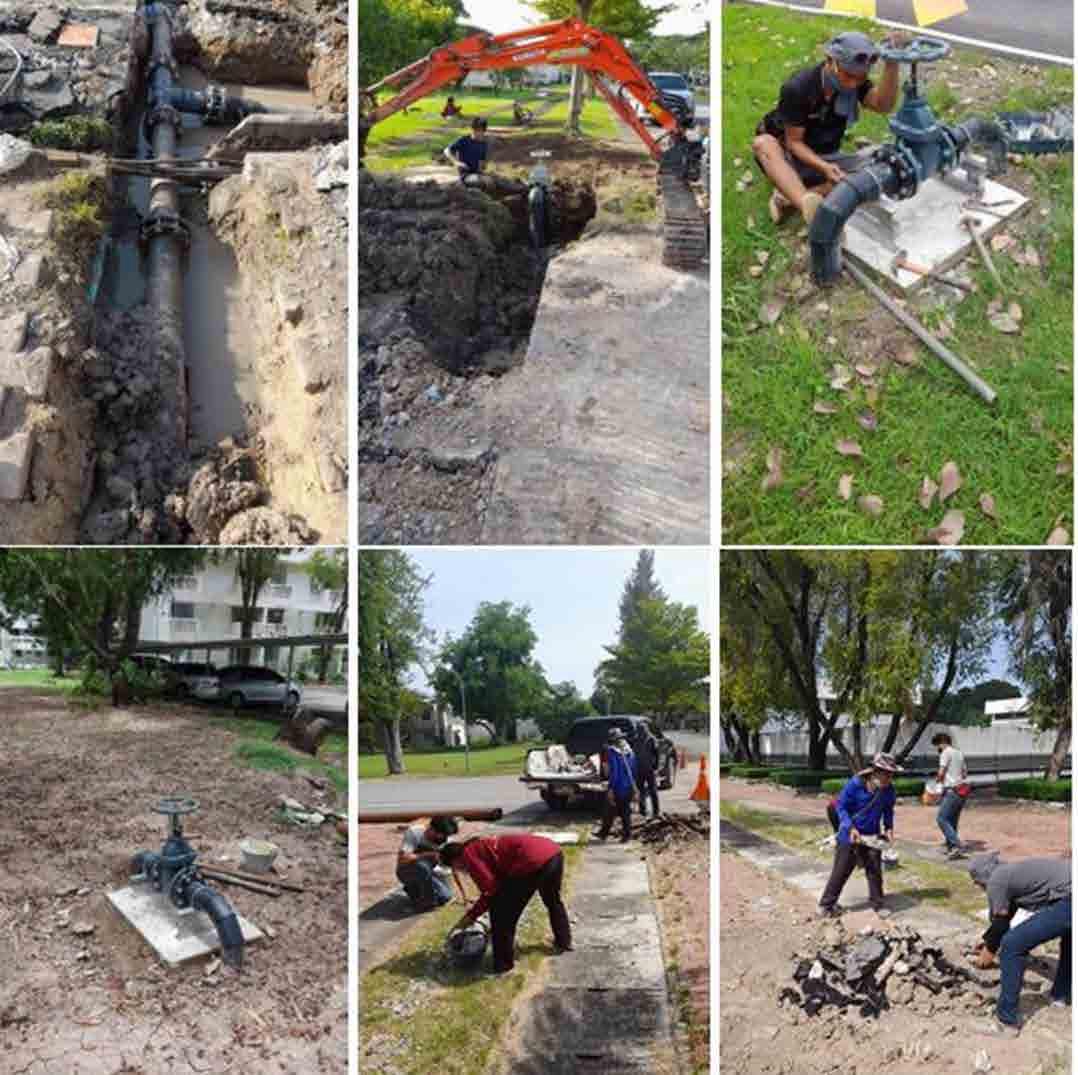
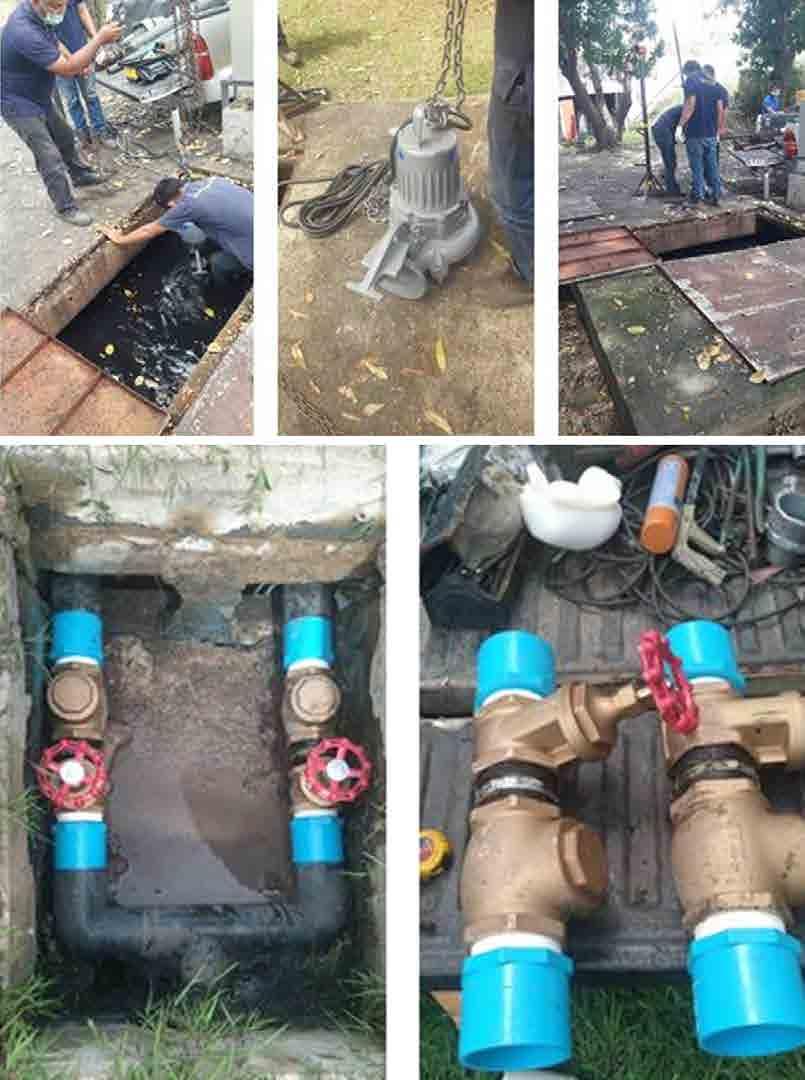
In response to directives from the Ministry of Natural Resources and Environment to discontinue groundwater usage due to subsidence risks, AIT transitioned to a municipal water supply sourced from the Provincial Waterworks Authority. This shift necessitated the installation of an advanced water distribution system featuring 15 strategically placed valves. These valves enable efficient control of water flow across distinct zones, facilitating targeted maintenance and minimizing disruptions. Additionally, the aging pipeline infrastructure, originally laid in the 1970s at depths of approximately
Sustainable Use of Water on Campus
AIT has had its wastewater treatment plant since July 2012, which is used to treat the collected sewage water from the campus, which amounted to 151,170 m3 in 2024, and all treated water was released back to AIT’s canal system and reused for watering the garden on the campus. The campus of AIT boasts an intricate closedloop canal network, enabling the effective storage of
one meter, posed challenges in leak detection and repair. To address this, AIT embarked on a comprehensive upgrade, replacing deteriorated pipelines with new, durable materials and adopting a ring loop configuration to enhance system reliability and pressure consistency. A 700 m3 water storage tank was also constructed to ensure emergency water availability during supply interruptions. Through these concerted actions, AIT exemplifies leadership in water conservation, aligning campus operations with global sustainability objectives.
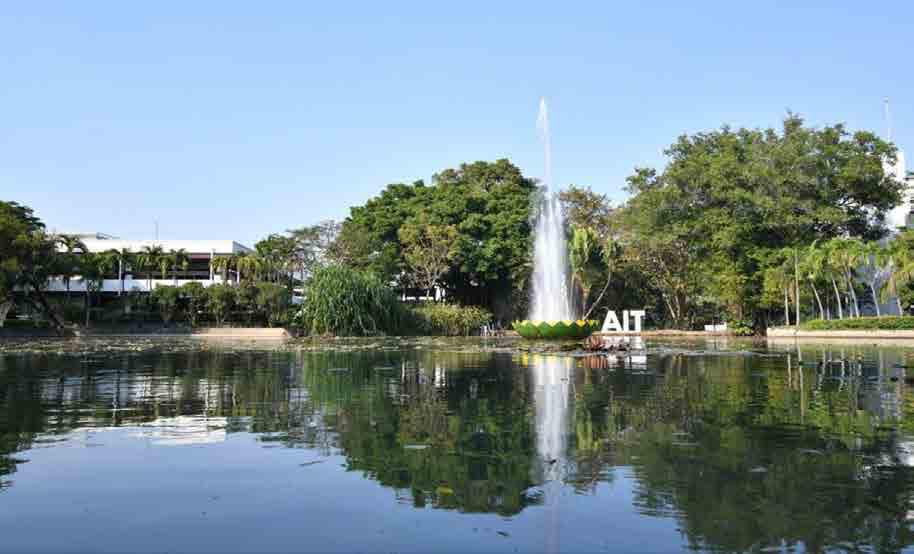
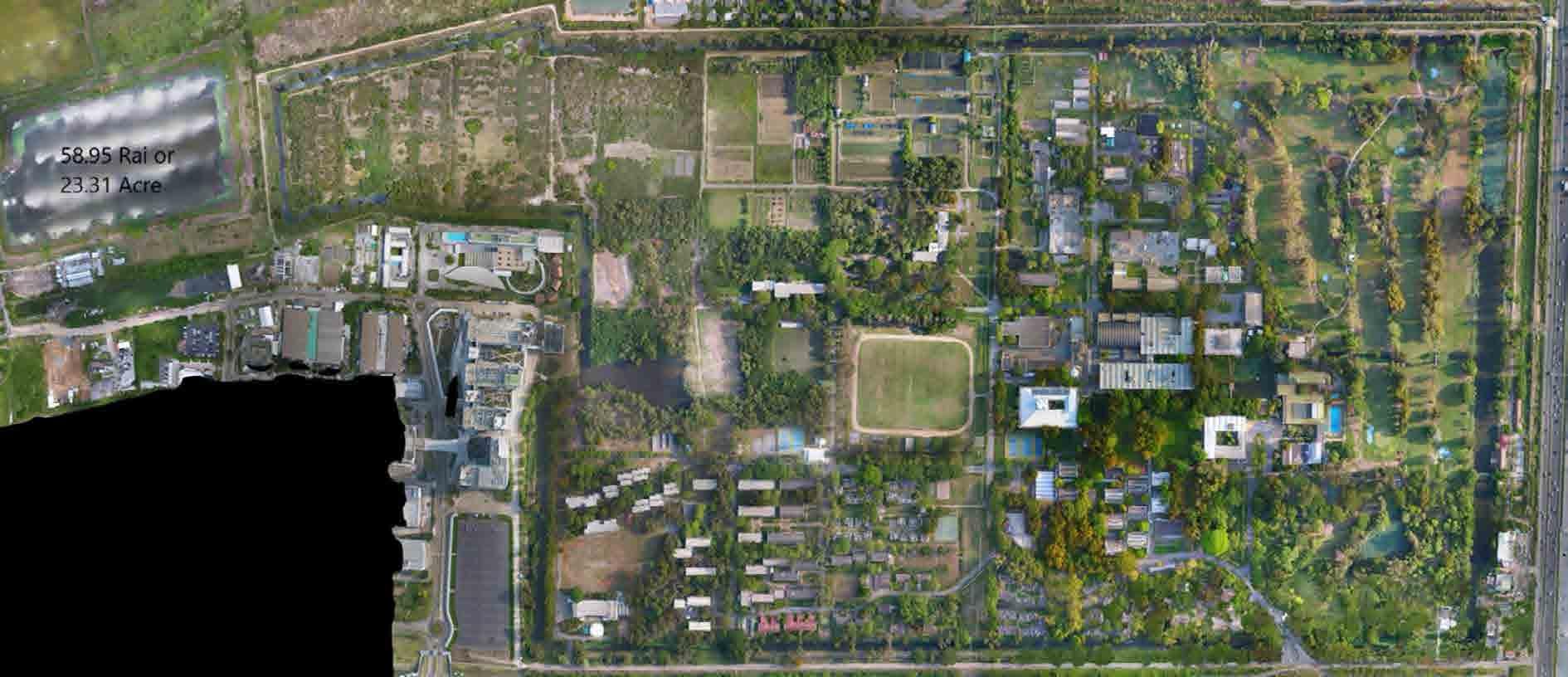
rainwater, especially for use during the dry seasons. Our lush landscapes and greenery thrive on this self-sustained water supply. Moreover, AIT features its very own reservoir, spanning 23.31 acres with depths ranging from 1 meter to 2.5 meters. Additionally, the campus houses an outer canal area spanning 77,341.04 square meters, with depths varying from 0.5 to 2 meters across different sections.