


AIT Research Theme: Healthcare
AIT Unit: AIT Entrepreneurship Center
Project Duration: 24-29 July 2023
Description:
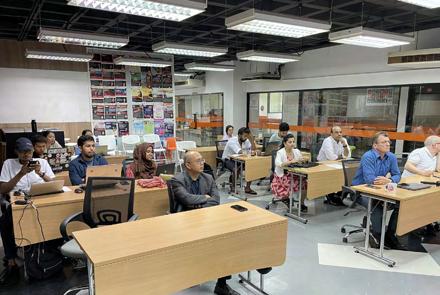
The AIT SDG Summer School, co-hosted by AIT and the University of Geneva, ran from 24-29 July 2023. Three teams developed digital solutions for Tuberculosis management. Participants received mentorship and showcased their ideas. Dieter W. Trau highlighted insights gained, emphasizing digital solutions’ potential in healthcare. Teams RSK and TB.AI won the prizes. Teams plan to further develop projects within the EC incubation plan. The award ceremony was held on 30 August 2023, coinciding with AIT EC Open House Day.
Read more: https://ait.ac.th/2023/07/inspiring-breakthroughs-at-ait-sdg-summer-school-student-teamsforge-innovations-for-digital-tuberculosis-management-in-5-day-challenge/

AIT Research Theme: Technology, Policy and Society
AIT Unit: AIT Entrepreneurship Center
Project Duration: 1 May 2023 to 31 October 2023
Project Sponsor/Client: Vital Strategies Health Systems (Asia Pacific)
Expected Social Impact: This project supports SDG 3 Goal, Good health and Well Being
Description:
The TRUNCATE-TB trial focuses on investigating a novel strategy for treating pulmonary tuberculosis (TB) with the
potential to yield improved outcomes in program settings. The clinical trial was conducted across 18 sites in the Philippines, Indonesia, Thailand, India, and Uganda. The objective of this project is to organize country-focused TRUNCATE-TB national stakeholder meetings. These meetings will facilitate discussions among stakeholders regarding the design, implementation, and funding of research on the TRUNCATE Strategy within local program settings.

AIT Research Theme: Climate change
AIT Unit: SERD/EEM
Project Duration: 20 February 2023 to 28 February 2025
Project Sponsor/Client: Agence française de développement (AFD)
Project Partner: Egis Airparif Citepa
Expected Social Impact:
The expected social impact of this project is to create healthier living environments, promote environmental conservation, stimulate economic growth, foster social equity, and increase public awareness about air quality issues. By working towards these goals, the project aims to contribute to the well-being and sustainable development of Thailand and its cities.
Description:
The Air Quality Improvement Program in Thailand (AQIP-Thailand) is funded by the Agence française de développement (AFD). It is related to AFD’s Regional Program for Air Quality Improvement in Southeast Asia,

which aims to support partner countries and cities in the region in their efforts to develop and implement policies and projects in order to improve air quality. The project is conducted by a consortium of four institutions led by Egis, with AirParif, Citepa, and AIT as partners, focusing on Thailand. The overall objective of this project is to support Thailand and the cities in the country in their efforts to develop and implement policies and projects in order to improve air quality.
AIT Research Theme: Food-Energy-Water
AIT Unit: SERD/AARM
Project Duration: 25 September 2023 to 31 December 2024
Project Sponsor/ Client: International Delegates
Expected Social Impact: This project is aimed as the foremost platform dedicated to the farming and conservation of giant freshwater prawns of Macrobrachium spp.
Description:
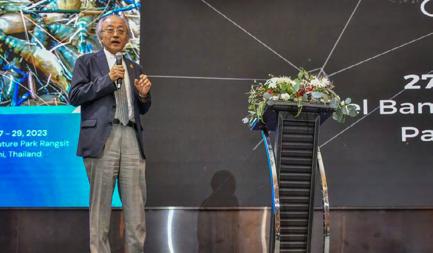
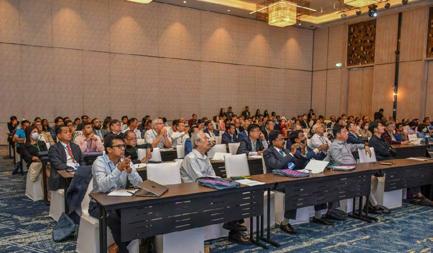
The 6th edition of the Giant Prawn Conference was organized by the Asian Institute of Technology (AIT) and Shanghai Ocean University (SHOU), China, together with the Department of Fisheries, Thailand, in Bangkok, Thailand, from 27 to 29 November 2023. This international gathering is the foremost platform dedicated to the farming and conservation of giant freshwater prawns of Macrobrachium spp.
Founded by Michael New, OBE, in 1980, the conference holds a significant place in the aquaculture calendar, with a primary focus on the sustainable evolution of freshwater prawn farming. Giant Prawn 2023 marks a return to Thailand, underscoring the country’s global contributions to this dynamic industry.
The symposium’s theme for this year, “Another Giant Leap for Sustainability,” highlights the innate capacity
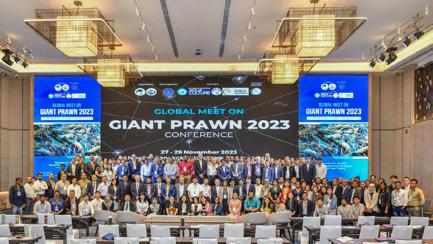

of giant freshwater prawns to foster sustainable farming practices, setting them apart from marine shrimp farming. The conference delves into cutting-edge technological innovations, especially in biotechnology, aimed at improving prawn stocks, with a spotlight on the advancements within Thailand’s freshwater prawn farming industry. This collaborative effort between AIT and SHOU, led by Krishna R Salin and Xuxiong Huang, respectively, signifies the expertise of both institutions in the Aquaculture and Aquatic Resources Management of freshwater prawns on a global scale.
Kazuo Yamamoto, President of the Asian Institute of Technology (AIT), expressed his delight at witnessing the collaboration between AIT and Shanghai Ocean University in organizing this global event. He stated, “As we engage in the sessions, lectures, and panel discussions, opportunities abound for valuable connections and collaborative sparks. Giant freshwater prawns, with their intrinsic potential for sustainable farming, are a focal point. Their contribution to rural livelihoods in Southeast Asia is significant. AIT, alongside Shanghai Ocean University, takes pride in hosting esteemed speakers, fostering discussions that align with our commitment to sustainable development.”
Read more: https://ait.ac.th/2023/11/giant-prawn2023-conference-advancing-sustainability-infreshwater-prawn-farming/
AIT Research Theme: Infrastructure
AIT Unit: SERD/AARM
Project Duration: 10 October 2022 to 30 September 2024
Project Sponsor/Client: Phagos Company, France
Expected Social Impact:
This project holds significant social impact by addressing the living and working conditions of construction expatriates. By investigating the factors influencing their well-being and proposing the Construction Technical Intelligence/Quotient (CTQ), it aims to enhance the quality of life and safety for expatriates while optimizing
the allocation of construction professionals to overseas projects. Through improved living conditions, enhanced working environments, and more strategic talent management, the project contributes to promoting fair labor practices, fostering global mobility, and advancing sustainable development goals.
Description:
The project develops and investigates factors that influence the living and working conditions of construction expatriates. A construction technical intelligence/quotient (CTQ) is proposed and developed to assist construction companies in allocating construction professionals to overseas projects.


In a remarkable research milestone, we proudly announce the exceptional achievement of our student Jyotirmoy Pathak, a second-year master’s student studying in the Bio-Nano Materials Science and Engineering Program. We extend our warmest congratulations to him. Jyotirmoy has recently co-authored a significant paper entitled “Crustacean Shell Waste-Derived Chitin and Chitin Nanomaterials for Applications in Agriculture, Food, and Health – A Comprehensive Review,” which has been published in the prestigious Carbohydrate Polymer Technologies and Applications journal (Impact Factor: 5.5).
Chitin, a naturally abundant polymer, forms the crucial structural component of crustacean shells. The crustacean processing industry generates a considerable annual volume of shell waste, amounting to millions of tons, with the majority unfortunately ending up as environmental pollutants. However, this underutilized waste resource harbors substantial potential for conversion into valuable chitin and chitin nanomaterials.
Mr. Pathak’s paper outlines the methodologies for extracting chitin from crustacean shell waste, shedding light on recent advancements in the isolation of chitin nanomaterials, including Chitin Nanocrystals (ChNCs) and Chitin Nanofibers (ChNFs) derived from purified chitin. Moreover, this publication serves as a comprehensive exploration of the current practical applications of chitin and chitin nanomaterials across
diverse sectors, encompassing agriculture, biomedicine, and the food industry. It provides valuable insights into the vast potential of this polymer for future research and development endeavors.
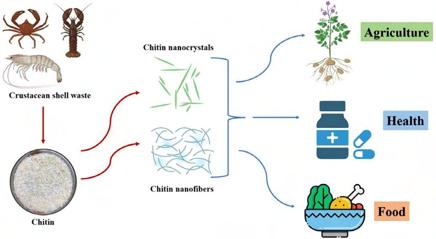
Figure 1: Graphical Abstract of the Paper from Ngasotter, et al. (https://doi.org/10.1016/j.carpta.2023.100349)
This achievement stands as a testament to Pathak’s dedication and commitment to producing high-quality work. We take immense pride in witnessing our students engage in impactful research initiatives and collaborate with researchers from various institutions.
For those interested in exploring this groundbreaking research, the paper is accessible via the following link: � https://doi.org/10.1016/j.carpta.2023.100349


Air pollution is a critical global issue, with advances in technology and increased emissions from vehicles, industries, and waste management identified as major contributors, particularly to fine particulate matter (PM2.5). Thailand’s PM2.5 levels exceed the World Health Organization’s (WHO) guidelines, posing significant health risks.
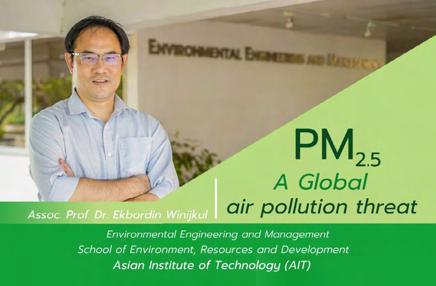
Dr. Ekbordin Winijkul, an air pollution expert and Associate Professor at AIT’s School of Environment, Resources, and Development, highlights the severe impact of PM2.5 on health, especially for vulnerable groups such as children, the elderly, pregnant women, and those with preexisting conditions. Research shows that inhaled ultra-fine particles can infiltrate the lungs, blood, brain, and other organs, exacerbating health risks due to toxic substances within these particles.
Dr. Winijkul warns that the situation could worsen due to El Niño and climate change, particularly in regions with
low precipitation, stagnant air, and increased forest fires. He advises the public to minimize outdoor activities on high PM2.5 days, wear face masks, stay indoors, and use air purifiers. He emphasizes that controlling emissions at their sources—such as reducing diesel exhaust, industrial
fuel combustion, and open burning—is the most effective solution.
AIT is pioneering efforts in Thailand to measure atmospheric microplastics, aiming to understand their health risks. The institute collaborates with government bodies, international organizations, and other nations to improve air quality. AIT’s work includes research on air pollution sources and mitigation for Bangkok, cost-benefit
analyses of clean fuels, and the economic impact of air pollution policies at both national and regional levels. These initiatives are part of AIT’s broader commitment to addressing air pollution, a pressing issue responsible for approximately seven million deaths globally each year.
� https://ait.ac.th/2023/03/fine-particulate-mattera-harmful-air-pollutant-pressing-problemglobally/

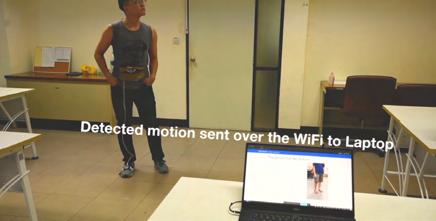
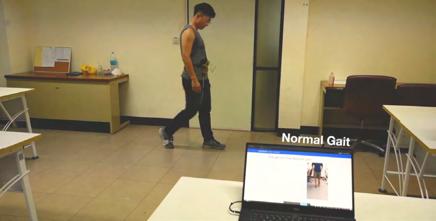
Gait analysis is crucial for detecting foot disorders and walking irregularities such as pronation, supination, and unstable foot movements. Early identification of these issues can prevent injuries, correct walking posture, and potentially eliminate the need for surgery or cortisone injections. Traditional gait analysis methods, however, are expensive and typically confined to laboratory settings. In response to these limitations, Mr. Sanjeev Shakya, an IoT Systems Engineering student at the Asian Institute of Technology (AIT), developed a novel, cost-effective

This smart wearable device offers a portable, lowpowered, and affordable method for conducting gait analysis outside of specialized facilities. By making
Beyond accessibility, the benefits of this technology include early detection of gait abnormalities, which can prevent injuries and improve overall walking posture and health. The use of advanced technologies like AI and IoT not only enhances the accuracy of gait analysis but also empowers individuals to take proactive steps in maintaining foot health, potentially avoiding more invasive interventions.AIT’s commitment to integrating
solution as part of his Master’s thesis, supervised by Associate Professor Dr. Attaphongse Taparugssanagorn. This innovation employs Internet of Things (IoT), edge computing, and Tiny Machine Learning (TinyML) technologies to make g ait analysis more accessible. The device, a microcontroller-based system worn on a shoe, uses an Inertial Measurement Unit (IMU) sensor and a TinyML model on an Advanced RISC Machines (ARM) chip to classify and predict abnormal gait patterns.

gait analysis more accessible, it allows individuals to detect and correct gait abnormalities in their everyday environments, without the need for expensive lab tests.
cutting-edge technology in health solutions highlights its contribution to Sustainable Development Goals (SDGs) by improving health outcomes and making healthcare more inclusive and affordable.
� https://ait.ac.th/2023/03/iot-based-wearable-deviceoffers-affordable-and-portable-gait-analysis-forthe-early-detection-of-foot-disorders-and-walkingirregularities/

Cancer, a leading cause of death worldwide, claimed 10 million lives in 2020 alone. As cancer cases continue to rise, early detection becomes crucial in improving survival rates. Traditional diagnostic methods, such as X-rays, ultrasounds, and MRIs, though effective, have limitations, including high costs, potential radiation exposure, and lower accuracy in specific cases like dense breast tissue.
At the Asian Institute of Technology (AIT), telecommunications experts are advancing wireless body-centric diagnostic methods integrated with Artificial Intelligence (AI) to revolutionize cancer and stroke detection. Assoc. Prof. Dr. Attaphongse Taparugssanagorn, known as “Dr. Pong,” leads this innovative work, leveraging his expertise in advanced wireless communication, signal processing, and machine learning to develop non-invasive, radiation-free, and lowcost diagnostic tools.
Dr. Pong’s research focuses on Wireless Ultra-WideBand (UWB) technology, a short-range, high-bandwidth wireless communication signal used for radar and imaging. By integrating UWB with AI, specifically machine and deep learning techniques, his team aims to enhance the accuracy and efficiency of medical imaging. These algorithms analyze vast amounts of imaging data to detect patterns and features that may be challenging for human experts to identify, enabling earlier and more accurate diagnosis of cancers and strokes.
AIT’s work in this field is part of the European Unionfunded ROVER project, which brings together international experts to develop on-body and in-body

wireless technologies for healthcare. This collaboration aligns with Sustainable Development Goals (SDGs) by promoting innovation in healthcare, improving early detection, and making advanced medical diagnostics more accessible and affordable globally. Through these efforts, AIT continues to push the boundaries of AI and telecommunications to improve patient care and contribute to a future where early, accurate diagnosis can save more lives.
Mr. Ratchapon Silawiserit, Managing Director of Synergy Insight Company Limited, and Assoc. Professor Dr. Chatnarin Metheekul, the AIT Medical Center lead doctor, visited the Asian Institute of Technology (AIT) to donate 1,920 ATK GENODE test kits. The valuable contribution was gratefully received by Mr. Russell Rein, Vice President for Administration, and Ms. Maybel Diopenes, Director of the Office of Human Resources Services.
These ATK GENODE test kits are set to play a crucial role in bolstering AIT’s health and safety measures. They will be strategically distributed across offices within the institute, including the Medical Center, Office of Student Affairs, Office of Human Resources Services, and AIT International School.
AIT expresses its heartfelt appreciation to Synergy Insight Company Limited for choosing the institute as
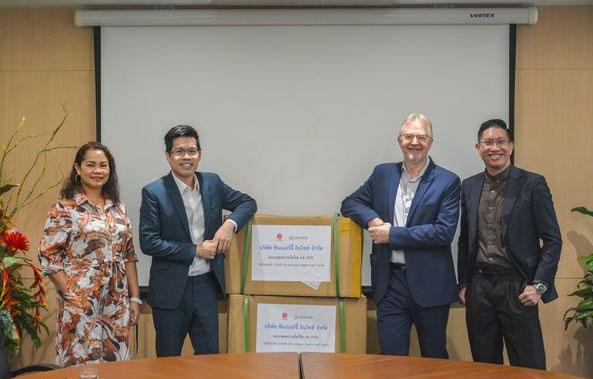
the beneficiary of this significant donation, marking a milestone in the collaborative efforts to ensure a safer and healthier environment within the AIT community.
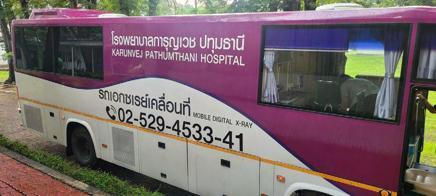
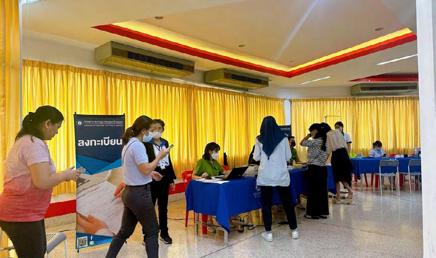
The Office of Human Resources Services successfully organized a free medical check-up event in collaboration with the Social Security Office. The initiative was part of HR’s employee health and wellness program, intending to provide AIT employees with a convenient way to receive a comprehensive medical test without having to leave the campus.
The registration process was efficiently done online and had a deadline set for September 19th, 2023. On October 11th, 2023, the medical team from Karunvej Hospital visited the AIT campus to conduct the medical test. Out of 177 registrants, 135 employees were able to undergo a wide range of medical tests. The employees appreciated the convenience of receiving on-campus medical care, which allowed them to prioritize their health without disrupting their work schedules.
The Office of Human Resources Services initiative demonstrated a commitment to the well-being of employees, fostering a culture of health awareness, preventative care, and wellness in the workplace.
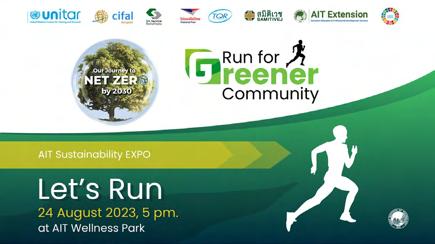
“RUN FOR GREENER COMMUNITY” CAMPAIGN, ORGANIZED BY AIT EXTENSION
The “Run for Greener Community” campaign, organized by AIT Extension, took place on August 24, 2023, at the AIT Wellness Park at 5:00 pm. The campaign was designed to promote health and wellness within the AIT community while raising awareness of environmental sustainability.
The event was met with enthusiasm by the community, as participants gathered at the Wellness Park ready to take part in the run. The campaign focused on combining physical activity with a cause that promotes the wellbeing of both individuals and the environment.
The run encompassed various trails within the park, providing participants with a scenic experience that highlighted the beauty of the natural surroundings. Runners of all levels joined the event, creating a lively and inclusive atmosphere. The event also emphasized the importance of staying active and engaged in eco-friendly practices.
Feedback from participants was overwhelmingly positive, with many expressing their appreciation for the opportunity to engage in a community-oriented event. The run also fostered a sense of camaraderie among participants as they supported each other throughout the course.
In addition to the physical benefits of the run, the event successfully raised awareness about the importance of maintaining a green and healthy environment. It underscored AIT Extension’s commitment to promoting health, wellness, and sustainability within the AIT community.
Overall, the “Run for Greener Community” campaign was a great success, leaving participants inspired and motivated to continue pursuing healthier and more sustainable lifestyles. The AIT community looks forward to similar events in the future that promote both individual and environmental well-being.