AIT’S “NET ZERO CAMPUS INITIATIVE” FINALIST IN INTERNATIONAL GREEN GOWN AWARDS
Description:
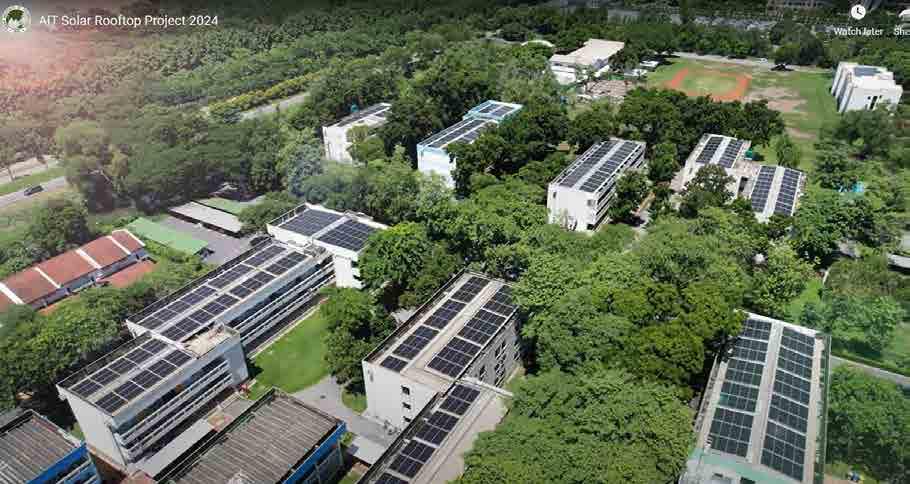
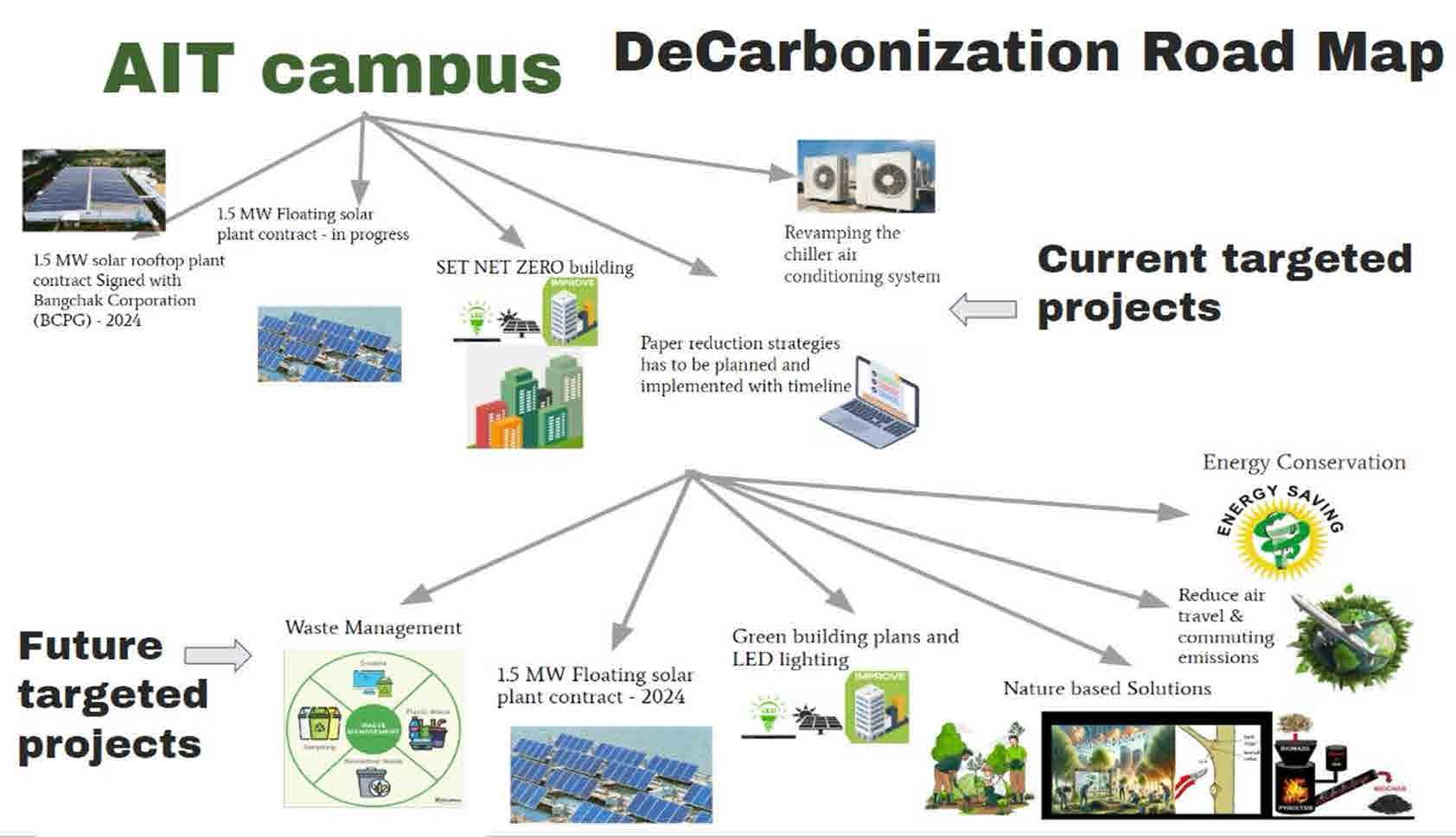
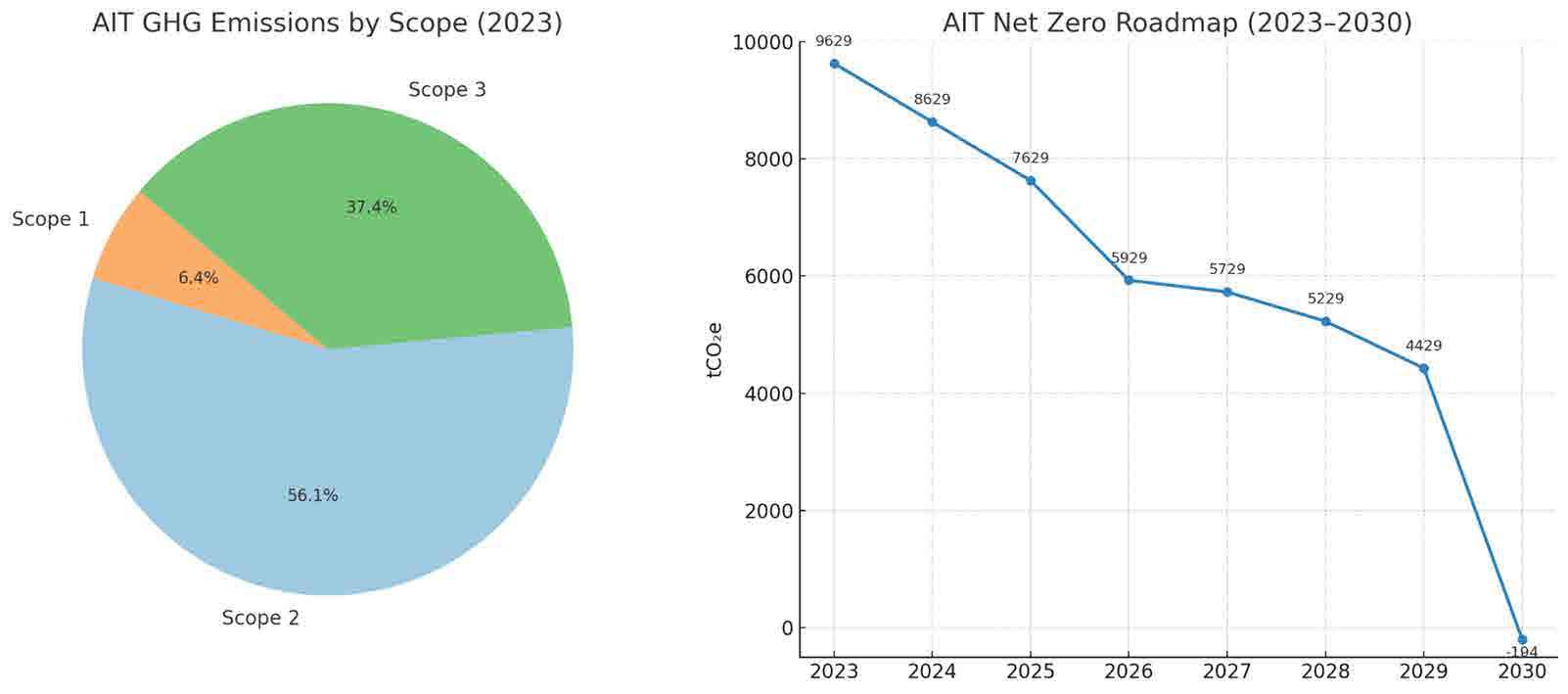
On July 10, 2024, AIT was recognized as a finalist for the International Green Gown Awards for its “Net Zero Campus Initiative,” aiming for sustainability and reduced environmental impact while promoting innovative practices in education.
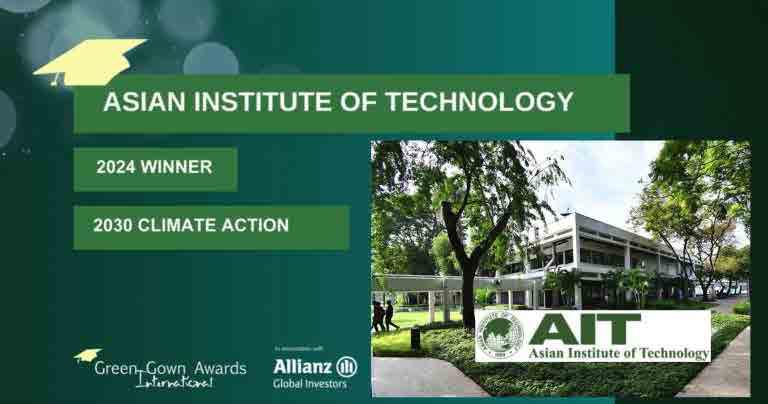
AIT’S ‘NET ZERO CAMPUS INITIATIVE’ WINS INTERNATIONAL GREEN GOWN AWARDS
Description:
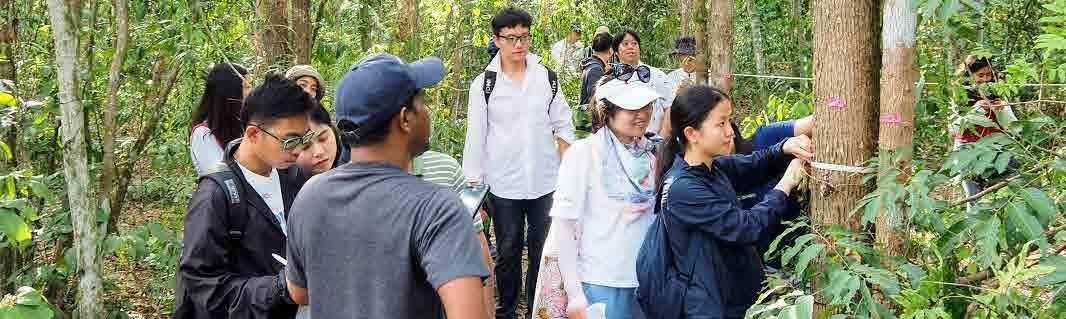
On October 10, 2024, AIT’s “Net Zero Campus Initiative” received the International Green Gown Award in the ‘2030 Climate Action’ category. This initiative, led by former AIT President Kazuo Yamamoto, aims to transform the campus into a Botanical Garden Net Zero campus by 2030, focusing on significant greenhouse gas emission reductions and promoting the Bio-Circular-Green (BCG) Economy. AIT was recognized among 95 finalists from 61 institutions across 28 countries. The award highlights AIT’s commitment to sustainability through renewable energy, biodiversity conservation, and community engagement, reinforcing its role in the global ‘Race to Zero’ campaign.
SYMPOSIUM ON RURAL SUSTAINABILITY IN THE ASIA PACIFIC: BRIDGING SCIENCE AND ACTION
Description:
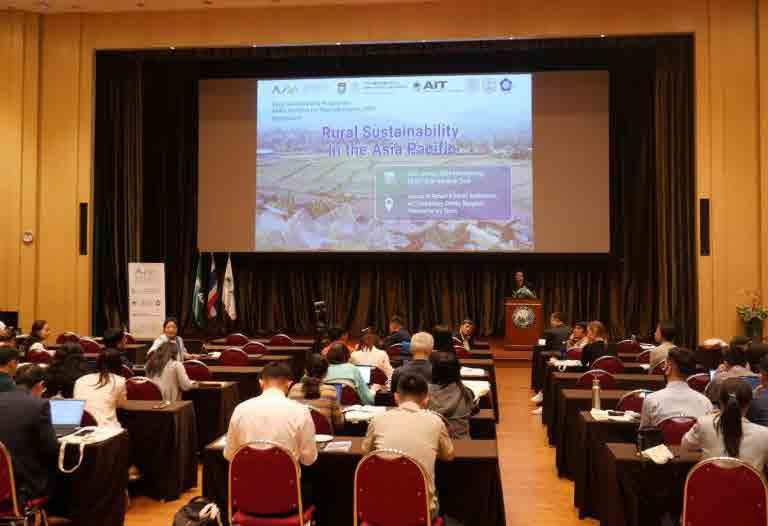
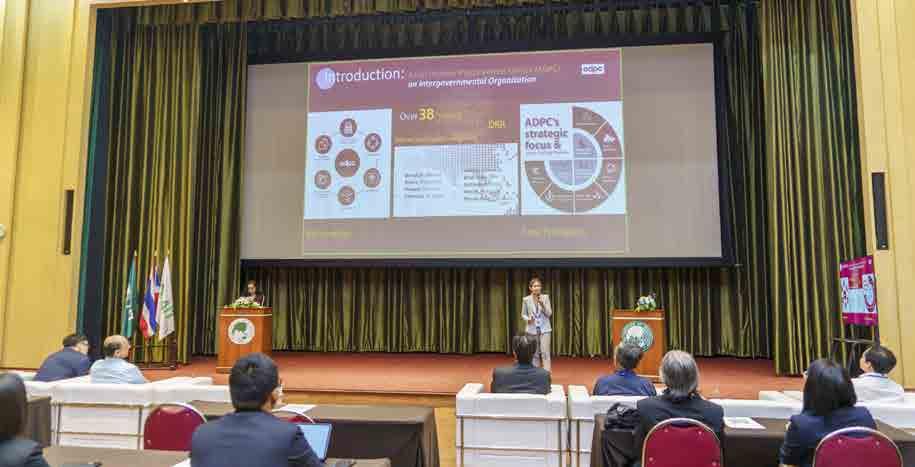
The symposium on “Rural Sustainability in the Asia Pacific” took place on 24 January, 2024, at the AIT Convention Centre in Thailand. Organized by the Academic Program Development Planning Management and Innovation (DPMI) of the Asian Institute of Technology (AIT), in collaboration with the University of Hong Kong, Tsinghua University, and National Chengchi University, the event is part of the Rural Sustainability Programme—APAC Initiative for Regional Impact (AIRI), initiated by the Centre for Civil Society and Governance at the University of Hong Kong and funded by the Hong Kong Bank Foundation.
ENRICHING INTERNSHIP: WIPAPORN SAWEANGWIT’S JOURNEY WITH UNEP
Description:
Wipaporn Saweangwit, a Master of Science student in the Environment Engineering and Management (EEM) program at the School of Environmental, Resources and Development (SERD) at the Asian Institute of Technology (AIT), shares her enriching internship experience with the UN Environment Programme.
WORKSHOP EXPLORES EFFICACY OF CITY CLIMATE PLANS IN SOUTHEAST ASIA
Description:
The Development Planning Management and Innovation (DPMI) Program at the School of Environment Resources and Development (SERD) of the Asian Institute of Technology (AIT) recently organized a oneday workshop titled “Are city climate plans adequate for mitigating weather extremes? The workshop focused on investigating Southeast Asian cities.
‘NATIONAL DIALOGUE ON CLIMATE CHANGE’ SPURS DISCOURSE ON COLLABORATIVE SOLUTIONS FOR CLIMATE RESILIENCE IN NEPAL
Description:
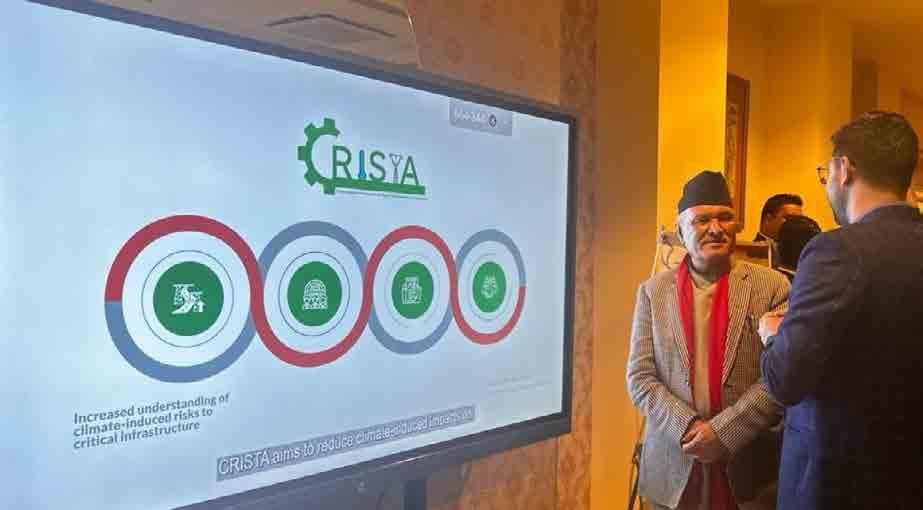
On March 12, 2024, the Asian Institute of Technology partnered with the National Dialogue on Climate Change organized by the Municipal Association of Nepal (MuAN) in Kathmandu, Nepal. The dialogue aimed to enhance understanding among municipal leaders about climate change, advocate for inter-governmental and inter-sectoral collaboration, and facilitate discussions to translate policies into actionable plans at the municipal level.
AIT SMARTS CENTER HOSTS 2024 DIALOGUE OF CIVILIZATIONS ON CLIMATE CHANGE AND EMERGING ECONOMIES WITH NORTHEASTERN UNIVERSITY
Description:
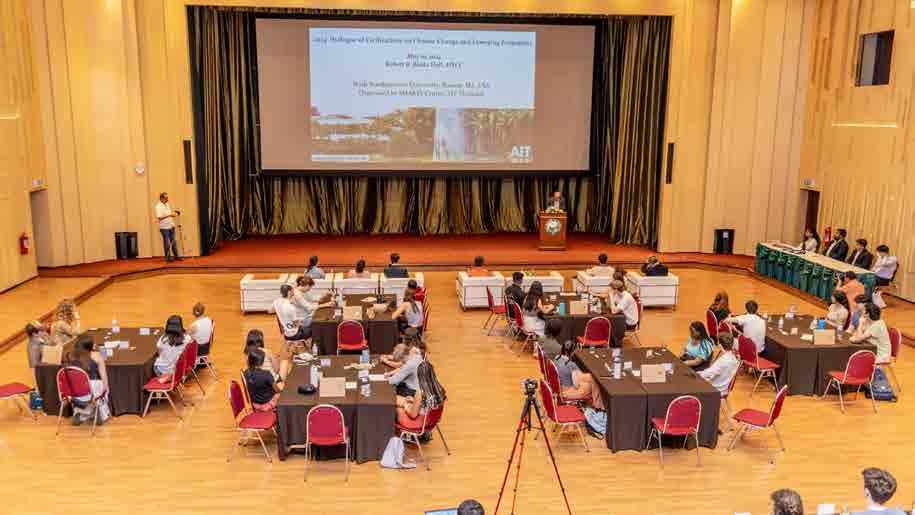
SMARTS Center (South and South-East Asia Multidisciplinary Applied Research Network on Transforming Societies of Global South), at the Asian Institute of Technology (AIT), hosted the “2024 Dialogue of Civilizations on Climate Change and Emerging Economies” on 10 May 2024 with Northeastern University, Boston, USA.
AIT AND KEI ESTABLISH PARTNERSHIP TO TACKLE ENVIRONMENTAL CHALLENGES THROUGH JOINT RESEARCH AND CAPACITY BUILDING
Description:
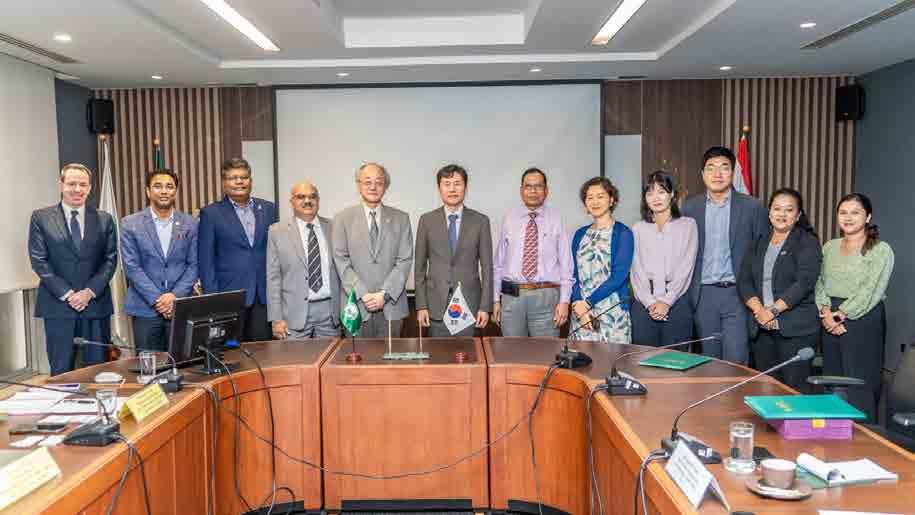
The Asian Institute of Technology (AIT) and the Korea Environment Institute (KEI) in Sejong, Republic of Korea, have signed a Memorandum of Understanding (MoU) to establish research collaboration and cooperation. The agreement aims to promote joint research, capacity development programs, and the dissemination of collaborative work outputs.
AIT COLLABORATES WITH IOM AND UP RI TO ORGANIZE THE RICD SYMPOSIUM AND ASSESS CLIMATE DISPLACEMENT RISKS IN ASIA AND THE PACIFIC
Description:
AIT, in collaboration with IOM and the University of the Philippines Resilience Institute, organized the “Risk Index for Climate Displacement: Co-creation Symposium & Policy Dialogue” on July 11-12, 2024. The symposium aimed to develop methodologies for assessing climate displacement risks in Asia and the Pacific, fostering dialogue among stakeholders and experts to address the challenges posed by climate change and displacement.
AIT SMARTS CENTER HOSTS 2024 DIALOGUE OF CIVILIZATIONS ON CLIMATE CHANGE AND EMERGING ECONOMIES WITH NORTHEASTERN UNIVERSITY
Description:
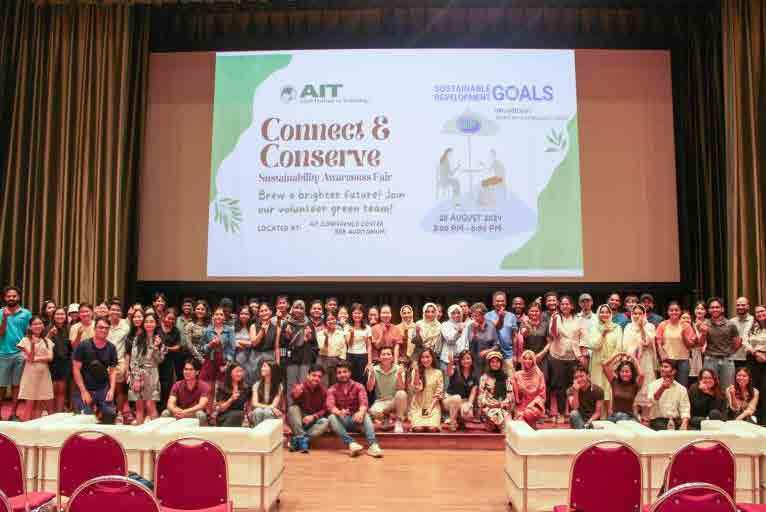
On August 28, 2024, AIT hosted the “Connect & Conserve 2024” Sustainability Awareness Fair, promoting environmental awareness and sustainable practices. The event featured various activities, including workshops, exhibitions, and interactive sessions aimed at engaging students and the community in sustainability initiatives. Participants explored innovative solutions for pressing environmental issues and were encouraged to take actionable steps toward a greener future. The fair emphasized collaboration and education as key drivers in the movement for sustainability, fostering a sense of responsibility among attendees to protect the env ironment.
AIT PARTICIPATES IN 6TH GREATER MEKONG SUBREGION ENVIRONMENT MINISTERS’ MEETING
Description:
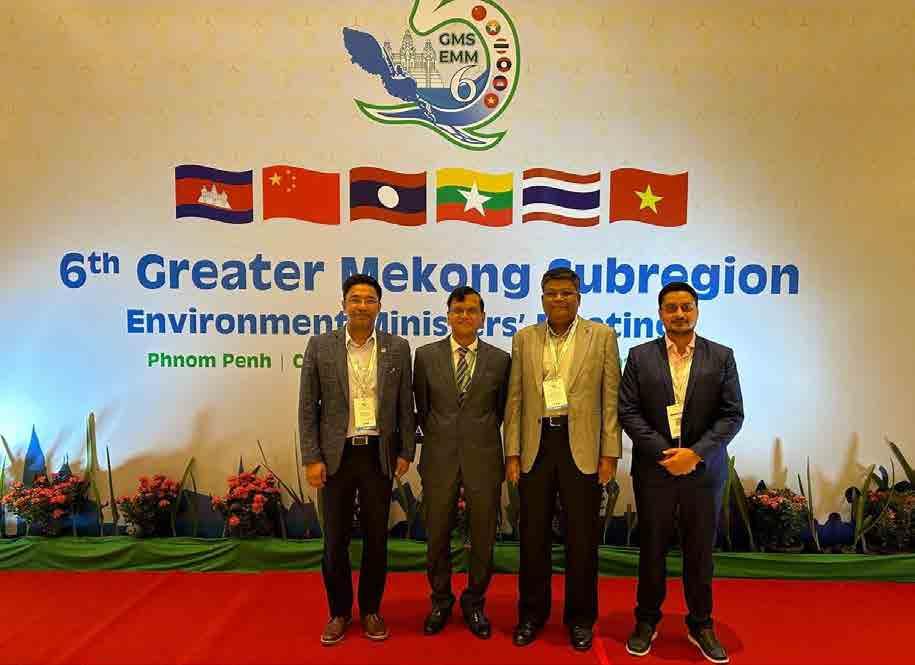
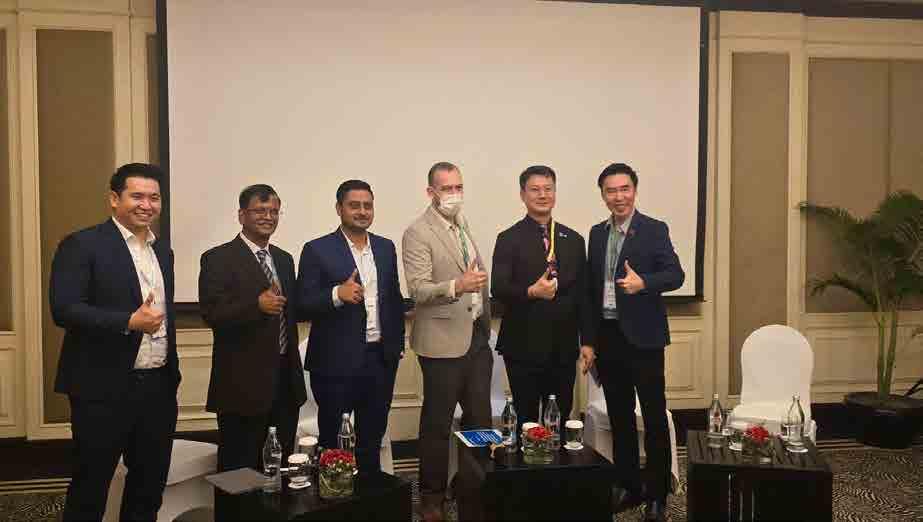
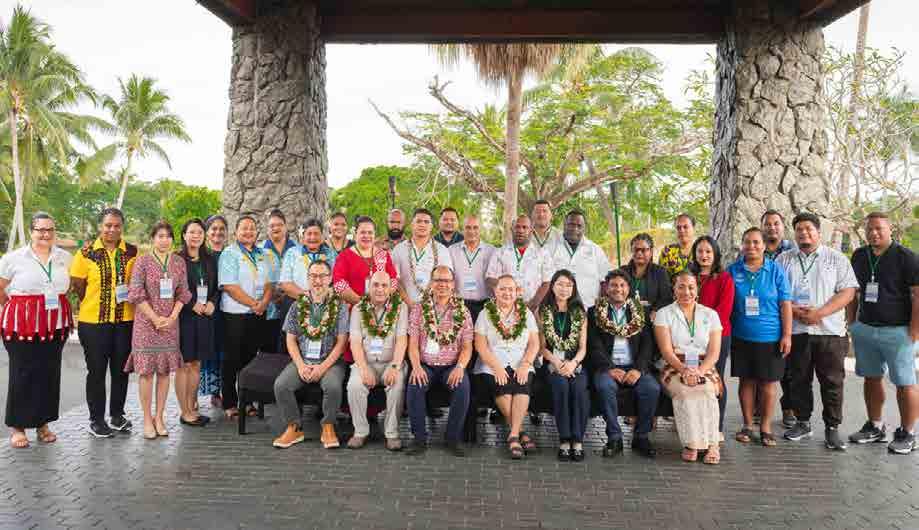
The Asian Institute of Technology (AIT) participated in the 6th Greater Mekong Subregion (GMS) Environment Ministers’ Meeting (EMM-6) from 10 to 13 September 2024 in Cambodia. AIT’s delegation included leaders from the School of Environment, Resources, and Development (SERD) and the School of Engineering and Technology (SET).
During the meeting, P. Abdul Salam emphasized the need for a low-carbon transition and better regional cooperation on environmental sustainability. Sushil Himanshu discussed the role of digital technologies in climate action. AIT showcased its projects on agriculture, water management, and climate-smart solutions. The event highlighted AIT’s commitment to advancing sustainable development and regional collaboration in addressing environmental challenges.
AMONG WORLD’S TOP SCHOLARS IN CLIMATE CHANGE AND RIVER STUDIES BY SCHOLARGPS
Description:
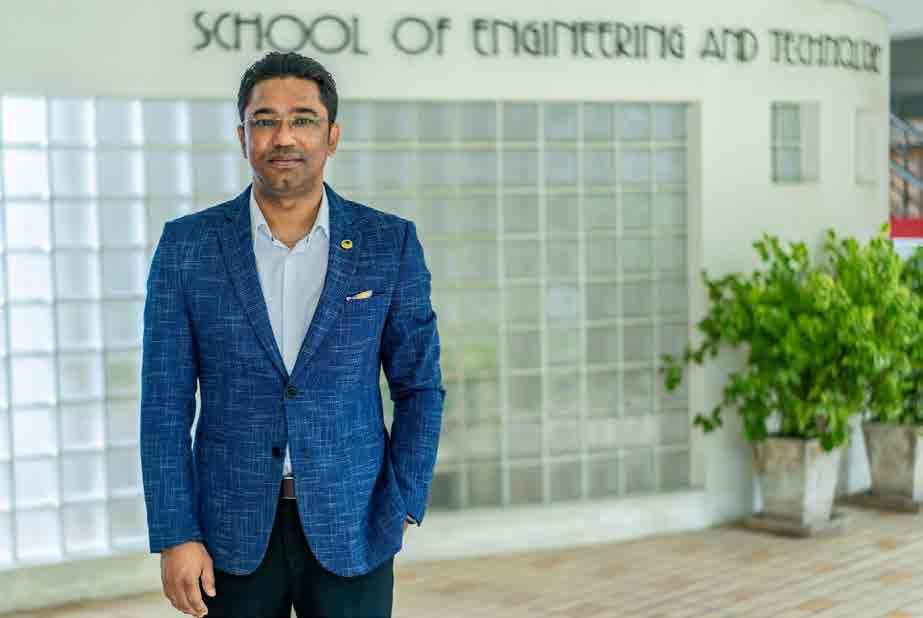
On 17 September 2024, Sangam Shrestha, Dean of the School of Engineering and Technology at AIT, was ranked 9th globally in Climate Change and River Studies by ScholarGPS. This recognition places him among the top 0.05% of scholars worldwide, highlighting his significant contributions to water engineering and climate adaptation. With 173 publications and over 5,600 citations, Shrestha has made a substantial impact in these fields. He has been with AIT since 2009 and is also the co-director of the Global Water & Sanitation Center, supported by the Bill & Melinda Gates Foundation. His research continues to inspire and address critical global water and climate challenges.
AIT SERD PARTICIPATED IN THE 6TH GREATER MEKONG SUBREGION (GMS) ENVIRONMENT MINISTERS’ MEETING (EMM-6) IN PHNOM PENH, CAMBODIA
Description:
From September 10 to 13, 2024, AIT’s School of Environment, Resources, and Development (SERD) participated in the 6th Greater Mekong Subregion (GMS) Environment Ministers’ Meeting (EMM-6) in Phnom Penh, Cambodia. P. Abdul Salam discussed low-carbon transitions, while Sushil Himanshu emphasized the role of digital technologies in climate action. AIT showcased its projects in agriculture and water management, reinforcing its commitment to regional cooperation and environmental sustainability in the GMS.
SANGAM SHRESTHA APPOINTED AS STEERING COMMITTEE MEMBER FOR APN’S GLOBAL SUSTAINABILITY INITIATIVE
Description:
On October 8, 2024, Sangam Shrestha, Dean of AIT’s School of Engineering and Technology, was appointed to the Steering Committee of the Asia-Pacific Network for Global Change Research (APN). His role involves developing annual plans, overseeing project evaluations, and facilitating funding for sustainability initiatives in the Asia-Pacific region. Shrestha expressed his enthusiasm for contributing to APN’s mission to address global change and promote sustainability. Established in 1996, APN focuses on research and capacity development aligned with global agendas like the UN Sustainable Development Goals.
AIT HOSTS CHINA-THAILAND FORUM, LAUNCHES PLATFORM FOR ENVIRONMENTAL TECHNOLOGY AND SUSTAINABLE COLLABORATION
Description:
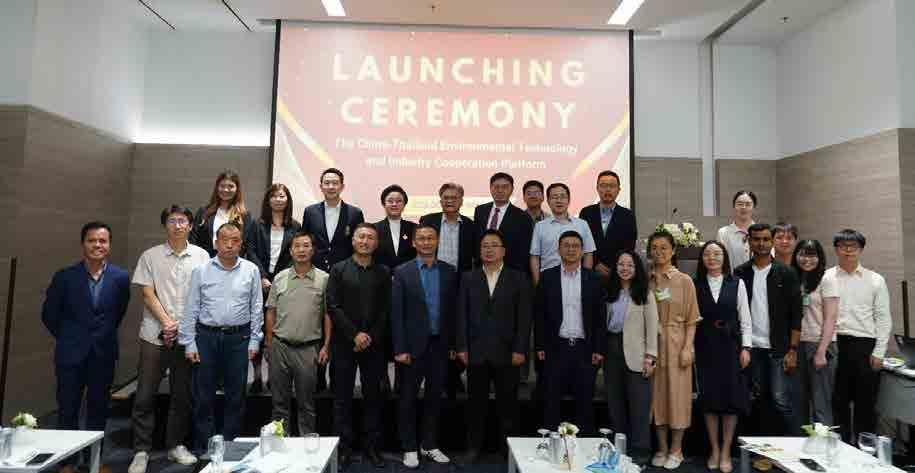
On October 24, 2024, AIT hosted the China-Thailand Environmental Cooperation Forum at BITEC, Bangkok, in collaboration with Tongji University and the E20 Environmental Platform. The forum aimed to enhance cooperation in environmental technology between China and Thailand, featuring keynotes from experts on both nations’ environmental strategies.
Suwit Khunkitti opened the forum, emphasizing collaboration potential. Keynote speakers discussed Thailand’s sustainability efforts and China’s market-driven environmental innovations. The event culminated in the launch of the China-Thailand Environmental Technology and Industry Cooperation Platform, designed to address pollution challenges and promote industrial partnerships. This initiative aims to position Thailand as a leader in
ASEAN’s green economy while fostering long-term environmental progress in the region.
AIT DEEPENS COLLABORATION AT DBAR CONFERENCE 2024, FOCUSES ON BIG EARTH DATA FOR SUSTAINABLE DEVELOPMENT GOALS IN ASEAN
Description:
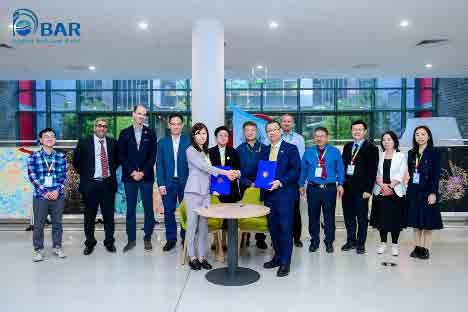
AIT participated in the 8th DBAR Conference in Suzhou, China, on October 23–24, 2024, focusing on “Digital Routes Toward Global Sustainability.” The conference aimed to advance sustainable development through Big Earth Data. AIT co-organized a session on using Big Earth Data to achieve Sustainable Development Goals (SDGs) in ASEAN and formalized its collaboration with DBAR through a Memorandum of Understanding. A notable outcome was the establishment of the DBAR Task Force on ChinaASEAN Regional Innovation for Big Earth Data, aimed at fostering innovation and addressing regional challenges through data-driven solutions.
DISCUSS SATELLITE SOIL MOISTURE’S ROLE IN BOOSTING CLIMATE RESILIENCE AND AGRICULTURE IN SOUTHEAST ASIA
Description:
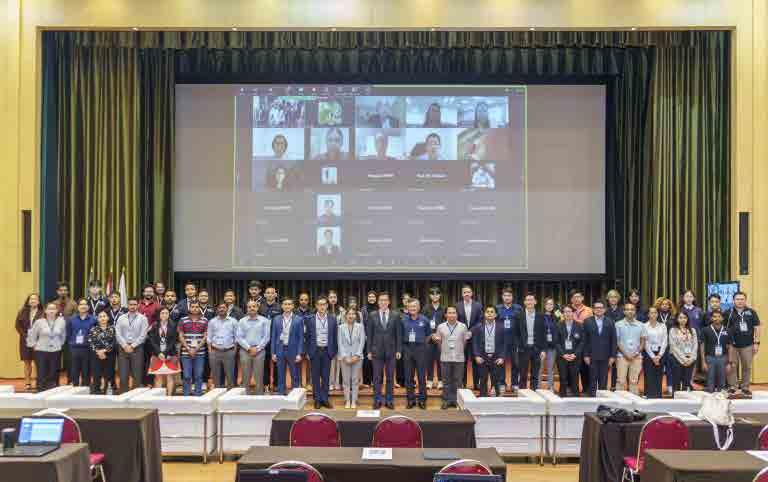
The Asian Institute of Technology (AIT), in collaboration with NASA, the Asian Disaster Preparedness Center (ADPC), the Hydro Informatics Institute (HII), and Kasetsart University, organized a Hybrid Workshop on SatelliteBased Soil Moisture on November 7, 2024, at AIT.
DISCUSS SATELLITE SOIL MOISTURE’S ROLE IN BOOSTING CLIMATE RESILIENCE AND AGRICULTURE IN SOUTHEAST ASIA
Description:
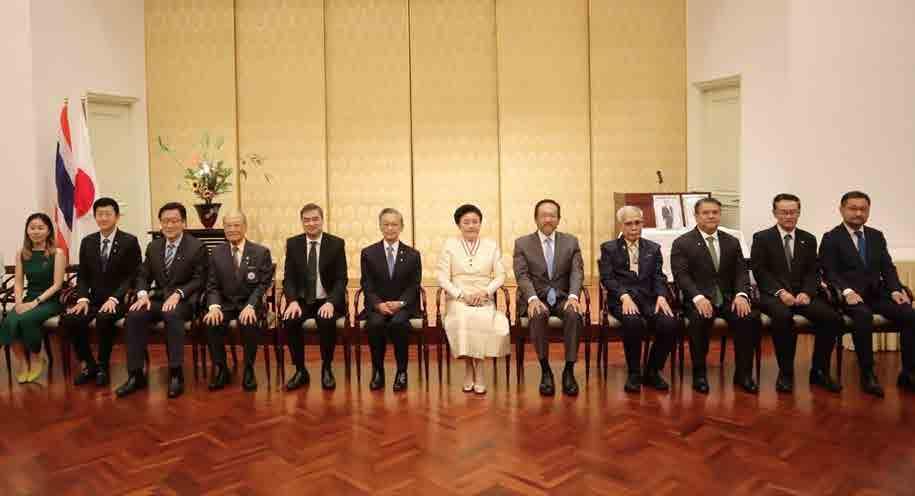
Monthip Sriratana Tabucanon, a distinguished alumna of the Asian Institute of Technology (AIT), has been awarded “The Order of the Rising Sun, Gold Rays with Neck Ribbon” by the Government of Japan in recognition of her significant contributions to environmental cooperation between Japan and Thailand.
AIT MASTER’S STUDENT LOPA ISLAM CONDUCTS IN-DEPTH ANALYSIS OF CLIMATE FINANCE MECHANISMS IN BANGLADESH
Description:
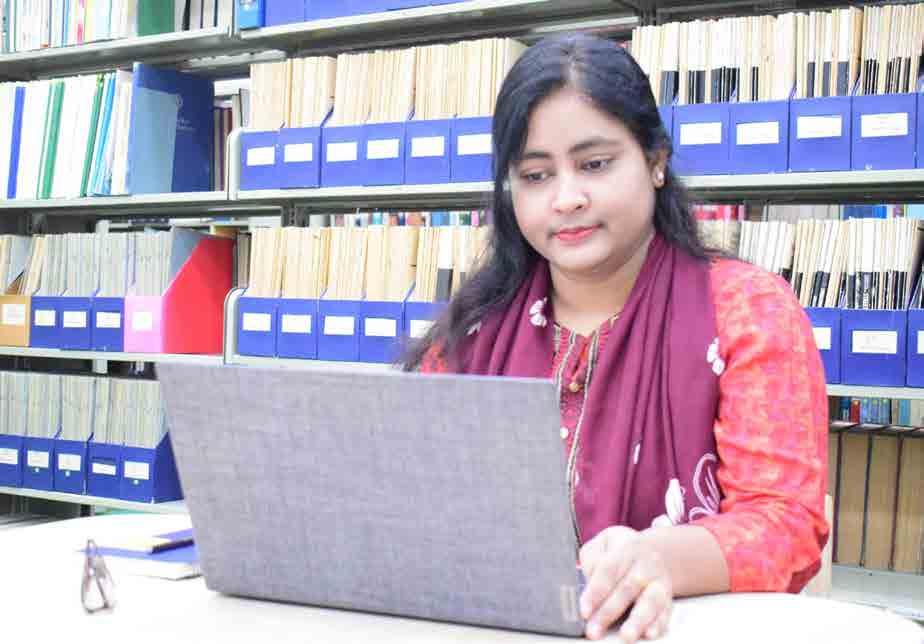
Lopa Islam, a master’s student at the Climate Change and Sustainable Development academic program (CCSD), School of Environment, Resources, and Development (SERD) at the Asian Institute of Technology (AIT), has conducted groundbreaking research titled “Climate Finance Mechanisms in Bangladesh: An Assessment.” Her work provides an in-depth examination of climate finance flows, allocation processes, and barriers to effective climate funding in Bangladesh, highlighting critical areas for improvement in achieving sustainable adaptation and mitigation goals.
YEARS AFTER THE TSUNAMI: THAILAND REFLECTS ON LESSONS FOR FUTURE DISASTER RESILIENCE
Description:
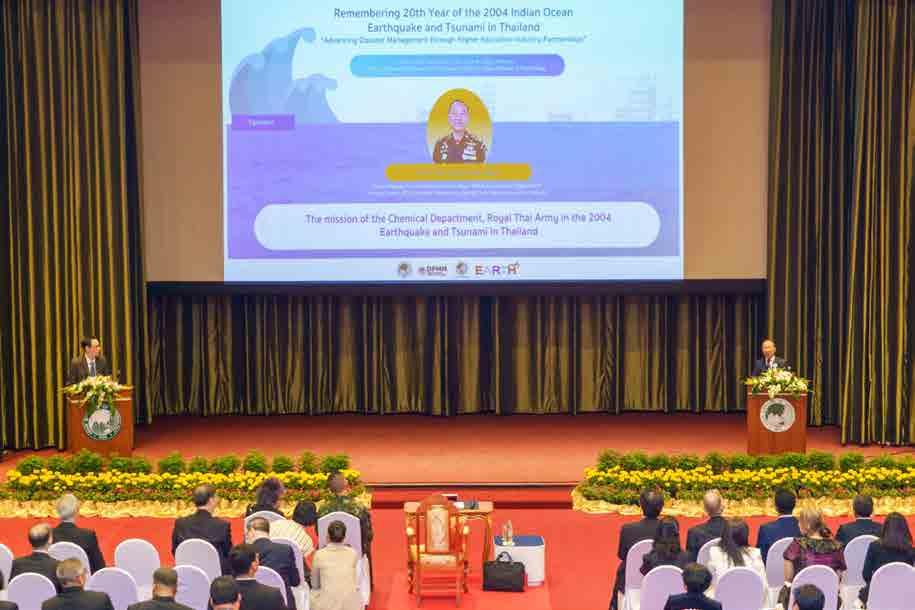
The Asian Institute of Technology (AIT) commemorated the 20th anniversary of the 2004 Indian Ocean tsunami with a forum titled “Remembering the 20th Year of the 2004 Indian Ocean Earthquake and Tsunami in Thailand: Reflections for Advancing Disaster Management through Higher Education-Industry Partnerships.” The event featured His Serene Highness Prince Chalermsak Yugala, who delivered a keynote speech on the Royal Thai Army’s mission during the disaster.
WINTER WORKSHOP 2024 EXPLORES CLIMATE-INDUCED DISPLACEMENT AND GENDERED VULNERABILITIES IN THE GLOBAL SOUTH
Description:
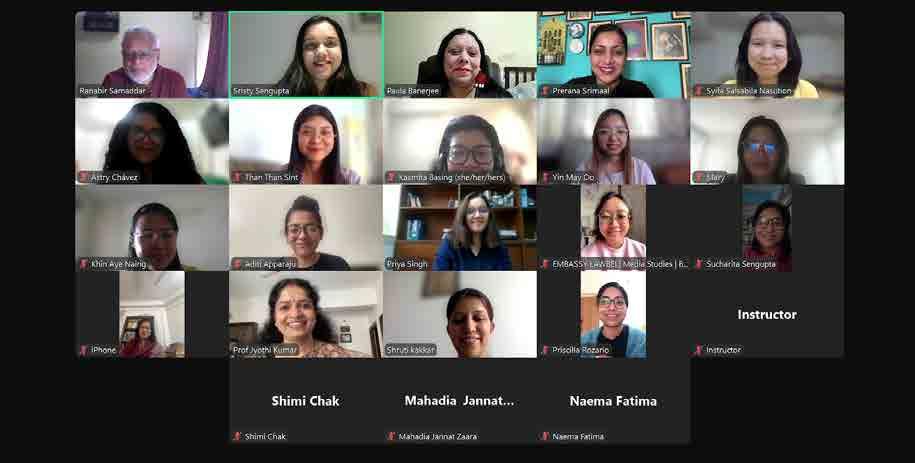
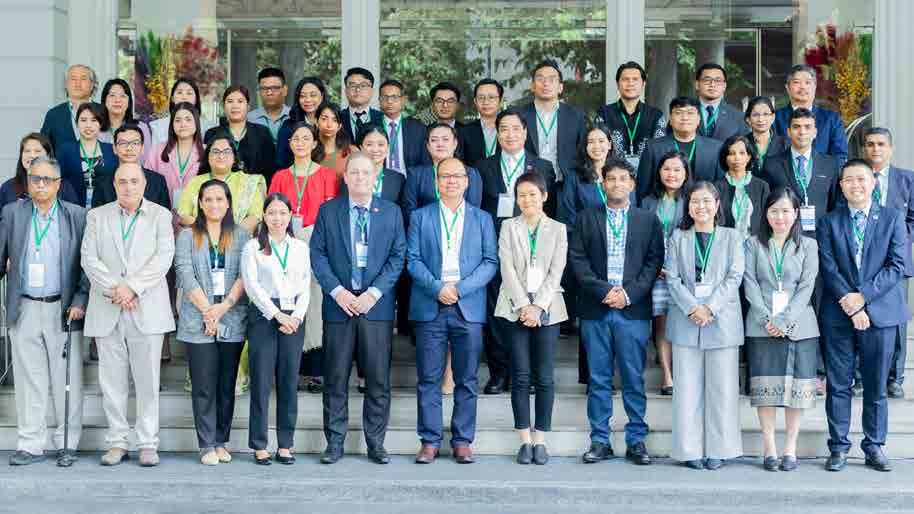
The Winter Workshop 2024, ‘Impact of Climate-Induced Forced Displacement on Women in the Global South,’ held from December 16 to 21, 2024, explored the intersections of climate change, forced migration, and gender vulnerabilities. Organized by the Center on Gender and Forced Displacement (CGFD) at the Asian Institute of Technology (AIT) in collaboration with Christ University and the Calcutta Research Group and supported by IDRC and Knowledge for Democracy Myanmar (K4DM), the workshop fostered inclusive participation, notably engaging students from Myanmar.
AIT HOSTS INTERNATIONAL WORKSHOP ON CLIMATE-SMART AGRICULTURE IN HIGHLANDS
Description:
On October 29-30, 2024, AIT hosted an international workshop titled “Climate-Smart Agriculture in Highlands: Best Practices and Lessons Learned,” attended by over 100 experts and stakeholders. The event, part of an Asian Development Bank initiative, focused on enhancing climate resilience in highland agriculture in Thailand. Discussions covered themes such as gender-conscious vulnerability assessments, climate-smart technologies, agricultural product quality, and community capacity building. The workshop emphasized the need for collaborative approaches to address climate challenges and foster innovation in sustainable agricultural practices. Key speakers included representatives from ADB, the Thai government, and AIT, highlighting the importance of multi-stakeholder engagement in achieving long-term agricultural sustainability. � https://ait.ac.th/2024/10/ait-hosts-internationalworkshop-on-climate-smart-agriculture-in-highlands/
Projects:
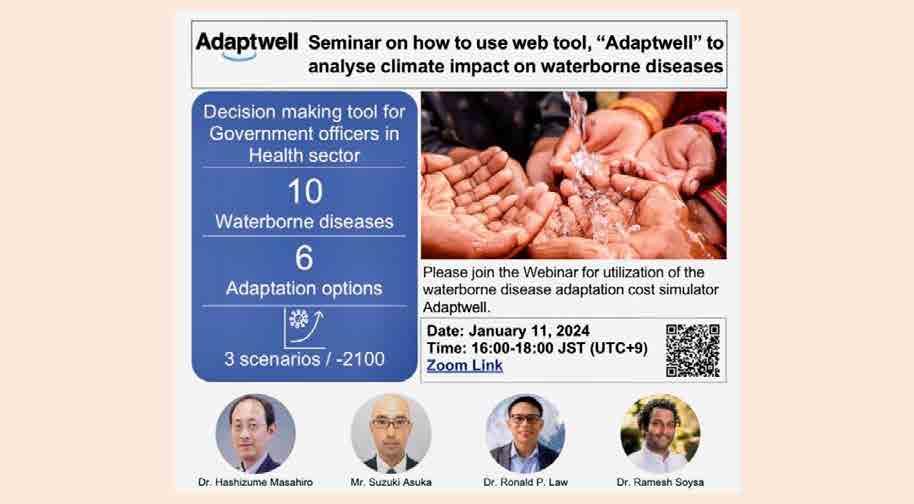
ONLINE SEMINAR ON HOW TO USE WEBTOOL, “ADAPTWELL” TO ANALYSE CLIMATE IMPACT ON WATERBORNE DISEASES, VIRTUAL MEETING
Duration: 11 Jan 2024
Expected Social Impact: The projection model anticipates a substantial positive social impact stemming from combined improvements in key areas. Increased socio-economic growth, translating to greater healthcare funding, is expected to enhance access to preventative care, diagnostic services, and treatment. Simultaneously, reductions in waterborne diseases, achieved through improved sanitation and hygiene, will lessen disease burden. Furthermore, better child nutrition, leading to decreased malnutrition, stunting, and wasting, will positively influence overall health and well-being. These interconnected factors are projected to create a healthier population, resulting in a significantly improved quality of life.
Description:
The AIT RRC.AP supported and presented in a virtual seminar on how to use “Adaptwell”, a tool to analyse climate impact on waterborne diseases on 11th January 2024 from 14.00 – 16.00 (UTC +7.00). Ramesh Soysa, the Head of the Climate Change Cluster of the AIT RRC.AP, presented during the seminar titled “Co-working Adaptation Tools”.
In his talk, he revealed a brief description of the e-learning video courses that are accessible on the AP-PLAT website. Around 46 participants, including government officials and researchers in climate change adaptation and waterborne diseases, participated in the seminar. This seminar was coorganised by the Ministry of the Environment, Government of Japan (MoEJ), the University of Tokyo and the Pacific Consultants Co., Ltd.
THE REGIONAL TRAINING WORKSHOP ON BUILDING CITIES RESILIENCE TO CLIMATE AND DISASTER RISKS, BANGKOK
Duration: 19-22 Feb 2024
Expected Social Impact: The Regional Training Workshop empowered participants with practical climate change adaptation tools and data, fostering their capacity for informed decision-making. This initiative also catalyzed crucial regional collaboration, strengthening collective efforts to tackle shared climate challenges. By integrating principles from SDG11, the Sendai Framework, and the Paris Agreement, the workshop directly addressed the growing vulnerabilities and inequalities intensified by climate change and rapid urbanization.
Description:
The AIT RRC.AP, with the financial support from the Ministry of Environment, Japan (MoEJ) and in collaboration with UNDRR, UN-Habitat, IFRC, UCLG, ICLEI, ADPC and EPIC-NET, successfully conducted “The Regional Training Workshop on Building Cities’ Resilience to Climate and Disaster Risks” from 19th to 22nd February 2024. This workshop was part of an annual series conducted in support of the MCR 2030
campaign. There were 33 participants invited from seven countries from 9 cities in ASEAN and South Asia.
The workshop addressed the current and future challenges of integrating climate change adaptation and disaster risk reduction into national and local development planning that requires the development of new approaches, mechanisms,
and sets of skills and competencies. Identifying and strengthening these elements are crucial to fostering increased public demand and political commitment to local actions and budget allocations. Key existing challenges include a lack of appropriate knowledge on the subject, insufficient government commitment, and the absence of mainstreaming in current organizational and government strategies and plans. The objective of this training workshop
is to aid city governments in enhancing resilience to climate and disaster risks by incorporating climate change adaptation and disaster risk reduction into broader city development plans and strategies. � https://www.rrcap.ait.ac.th/news/Pages/ vol25no1-11.aspx
SUSTAINABLE DEVELOPMENT GOAL 13 ROUND TABLE AT THE 11TH ASIA- PACIFIC FORUM ON SUSTAINABLE DEVELOPMENT ( APFSD ) , BANGKOK
AIT Research Theme: CAPACITY BUILDING
Duration: 22 Feb 2024
Expected Social Impact: The social impact primarily focused on empowering communities and stakeholders to better address climate change and disaster risks. By highlighting the AP-PLAT platform and its free resources, AIT RRC.AP is democratizing access to crucial information and tools for climate adaptation and Disaster Risk Reduction (DRR). Such access is particularly important for vulnerable communities and cities that may lack the resources to develop their own solutions. The tools, FloodS and S8DS, directly aid in adaptation, allowing for better planning and response to climate-related disasters.
Description:
The AIT RRC.AP participated in the Sustainable Development Goal 13 Round Table at the 11th Asia-Pacific Forum on Sustainable Development (APFSD), held at the United Nations Conference Center in Bangkok, on 22nd February 2024. Guilberto Borongan, Director of AIT RRC. AP delivered a brief 4-minute reflection that aligned with the priority for climate action” 6—”Guarantee access to information, climate-related decisions, and justice access”—
His message discussed climate adaptation and Disaster Risk Reduction (DRR) activities that AIT RRC.AP was concluding in the region. He introduced the adaptation tools of FloodS and S8DS and highlighted the plethora of resources, tools, and exemplary practices available on the AP-PLAT platform, accessible to relevant stakeholders, including cities, at no cost. Additionally, Borongan introduced the upcoming e-learning courses currently under development, soon to be accessible on the AP-PLAT platform. � https://www.rrcap.ait.ac.th/news/Pages/ vol25no1-10.aspx
QUALITATIVE RESEARCH ON CLIMATE CHANGE
AIT Research Theme: Climate Change
AIT Unit: Natural Resources Management
Duration: Jan 2024
Project Sponsor/Client: Danish Institute for International Studies
Project Partner: Chiang Mai University
Expected Social Impact: Reduced GHG emissions; Improved resilience to climate change
Description:
An NRM master’s student was selected as one of the 23 participants in the summer school “Qualitative Research on Climate Change” at the Regional Center for Social Science and Sustainable Development, Chiang Mai University, on 9-16 January 2024. She gained insights into qualitative research and social science debates on climate
change, focusing on responses in Myanmar, Thailand, and Vietnam. She also had field visit activities to the Tha Nuea Community and Bann Huay E-Kang Community, learning about resources and land management, community forest management, and climate change.
2024 BIOCHAR ACADEMY
AIT Research Theme: Climate Change
AIT Unit: Natural Resources Management
Duration: May 2024
Project Sponsor/Client: International Biochar Initiative
Project Partner: Chiang Mai Echo Farm; Echo Community
Expected Social Impact: Reduced GHG emissions; better agricultural yields.
Description:
A master’s student was selected for the 2024 Biochar Academy. The academy was held on 6-12 May 2024 at Chiang Mai Echo Farm, organized by the International Biochar Initiative and Echo Community, which are wellknown institutions that strive for nature and community.
“I feel so happy to join the program. Lectures at AIT also helped me follow the academy. I better understand biochar,
the carbon market, and business development. I directly interact with local communities through site visits and get along with new friends and network with people from different backgrounds and various countries.”
ARE CITY CLIMATE PLANS ADEQUATE FOR MITIGATING WEATHER EXTREMES? AN INVESTIGATION OF SOUTHEAST ASIAN CITIES
AIT Research Theme: Climate Change
AIT Unit: SERD-Development Planning Management and Innovation
Duration: 01 Sep 2022 to 31 Jul 2025
Project Sponsor/Client: Curtin University
Project Partner: Chiang Mai Echo Farm; Echo Community
Expected Social Impact: The effects of climate change on the people and the economy of Bangkok and Thailand will be analyzed.
Description:
The project will collect existing climate action plans and policies and the status of NDCs in Bangkok, including national and local climate change sectoral plans of the city. Activities include field surveys/interviews and a review of the climate action plans developed by the partners.
SOLUTIONS TO COMBAT PLASTIC POLLUTION IN RIVERS AND CANALS
AIT Research Theme: Plastic Pollution/Environmental Solutions
AIT Unit: Natural Resources Management
Duration: 15 Fb 2024
Project Sponsor/Client: Government of Japan
Project Partner: UNEP
Expected Social Impact: Engaging youth and innovators to propose practical solutions to plastic pollution.
Description:
Online competition organized under Countermeasure III. � https://ait.ac.th/2024/02/innovate-for-impact-solutionsto-combat-plastic-pollution-in-rivers-and-canals/
CONTRIBUTION TO 3 RD NERPS CONFERENCE
AIT Research Theme: Climate Change
AIT Unit: Natural Resources Management
Duration: Mar 2024
Project Sponsor/Client: International Biochar Initiative
Project Partner: Hiroshima University
Expected Social Impact: Reduced GHG emissions; better understanding of net-zero potential.
Description:
Two master’s students were accepted to present their thesis at the 3rd NERPS Conference 2024, held at Hiroshima University, Japan, from 6th to 9th March 2024. The 2024 NERPS commemorated the 30th anniversary of the Earth Summit, the 100th anniversary of the Geneva Conventions, and the 75th anniversary of Hiroshima University. The students presented their theses entitled “Assessing Awareness, Perceptions, and Engagement in Nature-Based Carbon Capture Solutions toward Net-Zero Emissions at AIT” and “Re-assessment of Carbon Balance due to Forest Management and Restoration at AIT Campus - Contribution to Net-Zero Emissions” under the Climate Action session. These presentations highlighted the critical role of community engagement and sustainable forest management in the fight against climate change.
MEKONG THOUGHT LEADERSHIP AND THINK TANKS NETWORK / FELLOWSHIP PROGRAM
AIT Research Theme: Climate Change; Smart Communities; Food-Energy-Water
AIT Unit: SET-Disaster Preparedness, Mitigation and Management
Duration: 01 Sep 2024 to 29 Nov 2025
Project Sponsor/Client: SEI-DFAT
Project Partner: SEI
Expected Social Impact: The program will be implemented through five components that include the development of a home-grown regional network/alliance of KBPIOs, enhancing climate resilience of water and energy systems through policy research and collaboration among policy-informing organizations (PIOs), inclusive engagement with policy, practice, and the public beyond dialogues for effective change, professional development
of agents of change, and effective project management monitoring, evaluation, and learning (MEL) for long-term sustainability.
Description:
The Mekong Thought Leadership and Think Tanks Network, or, in short, the Mekong Think Tanks Program, supported by the Department of Foreign Affairs and Trade (DFAT) of the Government of Australia, has the overall ambition to work together with national and regional knowledge-based policy influence organizations (KBPIOs), including think tanks, to enhance their effectiveness and inclusiveness in policy engagement. The core focus of the activities of the MTT will be within the domains of water security, energy security, and climate change mitigation and adaptation.
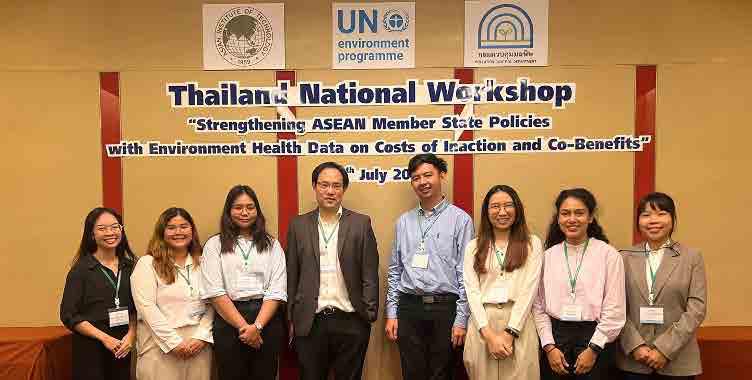
ARE CITY CLIMATE PLANS ADEQUATE FOR MITIGATING WEATHER EXTREMES?
AIT Research Theme: Urban Climate Resilience
AIT Unit: DPMI, SERD
Duration: One-day workshop
Project Sponsor/Client: Not specified
Project Partner: UNEP
Expected Social Impact: Informing urban policy to better address climate change risks.
AIT Research Theme: Urban Climate Resilience
AIT Unit: SET and SERD
Duration: Event-based
Project Sponsor/Client: Osotspa Public Co. Ltd.
Project Partner: UNEP
Expected Social Impact: Capacity building for
Description:
Workshop analyzing climate adaptation strategies in Southeast Asian cities.
AIT Unit: Internet Education and Research Laboratory
Duration: 01 Jul 2022 to 31 Aug 2024
Project Sponsor/Client: TEINCC and ThaiREN
Expected Social Impact: The project is expected to impact environmental research significantly, particularly in wildland fire and public health. It also aims to build a Future Internet Architecture testbed by implementing ICN on a live IoT platform.
Description:
This project is an extension of SEA-HAZEMON@TEIN, cofunded by the EU and NRENs under the 5th call of the Asi@ Connect research program. It aims to exploit Information Centric Networking (ICN) on the SEA-HAZEMON platform for monitoring air quality, introduce advanced network architecture with IoT applications and edge/fog computing, and foster research collaborations through meetings and joint workshops. The project supports capacity development for the TEIN community in Information Centric Network for IoT, part of the Future Internet agenda.
SUSTAINABILITY IN ACTION: RESEARCH TRENDS WORKSHOP AND SDG COMPETITION
AIT Research Theme: Climate Change
AIT Unit: Office of Sustainable Campus (OSC)
Duration: Nov 2024
Expected Social Impact: The event aimed to raise awareness and inspire the AIT community to adopt sustainable practices, contributing to climate change mitigation and fostering a culture of environmental responsibility.
Description:
The Asian Institute of Technology (AIT) hosted the “Sustainability in Action: Research Trends Workshop and
SDG Competition” to promote sustainability and innovation among students and staff. The SDG Research Competition featured 15 innovative projects addressing 14 Sustainable Development Goals (SDGs), covering topics from sustainable agriculture to digital health solutions. Winners were recognized for their contributions to advancing sustainability initiatives.
SUSTAINABLE DEVELOPMENT GOAL 13 ROUND TABLE AT THE 11TH ASIA- PACIFIC FORUM ON SUSTAINABLE DEVELOPMENT ( APFSD )
AIT Research Theme: Climate Change (Disaster Risk Reduction)
AIT Unit: AIT Regional Resource Centre for Asia and the Pacific (RRC.AP)
Duration: Feb 2024
Project Partner: United Nations Economic and Social Commission for Asia and the Pacific (UNESCAP), AP-PLAT
Expected Social Impact: Enhanced regional capacity in climate adaptation and DRR, increased accessibility to climate information and tools, and strengthened resilience of cities and stakeholders in Asia-Pacific through capacitybuilding initiatives.
Description:
AIT’s Regional Resource Centre for Asia and the Pacific (AIT RRC.AP) participated in the SDG 13 Round Table during the 11th Asia-Pacific Forum on Sustainable Development (APFSD) in Bangkok on 22 February 2024. Guilberto Borongan presented AIT RRC.AP’s climate adaptation and disaster risk reduction (DRR) initiatives, introducing tools like
FloodS and the S8DS downscaler. These tools, along with resources available on the AP-PLAT platform, are designed to improve access to climate information, support climaterelated decision-making, and facilitate capacity-building. Upcoming e-learning courses on these topics will also be hosted on AP-PLAT.
SOIL MOISTURE’S ROLE IN BOOSTING CLIMATE RESILIENCE AND AGRICULTURE IN SOUTHEAST ASIA
AIT Research Theme: Climate Change / Disaster Resilience / Food-Energy-Water Nexus
AIT Unit: School of Engineering and Technology (Water Engineering and Management Program)
Duration: Nov 2024
Project Partner: NASA, Asian Disaster Preparedness Center (ADPC), Hydro Informatics Institute (HII), Kasetsart University, USDA
Expected Social Impact: The project is expected to strengthen regional capacity in using satellite soil moisture data to support climate resilience, sustainable agriculture, and disaster preparedness. It promotes data-driven decisionmaking aligned with SDG 13 and the Sendai Framework for Disaster Risk Reduction.
Description:
The Asian Institute of Technology (AIT), in collaboration with NASA, ADPC, Hydro Informatics Institute (HII), and Kasetsart University, organized a hybrid workshop titled “Advancing Agriculture, Climate, Environmental, and Disaster Monitoring Through Satellite-Based Soil Moisture Retrieval and Applications in Southeast Asia” on November 7, 2024. The workshop aimed to raise awareness of satellite-
based soil moisture data for climate resilience, agriculture, and disaster risk reduction. It focused on improving regional collaboration, calibration/validation of data, and developing pilot studies. Experts from NASA, USDA, and regional organizations discussed challenges and opportunities to enhance soil moisture monitoring for better climate adaptation strategies in Southeast Asia.
THAILAND HIGH-RESOLUTION SEASONAL HYDROMETEOROLOGICAL FORECASTING SYSTEM (THFS)
AIT Research Theme: Climate Change / Disaster Resilience / Food-Energy-Water Nexus
AIT Unit: Water Engineering and Management
Duration: 16 Dec 2024
Project Sponsor(s)/Client(s): Agricultural Research Development Agency (ARDA)
Project Partner: Agricultural Research Development Agency (ARDA)
Description:
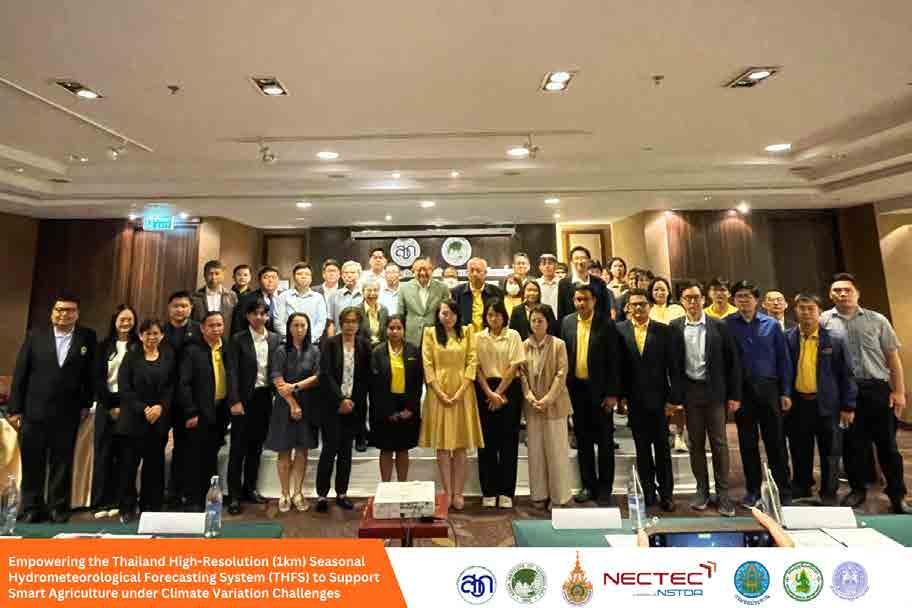
Water Engineering and Management Program at the Asian Institute of Technology (AIT), supported by the Agricultural Research Development Agency (ARDA), hosted an academic seminar focusing on the development of a High-Resolution (1 km) Seasonal Hydrometeorological Forecasting System (THFS) to enhance smart agriculture in Thailand. Held at the Rama Gardens Hotel in Bangkok, the seminar aimed to foster collaboration among experts, researchers, and officials from various academic institutions,
governmental agencies, and research organizations. Key topics included optimizing water resource management, improving agricultural productivity, and enhancing climate resilience through advanced forecasting techniques.
� https://alice-lab.com/thfs-workshop
REAL-TIME EDGE COMPUTING NETWORK ON HAZE MONITORING AND FOREST FIRE DETECTION
AIT Research Theme: Climate Change
AIT Unit: Internet Education and Research Laboratory
Duration: 01 Jul 2022 to 31 Aug 2024
Project Sponsor/Client: TEIN*CC and ThaiREN
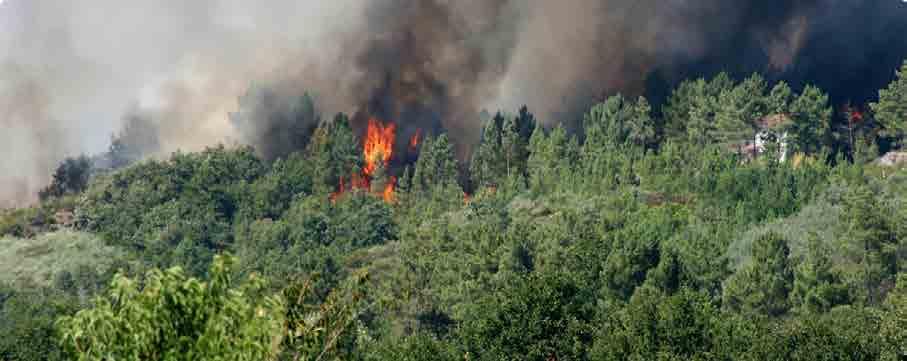
Expected Social Impact: The expected outcome of this proposed, SEA-HAZEMON@TEIN- II, will have a strong impact on environmental research, especially in the field of wildland fire and public health. Besides, the proposed project also aims to build the Future Internet Architecture testbed by developing the Information Centric Networking on a live IoT platform.
Description:
This project is an extension of SEA-HAZEMON@TEIN which is co-funded by EU and NRENs under the 5th call of Asi@ Connect research program. The project aims to exploit the use of Information Centric Networking (ICN) on the SEA-
HAZEMON air quality monitoring platform. The project also aims to introduce advanced network architecture with IoT applications and edge/fog computing. Research collaborations are to be conducted through meetings and joint workshops discussing the research components and roadmap for further collaborations. This is to provide capacity development for TEIN community for the Information Centric Network for IoT which is one of the key areas in Future Internet agenda.
PROMOTING DISASTER PREPAREDNESS AND RESILIENCE BY CODEVELOPING STAKEHOLDER SUPPORT TOOLS FOR MANAGING THE SYSTEMIC RISK OF COMPOUNDING DISASTERS
AIT Research Theme: Climate Change
AIT Unit: Geoinformatics Center
Duration: 01 Oct 2022 to 31 Dec 2026
Project Sponsor/Client: European Research Executive Agency (REA)
Expected Social Impact: The project follows a Responsible Research and Innovation approach as a process where all societal actors (citizens, transport infrastructure managers and operators, public authorities, business and industry, academia, Research and Innovation (R&I), and other relevant stakeholders) work together during the whole R&I process to align R&I outcomes to the values, needs, and expectations of the society, enabling easier access to scientific results, as well as the take-up of gender and ethics in the R&I content and process. The project will create an impact by increasing awareness of the benefits of a gender perspective in research, development, and innovation. From a long-term perspective, the gender mainstreaming approach will contribute to favorable conditions for innovation systems and a more secure and sustainable society.
Description:
The ongoing pandemic and climate crisis have taught us hard lessons about the systemic impact of compounding
disasters. Stakeholders in disaster risk management are faced with the challenge to adapt their risk reduction policies and emergency plans but lack the tools to account for the cross-sectoral impacts and dynamic nature of the risks involved. The PARATUS project aims to fill this gap by developing an open-source platform for dynamic risk assessment that allows analyzing and evaluating multihazard impact chains, risk reduction measures, and disaster response scenarios in light of systemic vulnerabilities and uncertainties. These services will be co-created within a unique transdisciplinary consortium of research organizations, NGOs, SMEs, first and second responders, and local and regional authorities. To gain a more profound understanding of multi-hazard impact chains, PARATUS will first conduct forensic analysis on historical disaster events, augment historical disaster databases with hazard interactions and sectorial impacts, and exploit remote sensing data with artificial intelligence methods. Building on these insights, PARATUS will then develop new exposure and vulnerability analysis methods that enable systemic risk assessment across sectors (e.g., humanitarian, transportation, communication) and geographic settings (e.g., islands, mountains, megacities). These methods will be used to analyze risk changes across space and time and to develop new scenarios and risk mitigation options together with stakeholders, using innovative serious
games and social simulations. The results will be hosted on two stakeholder hubs related to crisis management and humanitarian relief and provide stakeholders with a range of tools for risk reduction planning in dynamic multi-hazard
environments. The service-oriented approach with active stakeholder involvement will maximize uptake and impact of the project and help to increase Europe’s resilience to compounding disasters.
WEB AND MOBILE APPLICATION FOR AIR QUALITY INFORMATION
AIT Research Theme: Artificial Intelligence Technology Center
AIT Unit: Artificial Intelligence Technology Center
Duration: 26 May 2022 to 29 Apr 2025
Project Sponsor/Client: Sithiporn Associates Company Limited
Expected Social Impact: : To improve the positive health and well-being of Bangkok and the metropolitan population from the effects of air pollution, such as pneumonia or bronchitis. Air pollution can also cause discomfort, such as irritation to the nose, throat, eyes, or skin. Air pollution can also cause headaches, dizziness, and nausea. Odors from factories, garbage, or sewer systems contribute to air pollution. To raise public awareness of the true pollution problem in cities and encourage people to make energysaving changes in their lifestyles. Using public transportation instead of driving a car or riding a bike instead of driving a carbon-emitting vehicle are two ways to reduce air pollution. Others include not using aerosol cans, recycling yard trimmings rather than burning them, and not smoking cigarettes.
Description:
As stated in the Bangkok Development Plan 2022, to make Bangkok a pollution-free city and to achieve the objective
mentioned goals , the Office of the Environment is in full control of air quality management, establishing air quality monitoring stations in 50 different districts in Bangkok province with various types of monitoring to collect the data and the air pollution database during 2019-2022. The goal is to develop an air quality model that will aid in measuring and strategically planning the improvement of Bangkok’s air quality. The Pollution Control Department began a project to develop an air quality management information system with the goal of 1) linking the exchange of air quality data from various Bangkok air quality monitoring stations and 2) sharing the information between internal and external agencies to collect, analyze, process, and compare air quality measurement results for more accurate processing at the air quality data center before publicizing the outcomes. And allow policymakers and air quality managers to rely on cutting-edge science to establish regulations and make management decisions to reduce and control air pollution with cost-effective approaches. The information and status of air quality will be publicized to the population in various zones via mobile and web applications that will allow people to access real-time population information to avoid entering the hazard zone that is highly polluted and may affect their health.
INTERLAB IOT DEVELOPMENT 2022
AIT Research Theme: Smart Communities
AIT Unit: Internet Education and Research Laboratory
Duration: 01 Sep 2022 to 29 Feb 2024
Project Sponsor/Client: Asian Institute of Technology
Expected Social Impact: : The project will receive internal funding from other projects in AIT, which in turn intERLab will deliver the custom-made IoT products and services on demand.
Description:
intERLab would like to open the IoT development project to support the development of IoT devices such as low-cost air quality sensors and other edge computing services. The project will receive internal funding from other projects in AIT, which in turn intERLab will deliver the custom-made IoT products and services on demand. The estimated budget of 1,000,000 THB will be allocated to INTERLab to operate the project from 1 September 2022 to 31 December 2023.
DEVELOPMENT OF E-LEARNING VIDEOS ON CLIMATE ADAPTATION
AIT Research Theme: Climate Change
AIT Unit: RRC.AP e-Hub
Duration: 18 Aug 2022 to30 Nov 2024
Project Sponsor/Client: Institute for Global Environmental Strategies (IGES)
Project Partner: IGES
Expected Social Impact: :
• Local Adaptation and Resilience through Waste Management and Resource Management strengthened
• Climate Change Adaptation and Disaster Risk Reduction mainstreamed in SGDs
Description:
Two video development projects:
1. E-learning video on Strengthening Local Adaptation and Resilience through Waste Management and Resource Management
2. An e-learning video on the integration of climate change adaptation and disaster risk reduction:
SENTINEL ASIA AND CAPACITY BUILDING
AIT Research Theme: Climate Change
AIT Unit: Agriculture Systems and engineering
Duration: 09 Nov 2022 to 08 Nov 2024
Project Sponsor/Client: Sebelas Maret University, Indonesia
Project Partner: IGES
Description:
This conference aims to Accommodate and discuss the regional findings related to the adaptation and Mitigation strategies on Climate Change worldwide
BANGCHAK REFINERY AND OIL TRADING BUSINESS PATHWAY TO NET ZERO
AIT Research Theme: Climate Change
AIT Unit: Environmental Engineering and Management
Duration: 29 Nov 2022 to 31 May 2024
Project Sponsor/Client: Bangchak Corporation Public Company Limited
Expected Social Impact: Initiate the movement toward a net-zero emission community.
Description:
The project objective is to provide suggestions for Bangchak Refinery to achieve carbon neutral and net zero and identify market-scale technology for carbon capture and utilization.
1. Conduct desk study on the policies regarding Carbon Neutral and Net Zero Emission
2. Provide roadmap for Bangkok Refinery to meet Carbon Neutral and net zero emission targets
3. Investigate available Carbon Capture and Utilization technologies for refinery
4. Suggest the best Carbon Capture and Utilization technologies for Bangchak refinery
NATIONAL ADAPTATION PLANNING IN THE ASIA-PACIFIC, AND ACTIVITIES UNDER FLAGSHIP OF ASIA-PACIFIC ADAPT
AIT Research Theme: Climate Change
AIT Unit: Regional Resource Center for Asia and the Pacific
Duration: 01 Jul 2022 to 31 Dec 2025
Project Sponsor/Client: Ministry of the Environment, Government of Japan (MOEJ)
Expected Social Impact: The project will enhance the knowledge and capacity of stakeholders from the region on climate issues to develop resilient climate plans and actions, thereby continuing to support climate adaptation for the most vulnerable people in the region.
Description:
Contribution to RRC.AP to support National Adaptation Planning in The Asia-Pacific and activities under the flagship of the Asia-Pacific Adaptation Network. i.Capacity building and mentoring of nationally identified Direct Access Entities (DAE), National Designated Authorities (NDA), and project developers to have access to funding from the Green Climate Fund (GCF) for climate adaptation projects. ii. Capacity building of the national and city government officials and planners to strengthen their knowledge and equip them with new tools, methodologies, and guidelines in climate change adaptation and disaster risk reduction, and to support them in building resilient cities through wider city development plans and strategies. iii. Making the S8 downscaler tool relevant and readily available online for the users and bridging knowledge gaps on climate data and information
both at the local and regional level in understanding and predicting climate change and mainstreaming them into adaptation plans. iv.Introduction of a new tool called FloodS to forecast floods to help countries implement an integrated climate-resilient flood risk management approach and improve their existing capacity to understand the potential impacts of climate change on flooding and flood risk management and enhance the resilience of vulnerable communities. v.Advocate nature-based solutions for climate adaptation in the region to enhance understanding of how NbS can be applied for climate adaptation, assess their effectiveness, and explore financing mechanisms to benefit planners, climate researchers, project developers, and academic personnel. vi. Capacity building of country National Adaptation Plan (NAP) focal decision-makers responsible for the overall launch and steering of the NAP process and also Non-Governmental Organisations (NGOs) and stakeholder groups involved in the NAP process from the least developed countries to raise their awareness on the NAP process, challenges and opportunities, identifying institutional and financial needs, and providing specific knowledge, tools, models, and methodology on the NAP development and implementation process. vii. Enhance communication and networking through various platforms and events to increase the visibility of AIT-RRC.AP works and contributes towards building knowledge for climate adaptation in the region with the AP-PLAT.
EXPANSION & INTEGRATION OF DATABASE DEVELOPMENT FOR FLOOD SIMULATIONS IN DECISION SUPPORT SYSTEM IN SINDH FLOOD EMERGENCY REHABILITATION PROJECT
AIT Research Theme: Technology, Policy and Society
AIT Unit: Artificial Intelligence Technology Center
Expected Social Impact: Making flood management decisions during the planning stage, flood-fighting stage, and post-flood recovery stage requires comprehensive support in order to properly account for all flood impacts. By using an enhanced system, the Sindh Irrigation Department and other related agencies will make better plans and decisions to mitigate the floods or minimize their impact. In
the proposed system, a user or decision-making authority identifies the affected areas and possible solutions to manage the disaster at the community level to minimize the human and economic losses.
Description:
Flood risk mitigation during real-time flood events comprising heavy rainfall under hydrological uncertainty is particularly challenging. Giving this due consideration, the aim is to expand and enhance a decision support system for the real-time operation of embankments and the lower Indus channel downstream. The objective of this project is to enhance preparedness planning, response, and recovery with emphasis on flood monitoring, emergency response, and public involvement.
NATIONAL ADAPTATION PLANNING IN THE ASIA-PACIFIC, AND ACTIVITIES UNDER FLAGSHIP OF ASIA-PACIFIC ADAPT
AIT Research Theme: Climate Change
AIT Unit: Water Engineering and Management
Duration: 01 Feb 2023 to 31 Mar 2025
Project Sponsor/Client: Asian Institute of Technology (AIT)
Expected Social Impact: The AIT high-resolution product includes various environmental variables such as water, energy, climate, soil, and vegetation that are required by a wide range of disciplines. The product is not only useful for scientific advancement, but it is also beneficial for social applications such as agriculture, human/animal habitat relocation (due to limited water access), disease control, assessment and mitigation of climate change impacts, and urban management, to name a few. Ease of use and free access to data for public, business, and government sectors also contribute to the improvement of citizen science in Thailand, which is a crucial part of the country’s development.
Description:
Terrestrial or land water storage (TWS) is defined as the sum of surface water, soil moisture, snow water, and groundwater availability and is a crucial indicator for monitoring domestic, industrial, and agricultural water supplies. The capability to obtain TWS information is essential for understanding past events and projecting future changes in the hydrological cycle and water availability, as well as their impact on floods and droughts. The individual components of TWS exert diverse effects on the water resources and climate system. For instance, soil moisture serves as a major water source for agricultural activities, and its interaction with the atmosphere in the terrestrial water cycle significantly impacts the climate system (Seneviratne et al., 2010). Similarly, groundwater variability affects drinking water directly, and its influence on soil moisture and evapotranspiration may modify the longterm change in water availability and climate. Despite the significance of obtaining accurate TWS estimation, little is commonly known about the spatial and temporal variations of TWS and its components. Such variation is apparent on a regional scale due to the absence of large-scale monitoring systems. Ground-based observations, while accurate,
only offer point-wise information. Satellite remote-sensing observations can provide extensive spatial coverage, but they are generally sensitive to only one water storage component and frequently suffer from several limitations. For example, observations of soil moisture from satellites are only sensitive to the first few centimeters of the soil profile and places with sparse vegetation (Kerr et al., 2012). Similarly, satellite altimetry data can derive surface water variation, but this approach is currently limited to large water bodies. Because ground or satellite measurements alone are insufficient to monitor comprehensive components of TWS, hydrological or land surface models are often employed. The benefits of models are their ability to distinguish individual TWS components, provide spatially distributed estimates, and simulate historical records. However, the model performance is often influenced by the accuracy of the meteorological forcing data and the quality of the model parameters, leading to high uncertainty of the TWS simulation results. The apparent strength of these three datasets motivates the need to combine the model with satellite remote sensing and ground measurements to obtain a better representation of TWS. Data fusion and data assimilation approaches can be used to optimize the information from various sources to enhance the performance of TWS estimates. While both are very effective, the development of such integrated systems often faces significant challenges due to a lack of high-performance computational resources to perform model simulation or process big data, as well as a limited understanding of how datasets from various sources should be accurately optimized. As a result, efforts to improve hydrologic systems are often undertaken by a few research groups (mainly from outside Asia) with adequate resources. This results in a shortage of high-quality and high-resolution data across Asia, which is caused not by a lack of information but rather by a lack of scientific expertise and appropriate means to develop them. This project will focus on the developed data fusion system and provide scientific products with greater accuracy and spatiotemporal resolution than the public product (currently available at 25 km).
DEVELOPMENT AND INTEGRATION OF KIRTHAR MEDEL AND OPERATIONS AND MAINTENANCE OF DATA CENTER UNDER SINDH FLOOD EMERGENCY REHABILITATION (SREFP)
AIT Research Theme: Technology, Policy and Society
AIT Unit: Artificial Intelligence Technology Center
Duration: 01 Apr 2023 to 30 Nov 2025
Project Sponsor/Client: The World Bank
Project Partners: Levant Pakistan 360 Engineering and Management Solutions Carthago Consultancy International Z-Tech Solutions MERIDIAN PF GENERAL TRADING LLC (Hardware)
Expected Social Impact: Overall, the project’s expected social impact on the right bank of the Indus River includes improved disaster management, sustainable resource management, informed development planning, employment opportunities, stakeholder engagement, and technological advancement. These outcomes can contribute to the well-being, resilience, and sustainable development of the local communities in the region.
Description:
Design and implement a sophisticated model that integrates data from various sources to provide comprehensive insights and facilitate informed decision-making processes.
Coordinate with selected vendors to procure the required hardware components, such as servers, networking equipment, storage systems, and infrastructure devices. Ensure timely delivery and installation of hardware, adhering to project timelines. Establish seamless integration of diverse data sources, including satellite imagery, weather data, population demographics, and infrastructure information. This integration will enable the Kirthar Model to generate accurate and up-to-date analysis, predictions, and recommendations for improved decision-making. Set up and maintain a robust data center infrastructure to ensure the secure storage, processing, and accessibility of critical data. This includes implementing industry best practices for data security, backup systems, server maintenance, and disaster recovery procedures to minimize downtime and safeguard information. Identify and hire skilled personnel with expertise in data center operations and management. Recruit individuals experienced in network management, database management, hydro-informatics, and technical support. Build a competent team capable of effectively managing the data center’s day-to-day operations.
TECHNOLOGY NEEDS ASSESSMENT PROJECT IV - SUPPORT TO THE COUNTRIES
AIT Research Theme: Climate Change
AIT Unit: Sustainable Energy Transition
Duration: 31 Dec 2024 to 30 Jun 2025
Project Sponsor/Client: UNOPS
Expected Social Impact:
• Access to cleaner, environment-friendly technologies
• Improvement of socio-economic and environmental conditions
Description:
Technology needs assessment (TNA) is grounded in national sustainable development plans, builds national capacity, and facilitates analysis and prioritization of climate technologies to support the implementation of the UNFCCC Paris Agreement. In 2009, the first TNA was initiated and concluded in 2013. In this fourth phase of TNA, AIT is supporting three countries in the Asia-Pacific region: the Maldives, Timor-Leste, and Papua New Guinea.
REGENERATIVE AGRICULTURE IN ASEAN: PROMOTING NATUREPOSITIVE SOLUTIONS FOR RICE PRODUCTION (REGA-ASEAN)
AIT Research Theme: Climate Change
AIT Unit: Agriculture Systems and Engineering
Duration: 01 Aug 2023 to 31 Jul 2027
Project Sponsor/Client: The Rockefeller Foundation, USA
Expected Social Impact: This contribution will help in bootstrapping the regenerative agricultural solutions across ASEAN.
Description:
The overall objective of this project is to carry out extensive desk research to find out GHG emissions from the rice production sector and the impacts of climate change on rice production in Thailand, Lao PDR, and Cambodia. This grant will support field and greenhouse experiments in generating empirical evidence on the feasibility of using selected nature-positive solutions for rice production in Thailand, Lao PDR, and Cambodia.
WATER RESOURCES RISK AND COUNTERMEASURE FOR SUSTAINABLE DEVELOPMENT UNDER CHANGING ENVIRONMENT IN THE PAN QINGHAI TIBETAN PLATEAU
AIT Research Theme: Climate Change
AIT Unit: Centre for Water and Climate Adaptation, SET
Duration: 01 Aug 2023 to 31 Dec 2026
Project Sponsor/Client: Alliance of International Science
Organizations
Project Partners: Institute of Geographic Sciences and Natural Resources Research, Chinese Academy of Sciences (CAS), China Institute of Water Problems, Hydropower and Ecology, National Academy of Sciences of Tajikistan Institute of Water Problems, Hydropower and Ecology National Academy of Sciences of Tajikistan Institute of Geology, National Academy of Sciences of the Kyrgyz Republic (NAS KR) Department of Space Science, Institute of Space Technology, Islamabad, Pakistan
Expected Social Impact: The project will help in increasing the awareness and knowledge related to climate change impacts and adaptation in the region. It will be useful in improving water management and supporting sustainable development. It is expected to overall reduce the social and economic costs/damages associated with climate change by building social cohesion and resilience among the various actors in the society. The findings of the research will also support the policy and decision-makers in formulating measures to cope with the adverse impacts of climate change and achieving SDGs in the region.
Description:
As the world strives to achieve sustainable development goals (SDGs), climate change could significantly hinder
the progress. Climate change is a global issue that requires local, national, regional, and global actions. Understanding the impacts of climate change on water resources and sustainable development is paramount to devising measures to enhance resiliency. The Pan-Qinghai Tibetan Plateau (PQTP) is one of the hot spots, as the observed impacts of climate change in the region are higher than the global average. PQTP is also called the water tower of Asia, as many large rivers, such as the Yangtze, Yellow, Mekong, Indus, etc., originate from this region and the region has been considered an amplifier of global climate change. A population of over one billion people depends on the rivers originating in PQTP for their livelihoods and is vulnerable to any changes in the water resources in the region resulting from changing climate. This study will improve the future projections of regional climate in PQTP by using state-of-theart climate models and dynamic downscaling techniques. Hydrological modeling and machine learning techniques will be applied to assess the impacts on the water resources in the region. The combined impacts of climate change and changes in water resources on SDG6 and SDG13 in the region will be assessed using the indicator/indicesbased approach. Finally, the study will rigorously explore the adaptation options for building resiliency and adaptive capacity of communities.
ATMOSPHERIC BROWN CLOUD (ABC)
AIT Research Theme: Climate change, Food-EnergyWater, Technology, Policy and Society
AIT Unit: Regional Resource Center for Asia and the Pacific
Duration: 01 Jul 2023 to 31 Aug 2025
Project Sponsor/Client: Stockholm University
Expected Social Impact:
• Increased understanding on regional impacts of transboundary air pollution, particularly aerosols and trace gases (ABCs)
• Increased understanding on interaction of ABCs with climate change factors.
• Build capacity of young researchers, students, and policymakers of the South Asian region.
Description:
Atmospheric Brown Clouds | Atmospheric Aerosols | Trace Gases | Transboundary Air Pollution | Maldives Climate Observatories (MCOH). - Conduct continuous measurements of air pollution, atmospheric components, and meteorological parameters, including operation and maintenance of scientific instruments.
• Analyze atmospheric data combined with, as appropriate, satellite observations, model simulation outputs and other supplementary data, and prepare scientific reports/publications;
• Provide training to scientists, technicians, and young researchers;
CLIMATE CHANGE ADAPTATION IN CROP PRODUCTION USING SMART FARMING TECHNIQUES
AIT Research Theme: Climate change
AIT Unit: Regional Resource Center for Asia and the Pacific
Duration: 01 Jul 2023 to 31 Aug 2025
Project Sponsor/Client: Stockholm University
Expected Social Impact: Experience in agricultural field design. Practical experience in data collection Provide basic information and hands-on training
Description:
The overall aim of this project is to carry out an internship for undergraduates from the agricultural science discipline from various agricultural universities across India to provide them with technical and practical experience for sustainable agricultural development.
INTERLAB IOT DEVELOPMENT 2023
AIT Research Theme: Smart communities
AIT Unit: Internet Education and Research Laboratory
Duration: 01 Oct 2023 to 31 Mar 2025
Project Sponsor/Client: Asian Institute of Technology
Expected Social Impact: The project will receive internal funding from other projects in AIT, which in turn intERLab will deliver the made IoT products and services on demand.
Description:
IntERLab would like to open the IoT development project to support the development of IoT devices such as low-cost air quality sensors and other edge computing devices. The project will receive internal fundings from other projects in AIT, which in turn intERLab will deliver. custom made IoT products and services on demand. The estimated budget of 1,000,000 THB will be allocated to INTERLab to operate the project from 1 October 2023 to December 2024.
ESTABLISHING A KNOWLEDGE HUB AND BUILDING CAPACITY ON URBAN ECOSYSTEM-BASED ADAPTATION (EBA) IN LAO PDR
AIT Research Theme: Climate Change
AIT Unit: Natural Resources Management
Duration:11 Sep 2023 to 20 May 2025
Project Sponsor/Client: Ministry of Natural Resources and Environment, Lao PDR
Project Partner: National University of Laos
Expected Social Impact: Increase awareness on EbA
Description:
To support the National University of Laos to develop their capacity in the areas of curriculum development; joint
research on EBA; support to design and validate permeable paving; and production of some communication/knowledge products/materials. Preparation of an EbA curriculum integrating engineering and ecosystem-based solutions targeting the graduate students. Conduct joint research on relevant topics on EbA, including forest restoration in wetlands, hydrological modeling, drought, and soil erosion. Produce joint knowledge products on urban EbA. Design and demonstrate permeable pavement solutions
ESTABLISHING A KNOWLEDGE HUB AND BUILDING CAPACITY ON URBAN ECOSYSTEM-BASED ADAPTATION (EBA) IN LAO PDR
AIT Research Theme: Climate Change
AIT Unit: Regional Resource Center for Asia and the Pacific
Duration: 24 Oct 2023 to 30 Nov 2024
Project Sponsor/Client: Institute for Global
Environmental Strategies
Project Partner: National University of Laos
Expected Social Impact: Enhance resilience to climate catastrophes. Enhance adaptive measures to combat floods and coastal catastrophes. Enhance resilience in vulnerable communities.
Description:
This project aims to develop two comprehensive e-learning modules to enhance climate adaptation planning capacity in the Asia-Pacific region. The first module, “Integrating Gender and Indigenous Factors into Locally-Led Adaptation,” will
provide approximately two hours of English-language training through three video-based sessions. It will focus on promoting inclusive, locally relevant adaptation strategies by addressing gender and indigenous perspectives. The second module, “Using the FloodS: A Flood Forecasting Tool for Adaptation Planning at the City Level”, will offer practical training on utilizing flood forecasting tools for urban adaptation planning. Both modules will be professionally narrated by native speakers and structured for accessibility and impact. Designed primarily for government officials across disaster prevention, agriculture, water resources, and infrastructure sectors, the materials will also support development consultants and private firms engaged in ODA project formulation. Additionally, they aim to build the technical capacity of GCF-accredited entities and National Designated Authorities (NDAs) in climate-resilient decisionmaking.
INTERLAB IOT DEVELOPMENT 2023
AIT Research Theme: Climate Change
AIT Unit: Environmental Engineering and Management
Duration: 16 Nov 2023 to 30 Apr 2025
Project Sponsor/Client: UN Environment Programme
Project Partner: Thailand Pollution Control Department
Expected Social Impact: Strengthen the ASEAN Hazefree Roadmap 2022-2030 and CLEAR Sky Strategy by
developing database of air pollution, Greenhouse Gas and Short-Lived Climate Pollutant (SLCP) emission to assess the contribution of open burning and forest fires in Lower Mekong Sub-region (LMS), including Cambodia, Laos, Myanmar, Thailand and Vietnam
Description:
The Roadmap on ASEAN Cooperation towards Transboundary Haze Pollution Control with Means of
Implementation (ASEAN Hazefree Roadmap) 2022-2030 was adopted in August 2023. However, the final review of the previous roadmap (Haze-Free Roadmap, 2016-2020) identified that under Strategy 8, “Reducing health and environmental risks and protecting the global environment” was scored as “Low-Medium,” meaning that the information on the impacts of the haze problem is still lacking. The recommendations include “Introduce a more robust and standardized socio-economic analytical assessment approach for each Roadmap Strategy to include impact, cost-benefit, environmental, health, and social protection platforms” and “A common database on correlation
between public health and haze should be established” for the Hazefree Roadmap 2022-2030. Moreover, Thailand has proposed the “CLEAR Sky Strategy” to ASEAN, which includes exchanging information and legislative measures. The main cross-cutting issue is the establishment of a common database of the impacts of haze on public health. The success of this action depends on several issues that need collaboration. Standardized methods and criteria used to undertake assessment and monitoring of the health, economic, social, and environmental impacts of haze, including climate change/global warming, are required.
TRAVERSING INTERCONNECTED LOCAL-TO-GLOBAL ACTION SPHERES TO ADVANCE THE POST-2030 AGENDA
AIT Research Theme: Smart Communities
AIT Unit: Disaster Preparedness, Mitigation and Management
Duration: 01 Jan 2024 to 31 Jul 2024
Project Sponsor/Client: IGES JAPAN
Project Partner: IGES
Expected Social Impact: The project promotes inclusive climate action by enabling cross-learning and synthesizing sustainability practices tailored to Asian city-regions. It fosters co-development of integrated, community-driven pathways for resilient and decentralized societies. By
building partnerships across sectors, it strengthens local capacities to localize SDGs and achieve net-zero goals.
Description:
IGES, in partnership with START, AIT, VNIT and Thammasat University are convening a learning and reflection workshop on climate and sustainable development actions in Asian city-regions, and explore how integrated policy approaches and actions (like CES) can help address the localisation challenge. This note describes the plan and process for establishing a regional workshop in Bangkok, January 2024.
INNOVATIVE TOOLS TO SUPPORT THE DESIGN AND MONITORING OF NBS AND GHG EMISSION REDUCTION PROJECTS
AIT Research Theme: Smart communities
AIT Unit: Geoinformatics Center
Duration: 31 Dec 2023 to 31 My 2025
Project Sponsor/Client: Food and Agriculture
Organization of the United Nations (FAO)
Expected Social Impact: Actively promoting sustainable agricultural practices, abetting climate change at the local level.
Description:
Under FAO Regional Priority Area 2 on accelerating sustainable natural resources management for biodiversity
conservation and climate action, which aims to support members to protect, restore, and promote sustainable use of terrestrial and aquatic ecosystems and combat climate change in realizing more efficient, resilient, and sustainable agri-food systems, FAO is developing a new generation of analysis and tools to support the improved targeting and design of climate finance investments in agri-food systems consistent with the priorities of member countries and public and private sector donor organizations. Specifically, RAP is working with partners developing tools to support integrated investments in climate and ecological resilience through nature-based solutions in the GEF and GCF portfolios.
THIRD-PARTY VALIDATION AND MONITORING AND DEVELOPMENT OF DATA ANALYTICS TOOL OF SINDH FLOOD EMERGENCY REHABILITATION
AIT Research Theme: Climate Change
AIT Unit: Artificial Intelligence Technology Center
Duration: 15 Dec 2023 to 31 Dec 2026
Project Sponsor/Client: 360 Engineering & Management Solutions Company Limited (360EMS)
Project Partner:
1. Carthago Consultancy International, Pakistan
2. Impact International
Expected Social Impact: This project promises significant social benefits. It will improve transparency and coordination among stakeholders, ensure timely project completion, and protect the environment and local communities. By
understanding local needs, benefits can be distributed fairly and grievances addressed. Engaging with communities will empower them, while data analytics will guide decisionmaking for sustainable development in Sindh.
Description:
Sindh province in Pakistan suffered the most from the 2022 floods, with damages estimated at US$9 million and recovery needs at US$7.9 billion. Over 12 million people were affected, and 24 out of 30 districts were declared as “calamity hits.”
The Sindh Flood Emergency Recovery Project (SFERP) will focus on infrastructure rehabilitation, short-term livelihood support, and building long-term resilience to climate change and natural disasters.
SENTINEL ASIA AND CAPACITY BUILDING CLIMATE CHANGE ADAPTATION IN AGRICULTURE FOR ENHANCED RECOVERY AND SUSTAINABILITY OF HIGHLANDS
AIT Research Theme: Climate Change
AIT Unit: AIT extension
Duration: 01 Dec 2020 to 30 Aug 2024
Project Sponsor/Client: ADB
Description:
The project has four outputs:
i. Capacity to assess climate change vulnerability of highland agriculture improved;
ii. Gender-responsive, climate-smart agricultural practices prioritized and demonstrated;
iii. Agricultural product quality, value addition and market linkages enhanced;
iv. The capacity of local governments and communities to address climate change was strengthened.
DOWNSCALING FUTURE EXTREME WEATHER AND NATURAL HAZARD RISKS FOR BANGLADESH
AIT Research Theme: Infrastructure
AIT Unit: Geoinformatics Center
Duration: 24 Jan 2024 to 30 Jun 2025
Project Sponsor/Client: The World Bank
Project Partner:
1. NCAR, USA
2. RTI, India
Expected Social Impact: This project will improve the resilience of the communities against climate change and hydrometeorological (flood and tropical cyclone) disasters.
Description:
This technical assistance assignment seeks to downscale global and regional climate models to assess the changing intensity and occurrence of climate hazard risks in Bangladesh, with the objective of informing resilient
power system planning. Considering a range of plausible scenarios, the assignment prepares hazard risk profiles for overlaying with available power system asset location data, including for electricity networks, generators, and
fuel supply. The objective is to equip the Government of Bangladesh and power sector agencies with resources to facilitate asset and system-level resilience planning and policy under uncertainty.
USING REMOTE SENSING AND AI TECHNIQUES TO FORECAST
FUTURE PEATLAND FIRE RISK OF THE KUAN KRENG LANDSCAPE (KKL) IN THAILAND
AIT Research Theme: Climate change
AIT Unit: Water Engineering and Management
Duration: 10 Jan 2024 to 31 Jul 2025
Project
LIMITED
Sponsor/Client: ECOSECURITIES GROUP
Expected Social Impact: This project is expected to enhance preparedness and resilience in communities vulnerable to wildfires. These developed maps can inform land use planning, emergency response strategies, and resource allocation, reducing the risk of catastrophic fires and their associated health hazards, property damage, and
displacement. By considering climate change projections, such initiatives facilitate proactive measures to mitigate risks, safeguarding lives, livelihoods, and ecosystems dependent on peatlands.
Description:
This project will develop a map of 10 years (2012 (or earlier)-2022) of historical fires across the KKL Project Zone based on the data collected by satellite data and other relevant information. It also includes the development of future fire risk information under human intervention and climate change.
PYAEZ FOR LOCALIZED CROP SUITABILITY AND LAND PRODUCTIVITY ASSESSMENT
AIT Research Theme: Climate change, Food-EnergyWater, Technology, Policy and Society
AIT Unit: Geoinformatics Center
Duration: 01 Apr 2024 to 31 Jul 2025
Project Sponsor/Client: Food and Agriculture Organization of the United Nations
Expected Social Impact:
• Create an open-access AEZ framework for developing nations
• Promote climate resilience aspect in the agricultural management
Description:
The natural suitability of lands for agriculture is of crucial importance in developing regions where low-input subsistence agriculture and local crop production determine food security and economic return. The risks of decreased land suitability for the main staple crops, or the consequences of natural variations in yield, call for flexible strategies and institutional support to rural families to facilitate climate resilience and the adaptation of agricultural practices to local needs and conditions.
ENERGY DEMAND CHANGES INDUCED BY TECHNOLOGICAL AND SOCIAL INNOVATIONS
AIT Research Theme: Technology, Policy and Society
AIT Unit: SMARTS Center
Duration: 01 Jun 2024 to 31 Dec 2027
Project Sponsor/Client: METI/RITE
Expected Social Impact: Research, Publications, Policy recommendations
Description:
The assessment of the energy demand side, first addressed in the Sixth Assessment Report (AR6) of the Intergovernmental Panel on Climate Change (IPCC), has not yet been sufficiently quantitatively and comprehensively analyzed. The latest scientific knowledge on climate change must be provided during the writing period of the upcoming 7th Assessment Report
ADVANCING AGRICULTURE, CLIMATE, ENVIRONMENTAL, AND DISASTER MONITORING THROUGH SATELLITE-BASED SOIL MOISTURE RETRIEVAL AND APPLICATIONS IN SOUTHEAST
AIT Research Theme: Climate Change
AIT Unit: Water Engineering and Management
Duration: 01 Jul 2024 to 31 Dec 2025
Project Sponsor/Client: AIT
Project Partner: Asian Disaster Preparedness Center (ADPC), Hydro-Informatics Institute (HII), and Kasetsart University (KU)
Expected Social Impact: This workshop aims to improve understanding and application of soil moisture data to improve sustainable development goals. The workshop promotes effective water management in agriculture by enhancing access to accurate soil moisture information, thereby contributing to increased production and food security (SDG 2). It also improves climate resilience (SDG 13) by incorporating data into climate and disaster management plans, assisting with mitigation efforts and improving adaptive measures. Furthermore, the workshop
encourages land conservation (SDG 15) by enhancing soil health and biodiversity through educated land use practices. Overall, it provides an important venue for collaboration in fostering a sustainable future for Southeast Asia.
Description:
This workshop focused on enhancing the understanding and utilization of satellite soil moisture data, particularly in the context of climate, agriculture, and disaster management. It aims to raise awareness among stakeholders in Southeast Asia about the significance of satellite-derived soil moisture data, its applications, and the necessity of calibration and validation efforts to improve data accuracy. The primary objective is to foster collaboration among experts in soil moisture, remote sensing, GIS, climate science, agriculture, and data science to discuss methodologies for producing enhanced soil moisture information and addressing the challenges associated with its use in the region.
EMPOWERING THE THAILAND HIGH-RESOLUTION SEASONAL HYDROMETEOROLOGICAL FORECASTING SYSTEM (THFS) TO SUPPORT SMART AGRICULTURE UNDER CLIMATE
AIT Research Theme: Climate Change
AIT Unit: Water Engineering and Management
Duration: 15 Jul 2024 to 14 Jul 2025
Project Sponsor/Client: Agricultural Research Development Agency (ARDA)
Project Partners: Rajamangala University of Technology Thanyaburi, Thai Meteorological Department, Royal Irrigation Department, Thailand’s National Electronics and Computer Technology Center, Office of Agricultural Economics
Expected Social Impact: The project to simulate highresolution hydrology and climate variables promises significant social impact by enabling precise seasonal forecasts at a 1 km scale. This capability supports agriculture by enhancing crop planning and irrigation strategies,
thereby reducing losses and strengthening food security. By improving the accuracy of climate predictions, the project also contributes to SDG 2 (Zero Hunger), SDG 13 (Climate Action), and SDG 15 (Life on Land) by facilitating better adaptation strategies and mitigation efforts. Ultimately, these advancements hold the potential to elevate agricultural productivity, minimize resource waste, and foster more resilient communities in the face of climate variability and change.
Description:
The project aims at creating a model system capable of simulating real-time data for the agricultural sectors, producing high-resolution data (1 km) for the entire Thailand to forecast hydrological and climate variables up to a season ahead.
STRATEGIC CUSTOMIZED PROGRAM LIAISON: AIT-HOHAI UNIVERSITY (BATCH 1)
AIT Research Theme: Climate Change
AIT Unit: Office of International and Public Affairs
Duration: 30 Jun 2024 to 30 Jun 2025
Project Sponsor/Client: Hohai University, China
Expected Social Impact: The program will foster a shared commitment to sustainable water management through a formal declaration by participants. It will promote crossborder collaboration by facilitating joint research initiatives among young professionals. Participants will expand their international professional networks, enhancing regional cooperation. The workshop will also encourage creative thinking and innovation to address real-world water challenges in the Lancang-Mekong region.
Description:
The 2024 International Leadership Training Program for Lancang-Mekong River Young Professionals in Water Sciences will be held on the AIT campus, offering learning, dialogue, analysis, and networking to elicit research and innovation ideas from young student participants from China and various countries. Co-organized by the Asian Institute of Technology (AIT) and Hohai University, this Workshop will address critical challenges faced by the LancangMekong region, emphasizing scientific and environmental engineering analyses and solutions
TACKLING CLIMATE CHANGE: INTEGRATING LOSS AND DAMAGE, ADAPTATION AND MITIGATION, 04-10 SEPTEMBER 2024
AIT Research Theme: Climate Change
AIT Unit: AIT Extension
Duration: 04 Sep 2024 to 30 Mar 2025
Project Sponsor/Client: NETZ
Expected Social Impact: Design and implement strategies that contribute to a more resilient and sustainable future. Explore mechanisms and frameworks for addressing
VIDEO PRODUCTION
AIT Research Theme: Climate Change
AIT Unit: AIT Extension
Duration: 15 Oct 2024 to 14 May 2025
Project Sponsor/Client: Asian Development Bank
Expected Social Impact: Sustainable Agriculture and Climate Adaptation for local farmers and communities in highland regions.
loss and damage from climate change impact. Explore various adaptation and mitigation methods and practices to build climate resilience. Develop strategies to promote climate justice in policy and practice.
Description:
Professional training of 10 senior NGO professionals from Bangladesh, India, and Nepal.
Description:
To produce 7 videos of a general and 6 demonstration sites in Nan province, which are designed to offer a comprehensive and engaging overview that captures the essence and impact of the TA. Two key components, the content and the video clip, will achieve this aim.
TESTING POINT-SOURCE CARBON CAPTURE TECHNOLOGY UNDER SMR PROCESS CONDITIONS
AIT Research Theme: Climate Change
AIT Unit: Environmental Engineering and Management
Duration: 30 Nov 2024 to 31 Jan 2026
Project Sponsor/Client: Bangchak
Project Partner: Bangchak Corporation, PCL Mitico
Expected Social Impact: Provide the actual real-time testing results of the efficiency of carbon capture technology in Thailand.
Description:
AIT will work with Mitico (https://www.mitico.tech/), a US company specializing in carbon capture technology with funding from Bangchak Corporation PCL, to install a pilotscale carbon capture technology at the Bangchak refinery in Bangkok. The carbon capture technology is quite new in Thailand. Thus, working with Mitico will provide AIT with an opportunity to learn from them.
SPARKING FAIRY DUST: ACTIVATING METHANOTROPHY IN RICE PADDIES, THROUGH MISSING MICRONUTRIENTS
AIT Research Theme: Climate Change, Food-EnergyWater
AIT Unit: Environmental Engineering and Management
Duration: 16 Dec 2024 to 16 Dec 2026
Project Sponsor/Client: EQT Foundation
Expected Social Impact: The study is a breakthrough research project; there is no direct social impact. However, the indirect social impact is that because of research like mine, there are global initiatives to mitigate GHG emissions, which in turn will decelerate climate change with global implications. There are significant effects from climate change in all sectors, and deceleration of global warming has an impact at a global scale.
Description:
Funded by the EQT Foundation, a Swedish philanthropy, under the Foundation’s Breakthrough Science Grant program. In this project, I will investigate micronutrient management and its effect on the methanotroph microbiology in Thai soils, which are capable of preventing massive unaccounted methane GHG emissions. The outcome will be a mesocosm experiment in chambers where cerium and cupper will be amended, and we will monitor in the lab and in the field the effect on methane oxidation in batch experiments. We will also do a trial in real land conditions, where I will monitor the methane emissions over the complete planting season cycle and, in parallel, land plots with the amendment.
ACCELERATING RESEARCH FOR SUSTAINABLE AND INCLUSIVE SOLUTIONS FOR ENHANCED URBAN RESILIENCE TO CLIMATE CHANGE IN ASEAN
AIT Research Theme: Climate change, Smart communities
AIT Unit: Sustainable Energy Transition
Duration: 15 Nov 2024 to 31 Dec 2027
Project Sponsor/Client: IDRC Canada
Expected Social Impact: The project will be carried out in close collaboration with the ASEAN secretariat and aims to deliver clear policy impact to the decision-makers in ASEAN. It focuses on applied (action-oriented) research, cocreation, actor-centered, place-based approach, and in-built partnerships and engagements to ensure impact.
Description:
The project is a CLARE-ASEAN initiative, led by AIT. It is aimed to advance knowledge and enhance the research capacity for urban resilience to climate change in ASEAN member states. The focus is on action-oriented research and activities to provide better information on climate risks, better decision-making tools, guidance, and better climate adaptation solutions to enable transformational change in ASEAN countries. Two key research themes are (a) multifaceted and hazard-agnostic urban-wide or sectorwide response to urban resilience to climate change that
leads to structural change in the way a city/sector can be better acted/governed/managed by urban planners/policy/ decision makers and (b) resilience against worsening urban heat extremes. AIT will set up and manage the research consortium, advance knowledge by producing research outputs and facilitating policy dialogues, and foster
international collaboration and engagement for urban resilience to climate change in ASEAN. CLARE is funded by the UK Foreign, Commonwealth and Development Office (FCDO-UK) and the International Development Research Centre (IDRC-Canada) and currently implements applied research projects in 30 countries across Africa and Asia.
REGIONAL TRAINING WORKSHOP ON NATIONAL ADAPTATION PLAN DEVELOPMENT PROCESS: STRENGTHENING CAPACITY FOR MULTI-SECTORAL INVOLVEMENT IN THE NAP PROCESS IN ASIA-
PACIFIC REGION, BANGKOK
Duration: 11-13 Jun 2024
Expected Social Impact: The workshop aims to improve climate change adaptation planning in eight Asian countries by training government and academic representatives. This effort will lead to more effective, inclusive, and gendersensitive National Adaptation Plans, better protecting vulnerable groups and ecosystems. The workshop also provides guidance on integrating adaptation into national development and accessing climate finance, fostering longterm resilience and sustainable development in the region.
Description:
The Asian Institute of Technology, Regional Resource Centre for Asia and the Pacific (AIT RRC.AP) Climate Change Cluster, designed, organized, and conducted the Regional Training Workshop on National Adaptation Plan Development Process from June 11 to 13, 2024, at the Sukosol Hotel in Bangkok, Thailand. The workshop focused on strengthening capacity for multi-sectoral involvement in the National Adaptation Plan (NAP) process in the AsiaPacific region.
Attended by 26 participants from governments and academic institutions across eight Asian countries, namely, Bangladesh, Brunei Darussalam, Lao PDR, Malaysia, the Philippines, Sri Lanka, Thailand, and Vietnam, the 3-day training program aimed to support governments
in their national adaptation planning (NAP) processes by enhancing capacities and providing practical, internationally tested models and tools. The workshop focused on improving understanding and awareness of the NAP process, familiarizing participants with key NAP elements and support channels, and offering practical guidelines for establishing institutional arrangements, developing gendersensitive and inclusive NAPs, integrating climate adaptation into national development plans, creating monitoring and evaluation frameworks, and accessing climate finance, particularly through preparing proposals for Green Climate Fund (GCF) Readiness Grants.
REGIONAL TRAINING WORKSHOP ON DEVELOPING CONCEPT NOTES FOR THE GREEN CLIMATE FUND: STRENGTHENING CLIMATE RESILIENCE IN PACIFIC SMALL ISLANDS DEVELOPING STATES, NADI, FIJI
Duration: 17-21 Jun 2024
Expected Social Impact: The workshop empowered Pacific Small Island Developing States (PSIDS) training participants to develop strong Green Climate Fund (GCF) concept notes. This process directly increases their ability to access crucial climate finance, enabling them to implement
projects that build resilience against the disproportionate impacts of climate change. The collaborative environment fostered knowledge sharing among the seven participating nations, leading to context-specific solutions and ultimately contributing to a more sustainable and secure future for communities and ecosystems across the Pacific region.
Description:
AIT RRC.AP Climate Change, designed, developed and organized a Regional Training Workshop on developing GCF Concept Notes for Pacific Small Island Developing States (PSIDS). The “Regional Training Workshop on Developing Concept Notes for the Green Climate Fund: Strengthening Climate Resilience in Pacific Small Island Developing States,” focusing on enhancing climate resilience in PSIDS, was successfully concluded in Nadi, Fiji, from 17 to 21 June 2024. The five-day training program was organized by the AIT RRC.AP with financial support from the Ministry of the Environment, Japan (MoEJ), and in collaboration with the Pacific Climate Change Centre (PCCC), the Secretariat of the Pacific Regional Environment Programme (SPREP), the Green Climate Fund (GCF), and the National Institute for Environmental Studies, Japan (NIES).
About 30 participants, including resource speakers, representatives of National Designated Authorities (NDAs), officers from relevant national ministries, and representatives
Operations:
of civil society organizations from Fiji, Kiribati, Niue, Papua New Guinea, Solomon Islands, Tonga, and Tuvalu. The workshop aimed to work together in crafting high-quality concept notes for securing climate finance from the GCF for their respective countries.
AIT’S NET ZERO COMMITMENT: LEADING BY EXAMPLE ON SDG 13
The Asian Institute of Technology (AIT) has made a bold and measurable commitment to achieve net-zero greenhouse gas emissions by 2030, supporting Sustainable Development Goal 13: Climate Action. A comprehensive carbon audit conducted for 2023 shows AIT emitted 9,629 tCO2e, composed of Scope 1 (direct emissions from fuel and refrigerants—620 tCO2e), Scope 2 (electricity consumption—5,404 tCO2e), and Scope 3 (waste, travel, and procurement—3,605 tCO2e).
To mitigate these emissions, AIT has implemented a structured Decarbonization Roadmap, which includes energy transition, infrastructure upgrades, and nature-based solutions. The institute has already commissioned a 1.5 MW rooftop solar plant, reducing over 1,000 tCO2e annually. Additional planned projects include two floating solar farms totaling 4 MW, deep retrofits of buildings (e.g., SET Net Zero Building, chiller and AC replacements), and systemwide energy conservation
Crucially, Nature-Based Solutions (NbS) such as tree planting and green landscaping are projected to offset 1,900 tCO2e, complemented by behavioral shifts like reducing paper use and improving waste management. With combined interventions, emissions are expected to fall from 9,629 tCO2e in 2023 to –194 tCO2e by 2030, reaching net negative emissions.
AIT has implemented a 1.5 MW solar rooftop project as part of its Climate Action Plan. The project, which has been operational since August 2024 and is installed on 20 buildings, is anticipated to generate 1.95 GWh annually and
reduce emissions by 973 tCO2e. Additionally, preparations are being made for the installation of a 1.2 MW floating solar array. The institute is simultaneously planning an increase in energy efficiency through improved operation efficiency by revamping the chiller plant, which consumes more than 30% of the campus’s power consumption, using resource-efficient appliances, and renovating green buildings. Additional strategies include a program for remodeling waste management that aims to achieve 100% waste segregation throughout the campus and various smart administrative and conservation initiatives. AIT’s strategic and data-driven approach to achieving its vision of becoming a “Botanical Garden Net Zero Campus” is reflected in its e-waste management initiatives, which advocate for the circular economy through the promotion of maximal recyclable upscaling and recycling.