Projects:
MAPPING THE PLASTIC LITTER LEAKING INTO THE WATERWAYS OF MEKONG COUNTRIES AND PROVIDING INNOVATIVE SOLUTIONS FOR EFFICIENT WASTE MANAGEMENT
AIT Research Theme: Climate Change; Smart Communities; Technology, Policy and Society
AIT Unit: Geoinformatics Center
Duration: 01 Mar 2024 to 31 Aug 2026
Project Sponsor/Client: Mekong Institute
Expected Social Impact: The project is expected to generate significant social impact across multiple levels. For local communities, it will directly reduce plastic pollution, enhance waste management practices, and contribute to cleaner living environments. NGOs will benefit from strengthened capacities to engage with communities and lead awareness and capacity-building initiatives. Government agencies will be supported in creating an enabling policy environment and ensuring the long-term sustainability of waste management efforts. Indirectly, the project will help minimize ecological harm to terrestrial and aquatic ecosystems, promoting healthier habitats, particularly around the Mekong waterways. Local economies stand to gain from improved tourism, fisheries, and agriculture, resulting in better livelihoods for communities reliant on these sectors. On a broader scale,
the project contributes to regional and global efforts to combat marine plastic pollution, benefits marine ecosystems worldwide, and promotes the adoption of sustainable waste management policies. Public awareness campaigns will further reinforce behavioral change and environmental stewardship.
Description:
The Southeast Asia region has possessed the exacerbating plastic waste in the open environment for the last decade. This project addresses the complex issue of plastic waste and aims to contribute to the system of plastic leakage monitoring with the inclusivity of science, technology, and innovation. Our working scope is to engage all stakeholders (public, private, academic, NGOs, and governments) to support plastic waste management at the national and regional levels. Our project scope is limited to promoting and incubating sustainable solutions through plastic leakage prevention, plastic waste detection and monitoring, and plastic waste collection. The project is expected to support proper waste management and conduct the standard plastic waste monitoring framework at the city level.
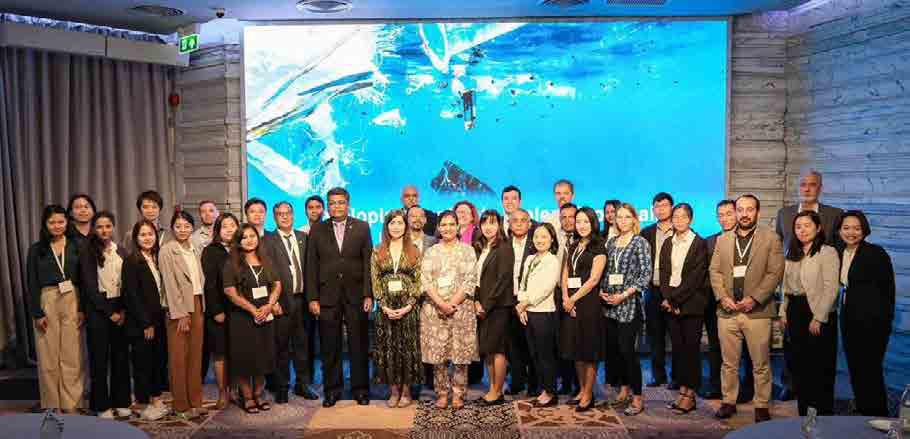
THE AIT- UNEP COUNTERMEASURE III WORKSHOP “BANKABLE PROJECT PROPOSALS”
AIT Research Theme: Technology, Policy and Society
AIT Unit: Natural Resources Management; Food Innovation, Nutrition and Health
Duration: 2023-2025
Project Sponsors/Clients: Government of Japan; UNEP
Project Partners: Institute of Strategy and Policy on Natural Resources and Environment (ISPONRE), International Union for Conservation of Nature (IUCN), Ministry of Environment (Sri Lanka), Ministry of Environment (Cambodia), Living Indus, UN Resident Coordinator Office - Pakistan, Mahidol University, Mekong River Commission, Bangkok Metropolitan Administration, Pollution Control Department (Thailand)
Expected Social Impact: : Enhanced capacity for project development, Reduce waste, Improved ocean environment, Enhanced network
Description:
The Southeast Asia region has possessed the exacerbating plastic waste in the open environment for the last decade. This project addresses the complex issue of plastic waste and aims to contribute to the system of plastic leakage monitoring with the inclusivity of science, technology, and innovation. Our working scope is to engage all stakeholders (public, private, academic, NGOs, and governments) to
support plastic waste management at the national and regional levels. Our project scope is limited to promoting and incubating sustainable solutions through plastic leakage prevention, plastic waste detection and monitoring, and plastic waste collection. The project is expected to support proper waste management and conduct the standard plastic waste monitoring framework at the city level.
COST OF INACTION AND ACTION FOR PLASTIC POLLUTION
AIT Research Theme: Technology, Policy and Society
AIT Unit: Environmental Engineering and Management
Duration: 08 Dec 2023 to 31 Aug 2024
Project Sponsors/Clients: Government of Japan, UNEP
Project Partner: Mahidol University, Mekong River Commission (MRC), etc.
Expected Social Impact: : Reduce waste, Improved ocean environment, Enhanced network
Description:
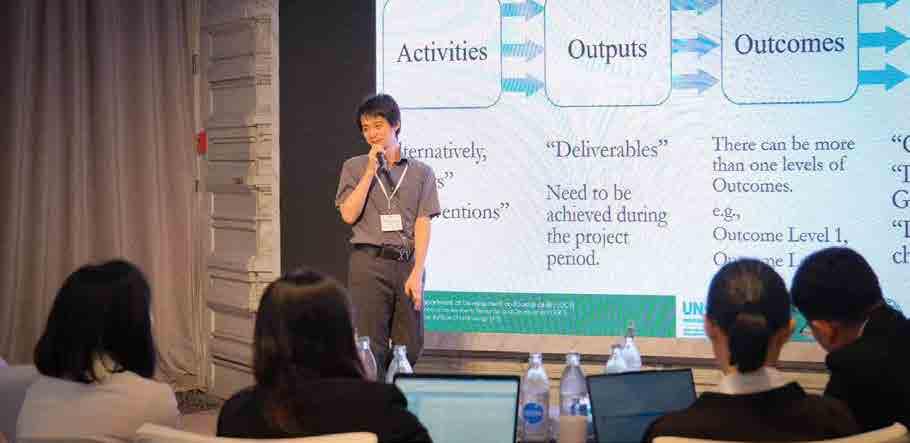
The workshop “Cost of Inaction and Action for Plastic Pollution” was organized by UNEP and AIT to support decision-making and implementation among policymakers and stakeholders as part of the Japanfunded project aimed at achieving plastic-free rivers. AIT President Kazuo Yamamoto gave the opening address. Session 1, Valuation of the Impacts of Plastic Pollution, was chaired by the AIT economist Takuji W. Tsusaka. The AIT expert Ekbordin Winijkul led the organizing committee. This workshop was not just a dialogue but a call for action for policymakers, stakeholders, and individuals to unite in the fight against plastic pollution, aiming for a future with plastic-free rivers.
TECHNICAL ASSISTANCE AND STRENGTHENING RESEARCH AND INNOVATION PRACTICES FOR WASTE MANAGEMENT ACROSS THE MALDIVES
AIT Research Theme: Technology, Policy and Society
AIT Unit: Global Water and Sanitation Center
Duration: 01 Sep 2022 to 31 May 2024
Project Sponsor/Client: The World Bank
Project Partner: The World Bank The Maldives MEERU
Project ProBlue Trust Funded Waste-to-wealth Program
Maldives Institute of Technology (MIT)
Expected Social Impact: AIT supports the Maldives Institute of Technology (MIT) in sustaining and expanding waste-to-wealth initiatives under the MEERY Project. This collaboration promotes long-term waste management solutions through research, innovation, and community
engagement. It empowers local institutions, aligns with national policies, and helps transform waste into a valuable resource across the Maldives.
Description: AIT specifically provides the capacity to work and support the ongoing waste-to-wealth project implemented through MIT. AIT will assist the Maldives Institute of Technology (MIT) in sustaining project deliverables being implemented as part of the MEERY Project for the coming years and facilitating MIT to benefit from and promote waste-to-wealth interventions across the Maldives.
TRUCK MOBILITY DATA ANALYSIS FOR REDUCING CARBON EMISSION
AIT Research Theme: Technology, Policy and Society
AIT Unit: Global Water and Sanitation Center
Duration: 17 Oct 2022 to 31 Dec 2024
Project Sponsor/Client: Bangchak Corporation Public Company Limited
Project Partner: Apichon Witayangkurn, Sirindhorn International Institute of Technology (SIIT), Pathumthani
Expected Social Impact:
1. Carbon Emissions Reduction
2. Pathway to business
Description:
As IoT, Big Data, and AI continue to advance, their synergy could unlock unprecedented potential. Data collected from
trucks can inform routing decisions. Unlike personal vehicles, trucks have many restrictions, such as operating time, U-turn location, and parking zone. Even different types of trucks have different constraints, e.g., gasoline trucks. According to Thai regulations, GPS tracking devices are mandatory for truck data collection, which is transferred to the Department of Land Transportation. This practice aids in reducing truck traveling time, avoiding road accidents, optimizing the use of highway/local roads, and ultimately reducing carbon emissions. In this work, we propose a multiple-phase project. The objective is to design and build an open AI for a trucking platform.
REDUCE, REUSE, RECYCLE TO PROTECT THE MARINE ENVIRONMENT AND CORAL REEFS ( 3RPROMAR )
AIT Research Theme: Food-Energy-Water
AIT Unit: Regional Resource Center for Asia and the Pacific
Duration: 01 Nov 2022 to 30 Jun 2025
Project Sponsor/Client: The German Agency for International Cooperation or GIZ
Project Partner: ASEAN Secretariat, Environmental Division
- Deutsche Gesellschaft Internationale Zusammenarbeit (GIZ) GmbH - ERIA - NIVA
Expected Social Impact:
1. Enhancement of knowledge platform features and knowledge content for strategic focus on Marine Litter
2. Partnership building for effective legitimate sourcing and endorsing of data on marine plastic litter data and knowledge
3. Capacity building of AMS focal points on waste data management
4. Knowledge dissemination activities on marine debris and circular economy
5. Health and Environment
Description:
To provide a common platform for information and knowledge sharing for enhanced capacity in information decision-making in combating marine litter in the ASEAN.
SUPPORT TO THE GLOBAL STRATEGY FOR SCP, THE GO4SDGS, AND THE SEA CIRCULAR IN ASIA
AIT Research Theme: Climate change, Food-EnergyWater
AIT Unit: Office of President
Duration: 01 Sep 2023 to 31 Jul 2025
Project Sponsor/Client: United Nations Environment Programme
Expected Social Impact:
1. Development of a regional Booklet, an infographic rich document with a regional assessment of key environmental indicators and hotspots
2. Develop and organise regional workshop with a workshop report
3. Develop and organise two regional roundtables on sustainable lifestyles and Green jobs for Youth Pact with reports
4. Develop and organise two thematic hybrid workshops on SCP in textiles and agri-food sectors with reports
5. A full report/assessment of the overview of the green jobs prospective, green skills gaps, and requirements in Thailand through research by an intern.
6. Promoting Sustainable Consumption and Production (SCP) Awareness and Capacity
7. Enhancing Industry Sustainability and Youth Empowerment
Description:
The main objective of this project is to strengthen AIT’s support of the 17 SDGs, particularly SG 12, by carrying out an SSFA with UNEP. The project will highlight the utilization of UNEP’s Sustainable Consumption Production Hot Spot Analysis tool and other science driven tools to facilitate the development and execution of SCP strategies and initiatives in Asia
UNDERSTANDING THE ROLE OF CONSUMER WISDOM IN SUSTAINABLE CONSUMPTION BEHAVIOUR
AIT Research Theme: Technology, Policy and Society
AIT Unit: School of Management
Duration: 25 Sep 2023 to 24 Sep 2024
Project Sponsor/Client: AIT Research Grant
Expected Social Impact: This project is dedicated to developing sustainable consumption practices and harnessing the transformative potential of Consumer Wisdom (CW) to reduce environmental harm, conserve natural resources, mitigate climate change, enhance societal well-being, and empower consumers to make informed, responsible choices that align with their wellbeing and the collective welfare of society. By examining the dimensions of responsibility, purpose, flexibility, perspective, reasoning, and sustainability within CW, our research aims to bridge knowledge gaps in the field and promote a culture
of mindful consumption, contributing to a more equitable, just, and environmentally sustainable world.
Description:
Recently, the urgency for sustainable or green consumption has intensified to combat environmental degradation and climate change. Green consumption involves the mindful use of goods and services that minimize environmental and social harm while supporting individual and community wellbeing. Although the term lacks a universally agreed definition, it encompasses concepts such as environmentally friendly and socially responsible consumption. A key emerging factor is consumer wisdom—the ability to make thoughtful, sustainable decisions by applying self-awareness, responsibility, and foresight. This multidimensional concept plays a crucial role in promoting sustainable consumption behaviors amidst market pressures and societal challenges.
PROMOTION OF ACTION AGAINST MARINE PLASTIC LITTER IN ASIA
AIT Research Theme: Technology, Policy and Society
AIT Unit: Natural Resources Management
Duration: 01 Jun 2023 to 30 Jun 2025
Project Sponsor/Client: United Nations Environment Programme
Project Partners: International organizations: Mekong River Commission; Vietnam: Institute of Strategy and Policy on Natural Resources and Environment (ISPONRE); Sri Lanka: International Union for Conservation of Nature (IUCN), Ministry of Environment; Cambodia: Ministry of Environment; Pakistan: Living Indus, UN Resident Coordinator Office; Thailand: Mahidol University, Bangkok Metropolitan Administration, Pollution Control Department
Expected Social Impact:
Contribute to protecting the marine environment from landbased plastic pollution through strengthened regional coordination and technological adoption.
1. Provide regional support for implementing tools and protocols in project countries, led by AIT GIC.
2. Conduct a regional comparative assessment of the current waste management systems and identify the gaps in aspects relevant to plastic pollution based on the reports prepared by the partners in the project countries.
3. Develop an assessment of the impacts of plastic pollution on the sustainability of the food chain and livelihoods of the riverine communities.
4. Regional capacity development on formulating bankable project proposals,
5. Knowledge and management sharing, and 6) Campaigns and dissemination
Description:
The project aims to promote science-based and evidencedriven action to reduce and prevent plastic pollution in Asian riverine ecosystems with a focus on Thailand, Cambodia, Sri Lanka, Vietnam, and Pakistan.
DEVELOPING AND DELIVERING A CAPACITY BUILDING TRAINING AND STUDY TOUR PROGRAM ON BEHAVIORAL CHANGE IN PLASTICS AND PLASTIC WASTE MANAGEMENT IN ASEAN
AIT Research Theme: Technology, Policy and Society
AIT Unit: Global Water and Sanitation Center
Duration: 01 Dec 2023 to 31 Mar 2025
Project Sponsor/Client: SEA-MaP Project Management Unit
Project Partner: Regional Resource Center for Asia and the Pacific (RRC.AP)
Expected Social Impact: These activities will emphasize the identification and exploration of applicable and transferable technologies and policies that are pertinent to the ASEAN context.
1. Conduct a rapid stocktaking of existing plastic waste management-related training, knowledge exchange programs, and the relevant programs in ASEAN.
2. Design and develop a training program and study tour program for the SEA-MaP Project.
3. Deliver the training and the study tour in the host country.
4. Summarize the training and study tour and post-event satisfaction survey.
Description:
This project is committed to creating and institutionalizing platforms for innovation, investment, knowledge sharing, and partnerships across ASEAN to address plastic pollution. These platforms, aiming to bolster sustainability, will foster collaboration with regional private-sector champions and support existing data and research networks. They are designed to promote circular economy solutions and encourage partnerships. Further, these platforms seek to catalyze private sector investment and support. The platforms will provide technical assistance to plastics innovators, especially focusing on women-owned innovations, social enterprises, and NGOs, to help turn innovative ideas into proofs of concept, pilots, and bankable business solutions.
PROJECT FOR PROMOTING THE MINAMATA CONVENTION ON MERCURY BY MAKING THE MOST OF JAPAN’S KNOWLEDGE AND EXPERIENCES
AIT Research Theme: Technology, Policy and Society
AIT Unit: Regional Resource Center for Asia and the Pacific
Duration: 04 Oct 2024 to 31 Mar 2025
Project Sponsor/Client: United Nations Environment Programme Nairobi, Kenya
Project Partner: UNEP ROAP, UAE-IDEA Advance Analytical Company Limited, IDEA Japan
Expected Social Impact: The project aims to assist the governments in enhancing their national mercury-related information base, thereby facilitating the implementation of mercury management measures.
Description:
Project for promoting the Minamata Convention on Mercury by making the most of Japan’s knowledge and experiences to support its member states for the implementation of the Convention. The project implementation plan incorporates the needs of the participating countries, as determined by the outcomes of the inception workshop. The plan aims to integrate safety into the chemical production processes and trade, ensure the prevention and/or mitigation of impacts on human health, particularly that of users, and protect the environment and biodiversity.
STRENGTHENING DIGITAL AGRICULTURE ECOSYSTEM AND DEVELOPING E -AGRICULTURE SOLUTIONS
AIT Research Theme: Climate change, Food-EnergyWater, and Technology, Policy and Society
AIT Unit: Agricultural Systems & Engineering
Duration: 19 Nov 2024 to 18 Nov 2026
Project Sponsor/Client: Food and Agriculture Organization (FAO) of the United Nations
Expected Social Impact: Provide capacity building and knowledge exchange through and exposure, Food Security
Description:
The main project is to provide support for capacity building and knowledge exchange through an Exposure and Visit mission by a delegation of DPR Korea officials/experts from the agricultural sector
COUNTRY- SCALE QUANTIFICATION OF GHG EMISSIONS FROM DOMESTIC WWTP IN THAILAND
AIT Research Theme: Environmental Engineering and Management
AIT Unit: Agricultural Systems & Engineering
Duration: 01 Oct 2024 to 27 Mar 2025
Project Sponsor/Client: APN
Project Partner: Universitas Pertamina, Indonesia Ho Chi Minh City University of Industry and Trade, Vietnam
Expected Social Impact: The outputs of this project are expected to provide evidence-based policy recommendations for relevant stakeholders, including local governments and environmental management agencies,
to formulate effective strategies for preventing marine plastic pollution. By filling the current knowledge gaps and informing policy decisions, this project aims to contribute to the sustainable management of microplastic pollution in urban aquatic systems in SEA and beyond.
Description:
This project aims to address the growing environmental threat of plastic debris and microplastics (MPs), particularly in Southeast Asia (SEA), a global hotspot for plastic waste discharge into the ocean. Despite SEA’s significant role in plastic pollution, a major knowledge gap exists in understanding the complex interactions between land-
based sources, aquatic pathways, and environmental sinks of MPs in urban coastal areas. The project aims to develop a comprehensive system model to quantify the influx of microplastics in urban aquatic systems across selected SEA cities. It seeks to answer key questions regarding the sources, pathways, and receptors of MPs and how this knowledge can inform better management and policymaking. Key
activities include reviewing existing research, formulating a source-pathway-receptor (SPR) framework, collecting field data, and engaging with stakeholders to ensure policy relevance. The project’s outcomes are expected to inform evidence-based strategies for preventing marine plastic pollution and supporting sustainable management efforts across SEA.
ENERGY DEMAND CHANGES INDUCED BY TECHNOLOGICAL AND SOCIAL INNOVATIONS WITH SPECIAL REFERENCE TO SOUTH AND SOUTH - EAST ASIA AND MODELLING POWER SECTOR CAPACITY
Duration: 2024-2027
Description:
The main objective of the three projects is to create a research community capacity with a focus on energy enduse and demand-side perspectives and power sector expansion plans that further dialogue and cross-fertilization of research and policy analysis through data, concepts, and methods. This approach can help bridge knowledge gaps in global assessment reports from the Global South. The goal is also to develop a service-oriented, bottom-up demand model to help in providing inputs to climate policy analysis. South Asian countries are expected to experience rapid economic growth and infrastructure development in the coming three decades. Most of the demand in the region does not have historical path dependency and a
hard lock-in effect. This scenario provides enough scope and opportunities for planning to decouple energy demand growth from emission growth. Such energy demand planning can have the benefit of reduced costs for planning the expansion of supply capacity and synergies with nearterm developmental goals.
Weblink:
� https://smartscenter.ait.ac.th/edssea,
� https://smartscenter.ait.ac.th/smarts-mcet
� https://smartscenter.ait.ac.th/smarts-mcet
Photographs of project/activity, PDF documents, news links, etc.
� https://smartscenter.ait.ac.th/smarts-events-n-gallery � https://smartscenter.ait.ac.th/smarts-publications
EXPERTS CONVENE FOR ACTION - ORIENTED DISCUSSIONS ON MARINE PLASTIC DEBRIS MANAGEMENT, BANGKOK
Duration: 5-6 Mar 2024
Expected Social Impact: The social impacts primarily centered around environmental protection, public health, and sustainable development. Reducing marine plastic pollution protects the food chain and the livelihoods of those who depend on the ocean. Marine plastic pollution can contaminate seafood and water sources, posing risks to human health. By addressing this issue, it contributes to improved public health outcomes. Finally, promoting sustainable consumption and production helps create a circular economy and reduce waste.
Description:
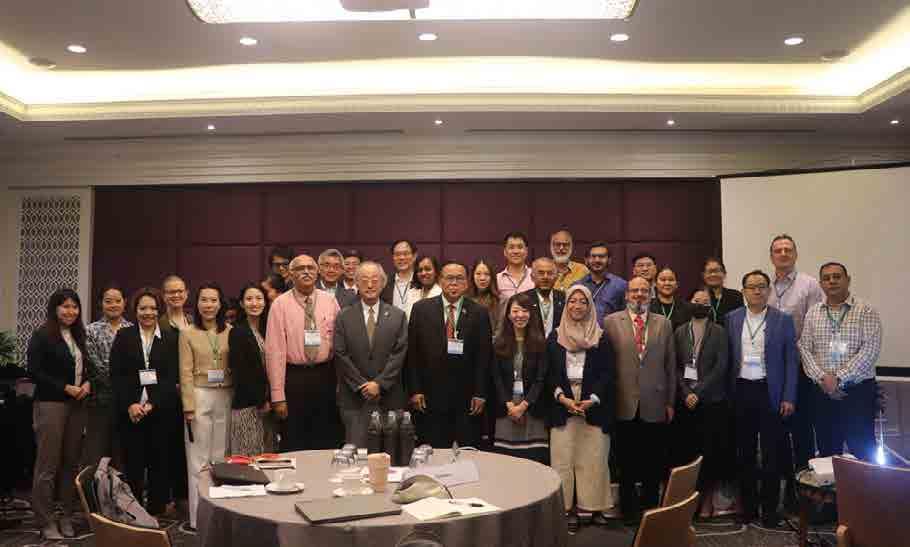
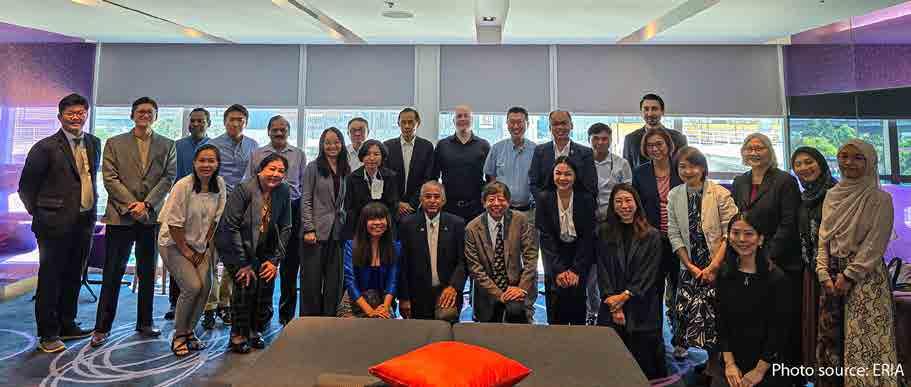
Experts and stakeholders gathered for the 5th ERIA’s Experts Working Group on Marine Plastic Debris Meeting on March 5-6, 2024, in Bangkok, Thailand. The meeting was hosted by the Regional Knowledge Centre for Marine Plastic Debris (RKC-MPD) of the Economic Research Institute for ASEAN and East Asia (ERIA) in partnership with the Institute for
Group discussions played a central role in formulating actionable strategies. One notable focus was on enhancing ASEAN+3’s approach to the Global Plastics Treaty. Participants delved into various aspects of Extended Producer Responsibility (EPR) frameworks, exploring frameworks, innovations, and regional insights. Guilberto
Global Environment Strategies (IGES). The meeting saw robust discussions aimed at tackling the pressing issue of marine plastic pollution.
Borongan’s presentation on technical guidelines for plastics and resin pellets leakage prevention garnered particular attention, emphasizing practical solutions for managing plastic waste effectively. Bishal Bhari also served as rapporteur on one of the group discussion sessions, which focused on integrating just transition principles into
EPR frameworks and fostering private sector-community collaboration.
Weblink: � https://www.rrcap.ait.ac.th/news/Pages/ vol25no1-07.aspx
EXPERTS CONVENE FOR ACTION - ORIENTED DISCUSSIONS ON MARINE PLASTIC DEBRIS MANAGEMENT, BANGKOK
Duration: 19-22 Mar 2024
Expected Social Impact: The social impacts primarily centered around environmental protection, public health, and sustainable development. Reducing marine plastic pollution protects the food chain and the livelihoods of those who depend on the ocean. Marine plastic pollution can contaminate seafood and water sources, posing risks to human health. By addressing this issue, it contributes to improved public health outcomes. Finally, promoting sustainable consumption and production helps create a circular economy and reduce waste.
Description:
The 3rd Regional Workshop of the ASEAN-German Project ‘Reduce, Reuse, Recycle to Protect the Marine Environment and Coral Reefs’ (3RproMar) was held from 19 to 22 March 2024 in Iloilo City, Philippines, with the theme “From Knowledge to Action: Facilitating Concrete Efforts for Enhanced Land-Based Marine Litter Prevention in ASEAN.” The workshop was conducted to share the progress of the 3RproMar project implementation at the regional level, with a focus on the 3RproMar Knowledge Partnership for Marine Litter Prevention in ASEAN, and provide a platform for disseminating achievements and good practices derived from the project’s implementation at the national and local levels. The workshop aimed at facilitating analysis
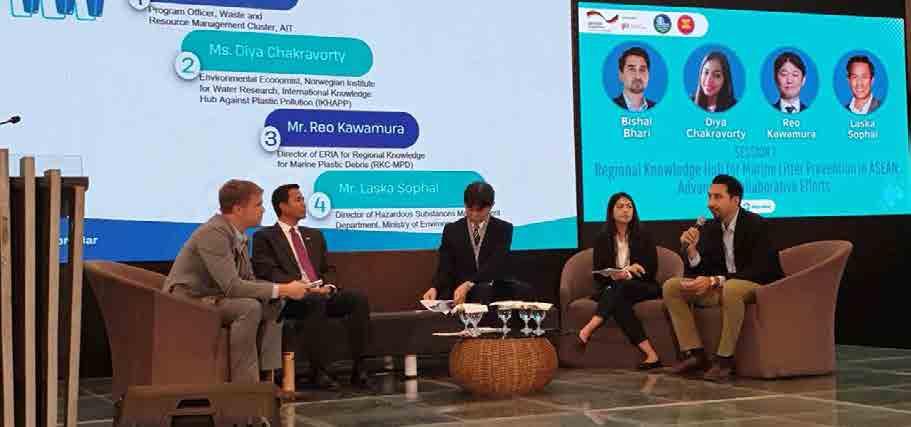
of extended producer responsibility (EPR), behavior change, microplastics, just transition, and identifying with ASEAN Working Groups inclusive regional interventions in reducing plastic waste leakage into the sea, aligned with the ASEAN RAP for Combating Marine Debris and the upcoming internationally Legally Binding Instruments (ILBI).
AIT RRC.AP actively engaged in all sessions as discussants and panelists. The center shared insights on knowledge management and behavioral change technical discussions based on experiences from the ongoing Marine Plastic Prevention Knowledge Partnership under the 3RproMar project.
Weblink: � https://www.rrcap.ait.ac.th/news/Pages/ vol25no1-06.aspx
AIT RRC.AP PARTICIPATES IN THE RECYCLING AND RECOVERY EXPO 2024 AT THE TECHNOBIZ EXPO 2024, BANGKOK
Duration: 27-28 Mar 2024
Expected Social Impact: AIT RRC.AP’s participation at the Expo aims to combat marine plastic pollution through effective solutions and sustainable waste management, benefiting ecosystems and communities and promoting a circular economy.
Description:
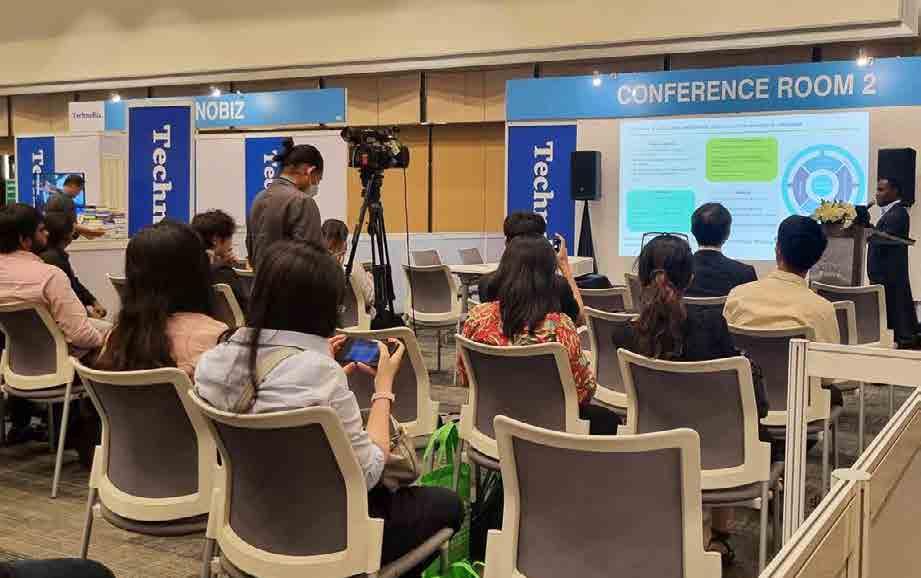
The AIT RRC.AP participated in the Recycling & Recovery Expo 2024 at the TechnoBiz Expo 2024 that was held from 27-28 March 2024 at BITEC in Bangkok, Thailand. The center shared insights and outcomes from their ongoing marine plastic prevention project in the Green
Tech Conference session of the Expo. Interactions and discussions were held with private sector exhibitors and innovators on strategies and technologies for preventing marine plastic pollution in the region.
The expo focused on the latest technological innovations and practices in waste management, recycling, and
recovery. “Thailand Waste Management 2024” is a collocated conference at TechnoBiz Expo 2024.
Weblink:
� https://www.rrcap.ait.ac.th/news/Pages/ vol25no1-02.aspx
AIT RRC.AP PARTICIPATED IN THE ASEAN DIGITAL KNOWLEDGE PLATFORM WORKSHOP ON WASTE MANAGEMENT, 30 MAY 2024, BANGKOK
Duration: 30 May 2024
Expected Social Impact: This workshop aims to improve waste management in ASEAN’s tourism sector by developing a digital knowledge platform and training program. This will empower stakeholders with sustainable practices, protect tourism areas, and promote a circular economy, ultimately creating a cleaner, more sustainable tourism industry for the benefit of local communities and the environment.
Description:
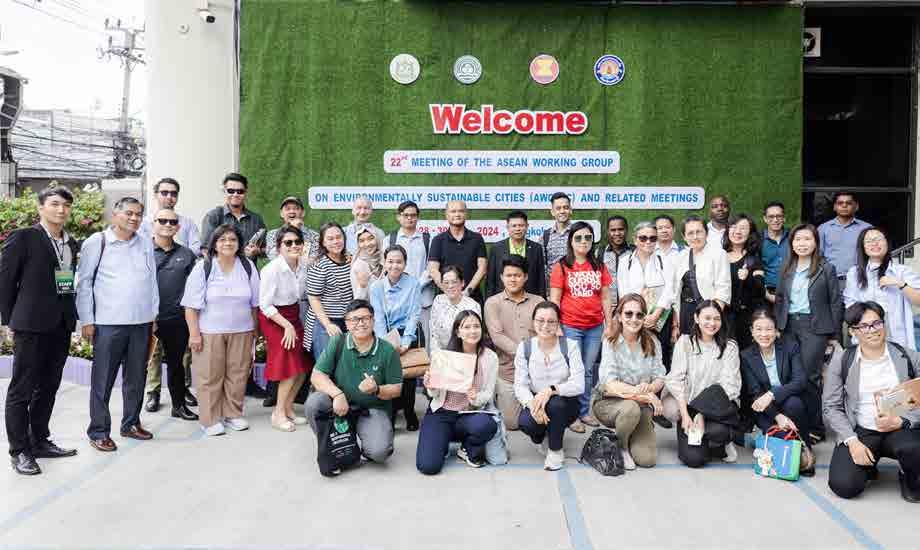
On 30 May 2024, Bangkok, Thailand, hosted the ASEAN Municipal Solid Waste Management Enhancement (AMUSE) Workshop session on the Development of the ASEAN Digital Knowledge Platform on Waste Management in the Tourism Sector. Representatives from the ASEAN Secretariat, AWGESC, relevant partner ministries of ASEAN Member States, NGOs, and AMUSE consultants, including DESMA Center from Indonesia, AIT RRC.AP, and Pimclick from Thailand, attended the workshop.
The workshop aimed to present and gather feedback on the ASEAN Knowledge Platform on Waste Management in the Tourism Sector. Additionally, it introduced the AMUSE regional training in waste management and sustainable tourism.
Bishal Bhari from AIT RRC.AP highlighted the training program’s key elements and features, focusing on the
environment, tourism, SMEs, and relevant stakeholders. The training program will cover topics related to the circular economy, waste management, and sustainable tourism practices. Huno Solomon Kofi Mensah from AIT RRC.AP also facilitated a group discussion session using the World Café method to gather insights on the training needs, how to reach the maximum number of participants, and how to ensure the training’s sustainability. AIT RRC.AP played a pivotal role in these discussions, collecting valuable suggestions and recommendations to enhance the training’s reach and impact.
Weblink:
� https://www.rrcap.ait.ac.th/news/Pages/ vol25no2-03.aspx
AMUSE TRAINING PROGRAM ON WASTE MANAGEMENT AND SUSTAINABLE TOURISM, MODULE 1: INTRODUCTION TO CIRCULAR ECONOMY AND SUSTAINABILITY, VIRTUAL TRAINING
Duration: 5 July 2024
Expected Social Impact: The AIT RRC.AP and GIZ AMUSE launched a well-attended training on waste management and sustainable tourism in the ASEAN region, introducing circular economy principles and showcasing regional successes. This empowers stakeholders with practical strategies to reduce environmental impact in the tourism
sector, fostering a more sustainable and environmentally conscious region that benefits communities and preserves resources.
Description:
On July 5, 2024, the Asian Institute of Technology, Regional Resource Center for Asia and the Pacific (AIT RRC.AP) and the
Deutsche Gesellschaft für Internationale Zusammenarbeit, ASEAN Municipal Solid Waste Management Enhancement (GIZ AMUSE) team successfully launched the first module of the AMUSE Training Program on Waste Management and Sustainable Tourism. The event attracted over 350 participants from across the ASEAN region, highlighting a strong commitment to tackling waste management challenges and promoting sustainable tourism practices.
The core of the training focused on “Introduction to Circular Economy and Sustainability,” expertly delivered by Guilberto Borongan, Director, and Solomon K.M. Huno, Senior Program Officer of AIT RRC.AP, respectively. They explained the key principles of the circular economy and showcased successful case studies from ASEAN countries. The presentation also addressed major waste management challenges in the region and proposed strategies to overcome them.
Interactive quizzes and surveys via Mentimeter engaged participants, while the Q&A session facilitated through Webex allowed for dynamic exchanges. A special focus on sustainable tourism practices underscored the need to integrate circular economy principles to mitigate environmental impacts.
Weblink:
� https://www.rrcap.ait.ac.th/news/Pages/ vol25no2-07.aspx
CAPACITY BUILDING PROGRAMME FOR REDUCING RECYCLINGRELATED MARINE PLASTIC POLLUTION IN ASEAN CITIES ( THE CARMPAC PROJECT ) LAUNCHED IN VIENTIANE, LAO PDR
Duration: 16 Aug 2024
Expected Social Impact: The CaRMPAC Project, launched by AIT RRC.AP and ERIA RKC-MPD, marks a significant step in tackling marine plastic pollution in ASEAN cities. Building on Phase 1’s technical guidelines for preventing plastic leakage from recycling facilities, Phase 2 focuses on empowering stakeholders, including government and the informal sector, to implement these guidelines. The initiative promises to improve waste management, protect marine ecosystems, and safeguard the livelihoods of coastal communities, fostering a more sustainable future for the ASEAN region’s marine environment.
Description:
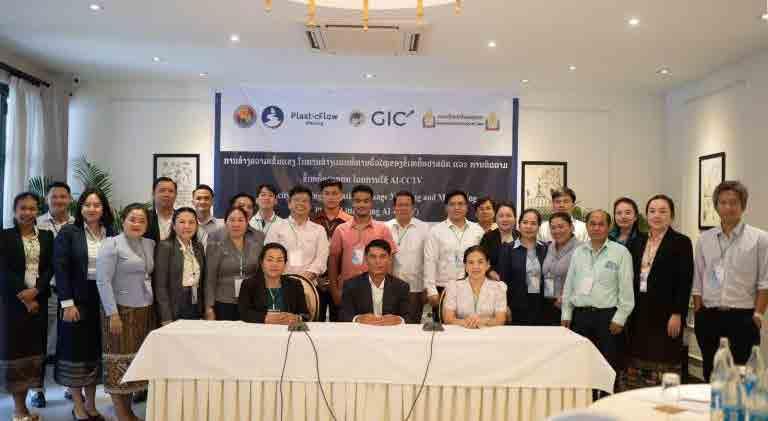
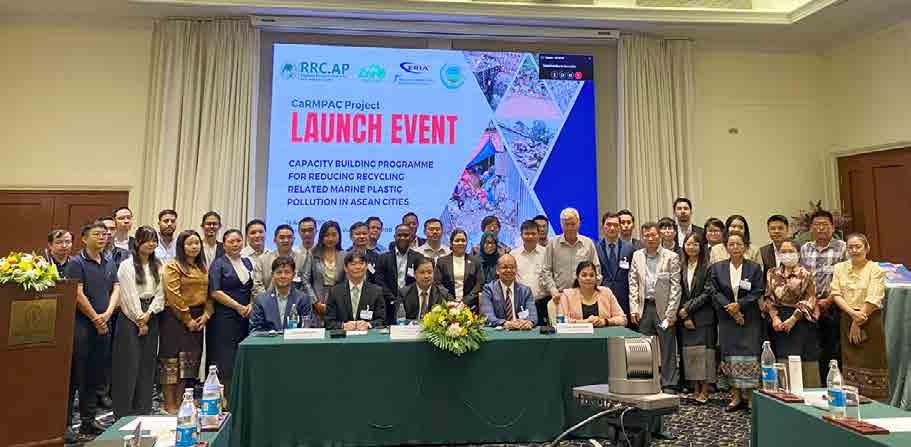
On August 16, 2024, the CaRMPAC Project, aimed at reducing marine plastic pollution in ASEAN cities. This project, led by the Asian Institute of Technology- Regional Resource Centre for Asia and the Pacific (AIT RRC.AP) and funded by the Economic Research Institute for ASEAN and East Asia Regional Knowledge Center for Marine Plastic Debris (ERIA RKC-MPD), focuses on enhancing the capacities of stakeholders to prevent plastic and pellet leakage into the marine environment.
Phase 1 of the CaRMPAC Project, titled “Development and Dissemination of Technical Guidelines for the Prevention of Plastic and Pellet Pollution from Factories and Informal Recycling Facilities in ASEAN,” was successfully
implemented between February 2022 and October 2023. The project took place across six cities: Hanoi, Iloilo, Nonthaburi, Manila, Pattaya, and Vientiane. The primary outcome was the development of comprehensive technical guidelines aimed at preventing plastic pollution, specifically targeting factories and informal recycling facilities in the ASEAN region. These guidelines will serve as a crucial resource for reducing plastic leakage into the environment. The event culminated in the official launch of the CaRMPAC Project, unveiling its work plan and expected outcomes. The launch marks a significant step in ASEAN’s efforts to combat marine plastic pollution and protect the region’s marine ecosystems.
Weblink: � https://www.rrcap.ait.ac.th/news/Pages/ vol25no3-01.aspx
TRAINING WORKSHOP ON WASTE MANAGEMENT IN ASEAN CITIES, PATHUMTHANI
Duration: 23-25 Sep 2024
Expected Social Impact: The training workshop focused on improving municipal solid waste management through circular economy principles, evidence-based strategies, community engagement, and sustainable tourism, incorporating presentations and field visits to local initiatives. The goal was to empower participants to create and implement more sustainable waste management policies in their cities.
Description:
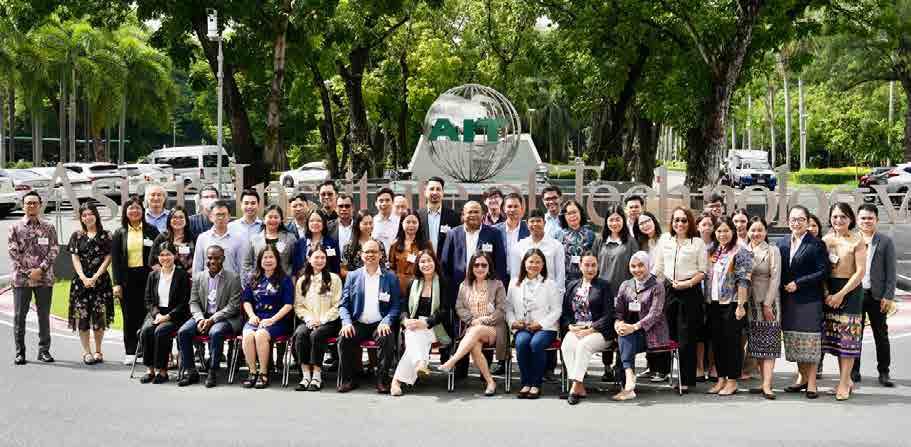
The Waste and Resource Management Cluster organized a Training Workshop on Waste Management in ASEAN Cities from 23 to 25 September 2024. The Training Workshop on Waste Management in ASEAN Cities, funded under the GIZ ASEAN Municipal Solid Waste Management Enhancement (GIZ-AMUSE) and 3RproMar projects, was held at the Asian Institute of Technology (AIT) in Thailand. The workshop brought together over 40 participants, including environmental officers, public health experts, and waste management practitioners from across ASEAN cities. The aim was to enhance participants’ knowledge, skills, and capacity for effective municipal solid waste management (MSWM), emphasizing evidence-based decision-making and circular economy principles.
The workshop featured a blend of presentations, group discussions, and field visits. On the first day, participants
focused on good practices in MSWM, circular economy approaches, and data-driven strategies for policy development and implementation. Day two covered community engagement, gender inclusion in waste management, and sustainable tourism practices. These sessions provided participants with insights into integrating sustainable waste strategies in both urban and touristic settings, enhancing their capacity to create and implement policies.
The final day included field visits to Si Mum Muang Market and Bangkok Rooftop Farming Social Enterprise, where participants observed practical examples of waste management and circular economy initiatives.
Weblink:
� https://www.rrcap.ait.ac.th/news/Pages/ vol25no3-04.aspx
THE AIT RRC.AP PARTICIPATED IN THE INDO - PACIFIC FORUM ON MARINE PLASTIC DEBRIS GOVERNANCE, HUALIEN, TAIWAN
Duration: 13-14 Nov 2024
Expected Social Impact: AIT RRC.AP’s participation in the Indo-Pacific Forum on Marine Plastic Debris Governance in Taiwan fostered crucial dialogue and collaboration on this environmental challenge. Borongan’s insights on publicprivate partnerships and ESG in marine plastic governance promoted responsible corporate behavior and sustainable solutions. The forum facilitated regional cooperation and the sharing of best practices, aiming to drive collective action and contribute to a healthier marine environment for coastal communities and ecosystems.
Description:
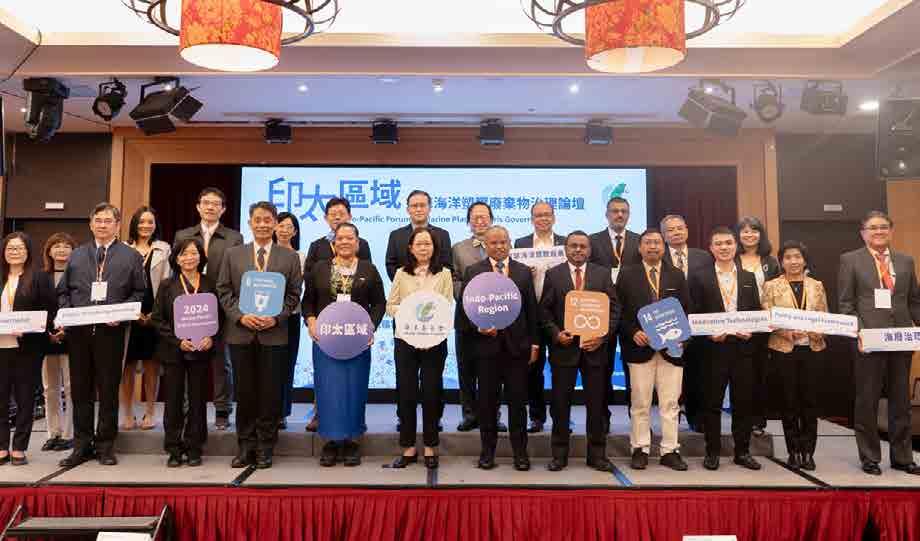
On November 13–14, 2024, AIT RRC.AP participated in the Indo-Pacific Forum on Marine Plastic Debris Governance in Hualien, Taiwan, organized by Taiwan’s Ocean Affairs Council (OAC). The forum advanced the plastic treaty’s momentum in the Indo-Pacific, with OAC committed to sustainable ocean management and tackling key marine environmental challenges.
The event fosters dialogue and collaboration among Indo-Pacific countries to tackle marine plastic pollution by exploring strategies, sharing best practices, and promoting regional cooperation to address this pressing global challenge.
Guilberto Borongan, Director of RRC.AP, served as a panel speaker, sharing insights on “Public-Private Partnership in
ESG Governance.” His presentation addressed Corporate Responsibility and ESG strategies in marine plastic governance, emphasizing safer, more durable, reusable, and recyclable plastic designs. He highlighted successful public-private partnerships, the role of social enterprises in
ocean governance, and future collaboration opportunities.
Weblink: � https://www.rrcap.ait.ac.th/news/Pages/ vol25no4-02.aspx
THE AIT RRC.AP PARTICIPATED IN THE INDO - PACIFIC FORUM ON MARINE PLASTIC DEBRIS GOVERNANCE, HUALIEN, TAIWAN
AIT Research Theme: Food-Energy-Water
AIT Unit: Artificial Intelligence Technology Center
Duration: 01 Mar 2024 to 15 Aug 2025
Project Sponsor/Client: Monsoon Tea Company
Expected Social Impact: The project will provide Thai tea farmers in Chiang Mai Province with a user-friendly mobile app available on the Google Play Store to improve their farming practices. This app will empower farmers, enhance environmental conservation efforts, and build consumer trust in tea products. By offering easy access
Operations:
to helpful tools and knowledge, the project aims to uplift farmers, protect biodiversity, and promote sustainable agriculture for a brighter future.
Description:
To develop a mobile application coupled with cutting-edge traceability technology. This innovative solution will provide Thai tea farmers with a comprehensive toolset to enhance productivity, improve quality, ensure sustainability, and foster consumer trust while promoting biodiversity conservation.
SUMMARY REPORT: AIT CAMPUS WASTE MANAGEMENT PERFORMANCE (2022–2024)
Key Waste Management Trends:
Highlights:
sustainability goals. Data from 2022 to 2024 indicate a marked reduction in total waste generated and continued efforts in recycling and composting.
• Significant reduction in wet waste (from 172.71 MT to 95.30 MT), showcasing improved food waste prevention and segregation practices.
• Dry waste generation also dropped by nearly 47 MT, indicating better consumption habits and material use efficiency on campus.
• While food waste recycling peaked in 2023, efforts in 2024 remained above 2022 levels, reflecting consistent engagement in composting and resource recovery.
• General recycling remained modest but stable, signaling an area for strategic scaling through better segregation, community awareness, and partnerships.
The Asian Institute of Technology (AIT) has made significant progress in enhancing its waste management operations over the past three years, aligning with its AIT’s waste management data clearly demonstrate measurable improvements in waste reduction and diversion over the last three years. These trends affirm the effectiveness of AIT’s campus-wide awareness campaigns,
operational reforms, and waste segregation efforts. Moving forward, targeted strategies to enhance recycling rates, especially for dry and plastic waste, will be crucial for further advancing circular economy practices on campus.