






Dr. Muhammad Junaid
Assistant Professor, Marketing Faculty Director, PhD Program School ofManagement,AIT
Education:
PhD in Marketing, Beijing Institute of Technology (AACSB, AMBA&EQUISAccredited)
Teaching Areas:
Marketing Management Consumer Behavior in the Digital Age
Research Metrics:
• JournalPapers:30
• ABDCA*:3
• ABDCA:19
• Citations:1000+
• H-Index(Scopus):14
Research Recognition:
Top 1% of scholars globally| Ranked #14 worldwide in Consumer–BrandRelationshipresearch(ScholarGPS2026)
International Engagement:
Adjunct Professor, Korea University, Seoul, Korea ResearcherCOMEGI,LusíadaUniversity,Portugal



Consumer–Brand Relationships: Brand love, brand addiction & brand compassion
Responsible Brand Leadership: Ethical marketing, Consumer empowerment & Trustbuilding
Digital Consumer Behavior: Artificial Intelligence, metaverse & social commerce
Consumer Wisdom & Sustainable Consumption:
Technology-Driven Sustainability & Consumer
Well-being
Understanding Consumers
Brand Love
Brand Addiction
Consumer Wisdom
Building Responsible Brands
Responsible Brand Leadership
Sustainability
Consumer Well-being
Shaping Responsible Digital Futures
Responsible AI
Digital Trust
Technology-Driven Sustainability

Why It Matters
Strong consumer–brand relationships can improve well-being, but they can also becomeunhealthyandharmful.
Key Finding
Brand addiction, not brand love itself—is the primary driver of excessive spending, anxiety, andothernegativeoutcomes.
Societal Impact
Supports healthier consumer–brand relationships and more responsible marketing practices.
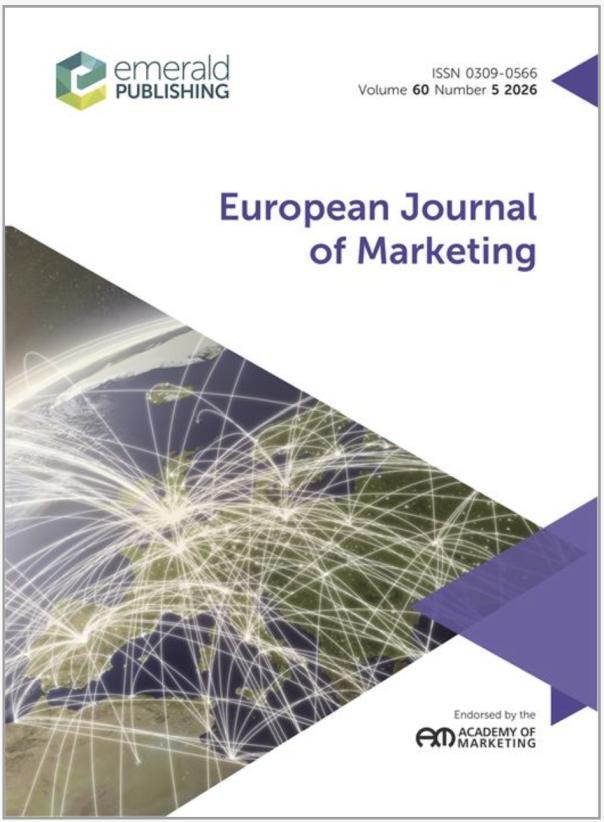
Research Publication: Brand love and brand addiction and their effects on consumers' negative behaviors.

Why It Matters
Poor dietary choices contribute to rising obesity and public health challenges worldwide.
Key Finding
Healthy food advertising can strengthen responsibility, reasoning, purpose, and longtermthinkingamongconsumers.
Societal Impact
Provides guidance for marketers and policymakers seeking to promote healthier lifestyles.
Research Publication, Consumer wisdom: a mindful connection between healthy food advertisingandobesityprevention
Why It Matters
Consumers increasingly expect organizations to act responsibly and create value beyond profits.
Key Finding
Responsible Brand Leadership strengthens ethical judgments, customer empowerment, andbrandtrust.
Societal Impact
Helps organizations/Brands balance business performancewithsocialresponsibility.
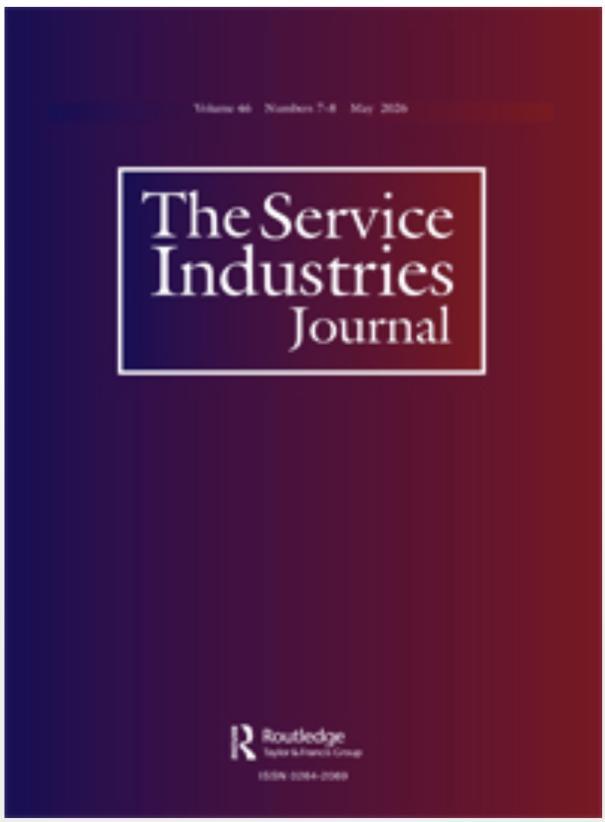
Research Publication: Responsible brand leadership in services: fostering love, ethics, and empowerment

Why It Matters
Digital technologies are transforming how consumers interact with brands and sustainabilityinitiatives.
Key Finding
Technologiessuch as augmented reality can improve consumer experiences while encouragingmoresustainablechoices.
Societal Impact
Supports sustainable consumption and responsibleinnovation.

Research Publication: Technology-Driven SustainabilityandConsumerWell-beingResearch

Why It Matters
Consumersincreasingly expectbrandsto contribute positivelyto society andtheenvironment.Yetlittleis knownaboutwhethersustainablebusinesspractices actually enhance consumer happiness and wellbeing.
Key Finding
Technology-driven sustainability initiatives and corporate social responsibility (CSR) activities strengthen positive brand attitudes, increase brand happiness, and enhance both personal and socialenvironmentalwell-being.
Societal Impact
It demonstrates how responsible business practices cancreatevalueforconsumers,organizations,and societywhilesupportingsustainabledevelopment.
Research Publication: Can Technology-Driven Sustainability and CSR Enhance Consumers’ Happiness and Well-Being?
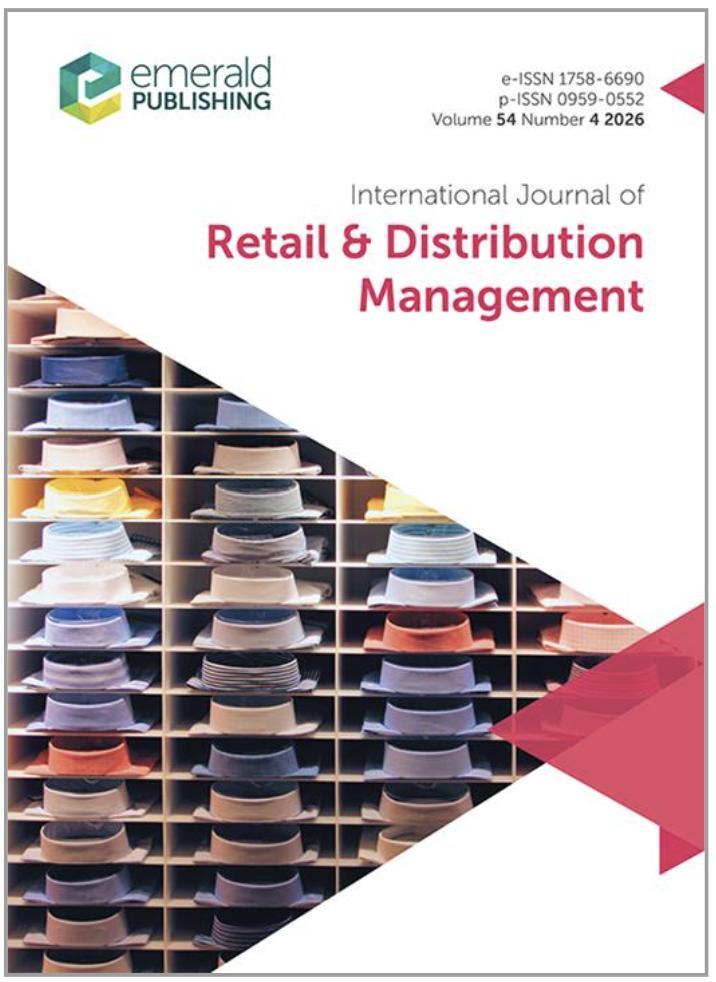
Why It Matters
Consumersskepticismtowardsustainabilityclaimscan reduce trust and discourage environmentally responsibleconsumption.
Key Finding
Responsible Brand Leadership strengthens perceived brand authenticity and brand trust. Responsible leadership helps organizations overcome consumer skepticism and build confidence in sustainability initiatives.
Societal Impact
Shows how organizations can encourage sustainable consumer behavior by combining environmental responsibility with authenticity and trust, contributing to more responsible tourism and sustainable development.
Research Publication: Understanding Responsible Brand Leadership in Green Hotels: Role of Uncertainty and Green Skepticism
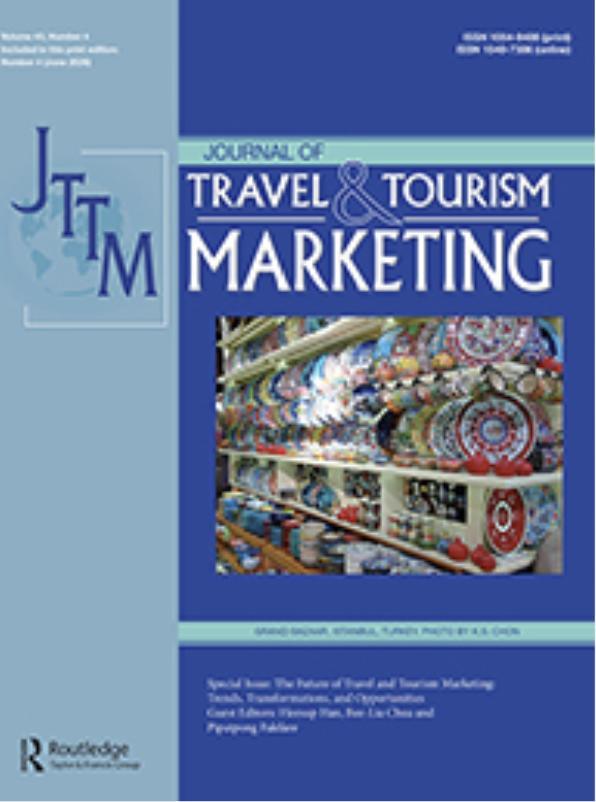
Why It Matters
Artificial Intelligence is transforming marketing communication, customer engagement, and promotional activities. However, increasing automationraisesconcerns.
Key Finding
Brands must make human oversight visible and establish transparent governance mechanisms. While AI can enhance engagement and efficiency, excessive automation may undermine trust and increaseconsumerskepticism
Societal Impact
Provides guidance for organizations, policymakers, and marketers to use AI responsibly, balancing innovation with accountability, transparency, and consumerwelfareinthedigitalera.
Research Publication: Responsible AI, Responsible Brands: Promotion in the Digital Era

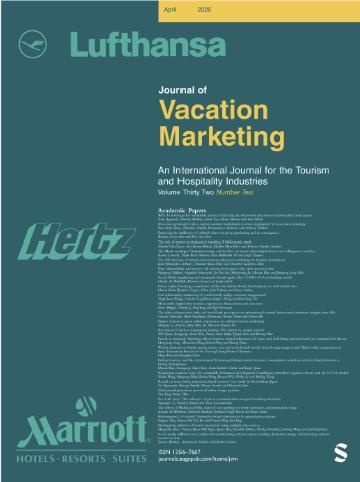
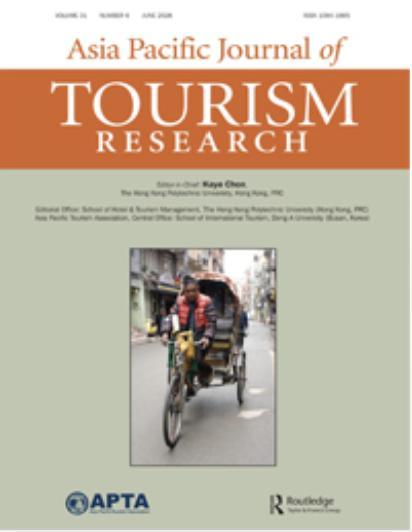
Research published in leading journals across marketing, consumer behavior, tourism, sustainability, and digital business.


Creating Knowledge at the Intersection of Marketing, Technology, and Human Well-being
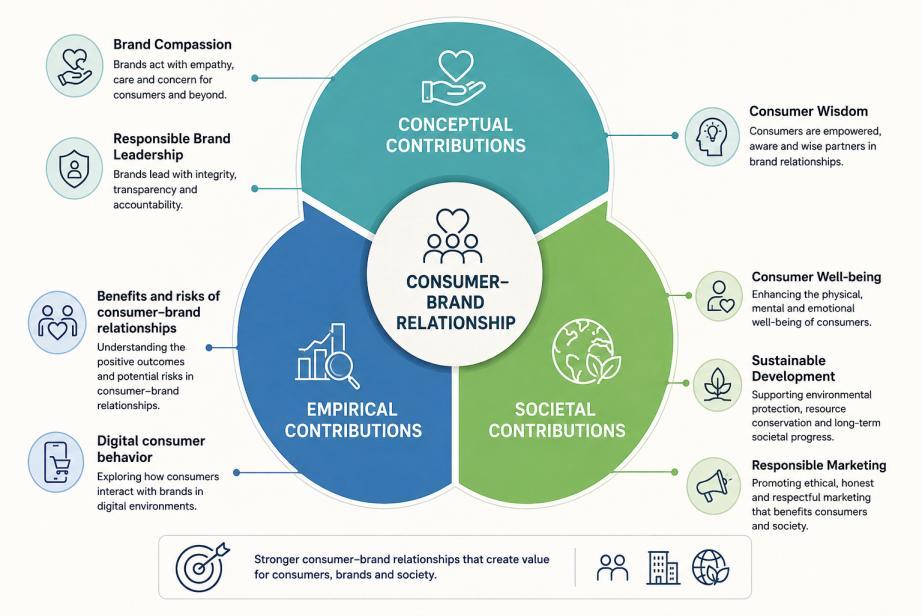
Conceptual Contributions
• BrandCompassion
• ResponsibleBrandLeadership
• ConsumerWisdom
Empirical Contributions
• Benefits and risks of consumer–brandrelationships
• Digitalconsumerbehavior
Societal Contributions
• ConsumerWell-being
• SustainableDevelopment
• ResponsibleMarketing

Theme 1: Human–AIRelationships
AI companionship
AItrust
AIattachment
Theme 2: SustainableFutures
Circulareconomy
Sustainableconsumption
Consumerwisdom
Theme 3: ResponsibleOrganizations
Responsiblebrandleadership
EthicalAImarketing

Research Vision
Advancing marketing knowledge that helps consumers, brands, and intelligent technologies thrive together for a healthier and more sustainable future.