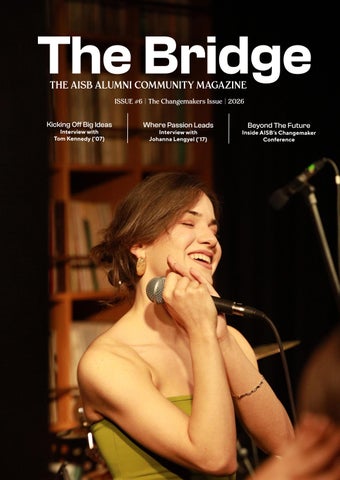
The Bridge
THE AISB ALUMNI COMMUNITY MAGAZINE
Kicking Off Big Ideas

Beyond The Future Inside AISB’s Changemaker Conference
Interview with Tom Kennedy (‘07)
Where Passion Leads
Interview with Johanna Lengyel (‘17)
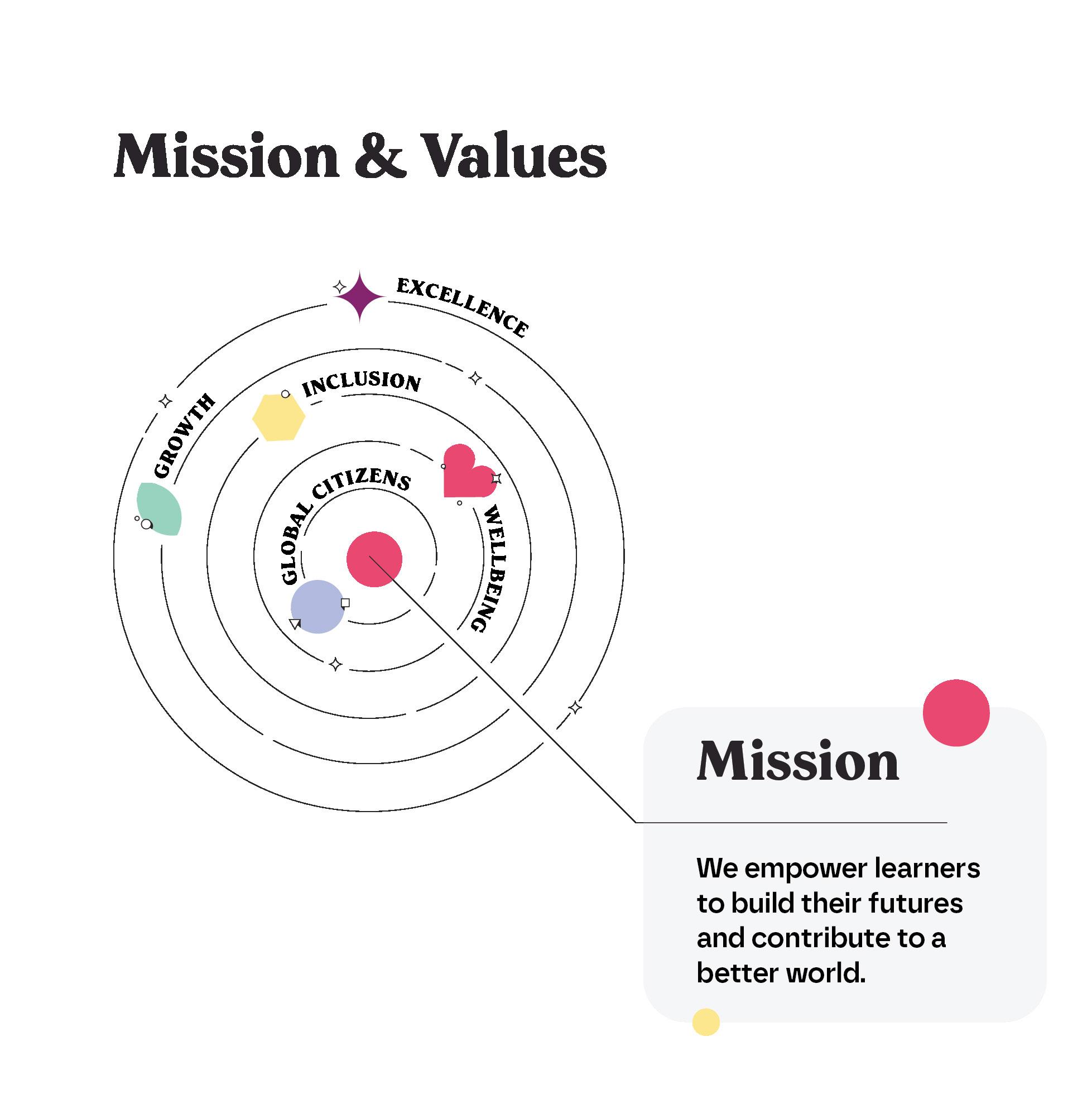

Our Vision Future ready, today.
Kicking Off Big Ideas
Beyond The Future Inside AISB’s Changemaker Conference
Our Vision Future ready, today.
06
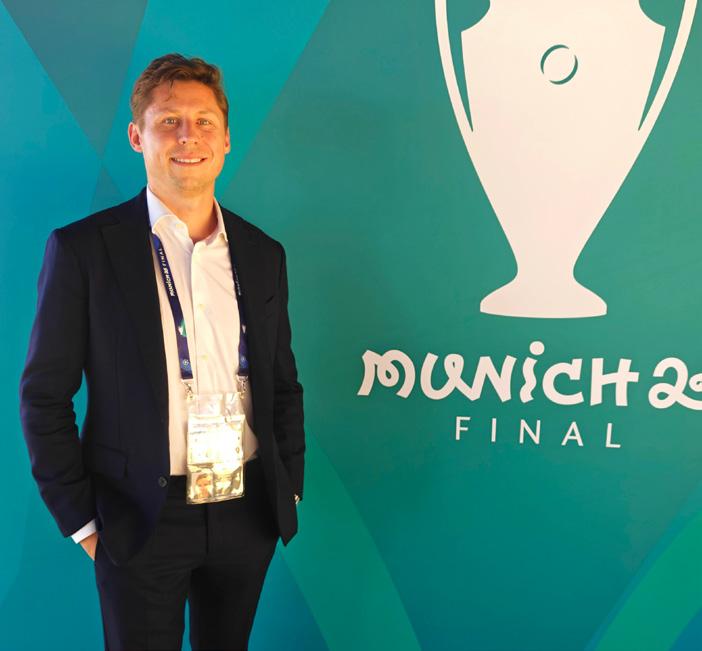
KICKING OFF BIG IDEAS WITH TOM KENNEDY (‘07)
UEFA Champions League Head of Marketing Partnerships Tom Kennedy, shares his journey from AISB to the world’s biggest football stage, offering insights into sports marketing, ambition, and persistence.
10 HOW THE AISB SPIRIT OF INNOVATION IS SHAPING THE FUTURE OF EDUCATION
An award-winning approach to “future-ready” learning at AISB.
WHERE PASSION LEADS: INTERVIEW WITH JOHANNA LENGYEL (‘17)
14
22
Hungarian Megasztár 2025 winner Johanna Lengyel reflects on her journey from AISB stages to national recognition, and why resilience, authenticity, and patience matter more than chasing success.
BRIDGING OUR LEGACY: BUILDING THE FUTURE OF OUR SCHOOL TOGETHER
How AISB alumni can help support the school’s future through Giving Week, new learning opportunities, and a growing culture of giving back.
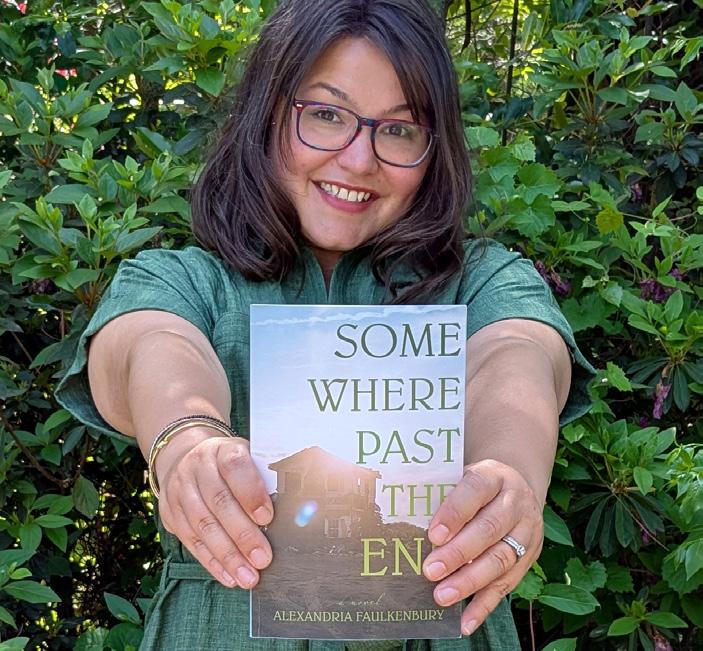
27 THE STORY BENEATH THE STORY: ALEXANDRIA FAULKENBURY (‘06)
An interview with the author of SomewherePasttheEndabout her writing life, AISB memories, creative influences, and the long road to publishing her debut novel.
31 BEYOND THE FUTURE: AISB HOSTS THE 2025 CHANGEMAKERS CONFERENCE
A look inside AISB’s largest student-led conference, where more than 180 students from 11 schools gathered for workshops, fireside chats, and action-driven conversations about creating meaningful change.


36
UNEARTHING THE PAST: ÁRPÁD-AGE TREASURES ON AISB’S CAMPUS
Archaeologists uncover medieval metalworking sites on AISB’s new land, connecting the school’s campus to centuries of Hungarian history and craftsmanship.
40 A CHANGEMAKER’S PATH: A CONVERSATION WITH VEIT DENGLER (‘82)
A wide-ranging interview with journalist, CEO, and Austrian Member of Parliament Veit Dengler, reflecting on his AISB roots, global career, and lifelong commitment to meaningful impact.
48
SPEAKING UP FOR CHANGE: HOW TWO STUDENTS BROUGHT TEDx YOUTH TO AISB
How two Grade 11 students turned a simple idea into AISB’s first TEDxYouth conference — featuring global speakers, thousands of online views, and a powerful message about student agency.
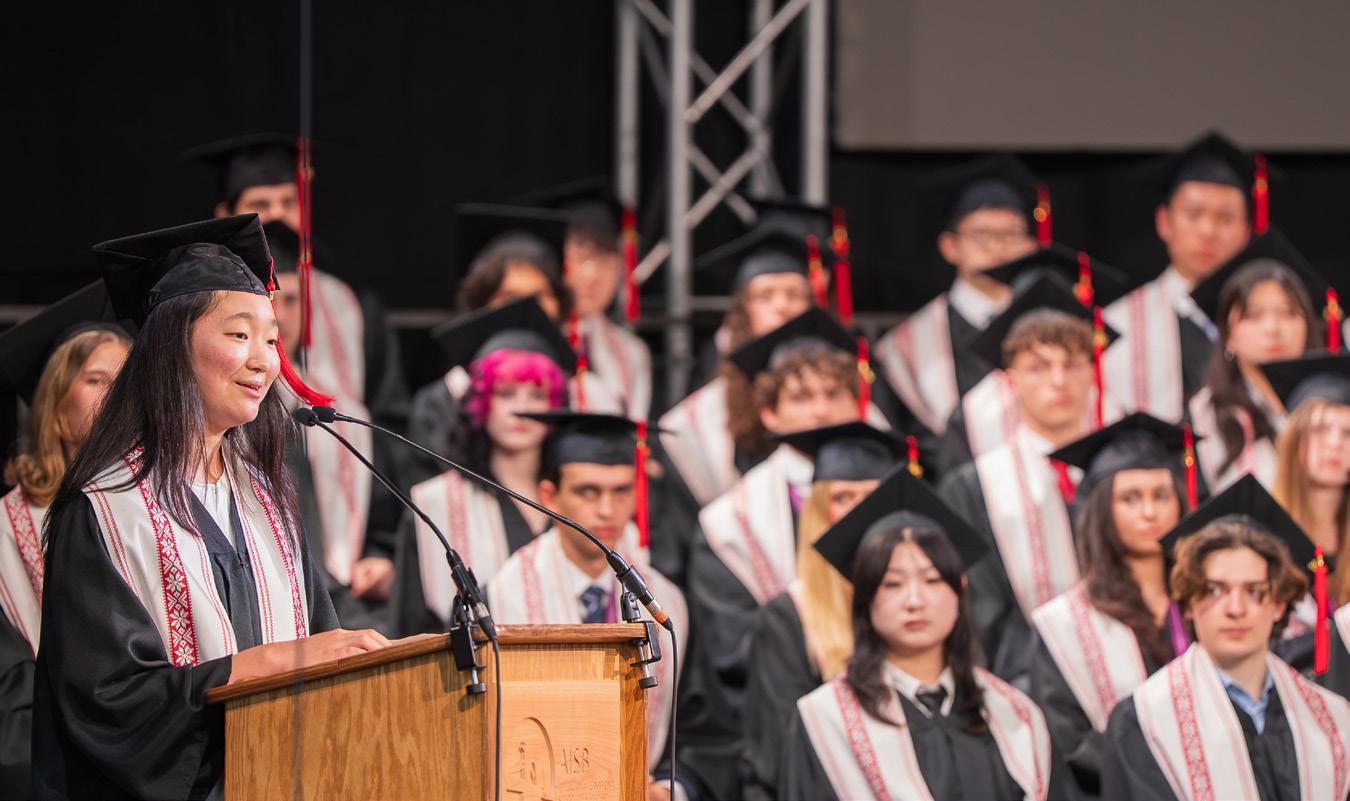
56 CLASS OF 2025 — READY TO TAKE ON THE WORLD
Celebrating 92 graduates stepping into their next chapter with 261 university offers across 15 countries, a class defined by diversity, resilience, and community.
62 BLAZERS REUNITE AROUND THE WORLD
72 COUNSELOR’S CORNER: BEYOND PRESTIGE
A thoughtful piece on helping students choose pathways aligned with purpose, values, and impact, and how AISB prepares them to be future-ready changemakers.
74 IN MEMORIAM

Dear Blazers,
As another academic year draws to a close, my 26th in international education, I find myself more energized than ever about what school can be.
The word “changemaker” is used often, but at AISB, it is more than a label. It is something I see our students live out every day. Whether it is an eighth grader identifying a real problem on campus and designing a solution, a student spending lunch times and afternoons 3D printing a product to meet a need, or a group of students designing, planning, and hosting our TEDx event, these are not extracurriculars. They are education in its truest form: purposeful, connected, and real.
Over the past few years, we have deepened this commitment through the Global Impact Diploma, a qualification that bridges the gap between the classroom and the wider world. This year, several of our students attended Milan Fashion Week, working directly alongside designers and experiencing the industry firsthand. Next year, we will launch an exciting partnership with a
local AI lab, where high school students will contribute to projects with a genuine, tangible impact on people’s lives.
These experiences reflect what we mean by authentic learning. This year, we became the first school in the world to offer the IB Diploma and the Global Impact Diploma as concurrent pathways. With special permission to run the IB Diploma over three years, our first cohort of students enrolled in both qualifications, gaining the very best that AISB has to offer.
Over the past 18 months, AISB has launched its giving program. We have begun raising funds to support our campus development plans, invest in new STEM and design equipment, and expand our athletics program through the introduction of year-round Blazers Academy offerings. The generosity of our parents and alumni has already created immediate opportunities for our students. These investments have enhanced the way we teach and opened up powerful new learning experiences. Looking ahead, our long-term campus development plans will be significantly strengthened by this continued support.
None of this happens without you. Our alumni network is one of AISB’s greatest assets, and we are only beginning to understand its full potential. Whether through our Future Ready events, mentoring conversations, opening your workplaces to the next generation of AISB students, or supporting the school through giving, the ways you can shape what happens here are real and meaningful.
An AISB education, I hope, is not simply a chapter; it is a lens. One that continues to sharpen how you see problems, how you choose to solve them, and the impact you make.
This issue celebrates changemakers at every stage of that journey. I hope you see yourself in these pages.
With pride,
Brett BRETT PENNY DIRECTOR

THE BRIDGE
THE AISB ALUMNI COMMUNITY MAGAZINE ISSUE 6, 2026
PUBLICATION
The Bridge is an annual alumni magazine. Digital copies will be downloaded here at the time of publishing: www.aisbalumni.com
PRINT EDITIONS
For print copies, please email us at alumnioffice@aisb.hu
We are happy to ship additional copies to you at no charge.
ADVERTISING
We do not currently accept paid advertising. We are glad, however, to promote relevant items if they are mentioned within articles.
EDITOR - IN - CHIEF
Réka Sári rsari@aisb.hu
GRAPHIC DESIGN
Abel Blanco ablanco@aisb.hu
PUBLISHER
American International School of Budapest
ABOUT
This year’s edition shines a light on the changemakers — thinkers, doers, and dreamers — who redefine what’s possible at AISB and beyond.
BLAZER UPDATES
We really appreciate your continued contributions to future editions. Please email your updates with a photo to alumnioffice@aisb.hu
STORY CONTRIBUTIONS
We would love to hear your story. Please write to alumnioffice@aisb.hu
Dear Blazers,
Each issue of The Bridge tells stories of passion and purpose, but this one feels especially close to our hearts. It shines a light on changemakers — students, alumni, and educators — who remind us that even the smallest spark can ignite something extraordinary.
From the student team that brought Beyond the Future Conference to life, to the young visionaries behind AISB’s first TEDx, this issue celebrates what happens when ideas meet action.
At AISB, changemaking is part of who we are. You can feel it in classrooms buzzing with curiosity, in alumni initiatives that connect continents, and in the everyday moments when someone chooses to make a difference.
As you turn these pages, I hope you will pause to reflect on your own story, how you have grown, what inspires you, and how you are lighting the way for others. Because that is what binds us as Blazers: a shared belief that change begins here, and it begins with us.
With gratitude,
Réka
RÉKA SÁRI EDITOR-IN-CHIEF ALUMNI LEAD
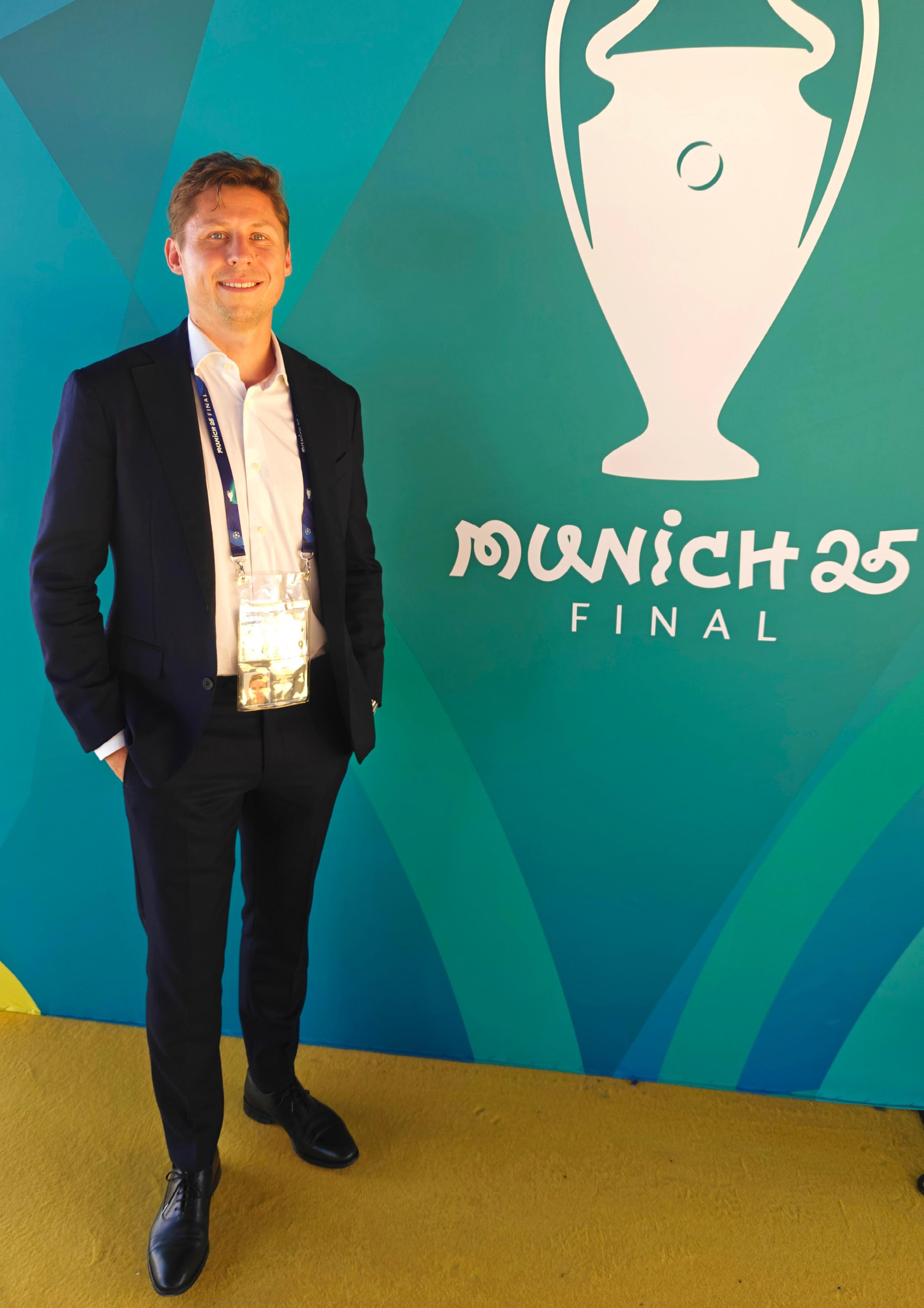
As Head of Marketing Partnerships for the UEFA Champions League, Tom Kennedy stands at the center of one of the world’s most celebrated sporting events. From managing global brand collaborations to crafting unforgettable experiences for fans, his career has spanned from the pitches of Arsenal FC to the grand stage of the UEFA Champions League (Europe’s most prestigious club football competition, Ed.) An AISB alumnus, Tom reflects on the teachers, moments, and passions that shaped his journey, and offers an insider’s look into the fast-paced world of sports marketing.
Where did life take you after graduating from AISB?
After AISB, I studied Advertising and Marketing in Newcastle. I completed several summer internships at the creative agency DDB and Vodafone, and did a placement year at GroupM, where I worked in their sports marketing department. After university, I returned to GroupM to work across various sports properties, including Wimbledon, England Rugby, and the London 2012 Olympics. A couple of years later, I joined Arsenal FC’s commercial partnerships team, where I spent three and a half years before moving to UEFA’s commercial agency, TEAM Marketing, to work on the UEFA Champions League.
Were there any teachers or moments that sparked your interest in marketing or sports?
Sports have always been a passion of mine since I was young. I competed for AISB across a range of sports, but football was always my favourite. Many teachers encouraged my interest in football along the way, including Mr. Gray and Mr. Dolesch during my early years, Mr. Rudnicki in middle school, and Dr. Jalics, Mr. Mackaill, and Mr. Ramos in high school. I have many fond memories from those ten years, with all of them, whether playing, being coached, or simply talking about football.
Do you stay in touch with AISB alumni? Has the network helped you professionally?
I’m actually terrible at staying in touch, and it’s something I need to improve on. I’m not a big user of social media, but I do occasionally check in to see where old school friends are and what they’re up to.
What do you think makes AISB different from other international schools you’ve experienced?
AISB was the only international school I attended, so it’s hard to compare. However, I always felt AISB had brilliant teachers who genuinely cared about their students and worked hard to help them achieve their goals. I wasn’t the most academic or diligent when I was younger, yet all my teachers went the extra mile to support me.
What are the biggest challenges you face in your current role with the Champions League?
My role is to oversee the delivery of marketing partners’ rights and manage relationships with the brands that partner with the Champions League. These brands are all multinationals and leaders in their respective sectors, investing significant sums to be part of the Champions League family. Naturally,
they have high expectations and demand a level of service that matches the competition’s positioning of “the best of the best.” The challenge is to continuously deliver at a high standard across a wide range of rights, while also identifying how we can evolve our delivery and explore new commercial opportunities in an ever-changing landscape.
What skills or traits help someone succeed in sports partnerships today?
Many skills are applicable across industries, but in my specific role, a few stand out. First, the ability to sell and market the product you are working on. Second, the ability to build and maintain relationships. Third, being hard-working and maintaining high standards. It’s a competitive space, and you need to consistently deliver at a high level.
What advice would you give to students who want to work in marketing or sports?
Sports marketing is incredibly competitive, so I’d recommend gaining as much experience as possible through internships or volunteer work. At the entry level, people need to differentiate themselves, and any experience with a rights holder, at events, with agencies, or with brands will stand out on a CV.
I’d also encourage students to focus on what they can bring to the table, such as their interest in marketing, partnerships, or commercialization of sport, rather than simply their love of sport. When I interview candidates for the graduate scheme, I often hear, “Because I love football.” Everyone loves football; it needs to be more than that.
What’s one career achievement you’re especially proud of?
There are several highlights in my career, but I’d say I’m most proud of working at the pinnacle of European football, which was always my goal.
If you could bring any celebrity or athlete on board as a sponsor, who would it be and why?
We’re fortunate to have a number of former players working with us and representing the Champions League in our campaigns. This year, Tom Cruise and David Beckham joined us at the final as part of CBS’s coverage in Munich; it’s tough to beat those two. They’re both legends who transcend culture. Personally, as a big tennis and Federer fan, I’d love to make something work with him at some point.
If you weren’t in this field, what do you think you’d be doing instead?
Honestly, I don’t know. I was determined to work in sports and never really had a backup plan. If I had to choose, it would probably be a similar role in a different sector.
What’s your most memorable or unexpected Champions League moment?
In my early years, I worked closely with Heineken to grow awareness of the competition outside of Europe. I spent a few weeks in Argentina and Paraguay with Carles Puyol, followed by time in Indonesia and Malaysia with Ronaldinho and Alessandro Del Piero. The highlight was probably playing five-a-side beach football with Del Piero in Bali. Those weeks will always stay with me.
Any superstitions or habits before big events?
I don’t have superstitions, but I always make sure I’m fully prepared with a detailed briefing and plan well in advance. I also try to have a quiet and healthy couple of weeks beforehand, as
the week of the UCL Final is incredibly busy with meetings and entertaining.
With the UEFA Champions League Final scheduled to be held in Budapest in 2026, what are the key factors that influence the decision to host such a prestigious event?
There are many considerations, and federations must complete an extensive application covering a wide range of factors. One of the key reasons Budapest was chosen is its proven ability to host large-scale matches, including the UEFA European Championship (Euro) and the UEFA Europa League final. The city also has a world-class stadium and the infrastructure to meet UEFA’s requirements.
What are you personally most excited about for the 2026 Final in Budapest?
It’s the opportunity to return to the city I grew up in. I came back for the Europa League Final a few years ago, and it was amazing to show colleagues and clients around, share my favorite places, and relive old memories.
Best Champions League goal you’ve ever seen?
I’ve been lucky to see many incredible goals, but I’ll go with Declan Rice’s second free kick against Real Madrid. The atmosphere after the first one was electric, and nobody thought he could do it again. It was unbelievable.
Funniest moment you’ve witnessed behind the scenes on a match day?
I’m sworn to secrecy. I’d be in trouble if I shared those stories!
VAR – love it or leave it?
I’m on the fence. I don’t love it, but I think when used properly, it’s the way forward.
Dream final matchup: any two teams, any era?
An impossible question. But I never saw Zidane play live and would have loved to. So, probably the Real Madrid team he played against the 2008/2009 Barcelona team with Xavi, Iniesta, Messi, and Ronaldinho. That would’ve been a special match.

I wasn’t the most academic or diligent when I was younger, yet all my teachers went the extra mile to support me.

AN AWARD-WINNING APPROACH TO “FUTURE READY” LEARNING AT AISB
Congratulations to Corey Topf (AISB Global Pathways Director) and the many educators who helped bring the Global Impact Diploma (GID) to life on receiving the AAIE Dr. Keith Miller Innovation Award for 2026. The award recognises a bold and thoughtful approach to education, one that places student agency, well-being, and real-world impact at its core.
Launched at the start of the 2025–2026 school year, the Global Impact Diploma is a two-or three-year high school programme designed to prepare students for university and for life beyond it. Developed in collaboration with more than 100 international schools, the GID responds to the complexity of the world today’s students will inherit, linking learning with purpose and real-world action.
AISB is proud to be a founding school and one of 36 schools worldwide that are part of the Global Impact Diploma. The program grew out of AISB’s 2023 Innovation Diploma and transitioned into the global GID framework after our Pathways Summit. AISB is also the first school globally to offer an IB–GID Dual Diploma, enabling students to earn both diplomas over three years in partnership with the International Baccalaureate.
Created to empower students and link learning to authentic experiences, the GID has already made a strong impression since its launch in August 2025. Students describe it as a formative experience, with an impact that extends beyond the individual to families, peers, and the wider community through student-led projects.
We are proud of Corey’s leadership and of being part of a collaborative, global effort guided by a shared commitment to purposeful, human-centred education. The Global Impact Diploma would not exist without the support of our AISB Board, leadership team, GID teachers, and the forwardthinking students and families who are trailblazing the way. It is encouraging to see this work recognised by AAIE and to watch the programme continue to evolve through the voices of students and the dedication of educators.

The Innovation Diploma taught me perhaps the most important lesson of all — to fully channel that which makes me different into my work and to use it as a tool for creating meaning and change in a global sense. It also gave me the freedom to develop exactly the areas that I thrive in, as well as encouraged me to be the main driver of my own choices and projects.


Being a founding student of the Innovation Diploma has been an amazing experience both as a learner and as an individual. I’m truly grateful to have had the opportunity to participate in these meaningful and engaging classes with my peers. As someone passionate about engineering, taking part in the Capstone Project was a highlight of my year. Without the Innovation Diploma, I wouldn’t have had the chance to develop such valuable engineering skills.

I really enjoyed the Innovation Diploma at our school because it gave me the freedom to explore my artistic abilities and express my creativity in meaningful ways.

The phrase “modern education” is a paradox; it’s not modern, it’s 150 years old. The Innovation Diploma is a firm step towards rewriting education so it’s relevant to the modern age, and it has been the best education I’ve taken part in.

The Innovation Diploma allowed me to truly make the most of my time at AISB. With my Capstone Project, I founded TEDxAISB, bringing top international business, political, and diplomatic leaders on campus. I did three internships, which gave me hands-on immersions into three industries: mergers & acquisitions law, trade shows, and large-scale retail. The “Imperfect Art of Living” English course and the “Business, English, and Entrepreneurship” course gave me frameworks to have a more meaningful and successful life. Over the past two years with the Innovation Diploma, I have truly had an education like no other.

Being the first students of the Innovation Diploma means we didn’t just follow a path - we carved one. It wasn’t just a course we completed; it was a mindset we lived for two years and will carry with us. We questioned, created, failed forward, and proved that bold ideas have a place in every classroom. What we started here will echo far beyond us.

Being the start to such an amazing program has been such a blessing and has truly prepared me for more than just my future studies but life overall. If I went back to the moment where I had to choose which program to join, I would choose this one every time.


INTERVIEW WITH JOHANNA LENGYEL (‘17)
When Johanna Lengyel steps onto the stage, it feels effortless, but behind the voice is years of discipline, selfreflection, and quiet determination. Her path into music didn’t follow a fixed plan or a single defining moment; instead, it unfolded naturally, shaped by curiosity, resilience, and a deep need for self-expression. Along the way, AISB played a meaningful role in nurturing her confidence and creative voice. Now, as the winner of the Hungarian Megasztár 2025, Johanna reflects on growth, authenticity, and what it means to choose your own voice — both on stage and beyond.
When did you first realize that singing was more than just a hobby for you? Was there a moment early in your life when music became “your” path?
I first experienced singing at AISB, and from that moment on, I knew it would always be an important part of my life — though not necessarily as a career. I don’t think there was a single defining moment when I decided, “This is what I want to do.” Looking back, it was probably always more than just a hobby; I just didn’t realize it at the time. That’s the funny thing about passion: you put in the work without labeling it as a “path”. I treated singing with the same dedication I would have given any planned future, and one day I simply woke up and realized I was doing my hobby full-time. That’s when I thought, “Huh, I guess I’m a singer now”, and happily embraced it. The journey has been very organic — no pressure, no forced direction. It just unfolded naturally into what it is today.
You studied singing abroad in Los Angeles earlier in your journey. What impact did that time have on your confidence and artistic development?
Studying in Los Angeles had a huge impact on both my confidence and my artistic growth. It was a highly competitive environment, my school had a strong arts program, and everyone worked intensely and pushed themselves constantly. Being surrounded by that level of dedication naturally pushed me to work harder, too.
At first, it was a little overwhelming and even shook my confidence. But over time, watching how others handled pressure and challenges taught me something important: Comment start confidence isn’t about being fearless; it’s about continuing even when you feel unsure. Comment end I learned to ask for help, to trust the process, and to believe that growth takes time. That experience helped me build a stronger sense of resilience and self-belief, and it shaped the way I approach my craft today.
Your teachers often describe you as someone who works very hard behind the scenes. What did your training process look like before Megasztár?
Initially, I spent a lot of time trying to visualize exactly what I wanted. I set my goals not only in terms of performance, but also for my personal development. A show like this is a complex experience, with many opportunities to grow, and I wanted to have a clear sense of what I wanted to prioritize throughout the journey.
Once I had that clarity, I got to work. Of course, I did a lot of extra vocal training, but I also focused heavily on building physical endurance. Over time, I started combining the two: training physically while singing or working on breath control, which helped a lot when it came to performing while moving or dancing on stage.
That said, the biggest part of the preparation was mental. I knew I had to build resilience, focus, and confidence in myself to handle the pressure of the competition. That mental preparation ended up being just as important as the technical work.
What made you decide to enter Megasztár?
To be honest, I had a little nudge. At first, I didn’t plan to enter at all and didn’t give it much thought. I got a little push from some people around me, and I eventually realized that my professional goals at the time aligned well with what the show had to offer. The timing felt right, the direction made sense, so I thought I should take the chance and accept the opportunity that was presented to me. I’m really glad I did.
You delivered some unforgettable performances this season. Which one felt the most deeply connected to who you are as an artist?
Definitely the one where I got to perform my original song in the finals. I wrote that song during the show, so it was very current and closely connected to what I was experiencing at the time. It included all my struggles, hardships, joys, and hopes throughout that journey. It was my voice, my message, and my emotions.
I was also able to be creatively involved in putting the performance together — how I wanted it to look, what I wanted to happen visually — so everything felt right and authentic.


The biggest part of the preparation was mental. I knew I had to build resilience, focus, and confidence in myself to handle the pressure of the competition. That mental preparation ended up being just as important as the technical work.

It truly felt like me. It was an incredibly exciting moment and one I’m very proud of.
There was a moment when you performed despite being unwell, yet still gave a truly strong show. Where does that resilience come from?
I think this is where years of experience really come into play. I’ve had many situations where I had to perform while unwell, whether I was sick, had lost my voice, or was simply overworked. This is something I experience multiple times a year. For example, during the summer season, which usually lasts from May until the end of September, I often work every single day, with rehearsals, studio sessions, and usually three to four shows a week, all with very little sleep and an unpredictable schedule. No two days are ever the same. This really takes a toll on me both mentally and physically.
What I’ve learned over time is to set my expectations on a day-to-day basis. I wake up, assess what I’m capable of that day, and only expect that from myself, nothing more. That’s what I work with in the moment. Letting go of that pressure usually helps me perform better and stay confident. It doesn’t make things easy, but it’s what gets me through every time.
How did you navigate the pressure of live shows, social media attention, and constant public feedback?
I did a lot of mental preparation beforehand. I knew it was going to be challenging and that there might be negative feedback from the public. I made sure I had a clear and honest understanding of my abilities and values, which helped me avoid relying too much on outside validation while still staying open to constructive criticism.
I also tried to ignore most of what was happening on social media and instead focused on my goals and tried to stay grounded.
What did winning Megasztár mean to you personally, not just professionally?
Going into the show, I had many personal goals. I wanted to become more open in areas where I felt vulnerable and grow stronger through that. I also wanted to learn how to stand by my vision and what I believe in, and to truly understand what those things were for me.
By the end of the journey, I genuinely felt changed and much more certain of who I am. Winning the show proved to me that I can achieve great things without having to make grave compromises, which is something you often feel pressured to do in this industry. It showed me that I can proudly be myself, both in my art and in my life, and that this authenticity can be valued by others as well.
You received a multi-year music scholarship as part of the prize. What aspects of music or performance are you most excited to develop further?
There is always room to grow, and I’m very excited to discover the ways I can continue improving. I’m especially interested in developing my skills in music production, as it would allow me to express myself on even more levels and in more creative dimensions.
With or without formal education, I’m always seeking opportunities to learn and develop my craft, so I’m excited to embrace everything this opportunity has to offer.
What themes or emotions feel closest to your future music? Are there stories you feel especially ready to tell now?
My passion for singing began as a form of self-expression. Performing feels like a kind of therapy with an audience, and writing music is like keeping an emotionally charged diary. Through music, I try to make sense of my experiences, emotions, and even my mistakes, these are the stories I want to tell.
Sometimes I write about what I’m feeling in the moment; other times, about my hopes for the future, or reflections that help me find closure. Occasionally, a song becomes a kind of cautionary tale as well. It’s an everchanging creative space, constantly evolving as I do, and that’s what makes it so exciting.
How do you plan to balance the expectations that come with winning with staying authentic to your own musical vision?
I would say that my own expectations around staying authentic are far greater than what anyone else would expect of me. I’m much harder on myself than I am affected by outside
pressure, especially when it comes to disappointing myself. Staying true to what feels authentic to me will always matter more than anything else, even if it means starting all over. I have nothing to lose when it comes to choosing myself.
At the same time, I believe there’s almost always a solution that can work for both sides. It might take more time, require more effort, or lead me down a more challenging path, but that has never been a problem for me.
You have performed at AISB on several occasions, including the 50th Anniversary Alumni Reunion and the AISB Musical Festival. How did it feel to perform for a community that watched part of your journey unfold long before Megasztár?
It’s a very special experience to perform at a place that’s essentially where I built the foundation of my craft. Being surrounded by people who have known me for a long time, many of whom witnessed my very first steps in music, adds a deeper layer of meaning to the performance.
In a way, it feels like performing in front of my parents or family. I want to do well, which naturally makes me a little nervous, but at the same time, it brings a sense of comfort and support. This combination of familiarity and emotion is what made those performances at AISB so meaningful to me.
AISB is a very diverse, international, creative environment. What parts of that atmosphere do you feel helped shape your confidence or artistic identity?
Growing up in an environment like AISB helped me gain a wide range of perspectives. Being in such a diverse and international community taught me to stay open-minded, which I believe is essential for any kind of creative work. To create something meaningful, you must understand different viewpoints and experiences, so that your work can resonate with others while still remaining genuine.
I’ve met many artists who struggle to understand who they are or what they want to express, often because they were never given the space or encouragement to explore those questions. At AISB, that kind of reflection was natural, it was part of everyday life to think deeply, share ideas, and find common ground with people from very different cultures.
That environment added a lot of color to my identity, and it continues to influence how I approach music and storytelling today.
If you could return to AISB now for a workshop or masterclass, what would you want to share with students?
It’s always hard to pinpoint just one thing to focus on, but if I had to choose, I would probably talk about failure and how important it has been in my own journey. I’d share the moments when things didn’t go as planned, and how those experiences actually helped me grow and move forward.
Especially in a creative field, there’s no single formula for success. I haven’t met two people who built their careers in the same way. It’s something you learn by doing or until you gain your own experience, by listening to different stories. In that sense, experience becomes your textbook. Eventually, you write your own.
I’ve said yes to many opportunities that felt overwhelming at the time, and I’m grateful I did not because I didn’t make mistakes (I made plenty), but because those moments gave me skills, confidence, and perspective I never would have gained otherwise. Some of my best achievements came directly from getting things wrong first.
What message would you give to AISB students who dream of performing, whether on a school stage or a national one?
Never give up on your dreams just because they feel distant or difficult to reach. If you have passion, diligence, and patience, you really only need one more thing to achieve almost anything: a clear goal. You can be incredibly talented, but without direction, it’s hard for things to come together.
However, ideas like “being successful,” “performing on the biggest stage,” or “being the best” aren’t very good aspirations, they’re outcomes. Real goals are things you can actively work toward every day. They don’t rely on luck or timing, just effort and consistency. This is my formula: I set a goal, my passion gives me the motivation to work hard, and my patience helps me stay persistent when things get difficult. You will have a good outcome every time.
Looking back at your younger self, maybe practicing in the music room or standing backstage at an AISB event, what would you tell her today?
I debate this question every time it comes up, and I always arrive at the same conclusion: I wouldn’t dare say anything. Everything unfolded the way it needed to. Even the difficult moments, the doubts, and the times I felt lost all helped shape who I am today. I love the way I am, both as an artist and as a person.
Even if I could say something that might mean I’d be in an even better place right now, I can’t know that for sure. I’m proud of what I accomplished with the information available to me at the time. If I could go back, I’d simply look at myself and smile.


BY MAGDALEN GRAY, AISB Advancement Director
For over 50 years, our school has served as a launchpad for global citizens who are now making their mark across the world.
From our first graduating classes to our newest alumni, you are the living proof of our mission: to empower learners to build their futures and contribute to a better world.
As we look toward the next half-century, we are reflecting on what it takes to remain at the forefront of international education. To ensure we work towards our vision to be “Future ready, today,” AISB is transitioning into a philanthropic model, a path taken by the world’s leading international non-profit institutions. This shift allows us to accelerate our impact beyond what is possible through tuition alone, transforming the learning experience for the students walking the same halls you once did.
At AISB, giving back is about more than building infrastructure; it is about community and a shared vision for excellence. By launching our formal fundraising initiatives, we are inviting our global community to help us drive innovation and lead sustainably. It is an investment in the next generation of Blazers, ensuring they have the tools to create positive impact in an exponentially changing world.
To celebrate this new spirit of collective support, we are excited to have launched AISB Giving Week in February 2025. This new annual AISB tradition provides a dedicated period for parents, faculty, and our global alumni to come together to support AISB. Our week of giving is more than about meeting target amounts but rather a celebration of the power of participation. We hope to transform education with immediate implementation of otherwise out-of-reach projects whilst demonstrating to our AISB students the power of giving back. It is a moment to celebrate the “Bridge” that connects our history to the ambitious future we are building.
Our current giving week efforts are focused on three pillars derived from our strategic objectives:
Student-Driven Innovation – Funding student-led projects that make a tangible impact.
Blazer Academy Expansion – Boosting athletic excellence and school spirit through enhanced coaching, upgraded equipment, and year-round trainning access.
Árpád-Era Archaeological Experience – Creating hands-on workshops in iron forging with local experts, inspired by recent archeological discoveries on campus.
So far we have been able to fund a year-round, through school athletics extension program, “Blazers Academy” and multiple additions to our STEAM spaces, which have already had a transformative impact on learning.
Our leadership fundraising is focused on supporting the development and enhancement of a stimulating environment that reflects the excellence of our programs. Our goal is a campus that will be flexible and adaptive to the future of learning, through a new Fitness and Community center, and equipping our upcoming Innovation Building with state-of-the-art technology.
As alumni, you are the stewards of our school’s spirit. You paved the way, and now we invite you to help us build the road ahead. Being an early supporter is a unique way to steward the legacy you helped create, ensuring that the students following in your footsteps have access to an even more dynamic, through-school learning environment.
Whether it is supporting students through transformations, which our Giving Week spirit can empower, or helping us build a more sustainable campus, your early involvement sends a powerful message that our community bond lasts a lifetime.
We look forward to sharing more stories of impact with you as we move toward Giving Week. Thank you for being the foundation upon which we build our future.
To learn how you can be a part of this transformation journey, please contact our Giving team at giving@aisb.hu.

AISB.HU/GIVING GIVING WEEK
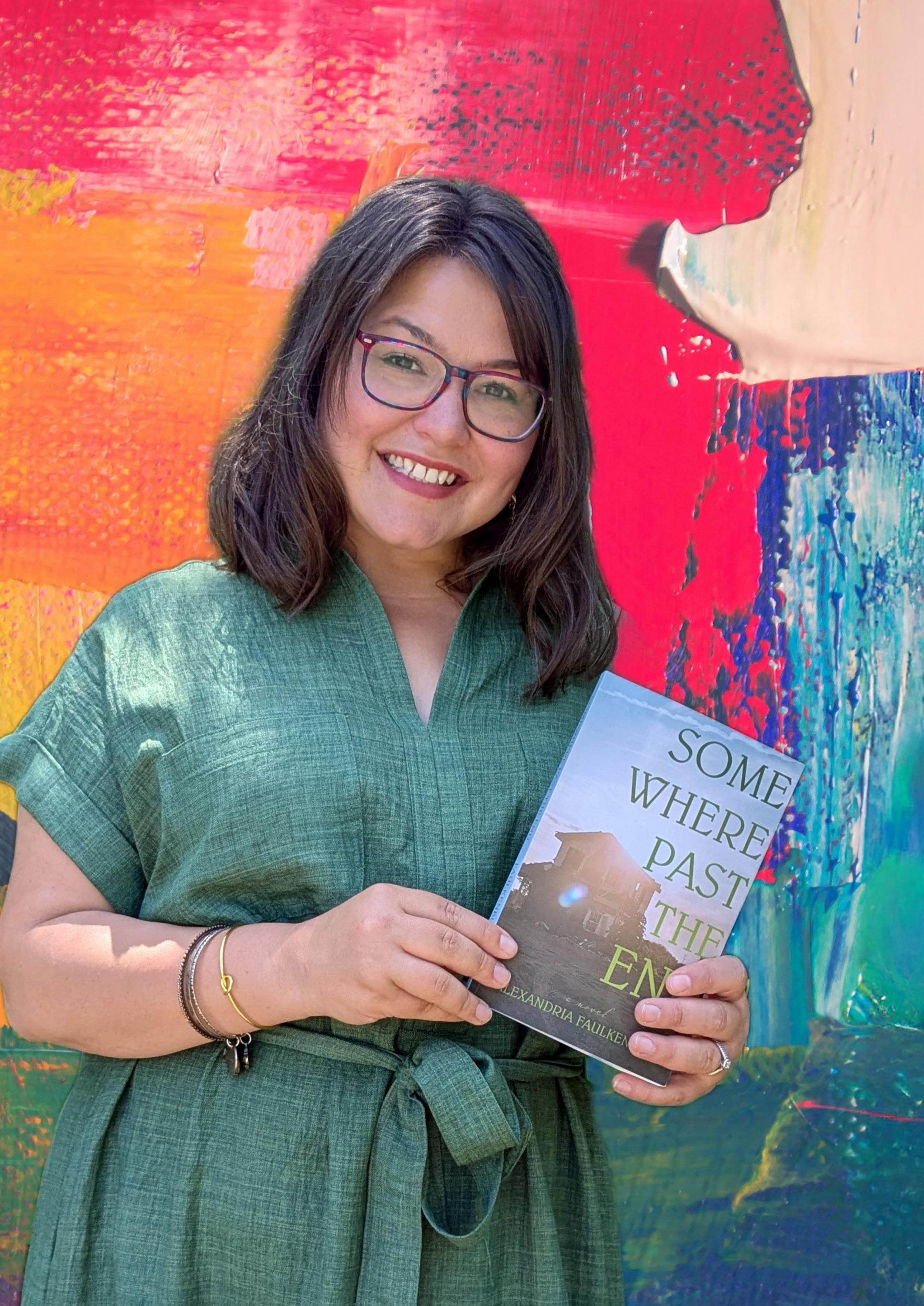
CONVERSATION WITH ALEXANDRIA FAULKENBURY (‘06)
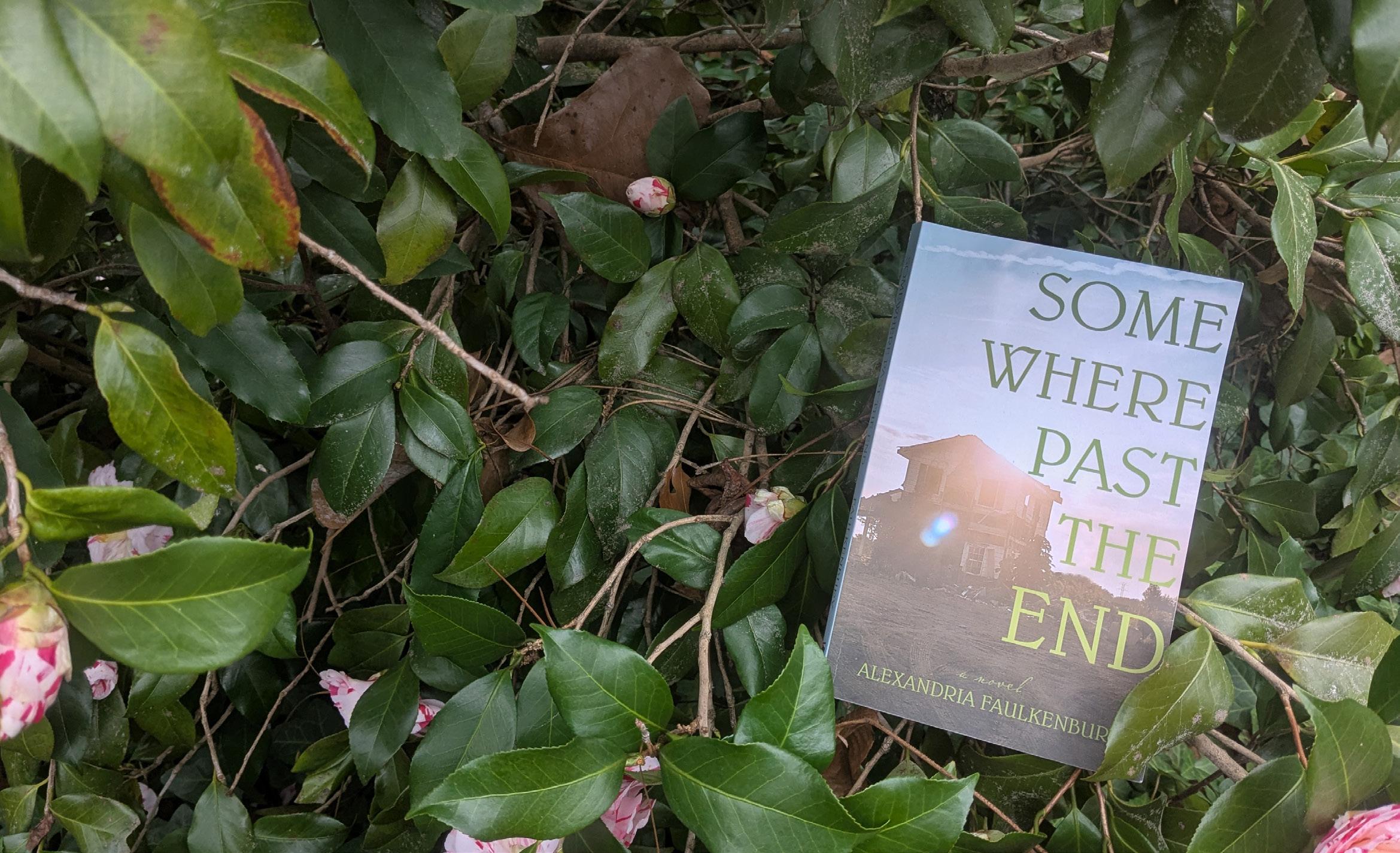
From her very first laminated kindergarten story, “The Cat Who Said Hi”, Alexandria Faulkenbury has been chasing the magic of words. At AISB, she honed the creativity and discipline that later led her to earn an M.A. in Multicultural and Transnational Literature and to build a career teaching English literature and composition. Now a published novelist, her debut, “Somewhere Past the End”, blends a lifelong passion for storytelling with a deep curiosity about human nature.
Beyond the page, Alexandria is just as vibrant, whether she’s tap dancing, knitting, or raising two lively children in South Carolina with her husband and their spirited dog. Her journey from AISB senior to published author is a reminder of the power of persistence, imagination, and the stories that shape us.
How did your experience at AISB influence you as a writer and as a person?
I definitely honed my writing skills at AISB through the IB program. I learned from so many wonderful teachers who helped shape my work ethic and my desire to keep learning and growing, in writing and beyond. It was also just a wonderful place to be creative and discover new stories to tell.
Were there any teachers or classes that encouraged you to pursue writing seriously?
I had Mrs. Kish for English my senior year, and she was such an encouragement to me. She constantly pushed me outside my comfort zone and challenged me to dig a little deeper. I’ll always value the lessons I learned in her class and how they helped shape my later writing.
Do you have a favorite memory from your time at AISB?
I started at AISB in my senior year, which isn’t usually an ideal time to begin at a new school. But the community immediately welcomed me and made me feel part of the team. I made friends faster than anywhere else I’ve ever lived and created some of my favorite high school memories, hanging out with friends, doing theater, playing volleyball, and going on our senior trip to Slovenia. Those memories still burn bright when I think back on my time there.
You’ve been writing since kindergarten. What’s kept that spark alive through the years?
Honestly, it’s the writing itself. There have been times when I wasn’t writing, but something always feels off when I’m not. I can’t always identify it at first, but when I finally sit down to write again, I realize that’s what I’ve been missing.
How did your time studying multicultural and transnational literature influence your writing style or themes?
My graduate program exposed me to so many incredible writers from different backgrounds. While I was doing more analytical writing than fiction at the time, reading such a range of voices expanded my understanding of what writing can be and how personal experience shapes creative expression.
I definitely honed my writing skills at AISB through the IB program. I learned from so many wonderful teachers who helped shape my work ethic and my desire to keep learning and growing — in writing and beyond.
What inspired Somewhere Past the End?
I’ve always been fascinated by cults and the psychology behind why people surrender themselves to that level of control. I’ve also had experiences in my own life and faith journey that gave me a glimpse into cultic behavior. All of that became the foundation for this book.
If Somewhere Past the End were adapted into a film or series, who would you cast as Alice and Edwin? (The main characters –Ed.)
Ooooh, that’s such a fun (and tough!) question. Jacob Elordi comes to mind for Edwin. Alice is trickier, but maybe someone like Elizabeth Olsen or Saoirse Ronan.
Is there a line or moment in the book that holds special meaning for you?
Without giving spoilers, the ending means a lot to me. It took a while to get right, and I had some pushback on earlier drafts, but once I wrote it, I knew it couldn’t end any other way. I’m proud I got to keep it as I envisioned it.
Do you follow a strict writing routine, or is it more intuitive?
Somewhere in between. I’m a reluctant member of the #5amwritersclub because that’s the only quiet time before my family wakes up. I try to do something writing-related every weekday and take weekends to read or think — but sometimes weekends are when the words really flow. Consistency helps, but as a busy mom, I’ve learned to give myself grace when life gets in the way.
What has surprised you most about publishing your first novel?
Probably the timeline. I thought once I wrote the book and got a contract, it would follow a straightforward schedule, but publishing is full of twists and turns. It takes time to find the right agent, publisher, and editor. People move in and out of the industry, and suddenly nothing happens for months, then everything happens all at once. I never realized how many people are involved in making a book until I experienced it firsthand.
What advice would you give to AISB students interested in writing or publishing?
Don’t give up. You’ll receive far more “no thank yous” than “yes, pleases,” but it’s still worth pursuing. A podcast I love says, “It only takes one yes,” and that’s true. Writing can feel like one step forward, two steps back, you just have to stay persistent and resilient. Many rejections have nothing to do with your talent. If you love writing, keep doing it.
Also, find a writing community. Other writers will understand what you’re going through and will celebrate your wins because they know how hard-won they are.
What’s your favorite comfort read?
As a kid, I loved “The Witch of Blackbird Pond”, and it’s still a book I return to when I need comfort.

Tap dancing, knitting, writing, do they connect creatively for you?
Haha, probably on some level I haven’t figured out yet! I’m a terrible dancer, but I love the challenge of tap. Knitting relaxes me after a long day, and writing can be both challenging and relaxing, so maybe that’s the connection!
Do you have any quirky writing habits?
I’m not sure how quirky it is, but I prefer complete silence when I write. I know some people thrive with music or coffeeshop noise, but I love absolute quiet. That’s part of why I write so early in the morning.
How do your kids react to having a writer for a mom?
I recently gave a small presentation at my daughter’s school, and I think she enjoyed sharing that her mom is a writer. She hasn’t read much of my work, it’s written for adults, but I like that she sees me pursuing something I’m passionate about. She loves writing too, so it’s something we can share as she grows.
My four-year-old couldn’t care less, unless I’d written “The Very Hungry Caterpillar”! But I’m sure we’ll get there.
What’s one book you wish you had written?
“Lincoln in the Bardo” by George Saunders. His mix of narrative and primary sources and the way he tells Lincoln’s story of grief blew me away. It’s on another level of writing, one I aspire to reach someday.
LEARN MORE about Alexandria, her writing journey, and her debut novel Somewhere Past the End at alexandriafaulkenbury.com.
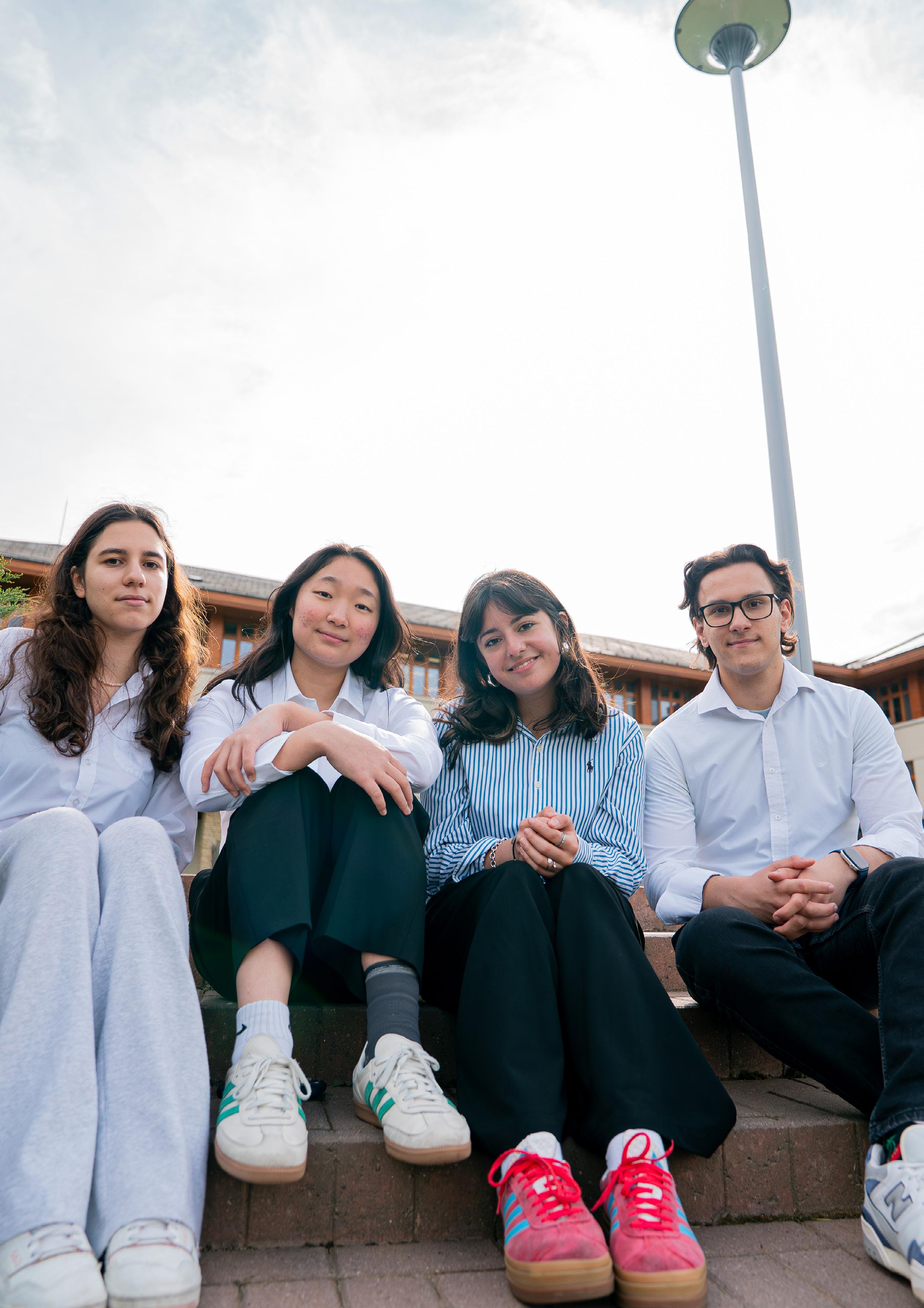
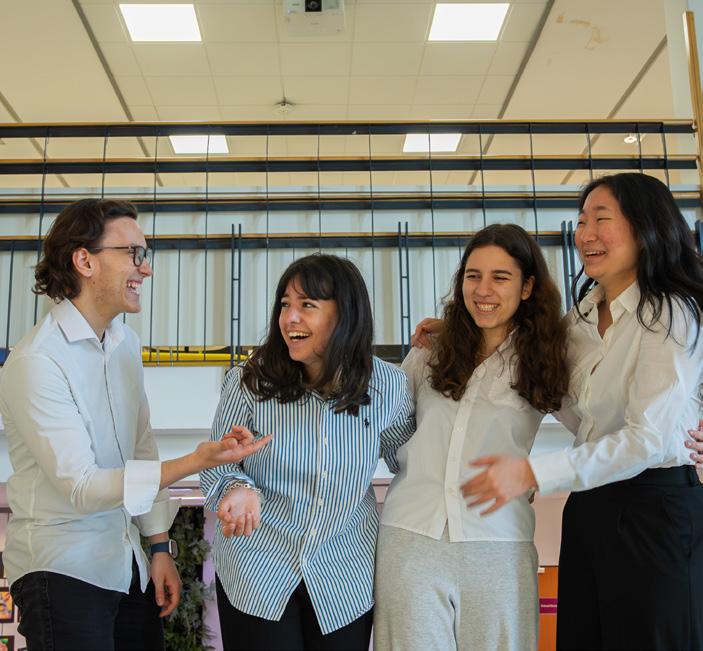
AISB became a hub for innovation and inspiration when more than 180 students from 11 international schools gathered on campus for Beyond the Future 2025, the largest student-led Conference to date in our school’s history.
Over three days, participants engaged in dynamic fireside chats, hands-on workshops, and powerful keynote sessions exploring what it means to create meaningful impact in an ever-changing world.
What set this conference apart was not only its ambition but its authorship. From the first brainstorming session to the final closing remarks, every detail was designed and executed by students. Their vision transformed AISB into a global stage for youth leadership, creativity, and collaboration.
Here, some of the student organizers share what it was like to bring Beyond the Future to life, and how changemaking has shaped their view of what’s possible.
“BE BOLD AND SHOW THEM SOMETHING BRILLIANT.”
Can you tell us a little about the Changemakers Conference and your role in it?
The Changemakers Conference brings together young leaders from around the world who are taking action in their communities to tackle global challenges. Through fireside chats and interactive workshops, we aim to raise awareness, share solutions, and inspire others to get involved.
My journey with the movement began in 2023, when I attended the first Global Changemakers Conference at Frankfurt International School. I rejoined in 2024, and with that experience, I helped lead and organize Beyond the Future 2025 here at AISB alongside my peers. It felt amazing to see it come full circle.
Was there a moment from the conference that particularly inspired you?
Definitely, the final day. We dedicated the morning to creating personal “action plans”, tangible projects that participants could take back to their schools. Hearing students share their plans was incredibly moving. It showed that when young people are given the right tools, mindset, and support, then they can make sense of complex problems and turn ideas into real change. It restored my faith in the future, to be honest.
How do you feel the IB program prepared you for something like this?
What I appreciate most about the IB is how it pushes students to go beyond academics. Through CAS, we learn to initiate and lead projects that demand creativity, collaboration, and responsibility. Those same skills are what made organizing this conference possible. The IB doesn’t just prepare students for exams; it empowers us to act, lead, and make a difference.
As a senior leaving AISB, what are you most looking forward to?
It’s bittersweet. I already catch myself reminiscing and calling these my “good old days,” while my friends are thrilled to escape Spanish listening tests! But I’m excited for what’s next, the freedom, the new experiences, the chance to keep learning about the world and my place in it.
What advice would you give to younger students who want to be changemakers?
Be bold. The best ideas often sound crazy at first — just look at Dr. Edward Jenner, who was mocked for inventing vaccines. When I started with Changemaking, some thought it was “nerdy” or unnecessary, but sticking with it led to one of the most meaningful experiences of my life. Don’t just follow brilliance, create it.
If you could invite any historical figure to next year’s conference, who would it be?
Winston Churchill. He led with courage during one of humanity’s darkest times, and I think his determination against overwhelming odds mirrors the challenges we face today — corporate greed, climate change, and apathy. His insights on perseverance would be powerful to hear.
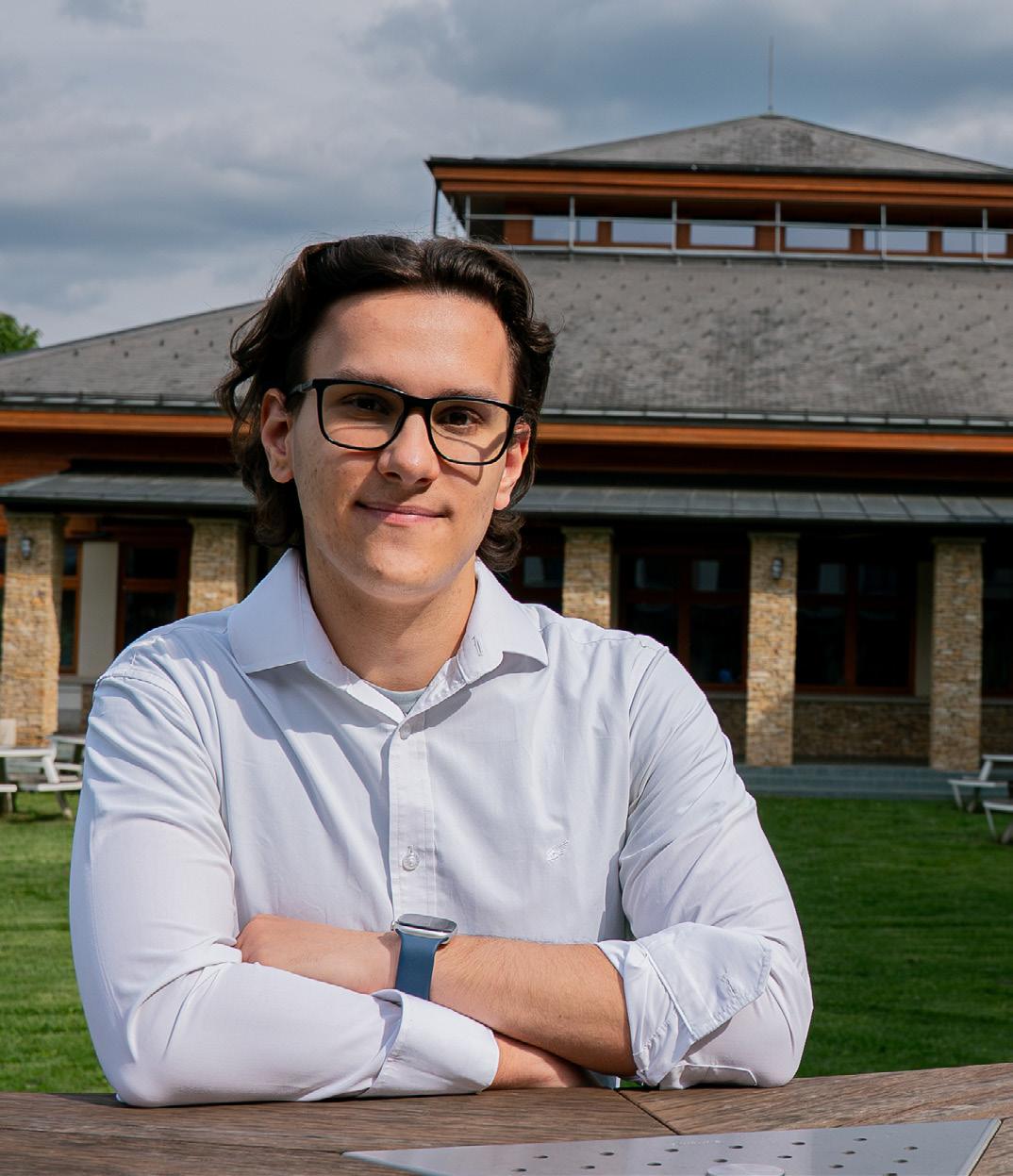
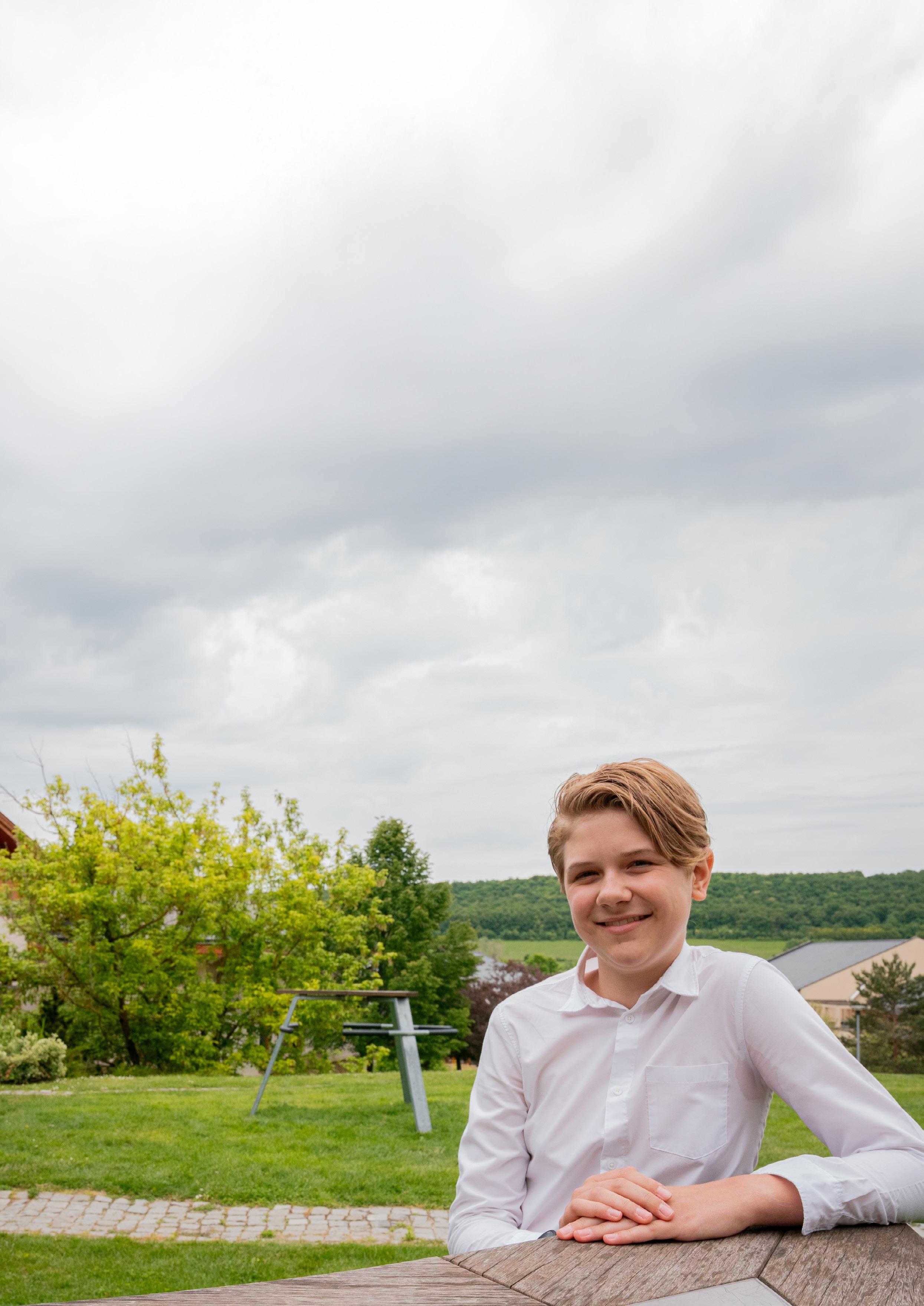
ALEX MOO (‘28): “CHANGEMAKING IS MORE ACCESSIBLE THAN IT SEEMS.”
What was the most rewarding part of organizing the conference?
Seeing it come to life. After months of planning, it felt surreal watching students and teachers from all over the world walk through our doors. It was the biggest conference AISB has ever hosted, and realizing that all those people had taken time out of their lives to attend something we built; that was incredible.
The other most rewarding part?
Watching them leave. Seeing students wave from their buses, knowing they were heading home, inspired and ready to act — that was when I knew the work had truly mattered.
What’s the most important takeaway for anyone who wants to make a difference?
That you can make a change. You don’t need wealth, fame, or a platform. You just need drive. Changemaking isn’t something you have to prepare for years to do; it starts small, with a bake sale, a campaign, a conversation. The conference showed that anyone, anywhere, can start making a difference right now.
If you could describe the conference in one word, what would it be?
Dedicated. Dedicated to the future, to learning, to each other. Every student and teacher involved poured time, energy, and heart into it. It was a conference created by a generation of dedicated changemakers for a brighter, more hopeful future.
What’s one small action anyone at school can take to be a changemaker?
Kindness. It sounds simple, but it creates ripples. Smile at someone, say hello, help out. You never know how much someone might need it. Change doesn’t always start with a movement — sometimes it starts with a moment.
How can schools better encourage changemaking?
Schools should go beyond preparing students for jobs — they should prepare us to make a positive impact, regardless of the path we choose. Education shapes the future, so let’s choose to use it to inspire compassion, creativity, and responsibility.
To me, Beyond the Future means preparing yourself and your community for the unknown — embracing change with curiosity rather than fear. It’s about moving forward with grace, one step at a time.

SOMIN JUNG (‘25): “FAIL BETTER.”
What do you think schools can do to inspire and empower changemakers?
Education isn’t just about academics — it’s about learning how to live. Schools should encourage students to take risks, try, fail, and try again. I love Samuel Beckett’s quote: “Ever tried. Ever failed. No matter. Try again. Fail again. Fail better.” That mindset — of failing forward — is what helps students realize their power as changemakers.
The theme was “Beyond the Future.” What does that mean to you personally?
We debated that phrase for weeks! It started as a play on Back to the Future, but we realized it represents thinking beyond the limits of what we can see or predict. To me, Beyond the Future means preparing yourself and your community for the unknown — embracing change with curiosity rather than fear. It’s about moving forward with grace, one step at a time.
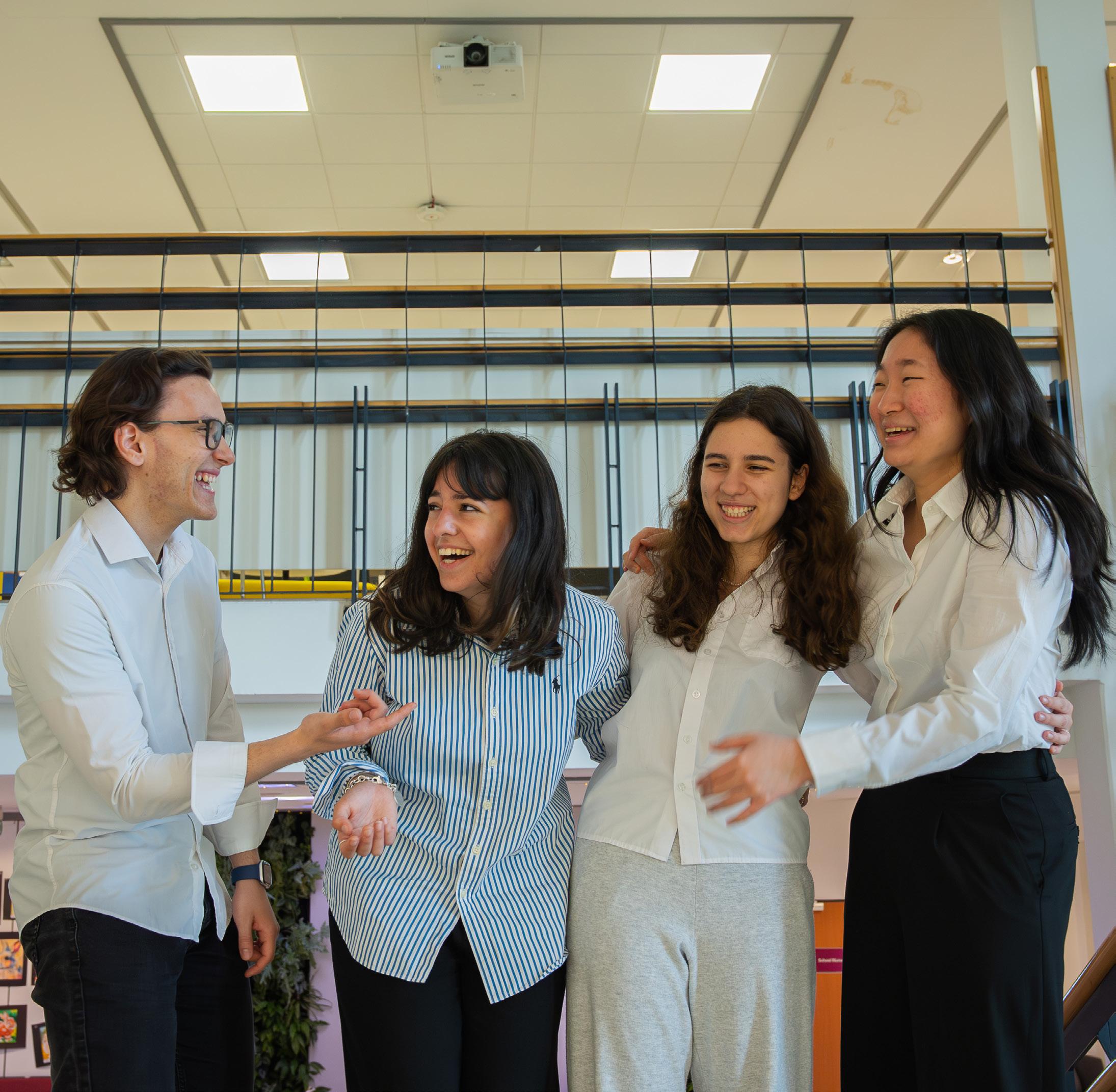
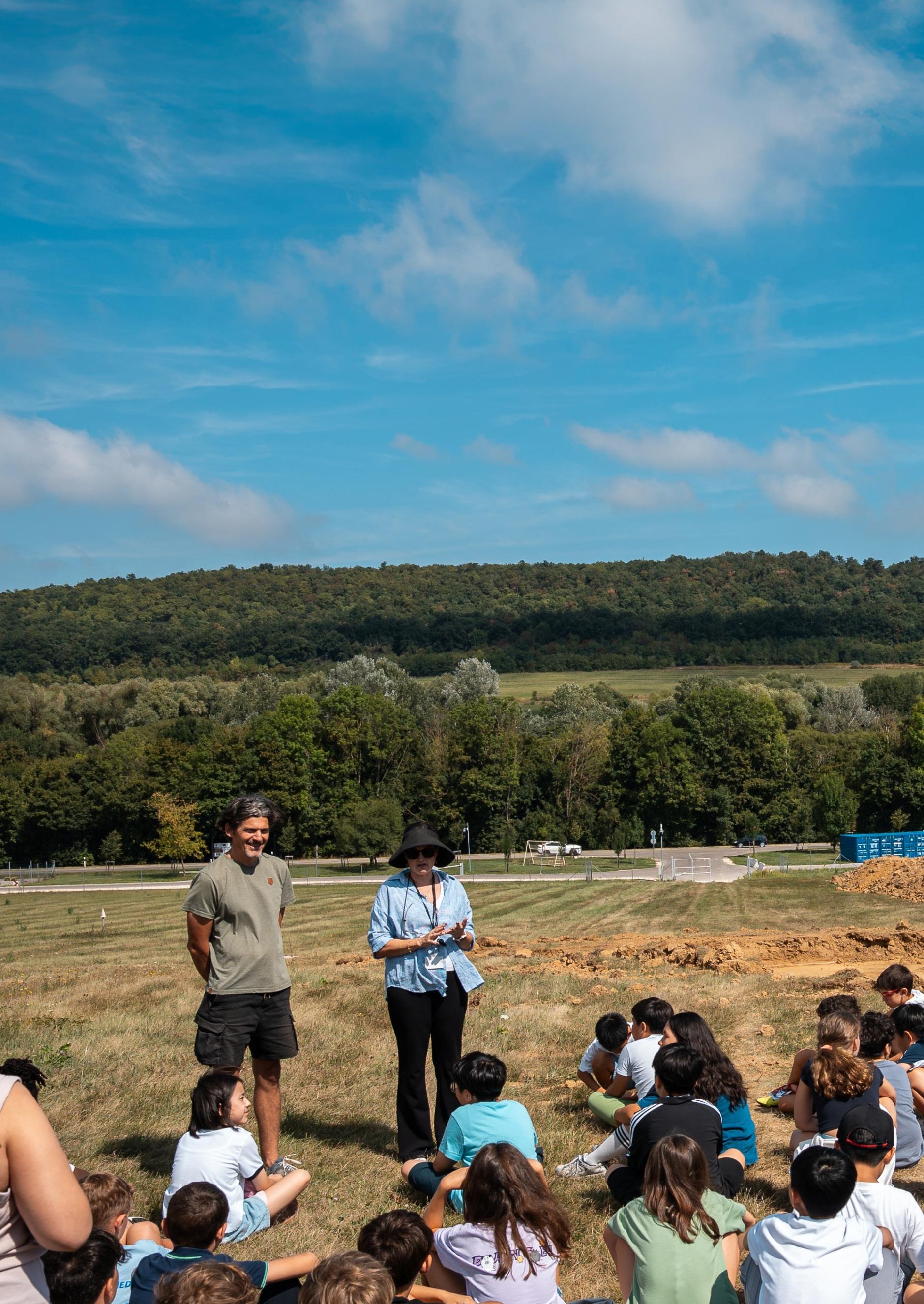
Unearthing the Past: Árpád-Age Treasures Discovered on AISB’s Campus
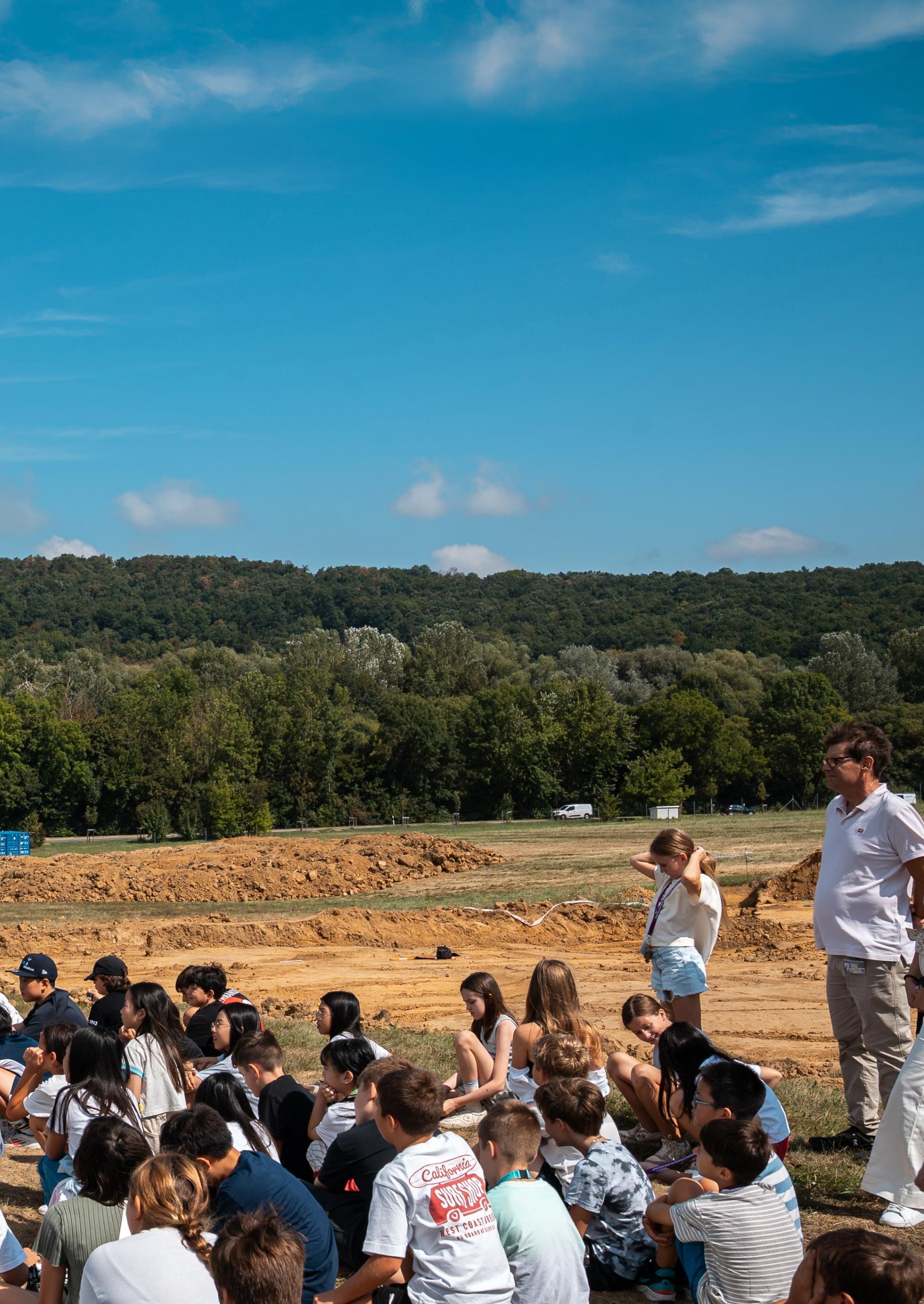
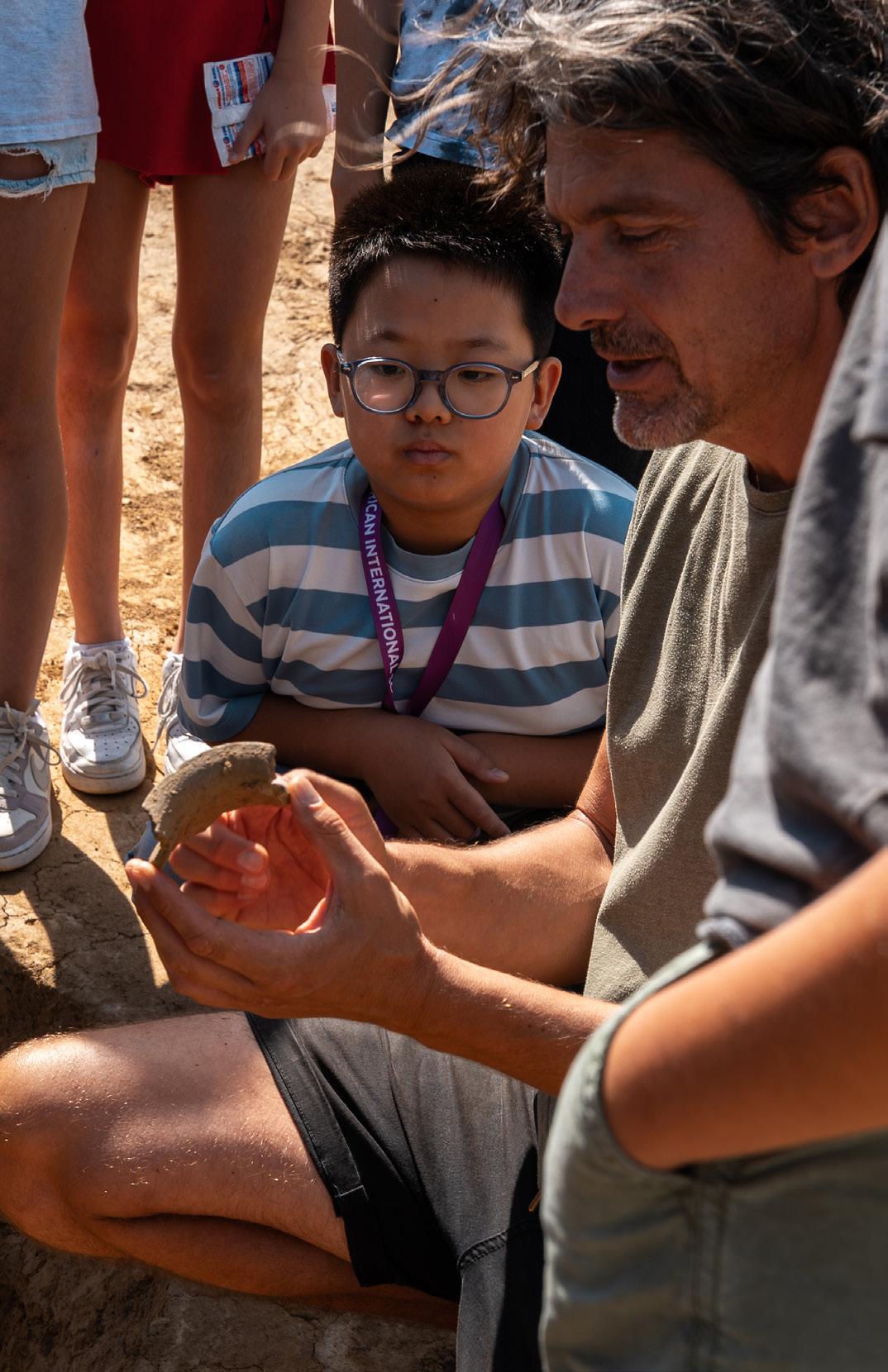
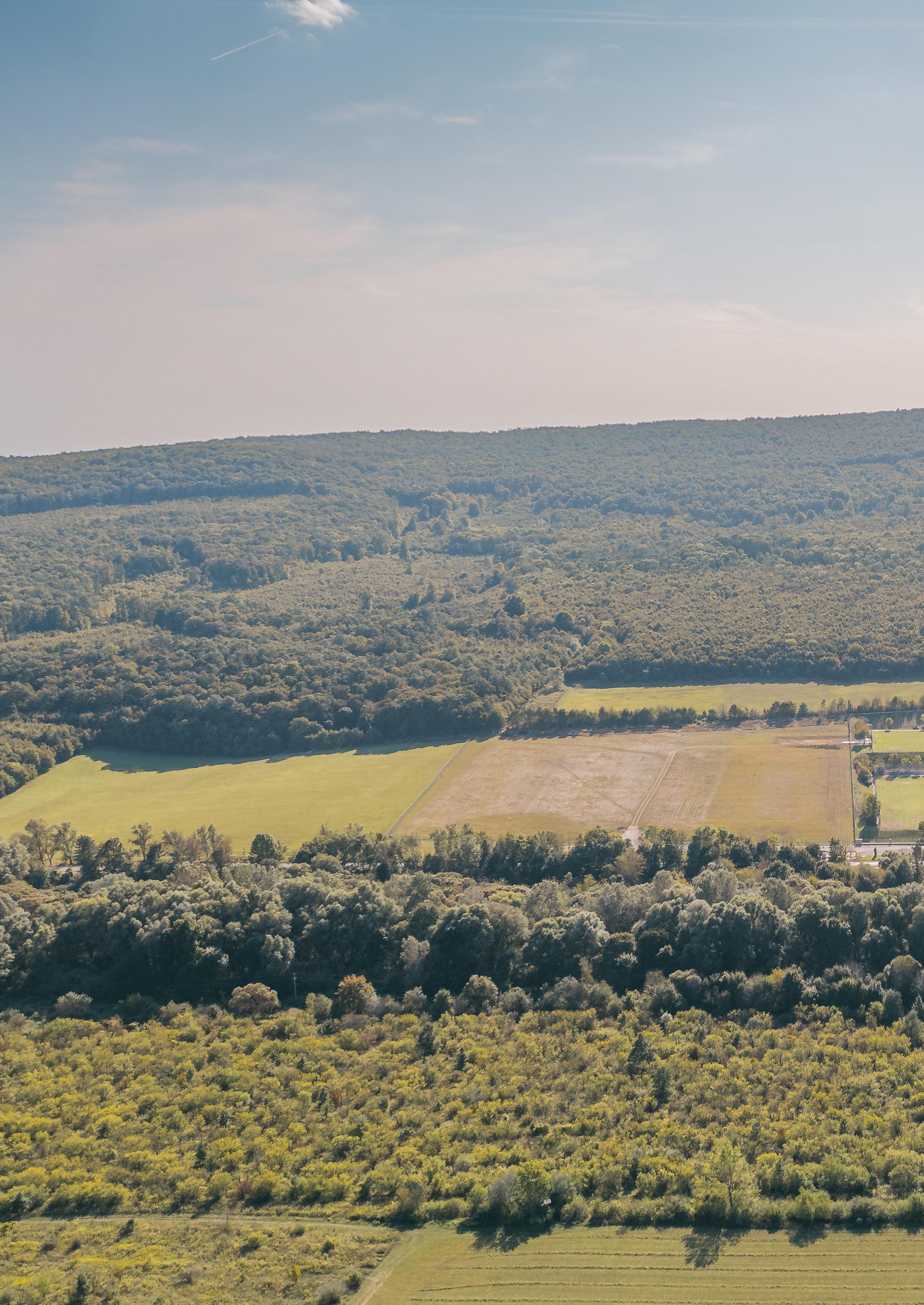
Sometimes, history finds us in the most unexpected places. During preliminary work on AISB’s newly purchased land, archaeologists made an extraordinary discovery: Árpád-age treasures, including a decorated ceramic fragment and the remains of iron-smelting furnaces that once supplied tools and weapons to Hungary’s early rulers.
The Árpád Age, spanning the 9th to 13th centuries, marked the birth of the Hungarian state under the first kings of the Árpád dynasty. Although no visible ruins remain on this site today, archaeologists have uncovered evidence that it was once a medieval village where metalworking was a thriving industry. Conical furnaces with heavily burned stone chambers told the story of craftspeople who transformed iron ore from nearby mountains into tools of everyday life and instruments of defense.

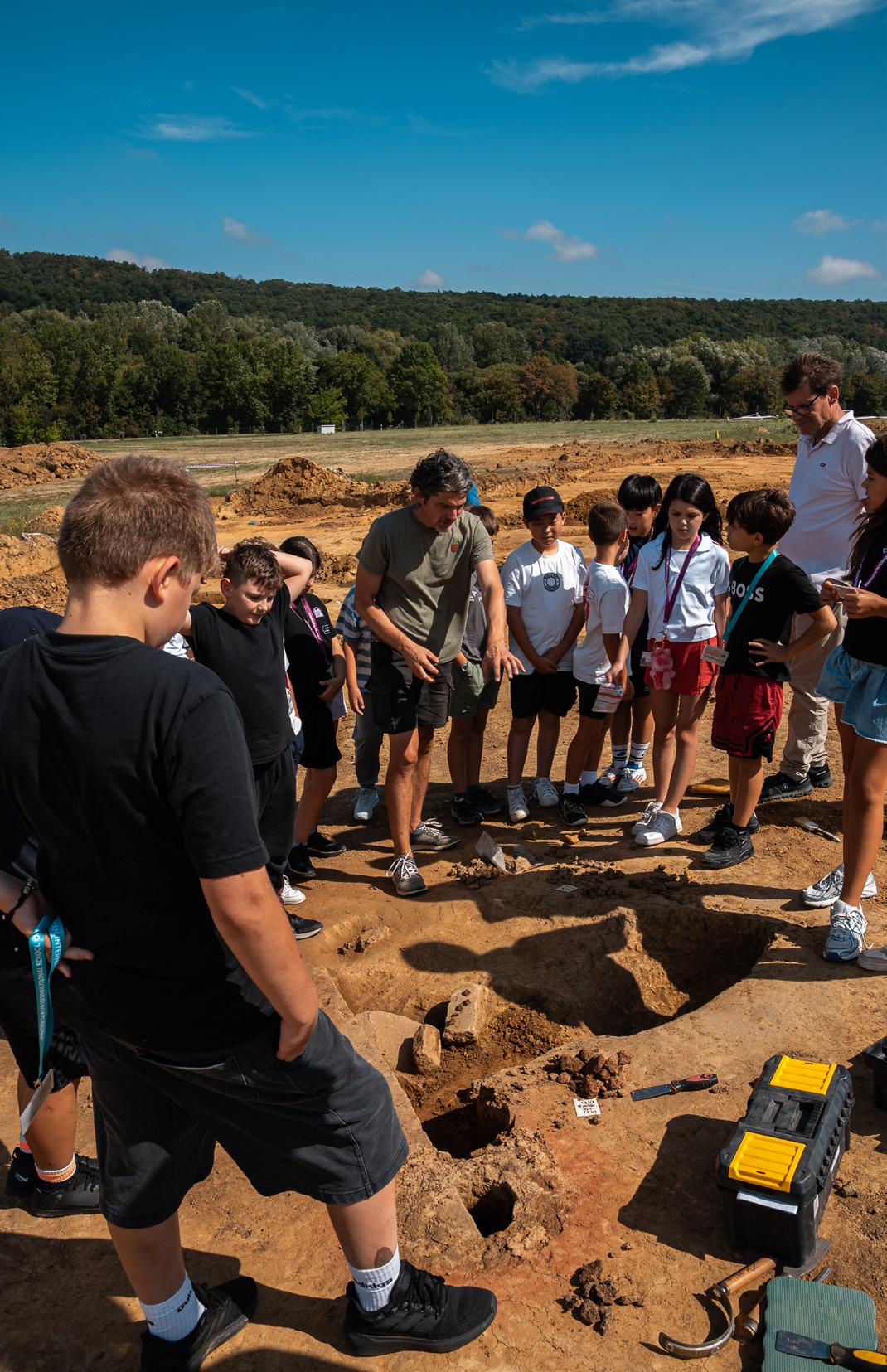

The excavation, led by Dr. Tibor Ákos Rácz of Pázmány Péter Catholic University, beautifully combined professional archaeology with community involvement. A local volunteer from Nagykovácsi joined the dig, turning the find into a shared moment between the village and the school.
Students and teachers visited the site to witness history emerge from the earth and learn directly from experts about how archaeology helps safeguard cultural heritage, offering a vivid connection between the past and the present.
These discoveries are more than remnants of the past; they are reminders of how deeply AISB is rooted in its surroundings. As our school prepares for future growth, the stories uncovered beneath our feet connect us to the land, to Nagykovácsi, and to the generations who shaped this valley long before us.
These discoveries are more than remnants of the past; they are reminders of how deeply AISB is rooted in its surroundings.
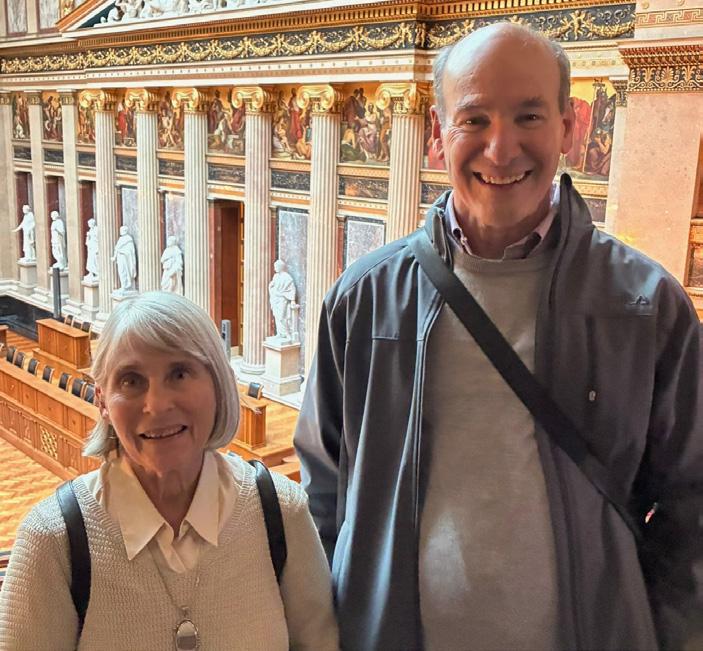
Veit Dengler is a 1982 ASB - it wasn’t yet AISB - graduate. He has lived in nine countries and has had a distinguished career as a journalist, manager, Chief Operating Officer, Chief Executive Officer, and most recently, Austrian politician. In 2012, Veit co-founded the NEOS party in Austria and currently serves as a Member of Parliament.
There were only five students in Veit’s ASB graduating class. The interviewer, Charles Newman (former AISB English teacher, Ed.), was fortunate enough to teach Veit the year he graduated. The two soon became friends and have remained so ever since.

Charles: Morning, Veit. Thanks for agreeing to do this.
Veit: Yeah, it’ll be fun.
Charles: Ok. For the last 25 years, AISB has had a state-of-the-art facility in Nagykovácsi, and it’s easy to think it was always there. You knew another reality. Where was your campus?
Veit: Well, it wasn’t really a campus, right? It was a couple of floors in an apartment building between Parliament and Communist Party headquarters, near the Margaret Bridge.
I started there in Grade 5. Back then, it was only Grades 5-8. We were on the ground floor, in the atrium. We had a tiny library, and for PE, we crossed the street to a big park, paved over with a football cage. When I was in sixth grade, they added Grades 1-4.
CharIes: I was the PE teacher in your last year.
Veit: You were. In fifth and sixth grade, Marines from the U.S. Embassy were our PE teachers. Oh, and I have a distinct memory of that time. One of the Marines, I think his name was Madrid, kicked the ball so hard that it disintegrated in midair. It just fell down and plopped on the ground. I was proud that a real Marine killed my ball.
Charles: Did the school feel too small to you?
Veit: No. It felt small, but it also felt cozy. We went to Budapest in mid-August, and I had three English lessons — literally three — with an older English lady. And then my dad dropped me off at ASB, and there I was. I remember sitting with 20-25 kids the first day, and Paul Stachow (the director) talked to us. I had no idea what he was saying. And next to me was a Japanese boy who didn’t understand a word. So we kind of bonded. The first couple of years seemed long, but I felt well taken care of by the teachers and by Paul and Judy (the director’s wife, who taught math and science).
Charles: It’s a long time ago, but I’m going to ask you to dig deep: what was most memorable from your school experience? What did you take with you, even if you didn’t know it till later?
Veit: I was quite lost at that age. And if I had been in a big school, I might have become a bit of a loner. But ASB felt very much like a family. If you’re five
kids in class, you can’t hide, right? The teachers could really tailor their lessons individually. I was challenged in a good way. They pushed us, and I have very fond memories of the place.
Charles: And of course, you were King Arthur in Camelot.
Veit: Of course! Everybody assumed I would play Lancelot. And then you chose me to be Arthur. I was afraid, but I grew into that role, and I really liked it.
And you made us read a lot. I always liked reading, but I was an unsystematic and sometimes lazy reader. And I really got into reading. I kept on reading after that.
Charles: I remember you were unusually interested in the world and in politics. That’s not normal for a middle school kid. Where did that come from?
Veit: Well, when I lived in Austria with my mom’s first husband, we had Sunday lunches for 10-15 people. The adults would discuss current events, and the Bishop of Graz would be there, or a university professor. Musicians came a lot too, since my mother was a harpsichordist. It was normal to have a lot of people talking around the table. It wasn’t always current events. It was also art, religion, and many different topics. And I blame those years for a lot of my curiosity. And like a lot of pre-teens, I was fascinated by the war and all the ships and the airplanes. So current affairs came quite naturally. And I’m the grandson of a politician, and my father wanted to become a politician. He never did.
Charles: Your grandfather was…
Veit: One of my grandfathers was a Christian Social Party member of Parliament. He was, I think, the youngest Member of Parliament in 1930. When the Nazis came to power in 1938, they took him to Gestapo prison and put him on a list to be sent to Dachau. But his name was struck off by an SS man who had previously worked for him: that man was a factory worker, and my grandfather was the foreman on his shift. And after the war, my grandfather became a Member of Parliament again.
Charles: So he lived — and then you lived.
Veit: Exactly.
Charles: You were clearly receiving an education at home.
Veit: I was. I grew up in a political atmosphere, and that had a huge influence on me. I remember trying to follow a discussion of the adults when I was seven or eight, since the kids didn’t really talk. And I piped up once with a question: What’s the difference between a terrorist and a tourist? I was listening hard.
Charles: I’m sure you were. On a different subject: few AISB graduates remember the communist years, which ended in 1989. But you do. What do you remember about living in Budapest then?
Veit: Well, I was lucky enough to study violin for a year with Tátrai Vilmos, the concertmaster of the Hungarian National Philharmonic. I also have fond memories of riding near Gödöllő every Sunday morning with my dad, until he fell off his horse. And my older brother came to Budapest in 1982 and fell in love with a young tour guide named Györgyi. They’re still happily married 43 years later.
And of course, there were things that weren’t so nice. My dad was a diplomat, and I remember feeling watched. There was a policeman outside our residence.
Charles: And one at the school.
Veit: Right. We were told it was for security, but there was no crime. It was to track who came in and who came out of the building. And then I noticed the difference at home, when Hungarian artists - we often had musicians overwould talk more openly. And then they would make a joke about having to go back out into the surveilled world again.
Charles: After you left Budapest, you attended a German high school in Helsinki, and then the Economic University in Vienna for seven years.
Veit: Yeah. My dad had gone bankrupt when I was in my teens, and we had no money. So I started working. It’s funny because I had a Diplomatic Passport and a McDonald’s working visa stamped into it. I started working there when I was 16.
I studied in Vienna for seven years until I finished my master’s, and I worked pretty much all the time. I had two jobs, and for a year, three.
Charles: I’ve been studying your LinkedIn page. You list 16 professional experiences, and they’re all over the map. You’ve been a manager, an executive, a Chief Operating Officer, a
Chief Executive Officer, even a journalist, right?
Veit: Right. At university, I was a stringer for Time Magazine in Eastern Europe.
Charles: I think it’d be interesting for people to know how much of your journey was planned. Did you have goals, ambitions? Did you fall into things?
Veit: No, I didn’t plan anything. It was all very much driven by events and opportunities that came up. Did I tell you my favorite joke?
Charles: No, but I’m ready to hear it.
Veit: It’s about a guy named Mike who complains to God that he’s so poor: why won’t God let him win the lottery one time? Week after week, he prays to win the lottery. Nothing happens, and Mike keeps getting more and more upset. Finally, after a year of praying, he loses his cool and swears at God: “You let other people win all the time, and I never win!” And then suddenly a booming voice comes down, “Mike, give me a chance! Buy a ticket!”
Charles: So you need to buy tickets?
Veit: Yeah, it’s like buying tickets. You meet people, you chat with them, and then opportunities come up that you never thought of or expected. Maybe I should have done more planning, but I’m too interested in too many things. I always see the potential of doing something else. Most of my peers have more linear paths. They spend their careers in one industry or maybe two, and I’ve popped around a bit. But I’ve always wanted to go into politics, so I took time off 13 years ago to found a political party. And then, as you know, last year I went into politics myself, at the tender age of 55. By the way, it’s not always a good thing to jump around. People have told me, fairly, that I’m too distracted, because after four years or so I feel the need to do something else.
Charles: Well, it’s been said that our strengths are the flip sides of our weaknesses. We’re led a certain way because of who we are. That unlocks doors but sometimes creates problems.
Veit: But if I’m going to stay positive, I think I’m good at seeing things other people don’t see and making connections other people don’t make. I can see a situation and imagine what it would look like after you transformed it.
I’ve done this a couple of times, transforming an old company and making it fit for a new world. I’m not so good managing at a steady pace, every year a bit better. That’s not me. I want to transform things, to have an impact. To say it in one sentence, I’m all about impact.
Charles: Can you point us to something in your professional life you’re proud of?
Veit: Founding a new party and taking it into Parliament. If you were in Israel or the Netherlands, it’s like, yeah, whatever — it happens all the time. In Austria, it’s happened only twice since the Second World War. We had three parties at the founding of the Republic, and then the Greens made it into Parliament in the 1980s. And then NEOS made it into Parliament in 2013. There were a couple of parties that had split from existing parties, but they expired soon. We were the only newly founded party that continued.
And that is a real impact I had. It took a lot of people to make it happen. But without Matthias Strolz and me, we were the first two, it probably wouldn’t have happened. We convened everybody, and we provided the engine and the energy. I’m proud of that because I see the difference in the political life of Austria. There’s a party now, the Liberal Party. Nobody thought the Liberal Party could be successful in Austria. And here it is.
Another thing I’m proud of is turning around one of the oldest media brands in the German-speaking world, Die Neue Zürche Zeitung, The New Zurich Newspaper. Well, in 1780 it was new. The newspaper was in decline, a typical decline for European newspapers. We invested in new technology and new products, and it’s been profitable since, except for the COVID year. And I didn’t do it by shrinking the editorial side. Because if you do, it’s going to hurt the quality of the paper. We put a stake in the ground, saying no, we’re keeping the editorial budget. We’re not cutting it. We have to sweat it out. The newspaper survived financially but also at a quality level.
Charles: That fits perfectly with the theme of this issue: changemakers. How about a professional situation that went badly, but that you learned from?
Veit: Oh, what should I pick? There are a few, but the most frustrating was my last corporate job at Bauer Media. It was the biggest job I ever had. I was COO, the owner was CEO, and I effectively ran all the companies. And I thought we were doing quite well. 2021, a Covid year, was the second most successful year in the company’s 130-year-old history. But then
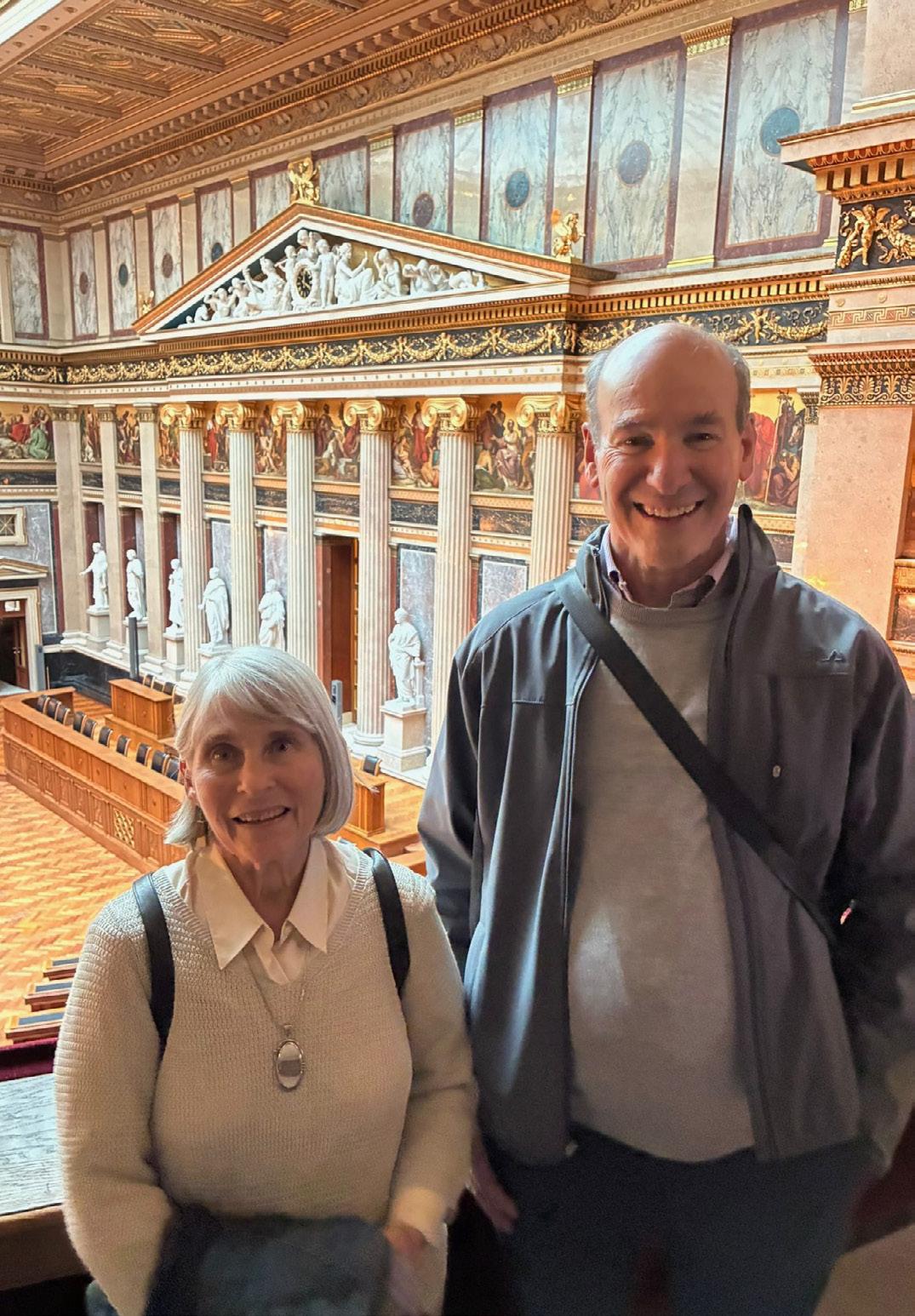
there was a mixture of family dynamics that I didn’t react quickly enough to, and things that didn’t turn out as we imagined. I had been thinking, for once, I’m not going to leave after four years; I’m going to stay eight or ten years. It was fine, and then suddenly it was gone. And the lesson for me was, when you have a lot of responsibility, you shouldn’t let up and become complacent. You have to keep sharp, understand what’s going on, react quickly. Otherwise, you lose people’s trust, even your own selfconfidence to an extent.
Charles: Makes sense. Let me get back to politics.
Veit: (Laughing) That didn’t take long.
Charles: No, it didn’t. You grew up in a political family, and I’m sure your political interests were nurtured in Vienna. But when did you decide to put yourself in the political fray? And why? And how?
Veit: The honest answer is, I went to the Kennedy School of Government at Harvard. The name is kind of a giveaway, right? And there I met my first wife, Katia. Even though she also went to the school, she was never happy about me going into politics. She enjoyed the fact that I was in business, had a good career, made good money. It was a comfortable life. And I have one other problem: I like to please the people around me. So I kept postponing my desire to be in politics — and I also had some debt to repay after school. And then my kids were born. I can’t do it now, I thought.
I turned 40 in 2008, at a time when there were still influential magazines in politics and economics. There was one in Austria called Trend, comparable to Fortune. So Trend put eight of us on the cover of an issue and said, sort of, this is the coming generation. All of us were 35-40, and they did a page on me. And as I was doing the interview with them, I was thinking, I don’t want to end my career selling the most diapers or the most computers in Europe. I want to do something I consider more meaningful. Don’t get me wrong, it’s very honorable to be an executive. I just wanted something else. And I thought, why am I still compromising? So for the first time, I tried to enter Austria’s conservative center right party, the biggest party. They didn’t react well to outsiders, though; you had to work your way up. But the hunger was still there.
And then in 2011 a close friend, Matthias Strolz, wrote a book about why we don’t trust politicians. He was invited to a newspaper interview with a minister of the government, arguing about the book. The final question of the interview was this: well, what would you recommend to Matthias? And the minister said, Well, Matthias shouldn’t go into politics, for sure. And then I called Matthias the next day and said — I don’t know if you have this expression in English, but in German when you want to challenge somebody to a duel, you take a glove and throw it down.
Charles: Same thing in English. Throw down the gauntlet.
Veit: The gauntlet, exactly. It was like throwing down the gauntlet — we had to do it. And then a couple of days later, we sat down in a cafe with a blank sheet of paper. How do we found a political party? This was in November of 2011.
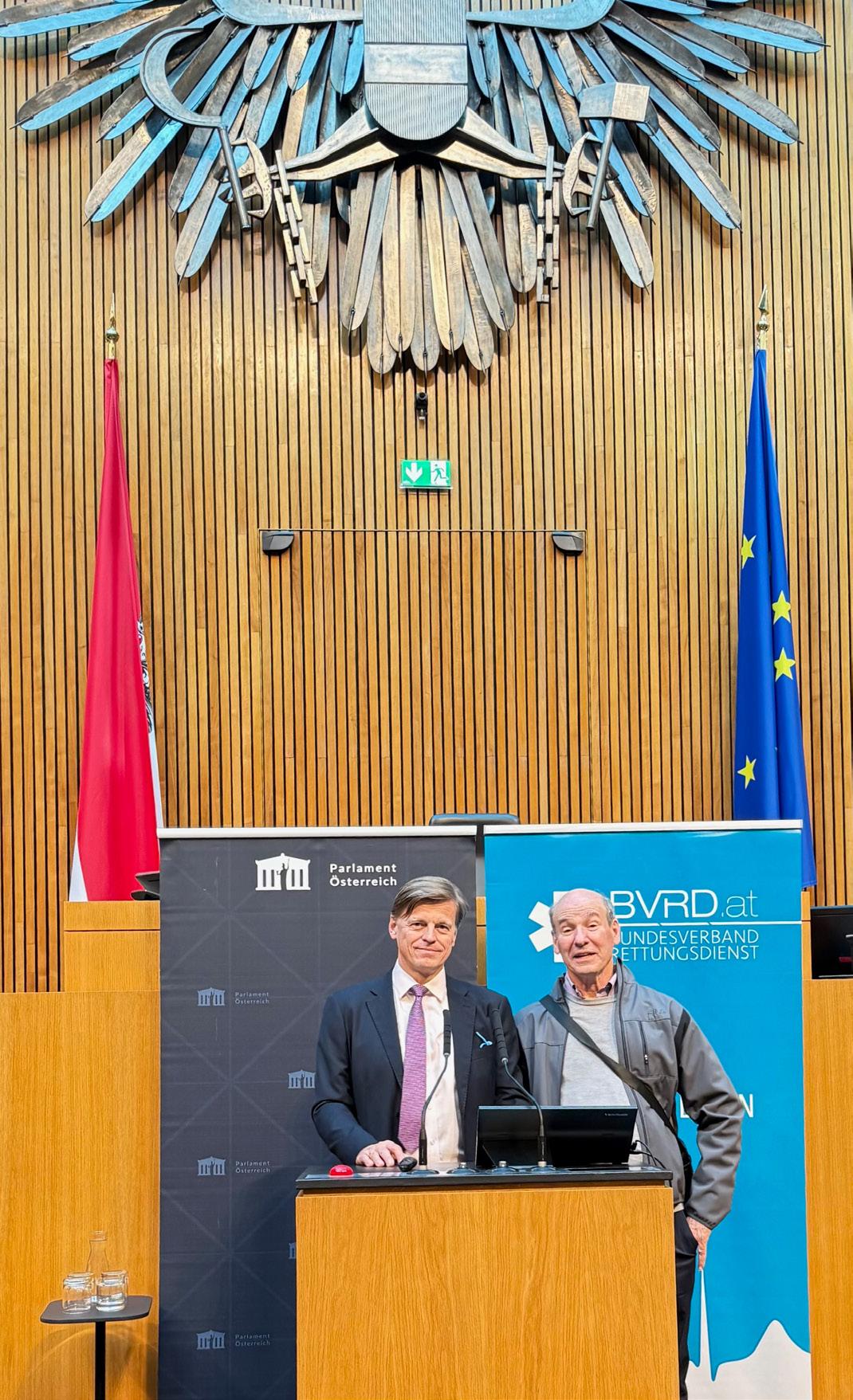
Charles: So you had been thinking about this for years. What made you, I’m going back to the 90’s here, go to the Kennedy School of Government?
Veit: Well, there was a pragmatic reason and there was an underlying reason. The pragmatic reason was that the Austrian government gave a generous scholarship, which I found out about because I was in student government. And in these preinternet days, I literally saw a sign, and then I applied for the scholarship. I couldn’t have financed the education myself.
The underlying reason was that I always wanted to do something in public policy. If you asked me at the time — this was just before Austria joined the European Union, I would have said I’m going to the Kennedy School, and then I’m going to Brussels and joining the European Commission. Then maybe become a European Commissioner one day. But, in one of those twists of fates, I took the entrance exam and missed by half a point. I had never failed a big exam in my life.
I believe there are signs in life you should listen to. And so I went into business after that and paid back my debt. But there was always this nagging thing. I’d gone to the Kennedy School because I wanted to do some public good, and at some point, I was going to do it. And I eventually did.
Charles: All right, let me ask you about being a Member of Parliament. What’s hard about it? What’s satisfying about it?
Veit: What’s hard is being a backbencher because you have little influence on the legislation that comes up. On the few things where I put a lot of energy in, I can help shape outcomes, but they’re relatively few. As a backbencher you’re just expected to provide the votes.
Charles: Backbencher means?
Veit: Backbencher means you don’t have an official role within the parliamentary party; you sit in committees and do stuff like that. It’s a little like sitting at a rich buffet, but you don’t get to eat. And that’s a bit frustrating.
The part I really enjoy is making an effort. It’s not because of the role I have. For example, there was a law on surveillance, giving the police broader power to surveil. We had a hard time with the draft because our party is very much about civil liberties. And that’s one of the times I doubled down. I read the whole law. I talked to constitutional law professors and to judges and came up with a list of six asks. Nobody had given me the job, but I did it because I wanted to. And I said, if we’re going to support this law, these six things have to change. And the leader of our parliamentary party went off and negotiated, and he got five and half of the six asks. When you can shape a law that’s going to matter to a lot of people, that makes me feel good. Surveillance is important, and you want the balance right between prosecuting terrorists and preserving civil liberties. That’s having an impact.
Charles: Two more questions. What advice would you give a young person trying to figure out how to live?
Veit: I think most people close off options quickly and miss out on so much. I tell a lot of younger people I work with, don’t get married too early. Don’t decide too early what you’re going to be: you’re going to be multiple things in your life. Take time when you don’t have kids, travel the world, see lots of cultures. Life is so incredibly rich.
Sometimes people are just not very interested in the buffet, you know. They’re happy eating the same thing every day, every year. I think that’s such a pity for personal growth, personal development, just for sheer enjoyment. One thing a good teacher does is nurture curiosity, nurture openness. You did that for me.
Charles: Thanks for saying that. I want to end on a joyous note. It’s rare to found a political party. But there’s something else you do that’s rare. I’m thinking about your celebrations every five years, when you gather friends and family from around the world, last time in Portugal, the time before in Greece. There are occasions for these celebrations, birthdays, marriage, but they’re also celebrations of friendship, celebrations of life. Why do you do these? What do you get from them?
Veit: So I think of a few things. The first is the house I grew up in, a big house with eight bedrooms, and as I told you, always lots of people for lunch. You met all kinds of people, and it was fun.
The second thing: I’ve lived and worked or studied in nine different countries. I have friends all over the world. And the people I invite to these gatherings are good and interesting people. One’s a law professor, one’s a businessman, one’s a chef, one’s a theater director, and I love bringing them together, to be honest, just to see what will happen. Over a few days people get to know each other, and maybe by the end new friendships will have formed.
I also love doing dinners for eight or ten people at my house, I’ll make a simple lasagna and salad and have conversations about whatever. This is actually my preferred mode of learning. If you want to be fancy, you can call it the Socratic method, asking questions and exploring topics. And it’s so much fun.
Charles: And this interview has been so much fun. Thank you, Veit.

AISB Athletics has a new look, and it’s one that honors our past while looking boldly to the future.
The redesigned Flame and Shield capture the strength, unity, and passion that define our community, now reflected across our refreshed athletic apparel line.

From classic hoodies to sleek training gear, every piece celebrates what it means to be a Blazer.
Discover the collection and shop online:


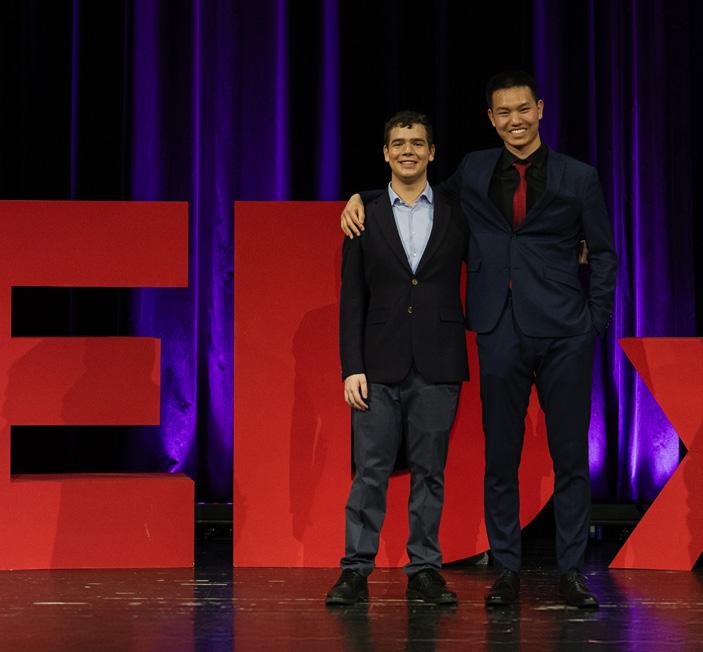
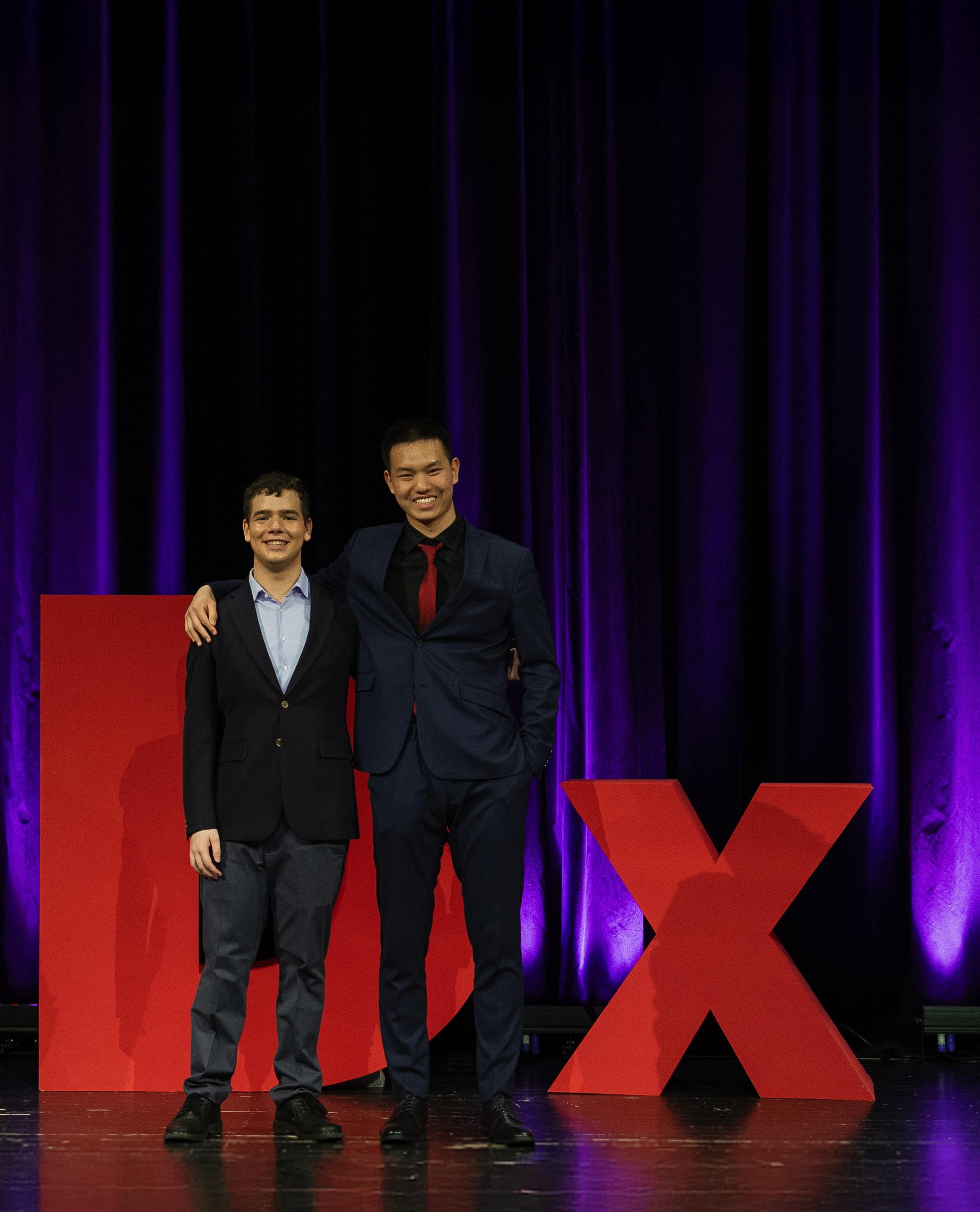
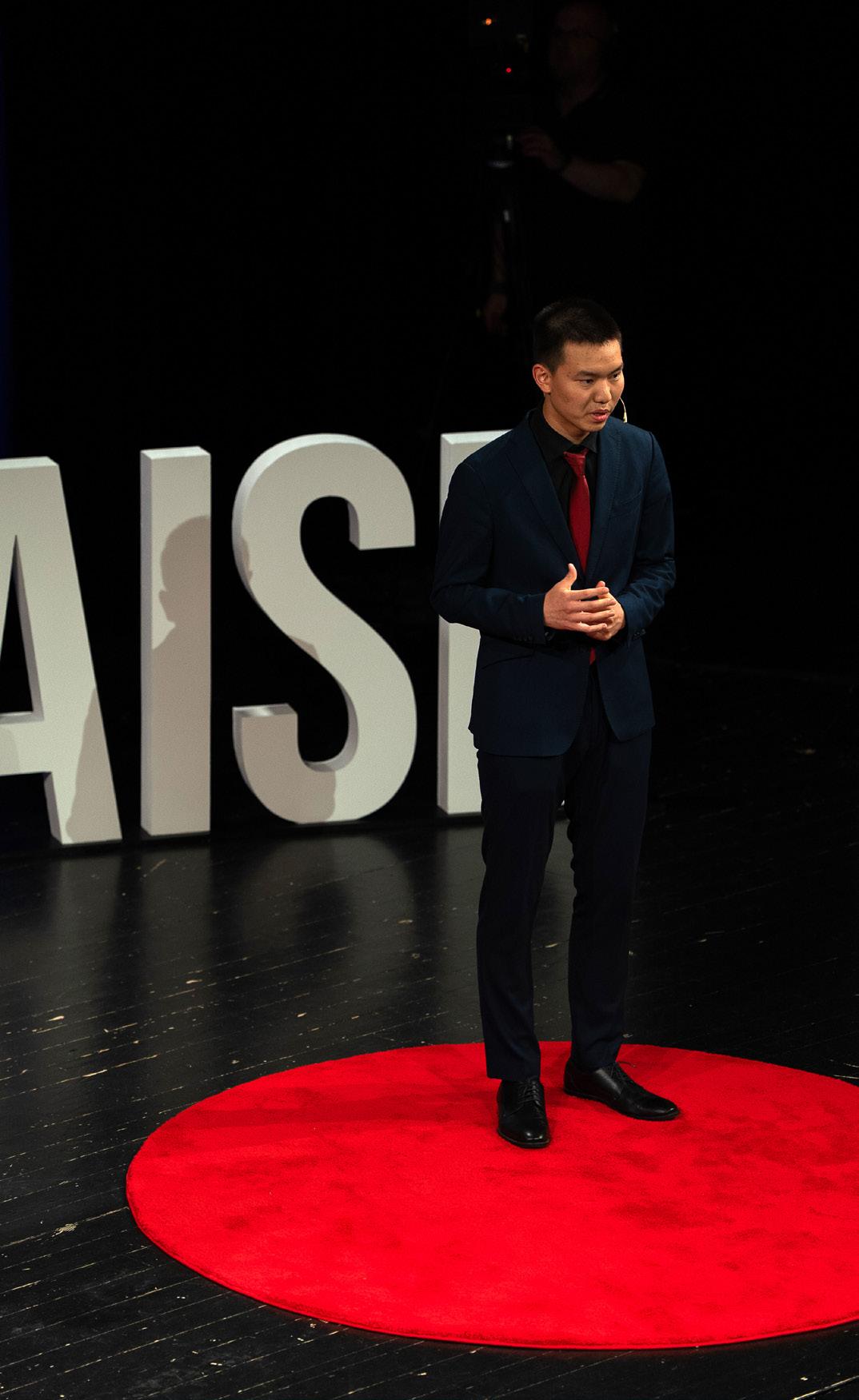
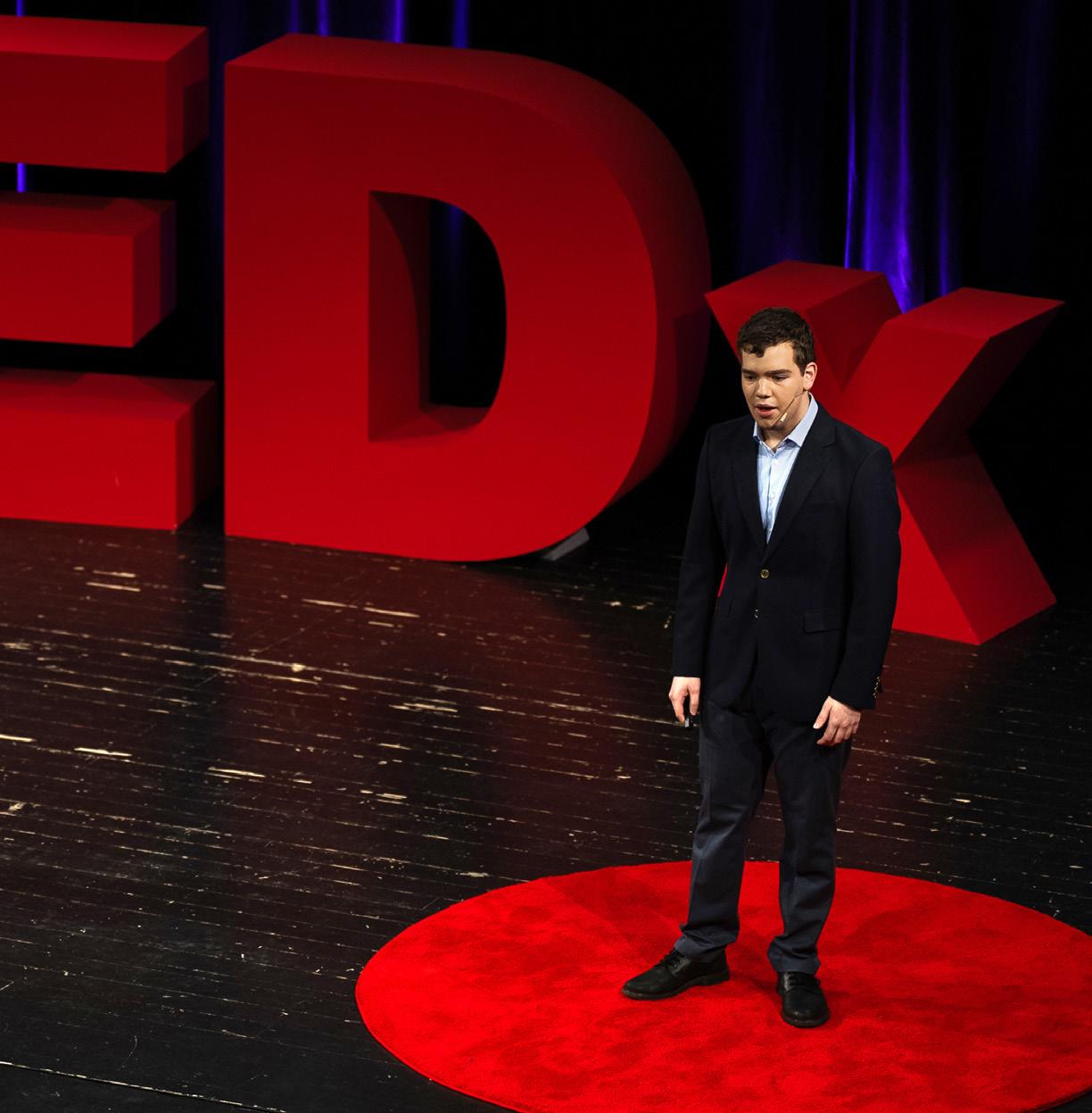
When Grade 11 students Daniel Gerlei and Jinglin Wang began casually talking about TED Talks, they had no idea that the conversation would lead to something historic — AISB’s first-ever official TEDxYouth Conference.
What started as a spark of curiosity evolved into a large-scale event that drew over 400 participants and featured 14 speakers, including ambassadors, CEOs, and globally recognized thought leaders.
Several of the talks were later featured on the official TEDx YouTube channel, which boasts over 43 million subscribers, and have already been viewed more than 80,000 times. The event was opened by Robert Palladino, Chargé d’Affaires at the U.S. Embassy, who was so impressed by Daniel’s presentation that he invited him to deliver his TEDxAISB talk again for Embassy staff.
How did the idea of organizing a TEDx Conference come about?
Daniel: It started as a casual conversation about TED Talks. We looked up how TEDx events are organized, and before long, we realized it was something we could actually do.
What were your first steps once you decided to go for it?
Jinglin: Daniel met with AISB Director Brett Penny to seek his support. After receiving the green light, we submitted an application to TED, outlining how we would deliver a highquality, meaningful event. Once approved, we received an official license to host TEDxAISB.
Why did you choose the TEDx format to make an impact?
Daniel: Our mission was to raise the level of ambition among AISB students. Having our peers share the stage with global leaders from business, diplomacy, and academia felt like the perfect way to inspire everyone to think bigger.
How does this project connect to the Global Impact Diploma?
Jinglin: The Global Impact Diploma emphasizes student agency and real-world learning. TEDxAISB was exactly that — student-driven, authentic, and deeply experiential.
TEDx has a strict structure. How did you work within that framework?
Daniel: We followed the TEDx guidelines closely. For example, all speakers were instructed to avoid political or religious topics, in keeping with TED’s global standards.
How did you divide responsibilities?
Daniel: I focused on securing resources, inviting speakers, and managing the event schedule.
Jinglin: I led the volunteer team and oversaw all the technology, including lighting, sound, and presentation setup.
What was your biggest challenge?
Jinglin: Securing high-caliber speakers was tough, especially with their busy schedules. A few were canceled at the last minute, so finding strong replacements was stressful.
How did you choose your speakers?
Daniel: We looked for speakers with unique experiences and strong storytelling skills. For student speakers, public speaking ability was key; for guest speakers, we aimed for people who had achieved something truly inspiring.
Who supported you along the way?
Jinglin: We couldn’t have done it without the school’s support. Mr. Penny provided the financial backing to make the event possible.
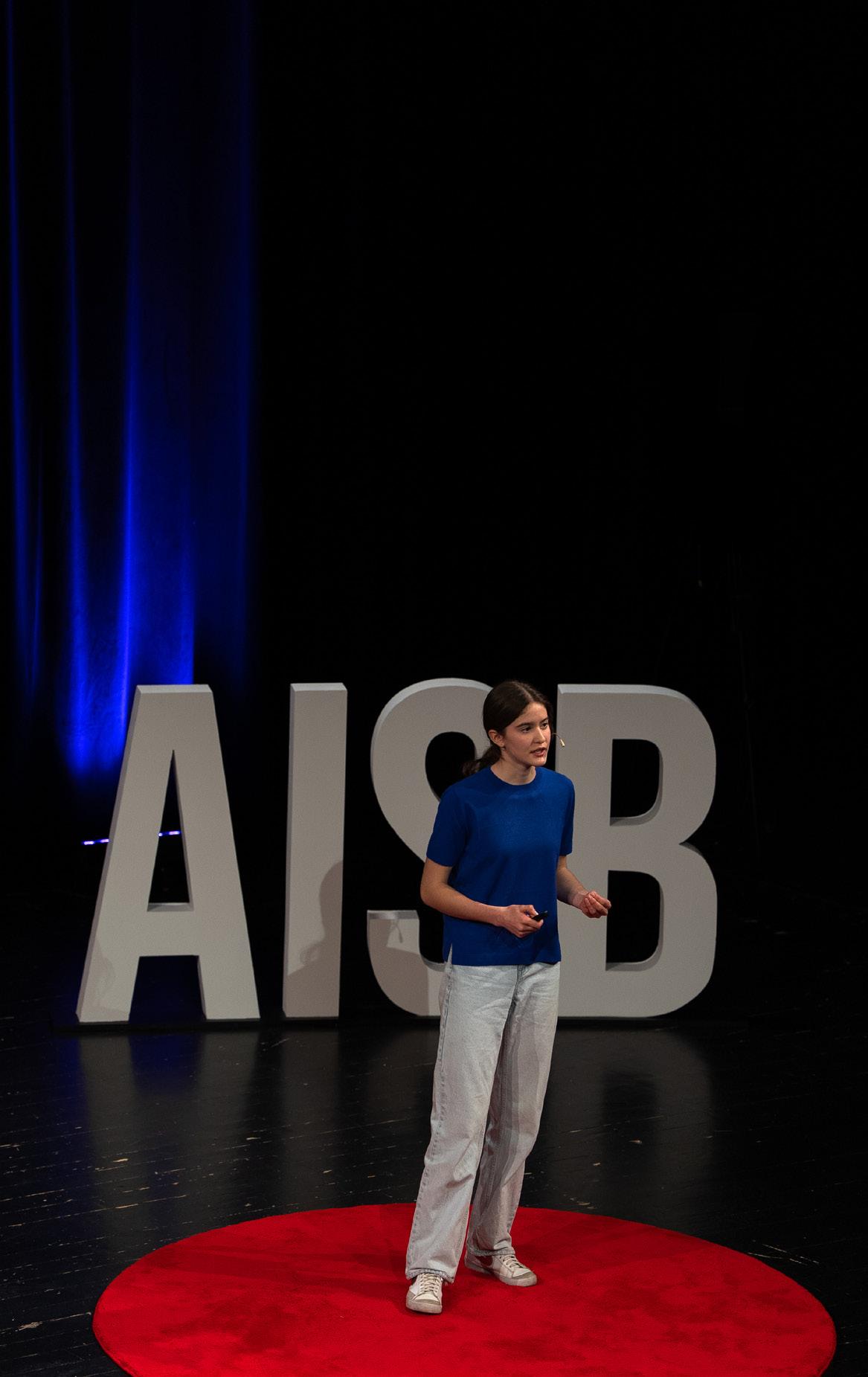
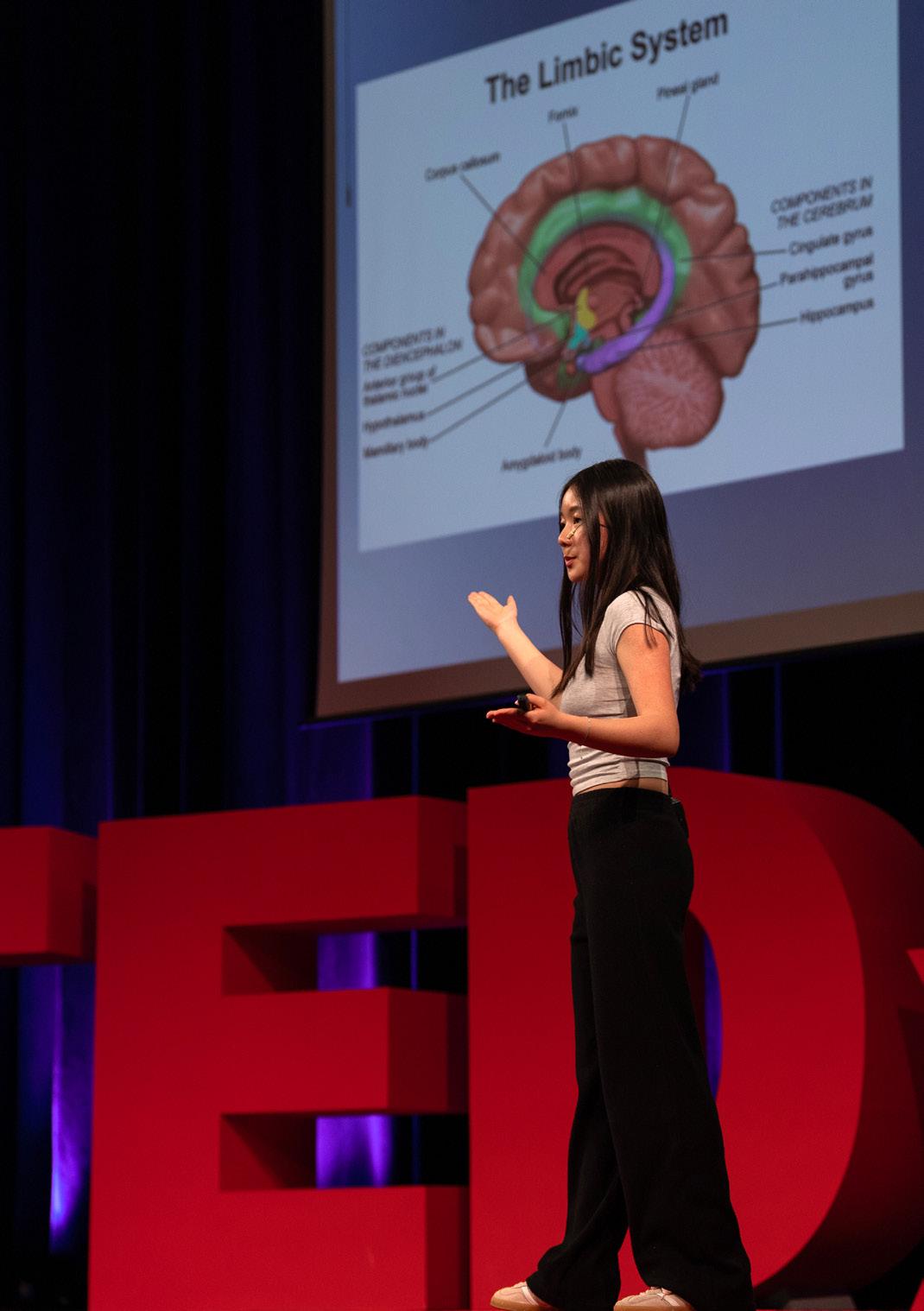
It was an enormous amount of work, but the impact and the memories made it all worth it.
Watching AISB students deliver incredible speeches, it was a powerful reminder of what young people can do when given the platform.
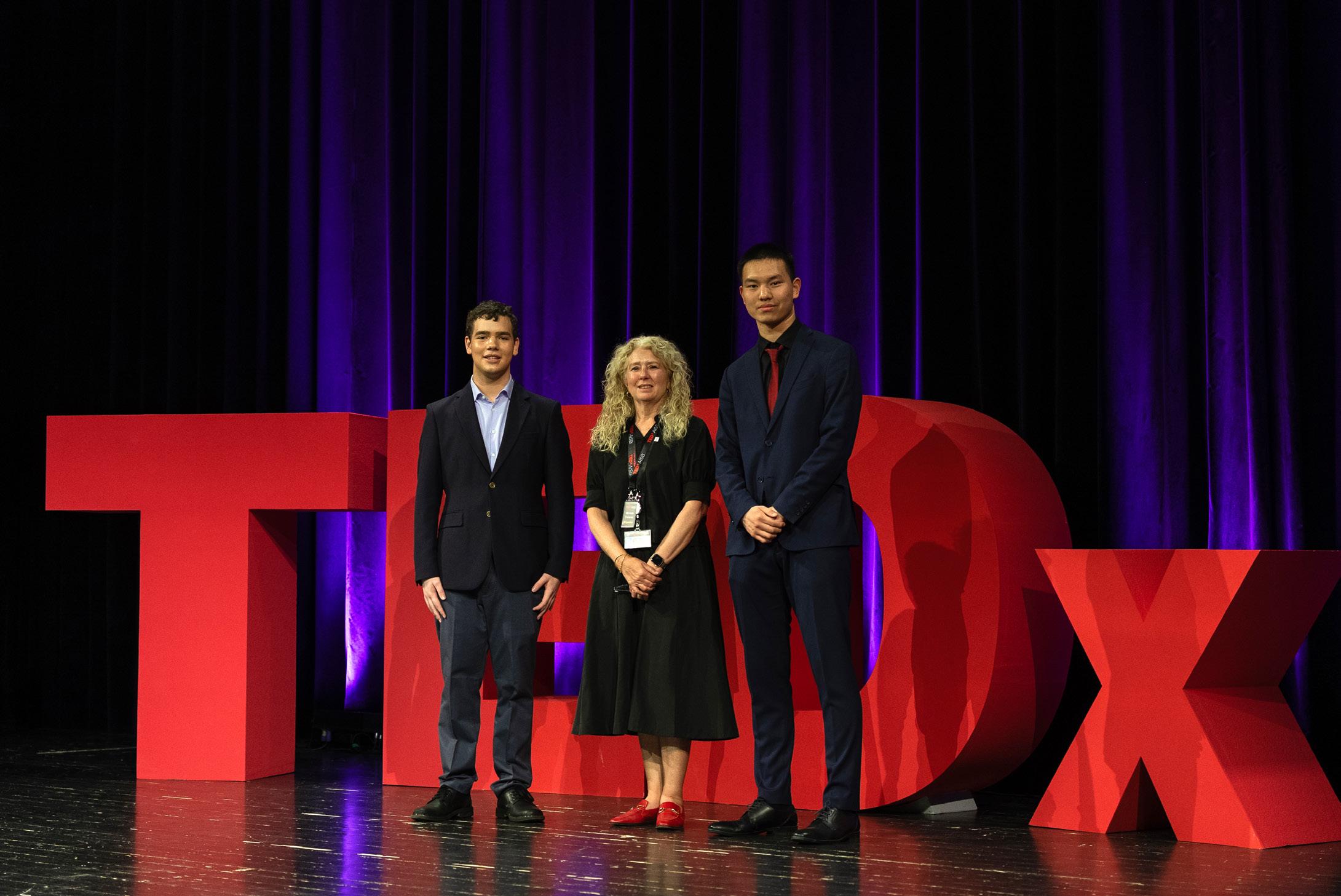
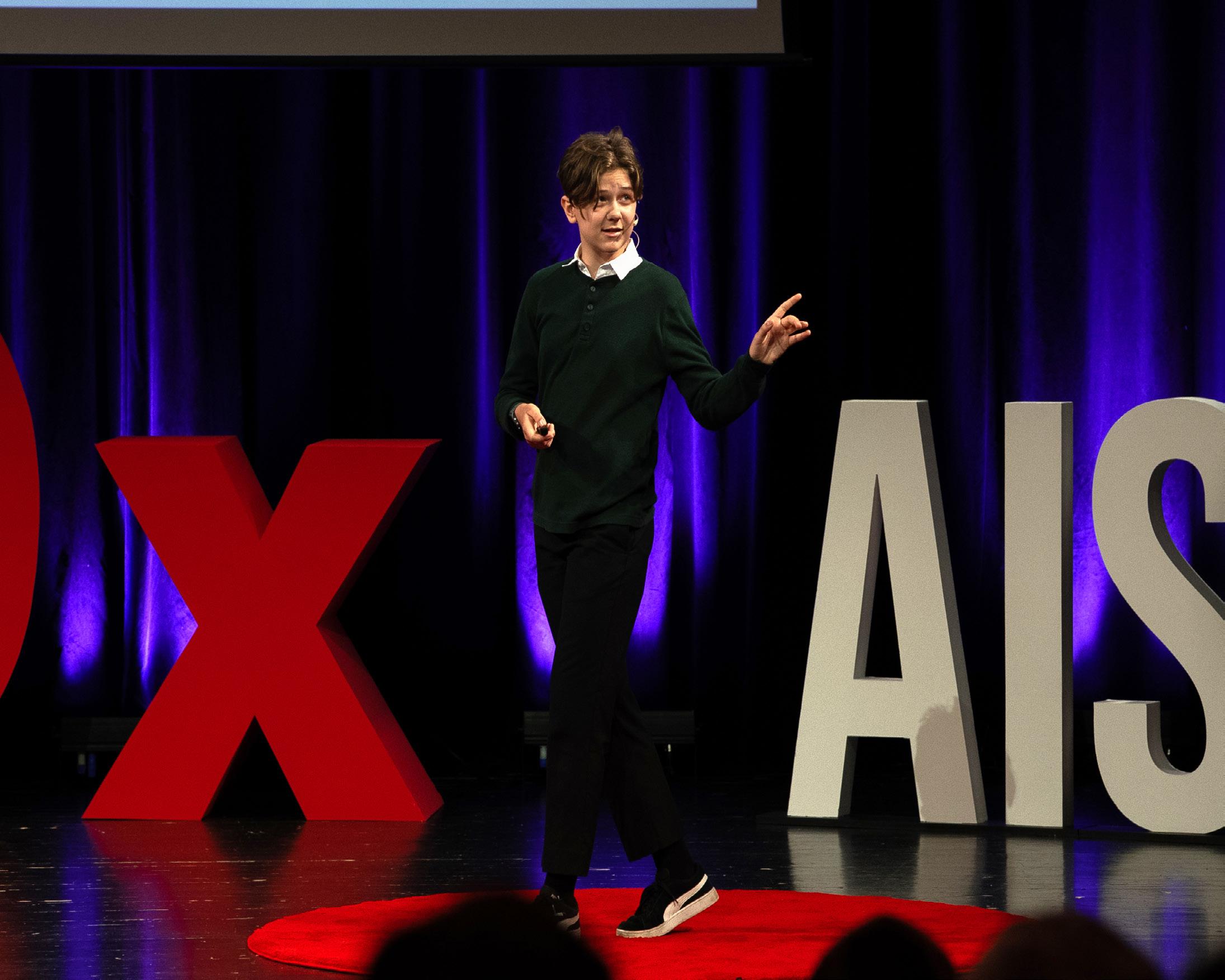
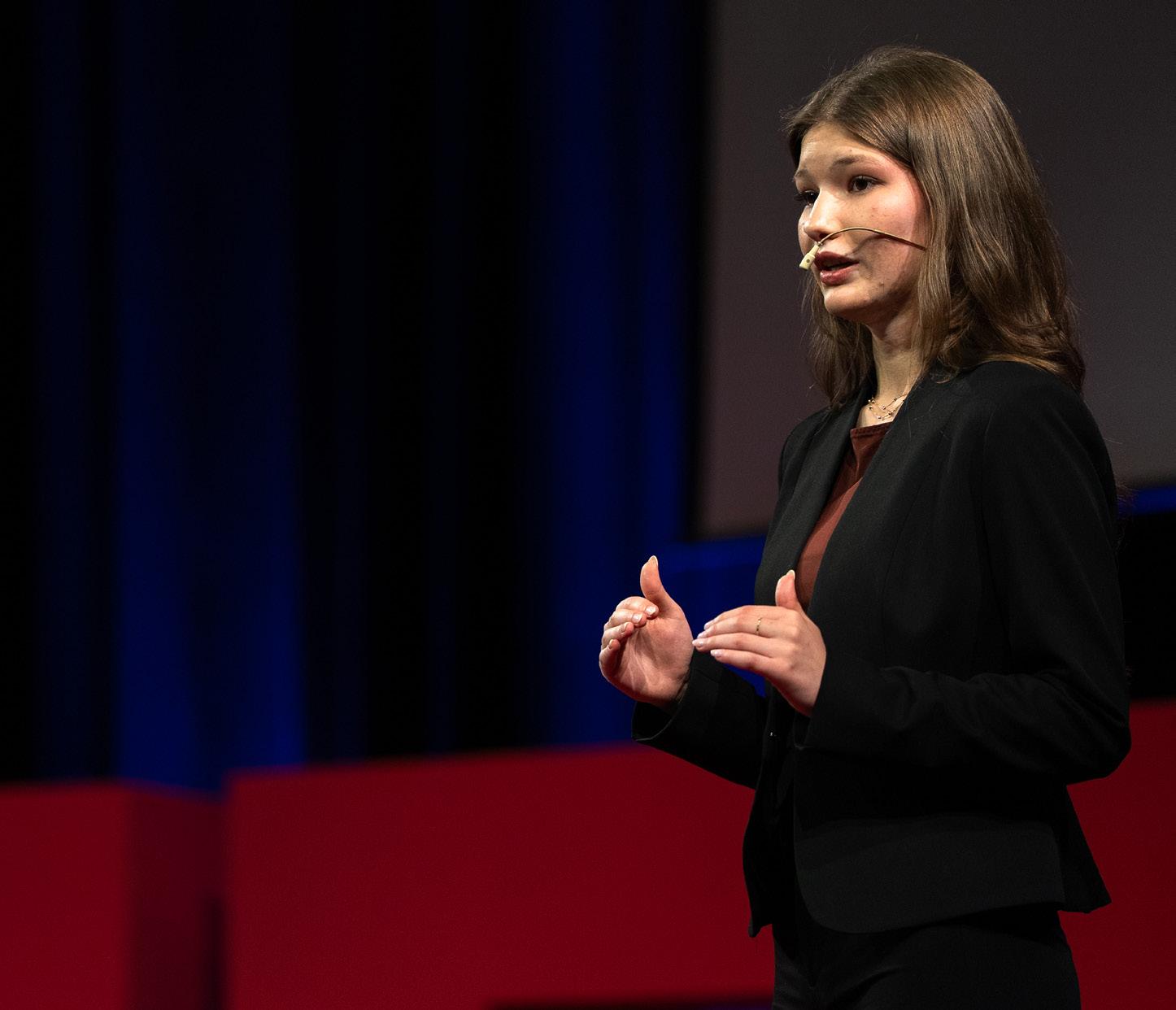

Daniel: Michele Tavares (Community Liaison & Communications Systems Lead, Ed.) from the Advancement Team handled logistics and communications. Willy Benko, a HungarianAmerican businessman, and Kristóf Altusz, Hungary’s Ambassador to Norway, were instrumental in helping us connect with top-tier speakers.
Was there a moment that made you especially proud?
Daniel: Watching AISB students deliver incredible speeches — it was a powerful reminder of what young people can do when given the platform.
What do you envision as the event’s impact beyond AISB?
Jinglin: These talks are now online and will continue to inspire thousands in the years to come. That’s the beauty of TEDx — the ideas live on.
What do you hope your audience took away from?
Daniel: That ambitious goals are achievable with hard work, persistence, and a clear vision.
Any fun behind-the-scenes stories?
Jinglin: We used an AI tool to record the “Voice of God” announcements reminding guests to take their seats. It sounded so real that people kept asking who did the voiceover!
Dream speakers — if you could invite anyone in the world?
Jinglin: Our dream lineup would include Jeff Bezos, Ricky Gervais, and Johnny Depp.
What advice would you give to students hoping to organize something similar?
Daniel: Be ready to work hard, it’s almost a full-time job. But if you’re passionate, start early and go for it. It’s one of the most rewarding experiences you can have.
Would you do it all over again?
Both: Absolutely. It was an enormous amount of work, but the impact, and the memories, made it all worth it.

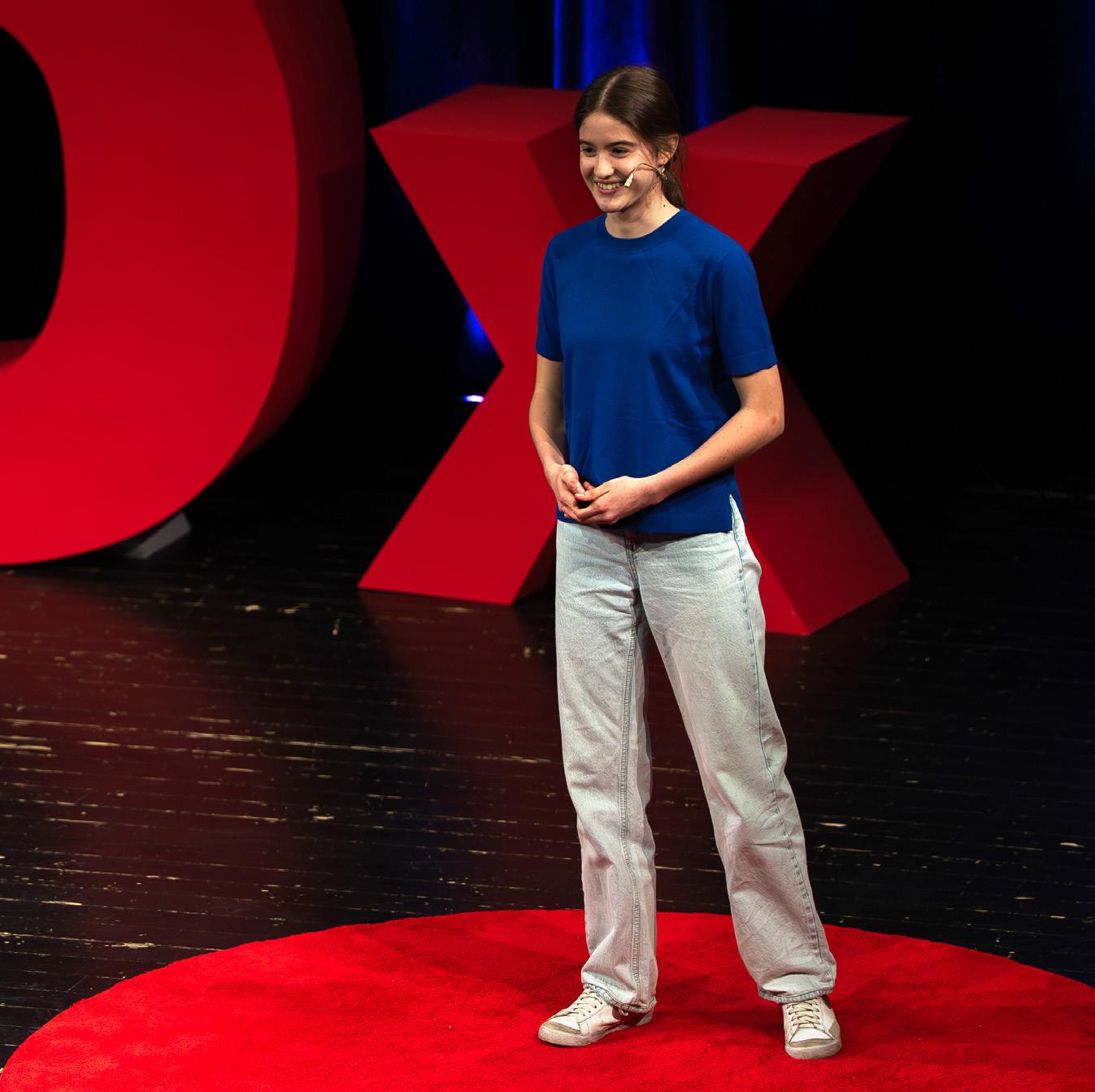
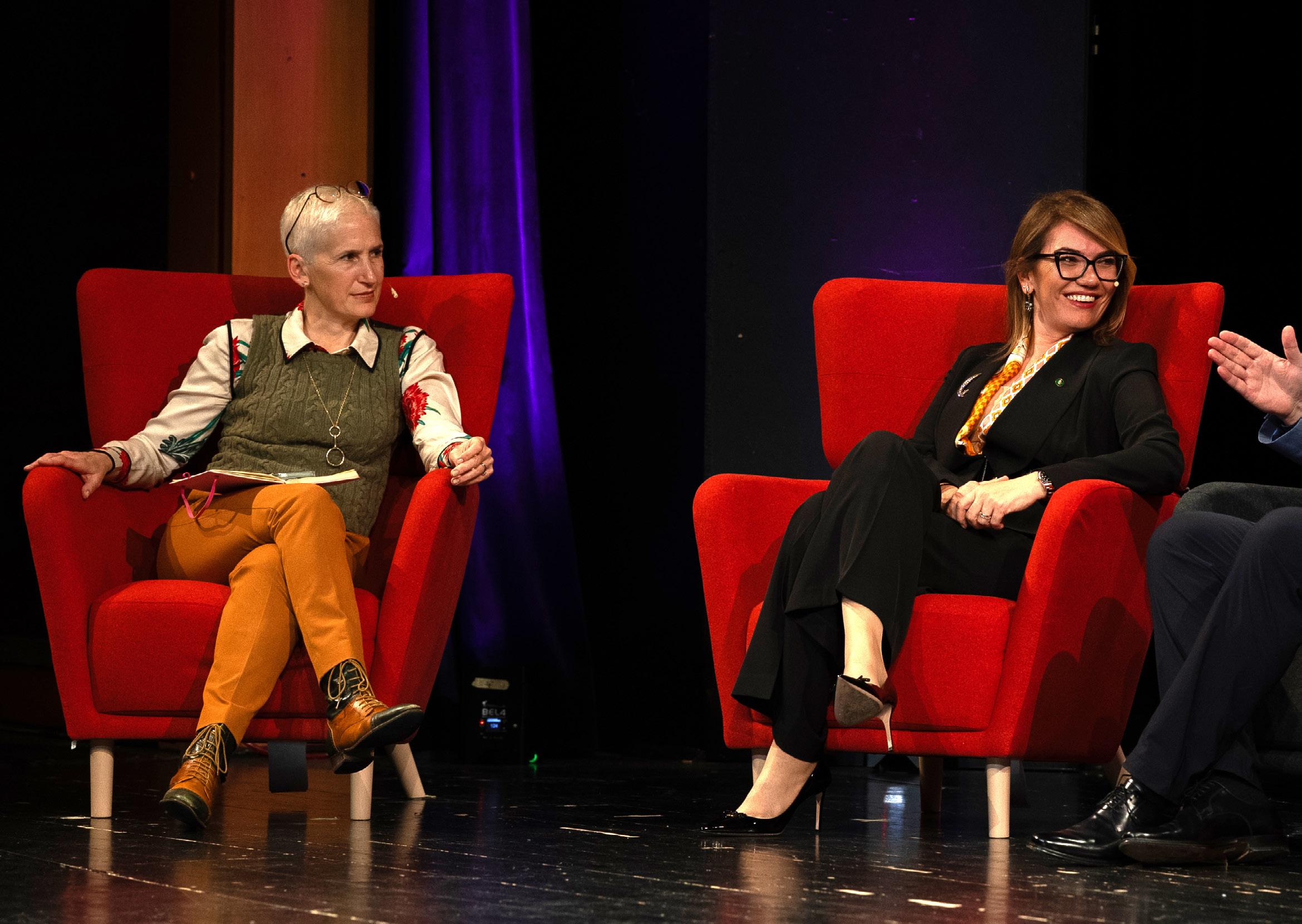
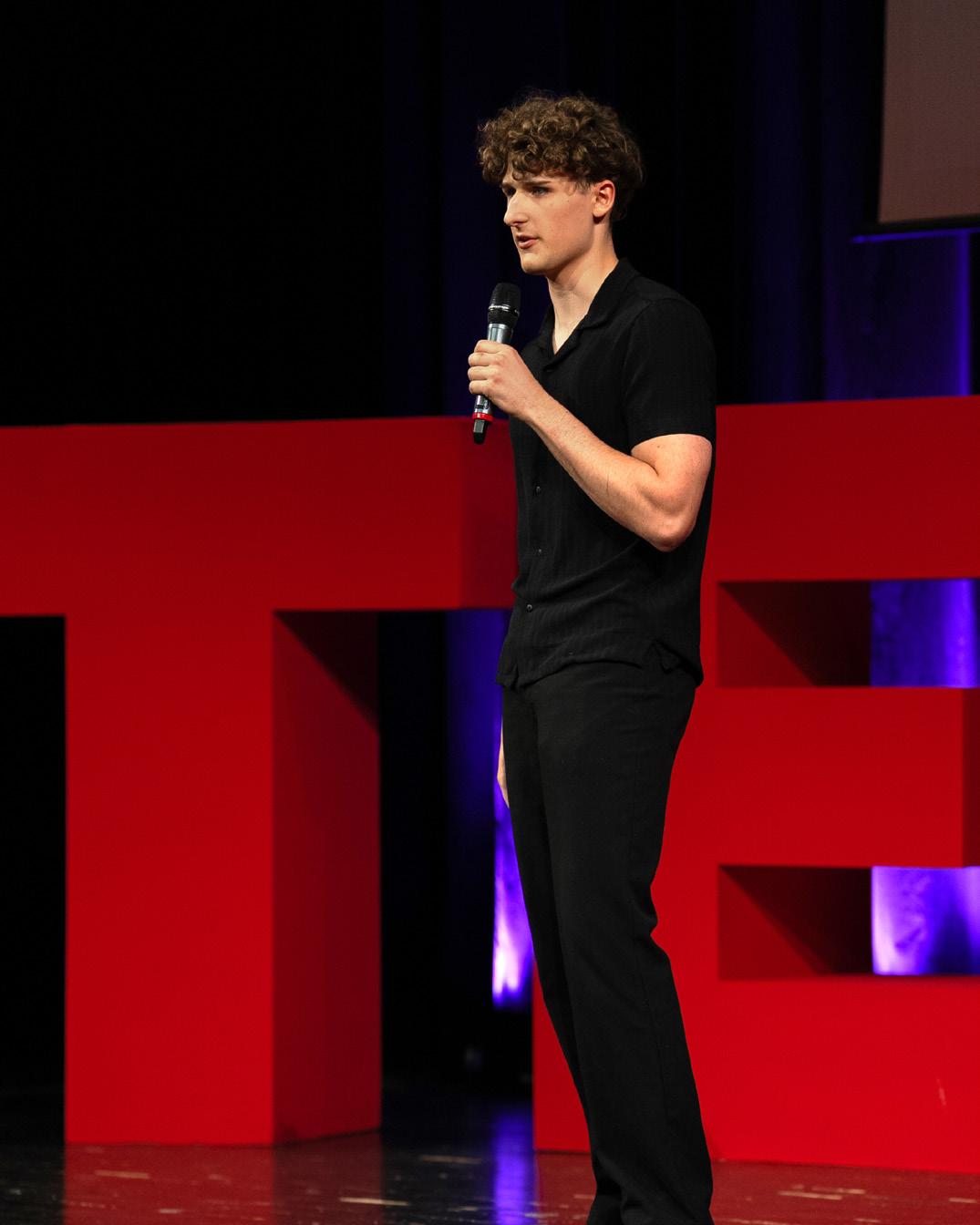
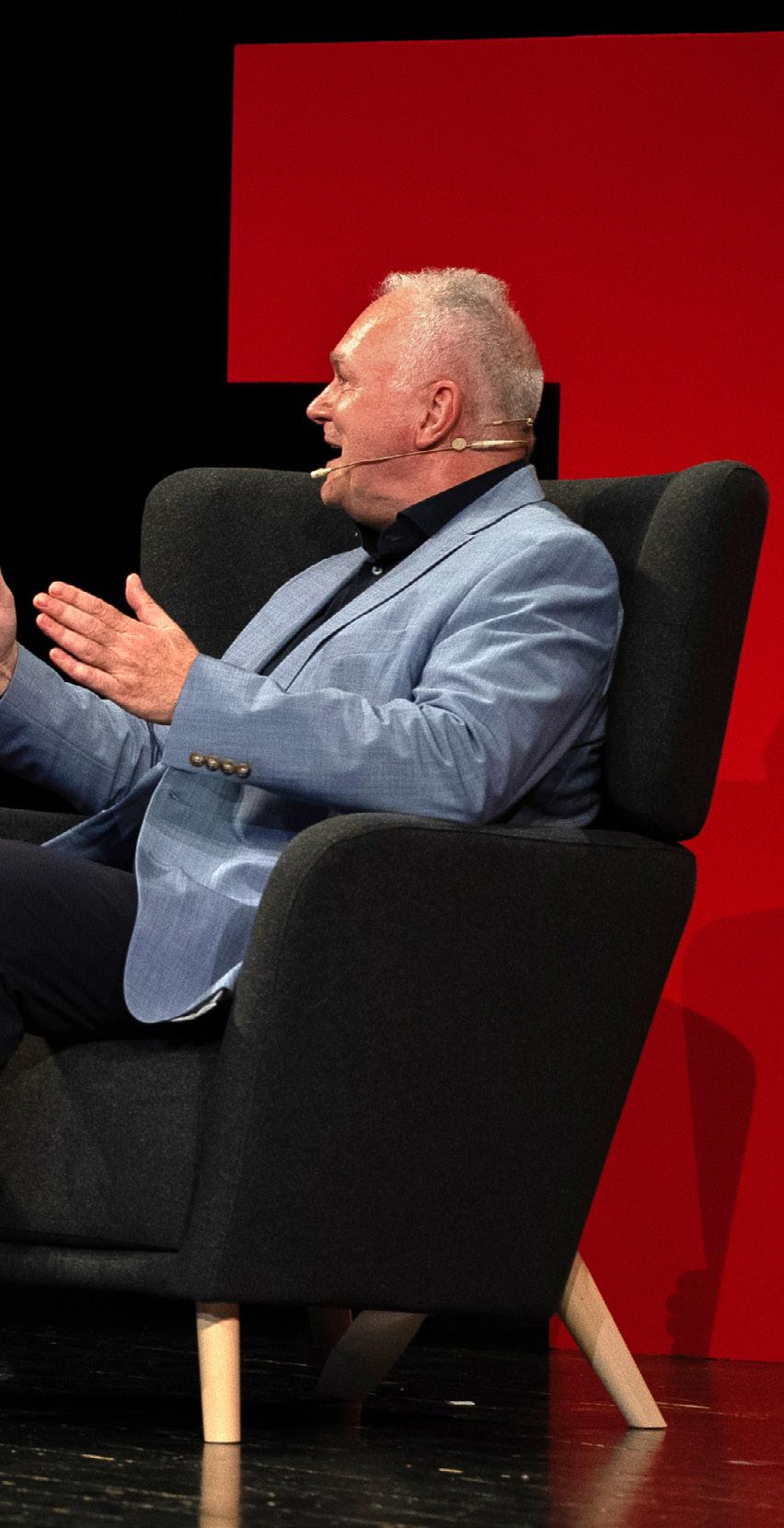

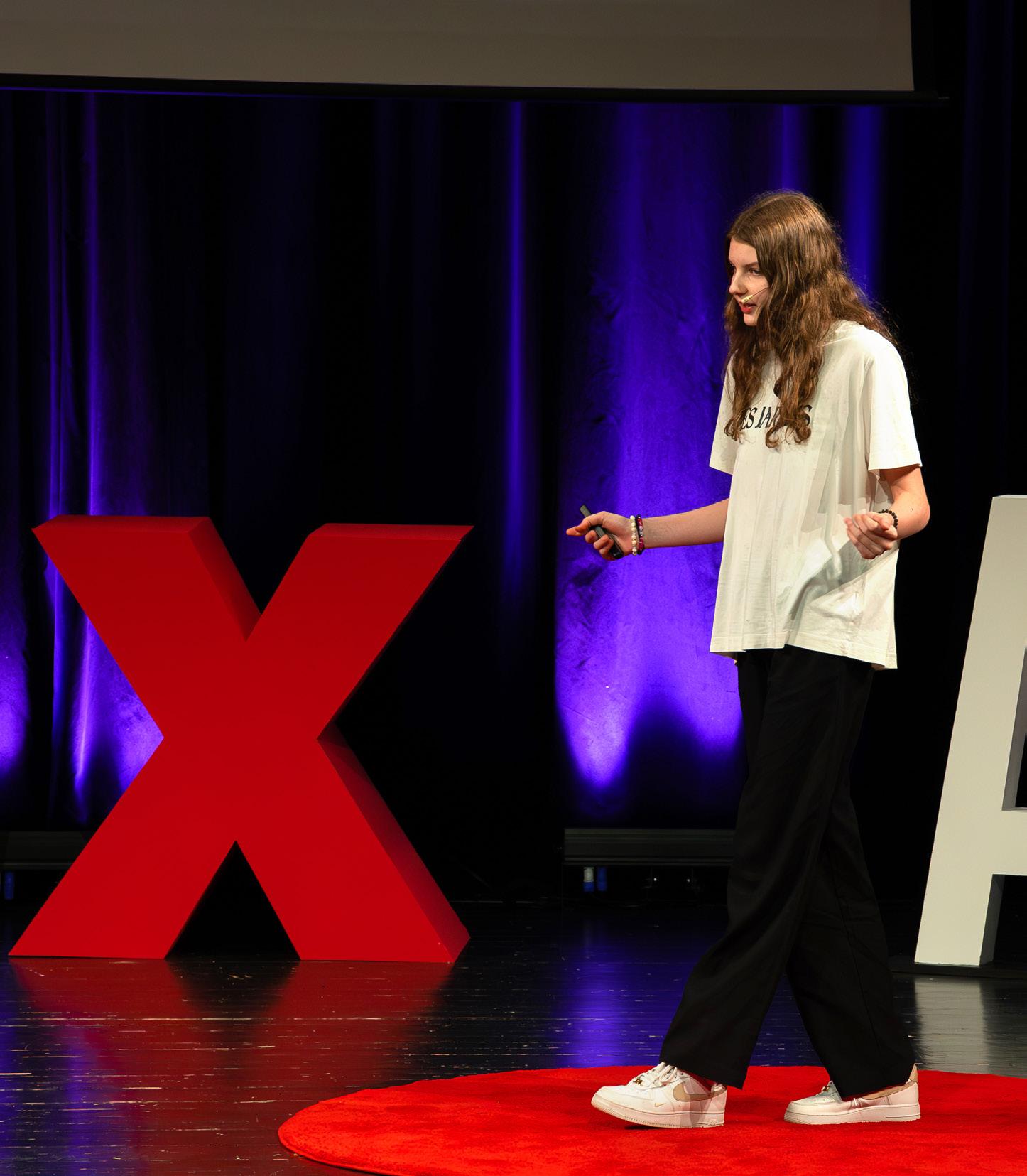
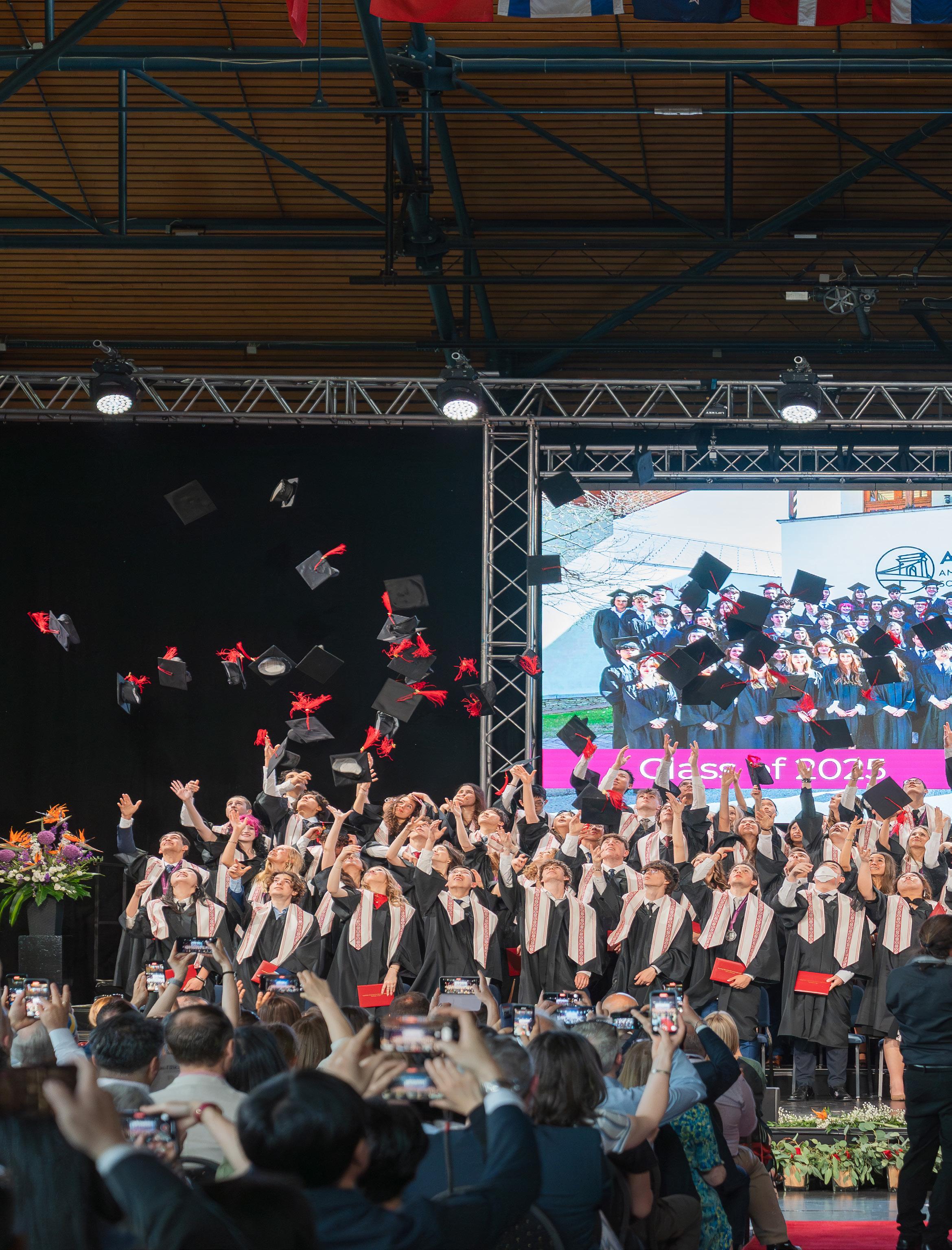
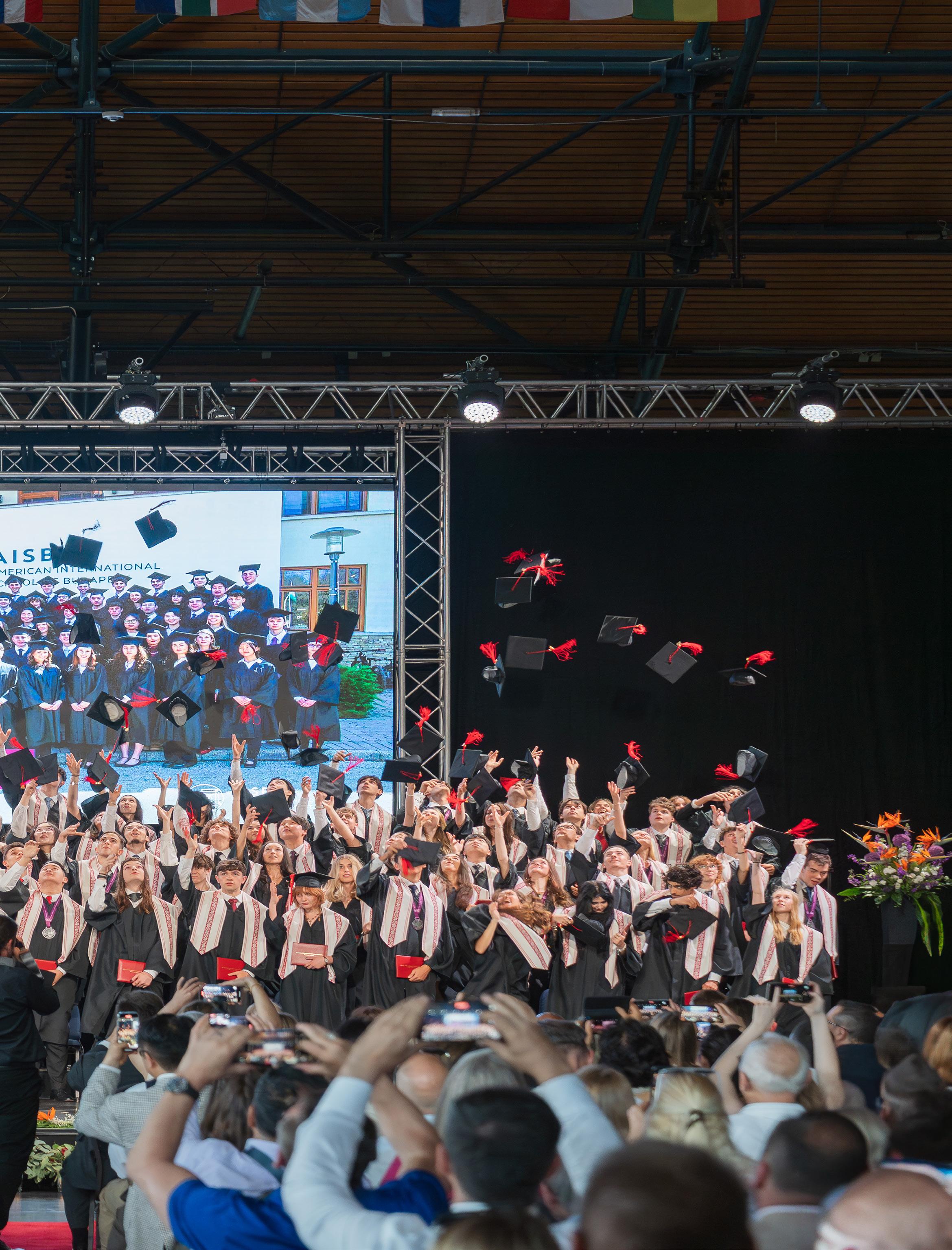
Last spring, 92 students crossed the stage to become the newest members of our AISB alumni community — a class defined by resilience, ambition, and heart.
Together, they received 261 university offers from institutions in 15 countries, with an impressive 86% earning a place at one of their top three choices. From Amsterdam to Boston, Seoul to Sydney, our Blazers are spreading their wings and taking on the world.
What makes this group even more special is the diversity and connection that shaped their journey. With 30 nationalities represented, the Class of 2025 truly reflects AISB’s global spirit. Twenty-seven of them have called AISB home since Grade 1 or earlier, growing up together on this campus — from learning to read in elementary school to writing their final IB exams in the Diploma Programme.
In true AISB style, their achievements span across paths and passions:
64 earned the IB Diploma 19 completed the U.S. Diploma 9 achieved the Innovation Diploma, leading projects that made a difference far beyond the classroom.
As they take their next steps, we celebrate not only their academic success but the friendships, memories, and values that will stay with them for life.
Now, it’s your turn, Blazers.
As fellow alumni, you know what it’s like to step into that next chapter; full of excitement, change, and possibility. Let’s help this new class feel the strength of our community.
Be a mentor
Find a mentor
Give back to the community that helped you
Email us at alumnioffice@aisb.hu or sign up on the AISB Alumni website to connect.
Together, let’s support the next generation — just like others once supported us.
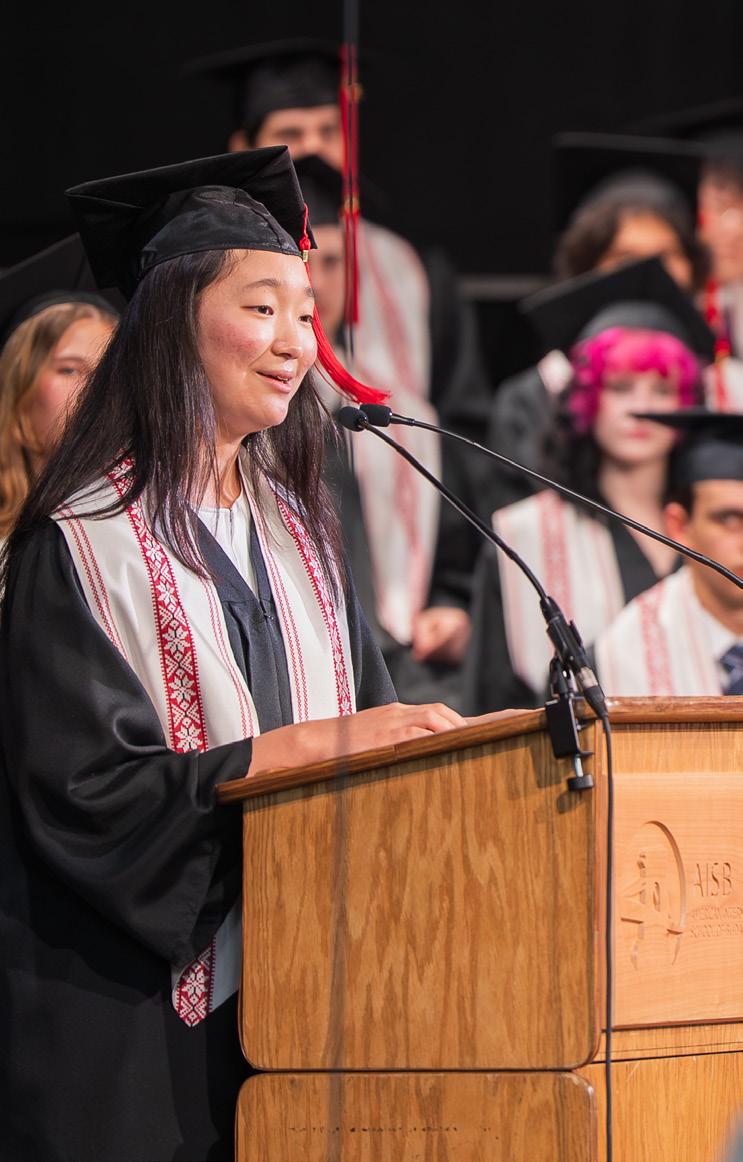
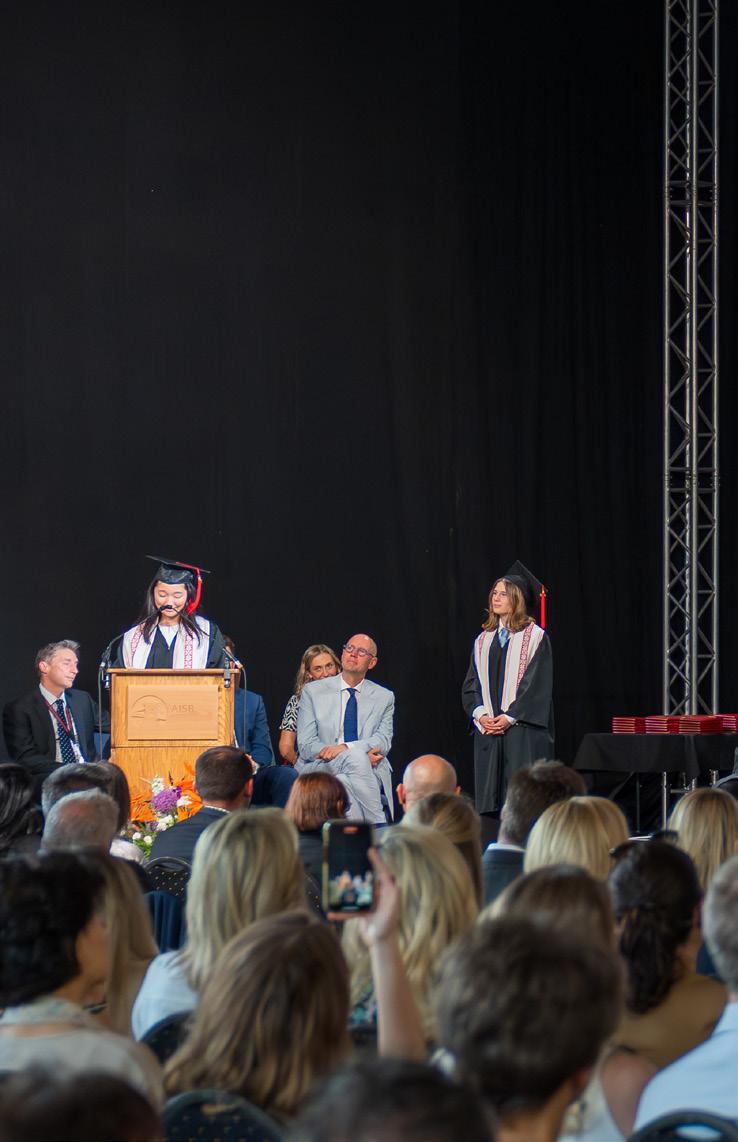

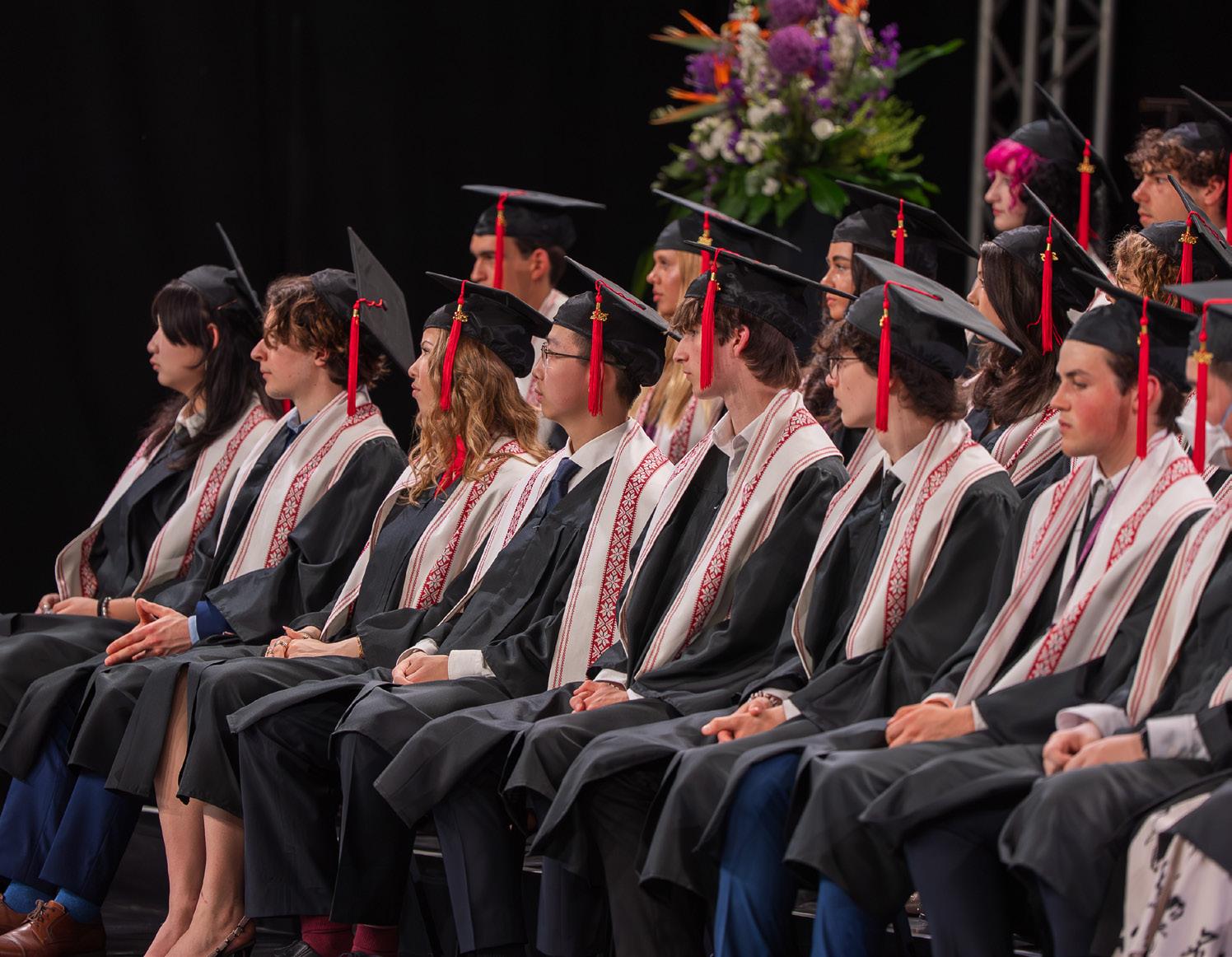
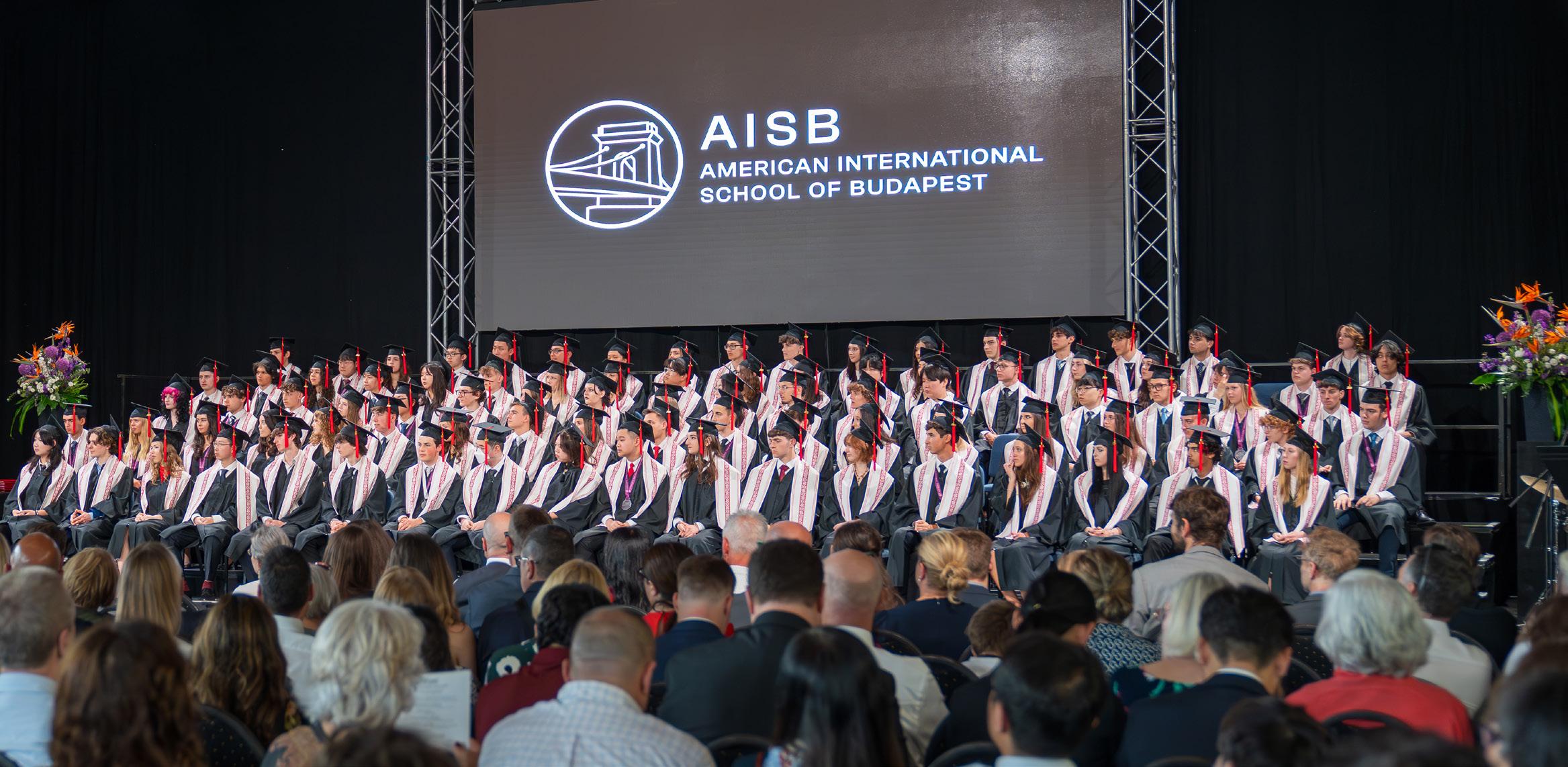

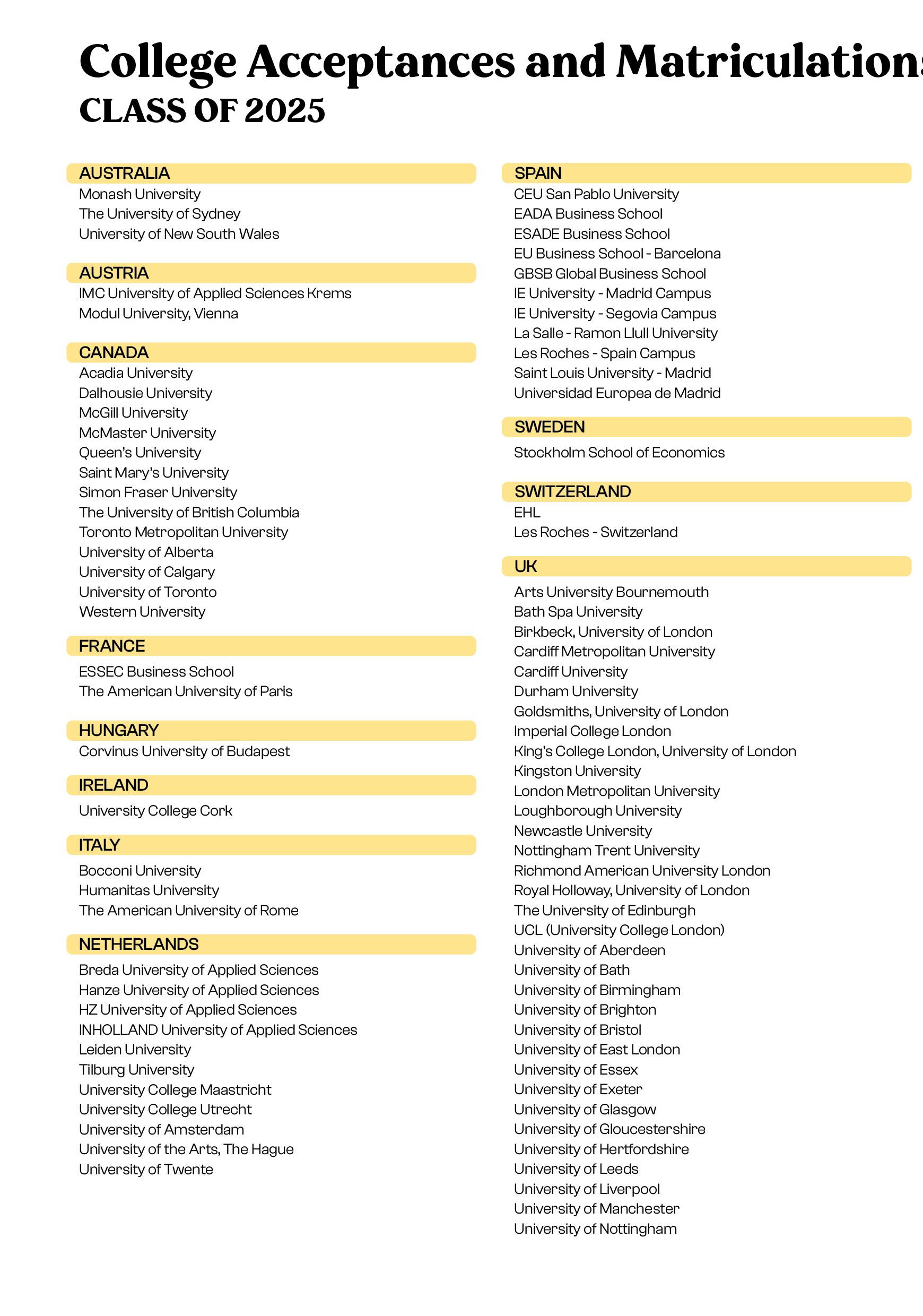
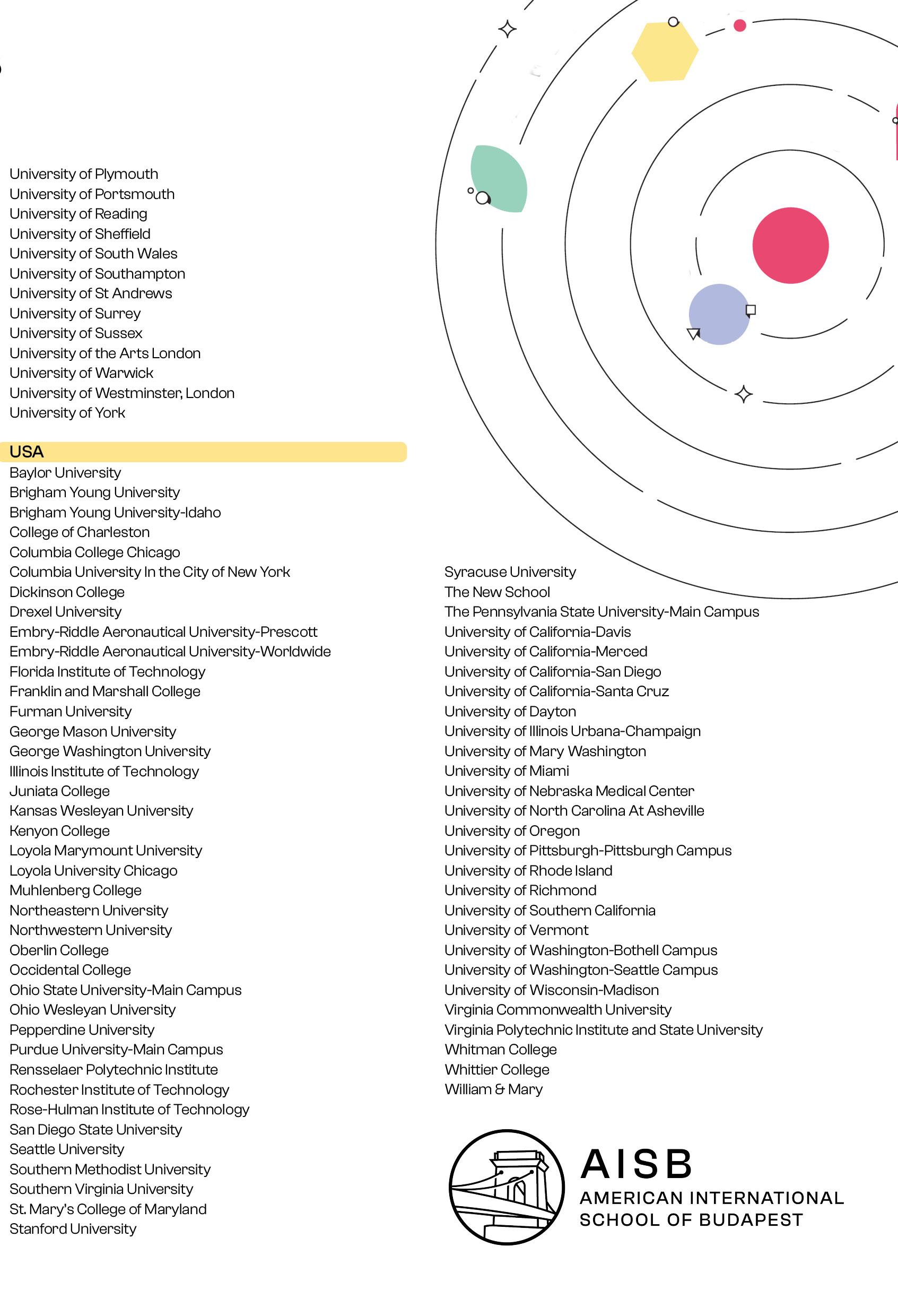
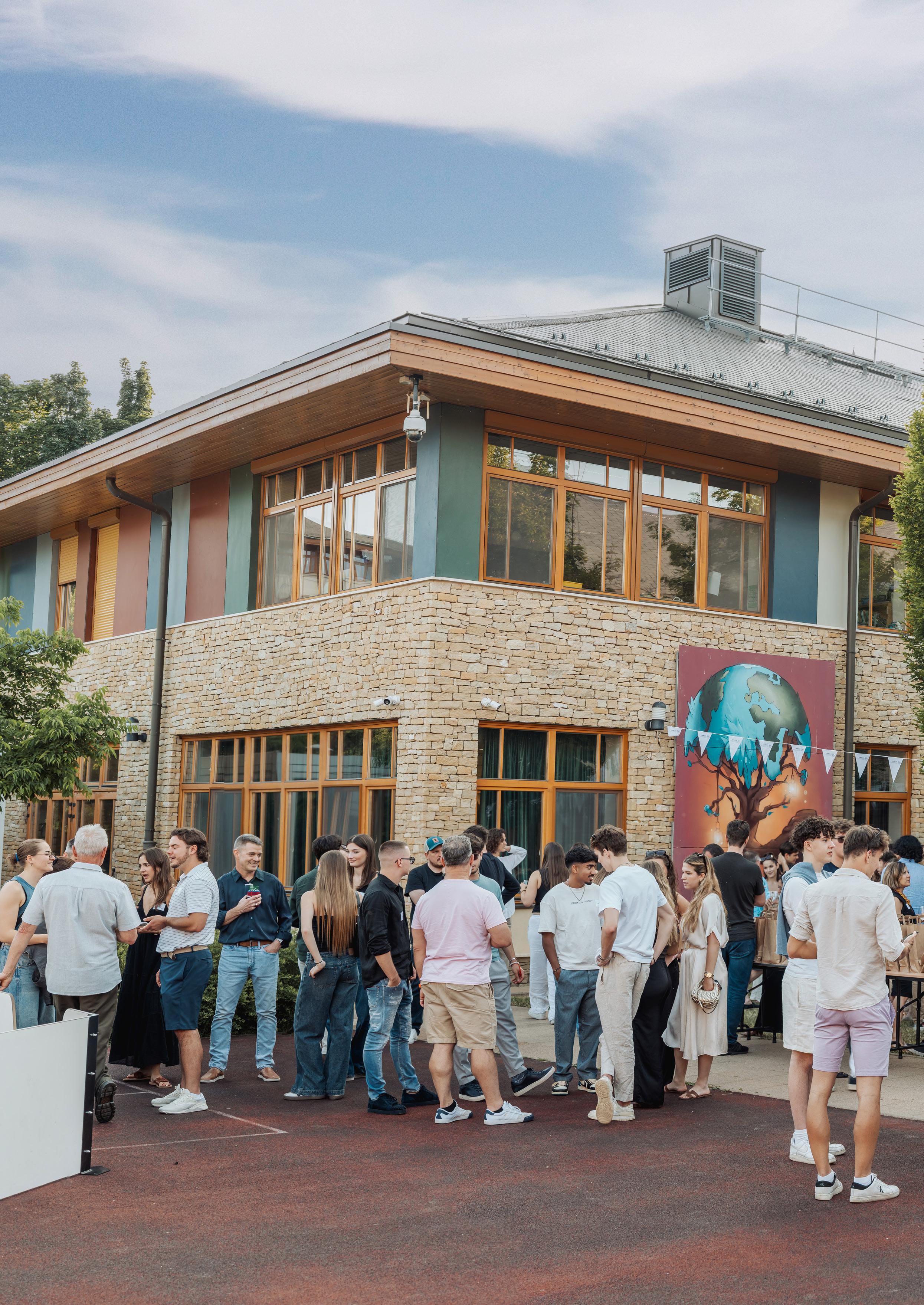
Reunions are more than just gatherings — they are moments of reconnection, reminders of where we’ve come from, and celebrations of the community that continues to grow no matter how far we roam. Over the past year, Blazers have come together in cities near and far, starting new traditions, reviving old ones, and filling each space with stories, smiles, and the unmistakable energy of our alumni spirit.
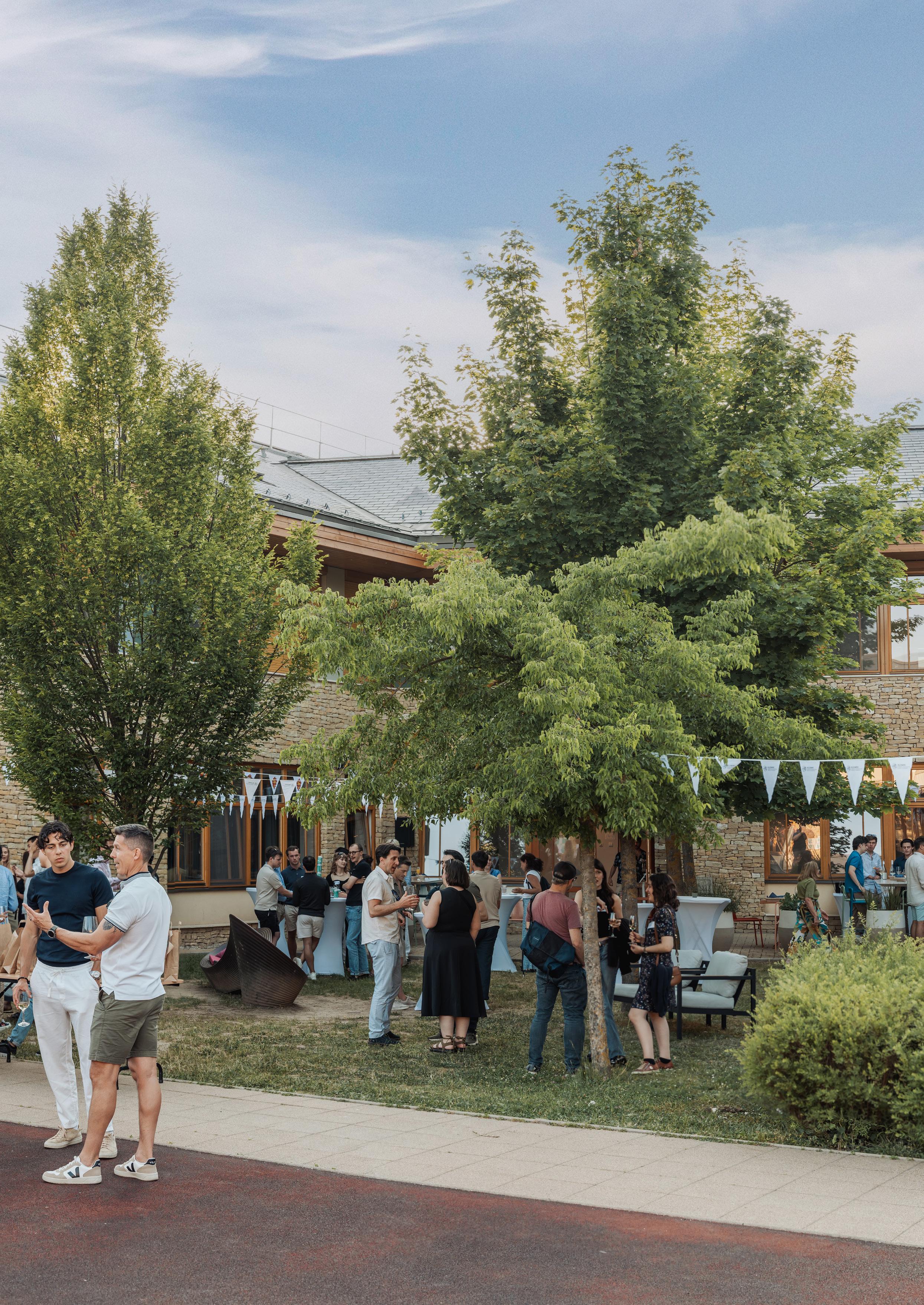

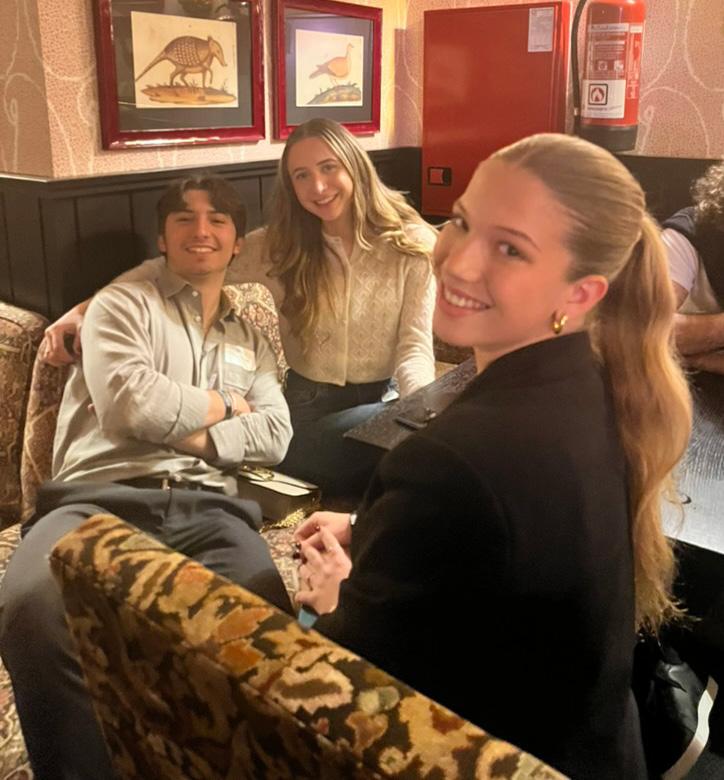
On November 9, 2024, our very first AISB Madrid reunion filled a cozy downtown bar with laughter, stories, and the spark of reconnection. The turnout surprised us in the best way possible, more alumni came than had signed up! With mostly recent graduates in the mix, the evening had an energetic, joyful vibe that reminded us how strong and vibrant the AISB community remains, no matter where in the world we gather.
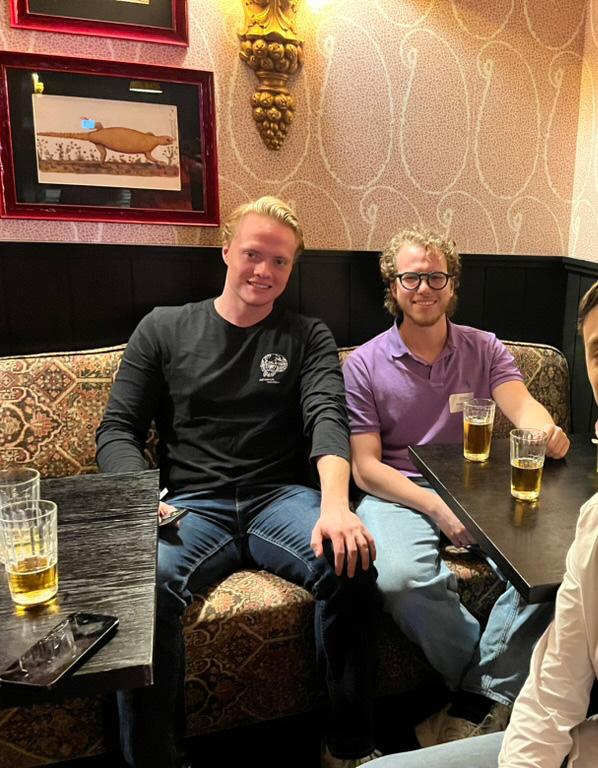
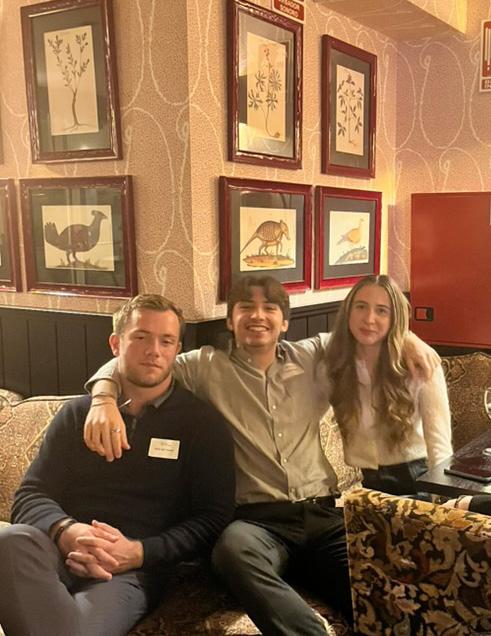
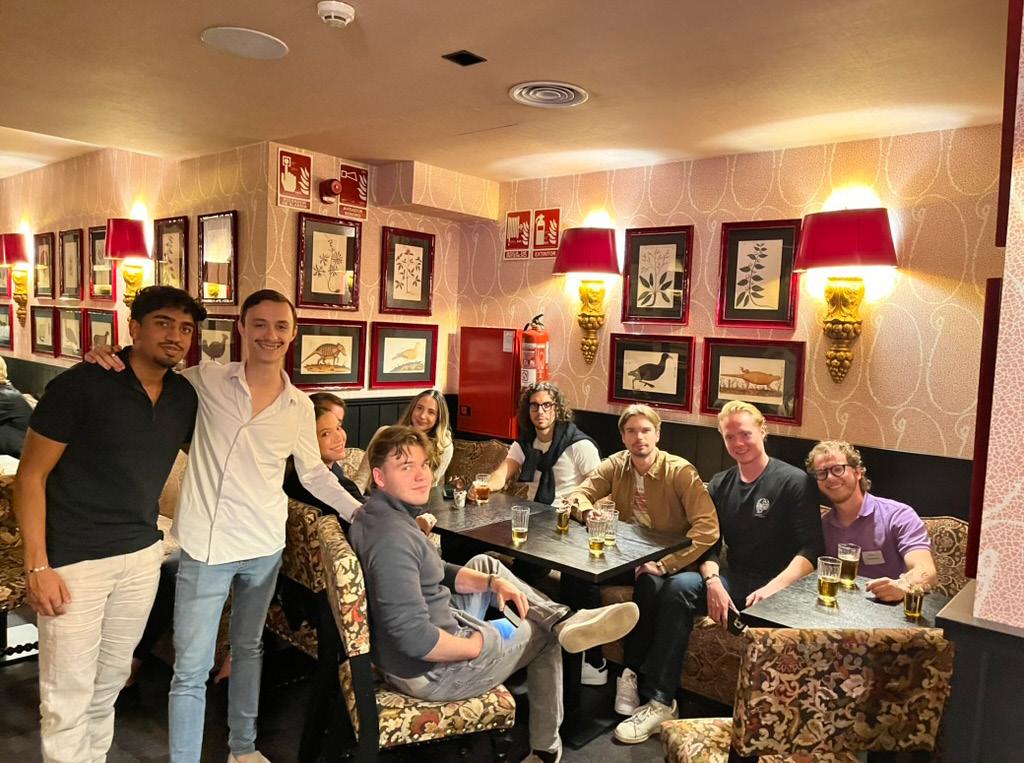

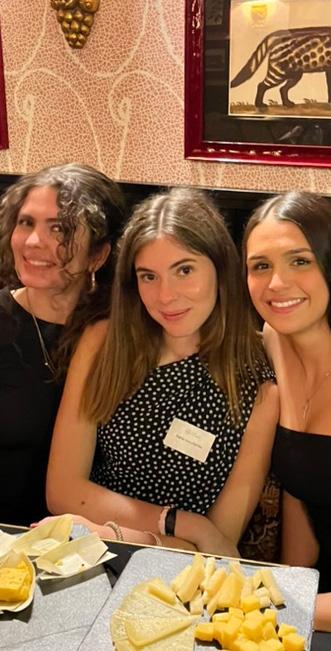
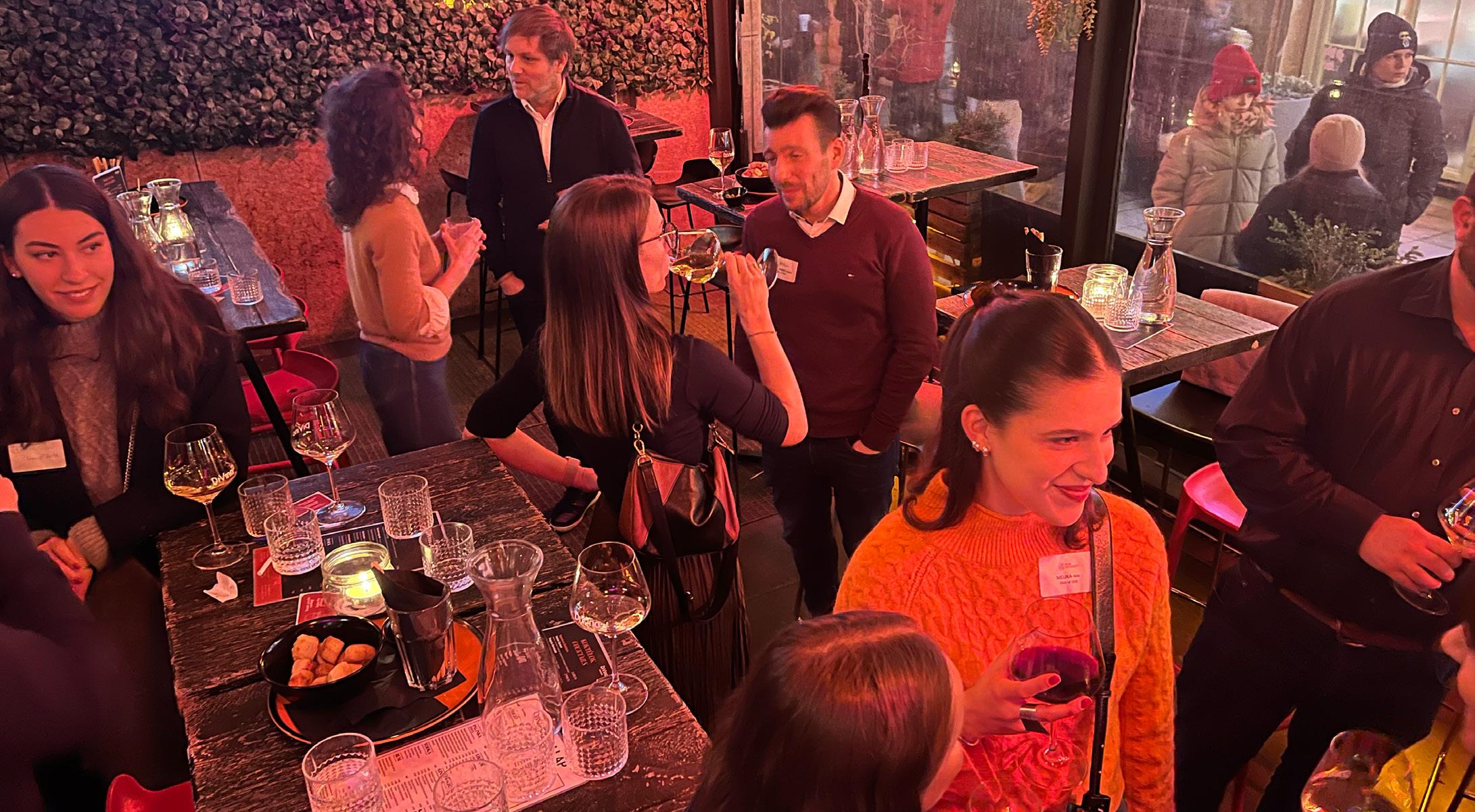
Just a month after the success of our Madrid gathering, we kicked off a new tradition with our very first Winter Holiday Reunion in Budapest. Alumni gathered in the city’s iconic Gozsdu Udvar, where festive lights and the lively downtown atmosphere set the perfect scene. Blazers from the Class of 1996 all the way to the Class of 2023 came together for an evening of catching up, reconnecting, and even a little dancing. The mix of generations made the night both nostalgic and full of energy, a celebration we hope will continue for many winters to come.
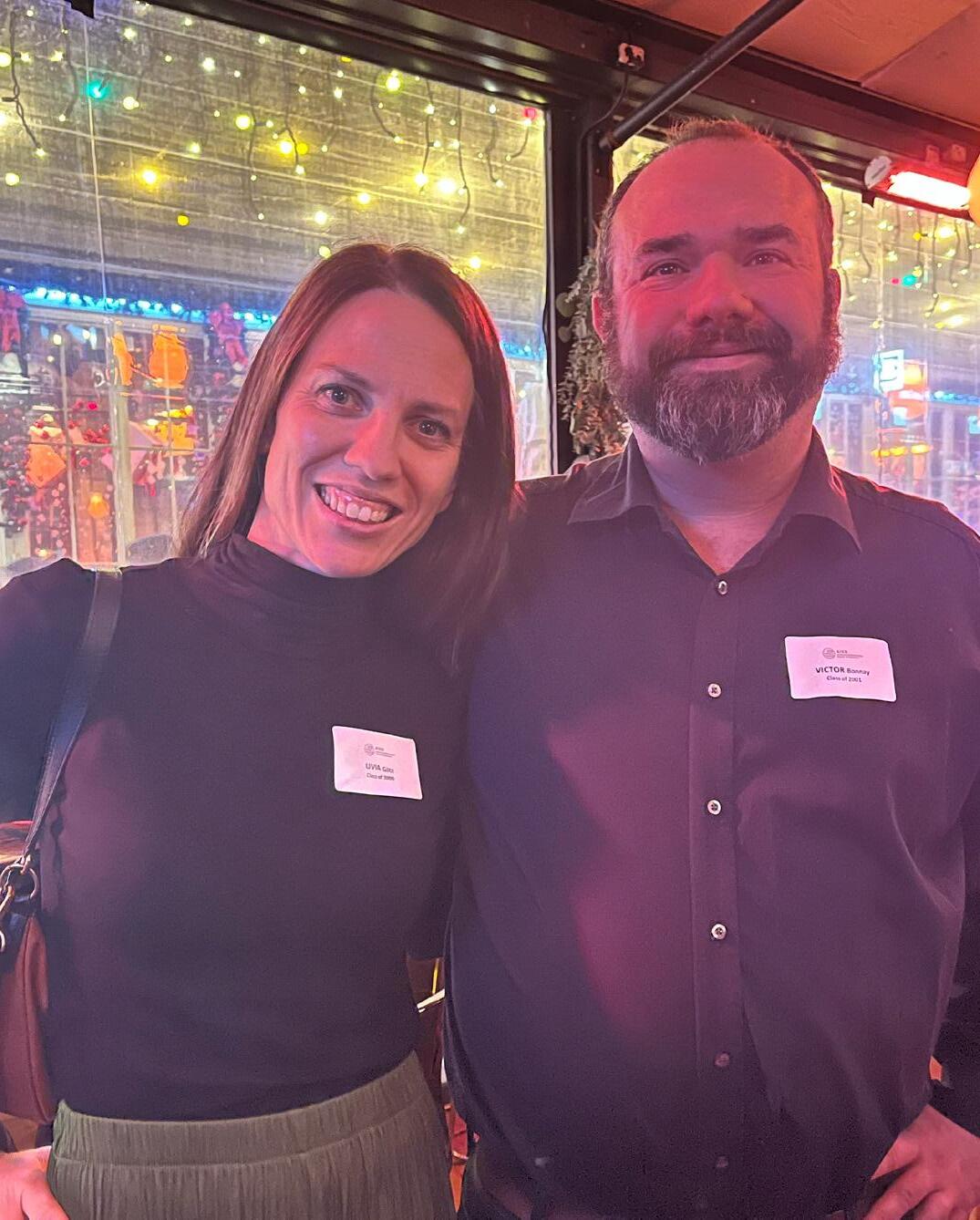
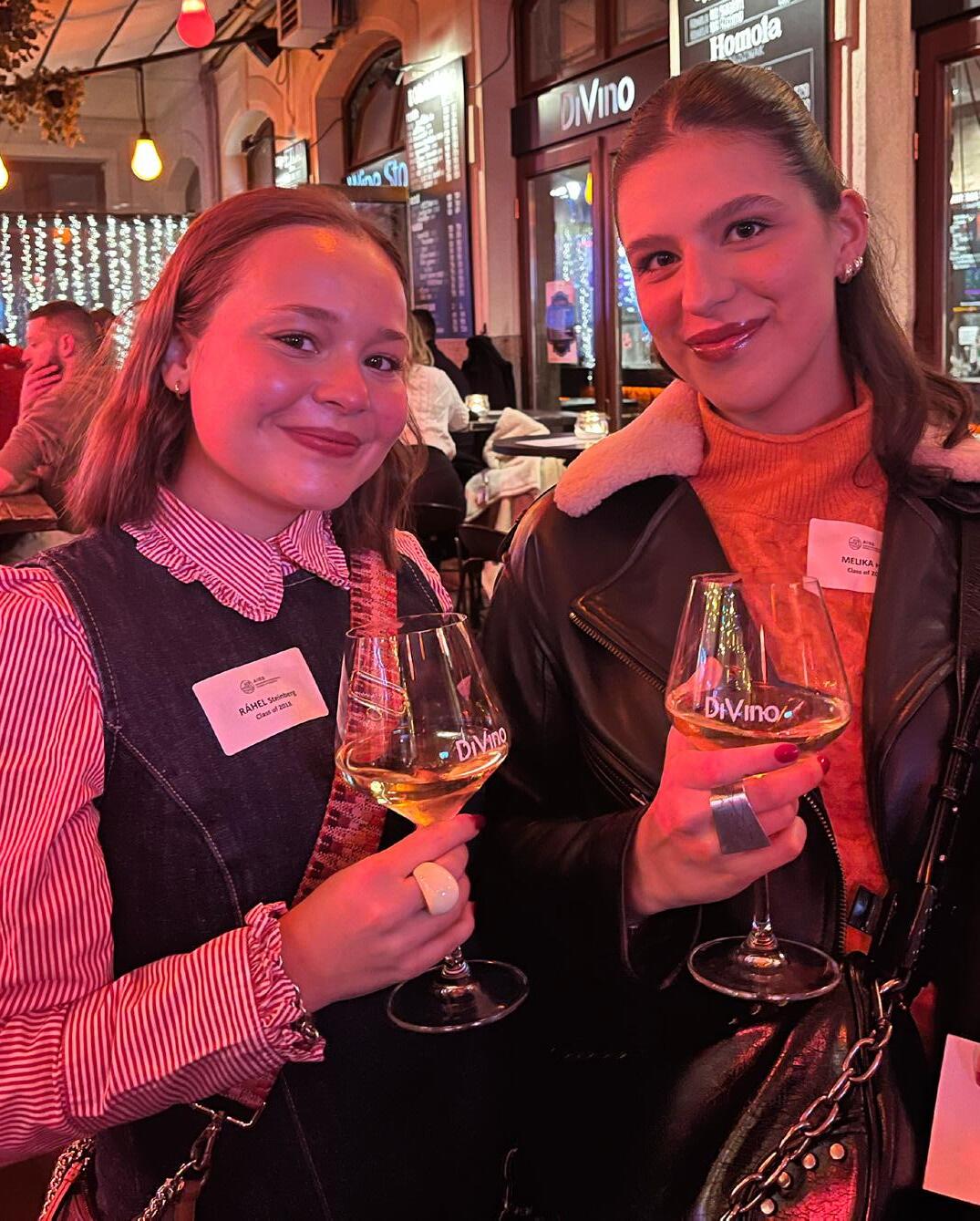
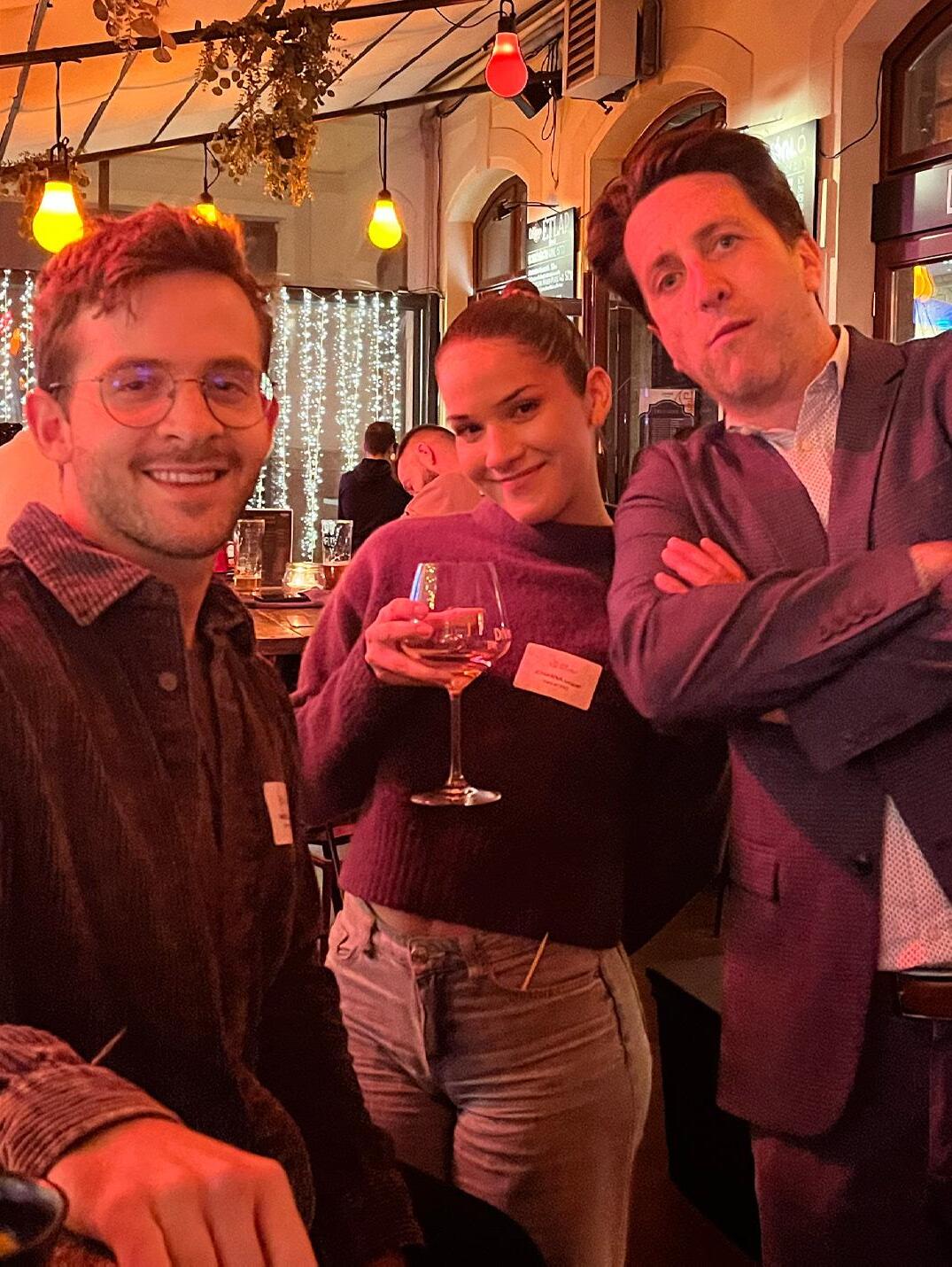
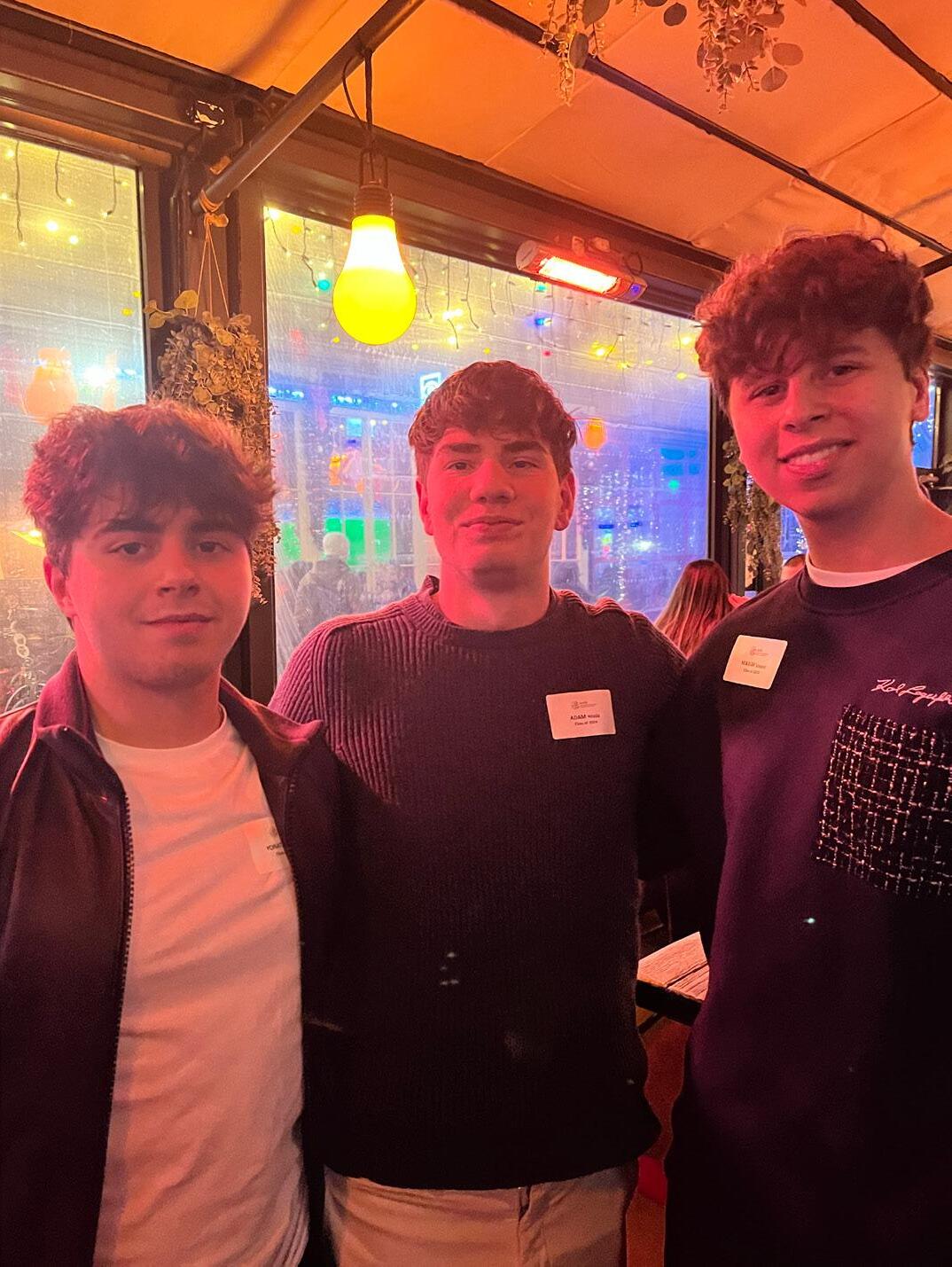
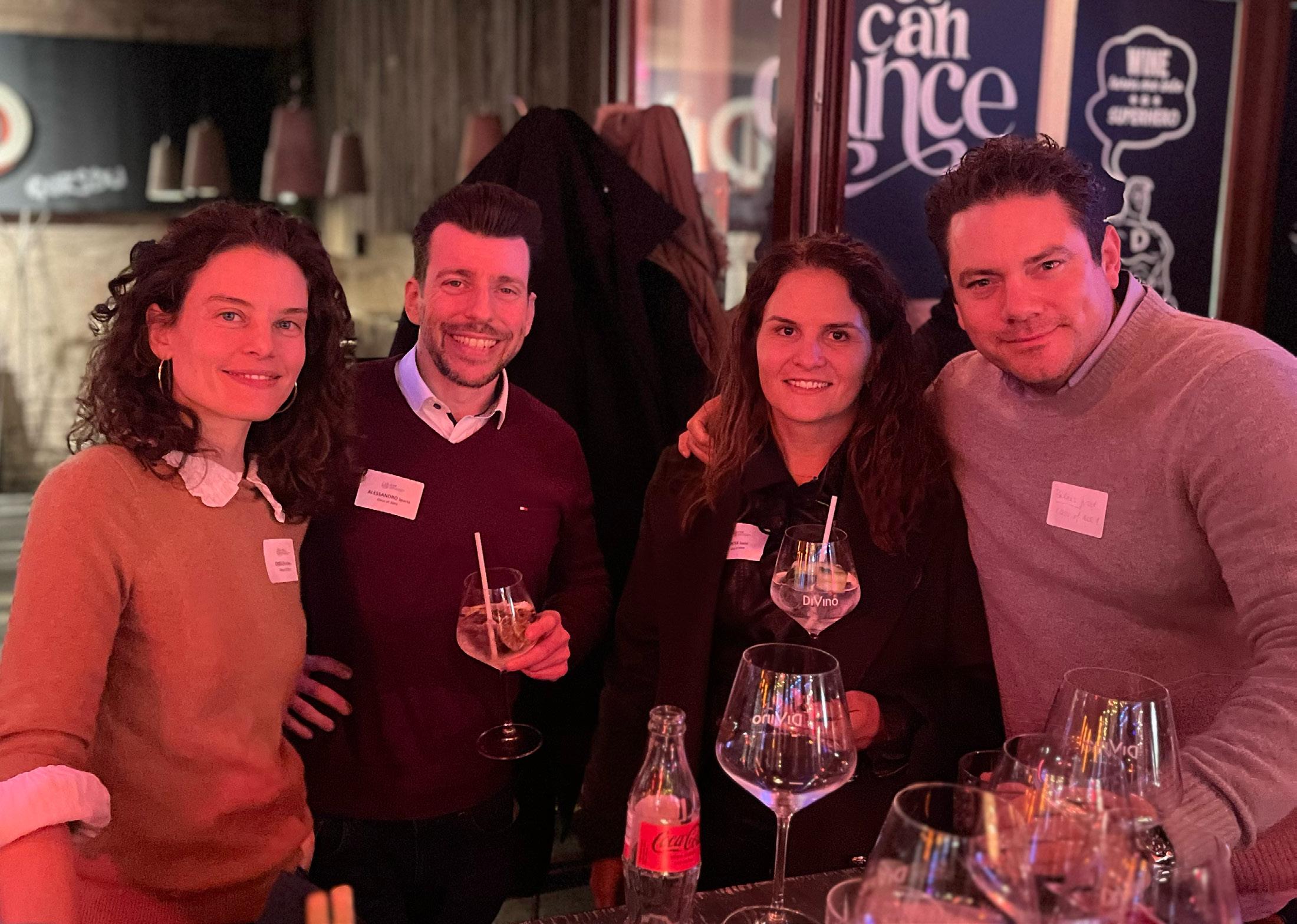
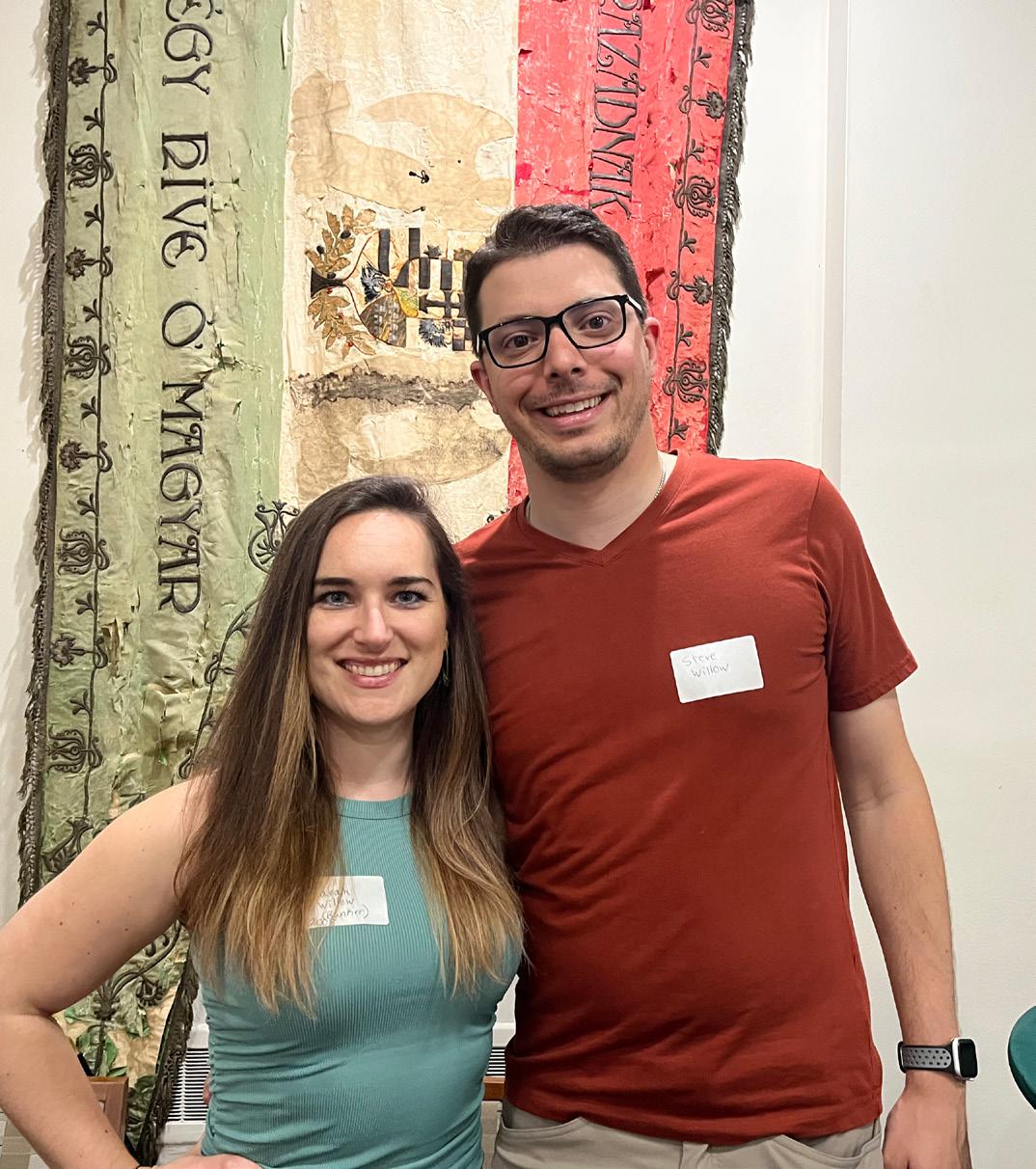
On May 10, 2025, alumni in Washington, D.C. gathered for a special evening at Kossuth House, nestled in the beautiful Embassy Row area, which added a Hungarian touch to the occasion. Far from their alma mater, Blazers came together to share memories, make new connections, and enjoy the sense of belonging that defines our community. It was a lovely reminder that no matter how far we are from AISB, the bond we share continues to bring us together across continents and generations.
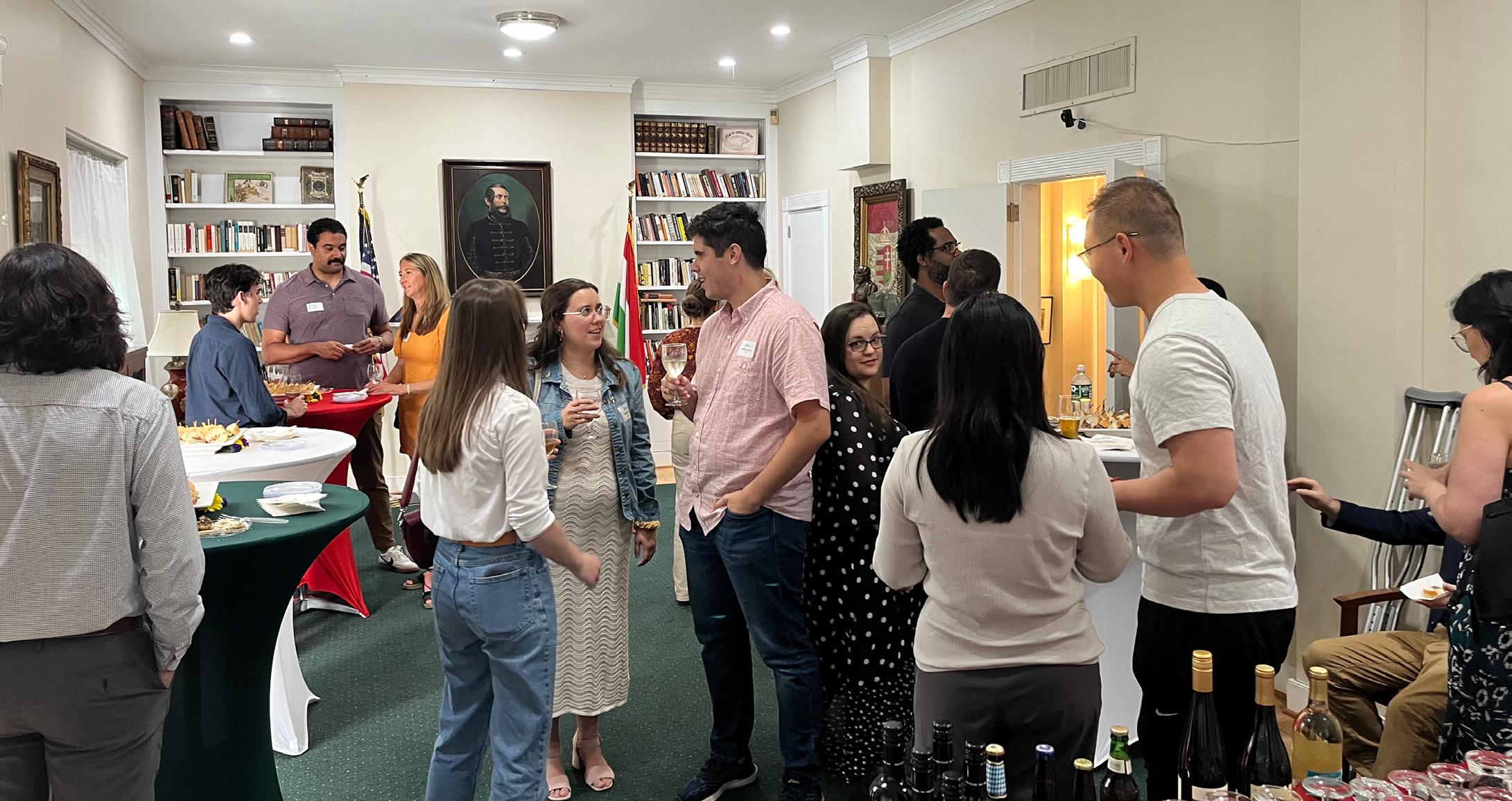
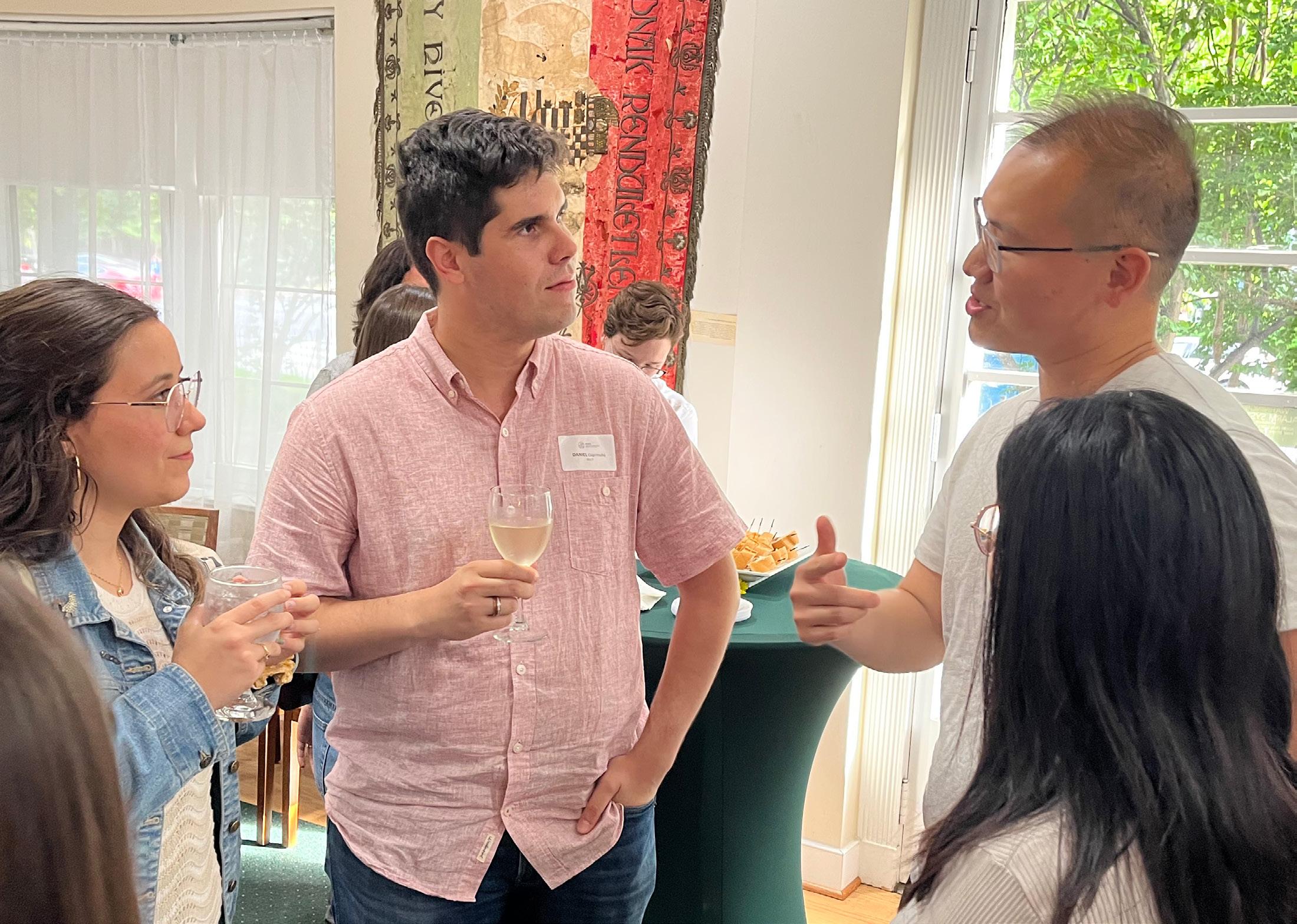
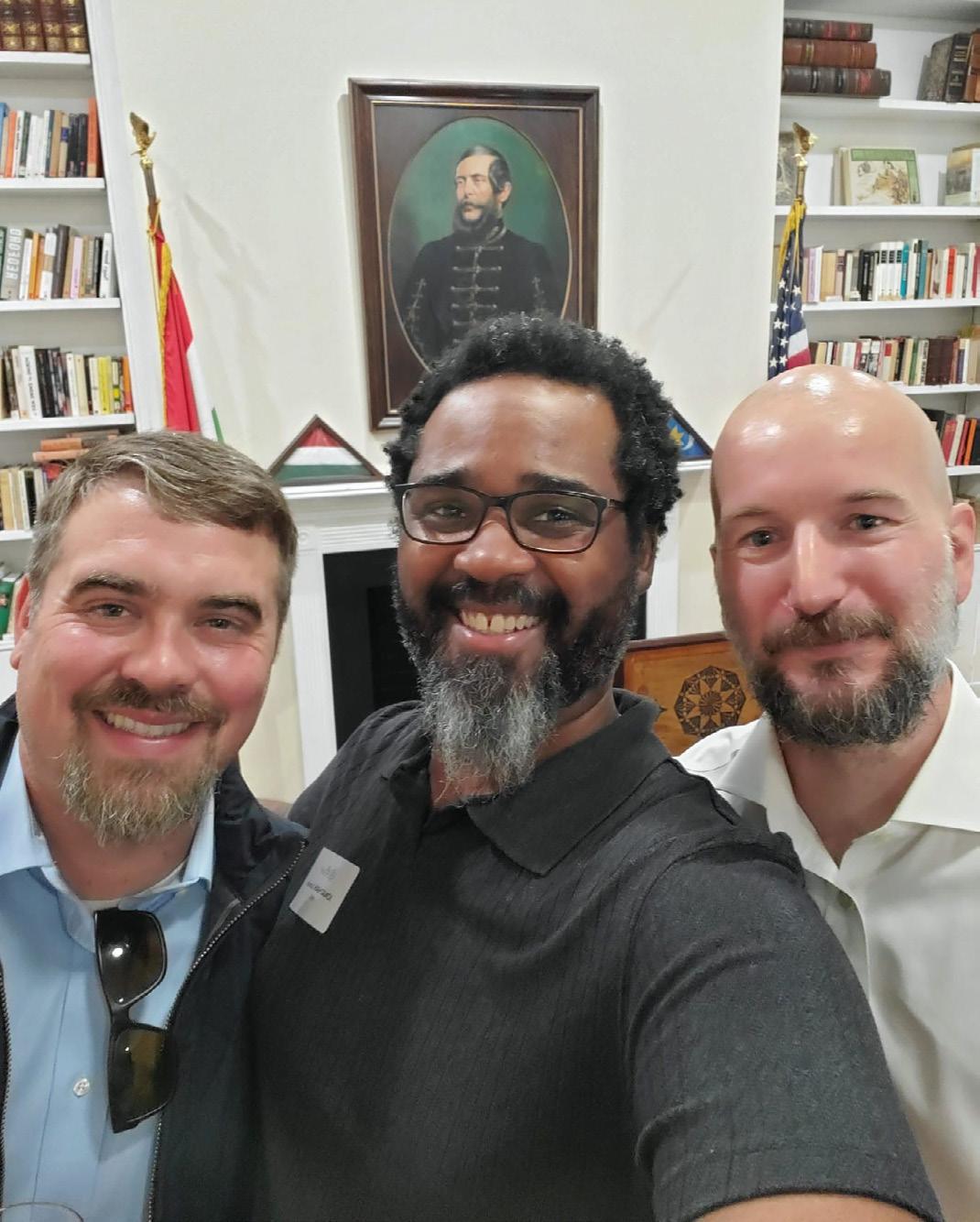
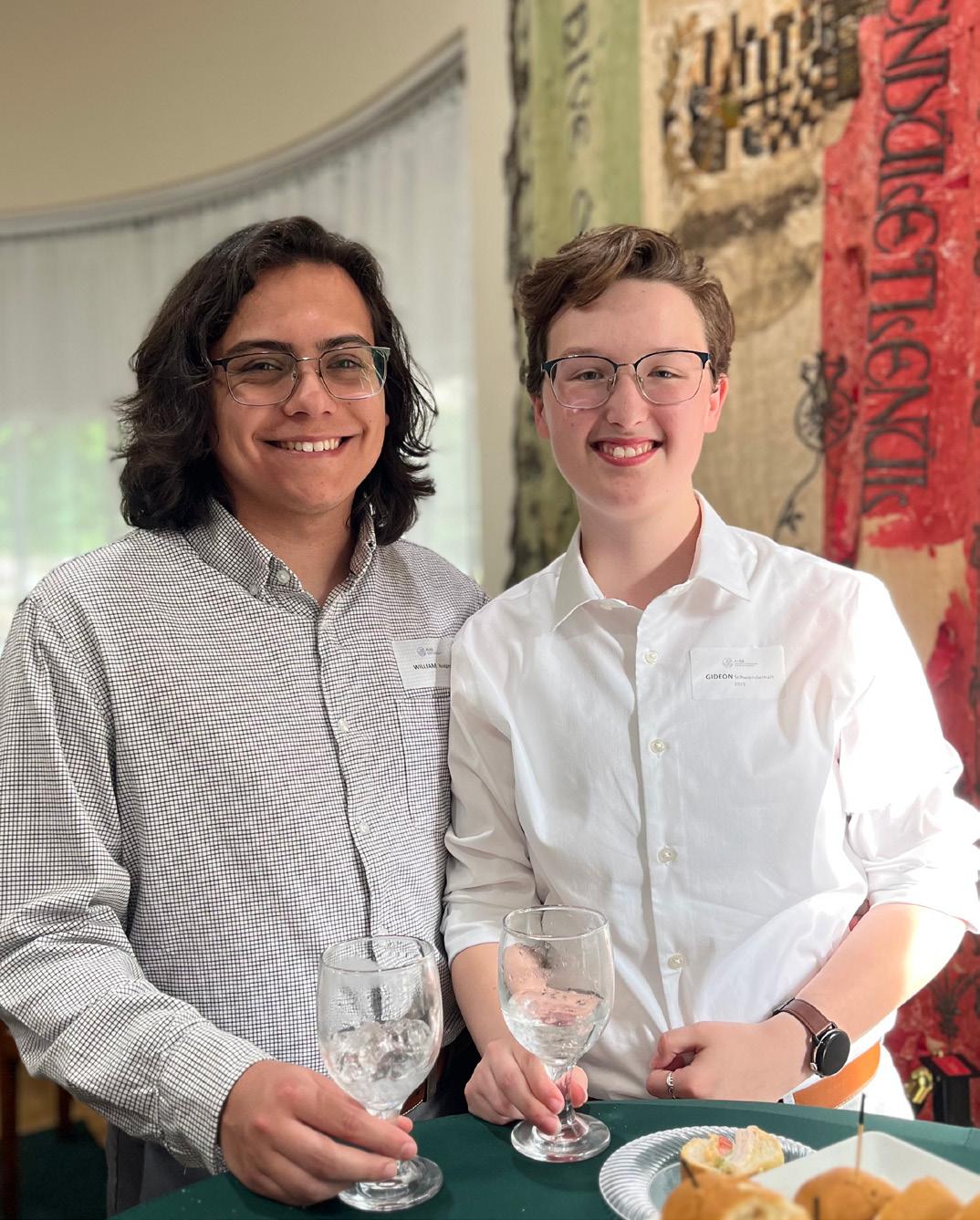

Last year’s Annual Budapest Reunion proved that Friday the 13th can bring plenty of good luck. On June 13, 2025, more than 100 alumni returned to campus, filling familiar spaces with laughter, stories, and the joy of reconnecting. The weather, the vibe, and the atmosphere were all spectacular, creating the perfect backdrop for an evening of celebration. From catching up with old friends to connecting across generations, conversations carried on late into the evening, a wonderful reminder of how strong our AISB family feels when we come together at home.







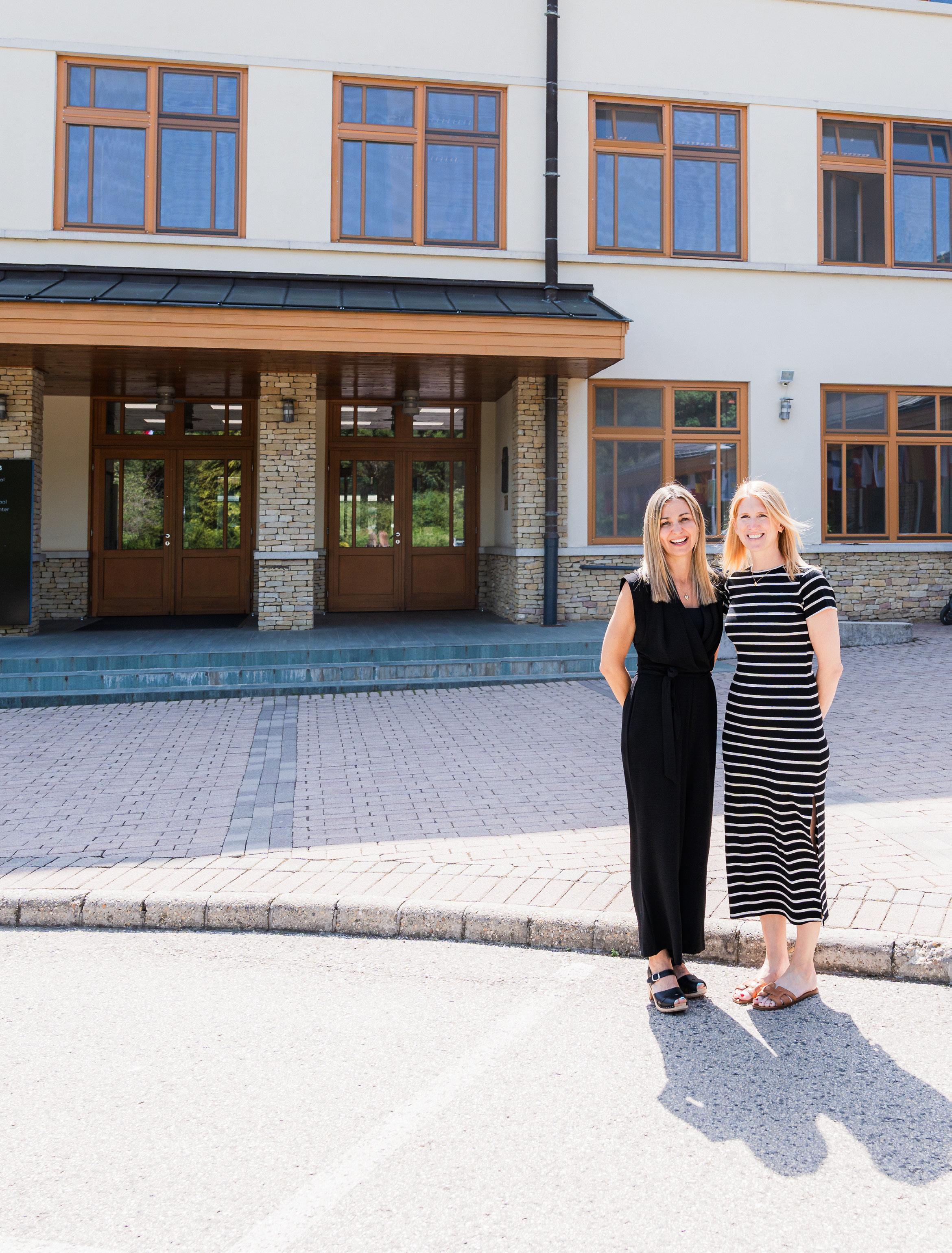
SPEAKING OF CHANGE, AFTER SEVEN AMAZING YEARS AT AISB, ERIN HAWKEN WILL BE HEADING OFF TO MALAYSIA TO WORK WITH STUDENTS AT THE INTERNATIONAL SCHOOL OF KUALA LUMPUR (ISKL).
MS. HAWKEN’S GOODBYE
My own journey as an educator and counselor has taken me across several countries and through many roles, but the constant thread has always been this: helping young people become the best versions of themselves.
From the hallway side chats and bursts of laughter over your wonderfully chaotic teenage lives, to those deeper conversations about who you are and who you’re becoming, I’ve enjoyed every moment. I’ll miss you popping in to grab candy, take a breather, show me the latest memes, teach me the newest lingo, and of course, fill me in on all the tea. I’ve loved witnessing your uniqueness, how you each shine in your own way across all areas of AISB life: on the stage, on the field, in leadership roles, and in quiet moments of kindness and courage. Being part of that journey has been an absolute joy!
As someone who has embraced change throughout her own life, moving, adapting, and learning, dealing with all of life’s ups and downs, I know it can be both exciting and uncertain. However, I also know that when you stay grounded in your values and remain open to growth, each change becomes an opportunity to lead, contribute, and evolve into the person you’re meant to be.
Keep leaning into what matters most to you. The world needs your voice, your heart, and your courage.
With a full heart,
Ms. Erin Hawken
BEYOND PRESTIGE: EMPOWERING STUDENTS TO BE FUTUREREADY CHANGEMAKERS
“That is how change happens. One gesture. One person. One moment at a time.” Libba Bray, 1997, American writer.
In today’s fast-paced world, it’s common for students and parents to focus heavily on the prestige of certain universities or professions as the gateway to a better future. Yet the true measure of success lies beyond titles and labels, and instead rests in the change we inspire and the contributions we make to the world around us.
At the heart of the AISB counseling ethos is our vision: Future ready, today. In this, we encourage students to think deeply about their pathways, not just as jobs to secure, but as platforms to create meaningful impact. When guiding students in planning their futures, we ask questions that spark reflection and purpose:
“Tell me more about what excites you about your pathway.”
“How does your pathway align with what you value most, and how?”
“How do you want to contribute to the world?”
“What problems do you see yourself solving?”
These questions shift the focus from simply choosing a profession to exploring how their studies connect with their values and aspirations. For instance, rather than deciding, “I want to study economics,” students consider how their understanding of economics and math can help them build safer, more supportive environments for lowerincome communities. This encourages bravery and risk-taking to follow their values, rather than following a plan set by tradition or prestige.
Research supports this approach. According to career psychologists, aligning one’s work with personal values not only increases job satisfaction but also fosters resilience and long-term
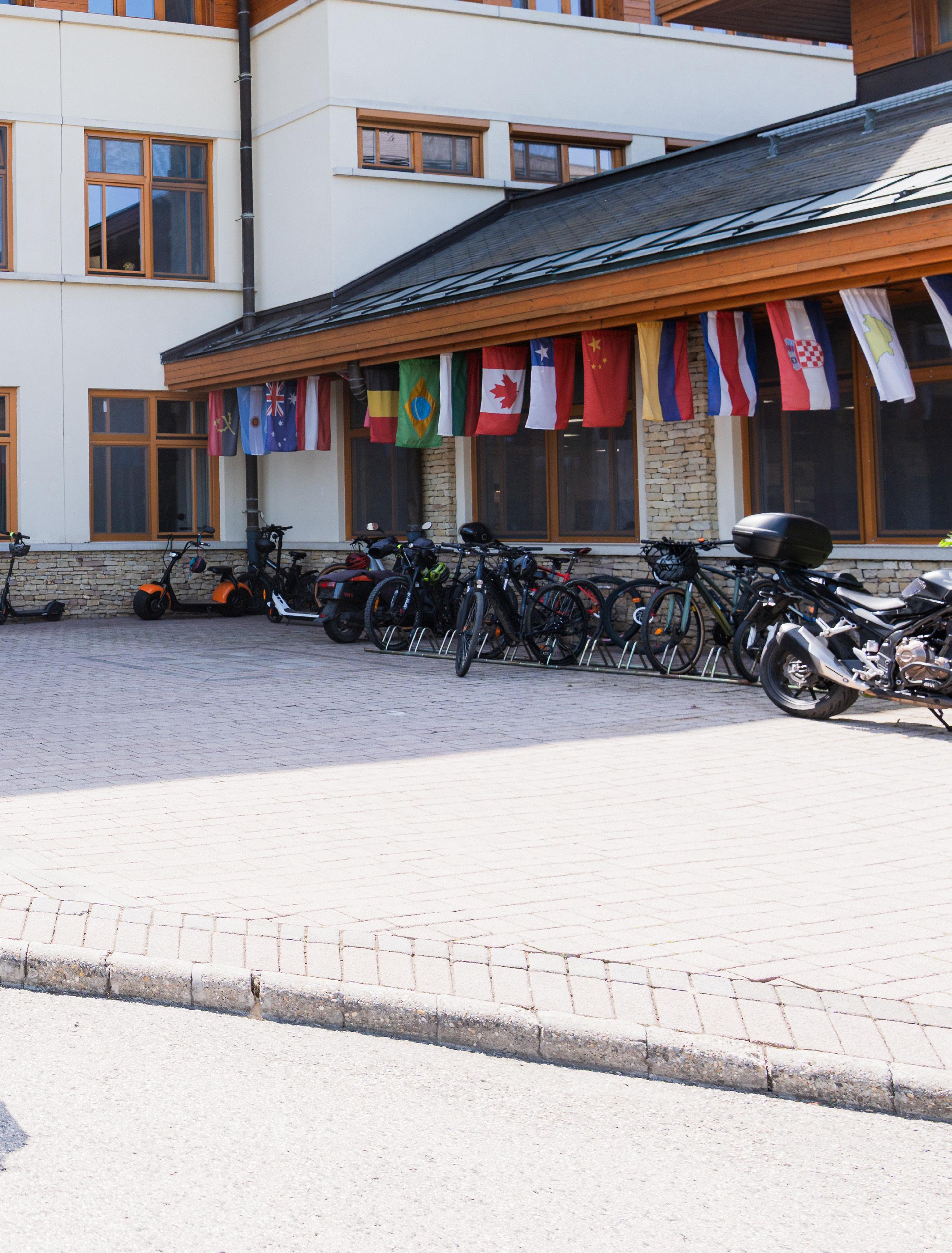
happiness. Sheryl Sandberg captured this beautifully: “It’s the ultimate luxury to combine passion and contribution. It’s also a very clear path to happiness.” When students follow their instincts and stay grounded in their beliefs, they cultivate purpose, joy, and a fulfilling life.
By nurturing this perspective, we prepare students not just for careers but for meaningful lives of impact and changemaking. We encourage them to see their education as a toolkit for solving real-world problems and standing up for their beliefs.
This future ready, today mindset ensures they don’t just navigate the world — they shape it.

We are deeply saddened to share the passing of former AISB Director, Ray Holliday-Bersegeay, after a period of illness. He was surrounded by his wife, Cécile, and daughter, Océane.
Ray was a much-loved leader who guided AISB through a time of remarkable growth. Beginning his tenure in 2006, he oversaw the expansion of Building B, the design and construction of Building A, and the purchase of land for new sports fields, transformations that continue to shape our campus today.
His time at AISB held great significance for him. Ray often spoke of the strong personal connections he formed with faculty and staff, and of the deep respect he held for the dedication of his colleagues.
His legacy lives on, not only in the buildings and grounds of our school, but also in the relationships and spirit of community he helped to nurture.

It is with deep sadness that we share the news of the unexpected passing of former AISB grade 5 teacher Ken Derby.
Ken was living in Miami with his wife, Lily, and was dedicated to his work as a 4th-grade teacher at a leading private Jewish school (Scheck Hillel).
Lily shared these heartfelt words about him:
“Mr. Derby was a ‘slightly famous author, amateur photographer, monkey trainer, twelve-minute rock star, five-minute TV star, two-minute movie star, and fisherman’ — titles he wore with humor and joy. But above all, he was a passionate educator who gave his whole heart to his students. His legacy is one of compassion, inspiration, laughter, and excellence. His sudden passing on July 2, 2025, has left a space that can never be filled, but his light will never fade. It lives on in every student he taught, every soul he touched, and every life he made brighter just by being in it. He was the best husband, the best father, the best friend — a man whose heart overflowed with kindness, compassion, and love. He treated everyone with respect and dignity, never stopped caring, and was always ready to help. It was enough to look into his eyes to know: he was pure love. To every student who knew him: you carry his legacy forward in your kindness, your curiosity, and your courage. Hold it with love and pride.”
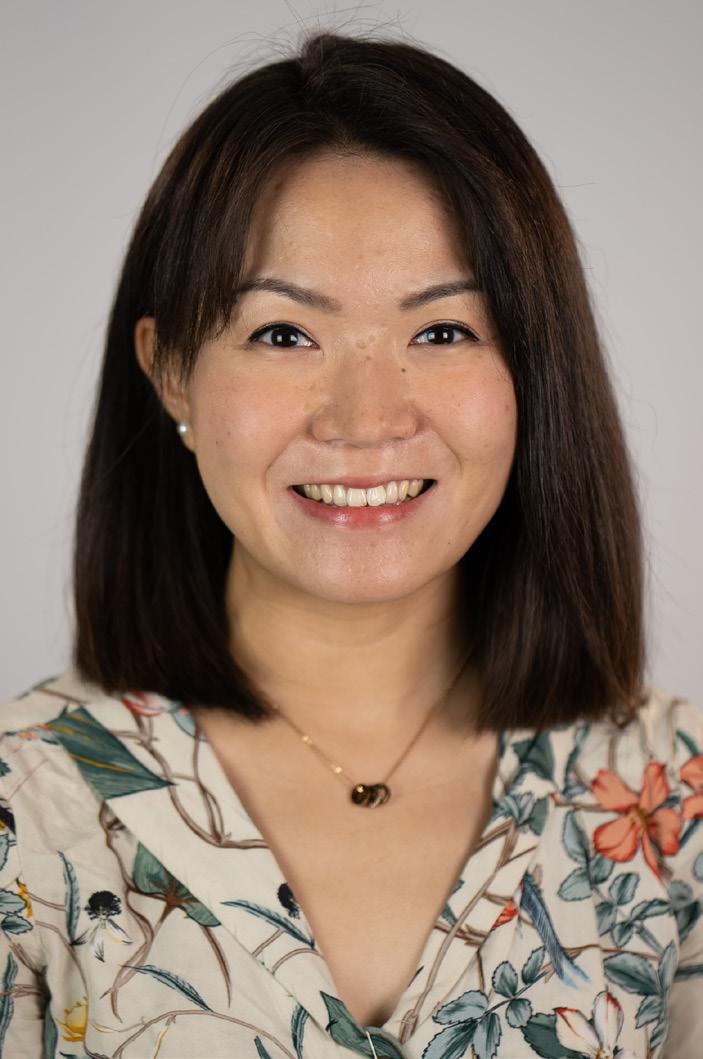
It is with deep sadness that we share the passing of Tip Wan Leung, who bravely battled cancer.
Ms. Tip was an outstanding educator, a dedicated colleague, and a passionate advocate for students. Her influence reached far beyond the classroom. She helped shape the Middle School Changemaker Conference, the Future Keepers Club, green initiatives at AISB, and the Middle School Technology Policy Committee. Her positive energy, vision, and warmth touched many corners of our community.
Her husband, Mr. Matthew Wright, a High School Social Studies and IB Geography teacher, stood by her side throughout. Together, their commitment to AISB and to students was profound and inspiring.
In her final message, Ms. Tip shared these words with friends:
“I don’t believe in heaven.
But I believe that heaven exists here on earth.
During my time in the hospital, I’ve reflected on my life. I realized that, through small acts of kindness, I was able to create little pieces of heaven within the people around me.
Although I may be leaving, I believe that what I’ve built will remain with you. I’m never truly gone.
To those of you still here, I want to invite you to reflect on this:
How will you create your own heaven in the days to come?
Love,
Tip Wan”
Her words are a lasting reminder of the spirit she brought to AISB: kindness, courage, and an unwavering belief in the power of community, to make positive change together.
From Madrid to Budapest, and across the Atlantic to Washington, D.C., our reunions during 20242025 showed just how far the Blazer spirit reaches—and how powerful it feels when we come together. Whether it’s starting new traditions or continuing beloved ones, each gathering is proof that our alumni family is truly global, deeply connected, and always ready to celebrate the ties that bind us. We can’t wait to see where the next reunion takes us.
Don’t miss out on the next opportunity to reconnect! Follow us on social media and sign up on the alumni website to make sure you’re always in the loop about upcoming reunions and events.