
Throwing Axes: From Ancient Tool to Modern Sport
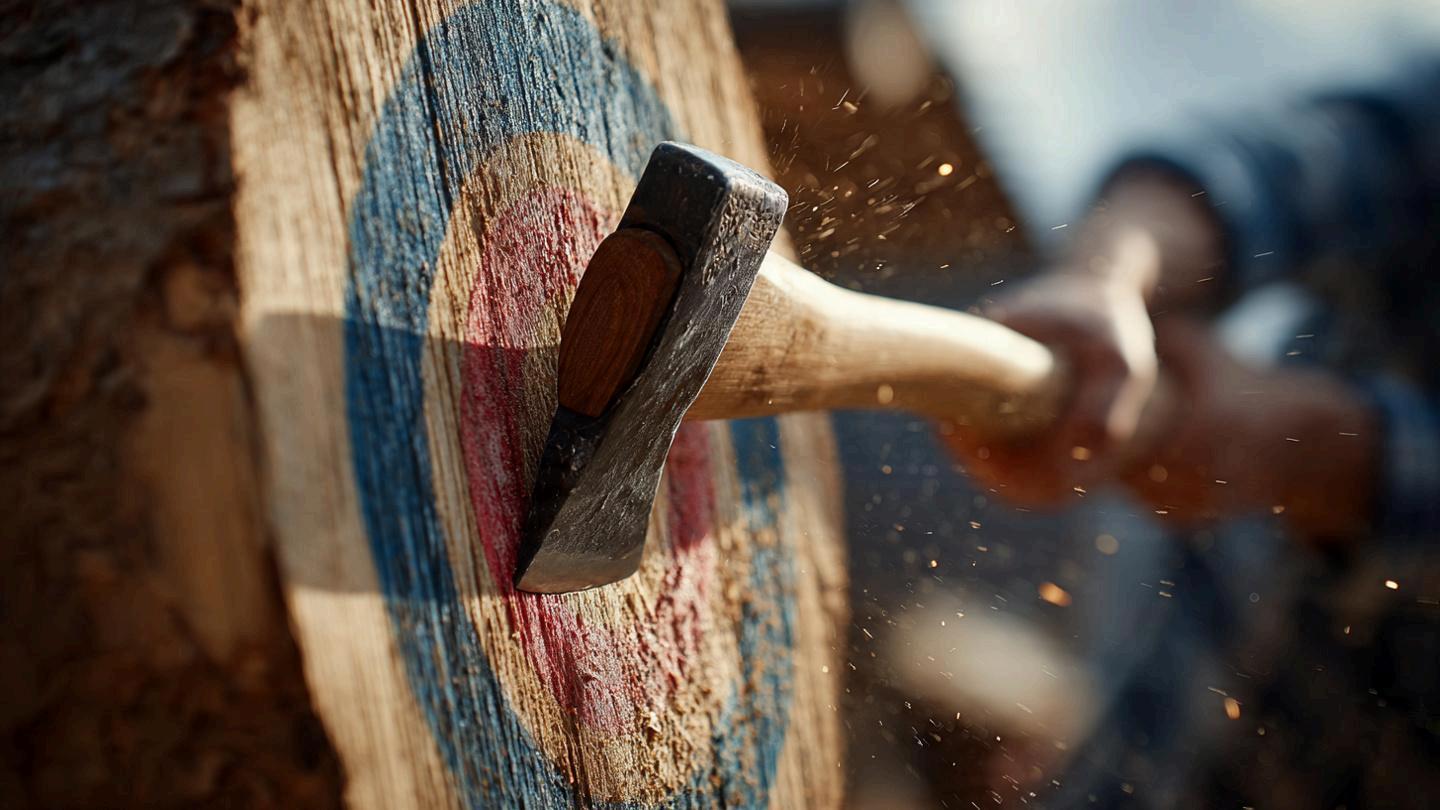
Throwing axes is one of the few activities that combines pure power, accuracy, and satisfaction. What started out as a survival skill thousands of years ago has developed into an exciting contemporary hobby that is sweeping the globe. Throwing axes provides the ideal mix of mental and physical challenge, whether it is done for competition, sport, or leisure.
These days, you can find axe-throwing locations in big cities, niche competitions, and even backyard acolytes making their own targets. The sport has a long history, is thrilling, and is easily accessible. Let's explore the intriguing realm of axe throwing, including its history, applications, and reasons for becoming one of the fastest-growing leisure activities worldwide.
The Origins of Throwing Axes
Axe throwing has a long history dating back thousands of years. Axes were vital survival tools for hunting, fighting, and wood-chopping long before they were considered a kind of amusement. Early humans found that, when thrown well, the axe ' s sharp edge and weighted head could also be used as a lethal range weapon.
Early medieval warriors known as the Franks were among the first to become proficient axe throwers. The Francisca, their preferred weapon, was a short-handled throwing axe that
could whirl through the air and deliver a powerful blow. Similar weapons were also utilized by the Vikings, who demonstrated their accuracy and strength in both warfare and sport.
Over time, as warfare evolved and guns replaced hand-thrown weapons, axe throwing faded from the battlefield but not from human imagination. In the 20th and 21st centuries, the art of throwing axes made a comeback, this time as a sport that celebrates skill, control, and heritage rather than violence.
The Modern Rise of Axe Throwing
Axe throwing has been increasingly popular worldwide in the past ten years. In North America and Europe, axe-throwing bars and clubs started to appear, transforming an antiquated custom into a competitive and convivial pastime.
The idea is straightforward but highly addictive: players aim for the bullseye to collect points by throwing specially made axes at wooden targets. The pastime is both exciting and stress-relieving because of the axe ' s pleasant "thunk," the sound it makes hitting the wood, and the friendly competition.
The sport is expanding globally because of organizations like the International Axe Throwing Federation (IATF) and the World Axe Throwing League (WATL), which have standardized scoring and rules. Professional axe-throwing competitions are now shown on television, replete with rankings, titles, and ardent supporters.
Anatomy of a Throwing Axe
Axes are not all made equal. A throwing axe is made for flying, whereas a lumberjack's axe is made for cutting. Every element, including the handle length and weight distribution, is tuned for accuracy, speed, and balance.
Three major components make up a conventional throwing axe:
1. Head – Made of steel, the head usually weighs between 1.25 and 2 pounds. Its sharp edge is designed to bite cleanly into the target board.
2. Handle – Traditionally made of hickory or ash, the handle provides grip and leverage. Some modern throwing axes use fiberglass or composite materials for durability.
3. Balance Point – The key to a perfect throw lies in balance. A well-designed throwing axe has an even weight distribution between the head and handle, allowing it to spin predictably in the air.
Many throwers customize their axes for comfort and precision adjusting handle length, grip texture, or even engraving their initials on the blade.
How to Throw an Axe
While it might look intimidating, learning to throw an axe is surprisingly straightforward. With a bit of practice, anyone can get the hang of it. Here’s a basic guide to proper axe-throwing technique:
1 Stance: Stand about 12 to 15 feet from the target with your feet shoulder-width apart. Your dominant foot should be slightly forward.
2 Grip: Hold the handle firmly with both hands, similar to holding a baseball bat. Keep your thumbs pointing upward.
3. Draw Back: Raise the axe over your head, keeping your elbows straight and your eyes on the target.
4. Throw: As you step forward, bring the axe forward in a smooth motion and release it when the handle is parallel to the ground.
5. Follow Through: Let your arms continue forward naturally after release don’t snap your wrists or jerk the motion.
The goal is to let the axe spin once (or sometimes twice, depending on distance) before it sticks into the target. With practice, you’ll learn how to adjust your distance and throw strength for consistent accuracy.
Health and Mental Benefits
Throwing axes has real psychological and physical advantages in addition to the excitement of competition. It improves balance and coordination and is an excellent workout for your arms, shoulders, and core muscles. Concentration and mindfulness are also improved by concentrating on the goal.
A lot of participants say that the activity helps them decompress. Focus, physical effort, and the gratifying sound of an axe striking wood all contribute to mental clarity and stress relief. It's stimulating and meditative, making it ideal for people looking for a special way to relax.
The Timeless Appeal of Throwing Axes
Throwing axes has evoked the human spirit of accuracy, power, and mastery in both ancient warriors and contemporary admirers. What started out as a survival tool has evolved into a pastime that brings people together through friendly competition and mutual excitement.
Throwing axes offers all of that and more, whether you ' re searching for a new pastime, a physical and mental challenge, or just an enjoyable social activity. Each throw combines history, concentration, and pure adrenaline to create a tale. Additionally, you will experience that enduring bond with the hunters, crafters, and warriors who came before you as your axe strikes the wooden target.