
and, if you’re reading this onboard, welcome to your Air Chathams flight. Having you as a passenger means the world to us, so on behalf of everyone in our team, thank you.
As we all know, families and businesses across New Zealand have been affected in all sorts of ways by recent global events, and that includes our regional airline. At Air Chathams we’ve always prided ourselves on being adaptable and flexible so that we can respond to changes and challenges. That flexibility is a big part of why we’ve been here for more than 40 years, driven by a genuine commitment to our passengers and their communities.
It’s a kaupapa my father, Craig Emeny, lived and breathed when he was leading the airline, and one I’m just as committed to.
Reflecting on the past quarter, we’ve had the pleasure of carrying a wide range of passengers—from Australian rugby players travelling to New Plymouth for The Classics match, to a few brave Auckland radio hosts sampling Chatham Islands kina live on air as part of our April Fools’ fun.
We also welcomed our first interline passengers through our partnership with Air New Zealand. As we continue this trial in Whakatāne, we’re excited by the opportunity to expand it across our network, further strengthening the connection between our regional communities and the world.
Our commitment to community remains at the heart of everything we do. Over the years, we’ve sponsored countless individuals and organisations, and this year we’re taking it up a notch and launching our new Community Connection Fund. This initiative will allow groups and individuals to apply online for sponsorship, which will then be reviewed quarterly by a team from right across the airline. It’s a more collaborative and transparent way for us to give back, and I’m incredibly confident in the team behind it. You can read more about it on page 42
That’s it from me for now. Say Hi if you see me on a flight or at the airport – I always enjoy chatting to our passengers. In the meantime, we’d love to fly you somewhere you haven’t been this winter. Whether it’s Whakatāne, Whanganui, Kāpiti or the Chatham Islands themselves, winter is a great time to fly somewhere different.
Ka kite anō and safe travels!
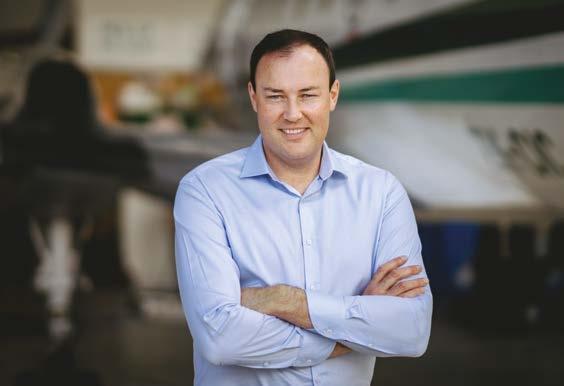
Duane Emeny, Chief Executive Officer
Each year Air Chathams carries more than 110,000 passengers around New Zealand, and in each edition of our inflight magazine Air Chats we celebrate the very best of the regions we cover: from art and culture, to business, history and lifestyle, Air Chats tells the stories of the people who make those places great. If you’d like to be a part of Air Chats, get in touch - the team would love to hear from you.
marketing@airchathams.co.nz airchathams.co.nz fb.com/airchathams @airchathams linkedin.com/company/ air-chathams-limited
Publisher Plenty Limited - airchats@plenty.co.nz
Editor/KaiwhakatikaTuhinga Andy Taylor - info@plenty.co.nz
Design & Production/Kaiwhakatauira Sarah Lane - design@plenty.co.nz
Advertising Enquiries airchats@plenty.co.nz +64 (0)27 932 5515
Cover image
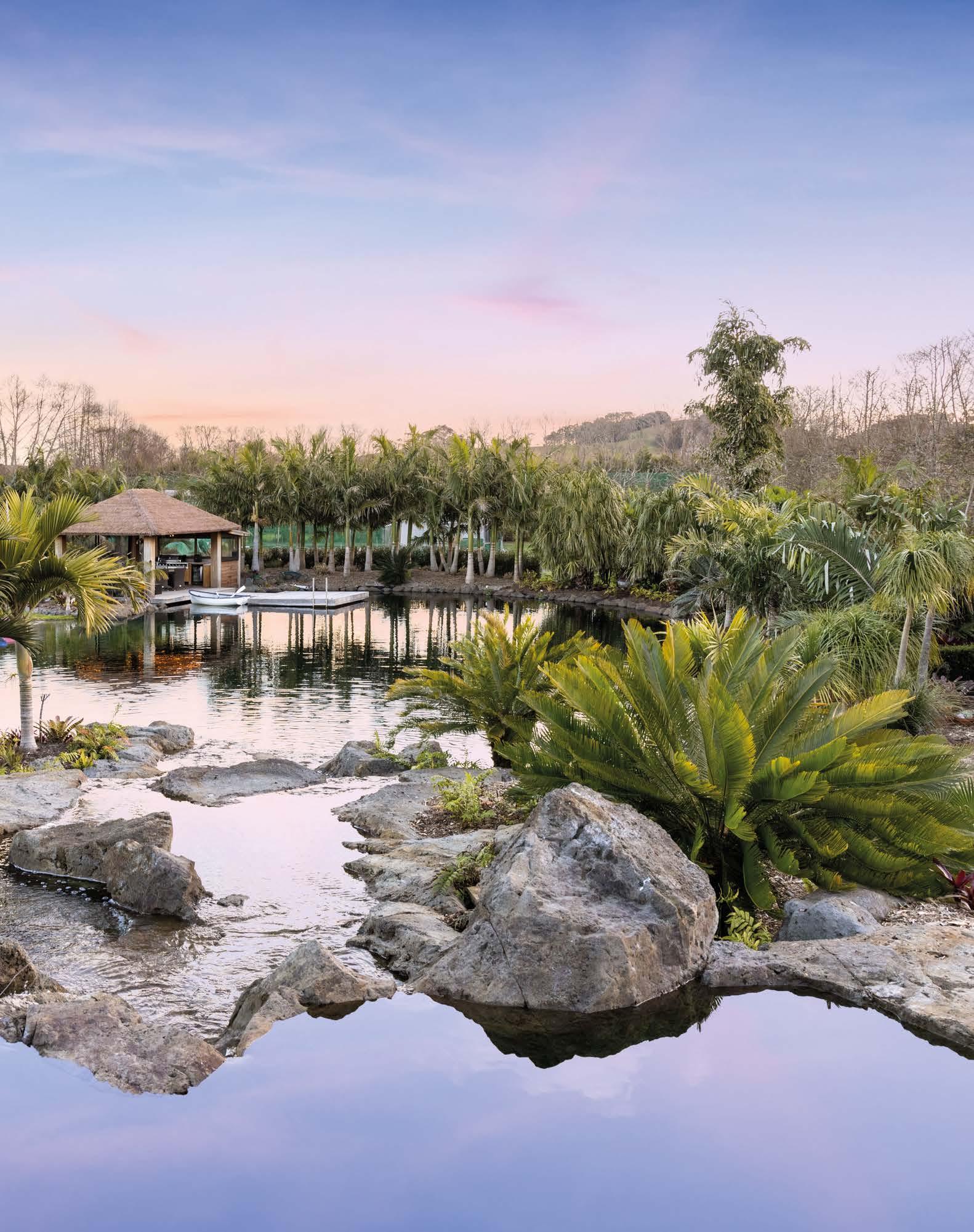
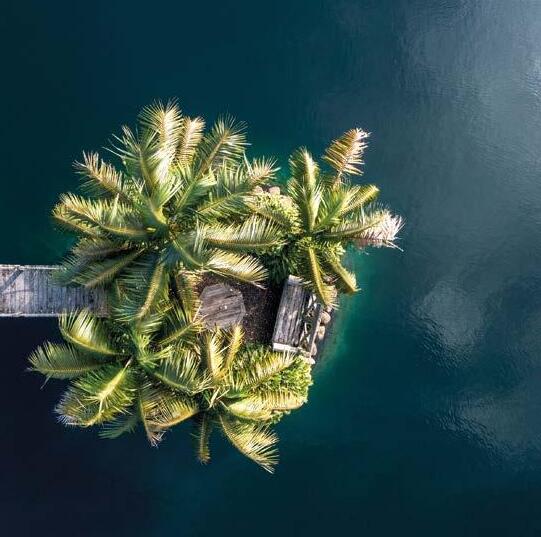
Matakana Palms, Photo Amy Jenkins
WINTER/JUNE/2026
Air Chats is published by Plenty Limited on behalf of Air Chathams Limited. Copyright 2026 by Plenty Limited. All Rights Reserved. No part of this publication may be reproduced by any means without the prior consent of the publisher.
Advertising statements and editorial opinions expressed in Air Chats do not necessarily reflect the views of Plenty Limited or Air Chathams Limited. ISSN 2624-4179 (print), ISSN 2624-4861 (digital).
A curated mix of stories, happenings and interesting things that caught our attention this issue.
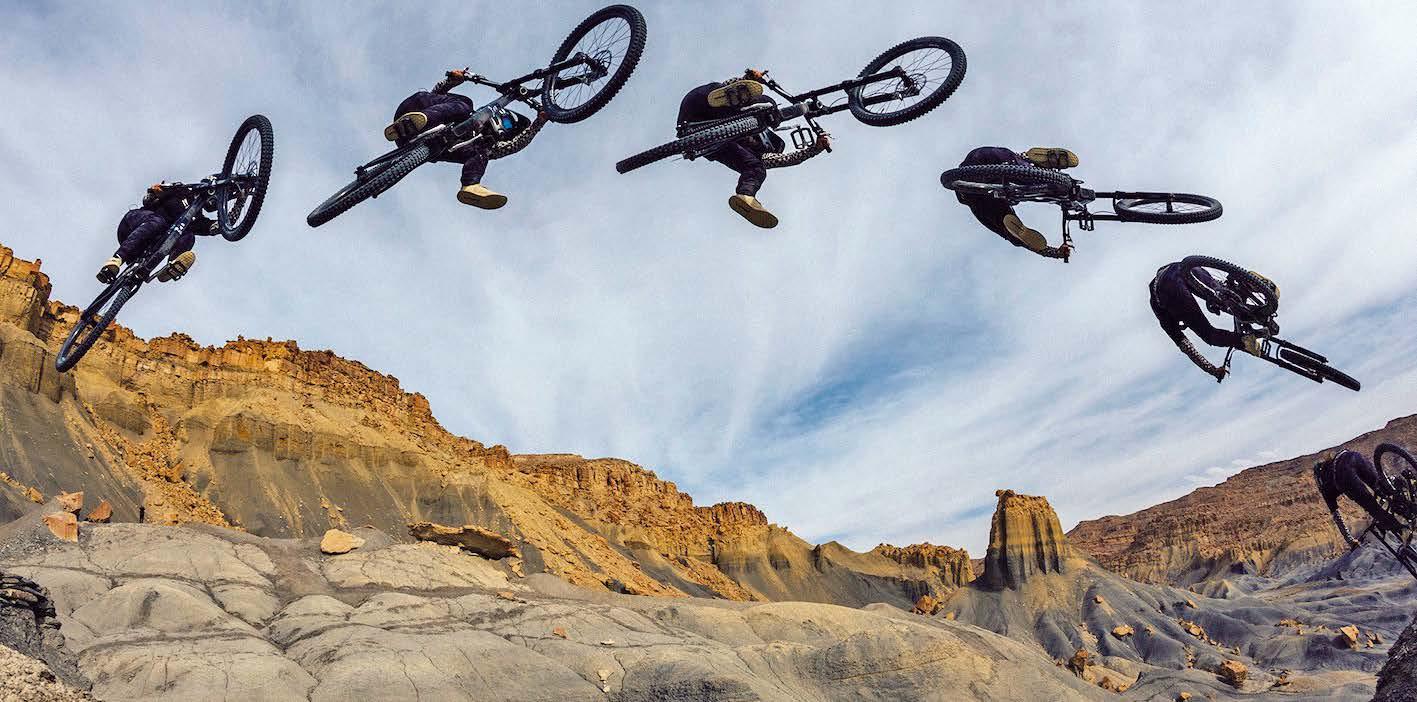
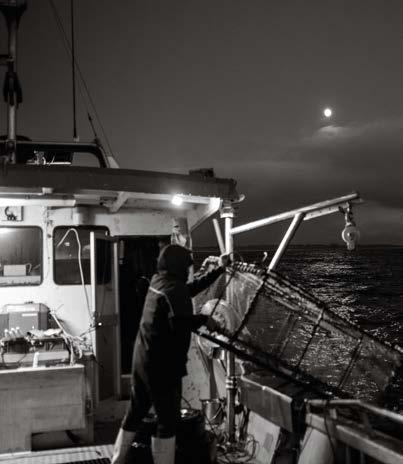
From a dirt bike in the Chathams to the world stage, Robin Goomes has had quite a ride.
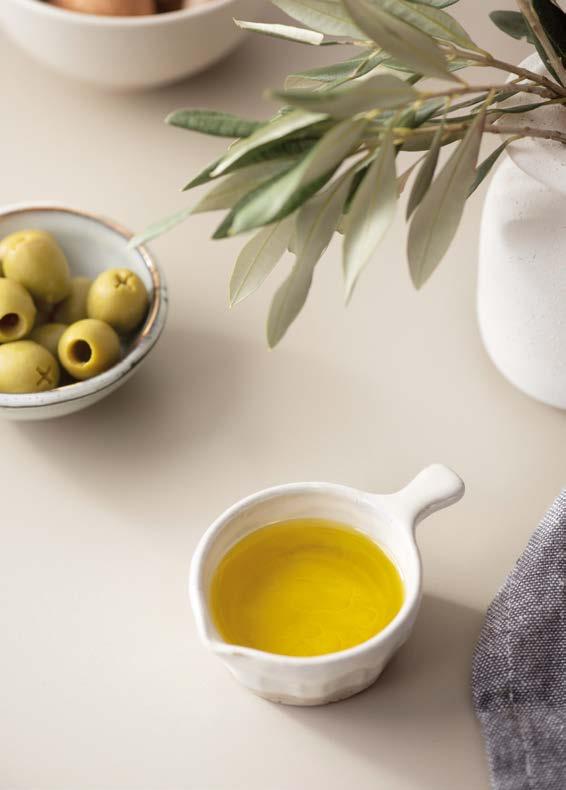
Kāpiti Coast olive growers have gone from impressing the locals - to wowing the world.
Brad McLeigh on helping to make regional NZ bigger, better and brighter through building.
31
Whakatāne now has a way cool way to unwind at the end of the working week: Ātea.
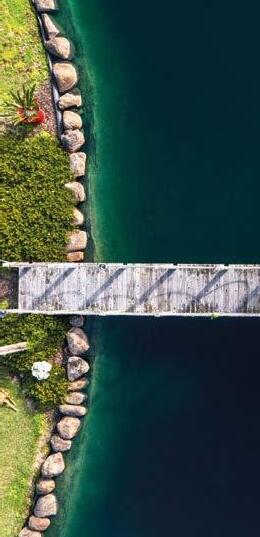
A little piece of paradise in Matakana is helping bring the Chathams to mainland Kiwi gardens.
Air Chathams new Community Connection Fund takes you to the sky.
From single engine light aircraft to our turbo-prop planes, we’ve something for every occasion.
Air Chathams is New Zealand’s largest privately owned airline, flying to some of New Zealand’s best regional destinations.
A little different from our usual news and events pages. This time, we’re spotlighting a few things from around the motu we think are worth a closer look.
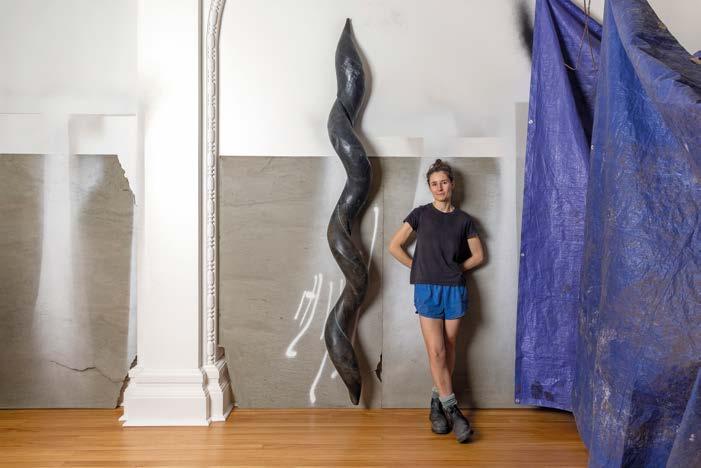
Te Whare o Rehua Sarjeant Gallery presents Everything might spill., one of the most ambitious site-specific exhibitions to be staged at the Gallery.
The exhibition by the Marton-based sculptor runs until Sunday 4 October 2026, and takes over the heritage gallery dome and east wing. Developed following Loudon’s 2025 residency at Tylee Cottage Residency (an artist in residence programme supported by Creative New Zealand’s Toi Uru Kahikatea Arts Development Investment Programme), the exhibition continues her exploration of architectural and immersive, site-responsive sculptural installation.
Deeply attentive to the spaces her work inhabits, for Loudon architecture is not simply a backdrop but an active collaborator in how her work is experienced. In Everything might spill., visitors encounter a dynamic installation shaped in response to the distinctive proportions and atmosphere of the Sarjeant Gallery’s historic interiors.
Senior curator Greg Donson says Loudon’s exhibition responds to the architecture of the gallery’s heritage building in challenging and unexpected ways. “She uses a surprising palette of materials –fabric drenched in liquid concrete, timber, copper, discarded inner tubes from cars, tractors and bikes.”
“The physicality of her making is an integral part of her practice and the tools she uses and materials from her studio have also become part of the installation with the line between the studio and gallery spaces becoming blurred”. A 2016 graduate of Massey University College of Creative Arts, Loudon has established herself as one of Aotearoa New Zealand’s most intriguing contemporary sculptors. Her work has been included in major group exhibitions at The Dowse Art Museum, Adam Art Gallery Te Pātaka Toi and City Gallery Wellington Te Whare Toi.
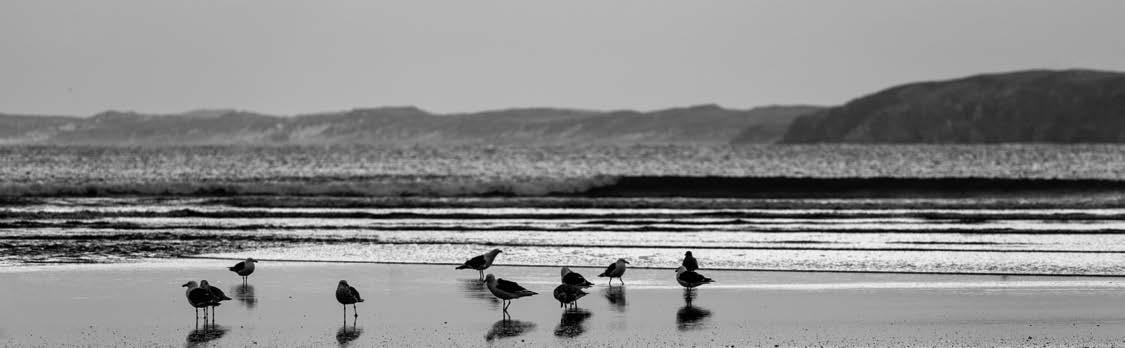
The fantastic photography of Lesley Whyte has frequently featured in Air Chats, but Lesley is also one of the larger Chathams tour operators and has just launched two new travel adventures for the Chatham Islands Rēkohu.
The first offers a true off-grid experience with some of New Zealand’s most remote and rewarding hunting and shooting. Guided by experienced locals, every outing is professionally coordinated with a strong focus on safety, compliance and respect for the environment. These are not staged experiences — they are real, raw and deeply connected to the land and its rhythms. Experience the Island’s wide open landscapes, while hunting for wild boar, feral cattle or wild Pitt Island sheep.
The Chatham Islands also offer some of New Zealand’s best fishing experiences with rich, nutrient-filled seas, so whether you prefer land-based casting, surf fishing, or heading offshore with experienced local skippers, Lesley’s fishing adventure has you covered.
Accommodation is at the beautiful Kopi Bush Retreat, so after a day in the field, return to warm hospitality with a private chef showcasing the very best of Chatham Island produce. To find out more, visit visitchathamislands.com
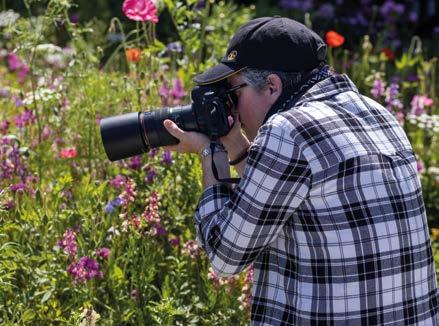
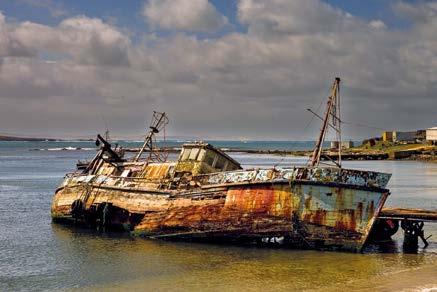
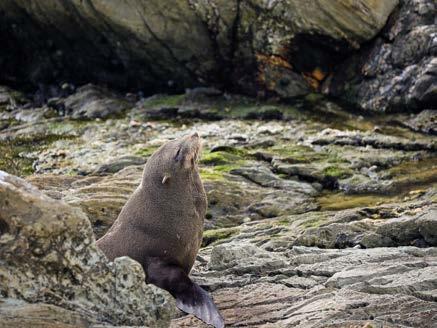
A new project is helping to record our history, tell our stories - and offer a glimpse into a vanished past. Landlines, a storytelling project by photographer Francine Boer with help from writer Carly Thomas, is focussed on sharing the stories of people and places across Aotearoa New Zealand.
While Landlines is built around photography, film and written stories, at its core it’s really about sitting down with people, listening, and taking the time to understand where they come from.
The project focuses on rural and remote communities, places where life is often shaped by weather, distance, and a strong sense of self-reliance.
These are stories about community and about the connection people have to the land they live on.
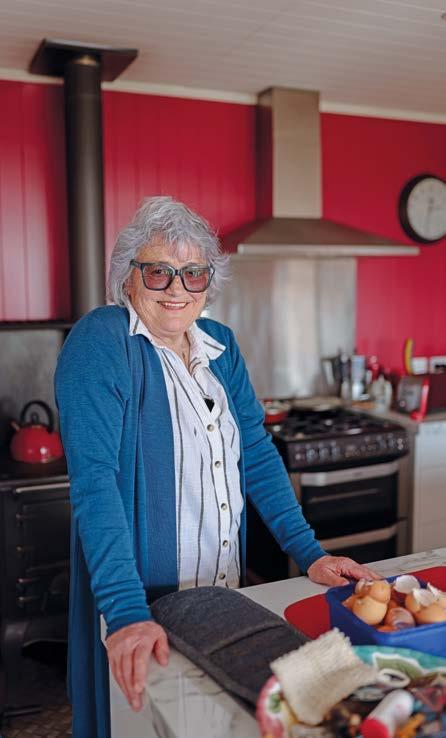
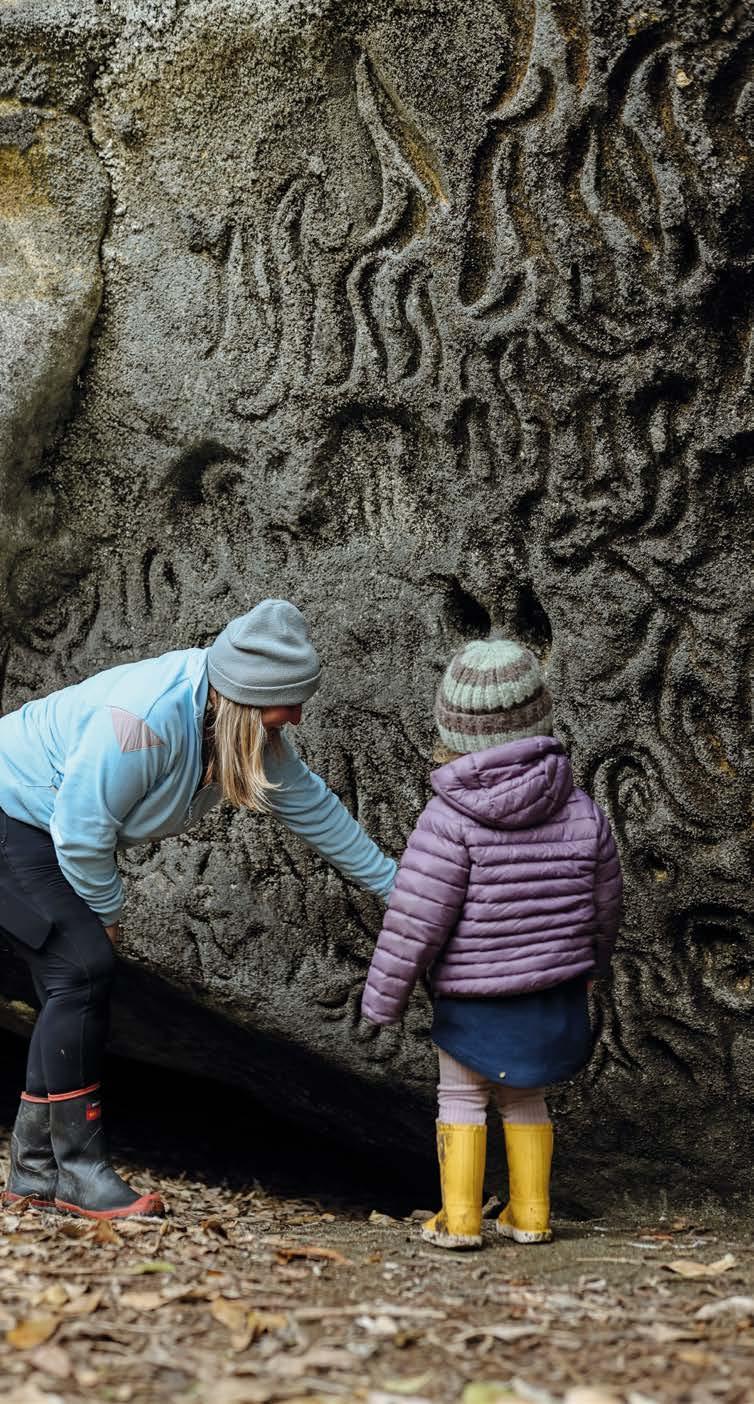
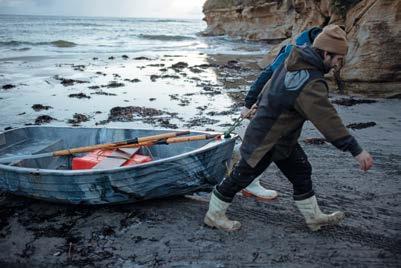
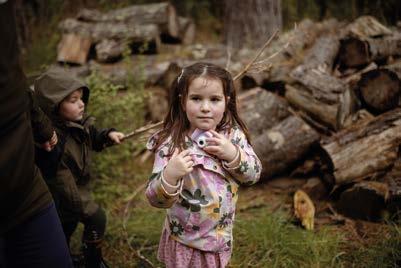
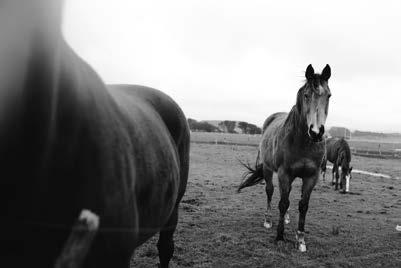
One of those stories is that of Sally Lanauze’s - and it came about in a pretty natural way. “While on the Chatham Islands I was having a yarn at Sally’s sister’s place when Sally walked in,” says Francine. “The two of them immediately slipped into stories from their childhood on Pitt Island, laughing and remembering. Sally grew up on Pitt Island, and that way of life has stayed with her. It’s shaped how she sees the world, the way she works, and the way she connects with people, and Landlines is a collection of stories just like this, found along the way, and we’re hoping to build bridges between generations and start conversations with the people that did life before us.”
You can check out Landlines at landlines.co.nz

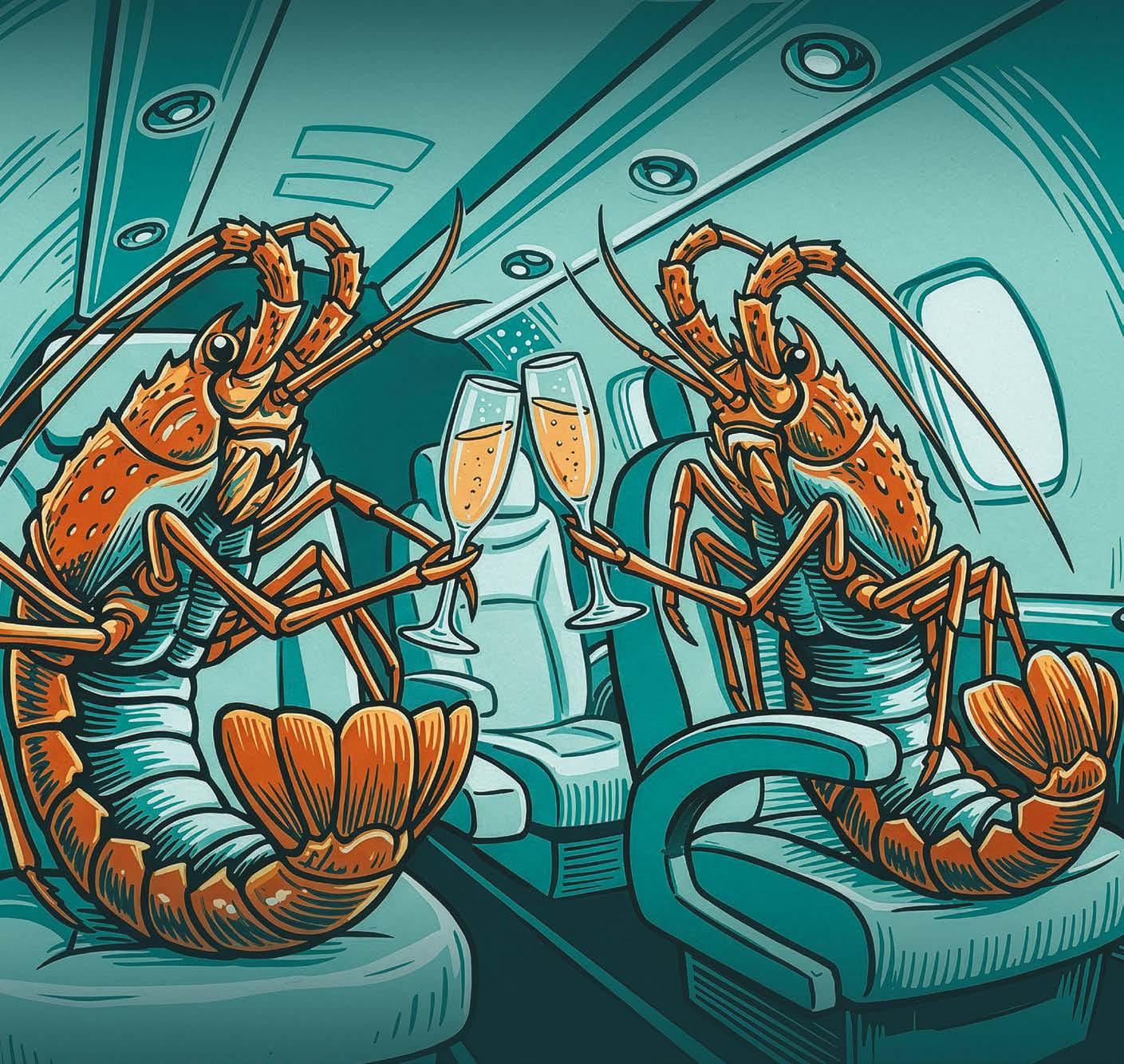
At Air Chathams, we don’t just think differently, we go there. Back in 1984, Chatham Island crayfish were world famous – in the Chathams.
Despite growing to legendary sizes in the cold, clean, nutrient rich water that surrounds our home, and tasting (we reckon) better than just about any other kai moana on the planet, getting them to a wider market was a problem.
So Craig (our founder, first chief pilot and still found most days somewhere in the hangar) had a brainwave. If New Zealand could have an airline to fly people around the place, why can’t the Chats have one for crayfish?
So after a bit of paperwork and more than one crayfish dinner with the bank manager, Air Chathams was born, helping the island’s crayfish industry get its live catch to the mainland and then on to fish markets and restaurant kitchens around the world.
Before long, human passengers got in on the act too, as did other destinations. Today, Air Chathams also connects Kāpiti, Whanganui and Whakatāne to Auckland and beyond.
But if you book a seat on our flagship route to the Chathams, don’t be surprised if what would be business class on other airlines is occupied not by CEOs and public servants, but by boxes of the spiny, iconic and totally delicious seafood that kicked the whole thing off in 1984. Business class for crayfish? We went there.
It’s the Air Chathams way. FLY

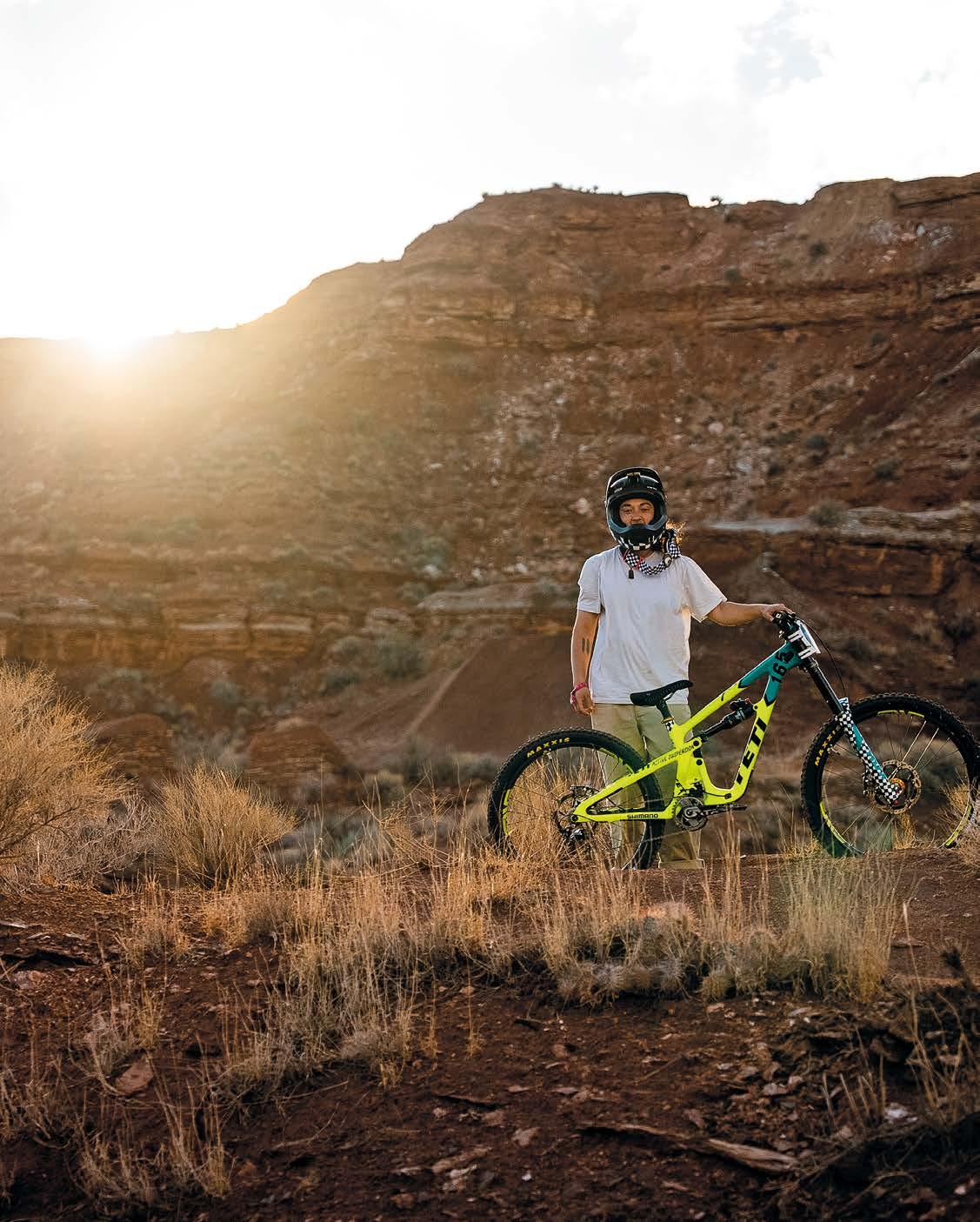
What exactly does hooning around the hills on a dirt bike and plucking possums prepare you for in life? In the case of Robin Goomes, that kind of carefree Chatham Island childhood took her to the very top of competitive mountain biking, smashing gender stereotypes along the way. And at just 29 years old, she’s only just begun.
ROBIN WASN’T BORN ON THE Chathams, but the Goomes family had been on the island for generations before she arrived there aged five.
“It’s a good spot to be a kid,” Robin says. “My mum was a Department of Conservation ranger and I used to help her out with tree planting and pest control, so I got a very hands-on kind of upbringing. And I also got to pluck the fur from the possums we trapped.
We sold it by the kilo and it was actually quite a lucrative pastime - it paid for my first dirt bike when I was ten!”
That first bike would see the self-confessed tomboy careening round the streets and hills of Chatham Island, learning the skills that she would later hone into award-winning mountain biking.
“It was just freedom. Total freedom,” she says.
Timeless solid sterling silver and gold pieces inspired by life on the mythic Chatham Islands.
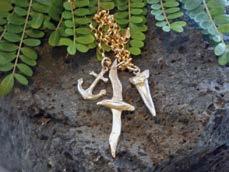
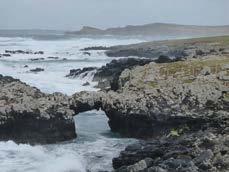
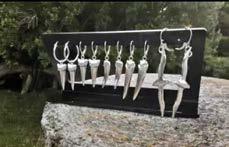
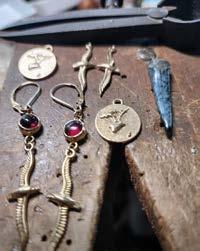
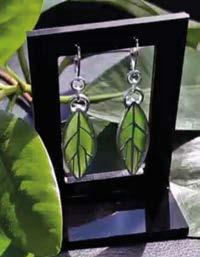
A must-see when visiting the Chatham Islands — discover our exclusive jewellery, available only at Dough n Go.
To explore the full collection or place an order, visit us on Facebook or Instagram, or call 021 0730 672.
chathamislandsjewellery
“It definitely gives you a character, or a mindset towards things, which I kind of feel has carried me through what I’ve done as an adult. It gives you a bit of an appetite for adventure I guess, but also the kind of determination to see things through. It really taught me to make the most of opportunities and give anything a go. I think growing up, it was probably the best place in the world.”
Relocating to Christchurch in her teens came as something of a shock after the carefree Chathams days. “Yeah living in the big smoke was pretty, um. . . Well, it wasn’t for me, really! On the island I’d learnt to drive at 11, but in the city I couldn’t even ride a dirt bike down the street. But on the other hand it made me take up BMX and that was the gateway into mountain biking.”
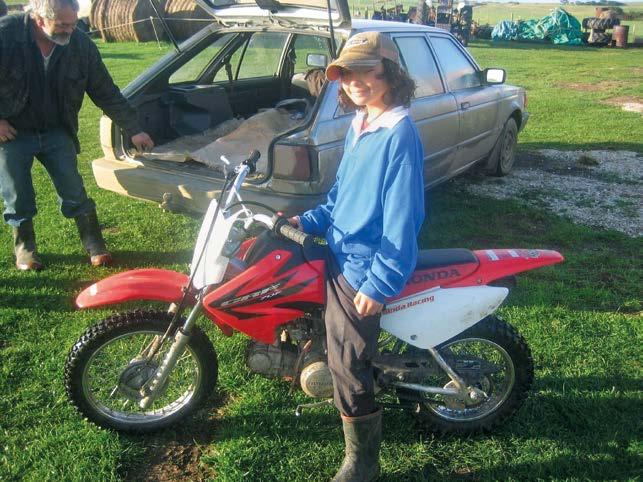
“Growing up, it was probably the best place in the world.”
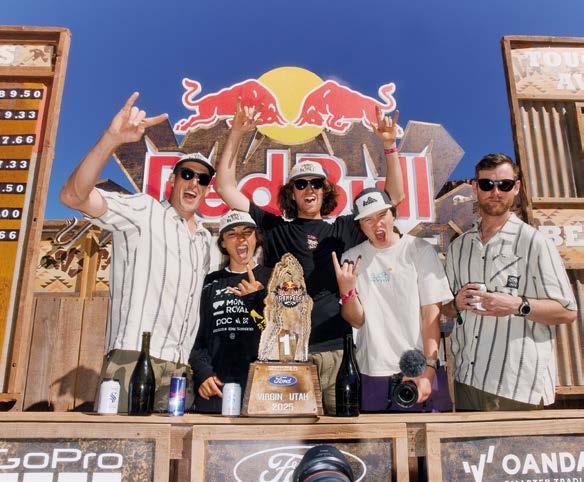
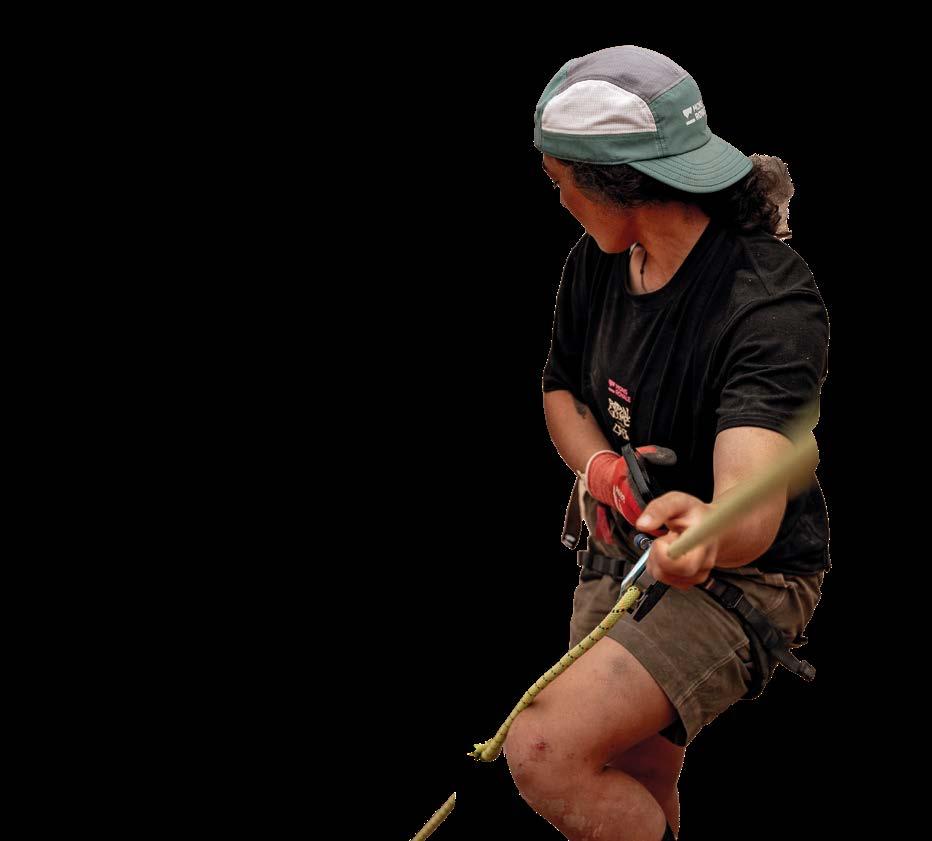
A career in biking wasn’t the game plan at that stage however; instead Robin was eyeing another adventure, and knowing that university also wasn’t for her, she decided the army was just the kind of challenge she was up for. And the army came through - with a posting to New Zealand’s Antarctic outpost, Scott Base. Robin describes it as the coolest thing she’d ever done, but it also reinforced the lessons she’d learnt back on the Chathams that what mattered was delivering, not gender.
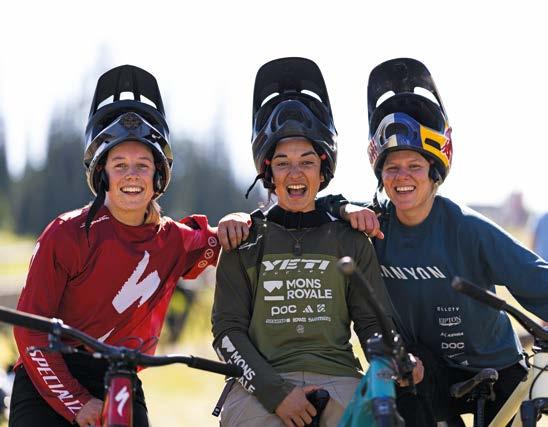
“There are definitely a lot less females in the army than there are males. But they don’t treat you any different as long as you pull your weight. And that was pretty much how it had been back on dirt bikes with my mates who were guys. Being a girl never really came into it.”
It was a lesson that would serve Robin well in the male dominated world of professional biking.

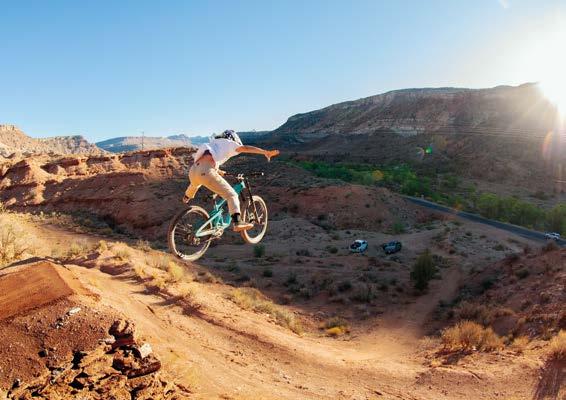
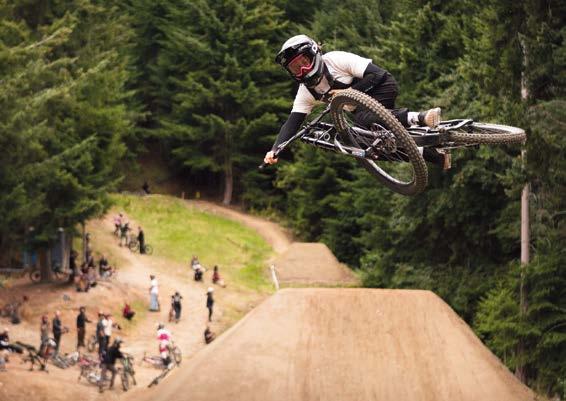
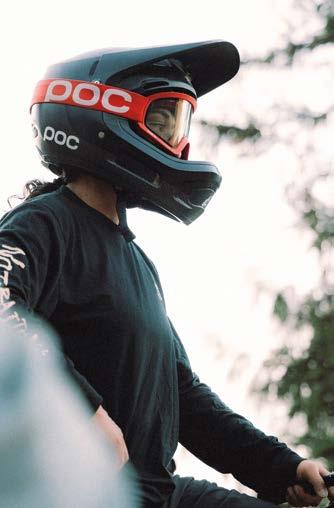
Fresh out of the forces she was introduced to mountain biking by a friend - and the mix of dirt biking speed and BMX thrills and spills had her hooked immediately.
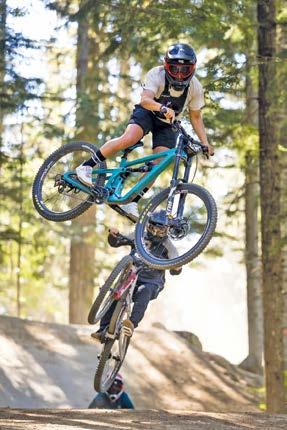
“I loved it and soon thought I may as well chase the next goal of mine, which was I really wanted to be a professional rider! Crazy. I didn’t know if that was realistic - or even possible - I just wanted to give it a good crack! So I moved up to Rotorua and drove mountain bike shuttles for maybe six months while I was training and trying to get into some events. It was great because it got me up close to the sport and got me lots of training time. Then I wanted to crank it up a bit so moved to Queenstown and I just spent a whole summer there doing a bunch of races. It was great timing because women previously had just been racers, and they weren’t really doing, like, freeride or big tricks or anything. I did some backflips there and that kind of got me noticed and invited to some bigger events.”
Robin’s timing was indeed perfect. Women’s freeride - a relatively new discipline that combines elements from downhill, dirt jumping, and BMX biking - is scored by judges on tricks, style and composure on technical features, as opposed to just plain speed. This is something many see as making it much more of a spectator sport, and as freeride exploded, Robin was along for the ride.
Crankworx in Austria, where she surprised everyone by landing the first competition backflip by a woman, was next on the agenda followed by the prestigious Audi Nines, where she was one of the first women to compete in the event. She was also one of the first women to ride in Darkfest, the gruelling South African event featuring some of the biggest - and frankly terrifying - jumps in the world. Then, in 2024, she topped it all when she appeared at Rampage, widely considered to be the toughest, steepest and rockiest biking anywhere - and walked away the winner.
Turns out that hooning round the hills and plucking possums really can lead to big things.


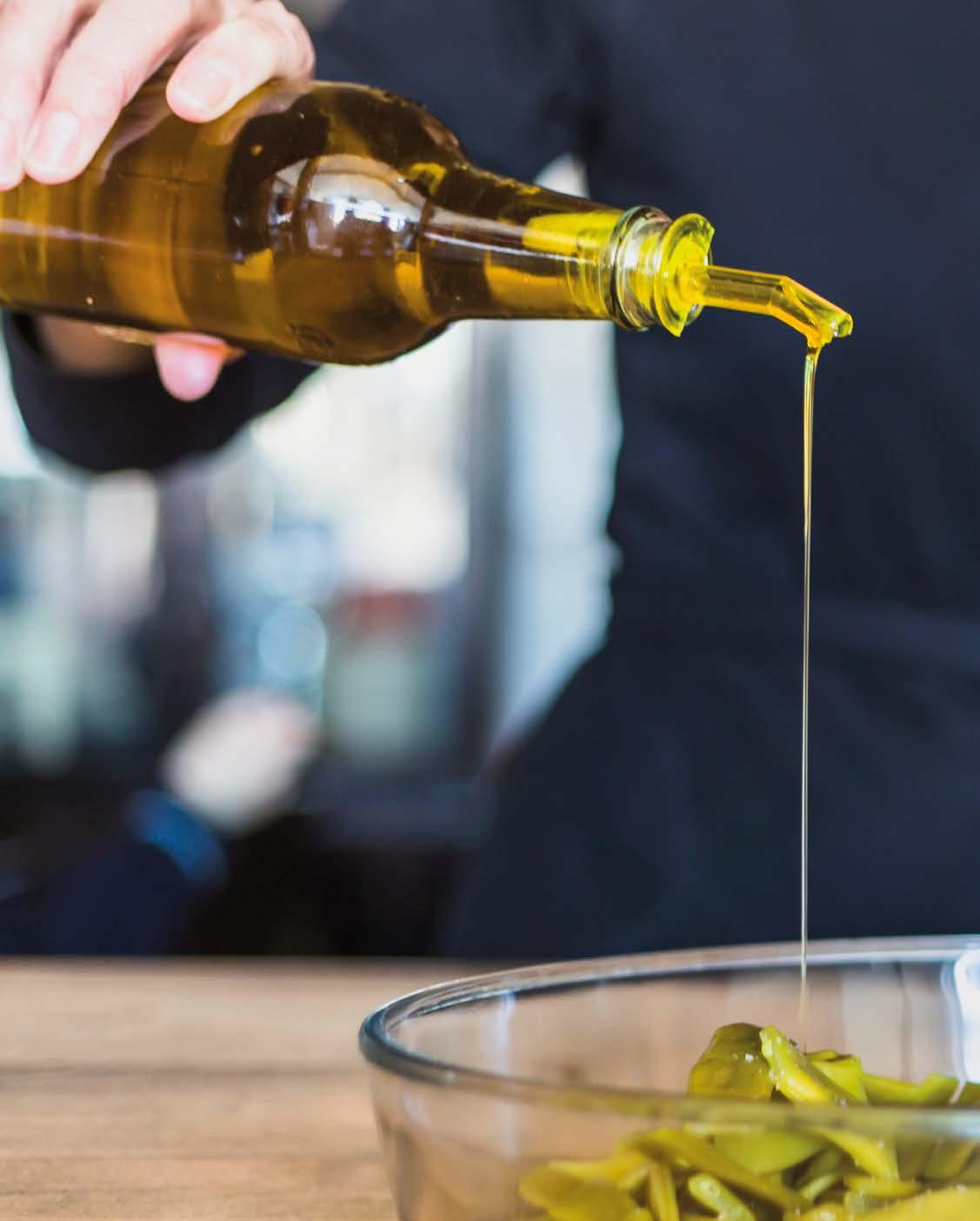
In ancient Greece, the philosopher Homer called it ‘liquid gold’, and before medals were invented Olympic athletes received it as the ultimate prize. Today we know it as olive oil, and some of the best in the world is made right here in New Zealand - on the Kāpiti Coast - and there’s never been a better time to sample its delicious, healthy goodness.
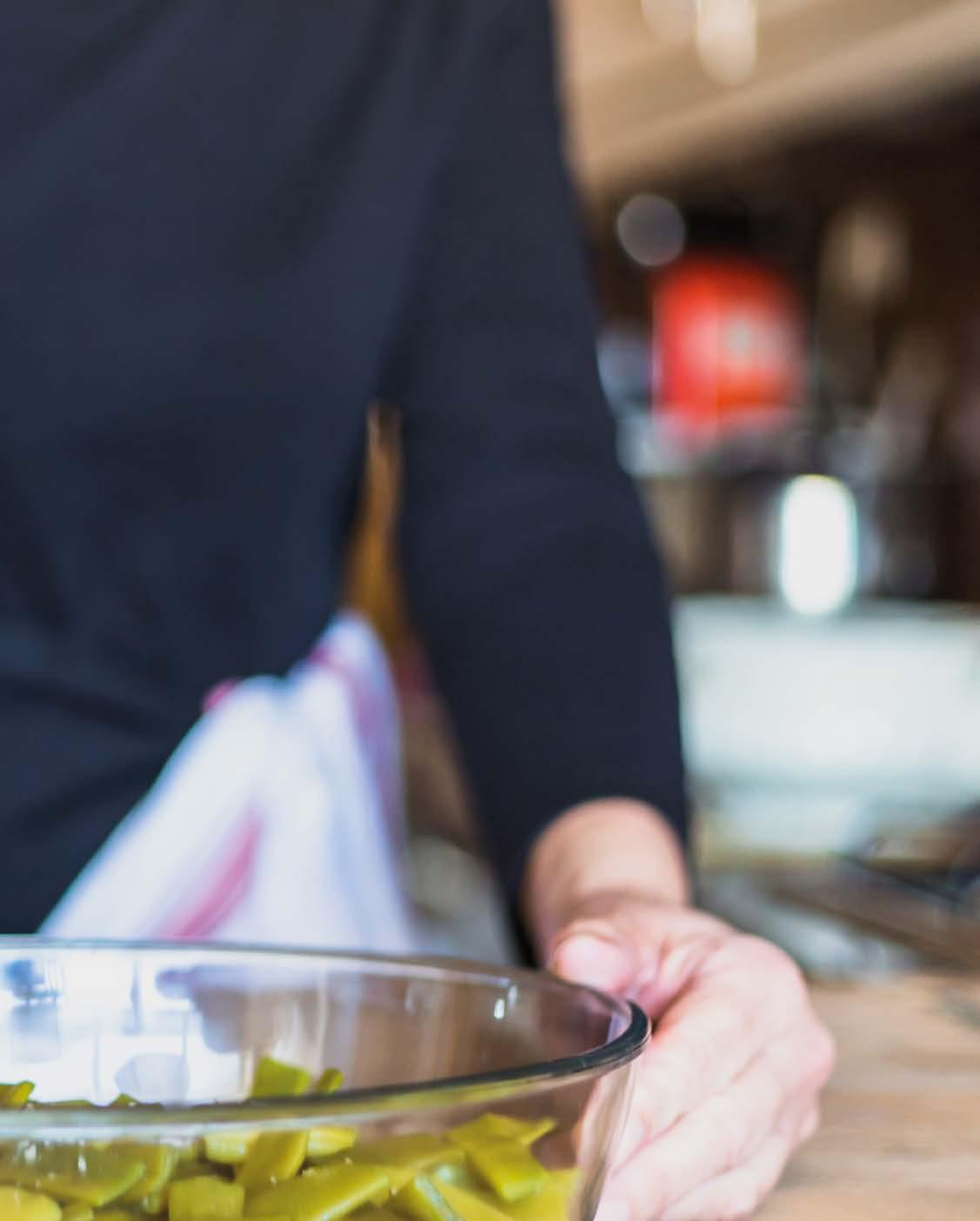
Kāpiti olive oils are outstanding - and with scenery to match, any foodie worth their salt should be planning a roadie to sample the region’s best.
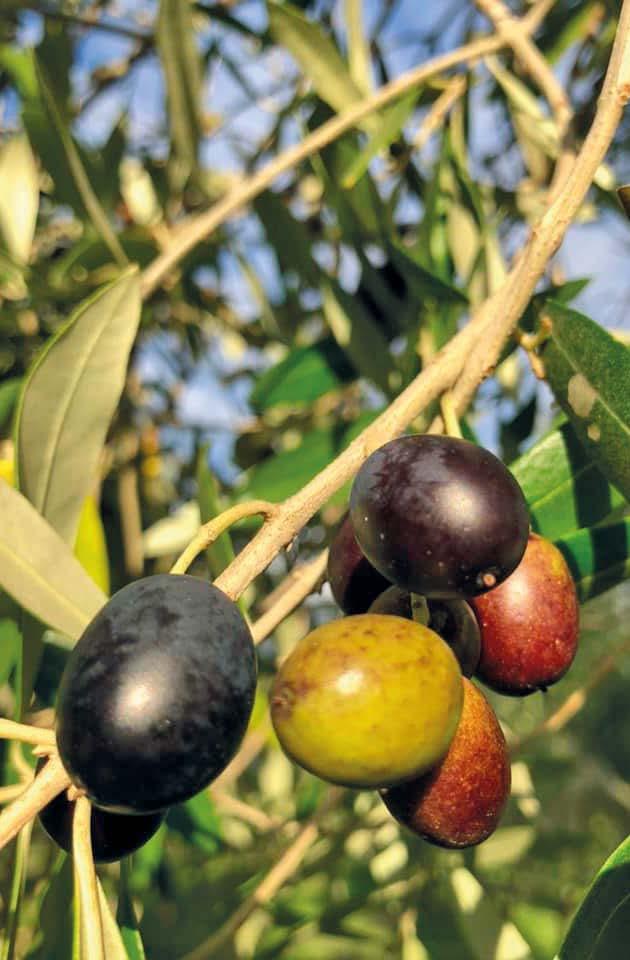
Aotearoa New Zealand came relatively late to olive oil. Charles Darwin noted olive trees at Waimate North in 1835, but these were almost certainly ornamental. There were efforts in the 1860s to create groves by Sir John Logan Campbell - who planted 5,000 trees in what is today, Cornwall Park! - and Sir George Grey planted a grove on Kawau Island, but both of those adventures failed. These early setbacks seem to have put a damper on things, and it was not until the 1980s that any serious attempt was made to establish commercial olive groves, largely because it was considered that it was much cheaper to import finished olive oil from overseas. Which is a shame because the long transport times can see imported olive oil lose much of its health benefits: high in monounsaturated fats (mainly oleic acid), powerful antioxidants, and anti-inflammatory compounds, olive oil reduces cardiovascular risks by lowering LDL (“bad”) cholesterol and increasing HDL (“good”) cholesterol. And, more importantly, a good quality, freshly bottled Kiwi olive oil tastes just like Homer says - liquid gold!
It was not until the 1980s that any serious attempt was made to establish commercial olive groves.
Because though we may have been late to the game, we played catchup pretty well. By the turn of the century commercial production was established and we now boast internationally recognised oils, with growers in Northland and Waiheke Island, around Auckland, the Bay of Plenty and Hawke’s Bay, Nelson, Marlborough, North Canterbury, Central Otago - and the Kāpiti Coast.
By the turn of the century
commercial production was established and we now boast internationally recognised oils.
There are pockets of growing activity dotted around the region, with the main growers on the sun-drenched Kāpiti Coast, which offers a temperate climate and fertile free-draining soils ideal for olive cultivation. The region’s coastline has stony silt loam soil, and the gentle sea breezes create a unique microclimate that supports healthy trees and flavour-rich fruit. Kāpiti olive oils are outstanding - and with scenery to match, any foodie worth their salt should be planning a roadie to sample the region’s best. Here are three of the larger growers to whet your appetite, but be sure to check out the others.
Noble Estate is the oldest in the region and is situated on the sunny slopes overlooking the sea at Waikanae. The grove was established in 1996 and first production was in 2002. There are now around 400 trees with the main variety being Mission, a relatively uncommon variety in New Zealand that is of Californian origin, as well as Frantoio.
Noble is known for delicious buttery, fruity, grassy oil and in recent years they have consistently won medals in the Olives NZ Awards and are certified through the Olives NZ programme, which ensures they are producing premium Extra Virgin Olive Oil. Olive grove visits can be made by appointment.
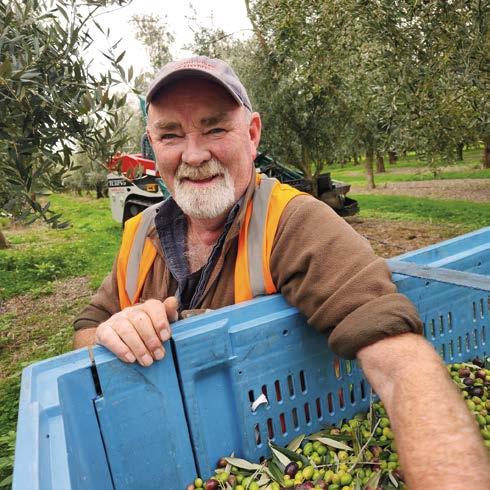
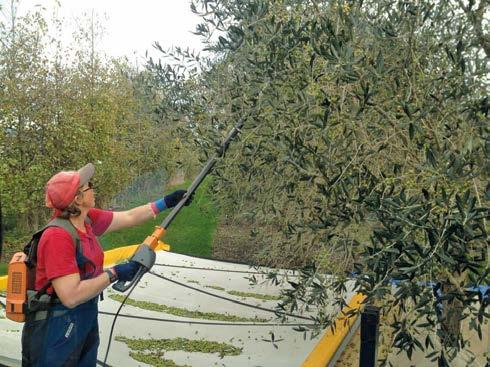
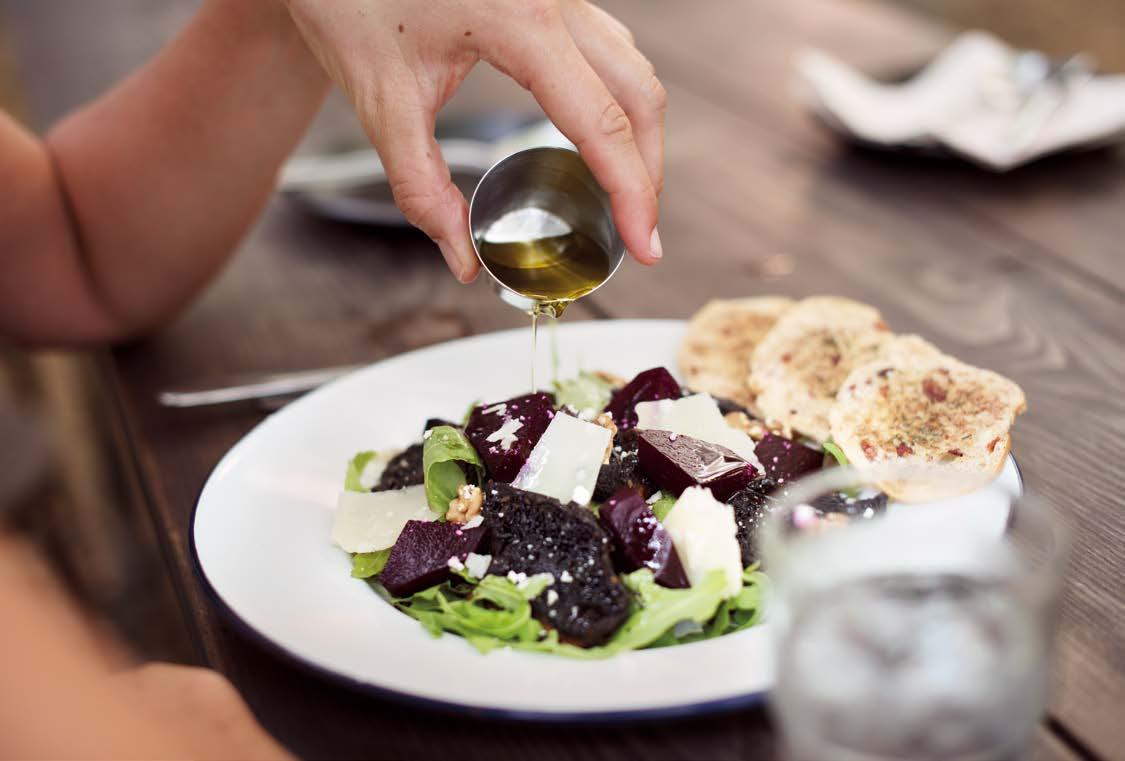
Kāpiti Olives meanwhile is situated on the Kāpiti Coast north of Wellington, with its groves located in a fertile market gardening area which, together with the area’s temperate climate, produce lovely fruity tasting olive oils. Kāpiti Olives was established in 2001 and has won major awards with two distinct styles of extra virgin olive oil, using mainly Tuscan olives; Leccino and Frantoio, along with Koroneiki and Picual. Kāpiti Olives’ oils are favoured by many of New Zealand’s top chefs and are available at major supermarkets, specialist food stores, and online.
A bit up the highway in Ōtaki Gorge Road, on the Hautere plains, is Totara Tunnel Olives, named in honour of the iconic Kāpiti landmark. Passionate about the environment,
Totora live off the grid using renewable energy sources and the grove proudly follows organic principles.
For three years running, 2018, 2019 and 2020, Totara Tunnel Olives scooped gold medals at the New Zealand Extra Virgin Olive Oil awards, and in 2019 and 2020 received a best-in-class accolade placing them as one of the premium extra virgin olive oil suppliers in New Zealand.
Life’s too short for mediocre olive oil, and when we have some of the best in the world to be found on the Kāpiti Coast, there’s really no excuse to not get on over there and see what all the fuss is about. It’s surprising that the vast majority of olive oil consumed in New Zealand is still imported, so even if you can’t hit the Coast, be sure to try some Kāpiti Coast liquid gold and taste the difference.

BUILDINGS ARE SO MUCH MORE than bricks and mortar. They tell us who we are, who we were, and who we aspire to be. And, perhaps most importantly, a community can be understood through its buildings.
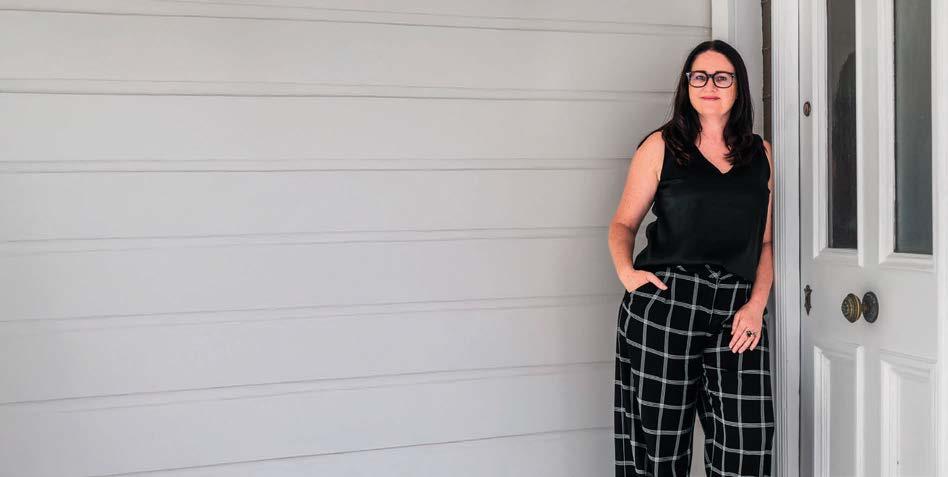
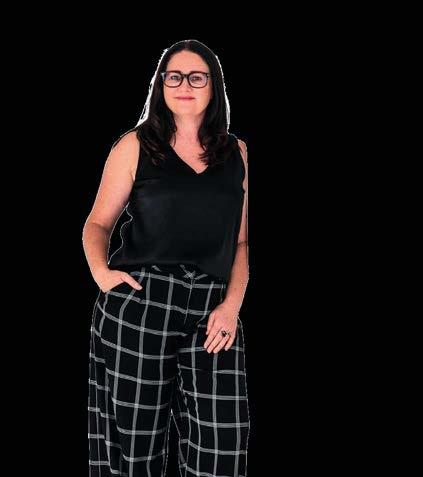
Brad McLeigh knows this well. Brad grew up north of Auckland but moved south to Taranaki, and like a lot of Kiwis lately he has embraced his new home and taken to regional life with a passion. “There’s always something going on, from big events to smaller community activities,” he says. “Community is a word that’s often overused, but regional New Zealand really is about just that, the people and the relationships, the things that can be lost in a big city.”
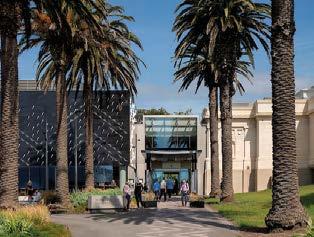
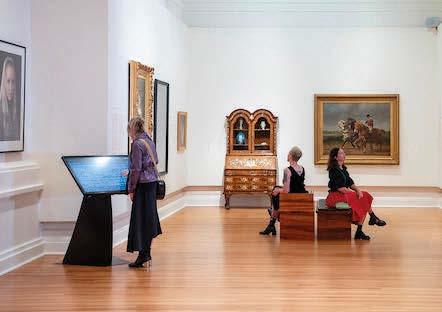
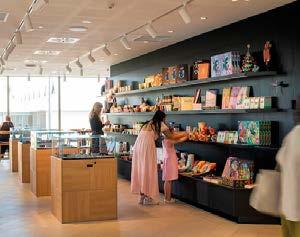
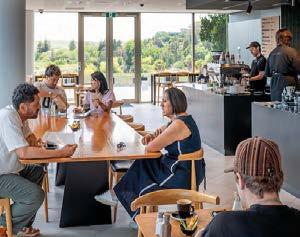
Brad began his career as an architectural designer before joining RCP, a Kiwi project consultancy company where he is now an Associate. RCP was founded in the 1990s to project manage the Sky City entertainment complex and Sky Tower, but their name will be familiar to plenty of people in Whanganui as they have been heavily involved in the Te Whare o Rehua Sarjeant Gallery extension and rebuild, a project that perfectly illustrates the pivotal role buildings and shared spaces play in our communities.
Vision is something Whanganui has never been short of.
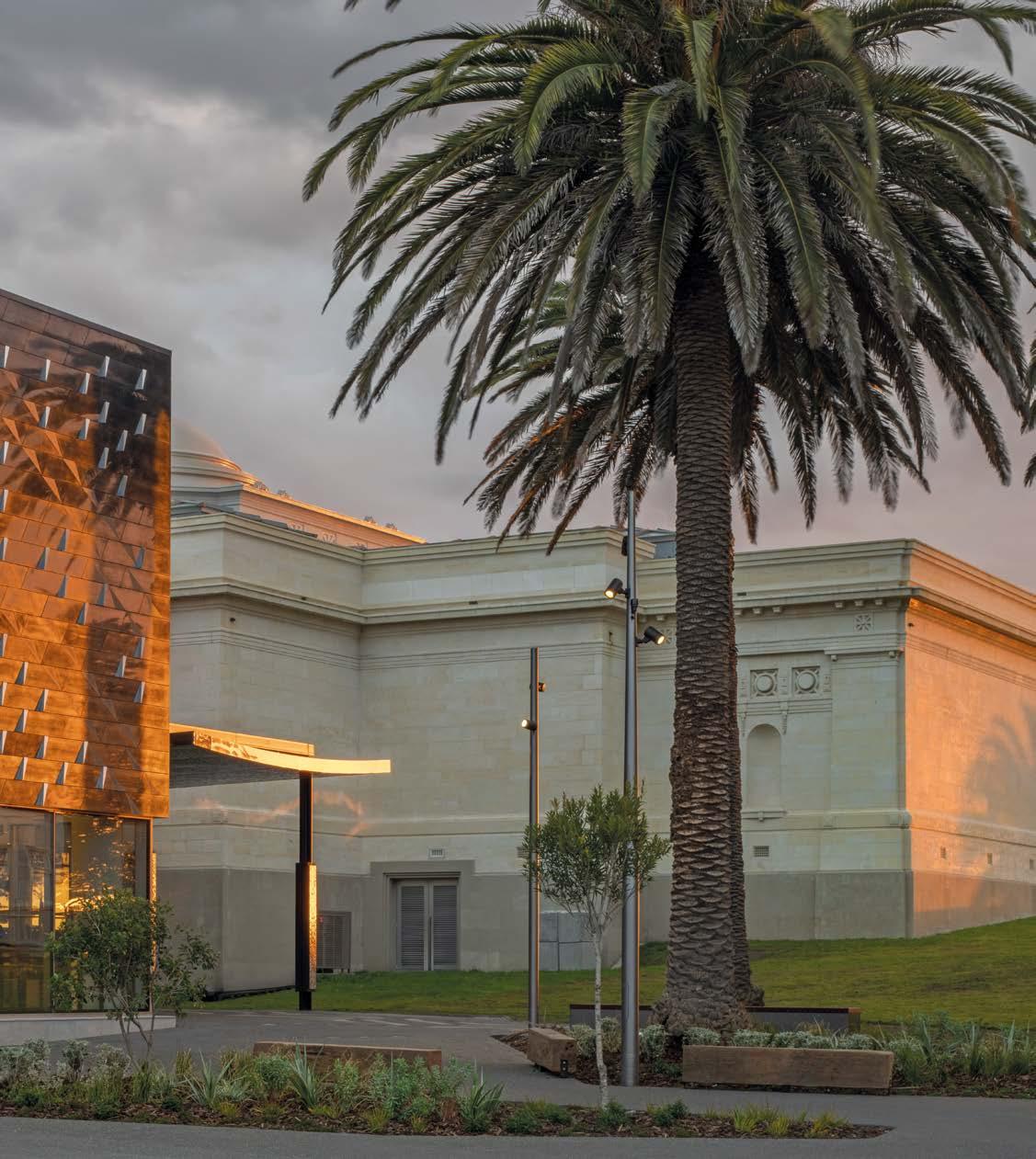
“Whanganui is a great example of how buildings and architecture can define the community.”
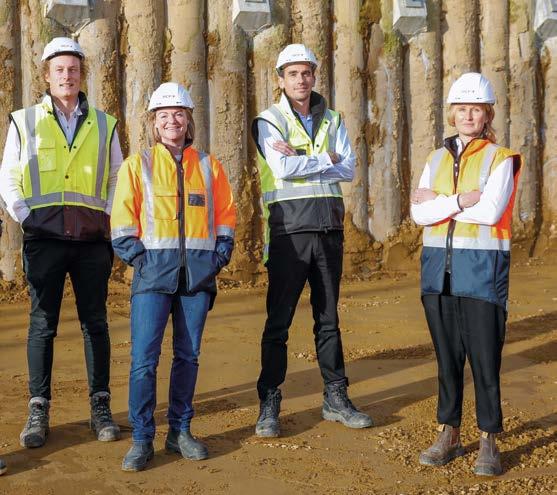
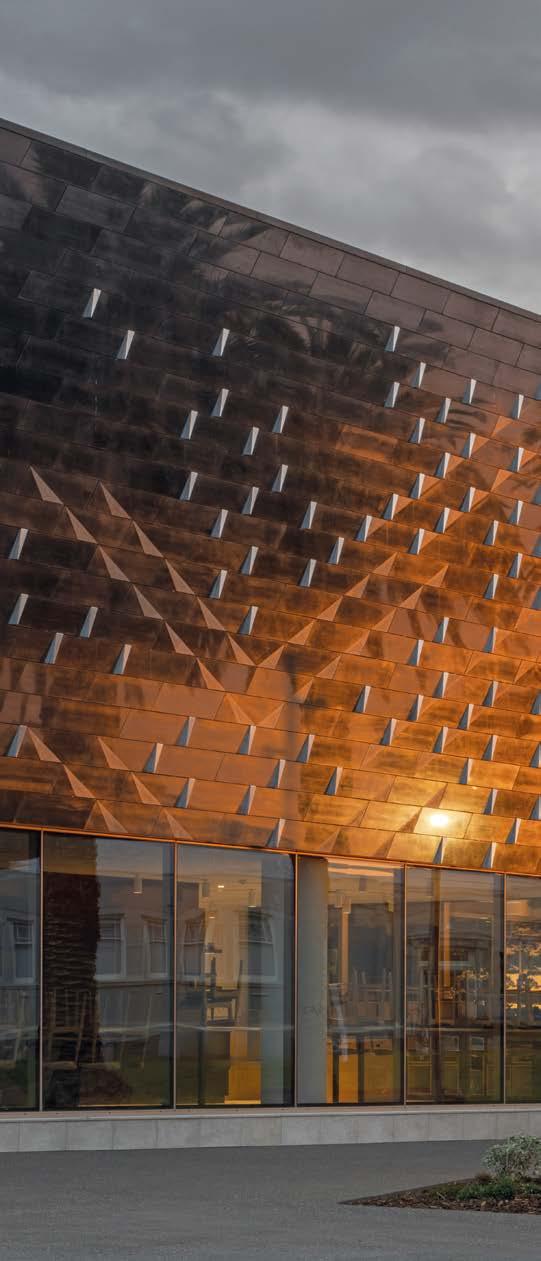
Beginning in late 2017, the redevelopment included seismic strengthening, refurbishment, and a new extension honouring the memory of Sir Archie Te Atawhai Taiaroa for his contribution to leadership in the Manawatū-Whanganui region.
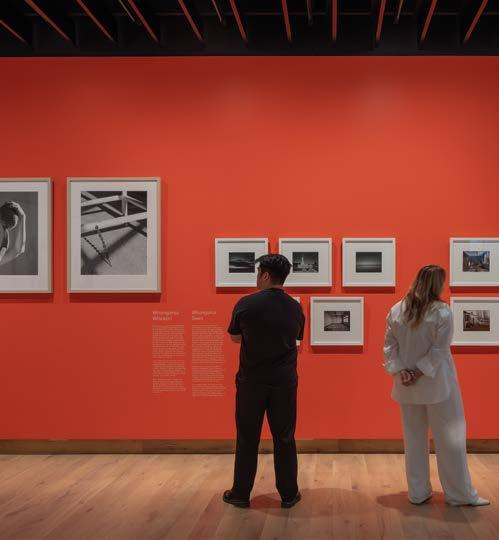
In addition to the challenges of honouring Sir Archie however, the project also had to acknowledge the work of the original architects, the needs of the nationally significant collection, and expectations of the community and stakeholders. The relationship between local iwi and Whanganui District Council is significant, and was key throughout the extended life of the project. The incorporation of cultural expression became a vital project responsibility, and the result is a stunning reimagining of the building’s original vision – and the ongoing vision of the community.
spaces for living — Whanganui and beyond
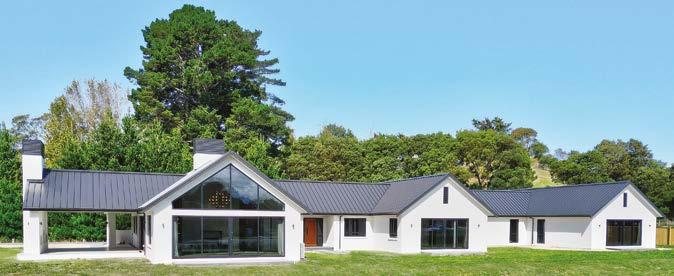
Locally owned and multi-award-winning, Shane Stone Builders has been proudly building across Whanganui and beyond for over a decade. From new homes and renovations to commercial projects, every build reflects genuine care and quality craftsmanship. Proud supporters of Air Chathams — because helping our region grow matters.

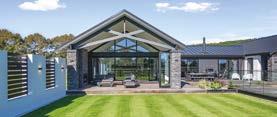
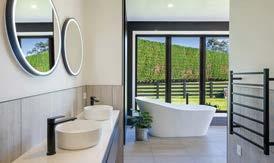
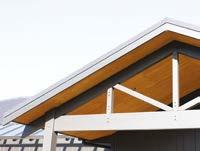


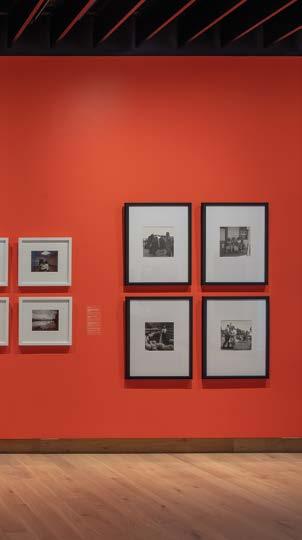
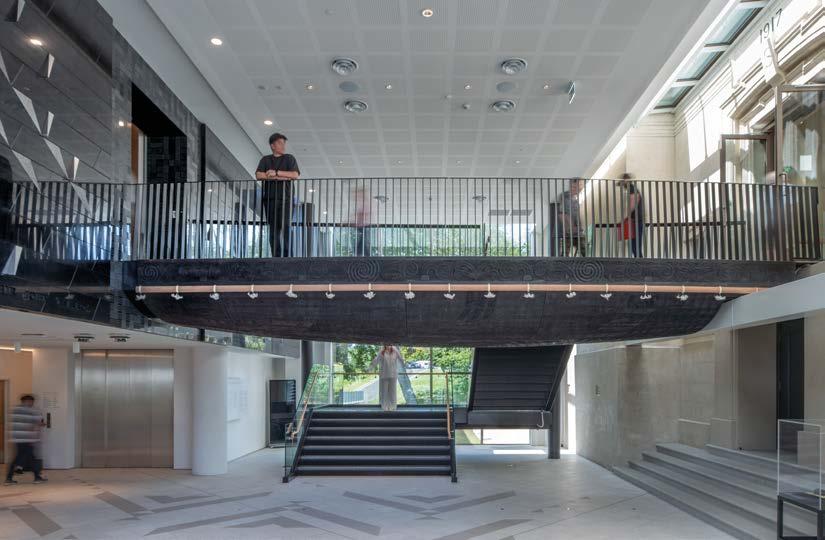
Vision is something Whanganui has never been short of. In addition to the stately Sarjeant Gallery, the city has numerous heritage buildings, many of which are still in use or in the process of being repurposed. It is also home to Durie Hill, New Zealand’s first garden suburb, which with its curvilinear streets, character villas, and elevated position above the Whanganui River made it unlike any other neighbourhood in the country when it was created in the 1920s.
“Community is a word that’s often overused, but regional New Zealand really is about just that, the people and the relationships.”
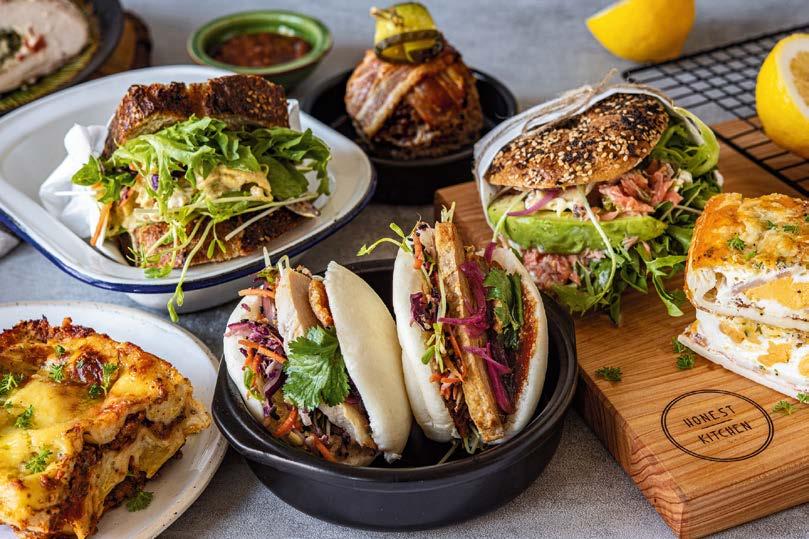

“Whanganui is a great example of how buildings and architecture can define the community,” Brad says. “You look at the heritage buildings, and how they so clearly define the aspirations and vision that was present at that time. They were buildings that really enhanced their communities. I think there was a period in our not so distant history where decisions were driven mainly by cost, and the outcomes didn’t really add to the communities they were meant to be part of.”

Whanganui’s house of inspiration

Gallery, café and shop open 7 days
06 349 0506
sarjeant.org.nz
@sarjeantgallery
Queen’s Park Pukenamu Whanganui
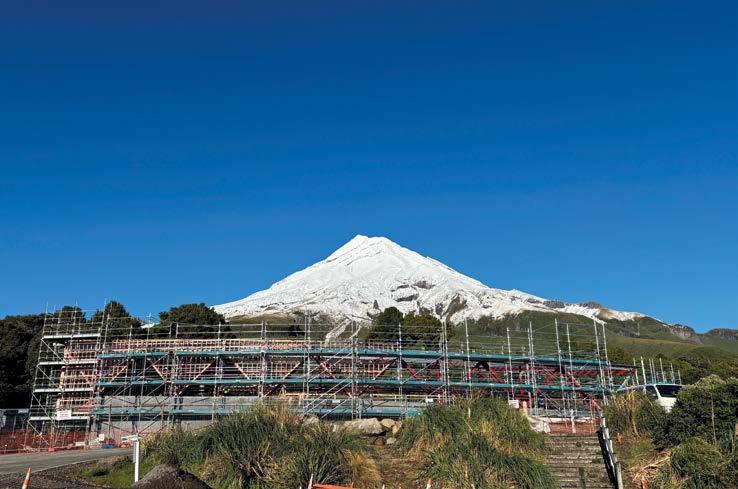
In-progress works on the North Taranaki Visitor Centre, where architecture meets the realities of mountain weather.
“It’s great to see that there is more of an understanding of how important projects can be to keeping communities vibrant.”
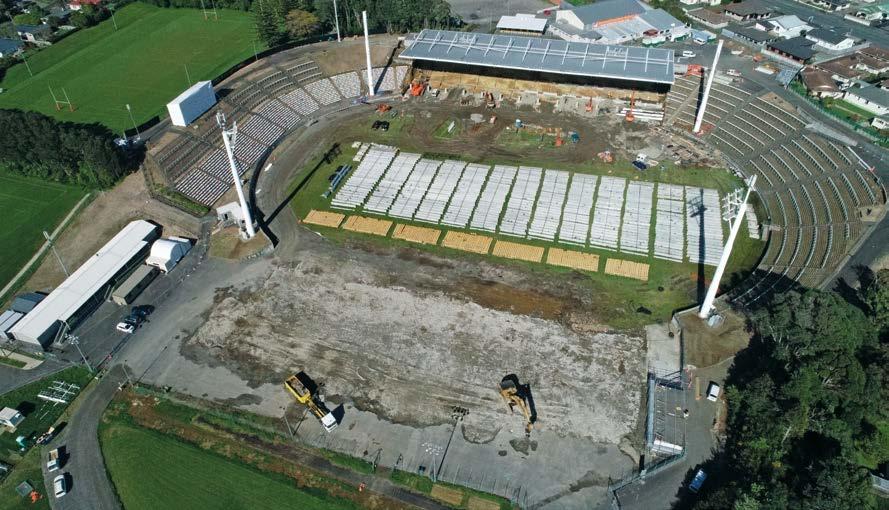
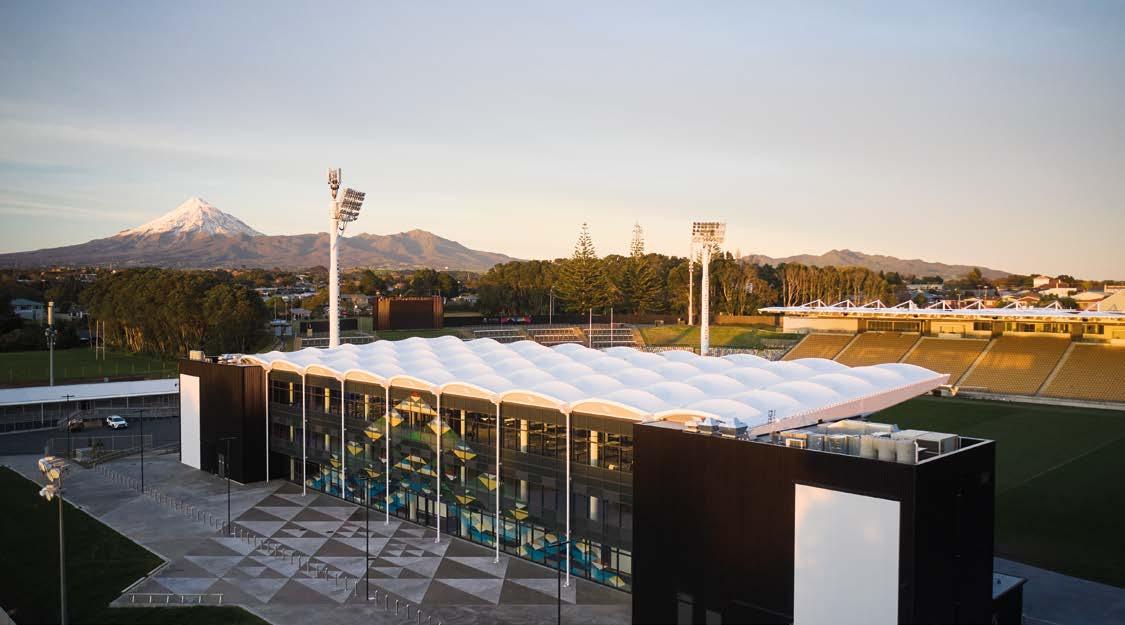
RCP’s work in the region runs deeper than the Sarjeant Gallery however. Brad leads a team delivering some of the region’s more demanding builds, and a couple of them sit at the extremes of what construction in this country currently looks like. Take the North Taranaki Visitors Centre, perched at 970 metres on Taranaki Maunga; RCP’s role in this project has been critical to bridging the gap between architectural ambitions - and the unforgiving environmental reality of its location. It had to be a cultural landmark without doubt, but it would also have to be able to withstand one of the more aggressive climates Aotearoa New Zealand has to offer.
“Delivering a project on Taranaki Maunga is unlike any challenge our team has seen before,” Brad says. “We’re accounting for nearly 8.5 metres of annual rainfall and wind loads that go way beyond standard building codes.”
Then there’s Parihaka, where the team delivered critical infrastructure to support the
As an expert in both real estate and interior design, I bring a wealth of knowledge to guide you every step of the way.
Rachel Gray
Residential/Lifestyle Sales Consultant 027 323 3636 | rachel.gray@pb.co.nz rachelgray.pb.co.nz

papakāinga there. “It’s one of the most culturally significant and sensitive sites in Aotearoa,” Brad says. “You approach work like that with a different posture. You listen first, you move at the right pace, and you let the people who whakapapa to the place lead the way forwards.”
“So much of what we do at RCP is about problem solving. And Kiwis are pretty good at it, particularly in the regions, places like Whanganui.”
The work that sticks with him most is the kind that has a direct impact on people’s lives. “We managed the delivery of two new theatres at Southern Cross Hospital,” he says. “They were built alongside fully operational theatres, with surgeries continuing throughout construction. The project increased local surgical capacity, and knowing I played a part in something that real and that important is what I care about most in this job.”
“One thing that is consistent across every project, is that investing in real relationships
with stakeholders has to be the foundation,” he says. “At RCP we believe in genuine connection and clear and consistent communication. That way, when the time comes to adapt to the unexpected challenges - and there are always going to be the unexpected challenges! - you have the buy-in you need to explore alternatives and get the result everyone wants and needs.”
For Brad, the other half of the job is problem solving. “So much of what we do at RCP is about problem solving,” he says. “And Kiwis are pretty good at it, particularly in the regions, places like Whanganui. I think it comes from a strong tradition of practical problem solving, understanding what’s needed, working out the process, and bringing the right people together to deliver.”
“And, I guess, there’s also not enough room in smaller towns to get things wrong!” Thankfully, there’s still plenty of that can-do Kiwi attitude to be found in our regions making sure things go right.

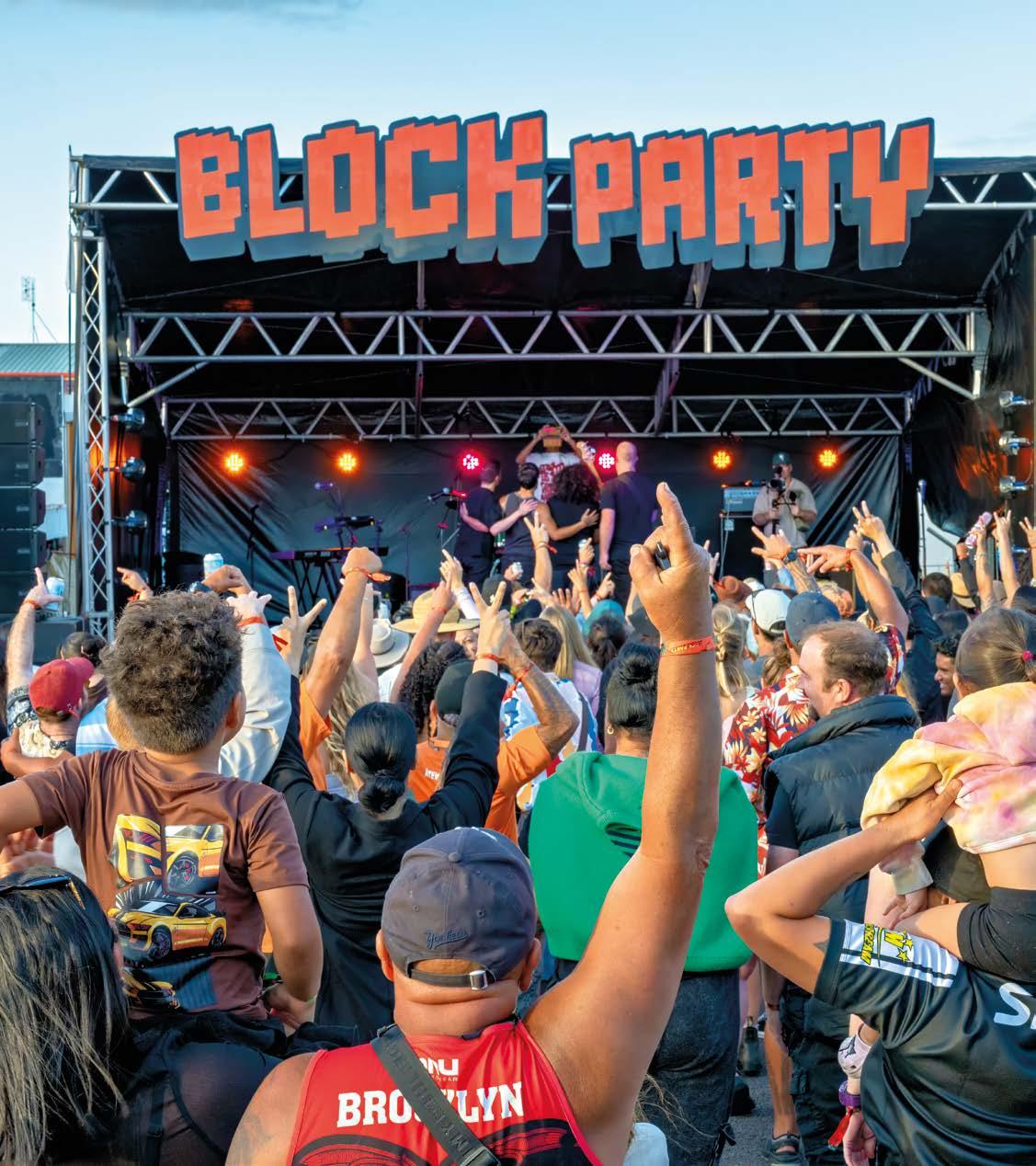
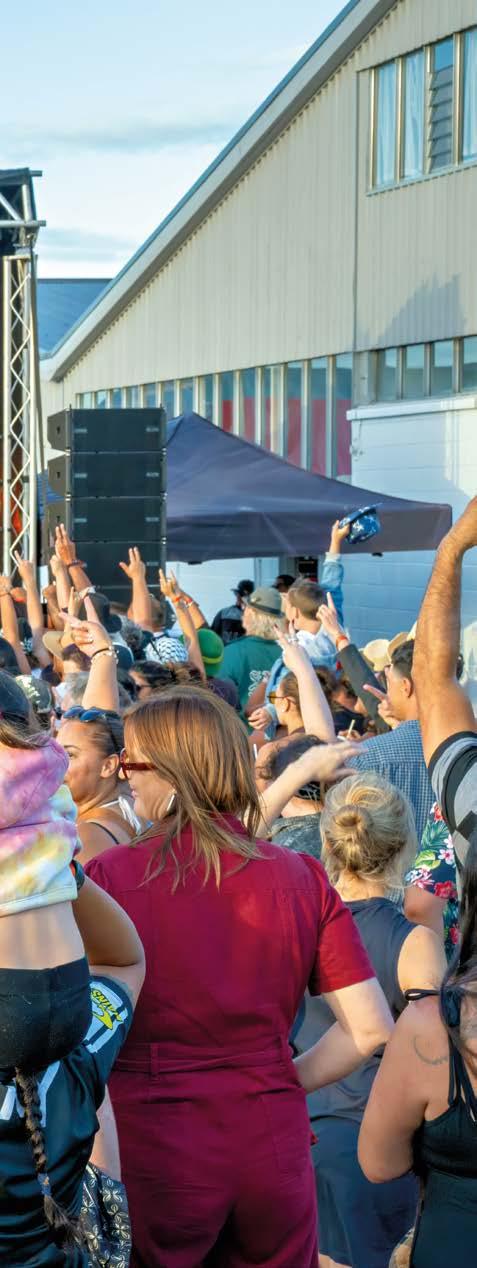
to be a big deal. Late night shopping brought half the town down to The Strand and while the parents gossiped the little kids ran riot on a sugar high and the big kids ‘cruised the main’ checking out the talent. It was the perfect end to the working week, the weekend stretched out ahead, and pretty much everyone who was anyone was there.
Times change however, and as the retail landscape shifted and technology replaced the street as the main source of community interaction, Friday night lost its shine and the old main drag lost its mojo.
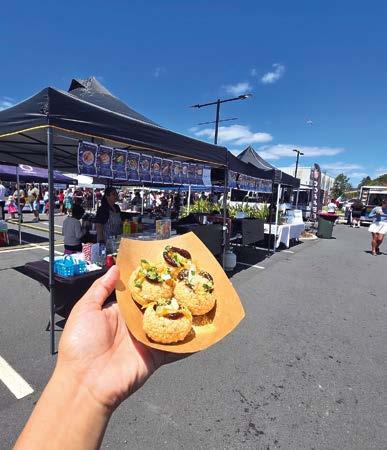
Until now. Ātea, a new initiative in the Whakatāne central business district is providing a hub for local creatives and a place for the community to come together to meet and eat and soak up some vibes at the end of the week. Music, food trucks, crafts, produce, and a family friendly environment; Ātea is all about bringing the community together - and it’s reinventing Friday night in Whakatāne.
Ātea is all about bringing the community togetherand it’s reinventing Friday night in Whakatāne.
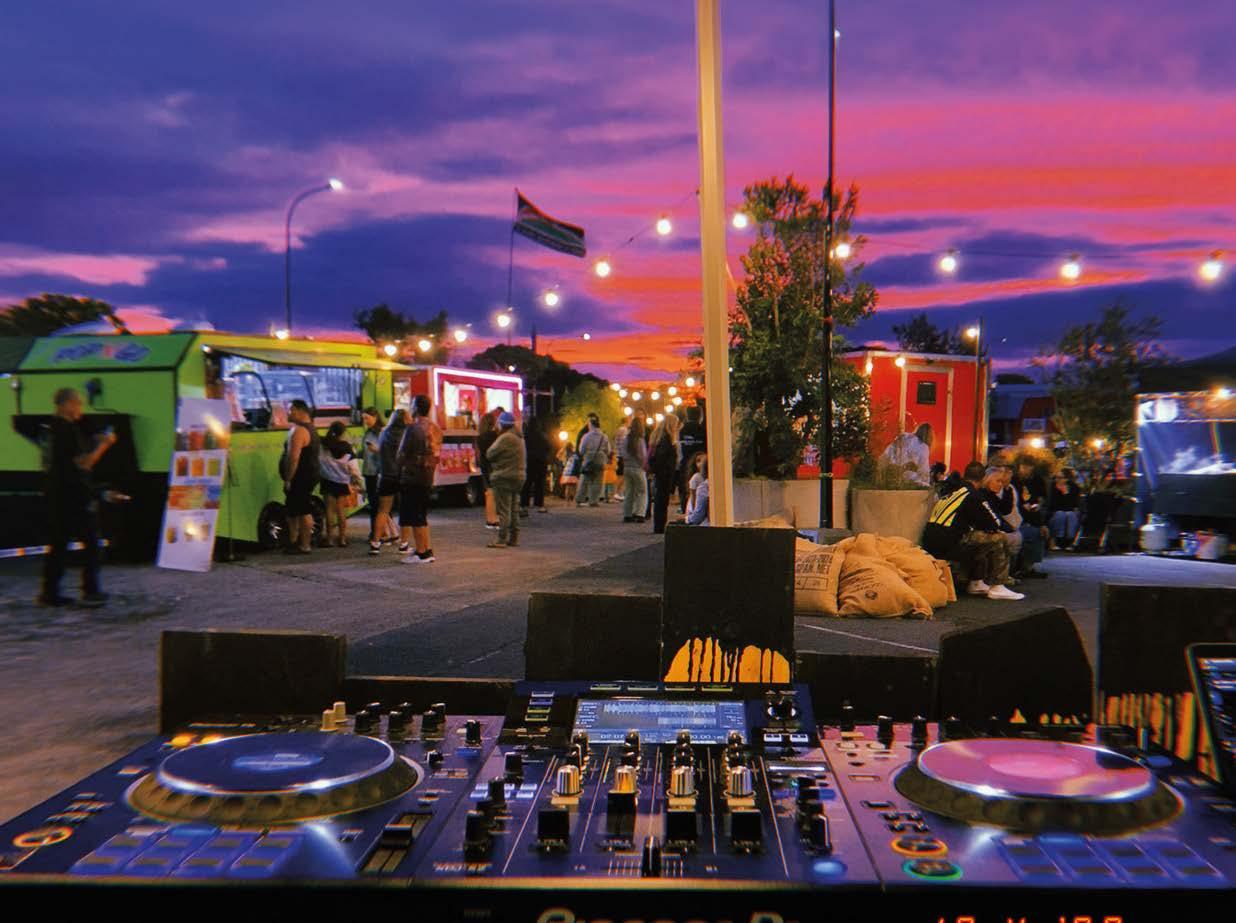
“Ātea launched last year with a Block Party,” says organiser Toi Iti, a regional councillor and son of the famous artist. “And it’s kinda grown from there. We really wanted to recreate that Friday night vibe and make it something for the whole family. So we have local food trucks and try to rotate those with some from Rotorua and Tauranga so that there’s always something a bit different, and we have a decent sound system, but also things like chalk for the kids to draw on the concrete, jewellery, art, ceramics and fresh produce, and even gutter board - remember gutter board?” We totally remember gutter boardand the comeback starts here.
“We wanted it to be a bit different from the usual market.”

“But we also wanted it to be a bit different from the usual market, so we’ve had book launches, we have people making traditional musical instruments, we’ve had listening clubs where you come in and listen to an entire album, and we’re looking at ceramics classes. Pretty much anything goes but it’s kinda analogue! I think there’s just so much digital fatigue out there. You know, with all the AI slop and the doom scrolling and if you are at a desk job you just want to come in and have low friction, good vibes, and do some sort of craft or something like that. So just real lo-fi!”
The building of this community has been very much a process done by the community. For decades the site was home to a car dealership, then it sat empty for many years. Whakatāne District Council bought it and in 2025 called for submissions on the creation of a creative space. Te Ahi Tahutahu Charitable Trust, a collaboration between Tame Iti Limited and Te Whare Wānanga o Awanuiārangi, were chosen to deliver.
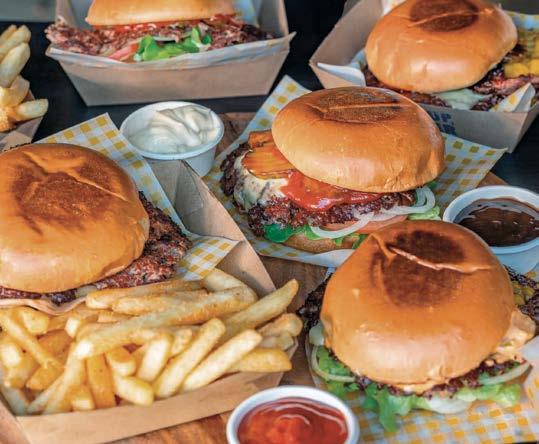
“We’ve got the Museum and Gallery - Te Kōputu a te Whanga a Toi and Te Whare Taonga o Taketake - and to place Whakatāne as a nationally significant cultural destination the idea was to add 266 The Strand to the Constellation Creative Hub, a network of creative spaces for the district.”
The project has been a massive undertaking, but it has been supported by a who’s who of the eastern bay. “We’ve had high profile musicians and artists from across the motu come and tautoko in different ways. I think everyone can see the benefits that initiatives like this brings to the community.” There has been real grassroots support too, Toi says.
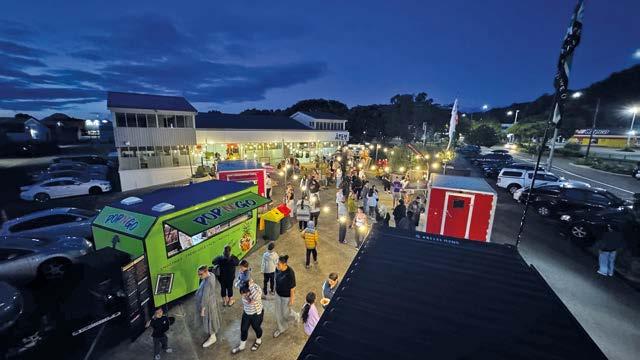
“We put a call out for volunteers and we’ve had people just turning up and wanting to pitch in and help out and be a part of the kaupapa, which has been amazing. So, there’s been a real activation of community spirits in the arts sector, which is what the space is all about.”
While Friday night remains the big draw for the wider community, Ātea is growing into a week-long hub of activity.
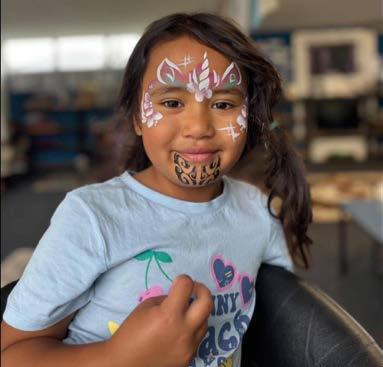
“Ātea will be a space where many creative disciplines are practiced side-by-side - from ngā toi Māori and digital arts to performance and visual arts. This allows for the cross-pollination of ideas, which is the heart of innovation,” says Toi. “I know many people think of the arts as a fluffy ‘nice to have’, but the reality is a vibrant creative sector isn’t a luxury; it’s a powerful driver of innovation, wellbeing, and productivity for the entire Eastern Bay of Plenty.”
Ātea kicks off every Friday at 4:30pm at 266 The Strand and runs through to around 8:00pm, and if you’re looking for an excuse for a sneaky weekend getaway to Whakatāne, look no further. Come for the vibes, come for some bargains - and come hungry.
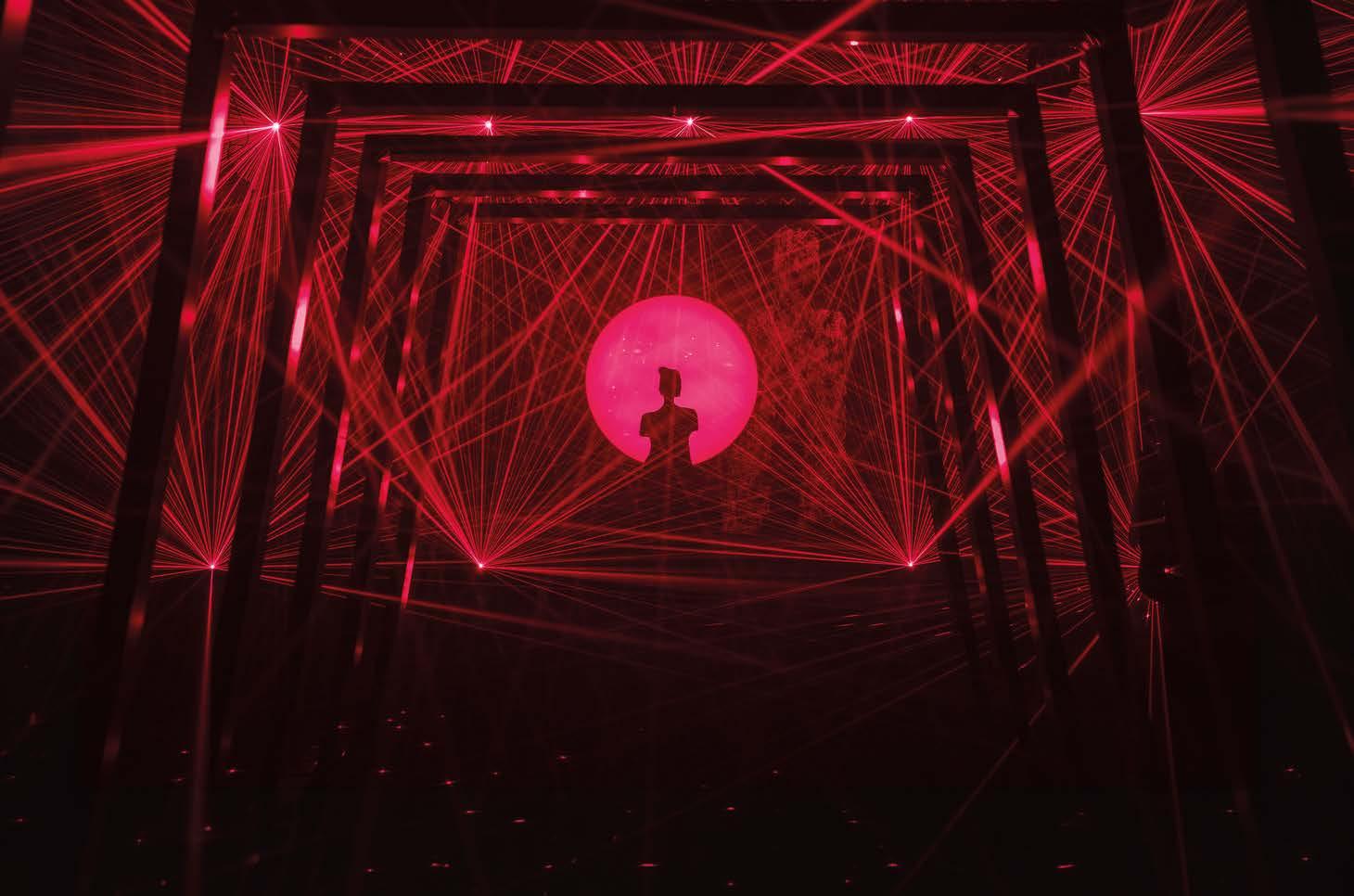
“Ātea will be a space where many creative disciplines are practiced side-by-side - from ngā toi Māori and digital arts to performance and visual arts.”
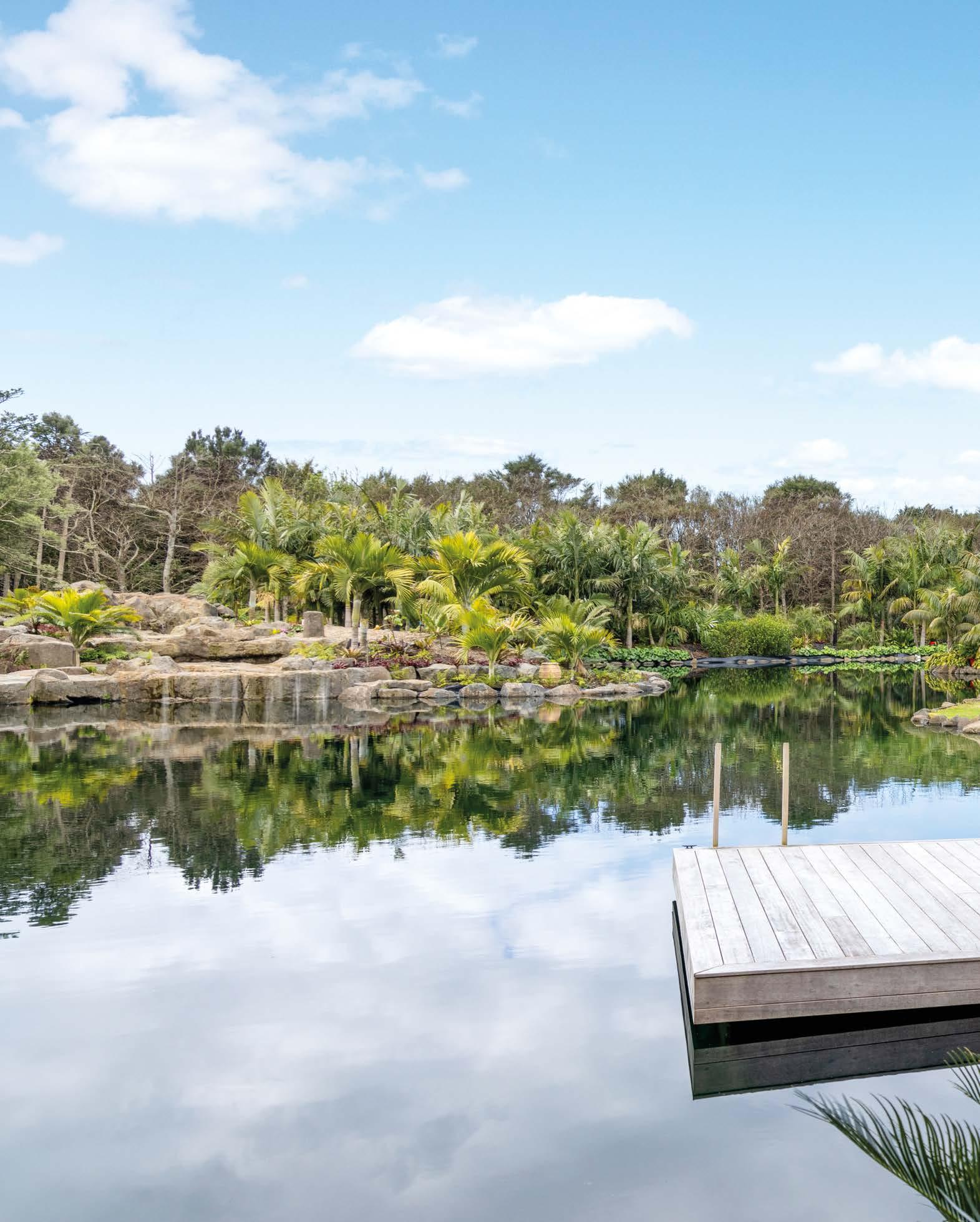
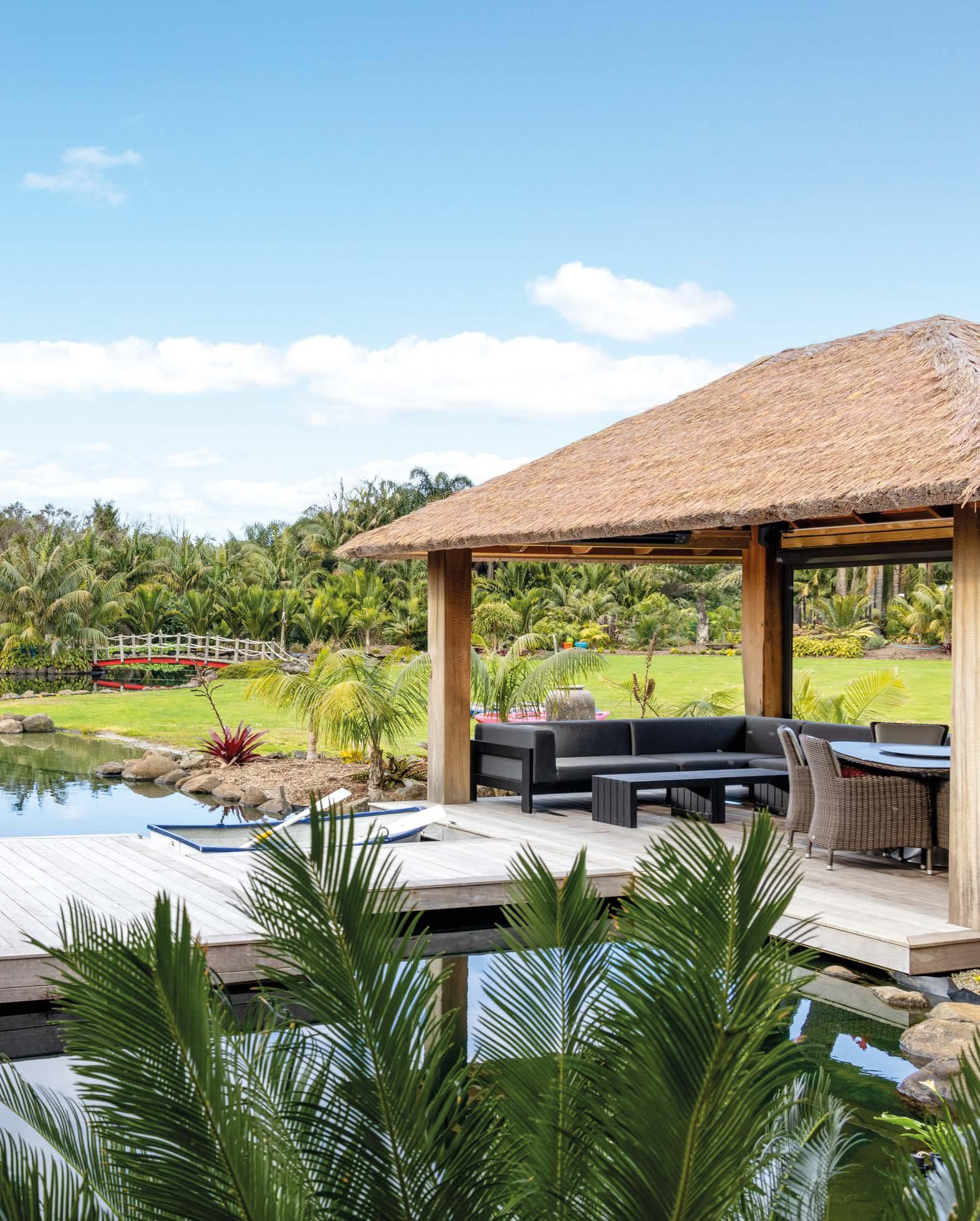
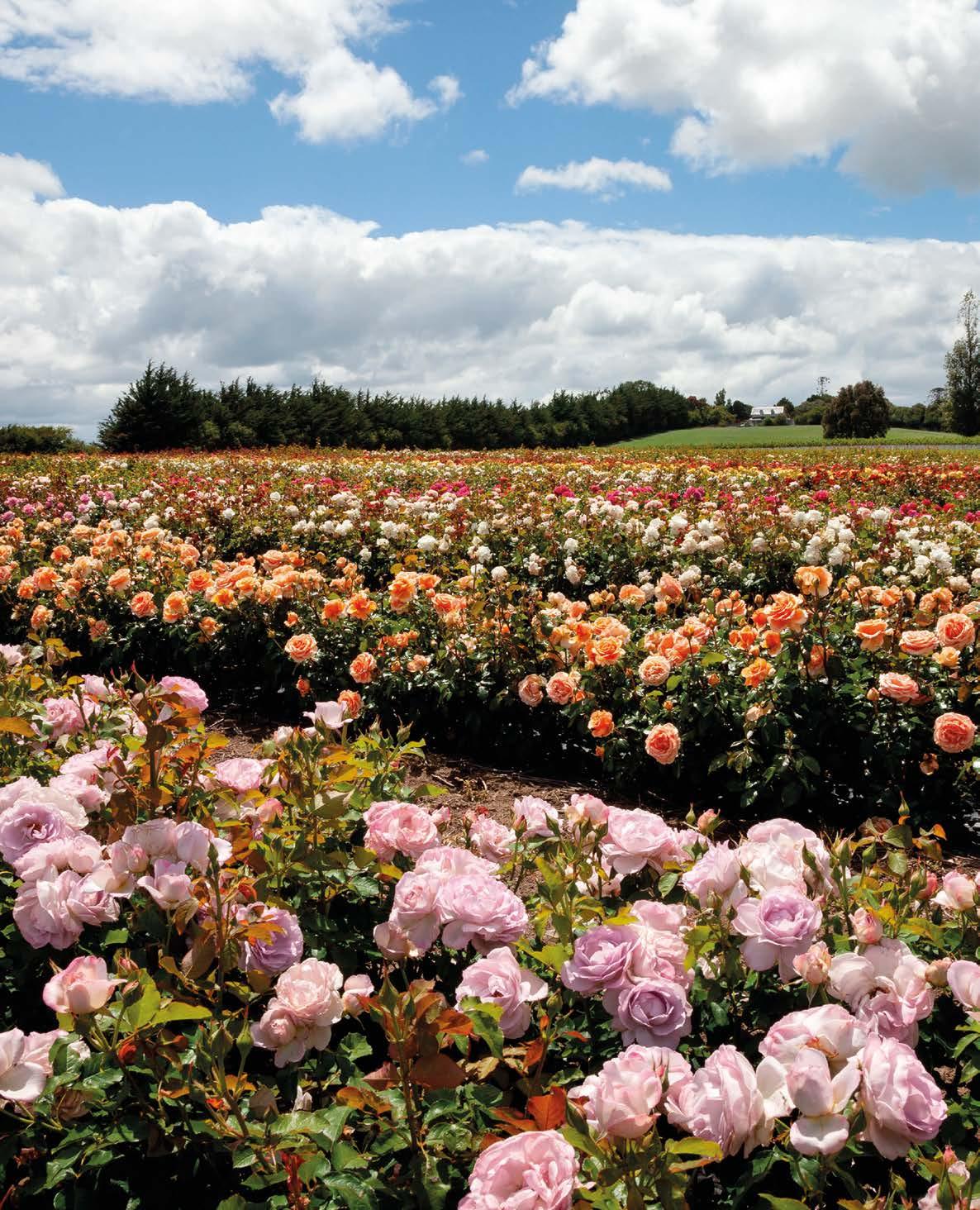
Auckland, Matakana is a popular getaway from the Big Smoke, famous for its Saturday Farmers’ Market, laid back coastal vibes, and vineyards. Less well known is that it is home to a little slice of tropical paradise that is helping to bring a taste of the Chathams to gardens across Aotearoa New Zealand in the form of the Pitt Island Nīkau Palm. Tough, beautiful and iconic, these palms are prized by gardeners across the motu for their uniqueness - and the story of how Matakana Palms is maintaining their legacy is unique in itself.
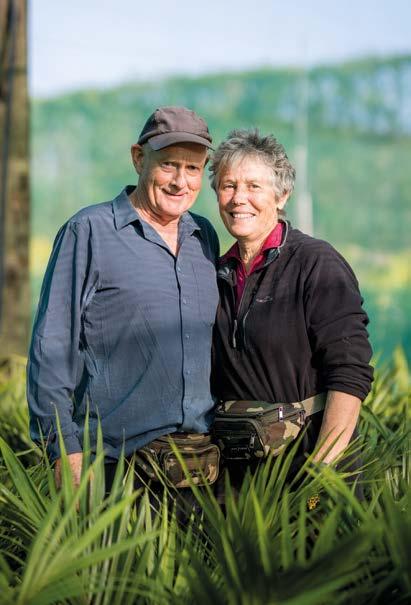
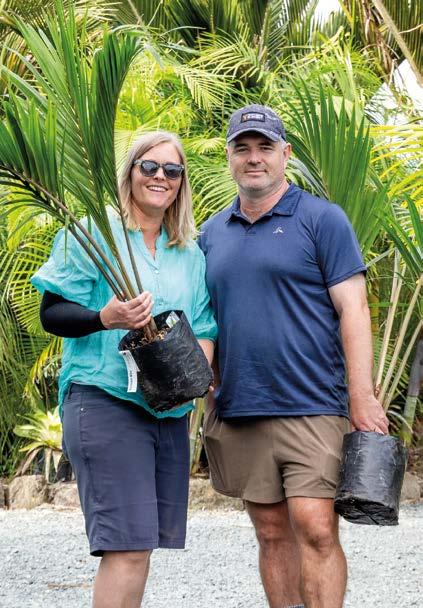
The brainchild of Bruce and Raewyn Whistler, Matakana Palms is part plant nursery, part labour of love and completely beguiling. The dedicated horticulturalists wanted a tropical escape, but their day jobs precluded regular getaways to a Pacific island - so with typical Kiwi can-do attitude and DIY ingenuity they decided to build one in their backyard.
What a palm should look like - lush and green and shuttlecock shaped!
“It started as a hobby,” says Nicola Smith, Bruce and Raewyn’s daughter, who now runs Matakana Palms with partner Craig. “They were commercial market gardeners, they grew sweet corn, rock melon, watermelon and the like, but as a personal hobby they propagated palms. And gradually they started to build a garden to home those.”
This was not just any garden though. In addition to a terraced waterfall there is a pond that Bruce dug when Raewyn went away for a weekend (and which turned out to be somewhat bigger than anticipated!)a thatched roof fale reached across a footbridge made from recycled power pole timber, and of course a stunning array of palms and plants. Along the way the propagation of palms had grown into a business and soon the sweetcorn had been usurped by kentias, sugarcane palms (Dypsis baronii) and king palms (Archontophoenix), as well as Australian grass trees like the blue-tinged Xanthorrhoea glauca and the green Xanthorroea Johnsonii.
The surprising thing about the garden is that it is not the product of bare fields being showered with cash, but Bruce and Raewyn’s careful approach to establishing a sanctuary by growing from seed, dividing plants where possible, and playing the long game.

The real star of the show
is our very own Pitt Island Nīkau, also known as the Chatham Nīkau.
The pond, for example, is on free-draining soil so Bruce installed a liner he obtained from the Ellerslie Boat Show, while the terraced waterfall is a mixture of volcanic basalt from the Auckland Zoo and concrete-poured rocks. It may have been a DIY adventure, but the results are stunningly professional; visitors - many of them gardening groups or customers - are literally transported to a subtropical paradise so convincing that it is used for fashion shoots; why fly to Tahiti for the summer collection when you can just drive to Matakana?
During the 19th century dried Nīkau berries were used as ammunition to shoot birds when musket shot was scarce!
The real star of the show however is our very own Pitt Island Nīkau, also known as the Chatham Nīkau or Rhopalostylis sapida to give it its botanical name. A common folk etymology for Nīkau maintains that the word means “no coconuts”, but there is no evidence of this, though the sapida part of the name refers to ‘savoury’ in recognition of its edible nature.
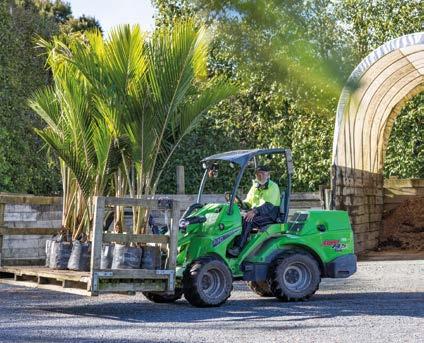
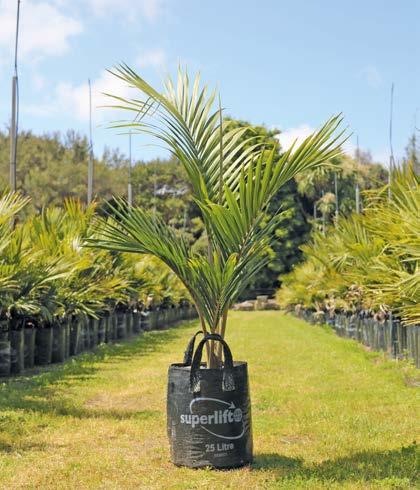
The bases of the inner leaves and the young flower clusters were a traditional food, raw or cooked, and the heart of the palm, called rito, is a traditional delicacy but is only rarely eaten as harvesting it will kill the entire palm. It is also used in traditional rongoā medicinal practices. The fibrous leaves meanwhile, were used for kete, floor mats, and waterproof thatch for buildings, and during the 19th century dried Nīkau berries were used as ammunition to shoot birds when musket shot was scarce!
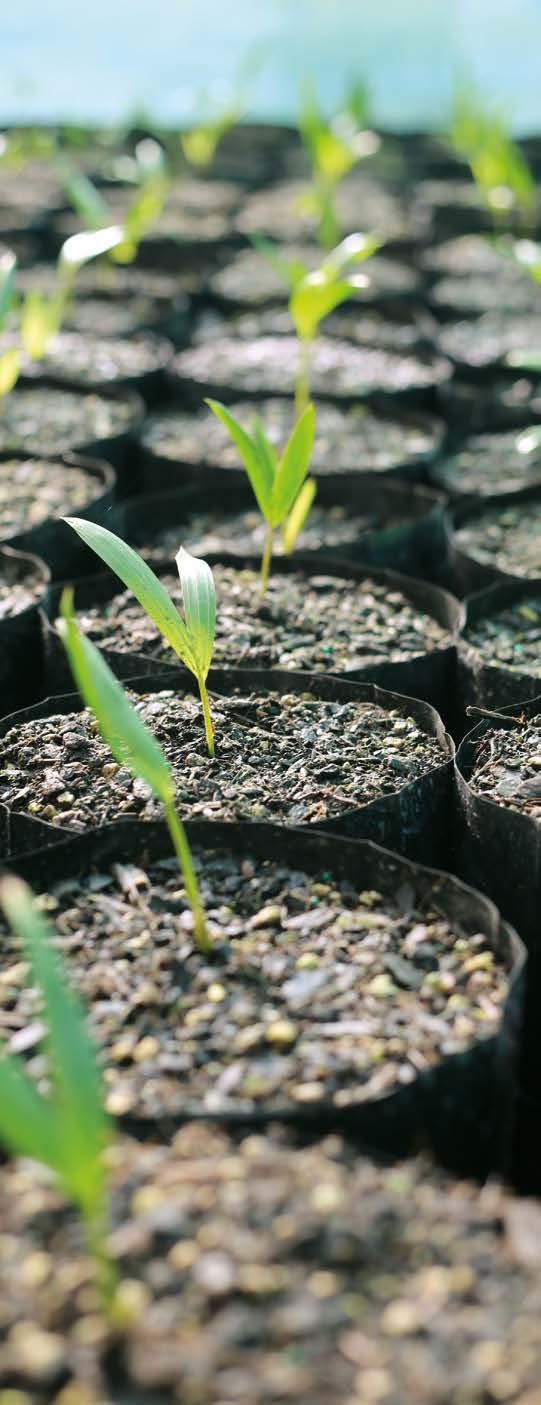
Bruce and Raewyn propagate all their palms right there in the nursery, negating the need to deplete stocks on the island itself. Which is great as the humble Pitt Island palm is proving more and more popular. “They have a bigger trunk and grow faster than other palms,” says Craig, “and they’re hardier and able to handle tougher conditions and more sun. They can handle the cold and wind too and will grow pretty much anywhere that doesn’t have frost. And they kind of look like what a palm should look likelush and green and shuttlecock shaped! They add something unique to the garden, and they are kind of becoming a bit of a symbol of New Zealand, like the silver fern or cabbage tree.”
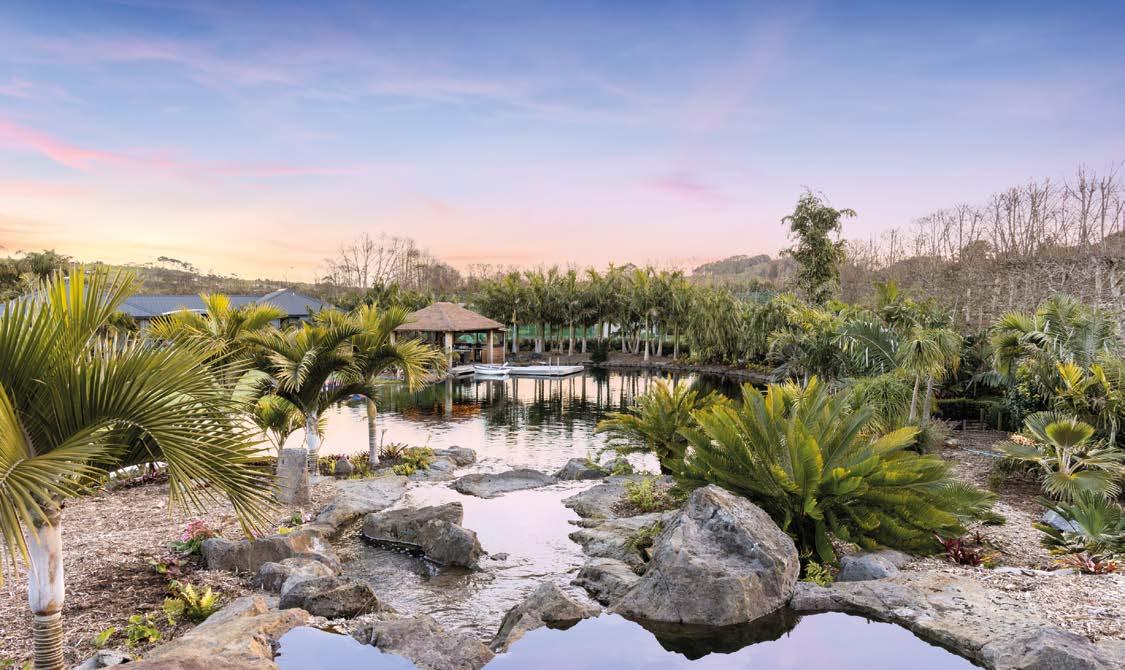
And with Matakana Palms’ sustainably grown Pitt Island Nīkaus you can add a little bit of the Chathams to your place - and help to keep this unique piece of our native flora alive and well on the mainland just as it is back home.
World of Wearable Arts (WOW Show)
Experience the best of Wellington over 6-days including Kapiti Island and Martinborough or join a 3-day city escape. Both options offer Platinum Passes & more!
6-Day 15 - 20 Sep
3-Day 18 - 20 Sep
$4,590 PP Twin Share
$2,880 PP Twin Share
Molesworth & Rainbow Stations
$5,350 Single
$3,180 Single
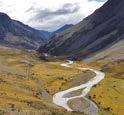
Stay in Hanmer Springs and explore Molesworth and Rainbow Stations. Discover high country scenery and enjoy the Hanmer Springs Fête and Hurunui Garden Festival.
28 Oct - 2 Nov 2026
$6,190 Single $5,290 PP Twin Share
Manawatū Homes & Gardens
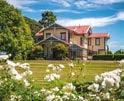
Enjoy a 6-day spring escape in the Manawatū. Explore historic homesteads & gardens with home enthusiast John Vickers, and visit Pūkaha National Wildlife Centre.
12 - 17 Oct 2026
Chatham Islands
$4,750 Single $4,250 PP Twin Share
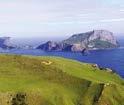
Discover stunning scenery, rich history, cultural treasures, abundent seatfood incl. blue cod and crayfish at Awarakau Lodge!
$5,990 PP Twin Share
$7,290 Single
28 Nov - 5 Dec 2026 23 - 30 Jan 2027 April 2027 TBC
Wild Horses
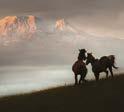
Witness the Kaimanawa horses in the Central Plateau’s rugged high country. Travel by train to Ohakune and spend a day observing these iconic horses in the wild.
3 - 6 Dec 2026
$3,790 Single $3,490 PP Twin Share
Christmas on the Kaikōura Coast
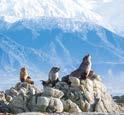
Alpine Winter Tour
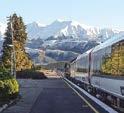
Embark on a Mid-Winter journey to Fiordland. Discover Punakaiki, Hokitika and Franz Josef Glacier, cruise the Haast River, visit Milford Sound, and dine at Walter Peak.
7 - 14 Aug 2026
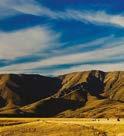
$7,990 Single $6,990 PP Twin Share
Dansey’s Pass (Central Otago) 13 - 17 Oct 2026
Discover Central Otago’s gold rush towns in spring colour. Stay in Cromwell and 3-nights at the iconic Dansey’s Pass Hotel, exploring historic landmarks set among stunning landscapes.
$4,290 Single $3,890 PP Twin Share
East Cape to the Lakes
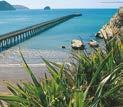
Explore East Cape, Lake Waikaremoana and Rotorua. See NZ’s longest wharf, the oldest pōhutukawa, the largest arboretum and stunning North Island lakes.
5 - 11 Nov 2026
$5,590 Single $4,990 PP Twin Share
Coromandel Cruising
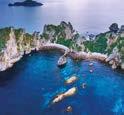
Burst into summer on a 5-day Coromandel escape. Enjoy seaside towns, giant sculptures, glass-bottom cruises, bush railway journeys and beachside strolls.
27 Sep -1 Oct 2026
$4,590 Single $3,890 PP Twin Share
Local Life, Great Barrier Island
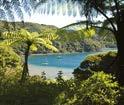
Fly to Great Barrier Island for 5-days living like a local. Meet boaties, artists and conservationists, and enjoy breathtaking scenery and dazzling night skies.
1 - 5 Dec 2026
$4,290 Single $3,690 PP Twin Share
Summer in Northland
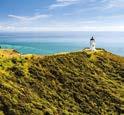
A Northland escape with Omapere sunsets, Mangonui fish and chips, Cape Reinga, 4WD on 90 Mile Beach, Russell’s Duke of Marlborough and Hundertwasser’s property.
4 - 11 Dec 2026
$6,990 Single $6,290 PP Twin Share
Kick off Christmas with a Blenheim stay, then ride the Coastal Pacific to Kaikōura. Enjoy five festive nights at Sudima Hotel with fine food, wine, wildlife and alpine adventures. Highland to Heartlands (Whanganui Region)
21 - 27 Dec 2026
$TBA Single $TBA PP Twin Share
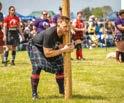
Carry the Highlands spirit when you travel by train, tour historic homesteads with John Vickers, enjoy the Turakina Highland Games and a Whanganui River adventure.
Jan - 2 Feb 2027
Single $4,950 PP Twin Share

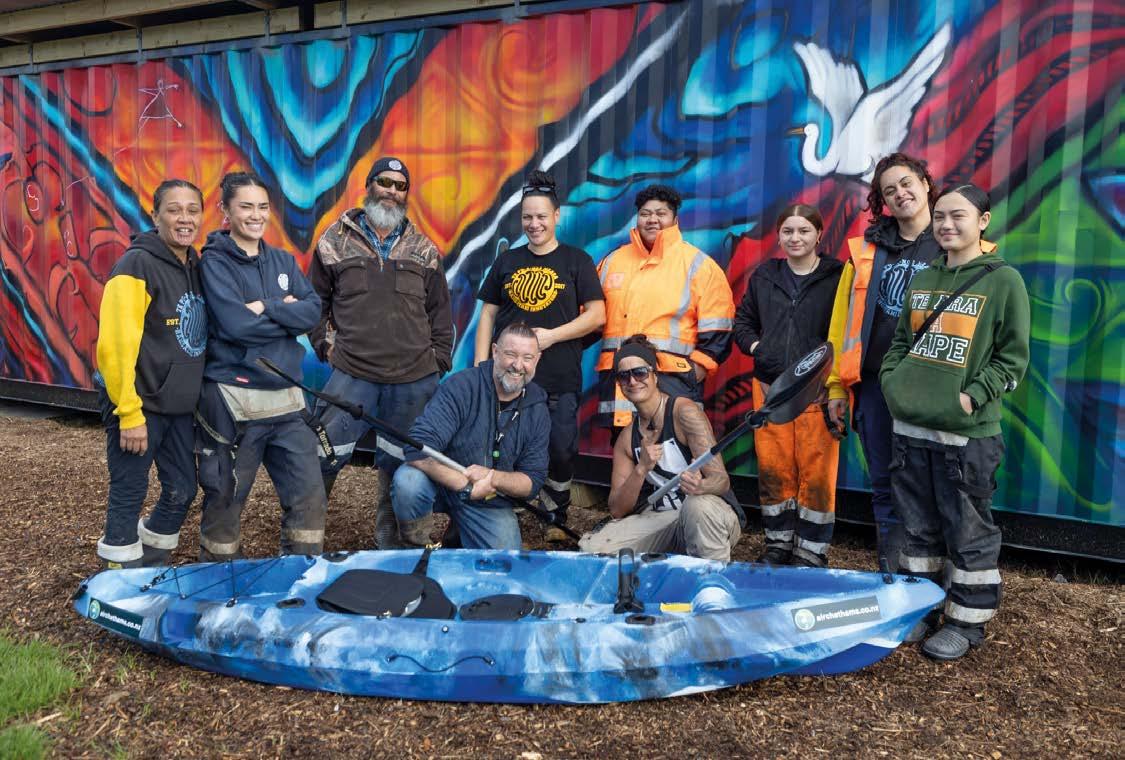
AIR CHATHAMS HAS BEEN supporting our regions for over 50 years, connecting Kiwis in business and leisure, for good times and through the tough times, getting whānau together and local enterprises thriving.
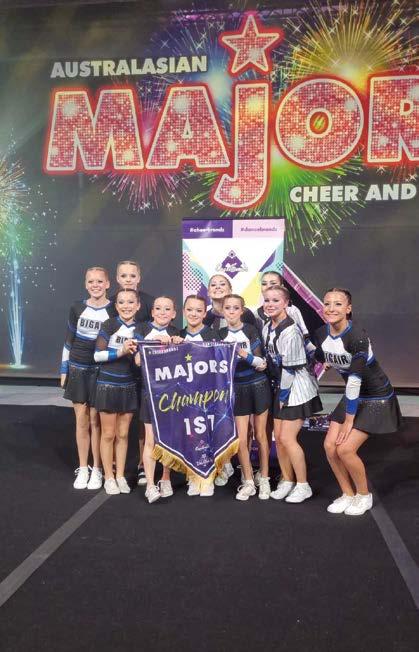
For our family owned and operated airline though it’s not just about scheduling flights and moving made-in-New Zealand products and produce around the motu; we’re also proud to support grassroots Kiwis doing good, telling our stories, helping each other and helping our youth.
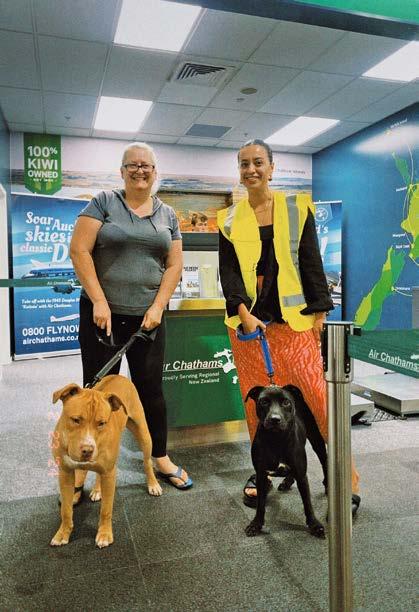
Two very special passengers on their way to find their forever home. Thanks to Sweet Noah who are a dog rescue organisation that rehome and relocate dogs for their own safety and wellbeing - something Air Chathams is proud to support.
We’ve been doing it for years, and we’re so passionate about it that we’ve launched our Community Connection Fund – a $250,000 annual sponsorship programme that will provide free and discounted flights to and from Whakatāne, Whanganui, Kāpiti and the Chatham Islands to individuals, groups and events that directly benefit their communities.
“We want to see the regions we serve thrive” says Duane Emeny.
“Community is everything to us,” says Air Chathams CEO Duane Emeny, “and the new fund formalises what the family-owned airline has been doing since its early years. We want to see the regions we serve thrive, so we’re focusing our sponsorships on supporting that.”
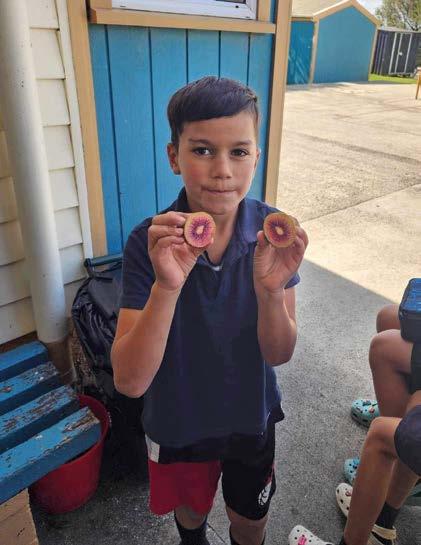
Duane acknowledges that sponsoring flights might seem like an unusual move when all airlines are facing increased cost pressures, but he says Air Chathams would rather see seats filled than go empty. “Full planes to our destinations are good news for the community. Whether it’s paying passengers or sponsored seats, the benefit is still there.”
The new fund formalises what the family-owned airline has been doing since its early years.
Estelle Bray-Taylor, Air Chathams’ head of communications and marketing, says the new Community Connection Fund offers a number of free and discounted flights every quarter to events, groups and individuals doing great things for their communities. “And the really cool thing is that our whole team – from Duane our CEO to our pilots, baggage handlers, and office staff – get to vote on who we support!”
“To make things easier for groups and individuals to apply to the Fund, we’re giving some guidelines about what kind of things the Fund is for,” she says. “These include arts and culture, so supporting the cultures that make up the community through things like a kete-weaving wānanga, Irish dancing competition or writers’ festival, and wellbeing, like a project that supports the mental or physical health of the community, for example a prize in a community fun run, or bringing a health expert in to speak to a group.”
“The Fund is also for economic benefits, something that supports small business and employment, like bringing a performer to an event where ticket sales and other activity will go to the local community or sending students to a tech or business event; and for environmental projects, for example travelling to a conservation conference or bringing in an expert to support a local project.”
“And last but by no means least is one of our favourite categories: NOTA, or None Of The Above! We’re sure there’ll be applications that don’t tick the above boxes, and we’ll consider those too. The main thing is that the community gets something out of it.”
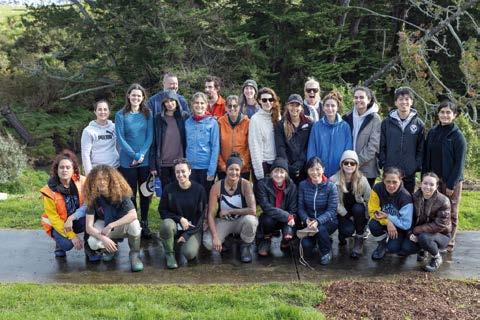
Te-Pu-Nga-Maara is a special group who are on a mission to support Rangatahi to pioneer in the space of Kaupapa Māori environmental innovation and enterprise. To help with their efforts we’ve donated time to their clean up days but have also donated kayaks (as seen in previous picture) and litter pickers to empower the team in their mahi to clear the Puhinui waterways.
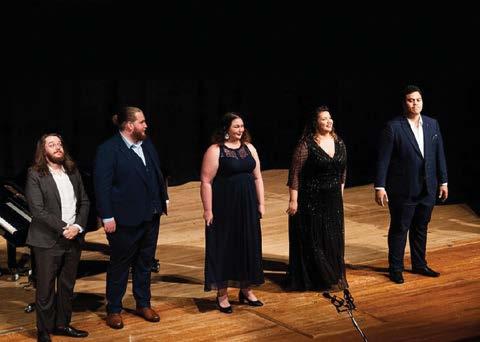
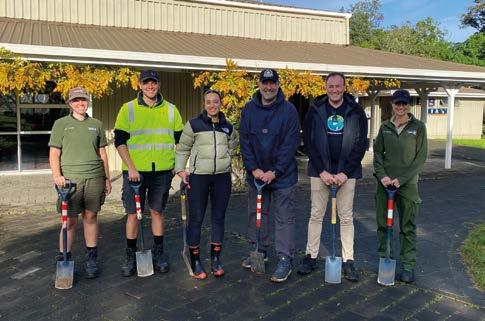
The application process is also much easier to navigate now says Estelle. “On our website, look for the Sponsorships tab, then fill in the form. Our team reviews and votes on requests every three months - end of March, June, September, and December - and we announce the recipients a couple of weeks after that. Everyone who applies will be emailed to let them know whether or not they’ve been successful, so there’s no need to chase us up.”
“And here’s a tip: the most important thing we need to know is how the community you’ll be flying to or from will benefit from your project or group, so make sure you make that loud and clear.”
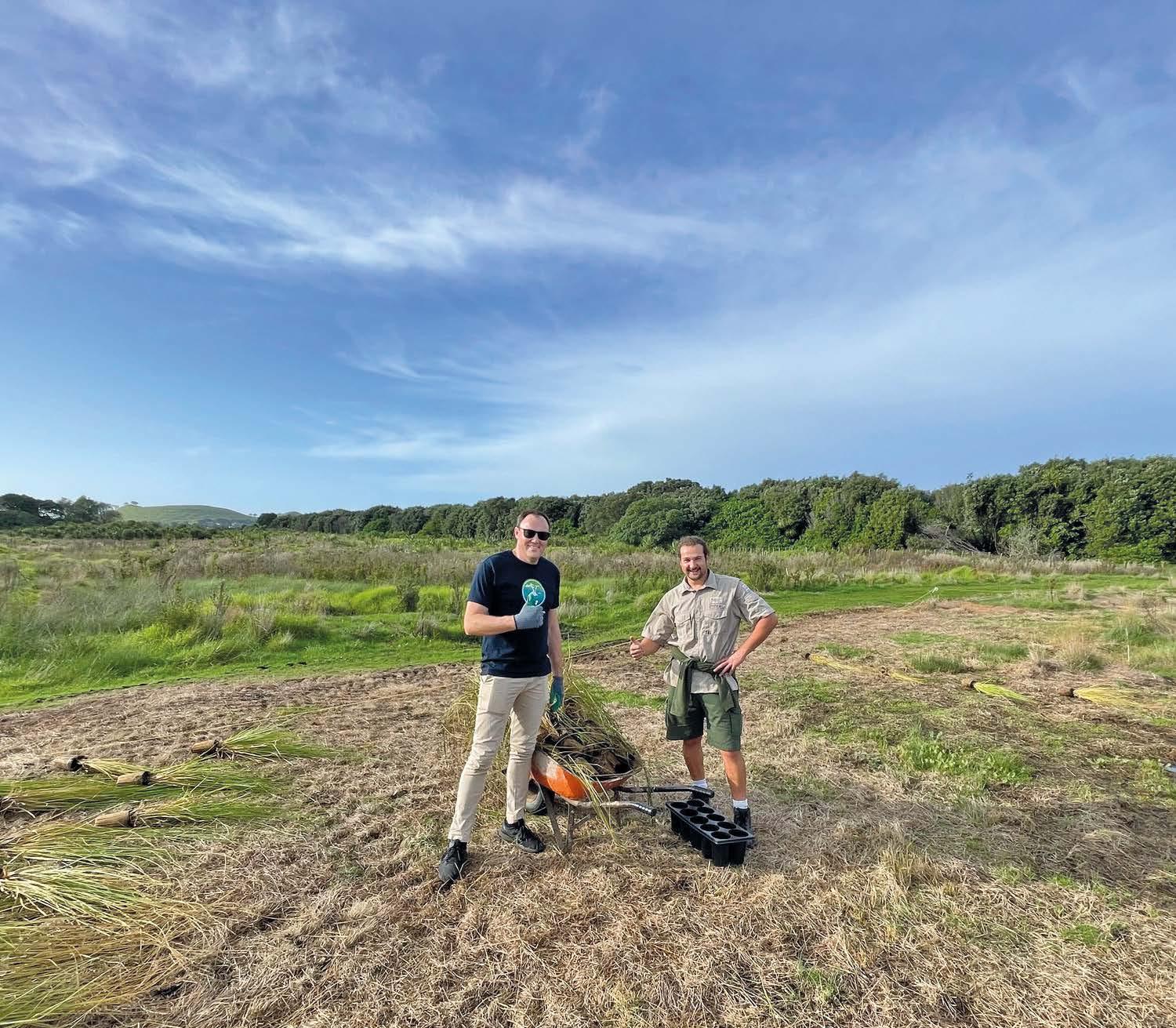
To find out more, go to airchathams.co.nz/sponsorships.
Air Chathams has a fleet of 9 aircraft, ranging from single-engine light planes to turbo-prop passenger aircraft capable of speeds of over 500km/h. With this diverse fleet we can offer everything from scenic flights to charters, passenger services and freight.
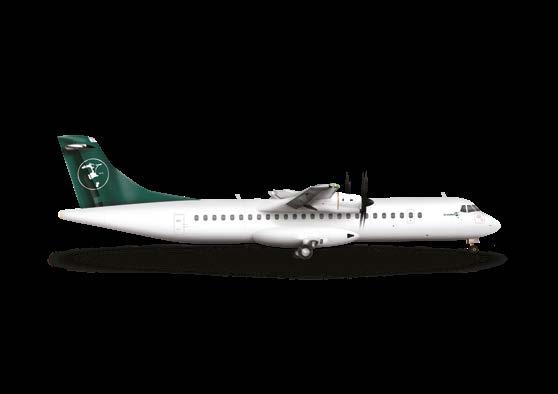
Our newest regional airliner
Speed
500 kilometres per hour
Max Altitude 25,000 feet
Pressurised Cabin Yes
No. of Pilots 2
No. of Flight Attendants 2
No. of Seats 68
Inflight Catering Available Toilet Yes
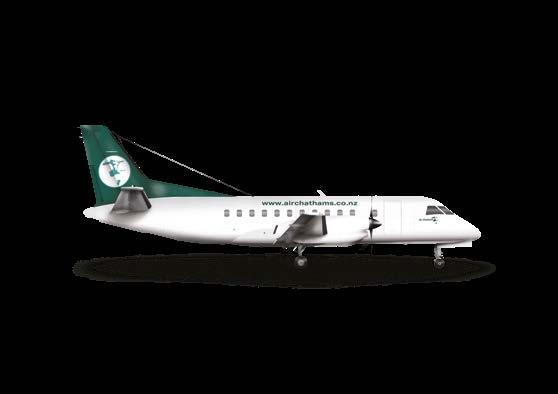
Our Swedish princess
Speed
470 kilometres per hour
Max Altitude 25,000 feet
Pressurised Cabin Yes
No. of Pilots 2
No. of Flight Attendants 1
No. of Seats 34
Inflight Catering Available Toilet Yes
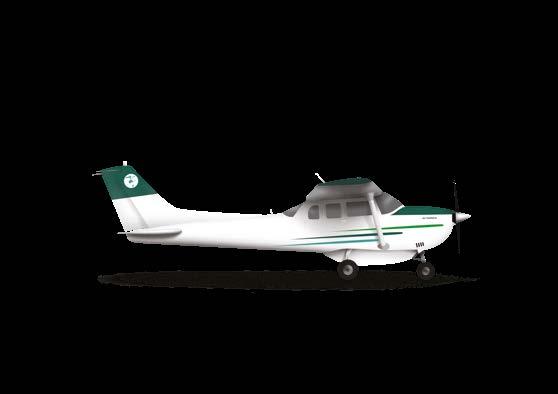
The Chatham Islands workhorse
Speed 230 kilometres per hour
Max Altitude 10,000 feet
Pressurised Cabin No
No. of Pilots 1
No. of Flight Attendants 0
No. of Seats 5
Inflight Catering No
Toilet No
Air Chathams is family owned and operated and is New Zealand’s largest privately owned airline, flying to some of the country’s best regional destinations. For more than 40 years we’ve been bringing New Zealand together.
Property decisions are rarely one-size-fitsall. Whether you’re buying, selling, leasing, or investing, the right outcome comes from understanding the market, the asset, and the people behind it.
At Bayleys, we deliver a complete property service across Residential, Commercial, Rural and Property Management, supported by deep regional knowledge and national strength. Our teams live and work in the communities they serve, giving clients real insight into local marketswhile tapping into Bayleys’ extensive networks, data, and expertise nationwide.
From first homes and family moves, to farms, investments, developments, and commercial assets, we tailor our approach to your goals, your timeframe, and your property. It’s this combination of sectorwide capability, local understanding, and proven strategy that consistently delivers stronger outcomes for our clients.
Wherever you are on your property journey, you’ll find a team that’s informed, connected, and committed - working together to achieve an altogether better result.
Bayleys Whanganui
06 348 0573 | 158 Wicksteed Street, Whanganui
Bayleys Ruapehu
06 385 0170 | 16 Goldfinch Street, Ohakune
Bayleys Taihape
06 928 9599 | 98A Hautapu Street, Taihape
Bayleys Marton
06 327 7343 | 275 Broadway, Marton
Bayleys Feilding
06 323 0333 | 49 Manchester Street, Feilding
Bayleys Palmerston North
06 357 4989 | 243 Broadway Avenue, Palmerston North