
MODERN
Maqbool Fida Husain
Lancelot Ribeiro
Mohan Samant
Achuthan Kudallur
B. Prabha
Achutan Ramachandran
Satish Gujral
Shyamal Dutta-Ray
Rasheed Araeen
CONTEMPORARY
Paresh Maity
Veer Munshi
Rachid KoraÏchi
Khadim Ali
Sujith SN
Shaheer Zazai
Shehnaz Ismail
Safdar Ali Qureshi
Max Colby
STAND E01
NSIC Exhibition Grounds
VIP PREVIEW
February 5 & 6, 11 am - 7 pm
GENERAL PUBLIC
February 7, 10 am - 7 pm
February 8, 10 am - 6 pm
MAQBOOL FIDA HUSAIN (b. Pandharpur, 1915; d. London, 2011) was widely regarded as the “Picasso of India” and is arguably the most recognizable figure of modern and contemporary Indian art. Self-taught, Husain moved to Mumbai at an early age and began his artistic career by painting the billboards for cinemas. Husain became associated with Indian modernism in the 1940s. His narrative paintings, executed in a modified Cubist style, can be caustic and funny as well as somber. His themes—usually treated in series— also include hallmarks of Indian culture and history, such as the Ramayana, the Mahabharata, the British Empire, and motifs of Indian urban and rural life. One of the most celebrated and internationally recognized Indian artists of the 20th century, he also received recognition as a printmaker, photographer, and filmmaker. In 2025, Husain’s Gram Yatra (1954) became the world record holder for a South Asian modern artist at auction.
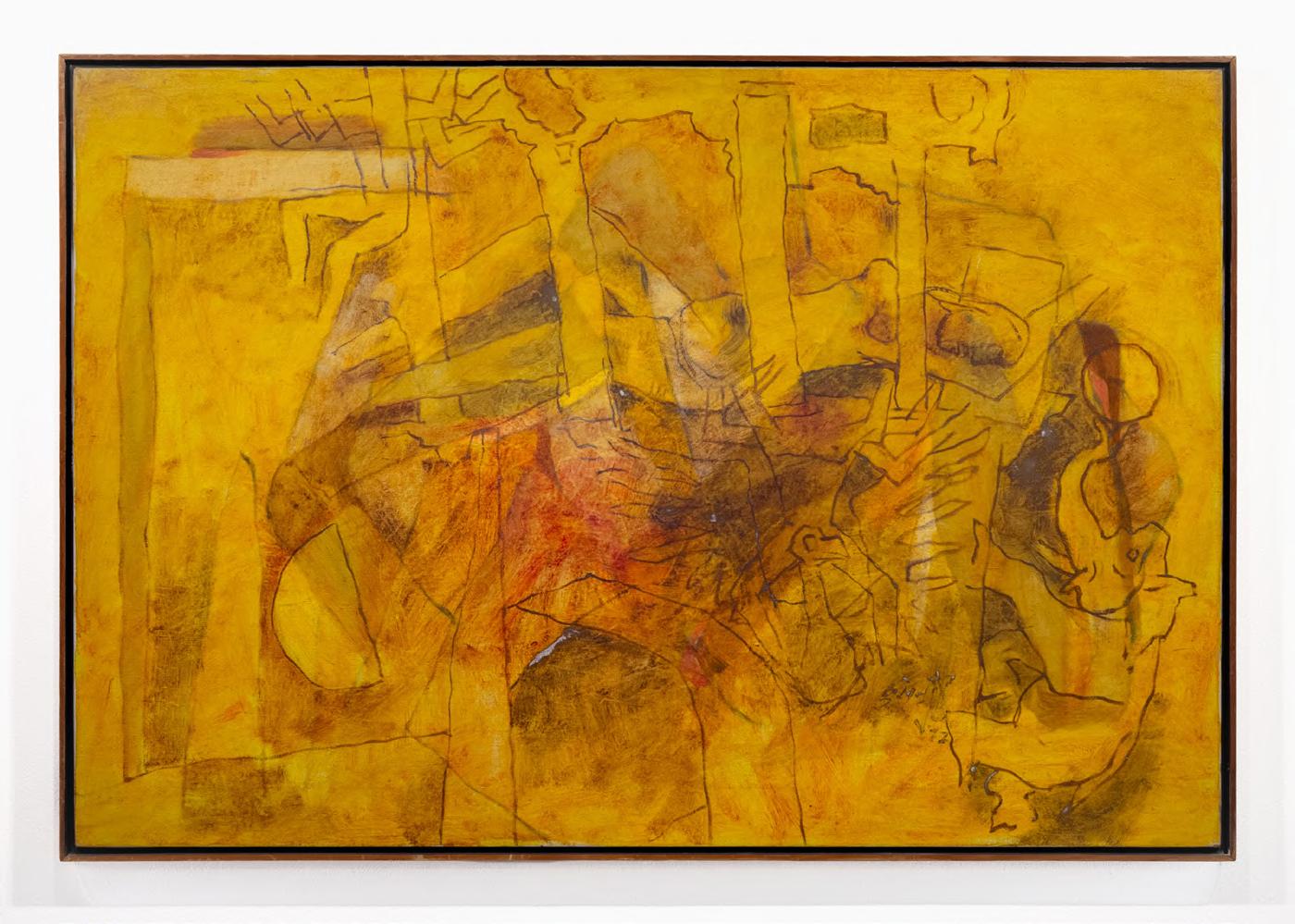
MAQBOOL FIDA HUSAIN
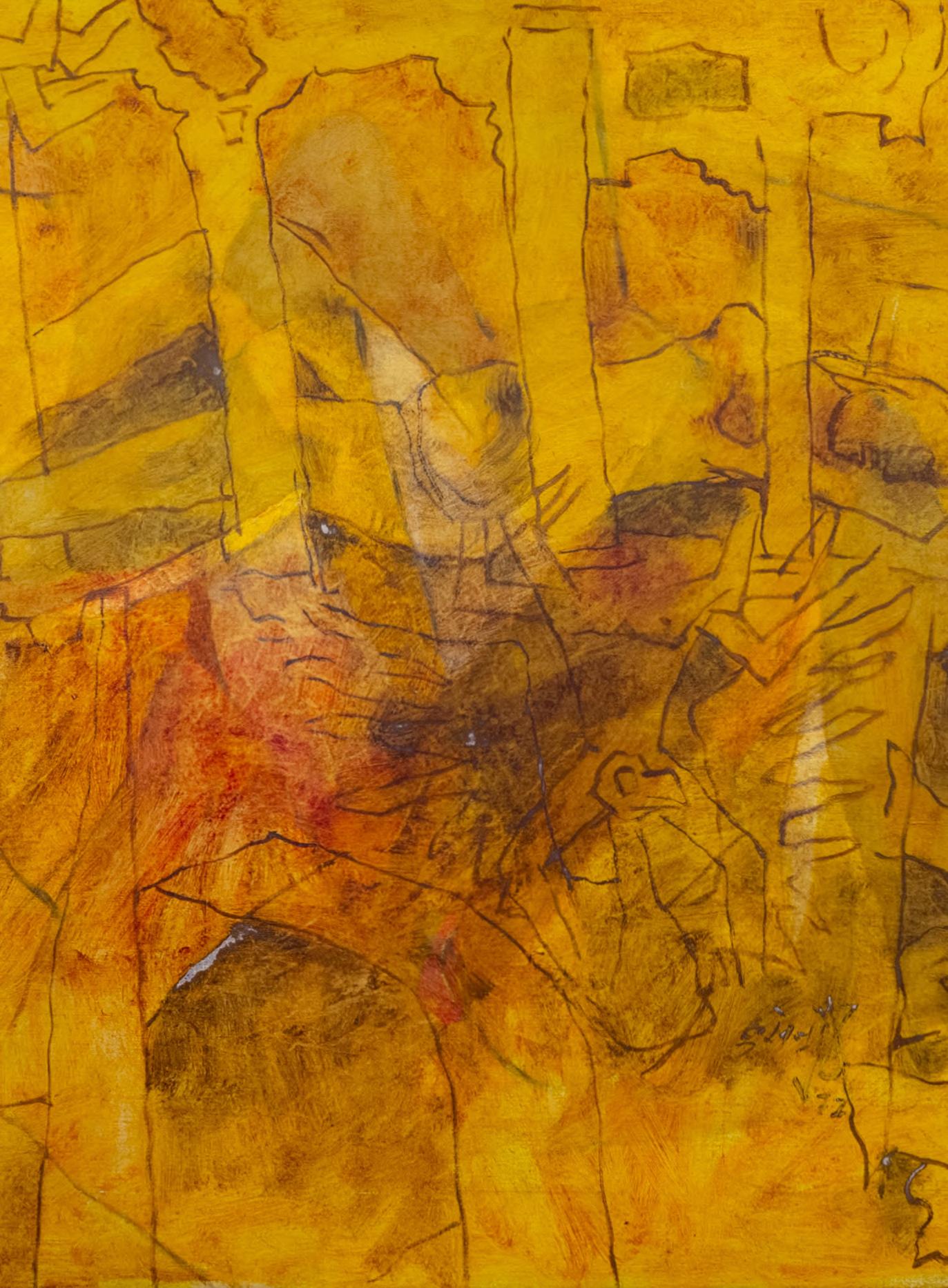
Untitled, 1972
Oil on canvas
30 x 42 in 76.2 x 10⁶. cm
POA
PROVENANCE
Directly from Artist's Estate to Important Private Collection, New Delhi
Private Collection, New York
NOTES
Signed and dated 'Husain / 72' (lower right)
Most artists have been attracted at one time or other to the charm and colour of the Indian countryside and drawn inspiration from it. Few have brought to it the poetic lyricism which Husain has.
— E. Alkazi,
M. F. Husain: The Modern Artist & Tradition, Art Heritage, New Delhi, 1978, pp. 13-14
This charming yellow painting is from a series of works that Maqbool Fida Husain produced in the 1950s and 60s, where he placed an importance on nature and in particular the depiction of the rural idyll and animals. This was driven by a postIndependence concern with finding a new national identity. The virtues and values of the rural working man were regarded as the backbone of the new independent nation.
Elephants appear in a number of Husain’s works from this period and this is in part derived from his interest in the classical arts, namely sculpture and its depiction of the elephant god, Ganesha. Elephants have had a long association with India, as symbols of strength, nobility and grace. They symbolize an ancient rural India that has been lost to deforestation, urbanization and globalization. Inspired by the people and animals that populated the walls of the temples at Khajuraho and other cities, Husain created a few works replete with women, men and a variety of animals such as this. In this canvas Husain has used a number of symbols that became integral to his artistic practice, the prone figure, Keralan landscape and the elephant with circus ball.
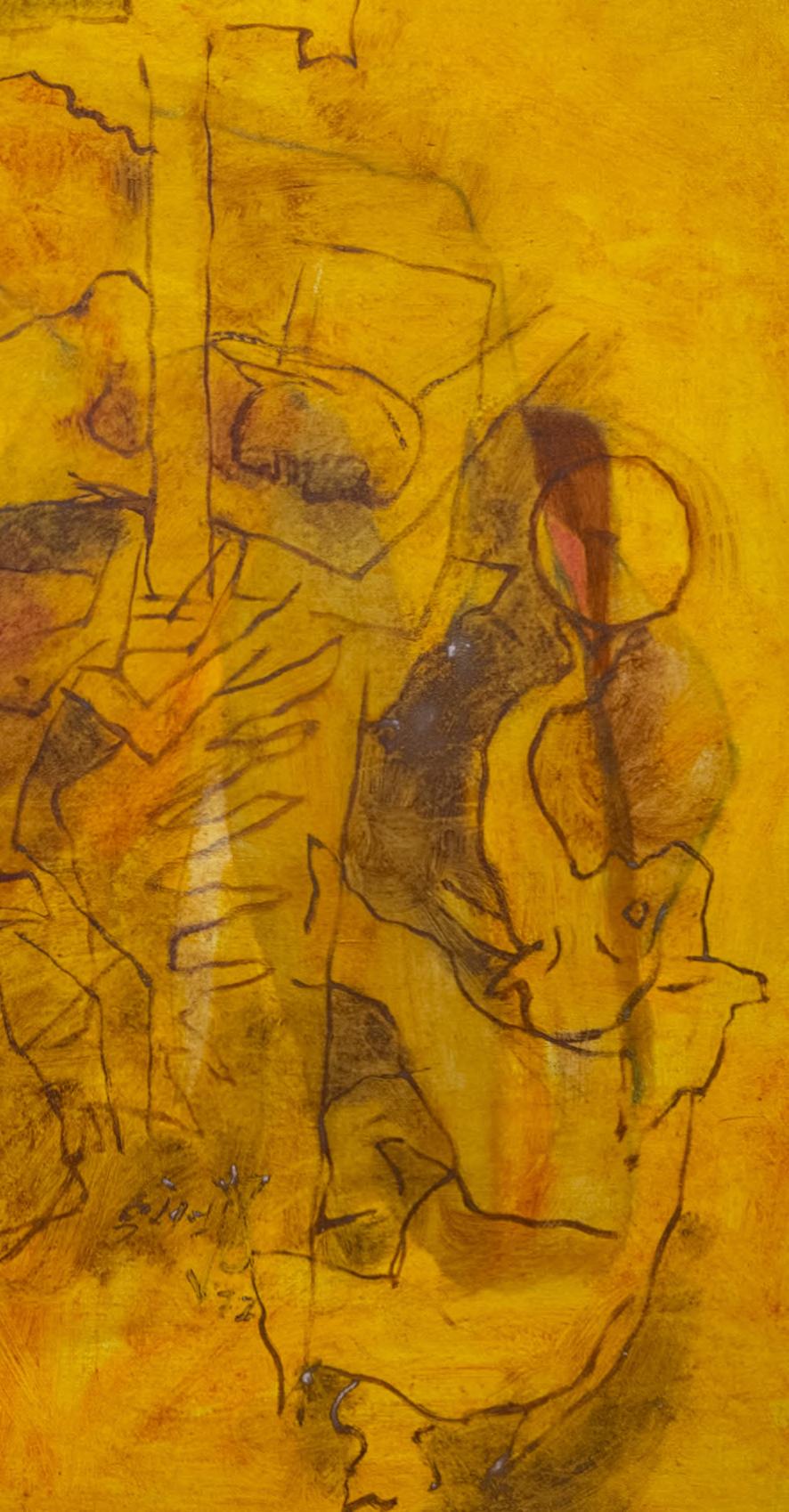
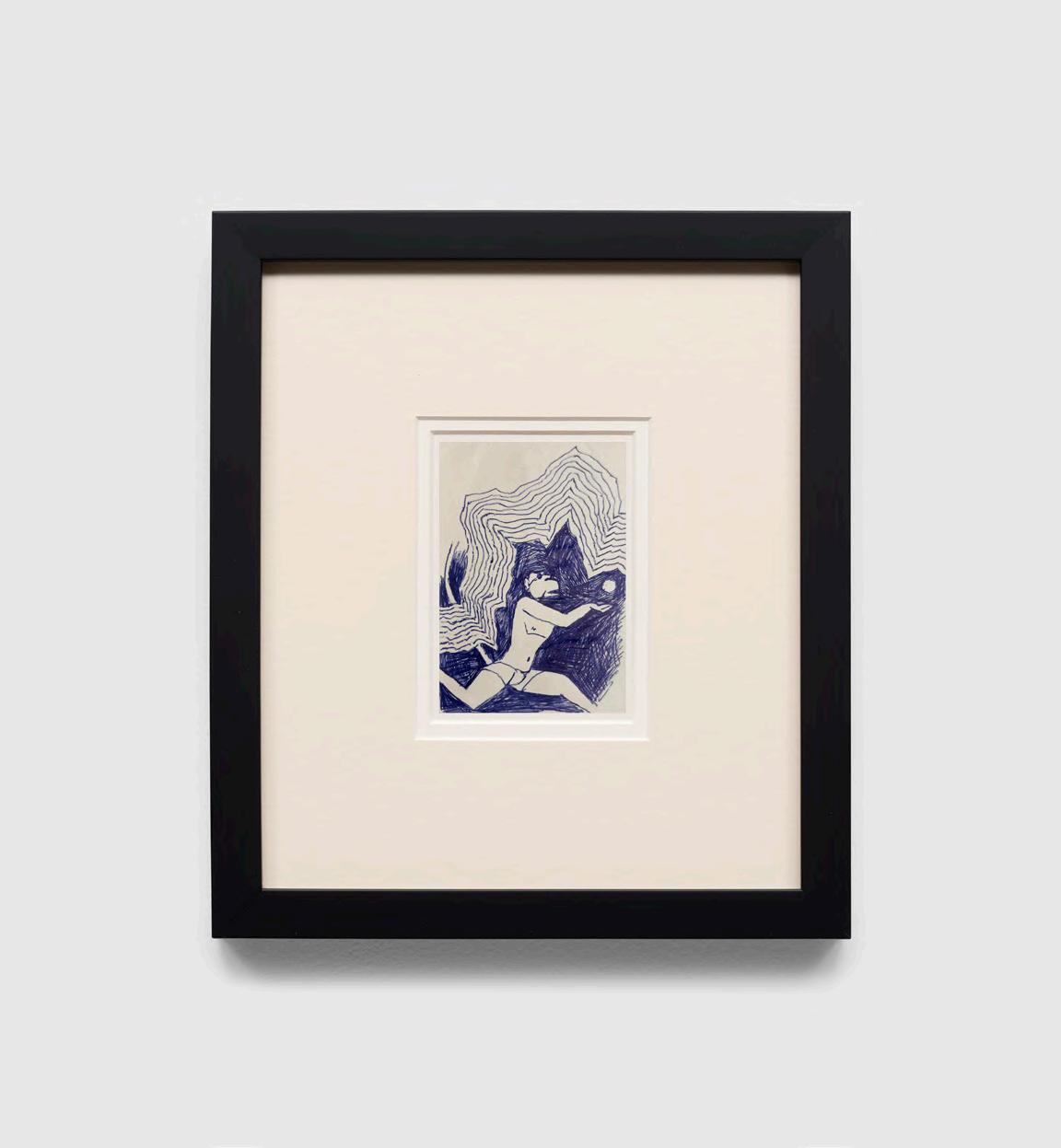
MAQBOOL FIDA HUSAIN
Untitled (Hanuman), n/d Ink on paper
4 x 2 ¾ in 10.2 x 7 cm
$20,000
PROVENANCE
Chester and Davida Herwitz Collection
Private Collection, New York
HUSMF089
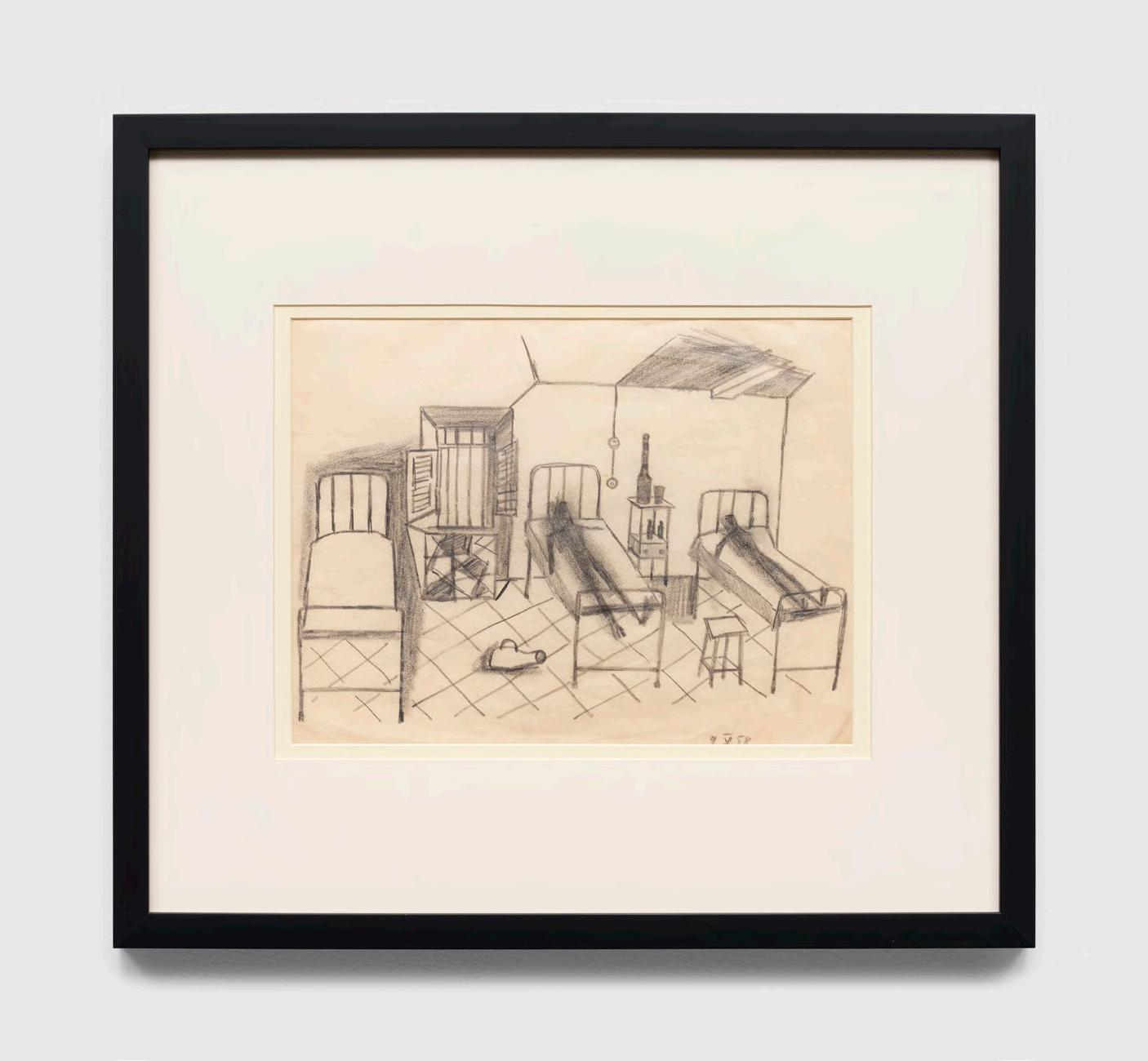
MAQBOOL FIDA HUSAIN
Untitled (Three Beds Two Figures), 1958
Pencil on paper
10 ½ x 13 ⅜ in 26 x 34 cm
$25,000
NOTES
Signed in Devanagari and dated '58' (lower right).
PROVENANCE
Chester and Davida Herwitz Collection Private Collection, New York
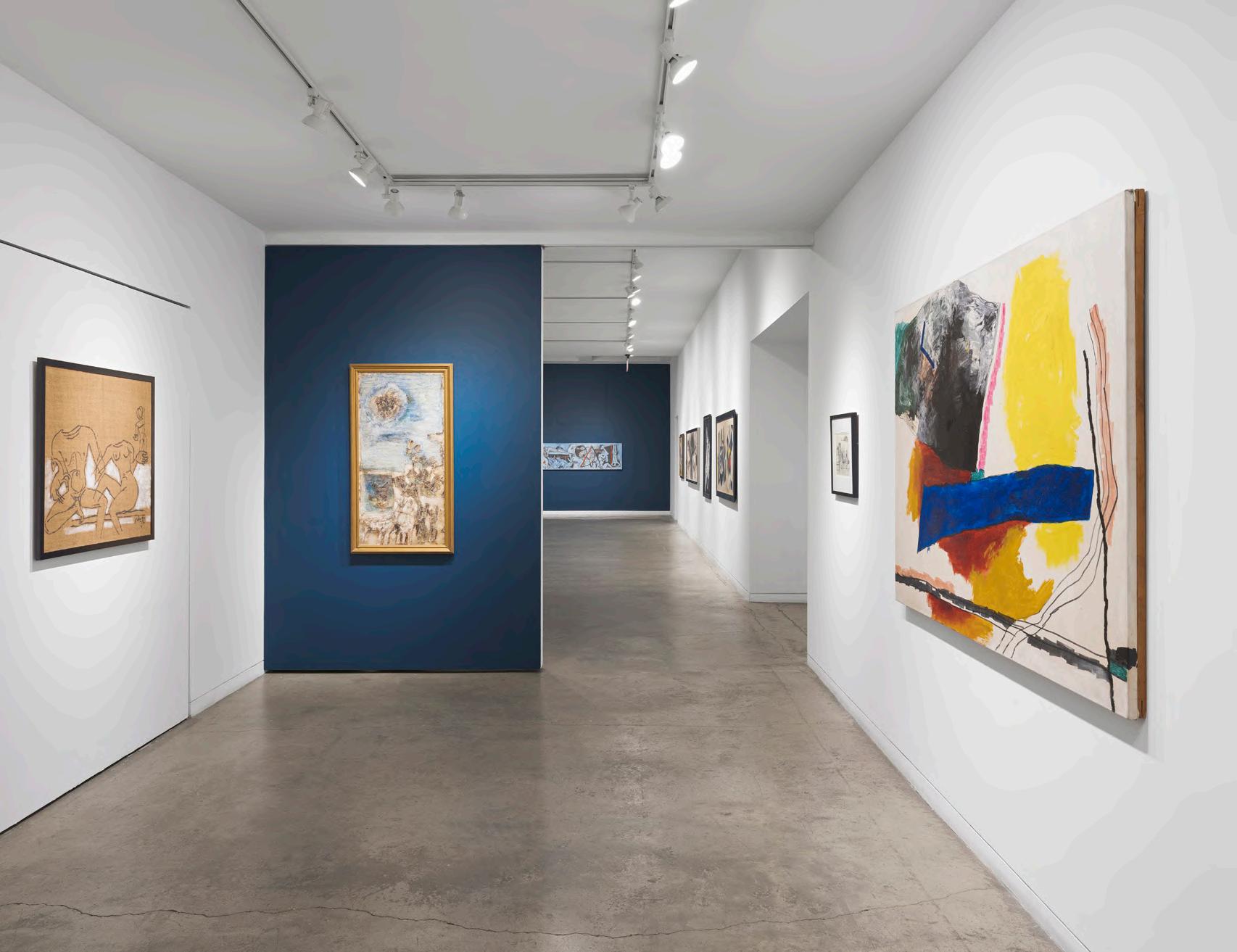
This fall, Aicon celebrated the friendship between M. F. Husain and Chester & Davida Herwitz in a landmark exhibition of the record-breaking Indian modernist. Chester & Davida Herwitz first met Husain during business trips to India in the 1960s. It was on one such trip that they encountered his seminal painting, Zameen (1955), at the National Gallery of Modern Art in New Delhi. Their initial encounter blossomed into something more, with Husain introducing them to other Indian artists and artists’ groups. The relationship they had with Husain was instrumental in the Herwitzes’ decision to focus on and collect Indian art, which they did for over two decades, amassing the finest collection of Indian modern art in the process. They collected no one more than Husain himself:
“People often ask me why I have so many Husains. It has to do with the continuing vision of the artist. And what has Husain not done! From ’66 till this day I see him as a one-man happening.”
—Chester Herwitz (R. Shahani, “An Indian frame of reference,” The Sunday Times of India, 5 February 1995)
In the simplest of terms, the friendship of artist and patron allowed Husain to be a pioneering figure, merging Western modernist techniques with themes from India’s epic historical and mythological texts, along with its ongoing struggle for an independent modern identity and stability in a post-colonial world. South Asian modern art would not have been the same without this relationship.
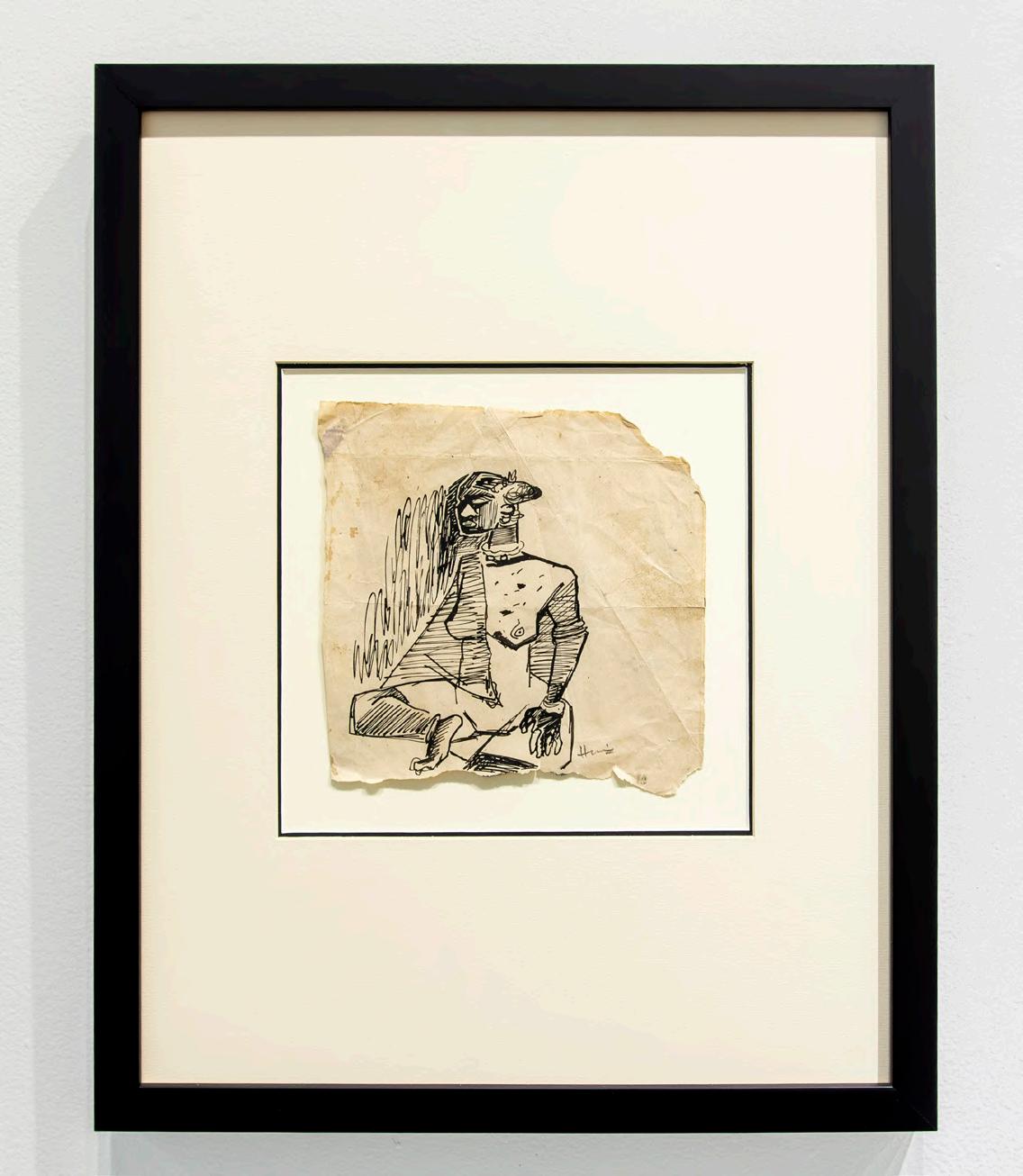
MAQBOOL FIDA HUSAIN
Sitting Figure, 1955
Ink on paper
6 x 6 in 15.2 x 15.2 cm
$15,000
NOTES
Signed ‘Husain’ (lower right).
PROVENANCE
Chester and Davida Herwitz Collection Private Collection, New York HUSMF088
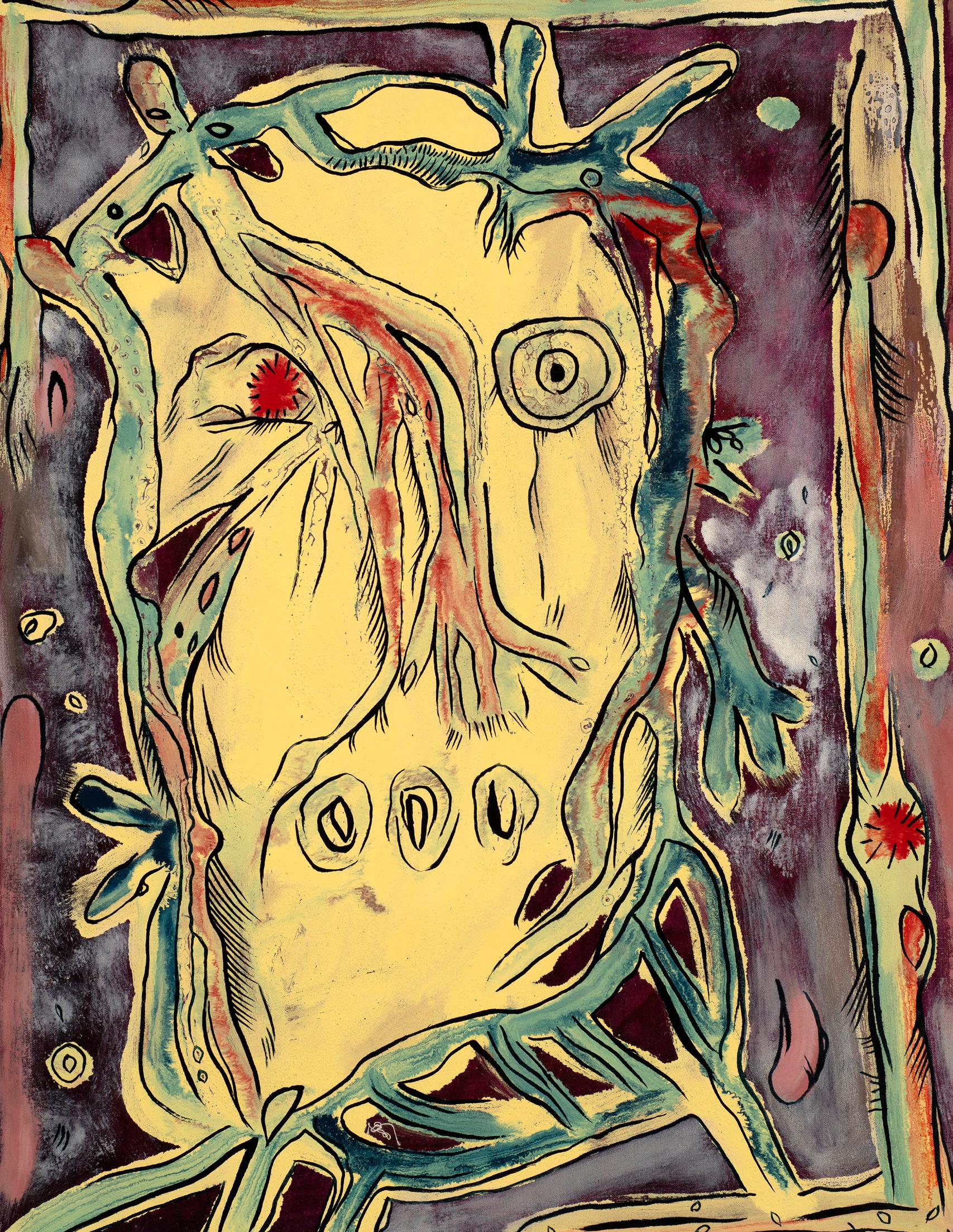
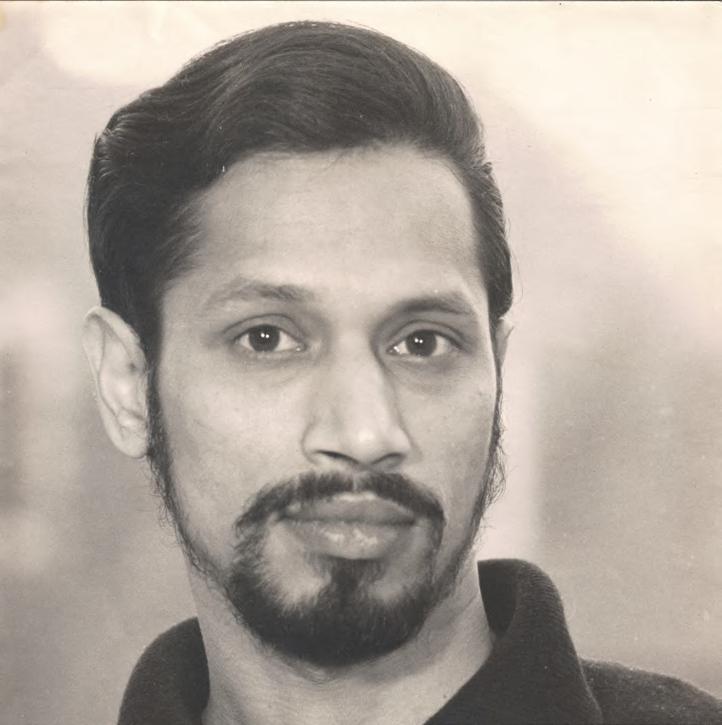
LANCELOT RIBEIRO (b. Bombay, 1933; d. London, 2010) was born into a Roman Catholic family from Goa and was the younger half-brother of F.N. Souza, with whom he shared a close bond. From a young age, Ribeiro observed his brother’s rise in the Progressive Artists’ Group, often welcoming its members at their family home. Educated at St. Xavier’s in Mumbai, he later described his turbulent experience at St. Mary’s Catholic School in Rajasthan as the beginning of his journey as an artist. At sixteen, he followed Souza to Britain, initially studying accountancy while staying with his brother’s family in London.
In 1963, Ribeiro co-founded the Indian Painters Collective, which evolved into Indian Artists UK (IAUK) in 1988, championing Indian artists in Britain. Throughout his career, Ribeiro held nearly 70 exhibitions worldwide, including notable shows with his brother, such as The Arts of India (1966) and Five Indian Artists (1976). His retrospective at Leicester’s Museum & Art Gallery in 1986 marked a major solo milestone. His final show in India, held in 1998, marked a symbolic return 30 years after he had left the country.
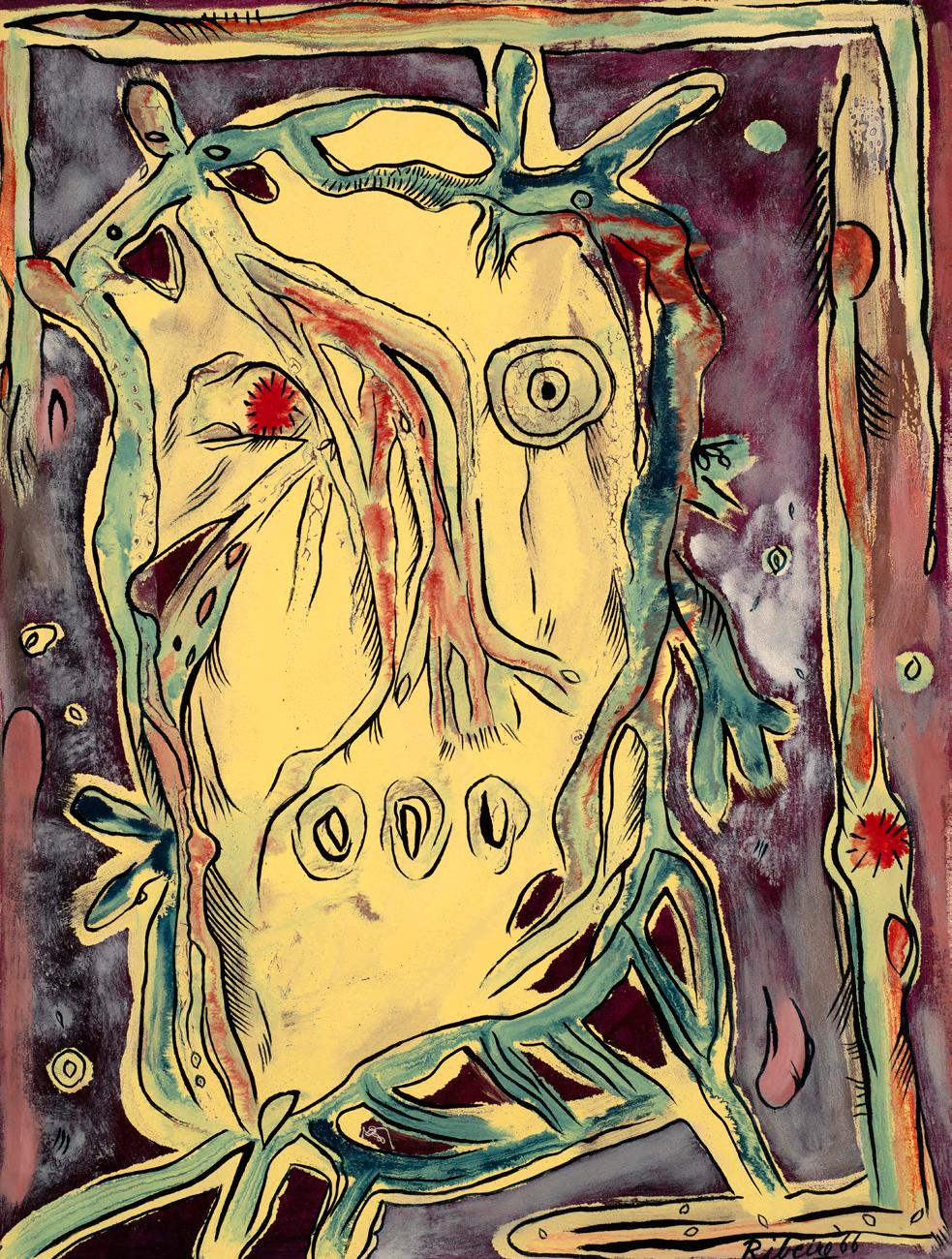
Untitled (Head), 1966
Oil and polyvinyl acetate on canvas
32 ⅔ x 24 ⅕ in 83 x 61.5 cm
$38,000
NOTES
Signed and dated 'Ribeiro 66' (lower right).
PROVENANCE
Directly from the Artist's Estate
RIBLA016
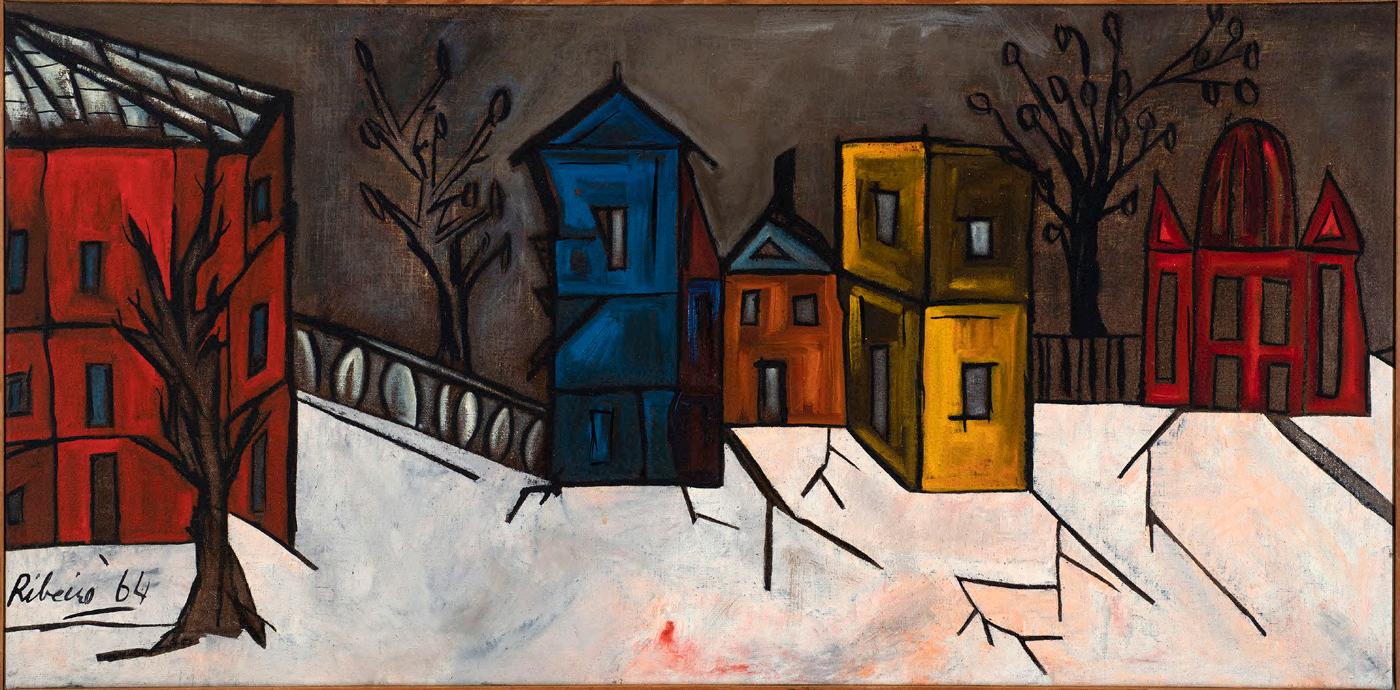
Landscape at Dusk, 1964
Oil and polyvinyl acetate on canvas
22 ⅚ x 46 ⅚ in
57.9 x 119 cm
$110,000
NOTES
Signed and dated ‘Ribeiro 64' (lower left).
PROVENANCE
Directly from the Artist's Estate
RIBLA036
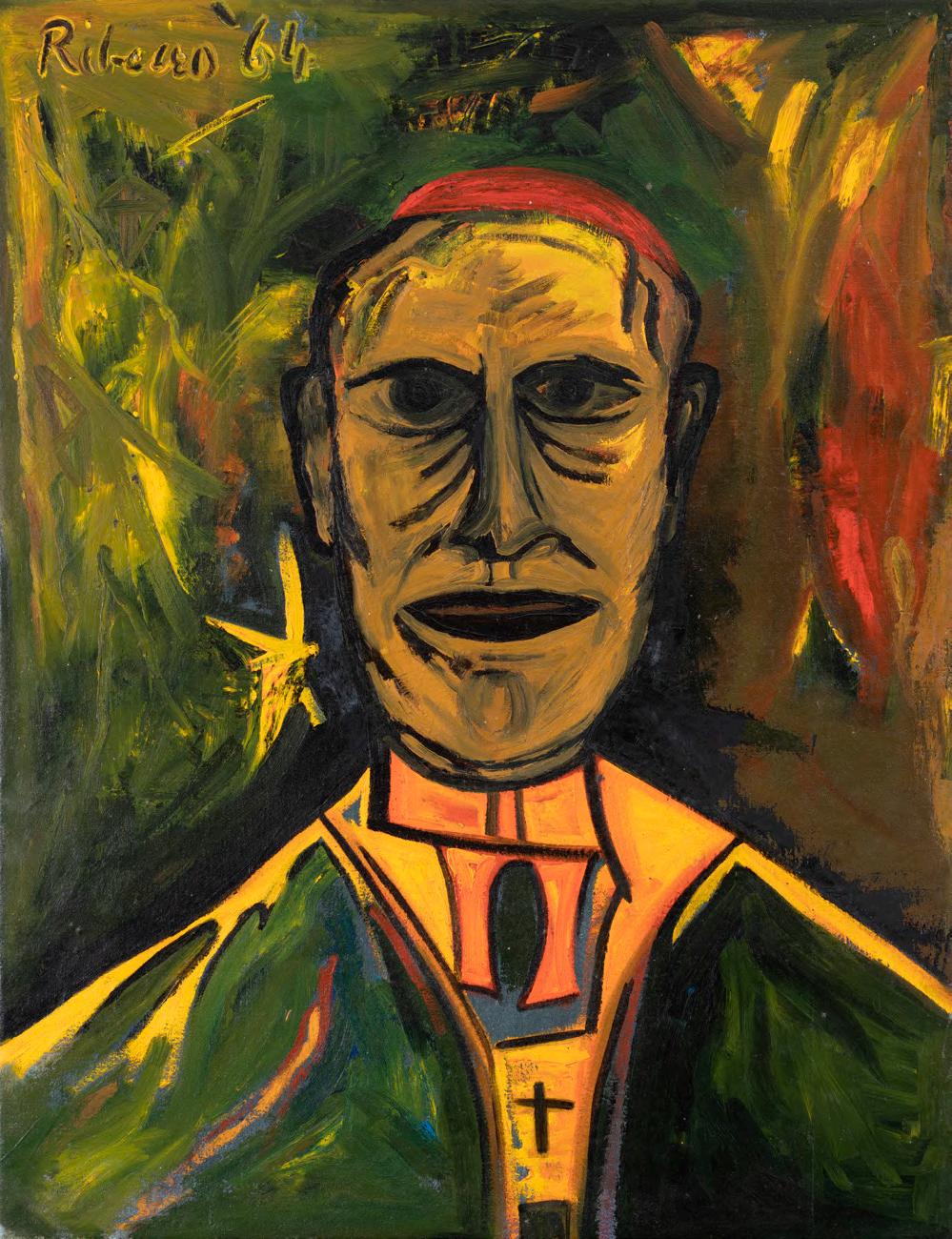
Untitled (The Cardinal), 1964 Oil on canvas
33 ⅔ x 25 in 85.5 x 63.5 cm
$75,000
NOTES
Signed and dated ‘Ribeiro 64' (upper left)
PROVENANCE
Directly from the Artist's Estate
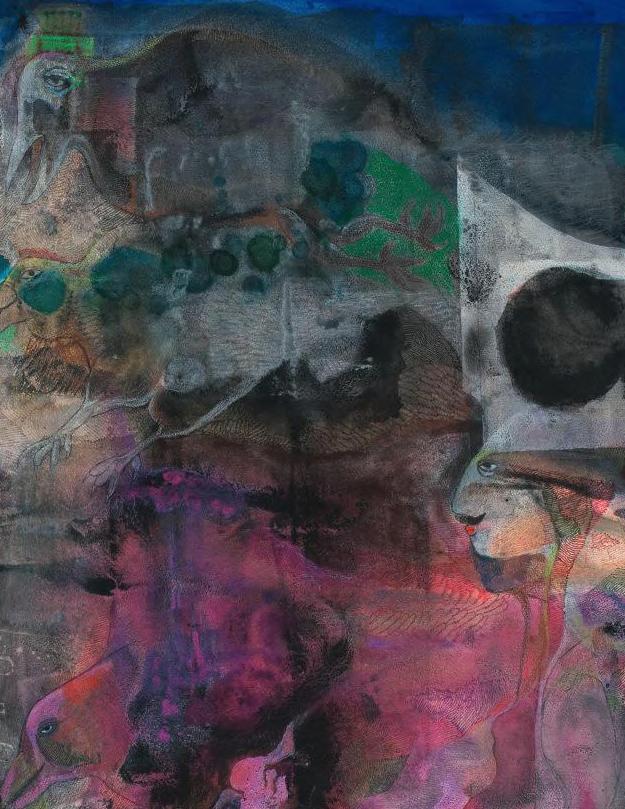
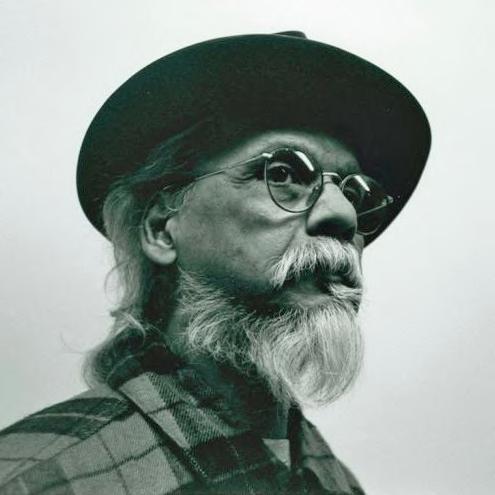
MOHAN SAMANT (b. Bombay, 1924; d. New York City, 2004) was an early Indian modernist painter and a member of the Progressive Artists’ Group (PAG). He received his diploma from the Sir JJ School of Art in 1952. Samant had several solo shows with his New York representative, World House Galleries, and was included in major group exhibitions such as the Venice Biennale (1956), the touring Trends in Contemporary Painting From India (1959-60), Contemporary Indian Painting 1973 (1973, Renwick Gallery, Washington, D.C.), Contemporary Indian Art (1982, Royal Academy of Arts, London, UK), and The Progressive Revolution (2019, Asia Society, New York). In addition to his art practice, Samant was a skilled musician who favored the sarangi (an Indian bowed instrument). He often held concerts in his Flatiron loft with his wife, musician Jillian Samant. Samant’s artworks are held in prestigious collections including the Hirshhorn Museum (Washington, D.C.), Museum of Modern Art (New York, NY), National Gallery of Modern Art (Mumbai, India), Picker Art Gallery (Colgate University, NY), Tate (London, UK), and The Metropolitan Museum of Art (New York, NY).
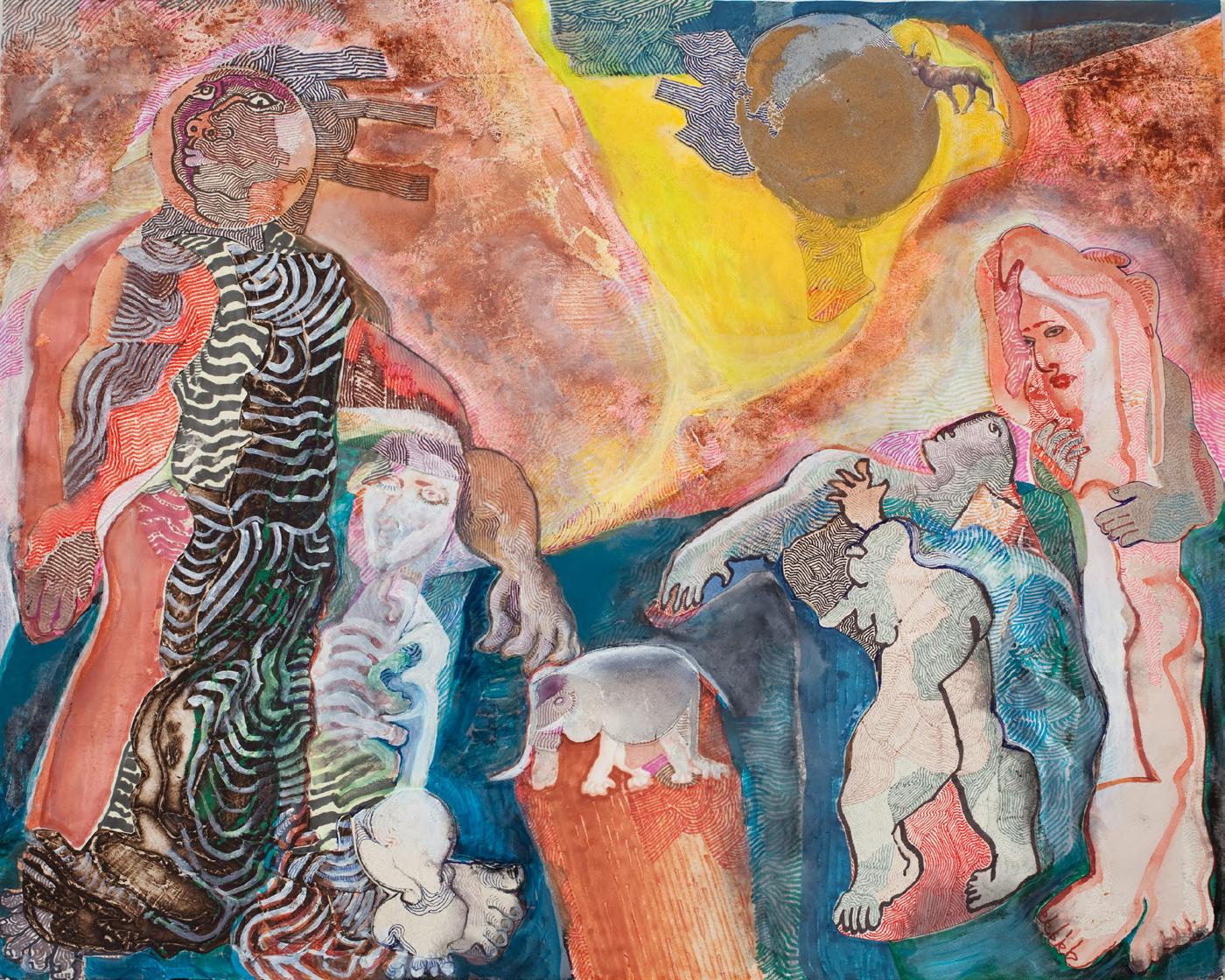
MOHAN SAMANT
Untitled, 1988
Watercolor on paper with paper overlays
24 x 29 ⅞ in 61 x 75.9 cm
$55,000
PROVENANCE
Directly from the Artist’s Estate
LITERATURE
M.Sirhandi, J. Wechsler & R. Hoskote, Mohan Samant: Paintings (Volume I), Ahmedabad: MapinPublishing, 2013, page 458.
SAMMO029
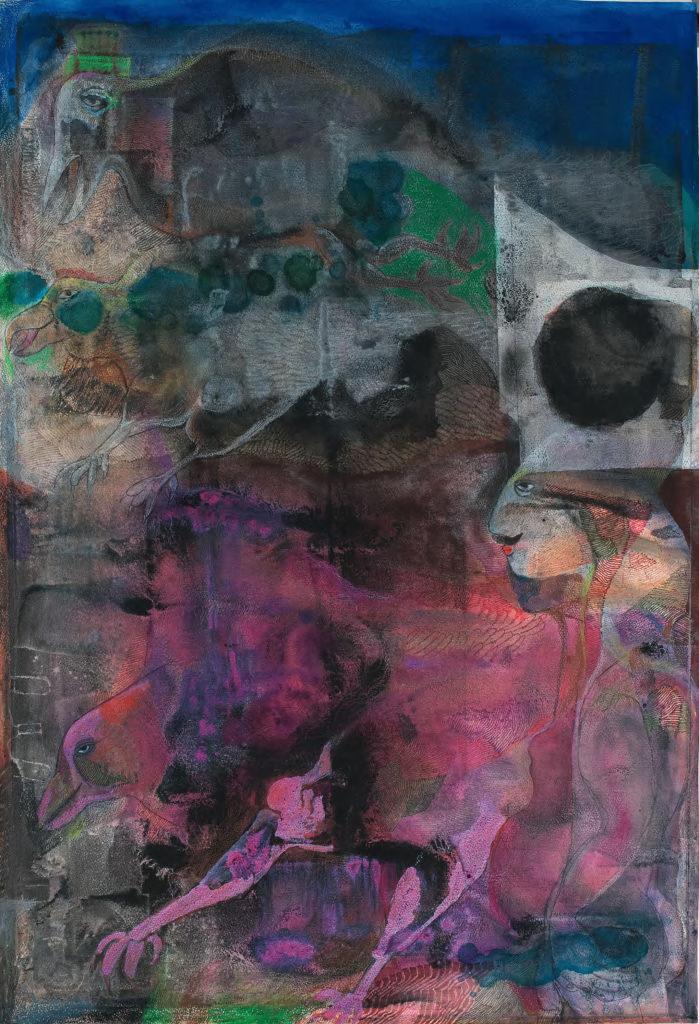
Untitled, c. 1991
Watercolor on paper
40 x 30 in 101.6 x 76.2 cm
$90,000
PROVENANCE
Directly from the Artist's Estate
LITERATURE
M.Sirhandi, J. Wechsler & R. Hoskote, Mohan Samant: Paintings (Volume I), Ahmedabad: MapinPublishing, 2013, page 462.
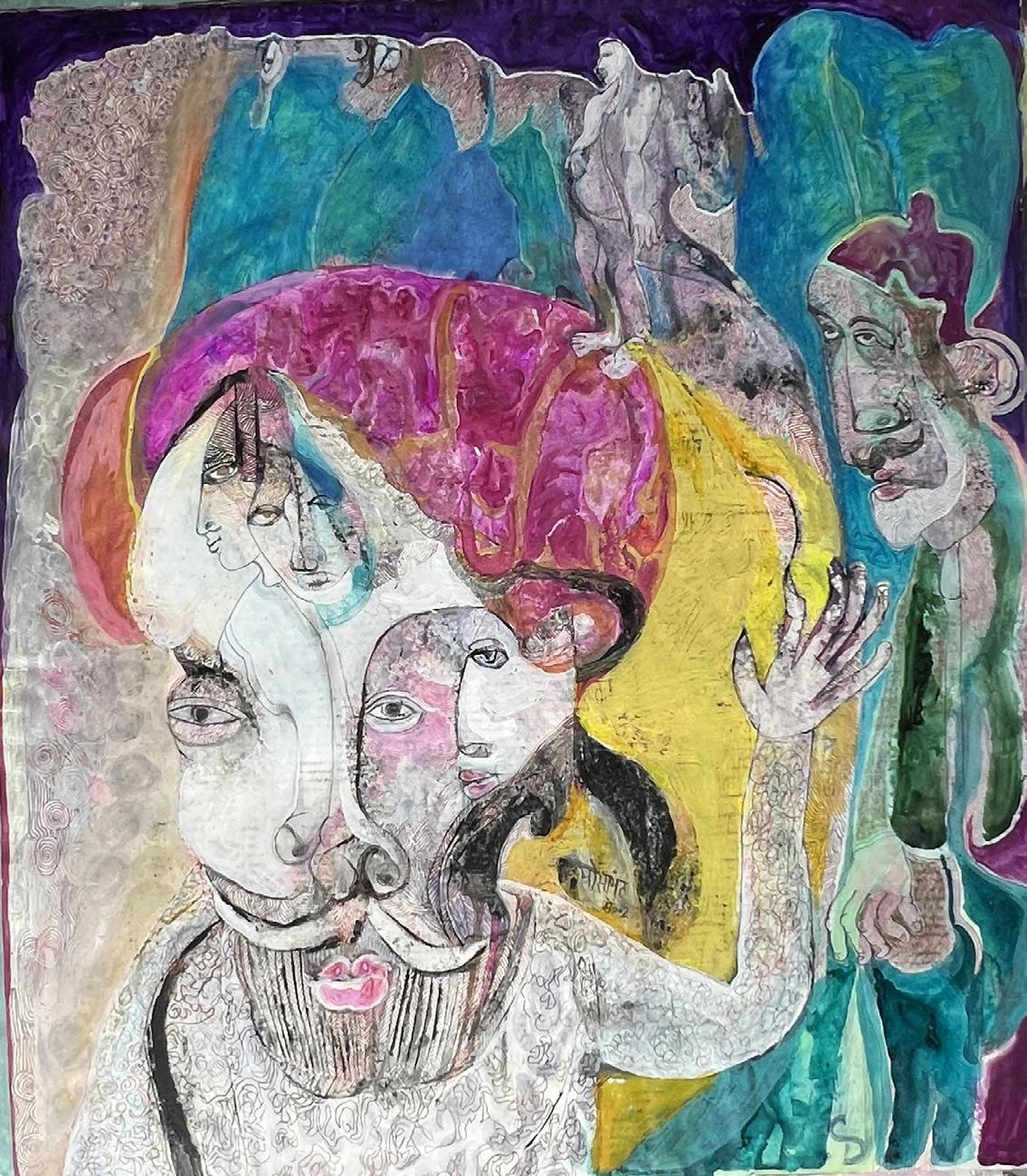
A Man of the Town, 2002
Acrylic and watercolor on paper
40 x 35 in 101.6 x 88.9 cm
$80,000
PROVENANCE
Directly from the Artist’s Estate
LITERATURE
M. Sirhandi, J. Wechsler & R. Hoskote, Mohan Samant: Paintings (Volume I), Ahmedabad: Mapin Publishing, 2013, pages 287 & 479.
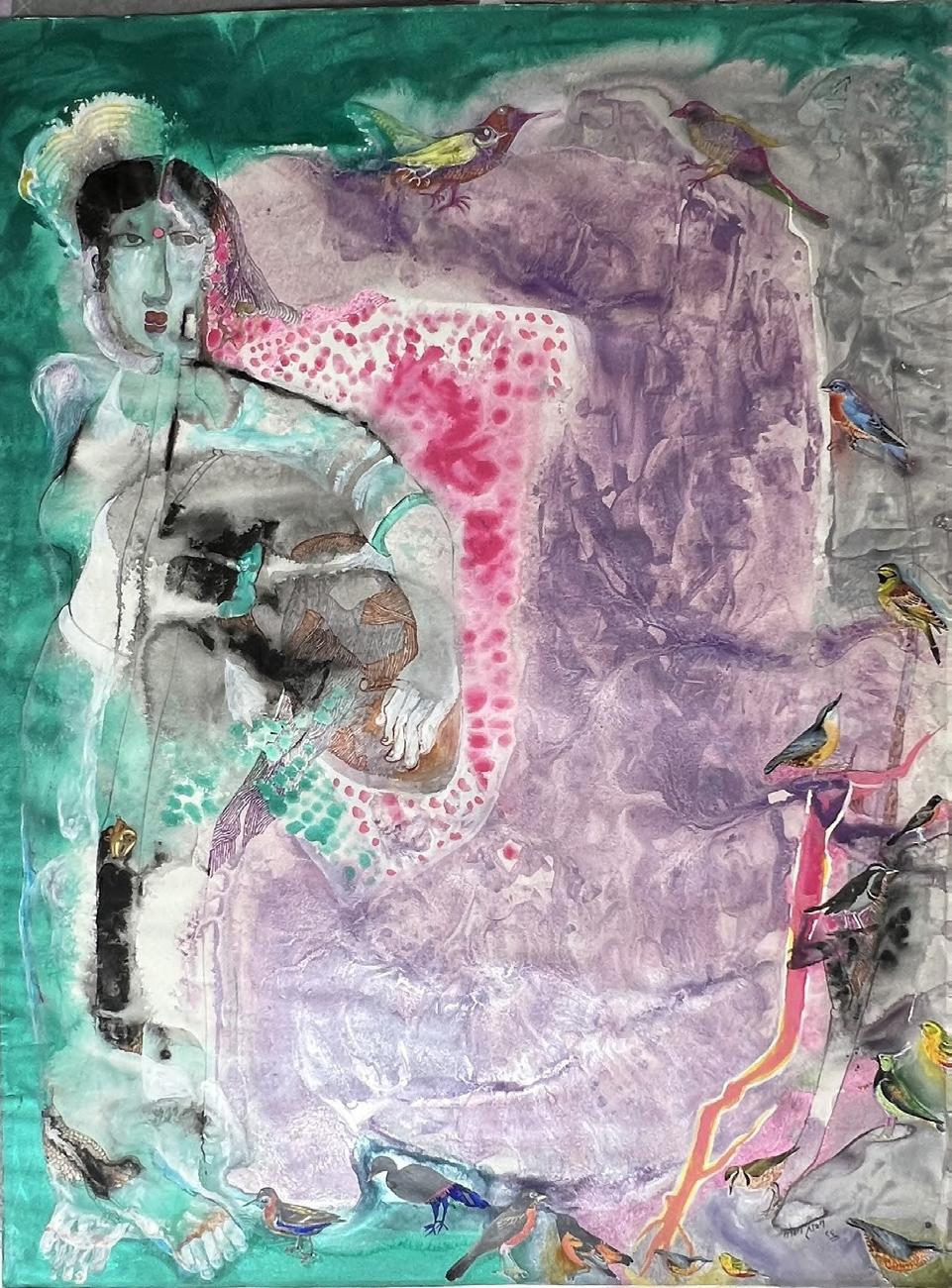
MOHAN SAMANT
Angelica, 1996
Watercolor on paper
48 x 36 in 121.9 x 91.4 cm
$90,000
PROVENANCE
Directly from the Artist’s Estate
LITERATURE
M. Sirhandi, J. Wechsler & R. Hoskote, Mohan Samant: Paintings (Volume I), Ahmedabad: Mapin Publishing, 2013, pages 131 & 469.
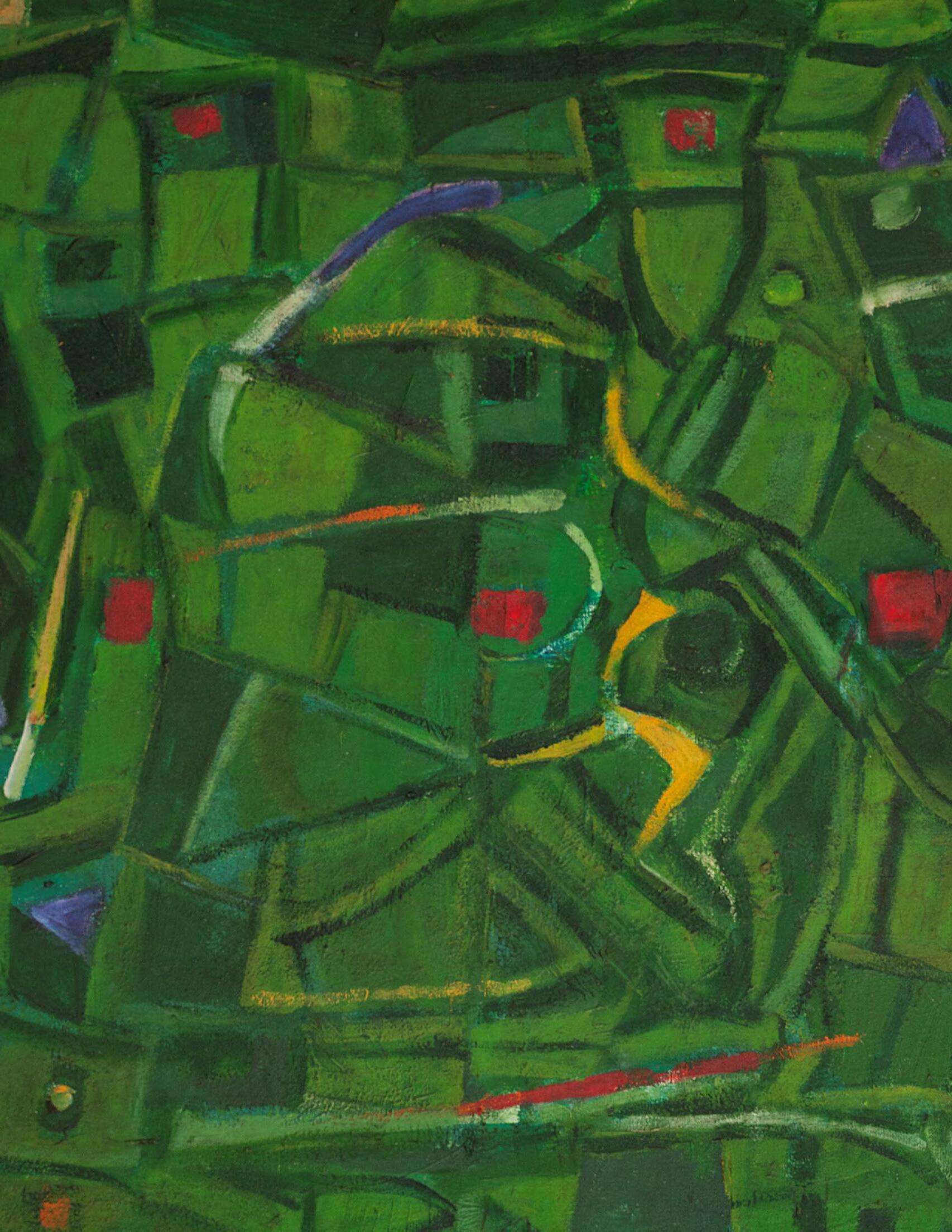
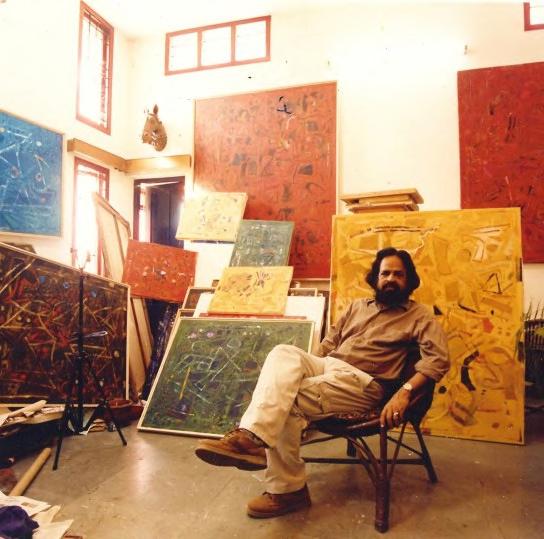
ACHUTHAN KUDALLUR (b. Kerala, 1945; d. Chennai, 2022) became a prominent figure in the Madras Art Movement after joining the famed Arts Club in the 1970s at the behest of his friend Mohan Rao. What Kudallur would find at the Madras Arts Club was an outlet for his creative spirit that had been dulled by an education in engineering. Before engineering and before Madras, Kudallur dreamed of being a writer so he took classes with the goal of illustrating his stories. Instead, he found a love for painting that became the central focus of his life. He continued to work as a civil engineer in public works in Chennai until he could sustain himself as an artist. He had several solo exhibitions in India, and participated in international exhibitions in France, Czech Republic, and London. His works were shown at the Bhopal Biennale (1991 and 1998), the Seventh Triennial in Delhi (1991) and the 3rd Asian Art Show at Fukuoka, Japan. He won the Tamil Nadu Lalit Kala Akademi award in 1982 and the National Academy Award in 1988. Kudallur’s paintings can be found in prestigious public and corporate collections throughout India, and have been acquired by the Glenbarra Art Museum (Japan) and the National Gallery of Modern Art (New Delhi).
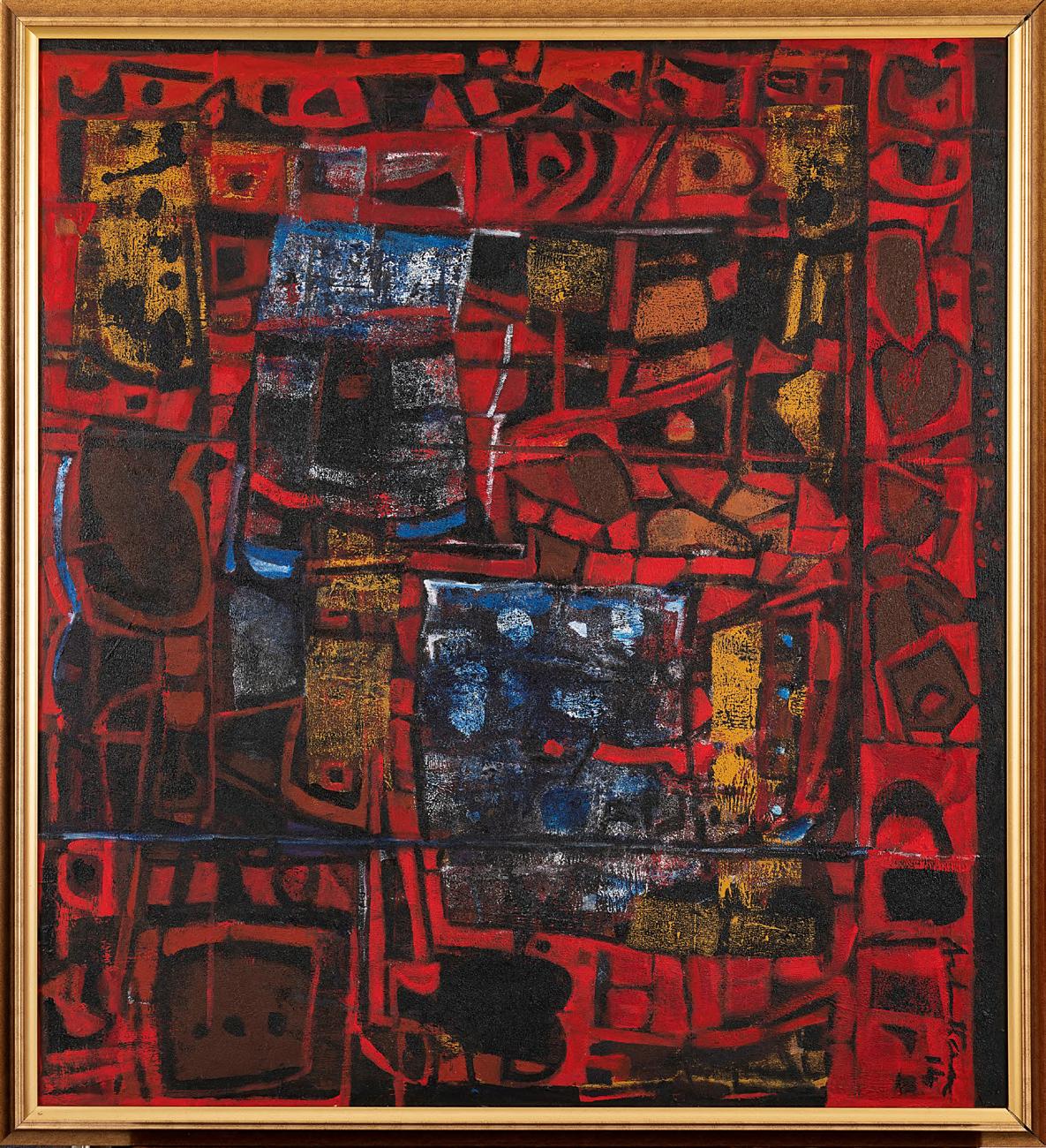
Untitled, 2014 Oil on canvas
43 ½ x 48 ½ in 110.5 x 123.1 cm
$50,000
NOTES
Signed and dated 'Achuthan / 14' (lower right)
PROVENANCE
Directly from the Artist's Estate
KUDAC049
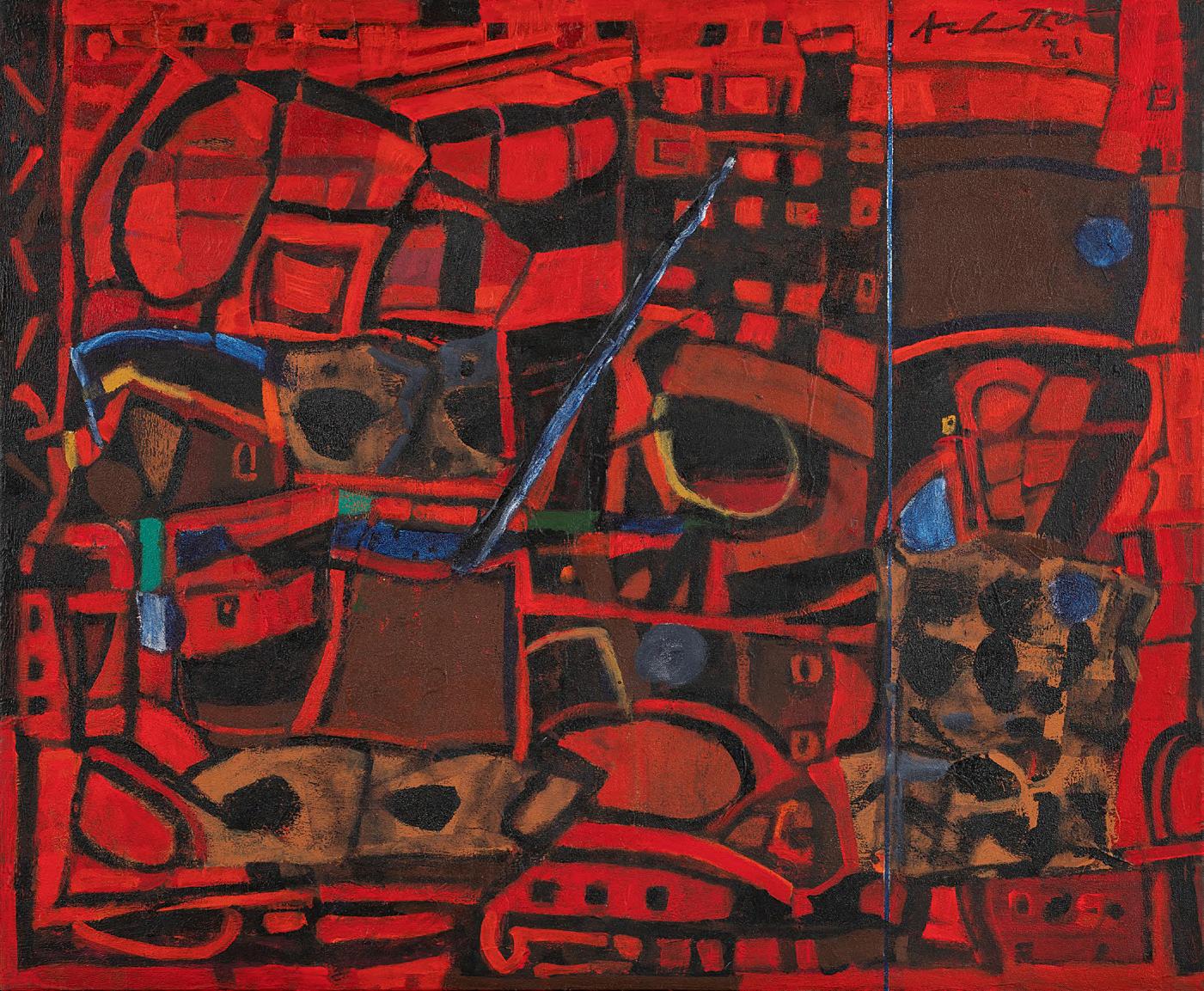
ACHUTHAN KUDALLUR
Untitled, 2021
Acrylic on canvas
33 ⅕ x 40 ⅙ in
84.4 x 102 cm
$41,500
NOTES
Signed and dated 'Achuthan / 21' (upper right).
PROVENANCE
Directly from the Artist's Estate
KUDAC052
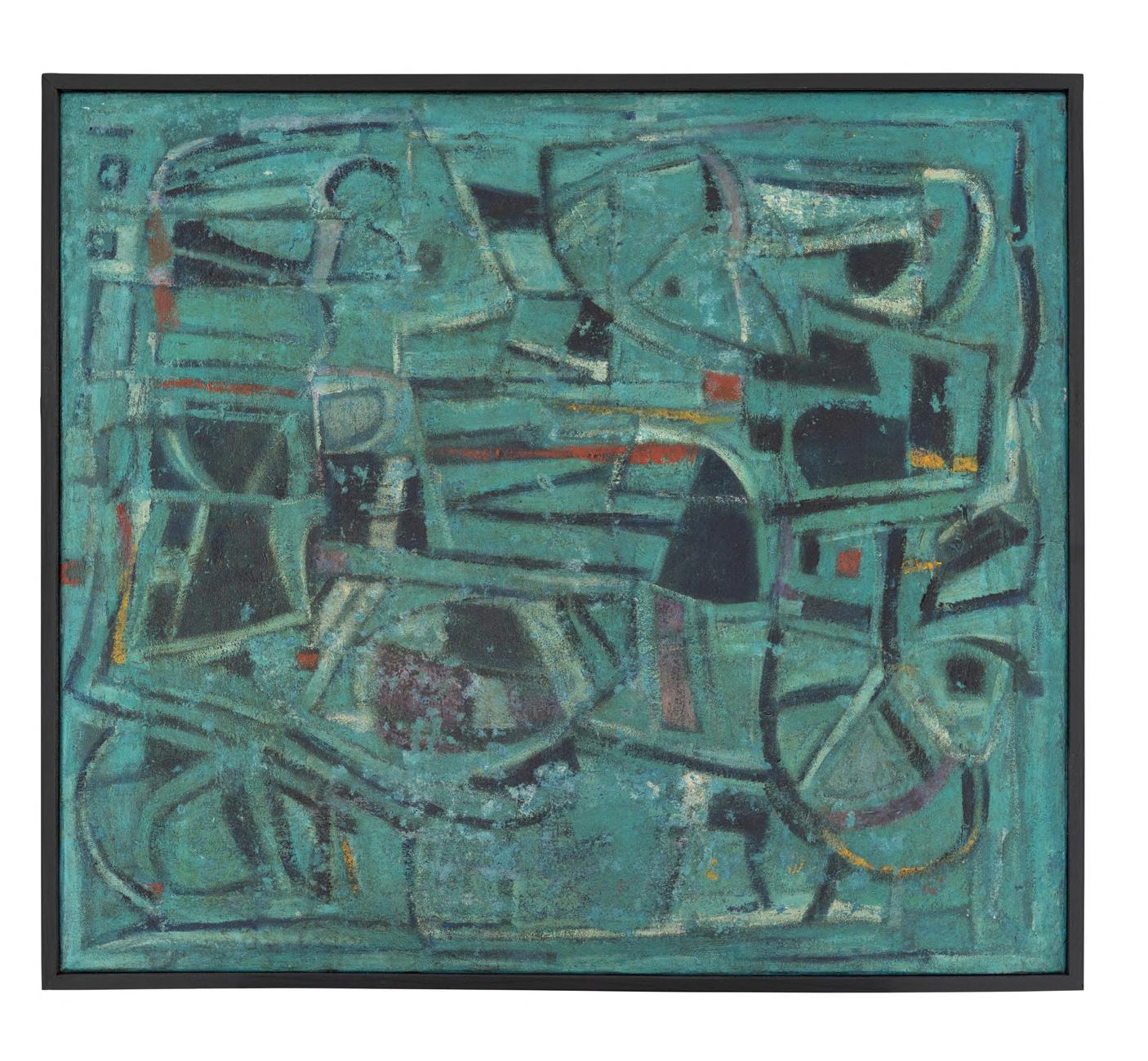
Untitled, n/d Oil on canvas
28 ⅚ x 33 ⅛ in 73.2 x 84 cm
$27,000
PROVENANCE
Directly from the Artist's Estate
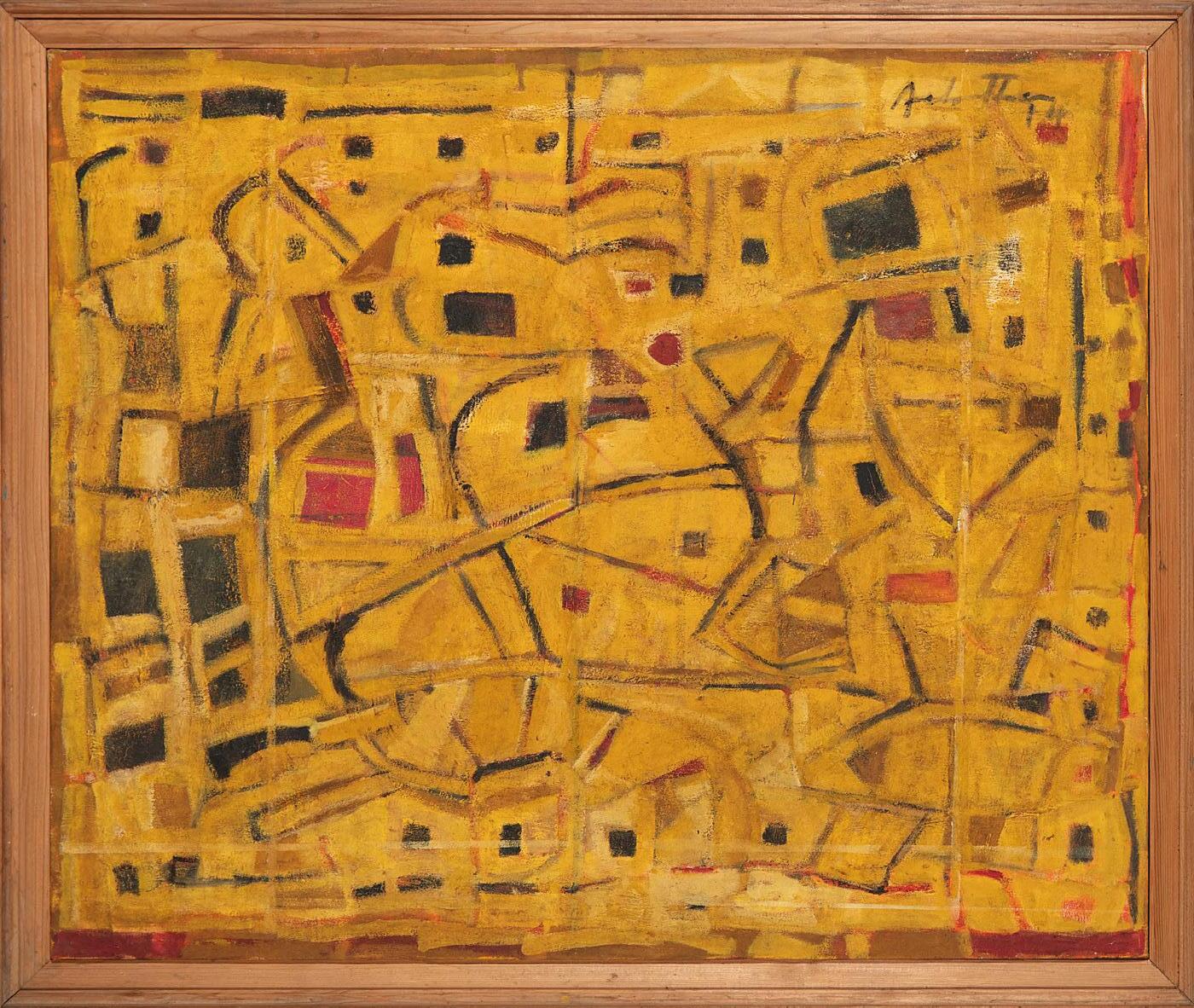
ACHUTHAN KUDALLUR
Untitled, 2014 Oil on canvas
34 ⅕ x 40 ⅛ in 87 x 104 cm
$37,000
NOTES
Signed and dated 'Achuthan / 14' (upper right)
PROVENANCE
Directly from the Artist's Estate
KUDAC054
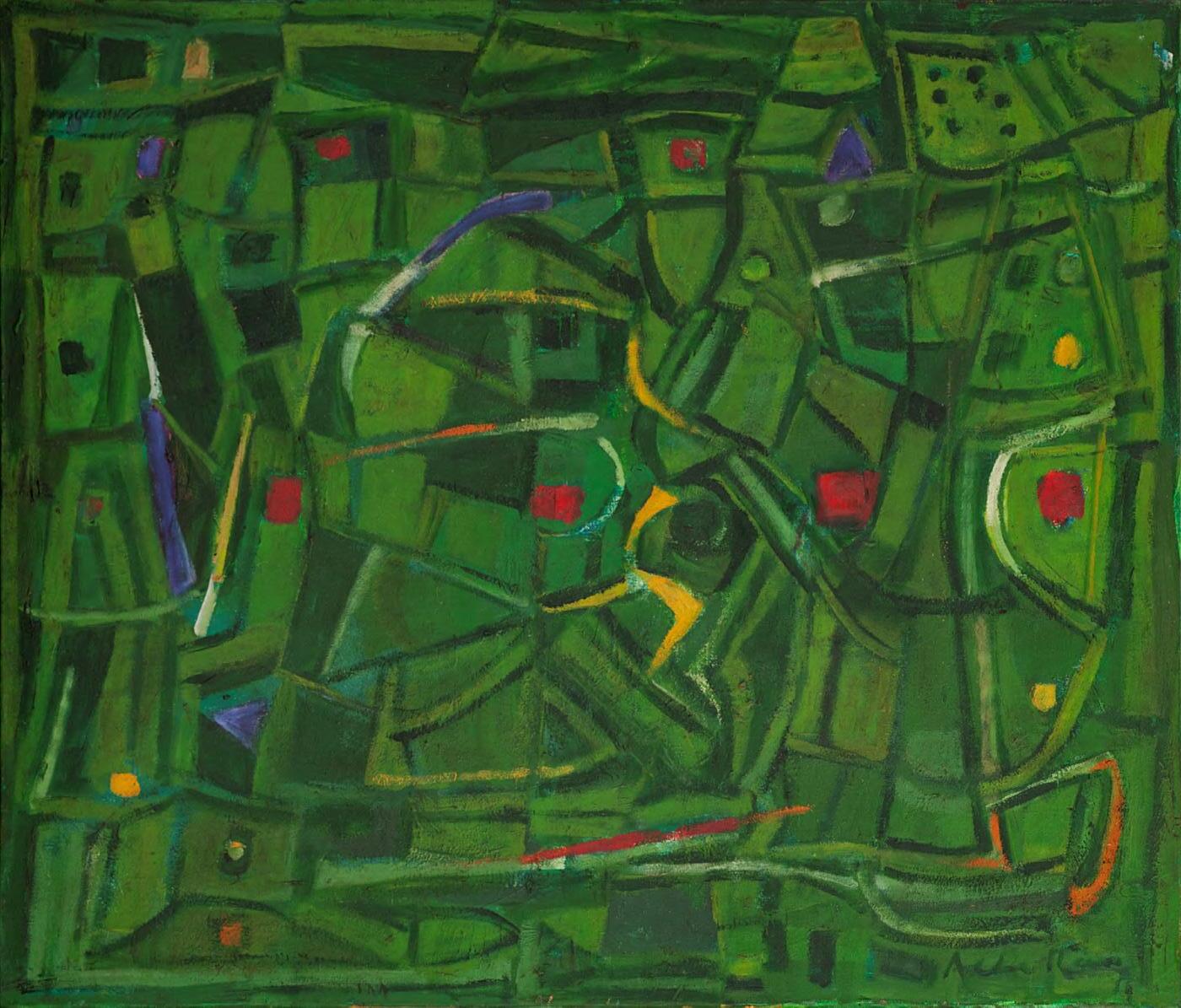
ACHUTHAN KUDALLUR
Untitled, c.2000s Oil on canvas
30 x 34 ⅚ in 76.1 x 88.4 cm
$37,000
NOTES
Signed 'Achuthan" (lower right)
PROVENANCE
Directly from the Artist's Estate
KUDAC055
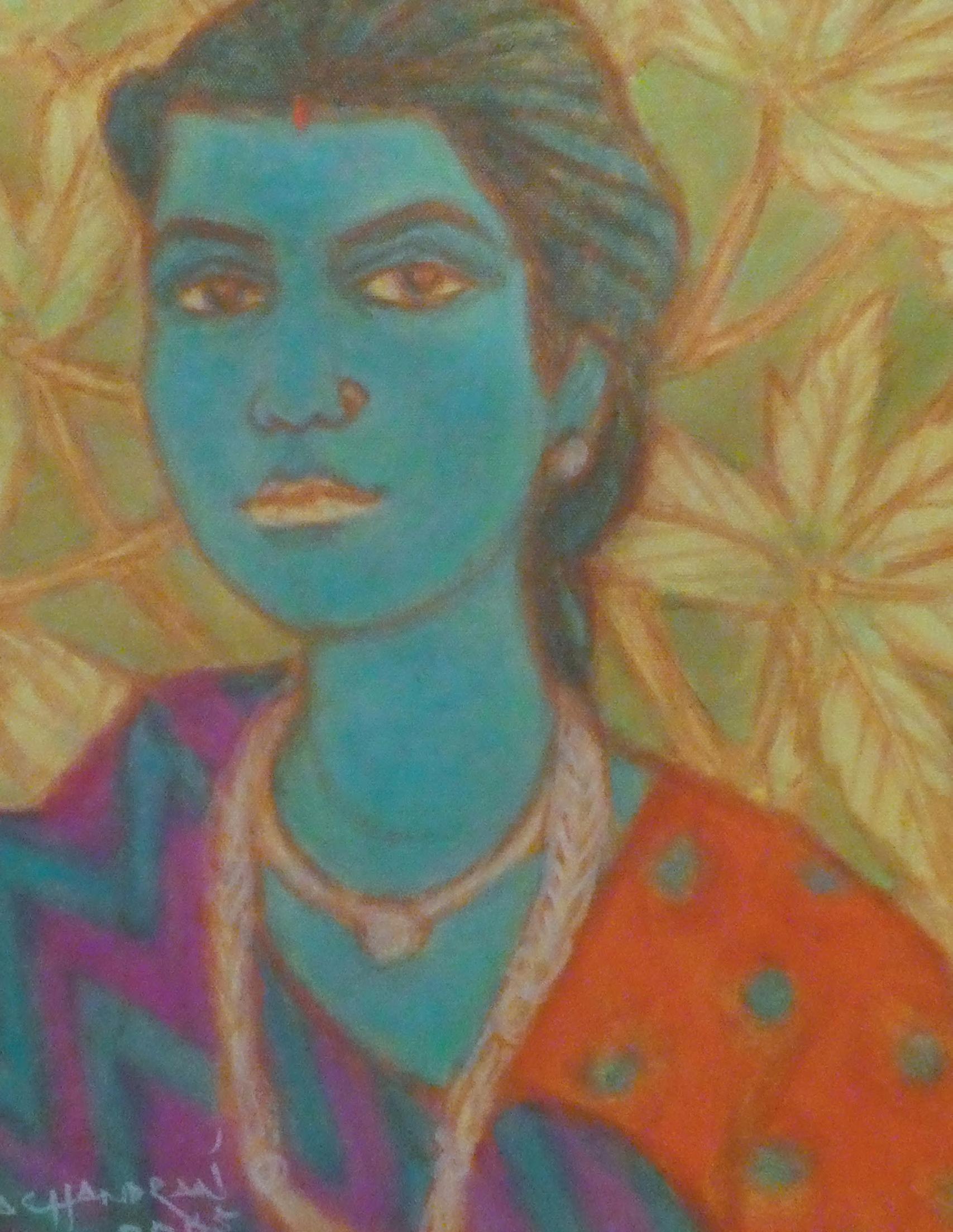
B. PRABHA (b. Maharashtra, 1933; d. Nagpur, 2001) studied at the Nagpur School of Art before later obtaining her diploma from Sir J. J. School of art in 1955. A significant artist of her time, Prabha is best remembered for her refined and elegant portrayal of rural women and their triumph over the tribulations of their daily lives. Through her life she experimented with various media and styles, ranging from abstract to figurative works.
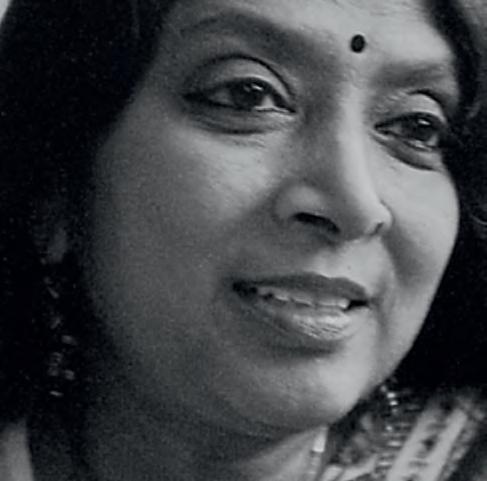
ACHUTAN RAMACHANDRAN (b. Attingal, 1935; d. New Delhi, 2024) studied Malayalam Literature at Kerala University as well as Fine Arts and Crafts at Kala Bhavan, Visva Bharati University. Strongly influenced by Nandalal Bose, he pioneered the usage of classical Indian images and aesthetics to articulate an ideological position. Influenced by the prevalent socio-political climate in Kerala, his early works were touched by oppression, violence and war. Over time, his practice shifted towards representations of archetypical Indian imagery, including compound motifs, decorative elements as well as exuberant forms and colors.
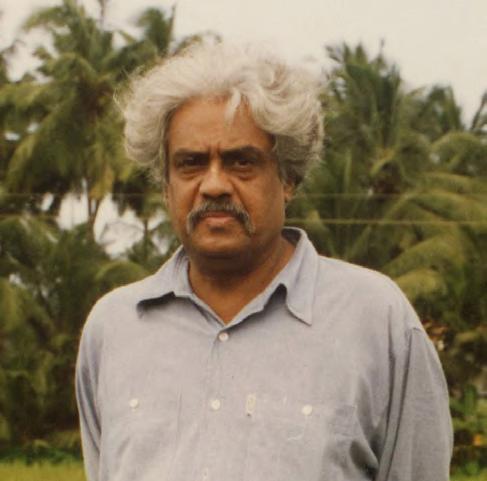
SATISH GUJRAL (b. West Bengal, 1887; d. Kolkata, 1972) was an internationally acclaimed artist, muralist, sculptor, architect and writer. A pioneer of modernism in post-Independence India, he sought a distinctly Indian artistic identity free from European influence. Born in Jhelum, Punjab, Gujral trained at the Mayo School of Art in Lahore and later at the JJ School of Art in Bombay, where he encountered but ultimately rejected the European-oriented modernism of the Progressive Artists Group in favor of a more indigenous visual language.
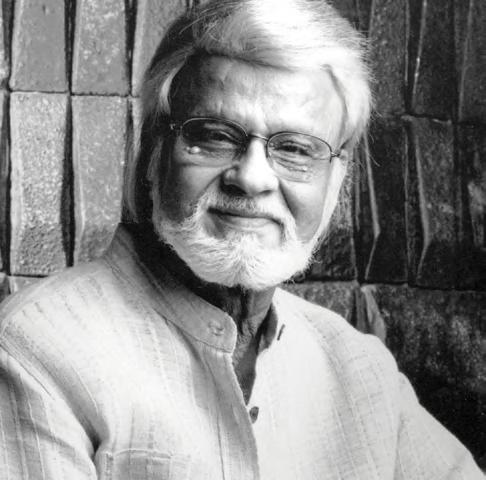
SHYAMAL DUTTA RAY (b. Ranchi, 1934; d. Kolkata, 2005) is regarded as a master watercolorist as well as a major turning point in the history of the Bengal school of art. He is credited with bringing depth and emotional intensity to watercolor at a time when the Bengal School favored light, translucent washes. His melancholic and often introspective works at the time reflected the contradictions of urban life. A founding member of the Society of Contemporary Artists, Ray played a key role in introducing innovation into the art scene of the 1960s, with imagery drawn largely from the lived realities of Calcutta.
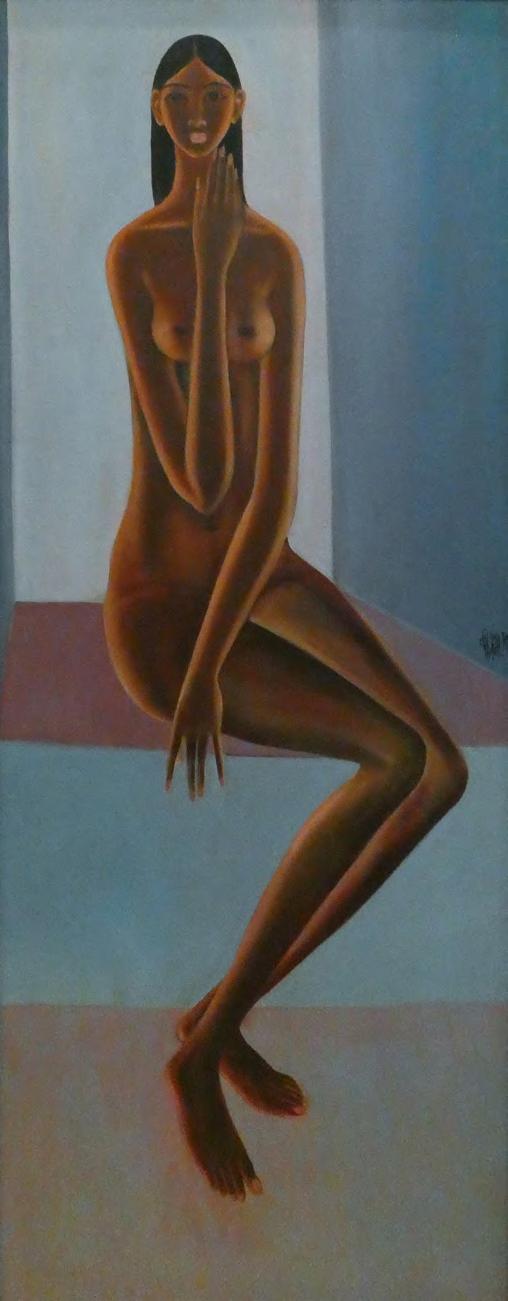
64 x 25 in 162.6 x 63.5 cm
$75,000
NOTES
Signed in Devanagari (center right).
PROVENANCE
Private Collection, Washington
PRAHB018
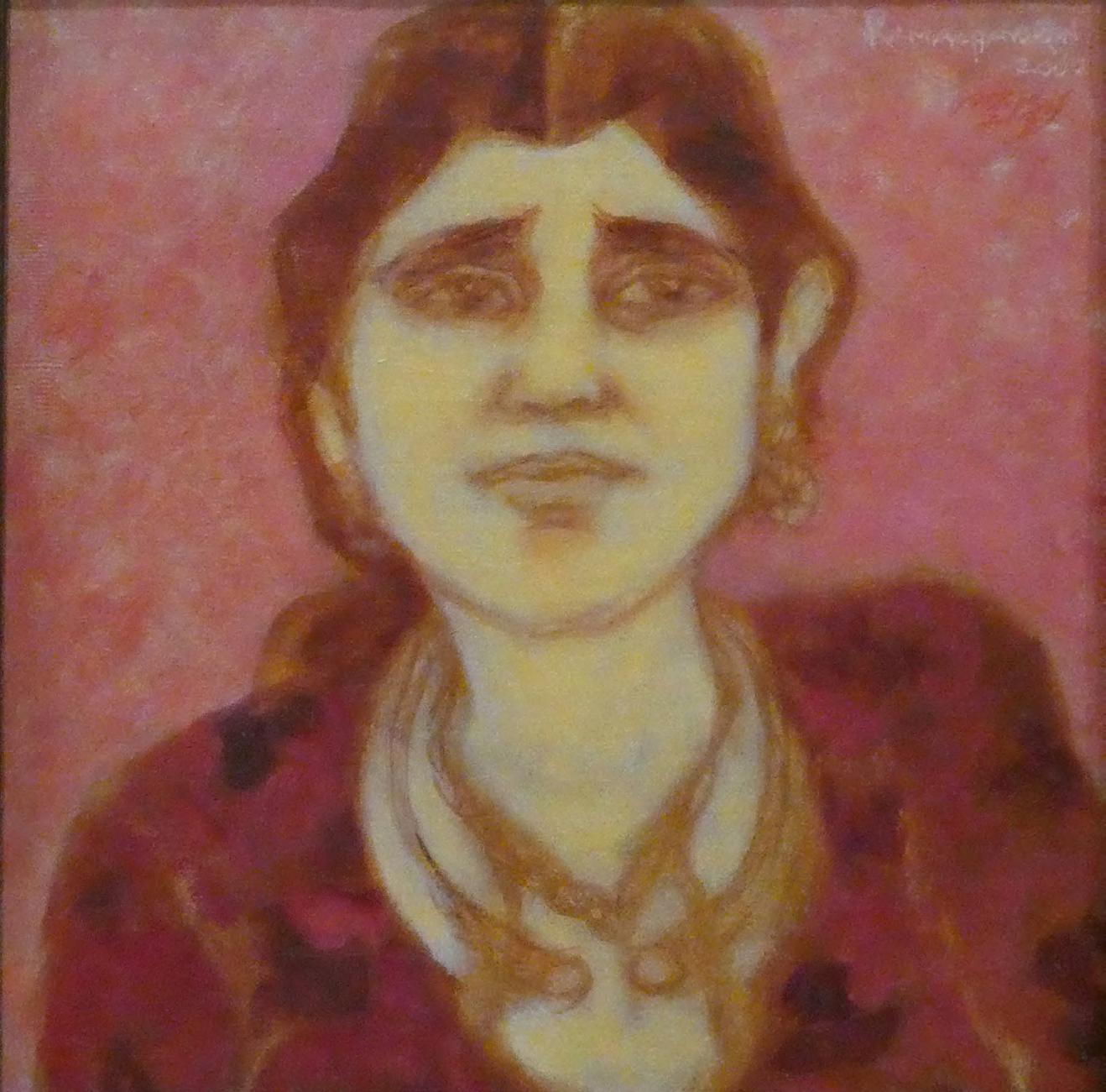
ACHUTAN RAMACHANDRAN
Untitled (Pink Face), 2002 Oil on canvas
18 x 18 in 45.7 x 45.7 cm
$50,000
NOTES
Signed and dated 'Ramachandran / 2002' (upper right).
PROVENANCE
Private Collection, Washington
RAMAC002
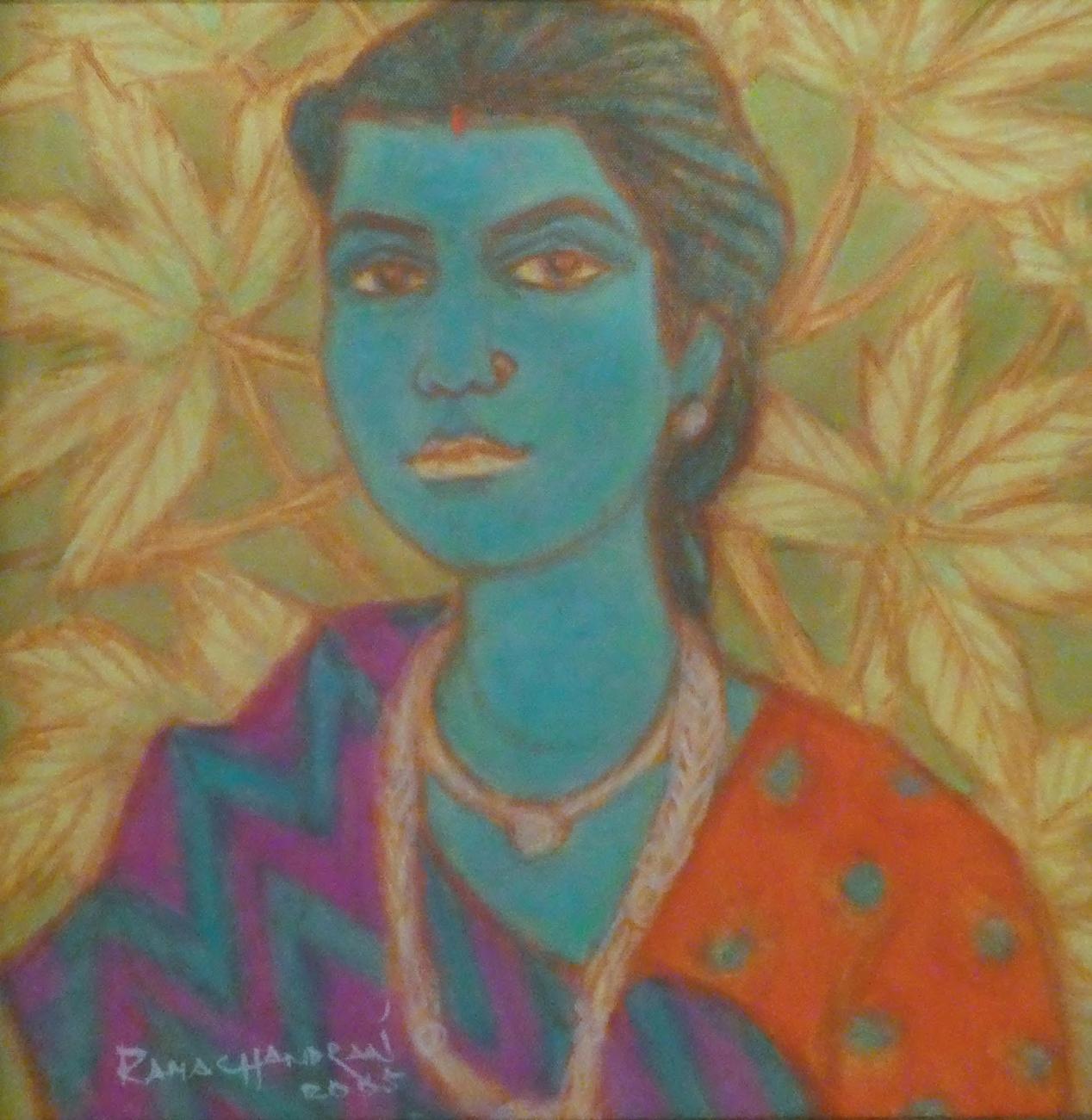
ACHUTAN RAMACHANDRAN
Untitled (Green Face), 2005 Oil on canvas 18 x 18 in 45.7 x 45.7 cm
$50,000
NOTES
Signed and dated 'Ramachandran / 2005' (lower left).
PROVENANCE
Private Collection, Washington
RAMAC003
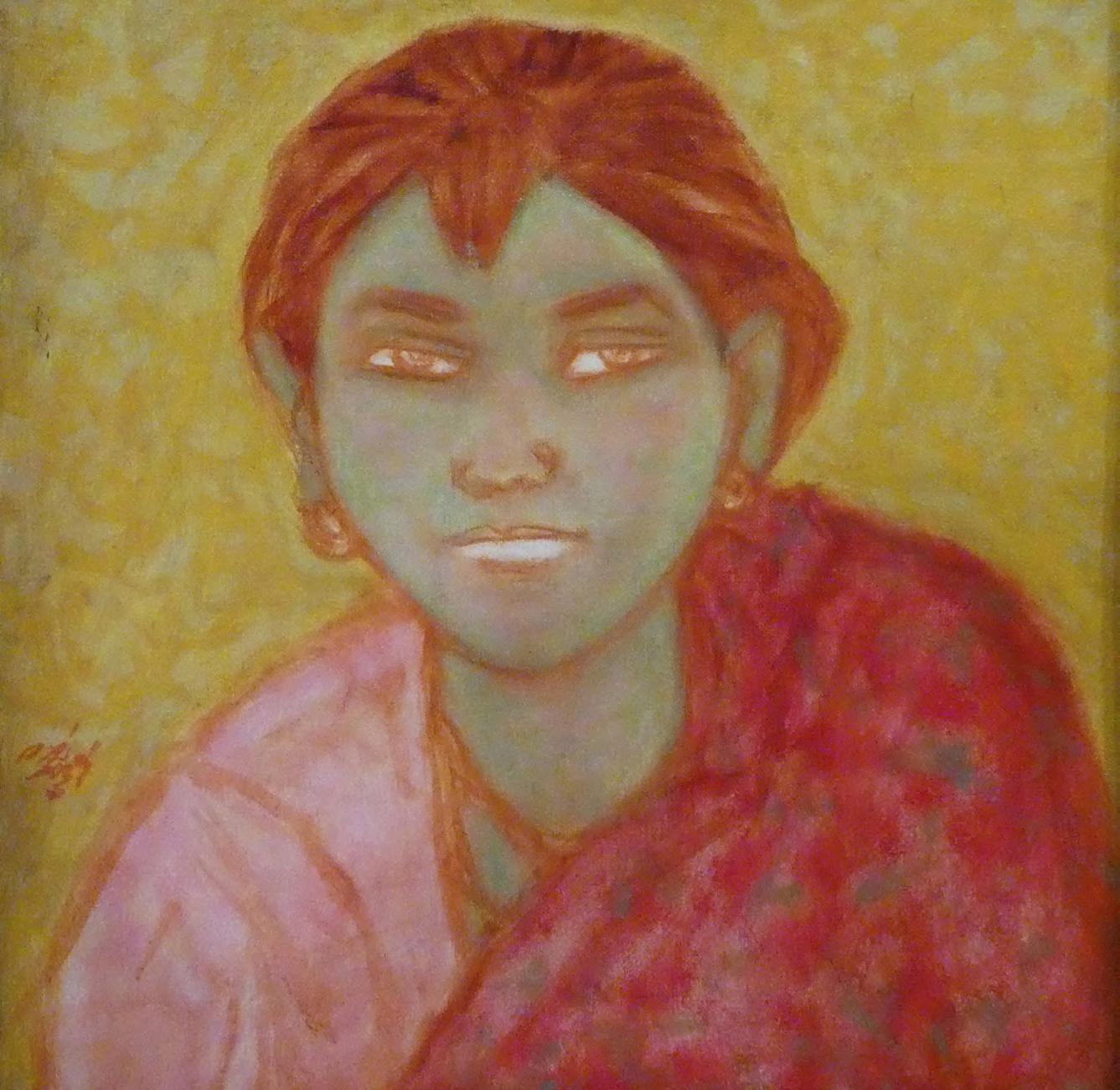
ACHUTAN RAMACHANDRAN
Untitled (Yellow Face), n/d Oil on canvas 18 x 18 in 45.7 x 45.7 cm
$50,000
NOTES
Signed in Devanagari (bottom left).
PROVENANCE
Private Collection, Washington
RAMAC004
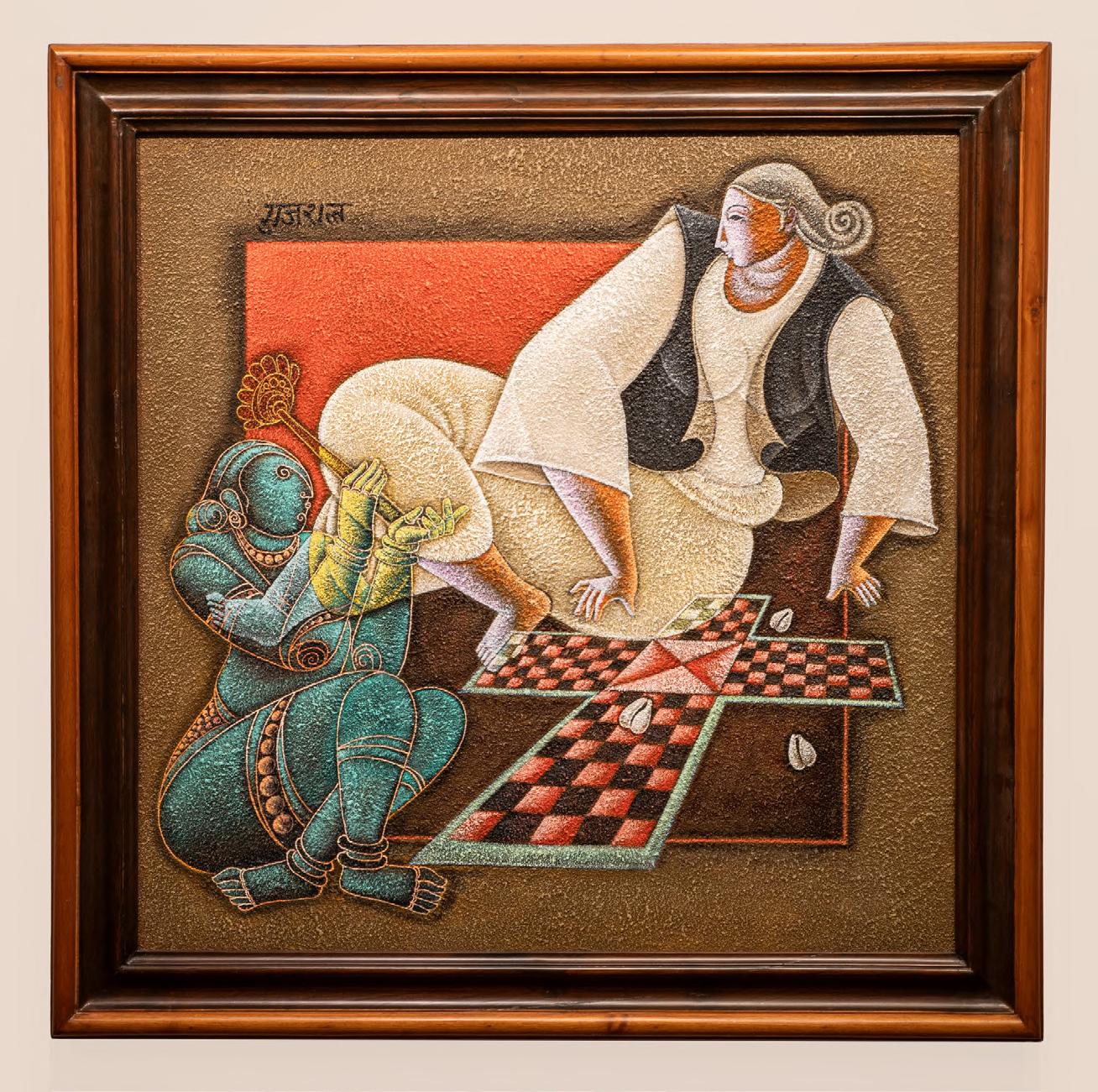
SATISH GUJRAL
Untitled 44, n/d
Acrylic on textured canvas
30 x 30 in 76.2 x 76.2 cm
$50,000
NOTES
Signed in Devanagari (upper left).
PROVENANCE
Private Collection, Washington
GUJSA003
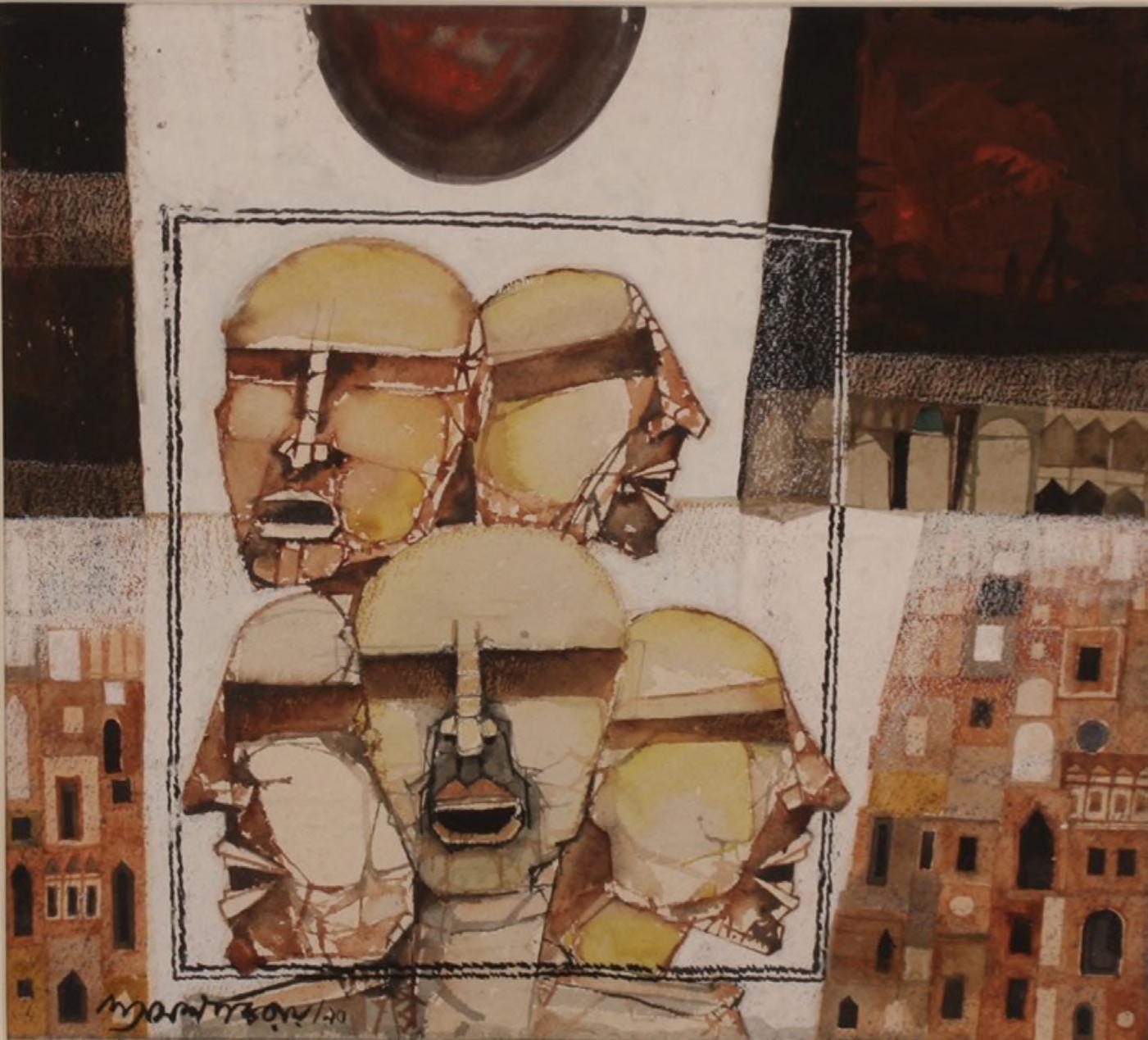
SHYAMAL DUTTA-RAY
Untitled, 1970
Watercolor on paper
14 ½ x 16 ½ in 36.8 x 41.9 cm
$15,000
NOTES
Signed in Bengali and dated '70' (lower right)
PROVENANCE
Private Collection, New Jersey
DUTSH003
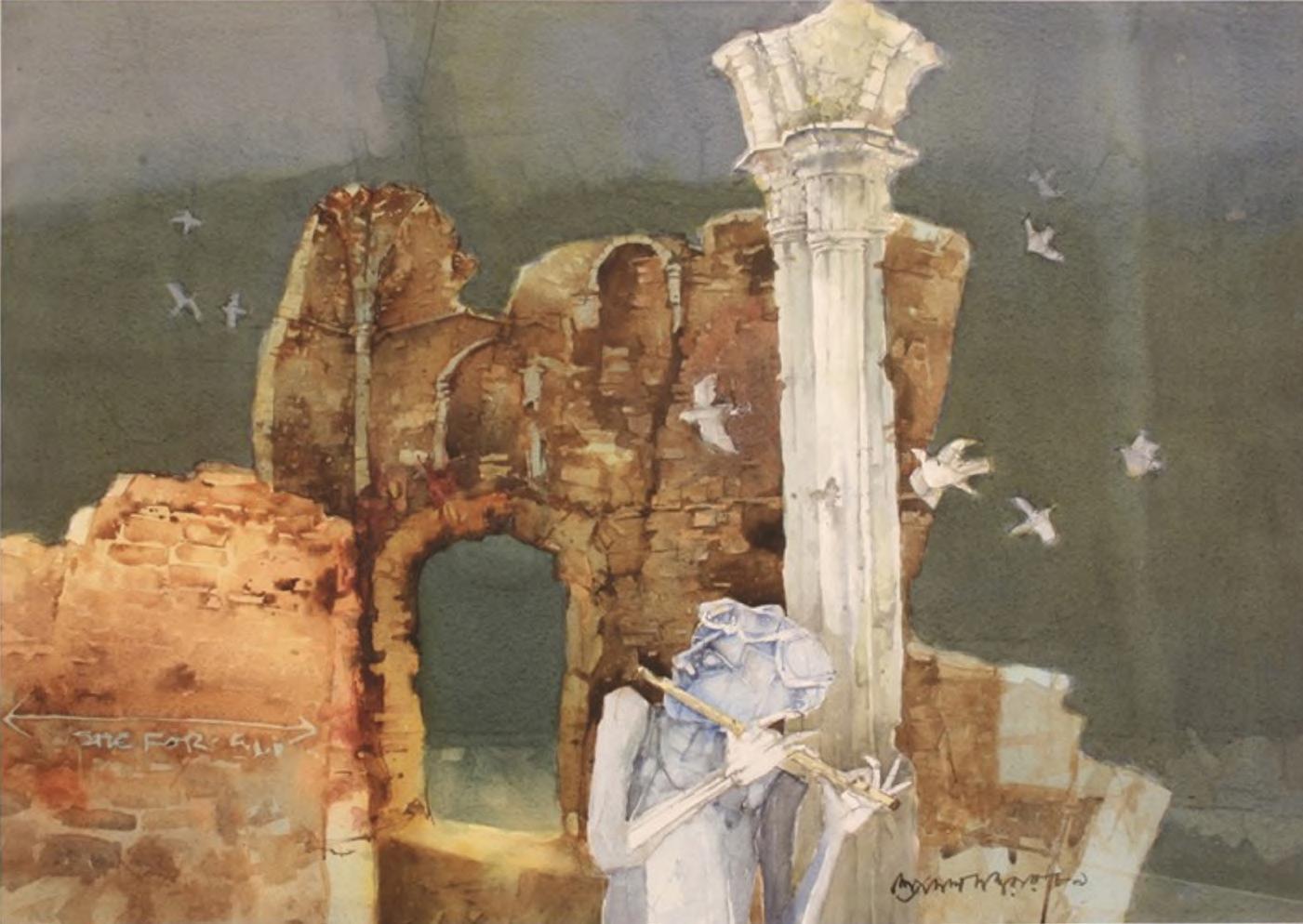
SHYAMAL DUTTA-RAY
Untitled, n/d
Watercolor on paper
21 x 30 in 53.3 x 76.2 cm
$20,000
NOTES
Signed in Bengali (lower right).
PROVENANCE
Private Collection, New Jersey
DUTSH002

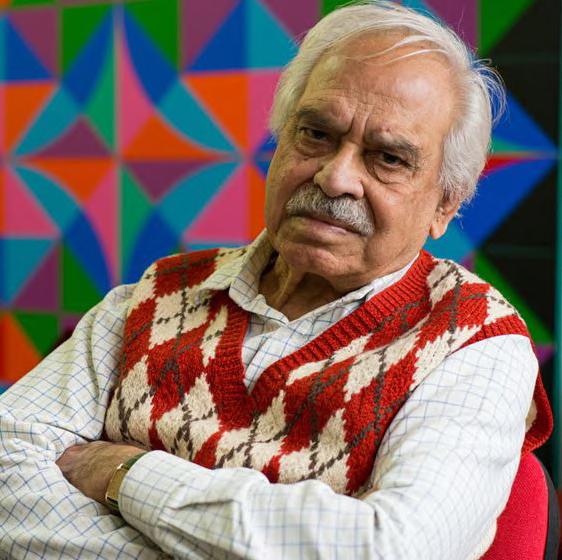
Rasheed Araeen (b. Karachi, 1935) has lived and worked in London, England since 1964. Rasheed Araeen’s groundbreaking interpretations of Minimalism were born out of his academic undertaking in civil engineering. When he realized that the profession did not satisfy his artistic needs, he traded the rigidity of engineering for the freedom of expression offered by a dedicated art practice. Drawing from his studies, Araeen began producing ‘structures’ – works made in an open modular form that can be re-positioned. Although based in London, far away from the New York hub of Minimalist art, Araeen developed strikingly similar rhetoric to canonical artists such as Donald Judd. There are, however, key distinctions between Araeen and the New York group. For art critic Jean Fisher, this is the “difference between an instrumental, abstract-logical regulation of the world and an organic one.”
In 2010, Aicon Gallery, London, hosted the first major retrospective of Araeen’s work in over a decade, paving the way for a new string of exhibitions and critical attention. A long overdue major retrospective toured Europe between 2017 and 2019, starting at the Van Abbemuseum, Netherlands, traveling to the Musée d’art moderne et contemporain (MAMCO), Switzerland, and the BALTIC Centre for Contemporary Art, United Kingdom, before concluding at the Garage Museum of Contemporary Art, Russia. He has participated in several important group exhibitions, including the 57th Venice Biennale and documenta 14 – Universe in Universe, staged in Kassel and Athens.
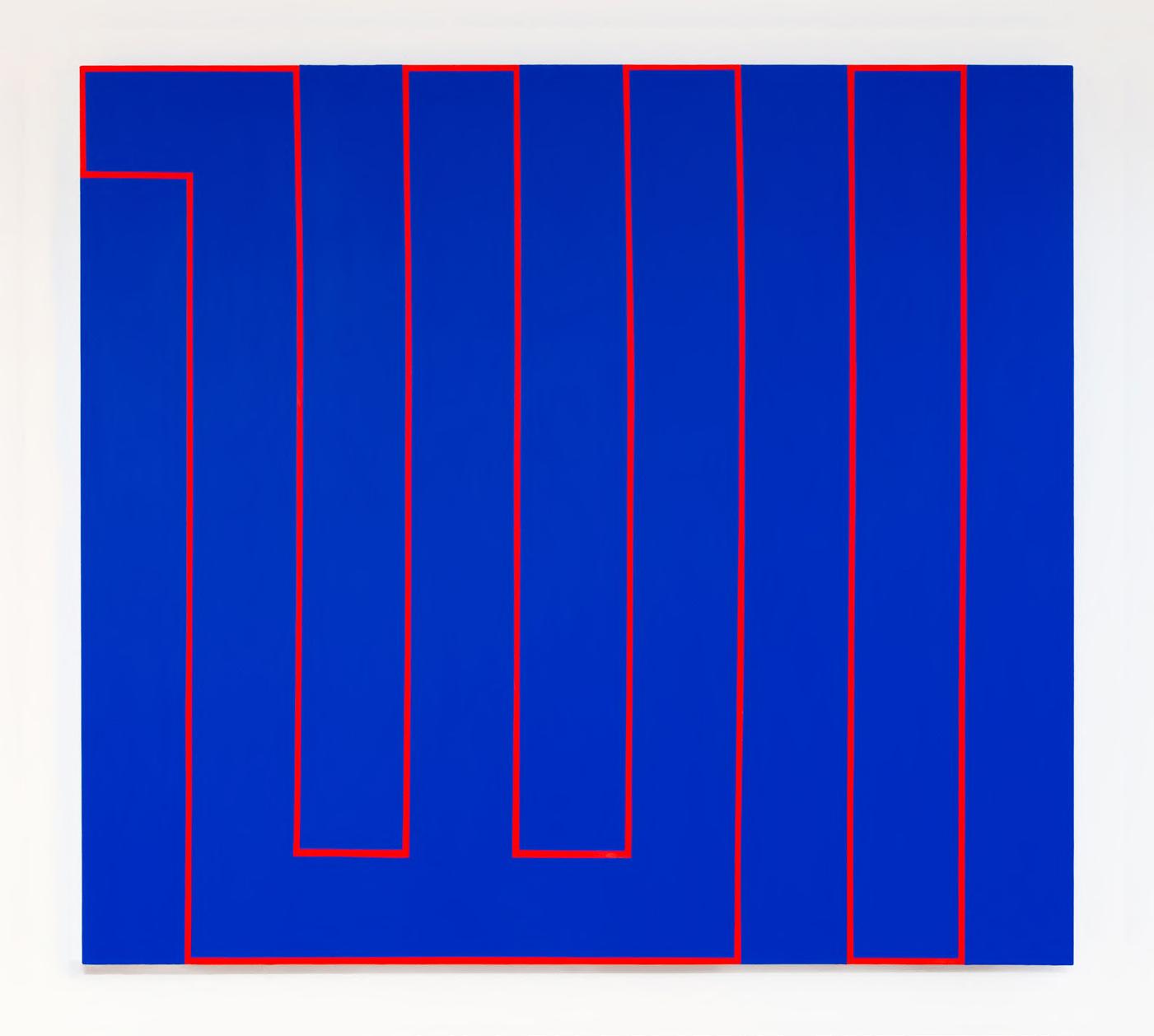
RASHEED ARAEEN
54 ¼ x 60 in 137.8 x 152.4 cm
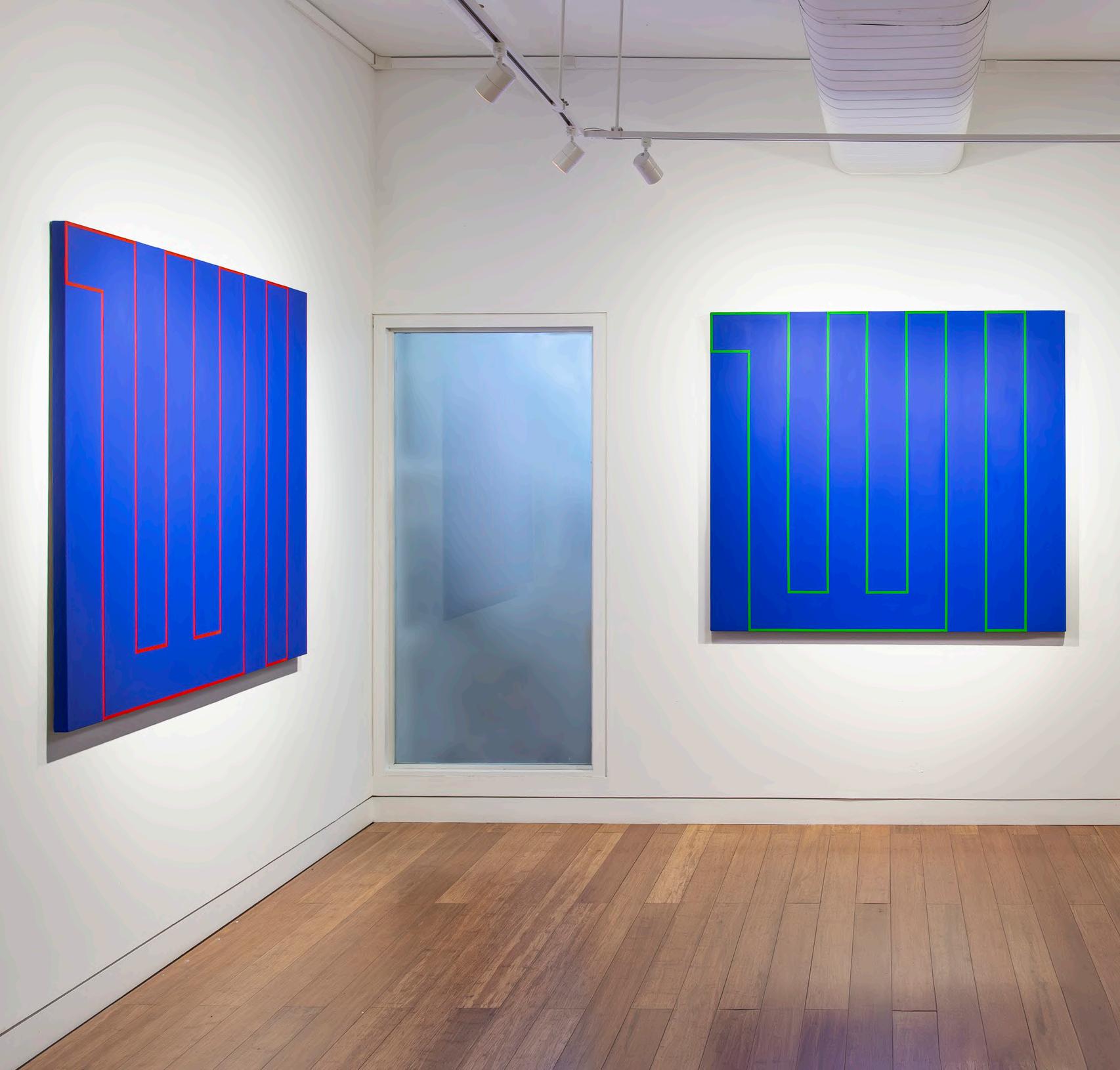
Using ultramarine blue and black for the background makes the geometric calligraphy painted in vivid colors pop in a way that emulates the glowing neon. In these paintings, the Rasheed Araeen simplifies the word “Allah” to its most basic geometric form, creating a minimal, abstract composition. The works challenge Western-centric perceptions by reclaiming geometric and calligraphic abstraction as inherently global practices with deep historical roots beyond the European tradition. Araeen articulates a critical stance that situates abstraction as both culturally specific and universally accessible, drawing attention to the two-way permeable boundaries between artistic traditions across cultures.
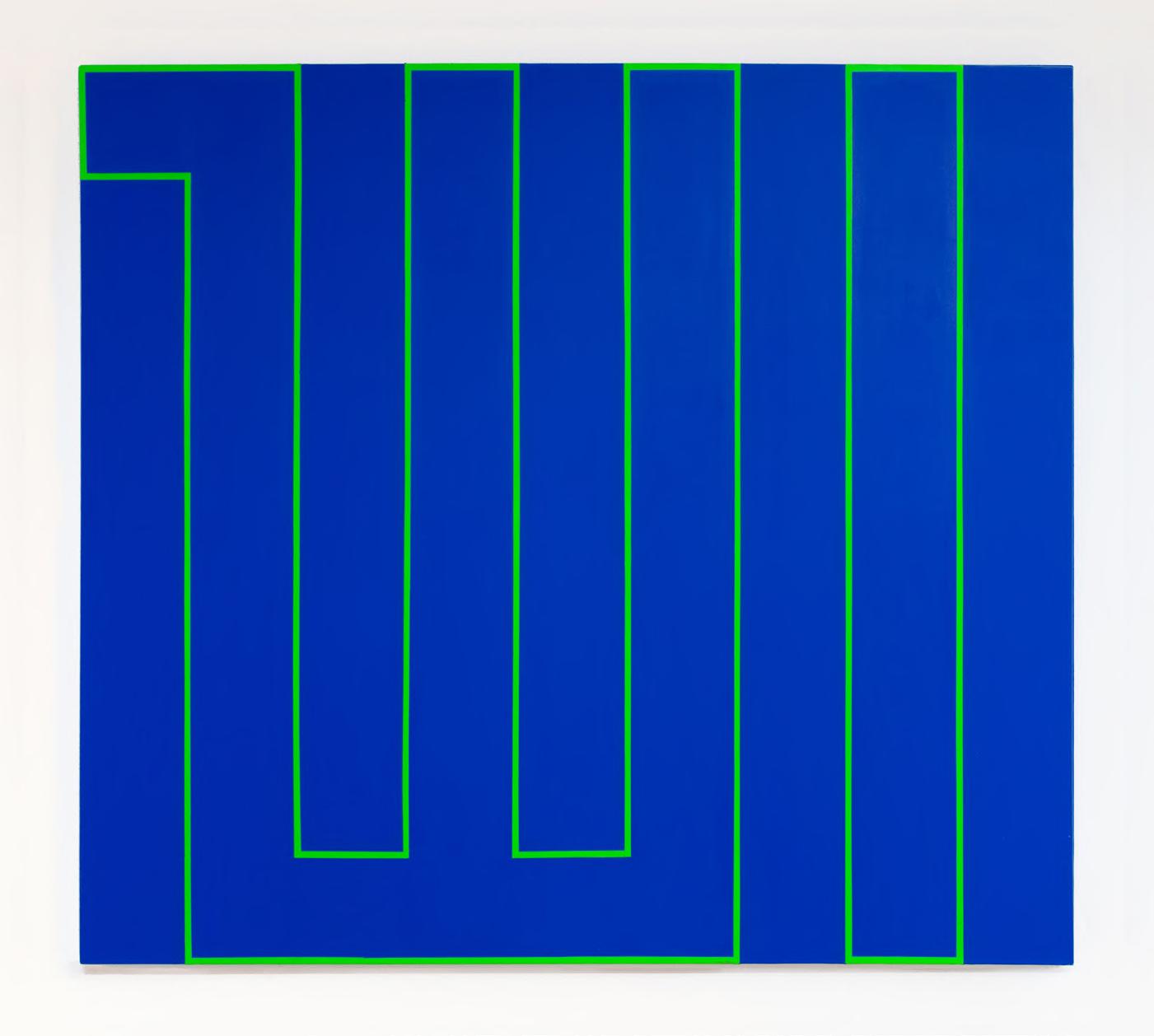
RASHEED ARAEEN
54 ¼ x 60 in 137.8 x 152.4 cm
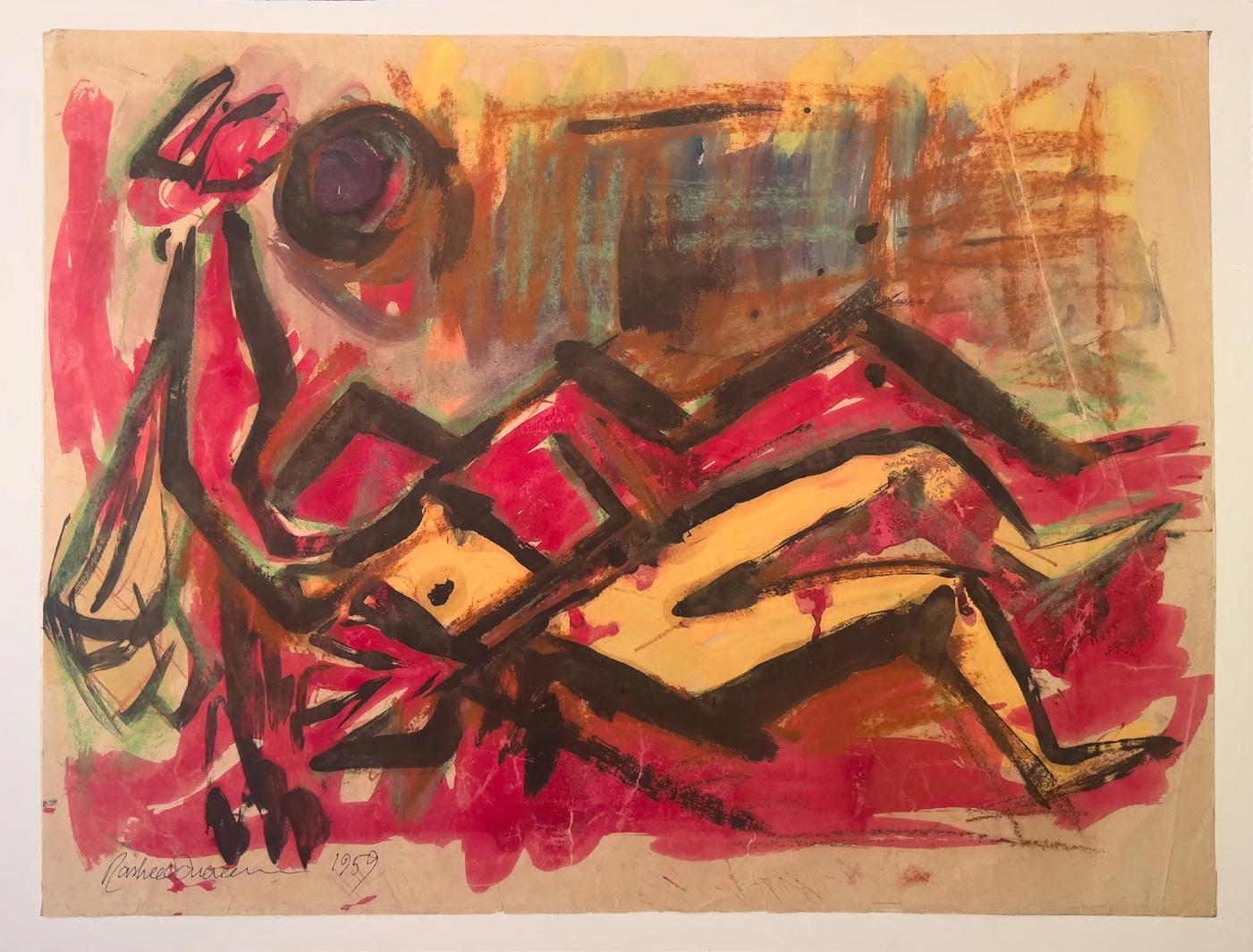
RASHEED ARAEEN
Matrimony II, 1959
Watercolor on paper
15 ⅛ x 20 in 38.4 x 50.8 cm
$50,000
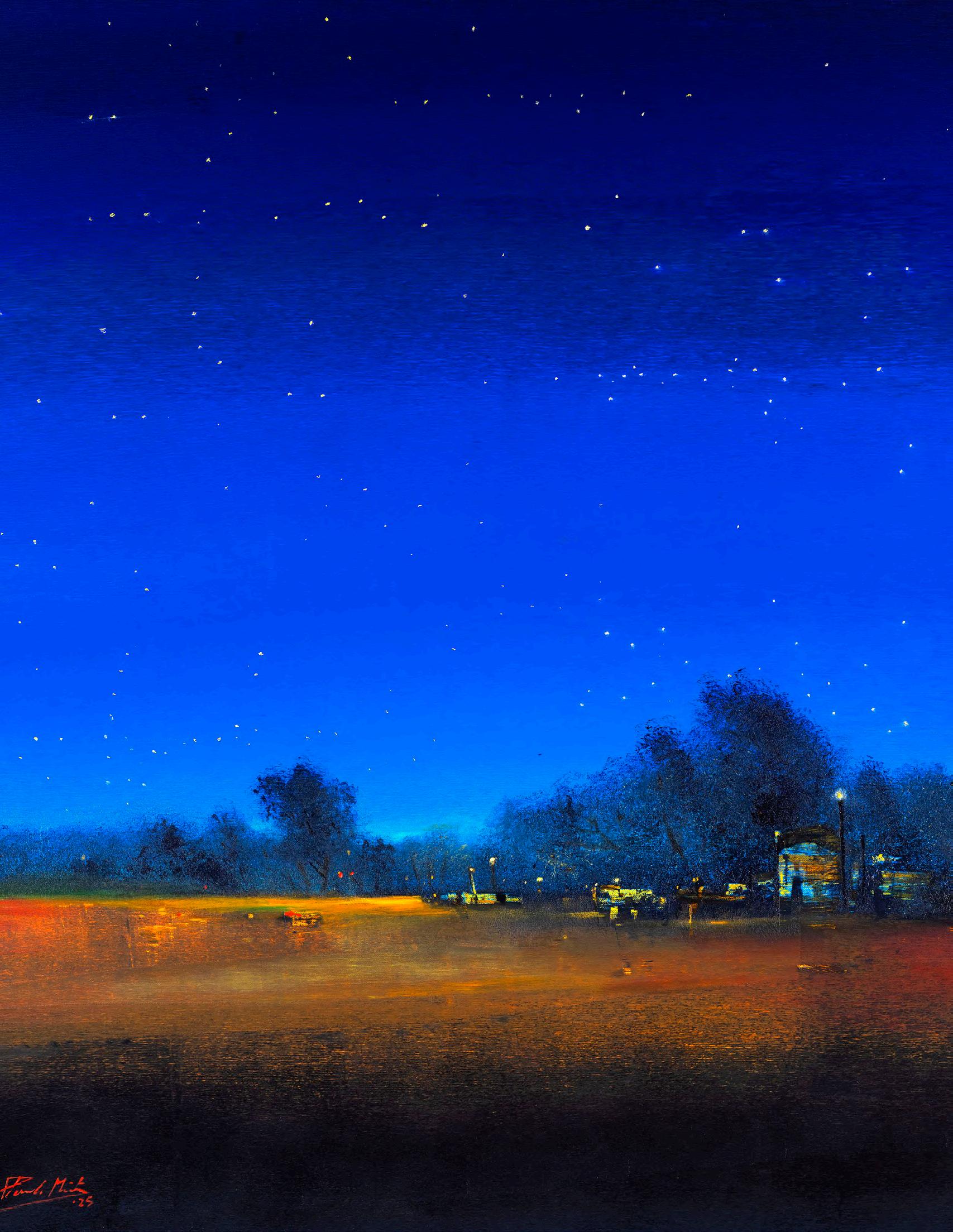
PARESH MAITY (b. Tamluk, 1965) is one of India’s most prolific contemporary artists, widely acclaimed for his vibrant paintings and continuously evolving art practice. His adventurous, experimental personality has prodded him to explore in all mediums – drawing, watercolor, oil, mixed media, installation and sculpture, photography, and filmmaking. Maity’s uniqueness lies in his rediscovering India’s charm, flavor, and magic in his paintings. Rajasthan is the human inspiration behind his work; Shantiniketan is the spirituality of mind, body, and soul. In Agra, he visualized the beauty of Taj; in Ajanta-Ellora, he recreated the amazing Buddhist frescoes; in his magical series on Kerala, he captured the destination in its pristine colors. He has created artworks on almost all facets and destinations of India, from the serene ghats of Varanasi to the Himalayan heights of Himachal Pradesh and then across the seas to London, Venice, China, and Japan.
Maity is best known for his massive 800-foot mural The Indian Odyssey (2010) installed at the Indira Gandhi International Airport in New Delhi. Marked as one of the longest murals in the world, it captures vividly India’s rich cultural tapestry, depicting the country’s vivid art, architecture and citizens. Maity’s art can be found in collections all over the world, including the British Museum, the Rubin Museum of Art, and the National Gallery of Modern Art, New Delhi. He was honored with the Padma Shri by the Government of India in 2014.
PARESH MAITY
72 x 54 in 182.9 x 137.2 cm
$65,000
NOTES
Signed and dated lower left. MAIPA177
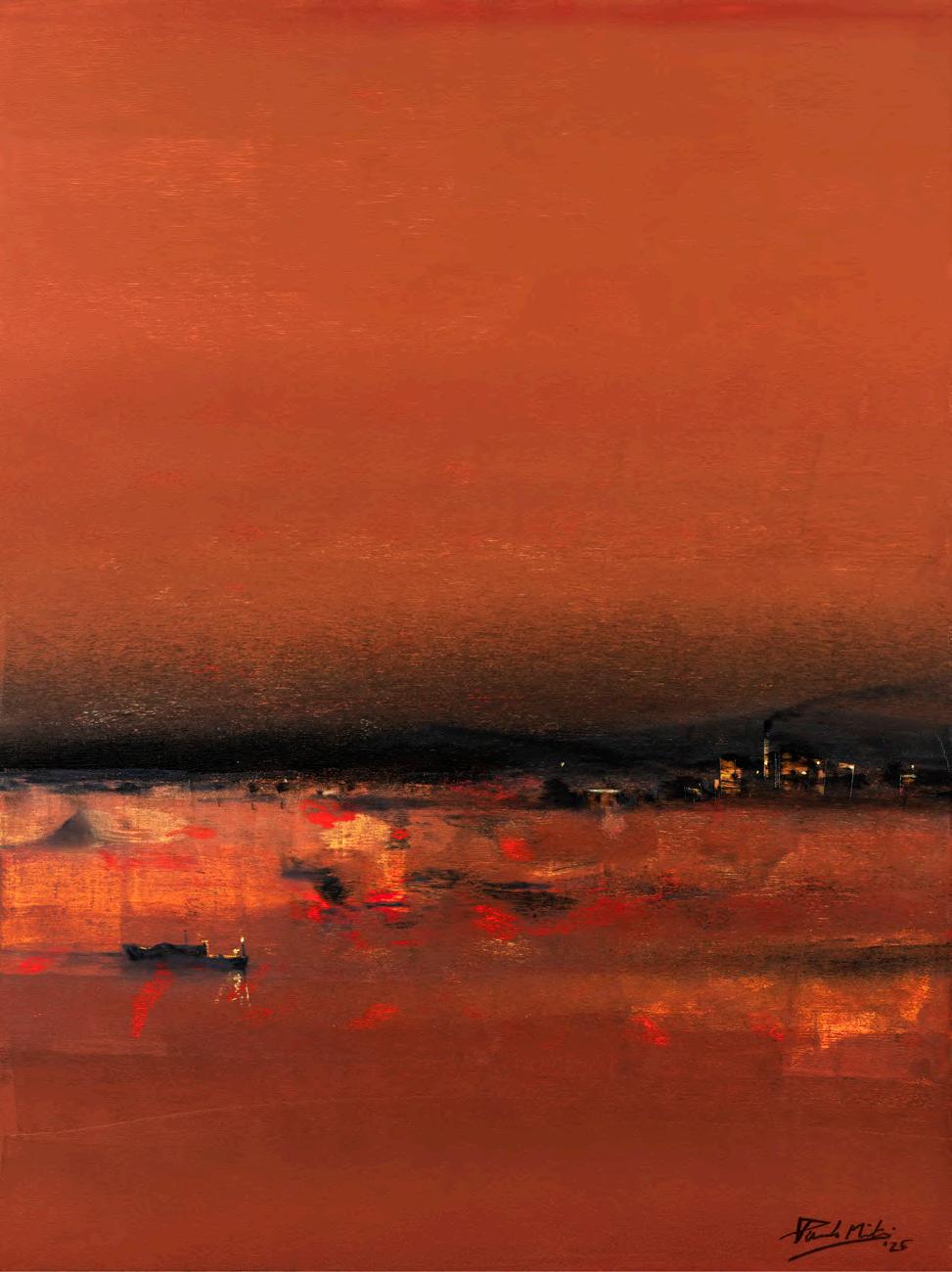
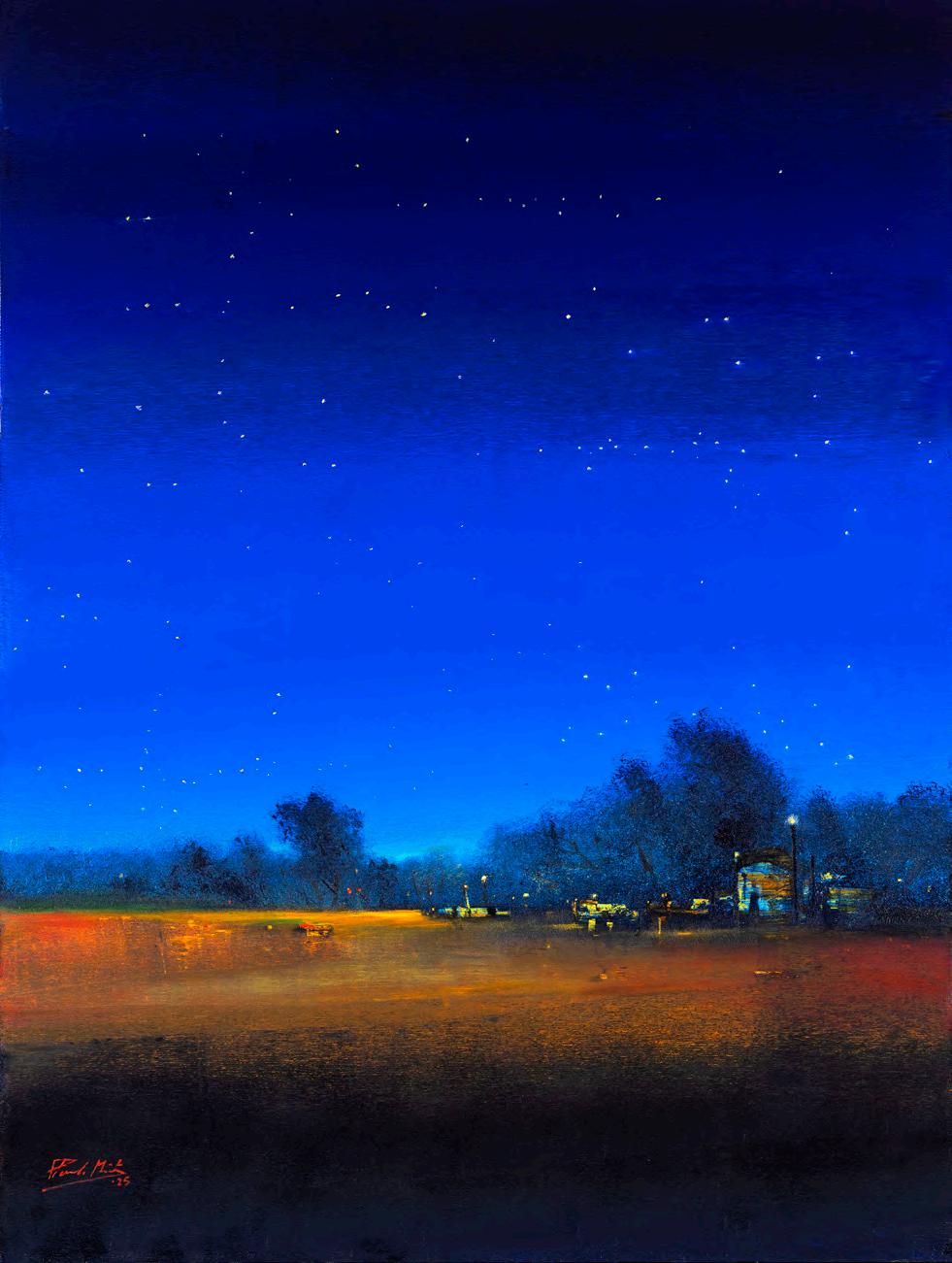
PARESH MAITY
The Day Break, 2025
Acrylic and oil on canvas
72 x 54 in
182.9 x 137.2 cm
$65,000
NOTES:
Signed and dated lower right.
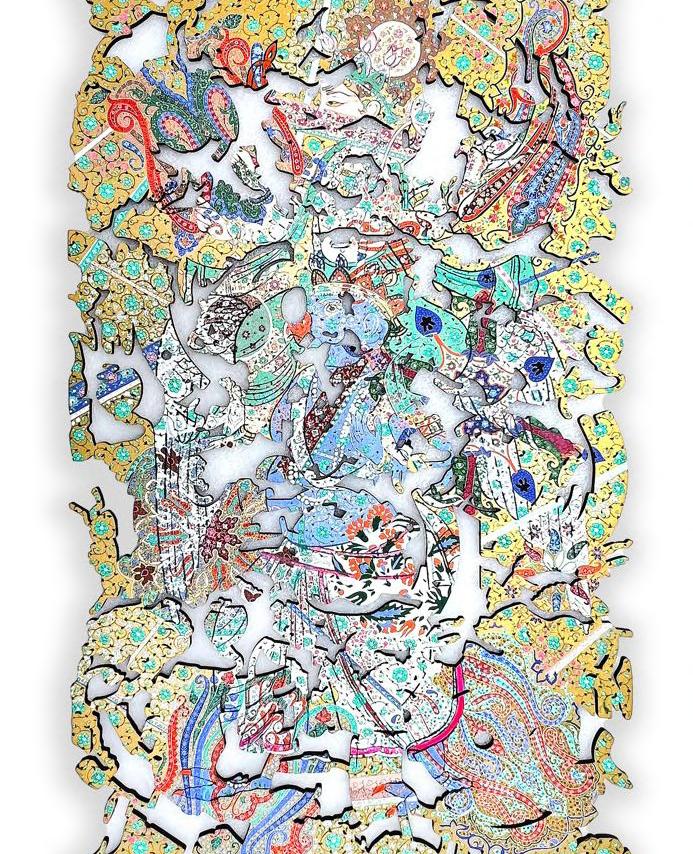
VEER MUNSHI (b. Kashmir, 1955) studied fine arts from M.S. University of Baroda, and has been living in Delhi/Gurgaon since 1990. He has addressed a range of subjects throughout his artistic career, but exile remains his most fundamental condition and preoccupation. He consistently uses art to reflect his anguish at the situation in his home state of Kashmir. Making a human rights statement rather than a political one, Munshi has constantly sought to highlight the turmoil resulting from his separation from his heritage and the increasingly narrow space that exists for culture and art in his state.
Veer has been in 17 solo shows throughout his career, from Delhi Mumbai, Kolkata, Perth and Edinburg to the United Nations office in Geneva. His medium of choice oscillates between installations, videos, paintings and photographs. Besides the many honors he’s received within India, including the National Award and Senior Fellowship from the Union Minister of Culture, his works can also be found in various institutions abroad including the Smart Museum of Art, Chicago, and the Indo-Australian Institute Museum in Melbourne.
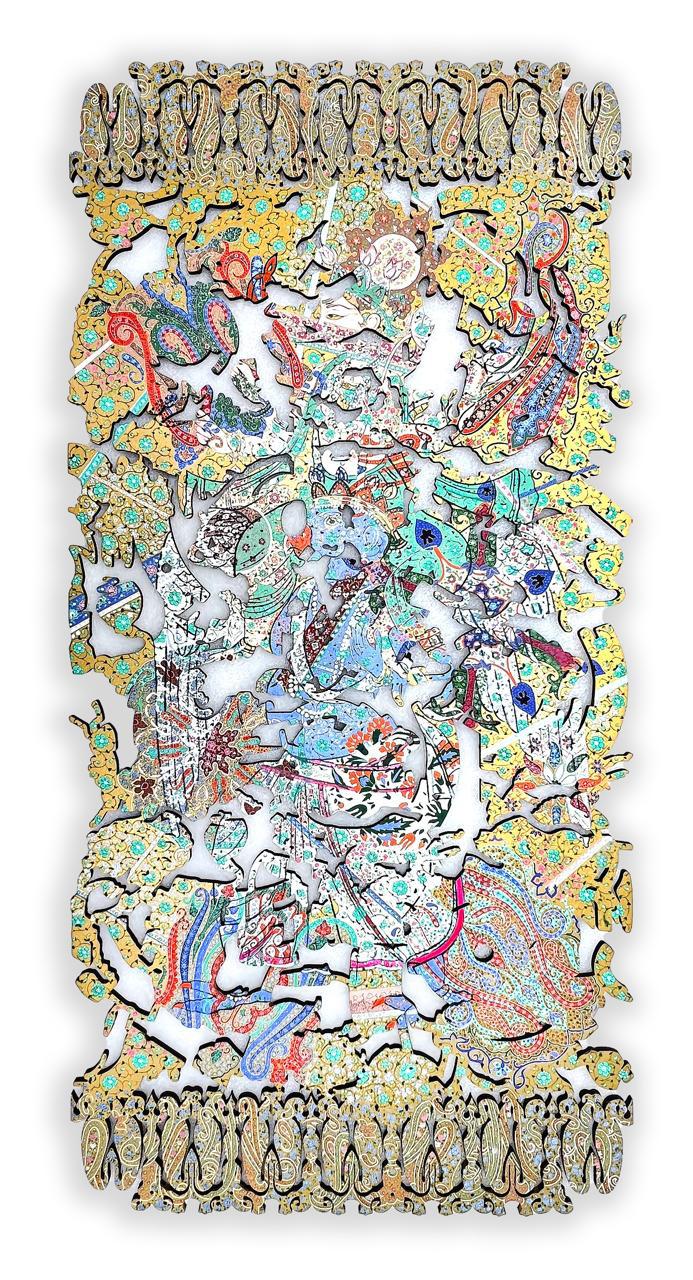
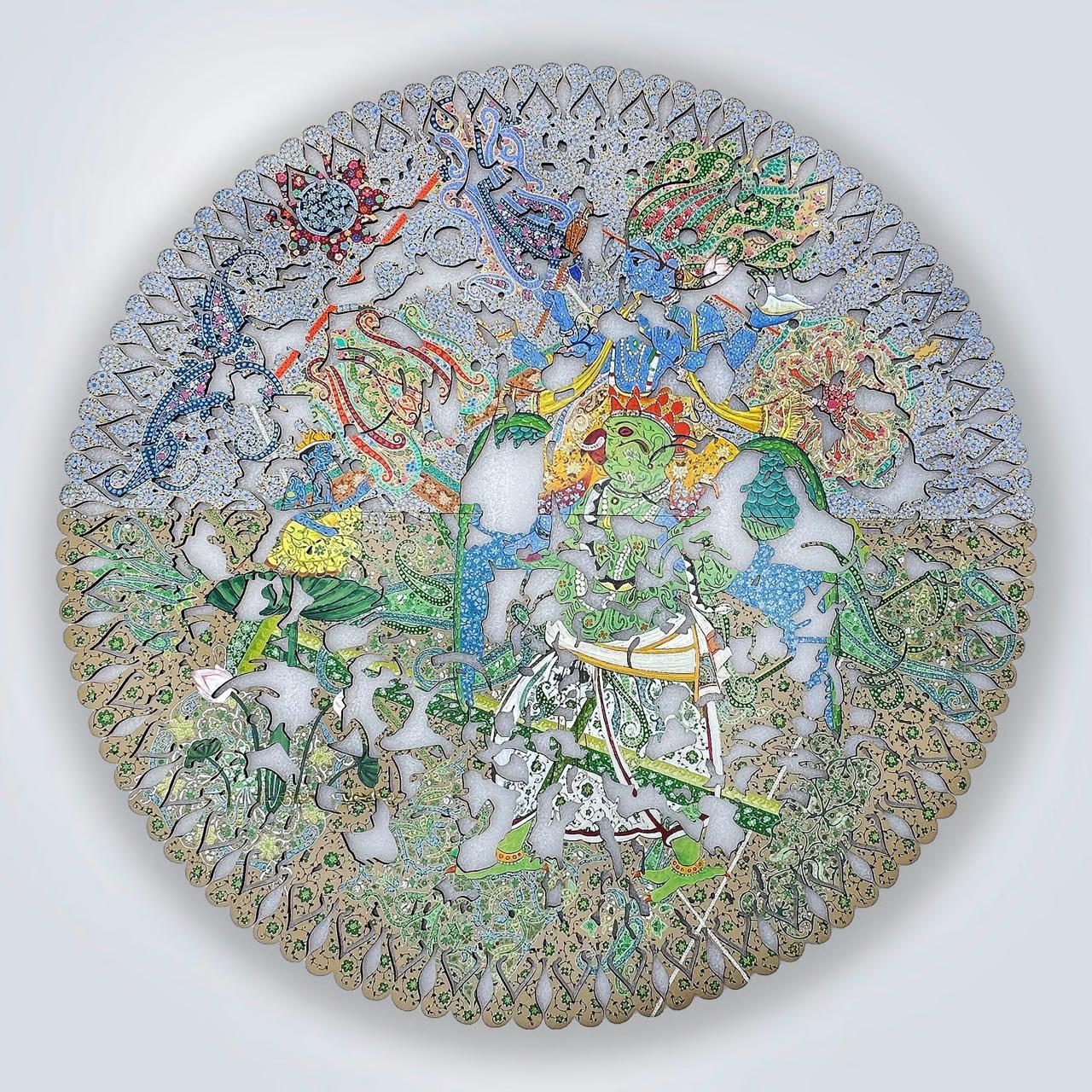
VEER MUNSHI
MAAZi KI ALAMAT-I (Iconography of past), 2025
Hand painted on mdf board
47 ¼ x 23 ⅝ in
120 x 60 cm
$35,000
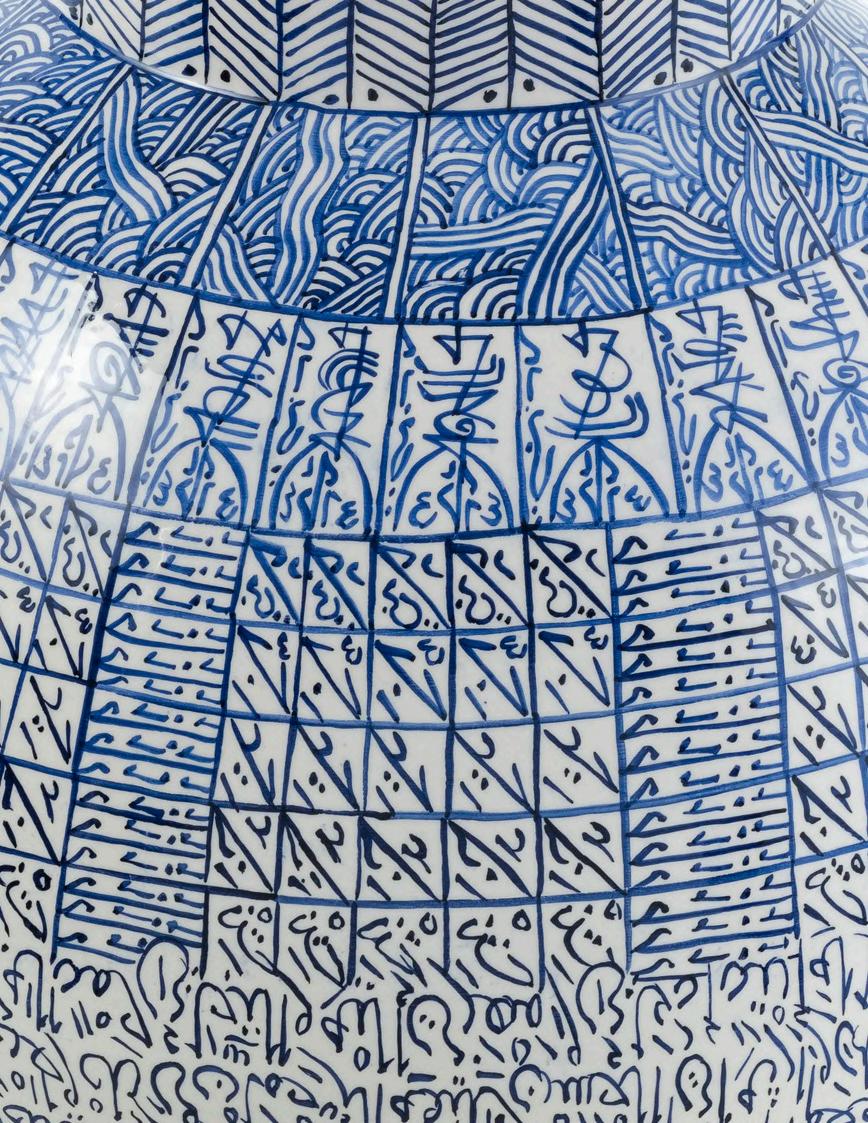
VEER MUNSHI
MAAZi KI ALAMAT-II (Iconography of past), 2025
Hand painted on mdf board
44 ⅞ x 44 ⅞ in 114 x 114 cm
$25,000
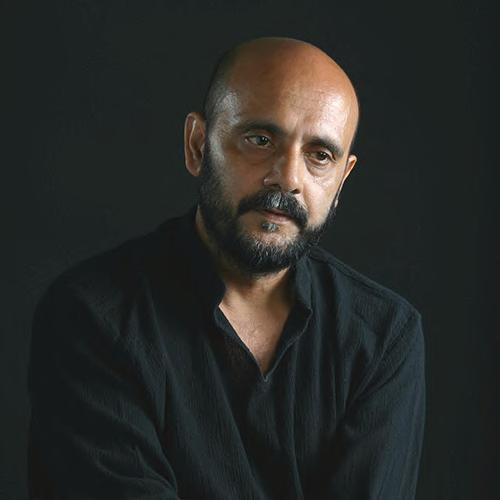
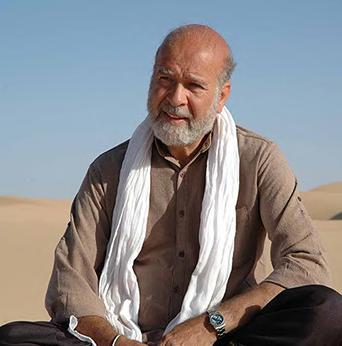
RACHID KORAÏCHI
RACHID KORAÏCHI'S
(b. Aïn Beïda, 1947) work is influenced by his heritage as a Quraishite, a transcriber of Quranic text, in the Aurès region of Algeria. Language, whether written or spoken, transmits history, faith, culture, and life. For African artists in particular, it is a powerful combatant against pernicious myths about Africa’s supposed lack of history or letters, as well as a medium for visual experimentation. For Koraïchi, an artist deeply invested in democratic and free speech movements, the omnipresence of languageboth readable and inscrutable - is a political statement.
The artist’s exploration of script quickly evolved to meld characters from Arabic with his own personal system of codes, numbers, and marks. He has referred to his visual lexicon as an ‘alphabet of memory,’ using it to articulate not only his aesthetic vision, but also his views on co-existence, tolerance, and perseverance.
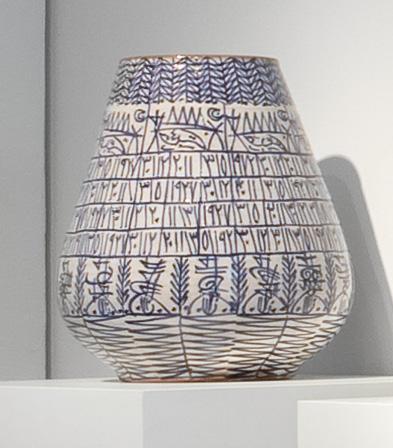
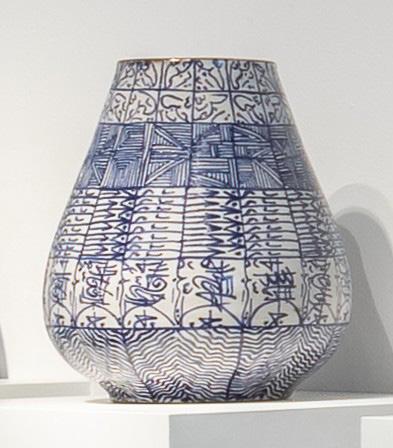
RACHID KORAÏCHI
Les Sept Stations Celestes 8-9, 2017
Soft paste porcelain, blue and white oxide
10 x 7 ½ x 7 ½ in each
25.4 x 19.1 x 19.1 cm each
$12,000 each
KORRA048-49
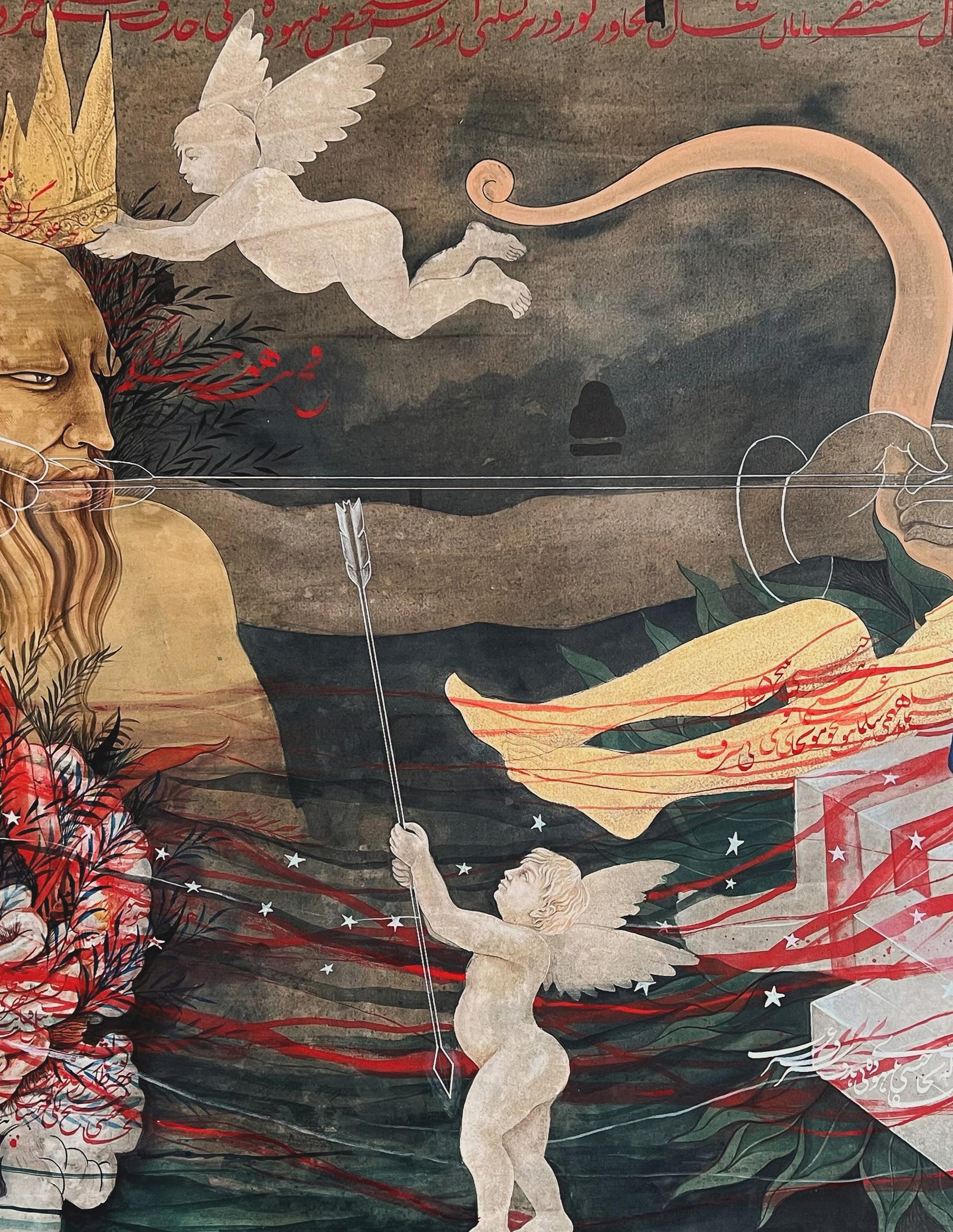
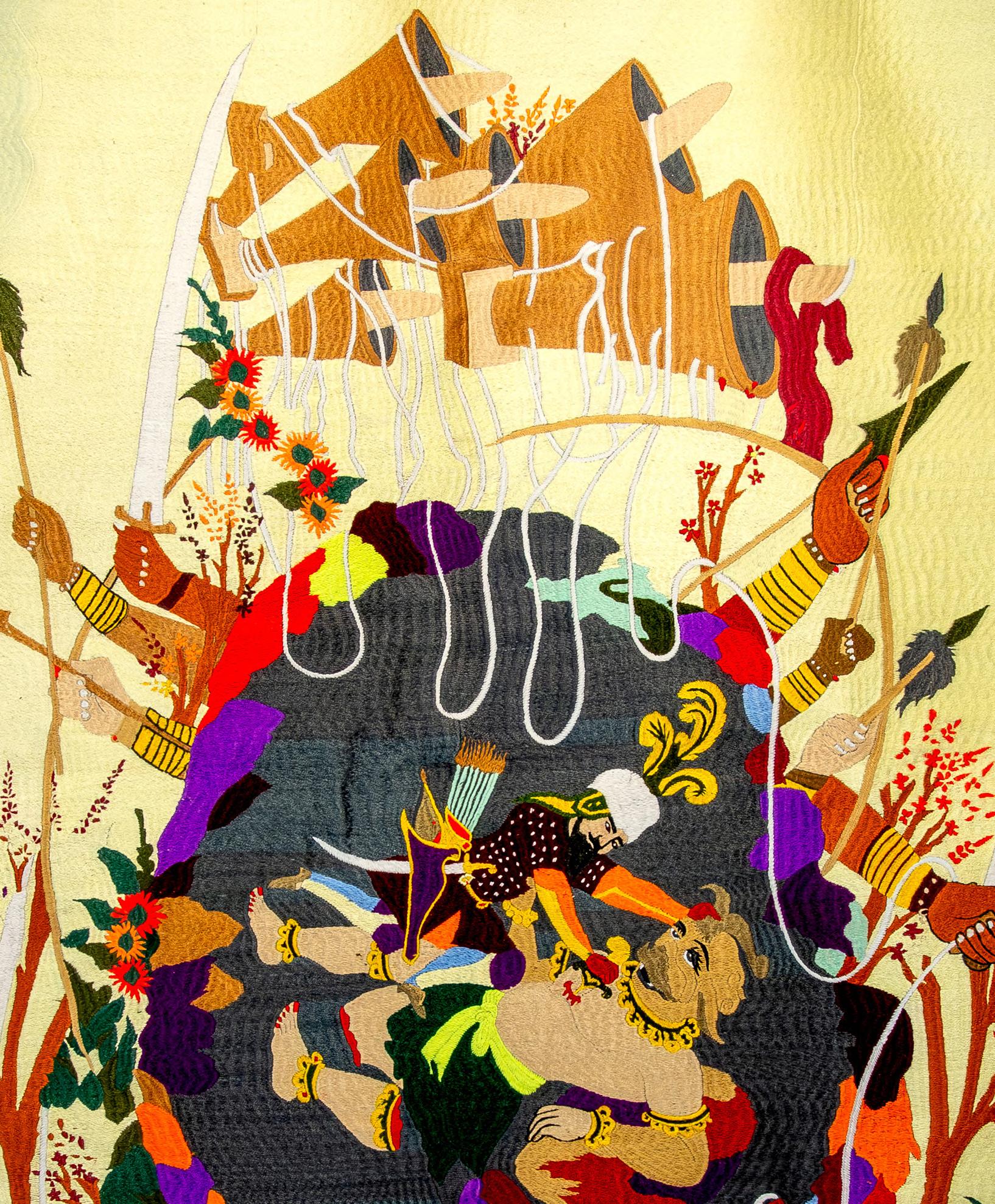
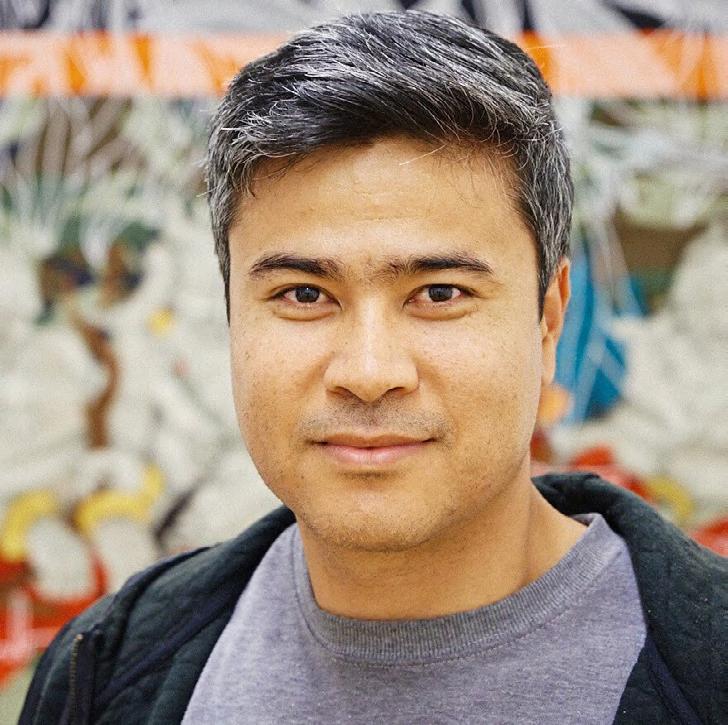
KHADIM ALI (b. Quetta, 1978) Born of Afghan Hazara parentage, Khadim Ali grew up on the Pakistan/Afghanistan border. He started studying Persian miniature painting in 1998 in Teheran, and then attended the National College of Arts, Lahore, where he trained in the same field and obtained a Bachelor’s degree in 2003. In 2012, Ali completed a Master’s degree in Fine Arts at the University of New South Wales, Sydney. As a child, Ali was deeply influenced by his grandfather, a Shahnameh singer, and by the miniature paintings that illustrated the stories of the Shahnameh, a tenth-century epic poem. The artist’s intricate works encompass imagery from history, politics, literature, poetry, and mythology to explore contemporary events such as the civil war in Afghanistan, the role of America in Afghan politics, and personal experiences of persecution, displacement, and discrimination. His textile works are created in collaboration with Hazara artisans in Kabul.
Ali was awarded the Haji Sharif Award in Miniature Painting from the National College of Arts, Lahore, in 2005. The next year, he won a residency at the Fukuoka Asian Art Museum, and in 2007, another at Art Initiative, Tokyo. The artist’s work has been extensively exhibited in Pakistan and internationally.
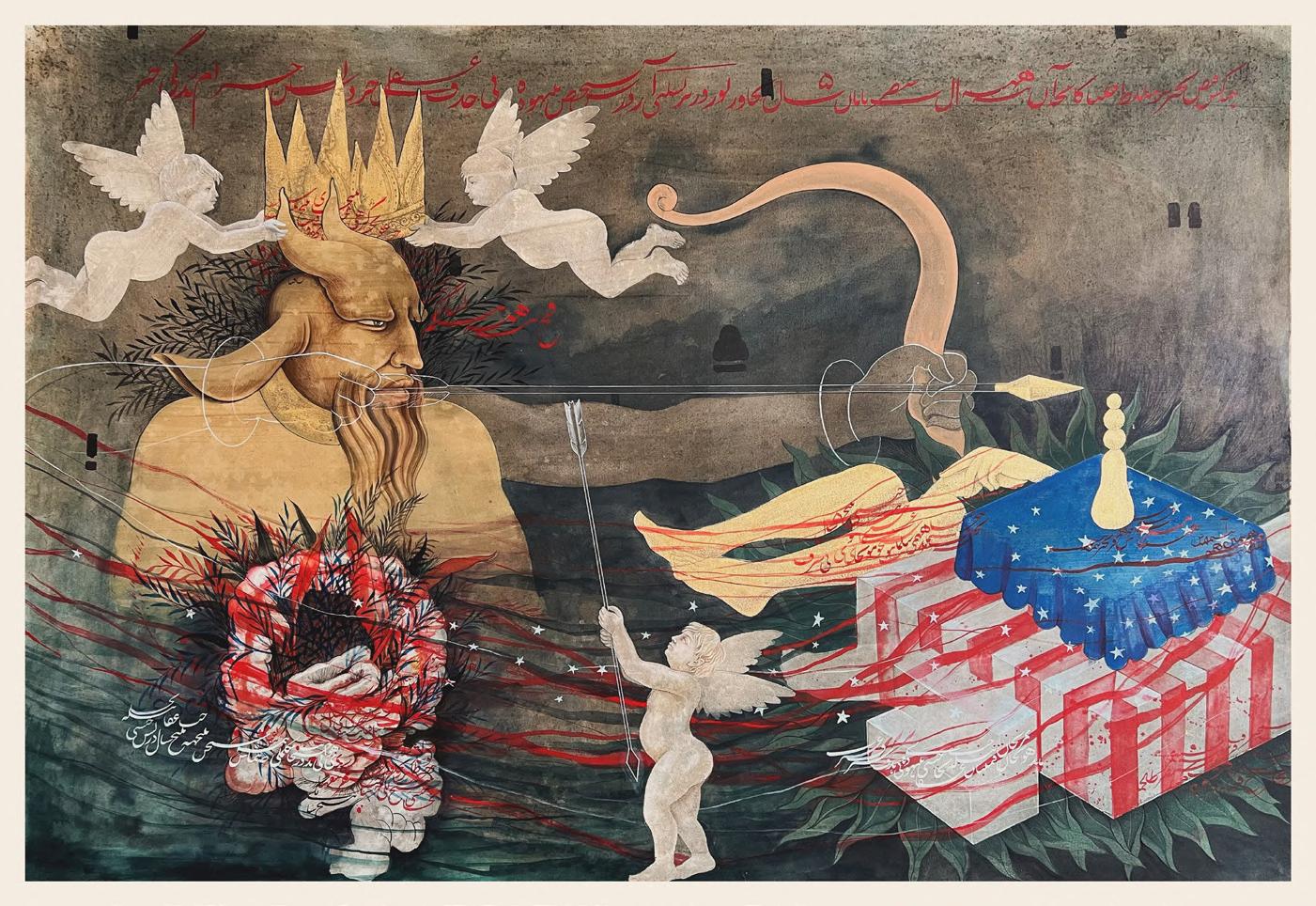
ALI
Birth of Demons 2, 2024
Gouache and gold leaf on handmade paper
38 x 55 ⅛ in 96.5 x 140 cm
$30,000
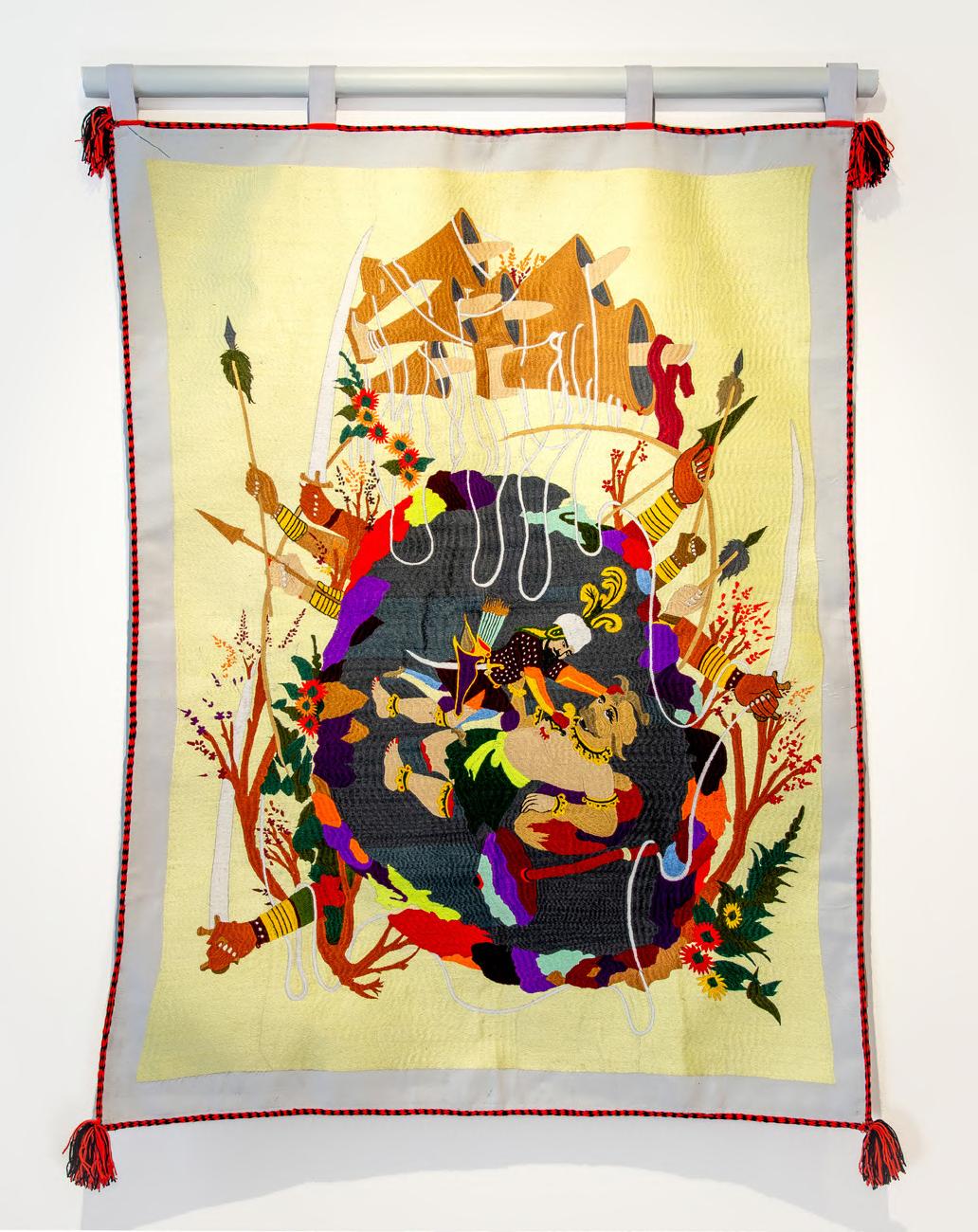
Birth of Demons 10, 2024
Hand and machine embroidery on silk
50 x 38 in 127 x 96.5 cm
$18,000
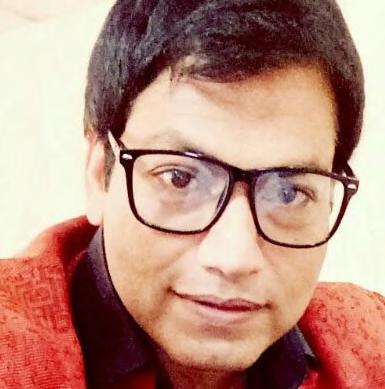
SUJITH S.N. (b. Baroda, 1979) After the death of his father, Sujith S.N. considered following in his footsteps and joining the military, but realized early enough that his heart lay in becoming a painter. His beginnings as a draughtsman for construction sites can be seen in the architectural and spatial elements of many of his artworks. Although he primarily creates works on paper, Sujith S N also occasionally works with other mediums like oil on canvas and photography. Characterized by a muted palette with the occasional presence of brighter colors, his work often explores the unchecked expansion of urban spaces and the resulting discomfiting sense of alienation.
SHAHEER ZAZAI (b. Afghanistan, 1985) is an Afghan-Canadian artist with a current studio practice both in painting and digital media. Zazai received a BFA from OCAD University in 2011 and was artist in residence at OCAD University as part of the Digital Painting Atelier in 2015. His practice focuses on exploring and attempting to investigate the development of cultural identity in the present geopolitical climate and diaspora. Over the years Zazai’s material vocabulary has expanded into textile work, site-specific public art installations and videography, reflecting his focus back onto the self.
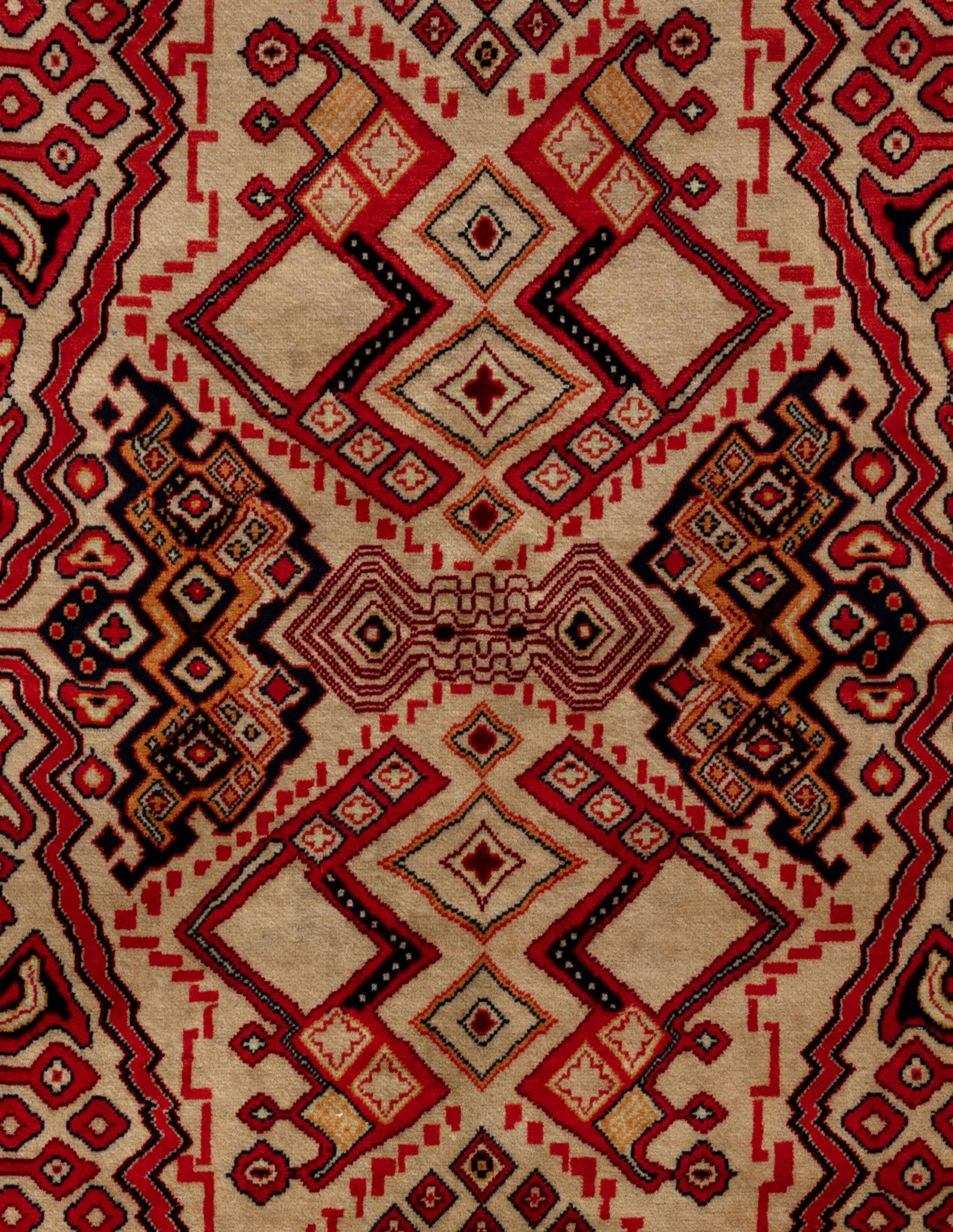
SHEHNAZ ISMAIL (b. Karachi, 1946) is a Design graduate of the National College of Arts and one of the founders of the Indus Valley School of Art and Architecture, Karachi. Ismail has dedicated her academic and artistic career to the revival of Pakistani indigenous textile crafts. She has developed and led numerous training and design intervention programs in the country’s rural areas, instructing craftspeople in the use of natural dyes, weaving, and product diversification to make the craft revival economically sustainable. A significant number of the people who benefit from her programs are women. Her practice looks at the meanings and desires hidden in seemingly simple textile surfaces and structures, giving them new lives and fresh contexts.
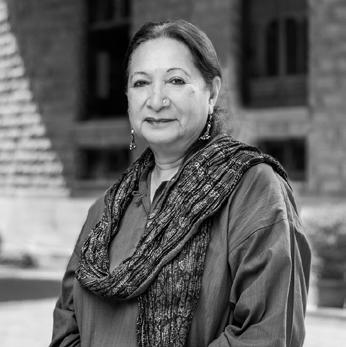
SAFDAR ALI QURESHI (b. Pakistan, 1980) specialized in miniature painting when studying fine art at the National College of Art in Lahore. After graduating in 2005, Qureshi began experimenting outside the confines of miniature painting with narrow color palettes and abstract compositions. His paintings are now characterized by his dashes and use of monochromatic schemes. Qureshi’s works are a direct response to his experiences, capturing his memories in swirling and overlapping layers. Prior to dedicating himself to his art practice full time, Qureshi taught miniature painting at SABS University of Art, Design and Heritages Jamshoro, a short distance from his home in Hyderabad.
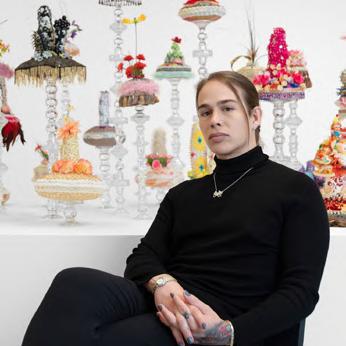
MAX COLBY’S (b. Florida, 1990) work is at once a site for joy and reprieve, highlighted by lush detail and extravagant color while in the same moment, a somber viewing act. Embellished with beads, sequins, and other adornments, she rigorously explores identity through material histories. Her work highlights precarity and vulnerability through a consistent investigation of ritual objects, most often, funereal. Touching on such ceremonial iconography, the artist constructs objects which subvert the aesthetics of patriarchal systems. Colby’s activation of material is unabashedly camp, providing a space to reimagine our relationship to gender, class, and the mundane. Expansive in practice, Colby’s work encompasses sculpture, installation, drawing, painting, collage, and embroidery.
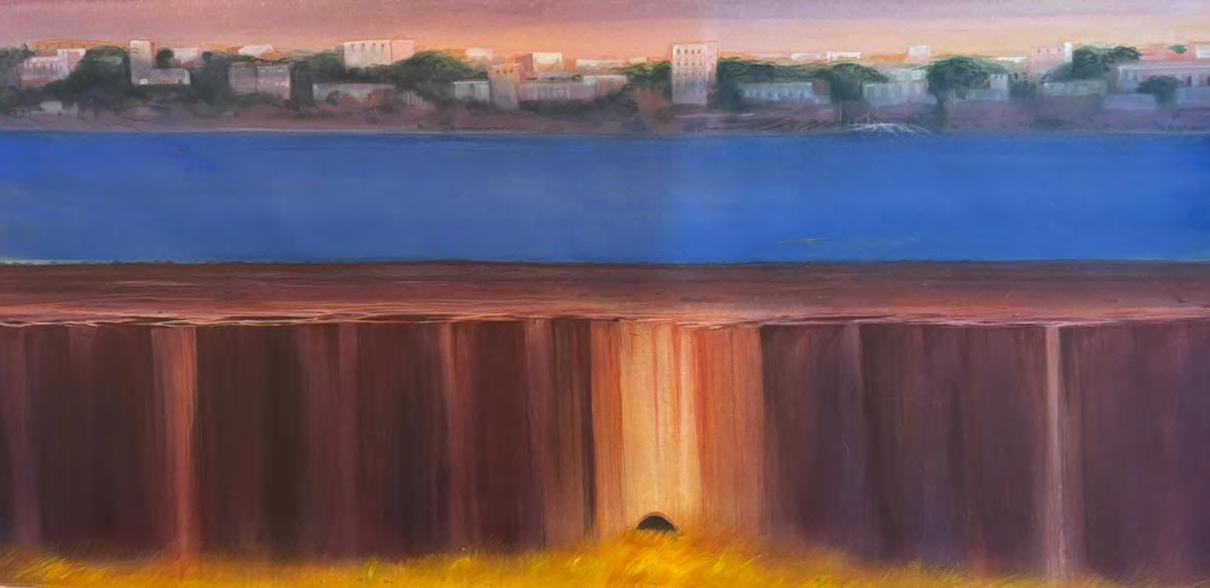
Untitled, 2025 Tempera on paper
48 x 72 in 121.9 x 182.9 cm
$28,000
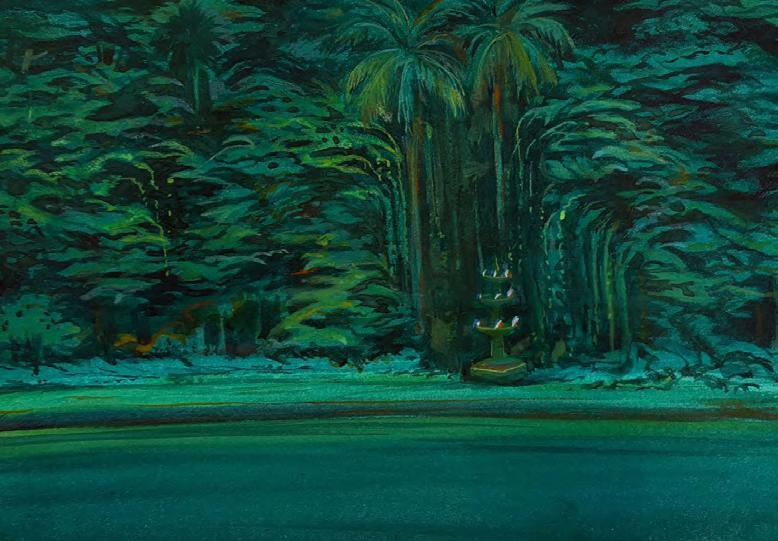
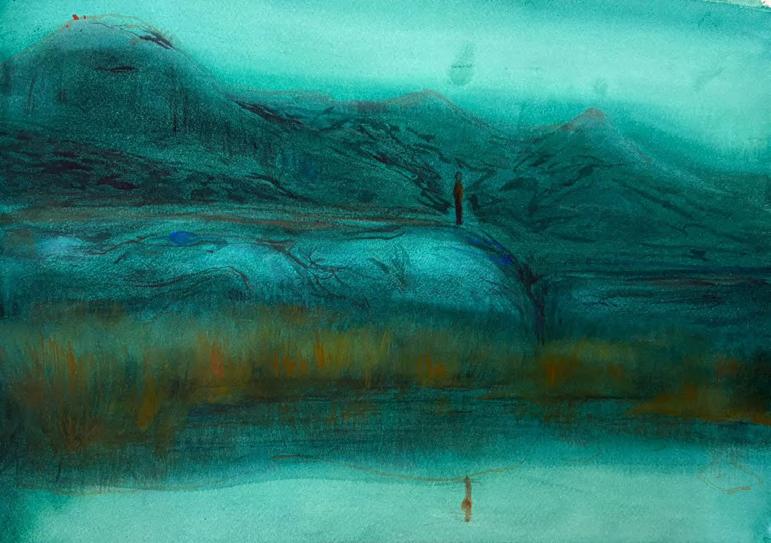
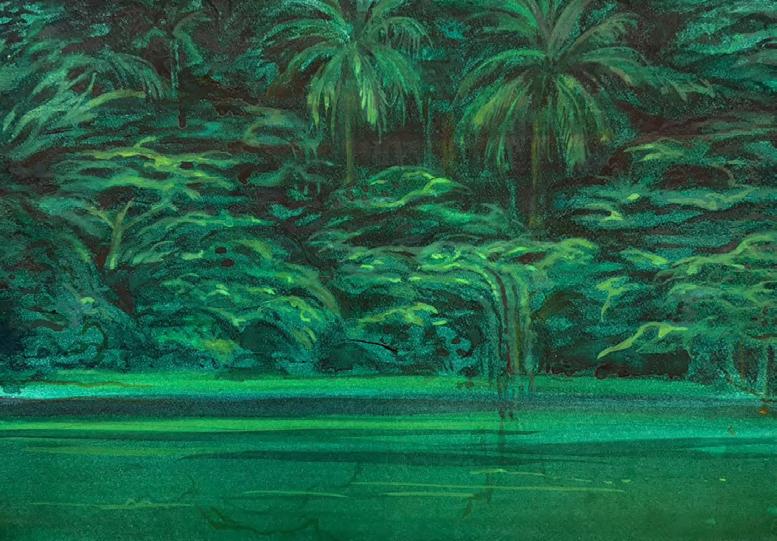
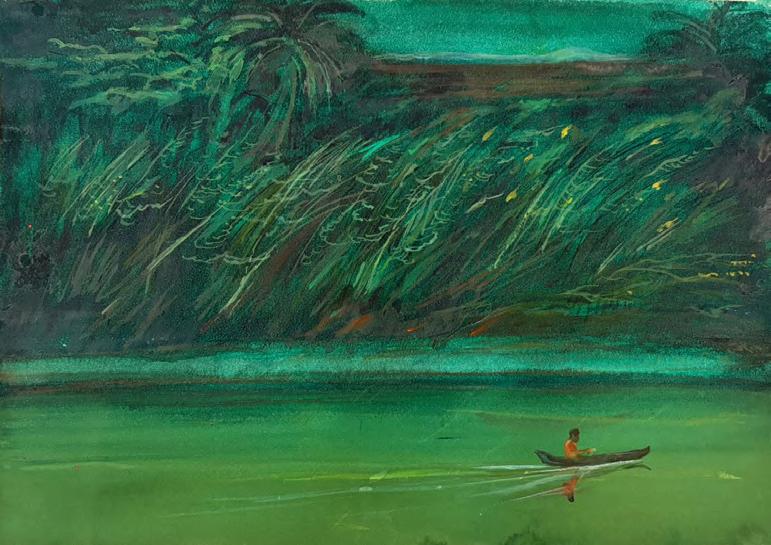
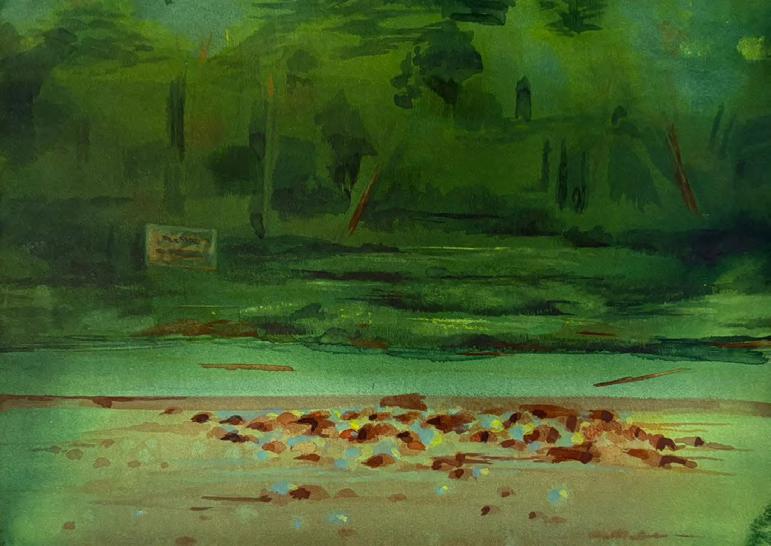
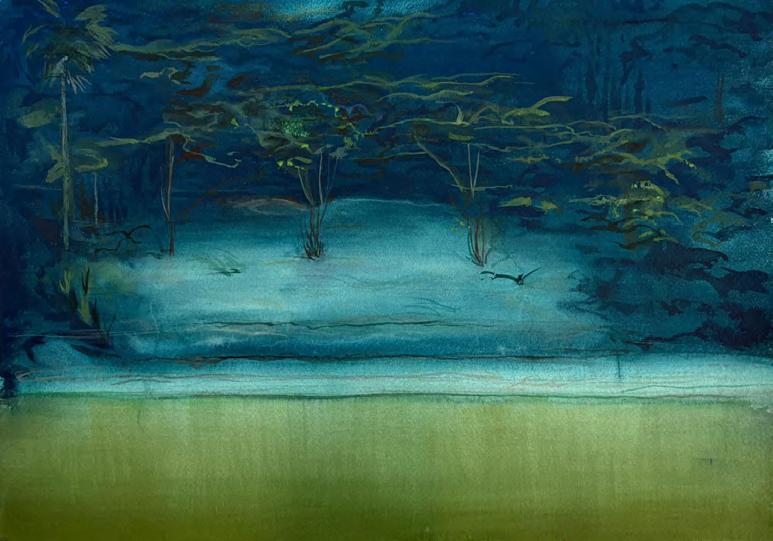
Untitled (1-6), 2025
Tempera on paper
11 x 15 in each
28 x 38.1 cm each
$3,500 each
Top row: SUJSN067-68
Middle row: SUJSN069-70
Bottom row: SUJSN071-72
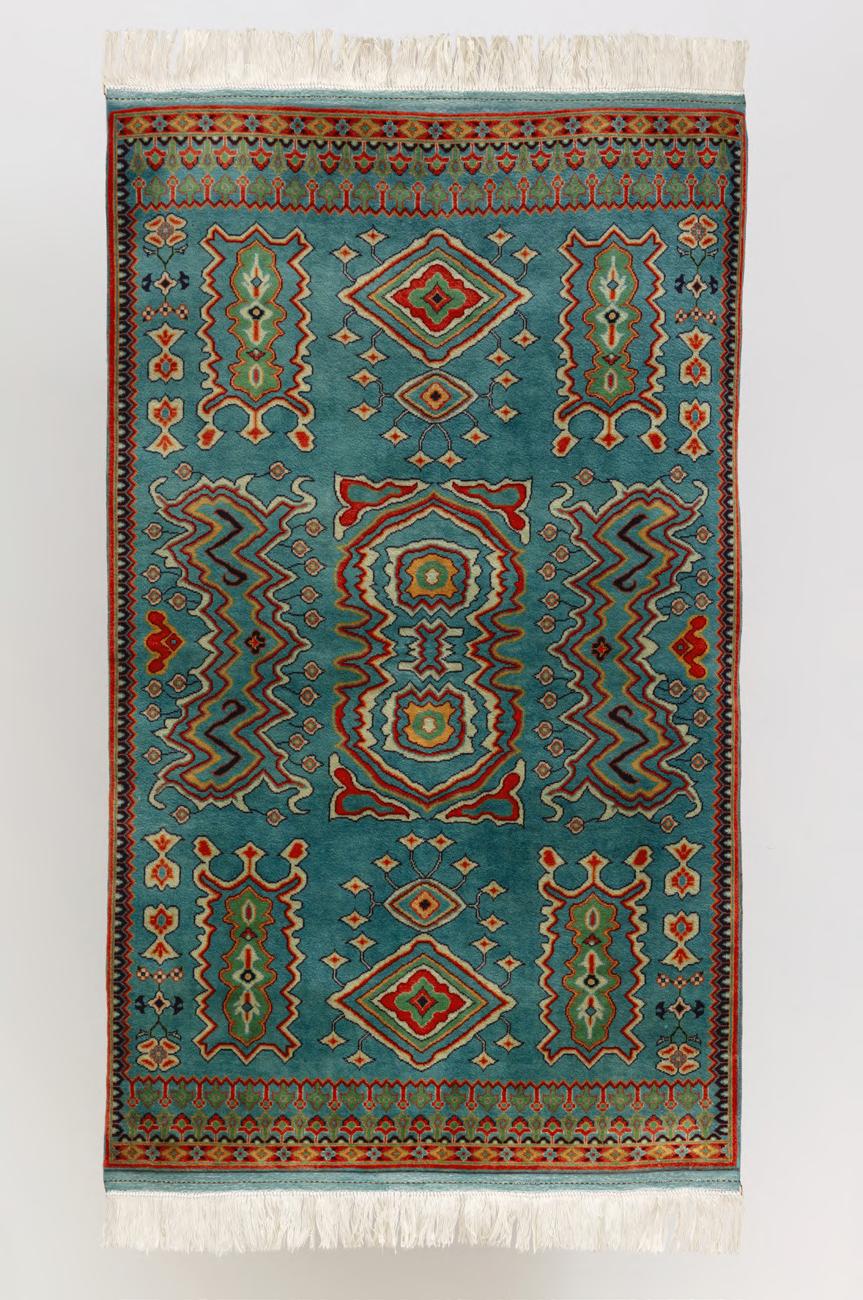
Carpet No. 5, 2022
Handwoven carpet, wool, natural dyes
63 x 38 ¼ in
160 x 97.2 cm
$10,000
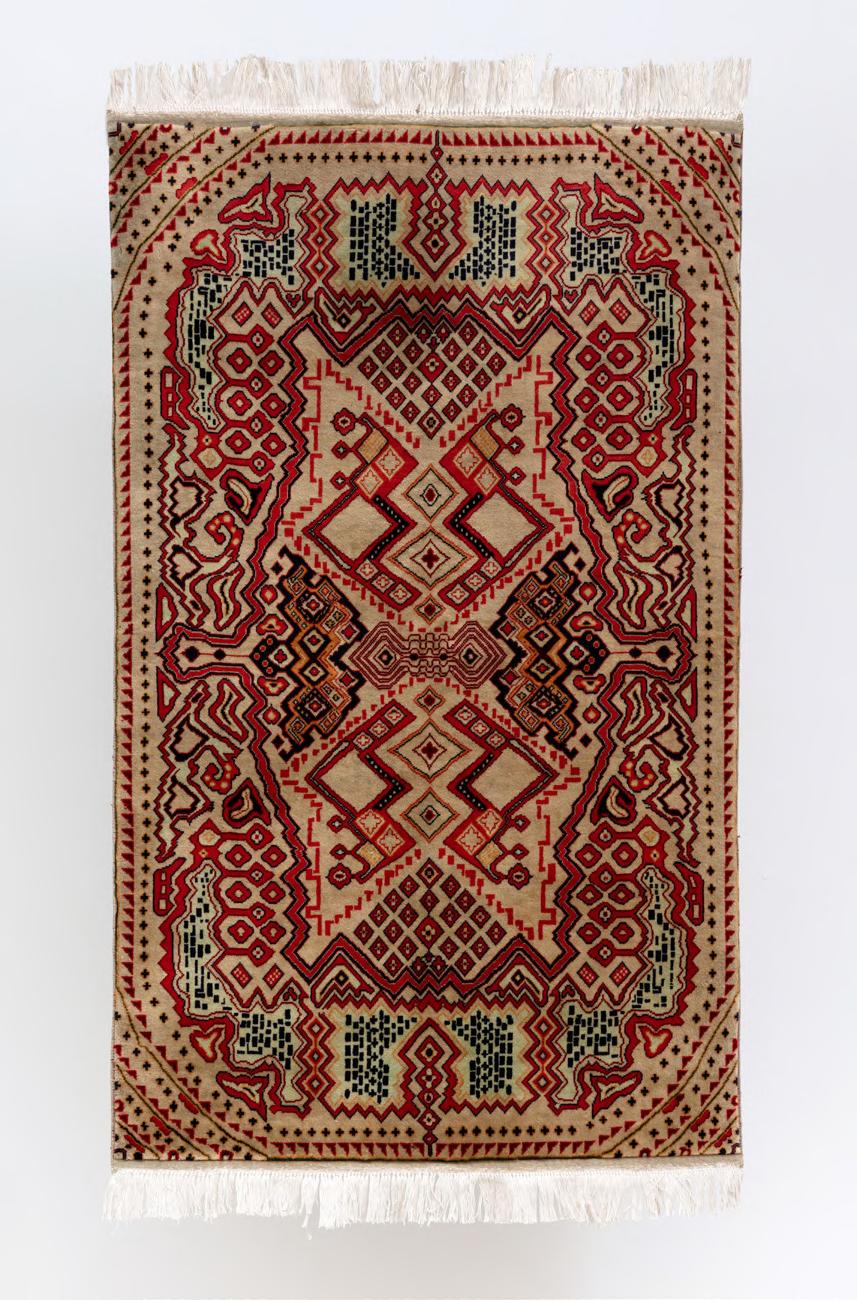
Carpet No. 7, 2022
Handwoven carpet, wool, natural dyes
63 x 38 ¼ in
160 x 97.2 cm
$10,000
15 November 2025
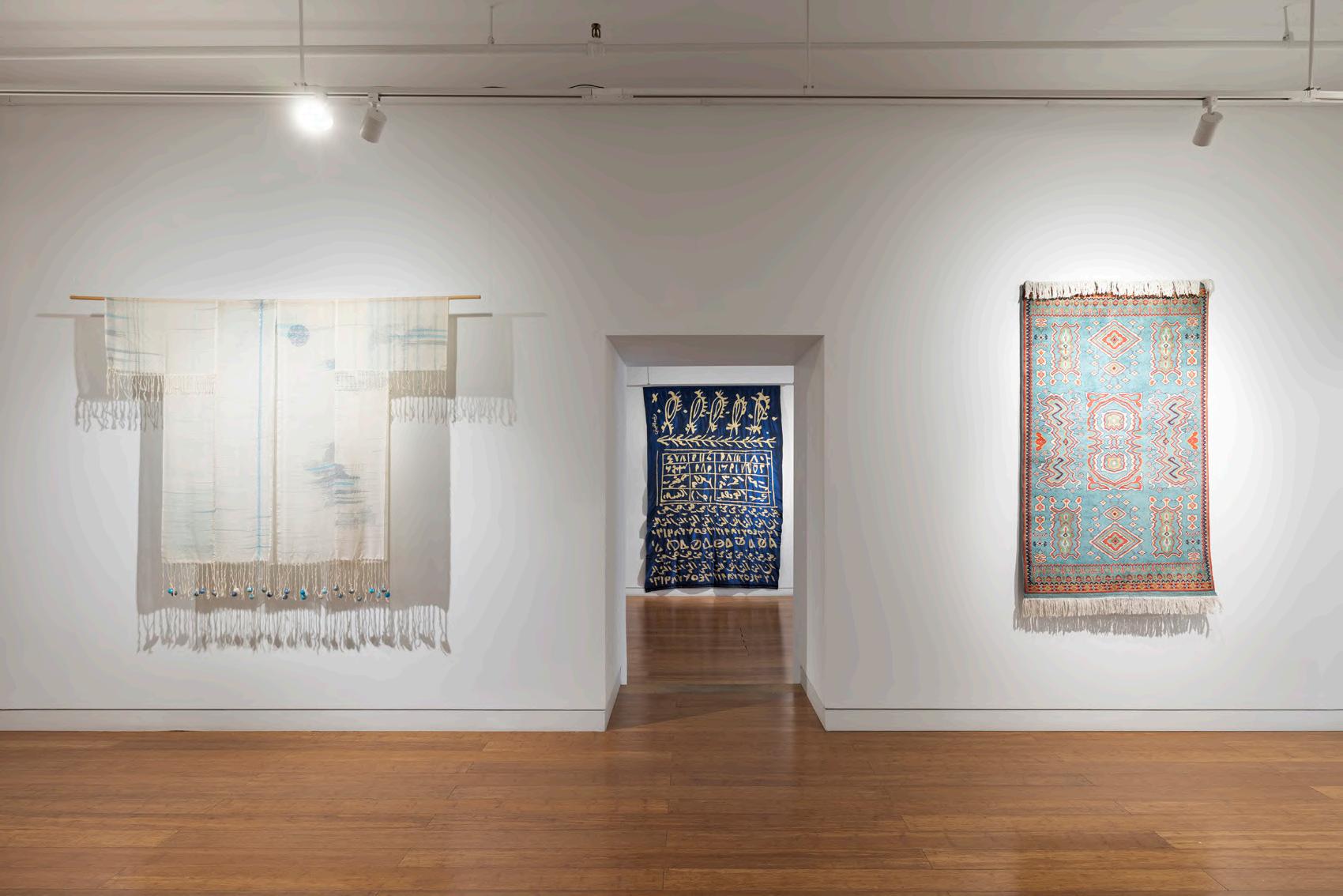
Threaded brought together a diverse collection of textile art by South Asian artists, weaving personal narratives, ancestral memory, and contemporary identity into every fiber. The exhibition is inspired by participating artist, Rachid Koraïchi, who has long emphasized the importance of traditional textile techniques in his practice and how he sees these materials and methods celebrated by other gallery artists. The exhibition featured new works by Khadim Ali and Shehnaz Ismail, and introduced Shaheer Zazai to our New York audience.
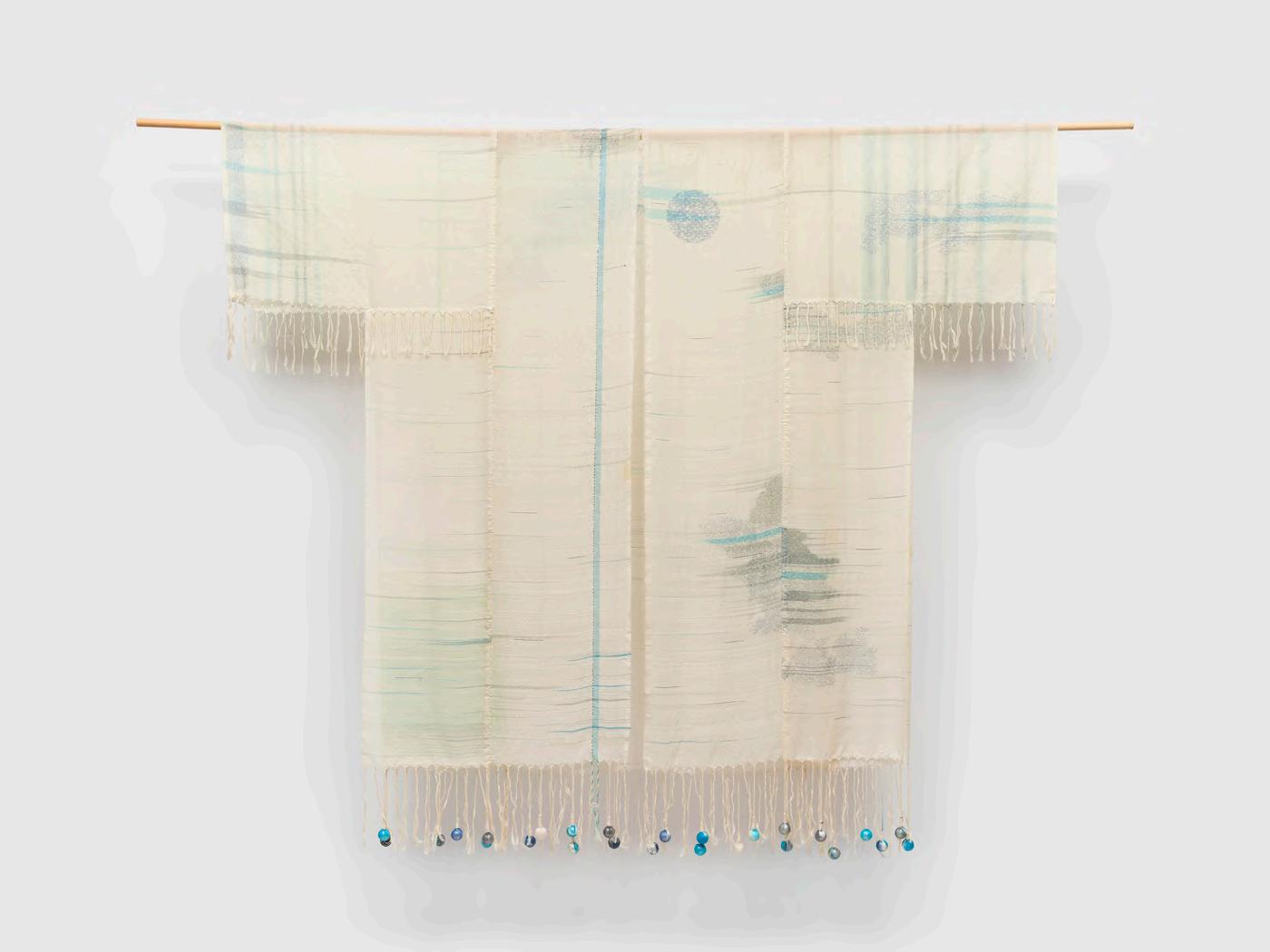
SHEHNAZ ISMAIL
Haq / Truth, 2022-23
Handwoven cotton warp and silk weft
58 x 68 in 147.3 x 172.7 cm
$25,000
ISMSH005
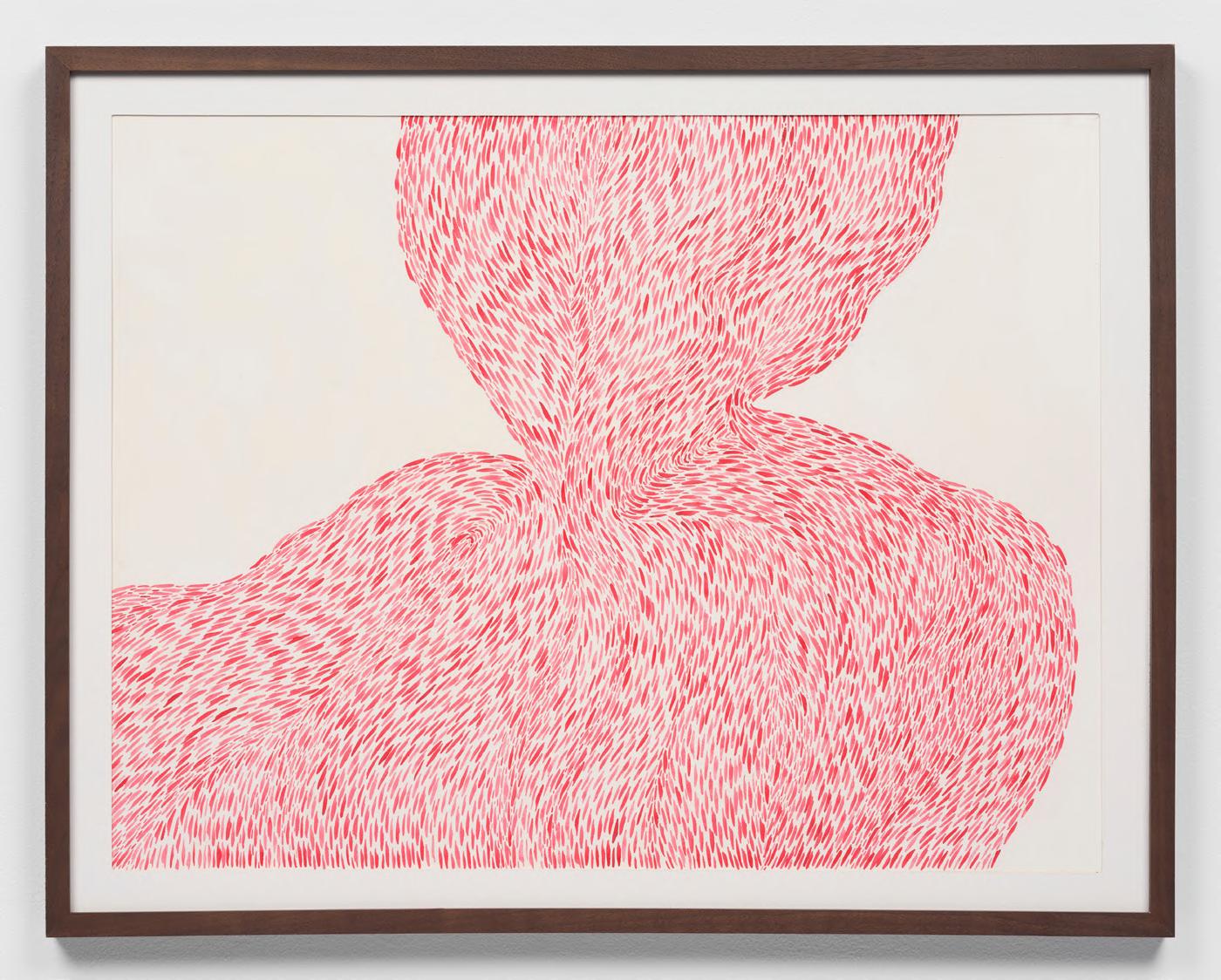
SAFDAR ALI QURESHI
Untitled, 2024
Gouache on wasli paper
20 x 25 in
50.8 x 63.5 cm
$5,000
QSAFD004
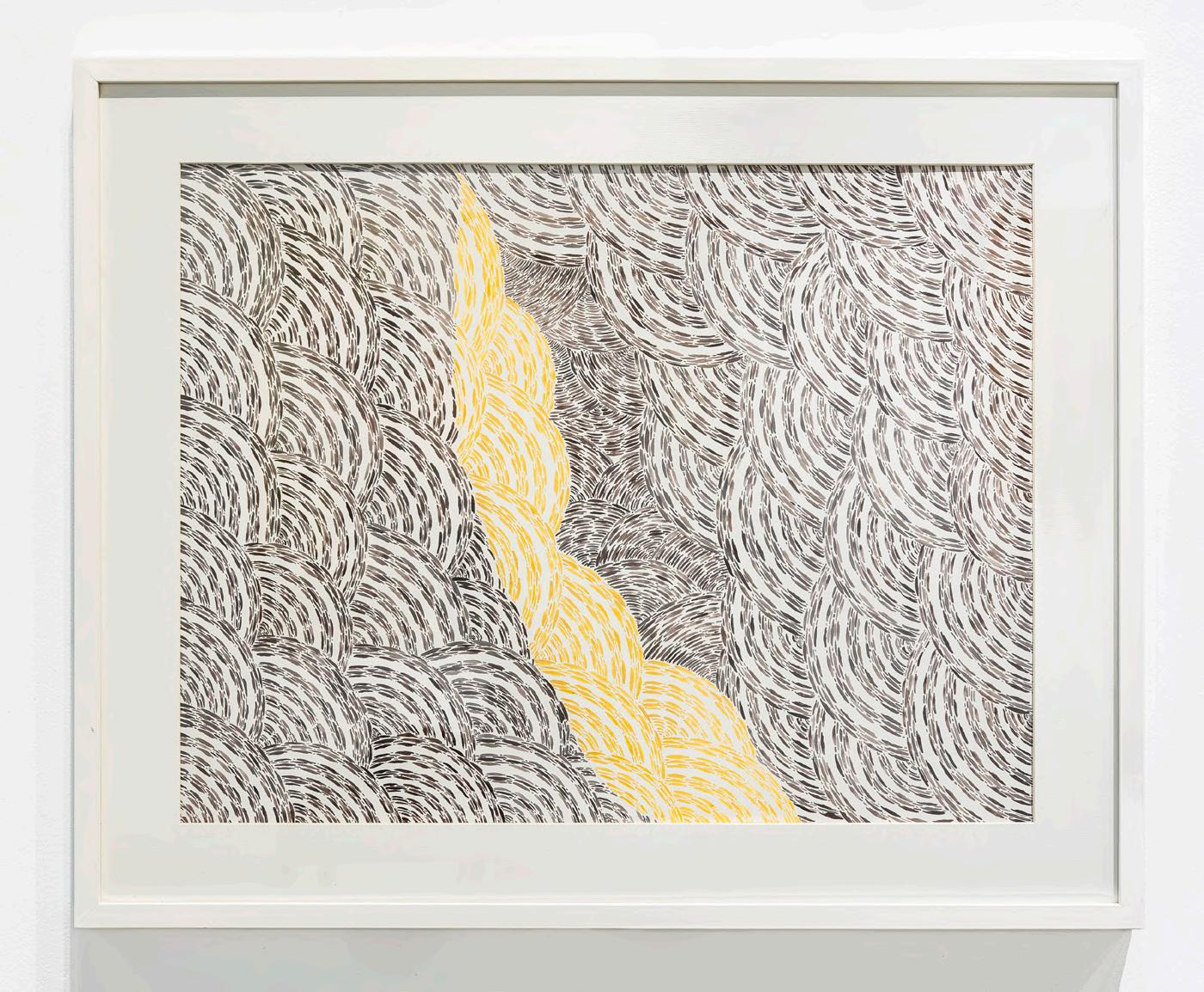
ALI QURESHI
Untitled, 2024
Gouache on mount paper
20 ½ x 26 ½ in
52.1 x 67.3 cm
$5,000
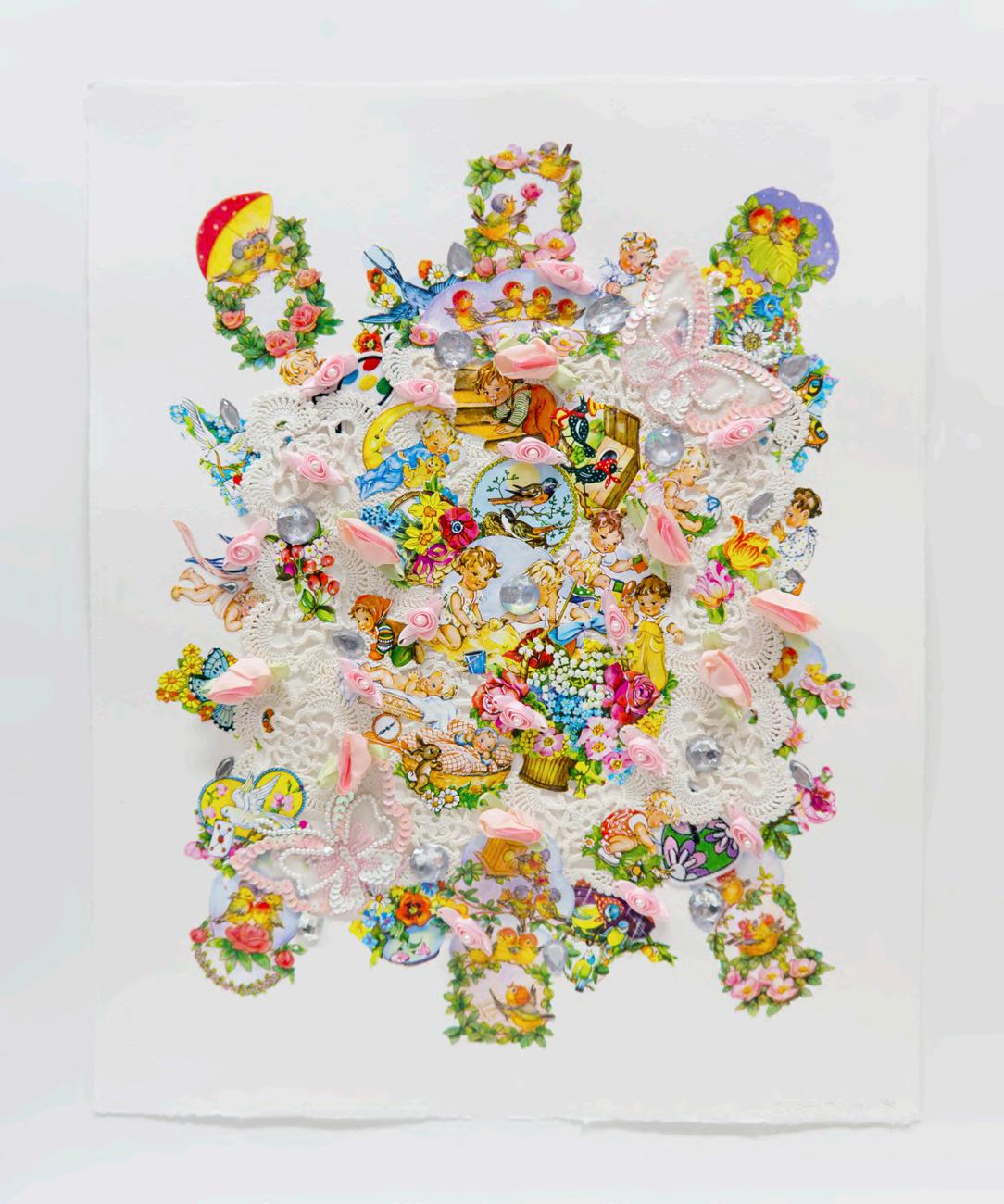
COLBY
Frolic on the Grass (#12), 2020
Found die-cuts, doily, fabric flowers, plastic cabochons, patches, Arches watercolor paper
20 x 16 in
50.8 x 40.6 cm
$4,000
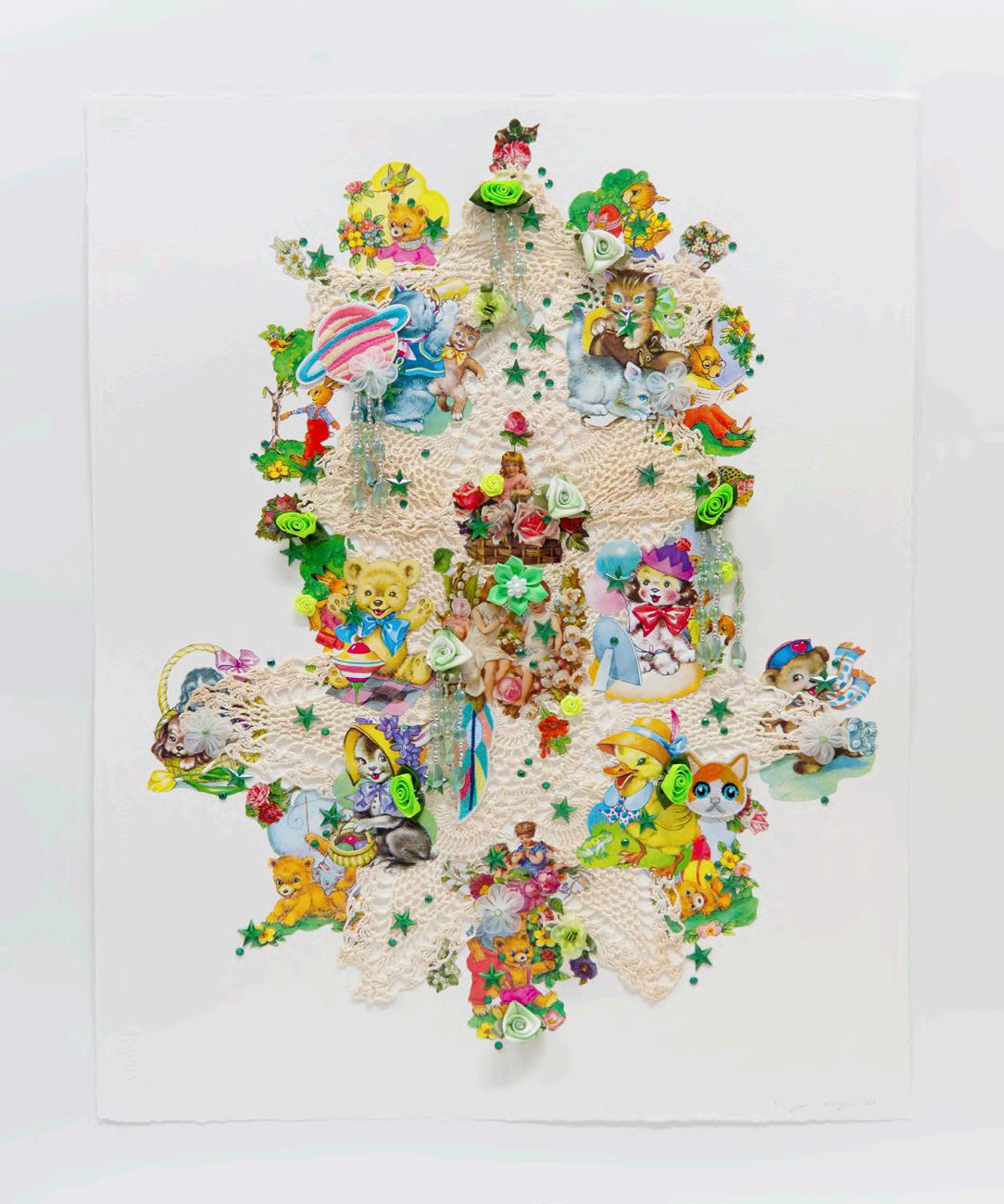
COLBY
Frolic on the Grass (#10), 2020
Found die-cuts, doily, fabric flowers, plastic cabochons, trim, patches, Arches watercolor paper
20 x 16 in
50.8 x 40.6 cm
$4,000
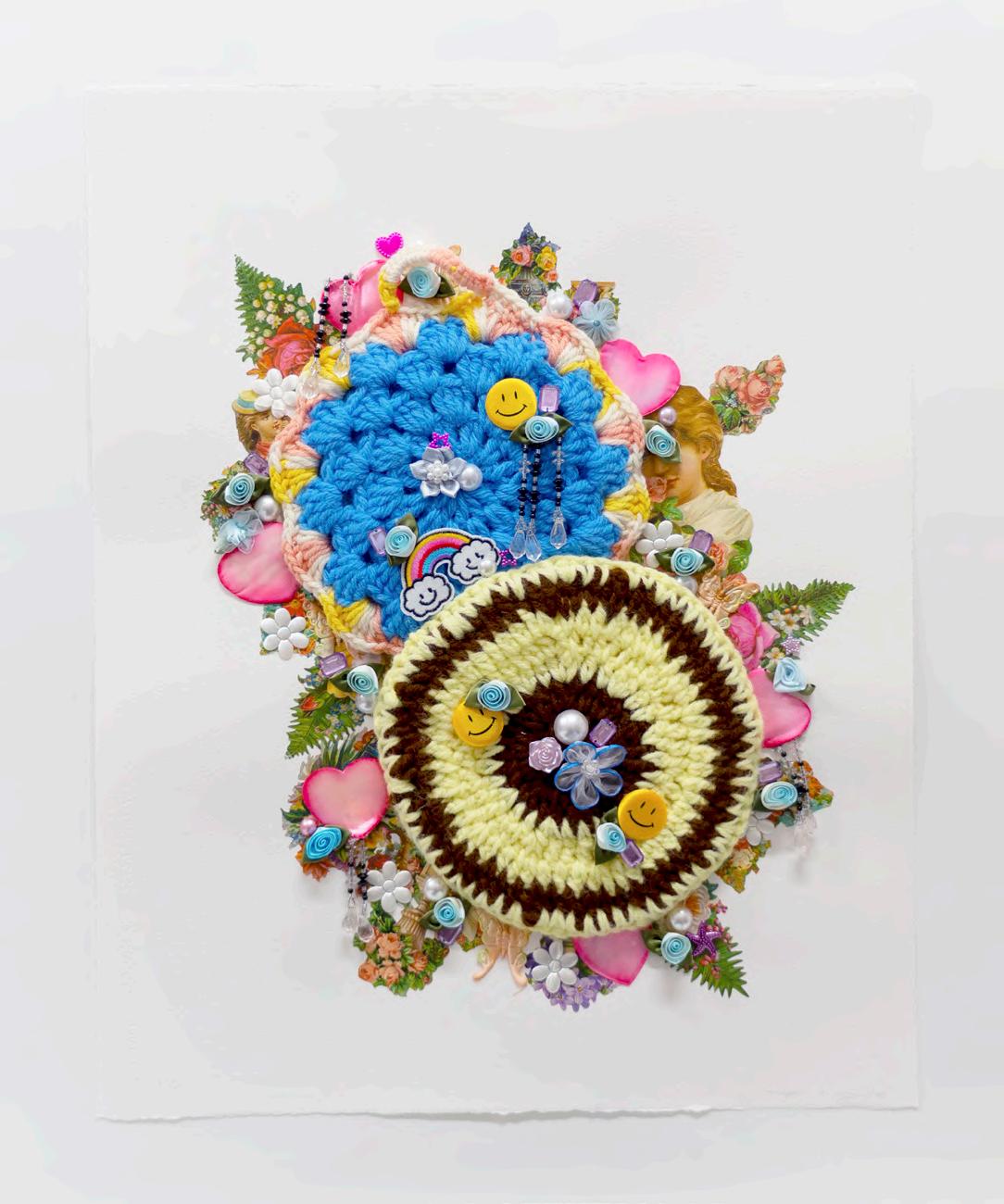
COLBY
Frolic on the Grass (#16), 2020
Found die-cuts, crochet potholders, ribbons, plastic cabochons, trim, patches, Arches watercolor paper
20 x 16 in 50.8 x 40.6 cm
$4,000