


jodie.vanderhoof@crlab.com karen.harvey@crlab.com


Connection. Calling. Career Acceleration.
Expert Tips for Coloring Wigs and Hairpieces
Harnessing the Power of Social Media
Every Good “Hairstory” Starts with the Scalp
Connection. Calling. Career Acceleration. Welcome New Members!
Inventory: The Hidden Profit Lever




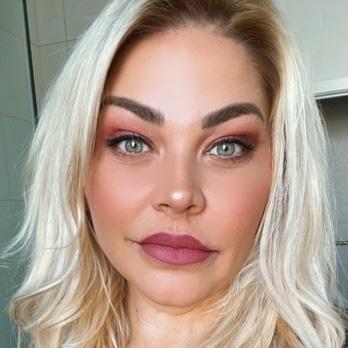
CHELSEA ALVA
OWNER, SALON ADAIR
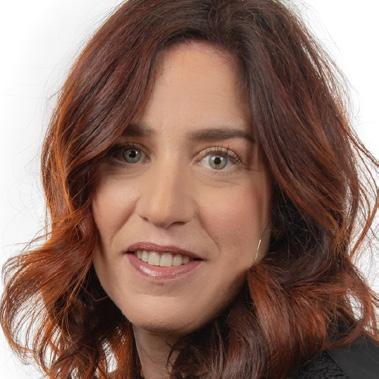
LISA CLARK
MASTER HAIR REPLACEMENT COLORIST, THE SALON AT 10 NEWBURY
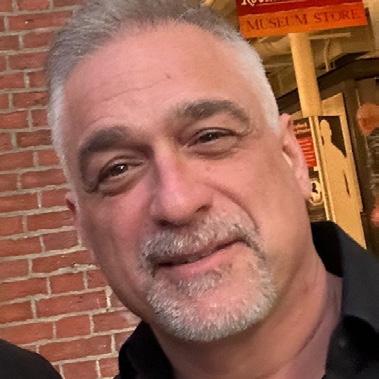
JOE LAPAGLIA
PRESIDENT AND FOUNDER, LACO MEDICAL DISTRIBUTION
NOT PICTURED
JAE Y. KIM
MARKETING DIRECTOR, HAIR ART INT'L, INC.

JANA MCDANIEL
DIRECTOR OF PRODUCT DEVELOPMENT, SMART SOLUTIONS RX
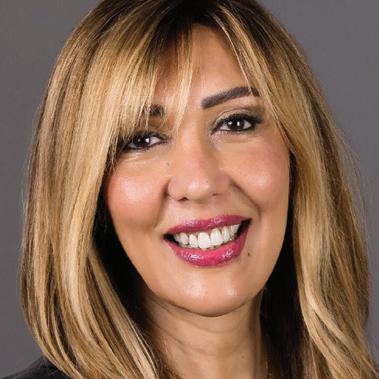
NAZY CURTIS
OWNER, NEWPORT HAIR LOSS CENTER

SARA MICALLEF
OWNER, PROJECT HAIR CO.
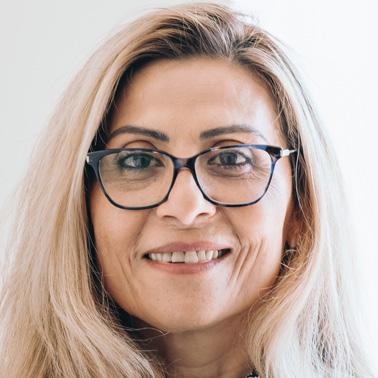
SUZANNE ELKHECHEN
SENIOR TRICHOLOGIST, ENERGY ZONE WELLNESS CENTER

TIFFANY O'CONNOR
SOCIAL MEDIA & MARKETING MANAGER, MILANO COLLECTION WIG COMPANY

MCCALL JACKSON
OWNER, SOWING CROWNS

JAMES TODD CEO, DIMPLES

OWNER, HRI OF PENNSYLVANIA
OWNER, CHE SALON
The Link Magazine is the official, quarterly publication of the American Hair Loss Council. The Trade Association Serving the Hair Restoration Industry. For advertising or contributing editorially, please contact us:
THE AMERICAN HAIR LOSS COUNCIL 615-721-8085 or info@ahlc.org
Publisher: Janine Farro
Editor: Jarred Wilson
Editorial Committee: Lisa Ferestad, Kelly Nemitz
AHLC Board of Directors
Randy Clark, Board Member
Joseph Ellis, President
Janine Farro, Administrator
Susan Kettering, Executive Director
Marsha Scott, Past President
Graphic Design
Paul Scheuer
Subscriptions to The Link Magazine are mailed FREE to AHLC members within the continental U.S. International members are provided digital copies. Please contact us for additional shipping rates if you are an AHLC member outside the US and wish to receive a printed edition.
To become an AHLC member or renew your membership please call 615-721-8085 or log on to AHLC.org.
The opinions expressed in The Link Magazine are those of the authors and may not reflect the views of the AHLC. Advertisements in The Link may not reflect the beliefs, opinions or attitudes of the AHLC and do not imply endorsement.
© 2026 The American Hair Loss Council, All rights reserved. Reproduction in whole or in part without written permission is prohibited.

By McCall Jackson, Owner, Sowing Crowns, Manvel, TX
There are seasons in life when our confidence feels shaken. For many people, hair loss is not just about appearance — it touches identity, self-worth, and emotional well-being. For me, the journey into hair restoration was not simply a career choice. It was a calling born out of personal struggle, faith, and healing.

Both require consistency, care, and trust in the process. During my journey, I began to see the connection between physical restoration and emotional and spiritual wellness. I realized that hair care should never be just about products or quick fixes. It should be about nurturing the whole person.
feel overwhelmed, and to want relief. That empathy is at the heart of everything we stand for.
I take a holistic approach. Hair restoration is not only about treatments; it is about lifestyle, nutrition, stress management, and mindset. It is about creating healthy routines and believing in the possibility of growth again. Focus on consistency, gentle care, and realistic timelines — because true results come with patience.
I never imagined that my own health journey would one day shape the purpose of my business. Living with systemic lupus taught me what it feels like to experience physical changes that are out of your control. Hair loss was one of those changes. It wasn’t just about what I saw in the mirror; it was about how I felt inside. There were moments of frustration, fear, and uncertainty. I wondered if I would ever feel like myself again.
But in that pain, I began to learn something deeper. I learned patience. I learned how important it is to listen to the body. Most importantly, I learned to lean on my faith.
Hair growth does not happen overnight. Healing does not happen overnight either.
That realization became the seed for Sowing Crowns. The name itself reflects a deeper meaning. To “sow” means to plant with intention and faith, trusting that growth will come in its proper time.
A “crown” represents dignity, identity, and confidence. My business was created as a place where people could begin again — where they could plant seeds of healing and watch their confidence grow.
My mission was never just to treat hair loss. It was to create a safe, nurturing environment where clients feel seen, heard, and supported. Many people walk into a hair restoration clinic carrying more than thinning hair. They carry stress, illness, hormonal changes, and emotional burdens. They carry stories.
Because I have lived through my own journey, I understand those feelings. I know what it’s like to look for answers, to
Turning pain into purpose does not mean the journey was easy. It means choosing to use your experiences to help someone else. Every client who sits in my chair reminds me why this mission matters. Every story of regrowth, renewed confidence, or emotional healing is a reminder that purpose often grows from our hardest seasons.
No matter the reason your client is currently walking through hair loss, illness, or a challenging season, know this: their story is not over. Growth is still possible. Healing is still possible. Confidence can be restored — one step, one treatment, and one day at a time.
Sometimes the very thing that caused pain becomes the seed of purpose. And when you nurture that seed with faith, patience, and intention, something beautiful can grow.




By Susan Kettering, Owner, HRI of Pennsylvania, Pittsburgh, PA,
Executive Director, AHLC
Updating a client’s hairstyle can be one of the most delicate — and most rewarding — parts of being a stylist. Hair is deeply personal. It represents identity, comfort, routine, and sometimes even memories. Many clients have worn the same cut or color for decades because it once felt flattering and safe. Over time, that style becomes part of how they see themselves. Suggesting a change, even a subtle one, can feel like asking them to let go of a piece of who they are.

has become fuller, a softer layering technique might create balance. If the forehead appears larger due to recession, perhaps introducing a fringe or adjusting the hairline framing can create harmony. If the jawline has softened, subtle movement around the face can lift and contour visually.
When you approach the discussion from a technical and artistic standpoint, clients understand that your suggestions are rooted in expertise, not opinion. You are not telling them their style is wrong — you are showing them how to refine it.
Our role as stylists is not only to execute what the client requests. It is to guide, educate, and inspire. Clients expect us to keep them looking their age in the most complimentary way — not younger, not older, but appropriate and polished. That requires us to stay current. We must understand trends, but also know how to tailor them. Not every trend suits every client. The art lies in adapting what’s current into something wearable.
We are all creatures of habit. Once we find a haircut that feels becoming to our facial features, we settle into it. The problem is that the cut that worked beautifully in 1978 may not complement the face we have in 2026. Facial structure evolves. Skin texture changes. Hair density shifts. Gravity plays its part. Yet emotionally, many clients still see themselves the way they did years ago. I always say — lovingly — that I have a few clients who could walk straight into the disco era and not miss a beat!
Whether someone wears their natural hair or a hairpiece, the hesitation around change is real. For some clients, trimming even an eighth of an inch can feel traumatic. That tells us something important: this is not just about hair. It’s about control, confidence, and familiarity. That’s why the conversation must be handled with empathy, education, and reassurance.
So how do we guide clients toward an updated look without making them feel criticized? It starts and ends with the consultation. The consultation is not a formality — it is the foundation of trust. Instead of saying, “This style is outdated,” shift the focus to facial structure and enhancement. Talk about how features evolve over time. For example, if the face
Color plays an equally important role. More gray at the temples, lighter density through the crown, or changes in skin tone all affect how a haircut reads. Multiple highlights can brighten the complexion and soften regrowth lines. A slight shift in tone — warmer or cooler — can make skin look more vibrant. Sometimes it’s not about going darker or lighter, but about adding dimension. Dimension gives life to hair, especially when density has decreased.
For female clients, even something as simple as updating the bang area can transform the entire look. Curtain bangs, soft textured fringe, or longer face-framing pieces can modernize a style without removing length. These are minimal adjustments that feel safe but create noticeable freshness. Clients are often relieved to see that change does not have to mean drastic.
Long-term relationships make this process even more meaningful. I have clients who have been with me for fifty years. Think about that — fifty years of cuts, colors, life milestones, celebrations, and reinventions. We have evolved together. That longevity builds trust. Because of that trust, I can say, “I think it’s time we freshen this up,” and they know it comes from a place of care.
It can be as simple as softening a hard line. Reducing bulk. Introducing movement. Lightening the perimeter. Adjusting the part. Sometimes a small recession in the hairline calls for a different silhouette. Sometimes thinning density calls for strategic layering. When we explain the “why,” clients feel included in the decision rather than surprised by the result.
Another key element is visual reinforcement. Show photos. Use mirrors. Physically demonstrate how lifting volume or shifting the part changes balance. When clients can see the difference before the cut begins, anxiety decreases.
Most importantly, celebrate the evolution. Change should feel exciting, not frightening. As stylists, we have the privilege of helping people step into new phases of their lives with confidence. Updating a style is not about erasing the past — it’s about enhancing the present.
That, to me, is the most exciting part of our profession. We are artists, yes. But we are also trusted advisors. Our clients place their confidence in our hands every time they sit in our chair. It is our responsibility to honor that trust by staying educated, observing carefully, and having honest, compassionate conversations.
When done correctly, updating a client’s style is not a confrontation. It’s a collaboration. And when they leave the salon feeling refreshed, modern, and still completely themselves — that’s when you know you’ve done your job beautifully.
By Lisa Clark, Master Hair Replacement Colorist,
The Salon at 10 Newbury, Boston, MA
With over three decades of professional color experience, I have dedicated the last seven years to the specialized coloring of luxury human hair wigs. Founded in the mid-90s by Patricia Wrixon, The Salon at 10 Newbury is a prestigious hair replacement salon, widely known for high-end customized wigs and services for women experiencing hair loss.

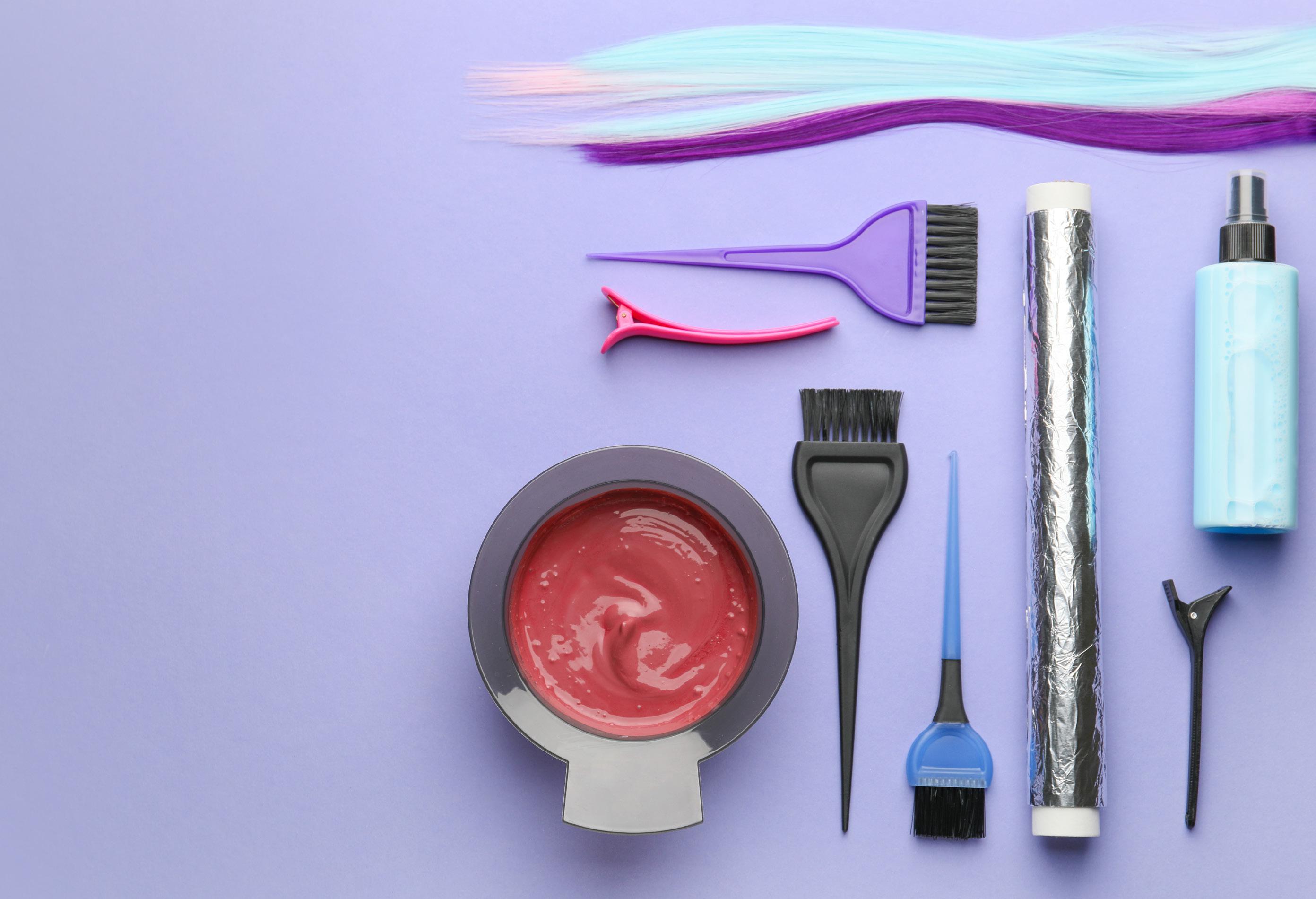
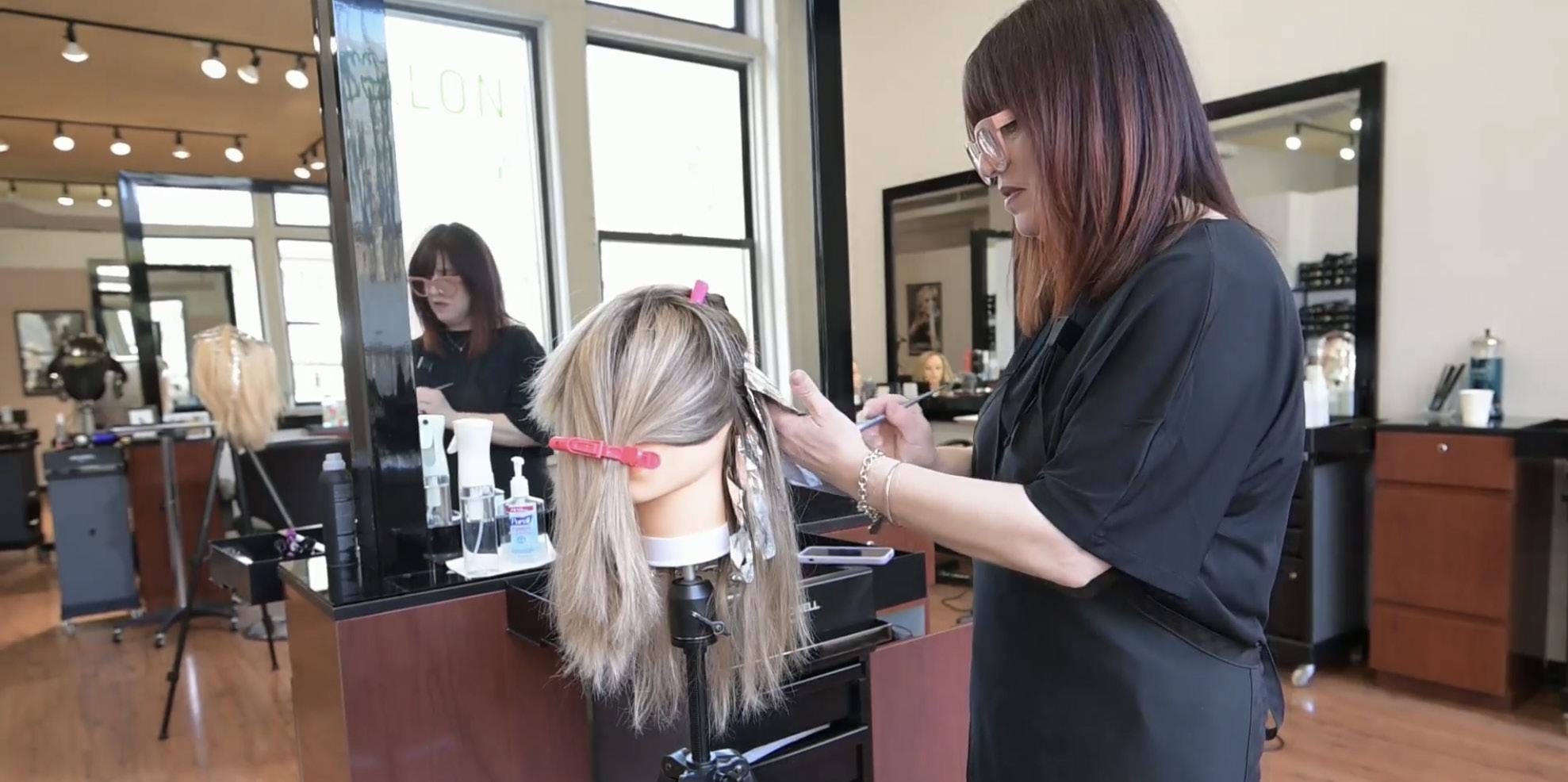
As a hair replacement colorist, my role is to personalize each piece from root shadowing to dimensional highlights or lowlights so that a client’s wig or topper will look like a natural extension of themselves. My key focus is achieving an accurate color match between a wig and a client’s desired look, using reference photos and color swatches to assure a natural, undetectable outcome. Enhancing a wig through custom coloring allows for a personalized piece. However, achieving this level of
customization requires a thorough consultation and precise strand testing.
The consultation should be a very in-depth conversation with the client, complete with notes, color swatches, photographs, and color-matching any natural growing hair.
After consulting with the client and having a full understanding of their needs, a start color for the wig is decided. This is extremely important, as it will be your CONTINUED ON PAGE 11

without costing a fortune
Berlin hair company features pre-blended Mediterranean hair, lightweight breathable designs, and scalp-realistic finishes - our wigs and top pieces redefine comfort and natural beauty.


4 wigs in 12” and 16” length, coming in XS, S and M Caps
4 Bondable Top Pieces in 14” lengths
Available Colors: from dark brown to blonde and 3 greys


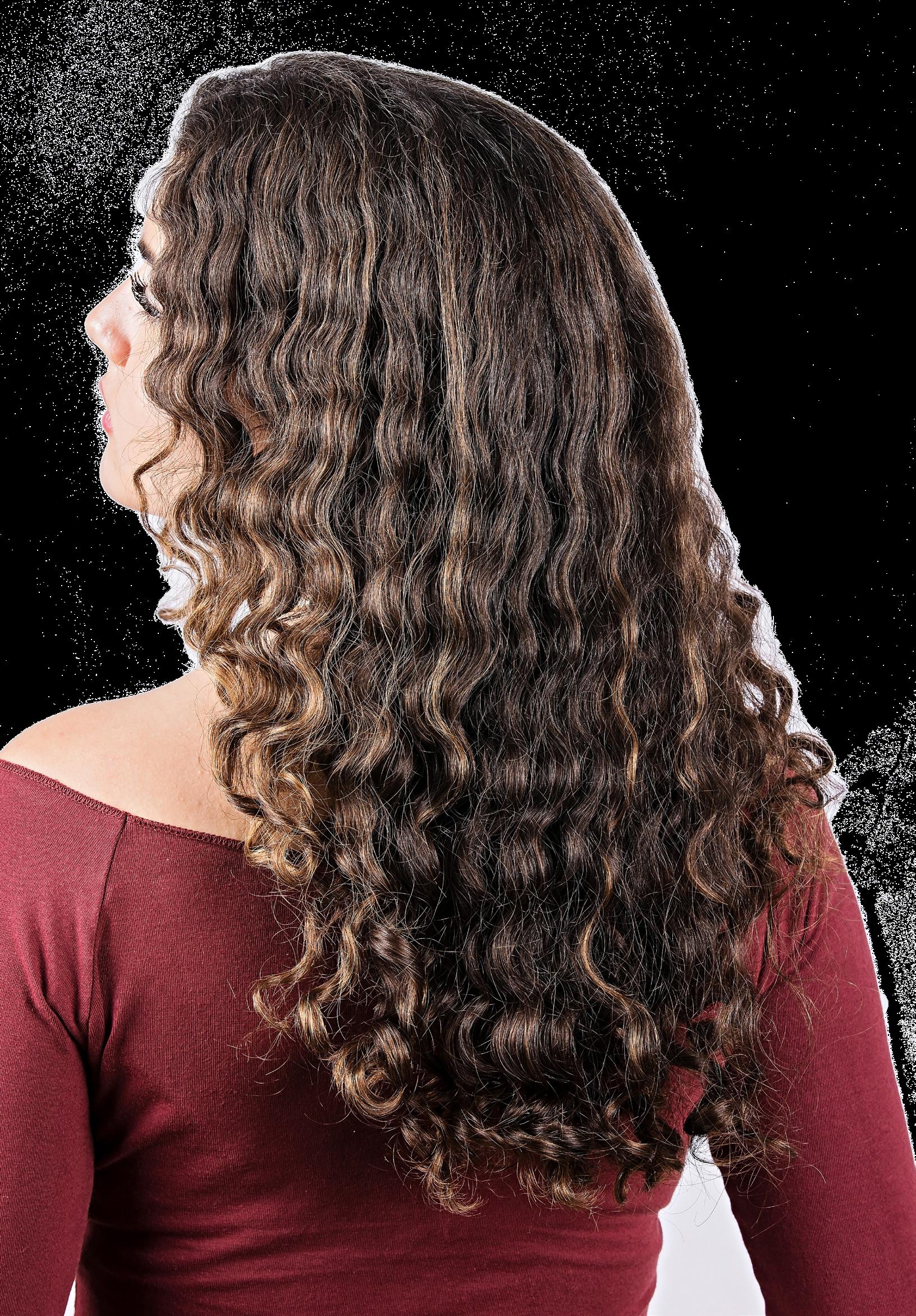
Model is wearing our Mono Top Cutaway Open Front Lace in color #1NB curly, highlighted by Berlin Hair Company

foundation for your color. Because preserving the integrity of the wig is essential, I follow a deposit-only procedure. This means a base color lighter than the desired result will be chosen so that it can be customized appropriately. However, exceptions to this approach do exist. For example, if the wig is a purely natural virgin piece, then a higher volume process can be used to safely brighten the piece to its desired level.
When the consult is completed and I have all the information needed, I begin to create a plan and move forward with strand testing. I test 3-4 different formulas on small strands of the wig until I get to the perfect shade.
Strand testing allows me to evaluate:
• How quickly the hair absorbs pigment
• Whether or not I need to adjust a color formula
• The overall condition of the hair after processing
Now that I have my color formulation, I can proceed to prep the wig or hairpiece for service.
Preparing the wig to be colored is a step not to be skipped. The piece needs to be thoroughly cleansed with a sulfate-free shampoo in order to remove any product build up, oils, or factory silicone that might block the dye from penetrating.
Once cleansed, the piece is completely dried and gently detangled. It is then securely pinned onto a mannequin head using t-pins to ensure stability and precision during application.
Incorporating a root creates depth at the base to allow the wig to look natural. Depending on the goal, I’ll choose between a smudge root, a shadow root, or a color melt. Once the technique has been decided, I’ll proceed with the application. For the best results, I keep my sections neat and clean so my application will be even and precise.
When the color is fully processed, it will get washed and dried in order to be ready for lowlights or highlights. This will create dimension to achieve a realistic lived-in finish.
It is important to frequently check on
the color through all the processes as the wigs can process much differently than biological hair.
I often apply a gloss as a final step to fine tune the underlying pigments. This will determine whether I need to introduce richer color tones, or if a warmer golden hue is preferred.
Aftercare is as important as the color. I always make sure that the client has the knowledge and the tools needed to maintain their color at home in order to keep it looking as fresh and vibrant as possible. Some of my go-to recommendations are:
• Use a sulfate-free color safe shampoo and conditioner
• Avoid prolonged sun exposure to prevent premature color fading
• When cleaning a wig or hairpiece, use a cooler water temperature
Whether it’s a color refresh to restore the wig to its original tone or a first-time customization, each process is personalized to ensure that your client’s wig is uniquely theirs.
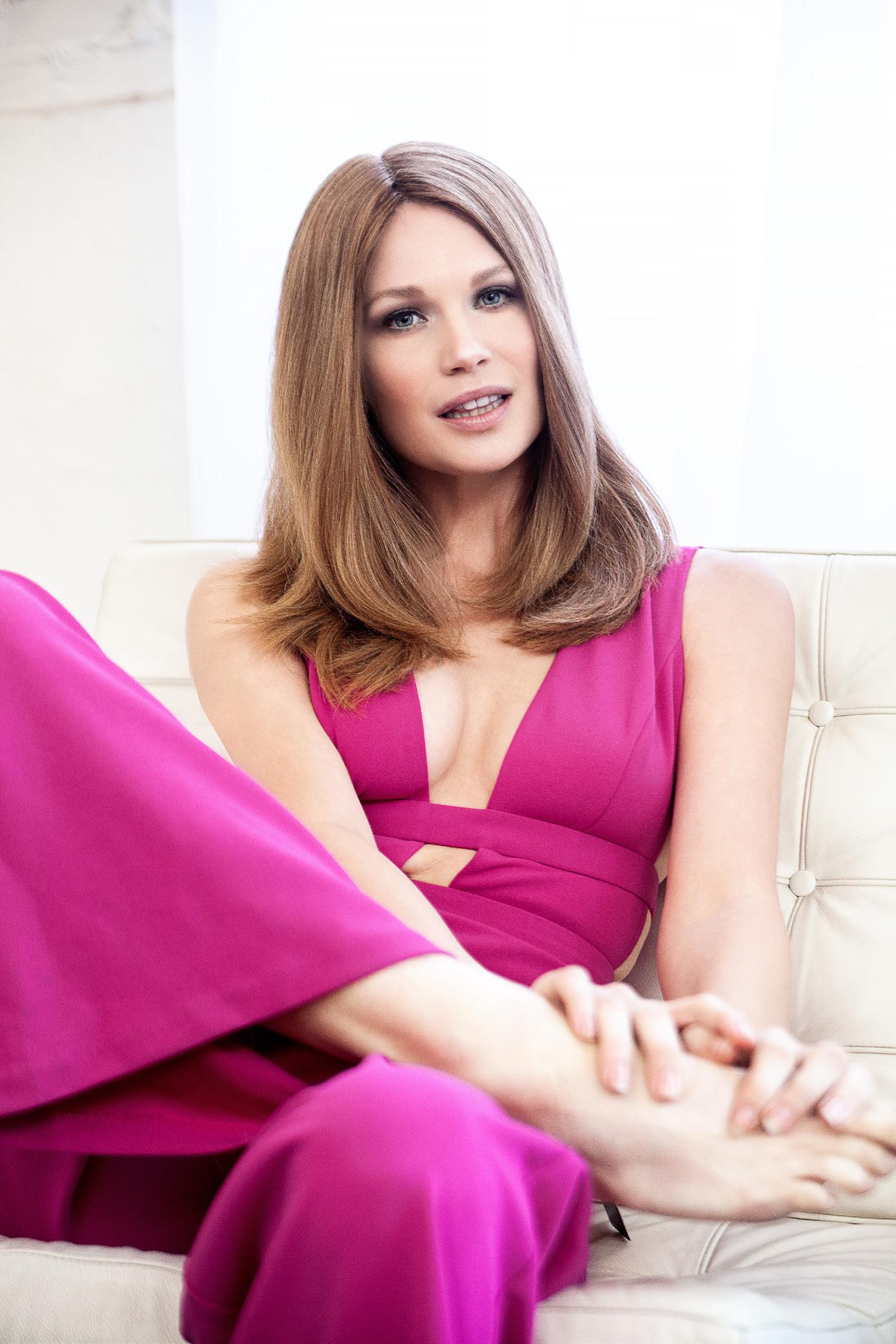
Experience the luxury of the Signature French Top Collection, which is 100% European virgin layered hair with French Lace Top for unmatched volume and realistic scalp look.
Hair Type: European hair
Color: Signature color ring
Cap style: Handtied
Cap size: X-small and Small
Lengths: 8’’, 10’’ & 12’’ layered
Hair Type: European hair
Color: Signature color ring
Cap style: Wefted
Cap size: X-small and Small
Lengths: 8’’, 10’’ & 12’’ layered

By Tiffany O'Connor, Senior Social Media & Marketing Manager, Milano Collection Wig Company
Social media can be a game changer for businesses that serve the hair loss community. In fact, our industry is uniquely positioned to thrive with organic social media — and there are two powerful reasons why.
Western beauty standards have long tied femininity to thick, healthy hair, leaving little room for honest conversation about thinning, shedding, medical hair loss, or genetic conditions.
becomes more than a marketing channel. It becomes validation. It becomes relief. It becomes the first moment someone feels seen.
First, we provide a solution to a problem that millions of women experience, yet few openly discuss. An estimated 50% of women experience hair loss at some point in their lives. Despite how common it is, female hair loss remains largely underrepresented in media and popular culture.
Because of this silence, countless women struggle privately. They often believe they are alone in their experience. Many do not realize how common hair loss is, and even fewer understand the range of modern, natural-looking solutions available to them. This creates a significant gap between problem and awareness — and within that gap lies extraordinary opportunity.
When your salon or alternative hair studio steps into that space with education, empathy, and visibility, social media
Second, social media is uniquely powerful in the hair loss industry because of the impact of storytelling. When we began gaining meaningful traction online, it was not because we were simply showcasing products. It was because we shifted our focus to narrative.
Instead of posting a finished look, our content began following a clear and consistent story arc. A client would openly share her hair loss journey and what brought her into our showroom. A consultant would explain why a particular wig or topper was the right fit for her needs. Viewers would witness the try-on




moment — the adjustment, the reveal, the first glance in the mirror. Most importantly, they would see the emotional response: the relief, the tears, the confidence returning in real time.
When this storytelling format began to resonate, thousands of women who had been quietly struggling suddenly saw someone who looked like them and felt like them. They were not just seeing a product. They were seeing possibility.
While all businesses rely on storytelling to some degree, hair loss businesses solve something deeper than inconvenience. We are not simply offering a cosmetic enhancement. For many clients, we are addressing shame.
Between the women who walk into showrooms and those who send messages online, the same stories appear again and again: “I wear baseball caps everywhere.” “I stopped going out.” “I missed important events.” “I didn’t want to be in photos at my daughter’s wedding.” “I avoid mirrors.”
Hair is often deeply tied to identity. Losing it can feel like losing control over how the world perceives you. It can affect social confidence, professional presence, relationships, and overall self-worth. While some clients seek alternative hair for fashion or versatility, the majority are seeking something far more meaningful — dignity, normalcy, and the freedom to participate fully in their lives.
This emotional depth is precisely why social media works so well in this niche. When you communicate that your business is a safe, compassionate space — one where hair loss is neither shocking nor rare
— you build trust before a client ever walks through your door.
Through consistent, empathetic storytelling, you can build community, clarify your brand voice, normalize hair loss, and demonstrate the humanity behind your business. Your content says, without explicitly stating it: You are not alone. You are safe here. We will take care of you.
For salon owners and alternative hair professionals looking to strengthen their social presence, three foundational principles can guide long-term success:
Every piece of content should address a specific, recognizable problem your audience faces. Whether it is a receding hairline, widening part, medical hair loss, or postpartum shedding, your posts should clearly demonstrate understanding and offer a visible path forward. The most effective structure is simple: problem, solution, transformation. When viewers recognize themselves in the problem and see a believable, authentic result, hope is created.
While algorithm strategies and trending sounds may increase short-term reach, long-term growth is built on trust. Your audience must feel your genuine care, expertise, and passion for serving women experiencing hair loss. Overly polished or overly sales-driven content can create distance. Honest conversations, real clients, and transparent education build credibility.
In an oversaturated digital environment, authenticity is your differentiator.
Think of your social media presence as a show your audience chooses to follow. If viewers find comfort, education, and inspiration in your content, they will return — and they will share. This does not mean overwhelming your audience with constant posts. It means identifying a format that works and repeating it with refinement. Consistency in messaging, tone, and posting cadence builds reliability. Reliability builds trust. Trust builds business.
For businesses serving the hair loss community, social media is not optional. It is one of the most powerful tools available to expand awareness and change lives. There are women at home right now searching quietly for answers. They are reading comments. They are watching transformations. They are trying to gather the courage to reach out.
Your content may be the first moment they realize help exists.
When you combine education with empathy, storytelling with solutions, and consistency with authenticity, you are doing more than marketing services. You are restoring confidence. You are normalizing conversation. You are building a community around care rather than concealment.
The opportunity is significant. The need is real. And the audience is already online. Show up with intention. Speak with compassion. Tell real stories. Provide real solutions.
The women who need you are out there — and through the power of social media, they can finally find you.
By Suzanne Elkhechen, MA, Senior Trichologist, Energy
Zone Wellness Center, Englewood Cliffs, NJ
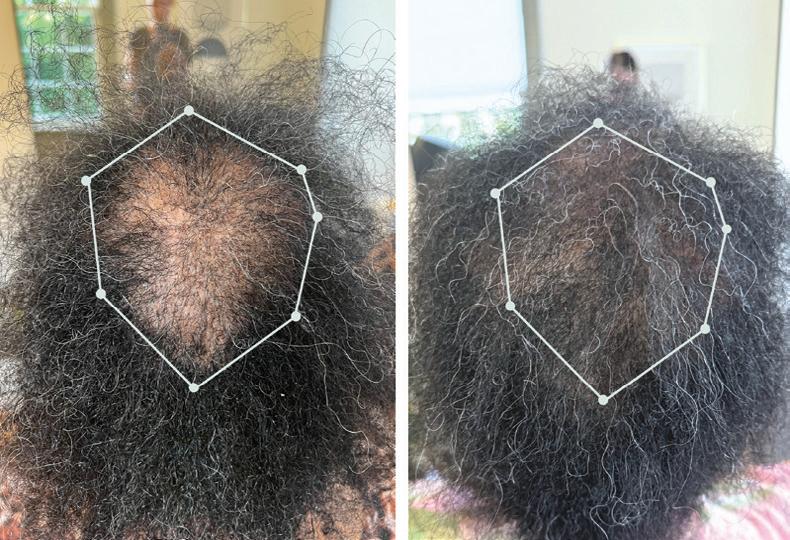
Hair loss is usually talked about in terms of what we can see: thinner hair, less density, or more shedding. However, the real changes often start underneath the surface, in the scalp.
The scalp is not just skin that holds hair. It is living tissue with blood flow, oil glands, nerves, immune activity, and its own balance of healthy bacteria. Because it is so active, the scalp often shows signs of imbalance before major thinning happens.
When the scalp is not healthy, the hair follicle cannot function at its best.
Things like inflammation, too much oil buildup, clogged follicles,
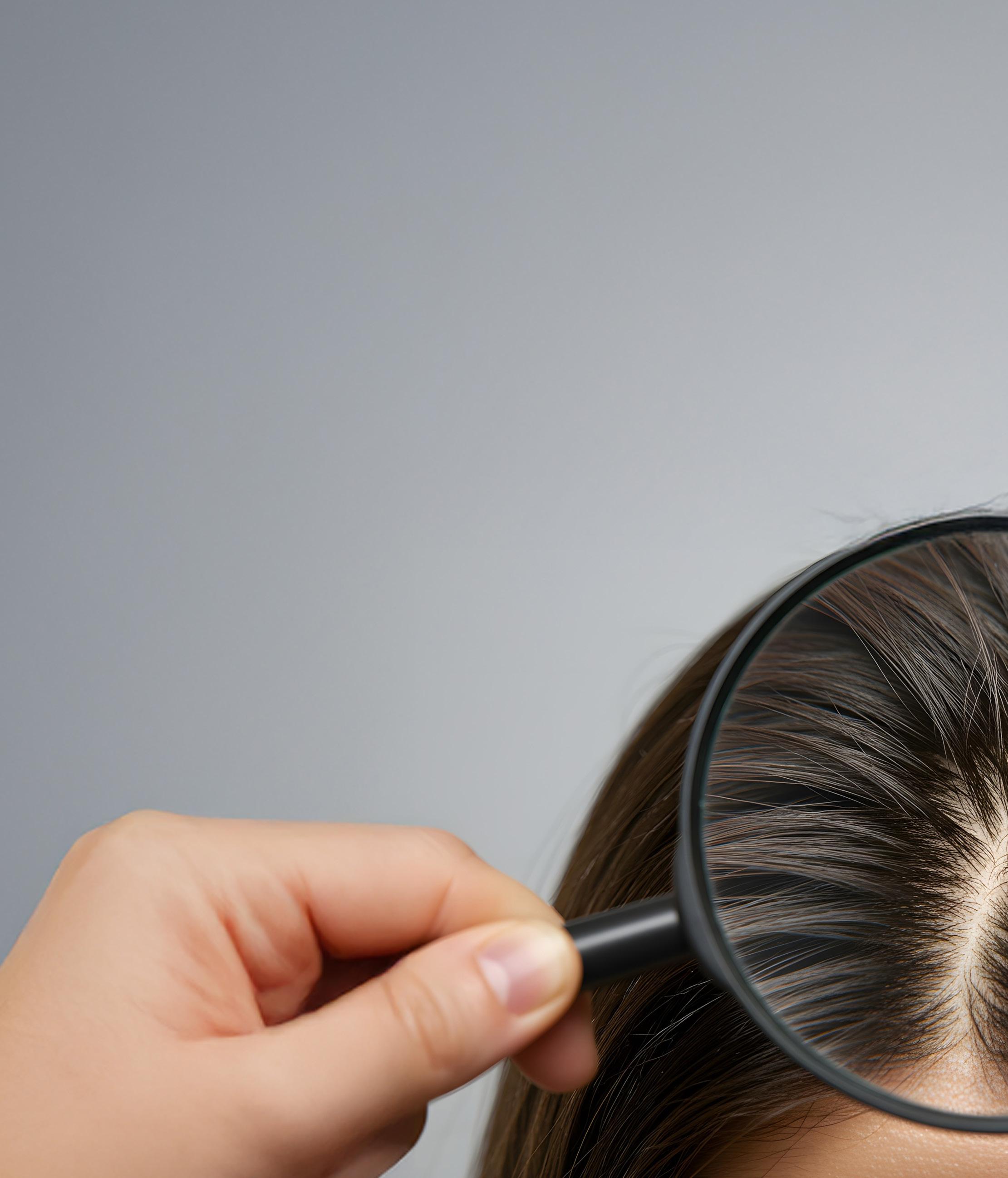
stress, or poor nutrition can affect the scalp environment. Over time, these issues can weaken the hair growth cycle and contribute to shedding or thinning.
Scalp hygiene is not just about keeping the hair clean for appearance. It is about keeping the scalp healthy so hair can grow properly.
The scalp naturally produces oil (sebum). This oil helps protect and moisturize the skin. But when too much oil builds up, it can mix with sweat, dead skin cells, and product residue. Over time, this buildup can irritate the scalp.
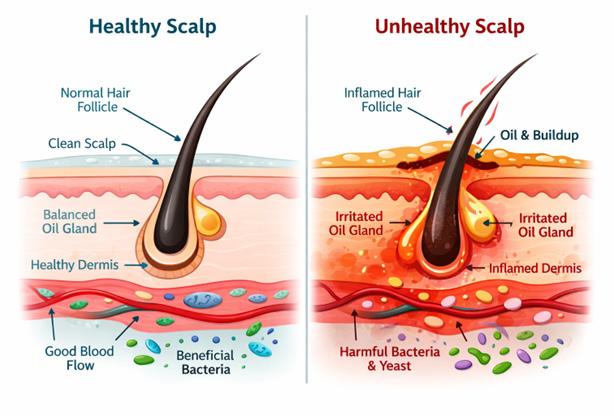
When oil sits on the scalp too long, it can oxidize (break down) and become irritating. This may trigger inflammation around the hair follicle. Inflammation can weaken the follicle and disrupt the normal hair growth cycle.
The scalp also has its own natural balance of bacteria and yeast. When that balance is disrupted by buildup, improper cleansing, or harsh products,
The scalp is not just skin that holds hair. It is living tissue with blood flow, oil glands, nerves, immune activity, and its own balance of healthy bacteria.
it can lead to itching, flaking, redness, or sensitivity.
Good scalp hygiene means:
• Cleansing regularly based on the client’s scalp type
• Removing excess oil and product buildup
• Avoiding heavy occlusive products that clog follicles
• Using products that support, not strip, the scalp barrier
While washing alone does not cure hair loss, maintaining a clean and balanced scalp creates a healthier environment for hair to grow.
Many clients shampoo their hair but do not truly cleanse their scalp. As a professional, it is important to teach proper technique.
1. Focus shampoo on the scalp, not the hair strands. A shampoo that cleans the scalp properly can potentially dry the ends and result in breakage. Apply shampoo directly to the scalp. Use your fingertips (not nails) to gently massage in small circular motions. This lifts oil, sweat, and buildup from the scalp surface.
The hair itself does not need aggressive scrubbing. When you rinse, the shampoo will naturally run down the strands and cleanse them sufficiently.
It is also important to choose a shampoo with a balanced pH. The scalp’s natural pH is slightly acidic, typically between 4.5 and 5.5. Using a shampoo within this range helps protect the scalp barrier, maintain moisture balance, and support a healthy microbial environment.

Shampoos that are too alkaline can disrupt the scalp’s protective barrier, leading to dryness, irritation, and increased sensitivity. Over time, this imbalance may contribute to inflammation and weaken the overall scalp environment.
For clients experiencing dryness, irritation, or thinning concerns, selecting a gentle, pH-balanced shampoo can make a meaningful difference in maintaining scalp stability.
The goal is not just cleansing; it is cleansing without disrupting the scalp’s natural balance.
2. Use lukewarm water, not hot. Very hot water can strip the scalp of its natural protective oils and dry out both the scalp and hair. Over time, this dryness can weaken the scalp barrier and affect moisture balance around the follicles.
Lukewarm water helps cleanse effectively without over-drying. It protects the scalp’s natural moisture and supports a healthier follicle environment.
3. Moisturize the hair, not the scalp. Conditioner should be applied mainly to the mid-lengths and ends of the hair — not directly on the scalp (unless medically indicated). The scalp naturally produces its own oils. Heavy conditioner at the roots can create buildup and clog follicles.
The goal is balance:
• Clean scalp
• Hydrated hair
• No heavy residue at the roots
A healthy scalp = a stronger foundation for healthy hair.

Simone Trichology enables your practice to assess, treat, and manage hair loss with standardized clinical protocols through



By Chelsea Alva, Salon Adair, Carlsbad, CA
In this industry, growth isn’t optional — it’s essential. But what I’ve learned over the years is that real growth doesn’t just come from education alone. It comes from alignment. From connection. From being in rooms where everyone understands the mission.
For me, that room has consistently been the annual conference hosted by the American Hair Loss Council.
Each year I attend, I walk away with something completely different. That’s the beauty of evolving — the lessons meet you where you are.
My first conferences were about learning. I was absorbing everything — techniques, systems, products, language, consultation structure. I wanted to master the craft. In later years, it became about refinement. How do I elevate? How do I serve at a deeper level? How do I lead my team better?
But this past year was different.
This past year was about connection. It was about being surrounded by likeminded professionals who understand
the weight and the privilege of working in hair loss. The emotional intelligence required. The discretion. The artistry. The medical collaboration. The responsibility.
There is something incredibly powerful about standing shoulder-to-shoulder with other specialists who know exactly what it means to change someone’s life — not just their hair.
In the last 12 months, my career has accelerated immensely through collaborations, mentorship, elevated service offerings, deeper clinical understanding, and expanded confidence.
Those shifts didn’t happen in isolation. They happened because of conversations in hallways, because of shared dinners, and honest vulnerability between professionals who are committed to raising the standard of care in this niche.
The American Hair Loss Council conference reminded me that success isn’t about competition — it’s about community.
When you place yourself in rooms where people are doing extraordinary work, you either shrink...or you rise.
I chose to rise.
What I am most grateful for are the relationships.
The educators who generously share their knowledge. The innovators pushing our industry forward. The specialists who are willing to be transparent about their wins and their failures. The new friendships that feel like we’ve known each other for years.
Being able to reconnect annually with this community has been one of the most grounding and motivating experiences of my career.
I don’t attend this conference expecting the same outcome each year — because I’m not the same professional each year. I evolve. My practice evolves. My purpose expands.
And with that, the lessons shift.
I cannot wait to see what the next conference holds. What new insights will refine my craft? What new relationships will spark future collaborations? What new standards will we collectively raise?
One thing I know for certain — when you invest in proximity to excellence, excellence accelerates back toward you. And I am deeply grateful to be part of a community that continues to elevate not only my career, but the lives of the clients we serve every single day.

AUGUST 22-24
Each year, the American Hair Loss Council hosts a 3-day event for our members, providing a one-of-a-kind experience for hair restoration specialists. Learn about the latest products and innovations. Breakout sessions range from advanced technical how-to’s to practical business and marketing insights. Our most valuable resource is our members. They are the most dedicated, caring and passionate professionals you’ll ever meet. It’s no wonder that many refer to our annual conference as “the family reunion of the Industry".

Live Demonstrations
Trichology
Industry-Leading Vendors
Hands-On Classes
Business Classes
Networking
Toppers, wigs, extensions, mesh integration systems
Extended Friday Classes
Victor Anthony Scotti, Jr., Owner, Donna Jean Hair Restoration Clinic, Arlington, VA
Victor Anthony Scotti, Jr. is the Founder of The Donna Jean Hair Restoration Clinic in Arlington, Virginia. A licensed cosmetologist since 2024, Victor initially built his practice as a traditional salon suite with a dedicated focus on high-fidelity color artistry. However, the passing of his mother, Donna Jean Scotti, served as a profound catalyst for his pivot from aesthetic styling to medical-grade cranial prosthetics. Today, Victor leverages a decade of operational leadership experience at Google and Netflix to bring a unique blend of corporate rigor and clinical mastery to the hair loss industry. His practice is a clinical sanctuary dedicated to closing the "dignity gap" for oncology and alopecia patients, particularly within Black, Brown, and LGBTQIA+ communities.

Mandy is a doublecertified Clinical Trichologist and accredited by the AMCA, as well as an accomplished educator, stylist and owner of Spectrum Salon for over 28 years.
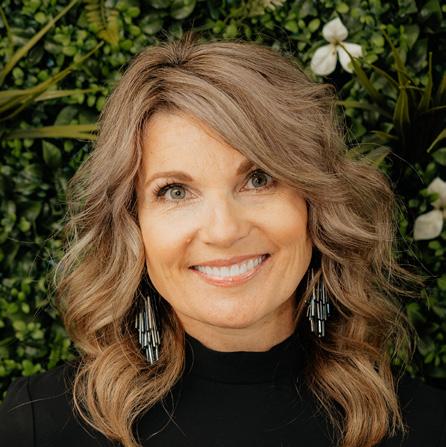
Recognizing the growing need for comprehensive hair loss and scalp services, she pursued advanced clinical training to better serve clients who are experiencing hair thinning, shedding, and scalp disorders. Mandy specializes in hair and scalp health, utilizing a holistic, multi-therapeutic approach to achieve optimal outcomes. Through Hair Revival, Ltd., housed within Spectrum Salon, she integrates clinical trichology with practical salon experience to bridge the gap between cosmetic and corrective hair care.
feel like themselves again. She focuses on creating a welcoming, private environment where clients receive personalized care and seamless, natural-looking results. Elizabeth stays at the forefront of extension and hair restoration techniques, empowering clients through education, expertise, and support.
Pro-Xo Aesthetics creates exosome and copper peptide-based solutions to visibly enhance skin and hair results, reduce recovery time, and promote rejuvenation.
Dedicated to systemic advocacy and inclusive care, Victor maintains active partnerships with Strands for Trans, the Green Beauty Community Foundation, The Dress Code Project, and The Sensory Safe Solution, while serving as a Founding Supporter of Everywhere is Queer. He is honored to join the AHLC to continue advocating for patient dignity and clinical excellence in hair science.
Victor is a proud alum of The University of Pennsylvania (College ’13), where he was honored with the prestigious Alumni Award of Merit in 2024 for his contributions to community building and entrepreneurial leadership. He lives in Washington, DC, with his husband, Gary. Together, they love long walks, a great brunch, and are currently contemplating becoming dog dads.
Passionate about strong foundational skills and ongoing education, Mandy is committed to elevating standards within the industry while empowering clients to regain confidence through improved hair and scalp health.
Elizabeth Poth Foiled Salon by BK and E, Bethlehem, GA
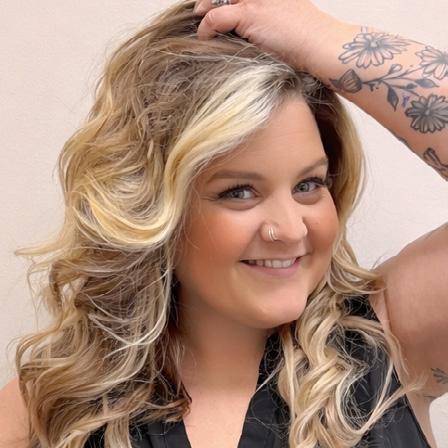
Elizabeth Poth is the co-owner and founder of Foiled Salon, a luxury hair studio specializing in custom hair extensions, toppers, and non-surgical hair loss solutions. With years of experience in the beauty industry, Elizabeth is passionate about helping clients regain confidence and
Your body holds the blueprint for renewal. We unlock it. Rooted in research, our brand harnesses regenerative science to create products that work with your body's natural intelligence. Science is fundamental to everything we create, yet our expression is quiet luxury.
Every product is clinically informed, outcomes-driven, and designed to restore skin, hair and confidence. This is the intersection of medical integrity and understated elegance. Real science. Real results. Nothing unnecessary.
By Nazy Curtis, Owner, Newport Hair Loss Center, Newport Beach, CA
Inventory is like drowning your potential winnings in a tide of unseen costs. Beneath every beautifully polished salon lies a powerful system, either fueling unstoppable growth or quietly eroding your success. For many owners, the greatest threat isn’t marketing budgets or payroll — it’s inventory.

ingredients efficiently without overstocking. They make replenishment decisions rooted in real sales data — stocking the right products at the right time — for maximum turnover and margins that power sustainable growth.
inventory is unleashed and redirected into bold marketing campaigns, upgraded customer experiences, and high-yield opportunities that accelerate your journey to success.
Slow-moving products, excess stock lingering in the back, those relentless stockouts, reactive ordering — all these hidden pitfalls drain your cash flow and crush your margins. The issue isn’t simply having inventory; it’s having the wrong inventory — misaligned, unstrategic, crushing your profitability. The best salons don’t see inventory as mere storage, but rather treat it as the lifeblood of their financial health.
They diligently analyze what truly sells, focusing on products that generate consistent revenue and profit and cutting away the clutter of what just takes up space. They eliminate underperformers with precision, freeing up precious capital and creating space for higher-value items that elevate their bottom line.
Their approach is disciplined, establishing clear par levels, setting thresholds that protect cash, replenishing
And behind the scenes, they build order and clarity — organized stockrooms, seamless POS tracking, and accountable processes — so their system operates smoothly, day after day, without chaos.
The reward? Capital locked in excess
Stronger margins emerge from intentional product choices and disciplined purchasing — only carrying high-value, high-performing items that make each sale count. Faster workflows result from streamlined assortments and crystal-clear inventory management, reducing decision fatigue and freeing your team to create, serve, and grow.
Most importantly, empowered teams operate with purpose — armed with data, clear standards, and confidence — making smarter purchasing and merchandising decisions that drive your success forward.
Your retail operation isn’t just about looks; it’s about how powerfully it performs behind the scenes. When inventory is aligned with your vision, your business becomes a well-oiled, high-performing machine that is set to elevate your brand, protect your pricing, and deliver an exceptional, highvalue experience to every client.
Luxury isn’t just what your salon looks like. It’s how it performs behind the scenes.

By Pamela Williams, Owner, Che Salon, St. Louis, MO
Early in my career, I believed my role was to create beautiful results. Over time, particularly through advanced study in trichology and years of working with clients experiencing thinning. I realized something far more important: our responsibility is not only to style hair. It is to preserve it.
As professionals in the hair restoration and salon industry, our ability to identify root causes early is what separates cosmetic correction from clinical-level care.
Hair cycles through three phases:
• Anagen (active growth)
Hair loss is rarely random. It is typically progressive, multifactorial, and often misunderstood within traditional salon settings. By the time density visibly shifts, the underlying trigger has usually been present for months.
• Catagen (transition)
• Telogen (resting and shedding)
Under healthy conditions, the majority of follicles remain in anagen for several years. Daily shedding is physiologically normal.
However, systemic stressors, hormonal imbalance, nutritional deficiencies, inflammatory scalp conditions, chronic stress, or mechanical trauma can prematurely shift follicles into telogen.
One of the most critical distinctions in professional assessment is recognizing that hair loss is delayed. The precipitating factor often occurs 8–16 weeks before shedding becomes noticeable.Without structured consultation, that timeline is easily overlooked.
In our practice, every client presenting with thinning undergoes a comprehensive evaluation including scalp visualization, density assessment, lifestyle inquiry, and medical history review prior to any service recommendation. Intervention without assessment undermines credibility.
CONTINUED ON PAGE 27
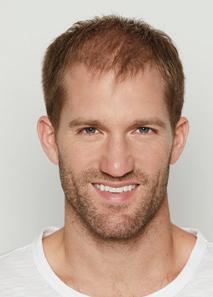
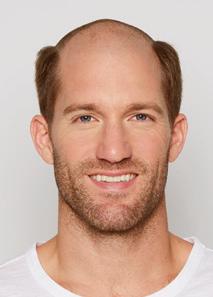
Hair loss rarely begins with bald patches. It begins subtly. Professionals should be attentive to:
• Widening part lines
• Diffuse density reduction
• Increased scalp reflectivity under lighting
• Early crown thinning
• Frontal recession or fragile hairlines
• Scalp inflammation or tenderness
In particular, early crown thinning in women of African descent may indicate Central Centrifugal Cicatricial Alopecia (CCCA), which requires immediate referral and collaborative management.
The window for stabilization narrows when early signs are dismissed as simple breakage. Clinical awareness must become standard practice in salon environments.
Hormones play a significant regulatory role in follicular activity. Elevated androgens contribute to follicular miniaturization in androgenetic alopecia. Thyroid dysfunction can disrupt the growth cycle entirely. Postpartum hormonal shifts often trigger acute telogen effluvium.
While we do not diagnose, we must recognize patterns that warrant medical collaboration. Clients reporting fatigue, unexplained weight changes, irregular cycles, or sudden diffuse thinning should be encouraged to seek medical evaluation.
Trichology serves as a bridge between cosmetology and clinical awareness. The more educated we are, the more responsibly we serve.
Hair is metabolically active tissue requiring adequate protein, iron, zinc, and vitamin D for optimal function.
Increasingly, clients present with
restrictive diets, inconsistent protein intake, or micronutrient deficiencies. In these cases, topical solutions alone will not produce sustainable results.
Through consultation, we explore dietary patterns and lifestyle stressors. Education becomes part of the treatment plan.
True restoration requires internal stability alongside external support.
Chronic stress elevates cortisol, which can prematurely shift follicles into telogen. The shedding phase typically presents several months after the stress event, making correlation difficult for clients.
Professionals who understand this timeline can distinguish between stressinduced telogen effluvium and progressive genetic thinning. Misclassification leads to mismanagement.
As our industry continues to evolve, integrating nervous system awareness into consultation protocols becomes increasingly important.
Traction alopecia remains one of the most preventable yet persistent causes of hair loss. High-tension braiding, heavy extensions, chronic edge manipulation, and improperly balanced installs create sustained follicular stress. Repeated
inflammation can result in irreversible damage.
As practitioners, we must evaluate:
• Tension levels
• Weight distribution
• Installation technique
• Client scalp sensitivity
• Frequency of repeated stress
Protective styling must prioritize follicle preservation. Long-term integrity should always supersede short-term aesthetics.
Advanced training has reinforced that preservation is not optional — it is foundational.
When a client presents with thinning, a structured protocol is essential:
1. Comprehensive consultation
2. Scalp and density evaluation
3. Identification of mechanical contributors
4. Lifestyle and systemic review
5. Referral when appropriate
6. Personalized intervention strategy
Guesswork diminishes authority. Structured assessment elevates it. Whether addressing inflammatory scalp conditions, traction-related thinning, or diffuse shedding patterns, the goal is always the same: identify the trigger, stabilize the follicle, and preserve long-term growth potential.
The beauty and hair restoration industries are entering a new era. Clients are increasingly informed and seeking specialists who understand more than styling techniques. Education is the differentiator.
Professionals who invest in deeper knowledge of scalp health, follicular biology, and systemic contributors to hair loss will lead this shift.
Hair loss is rarely just cosmetic. It is communicative. When we approach thinning with investigative discipline rather than aesthetic compensation alone, we elevate both our clients’ outcomes and the integrity of our profession.

By Joe Lapaglia President and Founder, LACO Medical Distribution, Cleveland, OH
Hair loss can have a profound impact on emotional well-being. For many individuals, it triggers anxiety, depression, loss of confidence, and even an identity crisis. It is no surprise that those experiencing hair loss are often searching for a “cure.”
Evidence of this desperation appears daily across television and social media. Advertisements promise miraculous results from pills, potions, shampoos, and serums claiming to restore youthful hair. While some of these products may offer benefits, the reality is simple: there is no single solution that works for every client. Hair loss is complex and influenced by multiple biological factors, including:
• Hormonal sensitivity
• Inflammation
• Blood flow
• Diet and nutrition
• Genetic predisposition
• Scalp health
If the causes of hair loss are multifactorial, treatment should be as well.


A multi-modality approach incorporates two or more therapeutic strategies that target different mechanisms contributing to hair loss. Because each modality works through a distinct biological pathway, combining them can create a synergistic effect — improving overall outcomes compared to single-therapy treatments.
Treatment modalities generally fall into the following categories:
• Scalp Optimization: Healthy hair begins with a healthy scalp — much like fertile soil produces strong plants. Hair follicles require an optimal environment to thrive. Detoxification protocols, exfoliation, microbiome balance, and inflammation control all contribute to follicular health and longevity.
• Stimulation Therapies: These therapies are designed to activate dormant follicles and enhance product penetration. Examples include microneedling, microdermabrasion, vibration therapies, growth factors, exosomes, and topical stimulation serums. By triggering localized healing responses and improving absorption, these stimulation therapies can enhance follicular activation.
• Photobiomodulation / Energy-Based Devices: Low-level laser therapy (LLLT) and other energy-based devices work at the cellular level. Photobiomodulation has been shown to increase cellular respiration and ATP production, improve nitric oxide release, enhance blood flow, and reactivate dormant stem cells. This creates a more favorable biological environment for hair growth.
• Internal / Systemic Support: Hair growth is influenced by internal
physiology. Supporting systemic health may include nutritional supplementation, hormonal evaluation and management, epigenetic or diagnostic testing, and lifestyle assessment. Identifying and correcting underlying systemic contributors can significantly improve outcomes.

Each modality targets a different component of the biological puzzle. When therapies are strategically combined, they address multiple pathways simultaneously.
A systematic review and meta-analysis by Zhou et al. (2020) concluded that combination therapies for androgenetic alopecia resulted in significantly greater improvements in hair density and hair shaft diameter compared to monotherapy treatments (Zhou Y, et al. Dermatol Ther. 2020;33:e13741. PMID: 32478968).
The evidence continues to support what experienced clinicians already observe: combination therapy produces superior results.

Getting started with a multi-modality program begins with a thorough consultation and evaluation. This may include trichoscopic scalp analysis, diagnostic testing, epigenetic or laboratory assessments,
and lifestyle questionnaires.
Based on this evaluation, a customized treatment plan incorporating multiple modalities can be developed.
Equally important is setting realistic expectations. One of the most common reasons treatment fails is lack of compliance. If clients do not see noticeable results quickly, discouragement can lead to discontinuation.
To improve adherence, capture highresolution baseline photos and videos, reassess progress every 4–6 months, adjust treatment modalities based on response, and review improvements visually. This reinforces progress and keeps clients engaged.

Over 90% of hair loss cases are caused by androgenetic alopecia — a genetic condition that does not resolve on its own. Long-term management is essential.
Once desired results are achieved, establishing a maintenance protocol is critical for continued success. Clients who understand this from the beginning are more likely to remain compliant and satisfied.
There is no “silver bullet” for hair loss. The future of hair restoration belongs to practices that treat the scalp biologically, strategically, and comprehensively.
A multi-modality approach not only improves client outcomes — it elevates clinical credibility and differentiates your practice in a competitive market.
Implementing this strategy does not have to be complicated. The AHLC provides many unique opportunities, especially the HairNow conference. It allows members to both network and learn from leading industry experts.
By Jae Y. Kim, Marketing Director, Hair Art Int'l, Inc.
When a client walks into your salon dealing with hair loss — whether from alopecia, chemotherapy, postpartum changes, or thinning — they are not just looking for a product. They are looking for their confidence back. As a salon owner or stylist, you are in a uniquely powerful position to guide them. But with that power comes a responsibility: to educate, not just sell.
One of the most common challenges in this space is helping clients understand
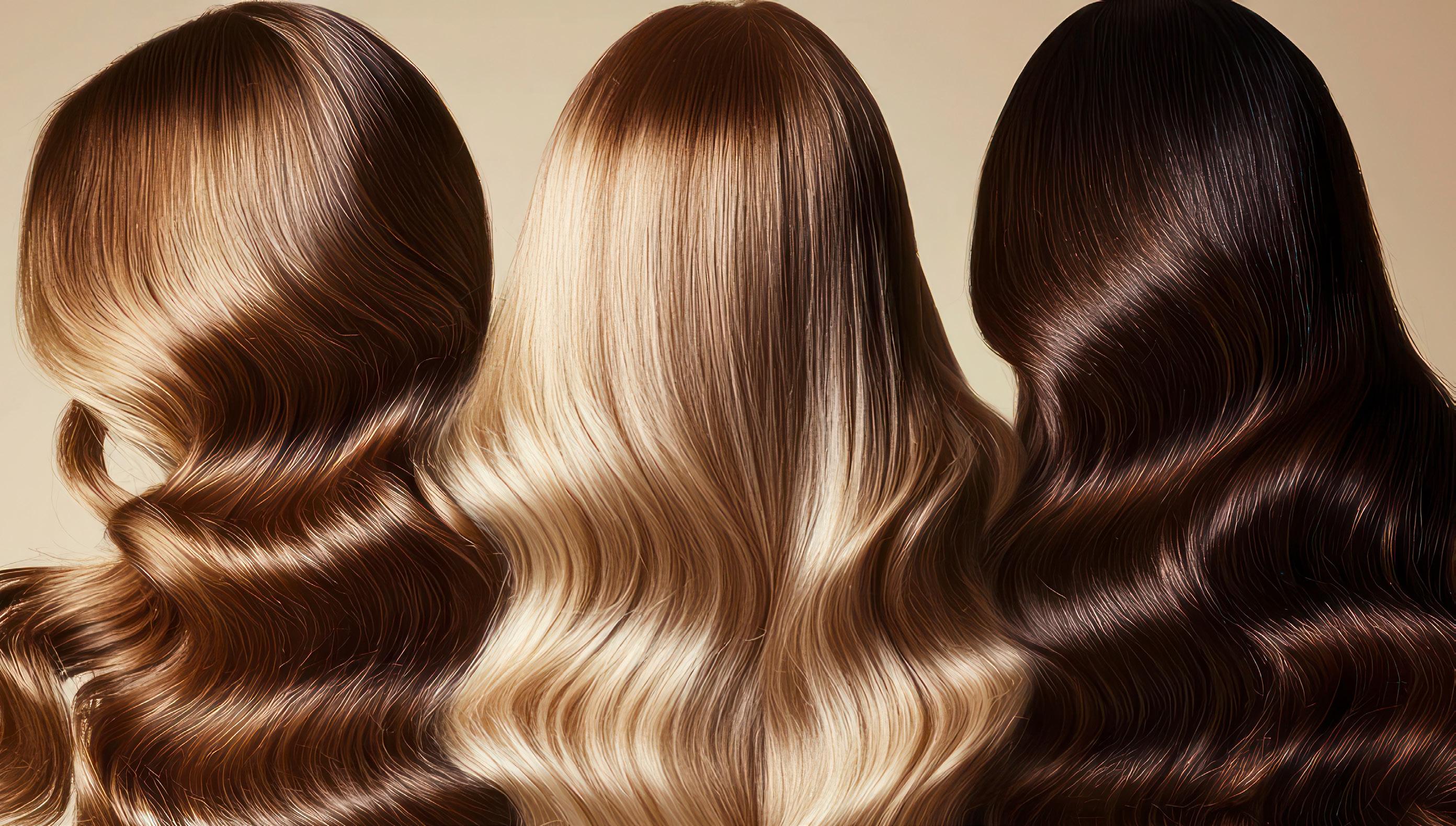
why premium European hair — often priced significantly higher than synthetic or processed alternatives — is genuinely worth the investment. The good news? Once you learn how to tell the story of the hair, the conversation sells itself.
The first thing to help clients understand is that hair quality begins long before it reaches your salon. Hair used in wigs and extensions is typically sourced from one of a few regions — Eastern Europe (primarily
Russia, Ukraine, and Poland), Asia (most commonly China and India), and occasionally South America.
European hair is particularly prized for several reasons. Donors in Eastern Europe tend to have naturally fine-tomedium hair strands that closely mimic the texture and diameter of hair found on most North American and European clients. This means blending is seamless, styling is natural, and the overall look is virtually undetectable.
A helpful analogy for clients: think of
hair origin the same way you might think of fabric. There is a difference between a cashmere sweater and a polyester blend — both will keep you warm, but they feel different, last differently, and behave differently over time. Premium European hair is the cashmere of the hair world.
Once clients understand sourcing, the next conversation is about processing — and this is often where the real education happens. Not all hair sold as "human hair" is equal. Much of the lower-cost human hair on the market has undergone heavy chemical processing: acid baths to strip the cuticle, silicone coatings to temporarily restore shine, and bleaching or dyeing to achieve uniform color.
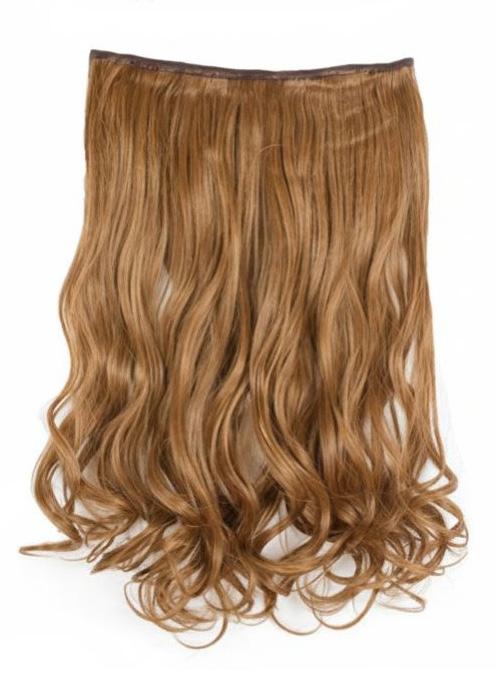
The problem? Those coatings wear off. Within weeks or months, heavily processed hair begins to tangle, mat, and lose its luster — leaving your client frustrated and your reputation at risk.
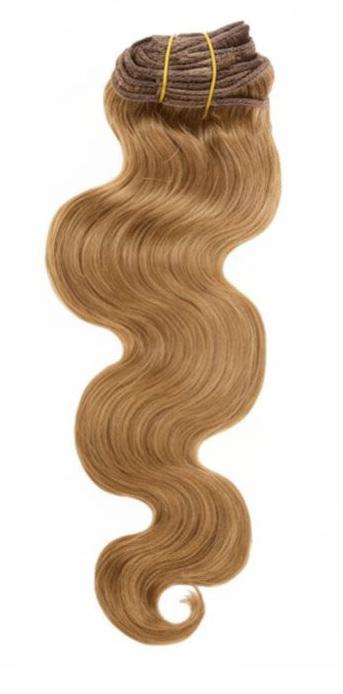
Premium European hair, by contrast, is minimally processed. The highest quality option — Remy hair — means the cuticles are kept intact and aligned in the same direction from root to tip. This single factor dramatically reduces tangling, increases softness, and allows the hair to be styled repeatedly with heat tools just like natural hair.
explaining
• Virgin hair: Never chemically treated. The gold standard — raw, cuticle-intact, and naturally colored.
• Remy hair: May have been lightly colored or processed, but cuticles remain aligned. Still premium quality.
• Non-Remy/processed hair: Cuticles stripped or misaligned. Often coated to mimic quality. Significantly shorter lifespan.
Here is where many clients have their "aha" moment. When sticker shock sets in, redirect the conversation from price to cost-per-wear.
A lower-cost synthetic or heavily processed wig may need to be replaced every three to six months. A premium European Remy wig or set of extensions, with proper care, can last one to three years — sometimes longer. Walk your client through this math plainly.
Beyond longevity, there is the quality-oflife factor. Premium hair can be washed, conditioned, heat-styled, and even colored (with professional guidance). It moves naturally, stays tangle-free, and holds up through daily activity — giving hair loss clients the freedom to live their lives without constantly managing or worrying about their hair.
The most effective upsell is never a push — it is a pull. When clients feel genuinely informed and cared for, they naturally gravitate toward the better option because they trust you. Here are a few practical ways to build that trust in your consultations:
• Create a tactile experience. Let clients touch and compare hair samples side by side — processed versus Remy, synthetic versus European. The difference is immediately felt.
• Use visual education. Before-and-after photos, cuticle diagrams, and brand education materials help clients understand what they cannot see with the naked eye.
• Address the emotional dimension. Hair loss is deeply personal. Acknowledge that you understand what is at stake — and that is exactly why you are recommending the best.
• Offer a care plan. Position the sale as the beginning of a long-term relationship. Teach clients how to care for their investment, schedule follow-up appointments, and build loyalty that keeps them coming back.
As a salon owner, your ability to upsell premium hair is only as strong as your most junior stylist's ability to explain it. Make product education a regular part of your team training. Role-play consultations. Create a simple one-page cheat sheet on your hair inventory — origin, processing level, expected lifespan, and care instructions — and keep it accessible at every station.
When your entire team speaks the same language and radiates genuine confidence in the products you carry, clients feel it. That confidence is contagious — and it is often the final nudge that closes the sale on a premium piece.
Hair loss clients deserve more than a transaction — they deserve a transformation. By educating them on the real differences in hair origin, processing, and longevity, you are not just upselling a product. You are offering them a solution that will genuinely improve their daily life. Premium European hair is not a luxury for clients who can afford it. When positioned correctly, it is the smartest choice for anyone who wants lasting results, natural appearance, and real peace of mind. Your job is simply to tell the story well — and let the hair speak for itself.
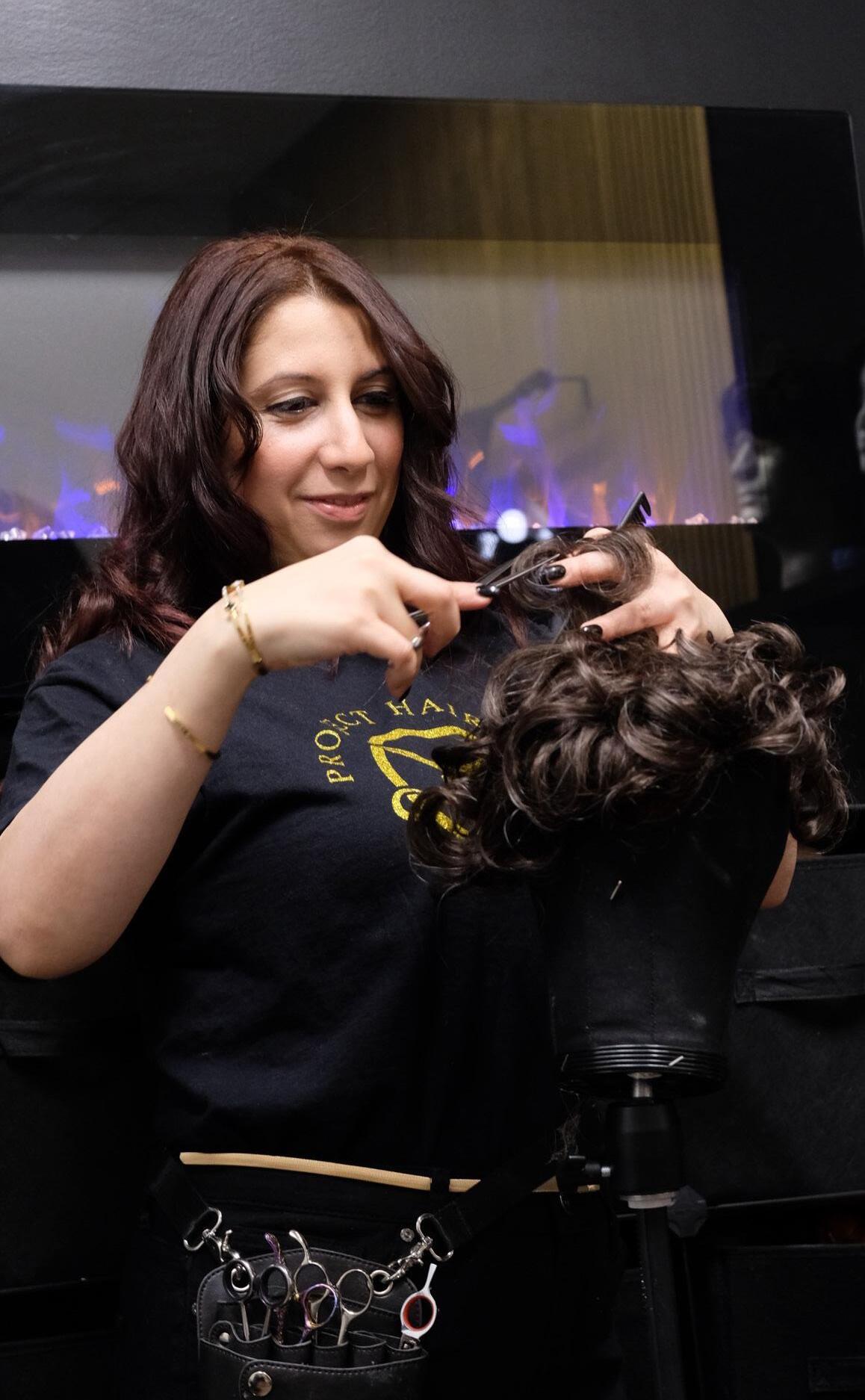
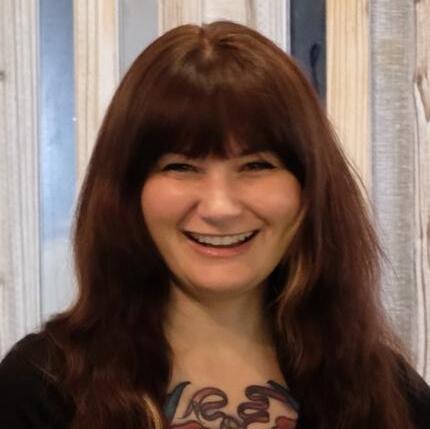
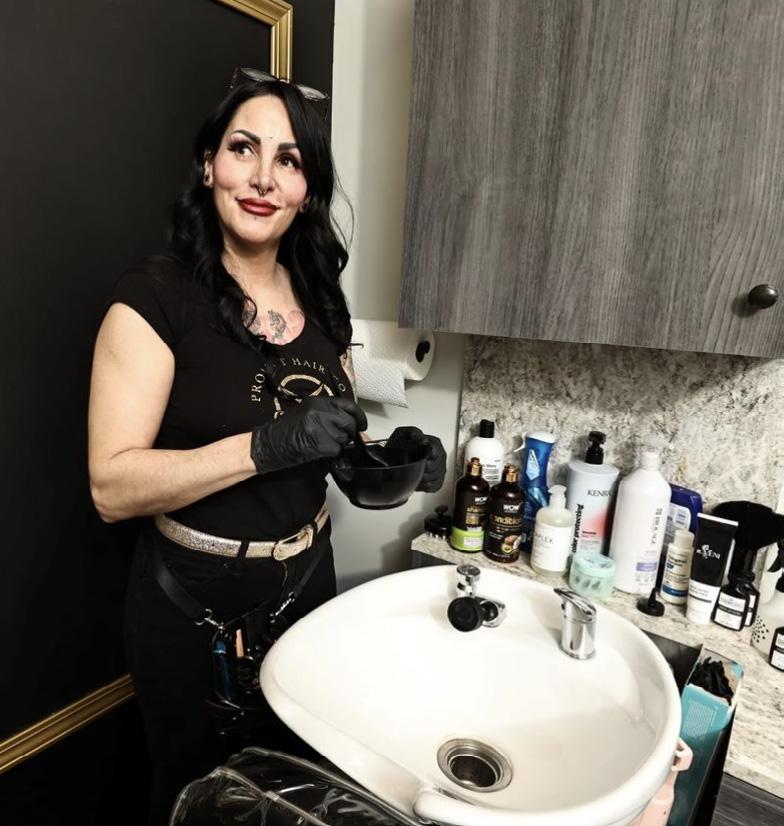
By Sara Micallef, Owner, Project Hair Co., Novi, MI
What a time to be in hair replacement! Seeing the industry evolve into what it is today and where it is heading has been such an amazing experience. For so long, getting a toupee or topper was a secretive service with tones of embarrassment attached.
Over the last 14 years of being a hair replacement specialist, I have seen clients make efforts to appear like they were going into an office building instead of a salon, holding a briefcase or folder, telling people that called them during their appointment that they were with their attorney and couldn’t talk. I have had clients that only took their hair off in front of their stylist, sometimes their spouse never having seen them without their hair on. I am sure you all reading this have similar stories.
Fast forward to 2026 and the internet and social media has completely changed the game for hair replacement. Hair replacement artists showcasing their work and stellar talent online has enabled clients to sit in the privacy of their own home, watch videos, and see just what possibilities there are for their hair. How natural the new generation of hair systems look - thin base materials, light densities readily available, and talented stylists using advanced techniques to make their goal hair a reality.
Now that the exposure for the hair replacement industry has become widespread, and the previous stigma of wearing hair is not influencing potential clients as much anymore, many talented traditional hairstylists and barbers are interested in offering this service. There is a need now more than ever for solid, experienced
leadership in hair replacement for anyone desiring to enter this industry - and I would propose that gatekeeping industry secrets is counterproductive at this point.
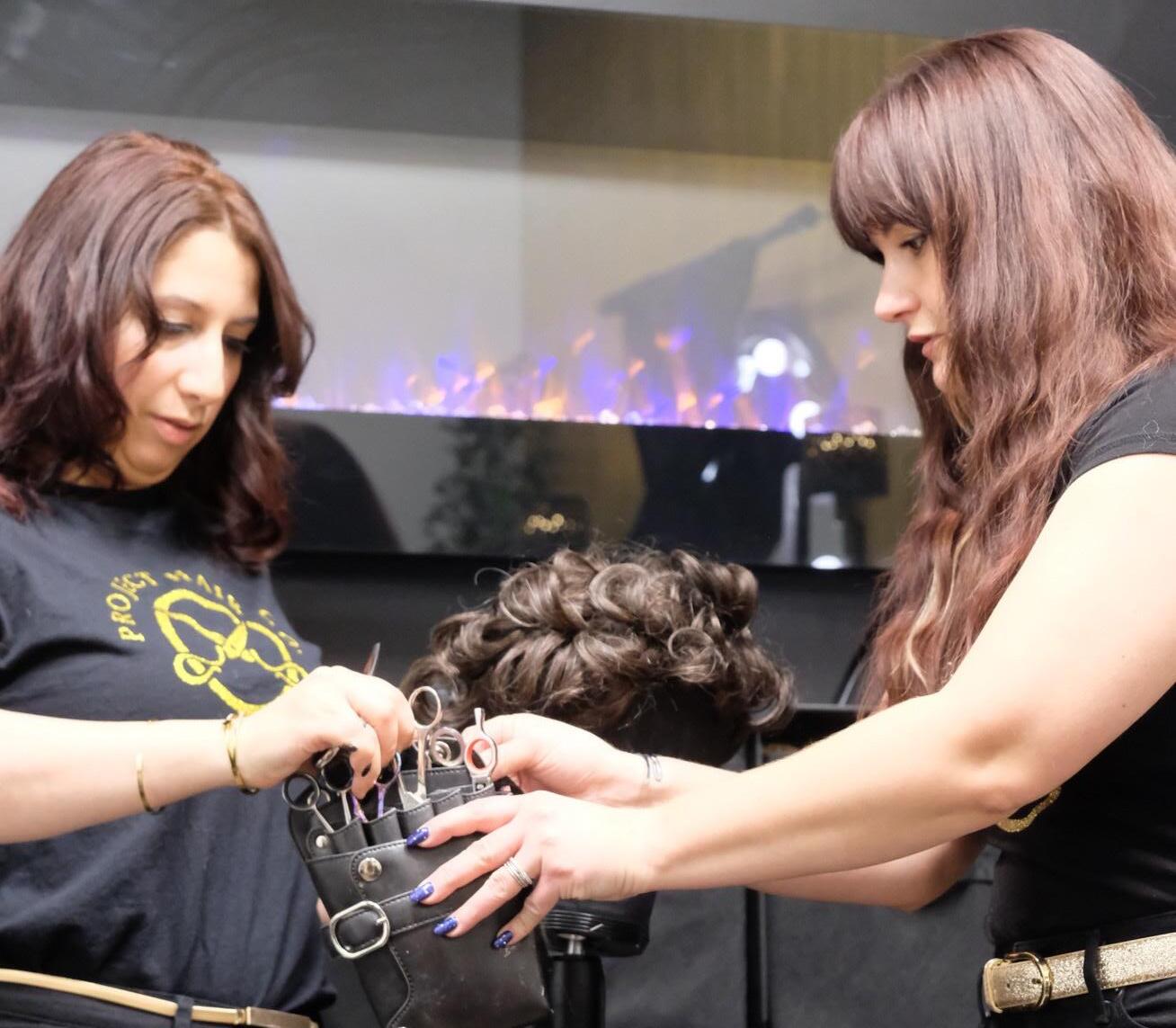
What our salon has decided to do is offer apprenticeships. Since hair replacement is a skill added on top of already being an amazing hairdresser or barber, there are certain required skills needed before entering the apprenticeship. We team up with our apprentices for a month-to-month program, send them the copyrighted curriculum ahead of time for them to study, then set up a weekly schedule of 10-18 hrs per week of them coming into the salon to work alongside each of our three hair replacement experts. We have model clients that we know will allow our apprentices to work on them in order to receive the hands-on practice they need. We partner with our apprentices for at least six months, making ourselves available for them to ask questions, troubleshoot client issues, and have them join our Facebook community.
Now, I know what you may be thinking – aren’t you training your competition? Yes - and we need the help! We believe in collaboration, not competition. We are so busy and continue to grow. I truly believe there are enough clients out there for everyone, and the more hair replacement becomes normalized, the more potential clients there are.
I could never have imagined 10 years ago that we would have no trouble getting clients to share with people in their life that they wear hair, let alone go on camera for social media for the world to see. They are proud to wear hair because it looks so natural and they love the reactions they get
when they tell people it is a hair system.
The future of hair replacement will not be built on secrecy — it will be built on leadership. If we want this industry to continue growing, innovating, and attracting top-tier talent, we have to be willing to teach what we know.
Mentorship is investing in the longevity and credibility of our craft. The next generation of stylists is watching. What we do is all about the clients who walk through our doors seeking confidence, normalcy, and self-assurance. As hair replacement becomes more visible and more celebrated, we have the opportunity to shape what this
industry looks like for decades to come. By sharing knowledge, mentoring new talent, and working together, we don’t just grow salons — we change lives. And that is something worth building together.
"There is a need now more than ever for solid, experienced leadership in hair replacement for anyone desiring to enter this industry - and I would propose that gatekeeping industry secrets is counterproductive at this point."


By James Todd, CEO, Dimples
Running out of meaningful reasons to reconnect with clients? Looking for thoughtful, relevant content that brings people back through your door — not just for hair, but for guidance?
Conversations around medical wig tax deductions are one of the most valuable (and underused) touchpoints you can offer.
For many individuals experiencing medical hair loss — whether from chemotherapy, alopecia, or other health conditions — purchasing a wig is not cosmetic. It is part of navigating treatment, identity, and day-to-day life. As a hair professional, we are uniquely positioned to offer not only beautiful hair solutions, but informed support that eases the journey.
One practical way to do that? Helping clients understand when a wig may qualify as a medical expense on their taxes.
Hair loss reaches far beyond appearance. It can shift how someone moves through the world — socially, professionally, emotionally. While the right wig can feel transformative, it is also a financial commitment.
What many clients don’t realize is that, in certain circumstances, wigs may qualify as a tax-deductible medical expense under IRS guidelines.
Sharing this information positions you as more than a retailer. It reinforces your role as a trusted resource — someone attuned, informed, and invested in their well-being.
According to IRS Publication 502 (Medical and Dental Expenses), a wig may qualify as a medical expense if it is purchased upon a physician’s advice for the mental health of a patient who has lost hair due to disease. Here are the essential requirements:
1. Medical Necessity
The wig must be prescribed by a licensed healthcare provider to treat a medical condition that causes hair loss. This includes:
• Chemotherapy or radiation treatment
• Alopecia areata or other autoimmune hair loss conditions
• Medical conditions resulting in permanent or temporary hair loss
• Wigs purchased purely for cosmetic preference do not qualify.
2. Proper Documentation
Clients should retain:
• A written prescription or letter of medical necessity from their physician
• Receipts and invoices for the wig purchase
• Any relevant medical documentation connected to hair loss treatment
Clear documentation is important if the deduction is ever questioned.
3. Itemizing on Schedule A
To deduct the expense:
• Clients must itemize deductions using Schedule A (Form 1040).
• Total medical expenses must exceed 7.5% of adjusted gross income (AGI) to qualify.
If medical expenses do not surpass that threshold, the wig cost cannot be deducted.
Your role isn’t to provide tax advice — but you can offer clarity on the steps involved.
Step 1: Encourage a Conversation with Their Doctor
Oncologists, dermatologists, and general practitioners can provide prescriptions when appropriate. The language typically references medical necessity related to hair loss from disease or treatment.
Ensure your invoices are professional and specific. Include:
• The date of purchase
• The full product name
• The total amount paid
• Your business details
This professionalism reinforces legitimacy and simplifies record-keeping for the client.
Step 3: Suggest Professional Tax Guidance
Tax regulations can change. A licensed accountant or tax preparer can confirm eligibility and ensure compliance. Position this as supportive guidance, not instruction.
Offering information about tax deductions does more than save clients money. It communicates:
• Respect for their financial reality
• Understanding of the medical context behind their purchase
• Commitment to transparency
That kind of support builds long-term trust — and trust builds retention.
In a crowded market, expertise sets you apart. Anyone can sell a wig. Not everyone takes the time to educate.
This topic can become a powerful content pillar for your business:
• Create a short email explaining the basics of medical wig deductions.
• Post a simple educational graphic outlining the three requirements.
• Offer a downloadable “Medical Wig Documentation Checklist.”
• Train your front desk to mention tax documentation during checkout conversations.
These touch points remind clients that you’re thinking about their full experience — not just the sale. When clients feel informed and supported, they return. And they refer.
While wigs can be eligible medical expenses under certain circumstances, every client’s tax situation is different. Encourage verification with a tax professional and reference to IRS Publication 502 for complete details. (https://www.irs.gov/ publications/p502).
By sharing accurate, respectful information, you help ease more than hair loss. You help reduce uncertainty — and that’s meaningful.
In an industry built on appearance, the real differentiator is care. Helping someone understand a possible tax deduction might seem small, but to a client navigating medical hair loss, it can mean real relief — financially and emotionally.
Jana McDaniel, Director of Product Development, Smart Solutions RX
Hair loss is a biologically complex condition influenced by genetics, endocrine signal ing, inflammation, nutrient availability, stress physiology, and scalp health. Lasting results require a clear plan combining assessment, prevention, treatment, and restoration for long-term success.

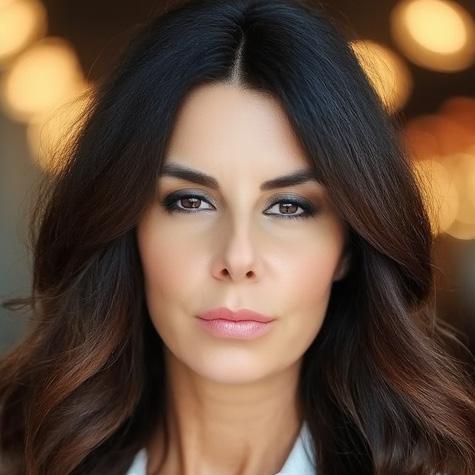
A 360° care model views hair loss not only as a cosmetic issue but also as a dynamic biological process that reflects overall body health. For providers, this approach supports risk identification, optimized treatment sequencing, and realistic expectation management by matching care to each person’s biology and disease path. This approach is designed to improve clinical results and patient confidence.
high metabolic demand makes hair follicles highly sensitive to changes in hormonal signals, cellular energy production, inflammation, stress damage, blood flow, and nutrient supply. With aging and body stress, the hair growth cycle can become unbalanced. Lifestyle factors such as poor sleep, ongoing undernutrition, or long-term stress can speed up this process. Additionally, lower stem cell activity, reduced cell energy production, and ongoing low-level inflammation contribute to follicle shrinkage, longer resting phases, and reduced
a separate scalp issue, and may require a comprehensive evaluation plan, especially for patients who show early or atypical hair loss patterns.
Effective hair loss care starts with a careful review that goes beyond just how thick the hair looks or its pattern. A comprehensive evaluation, including predictive tools, also includes scalp and follicular assessment, biofilm potential, pattern and distribution analysis, family
history, hormonal status, lifestyle factors, stress exposure, and nutritional sufficiency. Sensitivity to androgens, especially Dihydrotestosterone (DHT), remains a key cause of pattern hair loss. Inflammation, poor circulation, vitamin and mineral deficiencies, and stress-related cortisol imbalance often speed up this process. Finding these contributing factors early using predictive tools such as DNA testing helps providers distinguish between active shedding and ongoing follicle shrinkage, predict risk, and guide personalized care. In practice, patients experiencing chronic stress or disrupted sleep often present with accelerated miniaturization, illustrating how lifestyle factors can exacerbate underlying biological vulnerability, such as melatonin synthesized circadian rhythm of cells.
While clinical and lifestyle reviews provide helpful context, they do not fully explain why people differ in hair loss progression or response to treatment. Genetic testing has become an important added tool in modern trichology evaluation, showing underlying biological tendencies.
Changes in genes linked to hormone processing, such as inflammation pathways, melatonin, stress-damage response, nutrient use, blood flow, and cell energy production, each affect how hair follicles behave. These insights support risk assessment rather than diagnosis, helping explain why patients with similar hair patterns or lifestyles may have very different outcomes.
Consider two individuals with similar diets and daily routines: one experiences noticeable thinning in their early 30s, while the other maintains density well into midlife. These varied outcomes are often caused by genetics, inflammation, or cell strength rather than effort or following instructions. Genetic information helps clinicians predict how hair loss may progress, guide the strength and order of treatments, and advise providers on likely timelines and ongoing care. Genetic risk does not mean hair loss is certain; it indicates vulnerability, allowing earlier, more focused action before visible thinning accelerates.
Patients who improve lifestyle habits alongside medical treatment often see hair thinning slow down more quickly, and hair shafts become thicker, highlighting the importance of combined care in protecting follicles. In a 360° hair rejuvenation approach, prevention focuses on maintaining healthy existing follicles and a steady hair growth cycle. This phase is especially important in early thinning or for people with high genetic risk.
Internally, focused nutritional and plantbased approaches may help support hair protein production, cellular energy, and stress response. Antioxidants and anti-inflammatory compounds are important for protecting follicles from damage and shrinkage. Lifestyle changes, including better nutrition, stress management, and sleep habits, can support medical treatments and help protect follicles. In clinical practice, patients who improve their sleep routines and lower long-term stress often see hair shrinkage slow within months, showing the clear benefit of lifestyle changes. Clinical experience suggests that externally, scalp health is foundational. The scalp is an active tissue, and problems with its barrier, inflammation, or biofilm balance can affect follicle signals and response to treatment. Topical approaches usually aim to reduce inflammation, strengthen the barrier, improve blood flow, and create a healthy scalp environment to boost follicular function and treatment outcomes. The goal is not simply fuller-looking hair today, but durable follicle health that supports confidence and healthy aging over time.
When hair loss is active or getting worse, treatment requires going beyond just protecting existing hair. Modern approaches increasingly target cellular signaling pathways that regulate follicular cycling and regrowth.
Advanced topical products may include growth factor blends designed to support follicular signaling, reduce biofilm load, prolong the anagen (growth) phase,
and improve hair shaft caliber. Emerging regenerative technologies, such as exosome-based topicals, are gaining interest as adjunctive therapies. These approaches improve cell-to-cell communication, deliver active signaling molecules, and reduce inflammation without the immediate need for surgery. Patients who combine these treatments with lifestyle changes, such as better nutrition, stress management, and sufficient sleep, often see more stable hair growth and thicker shafts than with topicals alone, demonstrating the increased benefit of pairing lifestyle changes with advanced clinical care.
Within the 360° framework, surgical restoration is one component of a long-term management plan rather than a standalone solution. Follicular unit extraction (FUE) hair transplantation remains a reliable option for restoring density in appropriately selected patients. Early evaluation of transplant candidacy allows clinicians to assess donor hair quality, anticipate future loss, and preserve donor resources. Optimizing the biological environment before transplantation, including stabilizing existing hair and addressing ongoing inflammatory or hormonal drivers, is critical to achieving permanent, natural-looking outcomes. Integrating surgical planning early improves both aesthetic results and long-term patient satisfaction.
A 360° framework provides a cohesive plan that aligns evaluation, prevention, treatment, and restoration into a unified, biologically informed plan. For providers, this comprehensive care model highlights early action, planned treatment steps, and long-term management rather than reactive or only cosmetic approaches. A systemsbased, biological perspective on hair loss improves clinical outcomes while supporting broader health, resilience, and confidence across the aging continuum. By addressing root causes and supporting follicular health across multiple pathways, clinicians can deliver more personalized care while setting realistic expectations.
½ Day, Hands-On Ventilating Training
June 1, Amani Headquarters and Training Center, Newport Beach, CA
Cost $550
Learn the essential craft behind every natural-looking wig and topper. Our hands-on ventilating training teaches you how to hand-tie hair into lace and mono bases using professional techniques that create realistic hairlines, natural movement, and long-lasting results.
What You’ll Learn
Proper needle and hand positioning
• Single, double, and split knotting
• Natural density building and hairline graduation
Parting, direction control, and crown patterns
Finishing techniques for an invisible scalp look
• Training Experience
You’ll practice on real lace bases from day one, receive personalized guidance, and complete your own ventilated section to take home. Ideal for beginners and professionals looking to refine their craft.
Email info@amanihair.com to Register
Lunch & Learn Session
One-Day Coaching Program, Elevate Your Success
This Hair Replacement Masterclass provides in-depth knowledge of Berlin Hair Company's renowned German manufacturing standards. Secure your position as the exclusive authorized retailer in your city.
• Gain a comprehensive understanding of Berlin Hair Company's hair loss solutions
• Prerequisite: At least 5 years of experience in hair replacement
Schedule your Lunch & Learn session today. Limited availability. To reserve your spot, please contact Rike Hellermann at 949-520-7212.
CRLAB | CNC Hair and Scalp Care Academy classes coming your way!
Get ready to learn, grow, and have a great time with us—these sessions are packed with valuable insights, hands-on tips, and all the latest from the CRLAB world.
CRLAB Hair Spa One-day training – Discover the New Era of Scalp Wellness
April 26, June 14, Locations to be announced
A one-day immersive training to explore the new CRLAB Hair Spa product line: learn how to design premium treatment menus, elevate the client experience, and create a truly relaxing spa-inspired environment without losing CRLAB’s scientific edge. Includes practical guidance on integrating the Hair Spa line into your trichology and CNC services. A must-attend course to upgrade your skills and transform your business.
CRLAB One-day New & Improved Intensive Trichology Course
April 25, June 15, Locations to be announced
This hands-on training covers the core pillars of CRLAB trichology, including scalp and hair anatomy, and precise scalp analysis using Trico test software. Participants will explore the full CRLAB product lines, treatment protocols, and professional equipment usage to deliver effective, personalized trichology solutions.
Practical sessions include:
Performing and receiving the Trico test
Conducting in-salon treatments on fellow participants using Vapozono, Trico-press, and Trico Glam
Professional equipment
Review of the complete trichology consultation process, service menu, and best practices for in-salon and at-home product applications.
CRLAB | CNC Leads Event
May 3, Miami, Florida
A fantastic opportunity for anyone interested in advanced hair restoration solutions, particularly the revolutionary CNC (Capelli Naturali a Contatto)system by CRLAB. CRLAB specializes in non-surgical, highly customized hair prosthetic systems. The CNC, medical-grade hair replacement system designed specifically for individuals experiencing hair loss. The CNC system stands out because it's created using cutting-edge technology made with a 3D scan of the scalp, precise replication, and handcrafted with natural unprocessed human hair. It integrates seamlessly with your existing hair/ scalp for a natural look and feel, allowing normal activities like swimming, exercising, and styling without restrictions. It's the result of over 50 years of Italian expertise and craftmanship.
Spend the day with the CRLAB team
Visit one of our partners
• Watch a live demo of their equipment to include a trico-test
• See the CNC system applied in real time on a client Learn everything about becoming a CRLAB | CNC partner — joining a community of like-minded trichologists, stylists, and hair restoration specialists.
May 24-26 Rome Italy
For additional information and to register for any of the classes please contactJodie.Vanderhoof@crlab.com or Karen.Harvey@crlab.com
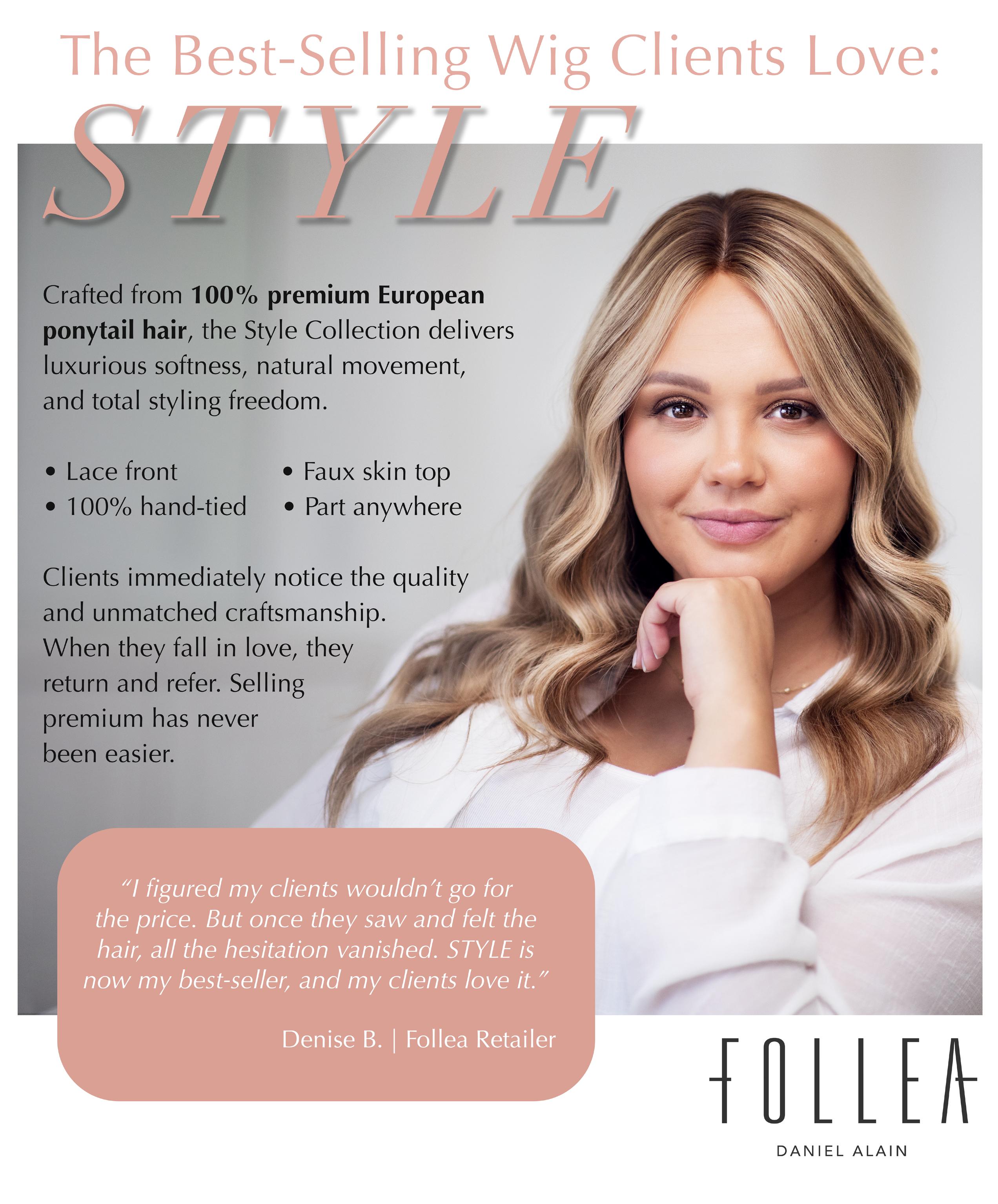
Education is key to running a successful alternative hair business carrying Follea wigs and toppers. We understand our partners have different educational needs. That’s why our education and training program caters to each individual business to maximize effectiveness. Along with an online educational course (best suited for our newest partners) and virtual training, we also offer in-person learning and training curated to our retail partners’ needs. On a case-by-case basis, our B2B sales representative is available to travel to your store/salon after mapping out staff training needs and what you would like to review from a product and logistics perspective.
For more information contact 949-612-5922.

Mesh Integration Certification
In-person Classes Nationwide
Cities include: New York, Los Angeles, Chicago, Phoenix, Dallas, San Francisco, Seattle, Denver, Washington, Boston, Atlanta, Columbus, Charlotte, Nashville, Fort Lauderdale, and Orlando. New class locations added year-round.
Each class is a 1-day intensive training designed to be immediately applicable behind the chair. MicroLines is unlike other mesh systems - the client's hair is integrated through 100% of the mesh for a more natural feel, look and breathability.
• 130 ready-to-ship models
• Unlimited customizations
Pieces last 2 years (7-STAR with proper maintenance)
Durable, extra-fine hair integration mesh
• Most breathable topper on the market
• Proprietary BondingRing application for ultra-comfort
Serving hair loss clients for 30 years! To unlock an AHLC Special Discount as well as more information, class dates, and locations visit: bit.ly/mlahlc or call 888-434-2471.
Two-Day Non-Surgical Hair Replacement Certification
August 2-3, Kansas City, MO
Included In The 2-Day Certification
*One-On-One Virtual and In-Studio Training opportunities also available.
• Understanding Hair Loss And Hair Growth Non-Surgical Solutions For Hair Loss
• Detailed Review Of System Construction
Client Consultations For Men And Women
Live Model Demonstrations Of American Hairlines Systems
• Hands-On Template-Making
Hands-On System Removal And Maintenance
• Hands-On Men’s System Application Customization
• Hands-On Women’s System Application And Customization Home Care Instructions
• Added for 2026 – A dedicated one-on-one virtual follow-up 30 days post training to address any questions.
Curriculum and schedule are subject to change.
Mention AHLC The Link when you register for $100 off your Certification registration. Contact your American Hairlines Account Executive, 866-618-1200 or education@hairuwear.com.
HairUWear
HairUWear On The Road Two-Day Hands-On Workshop
April 12-13, Philadelphia, PA
Transform your business and elevate your skill with hands-on training by the industry’s best instructors. Our new extended program covers everything you need to know about wigs and readyto-wear toppers over two incredible days. (**Hands-On Activities )
Mastering The Basics
• Heat Styling Tru2Life® Fiber**
Wig Styling & Steaming**
• Stages of Hair Loss & Ready-To-Wear Solutions
• Topper Customization & Styling**
Wig Construction
• Restoring Tru2Life® Fiber**
Cutting Techniques for Wigs**
• Cap Customization**
Customizing Hair Density**
• ·Human Hair Care & Styling
** Hands-On Activity
Curriculum and schedule are subject to change. Contact your HairUWear Account Executive or email education@hairuwear.com to register.
Are you tired of saying "I don't know" or "I'm not sure" to your clients? Do you want to be the best hair replacement center in your territory?
With private, personalized expert training from Doris Yu, you can be. Doris is a highly experienced and certified hairstylist who has been in the hair replacement industry for over 40 years and owns three hair replacement salons — two in Los Angeles and one in Phoenix. She has a wealth of knowledge and expertise that she can share with you so that you can confidently answer any question your clients may have, and capture the hair replacement clients in your area.
In this training, Doris will cover everything from consultation skills, custom wigs molding and hairline design to hair piece perms and bleach, attachments, resizing, cut and thinning, stock and custom order form use with accurate specs and more; whatever you specifically need to advance your center's skills and services. She will also provide you with telephone or online support after class so that you can always get the help you need and you'll have access to House of European hair systems wholesale. Don't miss this opportunity to learn from the best.
To schedule your training call 888-HAIRART, ask for Wig Education (option #2), or scheduling@hairartinc.com.
2-Day
May 4-5, Englewood Cliffs
Class covers:
Hands-on analysis, protocols, product science & case studies, hair loss & scalp, therapy masterclass, androgenetic alopecia protocols, growth factors, scalp detoxification, advanced treatment strategies. Price is $780.00, Contact 201-366-4837 for more information.

This series is an advanced educational program designed to help providers integrate precision science, clinical strategy, and business growth into modern hair restoration. Built around HALO, the series connects genetics, biologic signaling pathways, scalp health, and longevity medicine to support more personalized treatment planning. Providers can register for the full series or attend any individual session.
March 11, 1 p.m. EST | Biologics + Modalities
A Pathway Driven Approach to Hair Loss: Using Pathway Analysis to Pair Biologics and Modalities Effectively
March 25, 1 p.m. EST | Supplements Are the Diet
How Internal Optimization Prepares the Follicle for Treatment Response
April 22, 1 p.m. EST | Treatments Are the Gym
How External Topical Protocols Condition the Scalp for Effective Treatment Performance
April 29, 1 p.m. EST | Predictive Hair Loss Care Starts with Classification
How HALO Genetic Testing and the STIMUL8™ Framework Enable Targeted, Long Term Treatment Planning
May 6, 1 p.m. EST | Grow Your Hair Practice
How to Market Hair Services, Increase ROI, and Build Profitable Treatment and Retail Bundles
To register for the live webinar series, call 239-451-5650 or visit www.SmartSolutionsRX.com/events to reserve your spot.