SUPPLEMENT TO THE ALPENA NEWS • WEDNESDAY, AUGUST 5, 2026
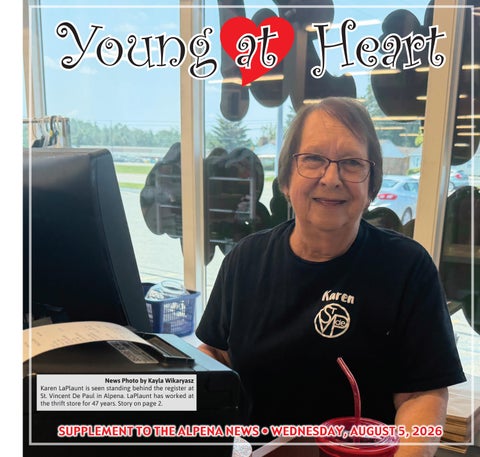
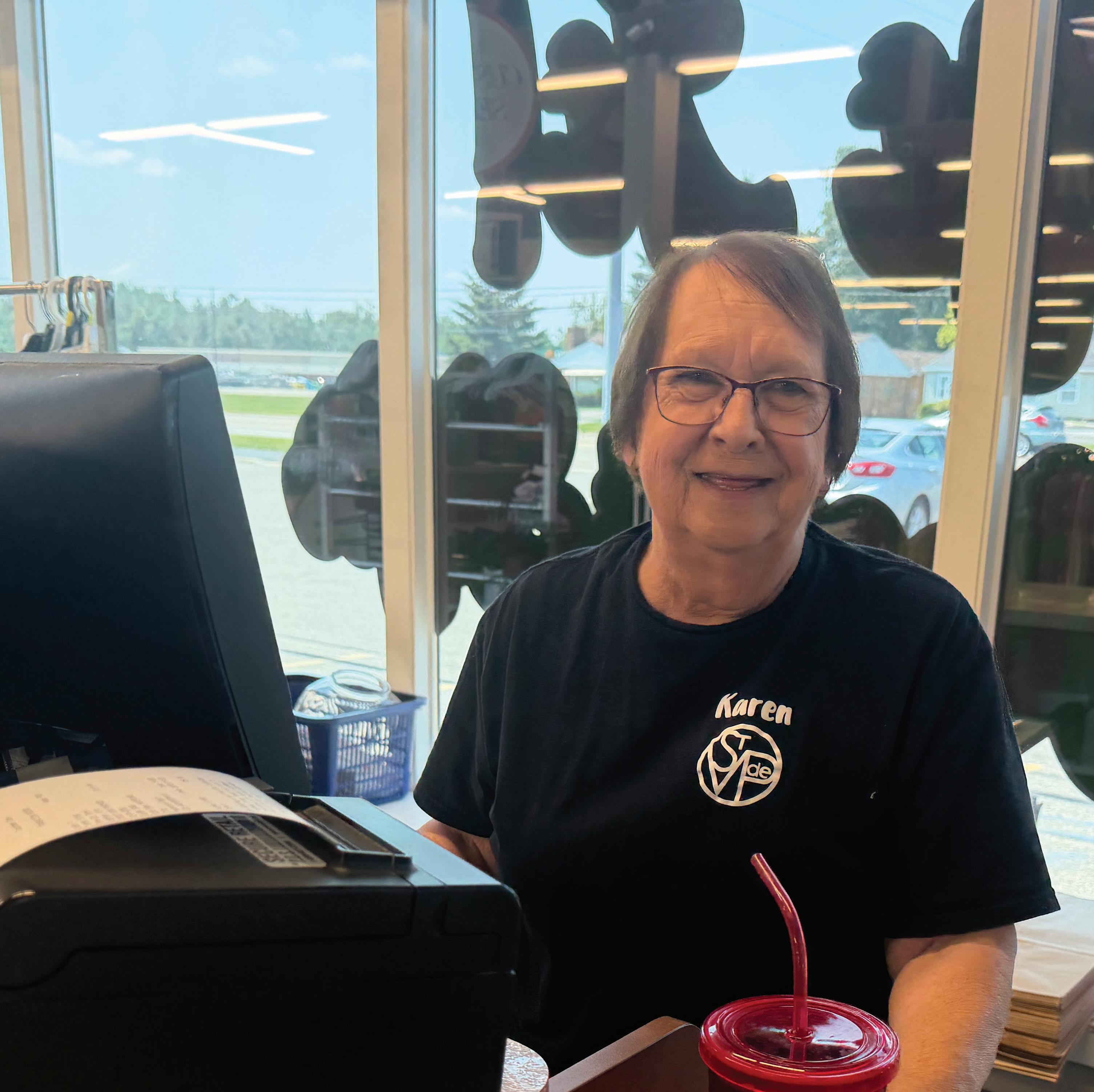
News Photo by Kayla Wikaryasz
Karen LaPlaunt is seen standing behind the register at St. Vincent De Paul in Alpena. LaPlaunt has worked at the thrift store for 47 years. Story on page 2.
as St. Vincent De Paul has operated in Alpena.
For just shy of six decades the thrift store, nicknamed “Vinnie’s” by some community members, has served Northeast Michigan, offering not only thrifted items for sale but also a food pantry for community members in need.
Devoted to her customers and community
By KAYLA WIKARYASZ News Staff Writer
Karen LaPlaunt has worked at St. Vincent De Paul for 47 years, nearly as long
“The store offers a lot for the community,” LaPlaunt said. “I’m proud to work there.”
Over the years, St. Vincent De Paul had moved between two different locations on Chisholm Street. It was later moved to its current location on U.S.-23 South.
LaPlaunt’s mother also worked for St. Vincent De Paul and then LaPlaunt took over at the cash register. Now at 80 years old, LaPlaunt said that she doesn’t intend on retiring in the near future, and hopes to make it to 50 years at the store.
“I only have three years to go, I think I can make it,” she said.
LaPlaunt works part-time and she said that working at the store helps her stay active and she enjoys talking to people who visit the store. When she goes grocery shopping, she said she even runs into her customers there.
“It takes me a long time to go grocery shopping because I run into so many people I know,” she said.
LaPlaunt said that she has amassed a long list of regular customers who visit “Vinnie’s” to find good deals on thrifted clothing and to chat with her.
“They always have to put me
out front because people ask to see me,” she said. “I like talking with customers.”
LaPlaunt said that she enjoys her work and it keeps her young. Despite living with rheumatoid arthritis for nearly two decades, LaPlaunt continues working the register and stocking shelves.
“Standing for a long time is hard sometimes,” she said. “But it keeps me moving.”
Going to “Vinnie’s” is a favorite pastime for many community members and getting the chance to see “Karen” at the register brings smiles to customers and many comment how easy LaPlaunt can make anyone laugh.
Last week, the store hosted an 80th birthday special for LaPlaunt, marking everything in the store half off. Many stopped by to celebrate and to find good deals and hidden treasures.
“They’ll have to do it again when I get to 50 years,” she said, laughing.
St. Vincent De Paul President Tom LaCross said that LaPlaunt’s family has become intertwined with the St. Vincent De Paul family over the years, as she followed in her mother’s footsteps to run the counter at the store.
“She’s been with us for the stores we’ve had,” LaCross said. “They’ve been involved with St. Vincent probably since the first day we started the first store.”
He stated that LaPlaunt has been an asset to the store since she first started, noting her ability to connect with customers and ability to bring joy to those who visit.
“Karen is very much a people person and the customers really keep track of her and like to see her behind the counter,” he said. “She’s been a faithful employee for all these years.”
Kayla Wikaryasz can be reached at 989-358-5688 or kwikaryasz@TheAlpenaNews.com.
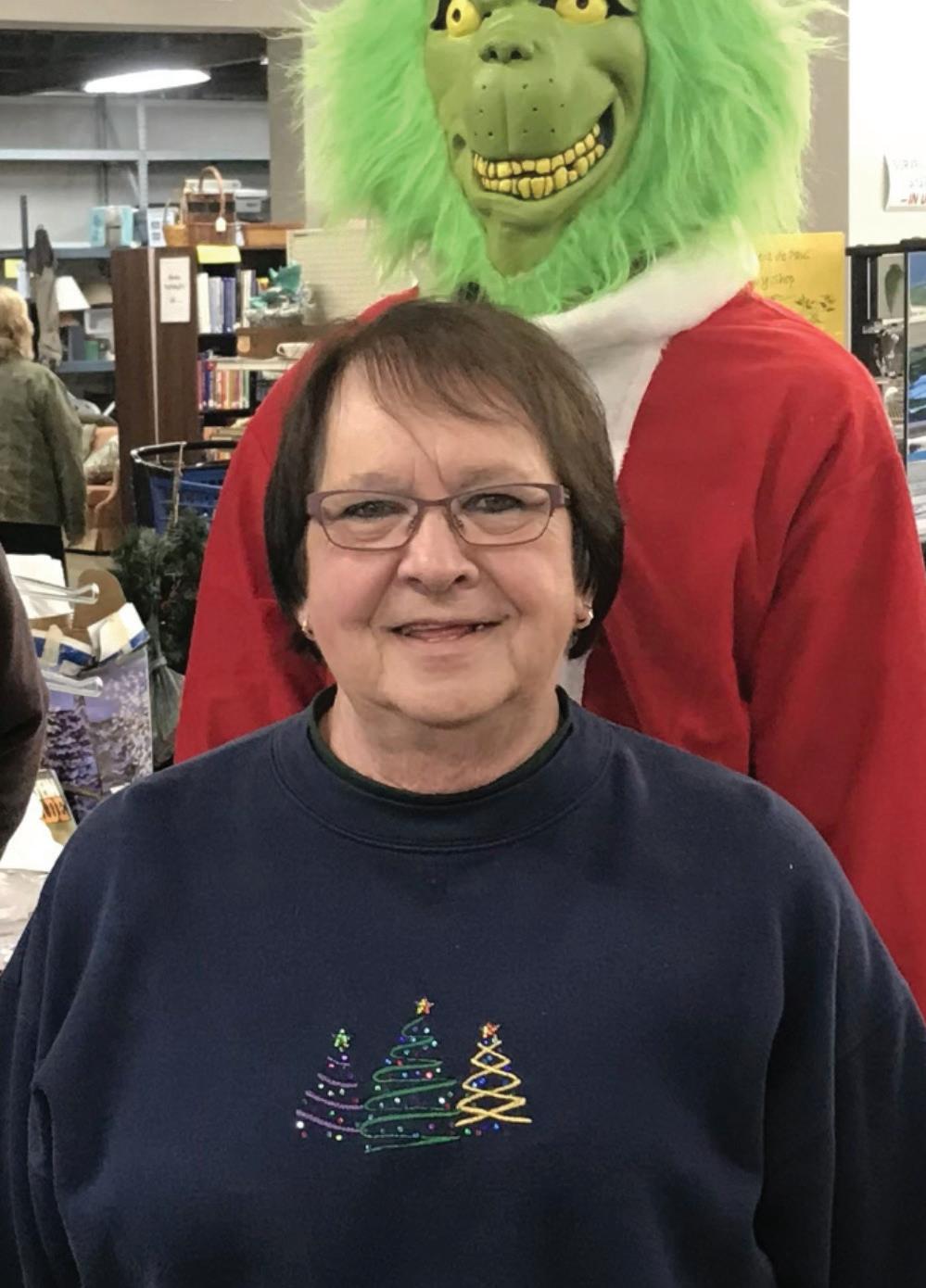
Courtesy photo
LaPlaunt is seen standing in front of The Grinch mannequin at St. Vincent De Paul during the Christmas season.
What Health Experts Want You to Know About Pneumococcal
Pneumonia
(StatePoint) Pneumococcal pneumonia is a potentially serious illness caused by bacteria called pneumococcus. The illness can disrupt a person’s life for weeks, and when severe, can result in hospitalization. In fact, an estimated 225,000 adults are hospitalized with pneumococcal pneumonia each year in the United States.
The American Lung Association, in partnership with Pfizer, is educating people about pneumococcal pneumonia and encouraging people who are eligible to get vaccinated. Here’s what they want you to know:
Pneumococcal pneumonia is the most common type of bacterial pneumonia. Pneumococcal pneumonia is a lung infection and the most common type of bacterial pneumonia. Anyone can get pneumococcal pneumonia any time of the year. Infection does not protect individuals from getting sick from the disease again – you can get pneumococcal pneumonia more than
Symptoms can be severe. Common symptoms of pneumococcal pneumonia include fever, chills, coughing, difficulty breathing or rapid breathing, and chest pain. Some symptoms can appear quickly and without warning. Pneumonia can cause airway blockage, collapsed lungs, pockets of pus in the lungs and infection around the lungs in severe cases.
Pneumococcal vaccination can help protect people. Vaccination is recommended for all adults 50 and older, as they are at six times greater risk for pneumococcal pneumonia than adults 18-49, according to data from Optum’s Clinformatics Data Mart between 2016-2019. As people age, the immune system naturally weakens, which leads to reduced protection against infections. Pneumococcal vaccination is also recommended for adults aged 19-49 with certain underlying medical conditions
or other risk factors, including: chronic lung disease like asthma and COPD, chronic heart disease, diabetes and smoking cigarettes. People can get vaccinated at any time of year, so those at increased risk should discuss pneumococcal vaccination with a healthcare provider. Even if they have received pneumococcal vaccination in the past, their healthcare provider may recommend additional vaccination, depending on the type or timing of vaccination previously received.
Having influenza (flu) increases the risk of getting pneumococcal disease so protection against both influenza and pneumococcal disease is important during flu season.
Get the facts about pneumococcal pneumonia, along with additional tips to protect yourself, at Lung.org/pneumococcal. While pneumococcal pneumonia can be serious and even lifethreatening, vaccination can be an effective way for eligible individuals to reduce risk.
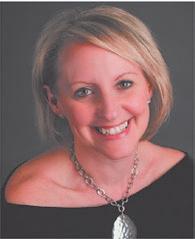
Rochelle Lewandowski
That Payment Request Might Be Fake: What to Look for Before You Send Money
(StatePoint) Digital payments are part of everyday life. Fraud experts warn that scammers are increasingly inserting themselves into these routine digital payment transactions, redirecting money in ways that can be difficult to recover.
Many payment scams start with a message that looks real. It may appear to come from a vendor, service provider or someone you are already working with. The message asks you to send a payment or update payment details.
Because the request fits into a typical situation, such as paying an invoice or completing a purchase, it can be hard to detect scams. By the time the payment is sent, the money is often gone.
“Payment and invoice scams are effective because they often look like routine transactions people are expecting to make. Fraudsters may use compromised accounts, impersonate trusted contacts or create a sense of urgency to redirect funds,” said Joshua Del Valle, executive director of enterprise fraud at PNC Bank. “Taking a moment to independently verify payment requests and payment instructions can help consumers and businesses avoid a costly mistake.”
What to Know About Payment and Invoice Scams
Messages may appear legitimate: Emails, texts or invoices can closely resemble real communications, including familiar names, logos or ongoing trans-
actions. Sometimes they’re even from real communication channels, like a person’s email, after that communication channel was compromised.
Payment details may suddenly change: Requests to “update” wiring instructions or send money to a new account are a common warning sign.
Scams often involve fast, irreversible payment methods: Wires, payment apps and gift cards are commonly used because funds can be difficult to recover once sent.
Fraud can move across channels: A message may be followed by a phone call or text to reinforce the request and create urgency.
The Anatomy of a Scam
1. Contact: You receive a message about a payment, invoice or transaction
2. Trust: The message appears tied to a real service or relationship
3. Urgency: You are asked to act quickly to avoid a delay, penalty or disruption
4. Request: You are directed to send money or change payment details
5. Extraction: Funds are sent to a fraudulent account
Five Ways to Protect Yourself
1. Verify payment requests directly. Contact the business or person using the official phone number or website rather than relying on the information provided to you.
2. Pause before sending money. Urgency is a common tactic. Take time to confirm the request.
3. Check payment details carefully. Even small changes in account information or small typos in email addresses can signal a scam.
4. Use payment apps carefully. Treat them like cash. Only send money to people you know and have verified.
5. Be cautious with unusual payment methods. Requests to pay with gift cards or other nontraditional methods are a red flag
For more information on best practices to help prevent fraud, visit PNC’s Security and Privacy Center.
Scams tied to everyday payments can be easy to miss. Taking a moment to verify requests and confirm details can help protect your money and reduce the risk of sending it to the wrong person or place.
How volunteering benefits seniors’ mental health
Seniors are vulnerable to mental health issues. The World Health Organization says around one in five older adults experience psychiatric disorders like depression, anxiety, and dementia-related mood changes. While various therapies can help, seniors may discover volunteerism can be a surprising antidote to mental health concerns.
Volunteering offers seniors many benefits, including a renewed sense of purpose. Volunteering also helps combat social isolation, which can lower rates of depression and anxiety. According to Voices for National Service, older adults who volunteer have reduced risk of mortality, more optimism and feel less depressed and lonely. People who were once working full time and are now in retirement may find they have hours to spare. Those hours can be directed toward volunteer efforts, which can boost seniors’ mental health in myriad ways.
• Lowers depression and anxiety: The National Institutes of Health says research indicates
consistent volunteering can help to reduce risk of depressive symptoms. Staying engaged and active combats feelings of hopelessness.
• Decreased social isolation:
Points of Light says regular time spent with peers and the people being helped can mitigate loneliness. Having a strong support network can make stress more tolerable and increase feelings of belonging.
• Restores sense of purpose: When work ends, many seniors lose the structure that governed their working life. Volunteering gives the opportunity to wake up, follow a schedule and achieve goals. It can be rewarding to play a valuable role in the community again, according to Voices for National Service.
• Mental stimulation: Volunteering may lead to learning new skills and interacting with others, and that can keep the mind sharp.
• Physical activity: Older adults may lead sedentary lifestyles if they have nothing to keep them busy. Volunteering helps a person engage in some sort of physical activity. A 2025 study published in the journal Social Science &
Medicine found volunteering is associated with lower levels of hypertension and chronic inflammation. Staying active can lower blood pressure, risk of heart disease and eight types of cancer.
Volunteering is a tool older adults can use to stay healthy both physically and mentally.
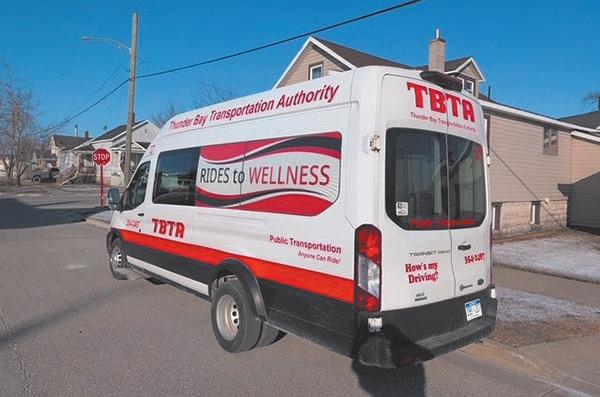
Rides to Wellness is a premium, non-emergency medical transportations program throughout Alpena, County
Hours: Monday-Friday, 8am to 4pm
$15 a ride, one-way in Alpena county
One Additional Stop is an extra $10
A Companion can ride along FREE
For additional information, or to
What are the warning signs of social isolation?
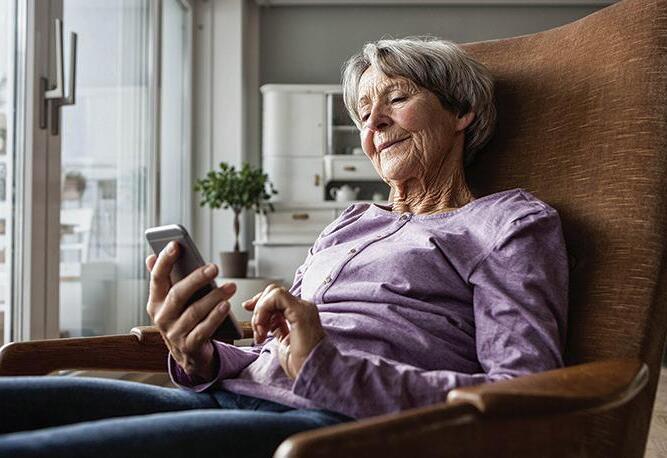
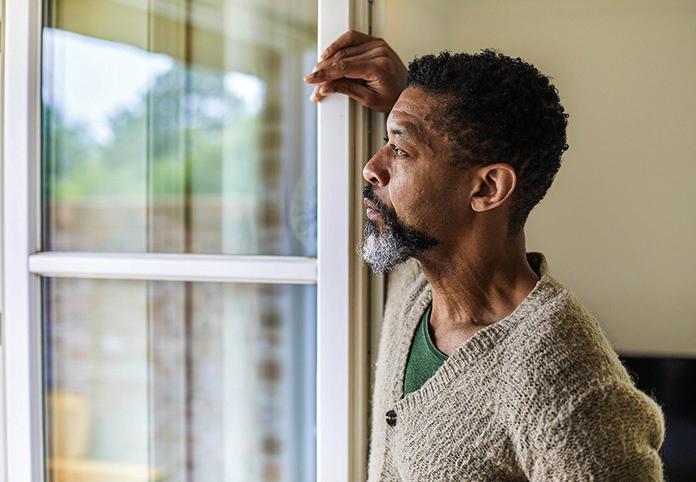
Human beings are wired for social connection, but millions of people confront isolation every day. Many of those people are seniors who lose contact with loved ones as time goes by. While temporary loneliness can be tolerated, prolonged isolation can be very harmful.
Research by the National Academies of Sciences, Engineering and Medicine found roughly one-quarter of American adults age 65 and older live in isolation. Identifying the early warning signs of isolation may help to prevent the physiological and psychological toll isolation can take.
Here are some signs of social isolation to watch for.
• Withdrawal from events: An early indicator of social isolation, according to Healthline, is a pattern of canceling plans, not answering phone calls, and withdrawing from established social circles or hobbies.
of social accountability.
• Home upkeep falters: A person who is withdrawing from social connections may feel it’s no longer necessary to keep a home clean and tidy since they don’t anticipate visitors.
Did you know?
• Self-care is not prioritized: Another sign of social isolation is personal hygiene and other self-care habits like eating nutritious meals becomes neglected. It can signal that a person’s routine has changed due to a lack
Orchard Manor Adult Foster Care
• Irritability and low mood: Persistent isolation can trigger a sense of hopelessness. Individuals may become defensive or experience dramatic shifts in mood and sleep patterns, according to Healthline.
• Reliance on social media or television: Socially isolated individuals may turn to television or non-interactive social media scrolling as a proxy for human interaction, offers HealthDirect.
Social isolation can take its toll on anyone, particularly seniors. Individuals are urged to check in with friends, family or neighbors they suspect may be isolating to provide the companionship and help they may need.
Social isolation affects many seniors. Social isolation produces various warning signs, including changes in personality, pulling away from social events, and failure to engage in self-care. According to Michigan Medicine, findings from a review of six years of data from the National Poll on Healthy Aging found more than one-third of people age 50 to 80 feel lonely, and nearly as many feel isolated. Feelings of loneliness were higher among those reporting fair or poor health and those not working or on disability.
Follow Safeguards to Ensure Your Medications
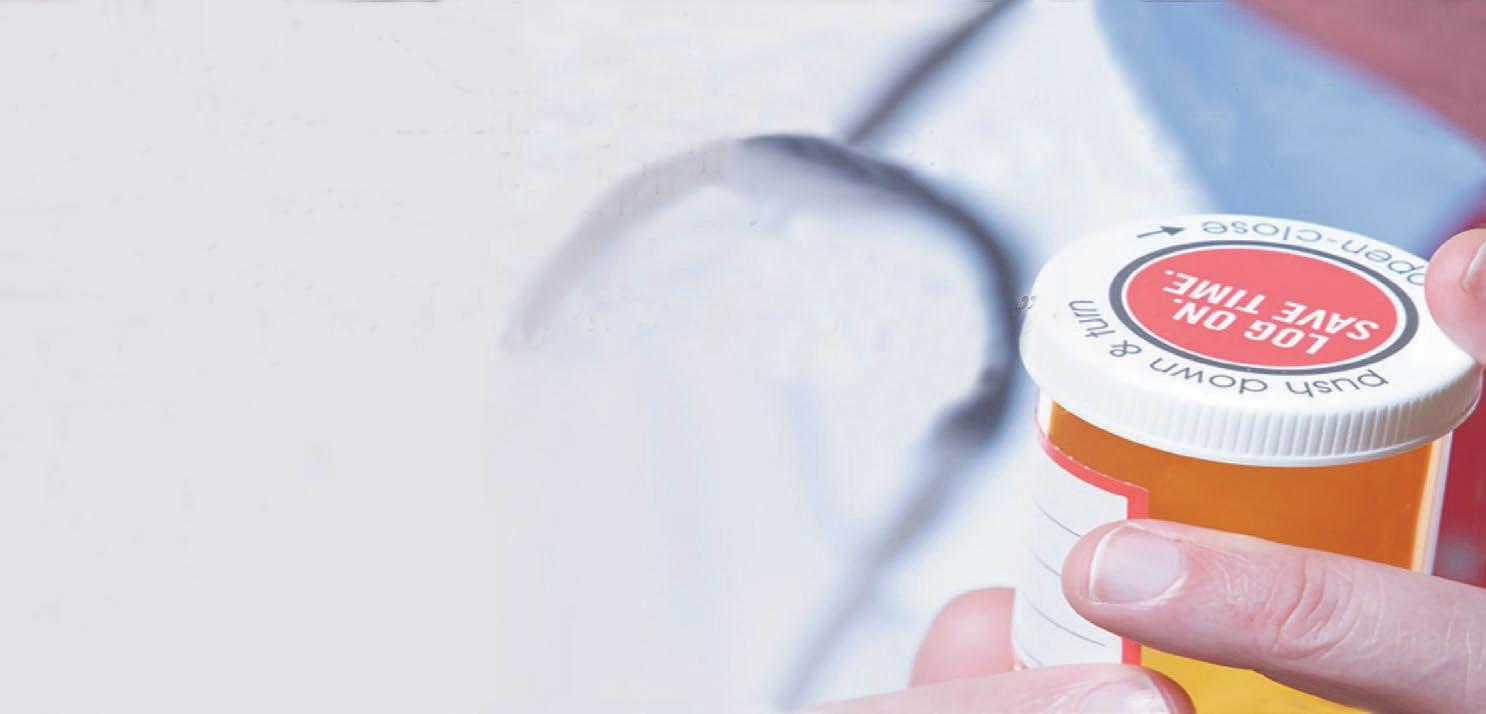
(StatePoint) Many people live longer and with better quality today because of the medications they take. But medications can also be dangerous if not taken correctly. That’s especially true for older adults, according to experts.
Grant Tarbox, a senior executive medical director at HealthSpring, said the following are some issues older adults could face with their medications, along with some important safeguards.
Adverse drug interactions. According to research published in JAMA Internal Medicine, about four out of every 10 older adults take five or more medications, which has tripled from two decades ago. Two of every 10 seniors take 10 or more prescription drugs. Taking so many prescriptions can lead to adverse drug reactions or even unintentional overdose.
Safeguard: Meet with a doctor or pharmacist to ensure all your prescriptions are clinically necessary. When reviewing your medicines, make sure to include any over-thecounter medications or herbal supplements you’re taking.
Neglecting needed prescriptions. When you take multiple medications, tracking them all can be difficult. Your doctor has prescribed your drugs for a reason and it’s important
to take them as prescribed, particularly maintenance medications, such as blood pressure or cholesterol drugs.
Safeguard: If you are having trouble remembering to take your prescriptions, a pill box or digital reminder could help. If cost is an issue, there are prescription drug plans and patient assistance programs available to help.
Taking potentially risky drugs. As you get older, your body may process medications differently. As a result, some drug classes, such as benzodiazepines, certain antidepressants and some NSAIDs, may pose risks that outweigh their benefits. One potential risk, for instance, is the risk of a dangerous fall.
Safeguard: Talk to your doctor or pharmacist about identifying appro-
priate prescriptions for you, given your age. Options could include a lower dosage or shorter prescription duration. Of course, it’s also always a good idea to fall-proof your home. Navigating changing care settings. Adverse drug events often occur following hospitalization. Many of these events could be avoided.
Safeguard: Always meet with your doctor or pharmacist shortly after a hospital discharge to conduct a “medication reconciliation” in which any newly prescribed medications are reconciled with existing prescriptions. This will help prevent medication errors, such as omissions, duplications, dosing errors or drug interactions.
A final note: Even if you have a trusted physician leading your care team, it’s important to educate yourself. If you don’t understand your medication regimen, ask questions. If you are having side effects, tell
your doctor about them. Also, bring a friend or family member to your appointments to help you remember key instructions.
“We are fortunate to live in a time when we have a multitude of medications available to help us live healthier lives by controlling our blood sugar, lowering our blood pressure or curing infections,” Tarbox said. “However, it’s important we stay engaged with our prescriptions and don’t lose sight of any potential risk factors.”
The information contained in this article is not intended to be a substitute for professional medical advice, diagnosis, or treatment. Always seek the advice of your physician or other qualified health care provider with any questions you may have regarding a medical condition or treatment and before undertaking a new health care regimen.