Young at Heart
News Photo by Reagan Voetberg
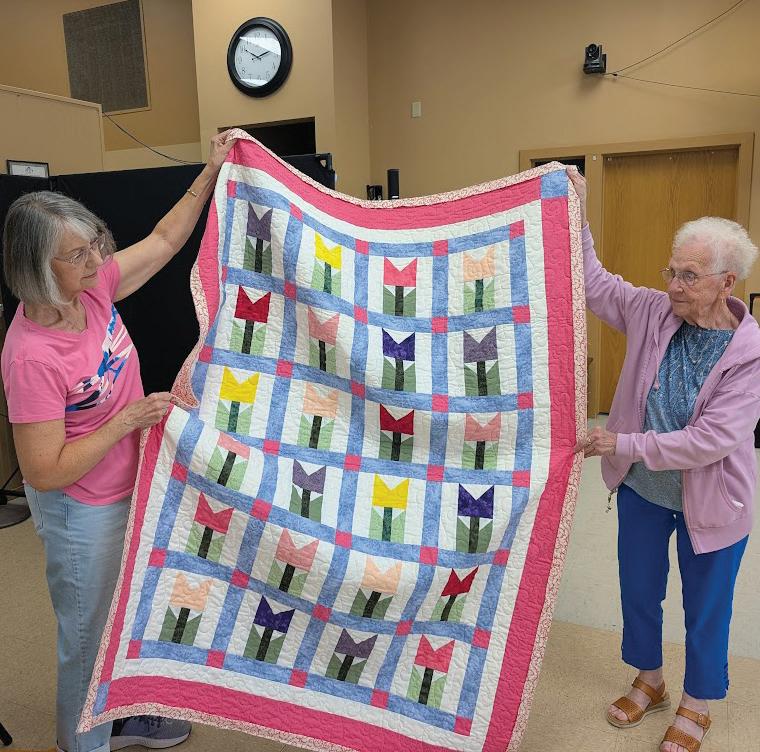
Linda DeWyre and Geri Hanson hold up a quilt with a tulip design that they put together on Tuesday at the Alpena Senior Citizens Center. Story on page 2.
Quilting for a cause
By REAGAN VOETBERG News Staff Writer
ALPENA — Every Tuesday, a group of seniors meets up at the Alpena Senior Citizens Center to work on their quilting projects, many of which end up being sold to raise money for the Senior Center or given away to people in need.
Linda DeWyre and Geri Hanson on Tuesday were working on a quilt with a donated tulip design. They pieced the quilt together and were beginning work on the binding to finish it off. The binding finishes off the edge of a quilt.
Many of the quilts have donated fabric or pieces. Without that, quilting can be an expensive hobby. Proceeds from quilt sales also go towards buying more batting, which is the middle layer of a quilt, so
the group can continue giving quilts for good causes.
Sue Kelly was working on a project that used pieces of sheets that she had when she first got married. The back had a fabric design that she said was the same design as wallpaper she had in her bathroom from the same time.
“It’s all kind of a memory,” Kelly said.
Holly Wiseman was working on an old quilt that she received from her brother-in-law that was made by his grandma and his mom, from around the late 1800s to early 1900s.
She was working on cutting out brown fabric from the quilt to replace it with new fabric.
Caroline Ritze, who is helping her with the project, said that the brown fabric is made from dye that will deteriorate over time.


Some of the brown triangular patches had already started to fray, while others had not yet. Ritze demonstrated how to take each patch out using sewing scissors and a straight pin. She also showed Wiseman the best way to cut out new patches by measuring the width of the triangle and cutting out a strip of fabric to make multiple triangles sideby-side.
Ritze said she has been quilting for many years and Wiseman said she has just started to learn recently.
“I walked in one day just because I wanted to learn how to quilt,” Wiseman said. “These ladies taught me how.”
One quilter, Esther DonaldBriggs, was working on a handstiched quilt which she said she had been working on for years. Others have helped her
with it. Donald-Briggs said she is hoping Friends Together will take it once it’s completed.
The last stitch was put in last week, she said, and now she needs to remove the basting, which holds the quilt layers in place until the stitching is completed. After that it will be trimmed and the binding put on.
Ardis Culbert owns a longarm quilting machine, which can stitch patterns using computer automation. She brought in quilts Tuesday that were stitched using the longarm that will be given to an organization called Preemie Pals once completed. Culbert and others were working on the binding for those quilts on Tuesday.
Culbert said she has been quilting for 30 years.



Skin cancer prevention for seniors
Wisdom and age frequently go hand in hand. But when it comes to knowledge of the latest medical advancements, some older adults may not be up-to-date.
Medical recommendations evolve over time. After all, it wasn’t too long ago people were told to avoid foods containing high amounts of dietary cholesterol because it would raise their own blood cholesterol levels. Now MedlinePlus says the general consensus is that eating dietary cholesterol has a minimal impact on blood cholesterol for most people. And people in their 70s may have raised children thinking it was fine to lay the child in the crib on the baby’s stomach. Now the advice is “back is best.”
Medical professionals now know that exposure to ultraviolet rays of the sun and tanning beds can contribute to the development of skin cancer. But just a few generations ago people were slathering on baby oil and using suntan reflectors to accelerate tanning. The risk of
skin cancer is raised for those who have had cumulative exposure to the sun. So it is essential that seniors practice sun safety every day so they are not adding to the damage that already may have occurred. It’s also foolish to think, “I’ve made it this long without skin cancer, and it takes decades to develop, so I’m never going to get it.”
No one knows how long they will live and it’s important to take care of oneself to live as strong, healthy and long as possible. To that end, seniors can employ these sun safety tips, courtesy of the Skin Cancer Foundation.
• Learn the facts. Suffering just five sunburns over your lifetime more than doubles your chances of developing melanoma, and each successive tan or sunburn raises the risk even further. Suntans damage the skin’s DNA and age it before its time. Also, skin undergoes changes that reduce defenses against disease and healing. One bad burn as a senior may be the final straw.
• Use sunscreen. Sunscreen may not have been widely used when today’s seniors were young. Just because that was the norm then doesn’t mean things can’t change now. It’s never too late to reduce your skin cancer risk by lathering on sunscreen daily — even when the sun doesn’t seem particularly strong. Seniors should look for a broad-spectrum sunscreen with SPF 30 for daily use.
• Wear protective clothing. Choose tightly woven, longsleeved shirts, long pants, and wide-brimmed hats to protect you. You can purchase clothing that has sun protection built right in.
• Avoid being outside during certain times of day. Stay out of the sun when it is at its peak. Radiation is typically the strongest between 10 a.m. and 4 p.m. That’s when the risk for skin damage is highest, says the American Cancer Society.
• Seek shade. When spending time outdoors, seek shady spots, whether you’re under an umbrella or in tree-lined areas.
Sun safety for seniors is generally the same for people of all ages. But it becomes a more urgent necessity due to cumulative sun exposure that comes with age.
Safety and smarts necessary when exercising with arthritis

Physical activity is a vital component of a healthy lifestyle. While the recommendations for exercise may vary for each individual, general guidelines from public health agencies typically suggest most people should get around 30 minutes of moderateintensity aerobic exercise per day.
People with arthritis may be hesitant to head to the gym or engage in home workouts be-
cause the instinct to rest is strong when joints feel stiff or painful. However, health care advocates note that movement is one of the most effective treatments for arthritis.
Recent data from the Centers for Disease Control and Prevention says arthritis remains a leading cause of disability in 2026. Roughly one in four adults in the United States have been diagnosed with some form of arthritis. The Arthritis Foundation says exercise is not just a lifestyle choice, but an essential component of joint health. People who engage in physical activity report a 40 percent reduction in pain on average. Here is a prescription for safely navigating physical activity while managing arthritis.
• Emphasize exercise that improves flexibility. The Better Health Channel says people
with arthritis should focus on exercises that reduce stiffness and keep joints moving through their full range-of-motion. Examples include gentle neck rotations, shoulder rolls and finger stretches daily, especially in the morning during flare-ups.
• Incorporate low-impact aerobic movements. Cardiovascular exercises improve heart health and help with weight management, which is essential for people with arthritis. The Arthritis Foundation says losing just one pound of body weight can remove four pounds of pressure from the knees. Walking, cycling and water exercises are low-impact ways to get the cardio a body needs, says the Mayo Clinic.
• Make resistance training part of your routine. Building strong muscles can help protect the joints by acting as shock absorb-
ers. People can use bodyweight exercises like chair squats, resistance bands or light dumbbells to build muscle. The Arthritis Foundation recommends focusing on the muscles surrounding joints experiencing the most pain, such as quadriceps for knee arthritis or abdominals to protect the hips and spine.
• Assess pain. Experts suggest using something called the “twohour rule” to determine if exercise added to or diminished arthritis pain. If joint pain is higher two hours after exercising, then it’s important to reduce the duration or intensity of exercise the next time. During a flare-up, do not stop moving entirely, but shift to gentle range-of-motion stretching only, suggests the Mayo Clinic.
Exercise can remain a key component of daily life, even for those with arthritis.
Keith Wallace
Pfeifer
Types of arthritis and what’s behind each
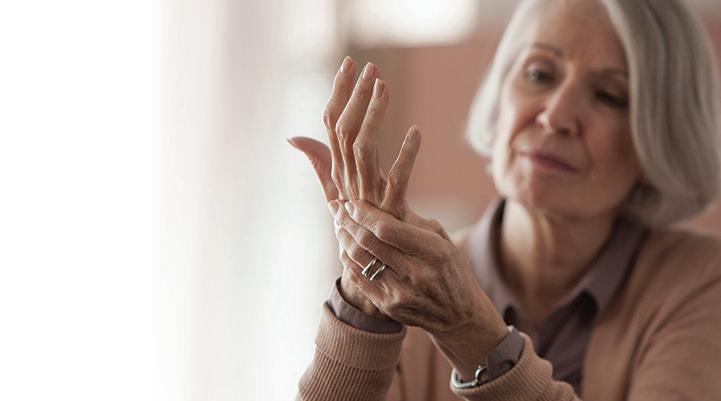
Arthritis affects people all over the world. Approximately 53.2 million adults in the United States have doctor-diagnosed arthritis, says the Centers for Disease Control and Prevention. But many more suffer in undiagnosed silence. Globally, nearly 300 million people may live with arthritis.
Arthritis can range from mild to debilitating and stem from a variety of causes. Understanding what’s behind arthritis can help people get the treatment they need. Here are the major types of arthritis and their causes.
• Osteoarthritis: Osteoarthritis is the most common form of arthritis, says the Cleveland Clinic. It forms as the result of wear-and-tear on cartilage, which breaks down over time. Aging, repetitive movements or previous joint injuries can cause osteoarthritis.
• Gout: Gout is a metabolic condition caused by the buildup of uric acid crystals in the joints. The Mayo Clinic says the buildup occurs when the kidneys cannot filter the uric acid effec-
tively or when the body produces too much. Pain, swelling and tenderness can occur in the joints, often in the big toe.
• Autoimmune: Some forms of arthritis are autoimmune in nature, meaning that the immune system mistakenly attacks the joints. This occurs with rheumatoid arthritis and psoriatic arthritis, according to Penn Medicine.
• Infection/injury: Sometimes viral or bacterial infections or acute joint injuries can trigger arthritis, says the Cleveland Clinic.
Certain risk factors elevate the chances of developing arthritis. Risk elevates as joints age and wear down, so older adults are more likely to experience arthritis. Carrying extra weight puts pressure on
joints like the knees, so those who are overweight are more likely to get arthritis. Genetics can make a person more vulnerable to diseases like rheumatoid arthritis, and women are more likely to develop it.
There are various treatments for arthritis, and anyone in pain can work with a doctor to make lifestyle changes that can alleviate symptoms and help them live fuller lives.
Orchard Manor Adult Foster Care
“Welcome Home”
Located in the Farmlands of Posen, Michigan.

What is polypharmacy?
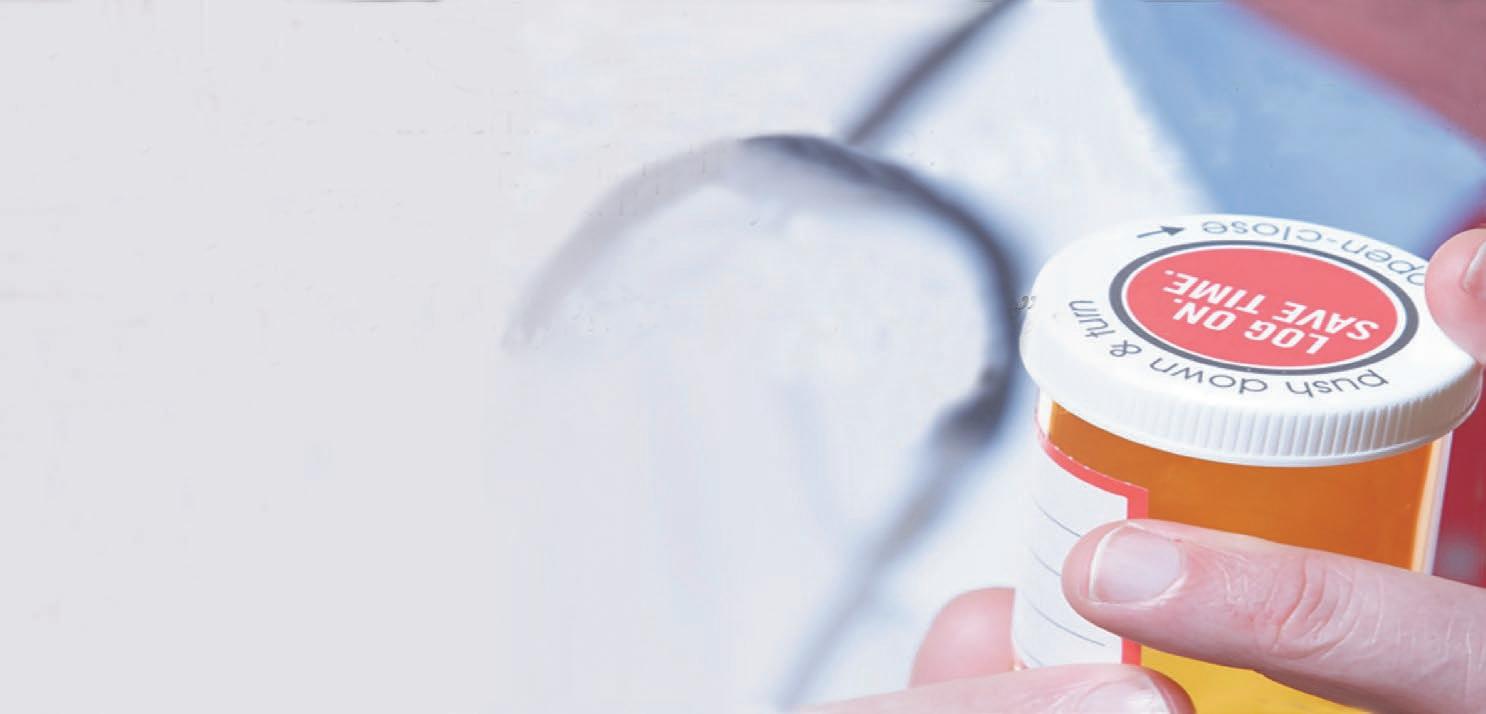
Polypharmacy may contribute to complications that could jeopardize seniors’ health. Johns Hopkins Medicine defines polypharmacy as the regular use of multiple prescriptions. According to data from the National Health and Nutrition Examination Survey and the Canadian Health Measures Survey, 22 percent of adults between the ages of 40 and 79 in the United States and 19 percent of adults in that same age bracket in Canada took at least five medications in the 30 days prior to participating in each survey.

Prescription medications are designed and prescribed to help people overcome various medical conditions, but polypharmacy can contribute to other issues that are worth noting, and some of those conditions can have an adverse effect on seniors’ daily lives and overall well-being. According to Johns Hopkins Medicine, symptoms of polypharmacy include:
• Reduced alertness
• Confusion or cognitive problems
• Falls and accidents
• Weakness and dizziness
• Loss of appetite
• GI problems such as diarrhea, constipation or incontinence
• Skin rashes
• Depression
• Anxiety
• Excitability
It’s equally important that seniors recognize that polypharmacy
affects aging adults differently than it affects younger people, as changes in body composition that are a natural part of aging can affect how the body reacts to medications and might affect how different medications interact with one another. The effects of new drugs on seniors also may be unknown, as Johns Hopkins Medicine notes that test subjects for medications may not include older adults.
Polypharmacy is a delicate situation and each individual’s reaction to taking multiple medications at once is unique. Seniors are urged to be open and honest with all health care professionals they interact with regarding the medications they’re taking. Report any difficult or unusual side effects immediately. Seniors who feel they might be taking too many medications should address those concerns with their health care professionals, who may deprescribe a given medication and work with patients to find alternatives that can treat existing conditions without adversely affecting quality of life.
How to manage multiple medications

Polypharmacy, or the practice of managing multiple medications, is a part of life for a significant percentage of seniors. Many prescription and over-the-counter drugs are essential for maintaining health and managing chronic conditions. However, the chemical complexity of mixing so many drugs can lead to dangerous outcomes if one isn’t careful.
Older adults take more medications than any other age group. A report conducted by Age Wave and The John A. Hartford Foundation found that the average senior takes four medications, but more than 15 percent take eight or more. Some medications can create further conditions or worsen existing conditions. Data from the Agency for Healthcare Research Quality show that 15.9 percent
of older adults use inappropriate medication.
Structured medication management is essential for seniors’ safety. Here’s how to safely navigate taking multiple medications at once.
• Conduct a medication audit. Take all of the medications and supplements you use to a primary care physician or pharmacist to discuss potential interactions and if any prescriptions can be canceled. Research from Clarest Health indicates that patients taking five to nine medications have a 50 percent chance of experiencing a significant adverse drug event.
• Talk about deprescribing. Speak with a doctor about the process of tapering off medications that may no longer be necessary or are resulting in more harm than benefit.
• Use one pharmacy. Always fill prescriptions from the same pharmacy. Modern systems are equipped with safeguards to flag certain drug-to-drug interactions automatically. Also, the pharmacist is often an underutilized resource. Ask questions and figure out if he or she can conduct a medication review to ensure a regimen for taking medications is as complication-free as possible.
• Utilize smart systems. Rely on smart pill dispensers that unlock only at the correct time to manage high-risk medications. Other pill organizers and digital apps can set reminders to take medications at the appropriate times. An app like Medisafe will notify family members if a dose is missed.
• Link doses to actions. Make medications an automatic part of
your day by linking them to activities, like morning pills taken with a cup of coffee or evening pills when you eat dinner.
• Use visual cues. Keep pill organizers in a visible spot so you remember to take the medication.
• Ask for help. If managing medications has become a tall order, ask a friend, family member or a visiting nurse or aide to assist with medication management.
• Update your list. Always maintain a current list of the medications and supplements you are taking, and bring it along to every new medical appointment for further review.
Managing medications becomes more complex as seniors typically take multiple drugs and supplements to maintain health.