


At Agrumaria Reggina, we believe that growth cannot exist without accountability. It was this belief that led us, at the beginning of 2025, to become a Benefit Corporation, formally embedding in our bylaws a dual commitment: to create economic value and to generate a positive impact on society and the environment.
This decision goes far beyond a formal commitment. It is a strategic choice, fully aligned with our 2029 Strategic Plan "Accelerating Growth with Focus and Execution". In this journey, we have set clear goals: to achieve B Corp certification, reduce our Scope 1, 2, and 3 emissions, and build a sustainable, transparent, and interdependent value chain. To support this vision, we have adopted the B Corp framework as a structural reference. Our sustainability strategy is built around four key pillarsPeople, Environment, Value Chain, and Community - anchored in transparent and impact-driven governance.
We have already begun to take concrete steps. In this first year, we measured our carbon footprint and defined a structured decarbonisation plan; we strengthened our people development and well-being policies; we launched initiatives to make our supply chain more ethical and sustainable, and we enhanced the quality and transparency of our reporting. We also shared our vision internationally, taking part in global conversations, including our partnership with UNESCO for World Engineering Day 2025. These are just some of the results you will find in this report.
The principle of Positive Impact is deeply woven into how we think and act. It informs every strategic decision, from selecting raw materials to designing new production lines. In this report, we share the milestones we’ve achieved with transparency, but above all, the path we are still committed to walk.
Behind every number and objective is the concrete work of individuals, teams, and departments who bring our vision to life each day, with dedication, perseverance, and great effort. Every step forward is born from a shared sense of responsibility: the desire to contribute, even in a small way, to something greater. Because a better future is only possible if each of us chooses to act with consistency and awareness. For us, sustainable regeneration is not a final destination, it’s a direction. A daily choice we are determined to follow with ambition, integrity, and accountability.
CEO
Agrumaria Reggina

The report focuses primarily on our Italian operations, covering the impact of Agrumaria Reggina S.r.l. and the services related to it.
As a Benefit Corporation, this document serves as our annual Impact Report, a mandatory disclosure embedded in our legal statutes, to reflect our ongoing commitment to transparency and accountability.
Given the evolving European reporting standards, we have anchored our approach to the CSRD framework. While not fully aligned, we applied its principles using EFRAG’s Voluntary Sustainability Reporting Standard for SMEs (VSME) to assess and communicate our impact. An initial double materiality assessment has been conducted to map key impacts and risks, laying the groundwork for continuous improvement.
We are committed to transparency: while some disclosures, such as water metrics and the Egyptian perimeter, are not included this year, they will be incorporated in next year’s reporting. To ensure clarity and traceability, a dedicated connection table, found in the appendix, shows where each KPI has been included throughout this report.
Our method is structured and rooted in real impact. We have defined clear goals across four key areas - People, Environment, Value Chain, and Community - guided by data and continuous dialogue with our stakeholders.
This report is more than a compliance exercise. It’s an opportunity to share who we are, what we believe in, and the future we are working to build.
1985
Agrumaria Reggina’s story is one of transformation, rooted in tradition, shaped by innovation, and guided by a long-term vision of sustainable growth. Founded and led by the Chirico family, the company has grown from a local enterprise into an international player. Over the years, key milestones have marked our evolution across industries, geographies, and commitments.
The Foundation
1990s
Expanding into the Beverage Industry
2018 Entry into the Flavour & Fragrance industry
2023 B Corp journey & Global Reach
2024 Expansion of Operations
2025 Becoming a Benefit Corporation
Agrumaria Reggina was founded in Calabria, focusing on the processing of oranges and lemons in a region naturally suited for citrus cultivation. This marks the beginning of a family-driven journey deeply rooted in the land.
The company starts producing compounds and bases for the beverage sector, building the foundation for its positioning as a key B2B supplier of natural citrus-based ingredients.
Agrumaria enters the F&F market, supporting major producers and establishing its first dedicated R&D center for essential oils, broadening its innovation and application capacity.
The launch of the Dubai office marks the start of direct operations in the Middle East and Africa. In the same year, Agrumaria begins its sustainability journey guided by B Corp principles, reaffirming its focus on responsible growth and impact.
Start of the construction of Agrumaria Reggina Egypt in collaboration with the Abdel Rahim family. Opening of sales offices in the USA (Atlanta) and India (Noida, New Delhi). Launch of PRIMA by Agrumaria Reggina.
At the end of 2024, Agrumaria Reggina Board of Directors approved the adoption of Benefit Corporation legal status. On February 5th 2025, Agrumaria Reggina officially becomes a Benefit Corporation, embedding social and environmental goals into its legal structure and committing to transparent annual reporting and shared value creation.
Guided by the third generation, Agrumaria Reggina continues its journey of responsible growth. Our strategic expansion into Egypt marks a key step in this path, ensuring sustainable sourcing, greater supply chain transparency, and stronger local engagement. Building on this foundation, we are expanding internationally with clear priorities: reducing CO₂ emissions, deepening our expertise in fruit-based solutions, and leading citrus innovation across the Euro-Mediterranean region, always staying true to our roots.

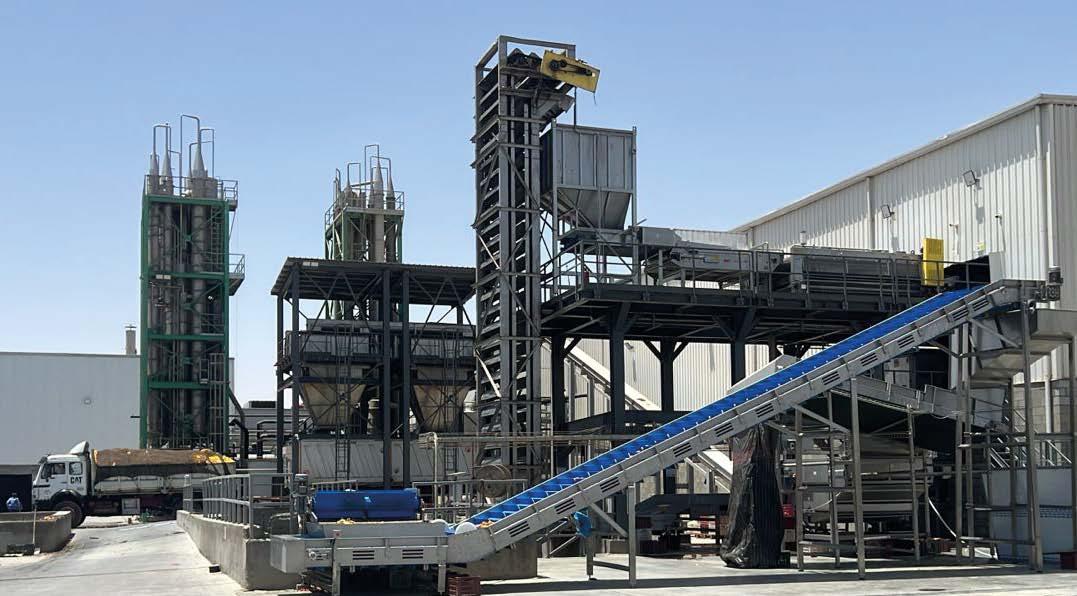
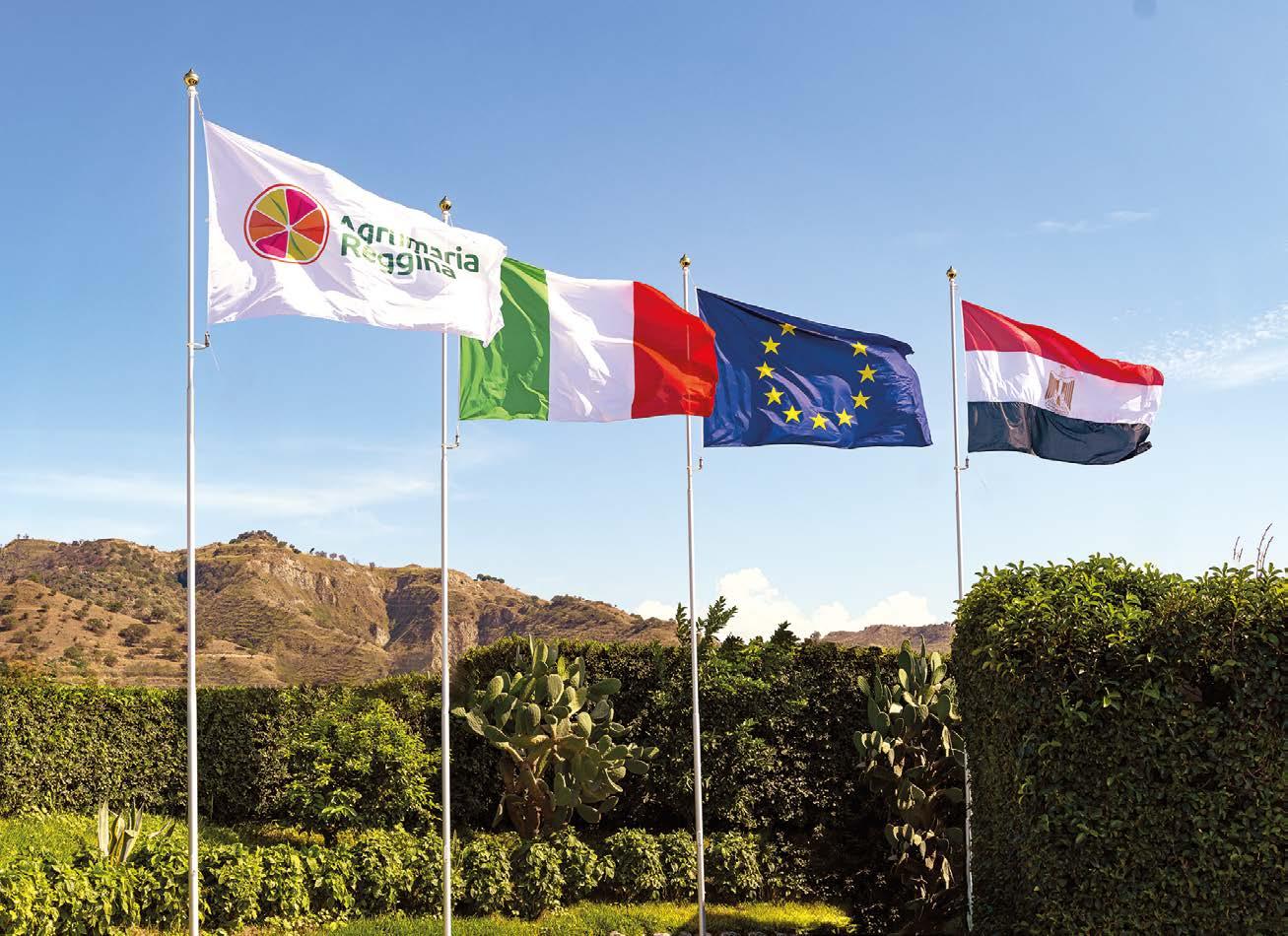
Our expansion into Egypt marks a significant strategic step, reflecting our determination to reinforce transparency, traceability, and sustainability across our value chain.
The new Agrumaria Reggina facility in Egypt, spanning 24,000 square meters, including 6,000 sq m dedicated to production and 1,000 sq m for offices and quality control laboratories, allows us direct oversight of every production stage, from citrus cultivation to final processing. This proximity ensures rigorous monitoring and adherence to the highest quality standards.
Egypt’s exceptional citrus production, combined with our decades of Italian expertise and innovation, positions us uniquely to meet the growing global demand for processed citrus products. Investing in Egypt aligns with our vision of sustainable co-development, creating local economic growth, fostering job creation, and enhancing technological know-how within local communities.
By integrating directly into Egypt’s citrus sector, we not only leverage the region’s economic momentum but actively contribute to the sustainable and responsible growth of the Mediterranean citrus industry.
Agrumaria Reggina S.r.l.
Legal form
NACE sector classification code(s)
Size of the balance sheet (in Euro)
Turnover (in Euro)
Via Nazionale Gallico, 167 89135 Reggio Calabria – Italy
Section C
Manufacturing, Division 10 — Manufacture of food products, Group 10.3
Processing and preserving of fruit and vegetables, Class 10.32
Manufacture of fruit and vegetable juice.
€ 73,744,796
€ 101.933.526
Number of employees 130
Country of primary operations Italy
Headquarters Via Nazionale Gallico, 167 89135, Reggio Calabria
Italy
38.111389°N 15.661944° E
North America Sales Hub Five Concourse Parkway, Suite 3000, 30328, Atlanta Georgia
USA
33.918497°N 84.353617°E
Algeria Sales Hub
Résidence El Fath, Villa 13, Said Hamdine, 16000, Algiers
Algeria
36.741944° N 3.034722° E
Registered Office
Viale Calabria, 351 89132, Reggio Calabria
Italy
38.087322° N 15.641060° E
Taste Innovation Centre Via Cavour, 2 22074, Lomazzo
Italy
45.695761°N 9.035756°E
Egypt Plant Plot 27, Al Oula 6th of October Industrial Park, 3220401, Egypt
30.021977°N 31.073810°E
Sales Office
The Squaire Business Centre, 7th floor Am Flughafen 12, 60549, Frankfurt
Germany
50.052254°N 8.564803 °E
India Sales Hub 5th Floor, TOWER-C, Green Boulevard, Block B, Industrial Area, Sector 62, 201301, Noida Uttar Pradesh
India
28.627705° N 77.368744° E
MEA Sales Hub
Dubai Media City, Commercial Building 5
Dubai
UAE
25.093021° N 55.151786° E
Cairo Sales Office The B-Hub, 16 El Khartoum Street, Korba, Heliopolis
Cairo
Egypt
30.086111° N 31.330556° E

Our Board of Directors plays a pivotal role in integrating sustainability across our strategy, ensuring that responsibility is not just a goal, but a governance principle.
Felice Chirico Chief Executive Officer
Domenico Chirico Chief Financial Officer
Francesco D. Chirico Chief Technical & Operating Officer
Francesco Caracciolo

What we do reflects who we are, and who we are shapes how we care.
Our Ambition
Our Mission
Being an innovative and sustainable company, capable of supporting its customers in improving the lives of their consumers. Our Values 1. Customer centricity
To create nature-inspired ingredients and solutions with reduced environmental footprint, delivering happiness and unique experiences in Nutrition & Beauty.
Speed of action
Positive impact
Continuous improvement
One Team
Gentle Leadership
We create natural ingredients that carry the essence of the land, shaped by innovation, care, and connection. Our expertise is rooted in Italian citrus production, where working close to the source allows us to uphold the highest standards of quality, traceability, and respect for raw materials.
As a B2B partner, we serve the Food & Beverage and Flavour & Fragrance industries with tailored solutions: from juices and essential oils to flavour development and integrated systems for beverage formulation.
Our international presence is anchored in Italy and strengthened by our operations in Egypt, supported by a commercial network that spans Europe, the Middle East, Africa, North America, and Asia. This agile structure allows us to respond to diverse market needs while maintaining close relationships with partners across the value chain.
We work with long-term suppliers of agricultural raw materials, mainly fruit and semi-processed ingredients, from key countries such as Italy and Egypt. These partnerships ensure the quality and traceability of our ingredients. Our clients are in the Nutrition & Beauty industries, with a strong presence in Italy, Poland, the Netherlands, the U.S., Ireland, and the UAE. We engage with them through both direct and indirect channels, promoting co-development, technical collaboration, and transparency.
Our vision connects local agricultural knowledge with global markets, and is guided by a clear purpose: to use natural resources responsibly and transparently, to foster growth that respects both the environment and people, and to actively engage with stakeholders to shape a sustainable future.
This commitment goes hand in hand with our dedication to ethical business conduct. We operate in full adherence to the laws and regulations of every jurisdiction where we are present. In 2024, no material breaches or regulatory sanctions were recorded, confirming our ongoing commitment to ethical and responsible business practices. For us, acting responsibly is not just about following the rules, but about building trust, ensuring long-term value, and staying true to the principles that guide our growth.
2024 marked the creation of Agrumaria Reggina’s first dedicated Sustainability Department, a milestone that ensures our strategic goals are aligned and integrated across every level of the organization. Reporting directly to the CEO, it provides leadership, strategic alignment, and a clear commitment at the highest levels of decision-making.
The foundation of this team starts with our first Sustainability Specialist, whose international expertise and strong academic background are pivotal in shaping strategy, tracking emissions, and ensuring transparent stakeholder communication. Her role sets the groundwork for a growing team, driving ESG integration forward and making sustainability not just a target, but a daily practice embedded in how we work.
‟Building Agrumaria Reggina’s Sustainability Department from the ground up is both a responsibility and a privilege. My goal is to ensure that sustainability is not an isolated initiative, but a shared mindset that guides decisions across every function. By aligning our operations with ESG principles and collaborating across teams, we can translate values into action — making sustainability a core strength of our business and a driver of lasting impact ˮ
Fresia Messi Sustainability Specialist
We also continue our strategic partnership with NATIVA, the Regenerative Design Company that has spent over a decade helping some of Europe’s leading businesses accelerate their transition toward sustainability, regeneration, and shared value creation. As the first Benefit Corporation in Europe and Italy’s first certified B Corp, NATIVA played a pivotal role in launching the B Corp Movement in Europe in 2013 and contributed to making Italy the first sovereign country to pass Benefit Corporation legislation in 2015.
Ethics and transparency are the pillars of how we operate. Our organizational model follows Decree 231, including a Code of Ethics and anti-corruption practices. We provide mandatory ethics training and maintain a whistleblowing portal to ensure accountability and protection for all.
We are certified under FSSC 22000 for food safety, ISO 14001 for environmental management, and ISO 45001 for occupational health and safety. These systems reflect our commitment to creating value without compromise.
Our whistleblowing portal is designed to manage reports of risks, irregularities, or unethical behaviors related to company activities. Reports are handled with the highest level of confidentiality, ensuring the protection of the whistleblower and fair assessment of the reported facts by designated corporate recipients. Anonymity is guaranteed, and every step of the investigation process is conducted with full respect for individual rights.


Agrumaria Reggina’s business model is built to create shared value, connecting nature’s raw materials to innovative, sustainable solutions in the food, beverage, and fragrance sectors. We operate with a dual focus: delivering high-performance products while embedding long-term environmental and social responsibility at every level.
In 2025, this vision was formalised as Agrumaria Reggina became a Benefit Corporation, taking a legal step that reinforced our long-standing commitment to balancing economic success with positive environmental and social impact. More than a symbolic milestone, this transformation gives structure to a path already underway, charting a clear direction toward B Corp certification and the full integration of purpose within our business model.
Becoming a Benefit Corporation means adopting a new way of managing the company. It’s not just a statement of intent, but a concrete management model that embeds our benefit purpose into decision-making and value creation. At its core are the four Common Benefit Purposes we have formally outlined in our bylaws: People, Environment, Value Chain, and Community
We are committed to promoting a work culture defined by a sense of belonging and authenticity, which supports well-being and personal development.
We are committed to maintaining a relationship of interdependence with our supply chain partners, collaborating to protect nature, enhance ingredients, and uphold respect.
We are committed to progressively transforming our business and operational model toward a zero greenhouse gas emissions economy, in line with global climate goals.
We are committed to promoting sustainable development and the well-being of the communities in which we operate by enhancing local resources and respecting the territory.
To translate this commitment into daily actions, we have built a dedicated Sustainability Framework, inspired by the Benefit Corporation principles and aligned with EFRAG’s Voluntary Sustainability Reporting Standards.
Beyond formalizing our commitments, our Sustainability Framework guides Agrumaria Reggina’s evolution, ensuring every strategic action is aligned with our long-term vision. This integrated strategy ensures that every action we take — whether environmental, social, or governance-related — works in synergy, translating purpose into measurable, long-term impact.
In 2023, before becoming a Benefit Corporation, Agrumaria Reggina set ambitious impact goals across five areas of action: Governance, Environment, People, Value Chain, and Community
These goals formed the foundation of a transformative plan detailed in last year’s report. We stayed true to that roadmap, exceeding expectations and evolving how we track and communicate our progress. Being adherent with the methodology we used to build our sustainability roadmap, we also keep monitoring our evolution through the strategic tool “Impact profile”, in which our evolution is clearly visible.
77.4
Governance
Clients
Supply chain Environment
Mission and Engagement
People Working condition and benefit
People Development and flexibility
Community
Impact Profile - start of 2024
Impact profile - end of 2024
Measuring our actual impact through the B Impact Assessment tool by B Lab, the evolution of our impact profile is reflected in a current score of 77.4 out of 200.
On the next page, we provide a detailed breakdown of our overall score across the key categories: Governance, Environment, People, Value Chain, and Community.
We exceeded our key goals by becoming a Benefit Corporation earlier than planned, clearly defining our common benefit objectives and strengthening oversight with systematic tracking of our social and environmental performance by senior leadership.
We launched internal initiatives to reduce the environmental impact of packaging through improved recycling practices. For the first time, we comprehensively measured our Scope 1, 2, and 3 emissions and set medium and long term goals to manage our environmental impact more effectively.
We introduced flexible working arrangements, strengthened inclusive hiring practices, broadened our recruitment efforts to enhance diversity, and promoted greater sustainability awareness throughout the company.
Our procurement teams took a more active role in sustainability initiatives, preparing innovation pathways for 2025 and closely aligning our supplier engagement strategies with client demands for verified sustainability standards and certifications.
We defined three core commitments to guide our impact in the communities where we operate: reducing food waste, promoting opportunities and equality for young people and supporting humanitarian efforts in developing countries. Our focus remains on empowering young adults through local engagement and initiatives that foster inclusion and long-term resilience.
* Clients: 4
Suppliers: 5.3
Seeing the whole picture
Our sustainability journey is built on the clear understanding that impact flows both ways: external factors influence us, and our actions influence the wider world.
To further evolve the strategy defined in our sustainability profile, we needed a robust method to prioritize where to focus our efforts. That’s why, in 2024, we conducted our first full double materiality assessment to identify the ESG issues most relevant to Agrumaria Reggina and its stakeholders, considering both impact materiality (our effects on people and the environment) and financial materiality (ESG risks and opportunities for the business).
The process followed ESRS standards and EFRAG’s IG 1 guidance, using a mix of qualitative and quantitative data. It covered our full value chain, including sourcing and commercial channels, and engaged key internal and external stakeholders. The result is a materiality matrix that now informs our targets and next steps, ensuring our sustainability strategy stays focused on what truly matters. This is not a one-time effort: we plan to revisit and update the assessment every two years (or sooner if significant shifts in our business, regulatory landscape, or methodology occur) because staying responsive is essential to achieving meaningful and lasting results.
To build our materiality matrix, we followed a structured process grounded in industry benchmarks, scientific evidence, and stakeholder insight.
2
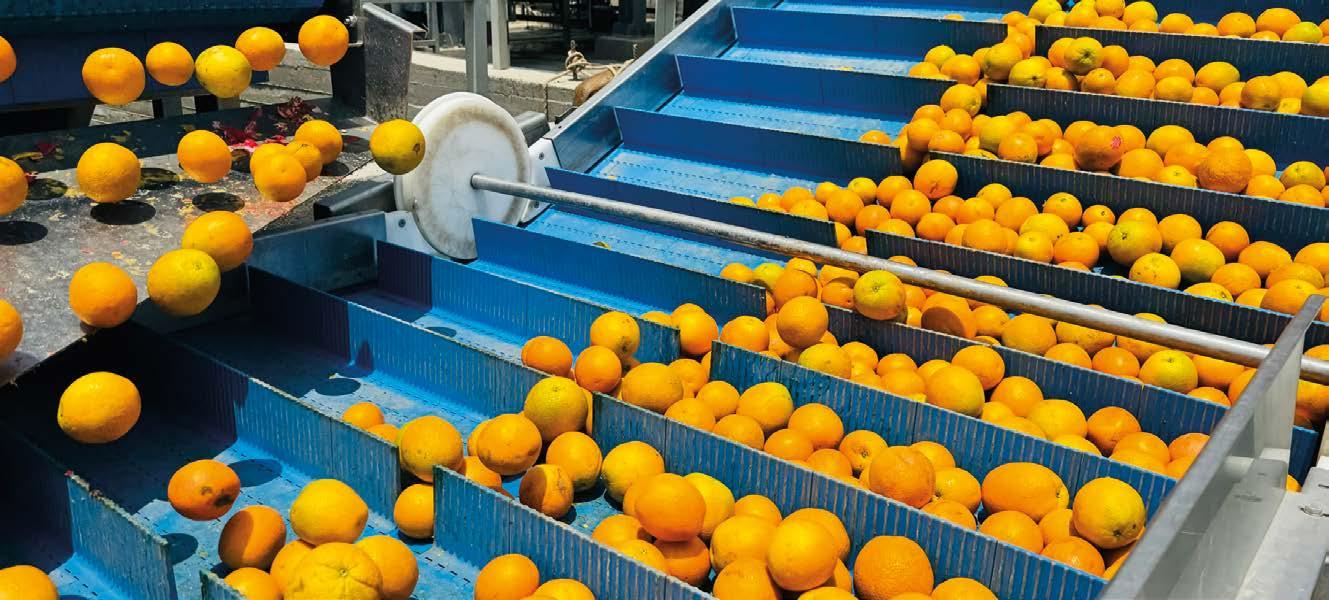
We started by mapping our value chain, covering direct operations, upstream, and downstream activities, while identifying key environmental and social dependencies. This was enriched with sector benchmarks, academic research, internal data, and a detailed analysis of the juices, flavours, essential oils, and fruit-based semi-finished products sector, enabling us to identify the most relevant dynamics and future challenges.
Using ESRS Application Requirement 16 (AR 16), we identified key Impacts, Risks, and Opportunities (IROs) for Agrumaria Reggina, considering internal factors like strategy and product portfolio, and external sources like peer and institutional analyses. IROs were assessed based on their links to critical resources (e.g., citrus, water, soil) and relationships (e.g., suppliers, employees, customers), establishing connections between impacts and related risks and opportunities.
3
4
We evaluated the significance of positive and negative impacts using a 0–4 scale, considering magnitude, irreparability (for negative impacts), probability (for potential impacts), and future trend. Scoring was based on interviews with management and technical staff, using real cases and data. To complement this, we launched a stakeholder survey with customers, collaborators, suppliers, and ownership, assessing the value chain’s sustainability impacts as identified in AR 16 (ESRS Application Requirement 16). Results confirmed climate change mitigation, adaptation, and waste as top priorities.
To assess the financial relevance of ESG issues, we engaged the Finance department in a dedicated workshop aimed at building a shared understanding of the company’s most pressing risks and opportunities. Starting from the ESRS topics, each item was analyzed in terms of its potential financial impact and its effect on the business model.
This evaluation followed a structured, quantitative methodology with pre-defined thresholds for financial significance and likelihood. The result was a focused set of priority risks to guide adaptation strategies, strengthen resilience, and support longterm value creation.
For environmental and governance-related IROs, additional analyses deepened the assessment. Once IROs were identified and scored, thresholds for materiality were set at the median of a normalized 1–10 scale for impacts and financial risks. Social topics had a 10% lower relevance threshold, prioritizing human rights and social wellbeing, in line with ESRS guidelines.
Once the assessment was completed, the Sustainability teamsupported by NATIVA - carried out a comprehensive review to ensure methodological consistency and surface any potential critical issues. The results were then validated through a structured internal process: first reviewed by the CEO to ensure alignment with the company’s strategic priorities, and subsequently examined and approved by the broader leadership team, who assessed its coherence with governance objectives. This approach guarantees that the outcomes of the double materiality assessment are not only robust, but meaningfully integrated into the company’s strategic direction
The double materiality assessment opened up a more detailed conversation about the risks and opportunities most relevant to Agrumaria Reggina. We developed an initial mapping and now aim to establish a formal process for continuous review, monitoring, and the implementation of mitigation actions.
Climate Change
Water
Pollution
Use of Resources and Circular Economy
People
See the next paragraph: focus on climate risk.
The main risk is the potential breakdown of the water treatment plant, which could halt production and lead to fines and reputational damage
Pesticides and fungicides represent a risk in the supply chain due to their negative impact on human health (e.g., Imazalil is a substance of concern, banned but sometimes still present on fruits).
Improper use of by-products (e.g., citrus pulp) may lead to high disposal costs, fines in case of non-compliance, and lost economic opportunities (e.g., biogas), negatively impacting operating margins.
For employees, the main risks stem from potential health and safety issues, which must be carefully managed. In the supply chain, noncompliance with human rights (although low probability) can have severe reputational and commercial consequences.
Climate Change
Use of Resources and Circular Economy
People
Supplier Relationships
Emerging and Current Opportunity
Improved strategic and reputational positioning, leading to increased competitiveness. Easier access to credit, with improved rating scores and lower debt costs. Increased innovation: currently, it is strongly tied to climate change and decarbonization.
Using reusable packaging represents an opportunity to increase margins by reducing costs. Reusing waste materials (e.g., citrus pulp, sludge residue) creates business opportunities.
Topics related to well-being, equity, health, and safety, when properly managed, create added value for talent acquisition and retention, and employee productivity.
Sustainability efforts help strengthen supplier relationships, building a more resilient and collaborative supply chain, with better risk control and the ability to plan mitigation actions.
The topic of biodiversity is becoming increasingly important in the agri-food sector. This opens up the possibility to be leaders in the field by working closely with the supply chain — for example, by following standards such as UEBT
As part of the preliminary work for its first Double Materiality Assessment, Agrumaria Reggina conducted a climate risk analysis to identify the most relevant hazards and assess the exposure of its value chain: an essential step for ensuring long-term resilience and sustainable value creation.
Climate risks fall into two main categories: physical risks, such as extreme weather events, and transitional risks, linked to the global shift toward a lowcarbon economy. Each requires a distinct approach for analysis and mitigation.
Agrumaria Reggina utilized heat maps from reputable digital platforms like the Copernicus Interactive Climate Atlas. This allowed for the visualization of risk levels, considering Agrumaria Reggina’s dependencies and the physical hazards detailed in Appendix A of the EU Taxonomy Regulation (2021/2139). The assessment considered multiple climate scenarios, structured around Shared Socioeconomic Pathways (SSPs). Key upstream and downstream partner locations were overlaid on these maps to evaluate exposure to specific hazards. The Finance department then reviewed the results during the Outside-In workshop, focusing on short-term risks while also considering how these hazards might evolve over time.
Agrumaria Reggina’s operations heavily rely on fresh fruits and intermediate fruit-based products, thus potential disruptions on agricultural ecosystems are a significant concern for the company. Variations in temperature, precipitation, and the increased frequency of extreme weather events can directly impact crop yields, quality, and the stability of supply. However, the company’s differentiated supply chain, sourcing from diverse geographic regions and suppliers, inherently provides a robust structure for resilience against localized climate physical risks.
Agrumaria Reggina’s downstream value chain partners, particularly large multinational corporations, are increasingly prioritizing sustainability performance within their operations and supply chains. This growing emphasis is driven by heightened environmental awareness and an increasingly stringent regulatory landscape. A failure to continuously improve its own sustainability performance could lead to a loss of competitiveness and market access as partners seek suppliers aligned with their evolving environmental and social standards. Maintaining pace with the sustainability expectations of key downstream partners is therefore critical for business continuity and growth.
Thanks to the diversification of upstream partners, the residual physical climate risk is low. Similarly, the proactive attention given to sustainability topics in recent years has resulted in a low residual transitional climate risk. Consequently, Agrumaria Reggina has determined that implementing new specific adaptation actions is not currently necessary.
As we build on the momentum of 2023 and the milestones of 2024, we are charting a future where sustainability is leading our growth. Thanks to insights from the double materiality assessment, now integrated into our improvement plan, we are better equipped to mitigate key risks and embrace emerging opportunities.
2
Achieving B Corp certification by 2027, extended from the initial 2026 target to allow full integration of updated standards, and to include the expansion of our perimeter to Egypt.
- 46% absolute reduction of Scope 1 and 2 CO₂ emissions by 2030, from a 2023 baseline as part of our decarbonization efforts.
Investing in Safety, Environment & Hygiene programs, reinforcing our focus on people and operational excellence.
These priorities drive us in defining our strategic initiatives.
We will refine our KPI set across all ESG areas, improving granularity and expanding data coverage, especially in Scope 3 emissions and social impact indicators.
We will explore opportunities for circular design by analyzing our packaging and by-product streams, to identify areas where resource efficiency and valorization can be improved.
Inclusion, equity, and well-being remain central. We aim to strengthen internal processes that promote belonging and ensure all voices are represented.
Building on our double materiality work, we’ll develop structured mitigation actions tied to our top ESG risks and opportunities.
We know that impact doesn’t follow intentions: it follows action. That’s why our plans are not just aspirations, but accountable steps forward. What’s next will be measured, shared, and shaped with purpose

3.1 People
3.2 Environment
3.3 Value Chain
3.4 Community

We are dedicated to fostering a workplace culture grounded in authenticity and a sense of belonging, promoting personal and professional growth, and encouraging individual and collective responsibility.
Our people are the root system of everything we do. We are continuously deepening our commitment to well-being, inclusion, and professional development, because a healthy, empowered workforce is essential to building meaningful, long-term impact.
3.1.1 Policy
Code of Ethics
Agrumaria Reggina’s Code of Ethics is a cornerstone of our commitment to responsible business conduct. Aligned with the UN Universal Declaration of Human Rights and the Ethical Trading Initiative (ETI), it sets clear expectations for fair wages, non-discrimination, access to training, and health and safety protections across all levels of employment. It also includes robust principles on anti-corruption and conflict of interest, applicable to all employees, directors, suppliers, and agents. Specific areas covered include child labour, forced labour, human trafficking, discrimination, and accident prevention, ensuring a safe, ethical, and inclusive working environment throughout our operations.
Health and Safety Policy
Agrumaria Reggina’s Health & Safety policy (aligned to UNI ISO 45001:2018) ensures continual training, resources and worker participation to safeguard employee well-being, enforcing legal compliance, ethical governance and a structured Safety Management System with defined objectives and reviews.
New HR director appointed
A newly appointed HR Director is driving the company’s people-first agenda, focusing on cultural transformation and inclusion.
Flexible work launched
We introduced a dual approach to flexibility: remote work options to promote a better work-life balance, and personalized working hoursdesigned to help people with parenting and caregiving responsibilities.
Inclusive hiring & training formalized
We implemented structured hiring processes and internal training programs to foster a more diverse and equitable workplace.
Internal engagement on sustainability increased
Employees across various departments were engaged through internal sessions that connected daily work with our broader sustainability mission.
HSE programs activated
We launched new initiatives in Health, Safety and Environment (HSE) to strengthen workplace well-being and ensure safer, more sustainable operational practices.

Type of contract
* 100% of employees working in Italy are covered by National Collective Labor Agreements (CCNL)
or FTE)
or FTE)
*We also work with collaborators across the USA, India, Algeria, Germany, Cairo and UAE but have been omitted from this disclosure as they are not direct employees of Agrumaria Reggina.
Turnover
Number of Employees who left during FY 2024
Number of employees
Health & safety performance
Number of Work Related Accidents
Gender pay gap
Training & Development
Leadership diversity indicators
In 2024, no confirmed cases of child labour, forced labour, human trafficking, discrimination, or other labour-related abuses were reported within our workforce.

At Agrumaria Reggina the development of younger generations is a priority. That’s why we invest in young professionals, believing that their energy, creativity, and curiosity are vital to shaping a resilient and forward-looking company. Through targeted training and team-building, we support purpose-driven career paths, foster intergenerational collaboration, and create space for new ideas to take root.
In 2024, 48% of our employees were 35 y.o. or younger: a sign of our ongoing commitment to cultivating the future from within.
We also believe that a thriving company starts with a thriving community, so we focused on creating spaces of trust, dialogue, and shared growth.
To bring this vision to life, we partnered with NATIVA for our first training day dedicated to impact and responsible business practices, with strong engagement across teams.
During the session, we explored the strategic importance of sustainability as a key business driver. To foster a shared language and unified vision around impact, we concentrated on:
• The core principles of sustainability and the megatrends shaping a new sustainable decision-making
• The benefit corporation model as a framework for responsible business
• Agrumaria Reggina’s vision, ongoing initiatives, and future commitments
As a Benefit Corporation, our targets are more than numbers: they’re commitments
Target Action (KPI)
50%
Percentage of both full-time and part-time employees receiving formal training on skills directly linked to their job responsibilities.
90%
Percentage of employees involved in structured, two-way feedback sessions.
N° of health and wellbeing initiatives sponsored or organised annually.
We plan to recruit and train dedicated specialists in Health, Safety and Environment, to oversee and improve internal practices across all sites. We will also develop and implement dedicated training initiatives focused on HSE to promote internal awareness and best practices. Strengthen HSE expertise
Enhance workplace safety and environmental performance
We will develop and implement targeted action plans to improve safety standards and optimize environmental procedures throughout operations.
Increase internal audit quality
We aim to raise the frequency and quality of internal audits to ensure full adherence to hygiene and quality protocols.
Launch a professional development academy
An internal academy will offer continuous learning opportunities to strengthen skills and support career growth.
Pursue excellence certifications
To reinforce our commitment to an inclusive and people-first workplace, we have initiated the certification process according to UNI/PdR 125:2022 on Gender Equality and are concurrently working to obtain the ISO 30415:2021 certification on Diversity and Inclusion. Moreover, we are working towards “Great Place to Work” certification.

We are committed to progressively evolving our business and operational model towards a net-zero greenhouse gas emissions economy, in line with European climate neutrality goals and national ecological transition objectives.
Respect for nature is not a choice, it’s a responsibility.
That’s why we continue to step up our efforts toward climate awareness, circularity, and environmental accountability. From reducing emissions to improving resource use and traceability, every action we take is a gesture of care for the land, the people, and the future we share.
3.2.1 Policy
Agrumaria Reggina’s Environmental Policy (30/07/2022) commits to minimizing the ecological footprint of all its activities by rigorously complying with legal and standard requirements, obtaining environmental certifications and assessing potential impacts before any new measure. It embeds a continuous-improvement approach through an ISO14001 certified Environmental Management System — updating procedures for planning, control and non-conformity resolution — and prioritizes resource efficiency and waste recycling.
Self-produced renewable energy
A photovoltaic system was installed, covering 20–25% of our energy needs and cutting emissions through clean, on-site production (184.80 kW capacity).
100% certified low carbon electricity
We now source all purchased energy from certified hydropowered sources (GO certified by GSE), reducing our Scope 2 emissions footprint and promoting Italy’s transition to green energy.
Decarbonisation
We have taken steps to reduce the GHG emissions in our scope 3 including switching from sweeteners to juice concentrates, optimizing our logistics and switching to non-toxic cleaning products.
Net-Zero Commitment
We have calculated our Corporate Carbon Footprint from a 2023 baseline and developed a decarbonization plan, aiming for an absolute reduction of 46% in Scope 1 and 2 emissions by 2030, and a full reduction (-90%) across all scopes by 2050
CDP
We successfully completed the Climate Disclosure Project (CDP) questionnaire and were awarded an SME B for Climate rating, the highest score given to small and medium-sized enterprises. This result places us among the top-performing companies in our category and marks a significant step forward in our climate journey, confirming our science-based approach to impact measurement and reinforcing our commitment to transparent, data-driven climate action.

In 2024, we completed our second full assessment of greenhouse gas (GHG) emissions, reaffirming our commitment to climate responsibility and the path toward climate neutrality. Conducted in collaboration with NATIVA, the analysis followed the internationally recognized GHG Protocol, ensuring full alignment with leading global standards.
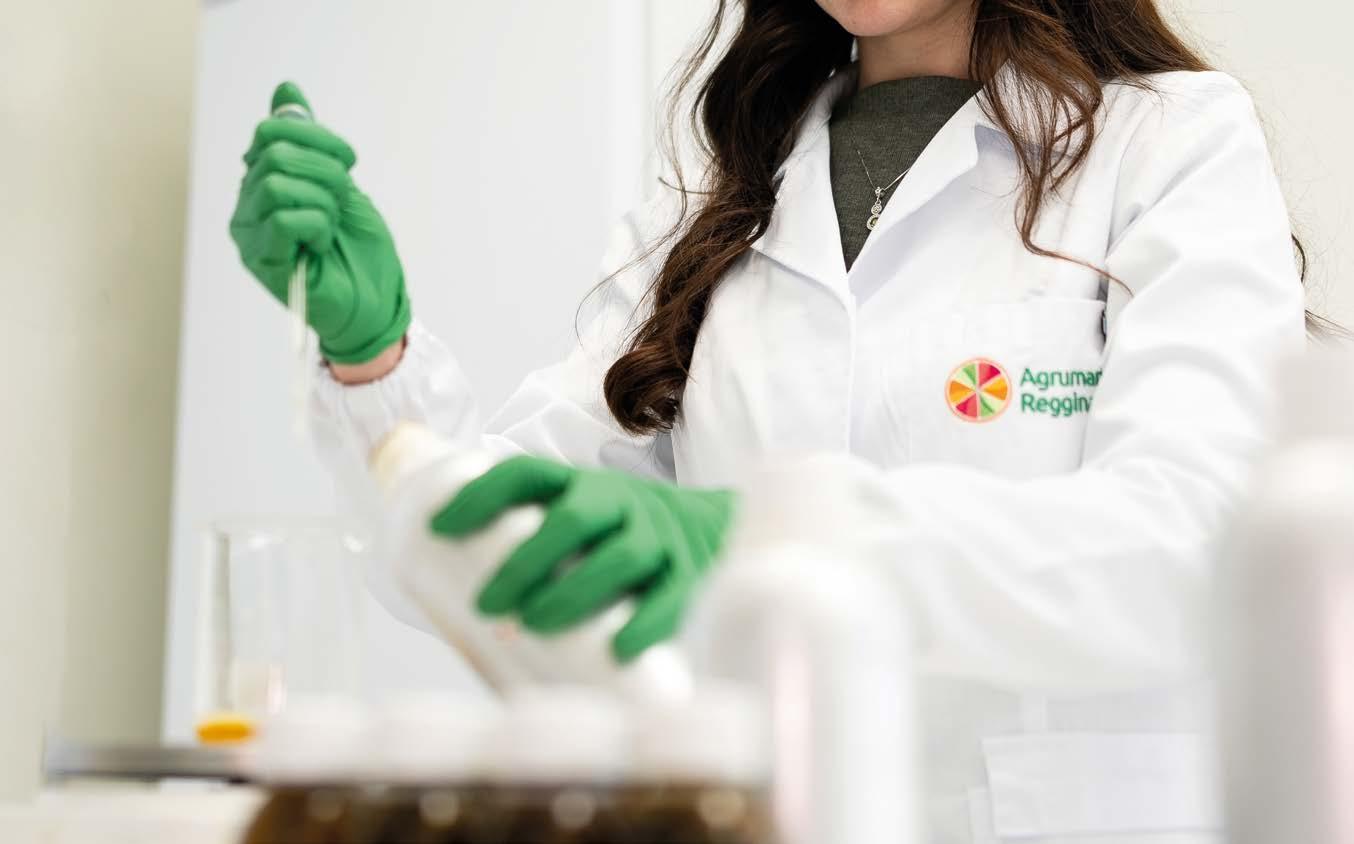
The evaluation covered all operational scopes (Scope 1, 2, and 3) offering a comprehensive view of our climate impact across the entire value chain. Total emissions amounted to 82,653.5 tCO₂e, with Scope 3 representing the vast majority (96%). This includes upstream and downstream emissions such as raw material sourcing, logistics, waste, and business travel.
The largest emissions source was the procurement of goods and services — particularly food ingredients — accounting for over half of our total footprint. Citrus fruits, juice concentrates, and transport also contributed significantly. In contrast, Scope 1 and 2 emissions, linked to direct fuel use and electricity, accounted for just 2% combined.
The emissions inventory relied primarily on activity-based data (95%), offering greater precision than expense-based estimates. By applying conversion factors from trusted international databases, the data remains robust, reliable, and measurable.
But measurement is only the beginning. Through workshops and internal assessments, we mapped key hotspots and started outlining targeted actions to reduce them, setting long-term climate goals and exploring innovation opportunities across our operations and supply chain, as we continue to play an active role in the global transition toward a low-carbon, regenerative economy.

Absolute emissions (tCO₂e)
*Market based scope 2 emissions are at 0 due to the purchase of GOs for 100% of our energy consumption. Energy
Location-based 2024 Δ
2023
GHG Intensity (tCO2e/€ (M)) 885 811 -74
GHG Intensity (tCO2e/employee) 623 636 13
2023
Market-based 2024 Δ
GHG Intensity (tCO2e/€ (M)) 882 794 -88
GHG Intensity (tCO2e/employee) 620 623 3
In 2024, Agrumaria Reggina underwent a period of significant expansion, evidenced by a revenue increase from approximately €70 million to €102 million, about +31%. This growth naturally led to an increase in operational activities: procurement rose by 50%, production volumes by 3%, and electricity consumption by 9%. Consequently, as expected, absolute CO2e emissions increased compared to 2023.
As evidence to our ongoing commitment to sustainability, this business growth was accompanied by a significant advancement in our sustainability performance. Our carbon intensity — a key indicator measuring emissions per unit of revenue — decreased from 885 to 811 tons of CO2e per million euros. This result demonstrates that, despite the growth in volume, our ability to generate value more sustainably has improved, optimizing our environmental impact for every euro of revenue earned.
Pollution of
Air
Quantitative determination of the concentrations of conveyed emissions into the atmosphere in the workplace environment.
* Table 1, point 3 of Final Authorization No. 84388 dated 17/03/2014 and supplement No. 180941 dated 12/06/2014 Permitted limit values according to Legislative Decree 152/06 – Part III (Art. 1.3) of the annexes to Part V.
Water analysis of outflowing wastewater into surface water. End date of analysis: 2024.10.08
APAT CNR IRSA 29-03-2060
APAT CNR IRSA 29-2003 Color Not perceptible dilution 1:20 Not perceptible
APAT CNR IRSA 29-03- 5130 mg/l
APAT CNR IRSA 29-2003 mg/l
APAT CNR IRSA 29-03 2090 mg/l
APAT CNR IRSA 29-2003
APAT CNR IRSA 29-2003
APAT CNR IRSA 29-2003 %
APAT CNR IRSA 29-2003 mg/l
derived from the wastewater treatment process of the agri-food industry. End of analysis date: 2024.01.29
Location country, site name
Italia Reggio Calabria HQ
Italia
Reggio Calabria Regus
Nature-oriented area on-site hectares
Nature-oriented area off-site hectares
Marine Protected Area: Fondali da Punta Pezzo a Capo dell’Armi
Italia Lomazzo (lab)
Italia Lomazzo USA Atlanta
Egypt 6th October City
GermanyFrankfurt
Algerie Algiers
UAE Dubai India Noida, Uttar Pradesh
Marine Protected Area: Fondali da Punta Pezzo a Capo dell’Armi n/a n/a n/a
Grüngürtel und Grünzüge in der Stadt Frankfurt am Main n/a n/a n/a n/a

Turning waste into worth
We have learned that what’s left over is often still full of potential. That’s why we try to give new purpose to everything, closing the loop by recovering, reusing, and returning to the land what can continue to generate value.
Water treatment & circular use
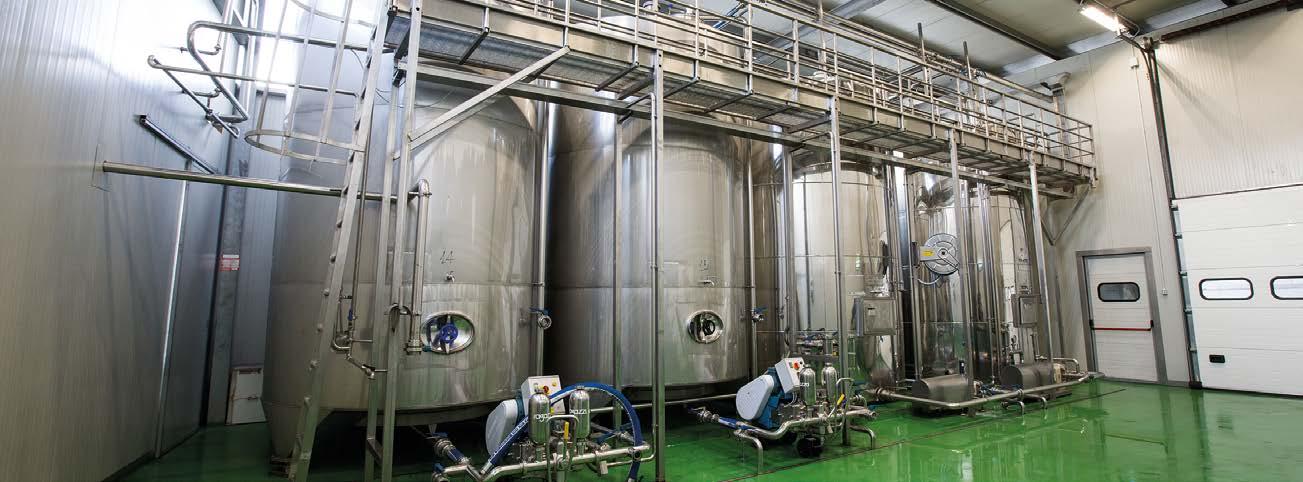
Water is essential to what we do, and we treat it with care. Once used, it’s purified on-site, making it safe for reuse or return to nature. We also recover evaporated water for cleaning. Even what’s left becomes a resource: by-products from treatment are used as natural fertilizer in local citrus groves, helping close the loop with purpose and respect.
Biogas production from by-products
Even after processing, our materials are far from finished. The fiber and pulp are pressed, baled, and sent off-site, where they become a valuable resource for anaerobic digestion. This process enables the production of biogas: a clean, renewable form of energy that gives new life to what would otherwise be discarded.
As part of our commitment as a Benefit Corporation, we strive to reduce our environmental footprint and contribute to a more sustainable future.
Our Affiliations 100% 100% Target Action (KPI)

N° of Product Carbon Footprint (PCF) analyses completed.
Percentage of renewable/low carbon electrical energy consumption across Agrumaria Reggina (self-produced and purchased energy).
Actions implemented from the decarbonization plan for the reference year.
Agrumaria Reggina has been selected as an official partner for UNESCO’s World Engineering Day for Sustainable Development 2025, an international initiative that celebrates the critical role of engineering in achieving the UN Sustainable Development Goals.
As part of this partnership, we presented a short film that illustrates our circular economy model, showcasing how we integrate innovation with environmental responsibility in citrus processing
The theme for 2025, “Shaping Our Sustainable Future Through Engineering” aligns closely with our values and highlights the technical solutions needed to build a more regenerative future.

We plan to organize workshops and meetings to effectively implement the actions outlined in our decarbonization plan. Our initial focus will be on identifying the key areas to prioritize and studying the necessary steps to establish a solid foundation for our future decarbonization efforts. These include optimizing logistics routes and cargo loads, encouraging partners to adopt alternative fuels like HVO, replacing certain sweeteners with fruit concentrates.
Ahead, we are finalizing our full decarbonisation strategy with the goal of aligning with Science-Based Targets (SBTi) by 2027, translating ambition into concrete, validated climate action.
We have scheduled the assessment of the environmental impact of at least 11 products using carbon footprint methodology in accordance with ISO 14067 and the TFS Guideline v2

We will build and maintain interdependent relationships with our supply chain partners, prioritizing environmental protection, ingredient enhancement, respect for human rights, and ensuring products that are ethical, traceable, and of the highest quality.
We believe that sustainability is only meaningful when it’s shared. That’s why we cultivate transparent, ethical, and collaborative relationships with everyone along our supply chain, from growers to customers.
3.3.1 Policy
Agrumaria Reggina’s Code of Ethics enshrines a firm commitment to integrity, transparency and respect for human rights throughout our entire value chain. We expect our suppliers and clients to mirror these principles - ensuring fair wages, safe working conditions, environmental stewardship and ethical conduct - and subject them to periodic audits and compliance checks, with clear sanctions (up to contract termination) for any breaches.
3.3.2
We continued to reinforce the integrity of our supply chain, deepening our partnerships and laying the groundwork for more responsible and resilient collaboration
Code of Ethics shared
We formalized our expectations around integrity, environmental protection, and human rights by distributing our Code of Ethics to our key suppliers.
Strategic expansion into Egypt
We expanded operations into Egypt to strengthen supply chain capacity, tap into local resources, and promote shared growth through training and technology transfer.
3.3.3
Manufacturing mass-flows
Citrus transformation Tons
Italy
155,000 Egypt
57,000

In 2024, we proudly underwent the SMETA 4-Pillar Audit, one of the most comprehensive assessments of corporate responsibility promoted by Sedex. This audit evaluated our performance across four key areas:
The audit reinforced our commitment to upholding key principles such as freedom of association and the prevention of forced or child labour. It also offered valuable insights to further strengthen our internal policies and practices aimed at protecting workers’ rights.
Our facilities and operational procedures were reviewed to ensure a safe working environment, proactive risk prevention, and continuous staff training.
The audit acknowledged our efforts to minimize environmental impact through responsible water use, treatment processes, and waste management systems.
Our Codes of Conduct, supplier and client transparency, whistleblowing system, and anti-corruption practices were thoroughly evaluated. This led to an update of our Code of Ethics, which now explicitly references the UN Universal Declaration of Human Rights and the Ethical Trading Initiative (ETI) Base Code.

Since 1985, Agrumaria Reggina has worked with citrus fruits (excluding semifinished products) from Sicily and Calabria. With our “Local Citrus Supply Chain” project, we aim to strengthen relationships with local growers, reduce the environmental impact of transport, and support the rural economy of southern Italy.
Through an integrated approach that not only delivers authentic flavor and high nutritional quality, but also nurtures biodiversity, empowers agricultural communities, and strengthens the resilience of local ecosystems.
Long-term partnerships with farmers subjected to post-harvest fumigation 3.3.5
40.71% of citrus sourced from organic agriculture 66.92% of supply certified under GlobalG.A.P., with a goal to exceed 70% by 2025
citrus fruits subjected to post-harvest fumigation
Advance payment terms for small-scale growers average duration: 60 months
By 2025, we aim to strengthen the integrity, responsibility, and shared values within our supply chain through the following measurable goals:
Target Action (KPI)
1
Plan and execution of supplier audit.
Yes
Development of a Sustainable Procurement Policy.
20% Yes Yes
Development of a supplier Code of Conduct.
Development of a supplier Sustainability Evaluation System.
(Cost based) of suppliers who signed the Code of Conduct.
Develop and adopt a Sustainable Procurement Policy
We plan to implement a procurement policy aligned with ISO 20400 standards, embedding sustainability criteria into purchasing decisions and supplier relationships.
Develop and introduce a supplier evaluation system
A structured system will be developed to assess suppliers based on environmental, social, and ethical performance, strengthening transparency and driving continuous improvement.
Our Affiliations

Development of collaborations with farmers that certify their sustainability in terms of workers’ health, safety and welfare.

SGF certification includes social and economic sustainability standards.
Sedex
We are SEDEX Member committed to sourcing responsibly and having an ethical and sustainable supply chain.

We aim to contribute to the sustainable development and well-being of the local communities where we operate by valuing local resources, respecting the surrounding environment, and supporting civic and socially beneficial initiatives.
Our commitment to community is a natural extension of who we are. We believe our responsibility goes beyond business: it’s about strengthening the places we belong to. That’s why we fostered meaningful partnerships and local engagement with a focus on solidarity, education and inclusion. We believe in building impact through proximity by listening, participating, and creating value alongside the people and places we engage with, both locally and globally.

In partnership with Banco Alimentare della Calabria, we supported the recovery and redistribution of food surplus. Thanks to our contribution, thousands of meals were delivered to people in need through a network of local organizations. This initiative reinforces our belief in circular solidarity: transforming excess into nourishment, and waste into support. Because no resource should be wasted, and no one should be left behind.
We proudly support Attendiamoci, a local nonprofit promoting personal growth and inclusion among young people. Our funding contributed to the development of educational and community projects at “Parco Margariti” in Bruzzano Marina (RC), creating an inclusive space for children and families to learn, grow, and connect in a safe environment. These moments of shared learning represent how we build future opportunities, rooted in local pride and collective care.
In collaboration with WaterAid, a global NGO working across 22 countries, we helped provide 500 basic handwashing facilities for families in Mozambique. This effort improves hygiene and public health outcomes in one of the regions most affected by water-borne diseases, demonstrating our commitment to global solidarity. It’s behind every small intervention that lies the hope for a healthier, more equitable world.
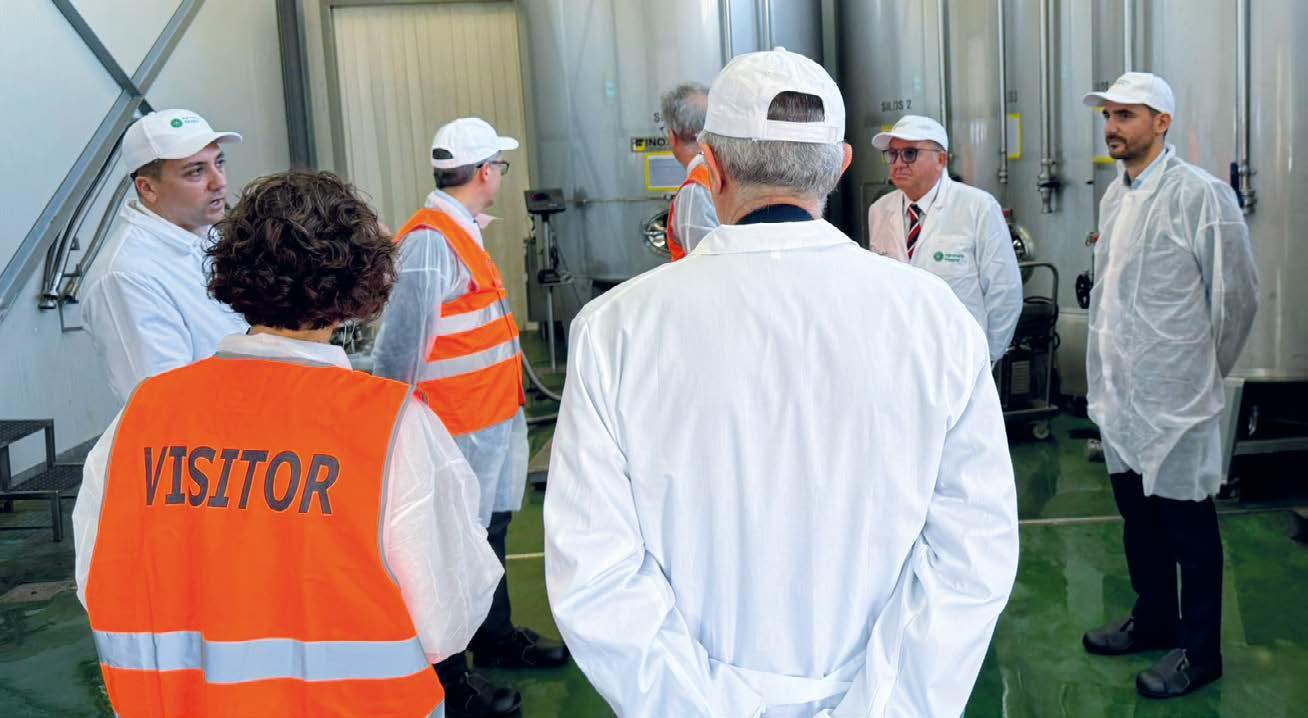
In 2024, we welcomed the Prefect of Reggio Calabria to our headquarters. This visit was a significant moment of recognition and dialogue, reinforcing our ties with regional institutions and underscoring Agrumaria Reggina’s role as a committed and responsible presence in the territory. Relationships like these anchor us more deeply into our community and give strength to our values, allowing them to flourish not just within our walls, but in the partnerships and shared purpose we cultivate beyond them.
We are committed to the communities where we operate. Protecting local resources and supporting collective wellbeing are central to our long-term sustainability goals. By 2025, our objectives for community impact include.
2 INITIATIVES
Sustain financial investments in philanthropic activities from 2024 baseline
Sponsor positive impact initiatives or events (e.g., local community projects, sustainability awareness campaigns, or industry collaborations) aligned with our sustainability pillars
Our Affiliations


2024 was a year of consolidation and structuring for Agrumaria Reggina. With the transition to Benefit Corporation status (then formalized at the beginning of 2025) and the launch of our first department dedicated to sustainability, we formalized an already ongoing path by setting clear and measurable objectives.
Thanks to the double materiality assessment, we identified the most relevant issues for the company and our stakeholders, integrating them into strategic planning. For instance, we completed the measurement of Scope 1, 2, and 3 emissions and developed a decarbonization plan; we strengthened our employee well-being policies and launched concrete environmental and social initiatives. The expansion into Egypt improved our supply chain oversight, making procurement more traceable.
We also made significant progress in our B Corp certification journey. After completing our first full assessment using the B Impact Assessment tool, we identified key areas for improvement and began aligning internal processes with B Lab requirements. In light of the recent updates to the B Corp standards and the opening of our new plant in Egypt, our goal is now to achieve certification by 2027, ensuring full integration with the revised criteria.
We also defined 2025 targets across all impact areas: People, Community, Value Chain, and Environment. These targets, outlined in their respective sections of the report, will guide our work in the coming months and will be monitored and updated in the 2025 Impact Report.
As our CEO stated, “Sustainable regeneration is not a final destination, it’s a direction. A daily choice we are determined to follow with ambition, integrity, and accountability”. It is with this pragmatic and impact-driven approach that we will face the challenges ahead.
The report we present is an integral part of our annual reporting and serves as an operational tool to measure progress and identify areas for improvement. We will continue to strengthen processes, tools, and skills with the goal of making sustainability a concrete lever for growth, competitiveness, and resilience.


Agrumaria Reggina has already implemented various policies and practices that address multiple sustainability issues, with others — such as biodiversity — planned on our future initiatives roadmap. The detailed list follows:
Table 1. Policy and Target mapping
Sustainability issues Climate Change Water and Marine Resources Biodiversity and Ecosystems Circular Economy
Practices/ Policies/ Future initiatives in place?
Publicly available?
Targets in place?
Owner Sustainability; CEO oversight Head of Purchase Operations Director
Policy descriptionPage n°
TargetsPage n°
53; 55 (targets table)
The indicators listed in the table below refer to the EFRAG’s Voluntary Sustainability Reporting Standard for SMEs (VSME), a framework we have aligned with to proactively respond to the increasing regulatory requirements on sustainability set by the European Union. For each indicator, the corresponding page of this report where the relevant information can be found is provided.
Indicator
24-27, 39, 42, 47-48, 53, 58, 59-60, 64-65
38, 46, 57
33, 34, 44, 55, 62
43, 54, 61, 66
24-27, 39, 42, 47-48, 53, 58, 59-60, 64-65
B5
B5
B6
B6
B7
B7
B7
B7
B8
B8
B8
B8
B9
B9
Indicator
C3
C3
C3
C3
C3
C3
C3
C4
C4
C4
C4
C4
C5
C5
C6
C6
C6
C7
C7
C7
C8
C8
C8
C8
C8
C9

Discover more on agrumariareggina.it