FROM CRISIS TO ACTION
FROM CRISIS TO ACTION
Message from board chairperson,
Message from board chairperson, Mavuso Msimang
Mavuso Msimang
“Another world is not only possible, she is on her way. On a quiet day, I can hear her breathing.” –
“Another world is not only possible, she is on her way. On a quiet day, I can hear her breathing.” –
The past year, 2020, will go down in histor y as one of monumental shifts and changes in how we live our lives . It was a time when the world collapsed in on itself, as countries turned inwards in panic : imposed lockdowns, isolated their populations, banned travel and public gatherings, restricted movement of citizens, and economies ground to a halt.
The past year, 2020, will go down in histor y as one of monumental shifts and changes in how we live our lives . It was a time when the world collapsed in on itself, as countries turned inwards in panic : imposed lockdowns, isolated their populations, banned travel and public gatherings, restricted movement of citizens, and economies ground to a halt.
Healthcare systems in even the most well-resourced and robust societies of the world threatened to come apar t at the seams, and images of over whelmed and traumatised healthcare workers were streamed to audiences daily, from ever y corner of the globe , as death tolls soared, and people across cultures, nationalities, age groups and vulnerabilities succumbed.
South Africa had recorded 1 512 225 million cases of Covid-19, and 49 941 deaths1, as at 28 Februar y 202 1.
South Africa had recorded 1 512 225 million cases of Covid-19, and 49 941 deaths1, as at 28 Februar y 202 1.
Words like unprecedented, exhausting, relentless, chaotic and deadly have filled our consciousnes s, and perhaps none h ave taken root more strongly than the word pandemic itself, the definition of which is an occurrence of a disease that a ects many people across a whole countr y or the whole world2.
Healthcare systems in even the most well-resourced and robust societies of the world threatened to come apar t at the seams, and images of over whelmed and traumatised healthcare workers were streamed to audiences daily, from ever y corner of the globe , as death tolls soared, and people across cultures, nationalities, age groups and vulnerabilities succumbed.
The cause of this upheaval? A tiny, microscopic, unpredictable , airborne virus which has, over a period of 12 months, brought the entire world virtually to its knees and stopped us all in our tracks . SARS-CoV-2 , the new coronavirus behind the disease Covid-19, has, to date infected over 113 million people around the world, and killed over 2 .5 million.
Words like unprecedented, exhausting, relentless, chaotic and deadly have filled our consciousnes s, and perhaps none h ave taken root more strongly than the word pandemic itself, the definition of which is an occurrence of a disease that a ects many people across a whole countr y or the whole world2.
Originating from the Greek words “pan” meaning all, and “demos” meaning the people or population, a pandemic therefore a ects (nearly) all of the people
The cause of this upheaval? A tiny, microscopic, unpredictable , airborne virus which has, over a period of 12 months, brought the entire world virtually to its knees and stopped us all in our tracks . SARS-CoV-2 , the new coronavirus behind the disease Covid-19, has, to date infected over 113 million people around the world, and killed over 2 .5 million.
Originating from the Greek words “pan” meaning all, and “demos” meaning the people or population, a pandemic therefore a ects (nearly) all of the people
Which brings us to the other pandemic, of which we have heard and seen far too much during a year deluged by unimaginable acts of greed, self-enrichment , and sheer lack of humanity. This is the pandemic of corruption.
Which brings us to the other pandemic, of which we have heard and seen far too much during a year deluged by unimaginable acts of greed, self-enrichment , and sheer lack of humanity. This is the pandemic of corruption.
I would like to quote two world leaders who have dominated our screens and airwave this past year on this vex ing subject.
I would like to quote two world leaders who have dominated our screens and airwaves over this past year on this vex ing subject.
The first, World Health Organisation director- general Tedros Adhanom Ghebr has been famously quoted at a media brie in Gene va in late August 2020:
The first, World Health Organisation director- general Tedros Adhanom Ghebreyesus, has been famously quoted at a media brie fing in Gene va in late August 2020:
“Any type of corruption is unacceptable, However, corruption related to personal protective equipment (PPE), for me it’s actually murder. If health workers work without PPE, we’re risking their lives and the lives of the people they serve. It is murder and it has to stop3”
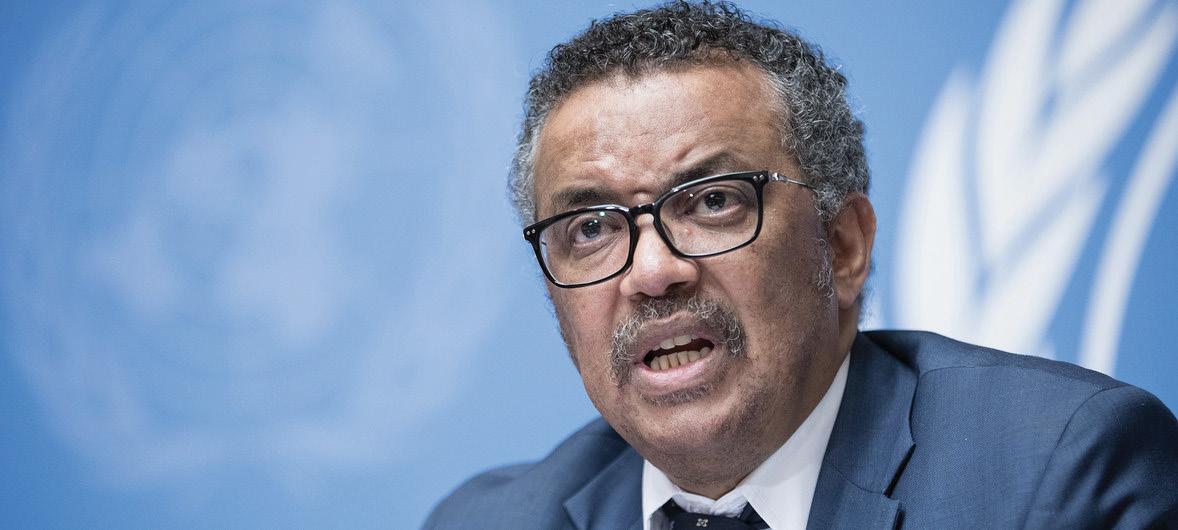
“Any type of corruption is unacceptable, However, corruption related to personal protective equipment (PPE), for me it’s actually murder. If health workers work without PPE, we’re risking their lives and the lives of the people they serve. It is murder and it has to stop3”
–
– Tedros Adhanom Ghebreyesus
Tedros Adhanom Ghebreyesus
This was in response to a question abou t alleged Covid-19 PPE corruption in South Africa involving tender fraud worth billions. These corruption scandals catapulted the countr y into the global spotlight, for all the wrong reasons. Barely a month later, UN Secretar y General António Guterres echoed those words from Tedros in a YouTube video in October 2020, addressing the topic of corruption in the contex t of Covid-19:
This was in response to a question abou t alleged Covid-19 PPE corruption in South Africa involving tender fraud worth billions. These corruption scandals catapulted the countr y into the global spotlight, for all the wrong reasons. Barely a month later, UN Secretar y General António Guterres echoed those words from Tedros in a YouTube video in October 2020, addressing the topic of corruption in the contex t of Covid-19:
“Corruption is criminal, immoral and the ultimate betrayal of public trust . It is even more damaging in times of crisis – as the world is experiencing now with the Covid-19 pandemic 4”
The dangers were still there, and the reality of uneasy bedfellows in a party riven by internal squabbles and di erences in values, filtered outwards. Bu t there were signs that treatment would and could be doled ou t to halt the spread of corruption, if not eliminate it entirely
The dangers were still there, and the reality of uneasy bedfellows in a party riven by internal squabbles and di erences in values, filtered outwards. Bu t there were signs that treatment would and could be doled ou t to halt the spread of corruption, if not eliminate it entirely
“Corruption is criminal, immoral and the ultimate betrayal of public trust . It is even more damaging in times of crisis – as the world is experiencing now with the Covid-19 pandemic 4”
These admonishments could have been tailor-made for us here in South Africa, if one reviews the unspeakable levels of co rruption that have mushroomed at a time of our highest vulnerability.
These admonishments could have been tailor-made for us here in South Africa, if one reviews the unspeakable levels of co rruption that have mushroomed at a time of our highest vulnerability.
In my message last year, I expressed cautious optimism abou t some of the changes that had taken place during the previous year : new leadership in the countr y’s governing party, the African National Congress (ANC), and its return to power in the May 2019 general elections, although with a signi ficantly reduced majorit y. Its mandate was, finally, to tackle head-on the corruption that had plagued the par ty and the countr y for so long.
Following the years of state capture and the brazen collusion between self-se rving business and government players, it seemed as though the countr y was ready for the new broom that would sweep away the toxic culture of corruption. Measures seemed to be in place for those found to be manifestly corrupt , lacking in integrit y or honest y, and unfit to hold o ic e, to finally face the consequences of their actions and be answerable to the people, as previously hollowed ou t criminal justice institutions began to rally once again
The public were on the brink of a giant exhalation, with the promise that heads would roll.
In my message last year, I expressed cautious optimism abou t some of the changes that had taken place during the previous year : new leadership in the countr y’s governing party, the African National Congress (ANC), and its return to power in the May 2019 general elections, although with a signi ficantly reduced majorit y. Its mandate was, finally, to tackle head-on the corruption that had plagued the par ty and the countr y for so long.
Following the years of state capture and the brazen collusion between self-se rving business and government players, it seemed as though the countr y was ready for the new broom that would sweep away the toxic culture of corruption. Measures seemed to be in place for those found to be manifestly corrupt , lacking in integrit y or honest y, and unfit to hold o ic e, to finally face the consequences of their actions and be answerable to the people, as previously hollowed ou t criminal justice institutions began to rally once again The public were on the brink of a giant exhalation, with the promise that heads would roll.
Enter Covid-19
Enter Covid-19
It ripped away the cur tain, exposing the stark reality of South African societ y – gross inequality that determine s who has access to quality healthcare, food, education, employment, bene fits, safety and securi ty, never mind in an emergency situation.
It ripped away the cur tain, exposing the stark reality of South African societ y – gross inequality that determine s who has access to quality healthcare, food, education, employment, bene fits, safety and securi ty, never mind in an emergency situation.
The declaration of a state of disaster, and the accompanying hard lockdown that formed par t of the countr y’s first response to the de vastating virus, even as it was intended to protect and isolate the p opulation from a common enemy, also dealt a de vastating blow to people’s ability to keep body and soul together.
The declaration of a state of disaster, and the accompanying hard lockdown that formed par t of the countr y’s first response to the de vastating virus, even as it was intended to protect and isolate the p opulation from a common enemy, also dealt a de vastating blow to people’s ability to keep body and soul together.
The disaster regulations necessitated a range of economic stimulus packages designed to provide a safety net to the most vulnerable , and to put in place emergenc y procurement measures to ensure that healthcare and essential workers, as well as their patients , would have what they need in a medical emergenc y.
The disaster regulations necessitated a range of economic stimulus packages designed to provide a safety net to the most vulnerable , and to put in place emergenc y procurement measures to ensure that healthcare and essential workers, as well as their patients , would have what they need in a medical emergenc y.
It was inconceivable that anyone with an ounce of humanity would see these desperate measure s as an oppor tunity for looting. And yet they did. Repor ts began to emerge of inflated prices and underhand deals between government o icials and the private se ctor to provide medical equipment, or price gouging in the supply of life -saving PPEs. Shockingl y, food aid parcels intended for the poor were also sold or dive rted While our countr y, our economy and people’s lives were being ravaged by a serious pandemic, these things were happening against a backdrop of power abuse by law enforcement o icials who applied brute force to ordinar y people tr ying to navigate an uncer tain and altered world.
This is precisely what we need more of now, a sustained and unrelenting activism, and a determination not to let up. We need, collectively, to dig deep into the depths of our humanity, to rediscover that energy and zeal that once successfully vanquished the unjust, the immoral, the inhumane and the criminal. If ever there was a time for a reckoning, it is now. We must rank these acts of treason – for that is what th ey are –alongside other atrocities that have long been outlawed on our statute books, and have no place in our democrac y.
This is precisely what we need more of now, a sustained and unrelenting activism, and a determination not to let up. We need, collectively, to dig deep into the depths of our humanity, to rediscover that energy and zeal that once successfully vanquished the unjust, the immoral, the inhumane and the criminal. If ever there was a time for a reckoning, it is now. We must rank these acts of treason – for that is what th ey are –alongside other atrocities that have long been outlawed on our statute books, and have no place in our democrac y.
We can learn from the lessons and the victories of past re volutions, not just our own, but those from around the world, to usher in a new order. But this re volution must be of our own making, defined and re fined by our new circumstances and a world badly in need of a shake-up. We can no longer tolerate what is happ ening before our eyes, in our own countr y.
It was inconceivable that anyone with an ounce of humanity would see these desperate measure s as an oppor tunity for looting. And yet they did. Repor ts began to emerge of inflated prices and underhand deals between government o icials and the private se ctor to provide medical equipment, or price gouging in the supply of life -saving PPEs. Shockingl y, food aid parcels intended for the poor were also sold or dive rted While our countr y, our economy and people’s lives were being ravaged by a serious pandemic, these things were happening against a backdrop of power abuse by law enforcement o icials who applied brute force to ordinar y people tr ying to navigate an uncer tain and altered world.
All across the nation people are wondering how we got to this point, how our society became so morally bankrupt and corrupt , so cruel and avaricious, as to seize upon the moment – this kind of moment! – to profit , steal food out of the mouths of our own people , and risk the lives of those in the frontline. The answer is corruption.
All across the nation people are wondering how we got to this point, how our society became so morally bankrupt and corrupt , so cruel and avaricious, as to seize upon the moment – this kind of moment! – to profit , steal food out of the mouths of our own people , and risk the lives of those in the frontline. The answer is corruption.
This may sound like a hopeless litany of woes, a tunnel from which we are unable to emerge. But that is not the case. We need only scan the pages of this repo rt to see the ex tent to which civil societ y rallied during 2020 We see the many spaces where campaigners for social justice intervened – in matters of food security ; abuse of power by police and law enforcement organs ; access to health services ; defence of basic human rights in extreme times; and better and tighter procurement policies. Members of the public also continued to expose corruption and injustice, while often at the receiving end of those very acts . Actually, these decisions to act in the face of an emergency inspired the theme of this report : From crisis to action
We can learn from the lessons and the victories of past re volutions, not just our own, but those from around the world, to usher in a new order. But this re volution must be of our own making, defined and re fined by our new circumstances and a world badly in need of a shake-up. We can no longer tolerate what is happ ening before our eyes, in our own countr y.
We cannot watch while people facing serious allegations of corruption, not only in relation to cases of Covid-19, but also in matters emerging at the Zondo Commission, refuse to fall on their swords. We have seen a treasonous breach of the Constitution, the very underpinning of our democracy. We have witn essed an astounding defiance of the Constitutional Cour t, the final arbiter on matters legal in the land, and of structures set up to defend its principle s. Can we shift the national conscience and take on those in positions of power who treat us with disdain, and yet continue to hold public o ice, even representing us and our interests in Parliament? I think we must We have done it before and, confronted by a not-dissimilar flagrant disregard and disrespect for the interests of the people, we must do it now.
This may sound like a hopeless litany of woes, a tunnel from which we are unable to emerge. But that is not the case. We need only scan the pages of this repo rt to see the ex tent to which civil societ y rallied during 2020 We see the many spaces where campaigners for social justice intervened – in matters of food security ; abuse of power by police and law enforcement organs ; access to health services ; defence of basic human rights in extreme times; and better and tighter procurement policies. Members of the public also continued to expose corruption and injustice, while often at the receiving end of those very acts . Actually, these decisions to act in the face of an emergency inspired the theme of this report : From crisis to action
We cannot watch while people facing serious allegations of corruption, not only in relation to cases of Covid-19, but also in matters emerging at the Zondo Commission, refuse to fall on their swords. We have seen a treasonous breach of the Constitution, the very underpinning of our democracy. We have witn essed an astounding defiance of the Constitutional Cour t, the final arbiter on matters legal in the land, and of structures set up to defend its principle s. Can we shift the national conscience and take on those in positions of power who treat us with disdain, and yet continue to hold public o ice, even representing us and our interests in Parliament? I think we must We have done it before and, confronted by a not-dissimilar flagrant disregard and disrespect for the interests of the people, we must do it now.
What this past year has shown us is how appallingly the people of this countr y have been treate d, disregarded and disrespected. If Covid-19 caught us unprepared, what initial failures there may have been may, perhaps, be forgiven. With the previous comparable pandemic , the Spanish influenza, having occurred more than a centur y ago, we lacked requisite experience.
What this past year has shown us is how appallingly the people of this countr y have been treate d, disregarded and disrespected. If Covid-19 caught us unprepared, what initial failures there may have been may, perhaps, be forgiven. With the previous comparable pandemic , the Spanish influenza, having occurred more than a centur y ago, we lacked requisite experience.
But what will be insu erable is that the planned vaccination programme that we are told will protect and help us to build herd immunity, should be exposed to any semblance of theft. Society has to be vigilant and, wherever possible , prevent this from happening and act ru thlessly should there be any instance of corruption
But what will be insu erable is that the planned vaccination programme that we are told will protect and help us to build herd immunity, should be exposed to any semblance of theft. Society has to be vigilant and, wherever possible , prevent this from happening and act ru thlessly should there be any instance of corruption
MESSAGE FROM THE EXECUTIVE DIRECTOR
MESSAGE FROM THE EXECUTIVE DIRECTOR
MESSAGE FROM THE EXECUTIVE DIRECTOR
MESSAGE FROM THE EXECUTIVE DIRECTOR
David Lewis
David Lewis
2020! What a year that was, one that only those looking for opportunities for corruption would want to see repeated.
2020! What a year that was, one that only those looking for opportunities for corruption would want to see repeated.
In 2020 South Africa found itself in the eye of a perfect storm, represented by simultaneous crises each of gargantuan dimensions.
In 2020 South Africa found itself in the eye of a perfect storm, represented by simultaneous crises each of gargantuan dimensions.
An economic crisis which underpins growing unemployment, inequality and povert y. A social crisis re flected in ear th-shattering levels of violence against women and children, stubbornly high levels of general crime and a widespread decline in the quality of public goods, notably health and education
An economic crisis which underpins growing unemployment, inequality and povert y. A social crisis re flected in ear th-shattering levels of violence against women and children, stubbornly high levels of general crime and a widespread decline in the quality of public goods, notably health and education
A governance crisis, evidenced by a marked deterioration in the quality of the control and management of public and private se ctor institutions – including political par ties –and which is reflected in ex tremely high levels of corruption, mismanagement and maladministration
On top of these woes, South Africa, like the rest of the world, is grappling with a huge public health crisis in the shape of the Covid-19 pandemic .
On top of these woes, South Africa, like the rest of the world, is grappling with a huge public health crisis in the shape of the Covid-19 pandemic .
We have seen how each of these crises has been massively exacerbated by the pandemic , marking ou t 2020 as the year of Covid. But it ’s striking that as much, if not more, of the public conversation surrounding the pandemic centred not on its public health dimensions, but rather on the rampant corruption that characterised the procurement and distribution of goods and services, including the constrained relie f packages, necessitated by Covid-1 9.
A governance crisis, evidenced by a marked deterioration in the quality of the control and management of public and private se ctor institutions – including political par ties –and which is reflected in ex tremely high levels of corruption, mismanagement and maladministration
We have seen how each of these crises has been massively exacerbated by the pandemic , marking ou t 2020 as the year of Covid. But it ’s striking that as much, if not more, of the public conversation surrounding the pandemic centred not on its public health dimensions, but rather on the rampant corruption that characterised the procurement and distribution of goods and services, including the constrained relie f packages, necessitated by Covid-1 9.
It is as if South Africans, in the outraged response to Covid-related corruption, were saying:
It is as if South Africans, in the outraged response to Covid-related corruption, were saying:
“We have been disciplined in our e orts to safeguard ourselves, our neighbours, our communities and our countr y. In so doing, we have sacrificed to an unimaginable degree. And the thanks that we get is to see our public o icials and our elected representatives and their private sector counterpar ts making o with money meant to buy protection for health care workers and food hampers intende d to stave o starvation for a few weeks.”
“We have been disciplined in our e orts to safeguard ourselves, our neighbours, our communities and our countr y. In so doing, we have sacrificed to an unimaginable degree. And the thanks that we get is to see our public o icials and our elected representatives and their private sector counterpar ts making o with money meant to buy protection for health care workers and food hampers intende d to stave o starvation for a few weeks.”
This established yet again that corruption is front of mind for so many South Africans who view it as an underlying cause of so many of their problems, as the reason why the ir public services are so degraded and why they simply cannot trust the elites who run both the public and private se ctors .
Keeping this in mind, we have set up a dedicated project in an e or t to ensure that the procurement of Covid-19 vaccines is not as easily corrupted as the procurement of protective equipment.
Keeping this in mind, we have set up a dedicated project in an e or t to ensure that the procurement of Covid-19 vaccines is not as easily corrupted as the procurement of protective equipment.
Like so many others we have work ed remotely since early in 2020. As many of our sta members use public transpor t to and from work , working from home has saved us from the worst ravages of the disease – I’m pleased to say that only one member of sta has contracted the virus and he picked that up in hospital!
This established yet again that corruption is front of mind for so many South Africans who view it as an underlying cause of so many of their problems, as the reason why the ir public services are so degraded and why they simply cannot trust the elites who run both the public and private se ctors .
While we in Corruption Watch share the outrage of the public, we do not share their surprise.
While we in Corruption Watch share the outrage of the public, we do not share their surprise.
Think of VBS and its looting of the savings of the poor and the funds of resource -strapped municipalities ; think of the Estina Dair y scandal and the manner in which it destroyed the hopes of emergent farmers; think of the number of families denied housing because they could not or would not bribe the housing o icial for a place in the queue ; think of the sick who have been forced to pay for a hospital bed in our ‘free’ public health service.
Think of VBS and its looting of the savings of the poor and the funds of resource -strapped municipalities ; think of the Estina Dair y scandal and the manner in which it destroyed the hopes of emergent farmers; think of the number of families denied housing because they could not or would not bribe the housing o icial for a place in the queue ; think of the sick who have been forced to pay for a hospital bed in our ‘free’ public health service.
Think of all this and much else besides, and you too will not be surprised that the corrupt will happily
compromise the safety of our health care workers and steal food from hungry households. The truth is that there are few crimes as cruel as corruption and yes, sometimes it does kill.
Like so many others we have work ed remotely since early in 2020. As many of our sta members use public transpor t to and from work , working from home has saved us from the worst ravages of the disease – I’m pleased to say that only one member of sta has contracted the virus and he picked that up in hospital!
Our productivity has remained surprisingly high. We have continued receiving and processing reports of corruption (in fact last year we received the second largest volume of reports since we opened our doors in 2012) and our major campaigns, largely run by our stakeholder and legal and investigation units, have continued withou t material interruption
Our productivity has remained surprisingly high. We have continued receiving and processing reports of corruption (in fact last year we received the second largest volume of reports since we opened our doors in 2012) and our major campaigns, largely run by our stakeholder and legal and investigation units, have continued withou t material interruption
Our sleep-deprived communications unit has maintained, even strengthened, our presence in the media, both on our own media channels and in the mainstream commercial and community media, while our administration team has guarded our resources with their usual zeal and ensured our compliance with the rele vant laws and re gulations.
Think of all this and much else besides, and you too will not be surprised that the corrupt will happily compromise the
safety of our health care workers and steal food from hungry
households.
The truth is that there are few crimes as cruel as corruption and yes, sometimes it does kill.
Our sleep-deprived communications unit has maintained, even strengthened, our presence in the media, both on our own media channels and in the mainstream commercial and community media, while our administration team has guarded our resources with their usual zeal and ensured our compliance with the rele vant laws and re gulations.
There is of course one ex tremely impor tant activi ty that has been drastically cur tailed, namely our face-to-face community engagement. This is a par ticularl y impor tant component of our work with impoverished mining communities and it has also undoubtedly a ected the public launch of our innovative Veza tool, which is the core element in our campaign against police corruption. For tunately both the mining and police campaigns have large re search dimensions which have kept the campaign teams more than busy. Our communications team has managed to mitigate the di iculties in engaging directly with the communities by de voting greater resources to community media.
There is of course one ex tremely impor tant activi ty that has been drastically cur tailed, namely our face-to-face community engagement. This is a par ticularl y impor tant component of our work with impoverished mining communities and it has also undoubtedly a ected the public launch of our innovative Veza tool, which is the core element in our campaign against police corruption. For tunately both the mining and police campaigns have large re search dimensions which have kept the campaign teams more than busy. Our communications team has managed to mitigate the di iculties in engaging directly with the communities by de voting greater resources to community media.
THE LAUNCH OF
OUR
THE LAUNCH OF OUR INNOVATIVE
VEZA TOOL, WHICH IS THE CORE ELEMENT IN OUR CAMPAIGN AGAINST POLICE CORRUPTION.
INNOVATIVE VEZA
The communications team has also run a high-quality daily news se rvice from the Zondo commission.
TOOL, WHICH IS THE CORE ELEMENT IN OUR CAMPAIGN AGAINST POLICE CORRUPTION.
The communications team has also run a high-quality daily news se rvice from the Zondo commission.
Our police campaign merits par ticular attention, not only because it tackles a par ticularl y impor tant and complex sector, but also because of its highly innovative use of technology in the fight against corruption. Go onto our website and open the Veza tool and you will agree that this is a world- class innovation whose easy accessibility, even to the most marginalised communities, belies the quality of the thinking and technology that has produced the tool .
Our police campaign merits par ticular attention, not only because it tackles a par ticularl y impor tant and complex sector, but also because of its highly innovative use of technology in the fight against corruption. Go onto our website and open the Veza tool and you will agree that this is a world- class innovation whose easy accessibility, even to the most marginalised communities, belies the quality of the thinking and technology that has produced the tool .
THE ONLINE TOOL
THE ONLINE TOOL
During 2020 government also made some progress in the fight against corruption. The National Anti-Corruption Strategy, which was produced by a joint civil society/government task team, has been completed, approved by Cabinet, and will be launched in 2021. The president has signed into force the Act regulating par ty political funding. Some high-profile arrests ha ve been e ected by law enforcement authorities. The National Anti-Corruption Health Forum has been firmly established under the leadership of the increasingly active Special Investigating Unit , and it is another role model for e ective government/civil societ y co-operation.
During 2020 government also made some progress in the fight against corruption. The National Anti-Corruption Strategy, which was produced by a joint civil society/government task team, has been completed, approved by Cabinet, and will be launched in 2021. The president has signed into force the Act regulating par ty political funding. Some high-profile arrests ha ve been e ected by law enforcement authorities. The National Anti-Corruption Health Forum has been firmly established under the leadership of the increasingly active Special Investigating Unit , and it is another role model for e ective government/civil societ y co-operation.
None of this should disguise the fact that we, as South Africans, have mountains to climb. If anything, the range of near-intractable crises listed above deepened over the course of 2020, leaving us with the daunting prospect of a 2021 that will undoubtedly prove at least as di icult as its predecessor. Bu t looking at 2020, we can take comfor t from the prospect that while the coming year will present fur ther challenges, it will also, if our experience is anything to go by, produce new solu tions.
None of this should disguise the fact that we, as South Africans, have mountains to climb. If anything, the range of near-intractable crises listed above deepened over the course of 2020, leaving us with the daunting prospect of a 2021 that will undoubtedly prove at least as di icult as its predecessor. Bu t looking at 2020, we can take comfor t from the prospect that while the coming year will present fur ther challenges, it will also, if our experience is anything to go by, produce new solu tions.
I want to thank our b oard for their wise guidance, our sta for their unswer ving commitment, and our funders for standing by us in an environment where the demand for their limited means expands on a daily basis.
I want to thank our b oard for their wise guidance, our sta for their unswer ving commitment, and our funders for standing by us in an environment where the demand for their limited means expands on a daily basis.
INTRODUCTION
INTRODUCTION
The last time you were on this page, you read of the enthusiasm with which we planned to continue pursuing the fight against corruption, the fight for a transparent government that encourages clean ser vice deliver y to its people. You read of the great litigation victories of the year before, and the daunting but fun campaign work we looked forward to in 2020. We also paid a fitting tribute to our long-standing currency, the whistle-blowers who trust us with corruption reports, of which you will read more in the pages ahead.
The last time you were on this page, you read of the enthusiasm with which we planned to continue pursuing the fight against corruption, the fight for a transparent government that encourages clean ser vice deliver y to its people. You read of the great litigation victories of the year before, and the daunting but fun campaign work we looked forward to in 2020. We also paid a fitting tribute to our long-standing currency, the whistle-blowers who trust us with corruption reports, of which you will read more in the pages ahead.
None of us, however, expected that 2020 would turn out to be an experiment to test our wills, our state of consciousness and activism, and even our faith. It brings to mind a funny quote found on social media that goes : “ the dumbest thing I ever did was to buy a 2020 planner.” All the plans as we knew them had to go out the window to make way for revise d strategies and tactics . Almost a year after we closed our o ices and set ou t to work remotely, we can safely say our theme for this year rings true: From Crisis to Action.
None of us, however, expected that 2020 would turn out to be an experiment to test our wills, our state of consciousness and activism, and even our faith. It brings to mind a funny quote found on social media that goes : “ the dumbest thing I ever did was to buy a 2020 planner.” All the plans as we knew them had to go out the window to make way for revise d strategies and tactics . Almost a year after we closed our o ices and set ou t to work remotely, we can safely say our theme for this year rings true: From Crisis to Action.
We had to adapt , and do so quickly enough so as to not lose our focus or momentum. Needless to say, we are still a while away from restoring as much of the old normal as we comfortably can, but we can confidently say that under the challenging circumstances of 2020, we scored some victories in the work we set ou t to do. The theme speaks to that emboldened courage that surpassed ongoing challenges , to bring us into a 2021 filled with e ven more confidence that we can make a di erence.
We had to adapt , and do so quickly enough so as to not lose our focus or momentum. Needless to say, we are still a while away from restoring as much of the old normal as we comfortably can, but we can confidently say that under the challenging circumstances of 2020, we scored some victories in the work we set ou t to do. The theme speaks to that emboldened courage that surpassed ongoing challenges , to bring us into a 2021 filled with e ven more confidence that we can make a di erence.
We had some idea that South Africa’s health sector was not crisis-ready, but we did not realise the great extent to which systemic weaknesses pulled it down.
We had some idea that South Africa’s health sector was not crisis-ready, but did not realise the great extent to which systemic weaknesses pulled it down.
Looking back , two impor tant lessons came ou t of 2020 from government’s mitigation of the e ects of Covid-19. We had some idea that South Africa’s health sector was not crisis-ready, but we did not realise the great extent to which systemic weaknesses pulled it do wn. It came as little surprise , therefore, that when it had to make the tough choices between prioritising the bolstering of the sector in order to save lives , and protecting the economy, government chose the former
Looking back , two impor tant lessons came ou t of 2020 from government’s mitigation of the e ects of Covid-19. We had some idea that South Africa’s health sector was not crisis-ready, but we did not realise the great extent to which systemic weaknesses pulled it do wn. It came as little surprise , therefore, that when it had to make the tough choices between prioritising the bolstering of the sector in order to save lives , and protecting the economy, government chose the former
The second, more worrying lesson, was that in spite of the unique situation we found ourselves in, the ugly tru th of corruption by oppor tunistic politicians and those connected to them, was a reality. They only had to exploit already weak controls in procurement systems across all three spheres of government , and it did not help that Cabinet had resolved to relax some protocols because of the urgent circumstances. Our equally weakened law enforcement structures have also struggled to bring all to book who stole from the Covid-19 purse, but we keep the cases on our radar nevertheless
Equally, as a member of the health sector anti-corruption forum, we have intensified our e orts in cleaning up our healthcare procurement systems. Again, there is more on this par t of our work later in the report, and it shows that our countr y needs to use the oppor tunities that 2020 provided to move beyond diagnosing corruption in the sector, to fixing the culture that enables it.
The second, more worrying lesson, was that in spite of the unique situation we found ourselves in, the ugly tru th of corruption by oppor tunistic politicians and those connected to them, was a reality. They only had to exploit already weak controls in procurement systems across all three spheres of government , and it did not help that Cabinet had resolved to relax some protocols because of the urgent circumstances. Our equally weakened law enforcement structures have also struggled to bring all to book who stole from the Covid-19 purse, but we keep the cases on our radar nevertheless
Besides the health sector, our police too were not fully prepared for the challenges of enforc ing a hard lockdown, for reasons var ying from poor management and planning to lack of political will in equipping our police ser vice with the right tools and infrastructure. Cases of brutalit y and abuse of power made dishear tening headlines regularly
Besides the health sector, our police too were not fully prepared for the challenges of enforc ing a hard lockdown, for reasons var ying from poor management and planning to lack of political will in equipping our police ser vice with the right tools and infrastructure. Cases of brutalit y and abuse of power made dishear tening headlines regularly
Interestingly, it was in these two areas that we sought to make a particular di erence as Corruption Watch, so the flaws in them manifested in a way that only ser ved to ampli fy our message more profoundly: Sou th Africa needs to clean up its health sector for the sake of the millions of lives that depend on it . Also, if confidence and credibilit y of the police is to be restored, it should be with tools in the hands of ordinar y citizens to hold the police accountable.
Equally, as a member of the health sector anti-corruption forum, we have intensified our e orts in cleaning up our healthcare procurement systems. Again, there is more on this par t of our work later in the report, and it shows that our countr y needs to use the oppor tunities that 2020 provided to move beyond diagnosing corruption in the sector, to fixing the culture that enables it.
The late former auditor- general Kimi Makwetu was asked in an interview published by the Mail & Guardian newspaper abou t a month before his passing in November 2020, what advice he had for his successor, Tsakani Maluleke , who was soon to take over as South Africa’s first female auditor- general. His answer spoke volumes about the legac y and ethos of the o ice : “[ Terence] Nombembe told me to always ensure my eyes are focused on the independence of the o ice. This is ke y in ever ything we do. Also, the professional competence of the team must never be undermined.”
The late former auditor- general Kimi Makwetu was asked in an interview published by the Mail & Guardian newspaper abou t a month before his passing in November 2020, what advice he had for his successor, Tsakani Maluleke , who was soon to take over as South Africa’s first female auditor- general. His answer spoke volumes about the legac y and ethos of the o ice : “[ Terence] Nombembe told me to always ensure my eyes are focused on the independence of the o ice. This is ke y in ever ything we do. Also, the professional competence of the team must never be undermined.”
It was in the spirit embodied by Makwetu’s message – that of an independent o ice that thrive s on its competence – that we approached Parliament to make input on the appointment of his successor. It was as much a sign of our confidence in Ms Maluleke’s abilit y to carry on where her esteemed predecessor left o , as it was to suppor t and uphold the high standards of the auditor- general ’s o ice in carrying out its work . We called for an open, transparent process that upholds the principle of independence that the auditor- general ’s o ice has displayed.
Interestingly, it was in these two areas that we sought to make a particular di erence as Corruption Watch, so the flaws in them manifested in a way that only ser ved to ampli fy our message more profoundly: Sou th Africa needs to clean up its health sector for the sake of the millions of lives that depend on it . Also, if confidence and credibilit y of the police is to be restored, it should be with tools in the hands of ordinar y citizens to hold the police accountable.
For the latter problem, our response was the development and launch of Veza, the much-anticipated online tool that we first spoke of in last year ’s repor t (more details in our campaigns section). It puts the power of holding our police o icials accountable in the hands of the communities that rely on their ser vice. It has only been in operation for several weeks, but we have no doubt that its purpose will prove relevant for many communities out there, some of whom we have engaged on the topic of police brutality and abuse of power
For the latter problem, our response was the development and launch of Veza, the much-anticipated online tool that we first spoke of in last year ’s repor t (more details in our campaigns section). It puts the power of holding our police o icials accountable in the hands of the communities that rely on their ser vice. It has only been in operation for several weeks, but we have no doubt that its purpose will prove relevant for many communities out there, some of whom we have engaged on the topic of police brutality and abuse of power
It was in the spirit embodied by Makwetu’s message – that of an independent o ice that thrive s on its competence – that we approached Parliament to make input on the appointment of his successor. It was as much a sign of our confidence in Ms Maluleke’s abilit y to carry on where her esteemed predecessor left o , as it was to suppor t and uphold the high standards of the auditor- general ’s o ice in carrying out its work . We called for an open, transparent process that upholds the principle of independence that the auditor- general ’s o ice has displayed.
With all respect to the technology of online platforms such as Microsoft Teams, Zoom and others that enabled us to reach audiences in webinars and other platforms , the Corruption Watch team’s spirit and vigour in keeping the anti-corruption fight going is the inspiration that we keep drawing on, going into the unknown that is 2021.
With all respect to the technology of online platforms such as Microsoft Teams, Zoom and others that enabled us to reach audiences in webinars and other platforms , the Corruption Watch team’s spirit and vigour in keeping the anti-corruption fight going is the inspiration that we keep drawing on, going into the unknown that is 2021.
We learned from the crisis and put lessons to action!
We learned from the crisis and put lessons to action!
2020 IN REVIEW
2020 IN REVIEW WHA T THE NUMBERS SA Y
WHA T THE NUMBERS SA Y
SOUTH AFRICA'S RANK SUGGESTS A FAILURE OF GOVERNMENT EFFORTS TO MAKE REAL INROADS AGAINST THE ROOT CAUSES OF CORRUPTION.
SOUTH AFRICA'S RANK SUGGESTS A FAILURE OF GOVERNMENT EFFORTS TO MAKE REAL INROADS AGAINST THE ROOT CAUSES OF CORRUPTION.
As expected, the 2020 Corruption Perceptions Index (CPI) had a strong Covid-19 focus, and as expected, South Africa showed neither improvement nor decline, scoring just 44
As expected, the 2020 Corruption Perceptions Index (CPI) had a strong Covid-19 focus, and as expected, South Africa showed neither improvement nor decline, scoring just 44
South Africa showed neither improvement nor decline, scoring just 44.
South Africa showed neither improvement nor decline, scoring just 44.
The CPI, respected as a leading global indicator of public sector corruption, scores and rank s 180 countries and territories around the world based on perceptions of corruption. It draws on 13 expert assessments and surveys of businesspeople , and uses a scale of zero to 100, where zero is highly corrupt and 100 is very clean.
The CPI, respected as a leading global indicator of public sector corruption, scores and rank s 180 countries and territories around the world based on perceptions of corruption. It draws on 13 expert assessments and surveys of businesspeople , and uses a scale of zero to 100, where zero is highly corrupt and 100 is very clean.
Released in Januar y 2021, the CPI for the previous year highlighted the impact of corruption on the ability of countries around the world, including South Africa, to manage their health care responses to the Covid-19 pandemic .
It also highlighted South Africa’s pattern of stagnation over the past eight years In the previous CPI the countr y also scored 44. In 2018 and 2017 it scored 43
It also highlighted South Africa’s pattern of stagnation over the past eight years In the previous CPI the countr y also scored 44. In 2018 and 2017 it scored 43
Before that , South Africa managed:
Before that , South Africa managed:
Released in Januar y 2021, the CPI for the previous year highlighted the impact of corruption on the ability of countries around the world, including South Africa, to manage their health care responses to the Covid-19 pandemic .
According to TI, a score below 50 indicates a significant corruption problem.
According to TI, a score below 50 indicates a significant corruption problem.
South Africa’s rank of 69 puts it on a with Bulgaria, Hungar y, Jamaica, Romania and Tunisia. It falls into the group of countries surveyed which have been stuck in place for many years , and one of the 66% of countries whose score remained below 50. This suggests failure of government e or ts to make real inroads against the root causes corruption.
South Africa’s rank of 69 puts it on a par with Bulgaria, Hungar y, Jamaica, Romania and Tunisia. It falls into the group of countries surveyed which have been stuck in place for many years , and is one of the 66% of countries whose score remained below 50. This suggests a failure of government e or ts to make real inroads against the root causes of corruption.
SUB-SAHARAN AFRICA
SUB-SAHARAN AFRICA
sub -Saharan Africa, the region with the lowest average score of 32 ( global erage was 43), the top countries were Seychelles (66), Botswana (60), and Cabo rde (58). At the bottom are Sudan (16) and Somalia and South Sudan (12 each). The latter two sit also at the bottom of global table
In sub -Saharan Africa, the region with the lowest average score of 32 ( global average was 43), the top countries were Seychelles (66), Botswana (60), and Cabo Verde (58). At the bottom are Sudan (16) and Somalia and South Sudan (12 each). The latter two sit also at the bottom of the global table
SUB-SAHARAN AFRICA TABLE
SUB-SAHARAN AFRICA TABLE
COUNTRY RANK
SCORE COUNTRY RANK
SCORE
CORRUPTION WA TCH 2020 DA TA
CORRUPTION WA TCH 2020 DA TA
In 2020, Corruption Watch recorded the second
In 2020, Corruption Watch recorded the
The figure of 4 780 follows 2017’s record number of 5 334 repor ted incidents of corruption and also tops 2016’s total of 4 391 cases.
The figure of 4 780 follows 2017’s record number of 5 334 repor ted incidents of corruption and also tops 2016’s total of 4 391 cases.
From the time of its inception in early 201 2, until the end of December 2020, the organisation has collected just under 33 000 reports of corruption. In our nine years of existence in which we have gathered 32 976 cases of corruption, we handle on a daily basis an average of 11 complaints from all corners of Sou th Africa.
From the time of its inception in early 201 2, until the end of December 2020, the organisation has collected just under 33 000 reports of corruption. In our nine years of existence in which we have gathered 32 976 cases of corruption, we handle on a daily basis an average of 11 complaints from all corners of Sou th Africa.
Members of the public have visited our o ices to repor t corruption, and where this was not possible, a s was the case in most of 2020, whistle -blowers have used our online platforms or called in to tell us about acts of graft in both public and private sectors .
Members of the public have visited our o ices to repor t corruption, and where this was not possible, a s was the case in most of 2020, whistle -blowers have used our online platforms or called in to tell us about acts of graft in both public and private sectors .
CORRUPTION BY PROVINCE
4 780 REPORTS RECEIVED IN 2020
CORRUPTION BY INSTITUTION
CORRUPTION BY INSTITUTION
majorit y of reports – 4 3% –came from Gauteng province.
Significantly, the figure of 1 673 make s it the third time that the province crosses over the 000-repor t mark in a 12-month riod and it is also to date the highest number of corruption complaints recorded in a single province in a year.
The majorit y of reports – 4 3% –came from Gauteng province. Significantly, the figure of 1 673 make s it the third time that the province crosses over the 1 000-repor t mark in a 12-month period and it is also to date the highest number of corruption complaints recorded in a single province in a
Completing the top three provinces terms of number of corruption ports are KwaZulu-Natal (13%) Western Cape (9%). The latter replaces L impopo which held the third spot in 2019
Completing the top three provinces in terms of number of corruption reports are KwaZulu-Natal (13%) and Western Cape (9%). The latter replaces L impopo which held the third spot in 2019
The most frequently repor ted forms of corruption during the year were maladministration (1 7%), procurement corruption (16%) and fraud (15%). These acts of corruption include issues such as compliance issues, procurement irregularities, soliciting of kickback s, and fraudulent activities in various state institu tions, agencies and depar tments, as well as busine sses.
The most frequently repor ted forms of corruption during the year were maladministration (1 7%), procurement corruption (16%) and fraud (15%). These acts of corruption include issues such as compliance issues, procurement irregularities, soliciting of kickback s, and fraudulent activities in various state institu tions, agencies and depar tments, as well as busine sses.
Of these, we note that 11% of reports allege corruption in the South African Police Service, 6% point to corruption in schools, 4% re fer to corruption in the health sector, and 3% point to corruption in the awarding of driver ’s licenses.
TYPES OF CORRUPTION
TYPES OF CORRUPTION

Of these, we note that 11% of reports allege corruption in the South African Police Service, 6% point to corruption in schools, 4% re fer to corruption in the health sector, and 3% point to corruption in the awarding of driver ’s licenses.
Also wor th noting is that reports of police corruption have increased and this is likely owing to the fact that one of the organisation’s flagship projects involves police abuse and impropriety, but we also saw a spike in the volume following the Covid-19 National State of Disaster announcement and subsequent hard lockdown from late March 2020.
Also wor th noting is that reports of police corruption have increased and this is likely owing to the fact that one of the organisation’s flagship projects involves police abuse and impropriety, but we also saw a spike in the volume following the Covid-19 National State of Disaster announcement and subsequent hard lockdown from late March 2020.
The types of corrupt acts highlighted by whistle -blowers in some of the aforementioned focus areas are wide-ranging. In the police, we continue to learn about dereliction of duty, abuse of power, and briber y. These count for 29%, 28% and 27 % of reports, respectively. Meanwhile, in relation to the health sector, Corruption Watch still receives intel on acts of procurement corruption, employment corruption, and fraud, counting for 21%, 15% and 11% respectively.




CORRUPTION
The types of corrupt acts highlighted by whistle -blowers in some of the aforementioned focus areas are wide-ranging. In the police, we continue to learn about dereliction of duty, abuse of power, and briber y. These count for 29%, 28% and 27 % of reports, respectively. Meanwhile, in relation to the health sector, Corruption Watch still receives intel on acts of procurement corruption, employment corruption, and fraud, counting for 21%, 15% and 11% respectively.
OF DUTY EMBEZZLEMENT OF FUNDS


OF DUTY EMBEZZLEMENT OF FUNDS

FOCUS AREA



stly, following the declaration of the national state of disaster, Corruption Watch received 8 reports of corruption pertaining to Covid-19. Most of these activities occurred critical sectors and institutions such as the Department of Labour ’s Temporary Employer-Employee Relief Scheme benefits %), the distribution of food parcels by mainly local municipalities (20%), and the South African Police Ser vice (12 %).
Lastly, following the declaration of the national state of disaster, Corruption Watch received 418 reports of corruption pertaining to Covid-19. Most of these activities occurred in critical sectors and institutions such as the Department of Labour ’s Temporary Employer-Employee Relief Scheme benefits (37%), the distribution of food parcels by mainly local municipalities (20%), and the South African Police Ser vice (12 %).
icials in these sectors and institutions, as ell as others, are alleged to have committed rrupt acts relating to maladministration %), misappropriation of resources (22 %) and procurement corruption (16%).
The provinces from which the bulk of the ported incidents are received are Gauteng 8%), KwaZulu-Natal (12%), and Eastern Cape and Western Cape ( 7% each).
O icials in these sectors and institutions, as well as others, are alleged to have committed corrupt acts relating to maladministration (3 4%), misappropriation of resources (22 %) and procurement corruption (16%). The provinces from which the bulk of the reported incidents are received are Gauteng (48%), KwaZulu-Natal (12%), and Eastern Cape and Western Cape ( 7% each).
CO RRUPTION HOTS POTS
CO RRUPTION HOTS POTS
EMPLOYMENT
Procurement
Procurement
Conflict
Conflict
Bribery ( tenders)
Fronting
Bribery
Fronting
Procurement irregularitie
Procurement
Bribery (for a job)
Claiming
Bribery
Claiming
Placement
Dual
Embezzlement of res ources
Embezzlement of
LOCKDOWN LIFE
lockdown exposed the vast inequalities in South Africa .
South Africa went into a hard lockdown at midnight on 26 March 2020. The national state of disaster, under which the lockdown was imposed, was due to end at midnight on 16 April but was ex tended several times and at the time of writing (Februar y 2021) is still in e ect .
When the novel coronavirus, named Covid-19, began to rage across the world, people were afraid and disbelieving. It was like being in a film. South Africans too were hard-hit by the pandemic , par ticularl y those who were already struggling financially – in other words, the greater par t of our population
The lockdown exposed the vast inequalities in South Africa. Some people complained that they were unable to go to the hairdresser –but others lost their jobs , or had no money to buy food.
Corruption Watch wanted to hear from people tr ying to come to terms with the severe restrictions on movement and the drastic e ect on economic activities.
We set up our Lockdown Life blog, which gathered personal accounts from people living under the initial 21-day lockdown.
Our contributors were located in several provinces and their environments ranged from the inner cit y and suburbs to townships and rural areas. Many of the submissions received were personal accounts of the various ways people adapted to the situation. Some complained abou t load shedding adding to the burden, or boisterous, bored children making their lives a misery ; others warne d of the dangers of drug users spreading the virus ; many spoke of their harrowing experiences during the collection of food parcels.
But even more contained disturbing accounts of corruption, and pleas for us to intervene. We passed the reports that had enough information to work with on to our reports management team. Others were published on the Lockdown L ife blog, where they remain today, although we stopped taking submissions once the hard lockdown was lifted.
“I can be changed by what happens to me. But I refuse to be reduced by it.”
- Maya Angelou
RESEARCH
RESEARCH
WHY IT MATTERS OUR INTERVENTIONS
WHY IT MATTERS OUR INTERVENTIONS
Par t of our work is dedicated to continually ex tending the public knowledge base of how corruption occurs and also seeking adaptive interventions to tackle it. Corruption itself is a moving target , so the more knowledge that is acquired on an ongoing basis, the better. Our research work entails publishing a wide array of repor ts across di erent sectors
Par t of our work is dedicated to continually ex tending the public knowledge base of how corruption occurs and also seeking adaptive interventions to tackle it. Corruption itself is a moving target , so the more knowledge that is acquired on an ongoing basis, the better. Our research work entails publishing a wide array of repor ts across di erent sectors
Over the years, we have learnt that people are willing to get involved, but they cannot fight against that which they don’ t know about. That said, we have seen an increase in corruption complaints each time a repor t is publicised, suppor ting the view that an increased knowledge of corruption can help activate the public to resist and expose it.
Over the years, we have learnt that people are willing to get involved, but they cannot fight against that which they don’ t know about. That said, we have seen an increase in corruption complaints each time a repor t is publicised, suppor ting the view that an increased knowledge of corruption can help activate the public to resist and expose it.
We use the repor ts we get to analyse and determine the t ypes of corruption that are happening, and the areas in which they are happening. The information we gather from these repor ts is thus based directly on people ’s real-life experiences. We use this information to work with government to eliminate loopholes and weaknesses in polic y and legislation.
In the year under review, Corruption Watch in par tnership with the Water Integrit y Network commissioned a research repor t, Money down the Drain: Corruption in South Africa’s water sector. Authored by Mike Muller, the repor t presented a systematic analysis of corruption in the water sector and its impac t.
In the year under review, Corruption Watch in par tnership with the Water Integrit y Network commissioned a research repor t, Money down the Drain: Corruption in South Africa’s water sector. Authored by Mike Muller, the repor t presented a systematic analysis of corruption in the water sector and its impac t.
We shared the corruption trends as reported by our whistle-blowers during the first half of 2020 through our Anal ysis of Corruption Trends repor t , more details of which appear below. Previously, our 2019 annual repor t, The Writing is on the Wall amplified the voice s and the plight of the many who continued to su er at the hands of the corrupt.
We use the repor ts we get to analyse and determine the t ypes of corruption that are happening, and the areas in which they are happening. The information we gather from these repor ts is thus based directly on people ’s real-life experiences. We use this information to work with government to eliminate loopholes and weaknesses in polic y and legislation.
This is in line with our mandate to work towards transparency and accountabilit y within the private sector and state institutions, helping to ensure that corruption is addressed and reduced through the promotion and protection of democrac y, rule of law and good governance.
This is in line with our mandate to work towards transparency and accountabilit y within the private sector and state institutions, helping to ensure that corruption is addressed and reduced through the promotion and protection of democrac y, rule of law and good governance.
We shared the corruption trends as reported by our whistle-blowers during the first half of 2020 through our Anal ysis of Corruption Trends repor t , more details of which appear below. Previously, our 2019 annual repor t, The Writing is on the Wall amplified the voice s and the plight of the many who continued to su er at the hands of the corrupt.
Corruption itself is a moving target, so the more knowledge that is acquired on an ongoing basis, the better .
Corruption itself is a moving target, so the more knowledge that is acquired on an ongoing basis, the better
2020 ANAL YSIS OF CORRUPTION TRENDS
2020 ANAL YSIS OF CORRUPTION TRENDS
In August , Corruption Watch released its third edition of the Anal ysis of Corruption Trends (ACT ) report which looks at the whistle-blower reports that were received in the first half of the year. The repor t revealed that for the first time, Corruption Watch received more repor ts on corruption in policing than in other sectors such as schools, healthcare, and tra ic and licensing.
In August , Corruption Watch released its third edition of the Anal ysis of Corruption Trends (ACT ) report which looks at the whistle-blower reports that were received in the first half of the year. The repor t revealed that for the first time, Corruption Watch received more repor ts on corruption in policing than in other sectors such as schools, healthcare, and tra ic and licensing.
“The repor ts that we receive provide a snapshot of the graft that has manifested in ever y sphere of government , with the complicit y of the private sector, and encompassing multiple sectors in our societ y,” said Corruption Watch’s Melusi Ncala, primar y researcher for this report.
“The repor ts that we receive provide a snapshot of the graft that has manifested in ever y sphere of government , with the complicit y of the private sector, and encompassing multiple sectors in our societ y,” said Corruption Watch’s Melusi Ncala, primar y researcher for this report.
We received almost 2 000 whistle-blower reports of corruption during the first half of the year –a rise of over 400 repor ts compared to the same period in 201 9.
CORRUP TION WATCH, IN COLLABOR ATION WITH LAWYERS FOR HUMAN RIGHTS AND SCAL ABRINI CENTRE OF CAPE TOWN, RELE ASED A REPORT, COSTLY PROTECTION: CORRUPTION IN SOUTH AFRICA’S ASYLUM SY STEM which tracked changes in the asylum system as well as corruption in the refugee reception o ices Our repor t titled X-Ray: The Critical State of the Health Sector in SA exposed the impact of corruption par ticularl y on those who are dependent on the public health care system for their well-being.
We received almost 2 000 whistle-blower reports of corruption during the first half of the year –a rise of over 400 repor ts compared to the same period in 201 9.
The increased number of people reporting corruption to us illustrated that the will of the public to expose the corrupt and seek consequences remained strong even during the difficult early days of pandemic.
The increased number of people reporting corruption to us illustrated that the will of the public to expose the corrupt and seek consequences remained strong even during the difficult early days of pandemic.
Almost 55% of these repor ts came in after the declaration in mid-March of the national state of disaster. Of these repor ts, 13% alleged corruption in the South African Police Ser vice, while municipal o ices, schools , and tra ic and licensing centres each accounted for 5% of the reports, and the health sector came in at 4%.
CORRUP TION WATCH, IN COLLABOR ATION WITH LAWYERS FOR HUMAN RIGHTS AND SCAL ABRINI CENTRE OF CAPE TOWN, RELE ASED A REPORT, COSTLY PROTECTION: CORRUPTION IN SOUTH AFRICA’S ASYLUM SY STEM which tracked changes in the asylum system as well as corruption in the refugee reception o ices Our repor t titled X-Ray: The Critical State of the Health Sector in SA exposed the impact of corruption par ticularl y on those who are dependent on the public health care system for their well-being.
WE LAUNCHED TRANSPARENCY IN CORPORATE REPORTING:SOUTH AFRICA 2020 in par tnership with the National Business Initiative and the ODI, an independent London-based global think-tank . This repor t evaluated the transparency of corporate repor ting by 100 companies operating in South Africa. Lastly, the Our Future is not for Sale repor t focused on the perceptions and attitudes of young people towards corruption, a very impor tant constituenc y that Corruption Watch continues to engage in addressing corruption in Sou th Africa.
WE LAUNCHED TRANSPARENCY IN CORPORATE REPORTING:SOUTH AFRICA 2020 in par tnership with the National Business Initiative and the ODI, an independent London-based global think-tank . This repor t evaluated the transparency of corporate repor ting by 100 companies operating in South Africa. Lastly, the Our Future is not for Sale repor t focused on the perceptions and attitudes of young people towards corruption, a very impor tant constituenc y that Corruption Watch continues to engage in addressing corruption in Sou th Africa.
TRANSPARENCY INTERNATIONAL (TI) EXPORTING CORRUPT ION REPORT, 2020
TRANSPARENCY INTERNATIONAL (TI) EXPORTING CORRUPT ION REPORT, 2020
C W worked with TI in preparing the section on Sou th Africa for the 2020 repor t, E xporting Corruption. This repor t look s at countries’ enforcement of the OECD International Convention on Combating Briber y of Foreign Public O ic ials in International Business Transactions. C W engaged with representatives from the National Prosecuting Authorit y and the Depar tment of Public Ser vice and Administration in collating the data on South Africa’s investigation of foreign briber y o ences
Almost 55% of these repor ts came in after the declaration in mid-March of the national state of disaster. Of these repor ts, 13% alleged corruption in the South African Police Ser vice, while municipal o ices, schools , and tra ic and licensing centres each accounted for 5% of the reports, and the health sector came in at 4%.
Together, these consti tuted around a third of the overall number of repor ts received over the period.
Together, these consti tuted around a third of the overall number of repor ts received over the period.
C W worked with TI in preparing the section on Sou th Africa for the 2020 repor t, E xporting Corruption. This repor t look s at countries’ enforcement of the OECD International Convention on Combating Briber y of Foreign Public O ic ials in International Business Transactions. C W engaged with representatives from the National Prosecuting Authorit y and the Depar tment of Public Ser vice and Administration in collating the data on South Africa’s investigation of foreign briber y o ences
WHISTLE-BLOWER PROTECTION
WHISTLE-BLOWER PROTECTION
C W worked with Cli e Dekker Hofmeyr to produce a manual for employees and employers on their rights and obligations for whistle-blower protection. This manual will form part of the broader whistle-blower project CW has adopted for 2020/2021. C W was invited to various roundtables and seminars dedicated to the issue of whistle-blowing in the period under review.
C W worked with Cli e Dekker Hofmeyr to produce a manual for employees and employers on their rights and obligations for whistle-blower protection. This manual will form part of the broader whistle-blower project CW has adopted for 2020/2021. C W was invited to various roundtables and seminars dedicated to the issue of whistle-blowing in the period under review.
COLLABORA TION DURING 2020
COLLABORA TION DURING 2020
Tackling corruption can be complex for a variet y of reasons; hence adopting a multidisciplinar y approach by means of e ective collaborations and par tnerships with ke y stakeholders can greatly assist in strengthening anti-corruption e or ts.
Tackling corruption can be complex for a variet y of reasons; hence adopting a multidisciplinar y approach by means of e ective collaborations and par tnerships with ke y stakeholders can greatly assist in strengthening anti-corruption e or ts.
Some of the successful collaborations in 2020 include :
Some of the successful collaborations in 2020 include :
Health Sector Anti-Corruption Forum – this is a multi-stakeholder body appointed by President Ramaphosa, comprised of government depar tments, civil societ y, law enforcement agencies and the private se ctor. Its aim is to fight fraud and corruption in the health sector. At the end of the year, the forum had received 20 allegations of corruption and maladministration Out of these cases, 13 were under investigation while three allegations were assessed and close d5.
organisations, mobilised for anti-corruption activities each Friday, using the hashtag #OrangeMaskFriday. The campaign also called on the public to demonstrate the ir outrage against Covid-19 corruption by donning orange masks at strategic public spots throughou t the countr y ever y Friday.
organisations, mobilised for anti-corruption activities each Friday, using the hashtag #OrangeMaskFriday. The campaign also called on the public to demonstrate the ir outrage against Covid-19 corruption by donning orange masks at strategic public spots throughou t the countr y ever y Friday.
Budget Justice Coalition – this is a coalition of civil societ y organisations which aims to build collaborative public par ticipation in the understanding of South Africa’s budget and planning processes. It convenes budget advocac y to ensure that the government advances social, economic and environmental justice that upholds people’s rights, quality of life and digni ty in a developmental, equitable and redistribu tive way.
Health Sector Anti-Corruption Forum – this is a multi-stakeholder body appointed by President Ramaphosa, comprised of government depar tments, civil societ y, law enforcement agencies and the private se ctor. Its aim is to fight fraud and corruption in the health sector. At the end of the year, the forum had received 20 allegations of corruption and maladministration Out of these cases, 13 were under investigation while three allegations were assessed and close d5.
National Anti-Corruption Strategy Reference Group – this group was tasked with de veloping an anti-corruption strategy for South Africa which was later approved by the Cabinet. In his 2021 State of the Nation Address, President Ramaphosa confirmed that the implementation of the strategy was under way as well as the appointment of the National Anti-Corruption Advisory Council.
National Anti-Corruption Strategy Reference Group – this group was tasked with de veloping an anti-corruption strategy for South Africa which was later approved by the Cabinet. In his 2021 State of the Nation Address, President Ramaphosa confirmed that the implementation of the strategy was under way as well as the appointment of the National Anti-Corruption Advisory Council.
Civil Societ y Working Group on State Capture –this is a coalition of civil societ y organisations. It aims to strengthen and challenge the work of the Zondo Commission and also plays an oversight role over the commission in the interest of the public. The working group has made numerous submissions to the commission
Budget Justice Coalition – this is a coalition of civil societ y organisations which aims to build collaborative public par ticipation in the understanding of South Africa’s budget and planning processes. It convenes budget advocac to ensure that the government advances social, economic and environmental justice that upholds people’s rights, quality of life and digni ty in a developmental, equitable and redistribu tive way.
Ex tractives Industry Transparenc y Initiative (EITI) – this is the global standard for the good governance of oil, gas and mineral resource s. Under the EITI standard, natural resources in implementing countries are governed to promote transparency and accountability We teamed up with EI TI to mobilise the South African government to become a member of the EITI standard of transparency in the mining sector.
Ex tractives Industry Transparenc y Initiative (EITI) – this is the global standard for the good governance of oil, gas and mineral resource s. Under the EITI standard, natural resources in implementing countries are governed to promote transparency and accountability We teamed up with EI TI to mobilise the South African government to become a member of the EITI standard of transparency in the mining sector.
We also collaborated with Amabhunghane , Open Ownership, the Department of Public Service and Administration, and the Financial Intelligence Centre to help de velop bene ficial ownership transparency standards through the Open Government Partnership process.
Civil Societ y Working Group on State Capture –this is a coalition of civil societ y organisations. It aims to strengthen and challenge the work of the Zondo Commission and also plays an oversight role over the commission in the interest of the public. The working group has made numerous submissions to the commission
Stop Covid-19 Corruption/Orange Mask Campaign – #OrangeMaskFriday Campaign. This initiative, led by the Ahmed Kathrada Foundation in collaboration with other civil societ y
Stop Covid-19 Corruption/Orange Mask Campaign – #OrangeMaskFriday Campaign. This initiative, led by the Ahmed Kathrada Foundation in collaboration with other civil societ y
We also collaborated with Amabhunghane , Open Ownership, the Department of Public Service and Administration, and the Financial Intelligence Centre to help de velop bene ficial ownership transparency standards through the Open Government Partnership process.
In par tnership with the International Council on Mining and Metals we de veloped a business integrit y tool to assess their policies and procedures against corruption trends, vulnerability and risk s in mineral approvals processes, or engagements with government and third parties.
In par tnership with the International Council on Mining and Metals we de veloped a business integrit y tool to assess their policies and procedures against corruption trends, vulnerabili and risk s in mineral approvals processes, or engagements with government and third parties.
CAMP AIGNS POLICE CORRUPTION
CAMP AIGNS POLICE CORRUPTION
WHY IT MATTERS
WHY IT MATTERS
The South African Police Service (Saps), according to the Global Corruption Barometer (2019) and Corruption Watch’s Youth Perceptions survey (2020), is the most corrupt institution in South Africa. Its apar theid- era culture of impunity, brutality and abuse of power has found its way into democratic South Africa, reducing public confidence in the police se rvice and tarnishing the courageous e or ts of those dedicated police o icers who risk their lives daily to make our countr y a safer place.
The South African Police Service (Saps), according to the Global Corruption Barometer (2019) and Corruption Watch’s Youth Perceptions survey (2020), is the most corrupt institution in South Africa. Its apar theid- era culture of impunity, brutality and abuse of power has found its way into democratic South Africa, reducing public confidence in the police se rvice and tarnishing the courageous e or ts of those dedicated police o icers who risk their lives daily to make our countr y a safer place.
As a countr y, we continue to experience increasing levels of crime and corruption, which is aided and abetted by the very institutions that were set up to mitigate and combat these issues . A corrupt and brutal police service hinders our access to adequate justice , and obstructs our consti tutional right to safety, dignity and in some ex treme cases, the right to life – think of Nathaniel Julies, Collins Khoza and many others!
As a countr y, we continue to experience increasing levels of crime and corruption, which is aided and abetted by the very institutions that were set up to mitigate and combat these issues . A corrupt and brutal police service hinders our access to adequate justice , and obstructs our consti tutional right to safety, dignity and in some ex treme cases, the right to life – think of Nathaniel Julies, Collins Khoza and many others!
442 REPORTS RECEIVED IN 2020
442 REPORTS RECEIVED IN 2020
•
OUR INTERVENTIONS
OUR INTERVENTIONS
•
Conducted mass training interventions on the public ’s rights in relation to policing. These training sessions were c onducted on prominent community radio stations in Gauteng, KwaZulu-Natal, Mpumalanga and the Eastern Cape;
•
•
• The impact of the Covid-19 lockdown affected our ability to execute face-to-face activities with our constituents and communities. But despite these limi tations, Corruption Watch undertook the following in 2020:
Conducted mass training interventions on the public ’s rights in relation to policing. These training sessions were c onducted on prominent community radio stations in Gauteng, KwaZulu-Natal, Mpumalanga and the Eastern Cape;
Made a submission on the Saps Amendment Bill that focused on individuals who have been appointed to the police service and who have often lacked the necessary experience, expertise and integrit y – which has resulted in rampant corruption within the Saps and fuelled growing public distrust towards the institution;
Made a submission on the Saps Amendment Bill that focused on individuals who have been appointed to the police service and who have often lacked the necessary experience, expertise and integrit y – which has resulted in rampant corruption within the Saps and fuelled growing public distrust towards the institution;
Developed an open data tool, which was launched in 2021, that will enhance transparency and accountability in South Africa’s police service. This tool will allow the public to access information on all 1 100 police stations in the countr y, report police corruption in real time, and rate the services that they receive from various police stations.
• The impact of the Covid-19 lockdown affected our ability to execute face-to-face activities with our constituents and communities. But despite these limi tations, Corruption Watch undertook the following in 2020:
Increased public discussion and debate is currently taking place on the state of policing in South Africa. This was brought on by the flagrant brutality, abuse of power and briber y that was experienced during the various levels of the national Covid-19 lockdown, as well as the global spotlight placed on policing by the #BlackLivesMatter movement.
Increased public discussion and debate is currently taking place on the state of policing in South Africa. This was brought on by the flagrant brutality, abuse of power and briber y that was experienced during the various levels of the national Covid-19 lockdown, as well as the global spotlight placed on policing by the #BlackLivesMatter movement.
Developed an open data tool, which was launched in 2021, that will enhance transparency and accountability in South Africa’s police service. This tool will allow the public to access information on all 1 100 police stations in the countr y, report police corruption in real time, and rate the services that they receive from various police stations.
In 2020, Corruption Watch recorded the highest number of police corruption reports in its histor y, receiving 4 42 whistle -blower reports. Of these whistle -blower reports, 10% are linked to the Covid-19 national lockdown and the state’s response to the pandemic .
In 2020, Corruption Watch recorded the highest number of police corruption reports in its histor y, receiving 4 42 whistle -blower reports. Of these whistle -blower reports, 10% are linked to the Covid-19 national lockdown and the state’s response to the pandemic .
Public trust in the police ser vice continues to diminish with 76% of respondents in Corruption Watch’s Youth Perceptions survey identifying the Saps to be the most corrupt institution in the countr y.
Public trust in the police ser vice continues to diminish with 76% of respondents in Corruption Watch’s Youth Perceptions survey identifying the Saps to be the most corrupt institution in the countr y.
CAMP AIGNS HEAL TH CORRUPTION
CAMP AIGNS HEAL TH CORRUPTION
WHY IT MATTERS
WHY IT MATTERS
Corruption in the provision of health care is a global problem and its magnitude , already significant in both rich and poor countries, has been exacerbated by the global Covid-19 pandemic. For a number of years , the South African health sector has been a par ticularl y lucrative locale for corruption to take place.
From politician to patient, corruption has become a standard practice in our healthcare system, and along with budget austerit y, it has posed a serious threat to the majorit y of the population that rely on public healthcare. Whilst many were aw are of the weaknesses of both the public and private health fac ilities , Covid-19 laid bare just how vulnerable the sector truly is
Corruption in the provision of health care is a global problem and its magnitude , already significant in both rich and poor countries, has been exacerbated by the global Covid-19 pandemic. For a number of years , the South African health sector has been a par ticularl y lucrative locale for corruption to take place. From politician to patient, corruption has become a standard practice in our healthcare system, and along with budget austerit y, it has posed a serious threat to the majorit y of the population that rely on public healthcare. Whilst many were aw are of the weaknesses of both the public and private health fac ilities , Covid-19 laid bare just how vulnerable the sector truly is
Decades of misappropriation and theft of resources, procurement corruption, and bribery were exposed when our health facilities could not contend with the vast numbers of people needing treatment for Covid-19. It is in this light that we can clearly make the case that corruption is not a silent economic crime ; it has a real impact on the delivery of services and the realisation of our basic human right to adequate healthcare.
Decades of misappropriation and theft of resources, procurement corruption, and bribery were exposed when our health facilities could not contend with the vast numbers of people needing treatment for Covid-19. It is in this light that we can clearly make the case that corruption is not a silent economic crime ; it has a real impact on the delivery of services and the realisation of our basic human right to adequate healthcare.
149 REPORTS RECEIVED IN 2020




INSTITUTIONAL LOCATION
INSTITUTIONAL LOCATION



OUR INTERVENTIONS
OUR INTERVENTIONS
Corruption Watch continues to be an active member of the Health Sector Anti-Corruption Forum (HSACF) –a multi-stakeholder body comprised of government departments, civil societ y, law enforcement agencies and the private se ctor Through this forum, Corruption Watch has been referring whistle -blower complaints for investigation / intervention by various bodies.
Corruption Watch continues to be an active member of the Health Sector Anti-Corruption Forum (HSACF) –a multi-stakeholder body comprised of government departments, civil societ y, law enforcement agencies and the private se ctor Through this forum, Corruption Watch has been referring whistle -blower complaints for investigation / intervention by various bodies.

As a member of the HSACF, Corruption Watch hosted four webinars on issues relating to corruption in the public and private health sector. Topics included an over view of the HSACF and the work it has completed to date , the National Health Insurance’s vulnerability to corruption, fraud and collusion in the private health sector, and lastly, updates from heads of South Africa’s top law enforcement agencies on their investigations into Covid-19 related corruption.
As a member of the HSACF, Corruption Watch hosted four webinars on issues relating to corruption in the public and private health sector. Topics included an over view of the HSACF and the work it has completed to date , the National Health Insurance’s vulnerability to corruption, fraud and collusion in the private health sector, and lastly, updates from heads of South Africa’s top law enforcement agencies on their investigations into Covid-19 related corruption.
In July 2020, Corruption Watch released a report on corruption in the health sector based on the whistle -blower reports that the organisation received from the public. The report , titled X-ray: The critical state of the health sector in SA, re vealed trends, patterns and hotspots of corruption in the health sector.
In July 2020, Corruption Watch released a report on corruption in the health sector based on the whistle -blower reports that the organisation received from the public. The report , titled X-ray: The critical state of the health sector in SA, re vealed trends, patterns and hotspots of corruption in the health sector.
We conducted mass training interventions on corruption in the healthcare sector, via prominent communit y radio stations in four provinces.
We conducted mass training interventions on corruption in the healthcare sector, via prominent communit y radio stations in four provinces.
Given the state’s failure concerning procurement during the pandemic, Corruption Watch continues to demand transparenc y and reform of the tender processes to avoid future misuse and abuse of public funds. Through our Open Contracting for Health project, we are working towards and advocating for greater public access to contracting information so that third parties can e ectively monitor the implementation of tenders .
Given the state’s failure concerning procurement during the pandemic, Corruption Watch continues to demand transparenc y and reform of the tender processes to avoid future misuse and abuse of public funds. Through our Open Contracting for Health project, we are working towards and advocating for greater public access to contracting information so that third parties can e ectively monitor the implementation of tenders .
HEAL TH CORRUPTION OPEN CONTRACTING FOR HEAL TH (OC4H) PROJEC T
HEAL TH CORRUPTION OPEN CONTRACTING FOR HEAL TH (OC4H) PROJEC T
WHY IT MATTERS OUR INTERVENTIONS
Through our engagements with various civil societ y organisations, we realised that e or ts to monitor the implementation of tenders is undermined by the lack of access to information. Requests under PAIA are routinely met with the lawful ground of refusal that the information is commercially and legall y sensitive.
Through our engagements with various civil societ y organisations, we realised that e or ts to monitor the implementation of tenders is undermined by the lack of access to information. Requests under PAIA are routinely met with the lawful ground of refusal that the information is commercially and legall y sensitive.
We therefore under took legal research to de termine exactly which information has to be published, ways to a ccess it , and what is ac tually considered to be legally and commercially sensitive.
We therefore under took legal research to de termine exactly which information has to be published, ways to a ccess it , and what is ac tually considered to be legally and commercially sensitive.
WHY IT MATTERS OUR INTERVENTIONS
We worked with TI to develop a comprehensive activit y plan for 2020/2021 which takes account of the legislative oppor tunities in South Africa, as well as the uncer tainties presented by Covid-19 and the lockdown.
We are engaging with the National Health Insurance (NHI) process, and have been involved in joint strategy meetings (spearheaded by SECTION2 7) regarding advocac y around NHI.
We are engaging with the National Health Insurance (NHI) process, and have been involved in joint strategy meetings (spearheaded by SECTION2 7) regarding advocac y around NHI.
We attended a TI-convened workshop in Kenya in February 2020 which focused on the implementation of open contracting in developing countries.
We attended a TI-convened workshop in Kenya in February 2020 which focused on the implementation of open contracting in developing countries.
Our supplier, Open Cities Lab, is due to complete the task of mapping all the available information currently published on governmental procurement portals. This will enable us to make recommendations on how this publication can be improved and will be an important advocac y tool for CW
Our supplier, Open Cities Lab, is due to complete the task of mapping all the available information currently published on governmental procurement portals. This will enable us to make recommendations on how this publication can be improved and will be an important advocac y tool for CW
The OC4H project continues to be actively involved in Imali Yethu, a coalition of civil societ y organisations working with the National Treasury to make budge t information more accessible, user-friendly and empowering through the Vulekamali data por tal.
We worked with TI to develop a comprehensive activit y plan for 2020/2021 which takes account of the legislative oppor tunities in South Africa, as well as the uncer tainties presented by Covid-19 and the lockdown.
The OC4H project continues to be actively involved in Imali Yethu, a coalition of civil societ y organisations working with the National Treasury to make budge t information more accessible, user-friendly and empowering through the Vulekamali data por tal.
The initial Vulekamali project has come to an end, but Imali Yethu is engaging with the treasur y on setting up a second phase of the project to ensure that the momentum is not lost .
The initial Vulekamali project has come to an end, but Imali Yethu is engaging with the treasur y on setting up a second phase of the project to ensure that the momentum is not lost .
The project commissioned an opinion on the Public Procurement Bill which was completed by Adv Johan De Waal of the Cape Bar, and used to inform some par ts of CW ’s submission in mid-year on the bill to Parliament. CW and the Public A airs Research Institute also sent an open letter to the president and the minister of finance, calling for them to exercise greater leadership in the Procurement Bill process.
The Open Cont racting Partnership hosted training sessions on our behalf for journalists and civil societ y in December.
The Open Cont racting Partnership hosted training sessions on our behalf for journalists and civil societ y in December.
CW authored a joint article with FTI Consulting, titled South Africa’s governance structures need an overhaul to address corruption challenge . The piece discussed the need for a more transparent procurement system, and set out the bene fits of open contracting.
The project commissioned an opinion on the Public Procurement Bill which was completed by Adv Johan De Waal of the Cape Bar, and used to inform some par ts of CW ’s submission in mid-year on the bill to Parliament. CW and the Public A airs Research Institute also sent an open letter to the president and the minister of finance, calling for them to exercise greater leadership in the Procurement Bill process.
We commissioned Professor Geo Quinot from the Universit y of Stellenbosch to develop a note on emergency procurement (with a focus on procurement under the current state of disaster).
We commissioned Professor Geo Quinot from the Universit y of Stellenbosch to develop a note on emergency procurement (with a focus on procurement under the current state of disaster).
CW authored a joint article with FTI Consulting, titled South Africa’s governance structures need an overhaul to address corruption challenge . The piece discussed the need for a more transparent procurement system, and set out the bene fits of open contracting.
Through the OC4H project and the Procurement Watch project, we have tried to de velop an approach to monitoring procurement and engaging with the issue of procurement reform. This will form a major focus in 2021. This engagement has wide interface with monitoring government’s response to the Covid-19 pandemic . We wrote detailed letters to National Treasury, which went unanswered, relating to how emergency procurement was taking place.
Through the OC4H project and the Procurement Watch project, we have tried to de velop an approach to monitoring procurement and engaging with the issue of procurement reform. This will form a major focus in 2021. This engagement has wide interface with monitoring government’s response to the Covid-19 pandemic . We wrote detailed letters to National Treasury, which went unanswered, relating to how emergency procurement was taking place.
Howe ver, CW was able to de velop a profile as a thought leader on issues relating to procurement fraud and corruption in the period under review in no small par t to the focused attention given to the issue through the focus on health and transparency.
Howe ver, CW was able to de velop a profile as a thought leader on issues relating to procurement fraud and corruption in the period under review in no small par t to the focused attention given to the issue through the focus on health and transparency.
CAMP AIGNS LEADERSHIP APPOINTMENTS
CAMP AIGNS LEADERSHIP APPOINTMENTS
The objectives of our work involve advocating for candidates to be appointed in a transparent manner .
The objectives of our work involve advocating for candidates to be appointed in a transparent manner .
WHY IT MATTERS
WHY IT MATTERS
Since 2016, Corruption Watch has activel y focused on campaigning around appointment processes of leaders to institutions in our criminal justice system, state -owned enterprises , and institutions established under Chapter 9 of the Constitution of Sou th Africa.
Since 2016, Corruption Watch has activel y focused on campaigning around appointment processes of leaders to institutions in our criminal justice system, state -owned enterprises , and institutions established under Chapter 9 of the Constitution of Sou th Africa.
The objectives of our work involve advocating for candidates to be appointed in a transparent manner, ensuring that individuals are assessed against clear, merit-based criteria, and creating avenues for public par ticipation in the process.
Whilst the process to appoint the Ipid execu tive director was flawed and lacked merit , and selection of the NLC chairperson is still underway (at the time of writing this report), our involvement in the process to appoint the AG resulted in a highly skilled and qualified candidate assuming o ice as the first female AG in Sou th Africa.
The objectives of our work involve advocating for candidates to be appointed in a transparent manner, ensuring that individuals are assessed against clear, merit-based criteria, and creating avenues for public par ticipation in the process.
Independent and robust institutions that act in the public interest , and who operate without fear, favour or prejudice , are imperative to safeguarding Sou th Africa’s constitutional democrac y. The collapse of these institutions gives rise to a state where there are no adequate check s and balances, where impunity prevails, and where the public is made vulnerable to the abuse of our constitutional rights.
Independent and robust institutions that act in the public interest , and who operate without fear, favour or prejudice , are imperative to safeguarding Sou th Africa’s constitutional democrac y. The collapse of these institutions gives rise to a state where there are no adequate check s and balances, where impunity prevails, and where the public is made vulnerable to the abuse of our constitutional rights.
OUR INTERVENTIONS
OUR INTERVENTIONS
In 2020, we focused on three key appointments:
The execu tive director of the Independent Policing Investigative Directorate (Ipid); The auditor- general (AG) of Sou th Africa;
The chairperson of the National Lotterie s Commission (NLC). 1. 2. 3.
The execu tive director of the Independent Policing Investigative Directorate (Ipid);
Whilst the process to appoint the Ipid execu tive director was flawed and lacked merit , and selection of the NLC chairperson is still under (at the time of writing this report), our involvement in the process to appoint the AG resulted in a highly skilled and qualified candidate assuming o ice as the first female AG in Sou th Africa.
A side from the five submissions made on the above-mentioned appointments to various parliamentar y committees, Corruption Watch made a submission to the Judicial Commission of Inquir y into State Capture, which highlighted the National Assembly ’s role in the appointment of leadership positions to key oversight institutions.
A side from the five submissions made on the above-mentioned appointments to various parliamentar y committees, Corruption Watch made a submission to the Judicial Commission of Inquir y into State Capture, which highlighted the National Assembly ’s role in the appointment of leadership positions to key oversight institu
The auditor- general (AG) of Sou th Africa; The chairperson of the National Lotterie s Commission (NLC). 1. 2. 3. In 2020, we focused on three key appointments:
Our submission made five recommendations that range from a review of the necessar y legislation and establishing multi-stakeholder appointment structures, to integrity testing, transparency and public par ticipation.
Our submission made five recommendations range from a review of the necessar y legislation and establishing multi-stakeholder appointment structures, to integrity testing, transparency and public par ticipation.


SNAPSHOT




July 2020, the parliamentary Ad Hoc Committee on the Appointment of the Auditor-General considered the proposals submitte d by Corruption Watch and sought a legal opinion. The legal opinion confirmed that Corruption Watch’s submis sion was in line with the constitutional obligation for fair and transparent appointment processes, and as a result, the Ad Hoc Committee amended its schedule for the selection process.
In July 2020, the parliamentary Ad Hoc Committee on the Appointment of the Auditor-General considered the proposals submitte d by Corruption Watch and sought a legal opinion. The legal opinion confirmed that Corruption Watch’s submis sion was in line with the constitutional obligation for fair and transparent appointment processes, and as a result, the Ad Hoc Committee amended its schedule for the selection process.


Following a rigorous vetting, interviewing and deliberations process, Parliament recommended that Tsakane Maluleke be appointed as the auditor- general, stepping into the esteemed shoes of the late Kimi Makwethu. In November 2020, President Ramaphosa confirmed this appointment . This process under taken by the Ad Hoc Committe e sets a positive precedent for future parliamentary appointments.
Following a rigorous vetting, interviewing and deliberations process, Parliament recommended that Tsakane Maluleke be appointed as the auditor- general, stepping into the esteemed shoes of the late Kimi Makwethu. In November 2020, President Ramaphosa confirmed this appointment . This process under taken by the Ad Hoc Committe e sets a positive precedent for future parliamentary appointments.
always the case, corruption is not just public sector issue – the private se ctor and business elite deeply implicated too. Be tter transparency through orate reporting is an impor tant step in the fight against rruption in and by business
As is always the case, corruption is not just a public sector issue – the private se ctor and business elite are deeply implicated too. Be tter transparency through corporate reporting is an impor tant step in the fight against corruption in and by business
ansparency on activities and performance through orate reporting is a crucial element of corporate governance, and contributes towards better performance –improves market competition and creates peer pressure , driving performance improvement.
Transparency on activities and performance through corporate reporting is a crucial element of corporate governance, and contributes towards better performance –it also improves market competition and creates peer pressure , driving performance improvement.
The five top-ranked companies are:
The five top-ranked companies are:
conducting an ex tensive study, in December 2020 Corruption Watch, in par tnership with the Oversees velopment Institu te and the National Business Initiative , leased the Transparency in Corporate Repor ting : Africa repor t.
After conducting an ex tensive study, in December 2020 Corruption Watch, in par tnership with the Oversees Development Institu te and the National Business Initiative , released the Transparency in Corporate Repor ting : South Africa repor t.
methodology involved accessing public information –annual reports and on websites – of 100 corporations ating in South Africa, to score their reporting across theme s:
The methodology involved accessing public information –in annual reports and on websites – of 100 corporations operating in South Africa, to score their reporting across three theme s:
THEIR ANTI-CORRUP TION PROGR AMMES polic y, management and activities ;
all of which averaged 85.3% across all themes, with an average of 88.6% for their anti-corruption programmes.
all of which averaged 85.3% across all themes, with an average of 88.6% for their anti-corruption programmes.
THEIR ORGANISATIONAL TRANSPARENCY information on subsidiar y and associated companie s;
2. 3.
THEIR COUNTRY-BY-COUNTRY REPORTING OF KE Y FINANCIAL DATA for operations outside of South Africa.
sample covers all industries and includes:
THEIR ANTI-CORRUP TION PROGR AMMES polic y, management and activities ; THEIR ORGANISATIONAL TRANSPARENCY information on subsidiar y and associated companie s;
The sample covers all industries and includes:
JSE-LISTED COMPANIES
THEIR COUNTRY-BY-COUNTRY REPORTING OF KE Y FINANCIAL DATA for operations outside of South Africa. JSE-LISTED COMPANIES 1.
eight of which have JSE listings
100 companies in the sample scored an average .5% across the three themes.
The 100 companies in the sample scored an average of 59.5% across the three themes.
results of our study found that companies ed an average of :
The results of our study found that companies scored an average of :
CAMP AIGNS THE IMP ACT OF CORRUPTION ON WOMEN
CAMP AIGNS THE IMP ACT OF CORRUPTION ON WOMEN
WHY IT MATTERS
WHY IT MATTERS
Corruption in South Africa is a system of power, playing on forces of demand and supply, and the inf luence that comes from being in a position of authority. However, corruption is not the only power structure that exists in South African societ y – racism, class, and political connections are obvious ones linked to corruption
Corruption in South Africa is a system of power, playing on forces of demand and supply, and the inf luence that comes from being in a position of authority. However, corruption is not the only power structure that exists in South African societ y – racism, class, and political connections are obvious ones linked to corruption
However, another ex tremely pervasive power system in our countr y is patriarchy, for our purposes defined ve ry simply as a hierarchy of sexes within societ y, where men are at the top and women are at the bottom. The persistence of patriarchy in South Africa is a dominant contributing factor to its high rates of gender-based violence (GBV ), with some of the highest rates of rape and femicide in the world. In many instances, the cultures of corruption and patriarchy intersect – the impact of which we at Corruption Watch are committed to investigating and resolving.
However, another ex tremely pervasive power system in our countr y is patriarchy, for our purposes defined ve ry simply as a hierarchy of sexes within societ y, where men are at the top and women are at the bottom. The persistence of patriarchy in South Africa is a dominant contributing factor to its high rates of gender-based violence (GBV ), with some of the highest rates of rape and femicide in the world. In many instances, the cultures of corruption and patriarchy intersect – the impact of which we at Corruption Watch are committed to investigating and resolving.
OUR INTERVENTIONS
OUR INTERVENTIONS
Before Parliament are three bills amending various laws, in order to combat the GBV scourge in South Africa. In October, Corruption Watch made a submission to Parliament, which focused on the intersection of corruption with gender-based violence.
Before Parliament are three bills amending various laws, in order to combat the GBV scourge in South Africa. In October, Corruption Watch made a submission to Parliament, which focused on the intersection of corruption with gender-based violence.
We proposed that sex tortion be defined by both anti-corruption and anti-GBV legislation, and be established as a specific o ence. Corruption, as defined in the Prevention and Combating of Corrupt Activities Act, does provide for the scope of sexual favours to be considered corruption. However, by allowing for prosecution of both par ties to the o ence, it does not necessarily take into consideration unequal power dynamics that might result in the forced exchange of sexual favours for access to basic needs and services . Furthermore, lack of awareness of sextortion as a form of corruption may contribute to under-repor ting. In addition to this proposal, Corruption Watch emphasised the necessit y of tackling police attitudes and police corruption to address GBV, considering that the police play an integral role in the access to justice for survivors. Drawing on anecdotal reports of patriarchal attitudes within policing services, as well as repo rts that we received,
We proposed that sex tortion be defined by both anti-corruption and anti-GBV legislation, and be established as a specific o ence. Corruption, as defined in the Prevention and Combating of Corrupt Activities Act, does provide for the scope of sexual favours to be considered corruption. However, by allowing for prosecution of both par ties to the o ence, it does not necessarily take into consideration unequal power dynamics that might result in the forced exchange of sexual favours for access to basic needs and services . Furthermore, lack of awareness of sextortion as a form of corruption may contribute to under-repor ting. In addition to this proposal, Corruption Watch emphasised the necessit y of tackling police attitudes and police corruption to address GBV, considering that the police play an integral role in the access to justice for survivors. Drawing on anecdotal reports of patriarchal attitudes within policing services, as well as repo rts that we received,
we argued that police must have improved, feminist-oriented training in anti-GBV as well as anti-corruption, in order to deliver better services to survivorS.
we argued that police must have improved, feminist-oriented training in anti-GBV as well as anti-corruption, in order to deliver better services to survivorS.
CAMP AIGNS YOUTH AND CORRUPTION
CAMP AIGNS YOUTH AND CORRUPTION
WHY IT MATTERS
WHY IT MATTERS
Throughout histor y, young people have been at the forefront of the fight for justice, accountabilit y and a better world. In every generation, its you th have been vocal and radical in challenging power and demanding change. The current generation is no di erent But today ’s youth have a lot to contend with –the existential threat of climate change, capitalism in all its manifestations , growing inequality, unemployment , addiction, gender-based violence , and economic collapse , while rampant corruption has undoubtedly placed a price tag on our fu tures.
Throughout histor y, young people have been at the forefront of the fight for justice, accountabilit y and a better world. In every generation, its you th have been vocal and radical in challenging power and demanding change. The current generation is no di erent But today ’s youth have a lot to contend with –the existential threat of climate change, capitalism in all its manifestations , growing inequality, unemployment , addiction, gender-based violence , and economic collapse , while rampant corruption has undoubtedly placed a price tag on our fu tures.
Corruption Watch understands that in order to tip the corruption scales in South Africa toward a corrupt-free society, young people have to be active in the fight against corruption. The mass looting of public funds and impunit y within both the public and private sectors will result in the nex t generation inheriting a societ y that is more unequal and unjust than it currently is.
Corruption Watch understands that in order to tip the corruption scales in South Africa toward a corrupt-free society, young people have to be active in the fight against corruption. The mass looting of public funds and impunit y within both the public and private sectors will result in the nex t generation inheriting a societ y that is more unequal and unjust than it currently is.
OUR INTERVENTIONS
OUR INTERVENTIONS
In mid-2020 Corruption Watch commissioned a study to understand youth perceptions and attitudes towards corruption in South Africa. The purpose of the sur vey was to shed light on the past and present behaviours and attitudes of young people , and to gain insight on what the future holds for this group, when confronted by corruption as a motivating factor for sur vival or self-enrichment.
To mark International Anti-Corruption Day, Corruption Watch released a series of shor t stories in e -book format , for young people and produced by young authors, on various anti-corruption themes.
In mid-2020 Corruption Watch commissioned a study to understand youth perceptions and attitudes towards corruption in South Africa. The purpose of the sur vey was to shed light on the past and present behaviours and attitudes of young people , and to gain insight on what the future holds for this group, when confronted by corruption as a motivating factor for sur vival or self-enrichment.


To mark International Anti-Corruption Day, Corruption Watch released a series of shor t stories in e -book format , for young people and produced by young authors, on various anti-corruption themes.



In our e orts to raise awareness abou t corruption, Corruption Watch targeted young people through our mass training interventions on community radio stations and called on the youth of Sou th Africa to get involved in the fight against corruption.
In our e orts to raise awareness abou t corruption, Corruption Watch targeted young people through our mass training interventions on community radio stations and called on the youth of Sou th Africa to get involved in the fight against corruption.
1. South African Police Ser vice (76%)
2. Local Government (75%)
According to South Africa’s youth, the top five most corrupt institutions the country are: OUR FINDINGS
According to South Africa’s youth, the top five most corrupt institutions in the country are: OUR FINDINGS
South African youth understand what corruption is and the e ect that it is having on our societ y. South African Police Ser vice (76%)
2. Local Government (75%)
3. Tra ic & Licensing Departments (75%)
3. Tra ic & Licensing Departments (75%)
4. Parliament (68%)
1.
2.
3.
1. South African youth understand what corruption is and the e ect that it is having on our societ y.
Unemployment , abuse of power, greed and low-to-no income are perceived to be major drivers of corruption.
4.
2. Unemployment , abuse of power, greed and low-to-no income are perceived to be major drivers of corruption.
3.
Although most young people claim to have not committed corruption in the past, a significant increase in youth would be willing to pay a bribe in fu ture in order to secure a job.
5.
Although most young people claim to have not committed corruption in the past, a significant increase in youth would be willing to pay a bribe in fu ture in order to secure a job.
6.
7.
4.
4. Parliament (68%) 5. Business Sector (49%)
5. Business Sector (49%)
There is evidence of people being asked for sexual favours in exchange for employment.
There is evidence of people being asked for sexual favours in exchange for employment.
Young people generally do not trust politicians and big business.
5.
Young people generally do not trust politicians and big business.
Youth view the South African Police Ser vice and local government to be the most corrupt institutions in South Africa.
6.
Youth view the South African Police Ser vice and local government to be the most corrupt institutions in South Africa.
Young people think that corruption is at a far higher level now than it was previously.
7.
Young people think that corruption is at a far higher level now than it was previously.
CAMP AIGNS CORRUPTION IN THE MINING SECTOR
The Accountable Mining Programme (formerly Mining for Sustainable Development)
WHY IT MATTERS
South Africa has an abundance of mineral resources, which translates into a substantial mining industry and a direct source of foreign investment. However, per vasive corruption in the industr y means that communities who live close to mines o ften find that not only have they been swindled ou t of bene fits due to them, but their health and livelihoods have su ered too Much of that corruption happens at the start of the application process, where communities are excluded from negotiations and shady deals are set up on their behalf, often without their knowledge .
Our research into this important topic is helping to identif y numerous vulnerabilities in the mining application process, so we can make various recommendations to communities, civil societ y, mining companies and government, who are all key players in the process.
OUR INTERVENTIONS
We hosted two side events at the Alternative Mining Indaba in Cape Town.
C W established a strategic par tnership with World Economic Forum’s Mines and Metals Group and Par tnering Against Corruption Initiative to promote business integrit y and anti-corruption in mining sector permitting, and is working together to convene industry players, catalyse dialogue and generate new knowledge and insights to strengthen performance in this critical area.
We worked closely with the EITI Secretariat on their outreach activitie s in Sou th Africa.
We continued to work with the Bench Marks Foundation, the Mining and Environmental Justice Communit y Network of Sou th Africa and the Nor th West-based Mining A ected Communities United in Action in identi fying mine -a ected communities that are relevant to the programme and in areas where we do not already have a footprint .
We made submissions on the Minerals Petroleum and Resources Development Regulations calls for comment, and the Draft Upstream Petroleum Resources Bill calls for comment.
We engaged with the Depar tment of Public Service and Administration (DPSA) and Open Government Par tnership (OGP) on bene ficial ownership transparency and oppor tunities for advocac y, and followed up by facilitating a bene ficial ownership polic y setting webinar with the DPSA, OGP, Financial Intelligence Centre (FIC), Depar tment of Trade and Industry, and various CSOs in the revenue transparency space.
Alongside the FIC as the project’s government lead as per the OGP ’s requirements, we became the civil society lead on bene ficial ownership transparency. We also drafted the OGP milestones for the nex t three-year c ycle of the OGP national action plan, and this was submitte d to the minister of public ser vice and administration for signature and approval into the final draft.
We analysed the repor ts and e vidence provided in our target communities of L impopo, Nor th West , Mpumalanga, and Northern Cape, to design par ticipation surveys specific to the respective community ’s context . We star ted dissemination of the survey for community par ticipation together with the translated license maps as public education material.
We reviewed the Inter-Governmental Forum on Mining, Minerals Metals and Sustainable Development guidance for government document on communit y engagements.
We finalised the implementation of a business integrit y tool with two multinational mining companies with business units in Sou th Africa. We envisage that the public launch of the tool will happen in 2021. The two par tners in the project are also scheduled to be revealed upon launch
Our research is helping to identify numerous vulnerabilities in the mining application process.
R MINING RO YA L TIES PROJECT CORRUPTION IN THE MINING SECTOR
R MINING RO YA L TIES PROJECT CORRUPTION IN THE MINING SECTOR
WHY IT MATTERS
WHY IT MATTERS
The plunder of mining royalties involves huge sums of money stolen from some of the most povert y-stricken communities in the countr y –largel y happening under the radar precisely because the a ected communities have no voice. Our project examines t he histor y and evolution of Sou th Africa’s mining royalties system, with the aim of facilitating and improving transparency and accountabilit y in the distribution of these funds to communities
The plunder of mining royalties involves huge sums of money stolen from some of the most povert y-stricken communities in the countr y –largel y happening under the radar precisely because the a ected communities have no voice. Our project examines t he histor y and evolution of Sou th Africa’s mining royalties system, with the aim of facilitating and improving transparency and accountabilit y in the distribution of these funds to communities
By researching how and why the problems occur in revenue management, focusing par ticularl y on corruption vulnerabilities and key risk areas, we can understand the impact of the maladministration of mining royalties on communities in the region, and identif y the gap s in the legislative and policy framework s that adversely a ect the processes . We have identified lack of adequate communit y engagement , the involvement of traditional leadership, mining companies entering into revenue-sharing agreements with select members of the community, and the role of provincial government, as key risk areas.
By researching how and why the problems occur in revenue management, focusing par ticularl y on corruption vulnerabilities and key risk areas, we can understand the impact of the maladministration of mining royalties on communities in the region, and identif y the gap s in the legislative and policy framework s that adversely a ect the processes . We have identified lack of adequate communit y engagement , the involvement of traditional leadership, mining companies entering into revenue-sharing agreements with select members of the community, and the role of provincial government, as key risk areas.
OUR INTERVENTIONS
OUR INTERVENTIONS
Our research has involved interviews and engagements with communit y members , and the examination of specific case studies. We continue to formulate strategic interventions that address the mismanagement and maladministration of community royalties, through engagements, meetings and side events.
Our research has involved interviews and engagements with communit y members , and the examination of specific case studies. We continue to formulate strategic interventions that address the mismanagement and maladministration of community royalties, through engagements, meetings and side events.
We used the Baloyi Commission of Enquir y Repor t into the Bakgatla ba Kgafela communit y in the Nor th West as an oppor tunit y to create awareness and sustained advocac y.
We engaged with Parliament’s Standing Committe e on Public Accounts, requesting urgent intervention on the management of royalties in the Nor th West.
We engaged with Parliament’s Standing Committe e on Public Accounts, requesting urgent intervention on the management of royalties in the Nor th West.
We procured research consultants to conduct desk-based research, the outcome of which will enhance our advocac y aims in this unique area of the sector.
We used the Baloyi Commission of Enquir y Repor t into the Bakgatla ba Kgafela communit y in the Nor th West as an oppor tunit y to create awareness and sustained advocac y.
We engaged with the North West premier ’s o ice regarding traditional governance issues that have the potential to negatively a ect the management of communit y royalties .
We engaged with the North West premier ’s o ice regarding traditional governance issues that have the potential to negatively a ect the management of communit y royalties .
We continue to profile communities, based on reports of corruption and abuse of power in the management and administration of communit y royalties . This is ongoing research which we will use to advocate for the establishment of a commission of enquir y to look into the role played by the provincial government in the alleged cases of mismanagement of development accounts of traditional communities .
We procured research consultants to conduct desk-based research, the outcome of which will enhance our advocac y aims in this unique area of the sector.
One of our key interventions was the Bapo ba Mogale community repor t regarding the release of the repor t of the Mafereka commission of Enquir y. We took a dual approach of correspondence with provincial government and a media campaign, including an op -ed in Cit y Press, which received great media attention on the abuse of commissions of enquir y, specifically in traditional communities.
We continue to profile communities, based on reports of corruption and abuse of power in the management and administration of communit y royalties . This is ongoing research which we will use to advocate for the establishment of a commission of enquir y to look into the role played by the provincial government in the alleged cases of mismanagement of development accounts of traditional communities .
We engaged with the premier ’s o ice and the Depar tment of Corporative Governance and Traditional A airs regarding the recent appointment of an administrator to manage the communit y monies of the Bakwena ba Mogopa communit y in the Nor th West.
One of our key interventions was the Bapo ba Mogale community repor t regarding the release of the repor t of the Mafereka commission of Enquir y. We took a dual approach of correspondence with provincial government and a media campaign, including an op -ed in Cit y Press, which received great media attention on the abuse of commissions of enquir y, specifically in traditional communities.
We continue to engage with the premier regarding the release of the Maferek a repor t.
We continue to engage with the premier regarding the release of the Maferek a repor t.
We engaged with the premier ’s o ice and the Depar tment of Corporative Governance and Traditional A airs regarding the recent appointment of an administrator to manage the communit y monies of the Bakwena ba Mogopa communit y in the Nor th West.
LITIGA TION
LITIGA TION
WHY IT MATTERS
WHY IT MATTERS
We choose our battles by considering our resources and the impact our par ticipation would make. If our par ticipation in the case would be in the public interest as far as the fight against corruption is concerned, we will contribute to it
We choose our battles by considering our resources and the impact our par ticipation would make. If our par ticipation in the case would be in the public interest as far as the fight against corruption is concerned, we will contribute to it
Some of our significant interventions in the area of strategic litigation involve recouping public money – such as the ruling requiring Cash Paymaster Services (CPS) to pay back the R316 million which it had unlaw fully acquired from the South African Social Security Agenc y (Sassa). We also focused on ensuring ethical leadership – our delinquenc y case against five former Eskom directors is an example.
Some of our significant interventions in the area of strategic litigation involve recouping public money – such as the ruling requiring Cash Paymaster Services (CPS) to pay back the R316 million which it had unlaw fully acquired from the South African Social Security Agenc y (Sassa). We also focused on ensuring ethical leadership – our delinquenc y case against five former Eskom directors is an example.
Our strategic litigation helps to hold entrusted leaders accountable , prevent abuse of the public purse, and sets impor tant legal precedent, such as our successful review in 2019 of the Seriti commission’s report which established that it is le gally possible to set aside the final report of a commission of inquir y.
The case has been re ferred to case management due to failures from the respondents to adhere to filing deadlines. Following the release of the Special Investigating Unit ’s (SIU) summons against the delinquent directors, we held discussions with SIU around information sharing around the two cases and the possibility that that the SIU will join our matter. The discussions are on-going.
The case has been re ferred to case management due to failures from the respondents to adhere to filing deadlines. Following the release of the Special Investigating Unit ’s (SIU) summons against the delinquent directors, we held discussions with SIU around information sharing around the two cases and the possibility that that the SIU will join our matter. The discussions are on-going.
Part y Political Funding Act promulgation
Part y Political Funding Act promulgation
Our strategic litigation helps to hold entrusted leaders accountable , prevent abuse of the public purse, and sets impor tant legal precedent, such as our successful review in 2019 of the Seriti commission’s report which established that it is le gally possible to set aside the final report of a commission of inquir y.
OUR INTERVENTIONS
OUR INTERVENTIONS
Cash Paymaster Ser vices v Corruption Watch and 2 others (Case No. 1029/18)
Cash Paymaster Ser vices v Corruption Watch and 2 others (Case No. 1029/18)
In Februar y 2020, the Constitutional Cour t declined to hear the appeal brought by CPS against the judgment of the Supreme Court of Appeal (SCA) on the grounds that there were no reas onable prospects of success and it did not concern a matter within the Constitutional Cour t’s jurisdiction. The SCA had ruled that an alleged contract entere d into between CPS and Sassa was invalid, and ordered CPS to repay the R316 million (plus interest ) paid to CPS from Sassa as a result of that contract. Following this an announcement was made that CPS would go into business rescue. CW has been tracking this process to understand whether there is a basis to intervene fur ther if necessar y.
CW was approached to consider being the applicant in an application to compel the president to commence the Political Part y Funding Act. The process would start with a letter of demand to the Presidenc y, and depending on the response , could lead to an application to the High Court. The letter was drafted and sent in late 2020. On Christmas Eve, December 2020, the Presidenc y informed us – just before making an o icial announcement – that the Act would commence on 1 April 2021.
CW was approached to consider being the applicant in an application to compel the president to commence the Political Part y Funding Act. The process would start with a letter of demand to the Presidenc y, and depending on the response , could lead to an application to the High Court. The letter was drafted and sent in late 2020. On Christmas Eve, December 2020, the Presidenc y informed us – just before making an o icial announcement – that the Act would commence on 1 April 2021.
Public Protector // Speaker of Parliament
Public Protector // Speaker of Parliament
While Parliament continues with its processes, the public protector has approached the cour ts to contest the process being used to assess the fitness to hold o ice and possible removal. Along with CA SAC, CW entered this case as amicus curiae to provide the cour t with comparative international law research on the process of removing an ombudsperson. Heads of argument as amicus were heard in the matter in Januar y 2021.
In Februar y 2020, the Constitutional Cour t declined to hear the appeal brought by CPS against the judgment of the Supreme Court of Appeal (SCA) on the grounds that there were no reas onable prospects of success and it did not concern a matter within the Constitutional Cour t’s jurisdiction. The SCA had ruled that an alleged contract entere d into between CPS and Sassa was invalid, and ordered CPS to repay the R316 million (plus interest ) paid to CPS from Sassa as a result of that contract. Following this an announcement was made that CPS would go into business rescue. CW has been tracking this process to understand whether there is a basis to intervene fur ther if necessar y.
Corruption Watch (RF) NPC v Eskom Holdings SOC Limited and 6 others
Corruption Watch (RF) NPC v Eskom Holdings SOC Limited and 6 others
In November 2018 CW lodged an application against five former Eskom board members, asking the cour t to declare them delinquent.
In November 2018 CW lodged an application against five former Eskom board members, asking the cour t to declare them delinquent.
While Parliament continues with its processes, the public protector has approached the cour ts to contest the process being used to assess the fitness to hold o ice and possible removal. Along with CA SAC, CW entered this case as amicus curiae to provide the cour t with comparative international law research on the process of removing an ombudsperson. Heads of argument as amicus were heard in the matter in Januar y 2021.
LEGAL INTER VENTIONS
LEGAL INTER VENTIONS
WHY IT MATTERS
WHY IT MATTERS
L itigation is often a last step, and is not necessar y in ever y case. Letters of inquir y, or media queries if we are working on a story, can yield results –depending on what results are desired. If, for instance, we are seeking clarity on a matter, and such clarity will help to move our work in that matter forward or even bring it to a close, a detailed le tter setting out specific questions and asking for a response is likely to give us that clarity without having to approach a cour t.
L itigation is often a last step, and is not necessar y in ever y case. Letters of inquir y, or media queries if we are working on a story, can yield results –depending on what results are desired. If, for instance, we are seeking clarity on a matter, and such clarity will help to move our work in that matter forward or even bring it to a close, a detailed le tter setting out specific questions and asking for a response is likely to give us that clarity without having to approach a cour t.
Filing requests for information under the Promotion of Access to Information Act is another important legal route of intervention that we use to try to obtain information.
This has informed various correspondence with the minister of trade and industry and engagements around investigations into alleged gross maladministration, corruption and misconduct at the NLC. Using information gathered through investigations, C W was able to brief law enforcement agencies around various alleged corrupt activities as reported directly to us and elsewhere.
This has informed various correspondence with the minister of trade and industry and engagements around investigations into alleged gross maladministration, corruption and misconduct at the NLC. Using information gathered through investigations, C W was able to brief law enforcement agencies around various alleged corrupt activities reported directly to us and elsewhere.
Global Magnitsky
Global Magnitsky
Filing requests for information under the Promotion of Access to Information Act is another important legal route of intervention that we use to try to obtain information.
OUR INTERVENTIONS
OUR INTERVENTIONS
Department of Trade and Industry
Department of Trade and Industry
C W sent a letter to the minister of trade and industr y detailing concerns abou t depar tment o icials allegedly receiving kickback s and other forms of briber y within depar tment programmes. We requested that the minister provide us with information on how allegations of corruption are investigated and the mechanisms that have been implemented to prevent briber y. We received a response from a representative of the Companies and Intellectual Propert y Commission and are engaging with them in respect of the reports of corruption related to that entity
C W sent a letter to the minister of trade and industr y detailing concerns abou t depar tment o icials allegedly receiving kickback s and other forms of briber y within depar tment programmes. We requested that the minister provide us with information on how allegations of corruption are investigated and the mechanisms that have been implemented to prevent briber y. We received a response from a representative of the Companies and Intellectual Propert y Commission and are engaging with them in respect of the reports of corruption related to that entity
National Lotteries Commission
National Lotteries Commission
C W engaged in independent research and monitoring of various corruption allegations taking place within the National Lotteries Commission (NLC).
CW teamed up with Human Rights First and the Allard School of Law in British Columbia, Canada, to assist in drafting briefs for the submission to the US Depar tment of Treasur y, on Sou th African individuals linked to corruption. If the briefs are accepted, it could lead to such individuals being sanctioned under the US Magnitsky Act , limiting their abilit y to travel and conduct commercial activities in the U S. ‘This legislation, while foreign and with ex tra-territorial reach, provides some basis upon which accountabilit y can be extracted and remedial legal consequence for significant unl aw ful corrupt activities can take place.’
CW teamed up with Human Rights First and the Allard School of Law in British Columbia, Canada, assist in drafting briefs for the submission to the Depar tment of Treasur y, on Sou th African individuals linked to corruption. If the briefs are accepted, it could lead to such individuals being sanctioned under the US Magnitsky Act , limiting their abilit y travel and conduct commercial activities in the U ‘This legislation, while foreign and with ex tra-territorial reach, provides some basis upon which accountabilit y can be extracted and remedial legal consequence for significant unl aw ful corrupt activities can take place.’
Appointment of new CEO of the Independent Regulator y Board for Auditors
Appointment of new CEO of the Independent Regulator y Board for Auditors
CW has been investigating the role auditing and consulting firms allegedly play in facilitating corruption. One of the impor tant entities in ensuring accountabilit y within this sector is the Independent Regulator y Board for Auditors, which appointed a new CEO earlier in 2020. After being made aware of possible irregularities in the appointment process and the role the new CEO allegedly played as a board member at Tongaat Hulett during a period of financial mismanagement , C W wrote to the minister of finance in May 2020 requesting that he review the appointment process. The appointed person has subsequently resigned.
C W engaged in independent research and monitoring of various corruption allegations taking place within the National Lotteries Commission (NLC).
CW has been investigating the role auditing and consulting firms allegedly play in facilitating corruption. One of the impor tant entities in ensuring accountabilit y within this sector is the Independent Regulator y Board for Auditors, which appointed a new CEO earlier in 2020. After being made awa of possible irregularities in the appointment process and the role the new CEO allegedly played as a board member at Tongaat Hulett during a period of financial mismanagement , C W wrote to the minister of finance in May 2020 requesting that he review the appointment process. The appointed person has subsequently resigned.
INVESTIGA TIONS
INVESTIGA TIONS
WHY IT MATTERS
WHY IT MATTERS
Investigations are an e ective way of exposing corruption, calling on government departments and law enforcement agencies for action against wrong-doing, and suppor ting whistle-blowers. Our investigations may result in greater awareness of cer tain matters of corruption, which leads to a wider investigation by authorities and possible action against perpetrators.
Eastern Cape Department of Education
Investigations are an e ective way of exposing corruption, calling on government departments and law enforcement agencies for action against wrong-doing, and suppor ting whistle-blowers. Our investigations may result in greater awareness of cer tain matters of corruption, which leads to a wider investigation by authorities and possible action against perpetrators.
This work is often linked to par ticular campaigns or focus areas, such as a campaign to expose corruption in schools or local municipalities , or a focus on improving the criminal justice system. For instance, investigations played a prominent role in assisting Lawyers for Human Rights complete and launch a new repor t on corruption within the asylum-seeking process. The document relied on a previous CW repor t and updated those findings and recommendations. This culminated in a repor t launch in early September and a presentation by CW at the launch
This work is often linked to par ticular campaigns or focus areas, such as a campaign to expose corruption in schools or local municipalities , or a focus on improving the criminal justice system. For instance, investigations played a prominent role in assisting Lawyers for Human Rights complete and launch a new repor t on corruption within the asylum-seeking process. The document relied on a previous CW repor t and updated those findings and recommendations. This culminated in a repor t launch in early September and a presentation by CW at the launch
OUR INTERVENTIONS
OUR INTERVENTIONS
Airpor ts Company of South Africa
Airpor ts Company of South Africa
This case alleged acts of irregular procurement and corruption in the Airports Company of Sou th Africa (Acsa). We conducted investigations and sent a letter to Acsa. We received a response confirming that the company will conduct their investigation into the allegations and will send us a repor t once the investigation is completed.
This case alleged acts of irregular procurement and corruption in the Airports Company of Sou th Africa (Acsa). We conducted investigations and sent a letter to Acsa. We received a response confirming that the company will conduct their investigation into the allegations and will send us a repor t once the investigation is completed.
Eastern Cape Department of Education
The case involved the alleged corruption in procurement perpetuated by a ser vice provider at the Eastern Cape Depar tment of Education. Following the investigations, the depar tment was approached and confirmed in writing that they will conduct an internal investigation and provide us with feedback once the investigation is complete. An e -mail from the chief director for supply chain management at the department confirmed that an internal investigation had star ted.
The case involved the alleged corruption in procurement perpetuated by a ser vice provider at the Eastern Cape Depar tment of Education. Following the investigations, the depar tment was approached and confirmed in writing that they will conduct an internal investigation and provide us with feedback once the investigation is complete. An e -mail from the chief director for supply chain management at the department confirmed that an internal investigation had star ted.
Northern Cape
Northern Cape
Following the proposed collaboration between ourselves and the Nor thern Cape premier ’s o ice , we conducted a preliminar y investigation on all Northern Cape cases reported between 2018 and 2020, and selected a few more relevant cases for an in-depth. We remain in regular contact with the anti-corruption unit within the premier ’s o ice, to whom we have submitte d a draft memorandum of understanding.
TERS
We received numerous complaints mostly from disgruntled employees around the administration of the Temporar y Employment Relie f Scheme administered by the Depar tment of Labour. Allegations of non-payment , maladministration and corruption have been followed up and been the subject of analysis to determine trends and patterns. Matters involving alleged criminalit y have been referred to law enforcement.
We received numerous complaints mostly from disgruntled employees around the administration of the Temporar y Employment Relie f Scheme administered by the Depar tment of Labour. Allegations of non-payment , maladministration and corruption have been followed up and been the subject of analysis to determine trends and patterns. Matters involving alleged criminalit y have been referred to law enforcement.
PROCUREMENT WA TCH
PROCUREMENT WA TCH
WHY IT MATTERS
WHY IT MATTERS
The final quarter of 2020 saw the launch of Procurement Watch, a new project which has been developing concept ually throughout the year, and is linked to monitoring public procurement – the single largest corruption risk6, par ticularl y in developing countries, according to the OECD.
The final quarter of 2020 saw the launch of Procurement Watch, a new project which has been developing concept ually throughout the year, and is linked to monitoring public procurement – the single largest corruption risk6, par ticularl y in developing countries, according to the OECD.
In South Africa, billions in taxpayers’ money have been lost through deviations from accepted supply chain management rules and expansions of contacts. The state capture commission has repeatedly heard how these procurement practices in par ticular have been abused.
By putting this procurement data into a readily searchable and understandable format , Procurement Watch will contribute to cur tailing irregular and unlaw ful procurement. Ultimately the aim is to improve spend of public finances through proactively monitoring procurement and contracting.
In South Africa, billions in taxpayers’ money have been lost through deviations from accepted supply chain management rules and expansions of contacts. The state capture commission has repeatedly heard how these procurement practices in par ticular have been abused.
OUR INTERVENTIONS
OUR INTERVENTIONS
The Procurement Watch website, which is under construction, will bear a section containing tools, analysis, and resources that activists and CW ’s legal and investigative team can make use of for procurement monitoring. Under resources, the civil society sector will find information that helps with understanding public procurement. The tools section will make de viations, expansions of contracts, and the restricted suppliers list searchable.
The Procurement Watch website, which is under construction, will bear a section containing tools, analysis, and resources that activists and CW ’s legal and investigative team can make use of for procurement monitoring. Under resources, the civil society sector will find information that helps with understanding public procurement. The tools section will make de viations, expansions of contracts, and the restricted suppliers list searchable.
By putting this procurement data into a readily searchable and understandable format , Procurement Watch will contribute to cur tailing irregular and unlaw ful procurement. Ultimately the aim is to improve spend of public finances through proactively monitoring procurement and contracting.
The initial stage of the project assessed all of National Treasury ’s instruction notes for emergenc y procurement relating to Covid-19, and resulted in a letter to the treasur y which focused on our concerns regarding the lack of legal cer tainty and the lack of transparency regarding emergency procurement regulations and notices.
The initial stage of the project assessed all of National Treasury ’s instruction notes for emergenc y procurement relating to Covid-19, and resulted in a letter to the treasur y which focused on our concerns regarding the lack of legal cer tainty and the lack of transparency regarding emergency procurement regulations and notices.
Development of Procurement Watch is on track.
Development of Procurement Watch is on track.


This year Depu ty Chief Justice Raymond Zondo wraps up the work of his commission looking into allegations of state capture. It ’s been a monumental assignment that has had support from civil society and some elements within government. Bu t it has also been fraught with loud criticism for what is deemed an aided political purge of former president Jacob Zuma and his allies.
This year Depu ty Chief Justice Raymond Zondo wraps up the work of his commission looking into allegations of state capture. It ’s been a monumental assignment that has had support from civil society and some elements within government. Bu t it has also been fraught with loud criticism for what is deemed an aided political purge of former president Jacob Zuma and his allies.
Zondo has been accused of allowing Zuma’s political opponents the platform to lynch him for crimes he continues to deny happened under his watch or with his blessing. With the Constitutional Cour t coming into the fray, along with a No rth Gauteng High Cour t application seeking Zondo’s recusal, it will no doubt be a while before South Africa puts the Zondo vs Zuma battle behind it.
Equally, the improper use of the ANC’s cadre deployment programme – run by a committee within the par ty – has been highlighted on a number of occasions.
Equally, the improper use of the ANC’s cadre deployment programme – run by a committee within the par ty – has been highlighted on a number of occasions.
The same goes for the party ’s role in Parliament and whether or not it abuses its majorit y position to inf luence big polic y or regulato ry decisions in the running of government. Zondo heard evidence from academic scholars and civil societ y representatives including our executive director David Lewis, who spoke on the need to streamline the protocols that govern the appointment of leaders of government institutions, par ticularl y those in the regulatory space.
Zondo has been accused of allowing Zuma’s political opponents the platform to lynch him for crimes he continues to deny happened under his watch or with his blessing. With the Constitutional Cour t coming into the fray, along with a No rth Gauteng High Cour t application seeking Zondo’s recusal, it will no doubt be a while before South Africa puts the Zondo vs Zuma battle behind it.
Former deputy minister of finance Mcebisi Jonas appealed to the commission during an appearance in 2019 to beware not to “Zumarise” state capture and think it was only and always abou t the former president. Whether or not the evidence will point to him being its mastermind or not remains to be seen in the repo rt expected from Zondo in or around June , thanks to the high cour t granting a three-month ex tension of the commission’s life span.
Former deputy minister of finance Mcebisi Jonas appealed to the commission during an appearance in 2019 to beware not to “Zumarise” state capture and think it was only and always abou t the former president. Whether or not the evidence will point to him being its mastermind or not remains to be seen in the repo rt expected from Zondo in or around June , thanks to the high cour t granting a three-month ex tension of the commission’s life span.
Our work around the commission has also continued withou t fail. As in 2018 and 2019, we continued to provide a regular news update on the proceedings in 2020 In fact , the only break we to ok was when the commission itself went on a thre e-month break in March in response to the announcement of a hard lockdown. When it resumed in June , it was mostly to hear the responding evidence of many of the high-profile implicated people against whom allegations have been made.
Our work around the commission has also continued withou t fail. As in 2018 and 2019, we continued to provide a regular news update on the proceedings in 2020 In fact , the only break we to ok was when the commission itself went on a thre e-month break in March in response to the announcement of a hard lockdown. When it resumed in June , it was mostly to hear the responding evidence of many of the high-profile implicated people against whom allegations have been made.
The destruction of state -owned entities (SOEs) –including Eskom, Denel, South African Airways (SAA) and the Passenger Rail Agency of South Africa – took up most of the commission’s attention.
The same goes for the party ’s role in Parliament and whether or not it abuses its majorit y position to inf luence big polic y or regulato ry decisions in the running of government.
Zondo heard evidence from academic scholars and civil societ y representatives including our executive director David Lewis, who spoke on the need to streamline the protocols that govern the appointment of leaders of government institutions, par ticularl y those in the regulatory space.
To take the conversation fur ther, we launched Zondo Unpacked: A Corruption Watch Podcast in Januar y 2021, after months of planning and coaching throughout 2020. To date it has expanded on discussions relating to evidence heard by the commission, but future episodes will also venture into the implications of such evidence, what Zondo’s powers have meant, and how the commission is likely to change the general governance landscape going forward. With the podcast , we hope to reach an audience that is looking for insightful conversation on the topics that intere st Corruption Watch and its followers, such as the quest for good governance, open and transparent appointments, and solu tions for strengthening public procurement.
To take the conversation fur ther, we launched Zondo Unpacked: A Corruption Watch Podcast in Januar y 2021, after months of planning and coaching throughout 2020. To date it has expanded on discussions relating to evidence heard by the commission, but future episodes will also venture into the implications of such evidence, what Zondo’s powers have meant, and how the commission is likely to change the general governance landscape going forward. With the podcast , we hope to reach an audience that is looking for insightful conversation on the topics that intere st Corruption Watch and its followers, such as the quest for good governance, open and transparent appointments, and solu tions for strengthening public procurement.
We remain committed to following the work of the commission, even beyond the end of its public hearings and the formulation of its findings in due course.
We remain committed to following the work of the commission, even beyond the end of its public hearings and the formulation of its findings in due course.
With re gard to how Pre sident Cyril Ramaphosa manages the release of the report , we would suppor t an open process that takes the principle of public c onfidence and participation, into consideration.
The destruction of state -owned entities (SOEs) –including Eskom, Denel, South African Airways (SAA) and the Passenger Rail Agency of South Africa – took up most of the commission’s attention.
Interference in the running of SOEs by both their boards and sector political heads has emerged as a pattern that may lead to Zondo mak ing recommendations for a re view of appointment procedures for board members.
Interference in the running of SOEs by both their boards and sector political heads has emerged as a pattern that may lead to Zondo mak ing recommendations for a re view of appointment procedures for board members.
With re gard to how Pre sident Cyril Ramaphosa manages the release of the report , we would suppor t an open process that takes the principle of public c onfidence and participation, into consideration.
This ties in fittingly with the work we did during 2020 – and continue to do –in advocating for transparenc y and public participation in vital government processes such as procurement and high-level recruitment.
This ties in fittingly with the work we did during 2020 – and continue to do –in advocating for transparenc y and public participation in vital government processes such as procurement and high-level recruitment.
PUBLIC FUNDRAISING
PUBLIC FUNDRAISING
The socio -economic turmoil caused by the Covid-19 pandemic , coupled with increased levels of uncer tainty, e ectively meant defe rring our public fundraising campaigns planned for the year. We took a step back to reset and to rethink what fundraising during the pandemic would entail and how our work had been impacted as a result. The realit y on the ground was that while the coronavirus brought the whole world to a standstill, nothing seemed to stop the corrupt from looting and plundering the much-needed resources.
The socio -economic turmoil caused by the Covid-19 pandemic , coupled with increased levels of uncer tainty, e ectively meant defe rring our public fundraising campaigns planned for the year. We took a step back to reset and to rethink what fundraising during the pandemic would entail and how our work had been impacted as a result. The realit y on the ground was that while the coronavirus brought the whole world to a standstill, nothing seemed to stop the corrupt from looting and plundering the much-needed resources.
While our public fundraising initiatives were largel y put on hold in 2020, we are now intensif ying our e orts to mobilise communities , and seeking interventions to ensure that the perpetrators of corruption are brought to book.
HOW TO GET STARTED?
HOW TO GET STARTED?
Our supporters can dedicate their bir thdays to Corruption Watch by setting up a fundraising page on GivenGain to support our #Gift4Impact campaign. They can also decide on the fundraising goal that they would like to reach.
Our supporters can dedicate their bir thdays to Corruption Watch by setting up a fundraising page on GivenGain to support our #Gift4Impact campaign. They can also decide on the fundraising goal that they would like to reach.
Alternatively, we can assist with generating fundraising links that suppor ters can circulate within their circles to solicit donations: patiencem@corruptionwatch.org. za.
While our public fundraising initiatives were largel y put on hold in 2020, we are now intensif ying our e orts to mobilise communities , and seeking interventions to ensure that the perpetrators of corruption are brought to book.
#GIFT4IMPACT
#GIFT4IMPACT
Therefore, we are calling on the public to join our peer2peer fundraising campaign, #gift4impact.
Therefore, we are calling on the public to join our peer2peer fundraising campaign, #gift4impact.
This is an initiative that allows supporters to celebrate their bir thdays by acti vating their networks to donate to Corruption Watch on their special day. The idea is to ask friends and family members to forgo bir thday gifts and instead make contributions towards our work . By doing so the y will be “gifting for impact” , meaning their gifts will enable us to make significant strides in the fight against corruption, including tackling the complaints of over 30 000 whistle-blowers, thus making an even greater impact.
Alternatively, we can assist with generating fundraising links that suppor ters can circulate within their circles to solicit donations: patiencem@corruptionwatch.org. za.
The #Gift4Impact campaign also o ers corporations or entities an oppor tunit y to pledge their suppor t for our anti-corruption e or ts by donating a ‘birthday fund’ to celebrate their anniversar y.
The #Gift4Impact campaign also o ers corporations or entities an oppor tunit y to pledge their suppor t for our anti-corruption e or ts by donating a ‘birthday fund’ to celebrate their anniversar y.
BANK DETAILS
BANK DETAILS
Account holder:
Account holder: Corruption Watch (RF) NPC
Account holder:
Corruption Watch (RF) NPC
This is an initiative that allows supporters to celebrate their bir thdays by acti vating their networks to donate to Corruption Watch on their special day. The idea is to ask friends and family members to forgo bir thday gifts and instead make contributions towards our work . By doing so the y will be “gifting for impact” , meaning their gifts will enable us to make significant strides in the fight against corruption, including tackling the complaints of over 30 000 whistle-blowers, thus making an even greater impact.
Account holder: Corruption Watch (RF) NPC
Bank : Standard Bank
Bank : Standard Bank
Bank : Standard Bank
Type : Savings account
Type : Savings account
Type : Savings account
: Savings account
Account number : 00 483 4747
Account number : 00 483 4747
number : 00 483 4747
Account number : 00 483 4747
Branch: 00 4305
Branch: 00 4305
Branch: 00 4305
Branch name: Rosebank
Branch name: Rosebank
Branch name: Rosebank
00 4305 Branch name: Rosebank
SWIF T address: SBZA ZA JJ
SWIF T address: SBZA ZA JJ
SWIF T address: SBZA ZA JJ
SWIF T address: SBZA ZA JJ
We are looking forward to the upcoming launch of our major donor programme which is aimed at sustaining and strengthening our flagship campaigns. The programme will consist of a unique communit y of individuals willing to get involved and invest in our anti-corruption e orts .
We are looking forward to the upcoming launch of our major donor programme which is aimed at sustaining and strengthening our flagship campaigns. The programme will consist of a unique communit y of individuals willing to get involved and invest in our anti-corruption e orts .
At Corruption Watch we believe in empowering communities to achieve long-lasting impact in the fight against corruption. Our major donor campaign will suppor t our new online policing tool, Veza, which promotes transparenc y, public participation and accountability in the South African Police Ser vice. This programme will also benefit other areas of focus including corruption in the health sector.
At Corruption Watch we believe in empowering communities to achieve long-lasting impact in the fight against corruption. Our major donor campaign will suppor t our new online policing tool, Veza, which promotes transparenc y, public participation and accountability in the South African Police Ser vice. This programme will also benefit other areas of focus including corruption in the health sector.
Lastly, our hear tfelt gratitude goes to our most loyal donors who continually made contributions to further our work in the midst of enormous challenges.
Lastly, our hear tfelt gratitude goes to our most loyal donors who continually made contributions to further our work in the midst of enormous challenges.
We also pay homage to all our suppor ters who are going through socio-economic di icult ies at the moment but have made contributions towards our work in the past .
We also pay homage to all our suppor ters who are going through socio-economic di icult ies at the moment but have made contributions towards our work in the past .
From all of us here at Corruption Watch,
From all of us here at Corruption Watch,
thank you!
INTERNA TIONAL ANTI-CORRUPTION DA Y 2020
INTERNA TIONAL ANTI-CORRUPTION DA Y 2020
Our parent organisation, Transparenc y International, made a good point when it asked :
Our parent organisation, Transparenc y International, made a good point when it asked :
“After a year of great tumult, there appears to be light at the end of the tunnel, but how can we ensure a just and fair recovery from the [Covid-19] crisis?”
“After a year of great tumult, there appears to be light at the end of the tunnel, but how can we ensure a just and fair recovery from the [Covid-19] crisis?”
This was the question asked of us – and by us –on International Anti-Corruption Day (IACD), marked around the world on 9 December each year, held in 2020 under the theme Recover with Integrit y. It refers to the fact that inclusive Covid-19 recover y can only be achie ved with integrit y, where nobody is left out and ever yone bene fits equally. To achieve that , we must tackle corruption with even greater e ort .
This was the question asked of us – and by us –on International Anti-Corruption Day (IACD), marked around the world on 9 December each year, held in 2020 under the theme Recover with Integrit y. It refers to the fact that inclusive Covid-19 recover y can only be achie ved with integrit y, where nobody is left out and ever yone bene fits equally. To achieve that , we must tackle corruption with even greater e ort .
On 9 December in Sou th Africa, Corruption Watch released Our Future is not for Sale, a repor t focused on the countr y’s youth, highlighting their vulnerabilit y to corruption, their exclusion from economic oppor tunities , and their dwindling chances of rising above the devastation that Covid-19 has wrought.
The repor t is discussed elsewhere in this document.
The repor t is discussed elsewhere in this document.
The organisation also took to the streets again as par t of its activism work on that day, commissioning gra iti ar tist Mars to paint a vibrant , colour ful anti-corruption mural on the corner of Jan Smuts Avenue and Empire Road –on one of the cit y’s busiest intersections, and a prime spot for painting messages on a large scale.
On 9 December in Sou th Africa, Corruption Watch released Our Future is not for Sale, a repor t focused on the countr y’s youth, highlighting their vulnerabilit y to corruption, their exclusion from economic oppor tunities , and their dwindling chances of rising above the devastation that Covid-19 has wrought.
The organisation also took to the streets again as par t of its activism work on that day, commissioning gra iti ar tist Mars to paint a vibrant , colour ful anti-corruption mural on the corner of Jan Smuts Avenue and Empire Road –on one of the cit y’s busiest intersections, and a prime spot for painting messages on a large scale.
IACD was set up by the UN to raise awareness of the devastating impact of corruption, and to look back on the year and assess progress in the fight to eradicate the scourge.
IACD was set up by the UN to raise awareness of the devastating impact of corruption, and to look back on the year and assess progress in the fight to eradicate the scourge.
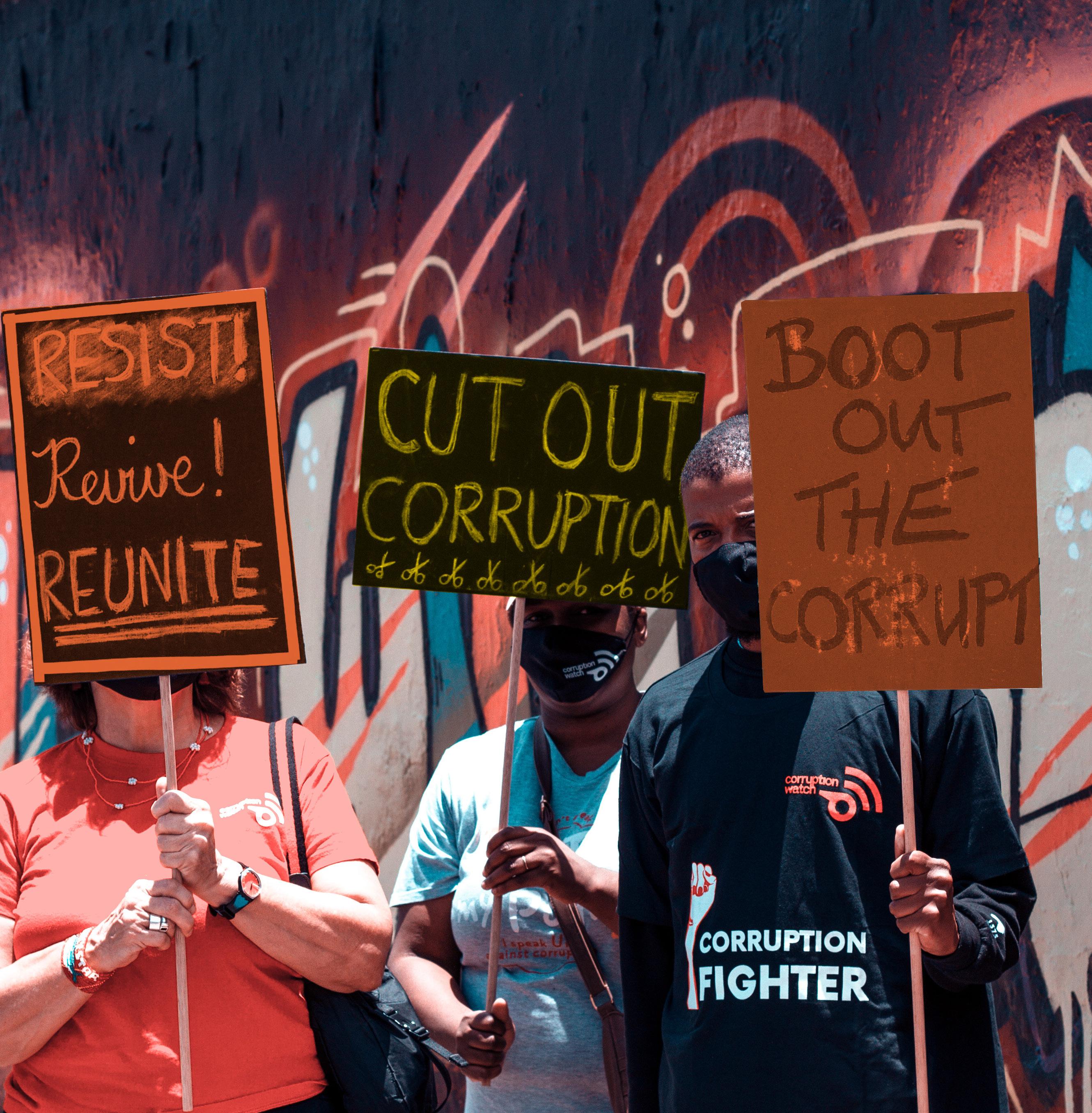


#I D2 0 CO WITH Y #I AC D2 02 0 RECOVER WITH IN TEGRIT Y
BOARD MEMBERS
BOARD MEMBERS
Corruption Watch had eight sitting board members at the star t of 2020, but seven upon the depar ture of Adila Hassim in March 2020. They help to steer the course of our work and provide valuable insight and experience across a range of sectors in which the y operate. They help to ensure that all legal requirements are met, that workplace policies and governance issues are observed, that the financial health of the organisation is intact, and that the strategic direction of the organisation addresses the needs of our society
Corruption Watch had eight sitting board members at the star t of 2020, but seven upon the depar ture of Adila Hassim in March 2020. They help to steer course of our work and provide valuable insight and experience across a range of sectors in which the y operate. They help to ensure that all legal requirements are met, that workplace policies and governance issues are observed, that the financial health of the organisation is intact, and that the strategic direction of the organisation addresses the needs of our society
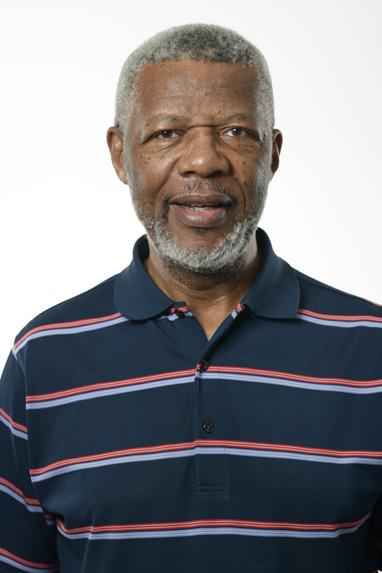
VUSO MSIMANG
MA VUSO MSIMANG
RPERSON
CHAIRPERSON
Msimang is the former CEO of the Oliver and Adelaide Tambo Foundation, and also previously ser tor- general of the national Home A tment and CEO of SAN . He sits on the board of WWF South Africa.
Msimang is the former CEO of the Oliver and Adelaide Tambo Foundation, and also previously ser ved as the director- general of the national Home A airs depar tment and CEO of SAN Parks. He sits on the board of WWF South Africa.
His non-executive board directorships include Harmony Gold, the African Parks Network and the Peace Parks Foundation, and he is a former chairperson of the iSimangaliso Wetland Park , a world heritage site.
His non-executive board directorships include Harmony Gold, the African Parks Network and the Peace Parks Foundation, and he is a former chairperson of the iSimangaliso Wetland Park , a world heritage site.
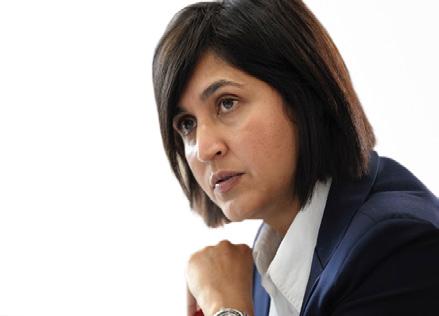
ADILA HASSIM TE AND JUNIOR COUNSEL AT LA CHAMBERS
ADILA HASSIM
ADVOCATE AND JUNIOR COUNSEL AT THUL AMELA CHAMBERS
Adila Hassim is an advocate and a founding member of Corruption Watch. She is currently junior counsel at Thulamela Chambers. Hassim earned a BA and LLB from the Universit y of Natal. After completing her degrees , she later earned an LLM from the Saint Louis Universit y School of L aw in the US, and a JSD, or doctorate in law, cum laude from the Universit y of Notre Dame Law School. She is a member of the Johannesburg Bar and was admitted as an advocate of the High Court of Sou th Africa in 2003. A prolific author, Hassim has been published in law journals, health journals and newspapers , and has co-authored books on human rights and health law. She is a member of the National Association of Democratic Lawyers and an honorar y member of the Treatment Action Campaign ( TAC). Note : Adila Hassim’s resignation from the board was e ective from 27 March 2020.

VID LEWIS
DA VID LEWIS
TIVE DIRECTOR
EXECU TIVE DIRECTOR
Lewis is the founder and e tive director iously chaired the Competition Tribunal for a decade and was involved in the trade union movement, serving as the general secretar y of the General Workers Union and national organiser of the Transpor t and General Workers Union.
Lewis is the founder and executive director atch. He previously chaired the Competition Tribunal for a decade and was involved in the trade union movement, serving as the general secretar y of the General Workers Union and national organiser of the Transpor t and General Workers Union.
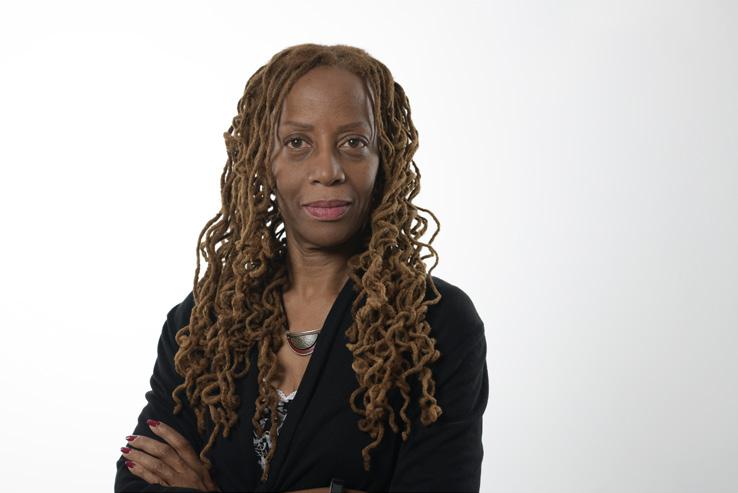
Adila Hassim is an advocate and a founding member of Corruption Watch. She is currently junior counsel at Thulamela Chambers. Hassim earned a BA and LLB from the Universit y of Natal. After completing her degrees , she later earned an LLM from the Saint Louis Universit y School of L aw in the US, and a JSD, or doctorate in law, cum laude from the Universit y of Notre Dame Law School. She is a member of the Johannesburg Bar and was admitted as an advocate of the High Court of Sou th Africa in 2003. A prolific author, Hassim has been published in law journals, health journals and newspapers , and has co-authored books on human rights and health law. She is a member of the National Association of Democratic Lawyers and an honorar y member of the Treatment Action Campaign ( TAC). Note : Adila Hassim’s resignation from the board was e ective from 27 March 2020.
ALICE BROWN
INTERNATIONAL
HUMA N RIGHTS ADVOCATE
Brow advocate and an exper for the public good. Her distinguished career has focuse d on civil rights litigation and social justice philanthropy, with an emphasis on institution building for NGOs
Brown is an international human rights advocate and an exper t on the use of the law for the public good. Her distinguished career has focuse d on civil rights litigation and social justice philanthropy, with an emphasis on institution building for NGOs
Brown is a member of the Council on Foreign Relations, a board member of Section2 7 and also a member of the advisor y committees of the Wits Justice Project and of L awyers Against Abuse. She is a former board member of Human Rights Watch, the Lawyers’ Committee for Human Rights and the South Africa –United States Fulbright Commission, and an alumna of Common Purpose South Africa.
Brown is a member of the Council on Foreign Relations, a board member of Section2 7 and also a member of the advisor y committees of the Wits Justice Project and of L awyers Against Abuse. She is a former board member of Human Rights Watch, the Lawyers’ Committee for Human Rights and the South Africa –United States Fulbright Commission, and an alumna of Common Purpose South Africa.
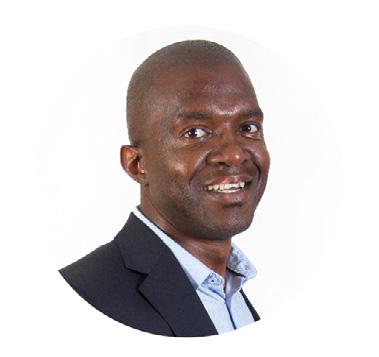
MZUKIZI QOBO
MZUKIZI QOBO
, THOUGHT LE ADER, RISK ANALYST D PUBLIC SPEAKER
AU THOR , THOUGHT LE ADER, POLITICAL RISK ANALYST AND PUBLIC SPEAKER
Dr Mzukisi Qobo advises organisations on mitigating political risks and help them to capture oppor tunities from regulation. He previously worked at the Depar tment of Trade and Industr y as chief director for trade polic y, and drafted the current South African trade polic y and strategy framework . Until recently he taught international political economy at the Universit y of Pretoria, where he was deput y director at the Centre for the Study of Governance Innovation. He is a senior associate at Tutwa Consulting and a research associate a iliated with the Department of Political Sciences , Universit y of Pretoria. He is a regular columnist for Business Day and appears regularly on domestic and international media. He obtained his PhD from the Universit y of War wick , UK MA from the Universit y of Stellenbosch; and Bachelor of Ar ts from the Universit y of Cape Town. Qobo is author of The Fall of the ANC : What Nex t? published by Pan Macmillan (Picador Africa).

Dr Mzukisi Qobo advises organisations on mitigating political risks and help them to capture oppor tunities from regulation. He previously worked at the Depar tment of Trade and Industr y as chief director for trade polic y, and drafted the current South African trade polic y and strategy framework . Until recently he taught international political economy at the Universit y of Pretoria, where he was deput y director at the Centre for the Study of Governance Innovation. He is a senior associate at Tutwa Consulting and a research associate a iliated with the Department of Political Sciences , Universit y of Pretoria. He is a regular columnist for Business Day and appears regularly on domestic and international media. He obtained his PhD from the Universit y of War wick , UK MA from the Universit y of Stellenbosch; and Bachelor of Ar ts from the Universit y of Cape Town. Qobo is author of The Fall of the ANC : What Nex t? published by Pan Macmillan (Picador Africa).
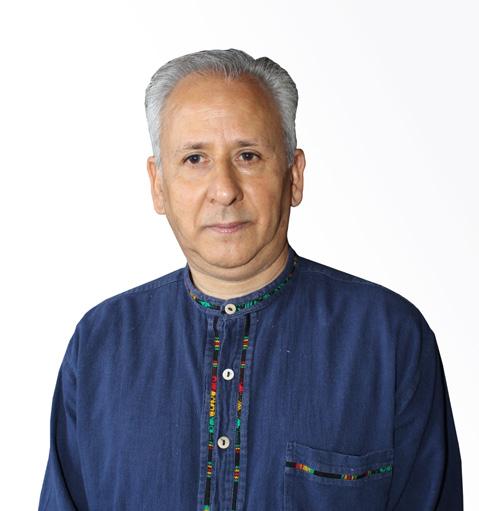
FIROZ CACHALIA
FIROZ CACHALIA
JUNCT PROFES SOR
ADJUNCT PROFES SOR
Firoz Cachalia currently works as an adjunct professor at his alma mater niversity ’s School of Law. His extensive career in government and civil societ y included his ser vice as a member of the executive council of the provincial Gau teng government from 2004 to 2011, first in the safet y and securit y por tfolio and later in the economic development por tfolio. He would later head up the provincial government’s planning commission between 2011 and 2012 , the board of which he continues to sit on to date. Other boards on which Cachalia sits include the South African Reserve Bank , where he also chairs the board risk committee ; Hlanganisa Institute of Development of Southern Africa; and the Helen Joseph Hospital. He is also a member of the Council for the Advancement of The South African Constitution. Cachalia was admitted as an attorne y in 1993, and continued with his legal studies through Wits (LLM) and the Universit y of Michigan in the United States . His first occupation was as researcher for the Centre for Applied Legal Studies in the early 1990s , following the completion of his legal ar ticles.
THABI LEOKA
ECONOMIC STRATEGIST
TEGIST
Dr Thabi Leok a is an economic strategist , currently working at Argon A sset Management. She has held top positions at Renaissance Capital, Standard Bank Corporate and Investing, Barclays Wealth, and Investec A sset Management – she was based in London for the latter post. She obtained her PhD and MSc in Economics from the London School of Economics , and also holds an MA in Economic Development and International Trade from Wits University, and a BA in Social Science from Wits University. Leoka is a regular columnist for Business Times in the Sunday Times, and for Money Management. In addition, she is an accomplished speaker and was an economic advisor to the Fees Commission as well as finance minister Nhlanhla Nene.
Dr Thabi Leok a is an economic strategist , currently working at Argon A sset Management. She has held top positions at Renaissance Capital, Standard Bank Corporate and Investing, Barclays Wealth, and Investec A sset Management – she was based in London for the latter post. She obtained her PhD and MSc in Economics from the London School of Economics , and also holds an MA in Economic Development and International Trade from Wits University, and a BA in Social Science from Wits University. Leoka is a regular columnist for Business Times in the Sunday Times, and for Money Management. In addition, she is an accomplished speaker and was an economic advisor to the Fees Commission as well as finance minister Nhlanhla Nene.

Firoz Cachalia currently works as an adjunct professor at his alma mater, Wits University ’s School of Law. His extensive career in government and civil societ y included his ser vice as a member of the executive council of the provincial Gau teng government from 2004 to 2011, first in the safet y and securit y por tfolio and later in the economic development por tfolio. He would later head up the provincial government’s planning commission between 2011 and 2012 , the board of which he continues to sit on to date. Other boards on which Cachalia sits include the South African Reserve Bank , where he also chairs the board risk committee ; Hlanganisa Institute of Development of Southern Africa; and the Helen Joseph Hospital. He is also a member of the Council for the Advancement of The South African Constitution. Cachalia was admitted as an attorne y in 1993, and continued with his legal studies through Wits (LLM) and the Universit y of Michigan in the United States . His first occupation was as researcher for the Centre for Applied Legal Studies in the early 1990s , following the completion of his legal ar ticles.
GUGU MCLAREN-USHEWOKUNZE
GUGU MCLAREN-USHEWOKUNZE
ANSFORMATION TEGIST
SOCIAL TRANSFORMATION STRATEGIST
Gugu McLaren-U unze has over 12 years’ experience in social and sustainable development . She holds a MSocSc in Gender Studies and BSocSc in Psychology and Gender Studies from the Universit y of Cape Town, and has worked across sectors , including civil societ y, consulting and corporate , and in varying industries. Most of her career has been spent in the corporate sector, where she spearheaded the development and the implementation of sustainable development strate gies . She spent six years at Discovery, where she supported the company’s shared value business model. McLaren-Ushewokunze now leads the National Business Initiative’s Social Transformation programme , where her responsibilities include de veloping and implementing the NBI’s programme to engage business in driving social transformation, with the aim of addressing inequalit y and inequit y.
Gugu McLaren-Ushewokunze has over 12 years’ experience in social and sustainable development . She holds a MSocSc in Gender Studies and BSocSc in Psychology and Gender Studies from the Universit y of Cape Town, and has worked across sectors , including civil societ y, consulting and corporate , and in varying industries. Most of her career has been spent in the corporate sector, where she spearheaded the development and the implementation of sustainable development strate gies . She spent six years at Discovery, where she supported the company’s shared value business model. McLaren-Ushewokunze now leads the National Business Initiative’s Social Transformation programme , where her responsibilities include de veloping and implementing the NBI’s programme to engage business in driving social transformation, with the aim of addressing inequalit y and inequit y.
F U N D ER S