

THE 4-POINT FABRIC INSPECTION SYSTEM
Ensuring Quality in Textile Manufacturing
PRESENTED BY Subhashini M


Agal Textiles
Agenda

It can’t be accepted as below situation
Bulk acceptable standard
1 2 3 4
Prepare for inspection Inspection procedures Score method Evaluation Agal Textiles 5 6
Prepare for inspection
• Supplier should provide the packing list and 100% internal inspection report.
• Selects rolls according of 10% of the order quantity at random
• At least 1 roll should be selected in each shade and each lot.

Back to Agenda
Textiles
Agal
Inspection procedures
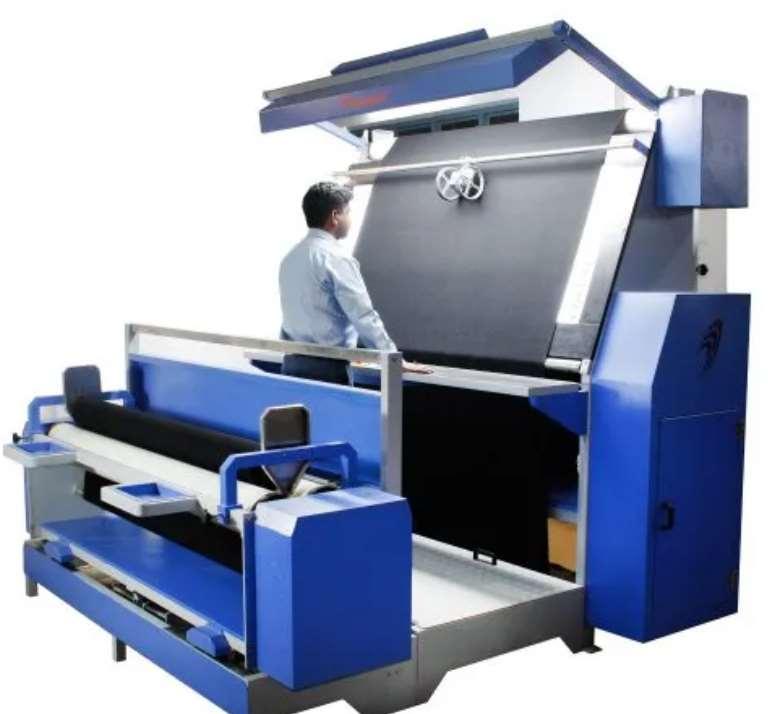
• Fabric passing through the Inspection machine must be between 45-60 degree angles to inspector.
• Need to have appropriate D65 lights and counter and Backlight.
• Fabric speed on inspection machine must not be more than 15 meters per minute
• Assess the color, construction, finish and visual appearance with approved standard prior to start the inspection.
• Shade continuity in a roll by checking shade variation between center and selvage and the beginning ,middle and end of each roll must be evaluated and documented.


Back to Agenda
Agal Textiles
Inspection procedures
• fabric must be weighed against standard approved weight to verify the quantiry
• All 4-point defects must be flagged at one side selvage.
• The length of each roll inspected must be compared with ticketed tag . Any deviation must be documented and reported to supplier.
• If printed or yarn dyed fabrics are being inspected the repeat measurement must be done from beginning /middle/end of inspected rolls.
Back to Agenda
Agal Textiles
Score method
The score is conducted based on 4-point system in bulk.


Size of Defect Penalty 3 inches or less 1 point 0ver 3 but not over 6 inches 2 point 0ver 6 but not over 9 inches 3 point Over 9 inches 4 point Back
Agenda Agal Textiles
to
Evaluation
• A grade ( acceptable): Not over 24 points per 100 sq.yards for single roll
• B grade ( degrade): Over 24 points per 100 sq.yards for single roll.
• The whole bulk : It can’t be over 20 points per 100 sq. yards Agal

Textiles Back to Agenda
It can’t be accepted as below
situation

• Any continuous 4 points defects over 3 meters can’t be accept.
• It can't accept having defects in full width within of beginning and ending.
• It can’t over 1 joint in 1 single roll .
• It can’t over 1 joint in 1 single roll .
• The length of single roll over 2% shortage compared with ticket ,the whole length of inspected over 1% shortage .
• The skew over 3% of the fabric width. The skew of y/d or printing fabric which need position and cutting over the fabric width.
Back to Agenda
Agal
Textiles
Bulk acceptable standard
• The fabric mill’s 100% inspection report must pass.
• If 10% inspection passes, fabric can be released to the garment supplier.
• If 10% inspection fails , the fabric team will inspect an additional 10%, Fabrics will be released after fabric passes the additional inspection.
• If the 20% inspected fabric is rejected, mill has to reproduce the entire shipment with the authorization and supervision from the WD corporate and RHQ fabric team. Once completed, the 4 points system repeated.
• If the fabric inspection (10%) fails again after the fabric has been replaced, the fabric is rejected.
• 10% random inspection report from garment should pass.
Agal Textiles Back to Agenda



For inquiries, contact us. EMAIL agaltextiles@gmail.com SOCIAL MEDIA @agaltextiles CALL US +91 95666 50070 Agal Textiles agaltextiles.in Agal textiles 165/6, S.F.No.792/3B, T.K Sellappan Complex, M.C.Road, Raja street, Perundurai - 638 052, Erode Dist. Tamilnadu. India
Agal Textiles