
Black mothers demand policy changes for Child Protective Services
By D. Kevin McNeir
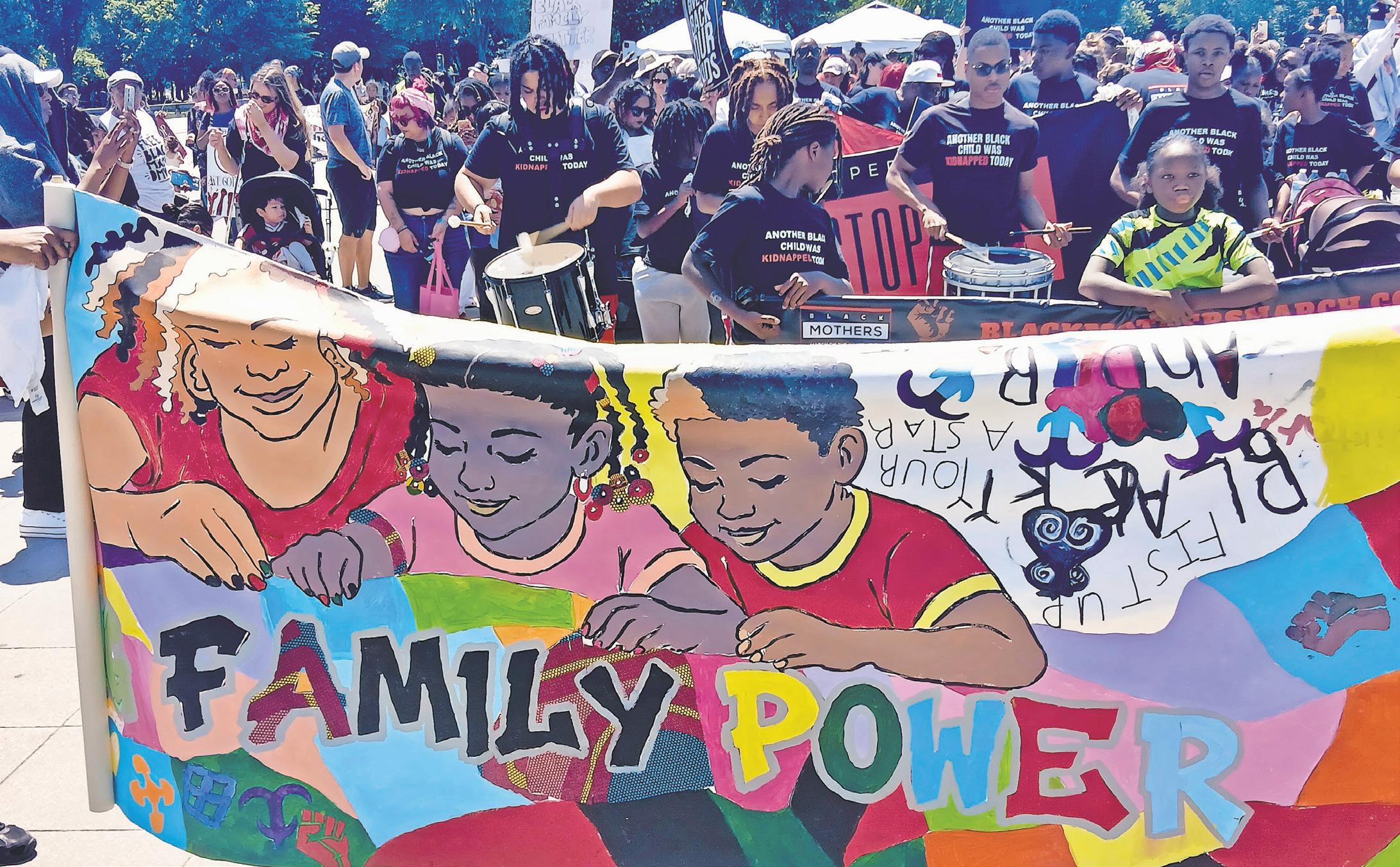
Just over 200 mothers, fathers and children, composed mostly of African Americans, recently marched on the nation’s capital to criticize Child Protective Services (CPS) policies and advocate for the elimination of economic and racial disparities within the agency.
The event took place on Mother’s Day, Sunday, May 10.
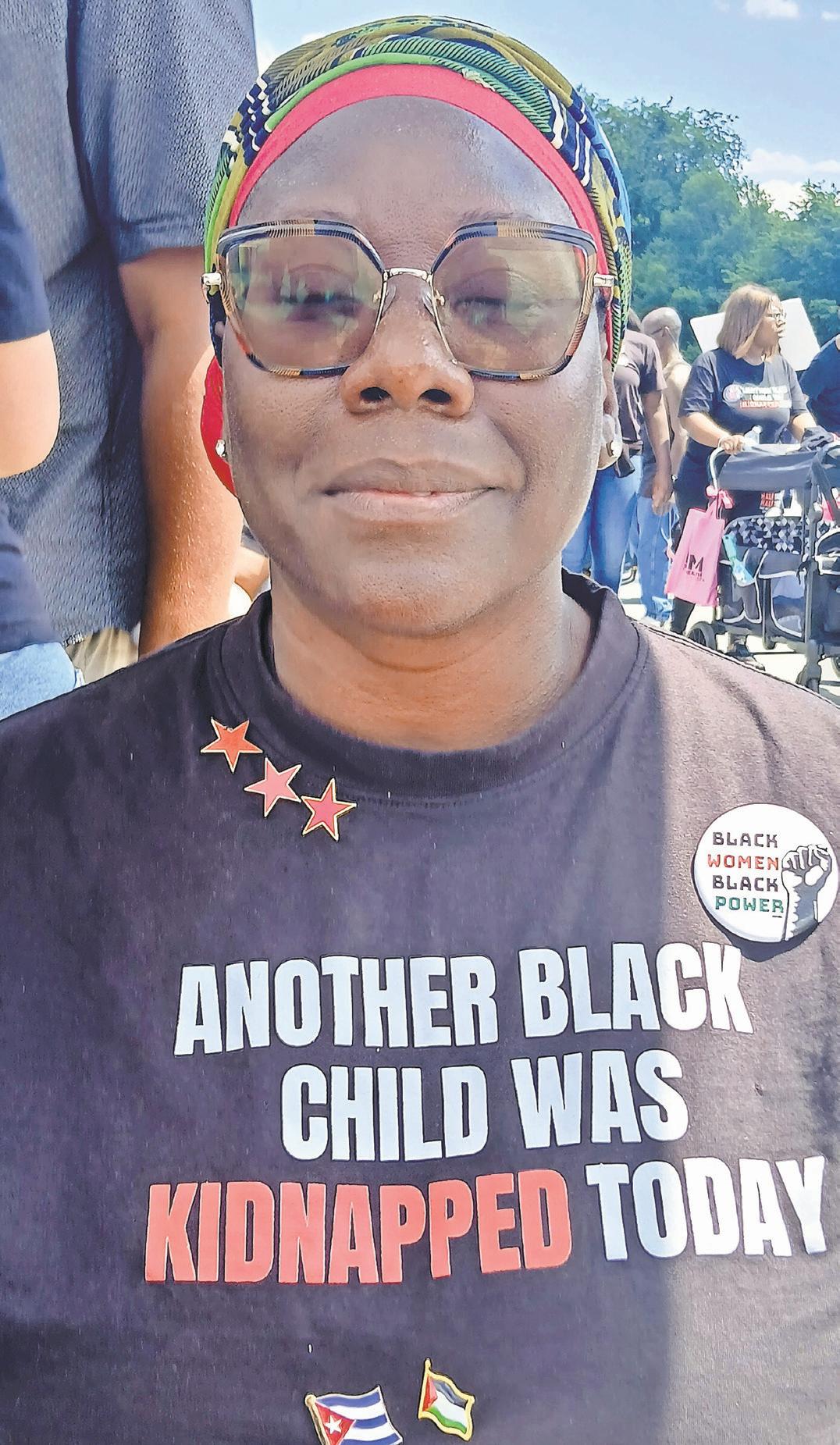
Yehide Orunmila, co-chair for Black Mothers March on the White House (BMM), said the event counts as the fifth year advocates from across America have convened in Washington, D.C. to voice their concerns and to speak on behalf of Black families.
“We’re here to raise awareness on how CPS continues to negatively impact, target and criminalize Black families,” said Orunmila, 47, who lives in Hyattsville, Md.
“We represent local communities from across the nation with the goal of providing a collective voice for people who have been isolated and victimized by the system.”
Orunmila continued, saying “The family policy system in America claims to be about protecting children and families, but that’s just their narrative. The truth is CPS doesn’t protect Black mothers or children. Instead, it silences mothers, polices families and establishes a pipeline to prison for youth and parents.”
With over 22 non-profit organizations who serve as sponsors for BMM, participants came from as close as Southeast D.C. and Maryland, and as far away as North Carolina, Oklahoma and California.
Leaders from BMM say the vast majority of families
supported by CPS are there because they cannot afford housing, child care, health care, food and transportation. They allege that the system criminalizes poverty and destroys Black families, just as it did when Black babies were sold away from their parents on auction blocks.
Maleeka Jihad, 38, from Tulsa, Okla., serves as a social science expert in child welfare cases and routinely testifies in courtrooms on issues that include the negative impact of transracial adoptions.
“I am a former foster child so I know what it feels like to be allegedly protected by CPS,” said Jihad, known to other advocates as “MJ.” Jihad now leads a consulting, education and training organization in Oklahoma.
“Children like me have been kidnapped from our parents since imperialists first traveled to the shores of Africa and brought us by force to America,” she said. “So, from the beginning, Black families have never been able to exist as a family unit. And
because the strategy and policies remain intact within the government to destroy Black
families, Black communities are similarly eradicated.” Jihad posited that one of
the worst results of being a child in foster care was being made to feel that she was the cause of her family’s demise.
“When a child tells a counselor they’re hungry, the counselor quickly assumes that means the parents are neglecting them, ” she said. “And while that may be the case, more often it means the family just can’t afford to pay the bills. CPS uses that information to break up the family and separate the children. Children like me feel we’re to blame and that feeling not only scars us, but often leads us down a path of spiraling, negative emotions and actions.”
Maka Taylor, 47, who lives in Northwest D.C., has long been an advocate for Black mothers and families. She volunteered for the event on Mother’s Day despite
personal challenges she and her children continue to face because of CPS policies.
“No one understands how hard Black mothers work to care for and to protect our children – certainly not the American federal government,” Taylor said. “But women like me continue to show up and show out for [the] Black Mothers March and refuse to be silenced. And I say women because it’s not just Black women who are being so unjustly treated. It’s mothers and children across the nation, many of whom struggle to provide for their families.
“We love our men and our children,” said Taylor. “Once we realize that parental power can be transformed into political power, we’ll really have a chance at changing things for the better.”
Special to The AFRO
Courtesy photo
Yehide Orunmila, co-chair for Black Mothers March on the White House, prepares to use her voice to make change.
Courtesy photo
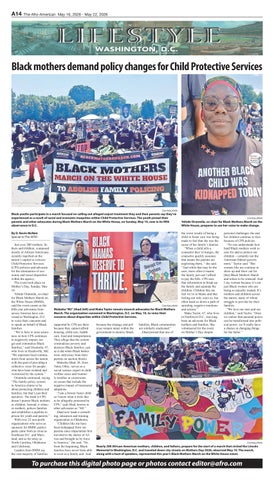
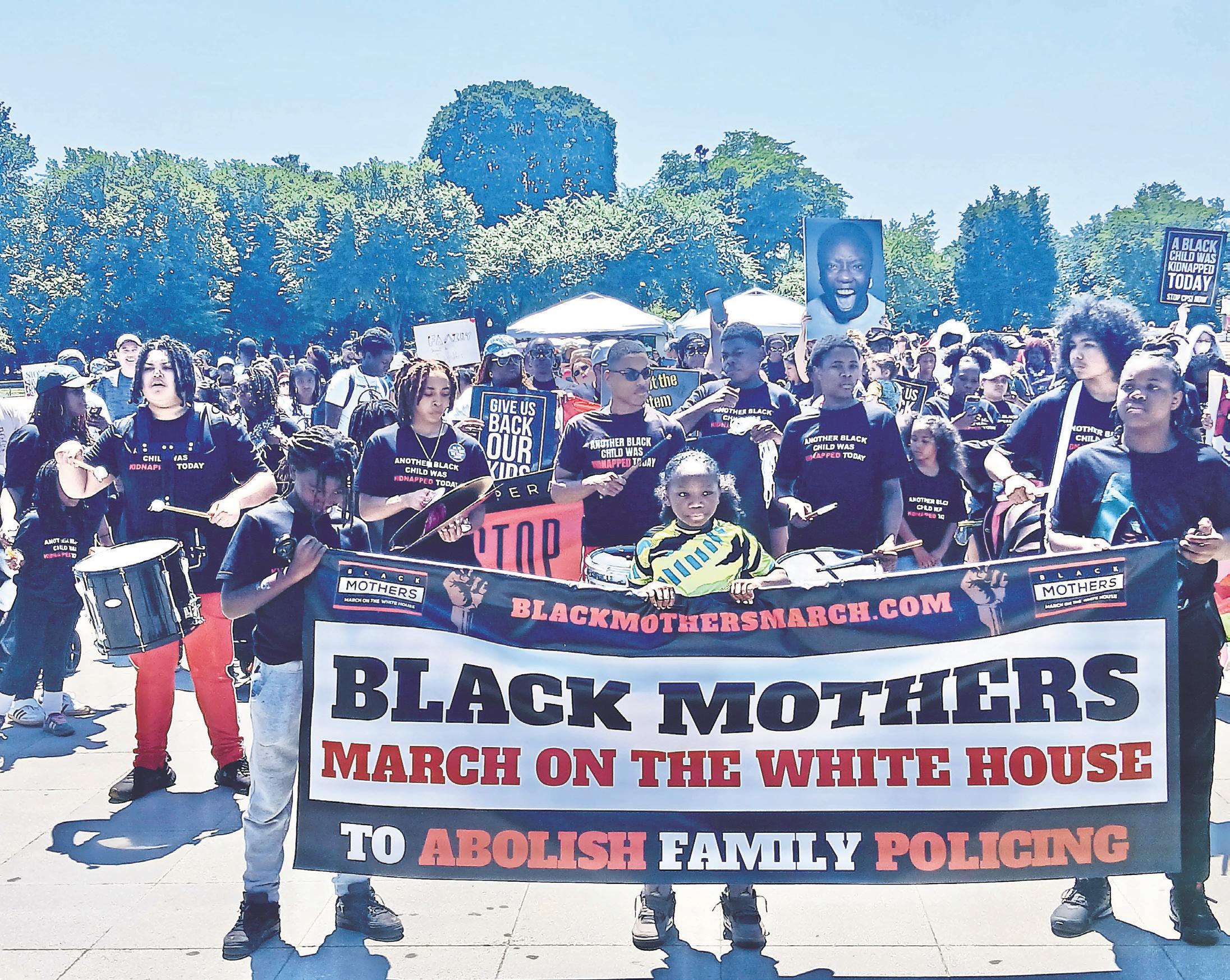
Nearly 200 African-American mothers, children, and fathers, prepare for the start of a march that circled the Lincoln Memorial in Washington, D.C. and traveled down city streets on Mothers Day 2026, observed May 10. The march, along with a host of speakers, represented this year’s Black Mothers March on the White House event.
Courtesy photo
Black youths participate in a march focused on calling out alleged unjust treatment they and their parents say they’ve experienced as a result of racial and economic inequities within Child Protective Services. The youth joined their parents and other advocates during Black Mothers March on the White House, on Sunday, May 10, now in its fifth observance in D.C.
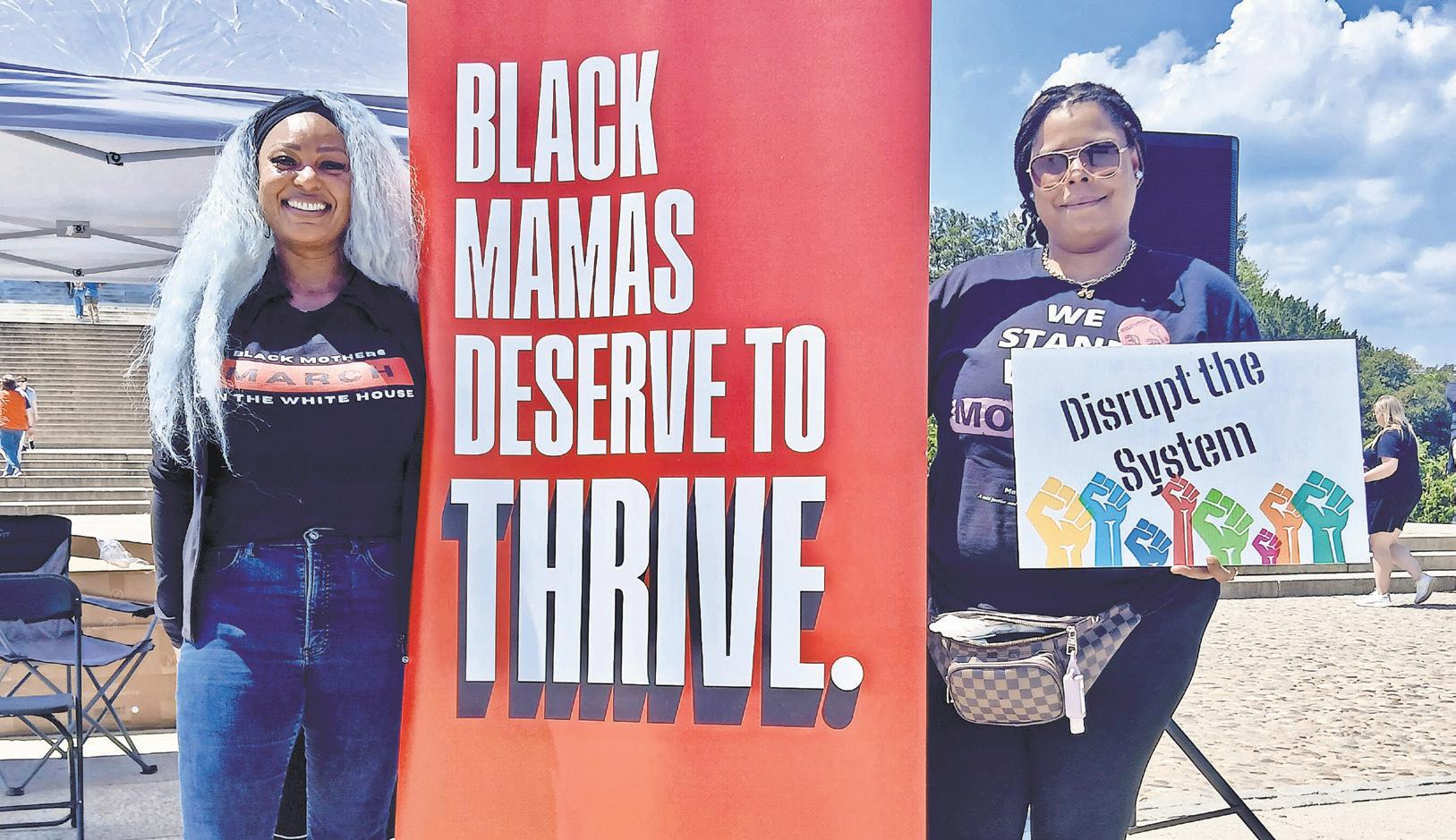
Courtesy photo Maleeka “MJ” Jihad (left) and Maka Taylor remain staunch advocates for Black Mothers March. The organization convened in Washington, D.C. on May, 10, to voice their concerns about disparities within Child Protective Services.

Street renaming ceremony honors Tupac Shakur’s Baltimore roots
By AFRO Staff
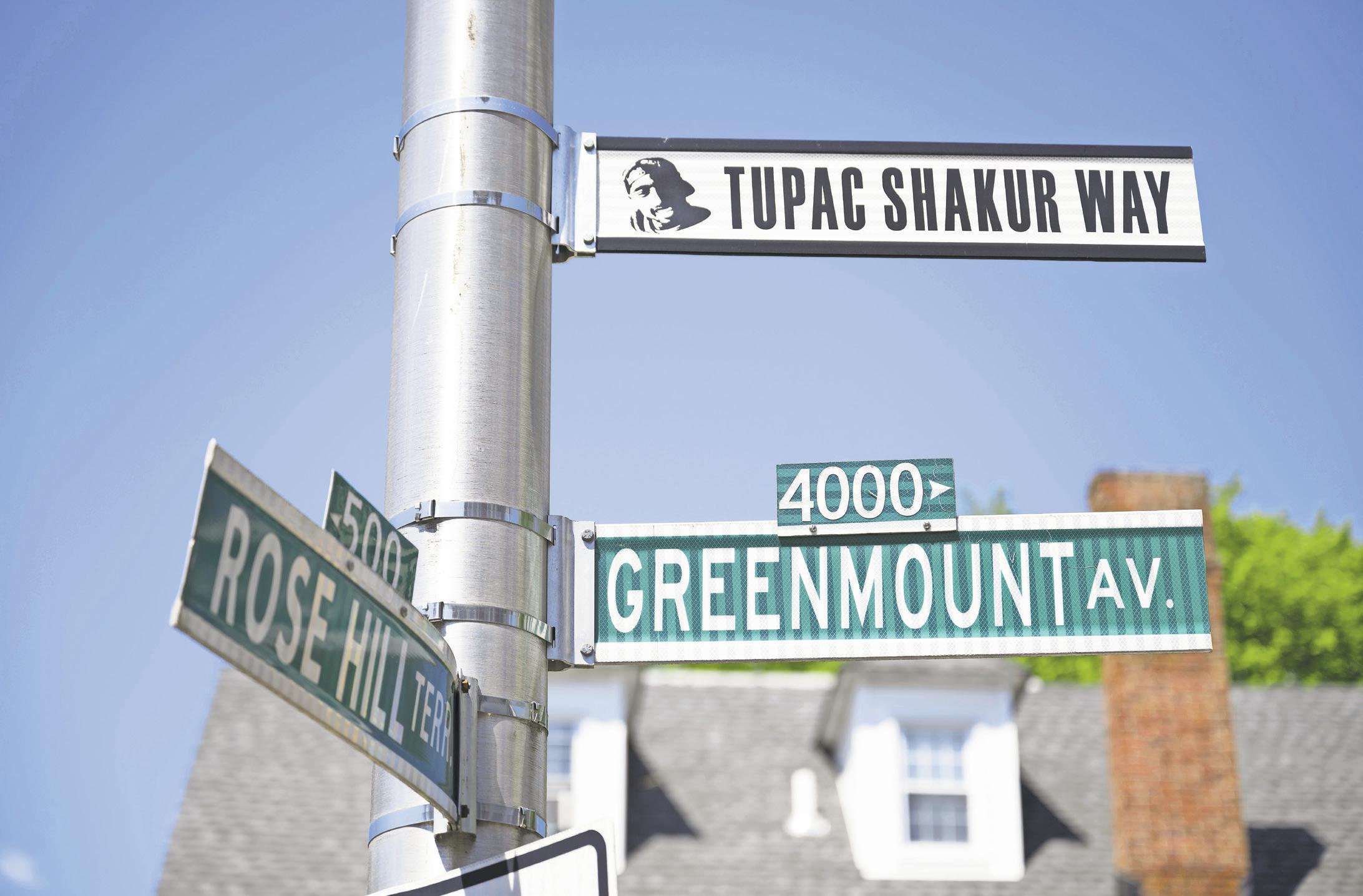
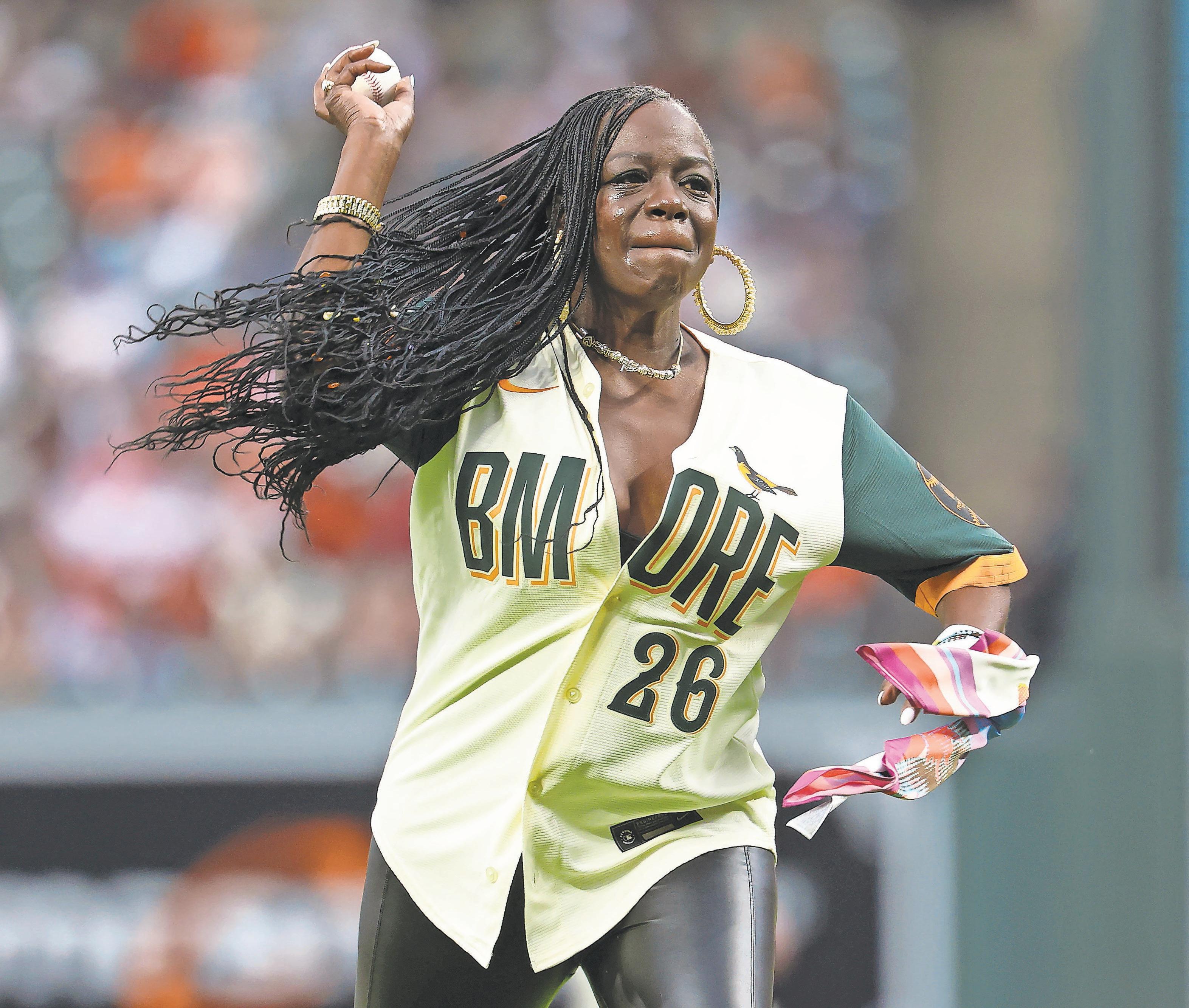
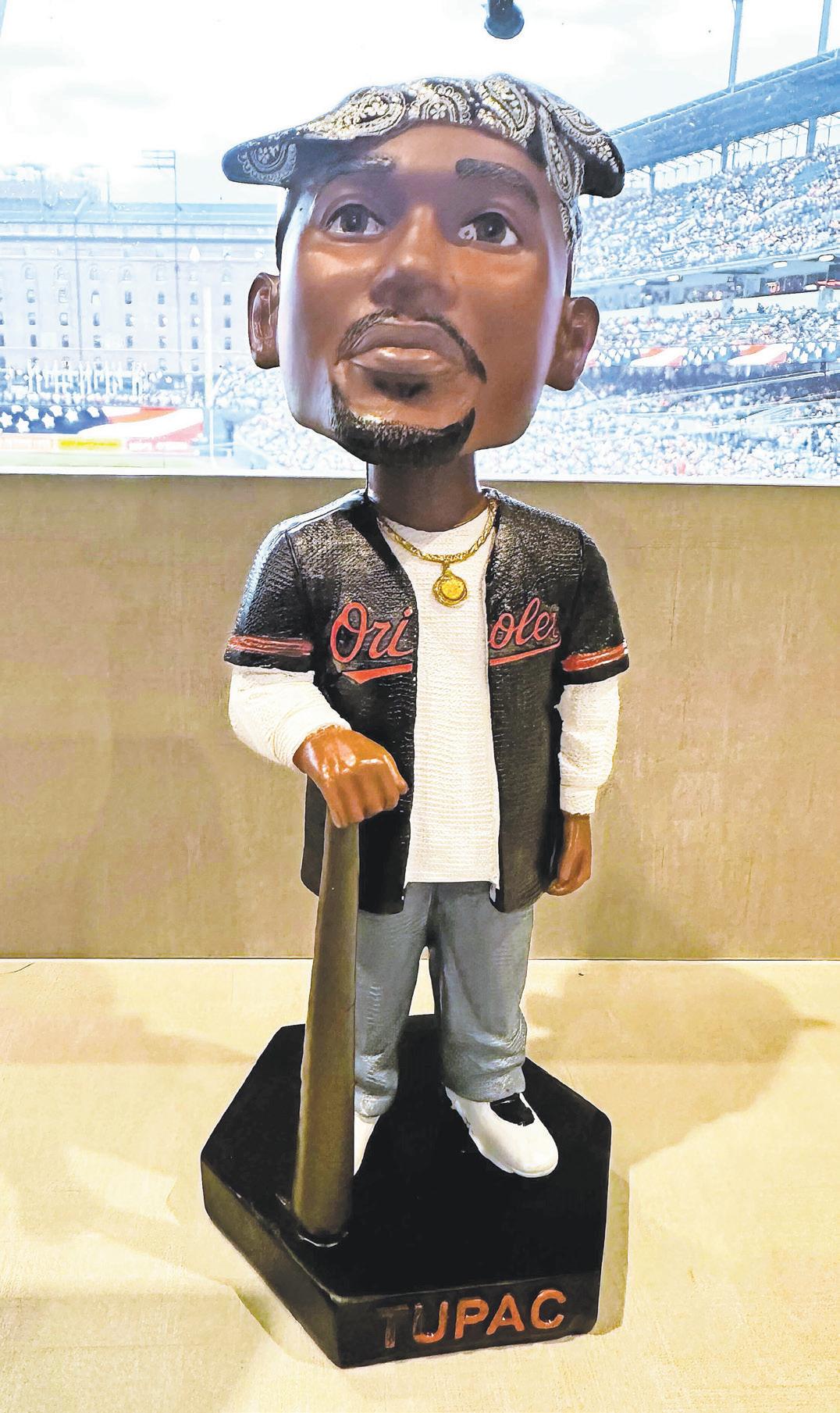
Tupac Shakur, the late cultural icon known for his thought provoking lyrics, was honored in Baltimore with a street renaming ceremony on May 8. Tupac Shakur Way is now recognized by signage in the 4000 block of Greenmount Avenue. The event took place on the same day the Baltimore Orioles released a Tupac Shakur bobblehead for fans at their May 8 game against The Athletics, a California based major league baseball team. Both events were attended by community leaders and Shakur’s loved ones, including Sekyiwa “Set” Shakur.
Though Tupac Shakur may be more associated with California, where he became a staple of the 90s rap scene, it was in Baltimore that he began to blossom as a creative.
Shakur was born under a different name, Lesane Crooks, on June 16, 1971, in Brooklyn, New York. He became Tupac Amaru Shakur after his mother, Afeni Shakur, renamed him in honor of the Peruvian leader, Tupac Amaru II.
Shakur’s family moved to Charm City when he was just a 13-year-old boy, looking for a way to express himself and synthesize the world around him. There, he was accepted into the prestigious Baltimore School for the Arts, and began to hone the skills that would lead him to the recording studio, the big screen and ultimately, international fame.
“It was in Baltimore that Tupac really became a rapper. It was in Mullan Park that he wrote some of his earliest work. It was at the Enoch Pratt Free Library
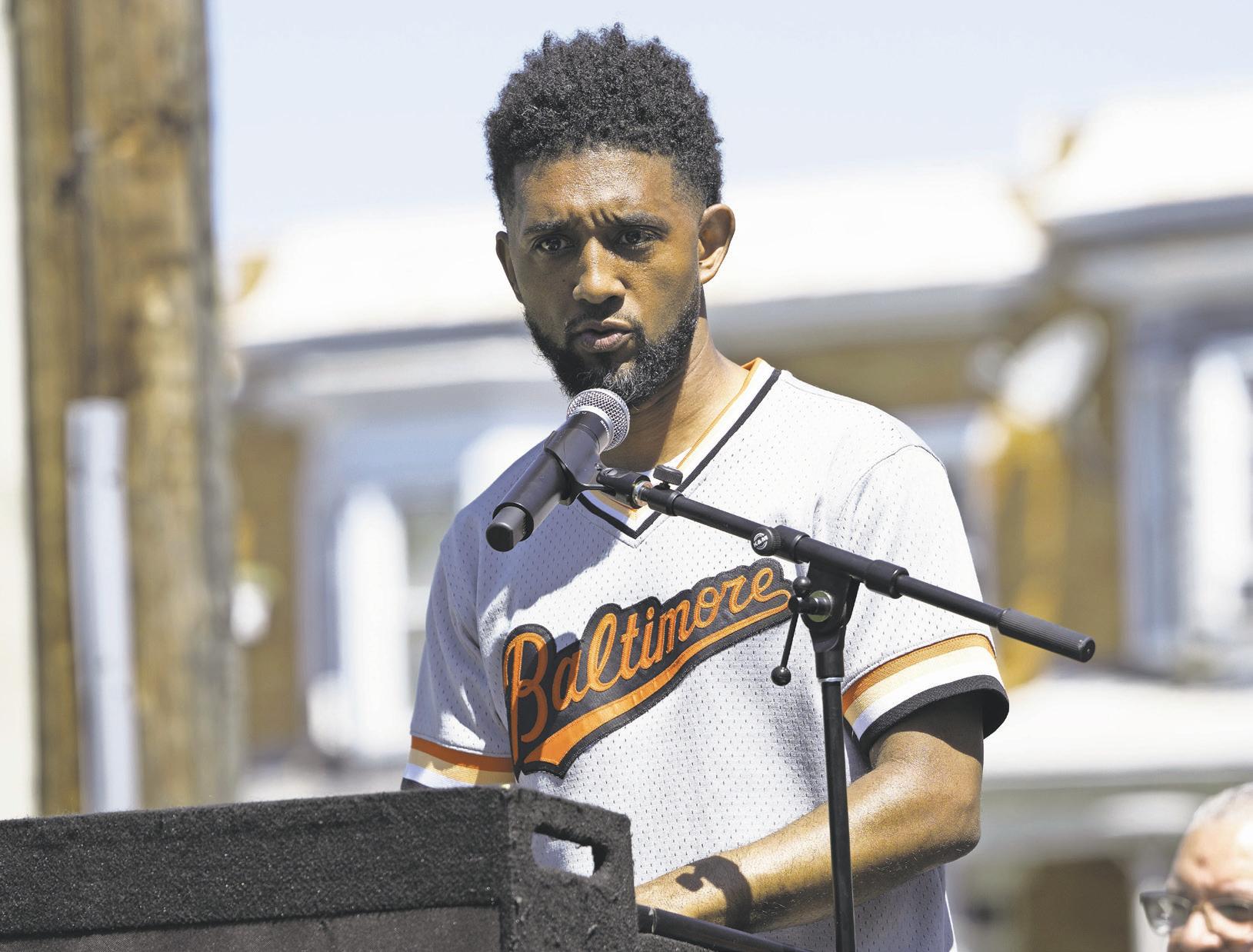
where he won his first rap contest,” said Baltimore Mayor Brandon M. Scott in a statement released on social media about the street renaming. “It was at Cherry Hill Rec Center that he performed his first concert. As we honored his legacy and lasting impact… I hope that Tupac Shakur Way serves as a reminder everyday that greatness can come from every block, every neighborhood, and every young person in Baltimore.”
Tupac Shakur moved to California with his family in the late 1980s. The state served as his home base until his murder on Sept. 13, 1996, in Las Vegas.
In addition to the street renaming, a peace march took place and a peace pole was planted in Mullan Park, located in the 4000 block of Old York Rd.
AP Photo/Terrance Williams
Sekyiwa “Set” Shakur, sister of late rapper Tupac Shakur, throws out the first pitch before a baseball game between the Baltimore Orioles and the Athletics on May 8 in Baltimore.
Photo courtesy of the Baltimore Office of the Mayor / J. J. McQueen Tupac Shakur Way is unveiled in the 4000 block of Greenmount Avenue.
Photo courtesy of the Baltimore Office of the Mayor / J. J. McQueen Baltimore Mayor Brandon M. Scott speaks on the Baltimore roots and lasting legacy of the late cultural icon, Tupac Shakur.
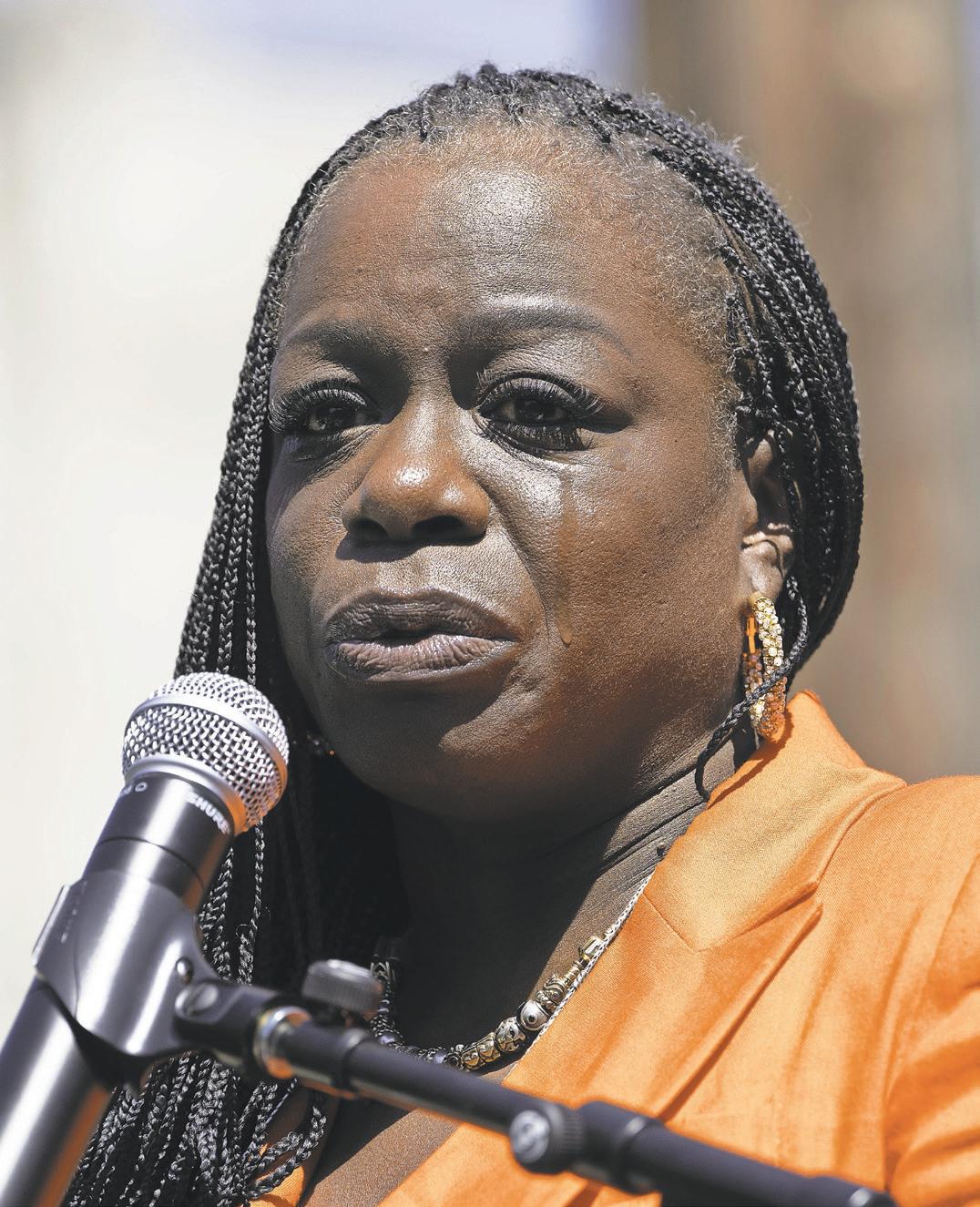
Photo courtesy of the Baltimore Office of the Mayor / J. J. McQueen Sekyiwa “Set” Shakur speaks to those gathered for the street renaming in honor of her late brother, rapper Tupac Shakur.
AP Photo/Noah Trister
A Tupac Shakur bobblehead is displayed for the Baltimore Orioles’ giveaway at a baseball game against the Athletics on Friday, May 8, 2026, in Baltimore.