By Matt Brown
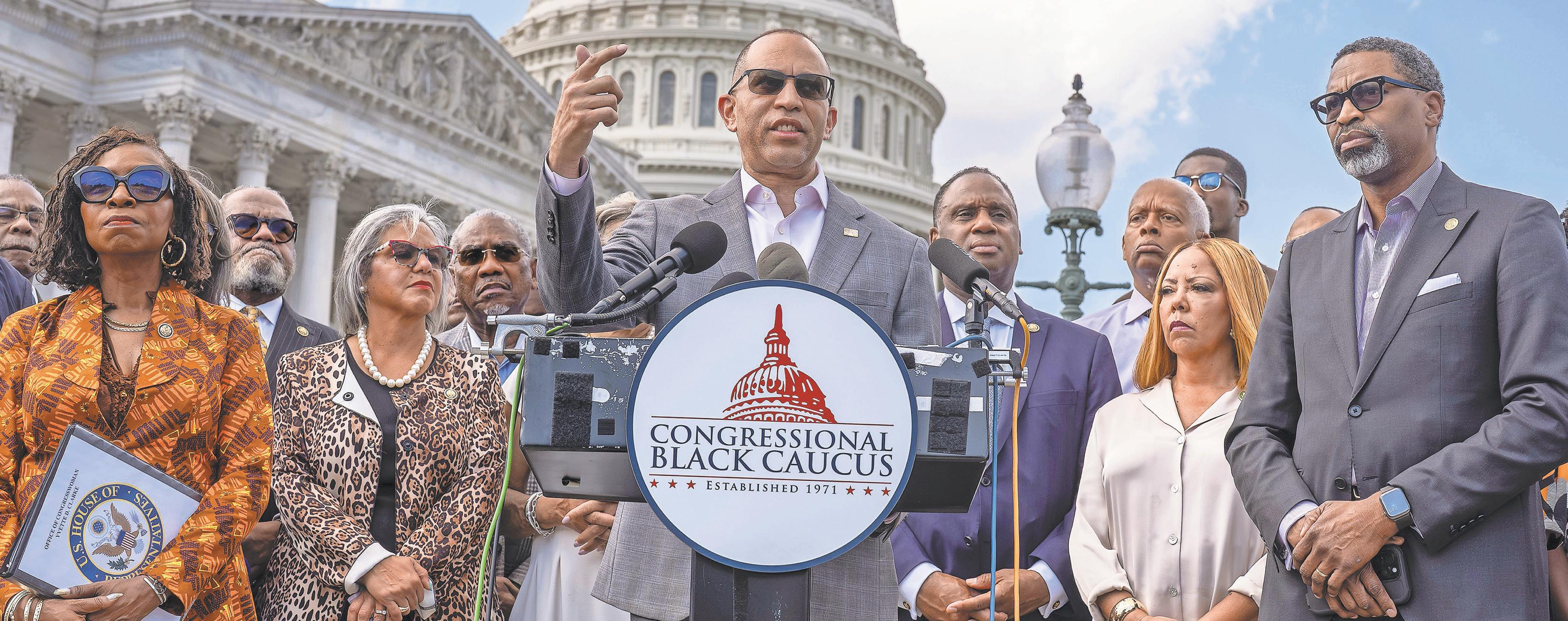
The NAACP and Congressional Black Caucus are calling on Black athletes and fans to boycott the athletic programs of public universities in states that are taking steps that the nation’s oldest civil rights group says are restricting Black voting rights. Launched on May 19, the NAACP’s “Out of Bounds” campaign urges current and prospective Black athletes, their families, alumni and fans to “withhold athletic and financial support”
By Chicago Tribune Staff

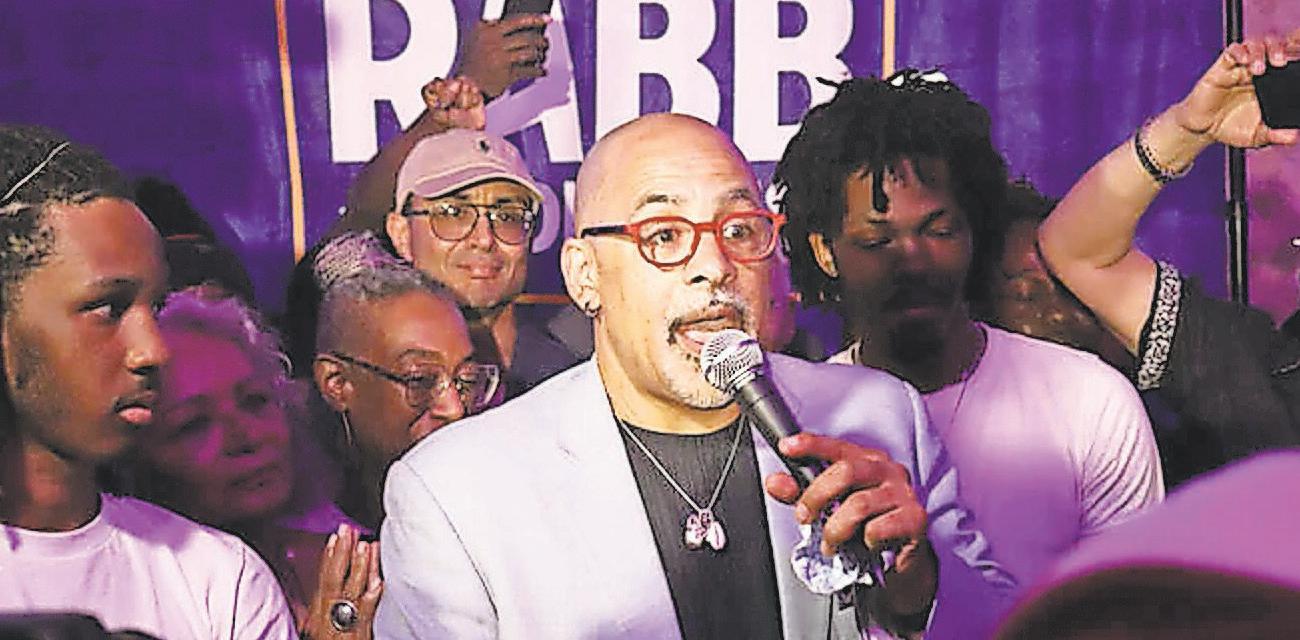
State Rep. Chris Rabb, a five-term representative of Mount Airy’s 200th House District, survived a hotly contested primary election on May 19 to capture the Democratic primary for Pennsylvania’s 3rd Congressional District, positioning to replace outgoing U.S. Rep. Dwight Evans in November’s general election. Rabb won with 44 percent, or 60,332 votes to finish ahead of state Sen.
Street with 29.5 percent, or 40,366; Dr. Ala Stanford 24 percent or 32,940, and attorney Shaun Griffith with 2 percent or 2,880 votes.
“There were moments on the journey where I was reminded that tough times pass but tough people last,” Rabb told a raucous watch party at Victorian Banquet Hall on Germantown Avenue on May 19 night. “In this race I was walking in my purpose and the purpose was much bigger
from major public universities in states that “have moved to limit, weaken or erase Black voting representation.”
If Black athletes participate in the boycott, it could deplete rosters for powerhouse football and basketball programs across the
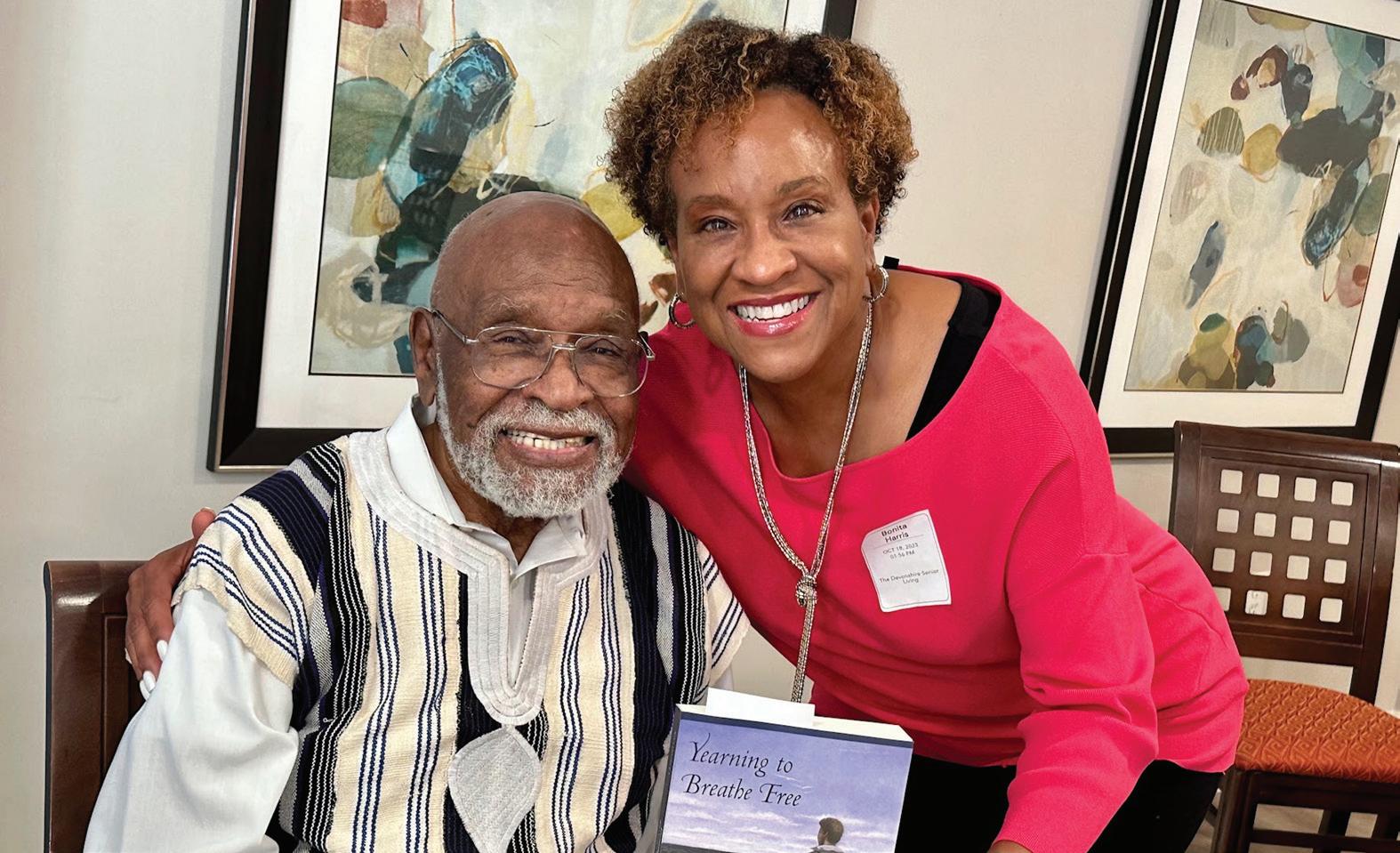
By Bonita B. Harris Special to the AFRO
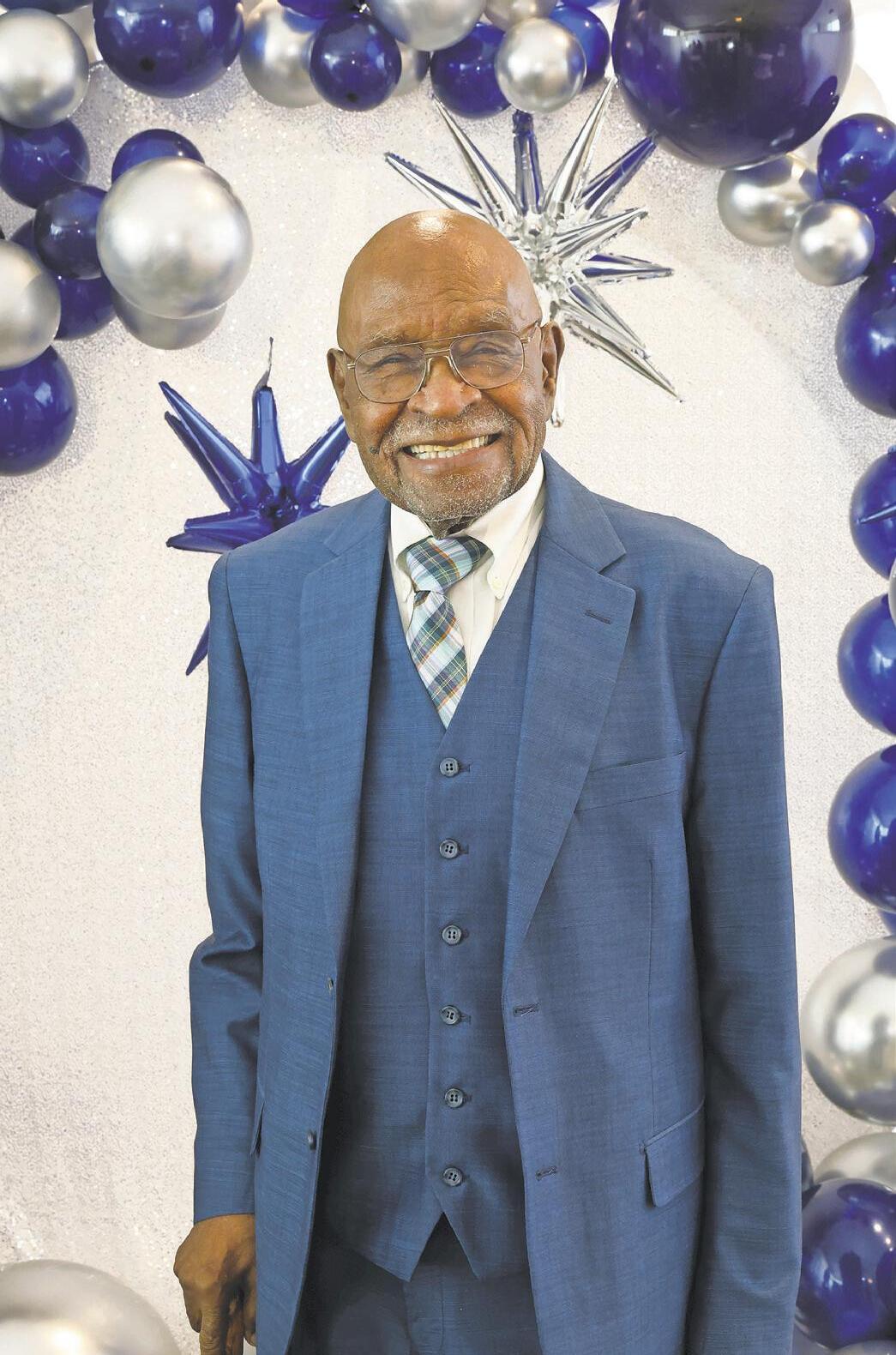
At 100, Andrew Billingsley is more than a witness to history; he’s part of it. From the Great Depression to the present day, the renowned sociologist and author has shaped how generations understand family and community.
In March, colleagues, students, family and friends gathered to celebrate with him at his beloved alma mater, Hampton University (HU). The special event also marked the launch of the Andrew Billingsley Endowed Scholarship, extending his
lifelong commitment to students and higher education.
The son of Alabama sharecroppers, Billingsley joined then-Hampton Institute Class of 1951 on the GI Bill after serving in World War II.
After an innovative exchange program, he graduated from Grinnell College in Iowa.
HU President Darryl Williams reflected on that full-circle journey, from HU student council president to Morgan State University president, and back again.
“Thank you for the light you have shined, the example you have set, the trailblazer you are, and in our beautiful Hampton
kind of way, this full circle moment.”
Morgan State University President Dr. David Wilson, the Board of Regents and alumni honored Billingsley’s legacy.
“Dr. Billingsley did a lot as Morgan’s first scholar-president. He brought a vision for research and graduate education,” Wilson said. “Working with the late Maryland Senator Verda Welcome, he helped lead the transition from Morgan State College to Morgan State University, securing the authority to conduct research

Your History • Your Community • Your News
The Afro-American Newspapers
Baltimore Office • Corporate Headquarters
233 E. Redwood Street 6th Floor, Suite 600G Baltimore, Maryland 21202 410-554-8200
Customer Service, Home Delivery and Subscriptions: 410-554-8200 customerservice@afro.com
Founded by John Henry Murphy Sr., August 13, 1892
Chairman of the Board/Publisher - Frances Murphy Draper
(Publisher Emeritus - John J. Oliver Jr.)
President - Benjamin Murphy Phillips IV
VP of Marketing and Technology - Kevin E. Peck
Director Digital Solutions - Dana Peck
Receptionist - Wanda Pearson - 410-554-8200, ext. 246
Director of Operations Andrè Draper - 410-554-8200
Director of Finance Bonnie Deanes - 410-554-8242
Director of Sales
Robert Walker-Smith - 410-554-8200 rwalker-smith@afro.com
Editorial
Managing Editor - Alexis Taylor - 410-554-8257
Editorial Assistant - Ama Brown-Parson Evening / Weekend Editor - Zenitha Prince
Archivist - Savannah Wood- 410-554-8277
Baltimore Circulation/Distribution Manager Andrè Draper - 410-554-8200
Creative Design and Content
Matthew McDonald
Washington Office 1140 3rd Street, N.E., 2nd Floor Washington, D.C. 20002-6723
202-332-0080 • Fax: 410-554-8213
(Washington Publisher Emerita - Frances L. Murphy II)
Director of Operations - Andrè Draper - 410-554-8200
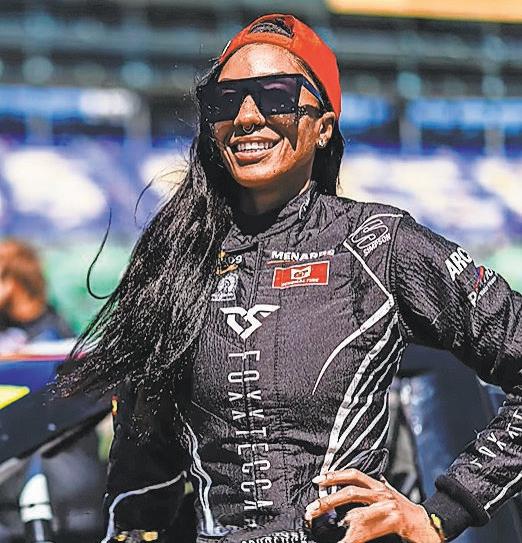
Dystany Spurlock set to become the 1st Black woman to compete in one of NASCAR’s national series
Dystany Spurlock became the first Black woman to compete in one of NASCAR’s three national series on May 15. Her debut was historic, even though it ended with a crash on lap 39 of the NASCAR Craftsman Truck Series at Dover Motor Speedway.
Spurlock, 34, raced in the No. 69 MBM Motorsports Ford at the track in Delaware, finishing in 36th place after she took a turn and hit a wall.
“It feels so amazing,” Spurlock said in a recent “Good Morning America” interview. “Being a first is never what I strived to be. I just so happened to be that. But being able to be that example for other little girls and little boys that look like me is amazing. I didn’t have that representation when I grew up, and this road has not been easy.”
She made her stock car racing debut in March, finishing seventh in the ARCA Menards Series East — one of NASCAR’s developmental series — while driving the No. 66
“Being able to be that example for other little girls and little boys that look like me is amazing.”
— Dystany Spurlock
MBM Ford at Hickory Motor Speedway in North Carolina. In 2025, she made her pro stock motorcycle debut, becoming the second Black woman in history to compete in the Virginia NHRA Nationals. This story was originally published by The Associated Press.
The comedian’s viral parody tapped into frustrations over Black British actors dominating iconic Black American roles.
By Clayton Gutzmore Word In Black
Online comedian Druski has everyone talking again.
Following up on videos skewering megachurch culture and MAGA political conservatives — a skit in which he not only dressed in drag but donned whiteface makeup — Druski took on another hot-button issue. This time, he’s roasting Black British actors who take on roles portraying Black Americans.
Think Chiwetel Ejiofor, nominated for an Oscar in the starring role of “12 Years A Slave.” Or Idris Elba — the O.G. of Black Brits playing Black Americans — as iconic gangster Stringer Bell from “The Wire.”
Both Ejiofor and Elba were born and raised in London to parents of African descent.
Druski takes not-so-subtle swings at both of them in his video, speaking in Black vernacular when the fictional movie cameras are rolling, then lapsing into an exaggerated British accent between takes.
‘Yet to tell a lie’
The video, released last week, struck a nerve. It already has 45 million views and 75,000 shares on X, and counting. Even Damson Idris — a Black Brit who starred in “Snowfall,” a gritty TV series set in the ‘hoods of Los Angeles — weighed in.
“You ain’t s–t,” he wrote to the comedian, followed by several laughing emojis.
The outrageous joke landed because it touched a real debate simmering for years in Black moviegoers and entertainment circles: Why are so many Black Brits starring in Black American stories?
Jon Boyega fights the evil Empire in “Star Wars.” Daniel Kaluuya kills White body snatchers in “Get Out.” Cynthia Erivo leads the enslaved to freedom as the star of “Harriet Tubman.” The conversation has gone on for years, and gets particularly heated when British stars win critical acclaim for roles rooted in Black American history and culture.
“Druski might tell you a joke, but his skits have yet to tell a lie,” one Threads user posted.
Who’s telling our stories
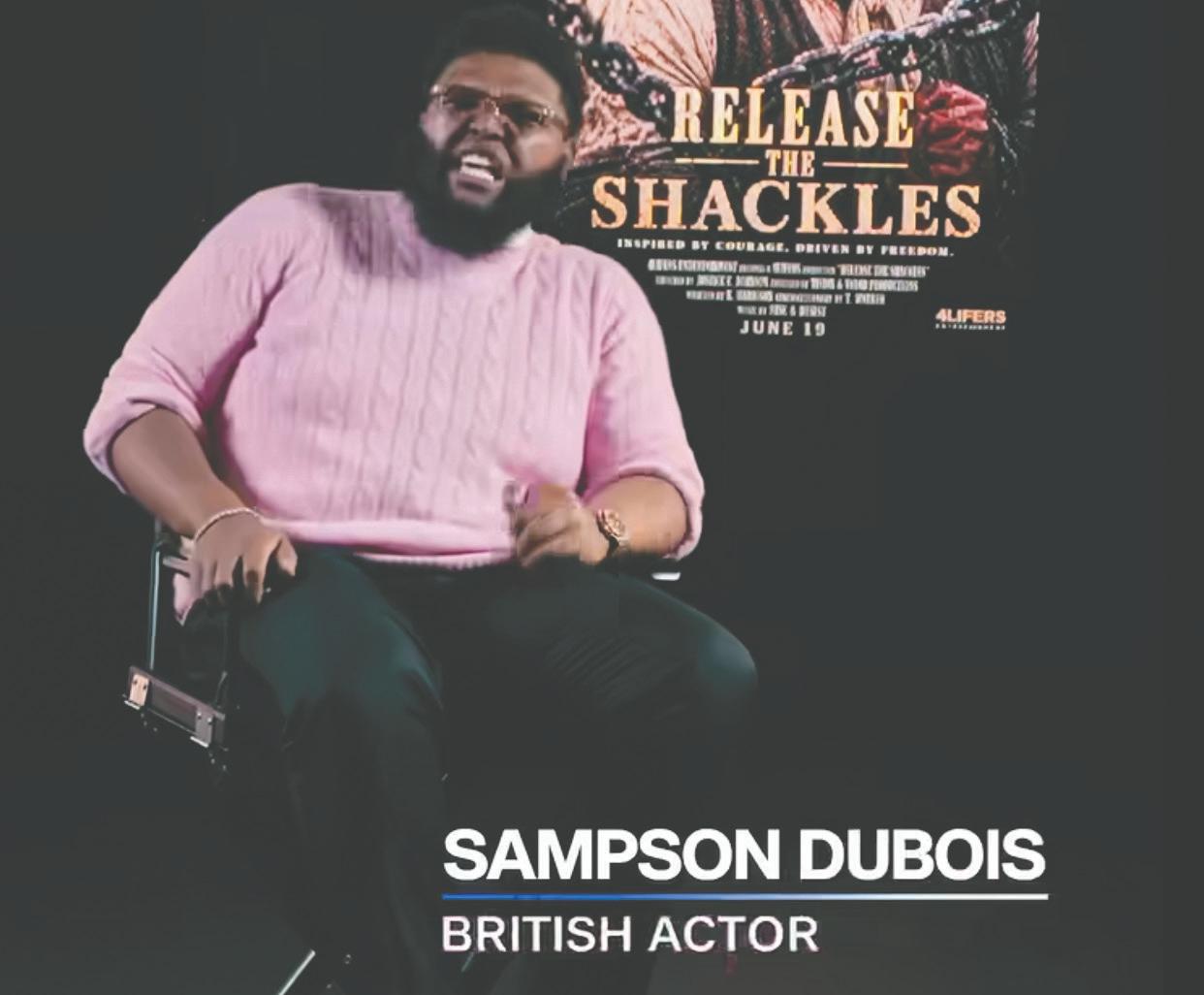
The comedian’s video opens in a cotton field, with Druski, dressed as an enslaved man, plotting with his enslaved wife about the best time to flee the plantation. When the woman bolts, the overseer closes in on Druski, who’s yelling and struggling. A director suddenly appears, yells “Cut!” and Druski — portraying actor Sampson Dubois — immediately slips into an exaggerated British accent as the two discuss the scene. Then, the video shifts to an interview about Dubois’ role in the fictional slave movie, “Release the Shackles.”
“This role is sorta a bit cheeky. I got out of my comfort zone,” Druski-as-Dubois says in a thrift-store Cockney accent. “During the filming of this role and this character, I felt oppressed, like an American slave.”
The joke escalates from there: Dubois walks the red carpet at the fictional American Guild Awards and quips about how difficult it is to drop the American accent between roles; then he’s in a scene from a crime drama, cursing and dropping n-bombs as a stereotypical gangster wearing a
bandanna and sleeveless undershirt.
Seriously not serious
The video ends with a fake TMZ-style paparazzi encounter between Dubois — a White woman on his arm — and a reporter, who asks if being British helps him land juicy roles playing Black Americans.
“Come on, bruv — are you serious, bruv?” Dubois replies. Then he knocks the phone camera away.
While fans dapped him up for on-target satire — “Druski is everything we need in social commentary right now,” one Threads user gushed — others were less impressed.
One called the sketch an insult to Black American actors, while another said Druski should have taken aim at the real villain: decision-makers in the entertainment industry, who cast Black Brits over Black Yanks.
“It’s funny but sad at the same time Druski is exposing how Hollywood is replacing Black American actors with Black British actors,” wrote one TikTok user.
This article was originally published by Word In Black.
Continued from A1
and offer graduate programs. That happened on the watch of Dr. Andrew Billingsley.”
Those who lived it felt his impact, including the MSU Class of 1976.
“As the first class to graduate under your presidency, we thank you, Dr. Billingsley, for your leadership at a defining moment in Morgan’s history,” the group said in a statement. “Your commitment to educational equity strengthened its mission, expanded its future, and secured its place in American education. That foundation continues to stand strong today.”
Leaders across the country also offered reflections. Dr. Freeman Hrabowski, president emeritus of the University of Maryland, Baltimore County, spoke to the professional and personal influence of Billingsley and his wife, Amy Billingsley.
“You and Amy have been people that Jackie and I have looked up to for years, admiring your leadership and our longtime friendship. From Morgan to College Park to South Carolina, you helped the nation learn more about families, Black families, religion, the Black church, as well as Civil War hero and five-term Congressman Robert Smalls,” Hrabowski said.
Norfolk State University President Dr. Javaune Adams-Gaston highlighted the scholarly impact.
“A Fulbright scholar and acclaimed author, Dr. Billingsley’s research continues to shape the fields of sociology, social policy, and child welfare,” she said.
Dr. Courtney McBath, president of Virginia Christian College, shared how Billingsley’s work shaped him.
“Dr. Billingsley wrote the groundbreaking book ‘Black Families in White America’ in 1968, among the first books published by a Black man in America with an earned Ph.D. to focus on the realities of Black families,” McBath said. “Thank you for not giving up when you gave Black theologians like myself an understanding of our responsibility to our people when you wrote ‘Mighty Like a River.’”
Lezli Baskerville, CEO of NAFEO (National Association for Equal Opportunity in Higher Education), added a national perspective.
“On behalf of 106 HBCU
and
president, is celebrated at Hampton University
scholarship
presidents and chancellors and nearly 80 PBI (predominantly Black institution) CEOs, we salute centenarian Dr. Andrew Billingsley for a life of service,” Baskerville said. “He created ways out of no ways, and moved Morgan forward with the steadfast support of his life partner, Amy Billingsley.”
Elected officials also marked the moment with formal and personal recognitions, including U.S. Rep. Kweisi Mfume (D-Md.-07), Maryland Gov. Wes Moore and Baltimore Mayor Brandon M. Scott.
Virginia Congressman Bobby Scott put the lasting significance of Billingsley’s work in the national record.
“One of the things about being a member of Congress is you can get things into the Congressional Record, and it becomes part of the permanent history of the United States,” Scott said. “Everybody remembers your good works and wants to make sure that work is not forgotten, especially now when race and sociology are areas where we still need help.”
South Carolina Congressman James Clyburn and Billingsley became friends when the latter served as a senior scholar in residence at the University of South Carolina for 14 years.
“Dr. Billingsley is one of our nation’s leading scholars.
His work has helped Americans better understand the resilience, faith, and strength that have sustained Black families across generations,” said Clyburn. “Among his many contributions is his remarkable book, ‘Yearning to Breathe Free: Robert Smalls of South Carolina and His Families,’ for which I had the distinct honor of writing the foreword.”
Dr. Frances “Toni” Murphy Draper, publisher and CEO of the AFRO-American Newspaper, weighed in about the whole family.
“The Billingsleys reflect the values he writes about and lives — faith, service and Community,” Draper said. “Their example stands as a living extension of his legacy.”
Former television reporter and Dominion Energy advisor Bonita Billingsley Harris has spent her career telling stories. Now, she’s helping tell her father’s.
“I’ve interviewed many people over the years,” said Harris. “But the people who taught me the most, my parents, Andrew and Amy Billingsley, were sitting right at our kitchen table,” she said.
“For me, celebrating my father’s 100th birthday is not just about a milestone. It is about honoring a life that has shaped so many others, including mine.”
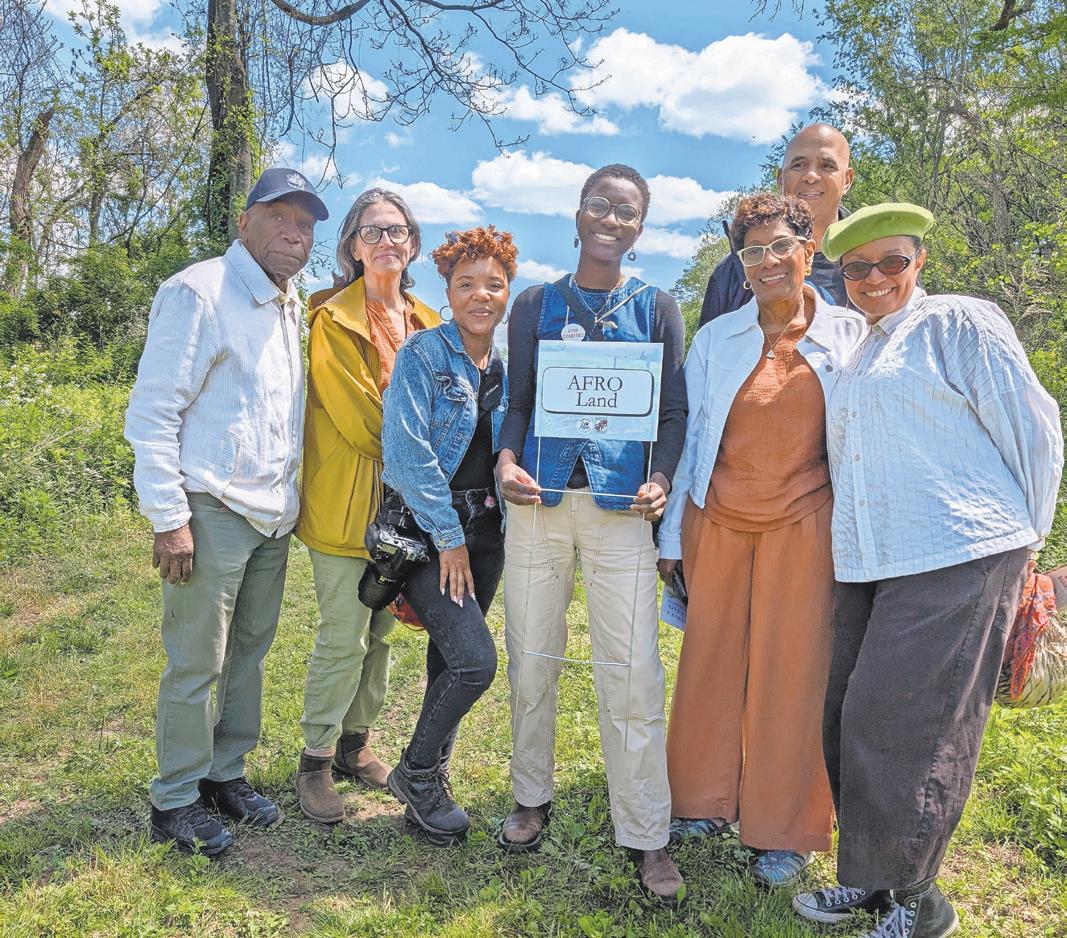
On May 15, the Maryland Department of Natural Resources, the office of Gov. Wes Moore, and local partners dedicated a new Maryland state park that pays tribute to a significant chapter of the state’s African-American history.
The newly dedicated park—Freedman’s State Park in northeastern Montgomery County—comprises a little more than 1,000 acres of park land. Restored buildings and new displays planned for the park will tell the story of the African American family that overcame enslavement to become a prosperous and influential family in northern Montgomery County, Baltimore and Canada.
The park encompasses farmland once owned by Enoch George Howard, his wife Harriet and their family, who helped shape the Civil Rights Movement in Maryland.
“Black history is central to Maryland’s story, and Freedman’s State Park tells an amazing story of resilience rising from the injustice of slavery,” said Chichi NyagahNash, deputy chief of staff to Gov. Wes Moore. “When we
preserve a place like this, we are doing more than protecting acreage. We are honoring Black history as Maryland history. And we are making sure that future generations understand that freedom is not merely declared. It is built. It is defended. It is taught. It is prayed over. It is lived.”
This article was originally published by the Department of Natural Resources. See more on AFRO.com.
the position. Positions come and go.”
Rabb’s victory followed a crowded field that began with 13 candidates, dropped to nine after March, and ultimately narrowed to three main contenders.
Rabb took a political risk by opting not to seek reelection to his state House seat in order to run for Congress.
Early polling last year showed Stanford, who had secured Evans’ backing, leading the race. But her support appeared to wane over time as controversy grew around allegations involving financial support for her campaign. Street, widely viewed as the “established” candidate, also polled ahead of Rabb at the start but was unable to pull it out. Still, Rabb leaned into his legislative record,
highlighting his reputation as an advocate for working residents, schools and government reform. In Harrisburg, he built a record of passing bipartisan legislation and working across the aisle.
On Election Day, supporters cited a mix of factors — experience, accessibility, independence and vision — in their decisions to vote for Rabb.
“I was torn between Street and Rabb, but chose Rabb. He seems like he will be more vocal than Evans. A fighter,” said Roselle Plumber at the Salvation Army polling site at 55th and Arch streets in West Philadelphia.
In Mount Airy, where Rabb has long represented residents, voters pointed to his performance and visibility in the district. “I have always liked the way that he’s performed,” said Kaitlyn Whalen, voting at Eleanor C. Emlen School on May 19. “I felt like he never let me down and I’m excited to see what energy he brings forward.”
Alyssa Thompson, also voting in Mount Airy, said Rabb’s consistent presence mattered. “He’s been the one who’s been there the most,” Thompson said.
Diana Berger, casting her ballot at Hill-Freedman World Academy, recalled a personal interaction that stuck with her for years. “When he first ran in 2016, he came to my house, spent time talking to me and my daughter and listening to our questions,” Berger said. “Ever since, he still canvasses and he remembers, and he’s doing a good job.”
Rabb is son of Madeline Rabb Johnson and cousin to AFRO Board Member Claye Murphy. He is the great-greatgrandson of AFRO Founder John H.Murphy Sr. and nephew of well-known Baltimore attorney William (Billy) Murphy and AFRO Board Member Laura Murphy. Marco Cerino, Sharyn Flanagan, Sherry Stone, Kylan Watson and Johann Calhoun contributed to this report.



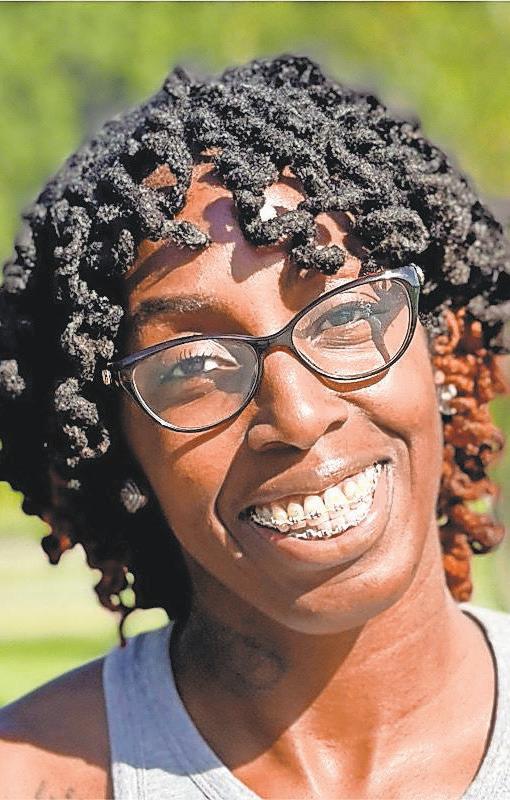
By Nakoda C. Jordan
In Washington, D.C., about one in five youth experience a mental health disorder each year. Yet schools continue to rely on suspensions and other disciplinary measures for behaviors that are often symptoms of unmet mental health needs, not intentional misconduct.
Research shows that emotional well-being is directly tied to academic success. When students are overwhelmed or dysregulated, their ability to focus, retain information, and engage in learning is significantly reduced. According to psychiatrist and trauma expert Bessel van der Kolk, trauma and long-term stress disrupt the brain’s ability to process information, which can make learning in traditional classrooms more challenging for students.
At the same time, research supports this approach. As Fleary and colleagues (2018) explain, when young people are taught skills like health awareness, self-understanding, and decision making, they are more likely to develop positive behaviors and long-term well-being. This idea is echoed by Cooper (2023), who emphasizes that mental health literacy can begin as early as grade school, helping students better understand their emotions and navigate academic challenges.
Further, national research summarized by the Learning Policy Institute shows that Social and Emotional Learning (SEL) programs
Bill Curtis is a local writer focused on transformative issues in the Maryland region. This week, he speaks on how revolutionaries have been replaced with distracted people, content with making complaints instead of change.
are consistently linked to improved academic outcomes, better emotional regulation, and healthier school environments. Greenberg (2023) found that students in SEL programs demonstrate increased classroom engagement, stronger coping skills, and even higher academic performance compared to those without such support. Similarly, Kim and colleagues (2024) emphasize that SEL is most effective when it is intentionally implemented and supported by trained educators, noting that schools with structured SEL programs see more consistent emotional development and improved student behavior over time.
Yet too often, schools continue to discipline what they have not taught. As a parent of children with individualized learning plans, a psychology major, and a mental health advocate, I have seen firsthand how behaviors rooted in emotional distress are often misinterpreted as defiance. I remember a time when my child became overstimulated in class and needed a moment to step away and regulate. Instead of being supported, he was reprimanded and labeled as disrespectful and disruptive. In that moment, what he truly needed was understanding. Experiences like this highlight how easily emotional needs are overlooked in traditional classroom settings. Instead of being supported, students are punished for symptoms.
To be sure, some critics argue that social-emotional learning has become politicized
or tied to broader ideological conversations in education. Concerns about implementation and scope, including how SEL is introduced in schools, remain an important part of the conversation (Schwartz, 2025). Additionally, teaching a child how to manage stress, regulate emotions, and ask for help is not political, it is a critical part of child and adolescents’ development, shaping how they learn, behave, and respond to challenges.
If we are serious about improving student outcomes, then mental health education must be treated as policy, not preference. That means integrating emotional literacy into state education standards, expanding guidance through the U.S. Department of Education, allocating funding for school-based mental health programs, requiring trauma-informed training as part of teacher credentialing, and embedding mental health instruction into core curriculum mandates.
We cannot continue to hold students to academic standards without equipping them with the emotional tools required to meet them. If children are taught how to understand what they are feeling, rather than being labeled for how they behave, their educational experiences would be very different.
It’s time to debunk the stigmas of mental health and rid the “one-size-fit-all” ideology surrounding the education factors. Across classrooms in Washington, D.C., and beyond,
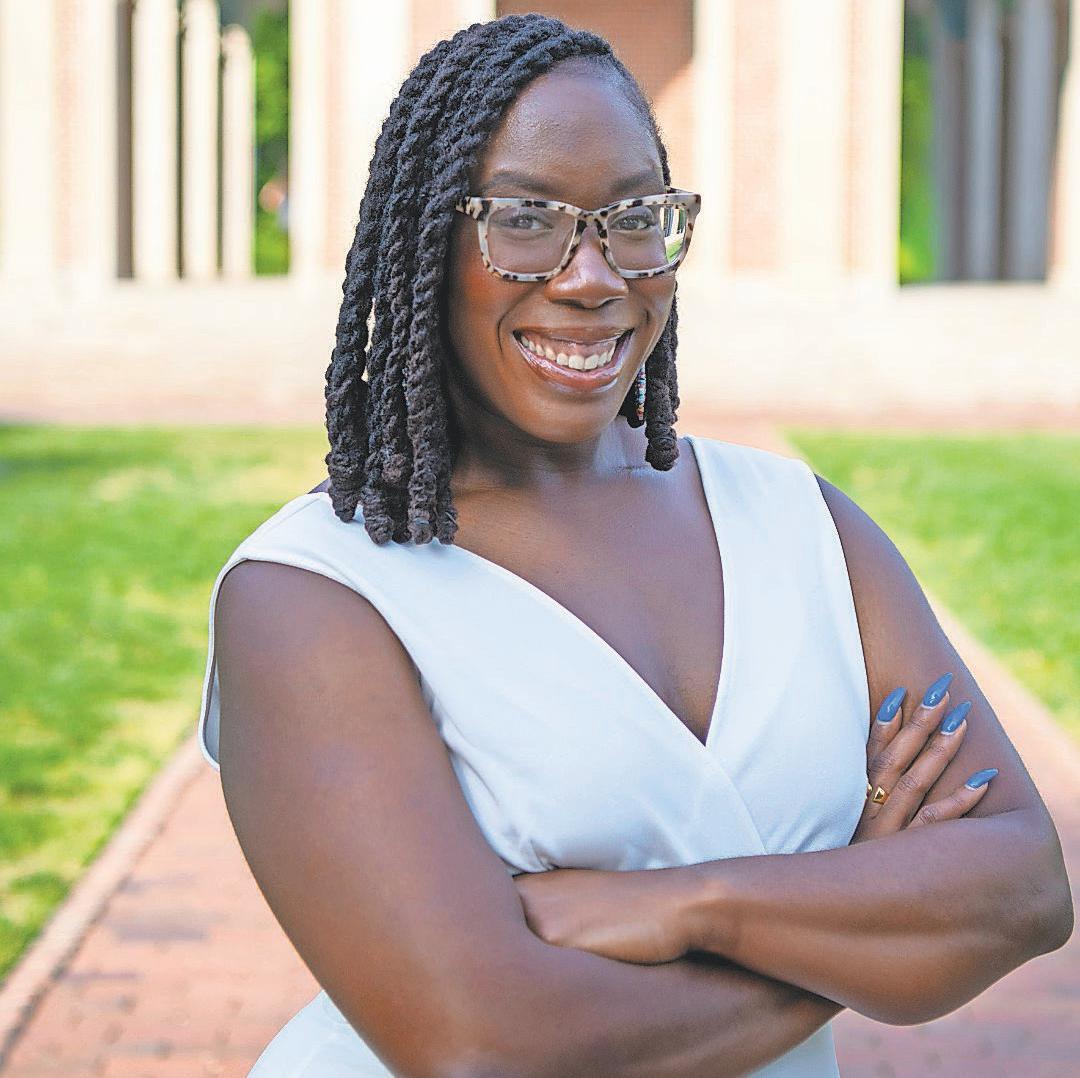
Her name is Paige Coffey. Missing since 2019, she was found last week, murdered, dumped and abandoned in a vacant Cleveland home. Her name now joins a disturbing list of other women who have been killed in recent weeks— like Nancy Metayer, Cerina Fairfax, Ashanti Allen—and still others whose names will never reach us.
This surge of Black femicides is a public health crisis. But, as we mark Mental Health Awareness Month, we must also discuss the implications of these killings, how they are a direct line of attack to Black women’s minds and spirits, and just how urgent it is to tend to Black women’s well-being. For centuries, Black women have been – and continue to be – this country’s help, hope, backbone, mother, mammy, magic, and everything in between. But what happens to our pain when we are constantly in this gap? What happens when the superheroes everyone leans on are also the ones collapsing, dying, and succumbing to patriarchal violence and suffering?
The Centers for Disease Control and Prevention (CDC) defines intimate partner violence (IPV) as abuse or aggression that occurs in a romantic relationship by current and/or former spouses and dating partners. It includes physical violence, sexual violence, stalking, and psychological aggression. Currently, Black women experience IPV disproportionately,
compared to other races/ethnicities, and more than nine in ten Black women know their killers.
And this is not just a 2026 problem. In a 2016/2017 report, Black women still experienced greater IPV, surpassing Asian, Latinx, and white women. That means the threat overshadowing the lives of Black women left behind isn’t decreasing. And neither is the capacity to hold our collective emotional pain.
The state of Black women’s mental health today as a result of these historical and recent killings deserves centering. Black femicide and IPV are forms of gendered stress, misogynoir, and structural gendered racism, all likely to compound Black women’s experiences of depression, social support, and anxiety.
In the aftermath of the recent spate of violence, Black women’s wholeness and stability comprise the mental and emotional math that many of us sort out every day as we live in a world that desperately yearns to keep us fractured instead of whole.
It’s the threads weaving their way through our dating lives, asking if the Black men we want to love so bad are worth it. It’s the hope for a partnership and intimacy that is also tethered to safety and accountability. And above all, it’s the longing for a world that we should all wish for— one with a culture not predicated on our endless resilience in the face of brute force, online attacks, and violence.
For Black men and the
children are being disciplined for symptoms of something deeper. We cannot keep asking children to succeed in environments that do not teach them how to navigate their own minds.
Mental health education is essential and it’s time we treat it that way.
By Bill Curtis
If I was born after the period of 1989 to 1995, I would find it diffcult to even think, believe or imagine that Black people lived with such conviction as demonstrated in the Angela Davis quote, in which she says,
“Revolution is a serious thing, the most serious thing about a revolutionary’s life. When one commits oneself to the struggle, it must be for a lifetime.”
Today my/your materialistic comforts—fancy cars, houses, big screen televisions, church,
Facebook distractions and weak thinking that I/you don’t acknowledge—puts us in a prison of complaint in our own minds. Our thinking is a sweetened pile of silliness.
Hmm … Black people were not always this silly.
we must tend to Black women’s
overarching Black community, this should serve as a moral compass and reckoning for how you unconditionally love Black women. Addressing Black femicide and its lasting impact on Black women’s mental health means addressing the conditions, content, and norms that continually make us vulnerable. And tending to our psychological well-being means watering soil where safety and accountability aren’t secondary.
In practice, individually, this requires recognizing if you have your own violent propensities inherited from white supremacy and being willing enough to self-examine and decolonize those parts of your being. Within families, this means becoming aware of what you’re teaching about gender roles, conflict, healthy relationships, internalized racism, and self-regulating. And as a community, this means showing up online and calling out language and actions that breed violence before it even gains traction. Raising awareness about preventing IPV in community events, gatherings, and interventions is also a must, along with seeking therapy, and leaning more into Black women’s psychological worlds as opposed to extracting with anger and authority.
Further, if there’s a Black woman in your life, it means honoring her humanity and intentionally resisting a colonial need to consume her as an unwavering resource. A world must be dreamed and built where our worthiness to be saved isn’t dependent
on how much or how often Black women can save you. We must reckon with the fact that the assaults, deaths, and mutilation of Black women’s bodies do not happen as a result of a “few bad seeds”. Every obituary is a reminder that Malcolm X climbed a hill we should all die on—that Black women are the most disrespected, unprotected, and neglected beings. But Black women deserve more
than celebrations, flowers, caskets, and more trauma; we deserve warmth and actual safety. We deserve community response and community violence interventions that intercede before funerals are happening.
We have always been saviors, often at the expense of our minds and always at the cost of our bodies. The illegal purchasing of both must cease.












By Tashi McQueen AFRO Staff Writer, Tmcqueen@afro.com
U.S. Rep. Summer Lee wins Democratic primary
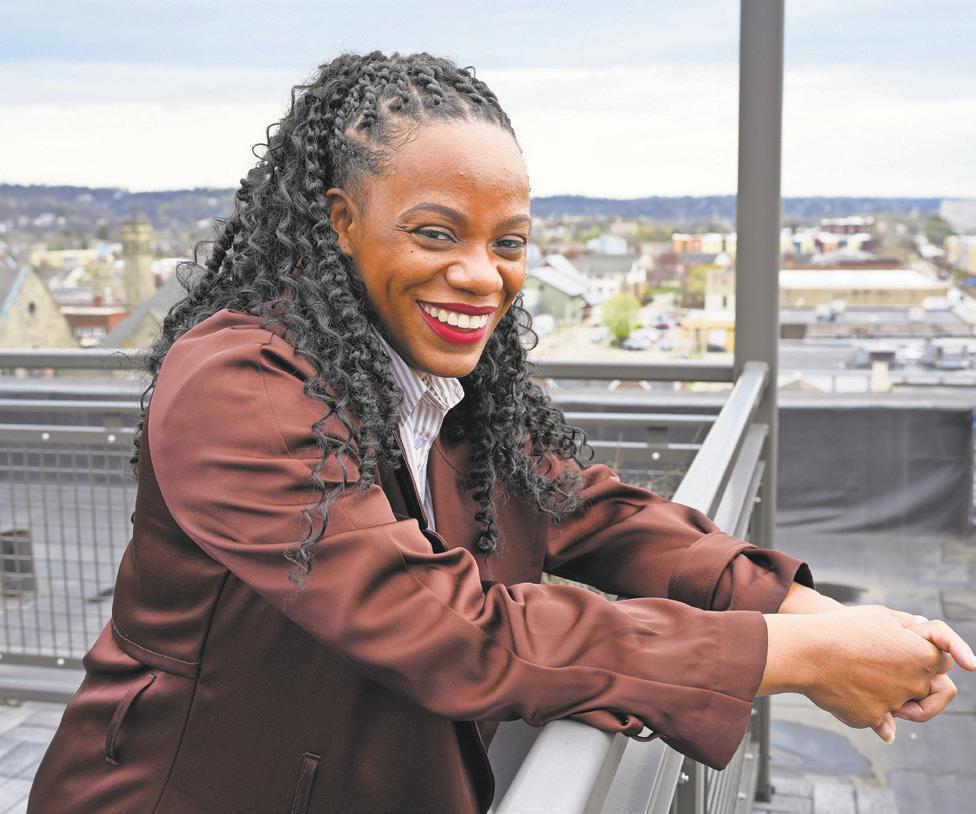
U.S. Rep. Summer Lee (D-Pa.-12) secured her party’s nomination for a third term in Congress, defeating challenger Will Parker in the May 19 Pennsylvania Democratic primary. Lee led Parker by 62.3 percentage points, according to the Associated Press as of May 20. James Hayes was the Republican nominee for the seat in the general election. Parker defeated Hayes by about 13 percentage points in the 2024 election.
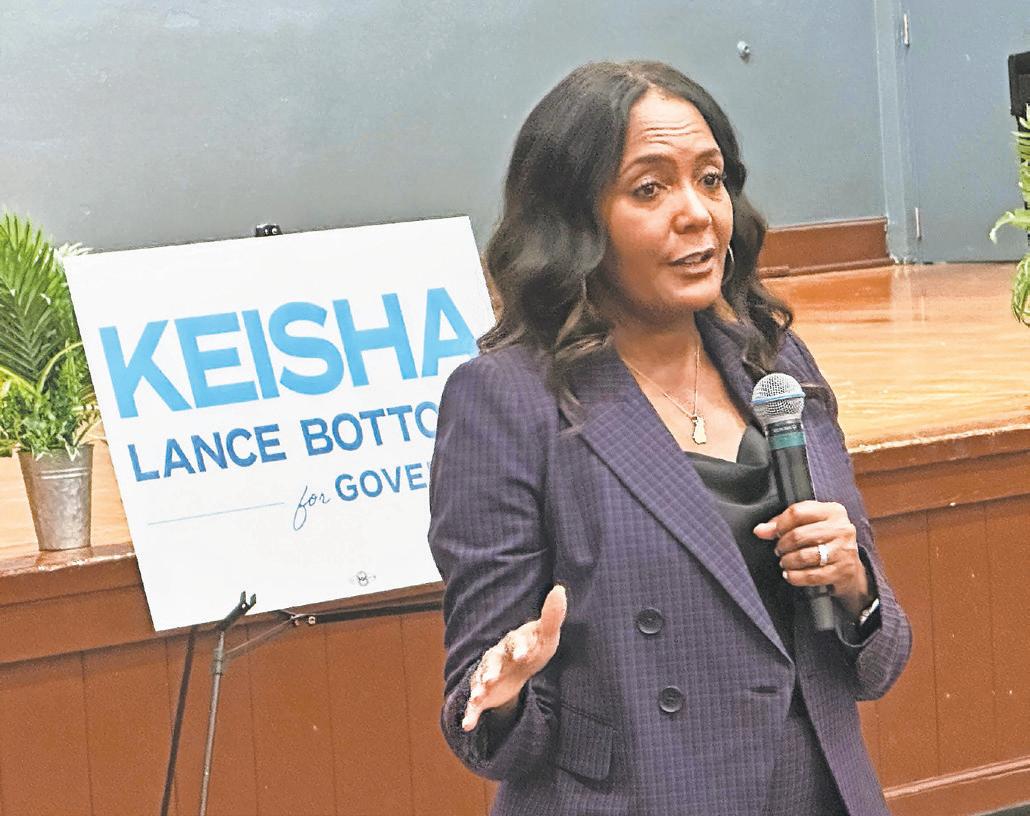
Keisha Lance Bottoms wins Democratic primary for governor Former Atlanta Mayor Keisha Lance Bottoms won the Democratic nomination for governor of Georgia on May 19. She defeated her top opponent, Jason Esteves, by 37.5 percentage points, according to the Associated Press as of May 20. AP called the race at 10:30 p.m. on May 19. Bottoms was the only Black woman in the primary field.
By Megan Sayles AFRO Staff Writer msayles@afro.com
It’s been more than a year since 22-year-old Tiyaun J. Leach went missing in Baltimore, leaving his family in a constant state of fear and uncertainty. Since then his mother, LaMonica Patton, has spent most of her days calling and visiting hospitals, shelters and jails—determined to find information that her son is safe.
Leach’s case highlights the challenges vulnerable adults can encounter when they go missing. The young man has schizophrenia and epilepsy, and Patton said he often struggles to manage his medications. When he does not take them, he can become irritable and has difficulty regulating his behavior—making it harder for him to navigate daily life safely.
“I’m just hoping and praying that he is OK,” said Patton. “Every time I’m out, I’m
Continued from 1
looking around and everybody looks like him to me.”
In the weeks leading up to his disappearance in February 2025, Leach had been living in his mother’s apartment at Greenspring Overlook in West Baltimore while she recovered from a spinal surgery. He had recently been removed from a program in East Baltimore after a physical altercation with another participant. Patton said she has asked him to find another place to stay, in part because he had been taking items from her home, but she never expected him to go missing. After her request, Leach began staying in the basement laundry area of Patton’s apartment building. While staying there, Leach experienced a seizure, prompting a neighbor to call an ambulance.
He was taken to Grace Medical Center for treatment and discharged, but Patton said she never received clear information on where he went
and South Carolina as states to boycott, arguing that the athletic programs of those states’ major universities are especially reliant on Black athletic talent and should protect Black political interests.
NAACP President Derrick Johnson, during a news conference in front of the U.S. Capitol, accused Republican-led Southern states of “seeking to reinstitute a sharecropping reality” by recruiting Black athletic talent to play for flagship universities while limiting, in his view, “our ability to elect candidates of our choice.”
The ACC, SEC, Florida State University, the University of Alabama, four Historically Black College and University conferences — the SWAC, MEAC, SIAC and CIAA — and chapter members of the National African American Athlete Alliance in both Texas and Florida did not return The Associated Press’ request for comment.
The NAACP is among groups responding to a wave of gerrymandering in the aftermath of a U.S.Supreme Court ruling that winnowed a key provision of the Voting Rights Act of 1965. Johnson repeatedly noted that Black athletes have been a core engine of the college sports business, which drives billions in TV deals, revenue and reputational prestige.
“Black athletes should not be asked to generate wealth, prestige, and power for state institutions while those same states strip political power from Black communities,” Johnson said.
“We will fight with all we have in solidarity with the Congressional Black Caucus to ensure that we have representation, or if we don’t, we will withhold the talent that plays on the football field or on the basketball court, be they male or female,” Johnson told reporters.
The boycott is part of a coordinated
afterward. According to her, hospital staff gave conflicting accounts—some suggesting he was sent to a shelter, others a nursing home—but none could confirm a specific location.
Patton said that they repeatedly cited HIPAA privacy rules as a reason they could not give her details, even though she stressed that her son is a vulnerable adult.
“Somebody’s got to know something,” said Patton. “There’s no way in the world a person just goes missing from Baltimore City like that and everything goes cold.”
The Baltimore Police Department told the AFRO that Leach was last seen on Feb. 24, 2025, at the 2400 block of Loyola Northway in West Baltimore. There, he was captured on video by a door camera.
Police said the investigation is still open but had no other details to share.
Patton described her son as a caring, generous young man,
despite the challenges he faces navigating his schizophrenia and epilepsy. She said he would give someone the shirt off his back or the last dollar in his pocket if they needed it. As time has passed, Patton has grown increasingly worried that there has been no movement on her son’s medical assistance—knowing that he routinely requires medical care to manage his conditions. The uncertainty has left her feeling overwhelmed, forcing her to seek support for her own mental health.
“I had to get a psychiatric doctor because of this. I talk to her every Thursday and without her, I don’t know where I would be right now. I know I have other children to live for—I have six kids and seven grandkids,” said Patton. “I want to be around for them, but this situation with my son being gone like that is really taking a toll on me.”
Individuals with information about Leach’s whereabouts can call Patton at 443-325-6382.
effort by Black political leaders and civil rights activists to dissuade Republican-led states from redistricting longtime majority-Black congressional districts. Civil rights activists have mobilized across the South to protest moves by state legislatures to change their maps, while voting rights groups and Democratic lawmakers have filed lawsuits seeking to block potential changes to the districts.
Black lawmakers oppose SCORE Act
And on May 18, the CBC said that it would unanimously oppose the SCORE Act, a bill backed by major athletic conferences that would set new rules for the payment of college athletes, unless the sports leagues oppose the redistricting efforts of GOP-led states.
“The Congressional Black Caucus cannot support legislation benefiting major athletic institutions that continue to remain silent while Black voting rights and Black political power are being systematically dismantled across the South,” Rep. Yvette Clarke, chair of the Congressional Black Caucus,
told reporters.
“The Congressional Black Caucus believes institutions that profit from Black talent and Black communities have a responsibility to stand with those communities when their fundamental rights are under attack,” the CBC said in a May 18 letter to the commissioners of the SEC and ACC athletic conferences, as well as NCAA President Charlie Baker. “Silence in the face of injustice is not neutrality — it is complicity.”
After the caucus’ announcement, the SCORE Act was pulled from the schedule of the House committee overseeing the bill. Clarke said the decision showed that “silence from our institutions in moments of injustice carries consequences.”
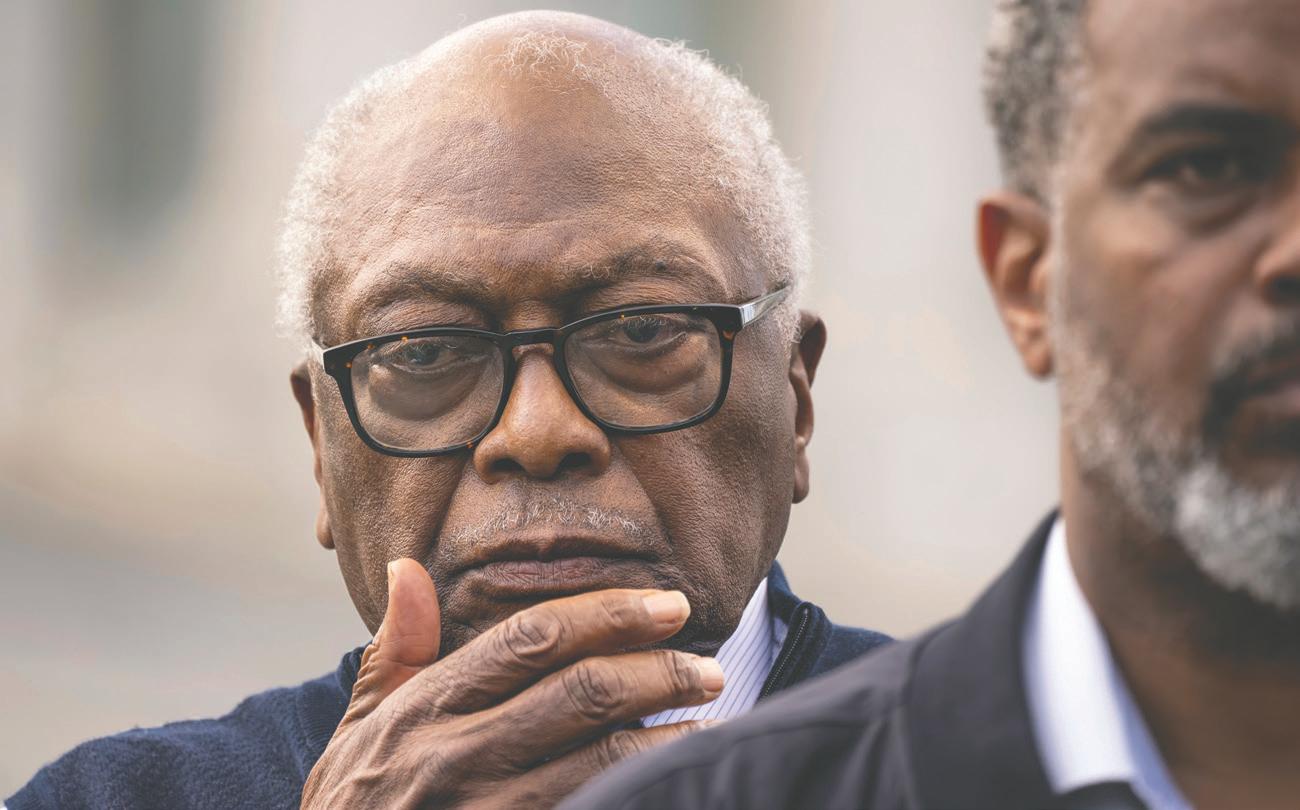
House Minority Leader Hakeem Jeffries said that the boycott was meant to oppose “a dramatic return to racially oppressive Jim Crow-like tactics.” He added that while athletes ultimately had to make individual choices, they would be supported by lawmakers and civil rights leaders in their decision-making process.
“We’re going to support them, and
we know they have options,” Jeffries said.
Initiative’s timing is difficult
The timing of the initiative comes at a moment in the college athletic calendar that might make it difficult for it to have any immediate impact. The transfer portals for the high-profile Division I sports of football and basketball are all closed until 2027.
There may be an opportunity to influence prominent high school recruits who are still weighing their college prospects for the fall of 2027 and beyond. While many schools have received nonbinding verbal agreements from football and basketball players, those agreements won’t become official until late fall at the earliest.
The signing window for basketball opens in mid-November — about a week after the midterm elections — and the 72-hour early signing period for football arrives in the first week of December.
There is a chance that recruits could attempt to put pressure on flagship institutions in the targeted states by threatening to sign somewhere else. The reality, however, is that the pockets of those schools run deep, and asking a teenager to factor politics into a decision that could produce a life-altering financial windfall before they are even old enough to vote could prove tenuous.
Brandon Copeland, CEO of Athletes.org, the emerging college players association that aims to represent student athletes, told reporters that opposition to the SCORE Act and redistricting efforts are linked.
“It’s really a control mechanism,” Copeland said of the SCORE Act’s proposed changes. “That same tool is being used to suppress our voices, suppress our votes,” he said. Copeland, a former professional football player, said his organization will “stand tall alongside our athletes, but also alongside our
mothers, our uncles, our aunts, our cousins, and everyone in this nation who deserves a voice.”
Activists seek pressure points Activists have sought pressure points to dissuade GOP-led states from redistricting maps, including calls for mass protests and economic boycotts, though Johnson and the Black Caucus members did not endorse further measures, like calling for major Southern companies to relocate or for Black voters to leave states that take up redistricting plans.
Johnson cited the 2015 decision by the University of Mississippi to remove the Confederate flag from its campus, and Mississippi’s later decision to change its flag entirely, as successful demonstrations by Black student athletes, who in both cases expressed opposition to the flag’s presence on campus.
In 2024, the NAACP urged student-athletes to reconsider attending Florida universities due to the state’s bans on diversity, equity and inclusion policies and policies on the teaching of history in schools.
Lawmakers and activists have made such calls in the past, like when in 2021 Black lawmakers, activists and clergy called for a boycott of Georgia companies over the Republican state legislature’s implementation of a sweeping law that Democrats accused of enacting “Jim Crow 2.0.”
Major League Baseball decided to move its All-Star Game from the state that year over the protests, a move that enraged Republican lawmakers, who saw the effort as misguided. The All-Star Game returned to the Atlanta area in 2025. This article was originally published by The Associated Press (AP). Will Graves, an Associated Press sports writer in Monroeville, Penn., contributed to this report.
Downtown D.C. shows mixed
By Megan Sayles AFRO Staff Writer msayles@afro.com
DowntownDC Business Improvement District (BID) recently hosted the annual State of Downtown Forum, exploring the challenges and momentum driving the city center’s economic outlook.
The May 7 event coincided with the release of the 2025 State of Downtown Report, which revealed gains in public safety and cultural activity and serious setbacks in job growth, tourism and housing growth.
“This was a year that was a little bit difficult, and some of the data tells a very hard story for us. In some cases, it’s warning signals and signs that we have to be aware of, but there are also real issues that we are facing,” said Gerren Price, president and CEO of DowntownDC BID. “Some of our tourism took real hits at points of the year. It doesn’t help when there is a federal safety emergency declared. We had federal job losses that created a real uncertainty for many people who are part of our community, and retail and office recovery has continued to be a bit uneven.”
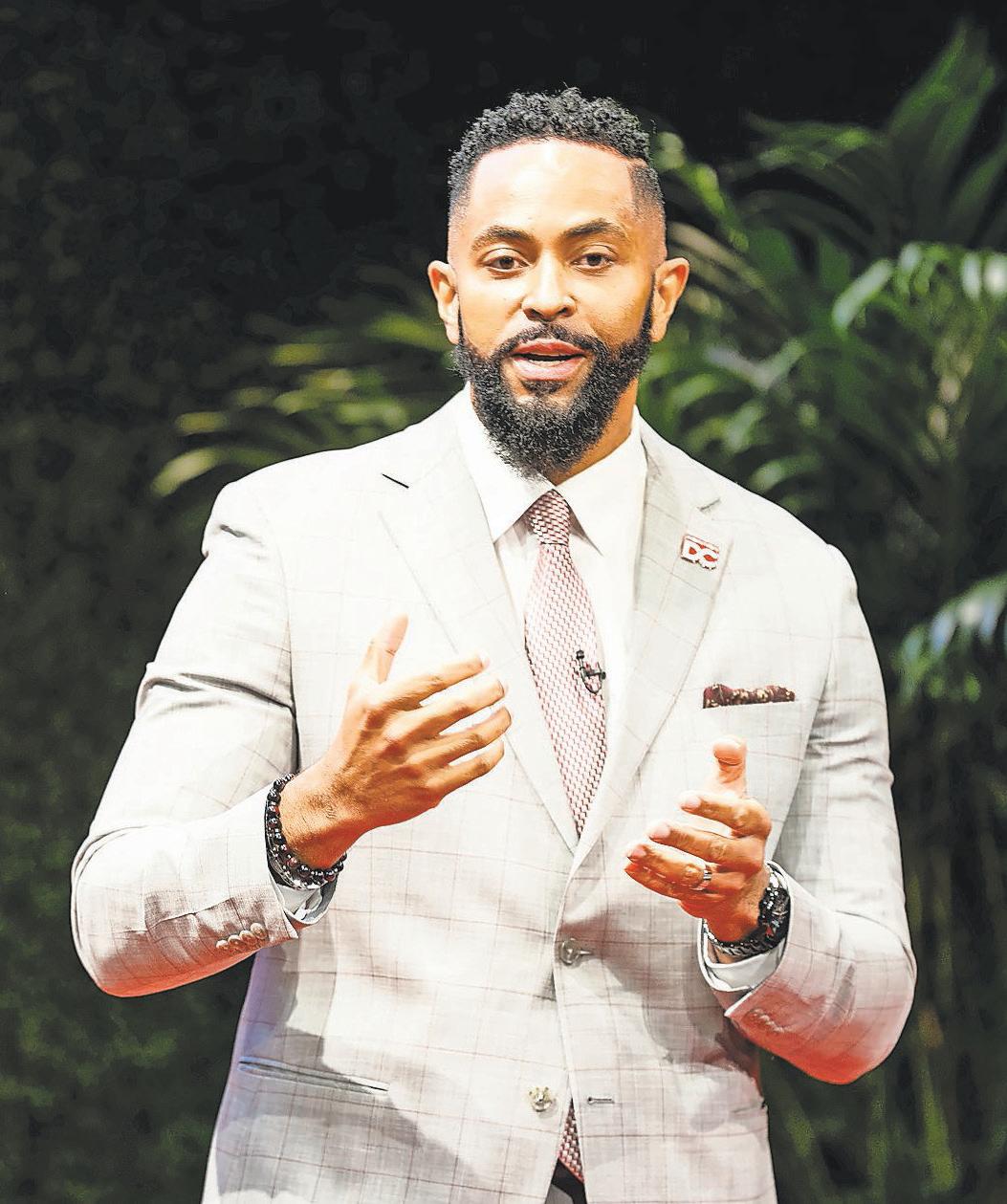
Gerren Price serves as the president and CEO of DowntownDC Business Improvement District (BID), a private, nonprofit organization that manages and promotes the revitalization of the city’s center. The organization recently unveiled the 2025 State of Downtown Report, which showed public safety and cultural activity wins in addition to declines in job growth, tourism and housing growth.
Part of downtown D.C.’s economic trajectory has been shaped by federal
“A healthy, thriving downtown spurs a healthy, thriving D.C. for all eight wards.”
- Gerren Price, President and CEO of DowntownDC Business Improvement District
policy decisions, including sweeping workforce reductions across agencies and the 47th president’s deployment of the National Guard in August 2025 in response to what officials described as a crime emergency.
Though downtown, overall, saw a 2 percent increase in visitation throughout the year, out-of-market and regional visitors started to decline in the summer—corresponding with the heavier law enforcement presence. By November, regional visitation was down 1 percent, while out-of-market visitors fell 4 percent.
“Foot traffic in 2025 started with a sprint but ended up crossing the finish line with a hobble,” said Mark Simpson, director of planning and economic development for DowntownDC BID.
“Despite these headwinds our cultural anchors and institutions saw increased attendance year over year.”
Cultural attendance rose 9 percent overall. Downtown museums saw a revenue increase from $3.07 million in 2024 to $3.62 million in 2025, while Capital One Arena saw a slight uptick from $1.73 million to $1.74 million. Local theaters, however, experienced declines, falling from $703,000 to $646,000.
Job growth remained a major pain point for
of
Large youth gatherings tied to social media “teen takeovers” are disrupting public spaces and nightlife in Washington, D.C., leading to fights, property damage and dangerous street activity. Some incidents even result in arrests and injuries.
By Tashi McQueen AFRO Staff Writer tmcqueen@afro.com
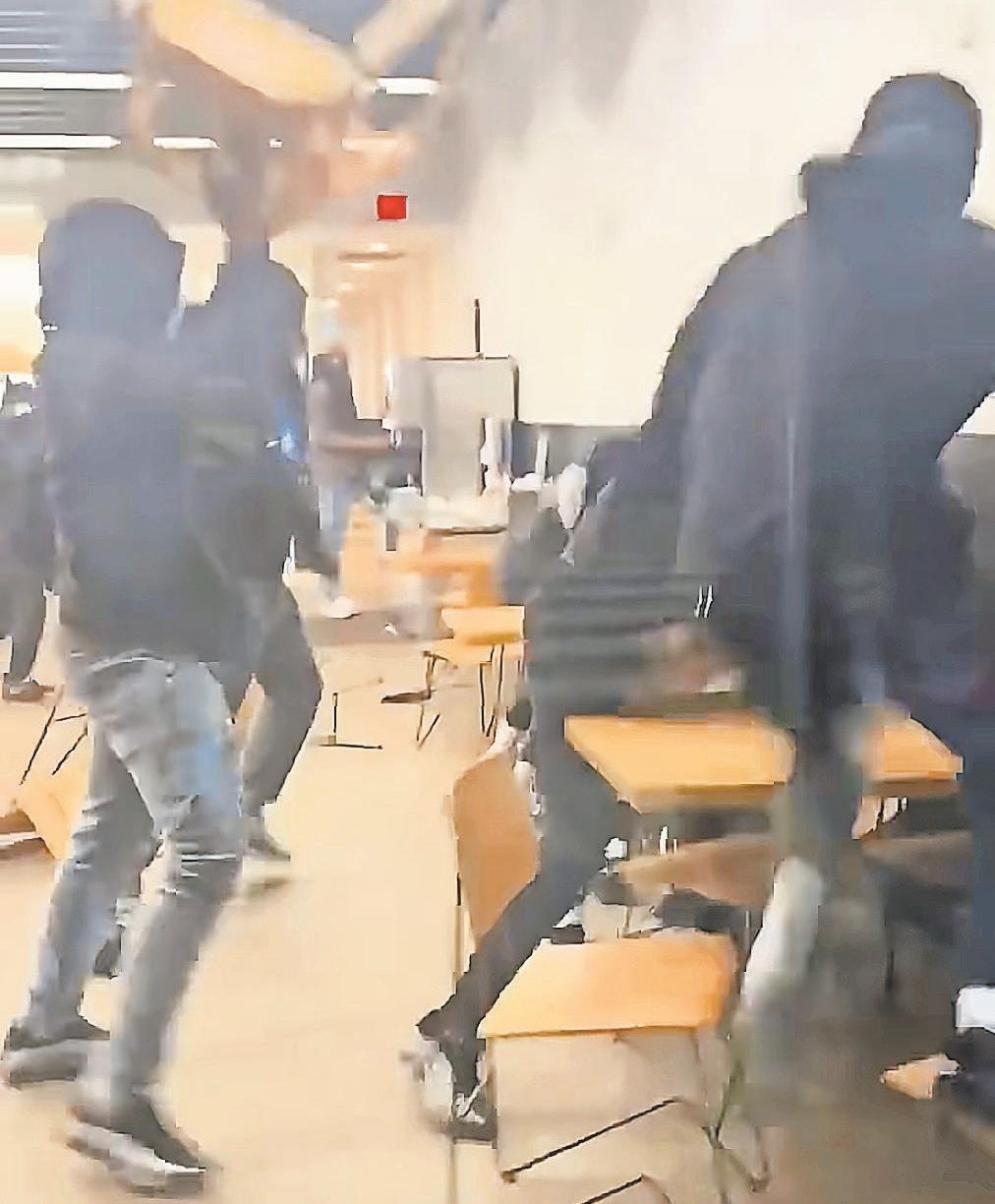
The D.C. Council gave final approval May 5 to modified juvenile curfew legislation designed partly to address social media-driven “teen takeovers.” Weeks later, another takeover resulted in a viral fight and heightened attention to the issue. According to the Metropolitan Police Department (MPD), officers at 8:41 p.m. on May 16, MPD received a call about a large fight inside a Chipotle restaurant in the 1200 block of First Street, SE. “MPD members were already deployed in the areas
By D. Kevin McNeir Special to
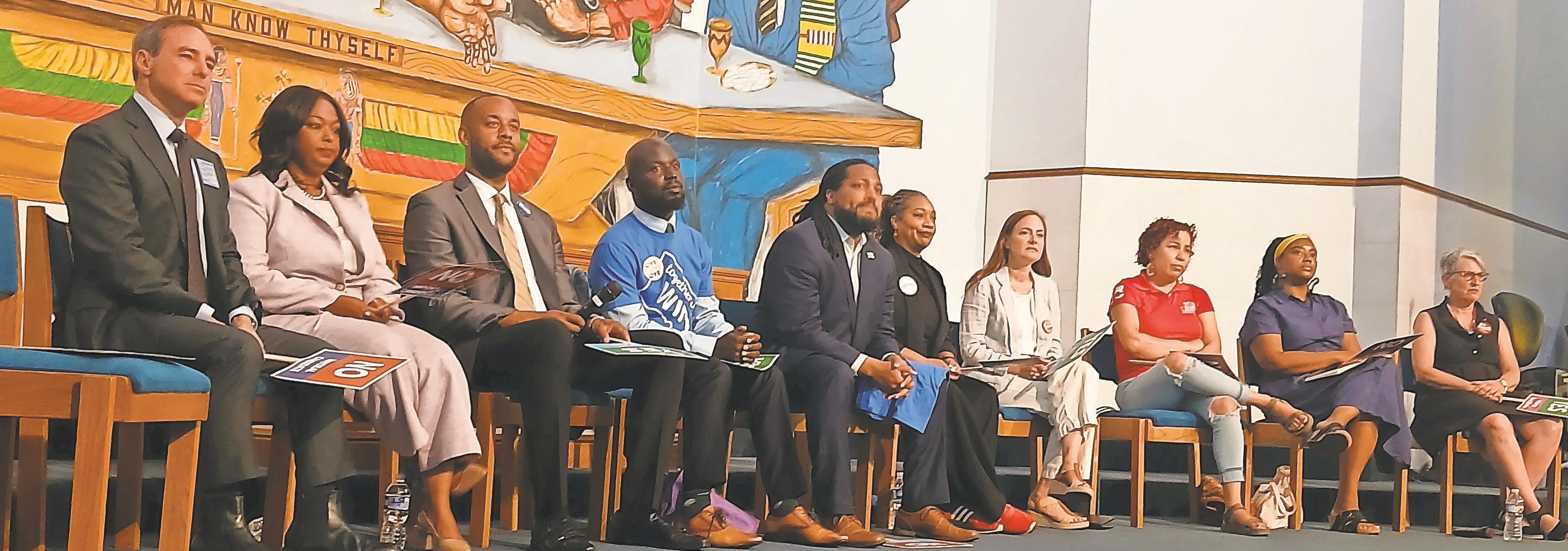
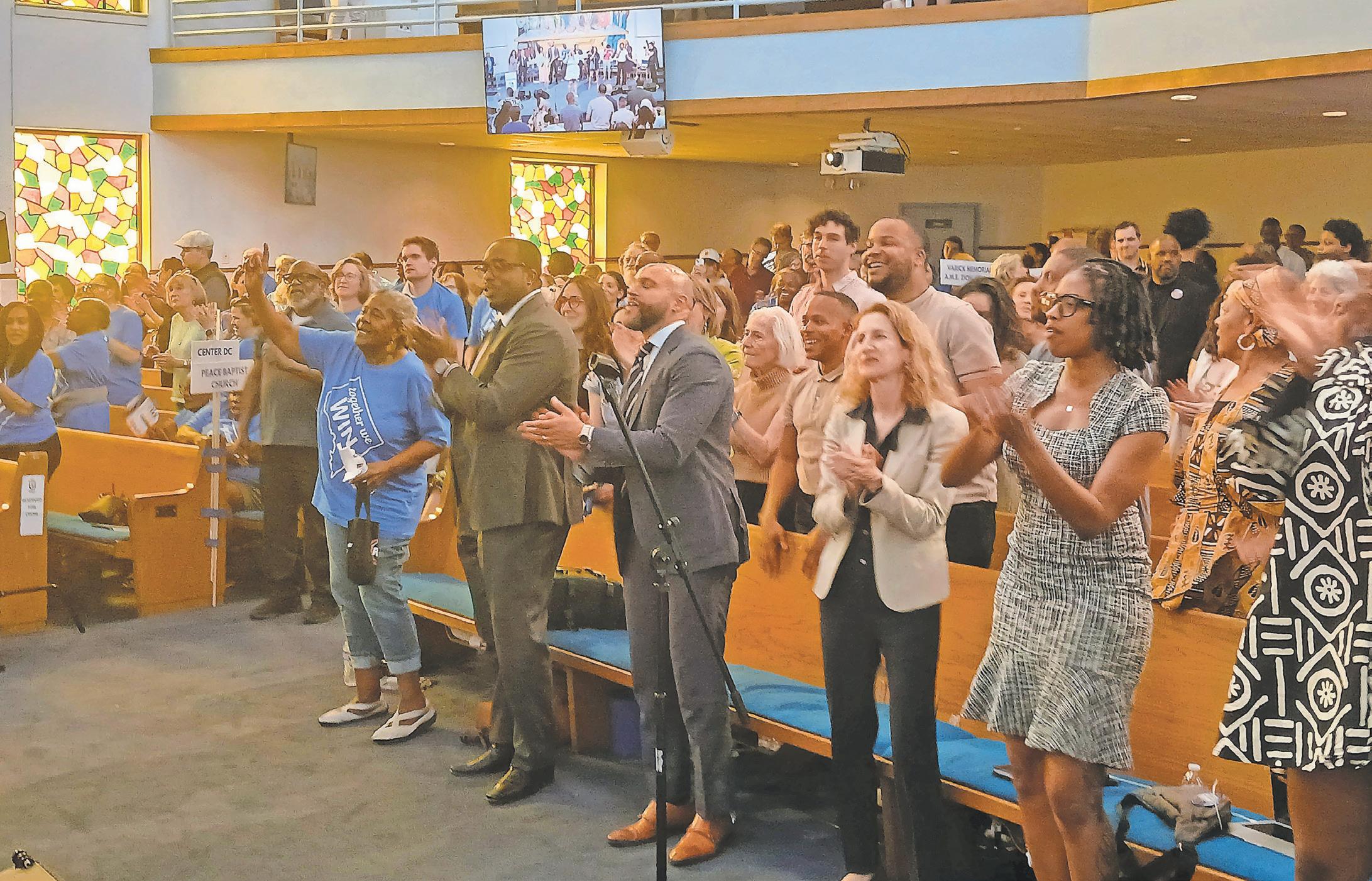
The pews at Union Temple Baptist Church in Southeast Washington, D.C., were filled to capacity on May 17.
And while the prayers and songs of praise were prevalent as one would expect, the hundreds who attended were there to represent their various faith communities and to voice their concerns to candidates seeking their votes in next month’s D.C. primary elections.
The event, sponsored by the Washington Interfaith Network (WIN), served as
an opportunity for voters to speak to mayoral, congressional, and D.C. City Council candidates on the issues that dominate their thoughts and impact their lives.
The Rev. Dr. Anika Wilson-Brown, Union Temple’s senior pastor, who continues the legacy cemented by her father, the Rev. Dr. Willie F. Wilson, said she opened the doors to her church in Anacostia to send a message to the candidates and to the District’s current business and political establishment.
“Our congregation is critically engaged and socially and politically active, and with so many things
changing in our country and in the District, we want to make sure that our concerns are heard and addressed,” Wilson-Brown said. “We have suffered for far too long with issues like being in a food desert and the need for more affordable housing that have been routinely ignored by our elected officials.
“Today, we’re bringing the peoples’ agenda to the candidates and reminding them what it means to be part of a democracy. And while some of the candidates have ties to this church, this is a non-partisan event. But to be clear, this is not a debate – it’s a forum. And for the record,
Union Temple is staying right here in D.C. and we will be heard.”
Rabbi Aaron Alexander, co-senior rabbi at Adas Israel Congregation in D.C., helped Wilson-Brown set the tone for the nearly three-hour forum.
“We’re going to pray and we’re going to wake up those of us who may have fallen asleep, because our people are under attack by those who want to make God appear to be small,” Alexander said. “But we know that God is too big to be reduced. This city belongs to us!” WIN, founded in 1996, serves as a non-partisan, multi-faith, and multi-racial
“citizens power” organization in Washington, D.C., that organizes local congregations and associations in the fight for social and economic justice. As a broad-based coalition of 48 dues-paying congregations, unions, and

Continued from A7
downtown in 2025. The report found that the District lost 39,300 jobs, while suburban Maryland added 12,000 jobs and Northern Virginia added 111,300 last year.
“The District, overall, has the unique and unenviable position of being the only jurisdiction amongst our neighbors that not only saw
Continued from A7
negative job growth last year, but it’s still below pre-pandemic levels,” said Simpson. He noted that early data from 2026 suggests that the downward trend will continue, making it even more important for job growth to be a key focus in the District’s economic development strategy.
Housing development presented another challenge. Currently, the development of market-rate multifamily housing in downtown has largely halted, according to
Simpson. In 2025, the District recorded 6,240 multifamily construction starts compared to 9,924 in 2019.
“We need more housing. For a myriad of reasons, we need to be building more,” said Simpson. “But, these visions cannot become a reality if we do not continue the policy gains, like the ones we saw in the Rental Act, the investments and abatements in things, like the Housing in Downtown or Office to Anything program. We need to
Teen takeovers “Curfews are not a solution, they are a reaction. This council has an obligation to do better than react.”
to monitor a large group and arrived on scene within one minute of the call,” said MPD in their May 18 statement on the matter. “The officers were advised on scene within one minute of the call. The officers were advised that the individuals involved in the fight had already fled the location.”
In the viral video of the fight, several teens dressed in black can be seen throwing chairs across the restaurant and punching one another. A family with small children, who appeared to be customers, can also be seen trying to avoid the fighting and flying chairs.
“Witnesses reported one group of juveniles were inside of the establishment when another group entered and a fight broke out immediately,” they added. “Both groups fled prior to the officer’s arrival. No injuries were reported.”
MPD said their detectives are investigating the incident. Anyone with information on the persons involved is urged to call 202-727-9099 or text 50411.
“Teen takeovers” have disrupted nightlife districts and public spaces in Washington, D.C., and other cities. The council approved the Juvenile Curfew Amendment Act of 2025 in an 8-5 vote, in an effort to combat unwanted behavior from youth.
D.C. Councilmembers Trayon White Sr. (D-Ward 08), Robert C. White Jr. (D-At-Large), Zachary Parker (D-Ward 05), Janeese Lewis George (D-Ward 04) and Brianne K. Nadeau (D-Ward 01) voted against
- Trayon White Sr., D.C. Councilmember (D-Ward 08)
the bill.
D.C.’s permanent youth curfew has existed since 1995, though officials in recent years debated and passed temporary measures to strengthen it.
The Juvenile Curfew Amendment Act of 2025 allows police to establish temporary expanded curfew zones with earlier curfew hours for groups of minors. The bill also places limits on enforcement, including warning and dispersal requirements.
Official curfew hours remain as 11 p.m. to 6 a.m., Sunday to Thursday and 12:01 a.m. to 6 a.m. on Friday and Saturday nights for anyone under 17.
Lawmakers in favor of the bill said the curfew changes are intended to improve public safety.
“We as the council and all adults across the city have to have the best interests of our young people in mind as we create all of our policies,” said Councilwoman Brooke Pinto (D-Ward 02). “We must ensure that our kids are engaged in positive activities to support their development, and also work to prevent dangerous situations to protect our kids and our communities.”
Pinto, who voted in favor of the legislation, pointed out that the curfew zones are just one tool to help achieve this.
MPD Interim Chief Jeffery W.
Carroll testified during a Feb. 25 oversight hearing, saying several District communities experienced large youth gatherings throughout 2025 tied to “teen takeovers,” involving up to 100 or more participants. He said gatherings included fights, property damage and dangerous activity in the streets, with at least one youth struck by a vehicle and one driver hospitalized.
Critics argued the measures could lead to overpolicing and fail to address deeper issues facing youth.
“Curfews are not a solution, they are a reaction,” said Councilmember White during the May 5 council session. “This council has an obligation to do better than react.”
White said research on curfew laws is consistent.
“Curfew laws do not reduce crime,” he said. “They criminalize adolescents [and] disproportionately impact Black and Brown youth in our communities that always carry the heaviest burdens of overpolicing. We cannot claim to care about our young people, while continuing to treat their presence on the street like a threat.”
White said real public safety would involve addressing the root causes of these gatherings through wraparound services and community-driven programs for youth.
Concerns about the legislation
look creatively at public financing mechanisms that can make projects pencil that otherwise would be stuck in the pipeline.”
Despite ongoing hurdles to downtown’s recovery, DowntownDC BID leaders said the city center’s trajectory cannot be viewed as separate from the rest of the District, arguing that its condition is tied to broader neighborhood stability and long-term growth.
Price emphasized that downtown’s evolution is about more than
returning to pre-pandemic conditions, but reimagining how it functions for residents, workers and visitors.
“A healthy, thriving downtown spurs a healthy, thriving D.C. for all eight wards. We have to stand up and continue to make sure that everybody in the city understands that for our future to be secured,” said Price. “As we think about where downtown is going, it’s not just recovery, it’s reinvention. It’s not just progress, it’s about people, joy and possibility.”
were echoed by youth during an April 30 public roundtable held by the Committee on Youth Affairs.
“I do not believe the teen curfew zones are necessary and I don’t believe that they address the real issue,” said Onesti Hill, a youth advocate and member of the T.R.I.G.G.E.R. Project, a D.C.based youth organization working to reduce the spread of youth gun violence. “A lot of young people are outside after school because they’re trying to get away from something, not because they’re trying to cause harm.”
“Not every home is safe,” Hill added. “Not every environment is stable. For some kids, being outside
feels better than being inside. A curfew does not fix that, it ignores it.” Hill acknowledged that some teens do gather to cause disturbances, but argued it is unfair to “punish” all young people for the actions of a few.
Youth recommended solutions beyond the curfew, including extended recreation center hours, greater collaboration with youth and safer community spaces and programs for young people. The Juvenile Curfew Amendment Act of 2025 is currently under mayoral review, with a response due by May 25. The bill must then undergo a congressional review period before it can officially become law.
7, urged the audience to engage in “radical responsible activism.”
“The churches, mosques and synagogues represented here today have long-time members and city residents who have been silent, but that’s over now,” Bell said. “We have sheltered the faithful from leaders who have taken our support and our
votes for granted. So, while we are praying for those who are seeking election, we’re praying within the limits that define our faith and our beliefs.
“We don’t want politicians who support criminalizing our youth through curfews but who offer no solutions to the challenges youth people face. This is still our city and its strength rests in its people – in us. It’s always been that
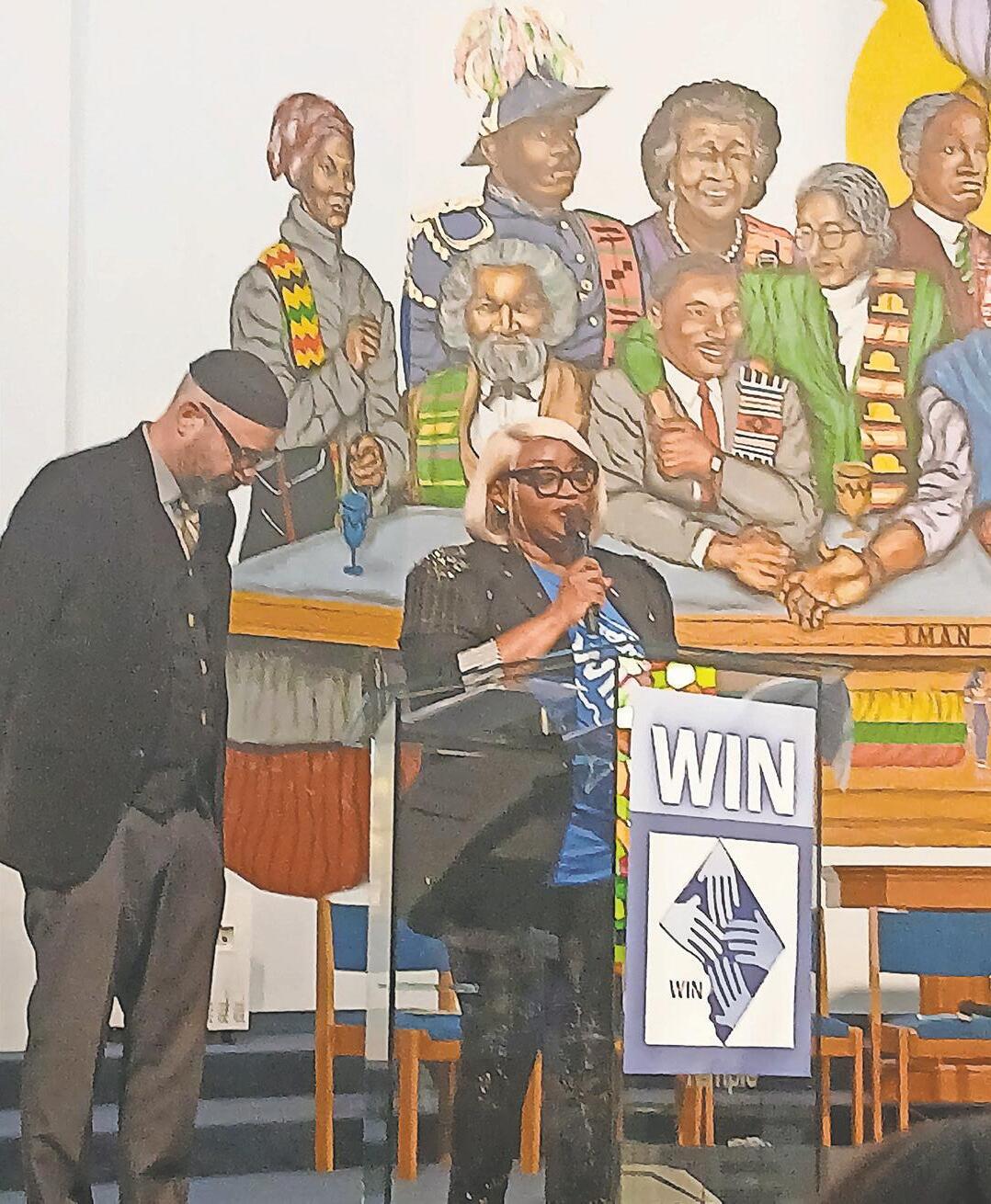
way. Our power is the people and when we combine forces, together we will win.”
Atrayu Lee, a senior at Thurgood Marshall Academy Public Charter High School in D.C., received a standing ovation after sharing his sentiments about the challenges faced by his peers.
“We are not criminals, we’re just youth trying to find our place in this world and we deserve to be heard,” said Atrayu who serves as the president for the school’s student government association. “We’ve been unfairly portrayed as thugs and criminals. We’ve been harassed and beaten by the
police. And it’s wrong because most of us are hard-working students with dreams and ambitions. We are the voices and leaders of tomorrow.”
Joy Masha, who helped organize a group of over 50 members from Metropolitan AME Church, located in Ward 2, said she’s looking for elected officials who are serious about providing pathways to home ownership to those under 40.
“Like our parents and grandparents, those like me who are Gen Zers or Millennials also want to achieve the so-called milestone of adulthood – home ownership,”
Masha said. “But even if we’re still renting right now, we want to live in a space that we can comfortably afford and call home.
“And while the District has programs for first-time home owners, and while some like me have qualified, we still cannot secure loans that allow us to purchase homes in the areas of our choice. We’re being pushed to the fringes of the city. For some of us, that’s fine. But not for me.”
But perhaps the most powerful testimony on the issue of affordable housing came from 72-year-old Beatrice Evans.
“My mother is almost 100 years old and we are a family of five living generations of native Washingtonians,” Evans said. “Rising prices and increasing taxes are forcing people like me to wonder how long we will be able to remain in our homes – in this city that we love and have supported for our entire lives. There’s something wrong with that picture. We don’t need politicians who make promises on the campaign trail but who break those promises once they’re elected. We need folks who care about ordinary people like me.”

By Patricia McDougall
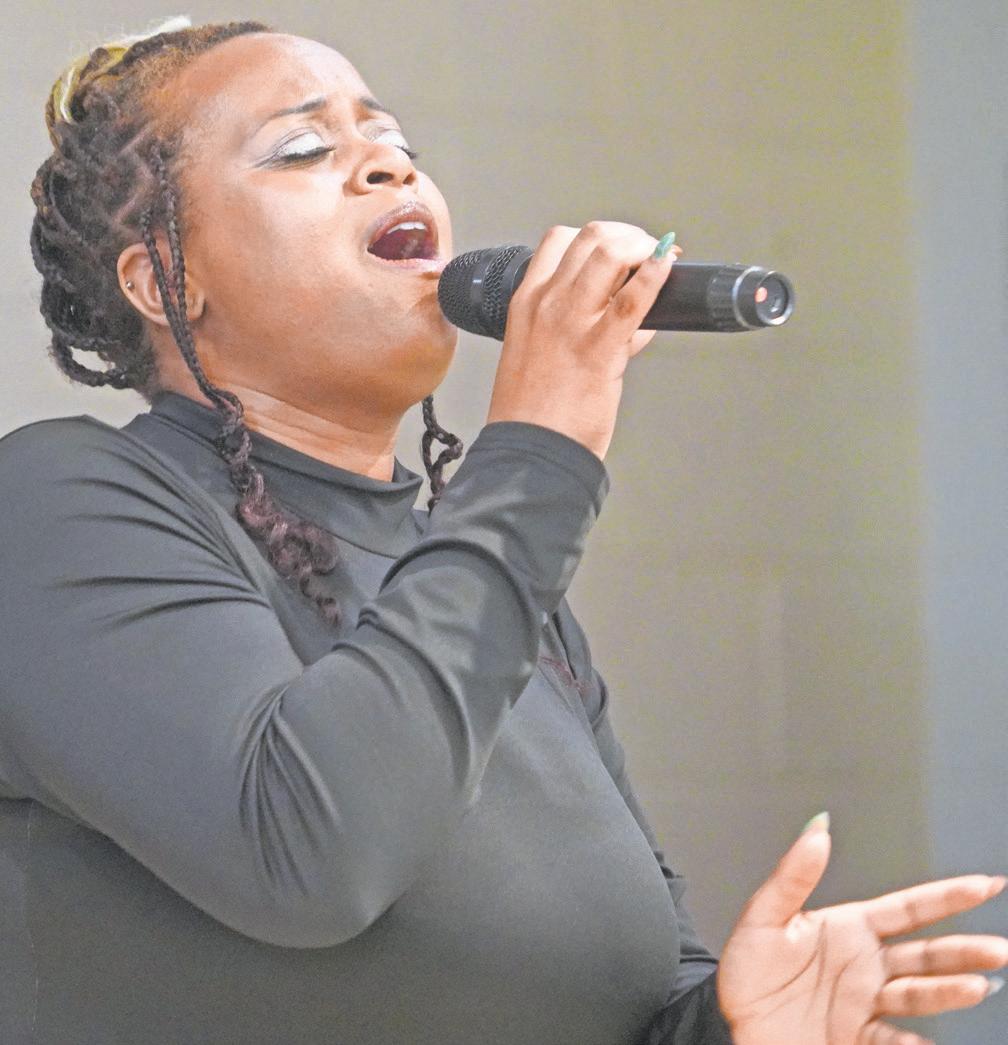
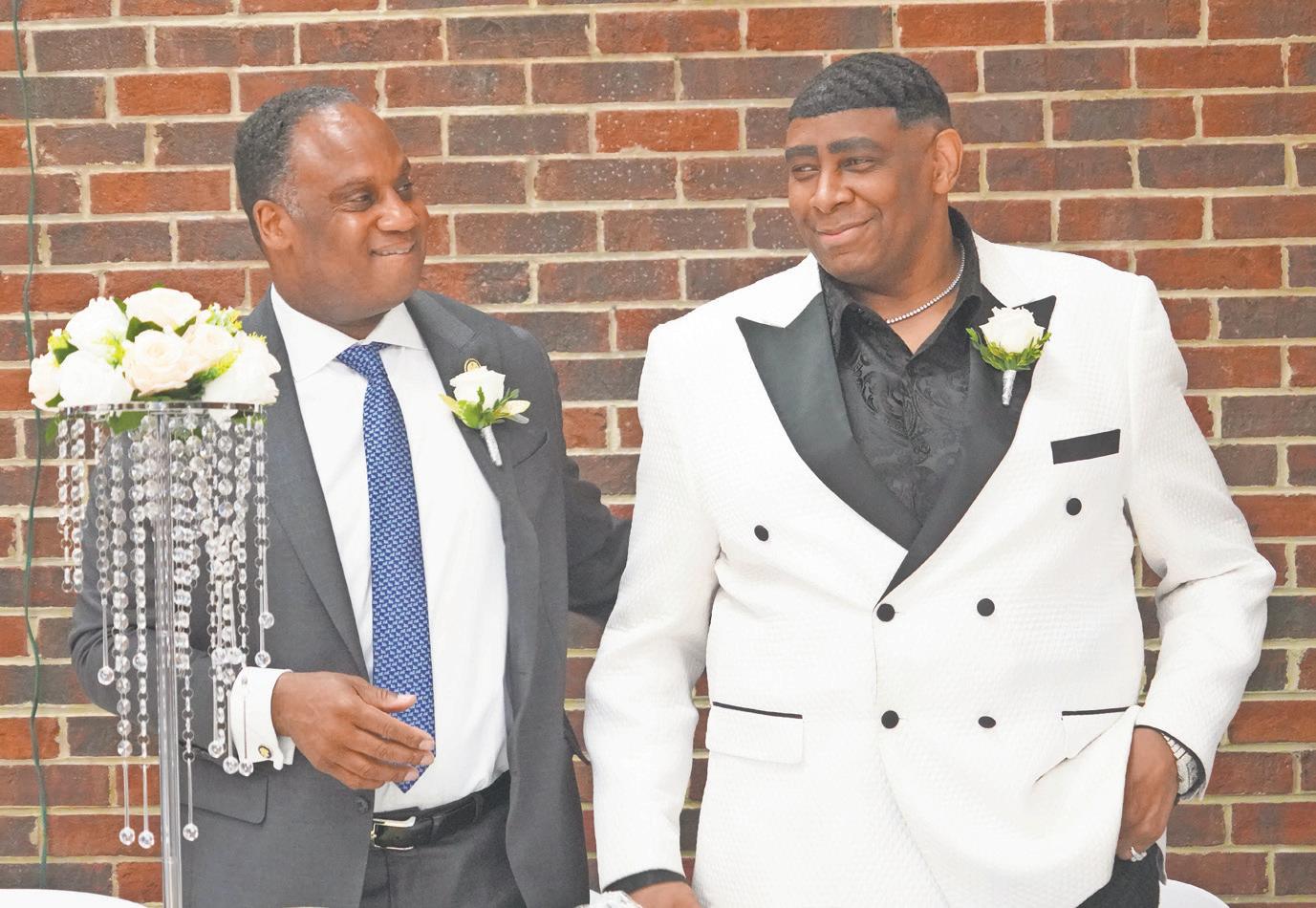
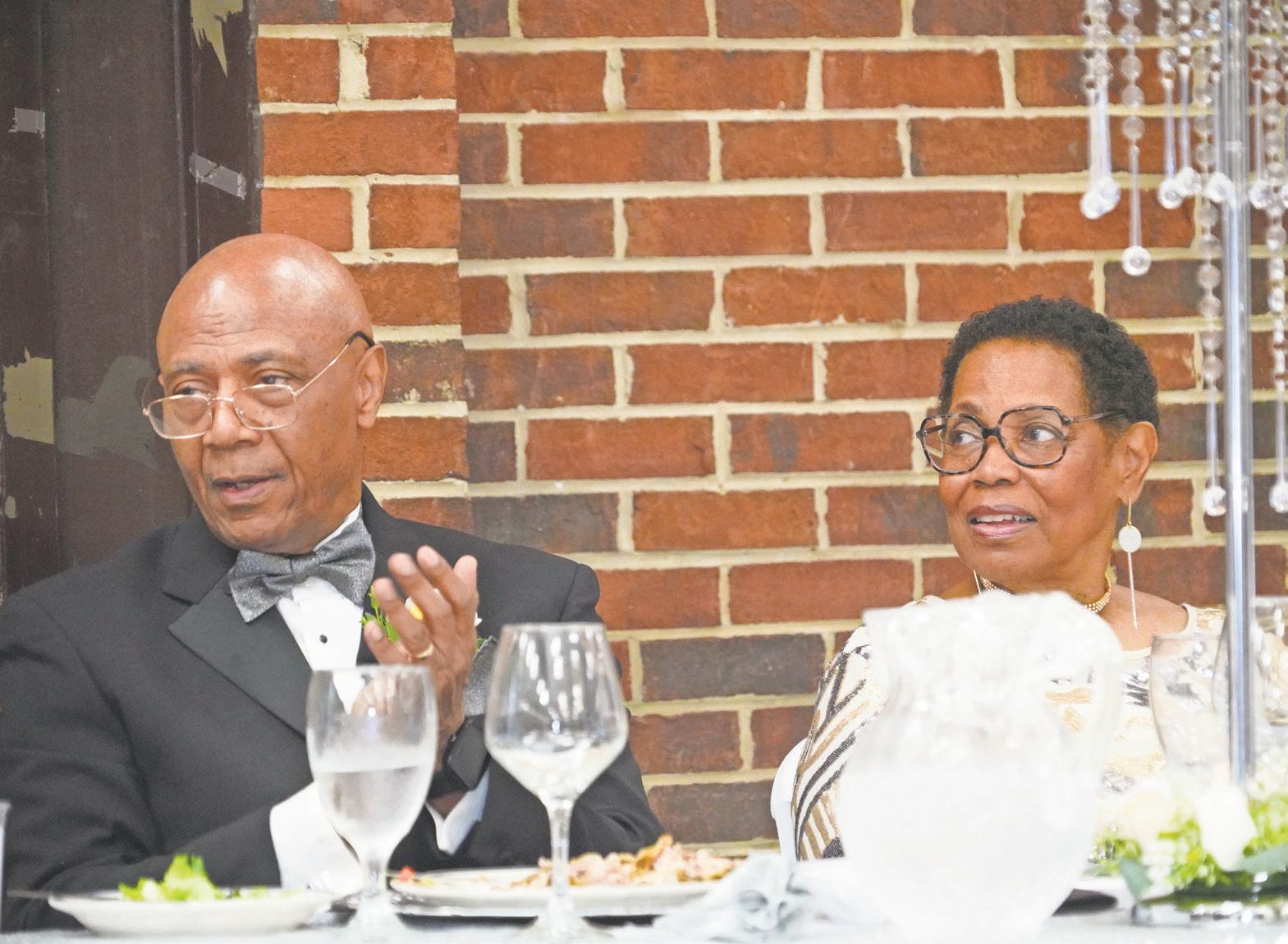
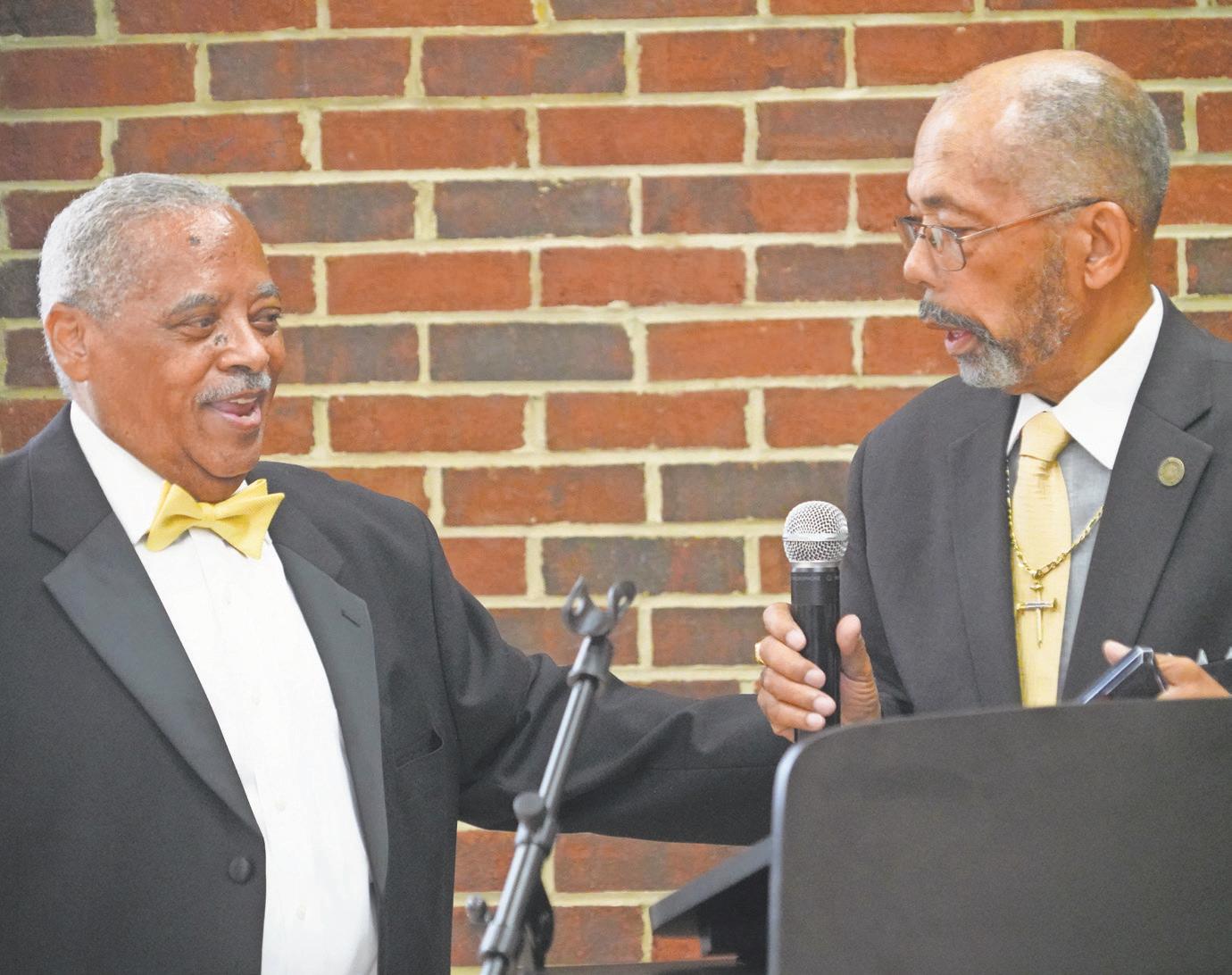
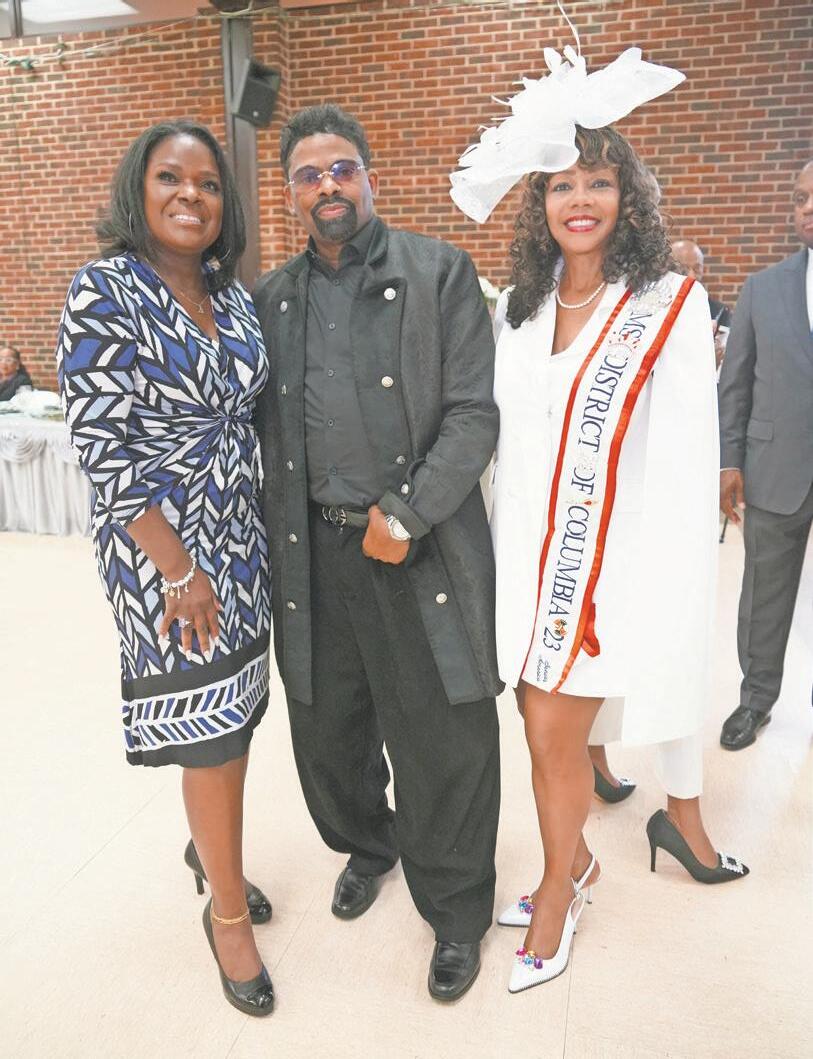
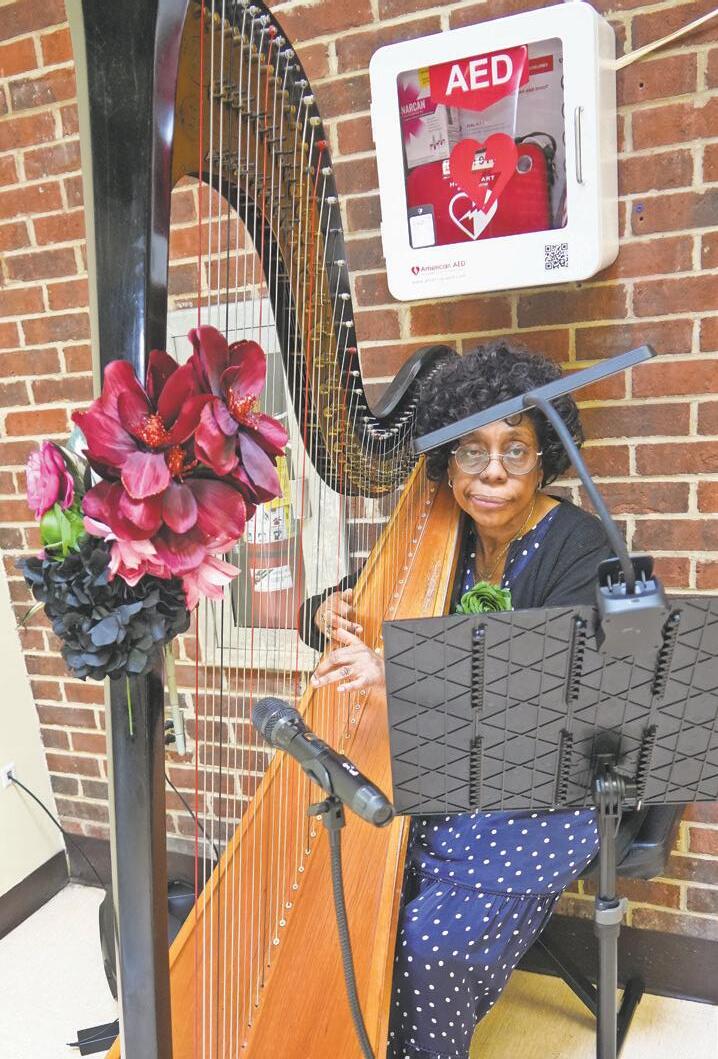
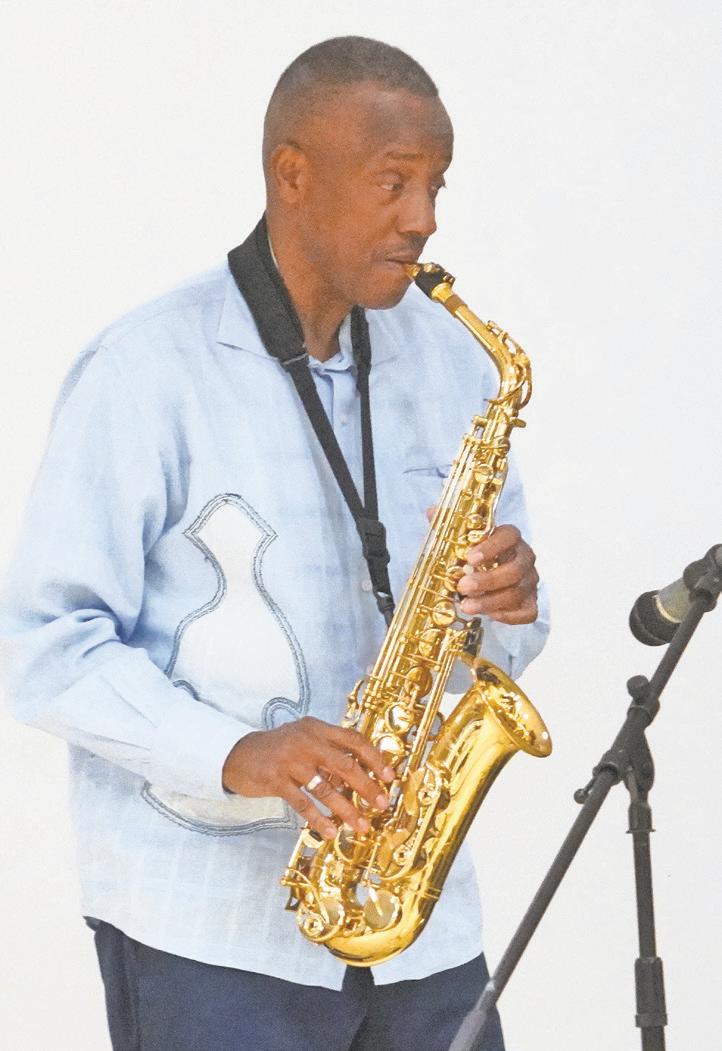
On Sunday, May 17, First Rising Mt. Zion Baptist Church held its 90th anniversary celebration at Our Lady of Perpetual Help in Washington, D.C. The event honored nine decades of service, but also served as the inaugural First Annual National Awards Gala.
Congressman Jonathan L. Jackson (D-Ill.-01), distinguished member of the U.S. House of Representatives and son of the late legendary civil rights icon, Rev. Jesse L. Jackson, served as the esteemed keynote speaker for the event.
Congressman Jackson was personally selected and invited by his friend, Bishop George E. Holmes, whose visionary leadership and national foresight
shaped the evening into a landmark gathering of faith, influence and leadership.
Holmes serves as co-chairman of the First Annual National Awards Gala, along with Lolita Plummer.
The congressman’s stirring presence and powerful message elevated the celebration into a distinguished occasion that united honored guests, clergy, elected officials, business executives, civic leaders and global partners in ministry, political advancement, community development and transformational leadership.
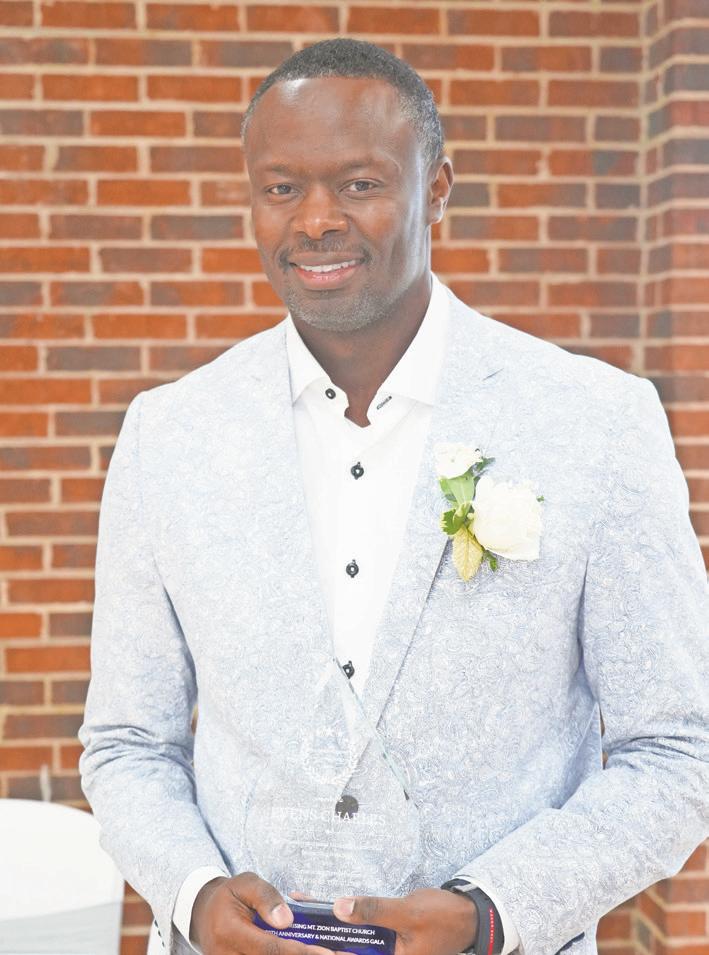
The distinguished national honorees included D.C. Mayor Muriel E. Bowser; Evens Charles, pioneering entrepreneur and owner of the Hyatt House Washington D.C./Downtown/Convention Center, recognized
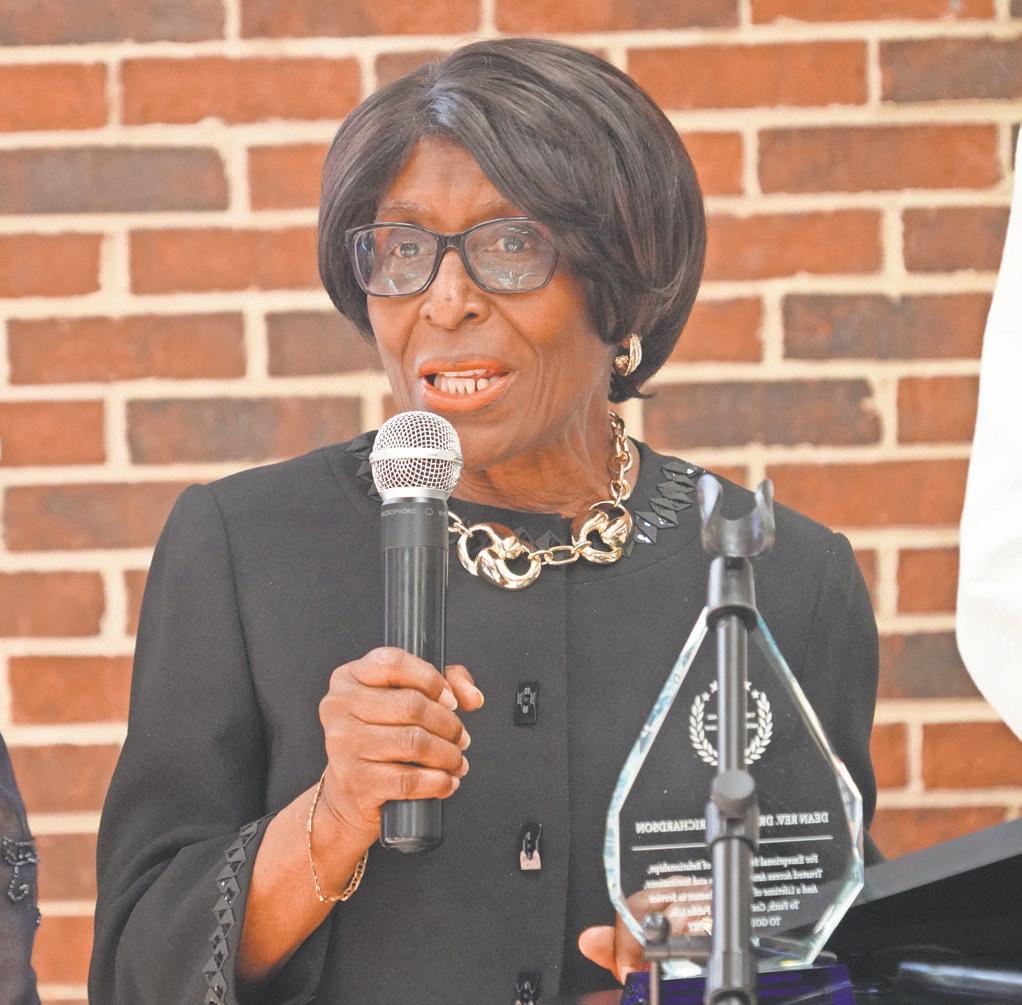
as the first African-American owner of a hotel property in Washington, D.C.; and the nationally respected preacher and educator Rev. Dr. Bernard L. Richardson, who serves as the esteemed dean of the Andrew Rankin Memorial Chapel at Howard University.
The event stood as more than a celebration— it emerged as a national and global declaration of faith, vision, legacy, unity and generational impact.
As First Rising Mt. Zion Baptist Church commemorated 90 years of ministry, the evening reflected the church’s enduring commitment to spiritual leadership, community transformation, national influence and the advancement of future generations.
All AFRO Photos / Patricia McDougall
By Tashi McQueen AFRO Staff Writer tmcqueen@afro.com
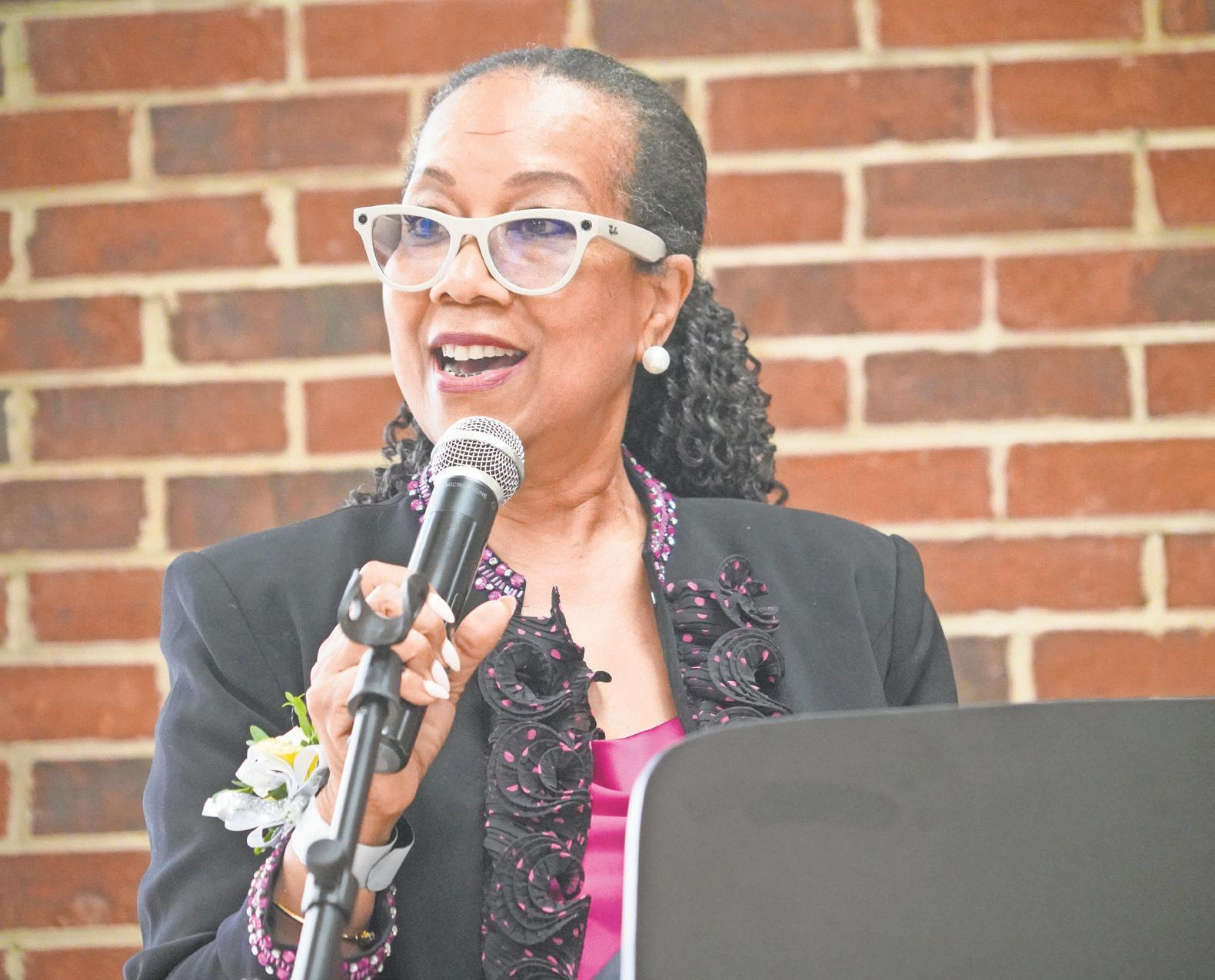
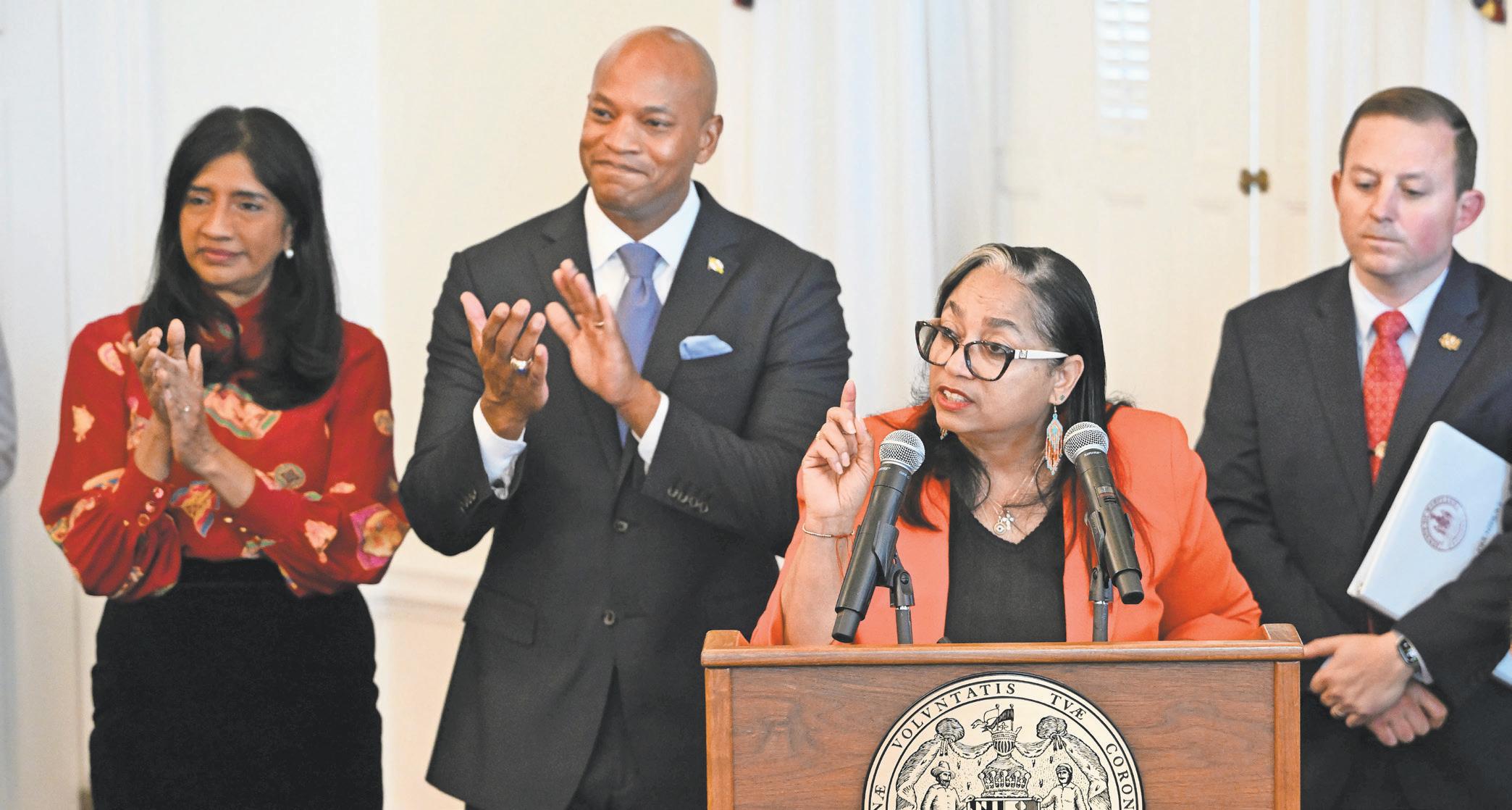
Maryland Gov. Wes Moore (D) hosted his third bill signing since the close of the 2026 Maryland General Assembly session at the State House on May 12, signing more than 200 bills into law.
Among them were the Utility Reducing Energy Load Inflation for Everyday Families (RELIEF) Act, aimed at lowering energy bill costs for Maryland families. He also signed the Protecting Artists’ Creative Expression (PACE) Act, which limits how artists’
“What if they used my lyrics that I created against me? Maybe, I wouldn’t have been the president and CEO of Def Jam Recordings.”
- Kevin Liles, Co-founder and CEO of 300 Entertainment
creative works can be used as evidence in court.
“The Bipartisan Utility RELIEF Act speeds up new energy generation,” said Moore. “It invests in local clean energy and it stops big corporations from shifting their costs onto taxpayers. Under this law, data centers will finally be forced to pay
for any grid update that they require.”
Moore said the average Maryland family will save hundreds of dollars a year on utility bills under this new law. The Utility RELIEF Act took effect immediately upon signature as an emergency measure, though certain provisions will not
take effect until July 1.
“We have an affordability crisis in our country, and it’s impacting Maryland,” said House Speaker Joseline Peña-Melnyk
“More than 25,000 federal workers have lost their jobs and they live in Maryland.
By Tashi McQueen AFRO Staff Writer tmcqueen@afro.com
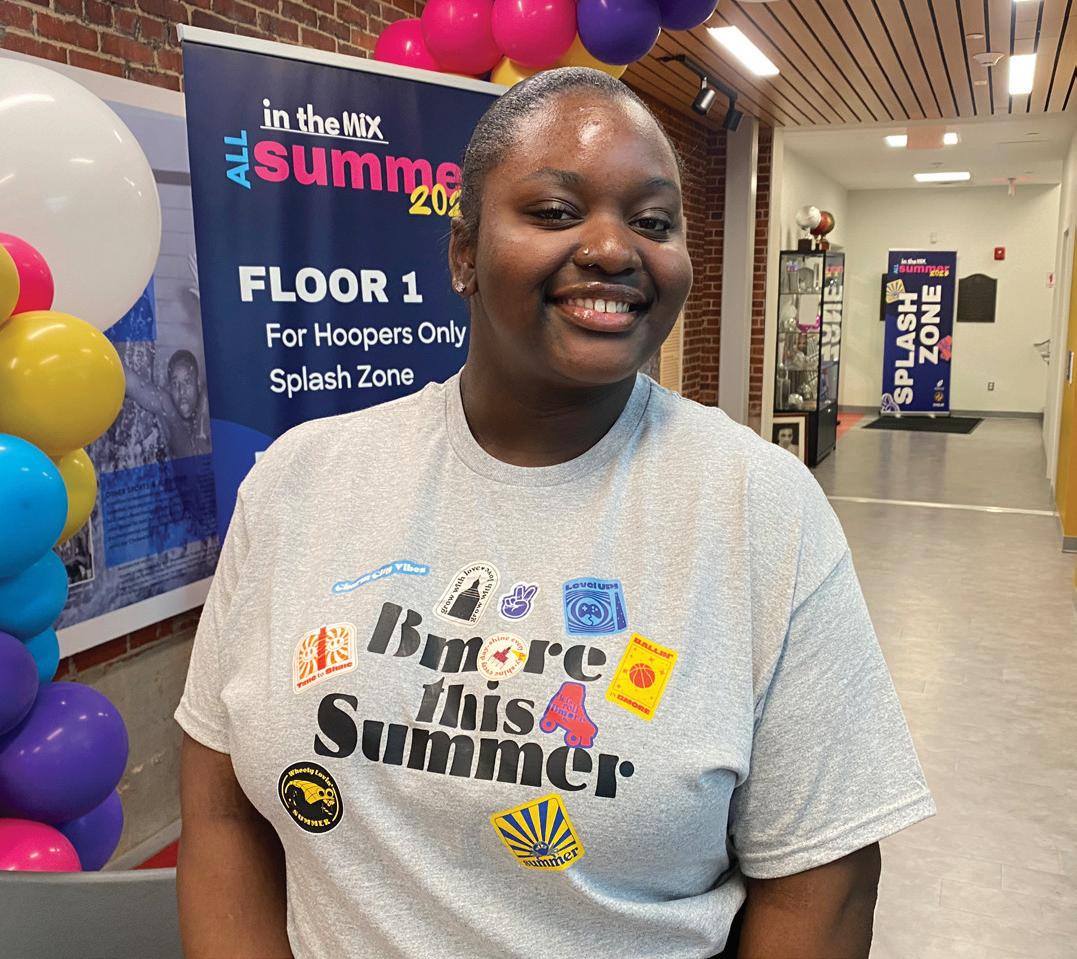
Mayor Brandon M. Scott’s (D) administration unveiled its summer youth engagement strategy during a May 13 press conference at the newly renovated Chick Webb Memorial Recreation Center in East Baltimore.
The Mayor’s Office, Downtown Locker Room (DTLR) and the Baltimore City Department of
Recreation and Parks (Rec and Parks) are partnering on this summer’s programming. Activities include teen concerts, pool parties and community block parties. The initiative comes as cities nationwide face concerns surrounding viral “teen takeovers,” large youth gatherings often organized through social media. Baltimore leaders said the strategy aims to keep youth safe and engaged.
Black journalists, photographers and publishers earn top honors at MDDC awards
By Megan Sayles AFRO Staff Writer msayles@afro.com
The Black Press won big at the MDDC Press Association’s annual conference and awards ceremony, held at the DoubleTree by Hilton Hotel in Annapolis, Md., on May 8. The contest honors excellence in journalism across Washington, D.C., Maryland and Delaware.
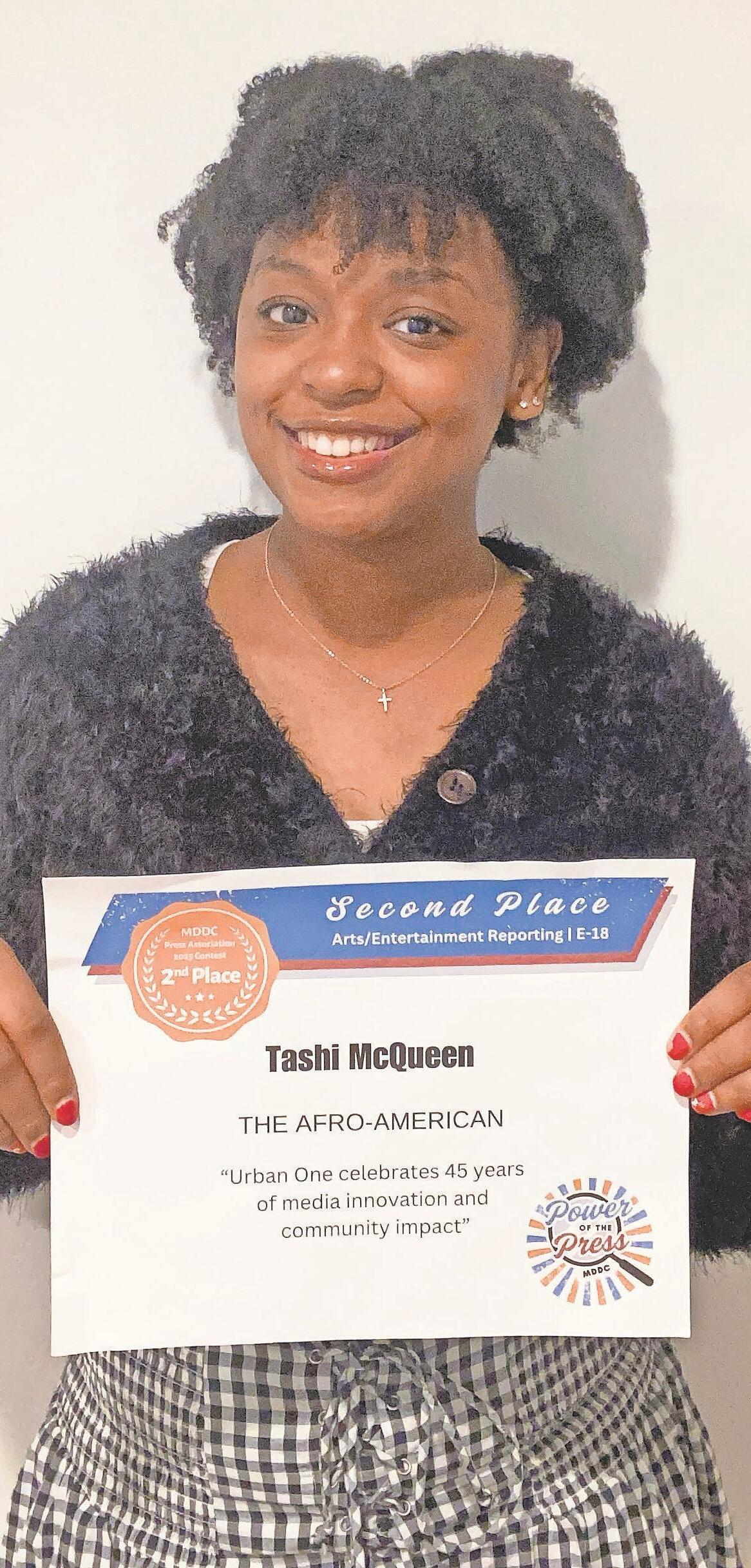
The AFRO took home 13 awards across categories, including business reporting, page design, advertising campaign, continuing coverage and local column. Staff writer Tashi McQueen won second place for her story celebrating the 45th anniversary of Radio One in the arts and entertainment reporting bracket of Division F.
McQueen recalled a prophetic comment made by founder Cathy Hughes while preparing the article.
“When we did the interview, she actually made a comment saying, ‘This must be an award-winning story,’ because of all we were going through to get the interview done,” said McQueen.
“Lo and behold, it is an award-winning piece, but also it was just an honor to do the piece—documenting that history, the impact it had and how, through Radio One, she gave so many different
Black artists an opportunity and space to create that they wouldn’t have had otherwise.”
The MDDC Press Association comprises more than 100 news organizations that span print, online-only and broadcast media in Maryland, Delaware and D.C.
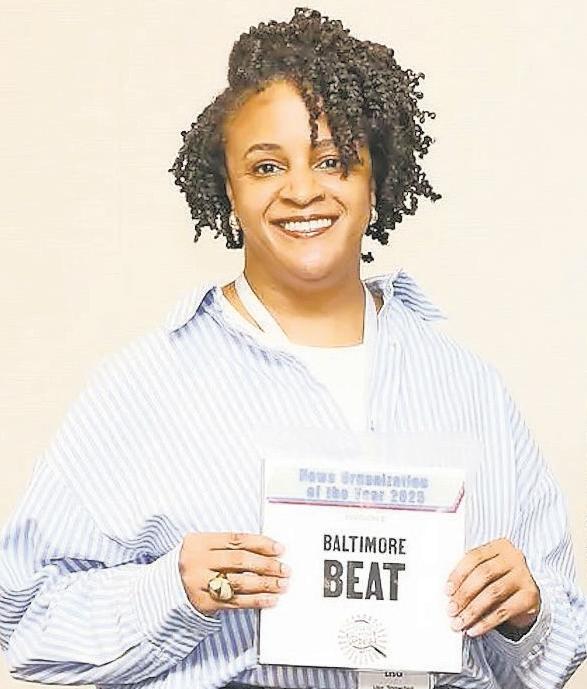
In addition to the AFRO, local Black Press, including The Washington Informer, captured multiple awards at the ceremony. The Baltimore Beat, which is Black-led with Lisa Snowden at the helm, also made a name for itself at its first MDDC award run.
Ja’Mon Jackson, photographer with The Washington Informer, won first place in Division E for general news photo. It was Jackson’s first award as a photographer.
“It feels good to be in a space where you’re recognized for the work that you are documenting in the community,” said Jackson. “The community work is rather critical and to be shown appreciation for that is really awesome and affirming.”
The Washington Informer also secured accolades in news-driven multimedia storytelling, online blog commentary, editorial, spot news video, general news video and features video.
The Baltimore Beat won 23 awards in its first-ever appearance at the contest.
Notably, the nonprofit newspaper was named the 2025 News Organization of the Year and took home Best of Show awards for page design and growth and land use reporting.
“It feels good because we do a lot of work with not very many resources, which is the theme for most Black journalism,” said Snowden, CEO and publisher of the Baltimore Beat. “It feels good to know that talent and dedication work, and you don’t always need to have a million dollars to make good journalism.”
Given the current political and social climate, Snowden said recognition like this motivates her media outlet to persist in spite of the obstacles.
“Especially now, when there’s so many attacks on journalism and Black voices specifically on top of journalism already not being any easy thing, it’s been really
scary,” said Snowden. “It’s nice to get little things like this to keep you going.”
Below is the full list of the AFRO’s 13 awards from the MDDC Press Association
Continuing Coverage (Division F)
Award: Second Prize Winner: AFRO staff
Business Reporting (Division F)
Award: Second Prize Winner: Victoria Mejicanos
Article title: “Bridging the racial financial divide: From credit inequity to sustainable wealth building”
Environmental Reporting (Division F)
Award: First Prize
Winner: Megan Sayles
Article title: “When the weather and the market turns against you”
Scott was not in attendance, but released a statement later that day.
“As always, our goal this summer is to keep our young people safe, connected and engaged by combining non-traditional curfew engagement with programming directly tailored to their interests,” said Scott. “This summer, we’ll be ‘In the Mix in ’26’ with even more opportunities for our young people to make the most out of their summer break and stay safe.”
The initiative aims to provide safe spaces and activities for youth during the summer months. Baltimore generally prohibits youth aged 14 to 16 from being in public spaces between 11 p.m. and 6 a.m. daily.
Researchers say young people need stronger connections to
education, jobs, supportive adults, transportation and community resources in order to thrive, highlighting broader challenges the city is working to address through summer programming.
The Johns Hopkins Bloomberg School of Public Health reports that 13 percent of Baltimore youth aged 16 to 24 are disconnected from school and work, with major racial disparities across Black and White youth populations. Around 21 percent of Black females and 24 percent of Black males are disconnected, compared to 4 percent of White females and 6 percent of White males.
According to the mayor’s office, 3,204 young people attended Rec and Parks summer camps in 2025.
About 1,800 residents also attended “Rock the Block” community block parties. The city also reported
“As always, our goal this summer is to keep our young people safe, connected and engaged by combining non-traditional curfew engagement with programming directly tailored to their interests.”
1,313 attendees at Splash Fest teen pool parties and 8,604 YouthWorks job placements across nearly 700 employers.
Taylor Fraling-Taylor, a 17-yearold junior at Western High School said the YouthWorks program “really draws teens” in Baltimore.
“I’m a product of YouthWorks,” she said.
Fraling-Taylor said she has participated in YouthWorks every year since starting high school. She has also interned with the mayor’s office and its agencies.
This year’s programming will continue many offerings from the past three summers. New additions include more recreation centers remaining open until 11 p.m. on Fridays and Saturdays from June 26 to Aug. 15 with programming customized for youth aged 13-20.
The city will also provide teen and young adult spaces focused on TikTok content creation, STEM activities and robotics. Some locations will also offer areas where teens can charge their phones and relax.
“What we’re doing to meet their needs is we’re meeting them where they are by offering assets throughout this city that interest them,” Rec and Parks Director Dr. Reginald Moore told the AFRO “Some kids are not interested in rec centers, but even in this facility that we’re in now, it has a recording studio. That’s going to bring young people out. If you go to our Medfield Recreation Center, almost

Arts & Entertainment
Reporting (Division F)
Award: Second Prize
Winner: Tashi McQueen
Article title: “Urban One celebrates 45 years of media innovation and community impact”
New Business Concept
Wildcard (Division F)
Award: First Prize
Winners: Lenora Howze, Kevin Peck, and Dana Peck
Project: AFRO Black Business Matters “Power Pitch” competition
Advertising Campaign (Division F)
Award: First Prize
Winners: Lenora Howze and Diane Hocker
Project: United Way of Central Maryland and the AFRO
News-Driven Special Edition (Division F)
Award: First Prize
Winner: AFRO Staff
Project: Beyond the Byline: Women who built the Black Press
Page One Design (Division F)
Award: First Prize
Winner: Matthew McDonald
Project: National Veterans and Military Families Month edition
“It feels good to know that talent and dedication work, and you don’t always need to have a million dollars to make good journalism.”
- Lisa Snowden, CEO and Co-founder of Baltimore Beat

Meta (Facebook)/Baltimore City Department of Recreation and Parks Teens play basketball in a pool during the 2023 Baltimore City Department of Recreation and Parks’ Druid Hill Park Teen Pool Party, part of the city’s summer youth programming designed to provide safe recreational spaces.
a year and a half ago we opened up our first e-sports lab, because they love gaming.”
Partners in the effort include the Mayor’s Office of African American Male Engagement, Redesigning Minds, The P.E.A.C.E. Team,
We can’t do much to prevent disastrous federal policies, but we can respond to it by doing more to help people afford to live here. We have done that. Every bill we are signing today does that.”
Republican leaders, however, questioned whether the Utility RELIEF Act will provide long-term reduction and criticized its broader energy approach.
“Maryland continues sending terrible market signals to energy producers and investors by piling on mandates, surcharges and regulations while failing to support reliable instate generation,” said Senate Minority Leader Stephen Hershey Jr.
News Page Design (Division F)
Award: Second Prize
Winner: Matthew McDonald
Project: “Beyond the byline: Women who built the Black Press”
Online Blog Commentary (Division F)
Award: Second Prize
Winner: Chrissy Thornton
Article title: “The power of giving: Proof that generosity can’t be confined”
Local Column: Critical Thinking (Division F)
Award: First Prize
Winner: Toni Draper (Publisher)
Article title: “It’s hard to admit it, but I was wrong about democracy”
Local Column: Critical Thinking (Division F)
Award: Second Prize
Winner: Alexis Taylor
Article title: “Pride and sacrifice: The family side of duty”
Headline (Division F)
Award: First Prize
Winner: Ashley Fields
Headline: “Meet Isaac Meyers, the man who sealed the gaps in opportunity for maritime workers”
(R-Md.-36) in a statement on May 12. “That pushes investment and future energy projects to other states while Maryland becomes more dependent on imported power. This bill slightly scales back some utility spending, but it keeps the same failed policies in place.”
Hershey said Marylanders will continue to face high utility bills.
“This time next year, Marylanders’ utility bills will still be higher because Annapolis refused to make the structural changes needed to deliver real relief,” said Hershey.
Moore also signed the PACE Act, which drew strong support at the bill signing.
“Since the 1980s hiphop lyrics have been
Baltimore City Schools Police and B-360’s Youth Connection Center at the Inner Harbor. Those interested in learning more about the city’s summer programming, go to bmorethissummer. wpcomstaging.com.
used against defendants in more than 820 criminal cases,” said Moore. “Going back to the 1950s, lyrics from every other musical genre combined have been used the same way four times. This is not a coincidence, this is bias. There is no other way to describe this.”
Kevin Liles, a Baltimore native and major entertainment executive, along with other artists, attended in support of the measure.
“Creativity is art,” Liles told the AFRO “I’m a kid from Baltimore who grew up, took a pen and created. What if they used my lyrics that I created against me? Maybe, I wouldn’t have been the president and CEO of Def Jam Recordings.”
Liles said he believes Black artists in Maryland should use the new law responsibly, noting that it does not completely stop lyrics from being used in court, but raises the standard prosecutors must meet to use them as evidence.
“This does not give you a free reign to say ‘At 2 p.m. I’m robbing a store,’” he said. “Those lyrics will be used. That admission will be used.”
He also said he hopes similar laws continue to spread to other states.
“I’m just excited that we got the bill passed in Maryland [and] we got one in California,” said Liles. “New York is next.”
The PACE Act takes effect Oct. 1.


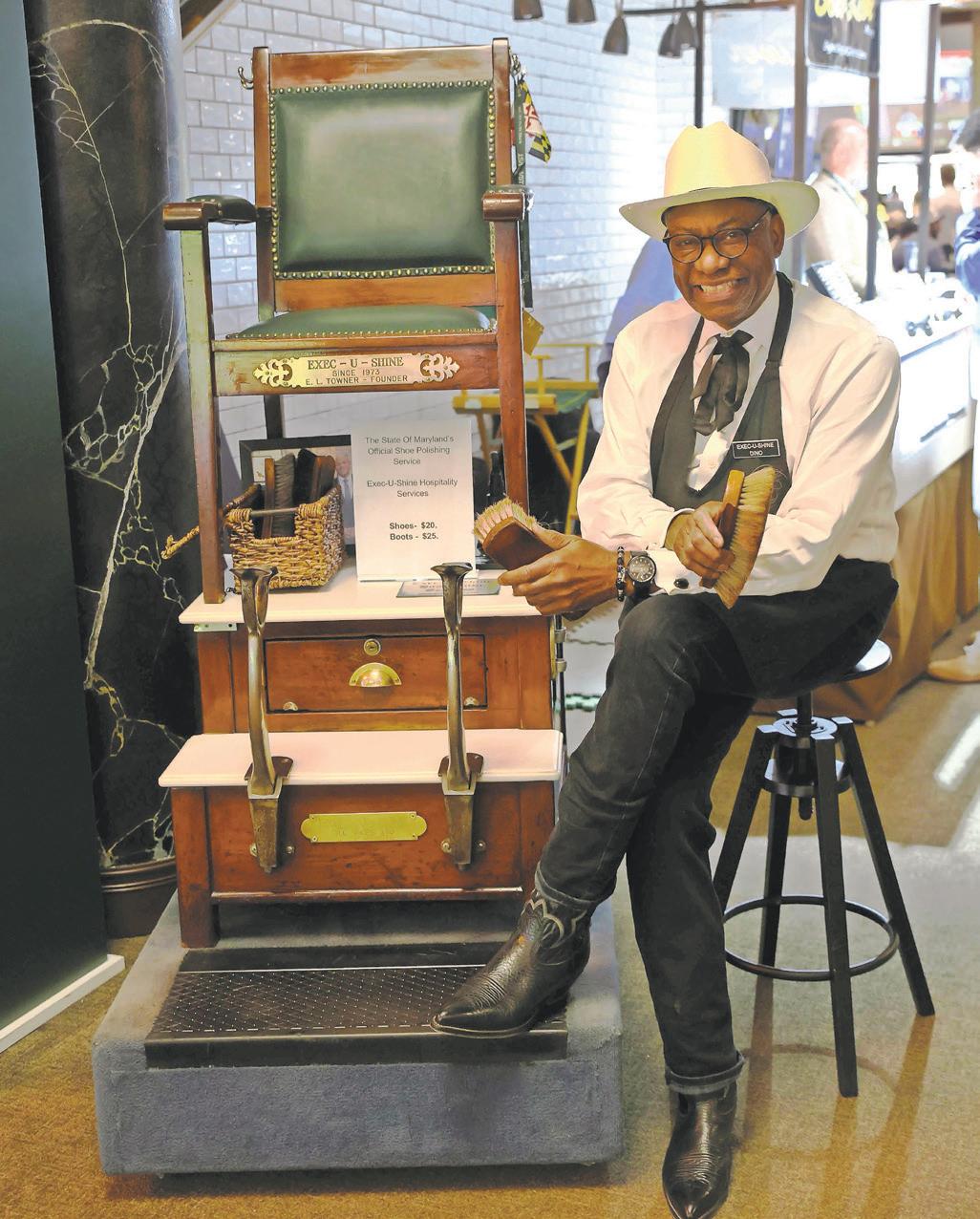
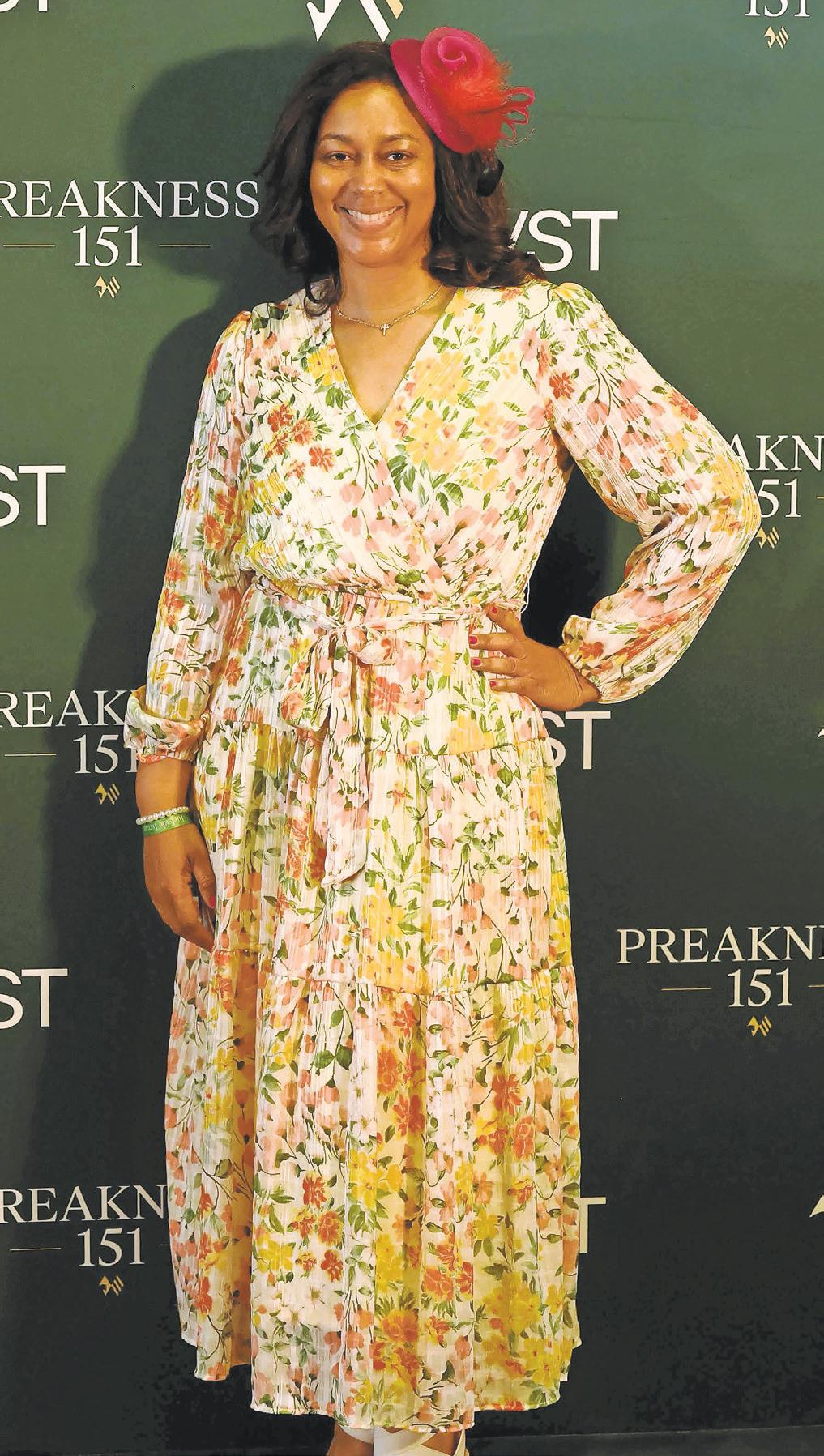
By Tashi McQueen AFRO Staff Writer tmcqueen@afro.com
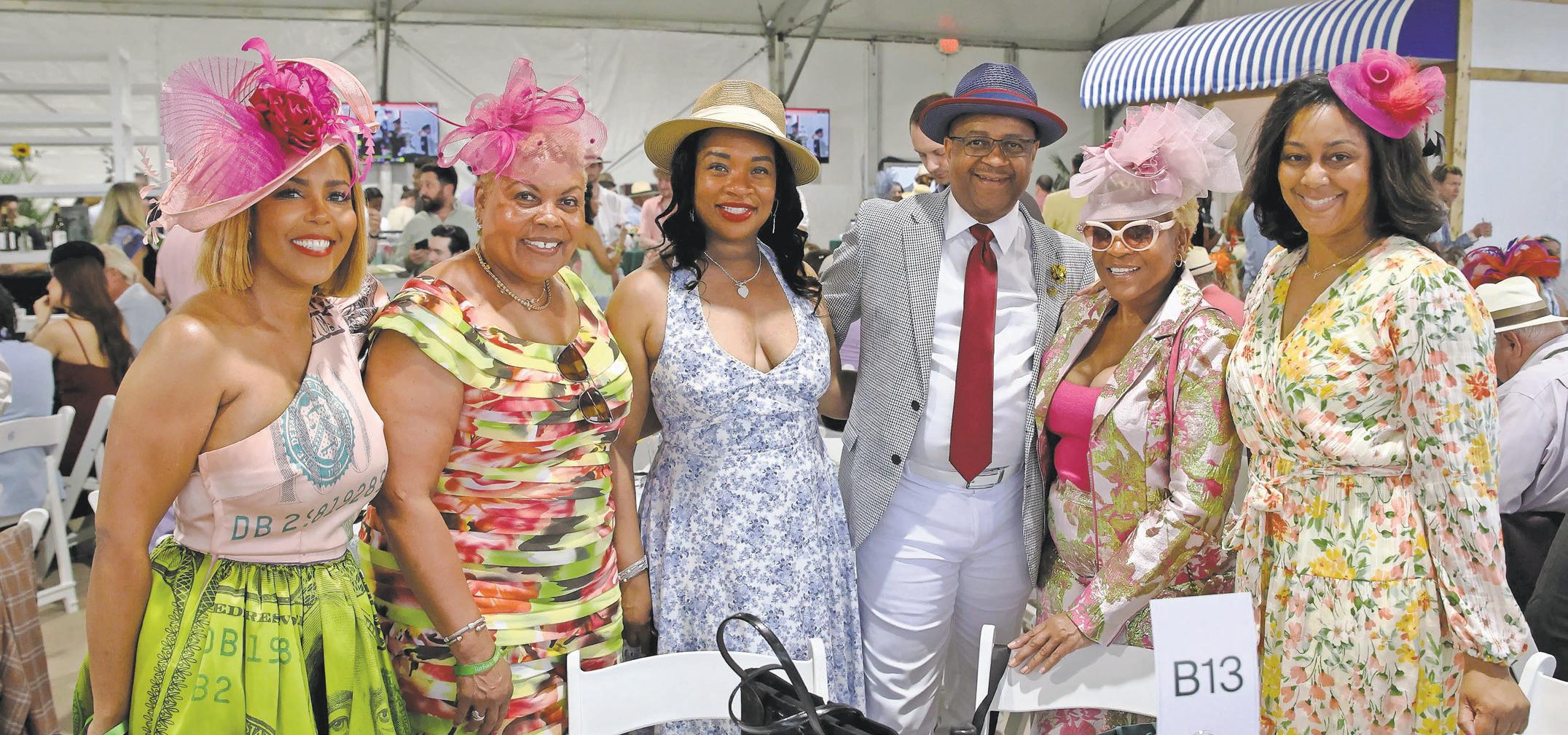
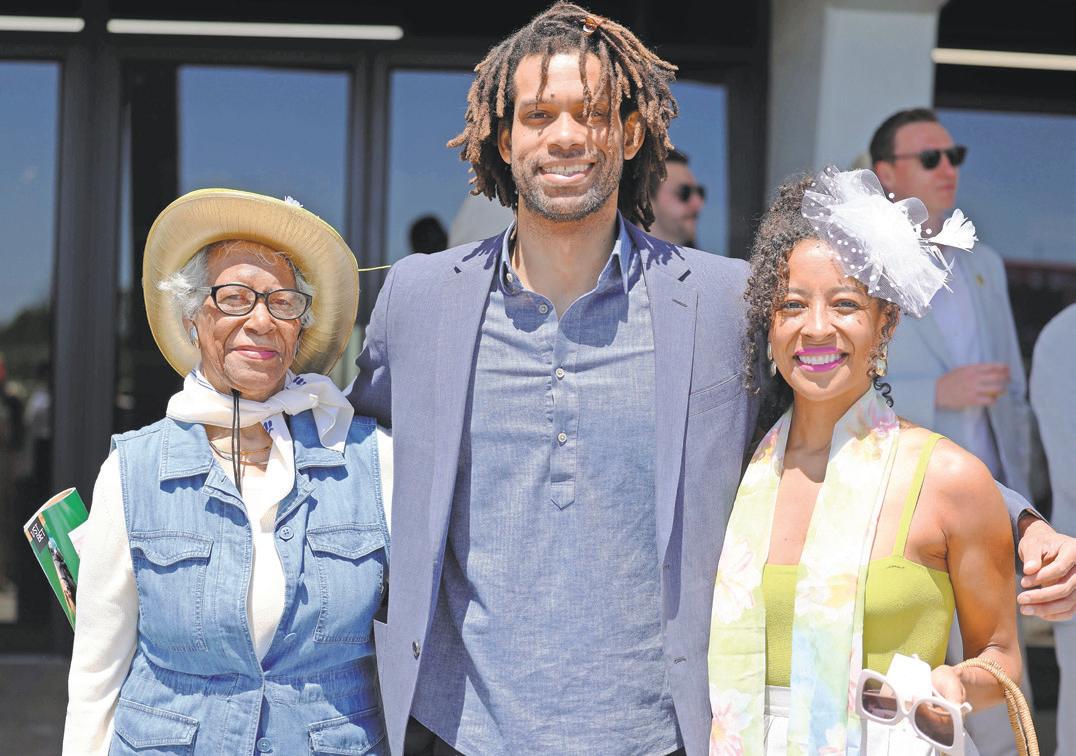
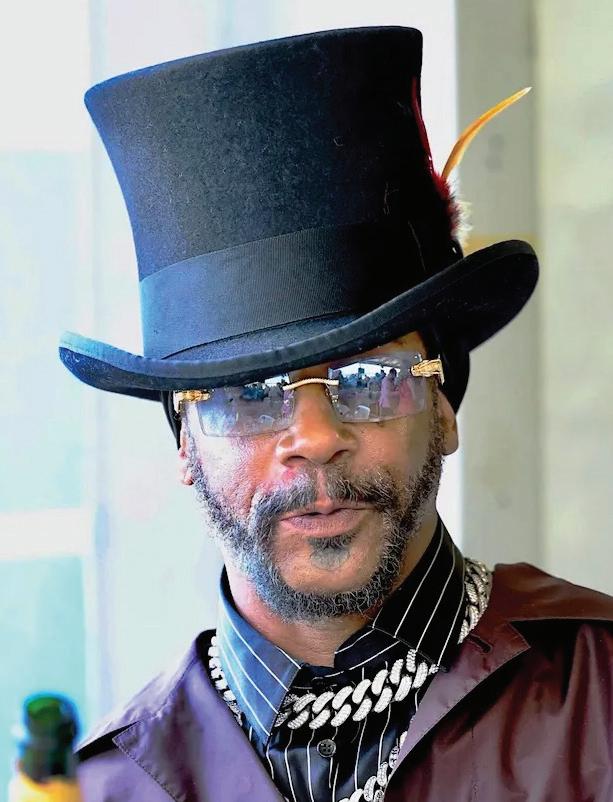
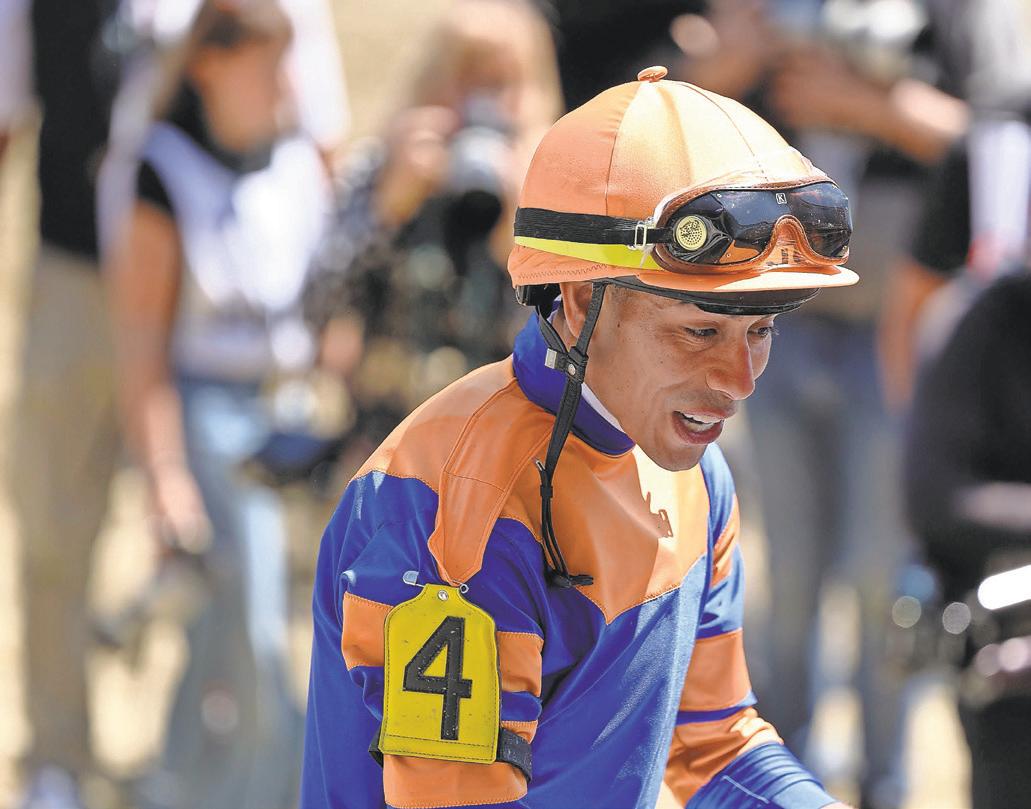
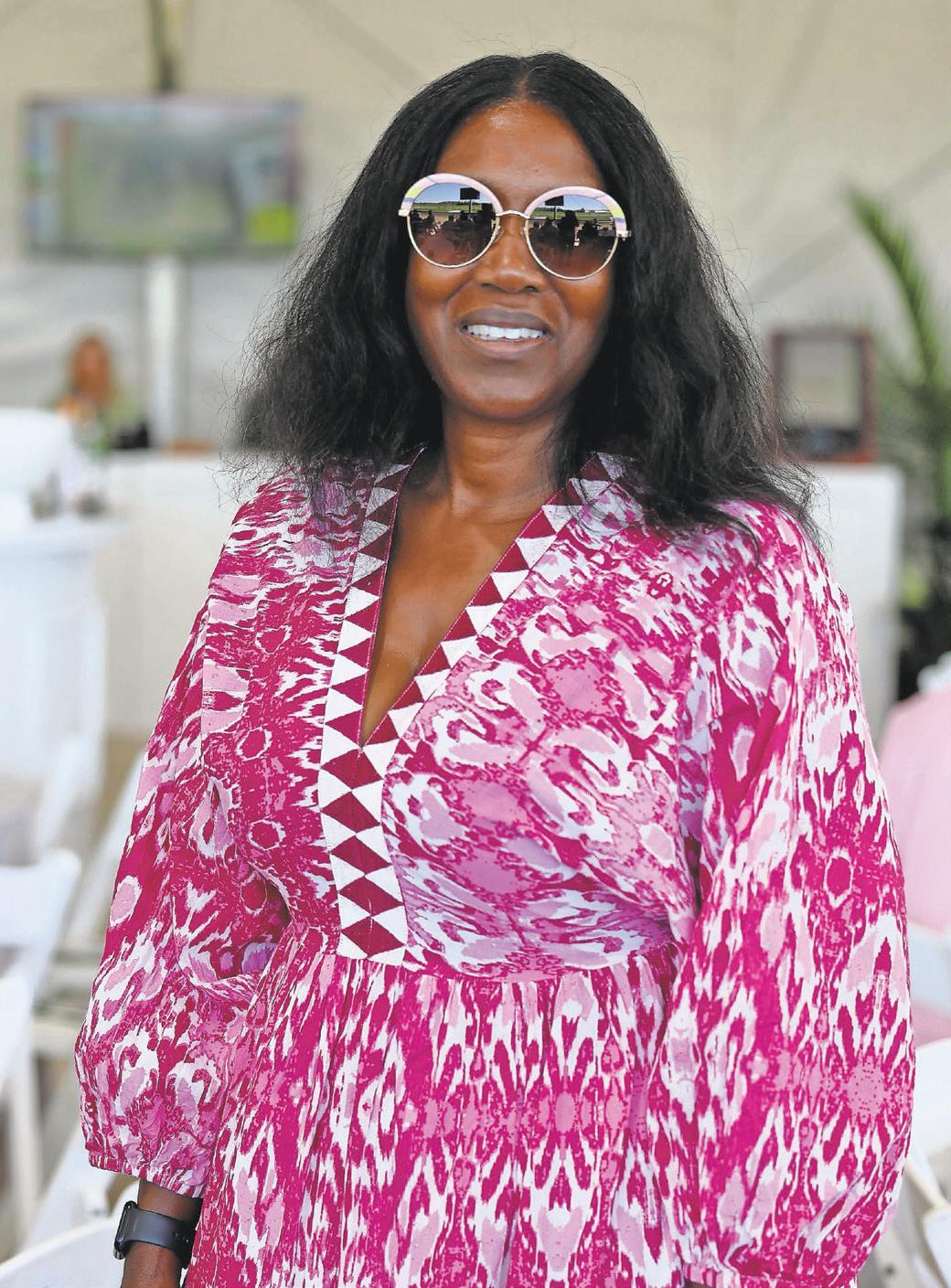
The 151st Preakness Stakes, held at Laurel Park during its temporary relocation, drew hundreds to different attractions across Maryland May 15-16.
Napoleon Solo, who entered at 10-1 odds, won the Preakness Stakes on May 16. My Miss Mo captured the Black Eyed-Susan on May 15.
The middle jewel of the Triple Crown–which includes the Preakness Stakes, Kentucky Derby
and Belmont Stakes–shifted from its traditional home at Pimlico Race Course in the Park Heights neighborhood of Baltimore to Anne Arundel County, Md. The temporary move was necessary due to major renovations at Pimlico.
The smaller-scale event reflected venue capacity while still drawing attendees from across the region and beyond.
The relocation spurred related programming in neighboring communities ahead of race weekend.
All AFRO Photos / James Fields


By Jennifer Porter Gore Word in Black
Compared to White women, Black women are still far more likely to suffer pregnancy-related complications or die than the overall population in the United States.
The numbers, tracked by the Centers for Disease Control and Prevention and others, tell a stubborn story about a country that has not solved its maternal mortality problem. And increasingly, that story is as much about mental health as it is about physical care.
“For me, the headline is always: we have to wake up and pay attention to mental health when it comes to parents,” says Dr. Joy Baker, an OB-GYN practicing in rural Georgia. “There’s so much happening with mental health among parents,” says Baker, one of the first physicians in the U.S. to earn special certification in perinatal mood and anxiety disorders, as well as treatment of addiction in pregnancy.
“We tend to focus more on the maternal component, but we also know that up to 75 percent of partners who are partnered with a person experiencing a mental health disorder will also have experienced a mood disorder,” she says.
The data backs her up. A Centers for Disease Control and Prevention Maternal Mortality Review Committee found that deaths tied to mental health conditions rose from 22.7 percent in 2021 to 27.7 percent in 2022. Suicide now accounts for roughly one in five pregnancy-related deaths, making it one of the leading causes of maternal mortality. For Black women, almost 17 percent of pregnancy-related deaths were due
to mental health conditions–which is roughly double the rate from the year before.
At the same time, those same reviews found that nearly 18 percent of maternal deaths were linked to discrimination. That finding lands hard in a system where Black women already face higher risks than white women at nearly every stage of pregnancy and postpartum care.
The trend is unfolding alongside a broader, troubling shift. Even as white women still die from suicide at higher overall rates, the suicide rate
among Black women is rising — particularly among younger women.
Still, the deeper story sits beneath those comparisons. Studies show Black women report suicidal thoughts at roughly twice the rate in the months after childbirth, while facing steeper barriers to diagnosis, treatment, and consistent care.
Experts say those gaps—paired with unequal access to health care and higher exposure to violence— are fueling a crisis that is both underrecognized and accelerating. The danger is often greater and harder to
By Laura Ungar
A hormonal condition affecting 1 in 8 women around the world just got a new name in hopes of improving care. It is now called polyendocrine metabolic ovarian syndrome instead of polycystic ovary syndrome.
Researchers and supporters of the change said the old name, often shortened to PCOS, is inaccurate. It reduced a complex hormonal or endocrine disorder to a misunderstanding about cysts and a focus on ovaries, contributing to missed diagnoses and inadequate treatment, said the Endocrine Society, a global group of physicians and scientists.
“The thought behind that is that one, there’s no cysts in the ovary, so it’s very confusing,” said Dr. Melanie Cree, one of the authors of the Lancet article and a pediatric endocrinology expert at the University of Colorado Anschutz. “The hope was that with a more comprehensive and accurate name change, that it would start to enable and push better care.”
The name change – made after 14 years of collaboration between experts and patients – was published in The Lancet on May 12.
Now PCOS is called PMOS
The condition is characterized by fluctuations in hormones that can affect weight, metabolic and mental health, the reproductive system and
the skin.
It is associated with metabolic syndrome, a group of health conditions that increases your risk of Type 2 diabetes, heart disease and stroke, Dr. Sarah Hutto with the University of Minnesota Medical School said in an online article put out by the university.
No one knows exactly what causes the condition, but there’s evidence that genetics and obesity play roles, according to the Cleveland Clinic.
What are the symptoms of PMOS?
Symptoms vary, which can make it tough for doctors to diagnose.
It is associated with irregular menstrual cycles and excess production of a group of hormones known as androgens, which can cause acne and hair growth or thinning. It may also cause follicles on the ovaries, although not abnormal cysts. But not all of these findings are required for the diagnosis.
To make the diagnosis in teens, Cree said, the patient has to have both irregular periods and signs of high androgens. This can include high blood levels of the hormones or symptoms such as severe acne or chest hair.
PMOS is associated with infertility problems
Cleveland Clinic experts say it is the most common cause of female infertility, because not ovulating frequently
can result in not being able to conceive.
Having the condition may also increase your risk of certain pregnancy complications, such as gestational diabetes or preterm birth. Still, most people with the condition can successfully carry a pregnancy.
How PMOS can be treated
Cree says the No. 1 treatment is lifestyle changes, such as eating less processed food, exercising and getting a good night’s sleep.
“We’re not trying to be judgmental. There is science to back this up,” she said. “So in PMOS, there is too much of the hormone insulin in many women, and that insulin confuses the ovary to make too much testosterone. And it’s the high testosterone that is causing all the symptoms.”
Other treatments include insulin-sensitizing medicines such as Metformin, medications that block androgens and hormonal birth control.
But Hutto stresses that management of the condition should be individualized to address specific symptoms and concerns. For example, those who plan to get pregnant may want to focus on fertility treatments while others may be more interested in options like hormonal birth control.
How will the name change help?
Researchers and doctors are spreading the word about the
see until it is too late.
Word In Black spoke with Joy Baker, an OB-GYN practicing in rural Georgia, about how mental health, systemic barriers and access to care shape outcomes for mothers, particularly Black women.
WIB: What should we know about the significant increase in suicidality in Black women?
Baker: Suicidality in Black women increased by about 10 times, which is startling. Substance use disorder goes hand in hand with all of this, because people are just
name change to their peers at meetings and through medical societies and other means. They hope it raises awareness about the reality of the condition and how they can best help patients.
“I’m very excited about the name change,” Cree said, “as are the majority of my colleagues.”
According to the Endocrine Society, an organization which represents thousands of professional endocrine scientists and clinical practitioners, Black women with PMOS “have higher risk factors for heart disease, diabetes and stroke compared with white women.”
A report presented in 2021 at the Endocrine Society’s annual meeting found that Black women living with PMOS (then PCOS) “have a poorer cardiometabolic risk profile than white women, including higher insulin levels and more insulin resistance (risk factors for diabetes), and increased blood pressure, despite lower triglyceride levels than white women.”
Maryam Kazemi, Ph.D., now a research scientist at Harvard University, told the Endocrine Society in 2021 that more needs to be done when it comes to the racial disparities seen with PMOS.
“Our findings support the need to increase public awareness about the disproportionate burden of cardiometabolic risk in young Black women with [PMOS],” said Kazemi. “These findings have implications for improving the sensitivity of clinical
self-medicating. I do a lot of substance use disorder treatment in my practice, and it’s a big deal.
WIB: Beyond the mental health component, what is the intersection between mental health and physical health and what are some potential solutions?
Baker: When we think about it physiologically, we’re thinking about how anxiety and depression affect the actual physiology of the body. Especially in pregnancy, you can see increased risk of preterm birth, low birth weight, hypertensive disorders of pregnancy, and diabetes in pregnancy. Living in that high-cortisol state when folks have really high anxiety is not healthy for the body. That’s one of the key factors in a condition known as “weathering,” in which the body ages due to living in traumatic, stressful situations. That compounds all of the other factors.
At my hospital, several years back, we were looking at folks who had mood or anxiety disorders diagnosed during pregnancy and examining rates of substance use among those individuals. I worked with a data analyst who gathered the C-section rate, and it tended to be higher among folks who had perinatal mood and anxiety disorders.
That is really fascinating because we also know that a C-section delivery increases your risk of severe morbidity by nearly a hundred times. Is it that we’re having trouble getting into an adequate labor or birth pattern because we’re dealing with mood and anxiety disorders, and ending up with a cesarean delivery? There’s so much at play here. This article was originally published by Word in Black. See more on AFRO.com.
Researchers are changing the name of PCOS (polycystic ovary syndrome) to PMOS (polyendocrine metabolic ovarian syndrome) to better reflect the condition’s impact on the body as a complex hormonal or endocrine disorder.
assessments in Black women to avoid underestimating cardiovascular risk in women with [PMOS].”
The Associated Press Health and Science Department receives support from the Howard Hughes
Medical Institute’s Department of Science Education and the Robert Wood Johnson Foundation. This article was originally published by The Associated Press, which is solely responsible for all content.
Petitions have been filed by the following applicants for licenses to sell alcoholic beverages at the premises set opposite their respective names. The real property for these applications will be posted on or about May 18, 2026. Written protests concerning any application will be accepted until and including the time of the hearing. Public hearings may be scheduled on or after May 28, 2026 at 10:30 AM in the Liquor Board Hearing Room, located at 200 St. Paul Place, Suite 2300, Baltimore, Maryland 21202. Please visit baltimorecity.gov/llb under the link for “Hearing Schedules” for confirmation of the date, time, and place for all matters being heard by the Board.

BOARD OF LIQUOR LICENSE COMMISSIONERS FOR BALTIMORE CITY NOTICE – MAY 2026
of the
may be scheduled on or after May 28, 2026 at 10:30 AM in the Liquor Board Hearing Room, located at 200 St. Paul Place, Suite 2300, Baltimore, Maryland 21202. Please visit baltimorecity.gov/llb under the link for “Hearing Schedules” for confirmation of the date, time, and place for all matters being heard by the Board.
1. CLASS “A” BEER, WINE & LIQUOR LICENSE
Applicant: Artha Holdings, LLC T/a Edmondson Liquors & Food StoreAnoj Jung Thapa Petition: Transfer of ownership requesting delivery of alcoholic beverages Premises: 2000 Edmondson Avenue 21223 (City Council District: 9th; State Legislative District: 40th)
2. CLASS “B” BEER & LIGHT WINE LICENSE
Applicant: La Esquinita Del Sabor, LLC T/a Trade Name Pending - Jose Edgar Vargas Campos and Christy Ann Almony
Petition: Transfer of ownership
Premises: 3733-38 E. Lombard Street 21224
(City Council District: 1st; State Legislative District: 46th)
3. CLASS “B” BEER, WINE & LIQUOR LICENSE
Applicant: Vivians, LLC T/a Vivian’s - Jacqueline Erin Mearman
Petition: New restaurant license requesting outdoor table service, offpremises catering, and delivery of alcoholic beverages
Premises: 3100 E. Baltimore Street 21224
(City Council District: 13th; State Legislative District: 46th)
Applicant: Fezzy, LLC T/a Unity Bar - Michael Fiseha
Petition: Transfer of ownership with continuation of live entertainment and outdoor table service, requesting off-premises catering
Premises: 111 W. Centre Street 21201 (City Council District: 11th; State Legislative District: 40th)
Applicant: Nepal Bistro, Inc. T/a Lumbini Restaurant - Dinesh Kumar Gurung and Rajesh K. Raut
Transfer of ownership with continuation of live entertainment, requesting off-premises
1. CLASS “A” BEER, WINE & LIQUOR LICENSE
Applicant: Artha Holdings, LLC T/a Edmondson Liquors & Food StoreAnoj Jung Thapa Petition: Transfer of ownership requesting delivery of alcoholic beverages
Premises: 2000 Edmondson Avenue 21223
(City Council District: 9th; State Legislative District: 40th)
2. CLASS “B” BEER & LIGHT WINE LICENSE
Applicant: La Esquinita Del Sabor, LLC T/a Trade Name Pending - Jose Edgar Vargas Campos and Christy Ann Almony
Petition: Transfer of ownership
Premises: 3733-38 E. Lombard Street 21224
(City Council District: 1st; State Legislative District: 46th)
3. CLASS “B” BEER, WINE & LIQUOR LICENSE
Applicant: Vivians, LLC T/a Vivian’s - Jacqueline Erin Mearman
Petition: New restaurant license requesting outdoor table service, offpremises catering, and delivery of alcoholic beverages
Premises: 3100 E. Baltimore Street 21224
(City Council District: 13th; State Legislative District: 46th)
Applicant: Fezzy, LLC T/a Unity Bar - Michael Fiseha
Petition: Transfer of ownership with continuation of live entertainment and outdoor table service, requesting off-premises catering
Premises: 111 W. Centre Street 21201
(City Council District: 11th;
Premises: 322 N. Charles Street 21201
(City Council District: 11th; State Legislative District: 40th)
Applicant: Luigi, LLC T/a GameOn Bar & Arcade - Casey Taylor Linthicum and John T. Woods
Petition: Transfer of ownership and location of a Class “B”
Applicant: Viale Pizza, LLC T/a Trade Name Pending - Kate Mariya Victoria Shotwell
Petition: New restaurant license requesting live entertainment, outdoor table service, and off-premises catering
Premises: 3535 Chestnut Avenue 21211
(City Council District: 14th; State Legislative District: 40th)
Applicant: Papi’s Lauraville, LLC T/a Alexander’s Soha - Charles Gjerde, Carrie Podles, and John Burke
Petition: Request to add outdoor table service and off-premises catering Premises: 4801 Harford Road, Suite H1 21214
(City Council District: 3rd; State Legislative District: 45th)
4. CLASS “B”, BEER, WINE & LIQUOR LICENSE (HOTEL-MOTEL)
Applicant: GF Hospitality BHMD Associates, LLC T/a Renaissance Baltimore Harborplace Hotel - Jeffrey Kolessar and Patricia YevicsEisenberg
Petition: Transfer of ownership with continuation of live entertainment and outdoor table service
Premises: 200-02 E. Pratt Street 21202
(City Council District: 11th; State Legislative District: 46th)
5. CLASS “BD7” BEER, WINE & LIQUOR LICENSE
Applicant: The Charmery, LLC T/a The Charmery - David Alima
Petition: Transfer of ownership with and location of a Class “BD7” BWL license presently located at 1117-19 W. 36th Street to 801 W. 26th Street
requesting outdoor table service and off-premises catering (Amended)
Premises: 801 W. 36th Street 21211
(City Council District: 14th; State Legislative District: 40th)
Applicant: Sri Saahhe Nath, LLC T/a North Café - Urmala Bai Maheshwari
Petition: Transfer of ownership requesting delivery of alcoholic beverages
Premises: 3716 W. Belvedere Avenue 21215
(City Council District: 5th; State Legislative District: 41st)
Applicant: Melmat, Inc. T/a Locals - Djordje Vujatovic
Petition: Transfer of ownership requesting live entertainment
Premises: 25 E. Cross Street 21230
(City Council District: 11th; State Legislative District: 46th)
Applicant: MDBA Group, LLC T/a Big Joe’s Love Nest - Manish Khadka
Petition: Transfer of ownership
Premises: 2830 Edmondson Avenue 21223
(City Council District: 9th; State Legislative District: 40th)
Applicant: Barracuda, LLC T/a Barracuda’s Tavern - William B. Hughes,
III
Petition: Request to add outdoor table service
Premises: 1230 E. Fort Avenue 21230
(City Council District: 11th; State Legislative District: 46th)
Applicant: Adams Neighborhood Sports Bar, LLC T/a J & M Sports Tavern
- Jamar M. Adams, Sr.
Petition: Transfer of ownership
Premises: 2949 Frederick Avenue 21223
(City Council District: 9th; State Legislative District: 40th)
Applicant: Onyx & Ember, LLC T/a Trade Name Pending - Danielle Silver
Harrington Petition: Transfer of ownership with continuation of outdoor table service, requesting delivery of alcoholic beverages
Premises: 1901 Gough Street 21231
(City Council District: 13th; State Legislative District: 46th)
Applicant: Perla De Oro, LLC T/a Costa De Oro - Lucia Catalan Guzman
Petition: Transfer of ownership with continuation of live entertainment
(Amended)
Premises: 4330 E. Lombard Street 21224
(City Council District: 1st; State Legislative District: 46th)
Applicant: New Maceos, LLC T/a Maceos - Juanita C. Bass
Petition: Transfer of ownership requesting off-premises catering
Premises: 1924-26 N. Monroe Street 21217
(City Council District: 7th; State Legislative District: 40th)
Applicant: 2933 O’Donnell, LLC T/a Trade Name Pending - Moshoula
Koukides
Petition: Transfer of ownership with continuation of outdoor table service, requesting off-premises catering
Premises: 2907-11 O’Donnell Street 21224
(City Council District: 1st; State Legislative District: 46th)
6. CLASS “D” BEER (BREWERY) LICENSE
Applicant: Pickett Brewing, LLC T/a Pickett Brewing Company - Nick John Lambropoulos
Petition: Request to add live entertainment and outdoor
1130
7. CLASS “D” BEER, WINE & LIQUOR LICENSE
Applicant: Feed the Scene Presents, LLC T/a The Sidebar - Rachel Taft
Petition: Transfer of ownership with continuation of live entertainment
Premises: 218-20 E. Lexington Street 21202
(City Council District: 11th; State Legislative District: 46th)
By Rev. Dorothy S. Boulware Word in Black
The Apostle Paul’s mandates toward women in church have often caused more fury than faith, but not the one about women needing to cover their heads. In the Black Church, hats have, for generations, held a prominent place in Sunday worship — one that continues to block the view of even the tallest worshipers.
Before the first hymn is lifted or the opening prayer is spoken, a quiet procession tells its own story. Women enter the sanctuary with heads held high, adorned in hats that are as varied as they are meaningful — with or without brims, sculpted felt, delicate netting, bold colors.
They are not simply accessories. They are testimony.
Rooted in history
In Black church tradition, women’s hat-wearing has long stood at the intersection of faith, culture, and dignity. What may appear to outsiders as fashion is, for many, an act of reverence — a visible expression of inward devotion shaped by scripture, history, and lived experience.
The most often cited biblical passage comes from 1 Corinthians 11, which addresses the covering of women’s heads in worship. While interpretations vary across denominations, many Black churches have embraced the practice as a sign of honor and respect in the presence of God. Over time, that theological framework merged with cultural expression, giving rise to what is now widely known in the Black community as the “church hat” tradition.
Black women’s church millinery also traces back to the post-Emancipation era, when formerly enslaved Black men and women sought to redefine themselves in public and sacred spaces. Clothing became a language of freedom. For Black women in particular, dressing for church was a way to assert dignity in a society that routinely denied it.
Back then, Sunday worship offered one of the few spaces where Black women could freely express themselves. Hats signaled care, creativity, and self-worth. In communities where resources were limited, a well-kept hat could transform an outfit and, more importantly, affirm identity.
Defiant self-expression
The larger ones were often greeted with the inquiry, “Trying to catch God’s eye?” according to artist Clara Nartey, who gave her well-known 2020
creation that same title.
“I learned that wearing a hat is a form of creative expression. Enslaved Africans were not allowed to dress the way they wanted,” Nartey said. “The only times they got to express themselves in clothes was when they got the rare occasion to congregate at church.”
Sunday worship “was just as much a form of social gathering,” Nartey said. “To Black women, making and wearing elegant hats was a fusion of fashion and faith. Their tall hats have a striking resemblance to African headdresses.”
Fashion stylist Michael Andre Settles, owner of Michael Andre Clothier in the metro Baltimore area, is well aware of the importance of hats to a woman’s overall look. He says he can judge which woman is suited for a particular hat when he first sees it.
”When a woman is well dressed, she stands apart; the hat is a crown, heads turn, and she is remembered,” Settles says. “When a woman feels extraordinary, everyone feels it.”
The right choice of hat is “the crown of glory, brings it all together,” says Settles, who recently styled a few women for the annual AFRO tea in Baltimore. “It needs to match their personality, their persona, and their silhouette. It’s the final touch.”
Declaration of self-worth
There is also an element of quiet resistance embedded in the tradition of Black women and Sunday hats. In a world that has frequently sought to diminish Black women’s presence, the act of dressing with care and distinction for worship asserts worth. It declares that entering the house of God is not casual, and neither is the person entering. As churches continue to navigate changing times, the future of the hat tradition will likely reflect the same adaptability that has sustained the Black church itself. It may look different from one generation to the next, but its meaning — rooted in reverence, dignity, and community — endures. And on Sunday mornings, before a word is preached, that meaning is already on display.
It sits in the pews, tilts in greeting, nods in agreement with the sermon. It is lifted in praise and bowed in prayer. We have seen it and, more importantly, understand it.
Easter Sunday and Mother’s Day in particular, but in many churches, hats rule every Lord’s day with great prominence. Because in the Black Church, even what is worn can testify.
This article was originally published by Word in Black.














































Thanks to the support of our players, the Maryland Lottery contributed $667.2 million to Maryland’s schools, public health and safety initiatives and other state programs in Fiscal Year 2025. We also paid more than $1.67 billion in prizes to players. Not bad. We’d like to think we generated a few million smiles as well. When you play, everybody wins.




SUPERIOR COURT OF THE DISTRICT OF COLUMBIA PROBATE DIVISION ADMINISTRATION NO. 2026ADM000442
PRISCILLA M FARROW Name of Decedent CHRISTINA TAYLOR, ESQ 16701 MELFORD BLVD, STE 400 BOWIE, MD 20715 Name and Address of Attorney Notice of Appointment, Notice to Creditors and Notice to Unknown Heirs MARLON FARROW whose address is 9080 TOWN AND COUNTRY BLVD, UNIT C, ELLICOTT CITY, MD 21043; was appointed Personal Representative of the estate of PRISCILLA FARROW who died on JANUARY 27, 2026, without a will and will serve without Court supervision. All unknown heirs and heirs whose whereabouts are unknown shall enter their appearance in this proceeding. Objections
NO. 2026ADM000435 AMY M. DAVIS Name of Decedent Notice of Appointment, Notice to Creditors and Notice to Unknown Heirs TONI DAVIS whose address is 2351 Q STREET SE, WASHINGTON, DC 20020; was appointed Personal Representative of the estate of AMY M. DAVIS who died on AUGUST 9, 2025, without a will and will serve without Court supervision. All unknown heirs and heirs whose whereabouts are unknown shall enter their appearance in this proceeding. Objections to such appointment shall be filed With the Register of Wills, D.C., Building A, 515 5th Street, N.W., 3rd Floor, Washington, D.C. 20001, on or before NOVEMBER 8, 2026 Claims against the decedent shall be presented to the undersigned with a copy to the Register of Wills or filed with the Register of Wills with a copy to the undersigned, on or before NOVEMBER 8, 2026 or be forever barred. Persons believed to be heirs or legatees of the decedent who do not receive a copy of this notice by mail within 25 days of its publication shall so inform the Register of Wills, including name, address and relationship.
Date of first publication: MAY 8, 2026 Name of newspaper and/or periodical: AFRO American News
TONI DAVIS Personal Representative TRUE TEST COPY REGISTER OF WILLS 05.08, 05.15, 05.22.26
SUPERIOR COURT OF THE DISTRICT OF COLUMBIA
PROBATE DIVISION ADMINISTRATION NO. 2026ADM000493 THEODORE H PIERCE Name of Decedent Notice of Appointment, Notice to Creditors and Notice to Unknown Heirs JOYCE PIERCE, whose address is 8228 EASTERN AVE NW, WASHINGTON, DC 20012 was appointed Personal Representative of the estate of THEODORE H PIERCE who died on FEBRUARY 13, 2025 without a Will and will serve without Court supervision.
All unknown heirs and heirs whose whereabouts are unknown shall enter their appearance in this proceeding. Objections to such appointment shall be filed With the Register of Wills, D.C., Building A, 515 5th Street, N.W., 3rd Floor, Washington, D.C. 20001, on or before November 22, 2026 Claims against the decedent shall be presented to the undersigned with a copy to the Register of Wills or filed with the Register of Wills with a copy to the undersigned, on or before November 22, 2026 or be forever barred. Persons believed to be heirs or legatees of the decedent who do not receive a copy of this notice by mail within 25 days of its publication shall so inform the Register of Wills, including name, address and relationship.
Date of first publication: May 22, 2026 Name of newspaper and/or periodical: Daily Law Washington Reporter AFRO American Newspapers
JOYCE PIERCE Personal Representative
TRUE TEST COPY REGISTER OF WILLS 05.22, 05.29, 06.05.26
SUPERIOR COURT OF THE DISTRICT OF COLUMBIA PROBATE DIVISION ADMINISTRATION NO. 2026ADM000443 ERVIN ANTHONY ANDERSON Name of Decedent Notice of Appointment, Notice to Creditors and Notice to Unknown Heirs
ALISA R. ANDERSON whose address is 3302 LOUD PLACE SE WASHINGTON, DC 20019; was appointed Personal Representative of the estate of ERVIN ANTHONY ANDERSON who died on JANUARY 23, 2024, without a will and will serve without Court supervision. All unknown heirs and heirs whose whereabouts are unknown shall enter their appearance in this proceeding. Objections to such appointment shall be filed with the Register of Wills, D.C., Building A, 515
SUPERIOR COURT OF THE DISTRICT OF COLUMBIA PROBATE DIVISION ADMINISTRATION NO. 2026ADM000475 STEPHEN DABNEY Name of Decedent Notice of Appointment, Notice to Creditors and Notice to Unknown Heirs
MAURICE IDALYEN JACKSON-DABNEY, whose address is 350 RALEIGH STREET SOUTHEAST, WASHINGTON, DC 20032 was appointed Personal Representative of the estate of STEPHEN DABNEY who died on SEPTEMBER 30, 2020 with a Will and will serve without Court supervision. All unknown heirs and heirs whose whereabouts are unknown shall enter their appearance in this proceeding. Objections to such appointment shall be filed With the Register of Wills, D.C., Building A, 515 5th Street, N.W., 3rd Floor, Washington, D.C. 20001, on or before November 22, 2026 Claims against the decedent shall be presented to the undersigned with a copy to the Register of Wills or filed with the Register of Wills with a copy to the undersigned, on or before November 22, 2026 or be forever barred. Persons believed to be heirs or legatees of the decedent who do not receive a copy of this notice by mail within 25 days of its publication shall so inform the Register of Wills, including name, address and relationship. Date of first publication: May 22, 2026 Name of newspaper and/or periodical: Daily Law Washington Reporter AFRO American Newspapers
MAURICE IDALYEN JACKSON-DABNEY Personal Representative
TRUE TEST COPY REGISTER OF WILLS 05.22, 05.29, 06.05.26
ANNE ARUNDEL COUNTY, MARYLAND Annapolis, Maryland
ANNOUNCEMENT
REQUEST FOR PROPOSALS
On or after May 11, 2026, Solicitation documents may be obtained from the Anne Arundel County Web Page at the following address: https://www.aacounty.org/departments/central-services/purchasing/ P.O.R.T./bids/index.html. Proposals will be received until time/date shown below, please submit your Proposal electronically via the PORT. Proposals received after the date and time set will be rejected
Due by 3:00 p.m. Local Time, Thursday, July 2, 2026
Project: OurWaater Program – Communication and Outreach Support Services Solicitation No.: RFP26000229
Contact: Kim Lee – 410-222-4142
CITY OF BALTIMORE DEPARTMENT OF TRANSPORTATION
NOTICE OF LETTING
Sealed Bids or Proposals for the TR-26007 RECONSTRUCTION OF FOOTWAYS CITY WIDE will be received at the Office of the Comptroller, Room 204, City Hall, Baltimore, Maryland until JUNE 17, 2026 at 10:00 AM Board of Estimates employees will be stationed at the Security Unit Counter just inside the Holliday Street entrance to City Hall from 10:45 A.M. to 11:00 A.M. every Wednesday to receive Bids. Positively no bids will be received after 11:00 A.M. The bids will be publicly opened by the Board of Estimates in Room 215, City Hall at Noon. As of MAY 22, 2026 the Contract Documents may be examined, without charge by contacting Brenda Simmons at Brenda.simmons@baltimorecity.gov or (443)865-4423 where a copy of the bid book labeled “not for bidding purposes” can be electronically emailed to you. Anyone who desires to purchase a bid book in person may do so by appointment only for the nonrefundable cost of SEVENTY-FIVE DOLLARS AND NO CENTS ($75.00) at the Department of Transportation located at 417 E. Fayette Street, Baltimore Maryland 21202 made payable to the Director of Finance. Conditions and requirements of the Bid are found in the bid package. All contractors bidding on this Contract must first be prequalified by the City of Baltimore Office of Boards and Commissions, 4 South Frederick Street, 4th Floor, Baltimore, Maryland 21202. If a bid is submitted by a joint venture (“JV”), then in that event, the document that established the JV shall be submitted with the bid for verification purposes. The Prequalification Category required for bidding on this project is, A02601 PORTLAND CEMENT CONCRETE PAVING & D02620 CURB, GUTTER SIDEWALKS The Cost Classification Range for this project will be from $2,600,000.00 to $3,000,000.00. A “Pre-Bidding Information” session will be conducted via Microsoft Teams on JUNE 3, 2026 @ 10:00AM hosted by the Department of Transportation. Roll call will be taken at the beginning of the prebid meeting. By no later than 3PM on JUNE 2, 2026 email your contact information to include your name, company name, phone number and email address to michael.donovan@baltimorecity. gov
ARUNDEL COUNTY CAREER OPPORTUNITIES
Assistant Director of Disability and Community
for the non-refundable cost of SEVENTY-FIVE DOLLARS AND NO CENTS ($75.00) at the Department of Transportation located at 417 E. Fayette Street, Baltimore, Maryland 21202 made payable to the Director of Finance. Conditions and requirements of the Bid are
event, the document that established the JV shall be submitted with the bid for verification purposes The Prequalification Categories required for bidding on this project is, A02601 PORTLAND CEMENT CONCRETE PAVING & D02620 CURB, GUTTER SIDEWALKS The