APRIL 25, 2026 - MAY 1, 2026
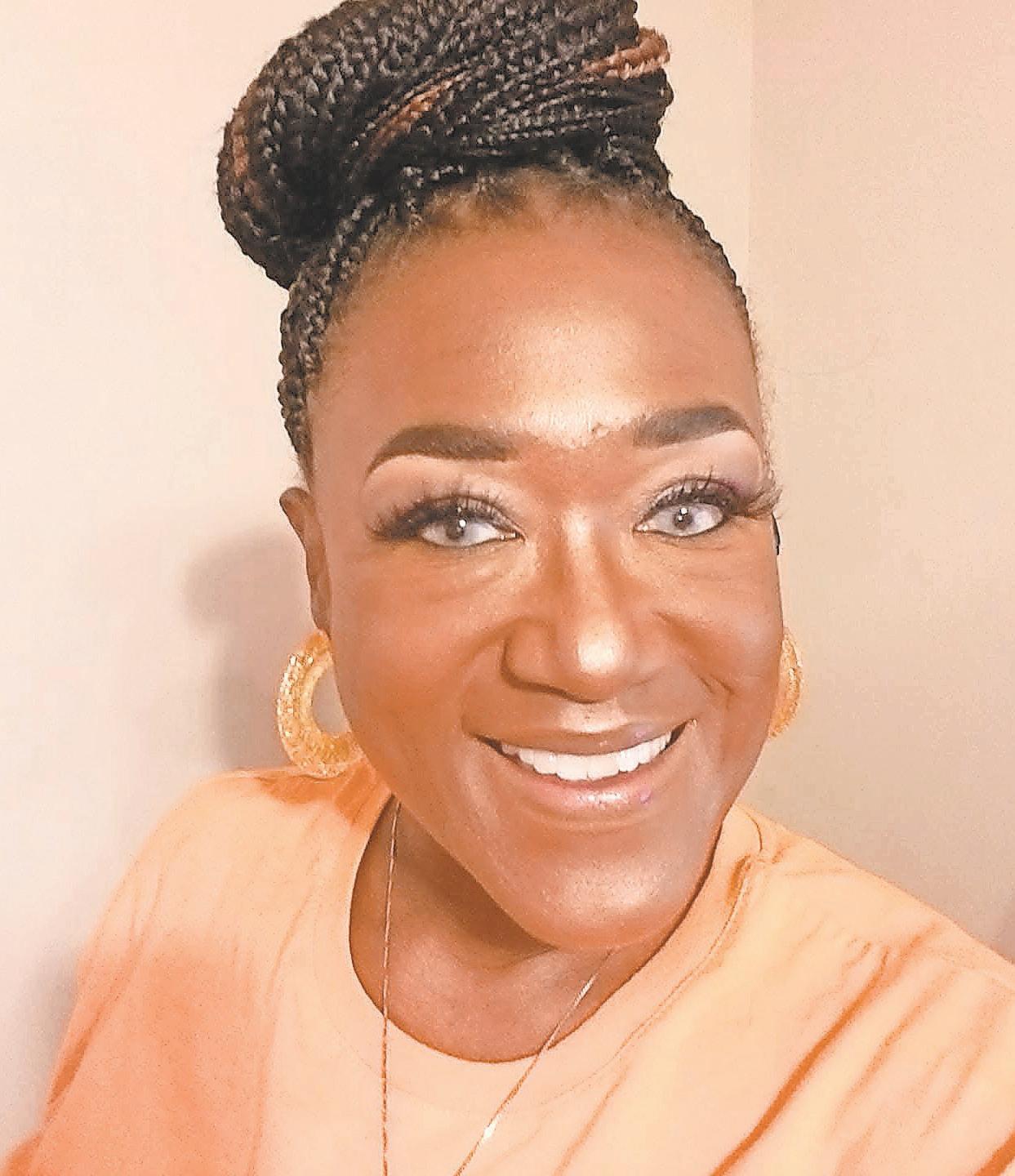
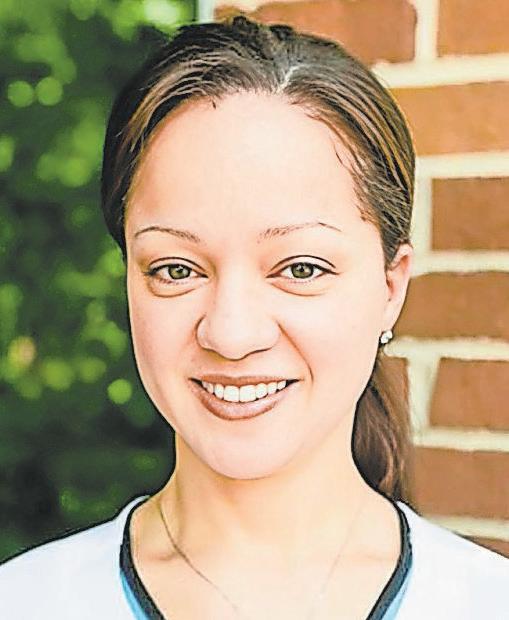
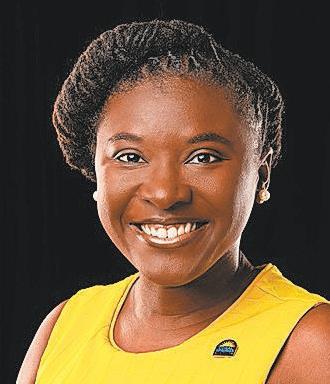
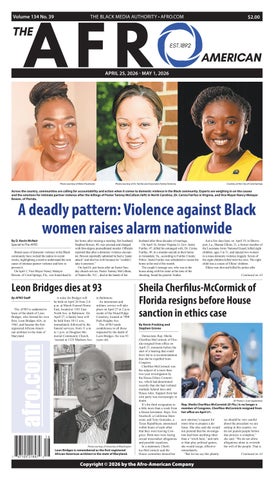
Across the country, communities are calling for accountability and action when it
and the solutions for intimate partner
APRIL 25, 2026 - MAY 1, 2026
Across the country, communities are calling for accountability and action when it
and the solutions for intimate partner
By D. Kevin McNeir Special to The AFRO
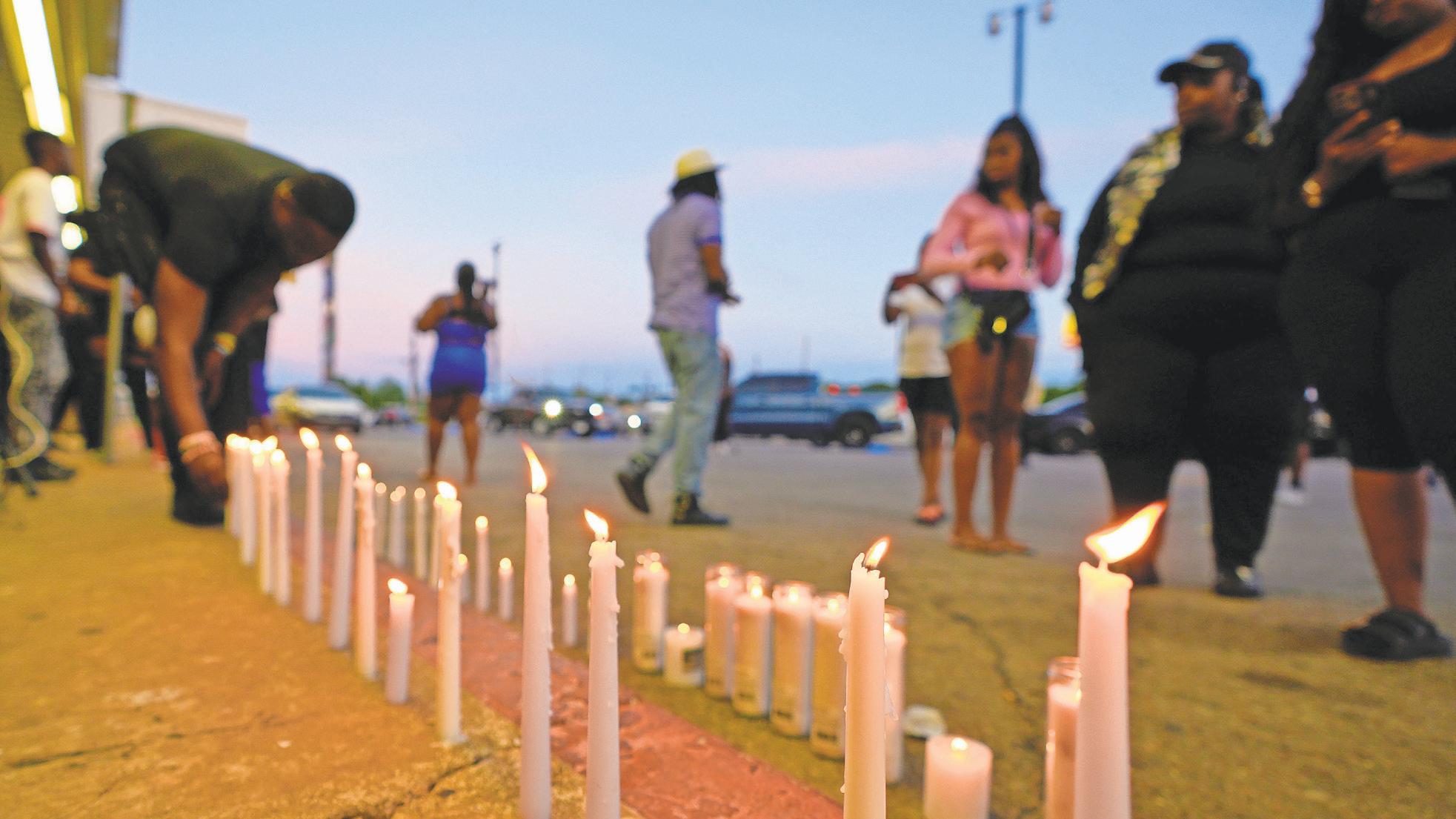
Brutal cases of domestic violence in the Black community have rocked the nation in recent weeks, highlighting a need to understand the root cause of intimate partner violence and how to prevent it.
On April 1, Vice Mayor Nancy Metayer Bowen, of Coral Springs, Fla., was found dead in her home after missing a meeting. Her husband, Stephen Bowen, 40, was arrested and charged with first-degree premeditated murder. Officials reported that after a domestic violence encounter, Bowen reportedly admitted he had a “panic attack” and shot his wife because he “couldn’t take it anymore.”
On April 6, just hours after an Easter Sunday church service, Pastor Tammy McCollum, of Statesville, N.C., died at the hands of her
By AFRO Staff
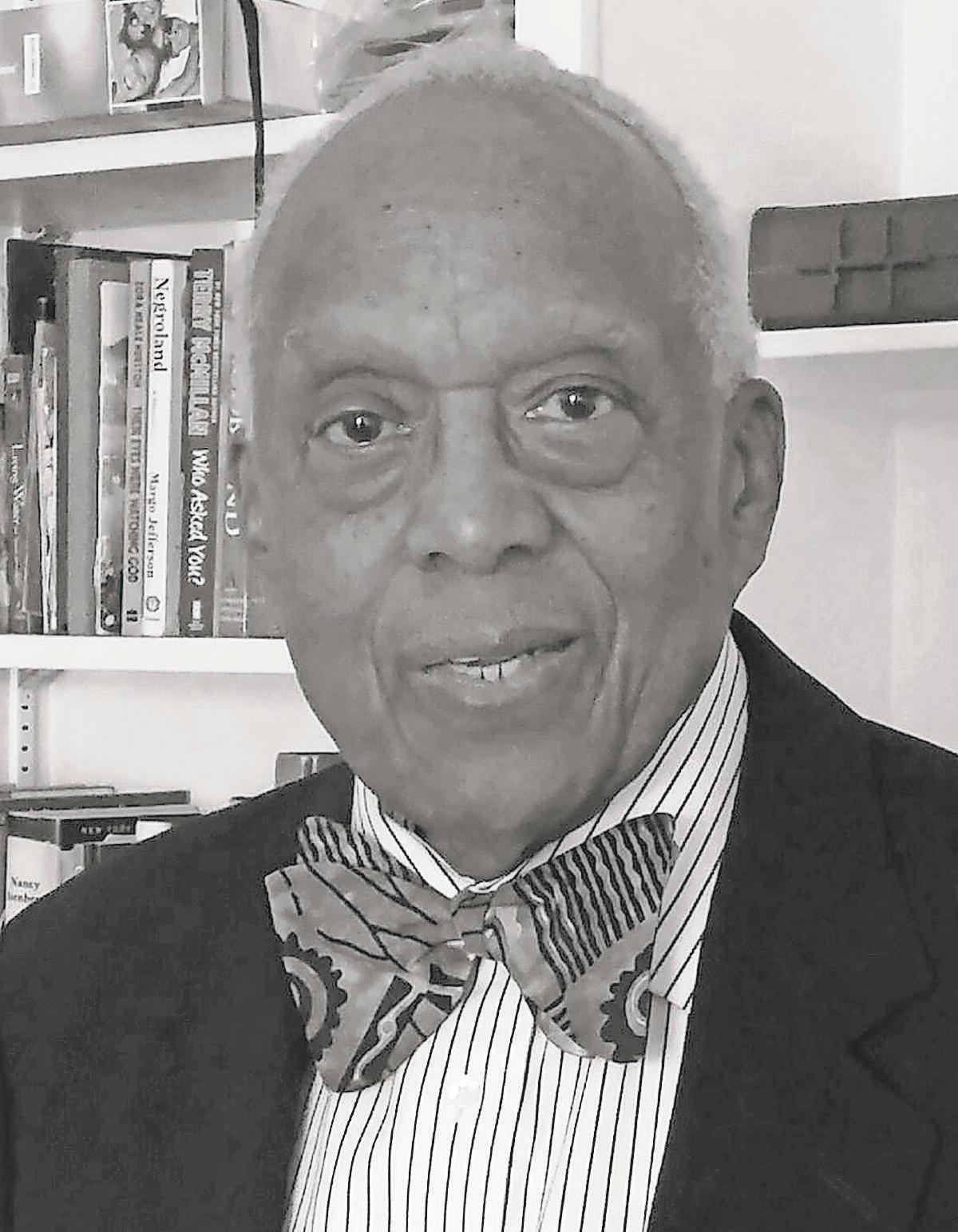
The AFRO is saddened to learn of the death of Leon Bridges, who formed his own firm, Leon Bridges AIA, in 1963, and became the first registered African-American architect in the state of Maryland.

A wake for Bridges will be held on April 26 from 2-4 p.m. at March Funeral Home East, located at 1101 East North Ave. in Baltimore. On April 27, a family hour will be held from 10-11 a.m., immediately followed by the funeral services, from 11 a.m. to 1 p.m. at Douglass Memorial Community Church, located at 1325 Madison Ave. in Baltimore. An internment and military service will take place on April 27 at 2 p.m. inside of the Druid Ridge Cemetery, located at 7900 Park Heights Ave. The AFRO sends condolences to all those impacted by the death of Leon Bridges. He was 93 years old.
husband after three decades of marriage.
On April 16, former Virginia Lt. Gov. Justin Fairfax, 47, killed his estranged wife, Dr. Cerina Fairfax, 49, in a murder-suicide at their home in Amandale, Va., according to Fairfax County Police. Justin Fairfax was scheduled to vacate the home at the end of the month.
The couple’s teenage son, who was in the house along with his sister at the time of the shooting, found his parents’ bodies.
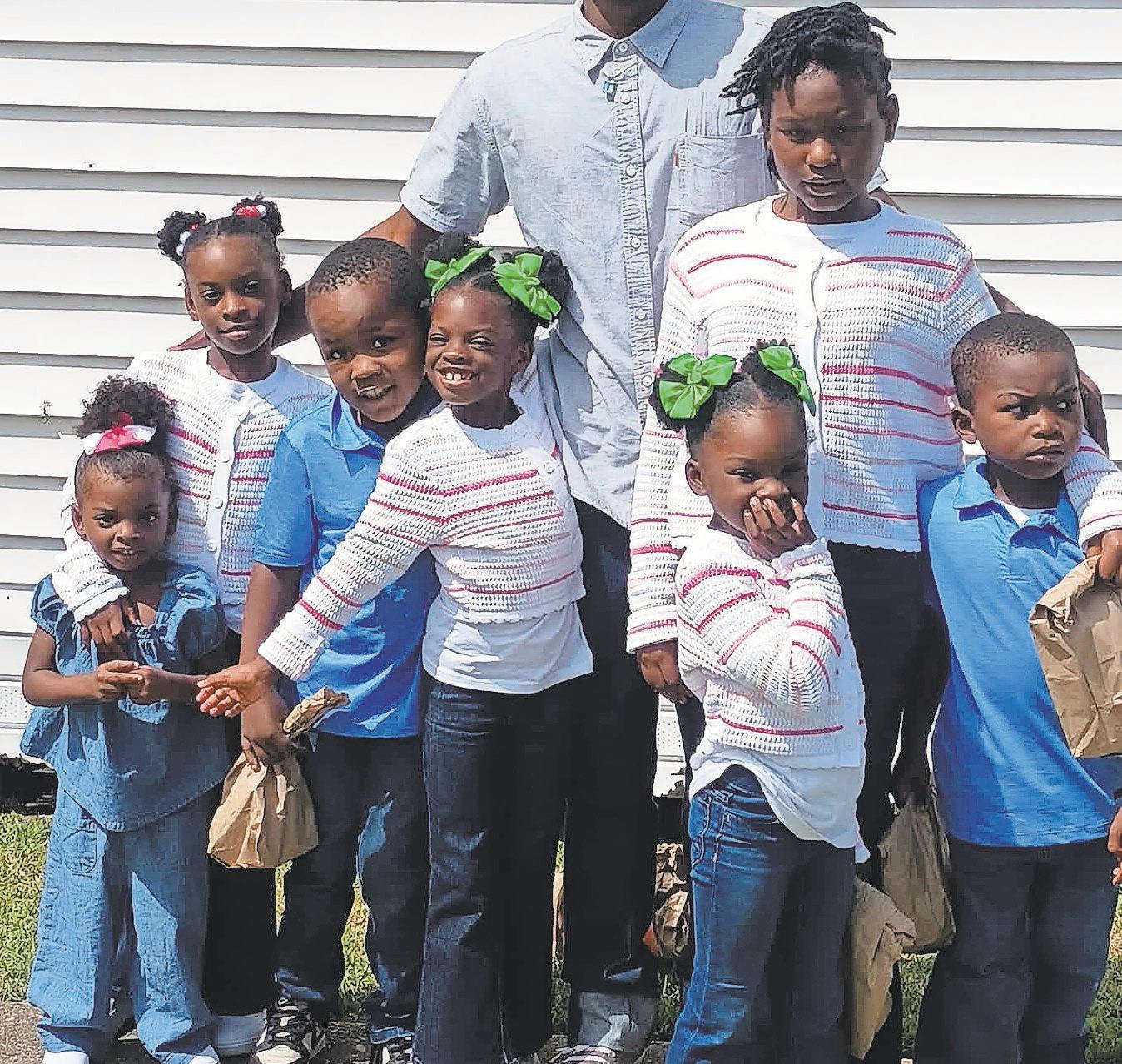
Just a few days later, on April 19, in Shreveport, La., Shamar Elkins, 31, a former member of the Louisiana Army National Guard, killed eight children, ages 3 to 11, and injured two women in a mass domestic violence tragedy. Seven of the eight children killed were his own. The eight child was a cousin of Elkins’ children. Elkins was shot and killed by police after
By Kevin Frecking and Stephen Groves
Democratic Rep. Sheila Cherfilus-McCormick of Florida resigned from office on April 21, moments before the start of a hearing that could have led to a recommendation that she be expelled from Congress.
Cherfilus-McCormick was the subject of a more than two-year investigation by the House Ethics Committee, which had determined recently that she had violated multiple federal laws and House rules. Support from her own party was increasingly in doubt.
It’s the third resignation in a little more than a week from a House lawmaker. Reps. Eric Swalwell, a California Democrat, and Tony Gonzales, a Texas Republican, announced within hours of each other that they were leaving Congress. Both men were facing sexual misconduct allegations and possible expulsion.
In a statement, Cherfilus-McCormick said the House committee denied her

new attorney’s request for more time to prepare a defense. She also said she would not pretend that the investigation had been anything other than a “witch hunt,” and rather than play political games, she would resign, effective immediately.
“But let me say this plainly: we should be very careful about the precedent we are setting in this country, we do not punish people before due process is complete,” she said. “We do not allow allegations alone to override the will of the people. That is

By Rev. Dorothy S.
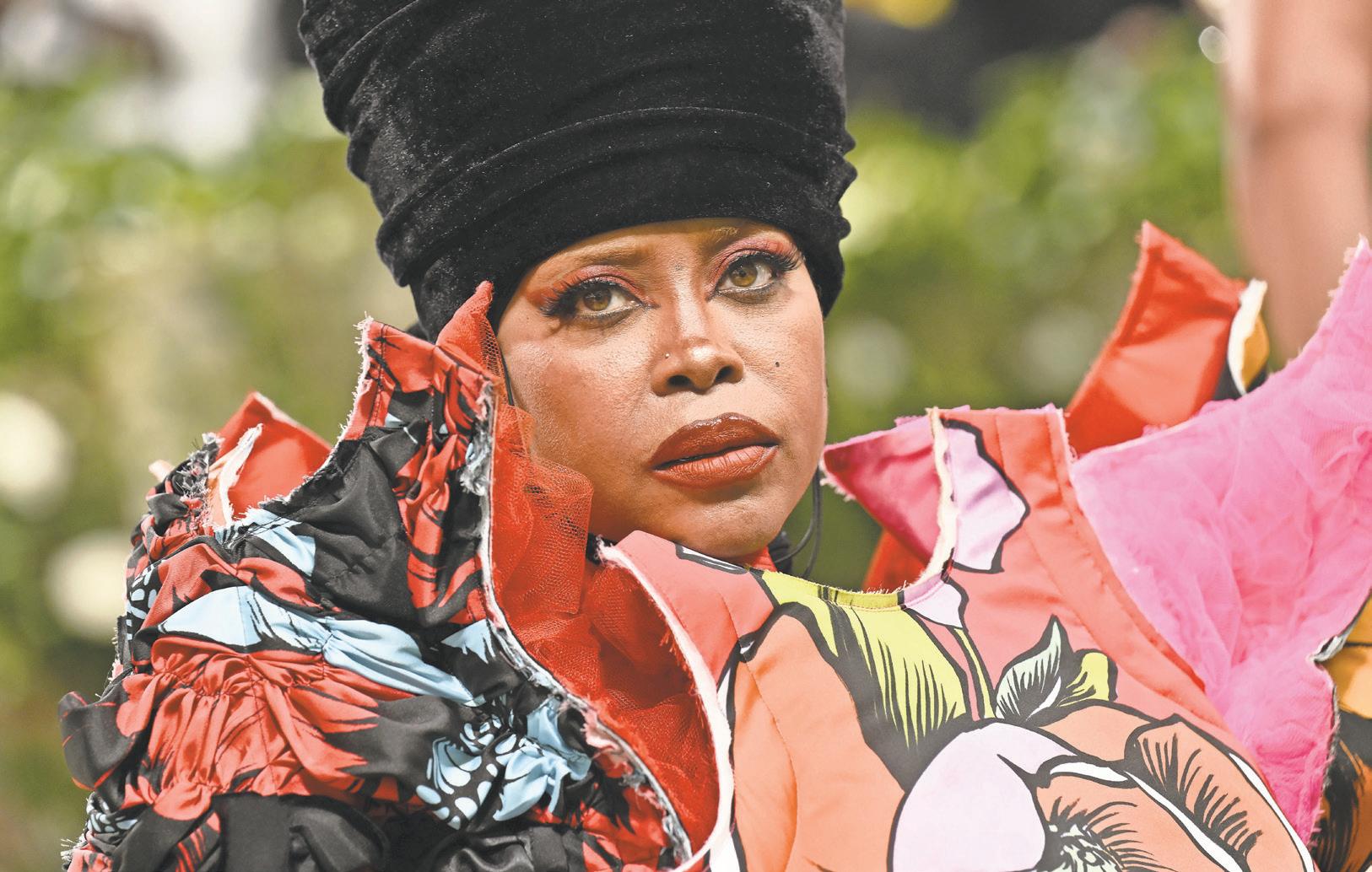
Erykah Badu: If tithers had invested the 10 percent, they’d now be millionaires.
The Black church has long been the place where faith and survival meet; where generations gave what they had to build what they were denied.
So when Erykah Badu suggested there might be more Black millionaires if Black churchgoers stopped tithing — giving 10 percent of one’s income directly to the church — she wasn’t just talking money. The Grammy-winning, neo-soul pioneer touched a nerve about how traditions intersect with economic realities. For others, it underscores the enduring role of the Black church as both a spiritual and communal anchor.
And it raises questions about whether one of the Black faith community’s most sacred traditions is helping close the wealth gap, or quietly widening it.
‘Group chat collection plate’
Bishop Talbert Swan, prelate of the Greater Massachusetts Ecclesiastical Jurisdiction, Church of God in Christ,
wasted no time answering Badu. He clapped back in a Facebook post with facts and figures, throwing an elbow or two in the process.
“The average church in America has 75 members or fewer,” wrote Swan, who is also an activist, author and NAACP president. “Out of that 75, only 10 percent actually tithe consistently.”
“That’s not a revenue stream,” he quipped, “that’s a group chat with a collection plate.”
With such a small average membership, a Black church “brings in $240,000 or less per year,” Swan wrote. “The average Bentley [luxury sedan] costs $300,000, which is more than many churches bring in all year. So no, the ‘math ain’t mathing’ and neither is [Badu’s] argument.”
Other pastors and theologians were quick to respond, emphasizing that tithing has sustained institutions that have long filled gaps left by systemic inequities, including helping people stave off eviction, put food on the table, and pay for college. Several have pointed out that tithes were the financial foundation of the Civil Rights Movement.

Your History • Your Community • Your News
The Afro-American Newspapers
Baltimore Office • Corporate Headquarters
233 E. Redwood Street 6th Floor, Suite 600G Baltimore, Maryland 21202 410-554-8200
Customer Service, Home Delivery and Subscriptions: 410-554-8200 customerservice@afro.com
Founded by John Henry Murphy Sr., August 13, 1892
Chairman of the Board/Publisher - Frances Murphy Draper
(Publisher Emeritus - John J. Oliver Jr.)
President - Benjamin Murphy Phillips IV
VP of Marketing and Technology - Kevin E. Peck
Director Digital Solutions - Dana Peck
Receptionist - Wanda Pearson - 410-554-8200, ext. 246
Director of Operations Andrè Draper - 410-554-8200
Director of Finance
Bonnie Deanes - 410-554-8242
Executive Director/Director of Advertising Lenora Howze - 410-554-8271 - lhowze@afro.com
Director of Community & Public Relations
Diane W. Hocker - 410-554-8243
Editorial
Managing Editor - Alexis Taylor - 410-554-8257
Editorial Assistant - Ama Brown-Parson Evening / Weekend Editor - Zenitha Prince Archivist - Savannah Wood - 410-554-8277
Baltimore Circulation/Distribution Manager
Andrè Draper - 410-554-8200
Creative Design and Content
Matthew McDonald
Washington Office
1140 3rd Street, N.E., 2nd Floor Washington, D.C. 20002-6723 202-332-0080
(Washington Publisher Emerita - Frances L. Murphy II)
Director of Operations - Andrè Draper - 410-554-8200

Tithe, or bills?
Badu has not added to the original statement, but the conversation it sparked continues to resonate. For some, it raises necessary questions about how traditions intersect with economic realities. For others, it underscores the enduring role of the Black church as both a spiritual and communal anchor. But at least one Black finance expert says Badu may have a point.
The practice of tithing is deeply rooted in Christian tradition, particularly within Black churches. It has historically served not only as a spiritual discipline but also as a communal support system — and the financial foundation of the civil rights movement, which Swan pointed out in his post.
Badu and Black America, he wrote, “are enjoying freedoms today that were organized, strategized and fought for in Black churches.” Jabbing at Badu’s profession, Swan said the Civil Rights Movement didn’t meet at Spotify headquarters, but in sanctuaries.
Churches and pastors led voter registration drives, he said — not concert promoters.
Mutual aid, civil rights
Rev. Dr. Otis Moss III, senior pastor of Trinity United Church of Christ in Chicago, has spoken often on the subject of church stewardship. He often reminds parishioners that tithing “has funded education, civil rights organizing, and community survival.”
Historians note that during segregation and the Jim Crow
era, tithes from Black churches helped build schools, funded mutual aid societies, and gave financial support to political movements, including those connected to the Civil Rights Movement.
Scholars consistently note a gap: Black church giving is under-researched, especially compared to predominantly white congregations.
Sociologist Sandra L. Barnes, author of one of the most-cited studies on Black churches across seven denominations. found that tithing is “normative in at least onethird” of Black congregations. The Church of God in Christ (COGIC), Baptist, and Pentecostal denominations have the highest percentages of
tithers, compared with Presbyterian or United Methodist congregations.
Paying the pastor first
While tithing may be more widely practiced in Black churches, congregants are typically giving with smaller sums of money than in White churches — the result of systemic economic disparities. Practically speaking, that means fewer people could become billionaires from withholding their tithes.
Still, some financial experts say Badu’s critique taps into a broader conversation about wealth gaps. According to data from the Federal Reserve, Black households in the United States hold significantly less
wealth than white households, a disparity rooted in generations of discriminatory policies. Critics of tithing argue that consistent giving —especially among lower-income earners — can limit opportunities for saving and investing.
Dr. Boyce Watkins, a finance expert, author and founder of The Black Business School, has long suggested that redirecting even a portion of tithes into investments could produce long-term wealth gains.
“Never pay the pastor before you,” Watkins wrote on Instagram. “Pay for your bills, your investments, and your family. Nobody’s coming to save you. You have to save yourself.”
By Deborah Bailey AFRO Contributing Editor
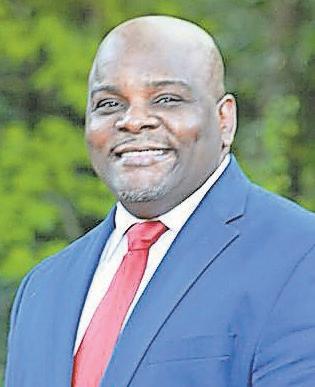
The Baltimore City Public School board unanimously appointed Dr. Jermaine Dawson as the next superintendent of Baltimore City Public Schools in a special board meeting held Monday morning, April 20. Dr. Dawson, currently serving as deputy superintendent for academic services in the Philadelphia Public School System will begin July 1.
Dawson is a career educator, having served in administrative positions in the public school systems of Birmingham, Ala., Fulton County, Ga., and Jacksonville, Fla., prior to his work in Philadelphia. Dawon started his instructional career as a math instructor, a background that will be helpful as BCPS is eager to move out of the bottom rank in math scores based on the 2024-2025 Maryland Comprehensive Assessment Program (MCAP).
Mayor Brandon Scott along with several other city and state officials joined the school board and current City Schools CEO Dr. Sonya Santelises for the board announcement.
“As we begin this new chapter, I am confident that Dr. Dawson is the right leader for this moment. He shares our vision for city schools making sure all of our young people have the resources and support they need to reach their full potential,” Scott said.
“Dr. Dawson understands the situation, the conditions and realities of what our young people are growing up in as
Youth Commissioner Zayra Chicas-Guzman, a senior at Digital Harbor High School, expressed excitement over both Dawson’s arrival and the many students engaged watching the livestream proceedings. “I am really excited for what you’ll bring to city schools. Our first-graders and our youth watching who are currently in school right now. I can’t wait to tell them all the great things about you,” said Chicas-Guzman, who vowed to remain engaged after completing high school this spring.
Dawson’s unique perspective on education -- to which Scott and others referred -- was forged by personal experiences such as homelessness, a topic he has spoken about publicly both in interviewing for the Baltimore City Schools top job and in previous interviews.
he has had that same kind of upbringing in his hometown of Atlanta, Ga.,” Scott said. Dawson thanked the board for their diligence and quickly made it known that a concern for equity and excellence was an important consideration.
“I am honored to be partnering with a school board that ensures equity is not just a ‘buzz word’ but a lived reality for every student and where academic excellence is the reality for our students and the standard in every one of our schools,” he said. Santelises first thanked the
School Board commissioners for their diligence in engaging the community and ensuring the integrity of the selection process. She also identified what she thought was the major task for her successor.
“Kairos timing in the Greek means a ripening of time. A time when multiple forces come together around purpose.
I believe this is your kairos’ time. I believe it is your time to take the work that has occurred over many years and bring us to a point that is much further along than we are now,” Santelises said.
“My background has not been one that has been usual to most people. I grew up homeless. I remember times that I had to eat out of the trash can. I’ve had to sleep on people’s porches. But I made it,” Dawson said in a prior interview in Hamilton County, Tenn. Maryland State Department of Education data from 20232024 reports that more than 5,700 Baltimore City Public School students experienced homelessness in its most recent data. The Annie E. Casey Foundation reports 28 percent of Baltimore children aged 6-17 live in poverty.
“In Dr. Dawson, I believe we have selected someone who can meet the demands of this moment,” said board commissioner Mujahid Mohammad.
a dangerous path, and one that should concern every American, regardless of party.”
Cherfilus-McCormick is also facing federal criminal charges accusing her of stealing $5 million in federal disaster funds and using the money to buy items such as a 3-carat yellow diamond ring.
She has pleaded not guilty to the criminal charges and says she is not guilty of ethics violations, either.
The allegations against the congresswoman center on how she received millions of dollars from her family’s health care business after Florida mistakenly overpaid the business by roughly $5 million with COVID-19 disaster relief funds. She is accused of using that money to fund her 2022 congressional campaign through a network of businesses and family members.
Cherfilus-McCormick declined to testify during a previous Ethics Committee hearing, citing her Fifth Amendment right against self-incrimination. Her attorney, William Barzee, sparred with some of the lawmakers
and argued that they should have allowed a thorough ethics trial, at which he could present witnesses and evidence to counter the conclusions of House investigators.
Some supporters weighed in against expulsion
A group of supporters in Cherfilus-McCormick’s congressional district had weighed in on her behalf with the lawmakers who lead the Ethics Committee, urging committee leaders to proceed with caution in sanctioning her.
“Our communities deserve stability. Our voices deserve to be heard. And our right to representation must be protected,” said one of the letters signed by about a dozen local faith leaders, union officials and others.
Rep. Yvette Clarke, D-N.Y., chair of the Congressional Black Caucus, along with other members of the caucus, issued a statement that praised Cherfilus-McCormick’s time in Congress. They said Cherfilus-McCormick “worked to uplift her constituents and elevate issues impacting underserved communities at home and abroad.”
“We extend our appreciation for her service
offender homicides, in 2017.
attempting to escape following what police describe as a targeted “execution style” attack. The veteran was reportedly upset that he was facing divorce proceedings as a result of his infidelity, and had sought treatment for mental health challenges in the months leading up to the killings.
Disturbing trends of domestic violence put more Black families at risk
Recent data published by the National Coalition Against Domestic Violence (www.ncadv.org) reveals disturbing changes within the Black community.
Studies have found that 45.1 percent of Black women and 40.1 percent of Black men have experienced intimate partner physical or sexual violence and/or intimate partner stalking in their lifetime.
Roughly 31.8 percent of Black women and 16.8 percent of Black men have experienced one or more of the following violence-related impacts: being fearful, concerned for safety, any post-traumatic stress disorder symptoms, injury, need for medical care, housing services, victim advocate and/or legal services, and missed at least one day of work or school.
An estimated 51.3 percent of Black adult female homicides are related to intimate partner violence. Black women had the highest rate at 2.55 per 100,000 for female/male
“The killings of Black women by current or former partners are devastating on their own, but what has also stayed with me is how often Black women’s vulnerability gets minimized, even in death, and how quickly the story can shift away from the woman and toward the man,” said Dr. Uché Blackstock, author and founder and CEO of Advancing Health Equity, via her social media platform.
“The data reflects that clearly, too. Black women experience disproportionately high rates of intimate partner violence and are more likely to be killed by a current or former partner than women in other groups,” Blackstock said. “This is a painful conversation, but it is one we need to have. Black women live at the intersection of racism and sexism, and that reality shapes how harm is experienced, how it’s understood, and too often how it’s overlooked.”
Blackstock, a mother of two boys, continued, saying that “loving Black men and telling the truth about the harm Black women experience are not opposing acts. We can love our community and still be honest about what must change. Black women deserve safety, tenderness, and to be fully seen.”
While the memorials grow for the victims, and resources for domestic violence make the rounds, within the Black community, there has been much debate over how much focus should be placed on the Black male
and offer our prayers for her and her family,” the caucus members said.
In all, the Ethics panel’s more than two-year investigation led to the issuance of 59 subpoenas, 28 witness interviews and a review of more than 33,000 pages of documents.
House Democratic leaders had declined to condemn Cherfilus-McCormick, saying they wanted to see the ethics process play out.
Still, leadership had been in conversations with her for weeks, ever since the Ethics committee released its findings, about the situation and the likelihood of an expulsion vote.
A high threshold for expulsion
The House has historically been reluctant to serve as the final arbiter of a lawmaker’s career, preferring to give that final say to the voters.
Of the six House members expelled, the first three fought for the Confederacy during the Civil War and were expelled for disloyalty. The next two had been convicted of crimes.
The final one was George Santos, the scandal-plagued freshman who was the subject of a blistering ethics report on his conduct as well
as a federal indictment.
Santos, a New York Republican, served time in prison for ripping off his campaign donors before President Donald Trump granted him clemency, and he has apologized to his former constituents.
Under the Constitution, at least two-thirds of the House has to vote for expulsion for it to occur, a high threshold that requires enormous bipartisan support.
House Speaker Mike Johnson, R-La., told reporters last week he believed the House would move to expel Cherfilus-McCormick.
“The facts are indisputable at this point,” Johnson said.
House Majority Leader Steve Scalise, R-La., took exception to Cherfilus-McCormick’s characterization of the Ethics Committee’s investigation.
“Well, if you steal money, it’s called theft. It’s not called a witch hunt, and stealing taxpayer money is not going to be tolerated,” Scalise said.
This article was originally published by The Associated Press (AP). AP writer Lisa Mascaro contributed to this report.
mental health aspect of the recent violence.
While some have expressed disdain for any talk of Black male mental health when Black men–in these cases–are the perpetrators, others say the violence shown is directly related to the state of mental health for Black men and the factors that are deteriorating their emotional and mental well being.
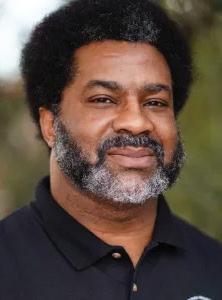
Dr. Evan Auguste, a clinical and forensic psychologist, and assistant professor of psychology, John Jay College of Criminal Justice (CUNY), specializes in Black
liberation psychology, and focuses on racial trauma and the effects of structural anti-Blackness.
“When we talk about mental health and mental illness, we must look beyond the heinous crimes that have recently occurred,” Auguste said during a YouTube conversation with the media. “It’s the culture, the values and the attitudes of a given society which shape the definitions and the behavior. In America, the dominant culture of patriarchy also impacts African-American men and by extension, their wives and children. So, as the overarching society asserts that men are supposed to own women and children, that becomes the narrative.”
Auguste said that “when Black men are unable to secure higher education or employment opportunities, often due to racism, the distress they experience often leads to despair. As their attempts to seek stability and health for themselves and their families are thwarted, they often fall into depression. Violence soon follows within the home.”
“Femicide is patriarchy’s most extreme outcome and it occurs because men, Black or White, view a woman’s attempt to leave the relationship as a threat to their status. She’s trying to escape ownership – something which cannot be tolerated,” Auguste concluded.
Licensed social worker and family advocate counselor, Zazel-Chavah O’Garra, also weighed in.
“The reality in America is that patriarchy rules – men are supposed to be in charge and they believe that what they say goes,” said O’Garra. “That’s been the prevailing societal norm since the founding of this country but it’s also the norm on a global scale. Unfortunately, when left alone in their self-created bubble, and alone with their thoughts, problems increase and with more intensity.”
O’Garra said “the Justin Fairfax murder-suicide is an example of the difficulty Black men, particularly those in powerful positions, experience when the lifestyle to which they’ve grown accustomed comes
crashing down around them.”
The former lieutenant governor’s hopes for becoming a political star were dashed when allegations of harrassment and sexual assault came to light in 2019.
Dr. Ural H. Hill, a licensed professional counselor, believes that after facing stressful, life-changing situations as a minority in America, some find it “impossible to cope.”
Hill identified several signals that one should look for if there is concern that a friend or relative may be suffering from mental illness.
“Sudden changes in personality or self-isolation, especially changes in drinking habits, should not be ignored,” said Hill, who advises his clients to use self-assessment charts as a first step toward identifying the kinds of mental health problems from which they may be suffering.
“Black men just don’t take care of themselves, are reluctant to seek professional help, and often turn to violence far more frequently than others to resolve issues from which they feel overwhelmed. But they need to realize that there are plenty of resources available, many for free, and that mental health challenges can happen to anyone. They should not be ashamed to seek help.”
Still, others, like Pamela Tate, executive director of Black Women Revolt, say the mental health concerns facing Black men shouldn’t be taken as an excuse for the recent heinous crimes.
“To say they’re mentally ill, that doesn’t cut it,” Tate told The Associated Press. “There are people who are depressed or people who have schizophrenia and don’t harm their partners, much less kill them.”
Tate said that mental health challenges could have plagued Shaneiqua Elkins and Cerina Fairfax, but neither of them resorted to murder even though they “had the same access or ability to go and purchase a gun.”
“The mental illness is not what we’re talking about here,” she said.
If you are in crisis, contact The National Domestic Violence Hotline, 800-799-SAFE, or visit www.TheHotline.org.
By Sharif El-Mekki Word in Black
During a recent Freedom Friday podcast, our host, Chris Stewart, pointed out that we are living in a time when four, sometimes five, generations are working side by side, exposing fault lines around toughness, trauma, and what “safety” should mean at work.
As a proud member of Generation X, I am realizing that what we called “professionalism” looks a lot like unspoken pain management. But younger colleagues — millennials and Gen Z — name what we endured, and ask for psychological safety out loud. Sometimes, older generations meet that request with eye rolls, especially when “safety” becomes a means to dodge accountability, deadlines, and timeliness.
Critics love to drag Zoomers and millennials as “soft” or “entitled,” but the jokes obscure a real question: How do we build workplaces where people can do hard things without accepting harm as the cost?
Punctuality is (not) optional
I remember a millennial coworker who told her supervisor that pointing out the many grammatical errors in a public-facing PowerPoint was unnecessary, even a form of “Whiteness.” Another millennial — who routinely arrived late to meetings, stopping for coffee and conversation on the way — scoffed at the expectation of being on time, even as he loudly championed Black excellence.
When I encounter these mindsets, I think about my parents and teachers I’ve had. Excellence in the classroom was an expectation — the minimum standard. My parents, meanwhile, did a good job instilling a sense of timeliness in me. Fewer things grind my gears than hearing, “We’re on CPT,” a.k.a. “colored people’s time.”
I also grew up memorizing and internalizing a passage from a book by Vernon Brundage Jr.: “Excuses are tools of incompetence used to build bridges to nowhere and monuments of nothingness, and those who use them seldom specialize in anything else.” We were inspired by Haki
Madhubuti’s insistence that “all that is good in the world takes work; everything else is jive.”
Those words shaped how many of us understand responsibility, follow-through and what it means to be serious about our people.
The grind vs. self-care
My generation grew up sandwiched between the grind ethic of Baby Boomers and the culture-shifting impatience of millennials. Many of us learned early on the job not to talk about what hurt. You powered through, stayed loyal and proved your worth by what you could endure.
When we entered the workforce, toxic behaviors — from short-tempered supervisors and racist colleagues to impossible workloads — were framed as “paying dues” or “having a strong work ethic.” By the time Gen Z arrived, naming microaggressions, setting boundaries and rejecting certain conditions altogether, some of us were so accustomed to the poison that youngsters’ refusal to consume it felt like an insult to our resilience.
But they are not wrong to want something different.
Millennials and Gen Z came of age equipped with language for trauma, mental health and identity, a lexicon that simply did not exist when my generation entered the workforce. They witnessed entire industries demand loyalty, then use people up. They understand that no job is worth chronic harm.
No naps during the revolution
When younger generations ask for wellness benefits, flexible schedules, culturally competent leadership, or clear anti-racist policies, they are not asking to avoid work; they are asking to avoid unnecessary harm so they can actually do the work.
At the same time, I worry that the pendulum could swing too far in the other direction. Real change still takes real work: intellectual rigor, honest effort and a willingness to do unglamorous, sustained labor. There is a difference between self-care and self-absorption, and we blur that line at our collective risk.
I say that as someone whose own formation was shaped by adults who did not romanticize rest. If we kids said we were tired, the elders around us — people actively fomenting revolutionary thought and action — would ask, “What would Harriet, Malcolm, Fannie, Ella do if they were tired? Take a nap during the revolution?”
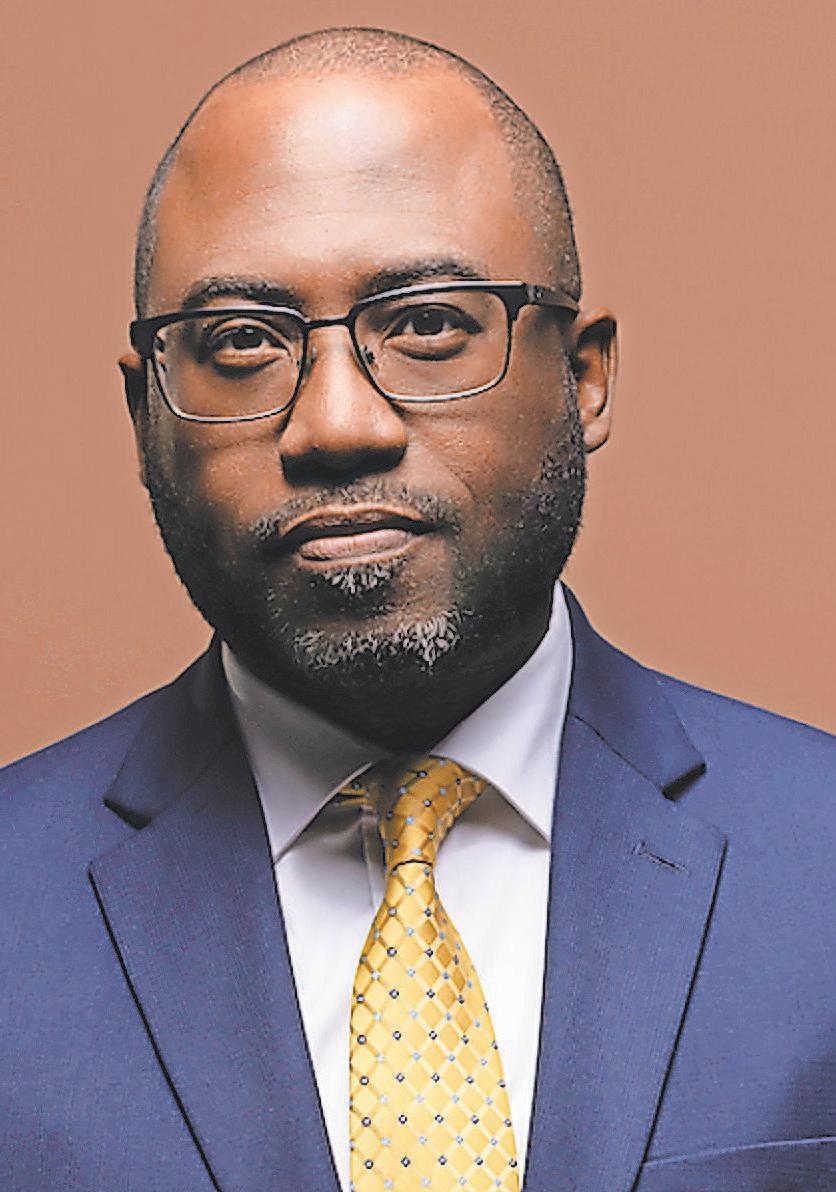
Later this year, I will open Marula Wellness, a cannabis dispensary and holistic health brand in Frederick, Md.
Cannabis has been on my radar since Maryland legalized the medical use of this plant in 2014.
At that time, a national company hoping to get a license to open a dispensary reached out to me requesting my support in their effort. I was hesitant at first to give them a “letter of support” for various reasons.
First, like many others my opinions regarding the cannabis plant were shaped by highly funded programs like D.A.R.E. (Drug Abuse Resistance Education) and former First Lady Nancy Reagan’s “Just Say No” campaign of the 1980’s. While I had no personal experience with the cannabis plant, these government-sponsored initiatives cultivated very visceral reactions in me about marijuana.
of medical reasons.
Eventually, I saw a need to become more vocal about cannabis. I decided to enter the industry because I saw a dynamic that still troubles me to this day. Since the legalization of medical and recreational marijuana in Maryland (and many other states across the nation), I’ve seen White-led businesses greatly profiting from marijuana while many African Americans and other people of color are incarcerated because of it. Same plant. Different outcomes. Right now, White men are leading businesses that are heavily profiting from the sale of cannabis. Since the cannabis industry boom began more than a decade ago, Black people continue to be underrepresented in this space, making up only a sliver of dispensary owners nationwide, dipping as low as 2 percent, according to some reports.
Through this business we will support currently and formerly incarcerated people, providing training, expungement support and workforce development opportunities. I am captivated by the position that I have to provide gainful employment and partnership opportunities to people who have drug charges on their record and are ready to write their next chapter in life.
My dispensary will also prioritize African-American farmers and other Black businesses. As a social equity license holder, there are already regulations in place that support this, but my goal would be to do all that I can to far exceed the minimum requirements. In addition, we’re exploring components of this dispensary that revolve around herbalism, urban agriculture, cooperatives, mental health support and providing financial support to local community programs.
conversations about cannabis. Building on the noble work that has already been done by so many, I believe that as a Baptist minister, farming enthusiast, and social justice activist, I have something unique to offer to this conversation. Without ignoring the tensions, we’ll make room to learn, un-learn and be reintroduced to a plant that has existed long before this nation’s laws. Instead of reacting, we’ll make room to hear from experts, ask honest questions and listen to the stories of those who use cannabis products for a variety of reasons. It’s time to challenge the stigma related to this plant. Like it, love it or hate it, it’s legal. People of all stripes - including in our churchesare using this plant in ways that they find meaningful.
Second, the version of Christianity that was part of my upbringing didn’t make room for curiosity, mercy or compassion for marijuana use in the same way that it did for cigarettes, cigars and an occasional alcoholic drink. While the latter certainly was not encouraged, the condemnation was nowhere near as strong for these activities compared to the usage of marijuana. For example, growing up I saw church members smoking in the parking lot after service or heard about deacons smoking cigars, but never saw them banished to hell.
It is wrong to me that the possession of this plant can create millions of dollars for one group of people while causing misery for others.
I was hesitant to extend support to that cannabis company, but ultimately decided to out of concern for those who would be helped because
Despite the risks and anticipated criticism, I saw an opportunity to go out on a limb, get inside this industry and make a positive difference for my community. My locally-owned, Blackled dispensary will have a social impact focus that I am proud of.
This locally-owned dispensary will be about opportunity, holistic health, healing and challenging the unjust outcomes of the “War on Drugs.” It will be such a good neighbor to the community that I pray that people will see the value in the dispensary even if they do not personally indulge in the plant.
Very soon, I plan to begin hosting presentations and community
By Sharron Rouse
One day I woke up and noticed my legs were swollen. I thought my symptoms could have been related to a previous lupus diagnosis or recent high-risk pregnancy. I was urged to see a doctor. And the results - a nurse told me that my kidneys were failing. I was floored! I was 31 years old with a whole life ahead of me.
Failing kidneys were a surprise to me. After a biopsy, I was diagnosed with focal segmental glomerulosclerosis(FSGS), a disease that causes scarring in the parts of the kidney that filter blood. The doctors could not explain why I had FSGS.
After being hospitalized for a few days, I had to figure things out along with my family. How could I continue living my life after discovering something so serious? What adjustments, medications, dialysis, or even transplant would I have to endure? Twenty years ago, there was not a lot of information available. I was scared and frustrated, but research helped me understand the disease, its effects, and that I was not alone.
I began working with my doctors to manage the disease, but my kidneys continued to decline. I had a personalized medical treatment plan that was only doing so much to slow the progression, and a few years later, I was told I needed dialysis. Dialysis took a toll on me. I was tired both physically and emotionally.
The next step in my kidney journey was a transplant. My sister was my donor. The transplant was successful, but I still didn’t know why all of this had happened to me. And then I learned about the APOL1 gene and the increased risk of kidney disease due to certain genetic changes.
After an at-home genetic test, I found out I had two copies of the APOL1 variant inherited from my parents, a variation connected to increased risk for kidney disease. APOL1-mediated kidney disease (AMKD) caused my FSGS. I now had answers.
The diagnosis liberated me from the uncertainty of having done something in my youth that could have caused all of this, and it alerted me to the seriousness of the disease
and its effects.
We are all born with the APOL1 gene, but those of us with ancestors from Western or central Africa, who may identify as Black, African American, Afro-Caribbean, Hispanic or Latino/Latina, may have mutated variations of the APOL-1 gene, with the presence of two high-risk genes G1 or G2.
April 28 is APOL1-Mediated Kidney Disease (AMKD) Awareness Day, an annual campaign to educate the public, healthcare providers, and patients about a genetic form of rapidly progressive kidney disease impacting people of West and Central African ancestry. I have hope because steps are being made to address a clear diagnosis and the impact of the disease in our communities.
Learning that you may be predisposed to having AMKD can provide some relief from the guilt of a diagnosis. Everyone should have a unique medical approach that best aligns with their healthcare needs. The only way to know if you are at risk for developing AMKD or if
your kidney disease is the result of APOL1 variants is through genetic testing. Genetic testing, which is a personal decision, may be recommended if you have kidney disease of unknown cause and you are Black, African American, Afro Caribbean or Latino of certain African ancestry. There is no “one-size-fitsall” approach to healthcare. Talking to your doctor about your options is a starting point.
My dispensary company is named after the Marula tree which is native to Africa. Its fruit is rich in Vitamin C. Its bark and oil is believed to help with digestion, sores, skin care and hair care. Its cultural significance related to fertility and healing is widely celebrated. Literally every part of this tree does something good for those who are in communion with it.
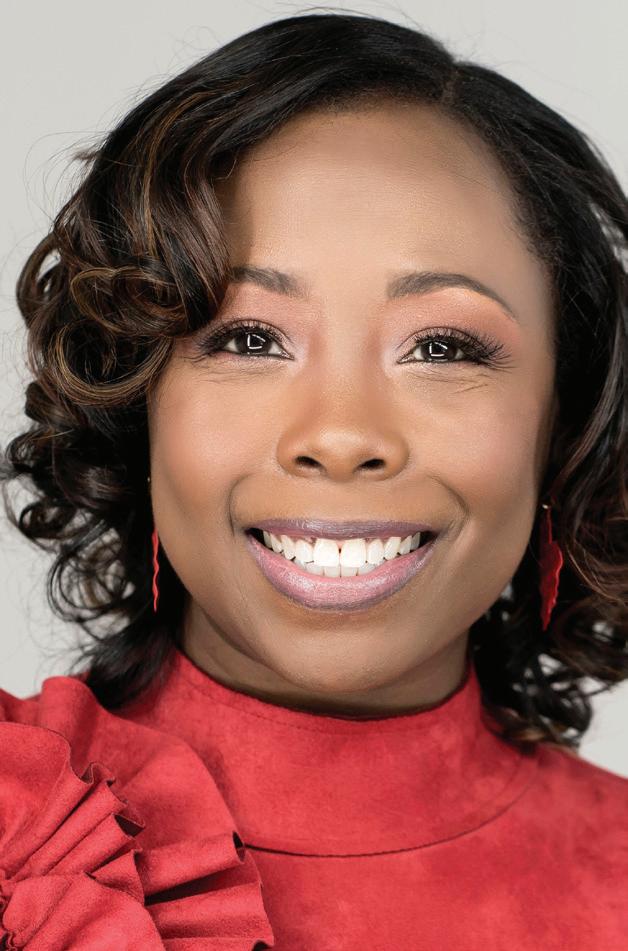
Over the years, I have become an advocate and supporter of kidney disease research and awareness. I am deeply involved with the community through the organizations I have created and the ones I support. I feel proud to be a voice fighting for change. Organizations such as the American Kidney Fund, which focus on prevention, treatment, and post-transplant care, are great resources and allies. You can also learn more about AMKDatKidneyFund. org/APOL1Aware. I hope that my story helps those who are struggling to understand their diagnosis and how to navigate the difficult times of dealing with kidney disease.
Rouse is a Maryland resident, mom, wife and sister. She is founder and executive director of Kindness for Kidneys International.
Sharron Rouse is a Maryland resident, mom, wife, sister and the Founder/Executive Director of Kindness for Kidneys International, Inc. She has dedicated her life to influencing the world as a kidney disease, dialysis, and transplant survivor.

By Tashi McQueen AFRO Staff Writer tmcqueen@afro.com
With Financial Literacy Month underway, it is important to highlight the work of local community organizations that are making it their mission to connect the Black community with financial literacy education.
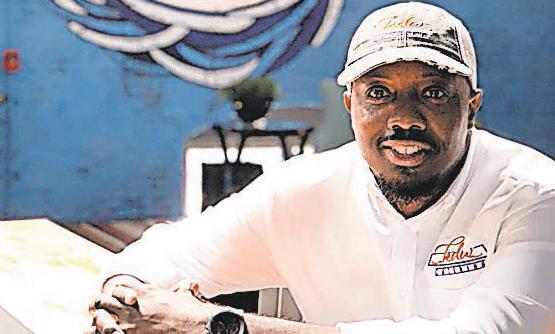
In Baltimore City, KDW Cares is focusing its work on Black youth through extended programming designed to build financial knowledge early. The organization was founded in 2019
by
Steven Williams, executive director.
“We run a 10-month financial literacy program that runs concurrently with the school year,” said Williams.
Though KDW Cares offers workshops, its primary focus is on long-term financial educational programs for youth in Baltimore.
“It’s not a workshop-type deal where we reach young people and then let them go to figure it out,” said Williams. “It’s a kind of immersive experience that goes through everything from
first, how do you obtain finances, so we work on resumes, interviewing, researching a career.”
Throughout the 10-month program, KDW Cares teaches youth budgeting, saving, credit building and leverage, asset protection and investing, including stocks, bonds and entrepreneurial paths like real estate.
Williams said the organization’s focus grew out of his own experience and what he saw in his peers.
“What I learned through my own personal experiences and the experiences of my peers, is regardless of the socioeconomic status or education that we obtain, one missing piece was financial literacy across the board,” said Williams.
He added that financial knowledge gaps persist even when educational and income levels rise.
“Though they might have a degree and have a much higher starting wage than their parents
and grandparents, if they don’t have a strong foundation of financial literacy, they will still face some of the same financial challenges,” he added.
Students in the program say it is already having an impact.
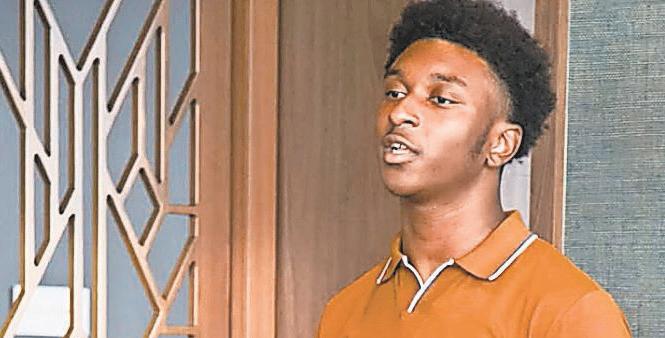
“Without this class, I probably wouldn’t have reached most of the goals I set for myself,” said David Cruz-Harris Jr., 18. “It has taught me many lessons, it has helped avoid many mistakes that I’m glad I did not have to go through.”
Cruz-Harris said he joined the program at 16 with the goal of learning how to better manage money and make stronger financial decisions. He encourages other youth to take similar steps.
“I was also someone who was skeptical about taking financial literacy classes,” said Cruz-Harris. “But I think this program is something that everyone, no matter what age you are, should try at least once.”


For many individuals, high earners, and entrepreneurs, finances can feel overwhelming—not because they lack ambition, but because they lack access to timely, trustworthy guidance. Too often, people wait until a deadline or problem arises before seeking professional advice, leaving them in a reactive position instead of one of control.
At G&A Consulting Group, we believe financial literacy is more than understanding numbers—it’s about understanding your position, your options, and your potential More importantly, it’s about having the right conversations at the right time.
Founded by George Deal and Alex Franks, two African American CPAs who met at Morgan State University, our firm was built on a shared foundation rooted in access, education, and opportunity. Those experiences—combined with the discipline and leadership gained through military service—shape how we approach our work today: with intention, accountability, and a deep commitment to those we serve.
As CPAs, business advisors, and active leaders in the profession, we’ve seen a common pattern: too many people are making important financial decisions without consistent guidance. Whether through our work with clients, teaching at the university level, mentoring, or contributing to professional organizations like the Maryland Association of Individual Tax Preparers and the AICPA, one thing is clear—communication is often the missing piece.
That’s why our approach goes beyond tax preparation or accounting. We prioritize proactive communication, helping clients stay ahead instead of catching up. Our goal
is to help individuals and businesses build structure, gain clarity, and make informed decisions that support long-term growth.
We’ve seen the transformation firsthand. When people begin to understand their finances—and have consistent guidance throughout the year—everything changes. Confidence replaces confusion. Strategy replaces guesswork. And growth becomes something they can actively plan for.
Our commitment to excellence has also been recognized nationally, with G&A Consulting Group named to Forbes’ list of America’s Best Tax and Accounting Firms. This distinction, based on feedback from clients and industry peers, reflects the trust we’ve built and the impact of our approach.
Financial Literacy Month is a reminder that knowledge is powerful—but access and consistency are what make that knowledge actionable. In communities that have historically been underserved, having a trusted advisor can make all the difference.
At G&A Consulting Group, our mission is rooted in integrity, relationships, and results. We are committed to being a resource our clients can rely on—not just during tax season, but throughout their entire financial journey.
Because financial success doesn’t happen by chance—it happens when you move from reactive to intentional.
For those ready to take a more intentional approach to their finances, the first step is simply starting the right conversation.
By Megan Sayles AFRO Staff Writer msayles@afro.com
For many Black consumers, everyday life can come with an added financial burden— pricier insurance premiums, higher borrowing costs and fewer opportunities to build wealth. Many of these disparities are rooted in decades of discriminatory practices, including redlining and biased lending policies that curtailed access to equitable financial resources.
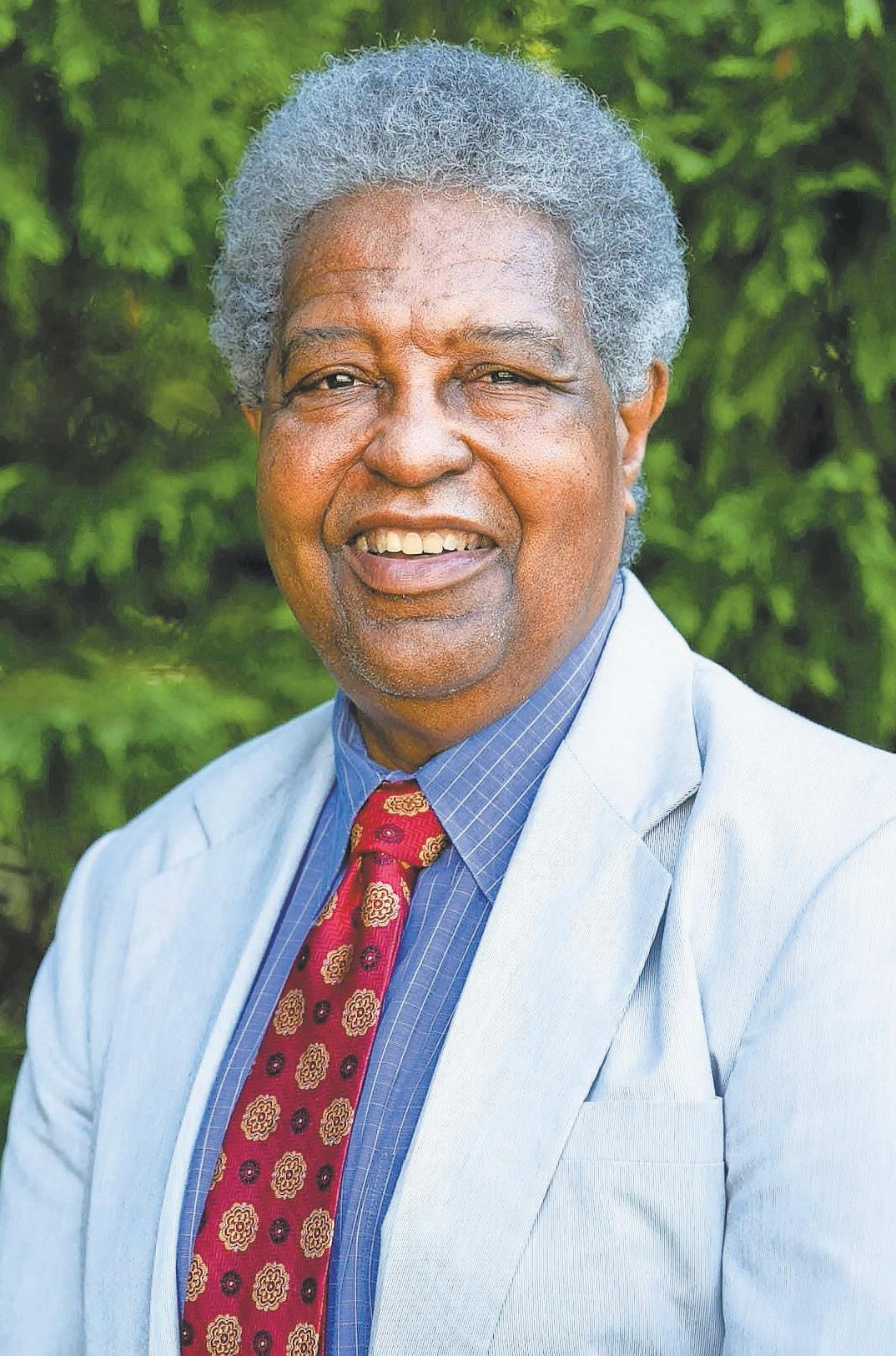
and the economics of reparations. Darity is currently a visiting professor at Howard University.
Those historical practices continue to shape present-day economic outcomes.
“There’s a host of ‘hidden’ costs that continuously gnaw away at Black resources at a much more intense degree than they gnaw away at White resources,” said William Darity, social scientist and visiting economics professor at Howard University (HU).
Darity explained that there is a significant gap in the car insurance costs that African Americans encounter compared to their White counterparts—with some Black adults being charged premiums that are 40 percent higher.
In Washington, D.C., alone, a 2024 report from the Department of Insurance, Securities and Banking found that White drivers paid an average of $705 annually for auto insurance, while Black drivers paid $1,031.
Darity said disparities also persist across lending systems, including higher interest rates on mortgages and other loans. According to the Joint Center for Housing Studies at Harvard University, Black homeowners earning between $75,000 and $100,000 paid a median mortgage interest rate of 4.215 percent, compared to 4.16 percent for White homeowners earning $30,000 or less—highlighting how Black borrowers often face higher costs even at higher income levels.
Routine banking can also come with higher costs, Darity said. A 2022 Bankrate study discovered that White checking account holders paid $4.72 in monthly fees, while Black account holders paid an average of $12.45.
These everyday consumer costs, combined with an ever-widening racial wealth gap, place serious strain on Black households, according to Darity.
“It’s also important to note that Black
households start with a huge deficit compared to Whites in terms of resources—particularly if you look at wealth, where the average White household has $1.15 million more in wealth than the average Black household,” said Darity. “If you pile these hidden costs on top of a situation in which households are starting out with considerably less, you’ve got a pretty hostile situation.”
Economists say these higher costs don’t just burden household budgets—they also limit avenues for long-term financial growth.
Gerald Daniels, associate economics professor at HU, pointed to higher student loan debt among Black borrowers as one example. On average, Black college graduates owe $25,000 more than their White counterparts, according to the Education Data Initiative.
“Once folks get their career started, they have to forego some of their income to pay off this debt as opposed to using the funds to buy homes, make car purchases and afford a host of different types of financial investments,” said Daniels. “But, instead folks have to pursue repaying this debt.”
Leveling the financial playing field
To eliminate these disparities, Daniels and Darity recommended several policies aimed at making the financial landscape more equitable. Daniels called for eradication of racial and gender wage gaps across industries and lower college tuition.
Darity advocated for a federal job guarantee, which would ensure any person in need of employment could access a public job with a living wage and benefits. He also argued for monetary reparations, which would consist of direct cash payments to descendants of enslaved people.
Though the case for reparations has long
By Victoria Mejicanos AFRO Staff Writer vmejicanos@afro.com
For many young adults, retirement no longer follows a straight path from a steady job to a pension. Instead, entrepreneurs, early career professionals and graduate students are navigating an array of options to navigate finances amidst economic uncertainty, such as side incomes and various savings plans.
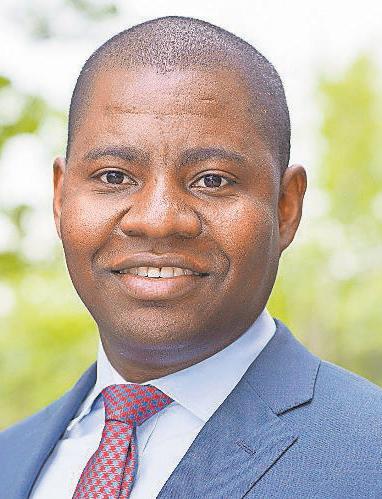
“It’s more challenging now because you have to do it yourself,” said Eustache Clerveau, a certified financial planner who works with younger corporate clients who are often the first in their
family to accumulate wealth. Clerveau noted that there is no longer a roadmap to retirement for younger generations as pensions disappear and trends such as increased entrepreneurship, a changing economy, and earlier retirement rise, which he says makes essential skills such as saving and budgeting so essential. Some examples of savings accounts include, but are not limited to:
• Traditional: Usually, the basic savings account is offered at banks and credit unions. It typically has a lower interest rate.
• High-Yield: It pays significantly higher interest rates than traditional savings
accounts, typically offered by online banks with lower overhead costs. It may be harder to access these savings instantly.
• Student Savings: An account designed for young people with features tailored to students: no monthly fees, low or no minimum balance requirements, and sometimes financial education tools.
• Certificate of Deposit (CD): This is a type of savings account where a party agrees to leave their money with the bank for a set period in exchange for a fixed interest rate. CD terms range anywhere from one month to five years or longer. Early withdrawal from a CD comes with a penalty such as interest. They typically have higher fixed rates.
• Money Market: Money market accounts are similar to savings accounts but often include check-writing or debit access and require higher minimum balances for the best rates. They’re useful for those with larger balances who want flexibility, but may come with fees and added requirements.
• IRA/Roth IRA: IRAs are tax-advantaged retirement accounts with annual contribution limits, allowing up to $7,500 in 2026, or $8,600 for those age 50 and older.
A Roth IRA is funded with after-tax dollars and offers tax-free withdrawals in retirement, while a traditional IRA uses pre-tax contributions that are taxed upon withdrawal.
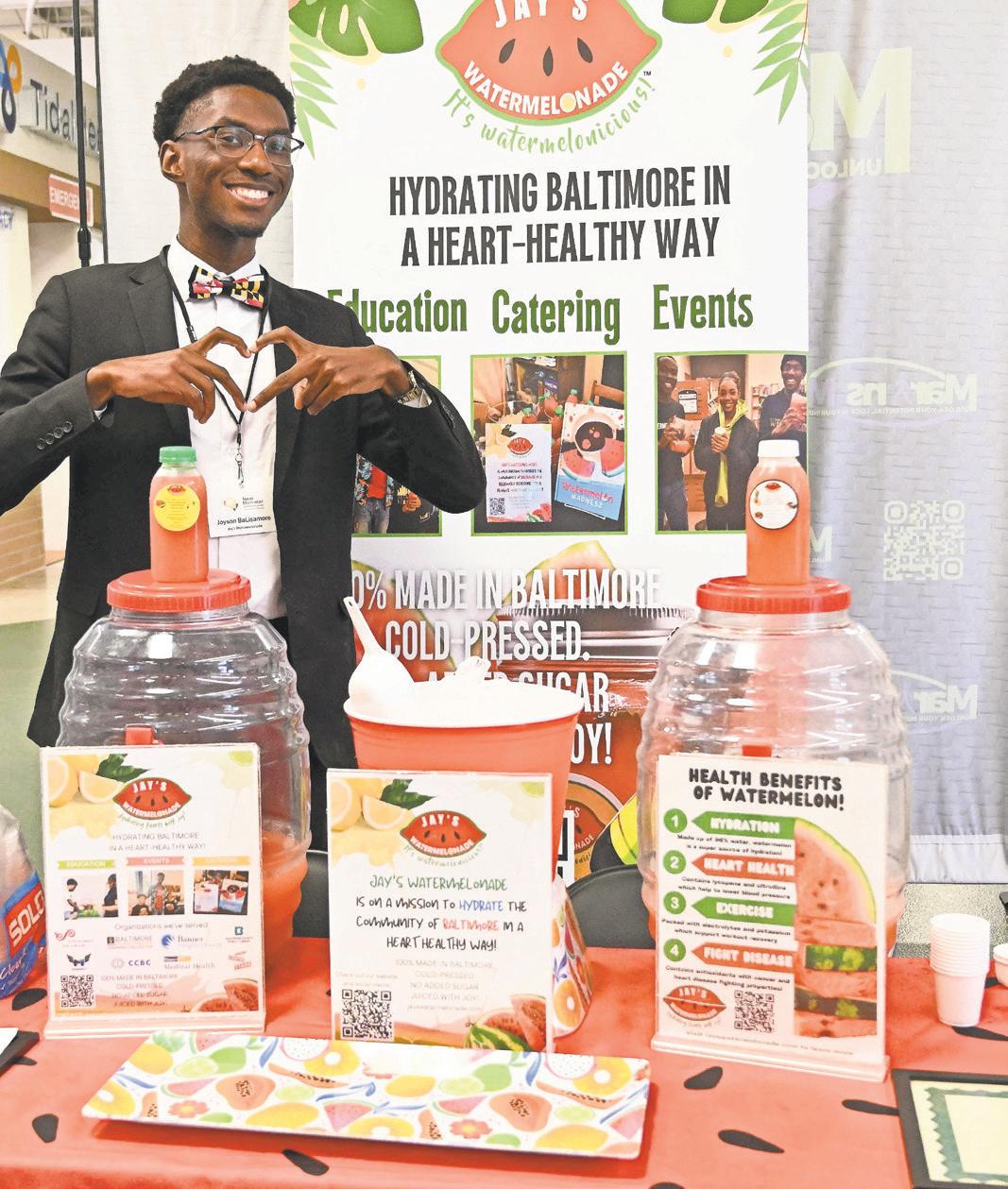
Joyson R. BaLisamor is a young entrepreneur raised in the city of Baltimore. Growing up in a lower-income household, he saw many socioeconomic and health
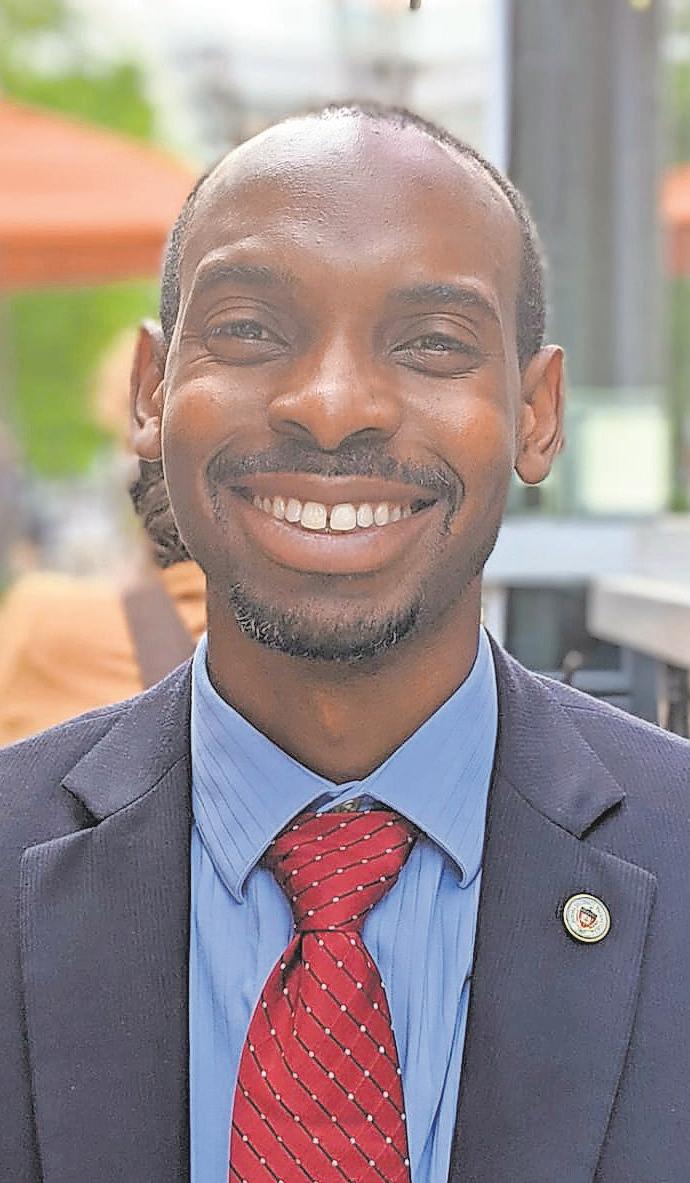
been a controversial debate, Darity noted one point of hope.
“We have never had significant support for a comprehensive reparations plan by either political party in the United States, but there has been one positive sign that I hope can be developed and enhanced,” said Darity. “It’s the fact that there’s been a substantial change in the percentage of White Americans who actually endorse monetary payments as reparations for Black Americans.”
disparities in his immediate community, which led to the creation of his business, Jay’s Watermelonade.
Through his business, he hopes to promote heart-healthy options, while also creating socioeconomic opportunities for his employees.
Having grown up in indigent circumstances, he sees entrepreneurship as a flexible role where he can take what he has learned independently about money and apply it to best fit his financial goals.
“I really saw entrepreneurship as a path for me to have more freedom with my time, but also more financial freedom with the opportunities that I can have by growing and scaling my business,” said BaLisamor. “I think retirement definitely looks different compared to traditional careers that have a 401(K) or kind of an employee-based program, compared to being self-employed.”
BaLisamor actively considers his retirement and currently has an independent retirement account. He is also considering how to set up retirement accounts for his employees. Ultimately, BaLisamor’s goal is to be able to retire and live comfortably off of his entrepreneurial investments.
For some young adults like Josh Kyei, a student pursuing his mathematics doctorate, the challenge isn’t choosing how to save or invest, but finding enough income to save at all to consider retirement.
“It’s not really something I’m thinking about, just because I don’t even think I can,” said Kyei. “I’m at the stage where I can’t even figure out how to save for that kind of thing since I’m living paycheck to paycheck.”
He studies at Howard University and receives a stipend for the program, but still has multiple side jobs. He previously attended Morehouse College, where he says there were financial literacy courses, but they were often geared toward those aiming to work in the corporate sector.
“I don’t think there is a lot for us,” said Kyei about financial discussions for doctoral students. “When they talk about Ph.D.s, they like to say that you’re gonna be broke. They expect it to be a rite of passage, and if you’re able to make it, then you make it.”
Clerveau emphasized that regardless of career path, starting early—even in small amounts—can make a significant difference over time.
“It really doesn’t matter how much money you make but you [have to] start building the habits early on,” said Clerveau.
He said the more that people go through life, the harder it
becomes to cultivate the habit of saving and investing. Besides saving, Clerveau advocates for investing, not in the market but in oneself.
“Invest yourself, too, “ said Clerveau. “Retirement is important but at the same time, you need to get certifications or different options so you can make more money as well. Invest in your business, in yourself.”
BaLisamor echoed similar sentiments, saying he recommends that all young people, regardless of entrepreneurship, build financial habits early.
“I definitely recommend having a way that you can generate income based off of a skill that you have outside of a career job,” said BaLisamor. “I think it’s great to be able to have something of value that you can provide or offer to the community, so that, you know, you can kind of have a self-sustainable source of income as well.”
By Tashi McQueen AFRO Staff Writer tmcqueen@afro.com
Student loan borrowers in 2026 are struggling with repayment as federal policy shifts and living costs rise.
With the rollback of student debt relief policies under the 47th president’s administration and the end of former President Joe Biden’s Saving on a Valuable Education (SAVE) plan, many borrowers are unsure how they will manage monthly payments.
The SAVE plan offered faster access to student loan forgiveness and monthly payments as low as $0 for qualifying borrowers.
On March 27, the U.S. Department of Education announced that borrowers enrolled in the SAVE Plan, which was deemed unlawful by a court order in December 2025, must exit the program and select another repayment option.
Borrowers will have 90 days from the date they are contacted by their servicer to choose a new plan. If they do not, they will be automatically enrolled in either the Standard Repayment Plan or a new Tiered Standard Plan expected to launch July 1. The Tiered Standard Plan will offer fixed terms of 10, 15, 20 or 25 years based on total loan
balance, giving higher-debt borrowers lower monthly payments and more time to repay.
About 7.5 million borrowers were enrolled in the SAVE plan and have been notified of the changes.
The U.S. Department of Education has announced the next steps borrowers will need to take in the coming months.
“Today’s guidance, which every borrower enrolled in the defunct SAVE Plan will receive over the next week, puts the Biden Administration’s illegal student loan bailout agenda to rest once and for all,” said Nicholas Kent, the Under Secretary of Education for the U.S. Department of Education, in a March 27 statement. “For years, borrowers have been caught in a confusing cycle of uncertainty, but the Trump Administration’s policy is simple: if you take out a loan, you must pay it back.”
Some borrowers worry the changes will worsen financial strain as they already face rising costs of living.
“I was paying about $235 a month and ... when I ran the loan simulator it has now jumped to $1,300,” said Anna Hairston, a federal student loan borrower from Columbus, Ohio. Hairston now has
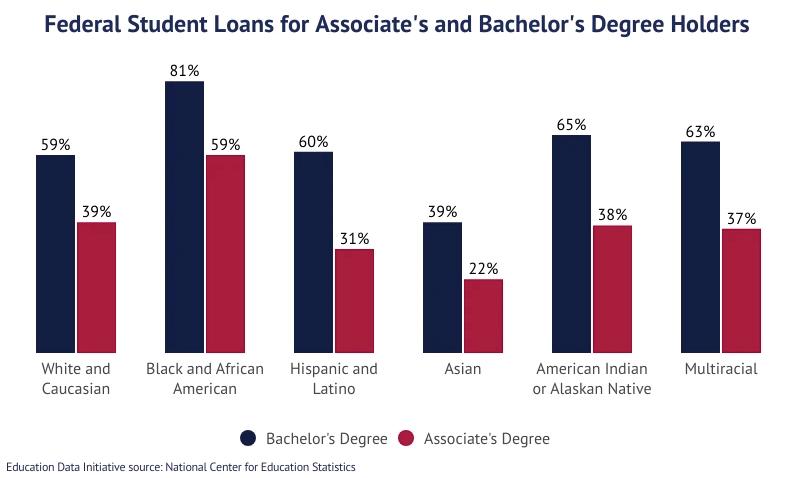
percent) than White students (39 percent).
$162,222.45 in student loan debt. If she does not select a new payment plan within 90 days, she will be placed on a monthly payment plan of $1,727.67.
But the issue, borrowers say, is not new.
“I’m one of those who graduated in the early ’90s during a recession and have struggled to really get a footing job-wise, career-wise,” said Maria Morales, a federal student loan borrower. “As a result, many of us couldn’t afford our student loan payments.”
“What has happened now is that the accrual of interest for my student loans is so high, I will never be able to pay it off,” said Morales. “My original loan amount was $20,000; now my total amount is well over $60,000.”
Morales said that despite years of payments, her balance remains largely unchanged due to interest accumulation.
“We have incredibly high rates of default,” said Victoria Jackson, higher education policy assistant director for Ed Trust. “Around 5 million borrowers are in default. Default is the worst outcome you can have with student debt, because it will ruin your credit and ultimately you can have your wages garnished by the federal government, you can lose your Earned Income Tax Credit and also lose out on Social Security and other tax benefits.”
According to the U.S. Department of Agriculture, grocery prices rose 0.5 percent between January and February and are 2.4 percent higher than February 2025.
A March 26 report from the American Automobile Association found the national average price for a gallon of regular gas rose 10 cents from the previous week and $1 since February, increasing from $2.98 on Feb. 26 to $3.98 by March 26.
“Given what we know about the unique struggles that Black borrowers experience with student debt because of the racial wealth gap and because of the gap in earnings as a result of racial discrimination, we know
that Black borrowers struggle more with their student debt,” said Jackson.
According to the Education Data Initiative, Black college graduates owe an average of $25,000 more in student loan debt than their White counterparts, and still owe an average of 188 percent more
four years after graduation. Jackson urged borrowers to stay informed and proactive.
“Make sure that you log in to studentaid.gov and log in to your federal student aid account and make sure you understand everything that has to do with your loans,” she said. “Borrowers need to know what their repayment status is, what their payments are and make sure that they are in good standing.”
She added that borrowers should regularly check their accounts and contact servicers to explore options like income-driven repayment, forbearance or deferment.

By Megan Sayles AFRO Staff Writer msayles@afro.com
For many older adults, financial wisdom didn’t come from the dinner table or classrooms, it came from experience and hard-learned lessons. Now, women like Verlincia Roach, 62, and Carol Fillmore, 79, are sharing what they wish they had known about saving, spending and building financial stability with the younger generations in their lives.
For Roach, a Washington, D.C. resident, those lessons began at home, where money was rarely discussed beyond how quickly it should be spent.
“I guess my parents didn’t know about money, so they didn’t teach me. They just taught me, when I do get money, to spend it,” said Roach. “Growing up, I wish they had taught me the value of money, how to invest in something for down the road and not to create unnecessary debt.”
That early approach to money carried into Roach’s teenage and early working years. She recalled going on high-end shopping trips with her mother once she began earning income, a habit that spiraled into
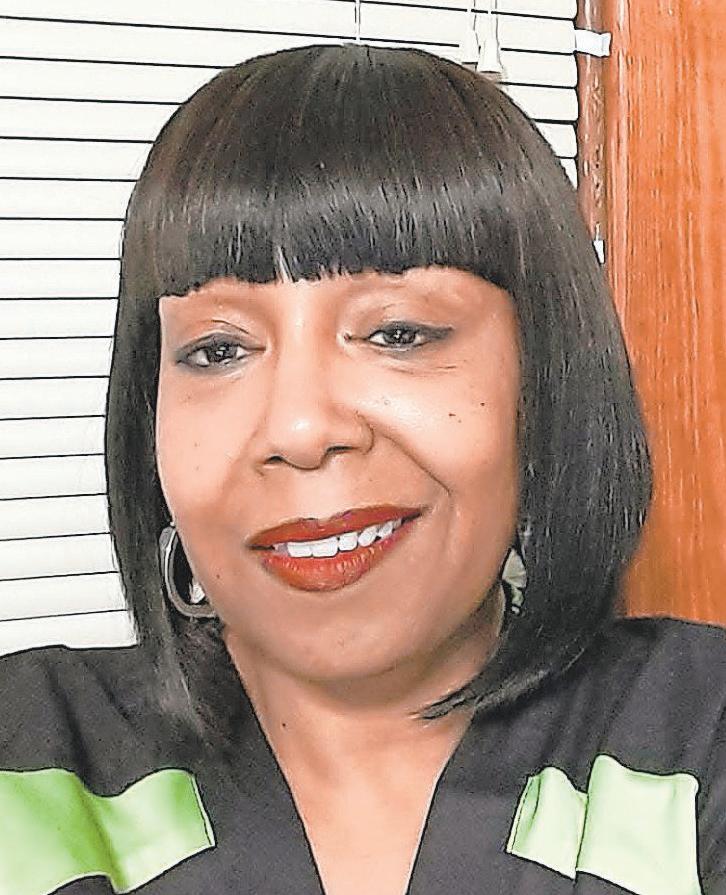
financial trouble.
“I found myself at an early age being in debt, owing collectors, and trying to get out of it,” said Roach.
Roach said her understanding of money didn’t begin to shift until after she had children
and became a single mother. The responsibility forced her to rethink how she approached spending and saving. Now, she encourages young people to start investing early, whether through stocks or bonds. Roach has also advised
her nine-year-old grandson to refrain from spending on unnecessary things, like girlfriends, drinking, smoking or brand-name products.
“As far as I’m concerned, name-brand things are a nono,” said Roach. “If you want to get some knockoffs, fine. But, don’t spend a lot of money on material things, like namebrand clothes and shoes.”
For Fillmore, financial lessons also began in childhood, but under different circumstances. A lifelong Washingtonian, she grew up in a household of 10 children led by a single mother. While they didn’t always recognize it, money was tight.
She started working at 15 to afford the things her peers already had, and at 19, she became a single working mother. That experience shaped her belief that financial education needs to start much earlier.
“I don’t think they’re starting early enough,” said Fillmore. “By the time they tell them that they should be saving, they’ve already started spending.”
Fillmore believes both parents and schools should play a stronger role in teaching financial literacy, starting as early as fourth grade. If children receive
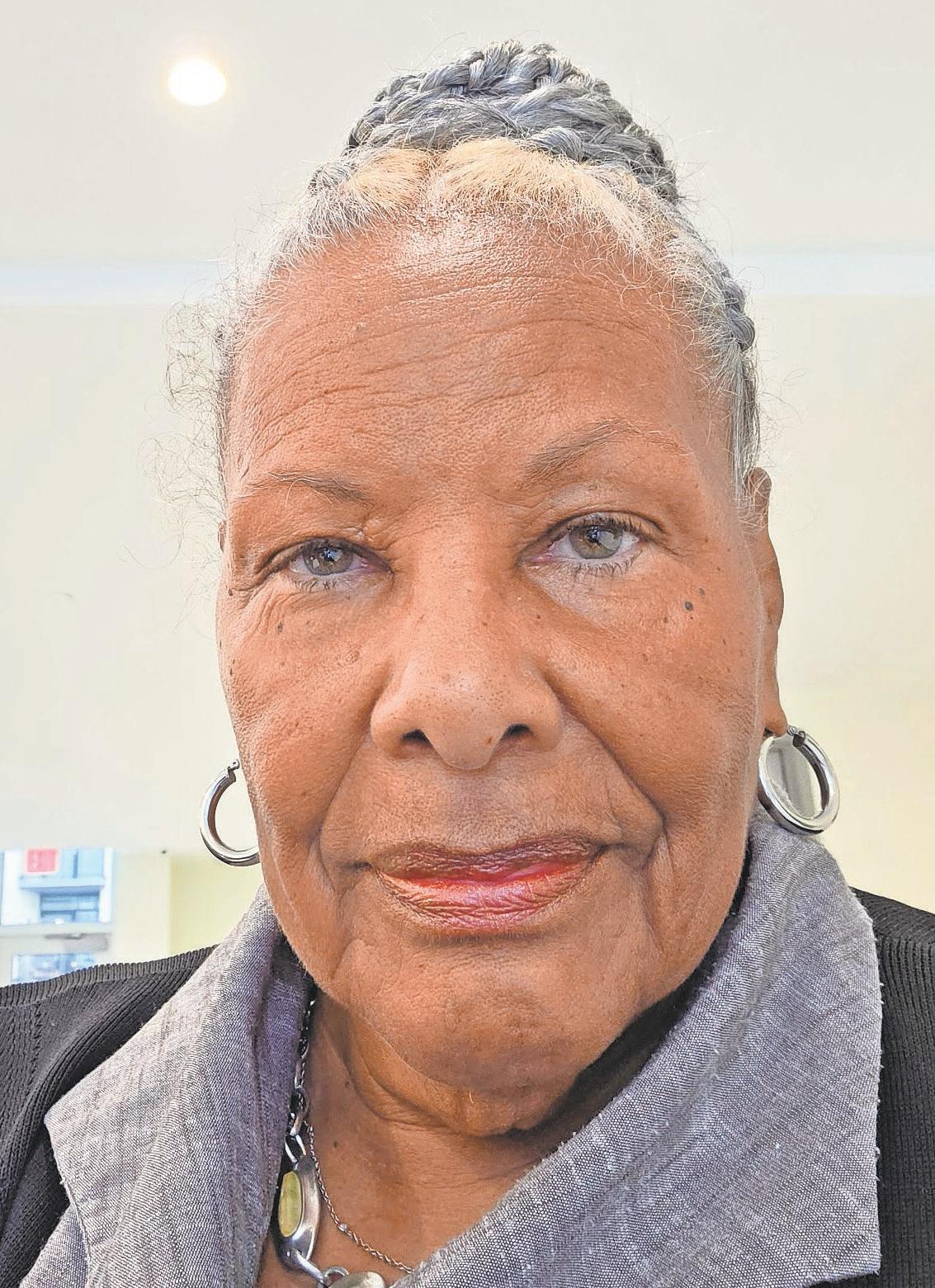
allowances, she said, a portion should be tied to chores or responsibilities, with an emphasis on saving rather than spending everything.
“I don’t know if it was my mother or someone else, but they always said: when you got paid, pay yourself first and then pay for other things,” said Fillmore. “It never worked out that way for me, but I would
By Victoria Mejicanos
AFRO Staff Writer vmejicanos@afro.com
Many children get excited about spending money but can be just as eager to understand it when given the opportunity. The problem, experts say, is that early financial literacy isn’t as widely available as it could be in communities of color to nurture that curiosity.
According to a survey of the states by the Council for Economic Education, a non-profit organization dedicated to improving financial education in K-12 schools, only 39 states require students to take a course on personal finance to graduate—and just 21 states require an economics course, leaving students without formal financial education before entering adulthood.
Aneka Winstead is a longtime accountant and teaches accounting at Morgan State University. Through working with those close to retirement, she found that adults often lacked foundational financial
knowledge, meaning those same tools are not passed down at home, leaving young people to figure it out on their own.
With this observation, she decided to start her own nonprofit, WATTKid$. As a Black woman who has always had the tools for wealth building and financial literacy, she sees just how many people in her community are not as fortunate. She described her nonprofit as the “missing link” in the financial education her sons were receiving at school.
“I think that our community is begging, is dying for financial literacy,” said Winstead. “I know there are many people doing the same thing. I wish that we as a collective could get together and make a strong movement for our people, particularly because that’s who I think needs it the most. I really would love for us to do more of it.”
Winstead says she hopes that financial literacy can be taught as often as possible, and that the work expands farther than Financial Literacy Month
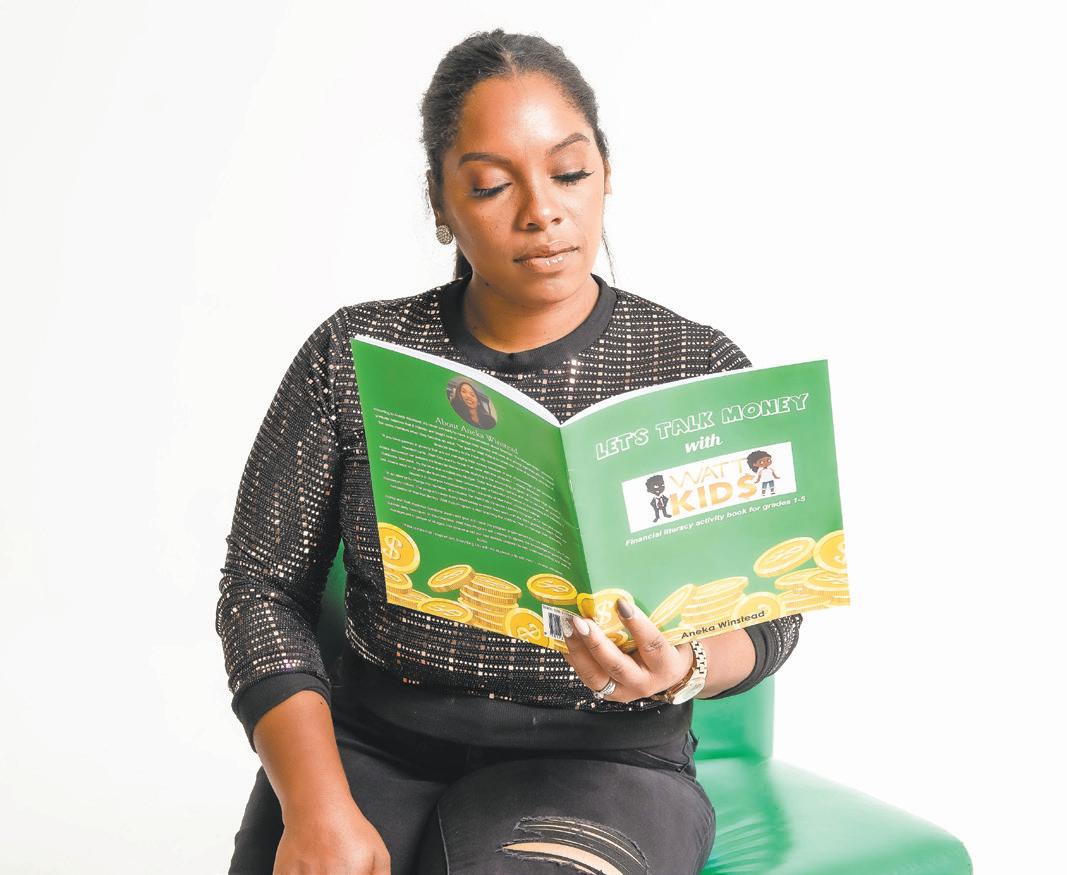
or the occasional program in schools, but be a concrete part of children’s lives and curriculum.
That gap is why educators like Whitney Ramirez, the program manager at Diapers2Deposits, a provider of financial literacy programming for schools, nonprofits and community-based organizations, is working to introduce financial literacy early, before habits are formed and misconceptions take hold. She works with students as young as kindergarten and as old as those entering college.
“I think what happens in underserved communities or low-income households is that most students or kids are watching their parents suffer and or be frustrated with bills,” said Ramirez. “So they immediately think that money and frustration must exist together, or money brings disappointment, or money is hard. So the goal is to make sure that we start with a healthy relationship earlier.”
Ramirez shared how early exposure works in real time. Her program combines in classroom learning as well as outside the classroom experiences she calls FinancialField Trips. At one of the schools she partners with, elementary school students went to Six Flags. Those in the program were purposely deciding what to do with their money and how to best spend it.
Ramirez encourages parents to stop hiding finances from their children, as they often see it but are not given the chance to understand. When they are, she says, curiosity takes over.
“They’re really excited to learn about money, and they really enjoy the fact that they’re being trusted with this information at such a young age,” said Ramirez.
Programs like these don’t just shape how students view money in the present, but also get them to think about their financial future.
Todd Scott is the CEO and president of WeRise, a
teach kids that now.”
Fillmore also stressed the importance of work ethic and understanding the effort required to earn and keep money, noting that many young people today lack that urgency.
“Spend a little, but save some too,” said Fillmore. “You never know when that rainy day is going to come and you’re going to need it.”
nonprofit financial program he created for teens that emphasizes not just financial literacy but wealth building and ownership. Scott draws from his personal experience on Wall Street.
“When I was going through that, it always became something that I thought would be very advantageous for someone to learn at a much earlier age, without even going to college, just understanding how basic business practices and principles and financial acumen could be to your everyday decisions on all your purchases,” said Scott.
The program emphasizes self-sufficiency and, according to Scott, has transformed lives before students graduated from the program even if they had no prior financial knowledge.
In one instance, an 18-yearold girl was able to raise her credit score 35 points. In another, a child was able to surprise the child’s mother with a $200 grocery shopping trip.
In an example of ownership,
a 17-year-old entrepreneur is planting seeds to own his own barbershop.
Scott says that in a time where instant gratification makes money easy to spend, programs like his teach students patience and equip them with the knowledge needed to thrive financially.
Maggie Holmes is the strategic planner and grants manager for WeRise, and sees young people’s passion for financial learning.
“I think we underestimate young people and their interests in being interested in financial literacy and them being able to take that seriously, and understanding how that directly impacts their lives,” said Holmes. “That’s an area where communities, as well as the society, could give more credence to young people and see the value of financial literacy being introduced to young people at a much younger age. There is a clear connection between money and
functioning.”
and
By D. Kevin
Washingtonians of all ages, some even in strollers and wheelchairs, filled city sidewalks and streets, enjoyed a liberty-themed luncheon as guests of the mayor, and frolicked on the fields at RFK Campus, April 16 - 19, for a four-day celebration that marked 2026
DC Emancipation Day.
Event planners had to change the venue for the
parade and star-studded April 19 concert from Franklin Park to 13th St. and Pennsylvania Ave. NW to accommodate record-breaking crowds.
Still, while the festivities took place, achieving home rule for the District dominated most conversations.
D.C. Mayor Muriel Bowser challenged several hundred civic leaders, scholars, advocates and honored guests to do everything in their power to secure D.C.
statehood during a DC250 Full Democracy Luncheon.
The invitation-only event, held April 17 at the Walter E. Washington Convention Center, featured prominent local leaders who, like Bowser, said the agenda and policies which the Trump Administration has adopted make statehood an issue that Washingtonians can no longer afford to ignore.
“We have our coalitions assembled, the support of businesses in the region, and
By Megan Sayles
AFRO Staff Writer msayles@afro.com
Prince George’s County has opened its second reentry hub, expanding support for returning citizens as they transition back into the community. The new hub, located at the Laurel Multiservice Center in Laurel, Md., connects formerly incarcerated county residents to critical health, employment and educational services.
The National Institute of Justice reports that roughly 95 percent of incarcerated adults will return to their communities. Through its reentry hubs, Prince George’s County aims to enhance public safety and reduce recidivism by ensuring returning citizens have a safety net while they reintegrate.
“I’ve come across many men and women who are released without family support or anything like that. It becomes hard on the individual because they don’t have that stability or network,” said Alonzo Turner-Bey, director of the Prince George’s County Returning Citizens Affairs Division (RCAD).
“That’s why we’re here. We have certified peer recovery specialists, which are men and women with lived experience of coming through the criminal justice system. We have therapists, psychologists and counselors to provide the wraparound services you need.”
A formerly incarcerated individual himself, Turner-Bey
our paperwork in place,” Bowser said. “And it’s our charge that when the winds blow our way again, and we have control of the House and Senate, we must demand that our friends be our friends and make D.C. statehood a priority.
“If we don’t get it the next time, maybe it will be because we don’t care about it that much. Someone told me the other day that perhaps
By D. Kevin McNeir Special to The AFRO
Another youth was shot near the Waterfront Metro station in Southwest Washington, D.C., on the night of April 18, according to D.C. police, the latest victim in a recent rise in homicides in the District.
Officials said the teenager was taken to a nearby hospital where he was treated for non-life-threatening injuries.
The shooting occurred despite juvenile curfew zones being in effect, 8-11 p.m. last weekend in D.C. within four selected areas: Navy Yard, Takoma, RFK, and NoMa.
The zones were chosen after the police received information about teen takeovers that had been planned and posted on social media, according to D.C. Interim Police Chief Jeffery Carroll. He added that the curfew zones are enforced in areas where large groups of youths plan to gather or are gathering in ways that pose a risk of substantial harm to public safety.
In addition, a citywide curfew remains in effect for all juveniles under 18, beginning nightly at 11 p.m., lasting until 6 a.m. the following morning.
The designated juvenile curfew zones were authorized by Carroll after D.C. Mayor Muriel Bowser reinstated a limited juvenile curfew under a new 15-day emergency order on April 16 that will remain in effect until the emergency expires on May 1.
Bowser said she made the decision to allow the D.C. Council more time in its deliberations on extending juvenile curfew throughout the coming months and how it believes the District should move in reducing teen takeovers that have often led to fights, injuries and arrests.
“It’s not the only tool, but we need it,” Bowser said, referring to the emergency order. “When we have a curfew zone and we tell children not to take over an area, it has worked.” But it’s not just teen takeovers that have officials and residents alarmed. It’s the rise in homicides.
According to Metropolitan Police Department (MPD) data, D.C. recorded 12 homicides through early April. Then the District experienced a significant rise with seven people killed in a five-day period making mid-April the deadliest period so far this year.
This spike in homicides included the murders of two boys—Mhilo Young, 12, and Tyale Coates, 14—in Northease D.C. on April 14. Coates died on the scene, just outside of The Circle Seven Convenience Store on Kenilworth Avenue, while Mhilo was rushed to a nearby hospital but did not survive.
As police continue to search for their killers, Mhilo’s grandfather spoke with a FOX 5 DC reporter the following day in a heart-rending
said he’s able to relate to the people who come through the county’s reentry hubs. At 17, Turner-Bey was sentenced as an adult to life in prison for the 1989 murder of another Prince George’s County man. He served 31 years, six months and 16 days before being granted parole by former Maryland Gov. Larry Hogan in 2020. Attorneys from the University of Maryland and University of Baltimore law schools fought for his freedom, arguing that Turner-Bey had reformed himself while inside. They also secured support from then-Prince George’s County State’s Attorney Aisha Braveboy. Braveboy, who became
county executive in 2025, later appointed Turner-Bey to head RCAD.
The county’s reentry hubs support returning citizens in securing health coverage, transitional housing, food assistance, therapy, family reunification services, trade career training and employment opportunities. The only restriction is that returning citizens must be residents of Prince George’s County.
“Some people who have been home for four or five years may still be unemployed or may have fallen on hard times after incarceration, we still work to provide services to help them become
Millions invested into structured summer activities and resources
By AFRO Staff
A total of 30 nonprofit organizations will receive more than $2 million in grant funding to improve and increase opportunity for youths in the District during summer 2026. Using funds made available through the 2026 Summer Strong DC Grant Competition, an estimated 1,300 minors are expected to receive services and resources in the coming months.
“Through the Summer Strong DC Grants, we’re continuing to expand both the range of opportunities
available and the number of young people we can serve,” said D.C. Mayor Muriel Bowser, in a statement released by the District. “Our focus is making sure

D.C. residents don’t care about home rule.
So, I ask you D.C., do you care about home rule? If the answer is ‘yes,’ then act like it!”
Phil Mendelson, chairman of the D.C. Council, said the last 12 months represent a host of reasons why the District needs statehood now.
“D.C. surpasses all the states in federal state taxes per capita and we’re a donor state which means in terms of overall revenue we donate more to the federal government than they give back to us in different programs,” said Mendelson. “Consider that the president can do things with the National Guard in the District that he can’t do elsewhere because we are not a state. He attempted to take over the police department last year.”
“Fifteen bills came out of the House Oversight Committee in the past seven months authorizing the attorney general to try 14-yearolds as adults and repealing our police accountability law,” the chairman continued.
“America is the only country in the free world where the national capital does not have representation in the national legislature. This is not what the founding fathers wanted – to disenfranchise residents of the District.”
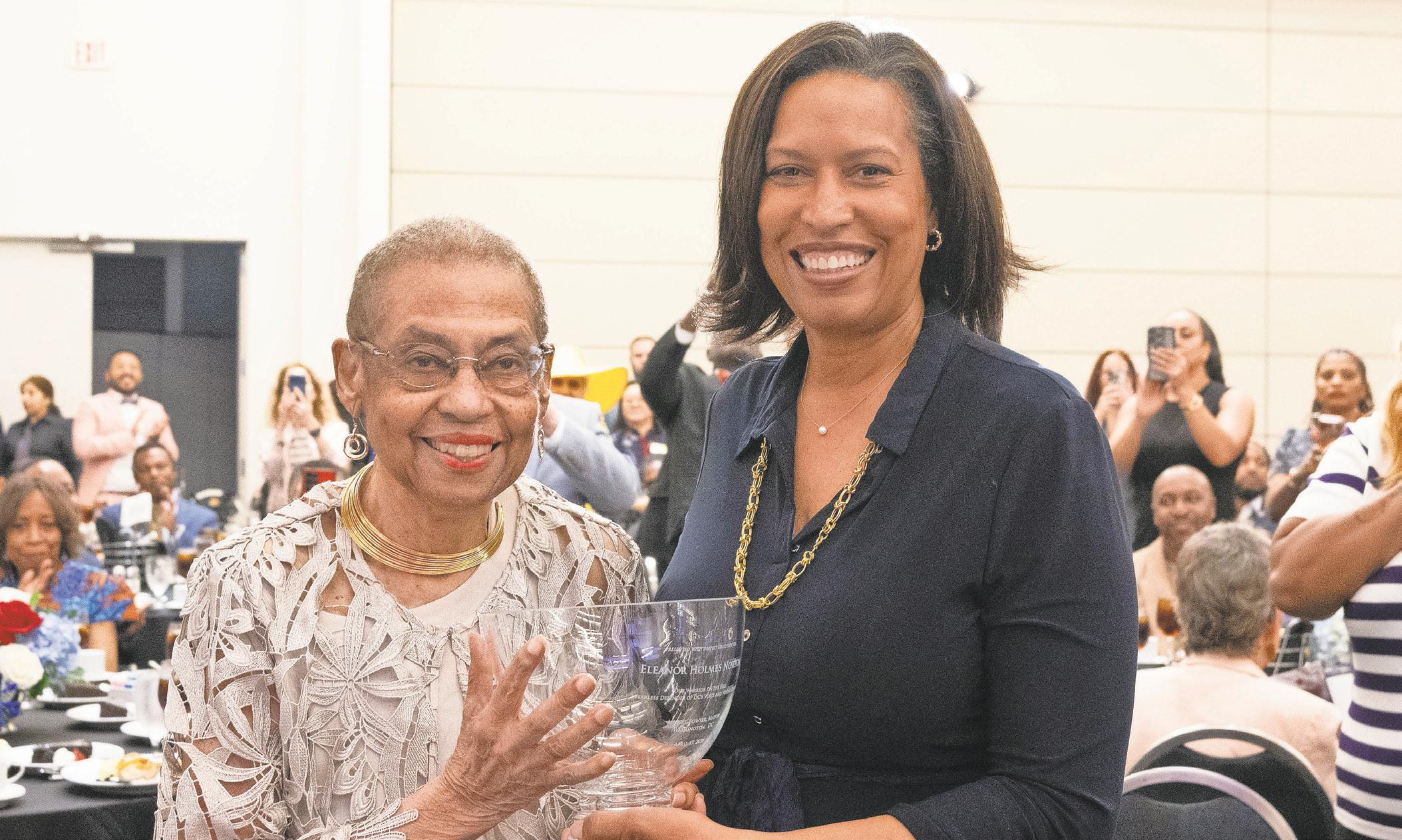
Congresswoman Eleanor Holmes Norton honored
During the luncheon, Bowser acknowledged the many years of service Congresswoman Eleanor Holmes Norton (D-D.C.) has provided to the District in a special tribute. A moving video showcased Norton’s rise from a student activist for SNCC to being elected to Congress in 1990.
“Because of your persistence, we’ve gotten closer to statehood,” Bowser said. “And we’re
very close, thanks to your leadership. We just need our fellow Americans to give us the House and Senate in November.”
Mendelson added, “it’s too bad that our warrior on the hill [Rep. Eleanor Holmes Norton], given her many years of fighting for us for statehood, won’t see D.C. secure statehood under her watch.”
The Rev. Shavon Arline-Bradley, president and CEO, National Council of Negro Women, delivered the keynote address during which she emphasized the need for African Americans to remember that the ancestors gave up everything–even their lives–to gain their freedom.
“We celebrate D.C. Emancipation Day to honor those who refused to wait for democracy, but instead shaped it themselves,” she said. “They lived in a time when our country claimed to support freedom, yet denied freedom for Blacks, for women, and others.
“It’s difficult living in the District today because of the distorted views and minimal morals which characterize our president. But our ancestors made it out of the cotton fields and overcame Jim Crow because they had faith. So, we should not be afraid of the storm. We know who is in the boat with us.”
Former Mayor Sharon Pratt, during her call to action, agreed with Arline-Bradley.
“We got our freedom because people had the gumption to stand up,” Pratt said. “You cannot be lazy if you want freedom and if you want to protect our democracy. Some of us are getting old. Some of us are already old. But we must stand up, join marches and protests, and raise our voices when we’re confronted by the next set of challenges.”
Pratt continued, “If nothing else, we must be willing to go to our windows and shout, ‘I’m mad as hell and I’m not gonna take it anymore.’”
conversation which has since gone viral.
“Mhilo wasn’t the only one that was shot,” the grandfather said. “We all were shot. Mhilo did not hang out with a bad crowd. He was a good kid and super loving. They [the killers] have to live with this the rest of their lives. And we’re not going to stop until justice is done.”
According to the police, dozens of shots were fired into a crowd of youth where the two boys were standing. They have yet to determine if there was an intended target. So far, police have been unable to secure a video of the shooting. However, a $50,000 reward has been posted leading to arrest and conviction.
In separate incidents, also on Tuesday, April 14, two men were injured in separate shootings, according to police, which occurred just two miles apart in Southeast D.C. Both men were taken to a nearby hospital for non-life-threatening injuries.
productive members of our community,” said Turner-Bey. “The county executive does not refer to the men and women as returning citizens, she refers to them as her constituents. Being that they are her constituents, she wants to make sure they have the services needed to get their lives back on track and to contribute to our community.”
One formerly incarcerated individual, Boswell Dennis, said the county’s reentry hubs have helped him to stay focused. He received support at the county’s first reentry hub, which is housed in the Bridge Center at Adam’s House. Before leading RCAD,

Residents share their concerns
One parent, Kiara Moore, who lives in Union Heights and is raising two sons, said in a YouTube video shared by ABC7 News, that parents need help.
“This is worse than the ‘80s,” Moore said. “Back when I was growing up, we could go outside and play, without worrying about getting shot. Now, it’s like, is my child safe
Turner-Bey served as a peer recovery specialist there.
“Alonzo Turner-Bey has been and still is instrumental to a lot of the stuff I’ve accomplished. He’s one of the most unselfish people I’ve ever known,” said Dennis.
“He’s helped a lot of us with food stamps, education, work, housing—anything he could possibly do, he’s helped us.”
For Dennis, the county’s expansion of reentry hubs signifies one thing: a meaningful commitment to supporting returning citizens.
“They care,” said Dennis.
“That’s a motivating factor to a lot of people when they see that the people supporting them are genuine in their efforts to help them reestablish themselves in society.”
families know these opportunities exist and can access them easily, so every young person has something meaningful to be part of during the summer months.”
The Summer Strong DC Grants are managed by the Office of Out of School Time Grants and Youth Outcomes (OST Office). According to the statement released by the D.C. Executive Office of the Mayor, “Funded programs will offer structured opportunities throughout the summer, connecting more young people to safe, engaging environments while school is out.”
The programs were selected after “a competitive, independently reviewed process,” and the decision was “based on program quality, a demonstrated track record of success, and alignment with community need.”
“Thirteen of the selected organizations are small nonprofits, and 12 are new to Summer Strong DC,” read the District’s statement.
“The majority of participants will be served in Wards 5, 6, 7, and 8 to direct more resources to communities where there is the greatest demand for safe, structured summer opportunities.”
District leaders say parents should visit the My Out of School Time DC (MOST-DC) portal at most.dc.gov to learn more about the programming available and register their children. The resources available are meant to serve students in the District in kindergarten through 12th grade. If finances are a burden, there are scholarships available to help youth participate in the summer offerings for families that meet eligibility requirements.
District leaders say the millions poured into summer programming are just a small portion of the roughly $27 million set aside in Fiscal Year 2026 to help more than 18,000 young people in the area.
“In addition to summer programming provided through OST Office grants, DC Public Schools offers a variety of free learning opportunities
at school? Did they make it home safely?”
Gloria J. Williams, a native Washingtonian, retired school teacher, and a respected leader in D.C.’s auxiliary of the wives and widows of Baptist ministers, said she believes answers to reducing youth homicides and lawlessness must start with the home.
“I have a daughter and a
granddaughter who are both teachers and they often tell me how difficult it is to get parents to work with them when their children are in trouble or causing trouble,” Williams said. “The children are running the parents. Sometimes, the parents don’t want or know how to be parents. Some are too young, some lack the skills, others just want to keep hanging out like they
always have.”
Zo Johnson, 38, a real estate investor who lives in Southeast D.C., said strong men and women who count as positive role models must step up to the plate.
“Young people respond positively to people who they see each day in their own communities – at least they do with me,” Johnson said.
“And I mean older adults – ‘OGs’ and ‘Big Mommas’ – who are willing to talk with youth, give them the truth and then be there when they get confused or in trouble. That’s the way it was when I was growing up. Most of the time, I listened.” Johnson said youth also need more resources, more skills training, “so they can see a way to achieve their dreams.”
“Summer jobs are great, but they’re not enough,” she said. “A smooth talker can become a rap star if mentored properly. A graffiti artist could become the next Picasso. Sure, there are some bad kids out here who we may not be able to reach or save, but most of them just need the Black community–the Black extended family–to help and guide them. We’ll never make it if we look for the government or the police to solve our problems.”
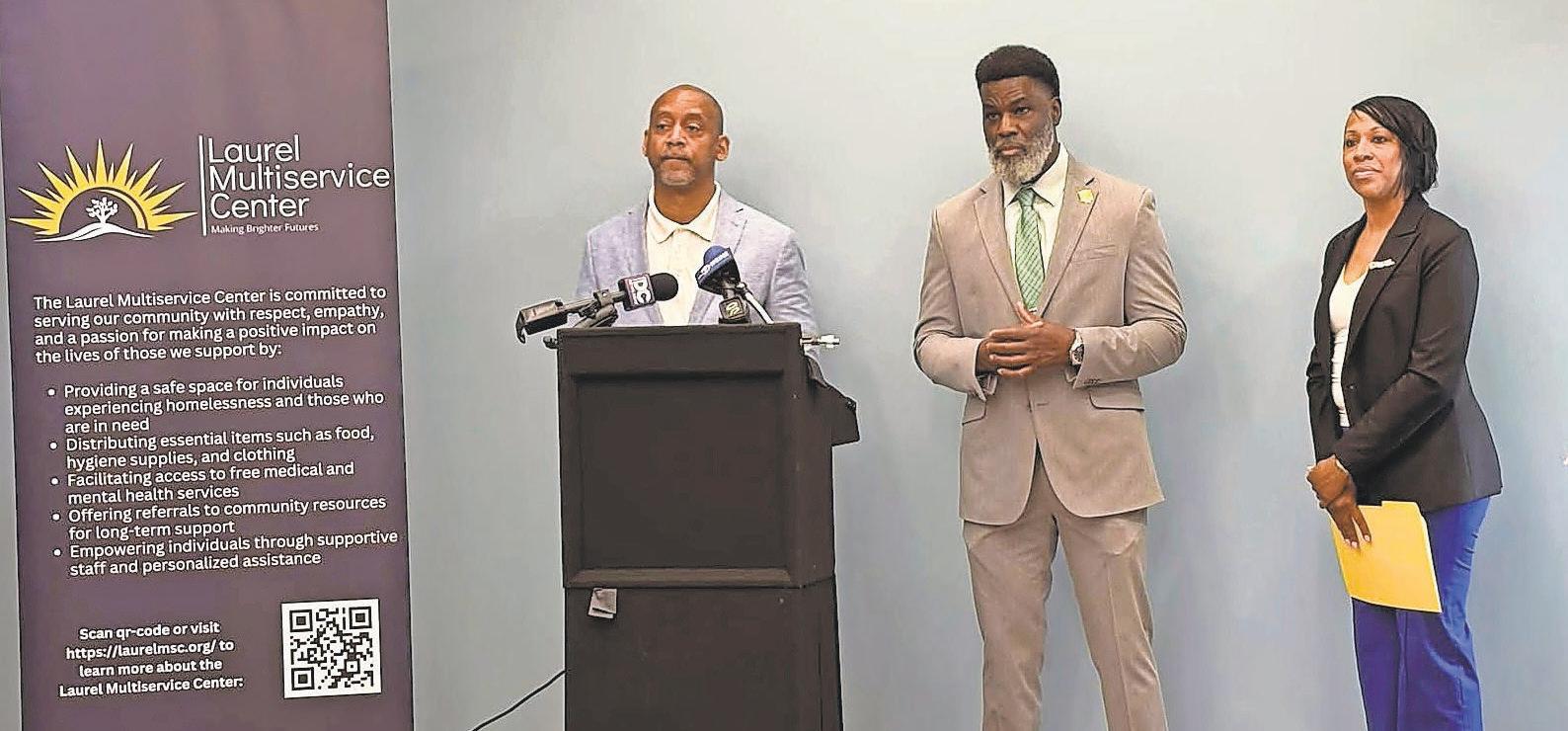
for elementary, middle, and high school students during summer break,” said the statement. “Career and Technical Education Summer Enrichment programs such as Robotics and Mini Medics are designed specifically for rising 7th–9th graders and allow students to explore high-demand career fields through engaging, hands-on experiences.”
For students who are moving from elementary school to middle, or from middle school to high school, there is also the Summer Bridge program. This offering allows rising 6th and 9th grade students an opportunity to acclimate to their new surroundings before the next school year actually begins. For an entire week, students are able to get to know their teachers, school staff and future classmates.
“We hear the calls for more opportunities for young people in the summer, and we are responding. This year, DC is offering more high-quality programs than ever before,” said Deputy Mayor for Education Paul Kihn, in the statement.
“What we’re focused on now is making those opportunities easier to find and better aligned with what young people want, whether that’s academic support, enrichment, or hands-on experiences. Through our investments and tools like MOSTDC, we’re helping families navigate thousands of options and connect their children to programs that keep them engaged and supported all summer long.”
The following programs were selected to receive a portion of the $2 million in funds via the 2026 Summer Strong DC Grant Competition:
• American Biotechnology Association, Inc.
• Atlas Performing Arts Center
• College Success Foundation –District of Columbia
• Collaborative Solutions for Communities
• Connected to Culture
• Dance Makers, Inc. East of the River Clergy Police Community Partnership FRESHFARM Markets
George Washington University
• Georgia Avenue Family Support Collaborative
• Harmony DC Public Charter School
• Honestly Speaking, Inc.
• The House, Inc.
• The Learning Tree, Inc.
• The Giveland Foundation
• MJT-TV Excel, Inc
Moveius Contemporary Ballet (Dance Loft on 14) OmniQuest Youth Empowerment Initiative, Inc.
OpenWise Learning PLOE Placing Love Over Everything
• Raising A Village Foundation
• Recreation Wish List Committee
• SciTech2U Inc.
• The Salvation Army
• So What Else, Inc.
• Swaliga Foundation
• The Difference Society
• Washington Global Public Charter School
Washington Inner City Lacrosse Foundation Washington Warriors, Inc.
By Patricia McDougall Special to the AFRO
More than 100 years ago, on April 16, 1862, the Compensated Emancipation Act was signed by President Abraham Lincoln. On that day, slaves in the District of Columbia gained their freedom. More than a century later, the residents of D.C. gather on an annual basis to honor and celebrate the progress made since the chains of chattel slavery were broken.
Emancipation Day 2026 festivities included a parade that lined Pennsylvania Avenue and a concert featuring internationally known artists such as T.I. and Mya. Stars tied to the District, including Gregory “Sugar Bear” Elliott and Anwan “Big G” Glover, also made appearances at the celebration which attracted thousands looking to enjoy the music, the food, the activities and more.
AFRO Photos/ Patricia McDougall
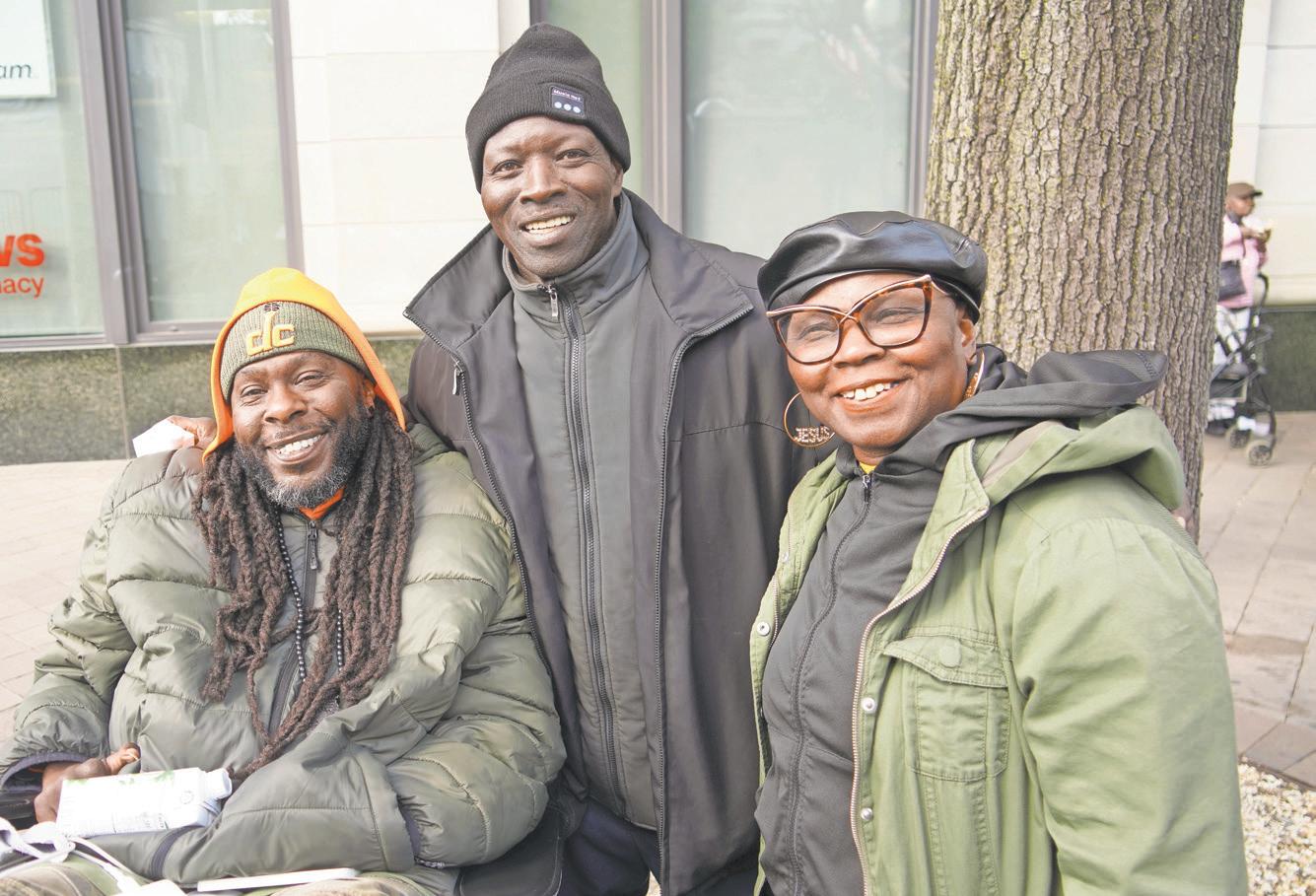




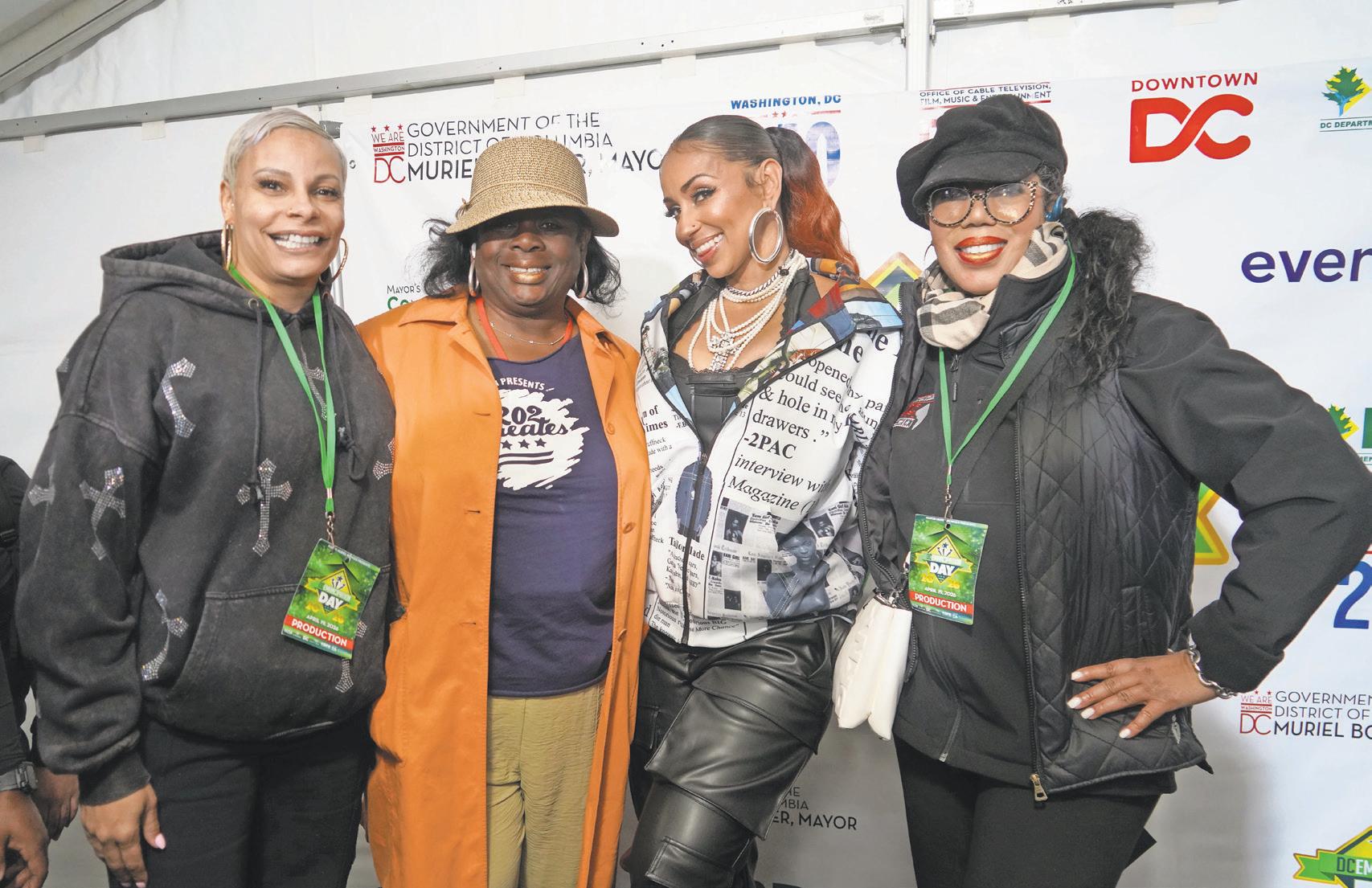
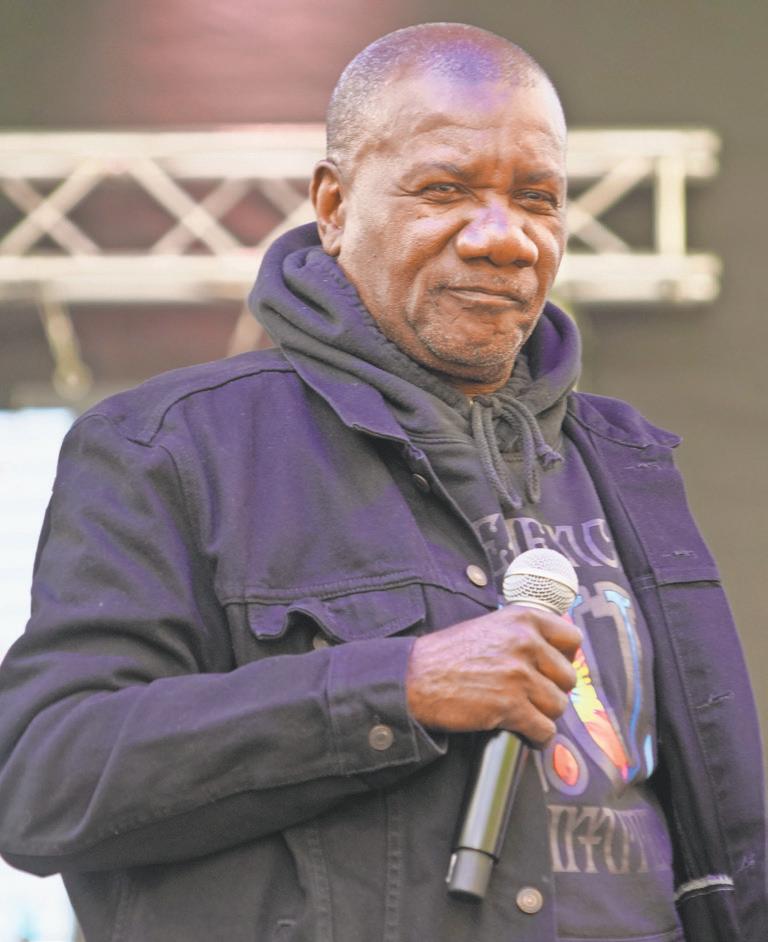

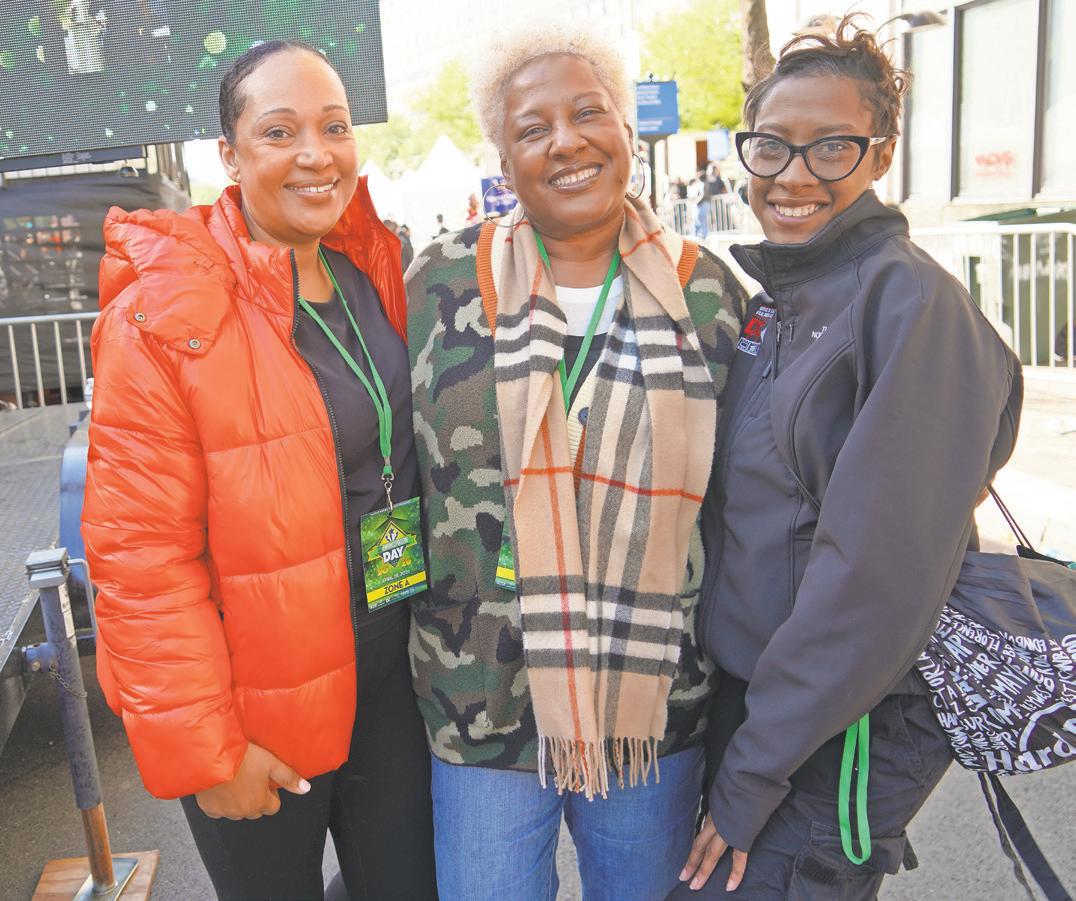

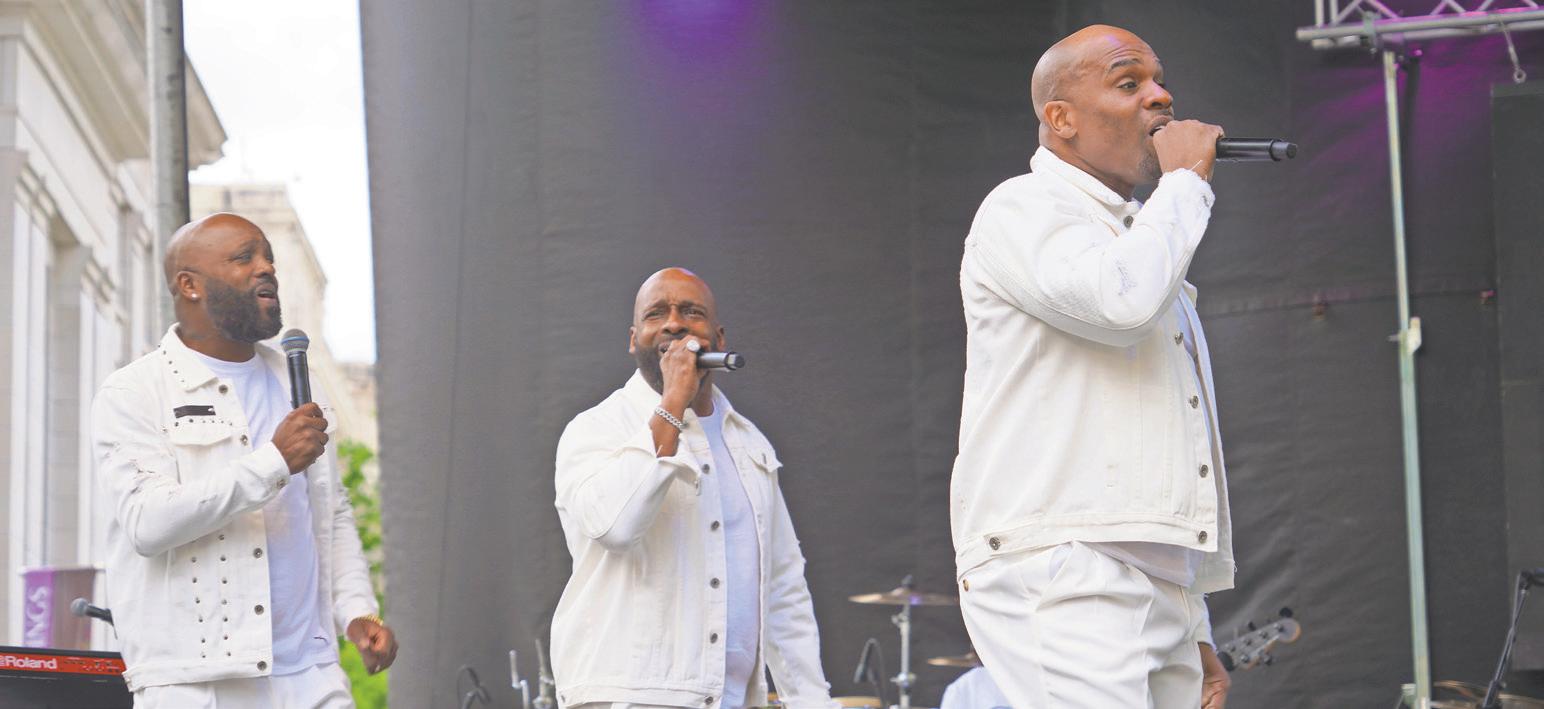
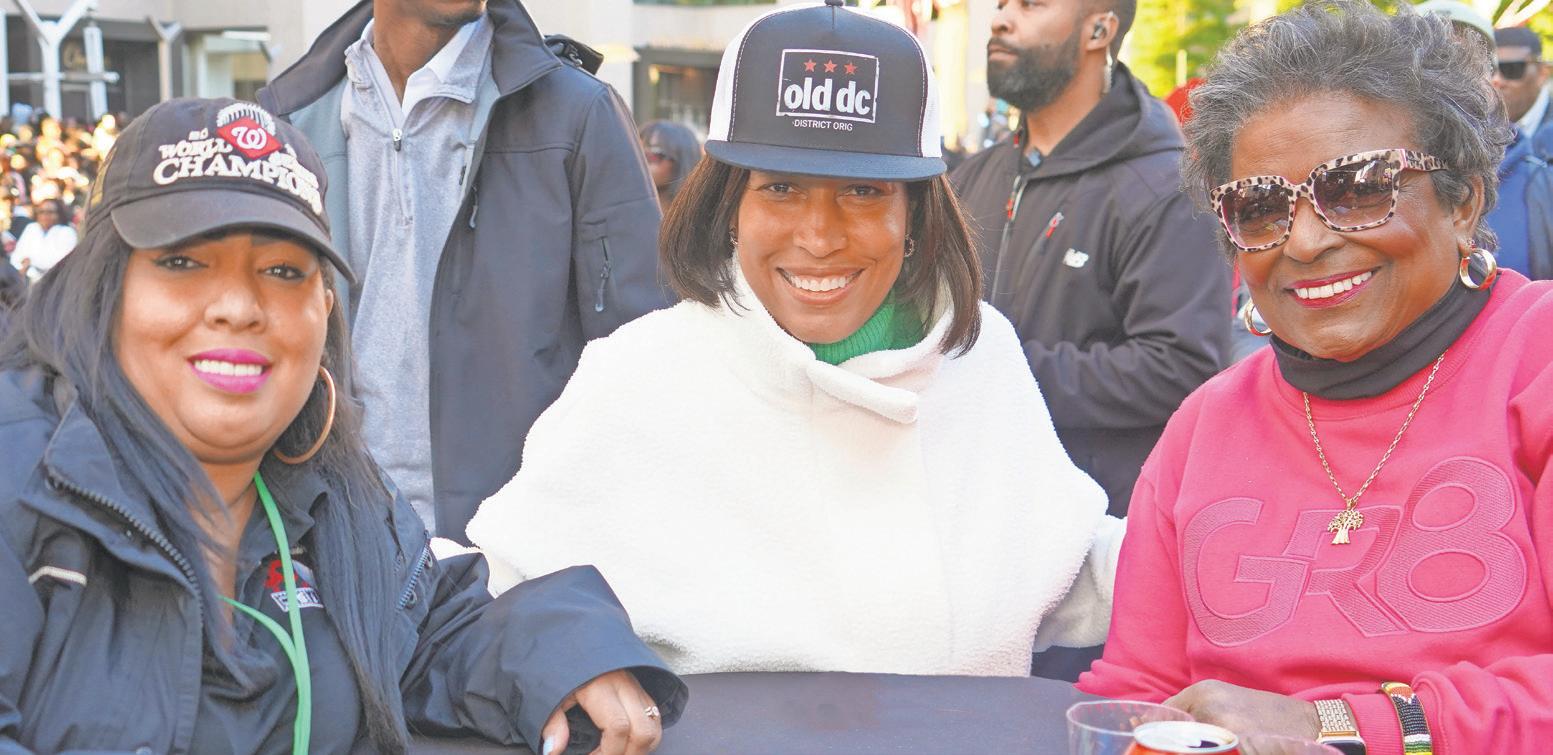
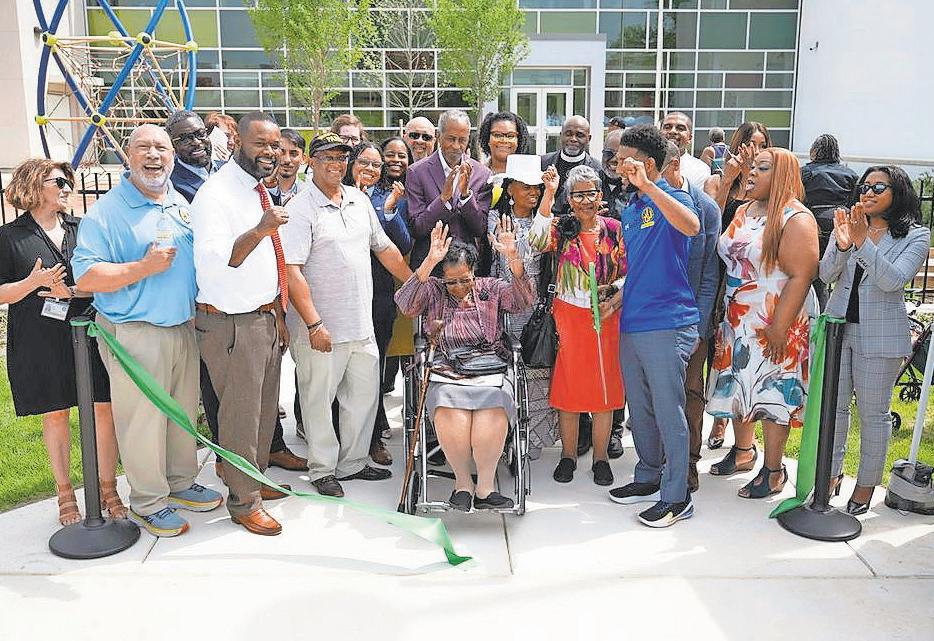
By Tashi McQueen
AFRO Staff Writer tmcqueen@afro.com
After years of anticipation, East Baltimore’s Chick Webb Memorial Recreation Center is once again open to the community.
On April 16, Baltimore City Mayor Brandon M. Scott (D), community members and local and state legislators gathered for the official ribbon cutting of the newly renovated recreation
center. This reopening marks the first of six new or renovated centers scheduled to open this year.
The facility includes a teen lounge, a high school–regulation court for basketball, volleyball and pickleball, an elevated indoor walking track, a large fitness room and a modernized indoor swimming pool with locker rooms and full Americans with Disabilities Act (ADA) accessibility.
“When we were growing
up, we were treated like a problem to be solved, not a resource to be invested in,” said Scott. “Today, as you heard, we are now treating young people as our greatest resource to invest in.”
The $17.5 million renovation also included a two-floor expansion that nearly doubled the facility to 33,000 square feet.
“At Rec and Park, we’ve been working to transform aging infrastructure and build more full service
community hubs like this one,” said Dr. Reginald Moore, director of the Baltimore City Department of Recreation and Parks. “Chick Webb will be one of our regional centers open six days a week.”
Memorials honoring Jazz legend Chick Webb and the surrounding community are displayed throughout the center, including recognition of AFRO News’ role
By Megan Sayles AFRO Staff Writer msayles@afro.com
The Downtown Partnership of Baltimore (DPOB) hosted its State of Downtown Breakfast on April 16, unveiling its 2025 report on the financial outlook, quality of life and economic development activity in the city’s core. Over the last several years, efforts to revitalize downtown have been
guided by Downtown RISE, a roadmap that delineates short-, medium- and long-term priorities for a more pedestrian-friendly, vibrant, recreation-rich and economically stronger downtown. The 2025 assessment highlighted gains across downtown Baltimore’s trajectory, including improvements in public safety, residential growth, and
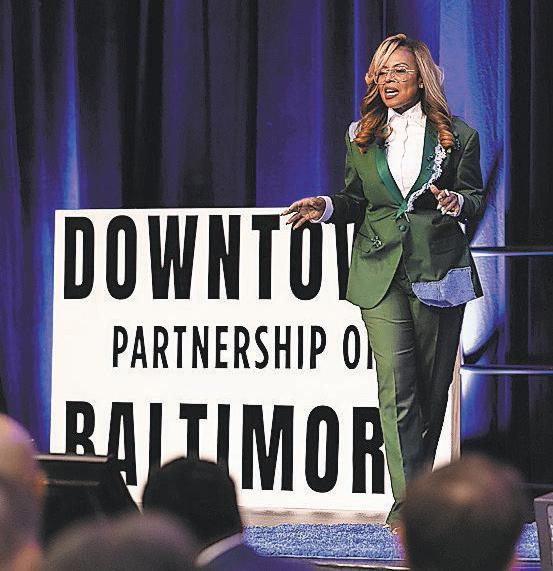
By Tashi McQueen
AFRO Staff Writer
tmcqueen@afro.com
As the 2026 Maryland General Assembly session came to a close, lawmakers rushed to pass dozens of bills before the midnight deadline on April 13.
Bills that failed to pass before the deadline must be reintroduced next session and go through the legislative process again to be reconsidered. The 90-day session included debates on federal immigration, youth criminal justice reform and lower utility costs.
Top bills that passed
Utility RELIEF bill
Democrat leaders finalized the Utility RELIEF (Reducing Energy Load Inflation for Everyday Families) Act (House Bill 1532), a package aimed at saving Maryland families around $150 on their energy bills every year. The bill provides immediate energy bill relief, modernizes Maryland’s grid infrastructure and addresses the growing energy demands of the emerging technology sector by improving accountability for data center development.
“Under this law, data centers will pay for the grid upgrades that they need and not the people of the state of Maryland,” said Gov. Wes Moore (D-MD).
While Democratic leaders touted the bill’s bipartisan
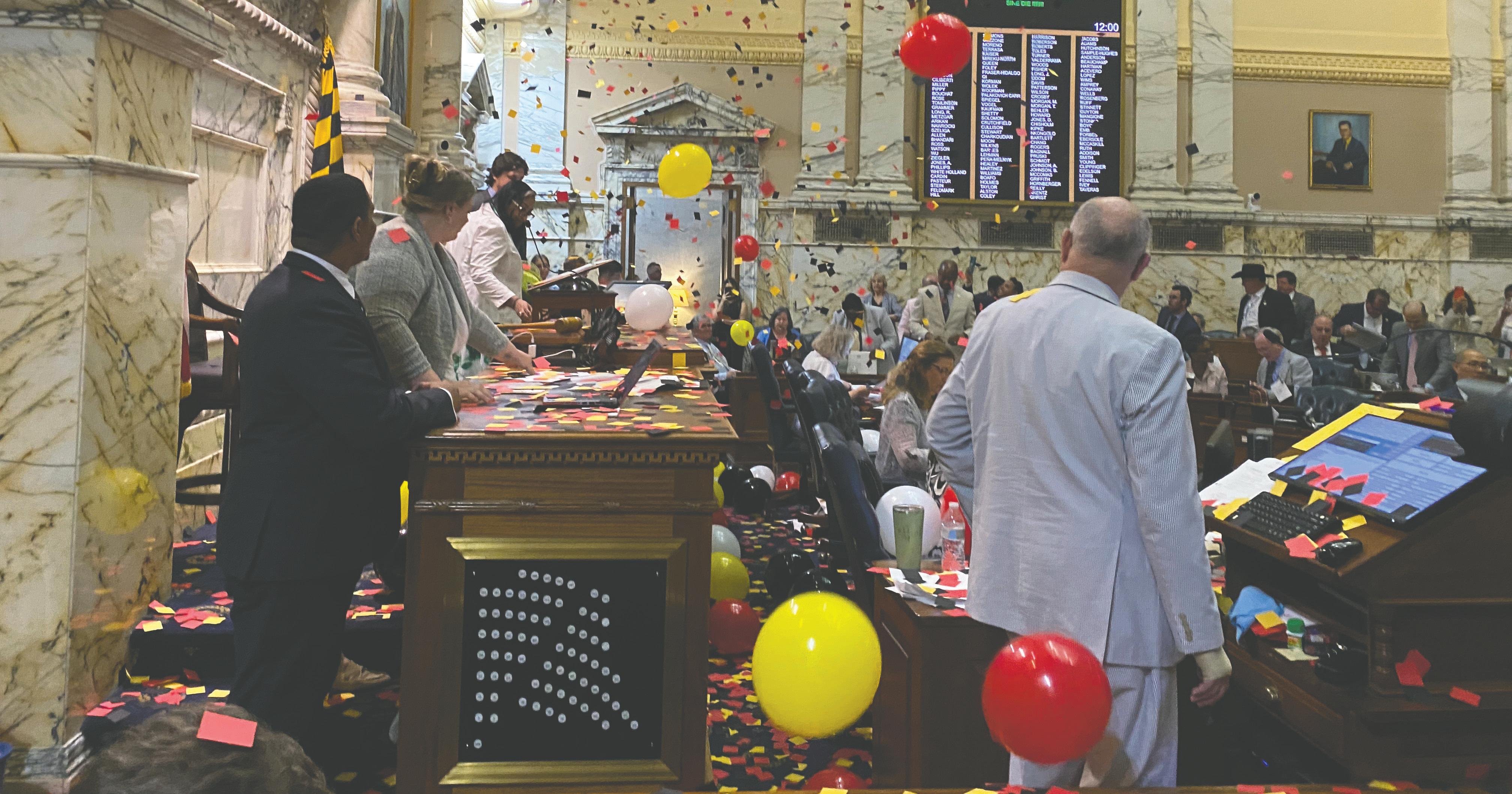
Legislators from the Maryland House of Delegates celebrate the close of the 2026 session just after midnight on April 14,
Melnyk (D-Md.-21) at the helm as Speaker of the House.
support, Senate Minority Leader Stephen S. Hershey (R-Md-36), Jr. and House Minority Leader Jason C. Buckel (R-Md-1B) spoke in opposition of the bill. Buckel called the measure an “election year game.”
Senate Minority Leader Stephen S. Hershey Jr. (RMd.-36) argued that the policy could drive development
elsewhere.
“Data centers will take a look at these regulations and say, ‘Thanks, but no thanks— we’re going to Pennsylvania,’” said Hershey.
Youth Automatic Charging Reform Act
The Youth Automatic Charging Reform Act (Senate Bill 323), one of the session’s
most debated measures, passed the House 92-39 on April 6. If signed, the bill would keep children under 16 out of adult detention facilities and require most juvenile cases to begin in juvenile court rather than automatically being charged in adult court, expanding juvenile court jurisdiction.
Community members gathered to celebrate funeral home founder Albert P. Wylie’s 80th birthday with a street renaming ceremony on April 10 at Wylie Funeral Home in West Baltimore.
With over 30 years in business, Wylie entered the funeral industry in 1993 and now owns three locations across West Baltimore, East Baltimore and Baltimore County.
“None of this would be possible without all of you,” said Wylie. “Thank you to all of the people who support me. I wouldn’t be who I am without all of you. God is so good.”
Known as a man of faith, Wylie’s birthday celebration was blessed by the Rev. Brent A. Brown of Greater Harvest Baptist Church.
“We are here to celebrate his life while he can see it,” said Brown. “We’re here to celebrate his legacy. This will forever be a celebration to remember.”
Wylie’s care has touched the lives of many, including his Omega Psi Phi Fraternity, Inc. brother and Baltimore City State’s Attorney Ivan J. Bates. Bates recalled their early conversations when he first ran for state’s attorney in 2018.
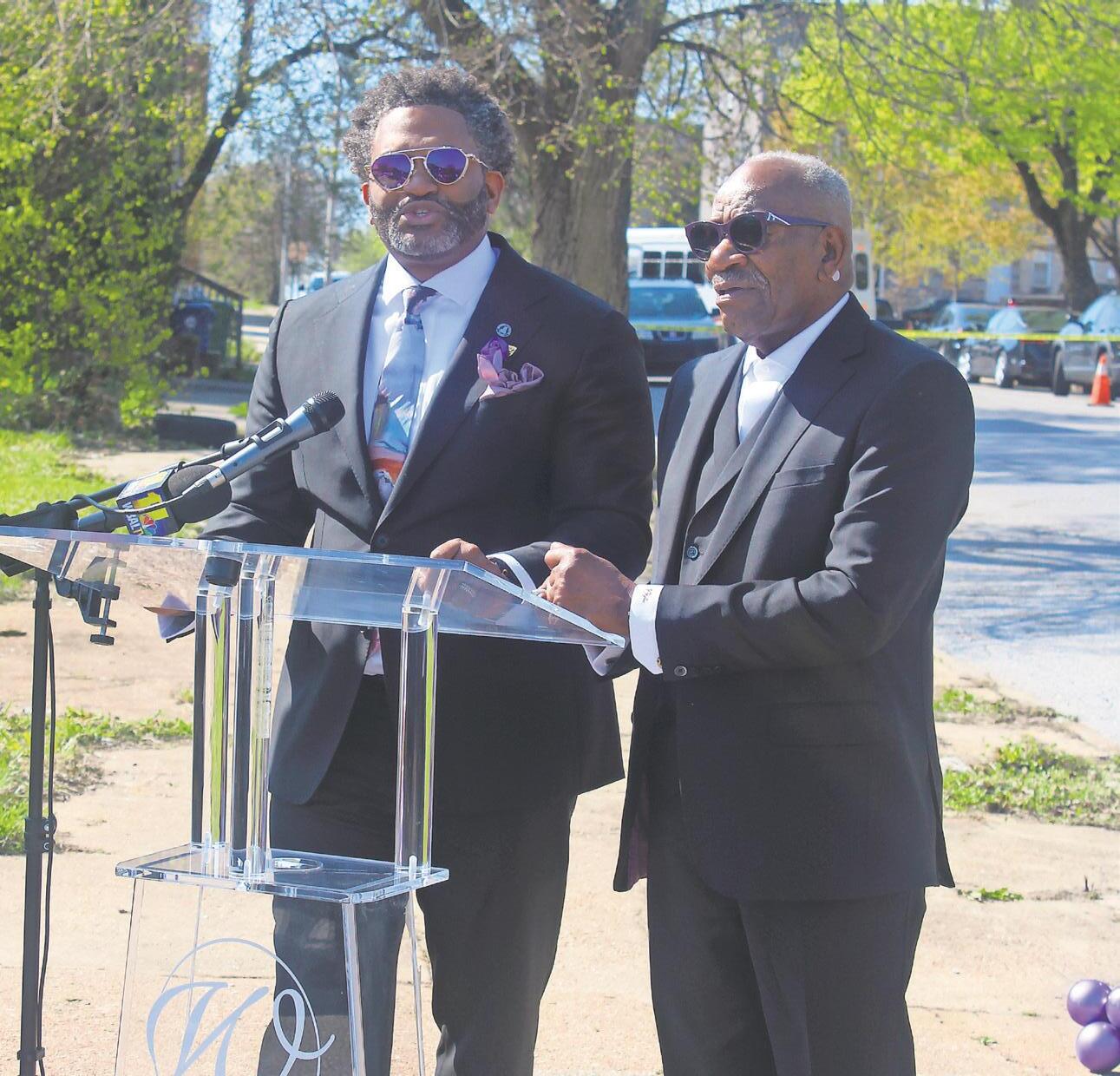
“He said he’d write me a little check but he knew I wasn’t going to win,” said Bates. “I think that kind of sums him up. First of all, he’s cheap. But second of all, he’s going to tell you the truth no matter what it is. And you know what? I lost.”
Despite the defeat, Bates said Wylie later offered him guidance.
“He sat down and talked to me and told me some of the things I needed to do,” said Bates. “He told me that I needed to work a little harder. He explained that the secret to success in Baltimore is making sure you’re in touch with your community.”
Wylie was presented with a
public safety, residential growth, and continued investment activity, along with shifting demographic and workforce trends that city leaders say reflect sustained momentum in the heart of the city.
“The work is underway, and we have a real plan,” said Stokes. “You know what I think about the state of Downtown? It’s rising because of us.”
The report described a downtown economy in transition, marked by ongoing redevelopment activity and continued shifts in office space, including millions of square feet either vacant or being repositioned for new uses. It pointed to a steady investment pipeline across housing, mixed-use projects and entertainment venues, along with a residential population now exceeding 40,000 and a daytime population of roughly 130,000.
Stokes said maintaining that momentum will require continued coordination between public investment, private development and policy incentives.
“All of what we’re doing right now has to work together,” said Stokes. “This is not a Pollyanna talk, this is what we’re doing: state investment, city prioritization and legislation that creates incentives that make development work here.”
Baltimore Mayor Brandon M. Scott said
in supporting the Black community and the recreation center. The AFRO played a key part in early fundraising for the center through hosting a fashion show.
“My family was proud in 1947 when the center first opened, and they would be overjoyed now,” said Mary L. Williams, a family member of Webb.
Williams said her family would be proud that Webb, who was unable to participate in certain activities as a youth because of illness, was able to give others the opportunity to do what he could not.
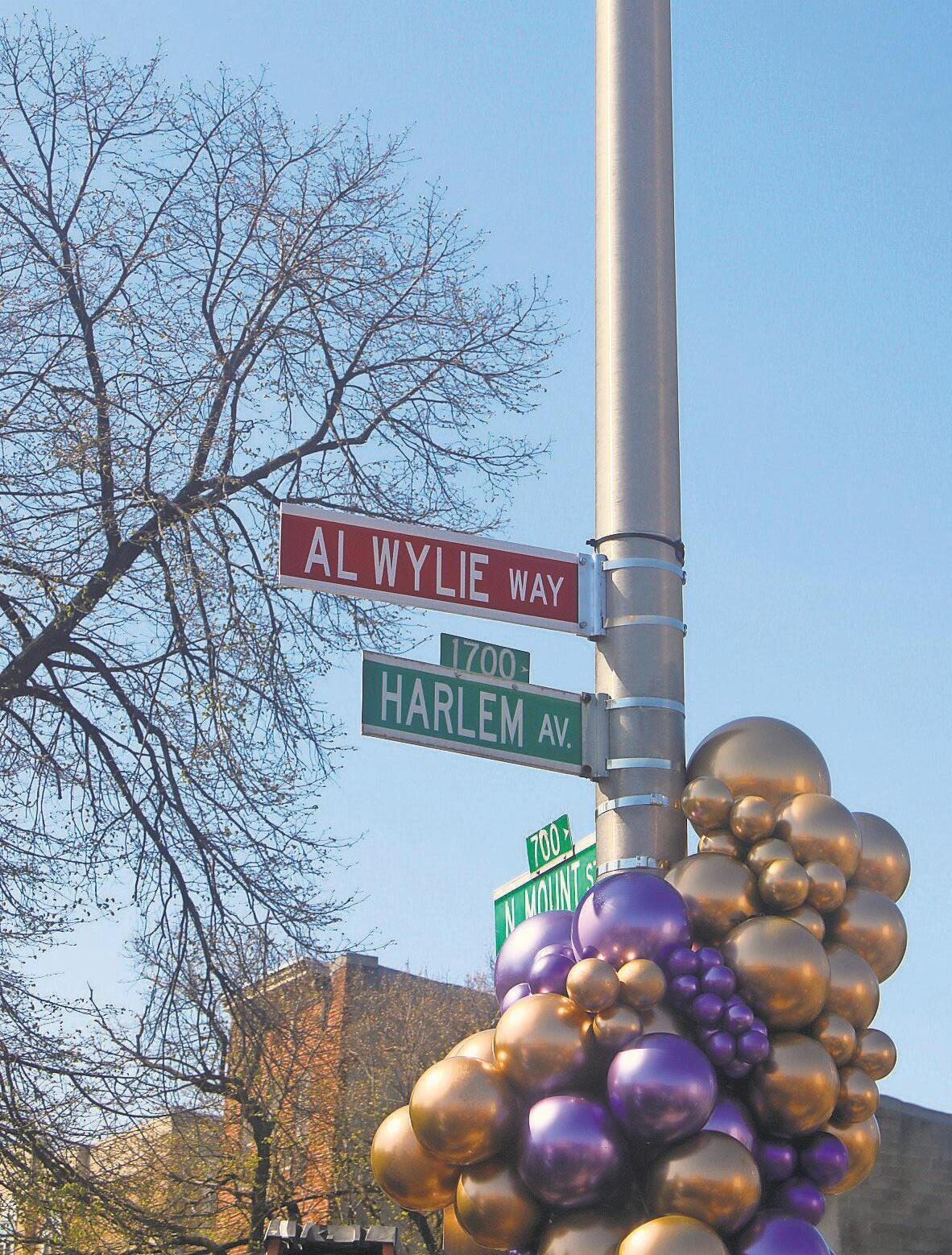
certificate from the States Attorney’s Office for his continued investment and leadership in the Harlem Park community, along with an award from the Baltimore City Police Department’s Western District.
“In 2006, I lost my grandmother,” said Maj. Natalia Preston of the Western District. “When I tell you that Mr. Wylie did not disappoint my family at all, from the service
part of downtown’s progress rests on the city addressing long-standing challenges such as crime and the vacancy crisis. In the last five years, homicides and shootings have declined by 60 percent. Additionally, since 2020, one in four vacant properties have been eliminated — a reduction from 16,000 to 11,836.
He highlighted several major developments taking place in the city’s core, including the expansion of Rash Field Park, the transformation of Harborplace, modernization of the Baltimore Convention Center and a new initiative inviting local artists, architects and engineers to redesign downtown’s major gateways.
“We know in Baltimore we can do and will do big things together,” said Scott. “We will deliver and create solutions to generational challenges and drive investment and growth until the residents and business owners in the heart of the city know that Baltimore has reached its full potential.”
With some cities and localities embracing the era of anti-equity, diversity and inclusion ushered in by the federal government, Baltimore leaders believe Charm City’s downtown has an opportunity to attract Black business owners and residents seeking belonging.
Stokes emphasized that both state and local officials, as well as DPOB, recognize the value of diversity.
She pointed to ongoing efforts like the

to the dress. I am forever grateful to have come in contact with Mr. Wylie and his family. On behalf of my family, countless families around the city and the Harlem Park Community, we thank you for everything that you have done.”
To reveal the street sign, Wylie was joined by family members and staff, including his son and CEO of Wylie Funeral Homes, Brandon Wylie.
“He used to sit out the window
and look over here and wonder why they keep dumping trash over there when it’s locked,” said Brandon Wylie. “Then all of a sudden he came up with an idea, called the city and worked with them to create Mount Street. He took a dump and made it into something that we can all love and serve our families.”
The event concluded with praise and worship, followed by the classic rendition of “Happy Birthday” by Stevie Wonder.
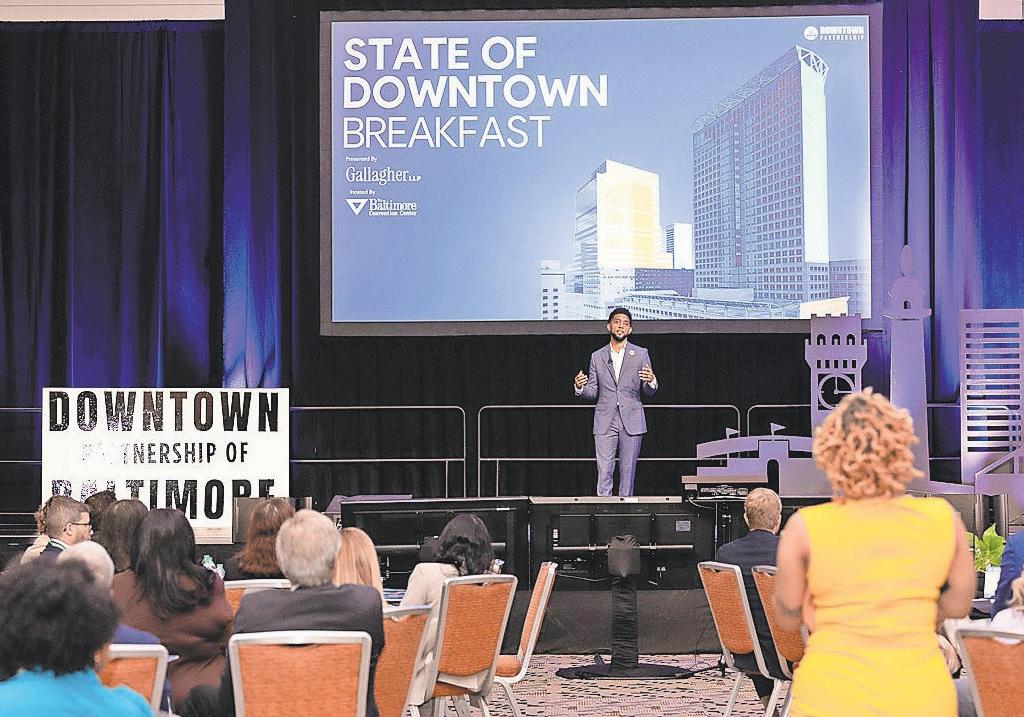
Downtown Black-Owned and Occupied Storefront Tenancy (BOOST) Program, which provides Black entrepreneurs with grants of up to $100,000 and retail space downtown, and the Baltimore Culinary Exchange, which supports new and existing culinary concepts with grant funding and property improvements.
“Part of what we know is that diversity is the lifeblood of our city, and our sponsors and our partners are aligning around that. They’ve not retreated in the work that we’re doing,” said Stokes. “What you’ll see within Downtown RISE is how we integrate that into a more livable, walkable 18-hour downtown.”
recent years, particularly in cases involving rap lyrics.
Community Trust Act
The Community Trust Act (SB 791) passed the Senate 32-15 on Sine Die. The bill would limit local law enforcement cooperation with federal immigration enforcement, requiring a judicial warrant to detain individuals, with certain exceptions.
Act
The Protecting Artists’ Creative Expression (PACE) Act (SB 475) passed the Senate 32-10 on April 9 after several years of consideration. This bill aims to protect artists by limiting the use of creative expression as evidence in criminal cases, a practice that has drawn scrutiny in
“The creative expression... has to have a direct nexus to the crime itself,” said Del. Marlon Amprey (D-Md.-40), the bill’s sponsor. “Let’s say someone made a song fantasizing about doing a joyride...they can’t use those lyrics to say that the creator steals cars. The lyrics have to point to specific facts about the case.”
Top bills that failed
Clean Slate
Both versions of the Clean Slate Act of 2026 (House Bill 360 and Senate Bill 483) stalled in the House. The legislation would have automatically removed eligible charges from a person’s record once expungeable, aiming to reduce barriers to employment and housing.
Modernization of legal ad publication
House Bill 10, which sought to update legal advertisement requirements, failed after being referred to the Senate Judicial Proceedings Committee on April 13. The bill would have required print and digital publishers to maintain a public archive and employ at least one local news professional. Redistricting bill
Moore’s redistricting proposal (HB 488), introduced Jan. 23, passed the House but stalled in the Senate Rules Committee on Sine Die.
The plan aimed to reshape the state’s lone Republican congressional district as part of a broader response to similar efforts in other states. Despite pressure from House leaders, the governor and national Democrats, Senate President Bill Ferguson did not advance the bill.

SUPERIOR COURT OF THE DISTRICT OF COLUMBIA PROBATE DIVISION ADMINISTRATION NO. 2026ADM000190 KATHERINE JAMES Name of Decedent
Notice of Appointment, Notice to Creditors and Notice to Unknown Heirs
MICHAEL ANTHONY JAMES, whose address is 15224 DERBYSHIRE WAY, ACCOKEEK, MD 20607, was appointed Personal Representative of the estate of KATHERINE JAMES who died on JANUARY 19, 2026, with a Will and will serve with Court supervision. All unknown heirs and heirs whose whereabouts are unknown shall enter their appearance in this proceeding. Objections to such appointment shall be filed with the Register of Wills, D.C., Building A, 515 5th Street, N.W., 3rd Floor, Washington, D.C. 20001, on or before October 10, 2026 Claims against the decedent shall be presented to the undersigned with a copy to the Register of Wills or to the Register of Wills with a copy to the undersigned, on or before October 10, 2026 or be forever barred. Persons believed to be heirs or legatees of the decedent who do not receive a copy of this notice by mail within 25 days of its publication shall so inform the Register of Wills, including name, address and relationship.
Date of first publication: April 10, 2026 Name of newspaper and/or periodical: AFRO American Newspapers
Michael Anthony James Personal Representative TRUE TEST COPY REGISTER OF WILLS 04.10, 04.17, 04.24.26
SUPERIOR COURT OF THE DISTRICT OF COLUMBIA PROBATE DIVISION ADMINISTRATION NO. 2026ADM000007
GREGORY VINCENT TURNER Name of Decedent Notice of Appointment, Notice to Creditors and Notice to Unknown Heirs
ERIC TURNER whose address is 6132 KARAS WALK, ELKRIDGE, MARYLAND 21075; was appointed Personal Representative of the estate of GREGORY VINCENT TURNER who died on OCTOBER 26, 2025, without a will and will serve without Court supervision. All unknown heirs and heirs whose whereabouts are unknown shall enter their appearance in this proceeding. Objections to such appointment shall be filed With the Register of Wills, D.C., Building A, 515 5th Street, N.W., 3rd Floor, Washington, D.C. 20001, on or before October 24, 2026 Claims against the decedent shall be presented to the undersigned with a copy to the Register of Wills or filed with the Register of Wills with a copy to the undersigned, on or before October 24, 2026 or be forever barred. Persons believed to be heirs or legatees of the decedent who do not receive a copy of this notice by mail within 25 days of its publication shall so inform the Register of Wills, including name, address and relationship. Date of first publication: April 24, 2026 Name of newspaper and/or periodical: AFRO American Newspapers
SUPERIOR COURT OF THE DISTRICT OF COLUMBIA
PROBATE DIVISION
ADMINISTRATION NO. 2026ADM000339
DARLENE R WILLIAMS Name of Decedent
Notice of Appointment, Notice to Creditors and Notice to Unknown Heirs
TRANESE WILLIAMS whose address is 1828 H STREET NE, WASHINGTON, DC 20002; was appointed Personal Representative of the estate of DARLENE R WILLIAMS who died on DECEMBER 2, 2019, without a will and will serve without Court supervision. All unknown heirs and heirs whose whereabouts are unknown shall enter their appearance in this proceeding. Objections to such appointment shall be filed With the Register of Wills, D.C., Building A, 515 5th Street, N.W.,
EDUARDO
05.09.26
SUPERIOR COURT OF THE DISTRICT OF COLUMBIA PROBATE DIVISION ADMINISTRATION NO. 2026ADM000350 ROSALIE ALLEN MCALLISTER Name of Decedent Notice of Appointment, Notice to Creditors and Notice to Unknown Heirs PAULETTE ALLEN whose address is 11850
SUPERIOR COURT OF THE DISTRICT OF COLUMBIA PROBATE DIVISION ADMINISTRATION NO. 2022ADM001453 MABEL KING aka MABEL A. KING Name of Decedent CHARLES E WALTON, ESQUIRE 10905 FORT WASHINGTON ROAD, SUITE 201 FORT WASHINGTON, MD 20744 Name and Address of Attorney Notice of Appointment, Notice to Creditors and Notice to Unknown Heirs LISA MICHELLE KING, whose address is C/O WLG10905 FORT WASHINGTON ROAD, SUITE 201, FORT WASHINGTON, MARLAND 20744; was appointed Personal Representative of the estate of MABEL KING AKA MABEL A. KING who died on SEPTMEBER 21, 2021, with a will and will serve without Court supervision. All unknown heirs and heirs whose whereabouts are unknown shall enter their appearance in this proceeding. Objections to such appointment shall be filed With the Register of Wills, D.C., Building A, 515 5th Street, N.W., 3rd Floor, Washington, D.C. 20001, on or before October 24, 2026 Claims against the decedent shall be presented to the undersigned with a copy to the Register of Wills or filed with the Register of Wills with a copy to the undersigned, on or before October 24, 2026 or be forever barred. Persons believed to be heirs or legatees of the decedent who do not receive a copy of this notice by mail within 25 days of its publication shall so inform the Register of Wills, including name, address and relationship. Date of first publication: April 24, 2026 Name of newspaper and/or periodical: Daily Washington Law Reporter AFRO American Newspapers
LISA M KING Personal Representative
TRUE TEST COPY REGISTER OF WILLS 04.24, 05.02, 05.09.26
Claims against the decedent shall be presented to the undersigned with a copy to the Register of Wills or filed with the Register of Wills with a copy to the undersigned, on or before October 24, 2026 or be forever barred. Persons believed to be heirs or legatees of
SUPERIOR COURT OF THE DISTRICT OF COLUMBIA
PROBATE DIVISION ADMINISTRATION NO. 2026ADM000389
MARTHA A. SAVOY Name of Decedent Notice of Appointment, Notice to Creditors and Notice to Unknown Heirs
DANA L MUHAMMAD-BROADIE whose address is 1828 MICHGAN AVENUE, NE, WASHINGTON, DC 20018; was appointed Personal Representative of the estate of MARTHA A. SAVOY who died on MARCH 3, 2026, with a will and will serve without Court supervision. All unknown heirs and heirs whose whereabouts are unknown shall enter their appearance in this proceeding. Objections to such appointment shall be filed With the Register of Wills, D.C., Building A, 515 5th Street, N.W., 3rd Floor, Washington, D.C. 20001, on or before October 24, 2026 Claims against the decedent shall be presented to the undersigned with a copy to the Register of Wills or filed with the Register of Wills with a copy to the undersigned, on or before October 24, 2026 or be forever barred. Persons believed to be heirs or legatees of the decedent who do not receive a copy of this notice by mail within 25 days of its publication shall so inform the Register of Wills, including name, address and relationship. Date of first publication: April 24, 2026 Name of newspaper and/or periodical: AFRO American Newspapers DANA L MUHAMMAD-BROADIE Personal Representative TRUE TEST COPY REGISTER OF WILLS 04.24, 05.02, 05.09.26
Superior Court of the District of Columbia CIVIL DIVISION – LANDLORD AND TENANT BRANCH 510 4TH STREET, N.W. WASHINGTON, DC 20001 (202) 879-4879
VAN YARRELL
Case No: 2026-LTB-000007 Plaintiff, v. Next date: June 8, 2026
HORACE CARTHENS Defendant
NOTICE OF PUBLICATION
In accordance with D.C. Official Code Section 47-1375 (2001 ed.), the object of this proceeding is to secure the right of redemption in the following Real Property located in the District of Columbia, for an eviction action for nonpayment of rent. The property address is: 2920 Pennsylvania Avenue, S.E. Unit 102, Washington, D.C. 20020. You should call the Landlord and Tenant Clerk’s Office at (202)879-4879 with the case number above for further instruction on how to appear remotely for the hearing on June 8, 2026 or contact the Landlord’s Attorney at (540)241-4286 immediately.
___/s/_________
E. L. Pugh II, Esq. Pugh Law Pllc epugh@pughlawpllc.com (540)241-4286
SUPERIOR COURT OF THE DISTRICT OF COLUMBIA PROBATE DIVISION ADMINISTRATION NO. 2026ADM000309 NORMA REBECCA JACKSON Name of Decedent RAENELLE HUMBLES ZAPATA 1253 GIRARD STREET, NE WASHINGTON, DC, 20017 Attorney
Notice of Appointment, Notice to Creditors and Notice to Unknown Heirs RONNIE JACKSON, whose address is 2813 DOUGLAS STREET, NE, WASHINGTON, DC 20018 was appointed Personal Representative of the estate of NORMA REBECCA JACKSON who died on APRIL 23, 2001 without a Will and will serve with Court supervision. All unknown heirs and heirs whose whereabouts are unknown shall enter their appearance in this proceeding. Objections to such appointment shall be filed With the Register of Wills, D.C., 515 5th Street, N.W., 3rd Floor, Washington, D.C. 20001, on or before OCTOBER 17, 2026, Claims against the decedent shall be presented to the undersigned with a copy to the Register of Wills or filed with the Register of Wills with a copy to the undersigned, on or before OCTOBER 17, 2026 or be forever barred. Persons believed to be heirs or legatees of the decedent who do not receive a copy of this notice by mail within 25 days of its publication shall so inform the Register of Wills, including name, address and relationship. Date of first publication: APRIL 18, 2026
Name of newspaper and/or periodical: Daily Washington Law Reporter AFRO American Newspapers
RONNIE JACKSON Personal Representative
TRUE TEST COPY REGISTER OF WILLS 04/18, 04/25, 05/02/26



















not be accepted after the due date (NOON). The City Of Baltimore has not adopted SF330, it may not be used, unless specified in the RFP.

Submittals are not accepted by email.
The Federal Standard Form (SF) 255 cannot be supplemented with additional pages, or additional information such as graphs, photographs, organization charts, etc. All such information should be incorporated into the appropriate pages. Applications should not be bound; simply stapled in the upper left-hand corner. Cover sheets should not be included. Inclusion and/or submittal of additional material may result in the applicant being disqualified from consideration for this project.
Firms interested in submitting a proposal for this Project, shall address a “Letter of Interest” to the Office of Boards and Commissions, or you may email: OBC.consultants@baltimorecity.gov. Letters of Interest will be utilized to assist small minority and women business enterprises in identifying potential teaming partners and should be submitted within five (5) days of the date of the project’s advertisement. The Letter of Interest must provide the name and number of your firm’s contact person. Failure to submit a “Letter of Interest” will not disqualify a firm submitting a proposal for the project.
Only individual firms (including, for example, individuals, sole proprietorships, corporations, limited liability companies, limited liability partnerships, and general partnerships) or formal Joint Venture (JV) may apply. Two firms may not apply jointly unless they have formed a joint venture.
COSTS OF RFP RESPONSE
There will be no payment or compensation provided to firms who desire to participate in any part of the submittal. All related expenses to the preparation of a response, including additional requested information, interviews, and any other necessary information, will be the sole responsibility of the firm. The City, its staff, or its representatives will not be responsible for reimbursing any costs or expenses incurred resulting in providing a submission to this RFP.
Baltimore City reserves the right to waive minor irregularities, to negotiate in any manner necessary to best serve the public interest, and to make a whole award, multiple awards, a partial award, or no award. Baltimore City reserves the right to cancel this RFP, prior to closing date.
MBE/WBE Requirements – Mayor’s Office (SMBA&D)
It is the policy of the City of Baltimore Mayor’s Office of Small and Minority BusinessAdvocacy & Development (SMBA&D) to promote equal business opportunity in the City’s contracting process. Pursuant to Article 5, Subtitle 28 of Baltimore City Code (2000 Edition) – Minority and Women’s Business Program, Minority Business Enterprise (MBE) and Women’s Business Enterprise (WBE) participation goals apply to this contract.
The MBE goal is 30% The WBE goal is 15%
Both the proposed Minority and Women’s Business Enterprise firms must be named and identified as an MBE or WBE within Item 6 of the Standard Form (SF) 255 in the spaces provided for identifying outside key consultants/associates anticipated for utilization for this project.
Any submittals that do not includethe proper MBE/WBE (in some instances DBE) participation will be disapproved for further consideration for this project.
Verifying Certification
Each firm submitting a SF 255 for consideration for a project is responsible to verify that all MBEs and WBEs to be utilized on the project are certified by the SMBA&D prior to submitting the proposal. A directory of certified MBEs and WBEs is available from SMBA&D. Since changes to the directory occur daily, firms submitting SF 255s should call SMBA&D at (410) 396-3818 to verify certification, expiration dates and services that the MBE or WBE is certified to provide.
Non-Affiliation
Afirm submitting a proposal may not use an MBE or WBE to meet a contract goal if: The firm has a financial interest in the MBE or WBE.
The firm has an interest in the ownership or control of the MBE or WBE. The firm is significantly involved in the operation of the MBE or WBE

invoices, the City of Baltimore defines the principle of a firm as follows: