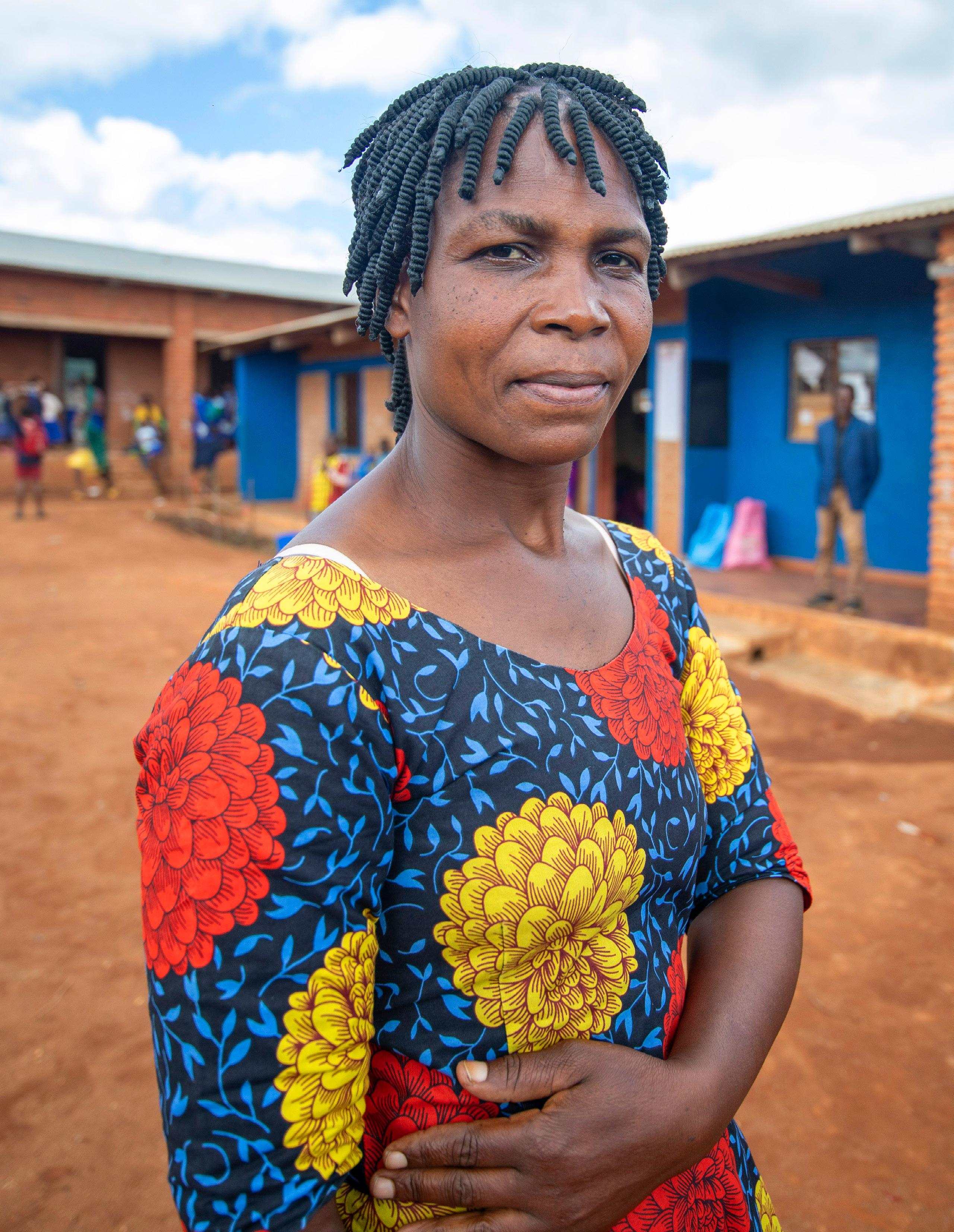

This past year did not simply test the development sector. It exposed its underlying assumptions. The question was not how to respond to disruption. It was whether the sector is structured to operate within it.
Across our partner network, organizations continued under sustained constraint. Leadership was not theoretical. It was operational: making trade-offs in real time, adapting programs without certainty, protecting staff while maintaining delivery, and remaining accountable to communities without interruption. This was not episodic resilience. It was continuous execution under pressure.
What stood out was not only resilience, but a sharpened clarity about what must be protected and what must be fundamentally reworked. The longstanding assertion that locally-led organizations are central to sustainable development is no longer a position. It is an observable reality.
One of the things that has become explicitly clear is how differently this reality is being experienced depending on where you sit. For many funders, the question has been: what to do now? For organizations on the ground, the work has been to continue operating while making decisions inside uncertainty. That contrast is important, as these are not equivalent positions. The distance between them has material consequences.
Resilience, in this context, is frequently mischaracterized. It is not an inherent quality. It is built over time, by design through trust, flexibility, proximity to context, and institutions with continunity. Where these conditions exist, resilience follows. Where they do not, it is expected but unsupported.
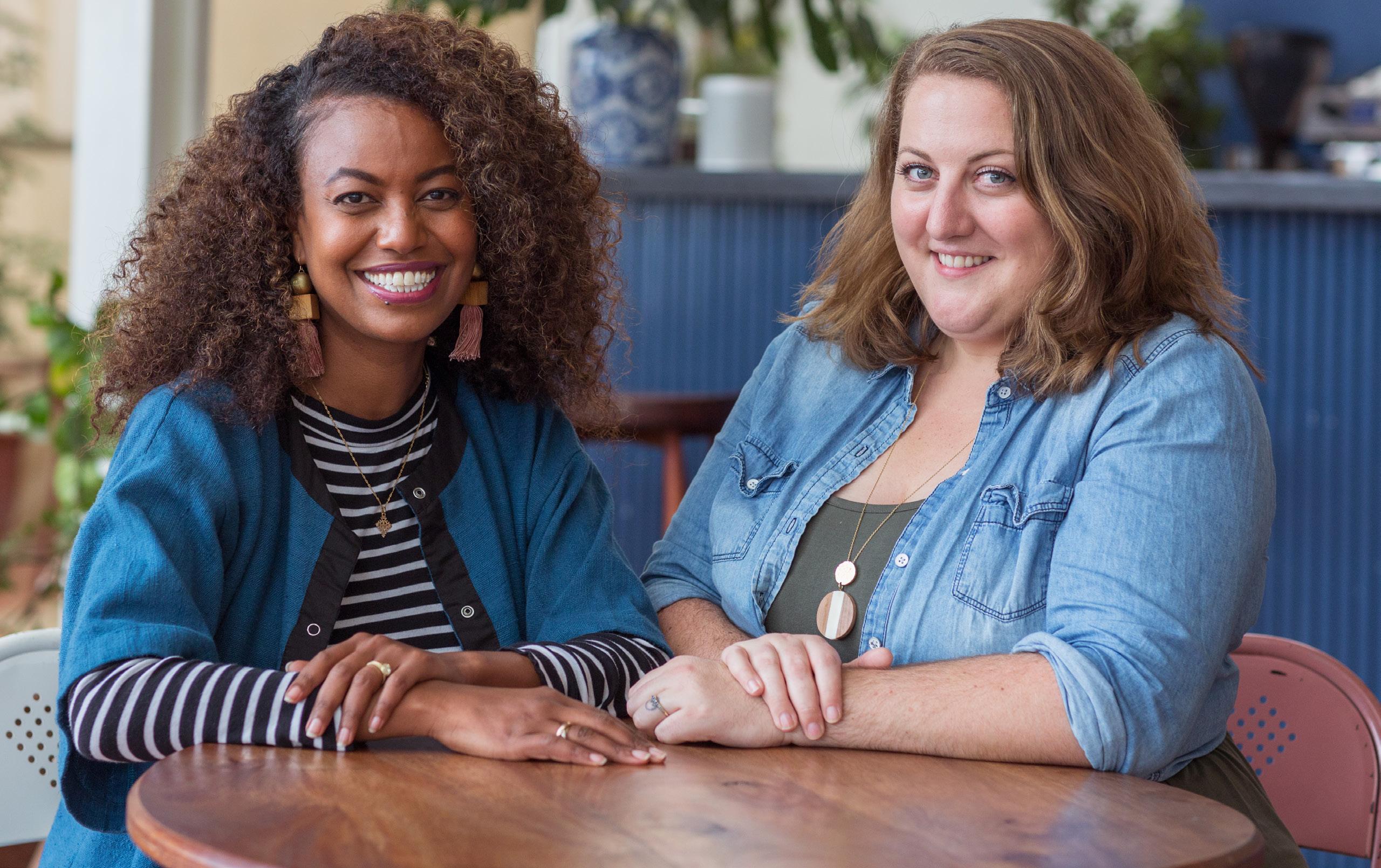
This moment requires more than adaptive responses. It requires structural correction. That includes rethinking how capital is deployed, shifting from reactive cycles to sustained investment, and directing resources toward leadership that is already demonstrating capacity under constraint. Fast and unrestricted funding is not a crisis tool. It is infrastructure, and one of the ways resilience gets built in the first place.
We are encouraged not because this year was easy, but because of how our partners moved through it – continuing the work under pressure, without stepping away from it.
That is what gives us confidence in what comes next. Like our partners, we show up to this work daily, with a clear responsibility to meet it with that same level of care and consistency. Not out of obligation, but because the work demands it.
We hope you will meet us there.
Atti Worku

Katie Bunten-Wamaru

This year marks an anniversary few in the development sector anticipated: one year since billions of dollars in international development funding disappeared, seemingly overnight. Across the continent, the effects were immediate. Large grants were cancelled or frozen, while multi-year commitments were reduced. Supply chains tied to government-supported programs slowed or collapsed. For locally-led organizations, the consequences were not abstract decisions. They were operational, financial, impactful and deeply felt.
It has also made something unmistakably clear: when major funders stepped back due to decisions made far from the communities most affected, it was not international systems that stayed behind. It was African-led organizations, with locally rooted leaders who remained present when programs were halted, salaries delayed, and innovation pipelines paused. These organizations did not exit their own communities when funding was cut. They continued to protect access to healthcare, education, justice, livelihoods, and dignity, often at profound internal cost.
This report is not only a story about disruption. It is a story about endurance, about adaptation, about unfathomable leadership. It is also a reminder of something African Collaborative has long believed: Africa’s future must be African-led.
Over the past year, that belief has also surfaced more visibly across the field. At Skoll World Forum, in sector research and major publications, the conversation around locally-led development shifted from theory to urgency.
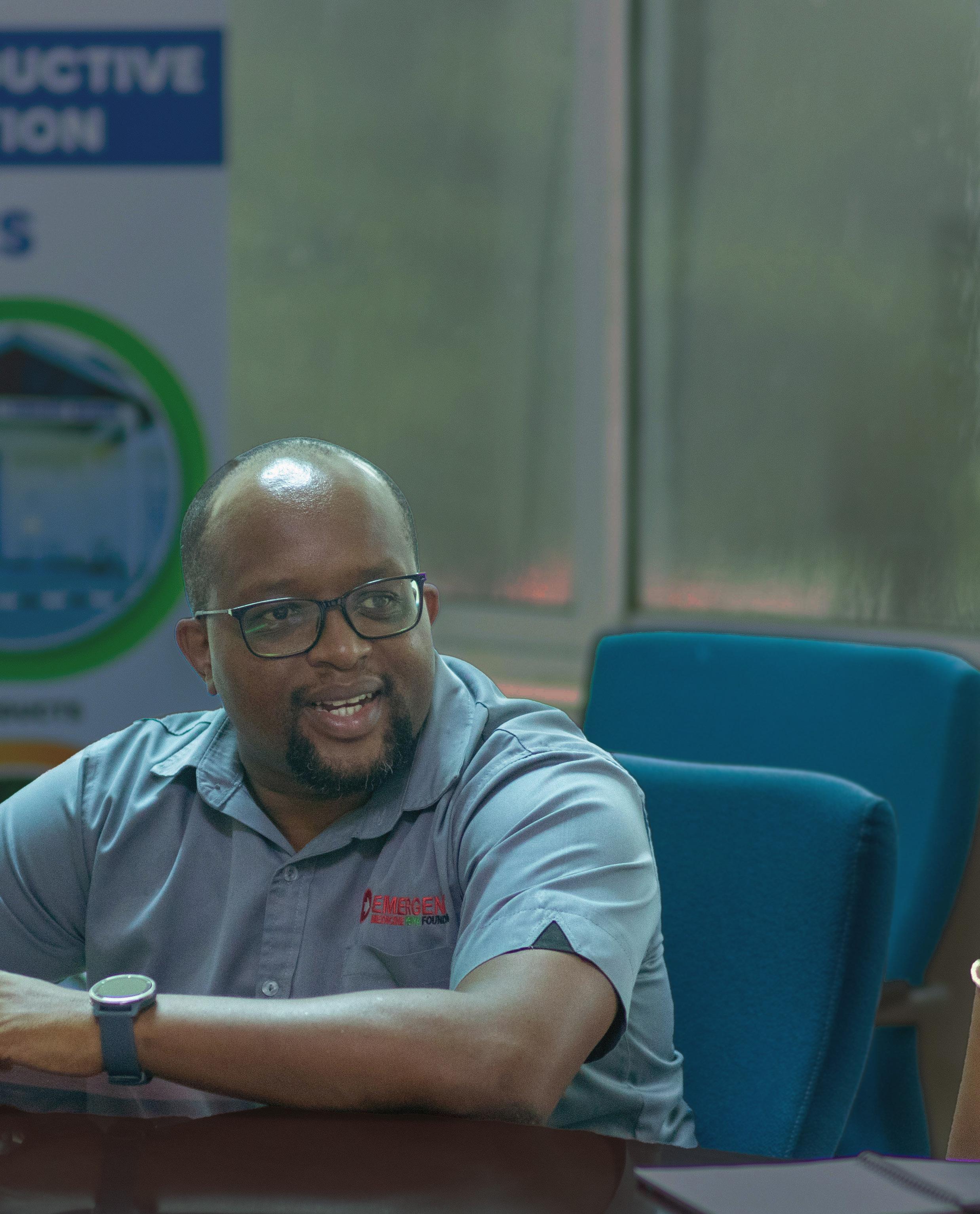
The way most of the people who do the work on the ground are looking at it, is that this is a rare opportunity to rethink how global development works.
—Atti Worku
That framing matters. It acknowledges the disruption, but it also points to what this year revealed more clearly than ever: the leaders closest to communities are already adapting, already deciding, and already carrying the work forward.
In 2025, African Collaborative partners experienced sudden and severe funding losses driven by:
• USAID grant cancellations and freezes
• Donor reprioritization
• Reductions in multi-year commitments
• Disruptions to government-supported supply chains
Across our portfolio, 44% of partners lost direct funding, with losses ranging from 5% to more than 80% of annual budgets. In total, partners reported more than $5.4 million in confirmed funding losses, with additional shortfalls expected in the years ahead. For some organizations, these losses were existential.
One partner lost $1.85 million, representing 89% of its annual budget, after a USAIDfunded maternal health grant was withdrawn. Another partner lost 60% of its annual budget following the cancellation of a USAID education project that would have served more than 10,000 out-ofschool children. Others experienced losses that were smaller in percentage, but still deeply destabilizing.
Across the network, these financial shocks translated quickly into difficult decisions such as staff layoffs and delayed salaries. But even as organizational capacity declined, demand for services increased.
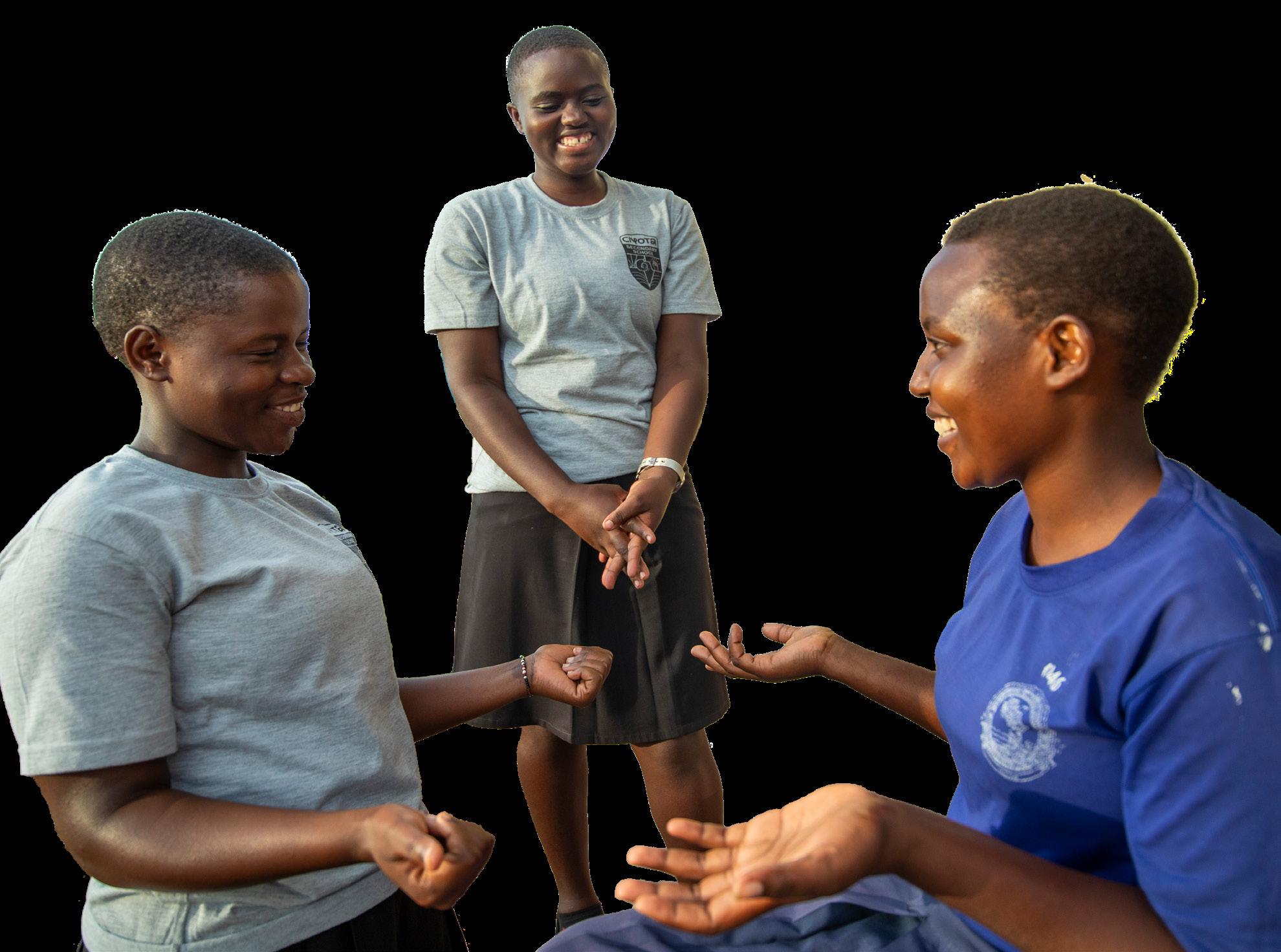
In Malawi, Wandikweza saw a 40% increase in demand, with births at its health facilities rising from 86 to 351 in a single year, even after losing essential donated medical supplies and medicines valued at $180,000.
When a US-based organization lost USAID funding and closed its refugee settlement operations in Uganda, the people it had served came to CIYOTA.
The data and the stories point to the same reality: as larger institutions scaled down, the burden of continuity shifted onto local organizations, often without the resources to match it.
Whether funding is available or not, we will never run away. These are our people, and we are here to support them.
— Ntakamaze Ziyomvira, Executive Director, CIYOTA
Our community continues to rely on us, and that responsibility keeps us going. Resilience for us means adjusting, not disappearing.
— Wandikweza
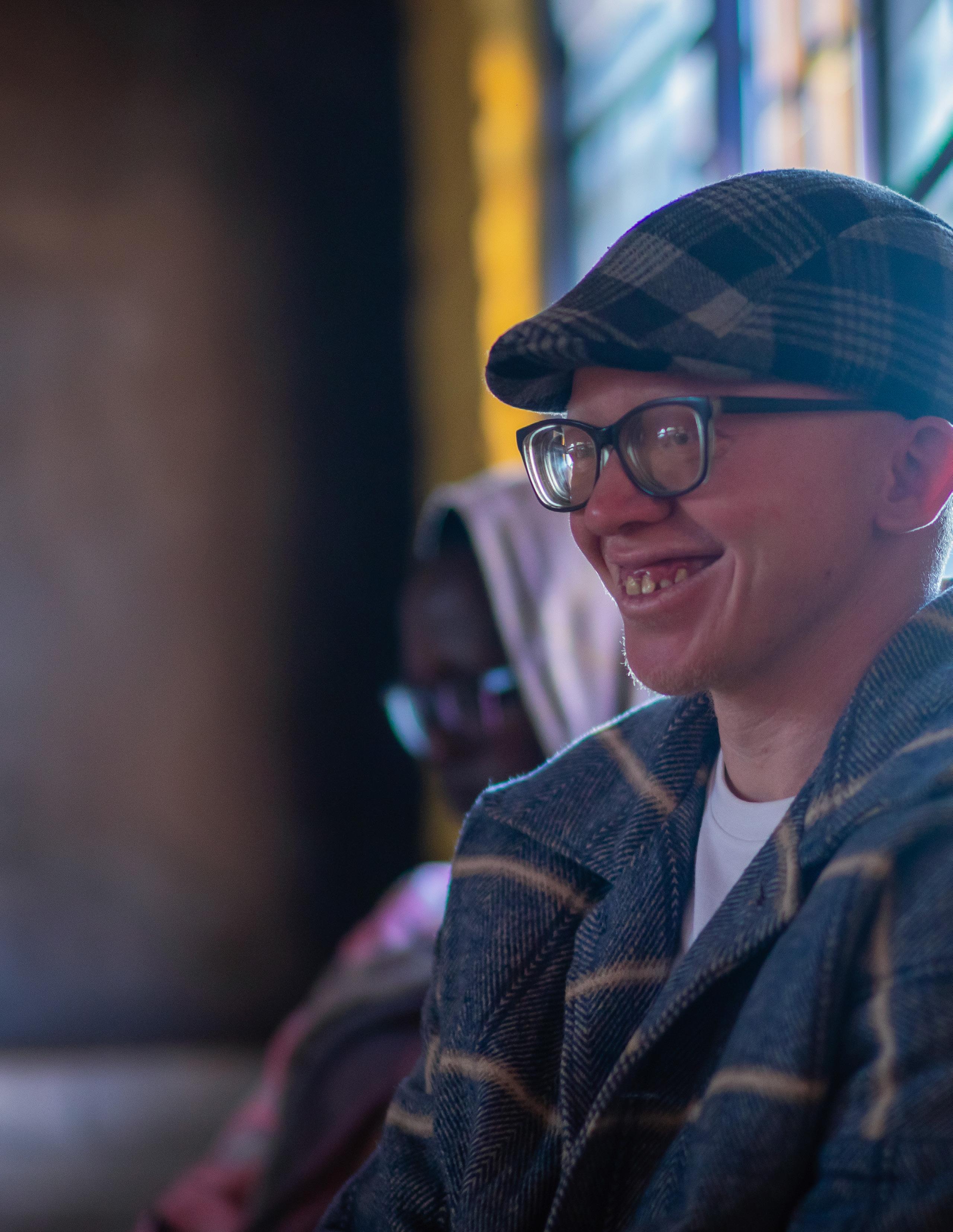
Despite the referrals continue in. Turning is
the funding cuts, continue to come
Turning people away not an option.
— WoteSawa

In the months following the cuts, organizations recalibrated. Across our portfolio, partners protected frontline services, absorbed increased demand, adjusted timelines rather than abandoning work, maintained trust in their communities, and prioritized continuity over expansion.
In recent months, many partners have tightened operational budgets, diversified revenue streams, launched grassroots fundraising campaigns, explored social enterprise models, and strengthened partnerships with governments and peer NGOs. These responses show how accountability is sustained through daily decisions and long-term commitment. In conversation with Devex, Atti described what many organizations were already showing in practice:
“Organizations on the ground are pivoting based on the needs of their community because they’re there and because people trust them.”
—Atti Worku
That trust is part of what allows local organizations to respond with speed and credibility when global systems around them begin to fray. This past year reinforced something our partners have always known: when a crisis hits, local organizations move the fastest, adapt the quickest and remain the closest to the people they serve.
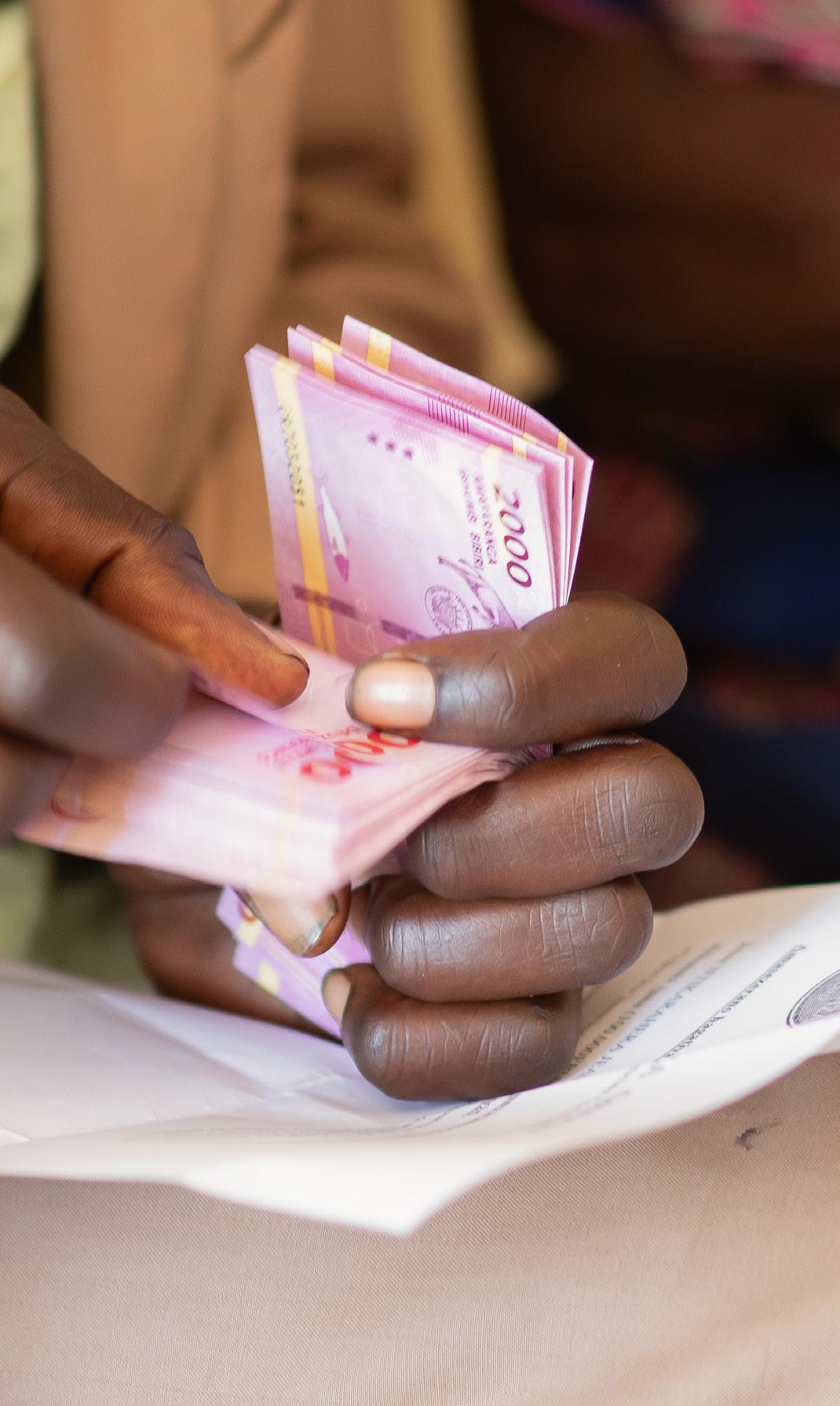

To support partners navigating these sudden funding gaps, African Collaborative launched a Response Fund in March 2025. Designed as a 100% pass-through fund, it provides direct, flexible support to help partners sustain operations, retain critical staff, maintain core services, and safeguard institutional knowledge and partnerships.
African Collaborative implemented the fund through three primary approaches:
• Accelerating grant payments to get funding to partners fast
• Deploying Emergency Grants to address acute needs
• Increasing grant renewals to stabilize partner organizations over time
“Emergency funding does not solve the problem, but it gives us room to breathe, protect our team, and make thoughtful decisions instead of reacting out of panic.”—HelpMum
$768K $740K 23
raised toward the Response Fund granted to 19 partners partners submitted emergency funding requests
We will continue to award Response Fund grants in 2026.
Emergency grants were allocated based on severity of need , including risk to core programs, imminent staff layoffs, available financial reserves, and whether short-term support could stabilize operations. This framework helped direct limited resources where they could prevent the most immediate service disruptions. But the past year also made clear that emergency response, while necessary, is not the full story.
"Fast and unrestricted funding is not only necessary, but it is actually the way we build resilience. —Atti Worku
“Funders keep saying they’re waiting for the dust to settle. You can help the dust settle better - now is the moment. —Katie Bunten-Wamaru AS OF DECEMBER 2025
That point goes to the center of African Collaborative’s model. The aim is not only to respond after instability arrives, but to support organizations in ways that make them better able to absorb it. Together, these perspectives point to a broader lesson from the year: continued resilience is built through trust, flexibility, willingness and the ability to move resources far before these systems start breaking down.
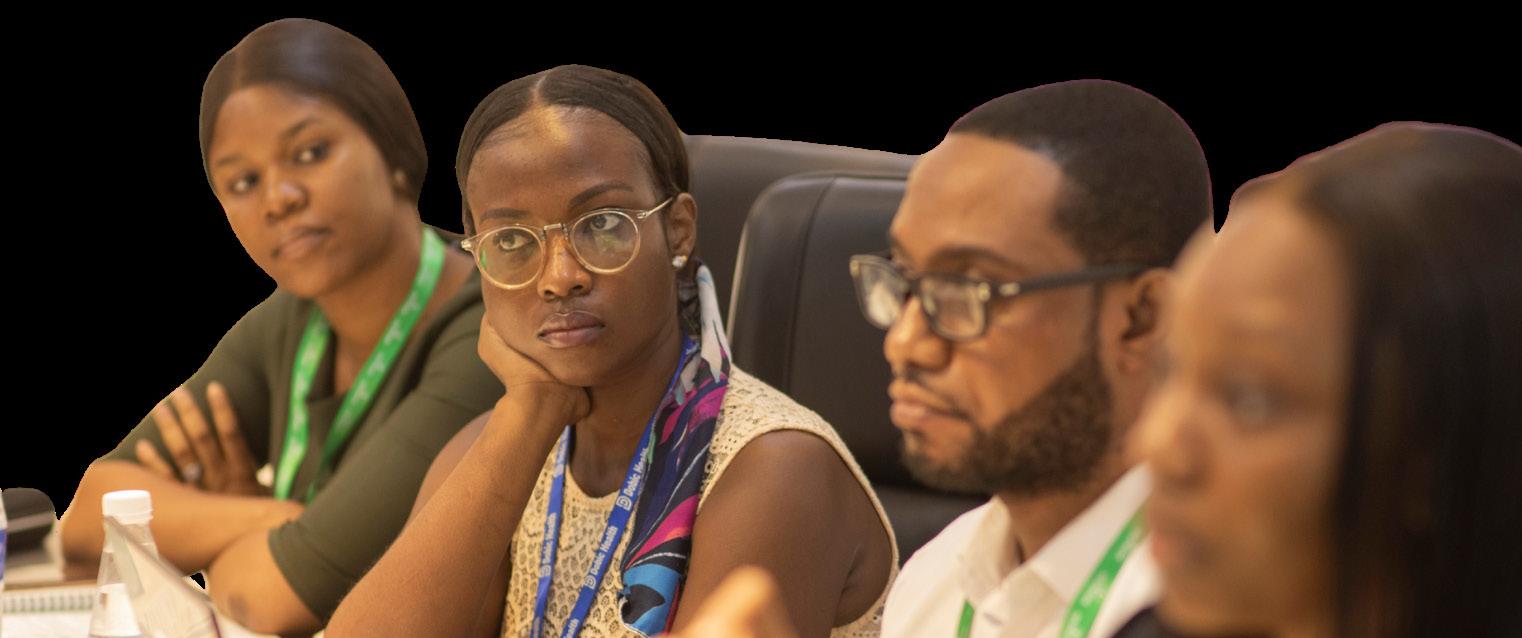
2025 was also a year of momentum. Across the network, partners were publishing, launching, expanding, and being recognized for work that has been years in the making. Deeply rooted in their communities and rising in their impact. What follows is just a glimpse of what our partners accomplished this year.
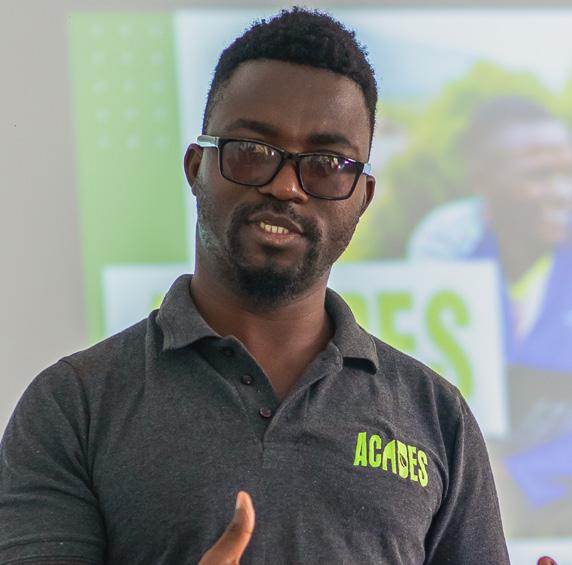
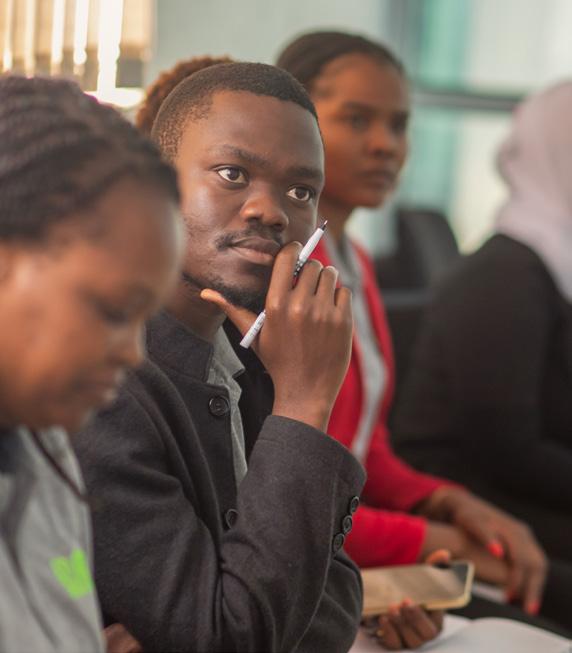
Launched Malawi’s first AI Farmer App, Murimi, boosting agricultural productivity and enhancing climate resilience among farmers.
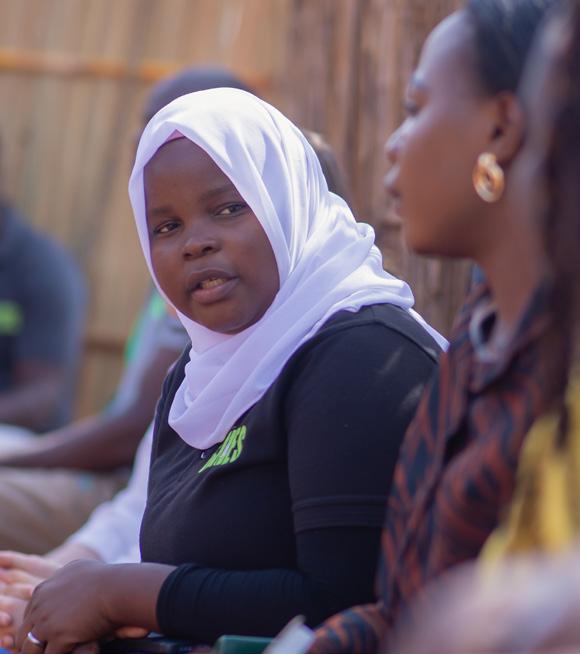
Liberia After nearly a year of development, the National Student Handbook was officially approved by the Liberian government, formally empowering students and parents to challenge wrongful expulsions and mistreatment in schools.
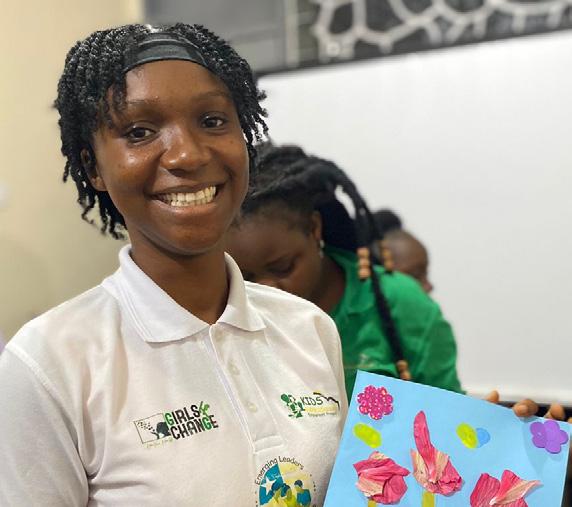
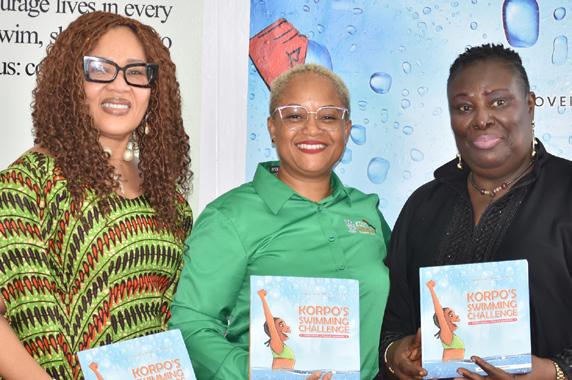
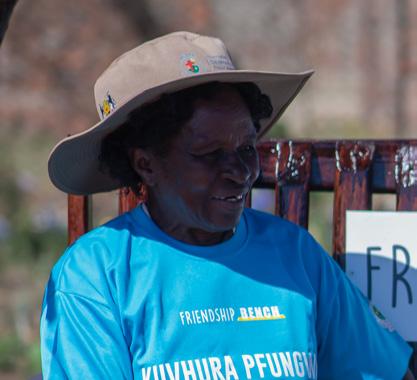
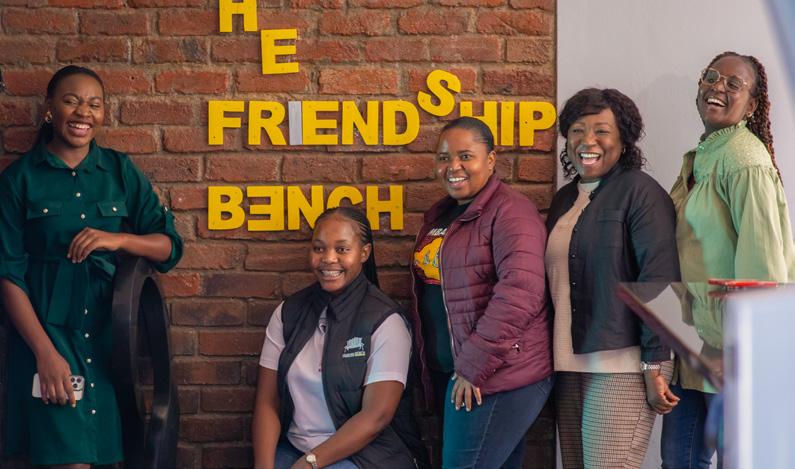
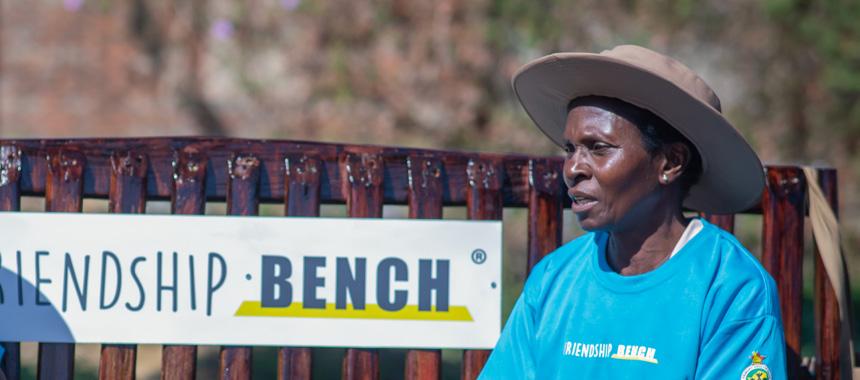
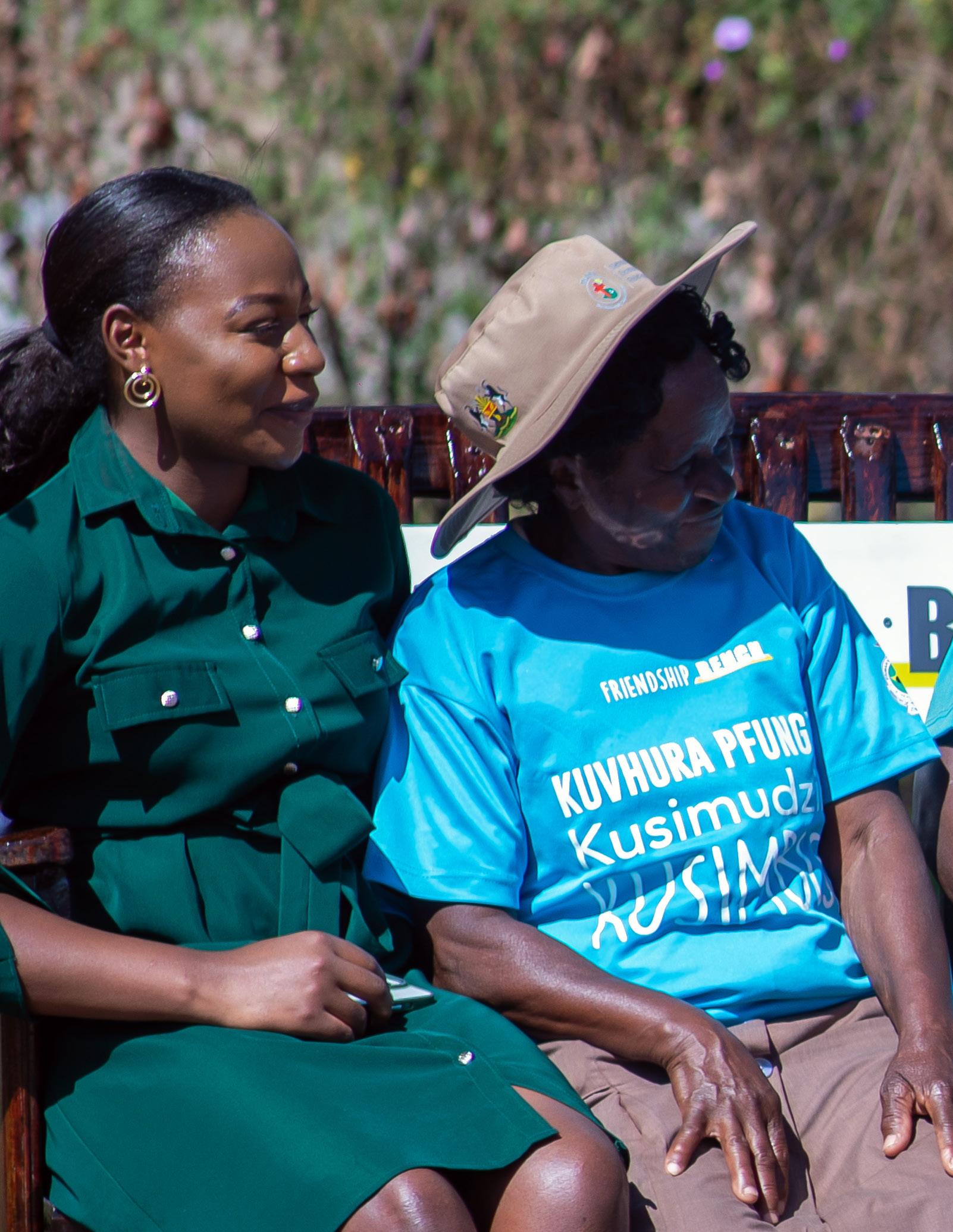
Founder Dr. Dixon Chibanda published The Friendship Bench, a book celebrating the organization's journey and the collective wisdom of community health workers. The organization also welcomed Esther Tumbare as its new CEO, bringing 25+ years of experience in public and mental health to the role.
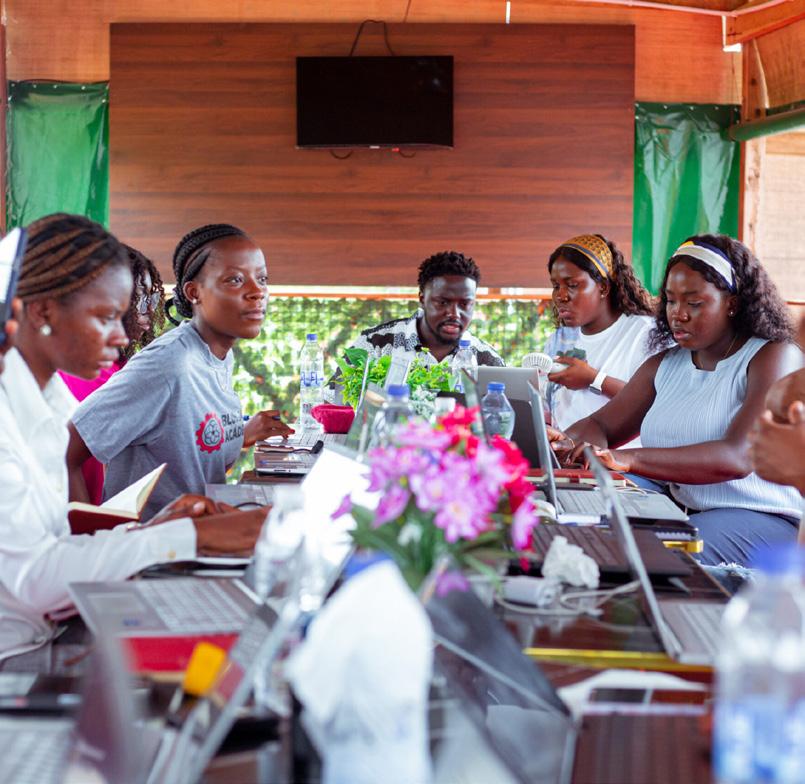
After completing a rigorous two-year randomized controlled trial with positive results, Blossom Academy expanded its data science fellowship program to Rwanda — its third country of operation.
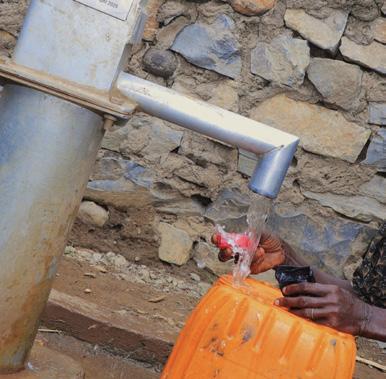
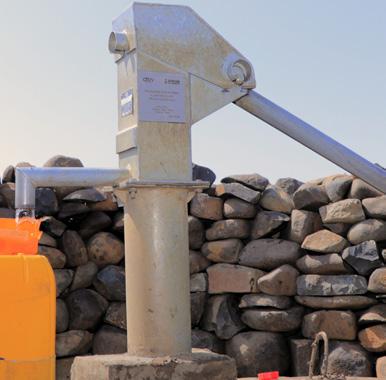
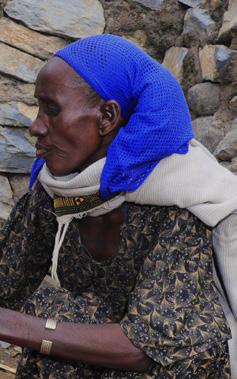
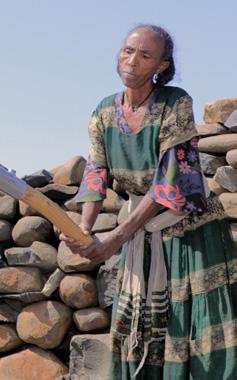
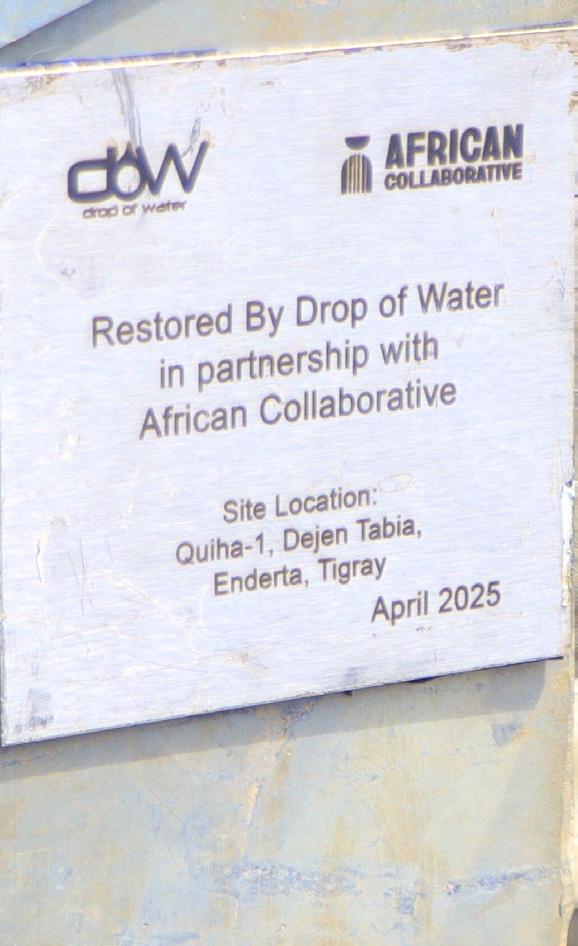
In July, Drop of Water completed the restoration of a water point in Tigray, Ethiopia, a critical milestone after the facility had been out of service for four years due to war. The project restored vital access to clean water for the community.
Executive Director Rahima Njaidi was honored with the prestigious Tusk Conservation Award Africa, recognizing outstanding African conservationists making significant contributions to wildlife protection and environmental sustainability.
AkiraChix Co-Founder
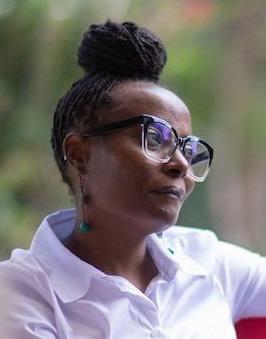
& Executive Director, Linda Kamau, published a widely read piece on the fragile reality of development funding, calling on funders to provide longterm, flexible support. It is the argument our partners live every day. Read more.
When a supply shortage derailed plans to introduce mushroom farming, Faith in Action pivoted quickly — shifting to soybean production as a locally accessible protein supplement. A small story about what adaptability actually looks like when it matters most.
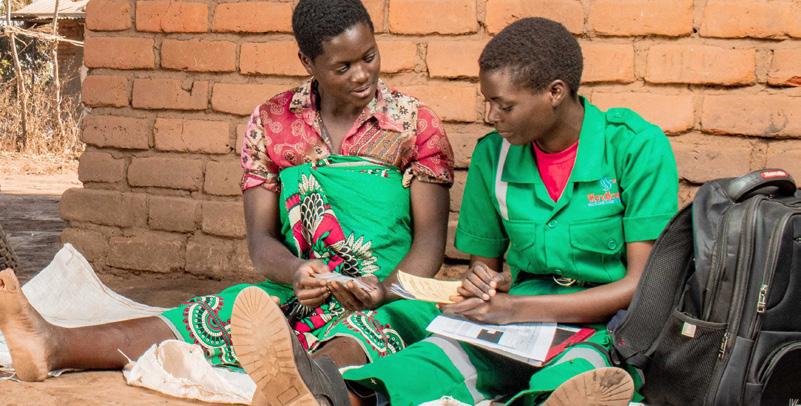
The Nurses on Bikes program has evolved into Midwives on Wheels — now fully integrated into the government health system and reaching even more people across rural communities.
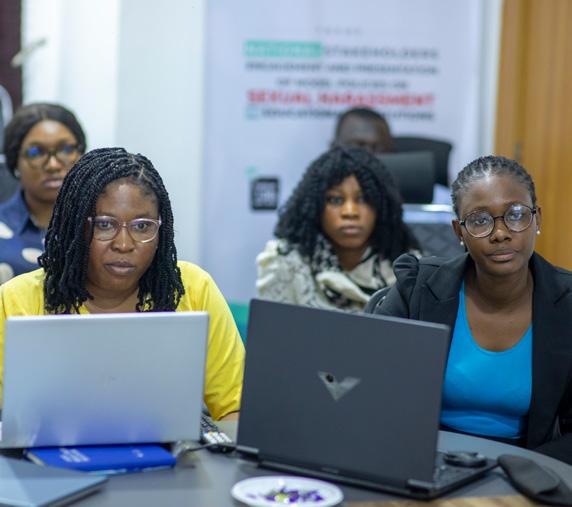
Released a short film confronting silence, challenging power, and exposing the lived realities of sexual harassment experienced by young women on campus. Uncomfortable and necessary viewing. Watch it here.
In 2025, African Collaborative launched a redesigned Open Application System, aimed at making the grantmaking process more accessible while strengthening visibility into the broader landscape of African-led leadership.

—Chamrid Kpadonou, Manager, Grantmaking Systems
The first cycle of the platform revealed the scale of that landscape. Approximately 3,000 organizations submitted applications, while only a fraction could ultimately be selected. That gap highlights one central truth: there is no shortage of strong, locallyled organizations across the continent. What is often missing is visibility. This is not accidental. Many funders do not accept unsolicited applications, relying on referral networks that concentrate access and leave strong organizations unseen.
“Many organizations doing remarkable work may never become our partners, but that doesn’t mean they should remain invisible.”
—Chamrid Kpadonou
6,904
3,107
44 organizations started applications completed applications
Sub-Saharan African countries represented
FROM THE 3,107 COMPLETED APPLICATIONS:
There is no shortage of strong, locally-led organizations across the continent. What is often missing is visibility.
With applicant consent, African Collaborative can now connect organizations in the pipeline with other funders seeking work in specific regions or sectors. This key difference allows the platform to do more than support our grantmaking, it helps make remarkable leadership across the continent more visible and more likely to be resourced.
This work also sits within a wider field conversation about what evidence and access now need to look like. In 2025, ODI Global (in partnership with EPIC-Africa and PASGR) conducted a scoping study on the need for a more accessible evidence library on locally-led development. African Collaborative contributed to that research as a practitioner voice. The study found that Global Majority stakeholders continue to see strong value in a shared evidence base that centers their perspectives, even amid the disruption of aid systems.
That matters, because the argument for locally-led development is no longer only philosophi cal. It is increasingly being proven, documented, synthesized, and made harder to dismiss.
“African-led organizations aren’t waiting for permission or the perfect conditions. They’re acting now, saving lives, shifting systems, and proving what’s possible when local leadership is trusted and resourced.” —Katie Bunten-Wamaru, Co-CEO
This year, African Collaborative published its first five-year impact report. Findings from our Fueling Transformation report show that flexible, long-term funding is significantly more effective over time. Organizations supported through unrestricted capital demonstrate not only stronger financial stability, but a greater ability to leverage additional funding, resulting in more durable outcomes. At its core, the report points to a consistent constraint: the limiting factor is not leadership or ideas, but access to trust-based capital.
Since 2020
$8.4M
in flexible capital has reached 15.4 million people through 35 African-led organizations across 13 countries, delivered through organizations already trusted by their communities
This is clearly shown in the data: The depth of this work spans emergency flood response in Kenya and Burundi, palliative care for children with cancer in Uganda, and STEM and workforce training for women and girls. This range reflects both the scale and diversity of locally-led solutions. Our unique value proposition is clear: African-led organizations are not just capable, they are critical for sustainable development. When given trust, time, and flexible resources, they deliver lasting solutions at a fraction of the cost of traditional development approaches.
This report explores the evidence and stories behind this impact, and documents our journey and the transformative potential of trusting African leadership.
average growth in impact reach acros our first two cohorts 1,125%
average annual budget growth over a three-year partnership period 170%
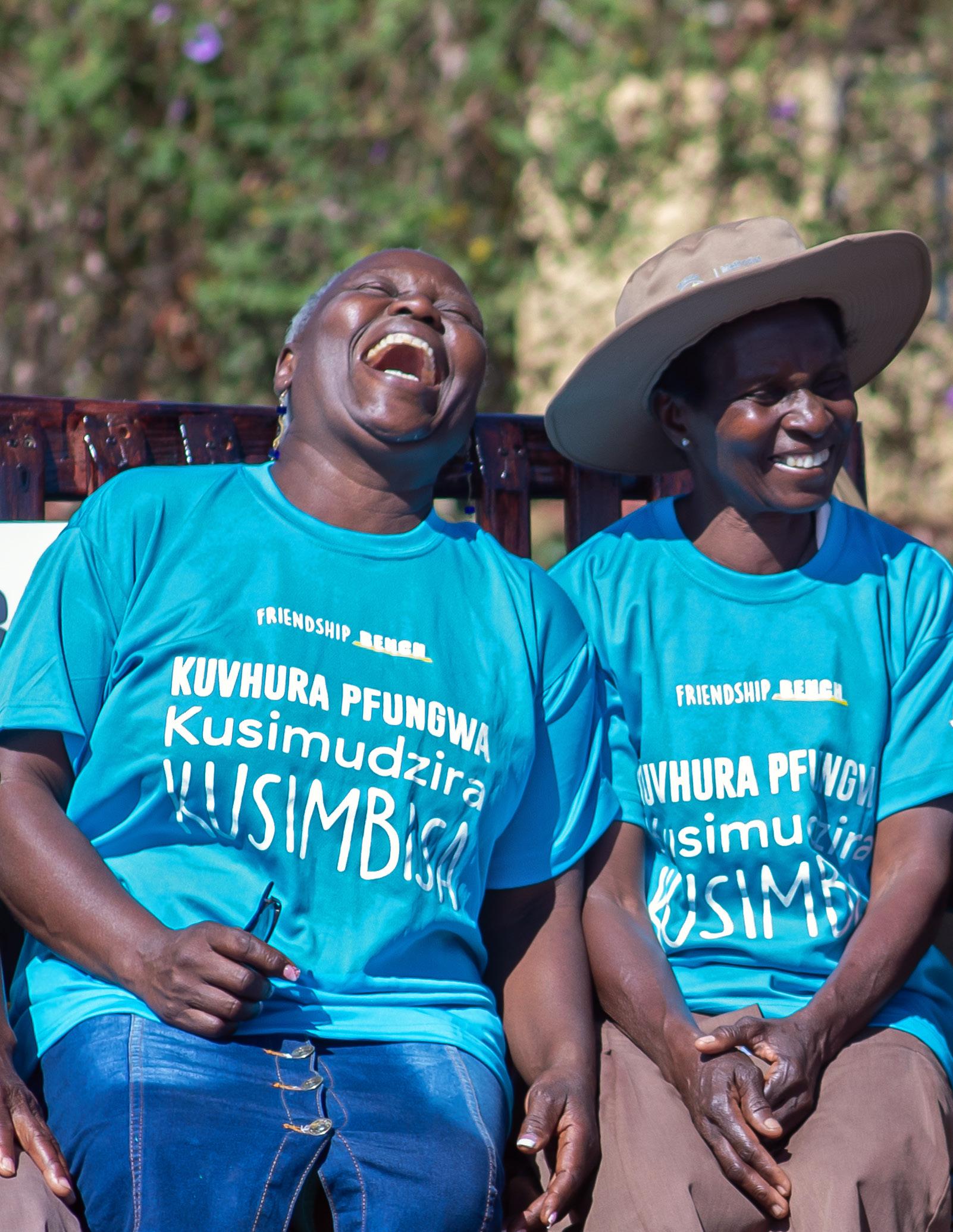
$1.12
For every $1 invested, African Collaborative has leveraged an additional $1.12 from other funders — $9.5M in total external resources to support partner growth
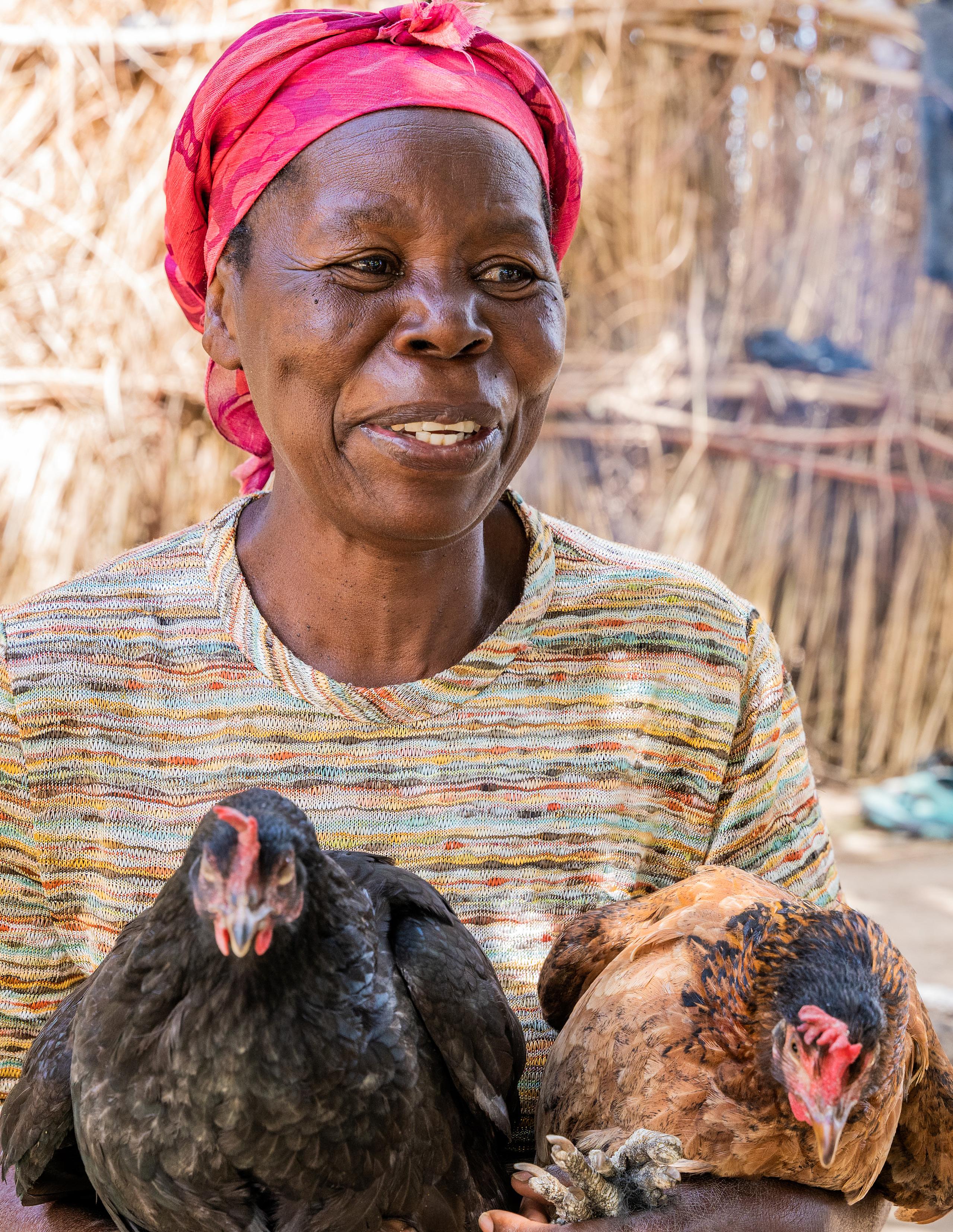
The shifts described throughout this report are not experienced evenly. Some organizations are navigating this moment after years of sustained partnership with African Collaborative. Others are entering it as part of a newer cohort, building their work in a more uncertain funding landscape. Together, they make clear that this is not a single story, but a continuum, where long-term investment and proven leadership are shaping what endures and what comes next.
As one of our inaugural cohort of partners, Dandelion Africa represents what long-term, trust-based support can make possible over time. PRICHO represents a newer cohort: organizations that have been doing the work for years, but are only now becoming more visible within funding ecosystems. Both are essential to what this work requires now, and the ways it will continue to evolve.
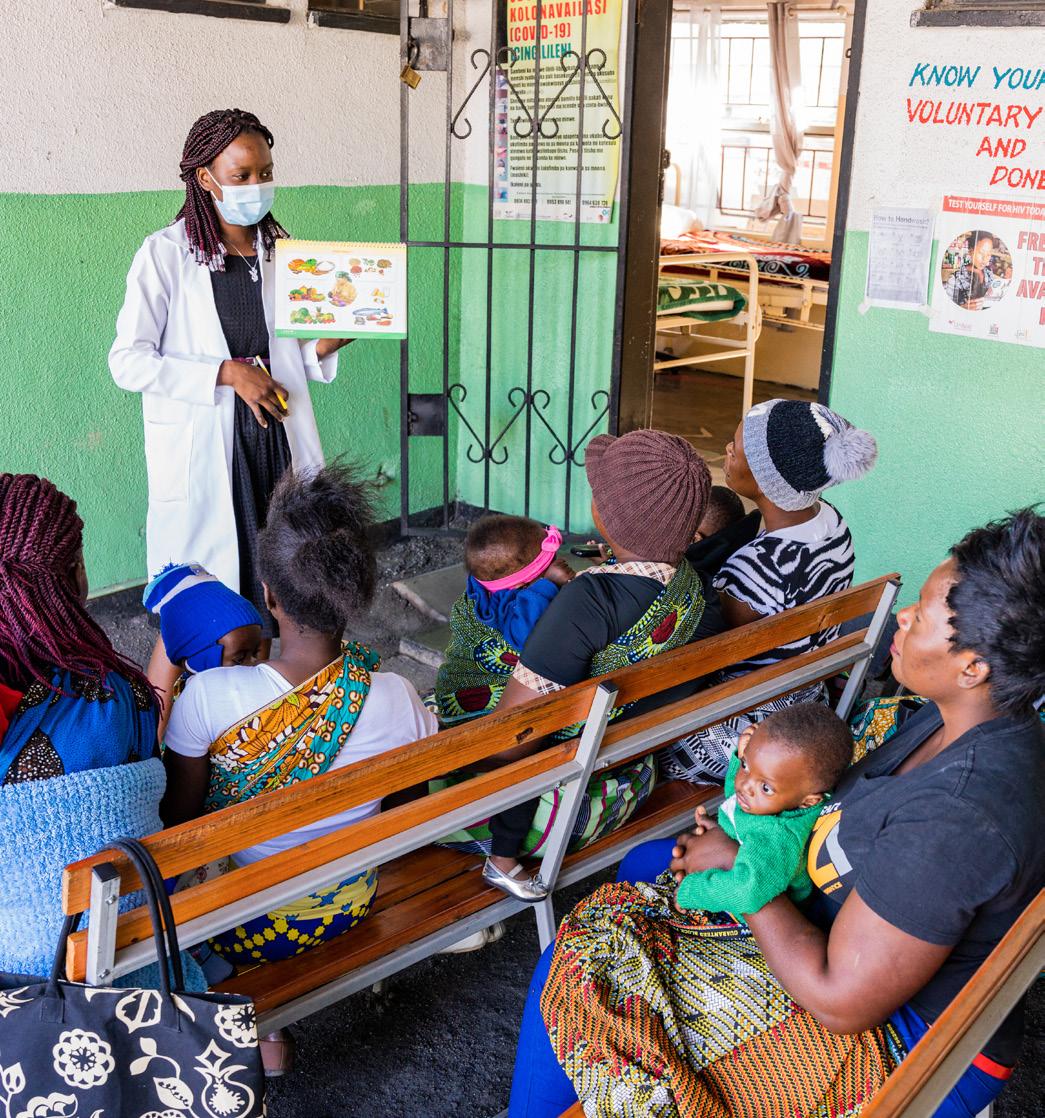
In Zambia’s Kafue District, the pressures shaping public health are constant. The district sits along a major transit route into Zimbabwe. Trucks pass through daily, and workers move in and out. The fishing industry and surrounding factories bring steady economic activity, but also instability. The population is young, with more youth than adults, and the HIV rate is approximately 11 percent. For more than two decades, Primrose Community Health Organization (PRICHO) has worked within that reality.
Founded in 2004 as a support group for people living with HIV, the organization transitioned into a registered NGO in 2009. Over time, it expanded into a broader model of community-based care by supporting prevention, treatment adherence, and education across youth and adult populations.
Kenan Ng’ambi, PRICHO’s founder and cochief executive, has lived through thesystems his organization now works to sustain.
"For me to be alive and speaking to you today is because of that funding."
He remembers when treatment was inaccessible, when medication had to be purchased privately, and when donor-funded programs made life-saving drugs available at scale. That history shapes how he reads and reacts to the present.
By late 2024, Ng’ambi had already begun preparing for potential disruption. Zambia’s health system is deeply tied to external funding. Any shift would be felt quickly at the community level. When funding cuts began to take effect, the impact moved through the system with top speed.
Auxiliary staff including counselors, community health workers, and clinical support staff lost their roles. Facilities were left with gaps they were not designed to absorb. These consequences extended beyond the work.
People lost jobs they were not expecting. It created tension at home. It affected children going to school. The mental stress was very high, and it spilled into the community.
In some areas, entire programs disappeared. In one community more than 120 kilometers from PRICHO’s office, a donor-funded HIV project was withdrawn completely. But, the work did not disappear with it. PRICHO’s model depends on bringing services into communities, an extremely necessary approach in rural areas where traveling to facilities can be difficult or impossible for many patients. That model requires sustained resources.
At the same time, misinformation began spreading.
“People were hearing that the Americans had gone, that there would be no drugs. There was panic.”
Managing that moment required more than just operational adjustment, it required presence. PRICHO continued supporting testing, treatment coordination, and data collection for infants and children. The organization worked closely with district health offices to ensure continuity where possible.
Internally, the pressure was different. “My team was asking, ‘What next? Are we also going to lose our jobs?’” That question shaped how Kenan approached the months that followed.
Because PRICHO had access to a small number of funders providing unrestricted support, including African Collaborative, the organization had some flexibility to respond. That flexibility made it possible to avoid immediate cuts to core services. At the same time, Kenan began restructuring the organization for what comes next. PRICHO is now developing a three-year resource mobilization strategy, expanding its communications capacity, and rethinking how it approaches partnerships and funding.
PRICHO’s current work reflects a broader reality across the sector. As funding pools shrink, local organizations are increasingly competing with larger international NGOs for the same resources. At the same time, economic pressures, including drought and reduced income across communities, are increasing vulnerability. “You see more young people trying to survive. HIV rates are increasing.”
What sustained partnership makes possible
If PRICHO reflects the pressures shaping a newer cohort of partners, Dandelion Africa shows what becomes possible when an organization is given the space to build, and to stay.
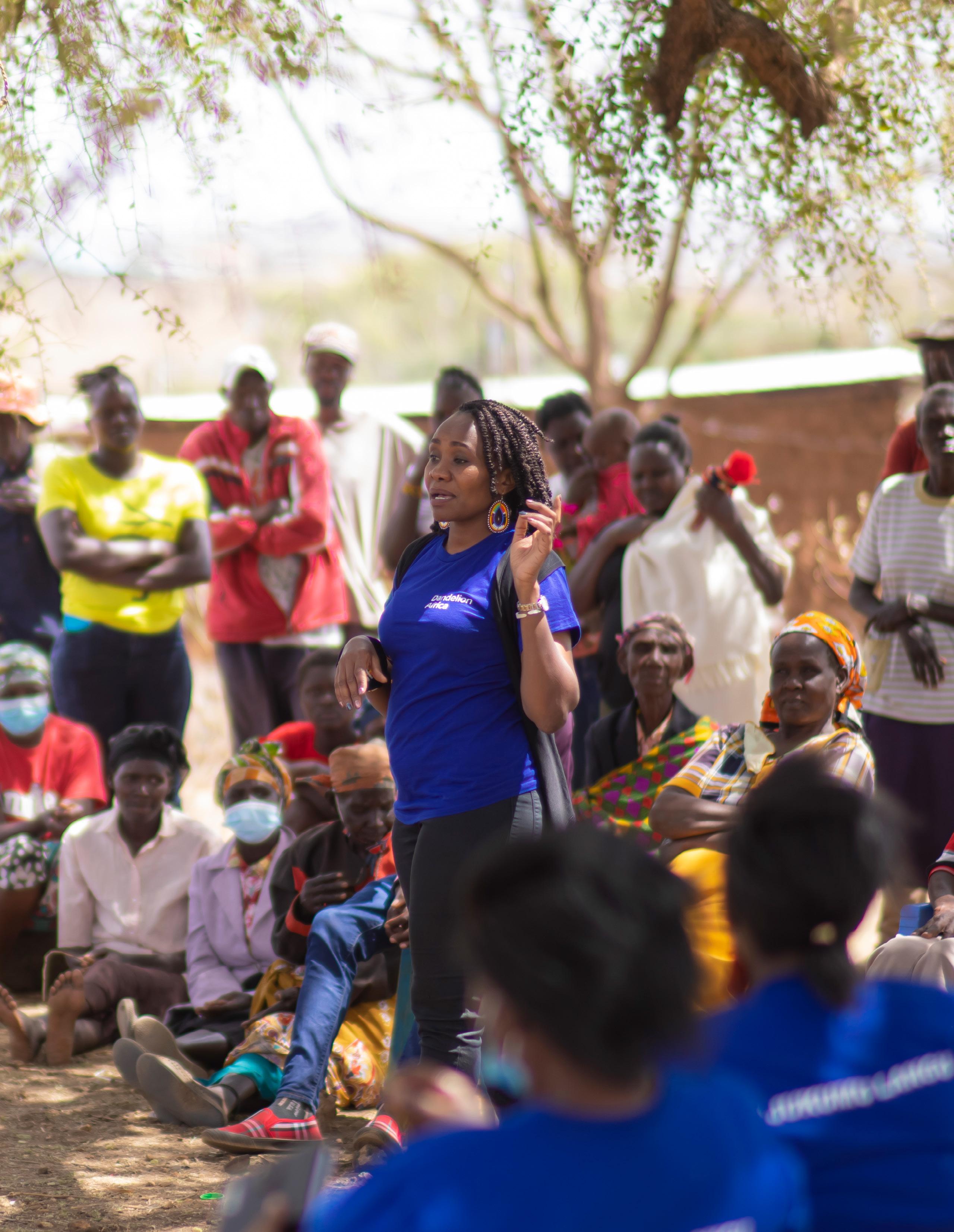
For more than five years, African Collaborative has partnered with Dandelion Africa, a Kenyan organization working to improve health and economic outcomes for women and youth in rural communities. Over that time, the organization has built something people recognize and return to. Care is not delivered as a one-time intervention from funders on laptops 5,000 miles away. It is part of daily life shaped through long-standing relationships and a deep familiarity with the realities people are navigating.
That proximity shapes how the work happens. Leadership is not separate from the systems being built. It is inside them, informed by lived experience and ongoing presence.
As founder Wendo Aszed shared:
“Local organizations are here when no one is here. We stay when everyone else goes. We are rooted, proximate to the issues. We do not have solutions for our communities but rather co-create what works best for them.”
That orientation becomes clearest when conditions tighten. During the recent funding disruptions, as surrounding systems slowed or paused, Dandelion continued operating through what it had already put in place. Care did not stop; it shifted, extended outward.
In response to reduced resources, the organization expanded its use of mobile testing laboratories. These are compact, fieldbased setups carried by community health promoters, designed to reach people who would otherwise be left out of formal systems. They are immediate and built around what is available.
Recent outcomes reflect the steadiness of that work:
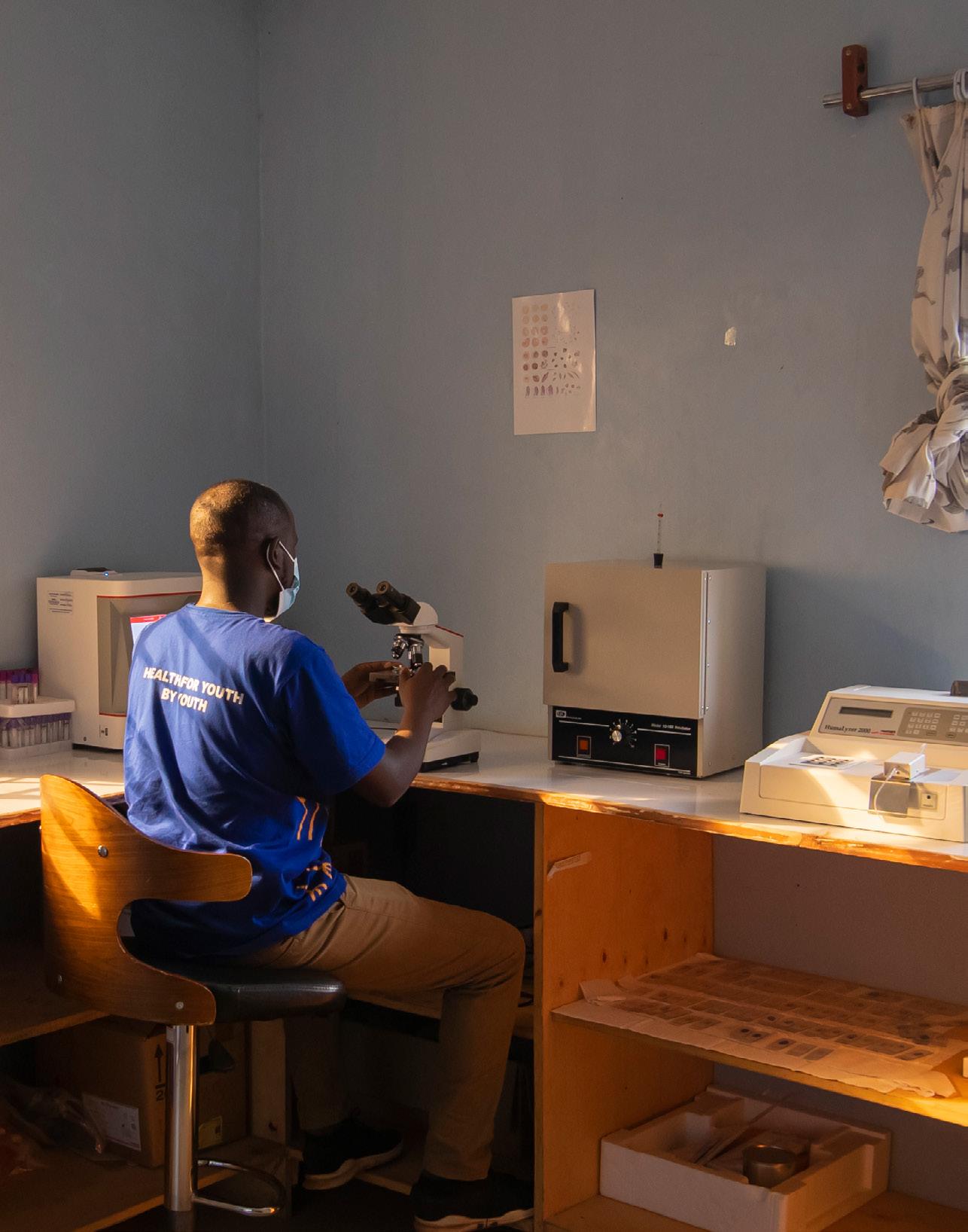
250 women saved from life-threatening hemorrhage
200 infants successfully resuscitated
20 mobile laboratories launched
I live a
few minutes away from where
I work.
My parents benefit from these services. My grandparents. My staff, their parents, their grandparents.
There is a whole legacy being created by locally led organizations that needs to be funded.
Flexible, long-term funding has allowed the organization to build beyond immediate delivery and keep essential systems in place, even as conditions shift. Dandelion Africa makes this plain. What they’ve built does not disappear when funding shifts. It continues, because it was never separate from the people it was built for.
Taken together, PRICHO and Dandelion Africa reflect different points along the same continuum. One shows what it takes to build and sustain systems over time. The other, what it takes to adapt those systems in a changing landscape and prepare for the next generation of leadership.
Both are operating within the same reality. And both make clear that locally-led organizations are not waiting for stability in the funding environment. They are continuing the work, regardless of it.
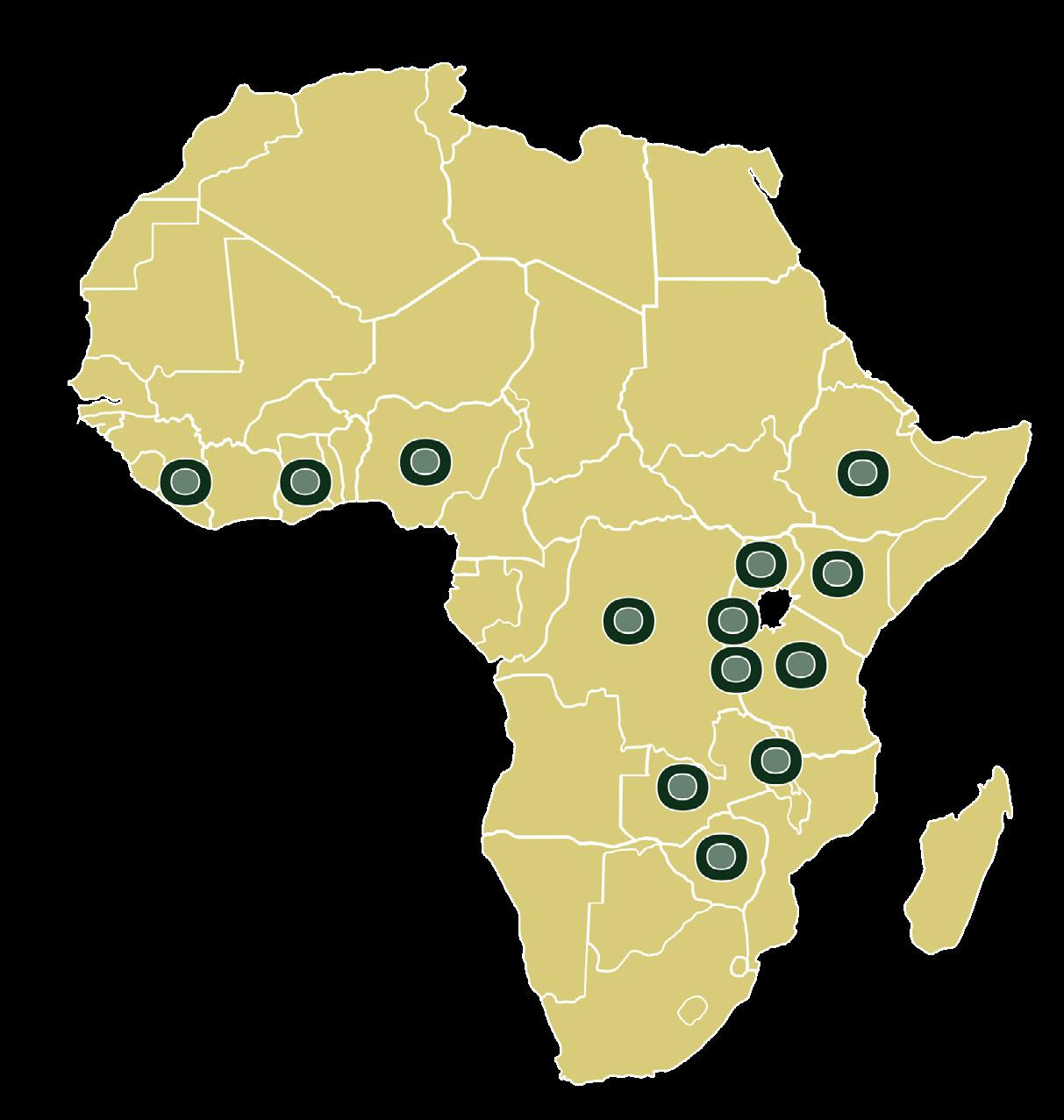
PARTNERS across 13 countries
unrestricted funding committed since 2021 51 % $10.6M
Child Foundation
women-led organizations
Our partners are driving transformative impact across six key areas:
63% GENDER EQUITY (Sanki)
60% LIVELIHOODS (Lokumu)
54% EDUCATION (Sani)
46% HEALTH (Afya)
29% HUMAN RIGHTS (Idajo)
20% DIGITAL FUTURES (Kusasa)
9% CLIMATE (Asase)
Percentages reflect the share of partners working in each area. Many partners work across multiple sectors.
Dandelion
Kenya
Fundi
Kenya
Kenya Bless
BarefootLaw
Kenya
Africa Ethiopia Kidame
Uganda
Tanzania Shule
Uganda
Burundi
Atti Worku Co-Chief Executive Officer
Isatta Coomber Manager, Communications
Katie Bunten-Wamaru Co-Chief Executive Officer
Julie Khamati Senior Coordinator, Portfolio Services & Special Projects
Melizsa Mugyenyi Board Chair
Wawira Njiru Board Member
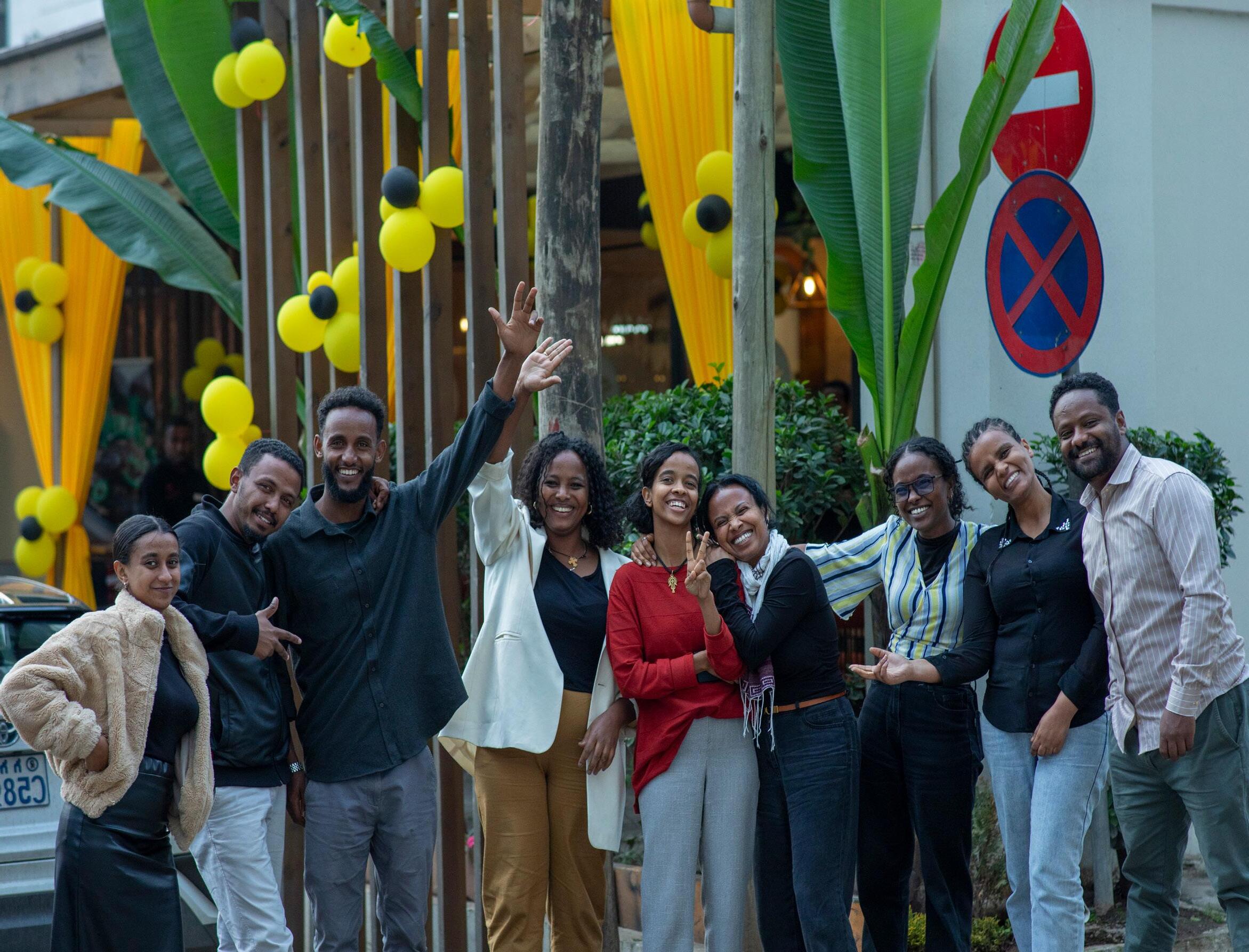
African Collaborative is a small, globally distributed organization. We work across time zones and contexts, but toward a single purpose: making sure African-led organizations have the resources, visibility, and support they need to lead.
In 2025, that meant staying the course alongside partners navigating the most disruptive funding environment the sector has seen in years.
Alfred Muli Manager, Impact & Learning
Mena Kalokoh Coordinator, Strategic Partnerships
Shamira Lukomwa Senior Manager, Strategic Partnerships
Dr. Suzy Puplampu Board Treasurer
Akua Gyekye Board Member
Jailan Adly Board Secretary
Carol Warui Board Member
Chamrid Kpadonou Manager, Grantmaking Systems
Michelle Wanjala Associate, Grantmaking Systems
Sibabalwe Mona Senior Manager, Advocacy & Strategy
Doris Kamathi Manager, Portfolio Services
Nafissatou Sene Senior Manager, Portfolio Services
Thandile Mbana Coordinator, Advocacy & Special Projects

Evelyn Omala Board Member
Clara Ngando Board Member
Milton Speid Board Member
Eddie Mandhry Board Member

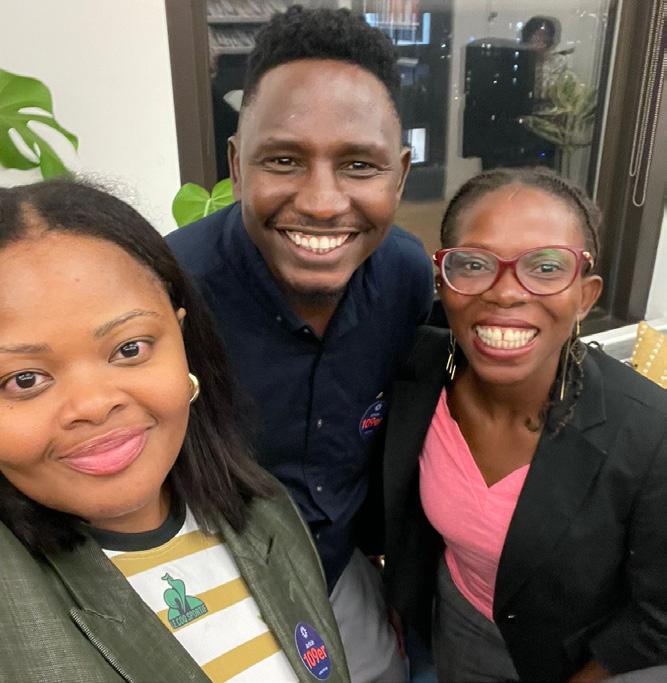

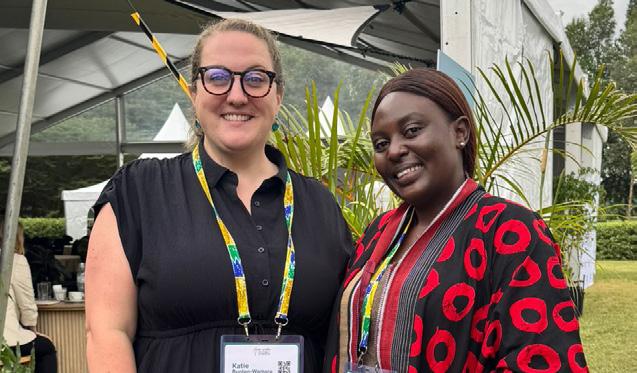
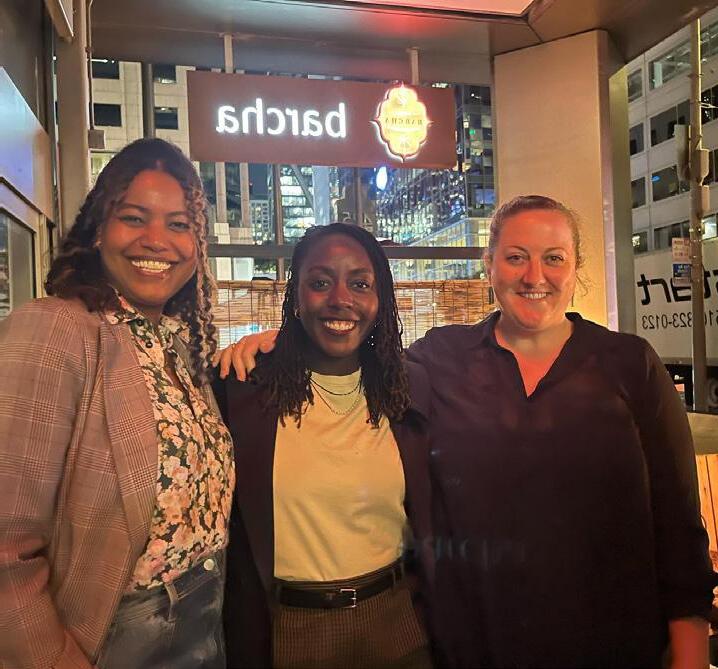
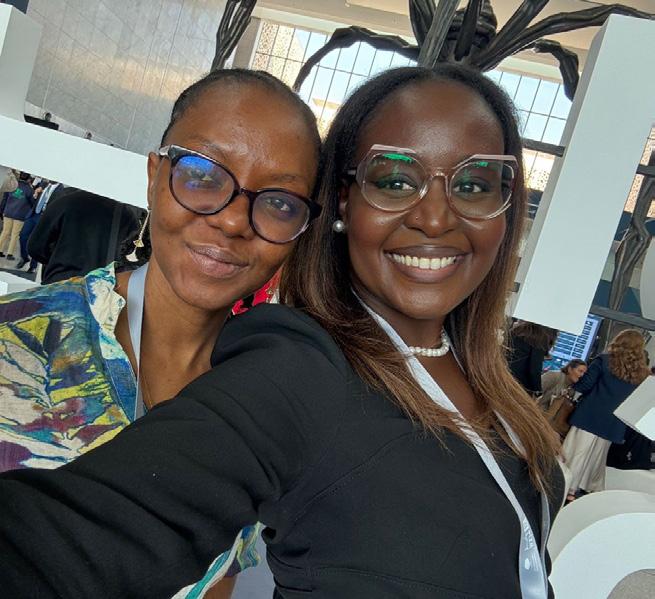
In 2025, we started a new chapter by changing our name from African Visionary Fund to African Collaborative. This change reflects not just a new name but clarity about who we are and how we work.
Since 2020, we've supported African-led social impact organizations through unrestricted, multi-year funding and championed a more equitable philanthropic ecosystem. The new name makes something explicit that was always true: our work is about collaboration over hierarchy, partnership over prescription, and local agency over outside direction.
What has stayed the same is everything that matters: trust-based funding, centering Africanled leadership, and building the networks that sustain this work for the long term. What's new is how we show that to the world: stronger partner storytelling, a refreshed digital presence that makes it easier for funders and prospective partners to engage, and expanded resources for the broader field.
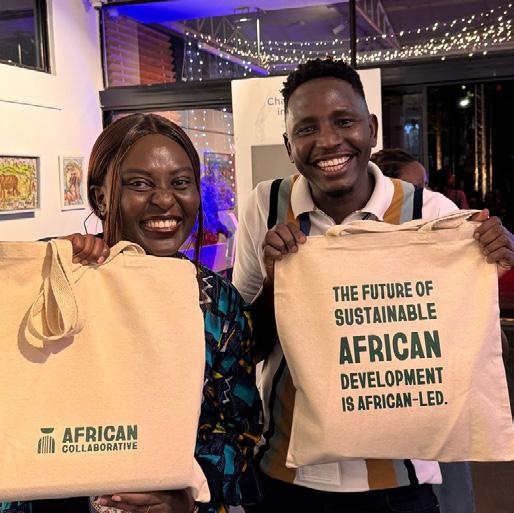
The future of sustainable African development is African-led.

Fiscal year ended December 31, 2025 (unaudited)
$3,985,587
Grants & contributions
$4,312,074
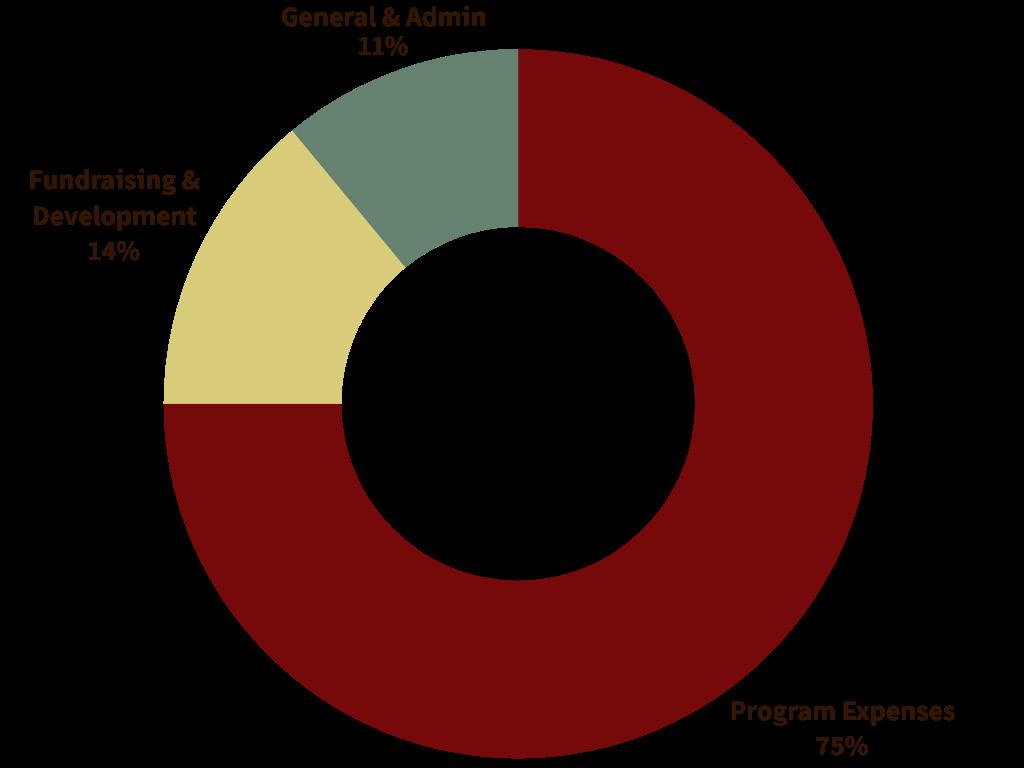
$3,269,129 (75%)
Fundraising & Development
General & Admin
$583,433 (14%)
$459,513 (11%)
Note
African Collaborative ended 2025 with a small decrease in net assets, reflecting the timing of when certain grant revenue is recognized. Specifically, $800,000 committed in 2025 through a donor-advised fund (DAF) will be recognized as revenue in future years per standard accounting practice for DAF grants. This does not indicate a shortage of resources. We remain financially strong and fully committed to our mission.

of
for Africans,
by
This report would not be possible without the dedication of our team, the trust of our partners, and the generosity of our funding partners and supporters who believe in African-led change.
Design by