kl;jewoiupturitoiqjlakjlkgdjkgkgjlkgj jjklajkhgkjlgkjhfgdkhfhkfdjgkgegiowgkgkgjlkjglasjgekl;jewoiupturitoiqjlakjlkgdjkgkgjlkgj kl;jewoiupturitoiqjlakjlkgdjkgkgjlkgj jkhgkjlgkjhfgdkhfhkfdjgkgegiowgkgkgjlkjglasjgekl;jewoiupturitoiqjlakjlkgdjkgkgjlkgj kl;jewoiupturitoiqjlakjlkgdjkgkgjlkgj GKJLGKJHFGDKHFHKFDJGKGEGI GKGKGJLKJGLA JGEKL JE I I I JLAKJLKGDJKGKGJLKGJ kl;jewoiupturitoiqjlakjlkgdjkgkgjlkgj
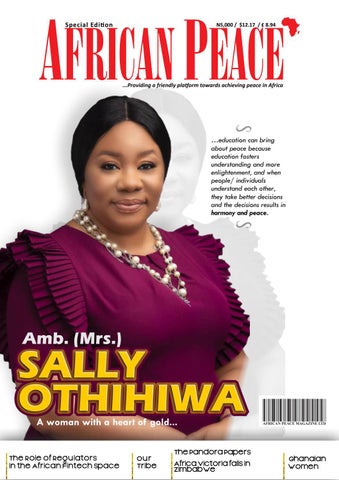
Amb. (Mrs.)
A woman with a heart of gold...
The Role of Regulators in the African Fintech Space
kl;jewoiupturitoiqjlakjlkgdjkgkgjlkgj jjklajkhgkjlgkjhfgdkhfhkfdjgkgegiowgkgkgjlkjglasjgekl;jewoiupturitoiqjlakjlkgdjkgkgjlkgj kl;jewoiupturitoiqjlakjlkgdjkgkgjlkgj jkhgkjlgkjhfgdkhfhkfdjgkgegiowgkgkgjlkjglasjgekl;jewoiupturitoiqjlakjlkgdjkgkgjlkgj kl;jewoiupturitoiqjlakjlkgdjkgkgjlkgj GKJLGKJHFGDKHFHKFDJGKGEGI GKGKGJLKJGLA JGEKL JE I I I JLAKJLKGDJKGKGJLKGJ kl;jewoiupturitoiqjlakjlkgdjkgkgjlkgj
Our Tribe
kl;jewoiupturitoiqjlakjlkgdjkgkgjlkgj jjklajkhgkjlgkjhfgdkhfhkfdjgkgegiowgkgkgjlkjglasjgekl;jewoiupturitoiqjlakjlkgdjkgkgjlkgj kl;jewoiupturitoiqjlakjlkgdjkgkgjlkgj jkhgkjlgkjhfgdkhfhkfdjgkgegiowgkgkgjlkjglasjgekl;jewoiupturitoiqjlakjlkgdjkgkgjlkgj kl;jewoiupturitoiqjlakjlkgdjkgkgjlkgj GKJLGKJHFGDKHFHKFDJGKGEGI GKGKGJLKJGLA JGEKL JE I I I JLAKJLKGDJKGKGJLKGJ kl;jewoiupturitoiqjlakjlkgdjkgkgjlkgj
s
…education can bring about peace because education fosters understanding and more enlightenment, and when people/ individuals understand each other, they take better decisions and the decisions results in harmony and peace. s
The Pandora Papers
Africa Victoria falls in Zimbabwe
kl;jewoiupturitoiqjlakjlkgdjkgkgjlkgj jjklajkhgkjlgkjhfgdkhfhkfdjgkgegiowgkgkgjlkjglasjgekl;jewoiupturitoiqjlakjlkgdjkgkgjlkgj kl;jewoiupturitoiqjlakjlkgdjkgkgjlkgj jkhgkjlgkjhfgdkhfhkfdjgkgegiowgkgkgjlkjglasjgekl;jewoiupturitoiqjlakjlkgdjkgkgjlkgj kl;jewoiupturitoiqjlakjlkgdjkgkgjlkgj GKJLGKJHFGDKHFHKFDJGKGEGI GKGKGJLKJGLA JGEKL JE I I I JLAKJLKGDJKGKGJLKGJ kl;jewoiupturitoiqjlakjlkgdjkgkgjlkgj
Special Edi on N5,000 / $12.17 / £ 8.94
Ghanaian Women
AFRICAN PEACE MAGAZINE | 2
AFRICAN PEACE MAGAZINE | 3
Bukola Dada
Seline Ekewek
REGIONAL OFFICE: NIGERIA: Suite S9, Vatan Plaza Lokogoma Junction, Abuja. Tel.: +2347025003543; +2347025003544
SOUTH AFRICA: 53, Kalypso Naivasha Road, Sunninghill Gauteng 2191 Tel.: +27619420421 africanpeacemag@gmail.com www.africanpeace.org ISSN 2360-8919
AFRICAN PEACE MAGAZINE | 4
FRICAN PEACE MAGAZIN
Content
8 14
40
17
35
23
47
PUBLISHER’S NOTE Dear readers, Over the past 10 years African Peace Magazine brand which includes African Peace Magazine, African Peace Television and African Peace Radio has focused on bringing the best of Africa to a global audience while ensuring that we evolve a conflict management and reporting system that heals and bring about lasting peace. APM from a very humbly and modest beginning with only two member of staff and a cubicle-like office space in Abuja Nigeria, African Peace Magazine team has tenaciously sought to draw global attention to the untapped potentials of the African continent. And APM has strived to ensure that Africa is united and has promoted peace and conflict management strategies. Thus the APM brand has grown to become a vehicle of choice in the vanguard of heralding the birth of a new Africa. Borne out of passion to tell the African stories through the African lenses, African Peace Magazine has continued to promote peace and unity despite all odds. African Peace Magazine seeks to provide solution to the peculiar challenges facing the continent. Africa is a unique continent blessed with abundance of Natural and human resources but plagued with poverty, hunger and diseases occasioned by decades of war and unrest including political instabilities. As part of the efforts of promotion of peace, peace building, innovation, entrepreneurship and development, African Peace Magazine hosts webinars, conferences, workshops, summits and symposiums across major world capitals, all aimed at showcasing the beauty of the continent. To face its reality, and create a future it can be proud of, African must begin addressing its challenges now, and today. African governments must wake up to the reality of its growing population while employing sustainable means to seek economic growth through collaboration with relevant institutions. Only by doing this can the African narrative of hunger and poverty begin to change, ever so gradually.
The Agreement on AfCFTA represents a unique collaborative effort by African countries to bolster regional and economic integration, by among other things, increasing intra- African trade and investments, as well as deepening economic relationships by negotiating under phase 2, investment, competition and intellectual property rights protocols (hopefully by the end of 2021, in the best interest of all). It is in line with this that the African Peace Magazine’s mandate of promoting peace through innovation, entrepreneurship, unity and integration on the continent is established. The African Peace Magazine UK, in conjunction with her strategic partners, Rethink Africa Foundation, African Fact Checkers, Centre for peace and Conflict management in Africa and African Right Watch is set to host the African Peace Award 2021 in celebration of the unique AfCTA milestones, while drawing attention to the task ahead and how AfCTA can be the key to unity and Peace in the continent post Covid 19. The event is designed to host business, political, and diplomatic leaders. It is set to have in attendance, policy makers and think-tanks on Africa and Africa related issues. The African Peace awards 2021 seeks to honor persons, institutions, organization, governments and others whose actions, and efforts have in one way improved or contributed to peace keeping and conflict management in Africa as well as improving the lives of Africans. The Theme for the 2021 African Peace Award is Achieving Peace and Accelerated Recovery of Africa’s Economy Post Covid -19 In this edition we celebrate a peace icon, Amb. (Mrs.) Sally Othihiwa who has dedicated her life to the service of humanity in promoting peace through the family and the community as a whole.
Noah Ajare Editor - in - Chief
AFRICAN PEACE MAGAZINE | 5
AFRICAN PEACE MAGAZINE | 7
Meet Amb. (Mrs.)
SALLY
OTHIHIWA
Exclusive
Interview
with
Amb. (Mrs.) SALLY OTHIHIWA QUESTION: WHAT DOES PEACE MEAN TO YOU?
QUESTION: WHAT IS YOUR PLAN TOWARDS ACHIEVEING PEACE IN YOUR COUNTRY?
Peace to me is the absence of conflict, disturbance or violence.
To achieve peace in a country like my home country Nigeria, the fundamental issues that fuel insecurity must be talked and some of these fundamental issues include Bad Governance and poverty, tribal conflicts and agitation for funds. I have taken up the issue of poverty as priority and made women and children my main focus for now as I see and promote women as agents of change. I have also seen that if children are not taken care of, they grow to become miscreants in the society. I try as much as possible through my NGO Tender Hearts Foundation to empower, educate and develop these women to live above the average poverty line, stay useful to their family and above all co-exist within their pairs in the society.
QUESTION: CAN EDUCATION BRING ABOUT PEACE? Yes, I believe education can bring about peace because education fosters understanding and more enlightenment, and when people/ individuals understand each other, they take better decisions and the decisions results in harmony and peace. Education can be through advocacy, poetry or songs. QUESTION: WHAT’S YOUR BEST APPROACH TO CONFLICT RESOLUTION My best approach to conflict resolution is Mediation between the two parties through effective listening without partial judgment and sentiments. Also, I try to identify points of disagreement, before expressing my thoughts in very clear terms as possible as I can.
AFRICAN PEACE MAGAZINE | 9
“
I try to identify points of disagreement, before expressing my thoughts
QUESTION: DO YOU BELIEVE THAT TECHNOLOGY IS HELPING TO MAKE THE WORLD MORE PEACEFUL? Well, I think technology has contributed its quota and is also a big factor to bring about peace because with technology, one can easily gather information, filter the truth from the bad, use these information to make decisions, air opinions, enhance and accelerate peace, build efforts by bodies and organizations or groups. Also, technology is open, so people are more careful and conscious of their actions because any news can go viral. QUESTION: WHAT ADVICE DO YOU HAVE FOR THE YOUTH? I think I would advice that youth embrace peace and co-existence, think before they act, do things they are passionate about without infringing on the rights of anybody and at any point in time, they should find a mentor to help them establish set values/goals. In addition, youths are also meant to embrace education, learn a trade and skill to kill idleness and lack. QUESTION: WHY IS FASHION ALWAYS IN THE NEW? Well, I think fashion is always new because the simple fact that people change is an assurance that new would always replace the old. People are influenced by so many
things and constantly change over time. QUESTION: WHAT DO YOU THINK OF NON GOVERNMENTAL ORGANIZATIONS IN PEACE KEEPING? NGOs have over the years been responsible for some peace keeping action by creating practical guides for action, development of policies and through thorough analysis formed resolution meetings and Not-for-profit think tanks to help resolve deadly conflicts. Also, NGOs have taken up and execute projects that promote welfare of communities they work with thereby addressing concerns and issues prevailing within the society and aiding co-existence amongst individuals. QUESTION: AFRICAN LEADERS ARE RENOWNED FOR HOLDING ONTO POWER AT ALL COST. WHAT IS YOUR VIEW? I think African leaders hold on to power and refuse to relinquish because of their personal gains and this is an abuse of the position and trust placed on them by their citizens to lead/serve them. These leaders need to have a mentality change which will in turn affect the way they rule positively. Some of them even lack elaborate succession plans, some of them do not want to leave power because of the fear of prosecution after leaving office, especially if they were involved in fraud AFRICAN PEACE MAGAZINE | 10
and other crimes during their tenure. I think there should be more stringent sanctions when a leader refuses to do what should be done at the right time and as the constitution states. QUESTION: WHAT DO YOU THINK OF THE AFRICAN PEACE MAGAZINE? I think the African Peace Magazine initiative is a good one as peace building would encourage people to talk, repair relationship and contribute their quota in reforming institution and resolving individual differences to prevent future violence. Also, African Peace magazine recognize peace builders which encourages people to do more and leave peacefully. Hence, I think it is a noble cause.
“
the simple fact that people change is an assurance that new would always replace the old
QUESTION: WHAT IS YOUR ADVICE FOR AFRICAN IMMIGRANTS? When people migrate from one place to another, the host country is either blessed or burdened. My advice for African immigrants is that they should always place themselves in useful position where they stay productive to every society they mingle in. Also, they should start believing in their father’s land, that things would definitely work again and with love, peace and unity, we can live peacefully in our own land. As the saying goes “there’s no place like home” QUESTION: TELL US ABOUT HUMAN RIGHTS VIOLATIONS IN AFRICA? In Africa, abuses including killings, abductions, massacres, looting, burning and sexual violence has become the order of the day, and these has become the common features of conflicts in Africa as countries plagued by all these do not grow. However, I believe the UN (United Nations), interaction law and the African Union (AU) are positively influencing the betterment of the human rights situation in the continent. QUESTION: WHY DO YOU THINK WE HAVE SO MUCH INEQUALITY IN AFRICA? I think the inequalities in Africa can be narrowed to
the inadequate availability of opportunities to explore in areas of income, wages and taxes. Also, cultural stereotypes have allowed aggravations to strong disparities in fragmented economic structures to stir up uneven consequences.
economically stable foreign countries coupled with the fact majority of the people are struggling to feed themselves, so giving to charity is seen as the duty of the rich and the percentage of people in that category is less.
QUESTION: WHAT DO YOU THINK OF THE AFRICAN RIGHTS WATCH TELEVISION INITIATIVE? The initiative is an applaudable one as the obligations of the African Society is to connect and be informed in ideas of rights and duties which have become paramount.
QUESTION: WHY IS AFRICA ALWAYS IN THE NEWS FOR THE NEGATIVE THINGS? It is what we project or show that the world reads about us. Bloggers, news editors even international media platforms allow the wrong and negative stories and make it the news because they make a lot more from stories that spread like wild fire and draws attentions without caring whether it is detrimental or good. The good and exciting ones do not make it to the news. I hope media houses start figuring better ways to optimize the image projection of Africa to the world and African countries start to package well in the outer space and within.
QUESTION: WHY DO WE STILL DEPEND ON FOREIGN DONATIONS IN AFRICA? Economically, most African countries fall within developing countries of the world and invariably they are dependent on the developed and more
“
The initiative is an applaudable one as the obligations of the African Society is to connect and be informed in ideas of rights and duties which have become paramount AFRICAN PEACE MAGAZINE | 11
QUESTION: WHY IS IT SO DIFFICULT FOR AFRICA TO UNITE? Well, there are so many reasons as we know unification is incredibly complex and can be a difficult process. However, I think a major reason is the geographical structure of Africa. We have different countries, cultural differences, different beliefs, different leaders and different modes of administration. QUESTION: AFRICAN HEALTH CARE SECTOR IS IN CRISIS. ANY WAY OUT? African health care system needs funding and long-standing development structures where welfare of care givers are optimized and patients are regarded. The African government has to address all these deficiencies and encourage health care investments.
QUESTION: WHAT ADVICE DO YOU HAVE FOR CURBING CRIMES IN AFRICA? To curb crimes in Africa, it is advisable to use a multi faceted approach which includes legislation and special corporation efforts between the government, citizens and security operatives. We keep education and awareness alive and continue to advocate for and build a safe and peaceful community for all. QUESTION: WE HAVE CALLS FOR SUCCESSIONS IN SOME PARTS OF AFRICA. WHAT ADVICE DO YOU HAVE FOR US? It is good for more replications of the works being done at African Peace. It is a good cause and I will advise you stay encouraged, work on
AFRICAN PEACE MAGAZINE | 12
more publicity and utilization of media platforms. QUESTION: ANY OTHER THING YOU MAY WISH TO ADD. I want to say a very big thank you for the opportunity to air my views on the issues on peace in Africa. And I hope the desired changes and end goals are achieved in the nearest future.
“
African health care system needs funding and longstanding development structures where welfare of care givers are optimized and patients are regarded
AFRICAN PEACE MAGAZINE | 13
omen
GHANAIAN
W
G
hana has a rich history of remarkable women whose actions have positively shaped the country both locally and on the international stage. These women have achieved global impact in almost every field. From music, literature, war zones, music and creativity. Women are one of Ghana’s hidden growth resources. Globally, there exists gender disparities in human development. According to the 2030 Agenda for Sustainable Development, gender equality is fundamental to delivering on the promises of sustainability, peace and human progress (United Nations Development Programme (UNDP), 2016). Ghana adopted all 17 goals set to end poverty and ensure prosperity for all. Yet, in 2018, Ghana ranked 140 in the world in the UNDP’s Gender Inequality Index, with a score of 0.592 (UNDP, 2018). Ghanaian women’s equality has been met halfway by socio-historical disparities in decision-making power and access to resources.
However in most traditional societies in Africa, women are expected to play complimentary or subordinate role to their male counterparts in leadership. They only become substantive leaders when there are no men. In Ghana the level of the discrimination is ethnic and cultural specific, whiles Women participation in decision- making are encouraged to some extent among the matrilineal societies in the south, their counterparts in the patrilineal societies in the north are constrained. This is so because culturally the latter is a patriarchal society and do not recognised women in public life according to their traditions and customs. Historically most ethnic societies in the north for example the Dagaabas did not have anything like queen or queenmother in their culture, it is a new invention and so men in the society find it difficult accepting it. However the traditional structures of governance in many societies in Africa are not an exclusive male preserve. Studies have shown the dynamism of Ghanaian women’s traditional leadership from pre-colonial, through colonial to post-colonial periods. The influence of Western civilisation through colonial administration has had detrimental effects on the leadership role of women in Africa. The alliance between the colonial administration, male members of the traditional elite and the Christian mission and Islamic religion worsen the situation in gender relations that favoured male domination of decision making structure. In addition, the policies of African leaders after independence continued to undermine women’s traditional leadership. Furthermore, women should identify themselves as women with different sets of concerns by unearthing their political selfconsciousness and advocate for their implementation. According to the Ghana Living Standards Survey, women suffer the most from poverty in the country. This The influence of means that access to financial Western resources and capital inhibit civilisation women’s political progress and through colonial participation. Therefore, administration has had potential female politicians detrimental should get their networking on effects on the the spot to get funding for leadership role running political campaigns to HELEN of women in promote the cause of women.
“
Africa.
AFRICAN PEACE MAGAZINE | 14
ASANTE
THE ROLE REGULATORS
in the
PROMOTING INNOVATION OR STIFLING GROWTH O ver the past decade, technology innovation in finance “fintech” fueled by investments has been on the rise. G oogle recently announced that its Africa Investment Fund would invest up to $50 million in African growth-stage companies 1 . Fintech has become a significant driving force in the African economy, with $180 billion projected to contribute to the continent’s G DP by 2025 2 . The fintech innovations enabling African countries to transition from physical retail banking to online payments, remittances and other services poses new challenges for regulators. O n one hand, while innovators are moving at the speed of light to develop new customer propositions; regulators are on the other hand are moving at a slow pace to issue guidelines to govern the space. W hen they do, the attitude is more similar to maintaining financial stability and encouraging entrepreneurship without stifling growth. This article discusses fintech development and a summary of regulators’ reaction to the rise of fintech in Nigeria, 1
Google set up $50m fund to invest in African startups/ https://techcrunch.com/2021/10/06/ google-sets-up-50m-fund-to-invest-inafrican-startups/ 2 e-Conomy Africa 2020 Africa’s $180 billion Internet economy future/ https://www.ifc.org/wps/wcm/connect /e358c23f-afe3-49c5-a509034257688580/e-Conomy-Africa2020.pdf?M O D=AJPERES&CVID=nm uGYF2
Kenya and South Africa. M ore importantly, this Article concludes by proposing a set of recommendations for improving the fintech regulatory systems across the continent. Nigeria Fintech has enormous economic potential for Nigeria, with the usage of digital money expected to boost the country's yearly G DP by $3.7 trillion by 2025. W hile the fintech industry in Nigeria is still nascent, industry analysts believe the continent’s most populous nation has reached a peak where regulatory bodies need to implement best practices to drive the industry to its full potential3 . The Central Bank of Nigeria (CBN) and other major regulators have in recent times issued guidelines governing the fintech sector, particularly the payment and remittance subsector, the most active in the Nigerian Fintech industry which has long piqued the attention of investors and regulators alike. The rationale for this is not improbable as this subsector accounts for 43% of the entire fintech sector 4 . There is no specific fintech regulation in Nigeria, as such, the Bank and O ther Financial Institutions Act 2020, classifies other
financial institutions as Payment Service Providers “PSP” and International M oney Transfer Activities, regardless of whether their activities are conducted digitally. Despite Nigeria’s financial inclusion target, 36% of Nigerian adults remain unbanked 5 and unable to join the formal financial sector. Fintech companies targeting the unbanked are providing a solution to this challenge, a position which has seemingly received CBN’s support. The revised Payment Service Bank (PSB) guidelines for example are aimed at capturing the unbanked into the financial space. Contrary to the previous CBN guidelines for PSBs, the revised guidelines provide that PSBs are permitted to carry out payments and remittances, including inbound cross-border personal remittances services through channels within Nigeria.
“
Fintech has become a significant driving force in the African economy, with $180 billion projected to contribute to the continent’s GDP by 2025
3
Jim O via: Fintech and the future of the Nigerian Banking Industry https://www.zenithbank.com/media/ne ws/jim-ovia-fintech-and-the-future-ofthe-nigerian-banking-industry/ 4 Fintech sector 2020 AFRICAN PEACE MAGAZINE | 17
5
Nigeria: new data from EFInA shows financial inclusion growth/https://www.gov.uk/governme nt/news/nigeria-new-data-from-efinashows-financial-inclusion-growth
Consequently, the guidelines have paved the way for the participation of more fintech companies
technology fintech platforms like Bamboo, Trove, Risevest, and others may not have been suspended.
Bankly, a fintech startup company which aims to improve the thrift collection system and digitise funds for informal laborers, is one of several fintech investing in bridging the financial exclusion gap. Since 2019, Bankly has gained 35,000 clients and provided employment possibilities for up to 15,000 agents, 60% of whom are located in Northern Nigeria where the poverty rate is estimated to be 87%1. Similarly, Kuda, a full-service digital bank, has made financial services easily accessible to the public, growing its user base from 650,000 in March to 1.4 million in July 2021
Although, while the SEC has been lauded for launching the RI Program, many have however expressed worry about the CBN's restrictions on crypto currency exchanges, citing the CBN's unwillingness to view digital currencies as a vehicle for economic development. There is no specific regulation that has declared crypto currency trading illegal in Nigeria. However, banks and other financial institutions are prohibited from dealing in cryptocurrencies, prompting one of Nigeria's leading crypto startups, Patricia, to relocate to Estonia. The ban has compelled players to implement a peer-to-peer (P2P) trading mechanism that eliminates the need for local exchanges. Interestingly, the CBN just unveiled its version of its digital currency known as “e-Naira”, and procedures for the release of the government-backed virtual currency are anticipated to reach the market soon. Also, the suspension of the Bank Verification Number (BVN) validation service, which was one of the most comprehensive means of identity verification in Nigeria, is another regulatory move by the CBN that is seen as stifling innovation for fintechs.
The Securities and Exchange Commission (SEC), which is primarily responsible for capital market regulation, announced its Regulatory Incubation Program (the RI Program), which is the SEC's version of the CBN's regulatory sandbox for fintechs offering services and products in the Nigerian Capital Market space. The RI program is designed to meet the requirements of new business models & processes. Also, the Program seeks to assist the development of effective regulation towards fintech innovation without jeopardising market integrity or sacrificing investor protection. Many people applauded the move, believing that if such a program had been implemented earlier, investment
Africa2. As one of the leading economies of Africa, Kenya's financial inclusion has been at its forecast level for well over a decade, increasing by a projected 6% in the African Development Bank (AfDB) statistics 2020. Nairobi, Kenya's capital city and economic center, has emerged as an African fintech hub due to a variety of factors including the country's favorable business and regulatory environment, the inadequacy of incumbent financial institutions, and, most notably, the pioneering success of M-Pesa. For context, M-Pesa, a mobile money transfer platform, payments, and microfinancing business that allows easy exchange of cash has grown to become Africa’s most popular financial services provider. M-Pesa is the most successful fintech to emerge in Kenya in terms of innovation and market share3. By several estimates, MPesa’s success has paved way for other fintech companies, consumers and organizations to save and access money,
“
Kenya's fintech revolution has contributed to the country's near-total financial inclusion rate of 82.9%
Kenya Kenya's fintech revolution has contributed to the country's neartotal financial inclusion rate of 82.9%, making it the highest in
1
World Bank: 87% of poor Nigerians are in the North.
AFRICAN PEACE MAGAZINE | 18
2
https://weetracker.com/2020/05/14/k enyan-fintech-wealthtech-scene/ 3 Muthoni Matu – Legal practitioner at Triple OK Law Advocates, Kenya.
acquire commercial services, and get healthcare1. Undoubtedly, the growth of the fintech sector in Kenya and M-Pesa's success have been attributed to the combination of the wait and see approach and the no objection letters that allowed the system to operate without imposing stringent regulations on the product2. The fintech industry has enabled innovation supporting mobile money to contribute to Kenya’s economic growth, bringing the country a step closer to achieving Sustainable Development Goals (SDG) five and eight by facilitating women's access to financial services, including credit to start and grow a business, increasing the productivity of micro, small, and medium-sized enterprises (MSMEs) leading to job opportunities for the people. However, delays in obtaining a license have been identified as a barrier to the development of new technologies in Kenya. To establish a data integrated aggregator platform providing digital payments for SMEs, innovators are required to apply for almost ten different licenses from various authorities3. One of
1
M-Pesa is first African fintech to join financial taskforce by prince williams’ united for wildlife 2 What Kenya can teach its neighbors and the US about improving the lives of the “unbanked”, https://www.vox.com/futureperfect/21420357/kenya-mobilebanking-unbanked-cellphone-money 3 Let’s talk: finding common ground in African fintech / https://www.theafricaceoforum.com/en/r
the necessary permits is granted at certain time of the year, and if the innovator missed the deadline, they are obliged to wait for two years to reapply. Such delay has the potential to hinder potential breakthroughs. In Kenya, The National Payment System Act, the National Payment System Regulations 2014, and the Regulatory Sandbox Policy Guidance Note are the only sector-specific regimes governing the fintech space. The regulators' approach in Kenya and Nigeria is similar in that they react to more urgent problems as they emerge rather than establishing a unified set of regulatory priorities linked to fintech. It is as a result of this that both nations created a regulatory sandbox to empower fintech entities to develop digital innovations. Similar to Nigeria, the Central Bank of Kenya (CBK) does not recognize crypto currency as a legal tender and has repeatedly cautioned the public from dealing with virtual currencies. However, in contrast to Nigeria's regulatory environment, Kenya's government has provided new startups with financing and lenient rules, resulting in increased fintech adoption throughout the nation. For instance, in 2020, the CBK waived charges on all digital banking transactions of less than 100 Kenyan shillings to reduce the physical exchange of cash in response to the COVID-19 Pandemic. Furthermore, a more tailored legal and regulatory essources/lets-talk-finding-commonground-in-african-fintech/
AFRICAN PEACE MAGAZINE | 19
framework proposed by the CBK in its National Payment System Vision Strategy 2021 -2025 is expected to facilitate inclusive finance for all and contribute to Kenya’s macro-economic growth.
“
South Africa is also recognised as a fintech game changer in sub-Saharan Africa
South Africa In 2020, the Global Fintech Index City ranked South Africa as the first African country and 37th4 on the world’s fintech startup ecosystem map alongside Kenya, Nigeria, Ghana, Egypt, and Uganda. South Africa is also recognised as a fintech game changer in sub-Saharan Africa. Despite the challenges faced throughout 2020 due to the COVID-19 pandemic, Southern African technology companies raised $397.5 million across 112 deals. This was an increase on the total raised in 2018 - 328.6 million USD across 71 deals and 2019 - $114.1 million across 89 deals. 4
South Africa, Kenya and Nigeria ranked world’s top 100 fintech startups ecosystems / https://afrikanheroes.com/2019/12/05 /south-africa-kenya-and-nigeria-rankedworlds-top-100-fintech-startupecosystems/
“
Regulators also introduce initiatives aimed at enabling fintech innovations whilst managing risk.
The increase in fintech innovations in South Africa has improved the efficiency of the financial sector, and strengthened the financial integration of all South Africans by addressing their daily needs & helping them to achieve financial targets. JUMO is a great example of a FinTech company that encourages financial inclusion. JUMO, a Goldman Sachs1-backed startup, allows the unbanked to take out loans or subscribe to savings products by simply utilising their mobile phones. JUMO was reported to have handed out more than $2.5 billion in loans by 20202, serving millions of individuals and small businesses throughout Africa and Asia. Similar to Kenya, South Africa’s fintechs benefit from a lax regulatory environment, which has allowed the development of several fintechs in recent years. Several regulatory mechanisms have been implemented. In 2018, the South African Reserve 1
Goldman Sachs invests $55 million into JUMO and tips it to become the next African FinTech Unicorn 2 JUMO breaks the USD2.5bn disbursement mark in Africa and Asia, https://www.institutionalassetmanager.co .uk/2020/11/23/292564/jumobreaks-usd25bn-disbursement-markafrica-and-asia
Bank (SARB) published the National Payment System Framework and Strategic Vision 2025 with the goal of improving access to financial services for all South Africans. Additionally, the Intergovernmental Fintech Working Group's (IFWG) Innovation Hub, which consists of a regulatory guidance unit, an innovation accelerator, and a regulatory sandbox is another initiative that seeks to encourage financial services, innovation and offers a secure environment for testing new ideas respectively. South Africa's fintech Innovation Hub is a good start and a hopeful example of a proactive government's attempt to ensure that law keeps pace with emerging technology. Furthermore, the South African Reserve Bank (SARB) established a fintech unit to investigate the implications of fintech innovation in financial services, which resulted in papers on cryptoassets, cross-border implications of central bank digital currencies, and the launch of project khokha, a blockchainbased interbank network which proved to be a success. Recommendations African Continental Free Trade Agreement “AfCFTA” and the Ease of doing cross-border business: For an integrated AfCFTA, fintech could benefit if existing regulations were harmonized amongst member states. It may make it easier for fintech and tech entrepreneurs to do business amongst other member states, particularly in the expansion and foreign direct
AFRICAN PEACE MAGAZINE | 20
investment (FDI) stage. Solving cross-border payments within the continent could exponentially increase intra-Africa trade. While payment in Africa is a $400bn+ industry, Africa’s fintech payment system is undoubtedly large and untapped, thus successfully uniting all the banks under one payment system offers enormous potential for the industry in terms of economic development and fostering trade & investment among countries signed to the trade agreement. Regulators act as innovation facilitators: Regulators in various jurisdictions have many ways of approaching innovation. They include sandboxes, innovation hubs, incubators, accelerators, and so on, but their aim remains the same, which is to actively promote innovation. The move away from a strictly regulatory position toward one of 'innovation promoters' goes beyond any particular technology or solution, as it allows a more collaborative and open conversation that benefits everyone - regulators, financial service providers, and most crucially, consumers. With this, regulators are not only acquainted with emerging innovations attracting investment, but they also get to introduce initiatives aimed at enabling fintech innovations whilst managing risk. Implementation of industry-specific regulations and policies: Regulators play a crucial role in the implementation of sector-
specific legislation and policies aimed at resolving industry problems. The government may consider forming a joint advisory council of ecosystem stakeholders to regularly propose the passage of legislation and progressive policies to foster an enabling environment and maximize the promise of our digital economy. Creating specific regulations will help regulators avoid regulatory overlap. For instance, the CBN and SEC in 2020 had a different standing on the recognition of crypto assets as securities. Regulators in Africa can study and learn from the launch of Mexico’s first fintech license1. With the introduction of the Nigeria Startup bill2, which is hoped to be enacted soon, the Nigerian government is at the forefront of this proposal. Furthermore, a more tailored legal and regulatory framework proposed by the CBK in its National Payment System Vision Strategy 2021 -20253 will help to accelerate growth and promote innovation in the Kenyan’s payment sector. Furthermore, the CBK and SARB’s National Payment System Vision Strategy 2021-2025 proposes a more tailored legal and regulatory framework in the hope of accelerating growth and promoting innovation in Kenya 1
Is Mexico’s “Fintech Law” Leading a New Trend in Fintech Regulation / https://www.cgap.org/blog/mexicosfintech-law-leading-new-trend-fintechregulation 2 Nigerian Startup Bill https://startupbill.ng/ 3 Kenyan National Payments System Vision and Strategy https://www.centralbank.go.ke/wpcontent/uploads/2020/12/CBK-NPSVision-and-Strategy.pdf
and South Africa’s payment sector respectively.
“
Africa remains a fertile ground for the growth of fintech and all stakeholders must be reminded
Create an African fintech task force The European Commission created a fintech task force (TFFT) in 20164 to restructure its capacity to respond to emerging financial technologies. Similarly, African fintech regulators can establish a joint fintech task force charged with developing policy recommendations aimed at resolving issues related to information sharing, transparency, cloud services, cyber security, control standards, data outsourcing and offshoring, as well as barriers to fintech growth. Concluding thoughts
trends. In the absence of specific fintech regulations, regulators may issue guidelines governing the sector or amend existing guidelines to keep up with the rapidly evolving financial landscape. One thing seems to be certain: regulators should not wait until all of the answers are known before taking action. Regulators are instead encouraged to start thinking about the future regulatory framework. They must do it in a manner that is sensitive to the rapid pace of change and aware of the potential of new opportunities.
AYOMIDE AYILEKA
Given the dynamic nature of innovation in the fintech sector, Africa remains a fertile ground for the growth of fintech and all stakeholders must be reminded that they all have a role to play in making the ecosystem more prosperous. Fintech companies are urged to help regulators stay up to date on the latest fintech 4
European Commission’s Internal Task Force on fintech /https://www.scl.org/articles/3834european-commission-s-internal-taskforce-on-fintech
AFRICAN PEACE MAGAZINE | 21
OLUROMADE FAGBOLADE
OUR
TRIBE - THERESA DICKSON
What makes Africa Unique? The Culture of Africa is varied and manifold, consisting of a mixture of countries with various tribes that each has their own unique characteristic from the continent of Africa. ... For example, social values, religion, morals, political values, economics and aesthetic values all contribute to African Culture. When visiting Africa for a safari it can be easy to complete your trip without actually experiencing anything of the local cultures or customs outside your safari lodge. This is to miss out on a big part of what makes Africa such a unique continent, and special place to visit. How many tribes are in Africa? Colonized and pillaged for more than 300 years, Africa is a rich and diverse place. It is the world's second-largest continent and the only continent that spans both northern and southern hemispheres.
OUR TRIBE
Africa is about 11.7 million mi² (30.37 million km²) in size! This means the US is 32.4% the size of Africa, and the UK is only 0.8% of the size. Africa has over 50 independent countries and accounts for about 16% of the world’s population. That translates to over 1.2 billion people. Now, while it is easy to homogenize and talk about ‘African people’, the truth is that within these 54 separate and unique countries, there are in fact over 3000 diverse African tribes! Perhaps South Africa best reflects this diversity through its constitution with all 11 official languages recognized by law. Some of the major tribes with traditional African culture include: 1.Maasai of Kenya and Tanzania 2.Himba of northwest Namibia 3.Zulu of South Africa 4.Bushman, San or Khoisan, of Southern Africa 5.Southern Ndebele tribe of South Africa 6.Samburu of Northern Kenya 7. Yoruba tribe of Western Nigeria 8. Igbo tribe of the South eastern Nigeria 9. The Hausa tribe of Northern Nigeria 10. The ijaws, urhobos,isoko, igala, gwari, idoma, okun minority tribes in Nigeria to mention but a few tribes in Africa.
MAASAI TRIBE of Kenya & Tanzania
AFRICAN PEACE MAGAZINE | 24
OUR TRIBE
BUSHMAN TRIBE
San or Khoisan of Southern africa Rebranding Tourism in Africa If you’re interested in finding out more about these African tribes, and even experiencing their way of life, modern-day tourism makes this possible. There are a large number of safari companies that can include a visit to a tribal village on your safari itinerary. This could be anything from an hour or two to an overnight stay or longer. Talking about Tourism, a lot of beautiful places and cultures to experience ranging from: Jozani-Chwaka Bay National Park in Zanzibar; Victoria falls Straddling the border between Zambia and Zimbabwe; the Nana living museum Delta, great Queen Amina walls Zaria in Nigeria; the great Mount Kilimanjaro – the tallest mountain in Africa located in Kenya; the adventurous Serengeti National park located in Tanzania;the giant footprint of Ukhuse-Oke and Oba Royal palace Benin in Nigeria; The Great Nile River located in Cairo;the powdery sands and luxe resorts of Mauritius with Dutch, French and British colonial architecture; the Osun oshogbo groove in Nigeria; the world-renowned Constantia Valley wine region at Nelson Mandela's jail cell- Robben island at Cape town; the sacred altar of Arochukwu long juju slave route, Abia in Nigeria; the massive South African game reserve -Kruger National park;The cooling adventurous effect of the Mabilla mountain in Adamawa Nigeria; the beautiful Victoria island Lagos Nigeria; the Cairo pyramids where at least 63 ancient pharaohs are entombed and much more. AFRICAN PEACE MAGAZINE | 25
ZULU TRIBE of South Africa
“
When visiting Africa for a safari it can be easy to complete your trip without actually experiencing anything of the local cultures or customs outside your safari lodge
IGBO TRIBE of Southeastern Nigeria
AFRICAN PEACE MAGAZINE | 26
OUR TRIBE
YORUBA TRIBE
HIMBA TRIBE
of western Nigeria
of northern Namibia
According to Safaris Africans.com, If you do decide to experience local African culture in this way it’s important that you follow a few basic etiquette rules before interacting with an African tribe: ? ?
? ?
?
Try to stay aware of the fact that you are a guest in someone else’s country, village, and home. Be respectful of everyone and their customs. Get involved. Don’t make assumptions, but ask questions to your guide, or directly to your hosts. If there’s singing and dancing happening sing your heart out and dance like no one’s watching. Ask before taking photos. Most of the time taking pictures is fine, even expected, but it doesn’t hurt to ask before you stick a lens in someone’s face. Be patient, and try not to worry about the time. Different cultures deal with time differently but try to focus on the moment and the people you are with, rather than the schedule. Keep on smiling! This universal gesture can cut through any lack of language skills. If you’re not sure what to do or feel awkward or embarrassed, just smile!
This will propagate a peaceful coexistence with different African tribes, hence
promoting unity in Africa. The voyage across the continent of Africa still continues as great explorers dive into the heart of African culture, seeking to know what makes her historic warriors so amiable. It is upon this backdrop that Africa fufils her cultural and tribal unity-the cohesive frontier force for the next generation of great minds. AFRICAN PEACE MAGAZINE | 27
AFRICAN PEACE MAGAZINE | 28
TOP
10 Most
PEACEFUL COUNTRIES ACCORDING TO GLOBAL PEACE INDEX RATING 2021
THE TOP 10 MOST PEACEFUL COUNTRIES ACCORDING TO GLOBAL PEACE INDEX RATING, 2021 The Global Peace Index 2021, produced by the Institute for Economics and Peace (IEP) the GPI is the world's leading measure of global peacefulness. The Global Peace Index covers 99.7% of the world's population, using 23 qualitative and quantitative indicators from highly respected sources and measures the state of peace across three domains. § § §
The level of societal safety and security The extent of ongoing Domestic and International conflict The degree of Militarisation.
Therefore, below are the top 10 most peaceful countries in Africa according to 2021 Global Peace Index (GPI).
1
MAURITIUS
MAURITIUS Mauritius is a small island nation in the Indian Ocean off of Madagascar. It is green and lush with dramatic jagged mountains that look folded out of origami. Originally an island uninhabited by people, it was colonized first by the Dutch, then the French, and then the British to grow sugar. Colonizers brought slaves from Madagascar, and later indentured servants mainly from India to work the plantations. Traders from communities in China and India later moved to the island. Descendants from these groups and waves of guest workers and expats from Bangladesh, China, and South Africa have made Mauritius home to a diverse mosaic of languages, ethnicities, religions, and cultures. Mauritius experienced ethnic riots in the 1960’s and 1990’s, and has not always been a harmonious multicultural society, but it is currently one of the more peaceful countries of the world. According to the Institute for Economics and Peace, it is one of just four countries free from both ongoing domestic and international conflict. Mauritius is the highest ranked African country on the Global Peace Index, and is classified as Very High on the Positive Peace Index. These indices look at indicators such as levels of political instability and the prevalence of bribes. Mauritius has a full democracy and is also highly ranked for both economic development and political freedom. The country comes in at 28th place on the Global rank. Mauritius conducted a peaceful election and attained a high level of economic stability despite it's cultural diversity according to the Global Peace Index.
AFRICAN PEACE MAGAZINE | 30
2
GHANA
Ghana made a giant leap to the second spot in Africa on the most peaceful country in Africa this year. Ghana was the third most peaceful country in 2020 just behind Botswana in the latest Global Peace Index ranking. Ghana currently ranks 38th globally, against the 40th spot last year. In December, 2020 Ghana held General Elections, although there were tensions, and allegations of rigging, it was resolved amicably in court rather than through violence. This was one of the elements that made Ghana standout in the ranking. Ghana has an overall score of 1.715 with a slight change of -0.047.
3
BOTSWANA
Botswana fell one place in the African ranking and currently holds the 3rd spot. Regardless of the slip, the country improved in 2 places to seal the 41st spot globally against the 43rd spot it held in 2020. Botswana has a friendly environment with little or no political instability, war or any form of violence. Furthermore, Botswana currently has an overall score of 1.753 with a slight change of -0.019.
4
SIERRA LEONE
Sierra Leone as one of the most peaceful country in Africa, also made a great leap in the current overall ranking. It moved up from 56th spot (in 2020) to the 46th position. The country also displaced Zambia to take the No. 4th spot in Africa. Sierra Leone currently has an overall score of 1.813 with a slight change of -0.059. AFRICAN PEACE MAGAZINE | 31
5
GAMBIA
The Gambia is rated the 5th most Peaceful country in Africa. Despite Gambia's fragile socioeconomic and political climate in 2017, the country peaceful transitioned to a new political regime through democratic means and elections have remained peaceful. Gambia recorded one of the most significant improvements in the overall ranking with a change of -0.061, moving it up 13 places in the rankings, from 66th in 2020 to 53rd. Gambia improved across all3 Global Peace Index domain, with the largest improvement occuring in the ongoing conflict domain. The Gambia has an overall score of 1.853.
6
SENEGAL
Senegal holds an overall Global Peace Index rank of 54, with an overall score of 1.864 and a score change of -0007. The country was in 55th position in the overall ranking last year, but moved one place up in the current ranking. Senegal's ranking latest stride is due to it's lowering levels of internal conflicts.
7
TANZANIA
Tanzania is one of the most peaceful countries in Africa regardless of it's huge slip on the Global ranking. It is also the most peaceful country in East Africa. According to the recent Global Peace Index (GPI), Tanzania holds the 58th spot. The country declined in terms of peacefulness, nine places from it's 49th position last year. Tanzania has an overall score of 1.982 and a score change of +0.062.
AFRICAN PEACE MAGAZINE | 32
8
MALAWI
Malawi experienced a giant leap overtaking Liberia and Namibia to become the 8th most peaceful country in Africa. In the overall ranking, Malawi moved 6places up in the ranking to take the 59th spot with a score of 1.909. However, there was no score change. The country has improved when it comes to political instability with little or no violence in the country.
9
EQUATORIAL GUINEA
Another country that has also improved in terms of peacefulness is Equatorial Guinea. The country now occupies the 9th spot in Africa. Furthermore, Equatorial Guinea has an overall score of 1.915, earning it the 62nd most peaceful country globally. The country currently has a score change of +0.059.
10
NAMIBIA
Namibia was the 8th most peaceful country in Africa last year but slipped two places down to the 10th position. The country has an overall score of 1.927. Furthermore, Namibia is the 65th most peaceful country globally, with a score change of 0.038. Other countries that have improved in terms of peacefulness in the sub-sahara Africa includes Eswatini, Angola, Gavin and Benin.
AFRICAN PEACE MAGAZINE | 33
PANDOR PANDOR PANDORA PANDOR PANDOR PANDOR THE
Papers
T
he Pandora
on documents and affairs
wealthy and influential
papers have been
of a Panamanian law
individuals and their use
all over the news
firm. The Pandora leaks
of off shore company
this week. It is a data
come from confidential
structures and accounts.
leak that details the
records of 14 different
The leak is about how
financial affairs of some
firms around the world. It
people protecting their
of the wealthiest people
is not clear how these
finances and keeping
in the world. It is a leak
journalists got access to
their finances private not
of all most twelve million
the documents.
about specific wrong
documents that reveal the hidden truth of some of the worlds rich and power people. Five and a half years ago, some journalist (international consortium of
doings. The persons
“
The Pandora leaks come from confidential records of 14 different firms around the world
investigative journalism ICIJ) released the Panama papers released some leaks that focused
affected by this leak include business people, rock stars, politicians, celebrities etc. It includes 35 current and former national leaders and 130 people on the Forbes list
The Pandora papers leak is not about corporate tax invasions but about
AFRICAN PEACE MAGAZINE | 35
of billionaires.
The country with the most
appearing in the data is
his personal wealth to buy
politicians on the list is
not a sign of wrong doing
the properties and that
Ukraine with information
and their published stories
they were kept secret for
about the financial
focus on cases in which
personal reasons
dealings of 48 current
governmental officials and
or/and previous politicians
those close to them have
ad public officials with
been involve in dealing
Russia coming in second
which maybe illegal or
with a total of 19
ethical or against public
politicians. The other
interest.
countries who had politicians represented in the leak are ; UK-9, Spain5, Lebanon 6, Mexico 7, Honduras-11 Kazakstan 8, Pakistan-7, India 6, Panama-5, Dominica Repub;ic-7, Beneuela-8, Ivory Coast-5, Colombia-
He called the leak a threat to his family’s safety. The king of Jordan is not required to pay taxes under the Jordanian law. The king of Jordan
The leak provides
receives taxes not paying
information on people like
them.
king Abdullah the II of Jordan who spent more than a 100 million dollars on properties in the Us and Europe while his country was in political turmoil
In other news, a Russian cleaning woman suspected of being in a relationship with Vladimir Putin became the owner of a Monaco apartment days after
11, Ecuador-8, Angola-9,
Many of the purchases
allegedly giving birth to a
Brazil-9, Saudi Rabia-5,
occurred after the Arab
child that is said to be his.
United Arab Emirates-11
spring that toppled
Putin is not named in the
and Nigerian coming in 4th
government in the region
leaks but is linked to it by
with a number of 10
and posed the first serious
association. He of course
politicians/public officials.
threat to the Jordanian
denies everything.
The ICIJ verified this
monarch in generations
information by cross referencing it to public records of different countries
It is worth of noting that Jordan has had capital controls in place for the past year and regular
The ICIJ, that is the group
people can’t take money
that released this paper
out of the country. The king
have a pop up banner on
has denied any wrong
their website that mere
doing saying that he used
AFRICAN PEACE MAGAZINE | 36
“
The leak provides information on people like king Abdullah the II of Jordan who spent more than a 100 million dollars on properties in the Us and Europe
There are other big
for someone with bad
privacy. Things like
names on the list.
intentions.
property records are
People like Elton John, Ringo Starr, Claudia Schiffer and Ireland’s most famous tax dodger-Bono who publicly lobbies governments to spend more on foreign end
The problem this leak highlights is that while politicians often state publicly that they are committed to accountability and a level playing field.
publicly available information, and well known individuals might not want their addresses to be known. They might want to shield their assets from law suits or extortion attempts. They
while going to great
sometimes use these to
lengths to minimize his
structures for estate
own tax contributions.
planning purposes
All of these people appear to be in compliance with their local tax laws and just use these company
“
It is strange that journalists are releasing the private information of people
structures for privacy
allowing them to pass the income stream to their children and grandchildren without ever actually handing over the assets.
reasons.
But why offshore
It is strange that
Another important
journalists are releasing
question this Pandora
the private information
leaks raises is why
It is common for
of people. The leaked
wealthy people hide
financial products or
photographs includes
money. Why do things
investment funds to be
pictures of people’s
like trusts, offshore
set up in a tax free
homes that they have
companies and tax
jurisdiction in places like
tried to keep private
havens exist?
the Cayman Islands. It
and these leaks makes
Many of these people
them easier to find and
done to dodge taxes
have good reason to
the owners easy targets
but it is done to simplify
use these structures. The
them and protect
most popular reason is
privacy.
companies?
might seem like it is
AFRICAN PEACE MAGAZINE | 37
AFRICAN PEACE MAGAZINE | 40
AFRICAN PEACE MAGAZINE | 41
AFRICAN PEACE MAGAZINE | 42
AFRICAN PEACE MAGAZINE | 43
AFRICAN PEACE MAGAZINE | 44
AFRICAN PEACE MAGAZINE | 45
VICTORIA FALLS Approximately twice as wide and twice as deep as Niagara Falls
Victoria Falls, known as the “Smoke that thunders” in the local Tonga language is a spectacular waterfall located about midway along the course of the Zambezi River, at the border between Zambia to the north and Zimbabwe to the south. Approximately twice as wide and twice as deep as Niagara Falls, the waterfall spans the entire breadth of the Zambezi River at one of its widest points (more than 5,500 feet [1,700 metres]). At the falls, the river plunges over a sheer precipice to a maximum drop of 355 feet (108 metres). The falls’ mean flow is almost 33,000 cubic feet (935 cubic metres) per second. It is the largest single curtain of falling water in the world and 70% of the exquisite views are seen from the Zimbabwe rain forest. The rain forest which has constant rain 24/7 from the never ending spray of the Falls, has unique ecosystem. It is a botanists dream and bird lovers’ paradise. The lip of the falls’ precipice is split into several parts by various small islands, depressions, and promontories along its edge. The eastern portions of the falls are mostly dry during times of low river flow. he waters of Victoria Falls do not drop into an open basin but rather into a chasm that varies in width from 80 to 240 feet (25 to 75 metres). This chasm is formed by the precipice of the falls and by an opposite rock wall of equal height.
AFRICAN PEACE MAGAZINE | 48
“
It is the largest single curtain of falling water in the world and 70% of the exquisite views are seen from the Zimbabwe rain forest
British explorer David Livingstone was the first European to see the falls (November 16, 1855). He named them for Queen Victoria of the United Kingdom. Spanning almost 1.7 kilometres, and split between Zimbabwe and Zambia, the mighty Victoria Falls can be seen from both sides of the Zambezi River and has two entrance gates. The beautiful Victoria Falls is located within the Victoria Falls National Park (on the Zimbabwe side), and the Mosi-Oa-Tunya National Park (on the Zambia side), which means that for you to see the entire length of this the largest waterfall in the world, you will need to enter via two gates in two different countries. The two entrance gates are close to the border posts on either side, with the Victoria Falls Bridge connecting them. Apart from these two entrances the only other way to see the Falls is from Livingstone island, from above by helicopter or micro-light, from below by either white water rafting or jetboat (both seasonal) and you also get a glimpse of a small section of the Falls when crossing the Victoria Falls Bridge.
AFRICAN PEACE MAGAZINE | 49
“
British explorer David Livingstone was the first European to see the falls