AFPA DELEGATES COME TOGETHER FOR A NATIONAL TRAINING EVENT
Delegate Training
STRENGTHENING MEMBER SUPPORT IN 2026
Membership Update
WHY MEMBER PARTICIPATION MATTERS IN THE CAMPAIGNS AHEAD
Standing Together
The Australian Federal Police Association acknowledges the traditional owners and custodians of country throughout Australia and acknowledges their continuing connection to land, waters and community. We pay our respects to the people, the cultures and the elders past, present and emerging.
Executive Editor
Alex Caruana | Phone (02) 6285 1677 www.afpa.org.au
Disclaimer
The contents of this publication is for general information only. The publication has been formulated in good faith; however, the contents do not amount to a recommendation (either expressly or by implication) and should not be relied upon in lieu of specific professional and/ or legal advice. The Australian Federal Police Association make no representation, nor give any warranty or guarantee concerning the information provided.
Copyright
All advertisements appearing in this publication are subject to copyright and may not be reproduced except with the consent of the owner of the copyright.
Advertising
Advertisements in this journal are solicited from organisations and businesses on the understanding that no special considerations other than those normally accepted in respect of commercial dealings, will be given to any advertiser.
AFPA Executive Members
AFPA Staff Members
President Report
Standing up for members, backing frontline policing
Standing Up for Members, Backing Frontline Policing
Over the past four months, the Australian Federal Police Association has continued to strongly advocate for AFP and ACT Policing members amid heavy operational pressure, national security concerns, and ongoing community safety challenges.
The Bondi terrorist attack, and the response that followed, brought many of those issues into sharp focus. In the aftermath, the AFPA again raised concerns already on the public record about staffing shortages and capability pressures within the AFP.
These concerns were not abstract. They relate directly to the AFP’s ability to identify threats, maintain surveillance, support cyber and intelligence functions, and act early in a complex threat environment.
National
security capability depends on proper staffing and sustained investment.
Review, Reform and Accountability
When the Commonwealth announced an independent review of law enforcement and intelligence response, led by Dennis Richardson, the AFPA acknowledged the appointment while noting that the value of any review would depend on the scope of its Terms of Reference.
We consistently argued that any meaningful examination needed to go beyond information sharing and process, and instead address capability, staffing, funding, workload and operational readiness across the relevant agencies.
As the discussion developed, the AFPA became increasingly concerned that the proposed review risked being too narrow. We said publicly that any process which failed to examine frontline staffing, specialist capability, technology and long-term funding would fall short of community expectations.
For that reason, the AFPA made clear that if those broader issues could not be properly addressed, then a Royal Commission would be warranted. When a Royal Commission was later announced, the AFPA welcomed that decision as a necessary step toward full accountability and practical reform.
Alex Caruana, President, Australian Federal Police Association
“Police stand between competing views in highly charged environments — they deserve respect for doing so professionally and fairly.”
Honouring Service and Sacrifice
During the same period, the AFPA also joined the broader community in marking the National Day of Mourning, honouring the victims and acknowledging the work of first responders. It was an important reminder of the human cost of violence and the burden carried by those who serve on the frontline.
Workplace Safety and Infrastructure Concerns
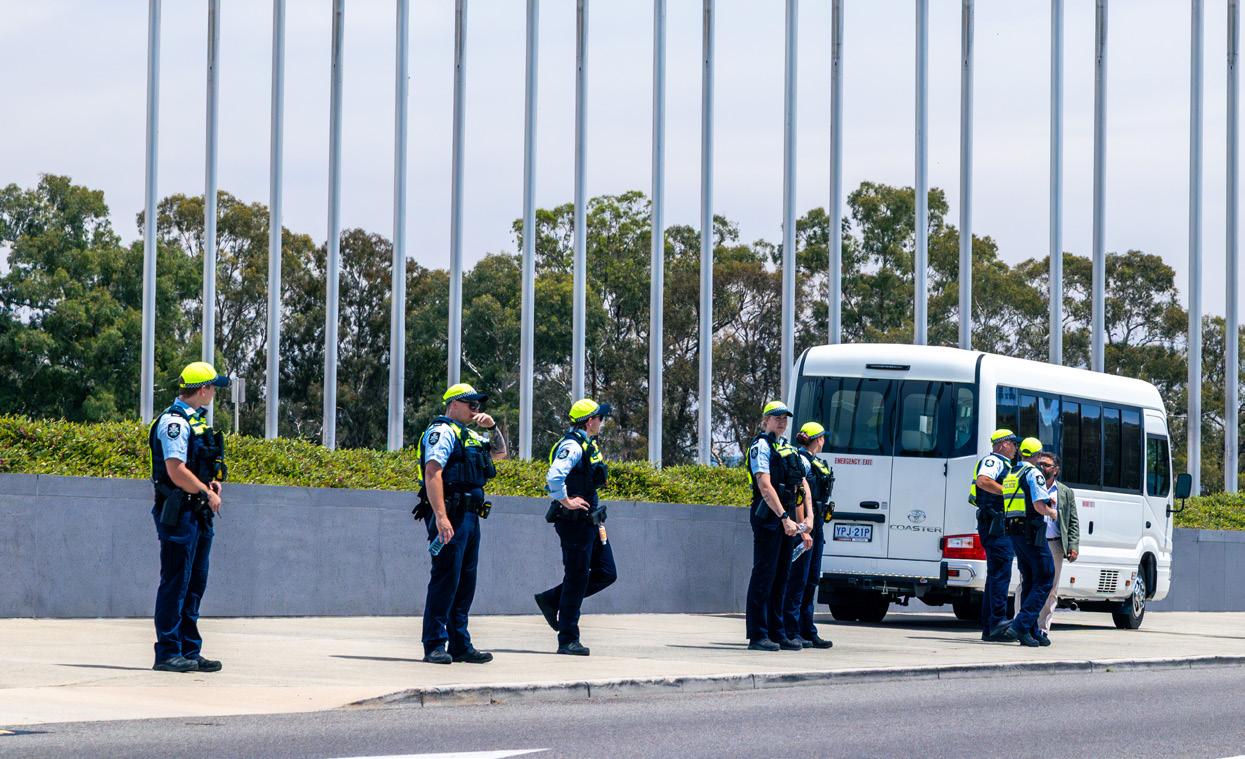
Outside the national security space, the AFPA continued to raise immediate workplace concerns affecting members. Canberra’s City Police Station was again evacuated following a hazardous materials incident in the watch house area.
This was not an isolated event, but part of a broader pattern of infrastructure failures that continue to place officers at risk and disrupt operational policing.
The ACT Policing Headquarters has also again emerged as a serious concern. During March 2026, the building was affected by water ingress on numerous occasions.
Supporting Officers in the Community
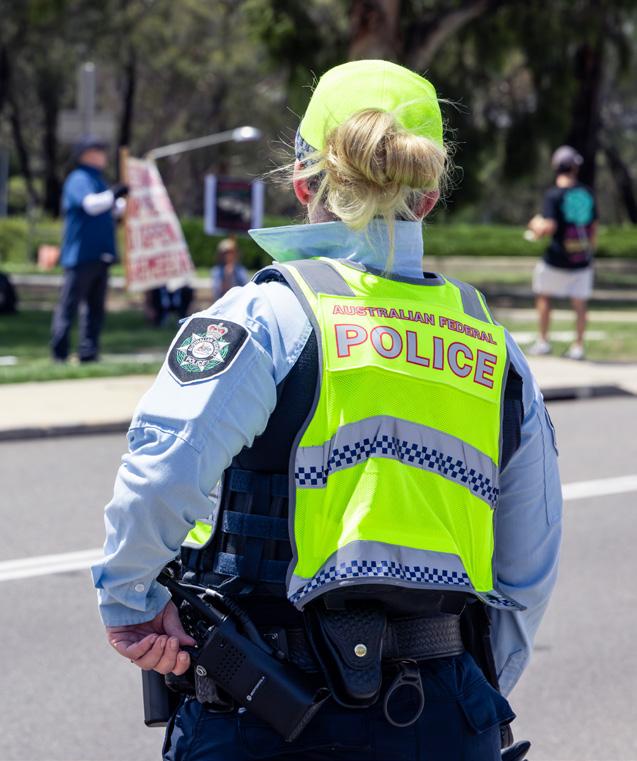
The AFPA also spoke publicly ahead of Israeli President Isaac Herzog’s visit to Canberra. We reaffirmed our strong support for the right to peaceful protest.
Community safety within the ACT remained another focus of AFPA advocacy. The AFPA strongly supported the ACT Government’s move to prohibit the public display of outlaw motorcycle gang insignia.
Ongoing Advocacy and Member Support
Alongside these major issues, the AFPA continued broader advocacy and member support work.
The AFPA was also proud to host its first-ever Convenor and Delegate Training Course in Canberra. Taken together, the past four months have reinforced several important truths. The AFPA remains committed to turning advocacy into outcomes. To our members, thank you for your continued service.
Why Member Participation Matters in the Campaigns Ahead
Over the next 24 months, the Australian Federal Police Association (AFPA) will be running a series of campaigns designed to improve the working conditions, safety and recognition of our members. These campaigns will tie directly into Enterprise Agreement (EA) bargaining as well as the upcoming federal and state and territory elections.
While the AFPA will lead these campaigns, their success ultimately depends on one thing: member participation.
Our strength has always come from the collective voice of our members. When members engage by sharing their experiences, supporting campaigns publicly, speaking with elected representatives, or simply standing together, it sends a powerful message to governments and decision-makers that the issues affecting AFP members cannot be ignored.
The AFPA has a long track record of using targeted campaigns to achieve meaningful outcomes for members. In recent years, campaigns highlighting the condition of ACT Policing facilities have brought significant public attention to an issue members have been raising for years. From water ingress incidents at operational stations to ageing infrastructure and poor
maintenance, the AFPA has consistently advocated for better working environments for members. By bringing these issues into the public conversation, the AFPA has ensured governments are held accountable for the facilities our members rely on every day.
These campaigns only gained traction because members spoke up. Images, reports and first-hand experiences shared by members helped demonstrate the real impact these issues have on policing operations.
Another example is the AFPA’s Blue Card campaign, which focused on delivering meaningful recognition and practical benefits to AFP members. The Blue Card initiative highlighted the need to ensure that members receive the same level of support and recognition that other law enforcement and emergency services personnel receive across Australia. By raising awareness and advocating strongly with government and stakeholders, the AFPA was able to place the issue firmly on the agenda.
Campaigns That Made an Impact
ACT Policing Facilities
• Highlighted poor conditions
• Exposed infrastructure issues
• Forced public accountability
Card Campaign Salary Sacrifice Campaign
• Pushed for recognition & benefits
• Raised national awareness
• Positioned issue on government agenda
The AFPA is also supporting a national campaign on salary sacrifice and Fringe Benefits Tax that is being led by the Police Federation of Australia. This campaign is still in its early stages and aims to address the tax and administrative barriers that prevent many police from accessing fair and practical salary packaging arrangements. The objective is to ensure policing is treated consistently with other professions that are able to benefit from salary sacrifice arrangements without being disadvantaged by Fringe Benefits Tax settings.
While the campaign is in its infancy, it has the potential to deliver meaningful financial benefits to police across Australia. It also demonstrates the importance of national collaboration between police associations and the role that member support can play in building momentum behind reform.
Member voices have always been central to these campaigns. When policymakers hear directly from the people doing the job, the message carries far greater weight. The coming two years present a unique opportunity to advance the interests of AFPA members. Enterprise
• Tackling tax barriers
• National collaboration effort
• Potential financial benefits for members
Agreement negotiations will determine the pay, conditions and workplace protections that members rely on. At the same time, elections at the federal and state or territory level will shape the political landscape that influences policing policy, funding and priorities.
These moments create an opportunity for the AFPA to ensure decision-makers understand the realities of modern policing and the expectations of the workforce. But governments listen most closely when they know the workforce is engaged. A campaign supported by thousands of members, rather than just the Association itself, sends a clear message that the issues being raised are real, widespread and important.
AFPA convenors and workplace delegates will play a crucial role in enabling members to participate in these campaigns. Convenors and delegates are the link between members and the Association. They help ensure members are informed about key issues, understand the purpose of campaigns and know how they can get involved. They also provide an important channel for feedback. By speaking with members on
Blue
“Our strength has always come from the collective voice of our members.”
the ground, convenors and delegates help ensure that the AFPA’s advocacy reflects the raeal experiences and concerns of the workforce.
During campaign periods, convenors and delegates will help share campaign information, encourage participation and ensure members feel confident about supporting collective initiatives. Strong engagement at the workplace level will be critical to the success of upcoming campaigns.
Campaigns are most effective when they extend beyond the workplace. The families and friends of AFP members also play an important role in supporting these efforts. Policing is not just a job that affects the individual member. It often impacts families through shift work, deployments, operational pressures and the unique demands of the profession. When families understand the challenges members face, they become powerful advocates for the improvements that are needed. Members are encouraged to speak with their families and friends about the issues being raised through AFPA campaigns. Sharing the realities of the job helps build understanding and support within the broader community. Family members and friends can help by supporting campaigns publicly, sharing messages online or simply by helping raise awareness of the issues affecting AFP personnel. This broader support can have a significant impact. When decision-makers see that concerns are shared not only by members but also by their families and communities, the message becomes even stronger.
Participation in AFPA campaigns can take many forms. It does not require members to be political experts or campaign professionals. Instead, it is about being willing to support the collective effort in simple but meaningful ways. Members may choose to share campaign messages on social media, helping broaden the reach of important issues affecting policing. Others may participate in surveys or consultations that help shape the AFPA’s advocacy positions.
Some members may choose to share their experiences anonymously to help illustrate the challenges faced on the frontline. This may relate to facilities, resourcing, safety or operational pressures. At times, members may also be encouraged to engage directly with local representatives or participate in campaign activities that highlight the importance of supporting AFP personnel. Each action contributes to building momentum.
Unions and professional associations are most effective when members are actively engaged. The AFPA represents thousands of members across a diverse range of roles, locations and operational environments. When those members stand together, the collective voice becomes extremely powerful.
Governments and agencies understand that a strong and united membership base reflects genuine concerns within the workforce. It also demonstrates that members are invested in the outcomes being pursued. Participation also strengthens the AFPA’s ability to negotiate. Whether at the bargaining table or in discussions with government, demonstrating that members are united behind key issues reinforces the legitimacy of the Association’s position.
Policing is a demanding and complex profession. AFP members work in challenging environments and regularly deal with situations that require professionalism, resilience and courage. Campaigns run by the AFPA are ultimately about protecting the people who perform these roles. This includes advocating for safe and functional workplaces, fair pay and conditions, appropriate resourcing and the recognition that AFP members deserve for the work they do.
It also means ensuring the voices of members are heard in the broader conversation about policing in Australia. Too often, public discussions about policing occur without the perspective of the people who do the job every day. AFPA campaigns help ensure those perspectives are part of the debate.
Over the next 24 months, members will see a number of initiatives rolled out by the AFPA. Some will focus on workplace issues, while others will address broader policy matters that affect policing and public safety. Each campaign will have a clear objective. This may include improving facilities, strengthening conditions during EA bargaining or ensuring governments prioritise the needs of AFP personnel.
As these campaigns develop, members will receive information about how they can get involved. Participation will always be voluntary, but history shows that when members choose to engage, the results can be significant.
The AFPA exists to represent and support its members. Every improvement achieved through advocacy or negotiation has been the result of a collective effort. Campaigns are not just about media engagement or political advocacy. They are about members standing together to ensure the profession is respected, supported and properly resourced.
Over the next two years, there will be important opportunities to influence the future of policing and the conditions under which AFP members serve. By participating in AFPA campaigns, members help ensure that the collective voice of the workforce is heard clearly by those who make the decisions. When members stand together, that voice becomes very difficult to ignore.
Delegate Member Support: A Practical Guide
The source of workplace delegate powers
Under section 350C of the Fair Work Act 2009 and clause 100 of the AFP Enterprise Agreement 2024-2027, workplace delegates have a legal right to represent the industrial interests of members (and eligible non-members) in relation to the Enterprise Agreement, disputes, grievances, and consultation processes.
This legislated entitlement provides delegates with specific rights, including:
• Reasonable communication with members and eligible employees about industrial matters. This may include face-to-face discussions, email (where reasonable and consistent with AFP IT policies) and meetings during breaks. Communication must not unreasonably disrupt work.
• Reasonable access to workplace facilities, such as noticeboards, meeting rooms, email systems, and photocopying. Access must be reasonable and consistent with workplace policies.
• Protection from adverse action. The AFP must not dismiss, injure a workplace delegate in their employment, alter the workplace delegate’s position to their prejudice, or discriminate them because they are, or act as, a workplace delegate.
These rights are not unlimited and must be exercised reasonably, not unreasonably disrupt work, comply with lawful and reasonable AFP policies, and not override safety obligations. The AFP may regulate the time, place and manner of communication, provided such regulation is done reasonably.
If the AFP breaches any of the workplace delegate rights, it may result in civil penalties, court orders, compensation and/or injunctions.
AFPA Delegates
AFPA Delegates are elected to represent and support AFPA members in their work area. The AFPA relies on its delegates across the organisation to act as a key link between all AFPA members and the AFPA head office, and often the first point of contact when workplace issues arise.
Delegates play a critical role in supporting members and helping them navigate workplace concerns. They are often the first person a member turns to when an issue arises, which places them in a position of trust and responsibility. While delegates are there to assist, it is equally important that they operate within clearly defined boundaries and follow established processes to ensure members receive the correct advice and representation.
This article briefly outlines how delegates can assist in general workplace matters and Professional Standards issues, while maintaining appropriate limits on their role.
General Member Support
When a member approaches a delegate with a concern, the first priority is the member’s welfare. Delegates should check in on the member’s wellbeing and encourage contact with AFP Welfare or the AFPA office if needed.
Giles Snedker Legal and Industrial Manager
Before discussing the issue in detail, the delegate should first determine whether it relates to Professional Standards. If it does, the delegate must confirm that the member has the appropriate authority to disclose information under section 18.3. Without this authorisation, the details of the matter cannot be discussed. This safeguard protects both the member and the delegate and ensures compliance with procedural requirements.
This initial conversation with a member is an important part of the process delegates follow. It allows the delegate to clarify the facts, identify whether the matter is straightforward or complex, and determine whether it can be resolved locally or requires escalation.
Many workplace issues are straightforward and can be addressed by encouraging the member to engage directly with their chain of command, or the relevant area of the AFP. Delegates should ask whether the member has already attempted to resolve the issue themselves and whether they have reviewed the relevant Best Practice Guide (BPG), as often these provide clear procedural direction that can answer questions or clarify misunderstandings. Encouraging members to consult available internal resources prior to engaging the AFPA can, in many cases, provide a faster resolution to the issue. Delegates may also represent their members collectively in discussions with management or attend meetings as a support person in individual matters.
If, after discussion the issue appears more complex, the member has attempted resolution without success, or the member feels unsafe reaching out directly to the AFP, the delegate should guide the member to contact the AFPA directly by email or telephone. Delegates will not provide detailed or specific industrial advice themselves. While they play a supportive role, formal industrial advice and representation must come from the AFPA Legal and Industrial Team. Once contacted, the AFPA will create a case and triage it according to urgency, ensuring timely and appropriate support.
Throughout all general matters, the delegate’s role remains consistent: to listen carefully, clarify the issue, encourage appropriate internal resolution where possible, and refer complex or industrial matters to the AFPA for formal advice.
Professional Standards Matters
Professional Standards (PRS) matters require heightened care, discretion, and procedural awareness – whether the member is a subject, complainant, or witness. When a member contacts a delegate regarding
such an issue, the first and most critical step is for the delegate to confirm that the member has received formal 18.3 authorisation from PRS allowing them to disclose information about the matter. Again, without this authority, the discussion cannot proceed.
Even when an 18.3 authorisation has been granted, there are clear limits to what can be shared. The authorisation generally permits discussion of the issue but does not allow the member to provide investigation reports or other PRS documentation. Delegates must not request, accept, or retain restricted documentation. Maintaining these boundaries is essential to ensure compliance and to protect the integrity of the process. Importantly, by maintaining these boundaries, it protects the AFPA member who is a party to the PRS process and the AFPA delegate.
Professional Standards processes can be highly stressful and confronting for members. Delegates are mindful of the potential impact on a member’s wellbeing. Checking in on the member’s welfare is an important part of the support role. If required, the delegate will refer the member to AFP Welfare Support or the AFPA’s internal welfare services to ensure appropriate assistance is available.
Importantly, delegates should direct members involved in Professional Standards matters to contact the AFPA immediately for advice and support. Early engagement with the AFPA ensures the member understands their rights and obligations and receives appropriate representation from the outset. Prompt referral also reduces the risk of procedural missteps that could negatively affect the outcome of the member’s matter.
Summary
Delegates serve as a vital link between members and formal support structures. Their role is to provide initial guidance or support, encourage appropriate use of internal processes, and facilitate referral to the AFPA where necessary. They are not expected to act as industrial advisers.
By maintaining clear boundaries and following proper referral pathways, delegates provide vital support and help ensure that members receive accurate advice, timely representation, and appropriate welfare support. Effective delegate support is grounded in careful listening, sound judgment, and prompt referral when required.
All members should ensure they know who the delegate for your work area is, and we encourage all members to keep them informed of any issues as they arise and to reach out to their delegate for support any time.
Courtney Posantzis Membership Services Manager
Strengthening Member Support in 2026
Welcome to the first Membership Edition of 2026! We’re already diving into an exciting year ahead, with plenty of new initiatives and improvements underway. The momentum from our recent AFPA Delegate Training Event has set a strong foundation for the year, aligning our support systems and strengthening the network that underpins member wellbeing. We look forward to sharing these developments with you as we move through the year together.
To kick things off, I’m delighted to introduce the newest member of our Membership Team: Jason Taylor. Jason has joined us as a Member Services Officer, specialising in Welfare and Wellbeing Services. He brings with him extensive experience with the AFP having served 14 years as a Police Officer. His early involvement across key AFPA activities—including his contribution to the recent AFPA Delegate Training Event—has already strengthened the organisation’s capacity to respond to member needs. His practical, hands-on engagement helped embed him quickly into the broader support framework that underpins the Association.
“The first step is always listening—genuinely, patiently, and for as long as you need.”
Jason joins our existing MSO, Gerry O’Connor, and together they are creating much-needed breathing space for members who reach out during their more vulnerable moments. While their support is not a long-term solution in itself, both Gerry and Jason work tirelessly to ease immediate pressures and help members regain their footing. The training program reinforced the critical role this function plays across the membership, and clarified the interfaces between delegates and the MSO team.
This “breathing space” begins with a conversation— whether with the member directly or through their advocate, welfare officer, AFPA Delegate, or even a concerned family member. In line with the structures set out through the Delegate Training Event, delegates are now better aligned to initiate these pathways and ensure timely connection with our MSO team. From there, the team takes the time to understand each member’s circumstances and develops, in partnership with the relevant party, a tailored plan that best supports the member’s needs.
Importantly, this assistance is not limited to workplace-related injuries or incidents. It also extends to unexpected personal matters—setting it apart from the far stricter criteria of Legal and Industrial Assistance. Rather than focusing on rigid categories, our Welfare and Wellbeing team provides support based on need, ensuring members are guided clearly and connected smoothly into MSO support, whatever the circumstance. Many members aren’t aware of just how wide-ranging this support can be. Accessing it is simple: reach out to the Association, explain your situation to Gerry or Jason, and they will take it from there. The first step is always listening—genuinely, patiently, and for as long as you need. Whether it’s over the phone, in person, or via email, they’ll work with your preferred communication style to ensure the process is as easy and supportive as possible.
There is, of course, administration the member may need to complete when accessing this service. We recognise that this can be challenging for a variety of reasons, and the team works hard to make the process as simple and stress-free as possible. Sometimes paperwork can feel overwhelming, or a member may be physically unable to complete it on their own. In these situations, we can step in to help—whether that means providing assistance here in the office, liaising with a colleague or support person, or coordinating with someone the member trusts to ensure nothing falls through the cracks. Whatever the circumstance, the aim is always to lighten the load and make sure the member feels supported at every step.
“We’re building a more responsive system around every member.”
There is no rush in this process—everything moves at the pace that best supports the member. Whether things need to progress quickly or unfold more gradually, both MSOs ensure there is time, space, and understanding at every step. Once the required administrative tasks are completed, the request moves through a brief approval stage before any assistance is activated.
If you are curious or would like to know more, both MSOs are well placed to have a chat and explain this further. They understand that taking the first step can sometimes feel daunting, particularly when you’re already dealing with stress or uncertainty. Whether you simply want to understand what support might look like, need guidance on behalf of a colleague, or are unsure whether your circumstances qualify, Gerry and Jason can walk you through the possibilities without any pressure or expectation. Their goal is to equip you with clarity and confidence—so you can make informed decisions at a pace that feels right for you.
CRM Modernisation & Member Digital Experience
Separately, we’re excited to share that members of the team have been deeply involved in the development of a new CRM system designed with the overall member experience at its core. This project will streamline how support requests are managed, strengthen communication touchpoints, and create a smoother, more intuitive interaction between members and the entire AFPA team.
The recent AFPA Delegate Training Event played a key role in reinforcing the importance of this work. As delegates form a crucial part of the support network, the training clarified how the new CRM will enhance their ability to quickly connect members with the right services, track progress more transparently, and ensure
“Faster access to help, fewer administrative barriers, and support that meets members where they are.”
consistent follow-through. Incorporating the practical workflows refined through the training into the CRM build will help ensure the system aligns with the real-world needs of delegates and the members they support.
As we move closer to launching the new member portal, more information will be provided to the wider membership to ensure everyone knows what to expect and how to make the most of the improved system.
Alignment with the AFPA Strategic Plan 2024–2027
In line with the AFPA Strategic Plan 2024–2027— particularly its commitment to enhancing member value, improving access to accurate and reliable information, and launching a secure, member-only digital platform—members can expect the new portal to serve as a central, user-friendly destination for all AFPA benefits. Once fully rolled out, the portal is intended to consolidate welfare assistance options, exclusive AFPA discounts, offers from major partners, and clear information about Legal and Industrial services. It will also provide easy access to the Association’s latest media releases, ensuring members remain informed and empowered.
The Delegate Training Event served as an important implementation step for the Strategic Plan, embedding consistent member engagement practices, strengthening internal processes, and clarifying pathways to support. By aligning delegate practice with our Welfare and Wellbeing framework—and preparing for the digital tools now being developed—we are laying the groundwork for a more connected, end-to-end member experience.
Ultimately, the AFPA Delegate Training Event strengthens the wellbeing outcomes that matter most: earlier identification of members in need, clearer pathways into MSO support, and more consistent follow-through from first contact to resolution. By aligning delegate practice with our Welfare and Wellbeing framework—and embedding these workflows into our new CRM and portal—we’re building a more responsive system around every member. The result is simple but powerful: faster access to help, fewer administrative barriers, and sustained support that meets members where they are.
FRIENDS OF POLICING
Friends of Policing Breakfast Strengthens Partnership at Parliament
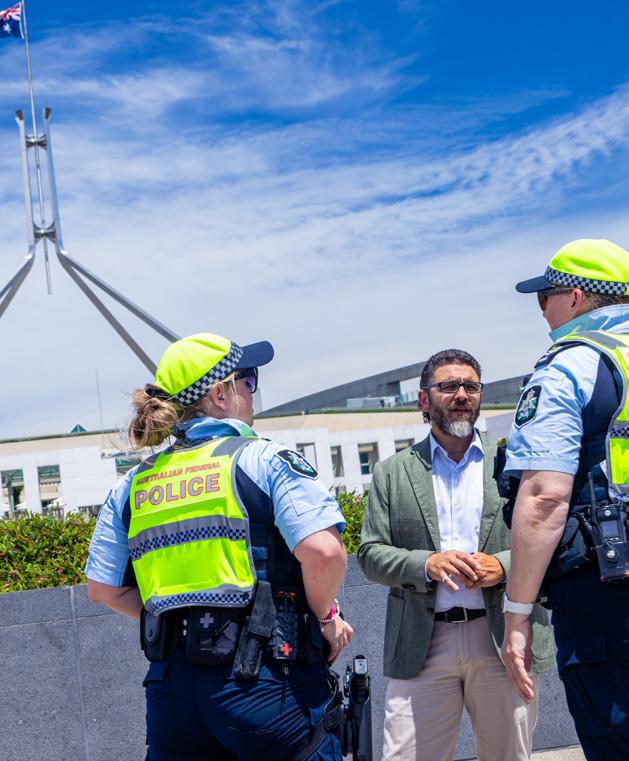
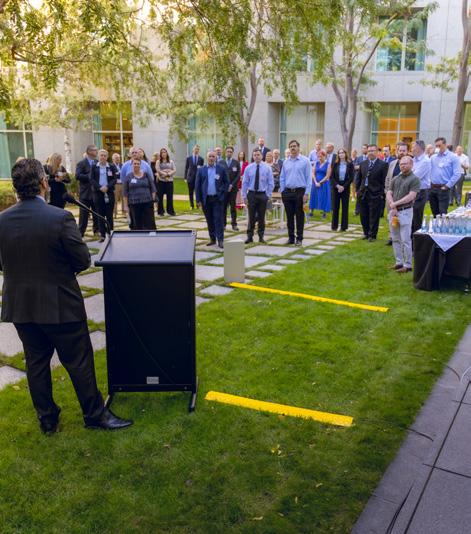
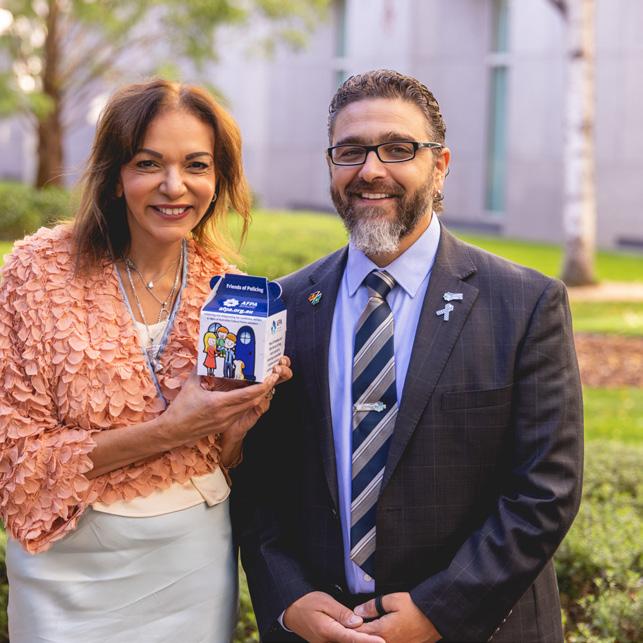
The Australian Federal Police Association (AFPA) hosted a successful Friends of Policing Breakfast at Parliament House on Thursday, 12 March 2026.
Held in the House of Representatives Courtyard, the informal gathering brought together parliamentarians, delegates, and supporters of policing from across Australia to foster connection, dialogue, and collaboration.
AFPA President Alex Caruana addressed the attendees, thanking them for their ongoing dedication to strengthening support and resources for policing nationally. He emphasised the importance of a strong and respectful partnership between the AFPA and the Australian Government, noting that constructive engagement with politicians is essential for shaping effective policy and delivering better outcomes for AFPA members.
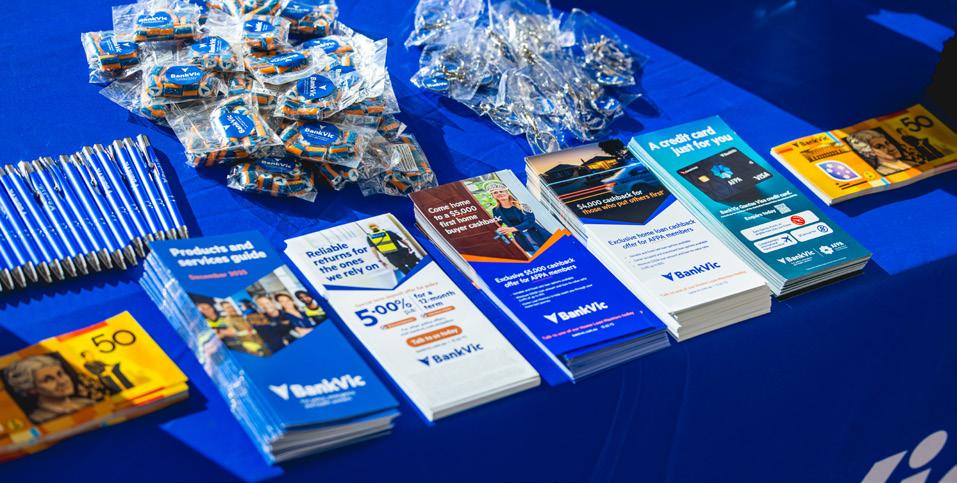
were highlighted, including the Blue Card initiative, improvements to the Fringe Benefit Tax incentives for members and the continued push for fairer pay. The breakfast also featured the AFPA’s Friends of Policing campaign materials, which visually illustrate the urgent need for practical cost-of-living support for Australian Federal Police members.
These materials explain that many AFPA members are struggling with the rising cost of living. To help ease this pressure, the AFPA is advocating for two key measures:
• FBT Exemption: Securing Fringe Benefits Tax (FBT) concessions, specifically aiming for a $17,000 capped FBT exemption.
• Expanded Benefits Pursuit: Allowing items such as mortgage/rent payments, childcare, and other personal expenses to be included in salary sacrifice arrangements so members can better stretch their income.
A key theme of the event was partnership, with President Caruana encouraging delegates and politicians alike to engage in direct and meaningful conversations, reinforcing that strong relationships are what enable real progress for policing.
The AFPA will continue to hold Friends of Policing events with parliamentarians to provide an environment where AFPA members can engage directly with them and foster stronger relationships between police and parliamentarians.
This approach recognises that the best campaigns often come from the voices of the people the campaign is trying to help.
Events like the Friends of Policing Breakfast continue to strengthen relationships, build understanding, and ensure that the challenges and priorities of AFPA members remain visible and understood at the parliamentary level.
DELEGATE TRAINING EVENT
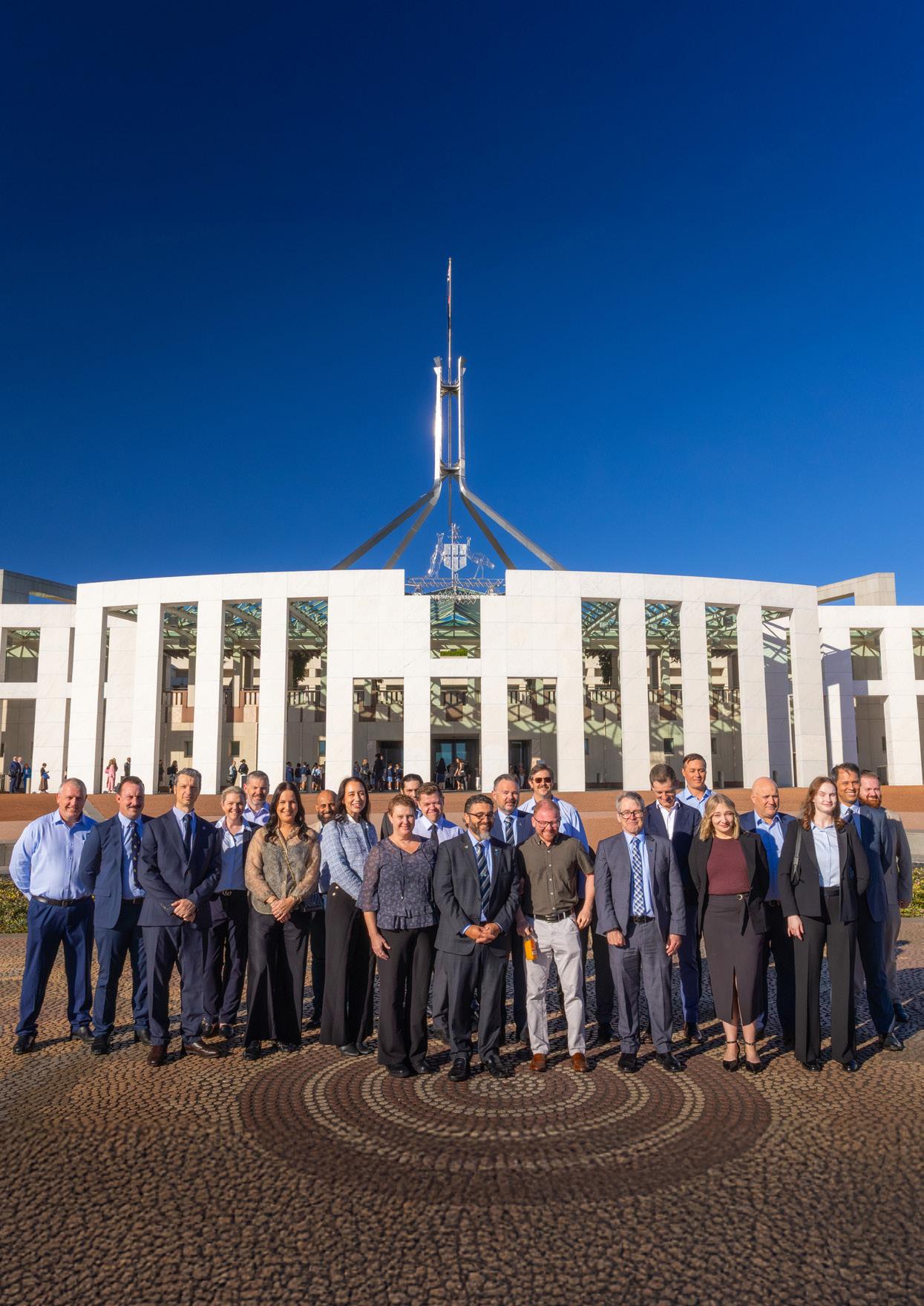
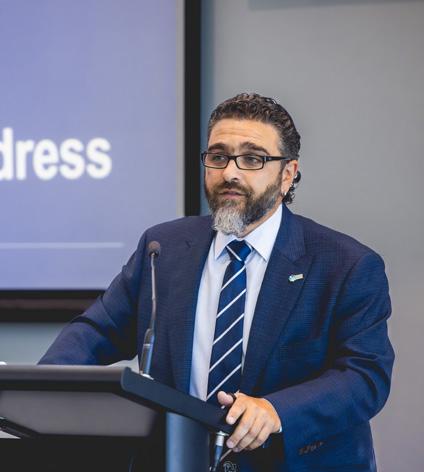
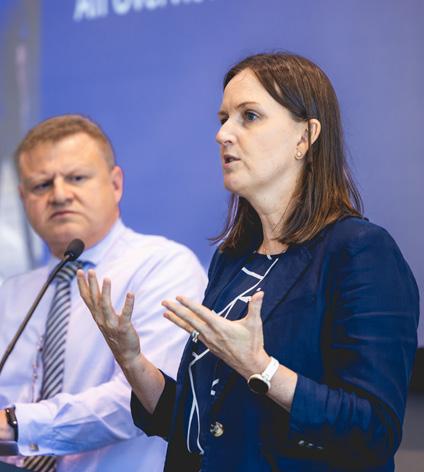
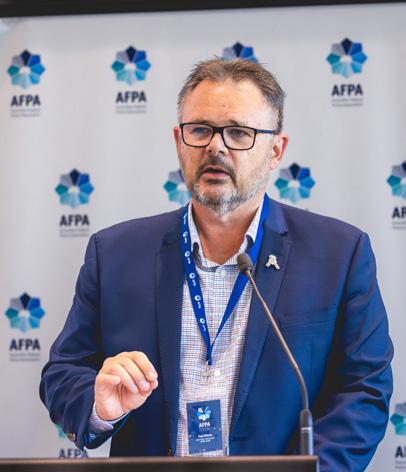
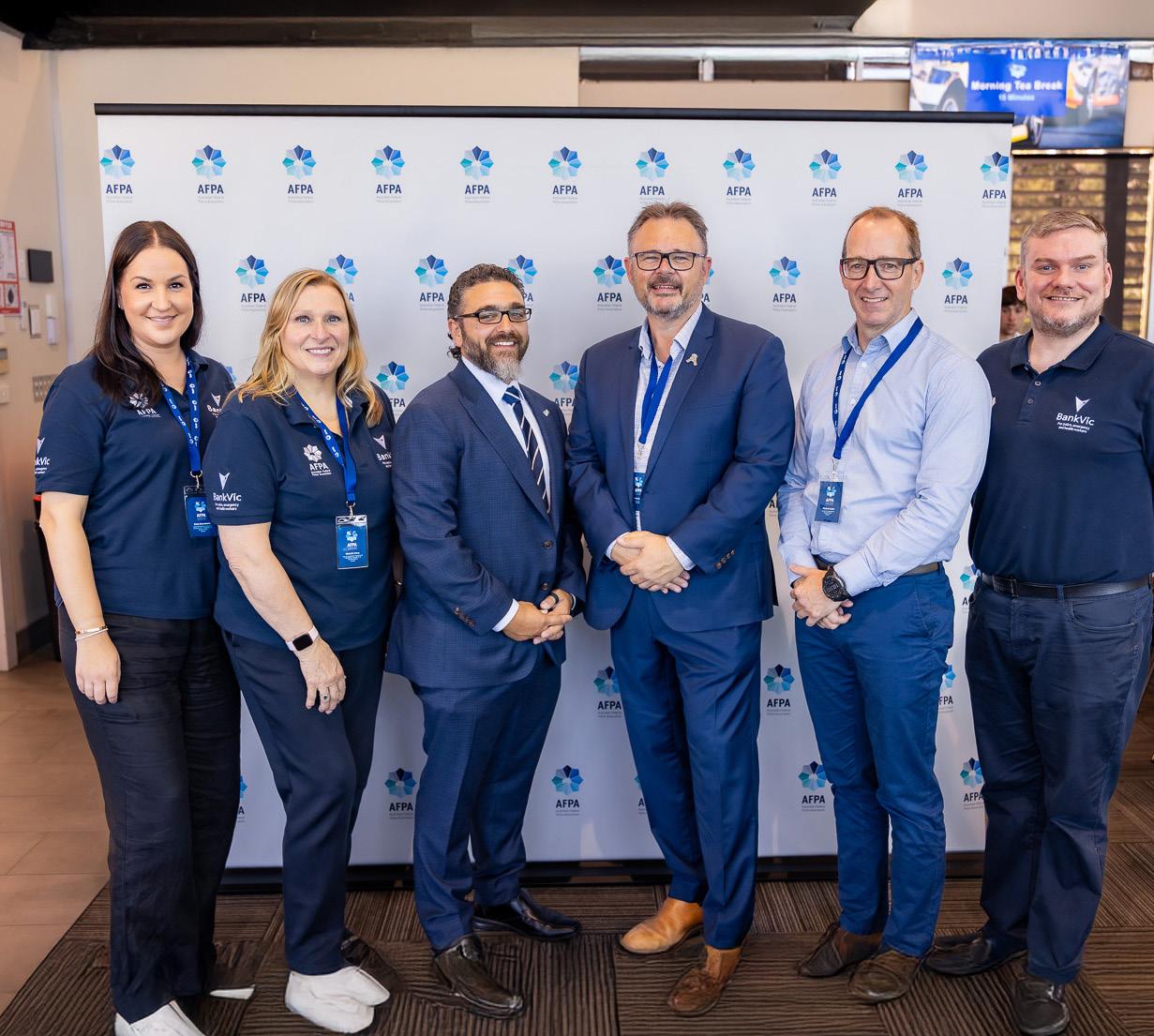
AFPA Delegates come together for a national training event
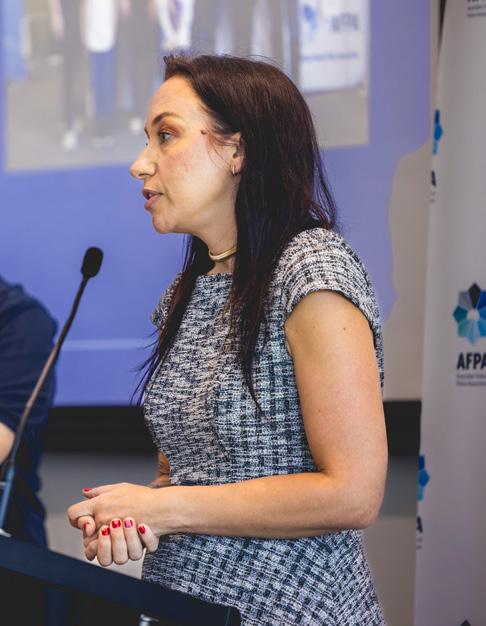
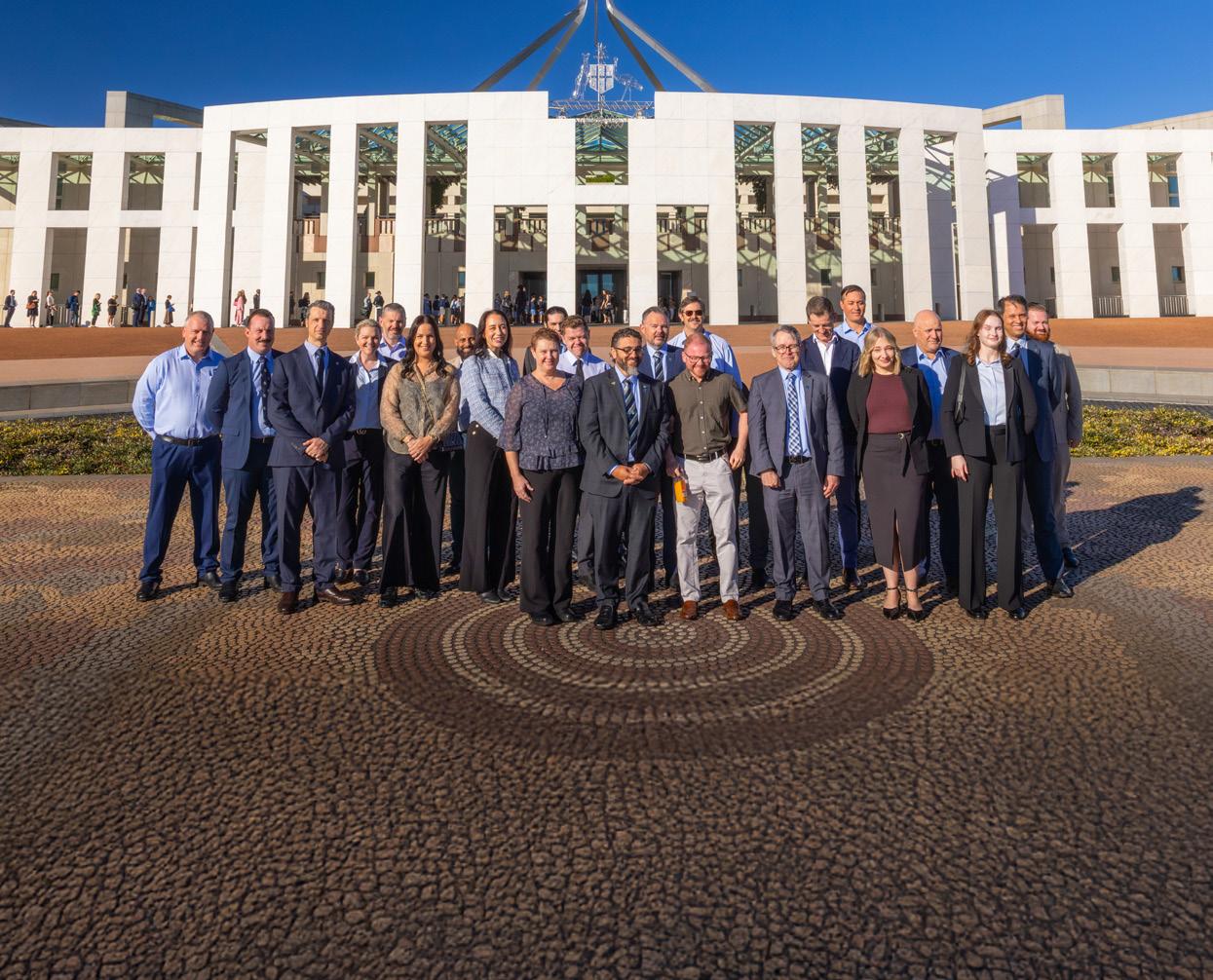
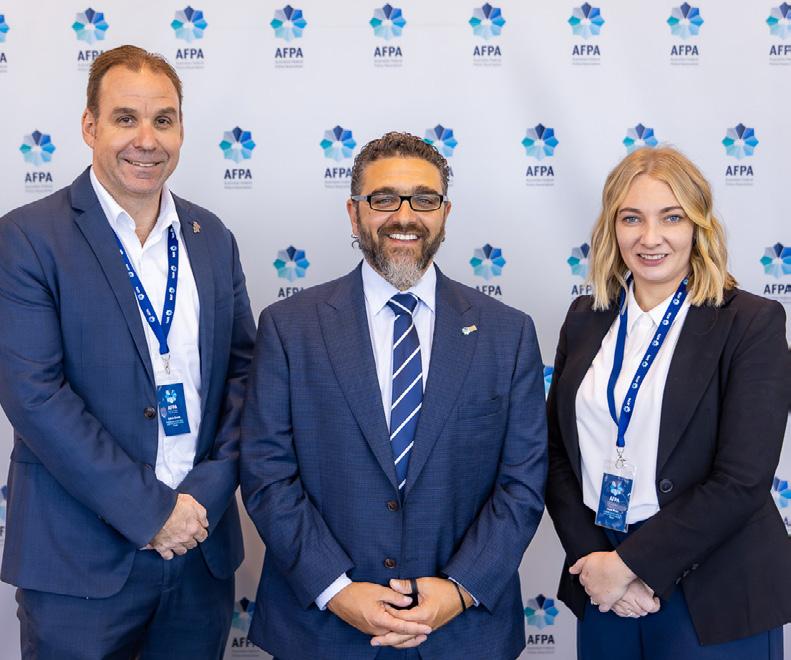
In March 2026, AFPA Convenors and Workplace Delegates from across the country gathered in Canberra for the AFPA Convenor and Delegate Training and Development program, two days focused on leadership, knowledge, and the power of collective representation.
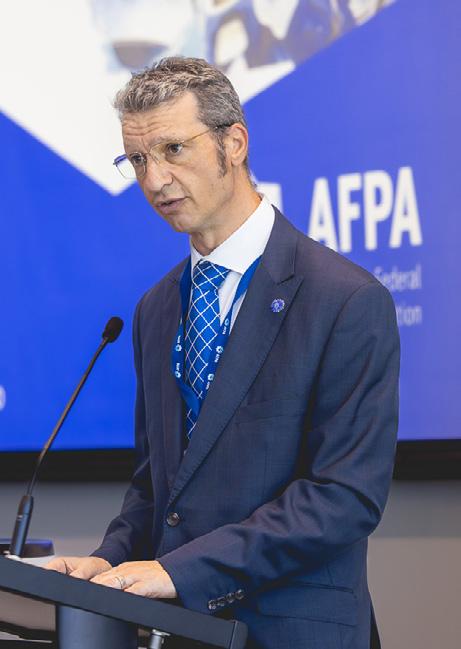
Held at Manuka Oval, the training brought together delegates, convenors, National Executive, AFPA staff and partners, all with a shared purpose, to strengthen the Association by strengthening its people. The event opened with a clear and powerful message from President Alex Caruana that would set the tone for the entire program, “unity is our power; solidarity is our shield.”
Throughout the two days, delegates worked through a comprehensive program designed to build capability and confidence in the role. Sessions covered everything from the history of unionism and the AFPA’s strategic direction, to the legislative responsibilities of elected officials and the legal framework that governs registered organisations. While these responsibilities are significant, the message was clear, delegates are not alone. The AFPA exists to support its delegates so delegates can continue to provide support to members.
One of the most important areas of focus was the role delegates play in supporting members through Professional Standards matters and critical incidents. Delegates are often the first call a member makes when something goes wrong, and the training reinforced just how important it is to ensure members are supported early and connected with the AFPA’s Legal and Industrial team as soon as possible.
The Legal and Industrial team presented an overview of their work across Enterprise Agreement advice, investigations, Comcare, performance management, transfers and workplace disputes, highlighting the scale of support provided to members every year.
Beyond individual member matters, the program also explored the broader work of the Association, including membership services, welfare support, advocacy, media engagement and government relations. Delegates gained insight into how the AFPA represents members not only in the workplace, but also in the media, in Parliament, and in national policy discussions that affect the policing profession.
A key theme across the training was the idea of the “servicing” versus “organising” models of unionism. Delegates discussed how modern unions must both provide expert support and representation for individual members, while also building collective strength through communication, engagement, and recruitment. Delegates were reminded that their role is not just to solve problems, but to build workplace strength and to ensure the voice of the members is strong and far reaching.
Practical sessions on running zone meetings, drafting agendas, developing motions and communicating effectively gave delegates the tools they need to represent their zones professionally and effectively. Scenario based workshops allowed delegates to work through real-world issues such as flexible work disputes, workplace health and safety concerns, and Enterprise Agreement industrial action.
The training concluded with Enterprise Agreement discussions and a panel session focused on the future, strategy, and the critical role delegates will play in representing members during the next round of bargaining.
More than anything, the two days reinforced one simple truth, the AFPA is its members, and delegates are the backbone of the Association. They are the people members turn to for support, advice and leadership in the workplace. Investing in delegate training is ultimately an investment in every AFPA member.
Because when delegates are informed, confident and connected, support for all AFP appointees is stronger.
“When delegates are informed, confident and connected, support for all members is stronger.”
Capturing Moments of Connection and Leadership
Media That Drives Change
Media is a central pillar of modern advocacy and public engagement, and for the AFPA its strategic use can significantly bolster the organisation’s ability to represent and advance the interests of its members.
Turning Media Into Influence
By proactively engaging with traditional news outlets, publishing thoughtful commentary, and using digital platforms, the AFPA can ensure that the realities of federal policing and the challenges faced by its members are accurately understood and taken seriously by the public and policymakers alike.
One of the most direct ways the AFPA can leverage media is by placing opinion pieces and expert commentary from its leadership in major news outlets. AFPA President Alex Caruana, for example, regularly provides media statements and responses that shape public discourse on issues such as staffing shortages, resourcing pressures and national security policy. In late 2024, the AFPA’s media release highlighting a critical shortage of AFP officers framed the problem as both a workplace crisis and a public safety concern, warning that persistent under resourcing and comparatively low pay were stretching officers to breaking point and risking a mass exodus from the force. That kind of coverage helps the broader public
and decision makers grasp the severity of internal workforce challenges in federal policing and positions the AFPA as a credible advocate for change.
Staffing shortages
Using media to spotlight workplace health and safety issues helps shape a narrative that goes beyond dry statistical arguments. In responding to the ACT Ombudsman’s use of force report, the AFPA President emphasised contextual realities of frontline policing and called for balanced oversight. By challenging how data was interpreted and presented, the AFPA gained public attention for concerns about representation and fairness in official accounts of complex operational decisions. This type of engagement invites public debate on topics that might otherwise remain confined to technical reports or internal government briefings. Media engagement also amplifies AFPA campaigns and policy proposals by contextualising them within broader social concerns. In supporting legislative efforts to criminalise AI generated child exploitation
tools, the AFPA used media statements to articulate both the danger these tools pose and the need for updated legal frameworks. Framing the issue through the lens of child safety and modern crime challenges reaches audiences that might not ordinarily engage with policing policy, creating a broader base of understanding and support for legislative reform.
Human stories
Strategic use of media builds public awareness and empathy for the lived realities of AFP members. Regular statements on workplace risks, such as those made following violent assaults on officers, remind the public that policing is inherently dangerous. In those comments, the AFPA points out that first responders face physical and psychological harm because of the nature of their work. By conveying these points through national and local media channels, the AFPA humanises its members and underscores why professional support, resources, and respect are necessary.
Op eds and media commentary give the AFPA a platform to influence policy debates by articulating clear positions backed by frontline experience. In reporting the union’s concerns about public service “austerity” measures that could harm national security capability, A recent letter by the AFPA to the finance minister was covered by major news outlets and underscored how budgetary reviews could have unintended consequences for policing capacity. By ensuring such views are published and discussed publicly, the AFPA helps frame policy debate around national security priorities with an evidence based and operationally informed voice.
Social media
Social and digital media are equally important avenues for engagement. The AFPA can use platforms like Twitter, Facebook, and LinkedIn to share real time updates, highlight key media coverage, and post links
to longer opinion pieces. These platforms allow direct interaction with members, supporters and the broader community, and increase the reach of AFPA messaging without reliance on traditional gatekeepers. Video interviews, on the ground reports, and infographics summarising complex issues can improve accessibility and increase engagement among audiences who consume news differently than previous generations.
Consistent media engagement strengthens the AFPA’s legitimacy and influence with political leaders.
Decision makers are more likely to take notice when public discourse reflects sustained media attention on issues such as staffing shortages, pay equity, mental health support, and legislative reform. By ensuring the AFPA perspective is visible, articulate and grounded in professional expertise, the association positions itself as an indispensable stakeholder in national conversations about law enforcement and national security.
Internally, media also supports member engagement and solidarity by keeping members informed and galvanised. Regular news updates, stories about successful advocacy outcomes, and highlighted opinion pieces by leadership create a sense of momentum and shared purpose. Members are more likely to rally behind campaigns when they see them reflected in public discourse and understand how media coverage advances the association’s goals.
Using media effectively requires strategic planning, clear messaging, and a willingness to engage both supporters and critics openly. For the AFPA, media is not just a channel for visibility but a core tool for advocacy, education, and influence. By consistently placing informed commentary, sharing compelling stories from the frontlines, and engaging with digital audiences, the AFPA can ensure that the challenges and contributions of federal police officers are understood, respected and addressed by the public and policymakers alike.
How Media Drives Impact
Borrowing power calculators: A tool for today’s home loan journey
/ Income: Salary, bonuses, rental income.
/ Expenses: Living costs, childcare, discretionary spending.
/ Existing debts: Credit cards, personal loans.
/ Current interest rates and loan terms.
Borrowing power calculators will usually include serviceability buffers, which is an extra interest rate margin lenders add to the current loan interest rate when assessing a borrower’s ability to repay a loan. This helps ensure borrowers have the capacity to manage repayments even if rates rise again. This protects both you and the lender, but it also gives you a financial wellbeing checkpoint.
Why it matters in today’s market
As of publication date, rates have decreased in comparison to a year ago and this may mean borrowing capacity has increased for some borrowers. For example:
/ First home buyers may now qualify for properties that were previously out of reach
/ Investors might leverage improved capacity to expand portfolios
/ Owner-occupiers could consider upgrading or refinancing under more favourable conditions.
However, increased borrowing power doesn’t mean you should borrow to the limit. Financial wellbeing is about balance and sustainability, not stretching yourself thin.
How borrowing power calculators support financial wellbeing
These tools aren’t just for banks. They’re powerful for borrowers too, especially at different stages of the home loan journey. Borrowing power calculators highlight how slight changes in expenses could significantly impact borrowing capacity:
/ Reducing discretionary spending by even $200 per month could increase borrowing power by tens of thousands of dollars
/ Paying down a credit card before applying could dramatically improve your position.
This reinforces the link between daily financial habits and long-term goals - a cornerstone of financial wellbeing.
Practical tips
/ Run scenarios: Use calculators to see how changes in expenses or debt affect borrowing power.
/ Plan ahead: If buying is a goal, start reducing liabilities and building savings now.
/ Think beyond the loan: Factor in lifestyle costs, emergencies, and future rate changes
Bottom line
Borrowing power calculators are more than just bank tools - they’re financial wellbeing dashboards. They help you understand your capacity, make informed decisions, and avoid overextending yourself. Use them not just to see what you could borrow, but to plan what you responsibly should borrow for a secure financial future.
Ready to take the next step?
Give the BankVic borrowing power calculator a try by visiting www.bankvic.com.au/calculators to get an estimate of your potential borrowing capacity.
We’re here to help
If you have any questions about buying your first home, call 13 63 73 or book an appointment with a BankVic Home Loan Mentor at www.bankvic.com.au/book-appointment.
By Adam Osborn Senior Associate, Tindall Gask Bentley
Why Getting a Will Is Easier Than You Think
Updating your will is one of those jobs that’s easy to put off – until it’s too late.
At Tindall Gask Bentley (TGB), we often hear: “That was a lot easier than I thought. I wish I’d done it sooner.” The relief people feel when their will is done is enormous. It’s not just about ticking a box – it’s about making sure your future, and your family’s future, is protected.
The process is more straightforward than most expect. With guidance, you can complete it in hours, giving lasting peace of mind.
We Plan for So Many Things –But Often Not This
We go to work, pay our insurance, and check our superannuation. We work hard to build a comfortable life, yet often avoid planning for what happens when we die or if life changes unexpectedly.
Without a will, your estate may be divided under government rules that don’t reflect your wishes, creating confusion, disputes, and costly legal battles. If you have children, guardianship decisions could be left to the court instead of the people you trust most. Does this sound important? All of this can be avoided with just a few hours of your time by completing your will with TGB. Read on to see how simple it can be.
Common Barriers to Making a Will (and How We Overcome Them at TGB)
From our experience, here are the most common reasons people put it off:
“It will take too long.”
Many imagine weeks of meetings and endless paperwork, but in reality it usually takes just 2–3 hours of your time.
“It’s too much admin.”
At TGB, we prepare your documents, gather your information, and guide you every step – without drowning you in forms.
“I don’t know what to prepare or what questions I’ll be asked.”
We’ll tell you exactly what to bring and provide a simple questionnaire to help you think through your wishes.
“I can just do it myself with a will kit.”
A will kit might seem quick, but it’s easy to miss important clauses or fail to meet legal requirements, leading to disputes or extra costs later. Our lawyers draft wills every day, ensuring your document is complete, legally sound, and tailored to your needs.
How We Make the Process Easy
We know many people feel uncertain about what to include in their will. Our lawyers guide you through each decision, explaining the best options for your circumstances. We also:
• Provide a structured questionnaire so you feel prepared from the start.
• Problem-solve with you, rather than leaving you to figure it out alone.
• Liaise directly with your accountant and financial advisor if needed, to ensure everything is aligned.
• Offer an online will preparation tool you can start from home: Start here.
With decades of experience, we’ve helped thousands of Australians plan their future, no matter their personal or financial situation.
Things to Consider When Making a Will
As part of the process, we’ll help you think through important decisions such as:
• Who you want to appoint as guardian for your children.
• Who you will name as your executor to manage your estate.
• Whether you need important documents such as Enduring Power of Attorney or Advance Care Directive (or equivalent documents in your state) to cover financial and medical decisions if you’re unable to make them yourself.
You’re Only a Few Hours Away from Peace of Mind
Making a will is one of the most important steps you can take to protect your loved ones – and it’s easier than you think. Our friendly, experienced team guides you from start to finish, making the process simple and tailored to your needs.
Preferred legal service provider for Police Association Members,
Leading law firm, Tindall Gask Bentley is the preferred legal services provider of the Australian Federal Police Association, offering 30 minutes of free initial advice and a 10% fee discount*.
* Conditions apply
COMCARE CLAIMS
• Lodging claims
• Disputing decisions affecting payment of medical costs and incapacity payments
• Disputing rejected claims
• Permanent impairment claims
• Reconsideration applications
• Filing appeals to the AAT and Federal Court of Australia
Brad provides Business & Commercial advice for AFPA, working with 4 other lawyers and a conveyancing team nationally.
tgb.com.au | 1800 730 842 *conditions apply
The silent condition affecting police
Six million Australians have hypertension (high blood pressure)– an alarming figure that has doubled in the age range of 35 – 44 between compared to a decade ago, according to the Australian Bureau of Statistics (ABS).
It jumps again, dramatically, between ages 45 – 54, and peaks at 75 years.
While the risk of high blood pressure is known to increase as you age, it affects all age groups.
Furthermore, a recent ABS study revealed 73.7% of all adults measured with high blood pressure didn’t realise they had high blood pressure because of a lack of symptoms.
That’s why early monitoring and intervention, as early as from age 35, is the key to prevention and management.
Increased risk of high blood pressure for police
High blood pressure is a condition where the force of blood against artery walls is consistently too high.
This makes the heart work harder, causes damage to vessels over time, and increasing the risk of heart attack, stroke and kidney disease.
It’s often called the ‘silent killer’ because it usually has no symptoms.
For shift workers, such as police officers, studies have shown an increased risk of cardiovascular and sleep disorders.
This is due to circadian rhythm disfunction and poor nutritional choices. Police are also exposed to traumatic events, which increase the likelihood of alcoholism, obesity, depression, and insomnia – all of which are linked to heart troubles.
There are ways to lower blood pressure
Smoking, being overweight, a sedentary lifestyle and consuming a diet high in fat and salt (and low in protein and fibre) can increase the likelihood of high blood pressure. Stress is also a major cause of high blood pressure. While there is blood pressure medication available, the best shield against high blood pressure is maintaining a healthy lifestyle.
Other tips include;
• Lose unnecessary weight
• Cut back on alcohol and avoid smoking.
• Exercise more to keep arteries flexible and reduce activity in the sympathetic nervous system
• Manage stress to reduce the release of hormones that spike blood pressure
• Consider if you need help from a medical specialist
• Organise regular check-ins with your GP who can do blood pressure tests and if required recommend a blood pressure monitor at home.
Cover like no other
Police Health understands the unique health needs of the police community, because we’ve been looking after them for over 90 years. To get Police Health’s cover, call us on 1800 603 603.
join the health Fund members actually love
In an independent survey, Police Health came out on top against 19 of the biggest health funds across Australia, including Bupa, Medibank and HCF.* Discover the difference of a health fund made just for you
Ayodya Resort Bali
5 nights from A$1,889* /room Includes taxes & fees Valued up to A$3,889 saving -51%
Taste and tipple anytime, anywhere at this all-inclusive oasis, perfectly positioned on one of Nusa Dua’s best beaches. Want for nothing with all-day dining and unlimited free-flow drinks wherever you land: sip on signature cocktails poolside at Surfer’s Corner, savour plant-based plates at Vegan Deli or indulge on authentic Indian cuisine at Ganesha ek Sanskriti.
Unwind with authentic treatments at the spa, treat yourself to a yoga session or explore tropical Nusa Dua by bike. With its location on the pristine Mengiat Beach and proximity to a plethora of restaurants, shopping and water sports, you’ll have plenty to keep your days as busy or as restful as you desire.
Shop up a storm at the Bali Collection mall, home to international and local fashion brands and eateries, and enjoy beachside bliss and fresh lobster at Ayodya Beach Club & Grill. Ayodya Resort Bali has something for everyone, including a family pool, Camp Ananda Kids Club, mini golf course and open-air Balinese amphitheatre.
For further information and bookings please call The Savvy Traveller on 0452 209 964 www.thesavvytraveller.com.au
Meliá Ho Tram Beach Resort – Luxury Escape
5 nights from A$1,999* /room Includes taxes & fees Valued up to A$4,454 (saving up to 55%)
Discover seaside serenity at this five-star all-inclusive paradise, delivering Mediterranean-style luxury on the pristine shores of one of Vietnam’s most beautiful beaches. This sun-kissed coastal strip, home to the charming nearby town of Ho Tram, remains blissfully untouched and is blessed with spectacular white-sand beaches lapped by blue waters.
Between tropical adventures, enjoy all-inclusive dining at its finest: savour Meditteranean bites at Breeza Beach Club, sample street food favourites at Sasa, dine on Vietnamese plates at Muối and refresh between dips in the spectacular central pool with a smoothie or fresh juice from Elyxr Café.
This vibrant tropical resort offers fun for the whole family, including a kids’ club, basketball court and open-air cinema for the little ones, while adults can rejuvenate with a tension-melting treatment at YHI Spa and the yoga deck. At the heart of this resort lies a sprawling pool, bordered by lush gardens and just steps from the beach.
For further information and bookings please call The Savvy Traveller on 0452 209 964 www.thesavvytraveller.com.au