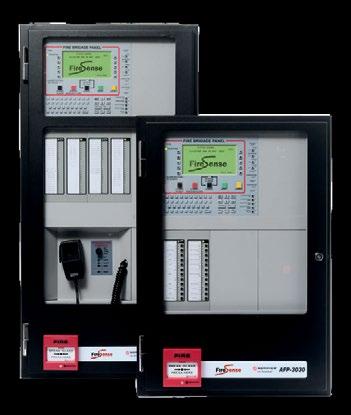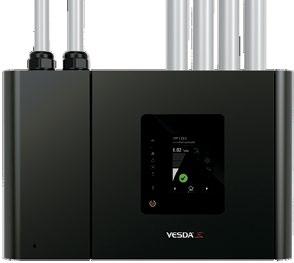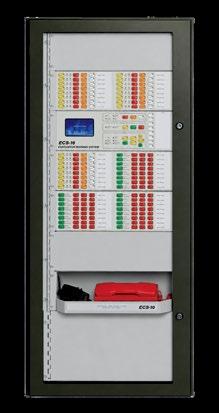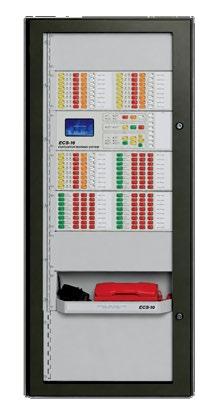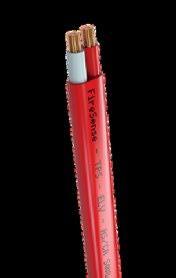
Simple and intuitive fire incident management
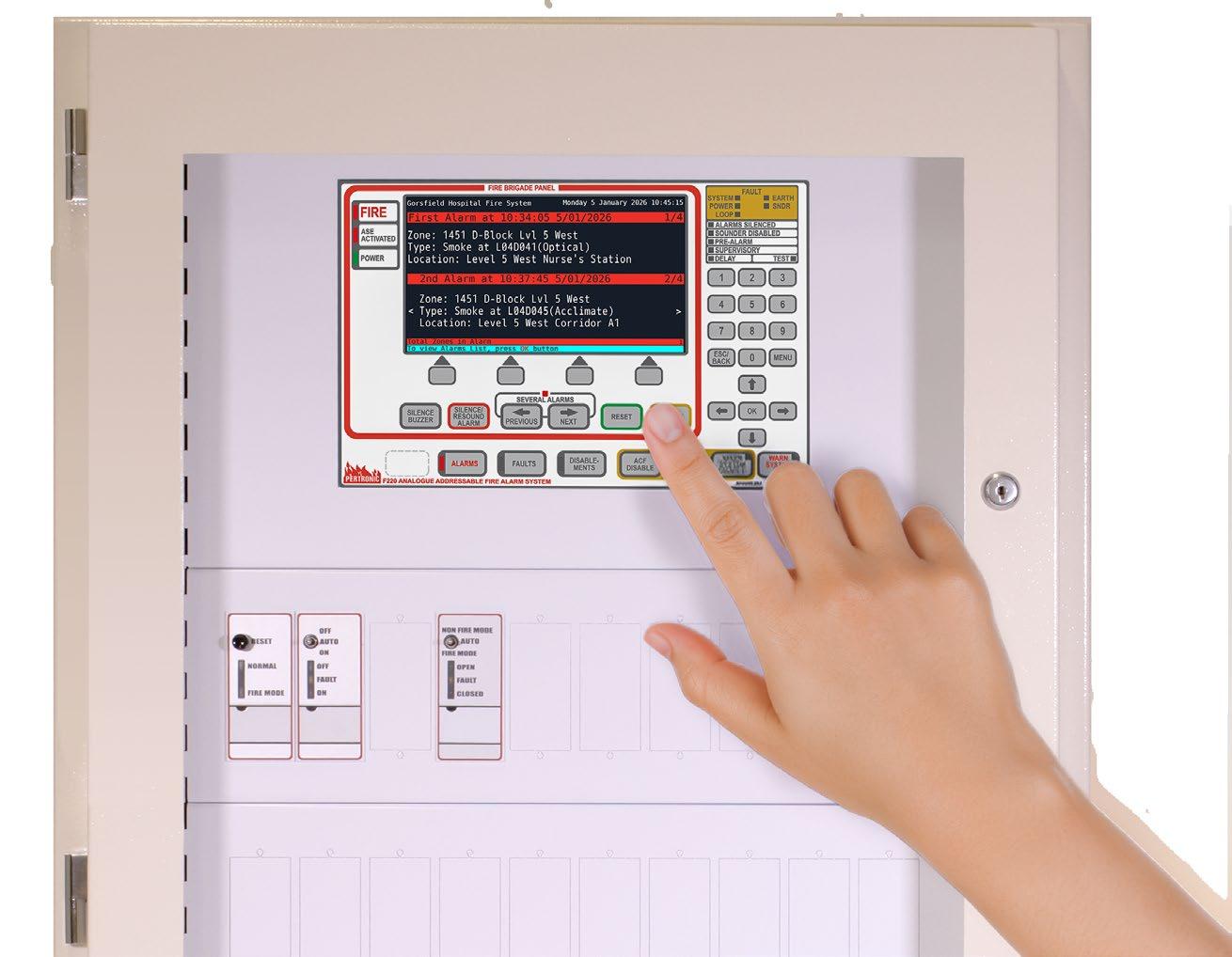
7-inch colour display with
Separate custom controls with large
friendly buttons

LEARN MORE
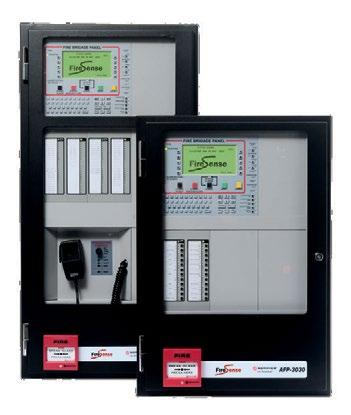
7-inch colour display with
Separate custom controls with large
friendly buttons
ROB WEBB CEO, AFAC

With AFAC26 powered by INTERSCHUTZ just around the corner, this issue shares a glimpse of what delegates can expect at Asia-Pacific’s premier emergency management conference and exhibition. Returning to Melbourne on 18–21 August, the event will bring together emergency management professionals, researchers, industry leaders, and technology providers from across Australia and around the world under the theme ‘Leading together: Integrity, inclusion and impact’.
In this edition, we highlight the conference program, including internationally recognised keynote speakers, Research and Innovation Day, and the co-located conferences that will showcase the latest thinking in disaster resilience, fire engineering, and inclusion. We also take a closer look at the exhibition, where delegates can explore emerging technologies, connect with industry leaders, and experience the return of the popular live demonstration program featuring real-world operational capabilities and innovations shaping the future of emergency management.
Whether you are attending to learn, network, or discover new ideas and technologies, AFAC26 offers an opportunity to engage with the people and innovations shaping the future of the sector. We look forward to welcoming you to Melbourne in August.
This edition also explores how the 2025–26 higher-risk season placed Australia’s national resource sharing arrangements under sustained pressure, as Tropical Cyclone Narelle moved across multiple jurisdictions, causing immense flood and storm damage. Through the AFAC National Resource Sharing Centre, agencies worked at pace to deploy personnel and capability where they were needed most, which reinforced how collaboration across borders has become central to sustaining response and recovery in increasingly complex conditions.
This issue also reflects on key insights from the 2026 Lessons Management Forum, which explored how the sector can strengthen learning, adaptation, and collaboration in the face of increasingly complex emergencies. We also feature coverage of the 2026 National Memorial Service, where the fire and emergency services sector came together in Canberra to honour personnel who lost their lives in the line of duty, recognising their service, sacrifice, and enduring legacy.
We encourage you to read on and explore the ideas, insights, and perspectives shaping emergency management today.
LISTING
To advertise in Fire Australia, contact: FPA Australia, magazine@fpaa.com.au FPA Australia, PO Box 1049, Box Hill VIC 3128, Australia

6 Fire Protection Industry Awards 2026
8 Seasonal Bushfire Outlook for winter 2026
9 Floodplain Management Australia Conference 2026
10 AFAC26 powered by INTERSCHUTZ— Leading together: Integrity, inclusion and impact
13 FPA Australia democratic elections
14 Season of support: AFAC NRSC’s response to Tropical Cyclone Narelle 17 Fire testing in Australia’s building industry 18 Future-proof careers 20 Making compliance work through industry advocacy
23 Beyond best practice: Understanding emergency planning requirements
24 Honouring service and sacrifice at the National Memorial Service
25 HFSCA’s priorities and Class 1c
26 From lessons identified to learning in motion 28 Research delivering impact
29 Australia’s first framework for tracking first responder trauma
33 When operational doesn’t mean reliable: The risk of unsupported fire alarm infrastructure
Acknowledging World Environment Day: How the fire protection industry is helping our planet
corner: Unpacking Western Australia’s building regulatory framework
Perspectives from the sector: Five years on: So much change, so much the same
In the spotlight: The International Fire Behaviour and Fuels Conference 2026
Blast from the past: Major fire in Leith rope works, 1936
Movers and shakers
Calendar of events
Fire Australia is a joint publication of Fire Protection Association Australia and AFAC. We aim to bring the latest news, developments, and technical information to the fire protection industry, fire and emergency services organisations, and hazard and emergency management agencies. Fire Australia is produced quarterly and distributed throughout Australia and New Zealand. Editorial submissions and letters to the editor are welcome and can be sent to magazine@fpaa.com.au. For more details on submitting a contribution, please contact the editors.
CLAIRE CRAWFORD (FPA Australia) Tel +61 3 8892 3131 magazine@fpaa.com.au
LISA JAUNALKSNIS (AFAC) Tel +61 3 9418 5200 lisa.jaunalksnis@afac.com.au
DISCLAIMER The views expressed in this publication are not necessarily those of FPA Australia or AFAC. Articles and advertisements are published in good faith but Fire Australia magazine and its agents do not warrant the accuracy or currency of any information or data contained herein. Fire Australia magazine and its agents do not accept any responsibility or liability whatsoever with regard to the material in this publication. It is not possible for FPA Australia to ensure that advertisements published in this magazine comply in all respects with the Competition and Consumer Act 2010 and the provisions which apply to advertising. Responsibility lies with the person, company, or agency submitting the advertisement for publication. Material in Fire Australia magazine is subject to copyright. This publication may not be reproduced in printed or electronic form without permission. Contact +61 3 8892 3131

18-21 August 2026 | Melbourne Convention and E xhibition Centre (MCEC)
Across 3 days of conference programming and exhibition, AFAC26 will examine how transformational leadership grounded in integrity, equity and inclusion can shape the future of our industry. We will explore and celebrate how diverse voices and inclusive cultures foster innovation, strengthen social licence, and build community trust.
Encapsulating



The Fire Protection Industry Awards Gala Dinner, held as part of Fire Australia 2026, brought together leaders, innovators, and professionals from across the sector to celebrate excellence in fire protection. Congratulations to all finalists and winners for their exceptional achievements and contributions to the industry.
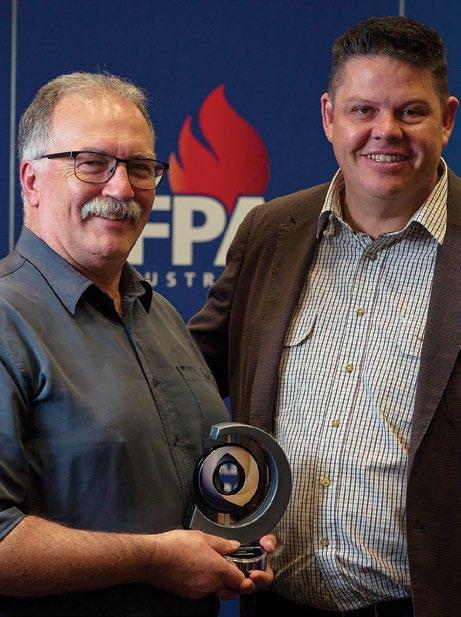
The Meritorious Service Award is presented at the discretion of the FPA Australia Board of Directors and recognises individuals who have made a meaningful and lasting contribution to both the Association and the broader fire protection industry. This year’s recipient, Carmelo Scaffidi, brings more than 35 years of experience across product design, compliance, and installation. He has provided deep technical and practical insight into the challenges facing the industry, participating in FPA Australia’s Technical Advisory Committee for detection and alarm systems since 2008, chairing the committee since 2014, and representing FPA Australia on Standards Australia’s FP-002 committee.
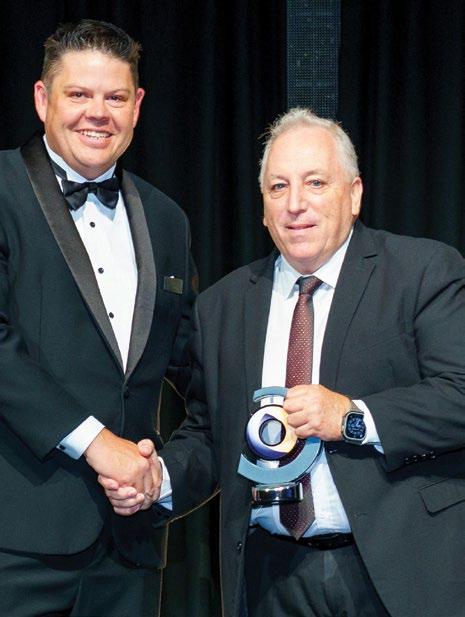
The A.V. Viscogliosi Award recognises excellence for outstanding service to fire protection. This year’s recipient is John Lynch, recognising his more than 25 years of outstanding contribution to the Australian fire protection industry through his technical expertise, leadership, and dedication to improving industry practice. As Chair of FPA Australia’s Technical Advisory Committee for maintenance and a representative on Standards Australia’s FP-001 committee, Mr Lynch has played a significant role in the ongoing development and evolution of AS 1851—one of the industry’s most important standards for the routine service of fire protection systems and equipment.
THE FIRE PROTECTION INDUSTRY (ODS & SGG) BOARD, OZONE AWARD
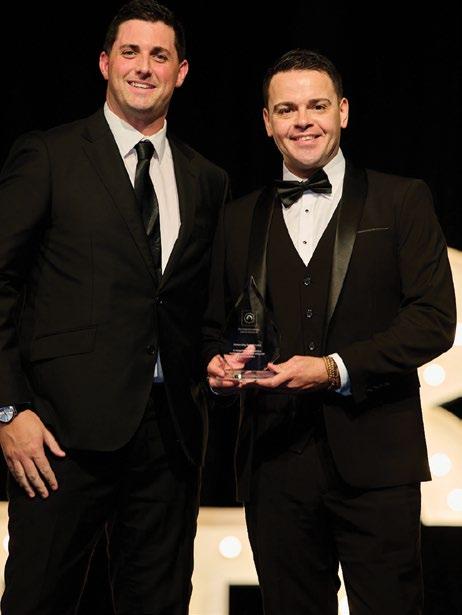
DIS Fire Systems
DIS Fire Systems has been recognised with the 2026 Outstanding Ozone Practice Award for its leadership in reducing emissions and supporting the transition to cleaner alternatives across the fire protection industry. Presented by the Fire Protection Industry Board in collaboration with the Department of Climate Change, Energy, the Environment and Water, the award acknowledges organisations demonstrating practical action and measurable outcomes in moving away from scheduled extinguishing agents.
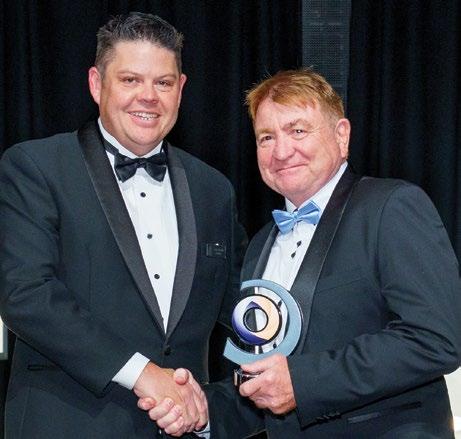
The Barry Lee Technical Excellence Award recognises outstanding technical contribution to the fire protection industry and honours individuals who have advanced capability, standards, and professional practice across Australia. The 2026 award has been presented to Rodney Rolfe in recognition of a remarkable career spanning more than five decades of service and leadership within the industry.
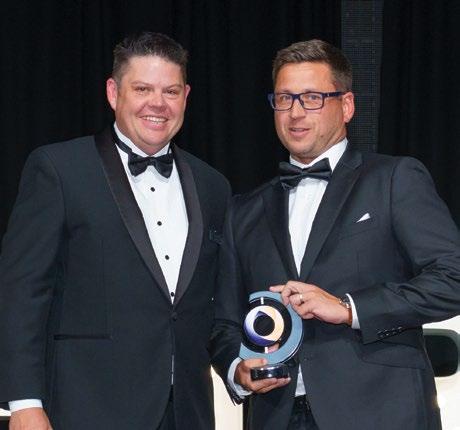
Ron Coffey Award for Excellence in Bushfire Protection
Stuart McMonnies, Building Code & Bushfire Hazard Solutions
The Ron Coffey Award for Excellence in Bushfire Protection recognises outstanding leadership and contribution to bushfire planning, design, and community safety across Australia. The 2026 award has been presented to Stuart McMonnies of Building Code & Bushfire Hazard Solutions in recognition of his significant contribution to advancing bushfire protection outcomes across the industry.
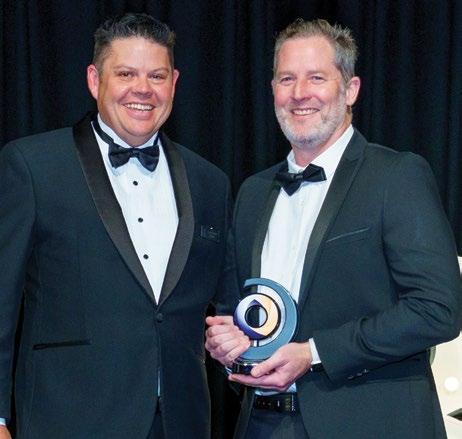
The Innovative Product and Technology Solution Award recognises innovation that addresses real-world challenges in fire protection through practical, scalable solutions that improve the way fire risk is detected, managed, and responded to. The 2026 award has been presented to Indicium Dynamics for the development of an advanced AI-enabled bushfire detection and intelligence platform designed to operate across vast and remote landscapes throughout Australia.
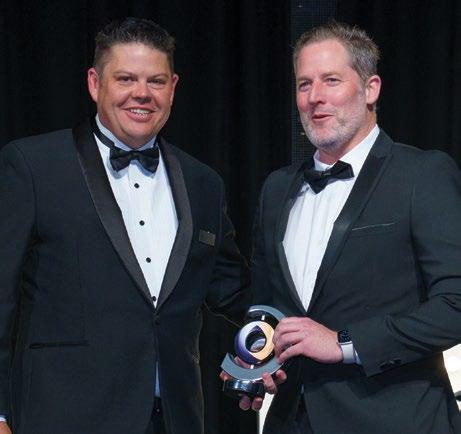
Protection Project of the Year Award
Tasmanian Integrated Fire Camera Network, Indicium Dynamics/Fire Foresight
The Fire Protection Project of the Year Award recognises excellence in the delivery of fire protection projects, celebrating innovation, collaboration, and real-world impact across the industry. This year’s winning project is one of the most ambitious bushfire detection initiatives undertaken in Australia, bringing together AI, remote sensing, and real-time data into a single integrated platform designed to detect fires earlier and support faster emergency response.
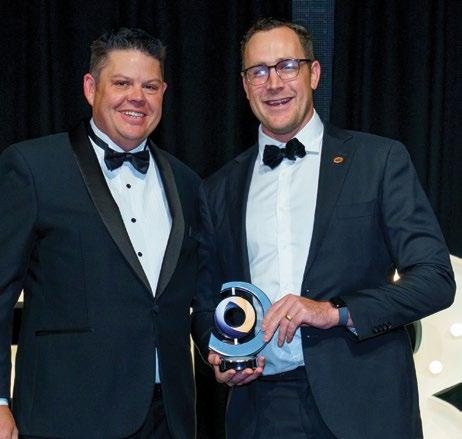
Charles Boyce, Jensen Hughes
The Young Achiever of the Year Award recognises an emerging professional demonstrating outstanding performance, initiative, and leadership potential within the fire protection industry. This year’s recipient, Charles Boyce, is widely regarded as a rising leader in passive fire protection, combining strong technical expertise with hands-on construction experience developed across more than a decade in both design and site environments.
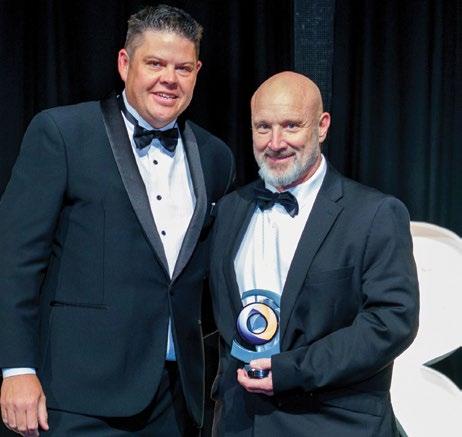
The Harry Marryatt Fire Protection Company of the Year Award recognises an organisation demonstrating excellence across all aspects of the fire protection industry, from capability and innovation through to leadership, people development, and community impact. This year’s recipient, Walker Fire Protection, has built a strong reputation as an industry leader, consistently delivering high-quality outcomes while investing heavily in developing the next generation of fire protection professionals.
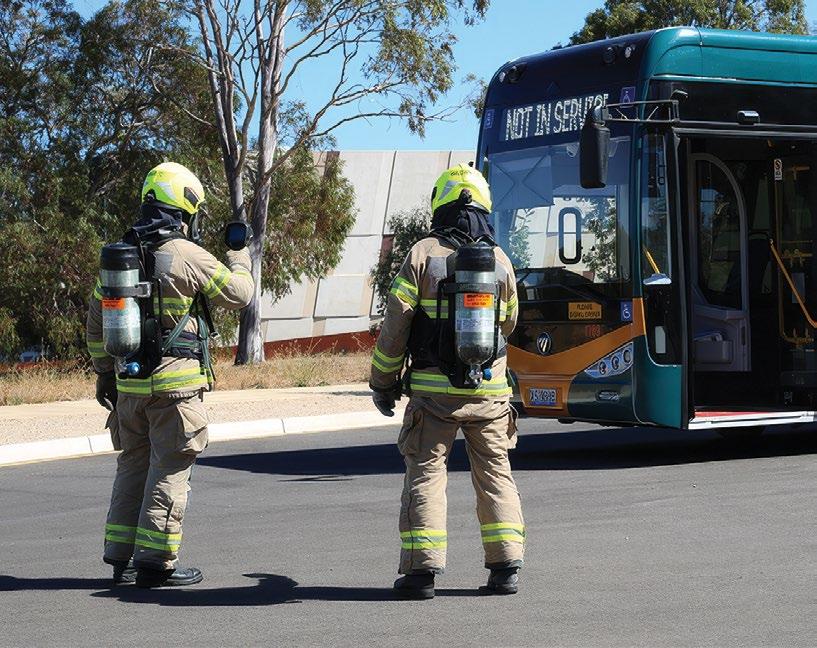
AFAC is pleased to announce that the Advanced Hydrogen Training for Emergency Responders course is online.
The course is designed for Australian career and volunteer emergency response and fire and rescue personnel, as well as non-operational team members. This training addresses an identified gap in essential emergency responder capability and provides guidance on how to respond to incidents involving: hydrogen-fuelled heavy vehicles, including fuel cell electric vehicle trucks and buses and their associated components hydrogen refuelling stations, including identifying site layout, hazards, safety zones, venting behaviour, and hydrogen fire behaviour and response strategies.
This course builds on the content of the Hydrogen Safety Awareness Training Program and assumes this prior knowledge.
AFAC delivered this project alongside Deakin University, which led the development of this online course. AFAC and Deakin University would like to thank the key stakeholders and subject matter experts who contributed to the design and development of the course material.
This project was supported by funding from Australian governments through the Energy and Climate Change Ministerial Council. The funding enabled the creation of the training as a critical foundational step in the development of a safe, reliable hydrogen industry in Australia.
View the Advanced Hydrogen Training for Emergency Responders course here: hydrogen-training.afac.com.au
For more information or assistance with the online course, please contact hydrogenonline@afac.com.au
BY LISA JAUNALKSNIS
Communications Officer, AFAC
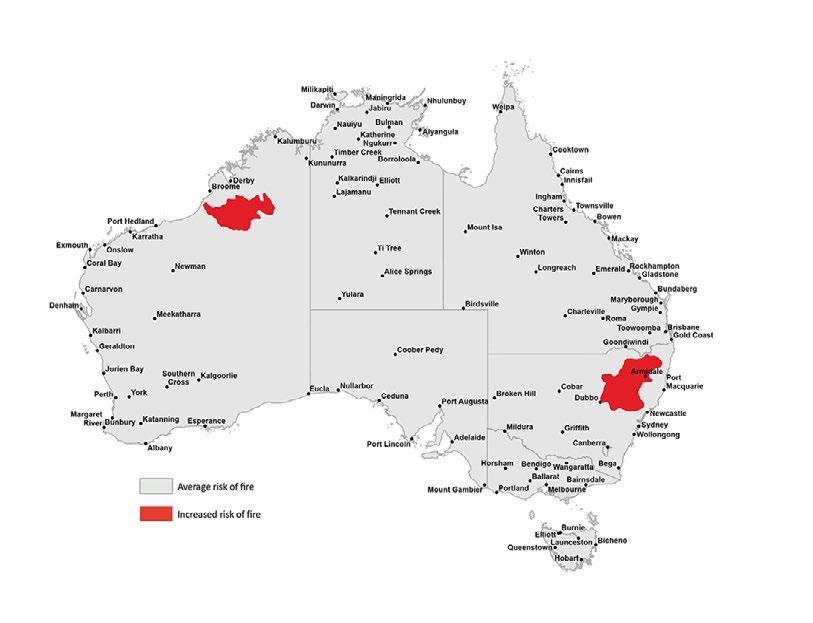
AFAC has released Australia’s national bushfire outlook for winter, with fire authorities predicting an increased risk of fire across the northern parts of the Great Sandy Desert and surrounds in WA, and parts of central and northern NSW.
Over the south-east, the potential for conditions that are drier and warmer than normal has authorities watching fuels closely. Without significant rainfall, there is potential for increased fire activity later in the year.
In WA, risk of fire is expected to be mostly average, with increased risk in parts of Dampierland, the northern Great Sandy Desert, and the Ord Victoria Plain as the dry season progresses.
Above-normal fire potential is expected in drought-affected areas of central and northern NSW later in winter, driven by unusually hot and dry autumn conditions that have expanded drought across much of the state.
AFAC CEO Rob Webb said: “Contrasting but equally important bushfire risks are evident across NSW and WA. Ongoing dry conditions continue to drive concern in NSW, while elevated grass fuel loads following a wet season are increasing risk in northern WA, highlighting Australia’s vast landscape and the importance of being prepared for bushfire year-round.
“Communities are encouraged to be vigilant, even in areas of Australia that show a normal risk of fire this season. A dry winter could signal an early start to the bushfire period, so stay connected to advice from your local fire services.”
The areas marked in red on the map represent an increased risk of fire, largely driven by below-average rainfall and dry conditions.
The Seasonal Bushfire Outlook is the culmination of a complex analysis by expert fire specialists across Australia and climate prediction and fire weather experts from the Bureau of Meteorology.
This outlook was developed by the Bureau of Meteorology, ACT Rural Fire Service, Bushfires NT, Country Fire Authority Victoria, Department of Energy, Environment and Climate Action Victoria, NSW Rural Fire Service, Queensland Fire Department, SA Country Fire Service, Tasmanian Fire Service, Department of Fire and Emergency Services WA, and AFAC.
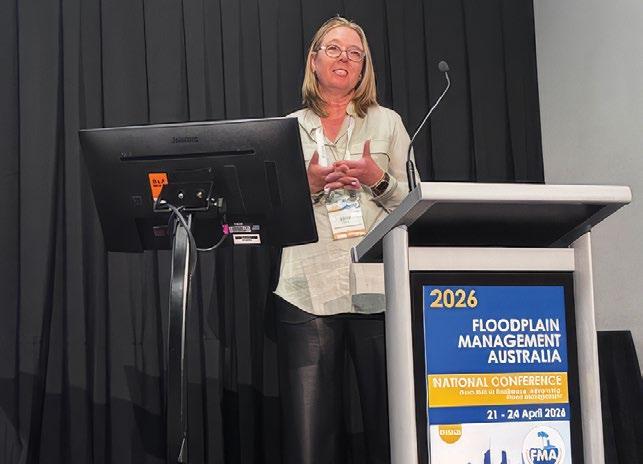
The Floodplain Management Australia Conference 2026 was held at Gold Coast Convention and Exhibition Centre from 21–24 April. This year, the conference focused on the theme ‘From risk to resilience: Advancing flood management’.
The Floodplain Management Australia National Conference 2026 brought together flood practitioners, policy-makers, and emergency management leaders to explore how Australia can strengthen flood risk management in an increasingly complex and changing environment.
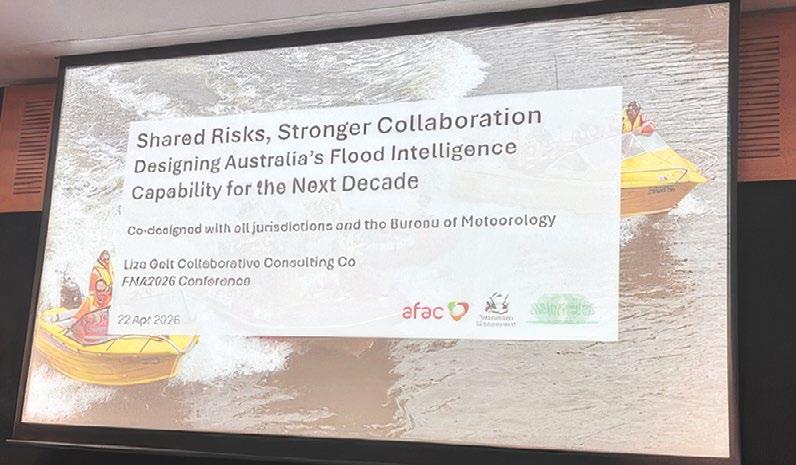
Liza Gelt from Collaborative Consulting Co facilitated a pre- conference workshop and presented a session during the conference on the National Flood Intelligence Roadmap project led by the AFAC Flood and Severe Weather Intelligence Services Technical Group. The project is focused on improving how flood intelligence supports confident, consistent decision-making across Australia.
The Natural Hazards Research Australia pre-conference workshop focused on roadmap initiative B2: setting the national direction. Drawing on cross-jurisdictional and cross-sector
perspectives, the workshop explored flood intelligence as a connected system—spanning people, processes, systems, partnerships, governance, and resources—and reinforced the need to move beyond hazard information towards consequence-focused intelligence that better supports preparedness, decision-making, and community outcomes.
A key theme from both the workshop and conference session was the shift from hazard-based information to consequence-focused intelligence. While rainfall, river heights, and flood extents remain critical inputs, the presentation emphasised the growing need for intelligence that clearly explains what flooding means for communities, critical infrastructure, essential services, and response capacity, and how those impacts evolve over time.
The presentation also highlighted that flood intelligence extends well beyond the emergency management sector. Effective flood intelligence relies on coordinated inputs from land use planning, infrastructure owners and operators, utilities, transport agencies, research organisations, and local government, as well as strong
links to community knowledge and experience. The roadmap recognises flood intelligence as a shared national endeavour that cuts across multiple sectors and responsibilities.
Stakeholder engagement undertaken as part of the project has identified common challenges across jurisdictions, including fragmented data systems, inconsistent approaches to impact assessment, variable technical capability, and increasing analytical workload as the volume of data, models, and tools continues to grow. At the same time, the work has surfaced significant strengths, including deep operational expertise, strong professional networks, and a clear appetite for collaboration across Australia.
Importantly, the roadmap positions flood intelligence as a system, not a single function. It highlights the need for aligned governance, interoperable systems, consistent workflows, skilled people, and trusted partnerships working end-to-end from data collection and modelling, through to intelligence production and decision support. Strengthening one element in isolation is not sufficient without corresponding maturity across the system as a whole.
A key theme from both the workshop and conference session was the shift from hazard-based information to consequence-focused intelligence.
BY APRIL HAWKSWORTH
Communications Officer, AFAC
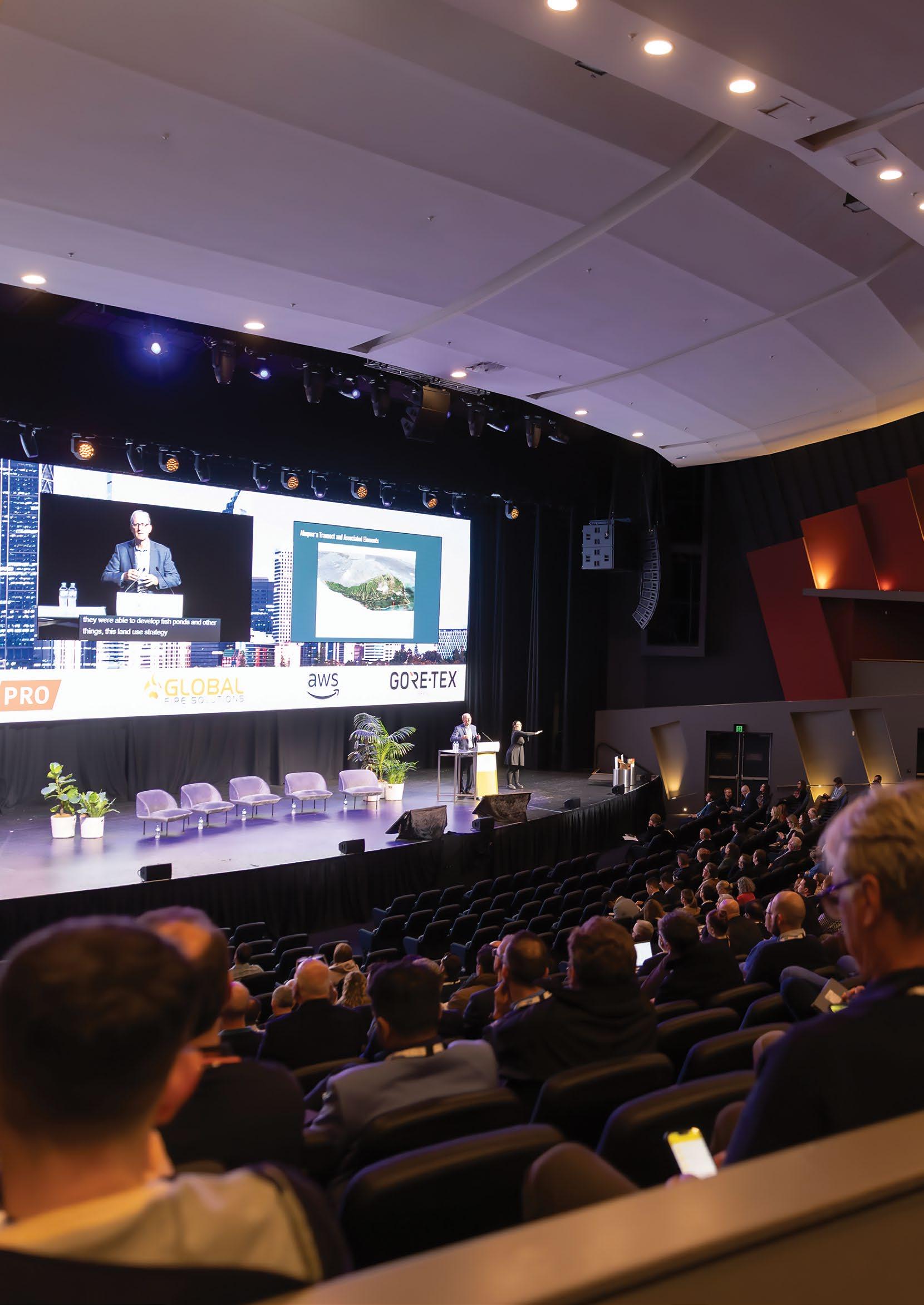
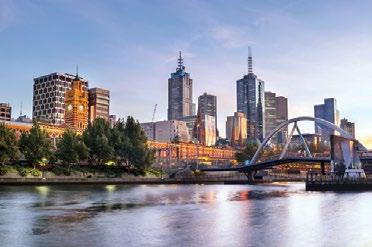
AFAC26 powered by INTERSCHUTZ will return to the Melbourne Convention and Exhibition Centre from 18–21 August 2026, bringing together emergency management professionals, researchers, industry leaders, and technology providers from across Australia and around the world.
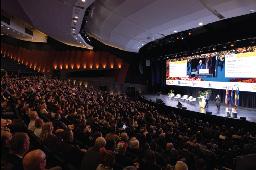
As Asia-Pacific’s premier emergency management conference, the event provides four days of learning, collaboration, and professional connection, featuring a world-class exhibition, internationally respected keynote speakers, and a series of co-located conferences focused on strengthening resilience and capability across the sector.
Building on the success of the 2025 event in Perth, which attracted 4,451 attendees from 32 countries as well as 228 exhibitors, AFAC26 will be held under the theme ‘Leading together: Integrity, inclusion and impact’. The program will explore inclusion in practice and how ethical leadership can be embedded in organisations.
As communities, organisations, and cultures continue to change, the
program will challenge traditional thinking and encourage delegates to consider how to meet the evolving expectations of the communities they serve.
The event is co-located with the Australian Disaster Resilience Conference, the Institution of Fire Engineers (Australia) National Conference, and the Women and Firefighting Australasia Conference, bringing together the latest research and innovation across multiple streams.
Research and Innovation Day opens AFAC26 with a showcase of cutting-edge ideas, science, and technology shaping the future of emergency management and response across the region. Designed for researchers, technology leaders, emergency service managers, data specialists, environmental scientists, and product developers, the event spotlights innovation in disaster preparedness and resilience.
The Professional Development program, held on Friday 21 August, will offer interactive workshops and field trips that draw on Victoria’s diverse landscapes and industry expertise, giving attendees hands-on experience to strengthen practical and operational emergency management skills.
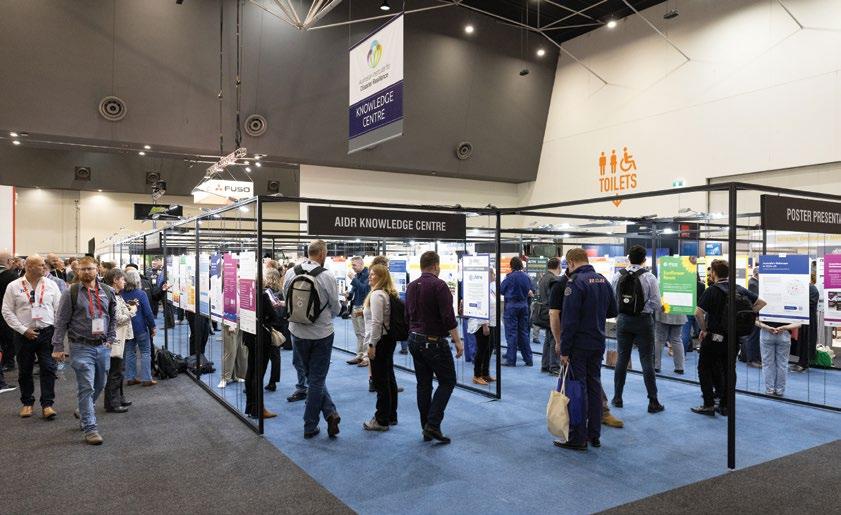

Left: The AIDR Knowledge Centre in centrally located in the AFAC26 Exhibition. Delegates are encouraged to explore the Knowledge Centre and view, read, and discuss poster display content with the researchers and authors.
Above: Beyond the conference and exhibition, the event will offer opportunities for networking and professional development.

Professor Christine Kenney, Distinguished Professor of Disaster Risk Reduction at Massey University
Keynote: Indigenous knowledges and disaster risk reduction: Challenges and opportunities at the interface
Professor JC Gaillard, Ahorangi
o te Matawhenua / Professor of Geography at Waipapa Taumata Rau
/ The University of Auckland and Research Fellow at the University of the Philippines Resilience Institute
Keynote: Challenges and opportunities in fostering people’s inclusion in disaster risk reduction
Craig Foster, former Socceroo Captain, broadcaster, Adjunct Professor, author, filmmaker, and human rights activist
Keynote: From the pitch to the community: Leadership, culture, and the power of belonging
Professor Jenny George, Dean and Director, Melbourne Business School
Keynote: Human/AI decision-making: How is the world changing?
Dr Jorian Kippax, Emergency Doctor, 2026 Tasmanian of the Year
Keynote: The Franklin River rescue: collaborative leadership, rigorous
training and absolute trust in Tasmania’s wilderness
Captain Chris Smith CSC PhD RAN, Senior Officer, Australian Defence Force
Invited speaker: Making the call: Leadership, judgment, and learning in complex environments
Exhibition
The AFAC26 exhibition will bring together leading suppliers, service providers, and innovators from across the emergency management sector, creating a hub for delegates to explore the latest products, technologies, and operational
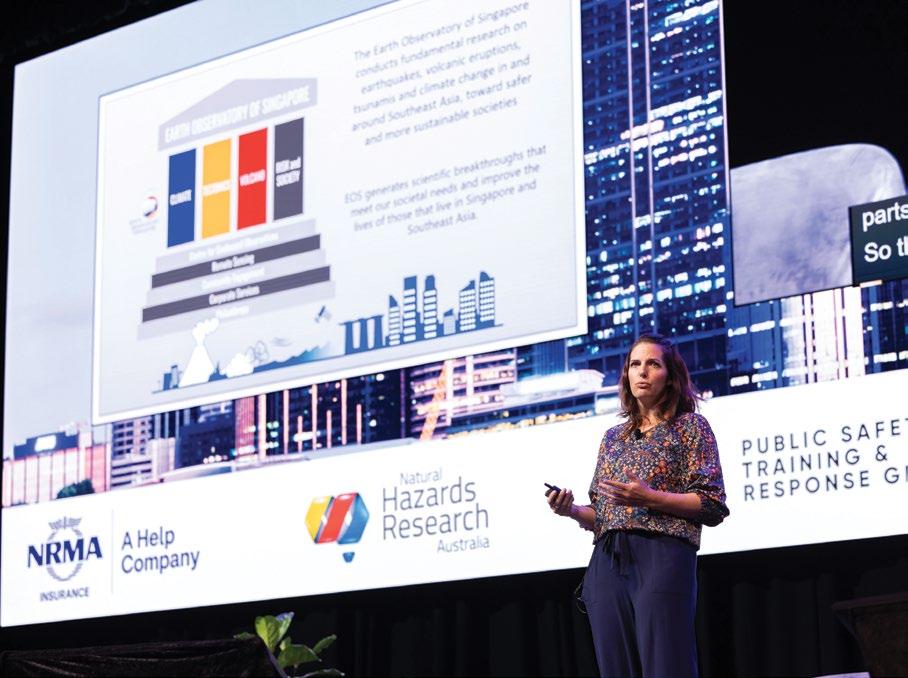
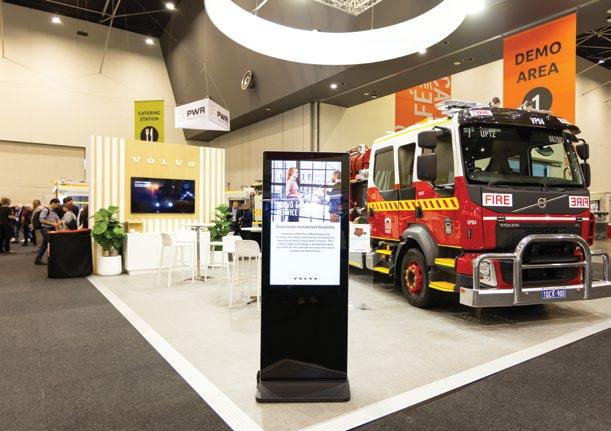
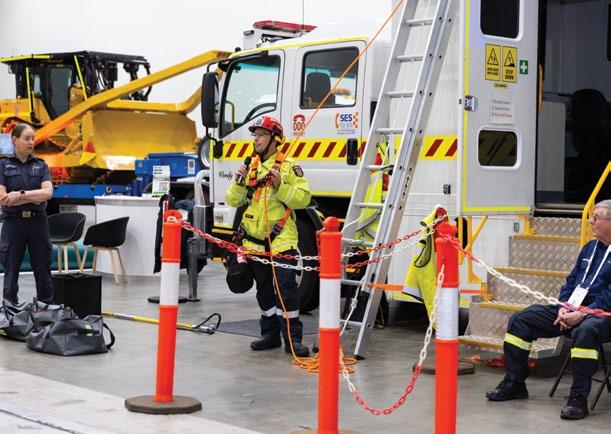
solutions shaping the future of emergency management.
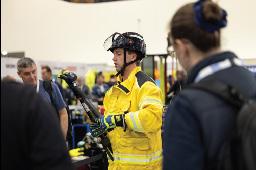
Featuring national and international exhibitors, the exhibition will showcase advancements across fleet and personal protective equipment (PPE), workforce capability and safety, community risk reduction, communications systems, operational response technologies, fire safety, building standards, and emerging technologies. The exhibition provides an opportunity for attendees to engage directly with industry experts, discover new solutions, and gain insight into evolving sector challenges and opportunities.
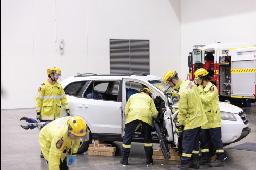
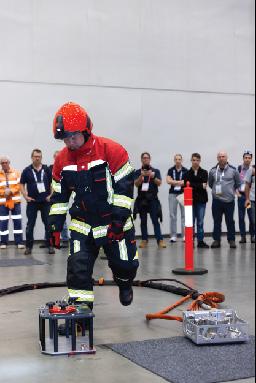
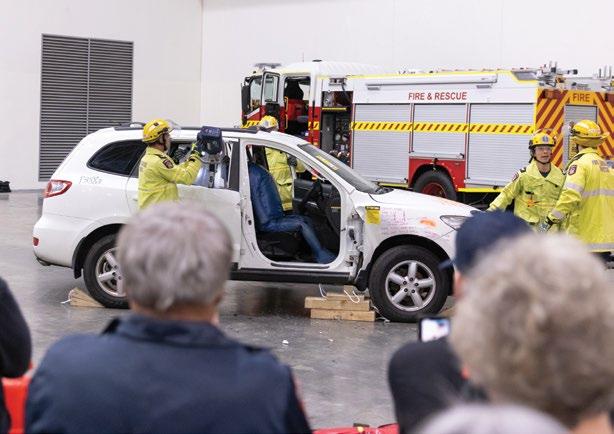
AFAC26 will once again present its live demonstration program at the loading dock of the Melbourne Convention and Exhibition Centre. To be held on 19–20 August, the program will feature interactive demonstrations from exhibitors, including crash scene extrication, electric vehicle fire suppression, decontamination systems, robotics, and other emerging response capabilities.
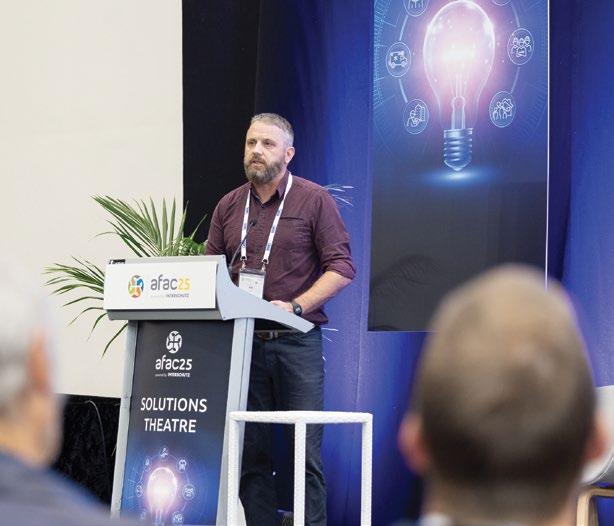
The AFAC Solutions Theatre, located between bays 16 and 17 of the exhibition, will feature a comprehensive program of 20-minute practical and educational presentations from exhibiting manufacturers and suppliers designed to keep delegates informed on industry developments and best
practice outcomes. It will be held on 18–20 August and is free to attend.
The Australian Institute for Disaster Resilience Knowledge Centre, located across bays 15 and 16, will feature the popular Poster Display showcasing industry research, innovative projects, and ideas driving change across emergency management. Attendees can connect directly with researchers and authors, vote for the best poster presentation, and continue discussions with conference speakers in the nearby Continuing Conversations Lounge.
Resilience Lane will return to the exhibition hall, providing a dedicated space for community-focused organisations to showcase projects, initiatives, and services that support resilience building.
Finally, the Resources Rescue Theatre returns to the exhibition hall on 18–20 August as part of AFAC26 in Melbourne, delivered in partnership with the Emergency Management Community of Practice. This accredited program will feature expert-led sessions focused on the unique challenges of the resources sector, including mining, oil and gas, and industrial operations.
For more information, visit afacconference.com.au


BY RUSS PORTEOUS
Every 12 months, the Board of FPA Australia evolves through a constitutional election process, open to all financial members. All qualifying financial members have an opportunity to be nominated, then through the election process, become a Director of FPA Australia.
This annual election cycle allows financial members the opportunity to become part of the strategic policymaking process for FPA Australia as an elected Director. Under the Constitution of Fire Protection Association Australia and By-laws of Fire Protection Association Australia, the Board operates with a maximum of six Elected Directors and up to three Board- appointed Directors, who need not be members.
Each Elected Director serves a three-year term, with a strict requirement that the two longestserving Directors must retire at the Annual General Meeting (AGM), typically in November each year.
Crucially, retiring incumbent elected Directors retain the constitutional right to renominate, setting up a dynamic ballot where fresh candidates run alongside experienced leaders.
Directors are responsible for managing and directing the activities of FPA Australia, consistent with the purpose1 of the Association.
The election process is set out in the constitution, with the timeline worked in reverse from the date of the AGM. Generally, the election process begins with a notification and call for nominations to members, in early September each year, with the election occurring in October.
To be nominated for election, you must satisfy the eligibility criteria required in the constitution, by-laws, the Corporations Act 2001 (Cth), and by the Australian Charities and Not-for-profits Commission (ACNC).
As a Director, you will need to allocate a certain amount of time to your responsibilities. The time commitment varies from person to person, but a good rule of thumb would be approximately 15 minutes per day dealing with emails, and not less than two hours per week in other matters. Additional time may also be required depending on subcommittee commitments and the affairs of the Association at any given time.
FPA Australia operates with strict commercial neutrality. Board membership must not be used to gain a business, commercial, or strategic advantage for yourself or your employer. In accordance with
the Corporations Act 2001 (Cth) and ACNC guidelines, Directors must always put the interests of the Association and its members ahead of private commercial motivations. To protect our industry reputation, strict confidentiality and conflict-of-interest protocols are strictly enforced.
Serving as a Director offers a profound opportunity to shape the future of the fire protection industry in Australia. While the position is a voluntary commitment, the true reward lies in the ability to drive industry-wide improvement, elevate professional standards, and champion fire safety initiatives that protect people and communities nationwide.
As a Director, your voice and actions will directly contribute to a safer industry, providing the unique satisfaction of leaving a lasting, positive legacy for your peers and the public.
If you are interested in learning more about being nominated for the election process, feel free to write to the FPA Australia Company Secretary at company.secretary@fpaa.com.au
1 Clause 4 of the Constitution of Fire Protection Association Australia outlines the charitable purposes and powers of the organisation.
BY LISA JAUNALKSNIS
Communications Officer, AFAC
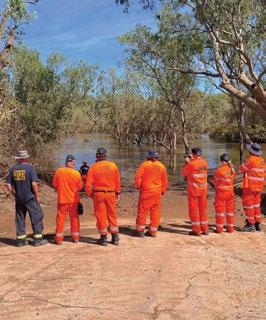
The 2025–26 higher-risk season challenged emergency management agencies across northern Australia with a series of prolonged and complex weather events that impacted communities across multiple jurisdictions and highlight the value of national resource sharing.
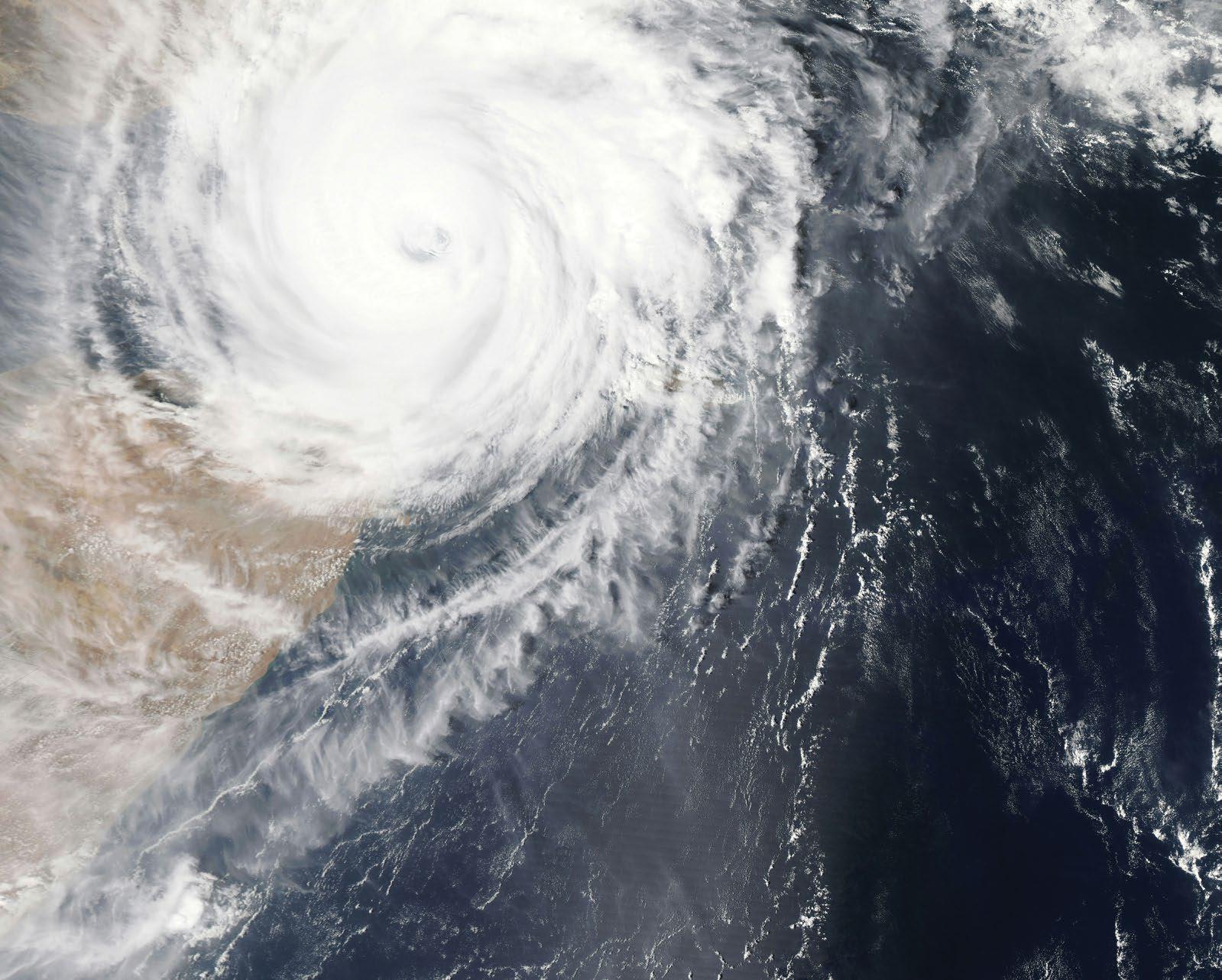
For the AFAC National Resource Sharing Centre (NRSC), the season was not defined by a single event, but by the cumulative impact of bushfire, flooding, and cyclones. Tropical Cyclone (TC) Narelle stood out for the scale of its impacts as it tracked across Queensland, the NT, and WA, leaving a trail of flooding, storm damage, and recovery challenges in its wake.
AFAC NRSC Deputy Director Operations, National Capability Emma Conway AFSM described the season in three words: relentless, scale, and possibility.
“The consequences of this system just kept coming,” Ms Conway said.
“Some communities were impacted multiple times. There was cyclone damage, flooding, and then more flooding. The season was relentless.”
While Australia has experienced more destructive cyclones in the past, she said the geographic reach of TC Narelle made it one of the most significant cyclone events that she has encountered at a national level.
“The scale of impact of Narelle was probably one of the more significant ones we’ve had. It affected an enormous area and a large number of communities across multiple jurisdictions.”
When large-scale emergencies occur, jurisdictional agencies often require additional personnel with specialist capabilities, logistical support, or recovery boots on the ground beyond what can be provided locally. This is where the AFAC NRSC supports the jurisdictions, playing a critical role in resource sharing.
The AFAC NRSC coordinates requests for assistance between Australian and New Zealand fire and emergency service agencies, helping jurisdictions access additional resources when local capability is under pressure.
When an agency feels they need more capability, particularly when dealing with multiple impacted communities, large-scale impacts, or recovery operations—as seen in the wake of TC Narelle—they can request support through the AFAC NRSC.
Cyclones pose a unique challenge, with agencies often needing to mobilise significant preparation efforts before the scale and nature of impacts are fully understood.
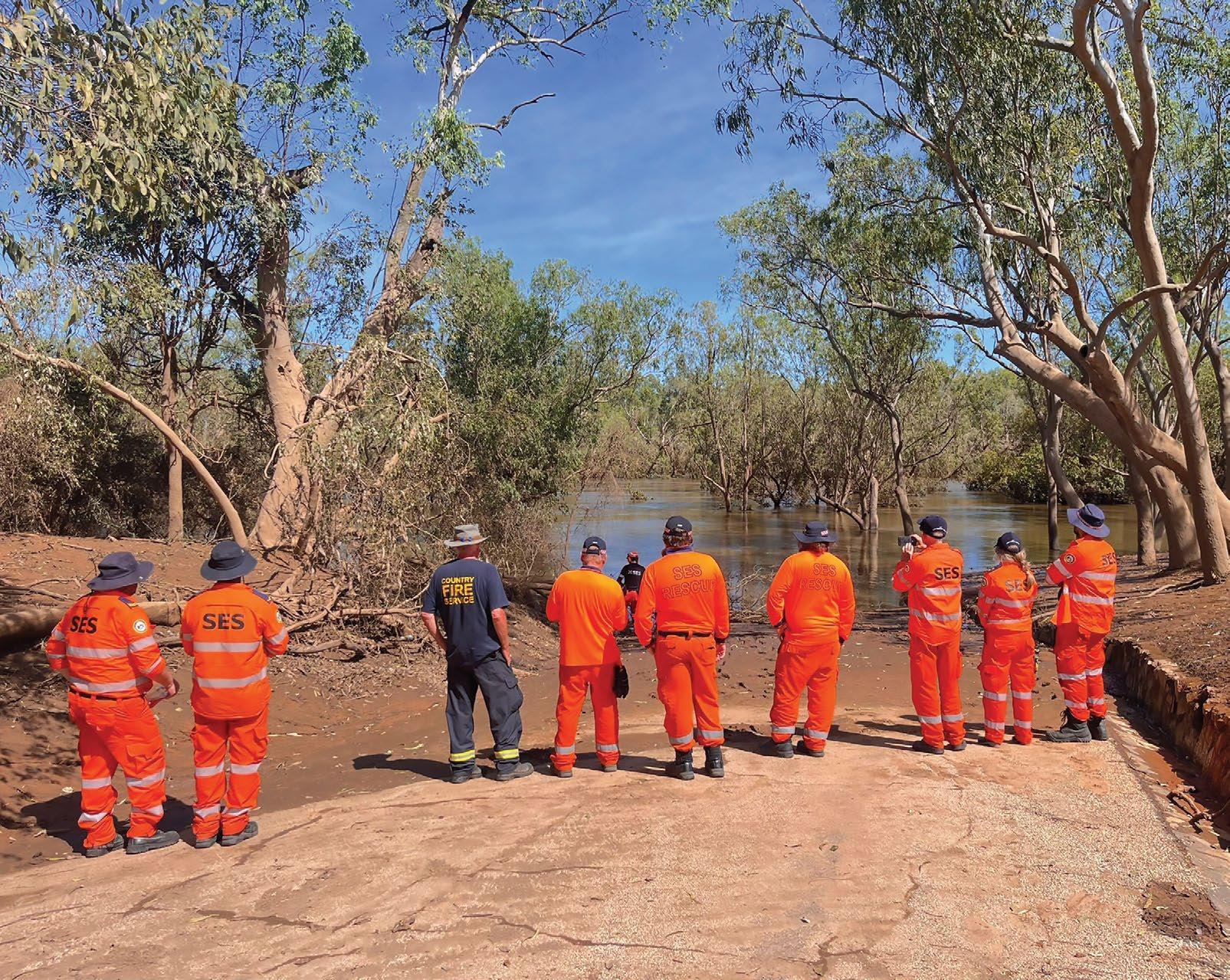
The AFAC NRSC works with resource managers across the country to identify available personnel, coordinate deployments, manage interstate resource sharing arrangements, and support the logistical requirements associated with moving resources around the country. An important part of this process is the deployment management teams that help requesting agencies manage the significant logistical challenge that comes with receiving interstate assistance.
“At a time when agencies are under their greatest pressure, we’re asking them to receive and manage additional resources from across the country,”
Ms Conway said.
Unlike some previous higher-risk weather seasons where incident management capabilities were in high demand, the major driver for support
during the 2025–26 cyclone season centred on storm recovery and flood clean-up operations.
“Most agencies were able to manage the incident response internally. What they needed was additional people on the ground to help communities recover.”
TC Narelle also followed a significant bushfire period for several states and territories, particularly WA, where emergency service personnel had already been operating at a heightened pace for an extended period. This created challenges for the responding agencies as exhaustion would have impacted their teams.
“One of the things Western Australia did very well was bring in interstate support so they could rest their own capability while maintaining operational capacity throughout the season.”
The ability to rotate personnel and spread workloads across jurisdictions
is becoming increasingly important as cascading and compounding emergency events grow more frequent across the country as the higher-risk weather season extends. This national resource sharing capability is critical to ensuring the Australia’s emergency response remains sustainable.
“Our seasons are getting longer, and agencies are being asked to remain operational for longer periods,” Ms Conway said.
The defining feature of TC Narelle was its movement over three states and territories over a period of time. Rather than impacting a single jurisdiction, the system tracked from Queensland into the NT, before travelling into WA. This meant support requirements largely followed the cyclone’s path, but it also created coordination challenges.
Neighbouring jurisdictions often
As higher-risk weather conditions extend and hazards become more frequent, inter-jurisdictional collaboration is increasingly critical to enabling personnel rotations, sharing workloads, and sustaining response capability across the country.
support one another in times of need and during emergencies; however, when multiple northern jurisdictions were simultaneously impacted, additional resources needed to come from more distant locations that may not have had experience operating in those environments.
“Personnel deployed from southern Australia into the Northern Territory were operating in conditions very different from those they’re used to, including heat, humidity, and the remote logistics challenges of more tropical environments,” Ms Conway said.
The movement of emergency service personnel over greater distances also increased travel times and logistical complexities, particularly when resources needed to be transported beyond major centres and into remote areas.
From December 2025 to March 2026, the AFAC NRSC coordinated 1,792 personnel in several interstate deployments, responding to high-risk weather, storms, flooding, cyclone damage, and bushfire. This highlights the unpredictability and complexity of what Australian agencies are facing and emphasises the need for preparedness.
This season, the sector was reminded of the importance of preparation even when forecasts remain uncertain. Cyclones present a unique challenge, as agencies often need to prepare extensively before the full extent of impacts is known.
“There was a lot of work around preparation that we never had to use, which was fantastic,” Ms Conway said, “but that work still has to happen so that if resources are needed, everything is ready to go.”
This preparedness is seen across Australia’s broader emergency management sector. While the National Aerial Firefighting Centre (NAFC) did not receive any requests for additional aviation support during TC Narelle, the level of preparation remains the same—NAFC maintains contracts and tools throughout the year to allow for rapid aircraft deployment if required.
NAFC’s Director, Josephine Stirling, said Australia’s emergency aviation capability is designed to support multiple hazards, including cyclones and floods. In 2024, the Australian Government supported the procurement of multi-role national aircraft capable of carrying passengers, transporting supplies, and conducting aerial intelligence gathering during emergency events.
“We’re planning years in advance,” Ms Stirling said. “The aircraft contracts and systems are already in place and ready to go where and when needed.”
The availability of these resources, combined with national situational awareness tools and established resource sharing arrangements, helps ensure agencies can access support when required.
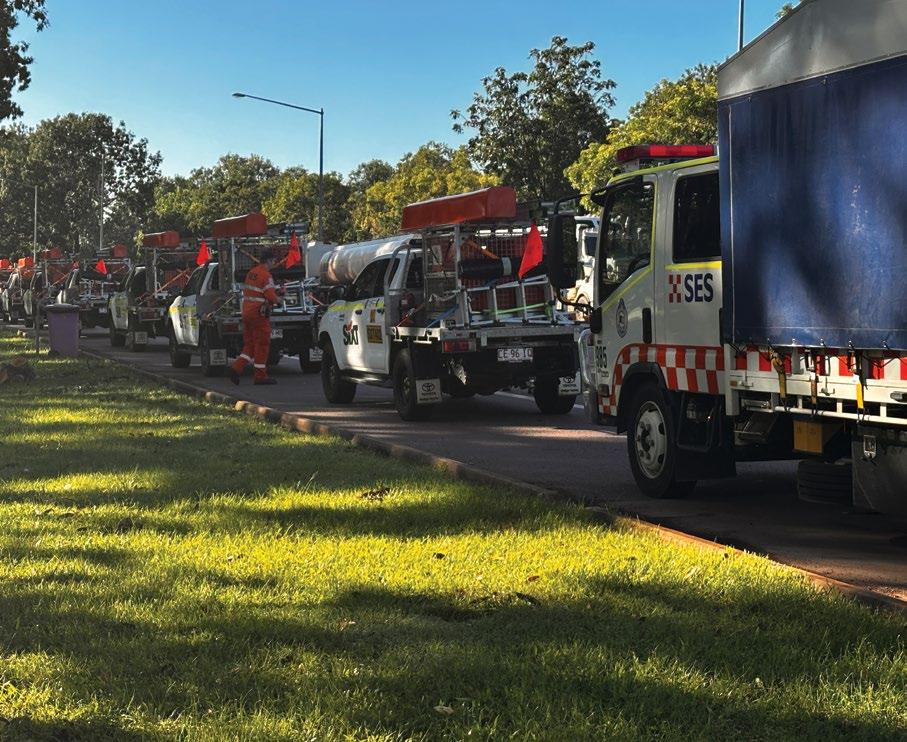
Neighbouring jurisdictions often support one another in times of need and during emergencies; however, when multiple northern jurisdictions were simultaneously impacted, additional resources needed to come from more distant locations that may not have had experience operating in those environments.
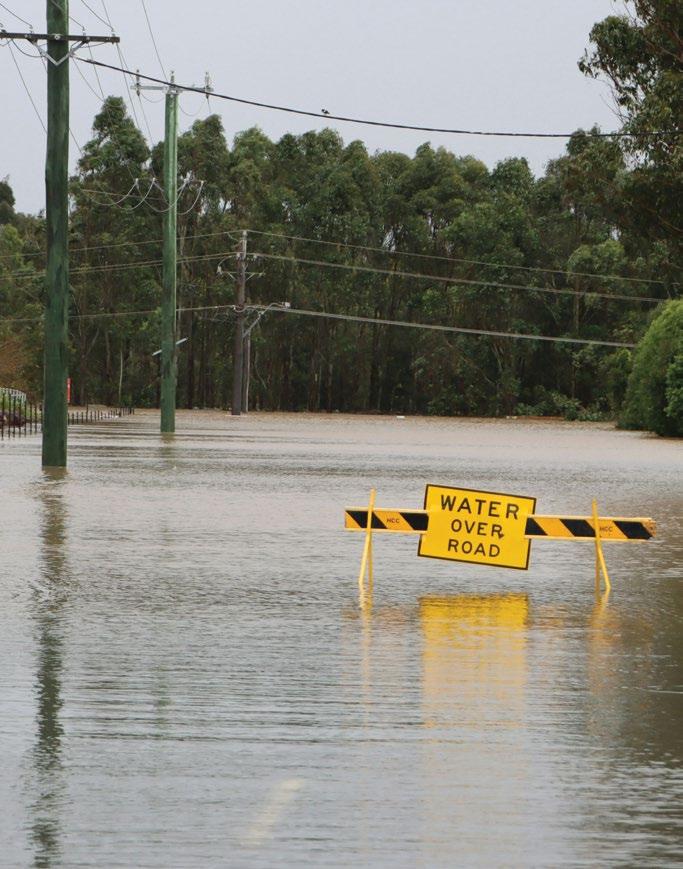
No boundaries
Despite the challenges that most of the country experienced during the 2025–26 higher-risk weather season, the AFAC NRSC successfully met every request for assistance.
The season highlighted the strength of Australia’s national resource sharing arrangements and the willingness of agencies to support one another, even while dealing with their own operational challenges.
“There is often a perception that agencies are territorial,” Ms Conway said, “but when communities are impacted, there are no boundaries. It becomes about how we move the capability that’s required and how we support each other.”
As the sector reflects on the season and prepares for future hazards, the lessons from TC Narelle and the broader cyclone season will help strengthen preparedness, improve coordination, and further enhance Australia’s national emergency response. For the AFAC NRSC, the season reinforced the fact that when jurisdictions work together, communities benefit.
We explore why fire testing is essential, how it is defined under the National Construction Code, and what suppliers need to understand before bringing products to market.
BY PATRICK MOTTERAM
Business Development Manager, Jensen Hughes
Australia’s building and construction sector continues to evolve, driven by new materials, products, and system innovations. From insulation and cladding panels to complex wall assemblies, these developments must demonstrate acceptable performance under heat or fire conditions to comply with regulatory requirements.
Why is fire testing required?
The National Construction Code (NCC) sets mandatory performance requirements for materials, products, and systems used in specific building classes and applications. These requirements are supported by prescribed test methods that assess fire performance under controlled conditions.
Each test method is selected to challenge the behaviour relevant to how the material is used in a building. In many cases, multiple tests are required to assess different fire characteristics, such as ignition, flame spread, structural integrity, and temperature rise.
products, and systems
Understanding fire testing under the NCC requires clarity around the distinction between materials, products, and systems. For example, an aluminium sheet is a material, an aluminium composite panel is a product, and a complete wall assembly incorporating those panels is a system. Each level carries different performance expectations and testing requirements.
While aluminium skins may be considered non-combustible, the insulating core of a composite panel must be tested separately for combustibility. The assembled panel typically requires additional reaction to fire testing, while the complete wall system must undergo fire resistance testing to determine its fire resistance level. Other tests may also apply depending on the application.
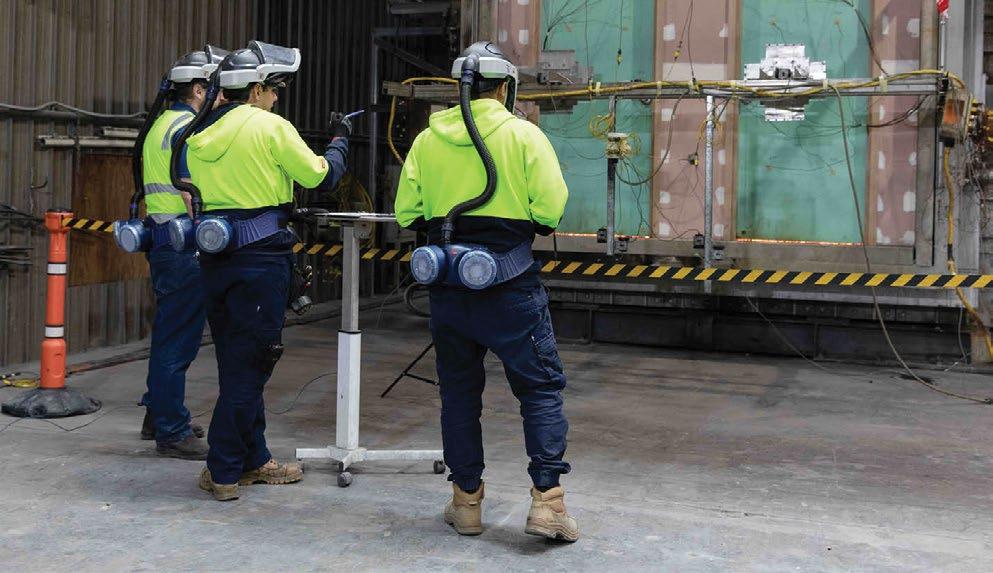
Most NCC referenced fire tests are defined in Australian standards developed by Standards Australia in consultation with industry. Each standard specifies three key elements.
1
What is tested: The specimen must meet strict requirements for size, construction, and condition. Some tests are highly prescriptive, such as AS 1530.1, which requires multiple cylindrical specimens of precise dimensions. Other methods require large-scale specimens representative of real-world construction, such as a full wall assembly with typical joints and fixings.
2
How it is tested: Standards define how the specimen is oriented, restrained, and exposed to fire. Small combustibility specimens are lowered into furnaces, while large assemblies are mounted to furnace faces. Temperature, pressure, and duration are tightly controlled, often following the standard cellulosic time, temperature curve.
3 How performance is measured: Each test includes acceptance criteria and specifies required observations and measurements. Visual observations, such as ignition and flame spread, are recorded alongside instrumented data, including temperature, pressure, and dimensional
changes. Results are assessed against the limits set in the standard.
Test reports, certificates, and compliance
Testing concludes with formal documentation, and it is important to understand the role of each document.
The primary record is the test report, which provides a detailed factual account of the specimen, test conditions, results, and supporting data. It does not expire. A Regulatory Information Report (RIR) is a condensed version that removes proprietary details to protect intellectual property.
Test certificates provide a summary of the product, test standard, and outcome. While useful for marketing, certificates are not accepted as evidence of suitability under the NCC. Regulatory acceptance requires the full test report or an RIR.
conclusion
Fire testing is mandatory for many materials, products, and systems under the NCC, and multiple tests may be required depending on the application. Only detailed test reports and their supporting documentation satisfy regulatory compliance requirements. Engaging an accredited testing laboratory ensures results are valid, reliable, and recognised by regulators.

BY PIERRIN VOGELI
Australia’s built environment is becoming larger, more complex, and increasingly reliant on sophisticated fire safety systems. At the same time, the fire protection industry faces a challenge: attracting and developing the skilled workforce needed to support this growth. As demand for fire safety services continues to rise, fire protection is emerging as one of Australia’s most important, yet often overlooked, career sectors.
Unlike many construction-related roles tied to project cycles, much of fire protection work is ongoing. Buildings require regular inspection, testing, and maintenance of fire safety systems— creating stable, long-term employment opportunities across the life of a building.
Fire protection is often associated with emergency response, but its primary focus is prevention, designing, installing, maintaining, and certifying systems that limit fire spread and support safe evacuation.
It is a vital, future-focused industry underpinning modern infrastructure. Every commercial property, hospital, school, and residential development depends on fire safety systems to protect lives, communities, and assets, driving consistent demand across metropolitan and regional Australia. This demand spans the full
system life cycle, including design, installation, and ongoing maintenance, supported by Australian standards, the National Construction Code, and state legislation, ensuring long-term stability and employment.
For job seekers, this means strong job security, competitive pay, and clear career pathways. Less exposed to automation, the sector relies on skilled professionals at every stage. Combining hands-on work with technical expertise, fire protection offers a practical and rewarding career with lasting relevance.
The industry’s accessibility and diversity are key strengths, offering multiple entry points at every career stage. For school leavers, apprenticeships and entry-level roles provide a direct pathway into the workforce, building skills from day one. Progression is supported through industry-recognised accreditations, including the Fire Protection Accreditation Scheme (FPAS), alongside specialist training and nationally recognised qualifications achieved on the job.
Opportunities span technical and hands-on roles, from system installation to maintenance—ensuring systems remain compliant and operational. Pathways also extend into fire safety engineering, design, and compliance.
Fire protection also supports strong skills transfer, enabling tradespeople from plumbing, electrical, and construction to further specialise.
Beyond site-based roles, careers in project management, inspection, sales, training, and compliance auditing provide opportunities for ongoing growth within the sector.
Increasingly attracting a diverse workforce, including women, career changers, and veterans, the industry offers roles across practical, technical, analytical, and client-facing areas, delivering genuine career flexibility.
At its core, fire protection is about protecting lives, with every system installed and maintained contributing to community safety. The industry is evolving rapidly, incorporating digital technologies, intelligent monitoring, and integrated building systems, creating opportunities for those interested in both technology and hands-on problem-solving.
As risk management and resilience become more important, fire protection professionals play a critical role in ensuring buildings perform safely under pressure. It is a career where the impact is real and lasting.
As Australia continues to invest in safer buildings, resilient communities, and critical infrastructure, the need for skilled fire protection professionals will only grow. For those seeking a career that combines technical expertise, meaningful impact, and long-term opportunity, fire protection offers a future worth exploring.
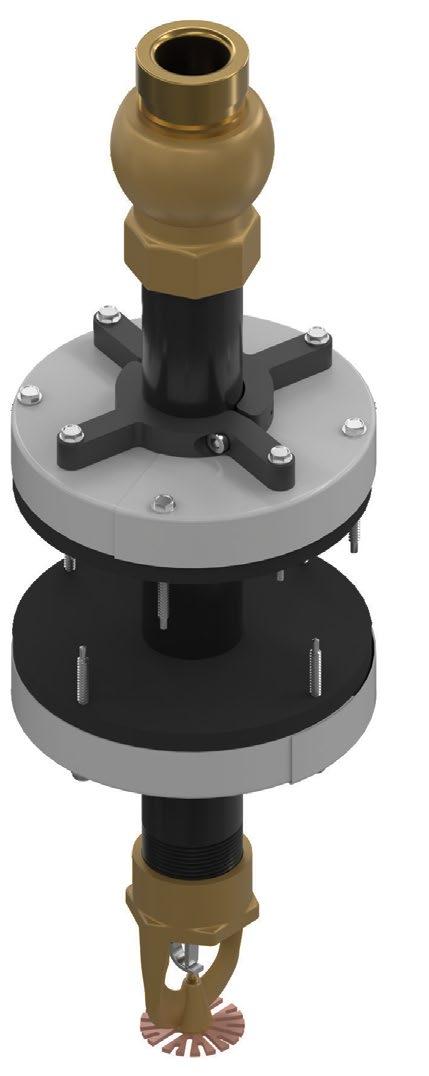
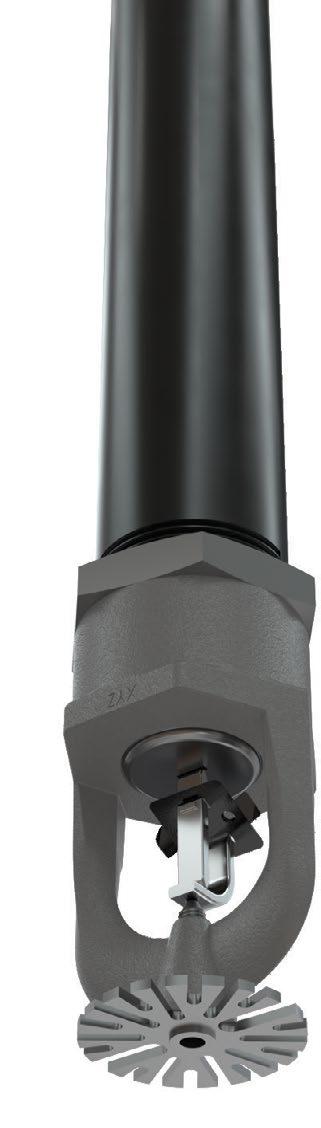
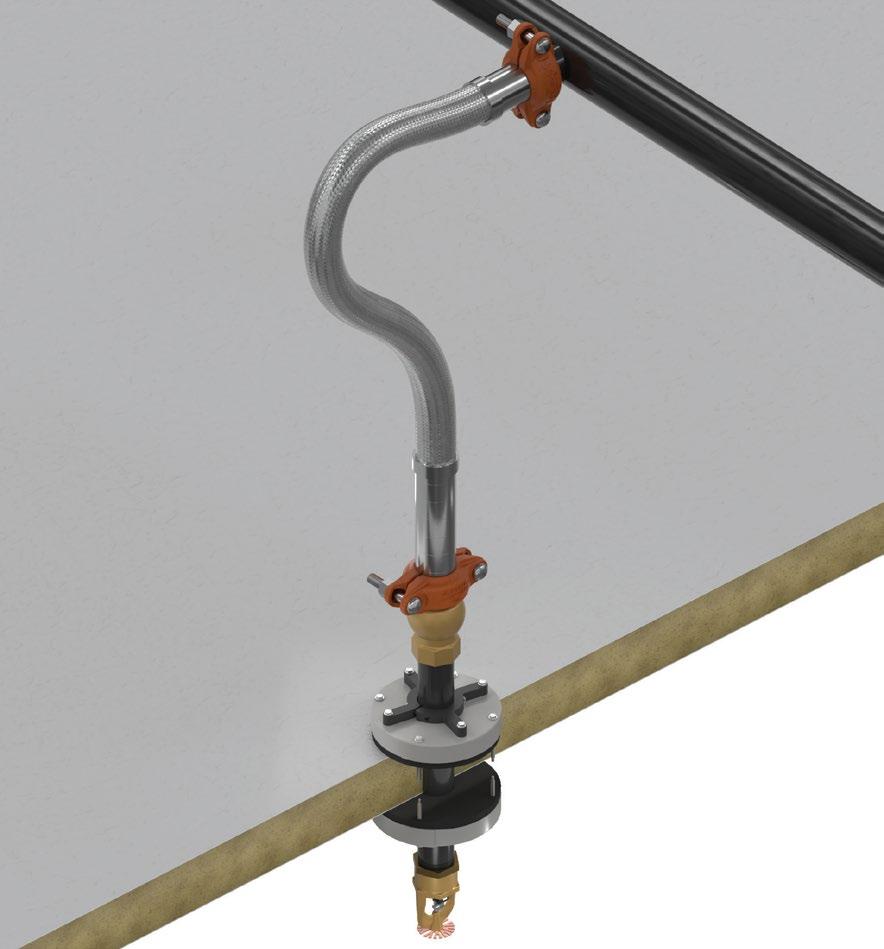
Our VK512 K25 ESFR Dry Pendent Sprinkler is built to take cold storage protection higher, delivering ceiling only coverage for freezer applications above 40 feet. FM Approved for ceiling heights up to 50 ft, eliminating the need for in-rack sprinklers or double interlock preaction systems.
The VK512 pairs seamlessly with our Cold Storage Bracket and Dry Sprinkler Insulating Boot Assembly which together securely affixes the sprinkler to the cooler or freezer ceiling, enabling flexible installation with a flex hose that moves with the ceiling, preventing seal disruptions and eliminating rigid piping risks. This isn’t just protection, it’s a smarter, more efficient way to protect modern cold storage.
Learn more on our website at vikinggroupinc.com


BY MICHAEL SLATTER
Executive Director, erbas™; BLNCC/SIG Chair, FPA Australia
As the National Construction Code (NCC) change continues across Australia, industry advocacy provides practitioners with a practical way to improve clarity, confidence, and outcomes.
Compliance does not need to be complex. At its best, it provides a framework for delivering safe buildings and supporting confidence for regulators, practitioners, owners, and the community. However, the built environment is rarely simple.
Buildings, occupancies, and existing conditions vary, while construction methods and technologies continue to evolve. Jurisdictions adopt regulatory change at different times, requiring practitioners to apply broad requirements to increasingly complex real-world situations.
Australia is working through one of these transition periods. While the NCC continues to evolve, adoption and implementation do not always occur consistently across every state and territory. This can create uncertainty for practitioners working across jurisdictions and for building owners trying to understand their obligations. It can also create challenges for regulators and certifiers responsible for applying the framework consistently.
This does not mean the system is broken. It means the system is moving. Periods of change are normal in mature industries, but the way industry responds during those periods is critical.
One response is to wait for perfect clarity, which rarely arrives quickly. Another is to become part of the process that improves clarity over time—and that is where industry advocacy becomes important.
What advocacy actually looks like Advocacy is sometimes misunderstood as something reserved for peak bodies, senior technical experts, or people with decades of committee experience. In practice, meaningful advocacy often begins much more simply, such as when someone identifies a recurring issue, asks a practical question, shares an example, or explains why a requirement is difficult to apply in the field.
A designer may see uncertainty in how a requirement is being interpreted across projects, while an installer may experience repeated mismatches between documentation and site conditions. A maintainer may identify that an asset is becoming harder to verify over time, and a facility manager may struggle to understand what evidence is needed to demonstrate ongoing compliance. Regulators may also see the same issue appearing in different forms across multiple projects, and each of these observations has value.
The value of asking the right questions
Industry improvement does not only come from having the answer. It often begins with asking the right questions in a way that helps others understand the problem. That requires technical knowledge, but also humility. No single practitioner sees the whole system and no one discipline owns every part of the outcome. Fire protection relies on many people making connected decisions across design, construction, commissioning, maintenance, and operation.
As regulatory complexity increases, it becomes increasingly important that practitioners have accessible pathways to raise issues, test interpretations, and contribute to industry guidance.
Collaborative platforms such as special interest groups, technical committees, association forums, consultation processes, and member feedback channels all play a role in that. They create a place where practical experience can be converted into shared understanding and allow industry to identify issues before they become entrenched problems.
“Collaborative platforms create a place where practical experience can be converted into shared understanding.”
– Michael Slatter
Through my experience as Chair of the Building Legislation and National Construction Code Special Interest Group with FPA Australia, one of the most valuable things I see is the role practical questions play in industry discussion. Sometimes the best contribution is not a finished technical position but a clear description of where the uncertainty sits, who it affects, and why it matters.
For example, a code requirement may appear simple when read in isolation but become harder to apply in an existing building, a staged refurbishment, mixed-use development, or project involving multiple authorities. A product or system may have evidence of suitability, but practitioners still need to understand the limits, assumptions, and practical application of that evidence. Similarly, a regulatory change may be clear in principle but difficult to implement consistently when jurisdictions are at different stages of adoption. It is important to note these are not always signs of poor practice. Often, they are signs that regulation, technology, and delivery are moving at different speeds.
The role of industry advocacy is not to make every issue adversarial— though that can be difficult to avoid in a high-pressure industry such as construction. Its role is to support leadership that improves the quality of the conversation, identifies where guidance or education may help, and where terminology or industry practice may be creating confusion. In that way, advocacy can help build confidence.
Confidence is not created by pretending that ambiguity does not exist. It is built when practitioners are willing to raise issues early, explain them clearly, consider other perspectives, and work towards practical improvement. This is how regulation becomes more usable, industry guidance becomes more grounded, and practitioners become
more capable. There are simple ways for everyone to participate:
Pay attention to repeated friction: If the same issue continues to appear across projects, inspections, maintenance activities, or client conversations, it may be worth raising.
Describe issues in practical terms: What is unclear? Who is affected? What decision is being delayed or complicated? What evidence or guidance would help?
Use existing industry pathways: This might be through an association, a technical group, a consultation process, a regulator engagement session, or a conversation with peers who are seeing the same issue. Participation does not require someone to have every answer. In many cases, the most valuable contribution is a well-formed question. Confidence is not created by pretending that ambiguity does not exist.
“In many cases, the most valuable contribution is a wellformed question.”
– Michael Slatter
Fire protection serves an important public purpose. While the work may be technical, the outcome is confidence— confidence that buildings are safe, systems are understood, evidence is reliable, and the industry is prepared to improve as conditions change.
As regulation evolves, industry advocacy needs to evolve with it.
Increasing complexity requires greater collaboration from the people closest to the practical application of the rules because they play an important role in shaping how those rules are understood and improved. Compliance does not need to be complex. But keeping it practical requires more than simply reading the code. It requires an industry willing to ask better questions, share practical experience, and participate in the process of improvement. That is the opportunity in front of us.

$350 per person per year
Covers you every year for 10 years.
That’s long-term protection, sorted now.
Why it
· You may carry liability even after changing roles or employers.
· Practitioners can be held personally liable for AFSS & Designs that you sign o on for 10 years.
· Run-o cover can help shield your personal assets in the event of a claim.

Belinda Winkler Head of Broking
Better understand the requirements of emergency planning with FPA Australia’s Information Bulletin IB-20.
BY RUSS PORTEOUS
CEO, Firewize
GAURAV BHALLA
CEO, First 5 Minutes
Article written on behalf of FPA Australia’s TAC-17
For years, many Australian facility managers viewed emergency planning as a ‘best practice’ exercise—a set of guidelines to be followed rather than a clearly defined compliance obligation. However, the release of FPA Australia’s Information Bulletin IB-20 Emergency Plans—when are they required? (IB-20) in early 2025 has helped clarify how existing legislative obligations apply across jurisdictions. In an era of heightened regulatory oversight from bodies such as the Aged Care Quality and Safety Commission and state-based Safe Work authorities, emergency planning is increasingly being recognised and enforced as a legislative obligation rather than simply a matter of best practice.
Emergency planning as a five-pillar ecosystem
One recurring industry challenge is a misunderstanding of what constitutes an ‘emergency plan’. Many organisations mistakenly believe that a single document alone fulfills their obligations. As Gaurav Bhalla (CEO, First 5 Minutes) identifies, a compliant emergency plan is a combination of five integrated pillars:
training—six-monthly education for wardens
evacuation exercises—practical, annual drills to practice training emergency response procedures— site-specific protocols tailored to risks like bushfire or flood
the Emergency Planning Committee—the governing body ensuring all components are in place evacuation diagrams—the most visible physical guidance for occupants.
The complexity of Australian compliance is further compounded by the distinction between Australian Standard AS 3745-2010 Planning for emergencies in facilities and AS 4083-2010 Planning for emergencies—Health care facilities
Healthcare considerations
While AS 3745 includes provisions for partial evacuation strategies, healthcare and aged care facilities often require more specialised procedures that account for resident mobility, patient dependency, and continuity of care.
AS 4083 incorporates healthcarespecific emergency response procedures and colour-coded emergency protocols designed to support staged evacuation and patient care within healthcare and aged care environments.
While most jurisdictions rely primarily on Work Health and Safety legislation, Queensland also imposes additional
requirements under the Building Fire Safety Regulation 2008. In Queensland, the regulation requires:
general evacuation instructions— provided to every new employee within their first 48 hours
first response instructions—provided to all new employees within their first month
fire safety advisers—mandatory appointment for secondary occupiers with 30 or more staff members.
Ongoing responsibilities for PCBUs
The responsibility lies with the person conducting a business or undertaking (PCBUs) to ensure these plans are not static. In high-risk environments like mines or construction sites, procedures must evolve and dovetail into critical incident and business continuity plans to remain effective as the site changes.
IB-20 serves as a timely reminder: an emergency plan is only as strong as its weakest pillar. For Australian facility leaders, the path forward involves moving beyond mere documentation towards a living culture of preparedness.
In conclusion
Ultimately, a compliant emergency plan requires the integration of several interconnected components and must align with the relevant Australian standards and applicable state or territory legislation.
FPA Australia members can access IB-20 at fpaa.com.au
THREE
BY LISA JAUNALKSNIS
Communications Officer, AFAC
On 8 May, fire and emergency service personnel who died in the line of duty were commemorated at the 2026 National Memorial Service in Canberra.
On Lake Burley Griffin, at the National Emergency Services Memorial, friends, family, and the fire and emergency services sector came together to pay tribute to the those who made the ultimate sacrifice while keeping their communities safe across Australia and New Zealand.
This year’s service marks the 12th anniversary of this important event. The annual event honours the commitment of all fire and emergency service personnel, the loss of those who have died in the line of duty, and the families they leave behind.
Her Excellency the Hon. Sam Mostyn AC, GovernorGeneral of the Commonwealth of Australia, attended the service alongside the Hon. Kristy McBain MP, Minister for Emergency Management and Minister for Regional Development, Local Government and Territories.
They were joined by international representatives including Security Special Agent Mr Nathan Berryman, representing the United States Chargée d’Affaires; Her Excellency Dr Julie Sunday, High Commissioner for Canada to Australia; and Mr Kenneth Ryan, Acting High Commissioner of New Zealand to Australia.
Chiefs, commissioners, staff, and volunteers across Australia and
New Zealand’s fire and emergency service agencies also attended to pay their respects.
The service was hosted by Melinda McDonald CF, Senior Firefighter, Fire Rescue NSW, and President of Women and Firefighting Australasia, whose calm and considered delivery set a respectful tone for the day. Ihaka (Isaac) Cotter OAM JP, Chairman of Kapa Haka Australia, provided the mihi whakatau, marking the beginning of the service.
In recognition of their sacrifice, an AFAC Memorial Medallion was presented to each family of the 20 fire and emergency service personnel commemorated during this year’s event. The National Memorial Service also acknowledged an additional 34 names that have been engraved onto the Memorial Wall, totalling 721 names.
Commemorations from the service included personnel from Country Fire Authority Victoria, Department of Fire and Emergency Services WA, Fire and Rescue NSW, Fire Rescue Victoria, NSW National Parks and Wildlife Service, NSW Rural Fire Service, Queensland State Emergency Service, SA Country Fire Service, SA Metropolitan Fire Service, and Tasmania Fire Service.
During the service, the Governor- General spoke of the courage of first responders in the face of emergency events.
“As we gather this morning, we reflect on the events that have always demanded emergency service and emergency response, particularly in the last few years. Raging floods and
storms, ferocious fires, disasters, and destruction inflicted by nature and sometimes by people. Firefighters and those many other first responders run towards these dangers, always putting the safety of others ahead of their own,” she said.
In her address, she offered condolences, remembering those who died in the line of duty as inspirational.
“I offer sincerely heartfelt condolences to the families, colleagues, and friends of those we honour today. I believe that it is their lives that will continue to inspire the very best in all of us.”
During the service, Commissioner of Department of Fire and Emergency Services, WA (DFES) and AFAC President Darren Klemm emphasised the importance of standing in solidarity and supporting each other.
“While the pain of losing someone will never truly leave, we hope you can all take pride in their service and the legacy they leave behind. It is important that we continue to stand together and support one another,” the Commissioner said.
“We owe it to those we have lost to ensure the safety and well-being of those who continue to serve and the families who support them.”
The annual event is timed to coincide with St Florian’s Day (4 May), the Patron Saint of Firefighters.
2026 National Memorial Service commemorations:
Joseph Smith, Country Fire Authority, Victoria, 21 June 1906
Francis Symington, Country Fire Authority, Victoria, 7 April 1937
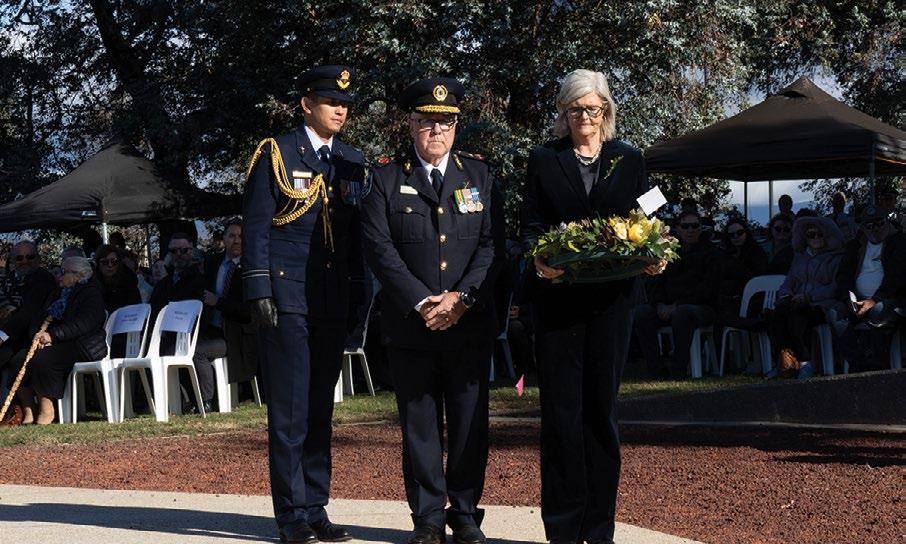
Top left: During the service, wreaths and sprigs of rosemary were placed at the National Emergency Services Memorial, acknowledging the names engraved on the wall and all those who made the ultimate sacrifice protecting our communities.
SOURCE: ACT EMERGENCY SERVICES AGENCY
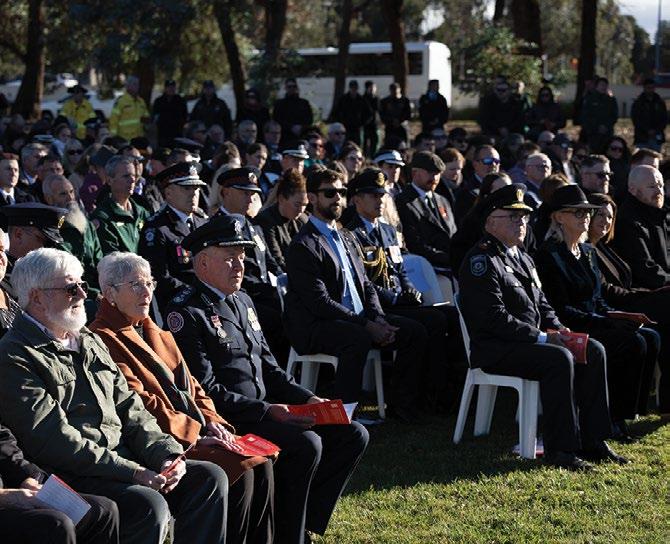
Top right: Attendees observe the memorial service, coming together from across the emergency management sector in remembrance to pay their respects.
PHOTO: ACT EMERGENCY SERVICES AGENCY
BY MARK WHYBRO
Chair, Home Fire Sprinkler Coalition Australia; NSW/ACT State Manager, FPA Australia
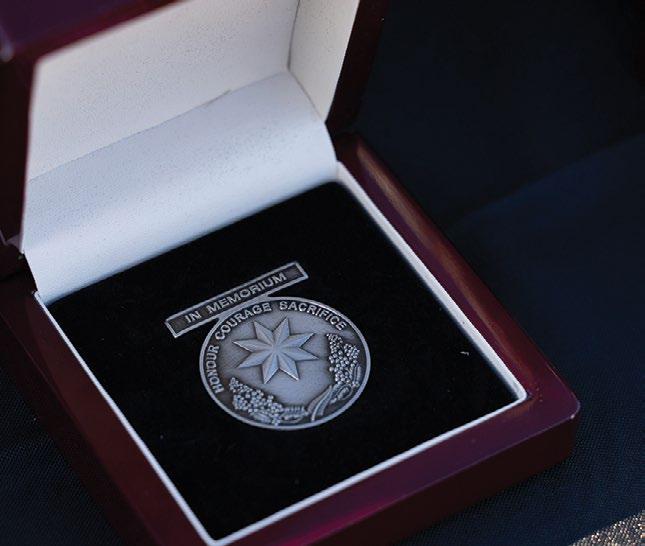
Above: A National Memorial Medallion was presented to each family in honour of their loved ones who lost their lives in the line of duty. The medallion recognises the service and sacrifice of those remembered.
PHOTO: ACT
EMERGENCY SERVICES AGENCY
Walter Anderson, Country Fire Authority, Victoria, 14 November 1961
Ronald Dixon, Department of Fire and Emergency Services, WA, 25 January 1979
Darren Smith, Department of Fire and Emergency Services, WA, 25 August 2018
Geoffrey Haynes, Fire and Rescue NSW, 22 April 2024
Bradley Giersch, Fire and Rescue NSW, 20 March 2025
David Lambkin, Fire and Rescue NSW, 20 March 2025
Alfonsus Klarenbeek, Fire Rescue Victoria, 12 July 2025
Wayne Sheridan, Fire Rescue Victoria, 10 August 2025
John Lohan, NSW National Parks and Wildlife Service, 7 December 2025
Peter Fenning, NSW Rural Fire Service, 29 September 2023
Lisa McSweeney, NSW Rural Fire Service, 9 February 2025
S Stuart Clark, NSW Rural Fire Service, 12 June 2025
Holly Parsons, Queensland State Emergency Service, 24 August 2014
Brian Menadue, SA Country Fire Service, 8 October 2020
Peter Curtis, SA Country Fire Service, 23 November 2025
Brian Kirkland, SA Country Fire Service, 27 January 2026
Adrienne Clarke, SA Metropolitan Fire Service, 13 August 2025
Neil Brooksbank AFSM, Tasmania Fire Service, 3 October 2025
The National Memorial Service recording is available to watch online: www.youtube.com/ watch?v=BU5Ie5UJNI8
The National Emergency Services Memorial roll of honour can be found here: memorial.afac.com.au/honour-roll
Earlier this year, Home Fire Sprinkler Coalition Australia (HFSCA) convened its annual Strategy Workshop. It was a chance to review where we are with our mission—saving lives by growing the uptake of home fire sprinklers— and confirm our key priorities for the year ahead.
The Coalition’s priority aim was confirmed as better fire protection for people living in social housing or with a disability. Underpinning this, HFSCA’s focus for the next two years is twofold:
1 finalise the HFS 102 Interim Standard for automatic fire sprinklers in Class 1 homes
2 advocate with the state and territory regulators for a consistent approach to licensing experienced plumbers to undertake Class 1 home fire sprinkler installations.
Confirming the Coalition’s direction and actions for 2026–27 was an important outcome. But arguably the most noteworthy result of our strategy workshop was the inclusion of the Fire Industry Alliance (FIA, formerly the National Fire Industry Association)— another national leader in public safety and fire protection. Joe Smith, FIA’s CEO, confirmed his organisation’s commitment to HFSCA, with formal incorporation into the Coalition’s legal structure underway.
A key component of HFSCA’s advocacy efforts is the Housing Industry Association’s unsuccessful Proposal for Change (PFC) to the National Construction Code 2025, seeking to establish a new class of homes for people with disability—‘Class 1c’. This PFC sought to address the identified fire-life risk for Australians living with a disability, who are consistently over- represented in preventable fire fatality statistics. Broad consultation across regulators, peak industry bodies, and national organisations confirmed widespread in-principle support. Current NCC requirements for Class 3 and

Class 9c buildings are not fit for purpose for residential accommodation that needs to be more ‘homelike’ rather than an ‘institution’ or ‘facility’. Current NCC requirements for Classes 1a and 1b do not address the critical fire safety needs of these buildings’ residents.
The proposed Class 1c addressed this identified gap with cost-effective smoke alarm and home fire sprinkler solutions to significantly improve occupant survivability. National and international statistics show that smoke alarms will improve survivability in a typical home fire by 50%, with fire sprinklers providing around a 90% improvement. As well as saving lives, this PFC had potential for construction and maintenance savings for the disability accommodation industry, making a greater number of projects financially viable where they currently may not be, thus increasing the rate of development of fit-for-purpose disability housing. This then has flow-on effects, reducing long-term National Disability Insurance Scheme (NDIS) costs for the Commonwealth and state and territory governments.
While the PFC was not tabled for consideration for the 2025 NCC, the good news is that Class 1c remains on the agenda, being considered in the review and revision of the NDIS’s Specialist Disability Accommodation Design Standard.
At a time when intense focus by governments, industry, and consumers remains on housing affordability, Class 1c seems an acceptable, sensible solution. It is cost-effective and fit-for-purpose— primarily a home, but with interconnected smoke alarms and a mandatory home fire sprinkler system. What we now need for this to become an integral part of Australian homes is for government policy positions to mesh and deliver the improved home fire safety that we know we need.
BY DEB SPARKES
Aviation Research and Evaluation Manager, AFAC
Where last year’s Lessons Management Forum focused on embedding learning into the system, this year’s forum took it a step further—recognising that the system itself has evolved, and that our assumptions about how it works may no longer hold.
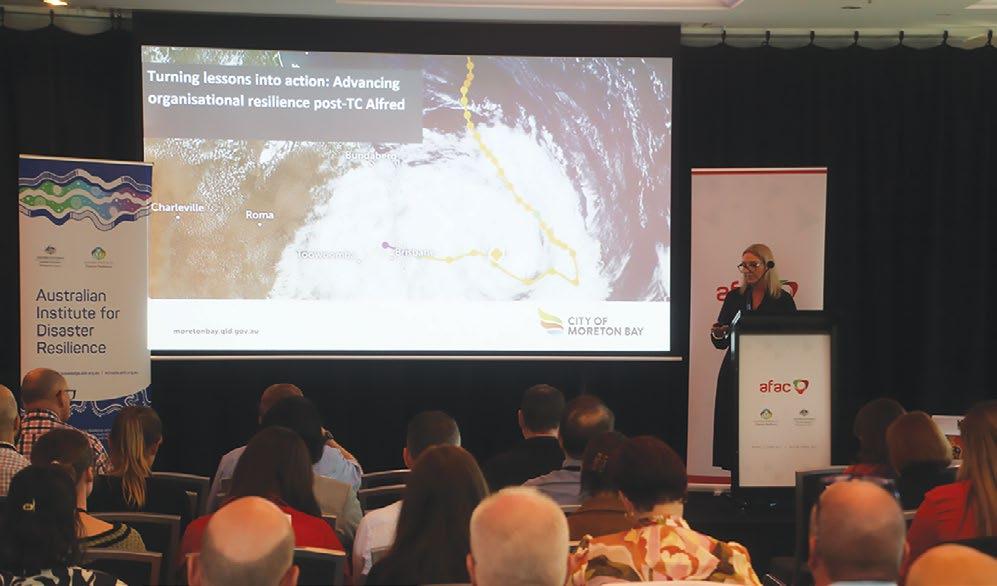
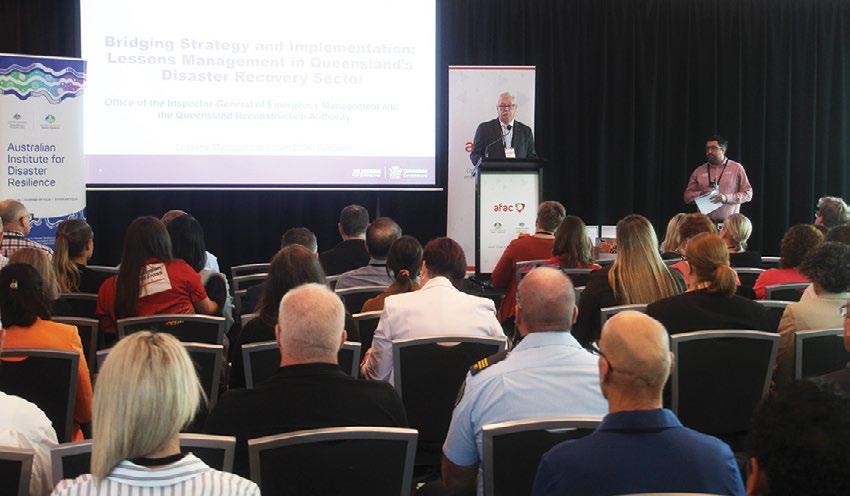
The 2026 Lessons Management Forum was held in Brisbane on 19–21 May and brought together practitioners, researchers, and leaders from across Australia, Aotearoa New Zealand, and beyond. The familiar themes of data use, learning culture, and community knowledge were still there, but the tone had shifted. There was a strong sense that the environment is moving faster than our systems are evolving, and participants recognised that some of the approaches that served us well a few years ago are now under strain.
Rather than focusing only on improving lessons management as a discrete activity, conversations broadened to consider a more fundamental question about whether the system can adapt at the pace required.
A system that no longer behaves predictably One of the most consistent messages throughout the forum was that we
no longer operate in a relatively stable and predictable environment. Instead of dealing with isolated incidents, agencies are increasingly navigating overlapping, cascading, and compounding events that interact in ways that are difficult to anticipate.
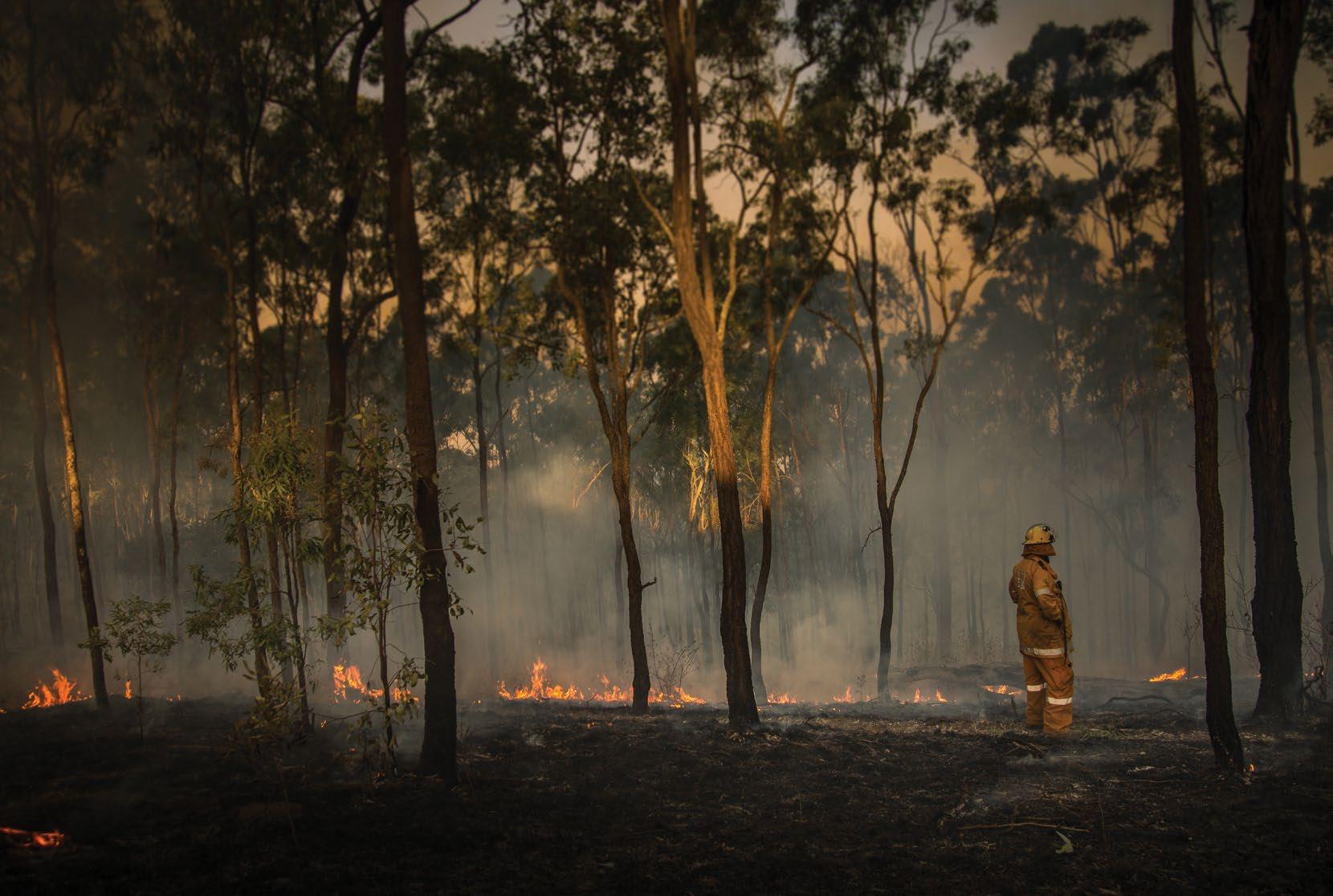
Speakers described situations where a single event triggered a chain of consequences across infrastructure, logistics, and communities, creating a level of complexity that challenges traditional approaches to planning and response. In this context, lessons management can no longer be treated as something that happens after the fact. It needs to be woven into operations as they unfold, with insight feeding back into decision-making in near real time.
This builds on last year’s emphasis on embedding learning into doctrine and structure, but with a much stronger sense of urgency. The pace and scale of events mean that waiting for formal review cycles is becoming less viable, and organisations are increasingly needing to learn and adjust while still actively managing incidents.
That shift is happening at the same time as the system itself is under increasing pressure. Across multiple presentations, there was emphasis on growing demand, more complex event profiles, and a heavier reliance on shared resources across jurisdictions.
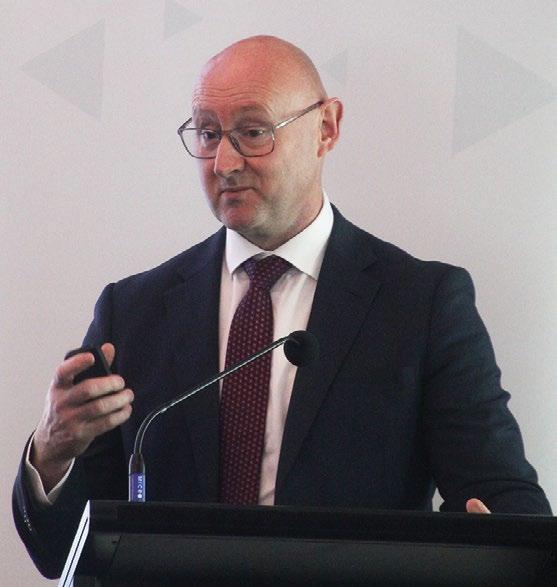
At the same time, the human element of the system is feeling the strain. Workforce fatigue featured prominently in discussions, particularly in relation to volunteers who remain central to emergency response capability. Expectations on volunteers continue to increase, while availability and sustainability are becoming ongoing concerns.
These pressures are not new, but they are becoming more visible and harder to ignore. What emerged through the forum was not a sense of crisis, but a recognition that the system is being stretched in ways that require deliberate adaptation rather than incremental improvement.
The idea of sharing lessons across agencies has been discussed for some time, including at the 2025 forum. This year, the conversation moved beyond sharing and shifted to how we genuinely learn together.
Participants noted that similar challenges are often being addressed in parallel in different jurisdictions, with limited visibility across those efforts. In many cases, strong local innovations remain just that, and opportunities to scale effective approaches are missed.
Rather than advocating for a centralised system, there was growing interest in a connected approach where insights can move more freely
across the sector without removing local autonomy. The focus is less on control and more on improving visibility, so that agencies are not solving the same problems in isolation.
Technology as an enabler, not the answer
Technology continues to play an important role, but the conversation has become more nuanced. While there was strong interest in tools such as data platforms, analytics, and emerging AI capability, there was also recognition that technology on its own does not create better outcomes.
Examples included the use of AI to support the analysis of afteraction reviews and the integration of operational data into lessons processes. These approaches show promise in reducing the lag between experience and insight, but they also rely heavily on human interpretation and judgement.
The most consistent message was that collecting more data is not the same as generating better learning. Without the capability to interpret and apply that information, there is a risk of simply increasing volume without improving understanding.
A theme carried strongly from the 2025 forum was the ongoing challenge of ensuring lessons are implemented. While progress has been made in capturing and documenting lessons, translating these into sustained change remains complex.
Agencies are continuing to work through how to track implementation, assign accountability, and evaluate whether changes have had the intended effect. This is particularly challenging in multi-agency environments where responsibility is shared, and outcomes are influenced by a range of factors.
There was a clear sense that the sector is still moving from a model focused on identifying lessons towards one that prioritises verifying that change has occurred. This shift places greater emphasis on governance, follow-through, and measuring impact over time.
Another noticeable shift this year was the increased attention given to recovery. While response activities often dominate lessons discussions, there was a deliberate effort to bring recovery into the conversation.
Speakers highlighted the complexity
of recovery, including the long timeframes involved and the cumulative nature of impacts on communities. Unlike response, which is often timebound and highly structured, recovery unfolds over extended periods and requires sustained coordination across multiple sectors.
By bringing recovery fully into lessons management, there is an opportunity to better understand how decisions made during response influence long-term outcomes for communities.
The role of community knowledge also continued to evolve. Where previous discussions focused on inclusion and co-design, this year there was a stronger emphasis on the tangible value that communities bring to emergency management.
Examples demonstrated that when local and Indigenous knowledge is integrated early, it can improve both preparedness and response. This is not simply about engagement for its own sake, but about recognising community knowledge as a capability that strengthens the overall system.
Across all these themes, leadership and organisational culture remained central. The ability to learn effectively is closely tied to trust, both within organisations and across the sector. Creating an environment where people feel able to share experiences, including challenges and failures, continues to be a critical enabler. This requires leadership that supports reflection, encourages open dialogue, and is willing to act on what is learned.
At the same time, there is an increasing expectation that learning will lead to tangible change. Maintaining trust depends not just on listening, but
also on demonstrating that insights are being applied.
The discussions at the 2026 forum suggest that lessons management is continuing to mature, but also that it is being reshaped by a changing operating environment. Learning is no longer a discrete function or a stage in a process. It is becoming an ongoing capability that needs to operate across preparation, response, and recovery.
This has implications for how organisations structure their systems, allocate resources, and measure success. It also reinforces the importance of working collectively, recognising that no single agency sees the full picture.
The 2025 forum highlighted the importance of embedding lessons into systems and structures, but the 2026 forum added another dimension by highlighting the need for those systems to continue evolving.
There is a growing recognition that capturing lessons is only part of the task. Applying them consistently and at pace is where the real challenge lies. As events become more complex and interconnected, the ability to learn quickly and share that learning across the sector will become increasingly important.
The conversations throughout the forum reflected both the scale of this challenge and the capability that exists across the sector to respond to it. What becomes critical from here is maintaining momentum and continuing to adapt as the environment continues to change.
In the end, the question is not whether we are learning, but whether that learning is keeping pace with the realities we are now facing, and whether we are doing it together.

BY ANDREW GISSING
CEO, Natural Hazards Research Australia
Research that leads to impact is something Natural Hazards Research Australia (the Centre) is committed to— but what exactly does ‘impact’ look like?
In April, the Centre launched a new impact section on naturalhazards. com.au, sharing more than 20 stories highlighting Centre-funded research translated into real-world change.
With the Centre in its fifth year and as the steward of more than 20 years of research outputs, this section demonstrates the research-driven change driven by the Centre throughout the emergency management sector, within communities, and among decision- makers.
One impact story describes how Centre- funded research is protecting firefighters from the health dangers of bushfires.
Edith Cowan University lecturer in public and occupational health Dr Kiam Padamsey undertook a Centre-funded PhD to identify risks to wildland
firefighters from an occupational hygiene perspective.
Dr Padamsey found firefighters in bushfire environments are exposed to high levels of carbon monoxide and volatile organic compounds, and that volunteer firefighters in WA had little understanding of these risks.
His research led to 700 Department of Biodiversity, Conservation and Attractions firefighters in WA being issued with P3 masks, half- and full- face reusable respirators, ahead of the 2024–25 bushfire season.
Another story highlights how the Enhancing Decision-making in Emergency Management project team—led by Associate Professor Chris Bearman from CQUniversity Australia—built on previous research. Their work produced widely used tools to enhance team functioning and decision-making skills for emergency managers, benefitting those working in fire departments and agencies around Australia.
During the 2025 Taree floods, incident managers’ thought processes and operational decision-making were directly influenced by training they had received based on this project.
Also featured is the Healing Country through Wiradjuri and Wolgalu-led Cultural Land Management project,
led by A/Prof Lisa Slater from The University of Wollongong and Megan Considine from the Brungle-Tumut Local Aboriginal Land Council. A series of on-Country activities brought together the community and natural resource management agencies, including through the community’s Indigenous Ranger Program (Bugang Bila).
This project has led to new funding and employment opportunities with the creation of natural resource management officer roles, which in turn has led to stronger connections to Country across the community.
The new section features ‘Tools for impact’—a collection of groundbreaking tools developed during the Centre’s previous iterations—providing a home for useful, useable, and widely used resources for those working in the natural hazards and emergency management sectors. It also includes research-informed recommendations in the ‘Policy submissions’ section.
We look forward to working with all our stakeholders into the future as we use research to help protect lives and communities—including those working at the fire front, in operations rooms, and beyond, all of whom share this mission.
BY NATURAL HAZARDS RESEARCH AUSTRALIA
Unveiled at the Natural Hazards Research Forum 2026 in Adelaide, the Australian-first Good practice principles for tracking potentially traumatic event exposure and organisational responses in emergency services guide—formally endorsed by AFAC— gives first response agencies a shared framework to track trauma exposure and organisational support.
Created as part of the Best Practice for Tracking and Responding to Potentially Traumatic Event Exposure project, this is Australia’s first set of good practice principles for how fire and emergency service agencies track their workers’ exposure to potentially traumatic events (PTEs) and the support they receive.
This research is led by Phoenix Australia Centre for Post-traumatic Mental Health and is funded by Natural Hazards Research Australia (the Centre). It addresses a long- standing critical gap in the sector. While agencies across Australia have long understood that their people face repeated traumatic experiences, no agreed, evidence-based standard exists for how organisations should track those experiences to ensure a consistent, proactive response.
This research could fundamentally change how Australia’s emergency agencies understand and protect their first responders from the psychological toll of the job.
The principles were formally endorsed by AFAC’s Mental Health and Wellbeing Working Group and approved by the AFAC Council, setting a new benchmark for psychosocial safety across the sector.
Why this research matters
Emergency service workers—firefighters, State Emergency Service volunteers, paramedics, and rescue personnel— are exposed to PTEs throughout their careers as an unavoidable consequence of the work they do.
These exposures range from witnessing death and serious injury to operating in life-threatening conditions, often repeatedly and over many years.
The cumulative impact on mental health and well-being can be profound, with effects felt not only by individuals but also by their families, their colleagues, and their organisations.
Until now, approaches to tracking PTE exposure and organisational responses have varied widely across agencies, with limited evidence on the most effective approaches or those most likely to lead to improved worker well-being. Organisations have also lacked a shared language, agreed guidance, or practical tools to assess whether their approach is fit for purpose.
This research changes that.
The project’s final report and the good practice principles guide are available for agencies, with further materials being developed to support self-assessment and systems improvement.
A framework built with the sector, for the sector
The guide outlines principles designed to be flexible and adaptable to each agency’s context—not prescriptive standards but practical guidance for decision-making, helping agencies design, implement, and continuously improve tracking systems that genuinely support their people.
Critically, the principles cover tracking workers’ exposure to PTEs, as well as tracking the organisational responses that follow. This dual focus recognises that identifying exposure is only valuable if that information is used to connect to meaningful, timely, and appropriate support.
The endorsement by AFAC means the Good practice principles carry sector-wide standing, giving agencies the authority and impetus to review their existing systems and align with the framework.
The principles are designed to evolve, with the project team recommending close monitoring of implementation and a formal review to capture lessons and ensure the framework keeps pace with emerging evidence and practice.
The research was presented at the Natural Hazards Research Forum 2026 (NHRF26), held in Adelaide on
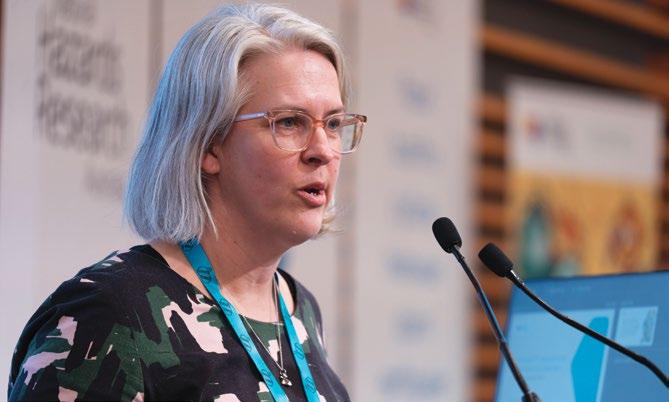
10–12 June, where it formed part of a broader program exploring how research is translating into impact for Australian communities and the workers who protect them.
The project’s lead researcher, Alexandra Howard from Phoenix Australia, said emergency service workers put themselves in harm’s way to protect our communities, and they deserve organisations that are equally committed to protecting them.
“This research gives agencies, for the first time, an agreed, evidenceinformed foundation for how to track trauma exposure, allowing them to use this information to make better decisions and investments that genuinely support worker well-being. It has been built with the sector, and it reflects the sector’s real experience and real needs,” Ms Howard said.
Natural Hazards Research Australia CEO Andrew Gissing said the Centre was “established to produce research that makes a real difference to real people”, and “this project is exactly that”.
“The mental health of our emergency service workers is not a peripheral concern—it is central to the resilience of our entire emergency management system,” he said.
“When we support our people better, we protect communities better. We are proud to have funded this work and to see it embedded in national practice through AFAC’s endorsement.”
The Good practice principles for tracking potentially traumatic event exposure and organisational responses in emergency services guide and final report are available for download at www.naturalhazards. com.au/tracking-pte

BY RAY MICHAEL
State Manager WA, FPA Australia
In WA, building compliance is often described as ‘following the code’, but in practice it is a layered system where legal force depends on legislative hierarchy and whether a document is called up as ‘normative’ (mandatory) or merely ‘informative’ (guidance).
Understanding that hierarchy—and the terminology used inside it—is essential for designers, builders, certifiers, and asset owners who want defensible decisions and approvals that will not unravel under scrutiny.
The legislative hierarchy
At the top of the WA building regulatory framework sits the Building Act 2011
An Act is Parliament’s primary law;
it establishes the framework for regulating building work, defines roles and responsibilities, and empowers the making of subordinate instruments. Importantly, an Act does not usually contain every technical detail. Instead, it creates the legal ‘scaffolding’ for the next layer: regulations.
The next level is the WA Building Regulations 2012, which provide operational detail and, critically for day-to-day industry, set out how technical requirements are adopted and applied in practice. Regulations are legally enforceable, but they must remain within the authority granted by the Act. Where the Act sets intent and governance, regulations typically deal with administration, approvals, evidence, compliance pathways, and references to technical documents.
The NCC in the framework
Within that framework sits the National Construction Code (NCC), Australia’s primary technical code for buildings. The NCC is not legislation in itself; it gains legal effect in WA because it is adopted through the state’s regulatory system— through the Building Regulations and associated provisions. That distinction matters.
When arguing compliance, the question is not just ‘what does the NCC say?’, but also ‘what does the WA legislation require, and how does it incorporate the NCC?’. This is where many disputes begin, particularly when project teams treat handbooks, commentary, or industry practice as if they are enforceable.
An Australian standard is usually voluntary, unless it is made legally relevant by legislation, regulation, the NCC, another statutory instrument, or contract. Where the NCC references a standard as a referenced document, the applicable parts of the referenced edition may form part of the compliance pathway, subject to the way the NCC calls it up.
If a standard is referenced for information only, or not referenced at all, it may still be good practice—but it is not automatically enforceable. This is why the distinction between ‘normative’ and ‘informative’ content is so important. Normative provisions contain the requirements of the document and become mandatory where the document is adopted or otherwise made binding. Informative provisions explain, illustrate, or provide background, but they do not create obligations.
That takes us to the language of obligation. In standards and codes, ‘shall’ or ‘must’ is typically used to express a mandatory requirement, noting that the NCC drafting
conventions shifted to ‘must/should/ may’ in the 2019 edition onwards.
‘Should’ is a recommendation— strong guidance, but not compulsory unless another normative clause turns it into a requirement. Misreading ‘should’ as ‘must’ can lead to overengineering and cost blowouts.
Misreading ‘must’ as optional can lead to non-compliance, defects, and liability. In standards drafting, ‘must’ is used to express a requirement; ‘should’ expresses a recommendation or preferred approach. A ‘should’ statement is not normally mandatory for conformance with the standard, although it may become binding if required by a contract, specification, approval condition, or another normative requirement.
Finally, compliance pathways. The NCC supports both ‘Deemed-to-Satisfy’ (DtS) and ‘performance-based’ approaches. DtS means following prescriptive provisions that are accepted as meeting the relevant Performance Requirements. A Performance Solution meets the relevant Performance Requirements using one or more recognised assessment methods, which may include:
evidence of suitability
verification methods
expert judgement
comparison with DtS provisions
modelling
testing
other documented analysis.
Done well, performance solutions enable innovation and better project outcomes. Done poorly, they become fragile approvals that fail when assumptions, inputs, or documentation are challenged.
In short, WA’s building compliance system is not one document. It operates through a legal chain: the Building Act 2011 (WA), the Building Regulations 2012 (WA), the NCC as adopted in WA, and the referenced documents called up by the NCC or other binding instruments.
In WA, NCC Volumes One and Two form the technical building requirements adopted for building work, while Volume Three forms the Plumbing Code. Within that framework, terminology matters: normative provisions set requirements, informative material provides guidance, ‘must’ indicates an obligation, and ‘should’ indicates a recommendation unless made binding by another instrument.

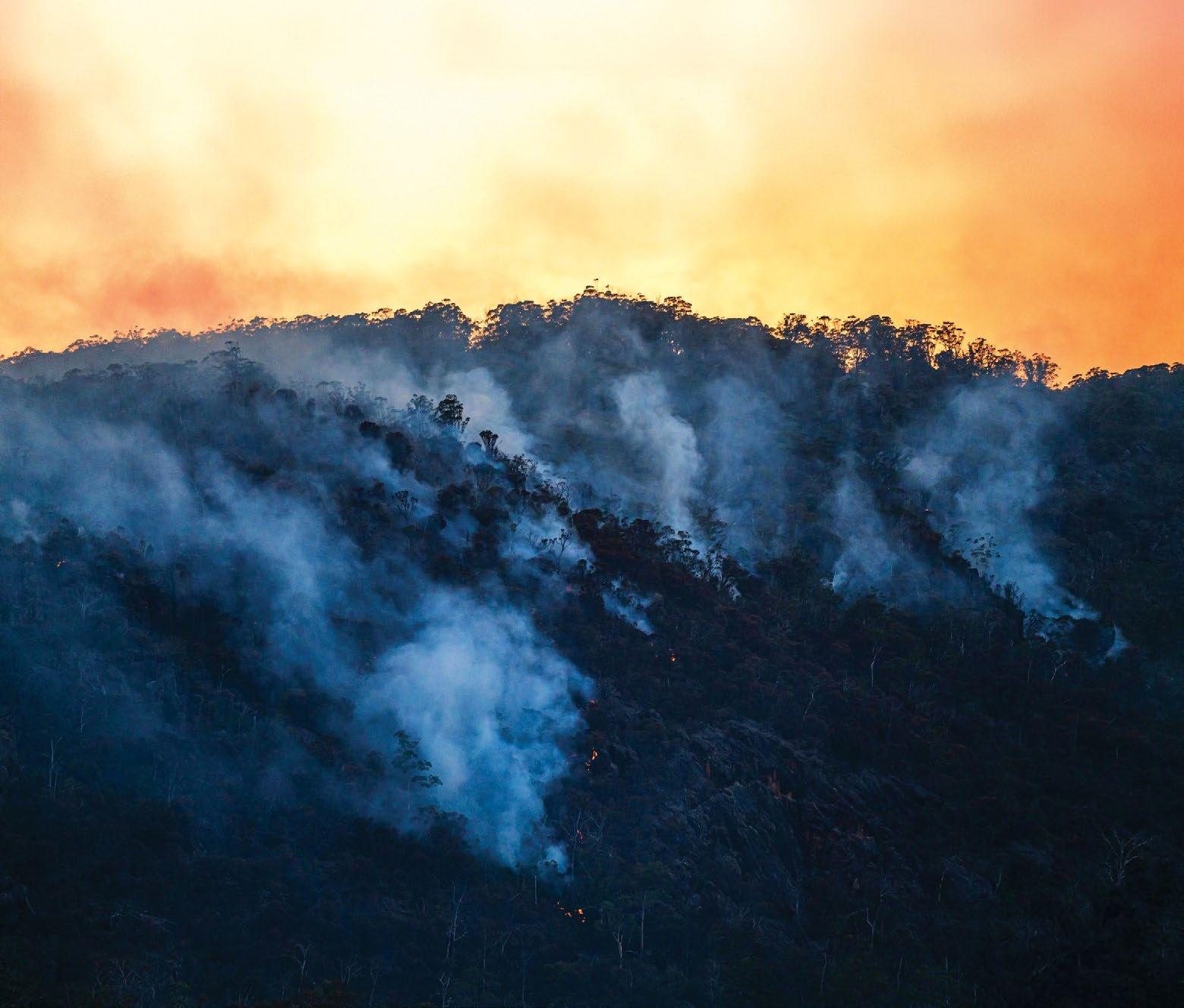
Exhibit alongside industry leaders and connect with bushfire professionals, emergency services, government representatives and key decision-makers from across Australia.
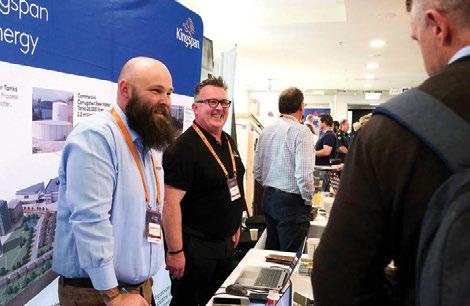
27–29 October 2026
Showcase your products and services
Generate qualified leads
Build valuable industry connections
Increase brand visibility
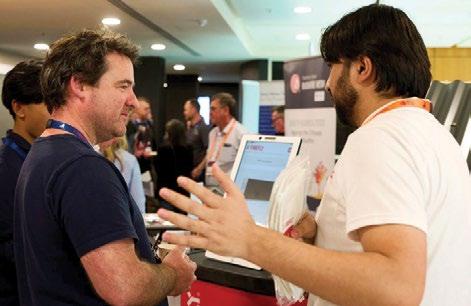
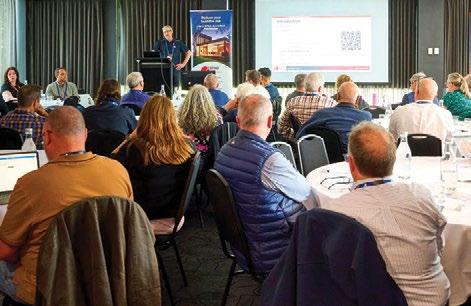
Opal Cove Resort, Coffs Harbour NSW bushfireaus.com.au

Book your exhibition space today
Spaces are limited

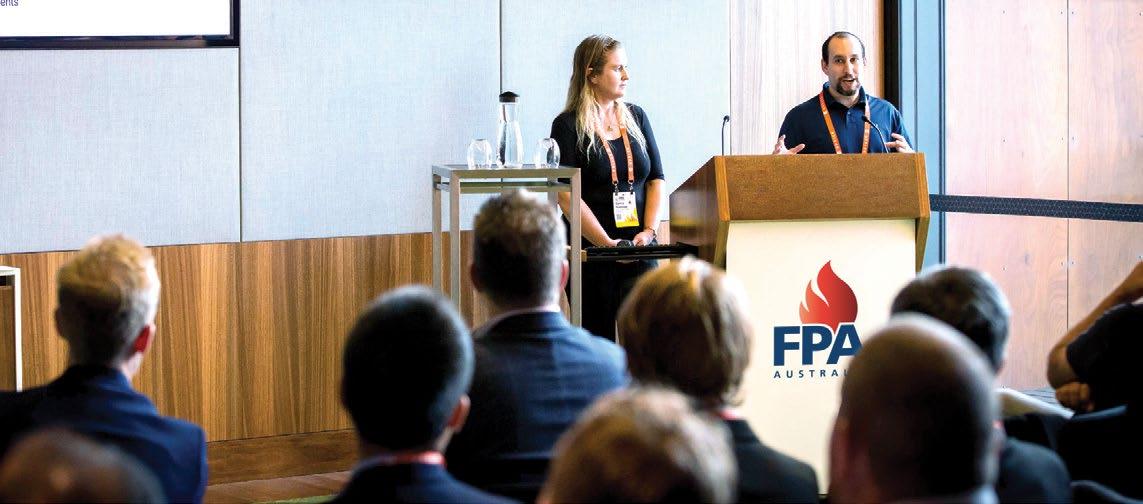
BY WARREN MAKINGS
Technical Manager, FPA Australia
Across Australia, thousands of fire alarm systems continue operating with ageing infrastructure, unsupported software and diminishing spare parts availability, often without building owners fully understanding the risks until a critical failure occurs.
While many legacy systems still appear operational, ageing fire detection infrastructure is becoming increasingly difficult to maintain, support, and verify as fit for purpose. As technology evolves, the fire protection industry faces a growing challenge: How do we safely manage legacy fire alarm systems within buildings that must continue operating compliantly and efficiently?
The growing challenge of ageing infrastructure
Manufacturers discontinue products as technology advances, communication protocols evolve, and components become unavailable, creating operational and life safety risks for older systems reliant on unsupported hardware and software.
When fire alarm components fail, replacement parts can be difficult and sometimes impossible to source. Service providers are increasingly forced to rely on refurbished equipment, salvaged parts, or temporary measures to maintain functionality.
These challenges are only expected to increase as fire systems become more integrated with smart building technologies. Products that once remained current for 20 years may now become outdated far sooner.
When ‘operational’ doesn’t mean reliable
A fire alarm system that appears functional should not automatically be considered reliable or compliant. Ageing detectors, degraded cabling, unsupported software, and reduced component availability all contribute to hidden risks within existing buildings. Manufacturers’ product manuals and Australian standards define
recommended service life for detectors and associated equipment. These recommendations should be treated as essential life cycle management information, not ignored until a device eventually fails.
AS 1670.1 requires baseline data to identify components with fixed service life and expiry dates. Yet comprehensive life cycle registers are rarely seen in practice and even less frequently maintained throughout the life of a building.
Too often, fire systems are treated as static infrastructure rather than actively managed life safety assets with predictable ageing profiles and replacement requirements.
The hidden risk of unsupported infrastructure
Upgrading fire systems within existing buildings introduces unique challenges. Unlike new construction projects, upgrades must contend with ageing infrastructure, undocumented modifications, limited access, tenant disruption, and compatibility issues between legacy and modern technologies.
Many buildings continue operating with systems that are functional, yet increasingly unsupported and vulnerable to failure.
This creates difficult conversations for building owners, regulators, consultants, insurers, and service providers alike. Stronger advocacy and collaboration across industry will become increasingly important as critical fire infrastructure approaches end of life.
Training and emergency planning must evolve
The growing complexity of legacy system management also highlights the need for improved training and competency development.
Technicians working within existing buildings require more than product replacement knowledge. They must understand impairment management, staged upgrades, integration challenges, and risk mitigation within occupied environments.
Emergency planning must also evolve as systems become partially offline, unsupported, or undergo staged upgrades. In these situations, evacuation procedures, occupant communication, temporary fire watch arrangements, and interim protection measures all require careful consideration, highlighting that emergency planning and asset life cycle management are fundamentally interconnected.
Recognising ageing infrastructure early, maintaining accurate baseline data, understanding manufacturer support limitations, and planning staged upgrades can significantly reduce operational risk while improving building resilience and compliance outcomes.
The question facing industry is no longer whether ageing fire alarm systems should eventually be upgraded, but whether building owners can afford to wait until failure forces the decision.


BY ROB WEBB CEO, AFAC
After five years as CEO of AFAC, I have found one thing to be true: fire is not standing still—and neither can we.
Across Australia and Aotearoa New Zealand, we have seen extraordinary progress. Our sector has strengthened its collective capability, deepened partnerships, and embraced innovation at a pace that would have felt ambitious a decade ago. Together, we have built systems that are more connected, more informed, and more focused on protecting people in all their diversity.
But perhaps the most important continued message is that fire safety will be shaped greatly by what we prevent. How we respond remains critical, but anticipating and mitigating emerging risk is key; it’s easy to write, but harder to do.
From response to prevention: A shared responsibility Partnerships have been central to this shift. Working alongside organisations such as Fire Protection Association Australia, we have seen how collaboration unlocks better outcomes.
Fire safety is not the responsibility of any one agency. Rather, it is something we build together with industry and communities. Strong partnerships
enable us to move upstream: identifying risks earlier, designing them out where possible, and supporting people to live safely in their homes and communities.
This reflects a broader evolution in our sector. We are increasingly focused on risk reduction— mitigating loss before it occurs—rather than relying solely on response capabilities after the fact. Every incident prevented protects a life, keeps a family whole, and spares first responders from unnecessary danger.
At the same time, the risk environment is becoming more complex. Some groups, such as our ageing population and people living with a disability, are over-represented in fire statistics. If that doesn’t serve as the most fundamental call to action, then nothing will.
These changes challenge us to design safety systems that are inclusive, accessible, and responsive to different needs—not one-size-fits-all.
Technological change is also introducing new hazards. Lithium-ion batteries, now embedded in everyday devices, are presenting one of the fastest-growing fire risks globally, with incidents increasing sharply and producing more intense and toxic fires than traditional fuels.
We are also seeing unintended consequences emerge in other areas.
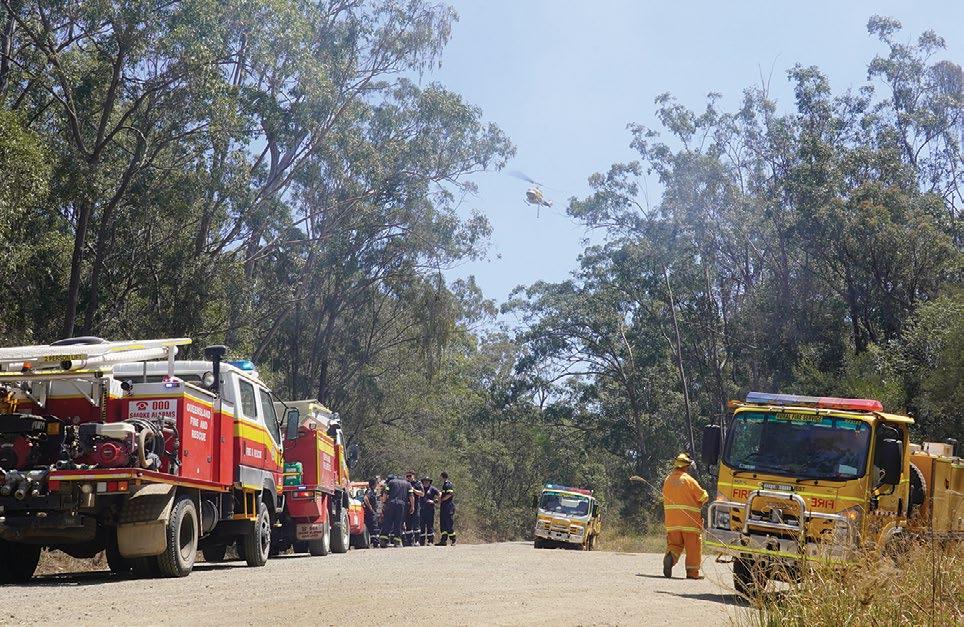
The introduction of self-extinguishing cigarette standards was a major safety advance, reducing ignition risk in unattended smoking.
Yet the growing black market for illicit cigarettes, often unregulated, has the potential to undermine that progress, reminding us that fire safety is influenced by broader social and economic dynamics. The fire industry cannot deal with this issue alone.
These examples highlight an important point: risk does not sit still. It evolves alongside technology, behaviour, and society, and staying ahead of it requires us to think differently.
This is where strategic foresight becomes critical.
We need to build the capability to anticipate emerging risks earlier and before they scale into widespread hazards. That means scanning globally, learning from international partners, and investing in research and collective insight.
AI is a clear example of both opportunity and challenge. AI is already improving fireground safety through enhanced situational awareness and faster decision support.
At the same time, it brings risks around bias, workforce change, the loss of innovation, misinformation, and data governance that must be carefully managed.
Used well, AI can help us identify patterns, predict risk, and deploy resources more effectively. Used poorly, it could erode trust or introduce new vulnerabilities. The task for all of us is to ensure that innovation strengthens safety and supports people, and that we do not inadvertently pass on our accountability for safety.
When we step back, the scale of change over the past several years is striking. But our next leap forward will be driven by data.
Across Australia, residential fire fatalities remain a persistent and
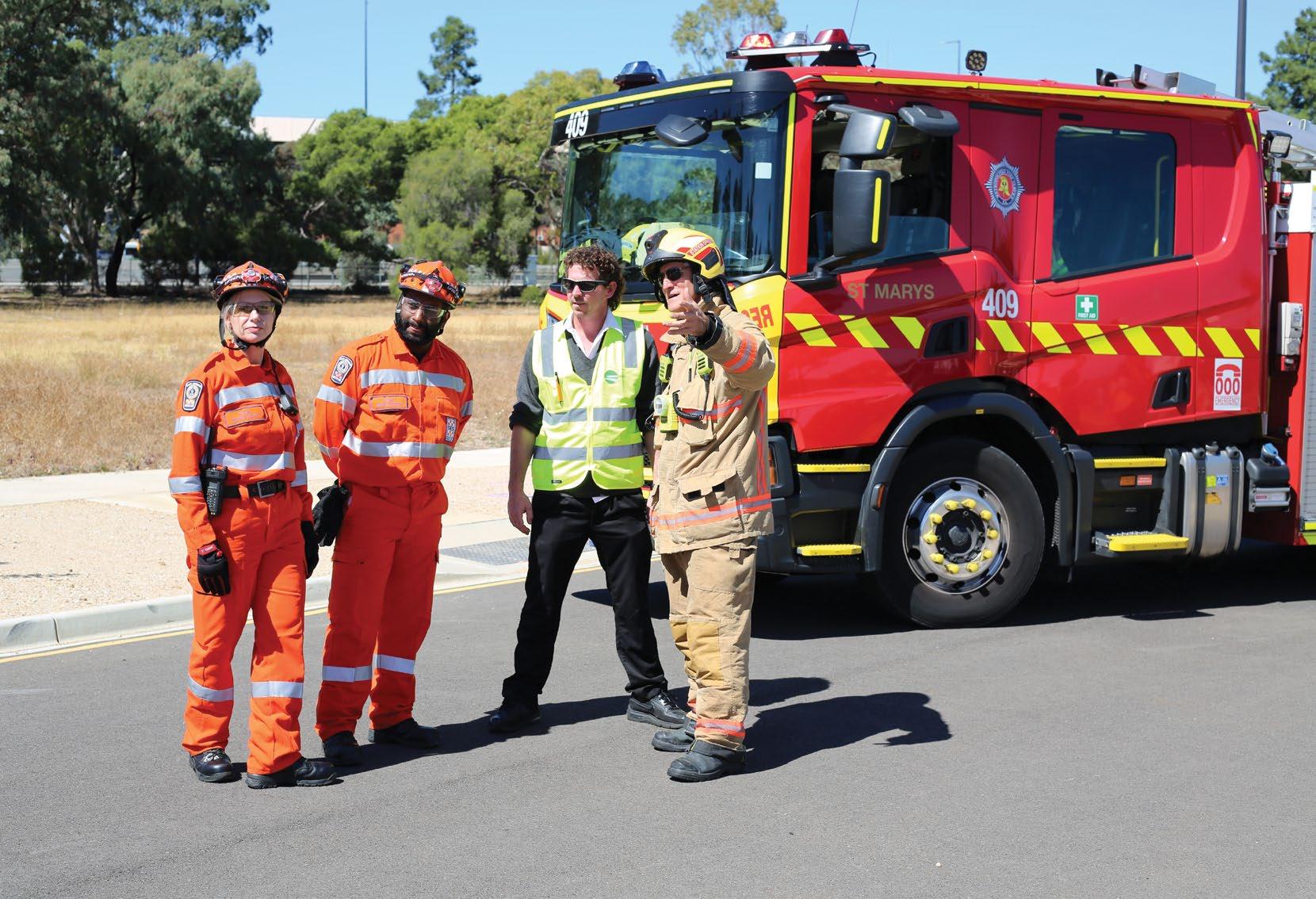
deeply human challenge, often influenced by overlapping risk factors.
To truly understand and reduce these incidents, we need consistent, high-quality data that can inform decision-making at every level.
That is why AFAC is investing in the harmonisation of a decade of fire fatality data, with the aim of establishing an annual national report about fire fatalities and injuries. The real value lies in linking our data with other sectors. This will strengthen the evidence base and help us develop more targeted, effective prevention strategies.
Because in a complex system, better data does not just inform decisions; it also unites us around shared understanding.
Looking ahead, the question is not whether change will continue—it will, and at a pace we may not have seen before. The question is whether we are shaping that change together in ways that make people safer.
Our opportunity is to build a legacy that anticipates risk earlier, responds more intelligently, and reflects the diversity of the communities we serve.
This means:
strengthening partnerships across government, industry, and communities
investing in inclusive, accessible safety design that works for everyone
embracing innovation while managing its risks responsibly
continuing to build the data and insight we need to act with confidence.
At its heart, fire safety is about care for each other, our communities, and those who respond when things go wrong.
If we bring that shared purpose to how we work together, we can ensure that the next decade is defined not by how we respond to fire—but by how successfully we prevent it.
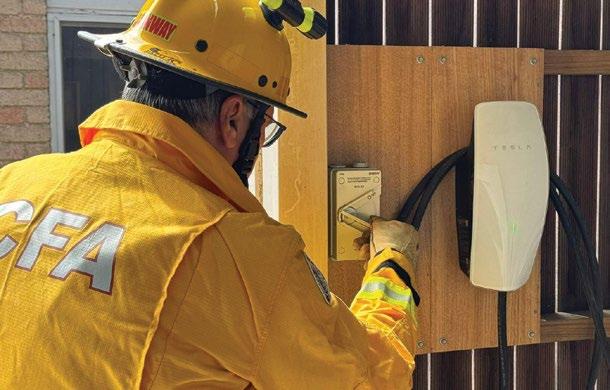
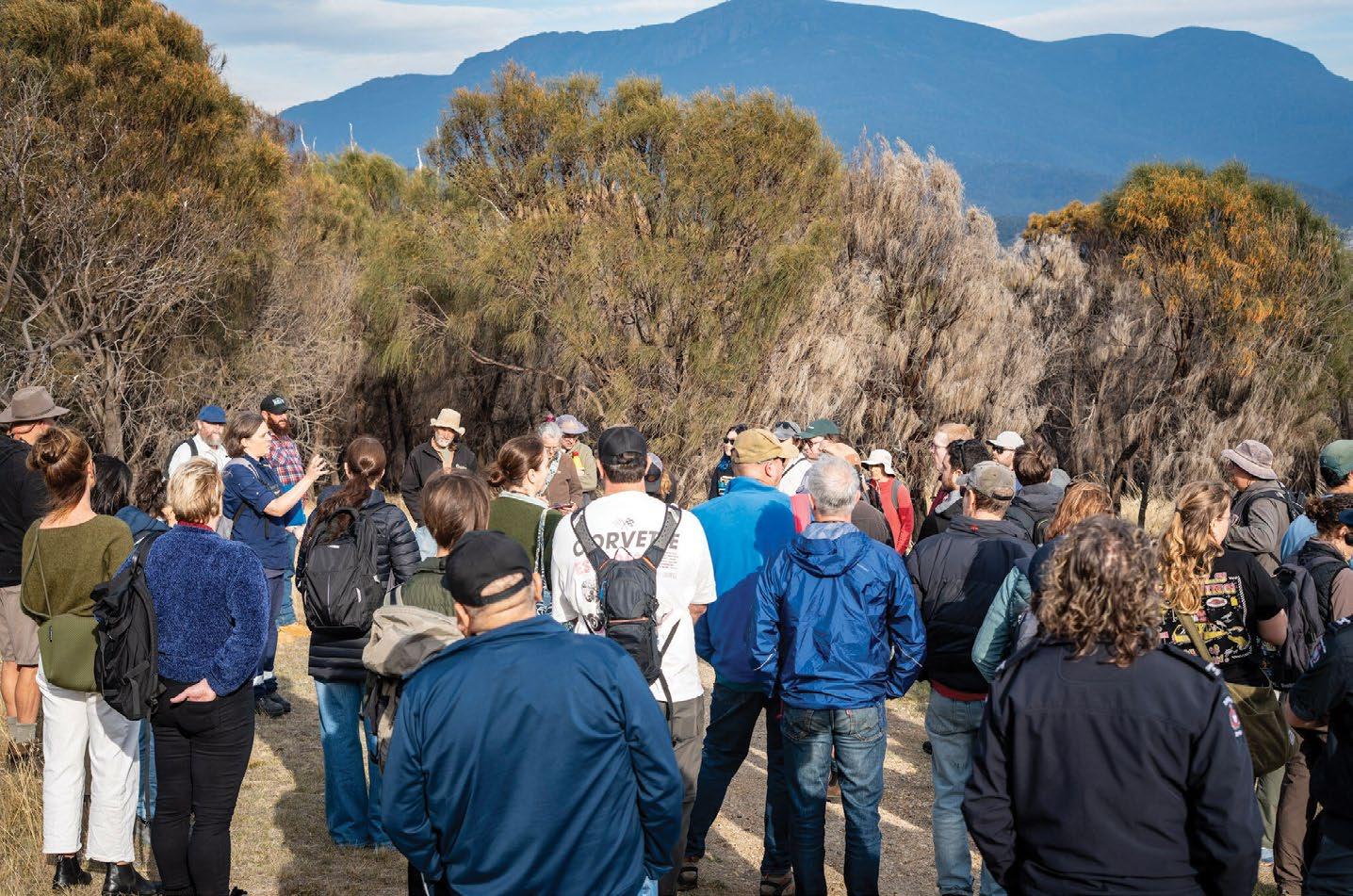
Following a week of presentations, delegates had the opportunity to elevate their conference experience through field trips and workshops.
BY SANDRA WHIGHT
Executive Director, National Capability, AFAC
April is one of the most compelling times of year to be in Hobart, when the city’s natural beauty and atmosphere are on full display. In 2026, this seasonal appeal was further elevated from 28 April to 1 May with the presence of the International Fire Behaviour and Fuels Conference (FBF26). It brought together experts and practitioners from across the emergency management sector, adding a dynamic professional dimension to an already exceptional time in the Tasmanian capital.
This year, FBF26 brought together policy-makers, scientists, fire managers, and Indigenous land stewards from across Australia, New Zealand, and the world.
Now in its eighth iteration, the conference is the foremost global forum for wildfire knowledge-sharing, hosted by the International Association
of Wildland Fire (IAWF). This year’s program focused on ‘fuelling innovation, advancing fire knowledge, and navigating futures’, while also underscoring the growing severity of wildfire events, their impacts into new landscapes, and the mounting pressure climate change is placing on the systems built to manage them.
The conference’s central thread was integration, with a focus on combining emerging fire behaviour science, new management frameworks, and lived Indigenous knowledge into something that works on the ground. This played out across keynote sessions, topic streams, poster presentations, and field trips that took delegates into Tasmania’s landscapes.
AFAC’s National Manager, Prescribed Burning, Trevor Howard, opened the conference in his capacity as IAWF President, before Todd Sculthorpe, a proud Trawlwoolway man, welcomed us all to Nipaluna (Hobart). Mr Sculthorpe’s welcome on behalf of the Palawa of Lutruwita (Tasmania)
was both warm and thought-provoking. It set the tone for the conference that encouraged attendees to look for deeper knowledges and better relationships, and to pay attention to the conditions of the landscape that conference delegates were part of and contributing to.
Held over four days, the event offered a combination of speakers and panel sessions with great audience interactions, which saw conversations continue outside of conference sessions.
On the first day of FBF26, keynote speaker Amanda McKenzie, Climate Council CEO, reminded everyone of the harsh reality and impacts of climate change on bushfire in Australia and across the globe. She urged attendees to continue to speak out about the impacts of climate change and the lengthening bushfire season—and to communicate these challenges to governments and communities.
This year, FBF26 brought together policy-makers, scientists, fire managers, and Indigenous land stewards from across Australia, New Zealand, and the world.
The panel sessions that followed examined fire and climate risk, continuing the call for action. Speakers asked thought-provoking questions to challenge thinking and stimulate new ideas: How do we encourage people to see that they can make a difference? How are we sharing what we’ve learned about adapting to changes in forest ecosystems, fire behaviour, and impacts?
Over the course of the conference, Australian and international speakers offered different perspectives to these questions.
Adjunct Professor Greg Lehman, from the University of Tasmania’s Institute of Indigenous Knowledges, opened day one of the conference’s keynote and panel with a focus on Country and culture. Professor Lehman, a Trawulwuy descendant, centres his research on Indigenous cultural values and land and fire management.
The speakers and panellists in Professor Lehman’s session reflected on the practices of bringing local knowledges into traditional fire management practices and structures. The key takeaway was the recognition of the importance of relationships before partnerships. There was also a thread that Western knowledge of landscape and values is overcomplicating how Indigenous peoples approach fire on Country.
Other keynotes at the event included Robb Clifton, Director of Field and Traverse Operations at the Australian Antarctic Division, and Professor David Bowman, Australian Research Council Laureate Fellow and Director of the Fire Centre at the University of Tasmania.
The biggest challenge each day was trying to decide which plenary event to attend. All speakers at FBF26 were excellent, stimulating thoughtful discussions, exploring best practice, and identifying where more needs to be done.
Throughout the conference, panel sessions featured lively discussions regarding the use of AI and emerging technologies, social license on fire management and bushfire risk, the housing crunch, and land use liability in a changing climate.
In addition to the comprehensive program, which included concurrent topic streams, delegates had the opportunity to explore the exhibitor floor and attend a networking event on the Wednesday evening. Friday, the final day of FBF26, wrapped up with workshops and field trips for those wanting to take conversations into the field.
With its strong relationship with the IAWF, AFAC was pleased to be part of the conference, taking part in the organising committee and sponsoring the poster viewing session. AFAC staff were engaged in chairing panel sessions and as speakers at the event. There were 93 posters presented at the conference, each demonstrating a high calibre of research and insight, further enriching the depth and diversity of knowledge shared across the program.
Overall, FBF26 was lively and energetic, with a buzz around the entire event. AFAC would like to congratulate IAWF for an excellent conference and for providing an opportunity to showcase how different countries can implement newly developed fire management policies and frameworks at national, regional, and local levels.
The International Fire Behaviour and Fuels Conference: firebehaviorandfuelsconference.com
Todd Sculthorpe’s Welcome to Country, Weaving Palawa knowledge with Western science: wildfiretoday. com/weaving-palawa-knowledge-withwestern-science
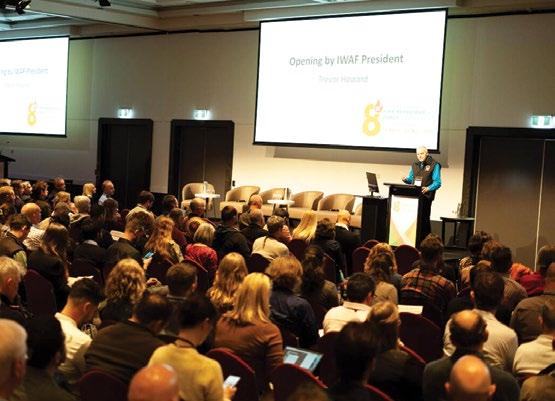
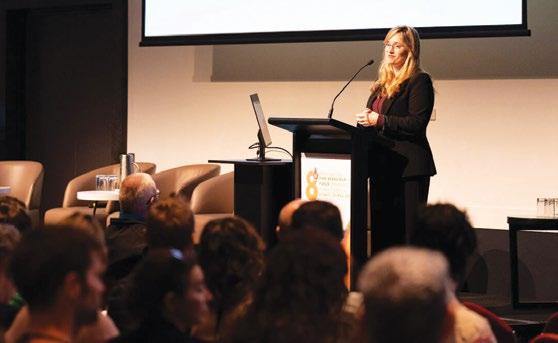
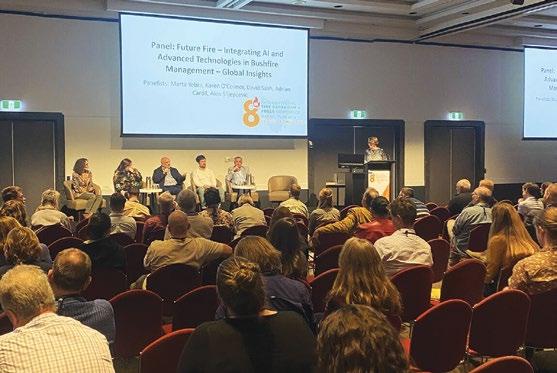
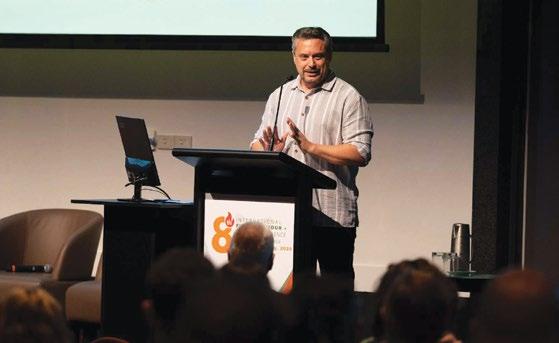
BY ROBERT HENNINGHAM
Team Leader, Fire Protection Industry (ODS & SGG) Board
Each year on 5 June, World Environment Day encourages people, businesses, and industries around the world to consider the role they play in protecting the environment. Led by the United Nations Environment Programme (UNEP), the day highlights the importance of environmental stewardship and collective action in addressing challenges such as climate change, pollution, food and water scarcity, and biodiversity loss.
One of Earth’s most important natural defences is the ozone layer. Located high in the atmosphere, it acts as a protective shield, absorbing much of the sun’s harmful ultraviolet (UV) radiation. Without it, ecosystems would suffer greater damage, wildlife would face increased pressure, and risks to human health, including skin cancer and eye disease, would rise significantly. The protection and ongoing recovery of the ozone layer through the collective efforts of the Montreal Protocol remains one of the world’s greatest environmental success stories, demonstrating what can be achieved when governments, industries, and communities work towards a common goal.
At the same time, reducing emissions of synthetic greenhouse gases (SGGs) remains an important part of the global response to climate change. Many SGGs have a global warming potential thousands of times greater than carbon dioxide, meaning even small releases can have a significant impact on rising global temperatures. For the fire protection industry, this reinforces the importance of ensuring scheduled extinguishing agents are only used where necessary and are managed in accordance with regulatory requirements and industry best practice.
The fire protection sector has an important role to play in supporting positive environmental outcomes
By working closely with our clients from design through to commissioning, we’ve shown that transitioning to lower-emission alternatives is both practical and achievable.
through the responsible handling of scheduled extinguishing agents. This includes common agents like FM-200 (HFC-227ea), NAF-S-III, and NAF-P-III. By maintaining systems correctly, preventing avoidable emissions, recovering and recycling agents where appropriate, and ensuring work is carried out by licensed permit holders, the industry can minimise environmental impacts while continuing to deliver critical fire protection.
These requirements are enshrined in federal legislation, with the Fire Protection Industry (ODS & SGG) Board responsible for administering the permit scheme. The Board’s recently released Code of Practice further supports this work by providing practical guidance for technicians and permit holders on the safe and responsible management of scheduled extinguishing agents.
A strong example of environmental leadership can be seen in the work of DIS Fire Systems and Neil Zouaoui, who recently received the Outstanding Ozone Practice Award at the 2026 Fire Protection Industry Awards. DIS Fire Systems has actively supported the transition away from high global warming potential extinguishing agents by replacing HFC-227ea systems with cleaner alternatives, including IG-541 inert gas systems and fluorine-free foam solutions where appropriate. Through 44 replacement projects involving approximately 60 systems across Australia, the company has helped remove around 7,200 kg of HFC-227ea from active service, avoiding an estimated 23,184 t of CO2- equivalent emissions.
“Every replacement project is an opportunity to deliver the same level
of fire protection while significantly reducing environmental impact,” said Mr Zouaoui. “By working closely with our clients from design through to commissioning, we’ve shown that transitioning to loweremission alternatives is both practical and achievable.”
DIS Fire Systems has supported these projects through a complete end-to-end service offering, including system redesign, installation, engineering, commissioning, and ongoing technical support. Their work demonstrates that environmental responsibility and effective fire protection can go hand in hand, providing a practical example of how the industry can contribute to ozone protection and broader climate goals. Ultimately, this World Environment Day represents an opportunity for the fire protection industry to recognise the connection between environmental protection and everyday fire safety practices. By either moving to cleaner alternatives that do not contain synthetic greenhouse gases or ensuring the responsible handling of scheduled extinguishing agents, the fire protection industry can play an important role in supporting environmental outcomes. Through regulatory compliance and a continued commitment to best practice, technicians and businesses across the sector can help protect the ozone layer, reduce greenhouse gas emissions, and contribute to a more sustainable future.
Fire Protection Industry (ODS & SGG) Board Executive Officer
Nick Best with Outstanding Ozone Practice Award winner
Neil Zouaoui, DIS Fire Systems, at the 2026 Fire Australia Gala.
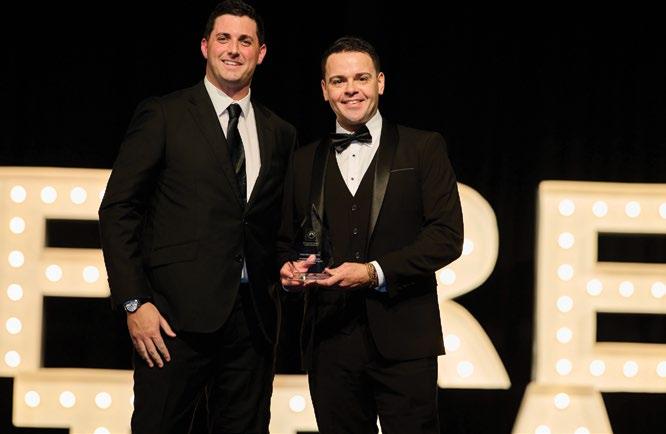

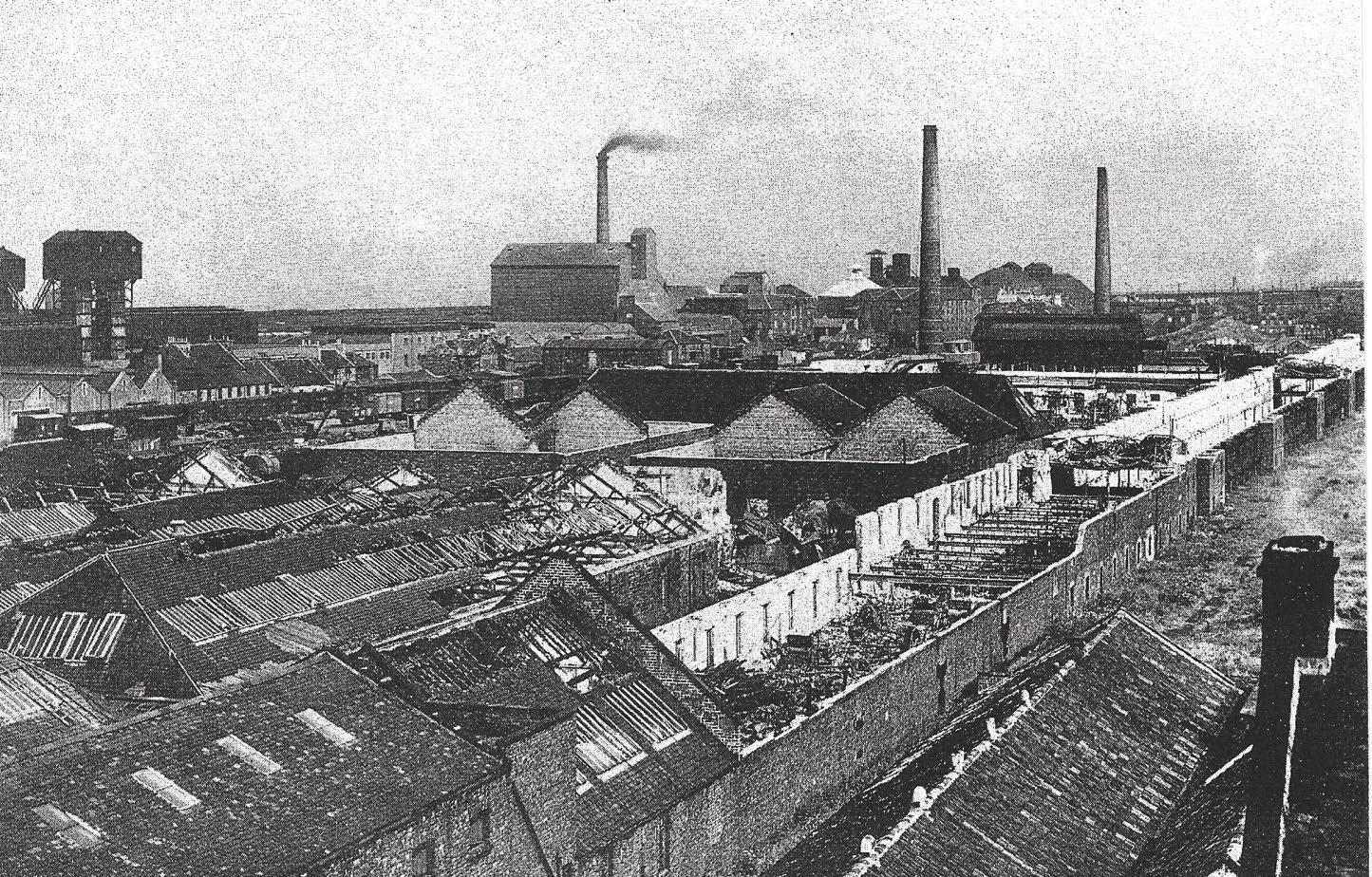
“Quarter of a mile of buildings in ruins.”
These were part of the headlines appearing in The Scotsman dated 27 April 1936, reporting on a major fire that, in the newspaper’s words, “reduced to ruins” almost the whole of one of the most important mills in the Port of Leith: the works of the Edinburgh Roperie and Sailcloth Company controlled by British Rope (Ltd)—and containing the longest rope walk* in Britain. It was about 275 m in length and contained some 100 t of rope, cording and matting, jute and rope-making machinery, together with considerable amounts of fibrous material and fibre.
Again quoting The Scotsman: “When the 500 employees left the works at midday, as is usual on a Saturday (25th April, 1936), there was not the slightest sign that anything was amiss. About a quarter past twelve the alarm of fire was raised. During the intervening period of fifteen minutes the blaze extended its hold to such an extent that the first alarm was almost immediately followed by a call for a general mobilisation of the fire-fighting strength of the city. Despite the fact that within a few minutes all the engines from
various stations were on the spot, we learn that even with the full strength of the fire brigade concentrated on the work, it seemed at once that it was an almost impossible task that faced them.”
The newspaper called it “a spectacular outbreak which spread with lightning-like rapidity, more than a quarter of a mile of brick buildings being involved within twenty minutes while shortly afterwards other premises were also affected. These included an extensive timber yard, where 500 tonnes of timber was destroyed, and the LMS Railway goods yard. Throughout the whole area surrounding the rope works there was, for many hours, a constant menace of devastating fire, and the fire brigade had promptly to divert sections of their forces to fight comparatively minor outbreaks in neighbouring premises. An open tank of crude oil burned all day and almost all night.” The total direct loss was calculated at £395,000 (1936 value).
According to the FPA Australia publication, Fire: A century of automatic sprinkler protection in Australia and New Zealand 1886–1986, there were 138 fires in sprinkler-protected rope
and twine works in that century. They were 100% controlled with nil fatalities and an average of 3.72 sprinklers in operation.
* In 1906, the Edinburgh Roperie and Sailcloth Company advertised itself as having the “sixth longest rope walk in the world”. Rope walks may typically be 300 m or more long. In the rope walk process, the yarns pass through a chuck on a travelling jack, which moves down the long building as the rope is made. Today, laying machines have almost entirely replaced rope walks. The principal hazards in rope making include fibre flyings and dust, cordage oil (paraffin or creosote), and friction in machinery
In that building, long and low, With its windows all a-row, Like the port-holes of a hulk, Human spiders spin and spin, Backward down their threads so thin Dropping, each a hempen bulk.
Excerpt from ‘The Ropewalk’, Henry Wadsworth Longfellow, 1858

Brendan Moon, inaugural Coordinator-General of the National Emergency Management Agency (NEMA), has retired following a distinguished career in emergency management.
He was appointed as Coordinator-General in September 2022 following the merging of Emergency Management Australia and the National Recovery and Resilience Agency.
Throughout his career, Mr Moon worked with the Queensland Reconstruction Authority for 10 years, including his role as CEO, before leading NEMA through many disasters in both recovery and response, and through challenging higher-risk weather seasons.
His primary focus as Coordinator-General of NEMA was leading the delivery of national programs that reduce disaster risk and limit the impacts of disasters on communities and economies.
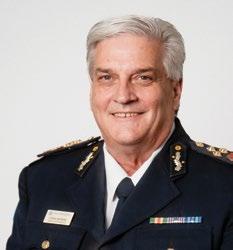
Craig Waters AFSM, former Deputy Commissioner Operations, Department of Fire and Emergency Services, WA (DFES), has retired following a 33-year career of outstanding service to DFES and the WA community.
Appointed in 2019, Mr Waters brought extensive experience managing complex emergencies, including major structure fires, cyclones and bushfires. An EMPS-certified Level Three Incident Controller, he served in a range of leadership roles across metropolitan and regional operations, the WA Fire and Emergency Services Academy, and Fire Investigation and Analysis Unit, and he was seconded to the WA Police Counter Terrorism Coordination Unit.
Before his appointment as Deputy Commissioner, Mr Waters was Assistant Commissioner Operations Capability, with responsibility for Air Operations, Marine Services, State Operations and Special Operations.

On 10 April 2026, Pat Hetherington was appointed as interim Coordinator-General of the National Emergency Management Agency (NEMA) while a merit-based recruitment process is undertaken, following Brendan Moon’s retirement.
Mr Hetherington was previously Chief Operating Officer for the Department of Social Services. He led the delivery of the Department’s corporate and operations functions, as well as the Community Grants Hub and National Redress Scheme.
In his interim role, he will lead NEMA in providing national coordination and leadership to support communities before, during, and after disasters.
The Department of Fire and Emergency Services, WA (DFES) has appointed Jon Broomhall AFSM as Deputy Commissioner Operations.
Mr Broomhall brings more than 30 years of fire and emergency services experience to the role, along with operational and strategic leadership skills. As Deputy Commissioner Operations, he will oversee all DFES operational matters including firefighting, natural hazards, aviation, marine services, special operations, and state operations.



What could your company achieve with more financial support?
• Have you considered, a supportive business partner to share the load?
We are looking to join with professional fire protection and training companies through mergers or acquisitions. We understand the mindset of small - medium business and can provide the needed support to achieve corporate and personal Goals.
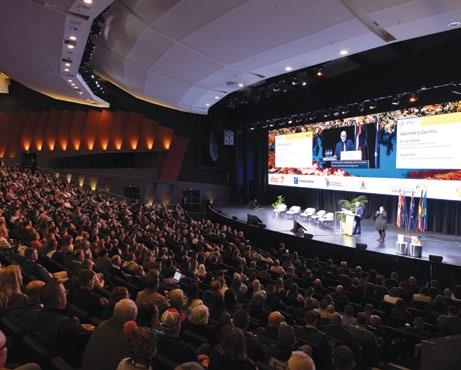
18–21 August 2026
Melbourne Convention and Exhibition Centre
AFAC26 powered by INTERSCHUTZ is Australasia’s largest and most comprehensive emergency management conference and exhibition. This year, AFAC26 will be co-located with the Institution of Fire Engineers (Australia) Conference, Women and Firefighting Australasia Conference, and Australian Disaster Resilience Conference.
On rotation around Australia’s states, the event returns to Melbourne, hosted by Country Fire Authority, Fire Rescue Victoria, Forest Fire Management Victoria, Emergency Management Victoria, State Emergency Service, and Tasmania Fire Service.
This year’s conference theme, ‘Leading together: Integrity, inclusion, and impact’, will examine how transformational leadership is grounded in integrity, equity, and inclusion, and can shape the future of our industry.
The AFAC26 Conference program has now been released, and it is shaping up to be our most compelling year yet. Learn more about our keynote speakers, global experts, and sector leaders that feature on the conference program.
Visit www.afacconference.com.au
CLAIRE CRAWFORD (FPA AUSTRALIA)
Tel +61 3 8892 3131
claire.crawford@fpaa.com.au
LISA JAUNALKSNIS (AFAC)
Tel +61 3 9418 5200 lisa.jaunalksnis@afac.com.au

FPA Australia runs technical events catering to the fire protection industry on a range of relevant and interesting topics. Covering the whole of the sector— wet systems, dry systems, passive fire, mechanical fire protection, special hazards, bushfire, and emergency planning— these seminars and webinars provide useful opportunities for practitioners to pick up continuing professional development points. Presented by leading experts, our seminars and technical webinars provide all the information you need about relevant fire safety topics.
For a full list of upcoming events, visit fpaa.com.au/events or scan the QR code.


FIRE PROTECTION ASSOCIATION AUSTRALIA (FPA AUSTRALIA)
ABN 30 005 366 576
PO Box 1049
Box Hill VIC 3128
Australia
Tel +61 3 8892 3131
Fax +61 3 8892 3132
magazine@fpaa.com.au www.fpaa.com.au

AFAC
ABN 52 060 049 327
Level 1, 340 Albert Street
East Melbourne VIC 3002
Australia
Tel +61 3 9419 2388 Fax +61 3 9419 2389 afac@afac.com.au www.afac.com.au


TEL +61 3 8892 3131 magazine@fpaa.com.au
PRODUCTION AND DESIGN: CORETEXT
Tel +61 3 9670 1168 www.coretext.com.au TO SUBMIT A CONTRIBUTION OR TO ADVERTISE IN FIRE AUSTRALIA, PLEASE CONTACT: CLAIRE CRAWFORD FPA AUSTRALIA


Your fire protection business faces unique risks. Contracting complexity. Compliance demands. Project liability. Unexpected disruptions.
Windsor Management Insurance Brokers brings over 30 years’ experience and industry specialisation to every conversation. Recognised by FPA Australia for delivering tailored insurance solutions to members.
When you speak with Windsor’s team, you’re speaking with brokers who understand:
• Fire protection contracts and tender requirements
• Project-based liability in installation, service and maintenance
• Technical context and compliance obligations
This understanding shapes every conversation, every question, every recommendation.
Insurance cover may include:
• Public liability
• Professional indemnity
• Contract works
• Management liability
• Business insurance
• Motor fleet
• Tools of trade
• BPAD-specific insurance
• Industry-specific insurance
Been meaning to review your cover? Expanding your business? Let’s talk.

Dedicated Insurance Team
NSW, ACT, WA & TAS.
Jana Day
Account Manager
(02) 8732 8501 / 0499 224 024 jday@wmib.com.au
QLD & NT.
Bev Jacobsen Account Manager (07) 3230 9306 / 0437 554 594 bjacobsen@wmib.com.au
SA.
John Mangos Account Manager (03) 9320 8544 / 0438 333 886 jmangos@wmib.com.au
VIC.
Danny Gasbarro Account Manager (03) 9320 8542 / 0439 003 363 dgasbarro@wmib.com.au

wmib.com.au/fire-protection-industry/