
ROB WEBB CEO, AFAC

In this edition, CFA Chief Officer Jason Heffernan reflects on the human effort behind an elevated Victorian fire season. He highlights the judgement, coordination, and personal commitment of firefighters and volunteers working to protect lives and communities.
As this summer again laid bare the scale and complexity of Australia’s natural hazard risk, Andrew Gissing, CEO of Natural Hazards Research Australia (the Centre), considers what must change. Drawing on evidence and research, he outlines why a long-term, risk-based approach to resilience is essential to better prepare for future summers.
We further explore how research funded by the Centre is helping reshape Australia’s approach to bushfire resilience—from improving safety at the rural–urban interface and designing bushfire-adaptive homes, to strengthening resilience through First Nations cultural fire knowledge.
We also look behind the scenes at the national coordination of aerial firefighting assets. An article on the work of the National Aerial Firefighting Centre reveals the collaboration, judgement, and adaptability required to support crews on the ground during a demanding and fast-moving season.
This edition spotlights the work of Women and Firefighting Australasia and President Min McDonald, whose leadership is driving practical, system-level change across the sector. Alongside this, we highlight the Australian Women in Fire Prescribed Training Exchange, a powerful initiative revealing the depth and largely unseen contribution of First Nations women across fire and land management.
Readers can also explore what’s planned, and how to get involved, at the AFAC26 Conference and Exhibition powered by INTERSCHUTZ, returning to Melbourne in August 2026.
As we look ahead to winter, I encourage you to engage with the insights and reflections shared in this edition.

6 Minutes that matter: Australia’s residential fire safety
8 National memorial service 2026
9 Seasonal Bushfire Outlook
10
AFAC26: Shaping the future through integrity, inclusion, and impact
12 How can we be better prepared for summers like this?
14
Fire indicator panel battery replacement: The two-year replacement myth
16 Working as one: Coordinating Australia’s aerial firefighting response
20 Fire Australia 2026: Where leadership, innovation, and celebration converge
23 Technical committees: Where do you fit?
24
Strengthening Australia’s passive fire protection workforce
26 When women win, everyone wins
28
Fire protection: A profession for a safer Australia
30 Research points the way to bushfire resilience
33 New industry guidance on transitioning to PFAS-free firefighting foams
34 Competency under AS 1851: Raising the standard for routine service
44 Career pathways: Elvira Nigido on women’s participation in the permit scheme
REGULAR FEATURES
5 News
25 Standards update: Recent publications and committee activity
28 Advocacy corner: Fire protection: A profession for a safer Australia
37 Perspectives from the sector: Jason Heffernan, CFA Chief Officer
40 In the spotlight: First Nations women in fire: A hidden workforce
42 Blast from the past: The great wool store fire at Kirribilli Point, 1921
45 Movers and shakers
46 Calendar of events
Fire Australia is a joint publication of Fire Protection Association Australia and AFAC. We aim to bring the latest news, developments and technical information to the fire protection industry, fire and emergency services organisations, and hazard and emergency management agencies. Fire Australia is produced quarterly and distributed throughout Australia and New Zealand. Editorial submissions and letters to the editor are welcome and can be sent to magazine@fpaa.com.au. For more details on submitting a contribution, please contact the editors.
2
To advertise in Fire Australia, contact: FPA Australia, communications@fpaa.com.au FPA Australia, PO Box 1049, Box Hill VIC 3128, Australia
SARAH RIPLEY (FPA Australia) Tel +61 3 8892 3131 sarah.ripley@fpaa.com.au
TOULA ELEFSINIOTIS (AFAC) Tel +61 3 9418 5233 toula.elefsiniotis@afac.com.au
of any information or data contained herein. Fire Australia magazine and its agents do not accept
or
with regard to the material in this publication. It is not possible for FPA Australia to ensure that advertisements published in this magazine comply in all
and the provisions which apply to advertising. Responsibility lies with the person, company or agency submitting the advertisement for publication. Material in

18-21 August 2026 | Melbourne Convention and E xhibition Centre (MCEC)
Across 3 days of conference programming and exhibition, AFAC26 will examine how transformational leadership grounded in integrity, equity and inclusion can shape the future of our industry. We will explore and celebrate how diverse voices and inclusive cultures foster innovation, strengthen social licence, and build community trust.
Encapsulating



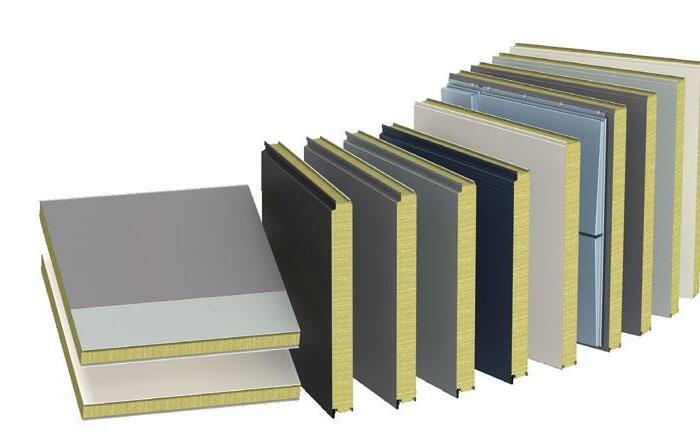
Kingspan K-Roc™ external and internal wall panels, roof panels and façades are proven data centre solutions that deliver fire protection, thermal efficiency, and design flexibility.
All Kingspan K-Roc™ products are engineered with a non-combustible mineral wool core and undergo rigorous testing to achieve the necessary fire test results to satisfy the National Construction Code. Designed to contain heat and prevent flame spread, they safeguard critical infrastructure, helping to maintain uptime by controlling temperature.
No other company offers locally manufactured panels with the same level of global expertise, service and performance.
Kingspan Insulated Panels
Where speed meets timeless performance
FRLS UP TO 4 HOURS - K-ROC ULTIMA RANGE
NON-COMBUSTIBLE MINERAL WOOL CORE
SAFEGUARD CRITICAL INFRASTRUCTURE
BY IVAN WEST
Manager, Built Environment, AFAC
On average, more than one Australian dies each week in a preventable residential fire. Between July 2003 and June 2017, coronial analysis identified at least 900 preventable residential fire fatalities—about 64 deaths a year—with no clear declining trend (Coates et al., 2019). These are mostly single-fatality events in ordinary dwellings, occurring at a rate we should no longer accept.
The pattern is stark—fatal incidents cluster during sleeping hours, most commonly between 8 pm and 8 am, especially from midnight to 4 am. Ignition most often occurs in living rooms and bedrooms, and around half of fatal fires burn one room or fewer of the structure. When people die in small, fast-developing fires in the rooms where they sleep and rest, the issue is time—time to detect, wake, decide, move, and escape.
The fatality report also shows who is most exposed to losing that time. People aged 65 and over represent more than one-third of fatalities, with risk increasing with age. Many of the deceased lived alone, had disability, or had alcohol or medications present. These factors delay recognition and slow mobility. In these circumstances, self-rescue after a smoke alarm sound is often unrealistic.
Smoke alarms are indispensable, but warning alone does not control heat, smoke, or toxic gases. The dataset includes fatal fires where alarms were present and working, highlighting the limits of detection for people who cannot respond quickly or effectively. Our baseline must be designed for sleeping occupants and for those least able to act.
This is why Queensland’s approach to domestic smoke alarms should become the national baseline. Queensland requires interconnected photoelectric smoke alarms on each storey, in every bedroom, and in hallways that connect bedrooms to the rest of the dwelling, with
all existing private homes, townhouses, and units required to be compliant by 1 January 2027.
Different minimums across jurisdictions turn the chance of waking in time into a postcode lottery. Queensland has already set a clear, evidence-based standard; other states and territories should adopt it without delay.
However, even perfect detection does not extinguish a fire. Lithium-ion devices are now common in garages and bedrooms, and failures can produce rapid, toxic, high-energy fires with little warning. In a home at 2 am, minutes matter.
Sprinklers convert minutes into survivable time because they act automatically at the source of the fire. The National Fire Protection Association’s (NFPA) analysis of United States incident data shows that in home fires where sprinklers were present, civilian death rates were 89% lower and injury rates were 31% lower than in homes with no automatic extinguishing system. Additionally, firefighter injury rates were 48% lower (McGree, 2024).
NFPA’s analysis shows that sprinklers can often confine home fires to the object or room of origin, and in most cases, only one head of the sprinkler was in operation. For fire services, that
translates into safer firegrounds: fewer fires progressing to flashover conditions, less structural compromise, better tenability on arrival, and fewer high-risk internal operations.
If the goal is fewer preventable deaths, the fire sector should be explicit about what ‘towards zero’ means: a refusal to normalise predictable deaths in predictable places at predictable times.
AFAC has a national residential fire prevention strategy framed around ‘towards zero fatalities’. This framing is important because it shifts the conversation from incremental improvement to an ethical baseline: preventable deaths are not an acceptable remainder.
Other safety domains have moved beyond accepting preventable death as routine, and residential fire should do the same.
Harmonisation is needed across jurisdictions to lift smoke alarm requirements at least to Queensland’s bedroom-focused, interconnected photoelectric standard. In parallel, jurisdictions should normalise cost- effective residential sprinklers, especially in new builds and in settings where housing the most vulnerable. Sprinklers protect people when they cannot protect themselves and improve safety for crews on arrival.
Coates L et al., 2019, Preventable residential fire fatalities: July 2003 to June 2017, Bushfire and Natural Hazards CRC
McGree T, 2024, US Experience with Sprinklers, National Fire Protection Association
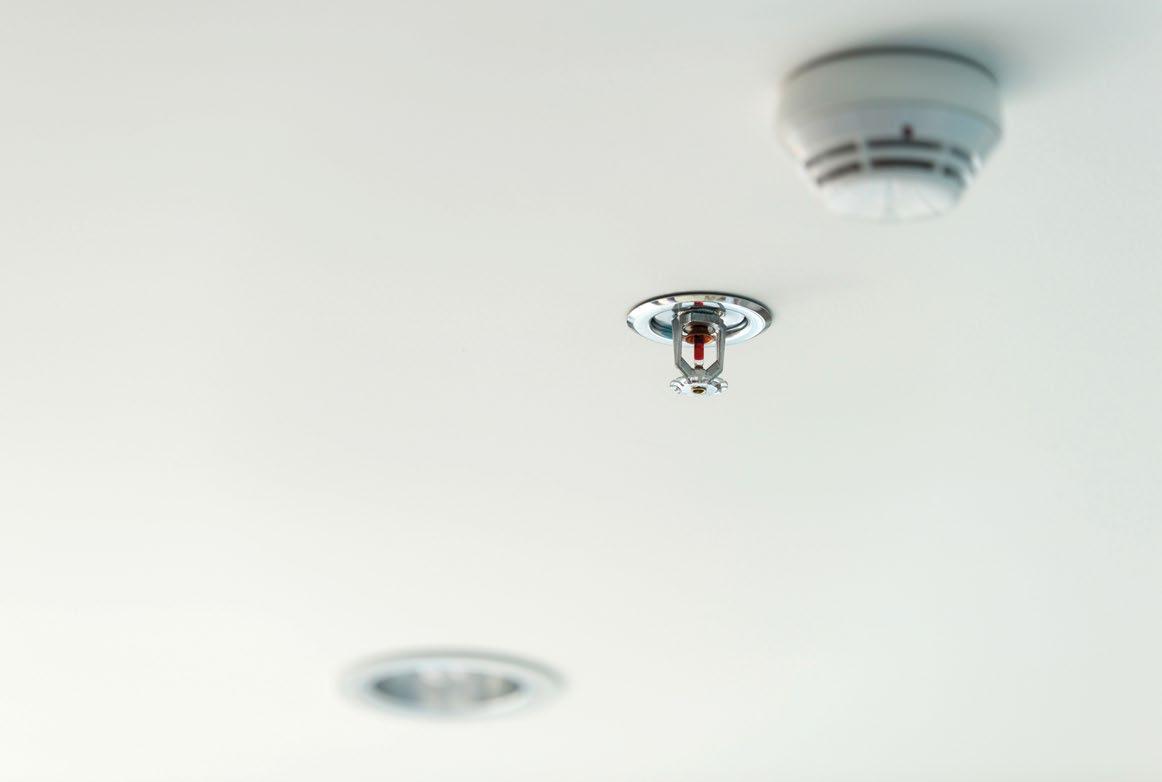
Smoke alarms provide critical warning, while sprinklers act at the source of the fire, turning precious minutes into survivable time.









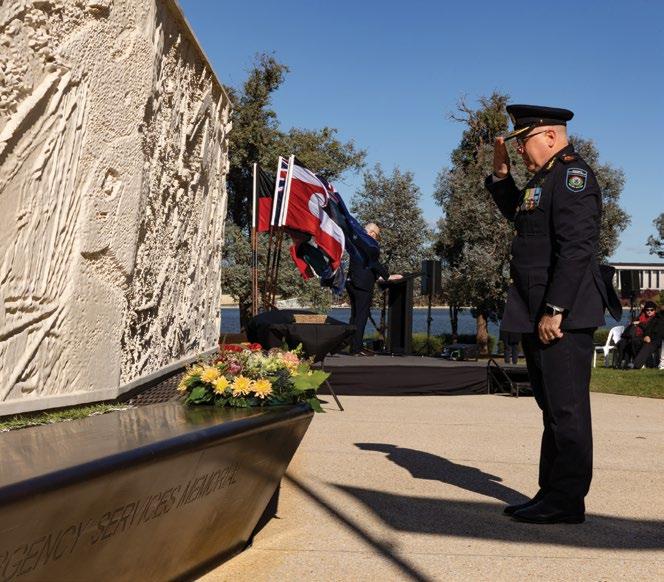
Each year, AFAC holds a memorial service at the National Emergency Services Memorial in Canberra to honour the courage and sacrifice of those who have died in the line of duty.
The National Emergency Services Memorial, which has been held annually since 2015, honours the work, support, and sacrifice of Australia’s fire and emergency services personnel. In the lead-up to the ceremony, AFAC invites its members to nominate suitable individuals for an AFAC Memorial Medallion.
The medallion is presented to the families of those being honoured, and the service also recognises the individuals whose names are added to the memorial wall, commemorating those who have lost their lives in the line of duty since records began.
The National Emergency Services Memorial was opened in July 2004 by then Prime Minister the Hon. John Howard, in honour of the thousands of people who have served in Australia’s emergency services organisations. In May 2018, the memorial wall was unveiled at the site by the Hon. Angus Taylor MP.
The memorial will be held from 8.45 am to 10 am on 8 May 2026 at the National Emergency Services Memorial at Rond Terrace in Parkes, ACT. It is a free event, open to AFAC members and the general public, and will be livestreamed for those unable to attend in person.
For more information, visit memorial.afac.com.au
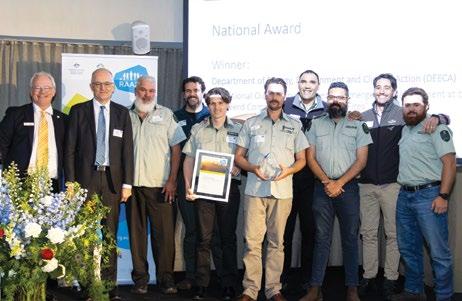
The Resilient Australia Awards celebrate and promote initiatives that build whole-of-community resilience to disasters and emergencies around Australia, while also capturing and sharing examples of resilience in action.
Since being established in 2000, the awards recognise collaboration and innovative thinking across a broad range of sectors and initiatives that strengthen disaster resilience within communities, institutions, and the private sector.
The Resilient Australia Awards are proudly sponsored by the Australian Government in partnership with the states and territories. They are managed by the Australian Institute for Disaster Resilience.
Submissions will be accepted in each state and territory for business, community, government, local government, schools, mental health and wellbeing, and photography award categories. The winners from each jurisdiction will be considered for two national awards: the Resilient Australia National Award and the Resilient Australia National Collaboration and Partnership Award.
The awards are open to all Australians, including but not limited to individuals, not-for-profit organisations, small and large businesses, all levels of government, schools, education institutions, research bodies, and emergency service agencies.
Submissions can be made in written or video format and will be accepted until 11.59 pm AEST on 2 June.
Meanwhile, submissions for the National Research for Impact Award will close 17 July. This award category is open to all jurisdictions; however, submissions will be judged exclusively by the National Panel.
For more information and to submit, visit aidr.org.au/raa
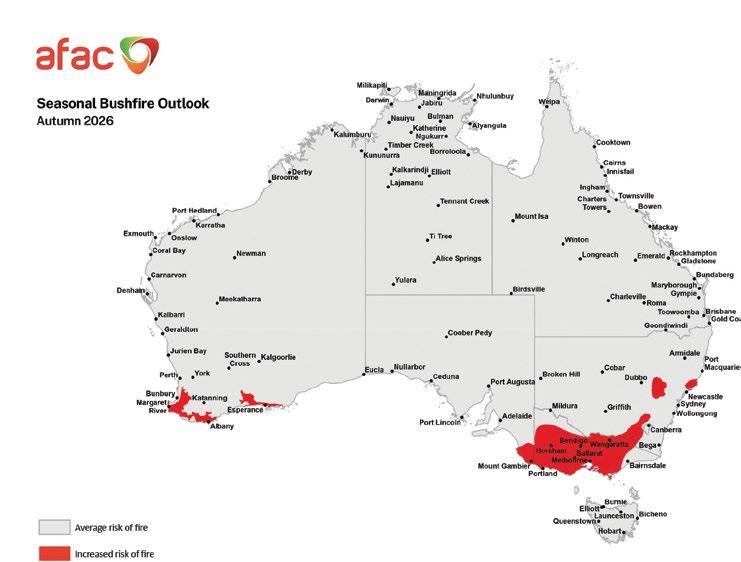
The AFAC Seasonal Bushfire Outlook for autumn 2026 identifies a heightened risk of bushfire in NSW, Victoria, and WA.
Increased risk of fire in autumn has been identified for regions in southern, central, and eastern NSW, large parts of Victoria, and extending to parts of south-east South Australia. Also at risk are parts of southern WA.
AFAC CEO Rob Webb said: “The increased bushfire risk is driven by increased long-term dryness and persistent soil moisture deficits.
“For many parts of southern Australia, autumn sees the gradual reduction in fire risk and opportunities for prescribed burning can increase. However, these programs may be delayed in some areas because of the underlying conditions.
“This is a three-month outlook. Even with the anticipated rains in the southeast in the short term, much more would be required to overcome the longterm moisture deficits.”
Areas marked red on the map indicate a higher likelihood of significant bushfires occurring in autumn compared to the average risk of fire.
Fires can and will still occur in areas across Australia identified as being at average risk.
The Seasonal Bushfire Outlook is the culmination of a complex analysis by expert fire specialists across Australia and climate prediction and fire weather experts from the Bureau of Meteorology.
It identifies areas of increased risk of bushfire compared to areas of usual risk of bushfire. It is not intended as a prediction of where and when bushfires will occur.
View the full AFAC Seasonal Bushfire Outlook for autumn 2026, including the Bureau of Meteorology’s long-range forecasts and jurisdictional summaries of fire risk for each state and territory, at www.afac.com.au/ public-resources/seasonal-bushfire-outlook-autumn-2026
AFAC’s Seasonal Bushfire Outlook map for autumn 2026.
SOURCE: AFAC
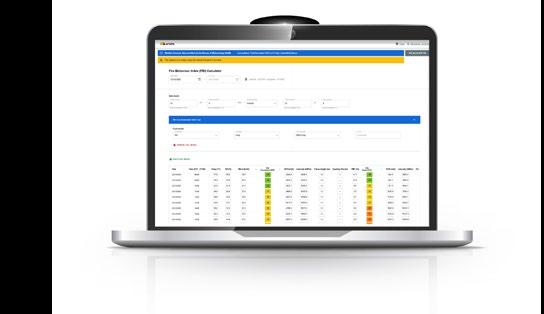
AFAC is pleased to announce the Australian Fire Danger Rating System (AFDRS) Fire Behaviour Index (FBI) Calculator. Launched in late December 2025, the calculator is funded and developed with the support of the NSW Rural Fire Service (RFS) Predictive Services Team.
The FBI Calculator allows users to explore how fuel and weather data influence fire behaviour. It is designed for analysis and scenario testing, not as a substitute for official Bureau of Meteorology products.
David Field, Supervisor Bush Fire Analysis at NSW RFS shared his experience: “It’s a fantastic operational tool for managing incidents and prescribed burns across multiple fuel types. The ability to model different scenarios quickly means we can plan with confidence and adapt to changing conditions. Plus, it gives us easy access to critical information like modelled fuel moisture.”
Accessible through the AFDRS Fire Danger Viewer, the FBI Calculator is available to fire agencies nationwide.
This powerful tool allows users to:
◆ compare the FBI across different fuel types
◆ adjust a wide range of inputs to see their effect on fire behaviour
◆ view detailed outputs including rate of spread, fire line intensity, flame height, and fuel moisture content.
As part of the AFDRS suite, the FBI Calculator isn’t just about numbers, it’s about building understanding and improving safety outcomes. Whether you’re planning a burn or managing an active incident, this tool is designed to make your job easier and your decisions smarter.
Access the AFDRS Fire Danger Viewer here: https://auth.fse.afdrs.org.au/ login?response_type=code&client_id= 21899eo9jfdfep6ea8g1af3qd5&r edirect_uri=https://fdv.afdrs.org. au/&state=Lw%3D%3D
For additional queries, please contact afdrs@rfs.nsw.gov.au
BY LISA JAUNALKSNIS
Communications Officer, AFAC
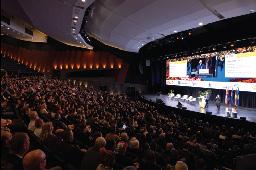
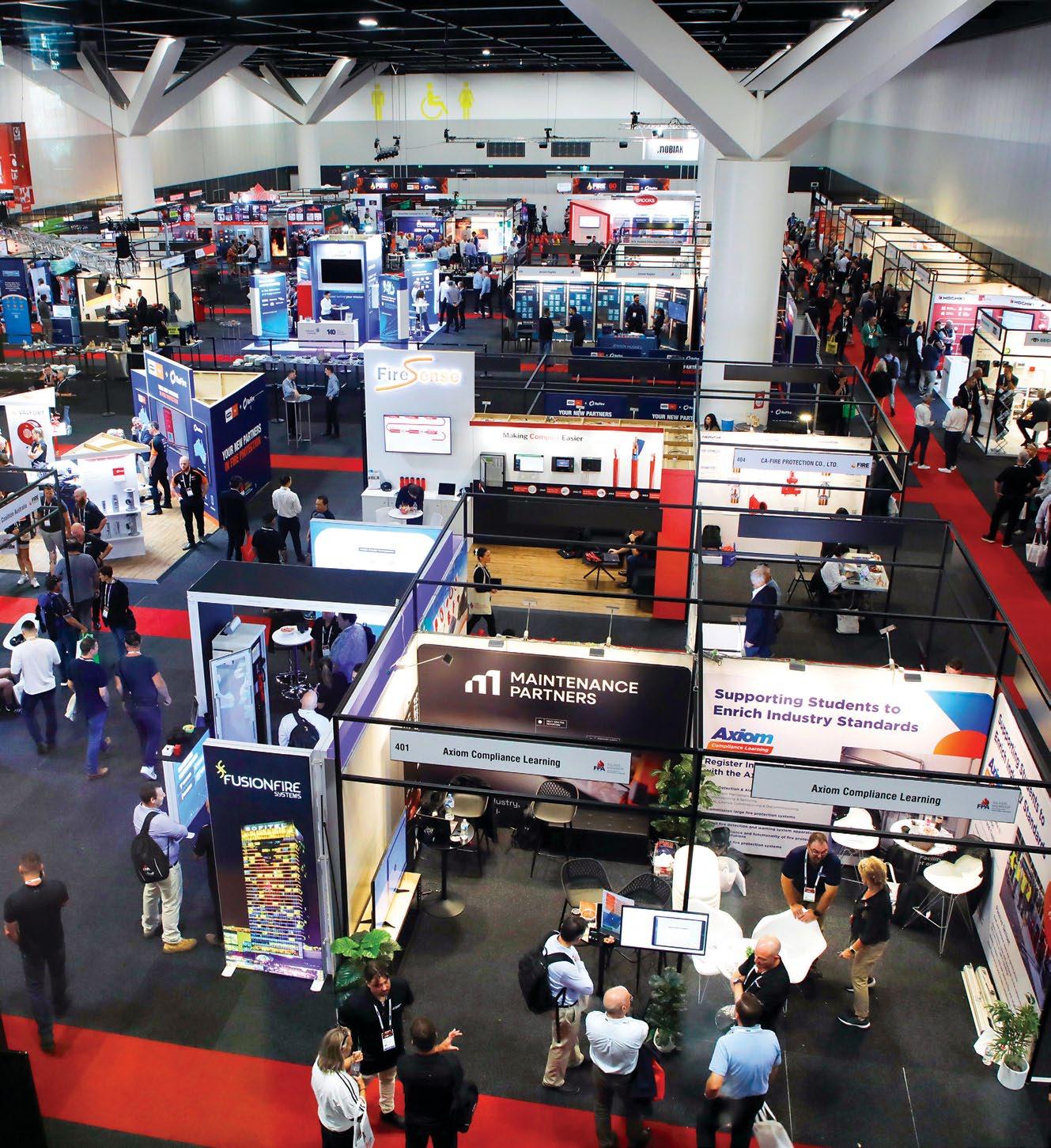
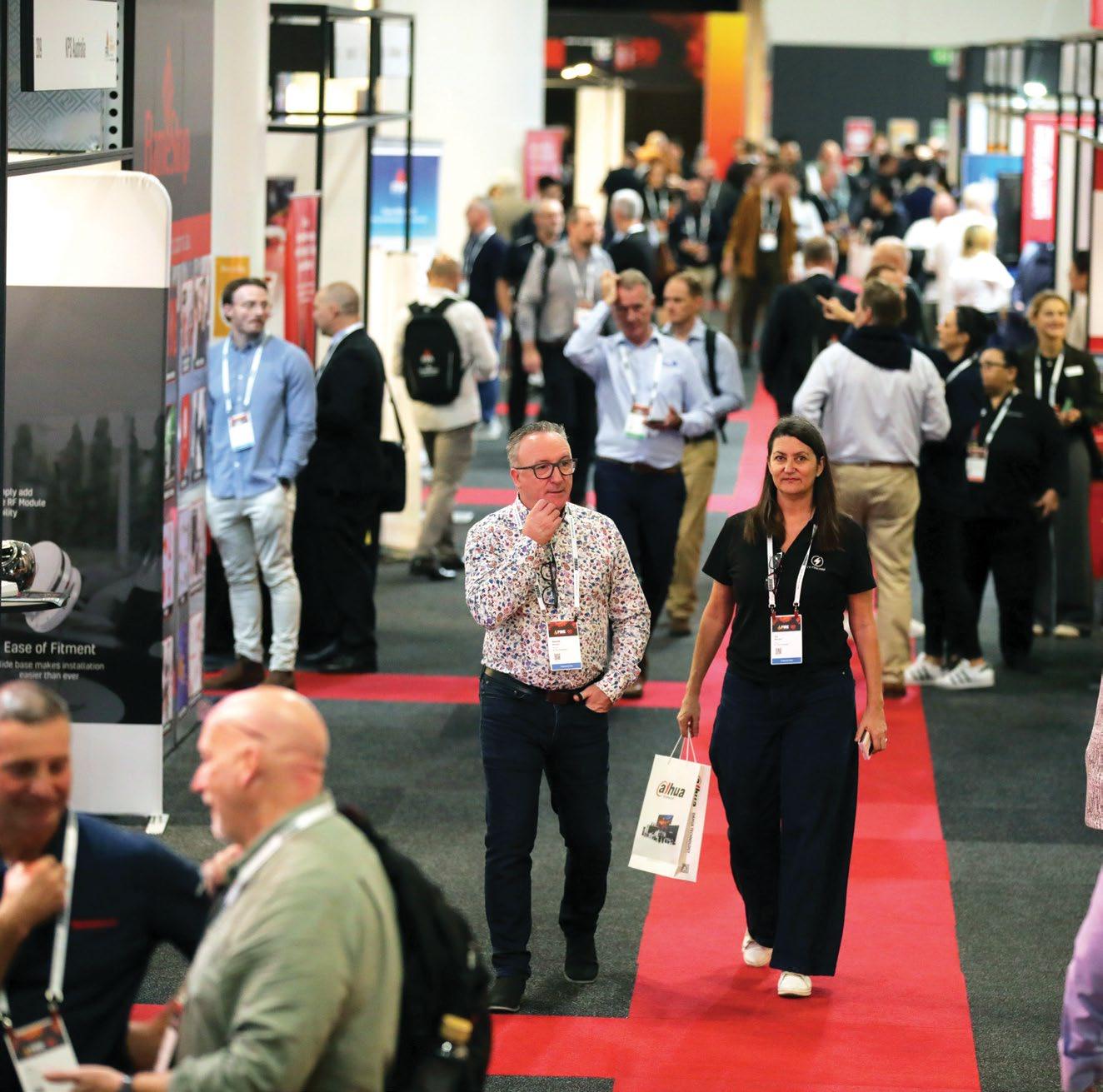
Returning to Melbourne, the AFAC26 powered by INTERSHUTZ Conference and Exhibition will bring together thousands of emergency management workers, industry leaders, and innovators to share knowledge, showcase technology, and strengthen connections across the sector.
From 18–21 August, AFAC26— Australasia’s largest and most comprehensive emergency management and first responder event—will be held at the Melbourne Convention and Exhibition Centre.
This year’s theme, ‘Leading together: Integrity, inclusion and impact’, will examine how transformational leadership grounded in integrity, equity, and inclusion can shape the future of our industry. Attendees will explore and celebrate how diverse voices and inclusive cultures foster innovation, strengthen social licence, and build community trust.
In 2024, AFAC powered by INTERSCHUTZ won Best Trade Show and Best Event at the Australian
Business Event Awards, and in 2025, it was nominated for Best Conference. In 2026, the AFAC Conference and Exhibition will continue to offer high-quality sessions, engaging demonstrations, and invaluable opportunities for networking.
Showcasing the latest research and best practice across the sector, AFAC26 will feature a multi-streamed program, once again incorporating the Australian Disaster Resilience Conference, Institution of Fire Engineers Australia National Conference, and Women and Firefighting Australasia (WAFA) Conference. Hosting these events as concurrent streams allows delegates to customise their conference experience and offers countless networking and learning opportunities.
Don’t miss the AFAC26 exhibition
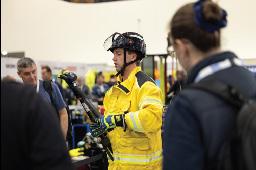
The AFAC26 exhibition will again feature an extensive display of stateof-the-art equipment, cutting-edge technology, and leading service providers and brands.
The exhibition is the must-attend event for emergency management professionals who are sourcing
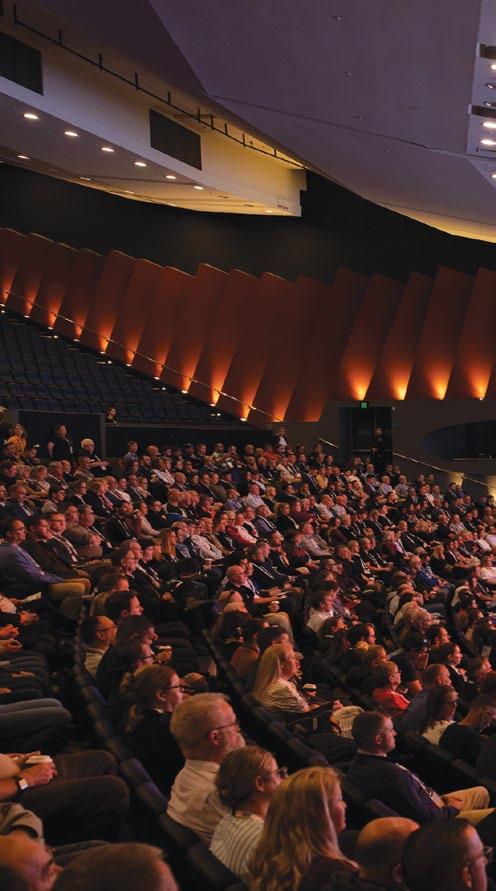
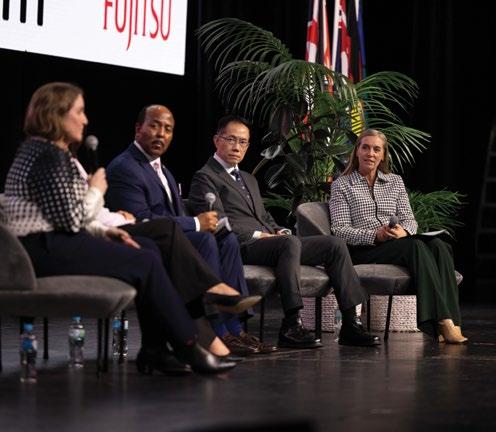
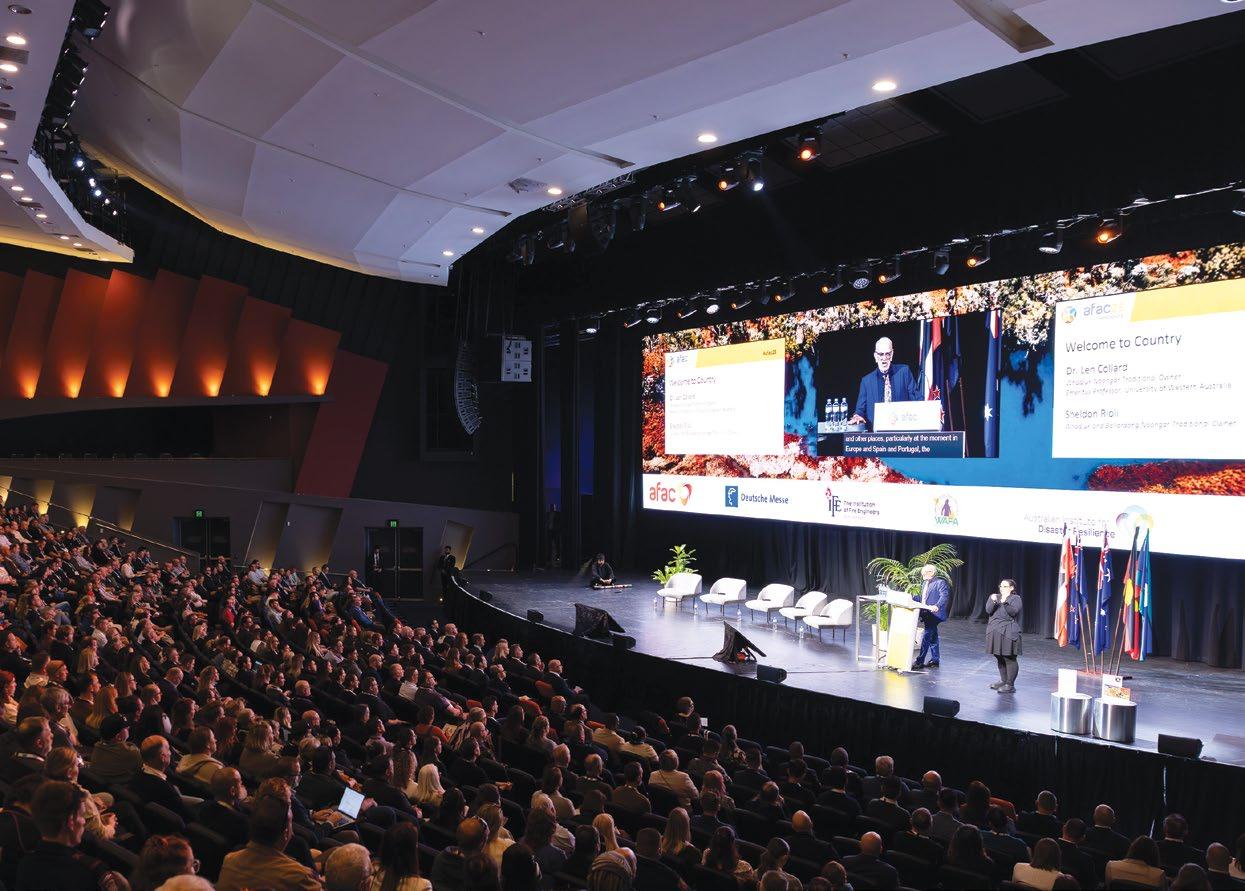
equipment and services for their agencies. Co-located with the conference, it’s the perfect place for fire and emergency service workers and decision-makers to connect with exhibitors and discuss and demonstrate the latest technology and innovation.
The AFAC25 exhibition in Perth featured 228 exhibitors, 52 of which were first-time participants and 32 travelled from overseas to attend.
Interest is building for exhibitor stalls at AFAC26. The exhibition space will showcase products, services, and solutions spanning the industry’s collaboration groups:
capability—equipment, fleet, personal protective equipment
workforce—work health and safety, people systems, and learning and development
community risk reduction—risk reduction, mitigation strategies, warning systems, and risk management
response operations—real-time operational decision systems,
decision support, incident management, emerging technology, communication technology, drones, satellite imagery, geographic information system, and field rigid redeployable infrastructure
fire safety—building fire safety systems and building standards.
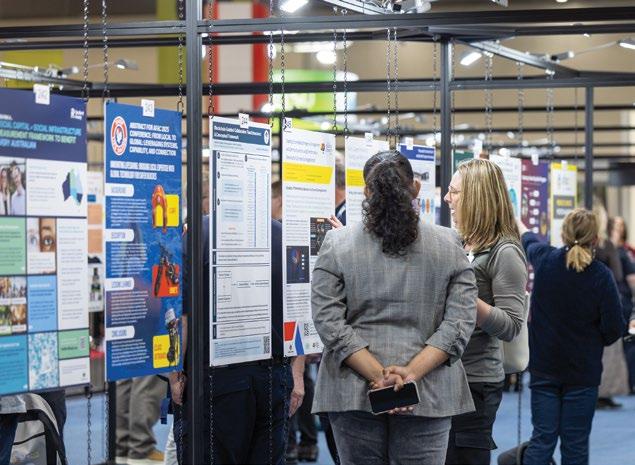
This year, the exhibition will also include the Demonstration Zone, AFAC Solutions Theatre, Resources Rescue Theatre, and Australian Institute for Disaster Resilience Knowledge Centre, which includes the popular poster display.
AFAC would like to thank the 2026 host agencies for making this event possible: Fire Rescue Victoria, Country Fire Authority, Emergency Management Victoria, Forest Fire Management Victoria, Victoria State Emergency Service, and Tasmania Fire Service.
Learn more about AFAC26 here: www.afacconference.com.au
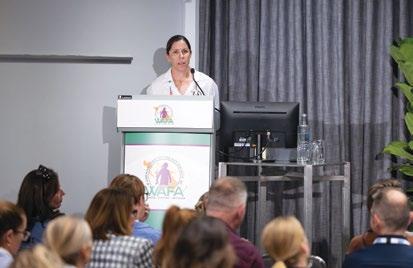
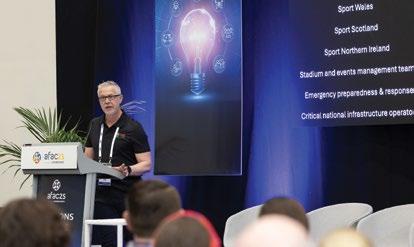
from industry professionals and AFAC exhibitors.
BY ANDREW GISSING CEO, Natural Hazards Research Australia
This summer we again witnessed the destruction of nature as bushfires, heatwaves, floods, cyclones, and severe storms caused havoc in our communities. Impacts included loss of life, hundreds of millions of dollars in property and infrastructure damage, community isolation, crop and livestock destruction, and disruption to power and other utilities.
For many threatened communities, they are enduring the long journey of recovery from previous disasters.
Australia’s natural hazard risk is worsening due to climate change, increasing numbers of people living in at-risk areas, and environmental degradation. In the future we will likely see widening natural hazard losses, increasing impacts on physical and mental health, and rising insurance unaffordability.
The changes will result in greater demands on fire and emergency services already under pressure from worsening natural hazard risk, and increase the need for greater investments by governments to fund reconstruction efforts and ensure a sustainable volunteer workforce.
Much has been done to enhance preparedness for bushfires since the 2019–20 Black Summer bushfire season. We have advanced the Australian Fire Danger Rating System and emergency warnings to empower our communities to make informed choices. We have some of the most capable fire and emergency services in the world and invest in disaster resilience measures. But we must transform to meet the threat of more severe and frequent natural hazards. A long-term risk-based vision for disaster resilience is a must, and research has answers that we can all draw on.
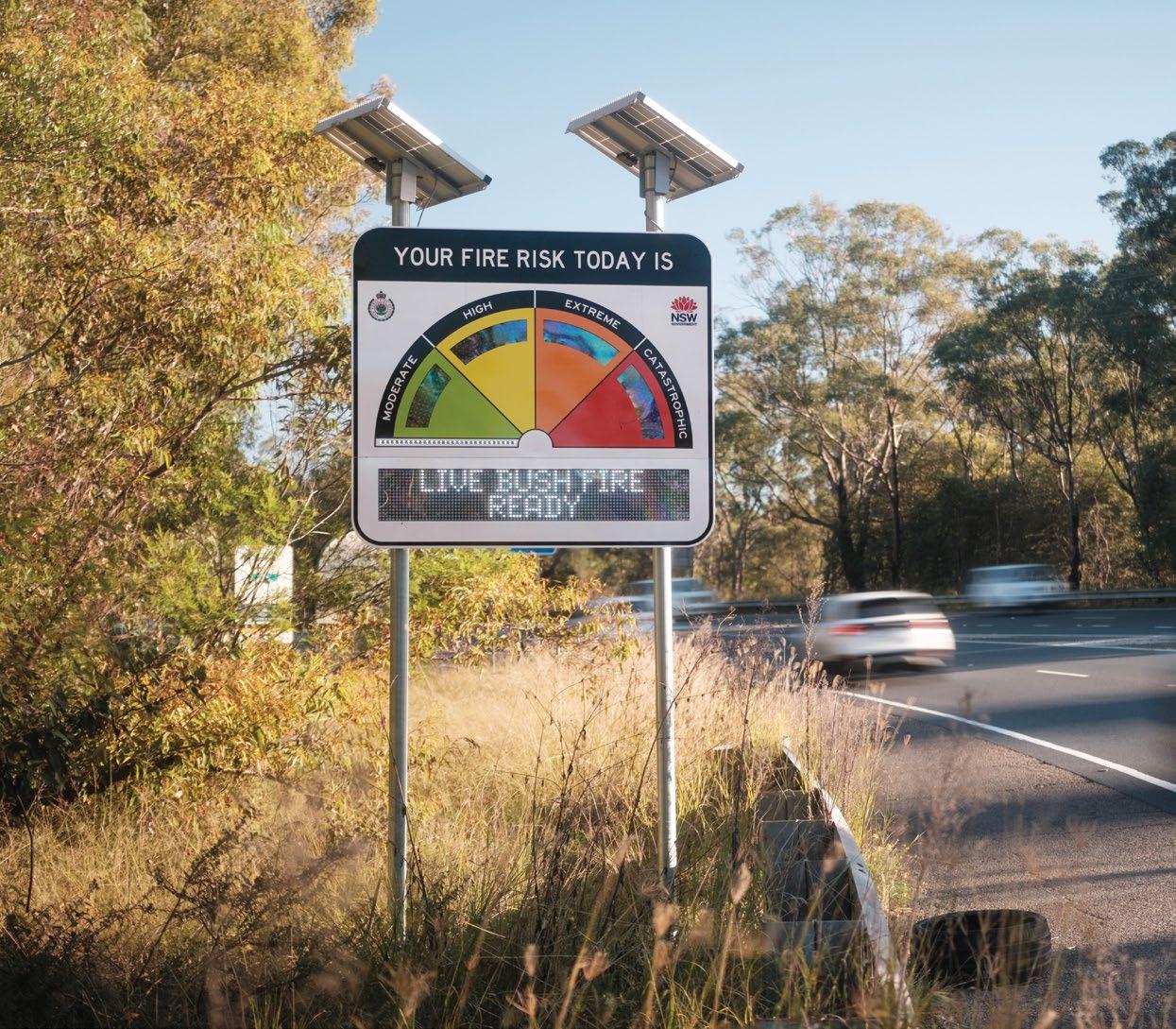
Fire Danger Rating System helps communities, industry, and authorities plan and act to reduce bushfire risk based on vegetation and weather.
EDDY SUMMERS

We are experiencing longer and more severe bushfire seasons, with fires that are more difficult to control. Advances in technology will upscale fire service capabilities. Space-based detection and mapping technologies are already advancing as well as fire spread prediction and decision-support software. Internationally, firefighting drone swarms and autonomous helicopter platforms are being developed and trialled for use in years to come.
Lessons from the Los Angeles fires and research by the University of Tasmania—including through Natural Hazards Research Australia’s (the Centre’s) Bushfire Risk at the Rural–Urban Interface project—emphasise the importance of managing bushfire fuels around homes. Combustible fuels directly adjacent to homes are susceptible to ignition due to falling
embers, which can subsequently destroy homes. Science shows that if it can burn, it should not be within 1.5 m of a bushfire-prone home.
Future emergency warnings will likely be personalised and interactive. Research by Queensland University of Technology through the Centre’s Predictions in Public: Understanding the Design, Communication and Dissemination of Predictive Maps to the Public project is assisting fire agencies to develop map-based warnings that communicate the likely spread of bushfires. Such advances will help communicate the growing number of unprecedented events for which communities have no historical benchmark.
Heatwaves are our deadliest natural hazard, with older adults, young children, people who are unwell, and pregnant people being the most vulnerable. Community services can take a key role to support vulnerable people to have plans to stay cool and to keep in touch to make sure they are safe on hot days. Researchers involved in our Heatwave Resilience and Impacts project are working to better understand the full impacts of extreme heat on the Australian community and will help ensure Australians are safer during heatwaves.
Cyclone Alfred in early 2025 served as a critical reminder that major metropolitan centres like Brisbane and Perth remain vulerable to damaging cyclones. Insurance losses were close to $1.5 billion. Research by the Cyclone Testing Station at James Cook University through the Centre’s Modelling Impacts of Natural Hazards on Interconnected Infrastructure Networks project highlighted deficiencies in building design on the Gold Coast that allowed water to penetrate homes and apartments, identifying opportunities to improve building codes.
Many Australian homes were built before modern building codes, meaning they are not specifically designed to withstand natural hazards. Adopting home hardening measures can enhance resilience, for example, homes on floodplains can be renovated with water-resilient materials, homes in cyclone areas have their roofs strengthened, and homes
in bushfire-prone areas can have guards and seals installed to prevent ember entry.
Hardening of homes for natural hazards has been shown to have a positive economic return, and the Productivity Commission has recommended the development of a national strategy for housing resilience. Grants, subsidies, insurance discounts, and low-interest loans, supported by transparent natural hazard risk information, can incentivise the implementation of hardening measures. Avoiding future housing developments in high-risk flood- and bushfire- prone areas and adopting heat-smart planning and building designs are a must. In relation to increasing resilience in this way, the Centre’s Integrated Solutions for Bushfire-Adaptive Homes project is aimed at broadening our understanding of the effectiveness and practical feasibility of integrated physical and social strategies to improve the protection of residential properties from the effects of fire.
There are opportunities to invest in flood mitigation infrastructure, such as levees to protect communities, as well as restoring vegetation within catchments. Where risks cannot be effectively reduced, relocation of communities must be considered. Caravan parks with permanent populations are particularly vulnerable and must be considered a priority.
Some 65% of flood deaths have been associated with vehicles in floodwater. More must be done than simply telling motorists not to drive through floodwater. We must adopt stronger engineering, warning, and enforcement approaches to complement behaviour-change programs.
Undoubtedly, lives were saved during summer through enhancements in emergency management capabilities, but research finds our approach must transform if we are to be prepared for future disasters.
We have the evidence and expertise to think differently, and we must also embrace First Nations knowledge and adopt a whole-ofcommunity approach if we are to be successful.
Summer might be over, but the challenge is urgent, and we must all be prepared for next summer and beyond.
A clarification of AS 1851 requirements, dispelling the common two-year replacement myth and outlining the performance-based testing obligations for fire indicator panel batteries.
Technical Manager, FPA Australia
Fire indicator panel (FIP) batteries are a fundamental element of fire detection systems, yet uncertainty remains across the industry regarding their replacement requirements. A commonly held assumption is that FIP batteries must be replaced every two years. While this practice is widespread, it is not mandated by AS 1851.
A performance-based approach
AS 1851 adopts a performance-based approach to battery maintenance. The Standard does not require routine two- yearly replacement of FIP batteries. Instead, where batteries have not been replaced within the previous two years, a battery discharge test is required to be undertaken in accordance with Appendix F1 and Appendix F2. Where batteries pass the discharge test, they may remain in service. Where they fail, this is recorded as a non-critical defect, and the batteries must then be replaced.
Despite this, building owners and their representatives are often advised to replace FIP batteries at two-year intervals rather than performing discharge testing. This approach is permitted; however, it is a commercial or company policy decision and should not be represented as a requirement of AS 1851. For building owners and responsible entities, understanding
this distinction is important, as it can influence maintenance strategies, costs, and compliance outcomes. It is also important to recognise that not all batteries are treated the same under the Standard. AS 1851 does mandate two-yearly replacement for specific battery applications, limited to fire pump start batteries, and fire and smoke curtain control batteries. For all other batteries, compliance is determined through inspection and performance testing rather than age alone.
The Standard sets out clear inspection and testing requirements for FIPs.
Table 6.4.1.4 item 3.7 is required to be completed annually, while item 3.13 applies where batteries have not been replaced within the previous two years. Battery discharge testing must be undertaken strictly in accordance with Appendix F1 and Appendix F2 to ensure results are consistent, accurate, and repeatable.
AS 1851 prescribes that battery testing or replacement must be undertaken by a competent person. While the physical act of replacing batteries may appear straightforward, confirming that the correct batteries are installed and that the system remains compliant is considerably more complex. This can include understanding battery type, capacity, chemistry, compatibility with the fire equipment, manufacturer requirements, measurement of quiescent and alarm currents in accordance with the
design or applicable provisions within the Standards.
Where a ‘competent person’ is not explicitly defined, AS 1851 provides guidance. A competent person is one who has acquired—through training, education, qualification, experience, or a combination of these—the knowledge and skill to correctly perform the required task. Competency is task-specific and cannot be assumed based solely on general qualifications or experience in other areas of fire protection.
For building owners and responsible entities, this means that where in-house staff or site electricians are used to replace FIP batteries, it is their responsibility to ensure those individuals have the appropriate skills and understanding to carry out the work in accordance with AS 1851. This responsibility extends beyond safe battery replacement to ensuring that the fire detection system remains compliant following the work.
Two-yearly replacement of FIP batteries is therefore not a blanket requirement under AS 1851. Performance-based testing remains the primary compliance mechanism, except where the Standard explicitly mandates replacement. Clear understanding of these requirements supports compliance, promotes consistency across the industry, and enables informed maintenance decision-making.

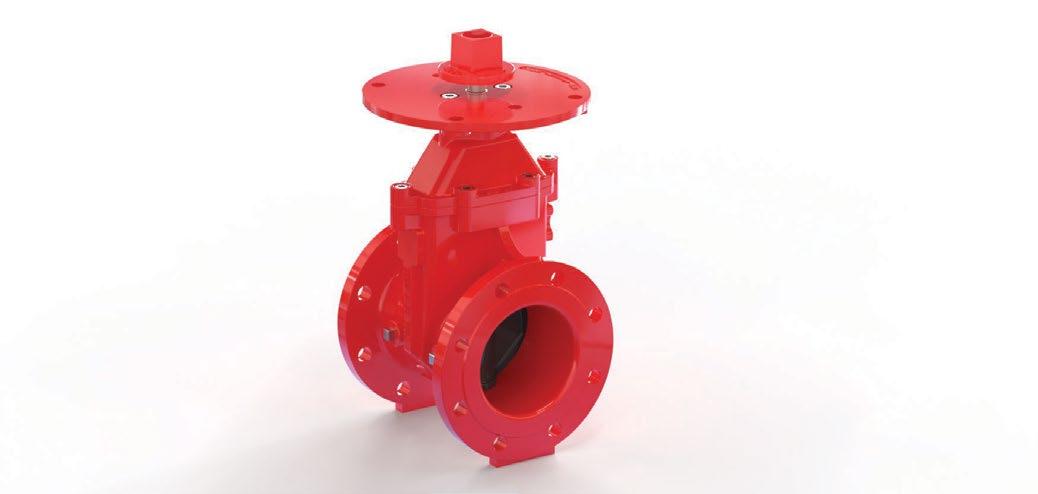
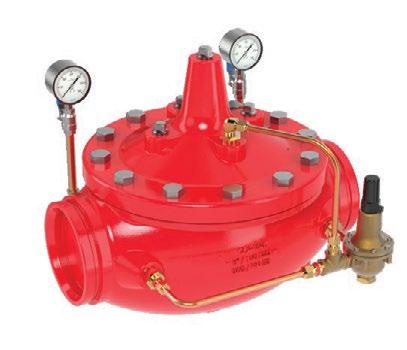
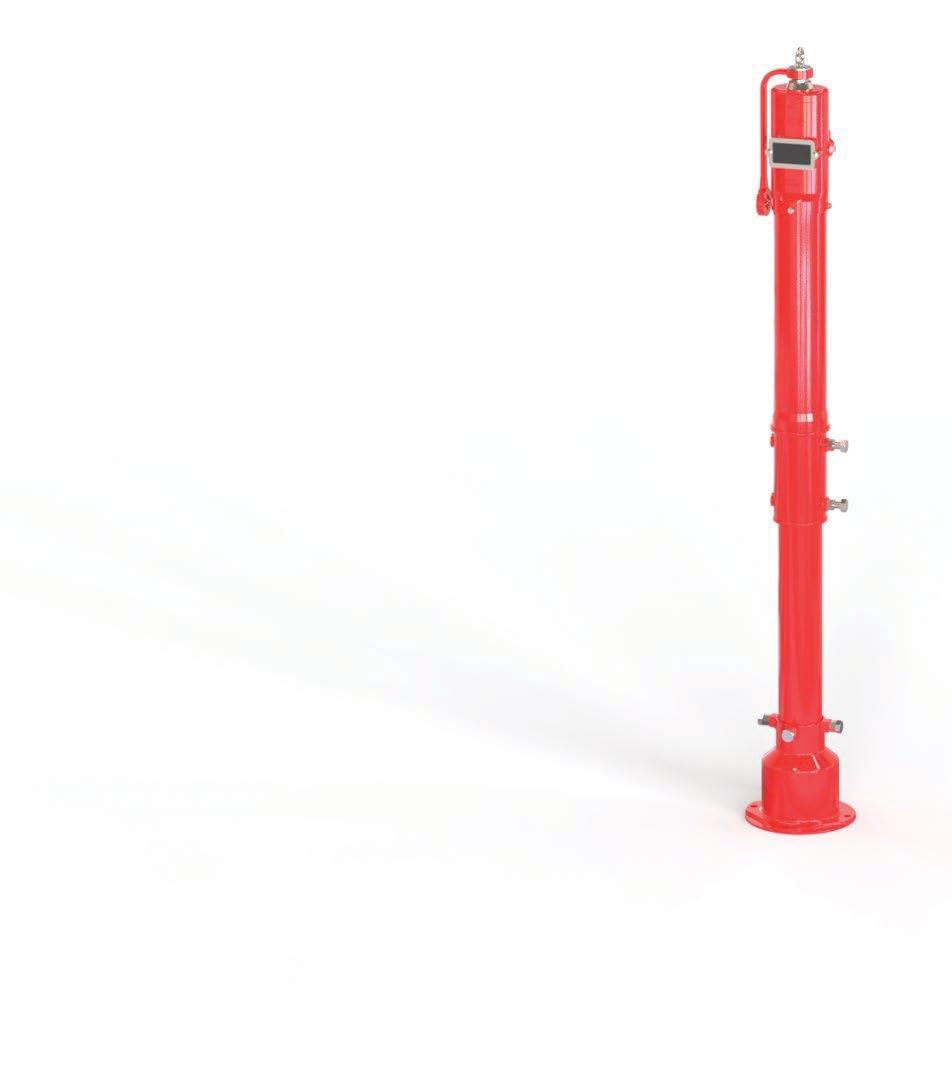
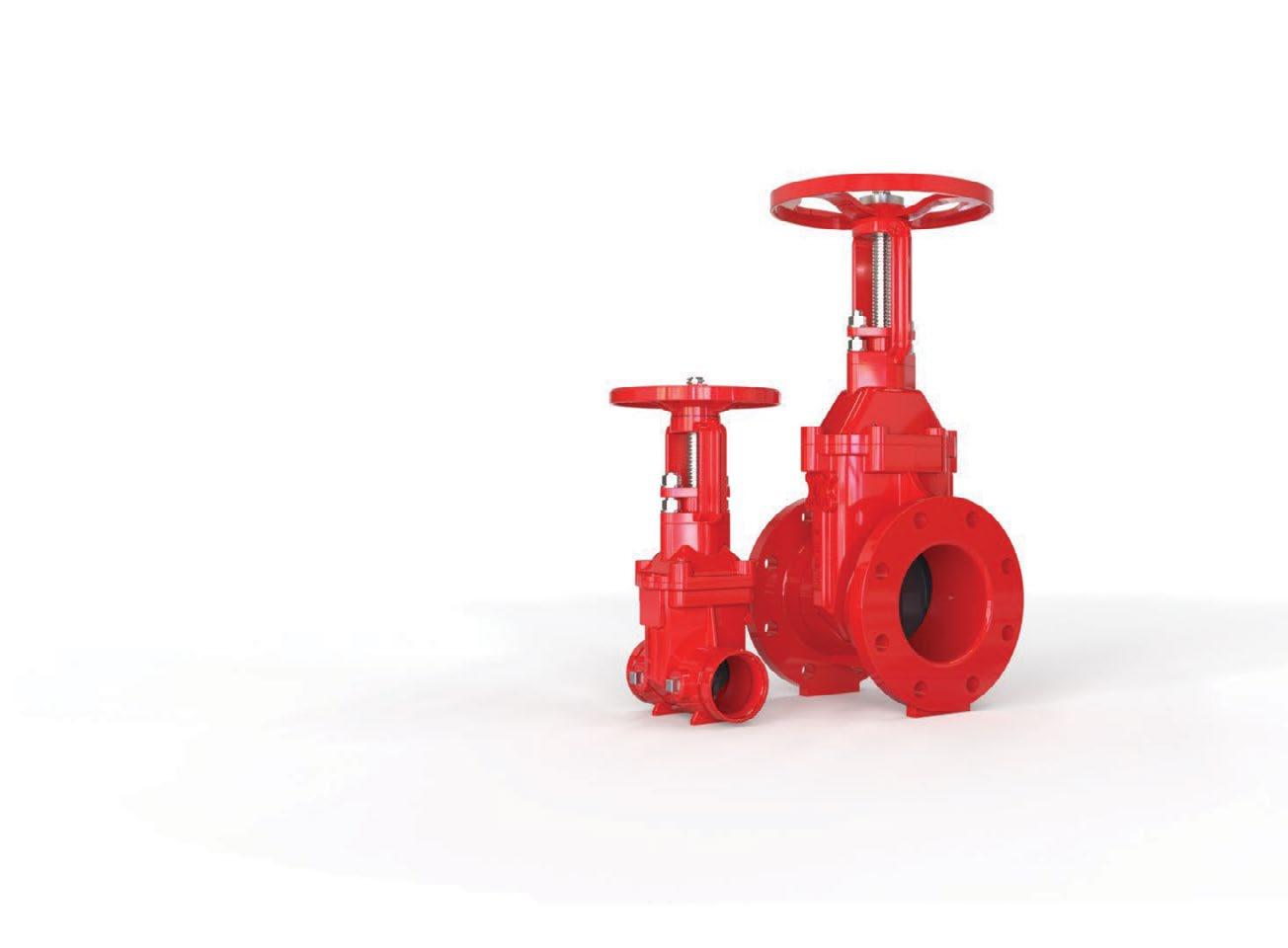
AT CHALLENGER VALVES, WE’RE PROUD TO HAVE A STORY THAT’S ROOTED IN INNOVATION, QUALITY, AND CUSTOMER SERVICE.
Our journey began in the late 1980s, when a groupof engineers with extensive experience in the valveindustry decided to take a leap of faith and start theirown business. They recognized a need for a new typeof valve that would be more reliable, durable, and cost effective than anything currently on the market. That’s when they came up with the idea for Challenger Valves.
• Gate Valves
• Butterfly Valves
• Cla-Val - Pressure Relief
• Cla-Val - Pressure Reducing
• Cla-Val - Air Release
• Cla-Val - Pump suction
• Cla-Val - Deluge
• Cla-Val - Level Control
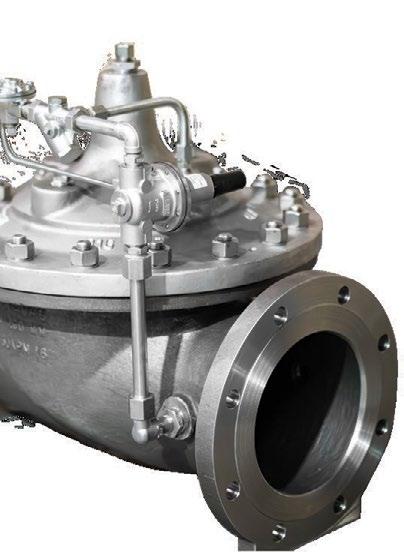
• Test Headers, Strainers, Waste Cones

BY LISA JAUNALKSNIS
Communications Officer, AFAC
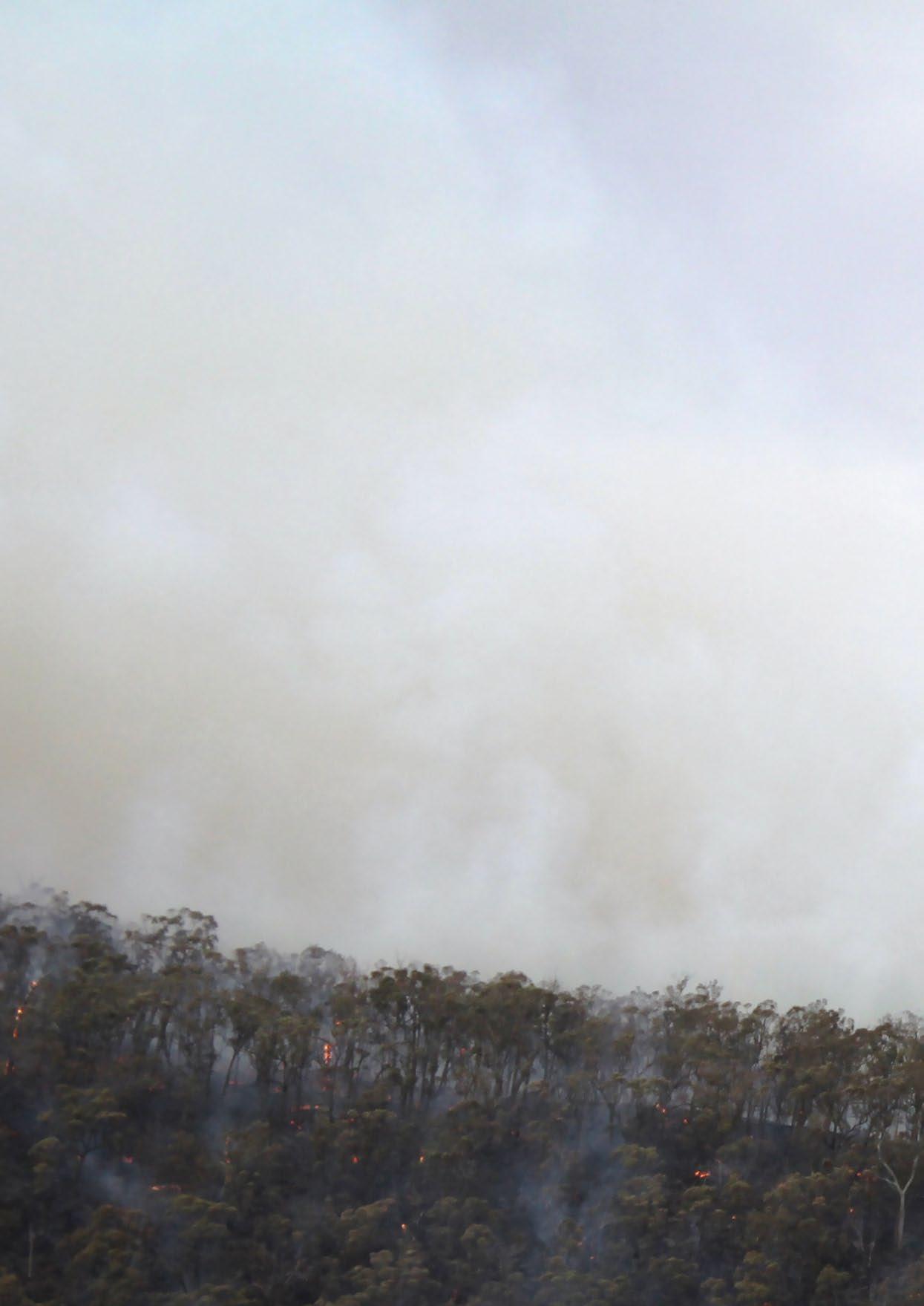
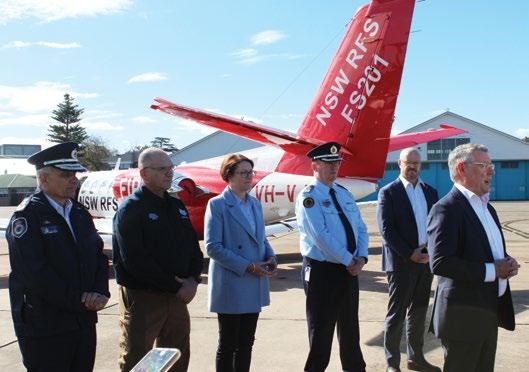
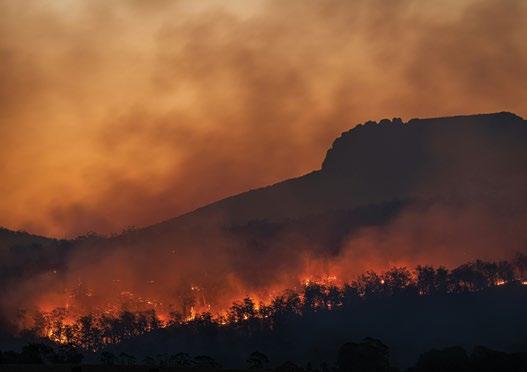
As Australia’s higher-risk weather season unfolded in late 2025, increased fire activity in WA resulted in authorities calling for assistance in fire suppression operations. The AFAC National Resource Sharing Centre (NRSC) was activated, deploying personnel and additional resources, including the Commonwealth-funded national aerial firefighting assets.
Following the 2024–25 Federal Budget release, the Australian Government announced increased funding for aerial firefighting in recognition of the important role fleets play in firefighting efforts. Five national aircraft were secured by the National Aerial Firefighting Centre (NAFC) under the funding package: two Blackhawk helicopters, a Sikorsky S-61N helicopter, the national large air tanker (NLAT), and a national lead plane.
Coordinating across jurisdictions
During each higher-risk weather season, the states and territories work with the Australian Government through NAFC, NRSC, and the Commissioners and Chief Officers Strategic Committee (CCOSC) to coordinate the national aerial firefighting assets. Through this collaboration, jurisdictions come
together to understand what conditions they are facing and what additional resources and support they require.
NAFC’s role in supporting jurisdictions is to provide clear information about existing contracts and the availability of supplementary aircraft, allowing agencies to have a complete picture of the aerial resources available. In the lead-up to the higher-risk weather season, NAFC works closely with key stakeholders and contractors to determine which aircraft are contracted and available for shared use, so jurisdictions can plan and act quickly when conditions escalate.
“It’s about supporting the jurisdictions to enact decisions that they make in response to their assessment of the higher-risk weather season,” said Josephine Stirling, Director of NAFC.
As the five shared national assets are designed to be mobile, the AFAC NRSC and NAFC will support each jurisdiction by enabling them to be shared, identifying where they are currently located, and coordinating how they can be moved to supplement each jurisdiction.
“NAFC becomes the hub of information between the contract, the jurisdiction, and the NRSC, so the NRSC can then tell each sharing body what is available,” Ms Stirling said.
This season, Australia experienced many hazardous events. The country experienced bushfires, cyclones, floods, and other severe weather events, resulting in calls for assistance from multiple jurisdictions and the national assets being deployed to enhance the multi-hazard capability of the states and territories.
In December 2025 and January 2026, the NLAT was deployed to WA on two occasions as fire activity increased across the state.
In early January, the NLAT and two Blackhawk helicopters were deployed to Victoria to bolster the state’s fire suppression efforts during periods of high fire danger. These national asset movements provide insight into the season’s risk and fast-paced operational needs. Rather than expanding the fleet, jurisdictions relied on repositioning existing aircraft to meet the shifting hazards in each state or territory.
Unlike previous higher-risk seasons when bushfires required a substantial uplift in capacity, the 2025–26 season did not necessitate the procurement of large numbers of additional aircraft. Instead, NAFC provided support to the national leadership to strategically relocate aircraft already under contract, through their ongoing industry communication with
contractors before and throughout the summer season. This industry engagement is vital to NAFC’s ability to provide insight into what aircraft might be available when hazardous conditions escalate.
“One thing that was interesting this season was that we didn’t see the same spike in demand that required us to bring in large numbers of additional aircraft,” Ms Stirling said. “What we did do was help [AFAC] members reposition aircraft already here to meet the risk.”
As high fire danger rating days intensified across Victoria, NSW, and SA throughout January and February, discussions focused on strengthening capability across the states. With carryover Commonwealth funding available, national funding was used in a way not seen before, enabling two additional aircraft to be added to the national fleet in February, temporarily increasing the number of shared national assets from five to seven. Rather than sourcing a new aircraft from overseas, a C-130 large air tanker based in WA was redeployed to Edinburgh in SA, where
it could support multiple jurisdictions— including Tasmania, if required—while remaining within reach of WA should conditions worsen. This decision highlights both the flexibility of the funding arrangements and the strength of collaborative decision-making through CCOSC.
While aircraft are critical to support jurisdictions’ capability in responding to hazards, Ms Stirling highlighted that aerial resources are only part of Australia’s firefighting response. At times, weather conditions such as strong winds can prevent aircraft from operating safely, often grounding them until conditions clear. In the summer months, Victoria experienced heavy winds that delayed aerial operations, while ground crews kept working tirelessly.
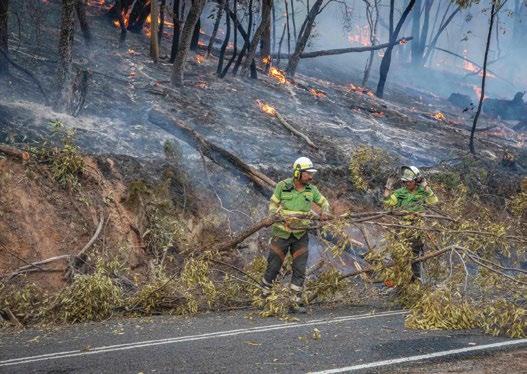
“Aircraft can slow a fire’s spread, protect assets, and support initial attack, especially in remote areas, but they work in support of ground crews,” Ms Stirling said. “It’s the ground crews who ultimately control and extinguish fires.”
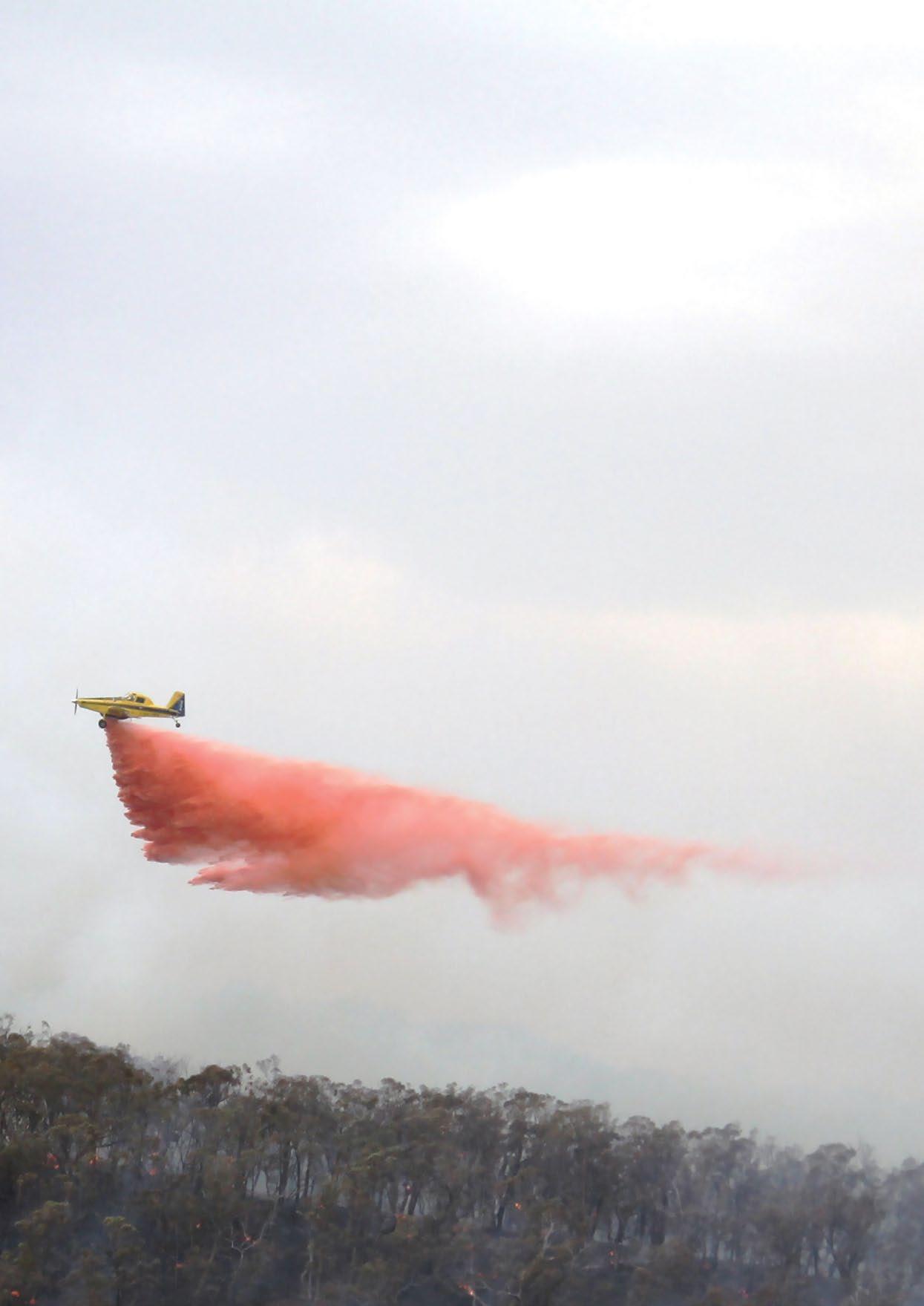
Aircraft with mapping and infrared technology can identify hotspots and provide imagery to incident management teams, therefore assisting with responding ground operations. To assist operations,
NAFC maintains ARENA, an AFACmanaged system for supporting the use of aircraft for fire and emergency response, which is used nationally by all the jurisdictions. Combined with the AFAC NRSC’s national asset tracker, NAFC can see where all aircraft are located and how they can be shared. Additionally, through close communication with contractors, NAFC is made aware of any complications with aircraft, such as mechanical issues or delayed arrivals. If issues arise, NAFC works closely with the AFAC NRSC to ensure that agencies are made aware of the situation and alternative support plans can be made. This was demonstrated this season as one of the five national assets experienced delays due to mechanical issues overseas.
In response, NSW temporarily provided an aircraft to ensure operational capability was maintained in the absence of the national asset. “Capability wasn’t diminished even though the aircraft hadn’t arrived,” Ms Stirling said. This agreement demonstrated the cooperation and support the jurisdictions provide each other when gaps emerge. Relationships between all states and territories remain strong across seasons and continue to be strengthened by a shared commitment to keeping communities safe. As Australia faces complex hazards and challenging seasons, the value of nationally coordinated aerial capability continues to grow. The 2025–26 higher-risk weather season highlighted not only the importance of aerial support but also the collaborative efforts of all those involved.
Ahead of the higher-risk weather season, NAFC identifies aircraft available for shared use across jurisdictions for rapid response to challenging conditions.
The popular Fireside Stage returns as a central hub for live discussions, bite-sized presentations and expert insights delivered directly from the tradeshow floor.
It allows attendees to explore emerging topics, hear from industry voices and engage in informal yet impactful knowledge exchange throughout the event.
BlazeMaster Fire Protection Systems
Boerger Pumps Asia 403 BRANZ 405 Brooks Australia 327 Building Services Recruitment Australia 308 Challenger Valves
Protection Industry (ODS & SGG) Board
FECT Industry
R&J Batteries
Reece Fire + ReFire
Reliable Fire Sprinkler Australia
Romteck Grid
S1 Fire Monitoring
Securiton AG
Selleys
Shanghai Mosafe Equipment
Shenzhen Fire Security Technology
Shenzhen Heiman Technology
Smarterlite
Suzhou HLC Plastics Industry
Tandm International
Tasman Tanks
The Tank Inspectors
Tianjin Baolai Fortune Trade
Uptick
Valfire Pipeline System
Victaulic
Wagner Fire Safety
Wastech Engineering
WEFLO Valve
Windsor Management Insurance Brokers
Wisualarm (Dahua Technology Australia)
An insight into what Australasia’s largest fire protection conference and tradeshow has in store.
BY FPA AUSTRALIA
From 5–7 May 2026, Fire Australia will once again bring the fire protection industry together at the Melbourne Convention and Exhibition Centre, delivering Australasia’s largest and most influential dedicated fire protection conference and tradeshow.
Uniting practitioners, policy-makers, engineers, suppliers, regulators, and innovators, Fire Australia 2026 will provide a powerful platform for knowledge sharing, collaboration, and industry advancement.
At the heart of the event is a keynote and plenary program tackling some of the most complex and pressing challenges facing the built environment.
Delegates will hear from Vance Rowe in ‘Smoke control—the great black art’ unpacking the science, assumptions, and real-world application behind one of the most technically demanding aspects of fire engineering.
Dr Martin Stirling will address façade risk and compliance in ‘Firestopping in high-density building facades: Challenges, compliance, and good practice’, examining the intersection of design intent, installation quality, and regulatory expectations.
Jordan Bartlett will present ‘Earthquake design of fire safety systems’, exploring the resilience of fire protection systems under seismic loads and the importance of integrated structural and services coordination.
Con Nicolas will close the loop on performance outcomes in ‘From design to commissioning to maintenance:

Closing the loop on fire safety performance in Australia’, reinforcing accountability across the full life cycle of fire safety systems.
Together, these sessions reflect the conference’s focus on evidencebased practice, regulatory reform, system performance, and whole-of-life responsibility.
Across multiple technical and strategic streams, delegates will gain CPD- accredited insights into: performance-based building code developments
fire safety reform and compliance frameworks
engineering innovation and emerging technologies
bushfire resilience and risk planning
research shaping future standards and practice.
With plenary sessions, specialist breakouts, and applied case studies, Fire Australia 2026 reinforces its role as the industry’s premier professional development forum, delivering both technical depth and strategic vision.
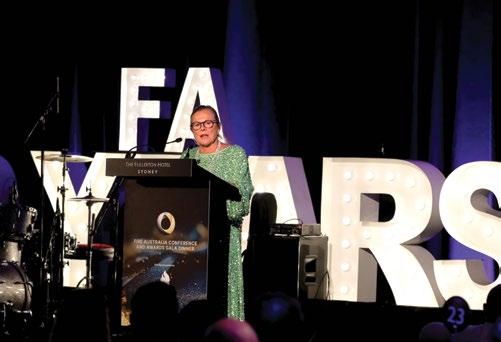
A highlight of the event will be the prestigious Conference and Awards Gala Dinner, hosted at the iconic Palladium at Crown Melbourne.
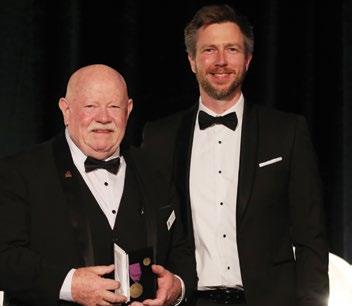
This black-tie evening will celebrate outstanding achievements across the fire protection industry, recognising leadership, innovation, and dedication in technical excellence, bushfire safety, project delivery, and professional contribution.
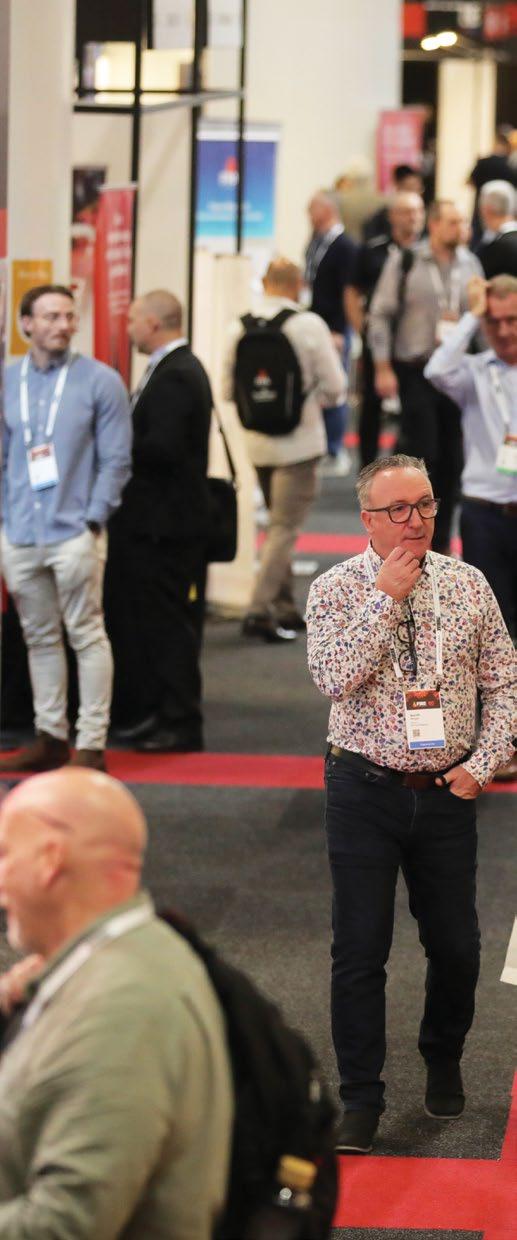
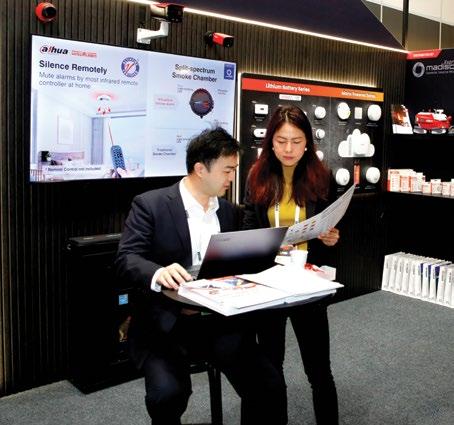
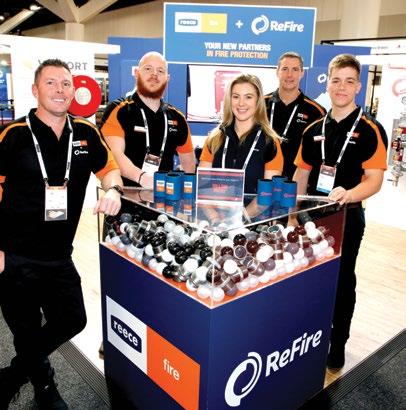
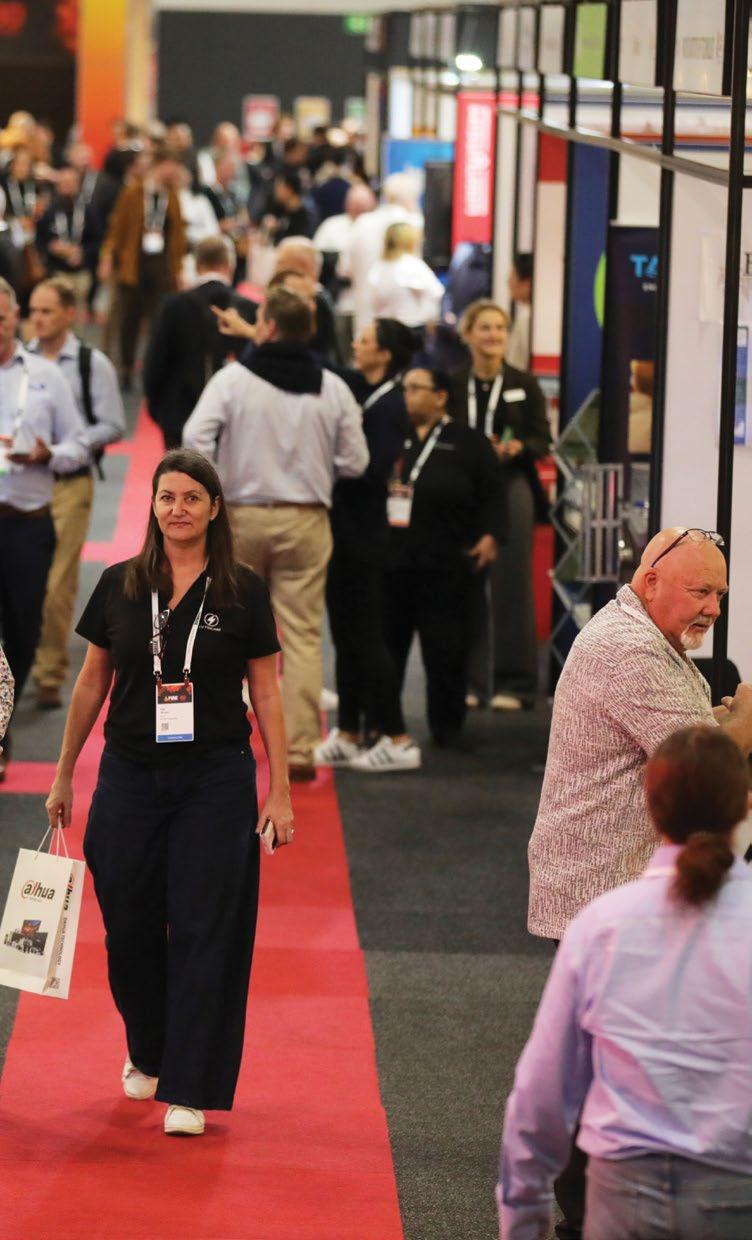
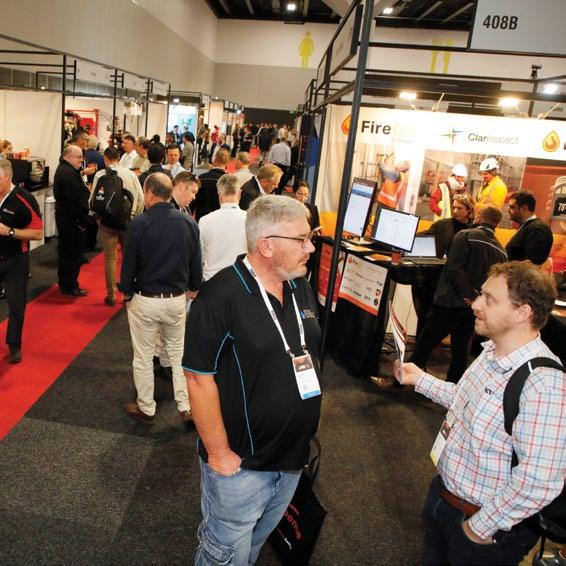
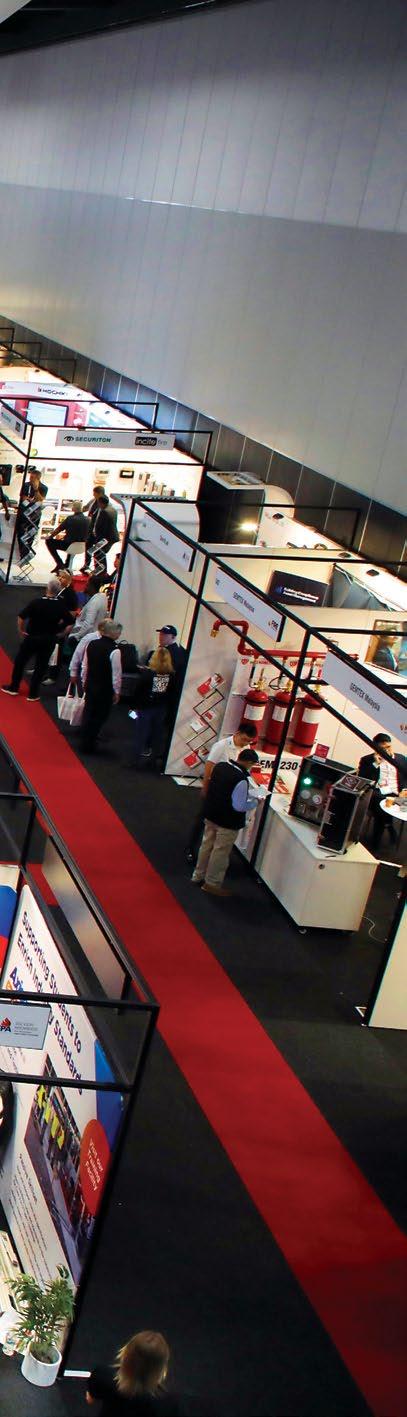
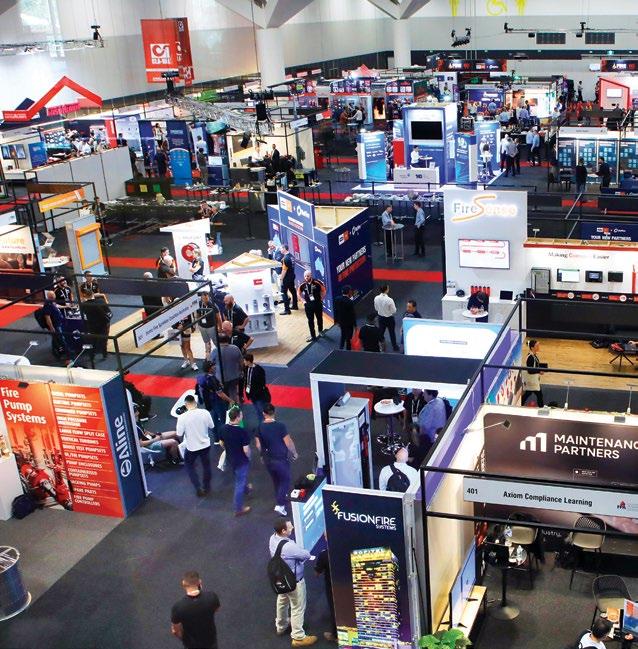
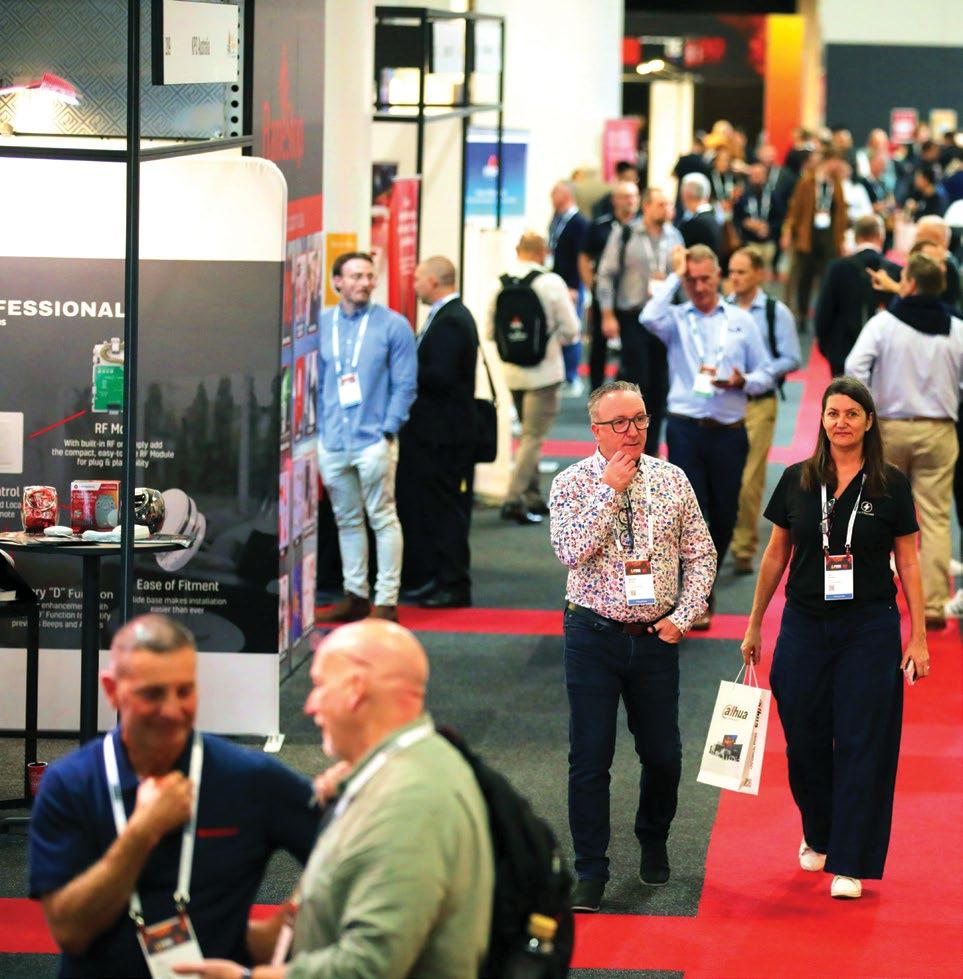
The Fire Australia tradeshow will showcase more than 90 local and international exhibitors, presenting the latest products, systems, and services shaping the future of fire safety.
Beyond the exhibition stands, the tradeshow will feature interactive activations designed to engage and inspire.
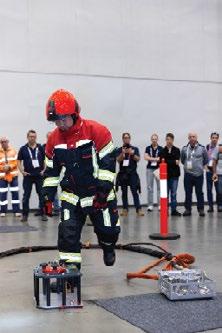
A major drawcard will be the Reece Fire Competition, bringing hands-on energy to the exhibition floor. This dynamic challenge will highlight practical skills, product knowledge, and real-world application, reinforcing the importance of technical excellence within the trade sector. It will also create an engaging environment that celebrates craftsmanship and industry capability.
The popular Fireside Stage will return as a central hub for live discussions, bite-sized presentations, and expert insights delivered directly from the tradeshow floor.
Designed to foster conversation and accessibility, the Fireside Stage will allow attendees to explore emerging topics, hear from industry voices, and engage in informal yet impactful knowledge exchange throughout the event.
We look forward to seeing you all there.

$350 per person per year
Covers you every year for 10 years.
That’s long-term protection, sorted now.
Why it
· You may carry liability even after changing roles or employers.
· Practitioners can be held personally liable for AFSS & Designs that you sign o on for 10 years.
· Run-o cover can help shield your personal assets in the event of a claim.

Belinda Winkler Head of Broking
BY FPA AUSTRALIA TECHNICAL TEAM
FPA Australia technical committees are a platform for members to work together in targeted areas of the fire protection industry. Technical Advisory Committees (TACs) and Special Interest Groups (SIGs) provide a place for members to share their experience and collaborate on driving meaningful change.
However, it may not always be immediately obvious where you may fit within the technical committee framework. We invite members to consider: where does your experience in the industry lie, and what would you like to see progress?
Each TAC focuses on a specific element of the fire protection industry, contributing expertise to the development of FPA Australia documents and providing input into Australian standards, codes, and regulations relevant to that field.
If your work centres on the routine servicing and maintenance of fire protection systems and equipment, TAC/1—Maintenance of fire protection systems and equipment may align with your expertise. Those working specifically with fire detection, alarm, warning, and intercommunication systems may find their place within TAC/2—Fire detection and alarm systems
Professionals involved with portable or mobile fire equipment such as extinguishers, fire blankets, and hose reels may contribute to TAC/3/7— Portable and mobile equipment, while those engaged in sprinkler and hydrant systems, tanks, and fire pumps may align with TAC/4/8/9—Fire sprinkler and hydrants systems, tanks and fixed fire pumps
For practitioners working with gaseous, aerosol, water-mist, foam, or other special hazard systems, TAC/11/22—Special hazard fire

protection systems provides a focused forum for technical input. If your expertise lies in passive fire protection products, services, or system design, TAC/18/19—Passive fire protection brings together professionals in this area. Those working with mechanical services, including dampers and pressurisation systems, can contribute through TAC/M—Mechanical
Beyond systems, some roles extend into broader planning and preparedness. If you are involved in emergency response planning, training, or procedures, TAC/17— Emergency planning focuses on these areas.
For professionals engaged in bushfire planning and design in bushfire-prone areas, including involvement with the Bushfire Planning and Design (BPAD) scheme, TAC/20— Bushfire safety provides a forum to address risk to life, property, and the environment.
SIGs allow members to collaborate on more specific or emerging issues that may require a crossdiscipline approach. If your work intersects regulatory change, evolving technologies, or emerging risk areas, a SIG may be where you fit.
The Building Legislation and National Construction Code Special Interest Group (BLNCC/SIG) engages with developments in building legislation and the National Construction Code impacting fire protection.
The Lithium Battery Special Interest Group (LB/SIG) addresses the growing concerns associated with lithium battery fires, working alongside technical committee members and external organisations. Meanwhile, the Renewable Energy and Energy Storage Systems Special Interest Group (RESS/ SIG) focuses on fire safety and risk mitigation across renewable energy and energy storage technologies.
Technical committees are built on the collaborative sharing of practical industry knowledge and experience. Rather than focusing solely on your current job title or position, consider the experience you have gained throughout your career and the areas of the industry you are passionate about improving. Where would you like to see change?
For more information about FPA Australia’s TACs and SIGs, visit: fpaa.com.au/Web/Web/ Technical_Advice/Committees.aspx
PIERRIN VOGELI
National Training Manager, FPA Australia
Australia’s construction pipeline is accelerating, with the Australian Bureau of Statistics reporting more than $27 billion in residential building work in the December 2025 quarter, an 8% annual increase driven by more complex, higher-density developments. This shift toward multi-level living heightens concerns about passive fire protection failures. Building and Plumbing Commission (BPC) research shows many Class 2 buildings in Victoria contain defects linked to limited practitioner knowledge, inconsistent installation, and poor documentation, increasing risks for residents, building owners, and emergency services through greater potential for structural compromise and faster fire spread.
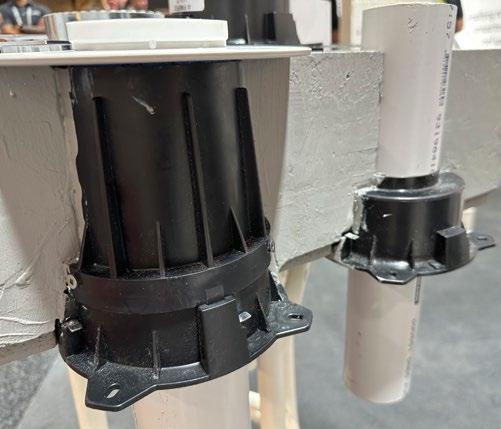
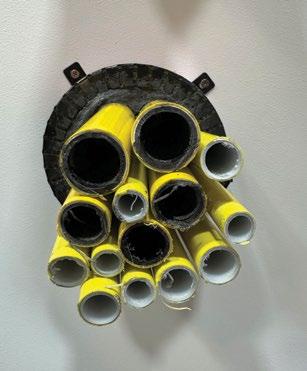
Passive fire protection uses fire- rated building materials and structural elements to contain fire and smoke. It includes walls, floors, ceilings, doors,
Australia’s construction growth is driving urgent calls for a national passive fire protection training pathway to lift skills, compliance, and fire safety outcomes. Passive fire protection: multiple service penetrations and collaring.
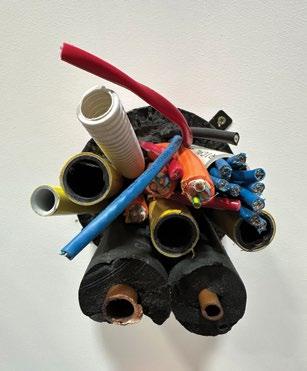
dampers, sealants, coatings, and the compartmentation of internal spaces. Its purpose is to slow fire spread, keep escape routes safe, and limit structural damage, giving firefighters more time to respond and residents more time to evacuate.
Australia still lacks a national training pathway for passive fire protection. Only a handful of standalone units across different training packages cover parts of the work, such as inspection, testing, or installation, leaving large gaps in the skills practitioners need. Training from industry providers can help, but without a regulated framework, each program varies in depth, accuracy, and assessment. This inconsistency leads to uneven capability across the workforce and confusion about what good practice looks like. Employers and regulators are left navigating a fragmented training landscape with no clear pathway to build consistent, nationally aligned skills in passive fire protection.
This inconsistency remains one of the main challenges for the industry. There is no dedicated national qualification stream that focuses specifically on passive fire protection. Licensing requirements differ across states and territories, leading to confusion, variable skill levels, and increased compliance challenges for employers. The BPC’s research highlights the impact of these shortcomings, noting that insufficient practitioner knowledge and weak verification processes contribute to system failures.
Jobs and skills councils identify workforce needs and develop national training products. Yet, passive fire protection still has no national pathway or recognised qualification. To change this, the industry must clearly demonstrate the need for structured training. BuildSkills Australia, which oversees construction and property training packages, relies
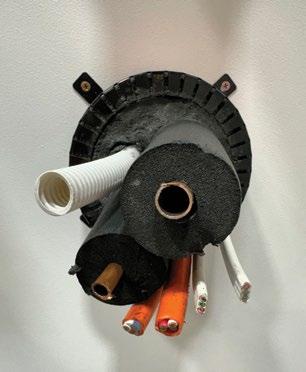
fire protection uses fire- rated building materials and structural elements to contain fire and smoke.
on industry submissions to create new qualifications. Fire Protection Association Australia is preparing a case for change to help drive a dedicated passive fire protection training pathway and address the current lack of formal recognition.
A complete training pathway for passive fire protection should include foundation units for installation and inspection, nationally aligned licensing units, certificate-level qualifications, and advanced courses for certifiers and auditors. This approach would reduce compliance risks, ensure consistent skill levels, and strengthen fire safety outcomes across Australia. It would also benefit builders, fire engineers, surveyors, installers, and certifiers who currently rely on fragmented training sources to meet regulatory expectations.
Industry collaboration to strengthen capability
To move training forward, installers, builders, registered training organisations, fire protection specialists, and industry bodies need to work together and present a unified case to BuildSkills Australia. This means sharing clear evidence on safety risks, skill shortages, and the financial impact of passive fire protection defects. Support from peak bodies such as FPA Australia will also help strengthen national standards and lift practitioner competency.
As Australia’s built environment continues to grow, the need for stronger fire safety systems becomes more urgent. Passive fire protection is essential to keeping buildings and communities safe, and achieving national consistency in training is both realistic and necessary. FPA Australia, working alongside BuildSkills Australia and industry partners, is helping drive this effort by supporting the development of a clear, nationally aligned training pathway that will strengthen public safety, improve compliance, and lift capability across the sector.
An update on recently published standards, closed ballots, and projects currently in drafting across fire protection and related sectors.
BY FPA AUSTRALIA TECHNICAL TEAM
FPA Australia represents industry on a broad range of Standards Australia committees, contributing subject matter expertise to the development and revision of fire protection and related standards. The following update outlines key activity across committees since the last issue of Fire Australia
AS 5342-2026 Building commissioning was published on 16 January 2026, superseding SA TS 5342-2021. The Standard establishes a common framework and standardised minimum requirements for the building commissioning process and its related management activities across the building life cycle. It is intended for use by a broad range of stakeholders, including owners, designers, contractors, commissioning personnel, regulators, and facilities managers.
Ballot closed
Under LG-007 Emergency Lighting in Buildings, the following drafts have completed ballot:
DR AS/NZS 2293.1-2025 Emergency lighting and exit signs for buildings, Part 1: System design, installation and operation, ballot closed 2 February 2026.
DR AS/NZS 2293.3-2024 Emergency lighting and exit signs for buildings, Part 3: Emergency luminaires and exit signs, ballot closed 2 February 2026.
In addition, AS/NZS ISO 13341 Gas cylinders—Fitting of valves to gas cylinders, ballot closed 11 December 2025.
Public comment closed
Under ME-002 Gas Cylinders, the following projects have completed public comment:
AS 2030.1 Gas cylinders, Part 1: General requirements, public comment closed 8 January 2026.
AS 2030.5 Gas cylinders, Part 5: Filling, inspection and testing of refillable cylinders, public comment closed 8 January 2026.
Now in drafting
The following projects are currently in drafting:
AS 7240.4-2018 Amd 1 Fire detection and alarm systems, Part 4: Power supply equipment (ISO 7240-4:2017, MOD).
AS 1670.5 Fire detection, warning control and intercom systems— System design, installation and commissioning, Part 5: Special hazards systems.
AS 2030.4 The verification, filling, inspection, testing and maintenance of cylinders for storage and transport of compressed gases, Part 4: Welded cylinders—Insulated.
AS 2337.1 Gas cylinder test stations, Part 1: General requirements, inspection and tests—Gas cylinders.
AS 4254.2 Ductwork for air-handling systems in buildings, Part 2: Rigid duct.
FPA Australia continues to represent industry through active participation across these and numerous other Standards Australia committees spanning construction, energy, manufacturing, and related sectors.

Women and Firefighting Australasia President Min McDonald CF on driving sector change, confronting the remaining barriers, and the significance of the organisation’s conference moving to an annual model.
APRIL HAWKSWORTH
Officer, AFAC
When Min McDonald CF first stepped onto a fire truck, she knew she had found what she was built to do. Nearly nine years on, she is a senior firefighter with Fire and Rescue NSW and is settling into her new role as President of Women and Firefighting Australasia (WAFA).
While her journey has been a positive one, she knows not all women share the same experience. Determined to ensure more women have the opportunity to thrive in firefighting, she is committed to breaking down the systemic barriers that can stand in their way.
Having spent four years on WAFA’s board—including two years as Vice President—Ms McDonald is focused on building on the work of her predecessors. Her priorities reflect what matters most to women across the sector: safe and respectful workplaces, fair recruitment, and genuine career progression, alongside strategic conversations that turn good intentions into real, lasting change.
“We do that by providing our members with webinars, leadership development scholarships, our awards that showcase sector commitment to inclusive capability, and, of course, the WAFA Conference, co-located with AFAC, which is the highlight of our calendar year,” she said.
“This builds development and knowledge-sharing opportunities for some incredible women across our sector.”
Although these initiatives are important, she notes that true impact needs more than just programs. She said WAFA is focused on shifting systems and structures that shape the sector, with strategic partnerships playing a central role in enabling that change.
“We bring insight across operational fire and rescue, rural firefighting, and forest fire management, but we’re looking for partners who can act as
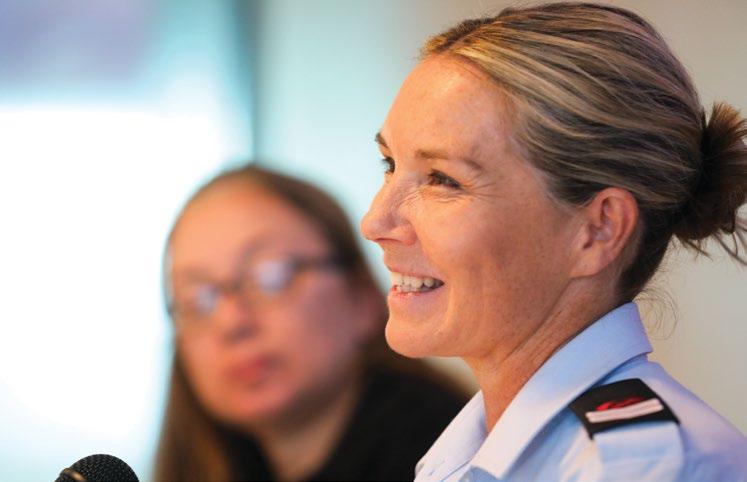
“Fix the barriers. Fund the basics. Measure the outcomes. And get back to us when things have changed.”
levers for change and implementation, whether that’s through education and training, workforce development, or sector influence.”
This approach is reflected in WAFA’s partnerships across the sector, including work supporting the Champions of Change Coalition, collaboration with the Institution of Fire Engineers Australia to deliver knowledge-sharing opportunities at AFAC26, and engagement with Gender and Disaster Australia to better understand gender inequity across disasters and emergencies.
A core focus for WAFA is improving women’s access to careers in the sector. With women representing less than 10% of the permanent operational workforce, WAFA is also partnering with FPA Australia to examine pathways into firefighting, fire protection, and fire engineering.
Ms McDonald said one of the key cultural barriers lies in how a career in firefighting is marketed.
“While the hero-running-into-aburning-building narrative is loud, it’s incomplete.
“We’re dealing with climate change, demographic change, economic pressures, and changes in technology. And those changes can’t be solved with the same old approaches. They don’t—and they won’t—fix themselves one hire at a time.
“The narrative can make women struggle to see where they fit, even when we know they have so much to offer.”
She said addressing this challenge requires change on multiple fronts— externally, by supporting women to see themselves in the sector, and internally, by reviewing recruitment systems to ensure they are fit for purpose and address unconscious bias.
WAFA is working to support agencies to rethink recruitment in a way that reflects the real capability needs of a modern fire management sector. This includes advocating for clearer entry pathways and transparent
says the organisation’s priorities are safe and respectful workplaces, fair recruitment, and genuine career progression.
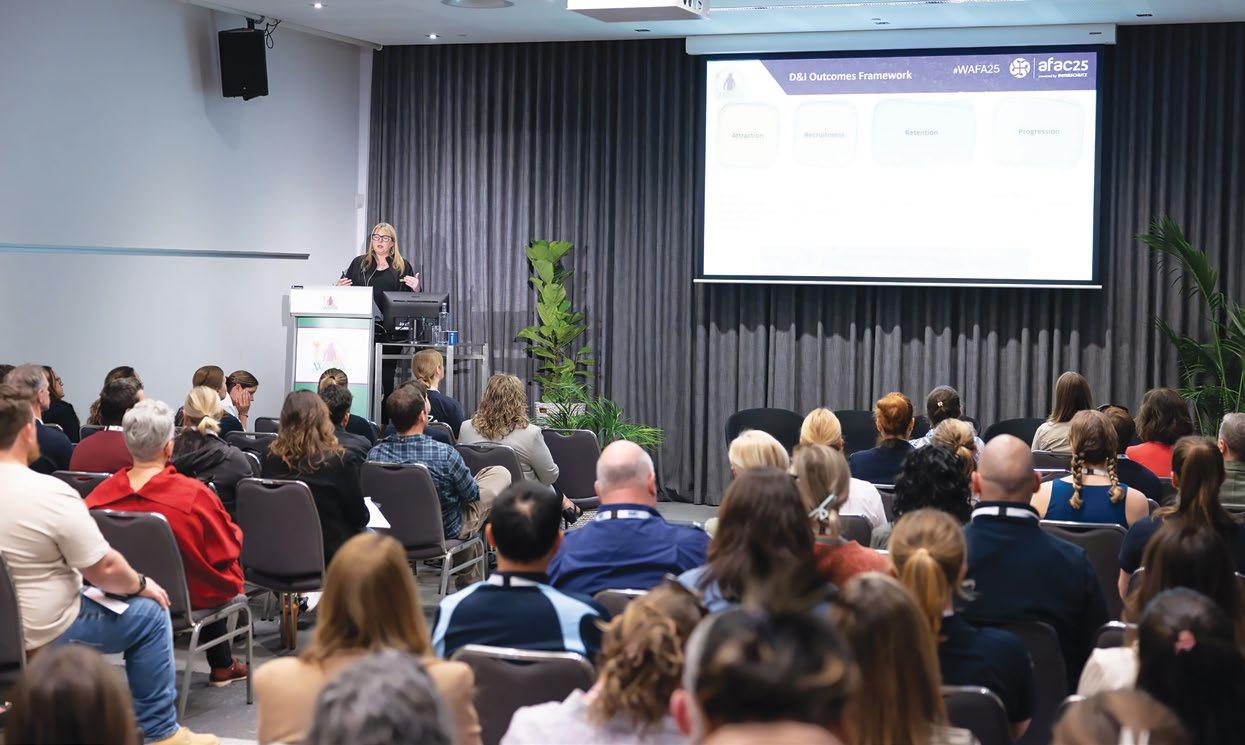
progression processes, so women can feel safe and included, build credibility, and progress through their careers based on merit and opportunity—while also accommodating the realities of a contemporary workforce.
She said increasing women’s participation in leadership and decision- making conversations is critical to ensuring safety considerations are not overlooked, including issues such as ill-fitting personal protective clothing and equipment.
Ms McDonald was three years into her firefighting career before she realised the breathing apparatus face mask she had been issued did not fit properly, inadvertently exposing her to safety hazards.
“We have these women who are bringing enormous levels of capability to our organisations, and then they’re often hamstrung by rank-based systems, lack of representation, and the tyranny of time. It’s a real challenge for people,” she said.
To help accelerate this shift, WAFA’s conference is moving to an annual model.
Focusing on both capability and connection, the event brings women and allies from across the sector into one room—an approach Ms McDonald said supports knowledge sharing and helps accelerate progress.
“The conference is about allowing women to showcase the ways in which they are leading across technical capability, research,
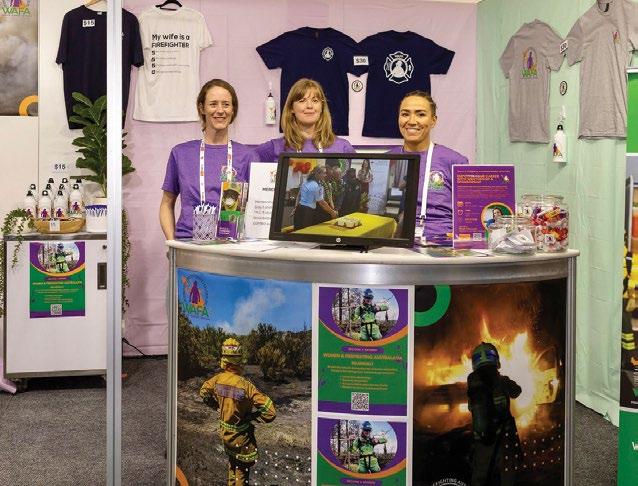
technological advances, and also the relational competence that supports respectful workplaces.
“A key message for our agencies is that we want to see a range of people in the room. It’s a conference that focuses on supporting a diverse range of people to build their leadership capability.”
The theme this year, ‘Intent to impact’, reflects both a learning opportunity for WAFA’s agencies and a signal of their commitment to supporting women across the sector.
“We want leaders to attend, listen, and take ideas back and really put them into practice, which is in line with
our theme but also with AFAC’s theme of inclusion this year,” she said. While intent is easy to announce, she said meaningful impact requires persistence and resourcing. This aligns with WAFA’s long-term definition of success: enabling women to build credible, sustainable careers without expending energy navigating systems that were never designed to include them.
For agency leaders and allies looking to support WAFA’s progress, Ms McDonald’s call to action is clear: “Fix the barriers. Fund the basics. Measure the outcomes. And get back to us when things have changed.”
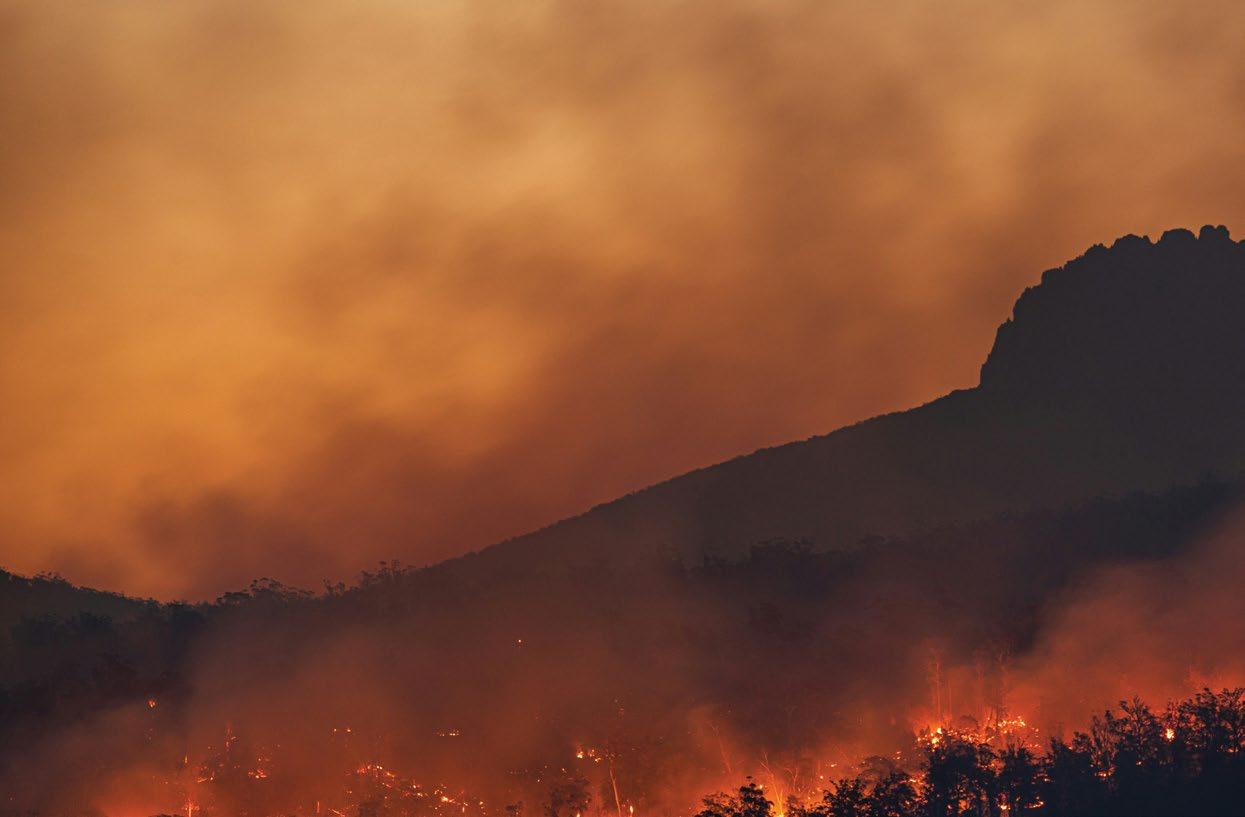
Fire protection must be recognised as a defined profession to strengthen workforce capability and ensure reliable life-safety outcomes across Australia.
BY FPA AUSTRALIA ADVOCACY
A safer Australia depends on fire protection systems that perform when needed and practitioners who are competent, accountable, and trusted across the building life cycle.
While the systems themselves are visible in every building we occupy, the profession responsible for their performance remains comparatively invisible in mainstream workforce planning and career conversations.
Part of the challenge lies in the diversity of the sector itself.
Fire protection is a multi-discipline field that brings together skilled trades, including electrical and plumbing, specialist inspection and testing, and professional services such as engineering, architecture, design, compliance, and certification.
That breadth is a strength, but it also creates an identity challenge.
For students, jobseekers and career advisers, fire protection is often encountered indirectly through another
discipline, rather than presented as a profession with a simple entry point and clear progression pathways.
Passive fire protection illustrates this complexity.
Effective passive fire outcomes depend on how buildings are designed and documented, how products are specified and procured, how installations are supervised and verified on site, and how evidence is assessed through compliance and certification processes.
Architects, engineers, building surveyors, specialist installers, manufacturers, inspectors, and regulators can all play a role.
When a single discipline spans this many professions and responsibilities, it becomes harder to describe in simple career terms, even though the work is highly specialised and essential to life safety.
The qualifications and capabilities exist across these streams and the demand for skilled practitioners continues to grow as buildings become more complex and regulatory expectations increase.
Yet the pathway into the profession is not consistently visible or coherently presented to schools, training providers, or policy-makers.
As a result, workforce pressures persist and practitioner mobility between jurisdictions remains uneven.
This is not simply an awareness issue. It is a structural workforce challenge with direct implications for system performance and public confidence.
If Australia expects fire protection systems to perform reliably across residential, commercial, and infrastructure assets, then the workforce supporting those systems must be clearly recognised, consistently trained, and professionally supported.
Strengthening skills and workforce capability is therefore fundamental to strengthening safety outcomes.
Providing clarity benefits more than prospective entrants. It supports national consistency, strengthens practitioner mobility, and reinforces public trust in the systems that protect communities.
There is a genuine opportunity to elevate fire protection as a profession.
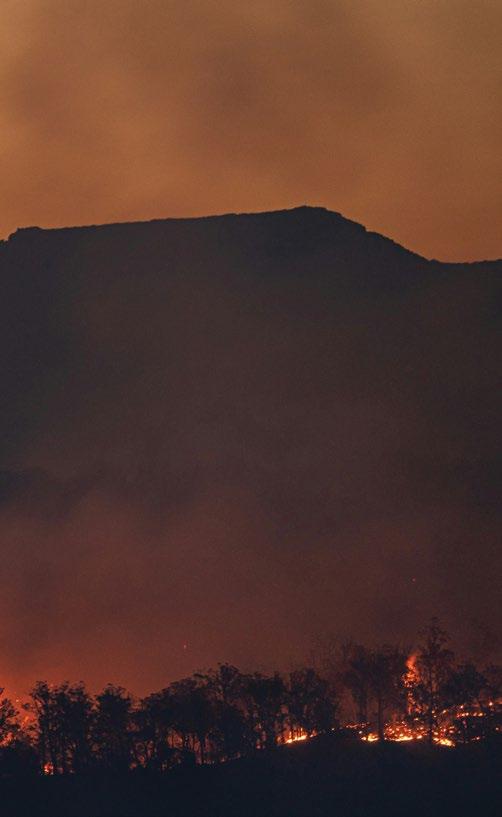
If Australia expects fire protection systems to perform reliably across residential, commercial, and infrastructure assets, then the workforce supporting those systems must be clearly recognised, consistently trained, and professionally supported.
The sector combines technical depth, regulatory knowledge, and interdisciplinary collaboration, offering meaningful careers that contribute directly to public safety and resilience.
If Australia is to maintain confidence in the performance of its fire protection systems, we must invest not only in standards, codes, and regulation, but also in the people across every discipline who design, install, inspect, certify, and maintain them.
We encourage governments, educators, and industry partners to work with us in building clearer pathways and raising awareness of fire protection as a profession of choice.

◆ A nationally recognised career framework that reflects trade-based, technical, and professional streams within fire protection.
◆ Alignment between vocational qualifications, tertiary pathways, licensing frameworks, and accreditation schemes.
◆ Greater visibility of fire protection careers within schools, TAFEs, universities, and workforce planning strategies.
◆ Defined progression pathways from entry-level roles through to specialist, supervisory, design, and compliance leadership positions.

Jensen Hughes partners with you to deliver safe, compliant and future ready buildings. Combining global expertise with local insight, we deliver every project with precision and care.
Our Services
Fire Engineering + Fire Protection
Fire Testing + Assessments
Passive Fire + Compliance
Code Consulting + Certification
Accessibility + Universal Design
Sustainable Design
Meet us at Fire Australia 2026 | Booth 103
Scan to get in touch
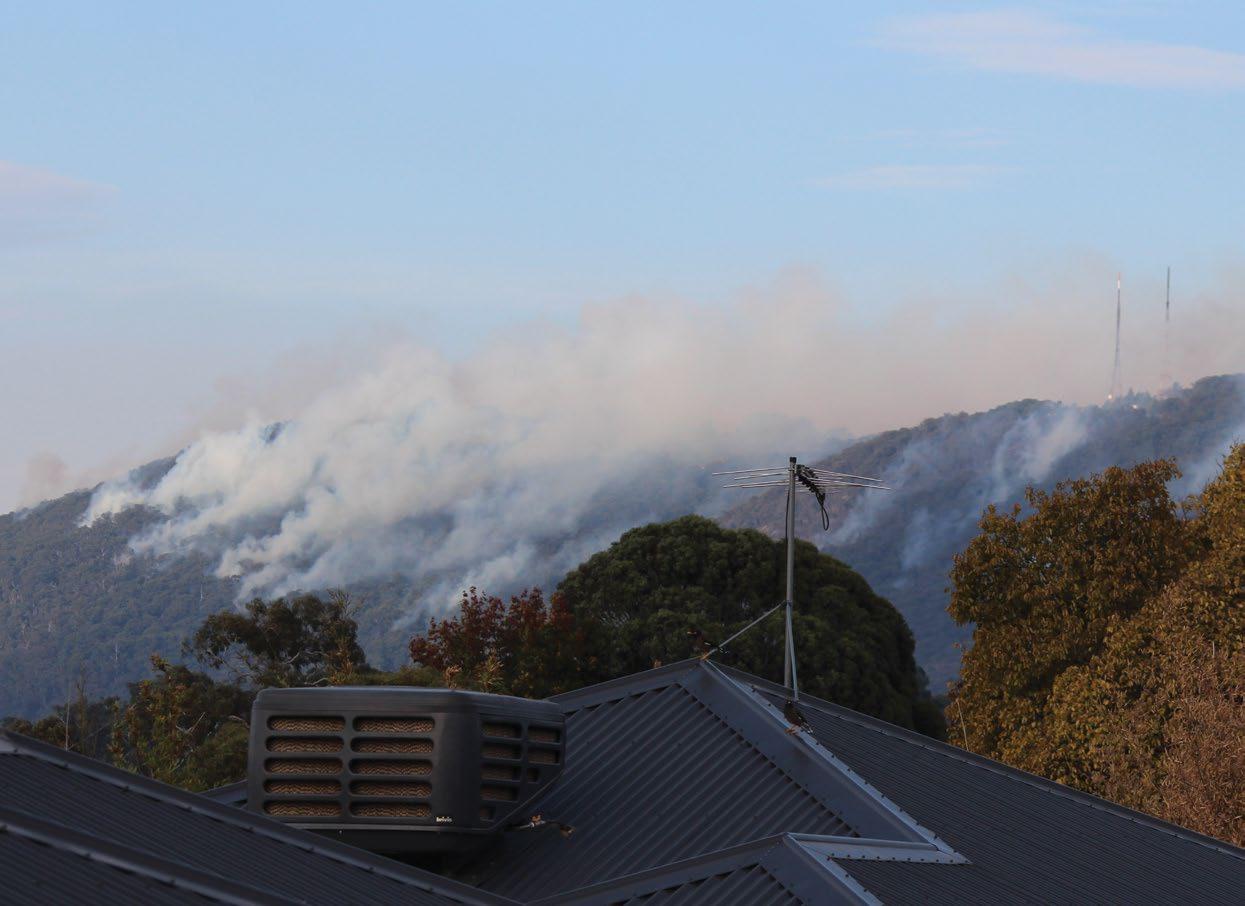
As our climate and the nature of bushfires become more unpredictable, projects funded by Natural Hazards Research Australia promote resilience and adaption pathways to ensure safer communities.
Year upon year, bushfire behaviour is becoming more volatile and unpredictable across the country—so what can we do to build resilience, protect life, and increase our capability to reduce its impacts?
Several projects funded by Natural Hazards Research Australia (the Centre) seek to answer this question.
One of these is the Bushfire Risk at the Rural–Urban Interface project, looking at the bushfire-prone areas where rural and urban environments meet and how to promote change in the management of these bushland communities.
The project is led by the University of Tasmania and supported by Monash University, the Country Fire Authority (CFA), the Victorian Department of Energy, Environment and Climate Action, the NSW Rural Fire Service (RFS), the Tasmania Fire Service, and
the Queensland Fire Department.
Lead researcher Professor David Bowman from the University of Tasmania said as the effects of climate change have emerged, we have not “initiated the adaption program quickly enough”.
“We’ve got a problem where we’re shorthanded: the things we were concerned about are now moving [rapidly].
“You’ve got all these complex issues building up. The climate instability is really challenging our adaptation,” he said.
“The work that my group’s been doing is trying to think of adaption pathways to be able to cope with this emerging threat.”
Prof Bowman said that the rural–urban interface is a very difficult environment to work in because it is complicated ecologically and socially. However, we need to transform this environment to be safer and more
sustainable through measures such as fire shelters, green firebreaks, better evacuation points, better gardens, and improved house retrofits and design.
On improving bushfire resilience and safety, he drew an analogy with the paradigm shift in road safety. There was a time when cars had no seatbelts or airbags, roads were unsafe, and driver education was limited. But, he said, “society turned that right around—we invested a lot in building better roads [and] regulating cars. What we’ve got to do is translate that into bushfires, where we educate, demonstrate, incentivise,” underpinned by research and development.
Prof Bowman said he is optimistic about the direction of the studies, but that we “just need to do the research, the development, and the education, and operate at scale”. He added, “We’ve got to feel that level of investment.”
Another Centre-funded project tackling fire preparedness and adaption is the Integrated Solutions for BushfireAdaptive Homes project, led by CSIRO in collaboration with RMIT University, University of Melbourne, Strahan Research and supported by CFA, the RFS, and Monash University.
The project will increase our understanding of how residents and professionals such as architects, engineers, builders, and regulators can make homes safer from the effects of fire.
Lead researcher Dr Raphaele Blanchi from CSIRO said that, if you are living in a bushfire-prone area, building, renovating, or improving a home to make it safer can feel overwhelming.
“There’s a lot to think about—a lot of technical requirements but also complex regulations to navigate. Sometimes that can be confusing and sometimes discouraging,” she said.
“There is also a lot of information, guidelines, and other material that are available, including misinformation, making it hard to understand or to know what really matters, what’s protecting people’s homes or families from a bushfire, and how to prioritise them.
“Almost half of Australian properties are at risk from bushfire. And given our climate and the landscape, the bushfire hazard will be ever-present.” Dr Raphaele Blanchi, CSIRO
It is a challenge for both residents and professionals,” she said.
“This project is looking at helping not only residents but also the professionals who support them.”
Dr Blanchi said there are a few knowledge gaps among the vast amount of information available about protecting houses from bushfire.
“One of the major gaps is in understanding the barriers to motivation for taking action, not only for the residents, but also for the professionals who are involved in the process. Addressing this gap is part of this project’s objective,” she said.
She said there is general uncertainty about the effectiveness of different measures, including how effective a measure or even a combination of measures are in real-world conditions.
“Almost half of Australian properties are at risk from bushfire. And given our climate and the landscape, the bushfire hazard will be ever-present,” Dr Blanchi said.
She said bushfire-adaptive homes are a key element of community resilience because, when homes are better-equipped to survive bushfires, they not only protect life and property but also enable the community to recover more quickly after an event.
“This is why with this project we use a socio-technical approach because we also recognise that the home [is] a living system, it’s embedded in the landscape and in community. Recognising this helps us design solutions that are both effective and adaptable.”
The Centre-funded First Nations Women, Cultural Fire Knowledge, Wellbeing and Memory project is also building resilience to the extensive impacts of fires through addressing research gaps regarding the experiences of Indigenous women in caring for Country and cultural burning.
The project involves researchers from Monash University and the Indigenous Leadership Initiative and is supported by the Queensland Fire Department, the Gambir Yidinji Cultural Heritage Protection Body, the Queensland Parks and Wildlife Service, and Fire Networks—WTREX.
An impact evaluation of the Australia Women-in-Fire Prescribed Fire Training Exchange (AUSWTREX) program focuses on the role of Indigenous women in fire. The 12-day intensive training program brought together 37 women, most of whom identify as Indigenous women from Australia or overseas.
Through this, the project contributes to the growing body of literature on the positive health and well-being outcomes for Indigenous people engaged in caring for Country through cultural burning practices. It explores novel concepts such as the impact of women-led gatherings, cultural burning, and knowledge exchange on memory.
Researchers Nell Reidy and Zoe Schultz from Monash University’s National Indigenous Disaster Resilience program said that across all data, the research team found that AUSWTREX was an overwhelmingly impactful and positive experience for participants.
“Confidence and empowerment emerged as strong themes across the oral interviews and participant observation,” Ms Reidy said. “Confidence grew because participants felt safe to challenge themselves, try new things, and were recognised for their knowledge and skills.”
Ms Schultz added, “The act of burning and engaging in culture alongside other Indigenous women, and the opportunity to form new friendships, strengthened participants’ sense of belonging, cultural confidence, and identity. This enabled individual and collective healing and had positive impacts on participant well-being.
“First Nations women always have worked hard, and continue to do so, to protect their communities, culture, and Country. Programs like AUSWTREX platform the work of these women and enable connections across this small workforce, fostering a network of support for women across disparate parts of Australia. With ongoing support and resources, this workforce can continue to grow and strengthen.”
To learn more about the Centre-funded research projects protecting communities and building fire resilience, visit www.naturalhazards.com.au





MIKE WILLSON
Director, Willson Consulting
Firefighting foams are an essential part of fire protection, and the decisions surrounding their use are critical. With the release of a new Information Bulletin, IB-25 Transitioning from PFAS fluorinated foam to fluorinefree firefighting foam, alongside the recently updated IB-06 V5 Selection and use of firefighting foams, industry now has clear, practical resources to support the key considerations that must be understood and applied with confidence.
FPA Australia’s Special Hazard Fire Protection Systems Technical Advisory Committee (TAC/11/22) has recently developed the new, industry- welcomed guidance document to support the transition of existing PFAS-containing firefighting foam systems to non-PFAS alternatives. Transitioning away from PFAS foams is a complex process. It requires careful consideration to ensure adequate functionality is maintained, PFAS waste is safely contained and disposed of, and residual PFAS limits are not exceeded to meet regulatory requirements.
Supporting the transition to fluorine-free foams
To support industry through this process, IB-25 was published in November 2025. The document helps foam users better understand the transition process and avoid common pitfalls when moving to fluorine-free foams (commonly referred to as F3s, FFFs, SFFFs, PFFs, NFFs, and their Alcohol Resistant (AR) counterparts).
IB-25 outlines a logical sequence to follow, including consideration of local legislative regulations, foamuser operational requirements, and fire system modification procedures and certification. This approach helps ensure existing safety protections are not being jeopardised while supporting future operational reliability.
The guidance contained in IB-25 is not provided as a prescriptive approach to any or all foam suppression systems.
As every fire system is unique to the site’s fire protection strategy and design objectives, a site-specific approach to foam transition is required. Fluorine-free foams are not a simple ‘drop-in’ replacement for existing aqueous film-forming foams (AFFFs). Developing a clear foam transition plan helps form the foundation of the overall strategy and supports the efficient design and installation of any required system modifications, while seeking to ensure site operations are not compromised or unduly impacted during the transition process.
Planning for a safe and effective transition
The guidance also highlights the importance of detailed preparation stages that consider the system’s complexity, operational requirements, and existing fire suppression provisions, helping to ensure they are not being unintentionally compromised. By doing so, common pitfalls can be avoided and transition costs reduced through more streamlined planning.
IB-25 includes flowcharts, summary tasks, derived objectives, and outcomes, providing a practical framework to capture the key considerations necessary for a smooth transition.
Updated guidance reflects global regulatory change
The complementary guidance document, IB-06 Selection and use of firefighting foams, has also recently undergone a comprehensive fifth revision, published in November 2025. Version 5 of IB-06 reflects global regulatory changes, particularly restrictions on PFAS in firefighting foams across Europe. These include extended transition periods of up to ten years (to October 2035) for Seveso III sites such as major refineries, chemical
plants, and bulk storage terminals, as well as offshore oil and gas installations and existing civil shipping and naval vessels with installed PFAS foams systems at the time of implementation (23 October 2025).
Other high-hazard flammable liquid sectors, including land-based defence and civil aviation, have been provided with five-year transition periods. Firefighter training, system testing, and municipal fire brigades have been allocated an 18-month transition period to April 2027.
The revised IB-06 document also includes a transition ‘road map’ summarising key considerations when transitioning to fluorine-free foams, including firefighter retraining and environmental best practice measures, helping users avoid common problem areas.
IB-25 and the updated IB-06 are available for free download via FPA Australia’s My Connect portal. Scan the QR code to log in or create an account to access the documents.

Mike Wilson is a member of FPA Australia’s Technical Advisory Committee TAC/11/22—Special Hazard Fire Protection Systems

AS 1851 requires routine fire protection servicing to be carried out by demonstrably competent practitioners with appropriate training, qualifications, and experience.
BY STACEY FEIN
National Accreditation Manager, FPA Australia
In many areas of fire protection, licensing provides a clear benchmark for who can perform certain work. However, where no specific licensing requirements apply to routine servicing activities, competency under AS 18512012 is not always clearly defined. This lack of prescription can create uncertainty for practitioners and building owners alike. If there is no licence to point to, what does ‘competent’ mean— and how is it demonstrated?
AS 1851 does not mandate a single pathway. Instead, it sets an outcome-based expectation. Clause 1.5.5 defines a competent person as someone who has acquired, through training, qualifications, experience, or a combination of these, the knowledge and skills needed to correctly perform the required tasks.
Clause 1.10 reinforces this by stating that routine service shall be conducted by competent persons and notes that competency may be further defined by the authority having jurisdiction or demonstrated in accordance with the Australian Qualifications Framework. The obligation is clear: only individuals with the appropriate skills, knowledge, and capability should be undertaking inspection and testing of fire protection systems. Competence is not simply a compliance issue—it is a safety requirement. Poor servicing can lead to system failure, increased liability exposure, and significant risk to life and property.
Pathways to demonstrating competency
Competency can be achieved through a range of pathways:
nationally recognised training delivered by a registered training organisation (RTO) or TAFE
completion of full qualifications or relevant units of competency
short courses and webinars
manufacturer-specific training industry experience.
Experience is undeniably important. However, experience alone can be difficult to objectively demonstrate. When a building owner, regulator, or insurer asks for evidence of competency, how is it substantiated?
Resumes and logbooks may support claims, but they are not independently verified.
Short courses and manufacturer training can contribute valuable technical knowledge, yet they vary in structure and assessment rigour. In contrast, nationally recognised training provides formal assessment against national benchmarks. A qualification or statement of attainment demonstrates that the individual has met defined competency outcomes.
That said, holding a certificate
alone does not automatically equate to practical competence. Like most trades, fire protection servicing requires both structured learning and real-world application. Competency should be viewed as the integration of training, practical experience, and ongoing professional development.
The Certificate II and Certificate III in Fire Protection Inspection and Testing were developed specifically for routine service activities. Depending on an individual’s background and scope of work, completing the full qualification or selected relevant units may be appropriate.
Some practitioners may hold earlier versions of units or legacy codes. In many cases, these may be equivalent to current units, and where practitioners have maintained industry knowledge through continued practice and professional development, retraining may not be necessary. Competency is not frozen in time—it must be maintained.
While not mandatory in most jurisdictions, accreditation through the FPA Australia Fire Protection Accreditation Scheme (FPAS) provides a practical way to demonstrate competence. Independent, thirdparty assessment and public registers
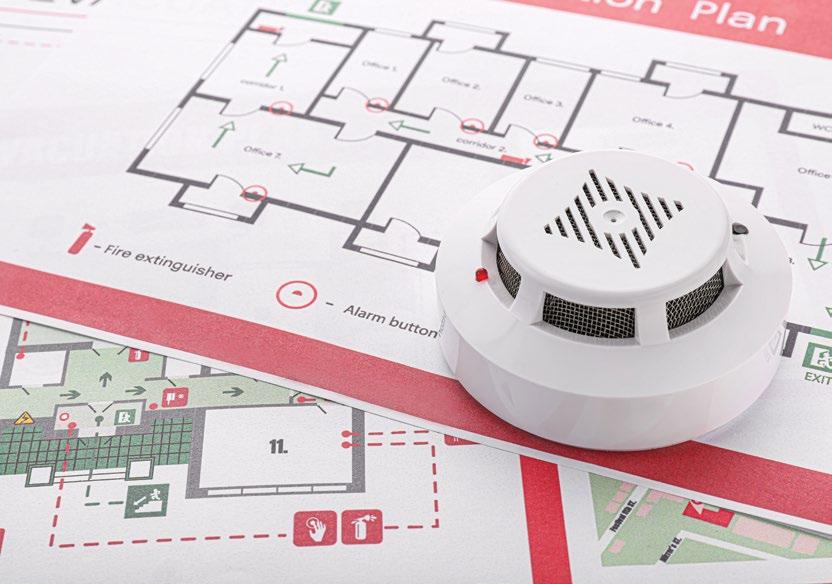
offer building owners additional confidence and a clear benchmark for professionalism.
The vocational education sector includes both high-quality providers and those that fall short. The Australian Skills Quality Authority (ASQA) regulates Australia’s vocational education and training sector and has taken action against providers who fail to meet required standards, including cancelling qualifications that were improperly issued. Choosing a reputable RTO is essential to protect both individuals and the integrity of the industry.
Ultimately, there is no single solution to competency under AS 1851. Practitioners should reflect on their training and experience as if they were required to justify their competence to a client—or a court. Building owners, in turn, should clearly define the level of competency they expect from contractors.
Competency strengthens professionalism, supports compliance, and, most importantly, protects building occupants. Where licensing does not provide a clear answer, the responsibility rests with the industry to ensure that competence is genuine, demonstrable, and defensible.

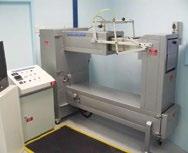
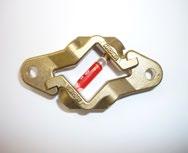


7-inch colour display with large, easy-to-read text
Separate custom controls with large userfriendly buttons

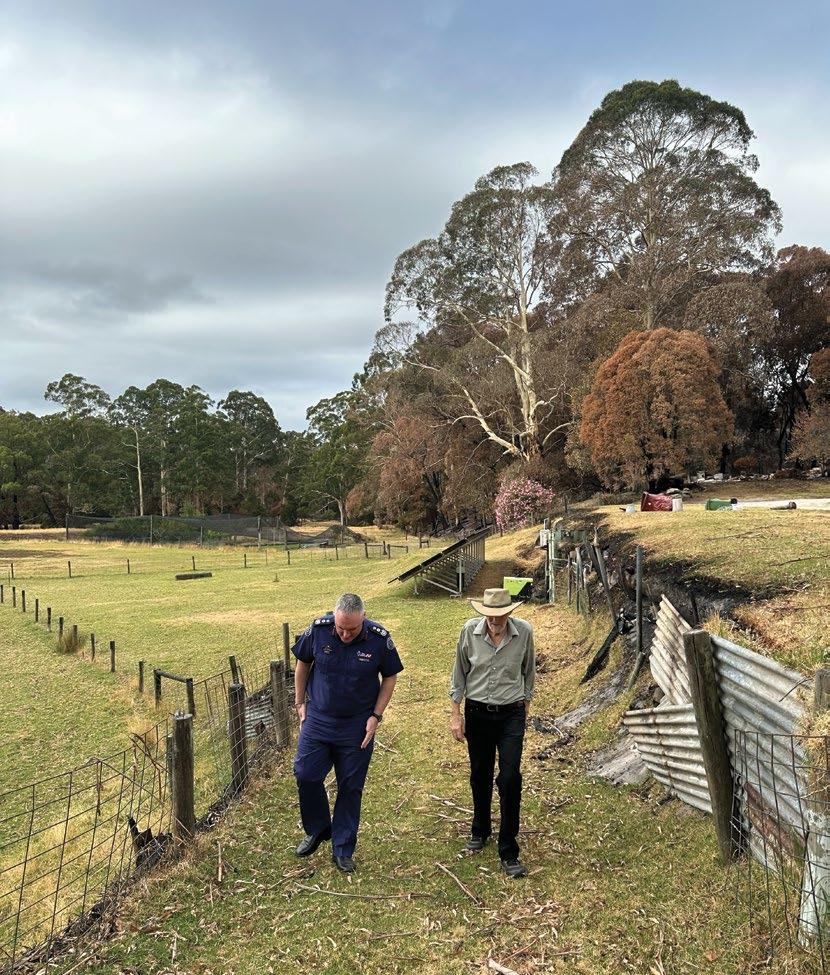
In this edition, AFAC CEO Rob Webb interviews Country Fire Authority Chief Officer Jason Heffernan.
Rob Webb: Jason, we’ve seen you as a regular face on Victorian and national news bulletins over the summer. Can you give us a feel for how you prepare as a leader, and how the Country Fire Authority (CFA) prepares leading into a season like this one? I know the CFA spoke to us even before the season about triggers to request overseas assistance. What does it involve?
Jason Heffernan: Preparation for any season starts well before the declaration of the first total fire ban. There are normal preparatory things we do every summer. However, Victoria in the lead-up to this summer had some of the lowest rainfall on record and drought conditions were dramatically taking hold and spreading across the state. These antecedent conditions had not been seen since the 2019–20
Black Summer, with all indications to a significantly elevated risk of bushfires, in a highly populated, densely vegetated state with a history of devastation.
The drought conditions and lack of surface water, combined with our brigade’s feedback from the field, meant we had to do more than the normal preparation. A statewide intensive community education program, ‘Get Fire Ready’, and a statewide bulk water program was undertaken.
The occurrences of consecutive and concurrent fires, floods, and other emergencies is not uncommon in Australia over the peak risk period. However, with the worsening Victorian antecedent conditions showing very early in the year, we anticipated that interstate and international assistance would likely be required.
International deployments are a great way to share expertise and experience with our Australian emergency services personnel from all states and territories. The unique disadvantage that Australia has, however, is our distance from the US and Canada meaning that deployments must be planned and understood well before a request is made. Cost considerations, tasking, tour of duty length, Incident Management Team make-up, inductions and training, and specialist resources— including firefighters—are weighed against what is reasonably available within Australia and New Zealand, while considering current and anticipated operational need across all Australian states and territories.
Call for international resources too early and you end up with underutilised resources a long way away from their homes and families. Call too late and you risk missing the window when peak assistance is needed. It is always a fine balance, and the reason why these decisions are made with the collective wisdom of Australia’s Commissioners and Chief Officers Strategic Committee.
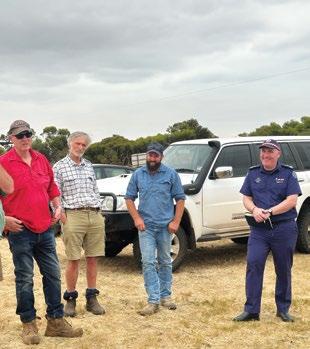
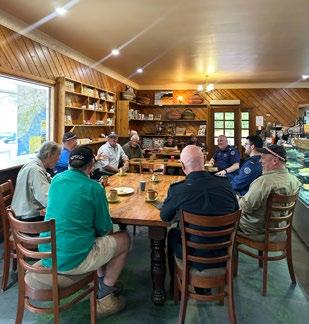
RW: We often speak in terms of structures burned or lives lost to measure a season. I was struck by the work Victorian fire agencies did in responding to a rapidly escalating event, and the incredible work getting around some of the fires. Can you tell us about some of that? What are some of the stories of properties saved?
JH: When we only measure a season by what we lost, we miss the other truths: the thousands of decisions made by firefighters, the small acts of courage that add up to homes standing, businesses reopening, and communities returning. Unfortunately, we and community often count a season by what we lost—it makes for great media—but as fire and emergency services leaders, we owe it to our people to talk about what was saved and the dedicated work our people do.
One of the clearest stories this season was on saving life in the township of Natimuk, because it’s about a place full of people who couldn’t simply self-evacuate. Under catastrophic fire conditions on 9 January, the Grass Flat fire ran hard and fast toward the township. With no time for evacuation, firefighters’ immediate priority became the Natimuk Aged Care facility,
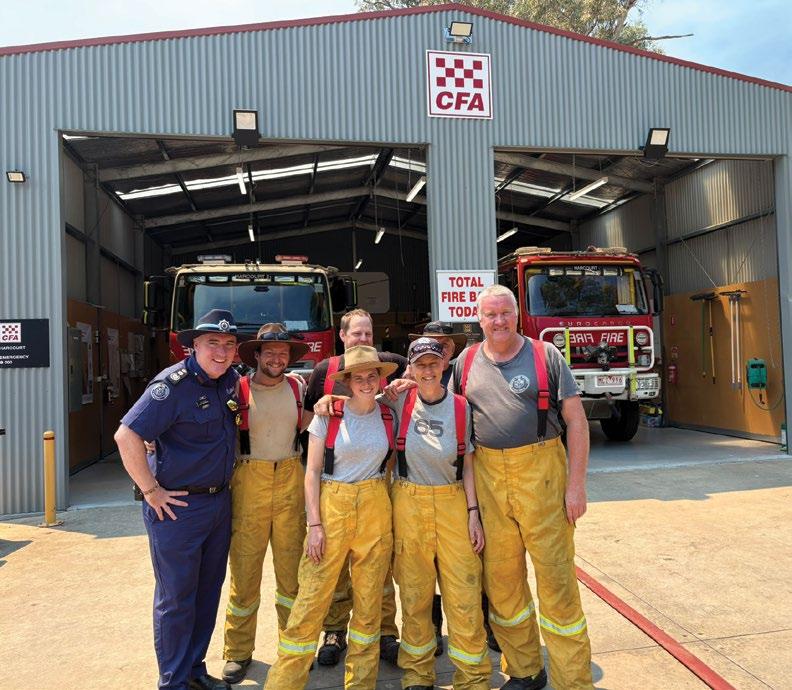
Top left:
CFA Chief Officer Jason Heffernan speaking with members from Leslie Manor, Derrinallum, and Lismore following the Larralea fire in January.
Above left:
CFA Chief Officer Jason Heffernan with members from Gellibrand, Kawarren, Carlisle River, and Barongarook brigades during a visit to Gellibrand following the January fires.
Above right:
CFA Chief Officer Jason Heffernan with Harcourt CFA brigade members during his visit post-January fires.
home to around 40 vulnerable residents.
The fire burnt right up to the edge of the nursing home, embers lit fires in gardens outside bedrooms, and nearby homes were destroyed, but the efforts of the Natimuk and surrounding fire brigades protected the lives of staff and residents.
As soon as the fire front passed and immediate risk was reduced, the same crew moved on to protect other lives and properties at risk across the town— capturing something the public doesn’t always see. Defensive firefighting is often a sequence of triage decisions, made quickly under uncertainty, and always with firefighter safety as the non-negotiable constraint.
RW: What’s something people don’t see from the outside about a fire response—both organisationally and personally? Something that tells the story about what this sector means?
JH: A 19th-century military maxim attributed to Prussian strategist Helmuth von Moltke states: “No plan survives first contact with the enemy.” When I reflect on fire responses, particularly in catastrophic fire conditions, it somewhat rings true. Large-scale emergencies like bushfires under the worst of conditions are sufficiently complex so that any plan put together soon is challenged. That is
why, as emergency services agencies, we train and empower our people and give them permission to operate beyond the plan.
From the outside, a fire response looks like fire trucks, aircraft, and firefighters disappearing into the smoke. But what you don’t see is the deeper work, people building order in chaos so many agencies can work as one, with shared objectives, clear roles, and the trust that makes integration possible when everything appears chaotic.
You don’t see the behind-thescenes intelligence, planning, logistics, and public information turning fragments into decisions, and decisions into action that protects life and property.
You don’t see the family members who watch their loved ones leave home with boots and pager in hand, knowing it’s a bad day because that’s all their loved one will talk about, and wondering when they will see them again.
You don’t see the part that matters most to Commissioners and Chief Officers—the human promise that every reported injury brings into sharp focus: “Everyone comes home.”
You don’t see what our people carry, the long hours, the accumulated fatigue, the moments when peer
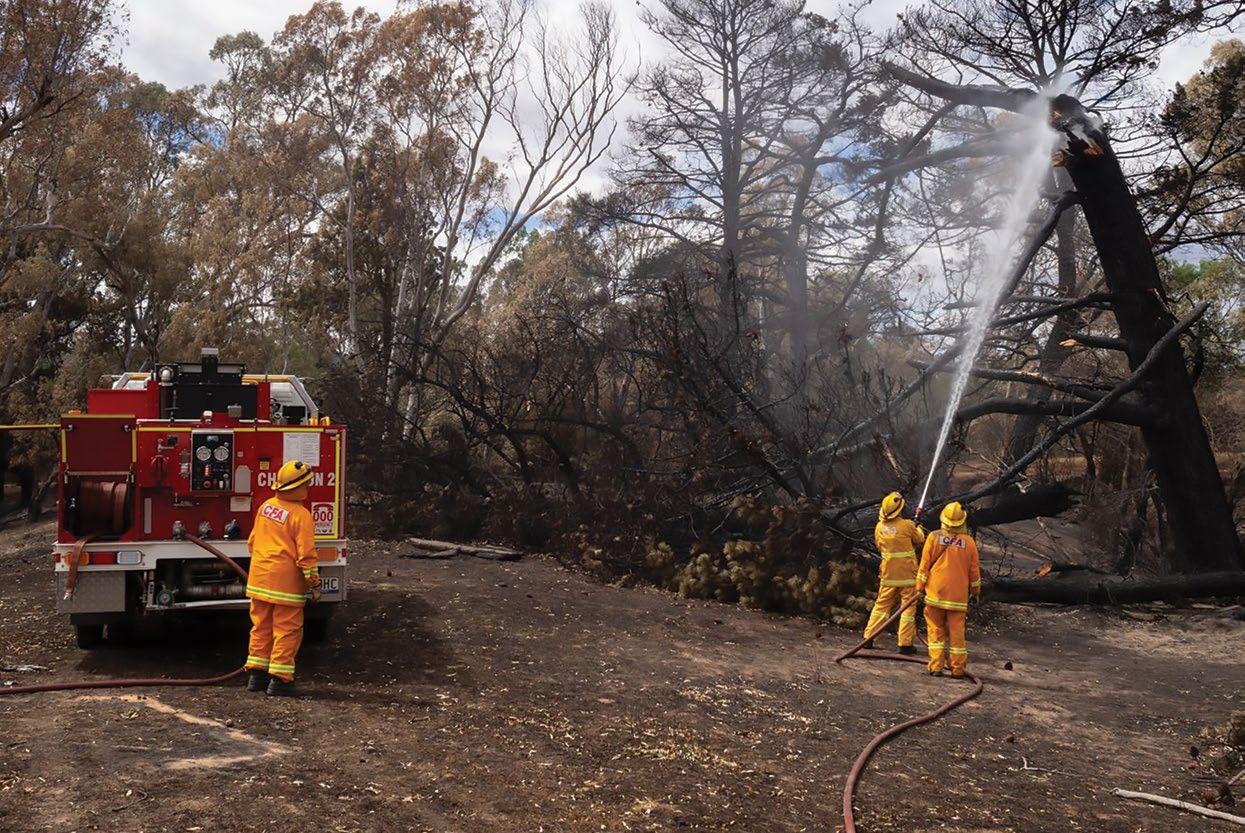
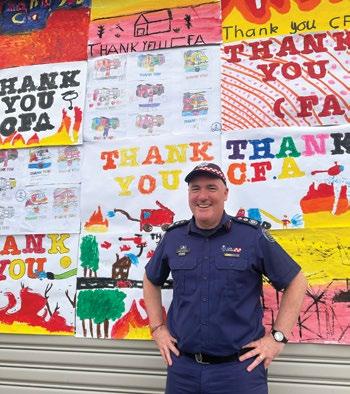
support makes the difference, and the determination to show up again anyway. In Australia, that ‘showing up’ is often driven by volunteers—ordinary people doing extraordinary things, forming a fundamental part of our national crisis resilience.
And finally, you don’t see our humility. We don’t just respond, we learn. We deliberately capture lessons and connect evidence to experience, so actions and improvements can be in motion before the next season arrives.
That’s what this sector means—unity, service, and the relentless commitment to protect our communities and our fellow emergency service personnel, each and every day.
RW: The CFA has been in the news for a range of reasons over the season. You managed to provide a clear voice focusing Victorians on the risk at hand. Can you talk a bit about that and the impact on your membership?
JH: When fronting the media, preparation matters. It’s about being transparent with the community, acknowledging uncertainty where it exists, addressing issues of concern, and reinforcing—in plain language—what people can do to stay safe. Be genuine and authentic, because the public can spot it a mile away when you’re not.
As a Chief Officer, I am especially cognisant of the message I am putting into the media, as our membership will hear the same message. While the public may hear one set of words, those within the organisation who understand the context can interpret them quite differently.
Issues management, when slung into the court of public opinion through relentless media coverage, can be very difficult for leadership to navigate. One thing is certain: you can never be criticised for ensuring the communities are empowered and have the information they need to make the decisions required to keep themselves and their families safe in times of crisis.
As a chief or commissioner, you must balance two competing needs: that thirst by the media (and, by extension, the public) for information and answers to the impeding issue of the day, and the absolute need to continue to provide timely, accurate, and tailored information and warnings to communities to keep them safe.
No matter what is going on, however, I also take every opportunity to thank our amazing emergency services personnel, whether volunteer or career. The public acknowledgement by organisational leaders lets them know you are thinking of them and grateful for their commitment.
The Australia Women-in-Fire Prescribed Training Exchange program is connecting First Nations women across the Caring for Country and fire management sectors.
BY ZOE SCHULTZ AND NELL REIDY
Research Fellows, National Indigenous Disaster Resilience, Monash University
In May 2025, 37 women from across Australia and overseas came together in North Queensland for the inaugural Australia Women-in-Fire Prescribed Training Exchange (AUSWTREX) program. The 12-day program focused on enhancing fire practitioner skills, exchanging cultural and western burning knowledge, and developing a network of women in fire.
AUSWTREX was jointly delivered by the Queensland Fire Department (QFD) and Queensland Parks and Wildlife Service (QPWS), with support from the Australian and New Zealand Council for fire and emergency services (AFAC), WTREX and Fire Networks.
A key focus of AUSWTREX was to highlight the role of Indigenous women in fire, with 26 participants identifying as Aboriginal and/or Torres Strait
Islander women and four identifying as Indigenous women from other parts of the world. Participants came from a range of professions and workplaces, including fire and land management roles within government agencies and Traditional Owner corporations, and ranged in age from 19 years old to women in their 60s.
Natural Hazards Research Australia (the Centre) and National Indigenous Disaster Resilience (NIDR) were engaged by QFD to better understand how AUSWTREX impacted First Nations women who participated. The research involved in-depth interviews with 19 First Nations participants, personal reflective journals, and participant observation undertaken by a First Nations researcher who participated in AUSWTREX.
Findings from the research show the AUSWTREX program had significant and overwhelmingly positive impacts for First Nations women who participated. Analysis revealed six recurring themes across the data.
Participants described AUSWTREX as a safe and supportive space to connect and learn alongside other women in fire. This was particularly significant for those who are often the only woman or the only Indigenous person in their workplace. Many reflected on the value of learning and working in an encouraging environment where they felt safe to challenge themselves and try new things.
“… women in the fire service is less, but Indigenous women, even less.” (p. 5)1
All Indigenous women who participated in this research explained that their confidence and sense of empowerment grew as a direct result of AUSWTREX. While the program enabled participants to upskill, it also provided a space for their existing knowledge and leadership potential to be recognised—something several women noted had rarely occurred
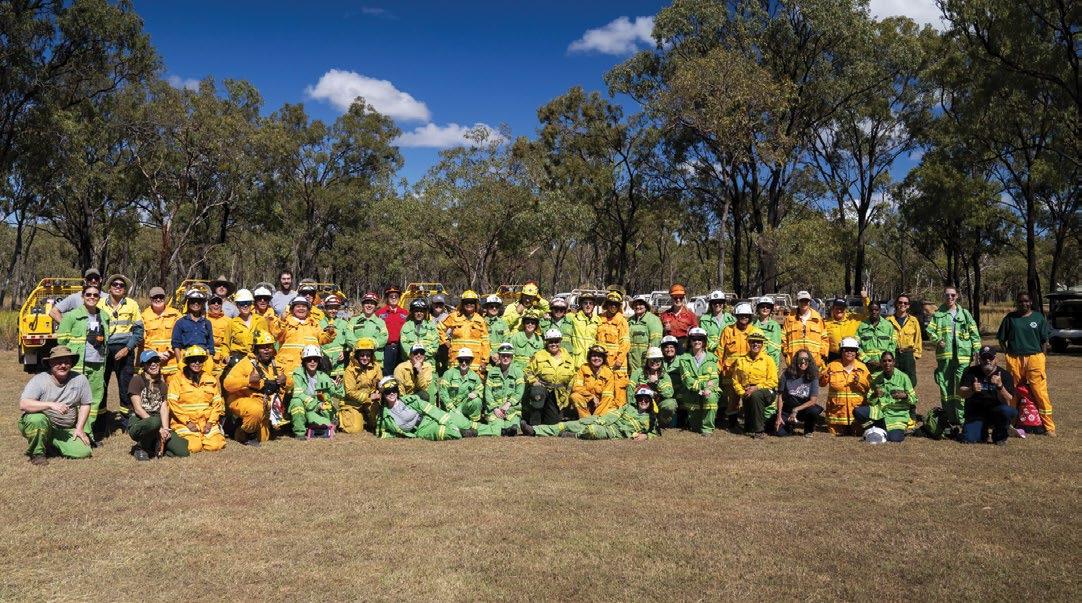
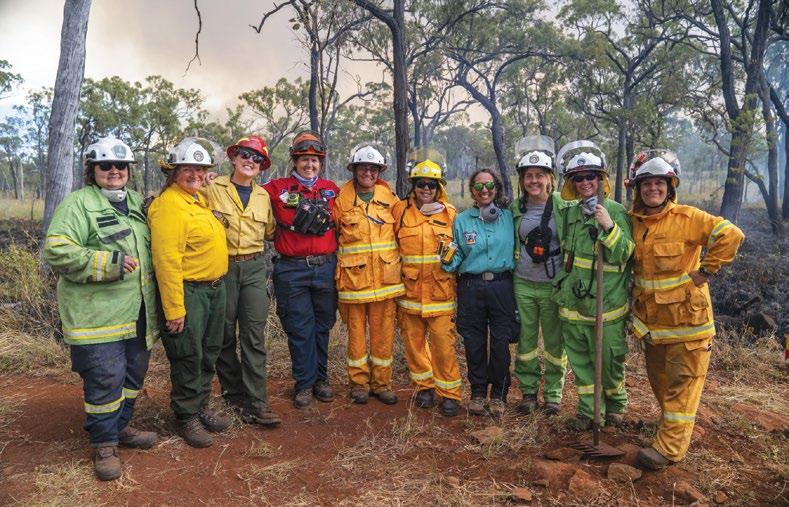
before attending the program.
Many spoke about the pride they felt after taking on new challenges and achieving things they would not normally attempt in their everyday lives.
AUSWTREX provided a rare and critically needed space for Indigenous women in fire to connect with other women working across disparate parts of Australia and overseas. For example, women located in rural and remote areas of Australia had the opportunity to exchange with women located in urban and regional areas of Australia. Participants exchanged knowledge about different burning techniques, learning from women who practise cultural and western-style burning across varied landscapes throughout Australia and overseas. While AUSWTREX focused on the role of women in fire, the program delivered much more than that. For some, this was their first opportunity to learn about cultural burning, and many described the significance of using fire to protect an Aboriginal women’s cultural site in Rocky Creek, Queensland:
“When we went to the women’s site, that was just huge for me. I loved every single bit of it. That was just very significant for me.” (p. 16)1
Lifelong friendships were formed during AUSWTREX, and these friendships have continued well beyond the program. Despite travelling from different parts of Australia and overseas, participants shared similar experiences about how colonisation
and government laws, policies, and practices had impacted their families and their connections to community and culture. The program gave many of the participants the chance to connect with other Indigenous women with similar experiences and feelings, leading to positive impacts on their sense of belonging and well-being. Many participants described returning to their homes and workplaces feeling as though they had ‘changed’ or ‘unleashed something’ within themselves. While participants valued the knowledge shared by supporting government agencies during the program, many described fulfilling a deeper yearning, one that could only be met by the culture and knowledge shared by other Indigenous peoples. In this way, participants described how the most meaningful learnings and growth emerged through relationships with other Indigenous women.
Through this collective experience, participants underwent significant cultural, personal, and professional growth, returning as changed women. However, returning as changed people to unchanged places presented both opportunities and challenges. Some women returned to workplaces where their experiences and newfound skills were valued and celebrated, yet others faced negative reception when they returned to work and their skills and experiences were not acknowledged. While the positive impacts of the program were reported by all research participants, the environments to which women return after such
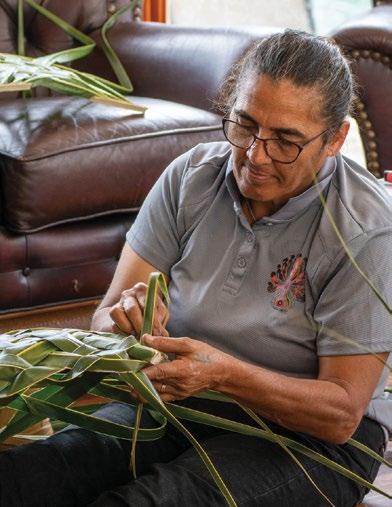
Above: Attendees and program support staff after a burn on Ewamian Country (Undara Volcanic National Park).
Above right: An attendee weaving during the AUSWTREX program.
a transformational experience is critical to whether these benefits can be sustained.
A workforce of Indigenous women in fire exists
This impressive group of women revealed the existence of a small yet highly capable and skilled workforce across the Caring for Country and fire and land management sectors. Programs like AUSWTREX shine a light on a workforce of Indigenous women that many may not have been aware existed, and many participants expressed a strong desire for more programs like AUSWTREX. With ongoing support and resources, this workforce has significant potential to continue to grow and strengthen.
A research report, First Nations Women, Cultural Fire Knowledge, Wellbeing and Memory, and accompanying visual poster will be published on the the Centre and NIDR websites in the first half of 2026 to communicate the findings of this research.
1. Queensland Fire Department. First Nations women, cultural fire knowledge, wellbeing and memory. Unpublished report. Forthcoming.
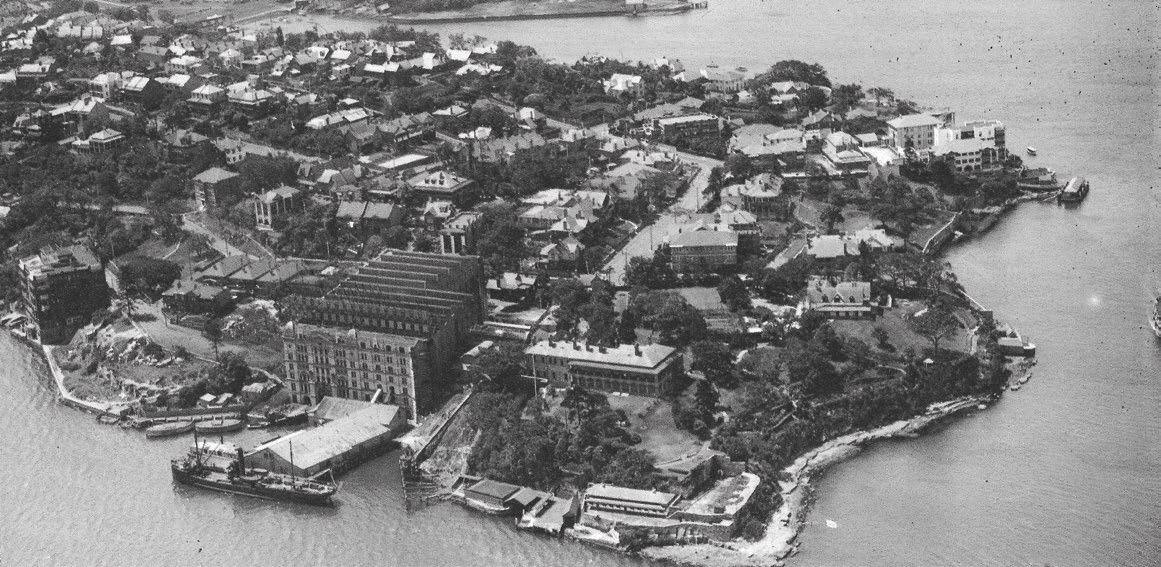
Although Kirribilli Point, 3 km north of Sydney CBD, is a predominantly residential area today, from 1890 to 1921, the Pastoral Finance Association had a large wool warehouse, meat cold store, and wharf on the foreshore adjacent to Admiralty House. The seven-storey wool store was destroyed by fire on 14 December 1921, along with 30,000 bales of wool. Its engine room, which survived the fire, supplied electricity to customers on the north side of the harbour until around 1922.
The destroyed wool store was, for all practical purposes, built like any of Australia’s many wool stores and contained the same materials: wool, both loose and in bales. It had the usual fire hazards—open-joisted wooden
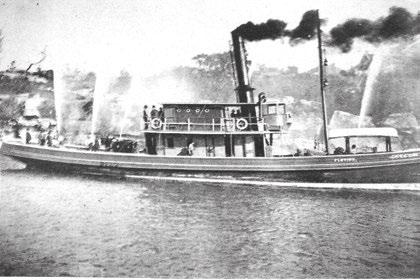
ceilings, lanolin-soaked wood plank flooring, unprotected lift shafts, and floor openings common to such buildings. Fire protection equipment was similarly on par with that in most of these stores, consisting of a small hydrant system. At that time, two notable exceptions in Melbourne were protected by automatic sprinkler systems.
Residents in nearby flats first noticed the smell of burning wool around 6 am, which soon became overwhelming. Shortly after 7 am, flames broke through the first-floor windows. By the time the fire brigade arrived, the entire building was fully alight. Fire floats ‘Pluvius’ and ‘Hydra’ attacked the fire from the waterfront but had difficulty directing water to the seat of the fire, while low
According to FPA Australia’s publication, Fire: A century of automatic sprinkler protection in Australia and New Zealand 1886–1986, there were 27 fires in sprinkler-protected wool stores. They were 100% controlled with nil fatalities and an average of 1.89 sprinklers in operation.
water pressure hampered firefighting efforts on the landside.
The fire floats narrowly escaped disaster when the southern wall of the wool store collapsed into the water.
The store was gutted by mid- afternoon. Admiralty House escaped damage despite being enveloped in thick smoke. Fortunately, the Governor-General (Lord Forster) was not in residence at the time. Damage to the store and contents totalled some £600,000 (approximately $50 million today). The refrigeration and electric lighting plants were destroyed, cutting off service to nearby residents in the Milson’s Point area.
More Sydney wool store fires were to follow. The largest destroyed the Goldsbrough Mort building in September 1935. A coroner was amazed that “within half an hour, a building eight storeys high and 90 m by 30 m should be just a mass of flame”. The building was destroyed and the wool smouldered for days. The best the fire brigade could do—and it was an achievement—was to contain the fire. When the five-storey New Zealand Loan and Mercantile Agency Company wool store burned out on Bulwara Road, Ultimo, on 22 August 1946, flames were visible from the lower Blue Mountains. A


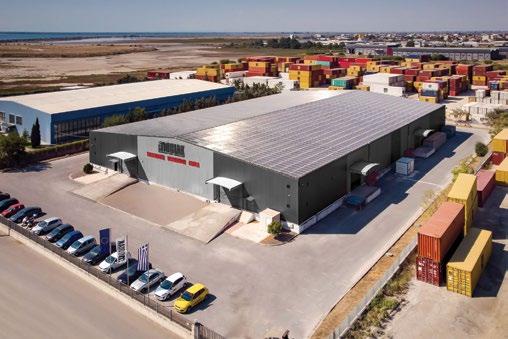
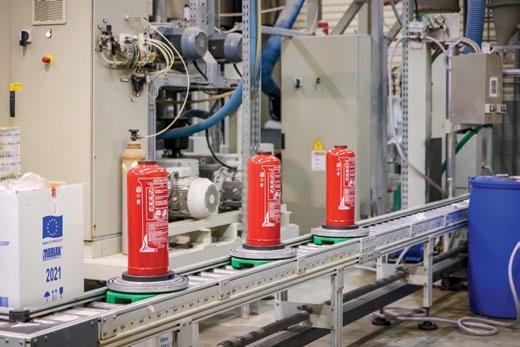
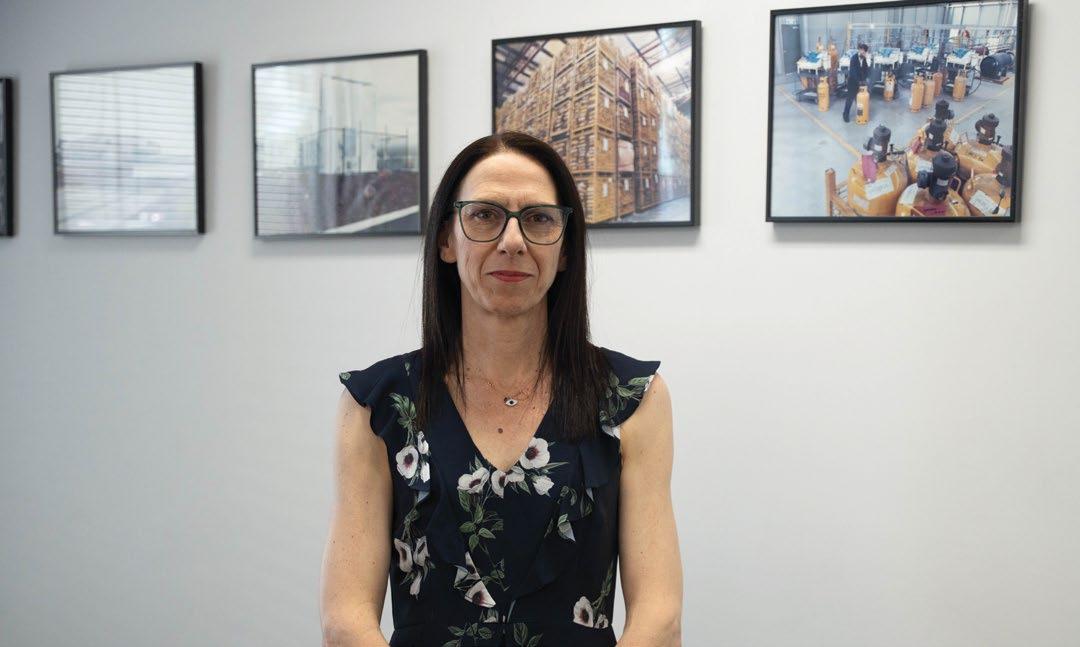
From the National Halon Bank to global sustainability leadership, Elvira Nigido’s career has been shaped by compliance, environmental stewardship, and industry professionalism.
ROBERT HENNINGHAM
Communications Team Leader, Fire Protection Industry (ODS & SGG) Board
For more than three decades, Elvira Nigido has worked to promote responsible life cycle management of environmentally harmful fire-extinguishing agents and refrigerants controlled by the Montreal Protocol. Her experience spans the early establishment of Australia’s National Halon Bank through to current global sustainability responsibilities with A-Gas International. She has been an Extinguishing Agent Handling Licence (EAHL) holder since the inception of the Fire Protection Industry Board (FPIB) permit scheme. She offers valuable insight into how professional standards support long-term career development and broaden understanding of
career pathways across the fire protection industry.
Ms Nigido began her career in the early 1990s after completing her environmental science degree, joining the National Halon Bank program during its formative years. Following Australia’s commitment to the Montreal Protocol, the Commonwealth Government invested in establishing a national approach to the safe collection and storage of halon.
“I started when all that was being established and developed,” she recalled. “So, very early in the program’s infancy, I saw the National Halon Bank being built from scratch.”
Working at the foundation of Australia’s approach to managing ozone-depleting substances (ODS) and, later, synthetic greenhouse gases (SGGs) gave Ms Nigido a strong
understanding of public and private sector frameworks designed to meet domestic regulations and international obligations. Leveraging this experience, she was appointed in 2016 to the FPIB’s Advisory Board.
Today, at A-Gas International, she leads sustainability initiatives and compliance across global operations, including measuring emissions from refrigerants and fire protection gases. She is also Australia’s representative on the United Nations Fire Suppression Technical Options Committee, contributing to technical reports that inform international policy. Her progression from national program delivery to global technical engagement demonstrates how best practice developed through the permit scheme can support careers extending well beyond Australia.
As an EAHL permit holder since the scheme’s early days, Ms Nigido contributed to its development, including reviewing competencies and supporting training workbook production. She said the licensing framework plays a critical
role in maintaining professionalism across the industry.
“These things help the industry,” she explained. “They keep people competent, harmful emissions out of the atmosphere, and businesses compliant and accountable.”
Ms Nigido noted that the industry continues to evolve in terms of representation. For her, creating a more diverse workforce starts with awareness of the range of roles available.
“If you don’t get exposure, you don’t know what you don’t know,” she said. “You might have a bright spark with so much to offer, but if they aren’t aware of the breadth of opportunities out there, it could be a missed opportunity.”
She believes exposure should begin during career planning at the end of secondary school and continue through tertiary education, with employers providing clear development pathways across technical, engineering, marketing, and business roles.
Ms Nigido also emphasised the value of mentoring, coaching, and early engagement with schools and universities. “This industry can provide so much opportunity and allow people to really harness their skill set.”
Her advice to women considering a career in fire protection is: “Persist, persist, persist. Don’t feel discouraged, take risks, and make mistakes, as each one teaches us something valuable.” She encouraged seeking mentors, staying informed, and remaining curious.
What Ms Nigido finds most rewarding is the sense of purpose her work provides. “I’ve been fortunate that I’ve had a purpose. And it also aligns with my personal values around the environment and leaving a positive legacy.”
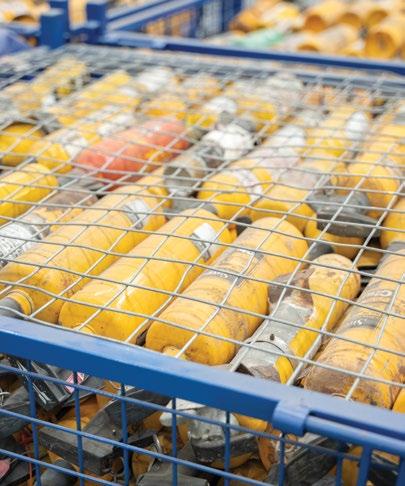

Debbie Platz has commenced as Queensland Human Rights Commissioner, marking a significant transition from her role as Deputy Commissioner, Operations at the NSW State Emergency Service (SES). She formally took up the Commissioner role on 30 January 2026, becoming the second person appointed to this position in Queensland.
During her time with the NSW SES, Ms Platz was responsible for leading operational preparedness and response to natural hazards, with a strong focus on safeguarding communities and supporting vulnerable people. Her emergency management leadership followed a distinguished law enforcement career, including senior executive roles with the Queensland Police Service and the Australian Federal Police.
Her appointment brings extensive frontline, operational, and public sector experience to Queensland’s human rights framework, reflecting the growing intersection between emergency management, community safety, and human rights leadership.
Luke Flanagan has been appointed Assistant Director, Operations and Resources with the Tasmania State Emergency Service on a permanent basis, following a period of leadership within the portfolio.
His appointment provides continuity and stability across the operations and resources function and supports the delivery of operational priorities and effective resource management across the organisation.
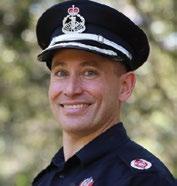
Former Assistant Commissioner and acting Deputy Commissioner of Fire and Rescue NSW (FRNSW) Dr Greg Drummond has returned to the WA Department of Fire and Emergency Services, continuing a senior leadership career across Australia’s fire and emergency sector.
Dr Drummond has held executive roles overseeing operational response, community safety, and strategic management within FRNSW. The move back to Perth for family reasons sees him re-engaging with WA’s primary fire and emergency management agency.
Dr Drummond also serves on the Natural Hazards Research Australia Education and Capability Committee, as well as being a lead author of the upcoming AFAC publication Australian National Operational Guidelines: Decision-making in Emergency Management, reflecting his ongoing contribution to professional standards, governance, and capability development across the fire services.
8 May 2026
National Emergency Services Memorial, Canberra
AFAC will hold the 12th annual National Memorial Service to honour the courage and sacrifice of fire and emergency service personnel who have died in the line of duty. During the service, an AFAC Memorial Medallion will be presented to families of those being commemorated, and the service will acknowledge names newly added to the memorial wall.
This is a free event in Canberra, open to AFAC members and the wider community. Those who are unable to attend in person are invited to access the livestream via YouTube.
For more information visit: www.afac.com.au/public-resources/2026national-memorial-service
19–21 May 2026
Brisbane, Queensland
The 2026 Lessons Management Forum, to be held in Brisbane, Queensland, is a hybrid event providing an opportunity for lessons management practitioners, those interested in the area, and those new to the area to share good practice, learnings, and innovations.
Delegates will take part in a broad range of presentations and workshops from various jurisdictions and organisations, including military, health, and fire and emergency services. The program will explore sharing lessons, including insights from experiences in an operational context. This may include outcomes from debriefs and outcomes from significant events.
For more information visit: www.aidr.org. au/events/55915?locationId=55916
HUDA SHARAIA (FPA AUSTRALIA)
Tel +61 477 268 972
huda.sharaia@fpaa.com.au
TOULA ELEFSINIOTIS (AFAC)
Tel +61 3 9418 5233 toula.elefsiniotis@afac.com.au

18–21 August 2026
Melbourne Convention and Exhibition Centre
AFAC26 powered by INTERSCHUTZ is Australasia’s largest and most comprehensive emergency management conference and exhibition. This year, AFAC26 will be co-located with the Institution of Fire Engineers Australia Conference, Women and Firefighting Australasia Conference, and Australian Disaster Resilience Conference.
On rotation around Australia’s states, AFAC26 returns to Melbourne hosted by Country Fire Authority, Fire Rescue Victoria, Forest Fire Management Victoria, Emergency Management Victoria, State Emergency Service, and Tasmania Fire Service.
This year’s conference theme, ‘Leading together: Integrity, inclusion and impact’, will examine how transformational leadership is grounded in integrity, equity, and inclusion, and can shape the future of our industry.
Visit www.afacconference.com.au

FIRE PROTECTION ASSOCIATION
AUSTRALIA (FPA AUSTRALIA)
ABN 30 005 366 576 PO Box 1049
Box Hill VIC 3128
Australia
Tel +61 3 8892 3133
Fax +61 3 8892 3132 magazine@fpaa.com.au www.fpaa.com.au

AFAC ABN 52 060 049 327
Level 1, 340 Albert Street East Melbourne VIC 3002
Australia
Tel +61 3 9419 2388
Fax +61 3 9419 2389 afac@afac.com.au www.afac.com.au
FPA Australia runs technical events catering to the fire protection industry on a range of relevant and interesting topics. Covering the whole of the sector— wet systems, dry systems, passive fire, mechanical fire protection, special hazards, bushfire, and emergency planning—these seminars and webinars provide useful opportunities for practitioners to pick up continuing professional development points. Presented by leading experts, our seminars and technical webinars provide all the information you need about relevant fire safety topics.
For a full list of upcoming events, visit: fpaa.com.au/events
TO SUBMIT A CONTRIBUTION OR TO ADVERTISE IN FIRE AUSTRALIA, PLEASE CONTACT: SARAH RIPLEY FPA AUSTRALIA
TEL +61 400 176 831 sarah.ripley@fpaa.com.au
PRODUCTION AND DESIGN: CORETEXT
Tel +61 3 9670 1168 www.coretext.com.au


As a trusted partner of Fire Protection Association Australia, Windsor Management Insurance Brokers provides tailored insurance solutions for fire protection professionals like you.
In your line of work, having the right insurance is essential to protecting yourself, your team, and your business from the unique risks of the industry. At Windsor Management Insurance Brokers, we carefully review your business needs and recommend appropriate solutions to ensure you’re fully covered.
We offer a range of insurance options, including:
• Public liability
• Professional indemnity
• Contract works
• Management liability
• Business insurance
• Motor fleet
• Tools of trade
• BPAD-specific insurance
• Other industry-specific insurance

Dedicated Insurance Team
NSW, ACT, WA & TAS.
Jana Day Account Manager (02) 8732 8501 / 0499 224 024 jday@wmib.com.au
QLD & NT.
Bev Jacobsen Account Manager (07) 3230 9306 / 0437 554 594 bjacobsen@wmib.com.au
SA.
John Mangos Account Manager (03) 9320 8544 / 0438 333 886 jmangos@wmib.com.au
VIC.
Danny Gasbarro Account Manager (03) 9320 8542 / 0439 003 363 dgasbarro@wmib.com.au

wmib.com.au/fire-protection-industry/
Dedicated fire protection branches backed by a network of 600+ Reece branches across Australia.
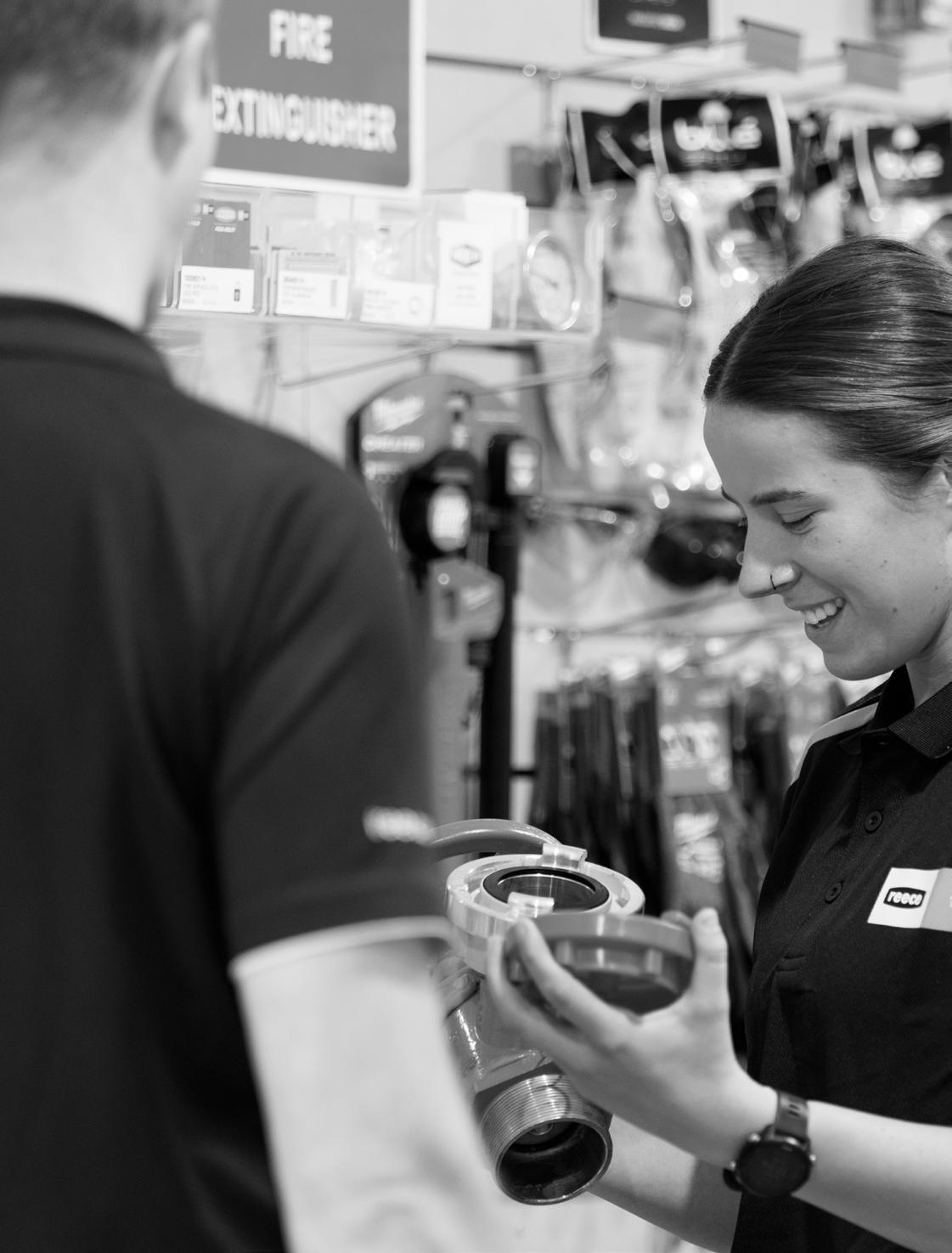

Reece. Works for you. reece.com.au/fire refiregroup.com.au
Sponsors of the Fire Australia 2026 conference and trade show.
