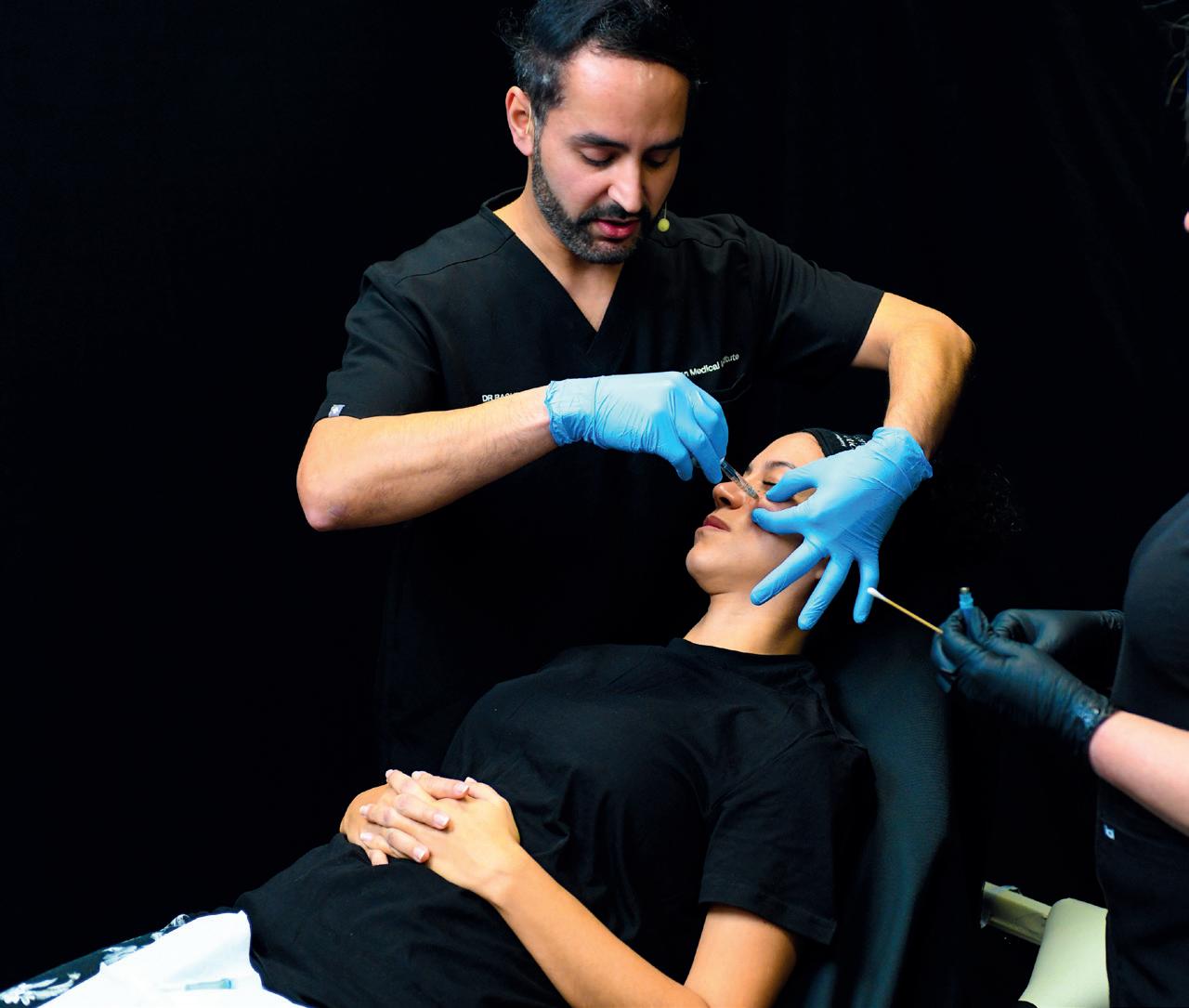
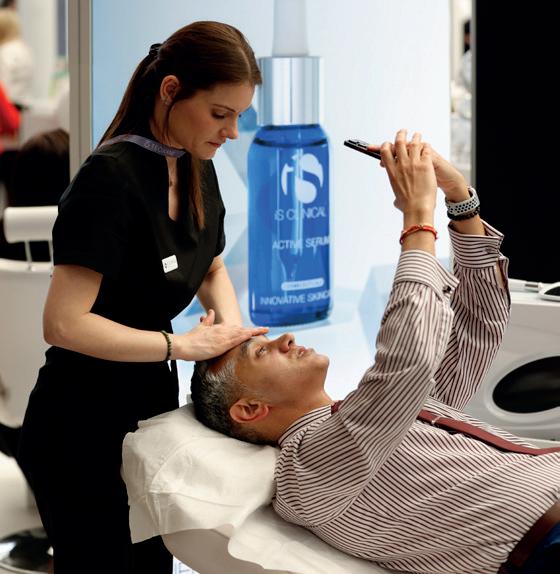
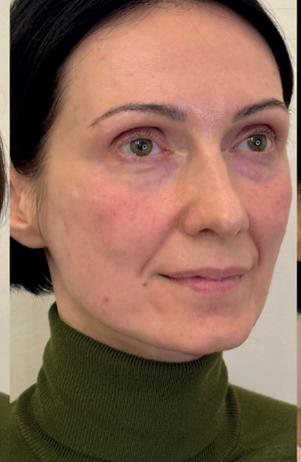
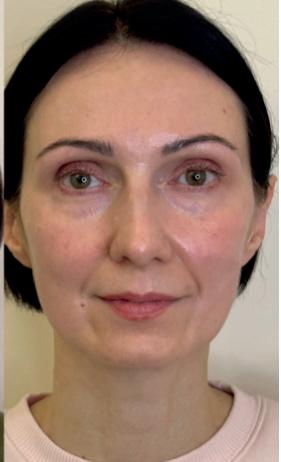
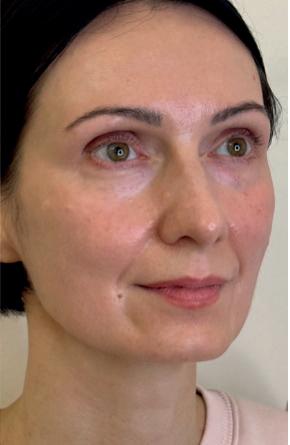
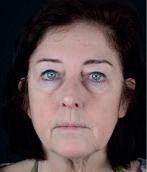
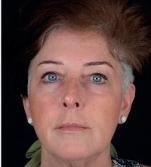
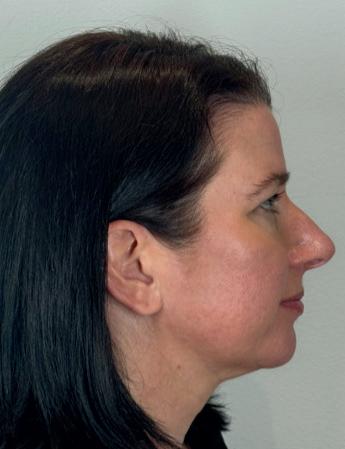
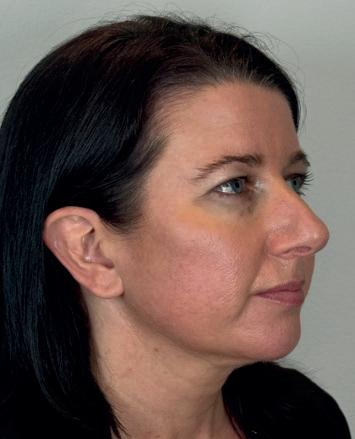
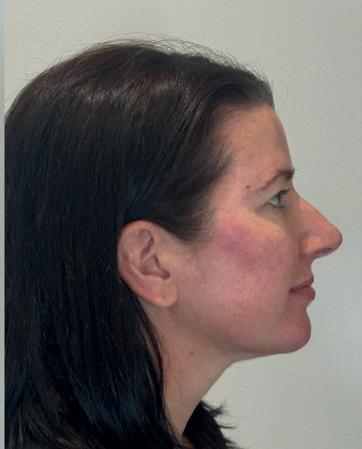
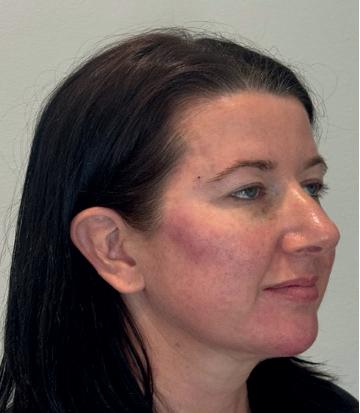
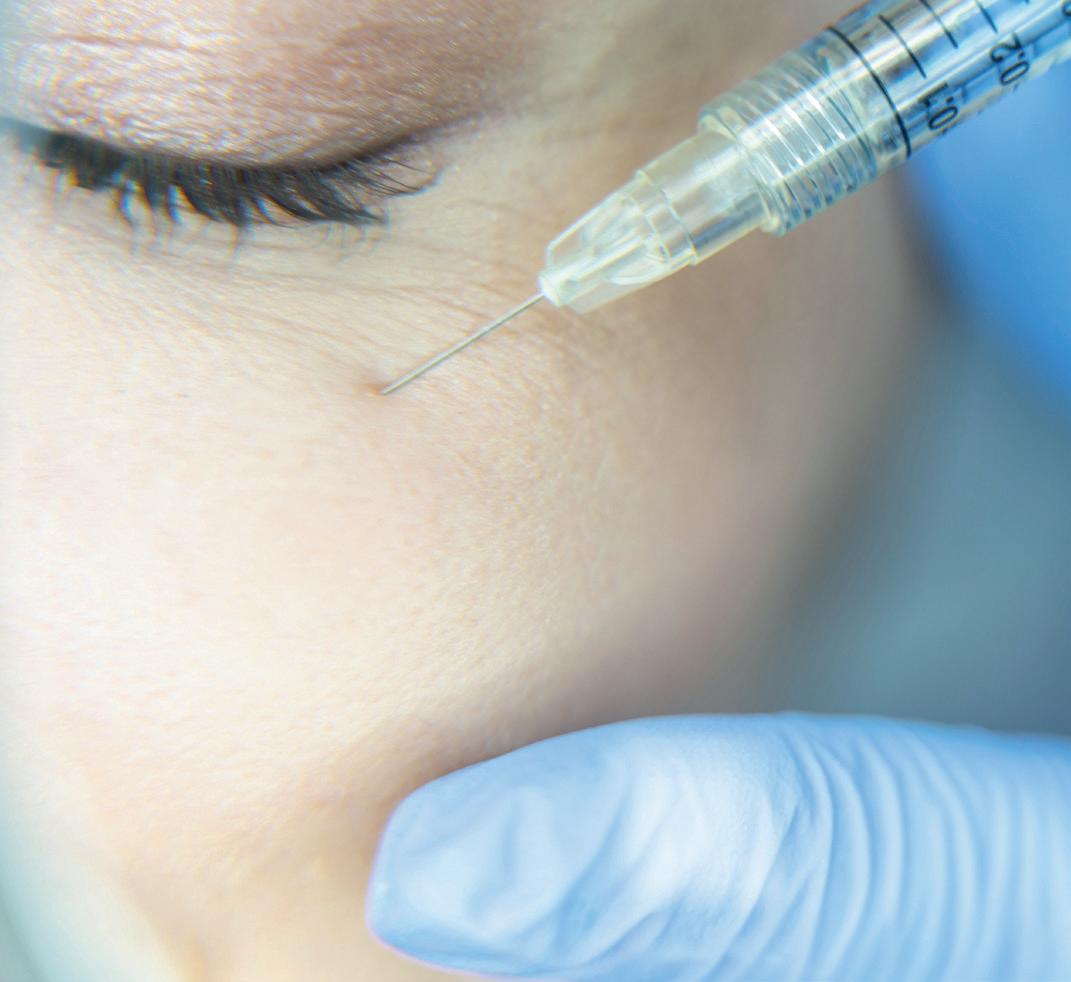
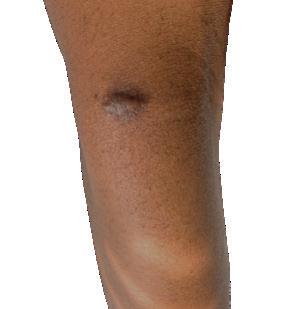
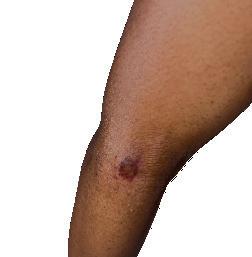
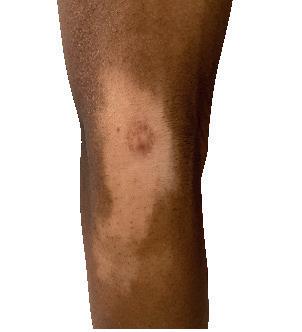
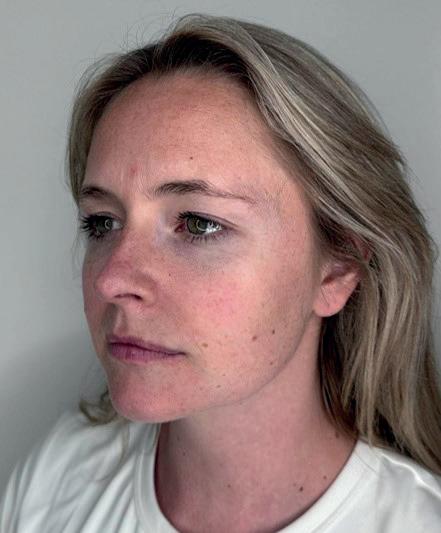
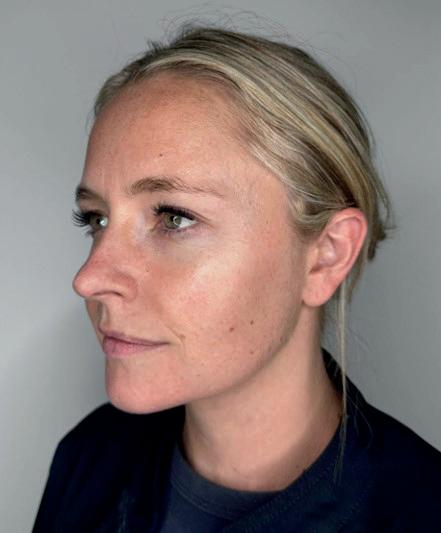
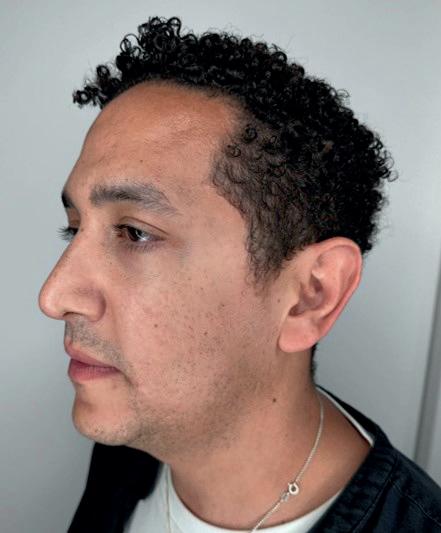
Dr Ahmed El Muntasar explores clinical insights into tear trough treatments Sara Cheeney shares advice on retaining and motivating your team Special Feature: Combining HA Fillers and Botulinum Toxin Case Study: Reinvigorating Skin Post Cancer Treatment Dr Bethany
explores the evidence behind HA filler aftercare protocols
The Resource for Medical Aesthetics Professionals
Rossington
Transforming Aesthetic and Dermatology Practices
Elevate your practice with the latest innovations.
The All-in-One Aesthetic Solution
Discover the power of a multi-application platform designed for versatility and precision.
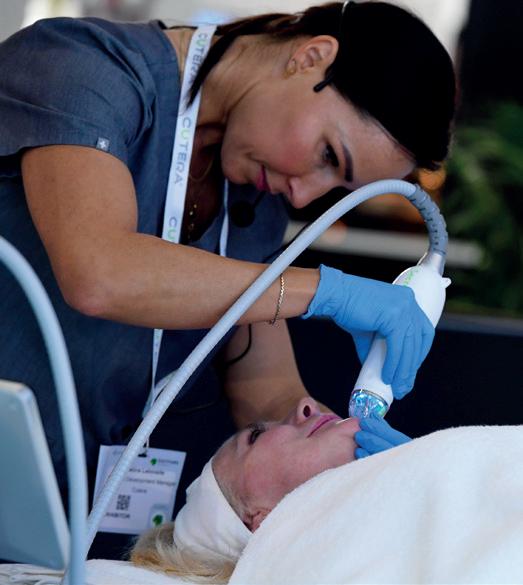
Features Cutera’s Signature Treatment
Comprehensive Treatments
Address diverse patient needs with one powerful platform.
Non-Invasive Precision
Achieve remarkable results without downtime.
Inclusive Care
Deliver trusted treatments, safe for all skin types.
Adaptable Growth
Expand and customise as your practice advances.
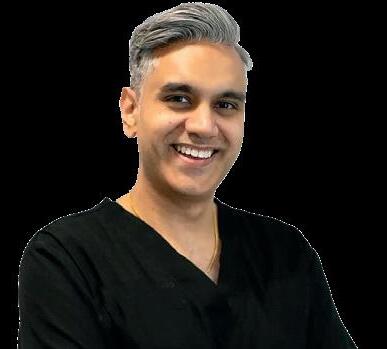
Meet the Expert: Dr. Manav Bawa
Visit Booth C9 and meet Dr. Manav Bawa to explore the versatility of xeo+ and how it can elevate your aesthetic practice on Friday, 14 March (Day 1)
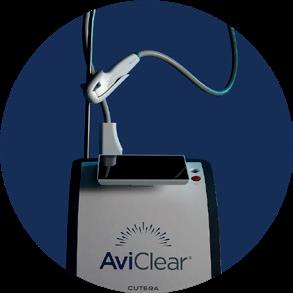
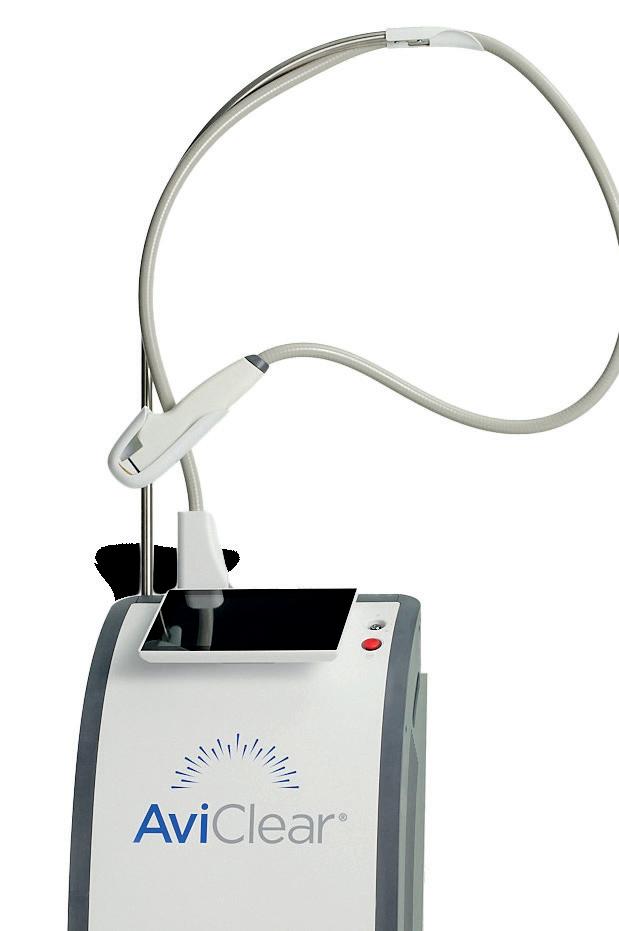
Scan QR code and learn how xeo+ and AviClear can redefine your
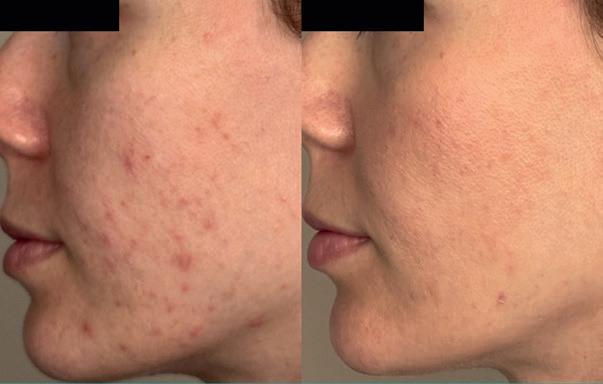
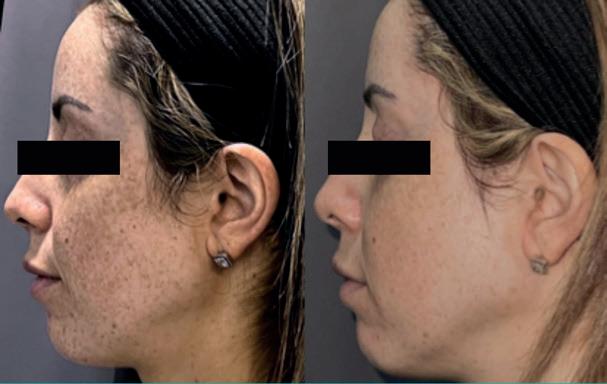
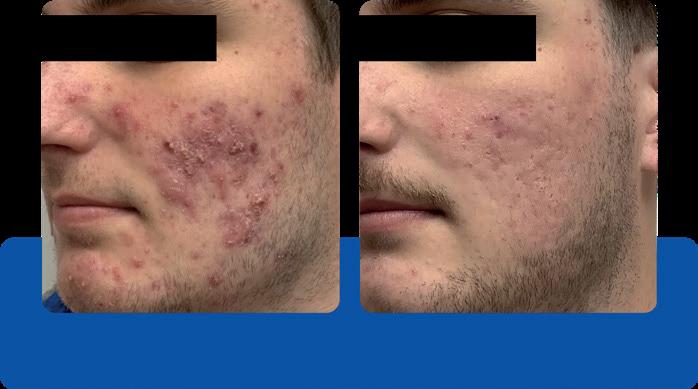
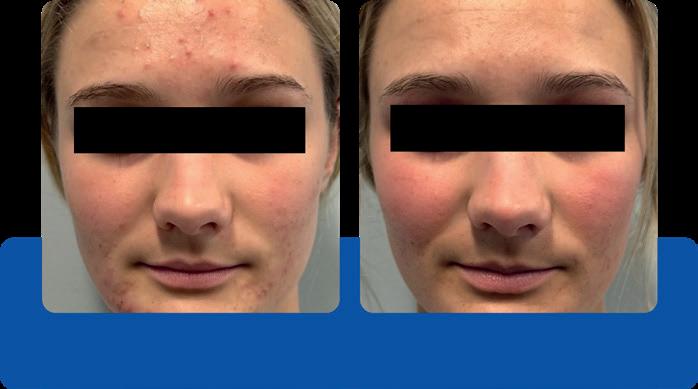
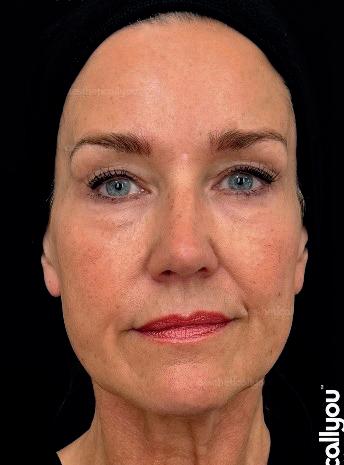
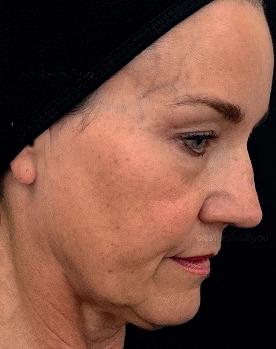
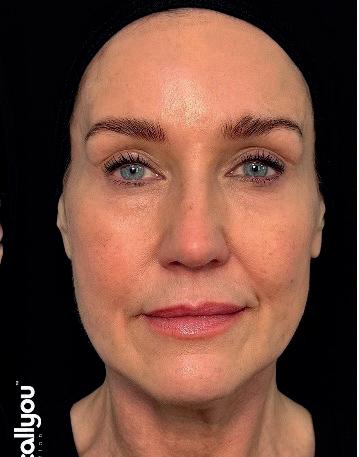
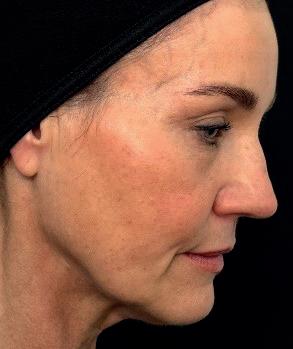
Photos Courtesy of N. Desai, DO. Patient results may vary.
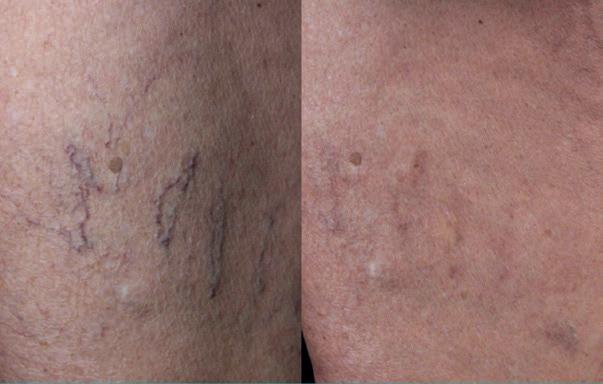
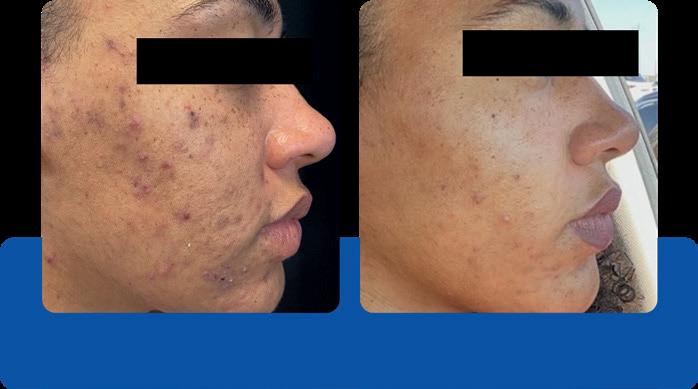
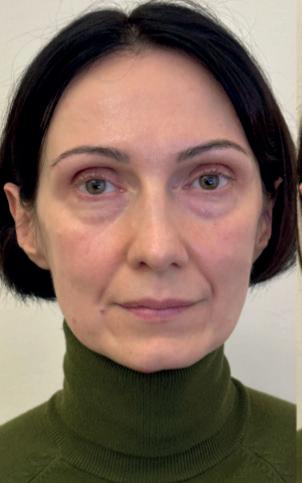
Photos Courtesy of J. Lezaic, DO Patient results may vary.
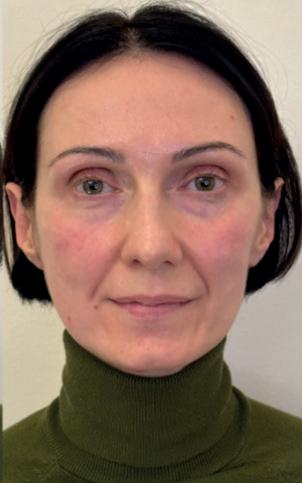
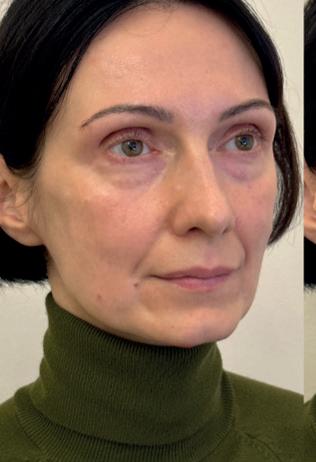
Photos Courtesy of J. Lezaic, DO Patient results may vary.
The Acne Game-Changer
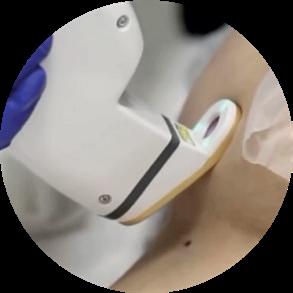
Discover the first and original FDA-approved energy device for acne clearance, transforming acne treatment.
Unveiling Breakthroughs
AviClear is the first FDA-cleared energy device for lasting acne treatment across all severities.
Trusted by Industry Leaders
Clinics across the UK and Ireland count on AviClear to provide exceptional patient outcomes.
Proven Results
Backed by rigorous clinical research, AviClear delivers visible, reliable, and long-term efficacy.
Mastering AviClear Success
Join Dr. Nestor Demosthenous at ACE for ‘From Integration to Impact: Lessons From A Year of AviClear in Practice.’ Discover key insights, real-world results, and strategies for maximising AviClear’s impact in your clinic.
Date: Saturday, 15 March (Day 2)
Time: 11:45 AM – 12:30 PM
patient care and boost your practice’s growth today!
Naomi Falksohn Director of Risk and Operations
Contents • March 2025
08 News
The latest product and specialty news
17 Emerging Innovations Revealed at IMCAS 2025
Aesthetics reports on the International Master Course on Aging Science Congress
19 News Special: The NHS Burden of Overseas
Surgical Complications
Aesthetics reports on the impact of aesthetic complications on the NHS
CLINICAL PRACTICE
21 Unite with the Aesthetics Specialty
Discover, network and learn at ACE 2025
25 Special Feature: Combining HA Fillers and Botulinum Toxin
Practitioners discuss HA fillers and botulinum toxin creating holistic results
50 Double Boost with STYLAGE Hydro and STYLAGE HydroMax
Dr Ahmed El Muntasar presents the Double Boost Study using VIVACY HA-based boosters
51 Abstracts A round-up and summary of useful clinical papers with Professor Sebastian Cotofana
IN PRACTICE
52 Attracting and Retaining Patients
Rick O’Neill, Dr Toby Makmel, Adam Smith and Joe Leek explore loyal patient bases
56 Motivating Valuable Team Members
Sara Cheeney shares advice on retaining and motivating team members
58 Exploring the Benefits of Mentoring
Dr Bonny Armstrong and Dr Jeremy Isaac discuss the merits of mentorship
61 In Profile: Dr Eithne Brenner
Dr Eithne Brenner shares her transition from GP to aesthetic practitioner
62 The Last Word: Reflections on 20 years of Aesthetics
Mr Bryan Mayou and Dr Susan Mayou reflect on the growth of aesthetics
NEXT MONTH: INJECTABLES
• Augmenting the Male Jawline • Injectables for the Neck and Decolleté
News Special: The Rising NHS Burden from Aesthetic Complications
Page 19
Special Feature: Combining HA Filler and Botulinum Toxin
Page 25
Clinical Contributors
Dr Bethany Rossington is a dental surgeon and owner of Renavé Clinic in Retford. She is the editor of the Oxford Handbook of Clinical Dentistry 7th edition, and is passionate about education and increasing safety standards within the aesthetics specialty.
Dr Ginni Mansberg is a GP specialising in menopause. She is the founder of Evidence Skincare (ESK), and the author of The M Word and How to Thrive in Menopause. Dr Mansberg is a member of both the Australian and International Menopause Societies.
Dr Cemal Kavasogullari is a GP and medical aesthetics specialist. Renowned for his holistic approach, he specialises in multimodality treatment plans. Dr Kavasogullari is the co-founder of Est-Ethics Wellness Clinic in Glasgow.
Dr Ben Taylor-Davies is an aesthetic doctor and the co-founder and clinical director of The Stockbridge Clinic in Edinburgh. He has an interest in holistic multi-modal treatment planning and the use of regenerative treatments.
Dr Ahmed El Muntasar is an NHS GP and an aesthetic practitioner who has extensive experience in treating facial aesthetic concerns, including tear trough deformities. He is known for his patient-focused approach and emphasis on safety.
Dr Fimi Adedeji is a GP registrar with a background in medical physiology and cosmetic injectables. She has a special interest in medical aesthetics, cosmetic dermatology and treating conditions affecting skin of colour.
Dr Rimi Adedeji is an aesthetic practitioner and GP with an interest in dermatology and minor surgery. She holds a Level 7 Diploma in Cosmetic Injectables and a postgraduate diploma in Clinical Dermatology.
ELEVATING AESTHETICS AND MEDICAL BRANDS SINCE 2007
March is here, and that means it’s time for one of the biggest events in the aesthetics calendar – the Aesthetics Conference & Exhibition (ACE) 2025! This year’s show is packed with unmissable talks, from cutting-edge educational sessions to exclusive networking opportunities. Our three-page preview (p.21) will guide you through everything to look out for, including expert-led sessions from Headline Sponsor Allergan Aesthetics and our new Meet the Mentor networking event. If you haven’t registered yet, this is your last chance – don’t miss out on the opportunity to learn, connect and grow alongside fellow medical aesthetics professionals. In this month’s issue, we focus on best practice in medical aesthetics, exploring key topics shaping our specialty today. As the field continues to evolve, ensuring safe and effective treatments remains at the heart of clinical practice. Our contributors share their insights on combining HA filler and toxin for optimal results, treating steroid-induced scarring in skin of colour, and the latest innovations in
Clinical Advisory Board
using devices to treat the lips.
This month’s Last Word is a special one, as Mr Bryan and Dr Susan Mayou reflect on 20 years in the specialty, looking at how far medical aesthetics has come and where we’re heading next.
Of course, March is also Aesthetics Awards month! On March 15, we will celebrate the best of the best at the most prestigious awards night in aesthetics. The results of our expert judging will be revealed live at the ceremony, and stay tuned for our special Winners announcement in next month’s Aesthetics Journal
Regulation continues to be a key discussion point, particularly as the Scottish consultation concluded last month. This year at ACE 2025, we’re bringing all major associations together for essential discussions on the future of aesthetics, including key talks from the MHRA and JCCP, as well as ACE Group World, BAMAN, BCAM, BAHRS, BMLA, ISAPS, BAAPS and The Nurses Network. If you’re invested in the future of medical aesthetics, these sessions are not to be missed.
As always, I’d love to hear your thoughts on this month’s journal – drop me a message or connect with the team at ACE 2025!
Leading figures from the medical aesthetic community have joined the Aesthetics Advisory Board to help steer the direction of our educational, clinical and business content
Sharon Bennett is chair of the British Association of Cosmetic Nurses (BACN), previous UK lead of the BSI committee for aesthetic non-surgical standards, and member of the Clinical Advisory Group for the JCCP. She is a trainer and registered university mentor in cosmetic medical practice, and is finishing her MSc at Northumbria University. Bennett has won the Aesthetics Award for Nurse Practitioner of the Year and the Award for Outstanding Achievement.
Sharon Bennett, Clinical Lead
Mr Naveen Cavale has been a consultant plastic, reconstructive and aesthetic surgeon since 2009. He has his own private clinic and hospital, REAL, in London’s Battersea. Mr Cavale is the national secretary for the ISAPS, president of the Royal Society of Medicine, and vice-chair for the British Foundation for International Reconstructive Surgery.
Miss Elizabeth Hawkes is a consultant ophthalmologist and oculoplastic surgeon. She is the lead oculoplastic surgeon at the Cadogan Clinic, specialising in blepharoplasty and advanced facial aesthetics. Miss Hawkes is a full member of the BOPSS and the ESOPRS, and is an examiner and fellow of the Royal College of Ophthalmologists.
Mr Adrian Richards is a plastic and cosmetic surgeon with over 30 years’ experience. He is the clinical director of the aesthetic training provider Cosmetic Courses and surgeon at The Private Clinic. He is also a member of the British Association of Plastic and Reconstructive and Aesthetic Surgeons and the British Association of Aesthetic Plastic Surgeons.
Dr Mayoni Gooneratne (MBBS, BSc, MRCS, MBCAM, AFMCP) was an NHS surgeon before establishing The Clinic by Dr Mayoni and founding Human Health – an initiative combining lifestyle with traditional and functional medicine to provide a ‘cell-up’ regenerative approach to aesthetics. She is also the co-founder of The British College of Functional Medicine.
Jackie Partridge is an independent nurse prescriber. She is the clinical director and owner of Dermal Clinic in Edinburgh and a KOL for Galderma. She holds an MSc in Non-surgical Aesthetic Practice and a BSc in Dermatology. Partridge is a stakeholder group member with Scottish Government/HIS, Honorary BACN member and JCCP Fitness to Practice Nurse.
Dr Souphi Samizadeh is a dental surgeon with a Master’s degree in Aesthetic Medicine and a PGCert in Clinical Education. She is the founder of the Great British Academy of Medicine and Revivify London Clinic. Dr Samizadeh is a Visiting Teaching Fellow at University College London and King’s College London.
ADVERTISING & SPONSORSHIP
Judith Nowell • Head of Sales T: 0203 196 4352 | M: 07765 407629
If you are interested in contributing to the journal please contact
Email: editorial@aestheticsjournal.com
Dr Sophie Shotter is the founder & medical director of Illuminate Skin Clinic in Kent and Harley Street, London. Her passion is for natural treatments delivered with utmost attention to safety. She works closely with Allergan as part of their UK and International Faculty.
Dr Anjali Mahto is one of the UK’s leading consultant dermatologists. She is a Fellow of the Royal College of Physicians, member of the Royal Society of Medicine and a spokesperson for The British Skin Foundation. In 2023 Dr Mahto opened Self London, a dermatology and lifestyle clinic aimed at managing skin conditions holistically.
Dr Stefanie Williams is a dermatologist with a special interest in adult acne, rosacea and aesthetic medicine. She is the founder and medical director of multi-award winning EUDELO Dermatology & Skin Wellbeing in London, and creator of Delo Rx skincare. She is the author of three books and has published more than 100 scientific articles, book chapters and abstracts.
ARTICLE PDFs AND REPRO
Material may not be reproduced in any form without the publisher’s written permission. For PDF file support please email, contact@aestheticsjournal.com
I am honoured to be in Paris at the SkinCeuticals European Master Physician 2025 conference with Dr Ahmed El Muntasar. It’s always a joy to be here!
#BeautyGuide
Dr Bibi Ghalaie @doctor.bibi
When you’re surrounded by the best with Tatler’s Beauty and Cosmetic Surgery Guide!
#Networking Novellus Aesthetics @novellus_ncl
Dr Steven Land started the week sharpening his skills at Neauvia UK. It was a pleasure to be surrounded by fellow KOLs discussing innovation!
#Faculty Rachel Goddard @totallyaesthetics
Last week the Teoxane faculty came together in London for a two-day meeting, the perfect mix of working hard, catching up and having fun!
#Event DermaFocus @dermafocusuk
We had a fantastic time at the Beauty Triangle Festival! A huge thank you for hosting such an inspiring event of education and experience.
Patient Safety
BMLA releases updated pre-laser retinol protocol
The British Medical Laser Association (BMLA) has advised that aesthetic patients can now use topical retinol up to 24 hours prior to laser treatments.
Previously, the association’s ‘Drugs and Lasers/IPLs guidelines’ stated that retinol use must be terminated two weeks before laser procedures to mitigate unwanted side effects, such as peeling or redness, due to increased skin sensitivity. However, following a review of medical literature and panel deliberations, the new 24-hour timeframe has been implemented.
Despite this, it is not advised that patients start using retinol immediately before starting a course of laser treatments. The association still states that laser treatment should not be performed if the skin barrier appears visibly compromised.
Kerry Belba, laser practitioner and BMLA executive board member, commented, “Experienced retinol users can now continue to apply retinol up to 24 hours before treatment, provided the skin barrier remains intact and there are no visible signs of skin sensitivity or irritation. This update has been a long time coming, as we have now found that regular use of retinol is not a problem for laser treatments.”
BMLA is exhibiting at the Association Zone, sponsored by Healthxchange x Medik8 Professional at ACE 2025 at the Business Design Centre on March 14-15. Turn to p.21 to register now.
Weight Loss
Galderma unveils new weight-loss medication research
Pharmaceutical company Galderma has released new research and guidelines on skin care after weight loss medication use. The research reveals loose or sagging skin on the face and neck is most often noted after medication-driven weight loss, with 45% of 1,000 respondents typically observing facial changes three to six months following treatment. Galderma also found more than 60% of patients displayed a strong interest in integrating both medical and aesthetic practices to support their weight loss journey.
Galderma shared that global sales of prescription weight loss drugs are predicted to reach $100 billion by 2030, significantly impacting both patients and healthcare professionals. With 62% of GLP-1 users receiving aesthetic treatments upon professional recommendation, the company emphasises the need for stricter regulation.
Gerry Muhle, head of global product strategy at Galderma, commented, “Galderma is committed to leading the way in understanding the impact of medication-driven weight loss on the skin. With our deep skin knowledge, aesthetic expertise and individualised treatment approach, Galderma is uniquely positioned to support this evolution and help patients achieve the radiant glow and appearance that they desire.”
Galderma is exhibiting at ACE 2025 at the Business Design Centre on March 14-15. Turn to p.21 to register free now.
Conference
Last chance to register for unmissable education at ACE
The Aesthetics Conference & Exhibition (ACE) is returning to London on March 14-15, bringing the latest launches and clinical updates to the UK specialty.
Numerous live demonstrations will be on offer, supported by Skin Prep Partner DermapenWorld, Consumables Partner Church Pharmacy, Complications Partner ACE Group World and Clinical Waste Partner Initial Medical.
On both days, aesthetic distributor DermaFocus will present Lunchtime Takeover sessions at 1-2pm, first focusing on 20 years of Plinest polynucleotides with Mr Ash Soni, Dr Raquel Amado and Mr George Christopoulos. The second day’s session will welcome Dr Olivia McCabe-Robinson, Dr Xavier Goodarzian and nurse prescriber Caroline Hall to discuss the future with Purasomes, XCell Supplements and Exosomal Liquid Laser.
Healthxchange x Medik8 Professional will be supporting the brand new Association Zone, which will showcase stands and talks from the specialty’s key organisations and associations.
On the In Practice Stage, Crown Aesthetics will be hosting the Women in Business Panel, featuring Reena Sandhu, Dr Ifeoma Ejikeme, Dr Bethany Rossington and Lisa Waring, with chair Francesca Ogiermann-White sharing women’s experiences and strength in the specialty.
The event will also be an excellent opportunity to network and catch up with colleagues new and old, including at the new Lumenis Laser Chill Out Lounge – a comfortable zone to relax and connect.
Shannon Kilgariff, editor and event manager at Aesthetics, commented, “There is so much new going on at ACE this year, we can’t wait to welcome all our friends, colleagues, partners and clients to join us at the BDC. The aesthetics world is developing faster than ever, and it’s so exciting to bring together the latest innovations all under one roof. See you there!”
ACE 2025 will be taking place at the Business Design Centre on March 14-15. Turn to p.21 to register free now.
Global Health
Lancet report proposes redefinition of ‘obesity’
A new report published in The Lancet Diabetes & Endocrinology journal has suggested that calling people obese is medically “flawed.”
The report, which is backed by more than 50 medical practitioners, suggests that the term ‘clinical obesity’ should be used for patients with a medical condition caused by weight, such as heart disease or type 2 diabetes. Meanwhile, ‘pre-clinically obese’ should refer to those who are overweight but still active, although at risk of disease. These differentiations would be used instead of body mass index (BMI).
Professor Francesco Rubino, researcher from King’s College London who chaired the expert group, commented, “Obesity is a spectrum. Some individuals with obesity can maintain normal organ function and overall health, even long term, whereas others display signs and symptoms of severe illness here and now.”
The Royal College of Physicians said the report laid a foundation “for treating obesity with the same medical rigour and compassion as other chronic illnesses.”
Vital Statistics
HA injectables are considered the most desirable treatment among Gen Z, with undereye fillers reflecting 45% of these procedures (Teoxane, 2024)
Out of 15,000 adults surveyed across 15 countries, 69% seek aesthetic treatments to reflect how they feel internally (Merz Aesthetics, 2025)
Of 500 acne sufferers surveyed, 43% worry they will never have clear skin (Cutera, 2024)
Supplement research revealed that out of 2,000 participants, more than 60% of consumers are unaware of the correct dosage they should take (LYMA, 2024)
In 2025, 76% of UK professionals plan to search for a new job, with 48% feeling confident about the opportunities available in their sector
(Robert Walters’ Salary Survey, 2025)
Google searches for glycolic acid saw a 139% increase between October 2024 and January 2025 (Vera Clinic, 2025)
Events diary
14th-15th March 2025
ACE 2025
15th March 2025
The Aesthetics Awards 2025
29th March 2025
Welsh Aesthetic Conference
4th April 2025
BAMAN Spring Symposium
25th-26thSeptember 2025
CCR 2025
IN THE MEDIA
Mr Dalvi Humzah discusses BBC investigation into non-medical injector linked to sepsis cases
Ricky Sawyer, a beauty consultant who had previously worked with celebrity patients, was exposed by a BBC undercover investigation for offering Brazilian butt lift (BBL) filler injections without necessary qualifications. During an appointment with an undercover journalist, Sawyer offered to inject a litre – 500ml per buttock – for £2,000. Plastic surgeon Mr Dalvi Humzah called Sawyer’s actions “shocking” and “very dangerous,” highlighting the severe risk of infection and potentially fatal complications. “Injecting that volume at once is extremely risky,” Mr Humzah warned. BBC News spoke to five patients who needed emergency care after treatments from Sawyer, and reviewed testimonies from more than 30 women reporting complications like sepsis and tissue death.
Dr Shirin Lakhani demonstrates antiageing vaginal treatment live Aesthetic practitioner Dr Lakhani has appeared on ITV’s This Morning to demonstrate a non-surgical vaginal rejuvenation procedure using Morpheus8V. The device employs radiofrequency waves to stimulate collagen and enhance blood flow, leading to improved muscle tone and reduced symptoms. General practitioner Dr Zoe Williams asked Dr Lakhani whether it might become available on the NHS and therefore accessible to everyone. Dr Lakhani responded, “I’d love to say yes, but with limited funding and a lack of interest and research in women’s intimate health, I remain doubtful.”
Appointment
BCAM announces Dr Sophie Shotter as
president elect
The British College of Aesthetic Medicine (BCAM) has revealed aesthetic practitioner Dr Sophie Shotter as its new president elect. BCAM explains that this title effectively refers to a vice presidency role, with the expectation that the president elect will likely become the next BCAM president when the current president – aesthetic practitioner Dr Catherine Fairris – steps down.
BCAM shares that Dr Shotter’s appointment into the role means she will be working alongside Dr Fairris, explaining that there is no official handover date yet for Dr Shotter to officially be appointed president.
Dr Shotter commented, “I’m delighted to have been voted as BCAM president elect. Over the coming months I will be working closely with Dr Fairris and the Board of Trustees to ensure a seamless transition, and am looking forward to helping BCAM continue to strive for improved standards and patient safety in aesthetics.”
BCAM is exhibiting at ACE 2025 at the Business Design Centre on March 14-15. Turn to p.21 to register free now.
Regulation
Physiotherapist found guilty of administering unlicensed toxin
A physiotherapist in Dublin has been found guilty of professional misconduct for administering unlicensed botulinum toxin.
Physiotherapist Igor Castro appeared before a fitness-to-practise inquiry over his use of the product Liztox, a Korean botulinum toxin product which is used for aesthetic treatments.
A fitness-to-practise committee found Mr Castro guilty of administering Liztox to three patients at his practice in October 2023. Additionally, the committee also confirmed that Mr Castro promoted the product and its administration on Instagram between October and November 2023.
The inquiry’s chairwoman, Geraldine Feeney, explained the committee made its findings on the basis of Mr Castro’s own admissions and the “uncontroverted” evidence of a number of witnesses, including Ciaran Wright, an enforcement officer with the Health Products Regulatory Authority. She stated the physiotherapist’s patients had been misled and put at risk, commenting, “These findings are very serious and go to the issue of public safety.”
Election
BAMAN introduces newly elected board of directors
The British Association of Medical Aesthetic Nurses (BAMAN) has revealed the results of the recent board of directors election.
The association has announced that nurse prescribers Alexandra Mills, Amy Bird and Anna Baker, and nurse practitioners Brenda McKibbin and Constance Campion-Awwad, have been successfully elected to the BAMAN board of directors with immediate effect.
BAMAN explains that this election represents a significant period of change for the association, as it aims to continue its mission to advance the field of medical aesthetics.
Abi Geran, member relations manager at BAMAN, commented, “We look forward to working collaboratively with the newly elected board, and continuing our commitment to upholding excellence in medical aesthetic nursing. Our sincere thanks go to all who participated, whether as candidates or voters, for their valuable contributions to our professional community.”
BAMAN is exhibiting at ACE 2025 at the Business Design Centre on March 14-15. Turn to p.21 to register free now.
What’s trending in the consumer press
Awards
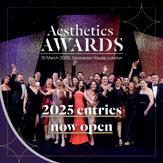
The Aesthetics Awards to light up the specialty this month
The most glamorous night in the aesthetics calendar is returning to Grosvenor House as The Aesthetics Awards take place on March 15.
Along with rewarding 26 practitioners, clinics, organisations and products, the Healthxchange x Medik8 Professional Networking Drinks will be the perfect opportunity to reconnect with colleagues old and new. Attendees can also take full advantage of the press board and Church Pharmacy photobooth.
After the ceremony a three-course dinner and entertainment, the Healthxchange x Medik8 Professional After Party will mean the celebrations can carry on until late, with drinks, live music and more.
Accolades to be awarded on the night will include The Fotona Award for Best Initiative/Strategic Project in Aesthetics, The InMode Award for Best Clinic Ireland & Northern Ireland, The mesoestetic Award for Best Clinic South England and The SkinadeMD Surgical Programme Award for Best Surgical Result.
Shannon Kilgariff, editor and event manager at Aesthetics, said, “The Aesthetics Awards is the highlight of all our years, and we have ramped up the glamour for 2025. It is a privilege to be known as the Oscars of Aesthetics, with our 100+ specialty-leading judges rewarding the brightest lights in the aesthetics sector.”
The final tickets to attend The Aesthetics Awards are still available. Turn to p.60 to get yours now.
Faculty
Allergan Aesthetics introduces three new faculty members
Pharmaceutical company Allergan Aesthetics, an AbbVie company, has announced three new members to its UK&I Allergan Medical Institute (AMI) faculty.
The first new faculty member is nurse prescriber Julie Scott. She is the clinic lead and medical director at Facial Aesthetics Limited, and lead senior clinical trainer at Interface Aesthetics. Scott sits on the board of the Dermatology Aesthetics Nurses Association Ireland (DANAI) and is a key opinion leader (KOL) for the Joint Council for Cosmetic Practitioners (JCCP).
Nurse prescriber Alice Henshaw is the second member revealed. As the owner of Harley Street Injectables and creator of Skincycles skincare, Henshaw is passionate about education and is an experienced speaker, having presented at national and international congresses.
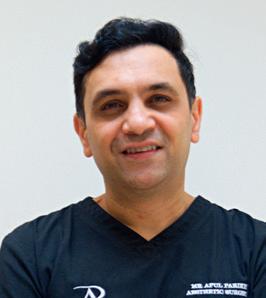
Aesthetic practitioner Dr Apul Parikh is the third addition to the AMI faculty. Owner of the Dr Apul Parikh Clinic, he specialises in injectables, skin and wellness. He is also a lecturer in the surgical and non-surgical division at University College London.
Holly Lemmon, AMI director at Allergan Aesthetics UK&I, commented, “We are delighted to welcome three new faculty members to our existing expert, multi-disciplinary clinician team at the AMI. Our AMI faculty bring their expert skills and market knowledge to the AMI programme to support the strategic development and delivery of medical education for all injector capability levels within the UK, Ireland and globally.”
Allergan Aesthetics is Headline Sponsor of ACE 2025 at the Business Design Centre on March 14-15. Turn to p.21 to register free now.
BAMAN UPDATES
A round-up of the latest news and events from the British Association of Medical Aesthetic Nurses
SPRING SYMPOSIUM 2025
Following the recent BAMAN Board of Directors elections, the next significant event on the BAMAN calendar is the highly anticipated 2025 Spring Symposium. Now in its fourth year, this intimate London conference is designed to support experienced aesthetic nurses in advancing their clinical expertise.
This CPD-accredited event is essential for aesthetic nurses seeking to update their expertise with the latest knowledge and expand their professional network.
CONFIRMED SPEAKERS
This year’s agenda features an outstanding lineup of speakers with nurse prescriber Elaine Williams presenting the latest research on botulinum toxin, mood and perimenopause. Additionally, nurse prescriber Tanya Khan will be addressing a significant challenge within medical aesthetics – managing patient dissatisfaction and achieving resolution.
We’re thrilled to welcome our newly appointed BAMAN education and training committee members, dermatology advanced nurse Mani Toni and nurse prescriber Tracey Jones, to the agenda. Toni, who also serves as a trustee at The British Dermatological Nursing Group (BDNG), will explore the psychological impact of psoriasis and eczema.
Some other confirmed expert speakers include nurse prescribers Michelle McLean, Jane Laferla and Sharon Bennett, pharmacist Gillian Murray and plastic surgeon Mr Tunc Tiryaki. With an agenda featuring mostly nurse speakers, we are delighted to showcase the expertise and innovation of nurses in medical aesthetics.
HEADLINE SPONSOR AND EXHIBITORS
Aesthetic manufacturer Teoxane UK will take on the exciting role of symposium headline sponsor this year, joining a diverse lineup of exhibitors including BTL Aesthetics, Circa Skin, Croma Pharma, Dunelm Pharma, Skin Life Analytics and Wigmore Medical, with more to be announced. Attendees will have multiple opportunities to connect with brands throughout the event.
Join us at the King’s Fund on Friday April 4. Get in touch with BAMAN HQ for help booking your ticket, or visit www.baman.org.uk/events via the QR code below!
This column is written and supported by BAMAN
Event Spotlight: ACE VIP Lounge Powered by Alma
What can people expect at the Alma VIP lounge this year?
In the Alma VIP Balcony we will have:
· A barista serving coffee in the morning
· A live DJ and prosecco in the afternoon
· The Alma VIP education stage with a full agenda between 10am and 2pm
Two laser safe rooms where delegates can book a private meeting with one of our reps, or a device or filler demonstration
· A photobooth
· A hair and makeup station bookable on the day What live demos and content can people witness?
Anyone is welcome to a demo on any Alma device, or you can book a live demo with Revanesse in our private treatment rooms.
We also have content running on our stage from 10am to 2pm each day, covering the new Alma Harmony device, the new Harmony bio-Boost treatment, a panel discussion from existing Harmony Superusers, talks and live injections from experienced Revanesse customers. There will also be business development content from LTF Digital, Rare Consulting and Inspire To Outstand covering CQC regulations.
We have our main stage sessions at the Aesthetics Mastery Theatre between 2:10pm and 3:40pm on Day 2, covering Revanesse and Alma Harmony. What are the Alma team most looking forward to about ACE?
We are most excited about our new device and treatment launch. It is an amazing opportunity to share this with the specialty and connect with so many customers in just two days!
The VIP lounge is accessible by invitation only. To become a VIP, you must have registered for ACE and be an Elite Member of Aesthetics. Email us to confirm your registration at contact@aestheticsjournal.com.
You can sign up as an Elite Member of Aesthetics today by heading to aestheticsjournal.com.
Eyecare
DIBI Milano releases new eye contour gel
Skincare company DIBI Milano has launched its Biostimulating Eye Contour Gel.
Following on from the previous products in the Biostimulating System Lab group, the new product features pure sonicated hyaluronic acid (HA) solution, gamma-aminobutyric acid (GABA) and caffeine.
The company shares the product is designed to revitalise the skin and target undereye puffiness. DIBI Milano shares results from in vitro testing that demonstrates a 39.89% reduction in the level of free radicals present in the cell sample, and an additional 39% reduction in vascular permeability.
Charliegh Nolan, head of marketing at DIBI Milano UK&I, commented, “We know the eye area, and puffiness in particular, is a cause for concern for many. We’ve seen excellent results testing it ourselves, so we know it is going to become very popular with those clinics who already love our Biostimulating professional and at-home treatments.”
Device
Merz Aesthetics launches updated Ultherapy PRIME
Aesthetic pharmaceutical company Merz Aesthetics has announced the UK launch of the Ultherapy PRIME device.
According to the company, Ultherapy PRIME builds on the success of the original Ultherapy, using ultrasound technology and real-time imaging to provide lifting results by targeting skin laxity or loss of elasticity. The new PRIME device employs a sophisticated interface and more detailed imaging for more accurate results, according to Merz Aesthetics.
Gonzalo Mibelli, EMEA president at Merz Aesthetics, commented, “As one of the leaders in non-invasive lifting, we’re excited to bring Ultherapy PRIME to our customers as the next generation, premier platform of a proven technology and customisable, long-lasting treatment option.”
Merz Aesthetics is exhibiting at ACE 2025 at the Business Design Centre on March 14-15. Turn to p.21 to register free now.
Device Launch
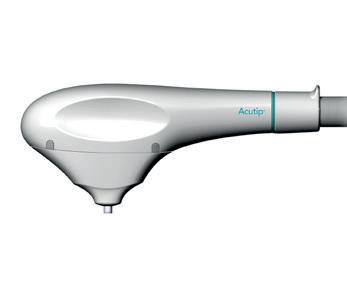
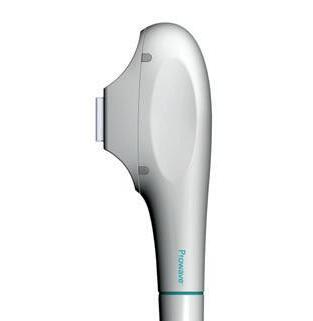
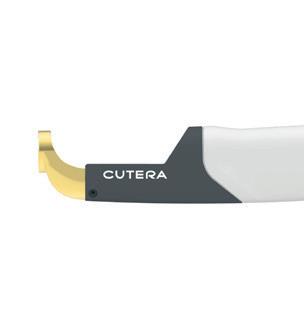
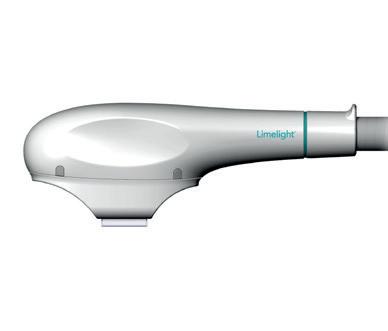
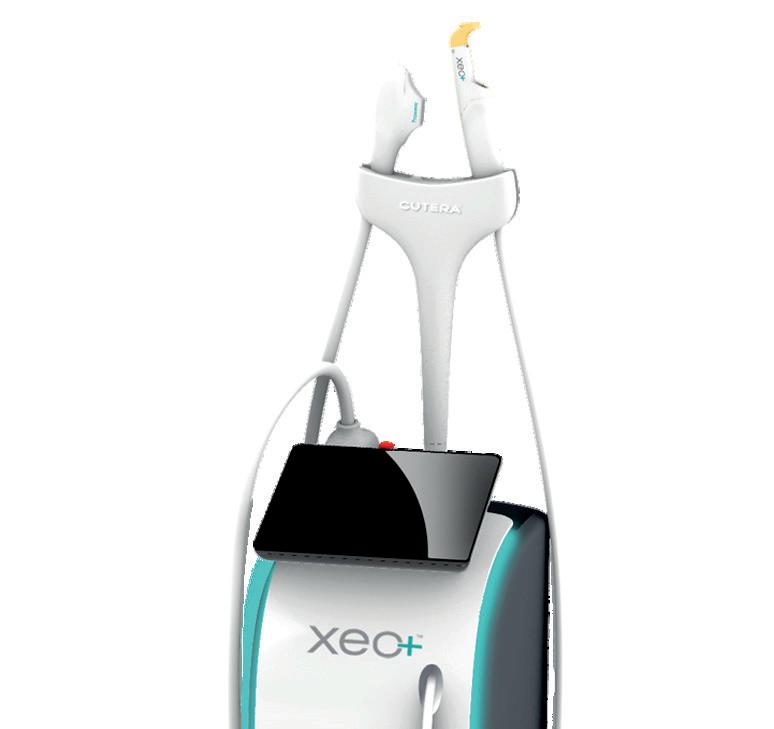
Cutera announces UK launch of xeo+
Aesthetic device company Cutera is now providing the xeo+ multi-platform device in the UK.
According to the company, xeo Nd:YAG laser technology was first launched in 2003, since growing to accommodate treatments including skin revitalisation, hair removal, vascular complaints, pigment reduction and more. Now, xeo+ offers faster treatment times, an intuitive user interface, larger spot size options and upgraded contact cooling, according to Cutera.
Brent Hauser, president of international at Cutera, said, “It marks a significant milestone for Cutera as we continue to lead the charge in innovation. xeo+ combines the more than 20-year history of xeo, with modern advancements to in-demand treatment applications helping providers achieve effective outcomes for their patients.”
Cutera is exhibiting at ACE 2025 at the Business Design Centre on March 14-15. Turn to p.21 to register free now.
Product Launches
DermaFocus to unveil new regenerative products
Aesthetic distributor DermaFocus has announced plans to launch an exosome-based supplement and exosomal liquid laser at ACE 2025.
The company shares that the supplement, Purasomes XCell, promotes gut, skin and hair health, with ingredients such as organic spirulina, astragalus and Dracocephalum moldavica. These ingredients combined aim to strengthen the immune system, restore skin quality and improve gut health.
The second launch is the Exosomal Liquid Laser, designed to deliver skin rejuvenation and target hyperpigmentation, elastosis and fine lines. DermaFocus highlights that the benefits of the treatment include skin tightening, acne scar repair and collagen activation with minimal downtime.
Milad Bemana, co-founder and executive director of DermaFocus, said, “We’re excited to introduce these products and protocols to practitioners in the UK, and the Purasomes range is proving to be an excellent addition to clinics. We encourage practitioners to attend the ‘Innovations in Medical Aesthetics: Purasomes, XCell Supplements and Exosomal Liquid Laser Symposium’ at ACE on March 15 at 1pm to learn more!”
DermaFocus is exhibiting at ACE 2025 at the Business Design Centre on March 14-15. Turn to p.21 to register free now.
Event
Alma to provide exclusive VIP experience at ACE
Aesthetic device company Alma is set to provide a stunning VIP lounge at ACE for the second year running. For 2025, the ACE VIP Lounge powered by Alma – which is open to ACE VIPs only – will feature treatment rooms, space for educational talks 10am to 2pm daily, networking areas, photo opportunities, a barista coffee bar, prosecco, DJ, and hair and makeup appointments across the two days.
Kamran Shibli, Alma UK general manager, said, “After a roaring success of the first VIP Floor last year, Alma is back again, with incredible educational content including superb injector and laser masterclasses and KOL led panels. There will also be networking, and if that wasn’t enough, our biggest product launch yet – the new Alma Harmony. Get in touch to get your VIP badge.”
ACE 2025 will take place at the Business Design Centre on March 14-15. Turn to p.21 to register free now. Reach out to contact@aestheticsjournal.com to find out more about the VIP experience.
Key Opinion Leader
AlumierMD reveals Mr Ash Soni as first global KOL
Skincare company AlumierMD has announced the appointment of plastic surgeon Mr Ash Soni as its first global key opinion leader (KOL).
The company explains Mr Soni’s expertise will reach a wider audience of patients and professionals via filmed content, webinars, social media and speaking engagements. Additionally, Mr Soni will serve as a global media ambassador, delivering lectures at press events and new product launches.
Mr Soni commented, “It is a huge honour to be AlumierMD’s first global KOL. They are one of the most thoughtful and pioneering brands I personally recommend in my practice, and I feel confident that together with AlumierMD, I can deliver the most optimal and effective results.”
Kat Coleman, Crown Aesthetics education manager, UK & Ireland
Why does education drive success?
The most successful clinics prioritise education and ongoing learning. I’ve developed and adapted my training style to suit various levels of capability and learning preferences, ensuring our customers benefit from tailored support. I firmly believe in Zig Ziglar’s words: “If you are not willing to learn, no one can help you. If you are determined to learn, no one can stop you.”
What education opportunities do you offer?
We provide education tailored to all learning styles, with a three-tier approach:
CPD-accredited education: Engaging, certificated training designed to solidify core knowledge on collagen remodelling, microneedling and microbiome skin health.
Crown Inspire: Our Medical Aesthetics Institute: Delegates receive personalised access to our exclusive online platform, where they can refresh foundational knowledge and expand their expertise beyond SkinPen® Precision and BIOJUVE®. The platform includes podcasts, videos, protocols, treatment tools and other valuable resources.
Practical hands-on learning: Delegates benefit from one-on-one support and guidance to refine and enhance their skills, ensuring they feel confident in their practice.
How important is education to support your products and customers?
Education is one of the foundational pillars of Crown Aesthetics, alongside technology and customer service.
To make education transformative, it must be continuous. Studies on memory retention, such as the Ebbinghaus Forgetting Curve, show that without reinforcement, we forget up to 50% of what we learn within an hour and up to 80% within a day.1 At Crown Aesthetics, we provide ongoing training opportunities to revisit and expand knowledge, ensuring our customers are confident, informed and empowered to deliver exceptional outcomes.
Regulation
Warning issued in Gedling borough over unlicensed injectables
Gedling Borough Council’s Public Protection Team has warned residents about unlicensed anti-wrinkle injections reported in the area.
The report revealed that the injections being administered could cause permanent facial disfigurement, as the council urges residents to exercise caution, explaining that treatments containing botulinum toxin are prescription-only medicines, regulated by the Medicines and Healthcare Regulatory Agency (MHRA).
David Ellis, portfolio holder for Public Protection at Gedling Borough Council, commented, “We have received reports of potentially dangerous, unlicensed products being offered in treatments in Gedling borough. These products are illegal and may be carried out by individuals who are putting people at serious risk for financial gain.”
Skincare
4T Medical releases new glow booster serum
Aesthetic supplier 4T Medical has launched the CLINICCARE X3M Glow Booster serum.
The company shares that the serum aims to brighten and correct pigmentation, dark spots and post-inflammatory acne scars, as well as help prevent future discolouration, according to 4T Medical.
The key ingredients of the serum include low molecular weight hyaluronic acid, tranexamic acid and acetyl glycyl beta-alanine, known as Genowhite. These ingredients are designed to blend together to support the skin’s natural surface cell turnover, hydrate and reduce the appearance of fine lines for a more luminous complexion.
Julien Tordjmann, managing director of 4T Medical, commented, “At 4T Medical, we believe in science-backed skincare that delivers results. The CLINICCARE X3M Glow Booster is formulated with potent ingredients to reduce pigmentation and enhance overall skin radiance, helping to maintain and amplify the effects of professional treatments.”
4T Medical is exhibiting at ACE 2025 at the Business Design Centre on March 14-15. Turn to p.21 to register free now.
This month’s newest clinic openings
A round-up of the latest aesthetic clinics opening across the UK
Aesthetic clinic chain Thérapie Clinic has opened a new clinic in Tralee, Ireland. The company aims to introduce aesthetic laser treatments to the local community while also creating job opportunities, as the clinic has filled several positions for aspiring aesthetic practitioners. Treatments
Distribution
MDH Skin and MediChlor
S to be distributed by Medical Aesthetic Group
Plastic and reconstructive surgeon Mr Dalvi Humzah has announced skincare brand MDH Skin and MediChlor S will be distributed through the Medical Aesthetic Group.
The product line for MDH Skin includes a cleanser, vitamin C serum, retinol night balm and moisturiser. Additionally, Mr Humzah revealed the launch of MediChlor S’s Hypochlorous solution. He shares the solution is produced by the electrolysis of aqueous sodium chloride, and is designed to eliminate bacteria and viruses.
Mr Humzah commented, “I’m grateful to our research team, engineers and advisors for helping bring these products to the sector. I am also delighted that we have been able to develop a relationship with Medical Aesthetic Group, who will be distributing these products to clinicians.”
Key Opinion Leader
Eden Aesthetics welcomes Dr Benji Dhillon as JetPeel KOL
Aesthetic distribution company Eden Aesthetics has named aesthetic practitioner Dr Benji Dhillon as its newest key opinion leader for JetPeel.
Eden Aesthetics explains the JetPeel device uses jet pressure energy to deliver transepidermal treatment for a non-invasive and low-pain procedure. It is designed to rejuvenate the skin through lymphatic drainage and exfoliation, the company explains. Dr Dhillon is joining Eden Aesthetics to provide education on the company’s portfolio to other practitioners. The collaboration will place focus on clinical training and evidence-backed treatments, the company explains.
He commented, “I am delighted to partner with Eden Aesthetics, a company that shares my commitment to excellence in medical aesthetics. Their dedication to providing evidence-based, high-performance skin treatments aligns with my philosophy of delivering the best possible outcomes for patients.”
include laser hair removal, anti-wrinkle injectables and polynucleotides.
Aesthetic clinic chain AL Aesthetics has opened a new clinic in Chelsea, London. With other branches in Wolverhampton and Solihull, the clinic aims to offer non-surgical and minimally invasive treatments. Aesthetic practitioner and owner of AL Aesthetics Dr Ash Labib, commented, “This expansion is a testament to the growing
demand for high-quality, non-surgical aesthetic solutions.”
Aesthetic practitioner Dr Priya Chadha has launched the Amer Clinic, located in Kensington, London. The clinic offers a range of tailored face and body treatments, designed to harmonise and enhance patients’ features, with popular treatments including Hydrafacial, Emsculpt NEO, Morpheus8 and SkinCeuticals skincare.
If you’re opening a new UK clinic soon, let us know at editorial@aestheticsjournal.com
Device
Alma to introduce Harmony at ACE
Aesthetic device company Alma has announced it will launch the new Harmony platform at ACE 2025. According to the company, the Harmony device combines a range of treatments into one device, including non-ablative, fractional, Q-Switch, green diode and intense-pulsed light lasers. This flexibility means it can be used for skin resurfacing and tightening, addressing tone and texture, vascular lesions, hair removal, tattoo removal, acne scars and more.
The company is also debuting the Harmony Bio-Boost – a personalised facial treatment that leverages the power of biostimulation to give a healthy glow with minimal downtime. Alma says the treatment combines the Harmony’s ClearLift Pro and ClearSkin Pro technologies to create tightening and renewing effects on the skin.
Abby Cotter, senior brand manager for Alma, shared, “Everyone at Alma is thrilled about this launch. The new Alma Harmony device sets a new standard in practitioner usability and patient customisation, delivering the power of standalone systems in a versatile multi-platform device. Alongside it, the Bio-Boost treatment aims to elevate Harmony’s consumer recognition, matching Soprano’s established reputation.”
Alma is powering the VIP experience at ACE 2025 on March 14-15. Turn to p.21 to register free now.
Clinic Software
Aesthetic Nurse Software debuts new features
Clinic management software company Aesthetic Nurse Software (ANS) has released a number of new features to update the platform.
The company shares that the software now includes an easier way to collect patient reviews (directly through ANS or Google), simpler stock management and enhanced booking customisation options. It also now provides access to a suite of integrations including Xero for accounting, Mailchimp for email marketing and Klarna/Clearpay/GoCardless for payment options.
Co-founder Max Hayward said, “We’ve listened to our clients and worked tirelessly to bring them more of what they need to run and grow their clinics. Our goal is to take the stress out of running an aesthetics business – whether it’s managing stock, automating payments or attracting more bookings. We can’t wait to see how these new features empower practitioners to grow with confidence.”
Aesthetic Nurse Software is exhibiting at ACE 2025 at the Business Design Centre on March 14-15. Turn to p.21 to register.
Skin Boosters
Caromed Italia to launch skin booster range at ACE
Aesthetic manufacturer Caromed Italia will debut three skin boosting products at ACE 2025.
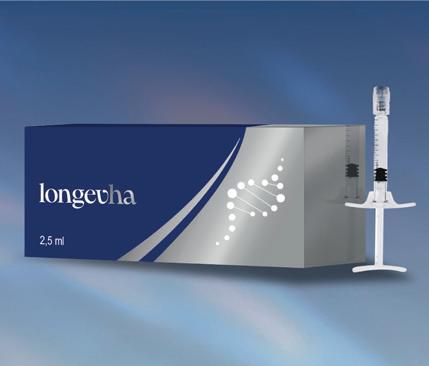
The company shares that it will be launching Evolutha – a medical device class 3 with fragmented hyaluronic acid (HA), choline and amino acids to stimulating collagen and create a lifting effect. Caromed will also be debuting Reversha – a regenerative booster with exosomes, polynucleotides, HA, peptides and vitamins – and LongevHA, which incorporates highly concentrated HA in two molecular weights.
Max Candini, chief of global business development, said, “We are thrilled to launch LongevHA in the UK – the first SIRT1 (longevity gene) booster – along with two other formulations in our regenerative range, setting a new standard in skin revitalisation.”
Caromed Italia is exhibiting at ACE 2025 at the Business Design Centre on March 14-15. Turn to p.21 to register free now.
Education iS Clinical kickstarts Cancer Care Programme
Harpar Grace International, exclusive UK distributor of iS Clinical, has announced the launch of the iS Clinical Advanced Cancer Care Programme. The company explains that the programme incorporates CPD-accredited training on the iS Clinical Educational Platform, specialist products and treatment protocols to support cancer patients through skincare and skin treatments. The Harmony Facial and various skincare products are appropriate for cancer patients, according to the company.
Alana Marie Chalmers, CEO of Harpar Grace International, commented, “Our commitment to excellence in this field aligns perfectly with the vision of iS Clinical. We’re proud to launch this advanced programme, equipping practitioners with the expertise, confidence and tools they need to deliver transformative care for patients undergoing cancer treatments. This initiative not only enhances the quality of patient care, but also provides clinics with a unique opportunity to expand their services and make a meaningful, lasting impact within their communities.”
Harpar Grace is exhibiting at ACE 2025 at the Business Design
News in Brief
DermapenWorld to support live demo skin prep at ACE DermapenWorld has been announced as the official Skin Prep Partner of ACE 2025. Across the two days, the company’s new Cliniprep+ product will be used during live treatments, providing antimicrobial control through a new formulation reinforced with colloidal silver. DermapenWorld also explains that the product can aid in skin recovery post treatment.
The British Beauty Council launch initiative to reduce waste Beauty organisation The British Beauty Council has unveiled ‘The Great British Beauty Clean Up’ to tackle specialty waste. Set to launch during Waste Week, March 3-9 2025, the organisation explain that this initiative is a collaboration between retailers and brands, designed to significantly reduce the amount of waste created by the beauty specialty. The initiative will focus on increasing consumer awareness and adoption of reuse and refill systems. It is also set to increase recycling rates of beauty empties through spotlighting take-back schemes and household recycling where available, according to the organisation.
Dermalux announces new head of sales for the UK and Ireland
Medical device company Dermalux has revealed Jo O’Connor as its new head of sales for the UK and Ireland. O’Connor’s career spans 22 years, including seven years at aesthetics manufacturer Sinclair, three years at cosmeceutical company Skinbrands Pro and most recently head of sales at medical aesthetics company Amedica. O’Conner commented, “I have worked with skincare, injectables, threads and polynucleotides. Now I want to share everything I’ve collated over the years with the Dermalux team.”
Callegari launches Mini 2 FX device
Italian manufacturer Callegari has introduced the new Mini2 FX device, designed to employ reflectance photometry to measure the melanin content of the skin and determine its phototype. The company explains the device can be placed against the skin for an instant melanin level reading. By correlating these levels with the skin’s phototype, the Mini2 FX aims to provide a comprehensive analysis, indicating whether melanin content is low, normal or high relative to the phototype. Callegari explains this enables professionals to perform more precise assessments and recommend treatments, such as laser procedures, customised to the skin’s specific needs.
Product Launch
Medik8 introduces new Liquid Peptides Advanced MP serum
Skincare company Medik8 invited the Aesthetics Journal to an exclusive breakfast conference on February 4 at The Gherkin, London to showcase its new product.
Dan Isaacs, chief product officer at Medik8, welcomed delegates and discussed the new Liquid Peptides Advanced MP serum. Issacs shared the product features peptides, alongside bio-technology ‘Dual Mini Proteins’, designed to target wrinkles. Issacs was joined on the panel by founder of The Tweakments Guide Alice Hart-Davis, aesthetic practitioner and Global Pro Ambassador for Medik8 Dr Bibi Ghalaie and beauty journalist Ateh Jewel.
Isaacs commented, “We are thrilled to have hosted our first scientific symposium in London, celebrating the launch of Liquid Peptides Advanced MP. The exchange of knowledge from our expert panel and questions from the audience demonstrates an appetite for innovative wrinkle-targeting skincare.”
Healthxchange is exhibiting at ACE 2025 at the Business Design Centre on March 14-15. Turn to p.21 to register free now
Conference Report
MIA conference returns for 2025
Educational event Menopause in Aesthetics (MIA) 2025 was held in the Grand Connaught Rooms in London on February 7.
The event featured various discussions surrounding menopause, such as recognising the signs and engaging patients in meaningful conversations. Speakers also discussed optimising hormones for healthy ageing, highlighting lifestyle factors such as diet, exercise and sleep in holistic menopause management. Speakers included nurse prescriber Julie Scott, general practitioner Dr Ginni Mansberg and aesthetic practitioners Dr Shirin Lakhani and Dr Mayoni Gooneratne.
Following the event, MIA rebranded to Menopause in Practice (MIP). Charlotte Body, founder of MIP, commented, “While medical aesthetics remains a core focus for us, we understand that not everyone identifies under this specific field. This name change reflects dedication to advancing women’s health during menopause. We look forward to seeing you at Menopause in Practice 2026 as we continue to grow and support this incredible community together.”
On The Scene
DermapenWorld launches new products at Valentine’s
Day dinner
Aesthetic manufacturer DermapenWorld hosted its Valentine’s Day event at the Savoy Hotel for an evening of specialty discussion.
Kelly Tobin, DermapenWorld UK country director, opened the event, reflecting on the company’s first year of direct operations in the UK market. Education ambassador at DermapenWorld UK Andrew Hansford then introduced the brand new Dermapen4. This was followed by aesthetic practitioner Dr Andrew Christie, who presented upcoming product innovations, including exosomes and polynucleotides for skin and hair regeneration, set to launch soon under the name DP Dermaceuticals.
Oculoplastic surgeon Miss Rachna Murthy went on to introduce the new DP Exo-Grow Lash & Brow, a product aimed at enhancing eyelash extension treatments. The evening concluded with the company’s UK awards ceremony, recognising standout clinics and professionals.
DermapenWorld is exhibiting at ACE 2025 at the Business Design Centre on March 14-15, and sponsoring the Networking Drinks at 5-7pm on March 14. Turn to p.21 to register free now.
Emerging Innovations Revealed at IMCAS 2025
Aesthetics reports on the latest edition of the International Master Course on Aging Science Congress in Paris
On January 30 to February 1, the International Master Course on Aging Science (IMCAS) Congress returned to the Palais de Congrès in Paris, France. With 20,000 attendees from across the world, the conference provided sessions on a variety of topics including surgical procedures, anatomy, injectables, skin treatments, regenerative medicine, economic updates and much more.
Regenerative approaches and functional medicine stood out as the key trend at this year’s event, with biostimulatory products and wellness treatments dominating many conversations. At the IMCAS press briefing, cosmetic dermatologist Dr Carlos Wambier remarked, “Biohacking represents an innovative approach to slowing ageing through the combination of advanced medical techniques and lifestyle changes. When practised in an informed and ethical manner, biohacking offers a unique opportunity to improve quality of life and extend longevity. By integrating scientific advances, this approach could redefine medicine.”
The congress was also a chance for the world’s biggest aesthetic brands to showcase their portfolios and launch new products. One of the biggest talking points was Galderma’s new neurotoxin Relfydess (RelabotulinumtoxinA), which has been approved for marketing in the UK and is set to officially launch in the coming months. The company shares that Relfydess is a ready-to-use liquid neuromodulator developed using Galderma’s PEARL Technology, which is designed to optimise early on set as well as longer-lasting results. At the PEARL Lounge – a serene break from the hustle and bustle of the congress – Aesthetics learnt that out of 1,900 patients treated with Relfydess, 39% and 34% respectively reported improvements in frown lines and crow’s feet from day one. Up to 75% of patients reported that their results lasted six months after treatment.
Aesthetics also stepped into the Golden Lounge with Merz Aesthetics for the launch of the Ultherapy PRIME device – a modernisation of the classic Ultherapy. Merz shared that Ultherapy PRIME provides enhanced lifting capabilities through a more sophisticated user interface and advanced visualisation of facial layers during treatment. The procedure was presented as an ideal addition to a regenerative treatment plan, using non-invasive collagen biostimulation to regenerate the skin.
Allergan Aesthetics, an AbbVie company, chose Paris as the destination for the debut of its AA Signature approach – a set of protocols guiding practitioners on which products within the Allergan Aesthetics portfolio can be combined to create holistic results. This came after research found that clinics utilising treatment plans addressing multiple areas of the face see a 68% higher retention rate compared to those focusing on only one area per treatment.
Aesthetic manufacturer Teoxane used IMCAS as a chance to mark the 10-year anniversary of its flagship RHA (resilient hyaluronic acid) injectable collection, and IBSA, distributed in the UK by HA-Derma, also celebrated 10 years of its NAHYCO hyaluronic acid technology.
As always, the Aesthetics team relished the chance to catch up with colleagues and companies old and new, both at the Aesthetics & CCR stand, and at the annual Aesthetics Journal drinks reception at Le Meridien Hotel.
The next edition of the IMCAS World Congress will take place on January 29-31, 2026 in Paris.
Merz Aesthetics debuts global patient study at exclusive event
The Aesthetics Journal was invited to Paris by Merz Aesthetics for a glamorous trip to celebrate its Pillars of Confidence report.
Journalists from around the world were welcomed to the 5-star Le Meurice hotel to hear the results from academic researcher Dr Katherine Rice Warnell and cosmetic dermatologist
Dr Shannon Humphrey. In the study, 15,000 patients aged 21-75 – some with a history of aesthetic treatments and some without – from 15 countries across the world were surveyed about their thoughts on the connection between aesthetics and confidence.
In the gold-covered room, filled with flowers and chandeliers, Aesthetics sat down for brunch as it was revealed that 72% of respondents said they feel confident in who they are. However, 33% said they fear that ageing could mean they lose their sense of self, and 69% would seek aesthetic treatments so their external appearance reflects how they feel inside.
The biggest factor influencing the respondents’ self-perception was their partner/spouse (52%), followed by healthcare professionals (48%), friends/family (45%), social media (29%) and pop culture (24%). Social media/influencers was reported as the most common source to learn about aesthetic treatments (46%), followed by HCPs (46%) and friends/family (37%).
The report highlighted the link between aesthetic treatments and self-care, with 77% saying they expand their self-care routines following treatment, and 66% saying treatments help them feel more confident in everyday social situations. 56% reported that they would be very or somewhat comfortable discussing their treatments with others.
The NHS Burden Of Overseas
Surgical Complications
Aesthetics reports on recent research showcasing
the
impact of aesthetic complications on the NHS
A new study has addressed the issue of patients seeking NHS care for post-operative complications following aesthetic procedures undergone abroad.1 A retrospective, cross-sectional review was conducted at Chelsea and Westminster Hospital London on 35 patients (aged 19-71) presenting with complications between April 2022 to August 2023. 26 patients had undergone a surgical procedure, such as liposuction or abdominoplasty, while nine received non-surgical treatment, including cheek filler and non-surgical rhinoplasty.1
The research revealed that 96% of patients with surgical complications had their procedures performed abroad, with the majority (73%) in Turkey.1 In the UK, it has been estimated that approximately 150,000 individuals travel to Turkey annually for cosmetic surgery.2 Only one surgery included in this research was performed in the UK – a buccal fat removal procedure. The study states that the total cost of hospital care for the 35 complications was estimated at £110,690.1
The current landscape
In November 2024, UK health secretary Wes Streeting issued a warning about the danger of travelling abroad for cosmetic surgeries, with at least 28 British individuals having died following cosmetic surgery procedures in Turkey since 2019.3 Streeting commented, “I would urge anyone before traveling abroad to think very carefully before accessing those aesthetic treatments that are currently being marketed at rock-bottom prices, but also, in too many cases, offer substandard care.”3
Alongside the retrospective study, a UK patient survey was conducted to understand the motivations behind patients seeking aesthetic procedures. The response revealed 57% of participants chose to travel overseas for procedures primarily due to lower costs.1 In line with this, the British Association of Aesthetic Plastic Surgeons (BAAPS) reported a 94% increase over three years in the number of patients needing hospital treatment in the UK after undergoing procedures abroad.3
The Brazilian butt lift (BBL) has been identified as the third most common surgical procedure causing complications in the UK hospital.1 The procedure carries significant risks, including a mortality rate of one in 3,000. BAAPS recommends that the injections should not go as deep as the muscle layer to prevent dangerous complications such as vascular injury and fat embolism.4
Sally Taber, a trustee at the Joint Council for Cosmetic Practitioners (JCCP), recognises the strain on the NHS, commenting, “Not only is this dangerous for patients, following several deaths attributed to BBLs, but can be seen as selfish, since it relies on remediation by a resource-restrained NHS.”
Several organisations, including the JCCP, have called for stricter government regulations on cosmetic procedures, with demands intensifying after the death of Alice Webb following a non-surgical BBL procedure in the UK.5
Educating individuals on cosmetic tourism
Ms Nora Nugent, consultant plastic surgeon and president of BAAPS, shared with the Aesthetics Journal that the organisation has created educational documents in an attempt to highlight the risks of cosmetic tourism. These documents, published in 2023, feature a collaboration between BAAPS and the Turkish Society of Plastic Reconstructive and Aesthetic Surgeons (TSPRAS). Both organisations strongly advise anyone from the UK considering surgery in Turkey to verify if their surgeon is accredited by TSPRAS, confirm their board certification and inquire about the aftercare plan provided.6
Ms Nugent explains the creation of these documents, sharing, “We have created a guide to emphasise the crucial factors to be considered before undergoing procedures abroad. While a successful outcome can be highly rewarding, complications, whether occurring overseas or upon returning home, can have devastating consequences.”
BAAPS advises practitioners to share these guidelines with patients via any form of communication available, “Include a link on your website to the documents, utilise social media channels and general marketing communications within your clinic.”
Similarly, the Complications in Medical Aesthetic Collaborative (CMAC) organisation advises practitioners to make their patients aware of how to conduct thorough research
when considering surgical treatments. The organisation suggests prioritising independent Google reviews over social media testimonials, commenting, “People should critically assess whether the results promoted online accurately reflect real-world outcomes.”
Gillian Murray, founding board member of CMAC, reflects on the correlation between social media and the rise of surgical procedures abroad, offering her insights, “It is essential to advise patients to exercise extreme caution, particularly regarding social media influencers who promote surgical procedures. Their experiences are often curated for social media and may not accurately represent the reality faced by most patients.” CMAC advises practitioners to encourage patients to join Facebook forums and WhatsApp groups for unfiltered perspectives on surgeons and hospitals, beyond the curated content on social media.
Working towards greater safety
While calls for stricter regulation have persisted for years, recent deaths in Turkey, along with the tragic case of Alice Webb, have intensified demands for greater oversight and safety measures in the specialty. This new study further illustrates the impact complications are having on the NHS, as noted by the JCCP, “We are aware of the concerns raised in the study, and very pleased that this evidence of wrongdoing is being brought to wide attention.”
The specialty eagerly awaits the results of the Government’s consultation on regulating non-surgical cosmetic procedures in England.2 The potential resulting licensing scheme would aim to ensure that practitioners who administer cosmetic procedures are properly experienced, trained and qualified, have the necessary insurance and work in premises that are clean and hygienic – potentially reducing the frequency of complications.7 Aesthetics will report as and when governmental updates are announced.
Unite with the Aesthetics Specialty
Discover, network and learn at ACE 2025
The Aesthetics Conference and Exhibition (ACE) 2025 is just around the corner, taking place on March 14-15 at the Business Design Centre, London. Empowering the medical aesthetics community, it promises to be the biggest and best ACE yet with 85+ educational sessions and 90+ exhibitors.
You can enjoy five educational conferences where you can earn up to 16 CPD points, gain crucial business skills and connect with the specialty’s top associations. There is also the opportunity to get up close and personal with top speakers, brands, services and solution providers across the show floor.
On top of all that is a plethora of networking opportunities, culminating with the highly anticipated Aesthetics Awards on March 15, enabling you to catch up with old friends and forge new connections.
Here’s what’s in store…
Allergan Aesthetics Auditorium
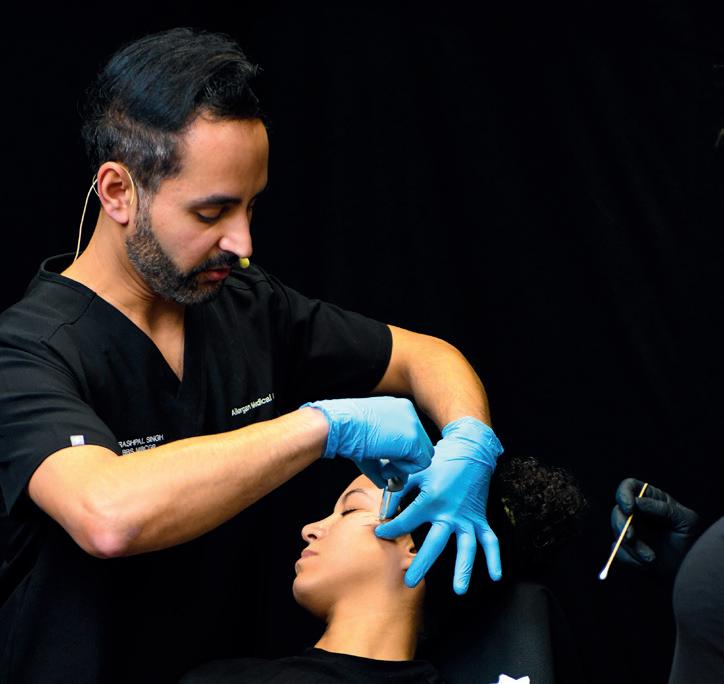
Across the two days, our Headline Sponsor Allergan Aesthetics, an AbbVie company, will deliver injectable masterclasses and educational sessions hosted by its world-leading faculty.
Sessions include:
· Upper Face Masterclass: covering muscle dynamics and anatomy, with a live consultation and treatment demonstration
· Lips Masterclass: looking at lip anatomy and treatment, featuring an interactive consultation and live injectable demonstration using Juvéderm
· Recognising Patient Individuality: an exploration of why each patient is unique
· Facial Harmonisation Masterclass: exploring facial balancing alongside a live treatment demonstration using Juvéderm and HArmonyCa
· Prevention and Management of Complications Panel Discussion: featuring real-life case discussions
Speakers include:
Dr Manav Bawa
· Mark Chaplin
· Dr Glyn Estebanez
· Miss Rachna Murthy
· Mr James Olding
· Julie Scott RGN NIP
· Mr Taimur Shoaib
Dr Rashpal Singh
Don’t miss these expert-led sessions in the prestigious Allergan Aesthetics Auditorium, then visit the Platinum Hall to connect with the team, gain exclusive insights and get your questions answered!
Djamshid Ghavami, General Manager, Allergan Aesthetics UK&I, said, "We are thrilled to be the Headline Sponsor for ACE 2025, a significant event in the aesthetics calendar that aligns with our mission to empower confidence through the advancement of aesthetic medicine.
This partnership reflects our commitment to supporting healthcare professionals in delivering the highest levels of clinical excellence and innovation."
Clinical education
Beyond the Allergan Aesthetics Auditorium, you can access two other theatres for unmissable clinical education.
At the Aesthetics Mastery Theatre, you can hear from individuals representing companies including AestheticSource, Alma, Galderma, IDENEL, Neauvia and Revanesse. Sessions will discuss everything from dermal filler techniques to how AI can inform treatment choices. New for this year there will also be the Aesthetics Challenge, featuring three live lip treatment demonstrations from top injectors. These sessions will demonstrate a variety of injection methods, from needle to cannula, explaining the rationale behind their technique selection and product placement. Learn how to navigate delicate anatomy safely while achieving natural yet impactful results.
The Innovation Forum will provide you with a series of engaging sessions showing the latest product launches, game-changing breakthroughs and revolutionary techniques. Thought leaders will take the stage to unveil their boldest ideas and cutting-edge innovations.
Companies include:
· Acclaro
· ALLSKIN | MED
· BTL Aesthetics
· Cure Medical
· Croma Pharma
· Church Pharmacy
· Cutera
· DermapenWorld
· Dermalogica
· Hydrafacial
· iiaa
· InMode
· Sciton
· SkinCeuticals
· Sofwave
· S.ThePharm
VIVACY UK
Grow your business
Thinking about launching a new clinic or becoming a pro on TikTok? Or, maybe you’re navigating your cashflow or exploring how AI could transform your clinic. Whatever your goal, the best way to succeed in is business is by learning from those who’ve already paved the way.
Join your community at the In Practice Zone and Theatre, where successful business owners, top KOLs and renowned brands will share expert advice to help elevate your aesthetic practice.
At 4pm on Day 1, exhibitors in the zone will host the In Practice Drinks, giving you the opportunity to get to know the faces behind the leading companies and ask them any burning business questions.
Companies include:
· Aesthetic Nurse Software
· ClearCourseHealth
· Cosmetic Courses
· Dermis
· Initial Medical
· Inspire to Outstand Harley Academy
· Pabau
· Shire Leasing
· Web Marketing Clinic
· Zenoti
NEW Aesthetics Mentoring
ACE will also be introducing the brand new Aesthetics Mentoring speed dating sessions this year. Whether you're looking to refine your business strategies, enhance your clinical expertise or navigate the evolving landscape of medical aesthetics, these mentoring sessions offer direct access to leaders in the field who can provide invaluable insights.
Meet the Social Media Guru
14 March | 11:00 – 12:00
Gain expert advice on building your personal brand, engaging your audience and leveraging social media for business growth.
Meet the Mentor – Day 1
14 March | 14:30 – 15:30
Connect with seasoned aesthetic professionals for guidance on career development, trends and clinical expertise.
Meet the Clinic Owner
15 March | 11:00 – 12:00
Learn firsthand from successful clinic owners about managing a thriving practice, from operations and patient retention to scaling your business.
Meet the Mentor – Day 2
15 March | 14:30 – 15:30
Engage with experienced aesthetic professionals for insights on career growth, trends, and clinical knowledge.
Details of how to become a mentee will be revealed shortly, so keep an eye on the ACE website!
The Association Zone
The Association Zone, sponsored by Healthxchange x Medik8 Professional, is a dedicated space featuring stands and a theatre that unites key associations in medical aesthetics. Its purpose is to promote development, uphold ethics and safety, and provide support for professionals working within the specialty.
You can connect with:
· Aesthetics Complications Expert Group World
· The British Association of Medical Aesthetic Nurses
· The British Association of Hair Restoration Surgery
The British College of Aesthetic Medicine
· The British Medical Laser Association
· The Joint Council for Cosmetic Practitioners
The Nurses Network
· Medicines & Healthcare products
Regulatory Agency
· Representatives from leading surgical associations
Connect with your peers
Whether you’re new to aesthetics or a seasoned practitioner, ACE offers the perfect opportunity to forge valuable relationships with leading suppliers, peers and expert practitioners. Explore a variety of networking events, reconnect with old friends, gain insights and create new connections that will enhance your career in aesthetics.
Opportunities this year include:
· Aesthetics Journal Member drinks – 14 March, 3:30-4:30pm.
In Practice Zone Networking drinks – 14 March, 4-5pm.
· ACE official networking drinks brought to you by DermapenWorld – 14 March, 5-7pm.
· Aesthetics Awards Finalists drinks at the VIP Lounge, powered by Alma – 15 March, 2-3pm.
· The Aesthetics Awards Ceremony – 15 March, 6:30pm until late.
You can also find a quiet place to connect with peers and colleagues at the Lumenis Laser Chill Out Lounge.
Editor's top picks…
Editor and event manager Shannon Kilgariff gives her top picks for this year’s ACE educational sessions
MHRA: The Illegal Trade in Weight Loss Medicines – 9:30am on Day 1 at the Association Theatre
The development of innovative weight loss medicines has attracted significant public and media attention. Unfortunately, it has also attracted the attention of criminals looking to exploit this for their own financial gain. This session explains the dynamics and evolution of this criminal threat and describes the law enforcement approach of the UK's medicines regulator.
Regulation Panel: The Role of an Environmental Health Office in Medical Aesthetics – 2:30pm on Day 1 at the In Practice Theatre
The Regulation Panel will welcome Charlotte West – Team Leader at the Environmental Health department of the City of Wolverhampton Council – alongside the Joint Council for Cosmetic Practitioners (JCCP) and Mr Dalvi Humzah to discuss the future of regulating aesthetic clinics.
The Aesthetics Challenge: Mastering Lip Harmony. Minimal Filler, Maximum Impact Using Revanesse Kiss – 10:30am on Day 2 at the Aesthetics Mastery Theatre
Discover the power of precision with The Aesthetics Challenge, an engaging session featuring three live demonstrations where top injectors push the boundaries of artistry using their choice of hyaluronic acid dermal filler. Witness three professionals as they each craft stunning results with minimal product, showcasing their unique techniques and approaches to sculpting the lips.
Facial Harmonisation: the Art and Science of the Natural Look – 11:00am on Day 2 at the Allergan Aesthetics Auditorium
The session will feature the companies top KOLs including Dr Glyn Estebanez and Dr Manav Bawa.
Innovations in Medical Aesthetics: Purasomes, XCell Supplements and Exosomal Liquid Laser – 1pm on Day 2 at the Aesthetics Mastery Theatre
Brought to you by DermaFocus, the Aesthetics Mastery Theatre and Lunchtime Takeover sponsor, this session will explore the science and regenerative properties of Purasomes for skin and hair rejuvenation. You can discover new regenerative aesthetic treatments, including Liquid Laser and Purasomes XCell supplements, for skin and hair, watch a live demonstration of Liquid Laser and gain practical insights.
Connect with companies on the show floor
There will be 90+ aesthetic companies, services and solution providers exhibiting at ACE to bring you the latest in medical aesthetics. New for this year, Stand Seminars will provide you with an exclusive opportunity to explore bitesize education on the show floor, with your favourite brands. Over two days, delegates can get first-hand knowledge of their latest products, as well as ask for any advice, tips and techniques for best practice.
The Platinum Hall
Back for the second year in a row, the Platinum Hall is the go-to destination for all the key brands in the specialty. Home to the ACE 2025 Platinum Sponsors, and open to everyone, you can connect with companies including:
· Acre
· AestheticSource
· Allergan Aesthetics
· Alma (via the VIP lounge)
· Crown Aesthetics
· DermaFocus
· Galderma
· Med-Fx
· Neauvia
Upstairs in the Platinum Hall is the ACE VIP Lounge, powered by Alma. This premium space offers an inspiring hub for learning and networking, where VIPs can connect with thought leaders and innovators in medical aesthetics.
Enjoy complimentary laser demonstrations, refreshments, cocktails, a live DJ, a photobooth, and professional hair and makeup services to get you ready for The Aesthetics Awards! This will be by invitation only.
Unite with the aesthetics community
Advance your clinical practice and forge new connections by attending ACE 2025. Register for a free, unmissable educational experience now by scanning the QR code below – we can’t wait to see you all there!
*AbbVie has part sponsored
Headline Sponsor
Smarter Science. Rejuvenated Skin.
ALASTIN Skincare™ is the complete skin rejuvenation approach to complement cosmetic treatments and maintain the skin’s healthy look on a daily basis.
The most preferred pre and post procedure skincare brand in the US*
Pioneers of cosmetic procedure focused skincare
15+ International patents granted 40+ published clinical studies
A blend of peptides to help restore youthful appearance of the collagen & elastin depleted skin
Combining HA Fillers and Botulinum Toxin
Four practitioners discuss how they use HA fillers and botulinum toxin synergistically to create holistic results
Dermal fillers and botulinum toxin are widely referred to as medical aesthetic practitioners’ ‘bread and butter’. They are two of the most widely used aesthetic treatments, and arguably the most known among patients and the general public.
With the aesthetics specialty growing at a rapid rate, practitioners are reporting that more and more patients are coming to clinic asking for new treatments which are going to regenerate the skin without adding volume or affecting the muscles.1 However, they also emphasise that the results which can be created using the classic filler and toxin combination cannot be replicated, and the aesthetics ‘bread and butter’ is here to stay.
In this article, nurse prescribers Alexandra Mills and Michelle McLean, and aesthetic practitioners Dr Glyn Estebanez and Dr Kim Booysen, share how they combine filler and toxin – alongside emerging additions – to create rejuvenating results for their patients.
Complimentary treatments
One study was conducted comparing combined filler and toxin with toxin alone for facial rejuvenation.2 One group of 47 patients was treated with just toxin, while another group, also of 47, received the combination. The latter reported a 59.57% satisfaction rate, while the former reported only 29.79%; satisfaction remained higher for the filler and toxin group at both six and 12 months post treatment.2
Dr Estebanez shares that he has found the best approach to addressing patient concerns is to always look at the whole face, no matter what particular indication or areas patients are concerned about. The term he now uses is ‘full-face harmonisation’, saying, “I’ve never seen a term resonate so well with patients. They come in with features which are already very beautiful, but perhaps with age they have lost some of the harmony which brings them together.”
He says that this is where a treatment plan combining toxin and fillers, alongside other potential treatments, comes in to restore that harmony. Some facial areas are considered less by patients, but can really add to the harmony they’re looking for. For example, addressing hollowness in the temples can make the whole face seem fresh and rejuvenated,3 and elevating the brows ever so slightly can make the eyes appear more awake and the cheeks more defined,4 Dr Estebanez shares.
Mills explains her preference for employing both neurotoxins and dermal fillers specifically for retrographic chin cases (Figure 1).5 She states, “The mentalis muscle in this area is highly active, thus
I prefer administering a neurotoxin prior to volumetric restoration with dermal filler. This method optimises the filler’s efficacy and durability by limiting muscle activity, reducing filler migration and preventing absorption.” She further notes the effective application of neurotoxins for minimising platysma band prominence in the cervical region.6
One of Dr Booysen’s favourite areas to address to create a harmonious effect is the lower face.7 She says, “Most patients come in asking for toxin and filler in the upper face, so when I suggest some tweaks to the lower face they’re not sure at first, but it really can make a big difference to someone’s overall appearance.” She explains that ageing causes bone loss in the jaw and laxity in the jowls, so some filler is often required to replace some volume, and then toxin can be used when placed optimally to reduce some of the downward pull caused by the jowls. Some lateral volumisation in the cheek can also sometimes help lift the lower face, she says.
Dr Booysen further shares that when formulating a treatment plan for patients, she tends to begin with toxin and fillers before moving onto other products which improve skin quality, saying, “My patients tend not to want to start subtle skin treatments when they’ve come in for a solution to deep wrinkles, for example, so I treat those concerns and give them those immediate smoothing or volumising results first before starting the more comprehensive part of the plan.”
Patient selection and assessment
Mills begins each patient consultation by thoroughly documenting any allergies and relevant medical history. She utilises advanced imaging devices (VISIA) to evaluate skin health, tone and texture. Safety assessments are paramount, ensuring patients are fully informed of potential risks, thereby fostering a trusting environment. In discussing dermal filler brands, she highlights her use of the Croma Pharma range due to its compliance with the Medical Devices Regulation (MDR), reinforcing patient confidence in the treatment plan.
When addressing the demographic suitability for combined filler and neurotoxin treatments, Mills comments, “Individuals across all age groups can derive benefit; however, comprehensive facial rejuvenation offers particular advantages for mature patients seeking antiageing interventions, especially those inexperienced in cosmetic treatments. For younger demographics, a conservative approach with reduced filler volumes is applied.”
McLean says that selecting suitable patients for this approach requires a comprehensive facial assessment as part of the initial consultation, regardless of the patient’s primary concern. She says that understanding what kind of aesthetic change patients want is crucial, but, “As a clinician, providing your expert opinion and recommending the most appropriate treatment is essential, rather than simply following the patient’s request.”
She often uses the Galderma AART (Assessment, Anatomy, Range and Treatment) approach when deciding the best treatment approach to take.8 This entails assessment of the patient using the Galderma Facial Assessment Scale,9 considering individual anatomy and how this changes during ageing, evaluating the range of treatments available and finally deciding on treatment.
Figure 1: 33-yearold patient treated with 6 U Letybo to the chin, followed two weeks later with 0.7ml Saphya Volume dermal filler. Images taken before treatment and immediately after filler. Result and images courtesy of Alexandra Mills.
A comprehensive assessment like this can help determine which patients will be best suited for a combined filler and toxin treatment plan. For example, McLean says, "Patients with significant volume loss, laxity or deep wrinkles often benefit from a combination approach." She also adds, "If previous filler placement is unsuitable, dissolving old filler may be necessary before new treatment."
For Dr Booysen, it’s crucial that patients understand how a face and its bone structures, volume and fat pads change with age, so she shows them MRI images of the face to demonstrate the effects of ageing and the different skin layers. She says that using before and after images of former patients can also help here, including aiding in demonstrating that filler can be used in a subtle way that improves the skin’s appearance.
In her practice, Dr Booysen also takes images of her patients and uses these during consultations to show what they look like from different angles. She says, "You’ve got to be kind here. I always ask patients what they like about their faces, and remind them that it’s not vain to seek to improve things they might not be happy with." She remarks that she uses ultrasound imaging with the majority of her patients. As well as helping her locate key arteries to make procedures safer, the images can be used to highlight products from previous procedures which may still be in the face, helping explain her ongoing treatment approach.
All the interviewees agree that some patients’ concerns will not be addressable with injectables, such as severe lower face laxity, extensive excess skin on the eyelids or generally more advanced signs of ageing. In these cases, treatments like ablatives lasers or surgery might be required, in which case it is best to advise patient of this, and refer onwards if necessary. Dr Estebanez adds that sometimes, if these patients are apprehensive about more invasive procedures, they can start with injectables to either mitigate their concerns, or prepare them for potential surgery in the future.
Case studies
Case 1: Michelle McLean
McLean treated a 56-year-old female patient who was new to injectable treatments. The patient had always taken good care of her skin, however, she felt she had reached an age where the results were no longer effective, no matter what products she used, and her face had lost its ‘glow’. She was also concerned about sagging jowls and mid-face descent. A past stroke had left her with asymmetry on the left side of her face, particularly around her mouth and smile. This imbalance had made her increasingly self-conscious, affecting her psychological wellbeing. The patient wanted to avoid an ‘overfilled look’ and achieve tangible, natural results, so a combination of subtle Sculptra, fillers and toxin was devised.
The final treatment plan included four vials of Sculptra, three across the mid-face and one across the temple area, injected over three sessions spaced six weeks apart. This product helped subtly add volume, lift soft tissue and plump skin by stimulating natural collagen production, working deep within the skin to help restore inner structure. McLean waited 12 weeks after her last Sculptra treatment to proceed with the additional filler and toxin treatment plan because she wanted to assess the product’s effects before determining the best technique and placement for the patient’s needs; this was more important than normal, as the patient presented with asymmetry following her stroke. Additionally, the patient was initially hesitant about dermal filler treatment, fearing an unnatural look. Allowing time for Sculptra to settle helped her see the natural results injectables can achieve, giving her the confidence to move forward with lip augmentation.
0.7ml of Restylane Kysse was used to address lip ageing and improve symmetry and balance in the lips following her stroke. The product was injected into and through the vermillion border using a 30G needle at a 30-degree oblique angle, ensuring proper depth.
Small boluses of 0.05-0.1ml were injected slowly. Retrograde linear threading was implemented to treat tubercles for natural volume. For definition, small amounts (0.2ml) were used parallel to the vermillion border, avoiding the white roll.
& 3:
Finally, an individualised botulinum toxin type A (Azzalure) treatment plan was administered. The orbicularis oculi was treated with three superficial injection points per side, delivering 10 U per point. 10 U was administered to the procerus through one deep injection point. The corrugator supercilii received injection through two points on each side 1cm above the orbital rim to reduce incidence of diffusion, using 10 U per point. The frontalis received six points of injection, 5 U per point, targeting the mid and upper portions of the frontalis to avoid brow or lid ptosis. The posterior platysma bands had five injection points per band, 3 U per point, using superficial intramuscular injections. Three points were used in each of the anterior platysma bands, approximately 2cm from each other, 3 U per point.
Following treatment, the patient reported that her confidence had drastically improved, and her mental health and wellbeing had got much better (Figures 2&3). Facial balance and symmetry had been greatly restored, alongside improvement in skin quality and pigmentation, creating the natural result the patient was seeking.
Case 2: Dr Glyn Estebanez
Dr Estebanez shares a case of a 49-year-old patient who presented to clinic feeling like her external appearance no longer matched how she felt on the inside. Her main complaint was her undereyes, which she felt were making her look tired. Her goal was to undergo subtle treatment which would leave people looking at her and saying, ‘she looks great, but I don’t know why’. Upon assessment, he could see she had great bone structure especially in her cheeks, but she had lost volume in the mid-face, and the signs of collagen loss were becoming evident in the lateral part of the face and the jaw. It was decided that a combination of fillers,
Figure 2
56-year-old patient before and six months after treatment with Sculptra, Restylane Kysse and Azzalure. Result and images courtesy of Michelle McLean.
collagen stimulation and botulinum toxin would be most effective for a subtle, full-face rejuvenation, as both volume restoration and muscle lifting were crucial for a successful, harmonised result.
Juvéderm Voluma was used in various areas across the face: 0.5ml was applied each side in the zygomatic arch; a further 0.4ml was used on both sides to improve zygomatic eminence; 0.5ml was used in both sides of the anterior mid-face; and 1ml was applied subcutaneously in the labiomental crease using a cannula. Additionally, the palpebromalar groove was treated with 0.4ml of Volbella in each side.
HArmonyCa was injected in the preauricular region and gonial angles of the jaw – 0.5ml in the right side and 0.7ml in the left to improve definition and symmetry. As well as this, 0.4ml of Juvéderm Volux was applied in either side of the pre-jowl with a cannula. Moreover, 0.3ml of Volux has injected on the bone on both sides of the face to improve the angle of the jaw.
Finally, the upper face was treated with Botox: 15 U in the glabellar 5x1 U in the frontalis, 2x1 U per side in the lateral brows and 7.5 U for each of the crow’s feet.
Dr Estebanez finds this treatment approach effective because the wrinkle reduction and volume restoration happen almost instantaneously, but the HArmonyCa provides ongoing collagen stimulation so skin quality improves over time, as Figures 4&5 show. 10 weeks after treatment, the patient was very happy with the results, and felt refreshed and much more like herself.
Considerations
It is worth noting that sometimes patients can be deterred from having injectable treatments due to the possibility of complications arising. All the interviewees emphasise that with any facial injection, maintaining strict antiseptic standards is crucial to minimise infection risks. Dr Estebanez adds, "We must also be aware of the rare but serious risks like vascular occlusion and blindness, and make sure patients are also made aware. Additionally, using fillers judiciously ensures we respect the patient's unique anatomy and individuality, reducing the risk of overcorrection and distortion."
Dr Estebanez has seen some patients become more reluctant to opt for filler due to the perception that it can create an overfilled and 'puffy' appearance, partially due to this happening with some celebrities in the public eye. However, he says, "If practitioners can help patients realise that a ‘puffy’ appearance only happens if fillers are layered over and over again too frequently, and that fillers are still invaluable tools that can create subtle volume where needed, patients will see that natural results can still be achieved using them."
All the interviewees concurred that the aesthetics world is changing as more scientific developments emerge, and patient demands are changing with them. Dr Booysen remarks, "Almost all my patients are now coming to me asking for some kind of collagen stimulation. Having great skin and skin quality seems to be their priority now."
She mentions she has noticed a "boom" in demand for biostimulatory products in her clinic, including injectable products like polynucleotides or calcium hydroxyapatite, and skin regenerating devices such as microneedling or devices.
McLean goes on to say that skincare regimens are an essential part of any treatment plan that is frequently undervalued. She says, "Patients often overlook this, seeking instant results and underestimating the power of good skincare. Combining injectables with a personalised skincare routine ensures optimal, long-lasting results and skin rejuvenation."
She continues that innovative technology is emerging which is beginning to "challenge some of the results that injectables can achieve." However, she says, "The real magic happens when injectables are combined with these emerging technologies. This collaborative approach allows clinicians to take a more holistic view of facial aesthetics, helping patients achieve their goals with the best possible results."
Trusting the classics
Before Immediately after 10 weeks after
Mills emphasises the integral role of dermal fillers and neurotoxins in contemporary aesthetic practices. She notes, "These treatments provide efficacious, non-surgical alternatives for a variety of cosmetic issues. Their non-invasive nature, coupled with minimal downtime, increases their appeal among patients. The ability to tailor immediate results and the option to reverse HA filler effects if necessary are significant advantages."
Dr Booysen adds, "My patients always come to me asking what’s the newest, next best thing, but it’s important to remind them that the old approaches have stuck around because they work. Devices can address the skin but they can’t volumise, and biostimulators can boost collagen but they can’t minimise muscle movement. Nothing can replace what filler and toxin can do."
McLean concludes that ultimately, being able to select the right product for each patient requires a thorough understanding of your portfolio and the treatment options available, saying, "I continually invest in my education by attending conferences, training courses and new product seminars to stay updated with the latest advancements in aesthetics."
Figure 4&5: 49-year-old patient before, immediately after and 10 weeks following treatment with Juvéderm Voluma, Volux, Volbella, HArmonyCa and Botox. Result and images courtesy of Dr Glyn Estebanez.
Evaluating Optimal Filler Aftercare Advice
Dr Bethany Rossington explores the evidence behind HA filler aftercare advice to mitigate risk of adverse events
According to the latest annual figures, there were more than 500,000 procedures carried out in 2023, with a significant proportion of these being injectable hyaluronic acid-based fillers.1,2 Dermal fillers are soft, gel-like substances that are classically injected at various depths and volumes to replace depleted facial volume, enhance definition and improve the appearance of lines.3,4
Due to the elective nature of aesthetic procedures, designing meaningful prospective clinical trials to assess complications and their prevention is challenging. While a few prospective trials exist, they are often neither randomised nor controlled. As a result, most of our knowledge in this area comes from case reports or anecdotal evidence, or is extrapolated from studies carried out in surgical specialties. This gap leads to inconsistencies in advice being received by non-surgical patients.
This review considers the factors that should be borne in mind when advising patients of post-procedure behaviour when treating with soft-tissue fillers. By understanding the available research, clinicians can offer evidence-based recommendations to their patients, reducing adverse events, optimising outcomes and enhancing patient satisfaction.
Adverse events
Although uncommon, side effects subsequent to the use of facial fillers can be categorised into immediate, early and delayed.5-7 The most frequent adverse events related to non-surgical procedures are local injection site reactions. This can range from early effects such as ecchymosis, erythema, oedema, infection and pain,8 to delayed effects occurring from weeks to years post treatment that include infection, foreign body granuloma and migration of filler material.9,10
Bruising
The incidence of bruising after filler injections varies from 19% to as high as 68% depending on the study, with it more commonly experienced by older patients with a history of easy bruising.11,12 A prolonged period of post-treatment swelling or bruising may worsen the patient’s experience in an otherwise technically well-performed procedure, potentially resulting in poorer patient satisfaction and retention.13
A bruise, or contusion, is a type of haematoma that occurs when trauma damages capillaries, leading to localised bleeding that leaks into the surrounding interstitial tissues.14 Most bruises form close to the surface of the skin, causing visible discolouration.14 This discolouration persists until the blood is either absorbed by the tissues or removed by the immune system.14 Understandably, whenever a needle or cannula penetrates the tissues to administer hyaluronic acid (HA) fillers, there is a risk of a bruise. As one of the most common and noticeable undesirable post-treatment effects of treatments with fillers, patients are often keen to understand ways to minimise the risk of this happening.15 Some options to achieve this are outlined later in this article.
Oedema and erythema
Swelling and erythema may occur at the time of injection, but typically resolve on their own.16 Applying cold compression and gentle pressure can help alleviate these symptoms. Transient skin erythema immediately after injection is also normal; however, if erythema persists for several days or longer, it is likely indicative of a hypersensitivity reaction and may require management with steroids.9 Patients with rosacea are at an increased risk of developing erythema following injections, and should be informed of this risk beforehand.9 Some options to potentially mitigate the risk of swelling occurring are outlined later in this article.
Infection
Like any procedure that breaches the skin's surface, facial filler injections carry a risk of infection. Although rare, post-filler infections can occur and may be bacterial, fungal or viral.9 Late-onset virulent infections, such as biofilms, are also possible.9 Although post-treatment behaviour can impact the risk of infection such as premature application of makeup or touching the skin, the majority of infections are due to inadequate skin preparation pre treatment or product contamination.17 It is advised that areas with active infection at or close to the planned treatment site are not injected, and that the skin is cleaned with a suitable antiseptic preparation such as chlorhexidine, isopropyl alcohol, 70% ethyl alcohol or hypochlorous acid, with the latter being popular due to its safety and efficacy profile.18-19
Hypersensitivity reactions
Hypersensitivity reactions to HA dermal fillers occur in 0.3% to 4.25% of cases, and are mediated by T-lymphocytes.5 Type 1 hypersensitivity reactions are mediated by immunoglobulin E (IgE), occurring rapidly within minutes to hours and potentially leading to anaphylaxis or angioedema. In contrast, delayed-type hypersensitivity reactions to HA fillers are rare and can develop between 24 hours and several weeks or months after injection.6 These reactions present as firm, erythematous and often tender swellings, caused by a T-lymphocyte-mediated response.6
The exact mechanism behind delayed-onset reactions remains unclear. However, contributing factors may include infections, the properties of the filler, trauma, injection techniques, multiple treatment sessions and associations with flu-like illnesses.5
Migration
Migration is believed to occur as a result of the displacement of filler material caused by muscle activity or gravity, or due to inappropriate injection techniques and/or volumes at the time of treatment. Migration is more likely when the filler is placed too superficially or in highly mobile areas, such as the lips or eyelids.9 Therefore, it is crucial to assess the patient in function ahead of treatment and appropriately plan product placement, ensuring it is in the most suitable tissue plane for aesthetically pleasing results in the long term.20
Post-procedure advice considerations
Facial treatments and massage
Patients often enquire about when they can resume facials, massages or other skin treatments following dermal filler injections. Many clinicians recommend avoiding facial treatments, including massages, facials or laser therapies, for at least two weeks post filler. This guidance stems from concerns about filler displacement, increased swelling or unintentional trauma to the treated area.21 One author suggested that early manipulation of filler-treated areas could theoretically lead to migration, especially for softer HA fillers, though there are no high-quality studies proving this.22
Some practitioners suggest massage after treatment to reduce the presence of visible or palpable lumps,23 however, as excessive massaging post injection has been suggested to be a potential cause of filler migration, it is preferable to place filler with precision rather than relying on massage to achieve the desired aesthetic outcome.22
In the event that the clinician feels massage is required to improve the end result due to an accidental lump created during the treatment, it is advisable to use a gentle technique with as little pressure as possible to obtain a pleasing result for the patient, while minimising the risk of unwanted product movement.24
A conservative approach of waiting two weeks after filler before pursuing other facial treatments is widely supported in clinical practice, although the literature is limited in this area. Notwithstanding, patients should be advised to avoid massaging the treated area themselves unless instructed to do so by their practitioner to reduce the risk of undesirable movement of product, unnecessary trauma and infection.22,23
Exercise and heat exposure
While there is no specific study directly linking post-filler exercise to increased bruising, vigorous exercise can increase blood pressure and thus may exacerbate bruising that is developing, as the injected areas are more susceptible to bleeding under these conditions.25 Light activities such as walking are generally considered safe and it can be suggested that normal exercise may resume after 24 hours.9
Heat exposure, including hot baths, saunas and prolonged sun exposure, can dilate blood vessels, increasing skin vascularity, theoretically worsening inflammation and bruising.26 Though no studies specifically link heat exposure to filler migration, it is a reasonable precaution to avoid extreme temperatures for the first week post treatment.8 For patients in warmer climates,
sunscreen with high UVA/UVB protection is sensible to shield the skin from UV damage, especially as fillers may make the skin more sensitive temporarily.27
Alcohol consumption
Alcohol consumption is often discouraged for 24-48 hours post treatment due to its vasodilatory effects, which could theoretically increase the likelihood of bruising and swelling.28 Alcohol also has mild anticoagulant properties due to inhibition of platelet activation, which could further heighten the risk of post-procedural bruising and swelling.28 Therefore, patients are advised to avoid alcohol for five days before treatment and two days after.28
Although there are no direct studies linking alcohol consumption to filler complications, the pharmacological effects of alcohol on capillaries and clotting mechanisms provide a reasonable basis for this recommendation. Additionally, abstaining from alcohol before treatment may reduce the likelihood of bruising during the injection process itself.28 While minor bruising is generally self-limiting, minimising its risk can enhance the overall patient experience and satisfaction.
Dental treatments
Patients undergoing dermal fillers, particularly in the perioral or mid-face region, are often advised to avoid dental treatments for at least two weeks post procedure. This precaution is based on concerns that invasive procedures like tooth extractions or periodontal treatments may introduce bacteria into the bloodstream, heightening the risk of infection at the filler site. Additionally, dental work can increase blood flow to the face, potentially disrupting filler placement.29 There have been case studies demonstrating delayed complications with fillers following dental treatment, but there are no studies directly examining the risks of having dental treatment after facial filler injections.30,31 Although the overall risk is likely low, delaying dental procedures until the filler has stabilised may reduce potential adverse outcomes.
Patients should be asked to inform their aesthetic practitioner of any upcoming dental appointments, and it would be prudent for clinicians to actively discuss this with patients ahead of planned facial filler treatments and include the information in their pre-treatment form.
Vaccinations
The rollout of COVID-19 vaccines brought renewed attention to the interaction between vaccinations and dermal fillers. While vaccines are essential for public health, some patients have reported delayed inflammatory reactions (DIRs) at filler-treated sites following vaccination, as well as after infection with influenza-like illnesses and SARS-COVID-19.5
Cases of transient swelling and erythema in patients with dermal fillers who received COVID-19 vaccines have been documented.32,33 These reactions are thought to result from the immune system’s heightened activity, but they are generally self-limiting and manageable with antihistamines or corticosteroids. Patients should not delay necessary vaccinations due to filler treatments. However, scheduling fillers at least two weeks before or after vaccination may reduce the likelihood of DIRs.5 Clinicians should educate patients about this potential interaction and provide reassurance that any reactions are temporary.
Medicines and supplements
It is common knowledge that several medications, herbs and supplements with anticoagulant factors could increase swelling and bruising post aesthetic injectable treatment if taken in the days preceding treatment or soon after.34 There is data to indicate that topical application of some herbs such as arnica, bromelain and/or high-dose vitamin K may reduce the formation of ecchymosis and increase the rate of bruise resorption, and could thus be considered beneficial if used during the healing process.35,36 It may also be preferable to discontinue those medications with anticoagulant properties for two to five days post procedure to reduce bruising if medically appropriate.37
Arnica
Derived from the Arnica montana plant, this homeopathic remedy is often believed to have anti-inflammatory and bruise-reducing properties, and has historically been used as a topical cream or gel to treat bruises, swelling and muscle pain.38 There have been multiple clinical studies exploring the efficacy of both topical and oral arnica in reducing post-operative complications in surgical fields with varied clinical results.37-43 Some have shown promising reductions in bruising for surgical patients post operatively,37,39 however, others have failed to demonstrate any statistically significant benefits to its use.40-42
Notably, the arnica montana plant is poisonous when ingested and although likely tolerated in the diluted form, it has been concluded that the available data are
insufficient to support the safety of these ingredients in cosmetic formulations, and it is not US FDA approved for this reason.44 Therefore, the risks likely outweigh the suggested benefits as the data stands.
Bromelain
Bromelain is an enzyme derived from pineapple. Proteases found in bromelain have shown promise in reducing inflammation and bruising.34 One study demonstrated limited but positive evidence for bromelain in reducing post-procedural bruising and swelling, although another showed no difference from the placebo.37,45
A randomised, controlled double-blind clinical trial on 26 dental patients who took a 500mg/day oral bromelain supplement showed significantly better oral wound healing and reduced pain compared to the placebo group.47 Both groups had the same amount of post-operative bleeding. However, this was a small sample size and there were no studies identified directly assessing the impact of bromelain supplementation in patients who had undergone filler treatments. There does not appear to be strong enough evidence to routinely actively advise bromelain use.
Vitamin K
Topical vitamin K creams may help expedite bruise resolution by promoting blood clotting. However, evidence supporting its efficacy is limited, and its effects are often subtle. One double-blind randomised placebo-controlled study of 22 participants compared the use of topical Vitamin K for two weeks pre laser treatment and two weeks post treatment.48 They found that topical vitamin K application post treatment significantly reduced bruising, however pre-treatment use did not. This study had a small sample size and the reduction in bruising was only slightly significant. No other studies demonstrate a clear benefit for the use of topical vitamin K pre or post treatment for the reduction of bruising or bleeding.49
While these remedies are generally safe, clinicians should set realistic expectations for their effectiveness. Patients should be encouraged to prioritise proper aftercare and gentle management of the treated area as opposed to reliance on supplements.
Research limitations
Despite the wealth of advice given to patients following dermal filler treatments, it is important to acknowledge that much of this guidance is not strongly supported by robust scientific evidence. Many recommendations are based on anecdotal reports, expert consensus or extrapolated findings from other medical fields, leaving a significant gap in high-quality, directly applicable research. This lack of evidence necessitates a cautious approach.
Optimising results and safety
Non-surgical aesthetic treatments, particularly the use of soft-tissue fillers, have become increasingly popular due to their minimally invasive nature and ability to provide transformative results. However, these procedures are not without risks, and managing post-treatment outcomes requires a well-informed, evidence-based approach.
As the aesthetics specialty continues to grow, so does the need for robust research to guide clinical practice and patient education. By integrating the best available evidence into their protocols, clinicians can help patients achieve optimal outcomes while minimising risks, thereby fostering trust, satisfaction and long-term relationships in this rapidly evolving field.
Questions
Test your knowledge!
Complete the multiple-choice questions and go online to receive your CPD certificate!
Possible
answers
a. Inflammatory nodules
1. Which of the following is the more common adverse reaction to dermal fillers?
2. What is the primary cause of delayed hypersensitivity reactions in dermal fillers?
3. Which of the following may reduce the formation of bruising post filler treatment?
b. Hair loss
c. Bone thinning
d. Weight gain
a. Bacterial infection at the injection site
b. Immune-mediated inflammatory response
c. Overfilling during the procedure
d. Misplacement of the filler product
a. Vitamin E
b. Aspirin
c. HA concentration and degree of crosslinking
d. Complex viscosity
a. It would be sensible to have the dental treatment as soon as possible after filler injections so the body only has to experience one healing period
4. Regarding dental treatments following filler treatments, which of the following is true?
5. Which of the following statements is true?
b. It would be prudent to wait two weeks post filler injections to have dental treatment
c. It is necessary to wait three months post filler injections to have dental treatment
d. There is no risk to consider when having dental treatment following filler injections
a. Alcohol has vasodilatory effects which may increase bruising post filler treatment
b. Alcohol has vasoconstrictive effects which may increase bruising post filler treatment
c. Alcohol has vasodilatory effects which may reduce bruising post filler treatment
d. Alcohol has vasoconstrictive effects which may reduce bruising post filler treatment
Answers: A, B, D, B, A
Dr Bethany Rossington is a dental surgeon and owner of multi award-winning Renavé Clinic in Retford. She is the editor of the Oxford Handbook of Clinical Dentistry 7th edition, and is passionate about education and increasing safety standards within the aesthetics specialty. She advocates for a holistic approach to patient care.
Qual: MChD/BChd, BSc, MFDS RCPS(Glas)
As a Finalist for The AlumierMD Award for Rising Star of the Year at The Aesthetics Awards 2025, Dr Rossington will be sitting on the Women in Business Panel on Saturday March 15 at ACE 2025. Turn to p.21 to register free now.
Elevate your skills through live injectable demonstrations and thought-provoking discussions designed to refine your techniques.
Dr Manav Bawa
James Olding
Mark Chaplin
Julie Scott
Natalie Haswell
Dr Rashpal Singh
Rachna Murthy
Dr Glyn Estebanez
Taimur Shoaib
Understanding Dyspigmentation
Dr Ginni Mansberg explores the role of topical therapies in the management of pigmentation
Pigmentation disorders are a common and often distressing concern for many people.1 Although typically benign, pigmentation issues can significantly impact a person’s perception of their appearance, often making them feel and look older than their chronological age.1,2 This article aims to delve into the intricacies of pigmentation, explore the various types, explain the underlying mechanisms and provide a comprehensive and up-to-date overview of the most effective topical therapies for managing these conditions.
The protective role of melanin
Melanin plays a vital role in protecting the skin from the harmful effects of UV radiation. It absorbs and scatters UV light, thereby preventing DNA damage and acting as a potent antioxidant by scavenging free radicals.3 Melanin is synthesised within melanocytes located at the epidermal-dermal junction, and involves several key steps facilitated by the enzyme tyrosinase.4
The process of melanogenesis begins in melanocytes, where melanin is produced in organelles called melanosomes.6,7 Key to this process is the enzyme tyrosinase. Tyrosinase catalyses the conversion of the amino acid tyrosine to melanin. Melanosomes are then transported to keratinocytes via dendrites, where they confer photoprotection.3 This intricate process ensures that melanin is distributed to the upper layers of the skin, providing a barrier against UV radiation.3
Understanding pigmentation
Pigmentation refers to the colouring of the skin, which is primarily determined by the presence of melanin.3,4 Several types of pigmentation disorders or ‘hyperpigmentation’ exist, including melasma, actinic senile lentigines or ‘age spots’ and post-inflammatory hyperpigmentation, each with unique characteristics and aetiologies.1,7,8
Melasma
Characterised by irregular, pigmented patches, melasma predominantly affects sun-exposed areas of the skin, especially the face and neck. While there is often a hormonal driving force behind melasma, there are two types: epidermal, which appears light brown and is visible under a wood lamp, and dermal, which appears greyish and is not visible under a wood lamp.1 The differentiation is crucial as dermal melasma often shows poor response to topical treatments.1
Actinic (solar) lentigines
Commonly known as age spots, senile lentigines or liver spots, these occur on sun-exposed areas such as the forearms, face, neck and backs of the hands. They typically appear later in life due to prolonged UV exposure.1
Post-inflammatory hyperpigmentation (PIH)
This form of pigmentation arises following an injury or inflammation of the skin, such as acne, eczema, psoriasis, burns or after certain dermatological treatments like laser therapy or cryotherapy. It appears as irregular, darkly pigmented skin.1
Factors contributing to hyperpigmentation
Several intrinsic and extrinsic factors contribute to the development of hyperpigmentation including UV radiation, genetics, hormones, oxidative stress and medications.
1. UV radiation: The primary cause of hyperpigmentation, UV radiation stimulates melanin production. Both UVA and UVB rays contribute to this process, with UVB rays having a more intense effect.9 Chronic UV exposure exacerbates pigmentation disorders.9
2. Genetics: A significant proportion of individuals with pigmentation issues have a family history of these conditions, indicating a genetic predisposition.10,11
3. Hormones: Hormonal changes, particularly during pregnancy or with the use of oral contraceptives, are implicated in the development of melasma. We know that oestrogen increases the activity of tyrosinase, but progesterone plays a role too, although it is less understood.12 Postmenopausal women taking HRT containing progesterone can develop melasma, while those on oestrogen alone do not.13
4. Oxidative stress: Factors such as pollution, ageing and UV exposure generate oxidative stress, contributing to pigmentation disorders. Oxidative stress can damage cellular structures and exacerbate pigmentation.14,15
5. Medications: Certain drugs, including nonsteroidal anti-inflammatory drugs, antihypertensives and antimalarials, can induce pigmentation as a side effect.16
The role of pH in melanogenesis
Recent research has highlighted the significance of melanosomal pH in regulating melanogenesis.17 Melanin synthesis is optimal at a near-neutral pH. Studies have demonstrated that neutralising the melanosomal pH increases tyrosinase activity and melanin production, emphasising the importance of pH regulation in pigmentation control.18,19
Treating hyperpigmentation
It is generally accepted that no single treatment for pigmentation is effective. Treatments should be combined to target pigmentation from all angles and achieve the best results.20 Pigmentation has a habit of coming back when a patient stops treatment, so you want treatments that are safe to use long-term. While topical therapies are the most effective, there are also a range of oral and physical treatments available.21
Oral treatments
Tranexamic acid is a synthetic amino acid analogue that is used in various medical contexts for its clot-promoting properties. It has shown efficacy in treating pigmentation by inhibiting tyrosinase and preventing the interaction between melanocytes and keratinocytes.22 Low-dose oral tranexamic acid (500mg daily) has been effective in short-term studies, with minimal risk of clotting in individuals without underlying conditions.23,24,25 There is a movement towards putting tranexamic acid onto the skin, but the data is minimal, and a recent systematic review of studies found insufficient evidence to recommend its use as a topical treatment for pigmentation.26
Physical treatments
Physical treatments are generally considered second- or third-line options due to their variable efficacy and potential side effects. Most studies show they are either equal or inferior to topical treatments and have many more side effects.1,27,28
· Lasers: Lasers like LFQS Nd, picosecond lasers and pulsed dye lasers can be effective for lighter skin types (Fitzpatrick types I to III). They have some evidence for efficacy, so they are seen as second-line treatments. However, they carry risks such as
epidermal necrosis, post-inflammatory hyperpigmentation and scarring.13,25
· Chemical peels: Glycolic acid and trichloroacetic acid (TCA) peels are commonly used for pigmentation. They can cause reactive hyperpigmentation or hypopigmentation, especially in Fitzpatrick types IV though VI, So should not be used in these skin types at all.13 These would be a third-line therapy.23
· Microneedling: This emerging technique creates minor skin damage to stimulate repair processes, potentially reversing melasma.29,30 Combining microneedling with tyrosinase inhibitors like 4-n-butylresorcinol enhances its effectiveness.31 However, study sizes are generally small and more extensive studies are needed.32
Topical treatments
Topical therapies are the first-line treatment for pigmentation disorders due to their efficacy and minimal side effects compared to physical treatments like chemical peels and laser therapy.
Tyrosinase inhibitors
Tyrosinase kick-starts the production of melanin pigment inside the melanocytes. More tyrosinase means more pigmentation. Less tyrosinase means less pigmentation.33
Hydroquinone
Known as the gold standard for treating hyperpigmentation, hydroquinone is a potent tyrosinase inhibitor. Available in concentrations ranging from 2% to 8%, it effectively reduces pigmentation but is associated with significant side effects, including irritation, redness and ochronosis. Ochronosis is most common in women with Fitzpatrick Skin Types V-VI, and is most common with concentrations of hydroquinone of 4% or over. Long-term use is limited due to potential carcinogenicity, leading to regulatory restrictions in various regions.33,34
The European Union have banned all products containing hydroquinone at anything over 1% concentration, and the US has banned all pharmaceutical products containing hydroquinone in greater than 4% concentration, while products over 2% require a prescription.35
4-n-butyl resorcinol (4NB)
From studies, we know that 4NB is the most potent inhibitor of human tyrosinase available.36,37 Studies have shown significant depigmentation effects at low concentrations (0.1% to 0.3%), with 84% of users experiencing a reduction in pigmentation.21,38 It is well-tolerated and suitable for long-term use.33
Arbutin
A derivative of hydroquinone, arbutin is extracted from bearberry, cranberry and blueberry plants. It has a milder tyrosinase inhibitory effect and limited clinical evidence supporting its use.33
Kojic acid
Kojic acid is a fungal by-product of some species of acetobacter, aspergillus and penicillium. It is more potent than arbutin but less effective than 4NB.33 It can cause contact dermatitis and increase sun sensitivity.39 There is some evidence from animal studies that kojic acid may be carcinogenic if eaten, but there is no evidence of this from topical preparations.39
Azelaic acid
Derived from pityrosporum ovale, which can be found in rye, azelaic acid is effective in treating melasma and acts as both a tyrosinase inhibitor and antioxidant. A clinical trial comparing 20% azelaic acid to 4% hydroquinone found azelaic acid to be more effective in some cases.39 It does inhibit tyrosinase, but it also acts as an antioxidant in the skin.39 It is available over the counter at 20% concentration.39
Other cosmeceuticals
Vitamin A
Vitamin A derivatives combat pigmentation through several mechanisms, including reducing oxidative stress, inhibiting melanosome transfer and increasing keratinocyte turnover.39,40 It isn’t used alone but is an important additive to a tyrosinase inhibitor for best results.27 Retinal (retinaldehyde) is the most effective and well-tolerated form, being 20 times more potent than retinol.41 One 2013 study showed that alone, retinal decreased melanin concentration by up to 77% and the number of active melanocytes by 44% without being toxic to melanocytes.42
Vitamin B3 (niacinamide)
Niacinamide inhibits melanosome transfer and improves skin barrier function.39 A small study comparing 4% niacinamide cream to 4% hydroquinone showed promising results for niacinamide with fewer side effects, making it a valuable addition to pigmentation treatment regimens.43
Vitamin C (L-Ascorbic acid)
The evidence-based form of vitamin C, L-Ascorbic acid, is an antioxidant with anti-inflammatory effects, which is also important in treating pigmentation.39 Although less effective than hydroquinone, it has significantly fewer side effects, making it a useful adjunct in treating pigmentation. In a small study of 16 people with pigmentation, 5% L-ascorbic acid was compared with 4% hydroquinone cream. Hydroquinone was superior (93% good and excellent results
vs 62.5% for vitamin C), but the side effects were much greater in the hydroquinone group (68.5% vs 6.2% for vitamin C).43
Ferulic acid
Studies show ferulic acid penetrates deep into the skin, inhibiting tyrosinase and preventing melanocyte proliferation.44,45 It is often combined with vitamin C to enhance its effects.39
Alpha hydroxy acids (AHAs)
There are not a lot of studies specifically for leave-on AHA serums for pigmentation, but there is some evidence that AHAs help with skin cell turnover, which should result in quicker pigment dispersion.46,47 They also enhance the effectiveness of other treatments like retinal.46,47
There are many other ingredients (e.g. liquorice and mulberry extract) used in skincare which claim to reduce pigmentation, but there is currently no strong evidence for them.
Sunscreen
Effective sun protection is crucial in managing pigmentation. Broad-spectrum sunscreens that protect against both UVA and UVB rays should be used consistently all year round, along with other protective measures like wearing hats and avoiding midday sun exposure.1,48
Combining treatments
Combining various cosmeceuticals enhances treatment outcomes, targeting multiple pathways involved in pigmentation. There is a consensus view that combining topical treatments is ideal.21 However, studies to determine exactly which combinations are best, and how and when to combine topicals with procedures are still insufficient, especially in skin of colour.49
Treating effectively
Managing pigmentation disorders requires a multifaceted patient approach. Topical therapies, particularly tyrosinase inhibitors, play a crucial role in treatment due to their effectiveness and safety profile. The evolving landscape of pigmentation treatment continues to prioritise safer, more effective options, offering hope for better long-term management. Treatment Focus
Dr Ginni Mansberg is a GP specialising in menopause. She is the founder of Evidence Skincare (ESK), the author of The M Word and How to Thrive in Menopause, a TV presenter, podcaster and columnist. Dr Mansberg is a member of both the Australian and International Menopause Societies. Qual: B.MED, GAICD
PRESCRIBING INFORMATION - UK
BOCOUTURE® (botulinum toxin type A (150 kD), free from complexing proteins) 50/100 unit vials. Prescribing information: Please refer to the Summary of Product Characteristics (SmPC) before prescribing. Presentation: 50/100 units of Clostridium Botulinum Neurotoxin type A, free from complexing proteins as a powder for solution for injection. Indications: Temporary improvement in the appearance of moderate to severe upper facial lines (glabellar frown lines, crow’s feet lines, horizontal forehead lines) in adults ≥18 and <65 years when the severity of these lines has an important psychological impact for the patient. Dosage and administration: For intramuscular use only. Unit doses recommended for BOCOUTURE are not interchangeable with those for other preparations of botulinum toxin. BOCOUTURE should only be administered by an appropriately qualified healthcare practitioner with expertise in the treatment of the relevant indication and the use of the required equipment, in accordance with national guidelines. The intervals between treatments should not be shorter than 3 months. Reconstitute with 0.9% sodium chloride. Glabellar Frown Lines: Total recommended standard dose is 20 units. 4 units into 5 injection sites (2 injections in each corrugator muscle and 1 injection in the procerus muscle). May be increased to up to 30 units. Injections near the levator palpebrae superioris and into the cranial portion of the orbicularis oculi should be avoided. Crow’s Feet lines: Total recommended standard dosing is 12 units per side (overall total dose: 24 units); 4 units injected bilaterally into each of the 3 injection sites. Injections too close to the Zygomaticus major muscle should be avoided to prevent lip ptosis. Horizontal Forehead Lines: The recommended total dose range is 10 to 20 units; a total injection volume of 10 units to 20 units is injected into the frontalis muscle in five horizontally aligned injection sites at least 2 cm above the orbital rim. An injection volume of 2 units, 3 units or 4 units is applied per injection point, respectively. Contraindications: Hypersensitivity to the active substance or to any of the excipients. Generalised disorders of muscle activity (e.g. myasthenia gravis, Lambert-Eaton syndrome). Infection or inflammation at the proposed injection site. Special warnings and precautions: It should be taken into consideration that horizontal forehead lines may not only be dynamic, but may also result from the loss of dermal elasticity (e.g. associated with ageing or photo damage). In this case, patients may not respond to botulinum toxin products. Should not be injected into a blood vessel. Not recommended for patients with a history of dysphagia and aspiration. Caution in patients with botulinum toxin hypersensitivity, amyotrophic lateral sclerosis, peripheral neuromuscular dysfunction, or in targeted muscles
displaying pronounced weakness or atrophy. BOCOUTURE should be used with caution in patients receiving therapy that could have an anticoagulant effect, or if bleeding disorders of any type occur. Too frequent or too high dosing of botulinum toxin type A may increase the risk of antibodies forming. Should not be used during pregnancy unless clearly necessary. Should not be used during breastfeeding. Interactions: Concomitant use with aminoglycosides or spectinomycin requires special care. Peripheral muscle relaxants should be used with caution. 4-aminoquinolines may reduce the effect. Undesirable effects: Usually, undesirable effects are observed within the first week after treatment and are temporary in nature. Undesirable effects independent of indication include; application related undesirable effects (localised pain, inflammation, swelling), class related undesirable effects (localised muscle weakness, blepharoptosis), and toxin spread (very rare - exaggerated muscle weakness, dysphagia, aspiration pneumonia). Hypersensitivity reactions have been reported with botulinum toxin products. Glabellar Frown Lines: Common: headache, muscle disorders (elevation of eyebrow).
Crow’s Feet Lines: Common: eyelid oedema, dry eye, injection site haematoma. Upper Facial Lines: Very common: headache. Common: hypoaesthesia, injection site haematoma, application site pain, application site erythema, discomfort (heavy feeling of frontal area), eyelid ptosis, dry eye, facial asymmetry, nausea. For a full list of adverse reactions, please consult the SmPC. Overdose: May result in pronounced neuromuscular paralysis distant from the injection site. Symptoms are not immediately apparent post-injection. Legal Category: POM. List Price: 50 U/vial £90.00, 50 U twin pack £180.00, 100 U/vial £180.00, 100 U twin pack £360.00. Product Licence Number: PL 29978/0002, PL 29978/0005 Marketing Authorisation Holder: Merz Pharmaceuticals GmbH, Eckenheimer Landstraße 100,60318 Frankfurt/Main, Germany. Date of Preparation: April 2024. M-BOC-UK-0540. Further information available from: Merz Aesthetics UK Ltd., Ground Floor Suite B, Breakspear Park, Breakspear Way, Hemel Hempstead, Hertfordshire, HP2 4TZ Tel: +44 (0) 333 200 4143
Adverse events should be reported. Reporting forms and information can be found at https://yellowcard.mhra.gov.uk/. Adverse events should also be reported to Merz Aesthetics UK Ltd at the address above or by email to UKdrugsafety@merz.com or on +44 (0) 333 200 4143.
1.BOCOUTURE Summary of Product Characteristics. Merz Pharmaceuticals GmbH: https://www.medicines.org.uk/emc/product/600/smpc (Last accessed December 2024).
REASONS TO CHOOSE BOCOUTURE
• Results seen as early as 7 days, lasting up to 4 months in upper facial lines1
• A well characterised safety profile1
• Convenient – no refrigeration needed prior to reconstitution1
Access injection technique videos now
Merz Aesthetics Exchange (MAX) is a promotional website developed and funded by Merz Aesthetics UK & Ireland.
PRESCRIBING INFORMATION - IRELAND
BOCOUTURE® (botulinum toxin type A (150 kD), free from complexing proteins) 50/100 unit vials. Prescribing information: Please refer to the Summary of Product Characteristics (SmPC) before prescribing. Additional information is available on request. Presentation: 50/100 units of Clostridium Botulinum Neurotoxin type A, free from complexing proteins as a powder for solution for injection. Indications: Temporary improvement in the appearance of moderate to severe upper facial lines (glabellar frown lines, crow’s feet lines, horizontal forehead lines) in adults ≥18 and <65 years when the severity of these lines has an important psychological impact for the patient. Dosage and administration: For inatramuscular use only. Unit doses recommended for BOCOUTURE are not interchangeable with those for other preparations of botulinum toxin. BOCOUTURE may only be administered by physicians with suitable qualifications and the requisite experience in the application of Botulinum toxin type A. The intervals between treatments should not be shorter than 3 months. Reconstitute with 0.9% sodium chloride. Glabellar Frown Lines: Total recommended standard dose is 20 units. 4 units into 5 injection sites (2 injections in each corrugator muscle and 1 injection in the procerus muscle). May be increased to up to 30 units. Injections near the levator palpebrae superioris and into the cranial portion of the orbicularis oculi should be avoided. Crow’s Feet lines: Total recommended standard dosing is 12 units per side (overall total dose: 24 units); 4 units injected bilaterally into each of the 3 injection sites. Injections too close to the zygomaticus major muscle should be avoided to prevent lip ptosis. Horizontal Forehead Lines: The recommended total dose range is 10 to 20 units; a total injection volume of 10 units to 20 units is injected into the frontalis muscle in five horizontally aligned injection sites at least 2 cm above the orbital rim. An injection volume of 2 units, 3 units or 4 units is applied per injection point, respectively. Contraindications: Hypersensitivity to the active substance or any of the excipients. Generalised disorders of muscle activity (e.g. myasthenia gravis, Lambert-Eaton syndrome). Infection or inflammation at the proposed injection site. Special warnings and precautions: It should be taken into consideration that horizontal forehead lines may not only be dynamic, but may also result from the loss of dermal elasticity (e.g. associated with ageing or photo damage). In this case, patients may not respond to botulinum toxin products. Should not be injected into a blood vessel. Not recommended for patients with a history of dysphagia and aspiration. Caution in patients with botulinum toxin hypersensitivity, amyotrophic lateral sclerosis, peripheral neuromuscular dysfunction, or in targeted muscles displaying pronounced weakness or atrophy. BOCOUTURE should be used with caution in patients receiving anticoagulant therapy or therapy that could have an anticoagulant effect, or if bleeding
Date of Preparation December 2024
disorders of any type exist. Too frequent or too high dosing of botulinum toxin type A may increase the risk of antibodies forming. Should not be used during pregnancy. Should not be used during breastfeeding. Interactions: Concomitant use with aminoglycosides or spectinomycin requires special care. Peripheral muscle relaxants should be used with caution. 4-aminoquinolines may reduce the effect. Undesirable effects: Usually, undesirable effects are observed within the first week after treatment and are temporary in nature. Undesirable effects independent of indication include; application related undesirable effects (localised pain, inflammation, paraesthesia, hypoaesthesia, tenderness, swelling, oedema, erythema, itching, localised infection, haematoma, bleeding and/ or bruising), class related undesirable effects (localised muscle weakness, blepharoptosis), and toxin spread (very rare – excessive muscle weakness, dysphagia, aspiration pneumonia). Serious and/or immediate hypersensitivity reactions have been reported with botulinum toxin products (anaphylaxis, serum sickness, urticaria, soft tissue oedema, dyspnoea, swelling, erythema, pruritis, rash). If serious and/or immediate, appropriate medical therapy should be commenced. Glabellar Frown Lines: Common: headache, Mephisto sign. Crow’s Feet Lines: Common: eyelid oedema, dry eye, injection site haematoma. Upper Facial Lines: Very common: headache. Common: hypoaesthesia, injection site haematoma, injection site pain, injection site erythema, discomfort (heavy feeling of frontal area), eyelid ptosis, dry eye, brow ptosis, facial asymmetry, Mephisto sign, nausea. For a full list of adverse reactions, please consult the SmPC. Overdose: May result in pronounced neuromuscular paralysis distant from the injection site. Legal Category: POM. List Price: Ireland 50 U/vial €103.50, 50 U twin pack €207.00, 100 U/vial €207.00, 100 U twin pack €414.00 Market
Authorisation Number: PA 1907/003/001, PA 1907/003/002 Marketing Authorisation Holder: Merz Pharmaceuticals GmbH, Eckenheimer Landstraße 100, 60318 Frankfurt/Main, Germany. Date of Preparation: April 2024. M-BOC-IE-0042. Further information available from: Merz Aesthetics UK Ltd., Ground Floor Suite B, Breakspear Park, Breakspear Way, Hemel Hempstead, Hertfordshire, HP2 4TZ Tel: +44 (0) 333 200 4143
Adverse events should be reported. Reporting forms and information can be found at https://www.hpra.ie/homepage/about-us/report-an-issue. Adverse events should also be reported to Merz Aesthetics UK Ltd at the address above or by email to UKdrugsafety@merz.com or on +44 (0) 333 200 4143.
Discover the wonder of polynucleotides
Case Study: Reinvigorating Skin Post Cancer Treatment
Dr Cemal
Kavasogullari
shares a case study restoring a cancer survivor’s confidence with full-face rejuvenation
Beyond the obvious physical toll, the stress and anxiety caused by a cancer diagnosis and its manifold physical symptoms can often accelerate the ageing process, leading to changes in key skin biomarkers. Literature indicates that cancer treatment can result in a reduction in collagen types I and III, increased oxidative stress markers like malondialdehyde (MDA) and a decline in skin elasticity-related proteins such as elastin and fibronectin.1-3
These changes can contribute to skin laxity, volume loss and overall dullness, further compounded by the emotional strain that manifests physically.3 Addressing both the physical and psychological impacts through a carefully curated combination of therapies is critical in providing effective care.³
Albeit being the norm, it is not entirely accurate to state that aesthetic treatments should never be offered to patients undergoing cancer therapy; however, the Joint Council for Cosmetic Practitioners (JCCP) advises that patient safety must be prioritised through thorough health assessments, informed consent and collaboration with the oncology team.⁴ Invasive procedures are generally contraindicated, but non-invasive treatments may be considered on a case-by-case basis.⁴
This case study presents a 65-year-old female breast cancer survivor who sought holistic facial rejuvenation to address these concerns. Her journey exemplifies the integration of advanced aesthetic treatments with a patient-centred approach, aimed not only at restoring her physical appearance, but also aiding in her psychological recovery.
Patient background
The patient in this case is a 65-year-old female breast cancer survivor who completed treatment two years prior to seeking aesthetic care. Her cancer treatment included chemotherapy, radiation therapy and a lumpectomy. The patient reported significant skin changes and ageing symptoms, including laxity, dullness and volume loss, which she attributed to both the cancer treatment and natural ageing.
The patient reported no known drug or food allergies, and was not taking any regular medications. She was actively working and living independently. She was a non-smoker but consumed alcohol socially, averaging three to four units per week. Her social history included regular walking as part of her effort to maintain health and recovery after her cancer treatment.
Psychologically, she reported that the effects of cancer treatment had taken a toll on her self-confidence and self-image. While physically recovered, she sought aesthetic care to address the visible signs of ageing and regain her sense of self. She had no prior history of cosmetic procedures but had intermittently used over-the-counter skincare products.
Initial assessment
During the initial consultation, the patient’s skin was evaluated using several standardised assessment tools to determine the extent of photoageing and guide the treatment plan. The Fitzpatrick Wrinkle Classification was used to assess the severity of wrinkles. This classification grades wrinkles on a scale from 1 to 5, ranging from no wrinkles (Grade 1) to severe, deep wrinkles affecting the entire face (Grade 5).⁵ The patient was assessed as Grade 3, indicating moderately deep static wrinkles visible at rest.
The Glogau Photoaging Scale was used to evaluate the degree of photoageing. This scale classifies photoaging into four categories: Type I (mild), Type II (moderate), Type III (advanced) and Type IV (severe), based on clinical signs such as wrinkles, pigmentation and skin texture.⁶ The patient was classified as Type III, characterised by wrinkles at rest and advanced photoageing. The Merz Aesthetic Scale was employed to grade specific areas of facial ageing. The patient exhibited moderate to severe nasolabial folds (Grade 3) and periorbital lines (Grade 2–3).⁷
Finally, the FACE-Q questionnaire was used to evaluate the patient’s satisfaction with her appearance and its psychological impact. She reported dissatisfaction with her facial appearance, particularly related to skin texture and sagging, which had a negative impact on her confidence and emotional wellbeing.⁸
Treatment approach
Treatment selection followed Joint Council for Cosmetic Practitioners (JCCP) guidelines, ensuring safety in post-cancer patients.
Pre-treatment skincare
Pre-treatment skincare was crucial in this case to prepare the skin by improving hydration and barrier function.
Given her background and concerns, the patient was recommended to start her morning routine with SkinCeuticals Gentle Cleanser, which preps the skin without causing irritation.⁹ She then applied
SkinCeuticals C E Ferulic antioxidant serum, which provides protection against oxidative stress, reduces signs of photodamage and improves overall skin tone through the synergistic effects of vitamins C, E and ferulic acid.9 This was followed by SkinCeuticals H.A. Intensifier serum, which enhances hydration and improves skin elasticity.9 To complete the routine, a broad-spectrum SPF50 sunscreen was applied to protect the skin from UV radiation.9
Post-Cancer Care
Facial Rejuvenation
In the evening, the same gentle cleanser was followed by SkinCeuticals Retinol 0.5%, which enhances cell turnover and reduces fine lines and wrinkles.9 Finally, SkinCeuticals Triple Lipid Restore 2:4:2 moisturiser was applied to restore essential skin lipids, enhancing skin elasticity and hydration.9
Skin boosters
Skin boosters were applied first to restore hydration and skin quality before further interventions.
The VIVACY Stylage Hydro and HydroMax skin boosters were administered in two sessions carried out three weeks apart, employing the ‘double boost protocol’. Hydro is a non-crosslinked hyaluronic acid (HA), applied superficially, while HydroMax is a mildly crosslinked HA injected at deeper levels.10 Research has demonstrated that these products enhance epithelial thickness, extracellular matrix quality and overall skin elasticity.11
Each session included 2ml of HydroMax (1ml per side) and 1ml of Hydro (0.5ml per side), injected into areas of dryness and volume loss.
Potential complications to consider here were temporary swelling, redness and bruising at injection sites. As with any injectable treatment, there is a risk of infection, though this is minimised with sterile technique. Rare cases of delayed inflammatory reactions or hypersensitivity can arise.
Laser treatments
Laser resurfacing was performed after skin boosters to stimulate collagen and tighten the skin.
10,600 nm CO2 and 1,570 nm Erbium lasers, delivered using the Alma Hybrid platform, were performed in two sessions spaced six weeks apart. Treatments targeted the full face, including the orbital/ periorbital region and upper neck.
To ensure patient comfort and safety during the laser treatment, a topical local anaesthetic cream was applied to the treatment areas 45 minutes before the session to minimise discomfort. Additionally, intraocular eye shields were used to protect the eyes during treatment of the orbital and periorbital regions, ensuring safety when treating sensitive areas such as the upper and lower eyelids.12
The CO2 laser ablates damaged skin layers, creating microchannels that stimulate a wound-healing response, promoting collagen remodelling and new cell generation.13-15 This process smooths wrinkles, reduces pigmentation and improves skin tone. The treatment is associated with five to seven days of downtime, during which erythema, peeling and swelling are common.13-15 Contraindications include active infections, recent isotretinoin use, autoimmune disorders and Fitzpatrick IV-VI skin types due to the risk of post-inflammatory hyperpigmentation.13-15
Following this, in the same session, the non-ablative 1,570 nm laser penetrates deeper into the dermal layers, stimulating collagen production without disrupting the epidermis. This wavelength is effective for improving elasticity and reducing deeper wrinkles, with minimal downtime characterised by mild redness or swelling.13-15
Each session concluded with a comprehensive post-treatment protocol to optimise results and minimise downtime. The Impact handpiece was used to deliver Neofound Skin Booster into the microchannels created by the CO2 laser. The handpiece employs acoustic pressure waves to enhance the absorption of active ingredients into the skin. This method utilises sonophoresis, which vibrates the skin to push cosmeceuticals deeper into the dermis, improving their efficacy.16 The Neofound solution contained HA for hydration, niacinamide to regulate oil production and peptides to stimulate collagen and elastin production.17
The Dermalux Triwave MD LED phototherapy device was also used, with blue light (415 nm) providing antibacterial effects, reducing the risk of infection post laser, and near-infrared light (830 nm) promoting healing by increasing blood circulation and reducing inflammation.18
Dermal fillers and botulinum toxin
Injectables were chosen to be placed last in this treatment plan to restore volume and address wrinkles in a more optimised skin environment. Specific amounts and injection techniques were employed for precise volumisation:
· Temples: 1ml Stylage XXL (0.5ml per side) with the gunshot technique (needle)
Cheeks: 1ml Stylage XL per side (2ml total, cannula)
· Nasolabial folds: 1ml Stylage L (0.5ml per side), with 0.3ml to the pyriform fossae (needle) and 0.2ml into the fold (cannula)
· Tear troughs: 0.8ml Stylage S (0.4ml per side, cannula)
Lips: 1ml Stylage Special Lips (needle)
Pre-jowl area: 1ml Stylage XL (0.5ml per side, cannula)
· Perioral area: 1ml Stylage M (0.5ml per side, cannula)
· Botulinum toxin: Merz Aesthetics Bocouture (50 U) was administered to reduce dynamic wrinkles, targeting areas such as the glabellar, forehead and crow’s feet19
The adverse events to consider here were potential short-term bruising, swelling and tenderness at injection sites. Granuloma formation or delayed inflammatory reactions is a possibility after filler injection in rare cases, along with uneven results or Tyndall effect if the product is injected too superficially. There is a minute risk of vascular occlusion if product is injected into a blood vessel which practitioners must always be aware of.
Before
After
Figures 1 & 2: 65-year-old patient before and six weeks after a course of treatment including skincare, skin boosters, laser, dermal filler and botulinum toxin. Difference in skin tone caused by patient going on holiday four weeks after final treatment session.
Result analysis
Fitzpatrick Wrinkle Classification:
Post-treatment, the patient’s wrinkle severity decreased to Grade 1–2, with significantly smoother skin and fewer visible static wrinkles. The treatments had a marked impact on the appearance of fine lines, especially around the forehead and cheeks.
Glogau Photoaging Scale: Her skin showed remarkable improvement, moving to Type II. This is characterised by moderate signs of ageing, with less pronounced wrinkles and a reduction in pigmentation.
Merz Aesthetic Scales: The nasolabial folds were softened significantly, moving to Grade 1–2. The dermal fillers restored volume in the mid-face, reducing the depth of the folds and contributing to a more youthful appearance. Her crow’s feet were also reduced to Grade 1, with much finer lines, most of which were only visible upon movement. The combination of laser resurfacing and fillers around the periorbital region contributed to this improvement.
GAIS: The patient rated her appearance as +3 (‘very much improved’) on the GAIS. The combination of skin tightening, volumisation and texture improvement led to a significant enhancement in her overall natural appearance.
Face-Q: Post-treatment, she reported feeling much more satisfied with her facial appearance. Her confidence in social interactions improved significantly, and she felt more at ease with her post-treatment appearance. On the Face-Q scales, her emotional wellbeing and satisfaction with her facial appearance saw marked improvements, reflecting her emotional recovery alongside her physical transformation.
Equity and access to treatment
A significant ethical issue in aesthetic treatments, particularly those that involve advanced combination therapies, is the matter of accessibility. Treatments such as these are costly, often not covered by insurance, and thus remain out of reach for many individuals.
Cancer survivors with access to advanced aesthetic procedures can recover not only physically but also emotionally. For those unable to afford such treatments, the disparity can further contribute to emotional and psychological burdens. Research and healthcare policy should explore ways to make these treatments more accessible, potentially through subsidisation, insurance inclusion or public health programmes.
Physical and emotional transformation
This case demonstrates the transformative power of combination therapies in aesthetics. The synergistic use of modalities such as lasers, skin boosters and dermal fillers successfully addressed the patient’s concerns of skin laxity, volume loss and dullness, while also supporting her psychological recovery. Customising treatments based on each patient’s unique needs and using multiple tools in a synergistic manner allows for comprehensive rejuvenation that goes beyond superficial results.
Dr Cemal Kavasogullari is a GP and medical aesthetics specialist with more than 15 years of clinical experience. Renowned for his holistic approach, he specialises in multimodality treatment plans. Dr Kavasogullari is the co-founder of the multi-award winning Est-Ethics Wellness Clinic in Glasgow. Qual: MD, MRCGP, AFML, PGCert
Case Study: Addressing Lower Face Heaviness
Dr Ben Taylor-Davies discusses the benefit of a multi-modality injectable treatment plan to improve heaviness in the lower face
In medical aesthetic practice, patients often initially present with a singular perceived concern. As clinicians, the use of a thorough and systematic consultation process helps identify patients’ wider perceptions of their concerns and allows us to determine a treatment plan to best address these.
This case study discusses a patient presenting to clinic with a common aesthetic complaint – lower face ‘heaviness’, which typically equates to laxity and sagging – and how a multi-modality injectable treatment plan can provide significant improvement for this.
Case study
A 40-year-old female patient attended clinic for an aesthetic consultation. She was not new to aesthetic treatments, but had not seen me previously and was keen to discuss her concerns with a new practitioner for a fresh perspective.
Her main presenting complaint was concern about her lower face – she reported she felt this appeared “heavy” and “tired” which projected a negative impression. She was energetic and hard-working, and felt the age-related changes she was seeing in the mirror did not reflect how she felt day-to-day. These changes affected her confidence in her personal and professional life.
She had explored a range of non-surgical treatment options previously, including botulinum toxin treatment to the upper face, dermal fillers to the cheeks and a thread lift procedure which had taken place the year before seeing me. She noted particularly that she had appreciated the immediate results from the thread lift, but felt they were short-lived and was disappointed by this.
Originally from Australia, she had lived in the UK for several years and was diligent in her use of photo protection. She was fit and well, maintained a generally healthy lifestyle and there were no contraindications to undergoing non-surgical aesthetic treatments.
Assessment
Following comprehensive medical history and discussion of motivations for seeking treatment, I use a systematic approach to assess every patient’s skin, facial and neck muscle activity, volume of facial fat in all areas (including any areas of particular volume loss/deficit), skeletal profile and any associated deformity or asymmetry. Using a combination of a geometric approach (using the principles of horizontal thirds and vertical fifths) and an artistic approach (a subjective analysis of any ‘obvious’ areas of concern) provides a comprehensive understanding of targets for potential aesthetic improvement.1
Assessment of her skin was carried out using the Observ520x device. Despite her Australian heritage, she had minimal photodamage and no significant skin concerns aside from expressing she would like more “radiance.” Analysis of facial muscles revealed strong activity of depressor muscles in the upper and lower face (glabellar complex, orbicularis oculi, depressor anguli oris and platysma).
Volume loss was evident in the temporal region, the preauricular area, the piriform fossa and (to a lesser degree) the medial cheek. Volume redistribution was also evident; the appearance of ‘heaviness’ in the nasolabial and jowl regions was likely due to a combination of descent of the respective superficial fat pads, and them appearing larger relative to adjacent fat pads that atrophy with age.2 This is important to remember when considering volume replacement with dermal fillers, as over-volumising these areas may worsen the appearance of volume loss in other areas of the face and could result in an unnaturally ‘filled’ appearance that many patients fear.
Skeletal assessment revealed no significant skeletal asymmetry. Bizygomatic width was found to be greater than bimandibular width but only marginally, so whilst there was room for augmentation of facial volume in the lower face, care had to be taken not to widen the mandible and lose the classically feminine facial proportions the patient wished to preserve. She had no history of dental disease or significant dental procedures. She had a class 2 skeletal position of the lower face, and there was scope for slight projection and elongation of the chin when viewed in profile. It was explained that some improvement could be provided for her concerns non-surgically, however it was also advised that should she wish, I could refer her to a surgical colleague for assessment. This could be necessary in cases with significant skin laxity or for patients seeking a more permanent result from any cosmetic intervention. She was happy for me to suggest a treatment plan however, and wanted to explore her options for injectable treatments in the first instance.
A multi-modality approach was recommended using a combination of botulinum toxin for selective muscle relaxation, biostimulators for tissue improvement and tightening and hyaluronic acid (HA) dermal fillers for selective volume replacement. Following a cooling off period of seven days, she decided she was happy to proceed. We staged her treatment plan over two separate appointments, six weeks apart.
Treatment
Appointment one
At our first treatment appointment, incobotulinum toxin type A (Bocouture) was used to selectively relax muscles, using 116 units across the upper and lower face:
· Frontalis (12 U)
· Glabellar (20 U)
· Orbicularis oculi (28 U)
· Depressor anguli oris (6 U)
· Mentalis (6 U)
· Jaw – superficial insertion of platysma (16 U)
· Medial and lateral platysmal bands (28 U)
It is important to note that aside from the frontalis, glabellar and orbicularis oculi, all areas were treated off label; it is important to make sure the patient is aware of this.
At the same appointment, treatment was performed with the biostimulatory dermal filler Radiesse+ to improve tissue quality and tightening in the lateral aspect of the face prior to further volume replacement with HA fillers. It is usually acceptable to perform neuromodulator and biostimulator treatment on the same day provided
care is taken with injections in the same areas of the face.3 Radiesse+ consists of 30% calcium hydroxylapatite microspheres in a 70% carboxymethylcellulose gel, and provides immediate volumisation and subsequent stimulation of production of types I and III collagen, elastin and angiogenesis to improve soft tissue quality and health.4
Radiesse+ was injected in a dilute form, reducing the degree of volumisation but preserving the biostimulatory properties in the areas injected. 1.5ml of Radiesse+ was diluted with 1.5ml of 0.9% sodium chloride to form a total of 3ml dilute Radiesse+. 1.5ml was injected per side into the preauricular area in the subdermal plane using a 22G cannula. Use of a cannula here minimised the number of needle entry points and reduced the risk of intravascular injection of the product.5 The treatment areas were thoroughly massaged post treatment to ensure even distribution of the product in the subdermal plane. It is important to note that whilst dilute Radiesse+ is licensed for use in the décolletage, its use in the face in a dilute or hyper-dilute fashion is considered off-licence. It is, however, a widely accepted practice with multiple supportive research papers published on the technique.6,7
Standard aftercare was provided in regards to minimising vasodilation (bruising/swelling), avoiding excessive exercise for 24 hours and maintaining cleanliness of all treated areas.
Appointment two
Following the first appointment, the patient encountered no adverse events and attended for follow up six weeks later. On examination, there was significant reduction in depressor activity following the use of botulinum toxin, and improvement in preauricular volume, skin quality and early tissue tightening in the preauricular and marionette region due to the biostimulatory treatment. The next step was to perform selective volume replacement using a total of 4.2ml of HA fillers, all from the Belotero range. The patient was consented for standard risks of HA dermal filler (including bruising, swelling, infection delayed onset reactions and vascular adverse events) and she was happy to go ahead with treatment.
Temple augmentation was performed in a multilayered approach. 0.5ml Belotero Volume –a volumising HA filler with high lifting capacity – was injected onto the periosteum on each side in a bolus injection using a 27G needle. 0.25ml of Belotero Balance – a softer filler with lower lifting capacity – was injected into the subdermal plane via a 22G cannula with an inferior entry point to further soften the transition of the upper into the mid-face and to provide support to the lateral brow.
Cheek augmentation was performed via the same cannula entry point with 0.5ml Belotero Volume per side, injected at the periosteal level via a 22G cannula. Multiple small bolus injections were performed via cannula to target the deep medial cheek fat and the lateral and medial suborbicularis oculi fat (SOOF).
The piriform fossa was augmented with 0.3ml of Belotero Intense (a filler with moderate lifting capacity) per side via a periosteal bolus injection with a 27G needle.
0.6ml of Belotero Volume was injected into the chin in multiple periosteal boluses via a 27G needle, massaged into one implant post injection.
Finally, the pre-jowl/marionette region was treated with 0.25ml Belotero Balance per side in the subdermal plane via a 22G cannula, with the product fanned from the chin towards the oral commissures.
After dermal filler treatment, the patient experienced minor bruising at the site of cannula entry points and mild swelling in regions injected with filler. She also experienced tenderness in the temporal region when chewing. These are expected minor adverse events post treatment which are not concerning, and resolved after two to three days.
Results
After the conclusion of treatment, the patient was absolutely delighted with the overall results, noting particularly the improvement in her perceived lower face ‘heaviness’ and contour of her jaw. What’s interesting to note here is that no direct augmentation of her jaw took place – the improvement was instead a result of tissue tightening from Radiesse+,
volume redistribution using HA dermal filler and reduction in depressor activity of the platysma and depressor anguli oris muscles from toxin treatment.
Reviewing the before and after photos (Figures 1&2), we can note improvement in volume in the temple, mid-face, preauricular region, chin and marionette/pre jowl area. Improvement can also be seen in appearance of tissue quality and tightness in the preauricular area. A more contoured jawline with a reduction in the appearance of jowls can be seen, alongside an overall more rested and less ‘heavy’ appearance pre-jowl.
To help maintain results it was recommended she use medical-grade skincare, for which I provided topical tretinoin 0.025% at night, SkinCeuticals C E Ferulic in the morning and diligent photo protection. Future maintenance appointments of botulinum toxin will be booked every three to four months. The patient will also benefit from further Radiesse+ treatment in three to four months’ time, after which the bio stimulatory effects of this treatment will be long-lasting.
A full-face approach
This case highlights the benefit of a systematic consultation process to identify specific anatomical causes for patient complaints. Multi-modality injectable treatment plans can deliver substantial and lasting results for patients, improving their perception of their concerns, and ultimately their confidence.
Dr Ben Taylor-Davies is an aesthetics doctor, and the co-founder and clinical director of The Stockbridge Clinic in Edinburgh. He also works as a national trainer for Acquisition Aesthetics (where he is the training lead for Scotland) and has a background in NHS Emergency Medicine.
Qual: MBBS, BSc (Hons), AFHEA
VIEW THE REFERENCES AT
Dr Ben Taylor-Davies is a Finalist for The AlumierMD Award for Rising Star of the Year at The Aesthetics Awards 2025. Turn to p.60 to secure your last-minute tickets for the ceremony on March 15.
Figure 1 & 2: 40-year-old patient before and after full-face treatment approach. After photos taken immediately post-HA dermal filler treatment and six weeks after neuromodulator and Radiesse+ treatment
Tear Trough Treatment Selection
tissue hydration and elasticity.3 These effects are particularly beneficial in treating tear troughs caused by skin thinning and laxity, as polynucleotides can help restore dermal density and improve the skin’s structural integrity.3
Additionally, they have anti-inflammatory properties and improve microcirculation, which can reduce dark pigmentation and puffiness associated with the tear trough region.3 Polynucleotide injections are minimally invasive and are often used in combination with other treatments, such as dermal fillers or laser therapy, to achieve a more comprehensive and natural rejuvenation of the undereye area. This is becoming increasingly popular with patients. This approach not only enhances aesthetic outcomes, but also addresses underlying skin health, making it a versatile option in the treatment of tear trough deformities.3
Treating Tear Trough Patients
Dr Ahmed El Muntasar explores tear trough treatments and focuses on identifying suitable candidates for options beyond fillers
The tear trough area is a delicate and prominent facial feature that is often a common source of aesthetic concerns for patients. Common complaints include dark circles, hollowing and a tired appearance, which can significantly affect a patient’s confidence. While tear trough fillers are a popular treatment option, they are not a universal solution. A comprehensive understanding of patient selection, alternative non-surgical treatments, and the nuances of tear trough anatomy is crucial for delivering safe and satisfactory outcomes.1
Understanding tear trough concerns
Tear trough deformities can vary significantly in presentation, depending on the underlying cause, which may include volume loss, skin laxity, pigmentation or a combination of these factors. In young patients, hereditary factors often play a key role. Genetic predispositions may result in a naturally deeper tear trough or more prominent orbital rim contour, even in the absence of age-related changes. Some individuals inherit thinner skin, increased pigmentation or structural variations in the orbital and mid-face area that can exaggerate the appearance of undereye hollowing or discolouration. These hereditary characteristics can manifest early in life, creating a shadowed or tired appearance despite adequate rest and hydration.1-3
In contrast, older patients tend to experience pronounced hollowing due to age-related changes such as fat pad descent, volume loss and skin thinning, which further accentuate the tear trough. Identifying the underlying cause is essential for tailoring an effective and individualised treatment plan.1-3
Treatment options
Polynucleotides
Polynucleotides have emerged as a promising treatment option for addressing tear trough deformities, offering a regenerative approach to improve the delicate undereye area. Derived from purified DNA fragments, polynucleotides work by stimulating fibroblast activity, enhancing collagen production and promoting
Hyaluronic acid fillers
Hyaluronic acid (HA) fillers are commonly used to add volume to the tear trough area, effectively reducing hollowness and creating a smoother transition between the lower eyelid and the cheek. However, not all patients are ideal candidates for tear trough fillers
· Suitable candidates: Patients with mild to moderate volume loss, good skin elasticity and minimal pigmentation issues tend to benefit most from HA fillers.
· Contraindications: Patients with significant skin laxity, dark pigmentation or very thin skin may experience adverse effects, such as a Tyndall effect, where the filler appears blue under the skin.4
To determine if a patient is a good candidate for filler, practitioners can use the pinch test – pinching the skin under the eye to assess its elasticity and thickness. If the skin is too thin or the patient has excess skin, fillers may not provide optimal results.5
The longevity of tear trough filler varies depending on several factors. Typically, HA fillers last between six to 18 months in the tear trough area due to the reduced mobility of this region, which slows the breakdown of the filler. However, individual factors such as metabolism, lifestyle and the type of filler used can significantly influence how long results last.4,5
Chemical peels
For patients presenting with pigmentation or fine lines in the tear trough, chemical peels can be a useful and non-invasive option. By using mild peels like glycolic or lactic acid, practitioners can improve skin texture and even out pigmentation without adding volume.
· Suitable candidates: Those with superficial pigmentation or minimal skin laxity.
· Limitations: Chemical peels will not address volume loss and are not effective for deep hollows.
While chemical peels can be effective, the delicate nature of the tear trough area requires cautious application to avoid potential risks. Over-treatment or the use of overly aggressive peels can result in irritation, increased sensitivity or even post-inflammatory hyperpigmentation, particularly in patients with darker skin tones. To mitigate these risks, practitioners should opt for lower concentrations of acids, limit the frequency of treatments and avoid using chemical peels on compromised or excessively thin skin.6 Additionally, preparing the skin with a tailored skincare regimen can enhance outcomes and reduce complications.6 Post-treatment care, including diligent sun protection and the use of soothing agents, is essential to prevent irritation and hyperpigmentation, ensuring the safety and efficacy of the procedure.6
Laser resurfacing
Laser treatments, such as fractional CO2 laser, are an effective option for improving skin texture, reducing fine lines and promoting collagen production in the tear trough area. This approach is particularly beneficial for older patients with significant skin laxity or fine lines, as the controlled thermal energy from the laser stimulates the skin’s natural repair process.7
· Suitable candidates: Patients with skin laxity and fine lines, but without significant volume loss, are ideal candidates for laser resurfacing.
· Limitations: Laser treatments will not address hollowness in the tear trough and must be carefully applied to avoid complications. Certain skin types, particularly those on the higher end of the Fitzpatrick scale (types IV-VI), are more prone to complications such as post-inflammatory hyperpigmentation or delayed healing. For these patients, it is essential to use conservative laser settings, and alternative treatments may need to be considered depending on the individual’s skin sensitivity and risk profile.7
The number of sessions required for optimal results typically ranges from one to three, depending on the severity of the condition and the patient’s response to treatment. Recovery time can vary, with mild redness and swelling generally subsiding within five to seven days, although deeper treatments may require up to two weeks for complete healing.8
Given the proximity of the tear troughs to the eyes, special precautions must be taken to ensure patient safety during laser resurfacing procedures.8 The following considerations are essential:9
· Use of ocular shields
· External eye protection such as goggles or adhesive eye patches
· Precision in energy settings and controlled depths
· Training in periorbital laser use
· Adjusting fractional parameters for safety
A thorough assessment of skin type, laxity and sensitivity is crucial to determine whether laser resurfacing is appropriate.
Guidelines for post-laser care are critical for ensuring a safe recovery and optimal results. Patients should strictly avoid sun exposure and use a broad-spectrum sunscreen with at least SPF30 to protect the healing skin from UV damage. The application of soothing, hydrating products containing ingredients like HA or ceramides can help support the skin’s barrier function. Additionally, practitioners may recommend topical antioxidants, such as vitamin C, to enhance healing and reduce inflammation, along with avoiding harsh exfoliants, retinoids or other irritating products during the recovery period. These measures can minimise the risk of pigmentation changes, irritation and prolonged redness, ensuring a smooth recovery and enhanced outcomes.7-10
Microneedling with platelet-rich plasma
Microneedling involves using fine needles to create micro-injuries in the skin, stimulating collagen production and promoting skin renewal. When combined with platelet-rich plasma (PRP), the results can be further enhanced. PRP is derived from the patient’s own blood, rich in growth factors that support tissue repair and regeneration. Together, microneedling and PRP can improve skin quality, reduce the appearance of dark circles and enhance the overall texture and tone of the undereye area.11
· Suitable candidates: Patients with mild hollowness, dark circles caused by pigmentation and those seeking natural skin rejuvenation.
· Limitations: Microneedling does not offer significant volume restoration, so it is less effective for patients with pronounced tear trough deformities.
The typical protocol for this treatment is as follows:
1. A small amount of the patient’s blood (10-20ml) is drawn, usually from the arm.12
2. The blood is placed in a centrifuge to separate its components. The PRP, which contains high concentrations of growth factors, is isolated from the red blood cells and platelet-poor plasma.12
3. PRP can be activated with agents such as calcium chloride or thrombin to release growth factors before application.12
4. The skin is numbed with a topical anaesthetic, and microneedling is performed to create micro-injuries in the tear trough and surrounding area.12
5. The prepared PRP is applied directly to the treated area, allowing it to penetrate the skin through the micro-channels created by the needles. PRP can also be injected subdermally for more targeted rejuvenation.13
PRP can be beneficial on its own, as its growth factors stimulate collagen synthesis, improve skin elasticity and reduce pigmentation. However, its effects are typically more subtle when used alone.
The combination of PRP with microneedling creates a synergistic effect, as the micro-injuries enhance PRP absorption and amplify its regenerative properties.14 This dual approach is particularly effective for addressing fine lines, pigmentation and overall skin quality. For patients seeking more pronounced results, especially for volume loss, PRP and microneedling are best used as adjunctive treatments alongside fillers or other modalities.14
A comprehensive understanding of patient selection, alternative non-surgical treatments and the nuances of tear trough anatomy is crucial for delivering safe and satisfactory outcomes
Fat transfer
Fat transfer, also known as autologous fat grafting, is an effective option for patients with pronounced tear trough hollowing who seek a natural and long-lasting solution. This technique involves harvesting fat from a donor site on the patient’s body, such as the abdomen or thighs, through liposuction. The fat is then purified and carefully injected into the tear trough area to restore volume and smooth the transition between the lower eyelid and the cheek.22
One of the key benefits of fat transfer is its durability, as a portion of the transferred fat integrates into the surrounding tissues, providing long-lasting results compared to temporary dermal fillers.22 Additionally, fat transfer has regenerative properties, as adipose-derived stem cells in the fat can improve skin quality and elasticity over time. This makes it a particularly suitable choice for patients with both volume loss and mild skin laxity.22
However, the procedure is more invasive than fillers and requires a longer recovery time. Patients may experience swelling, bruising or unevenness immediately after the procedure, though these typically resolve within one to two weeks.23 Full results become apparent after the fat settles, which can take two to three months.23 Like any procedure, fat transfer carries potential risks, such as fat resorption, asymmetry or the need for touch-up procedures to achieve optimal results.23,24
Patient assessment of the tear troughs
Thorough assessment of the tear troughs is critical for determining the most suitable treatment approach and ensuring optimal outcomes. Proper evaluation involves understanding the anatomical features of the tear trough and identifying the underlying causes of the deformity:18
1. Skin quality: Patients with thin, delicate skin are more likely to experience complications from fillers and may benefit more from laser or chemical treatments.
2. Volume loss: For patients with pronounced hollowing, volume restoration with fillers or fat transfer may be necessary.
3. Pigmentation: Dark circles caused by pigmentation require treatment that targets melanin, such as chemical peels or laser treatments.
4. Age: Older patients may require more comprehensive rejuvenation, including both volume restoration and skin tightening treatments.
Practitioners should use a combination of visual, tactile and photographic assessments to accurately evaluate the tear trough region. Common tools and techniques include:18,19
· Lighting and photography: Proper lighting, including diffuse and directional light, helps assess shadowing, pigmentation and hollowness. High-resolution photographs can provide a baseline for treatment and enable comparisons over time.
· Pinch test: This technique assesses skin thickness and elasticity. By gently pinching the skin under the eye, practitioners can evaluate whether fillers or other treatments are likely to achieve satisfactory results.
· Dynamic assessment: Observing the area during facial expressions, such as smiling, can help assess how underlying structures like the orbicularis oculi muscle contribute to the tear trough appearance.
· Fitzpatrick skin type evaluation: This helps assess the patient’s risk of post-inflammatory hyperpigmentation and guides the choice of treatments such as lasers or chemical peels.
· Standardised scales: Tools such as the Modified Fitzpatrick Wrinkle Scale or similar grading systems can be used to classify the severity of the tear trough deformity, aiding in treatment planning.21 Managing patient expectations is a vital part of the assessment process. It is important to discuss the potential outcomes of different treatments, including their benefits, limitations and risks. Open communication about the number of sessions required, expected recovery times and possible side effects is also crucial to avoid dissatisfaction.21
Safety considerations
The tear trough area is particularly high-risk due to its proximity to critical blood vessels, such as the angular artery and its branches, and the thinness of the skin.18 To minimise complications, it is important for practitioners to adopt a meticulous and cautious approach:18
· Use a cannula rather than a needle: A blunt-tip cannula reduces the risk of bruising, accidental vascular puncture and vascular occlusion by providing greater control and allowing for safer delivery of injectable products.
· Start with conservative filler volumes: Overfilling the tear trough can lead to unnatural results or complications such as the Tyndall effect. Using minimal volumes of reversible fillers like HA ensures that adjustments can be made if needed.
· Carefully assess contraindications: Contraindications such as extremely thin skin, pigmentation issues or a history of filler complications should be thoroughly evaluated to determine whether the patient is a suitable candidate.19
Handling complications
Even with careful application, complications such as vascular occlusion or the Tyndall effect can occur, and practitioners must be prepared to manage them effectively.
Vascular occlusion is a medical emergency that requires prompt intervention to prevent tissue damage. If vascular occlusion is suspected (e.g. because of blanching of the skin, severe pain or delayed capillary refill), immediate steps include stopping the injection, massaging the area and injecting hyaluronidase to dissolve the filler. The use of warm compresses and increasing blood flow with aspirin may also help. Patients should be closely monitored, and if there is no improvement, referral to a specialist is advised.25
The Tyndall effect occurs when filler is injected too superficially, causing a bluish discolouration of the skin.25 It can be corrected by injecting hyaluronidase to dissolve the filler or massaging the area to redistribute the product.25
Precise knowledge of facial anatomy is paramount to avoiding complications. The use of advanced techniques, such as ultrasound guidance, can help identify critical vascular structures in real time. Ultrasound allows practitioners to visualise the depth and location of blood vessels, ensuring safe filler placement and reducing the risk of vascular complications.25 Additionally, injecting along safer planes, such as the supraperiosteal layer, can further minimise risks. Aspirating before injecting can also help to ensure the needle is not in a blood vessel.25
Customising treatments for optimal results
Treating the tear trough area requires a careful and nuanced approach, as no single treatment is appropriate for all patients. Practitioners should thoroughly assess each patient’s unique anatomy, skin quality and underlying concerns to determine the most appropriate treatment. While HA fillers remain a popular option, they are not suitable for everyone. Alternative treatments like chemical peels, laser resurfacing, microneedling with PRP, and fat transfer may offer better results for certain patients. By tailoring the treatment approach, practitioners can ensure safer procedures and more satisfied patients.
Dr Ahmed El Muntasar is an NHS GP and an aesthetic practitioner who has extensive experience in treating facial aesthetic concerns, including tear trough deformities. He has a Bachelor of Science (BSc) in Medical Sciences and a Master’s degree in Medical Leadership from University College London (UCL). He is a global key opinion leader for Sinclair, VIVACY Laboratories, Alma, Amedica Ameela polynucleotides and CurrentBody LED masks. Qual: BSc, MBChB, MSc, MRCGP
Dr El Muntasar will be speaking on behalf of Alma and VIVACY at ACE 2025, as well as delivering a presentation about reaching 1 million social media followers. Turn to p.21 to register free now.
Managing Steroid-Induced Hypopigmentation in Skin of Colour
Dr Fimi and Dr Rimi Adedeji present a case of hypertrophic scar management and steroid-induced hypopigmentation in skin of colour
Scars are often a source of emotional, psychological and physical distress, prompting patients to explore options for management in aesthetic and dermatological settings.1
Scar formation is the body’s natural response to skin trauma, such as wounds, acne, burns or surgical incisions. This involves a complex four-stage process: haemostasis, inflammation, proliferation and remodelling.2
Pathological wound healing, defined by dysregulation in the normal tissue repair mechanisms, can lead to development of hypertrophic or keloid scars. Both are due to over proliferation of myofibroblasts and excess collagen deposition, resulting in an elevated scar.2 Hypertrophic scars remain confined to the original wound boundaries and may regress over time, while keloids extend beyond the wound edges and may persist or grow progressively over months or years.3,4 Risk factors for the development of hypertrophic scars include cutaneous tension within a healing wound, female sex, patients under the age of 30 and those with darker skin tones i.e. Fitzpatrick types IV-VI.5
Management options of hypertrophic scarring
There are various management options to improve the appearance of hypertrophic scars. Invasive management involves surgical excision of the scar, while minimally invasive methods include intralesional steroids and laser therapy, while non-invasive options include silicone sheets/gel.
Topical silicone products
Silicones improve scars by occluding and hydrating the stratum corneum, thus reducing transepidermal water loss. This minimises keratinocyte stimulation and cytokine production, preventing dermal fibroblast activation.6,7 Consequently, collagen production decreases and this leads to a reduction in scar height, as well as an improvement in texture and appearance.6,7
Silicone sheets or gels are non-invasive and easy to use. However, they usually require at least three months of consistent application to achieve visible results, often leading to poor compliance.8 Potential side effects include contact dermatitis, itching and erythema.9,10
Laser therapy
Lasers are known to improve the height, pigmentation and erythema of hypertrophic scars.11,12
Fractional ablative lasers (e.g. CO2, Er:YAG) target water in tissues to stimulate collagen remodelling, improving scar texture, thickness and pliability. They are also used in laser-assisted drug delivery (LADD). By creating microscopic channels in the skin, these lasers facilitate the efficient delivery of corticosteroids into the scar. Pulsed dye lasers (PDL) focus on reducing erythema and pigmentation by targeting haemoglobin in blood vessels. Fractional lasers are generally better at addressing structural scar changes e.g. reducing scar height, while PDL is more effective for vascular-related improvements e.g. reducing redness.11,12 The drawbacks of laser therapy include high financial costs and clinical side effects, such as erythema, scarring, post-inflammatory hyperpigmentation and hypopigmentation.13 These risks are particularly important when choosing laser options in patients with darker skin tones, who are more susceptible to adverse effects.14 For example, ablative fractional lasers are generally considered less safe for darker skin types.15
Intralesional corticosteroids
Intralesional steroid injections are a common first-line, minimally invasive treatment for pathological scars. They work by targeting multiple molecular pathways involved in scar formation, such as suppressing pro-inflammatory cytokines, reducing glycosaminoglycan (GAG) synthesis and inhibiting fibroblast activity via downregulation of fibroblast growth factor (FGF). Together, these pathways result in disruption of collagen synthesis.16 It is important for patients to understand that multiple treatment sessions are often required, such as injections every four to eight weeks with the number of sessions depending on the size of the scar and therapeutic response.17 Immediate side effects include bleeding, bruising, infection and allergic reaction, whilst delayed side effects include atrophy, telangiectasia and pigment changes.18
Practical considerations
There are unique challenges that arise when treating hypertrophic scars in darker skin tones due to the higher risk of pigment changes. Although hypopigmentation is reported to be an uncommon complication of intralesional steroid use, with an incidence of less than 1%, it can look particularly alarming in skin of colour due to the stark contrasting tones.19 This can potentially cause additional emotional and psychological distress to the patient. Best practice includes comprehensive pre-treatment counselling, with discussions about side effects and complications tailored to the individual – in this case, emphasising pigmentation risks. This approach ensures the patient can provide fully informed consent.
Case study
Patient background
A 30-year-old female presented with a progressively enlarging scar on her right arm, one year post lipoma excision. She was otherwise fit and well, with no regular medications or drug allergies. She reported that the initial sutures were excessively tight, causing painful puckering of the skin and an unsightly scar, having not had any prior history of abnormal wound healing.
An ultrasound scan report from her GP confirmed there was no recurrence of the lipoma.
The scar had started to affect the patient’s self-confidence, and as a result, she wanted to discuss potential treatment options to improve the appearance.
Clinical findings
On examination, there was an elevated, hyperpigmented, well-defined scar
measuring approximately 2cm x 1cm on the lateral aspect of the right arm. On palpation, the scar was firm and non-tender, and confined to the area of the original injury, supporting the diagnosis of a hypertrophic scar (Figure 1).
Consultation
Following examination, the patient was informed that she had developed a hypertrophic scar, likely due to excessive cutaneous tension from tight sutures, resulting in wound healing by secondary intention. Unlike primary intention, where wound edges are brought together to allow for faster healing with minimal scarring, secondary intention requires granulation tissue formation from the base upwards, followed by epithelialisation and subsequent wound contraction. This can lead to a wider or more elevated scar.
The patient reported that she was offered scar revision surgery but wanted to trial non-surgical options first. Various treatment options were discussed including silicone sheets/gels, laser therapy and intralesional steroid injections. The mechanisms of each treatment, along with the potential risks, benefits and regimen requirements, were thoroughly discussed. Realistic expectations were also discussed, outlining that any treatments would aim to improve the appearance of the scar, not resolve it.
In line with best practice and a patient-centred approach, the patient was given a cooling-off period of at least two weeks to consider her options and make an informed decision. She decided to proceed with steroid injections after weighing up factors such as speed of onset, cost and safety profile. Before undergoing treatment, she was consented regarding potential immediate and delayed side effects, including hypopigmentation.
Treatment plan
The patient underwent two sessions of intralesional corticosteroid injections using a 40mg/ml preparation of triamcinolone acetonide, selected due to the thickness of the scar tissue.
For each session, the skin was disinfected and a topical local anaesthetic applied 30 minutes prior to the procedure to minimise discomfort. The injections were administered using an insulin syringe fitted with a 27G
needle, ensuring precise delivery of the steroid.
During the first session, 0.4ml of triamcinolone acetonide was injected into the scar. Care was taken to inject into the dermis and not the subcutaneous layer to minimise the risk of lipoatrophy.17
Six weeks later, the patient returned for a follow-up appointment, during which significant improvements were observed, including a reduction in the scar’s height and pigmentation (Figure 2). The patient expressed satisfaction with the results, noting an improvement in the scar’s appearance as early as two weeks after the procedure. Given the reduction in scar size, a smaller volume of 0.2ml was injected during the second session.17
Side effect post treatment
Six weeks post second injection, the patient reported a three-week history of gradually worsening, asymptomatic skin discolouration around the scar.
Examination revealed a well-defined, elongated area of hypopigmentation measuring approximately 10cm by 3cm, contrasting noticeably with the surrounding skin tone (Figure 3).
This adverse effect had a psychological impact on the patient, as she reported feeling more self-conscious about the appearance of her arm than when she first presented.
The exact mechanism of steroid-induced hypopigmentation remains unclear, though it is believed to result from inhibited melanocyte function without complete loss of activity.20 Hypopigmentation may also depend on the concentration and formulation of the injected steroid, with triamcinolone being more likely to cause local side effects due to its higher density, larger particle size and greater tendency to aggregate.21,22 This is particularly important to consider when treating skin of colour.
Management options
The patient was counselled on potential management options through a shared decision-making process, ensuring the final plan aligned with her preferences and needs.
One option was to watch and wait, as pigment may gradually return. However, it
was emphasised that this process could take several months, and that the skin might not fully return to its original colour, helping to manage expectations.21,22
Alternative options included referral to skin camouflage services, which provides a non-invasive and immediate method to conceal hypopigmentation, although it requires daily application. Medical tattooing was also discussed as a longer-term solution, however it carries risks such as infection and allergic reactions.23 Due to its semi-permanent nature, removal would be challenging if the outcome was unsatisfactory.
The patient opted to watch and wait, and also completed a self-referral for skin camouflage services. At the follow-up four months later, she reported significant improvement in her arm’s appearance as the pigmentation began to return. Six months post injection, she sent a photograph showing almost complete resolution of the hypopigmentation (Figure 4).
Tailored consent and management
This case exemplifies the complexities of treating hypertrophic scars, particularly in patients with darker skin tones where pigmentation changes are a significant consideration. Although the patient was fully consented and the triamcinolone acetonide injections effectively addressed her primary concern, the extent of hypopigmentation was disproportionate to the dose of steroid used and therefore posed additional challenges when managing this complication. This underscores the potential challenges practitioners face when discussing side effects due to their unpredictable nature.
Dr Fimi Adedeji is a GP registrar with a background in Medical Physiology and Cosmetic Injectables. She has a special interest in medical aesthetics, cosmetic dermatology and treating conditions affecting skin of colour. Dr Adedeji is dedicated to promoting inclusive, evidence-based skincare practices through education, advocacy and raising awareness.
Qual: MBChB, BSc
Dr Rimi Adedeji is an aesthetic practitioner and GP with an interest in dermatology and minor surgery. With over a decade of specialty experience, she holds a Level 7 Diploma in cosmetic injectables and postgraduate diploma in Clinical Dermatology. Dr Adedeji specialises in dermatological conditions affecting skin of colour.
Qual: MBBS (hons), BSc, MRCGP, DFSRH, PgDipDerm
Figure 1 Figure 2
Figure 3
Figure 4
Figures 1-4: Patient before treatment, six weeks after treatment, hypopigmentation 12 weeks after treatment and six months after resolution
The Double Boost with STYLAGE® Hydro and STYLAGE® HydroMax study
Dr Ahmed El Muntasar presents the results of a study using VIVACY HA-based skin boosters
Skin hydration is a cornerstone of medical aesthetics, as it plays a vital role in maintaining youthful, radiant skin. Patients increasingly seek non-invasive treatments that provide hydration, improve texture and enhance overall skin health. In collaboration with Laboratoires VIVACY, my practice undertook the Double Boost Study, which evaluated the complementary use of STYLAGE® Hydro and STYLAGE® HydroMax.
The Double Boost concept
The Double Boost approach combines two hyaluronic acid (HA)-based skin boosters:
STYLAGE® Hydro: Designed for superficial hydration, targeting the skin’s upper layers to improve glow and fine lines.
STYLAGE® HydroMax: A deeper-acting booster enriched with sorbitol, providing sustained hydration and rejuvenation for areas requiring structural support. Together, these products address both superficial and deep hydration, offering a comprehensive solution for patients seeking a natural, refreshed appearance.1
Study design and methodology
The Double Boost Study was a prospective, interventional clinical trial conducted at my London practice. A total of 34 participants aged 25-65 with mild to moderate facial skin dryness and dullness were enrolled. Two treatment sessions were performed three to five weeks apart.
STYLAGE® Hydro: Administered using a 30G needle with micro-papular and linear threading techniques. Injection depth was superficial, targeting areas prone to dryness, such as the cheeks and forehead.
STYLAGE® HydroMax: Delivered via a 25G cannula using a linear threading technique into the deeper dermal layers of the mid and lower face.
Results
Hydration levels increased by an average of 30% across all participants, as measured by the moisture metre. STYLAGE® Hydro provided immediate superficial hydration, while STYLAGE® HydroMax ensured sustained, deep hydration.
Skin radiance improved by 25% on average,
with noticeable changes in glow and light reflection. STYLAGE® Hydro contributed to an immediate glow, and STYLAGE® HydroMax maintained luminosity over time.
Patient satisfaction
· 97% of participants were happy with their results, agreeing that their skin looked natural and radiant, and felt rejuvenated.
· 94% reported improved skin texture, and 91% felt their skin was plump, youthful and hydrated.
· 88% would undergo the treatment again.
· The 12% who expressed discomfort with the procedure noted that increasing the numbing time to 45 minutes significantly improved their experience.
Clinical and business impacts
Integrating STYLAGE® Hydro and STYLAGE® HydroMax into my practice has enhanced both patient outcomes and business performance.
1. Improved patient retention: The study’s results have boosted patient trust and satisfaction, leading to repeat visits and referrals.
2. Expanded offerings: The combination of STYLAGE® Hydro and STYLAGE®
HydroMax allows my clinic to cater to a wider demographic, from younger patients seeking preventative care to older patients requiring deeper hydration.
3. Marketing and growth: Using real-world data and patient testimonials from the study, I was able to effectively market the Double Boost treatment, attracting new patients and positioning my clinic as a leader in innovative, non-surgical skin rejuvenation.
The VIVACY advantage
VIVACY’s STYLAGE® Hydro and STYLAGE® HydroMax are more than just skin boosters – they represent a commitment to innovation and patient-centric care. With advanced formulations that combine HA with antioxidants like sorbitol, these products provide versatility and unparalleled hydration and antiageing benefits. Mild erythema and swelling resolved quickly, and no severe complications were observed. VIVACY’s commitment to quality and safety ensures that practitioners can confidently deliver exceptional outcomes.
The Double Boost Study highlights the synergistic benefits of combining STYLAGE® Hydro and STYLAGE® HydroMax, offering patients a comprehensive solution for skin hydration and rejuvenation. By addressing both superficial and deep hydration, these treatments deliver visible, long-lasting improvements that meet the demands of today’s aesthetic patients.
Dr Ahmed El Muntasar is an NHS GP and an aesthetic practitioner who has extensive experience in treating facial aesthetic concerns, including tear trough deformities. He is known for his patient-focused approach and emphasis on safety and personalised care.
This advertorial was written and supplied by
to learn more now
Figure 2: 37-year-old patient before and five weeks after two treatments
Figure 1: 32-year-old patient before and four weeks after two treatments
A Summary of the Latest Clinical Studies
The latest research highlight from Professor Sebastian Cotofana and The Harley Academy Research Group
World-renowned anatomist Professor Sebastian Cotofana shares a key study influencing the world of medical aesthetics.
Title: Exploratory Analysis of Upper Facial Muscle Interplay During Emotional Expressions: Magnetic Resonance Imaging (MRI) Insights from Young, Caucasian, Toxin-Naïve Individuals
Authors: Rams D, et al
Published: Aesthetic Surgery Journal, December 2024
Despite the best efforts of instructors to teach correct glabellar muscular anatomy to facilitate optimal deliver of neuromodulators, the precise location of the corrugator supercilii and procerus muscles is still poorly understood.
When reviewing the package information provided by various aesthetic companies, the recommended 5-point injection algorithm indicates that the corrugator supercilii muscle is located above the medial eyebrow, with its tail reaching up to 1cm cranially into the forehead. Injecting following this algorithm frequently results in depression of the medial eyebrow and consecutive elevation of the lateral eyebrow, sometimes referred to as ‘Spock eyebrow’. The reason for this adverse event is the frontalis muscle being targeted instead of the corrugator supercilii muscle, resulting
Title: Assessment of Pain Perception of Aesthetic Procedures During Menstrual Period in Comparison to Non-Menstrual Period Days
Authors: Rubaian N, et al
Published: International Journal of Women's Health, February 2025
Keywords: Hormones, Menstrual Cycle, Pain
Abstract: Recent literature has shone a light on the possible implication of female sex hormones on the perception of pain, this study explored the correlation between different phases of the menstrual cycle, the presence of premenstrual symptoms and the severity of pain in aesthetic procedures. A questionnaire-based cross-sectional study was conducted at dermatology clinics in Saudi Arabia. 383 complete responses were collected from participants who provided data on demographic factors, aesthetic procedures, menstrual status, premenstrual symptoms and pain severity. The most frequent procedures analysed were laser hair removal and injectables. Pain perception was highest for laser hair removal across all menstrual phases, and lowest for Ultherapy. Significant positive correlations were found between premenstrual symptom severity and pain perception in laser hair removal and injectables. Linear regression analysis revealed a significant negative association between age and pain perception in laser hair removal, while age had a positive association with other procedures. Thus, pain perception during non-surgical aesthetic procedures varies across menstrual phases and is influenced by the type of procedure.
in weakening of the sole eyebrow elevator.
Some believe that the correct anatomic location of the corrugator supercilii muscle is actually not needed because the injector can rely on diffusion of the product. A comparison that is frequently used here is the difference in precision when shooting a sniper rifle vs. a shotgun. A sniper rifle releases one bullet per trigger pull, and that one bullet can hit the respective target without collateral damage. A shotgun on the contrary releases multiple bullets, which has huge collateral damage but greater chance of hitting the target. When assuming that during neuromodulator injections only a limited number of ‘bullets’ are released (toxin molecules), the numbers of molecules that can affect the targeted muscle is not infinite. If those molecules are reaching other structures, the desired effect on the targeted muscle is going to be limited, resulting in reduced treatment duration and effect depth.
To address this, Dr Daniel Rams and his colleagues have conducted a magnet resonance imaging-based investigation. In this study, the researchers asked the participants to conduct various facial expressions in an MRI machine, with the scanning procedure capturing their active facial muscles. The analyses of the multiplanar image reconstructions revealed that the corrugator supercilii muscle is located directly beneath the eyebrow, with its medial part being attached to the supraorbital ridge of the frontal bone and its lateral part inserting into the skin at the level of the midpupillary line in the central portion of the eyebrow. Upon contraction, the part of the corrugator supercilii muscle which increased most in thickness and width was the medial third. These results are novel as they show that the muscle which is majorly responsible for the formation and severity of vertical glabellar lines has its greatest morphologic change at its medial aspect, located directly beneath the medial third of the eyebrow.
Title: Online Selfie Behaviour and Consideration of Cosmetic Surgery in Teenage Girls: The Mediating Roles of Appearance Comparisons and Body Dissatisfaction
Authors: Li Y, et al
Published: Public Library of Science One, February 2025
Keywords: Self Esteem, Selfies, Social Media
Abstract: This study explores the relationship between online selfies and consideration of cosmetic surgery, as well as its internal mechanisms. The study included 762 teenage girls with an average age of 16.85 years who completed the Online Selfie Behaviour, Appearance Comparison, Body Dissatisfaction and Consideration of Cosmetic Surgery scales. Structural equation modelling was used to examine the direct and indirect relationships between posting or viewing selfies and willingness to undergo cosmetic surgery. The results of the current study indicate that viewing selfies on social media, rather than posting them, is a key factor affecting consideration of cosmetic surgery, and this influence occurs directly or indirectly through appearance comparison and body dissatisfaction. This suggests that in the current era of frequent social media activities, a more relaxed social and cultural environment and diverse aesthetic standards are necessary. Parents and educational psychologists should focus on guiding girls to develop positive body image, carefully considering the impact of selfie images on body dissatisfaction in teenage girls on social media.
Attracting and Retaining Patients
Rick O’Neill, Dr Toby Makmel, Adam Smith and Joe Leek share their advice on attracting and retaining a loyal patient base
Growing a successful aesthetics clinic means more than getting new patients through the door – it’s about keeping them engaged and loyal. That requires smart marketing, seamless conversion and strong retention strategies. Master these steps, and your clinic won’t just grow – it will thrive.
In this article, Rick O’Neill shares how to attract the right patients with effective lead generation; Joe Leek highlights the power of memberships to boost loyalty and revenue; Adam Smith explains how to streamline the patient journey for better conversions; and Dr Toby Makmel reveals how data can improve customer retention.
Rick O’Neill: Patient acquisition and lead generation
Lead generation in aesthetics isn’t about throwing money at advertising and hoping for the best. It’s about smart targeting, compelling offers and a system that nurtures prospects until they’re ready to book. Get this right, and you’ll have a steady stream of high-quality leads, not just time-wasters.
Step 1: Targeting the right audience
Most clinics waste budget on the wrong people. Your ideal patient should not just be ‘women aged 30-50’ – narrow it down. What concerns do they have? What treatments are they researching? You can find this information out through surveys, social media polls or simply chatting with your existing patients during consultations.
I would advise using Meta (Facebook and Instagram) and Google Ads to target by intent. A study has shown that up to 40% of patients are influenced by social media when deciding on a plastic surgeon.1 People use social media to actively searching for solutions, not just scrolling, so it’s a tool which cannot be underestimated..
Step 2: Ads that convert
Aesthetic advertisements often fail because they are generic. In my experience, stock images and vague ‘Book Now’ calls to actions (CTAs) don’t work. Instead, use high-quality before-and-after images (with permission), educational videos or testimonial clips. Hook attention with a clear benefit like, “Lose the frown lines in 15 minutes – here’s how.”
Step 3: Landing pages, not just a website
Sending ad traffic to your homepage? Stop. Build dedicated landing pages for each treatment, with a simple CTA (consultation request, call booking or WhatsApp chat). This removes distractions and negates patients having to find what they’re looking for. One page, one action.
Step 4: Lead nurturing = more conversions
A high proportion of your leads won’t book immediately – that’s where automated follow-ups come in. Email sequences, SMS reminders or even a well-trained receptionist following up manually all make a difference. Research has found that companies which nurture leads make 50% more sales at a cost 33% less than non-nurtured leads.2 Aesthetic treatments aren’t impulse buys; nurture is needed until patients trust you.
Step 5: Optimise, test, repeat
Your first campaign won’t be perfect. Track your cost per lead, ad click-through rates and landing page conversions. Test different headlines, images and offers. A 10% improvement at each step compounds into serious results.
Lead generation isn’t just about filling a pipeline – it’s about attracting the right patients, maximising every enquiry and building trust. Get this right, and your clinic won’t just grow, it will dominate.
Joe Leek: The benefits of patient loyalty
Membership schemes are structured programmes that incentivise repeat business by rewarding patients for their ongoing engagement. Rewards can include discounts, points, vouchers or other perks that encourage customers to return. The key to a thriving membership programme starts with making membership the logical choice for the patient, yet so many clinics don't even know where to start!
Returning patients who are incentivised by membership benefits spend 60-70% more than new patients, who are in turn five times more costly for your business.3 As you can imagine, when patients spend more and come back more often, they also get better results. The patients who refer, review, spend and upsell the most are the ones who understand what the process of skin rejuvenation takes, coming back for frequent treatments and therefore going on to achieve the best results at your clinic. The reason patients don’t come back to you often isn't because you don’t have the newest machinery or the skill set –it’s because you are not giving them a cost-effective reason to commit to your clinic above anyone else in your area.4
Offering a membership programme is the next vehicle to break through the next revenue goal by rewarding patients in exchange for their loyalty and commitment. Here is one example of a membership template for getting existing patients signed up as members:5
Price: £20 per month
Minimum term: 12 months
Optional sign up bonus: Facial or skincare package and/or £20 gift card
20% off: All services
Double loyalty points: Offer two rewards points for every £1 spent
Access to prioritised booking and exclusive members-only online and in-person events, and giveaways.
For instance, in this example, if an existing customer is going to purchase a treatment for £1000, they can save £200 instantly if they enrol as a member for £20p/m, alongside other benefits.
Schemes such as this can help you gain more patients over your competition, become more profitable, provide better, longer-term results, gain predictability in your bottom line and increase your clinic's valuation by two or three times if executed successfully.6
Adam Smith: Streamlining the patient conversion process
Winning patients isn’t just about attracting new leads – it’s about nurturing them into loyal customers and not ignoring past patients. A new lead isn’t always brand new – it could be an existing patient with a new enquiry, for example. Success lies in transforming interest into bookings, and bookings into future sales.
1. Simplify lead communication channels
Clinics receive enquiries from all over – ads, social media, email, website, phone and more. Managing these separately is a hassle, as constant logging in, monitoring and switching drains time, energy and resources. Worse, it can lead to missed opportunities. Software like customer relationship management (CRM) systems bring all communication channels together in one login, saving time, cutting costs and ensuring every lead gets the attention it deserves.
2. Use automation to deliver tailored responses
Intelligent software, sometimes coupled with artificial intelligence (AI), now makes it possible to automatically categorise leads and respond 24/7 with treatment-specific information. This builds credibility and reduces the risk of losing valuable leads to competitors.
3. Track the prospect journey
Whether you’re a solo practitioner or part of a busy team, knowing where a prospect is in their journey is essential. A clear system keeps everything on track, for a reassuring and professional experience. This can be achieved through a CRM or even manually through a spreadsheet.
4. Personalised follow-ups that matter
Following up is essential for turning interest into revenue. Studies show 80% of new enquiries need at least five follow-ups, yet 44% of businesses give up after just one.7,8 Structured follow-ups over four to eight weeks, using multiple channels like WhatsApp, SMS and phone can boost conversion rates and ensures no opportunity is missed.
Leverage intelligent systems to automate your follow-ups with the right blend of personalisation and automation. This keeps your clinic at the top of patients’ minds, reduces the risk of losing opportunities and ensures every enquiry gets the attention it deserves.
5. Learn from data to improve
Consolidated reporting reveals what’s working and what isn’t, helping clinics refine their approach and ensure marketing efforts translate into results. Key data points to look at include:
· Lead sources: Where are enquiries coming from?
Response time: How fast are leads followed up?
· Follow-up effectiveness: How many touchpoints lead to a booking?
· Conversion rate: How many enquiries turn into patients?
· Staff performance: Who is converting leads best?
With the right tools, clinics can build a consistent, scalable process for converting leads to ensure sustainable growth.
Dr Toby Makmel: Harnessing the power of data for patient retention
While attracting new patients garners attention, retaining existing ones ensures long-term revenue stability and fosters trust and loyalty. By applying data-driven strategies, clinics can craft meaningful experiences that keep patients returning and satisfied.
Retention strategies built on data insights enable clinics to better understand patient needs, behaviours and preferences. By tracking key patterns, such as visit frequency and engagement patterns, clinics can proactively address gaps in the patient journey. This enhances satisfaction and strengthens the clinic’s reputation as a personalised, attentive care provider. Key metrics to track with a clinic management system include:9-13
1. Patient lifetime value (PLV): Measuring a patient's revenue over their lifetime helps clinics prioritise retention efforts where they have the most significant financial impact.
2. Retention rate: Monitoring the percentage of patients who return for treatments within a specific timeframe highlights the effectiveness of retention strategies.
3. New vs. returning patient ratio: Comparing the proportion of new patients to returning ones provides insights into the balance between acquisition efforts and retention success. Understanding this ratio can help clinics determine whether to focus more on returning loyal patients or adjust their acquisition strategies. Once key metrics are established, clinics can translate insights into actionable strategies. For example, segmenting patients by their treatment history allows for tailored follow-ups and exclusive offers. Sending reminders for upcoming or overdue appointments ensures patients stay engaged while reinforcing their value to the clinic. Seasonal check-ins or promotions can also help maintain relationships with patients who may otherwise lapse. By analysing
Patient Retention Marketing Techniques
their previous preferences, clinics can send a targeted campaign offering incentives to book another appointment, resulting in higher engagement and satisfaction. By tracking and analysing the right metrics, clinics can proactively address patient needs, ensuring loyalty and long-term growth. Utilise data as a foundation for patient retention, unlocking benefits that strengthen long-term business growth.
Foundations to grow
Attracting new patients is only part of the equation – keeping them engaged and loyal is what drives long-term success. By refining your marketing, streamlining conversions and using data to personalise the patient journey, you create a clinic that stands out. Focus on these foundations, and your clinic won’t just grow – it will lead the way.
Rick O’Neill, FRSA, is a digital consultant to medical aesthetics clinics, brands and manufacturers. With more than 20 years’ experience in digital marketing, O’Neill is the founder and owner of digital agency LTF, focussing on driving growth for medical aesthetic businesses.
Adam Smith is director of sales at Boxly and Beami CRM, an AI-powered CRM built to help dental, cosmetic and aesthetic clinics streamline lead management and maximise conversions. With extensive experience in sales strategy and process automation, Smith helps clinics convert more leads with technology.
Joe Leek is the UK's ‘Skin Membership Guru’, revealing the secrets required to launch a flourishing skin focused membership in under 14 days. Leek utilises proven techniques and insights to help clinics achieve success in the everevolving subscription economy.
Dr Toby Makmel is a practising cosmetic physician, and the co-founder and chief medical information officer of Clinicminds, a specialised patient and clinic management software serving cosmetic clinics across 17 countries.
Hear more from these experts at the Aesthetics Business Blueprint session on the In Practice Stage at ACE 2025.
Register to attend for free on March 14-15 – turn to p.21.
25 & 26 September 2025 Excel, London
(disclaimer: *AbbVie
Retaining and Motivating Team Members
Nurse prescriber Sara Cheeney shares advice on retaining and motivating valuable team members
One of the biggest challenges you will likely face as a clinic owner is retaining good staff. In my experience owning a business in this competitive market, being able to provide suitable career advancement opportunities and a growing desire for flexible working can make it difficult. According to the Chartered Institute of Personnel and Development (CIPD), high staff turnover leads to a loss of skilled, knowledgeable or experienced employees, and recruitment involves significant cost and time. The organisation says, ‘Employees who hold more in specialist skills, or who have developed strong relationships with clients, will be more valuable to employers and therefore more damaging to lose; particularly if they move to a direct competitor’.1
Reducing your turnover rate can help save the time and cost associated with the administration of resignations, recruitment, cover during the vacancy and induction and training of new employees.
In my experience, having a good staff appraisal system in place will help retain staff. Global analytics firm Gallup’s State of the Global Workplace 2024 report supports this, with statistics indicating that businesses that engage with their employees see a 18% decrease in staff turnover, while having significantly higher (70%) staff wellbeing.2 This article will explore how to implement a supportive and thorough appraisal programme.
The purpose of staff appraisals
A staff appraisal, also known as a personal development review, supports employees in their professional development. While it’s not a legal requirement, it is beneficial for both you and your employees.3 It allows for formal recognition of a job well done, providing a setting to discuss promotions, pay increases and bonuses, offering clarity on upcoming targets and role development, and giving staff the opportunity to ask questions or raise concerns about their role and working environment.
According to HR specialist Factorial, staff appraisals are an excellent place to open clear lines of communication, while aligning employee performance with strategic business goals.4
Here, I will guide you through them. So, how do you conduct an effective appraisal that will balance both you and your employees’ best interests? After 17+ years of managing staff – with a 100% retention rate in the past two – I’ve developed effective strategies that contributed to our success, including winning The Fotona Award for Best Clinic Midlands & Wales at The Aesthetics Awards 2024.
Onboard appropriately
To enable you to conduct effective staff appraisals, you need to have already onboarded new team members effectively. In my experience, this makes them feel welcome, appreciated and confident in their new job role, while having an immediately positive perception of your organisation and the company culture.
· Run a probation period: This ‘settling in’ time allows you and the new employee to evaluate compatibility for a role. You should clearly define responsibilities, provide training and have regular check-ins to address challenges early on and set the groundwork for success.5 I’d recommend at least three months to give new staff members enough time to settle in and build confidence in their new role.
· Set SMART Key Performance Indicators (KPIs): These are targets which are ‘specific’, ‘measurable’, ‘achievable’, ‘relevant’ and ‘time-bound’. Depending on your staff member’s role, they could relate to customer feedback, sales figures, engagement rates or absenteeism. Provide new employees with verbal and written documentation of their KPIs with guidance on how they can achieve them.6
· DiSC profile your staff: Conducting a DiSC personality assessment measures an individual’s Dominance, Influence, Steadiness and Conscientiousness (DiSC), which helps increase self-awareness and communication preferences to help you relate to team members in a way that suits them best.7
· Conduct 121s: Having pre-planned 121 meetings allows you to discuss challenges before they escalate, while providing the opportunity to deliver praise regularly and directly. Depending on your business setup, you can decide whether weekly, monthly, bi-monthly or quarterly 121s with each of your team members will work best.
Prepare in advance
There’s no rule on how often you should conduct staff appraisals, but most employers run them once or twice a year.3 In my experience, I recommend six monthly appraisals so you can check and adjust targets as appropriate, but use only one of these (and make it clear to staff which) for discussions of pay rises and promotions. I also ensure this aligns with the new financial year to avoid confusing my budget. An appraisal should be a two-way discussion, where both employee and employer/line manager reflect and evaluate performance. To ensure the meeting flows and enable you to get started straight away, it is recommended to make notes in advance, which are then agreed and formalised during the meeting.3 Make sure your staff are given enough notice (I recommend at least a month), so they have plenty of time to complete documentation before the meeting. Give them a date to finalise this by, which will allow you enough time to read it through and prepare your responses.
Clarify your content
For fairness and equality, your appraisal process and documentation should be the same for every staff member. There are lots of ways of running appraisals, with various systems and guidance available online that you could utilise to standardise them. Generally, though, an appraisal should include:8
· Evaluation of current performance based on existing objectives
· Development opportunities
· Development and training plan
· Overall assessment
You may choose to score performance in different areas out of 10, or perhaps rate performance by categories such as ‘below expectations’, ‘meets expectations’ or ‘exceeds expectations’. Always comment yourself and ask your employee to comment on each section – a combination of both quantitative and qualitative data collection is usually necessary.3
Make plans for career progression
Research suggests that more than 70% of high-retention-risk employees will be forced to leave their company to advance their careers, while employees who feel like they’re progressing in their careers are 20% more likely to still be working at their companies in one year’s time.
Use staff appraisals to chat to team members about how they want their career to progress in your company and overall. Some people may struggle to give a clear answer, so ask them about what they enjoy most and what new skills they would like to learn. Reviewing objectives and what they’ve excelled in is a great way to get this conversation started. Remember, a promotion doesn’t necessarily mean a new role – it can simply focus on additional responsibilities. You could promote a therapist to senior therapist, allowing them to perform more advanced laser treatments or move from superficial peels to medium-depth peels, for example. You could also create training roles for more experienced staff members, as well as considering new managerial positions.
Consider a 360 approach
To make appraisals as well-rounded as possible, many companies are adopting a 360 approach for staff development. This involves sharing feedback from leaders, colleagues and customers, which can increase employees’ awareness of their behaviour and how they are perceived by others.8
It’s best practice to collect feedback from people who have worked with the employee for at least six months, as they will have a more consistent experience of engaging with them.10
Of course, it’s best to keep feedback anonymous and ask all contributors to answer the same questions to allow for consistency. Again, there are plenty of guides online to help you formulate your 360 reviews. Qualtrics offers an excellent step-by-step guide to get you started.10
While 360 approaches are great for increasing employee self-awareness, supporting development plans and building a culture that allows for open communication, it’s important to be aware that when done poorly, they can create fear of retribution and anxiety of poor working relationships moving forward.10
Take upward feedback
Research has suggested that employees who don’t feel comfortable giving upward feedback (i.e. commenting on their experience working with their manager) are 16% less likely to stay at their companies.9
An appraisal is a great opportunity to ask for this feedback. You can include questions such as, ‘How well have you felt supported by your line manager this year?’ and ‘What can your line manager do to support you further in the coming year?’
If you think your team would feel more comfortable providing anonymous responses, you could send a survey to everyone, asking them to give ratings in different areas such as approachability, goal setting, training, challenge management etc. Encouraging honest communication shows employees that they’re valued and allows you to adjust your own behaviour where required, which can help improve staff retention.9
Show appreciation
Sometimes we can get so bogged down in targets and goals for the upcoming year that we don’t take time to reflect on our team’s achievements.
According to research, employees whose managers consistently acknowledge them for good work are five times more likely to stay at the company, while 21.5% of employees that don’t feel recognised when they do great work have interviewed for a job in the last three months, and 79% of people who quit their jobs cite ‘lack of appreciation’ as their reason for leaving.9 It’s not surprising then that being able to demonstrate appreciation for your members of staff, support them in their goals and hear their concerns will benefit you and your business.
Prior to appraisals, make a list of at least three things that your staff member does well to mention in the conversation. Highlight something you’re grateful for that is personal to them. For example, this could be, “Thank you so much for all your hard work this year. I
really appreciate how warm and friendly you are to your colleagues, as well as patients. I particularly love how you always offer to make everyone a cup of tea in the morning.” While this isn’t directly related to their role, it shows you notice and value them as an individual. I personally find it is beneficial to open and close the meeting by thanking your team member for their service. Opening sets the tone for a positive and productive meeting, while it’s always kind to end on a good note.
Of course, there will be times that you have to have difficult conversations in staff appraisals. Regardless, it’s still important to be kind and stick to facts. This will help earn respect from your employees, which can contribute to the improvements and progression you are seeking.
Keep good records
Finally, there’s no point putting all this effort into your staff appraisals if you don’t document them appropriately. You need them to be able to keep track of target achievements (or lack thereof), properly manage role progression and support you if complaints or claims are made in the future. We use our Clinic Sharepoint and SafeHR software to document everything appropriately and accurately. Here we can manage who has access to records and easily access information when we need it.11
Retaining staff
In my experience, having an official employee appraisal system in place can greatly contribute to staff retention, which will make your busy life as a clinic owner so much easier! Most importantly, having a happy, well-trained and skilled team in place will enhance your patients’ experience and help maintain their safety throughout their journey with your clinic.
Finally, don’t suffer alone! If you’re struggling with managing staff and want specific aesthetic clinic related guidance, do reach out to specialty peers and business mentors like me who will be more than happy to help.
Sara Cheeney is an independent nurse prescriber and founder of Pure Perfection Clinic in North Wales. Her clinic won Best Clinic Midlands and Wales at the Aesthetics Awards 2024. Cheeney also runs Clinic Success – a business mentorship programme where she offers 121 coaching and strategy planning for aesthetic practitioners. She is also a key opinion leader and trainer for ZO Skin Health, Hydrafacial and InMode.
Qual: RN INP
Exploring the Benefits of Mentoring
Dr Jeremy Isaac and Dr Bonny Armstrong discuss the current challenges of aesthetic practice and the benefits of mentorships
As the aesthetics field continues to evolve, the demands on practitioners grow more complex. In the UK alone, the specialty is worth over £3.6 billion, with more than 940 clinics operating nationwide.1
This rapid growth is reflected in thousands of practitioners, many of whom enter the field through foundation courses offering one or two days of medical training. While these courses serve as an important introduction, the reality is that, as patient expectations rise and safety becomes paramount, aesthetic practitioners are beginning to seek more in-depth, hands-on training that allows for continuous development and long-term success.
What are mentorship programmes?
Aesthetic mentorship programmes provide a comprehensive and hands-on approach to learning, bridging the gaps often left by short courses. Unlike single-day training, which may only offer an overview, mentorships are structured over weeks or months, allowing mentees to develop their skills progressively, while receiving continuous feedback and guidance.
Mentoring is described as “a process by which an experienced and trusted advisor provides guidance, support and knowledge to a less experienced individual, aiming to foster their personal and professional development.” 4 In the field of medical aesthetics, a mentorship programme is designed to connect aspiring practitioners with experienced aesthetic professionals, who offer expert guidance on both technical and artistic aspects of aesthetic treatments.
Aesthetic mentorships provide a blend of theoretical learning, practical hands-on training, supervised procedures, case studies and reflective practice. Mentees acquire comprehensive knowledge in facial anatomy, injection techniques, patient assessment and complication management. This holistic training ensures they build competence and confidence in providing treatments that are safe, effective and ethical.
Reasons to enter a programme
Building a career after foundation training
Completing a foundation course is often the first step into the world of aesthetics. These courses, typically lasting one or two days, focus on basic skills such as administering botulinum toxin and dermal fillers. However, while these courses provide an initial overview, they arguably fall short when it comes to preparing practitioners for the complexities of real-world practice.
One of the most significant challenges is the lack of hands-on experience, usually associated with time constraints in a short course. While most foundation courses include live demonstrations, delegates often only practise on a single model or use mannequins. This limited exposure leaves many feeling unprepared to handle the variety of patient presentations they will encounter in their clinics.2 While exact statistics on retention rates are limited, anecdotal evidence suggests that many practitioners leave the specialty within their first year of practice, with reasons including lack of confidence, insufficient training and difficulty attracting patients.
Isolation amongst practitioners
Aesthetic practice is inherently unique in its setup, with many practitioners operating solo clinics or as independent providers. This independence, while appealing, often leads to a sense of professional isolation, particularly for those who are new to the field. Unlike hospital or clinical settings, where colleagues are readily available for consultations and support, many aesthetic practitioners lack access to a peer network or mentorship.
This isolation can leave practitioners feeling overwhelmed, unsure and unsupported when faced with complex cases or complications. Without opportunities for collaboration such as peer networking, case discussion groups and hands-on training workshops, practitioners may struggle to build the confidence required to handle diverse patient needs effectively. Research highlights that professional isolation significantly contributes to burnout and career dissatisfaction, affecting both personal wellbeing and professional longevity.3
Mentorship programmes address this challenge by developing a sense of community, providing consistent access via email, WhatsApp and private discussion groups to experienced mentors and peer groups, who offer valuable guidance and support.
A growing market
The aesthetics market has experienced unprecedented growth in recent years, leading to a significant increase in practitioners entering the field and intensifying competition within the specialty.5,6
For newcomers, this heightened competition can be intimidating. Patients now have higher expectations and access to a wide variety of options, often gravitating towards practitioners who demonstrate advanced capabilities and an artistic approach to facial aesthetics. The rise of social media, particularly platforms like Instagram, has led many patients to prioritise practitioners who actively showcase their expertise, refined techniques and aesthetic vision online. Without comprehensive training or mentorship, new practitioners may find it difficult to attract and retain patients in such a saturated market.7
Comprehensive mentorship programmes provide the tools to stand out, offering more than just technical expertise. They provide essential business development skills, such as marketing and financial management, as well as strategies for effective patient communication and consultation skills. Mentors also place emphasis on evidence-based practice and a holistic approach to patient care, ensuring practitioners deliver safe, personalised treatments that build patient trust. With this combination of skills, practitioners are better equipped to thrive in a competitive market, attract loyal patients and grow their practices successfully.
Key benefits of mentorships
1. Progressive learning: Mentorships are designed to build knowledge incrementally. Delegates begin with foundational principles, such as anatomy and the physiology of ageing, before moving on to advanced techniques and holistic approaches. This gradual progression ensures a deeper understanding and stronger retention.
2. Comprehensive hands-on experience: A mentorship typically includes multiple opportunities to treat live models, covering a range of indications. Delegates often have the chance to practise a full-face approach, addressing multiple concerns in a single session. This not only enhances technical skills but also builds confidence in delivering patient-centred care.
3. Focus on holistic treatments: A mentorship encourages practitioners to move beyond isolated techniques and consider the full face, combining artistry with medical science rather than focusing on individual treatments or techniques in isolation.
Mentors encourage practitioners to consider the entire face to achieve balanced, natural-looking results. This approach can be particularly valuable for tackling complex patient concerns.
4. Continuity and reflection: Unlike short courses, mentorships include opportunities for follow-up, feedback and reflection. Delegates may complete case studies, review evidence-based literature and present their work, ensuring that learning is consolidated and continuously reinforced.
5. Access to expert guidance: Mentors bring years of experience and a wealth of knowledge, offering invaluable insights that go beyond textbooks or training manuals. Through live demonstrations and one-on-one guidance, delegates learn not just the ‘how,’ but also the ‘why’ behind every technique. Through open discussion and a continuous learning environment, delegates develop a deep understanding of anatomy and facial ageing guided by expert mentors.
A glimpse of mentorship in action
With mentorships becoming the new benchmark for aesthetic training, programmes often feature:
• Lecture-based theory sessions: Covering anatomy, physiology and treatment strategies in depth.
• Live demonstrations by experts: Providing real-world insights into advanced techniques.
• Hands-on practice with models: Allowing delegates to treat live patients and address multiple concerns in a single session.
• Case study assignments: Encouraging delegates to apply their learning in practice and reflect on outcomes.
• Evidence-based learning: Offering access to the latest research and techniques, ensuring delegates stay at the forefront of the specialty.
Considerations for mentorship
When choosing a mentorship programme, there are several factors that practitioners should take into consideration.
Cost and affordability
Mentorship programmes can cost anywhere from a few hundred to several thousand pounds. It is essential to account for these expenses in your business plan, with many practitioners utilising payment plans or allocating a budget for professional development.
Finding the right programme
Choose a programme that aligns with your goals, whether technical skills, patient communication or business growth. Look for reviews and select mentors with expertise in your desired focus. If you have multiple goals and are unsure where to start, consider prioritising areas where you feel least confident, or where additional training could have the most immediate impact on your practice.
Specialised programmes are tailored to specific topics
Mentorship isn’t just about clinical skills. If you need guidance in business or finance, consider seeking mentors outside the aesthetics field, such as business consultants or financial experts with experience in medical practices. It’s perfectly acceptable, and often beneficial, to work with multiple mentors who specialise in different areas, as this allows you to build a well-rounded skill set. Aesthetic practice encompasses both medical expertise and business acumen, so combining insights from various
mentors, such as medical trainers, marketing strategists and leadership coaches can provide a comprehensive approach to career progression.
For experienced practitioners
Mentorship isn’t just for those new to the specialty. Experienced practitioners should seek mentorship that challenges their advanced skills or focuses on business strategy, patient retention or scaling practices. These programmes may include masterclasses on complex techniques, full-face rejuvenation or combination treatments. Unlike entry-level programmes, they often offer one-on-one coaching, personalised business audits and exclusive networking opportunities. Due to their specialised nature and tailored support, advanced mentorships can be expensive. However, the return on investment, through improved patient retention, pricing strategies and business growth, can make them highly valuable.
Time and scheduling
Given the busy nature of medical aesthetics, virtual mentorship can offer flexibility for business-focused learning. Online sessions allow practitioners to learn on their schedule, even during quieter periods.
Choosing the right mentorship programme can greatly enhance skills and success in a competitive specialty.
Mentorship as the future of aesthetic training
As patient expectations evolve, the aesthetics field must rise to meet them. Aesthetic practitioners are no longer seen as ‘injectors’ – they are trusted professionals tasked with delivering safe, effective and artistic outcomes.
Mentorships align with this vision by emphasising safety, precision and patient satisfaction. Delegates not only learn advanced techniques but also develop a deeper appreciation for the artistry and ethics of aesthetic practice. This holistic and long-term approach is the key to building a successful, sustainable career in aesthetics.
While single-day courses remain an important part of aesthetic training, mentorships offer the opportunity to grow progressively, develop hands-on expertise and build confidence in advanced techniques. As the aesthetics specialty continues to evolve, mentorships represent the future of training – a pathway to sustainable success.
Disclaimer: Dr Isaac and Dr Armstrong run a mentorship programme called NEXTGENERATION.
Dr Jeremy Isaac has 20 years of experience in nonsurgical aesthetics. A mentor, lecturer and clinical director, he is the founder of MAP-IQ, a JCCP committee member and a Teoxane UK medical board member. He holds an MSc in cosmetic medicine and a Level 7 in medical education.
Qual: BDS, LDS, RCS, MSc, PgCert, IQA
Dr Bonny Armstrong is an aesthetic doctor, medical director and owner of the award-winning Dr Bonny Clinic in Belfast. A regional expert and faculty member for Teoxane, the owner of the Dr Bonny Academy, clinic management system AethetiDocs, and co-founder of the NEXTGENERATION mentorship programme.
Qual: MBChB
"I don't think we've scratched the surface of this medicine's potential"
Dr Eithne Brenner takes us through her journey from GP to aesthetic practitioner
Dr Eithne Brenner is a Dublin-based aesthetic practitioner and clinical trainer who is passionate about injectables and teaching.
Dr Brenner was born and raised in Waterford, Ireland. As a child, her mother was a nurse at the local hospital, and she would bring home syringes and tubing for her and her siblings to play with. She says, “We would fill up the syringes with water and squirt them toward each other. There wasn’t as much health and safety back then compared to today!”
As a teenager, Dr Brenner worked alongside her mother at the same hospital, doing domestic work. Watching her mother’s compassionate care, applying lipstick to patients and offering them hugs, instilled a passion for helping others and inspired her future vocation.
Dr Brenner decided to follow her nurturing instinct and move to University College Cork to study medicine, qualifying in 1989. After her studies, she moved to the North of England for general practitioner training. She initially planned to spend four years in England but ended up staying for 14, with four years in Newcastle and 10 in London.
Dr Brenner shared that after her marriage ended, she moved back to Ireland with her two children. Upon returning back home, she wanted to engage with the local neighbourhood, alongside her work as a GP. “I like to get involved and feel that I am part of a community helping others,” she shares. She pursued graduate studies at the University College Dublin in Forensic Medicine and Sexual Assault, while spending eight years working part-time in a sexual assault unit. She dedicated one 24-hour shift each week to supporting victims, providing both emotional and medical care and guiding them through the process up to court proceedings.
In 2007, Dr Brenner’s colleague was discussing botulinum toxin, and it caught her interest. She had already established her own GP practice in Waterford, and chose to divide it into two halves, balancing aesthetic practice with her work as a GP for several years. However, she shares that, “I eventually reached a crossroad and realised I wasn’t doing either half justice, and I need to pick a route and devote my time fully to that.”
Given Dr Brenner’s interest in the specialty, alongside the impact of the 2007-2008 economic crisis, she decided to pursue a career solely in medical aesthetics. “The aesthetic work was subsidising the general practice. Balancing two jobs, one of which is more enjoyable and financially sustainable, made me realise the decision I had to make,” she says.
Reflecting back to the start of her aesthetics career, Dr Brenner says she started with botulinum toxin and fillers. “You get better as you evolve, but particularly with fillers.” She recalls injecting nasolabial folds directly and treating the glabellar, all without the benefit of ultrasound guidance or support from colleagues – resources she now utilises and finds beneficial.
“It felt intimidating back then,” she shares, “but with better infrastructure and support from organisations like Complications in Medical Aesthetics Collaborative (CMAC) and Aesthetic Complications Expert (ACE) Group World, there’s now plenty available for novice practitioners.”
Dr Brenner feels the possibilities within the aesthetics specialty are endless, saying, “I still don’t think we’ve scratched the surface of what this medicine is capable of.” Compared to the earlier days of aesthetics, Dr Brenner expresses a growing interest in laser skin rejuvenation, the possibilities it has and reversing the damage accumulated over the decades.
Dr Brenner also loves facial harmonisation with subtle treatments, noting, “One product that I really like is HAmonyCa, a hybrid filler combining hyaluronic acid with calcium hydroxyapatite.” However, she remains adamant that toxin is her all time favourite treatment.
Outside of the clinic, Dr Brenner travels and teaches for pharmaceutical company Allergan Aesthetics as a key opinion leader. She expresses a passion for performing live demonstrations at conferences, “I just thrive on that. I love achieving results and engaging with an audience, but most importantly, I excel on the challenge it presents,” she comments.
Within her role at Allergan Aesthetics, Dr Brenner says she feels inspired by her colleague Dr Mauricio de Maio. She elaborates that they have had personal training sessions in small groups, noting, “I just love to learn and work with him.”
Dr Brenner accentuates the importance of networking within the aesthetics field. “Working in your own practice can feel a bit insular, so it's important to network with colleagues and hear about what people are doing,” she says.
Outside of her role with Allergan Aesthetics, Dr Brenner carries out small group training sessions in both Ireland and the UK. “Aesthetics is a steep learning curve, and you almost forget how many nuggets you have and how beneficial these sessions are,” she says.
Dr Brenner advises that anyone new to the specialty should recognise the steep learning curve, and encourages others to join organisations such as CMAC, ACE Group World, the British Association of Medical Aesthetic Nurses (BAMAN) or the British College of Aesthetic Medicine (BCAM) for support. “It is not an easy journey, but a fascinating one,” she concludes.
What is the best career advice you’ve ever received?
On the day that I qualified, a surgeon said you’ll be learning everyday for the rest of your life. I thought it was a burden, but it’s been the greatest joy!
If you could choose a career outside the medical field, what would it be?
I would choose to be a librarian. Just put me in a library and throw away the key, and I’d be blissfully happy.
Do you have a mantra you stick to?
I tell myself everyday ‘I can do it’, and that keeps me motivated.
In Profile
Dr Eithne Brenner
The Last Word
Mr Bryan Mayou and Dr Susan Mayou reflect on the UK aesthetics landscape over the last 20 years
The early days
Once a niche area with limited practitioners and techniques, medical aesthetics has grown into a thriving specialty that combines artistry, innovation and science. Celebrating two decades of their aesthetics careers in 2025, founders of the Aesthetics Awards winning Cadogan Clinic, plastic surgeon Mr Bryan Mayou and consultant dermatologist Dr Susan Mayou reflect on their careers.
In the early days of cosmetic surgery, the field was small, and standards varied widely. Cosmetic procedures were often viewed with scepticism, both by the public and the medical community, Mr Mayou explains. “There were very few of us performing cosmetic procedures,” he recalls, noting, “Standards were inconsistent, and many early commercial clinics prioritised profit over patient care by employing poorly trained surgeons, often from abroad.”
Dermatology faced its own hurdles, Dr Mayou notes. “In the 1990s, cosmetic dermatology was seen as frivolous,” she says. “Limited resources and a focus on medical conditions like psoriasis and skin cancer left little room for aesthetic procedures. This gap allowed unregulated practitioners to dominate the field, leading to complications and a push for formal training and standards.”
A growing landscape
Today, medical aesthetics encompasses a wide range of surgical and non-surgical treatments. Non-surgical options like botulinum toxin and fillers have democratised access to facial rejuvenation, while surgical procedures have become safer and more specialised.
“The breadth of options available now is astounding,” says Mr Mayou. “When I started, patients had limited choices, and procedures were often more invasive. Today, we can tailor treatments to meet individual needs, offering everything from subtle tweaks to comprehensive makeovers.” He adds that advancements in anaesthesia and minimally invasive techniques have made it possible for many surgical treatments to be performed as day cases, reducing recovery times and improving patient experiences.
The increasing accessibility of treatments has also shifted patient demographics. “We’re seeing a broader range of patients,” says Mr Mayou. “Younger individuals are seeking preventative treatments, while older patients are looking for ways to age gracefully. This diversity requires a nuanced approach to care.”
Shifting patient expectations
The Mayous believe that one of the most striking changes in the field has been the shift in patient attitudes. Once shrouded in secrecy, cosmetic procedures are now openly discussed and widely accepted. They believe that while social media has played a significant role in normalising aesthetics, it has also fuelled unrealistic beauty standards.
“Patients today are incredibly well-informed,” says Dr Mayou. “They come to consultations with specific questions and a clear idea of what they want. However, this level of knowledge can sometimes lead to unrealistic expectations, especially when influenced by heavily edited images on social media.” Therefore, she believes
practitioners must strike a balance between addressing patients’ desires and guiding them toward achievable, natural results.
Challenges to overcome
Despite its progress, the Mayous believe the aesthetics specialty still grapples with significant challenges. Unregulated practices, both domestically and abroad, undermine patient safety and the credibility of the field. “Medical tourism has become a double-edged sword,” says Mr Mayou. “While it offers affordability, it often comes at the cost of quality and safety. We are seeing many cases where patients return with poor results and distressing complications without the means to put things right."
In the UK, the lack of regulation remains a pressing issue. “The government has been slow to act,” Mr Mayou observes. “We need stricter standards to ensure that only qualified professionals perform procedures like fillers and botulinum toxin. It is of interest that in much of Europe, this is only the province of doctors," he says.
The pair believe another major challenge is addressing the stigma surrounding practitioners causing complications. “Practitioners need to feel supported when adverse events occur,” says Dr Mayou, adding, “Openness and peer collaboration are crucial for improving outcomes and maintaining trust in the field.” Initiatives like complication management groups and professional networks are integral and have started to fill this gap, she states, noting that developing and continuing these will foster a culture of transparency and shared learning.
The future of aesthetics
Looking ahead, the Mayous see the field as poised for further innovation. “Regenerative medicine, including stem cell therapies and fat grafting, is already making skin rejuvenation a reality and raising surgery of the face, breast and body contouring to a higher level. These advancements promise more natural results and longer-lasting benefits, aligning with the growing demand for subtle enhancements over dramatic transformations,” says Dr Mayou.
A collaborative approach between specialties is particularly vital, Mr Mayou says. “Dermatologists, plastic surgeons, ENT specialists, oculoplastic surgeons and other medical professions can each bring unique expertise that, when combined, can significantly enhance patient outcomes. For instance, an oculoplastic surgeon’s understanding of orbital anatomy can complement a dermatologist’s approach to periocular fillers, reducing risks and achieving more refined results. Regular interdisciplinary meetings and case discussions can foster this collaborative spirit, enabling practitioners to share insights and refine their techniques,” Dr Mayou explains.
They argue that embracing specialisms outside of aesthetics is also important, particularly as the psychological dimension of aesthetics has become more pronounced. “We’ve seen more patients presenting with psychological concerns related to their appearance,” says Mr Mayou, adding, “While cosmetic procedures can boost self-esteem, it’s crucial to identify when a patient’s expectations are unrealistic and might lead to dissatisfaction. I believe the introduction of psychological assessments and referrals to mental health professionals are an essential part of having an ethical practice.”
A balancing act
The aesthetics field occupies a unique space at the intersection of medicine and beauty. While it offers transformative possibilities, it also bears the responsibility of ensuring these interventions are safe and ethical. The Mayous believe practitioners must navigate this balance carefully, prioritising wellbeing over trends and profits. By addressing its challenges and embracing new opportunities, they believe medical aesthetics can continue to thrive.