Aesthetica
RADICAL NEW GROUND Defining the visual narrative with images of beauty and resistance
COMPOSED MINIMALISM
IMMERSIVE LANDSCAPES
Neon-noir photographs expose the tranquil solitude of urban nightlife
THE FUTURE REIMAGINED Images exploring African diaspora drive conversations on multiplicity
Issue 110 December / January 2023
THE ART & CULTURE MAGAZINE www.aestheticamagazine.com
UK £6.95 Europe €12.95 USA $16.49
Examining architectural symmetry with stoic figures in derelict spaces

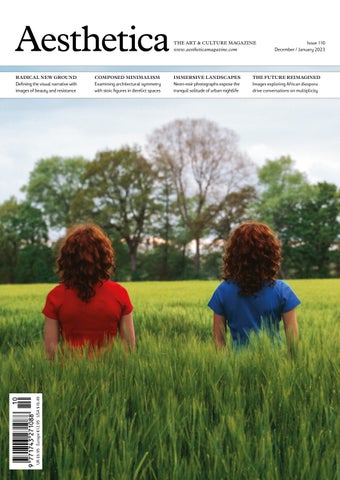
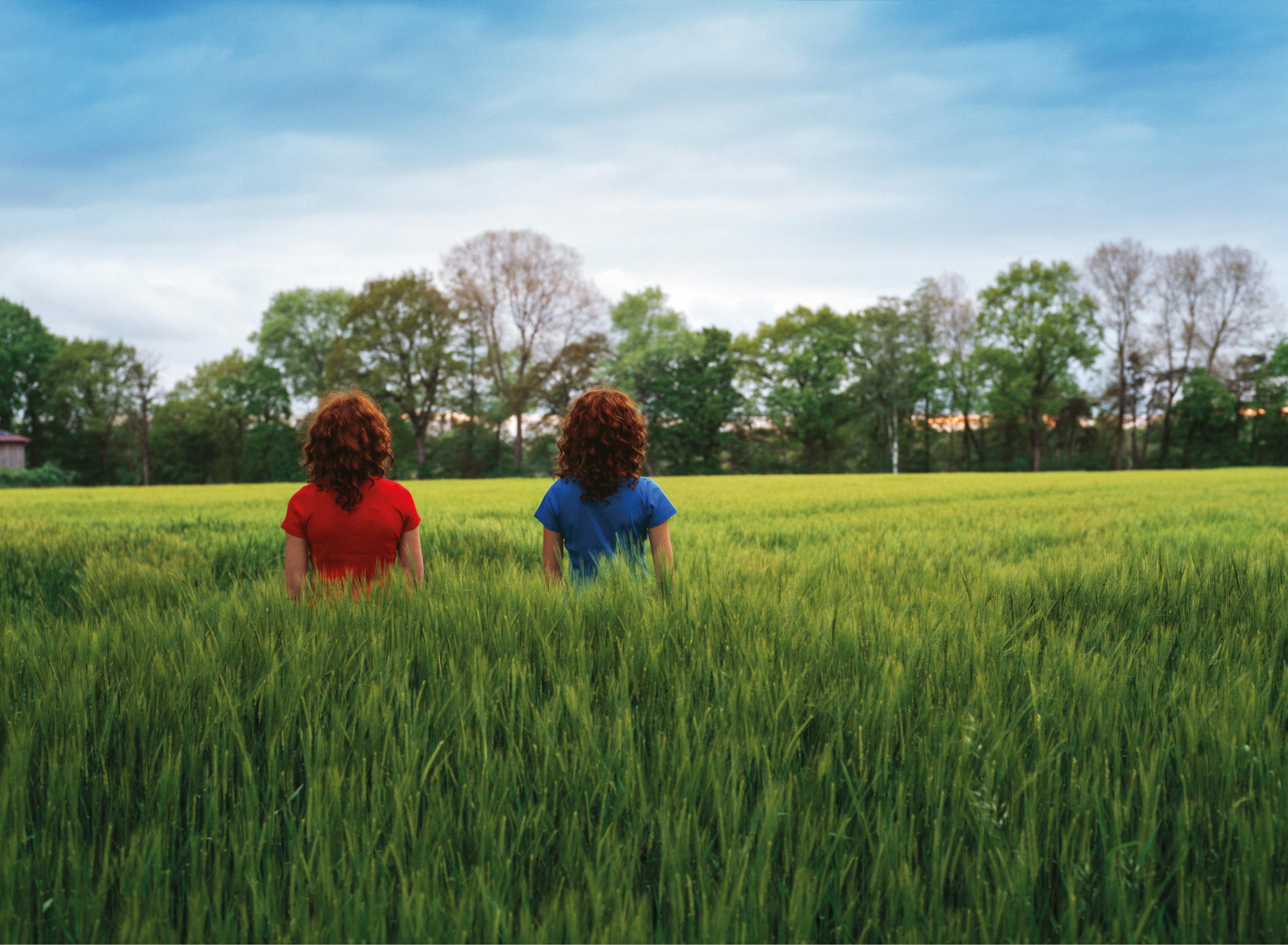
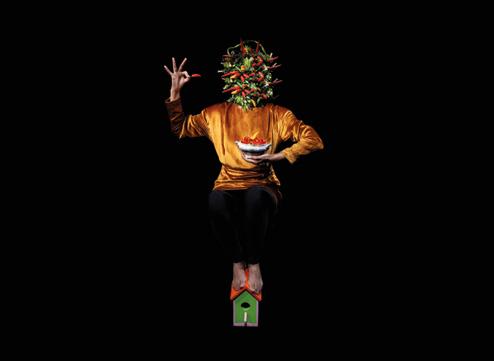
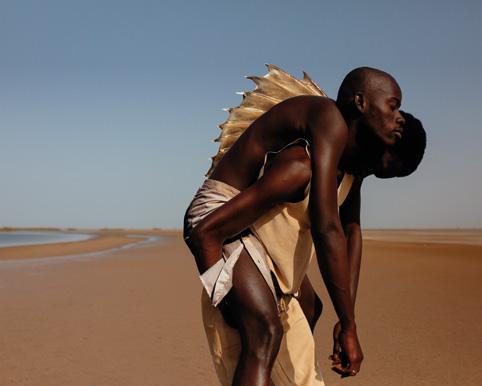
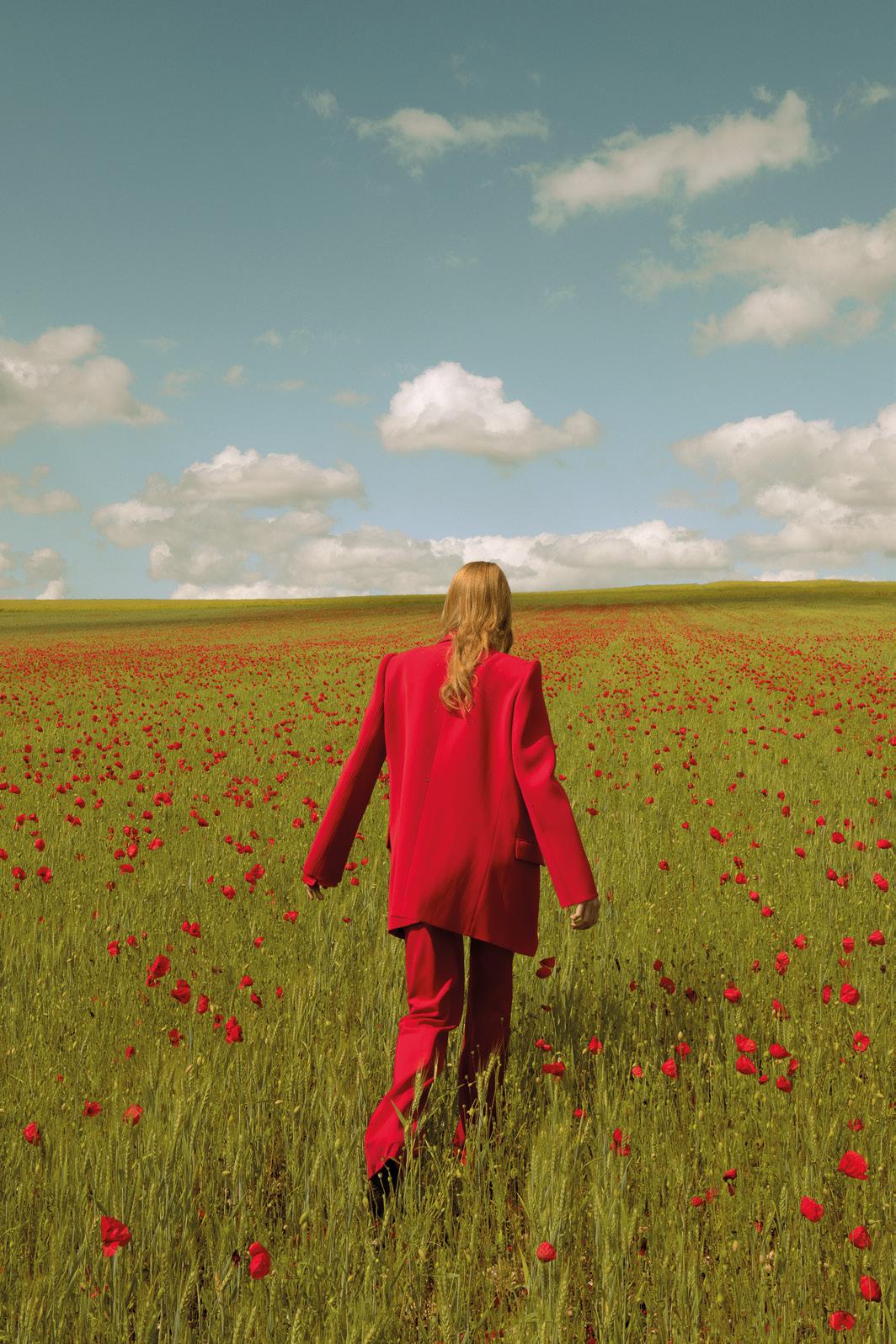
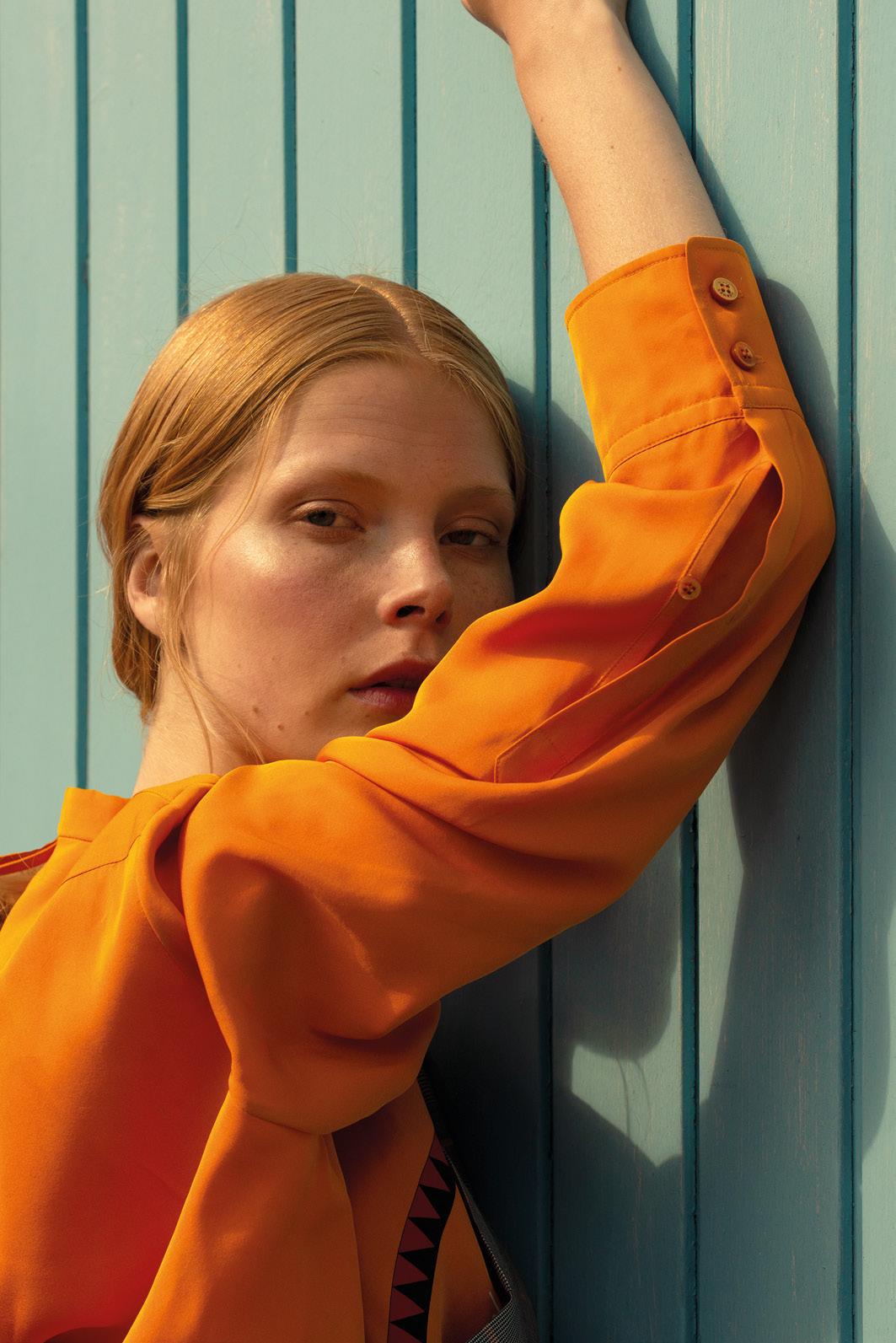
On the Cover Paris-based photographers Elsa Parra and Johanna Benaïnous create curious and cinematic narratives. They present inventive character portraits that mimic a family album: figures embrace on a pier, wander through fields of poppies and stare into endless distances. (p. 68)
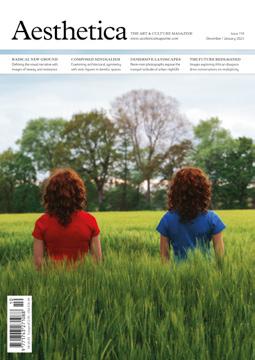
Image: Elsa & Johanna, Fire (detail). From The Timeless Story of Moormerland (2021).
Editor’s Note
Art is about storytelling, and we all tell stories. There are the stories we tell about ourselves and the ones we tell about each other. There are the moments that sit between memory, fact and fiction. It's how we present reality and remember the past. Sometimes, you tell yourself the same story so many times it becomes true. How the present is retold is subjective, and no person experiences it in the same way.
There are instances of joy and euphoria coupled with pain and loss. This is all part of the human experi ence. If there is one thing that binds us together, it’s that no matter who or where you are, we all are here right now on planet Earth. This is our time in history. It’s hard to picture the future – say 500 years from now – or to imagine how our existence could impact it. What will it be like? Dare to dream, I suppose.
This issue is dedicated to weaving narratives. Liam Wong highlights the beauty of the night and the in tersection between reality, technology and science fiction. His latest book, After Dark, investigates global cities at night. Wong says: “I want to take real moments and transform them into something surreal to make the viewer question the reality depicted in each photograph.” We speak to Tyler Mitchell about the fluidity of fine art and fashion photography, as he seamlessly traverses both worlds, alongside the impact of being the first Black photographer to shoot a cover for Vogue. Mária Švarbová’s swimming pools and brightly coloured caps follow a tradition from Seurat and Hockney, but by using architecture and light, she tells stories and memories of spaces where we can all find glimpses of serendipity.
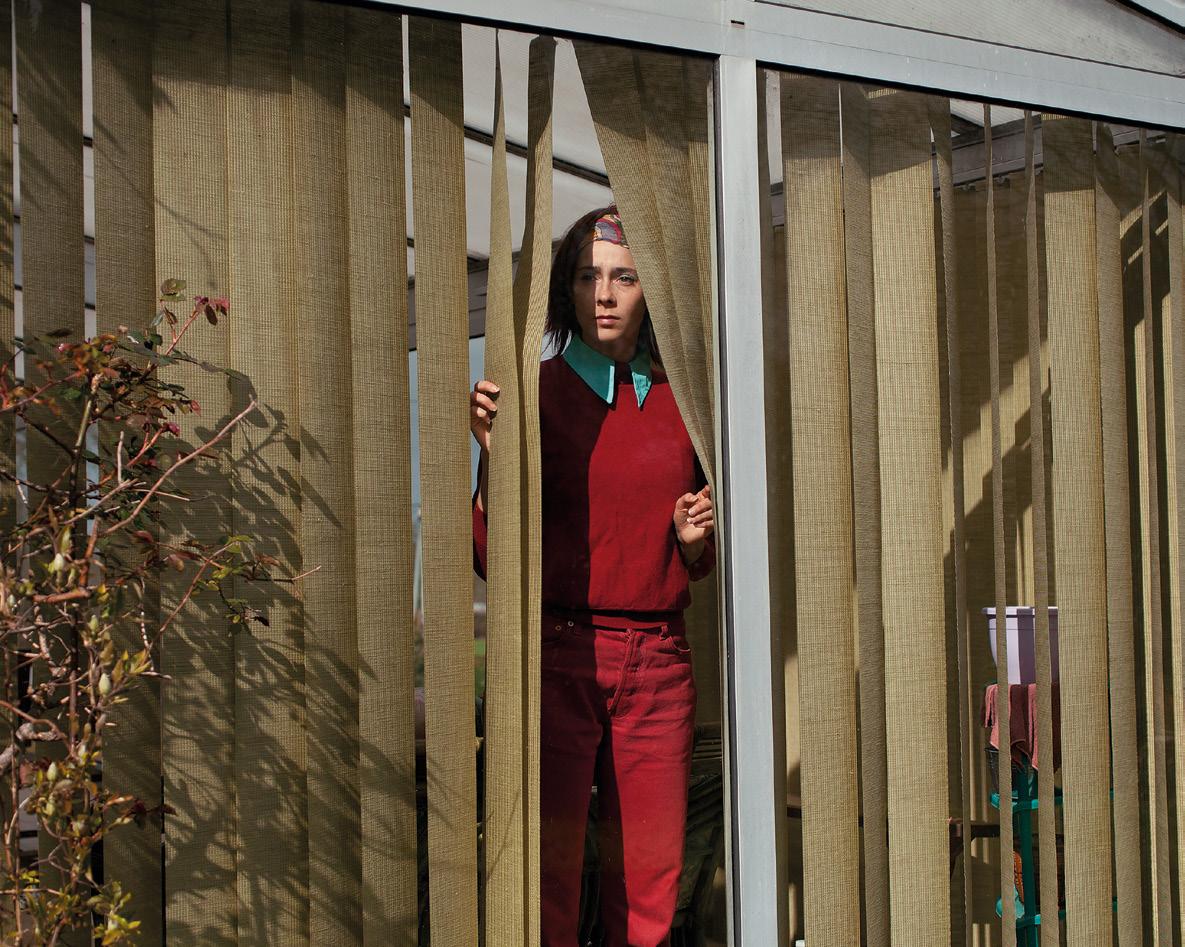
In photography, we bring you works from Alexis Pichot, Henri Prestes, Miguel Vallinas Prieto, Priscilla Ong and Mónica Alcázar-Duarte. Each photographer takes an instant in time and turns it into a moment of introspection. Our cover artists Elsa & Johanna experiment with portraiture by reconstructing family memories. Finally, Last Words go to Doug Aitken, where he discusses his new book, Works 1992-2022
Cherie Federico
Aesthetica 13
Cover
14 Aesthetica 98 30 68 48 108 30 92 36 62 80
Art16 News
Richard Mosse examines conflict and ecocide in NGV, Melbourne, whilst Frank Kunert inverts domestic spaces at Stadtmuseum Schleswig.
36 Seamless Horizons
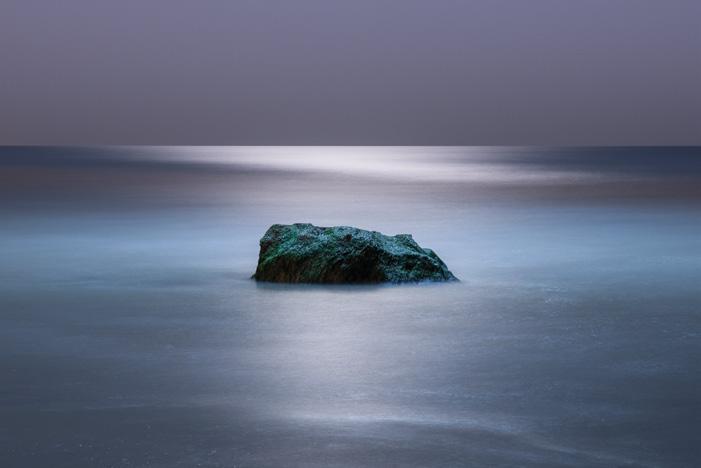
Alexis Pichot's ethereal archipelagos provide a moment of reflection amidst the constant influx of digital news, images and information.
68 Crafting a Narrative
Duo Elsa Parra and Johanna Benaïnous blur the distinctions between the photographer and subject in reconstructions of family memories.
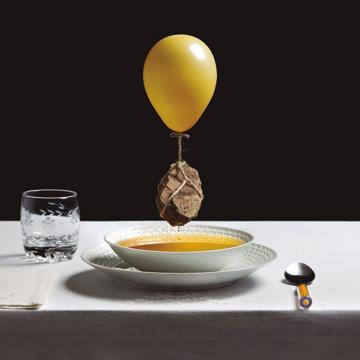
98 World of Imagination
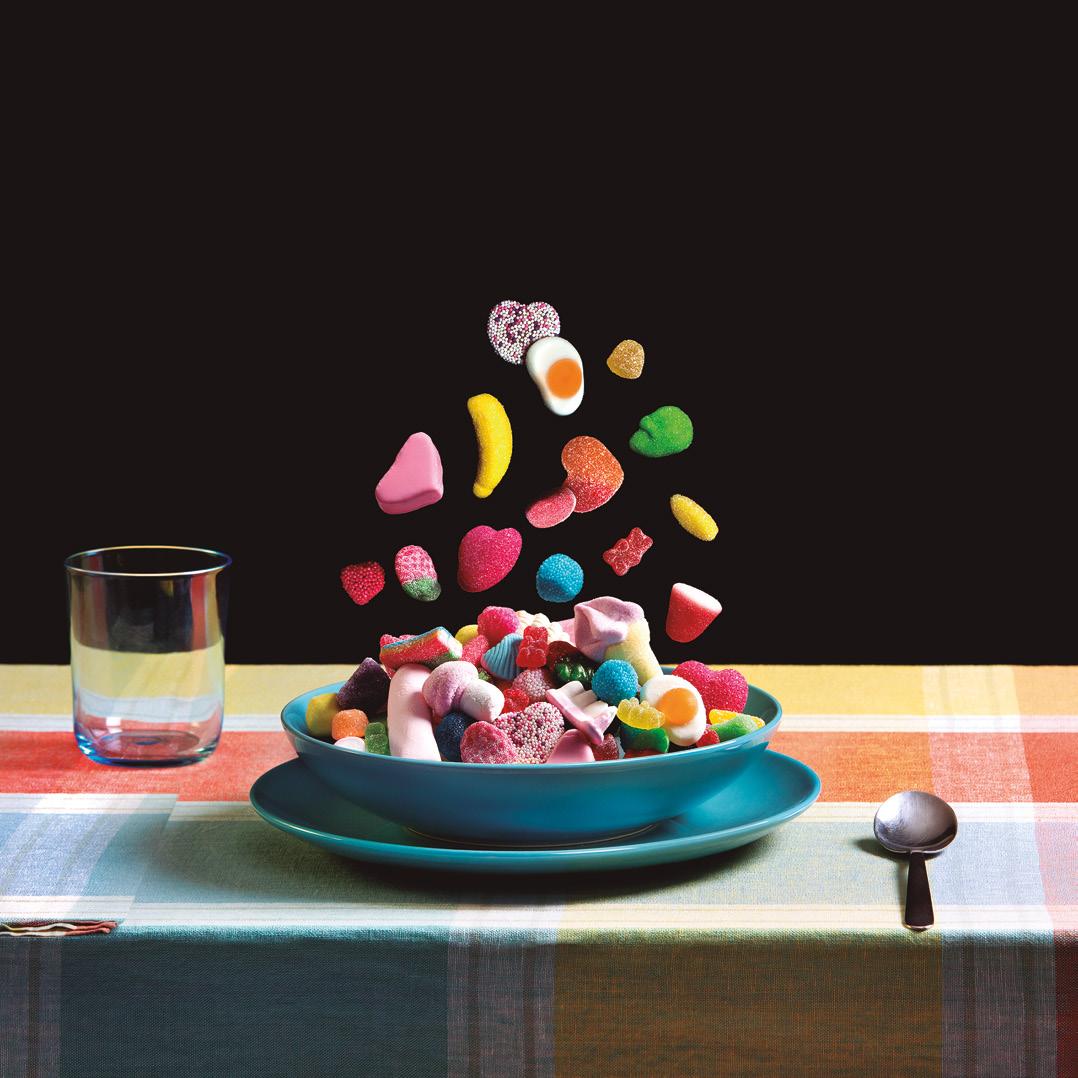
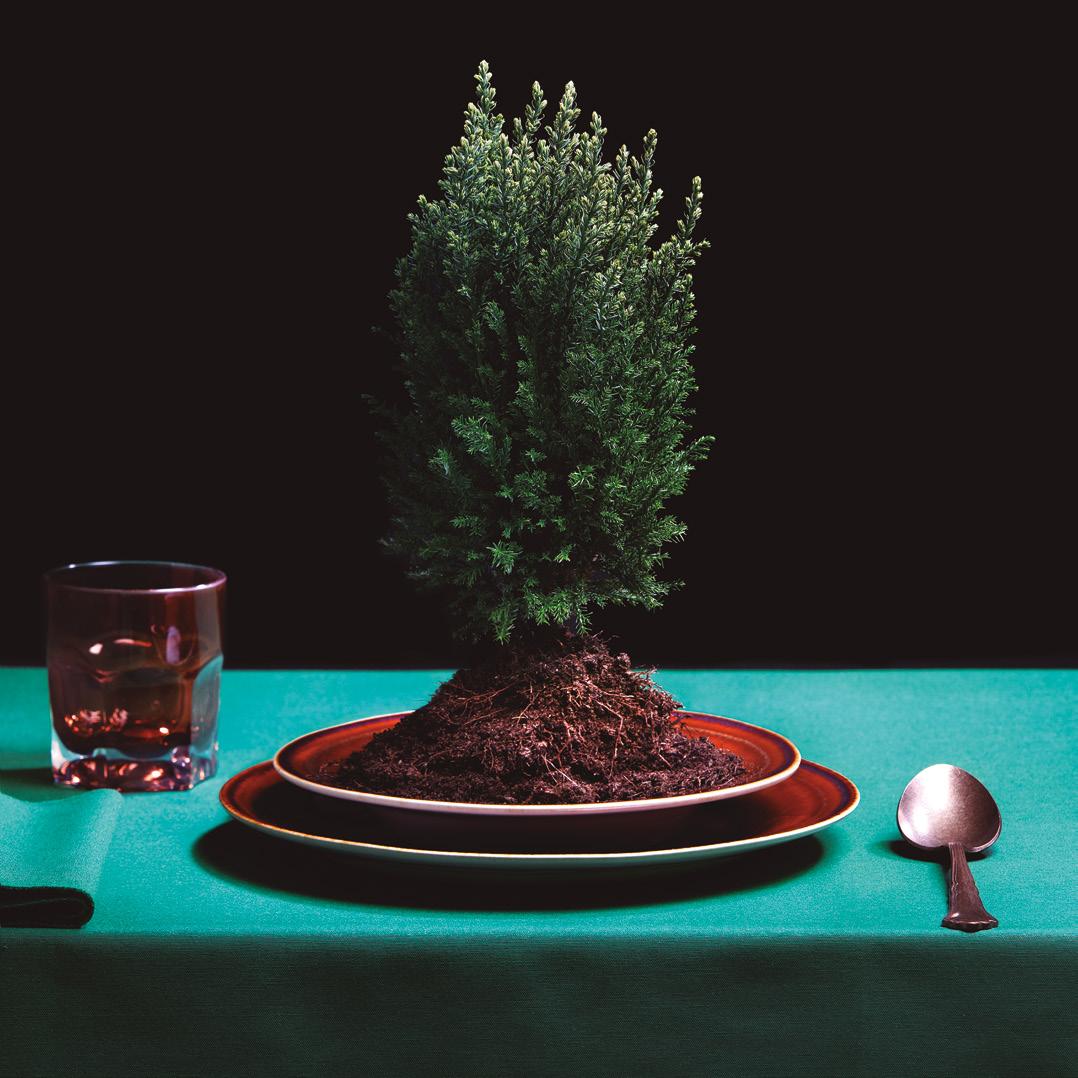
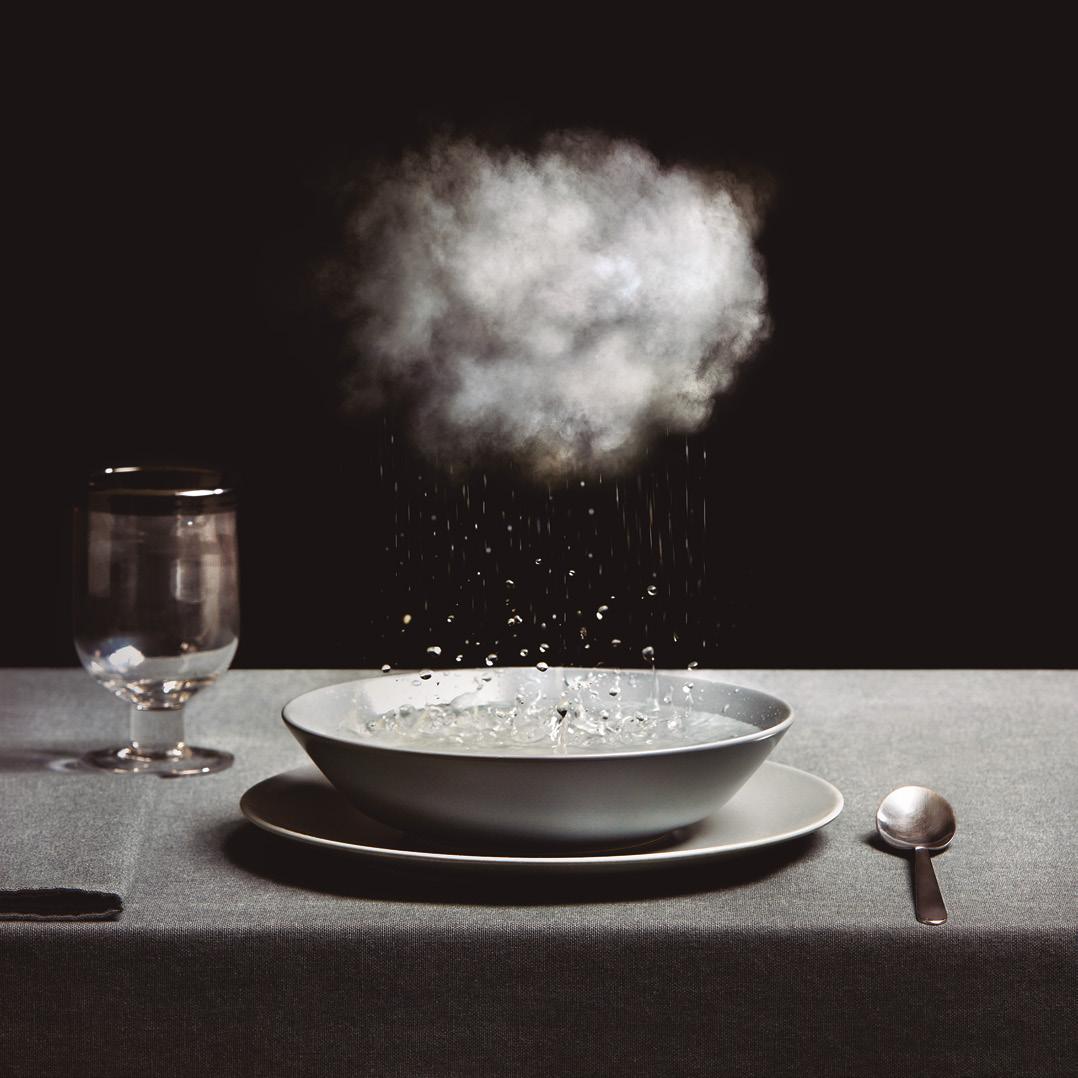
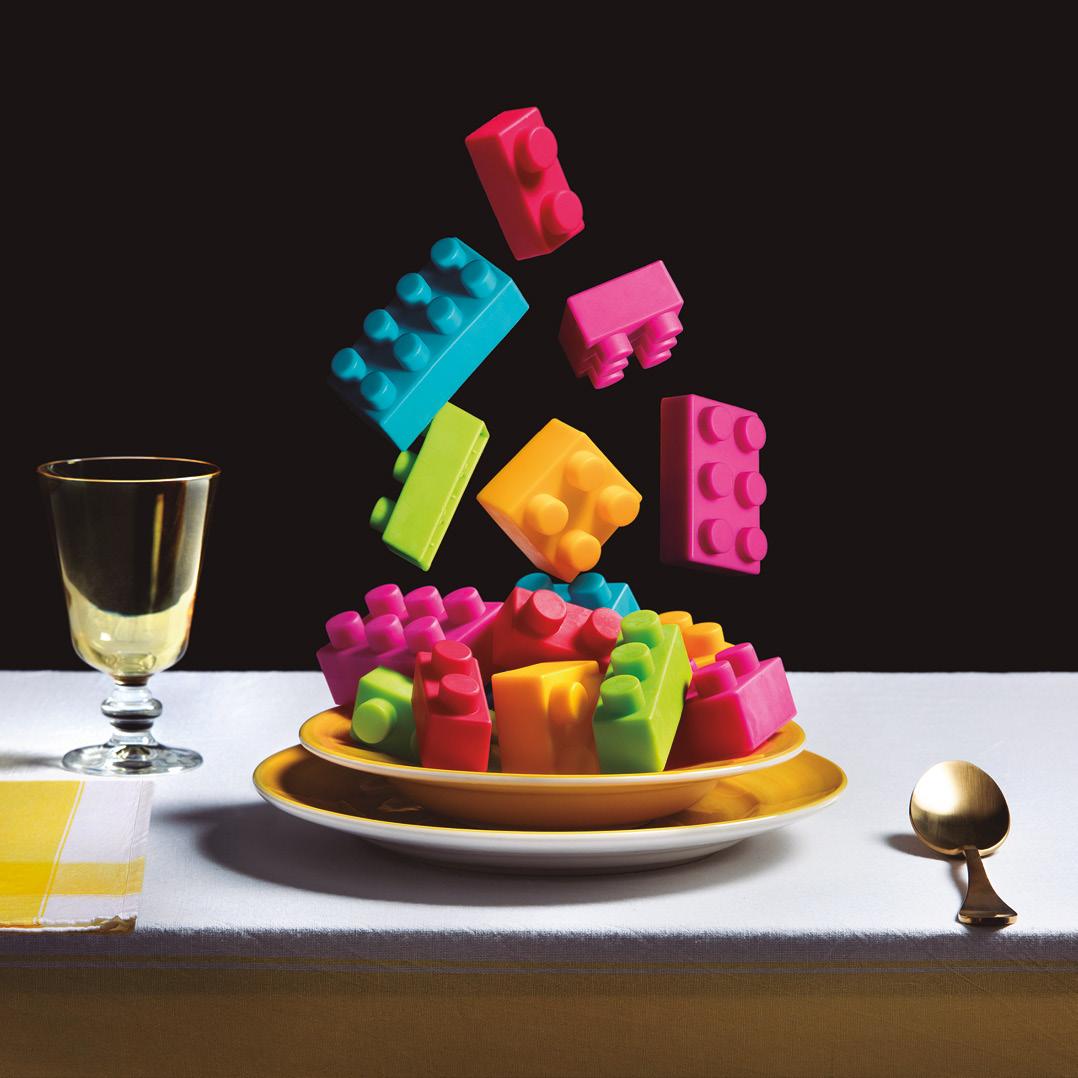
Suppen is a series of limitless creativity. Miguel Vallinas Prieto’s surreal compositions transform ordinary table settings into something magical.
Reviews
124
Exhibitions
We review Stan Douglas at Das Minsk, Potsdam, alongside Elle Pérez at Baltimore Museum of Art and KangHee Kim at Benrubi Gallery, New York.
Books
133
The Latest Publications
Freya Najade provides an enchanting insight into The Hackney Marshes. Hannelore Vandenbussche realises the ubiquity of play in different societies.
Aesthetica Magazine is trade marked worldwide. © Aesthetica Magazine Ltd 2022.
ISSN 1743-2715.

All work is copyrighted to the author or artist. All rights reserved. No part of this magazine may be used or reproduced without permission from the publisher.
Published by Cherie Federico and Dale Donley.
Aesthetica Magazine 21 New Street York, YO1 8RA, UK
Newstrade
Printed by Warners Midlands plc.
26 10 to See
These exhibitions consider new experiences of the world, from traditional ideas of portraiture to interactive installations impacting the senses.
48 Into the Small Hours
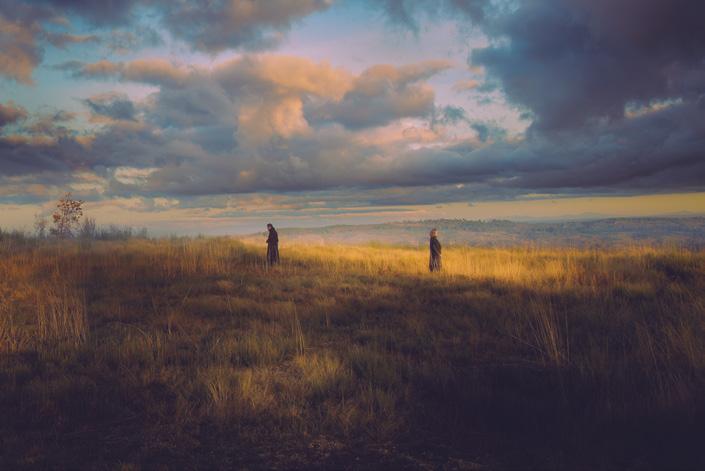
Henri Prestes investigates the calm yet ominous presence of the twilight hours in remote locations, producing cinematic and considered landscapes.
80 Visualising the Algorithm
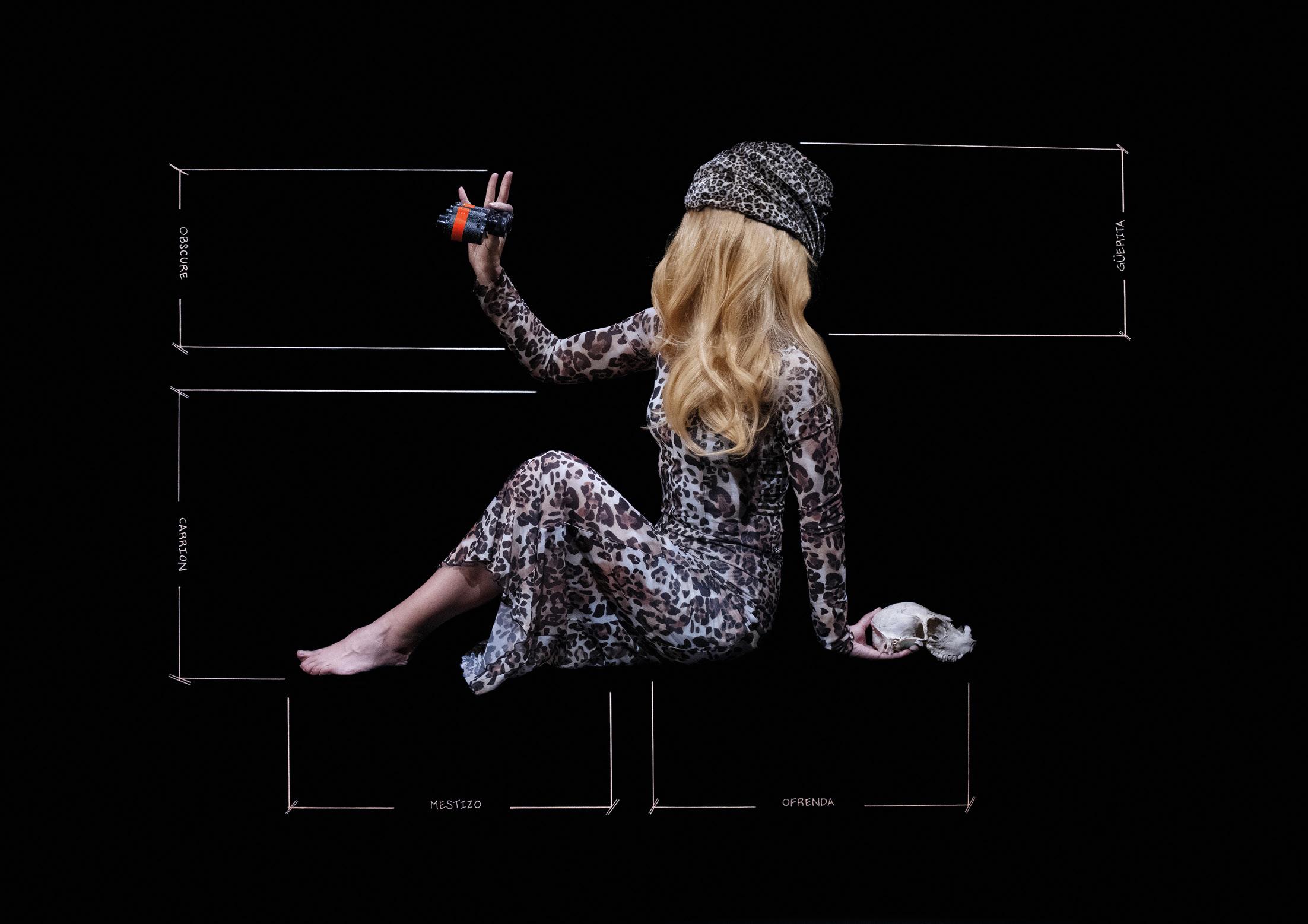
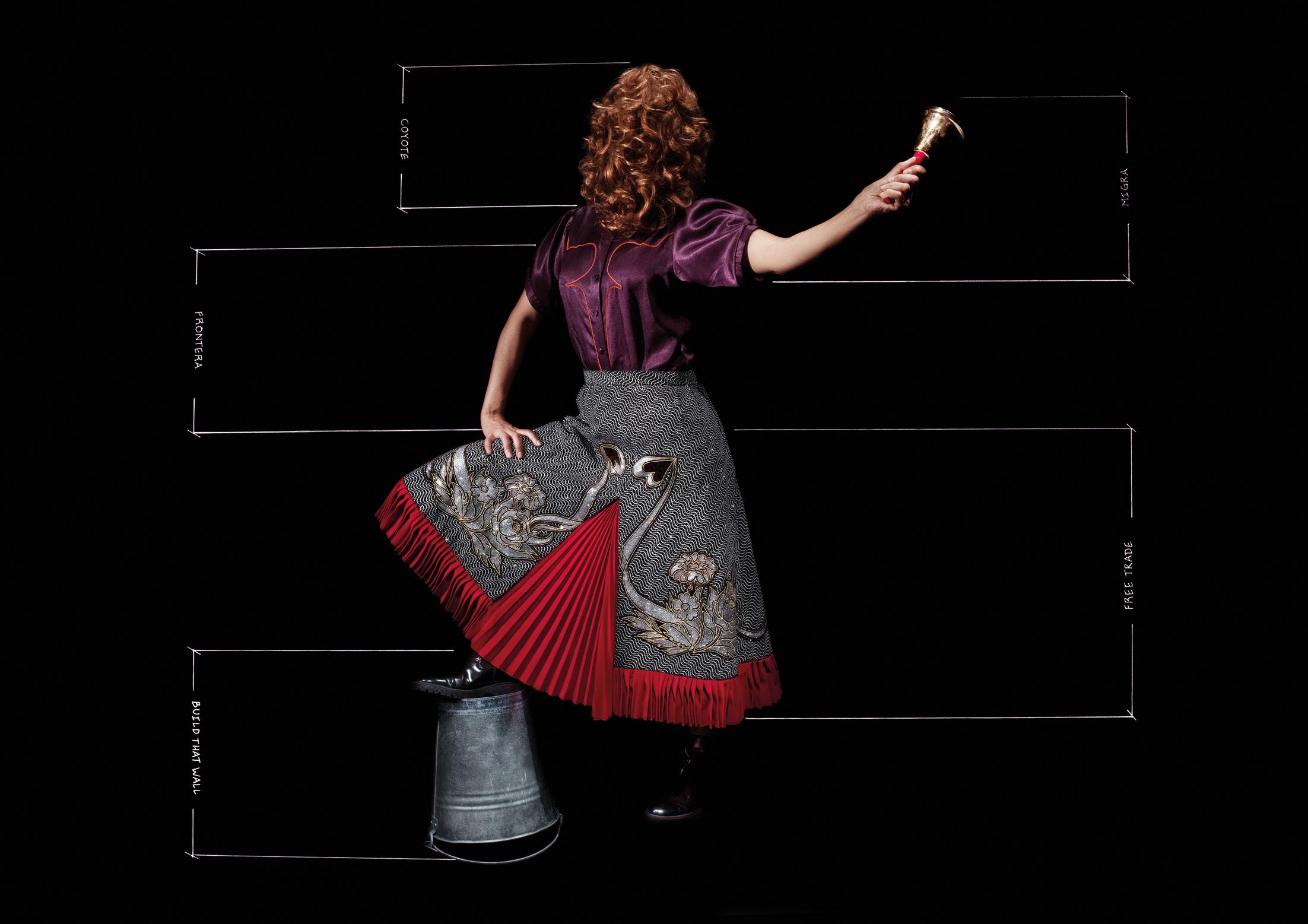
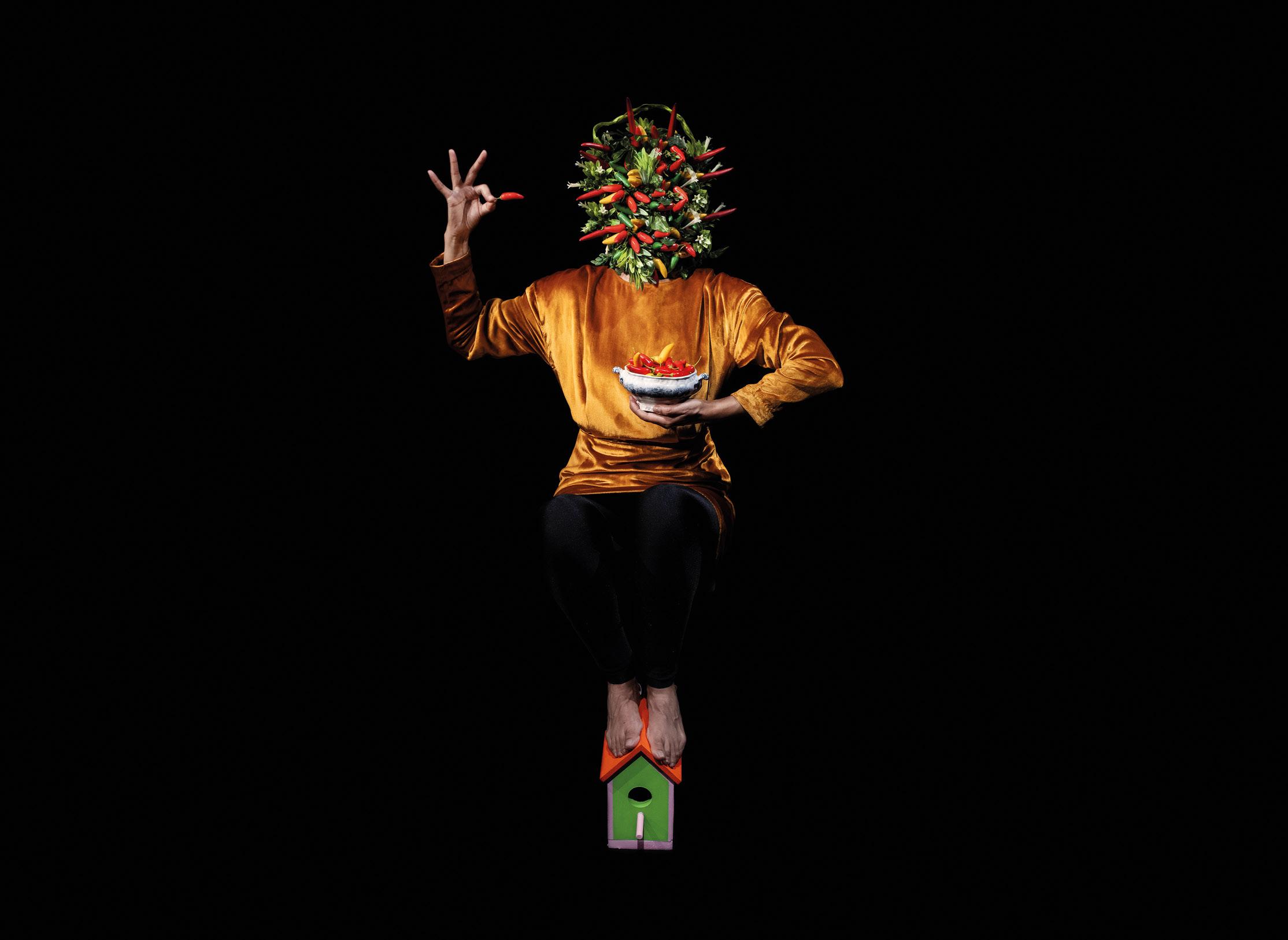
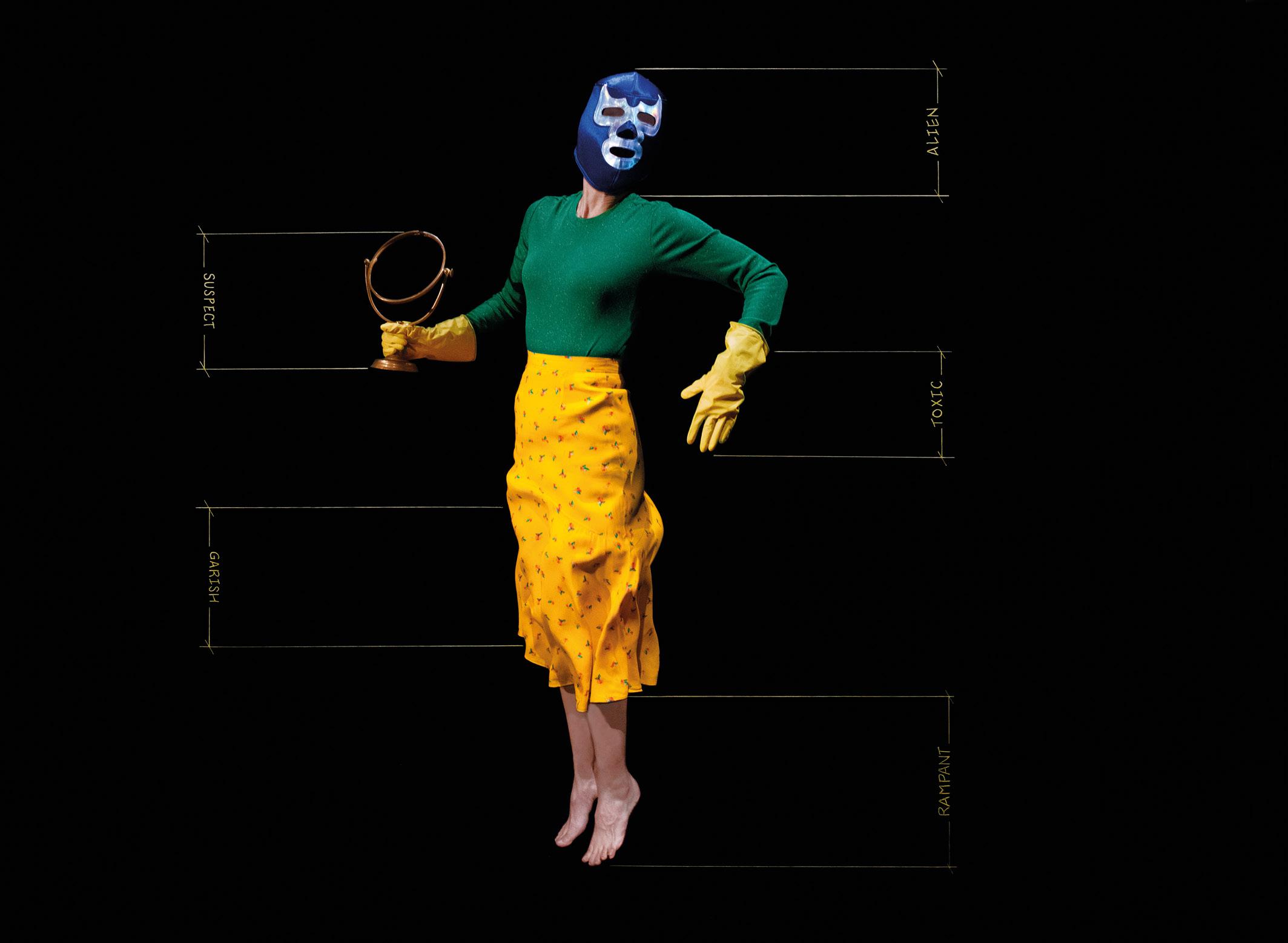
Mónica Alcázar-Duarte exposes the derogatory stereotypes Mexican women are subjected to in real-world and online spaces in Second Nature
108 Surrealist Assemblage
Priscilla Ong uses assemblage in bold, colourful and often humorous displays of inanimate items, crafting new narratives from mundane materials.
30
The Future Reimagined
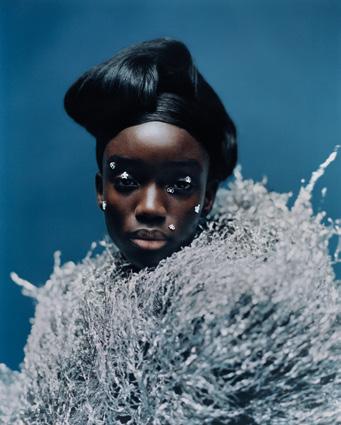
David Uzochukwu's speculative portraits reflect human identities. He is one of 75 artists invited to examine complex Afrodiasporic experiences.
62 Radical New Ground
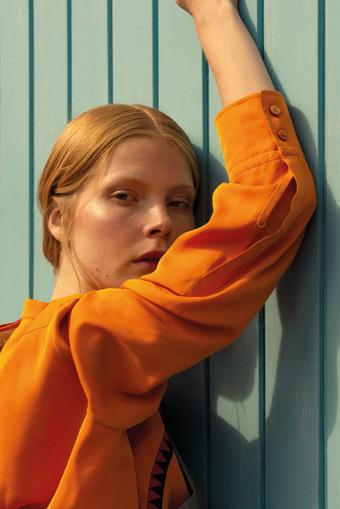
Tyler Mitchell has pushed the boundary of fashion photography. His visions of Black utopia provide everyday moments of beauty and contemplation.
92 Immersive Landscapes
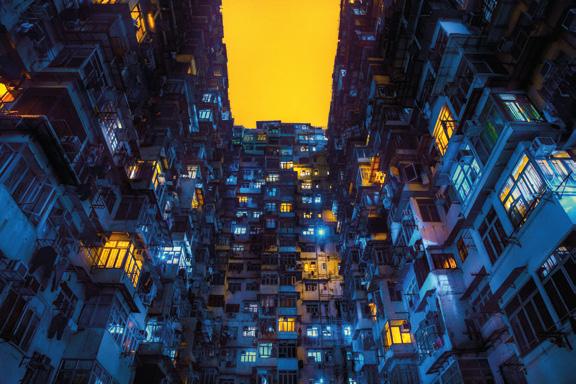
Darkness is a constant presence in Liam Wong’s neon-noir photographs, which expose the quiet solitude of global nightlife and question reality.
118
Minimalist Compositions
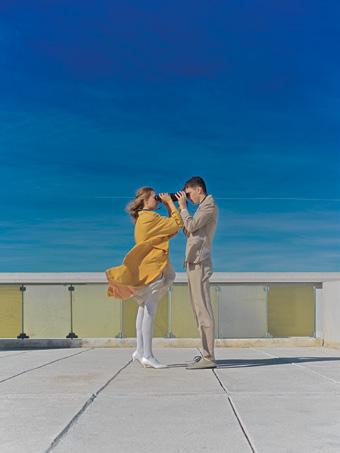
Swimming pool geometry translates into desolate landscapes reflecting human vulnerabilities in the work of acclaimed photographer Mária Švarbová
129 Film
Mark Jenkin’s Enys Men follows his criticallyacclaimed debut, Bait. Alexandre O. Philippe directs a six-part documentary with Lynch/Oz
Artists’ Directory
138 Featured Practitioners
Our featured artists offer new perspectives on the world: experiments with form, material and subject matter shape their innovative practices.
The Aesthetica Team: Editor: Cherie Federico Creative Producer: Eleanor Sutherland Content Editor: Saffron Ward Editorial Assistant: Megan Jones
Media Sales & Partnerships Manager: Megan Hobson Artists’ Directory Manager: Katherine Smira
Production Director: Dale Donley Operations Manager: Helen Osbond Designer: Matt Glasby
Contributors: Rachel Segal Hamilton Diane Smyth Jack Solloway
Reviewers: Jack Solloway Shyama Laxman , James Mottram, Leyla Sanai, Stephanie Watts, Fanny Wendt Höjer, Matt Swain, Alexander Stubbs Eleanor Sutherland , Saffron Ward , Megan Jones, Kyle Bryony Jesi Khadivi.
131 Music
Ghostly International revive Tycho’s electroinfused dance classic Dive, whilst Tom Jenkins and Gena Rose Bruce offer new solo releases.
Last Words
146
Doug Aitken
The artist discusses how the subconscious has the potential to influence our understanding of land scape in the new monograph, Works 1992-2022
Advertisement Enquiries: Megan Hobson (0044) (0)844 568 2001 advertising@aestheticamagazine.com
Artists’ Directory Enquiries: Katherine Smira directory@aestheticamagazine.com
Subscriptions: subscriptions@aestheticamagazine.com
General Enquiries: info@aestheticamagazine.com
Press Releases: pr@aestheticamagazine.com
Follow us: aestheticamagazine.com facebook.com/aestheticamagazine twitter.com/AestheticaMag pinterest.com/AestheticaMag instagram.com/AestheticaMag
Aesthetica 15 contents
Distribution: Warners Group Publications plc. Gallery & Specialist Distribution: Central Books.
16 Aesthetica
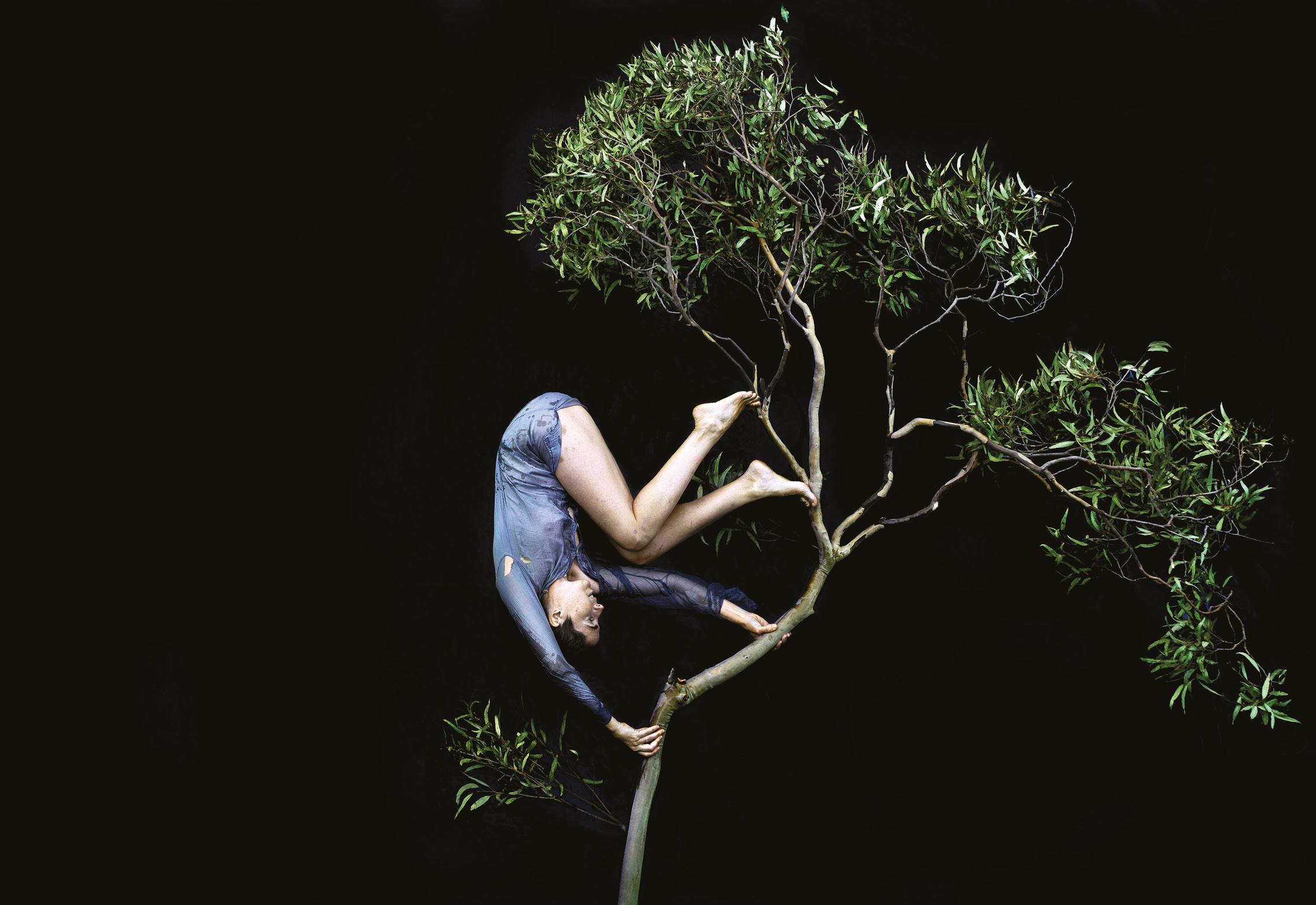
Tamara Dean, Tumbling through the treetops (2020). From the series High jinks in the hydrangeas Monash Gallery of Art, City of Monash Collection. Courtesy of the artist and Michael Reid Gallery (Sydney + Berlin).
Organic Connections
LEAVE ONLY FOOTPRINTS
Monash Gallery of Art, Victoria | Until 19 February mga.org.au
A woman hangs upside down acrobatically from a tree. Her body contorts to extend the twisting trunk, filling in the blank space like a new branch. Tamara Dean’s (b. 1976) performative images employ an exquisitely idealised narrative to depict the natural world as a return to Eden. Here, humans are not simply living in harmony with the environment, but seamlessly become part of it – breathing, growing, collaborating and, importantly, thriving. This large-scale retrospective presents two decades of constructed fine art portraiture by the Australian artist – who began as a photojournalist – from traditional documentary photography to performative, staged portraits. "My work enables conversation about serious environmental issues but from a place of beauty, not destruction," she explains (The Sydney Morning Herald, 2019). Her oeuvre unearths the artistry inherent in a sustainable life. “I create symbolically charged works, which bridge the separateness humans create in our minds between ourselves and nature." It's an affront to the relentless anthropomorphism and individualism that is defining our age.
At times, these portraits bring to mind Sir John Everett Millais’ Ophelia (1851-1852) or The Day Dream (1880) by Dante Gabriel Rossetti. Just as the Pre-Raphaelite Brotherhood were guided by John Ruskin’s call for artists to “go to nature in all singleness of heart ... rejecting nothing, selecting nothing and scorning nothing” in the 19th century, Dean’s images speak to a contemporary quest for spiritual and aesthetic nourishment through a rediscovery of our kinship with the environment.
Aesthetica 17
Engaging with Curation
Photo Elysée, Lausanne | Until 29 January elysee.ch
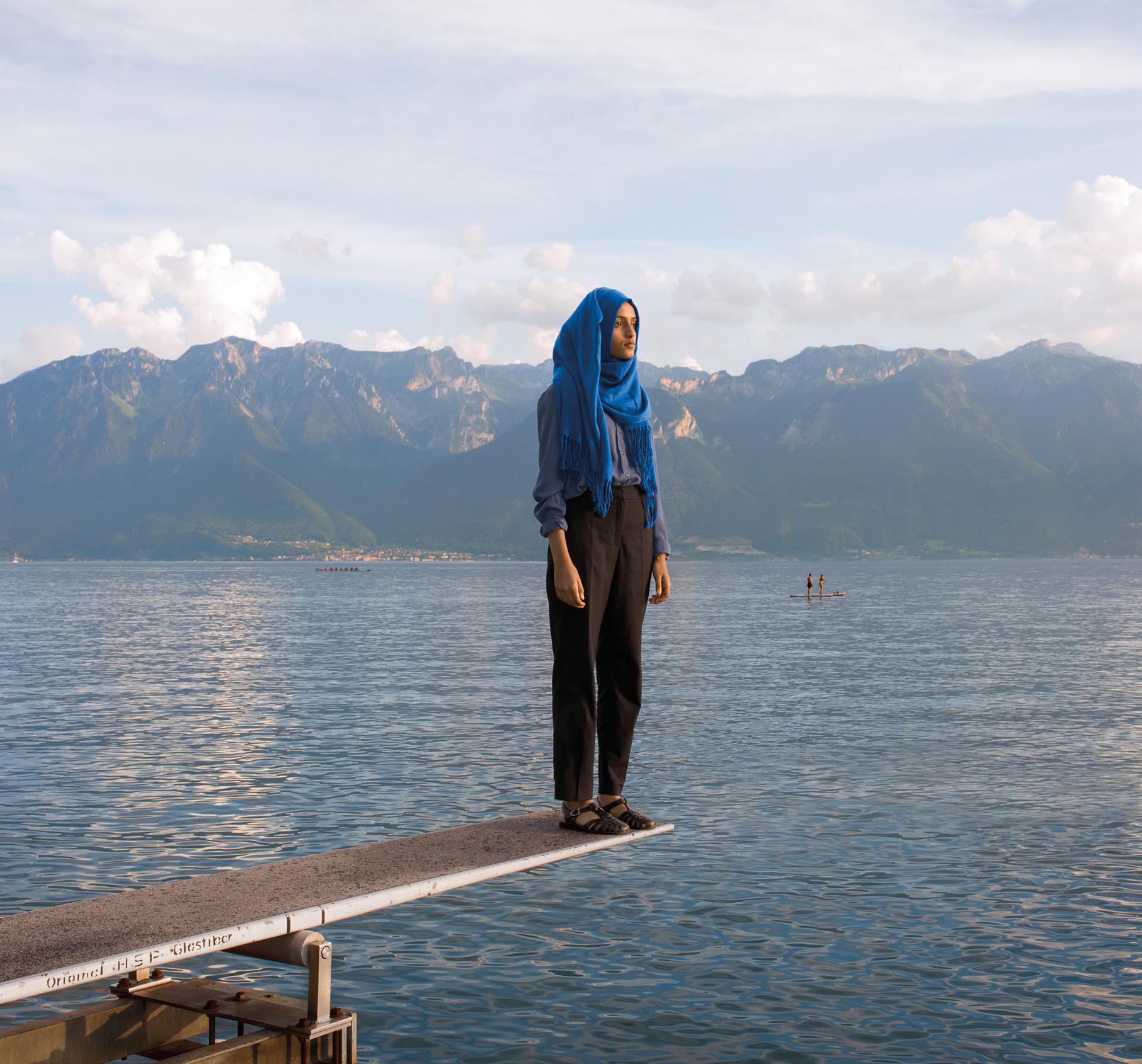
“What does it mean to collect and exhibit?” This is the start ing point for a group show that contemplates the role of the museum in contemporary knowledge production. Photo Elysée in Switzerland holds more than one million objects, with photo graphs dating back to the birth of the medium in 1839. Across 600 images, visitors are invited to consider what museums do with collections and how they evolve over time, alongside the wider cultural and social consequences of 21st century curation.
More than any other artistic practice perhaps, photography has a fluidity that lends itself to multiple uses outside gallery walls – it is used to give evidence in courtrooms, sell products on advertising billboards, by scientists to study human biology and mark rituals of life, such as birthdays or weddings. Now, with the ubiquity of smartphones, it has become a form akin to words. “Our collections, with their wide range of photographic tech niques and diverse genres ... have been built according to a generalist approach to photography for almost four decades,” notes the curator Lars Willumeit (b. 1974). “They are emblem atic of our various acquisition policies adopted over time but are also capable of dialoguing the diversity of contemporary stud ies devoted to the image through disciplines such as art history, anthropology, gender studies, history, sociology and cultural studies.” Mexican-British artist Alinka Echeverría (b. 1981), for example, combines a background in anthropology with a criti cal approach to imagemaking to examine structures of visual representation – inviting viewers to question curatorial decisions.
18 Aesthetica news
60 SPECIES OF PHOTOGRAPHIC SPACES
Alinka Echeverría, Aala, 18, in Rivas –St. Saphorin (detail) (2016). Analogue C-print. © Alinka Echeverría.
20 Aesthetica
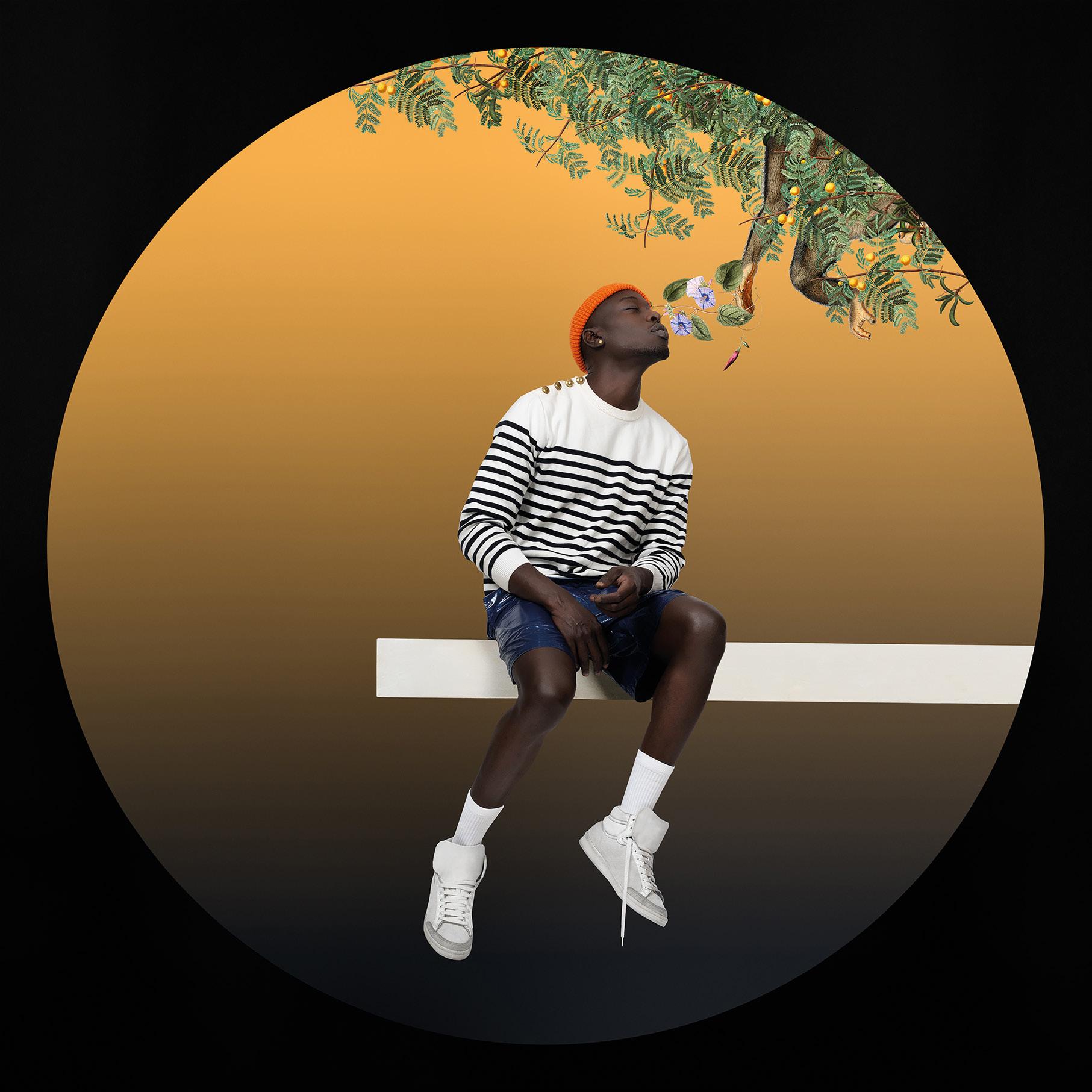
Omar Victor Diop, Allegoria 13 (detail) (2021). © Omar Victor Diop. Commissioned by Autograph.
Resisting the Canon
OMAR VICTOR DIOP
Fotografiska, Stockholm | Until 12 March fotografiska.com/sto
Past and present collide in Omar Victor Diop’s (b. 1980) work. The Senegalese photographer takes cues from 15th to 19th cen tury western portraits to portray overlooked Black pioneers. In the series Diaspora (2014), for example, he appears as Juan de Pareja (1606-1670), an enslaved man who became a painter after an apprenticeship with Spanish artist Diego Velázquez (1599-1660). Diop holds an anachronistic object, such as shiny football boots, to allude to the present. The photographer moves beyond single figures in Liberty (2017), revisiting sig nificant moments from the Civil Rights Movement in the USA to activism against imperialism across Africa. Restaged scenes from the 1965 Selma to Montgomery marches and the Soweto upris ing in 1976 celebrate legacies of revolt and the fight for equality.
His latest project, Allegoria (2021), continues in a similar vein stylistically, but focuses on a contemporary issue: the climate emergency. Diop sits on a platform, smelling the scent of an illustrated purple flower – a bloom that is a complete mirage. In one, he cradles an arctic hare and, in another, a dodo, high lighting the current destruction of natural habitats and its ulti mate consequence: extinction. These images seem to be pulled straight from fairytales, yet they question the future of humanity, specifically in the global south, amidst environmental decline.
Fotografiska Stockholm brings together these three major bodies of work for the first time in one show. The artist revisits the past to challenge representations of diasporic experiences and asks: what can be unearthed from history if we look hard enough.
Aesthetica 21
Spaces of Illusion
FRANK KUNERT: CARPE DIEM
Stadtmuseum Schleswig | From 9 December stadtmuseum-schleswig.de
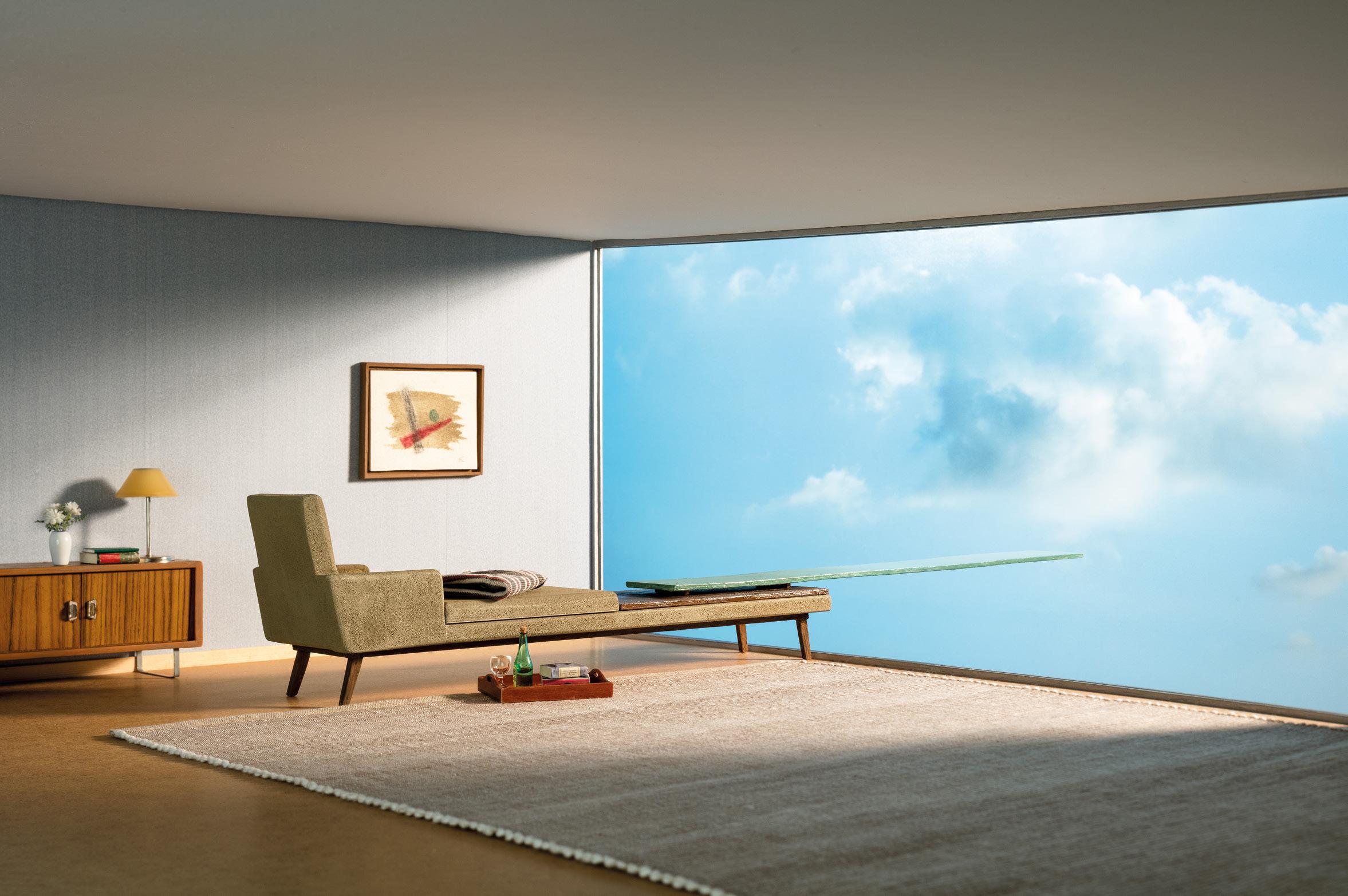
Nothing is quite what it seems in the work of artist Frank Kunert (b. 1963). The German model maker and photographer’s pol ished, surreal studio-shot images depict settings that are slightly askew. Domestic spaces are inverted somehow, mysteriously emptied of human presence with objects that appear too large or small for the room. In one, a diving board protrudes from an armchair, jutting through a window and out into a horizon of fluffy white clouds. In another, a rocking horse teeters on skyhigh ladders, just about to topple over the edge of a brick wall. The meticulously constructed miniature models that appear in these frames are also on view in Carpe Diem at Stadtmuseum Schleswig. On the surface, the scenarios they reveal appear droll and whimsical, but there is a much darker side simmering be neath. “The desire for consolation or sudden liberation arises precisely when it seems to people that they can't go on,” Kunert explains. “And, with a certain degree of irony, I try to confront this longing.” A desk that doubles as a bed speaks to the relentless, despondent rat race of modern working life, whilst a balcony that opens out onto a train track alludes to current metal health crises. These scenes are the stuff of dreams, but represent our waking nightmares. Whilst there is bleakness, there is also hope.
Throughout 2022, stories of “quiet quitting” have erupted on social media, as people re-evaluate work and relationships after the Covid-19 lockdowns. This phenomenon provides an antidote to the daily contradictions depicted in Kunert’s images, leading us to the question: what does a successful life look like?
22 Aesthetica
Aesthetica 23
24 Aesthetica news
Witnessing Deforestation
RICHARD MOSSE: BROKEN SPECTRE
NGV, Melbourne | Until 23 April ngv.vic.gov.au
In his October 2022 victory speech, Brazilian president Luiz Inácio Lula da Silva vowed to protect the Amazon and the rights of its indigenous inhabitants. Two months before, 33,116 illegal fire hotspots were recorded in the rainforest – the highest number in 12 years, according to data from the Brazilian National Institute for Space Research (INPE). This startling statistic reflects research published by the journal Nature in 2021, suggesting that “the lungs of the planet” currently emit more carbon dioxide than they absorb – moving towards a point of no return.
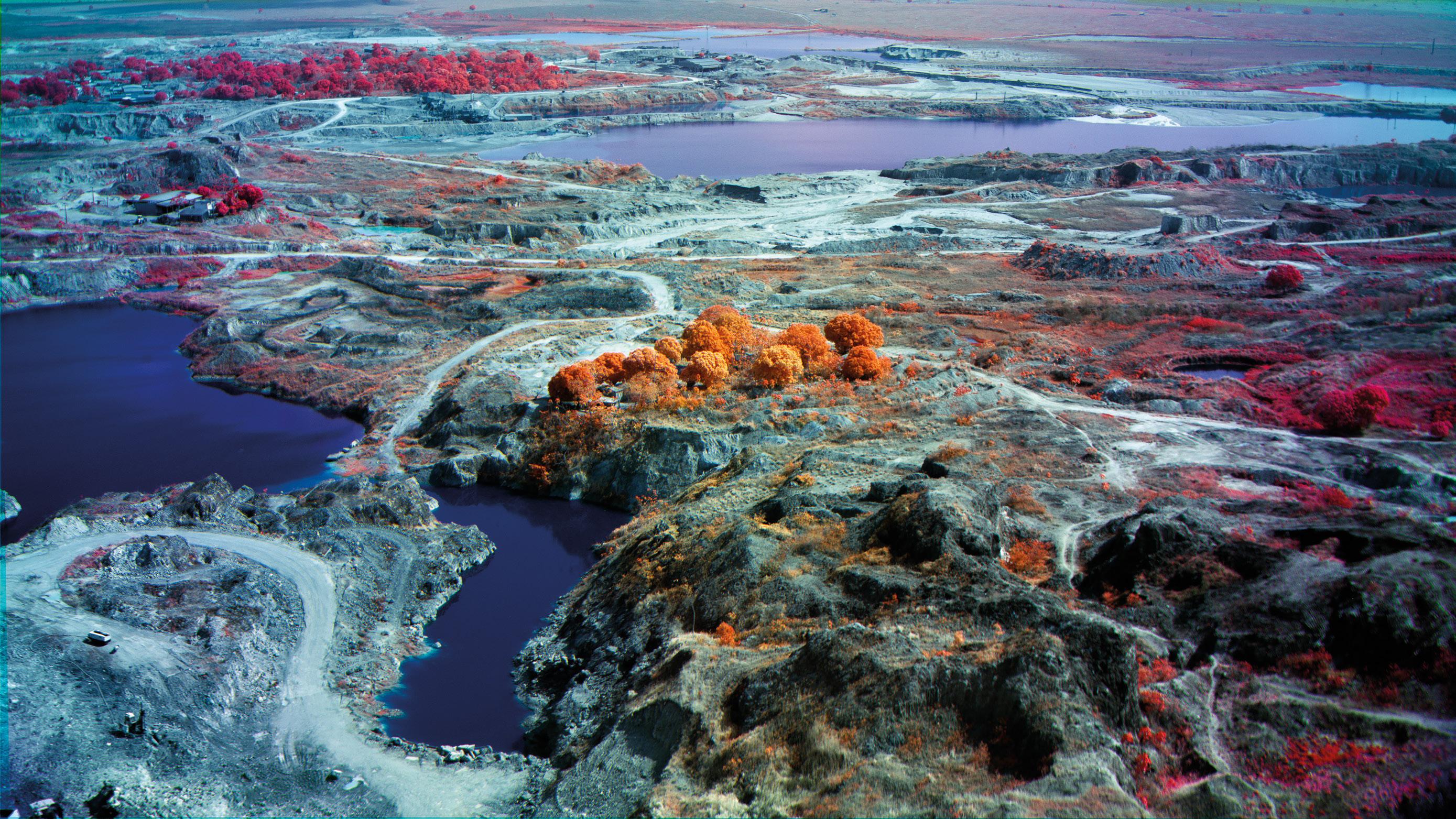
Irish artist Richard Mosse (b. 1980) is known for exploring major global issues: conflict, migration and now, ecocide. His latest moving image work, Broken Spectre (2022), uses satellite imagery and a custom-made multispectral video camera to record stark footage of dieback in the Amazon. A false tonal palette turns tropical skies black whilst trees glow like embers.
The 74-minute documentation is shown across 20-metre screens, bringing viewers up close to the damage wrought to one of our most precious natural environments. References to Spaghetti Westerns emphasise the collective responsibility for enjoying “fruits of deforestation, from eating cheap beef burgers to sitting on leather seats in luxury cars,” as the artist describes.
However, there is renewed hope of a new chapter. “Brazil is ready to resume its leading role in the fight against the climate crisis, protecting all our biomes,” da Silva promises: “Brazil and the planet need a living Amazon.” Mosse's installation reflects this sentiment, reinforcing the climate emergency conversation.
Aesthetica 25
This list of must-see shows for December and January question how existing connection to the past and each other will shape the future. From portraiture to interactive installations and traditional knotting techniques, these exhibitions consider complex perspectives on the world.
1Christy Bush: Familiar Jackson Fine Art, Atlanta | Until 23 December jacksonfineart.com
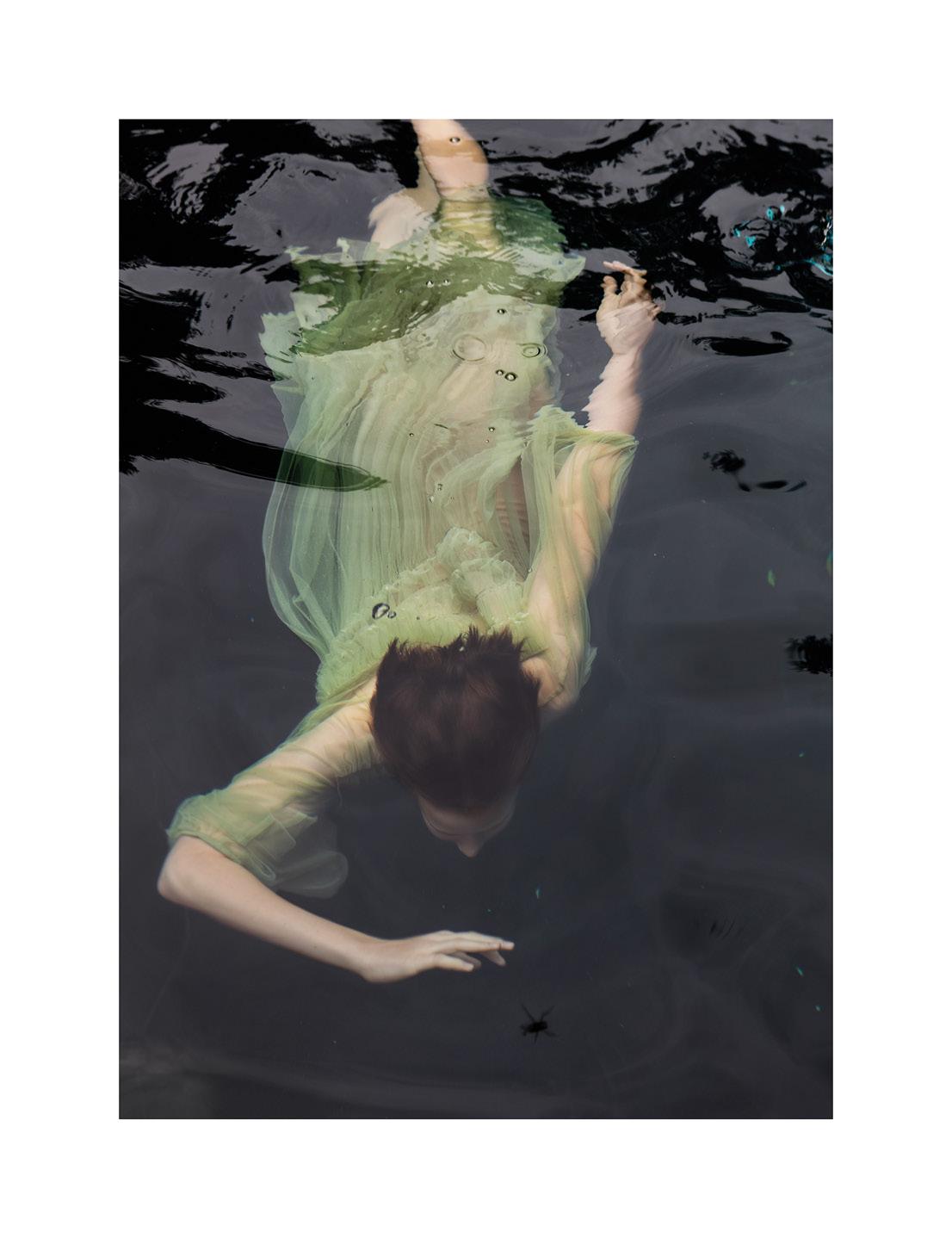
Life spills into art and back again for Atlanta-born photographer Christy Bush. As a youthful punk in the 1980s, she surrounded herself with creatives – a family she constructed herself. Familiar celebrates the freedom of adolescence in American suburbia, capturing formative experiences that transcend time and space. Rebellious teens swim in rivers, climb buildings and play dress up in the dwindling sunlight. Despite taking us on a journey from New York to Georgia, California and Florida, Bush’s images remind us of universal childhood memories.
2Cerith Wyn Evans
Mostyn, Wales | Until 4 February mostyn.org
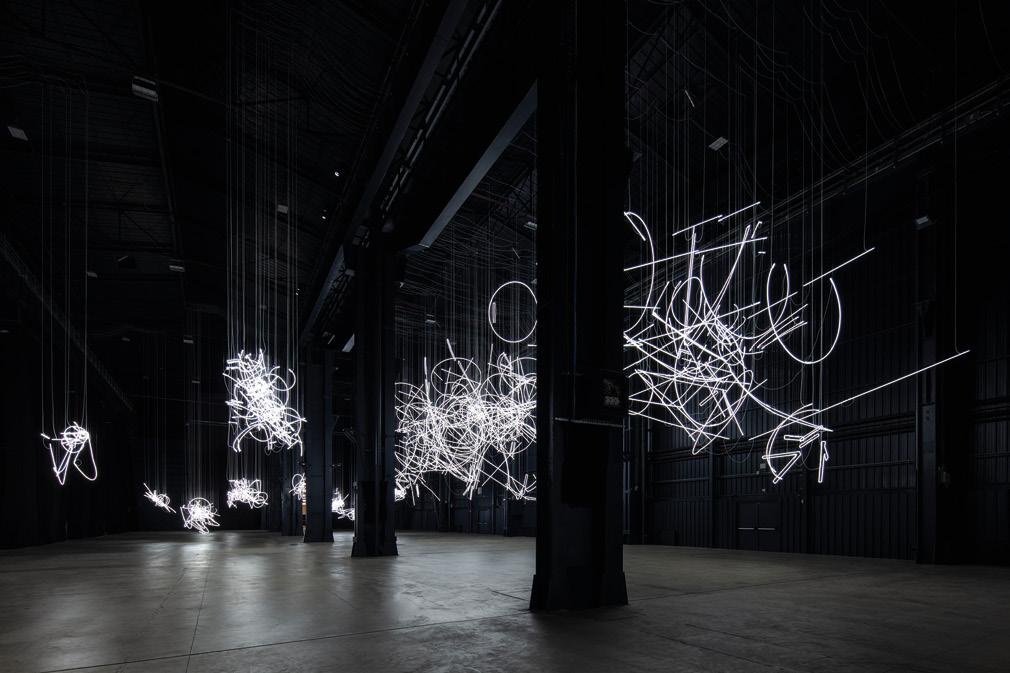
Neon sculptures dangle like tangled lines dancing in mid-air, whilst columns of light shoot down from seven metres above the floor. Leading Welsh artist Cerith Wyn Evans (b. 1958) takes over Mostyn, Wales, for this place-responsive exhibition – his largest to date in Britain. Everything is a carefully choreographed allusion to the unfixable energy that flows through out the world. A sensory playground unfolds as light, shadow, vibrations and transparencies form a “controlled randomness” for audiences to explore and challenge perceptions of space.
3Cecilia
Vicuña: Brain Forest Quipu
Tate Modern, London | Until 16 April tate.org.uk
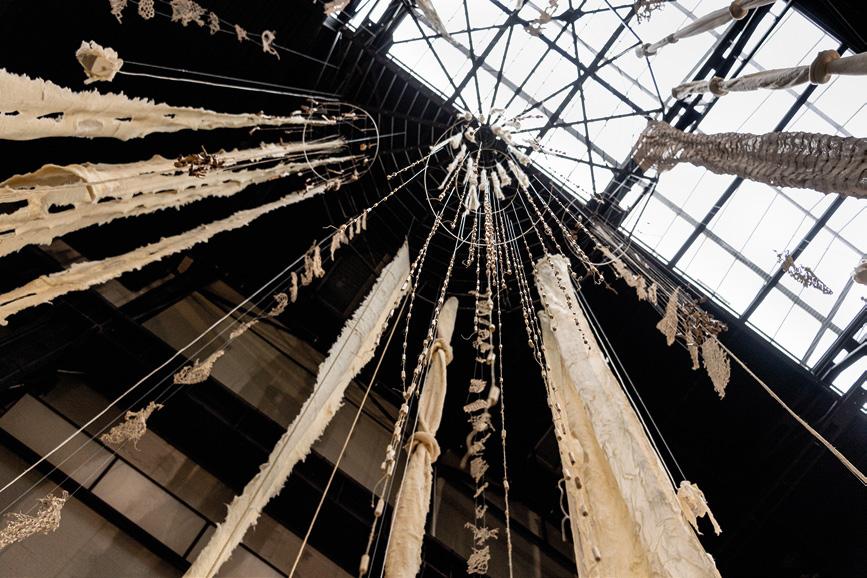
Indigenous Andean cultures have been using “quipu” – a system of knotted chords – to record information and communicate messages for thousands of years. Renowned Chilean artist Cecilia Vicuña (b. 1948) has incorporated the technique into her work over the last five decades. Brain Forest Quipu (2022) mourns deforestation and biodiversity loss. Unspun wool is combined with found objects gathered from around the Thames by local Latin American women to become, in the words of the artist, “a tactile, spatial metaphor for the union of all.”
4Ludwig Rauch: Portrait and Abstraction
MdbK, Leipzig | Until 8 January mdbk.de
Saul Leiter (1923-2013), who specialised in colour photography, said: “A window covered with raindrops interests me more than a photograph of a famous person.” Ludwig Rauch: Portrait and Abstraction presents both – portraits of Leipzig’s contemporary artistic community, where Rauch (b. 1960) is from, are shown alongside work that probes the representational capacities of imagemaking. These abstracted pieces recall Leiter’s painterly style, shot through misty glass or at striking angles. In their blurred or skewed perspectives, they reveal residues of life.
5British Art Show 9
Various venues, Plymouth | Until 23 December britishartshow9.co.uk
Every five years, Hayward Gallery, London, brings a touring exhibition to venues across Britain, showcasing developments in contemporary art. “We have grouped practices into three expansive categories: healing, care and reparative history; tactics for togetherness; and imagining new futures,” explain curators Irene Aristizábal (b. 1981) and Hammad Nasar (b. 1969). The ninth edition charts Britain leaving the EU, Black Lives Matter protests and the Covid-19 pandemic, offering opportunities to engage with collective and individual identities.
26 Aesthetica art
10 to See RECOMMENDED EXHIBITIONS THIS SEASON
2
1
Aesthetica 27 5 4 3
28 Aesthetica 6 7 10 9 8
6Taylor Wessing Portrait Prize
Cromwell Place, London | Until 18 December npg.org.uk
7
Turner Prize 2022
Tate Liverpool | Until 19 March tate.org.uk
The Turner Prize returns to Liverpool, where it was first presented outside London 15 years ago. These exhibitions push art in bold directions. Heather Phillipson’s (b. 1978) Rupture Number 6: biting the blow torched peach (2022) places visitors in a dystopian reality, whilst Ingrid Pollard (b. 1953) mediates on nationhood and race. Elsewhere, Veronica Ryan’s (b. 1956) practice realises spatial experiences through sculpture and Sin Wai Kin (b. 1991) draws on their non-binary identity in performances that blend pop culture with Chinese philosophy.
8Yinka Ilori: Parables for Happiness
The Design Museum, London | Until 25 June designmuseum.org
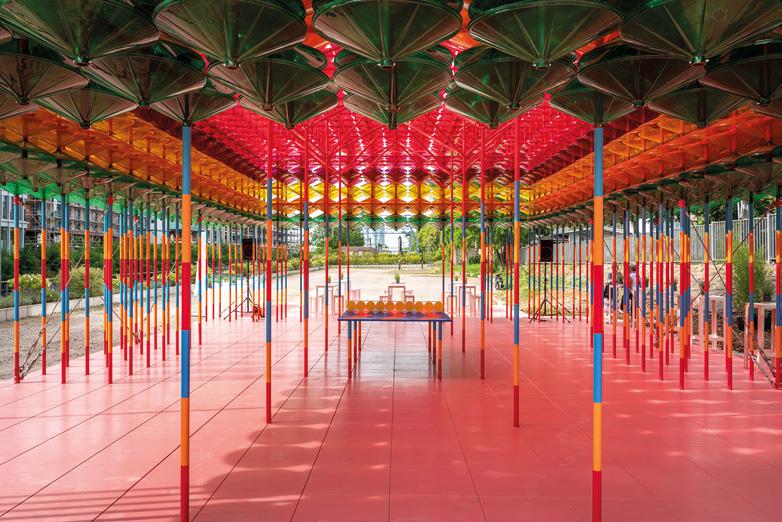
“Love Always Wins.” These words, emblazoned on Yinka Ilori’s (b. 1987) mural in Harrow, London, sum up his ethos. The artist’s bright, multi-coloured style is a tonic for the senses. The designer has turned his instantly recognisable graphics into cushion covers and playgrounds, taking inspiration from the Nigerian parables and textiles of his heritage. In a kaleidoscopic presentation of 100 objects and images, eye-popping oranges, turquoises and hot pinks contrast with bold patterns to form a visual articulation of the rich diversity of Britain’s capital.
9Plastic: Remaking Our World
V&A Dundee | Until 5 February vam.ac.uk
In 2022, scientists detected microplastics in human blood. The discovery attests to how ubiquitous the artificial matter has become – even inserting itself within human biology. Its durability makes plastic equally pernicious and useful. This show uses an array of objects –from furniture and clothes to toys – to explore how this paradoxical material has transformed the world over its 150 year history. These displays look beyond the present to ask how, for the sake of the planet, we can adapt to a plastic-lite future, embracing biodegradable alternatives.
10
One Life: Maya Lin
Smithsonian Institute, Washington D.C. | Until 16 April si.edu
Two walls of granite run perpendicular with each other. On them are inscribed the names of American servicemen who died or went missing during the Vietnam War (1955-1975). The memorial was designed in 1981 by Maya Lin (b. 1959), then a student at the Yale School of Architecture. Over the next 40 years, Lin built a career inspired by interstices. “I feel I exist on the boundaries, somewhere between science and art, art and architecture, public and private, East and West,” she says. “I am always trying to find a balance between these opposing forces.”
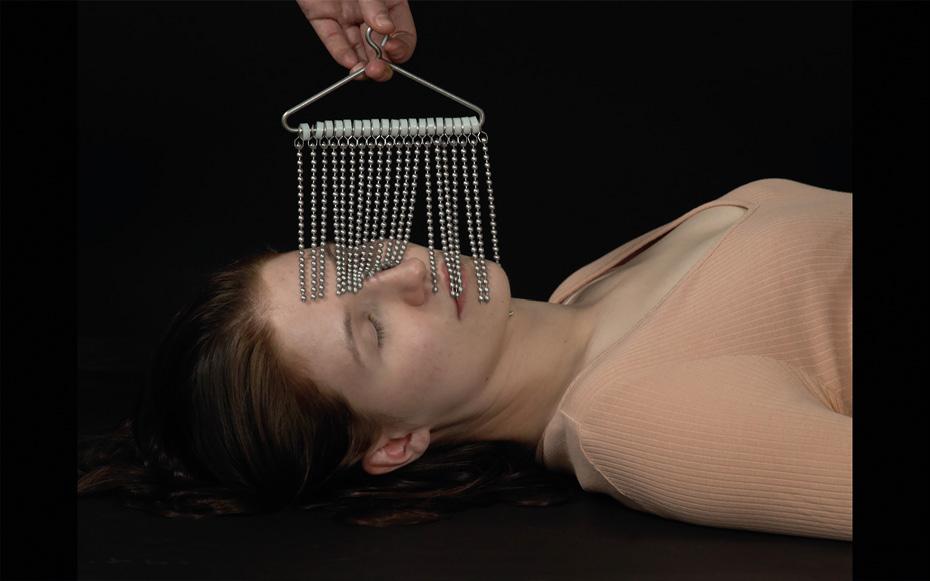
The National Portrait Gallery, London, was established in 1856 and holds the widest-ranging collection of portraiture in the world. Whilst refurbishments take place, its flagship photography award returns to Cromwell Place. The winning images by Clémentine Schneidermann (b. 1991) show an elderly neighbour’s daily rituals, whilst Haneem Christian’s (b. 1996) work represents the chosen familial relationships of queer communities. Elsewhere, there are wild swimmers and young lovers, portraying a constellation of people that reflect humanity today. 1. Christy Bush, Swimmer (2017). Copyright of the
and
2 . Pirelli
Bicocca, ... the Illuminating Gas Milan 31 October 2019 - 6 July 2020 © Cerith Wyn Evans. Photo © Agostino Osio.
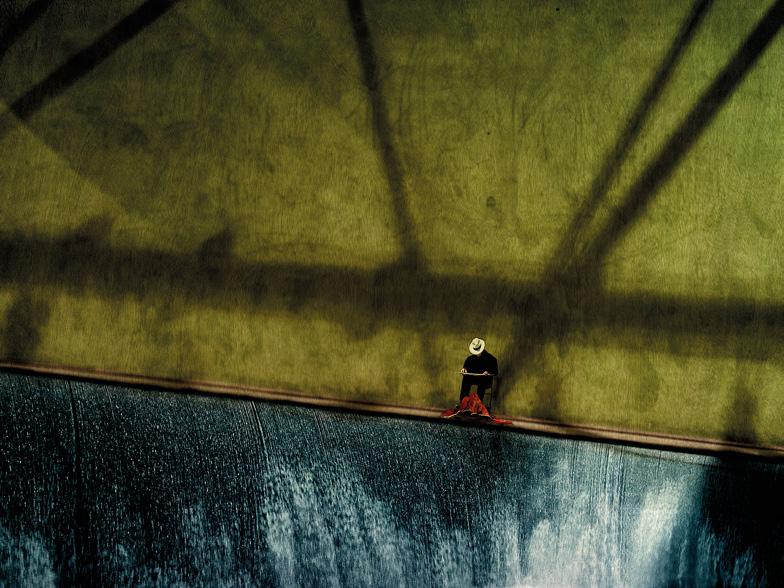
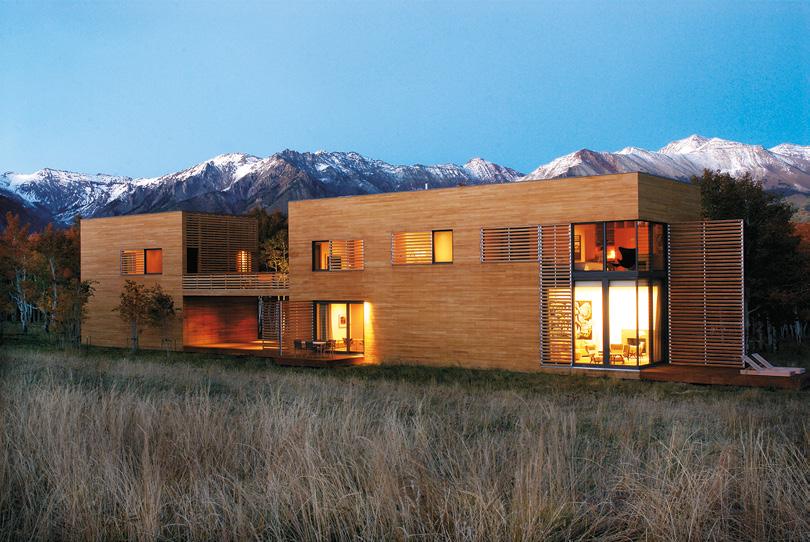
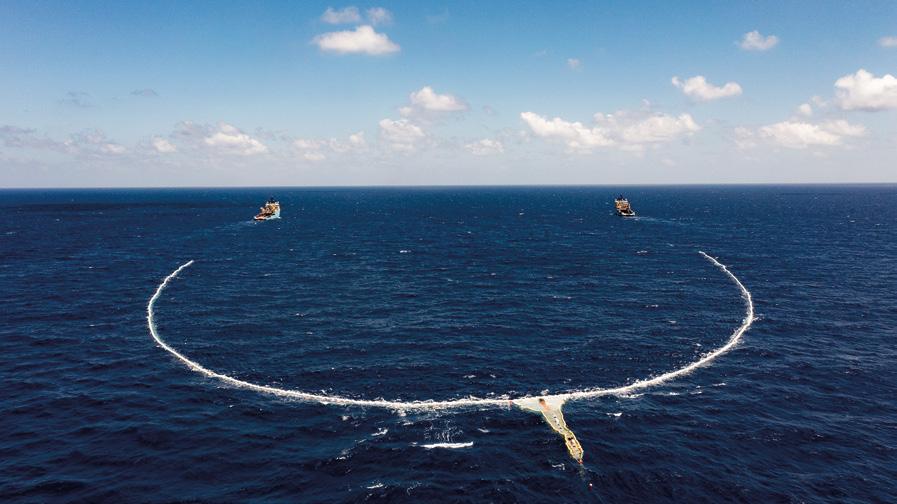
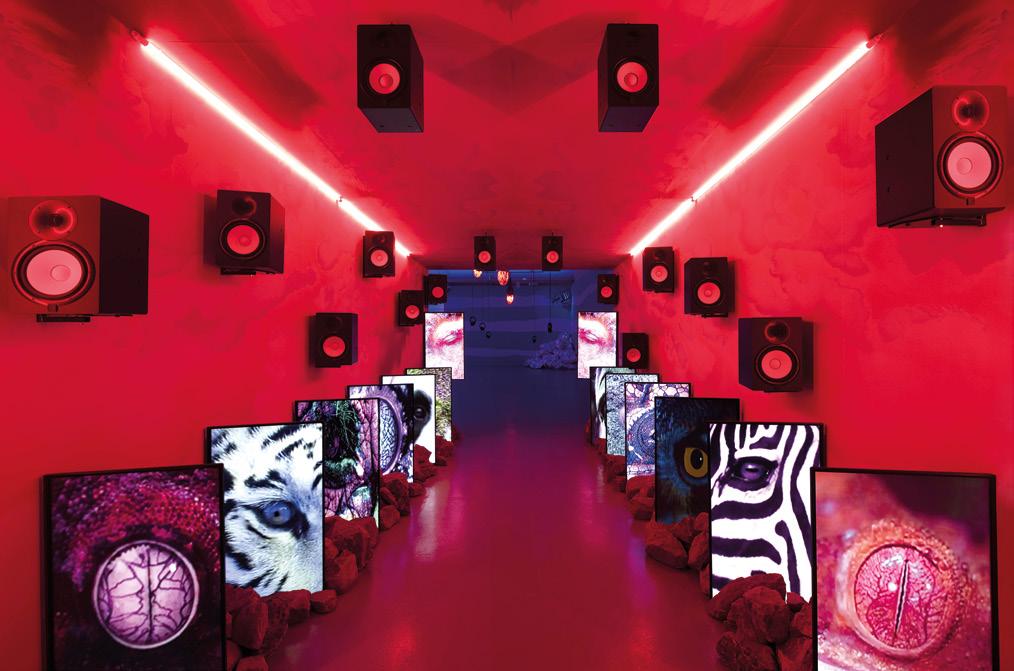
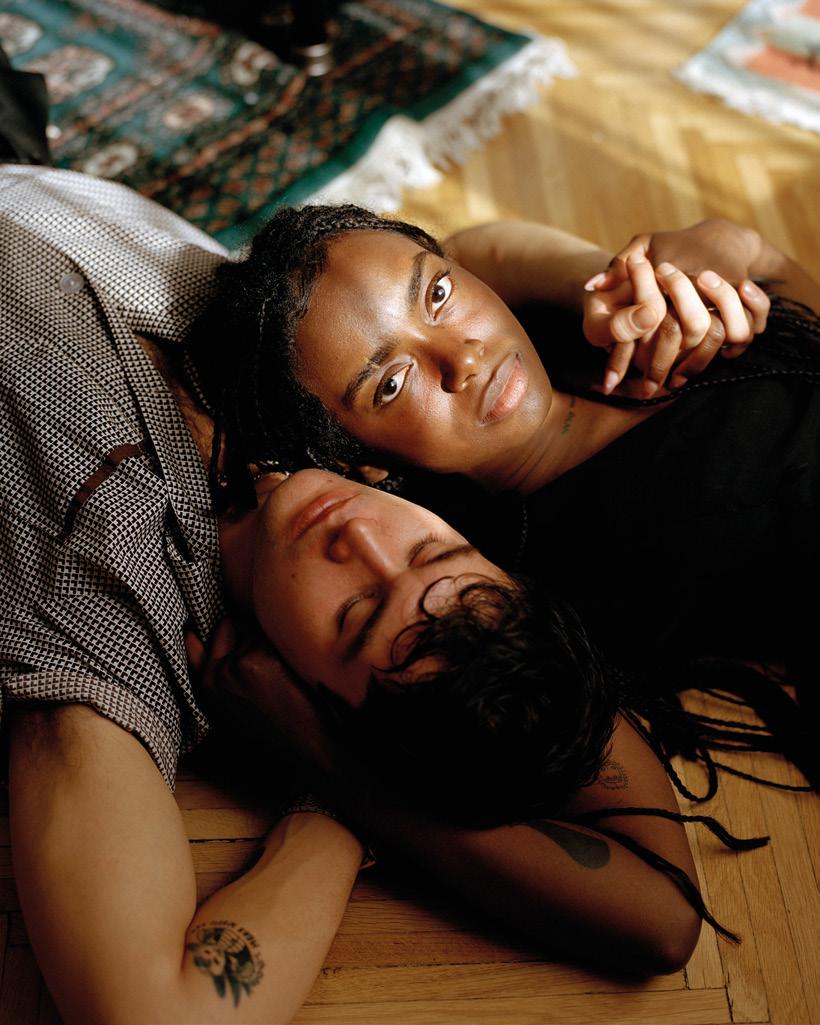
the artist and Pirelli Hangar Bicocca, Milan. 3. Hyundai Commission: Cecilia Vicuña: Brain Forest Quipu (2022). Installation View at Tate Modern. Photo: © Tate Photography (Sonal Bakrania) 4. Ludwig Rauch, Daily Distraction of Living (2016), FineArt-Inkjet auf Hahnemühle. 90 x 120 cm. © Ludwig Rauch 5. Joanna Piotrowska, Animal Enrichment (still) (2019). 6. Curtis Hughes, Peter & Sue (April 2022). From the series Modern Love by Curtis Hughes © Curtis Hughes 7. Turner Prize 2022: Heather Phillipson, Rupture No 6: biting the blow torched peach . Installation View at Tate Liverpool (2022). Photo: © Tate Photography (Matt Greenwood) 8. Yinka Ilori, Pavillion Reveal Estrel Hotel (2022). Photographed by Linus Muellerschoen 9. The Ocean Cleanup, System 002 deployed for testing in the Great Pacific Garbage Patch (2021). 1.3MB 3000 x 1686px. © The Ocean Cleanup. 10. Brett Schreckengost, Box House, Telluride, CO (2007). Courtesy of Brett Schreckengost.
Aesthetica 29
artist
courtesy of Jackson Fine Art.
Hangar
Courtesy
The Future Reimagined
African Biennale of Photography
UZOCHUKWU'S SPECULATIVE PORTRAITS EXPLORE
HUMAN IDENTITIES. HE IS AMONGST 75 ARTISTS INVITED TO EXAMINE COMPLEX AFRODIASPORIC EXPERIENCES.
The African Biennale of Photography, Rencontres de Bamako, was founded in 1994. It was the first international event dedi cated to contemporary photography on the continent and re mains the most established, acting as a platform to promote creatives from across the diaspora. The Biennale is hosted throughout the capital – from established venues such the National Museum of Mali to the Bamako Railway Station and Ba Aminata Diallo Girls High School – to invite local com munities to experience contemporary photographic prac tices. The 13th edition also celebrates the global exchange of ideas through artists’ talks, workshops and portfolio reviews.
The Biennale was originally scheduled to take place in November 2021. However, due to concerns over Covid-19 and political tensions in Mali, the event was postponed. An dogoly Guindo, Minister of Crafts, Culture, Hotel Industry and Tourism of the Republic of Mali, announced new dates in September 2022. “Despite the difficult context, marked by multiple crises in Mali and all over the world, the Transitional Government wishes to maintain this major cultural event.”
Societal shifts have been documented through photog raphy in Mali since its independence from France in 1960. Photographer Malick Sidibé (1936-2016), who studied art at what is now Bamako’s Institut National Des Arts (formerly École Des Artisans Soudanais), chronicles vibrant city life following the country’s freedom from colonial rule. In these black-and-white scenes, couples perform the Mali Twist, pose half-submerged in the Niger River and play games on its banks. Elsewhere, Seydou Keïta (1921-2001) photographed families in traditional Bogolan clothing across the 1950s
and 1960s. These images – featured at Foam Gallery’s Bamako Portraits in 2018 – are more than studio portraits; they preserve history. Guindo’s statement, therefore, reflects the Republic of Mali’s continued commitment to its heritage, highlighting its resilience in the face of political turbulence. Mali was held under French colonial rule as French Sudan, 1892 to 1960. Following independence, attacks from Tuareg insurgents – attempting to establish an autonomous nation – began in 1962. The Mali Civil War erupted in 1990 after the People’s Movement for the Liberation of Azawad (MPLA) launched a series of attacks in both Mali and bordering Niger. Peace was coordinated in 1995, but political tensions remained high over the next two decades. In 2012, the Na tional Movement for the Liberation of Azawad (MNLA) began another armed campaign, a war which remains ongoing.
In the face of this conflict, the Biennale’s theme, Maa ka Maaya ka ca a yere kono – On Multiplicity, Difference, Becom ing, and Heritage, is as a celebration of collective and individ ual identification, which embraces diversity and the discovery of shared experiences. The event delves into “composite, lay ered and fragmented identities,” presenting the work of over 75 African artists, from countries including Egypt, Ghana, Ni geria, South Africa and Zambi, amongst others. Its curation is a similarly collaborative process: Artistic Director Bonaven ture Soh Bejeng Ndikung is joined by Co-Curators Akinbode Akinbiyi; MACAAL Artistic Director Meriem Berrada; Zeitz MOCAA Assistant Curator Tandazani Dhlakama; as well as artist and curator Liz Ikiriko. These creatives go beyond the self to consider "complex and non-linear understandings of
30 Aesthetica art
DAVID
“These initial works explored migration to Europe. However, Uzochukwu began to experiment with images surrounding the African diaspora and the sea, with water’s recurring presence across the series a reclamation of this relationship.”
space and time," reflecting on perceptions of individuality. Ndikung also views regaining “multiplicity, fragmentations and points of intersections of different ways of being” as a facet of decolonisation. Exhibitions across the world counter existing colonial power structures by giving space to under represented voices. In 2022, Pace Gallery, London, launched Living With Ghosts, a group exhibition curated by writer KJ Abudu, speaking to the unresolved traumas from Africa’s colonial past that continue to pervade present-day soci ety. Africa Fashion at V&A, London, open until April 2023, provides African creatives with a platform for discussion and takes a wider look at the African Cultural Renaissance, a period of immense creativity following the “African inde pendence and liberation years” from the 1950s to the 1990s.
However, Mark Sealy, Director of Autograph, London, criti cises the French influence on Rencontres de Bamako in his book Decolonising the Camera (2019), which interrogates historical racial influences on photography and how to dis mantle colonial legacies. Whilst Institut Français still sup ports the event, the Biennale maintains that it moves away from “forces that have held a huge part of the world under bondage for too long.” Its focus is on artists from across Africa and its widespread diaspora. By engaging with notions of selfhood and unity, this edition acts not only as an ex ploration but a reclamation of complex, expanding identities.
Therefore, the festival features retrospectives for estab lished artists, including Joy Gregory (b. 1959), Jo Ractliffe (b. 1961) and Samuel Fosso (b. 1962), alongside over 70 contemporary imagemakers. This includes self-taught Mo roccan photojournalist Seif Kousmate (b. 1988), whose pho tography engages with migration and youth in Africa, and
Muhammad Salah's (b. 1993) multidisciplinary work, which questions notions of freedom, identity and sexuality. David Uzochukwu (b. 1998), born in Austria to Austrian mother and Nigerian father, residing in Berlin, is amongst the youngest artists. His photographic observations, which use speculative fiction as a vehicle to examine race and migration, are well documented across the commercial and the fine art world.
Uzochukwu shot a Nike campaign with FKA Twigs aged 17, and he has collaborated with Pharrell Williams, Dior, Dutch fashion designer Iris van Herpen and Swedish electronic band Little Dragon. His series Giving Way (2016), based on the work of Nigerian novelist Chinua Achebe, featured in the Lagos Photo Festival in 2016, whilst Mare Monstrum/ Drown in My Magic (2016-ongoing) exhibited in Unseen Am sterdam three years later, alongside contributions to Photo Vogue Festival 2021 and Paris Photo 2022. Uzochokwu was featured in The New Black Vanguard, curated by Antwaun Sargent to celebrate “this generation’s Black imagemakers, who are bringing fresh perspectives to photography.” The landmark exhibition was presented at Rencontres d’Arles in 2021 and is at London’s Saatchi Gallery until January 2023.
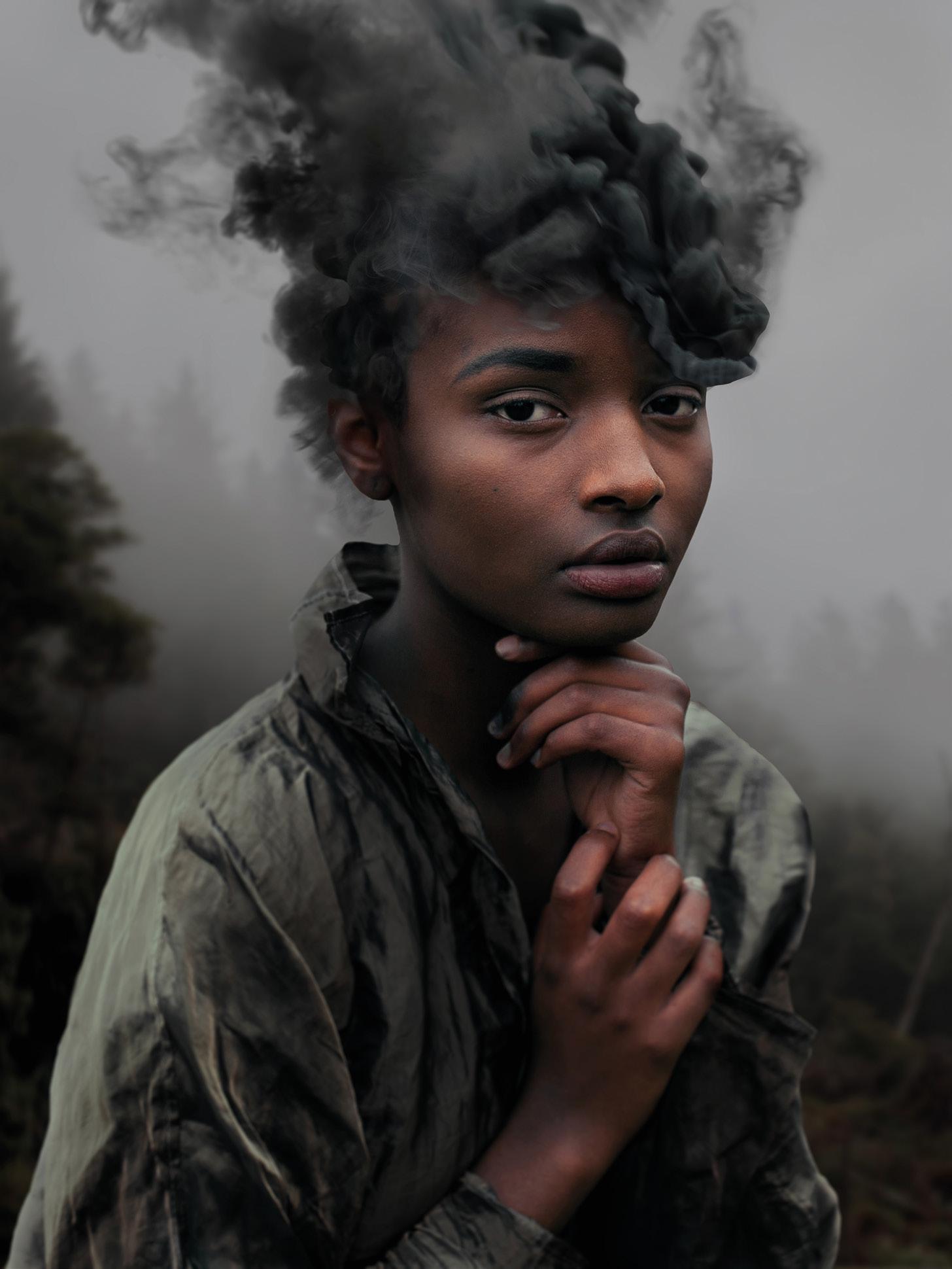
His speculative works have been documented in In the Black Fantastic (2022), a publication and exhibition shown in Hayward Gallery, London, in summer 2022. Black artists created experimental work across different artistic mediums to imagine future possibilities for Black communities and life on Earth. Through his works Wildfire (2015), Uprising (2019) and Shoulder (2019) denoted in the volume, curator Ekow Eshun (b. 1968) states: “Uzochukwu reclaims the narrative of fantasy by embracing the alien otherness projected onto Black bodies in a way that could be read as pure empower
Aesthetica 33
Previous Page: David Uzochukwu, Wildfire (2015) Left: David Uzochukwu, Buoyant (2019). From the series Mare Monstrum/Drown In My Magic
David Uzochukwu, Shudder (2020). From the series Mare Monstrum/Drown In My Magic
ment." When science fiction is still dismissed as pop culture entertainment, Uzochukwu appreciated that In the Black Fantastic took “speculation (and its limitations) seriously as a form of expression and as groundwork for conversation.”
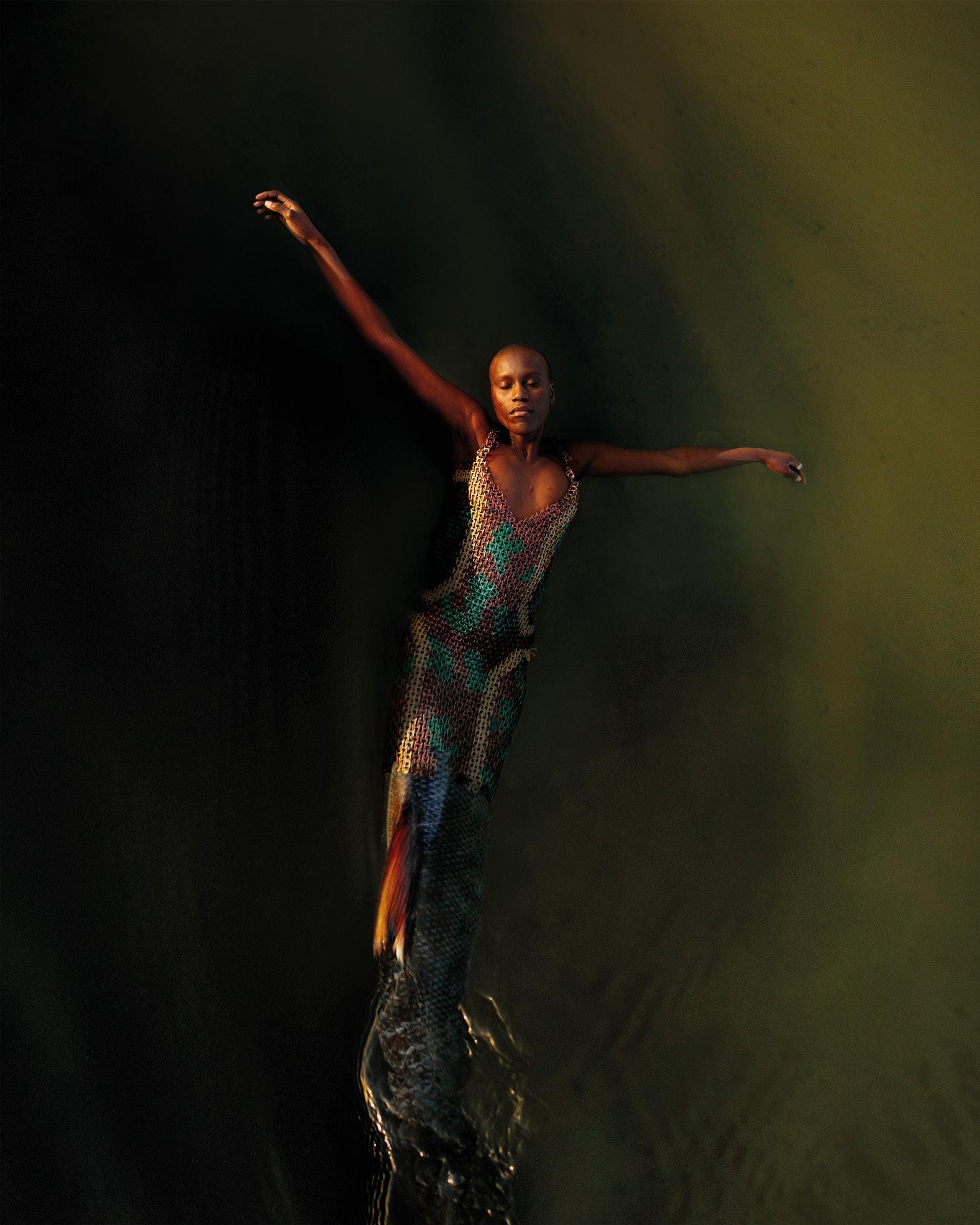
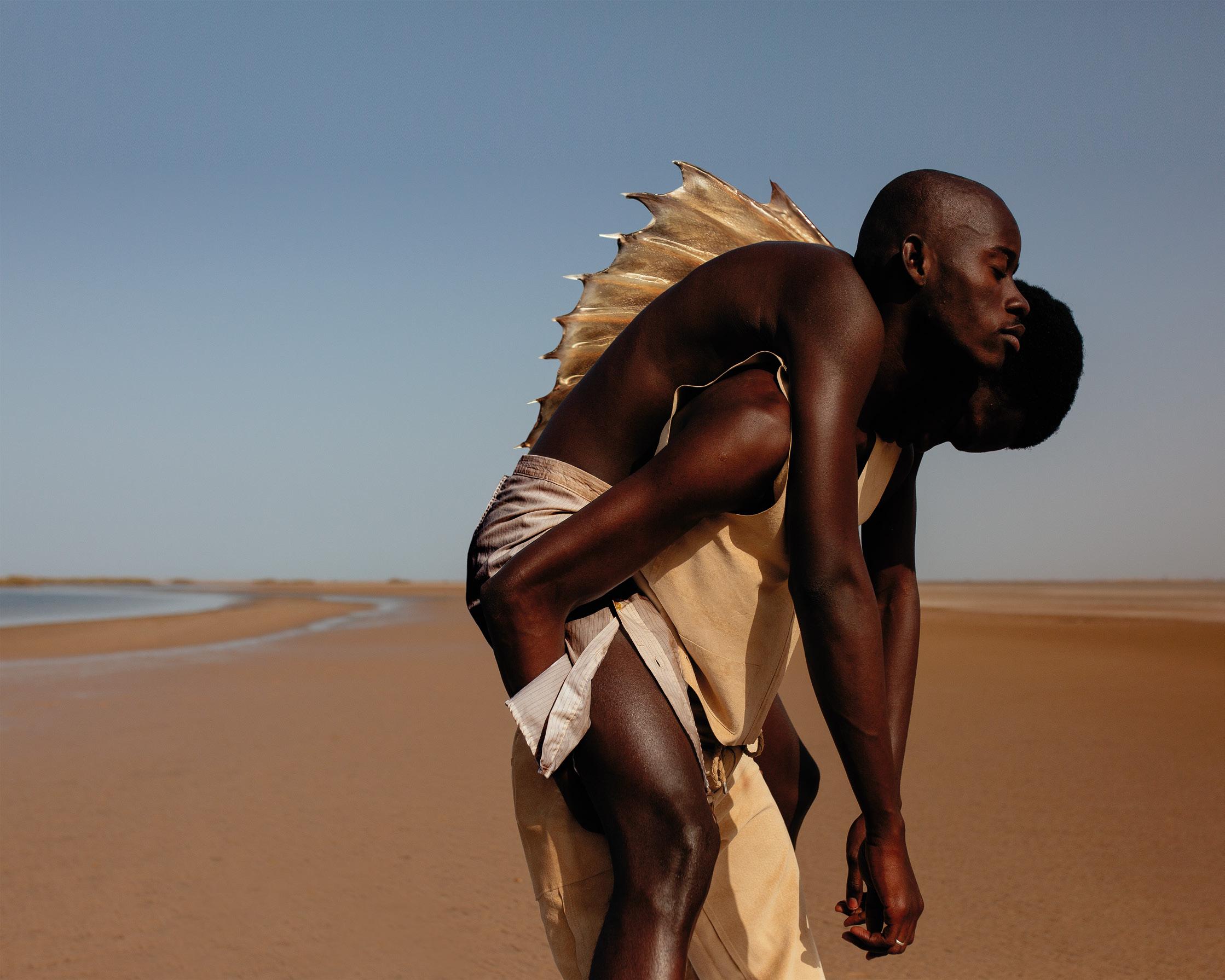
This discussion remains in his ongoing series, Mare Mon strum/Drown in My Magic. For example, Styx (2020), depicts Black mermen shot on the coast of Senegal – a location where migrants gather to cross to Europe. This project also references the Middle Passage, the capture and enslavement of African people across the Atlantic. “The visuals were po litical,” he says, referencing the influx of photographs taken in 2016, when people arriving at European shores were sen sationalised by the press. “They’re fighting for their lives, or they have lost their lives, and the images were dehumanising. I was interested in vulnerability, intimacy and connection.”
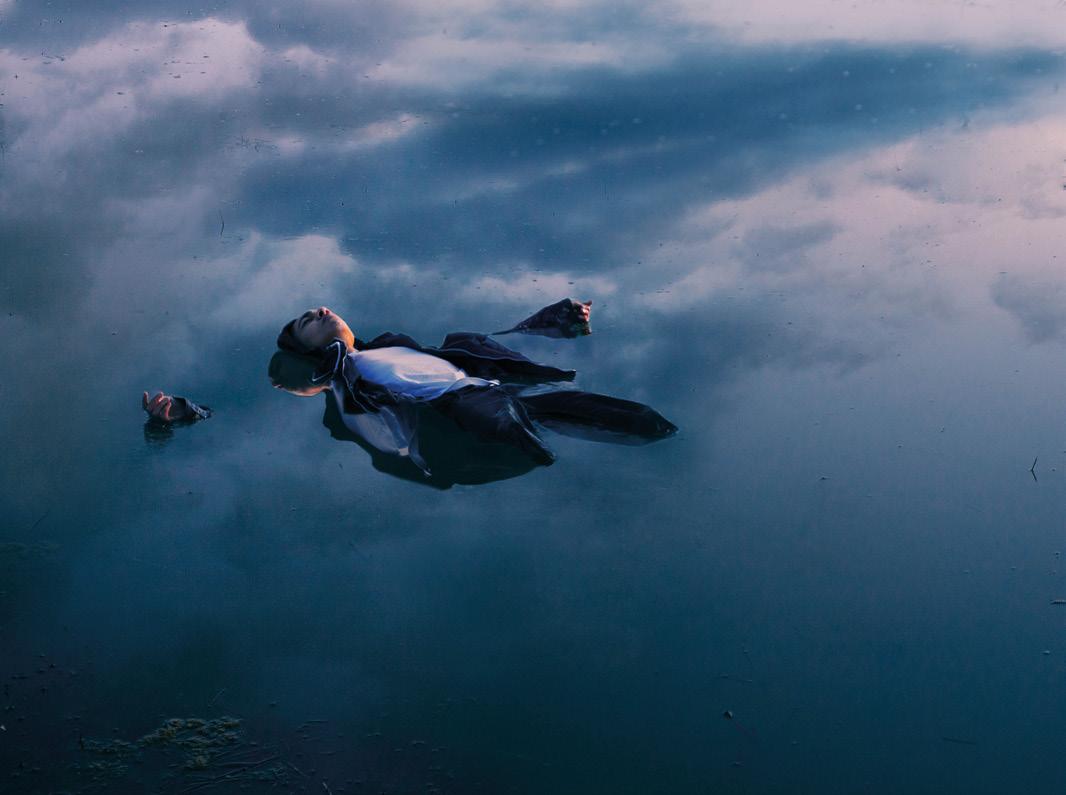
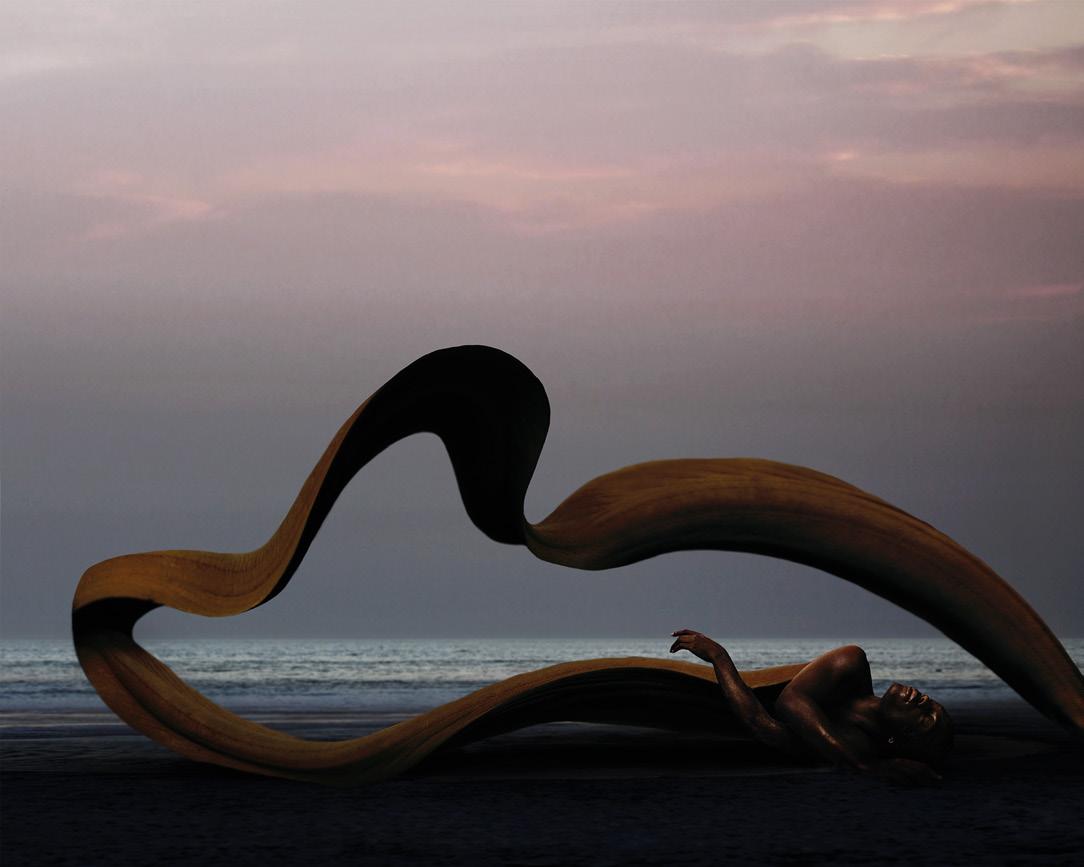
These initial works explored migration to Europe. However, Uzochukwu began to experiment with images surrounding the African diaspora and the sea, with water’s recurring pres ence across the series a reclamation of this relationship. Fig ures intertwine on beaches, whilst merfolk and centaurs are embraced by waves. These images of safety and freedom offer new perspectives on belonging within the environment.
Ecological concerns are also evident in Mare Monstrum/ Drown in My Magic, envisaging a world where humans are unified with nature. “I’m interested in the separations that we draw up between the human, the animal and our environment,” he says. “How they’re distinctly shaped, formed and separated from each other.” Uzochukwu bridges the gaps to re-evaluate these existing relationships, proposing theoretical futures that foreground symbiosis with nature.
The unification he poses questions our existing and con
tinued use of fossil fuels. "I have included oil as a particular example of our power relationship with the environment." Similarly, in Wildfire (2015) – included in the 2021 Prix Pictet Global Award in Photography and Sustainability – a young woman poses with hair made of smoke, recalling the ashes of natural landscapes destroyed in the search for energy. Whilst he remains wary of the connotations of entangling nature with Blackness, Uzochukwu views his work's environ mental aspects in terms of decolonisation. “Europe only knows how to sustain itself through suppression and exploi tation,” he says. Colonialism entrenched the view that mate rials, crops, enslaved people and whole countries could be viewed as resources, and it is western capitalism taking Earth to the brink of environmental collapse. The portraits offer new perspectives on these relationships, fostering conversa tions on responsibility and resilience in the climate crisis.
Uzochukwu's work, like the life cycles of his fantastical creatures, exists in “phases.” His photography is in a pro cess of renewal, as he completes his BA in Philosophy and Cultural Studies at Humboldt University of Berlin. “I’ve been delving more into films,” he says, when asked what is next for his practice. “I’m looking at how to build narrative within that.” The resulting docufiction Civil Dusk (2022), which debuted at CPH:DOX 2022, is a short following an Igbo tradition, where all sons must build a house in their Nigerian family village. Rencontres de Bamako exemplifies continuous evolutions of practice and identity. Depicting diverse facets of human ity provides more opportunities for expression, compassion and, ultimately, global change. Ndikung states: “If the world is to survive the dire moments in which we all find ourselves, then we must embrace passage from unity to multiplicity.”
Rencontres de Bamako African Biennale of Photography, Bamako Until 8 February
rencontres-bamako.org
34 Aesthetica
Right: David Uzochukwu, Shoulder (detail) (2019). From the series Mare Monstrum/Drown In My Magic.
David Uzochukwu, I Will Learn To Love The Skies I am Under (2015).
Words Diane Smyth
Seamless Horizons
Alexis Pichot
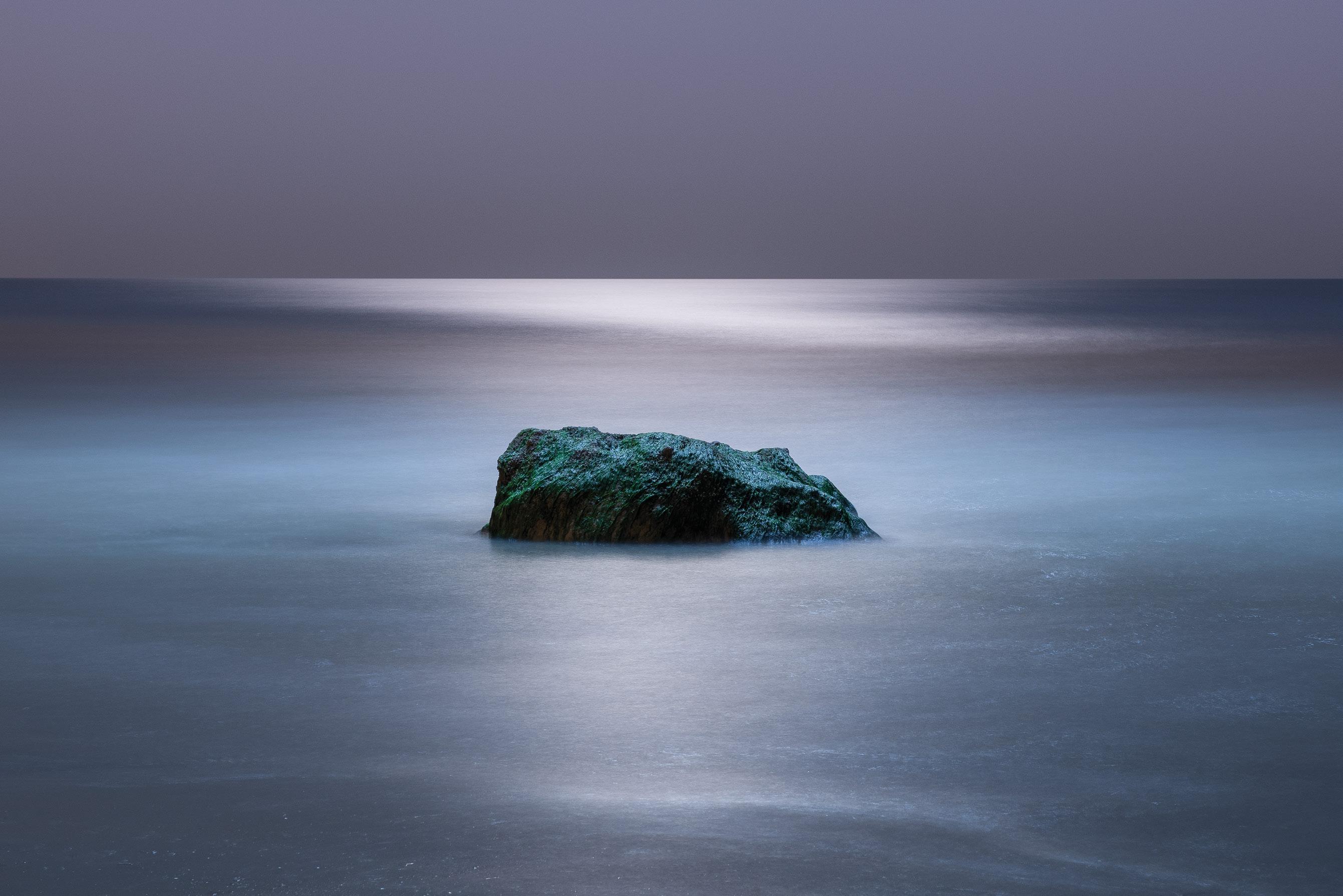
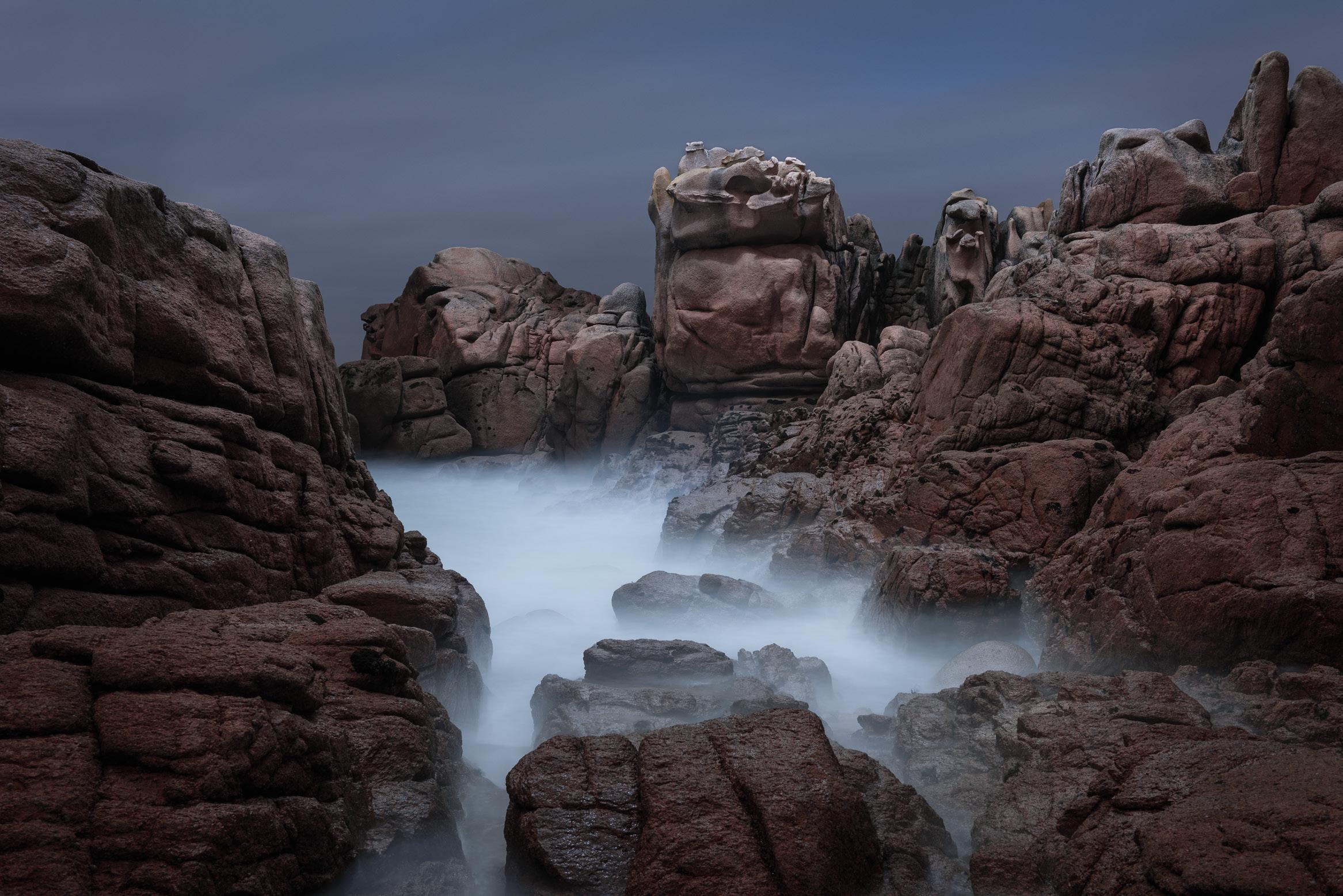
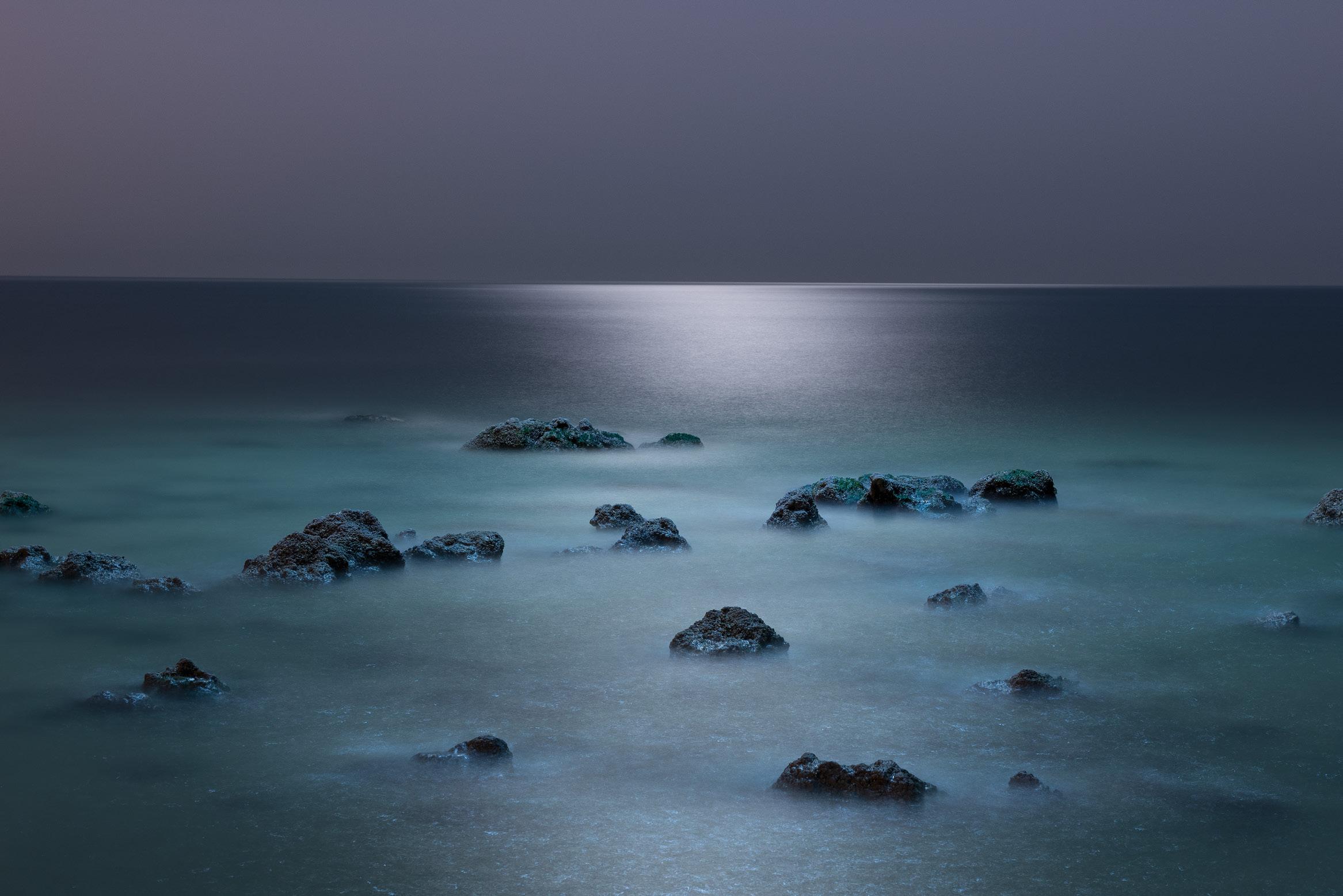
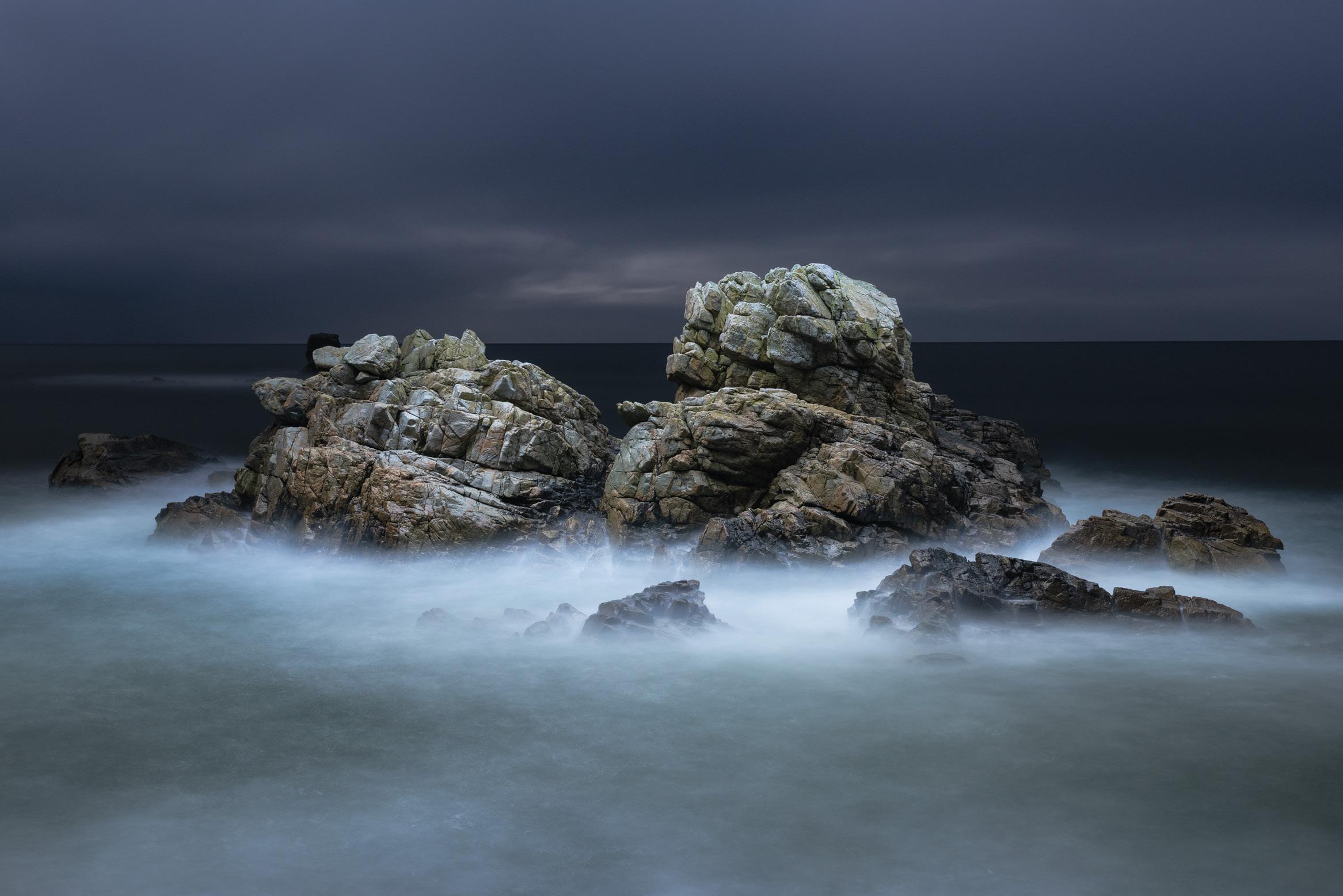
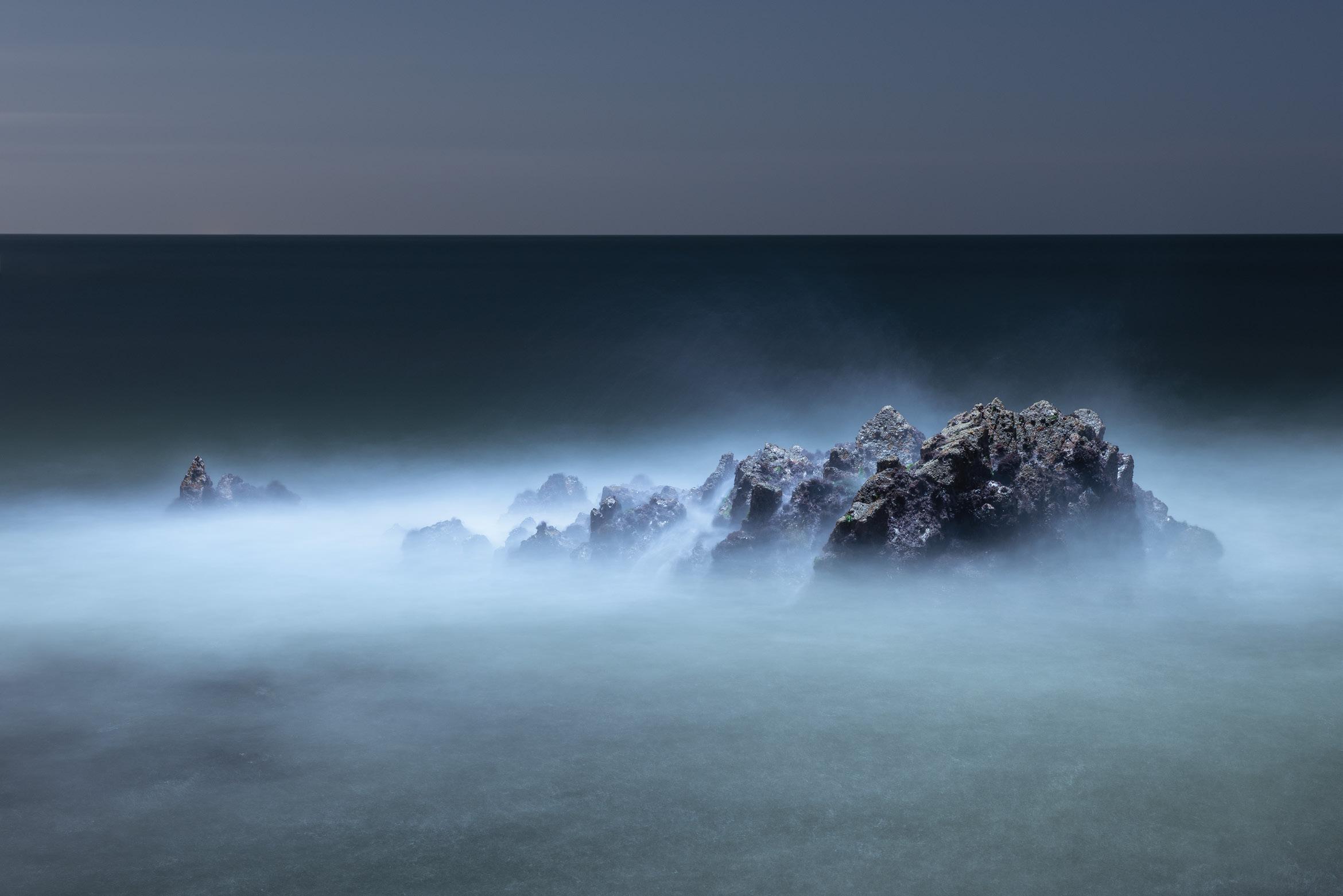
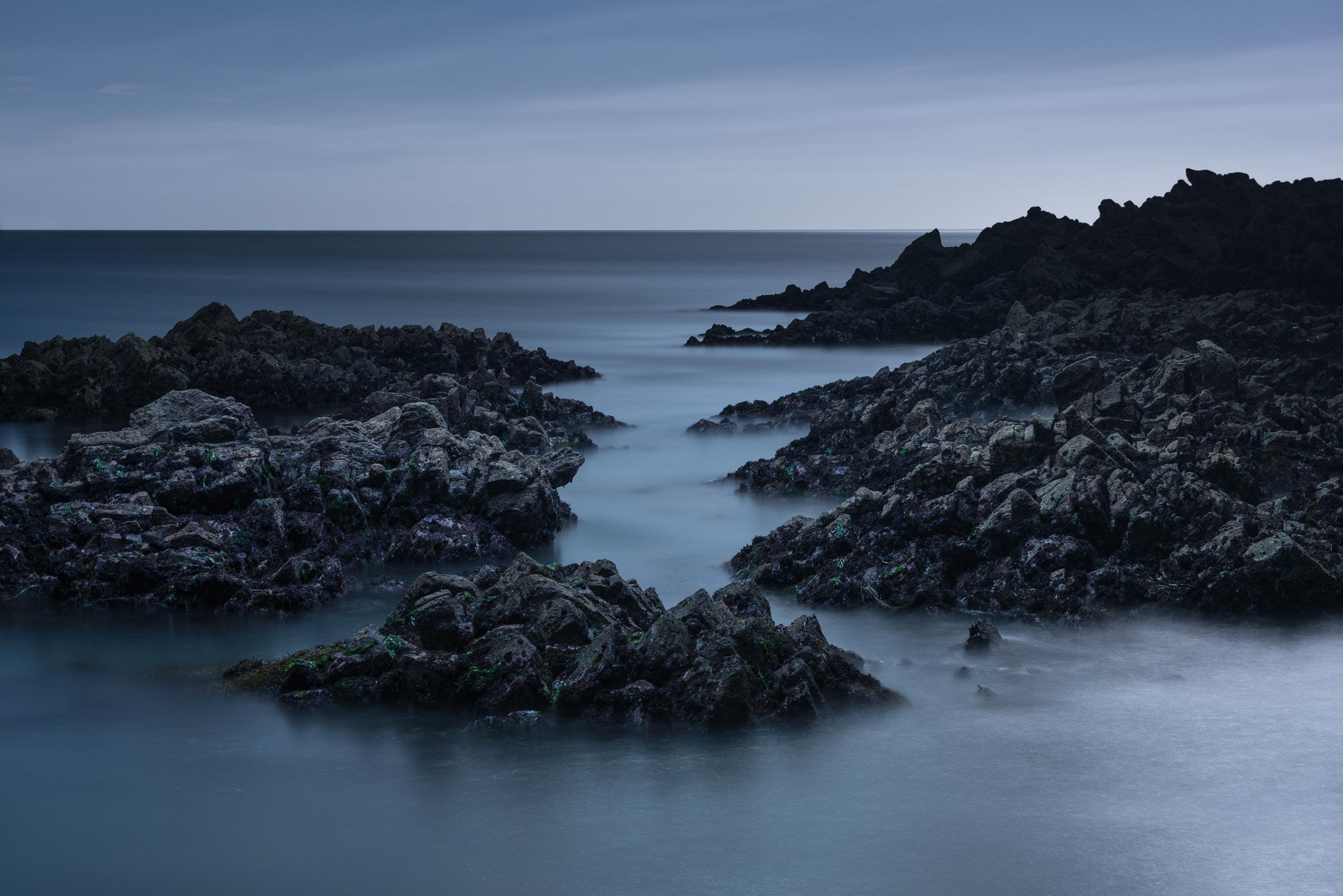
Insula is the Latin word for island. In the brain, the insular cortex is believed to be involved in consciousness and our awareness of emotions, including empathy and com passion. It’s from this etymology that Alexis Pichot’s (b. 1980) contemplative images of archipelagos emerge – offering a moment of calm amidst today’s constant influx of digital news, information and images. Pichot is a French photographer known for producing work in the dead of night. Here, he captures rocky outcrops surrounded by deep blue and still purple waters. Moonlight bounces off the ocean, creating a milk-white sheen on its surface. Elsewhere, mist and fog engulf islets in mysterious, ethereal blankets. “I lived by the water – or was surrounded by water – for three years,” Pichot recalls. “These images reflect all the magic I experienced there. A new horizon is announced, an imaginary line is drawn, the observer that I am is the centre: the sky and the ocean no longer merge.” alexispichot.com
36 Aesthetica art
Image courtesy Alexis Pichot. From the series Insula (2021-2022).
38 Aesthetica
Aesthetica 39
Image courtesy Alexis Pichot. From Insula (2021-2022).
40 Aesthetica
Image courtesy Alexis Pichot. From Insula (2021-2022).
Aesthetica 41
42 Aesthetica
Aesthetica 43
Image courtesy Alexis Pichot. From Insula (2021-2022).
44 Aesthetica
Image courtesy Alexis Pichot. From Insula (2021-2022).
Aesthetica 45
46 Aesthetica
Aesthetica 47
Image courtesy Alexis Pichot. From Insula (2021-2022).
Into the Small Hours
Henri Prestes
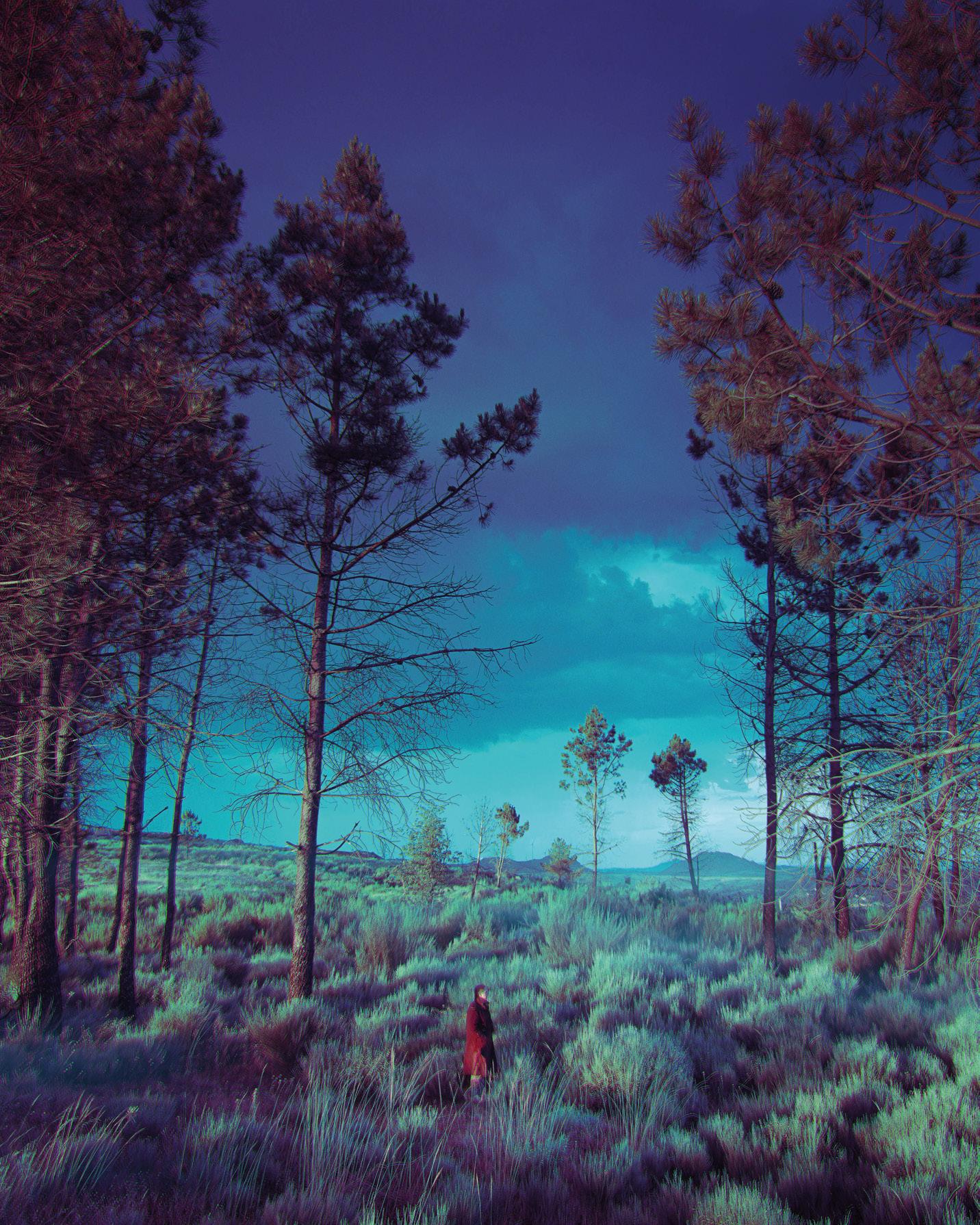
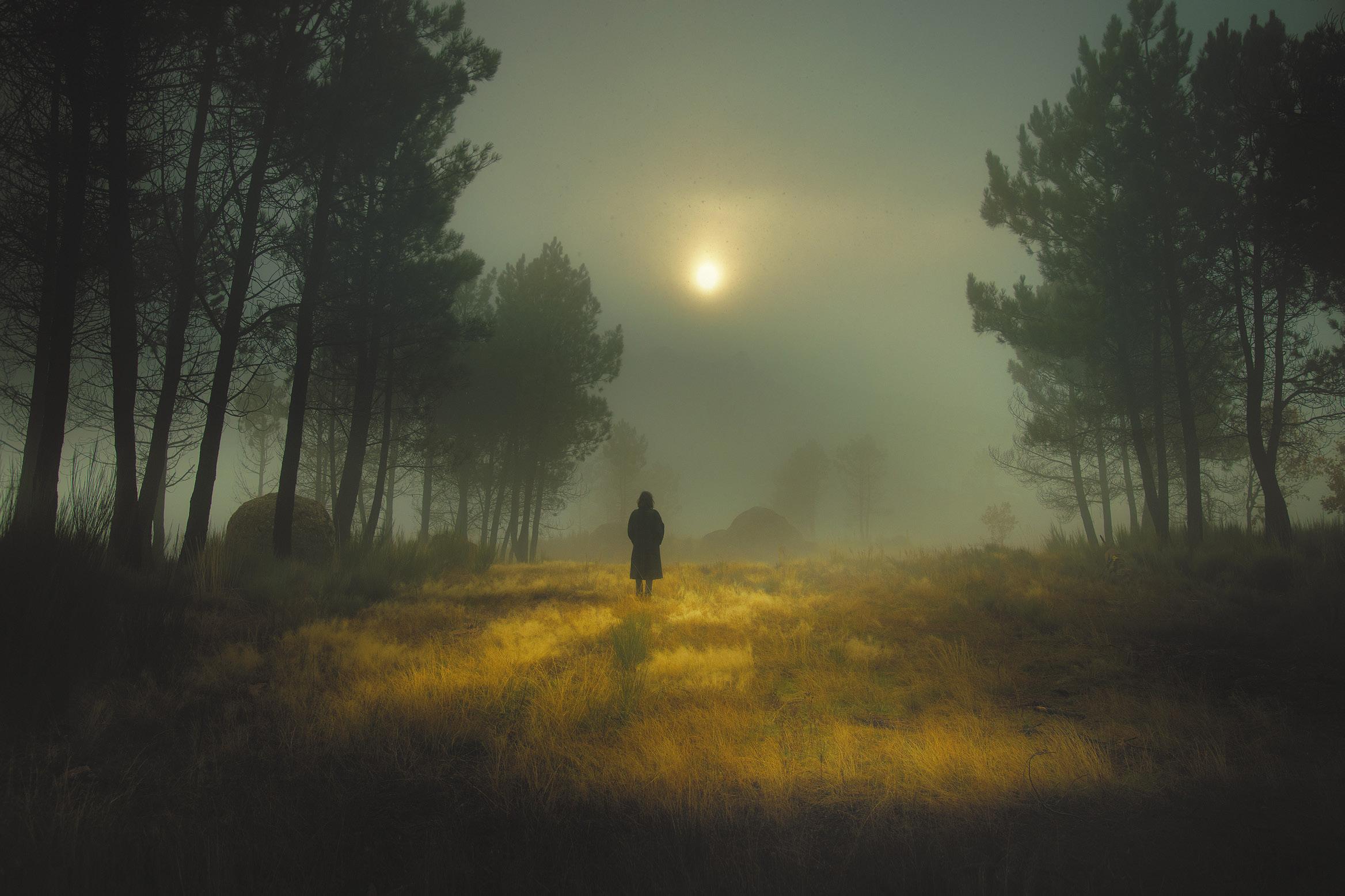
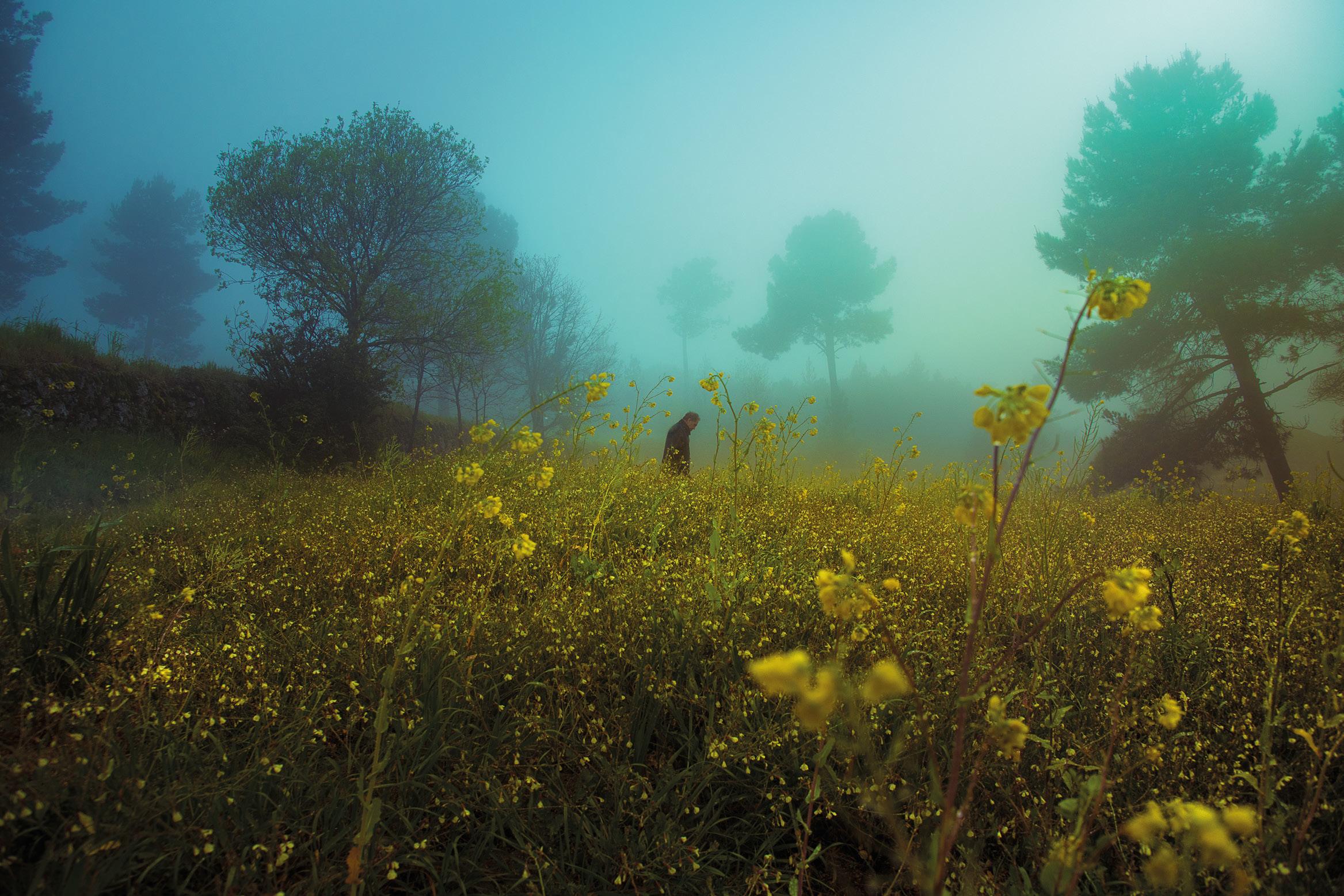
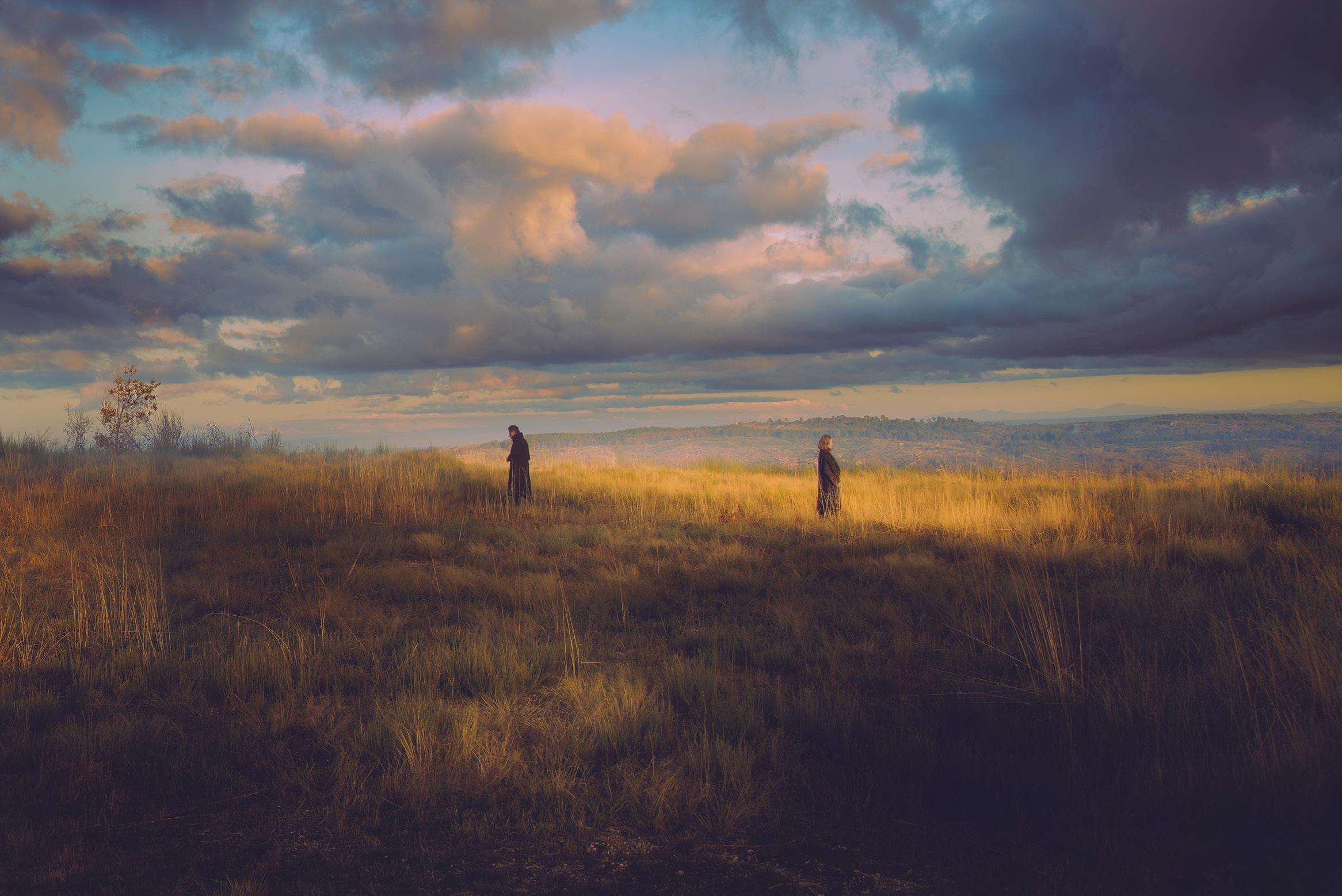
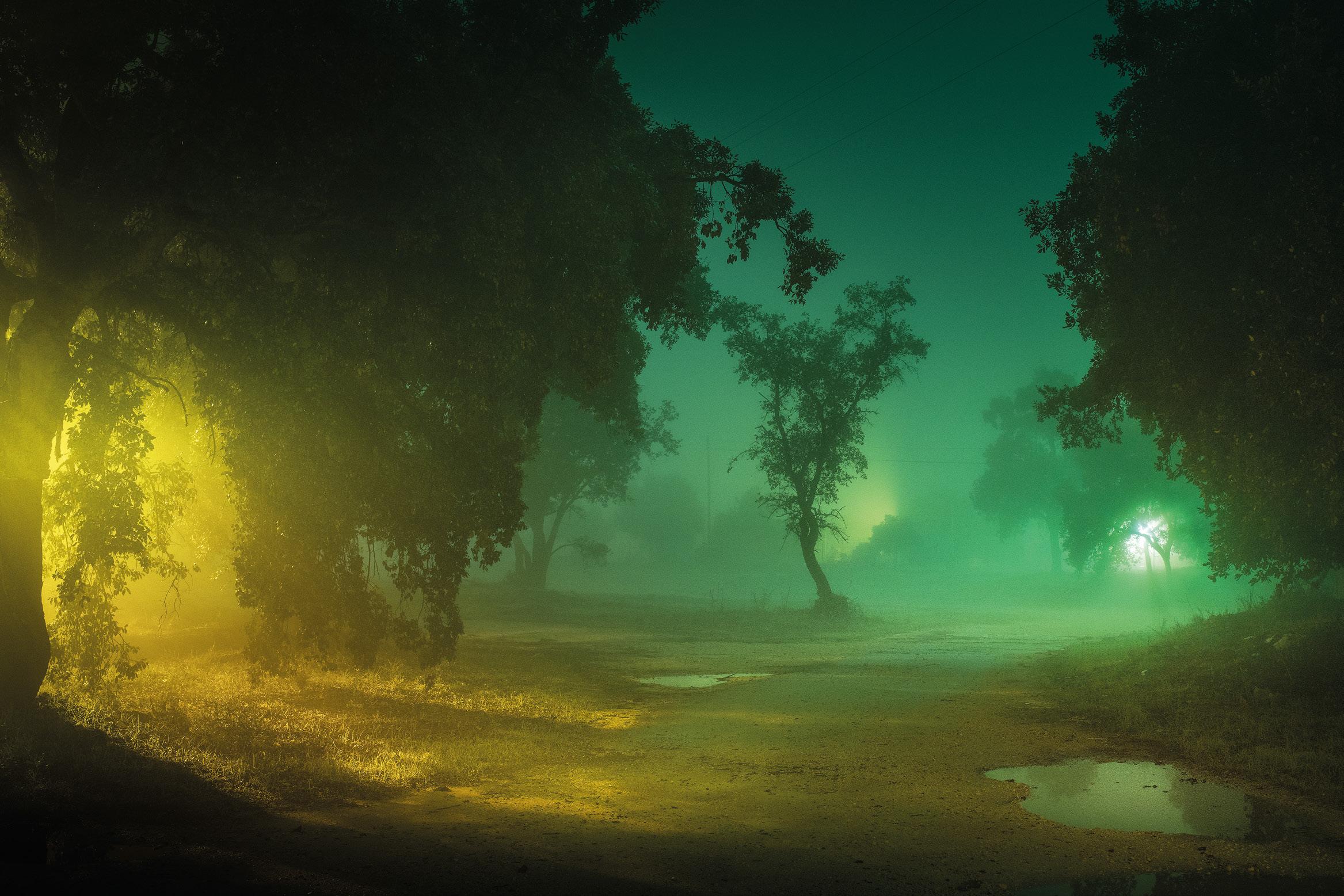
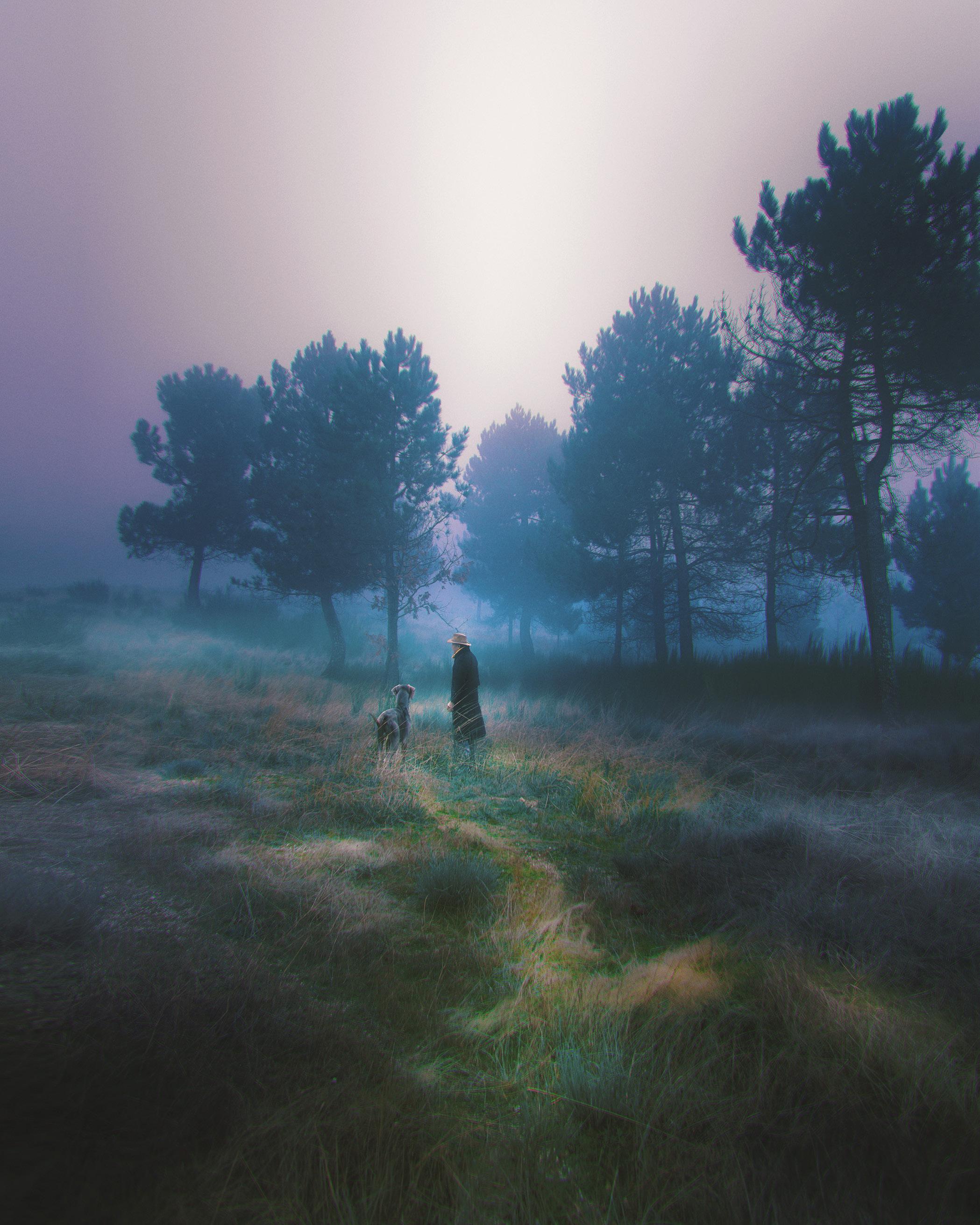
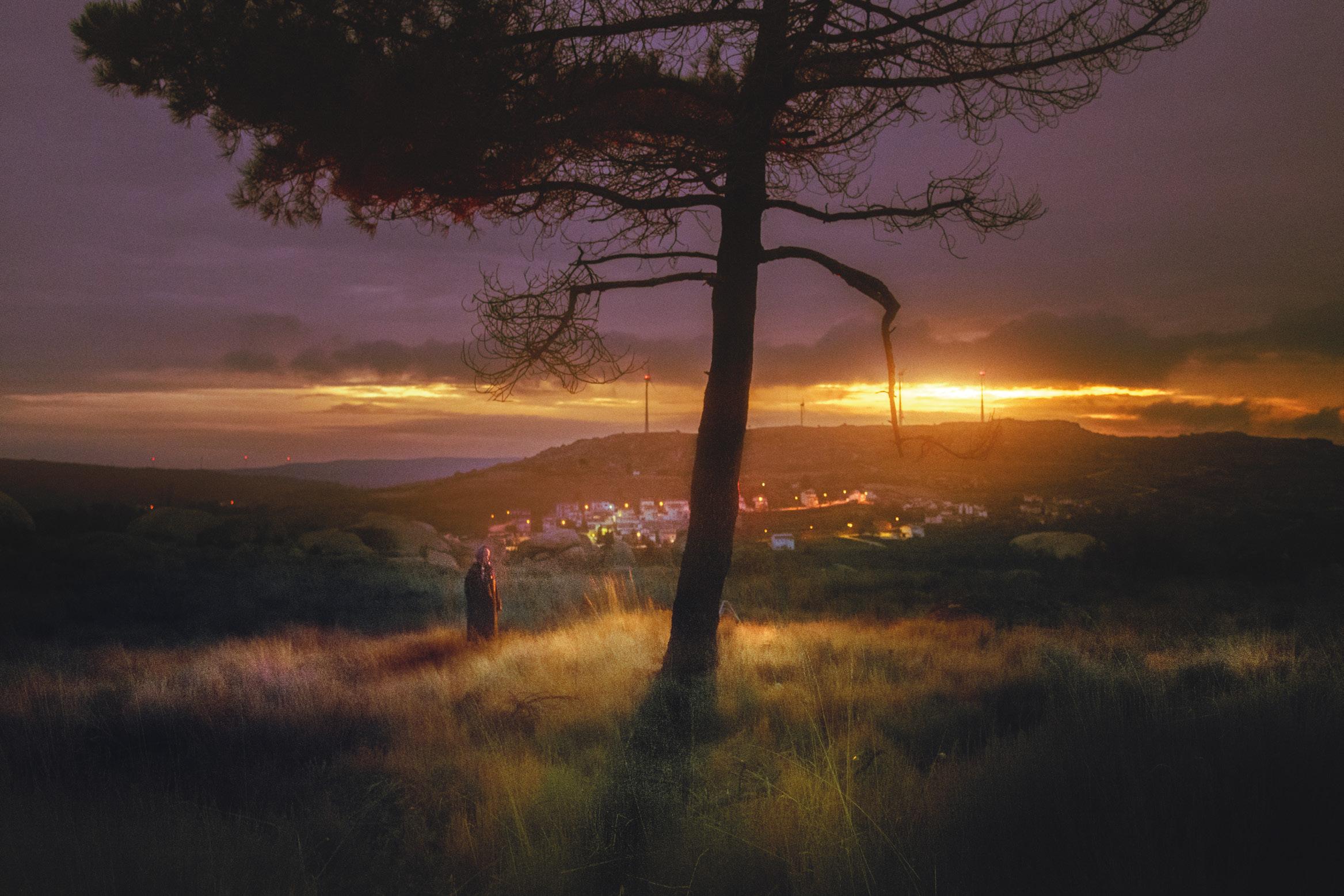
Twilight is the period before sunrise and after sunset. It's a time of day that is at once calming and ominous, being neither totally dark nor completely lit. The subsequent photographs are taken from Henri Prestes’ (b. 1989) first monograph, We Were Born Before the Wind (2022) – a testament to the quiet hours between sleeping and waking. The book is “an exploration of solitude and melancholy,” with figures roaming the shadowy Portuguese landscapes and wandering amongst fields of delicate flowers.
To create the series, Prestes spent a significant amount of time in small villages, mountains and desolate grasslands during the colder months of the year. The final shots are cinematic and intriguing, with green and yellow light diffusing through trees as winter’s chill hangs in the air. Readers are asked to consider each scene, turn the pages and decipher what might happen next. henriprestesp.com | setantabooks.com
48 Aesthetica art
Image courtesy Henri Prestes. From Velvet Fields (2021).
50 Aesthetica
Aesthetica 51
Image courtesy Henri Prestes. From Velvet Fields (2021).
52 Aesthetica
Image courtesy Henri Prestes. From Velvet Fields (2021).
Aesthetica 53
54 Aesthetica art
Aesthetica 55
Image courtesy Henri Prestes. From Velvet Fields (2021).
56 Aesthetica
Image courtesy Henri Prestes. From Perfect Darkness (2020).
Aesthetica 57
Aesthetica 59
Image courtesy Henri Prestes. From Beyond the Edge of the World (2022).
60 Aesthetica
Image courtesy Henri Prestes. From Velvet Fields (2021).
Aesthetica 61
Radical New Ground
Tyler Mitchell
THE ATLANTA-BASED ARTIST PUSHED THE BOUNDARIES OF FASHION PHOTOGRAPHY. NOW, HIS VISIONS OF A BLACK UTOPIA ARE MOMENTS OF BEAUTY AND CONTEMPLATION.
In 1990, the January issue of Vogue launched with the blackand-white image of models Linda Evangelista, Naomi Camp bell, Tatjana Patitz, Cindy Crawford and Christy Turlington. The now-iconic image, captured by German photographer Peter Lindbergh (1944-2019), rejected conventions of fash ion photorgaphy. Rather than glamorous, highly stylised shots of models in stoic poses, he preferred relaxed compo sitions with genuine emotions and refused digital retouching.
This altered the industry’s trajectory, paving the way for candid works such as Roxanne Lowit’s (1942-2022) Christy Turlington and Kate Moss Laughing (1994) and Juergen Teller’s (b. 1964) Young Pink Kate (1998) – which depicts a young Moss rising from sleep. This new, carefree style of portraiture, however, continued to showcase only one type of model: a woman that conformed to conventional beauty standards, was largely able-bodied and predominantly white.
In September 2018, Atlanta-born Tyler Mitchell (b. 1995) became the first Black photographer to shoot a cover for Vogue, 126 years after the publication’s debut. The image of Beyoncé, crowned in an elaborate floral headpiece, symbol ised the beginning of an expansion to the industry’s previ ously narrow lens. Antwaun Sargent, Curator and Director at Gagosian – the site of Mitchell’s latest exhibition – says he has “established himself as one of the defining photogra phers of his generation.” He continues to advocate for great er representation of Black people both in front and behind the camera, joining a growing selection of young creatives dedicated to dismantling the industry’s predominately white gaze. Amongst his contemporaries are 23-year-old Yasmina
Atta, who examines African culture through a surrealist lens; Jamal Nxedlana (b. 1985), exploring anti-racist activism in queer communities; and Nadine Ijewere (b. 1992), whose work makes space for diverse models. These photographers are committed to redefining our visual narrative – broaden ing the scope of the people, places and experiences we see represented by brands, in magazines and on our screens.
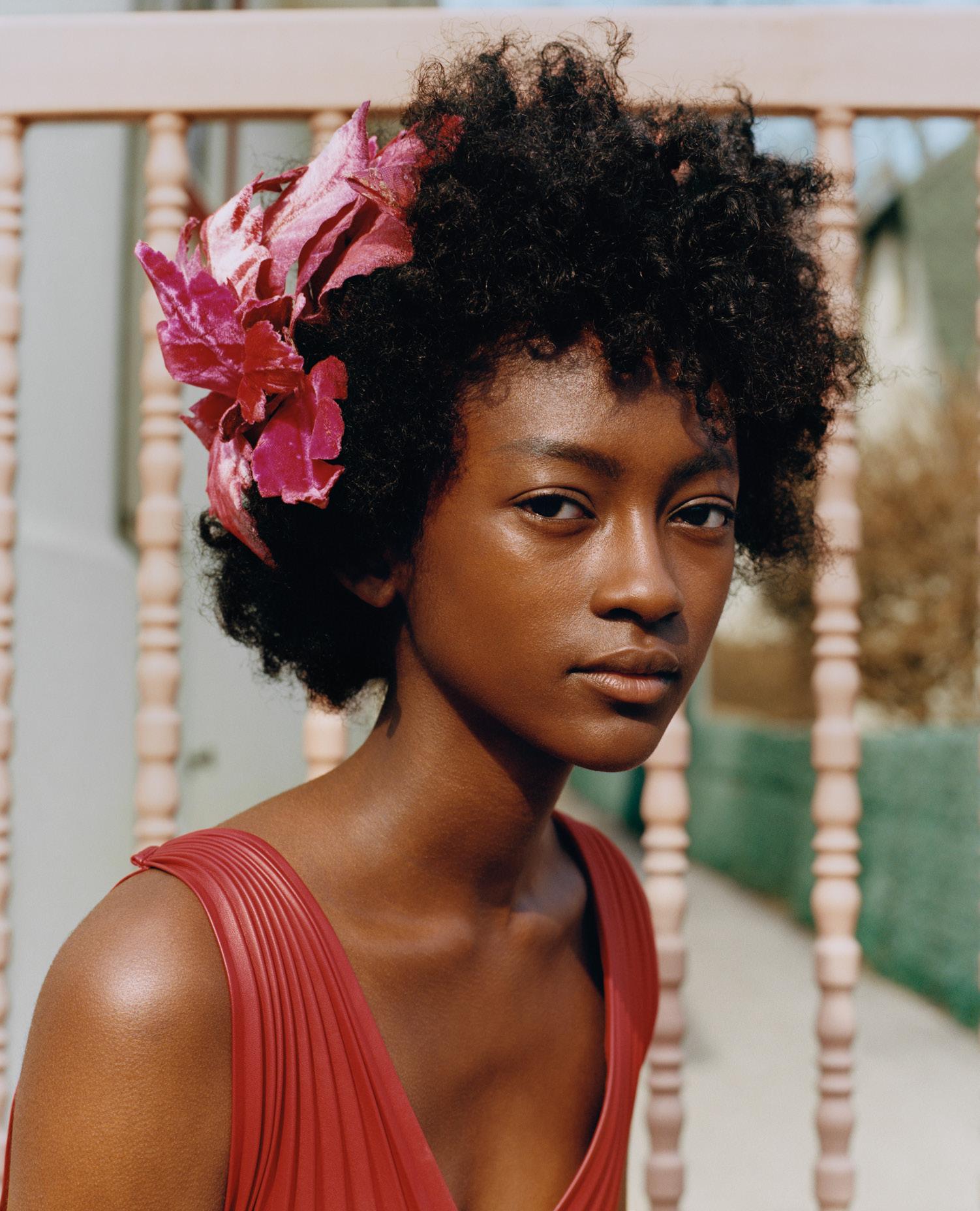
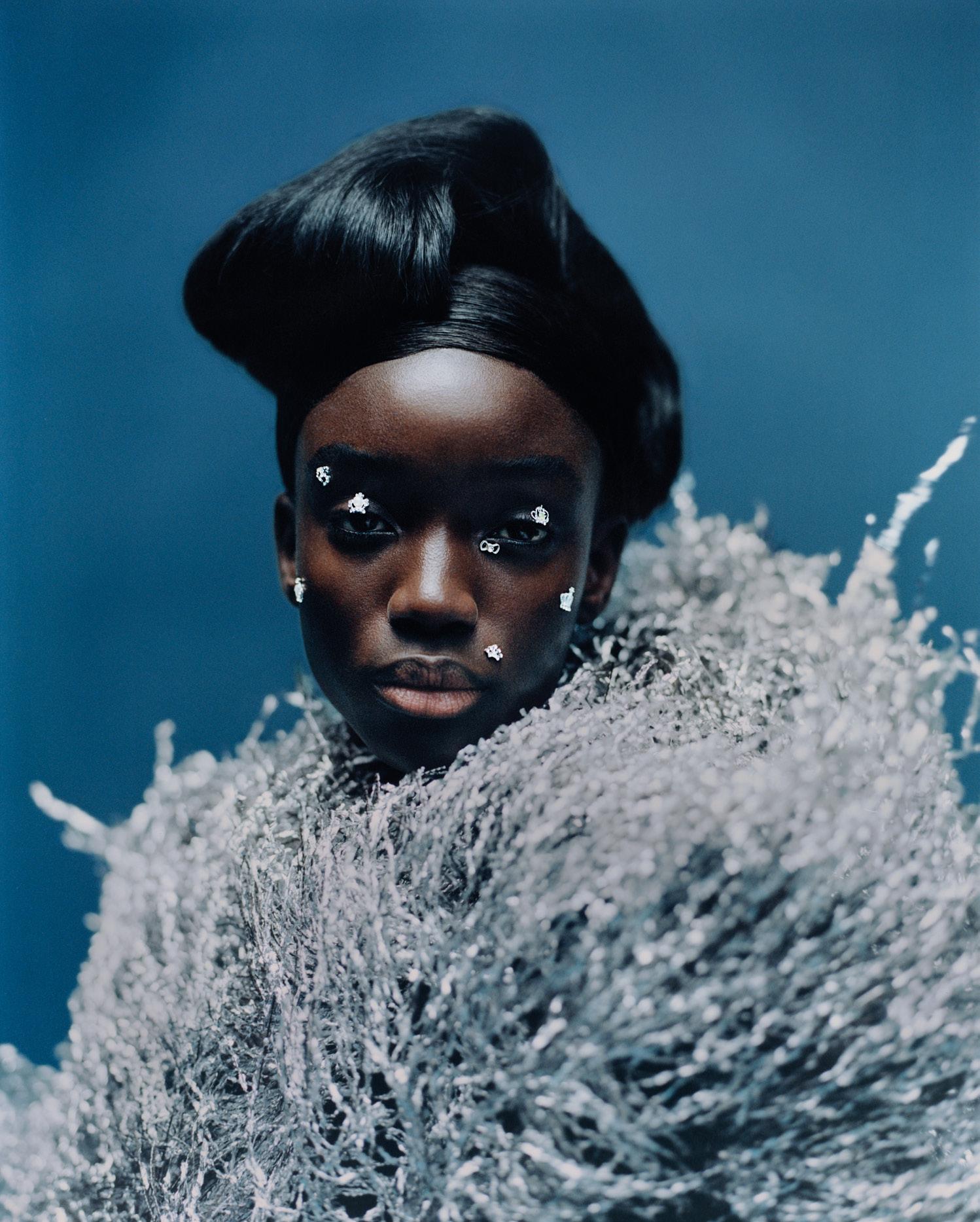
Chrysalis at Gagosian, London, is Mitchell’s first UK show. The series documents his transition from fashion photography to fine art, as well as his continued commitment to a "utopian vision of Black beauty, desire, and belonging."
A: The title Chrysalis implies a transformational state. How do the photographs at Gagosian relate to this idea? TM: I have done two museum shows and extensive work in the fashion space, but this is only the second show where I’ve made work specifically for a gallery. When I started putting ideas together, I thought about what it meant to make pho tographs for display. There are a lot of beliefs around how a second show is harder than the first because the excitement is no longer there. I found myself in this transitory phase, be tween and betwixt, caught between fashion and art. I thought Chrysalis was so fitting both for the work and myself. The images are about that psychological or emotional state. Young Black men and women are cocooning themselves, gazing at the viewer, resting or in a state or repose within the landscape. They are relaxing, meditating and interacting with the environment around them whilst also grappling with their own selves. It's an idyllic state. That’s what the work is about.
62 Aesthetica art
Tyler Mitchell, Untitled (Toni) (2019).
© Tyler Mitchell. Courtesy of the artist and Jack Shainman Gallery, New York.
Left:
Tyler Mitchell, Untitled (2022).
© Tyler Mitchell. Courtesy of the artist and Jack Shainman Gallery, New York.
I’ve been offered a new way of understanding and looking at individuality. All the work I do is tied to fashion photography. This exhibition is connected to the commissions and brands
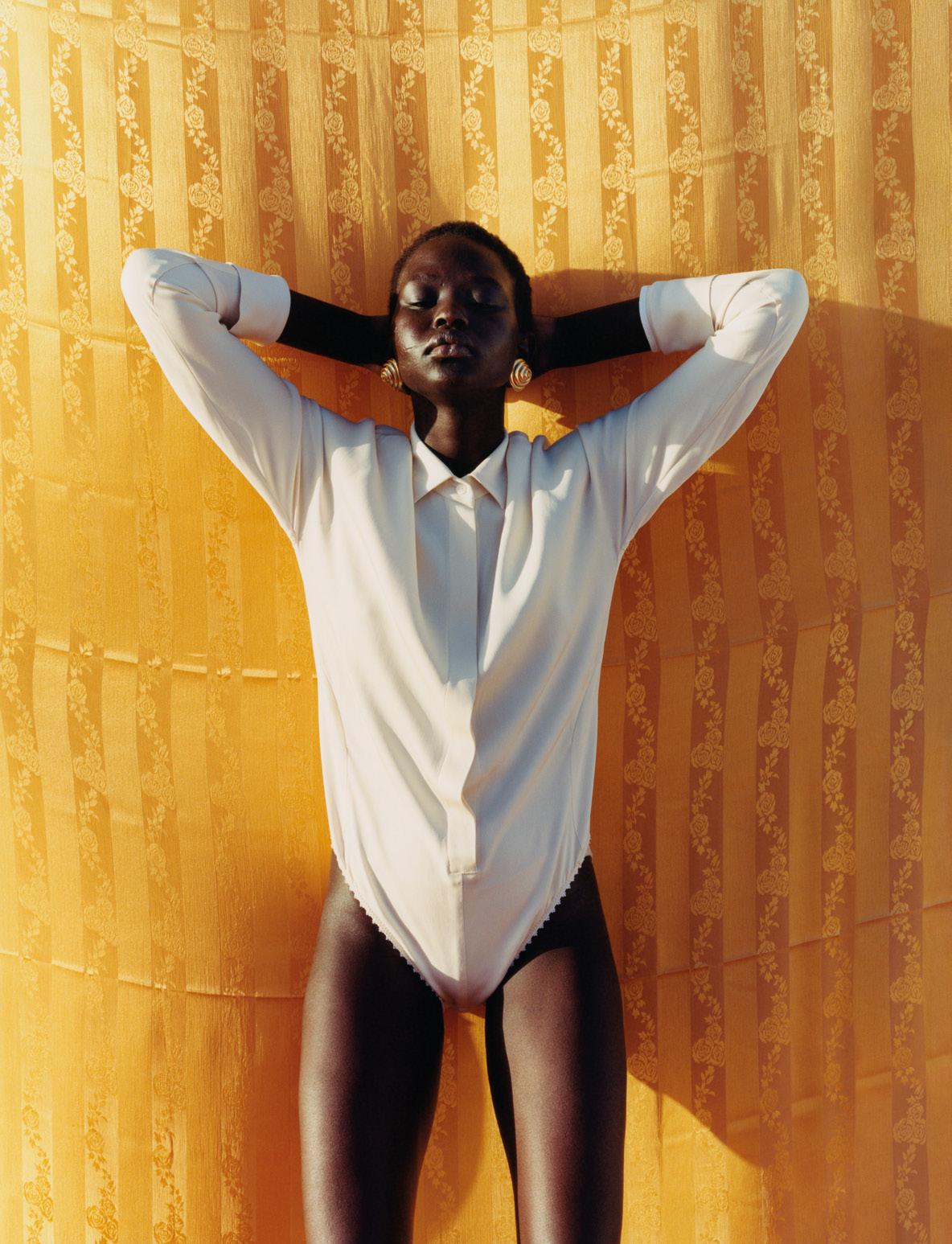
I’ve partnered with – like Adidas, Vanity Fair, JW Anderson and AnOther Magazine. It's all about finding these height ened moments of beauty and contemplation in the everyday.
certain amount of work participants have to do to reach their own conclusions. There are a lot of legible elements. I’m not interested in hiding parts of the narrative. I want to tell sto ries in the most direct, efficient way possible. I enjoy making choices and allowing the viewer to try and understand those layers. Many people do, whilst others see things in them that
Aesthetica 65
biography. They ask questions like: what year was this made? Who’s the person in the picture? Did you ask them to take it? Did you steal this moment? Instead, I’m trying to free the viewer from those questions and allow them to understand the layers in the picture emotionally and psychologically.
A: You believe that technology is fundamental to in creasing the accessibility of photography. In what ways will this access have a powerful impact on imagemaking?
TM: Time will tell. That’s the best answer. I’m trying to figure it out myself. I’m happy that there’s so much more access. I’m always pushing for this idea that images are, and forever will be, central, not only to fine art but to the world. Photography continues to be ignored as a practice, and I think we need to stop denying that truth and move on. It’s a battle that’s been fought and ultimately won. Artists across generations have made wonderful pictures that stand on the same level as other great works of art and other mediums. For me, it’s not even a conversation, and yet still we need to have it. Tech nology is democratising and broadening its availability; this will help further the change. We need to become more aware that images are central to culture. Unimpeded by genre or boundary, they have the power to alter our consciousness.
scary and exciting thought. The best will continue to float to the top – ideally, in a meritocracy. All of that will lead to an opening up of who’s behind the camera and who tells what stories. That’s incredibly important to the medium as well.
A: What were your first experiences with fashion photography? Do you recognise any aspects of these early works in either your current and future projects?
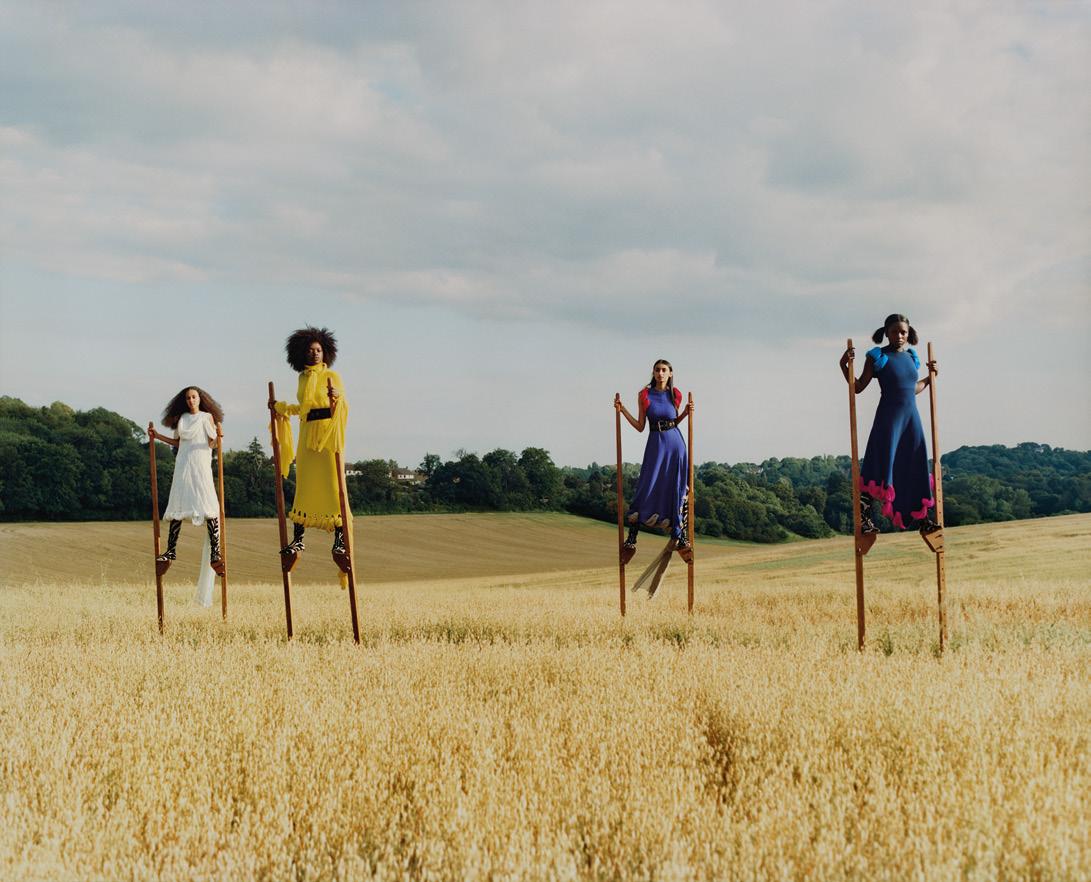
TM: It’s happening slowly. I’m happy to be part of that shift. The opening up of photography and its limits – it has al ready occurred. The biggest breakthrough is that everyone
TM: About a decade ago, I was interested mainly in filming and photographing friends skateboarding. I was a skate boarder. That has very little connection with what I do now – other than it being this joyful communal sport and that I still continue to photograph people outdoors – but my pho tography grew from there. I went to Havana, Cuba, in 2015, and a teacher there asked the class for pre-existing work. I presented casual portraits of friends in my New York apart ment and, in many of them, I had asked my friends to wear my clothes. The teacher saw this and said, “It looks to me like you’re doing fashion photography.” I didn’t know what he meant by that at first. I found out that the images had a sense of style to them – it wasn’t that I knew what Prada or Gucci was, but it was clear that I was as interested in the clothes as I was the person. He said, “It looks like you’ve dressed them up,” and, in a way, I had. That experience opened up my understanding of how to take photos of people because I learned that what they’re wearing is as important – in terms of what it communicates – as what they’re doing, what they look like and the environment they inhabit. That’s always been a part of my work, which I still feel connected to today.
66 Aesthetica
Courtesy of the artist and Jack Shainman Gallery, New York.
gagosian.com
Words Megan Jones Chrysalis Gagosian, London Until 12 November
A: Do you see this movement improving diversity across the industry? How is it affecting fashion photography?
Tyler Mitchell, Untitled (Stilts II) (2019). © Tyler Mitchell. Courtesy of the artist and Jack Shainman Gallery, New York.
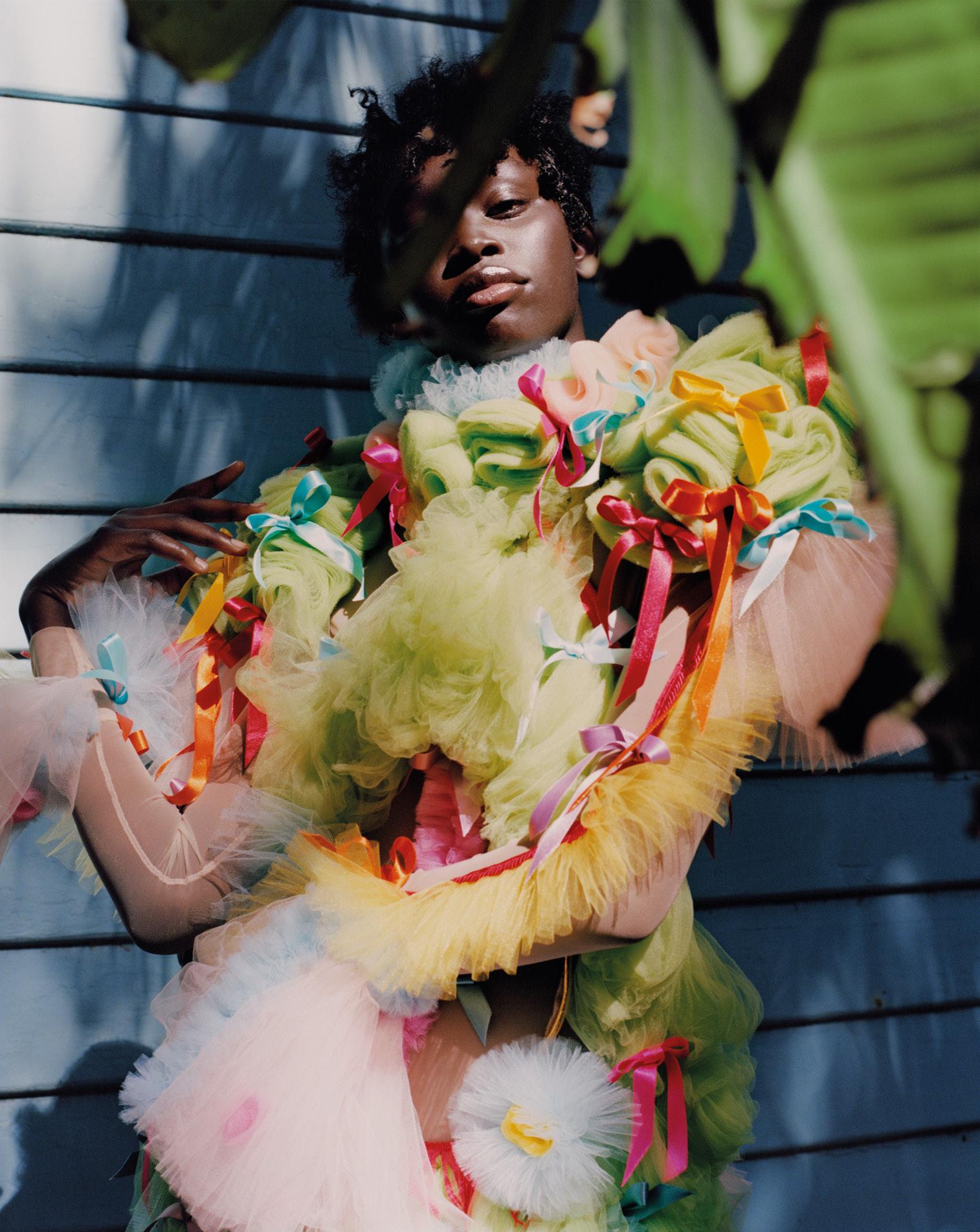
Crafting a Narrative
Elsa
& Johanna
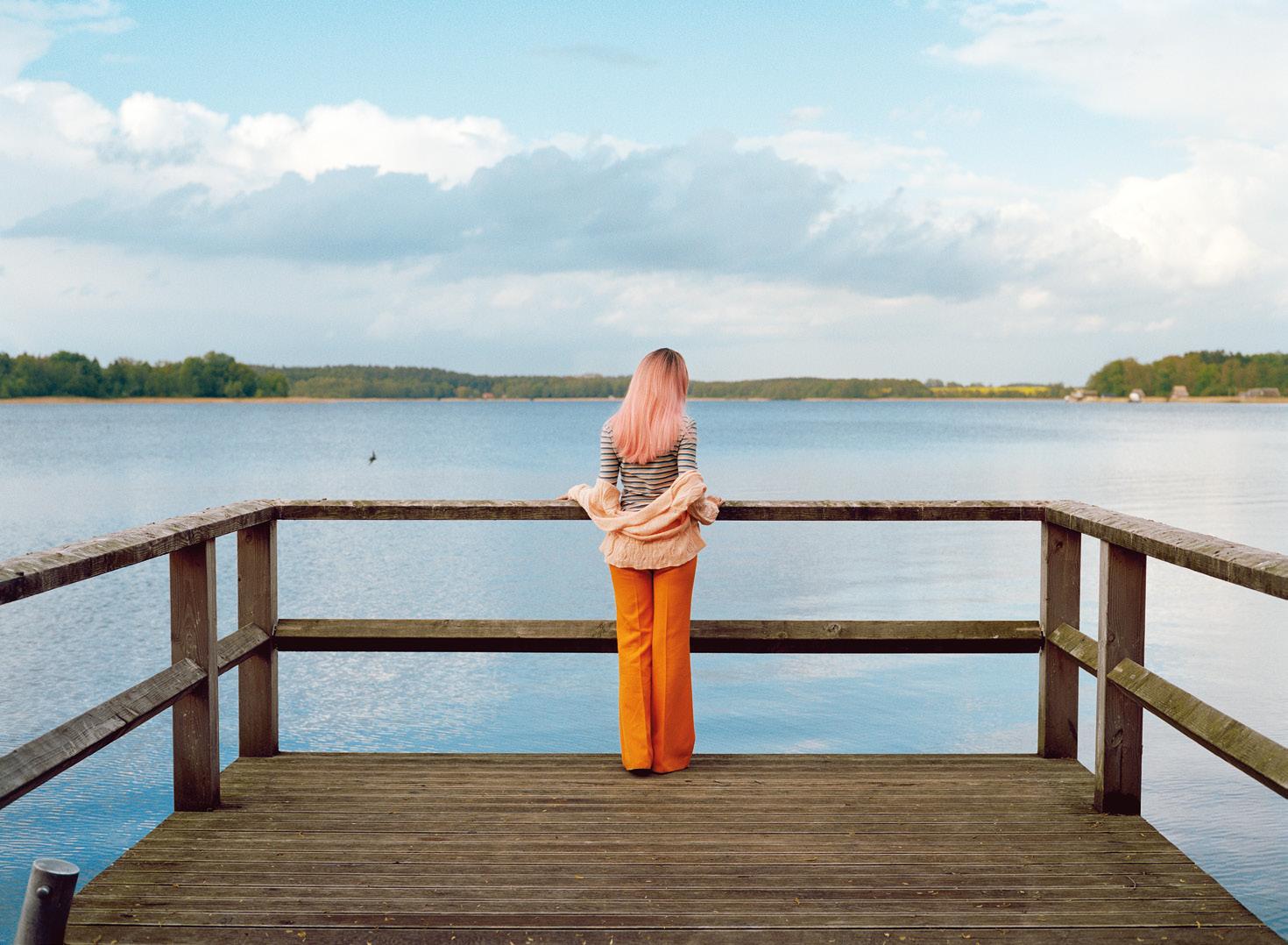
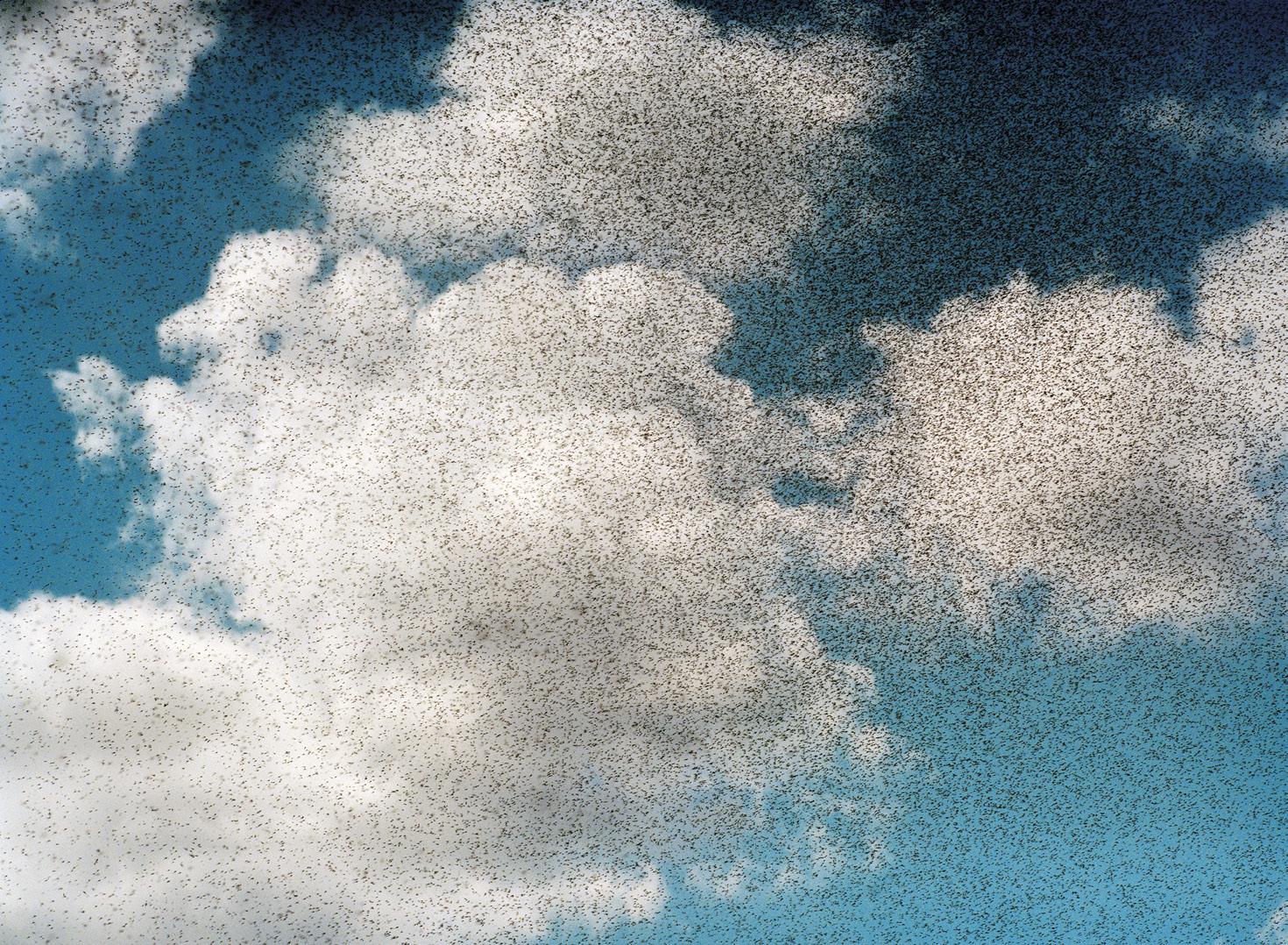
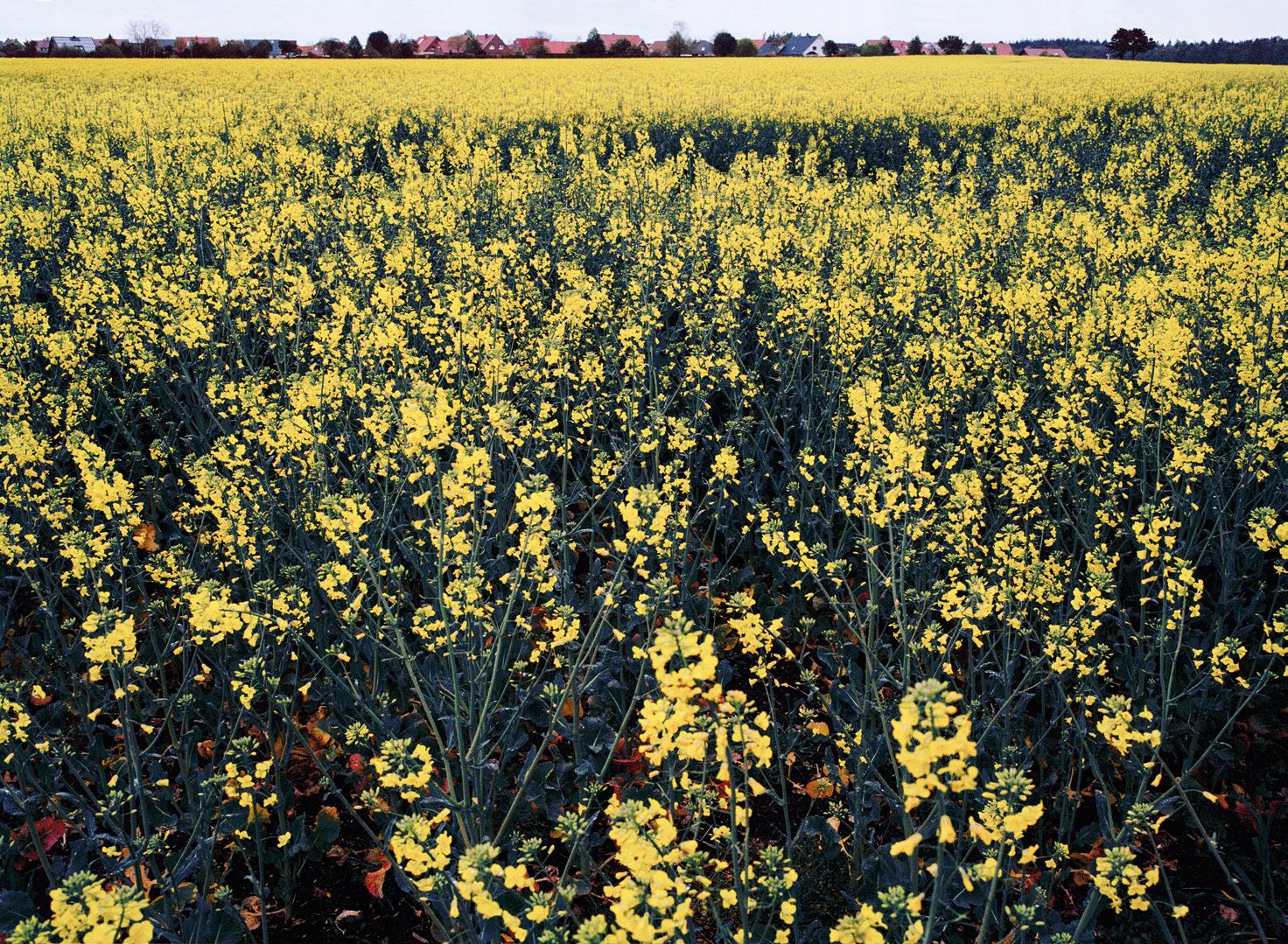
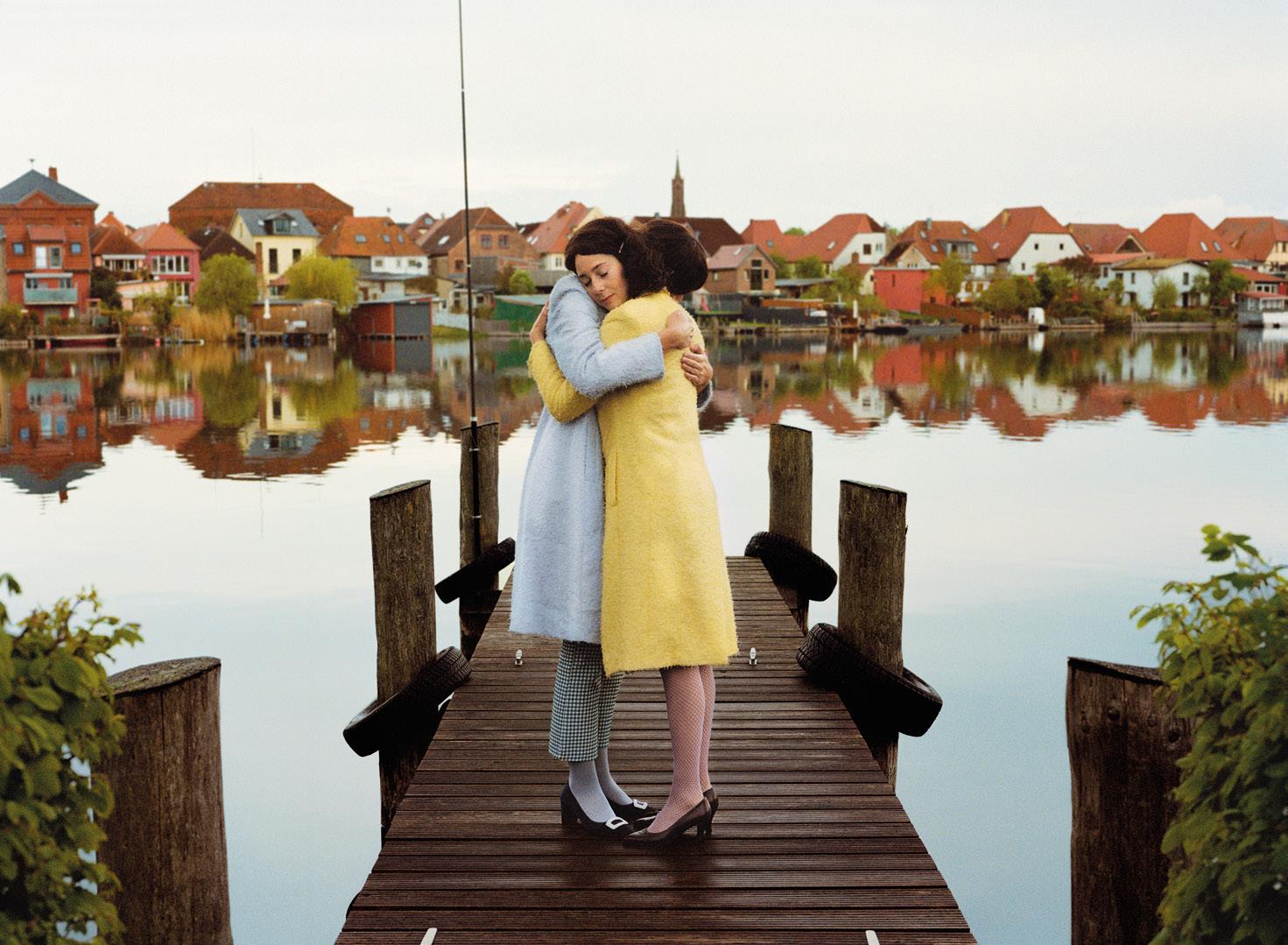
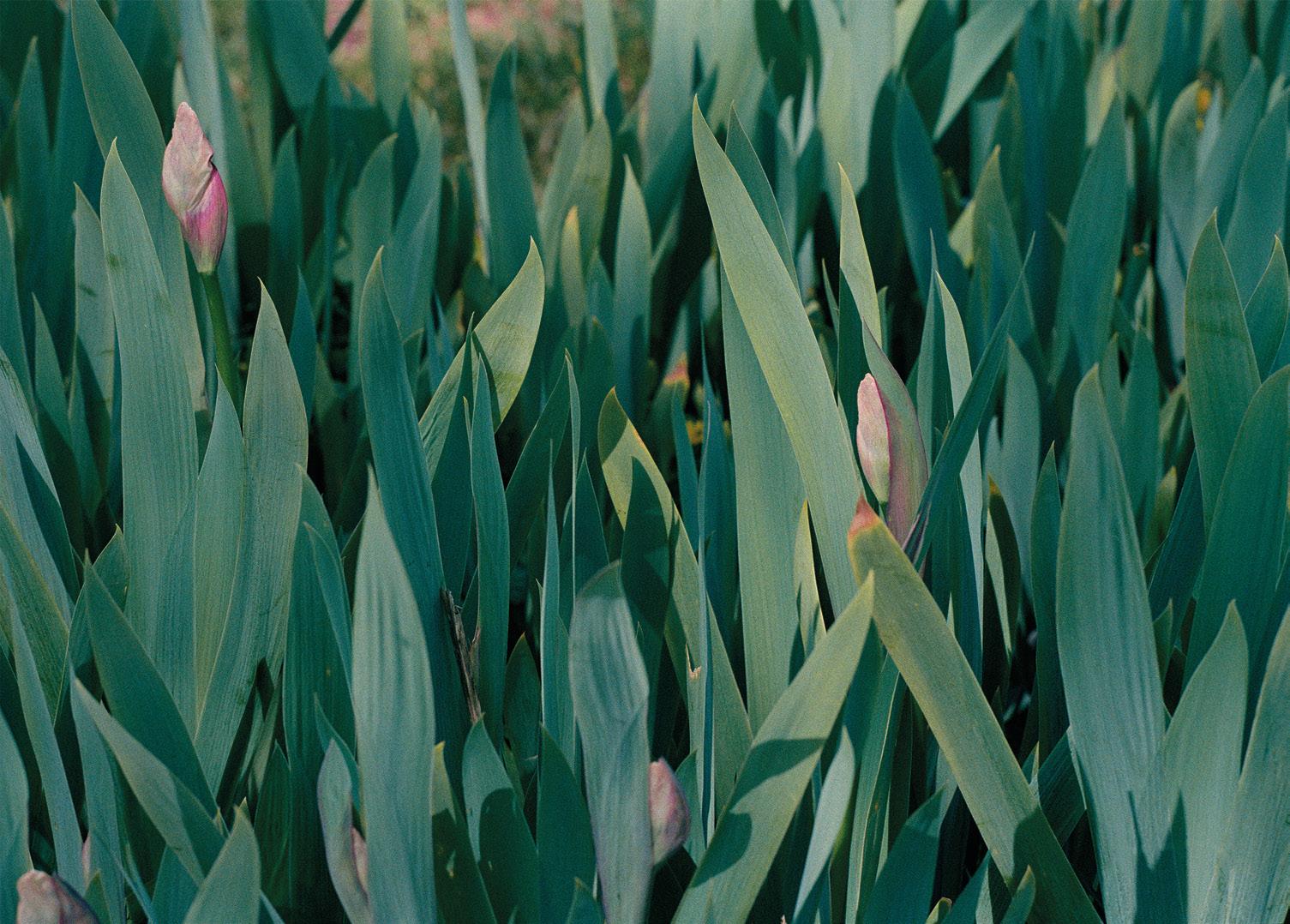
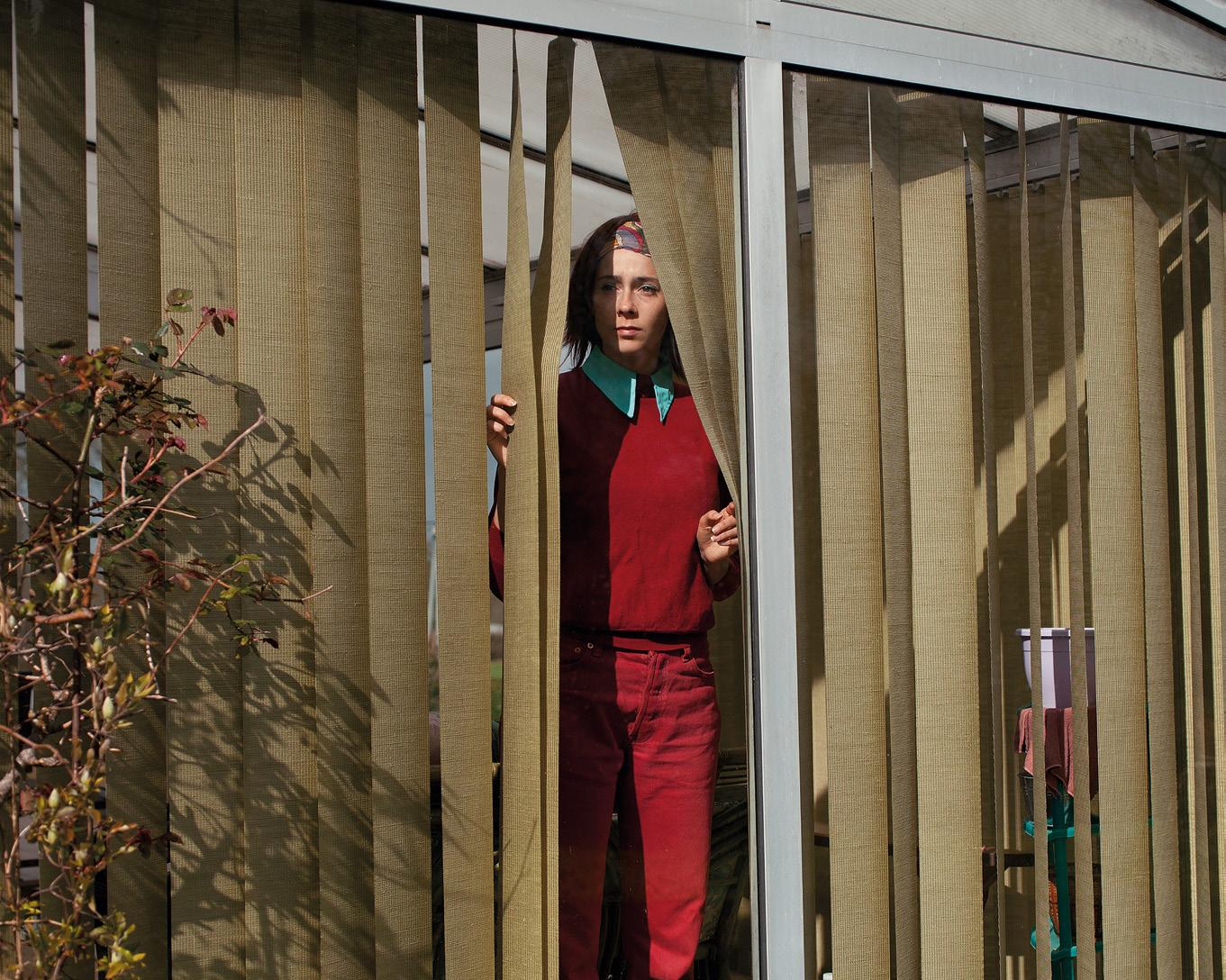
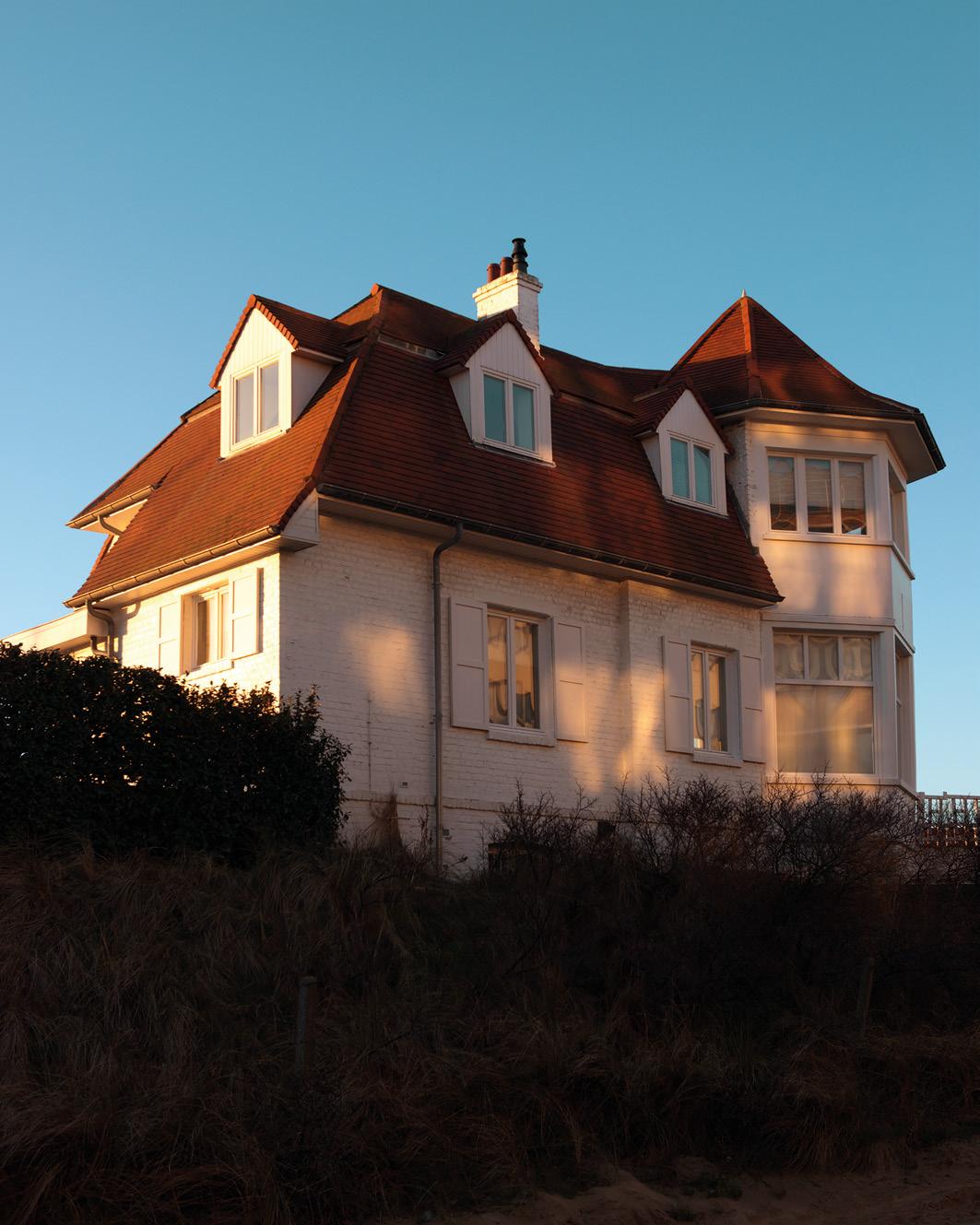
Autofiction is a term used in literary criticism to describe a blend between two distinct genres: autobiography and fiction. These stories blur the boundaries between author and narrator. In The Timeless Story of Moormerland, artist duo Elsa Parra (b. 1990) and Johanna Benaïnous (b. 1991) do just that, suggesting the imaginary existence of a neighbourhood and its inhabitants. Over a period of four weeks in May 2021, the pair were based temporarily in northern Germany, spending time across several villages in and around Moormerland, Lower Saxony. They stage the “daily lives” of various characters – young adolescents, fathers and housewives amongst them –with images organised as though part of a traditional family album. Elsewhere, Le Silence du Sucrier takes a more personal approach; it turns to the memories of loved ones, reconstructing family stories through the lens. elsa-and-johanna.com
68 Aesthetica art
Image courtesy Elsa & Johanna. Fire (detail). From The Timeless Story of Moormerland (2021).
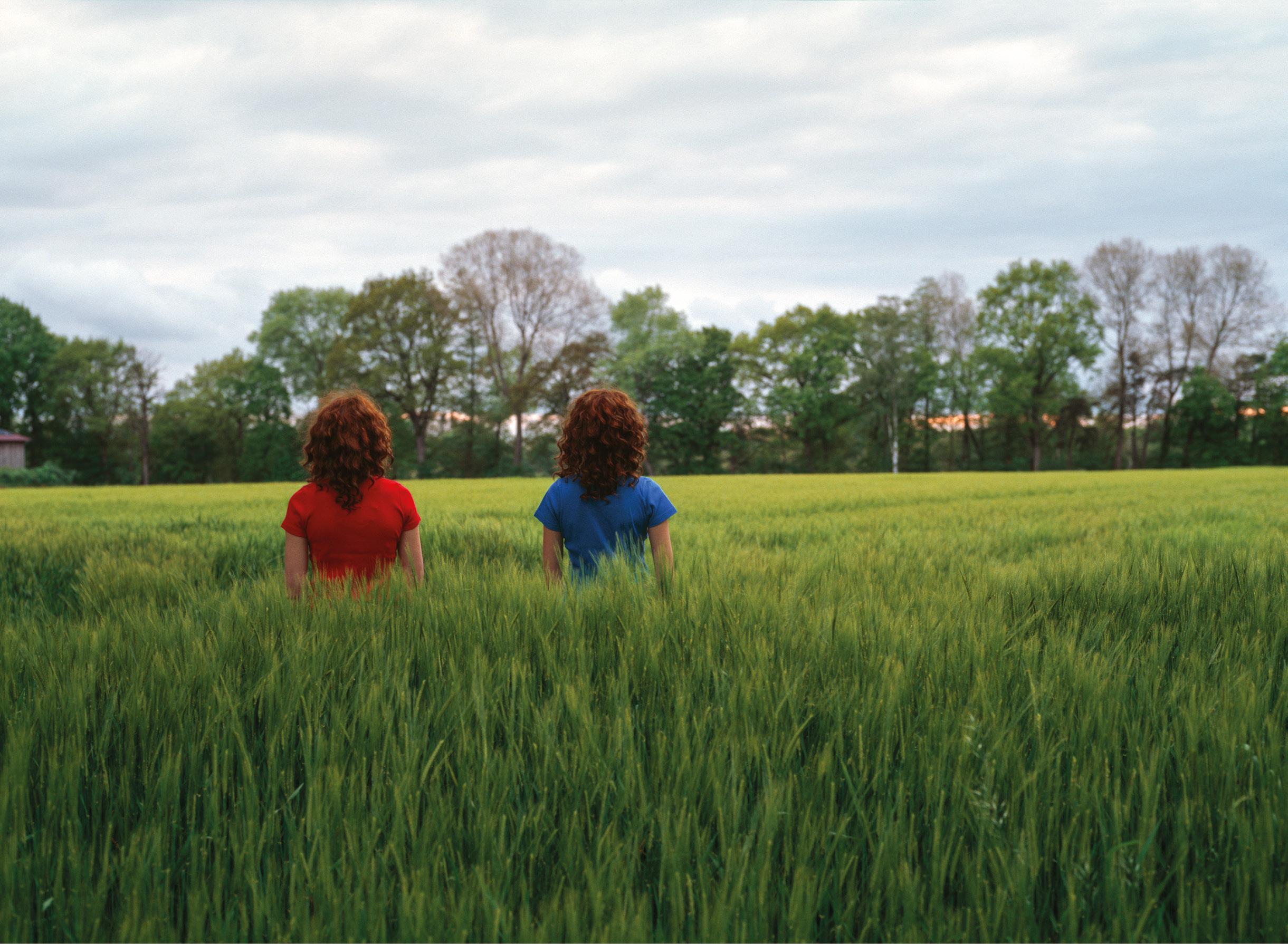
70 Aesthetica
Elsa & Johanna, The Pier (detail). From The Timeless Story of Moormerland (2021).
Aesthetica 71
Elsa & Johanna, The Swarm (detail). From The Timeless Story of Moormerland (2021).
72 Aesthetica
Elsa & Johanna, Somewhere in Moormerland (detail). From The Timeless Story of Moormerland (2021).
Aesthetica 73
Elsa & Johanna, The Sound of The Belltower (detail). From The Timeless Story of Moormerland (2021).
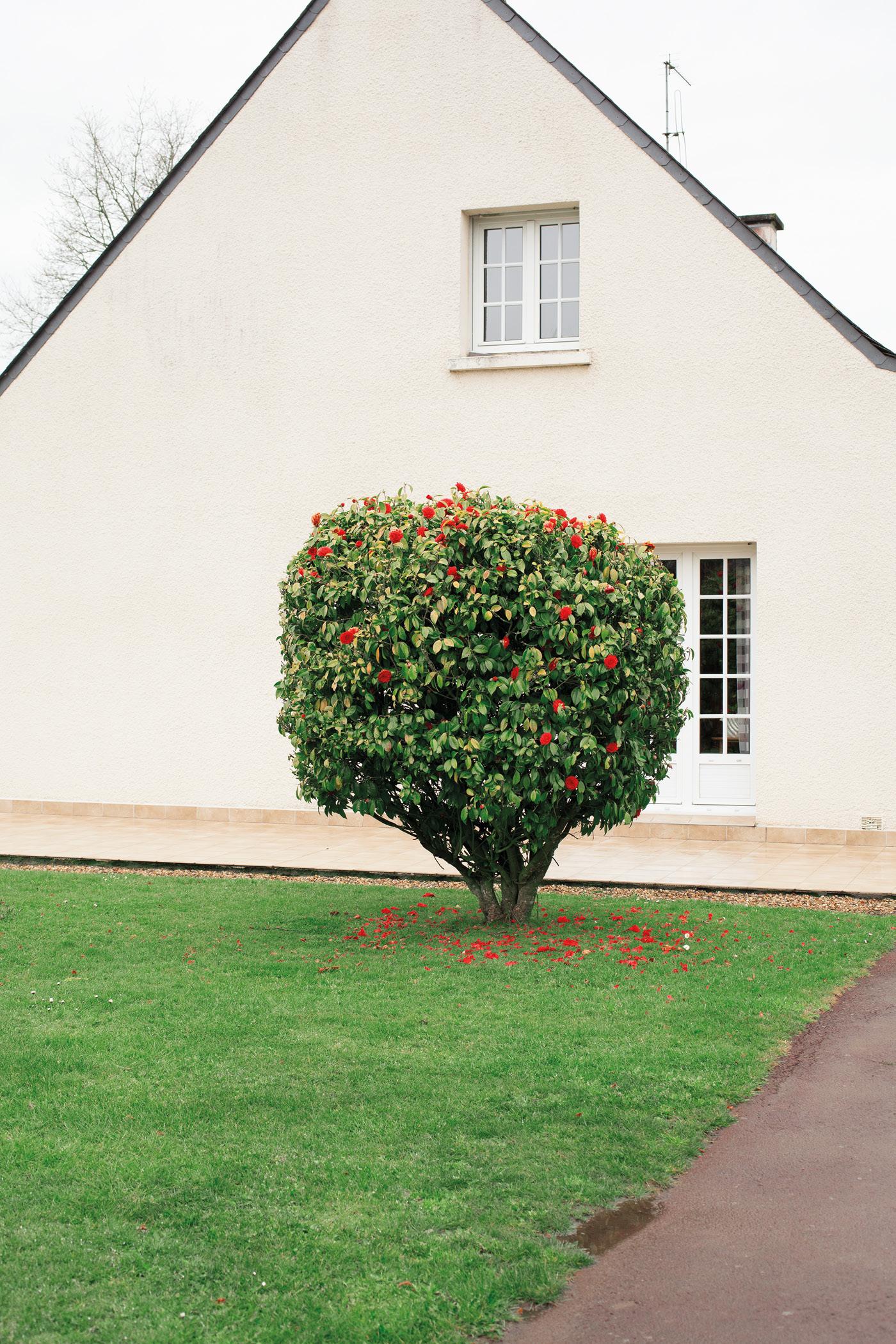 Elsa & Johanna, Le Coeur Fané (detail). From Le Silence du Sucrier (2016).
76 Aesthetica
Elsa & Johanna, Iris (detail). From Le Silence du Sucrier (2016).
Aesthetica 77
Elsa & Johanna, Le Témoin (detail). From Le Silence du Sucrier (2016).
Aesthetica 79
Elsa & Johanna, Home (detail). From Quiétude (2018).
Visualising the Algorithm
Mónica Alcázar-Duarte
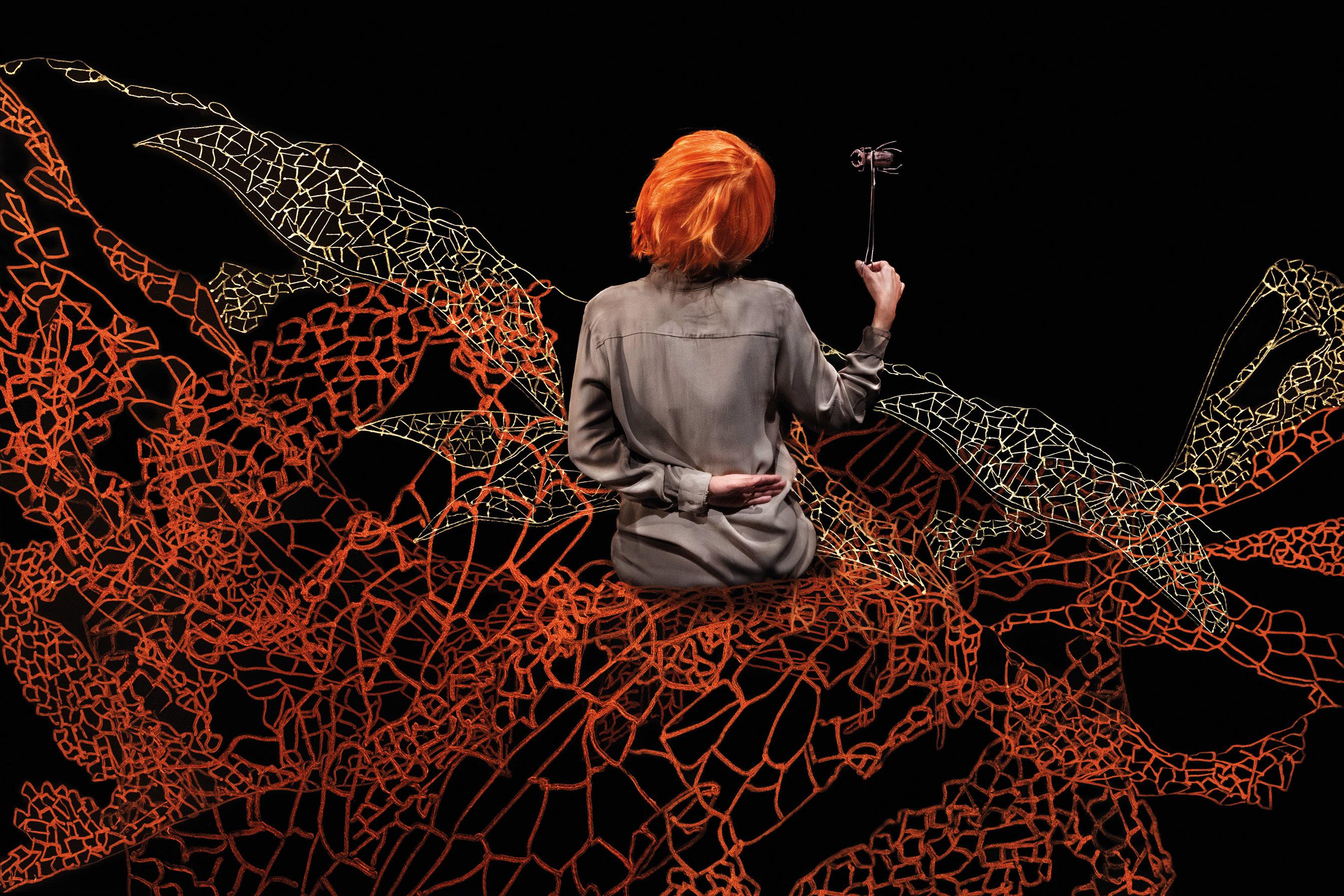
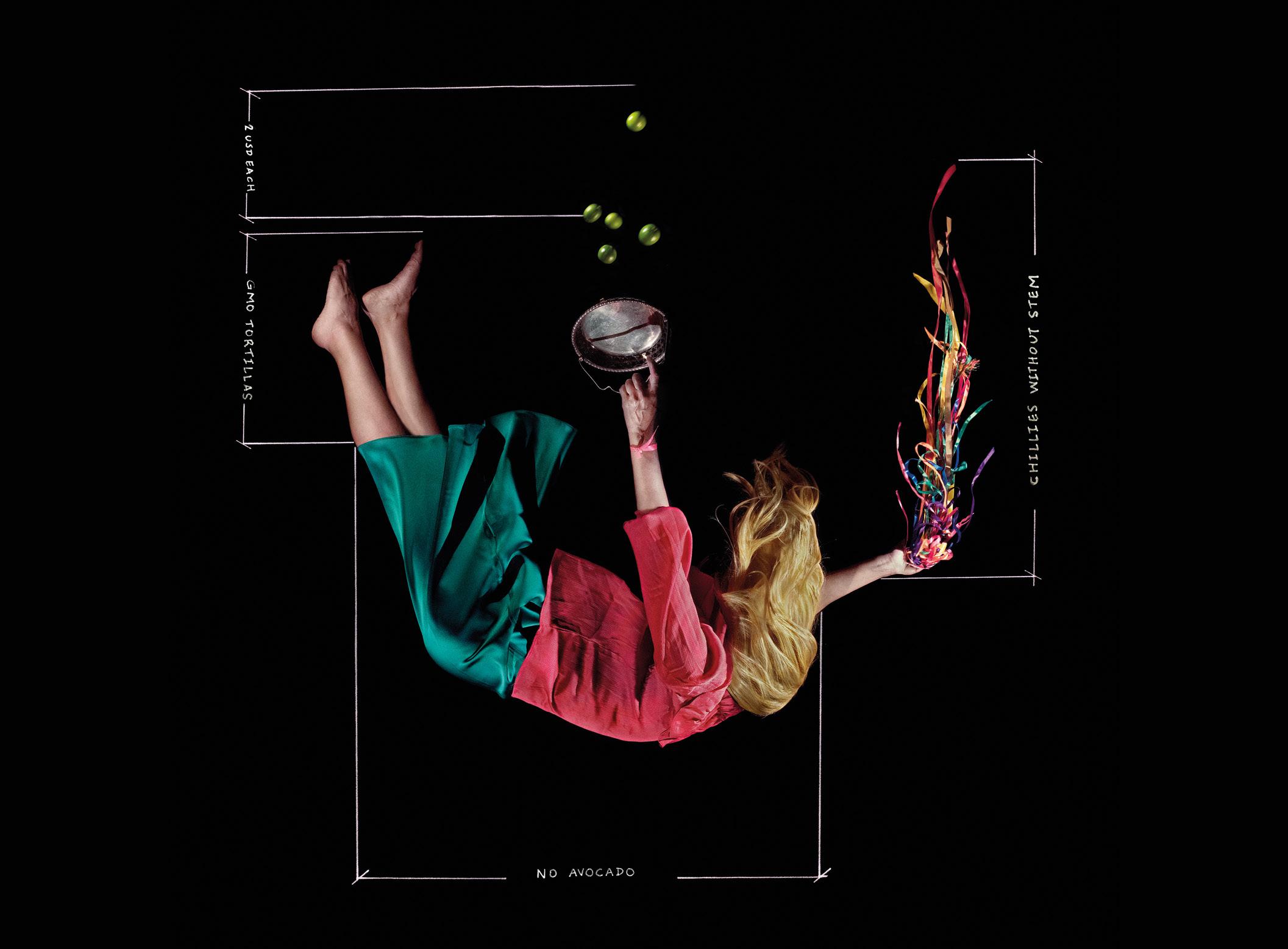
“The susceptibility of AI to bias is one of its most visible, acknowledged and harmful features,” writes Professor Helga Nowotny in In AI We Trust (Polity, 2021). “Technologies are intrinsically intertwined with conscious or unconscious bias, since they reflect existing inequalities and discriminatory practices in society.” Mónica Alcázar-Duarte’s (b. 1977) searing work visualises the harmful relationship between real-world and online stereotypes. The ongoing series Second Nature, which focuses on the experiences of over 100 Mexican women, is based on intense research into search engines, whose algorithms are continuously learning and developing from user input. “Latin women seem to be particularly victimised,” the artist explains. One work is titled How do you stop these people, whilst another is called From the shadows they keep coming. “The titles come from a fragment of web search results, which included the terms: Mexican, Mexican women, Mexicans are.” monicaalcazarduarte.com
80 Aesthetica art
Image courtesy Mónica Alcázar-Duarte. How do you stop these people From Second Nature, (2019-ongoing).
82 Aesthetica
Aesthetica 83
Mónica Alcázar-Duarte, All we have left are limes. From Second Nature, (2021).
84 Aesthetica
Mónica Alcázar-Duarte, Güerita. From Second Nature (2021).
Aesthetica 85
86 Aesthetica
Aesthetica 87
Mónica Alcázar-Duarte. Tierra y Libertad . From Second Nature, (2021).
88
Aesthetica
Mónica Alcázar-Duarte, Hot headed. From Second Nature, (2021). AR accessed via Artivive.
Aesthetica 89
90 Aesthetica
Aesthetica 91
Mónica Alcázar-Duarte. Here to be caught From Second Nature (2021).
Immersive Landscapes
“To be a photographer is to seek light – without it, the lens is blind,” states author and writer Evie Tarr in the foreword to After Dark. However, Liam Wong’s (b. 1987) second mono graph contradicts this notion, where darkness is a constant, relentless presence. It is both the background to his prac tice and a state of being. Inside, pages are blacked out with images emerging from them like scenes projected from a film reel. Monochromatic landscapes contrast against lumi nous street signs, and lone figures fade into the alleyways.
In After Dark, Wong reprises the highly stylised, neondrenched street photography first debuted in TO:KY:OO (2019), which was the largest crowdfunded book in the UK. Whereas TO:KY:OO – whose title recalls the timestamp for midnight – focuses on a single city after nightfall, After Dark examines global nocturnal cityscapes. In Zaha Hadid’s Dongdaemun Design Plaza, Seoul, he captures urban, neofuturistic geometry, whilst the “haar”, meaning sea fog, in his hometown, Edinburgh, departs from his distinctive style as part of his continued exploration of new environments.
Wong once hesitated to call himself a photographer, con centrating on his game design. In 2017, he made the Forbes 30 Under 30 as the youngest art director at Ubisoft, the titan game studio behind Assassin’s Creed and Watch Dogs. A trip to Japan in 2015 first inspired him to buy a DSLR camera and, whilst still working full-time on blockbuster titles like Far Cry 4, he continued to develop his photography practice. “It became this addiction,” he states, describing early images. "I was obsessively going out after midnight taking pictures.”
Five years later, he is recognised more for his photogra
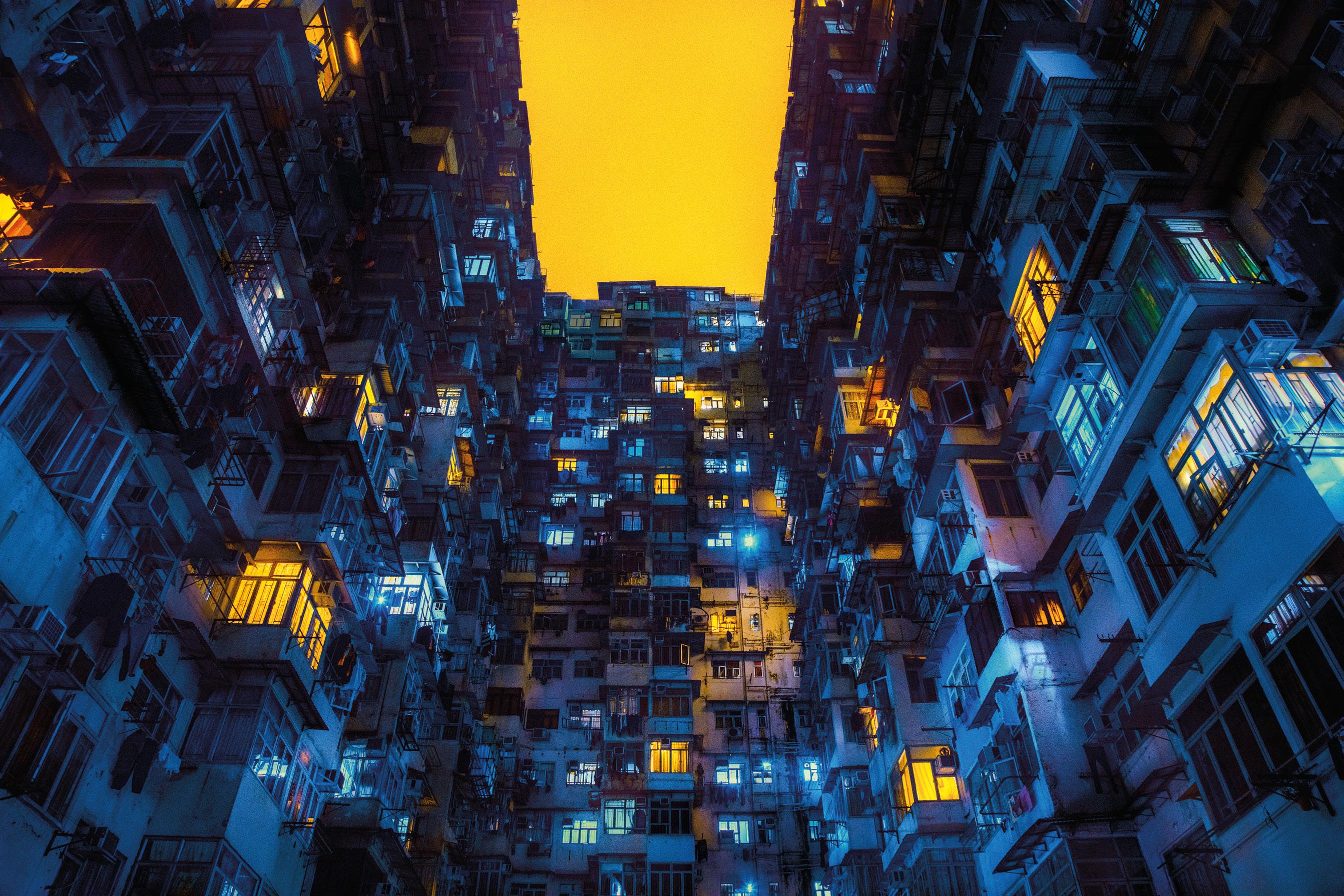
phy than his 10 years as a game developer. Whilst design prepared him for the early hours, or “crunch culture”, pho tography is an equally demanding medium. “There’s a lot of gatekeeping.” Pixel peeping, for example, is a practice that involves digitally zooming in on images to find faults. Whilst he acknowledged the difficulty of experiencing this critique in an interview with Tim Jonze in The Guardian, Liam Wong’s Best Photograph (2020), it also encouraged his creative ambi tions. “I started to think about what I go to photography for, and what I enjoy about it. And it goes back to video games.” Wong’s photography is grounded in immersion, inviting the viewer to be part of the image. “I try to capture that feel ing that you could have been there observing the same.” This approach informs his framing. Figures are “docked” to the left or right of an image, mimicking third-person video game cameras, whilst wide shots of subway tunnels place us firmly in the photographer’s shoes. Elsewhere, viewers stare up at Hong-Kong’s towering architecture, experienc ing vertigo through After Dark: Quarry Bay, 03:22:25 (2022) Throughout, the image remains an avatar for our experience. Gaming remains a useful analogy for his process. “I go to new cities and it’s like loading up a new game and exploring another world.” The images in After Dark are transportive because that’s how they are experienced behind the camera. “Liam’s photos are not just photos,” writes Hideo Kojima (b. 1963), the legendary video game designer behind Metal Gear Solid and Death Stranding. “You can feel what cannot normally be seen.” Wong, too, is more than just a photographer; his directorial and game development
92 Aesthetica art
THE ACCLAIMED SCOTTISH PHOTOGRAPHER'S NEON-NOIR CITYSCAPES EXPOSE THE QUIET SOLITUDE OF GLOBAL NIGHTLIFE – QUESTIONING THE BOUNDARIES OF REALITY.
Liam Wong
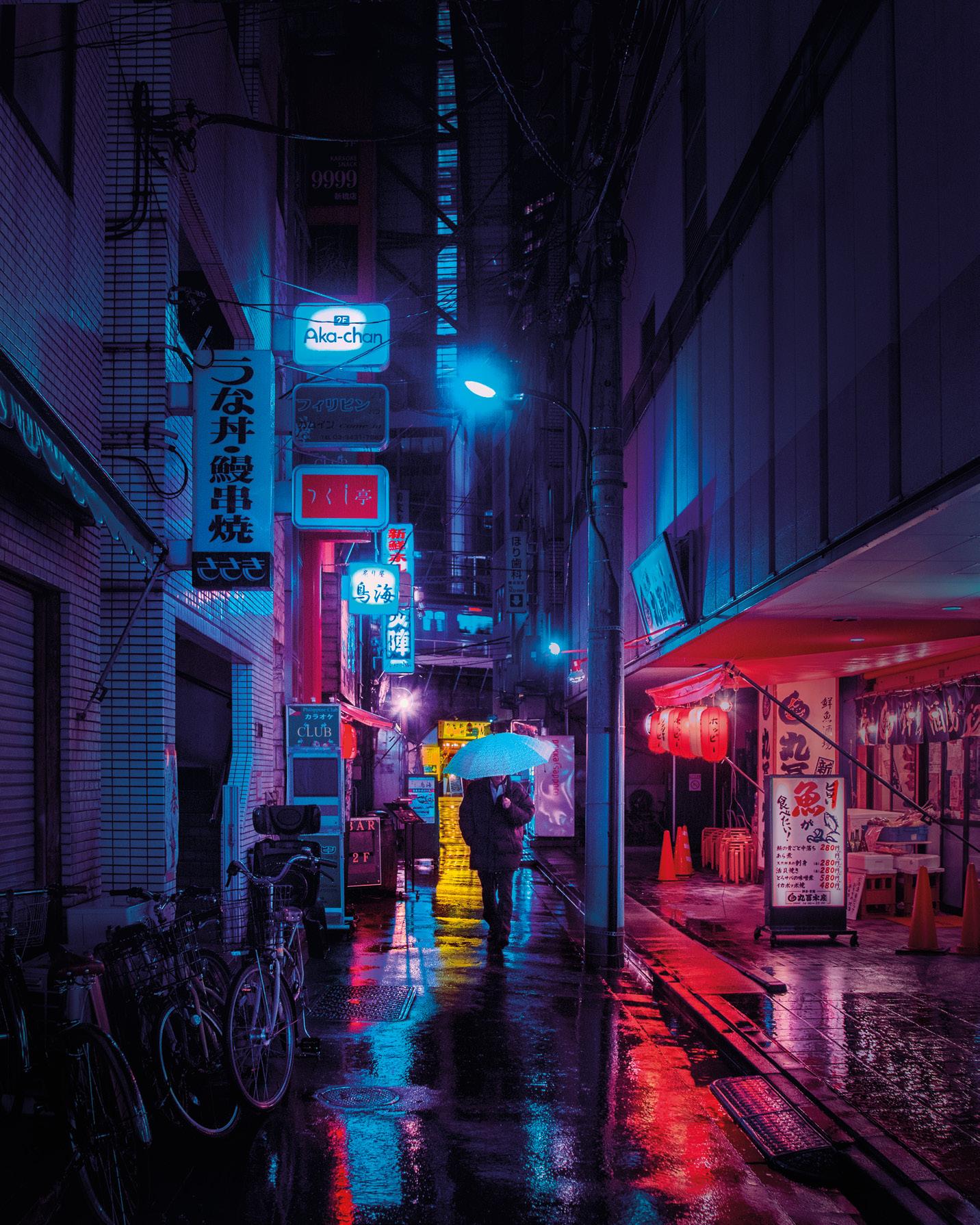
mission reference art for AAA action game Cyberpunk 2077. Whilst sci-fi shows us what the future might look like, noir obscures and shrouds, requiring an interloper who can expose the workings of this invisible underworld. His use of chiaroscuro lighting – displaying tonal contrasts between light and dark – is an essential element of film noir; it offers a moment of interaction between silhouette and environ ment, evoking a sense of surrealism. “I’ve definitely been into places, seedy spots, that I probably shouldn’t have,” he notes. But it was one of these locations that first provided him with a “cinematic” image. In Tokyo's redlight district, his shot of a "taxi driver waiting in the rain for a couple to exit a love hotel" encapsulated a truly "real moment." In After Dark, he continues to reconcile the unfamiliar and the illuminating.
“Over time, artificial light sources have encroached more and more upon the natural darkness,” writes Tarr. The future envisaged in these images is “post-dark”, in which sleepless cities are calibrated by 24-hour artificial lights. Wong recalls a passage from Paul Bogard’s The End of Night (2013) –which investigates the effect of light pollution on the natural world – regarding the Luxor Sky Beam in Las Vegas. “It’s the brightest light on Earth,” he says. “It affects the whole eco system: the moths turning up, the birds eating the moths. A whole lifecycle is affected by this. I remember thinking dif ferently about how I could structure this series of images.” Across abandoned streets and deserted alleyways, these background light sources denote the passage of time, evok ing a sense of renewal and humanity’s continued existence.
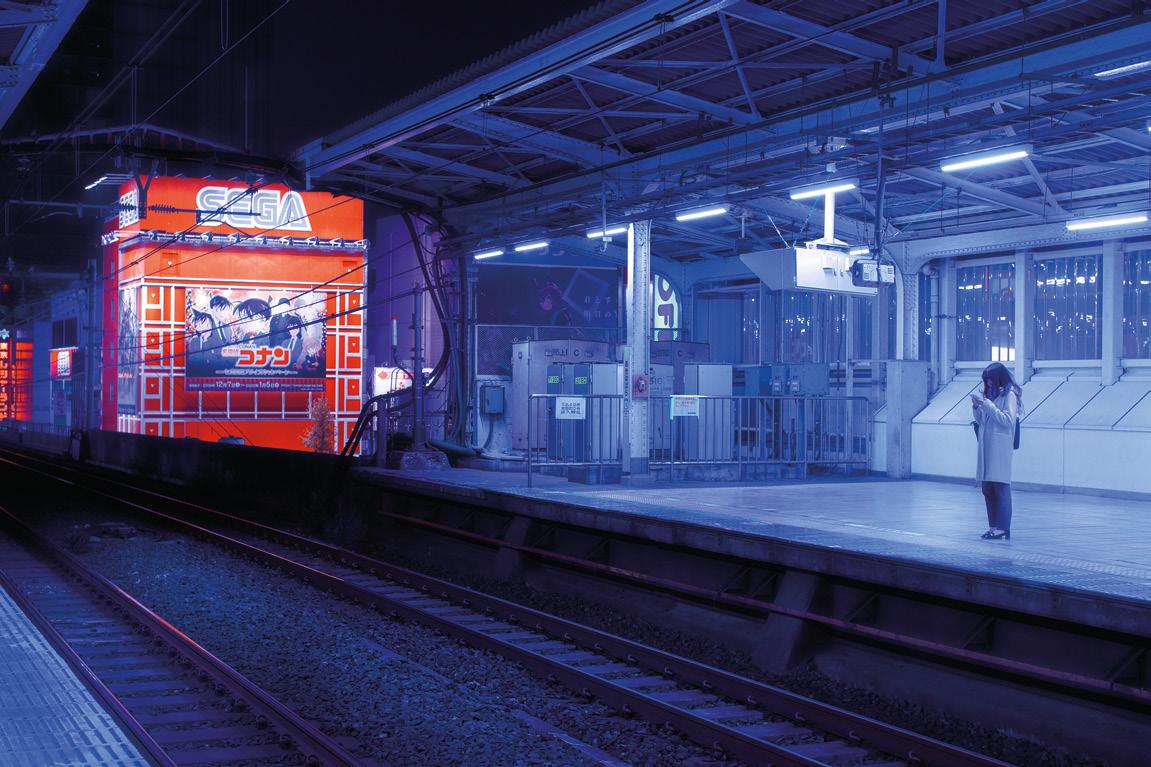
“When I think about After Dark,” he says, “I think about capturing urban loneliness.” Motorbikes drive down de serted streets. Lone commuters walk beneath umbrellas and
Aesthetica 95
billboards. A single light illuminates an anonymous block of flats. “I was going to post an image set on Twitter, where women happen to wait on their phones: one under a neon sign, another in front of a convenience store. It’s them, their technology, and emptiness. I have similar ones of people passing through cities and these huge structures. First of all, why are the lights on? Secondly, there’s no one there to see them.” In the UK, where stores are turning out the lights in the face of rising energy bills, the unrelenting brightness of these images appear as an ominous invitation to a strange and abandoned world. “Being alone,” writes Tarr, “is some thing we both fear and crave. The silence of a place that is usually full of life can seem both morbid and precious.”
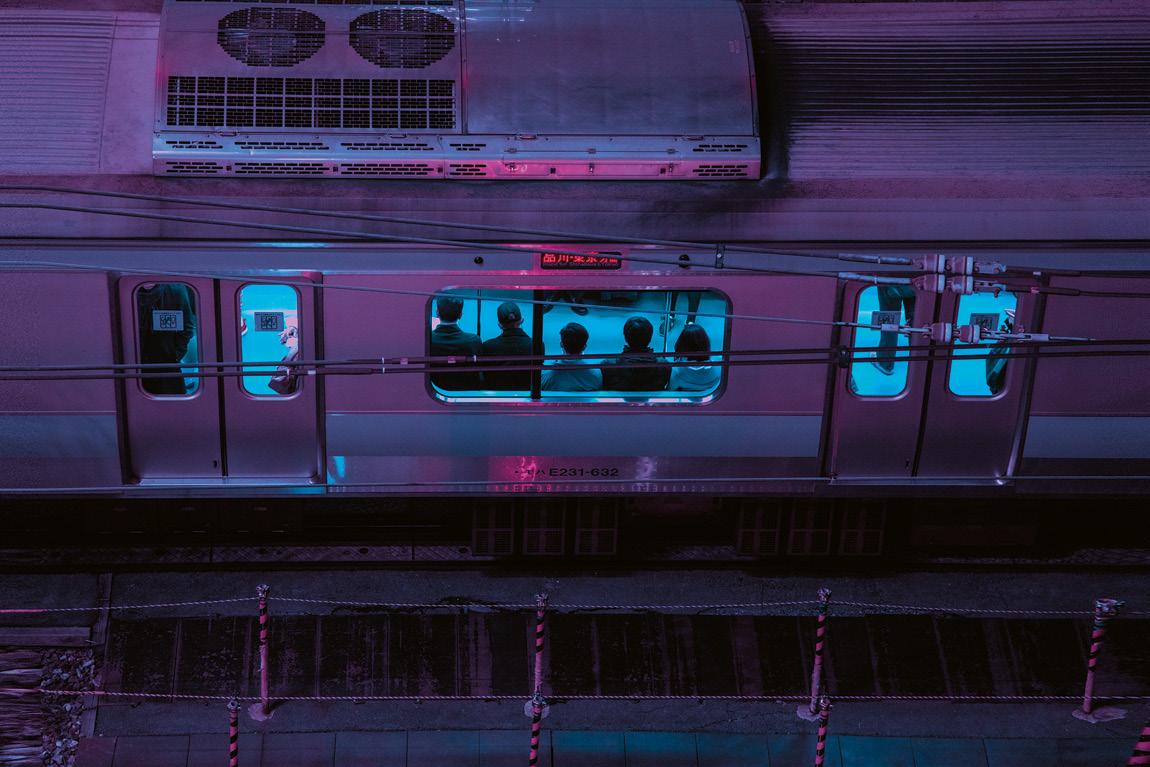
Nocturnal photography is as much about preserving the present as it is about elevating it to the realms of science fiction. Images of lone subway-goers recall Greg Girard’s (b. 1955) Tokyo-Yokosuka, 1976-1983 (2019), documenting the city’s late 20th century nightlife. These scenes act as ar tefacts, a space to admire “remnants of post-war scruffiness combined with a transitional modernity,” writes Girard. Wong also explores this physical transformation, preserving relics of the city lost to new innovations. For example, a location from Ghost in the Shell (2017), the live-action adaptation of the 1995 animated classic, has deteriorated. “Many of the original signs – with real neon rods inside them – are being replaced by new LED-lit signs because of safety concerns. The neon city is fading.” In pursuit of a cinematographic shot, he straddles the lines between past and present, to discover new locations and the emerging technology destroying it.
During lockdown, Wong took snapshots of buildings around Piccadilly in Call of Duty: Modern Warfare. He re
visited them in Piccadilly Circus, London, 03:00:55, where an empty junction is illuminated by an electronic billboard advertising the game. This light source bled virtual experi ences into the everyday, reflecting his attempts to obscure reality. “The ambiguity is deliberate,” he says when describ ing the hyper-reality of his images. “The colours make you do a double take. You think: is that an illustration? No, it’s too realistic. Maybe it’s 3D concept art. That’s what I wanted to hone in on.” These scenes provide an illustrated yet inhabit able universe, a contradiction that invites us to look again.
Photographers, then, act as private investigators: they bring the unseen to light. They reveal aspects of life that would otherwise go unnoticed: in Neon Alley, Seoul, 01:19:27, latenight revellers exit from a vending machine that doubles as a front for a hidden pizzeria. Even the wildlife remains anonymous, with Love Birds, Kowloon, 02:47:59 displaying two silhouettes suspended on a wire. “Ultimately,” he says, “the photographs range from anonymity and intimacy to se clusion and privacy.” These contrasts are, as Kojima states in the foreword of TO:KY:OO, “a harmonious balance of beauty and disorder.” These seemingly opposite forces exist across artistic practices: reality and imagination; monochrome and colour; past and future; digital and analogue. Despite this futuristic vision, Wong highlights the importance of the tra ditional. “We’re in the age of social media,” he says. “When all of that dies, when Twitter and Instagram are gone and no one ever sees your work online, I’m still left with a book in a physical store that someone can stumble upon. I like that.”
Ultimately, if noir conceals the future and sci-fi reveals it, then Liam Wong’s photography in After Dark reconciles these contradictory impulses, exposing midnight's quiet solitude.
96 Aesthetica
Words Jack Solloway After Dark Thames & Hudson liamwong.com thamesandhudson.com
Right: Liam Wong, Warszawa po zmroku, Warsaw, 00:23:12 (detail). From After Dark (2022) Thames & Hudson. © Liam Wong

World of Imagination
Miguel Vallinas Prieto
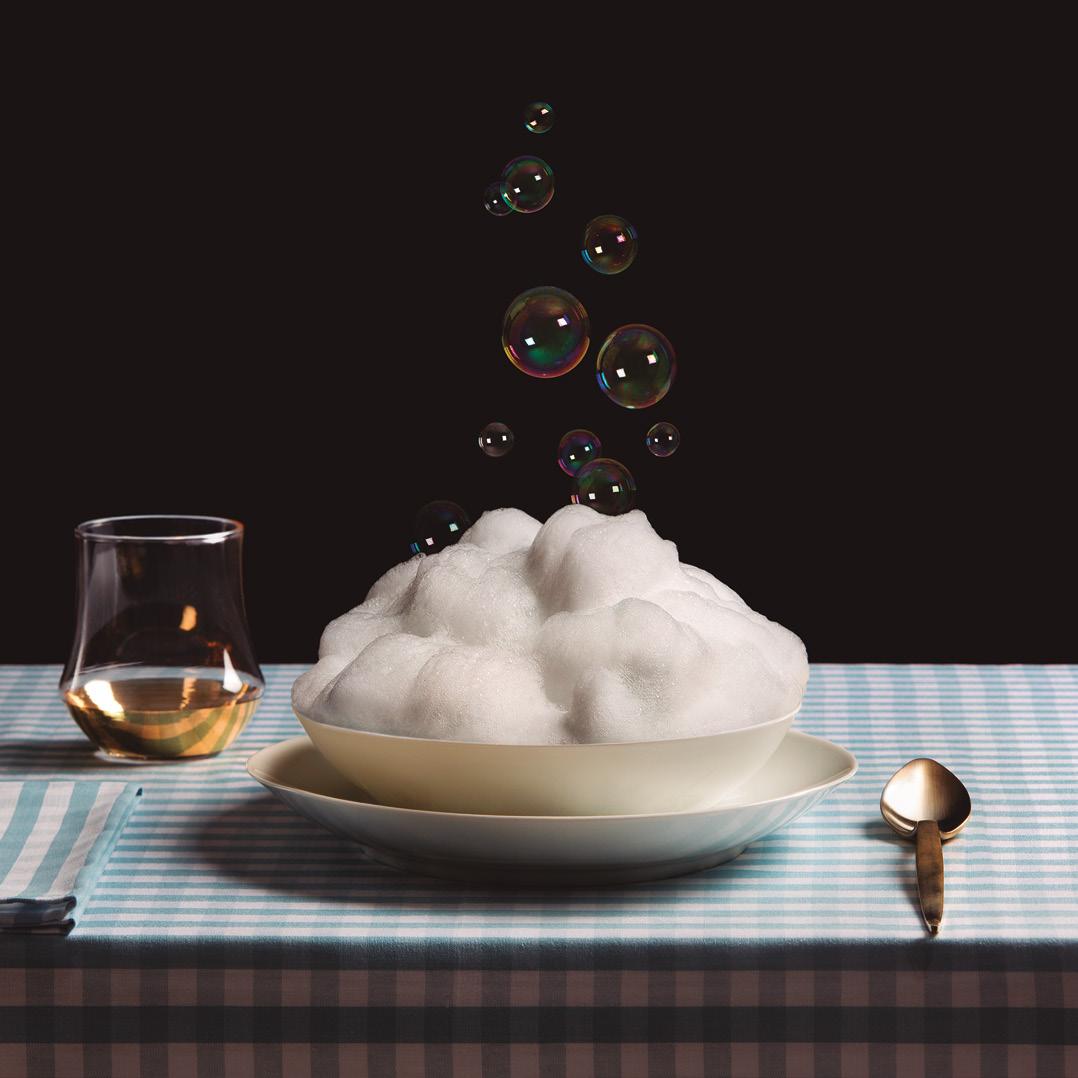
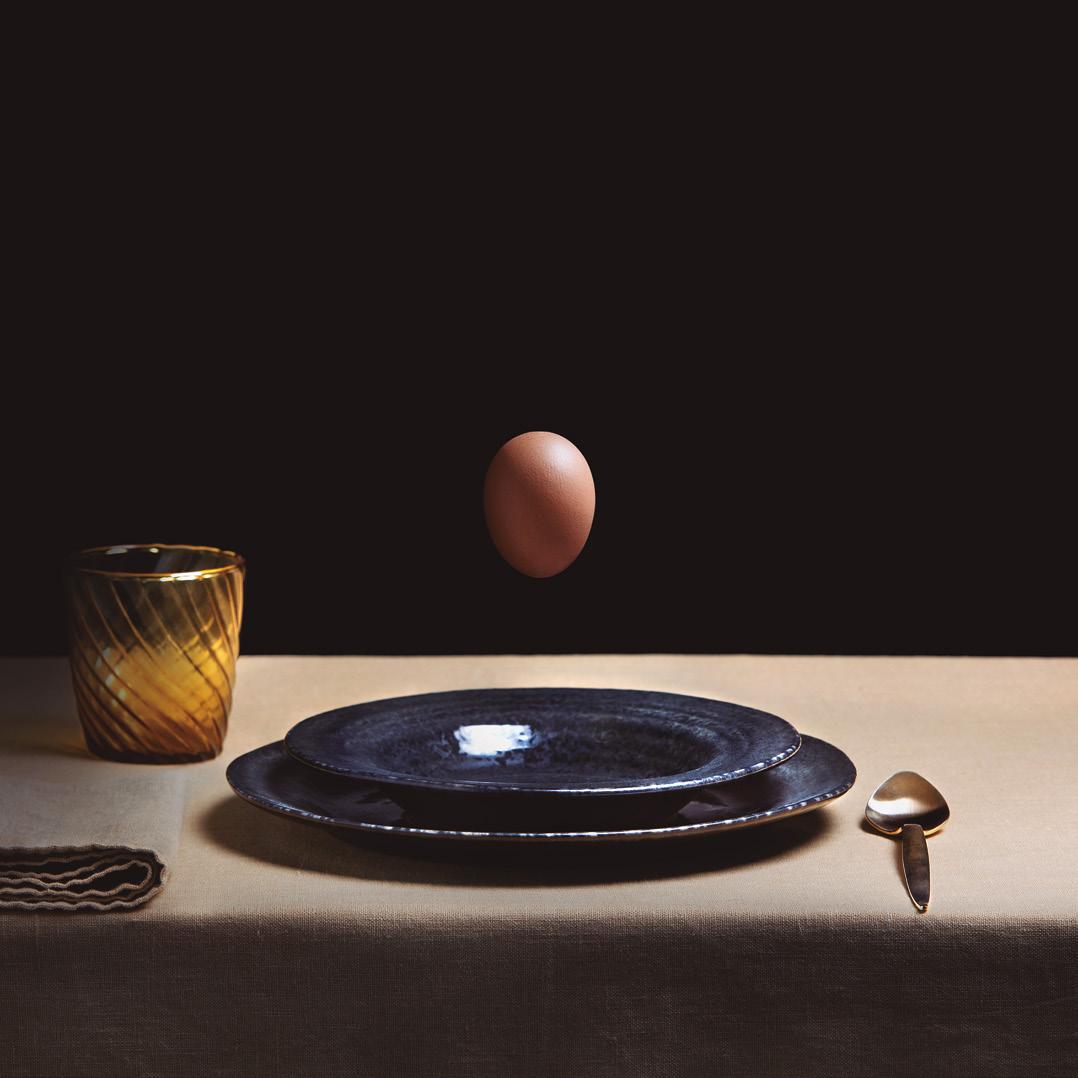
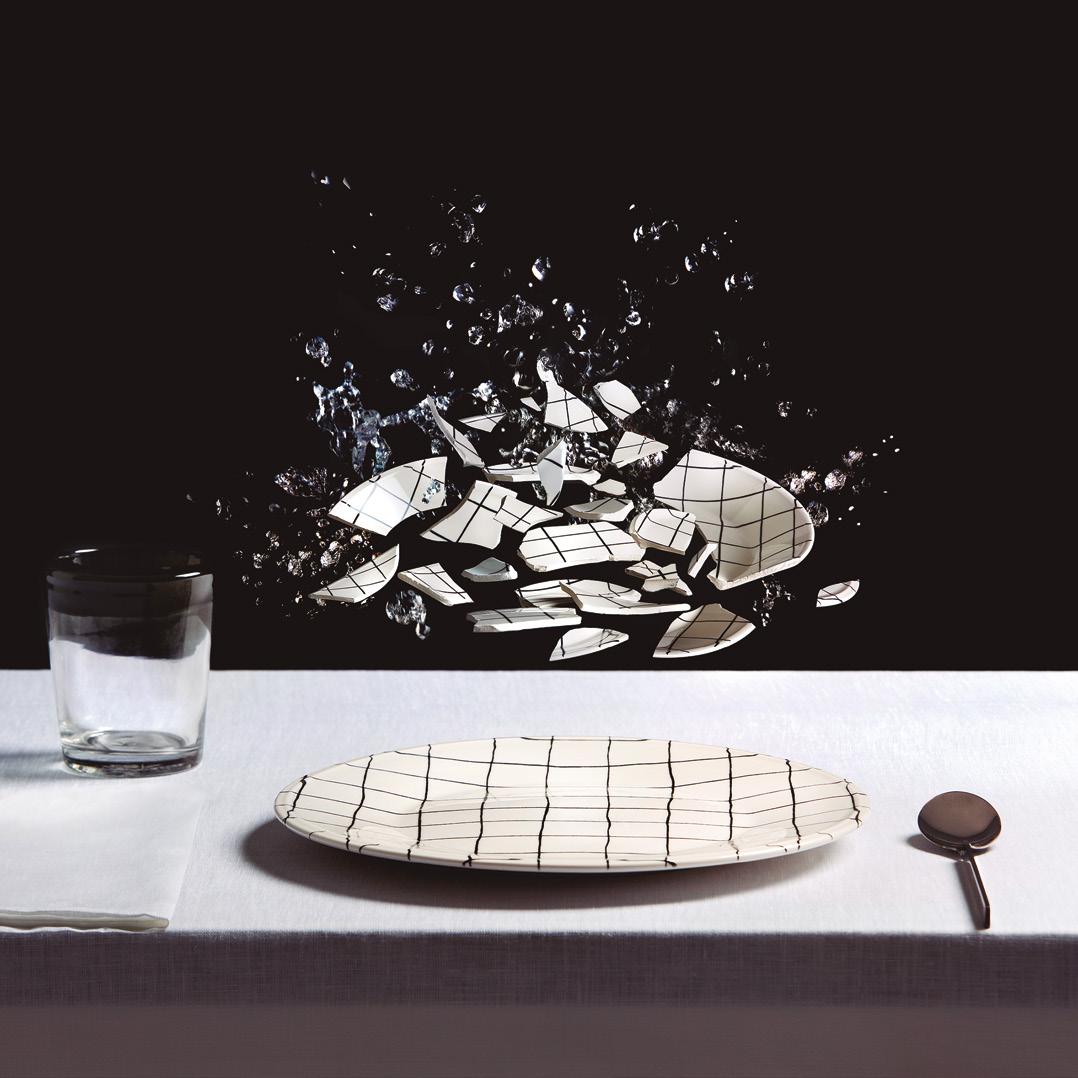
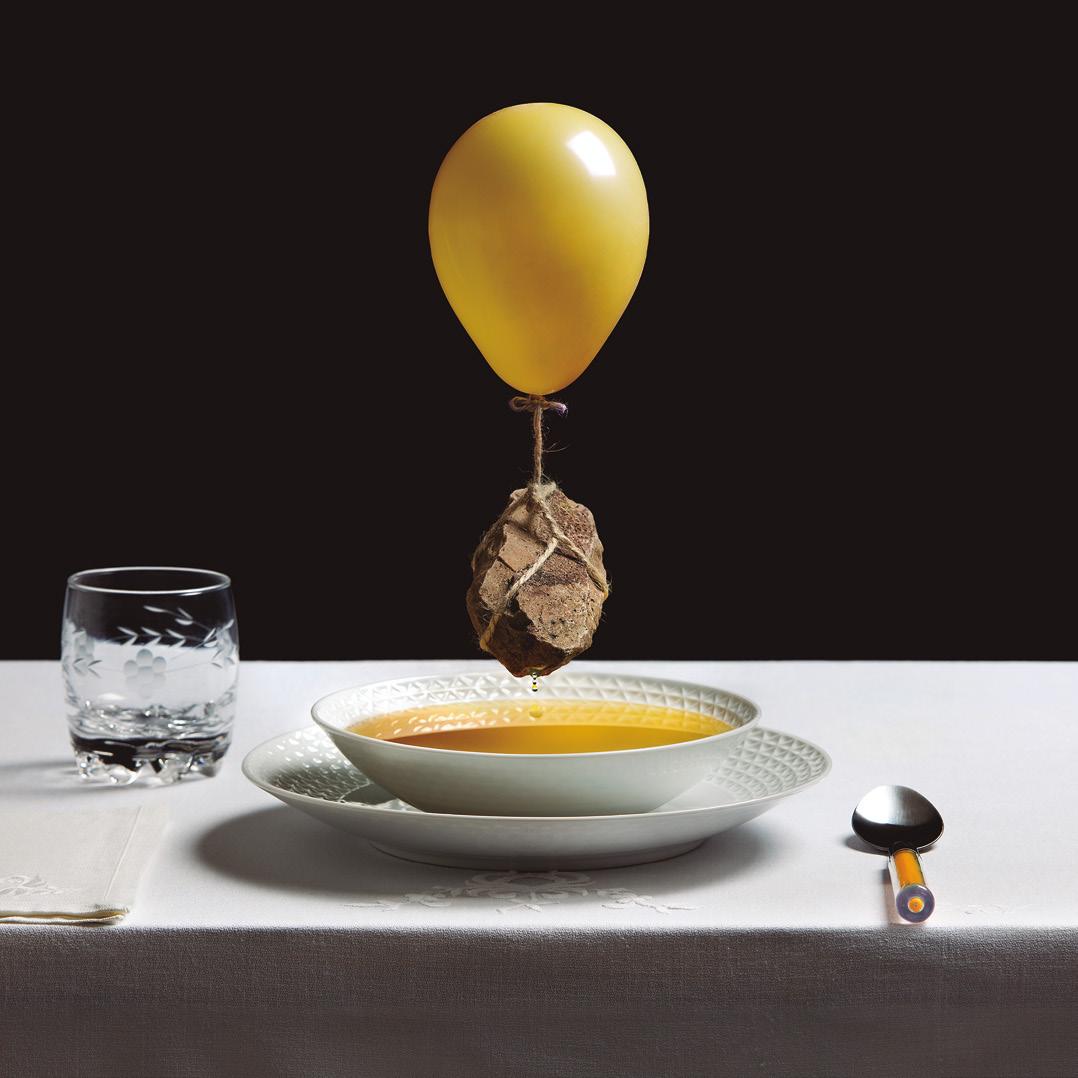
Confetti soup. Soap soup. Cloud soup. Rain soup. Miguel Vallinas Prieto’s (b. 1971) Suppen series visualises what happens when we let the imagination run wild. Each image takes the same starting point: a tablecloth, glass, plate and spoon, positioned against a dark backdrop. What unfolds is the stuff of daydreams. This world is one of endless creativity, where balloons rise, ceramics shatter and bubbles emerge from the dinner table. In one shot, a small tree grows from a pile of earth. In another, a boiled egg levitates in mid-air. Foam spills out as if from a bathtub, whilst a balloon suspends a rock dripping yellow liquid into a pristine white bowl. "I like to play with perception," writes Vallinas Prieto, an art, advertising and industrial photographer based in Valladolid, Spain. Driven by nostalgia and a love of storytelling, the artist transforms everyday materials into something magical. miguelvallinasartstore.com
98 Aesthetica
Suppen No. 25 – Konfetti (2019). art
Image courtesy Miguel Vallinas Prieto.
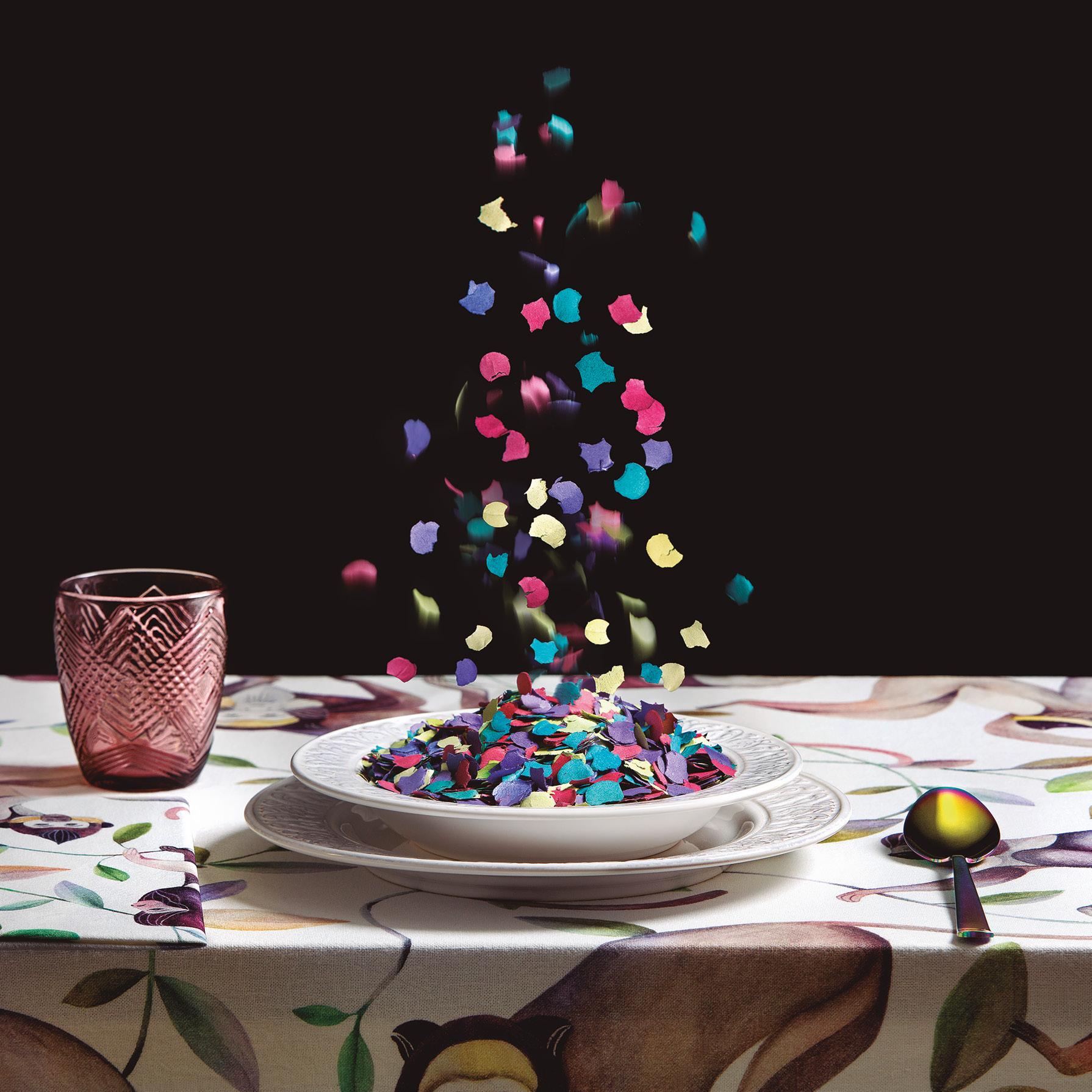
100 Aesthetica
Miguel Vallinas Prieto, Suppen No. 22 – Seifensuppe (2019).
Aesthetica 101
Miguel Vallinas Prieto, Suppen No. 1 – Eiersuppe (2019).
102 Aesthetica
Miguel Vallinas Prieto, Suppen No. 16 – Explosive Suppe (2019).
Aesthetica 103
Miguel Vallinas Prieto, Suppen No. 29 – Zuckersuppe (2019)
104 Aesthetica
Miguel Vallinas Prieto, Suppen No. 4 – Gemüsesuppe (2019).
Aesthetica 105
Miguel Vallinas Prieto, Suppen No. 3 – Regensuppe (2019)
106 Aesthetica
Miguel Vallinas Prieto, Suppen No. 32 – Farbige Bauteile Suppe (2019).
Aesthetica 107
Miguel Vallinas Prieto, Suppen No. 8 – Leichte Suppe (2019)
Surrealist Assemblage
Priscilla Ong
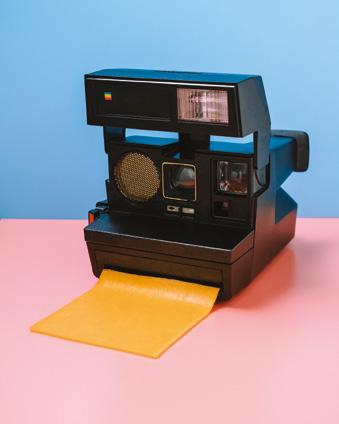
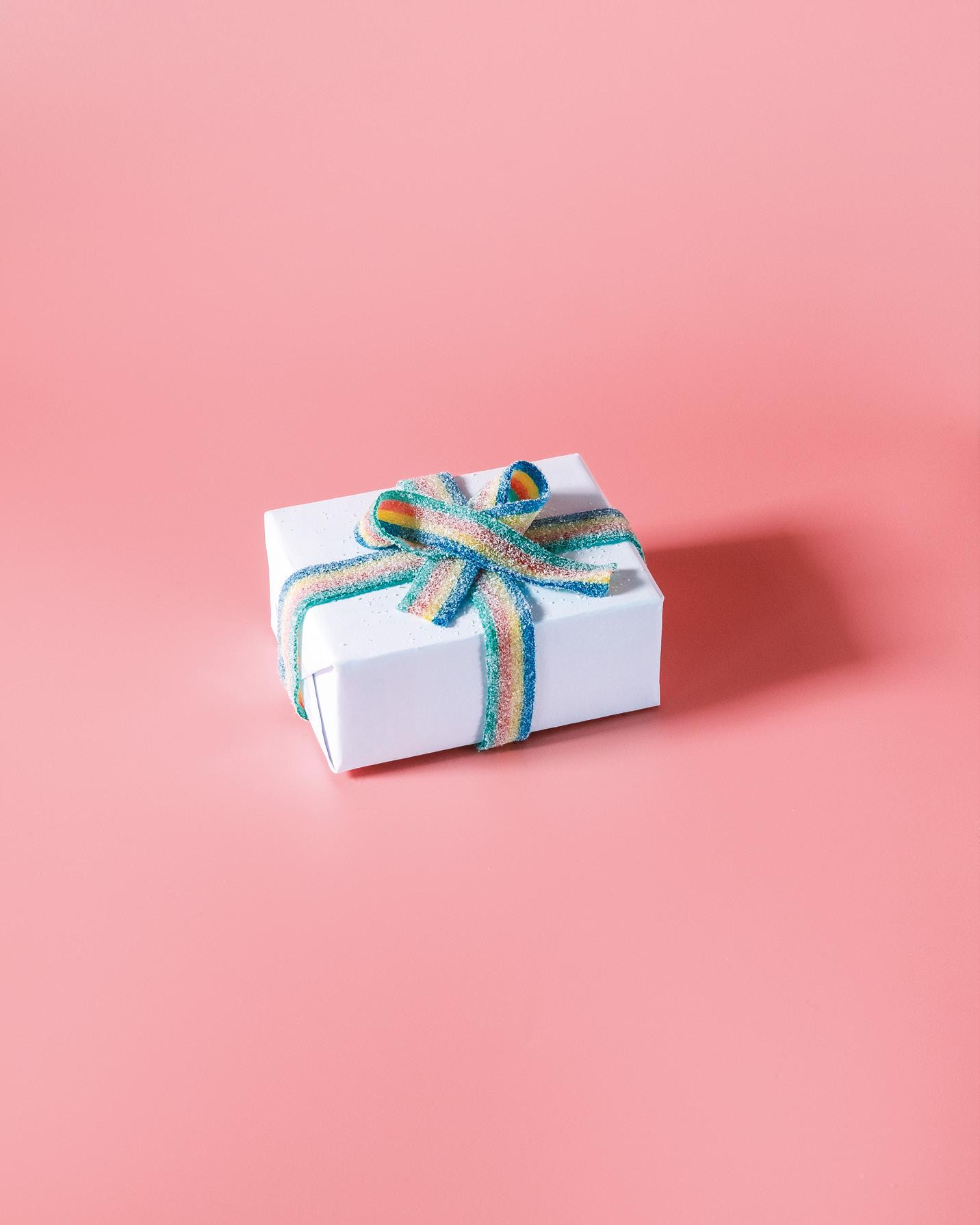
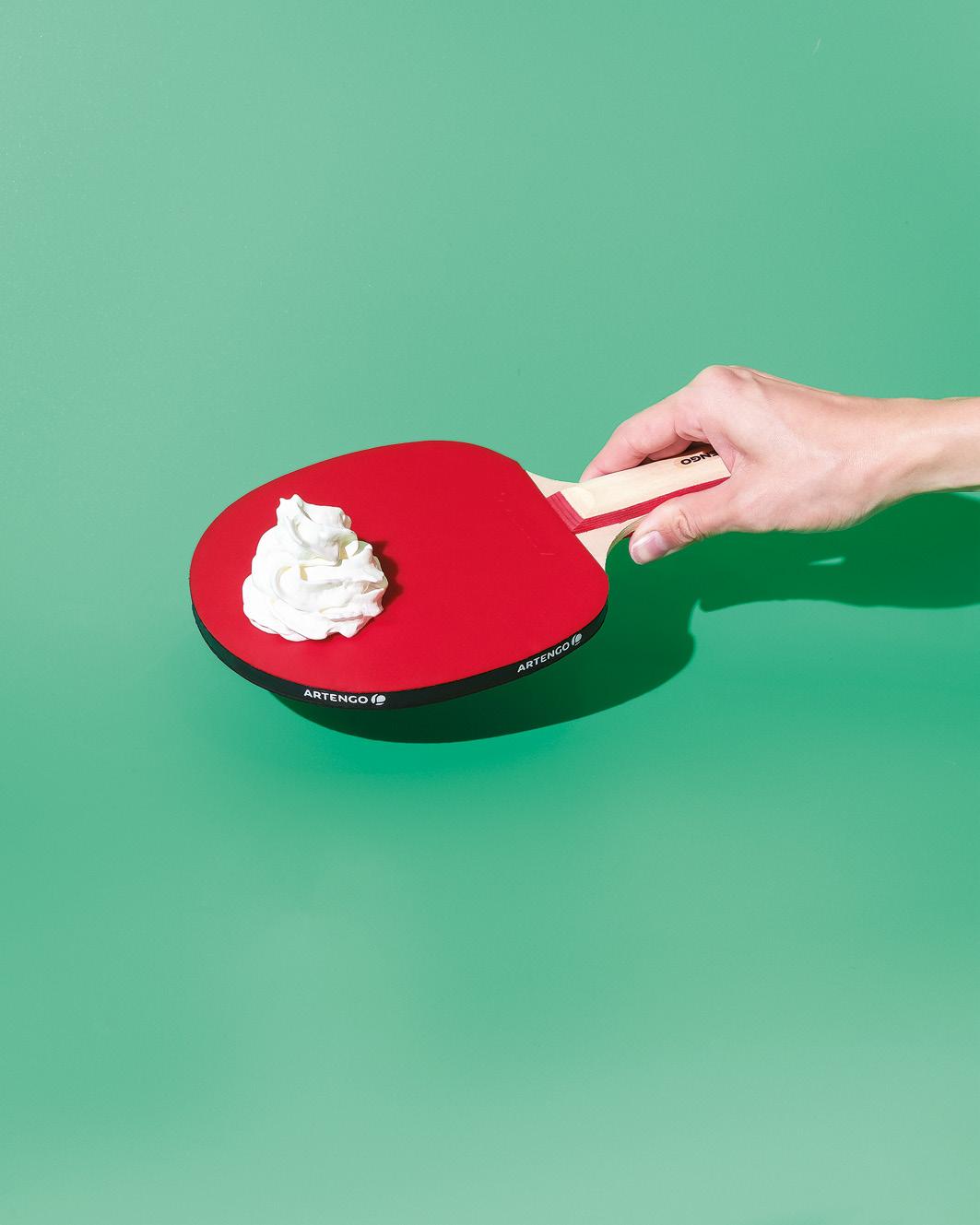
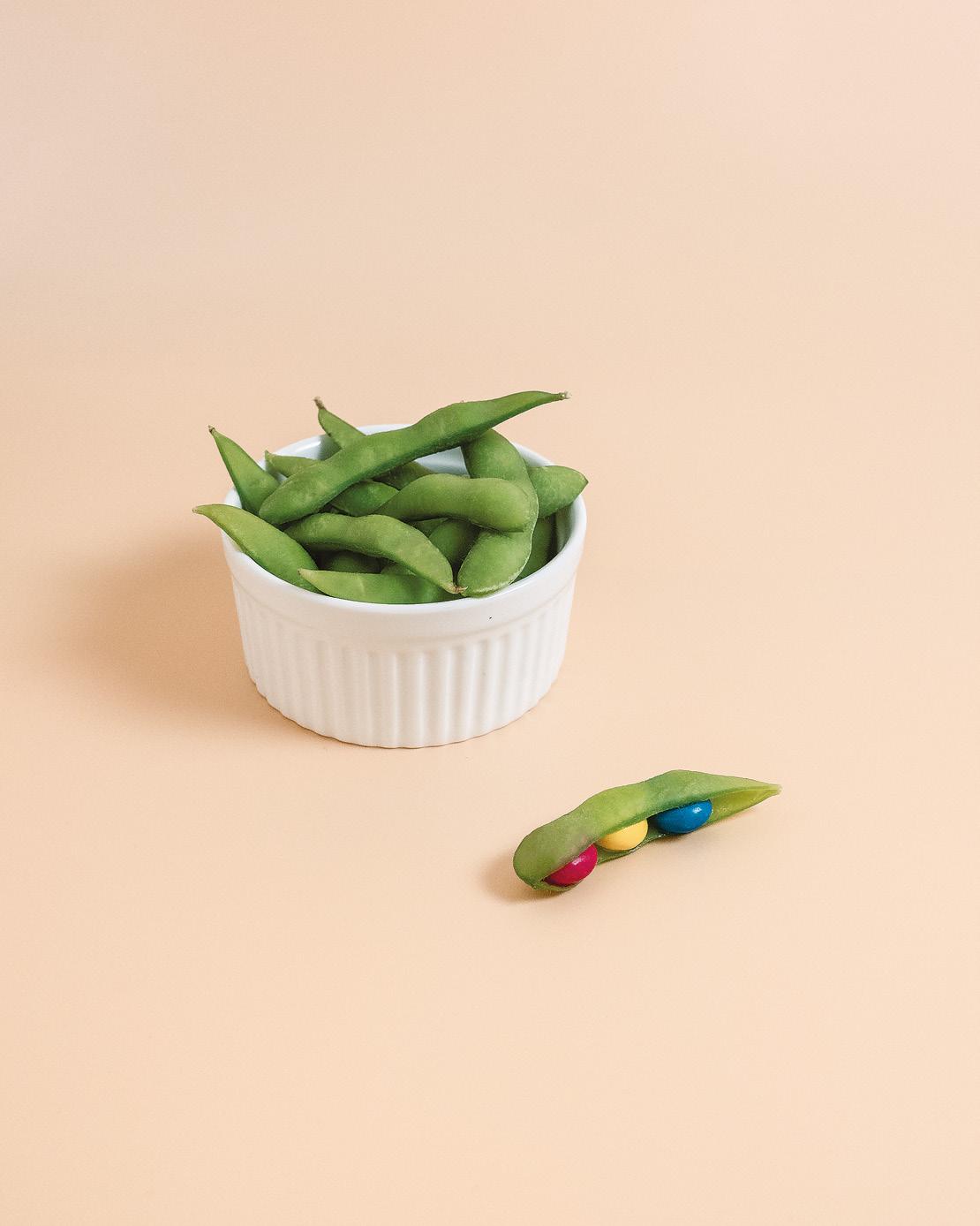
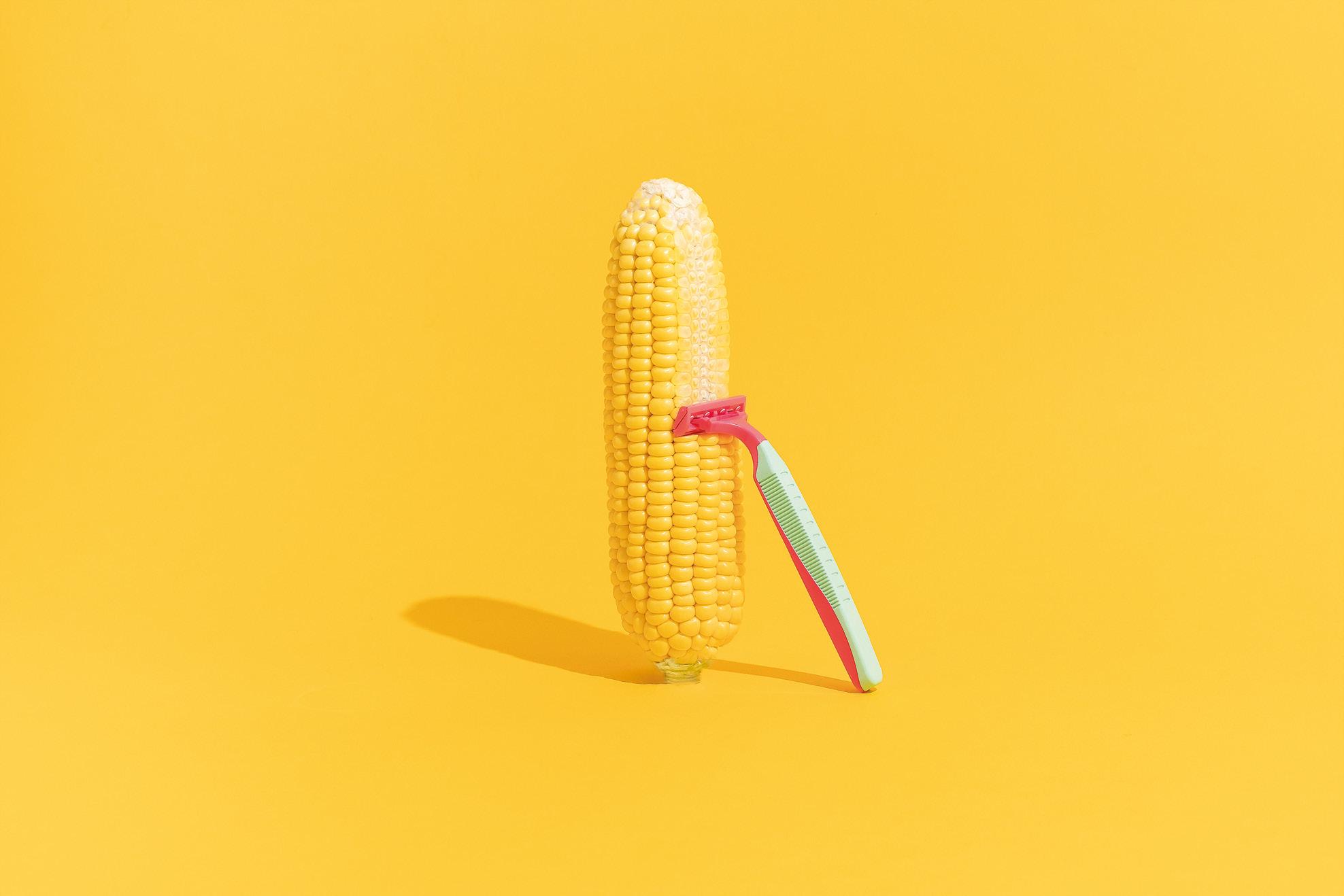
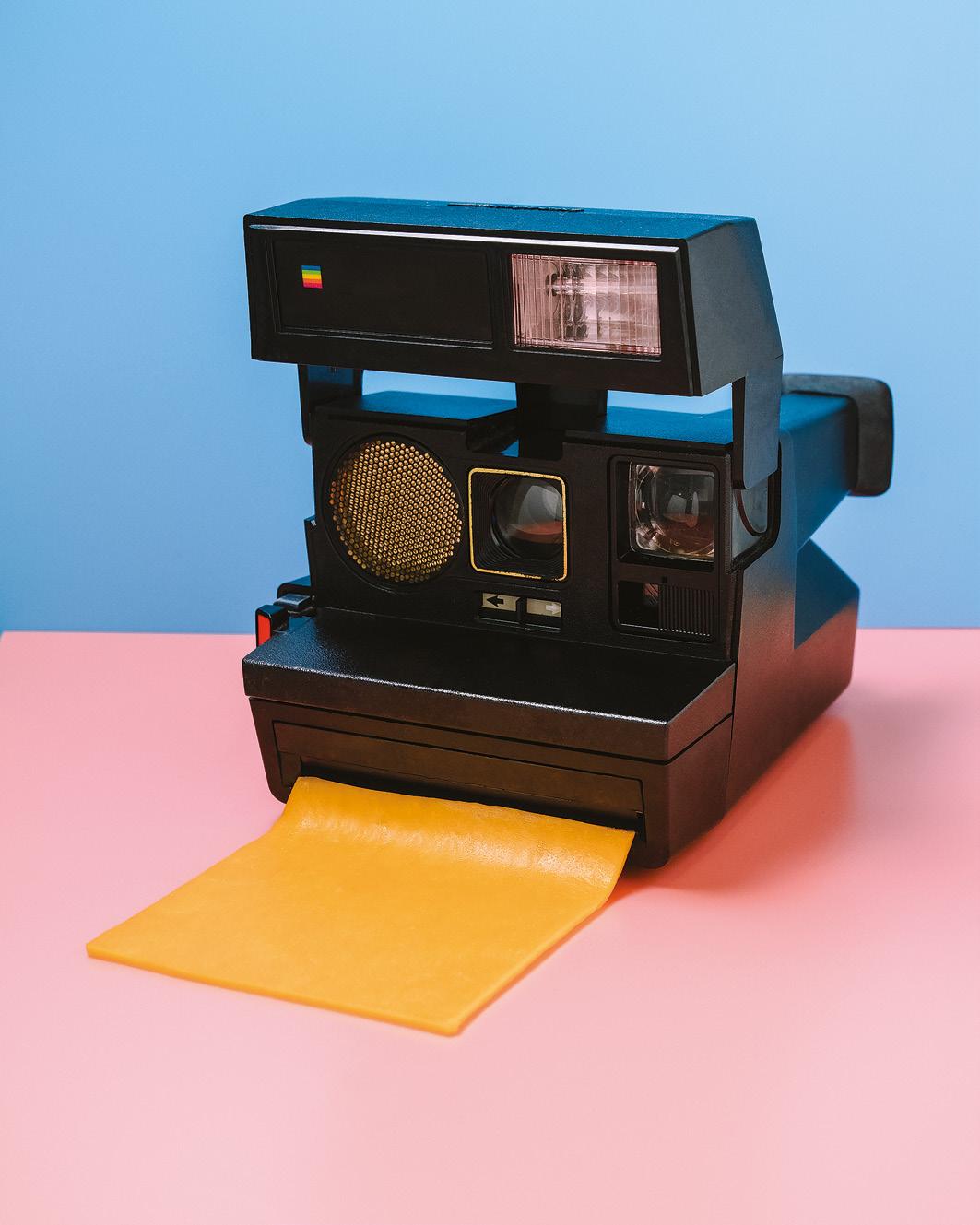
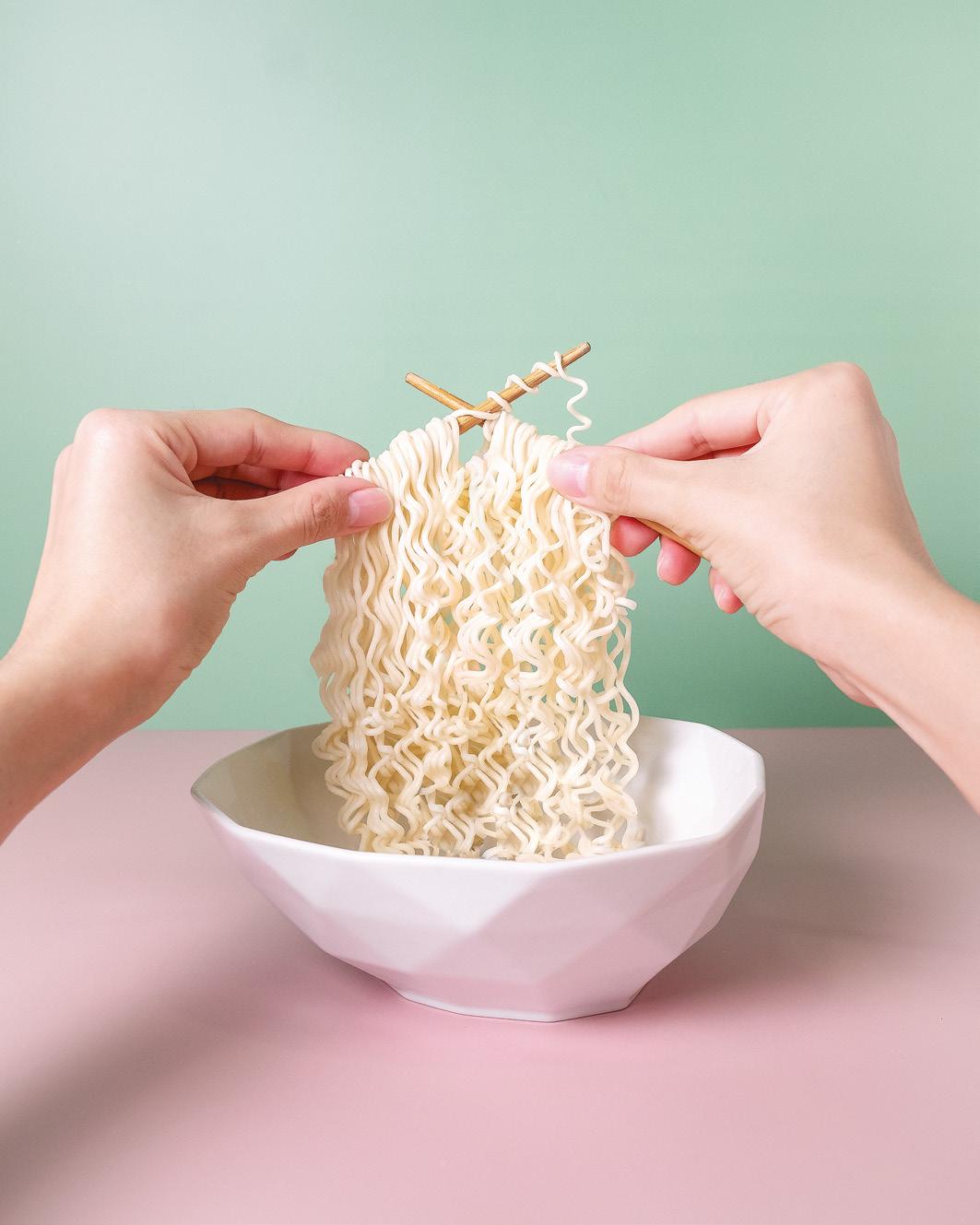
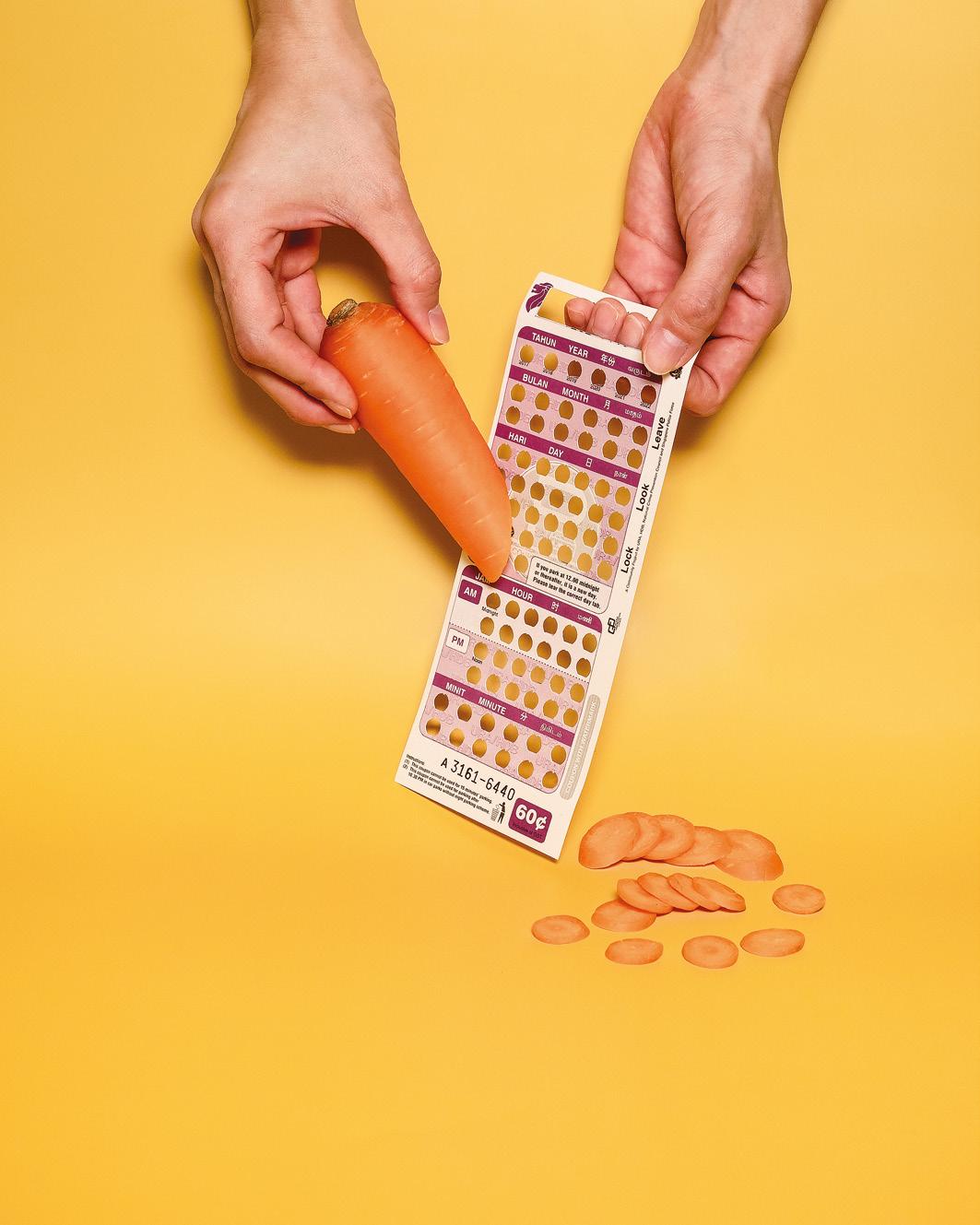
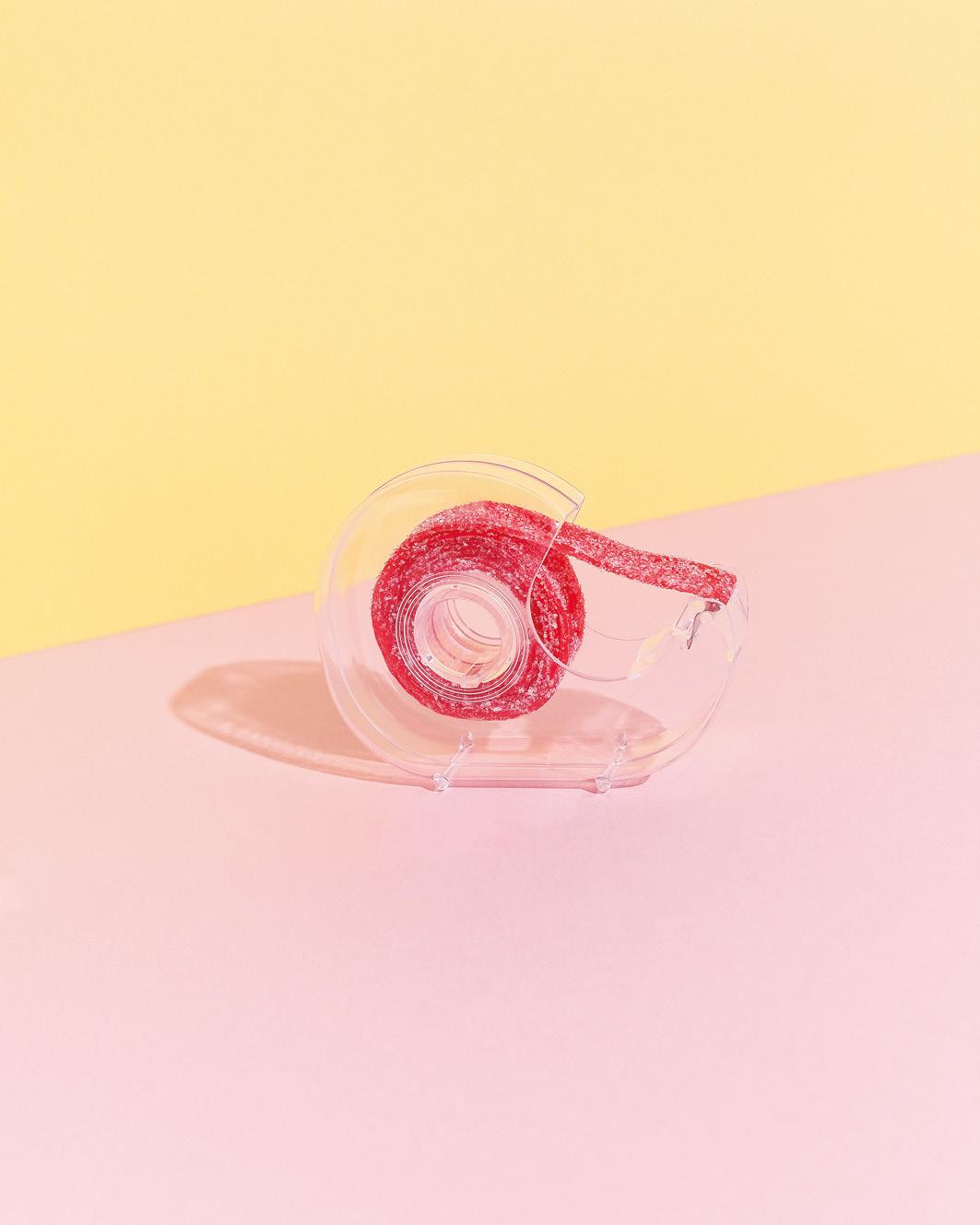
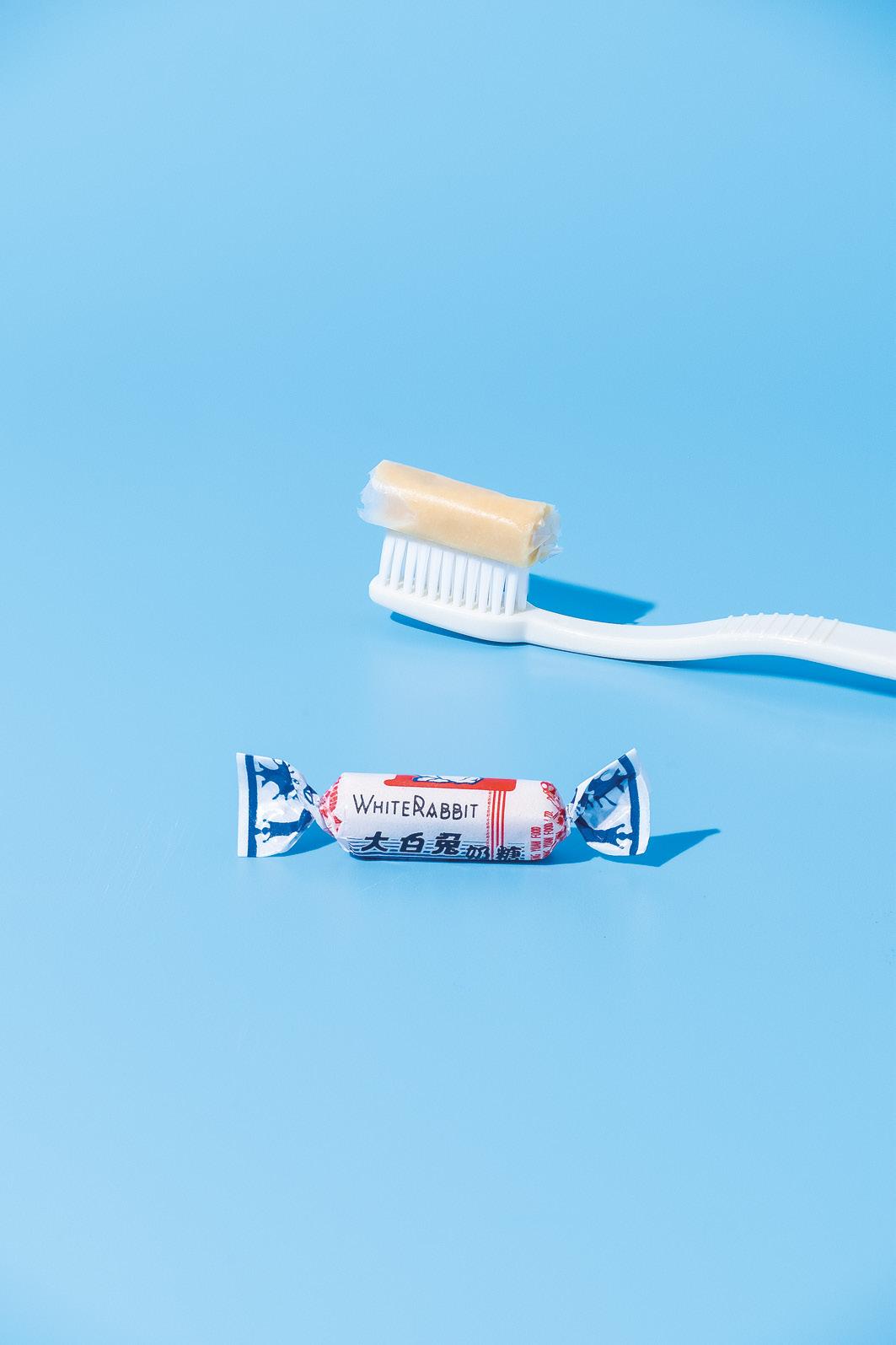
When we think of a Surrealist object, what comes to mind? It might be Meret Oppenheim’s (1913-1985) fur-lined teacup, for example, or the infamous lobster telephone by Salvador Dalí (1904-1989). Assemblage emerged in the 1930s as a new form of sculpture involving the amalgamation of easily obtained materials: found objects, or mundane and mass-produced items cheaply purchased at flea markets. Singaporebased Priscilla Ong continues this tradition, placing everyday things in new, often humorous, configurations. In the following pages, we see hands knitting with ramen noodles or grating a carrot with a parking ticket. A Polaroid camera prints out slices of processed cheese. Sour ribbons take the place of sticky tape. Ong’s work focuses on minimalism, bright colours and puns – playing with inanimate items, manipulating and reconceptualising materials to provide them with new meanings. priscillaong.com
108 Aesthetica art
Image courtesy Priscilla Ong. Very Sweet Of You (2020).
110 Aesthetica
Priscilla Ong, Soft Serve (2021).
Aesthetica 111
Priscilla Ong, Edamam&me (2020).
112 Aesthetica
Priscilla Ong, Razor Hands If You’re Amaized (2021).
Aesthetica 113
Priscilla Ong, Say Cheese! (2020).
114 Aesthetica
Priscilla Ong, Winter Is Coming (2020).
Aesthetica 115
Priscilla Ong, Some Pay For Parking, Some Just Do Not Carrot All (2020).
116 Aesthetica
Priscilla Ong, Red Tape (2021).
Aesthetica 117
Priscilla Ong, 兔-paste (2021).
Composed Minimalism
Mária Švarbová
SWIMMING POOL GEOMETRY TRANSLATES INTO DESOLATE LANDSCAPES THAT REFLECT HUMAN VULNERABILITIES IN THE WORK OF THE SLOVAK PHOTOGRAPHER.
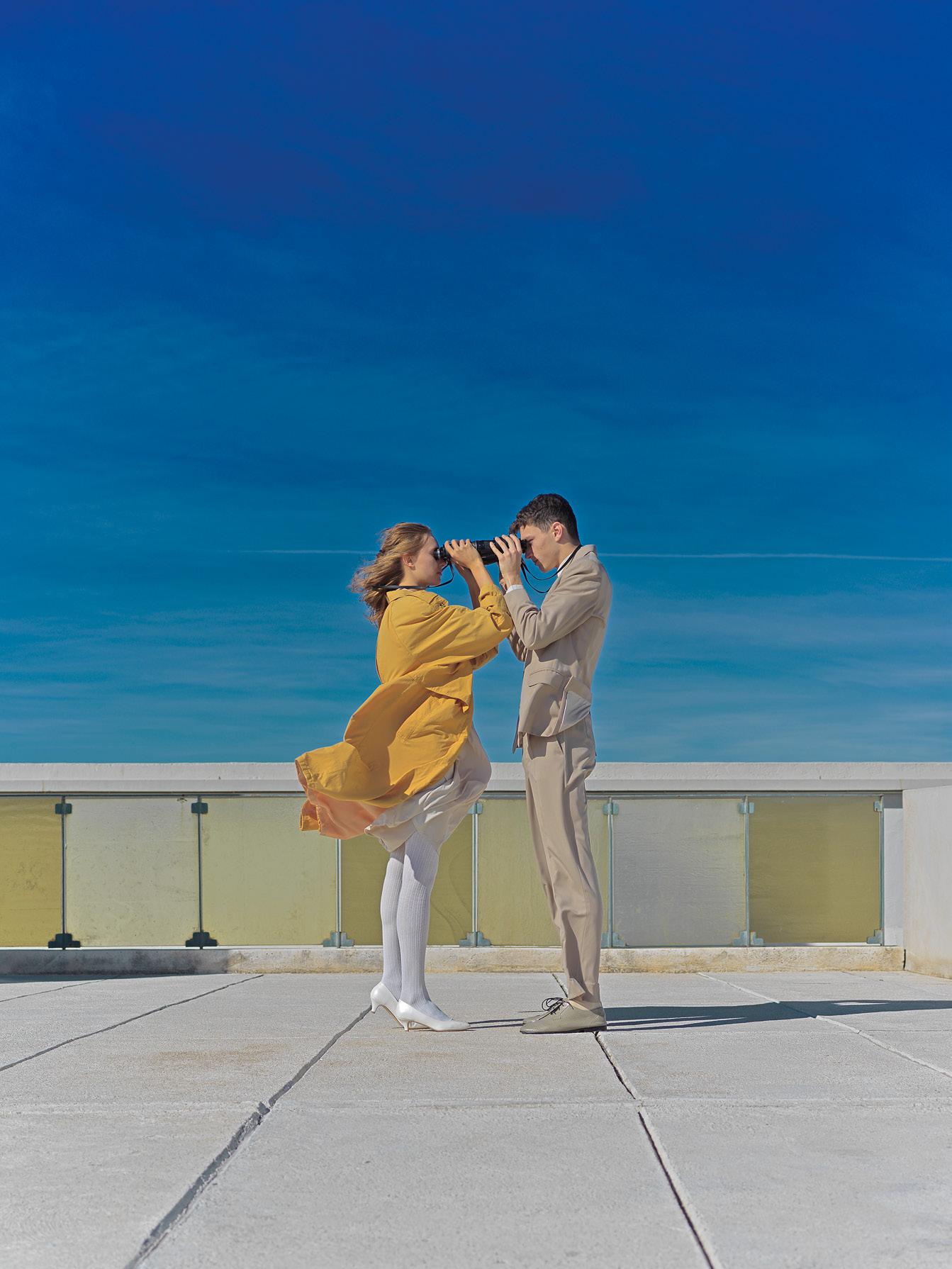
Photographer Mária Švarbová (b. 1988) is best known for her memorable Swimming Pool portraits. The shots, which rely on symmetry and geometry, position athletes in brightly coloured costumes against stark indoor recreation spaces. Švarbová’s images have gained significant traction over the past eight years, winning the Hasselblad Masters Award in 2018. She made the Forbes 30 Under 30 whilst garnering 400K Instagram followers since they were published in 2014.
The subject of the bather is well-established in art history, with famous examples including 19th century paintings like Bathers at Asnières by Georges Seurat (1859-1891) and Paul Cézanne’s The Bather. Later, David Hockney’s (b. 1937) A Bigger Splash became an icon of pop art and California cool. In fashion photography, red and blue swim caps and beach settings can be traced back to a 1949 shoot by Clifford Coffin (1913-1972) for American Vogue, or works by Louise Dahl Wolfe (1895-1989) and Martine Franck (1938-2012).
The architecture of vintage leisure spaces continues to be celebrated in contemporary work. In 2019, V&A, London, launched Into the Blue, whilst the Annie Kelly’s book Splash (2019), published by Rizzoli, took a wider look at the move ment across the world. Other photographers transfixed by the minimalist shapes and clean symmetry of lanes include Brad Walls (b. 1992), whose award-winning aerial views of outdoor pools are taken using new imaging technologies.
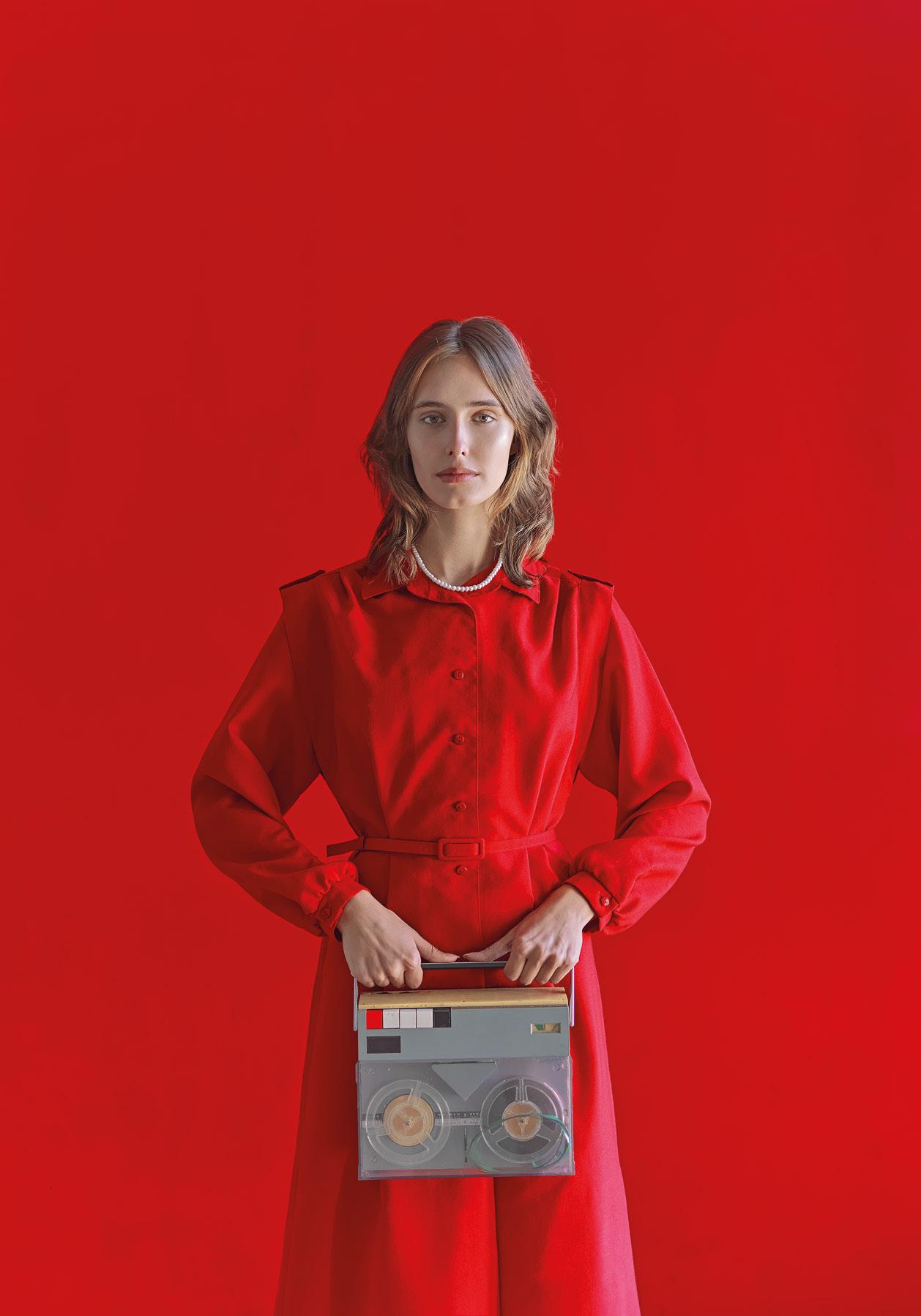
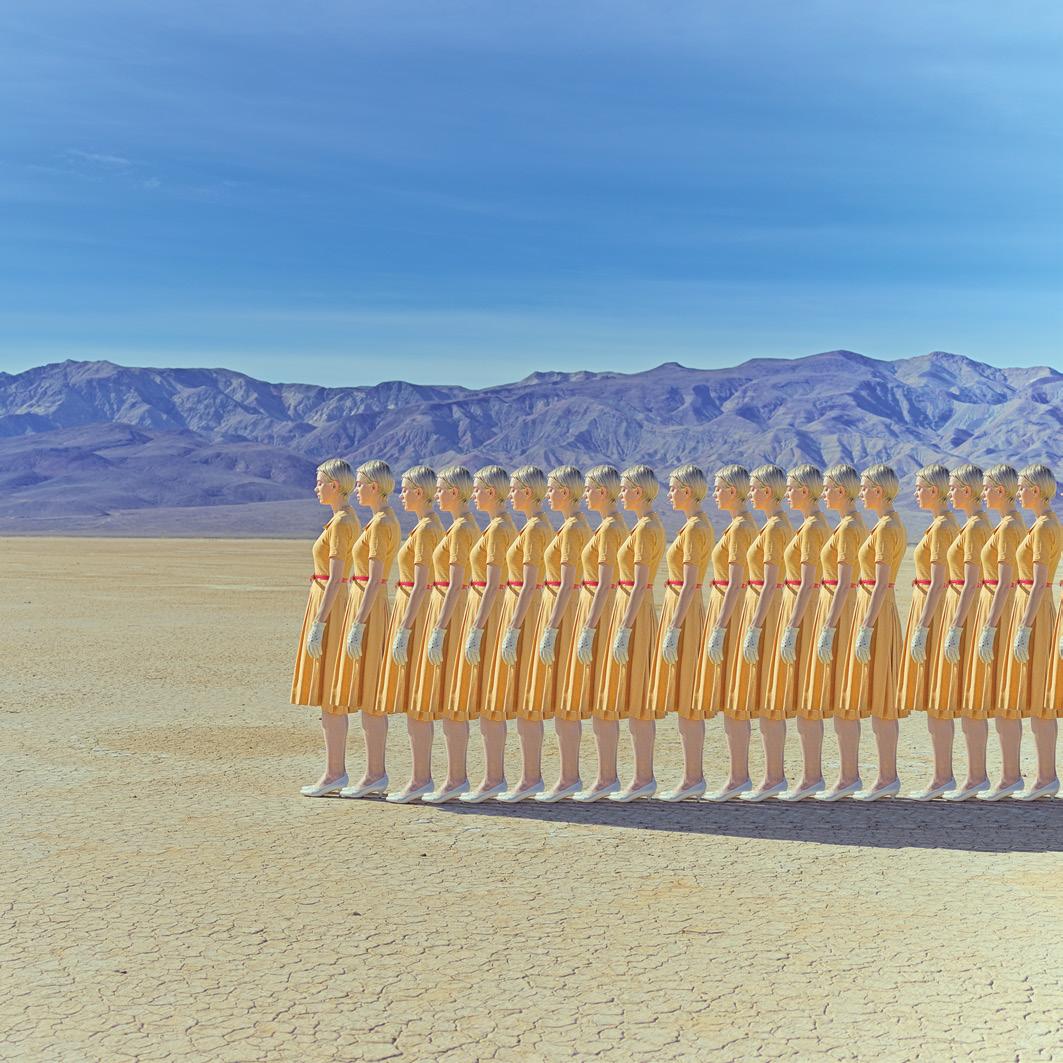
Yet Švarbová seems to deviate from the idyllic, sun-drenched appeal of many influenced by mid-century works. Instead, figures stand stoic and controlled against the unsettling emptiness of minimalist architecture. These compositions
evoke a sense of nostalgia and timelessness, but the focus on uncanny, abandoned locations feels distinctly modern. Images of grand, disused buildings are more popular than ever, with artists like Reginald Van de Velde (b. 1975) at the forefront. Most notable here is his book Between Nowhere & Never (2015), whilst Gohar Dashti (b. 1980) explores nature’s persistence in the face of human displacement, with Home (2017) revealing plants carpeting tiled floors and climbing staircases. The works capture forgotten and deteriorating buildings and reverberate with both unease and fascination.
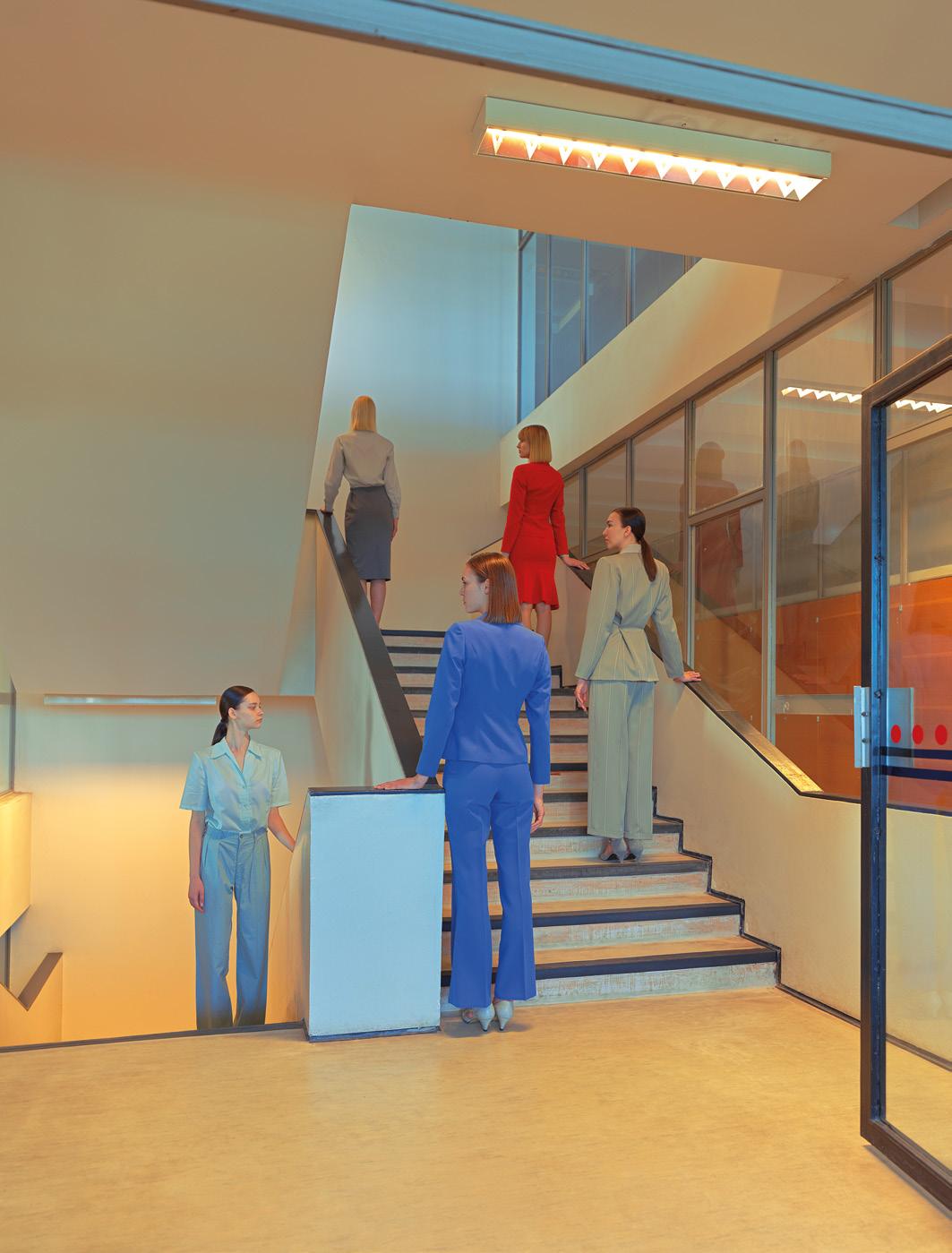
Švarbová combines the polished landscapes of the 20th century and the eeriness of contemporary, abandoned pho tographs in her latest series, which consider new forms of composition. She translates the symmetry of lane lines to parallel figures in corporate office spaces, whilst open moun tainscapes depict solitary figures on empty tarmacked roads. Throughout, Švarbová manages to bridge the gap between the idyllic and derelict in scenes that use desolate environ ments as an allegory for human vulnerability. Now, a land mark exhibition of her work appears at La Térmica, Malaga.
A: Your style focuses on experimentation rather than traditional portraiture. Can you discuss your influences?
MS: At the beginning of my career, I took a lot of expressive portraits. I developed gradually, working on photography that harmonises the space with the subject. My greatest influ ences are architecture and design. I am fascinated by modern practices – especially Brutalism. This style, which emphasises minimalist, bare buildings and structured designs, provides
118 Aesthetica art
“The props, the colours, the location – these the subject matter. I’m creating a narrative, so I follow the scene and let my personal emotions influence the overall composition.”
vironment form one cohesive whole with curated structures. That’s why I prefer to shoot in built spaces, so I can discover and record these relationships. Lost in the Valley breaks this rule, but there are still lingering elements of humanity.
A: Early series, like Human Space (2015), draw upon more surrealist, dreamlike narratives than your recent work. How has your interest in Surrealism changed?
MS: My work hasn’t been influenced by Surrealism in eight years. Whilst some images maintain the dreamy, whimsical tone of my earlier works, the themes I examine are limitless – they’re not defined by the surreal. I am inspired by childhood memories, which often transfer into my work.
Previous Page:
Mária Švarbová, Enigma (2021). From Fragile Concrete. 90x120. © Maria Svarbova for Kolektiv Cité Radieuse, with the kind authorization of Le Corbusier Foundation © FLC I ADAGP Paris 2021
Left: Mária Švarbová, Melancholia (2021). From Fragile Concrete . © Maria Svarbova for Kolektiv Cité Radieuse, with the kind authorization of Le Corbusier Foundation ©FLC I ADAGP Paris 2021
The Butcher (2015) was created in this way. For example, Anna (2015) is reminiscent of a fragment from my past. It depicts a young girl in a red scarf and ponytails behind the counter, recalling how I played at the sales office behind the cash register. This girl appears several times – watching a couple’s embrace, covering her face with a tissue, sitting on the butcher’s counter. This retrospection informs my work. It is genuine authenticity that cannot be fabricated.
A: How does your focus on people performing routine actions relate to the idea of representing daily life?
MS: I want to concentrate on the day-to-day. The Butcher, Dining Room and The Marriage, amongst others, all illus trate people’s ordinary activities to highlight the realities
(2014), a couple stand next to
because the models do not act like living, moving subjects: they are figurines. By taking away emotion and allowing them to stand frozen in time less poses, I create an environment that invites onlookers to stop and inspect the scene – and, consequently, to look inwards at their own feelings. As they attach their own associations, their imagination becomes part of my work.
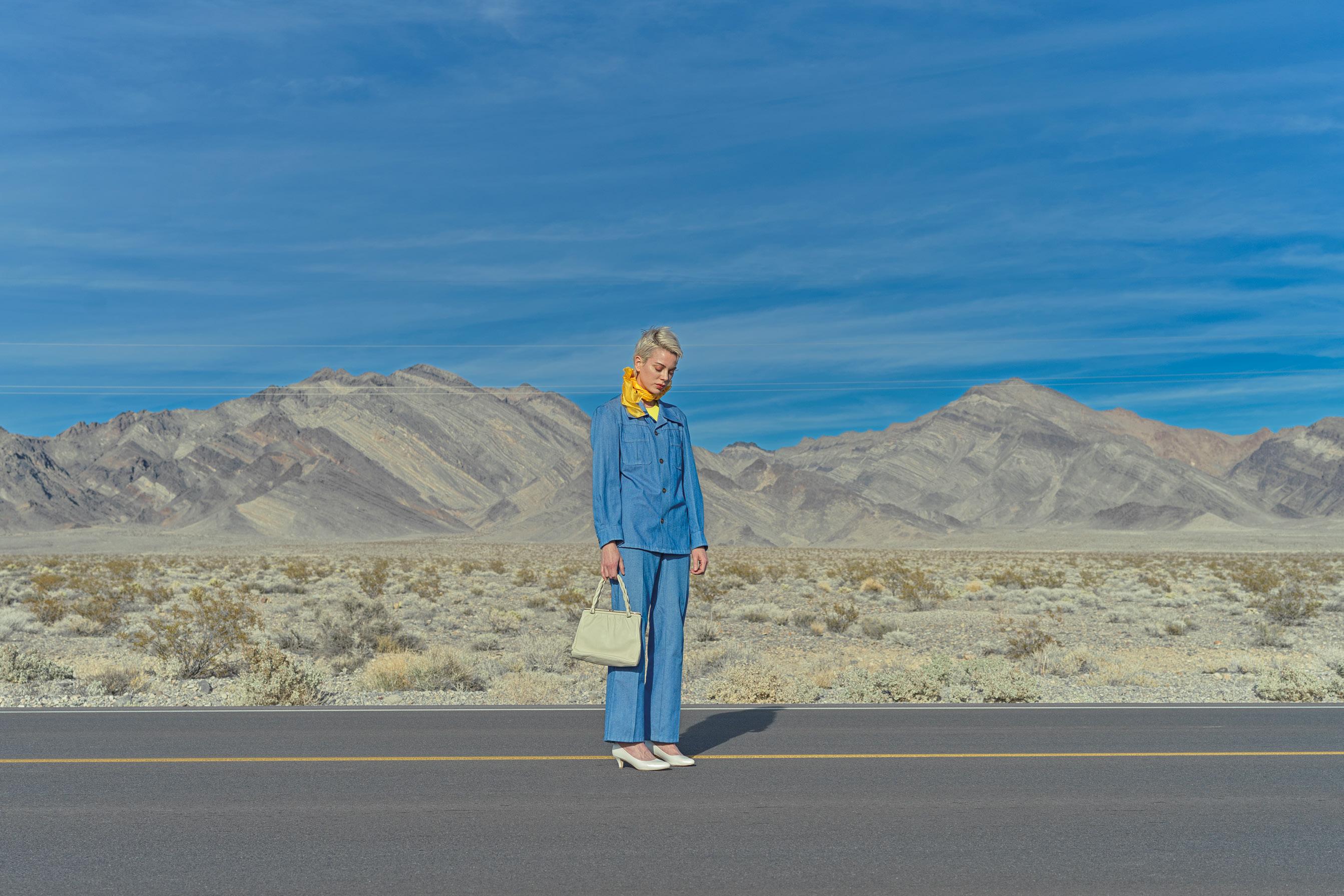
A: Lost in the Valley (2019) showcases lone figures staring bleakly in front of empty mountainscapes. Can you describe this body of work in more detail? How did this remote, natural environment influence the series?
MS: These subjects are stranded, and not just in the literal sense. Throughout, participants are lost not only in loca tion but in their souls. There isn’t one interpretation. You can look at the woman in Blue (2019) and perceive loss, nostalgia and melancholy. However, there is hope too – for discovering a better tomorrow and finding yourself. It’s important to have that balance, and this natural setting of fered a new perspective. In later works, such as Fragile Con crete (2021), I reconcile these influences: concrete architec ture complements the natural, vast blue skies and sea view.
A: What is the significance of the nostalgic atmosphere you evoke? How do you conjure this particular mood?
MS: It’s almost futuristic. The energy needs to be right. Am bience is characterised through bright spaces and daylight, contrast against these expansive architectural structures. The props, the colours, the location – these are all informed
Aesthetica 121
Mária Švarbová, Origins (2019). From Lost in the Valley
A: You studied archeology at university. In what ways do you think this has influenced your photography?
MS: I studied at Constantine the Philosopher University in Nitra, Slovakia. It was a difficult subject, but I still use the practical and life skills I learned in my photography. I’m disciplined; I know that when I start a new project, I will complete it to the best of my ability. I also love combining different artistic disciplines, using them to create something new and interesting. Archaeology first inspired my Swim ming Pool series. I used this knowledge to compare differ ent interior structures, which informed the final locations.
A: Your more recent works use outdoor environments. Thinking back, how were you drawn to swimming pools?
MS: The location of the first pool I photographed was in my hometown of Zlaté Moravce in Slovakia. I was supposed to take portraits of swimmers. However, when I saw the archi tecture of the swimming pool – the cream tiles, the sym metry of the design, the perfect lighting – I forgot all about them. Instead, I started filming scenes and taking photos of the geometric shapes and the swimmers. I was fascinated by the clean lines and minimalism. I created a visual adven ture that represented the concepts I truly value: harmony, uniformity and balance. In my personal life, I curate my possessions and search for this sense of equilibrium with
with photography, so it was brilliant to receive that kind of positive response for my work. I am now collaborating with Forbes Slovakia on the Forbes DNA campaign, which ques tions what qualities create successful people. Everyone is capable of making the 30 Under 30 list – these opportuni ties are available to anyone who works hard, is passionate and doesn’t give up. Perseverance is the key to success.
A: How does the title of your exhibition at La Térmi ca, This Is My Swim Lane, encompass all your projects 2010-2022? What can we expect from you in the future?
MS: I love the name. It’s a great play on words in English. Whilst I’m known primarily for Swimming Pool, which remains my largest ongoing concept, the idea of a Swim Lane shouldn’t be taken literally. The show investigates how my photography started, but it also highlights the changes that have occurred over the last decade. So, it doesn’t refer to the pool but to the photographic – and life – lane that I am following since that first experience in Zlaté Moravce. I must praise the curator, Dumia Medina, and everyone involved in the organisation of the exhibition. I’m also currently preparing for another solo exhibition in Seoul, Korea, which opens this December. Whilst I can’t say much about upcoming projects, I am excited about them. You can expect to see new works from me throughout 2023.
This is My Swim Lane La Térmica Diputación de Málaga Until 12 February
latermicamalaga.com
122 Aesthetica
Mária Švarbová, Stairway (2022).
Words Megan Jones
Exhibition Reviews
1KangHee Kim
REATING NEW REALITIES
In 2020, the Oxford English Dictionary named “doomscroll ing” a word of the year. It became widespread during the pandemic, describing the near-endless consumption of bad news stories in the digital age. Two years later – with Twitter feeds and 24-hour broadcasts continuing to proliferate – it’s easier than ever to get lost in a negative spiral of compulsive browsing. Headlines are often the first thing we look at when we wake up, and the last thing we see before we go to sleep. New York-based artist KangHee Kim (b. 1991) produces images that help us imagine brighter possibilities – away from internet rabbit holes and unrelenting live updates. The exhibition, which follows Kim's monograph, Dreamer, pub lished by Setanta Books in 2021, is a surreal and escapist dreamworld: a space to breathe. It’s a place where palms emerge above the clouds, stairways spiral into the evening
2In Plain Sight
THE HISTORY AND FUTURE OF VISION
In Plain Sight encapsulates art critic John Berger’s (19262017) groundbreaking television series and book Ways of Seeing (1972). “Seeing,” he states, “constitutes what is pre sent to us as we are.” This definition encompasses our vary ing perceptions of the world. Vision is not universal, but it is instead something that is deeply personal and subjective.
Curators Laurie Britton Newell and Ligaya Salazar high light different experiences of seeing across four themes: symbolism of the eye; bias in visual perception; eyeware and identity; and the interconnection between senses. One hundred and forty objects from the 1600s to the presentday form a curiosity cabinet for visitors to view, touch and explore. Optometrist equipment points to the daily struggles that people face with sight loss. Elsewhere, Hassan Hajjaj’s (b. 1961) photograph Helen, The Venus Bushfire (2011) uses
3Brigitte Jurack: Fieldnotes
AN INSTALLATION FOR WELLNESS
Maker, educator and climate activist Brigitte Jurack’s (b. 1962) largest solo show to date, Fieldnotes, invites viewers to look slowly at their immediate environment. References to fables and folkloric animal histories examine the contempo rary relationship between humanity and nature, asking how creativity can unlock mutual respect and sustained wellness. Ceramic foxes and crows are found scattered around the gallery. These three-dimensional “documents” continue an exploration of form for the artist, who draws on their wit and intelligence to highlight their adaptability despite urbanisa tion. Elsewhere, in I am thinking with my hands (2019-2023), Jurack works closely with those suffering with dementia and their families to produce a collection of pots and jars. Partici pants’ senses are stimulated through fresh fruit, vegetables and seafood, resulting in a collection of touching and heart
sky and billboards tell us that hope is just half a mile away. Kim has been unable to return to her home country of South Korea for over 10 years as the result of visa restrictions. Her fantasy worlds have developed out of this situation. Kim uses collage and post-production effects to transform mun dane photographs of New York into new, impossible environ ments. The colour palette is awash with bright blues, pastel pinks and glowing oranges. Rainbows cut across grey skies and winding motorways – bringing a sense of optimism with them. Elsewhere, sunrises and blossoming flowers remind us to look forwards and remember that tomorrow is a new day.
The artist, as Benrubi Gallery notes, thinks of these pictures as paintings, where slight blemishes from the process act as an equivalent to physical mark-making. This attitude per vades the exhibition: one of acceptance and transformation.
Words Eleanor Sutherland
Benrubi Gallery, New York 27 October - 16 December benrubigallery.com
flamboyant colour and pattern to illustrate how glasses have been elevated to a fashion statement in modern times. The show moves between science, spirituality and history, high lighting the significance of sight across all knowledge fields. Beyond the objects, real life experiences of 20/20 vision and blindness are brought to the fore. Artist Emilie Gossiaux (b. 1989) notes her reliance on memory since becoming blind in 2010. Swatches from her colour journal are labelled with both handwritten and braille descriptions. The inclusive curation reflects that, in Britain, over 2 million people live with sight loss and 69% of the population use corrective eyewear or have had laser surgery, according to NHS figures.
Few exhibitions ask – and allow – us to truly interact, but In Plain Sight proves an exception. Wellcome Collection ex pertly supports visitors to examine the full spectrum of sight.
Words Jack Solloway
Wellcome Collection, London 20 October - 12 February wellcomecollection.org
felt forms, each with a face that embodies the unique person ality of its maker. These works carry with them the sobering thought that art – in the hands of creatives that care about people – always retains its intrinsic power to spark change.
Moving into photography, figures mirror the shapes of to pographies and plants. In Untitled (2018), participants line up next to one another, a nod to the undulating surfaces of rolling hills. Elsewhere, two people are seen passing an orange disk across a shallow indent in the vista. In the centre, a table covered with twigs and branches brings countryside materiality into the city gallery. Spectators are invited to create straw beehives traditionally used in medieval farming.
This call to nature encapsulates the aim of the multidis ciplinary exhibition: to bring people together. In doing so, Fieldnotes reinvigorates their ties to the land and each other.
Words Alexander Stubbs
HOME, Manchester 29 October - 29 January homemcr.org
124 Aesthetica
C
reviews
1a. From Dreamer (detail), Courtesy of KangHee Kim and Setanta Books. 1b. From Dreamer (detail), Courtesy of KangHee Kim and Setanta Books.
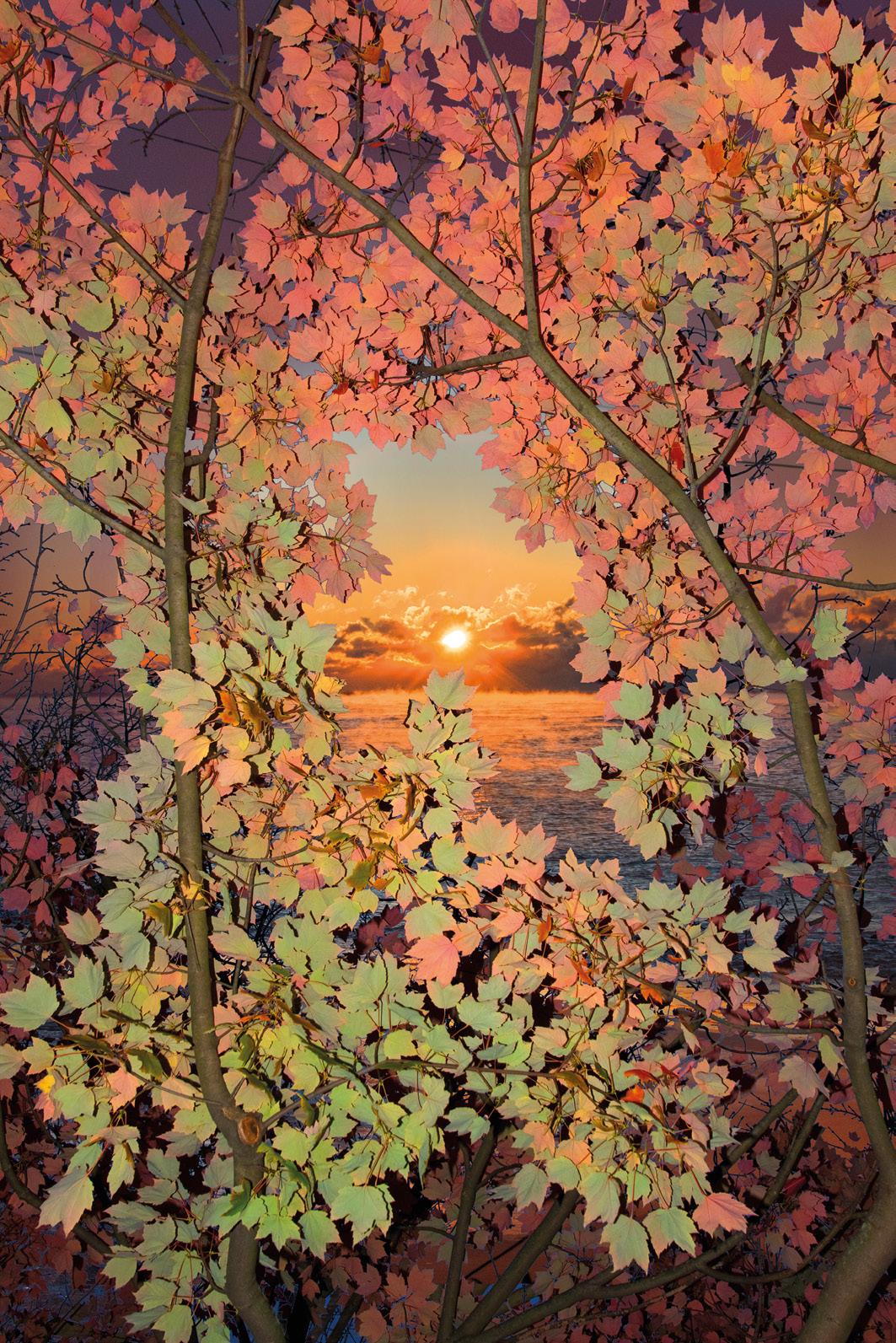
3 1b
2 1a
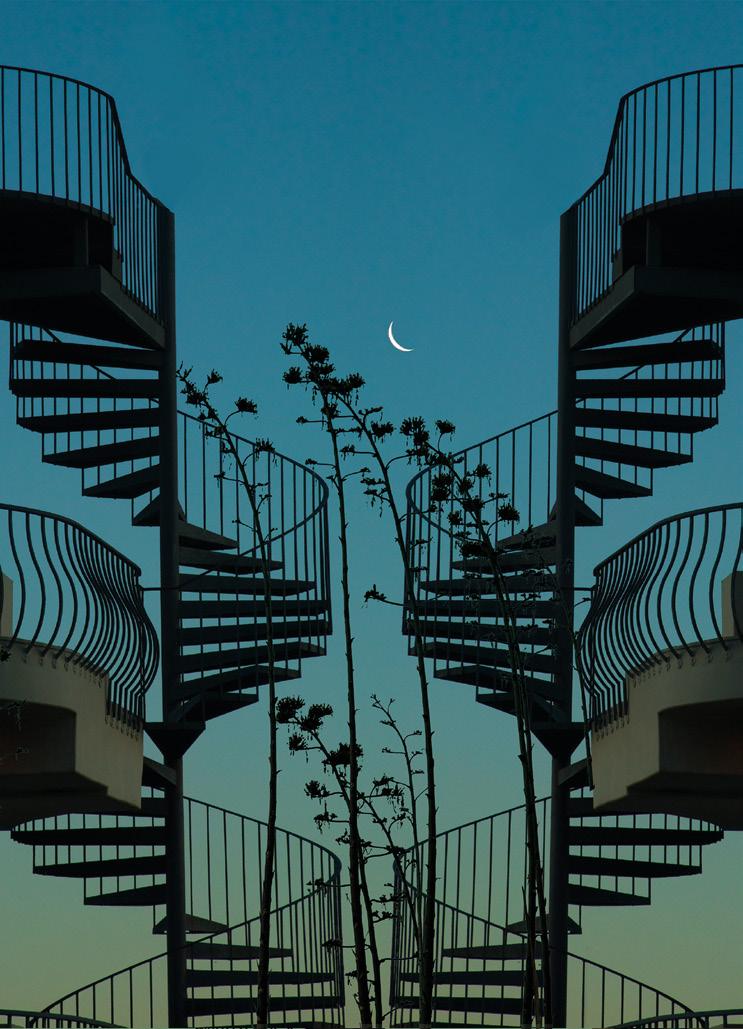
Aesthetica 125
Tomashi and Ally II (2019). Courtesy of the artist and 47 Canal, Forum.084.02 EP102. 5. Mary Kavanagh, Trinity Equivalent [Yucca, White Sands National Park, New Mexico Observatory, White View of “An der alten Zauche” with Plattenbauten, Hochhäusern and the twin smokestacks of Kohleheizwerk Rehbrücke, Am Schlaatz (1994/95). From the series
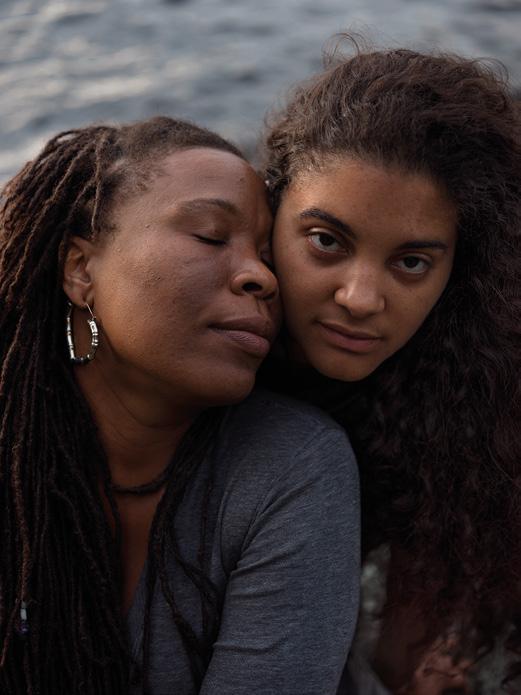
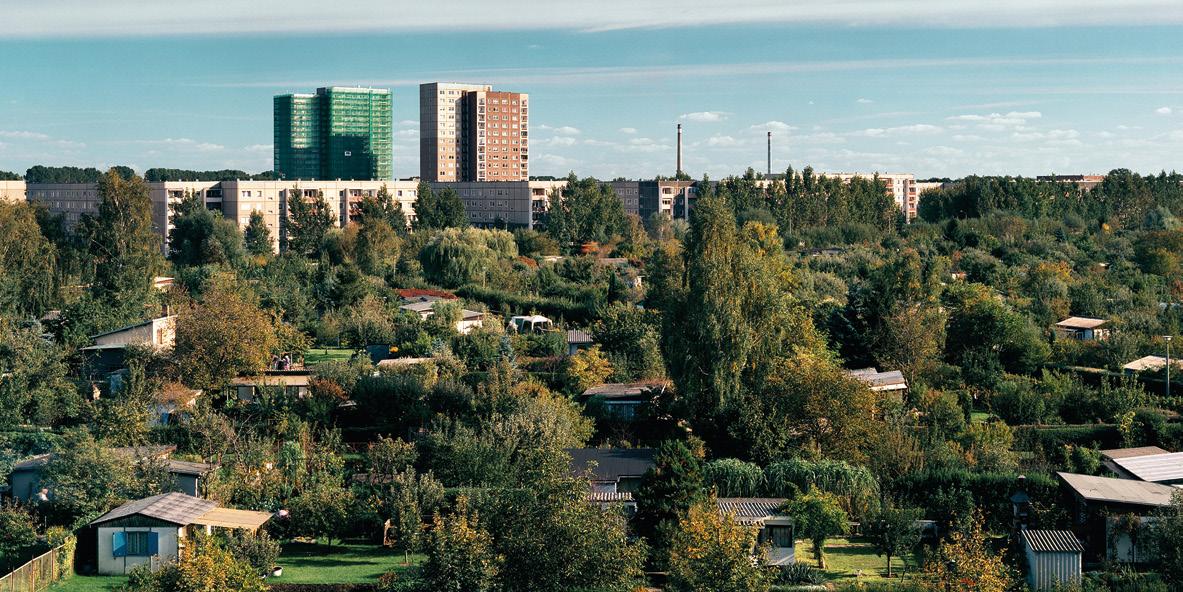
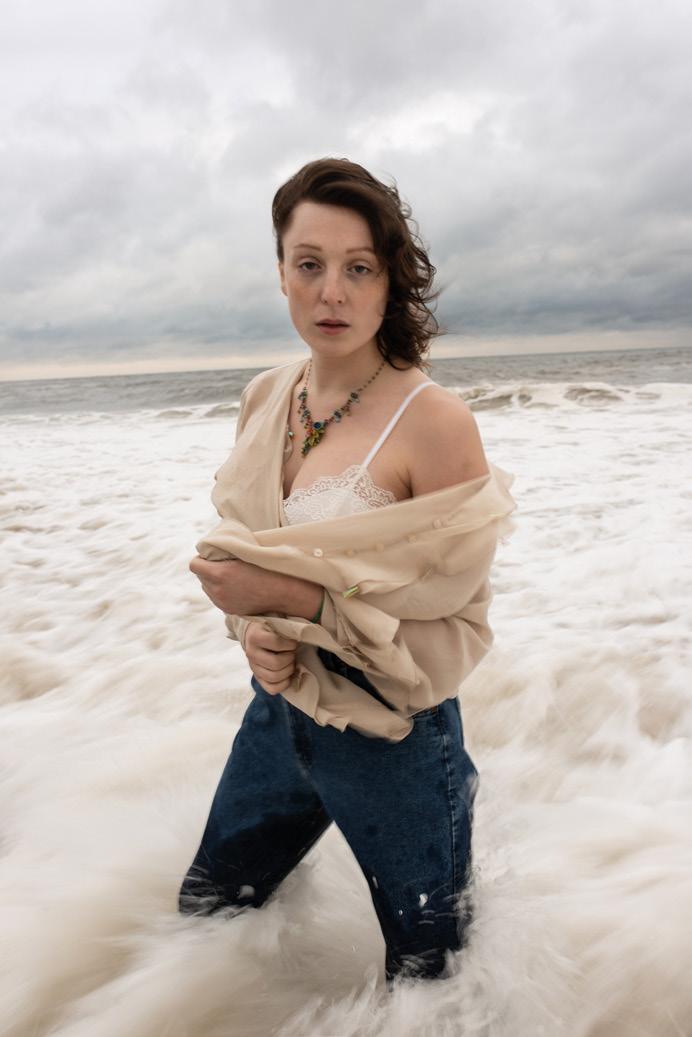
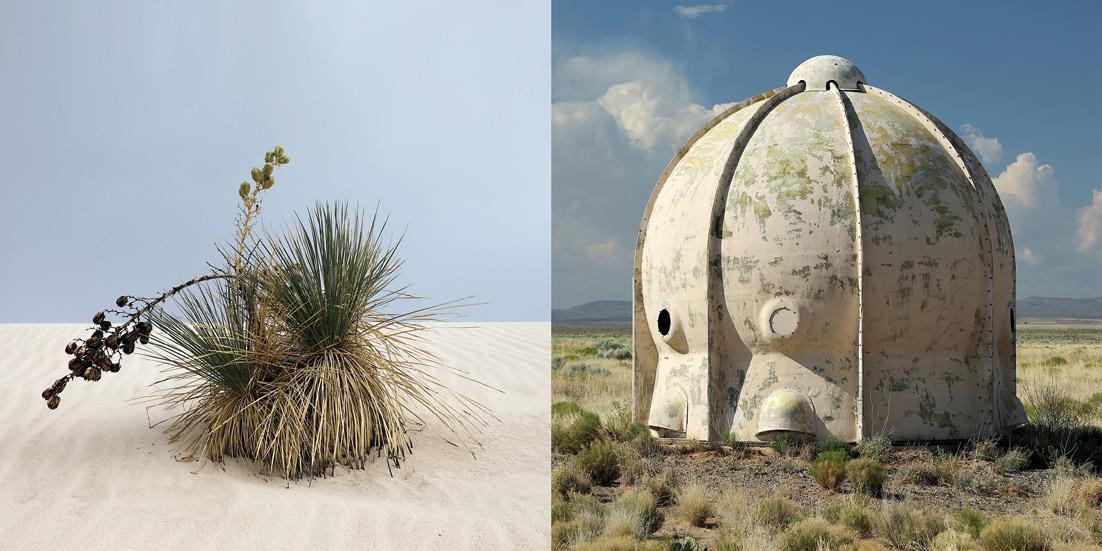
126 Aesthetica
4b
6
5
Pérez: Devotions
What constitutes a photograph? Is it the moment the image is captured? Or all of the interactions that informed the final still? Elle Pérez (b. 1989) focuses on the space in between shots, mindfully reflecting on the action of making images. By “establishing intimacy” with subjects, their practice is rooted in a deeper understanding – and appreciation – of the full complexity of human connections and emotions. Devotions, the American artist’s ongoing exhibition at Bal timore Museum of Art, invites visitors into an “environment of visual relationships” through depictions of friends, lovers, sparring partners and nature. Brooding diptychs and tender portraits are united by an atmosphere of closeness, height ened by the intense, black gallery walls where the framed prints hang. Tomashi and Ally II (2019), for example, is part of a duo of portraits. In each, a pair embrace, finding strength and comfort in one another. Pérez describes each figure
5The
“taking on the weight of the gaze … while allowing the other to rest.” The deeply personal depictions highlight the recip rocated support associated with closeness and vulnerability. Amidst the portraits are cropped, black-and-white studies: environments devoid of humans are found alongside closeup hands absorbed by the action of touch. In Ascension (Fire Island) (2019), a dark, rippling horizon of foaming waves lap a void-like sky. Viewers are absorbed into the high contrast setting, minds wandering to those who hold them up, no matter what. These snippets of emptiness also encourage us to question what happens when relationships break down. Pérez not only thinks about their subjects but also consid ers the experiences of those encountering their photographs. The people around us may shape who we are, but they come and go. The show is sensitive and reflective, affording space for viewers to contemplate what makes a lasting connection.
Centre Cannot Hold: Labourious Memories
CREATIVITY, WORK AND ACTIVISM
The Centre Cannot Hold: Labourious Memories examines the powerful stories behind everyday locations and activities through the eyes of the next generation. Audiences are taken on a trip across North America and beyond to investigate how creativity relates to personal and communal activism. Unsettling Sites of War considers the environmental impact of military research. Curator Atif Mikhail Khan presents Mary Kavanagh’s archival assemblages, where natural forms are placed next to artefacts of conflict. Trinity Equivalent (2019) shows a desert yucca mirroring White Sands Missile Range observatory in New Mexico. Double Monument: Wendover to Hiroshima (2012) records vast empty landscapes, exposing the impact of nuclear weapons testing. These stark contrasts chart the devastation of nuclear history and expose its pre sent developments, acting as a critique and a bleak warning. Elsewhere, Amaranta Ursula Espinoza Arias, Soledad Fátima Muñoz and Bélgica Castro Fuentes use brightly coloured
6Potsdamer Schrebergärten
STAN DOUGLAS
In 1994, Canadian multidisciplinary artist Stan Douglas (b. 1960) arrived in Berlin for a DAAD fellowship, five years after the fall of the Berlin Wall. He wasn’t drawn to the core of the newly unified city but to its outskirts: the small former East German city of Potsdam. The resulting series of photographs entitled Potsdamer Schrebergärten (1994-1995) document this moment of transition. Fragments of the former border are depicted alongside abandoned houses and allotments that were subsumed by a post-unification development boom. These photographs are on display in Potsdam for the first time since DAS MINSK opened in September 2022. Alongside the series, the artist reinterprets E. T. A. Hoff mann’s (1776-1822) gothic novel, The Sandman (1816). The installation, which takes its title from the book, uses epistolary exchanges to examine the repressed, uncanny childhood experiences of a man named Nathanael. Two re constructed gardens, which were built and shot in the former
patchwork quilts, called arpilleras, for capitalist resistance in These Walls Hold Our Wounds. The three artists explore their lived experiences under Chilean dictator, Augusto Pinochet (1915-2006), and the current North American-imposed systems continuing to govern South America. Erin Storus’ curation draws attention to the importance of textile craft for women in the country, as a means to work, unite and resist. Moving to Those Unforgotten, curator Sherry Chunqing Liu focuses on scenes from historic Chinatowns. Closed restau rants are the focal point of Morris Lum’s (b. 1983) images: broken metal shutters, graffitied storefronts and empty table settings highlight forgotten stories of local labour. Although these barren spaces belong to a different time, their highly saturated colour palettes highlight the once thriving hub.
Throughout, viewers witness extraordinary human stories hidden in plain sight. They remind us that creative work is not only an act of resistance but a structure of remembrance.
Words Saffron Ward
Baltimore Museum of Art 24 April - 19 March artbma.org
Words Megan Jones
Art Museum, Toronto 14 September - 30 June artmuseum.utoronto.ca
state-owned East German film studio, DEFA, symbolise two points in time: the narrator’s youth and 20 years later. Doug las’ camera scans relentlessly as Nathanael recounts their memories. A seam vertically cuts through the image, yet it’s unclear whether its purpose is to divide the past from the present or to bind them together. As Douglas explains: "The old garden is wiped away by the new one and, later, the new is wiped away by the old; without resolution, endlessly." The resulting narrative reflects his interest in depicting "minor histories," which use local stories to explore global concerns. The artist’s overarching themes of collective memory and moments of historical tension align well with DAS MINSK’s programmatic focus on examining and reorienting art of and related to the former German Democratic Republic (GDR). Their shared investment in understanding the pre sent through the past makes Potsdamer Schrebergärten a fitting choice for one of the museum’s inaugural exhibitions.
Words Jesi Khadivi
DAS MINSK Kunsthaus, Potsdam 24 September - 15 January dasminsk.de
Aesthetica 127
4Elle
PAYING TRIBUTE TO LOVE IN ALL FORMS

Alexandre O. Philippe's Lynch/Oz is an illuminating work that looks at the influence of The Wizard of Oz on one of modern cinema's greats, David Lynch. Philippe, who has made a career from documentaries on touchstone films like Alien and The Exorcist, approaches seven creatives to help forge the film. These consist of six filmmakers Karyn Kusama (Destroyer), John Waters (Pink Flamingos), Rodney Ascher (Room 237), David Lowery (The Green Knight), Justin Benson and Aaron Moorhead (Synchronic), and critic Amy Nicholson (host of podcast Unspooled).
Each participant talks about the film's thesis in videoessay style chapters, and Philippe cuts their audio to judi ciously chosen clips. The result covers a broad spectrum of Lynch’s work, right up to 2017’s masterly Twin Peaks: The Return. The obvious Oz influences in Lynch’s 1990 Cannes-winning Wild at Heart are there for all to see, but
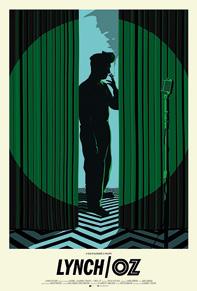
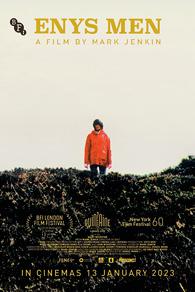
2Clara
Sola
NATHALIE Á LVAREZ MESÉ N
Clara Sola, director Nathalie Álvarez Mesén’s first feature, is a mystical study of sexual awakening that delights in the disobedience of its protagonist. Magic and mundan ity combine in an alluring manner in this UK debut.
Clara, played by first-time actor Wendy Chinchilla Araya, is an introverted 40-year-old living with her mother Fresia, niece Maria and beloved white mare, Yuca. Despite physical difficulties, Clara is regarded as a healer with a close connection to God, so Fresia keeps her washed, dressed and virginal. Whilst she spends much of her time roaming the house and its enchanting natural surroundings, her family’s care feels cloying – shouts of “Clara” are a constant rain of discipline within the film.
Hemmed in generationally by the women she lives with, Clara is caught amidst drama. Maria prepares of her quinceañera whilst secretly romancing the attractive
this film goes deep into his canon, with the elusive Lost Highway and Mulholland Drive given special attention. Lynch/Oz fully engages with the psychological myster ies around Lynch and his work, and why he’s so obsessed with this dreamlike 1939 Hollywood musical that takes Judy Garland’s Dorothy to the yellow brick road to meet the Scarecrow, the Tin Man, and the Cowardly Lion. One chapter, Judy, is devoted to Lynch’s love of Garland. The film also gives thought to how he – like the Wizard – is the man behind the curtain, the showman extraordinaire. Some offer intimate thoughts in their accounts. Karyn Kusama talks about serving Lynch pancakes in a diner, whilst Lowery explains how he grew up seeing The Wizard of Oz only in monochrome. These moments will inspire you to revisit Lynch’s work; crucially, Lynch/Oz also rec ognises how important he’s been in our cinematic lives.
local boy, Santiago. Ageing Fresia, however, infantilises Clara – enforcing strict codes of behaviour in accord ance with religious rules – in a way that feels distinctly patriarchal, despite the lack of men present in the film. Costume design points to clues that Clara has missed out on rites of passage. Maria changes into high heels at her quinceañera, whilst Clara wears flat pumps. The event explodes in Carrie-esque fashion: Clara’s sexual and emotional repression boil over in a spectacular outburst. Mesén cast Araya for her skill as a dancer. Under cin ematographer Sophie Winqvist Loggins’ attentive eye, she brings an ethereal, peaceful grace to Clara. Araya expresses a quiet naturalism, emphasised by intimate cinematography, that will continue to develop beyond her acting debut. Clara Sola is an intriguing story of a small but powerful revolt against archaic religious rituals.
3Enys Men
MARK JENKIN
Mark Jenkin scored huge critical acclaim in 2019 for his lo-fi debut Bait, a black-and-white 16mm Cornish-set tale that felt hand-crafted and home-spun. Enys Men is an equally idiosyncratic work, tapping into the love of folk horror that inspired Ben Wheatley’s In the Earth and Alex Garland’s Men. Still, any sense that Jenkin is jump ing on a bandwagon should be swiftly dismissed – Enys Men is every bit as daring and formally experimental as Bait. Despite the switch to colour, it feels like it’s been dis covered in dusty film canisters left on a shelf for decades.
Set in 1973, Enys Men follows a woman credited only as The Volunteer (Mary Woodvine), who lives on a remote, windswept Cornish island. Amongst other repetitive tasks, she catalogues the growth of a small red flower, scrib bling down "no change" in a way that recalls Jack Nichol son in The Shining writing the same sentence over and
again. Her only contact to the outside world is a transis tor radio and visits from a fisherman (Edward Rowe). Is madness setting in? Jenkin’s psychologically engag ing film is too subtle for such an obvious trope. Although not a traditional horror, there’s something deeply dis quieting about it. Ominous drumbeats populate the soundtrack, and an eerie sound design contributes to the mood, whilst the visions Woodvine’s character sees – of dead fisherman from a long-ago tragedy – add to the strange atmosphere. Rarely has solitude felt so insidious. Enys Men, meaning "stone island" in Cornish, leaves Jenkin’s creative spirit intact, and he allows the film to evolve with long silences and little-to-no dialogue. Credit is due to Woodvine, whose bold performance is delivered with physical and mental fortitude. Enys Men is a unique, personal tribute to Cornwall and its mysteries.
Words James Mottram
BFI bfi.org.uk
Aesthetica 129
film reviews
Words Stephanie Watts Peccadillo Pictures peccapics.com
Words James Mottram
Dogwoof dogwoof.com
1Lynch/Oz ALEXANDRE O. PHILIPPE
The exact soundtrack to countless after-party sunrise moments, Burning Man desert raves and endless roadtrips, the seminal electro-infused dance classic Dive by San Francisco native Tycho gets a well-timed re-release. Ten years after it sauntered into our lobes for the first time, it sounds as fresh as its debut. As relevant an album title as one could get, Dive still feels like it belongs at a beach, feet firmly planted in the sand. Tycho, known as Scott Hansen, has carved a career in very wavey produc tions, mesmerising in tone and undulating constantly. Tycho excels in making interesting, weird and unique soundscapes: just as you think they will lull you to sleep, things get texturally epic. Tycho's deep love for progressive rock isn't outright obvious in the songs he's produced. However, with deeper consideration, the long meandering and driving drums are a dead giveaway of
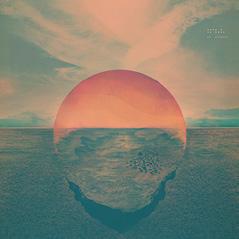
2It Comes In The Morning
TOM JENKINS
It Comes In The Morning, It Hangs In The Evening Sky is the second solo album from ex-Straight Lines frontman Tom Jenkins. After an extended period of self-imposed isolation spent sheep-farming in New Zealand, Jenkins spent time working on a batch of songs in his native Wales, resulting in the self-released debut Misery In Comfort in 2019 and 2020 EP When The Coal Dust Settled – a patriotic folk release in support of the victims of the South Wales Valleys flood. Jenkins worked with lifelong friend and producer Todd Campbell in an old barn and local studio to produce this 12-track follow-up album. It features guest appearances from Marc Ford (The Black Crowes), Paul Mullen (yourcodenameis:milo), Elijah Ford (Gary Clark Jr.) and Phil Campbell (Motörhead). Jenkins’ twist on alternative-folk effortlessly blends country-tinged melodies with chiming indie-rock guitars.

the producer’s uncommon listening roots. These varied influences give the album a deeper and more emotional edge compared to other dance music records. The racing melancholy – especially on title track Dive, which floats through eight minutes of travelling sounds – inspires deep introspection, beating to a drum machine that’s not too distant from a synth-pop The Human League classic. However, Melanine still feels like the weak link of the record, filled with dated synths and bopping daytime Channel 4 guitars. The more Unkle feeling Adrift brings us right back to the deeper emotive strand, replete with simple guitar loops and heavily muted keys. The album’s Elegy is a subtle journey through light and dark, bounc ing and building in simplicity and a four-to-the-floor festival friendly beat. Elegy, Dive's final track, makes the perfect farewell outing to this solid and nostalgic album.
Words Kyle Bryony
Ghostly International US ghostly.com
The buoyant commerciality of In It Together combines broad musical expression with vocal dexterity and a made-for-radio sound reaching for a stadium-sized audience. Back Roads follows a similar trajectory, a blithe, country-flavoured track that acknowledges Jenkins’ Welsh roots. Elsewhere, Cocaine Hearts is blessed with a sublime acoustic splendour, filled with reflective lyrical wonder in which voice and music blend and become one. Whilst many of the lyrics on the album reflect a sense of loneliness and longing, this delicate introspection is perfectly counterbalanced by infectious melodies, intelligent changes of pace and an optimistically anthemic feel throughout. Across the breadth of the album, Jenkins has managed to find a way of weaving his individual experiences and voice into a tapestry of traditionally crafted songs that ring with true authenticity.
Words Matt Swain
Xtra Mile Recordings xtramilerecordings.com
3Deep Is The Way
GENA ROSE BRUCE
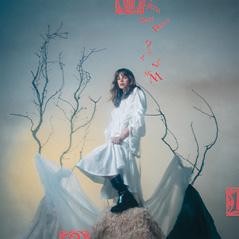
Melbourne-based Gena Rose Bruce pours years’ worth of angst and emotional processing into her fantastic new album. Deep Is the Way channels her darkest moments through delicately written guitar-and-synth pop. From the deep twangs of Future, Bruce sings Portisheadinspired notes over sparse production to emotive effect. However, the album diverts sharply from the world of 1990s trip-hop into something altogether more akin to sunshine-addled rock, sneaking in pints of melancholy only via the drones of Bruce’s impeccably sad delivery. The clanging and off-kilter electric guitars of Harsh Light are joyous, letting Bruce flex her particularly trademark pained vocals to very dramatic results, hitting gold at every turn. The piano and electric guitar combination feels entirely unique and cohesive, yet is also reminis cent of The Beatles’ clean songwriting or, at its broader
strokes, an indie rock, Florence and the Machine twinge. The pandemic halted Bruce’s plans following the success of her debut and the swift, steep trajectory to stardom. This album is entirely inspired by that stasis, evident in the undertone of Deep Is The Way, pushing and pulling between unease, pleading with the uncertainty of the times and, ultimately, feeling defeated by it all.
The pressures of burn out are all too prevalent for art ists, and this battle with the constant expectations to be ever-present, available and consistently producing feels prominent in Bruce’s delicate and nuanced lyric writing. Her droning delivery hypnotises with its monotony, akin to a distant dream from a reverberating alcohol-induced sleep. But when things get slow, it feels less dynamic and oddly jarring, suiting the more colourful and harder pro duction in a more fruitful, contrasting and exciting way.
Words Kyle Bryony
Dot Dash Recordings remotecontrolrecords.com.au
Aesthetica 131
music reviews 1Dive
TYCHO
132 Aesthetica
1The Hackney Marshes
FREYA NAJADE
The enchanting cover photo of The Hackney Marshes peeps through a curtain of green thickets onto a small glade in the woods. A group of people stand knee-deep in a pond of shallow water, bathed in rays of sunlight. This theme of glades runs throughout. All images are set in Hackney Marshes, a nature reserve in London’s Lower Lea Valley, rubbing shoulders with the postindus trial streets of Hackney Wick. Freya Najade roams this oasis with a loving gaze, noting the complicated patterns of yarn-like bushes or how a teenager’s hair matches the surrounding trees. Most of the photos are portraits of park visitors or minimalist stills, ranging from the detail of a flower to a pile of clementines left in the grass. A few wide shots break open the space of these detailed images, creating an ensemble of intimacy and vastness where “one’s usual sense of the city’s distances and limits
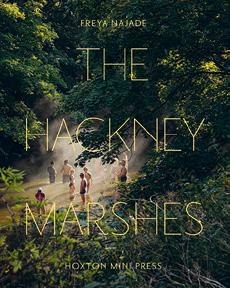
dissolve,” as Rosalind Jana writes in the introduction. Hackney Marshes is not separate from the city: it is part of it. Wildlife and city scenes blend into each other – a still of an ice block tied to a wine bottle on the grass, for example, reminds us how close the nearest freezer is. One image shows two young women in their picnic best; stylish but relaxed, a hand with two rings grasping a plas tic glass. In another, a butterfly on a human forehead prepares to fly away: a snapshot of a fleeting moment. However, Najade also captures the less romantic side of the reserve: water pollution. The images reflect this sur face beauty, with no trace of the unattractive underneath. The Hackney Marshes is a photobook of the commons, a visual love letter to public spaces. But with gentrification and displacement ravaging the area, these spaces are more riddled with conflict than the photographs let on.
2Look At Me Like You Love Me
JESS T. DUGAN
“There is so much I can’t say in my photographs, though it’s all there, just below the surface, if you know what to look for,” writes American portrait photographer and educator Jess T. Dugan in their latest monograph, Look at me like you love me (2022). This series documents 60 colour photographs – including portraits of individuals and couples, self-portraits and still lifes – interspersed with text that reads like poetic journal entries. Dugan continues their exploration of identity, as seen in their previous works, Every Breath We Drew (2015) and To Sur vive on this Shore: Photographs and Interviews with Transgender and Gender Nonconforming Older Adults (2018). However, it would be simplistic to suggest the mono graph only discusses gender and sexuality, as the work also explores themes of love, desire, loss and the dichot omy of looking and being looked at. Dugan writes the
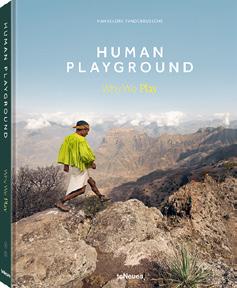
3Human Playground
HANNELORE VANDENBUSSCHE
Hannelore Vandenbussche always knew she wanted to document glimpses of the world around her and use these to tell stories. When she was given the chance to work with Jimmy Nelson (b. 1967), observing and docu menting three dozen indigenous people from 16 coun tries for Before They Pass Away (2013), Vandenbussche realised the ubiquity of play in different societies. This in cludes play beyond childhood, often taking the form of sports, imbued with local culture, beliefs and traditional coming-of-age rites. Human Playground is accompanied by a six-part Netflix series, narrated by actor Idris Elba. Vandenbussche found that sporting practices have many purposes in different societies. The sheer variety of exhilarating activities presented in this volume – from lesser-known sports within remote indigenous com munities to familiar western cultures – is astounding.
monograph’s title besides a portrait of their partner Va nessa, echoing a universal truth – that we all, irrespective of our identities, want to be viewed in a way that makes us feel loved and secure. In a portrait of Kalven, whose gaze is averted from the camera, Dugan evokes the trope of the "coy lover" evidenced in countless love stories. They also speak through portraiture to anyone who finds themselves struggling with others' expectations and their own desires, recounting the difficult relationship with their father, in which they ultimately "had to let him go."
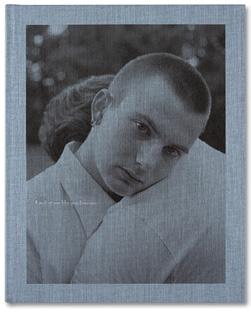
Look at me like you love me is also a manifesto of the artist’s process. Dugan writes about photographing sit ters at various locations, persistent and committed yet not intrusive. Dugan’s subjects display a gamut of emo tions – from relaxed to even mildly bored – that comes from a place of trust between the artist and their muse.
Words Fanny Wendt Höjer
Hoxton Mini Press hoxtonminipress.com
Ethiopian men compete for women’s attention in the fierce and sometimes fatal Donga stick fighting, whilst the Sami people in Finland celebrate the centuries-long symbiotic relationship between humans and reindeer in races where the reindeer pull jockeys on skis. In Lagos, Nigeria, amputees have created an elite football team to defy passive stereotypes of disability. The liveliness of kite fighting in Brazil combines creativity, sport and com petition. Risk is a frequent facet of these games; images of land divers in Vanuatu are fascinating, yet it is difficult not to be stunned by their lack of safety equipment. Vandenbussche highlights the maintenance of individ ual traditions and the evolution of new rituals throughout Human Playground. The pursuits captured offer invalua ble keyholes into many diverse lives, reiterating that, de spite differences in our cultures, we share values in play.
Words Shyama Laxman
Mack Books mackbooks.co.uk
Words Leyla Sanai
ACC Art Books accartbooks.com
Aesthetica 133
book reviews

134 Aesthetica
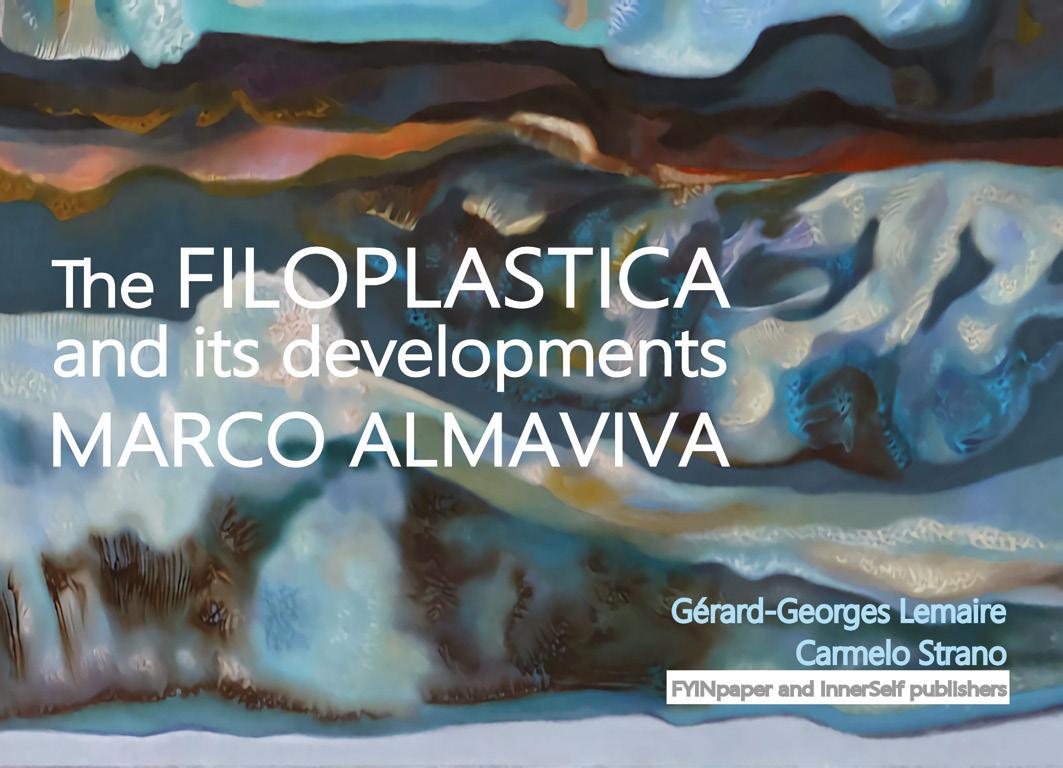
Aesthetica 135
136 Aesthetica


Aesthetica 137
LEODACRIPTO
leodacripto is a German artist who engages with issues that are not visible at first or seem complex and unsolvable, however upon closer inspection are relatively easy to achieve or see. He is inspired by the beauty of nature in interaction with humanity and driven by personal enlightenment and the need to break out of social captivity. leodacripto’s artworks consist of encrypted information – the basic code is based on the numbers 0–9, I and X. In specific collections, this code is encrypted in further levels using additional characters or colours. The artist notes: “The artworks show who you are, where you are and where you can be. Decrypt the code.” leodacripto.com I Twitter: @leodacripto
PHOEBE LEE
Phoebe Lee is a Korean-American creative director and artist whose installation work explores our relationship with materiality. Many of her creations are whimsical visualisations of intangible and emotional subject matter using unexpected mediums. The experimental nature of her practice invites viewers to be curious and transform themselves into makers, storytellers, readers, listeners, actors and players. phoebelee.cargo.site I Instagram: @labelled_by_pb I Instagram: @presentetclair
138 Aesthetica artists’ directory
ANA LEAL
Photographer Ana Leal lives and works in São Paulo. Inspired by minimalist traditions and impressionist painters, her images are simple, geometric and often abstract. Photography is a tool both to portray and to escape reality – she captures images of nature and everyday life that invite the viewer into the inner labyrinths of her mind. The aim is to share sensations and feelings whilst finding new ways to push the boundaries of the medium. Leal has won numerous awards, including a Tokyo International Foto Award and a Julia Margaret Cameron Award.
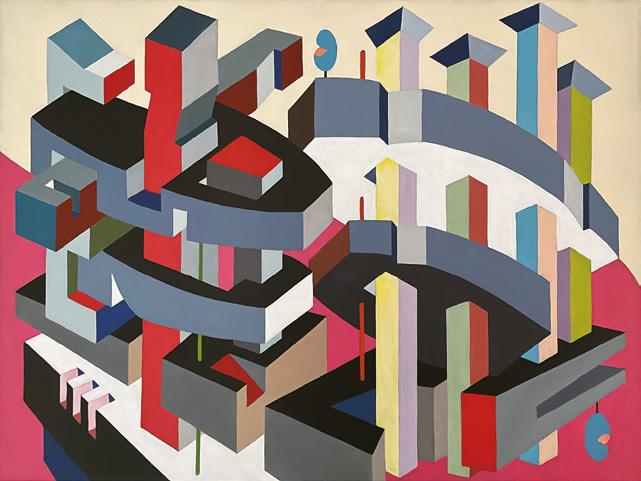
analealphotography.com I Instagram: @analealphoto
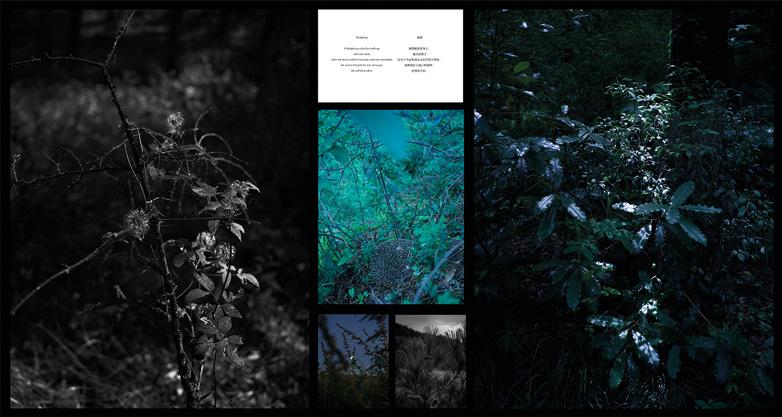
YUNYA YIN
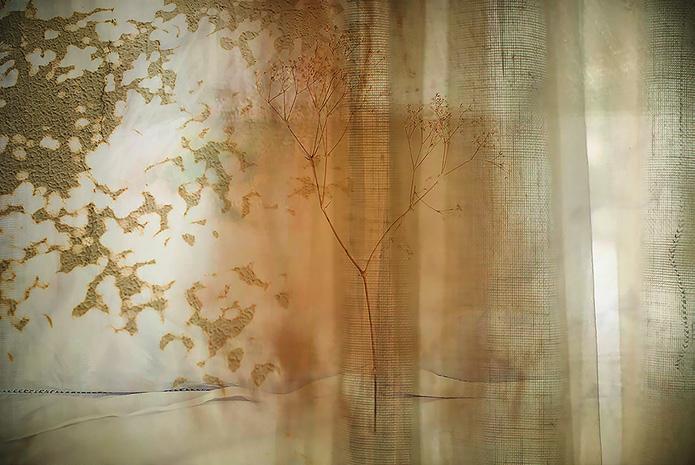
China-based Yunya Yin holds a master’s degree from University of the Arts London. Her art practice is based upon natural philosophy. She uses images, text and objects as elements to construct meaning, and blurs the boundaries between reality and fiction. She notes: “I try to collapse the external visible meaning of an isolated realistic image and guide the viewers to rethink the neglected feelings of diverse individuals under collective change.”
Hedgehog : A Hedgehog curled her body up / she’s too silent / when she hears wildfires burning under the moonlight / the wolves blocked the way of escape / she still keep silent.
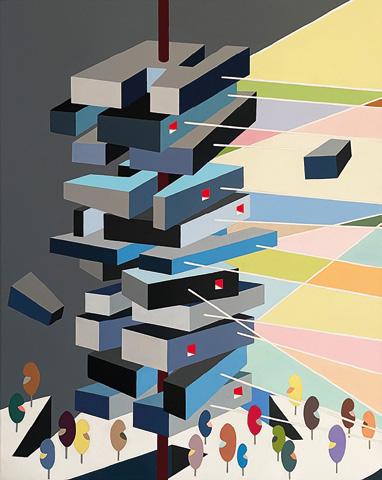
yinyunya.com I Instagram: @yinyunya
SANGHOON KANG
Sanghoon Kang is a Korean artist based in Canada. A former university professor of architecture, his art practice is inspired by Goethe’s words “...architecture is frozen music.” Kang’s aim is to demonstrate his belief that architecture must evolve into something that, with its form, satisfies a spiritual thinking and into an artistic as well as cultural container – embracing human life. He notes: “Provided that the establishment of architectural concepts could share common ideas with the composition of music, I try to capture the sound of music, frozen in a free form, and then sketch its movement onto canvas.”
kasahcanada.creatorlink.net I Instagram: @kasahcanada
Aesthetica 139 For submission enquiries regarding the Artists’ Directory, contact Katherine Smira on directory@aestheticamagazine.com
Carmen Hurtado Pérez
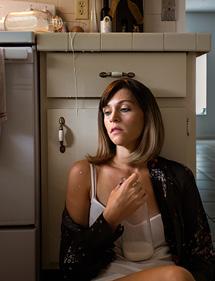
Spain-born Carmen Hurtado Pérez is a multidisciplinary and conceptual artist who digs into the depths of the human condition. Photography, drawing, writing and embroidery are used to explore memories and dreams, with references to mythology and archetypes. Hurtado Pérez's works are shown in museums, festivals and galleries throughout Europe. carmenhurtadoperez.com I IG: @carmenhurtadoperez_artprojects
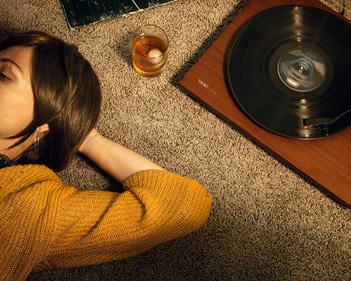
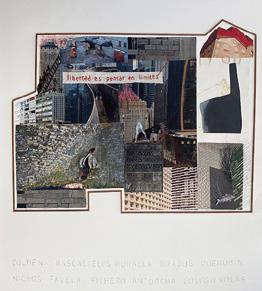
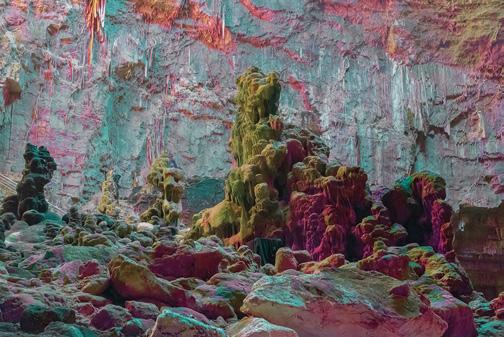
celia dymond
Inspired by the fragility and tactile nature of traditional film-based photography, Melbourne-based creator Celia Dymond honours her affinity for Australia’s coastlines and rugged terrain. Consistently bearing testimony to the respect she holds for the vastness of the ocean and its accompanying seascapes, her work encapsulates some of the country’s most iconic scenery. celiadymond.com I Instagram: @celiadymond
CHIWU
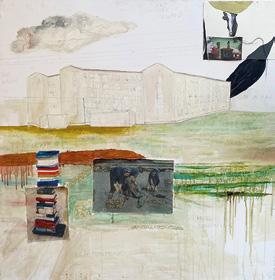
Taiwanese artist Chiwu holds an MA in Fine Art from the University of Brighton. He creates landscape paintings based upon memories of people and locations; every composition created is a specific piece of a puzzle – when connected, intriguing stories are revealed. The Chiwu Art Studio is located in Taipei, where the artist teaches a variety of courses. chiwu.art
CHRISSY LUSH
Nashville-based Chrissy Lush is originally from New York, where she gained an MFA in Photography from Parsons School of Design. The creation of deeply personal, performative self-portraits articulates her relationship with the world – creating a synergy between the self and the external. Lush's project Hold Me Tight was shortlisted for the Royal Photographic Society's IPE 164. chrissylush.com I IG: @chrissy_lush
Claudia Fuggetti's research sees the creation of images as the endpoint of a visual investigation. Striking a balance between the real and unreal, she proposes new reading keys to interpret the contemporary. Photography, video and digital painting are used to explore alternative worlds, which become a mirror of human tension towards the future and technology. claudiafuggetti.com I Instagram: @lafugg
London-based Ekaterina Adelskaya uses textiles and watercolours to create sculptures that examine themes of destruction and transformation. In the Crystalised series, seemingly natural stalagmites are made of burnt synthetic fabrics that hold their shape without the use of stitches or glue. Adelskaya asks: is this the dawn of an era of adaptation into a new unknown plastic ecosystem? adelskaya.com I Instagram: @adelskaya_art
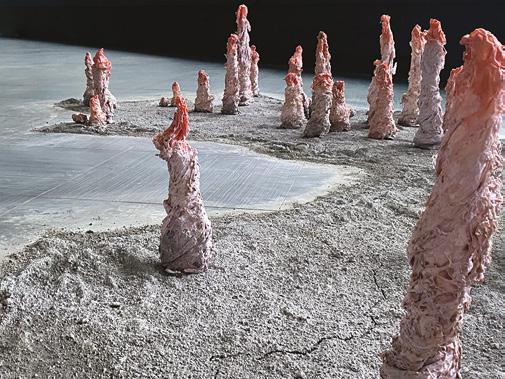
140 Aesthetica artists’ directory
Claudia Fuggetti
Ekaterina Adelskaya
Elli Asker
Elli Asker is a fine art photographer from Azerbaijan and is based in Stockholm. The Neon City series is a direct expression of her mental state, in which captured landscapes show a distinctive play of light and colour to mirror the intense and fleeting feelings evoked within these unassuming spaces. Asker has won numerous awards including a PX3 and an IPA award. elliasker.art | Instagram: @elli.asker.studio
Emilie Möri
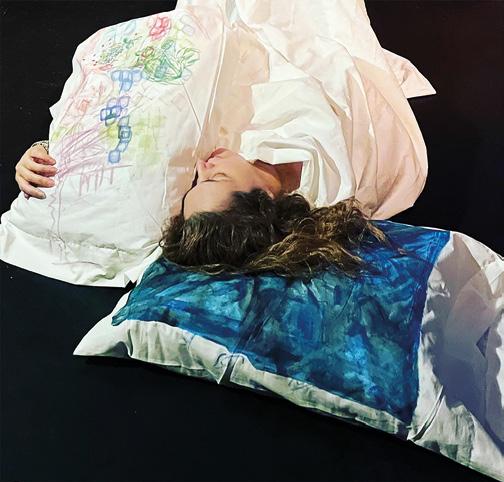
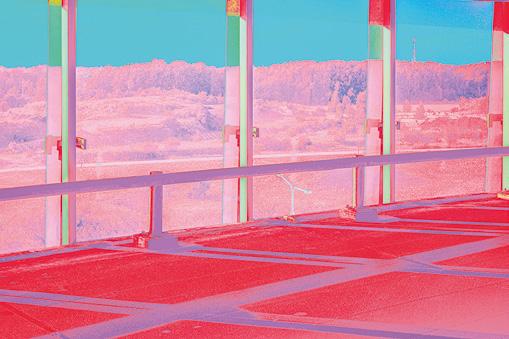
Photographer Emilie Möri re-imagines a world in which perfect proportions – employing chromatic colours and stark shadows – brings her subjects' environments to life. A focus on architectural themes and abstraction allows the images to embody feelings of solitude and isolation. Möri's Paris-based practice also includes numerous commercial collaborations. emiliemori.com | Instagram: @emiliemori
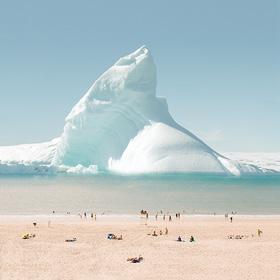
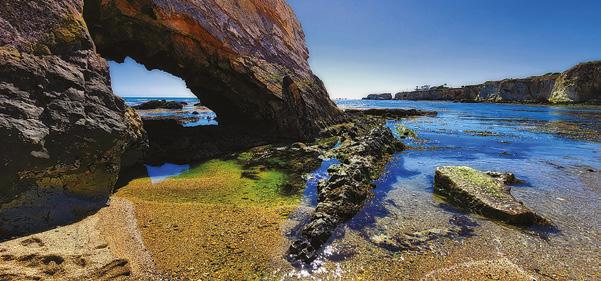
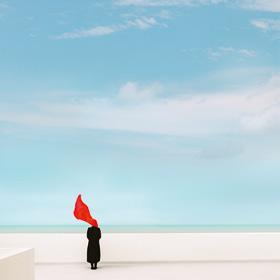
eric wiles
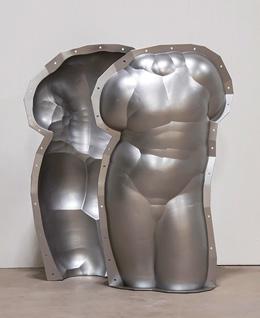
California-based Eric Wiles' fine art and landscape photography reveals dynamic images of natural beauty. His goal is to bring awareness to the variety of wondrous places in the world, in the hope that we will be inspired to contribute to global conservation efforts. He emphasises: "In showing the magnificence of our home, we can recognise that every day is Earth day." ew-photo.com I eric-wiles.pixels.com I IG: @eric.wiles.photo
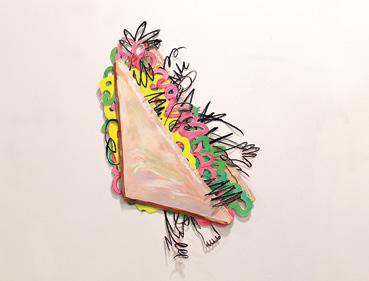
Hee Jyung Kim
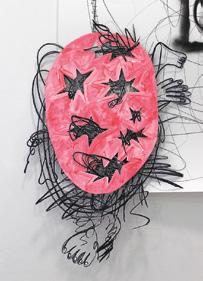
Hee Jyung Kim is a Korean artist based in London. Inspired by the border of memory and experience, she expresses visual language through drawing, painting, collage and installation – exploring correlations in the roots, state and depths of the mind as well as the body. Kim aims to create work in which inner and outer worlds harmonise with chaos. heejyungkim.com I Instagram: @heejyungkim
Her art practice is shaped by opposing feelings – the happiness of freedom and the fear of closing all the doors of the past and opening a new life. Colours, shapes and words form part of a personal language which helps Jalali to translate feelings in silence. IG: @Honeyworldwide22
Jiujian Zeng
Jiujian Zeng is a visual artist based in China. He regards all mediums as channels to bridge matter and consciousness; scepticism and insecurities have led him to use art as a means of travelling inside himself. Zeng's long-standing focus is how to re-project new historical perspectives from the present perception, which is derived from individual or collective historical experiences. zengjiujian.studio I Instagram@9jan.zeng
Aesthetica 141 For submission enquiries regarding the Artists’ Directory, contact Katherine Smira on directory@aestheticamagazine.com
Katrina Leitena
Katrina Leitena is an artist based in Riga. A key inspiration that drives her practice is the human being – the language of the body and its expressions as a reflection of an inner world. Hand embroidery is exclusively used to express and emphasise a physical and emotional connection with Leitena's artistic themes, as emotions can often be as fragile as a delicate piece of thread. Instagram: @katrinaleitena
Parna Baharali
Parna Baharali is a photographer based in Tehran. Her work includes a deeply personal element – images are used to depict experiences of living as a woman in an Islamic society. They are also used as a way to express and share her perceptions with the viewer, helping to unfold situations and stories that may remain unnoticed to others. parnabaharali.com I Instagram: @parnabaharali
Robert van de Graaf
Robert van de Graaf is a Dutch painter interested in the connections and relationships between the mystical world, the spiritual world and our soul. The works express a complex interplay of visual impressions combined with emotional and spiritual reflection. Each piece gives substance to the artist's ongoing personal journey to seek meaning in life. robertvandegraaf.com I Instagram: @robertvandegraaf
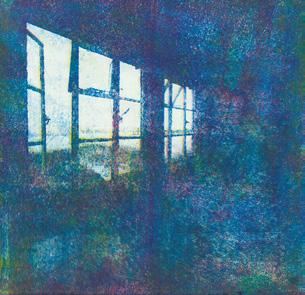
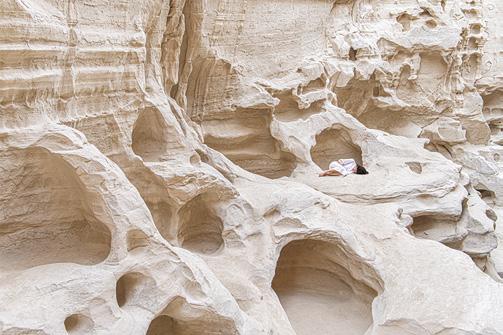
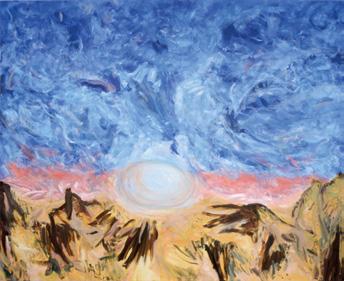
Sarah Roberts
Welsh artist Sarah Roberts uses installation, sculpture, collage and text to investigate our capacity to encounter the actuality of the world – surfaces of architecture, landscape and the body. She notes: "Moments where everyday surfaces are made visible as collisions of form and colour invite us to re-encounter their ‘thingness’ and the power of visually-driven connections." sarahrobertsfa.com I Instagram: @sarahrobertsfa
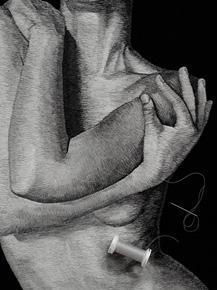
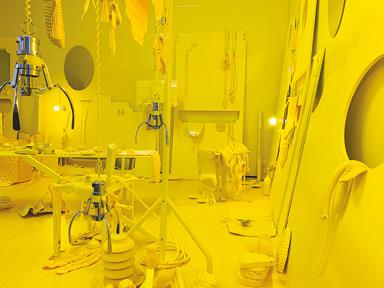
Tina Hainschwang
Austria-based Tina Hainschwang works across several mediums with a focus on sculpture. Her work challenges notions of femininity whilst often sitting between provocation and numerous references, both traditional and contemporary. She often employs a surrealist touch – and a dose of humour – to play with notions of sexuality, discomfiting aspects of the human body. tina-hainschwang.com I Instagram: @tina_hainschwang
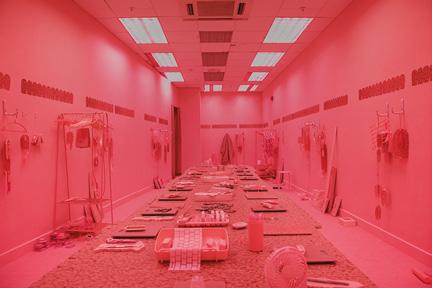
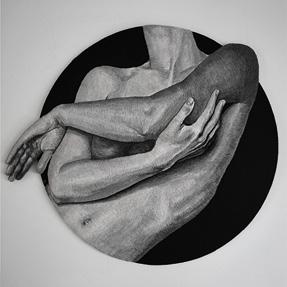
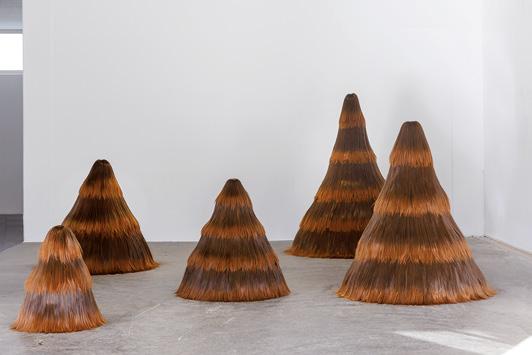
vic dawson
Vic Dawson’s work explores the fates of discarded military structures through photography and printmaking. Exploring controversial spaces, zones and hidden landscapes allows her to examine universal issues such as power, ownership and surveillance. Dawson's work invites the viewer to consider human presence and remnants in the natural landscape. Instagram: @v_ic_dawson
142 Aesthetica artists’ directory
Photographer: Andrew Phelps.
carlos abraham
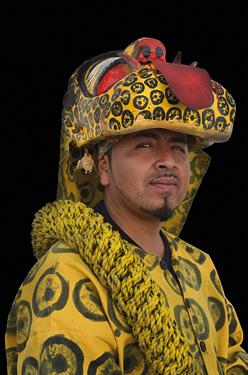
Carlos Abraham is based in Mexico, where he studied architecture and photography. His current focus is to highlight the beauty of the human body through black and white as well as colour photographs. Abraham's work has been published in numerous magazines and he has exhibited work in Central and South America. His images are part of the permanent collection in the Mediateca INAH, Mexico City. fotocarlos.com.mx
A. K. Nicholas
A. K. Nicholas is an American artist who works exclusively with the female form. Limited-edition photographs mix elements of sensuality with classic art, theatricality and performance. The unorthodox aesthetic is neither overpowered by eroticism nor bound by modesty. A painterly style brings an alternate reality inside the frame, close to the viewer. bellanuda.com
Instagram: @bellanudaart
Chuqiao Liu
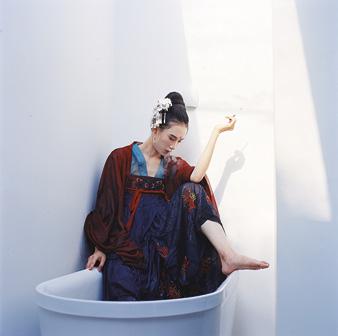
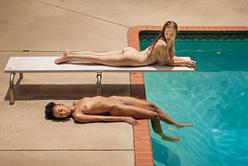
Chuqiao Liu is a photographer based between Guangzhou and Glasgow. She is interested in the changes and contradictions caused by developmental changes in society. Her works focus on the new generations of young people in China, with a view to sharing "the real China" with the world whilst feeling the wave of thought and power brought by different cultures. chuqiaoliu.com Instagram: @chuqiao_liuuu
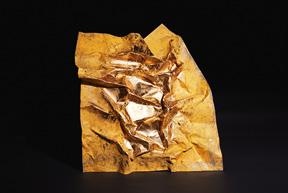
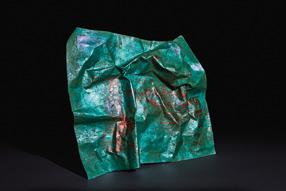
anna demel
Anna Demel is a Vienna-based fine artist. After two decades of painting abstract art on cardboard, she developed a particular technique to make the artwork three-dimensional. For the ongoing sculptural painting series Cnouchis, each new piece seems to be alive – embodying movement and wisdom: "They are like creatures silently sitting on the wall, watching us."
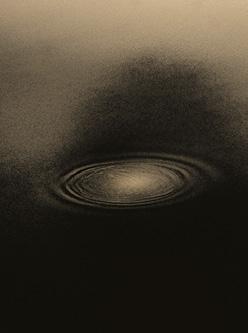
annademel.com Instagram: @annademel_com
Hera Mysterium
Hera Mysterium is the pseudonym for a multidisciplinary artist born in Jerusalem and based in Montréal. Acrylics, oils, watercolours, charcoal and ink as well as digital painting and photo manipulation are used, along with melted candle wax and dried roses. The resulting works explore the complexities of dualism, such as darkness and light, horror and delight, good and evil.
Instagram: @hera.mysterium Facebook: hera.mysterium
Ernst Perdriel
Ernst Perdriel is a multidisciplinary artist, designer and horticulturist based in Québec. Mosaics, collages, sculpture and photography are used to express thoughts and ideas within our complex era: "I imagine myself becoming an archaeologist in my next life and study the 20th century." Perdriel's work appears in solo and group exhibitions as well as a variety of publications.
Instagram: @ernstperdriel
Iwo Zaniewski
Iwo Zaniewski works with traditional oil painting, drawing upon the history of figurative art and portraying subjects from everyday contemporary life. To reach the state of perfect visual harmony –his ultimate goal – he constructs paintings in such a way that each element of the composition becomes an irreplaceable support for the arrangement of the others. iwozaniewski.com
Instagram: @iwozaniewski
Francisco G Camacho
Francisco Gonzalez Camacho is a Spanish photographer based in Finland. Elsewhere is his latest series – it explores themes of displacement, the landscape as a coping strategy and nature as a transcendental space. Poetic narration, references to pictorialism and the use of infrared photography are some of the important elements present in the artist's ongoing body of work. frangc.com
Aesthetica 143 For submission enquiries regarding the Artists’ Directory, contact Katherine Smira on directory@aestheticamagazine.com
Lunyu Fu
Beijing-born Lunyu Fu is currently based in London. Her works are closely related to the everyday lives and objects around her. A variety of unique materials – from dog urine to Miao embroidery to thermal paper – are used to express ideas and "fight against fading and disappearance." Fu is the CEO of PupPeeGallery and is also the head of QQ Paradise. fulunyu.com Instagram: @lunyu_fu
Janna Shulrufer
Janna Shulrufer is an Israeli artist who works in her gallery and studio in the Artists' Colony of Safed. A variety of genres and techniques are used in the creation of oil paintings, watercolours, drawings, and etchings. Shulrufer has participated in shows in the USA and Europe, and she often exhibits work in Tel Aviv, Jerusalem, Haifa and Safed. Her compositions are also held in private collections. saatchiart.com/shulrufer
Maximilian Girardi
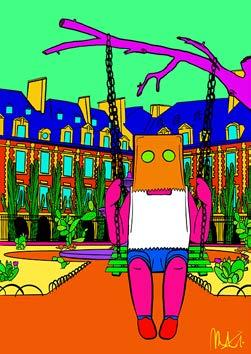
Italian artist Maximilian Girardi, aka Ha.NDS, lives surrounded by nature in the Tuscan-Romagna Apennines. He is inspired by the vibrancy of colours – what they communicate and the memories they convey; each drawing is then handmade with graphic board and an Apple Pencil. The Nemesis series calls attention to environmental issues. Instagram: @ha.nds_artist artelaguna.world/artist/girardimaximilian
Kiera Jamison
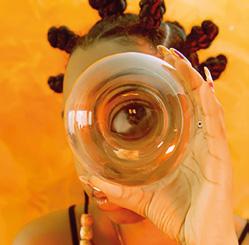
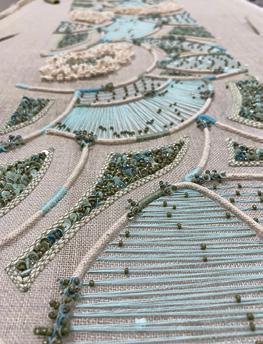
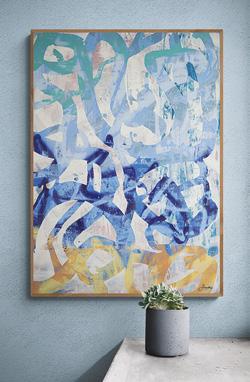
Kiera Jamison is a Houston-based photographer inspired by futurism, nostalgia and 1990s aesthetics; vibrant and playful works focus on themes of self-identity and vulnerability. Jamison's most recent project uses still life, distortion and fragmentation to explore and challenge her understanding of what it is like to be comfortable in one's own skin.
kierajamison.com Instagram: @kierajamison_
ying lim
"Living once is enough" notes Auckland-based Ying Lim, a forwardlooking artist who aims to dissolve preconceptions of human materiality in all its shapes and forms whilst questioning the rules of art. As such, the themes in Lim's compositions help her consistent aim to break down the numerous barriers between chance and reality. yinglimart.com Instagram: @yinglim61
steve miles
Steve Miles is based on the Isle of Wight, UK, where he is an awardwinning artist and member of the National Acrylic Painters’ Association. An abstract language of painting is combined with a highly expressive and gestural graphic style that is representational of over three decades spent as a graffiti writer and graphic designer. stevemiles.co.uk
Instagram: @stevemilesartist
Yuna Ichimura
Japan-based artist Yuna Ichimura specialises in three-dimensional installations which are often an ironic commentary on modern life. Her current project shows the destruction of 1,000 illustrated self-portraits. A paper shredder ensures the disposed images are scattered like rain; the viewer is encouraged to observe the steady movement of paper and consider the ephemeral nature of life. ichimura-yuna.com
Tushita Singh
Tushita Singh celebrates the art of hand embroidery in her New Delhi studio, where she works with an artisan to ensure that the skills of this craft are upheld in a changing world. She is inspired by a bird's eye view of Earth – one in which humans and nature are observed as colourful and ephemeral patterns. Singh has also worked as a designer for brands such as Massimo Dutti, Zara and Anthropologie.
Instagram: @bluerabbithole
144 Aesthetica artists’ directory
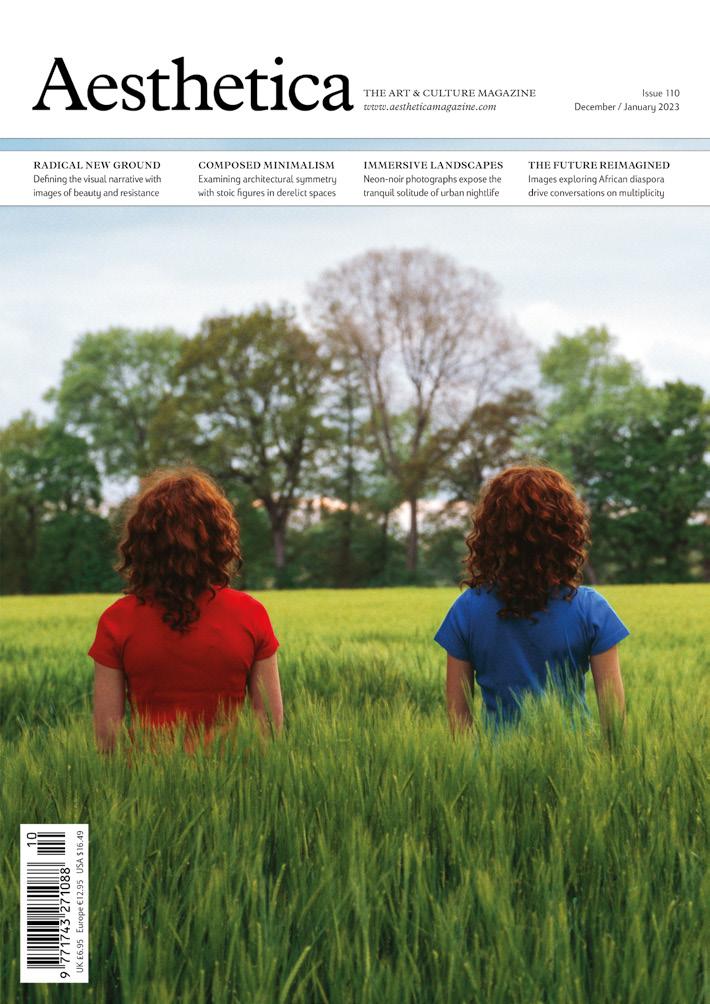
Aesthetica 145 For submission enquiries regarding the Artists’ Directory, contact Katherine Smira on directory@aestheticamagazine.com 12 months from £24.95 + p&p. Available in both print and digital formats. www.aestheticamagazine.com/subscribe Subscribe & Save 40%
Destination for Art and Culture
The
Doug Aitken
“I am always seeking new avenues to engage a viewer and bring them directly into a work. I want to have them explore and author their own experience. I created a way to activate the physical world and use the physicality of the landscape to form a convergence of ideas in Green Lens. I wanted to build a structure that was not inside a museum or architecture, but instead something a viewer had to seek out and discover. It is an artwork activated by its onlookers: living and dynamic. I am increasingly interested in interactivity. Perhaps what influences me is not only the ecological aspect but: what is landscape? Do we project our subconscious onto what we see or is it feeding us? What is the relationship between the individual and the world around us?” Works 1992-2022 by Doug Aitken published by MACK. mackbooks.co.uk
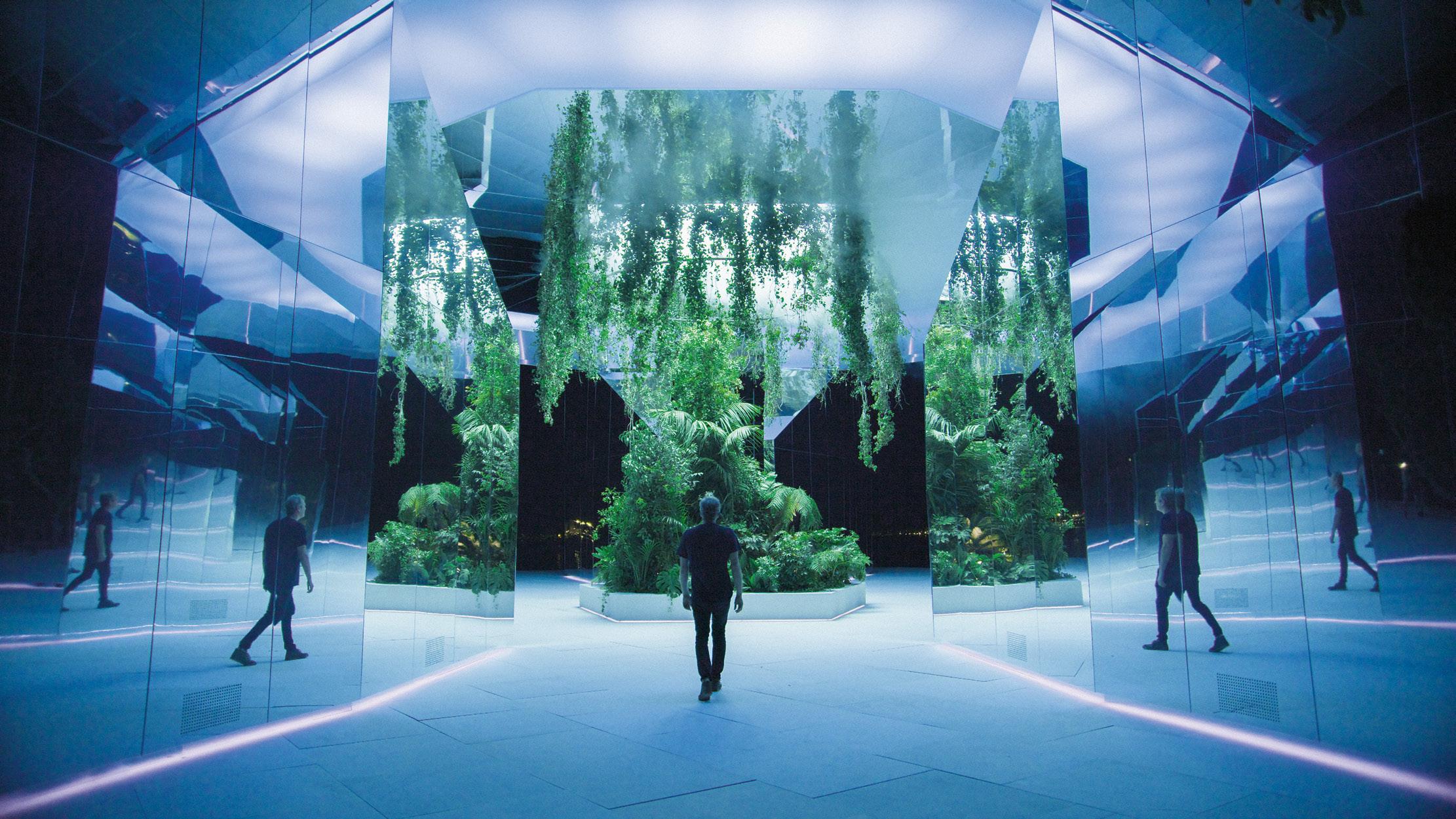
146 Aesthetica last words
Artist
Doug Aitken, Green Lens (detail) (2021) Installation view: Isola della Certosa, Venice, Italy, 2021, from Works 1992-2022 (MACK, 2022). Courtesy of the artist and MACK.