
Sustainability Report 2025




Introduction
Our Business
Materiality Assessment
General Information
Environment
Social Matters
Corporate Governance
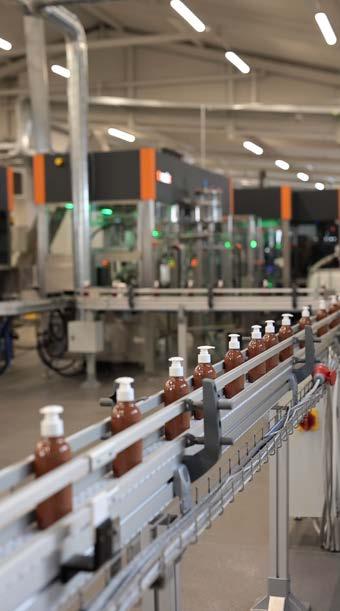
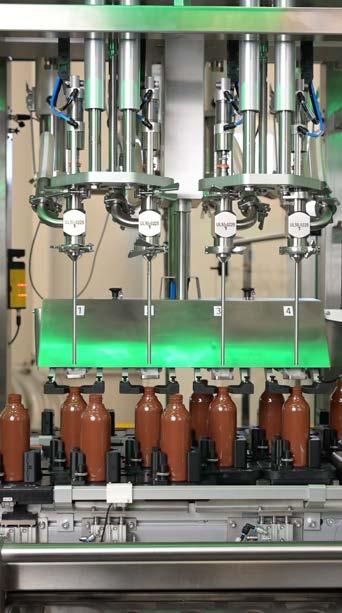
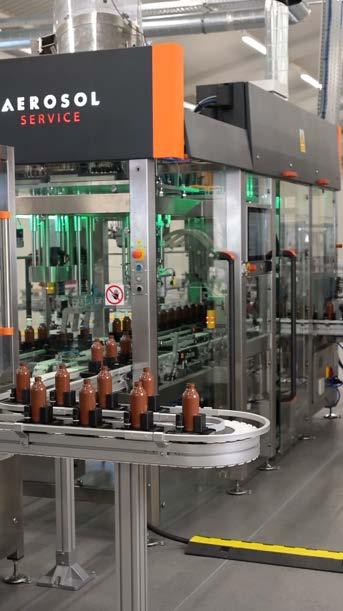



It is with great pleasure that we present the third Sustainability Report of Aerosol Service. This document continues the ESG Report for 2024 and the earlier CSR Report covering the years 2018–2023. In this publication, we have maintained the structure and reporting logic adopted in the previous year, expanding the disclosures to include data for 2025 and updating descriptions of activities and indicators in the key environmental, social and governance areas.
For Aerosol Service, 2025 was a period of further strengthening management processes, continuing investment activities, and developing tools supporting production, logistics and non-financial data reporting. The Company continued its efforts to ensure occupational safety, responsible cooperation with stakeholders, and reduce the environmental impact of its operations. During the reporting period, the Company also developed its image-building and relationship activities, strengthening brand recognition in foreign markets and in the local environment.
As a contract manufacturer of cosmetics and household chemicals, and a development partner for brands in the beauty and personal care sector, we clearly see that the market now expects much more from companies like ours than available production capacity alone. Operational flexibility, process safety, speed of implementation, regulatory support, and the ability to co-create products that respond to the changing needs of consumers and business partners are becoming increasingly important. This is the direction in which we are developing Aerosol Service.
In 2025, we continued to develop our expertise in both aerosol and nonaerosol products, offering extensive capabilities for filling various types of packaging and carrying out projects of different levels of complexity. Our goal remains to guide customers comprehensively through the entire product development process – from concept, formulation and packaging selection, through testing, technical and regulatory support, to the launch of industrial-scale production. We also see a significant shift in market expectations. Brands are increasingly looking for specialist solutions that are safe and convenient to use, while also being aligned with the principles of sustainable development. In response to these needs, we are developing, among others, our portfolio of SPF products, haircare formulations, dry shampoos, texturising sprays, Bag-on-Valve technology solutions and more.
We see sustainable development as a long-term process that requires consistency, investment and responsible cooperation across the entire value chain. Therefore, alongside our operational and development activities, we conduct systematic ESG reporting, organise environmental and social data, and make investment decisions that support the reduction of our climate impact.

This direction is confirmed by the investment launched in 2025 entitled “Increasing the energy efficiency of the Aerosol Service plant through the replacement of machinery and equipment and the installation of renewable energy sources”, co-financed by the European Union under the European Funds for a Modern Economy programme. The project includes, among others, the construction of a 498 kWp photovoltaic farm, the installation of heat pumps for heating process water, the replacement of air compressors, and the modernisation of a production line towards more efficient and flexible technological solutions.
The aim of the investment is to improve the plant’s energy efficiency by at least 30%, reduce CO₂ emissions and increase the share of energy generated for the Company’s own needs. In our view, these measures will be important not only for the further development of the enterprise, but also for the quality of the environment and for strengthening the Company’s operational resilience in the years ahead.
We believe that the responsible development of an industrial company is not only about adapting to growing regulatory requirements, but above all about consciously building value for customers, employees, business partners and the social environment. This is why, at Aerosol Service, we combine technological development with care for safety, quality, relationships and transparency.
This report aims to transparently present the scale of our operations, key activities and areas requiring further work. At the same time, it serves as a tool for internally organising ESG data and as a reference point for future reporting years. We hope it will be a valuable source of information for all our stakeholders and confirmation that Aerosol Service continues to develop as a modern, responsible and reliable production partner.
Yours sincerely, Damian Piotrowski President of the Management Board of Aerosol Service

Our Business

Sectors of Activity
COSMETICS
Body Care Products
Deodorants and antiperspirants
Fragrant body mists
Emulsions, creams, body lotions
Sunscreen products
Hair products
Hair sprays and mousses
Mists
Dry shampoos
Conditioners
Sprays for roots
Cleansing Products
Shower mousses and posfoaming gels
Liquid soaps
Cleansing emulsions

Hygiene and Disinfection
Hand Soap
Gels and liquids for disinfection

Sectors
Household
Cleanliness
Cleaners
Oven and grill cleaners
Carpet cleaners
W indow cleaners
Multipurpose cleaners
Drain cleaners
Refresher
Aerosols
Pump Sprays
Gels
Reed diffusers
Technical & Others
Surface Disinfectant liquids
Silicone spray
Leather and textile cleaner
Spray for cockpit
Surface polisher
Compressed air
Preparation for shoes

our Technologies
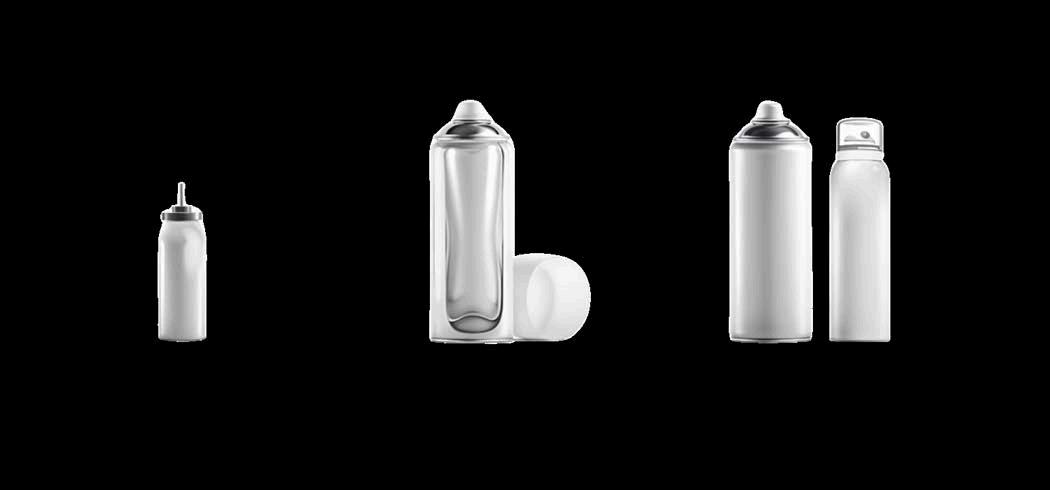


bag-on-valve
Technologies Non-aerosol products


bottles Canisters jars doypacks tubes sachets

screw caps & flip tops pumps push-pull nuts atomizers triggers other
markets
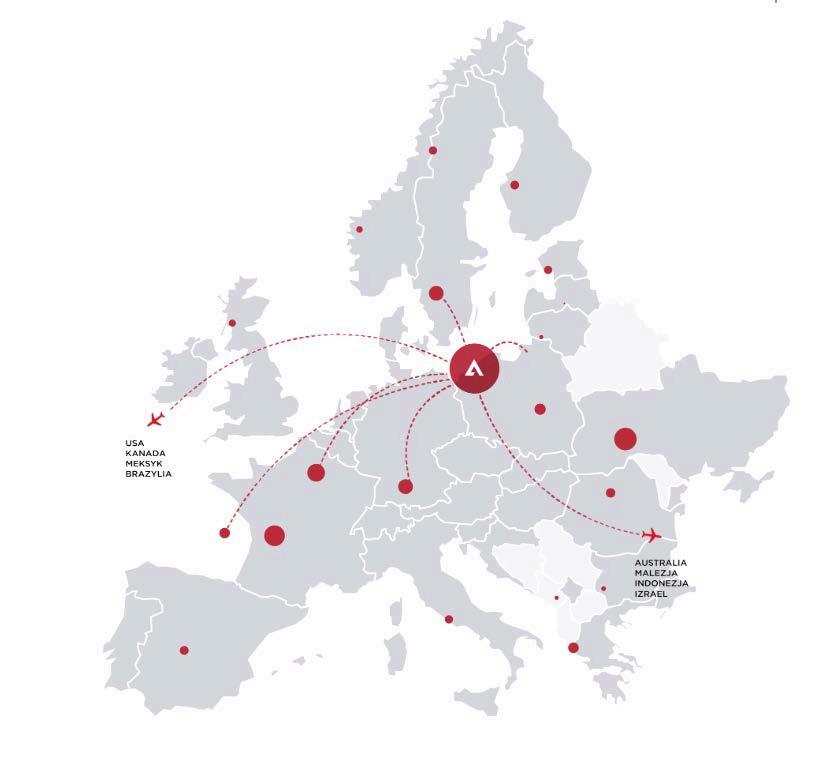
You can find products from our factory in all EU countries as well as Norway, UK, Ukraine, USA, Israel, Australia, Malaysia, Mexico, Brazil, Canada and Indonesia

Materiality Assessment
Materiality Assessment
Aerosol Service operates in the contract manufacturing sector for cosmetics, household chemicals and technical products in both aerosol and non-aerosol forms. The business model involves the use of energy, chemical raw materials and packaging materials, in particular aluminium, plastics and glass.
From an ESG reporting perspective, the key areas include the environmental impact of production processes, occupational safety and working conditions, product quality and safety, regulatory compliance, as well as relationships with customers, suppliers and the local community.
In 2025, the Company maintained the materiality assessment approach adopted in 2024. The topics considered material primarily included climate change, pollution, water and wastewater, waste and packaging management, employee health and safety, working conditions, human rights in the value chain, and corporate governance.
Assessment of the Materiality of ESG Factors’ Impact on the Company and Its Environment
Compared with the 2024 report, no grounds were identified for a fundamental change in the list of topics considered material. However, the level of detail of the available data changed, particularly in the areas of carbon footprint, employment, employee benefits, and promotional and relationship-building activities.


General Information
BP-1 General Basis for the Preparation of Sustainability Statements
This report has been prepared as a continuation of the Sustaina Report for 2024 and follows an analogous chapter structure: introduction, materiality assessment, ESRS 2 general informatio environmental section, social section and corporate governance section.
The report covers non-financial data of Aerosol Service for the period from 1 January to 31 December 2025. The organisational scope of the report includes operational activities controlled Company, in particular the production plant in Charnowo and related support functions. Where the data was comparable, the report maintains consistency with the 2024 document in terms of units, indicator names and table logic.
The data used to prepare the report comes from the Company’s internal sources, including planning and operational systems, H records, environmental documentation, waste records, the carbon footprint report prepared by an external company, management review materials, and data provided by individual departments. some disclosures, a qualitative description was used where the Company did not yet have a complete set of quantitative data.

BP-2 Disclosures in Relation to Specific Circumstances
The 2025 report is the second consecutive ESG report prepared by Aerosol Service according to the ESRS logic. From the perspective of data comparability, it should be noted that some indicators have been clarified compared with the previous year, while some data for 2025 remains incomplete or requires further verification. Such cases are explicitly indicated in the text. In 2025, an employee satisfaction survey was conducted; the Company also has surveys concerning product culture and safety.
General Information
SBM-1 Strategy and Business Model
Aerosol Service operates as a specialised contract manufacturer in the cosmetics and chemical industry, offering comprehensive B2B services in formulation development, production, packaging and packaging selection. The Company’s offer includes both aerosol and non-aerosol products, including cosmetics, cleaning products, hygiene and disinfection products, and technical products.
The business model is based on three main areas of activity: contract manufacturing, private label projects and product development. The Company operates on the basis of long-term customer relationships and a flexible approach to project delivery, which is an important element of its competitive advantage on both domestic and foreign markets.
A more detailed description of the business model and the Company’s organisational structure is provided in the 2024 report, on pages 26 and 30.


Modern Manufacturing, Personalised Solutions
Our company specialises in comprehensive manufacturing services for cosmetics and household chemical products. Thanks to our experience and flexible approach, we offer our clients a wide range of services tailored to their individual needs across three main areas of activity:

This form of cooperation allows our clients to create their own product brands. The products are manufactured based on our proven formulations and are labelled with the client’s customised branding. As no individual formulation is developed, the product may be similar to those manufactured by us for other partners. Thanks to this cooperation model, Aerosol Service products can be found in many retail chains across Poland and Europe.

Under this form of cooperation, we carry out manufacturing orders based on formulations for which the client holds exclusive ownership rights. Clients may provide their own proprietary formula or commission us to develop a new formulation in line with their vision. As a result, products manufactured by Aerosol Service are distributed to markets worldwide, including major retail and drugstore chains in Europe such as Lidl, Aldi, DM, Norma and Rossmann.


Product Development
We offer comprehensive support in the development of unique formulations and technologies based on the client’s concept. Our services cover both the design stage of an innovative product and its subsequent contract manufacturing, ensuring a comprehensive approach to bringing our business partners’ ideas to life. Thanks to our flexibility, advanced technology and many years of experience, Aerosol Service is a reliable partner in the creation and delivery of innovative products.
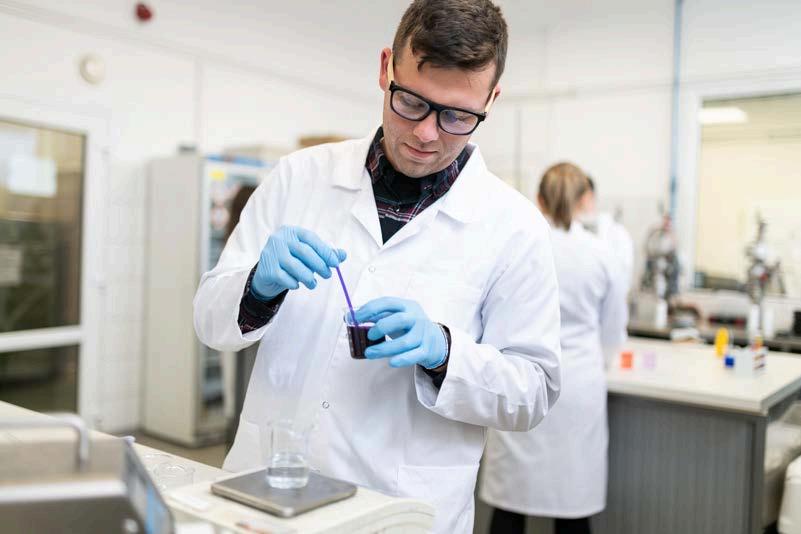
Research and Development Department


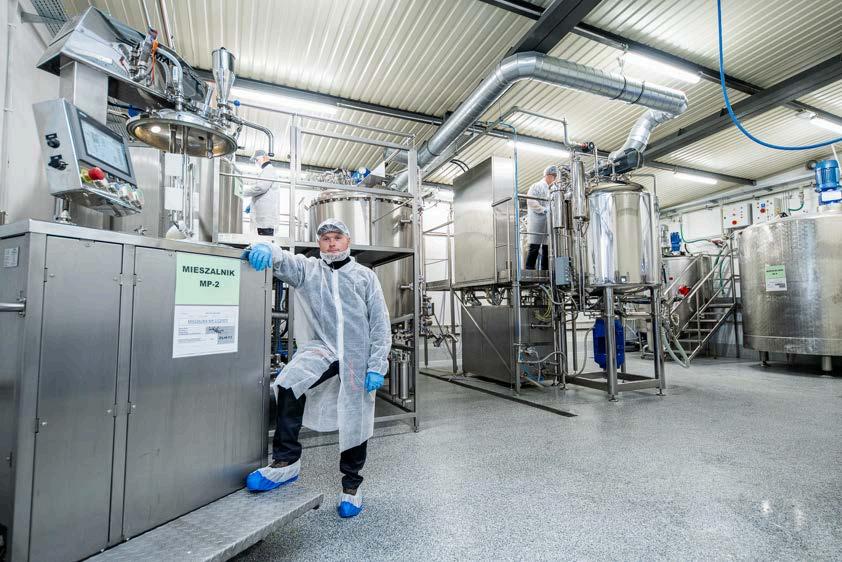
blending room
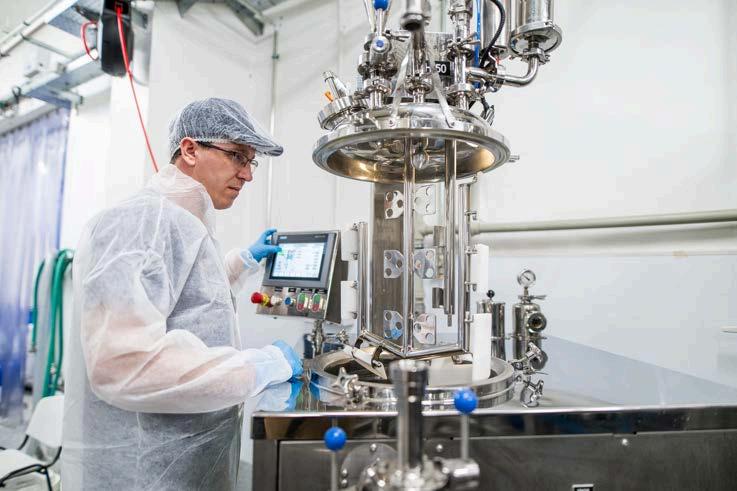
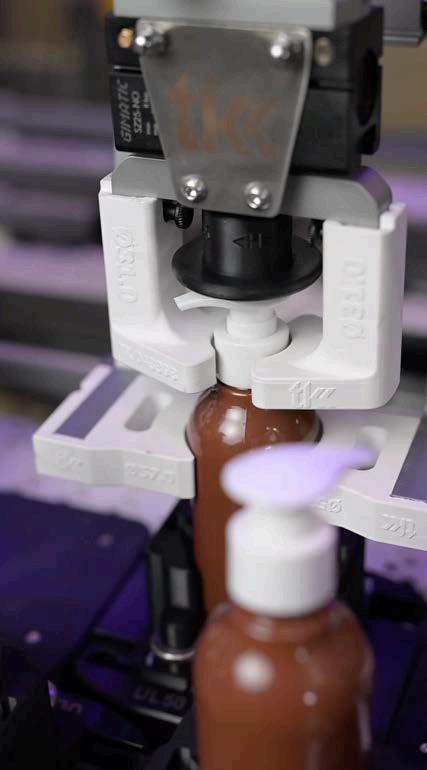




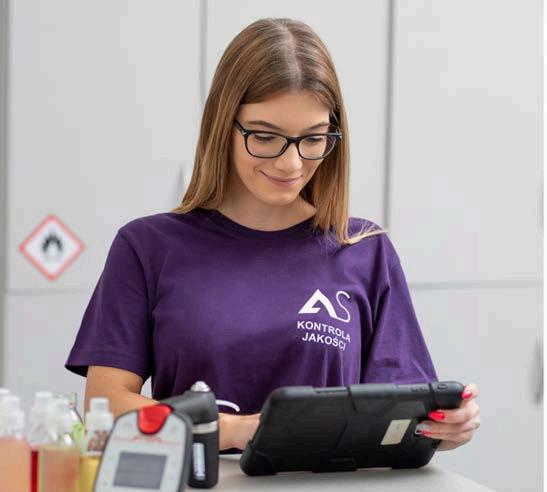
Quality Control
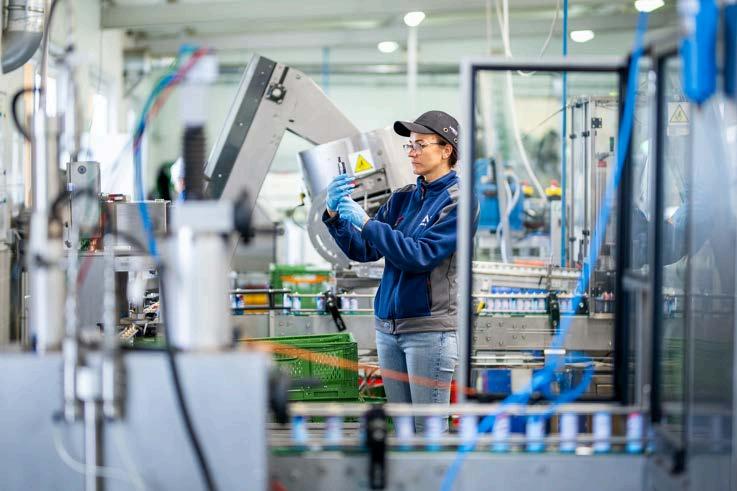


Logistic & Warehouse


General Information
SBM-2 Interests and Views of Stakeholders
The Company’s key stakeholders include employees, customers, suppliers and business partners, the local community, universit and schools, industry institutions, and public administration b In 2025, stakeholder relationships were strengthened through bo operational and communication activities.
In the area of customer and business partner relations, the Company maintained its presence at key industry trade fairs, developed B2B communication, expanded its website, and publishe expert and image-building content.
In the area of the local community, cooperation continued with schools, universities, public entities, non-governmental organisations, and organisers of educational and sports initiat
In relations with employees, the Company used, among others, internal communication channels, employee suggestion boxes and the Employee Council.
company event, which is a regular
in the Company’s calendar. All employees participate in the event, which supports team integration and strengthens internal relationships.

The meeting is also an opportunity to summarise the past year of operations, discuss the most important achievements and celebrate the Company’s successes together. As a result, the event serves not only an integration function, but also a communication and motivational one, strengthening employee engagement and a sense of shared responsibility for the organisation’s development.
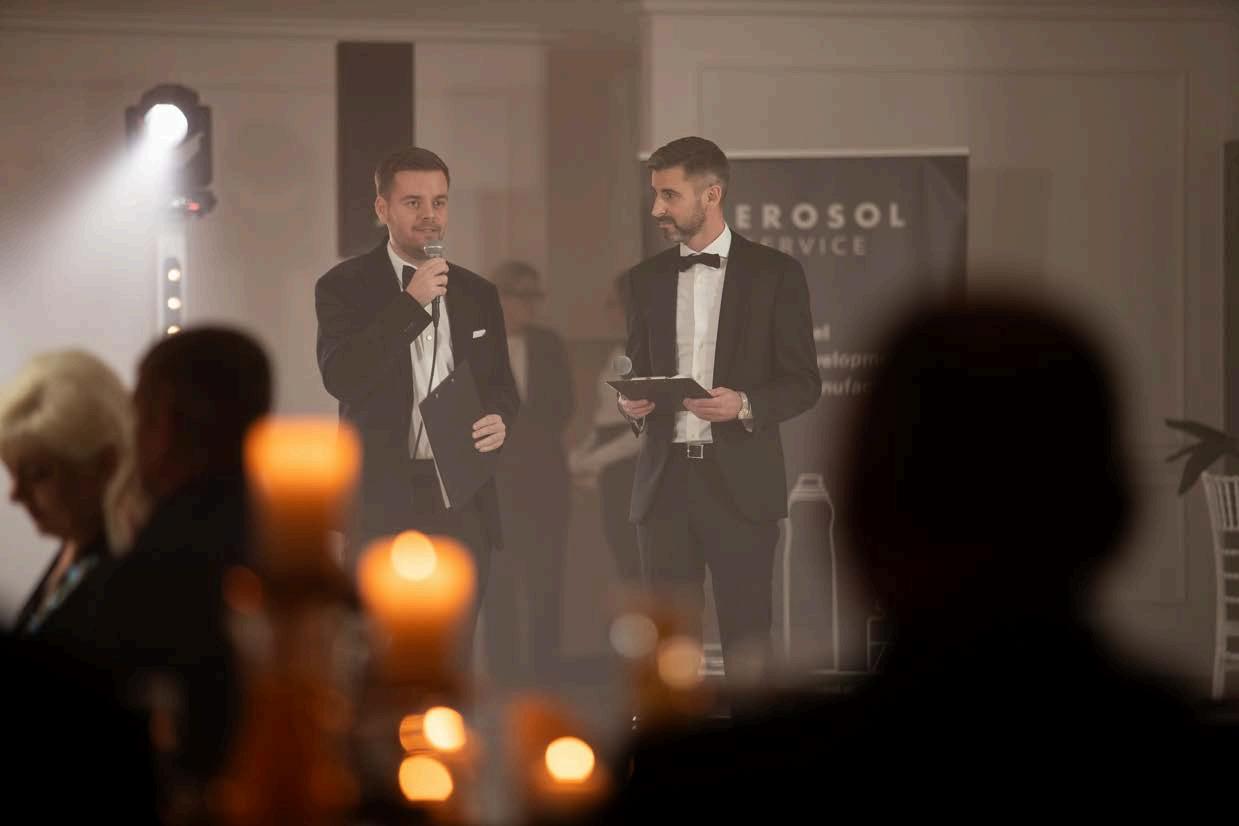
company event
General Information
SBM-2 Aerosol Service Stakeholder Map

Aerosol Service identifies stakeholders as groups and entities that influence the Company’s operations or are affected by its activities. Dialogue with stakeholders is conducted in forms adapted to the nature of the relationship, taking into account operational, quality, social, environmental and organisational governance matters.

Below are the key stakeholder groups, the methods used to engage them, and the main topics addressed in relations with the Company.

GENERAL INFORMATION
SBM-2 Aerosol Service Stakeholder Groups
Employees internal communication, meetings, training sessions, participation in ESG dialogue working conditions, safety, professional development, company objectives
Employee Representatives ongoing consultations and day-to-day communication employee matters, work organisation, material ESG issues
Customers ongoing commercial and operational contact, handling of inquiries and complaints product and service quality, safety, material ESG disclosures
Suppliers and Business Partners
Financial Institutions and Insurers
contact within the scope of cooperation, commercial and quality arrangements, contractual requirements
quality and availability of raw materials, terms of cooperation, environmental and ethical standards
ongoing contact, periodic reporting, meetings performance, strategy, risk management, ESG disclosures
Regulators and Supervisory Authorities contact resulting from legal and reporting obligations
Local Communities and Local Authorities
ongoing contact, participation in local and community initiatives
Media external communication, publications, responses to inquiries
Universities, Schools and Potential Employees
educational cooperation, internships, traineeships, recruitment
regulatory compliance, product and process safety, environmental requirements
impact of operations on the surrounding environment, local cooperation, material ESG disclosures
company activities, reputation, important events and ESG information
skills development, building relationships with future employees, employer branding
the Company since taking over the business. In 2018–2025, Damian Piotrowski served as President of the Management Board, while Norbert Piotrowski was responsible for the research and development area as R&D Director and Member of the Management Board.
General Information
Governance, Information Provided to Governing Bodies, and the Risk Management System
Oversight of sustainability matters at Aerosol Service is exercised by the Management Board and by the persons responsible for the Company’s key functional areas. In 2025, mechanisms for regular operational, managerial and project meetings were maintained, supporting the identification of risks, opportunities and corrective decisions.
The Company’s organisational structure includes an ESG Team, which coordinates data collection, is responsible for preparing nonfinancial disclosures, and supports communication with customers in the area of ESG.
The main risks identified in 2025 included: volatility of energy and fuel costs, pressure on warehouse capacity, regulatory requirements in the area of chemicals and ESG.
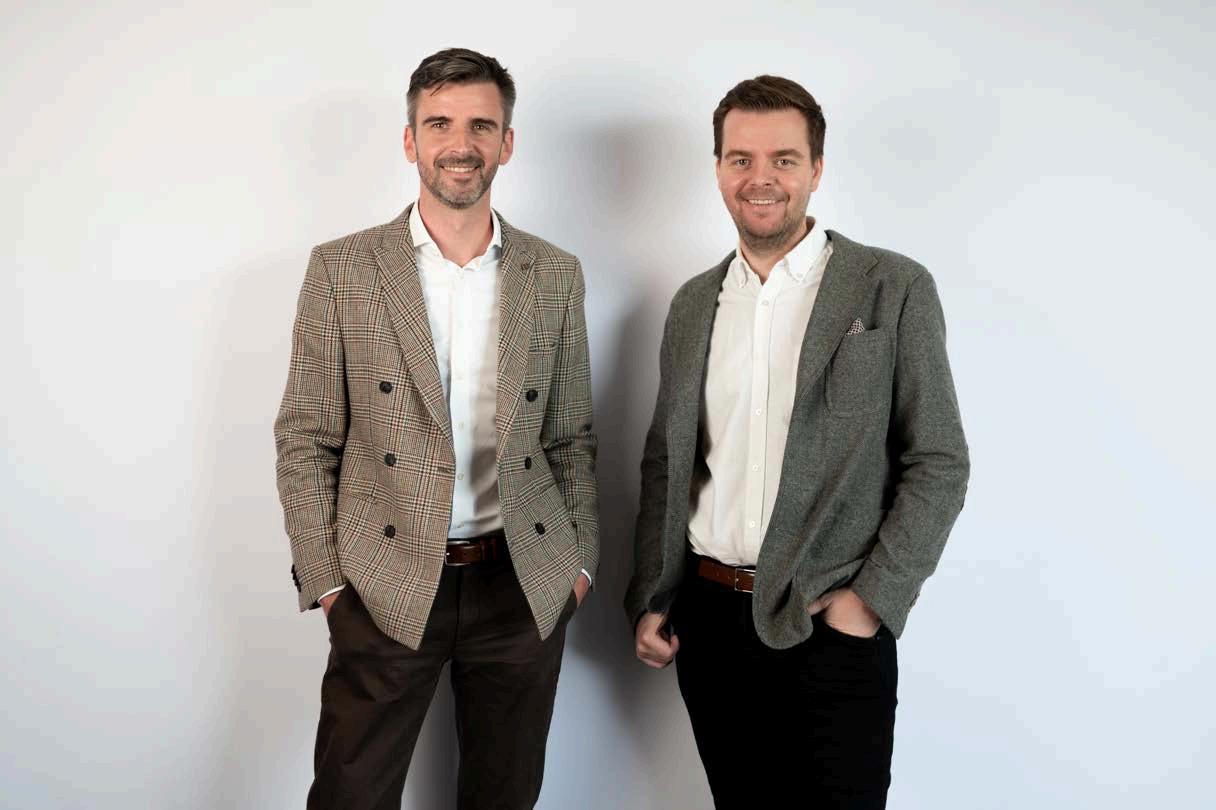
Thanks to their consistent leadership, commitment and steady implementation of the strategy, the Company has significantly increased the scale of its operations and doubled its revenue in recent years. Damian Piotrowski brings managerial experience as well as expertise in business development and international expansion. Norbert Piotrowski, as a doctor of technical sciences and an expert in production technology, is responsible for innovation, product development and the implementation of new technological solutions.
ManagementBoardofas

Environment
Environment
E1 Climate Change – Energy Consumption and Energy Mix
Aerosol Service monitors energy consumption as one of the basic environmental indicators related to the Company’s operational activities. In the analysed period 2023–2025, total energy consumption amounted to 2,773.948 MWh in 2023, 3,282.726 MWh in 2024 and 3,066.850 MWh in 2025, respectively.
In 2024, energy consumption increased by 508.778 MWh, i.e. by 18.3% compared with 2023. In 2025, energy consumption decreased by 215.876 MWh, i.e. by 6.6% compared with 2024, but remained higher than in 2023 by 292.902 MWh, i.e. by 10.6%. This means that despite a partial reduction in consumption in 2025, the Company maintained an energy consumption level higher than in the base year 2023.
Over the three-year period, the highest energy consumption was recorded in 2024. The data for 2025 indicates a partial reduction compared with that level, but without returning to the 2023 value. At the same time, the interpretation of changes in energy consumption requires reference to the scale of the Company’s operational activities, in particular production volume, capacity utilisation and the structure of orders carried out.

Energy Consumption at Aerosol Service in 2023–2025
Environment
E1 Climate Change – Energy Consumption and Energy Mix
Comparative Analysis
In 2023–2025, Aerosol Service’s production volume and total electricity consumption changed in a similar direction. However, a more relevant indicator for assessing efficiency is the ratio of energy consumption to water used in processes.
In 2023, the Company used 17,734 m³ of water in its processes, with energy consumption of 2,773.948 MWh. This means that the energy intensity associated with the use of each 1 m³ of water in the process was approximately 0.1564 MWh/m³.
In 2024, water use in processes decreased to 15,684 m³, while energy consumption increased to 3,282.726 MWh. Despite the decrease in process water use, total energy consumption increased. This resulted from the implementation of more complex technologies with higher energy requirements. In 2024, the indicator was 0.209 MWh for each 1 m³ of water used in processes.
In 2025, the trend observed in 2024 continued. Both water used in processes decreased proportionally to 14,663 m³, and total process energy consumption decreased to 3,066.850 MWh. When total energy consumption was compared with water used in processes, the result was the same as in 2024, at 0.209 MWh per 1 m³ of water.
Conclusions
The data indicates that, during the analysed period, Aerosol Service reduced the amount of water used by developing advanced technologies, while maintaining a stable level of energy intensity over the last two years. Further activities will focus on optimising the energy intensity of processes in order to improve energy efficiency in relation to the amount of water used in processes.
Comparison of energy and water consumption in production processes at Aerosol Service in 2023–2025.
Environment
E1 Climate Change – Investments in Energy Efficiency and Renewable Energy Sources
Energy Efficiency Improvement Project at the Plant
In 2025, Aerosol Service began implementing the investment project entitled “Increasing the energy efficiency of the Aerosol Service plant through the replacement of machinery and equipment and the installation of renewable energy sources”. The project is co-financed by the European Union under the European Funds for a Modern Economy (FENG), in the area of FENG.03 – Greening Enterprises, Measure 3.01 –Ecological Credit, from the European Regional Development Fund.
Scope of the Investment
The project includes the modernisation of the plant’s production and energy infrastructure, including: construction of a photovoltaic farm with a capacity of 498 kWp, installation of heat pumps for heating process water, replacement of air compressors with higher-efficiency units, replacement of the production line in order to reduce the energy intensity of processes and increase their efficiency.
Expected Effects
The implementation of the project is intended to support: improvement of the plant’s energy efficiency by at least 30%, increase in renewable energy production for own needs to approximately 444.9 MWh per year, reduction of CO₂ emissions by approximately 315 tonnes per year, reduction of operating costs and increased flexibility of production processes.
podział emisji wg zakresów
Importance for the Company
The project is an important element of Aerosol Service’s energy transformation. The investment supports the reduction of external energy consumption, lower emissions from operations, and the development of modern, more sustainable production processes.
Project Value
Total project cost: PLN 13,890,000.00
Co-financing from European Funds: PLN 4,256,000.00

Environment
E1 Climate Change – Carbon Footprint Report
In 2025, Aerosol Service continued its efforts to reduce the climate impact of its operations, focusing on monitoring Scope 1 and Scope 2 greenhouse gas emissions, rationalising energy consumption, and preparing further investments related to energy efficiency. The basis for the climate disclosures in this report is the carbon footprint report prepared for Aerosol Service by Plan Be Eco.
Aerosol Service’s total carbon footprint for 2025 amounted to 2,735.3 Mg CO₂e. Scope 1 emissions amounted to 721.57 Mg CO₂e, while Scope 2 emissions amounted to 2,013.72 Mg CO₂e on a market-based basis. Compared with 2024, the total carbon footprint decreased by 64.49 Mg CO₂e, i.e. by 2.30%.
The largest source of emissions in 2025 remained electricity, accounting for 73.6% of total Scope 1 and Scope 2 emissions. The second largest source was company vehicles, accounting for 25.2% of total emissions. Emissions from stationary equipment and fugitive emissions had a significantly smaller share, at 0.6% and 0.6% of total emissions, respectively.
Scope 1 – Direct Emissions
Scope 2 – Indirect Emissions
Aerosol Service reduced its carbon footprint by 64.49 Mg CO₂e, or 2.30%, compared with the previous year. This is a positive step towards decarbonisation.

Breakdown of Emissions by Scope
Environment
Organisational Boundaries
The report covers emissions from the Charnowo 36 location, where the Aerosol Service production plant is located.
Boundary-Setting Methodology
The organisational boundaries were defined in accordance with the operational control approach. All emission sources over which the organisation exercises operational control were included.
Scope 3
This carbon footprint report covers Scope 1 and Scope 2. Scope 3, meaning indirect emissions in the value chain, usually represents the largest part of an organisation’s carbon footprint. It includes, among others, purchased goods and services, upstream transport, business travel and employee commuting. The Company is considering conducting a Scope 3 inventory in future reporting periods, which will provide a more complete picture of the organisation’s climate impact and help identify key areas for emission reduction.
E1 Climate Change – Carbon Footprint Report
Environment
E1 Climate Change – Carbon Footprint Report
This report presents a comprehensive inventory of greenhouse gas emissions of Aerosol Service for the period from 1 January 2025 to 31 December 2025. The report was prepared in accordance with the GHG Protocol standard and may serve as a basis for further activities related to emissions management and ESG reporting.
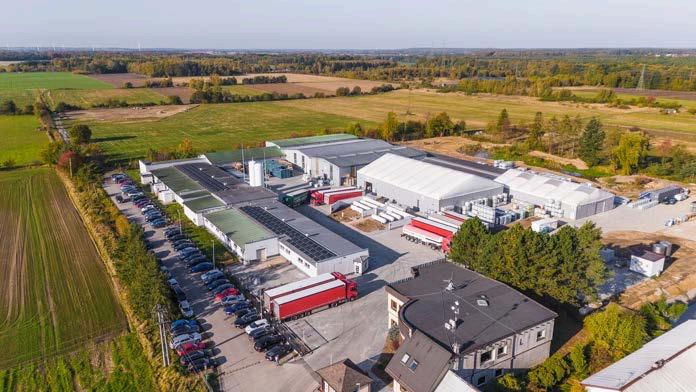
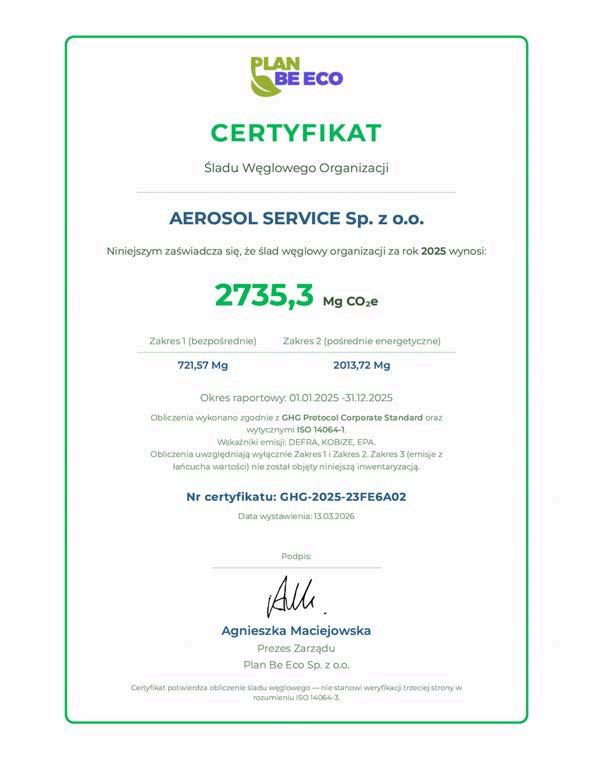
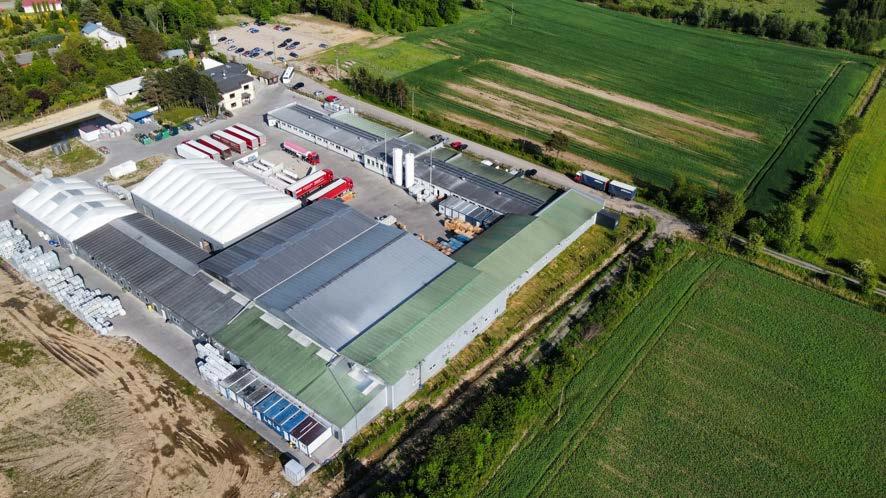
Production plant in Charnowo.
Environment
E2 Pollution
In 2025, Aerosol Service continued its activities aimed at preventing pollution and reducing the impact of its operations on the environment. The Company carried out these activities based on applicable legal regulations, internal standards and system documents functioning within the organisation, including the Environmental Policy and Quality Policy, implemented and updated in the previous reporting period. These documents formed the basis for measures related to reducing emissions, rational use of raw materials, minimising waste volumes and limiting environmental risks connected with production activities.
During the reporting period, the Company maintained an approach based on identifying sources of potential pollution, monitoring key environmental aspects, and implementing preventive and corrective measures. The scope of management included, in particular, emissions related to operational processes, waste management, use of utilities, water and wastewater management, and handling of substances and materials requiring special control. These activities remained integrated with the Company’s operational procedures and management system.
In 2025, investments and organisational measures aimed at reducing pollution and improving environmental efficiency were also continued. The Company developed solutions designed to limit the environmental impact of production processes, including activities related to infrastructure modernisation, improving resource efficiency, and enhancing practices in waste segregation and waste reduction.
The Company also continued to develop solutions supporting more effective management of utilities and technical infrastructure.
In the area of operational management, environmental indicator monitoring and periodic assessment of compliance with applicable requirements were maintained in 2025. Environmental data was collected in the Company’s internal systems and used for ongoing assessment of the effectiveness of the measures undertaken. Supervision over the implementation of environmental tasks was exercised by the relevant operational and quality functions, as well as by the team responsible for ESG matters, which supported the improvement of reporting practices and the monitoring of environmental aspects.
The Company also continued activities aimed at building environmental awareness among employees and business partners. In 2025, information and organisational activities were carried out to support compliance with environmental standards, and cooperation with external entities continued in areas related to regulatory requirements and environmental compliance.
Environment
E2 Air, Water and Soil Pollution
In 2025, Aerosol Service continued its activities in the area of contract manufacturing of cosmetics and household chemicals, as well as the production of aluminium containers. Compared with 2024, the total environmental fee for the release of gases and dust into the air increased, while the structure of changes varied. A decrease was recorded in the part related to emissions from production installations, whereas fees related to emissions from combustion engines increased significantly.
In the area of fuel combustion in the water boiler, all main emissions indicated in the 2024 report increased. CO₂ emissions rose from 9,497.88 kg to 10,567.67 kg, representing an increase of 11.3%. Emissions of NO₂, CO and SO₂ increased on a similar scale, which indicates higher fuel consumption and greater operating intensity of the combustion source in 2025.
The total fee for emissions into the air increased from PLN 5,435.73 in 2024 to PLN 6,430.66 in 2025, i.e. by 18.3%. At the same time, the fee assigned to production installations decreased by 2.1%, from PLN 3,647.08 to PLN 3,571.91. A different trend was observed for combustion engines, where the fee increased from PLN 1,788.65 to PLN 2,858.75. This means that the main factor behind the increase in total environmental fees in 2025 was transport and the use of vehicles and combustion-powered machinery.
Based on the 2025 data, it can also be indicated that the highest process emissions into the air continued to relate to propane, aliphatic alcohols and aromatic hydrocarbons. Among process substances from production lines, the highest values were recorded for aliphatic alcohols at 721.72 kg, aromatic hydrocarbons at 447.41 kg and ethers at 106.41 kg.
In 2025, propane emissions from the container filling installation amounted to 5,112.00 kg. Among process substances from production lines, the highest values were recorded for aliphatic alcohols at 721.72 kg, aromatic hydrocarbons at 447.41 kg and ethers at 106.41 kg.
production installations
production installations, including paint shops and filling lines
heating boilers
transport and logistics, including the combustion vehicle fleet and machinery
2024/2025
Emissions into the Air
heating boiler (gas combustion) combustion engines in vehicles
Main Sources of Emissions
E2 Air, Water and Soil Pollution
Environment
E2 Air, Water and Soil Pollution
Aerosol Service monitors wastewater discharged from the plant in accordance with applicable water and environmental law regulations. The data presented in the report includes a comparison of testing cycles carried out between May 2024 and March 2025, including after a significant infrastructure change – the disconnection of drainage outlets from production halls. The tests cover key wastewater quality parameters, such as pH, conductivity, total suspended solids, COD, BOD₅, nitrogen, phosphorus and surfactants.
Environment
E2 Pollution – Waste Management
In 2025, the total mass of waste generated by Aerosol Service amounted to 539.43 tonnes. The largest waste streams included waste paper, plastics, aluminium, iron and steel, and process waste.
The Company continues to selectively collect waste and cooperate with entities responsible for its recovery or disposal. In the contract manufacturing business model, an important element of the approach to the circular economy also remains advising customers on the selection of more sustainable packaging and material solutions.
Data for 2023–2025 indicates that in 2025 the Company maintained the main waste streams characteristic of its operations, while reducing the mass of several key fractions and recording new waste categories of individually significant importance. To ensure full comparability of data in future periods, it is advisable to continue maintaining a consistent record-keeping methodology.
Environment
E3 Water Resources and Wastewater
Total water consumption in 2025 amounted to 23,651 m³, while the volume of discharged wastewater was 8,988 m³.
Compared with 2024, water consumption increased, which resulted from changes in the scale and structure of production. The volume of discharged wastewater was also higher than in the previous year. The 2025 data indicates the need for further analysis of water consumption intensity in relation to production volume and the effectiveness of measures aimed at reducing water use in technological processes.
In 2025, the Company continued to use infrastructure solutions implemented earlier, including a retention tank and a modernised rainwater drainage system. These solutions support operational safety and more responsible water management at the plant.
Environment
E4 Biodiversity and Ecosystems
Aerosol Service operates in an area designated for production activities, and the nature of its operations does not indicate a direct, significant impact on areas of particular natural value.
During the reporting period, Aerosol Service carried out a natural inventory and valuation for the area of the plant in Charnowo and the surrounding plots where future expansion is planned. The purpose of the study was to identify the presence of protected plant and animal species and habitats, and to assess the potential impact of the investment on elements of living nature. Field studies were conducted during the 2025 growing and breeding season, covering the investment area and its immediate surroundings.
A total of 75 species of vascular plants belonging to 35 botanical families were identified in the analysed area and its surroundings. The identified plant communities were mainly segetal, ruderal and secondary in nature, related to the previous agricultural use of the land and anthropogenic transformations. According to the expert assessment, the direct site of current operations and planned works does not have significant natural value, and the dominant phytocoenoses are characterised by a simplified composition and low ecological value.
No plant species under strict or partial species protection were identified, nor were any natural habitats listed as conservation targets within the Natura 2000 network.
With regard to fauna, the presence of 40 bird species was confirmed, of which 38 are under strict protection, 2 are under partial protection, and 2 are classified as game species. During the inventory, the red kite was also observed, a species listed in Annex I to the Birds Directive, although its presence was temporary or related to foraging. However, the investment area and its immediate surroundings are dominated by common, widespread species well adapted to the agricultural and forest landscape and anthropogenic conditions. The skylark, corn bunting and yellowhammer were identified as the most frequently represented species in open areas.
The study also recorded the presence of common mammals, including roe deer, fox, hare, wild boar and small rodents. Among amphibians, the common toad and moor frog were identified, while their key breeding sites were located outside the investment area, approximately 400–700 m from the land owned by the Company. The expert opinion indicates that the current and planned land development will not constitute a significant migration barrier for amphibians and will not adversely affect their local living conditions. No significant threats were also identified for fish, invertebrates or other animal groups associated with the area in question.

Environment
E4 Biodiversity and Ecosystems
The analysis also considered the location of the investment in relation to protected areas. The Company’s site and the plots where expansion is planned are located approximately 0.4 km west of the Natura 2000 site Dolina Słupi PLH220052, and at a greater distance from other protected areas, including the Coastal Waters of the Baltic Sea and the Słowińskie Coast.
Based on the inventory carried out, it was assessed that the Charnowo plant is located in an area of limited natural value, dominated by secondary habitats and common species. At the same time, the Company takes the results of natural analyses into account when planning future investments and confirms that the project has no significant negative impact on local biodiversity, protected areas or the functioning of ecological corridors.
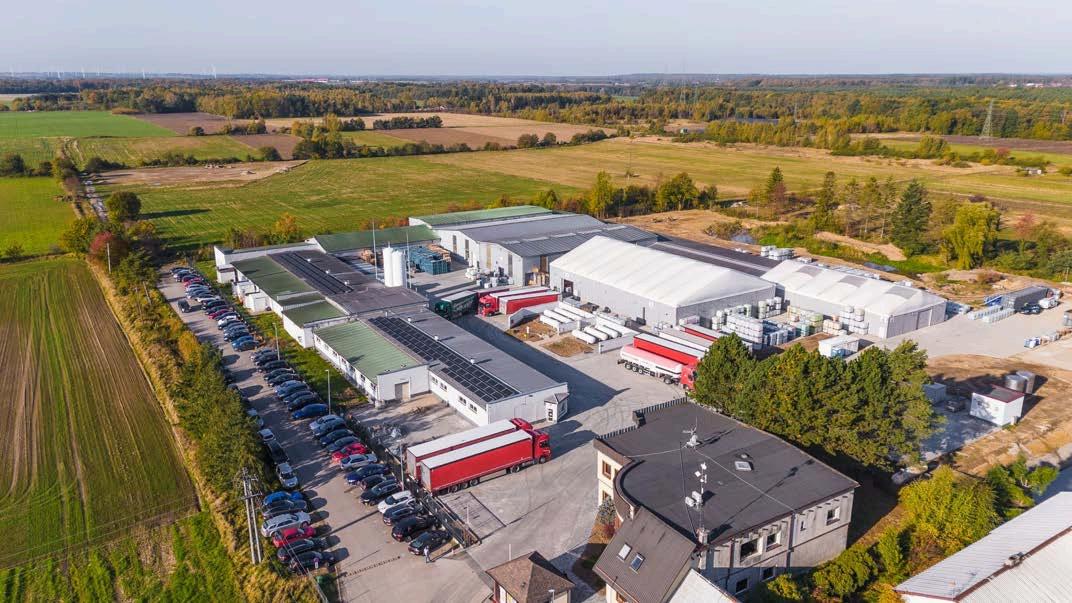
The production plant in Charnowo is located in an area designated for production activities. The Company is surrounded mainly by agricultural land.
Environment
E5 Circular Economy
Strategy and Approach to the Circular Economy
In 2025, Aerosol Service still did not have a separate, formalised circular economy strategy. However, issues related to the circular economy remained an integral part of the Company’s approach to environmental matters and sustainable development. The Company focused on designing products and organising production processes in a way that supports waste reduction, the reuse of materials and packaging, and an increased share of recovered raw materials. In its relations with customers, Aerosol Service also continued to promote more environmentally friendly solutions, where possible from the perspective of technological requirements and the specific nature of orders.
Product Life Cycle Management
Products manufactured by Aerosol Service are designed and developed with consideration for packaging recyclability. In the contract manufacturing model, the Company acts as an advisory partner in selecting more sustainable product and packaging solutions, while final decisions regarding product specifications, formulation and product life cycle remain with customers. In 2025, the Company maintained its approach of taking environmental aspects into account already at the project and technology agreement stage.
Raw Materials and Materials Management
During the reporting period, Aerosol Service continued activities aimed at using more environmentally friendly materials, both in the area of raw materials and packaging. In the production process, where permitted by the specific nature of the order, secondary raw materials were used, including recycled materials such as aluminium. The Company also continued efforts to increase the share of renewable materials in packaging, including FSC-certified cardboard, and developed formulations with a higher share of ingredients of natural origin.
Summary of the 2025 Approach
In 2025, Aerosol Service’s approach to the circular economy remained consistent with the previous year. The Company developed practices supporting more efficient use of raw materials, reducing the environmental impact of packaging and products, and incorporating circular economy principles into day-to-day cooperation with customers and suppliers.

Social Matters
Social Matters
As at 31 December 2025, Aerosol Service employed a total of 244 people under various forms of cooperation. The employment structure included employees working under employment contracts, civil law contracts, agency workers and persons cooperating on a B2B basis.
The employment structure comprised 112 women and 132 men. Among those in managerial positions, there were 6 women and 17 men, while the Company’s Management Board consisted of 2 men. The management structure indicates a predominance of men in managerial roles, while women have a larger share in administration. The Company employed 7 persons with disabilities. In terms of nationality, Polish employees predominated, with 160 people, alongside a significant share of employees from Ukraine, with 70 people, Georgia, with 10 people, and Belarus, with 4 people.
In 2025, the average length of service was 5.77 years, the youngest employee was 19 years old and the oldest was 66 years old. The longest length of service at Aerosol Service was 15 years and 9 months. A total of 41 people had more than 10 years of service, including 15 people with more than 12 years of service. The Company declares equal treatment of employees and counteracting discrimination.
Social Matters
S1 Working Conditions, Remuneration and Benefits
The remuneration system at Aerosol Service is adapted to the nature of the duties performed. Administrative employees are remunerated based on monthly base salaries, production employees are paid according to hourly rates, while the sales department is covered by a bonus system linked to sales performance.
The Company offered employees private medical care, a MultiSport card and co-financing for English language learning.
A total of 116 people used additional medical care, and 48 people used the MultiSport card.
In 2025, integration and occasional benefits were also continued, including the company event and holiday gifts.
Social Matters
S1 Training, Development and Recruitment
In 2025, all employees were covered by occupational health and safety training, while GMP training was carried out according to the schedule and when new employees were hired. The Company also provided specialist and managerial training, including project management training (36 hours) and machine safety training (16 hours).
In addition, higher education studies were financed for 3 people, and SEP qualifications were financed for 1 person.
In the area of skills development, the English language learning programme was maintained. In 2025, 29 people applied to the programme, while from November, 8 people participated in the active programme.
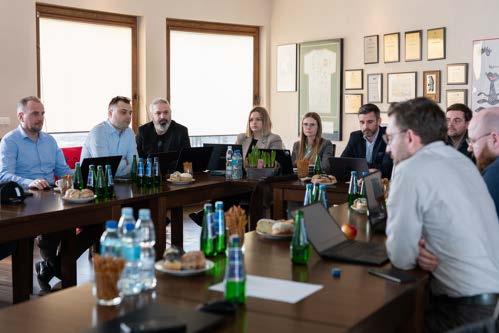
Internal Training Conducted in 2025:
Quality
and Production Training
Principles of in-line quality control
Controller testing
Traceability test
GMP
Safety and Crisis Management Training
Product recall simulation
Product safety culture and Product Defence
Safety rules for machine operation
Warehouse
and Logistics Training
Proper placement of goods in designated locations
Occupational health and safety in the warehouse
Receipt and dispatch of pallets
Warehouse management – issuing and receiving raw materials
Storage of chemicals
Receiving deliveries
Delivery receipt – tanker unloading
Forklift operation records
Safe forklift driving
Technological and Production Training (Mixing Area)
Production process for household chemical masses and handling of non-conforming products
Production process for cosmetic masses and handling of non-conforming products
Working with chemical raw materials and CLP labelling
Process and Organisational Training
Customer order handling process
System and Management Training
Review of the IFS HPC v3 standard and documentation changes (management staff)
Review of the IFS HPC v3 standard and documentation changes (all departments)
Internal Training for Management Staff
Social Matters
S1 Occupational Health and Safety
Occupational health and safety remain one of the key social areas in Aerosol Service’s operations. In 2025, 1 workplace accident was recorded. The Company continued mandatory and scheduled OHS training, as well as preventive activities related to the safe organisation of work. In the previous period, a Rapid Response Group operated within the Company, evacuation drills were carried out, and regular checks of compliance with OHS requirements were conducted. In 2025, the Employee Council was consulted on OHS matters, in particular the occupational risk assessment for the SMETA audit.
In 2025, the Company had an Occupational Health and Safety Policy in place, approved in June 2024, which set the directions for activities in the area of occupational safety, working environment conditions and fire protection.
As part of the implementation of the policy, the Company continued activities aimed at reducing the number of workplace accidents, in particular through systematic analysis of accident risks and the implementation of preventive measures, raising employee awareness of OHS rules, and improving the safety of operating machinery and equipment, especially with regard to the risk of injuries and electric shock.
The policy also included activities aimed at improving working environment conditions. In this respect, initiatives were undertaken to reduce employee exposure to harmful substances, including through the modernisation of ventilation systems. Activities also focused on improving workplace ergonomics, maintaining appropriate room temperatures and using task lighting.
An important element remained ensuring the proper use of personal protective equipment in areas exposed to harmful factors, implementing the annual OHS inspection plan, introducing preventive and corrective actions, and improving the internal communication and transport system in order to reduce accident risk and improve working comfort.
In the area of fire protection, the policy provided for the improvement of fire safety systems, periodic reviews of fire response plans, maintaining a register of persons present on the plant premises, and organising training in evacuation, operation of fire-fighting equipment and first aid.
In 2025, the OHS Policy remained in force, was communicated to employees, and formed the basis for the implementation of occupational health and safety activities within the Company.

Social Matters
S1 Surveys, Dialogue and Organisational Culture
In 2025, a survey was conducted among Aerosol Service employees, including questions relating to the Company’s mission, vision and strategy. During the reporting period, surveys concerning product culture and safety were also carried out.
AS 2025 Employee Survey Results – Summary Strengths
Very good relationships with supervisors and co-workers (90%) indicate effective cooperation and good communication at team level. A strong sense of influence on the Company’s success (85%) and good alignment between work and competencies (85%) demonstrate employee engagement and proper use of their potential. A high level of work-life balance (87.5%) and a positive assessment of employment stability (75%) strengthen the sense of security and support employee retention.
Areas for Improvement
Communication regarding the Company’s plans requires improvement, with only 32.5% positive responses, which may affect the level of trust and identification with the organisation’s development direction. The need to strengthen the training offer was also indicated, with 47.5% positive assessments, particularly in the context of skills development. The working atmosphere, despite a predominance of positive assessments (70%), remains an area requiring further attention.
Risks
The surveys show that some employees are considering changing jobs, which, combined with the assessment of remuneration and development opportunities, may affect the level of employee turnover.
Conclusion
The organisation is strong in terms of relationships and operations, but requires strengthening in the areas of communication, employee development and remuneration policy in order to maintain engagement and reduce the risk of departures.
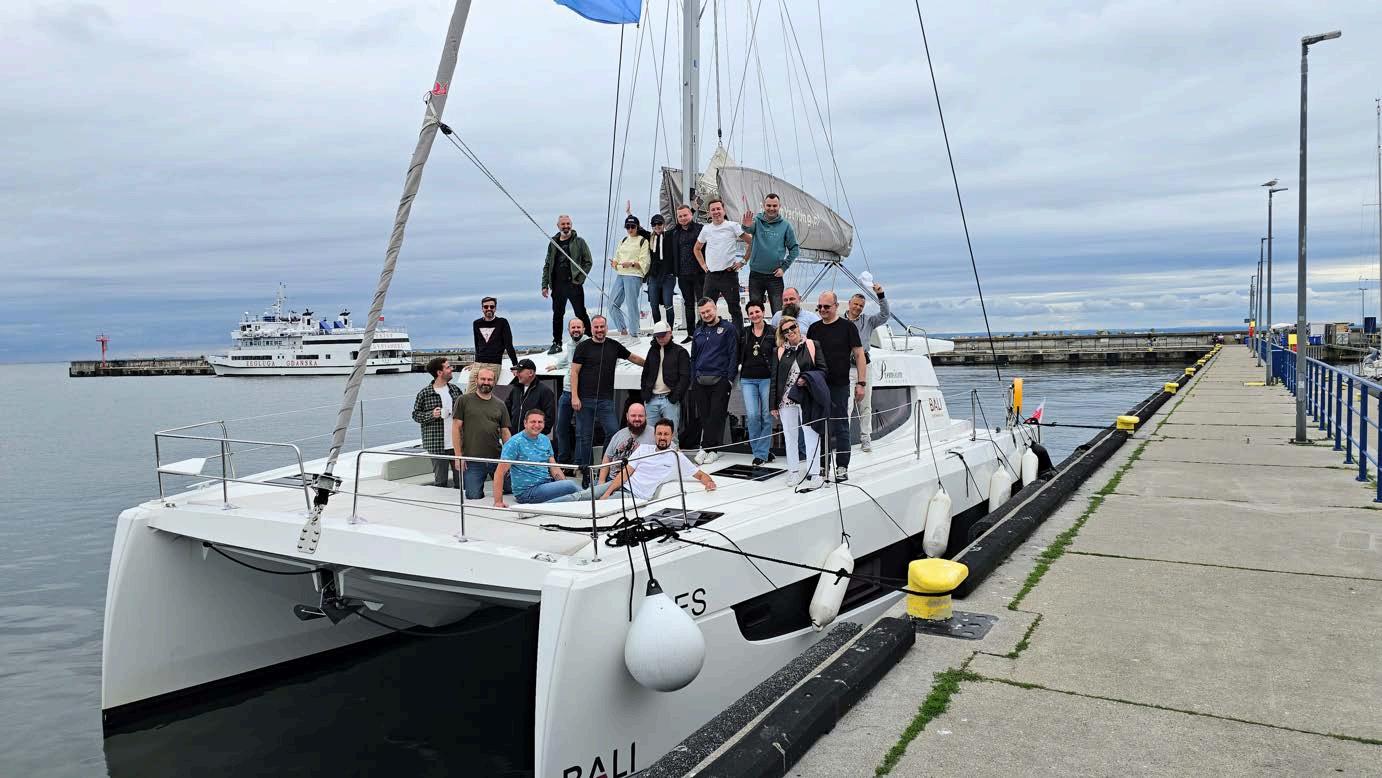
In addition to the annual event for all employees, the Company also organises integration events for management staff.
Social Matters
S1 Surveys, Dialogue and Organisational Culture
Product Culture and Safety Survey Results – Summary
In 2025, a survey was conducted among AS management staff regarding the functioning of the organisation, internal communication, and the implementation of operational and quality priorities. The survey results indicate that managers positively assess the Company’s development direction, particularly its focus on quality, safety, and investments in process and infrastructure development. Respondents also confirmed the existence of opportunities for proposing improvements and cooperation between different areas of the organisation. At the same time, the survey made it possible to identify areas requiring further improvement, primarily in the field of interdepartmental communication, the efficiency of decision-making processes, and the further organisation of tools and documentation. The conclusions from the survey provide the Company with a basis for planning improvement measures in the areas of operational management, information flow, and supporting management staff in achieving business objectives.

Quality culture and product safety are among Aerosol Service’s key priorities.
Social Matters
S2 Workers in the Value Chain
In 2025, Aerosol Service used both temporary agency workers and cooperation with individuals providing services under the B2B model, adapting the employment structure to the Company’s current operational and specialist needs. In 2025, agency workers accounted for 94 people, while B2B contracts covered 17 people.
Temporary workers were employed through external employment agencies and performed tasks directly at the Aerosol Service plant. Their work focused mainly on operational, production and support areas, including packaging, minor assembly and quality control. Women and foreign nationals represented a significant share of this group. From the perspective of managing the social aspects of operations, an important challenge remains supporting the integration of agency workers with the Company’s organisational culture and strengthening their sense of belonging to the work environment.
Cooperation under the B2B model was used primarily for specialist, technical and managerial positions requiring greater independence and responsibility. This model covered, among others, advisory and management areas, technological services, production supervision, system implementations, as well as marketing and PR activities.
From an ESG perspective, this form of cooperation provides the Company with organisational flexibility, access to specialised competencies, and support in implementing development projects and process improvements. At the same time, the lower level of social security characteristic of this cooperation model remains a challenge.
Aerosol Service undertook activities aimed at ensuring equal treatment and appropriate working conditions for all persons performing work for the Company, regardless of the basis of cooperation. This approach forms part of responsible personnel relationship management and supports the implementation of social standards within the organisation.
The Company maintains the principle of covering persons working on the plant premises with the same mandatory occupational health and safety and hygiene training as employees hired directly.
Social Matters
S3 Affected Communities
In 2025, Aerosol Service continued activities for the benefit of the local community, strengthening relationships through educational, sports and social projects. For the second time, the Company became a patron of the “Asy Nauki” Festival organised by the City of Słupsk and the Complex of Economic Schools, launched the “Grasz jak As” project for preschool children together with the “Grasz Dwumiasto” Sports Club, supported cooperation with the Pomeranian University, and actively cooperated with schools and universities in the region.
The Company also supported local charitable initiatives, honorary blood donors, Great Orchestra of Christmas Charity auctions, the Przystań Foundation, and activities of the State Fire Service in Słupsk and Ustka. This support is part of the Company’s approach to social responsibility and building lasting relationships with its environment.
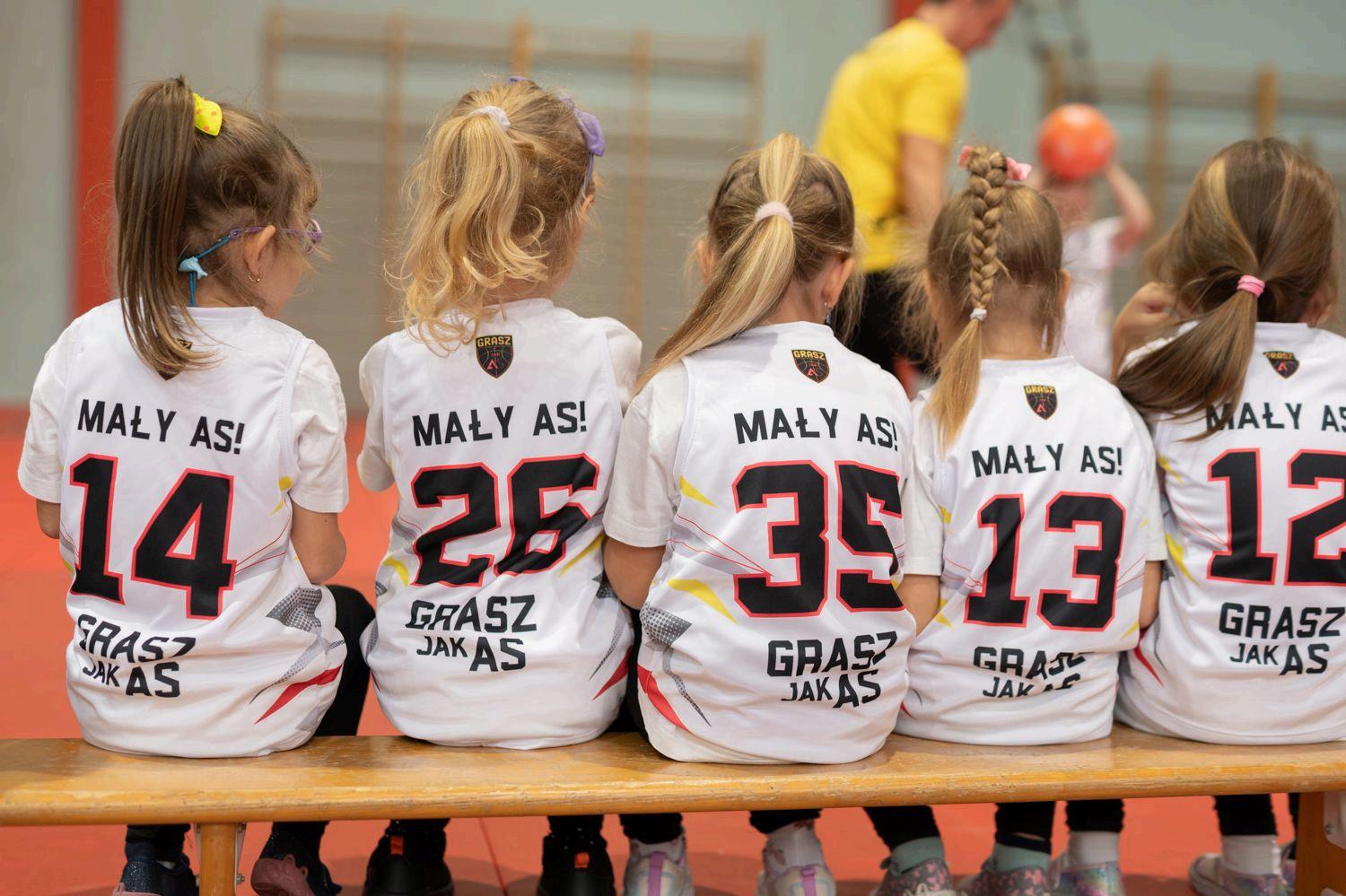
In 2025, Aerosol Service became involved in the implementation of the “Grasz jak As” project, a joint initiative of the Company, the Grasz Dwumiasto Sports Club and the City of Słupsk. The programme was addressed to children from municipal preschools and includes regular sports activities with elements of basketball, conducted by qualified coaches.
The aim of the project is to promote physical activity among the youngest children, develop motor skills, teamwork and healthy habits. The initiative is part of the Company’s activities supporting the local community and building partnerships between business, local government and sports organisations.
“GraszjakAS”


Forthesecondtime,ASbecameapatronofthe“AsyNauki”Festival–aneventcoorganisedbytheCityofSłupsk,theComplexofEconomicSchoolsinSłupskandAerosol Service.Theaimofthefestivalistopopulariseknowledgeandsupportthedevelopment ofscience–valuesthatareparticularlyimportanttoASandthatweconsistentlysupport throughouractivities. publicrelations

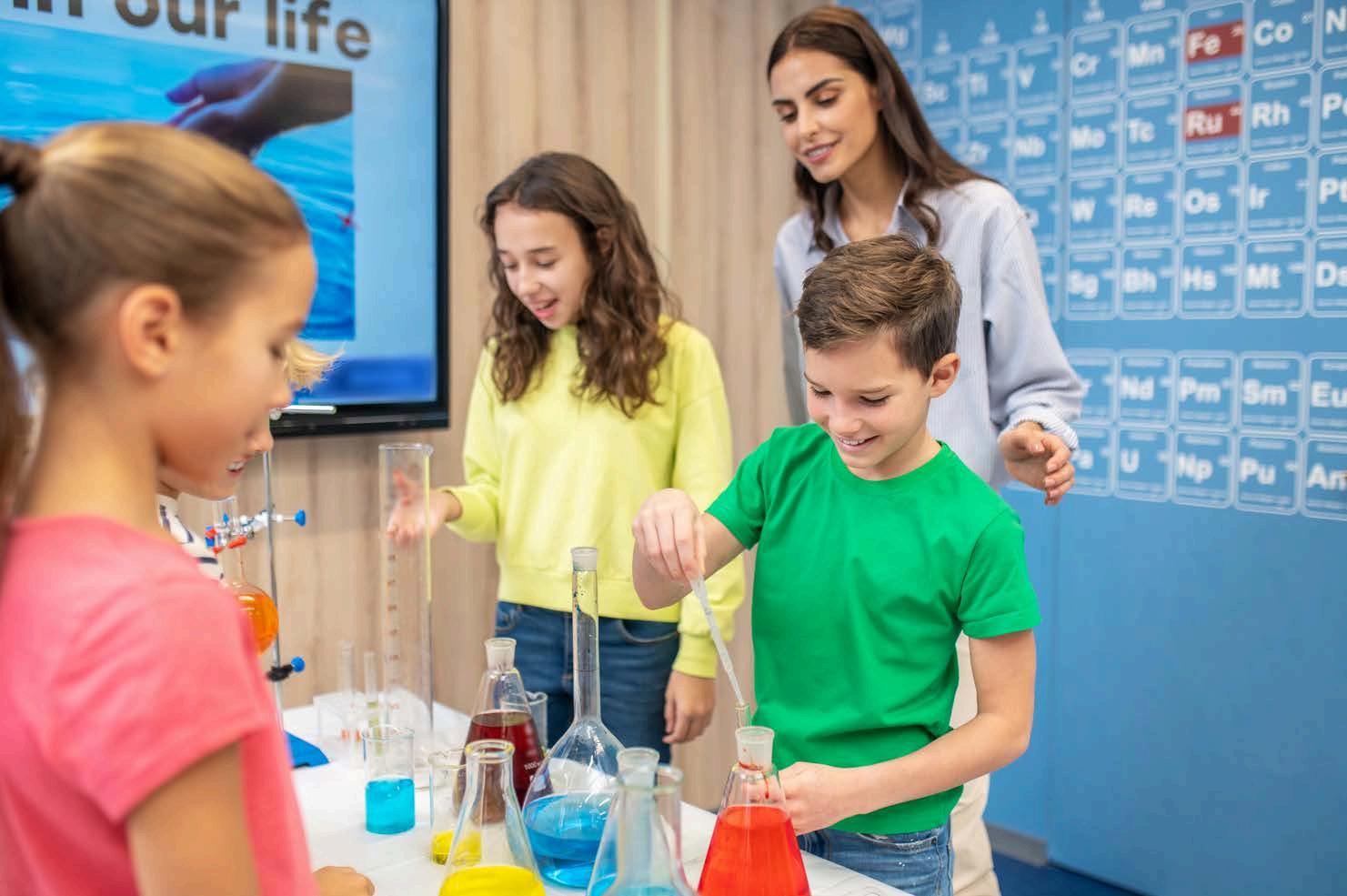
In 2025, we actively cooperated with universities and schools, supporting education and the development of young talent. Our partners included: Gdańsk University of Technology, Pomeranian University, the Complex of Economic Schools in Słupsk, the Complex of Mechanical Schools in Słupsk, the “Drzewniak” Complex of Technical Schools in Słupsk, and the Primary School in Charnowo.
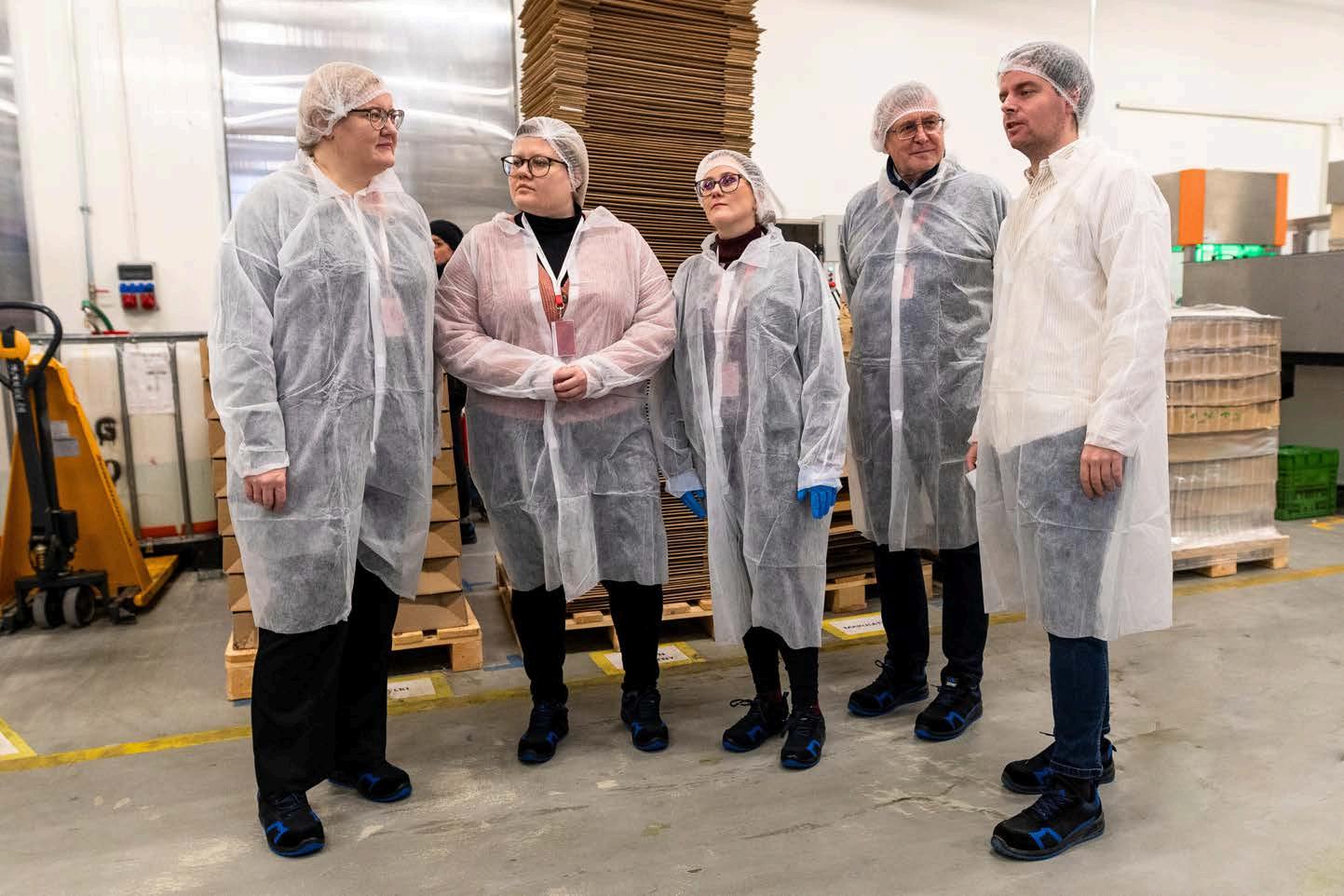
In 2025, we continued to develop our cooperation with the Pomeranian University, supporting young talent and academic initiatives. Together, we organised student internships in the Marketing Department, participated in the Innovation Day, supported the organisation of student festival events, arranged study visits, and the President of the Management Board actively served as a member of the Council of the Pomeranian University.

We became a patron of the AIR Moves Gathering sports event – an international tricking competition organised by Akropasja from Słupsk. This is a unique initiative that promotes passion for sport, physical activity and the development of young talent in our region.

For the second time, we became one of the sponsors of the flyboarding competition in Ustka. This initiative continues our long-standing support for the organisation of the tourist season in Ustka.

publicrelations
Support for Local Initiatives
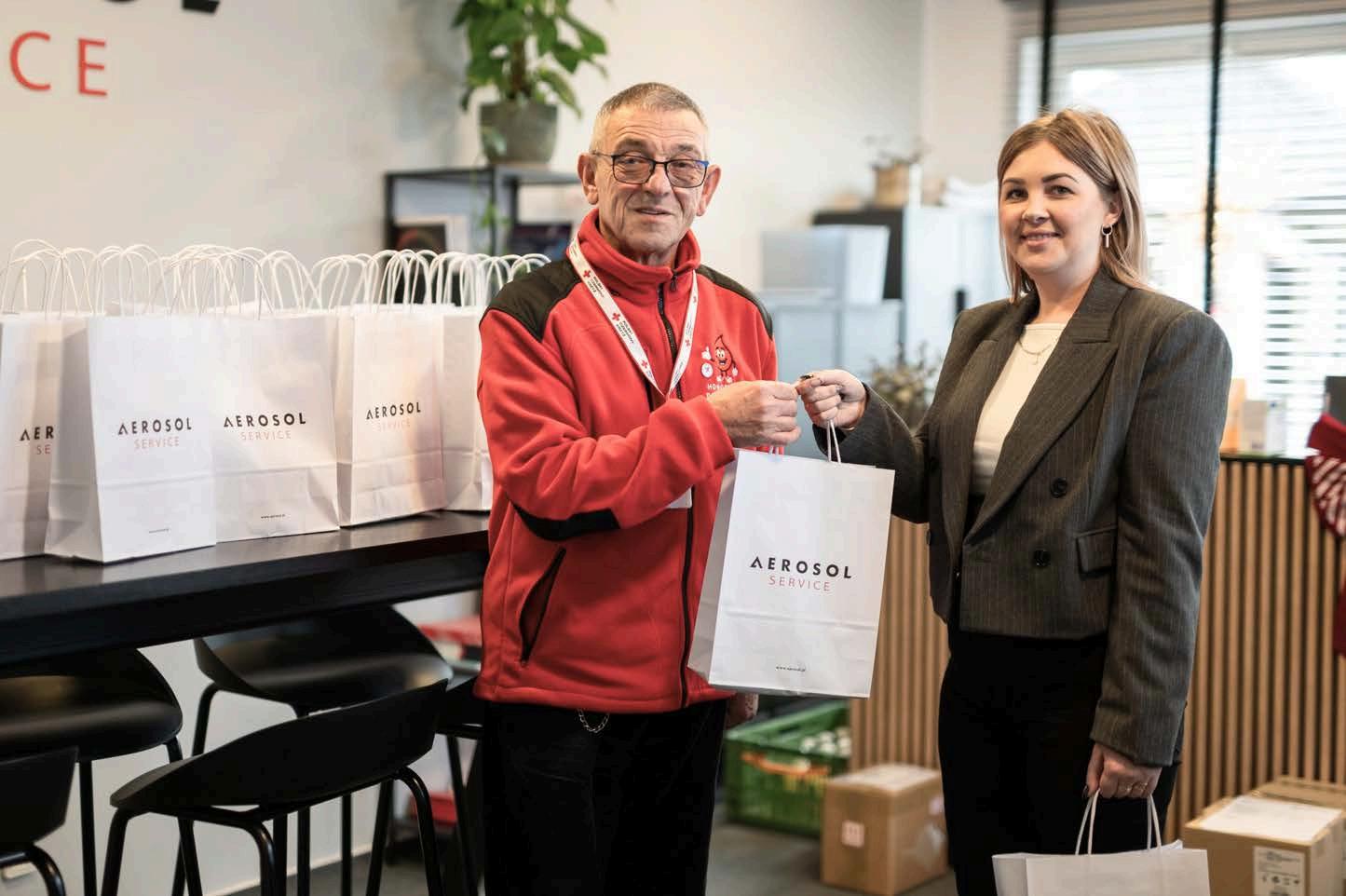
In 2025, we actively supported charitable campaigns and local initiatives. We prepared product packages for children from community centres, supported honorary blood donors in Słupsk, and donated gifts for Great Orchestra of Christmas Charity auctions, helping to achieve important social objectives.
Support for the State Fire Service
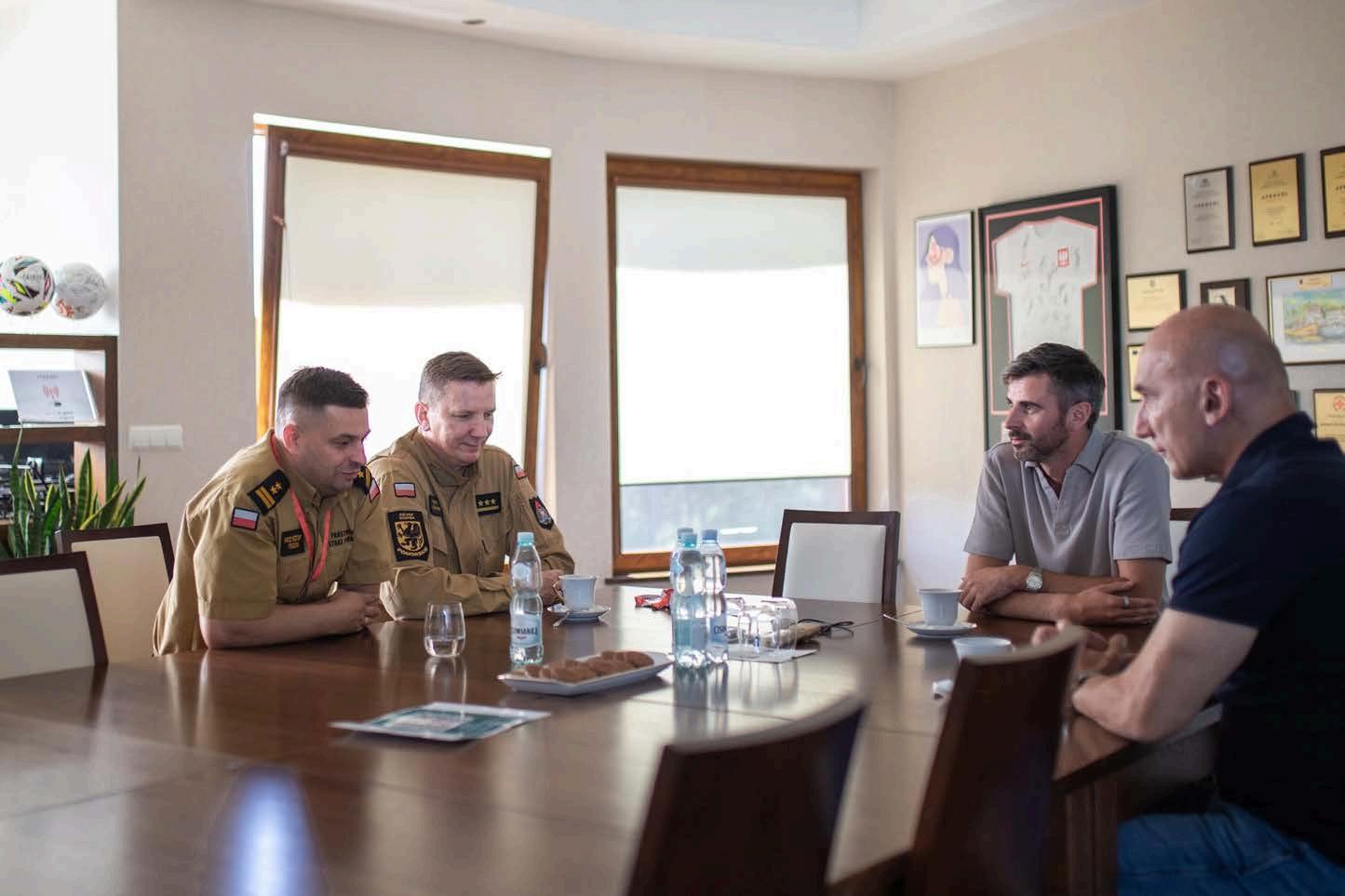
In 2025, we continued our cooperation with the State Fire Service in Słupsk by deciding to provide financial support for the purchase of an engine for a motorboat for Fire and Rescue Unit No. 3 in Ustka. This is another element of our commitment to the safety of the region, following our earlier support for the purchase of a heavy rescue and firefighting vehicle in 2021.
Social Matters
S4 Consumers and End Users
Product safety and quality remain among the fundamental elements of Aerosol Service’s responsibility toward consumers and end users. The company maintains a certified quality management system and good manufacturing practices, and during the previous reporting period it expanded the scope of its IFS HPC certification to include cosmetic production. In 2025, the company’s market-related activities also included communication with B2B clients, development of the website and FAQ section, expert publications, and building transparency in ESG-related communication. The website served as a primary touchpoint and reputation-building tool, while LinkedIn was the main B2B social media channel.
SMETA audit at the Aerosol Service facility
Our certifications
The implemented and certified norms and standards ensure safety and the highest quality of the products offered to our clients and consumers. Regular investments in the development of employee competencies and the modernization of technological facilities contribute to maintaining the highest quality standards, resulting in a continuous increase in the number of satisfied customers. The company holds the following certifications:




CORPORATE GOVERNANCE
CORPORATE GOVERNANCE
G1 Ethical culture and compliance with regulations
Aerosol Service develops an organizational culture based on integrity, responsibility, transparency, and respect for the law and human rights. The key document is the Code of Ethics (2024), which applies to all employees and business partners and defines standards of conduct, anti-corruption measures, prevention of conflicts of interest, and non-discrimination.
The compliance management system is supported by implemented policies on quality, occupational health and safety, and the environment, as well as regular employee training and activities aimed at increasing ethical and legal awareness within the organization.
The company operates a secure and confidential whistleblowing system, available to employees and external stakeholders, ensuring anonymity and protection for whistleblowers.
During the reporting period: no cases of breaches of anti-corruption regulations were recorded, no financial penalties or administrative sanctions were imposed, no violations of human rights or labour law were identified.
These activities strengthen transparency, stakeholder trust, and the long-term stability of the organization.
G2 Anti-corruption and anti-bribery
Aerosol Service conducts its business based on the principles of transparency, integrity, and respect for the law, with anticorruption and anti-bribery measures forming one of the key elements of the company’s corporate governance.
Internal standards of conduct are defined in the Code of Ethics and in procedures concerning the prevention of conflicts of interest, misconduct, and other unethical business practices.
The company has implemented mechanisms to identify and mitigate corruption risks both in its operational activities and in relationships with business partners. These include, among others, internal and external audits, supplier verification procedures, employee training, and whistleblowing channels.
During the period under review, Aerosol Service did not record any cases of corruption or bribery within the company’s structures. No situations were identified that resulted in sanctions, financial penalties, or other administrative consequences in this area. The company continues preventive measures focused on maintaining high ethical standards, process transparency, and the effectiveness of control mechanisms.
Corporate governance
G3 Lobbying and influence on decision-making processes
Aerosol Service conducts its business in compliance with applicable law, ethical principles, and good business practices. The company does not use lobbying activities or engage in practices that could lead to undue influence on the decision-making processes of public administration bodies or other institutions.
Relations with the institutional environment are conducted transparently, with respect for the principles of fair competition, responsibility, and professionalism. Aerosol Service declares zero tolerance for actions that could lead to conflicts of interest, hidden forms of pressure, informal benefits, or other practices that violate ethical and regulatory standards.
The company’s approach in this area is based on the provisions of the Code of Ethics, which requires all employees, regardless of their position, to act transparently, lawfully, and free from influences that could undermine the impartiality of decisions. At the same time, the company maintains open dialogue with stakeholders, including the local community and institutional partners, while ensuring full compliance with responsible business principles.

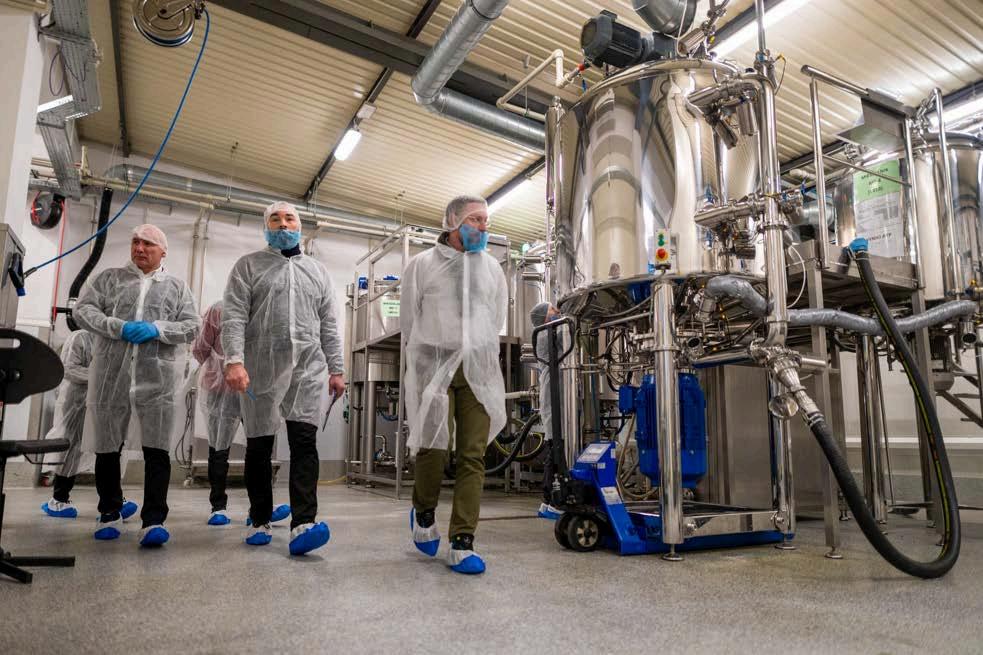
SMETA audit conducted at the company’s site. During the audit, areas such as transparency, ethical operating standards, and risks in business relationships are assessed.
Corporate governance
G4 Relationships with business partners and stakeholders
Aerosol Service places significant importance on the quality and transparency of its relationships with business partners and suppliers, recognizing responsible value chain management as an important element of the company’s long-term development.
Cooperation with contractors is based on the principles of integrity, mutual responsibility, transparency, and compliance with the company’s ethical and operational requirements.
In its relations with suppliers, the company conducts verification and monitoring activities, including the assessment of cooperation, compliance with adopted standards, and the expectation that the principles set out in the Code of Ethics are respected. Partners cooperating with Aerosol Service are required to conduct their business responsibly, lawfully, and with respect for ethical principles, including those related to human rights and labour standards.
In 2025, the company maintained regular contact with key business partners and suppliers, monitoring the quality of cooperation and compliance with adopted standards. Two-way communication and ongoing assessment of relationships support the mitigation of risks in the supply chain and strengthen the operational stability of the organization.
This approach forms part of the implementation of Aerosol Service’s ESG strategy and supports the development of lasting, responsible business relationships.
podział emisji wg zakresów
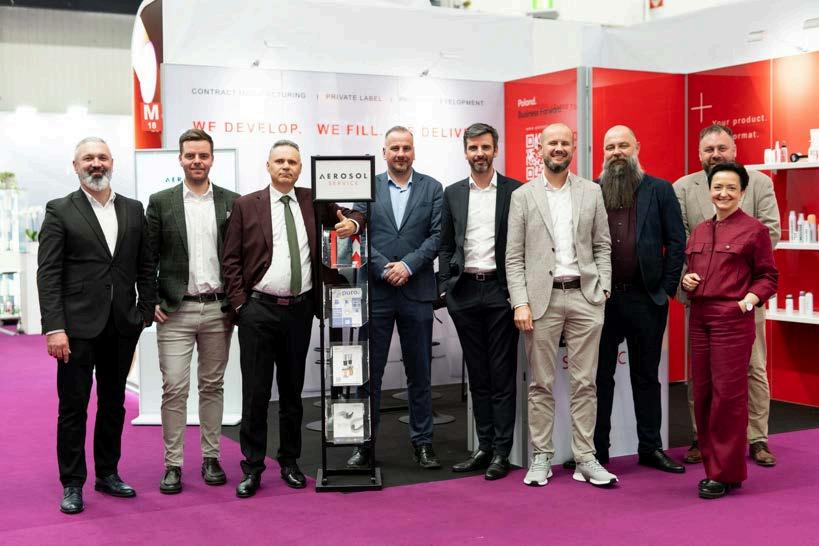
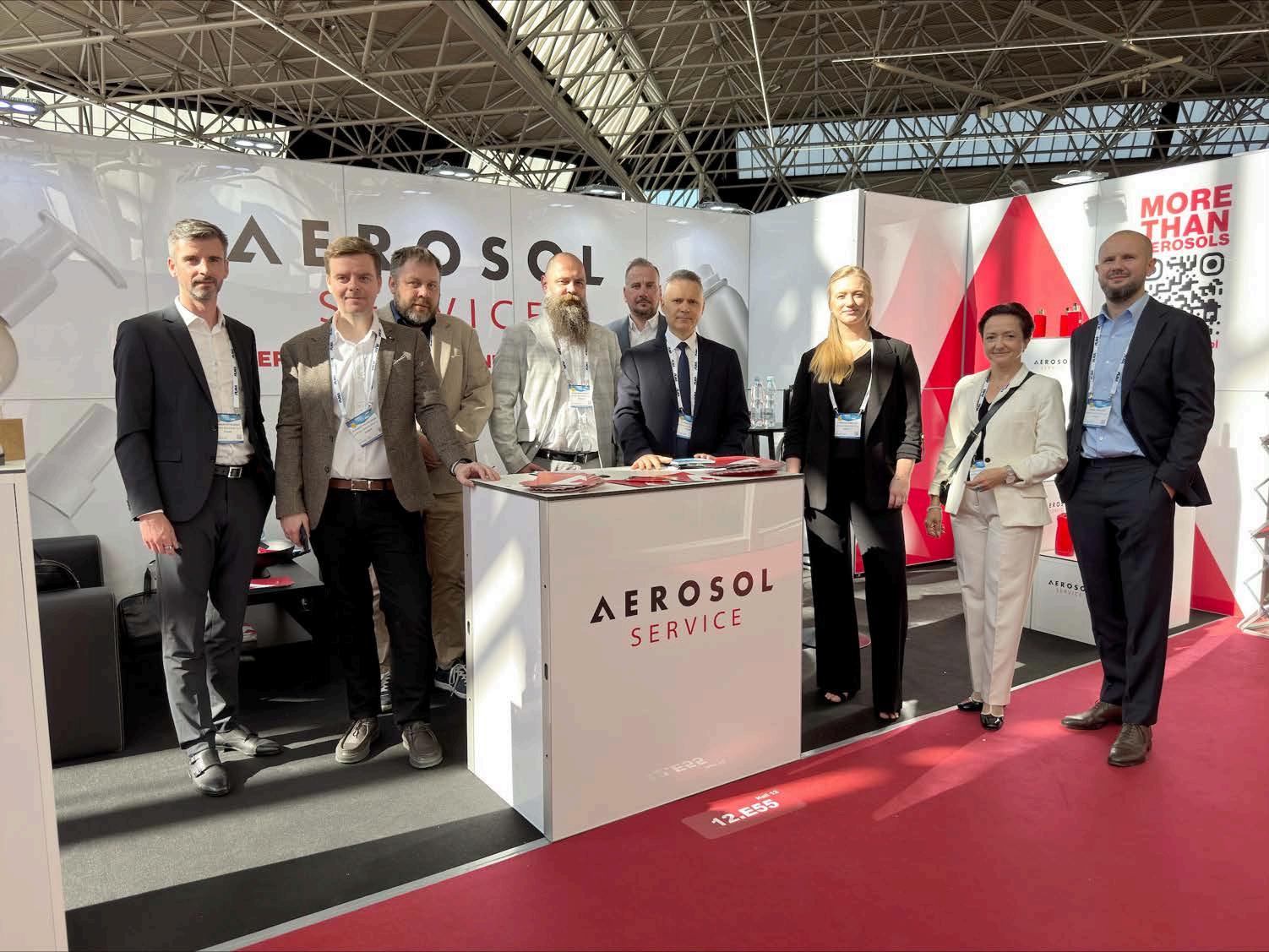
The Management Board and employees of Aerosol Service during one of the trade fair trips.
Corporate governance
G5 Ownership structure and owners’ interests
Aerosol Service is a limited liability company registered in Poland, operating since 2008. Its current ownership structure reflects the private nature of the enterprise and the continuity of its development, based on many years of business experience and the direct involvement of the owners in overseeing the company’s operational and strategic activities.
The company’s share capital amounts to PLN 1,105,000.00. The owners of Aerosol Service are Damian Piotrowski and Norbert Piotrowski, each holding 50% of the shares. Each shareholder has equal voting rights, and the ownership structure does not indicate the dominance of one owner over the other. This model supports decision-making balance, management stability, and a long-term approach to the company’s development. The company does not indicate any special capital or personal links that could affect the transparency of the decision-making process, apart from the disclosed ownership relationships that comply with applicable regulations. The interests of the owners are aligned with the long-term development of Aerosol Service, maintaining a stable market position, operational safety, and building enterprise value in line with the principles of responsible business.
In the area of company representation and ownership supervision, rules apply in accordance with legal regulations and the organization’s internal policies. The adopted ownership model supports management efficiency, swift decision-making, and accountability for business development directions and the implementation of strategic objectives, including ESGrelated goals.
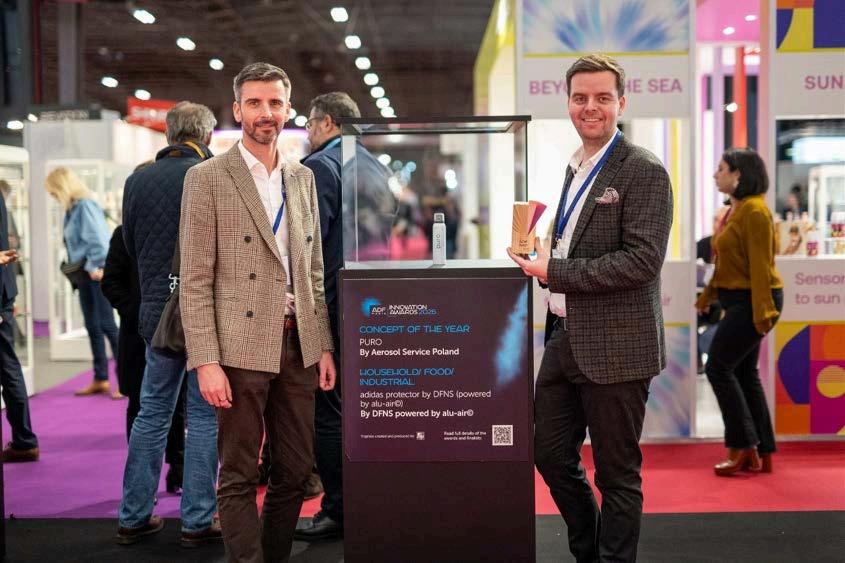
Damian and Norbert Piotrowski, owners of Aerosol Service, during the ADF Paris Packaging Week trade fair in Paris.