
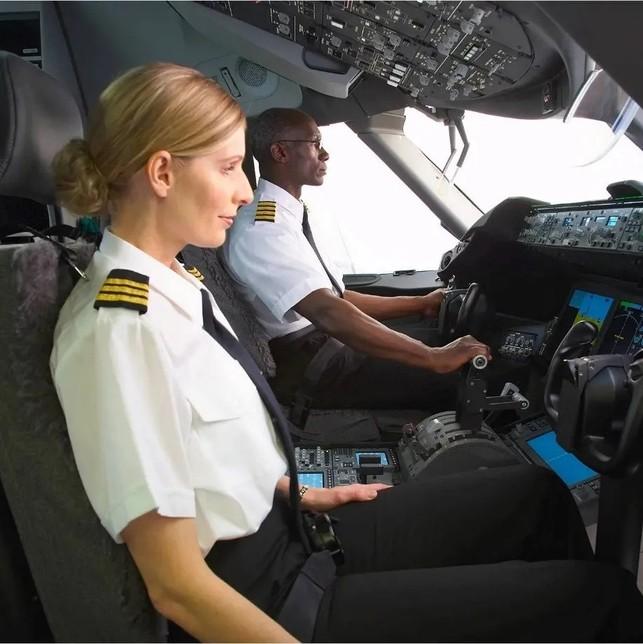
Longing to become a pilot of a global carrier, but still confused about what pilot qualities airlines will look for in 2026 while hiring?
Here’s a guide breaking down the entire pilot qualities one must acquire to become a professional pilot in 2026.
Have you ever wondered what pilot qualities airlines will look for in 2026 when hiring new pilots? Many students feel confused about whether airlines take careful consideration of flight hours, behavior, or real cockpit skills. Some might worry they may finish training but still not feel ready for airline interviews.
Airlines today want pilots who can think clearly, follow procedures, and understand the nuances of working as a team player. This is why choosing the right aviation academy in the USA matters.
Training at a place like AeroCadet gives you a full professional pilot license and a structured pilot internship in the USA.
Airlines in 2026 are not just hiring people who can fly a plane. They are choosing pilots who can stay calm, follow rules, and make safe decisions under pressure. Many students fail because they focus only on flight hours and ignore personal skills.
This list breaks down the real qualities airlines check during training and interviews. Each point also shows how proper training at an aviation academy in the USA helps build these skills early.
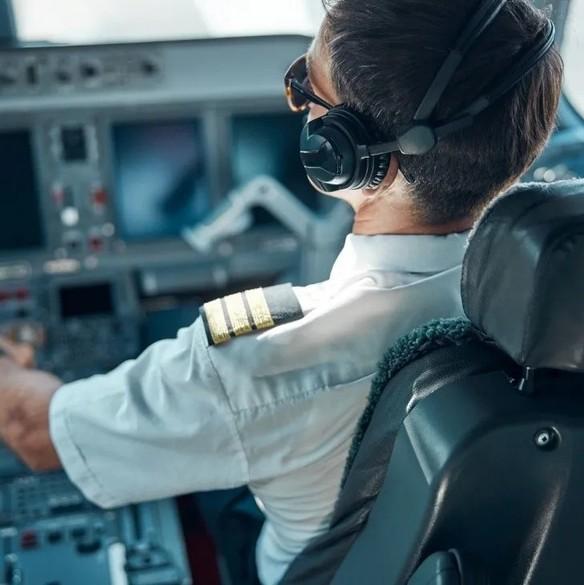

Airlines want pilots who can make the right call when things don’t go as planned. Weather changes, technical alerts, or busy airports test a pilot’s judgment. Some trainees freeze or panic during such moments. Airlines notice this quickly during simulator checks and interviews. Training programs at the best pilot academy in the USA focus on scenario-based learning so students learn to think, not react blindly..
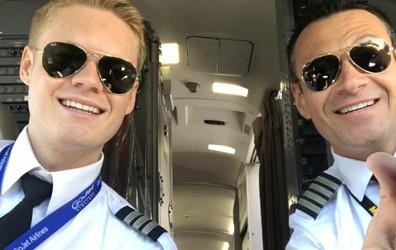
Flying is never a solo job! Part of the pilot’s role is to talk constantly with co-pilots, air traffic control, and cabin crew. Poor communication can confuse others and lead to mistakes. Airlines watch how clearly you speak and listen. Programs like pilot internship in the USA help students practice real cockpit communication, not just classroom theory.
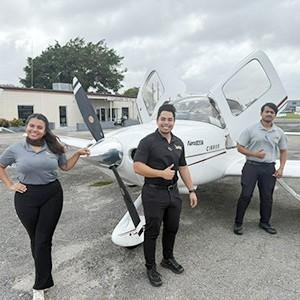
Airlines follow strict rules for a reason. Skipping steps or taking shortcuts shows a poor attitude. Many students struggle here because they rely on memory instead of checklists. Airlines prefer pilots who respect procedures every time. A structured aviation academy in the USA trains students to treat checklists as habits, not options.
www.aerocadet.com
Airlines do not want aggressive or impatient pilots. Stressful moments often take place in aviation. Some candidates lose focus when corrected or questioned. Airlines observe how you react to feedback. Good training environments teach students to stay calm, accept corrections, and improve without ego.
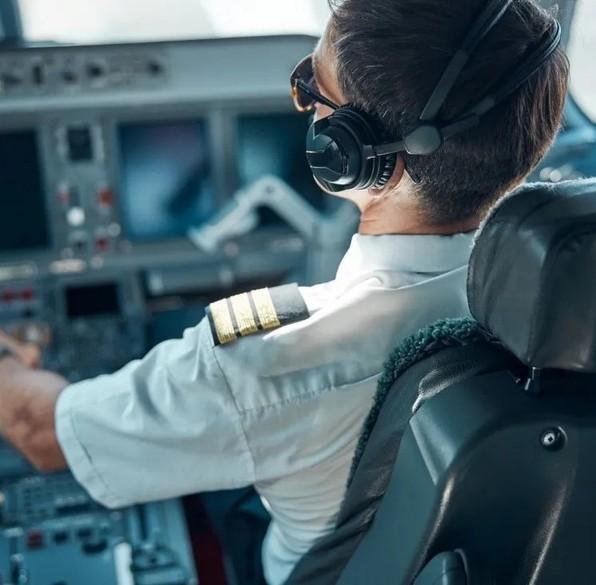
Modern aircraft are flown by teams. Airlines want pilots who support their co-pilot instead of trying to dominate. Many students think leadership means control, but airlines think differently. Good teamwork means sharing information and trusting each other. Training at the best pilot academy in the USA includes crew coordination exercises that reflect airline standards.

Understanding what pilot qualities airlines will look for in 2026 helps you plan your career the right way. Airlines want calm decision-makers, clear communicators, and pilots who understand the importance and prioritize safety and teamwork.
If your goal is to train with the best pilot academy in the USA and meet airline expectations with confidence, take the next step today. Contact us today for training that prepares you for real airline flying, not just exams.