





















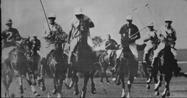






Polo fans, welcome to the 35th Season of the Sarasota Polo Club! It feels like just yesterday I was announcing the 30th Anniversary season, yet here we are five years later having survived a global pandemic, two devastating hurricanes, historic inflation and a record influx of new neighbors to our gem of a community. Whew! Well, what do you say we just come together in this community, kick back, relax and enjoy an afternoon with our family, friends and 100 or so polo horses! You bring the desire and we will supply the fun!
Every pre-season as we plan our event dates and improvements, we often feel overwhelmed at the tasks that lie ahead. Then, before we realize what happened, the season abruptly ends in April to the amazement of how time flies when you are having fun!
We are excited to introduce polo to the thousands of first-time visitors, and we thank all our seasoned fans for returning to help us maintain this 35-year-old tradition in the heart of the Lakewood Ranch community. Whether you think a chukker is a type of swamp bird from the Florida Everglades, a mallet is something you use to play croquet, or a tailshot is something that happens in a college frat house, take a seat, read through your program for all the inside information, and embrace the polo lifestyle with us every Sunday afternoon from December 21 through April 12!
We have been fortunate to return our same great full-time staff this season, with Paige Lautzenheiser running the operations team, Basil Lowell overseeing our fields and facilities plus capital improvement projects, and Mason Wroe organizing all of our polo activities. Ashlie Osburg continues to grow our Sarasota Polo School for both adults and children, and Josh Shelton is returning to oversee our intermediate level of polo - Sunshine League. We have added a new full-time Director of Event and Corporate Experiences, Blake Frey. Blake grew up in Lakewood Ranch, attended Out of Door Academy, and has been a part of the local business community since graduating Florida Gulf Coast University in 2019. Please contact any of these club leaders if there is anything that you need to learn more about our club and what we have to offer.
Every off-season, we focus on improving our polo facilities and also our event facilities. This year, Basil helped us complete our 2 year ditch conversion project which now provides us a safer environment for our horses, as well as our members and spectators. It has grown our usable turf for polo and improved parking and pedestrian access to our facilities. You will notice added and improved shade throughout our spectator areas, including additional premium seating for individuals and groups. If you are curious about any of our spectator areas that you might like to utilize on your next visit to polo, please approach any of our uniformed staff with questions and they will be happy to provide useful information or an additional person to contact.
On behalf of my wife Misdee and the entire team at the Sarasota Polo Club, thank you again for joining us for our 35th Anniversary season!
Cheers!

James M. Miller DIRECTOR OF FUN


We’re planning to build a new Performing Arts Center that will honor our cultural legacy while launching us into a new chapter. This world-class venue will be universally accessible, feature inclusive programming, and be sustainably built for generations to come. It’s a space for everyone to belong, create, and experience the transformative power of the arts.
A Community Project. A Cultural Legacy. A Future Worth Building.













All academic medicine isn’t equal. Our winning team of physicians is made up of scientists, surgeons, researchers, educators and innovators who use their scientific breakthroughs to deliver new treatments, teach new techniques and create new protocols used worldwide. That’s how we deliver game-changing care that’s worth the drive.
*University-based program





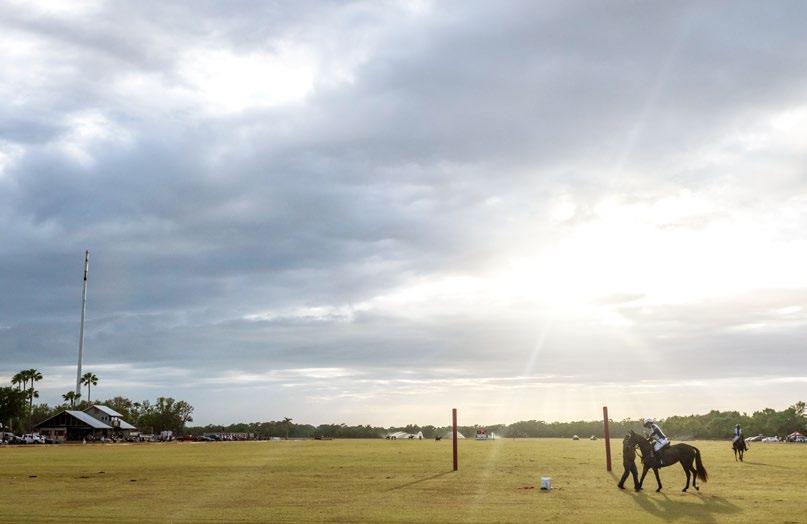
32 Across the stunning green expanses of Lakewood Ranch, the sound of hooves striking echoes a story that has unfolded over 35 remarkable years.
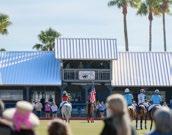
42 From the rolling pampas of Argentina to the sun-kissed beaches of Southwest Florida, polo has transcended borders to become a truly international sport.



26 People of Polo, Justin Powers: Spotlighting the story of United States Polo Association Director of Polo Development, Justin Powers.
30 Meet Chy, the Flag Horse: When the American flag ripples in the breeze each Sunday at the Sarasota Polo Club, all eyes turn toward Chy.
38 Green with Envy: A small but tireless ground crew has turned the Sarasota Polo Club’s 100-acre turf expanse into a world-class stage.

48 The Origins of Tailgating:
Long before the days of tailgating off the back of a flatbed truck, tailgating was commonplace in the world of polo.
58 The Global Commute of the Polo Pony: From hydration routines to USDA checks, the hidden logistics of equestrian air travel.
66 Polo Creates the Perfect Match: For Michael and Petra Brown, the sparks of romance started at the Sarasota Polo Club.
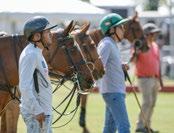
54 Buying a polo pony is embarking on a journey into one of the world’s most exhilarating sports and embracing a lifestyle of strategy, horsemanship and partnership.








Sarasota
































Polo is one of the fastest and most technical equestrian sports played. It is gaining increasing popularity as a premier spectator sport, but can be difficult to understand as a first-time spectator. Here is a basic overview of the game to help you successfully follow a polo match:
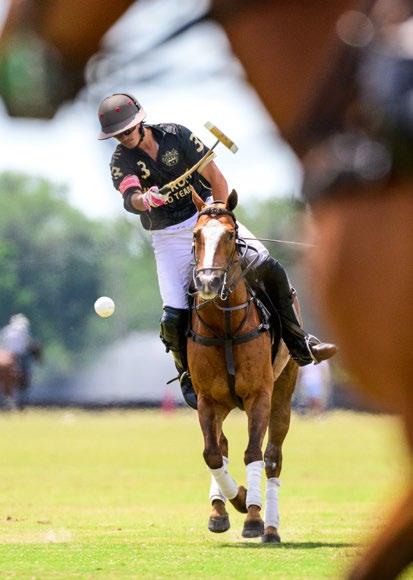
Polo is played on a 10-acre grass field that is 300 yards in length by 160 yards in width - the approximate area of nine football fields. Centered on each short end of the field, two goal posts roughly 10 feet tall are set eight yards apart. The goal posts consist of a foam core and covered with a heavy-duty vinyl, and are collapsible upon impact. The object of polo is to move the ball down the field, hitting the ball through your teams’ goal posts to score a goal. There is no height limit as to how high the ball can travel in order to score a goal, so long as it travels between the plane of the goal posts. After each goal, the teams change their direction of play and have to attempt to score on the opposite set of goal posts. The team that ends up with the most goals at the end of the match is deemed the winner.
Each team is made up of four players who are designated on the field by jersey color. The jersey number corresponds with their assigned position. Each player plays a distinctly different role. Players are allowed to swap positions on the fly if necessary.
#1 is the most offensive player who concentrates predominantly on scoring. Usually, the most experienced and highest-rated players wear jerseys #2 and #3. #3 serves as the Team Captain and is responsible for coordinating the offense. #3 is responsible for pivoting between offense and defense, and their main goal is to turn all plays to offense. #4 is primarily a defensive player, responsible for defending his or her team’s goal. Each player is also assigned an opponent to cover on defense and must be prepared to shift between offense and defense at any time.
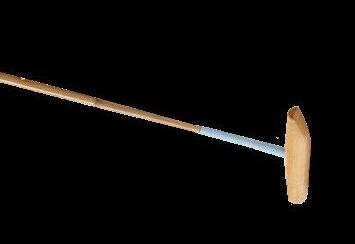
The mallet, made of a bamboo shaft with a hardwood head, is the instrument each player uses to hit the ball. The mallet can also be used to “hook” an opponent’s mallet to stop them from successfully hitting the ball down the field.
The ball, formerly made of wood but is now plastic, is about 3 1/4 inches in diameter and 4 ounces in weight. In fact, the English word “polo” is derived from the Tibetan word “pulu,” meaning “ball.”
The surface of a polo field requires careful and constant grounds maintenance in order to remain in good playing condition. During halftime of a polo match, spectators are invited onto the field to assist with field maintenance by participating in a polo tradition called “divot stomping,” which helps reduce the mounds of earth (divots) that are torn up by the horses’ hooves during the match. It also provides spectators with the opportunity to walk about and socialize.
There are either four or six periods, or “chukkers,” in a match depending on the level of play (lower levels play only four chukkers, while higher levels play six chukkers). Each chukker is seven and a half minutes long. Play begins at the beginning of each chukker with an umpire throwing in the ball, as well as after each goal. Players line up at midfield and the umpire throws the ball down the line that separates the two teams. Halftime occurs halfway through the match (for four chukker matches, between the second and third chukkers; for six chukker matches, between the third and fourth chukkers).
Only penalties, injuries or time allotted for tack (equipment) repair may stop the time clock of the game, as there are no timeouts allowed. Players are allowed to change horses between each chukker. If players need to change horses mid-chukker, they are required to do that with the time clock ticking down, so they must do so strategically or they risk leaving their teammates in a difficult position!

Polo fields are lined with boards to designate the sidelines, and painted lines to designate the end zones. Players and their mounts may ride over the boards or outside of the lines, but if the ball passes over those boundaries, play has gone “out of bounds.” The team to last touch the ball must then give possession to the opposing team. Should a team, in an offensive drive, hit the ball across their opponents’ end line, the defending team resumes play with a free hit, or “knock-in,” from the end line.
The four basic shots in polo are distinguished by the side of the pony on which they are made. The left side of the pony is known as the “nearside” and the right side is known as the “offside.” Therefore, you have the “nearside forward,” the “nearside back,” the “offside forward,” and the “offside back.” The “offside forward” is the most commonly-used shot in polo. Shots can also be made under the pony’s neck (“neck shot”), behind the pony’s tail (“tail shot”), or under the pony’s belly (“belly shot”).
Although there are many rules to the sport of polo, the primary concept to which all rules are dedicated is safety – for both the player and his or her mount.
The right-of-way rule is defined by a player’s position in relation to the direction of travel of the ball when it is hit. Once hit, an imaginary line is drawn from the player to the ball, and extended ahead of the ball in the direction that it is traveling. This imaginary line cannot be crossed by other players except under special circumstances and only in such a way as to legitimately gain control of the ball. When a player has the line of the ball on his right, he has the “right-of-way.” This can only be taken away by an opponent conducting a “ride off” (making shoulder-to-shoulder contact to move the player off the line of the ball).
These rules help create safe traffic patterns that enable the participants to play at top speeds and avoid dangerous collisions.

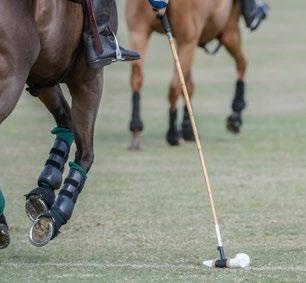


Each player is assigned an individual handicap on the ascending basis of C, B, A (-2 through 0) and 1 through 10. -2 through 1 Goal players go up in half-point increments, whereas the 2 through 10 Goal players go up in full-point increments. This handicap reflects the player’s ability and his or her value to the team. The higher the handicap, the better the player. There are only a few 10-Goal players in the world.
The team handicap is determined by adding together the handicaps of each player on the team. The team with the lesser handicap is granted the difference in goals (or points) prior to the start of the match. For that reason, a match may well have a “score” on the scoreboard prior to the start of the game based on the difference in team handicaps. Player handicaps are evaluated and revised annually by the United States Polo Association (USPA). Handicapping is a subjective evaluation of the individual’s horsepower, game sense, hitting ability, and overall value to a team.
Polo ponies are central to the success of any team. They are considered the most athletic of equine performers because of their requirements to sprint, stop, turn and accelerate to open speed. Although they are called “ponies,” they are actually small horses as they average in height from 15 to 16 hands (1 Hand = 4 Inches). Players change mounts between each chukker, and will also sometimes change horses mid-chukker if they feel their horse getting tired from the exertion required. Because of this, a team typically has a minimum of 24 horses available to them during the match.
Each match requires two mounted umpires. The umpires are responsible for recognizing and imposing penalties, and also monitoring the safety of the game for both the players and the horses. Each team provides one umpire with two suitable horses for the match, one for the first three chukkers and another for the second three chukkers. A third umpire, known as the “third man,” sits on the sidelines of each game and is available to provide additional feedback to the two mounted umpires in the case of a disagreement over a foul. If and when the two umpires on the field are in a disagreement, the third man breaks the tie and makes the final decision.
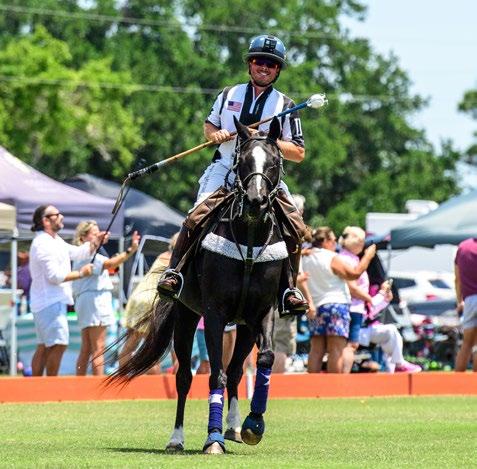
The severity of the foul committed determines which penalty will be awarded. There are seven types of penalties:
Penalty 1: An automatic goal awarded when a player commits a dangerous foul in the vicinity of the goal.
Penalty 2: Hit from a centered 30-yard line nearest the fouling team’s goal, or from the spot where the foul occurred. This is an undefended goal shot.
Penalty 3: Hit from a centered 40-yard line nearest the fouling team’s goal. This can either be an open goal shot or a defended shot, whereby players from the defending team can race out from behind the goal mouth once the ball is struck.
Penalty 4: Hit from a centered 60-yard line nearest the fouling team’s goal. The defensive teams are permitted to place themselves between the penalty line and the goal in an effort to block or stop the ball.
Penalty 5(a): Hit from the spot where the ball was when the foul occurred.
Penalty 5(b): Hit from the center of the field.
Penalty 6 (Safety): When a player hits the ball over their own end line, the opposing team receives a hit 60 yards out.
Like in other sports, players may receive yellow and/or red cards for additional misbehavior. A yellow card is issued when a player displays unsportsmanlike conduct. The first offense in a match results in a penalty. A second offense in a match results in the player sitting out for two minutes of play with no substitute. A third offense in a match could result in a red card. A red card can result in suspension from the remainder of the game and no substitution for the next two minutes of game time.








Polo, also known as the “sport of kings,” is a pastime that demands a kit to match. A polo player’s equipment is very important not only for safety, comfort and performance, but also to demonstrate the right attitude towards playing the game.
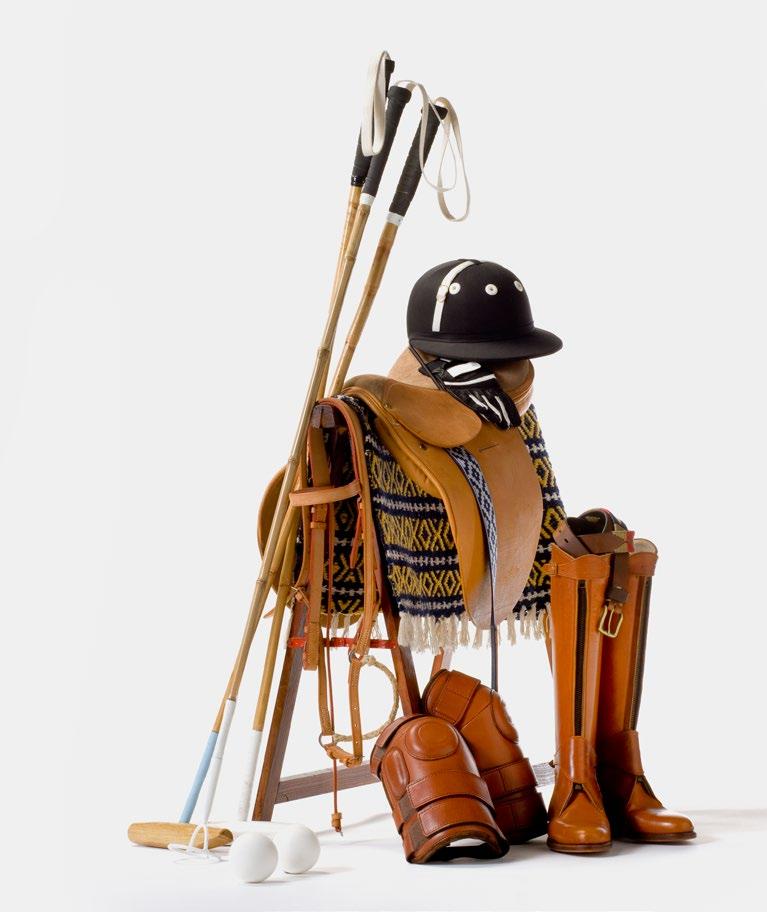
The rules for equipment vary in details between the hosting authorities, but are always for the safety of the players and their mounts.
Knee pads are an essential part of the kit, with a player’s legs very exposed to the rigors of the match in the saddle. Different players may favor different variations of polo knee pads, including either two or three straps (the third helping to further secure the pad if necessary).

Saddles are English-style with deep seats, like jumping saddles.
Bags help carry each player’s equipment, including their boots, knee pads, gloves, helmet, spurs, and more.
Polo was once a form of training for cavalrya mentality that is easy to understand when you dress for a polo match today, with its own special protective equipment. Most important in this regard is the helmet, to insure the player against any glancing blows from the polo ball, stray mallets and other potential hazards of the sport. When choosing a helmet, it is mandatory that you select a product that has been approved by the National Operating Committee on Standards for Athletic Equipment (NOSCAE).
Different playing conditions can require different polo balls, so it’s best to consider which best suits your circumstances. In situations where weather conditions limit visibility, red balls can ensure a match goes ahead. The standard ball for outdoor polo is made of plastic, measures about 3 to 3 ½ inches in diameter, and weights about 4 ounces.

Pair solid boots with some reliable spurs, preferably stainless steel, to help direct your mount to move forward or laterally as needed.
At the business end of your polo game, the polo mallet needs to be the right specification for you. The weight of the mallet head and the length of the shaft are both customizable to ensure this instrument suits the height of the pony, as well as the rider’s playing style. The mallet has a rubber-wrapped grip with a webbed thong for wrapping around the hand. It also has a flexible bamboo-cane shaft with a bamboo head 9 ½ inches in length. The entire mallet weighs around 7 ounces and varies in length from 48 to 54 inches, depending on the size of the pony and the length of the player’s arm. The ball is struck with the side of the mallet, not the end.


For the same reasons that knee pads are essential to a polo player’s safety during a match, top quality riding boots are a must. Ideally, these made-for-polo boots should be thick, high-quality leather with a good sole and ankle support.
The best modern polo wear is designed not just for protection, but also comfort and challenging conditions. Good quality gloves can offer extra grip in slippery conditions and low temperatures, meaning a good pair can be the difference between success and failure in the key moments of a match.

Protective wrapping used on all four legs to shield the ponies’ legs against contact
B. Tendon Boots
Often placed over bandages on the front legs for further protection
C. Breast Plate
Stops the saddle from slipping back
D. Bridle

Leather worn on the horse’s face to support the bit in the mouth
The assembly of components that contacts and controls the horse
Leather straps directly attached to the horse’s bit that a rider holds in their hands for basic steering
A polo player’s seat during the game, kept stable by a girth that fits around the stomach of the horse
Protects the horse’s back from the friction of the saddle, and also keeps sweat from being absorbed directly into the saddle leather
Attached to the saddle by leather straps known as the “stirrup leathers,” these metal pieces hold the rider’s foot on either side of the saddle
A safety precaution so the tail does not get caught up in a polo mallet or other piece of polo equipment
Designed to enhance a horse’s hooves through additional cushion and protection, and provide better traction on the grass

For 80 years, Easterseals Southwest Florida has been a lifeline for children, adults and families living with disabilities. While our programs continue to excel, our growing community demands more. More space. More services. More possibilities.
Now, we’re answering the need with the Campaign for Compassion—a transformative initiative to expand our campus, enhance our life-changing therapies and programs, and train the next generation of disability providers.
Every dollar received ensures that individuals have access to the life-changing services, education, employment and life skills they deserve, so they can enjoy a world full of opportunities.
To learn more about our Campaign for Compassion or make your tax-deductible donation, visit us at easterseals-swfl.org or scan the QR code below.






By Jared Turner


As a lifelong polo enthusiast who is now the Executive Director of Polo Development for the United States Polo Association (USPA), Justin Powers has his finger on the pulse of what constitutes a thriving polo club.
From Powers’ perspective, the Sarasota Polo Club – which he remembers first visiting in 1994 at the age of eight – certainly falls into that category.
And that’s a credit to how the club has grown and evolved since its 1991 inception – especially since current club owners James and Misdee Miller purchased the scenic Southwest Florida property in 2018.
Along with hosting more than 50,000 polo spectators every season for
its enormously popular Sunday Polo and Sunset Polo Happy Hour matches, which run from late December through mid-April, the club is also now home to the Sarasota Polo School, which offers year-round private and group polo lessons for those who want to learn the sport, hone their skills, or potentially go on to become successful polo players. Lesson programs are customized to meet the needs of each individual student.
“The Sarasota Polo Club is the perfect location to introduce the sport of polo to
new people. They have so many different avenues in which to do so – whether it be through the lesson program, the youth programs, or simply through their Sunday Polo and Sunset Polo Happy Hour events,” said Powers, who has worked for the USPA since December 2011 and took his current role in January 2020. “Someone may come watch polo at the Sarasota Polo Club and hopefully, at some point, they either tell somebody about it, or they come and take a lesson themselves to learn the sport.”
The club’s increased focus in recent years on expanding its number of local players via the Sarasota Polo School and youth player development has been key to the club becoming highly sustainable from a player development standpoint.
“The reality is, in polo, if we don’t have clubs that are sustainable in developing our sport, we don’t have a sport,” Powers said. “It’s very unique to see the transition that Sarasota has done. When I was a kid, it was mainly people from up North coming down to play for the winter season. They’ve transitioned from being simply the ‘snow birds’ destination club to being that plus attracting the locals – from Lakewood Ranch, Sarasota, Tampa and beyond.”
The intent of the PDI Grant Program, which is a reimbursable grant-based program, is to support thoughtfully-presented applications for PDI funding that address specific, club-based, sustainability needs. The reimbursement is intended to support selected applicants with the costs that the applicant has incurred in connection with the applied program or initiative. All grant requests for funding from the PDI Grant Program must outline how the applicant’s receipt of PDI Grant program funding would relate to and further the intent and purpose of the PDI Grant Program. Funding is not provided to cover the upfront costs, but rather provided as a reimbursement once the project is complete.
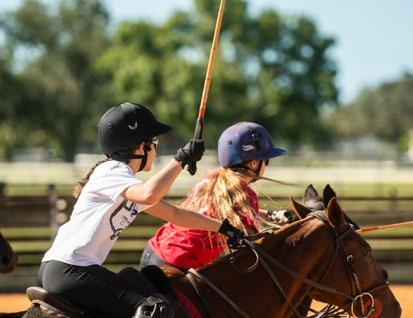
The Sarasota Polo Club is the perfect location to introduce the sport of polo to new people. They have so many different avenues in which to do so.

Eligible applicants for the PDI Grant Program include a USPA Active or Affiliate Member Club in good standing, an established polo school (e.g., one that is past the start-up phase) associated with an Active or Affiliated Member Club, or a Regional Cooperative Polo entity. All applicants must demonstrate a commitment to positioning the USPA and the U.S. Polo Assn. brand in a positive light within the polo ecosystem through their initiatives and participation in the PDI program.
Projects that promote long-term investment in the sport of polo, including - expenditures for capital improvements, fixed assets, and club infrastructurewill be prioritized for recommended funding by the PDI Committee. All requests for funding to offset expenditures relating to capital improvements, fixed assets, or club infrastructure must demonstrate that at least 50% of such expenditures will be satisfied by the applicant club or via private support or corporate sponsorship.
Over the last several years, the Sarasota Polo Club has been on the receiving end of multiple Polo Development Initiative (PDI) grants from the USPA. These grants, which are applied for and distributed to clubs both big and small throughout the U.S., empower polo clubs and schools with grant-based reimbursable awards that often boost club membership, improve the overall polo-playing experience and promote the growth of the sport.
The Sarasota Polo Club has put the money received through these PDI grants to tremendous use, supporting critical infrastructure projects aimed at enhancing the club’s level of play. Just a quick stroll around the Lakewood Ranch property reveals as much.



KOKOMO YACHT CLUB IS A PROUD SPONSOR OF THE 2026 PO LO SEASON
Celebrating a partnership that reflects the best of Sarasota living.
Enjoy a worry-free experience with every detail managed by our captains, crew, and concierge team. Access a selection of high-end boats and yachts. Flexible memberships for your comfort. A fully managed service covering maintenance, dockage, and insurance.








By Abby Weingarten
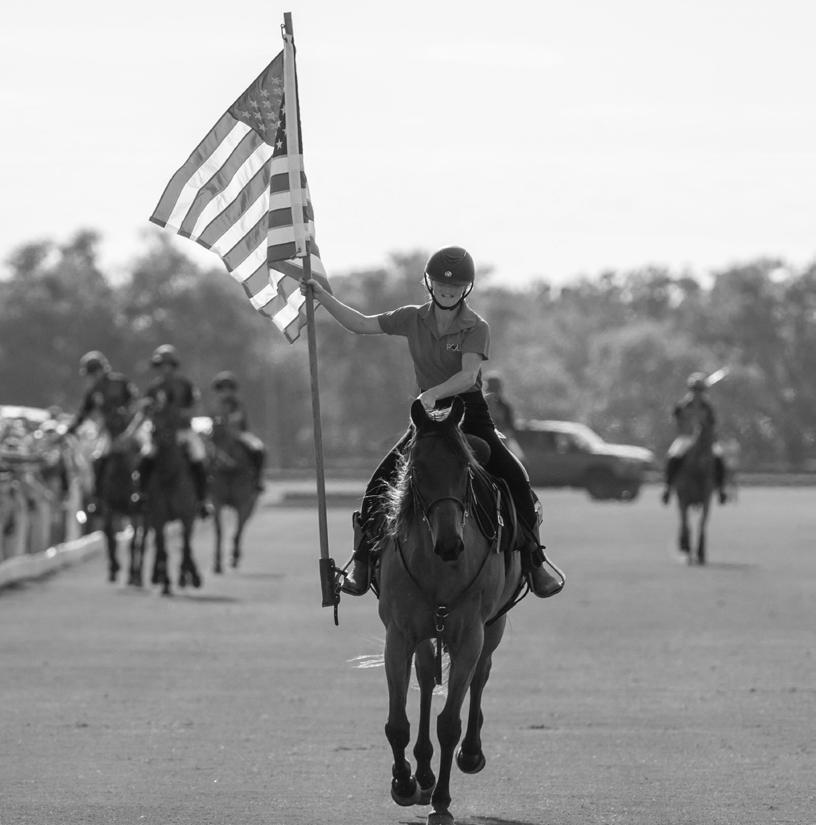
When the American flag ripples in the breeze each Sunday at the Sarasota Polo Club, all eyes turn toward a striking Thoroughbred named Chy. With his silky mane and steady stride, he leads the parade and presents the colors during the national anthem — an image that has become as iconic to the Sarasota Polo Club as the polo ponies themselves.
Chy’s partner in this patriotic ritual is Bethany Glaser, whose vibrant personality and affection for her horse have made the duo beloved fixtures at the Sarasota Polo Club.
“He loves standing for the national anthem,” Glaser said. “And I swear he knows when it’s time to run off the field at the end of the performance; he always gets a little fidgety right before.”
Chy’s story began long before his flagbearing fame. Born in 2009, the 16-hand horse once raced under the name Chy Hyryn, with his final start on December 13, 2012. Sired by Johannesburg, a champion 2-year-old, Chy had speed in his blood but a different destiny ahead.
After retiring from racing, Chy was brought to the Kentucky farm where Glaser works in the summer to learn the fast-paced world of polo. But, as Glaser said, “He failed miserably at being a polo pony. And I failed miserably at not falling in love with him.”
Glaser, who began working in polo in 2016 after years on the racetrack as a groom and assistant foreman, took Chy under her wing. Together, they shifted
gears entirely, training for barrel racing and eventually discovering Chy’s talent for ceremonial work.
“We started playing with the flag,” Glaser said. “And he just took to it. That’s how he became the flag horse for the Sarasota Polo Club.”
For the 4-foot-10 Glaser, known affectionately as “Shrimpy” since her childhood 4-H days (“I showed up small, and they already had a Shorty,” she said), her connection with horses runs deep.
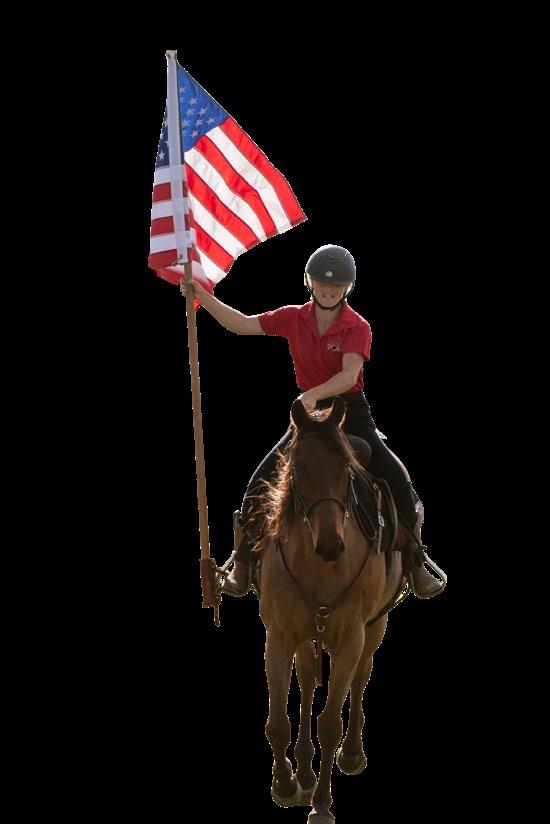
She grew up in Bliss, New York, and has spent most of her life working with horses. Today, she splits her time between Versailles, Kentucky, where she and Chy enjoy the rolling bluegrass countryside, and Myakka City, Florida, where she works and lives on a 30-acre farm alongside her employer’s polo ponies and show horses.
Chy thrives on routine. His daily workouts keep him fit for his Sunday performances, and his diet is carefully tailored: grain, hay, and the occasional sweet treat of local honey.
At home, he is as affectionate as he is dignified.
“He’s a big lovebug,” Glaser said. “He loves attention and snuggling, and he’s mad if I’m not snuggling him.”
Together, Glaser and Chy bring pageantry and community pride to the Sarasota Polo Club.
“I just love it here. It’s open, friendly and fun,” she said. “I like to dress up for the themes every week.”
Chy’s patient nature makes him the perfect partner for Glaser’s creative flair.
“He tolerates me immensely,” she joked. “The only thing he’s ever said no to is tinsel.”
One week, she turned him into a witch’s broom and rode sidesaddle; another, she dressed him in flippers and a snorkel.
Through it all, Chy remains the steady, gleaming symbol of the Sarasota Polo Club — a horse who brings the crowd to attention, the flag to full mast, and the heart of the community together.
“I love him to pieces,” Glaser said. “He’s my heart horse. And I think the Sarasota Polo Club feels that, too.”









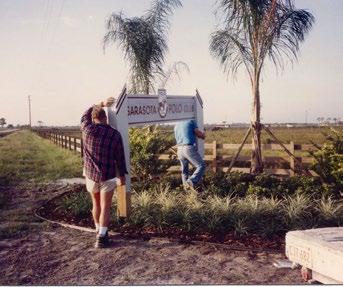
The Sarasota Polo Club and the adjoining Polo Ranches of Sarasota were developed in 1991 by Schroeder-Manatee Ranch, a development company of the Uihlein family. When the approximate 650-acre private community opened off what is now called Lorraine Road, it began welcoming polo players from around the United States.
The small section of the vast 30,000-acre multi-purpose ranch slowly transformed into nine meticulously-manicured polo fields, stables, and training facilities. Early members recall a sense of excitement mingled with uncertainty: polo was a niche sport in Florida, and the club’s future was far from guaranteed. It was one of the first developments of what is now known as Lakewood Ranch.
For more than two decades, the Sarasota Polo Club flourished quietly, hosting leagues and tournaments that attracted a multitude of players, until the owners decided to sell. The owners’ stipulation that the property remain a polo club dissuaded developers who were interested in purchasing the land for housing or commercial use. The Sarasota Polo Club’s legacy hung in the balance. But someone else had a vision.
In 2018, James Miller, a commercial real estate investor and 25-year polo enthusiast, took ownership of the Sarasota Polo Club. Miller’s arrival as owner — along with his wife and fellow equestrian Misdee Miller — marked a turning point, blending financial investment with a deep-seated love for the sport.
“It was an opportunity for us to preserve a community amenity that has become a social gathering spot for so many people since the inception of Lakewood Ranch Communities,” said Miller, who has

We’re taking what was built 35 years ago and making it new. Fields age, memberships age, and according to the USPA most clubs only last 30 years. The Sarasota Polo Club is working to buck that trend.
James Miller
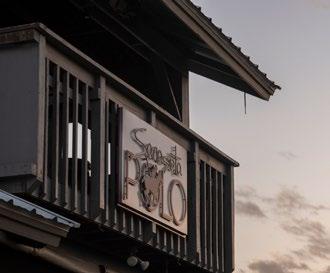

The first Sarasota Polo Club Sign *1991*
been a playing member of the club since 2006. “The United States polo community feared the club would shut down, but that was never my plan. I bought it not only to save it, but also to improve it. Since the purchase, we have continued to invest every year to improve the vast green spaces, the playing fields and facilities.”
Miller faced some hurdles. Shortly after initiating major renovations to the aging Clubhouse in 2021, the building burned down, erasing years of club memories, heirlooms and major improvements. Hurricanes and the COVID-19 pandemic further tested the club’s resilience. Yet even amid these setbacks, the Sarasota Polo Club maintained growing attendance and unprecedented support from the community.
Through it all, Miller’s philosophy has been clear: longevity in polo requires more than maintenance; it requires reinvention. He views his role as steward not just of the club’s facilities but of its future membership and place in the community.
“We’re taking what was built 35 years ago and making it new,” Miller said. “Fields age, memberships age, and according to the USPA most clubs only last 30 years. The Sarasota Polo Club is working to buck that trend.”
Under Miller’s leadership, the Sarasota Polo Club has seen transformative improvements in infrastructure, ensuring safety, usability, and aesthetic appeal. Basil Lowell, the club’s Facilities Director, has played a pivotal role in this evolution, overseeing maintenance and major renovations.
Recent seasons have brought an impressive array of updates:
Drainage Overhaul: Aging main drainage infrastructure has been revitalized, and drain tiles under the polo fields have been repaired, with large
ditches replaced by underground pipes, all of which have led to improved turf health and expanded parking and playable areas.
Field Maintenance: New equipment and ongoing maintenance efforts — including verticutting, aeration, and top dressing — ensure fields remain in prime condition year-round.
Event Facilities: Overall improvements to the viewing areas for Sunday Polo and Sunset Polo Happy Hour continue to be made with each new season. Shade for spectators is the number one request and also the number one challenge as windy conditions are always a challenge.
Club Staff and Leadership: Miller continues to add more expertise to his team to help maintain and improve the club. “I couldn’t run this club nor improve the spectator experience season to season without the irreplaceable dedication of Paige Lautzenheiser, Vice President of Operations. Paige has been with the club since 2019 and her work ethic has been a key factor in our success. Mason Wroe joined us as the Director of Polo in 2020 and continues to help us maintain and grow our playing membership base. Each off-season, he is challenged with the task of encouraging new players to discover our club and then ensure they want to return each season. In 2023 I hired Basil Lowell from the golf industry to help with the immense challenge of managing sports turf year-round in a Florida climate. He not only has succeeded with that challenge, but he has also been instrumental with helping me continue the redevelopment of the aging facilities and overall club infrastructure.”
“Every year, there are new challenges,” Miller said. “Hurricanes, labor shortages, supply chain issues and back-breaking inflation all affect our operation. But the community’s support has been incredible. People bring their kids, their dogs, their friends — it is a reason to come together and celebrate the unique presence of 100 horses on one field in one day of polo.”
The Sarasota Polo Club offers opportunities for players of every level, from beginners to seasoned professionals. The Sarasota Polo School, directed by Ashlie Osburg since 2020, has expanded from just five people to a thriving group of regular participants, ranging in age from 10 to 75. They learn horsemanship, teamwork and competitive polo in a supportive environment.
“Our students don’t just learn polo,” Osburg said. “They learn responsibility, leadership and the value of setting goals. Many go on to become active club members and competitors in local and national tournaments.”
The Sarasota Polo School’s curriculum provides a
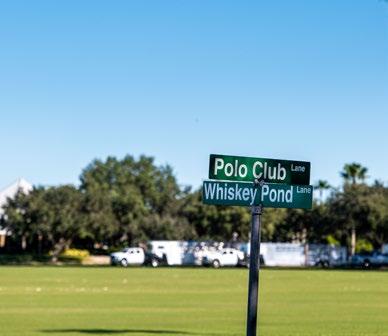
"At the corner of Polo Club and Whiskey Pond Lane"

clear progression: private lessons, group scrimmages, arena play, developmental leagues on the grass, competitive leagues and eventually tournament play.
People bring their kids, their dogs, their friends — it is a reason to come together and celebrate the unique presence of 100 horses on one field in one day of polo.
James Miller
Staying in tune with what current and prospective members want is critical for Miller and his team, as they work strategically to bolster the club.
“Every year, we receive feedback regarding membership dues, tournament entry fees and club improvements,” Miller said. “We understand pricing becomes more difficult with each passing year, and we spend countless hours analyzing our expenses to maintain this club as it was in the past, but more importantly, currently and into the future.”
The Sarasota Polo Club is also enhancing its support of women’s polo and youth programs, emphasizing a family-friendly atmosphere while maintaining competitive standards.
The Polo Ranches of Sarasota Surrounding the Sarasota Polo Club is the exclusive community of the Polo Ranches of Sarasota, home to 45 privately-owned equestrian estates. Properties are carefully curated to maintain the aesthetic and integrity of the club environment. Purchasing a home in the Polo Ranches of Sarasota is not just about owning property; it’s about joining a community that shares a passion for polo and equestrian life. Prospective buyers must meet criteria aligned with club values, ensuring a cohesive neighborhood that complements the club’s ethos.
Living in the Sarasota Polo Ranches offers unmatched



access to polo action, luxury amenities, and a strong sense of community. Residents have year-round access to world-class equestrian facilities, including an all-weather exercise track, enclosed polo arena, designated stick and ball fields and more. In season, the polo action is only a golf cart away, allowing residents to enjoy polo and other family-oriented events with ease.
Events at the Sarasota Polo Club are a mix of tradition and innovation, from Sunday Polo matches drawing several thousand spectators each week to select Thursday Sunset Polo Happy Hour matches allowing a mid-week polo fix. Attendees of these events enjoy a variety of different ticketing venues and options, as well as weekly tailgate themes and activities. Corporate sponsorships, private events and educational clinics further integrate the club into the social fabric of the area.
“During the season, we organize polo 6 days a week for our playing members. Several special days a month, we welcome our non-playing members to the club where they can enjoy the pageantry of the horses and the excitement of polo, and the community becomes part of the sport,” Miller said.
While polo remains the centerpiece, the Sarasota Polo Club has become a hub for wider community engagement. Facilities are being utilized for youth soccer leagues, ultimate frisbee tournaments, community theatre events and other recreational activities. The club is committed to making the expansive 170-acre property a resource for the entire Lakewood Ranch community.
For Lowell, the focus is on maximizing community engagement.
“Polo consumes only about 5½ months of the year,”
Lowell said. “By opening opportunities for other sports and events during our off-season, we can keep the grounds vibrant and accessible while fostering a sense of community. The possibilities are limitless. The club is a green space for polo, or recreational activities, but certainly for social connection. We’re cultivating a hub where families, players, and visitors can enjoy everything this club has to offer.”
The Sarasota Polo Club is not merely surviving — it is thriving. As the club celebrates its 35th anniversary during the 2026 Season, the vision for the future is ambitious yet grounded. Miller hopes to continue to expand youth programs, recruit more local players and continue enhancing infrastructure to elevate the experience and solidify the club’s status as a premier polo destination.
“James is continuing to build a first-class facility, and that definitely attracts players,” said Mason Wroe, the club’s Director of Polo. “Better fields mean better polo, better polo attracts more members, and everything improves from the top down. It’s a positive cycle.”
The club is a green space for polo, or recreational activities, but certainly for social connection.
We’re cultivating a hub where families, players, and visitors can enjoy everything this club has to offer.
Basil Lowell FACILITIES DIRECTOR SARASOTA POLO CLUB
From a polo perspective, Osburg envisions a growing cadre of skilled players emerging from the Sarasota Polo School.
“We’re creating a pipeline of lifelong polo enthusiasts,” Osburg said. “Our students will become the next generation of competitors, club members and ambassadors for the sport.”
The Sarasota Polo Club’s story is one of vision, perseverance and communal spirit. From its early days on farmland to its current status as a first-class polo destination, the club has become a treasured fixture in the Lakewood Ranch community. It has survived storms and economic turbulence, yet remains steadfast, driven by passionate leadership and a dedicated membership.
Today, as spectators cheer on players at Sunday Polo matches, families enjoy picnics by the sidelines and young players hone their skills at the Sarasota Polo School, the Sarasota Polo Club exemplifies the enduring appeal of polo. It is a place where history and tradition meet innovation and ambition — a club that has not only survived 35 years but is poised to thrive for decades to come.
“Hopefully, there will be a 60-year milestone,” Lowell said.
Owner James Miller is in agreement.
“Decades have been spent building this unique polo club. Our goal is simple: keep it alive, vibrant and enjoyable for everyone who loves polo,” Miller said. “The next 35 years are full of promise.”


L U X U RY B U I L D S R E M O D E L S
C u s t o m h o m e s , b u i l d o n y o u r l o t , & i n v e n t o r y h o m e o p t i o n s

F u l l h o m e r e m o d e l s , a d d i t i o n s , k i t c h e n s & b a t h s , A D U ’ s , a n d m o r e

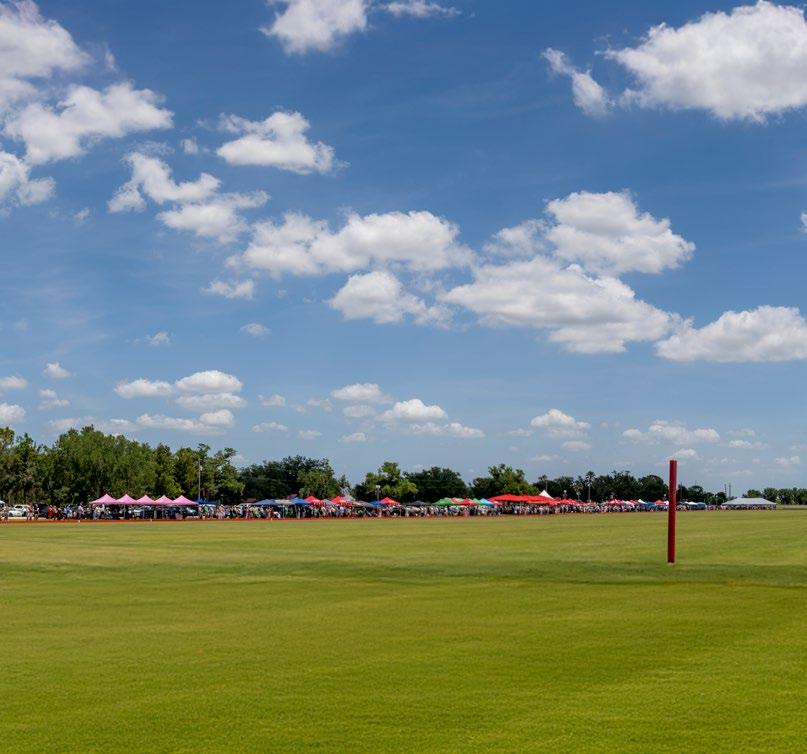


ituated on a sprawling 158 acres teeming with polo fields—eight-and-ahalf of them to be exact—all sporting a healthy deep green hue, the Sarasota Polo Club boasts an undeniably pristine landscape that’s impossible for any visitor to ignore. Make no mistake, though: These fields, dubbed by Sarasota Polo Club Facilities Director Basil Lowell as “100 acres of green sea,” don’t dazzle by accident.
They require considerable and nearly constant tender loving care from a dedicated crew of 10 people led by Lowell, who took the job in the summer of 2023 after spending over a decade as a golf course superintendent and turf expert on both coasts of Florida.
Upon coming to work at the Sarasota Polo Club, Lowell quickly settled on his first order of business: doing a little inventory, so to speak, on the playing fields, the tools, and the personnel that he needed in order for the facility to be first-rate.
“I looked at everything,” Lowell
said. “I rode around and identified all the deficiencies I could. I assessed the irrigation system, the staff, the equipment, and the herbicide and insecticide programs. It was a full-blown evaluation project.”
Evaluating was just the first piece of the proverbial puzzle, however. The bigger, ongoing, and far more time-consuming job is maintaining the polo fields of the Sarasota Polo Club to ensure they are always up to the highest standards, not only aesthetically but also structurally.
“Footing is the sole focus of polo,”
Behind the club’s immaculate 100-acre expanse lies a small but tireless crew whose precision turf care turns the polo fields into a world-class stage.
By Jared Turner



Lowell said. “The players don’t care if the grass is blue or red or whatever. All they care about is how well the ball performs on it and how well they can turn while they’re going 35 miles per hour on a horse.”
Lowell and his team of turf-maintenance experts still make tidy-looking fields a top priority, however, through a multi-pronged approach that involves mowing, aerating, fertilizing, irrigating, weed control, and more.
Over the past couple of years, there have been times when rain has been in short supply in Southwest Florida. In order to continue to maintain the polo fields during these unfortunate droughts, up to 7.5 million
We’re not just trying to be good enough. We’re going to continue to reflect on our work and get better and better and better on our own standards.
Basil Lowell FACILITIES DIRECTOR SARASOTA POLO CLUB
gallons of water have been used in a single month.
So, what’s the overall secret to keeping the grounds of the club looking so superb?
“Being closer to the ocean, we’re on a sandier soil,” Lowell said. “Using some of the techniques I learned when I was taking care of golf courses, I took a compost product and broadcast it over the top of these dry areas. This compost is very beneficial for nutrient and moisture retention, and it also has beneficial microbes that do some wonderful other things.”
“Combined with the advanced drainage system that we have here, we are able to have
a unique system that allows us to hold some water from irrigation or rainfall, under the ground. So, when we get drier times, our fields can perform better, which is the result of a better growing environment for the plant.”
What you might not realize is how much manpower is dedicated to the Sarasota Polo Club’s playing fields. Simply mowing is a labor of love, as each of the eight-and-a-half fields are trimmed at least three times a week during the summer months. During the polo season, which runs from late December to mid-April, each field might be mowed up to five or six times a week. Mower blades are checked or sharpened daily.
Suffice to say, the Sarasota Polo Club facilities team leaves no stone unturned in making the Lakewood Ranch property shine.
“The expectations for the fields are high,” Lowell said. “And once your clientele has had a certain expectation, and once you dazzle somebody, they expect it. So, that newness wears off. But then you have to push it a little more.”
“So, it becomes, ‘What’s next? How much better can we make this?’ That’s kind of where we’re at with the Sarasota Polo Club. We’re not just trying to be good enough. We’re going to continue to reflect on our work and get better and better and better on our own standards.”

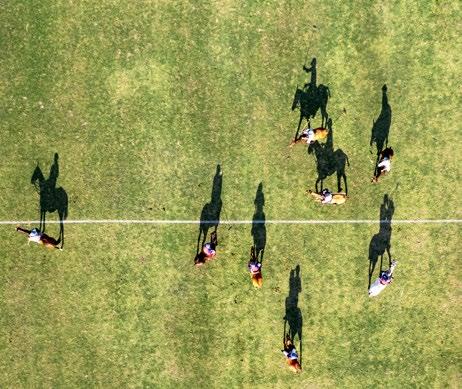
Naturally, Lowell couldn’t be more thankful for the Sarasota Polo Club’s facilities team, Mr. Miller, and some consultants who all play a key role in ensuring the club’s polo turf remains in tip-top shape at all times.
“I rely on my team a lot,” Lowell said. “It’s almost like a football game. Each morning, we huddle up, we make a plan, and we go to work. We’re not always working together at the same time hand-in-hand, but we all go out to get the job done collectively as one unit, a team. These guys, when I step back and reflect on our work, the crew teaches me things every day just as I teach them. That’s the cool thing about having a team: just keeping your mind open and sometimes realizing, ‘I can do this more efficiently this way.’ It takes us less time and, quite honestly, it doesn’t make us overworked. We welcome that workplace creativity here.”
That’s not to suggest that keeping eight-and-a-half polo fields in mint condition is easy. Far from it. But Lowell and his group have become somewhat of a well-oiled machine as they’ve refined their processes over time.
“It takes a lot of energy to do what we do,” he said. “We do a lot of our manual labor in the morning when it’s cooler, and then in the afternoon when it’s hotter, we try to get on our tractors and operate. My guys appreciate that. And they’re always smiling, cracking jokes, and having fun getting stuff done. It’s been fun watching it come together with this team, because I certainly can’t do it by myself.”
If you’re a homeowner looking to apply the Sarasota Polo Club’s professional turf practices to your yard, you’re in luck. Lowell has three tips to pass along.
• “Consistency is a huge thing,” he said. “Your grass is going to tell you everything you need to know. If it looks a little yellow, it might need to be watered a little bit more. If something’s not getting enough water in a certain area, you might need to add an extra sprinkler head or two to allow for some extra coverage.”
• Along with consistent grass upkeep, Lowell recommends having a sound fertility plan in place.“I like to stick to a lot of organic products,” he said. “Organics give us a great soil. It takes time, but over time, as your yard gets older, it’ll become better and better as long as you keep treating it consistently.”
• Finally, Lowell has a word of advice on mowing. “Mowing is a huge thing,” he said. “Sometimes people over-mow, and then they over-mow at too low of a height. Or they inconsistently mow. That’s a big thing with grass. You can’t change heights quickly. It needs to be a little bit over a long period of time.”


Sarasota Polo Club owner James Miller, who has traveled all over the world
“People talk about bucket lists, and playing in America is a big bucket list item for players globally,” Miller said. “We have such a gigantic landscape, and polo takes place in every corner of
On the contrary, some of Miller’s most cherished polo memories involve playing abroad. In places like Germany and France, unexpected opportunities in polo have presented themselves — like the chance to play in
“It was a surreal experience,” Miller recalled. “It was one of those crazy things where I simply reached out on Facebook to players in Germany nationals. That’s one of the fun things that can happen to you if you travel and try new things.”
The same is true of players who spend time in Sarasota - the possibilities for networking and connecting on the field are numerous. Argentine player Vasco Yriarte is among these athletes, who found out about the Sarasota Polo Club from his
“I was really ecstatic with the facilities when I arrived to the Sarasota Polo Club. I quickly learned that it’s a club where people are willing to be friendly generating fun times for all,” Yriarte said. “I have played at the Sarasota Polo Club for four years now, and it always exceeds my expectations, season after season. My family and I
While players like Yriarte are enjoying Sarasota, there are countless other international destinations for polo buffs to experience. Six key spots
By Abby Weingarten

Campo Argentino
de Polo
In Buenos Aires, the Campo Argentino de Polo (often called the Palermo Polo Grounds) pulses at the heart of the world’s polo capital. The grounds are vast, green expanses where high-goal tournaments showcase the country’s finest talent. Beyond the fields, the city of Buenos Aires offers a rich cultural tapestry, featuring tango performances and dining experiences that showcase world-renowned beef and traditional Argentine cuisine.
For polo players, Argentina represents the pinnacle of opportunity.

One of Germany’s oldest and most distinguished sporting institutions, Hamburger Polo Club – located in Hamburg’s leafy Klein Flottbek district –was founded in 1898. The club combines old-world tradition with a modern, metropolitan flair.

The country’s breeding operations are among the best in the world, offering unparalleled access to top-quality polo ponies and training facilities. Spectators can enjoy both the thrill of competition and the vibrant energy of Argentine culture, making a visit to the Campo Argentino de Polo a spectacular sporting experience.
The pinnacle of the polo season in Argentina is the final of the 40-Goal Argentine Open at Palermo – considered the “Super Bowl of Polo” – hosted at the Campo Argentino de Polo. Fans and players from all over the world travel to Buenos Aires every year toward the end of November to witness the best players in the world compete for the championship title.

On Spain’s southern coast, the Santa María Polo Club in Sotogrande is one of Europe’s most glamorous equestrian destinations, set against the Mediterranean Sea and the Andalusian hills. The club, founded in 1965, is both a social and sporting hub, attracting the international elite each summer.
Its historic grounds have witnessed more than a century of competition, from the early days of Europe’s aristocratic polo scene to today’s internationally diverse tournaments.
The club’s facilities include top-tier fields, training grounds and elegant clubhouses, and crowds flock to the annual German Polo Masters and summer tournaments in Hamburg. With its rich legacy and dynamic atmosphere, the Hamburger Polo Club remains a cornerstone of Germany’s thriving equestrian culture.
Santa María boasts world-class facilities with seven immaculate polo fields and a lively après-polo scene that fuses Spanish flair with cosmopolitan sophistication. The highlight of the season is the International Polo Tournament, drawing teams from Argentina, Dubai and beyond.
Between matches, visitors indulge in the region’s beachfront resorts and nearby marinas of Puerto Banús and Marbella. The club’s blend of athletic prestige and Andalusian elegance continues to make it a defining symbol of Europe’s modern polo lifestyle.

Guards Polo Club
Nestled within Windsor Great Park and established in 1955 with royal patronage, Guards Polo Club in England embodies the quintessential British polo experience. The manicured fields, framed by ancient oaks and rolling greenery, provide a visually stunning backdrop for high-goal matches that often feature international teams.
Guards Polo Club hosts one of the annual premier polo tournaments – the 22-Goal Cartier Queen’s Cup, which attracts the sport’s top players and their ponies. With sponsorship from Cartier, the tournament delivers standout days on and off the polo field.

Barbados Polo Club ENGLAND
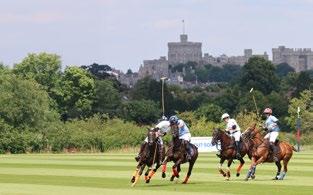
Polo spectators not only witness intense athletic competition but also participate in a social scene that emphasizes tradition and elegance. Afternoon tea, garden parties and high-end dining experiences complement the sport, allowing visitors to immerse themselves fully in English country life.
Established in 1884, the Barbados Polo Club is one of the oldest polo institutions in the Western Hemisphere and the beating heart of Caribbean polo culture. Located in Holders Hill, St. James, the club blends the sport’s British roots with the island’s laid-back charm.
The season, running from January through May, features a series of international tournaments that attract top players from the United Kingdom, Argentina and North America.
Barbados also offers world-class dining, coral-sand beaches and island hospitality, embodying a blend of heritage and tropical ease. Whether under the golden afternoon sun or beneath the island’s starry skies, polo in Barbados captures the beauty and spirit of Caribbean life.

Polo Club Saint-Tropez – Haras de Gassin
The Polo Club Saint-Tropez – Haras de Gassin brings polo to the glamorous French Riviera, blending sport with lifestyle. Situated along the coast with views of luxurious yachts, the club offers an escape where high-goal matches coexist with leisurely indulgence. The Riviera setting ensures that visitors can enjoy not only top-level polo but also fine dining, boutique shopping and sunset vistas.
The club is in the heart of the Provence wine region, where the best rosé wines and vineyards in the world are created. Rosé is not just Provence’s most famous export; it is part of the region’s
identity, as Provence is considered the birthplace of French wine. When the ancient Greeks founded Massalia (modern-day Marseille) more than 2,600 years ago, they brought grapevines and a winemaking tradition that produced pale, lightly colored wines. This style, created before the concept of prolonged skin contact, resembled what is now known as rosé.
Travelers who appreciate both wine and polo flock to Saint-Tropez for summer tournaments, and the Polo Club Saint-Tropez exemplifies how the sport can be seamlessly integrated into a rich cultural lifestyle.

As polo’s influence spans continents and cultures, its global heartbeat finds a steady rhythm in Sarasota. The club has become a gathering place for the sport’s worldwide community – a nexus where stories, skills and friendships converge. Whether players arrive from France, Barbados, England, Spain, Germany or Argentina, Sarasota stands proudly among the great international polo destinations. Here, the shared language of horsemanship and sportsmanship bridges continents, reminding every rider and spectator that polo’s true power lies in connection – across borders, generations and traditions. As the sport’s international appeal continues to grow, the Sarasota Polo Club remains not just a stop on the global circuit, but a home where the world of polo comes together.
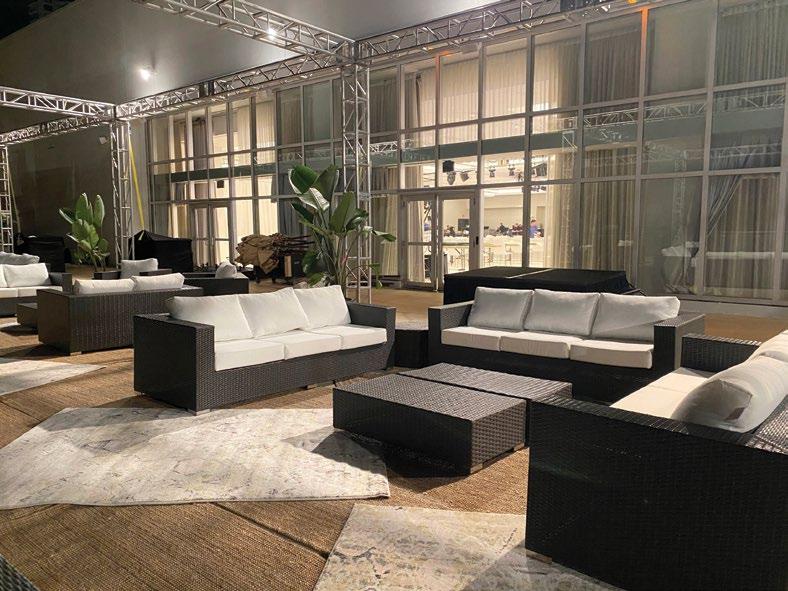
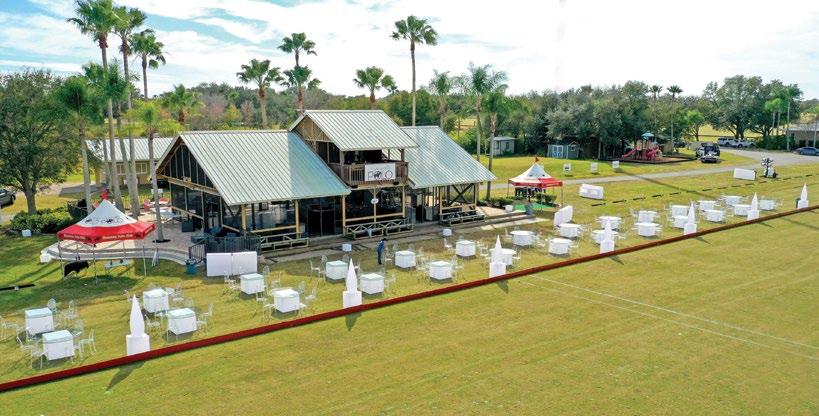
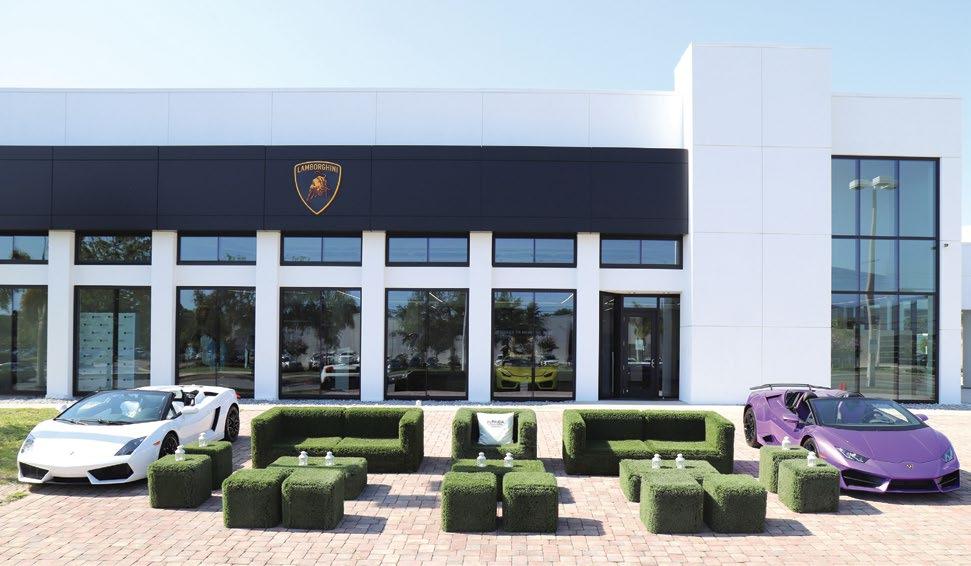








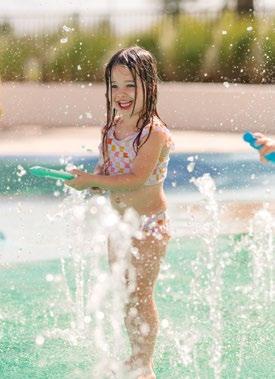



Sundays at the farmers’ market, morning yoga classes, live performances and music are just the start. Solo or together, there are so many ways to play at Waterside Place.
sarasota's only spot for lakeside Shopping, Dining + Entertainment


find your fun!





Long before the days of tailgating off the back of a flatbed truck at a college football or NFL game, a very different form of tailgating was commonplace in the world of equestrian sports - particularly polo and horse racing.
Tailgating in this form began long before the mid-20th century, when it took hold at football games and later expanded to concerts and other events. The tailgates back then bore little resemblance to modern ones.
Rather than a truck or SUV serving as the epicenter of the tailgating experience, the earliest tailgates took place from highly-sophisticated and often extravagantly decorated confines of a coach (a precursor to the more widely known stagecoach of westerns). These vehicles typically belonged to someone who possessed enough wealth to own not only the coach but the four horses needed to pull it.
While these types of tailgates have become increasingly rare in the U.S. since the inception of the automobile in the early 1900s, they still happen each June in England, where roughly 300,000 guests – often including members of the British Royal Family – attend a special five-day horse racing event known as Royal Ascot.
Misdee Miller, who co-owns the Sarasota Polo Club along with her husband, James, is no stranger to equestrian-style tailgates. She staged one just a few years ago at the Sarasota Polo Club during a busy Sunday afternoon of polo, which drew quite the reaction from onlookers.
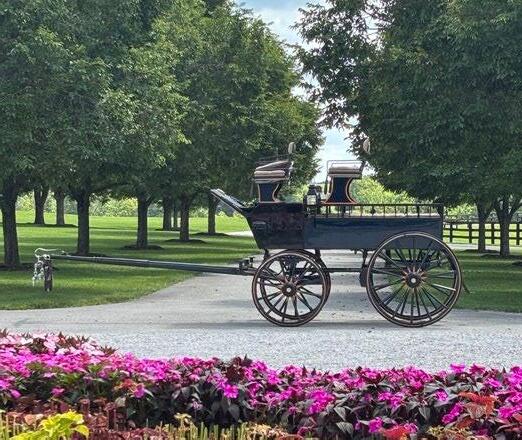
“People were just like, ‘Oh, my gosh. That’s a coach and that’s where tailgating started?’” said Miller, who’s also participated in throwback tailgating events with James at Royal Ascot.
The affable co-owner of the Sarasota Polo Club wants the many who routinely tailgate during Sunday Polo matches at the Sarasota Polo Club to know about the beginnings of this now cherished activity, which originated well over a century ago in the equestrian world.

“If we don’t know from whence we came, we don’t know where we’re going,” Miller said. “To me, that’s what’s really, really important. Most people think of tailgating as, ‘Woohoo, let’s throw the cooler in the back and go to a sporting event, which is great, but it does have a long and storied history and tradition. That’s what’s important to me. And I think it’s nice for people to know they’re participating in something that goes back like 150 years.”
By Jared Turner

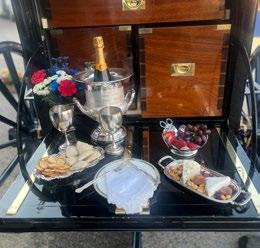
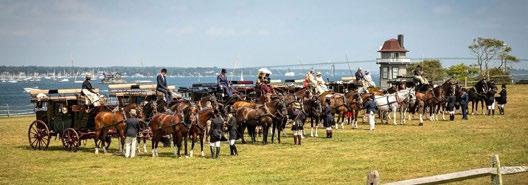
Along with a coach, and the four horses required to guide the coach to its destination, the menus for the earliest tailgates didn’t feature burgers, hotdogs and steaks prepared on a grill. Instead, tailgaters – dressed in the finest attire – typically dined on a combination of finger foods, cheese, crackers, hors d’oeuvres and, perhaps, salmon rolls.
“There’s an elegance to it,” said Dee Aldrich, a longtime equestrian expert and former Royal Ascot attendee who has strong connections to the Sarasota

Polo Club. “There’s nothing quite like sitting there and seeing the hats, the clothes, the fashions, and most importantly, the horses.”
Aldrich’s husband, Tristan, calls the equestrian-centric tailgates of days gone by “more poetic” than today’s.
“People think that tailgating is a modern phenomenon, but it isn’t,” said Tristan, noting that he owns historic artwork depicting people tailgating from the tops of coaches more than 100 years ago. “On a beautiful day, you get to
enjoy not only the weather, but you get to enjoy the scenic drive to the polo club or racetrack you are attending.”
“You ride up to the side of the racetrack or polo field, the horses walk away and go back to their stable or trailer, and you get to enjoy the afternoon with your friends. And then, later, you hook your horses back up and drive home again. It’s the best way to spend a day. It’s a slower pace and a nice way of life.”
The typical coach carried 12 passengers, including two grooms tasked with moving the four horses to a stable upon arrival at its destination. All passengers travel on top, where they can sit or stand while observing the polo match or horse race. The inside of the coach, often beautifully painted, is where the food, drink, chairs and tables - often laced in varnished mahogany or oak - reside during transport.
While 21st-century tailgaters partake in a far different experience than the tailgaters of yesteryear, enthusiasm for the hobby remains high. That’s certainly true at the Sarasota Polo Club, where tailgaters gather by the thousands on Sundays during the published polo season.
“I love the fact that people come out early,” Miller said. “We are such a family-friendly venue and we want everyone to come spend the day with us. Nothing makes me happier than seeing kids out throwing a football or frisbee and people walking their dogs around the grounds and getting to know their fellow tailgaters. We love to be able to offer a venue that provides such a unique experience.”
With

Let’s have a conversation.
Adamchak, Lavezzoli & Associates
Merrill Lynch Wealth Management
6311 Atrium Dr, Ste 100B Lakewood Ranch, FL 34202
941.413.4510
fa.ml.com/abwm







By Abby Weingarten
Owning a polo pony is about more than just purchasing a horse — it’s about embarking on a journey into one of the world’s most exhilarating sports and embracing a lifestyle of strategy, horsemanship and partnership.
For newcomers and seasoned players at the Sarasota Polo Club, the path to finding the right polo pony can seem daunting. Which horse will match your riding style, skill level, personality and aspirations? What should you look for in conformation, performance and temperament? And how do you know if a prospective polo pony is healthy, sound and ready for the rigors of the polo field?
At the Sarasota Polo School, Ashlie Osburg guides riders through this process with patience, expertise and a personal touch.
“Owning your first polo pony is an exciting milestone,” Osburg said. “It’s a process designed for each individual rider. We’re not just finding a horse — we’re finding a teammate.”
Before diving into the buying process, it helps to understand what separates an ordinary horse from a true polo pony. According to Osburg, there are five essential traits:
Conformation: The horse’s build determines its ability to accelerate, stop and turn — all vital on the polo field. A balanced neck and shoulder allow the horse to “get low” into tight turns, while strong hindquarters provide the explosive power for sprints and quick maneuvers.
Performance: Polo ponies are athletes. They need stamina, agility and to be responsive to their rider’s cues — sometimes while at full speed. Great performance comes not just from breeding, but from consistent training and the horse’s willingness to give its all.
the rider. A steady, trusting horse builds confidence for players of all skill levels.
Mental Attitude: Exceptional polo ponies want to play the sport. They anticipate the ball, read the rider’s intentions and exhibit a sharp, willing mind.
Buyer Connection: Sometimes it is impossible to quantify, but it is essential nonetheless. “When a buyer meets ‘their’ horse, something clicks,” Osburg said. “Trust builds instantly and polo becomes a partnership rather than just a sport.”
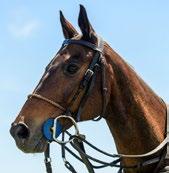
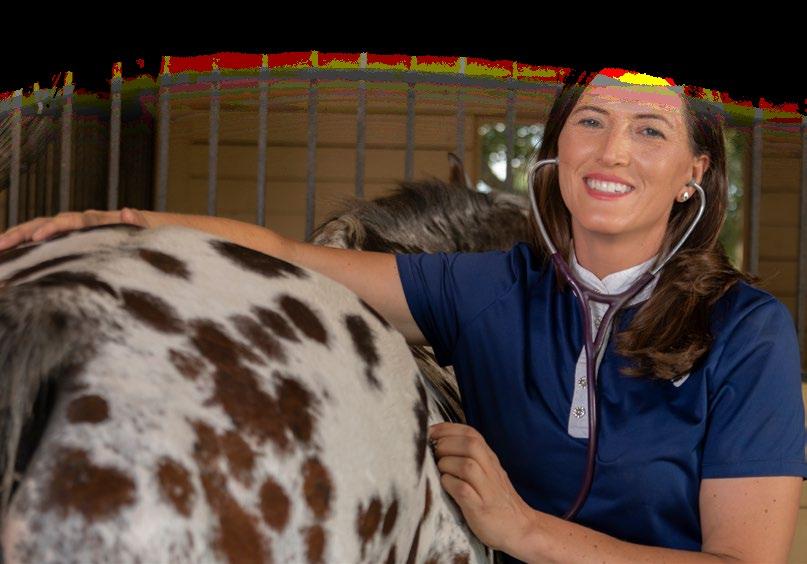
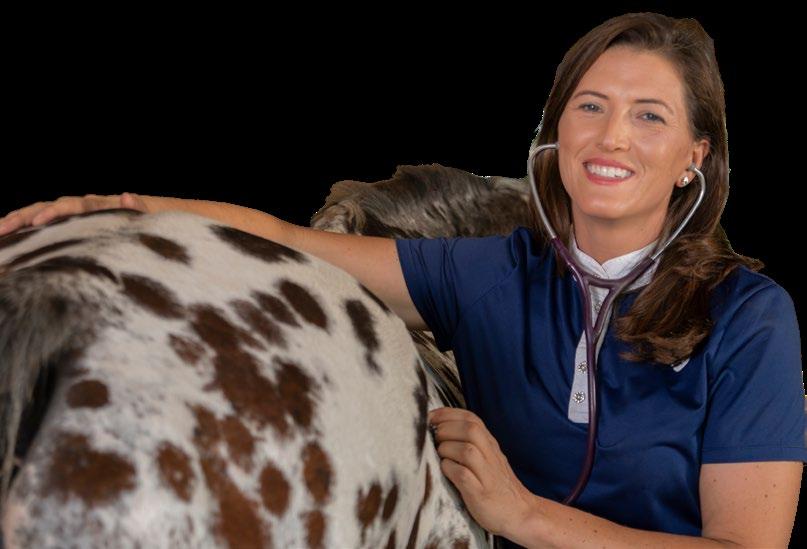
Dr. Margaux Buchanan, a veterinarian at Sarasota Equine Associates, emphasizes the interplay between physical ability and mental attitude.
The journey begins with a deep understanding of the rider’s goals and abilities. Are you entering the sport for fun, or are you seeking a top-level competitor?
“Safety, comfort and confidence are crucial for beginners,” explained Mason Wroe, Director of Polo at the Sarasota Polo Club. “For professionals, longevity and soundness under repeated, intense play are key.”
Osburg’s process begins with a personalized discovery phase. Using her network of trusted polo professionals and contacts worldwide, she identifies horses that align with the rider’s style, size and skill level. These candidates are then brought to the Sarasota Polo School for trial rides.
“The relationship between horse and rider is crucial,” Osburg said. “Even if a horse looks perfect on paper, it may not feel right to you under saddle. That connection can’t be forced.”
Temperament: A polo pony must remain calm under pressure, brave in front of crowds and cooperative with
“A horse with the right conformation and performance traits has potential. But if it doesn’t want to cooperate or adapt, it won’t excel on the polo field,” Dr. Buchanan said.
A horse with the right conformation and performance traits has potential. But if it doesn’t want to cooperate or adapt, it won’t excel on the polo field.
DR. MARGAUX BUCHANAN


Once prospects are identified, the next step is an in-person evaluation. Prospective buyers test the horses in scenarios that mimic actual game conditions. These trials assess:
▶ Gait and Movement: Is the horse smooth, balanced and responsive?
▶ Handiness and Training: Can it navigate tight turns, stops and lateral movements?
▶ Temperament and Personality: Does it remain calm under pressure and responsive to cues?
“We put the horses through figure-eights, spin tests, stop-and-roll maneuvers and controlled chukkers,” Osburg said. “Observing how they respond to different scenarios reveals their true capability.”
Wroe added that riders should focus on the horse’s adaptability rather than raw speed.
“Fast horses are exciting, but a ‘quick’ horse — one that changes speeds seamlessly and responds instantly — is invaluable on the polo field,” he said.
STEP 3
No polo pony purchase is complete without a comprehensive veterinary assessment, or pre-purchase exam (PPE).
“Think of the PPE as a health snapshot,” Dr. Buchanan said. “It’s not pass or fail, but it identifies potential issues relevant to your intended use.”
A standard PPE includes:
▶ Physical Exam: Vital signs, teeth, eyes, skin, heart, lungs and gastrointestinal systems.
▶ Lameness Evaluation: Observing gait on hard and soft surfaces, including flexion tests.
▶ Neurological Assessment: Checking for abnormalities affecting performance or behavior.
▶ Blood Work and Screening: Including Coggins testing for equine infectious anemia.
“The PPE equips buyers with information to make an informed decision,” Dr. Buchanan said. “It helps manage risks and avoid future surprises.”
STEP 4
Once the purchase is complete, Sarasota Polo Club offers a boutique boarding experience. Horses are cared for by professional staff, ensuring their daily routine mirrors top polo barns nationwide.
Boarding includes turn-in/turn-out and stall cleaning; feeding, grooming and blanketing; coordination of veterinary and farrier services; and daily exercise, with warm-ups and tune-up rides. Osburg notes that Florida’s climate requires specialized care.
“Heat, humidity and hurricanes demand special protocols,” she said. “We rotate paddocks, and provide shade, fly spray and box fans to keep horses comfortable year-round.”
Training is continuous and tailored to the rider’s skill level and goals. During the in-season months, horses participate in lessons, stick & ball, chukkers, leagues and/or tournaments. The off-season focuses on rest, light work or off-site turnout, depending on the needs of each pony.
Nutritional support is equally important. Diets are adjusted for performance level and season, and supplements or specialty grains may be added for energy and recovery. Routine veterinary care, dental checkups, deworming and shoeing ensure the horse stays healthy and ready to perform.
Osburg’s team also provides flexible care when riders are unavailable.
“Life happens — travel, work or injury,” she said. “We offer maintenance rides, partial or full training packages, and even stall rest management to keep horses fit and happy.”
Even after making a purchase, the bond between rider and horse develops over time.
“You might try a horse, like it and buy it, but truly understanding its quirks can take weeks, months or even years,” Wroe said.
Dr. Buchanan added, “A horse’s adaptability is revealed over repeated experiences. How it responds under pressure, fatigue or different riders can affect your long-term partnership.”
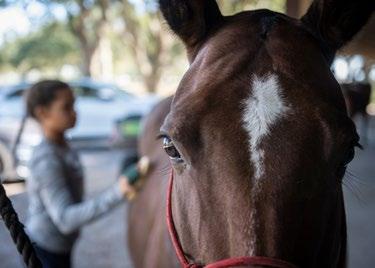
For those considering the plunge into polo pony ownership, here are some expert tips: Try Multiple Horses: Experience different sizes, temperaments and skill levels before committing.
Work with Experts: Trainers, veterinarians and professional players can provide invaluable guidance.
Assess Rider-Horse Compatibility: Focus on comfort, confidence and safety, especially for beginners.
Evaluate Longevity: For professionals, consider the horse’s long-term soundness and durability.
Trust Your Instincts: If a horse doesn’t feel right, don’t buy it. Polo ponies become part of your family; you need to love and trust them.
Owning a polo pony is not merely a transaction — it is an immersive experience. From learning the sport and building horsemanship skills to participating in leagues and tournaments, polo fosters discipline, teamwork and connection. This is particularly important for younger players.
“Polo keeps kids connected to horses, teammates and nature,” Osburg said. “It teaches focus, responsibility and social skills in a way that digital entertainment cannot.”
Kids learn to balance, communicate and advocate for themselves while developing confidence and friendships built around a shared passion. For adult riders, the rewards are equally profound.
“There’s something special about having a horse you know inside and out,” Osburg said. “It elevates your confidence, refines your strategy and lets you focus on the nuances of the game rather than just controlling the horse.”
The goal is intrinsic value — that feeling of confidence and synergy every time you mount your pony. Dr. Buchanan calls this the “Superman syndrome,” when a horse that makes you feel capable of making every play, trusting each movement and enjoying the game to its fullest.
Buying a polo pony is an adventure of patience and partnership. It combines science and intuition — understanding conformation, evaluating performance and forming a connection that transcends the saddle. With the guidance of professionals like Osburg, Dr. Buchanan and Wroe, Sarasota riders can swiftly navigate this experience.
From the first search to the pre-purchase exam, initial rides to in-season league and tournament play, each step is designed to cultivate not just a skilled polo pony but a loyal teammate. And once that bond is formed, the thrill of the sport — the swift turns, the chase for the ball — becomes a dance between horse and rider, where every chukker tells a story of trust, skill and heart.

By Jared Turner
Every week, millions of people use commercial airplanes to go to and from various destinations around the world. Human beings aren’t the only ones who consistently rely on air travel, however.
Horses do the same. In fact, New York, Miami, Chicago and Los Angeles are all home to airports where horses depart and arrive with regularity — sometimes up to 50 on a single flight.
“It’s amazing how many horses are up in the air every day,” said Humberto Rivera, the founder and long-time owner of HFR International, a company specializing in international horse transport by air. “It’s crazy how many horses get moved around the world.”
But horses undergo far more pre-flight scrutiny than passengers, who typically only need to check their luggage and get through a security checkpoint before boarding.
Humberto is well-versed in the nuances and complexities of global equine travel. The same is true for Dee Aldrich, who’s been involved in international horse transport for many years as a groom.
At first glance, flying a horse overseas might seem complicated, but the process is far more routine than most people expect.
“Each specially-designed container has the ability to carry up to three horses,” Aldrich said. “The containers get loaded ahead of time, and are on wheels and rollers that help transport them to the airplane. It’s not as intimidating as you would think. It’s not like you’re walking the horses up a ramp directly into the plane.”

Ensuring adequate hydration for a horse is paramount to the horse remaining calm and physically well during transit.
“You take precautions ahead of time to ensure they’re hydrated,” Aldrich said. “We often add an electrolyte to their water to encourage them to drink not only prior to transport but also during transport.”
Humberto noted that some horses can drink five gallons or more during a six-hour flight. For the more difficult travelers, he has some tricks up his sleeve to encourage them to drink.
“If the horse doesn’t drink, we will throw apples in the water. Or wet down their hay,” Humberto said. “If the horse is shy when approached with a bucket of water during their pre-flight stay, we know that specific horse is going to need their hay to be wet during the flight and we make that adjustment. Understanding each horse that we are transporting and its needs is part of our concierge service.”
limited to: booking the flight, providing health certificates and proof of required blood tests for the animal, assuring the horse has the appropriate microchip, and arranging for the horse to be placed in a stable at the airport before boarding time. In terms of booking the flight, horses are treated similar to humans.
Before a horse can even get on an airplane, though, there’s a ton of preparation and logistics involved. This includes, but isn’t
“Horses can fly business class or economy class,” Humberto said. “You are essentially paying for the space on the aircraft. If your horse is willing to share a container with two other horses, you are able to split the cost of the container amongst those three horses. That would be the economy class. If the horse is big or needs more space in the container, or doesn’t pair well with others (i.e. stallions or mares with foals), we arrange for the animal to fly in its own container. That would be the business class.”
The paperwork piece of the equation with international equine flights involves government oversight from the United States Department of Agriculture (USDA), which has its own veterinarians.
“The USDA veterinarians will go in three hours before the flight and inspect all the horses to make sure the paperwork that we present for each horse matches the horse,” Humberto said. “They’re going to check the microchips. They’re going to take
each horse’s temperature and check other vital signs to make sure they’re fit to travel.”
There’s also a method to how horses are placed in the aircraft and the speed at which they board the plane.
“In terms of loading, some horses want to rush getting on the container,” Humberto said. “We have horses that travel frequently and are used to the process, so it’s no big deal to them. For others, they might be nervous or this might be their first time. So we take our time and we go at their speed. When it comes to the physical placement of the containers on the aircraft, we have to keep in mind who we are transporting each flight. If we have mares and stallions on the same flight, we have to position the stallions away from the mares on the aircraft.”
From start to finish, roughly 15 to 20 people are typically involved in a single equestrian flight. These individuals include ground transport drivers (who transport the horses to the airport), members of the airport’s management team, airline crew members, the loading master for the aircraft, the USDA veterinarians, a government inspector who checks the horse stalls on the airplane for safety, and others who play a role in loading the horses onto the plane without incident.
“It’s always an army,” Humberto said.
Once the horses are in their stalls on the plane, with their water and hay, and the plane is ready for takeoff, a groom will fly with the horses and periodically check on the container throughout the flight to ensure each horse receives the proper care. These grooms can either be certified airline employees, or grooms employed by the horse owner tasked to transport that specific horse.
“There’s a whole process to get approved to fly with horses,” Humberto said. “It’s a very detailed test they have to pass. One part is making sure they’re knowledgeable working around horses. They also need to learn about the aircraft. If there’s an emergency or any problems occur, they have to know how to communicate with the crew, know all the emergency signals, and know what to do.”

Ultimately, one aspect of equestrian air travel still stands above all else.
“The most important thing in what we do is making sure that all horses in our care travel as safely, smoothly and stress-free as possible,” Humberto said.
“That’s the key to this business.”

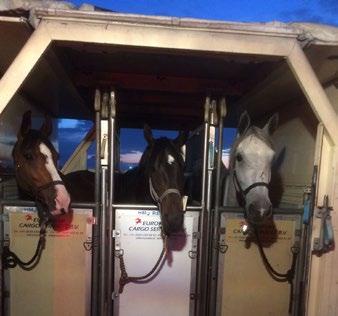
Once the aircraft touches down, the horses begin a process that mirrors loading but with additional procedures tied to U.S. federal requirements. After each container is removed from the aircraft and brought to a receiving area, the horses are unloaded and moved directly to a USDA-approved import quarantine facility. This step is mandatory for all horses entering the United States.
The length of quarantine depends on the country of origin. Horses arriving from Europe typically spend three days in import quarantine, followed by an additional Contagious Equine Metritis (CEM) quarantine for mares and stallions at a separate USDA-approved location. Geldings are cleared to travel on to their final destination once the initial three-day period and testing are complete. Horses arriving from South America must complete a seven-day USDA import quarantine, after which no additional quarantine is required.
At present, the only U.S. airport with an on-site USDA import quarantine is JFK Airport in New York. JFK also has a second government facility located roughly 80 miles north in Newburgh, New York, requiring ground transport from the airport. All other U.S. airports rely on off-site quarantine centers, and horses must be transported from the airport to those facilities immediately upon arrival.
Throughout the initial import quarantine, USDA officials oversee all procedures, including the collection of blood samples that are shipped by airmail to a federal laboratory. These tests screen for equine infectious anemia, glanders, piroplasmosis, and dourine. Only after all results return negative can a horse be released to proceed to its next location.
During this period, each horse is also checked for any injuries that may have occurred during the flight, offered fresh water and hay, and allowed time to settle into its new environment. Veterinary officials verify vaccinations, confirm all travel documents, and ensure the animal meets all health and regulatory standards before clearing it for onward transport.

CRAFTED WITH THE SPIRIT OF THE SPORT OF KINGS

On fields shaped by heritage and carried by thunderous hooves, polo reveals the art of mastery, honor, and poise.
At De Gracia & Estevez Cigars, we honor this noble tradition through the Most Valuable Patron Award, a celebration of those whose presence embodies the very soul of the sport of kings.

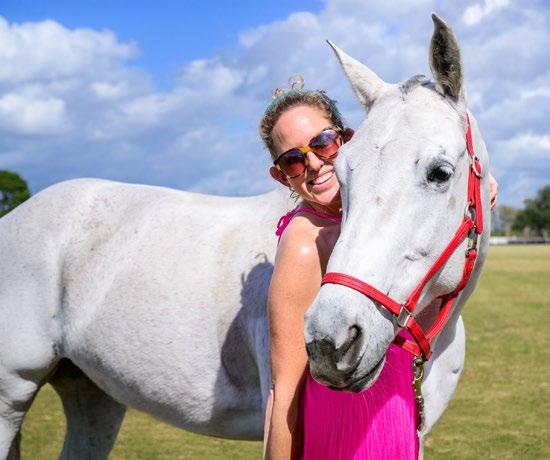
By Abby Weingarten
If you’ve attended Sunday Polo at the Sarasota Polo Club lately, you may have spotted a charming, white-hued polo pony stealing the spotlight. That’s Mini Mart, a 15.1-hand American Quarter Horse who has become the Sarasota Polo Club’s beloved pint-sized powerhouse.
Between dazzling crowds at halftime of Sunday Polo matches and posing for selfies with attendees, Mini Mart proves that personality matters just as much as performance. Her friendly demeanor makes her approachable for spectators who may be seeing polo for the first time, and she is known to lower her head so children can pat her nose for good luck.

Melissa Wightman, Mini’s owner since 2022, remembers the moment she knew her horse was the one: “It was love at first chukker. Mini has this calm, gentle energy that makes everyone feel welcome.”
When she is not interacting with fans or allowing kids to paint her coat to match the tailgate theme, Mini Mart trains with the Sarasota Polo School’s Ashlie Osburg and plays in polo matches with Ashlie’s husband, Neil Osburg. While Mini Mart may look elegant and composed, she also nickers loudly whenever she sees the feed bucket coming, nudges for scratches under her mane, and insists on stopping midride to watch birds in the nearby oak trees.
AGE: 11
BREED: American Quarter Horse
HEIGHT: 15.1 hands (61 inches)
WEIGHT: Roughly 1,100 pounds
DIET: Alfalfa Hay, Grain & Supplements
FAVORITE TREATS: Carrots are classic, but Mini won’t say no to an occasional frosted Pop-Tart. She is a pony with refined tastes and a serious sweet tooth.
BLANKETS: Mini has a wardrobe fit for a fashion magazine: lightweight sheets for warmer nights, a mediumweight blanket for crisp evenings, and a heavy blanket for rare chilly Florida nights.
BIGGEST FEAR: Umbrellas. No one knows why, but Wightman and Ashlie Osburg are carefully helping her get over it, one gentle pop at a time.
BEST FRIEND: Mocha, a sweet pony from the Sarasota Polo School. The two are inseparable in the pasture. Mini’s day isn’t complete without a nuzzle from her BFF.
SOCIAL STAR: Mini Mart is proof that charm comes in all sizes, especially 15.1 hands. Mini is also a social media favorite. You can follow her on Facebook.
HOW MINI GOT HER NAME: She has a Circle K brand on her hip. “Mini Mart” seemed cuter than calling her “Gas Station”!
on-One!
Book your chance to spend time with Mini Mart, Sarasota Polo’s beloved ambassador! Say hello, snap a photo, and enjoy a memorable moment together. Spots are limited. Reserve yours now by emailing Info@SarasotaPolo.com.
You can also follow Mini Mart’s adventures on the Sarasota Polo Club Facebook Page, as well as on her personal page, Mini Mart the AQHA Polo Pony.

• Botox
• Fillers
• PDO Thread Lift
• Chemical Peels
• Kybella
• Sculptra
• Skin Pen Microneedling & PRP
• Fractional Skin Resurfacing
• Intense Pulsed Light (IPL)
• Diamond Glow
• Laser Hair Removal
• Semaglutide Weight Loss Injections









By Abby Weingarten
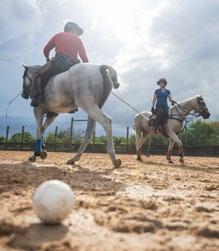
In today’s digital age, it seems nearly impossible to pry children away from screens. Whether they are on smartphones and tablets or gaming consoles and social media, kids spend countless hours in virtual worlds — often at the expense of fresh air, physical activity and social connection. Parents everywhere are searching for ways to provide healthy alternatives that engage their children while fostering skills that will last a lifetime.
Enter polo: a sport that blends athleticism, teamwork and adventure with the unparalleled bond between rider and horse. At the Sarasota Polo School, families have discovered that the sport offers a captivating, screen-free environment where kids grow stronger, more confident and more connected — both to nature and their community.
Here are five compelling reasons why polo might just be the perfect antidote to digital distractions.
Polo is thrilling. The fast-paced action of chasing a small ball on horseback, anticipating plays and executing precise maneuvers is an adventure that screens cannot match.
“There’s nothing like the adrenaline of a game,” Ainsley Mulligan said. “You’re focused, moving fast and fully present. It’s pure excitement.”
For many kids, the sport becomes a passion that motivates them to spend hours outside honing skills, riding and strategizing.
“Our students aren’t just playing games — they’re mastering horsemanship, building stamina and learning strategy,” Osburg said. “The sport’s intensity keeps them engaged, reducing reliance on digital entertainment.”
Polo’s excitement extends beyond the field. Students participate in national competitions and travel with teammates. The thrill of real-life challenges, combined with hands-on responsibility, fosters resilience and a sense of accomplishment.
Polo is, at its core, an outdoor sport. Kids spend hours atop powerful, agile horses, moving across lush polo fields under the sun. Polo is more than just exercise — it’s an immersion in nature. Heather Shepard’s son, Gregory, began riding at the age of 8 at the Sarasota Polo Club and has benefited greatly from the experience.
“He started with trail rides and gymkhanas, but when he discovered polo, it transformed his daily routine,” Shepard said. “Now he’s constantly active, learning horsemanship and playing in leagues without ever thinking about a screen.”
The physical demands of polo are substantial. Riders develop core strength, balance and coordination, all while improving cardiovascular health. According to pediatric health experts, children who engage in at least one hour of vigorous outdoor activity daily benefit from better moods, sleep and cognitive function.
As the instructor for the Sarasota Polo School, Ashlie Osburg is tasked with ensuring that kids are not only playing polo but also participating in barn chores — grooming, feeding and tacking horses, creating a full-body workout that no video game can replicate.
Polo isn’t a solo pursuit. It is a dynamic, team-oriented sport that demands collaboration, communication and trust. Players must coordinate passes, anticipate teammates’ moves and respect opponents — lessons that carry far beyond the polo field.
Kate Mulligan, whose daughter, Ainsley, captained the Sarasota Polo Club Interscholastic team said, “Polo taught her more about leadership, cooperation and accountability than any classroom activity. During games, she was part of a team that needed to prepare horses, strategize plays, and support each other. Phones were left behind, and the kids thrived on direct connection and problem-solving together.”
Research consistently shows that team sports bolster social skills, resilience and empathy in children. At the Sarasota Polo Club, youth players range in age from 10 to 18, learning to communicate across generations.
“The community aspect is huge,” said Mason Wroe, Director of Polo at the Sarasota Polo Club. “Kids learn responsibility and patience while working with horses, teammates and mentors — a combination that is hard to replicate on a screen.”
Few experiences build self-esteem like managing a 1,000-pound equine athlete with a mind of its own. Polo instills independence in young riders as they navigate not just the game but the daily responsibilities of horse care.
Sarah Hill recounts the journey of her daughter, Hazel: “Hazel started playing polo in fifth grade. She’s learned leadership, horsemanship and accountability. Each day at the barn, she’s making decisions for herself and her horses. It’s empowering in a way screens simply can’t be.”
Handling a horse requires patience, focus and quick thinking. Mistakes
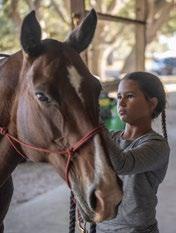
In a world dominated by screens, polo offers a rare alternative: a sport that combines physical activity and teamwork while fostering connections with horses and peers. From learning the fundamentals of horsemanship to experiencing the exhilaration of the field, young athletes at the Sarasota Polo Club thrive.
For families looking to reduce screen time and provide children with meaningful, life-enhancing experiences, polo is more than a sport — it’s a lifestyle.
When you are ready to learn more, please contact the Sarasota Polo Club at Info@ SarasotaPolo.com.
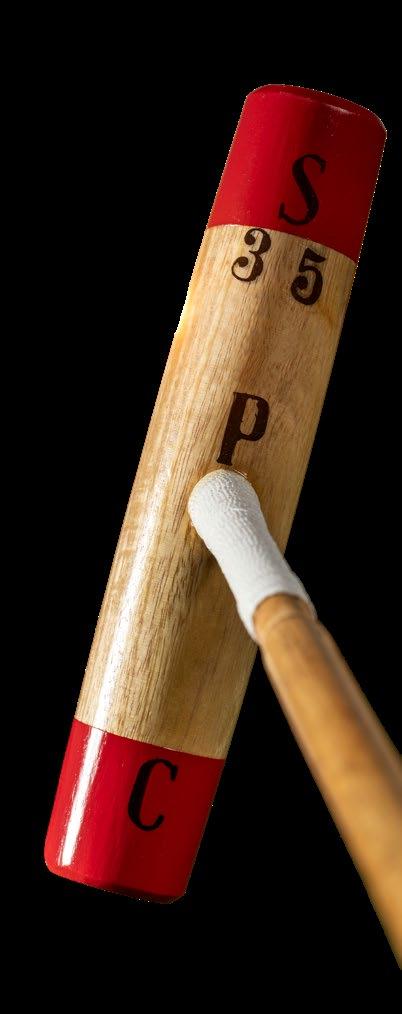
By Jared Turner

Some people fall in love at their workplace. For others, it might happen at church, a country club, or online. For Michael and Petra Brown, the sparks of romance started at the Sarasota Polo Club — specifically at the Sarasota Polo School.
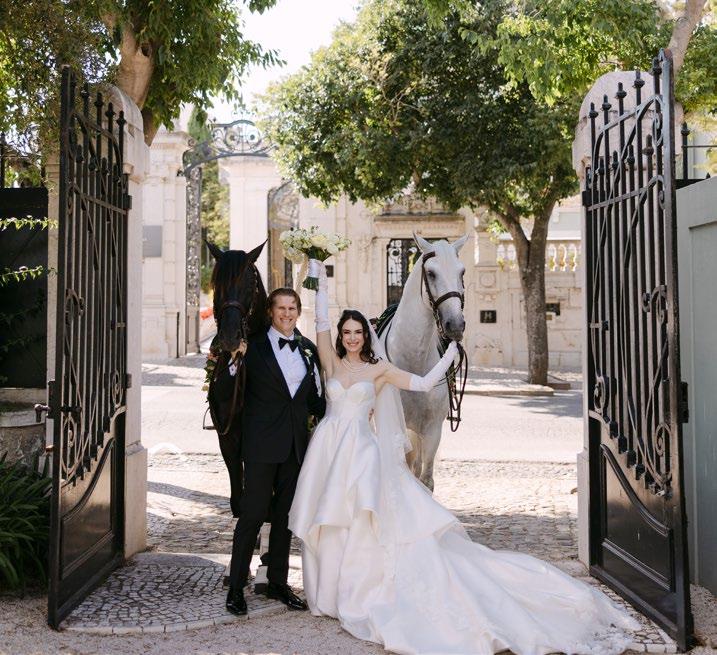
Michael and Petra started dating soon after meeting during a group polo lesson, thanks to their mutual riding instructorturned-matchmaker, Ashlie Osburg.
About 20 months after their first date, Michael proposed to Petra during stick and ball (a practice session) on a field at the Sarasota Polo Club. As Michael asked for Petra’s hand in marriage, the ring got stuck in his pocket because he was on horseback. Petra pretended not to notice while he awkwardly tried to get it out to pop the question, and both shared a laugh. Seven months later, in July 2025, the two tied the knot in an equestrian-themed wedding in Portugal. But their love story started on horseback, with a little – or a lot – of coaxing from Osburg, who serves as the Director of the Sarasota Polo School.
“It was completely organized by Ashlie,” Petra said. “I had been taking lessons with her, and one day she called me and told me I should change the dates for my lessons because there was this great guy that just started and she thought I should meet him.”
But Petra wasn’t so convinced.
“I was like, ‘No way. I’m busy, he can change his days!” Petra said. Meanwhile, in the background, Ashlie continued to learn more about Michael, grilling him with questions. His answer to one of those questions ultimately led Osburg to take on the role of matchmaker.
“One of the first questions Ashlie asked me was whether or not I was single,” Michael said. “And I told her, ‘Yeah, I am.’ And she said, ‘You should meet Petra.’ As I took more lessons with Ashlie throughout the season, I would tell her things like, ‘I want to play polo in Europe. I want to travel to this place for vacation.’









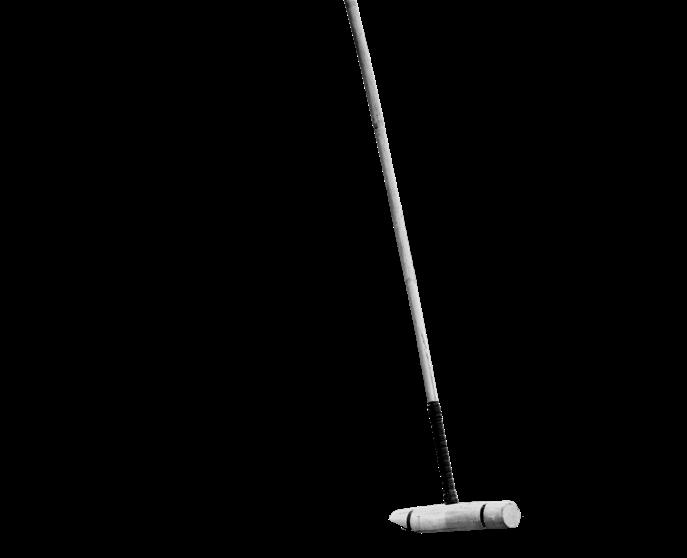



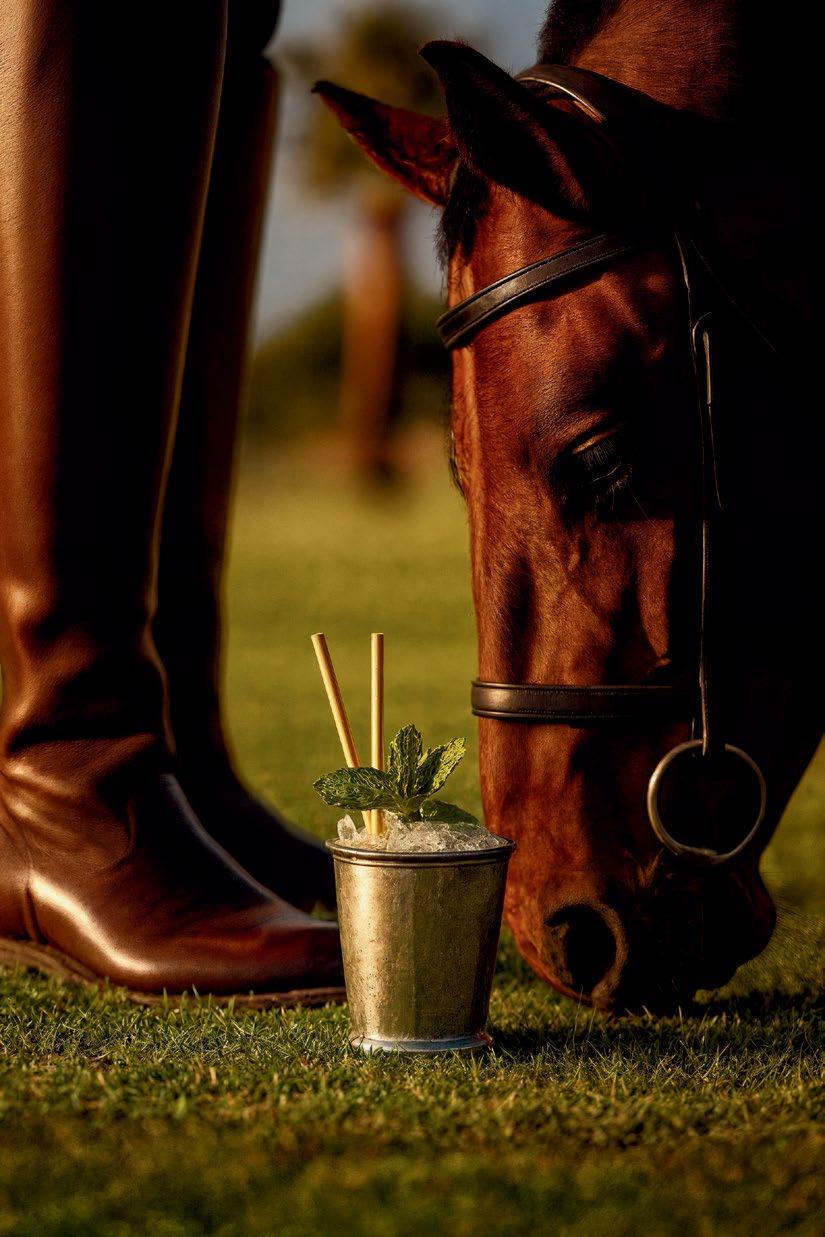

Made from natural plant stems, elegant, never soggy and 100% compostable . Proud sustainability partner of Sarasota Polo Club.
We thank the grooms who work tirelessly behind the scenes.

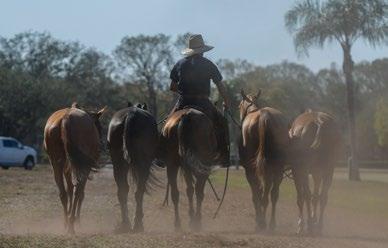
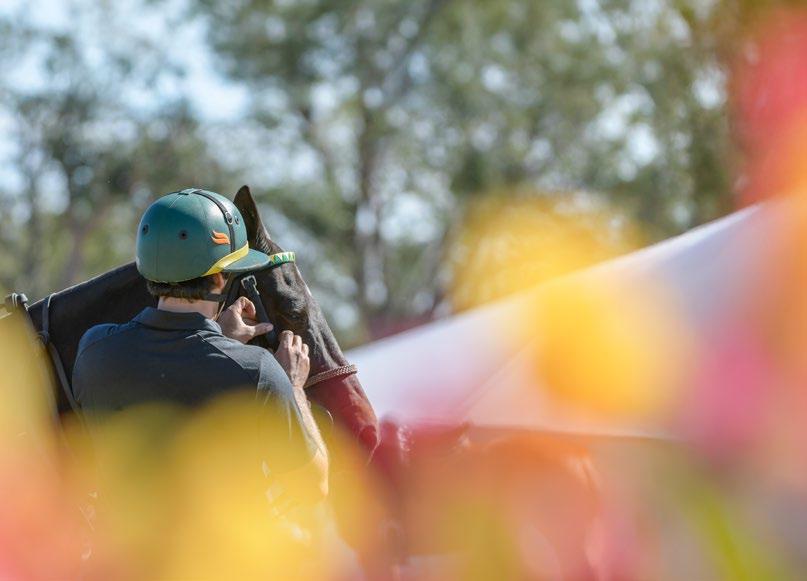
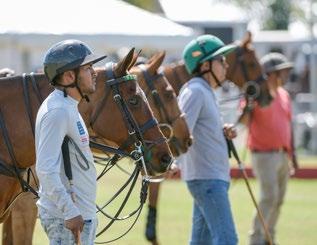
When emergency strikes, every moment matters. With this latest addition to the Sarasota Memorial Health Care System, you and your loved ones can sleep easier knowing that the doctor is in –and just around the corner.
• 21 Exam Rooms • Full Service Laboratory
• X-ray, MRI, CT, and Ultrasound Imaging
• Board-Certified Emergency Medicine Physicians Available 24/7
• Direct Admission to Sarasota Memorial Hospital or hospital of your choice, if needed
Laboratory and imaging services availableWalk-Ins Welcome
Sarasota Memorial ER at Lakewood Ranch 7250 University Parkway, Sarasota, FL 34240 (941) 262-3000 • smh.com/er



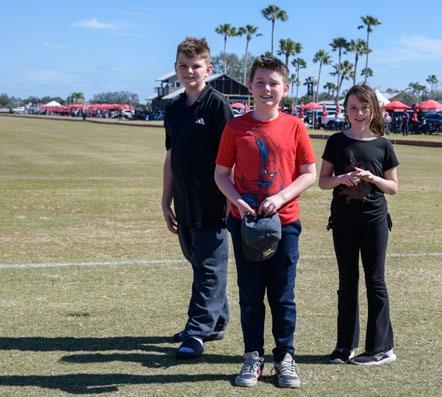
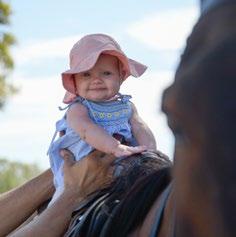
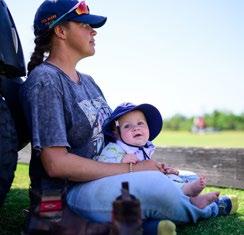




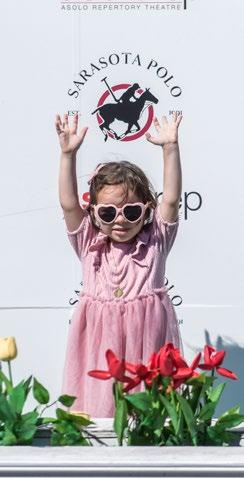
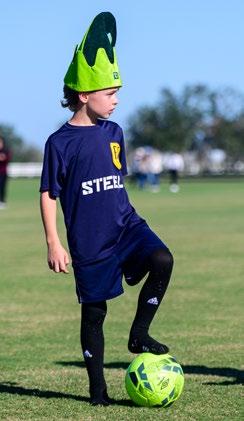

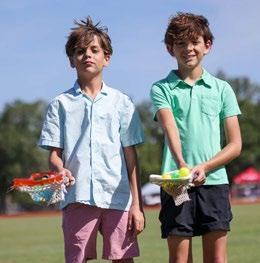
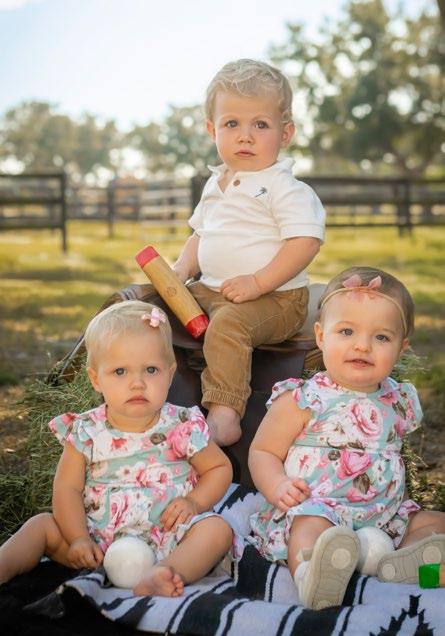


Ev er y T hur sd ay y Thur from M ar ch 1 9 om Ma rc th to A pr il 1 6 th
Gate s ope n at 4 :30 op en at 4:30 pm Ma tch begins a t 5 :30 t 5:30 pm
Join the party for the Sunset Polo Happy Hour at the Sarasota Polo Club on Thursday nights at 5:30 p.m. from March 19th through April 16th. Enjoy exciting polo action, tail gating, food, drin ks and divot-stomping agai nst a backdrop of a breathtakin g sunset. Once the polo action is complete for the evening, stick around and join us for live music!
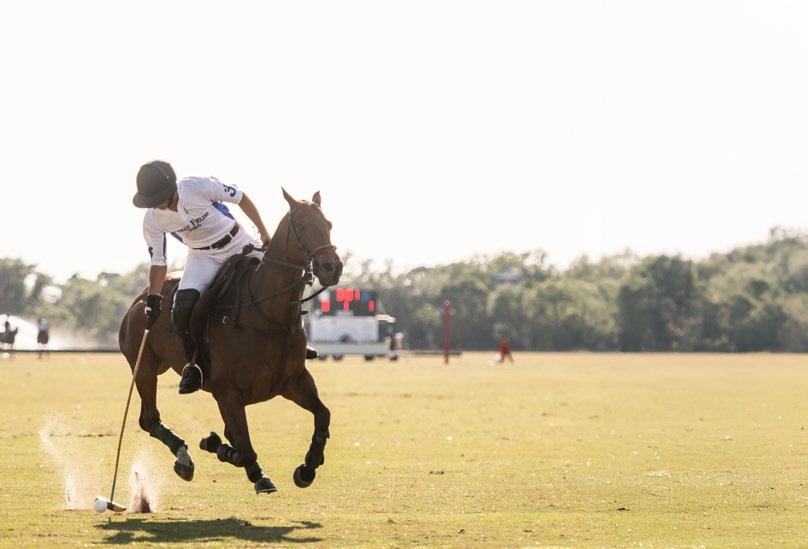


It is through the players’ dedication and commitment to the sport that the Sarasota Polo Club is able to provide residents of the Lakewood Ranch and Sarasota areas with the most exhilarating sport played today.
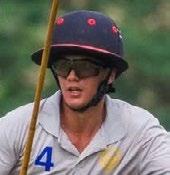
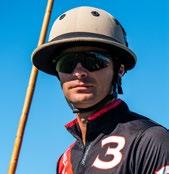









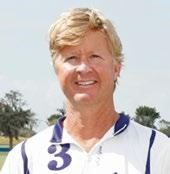
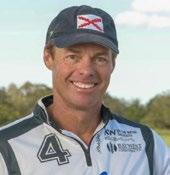

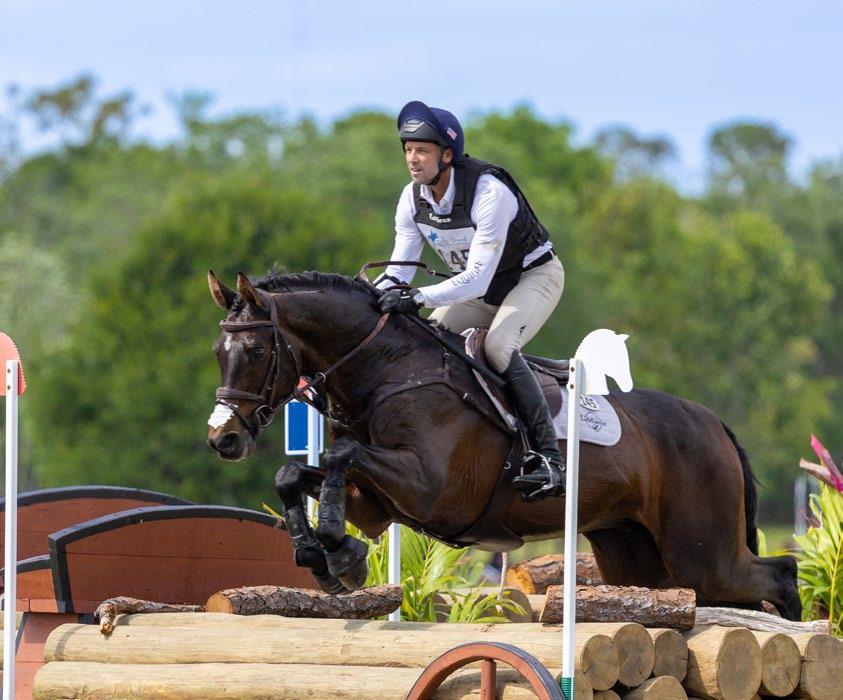












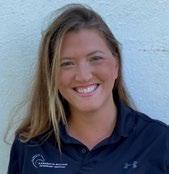
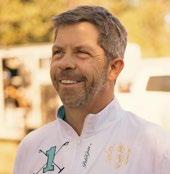
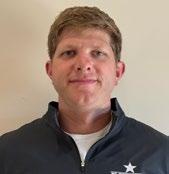

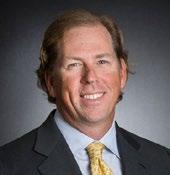

During the 2026 Season of Sarasota Polo, Killik’s Kitchen is serving fresh, handcrafted meals at our two field side locations.
The Weekly Menu Includes
Burgers
Grilled Bratwurst
Meatball Subs
Chicken Tenders
Grilled Chicken Caesar Wraps
Hummus Veggie Wraps
Salmon with Butter & Herbs
SIDES: Fries, Chips, Rice
Come taste why Killik’s Kitchen is one of Sarasota’s top food vendors!
0



















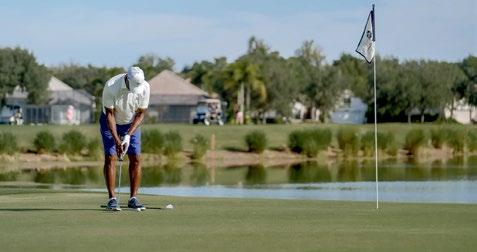


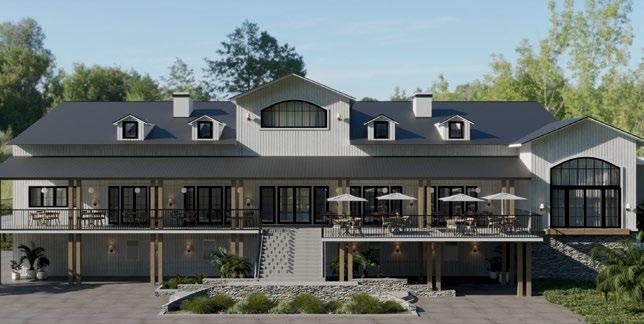



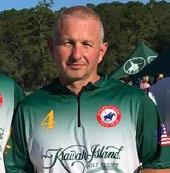













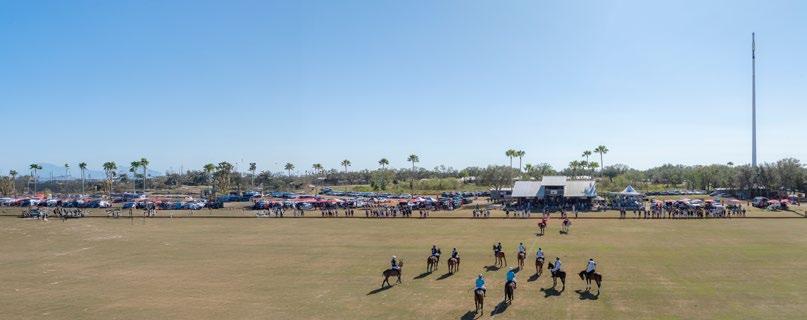


Owner since 2018, James has been a playing member since 2005, and Ranch Owner Member since 2010.

A dedicated polo enthusiast and accomplished equestrian, Miller has been involved in polo for over two decades. He began playing polo in 2000 in Lexington, KY. From 2015 to 2018, he served as the Lexington Polo Club President. Beyond polo, James is an accomplished combined driving competitor, having represented the United States at the Pairs World Championships twice. He’s also a member of the historic Coaching Club, where he competitively drives carriage horses. While his professional career is centered on commercial real estate, polo has evolved into his true passion. Under his leadership, the Sarasota Polo Club has grown significantly and is regarded as one of the premier polo venues in the U.S.
Vice President of Operations
Paige joined the Sarasota Polo Club in 2018, and was promoted to Director of Operations in 2019. You can find her running around on Sunday’s, but don’t be afraid to stop her and introduce yourself! She has since been promoted to Vice President of Operations, and is looking forward to a fabulous 2026 Season of Sarasota Polo!

A New England native, Basil has spent 13 years in Florida as a golf course superintendent and turf expert on both the East and West Coasts. He has prepared turf and facilities for many PGA Tour events, including the 2017 PGA Championship. He joined the Sarasota Polo Club team in the summer of 2023, intending to bring Mr. Miller’s vision of greater conditions to the fields and facilities.


Mason joined the Sarasota Polo Club as Director of Polo in 2019, to cultivate and grow the sport both on and off the field. Mason enjoys bringing fun, competitive polo to the Sarasota Polo Club and Lakewood Ranch community.


Nick joined the Sarasota Polo Club Field Staff in 2012 and had been working for SMR for 12 years before that on the golf course. He has been a vital part of the team ever since. Nick, an outdoorsman, loves the atmosphere of the horses, the polo fields, and the people. When he’s not at the polo grounds, he spends most of his free time with his family or watching an old action movie.

Originally from Haiti, Feugens left when he was 24. Since then, he has spent parts of his life in Chile, Mexico, and now Sarasota. Always wearing a smile, he brings not only his hard work ethic but also his experience in agriculture and a touch of landscaping. When not at the club, he enjoys playing his drums and eating great food.

Tyler joined the Field Staff team in 2021. Since he was little, he has always been around the Sarasota Polo grounds thanks to his father, who frequently brought him to work. When Tyler is not working on the polo grounds, he is on the water fishing or throwing a good horseshoe at the local pits.

Director of Sales
Blake joined our team as Director of Sales and is looking forward to making a positive impact on our team. Blake is a Lakewood Ranch native and graduated from Florida Gulf Coast University. If you’re interested in sponsorship, event sales or advertisement, don’t be afraid to email Blake!

Ashlie Osburg has been the Director of the Sarasota Polo School since 2021. In just a few years, she has grown the business from a handful of students to dozens of regular and eager students— many of whom had never ridden at all before meeting her! Each week, students of all ages and backgrounds come together to learn polo and in the process learn horsemanship, leadership, responsibility, and teamwork.
Crystal Dionne brings a lifetime of hospitality experience to every role she takes on. With more than twenty years as a bartender specialist and extensive experience in bar management, she has built a reputation for exceptional service, professionalism, and a true passion for creating memorable guest experiences. She is committed to serving her community with the same dedication and enthusiasm that have defined her career for over two decades.




Josh Shelton is a 2-Goal polo professional and USPA Umpire LLC certified umpire. Josh began playing at a young age in Wichita, KS and has been playing at the Sarasota Polo Club since 2010. Josh has played in every level of polo that the Sarasota Polo Club offers. His focus and passion at the Sarasota Polo Club is coaching and organizing the Sunshine League, as well as umpiring.

No task is too important to Fenel; his focus is so serious that you have to make him laugh to see his smile. Fenel, since leaving Haiti, has lived in Chile and Mexico, while working in construction, landscaping, and the laundry business. When not fixing something around the club, Fenel spends as much time as he can with his wife and daughter.

Originally from Window Rock, AZ—the capital of the Navajo Nation— Leo brings a rich cultural background and a passion for service. He studied Theology and Cultural Studies at Cairn University in PA and is now the newest addition to the Field Staff. An avid outdoorsman, Leo spends his free time fishing, exploring new trails, and discovering the beauty of the natural world. A devoted coffee enthusiast, he’s always on the hunt for fresh blends to fuel his day.

In the short time Bruno has been a part of the team, his passion for preparing the fields for polo is immense. While in his birth country, he worked in construction, and for five years as a border security on the Haiti and Dominican Republic border. A family man of three wonderful children, he enjoys learning English, eating fine tacos and playing soccer.
By Jared Turner
Appointed Director of Sales at the Sarasota Polo Club in August of 2025, Blake Frey wasted no time getting to work.
In this Q&A, the 29-year-old Buffalo, New York, native—who has called Lakewood Ranch home since the age of eight—discusses what drew him to the position, his connection to the community, and his goals in helping advance the Club’s sales and partnerships. Let’s get to know Blake.
How did you land this role?
“Having grown up in Lakewood Ranch since 2004, I was quite familiar with the Sarasota Polo Club. My first job in high school was working for the Sarasota Polo Club helping with ticket admission. My parents and I enjoyed the matches. I always had a strong affinity for the Sarasota Polo Club and loved everything that it brought to the community of Lakewood Ranch.
I went to college at Florida Gulf Coast University, and it had a very similar vibe to Lakewood Ranch. While I enjoyed my college experience, I wanted to make a difference in my home community.
After college, I returned home to Lakewood Ranch and began working for the Lakewood Ranch Business Alliance. I was introduced to a variety of interesting companies, business owners,
mentors, and Lakewood Ranch residents. My role to help develop, connect and strengthen ties in the business world amongst members in Lakewood Ranch Community but I was also involved with advertising and sponsorships. The Sarasota Polo Club actually reached out to me to see if I would be interested in a position, and after having lunch with owner James Miller and Vice President of Operations Paige Lautzenheiser, I was intrigued. I felt this would be an exciting opportunity.”
What is your overall vision for sales and community growth with the Sarasota Polo Club?
“When you think about the Sarasota Polo Club, you think about the experience - families, groups, and friends coming together to enjoy an amazing event. My vision is to show businesses that they can do the same. Whether it’s through group events or sponsorships, I think corporate partners are integral to the Sarasota Polo Club. Businesses are able to host networking socials, client appreciation events, and more with us - having just as much fun with their clients as they do with their families.”
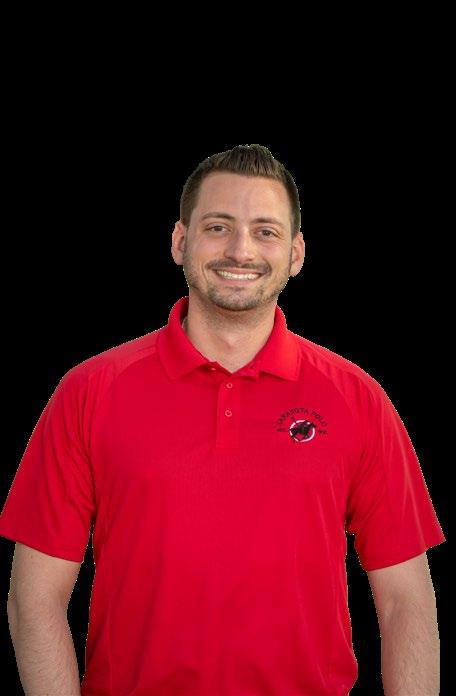
How do you pitch to prospective clients?
“First, I understand the client’s needs. Being the only polo club on the west coast of Florida, we are unique and so is what we provide to our corporate partners. We offer highly-customizable packages, tailored to each client’s needs and/or goals.”
What’s been the biggest challenge of the job so far?
“This is my first role in the sports industry, as well as the equestrian industry. Learning about polo and what happens behind the scenes to make a polo match happen has been a learning curve.
We’re not just selling a venue; we’re selling an experience. I’ve really delved into learning everything about that experience and asking questions so I can put myself in the mindset of a customer who wants to learn more.”
To get your business aligned with the Sarasota Polo Club, email Blake at Blake@SarasotaPolo.com.
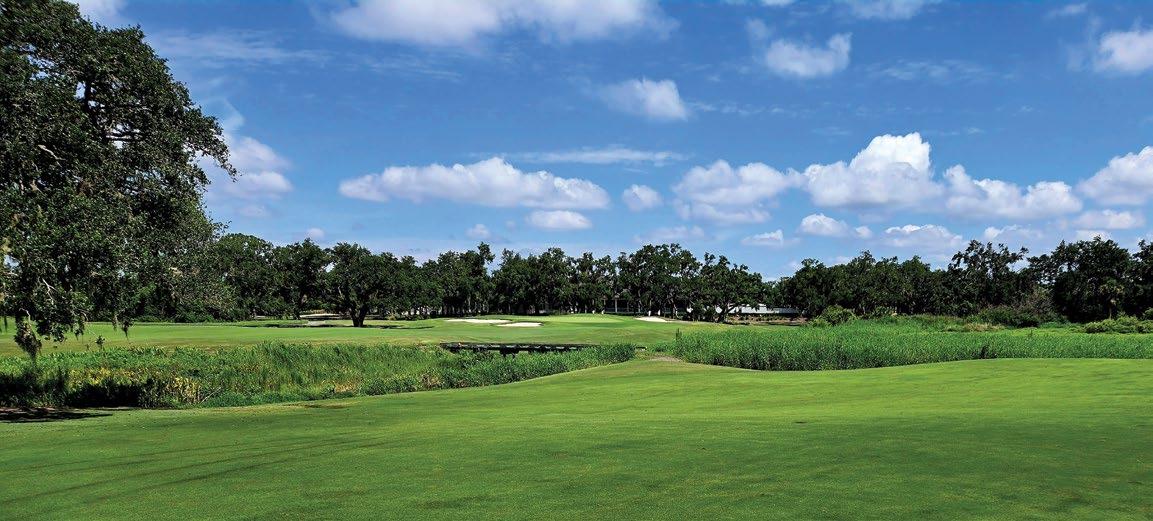
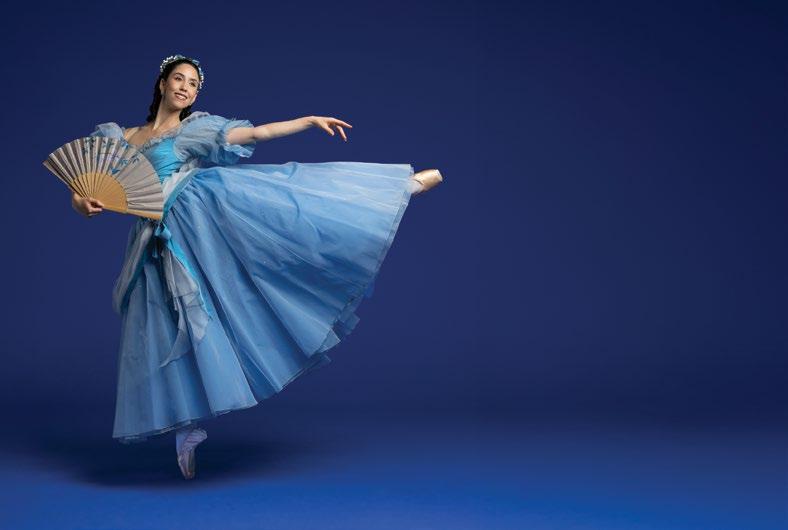





Each week during the season, thousands of spectators congregate at the Sarasota Polo Club to enjoy the sport of polo.


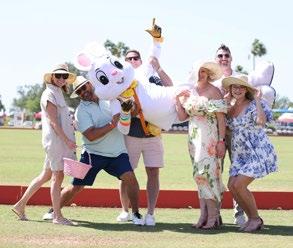





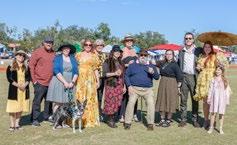











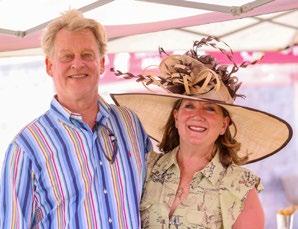



At Grapevine, bringing you success means stepping into your shoes, whatever they may be. We know the best marketing starts with understanding, and that comes from being side by side with you. We take the time to learn how your business works, the passion behind your purpose and what matters most to the people you serve. That insight gives us the perspective to create meaningful strategies that truly make an impact.
Artificial intelligence can sort numbers, spit out sentences and analyze data. What it cannot do is walk with you, listen closely and truly see the heart of your business. That is where we stand apart. For us, AI means Always Involved and All In for you. Let’s take the next step together.

There’s a reason polo is called the “fastest game on four feet.” Since 1991, the Sarasota Polo Club has been providing exhilarating polo matches through the winter season. With exciting tailgate themes, halftime entertainment, wagon rides, tailgating, divot stomping, and more, the Sarasota Polo Club is the perfect place for a family outing.
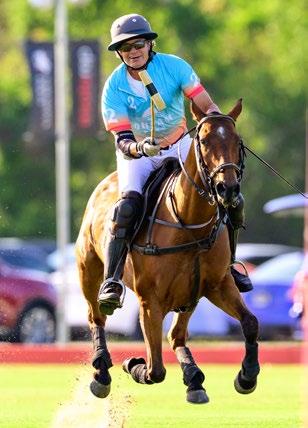
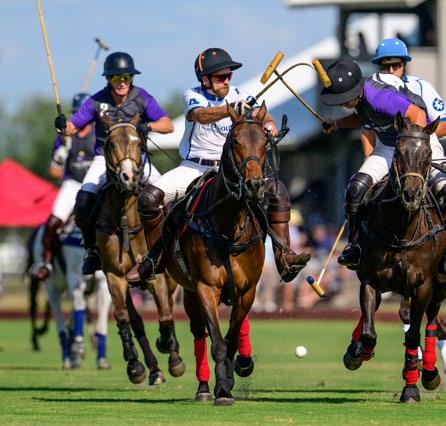
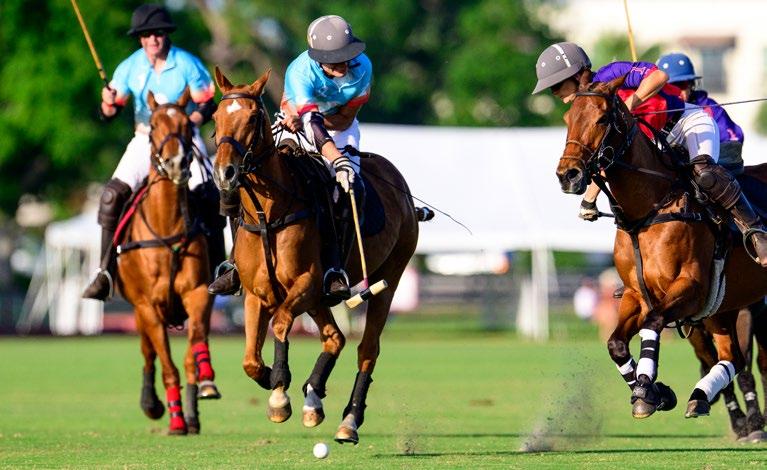



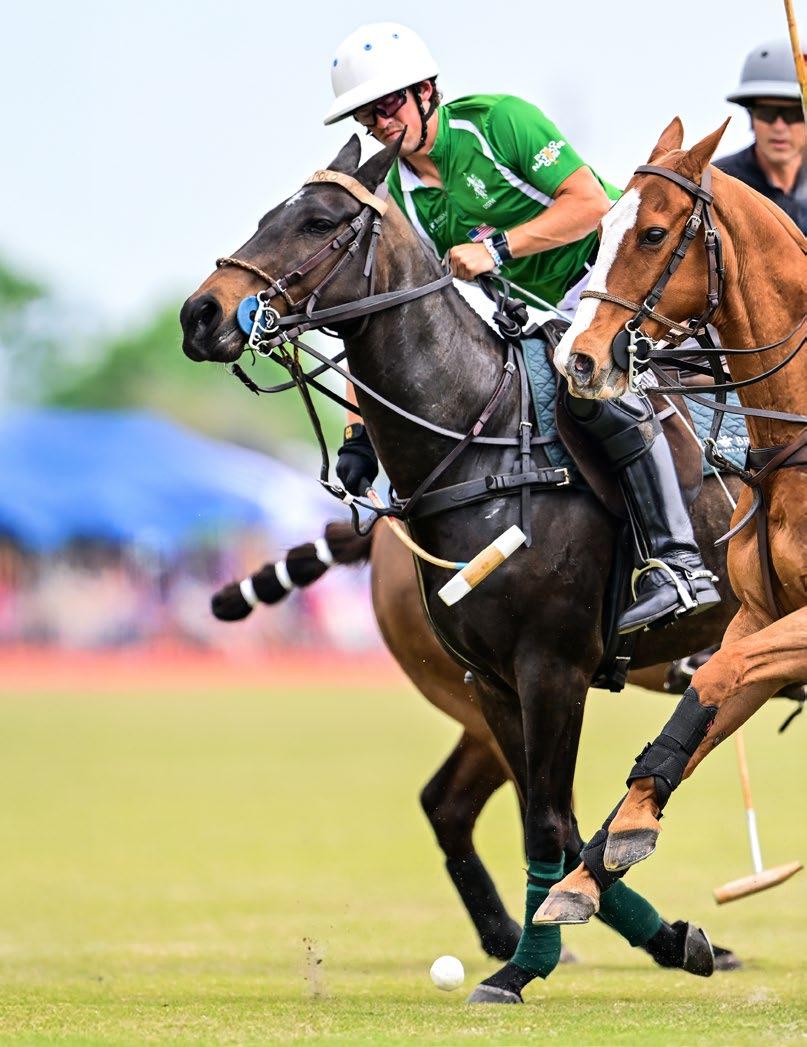
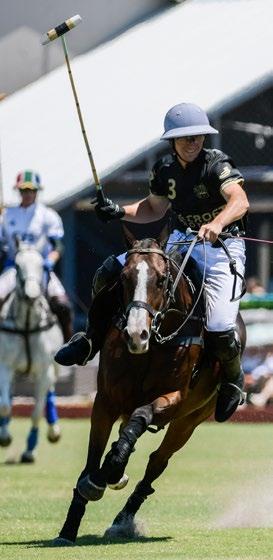
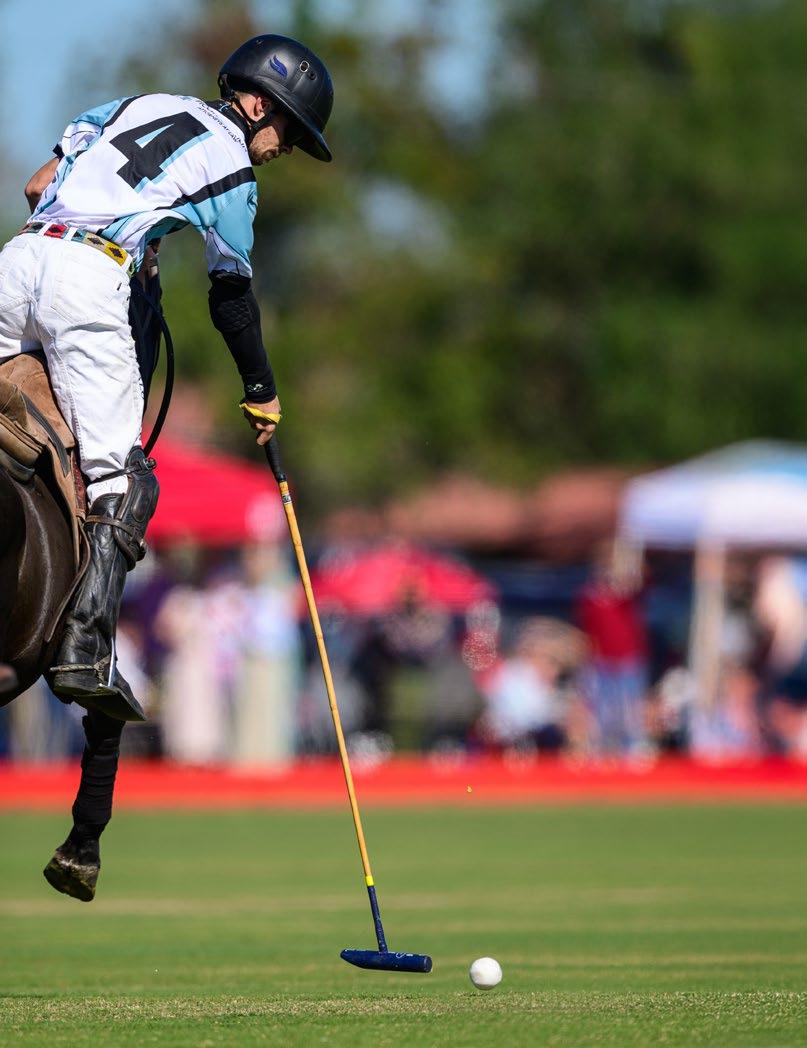
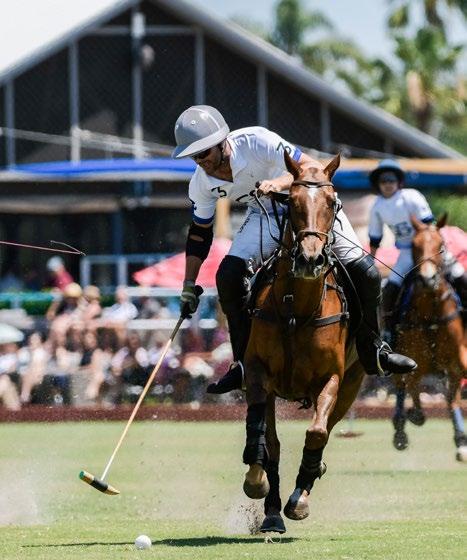
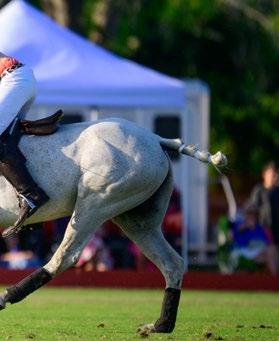



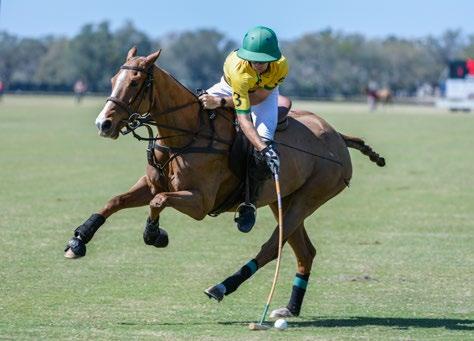
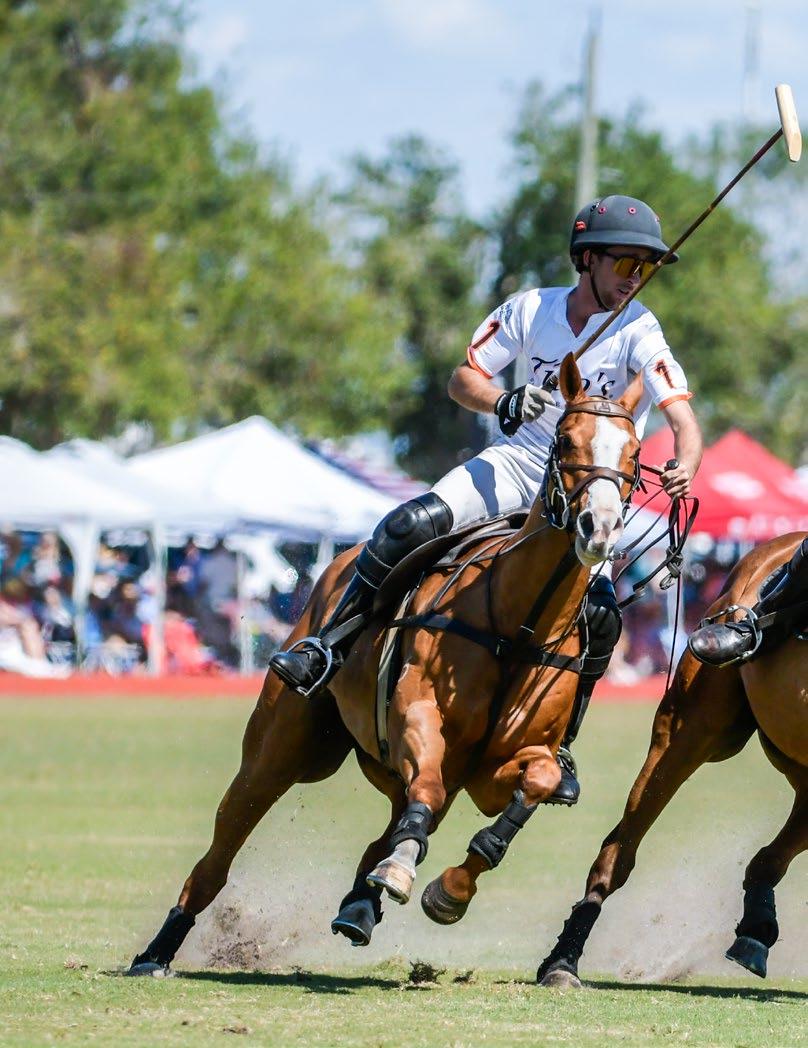

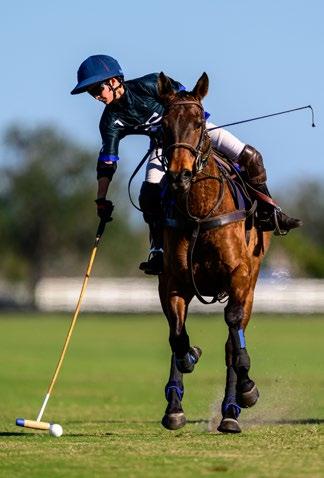


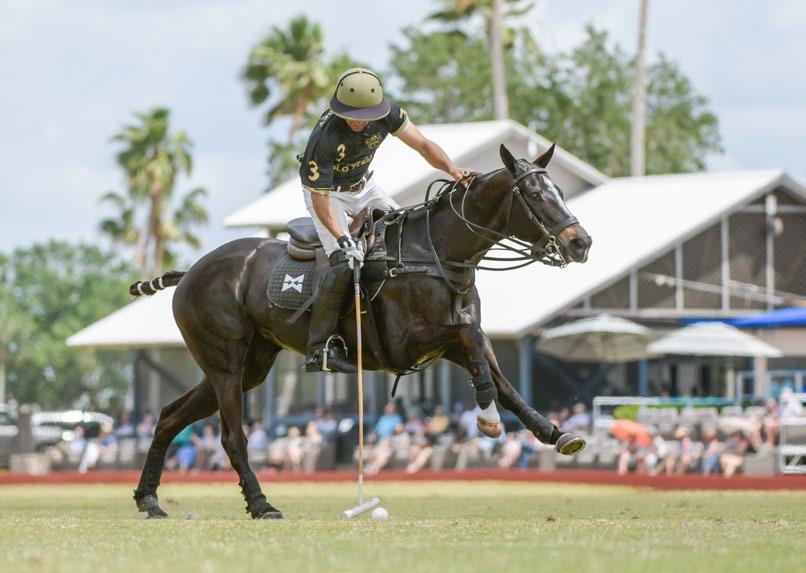
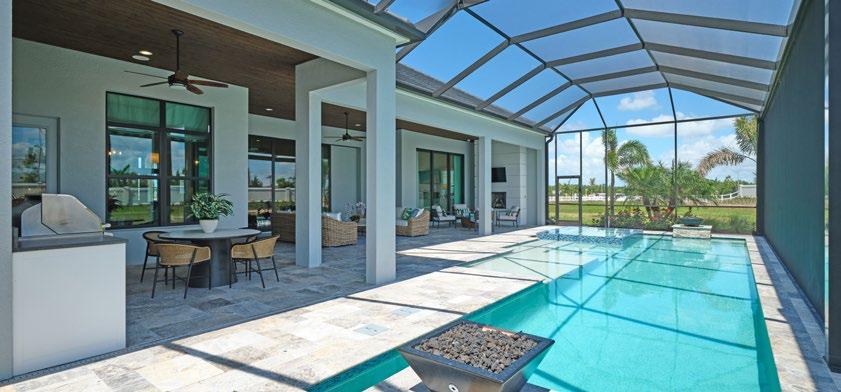

With an illustrious legacy spanning over five decades constructing homes in Southwest Florida, we have the expertise needed to build the home you have always envisioned.
Starting from $1M+ WATERBURY PARK AT LAKEWOOD RANCH
Starting from $1.4M+
Starting from $1.3M+ - now in closeout! ARIA
Starting from $500’s

Starting from $750’s

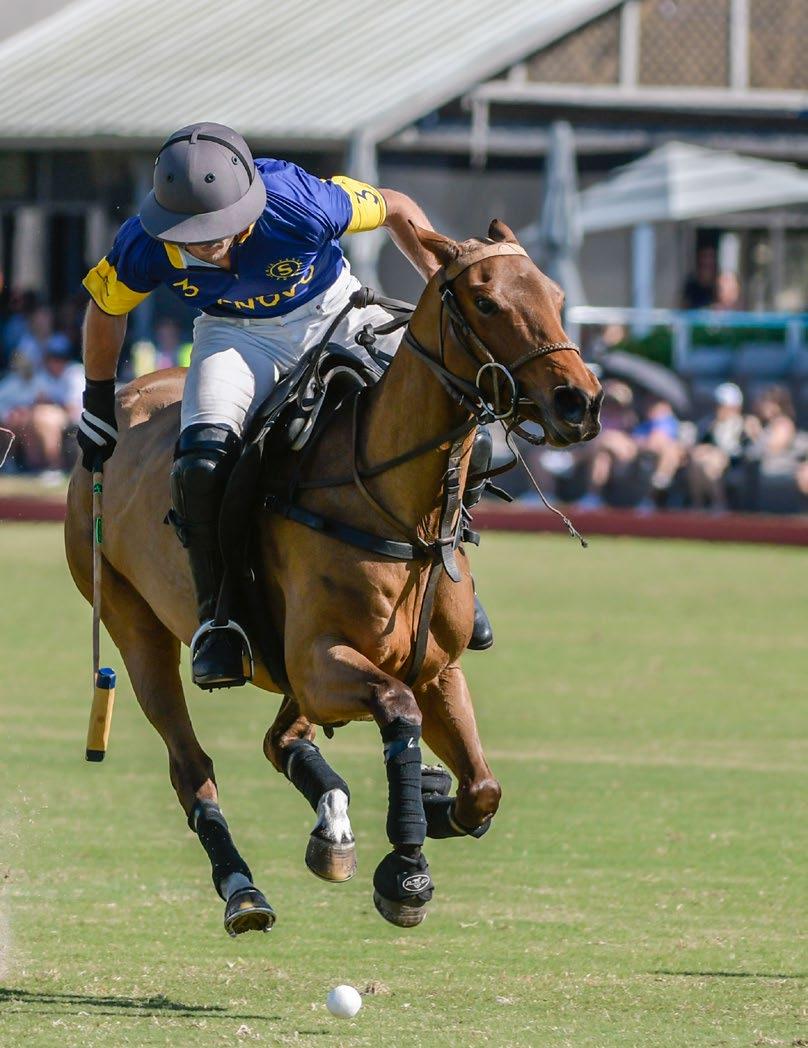

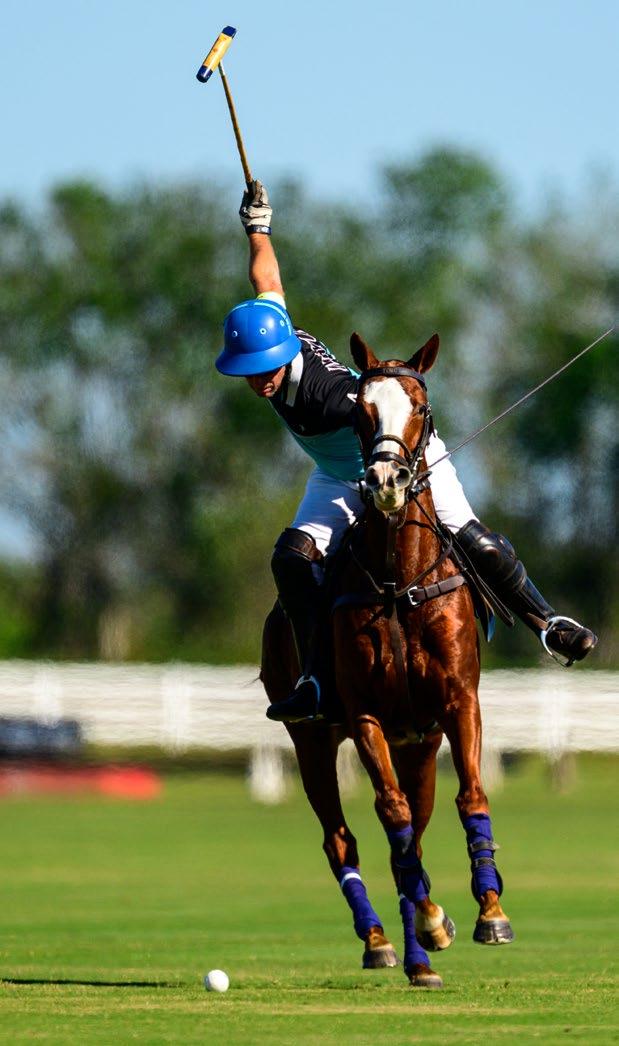

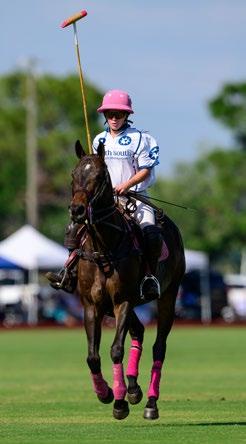






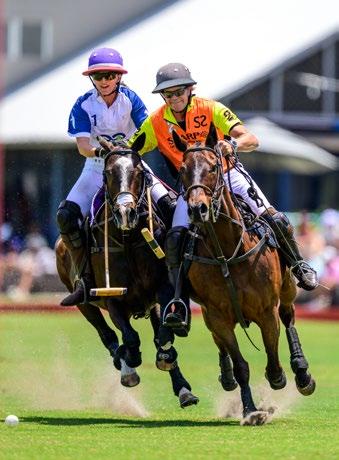





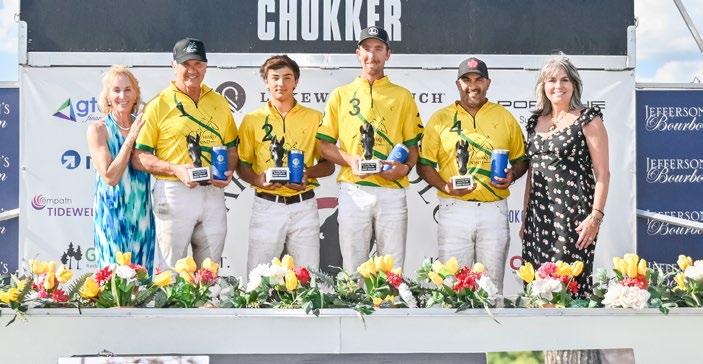



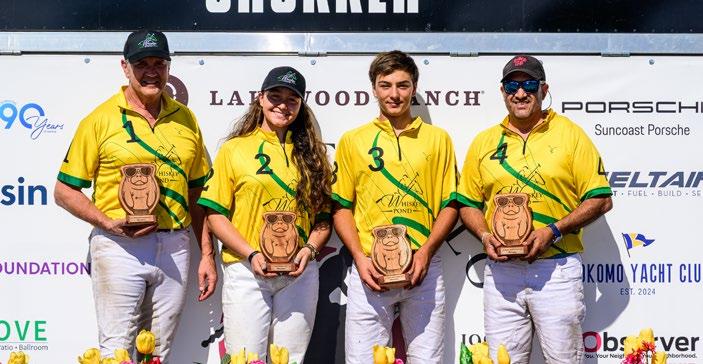



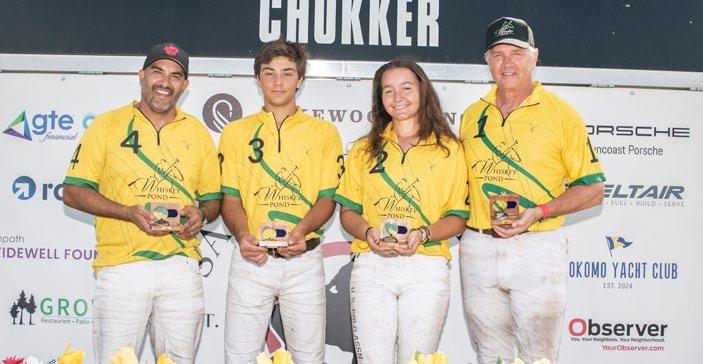


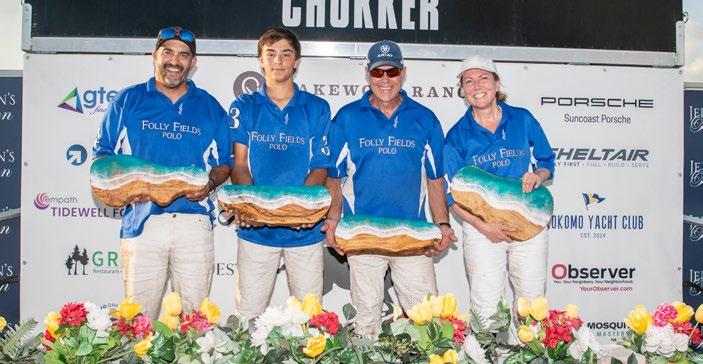




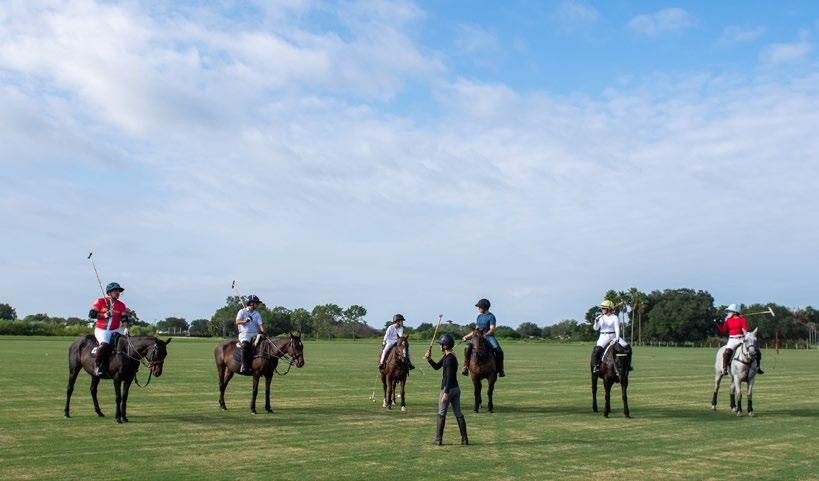


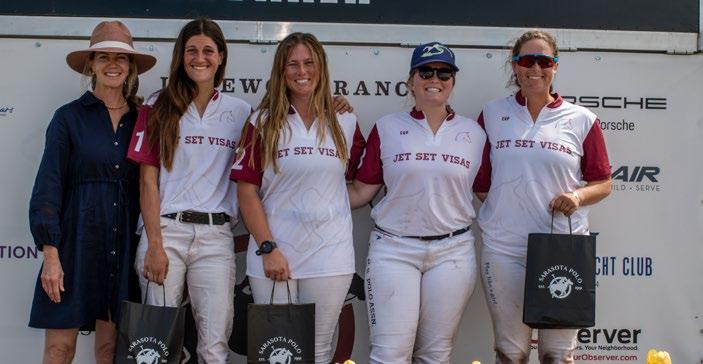

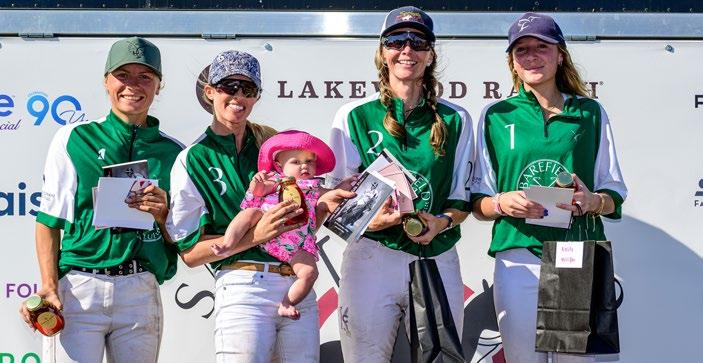



By Abby Weingarten
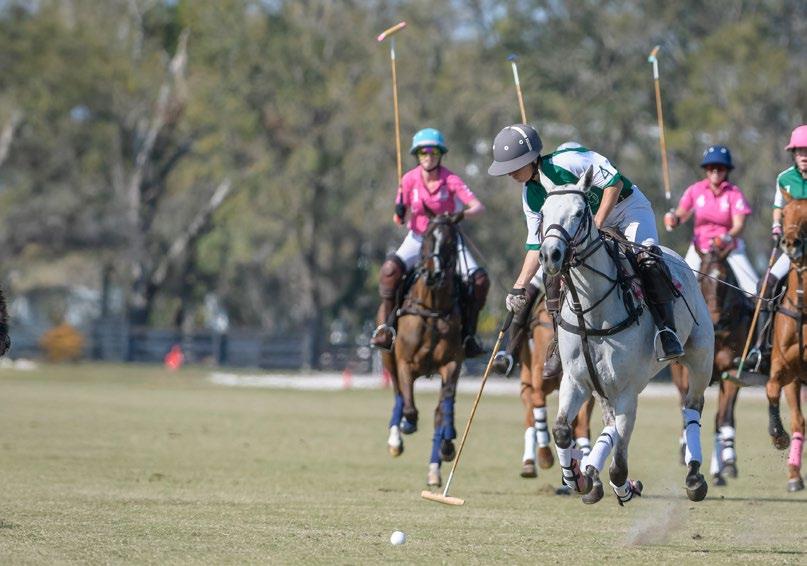
Momentum has been quietly building among the female players at the Sarasota Polo Club and the 2026 Season is poised to be the pinnacle of women’s polo. From hosting a popular annual tournament to launching a weekly league in January and February, the Sarasota Polo Club is creating unprecedented opportunities for female polo players to shine.
The Sarasota Women’s Challenge, an annual tournament, has historically been the focal point for women’s polo at the Sarasota Polo Club. With flights ranging in skill level, the Sarasota Women’s Challenge has welcomed women of all abilities for spirited chukkers and fierce competition.
While the tournament has been fundamental to women’s polo at the Sarasota Polo Club, female polo players have been limited to only one week of women’s polo per season. That all changed during the summer of 2025. Leanne Moll, a dedicated player at the Sarasota Polo Club and advocate for women’s polo, had a bold idea: to start a weekly women’s league open to players of all skill levels to foster camaraderie and competition.
“Why not us, why not now?” Moll recalled asking herself as she surveyed the vibrant community of female players at the Sarasota Polo Club. Inspired by her experiences at clubs like New Bridge (Aiken, South Carolina) and La Herradura (Santa Ynez, California), she recognized that the women in Sarasota deserved a similar platform.
With the encouragement of friends and fellow polo players, Moll drafted a plan and presented it to Sarasota Polo Club Owner James Miller and Director of Polo Mason Wroe.
“Over the past several years, women’s polo has really seen a surge in growth,” Wroe said. “Players are now competing at events like the Argentine Women’s Open and the U.S. Open, which have grown tremendously in visibility and prestige. By establishing a weekly league here in Sarasota, we are giving women a chance to develop their game, play consistently, and - for the professionalsearn a living while doing it.”
The idea resonated with the Sarasota Polo Club’s mission to cultivate skill and community. Over months of collaboration, Moll, Miller, and Wroe refined the structure of the league to accommodate beginners and medium-goal players alike, while leveraging the Sarasota Polo Club’s multiple fields and coaching resources to ensure a high-quality experience.


Key dates for women’s polo during the 2026 Season of Sarasota Polo:
Women’s League
Friday, Jan. 9 to Friday, Feb. 20, 2026 (multiple sessions, 6-8 Goal)

Sarasota Women’s Challenge
February 26 to March 1, 2026 (A–D Flights)

The result of this vision is the Sarasota Women’s League, set to debut in January of 2026. The league will feature 6–8 goal competition, with teams composed of three amateur players and one professional player. This will allow players to learn from experienced professionals while competing in a structured, supportive environment. Each session promises a blend of skill-building, friendly rivalry, and shared enjoyment of the sport.
“This initiative is about more than just playing polo,” Moll said. “It’s about empowering women at every stage of their polo journey, creating a network of support, and building a culture where women can thrive, compete and inspire each other.”
The league also paves the way for Sarasota women to participate in larger events, such as the Women’s Argentine Open or the Women’s Open at Wellington, bridging local development with international opportunity.
“The connection between Sarasota and major polo hubs allows our players to grow locally while remaining competitive globally,” Moll said. “Together, we’re not just playing a sport — we’re building a legacy.”
One of the most striking aspects of women’s polo at the Sarasota Polo Club is the sense of community that surrounds it. Players cheer each other on, share tips, and provide support for teammates - even in non-playing moments. New mothers are supported as they balance family and competition, with friends helping care for the children while the mothers play polo.
“It truly takes a village,” Moll said. “The camaraderie off the field is just as important as the skill building on it.”
The growth of women’s polo in Sarasota reflects a broader trend across the United States. According to the United States Polo Association, women now comprise more than 40% of registered players in the country, with collegiate programs and professional tournaments experiencing similar surges. Internationally, major tournaments have elevated the visibility of the sport, inspiring new generations of female players to pick up mallets and compete at the highest levels.
This growth is also about role models and
mentorship. Figures like Kylie Sheehan, Maureen Brennan, and Haley Bryan, as well as professional players like Hope Arellano and Hazel Jackson, have demonstrated what women can achieve in polo. Their advocacy, skill and visibility create a pathway for others to follow — and the Sarasota Polo Club is now contributing to this momentum by providing consistent opportunities for women.
The Sarasota Women’s League is designed to be more than a weekly event; it’s a statement about the club’s commitment to inclusion, excellence, and community. By creating a space for women to compete, learn, and grow, the Sarasota Polo Club is helping shape the future of polo locally and globally.
Moll’s vision has already begun to bear fruit. Athletes are signing up for the inaugural league, eager to compete and play alongside professionals. With multiple sessions leading up to the Sarasota Women’s Challenge, the calendar is packed with opportunities for connection and fun.
“The launch of this league represents months of collaboration, planning, and feedback,” Moll said. “It’s a celebration of progress and possibility, and it’s just the beginning. Whether you’re a seasoned competitor or picking up a mallet for the first time, there’s a place for you in the Sarasota Women’s League.”
For the Sarasota Polo Club, the growth of women’s polo is part of a larger mission: to nurture talent and honor tradition while embracing change.
As Wroe noted, “Any time you can create opportunities for women to play consistently and at a high level, you’re making the sport more sustainable, more exciting, and more inclusive. Sarasota is proud to be part of that movement.”
For those who have ever dreamed of picking up a mallet, competing on beautiful polo fields and being part of a thriving community, now is the time.
Join us in Sarasota for an exciting competition, featuring world-class athletes and an inspiring celebration of women in the sport.

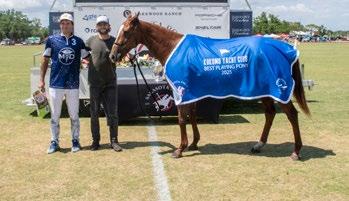

USPA Gerry Aschinger Memorial
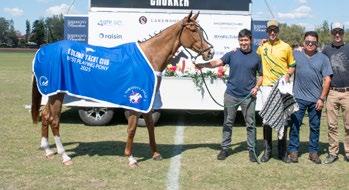

New Year’s
presented by

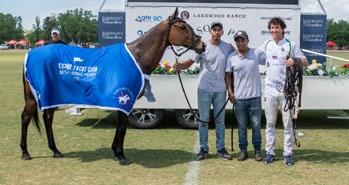
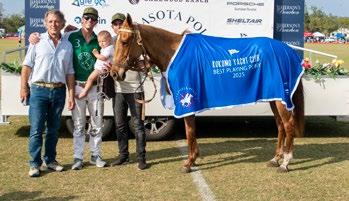
USPA Officer’s Cup
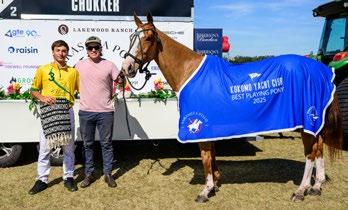
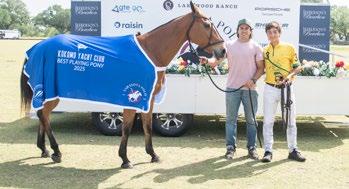


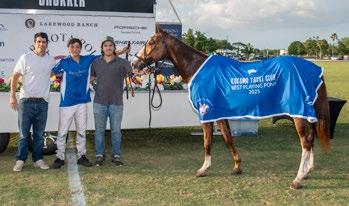
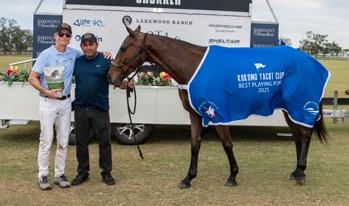

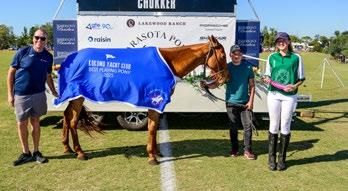

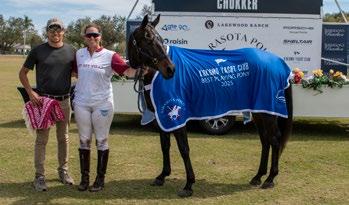
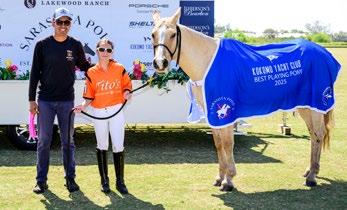







MOST ACCURATE PENALTY SHOOTER

SUNSHINE LEAGUE MOST IMPROVED HORSEMANSHIP Vasco

AWARD

SUNSHINE LEAGUE MOST IMPROVED SKILLS


DEC 2025 & APRIL 2026
FEB 14–MAR 8
America’s longest-running youth circus takes flight! Watch Sailor Circus students flip, fly, and soar in two spectacular seasonal shows.
World-class thrills under Sarasota’s iconic Big Top! A family-friendly show with an award-winning international cast from top circus festivals and America’s Got Talent
MAR 13-15
MAR 29
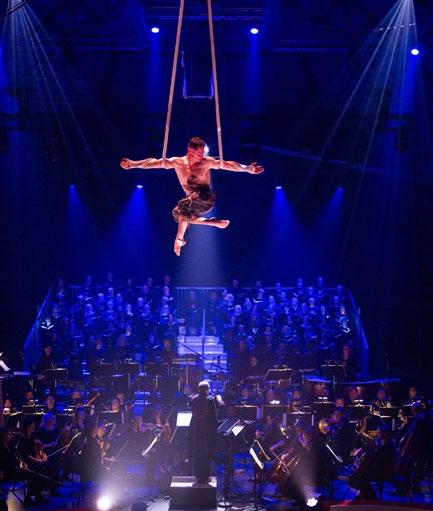
Breathtaking circus artistry meets the soaring voices of Key Chorale and a 30-piece orchestra unite under the Big Top.
Sarasota’s brightest young talent from leading performing arts organizations shine in this one-of-a-kind showcase.







































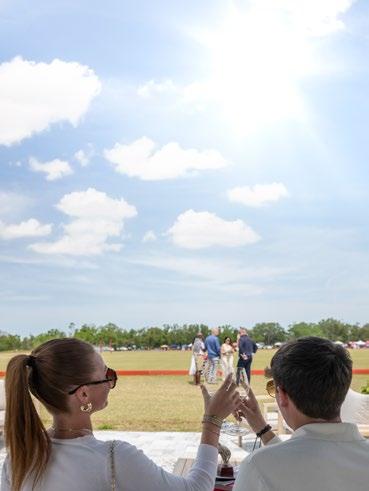
The VIP Champagne Lounge is the most pampered environment at the Sarasota Polo Club!
More space, more service and more focus on you! Located in the South West corner of the Championship Field, you are not only near the excitement of the players racing to the goal, but you are also adjacent to where the players and horses enter and exit the action of the game!
Email Info@SarasotaPolo.com to inquire






5
60 POLO PONIES ARE RIDDEN PER GAME.
Players use one or more horses each chukker.
Thursday Sunset Polo Happy Hour
MAR. 19 - APR. 16 WEEKS
75+ PLAYING MEMBERS
Located in the award-winning community of Lakewood Ranch, FL - just 30 minutes to Siesta Key Beach and 20 minutes to SRQ Airport
MIDFIELD PAVILION WITH FULL BAR hosting events up to
250
OR PERIODS IN A MATCH
6 MINUTES IN A CHUKKER
300YDS X 160YDS THE SIZE OF A REGULATION POLO FIELD. Equivalent to ten football fields
45 PRIVATE EQUESTRIAN ESTATES

The Sarasota Polo Club welcomes more than 60,000 spectators each season from Lakewood Ranch, Sarasota, Tampa, and beyond. This affluent audience creates a powerful platform for companies looking to build visibility, community connection, and brand engagement. Below is an overview of all marketing and promotional opportunities available for the 2026 Season.
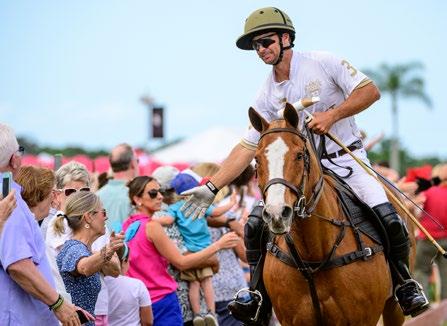
The annual Sarasota Polo Magazine offers season-long visibility to thousands of attendees and community members. With print and digital distribution, it places your brand directly in front of an upscale, engaged audience throughout the polo season and beyond. Reserve your space in the 2027 Season of Sarasota Polo Magazine today!
are able to use this platform to market multiple products/ services, or target different audiences.


The weekly Game Day Program delivers consistent exposure every Sunday, reaching spectators as they arrive and as they utilize throughout the polo match. Each edition highlights players, teams, and event details, giving advertisers a strong connection to the polo community. With the ability to customize a new edition weekly, advertisers


Companies can extend their reach by placing printed inserts inside the weekly Game Day Program. This is a great tool for companies who already have flyers prepared, or who miss the advertising deadline for the Game Day Program but still want to be involved.

Vendor Village provides businesses with a direct way to meet guests of the Sarasota Polo Club face-to-face on match day. With a reserved 10x10 space and promotional support, it’s a strong option for product demonstrations, sampling, giveaways, and community engagement.

This midfield open-air venue provides an impressive hospitality setting for large groups. Featuring a built-in bar, sound system, patio space, and excellent view of the polo field, the Midfield Polo Pavilion is ideal for companies hosting clients, teams, or partners during the season. In the off-season, this venue is host to a variety of community events - from theatre performances, weddings, baby showers, corporate meetings, and more.
The VIP Midfield Terrace is an elevated, intimate viewing deck located at midfield offering an exclusive setting for smaller groups of up to 34. With comfortable seating and shade, it creates a memorable environment perfect for hightouch hospitality and brand presence.
These private open-air tents offer flexibility for gatherings of 30 or more. Companies can customize their set-up to host clients or staff while enjoying a dedicated area in the corner of the polo field with ease.
A polo demonstration offers a unique, interactive moment for your group as a professional rider visits your location before the feature match on horseback and explains the rules of the sport. It’s an engaging way for companies to offer guests an insider introduction to the sport.
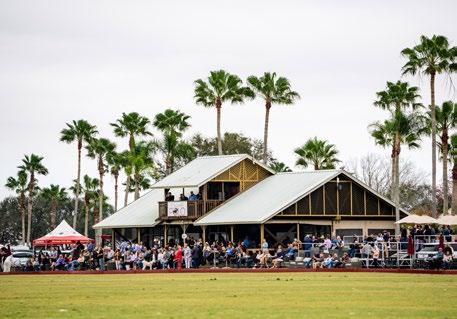
hospitality, or on-site marketing opportunities, please contact:
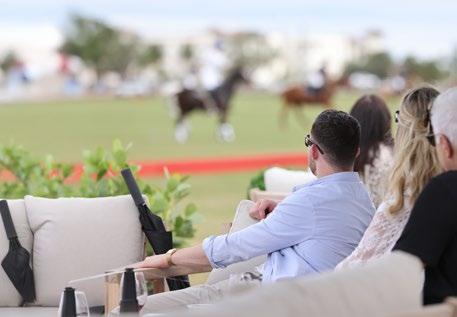



Aston Martin Tampa Bay
3333 Gandy Blvd, Pinellas Park, FL 33781
727-362-6730
Bentley Tampa Bay
3255 Gandy Blvd, Pinellas Park, FL 33781
727-362-6714
Audi Wesley Chapel 2500 Lajuana Blvd, Wesley Chapel, FL 33543
813-327-7878
McLaren Tampa Bay
3255 Gandy Blvd, Pinellas Park, FL 33781
727-362-6712
Dimmitt Cadillac Clearwater
25191 US Highway 19N, Clearwater, FL 33763
727-362-6704
Rolls-Royce
Motor Cars Tampa Bay
3255 Gandy Blvd, Pinellas Park, FL 33781
727-362-6725
Dimmitt Cadillac St Petersburg 3333 Gandy Blvd, Pinellas Park, FL 33781
727-362-6710
UltraLuxury & Exotic Pre-Owned Dealership 1518 State St, Sarasota, FL 34236
727-436-2512
Village
Cadillac | Toyota 2431 S Suncoast Blvd, Homosassa, FL 34448
352-240-1173
Jaguar Clearwater
25191 US Highway 19N, Clearwater, FL 33763
727-362-6697
Land Rover Clearwater
25191 US Highway 19N, Clearwater, FL 33763
727-362-6693
Cycle Springs Powersports
29703 US Highway 19N, Clearwater, FL 33763
727-771-1211