Editor's Note
Friends,
There is a forest on the spine of Tobago that has been quietly making rain for two hundred and fifty years. In 1776, when the rest of the empire was busy clearing land for sugar, Tobago did the unthinkable: it set a forest aside and forbade anyone to touch it — not for beauty, but to protect the island's water. The science behind that decision was a full century ahead of its time. We open this edition with that story because it captures everything Living Green is about. Sustainability is not a new idea imported from abroad. It is older than most of our nations, and at its best it is simply the wisdom to leave well enough alone, to think past our own lifetimes, to value what sustains us over what enriches us in the moment.
That is the spirit running through these pages. From the rise of the regional green economy to the household choices that shrink our footprint and our bills, we have gathered the stories of a Caribbean learning, once again, to live in step with the land and sea that hold us.
But living green in our region cannot be separated from living ready. And so this edition is a double one. Bound together with Living Green is our hurricane feature, Before the Storm — because the same forces reshaping our climate are reshaping our storm seasons, and preparedness can no longer be a seasonal afterthought. The two themes are not strangers. The solar-and-battery system that lowers your carbon footprint is also what keeps the lights on when the grid goes down. The rainwater you harvest to live sustainably is the water you fall back on when the taps run dry. Resilience and sustainability, it turns out, are the same conversation.
In Before the Storm you will find practical, keep-it-by-the-door guidance — readiness checklists, resilient building, protecting your home and food supply, and the community networks that have always carried us through. We have faced the storms before. We will face them again. The question this edition asks is a simple one: not whether the weather will come, but whether we will be ready, and whether we will be ready together.
Read it. Act on it. Share it with a neighbour.
In community,
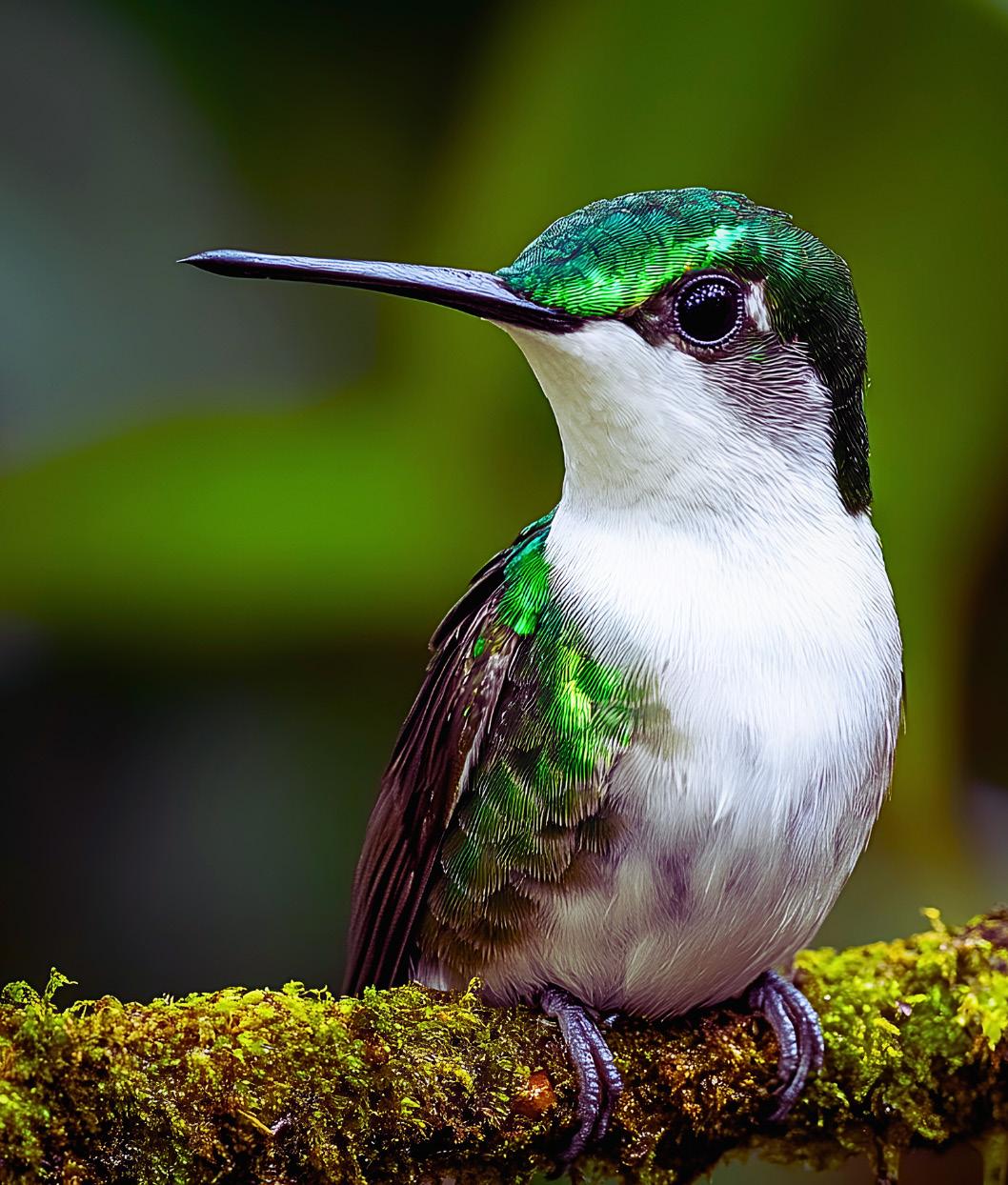
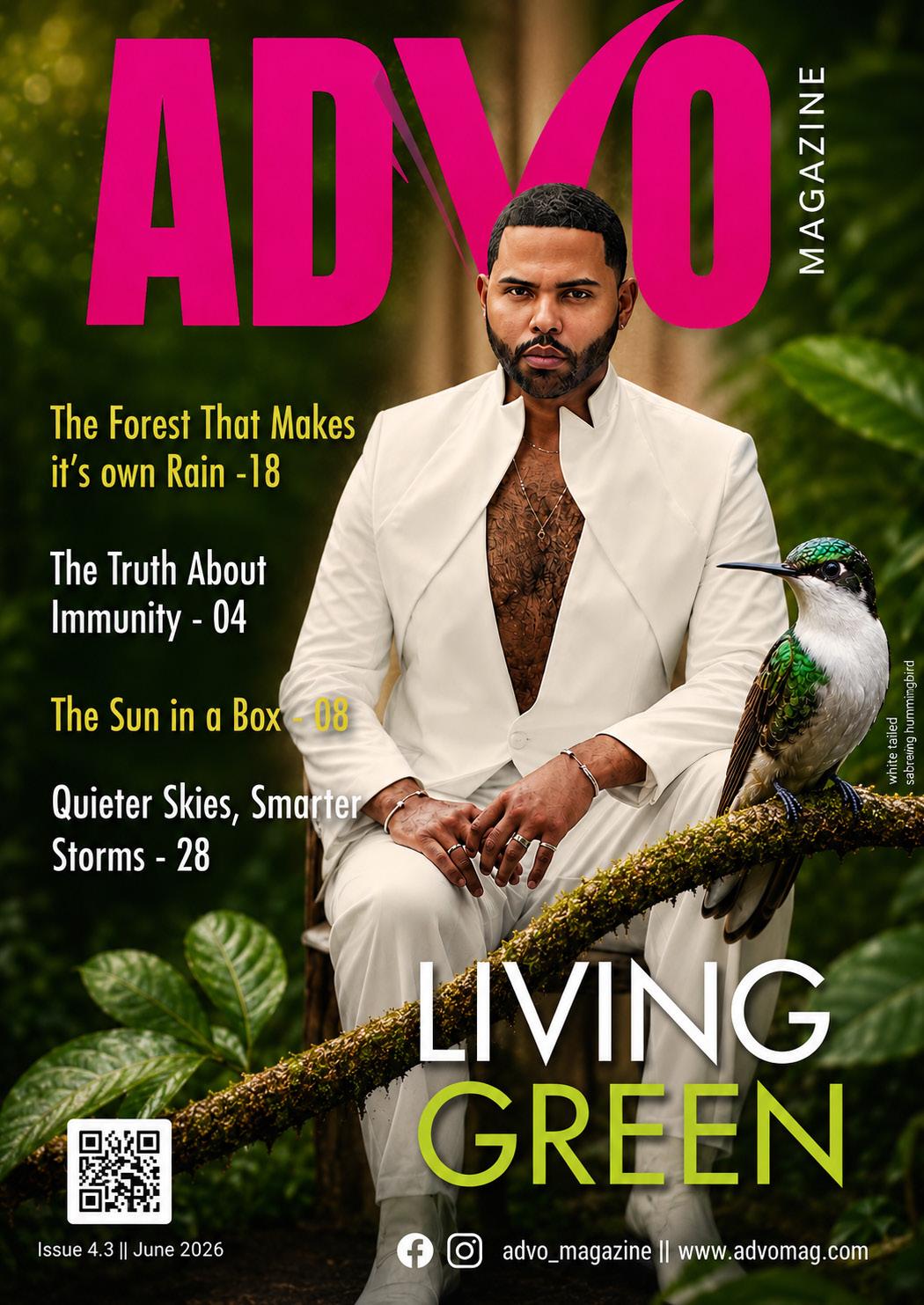
The white-tailed sabrewing hummingbird featured on the cover honours the Tobago Main Ridge Forest Reserve's 250th anniversary (pg 18).
Hurricane Flora wiped out the population in 1963; the bird resurfaced on the reserve in 1974, thanks to forest that was never cleared. Known locally as "Campy," it's now a fixture of Tobago's conservation messaging, its survival tied to this one stretch of forest.
Sam & San
What's Inside 04 The Truth About Immunity
Creating a Home Garden
Forest that Makes Its Own Rain
Quieter Skies, Smarter Storms

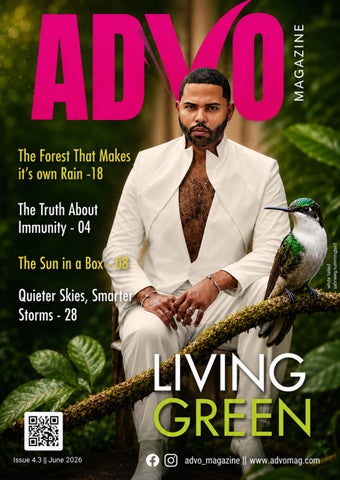
Cover Model - Michael Zonicle
Current Position: Foreign Service Officer at the Ministry of Foreign Affairs of The Bahamas
Michael is a public service employee and future hospitality professional from The Bahamas with experience in both Government Administration and Resort Operations. Through his work in government, he has developed strong skills in diplomacy, communication, and government relations. As a recent graduate of the University of The Bahamas, earning a Bachelor of Science in Hospitality Management, Michael's academic journey and internship experience at SLS Baha Mar have also provided him with practical exposure to hospitality procedures, resort activities, event management, and guest relations. Michael is passionate about creating meaningful experiences and contributing to the growth of The Bahamas and its tourism industry. His ultimate goal in life is to own a boutique hotel that highlights the culture, beauty, and sustainability of the Family Islands.
Photo Credit: Shawn Hanna Suit Design: Kedar Clarke
The Truth About Immunity W
e often hear about boosting our immunity but according to Allergist and Immunologist
Dr. Ari Heffes Doon, the idea of an instant immune “boost” is largely misleading and can distract from what truly keeps the body well.
Heffes-Doon is a double boardcertified paediatrician and allergist immunologist based in Trinidad. Before pursuing medicine he studied economics with his thesis in health economics. He then received a medical degree from St George’s University and completed his paediatric residency and chief residency and fellowship in adult and paediatric allergy and immunology at NYU Grossman Long Island School of Medicine.

Story by: Bavina Sookdeo Writer/Media Consultant
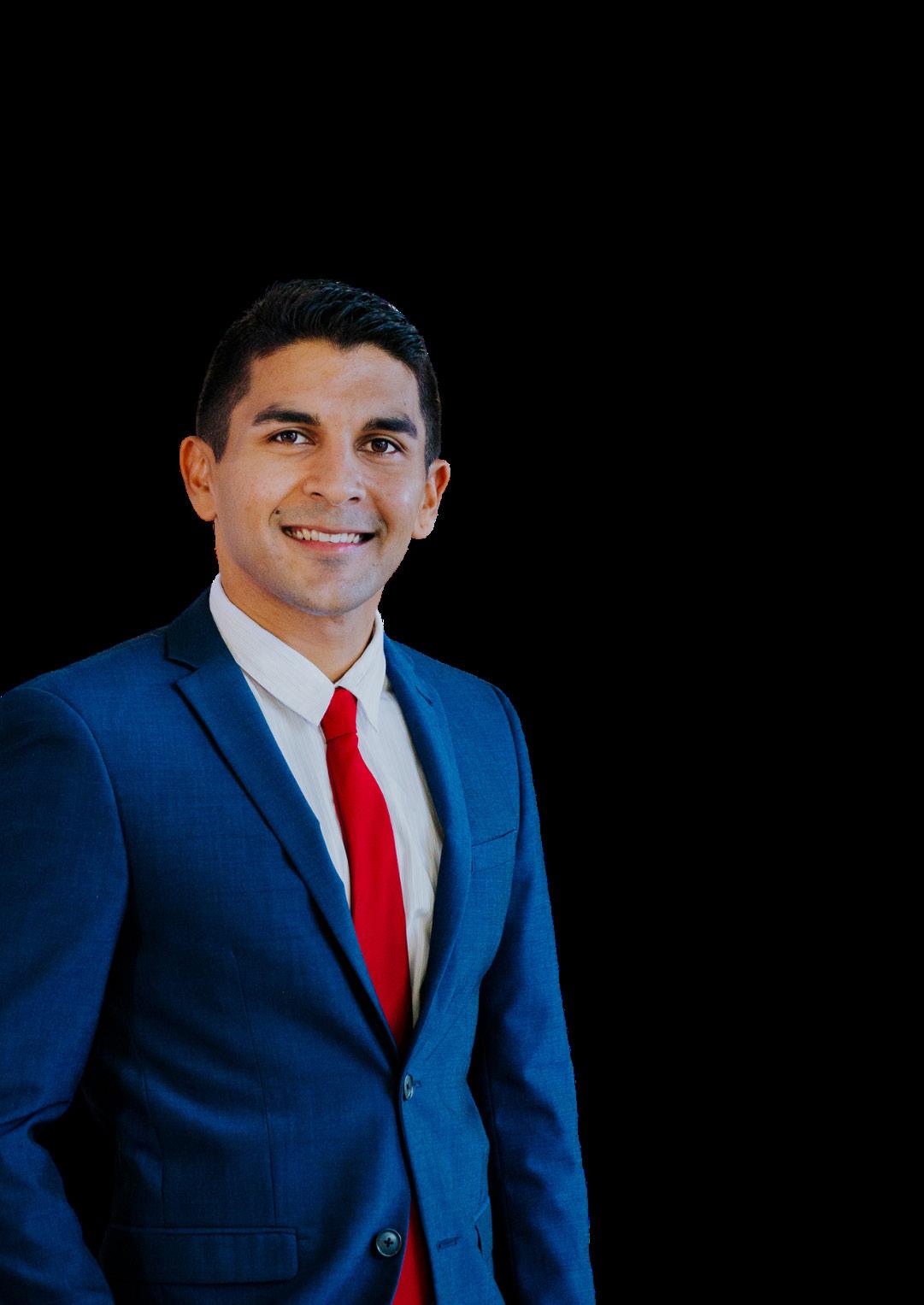
Dr. Ari Heffes-Doon
Double board-certified paediatrician and allergist immunologist based in Trinidad.
We often hear about boosting our immunity but according to Allergist and Immunologist Dr. Ari Heffes Doon, the idea of an instant immune “boost” is largely misleading and can distract from what truly keeps the body well.
Heffes-Doon is a double board-certified paediatrician and allergist immunologist based in Trinidad. Before pursuing medicine he studied economics with his thesis in health economics. He then received a medical degree from St George’s University and completed his paediatric residency and chief residency and fellowship in adult and paediatric allergy and immunology at NYU Grossman Long Island School of Medicine.
The doctor, founder of Allergy and Immunology Med, has been heavily involved in a wide range of research with publications in high impact journals such as the Lancet-eBioMedicine and JAMA Pediatrics and the Journal and Allergy and Clinical immunology: In Practice. His research topics include alpha-gal syndrome, mRNA COVID-19 vaccines in breast milk, COVID-19 vaccine skin testing and chemotherapy desensitization.
From a medical perspective, he explained that a healthy immune system is not about supercharging the body, but about balance and function.
“From a medical standpoint a healthy immune system largely represents your body’s ability to do three things: recognise, eliminate and remember,” he said. “It needs to recognise when a “pathogen” like a bacteria or virus is trying to infect your body, it needs to quickly eliminate it and finally it needs to remember that bacteria or virus for the future in case it sees it again so it can eliminate it even faster.”
In the Caribbean, where fast-paced lifestyles, high stress, large social gatherings like Carnival and other festive seasons often collide, daily habits play a critical role in your immune system’s ability to keep up. According to Dr Heffes Doon, factors such as sleep, diet, stress and physical activity are not optional extras — they are central pillars of immune health.
“These all contribute to a well-functioning immune system and in fact we have quite a bit of research to back this up,” he said. Sleep, in particular, has a powerful influence. “Repeated nights of poor or insufficient sleep can affect many aspects of our immune system impacting your ability to fight off infection,” he noted, adding that “even one night of very bad sleep can dampen your immune system.”
Diet is equally important. “A well-balanced diverse diet which includes lots of micronutrients like vitamins and minerals is essential to maintaining a properly functioning immune system,” he explained.
With Carnival being held in many of the islands, each year many fete-goers
speak of catching the so-called “Carnival flu,” and Dr Heffes-Doon confirmed that it is certainly real. However, it is not caused by a single virus or unique illness. “Yes, it’s definitely a real thing,” he said. “This isn’t a specific ‘carnival’ phenomenon, but rather it happens because of a variety of factors which all converge at this one point in time.”
Increased travel, large crowds and close physical contact all create ideal conditions for viruses to spread. “There is a lot of close contact with other people during parties and other social events which allows easier and more frequent transmission of respiratory droplets,” he explained. These risks are then compounded by lifestyle behaviours common to the Carnival season. “Carnival is associated with activities which weaken the immune system such as smoking, consuming alcohol, dehydration, and some degree of sleep deprivation as party goers go from one fete to the other,” he said. “All of these factors come together to create the perfect soup for a ‘Carnival flu’.”
When asked about common myths surrounding immunity, the doctor highlighted one of the most frequent misconceptions he sees, not only locally but globally — the belief that immunity can be rapidly enhanced with a supplement or short-term remedy.
“Maintaining a healthy immune system is the result of many contributing factors consistently maintained over time and there is no magic pill or treatment
that can give you that quick ‘boost’ to your immune system… it simply doesn’t work that way” he stressed.
He explained that what one may consider a “boost” is only medically relevant in very specific cases. “From a medical standpoint, the closest thing to a ‘boost’ which exists is only generally relevant for patients with true diagnosed immune deficiencies, not for the average person looking for a “boost” he said. Many of his patients with true diagnosed immune deficiencies require infusions of antibodies, usually on a monthly basis to maintain their immune system. “Again, this isn’t a “boost”” he stressed, “but instead it is something that needs to be performed consistently for the rest of their lives to ensure they remain as healthy as possible.”
But when should someone suspect their symptoms may point to a deeper immune issue? Heffes-Doon explained that identifying a possible underlying immune issue is complex and cannot be determined by a single symptom. He noted that when assessing a patient for immune deficiency, immunologists consider a wide range of factors, including overall
health, medical history, medications, lifestyle, occupation, and the frequency and type of infections, with evaluations differing between children and adults. However, he said certain warning signs warrant medical attention, such as recurrent pneumonia, frequent infections, prolonged or repeated use of antibiotics, and unexplained weight loss. He stressed the importance of seeking professional care, advising patients, “never try to diagnose yourself,” and instead consult a doctor who can ask the right questions and order appropriate tests if needed.
Immune disorders remain significantly under-recognised worldwide, including in the Caribbean. “Globally it’s estimated that somewhere around 70 per cent or more of patients with an immune deficiency remain undiagnosed,” Dr Heffes-Doon said. He attributed this to factors such as limited access to care, unavailable testing, and the fact that medical science is still uncovering new immune conditions.” He added, “Fortunately, in general, true immune deficiencies are rare and thankfully our understanding of how we can best treat them is growing.”

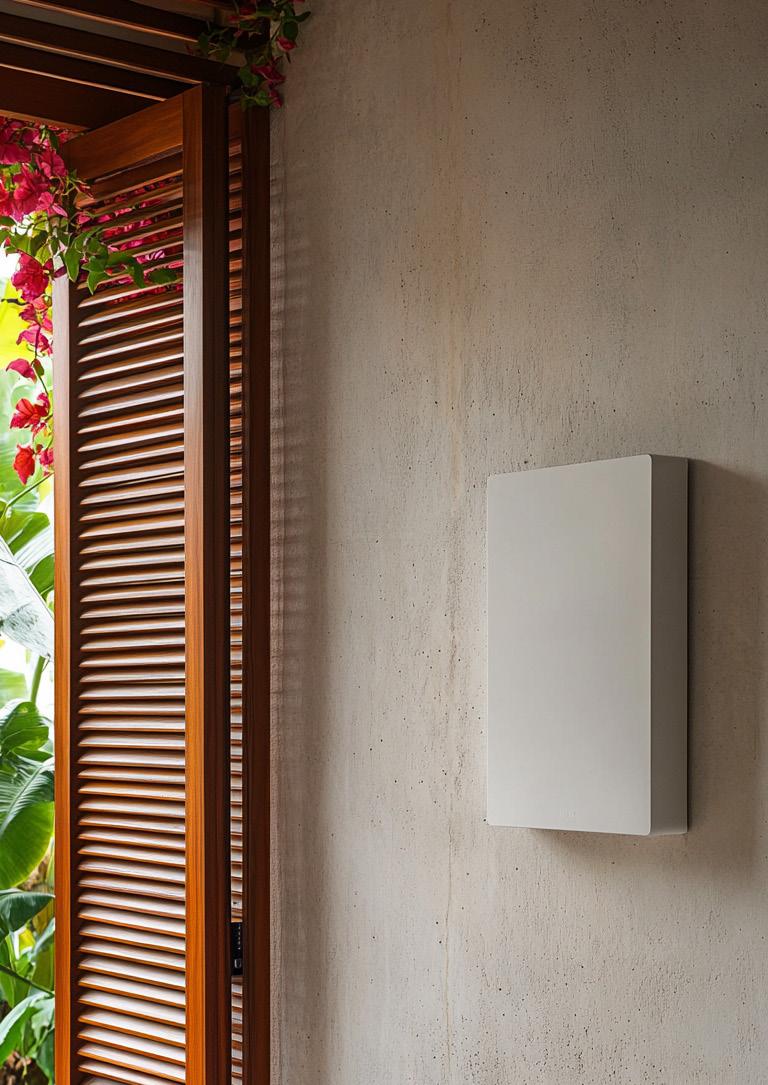
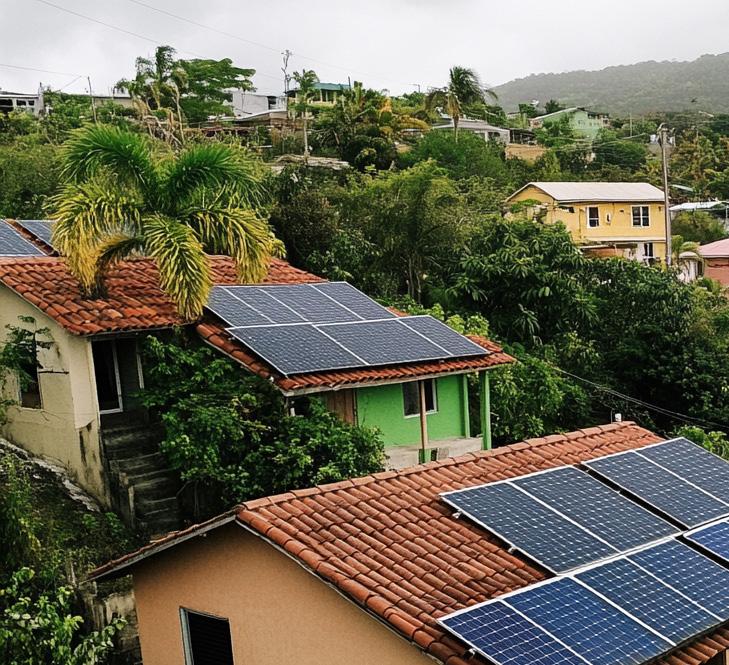
The panels on the roof are no longer the whole story. The real shift of 2026 is happening in a quiet box on the wall — and it is changing what it means to keep the lights on in the Caribbean.
For years, the rooftop solar panel was the proud face of green living in the region. It still matters. But ask any installer what has actually changed in 2026 and the answer is the same: the battery. The panel makes the power; the battery decides whether you control it. And across the Caribbean, households are discovering that the combination of the two is no longer a luxury for the wealthy or the eco-minded — it is becoming the most sensible way to power an island home.
The economics have quietly tipped. In 2019, an off-grid solar-and-battery system only made sense in the most remote places, hundreds of kilometres from the grid. By 2026, solar-plus-storage is already cheaper than extending the grid to any community more than a few tens of kilometres from existing lines — and as battery costs keep falling, that crossover point is approaching the grid itself. The technology that once belonged to off-grid pioneers is arriving at ordinary homes.
Why the battery, and why now
A solar panel without storage has an awkward flaw: it produces most of its power in the middle of the day, when many homes use the least, and nothing at all after dark, when families need it most. A battery solves that mismatch. It captures the surplus your roof makes
at noon and hands it back to you in the evening — turning a system that gives you a fraction of its value into one that gives you nearly all of it.
That is the green argument, and it is real: more of your home runs on sunshine, and less on imported diesel. Once installed, these systems rely on free natural resources such as sun and wind rather than a constant flow of costly imported fuel — the fuel that leaves Caribbean economies exposed to every distant price shock. But for most households, the deciding factor is more immediate. In surveys of solar shoppers this year, the two benefits named most often were lower bills and protection from outages, and most buyers had both firmly in mind. In a region where the grid can falter long before any hurricane arrives, a battery is simply a buffer against the dark.
The Caribbean is not a follower here
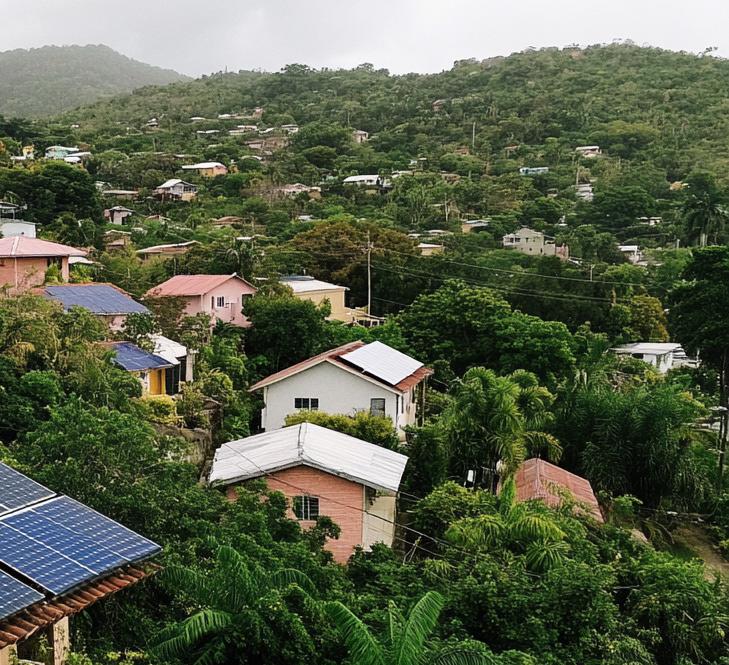
It is worth saying plainly: on this front, our region is ahead, not behind. Barbados has shown that rapid deployment is possible — its distributed rooftop solar is on track to meet 80 per cent of the island's peak demand. The Inter-American Development Bank now points to Barbados and, more recently, The Bahamas as the region's movers, as falling costs for solar and storage open a major opportunity for island nations. Analysts argue that running the Caribbean on 100 per cent renewables by 2035 is both technically possible and financially advantageous, built on rooftop solar, community
microgrids and battery storage.
That high share of home-grown solar brings its own challenge — so much rooftop generation can strain a grid built for steady, centralised supply, which is exactly why storage matters so much — but it is the challenge of a leader, not a laggard.
What is coming next
The technology is not standing still. A new generation of AI-managed systems can now predict your panels' output and
decide automatically when to store energy, when to use it, and when to sell it back. Electric vehicles are becoming batteries on wheels: with the right setup, your car can power your home during an outage and feed energy back when the grid needs it most. At neighbourhood scale, community batteries and microgrids let clusters of homes, clinics and small businesses keep running on their own when the main grid goes down, then reconnect smoothly once it returns. Resilience, in other words, is quietly becoming the ordinary state of things rather than an
emergency response. The practical word
For a household weighing it up, the advice for 2026 is straightforward. Storage is becoming the default rather than an upsell, so plan for it from the start. Make sure any battery is sized to your real evening use and matched properly to your panels. Look for at least a ten-year warranty on the battery itself, and ask for a fixed-price quote rather than an open estimate. And weigh the monthly payment, not just the sticker price — new leasing and financing models exist precisely to
bring the upfront cost within reach.
The roof catches the sun, as it always has. What is new is the box on the wall that keeps it — and with it, a quiet kind of independence that suits these islands better than almost anywhere on Earth. In a region of abundant sun and uncertain grids, the home that stores its own power is no longer the exception. It is the future, already arriving.
Creating a Home g arden

growing FresH Food & BeautiFul spaCes
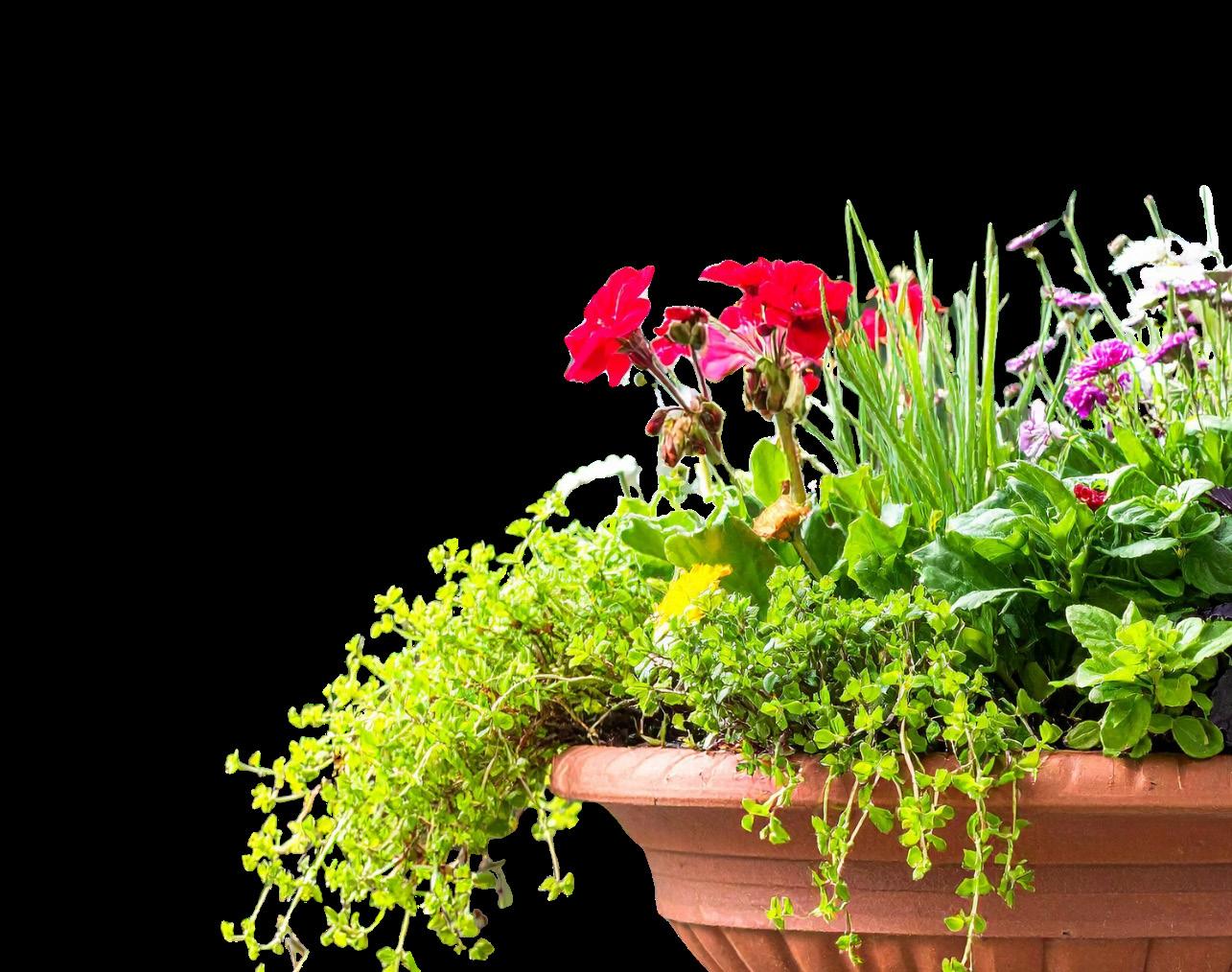
With increasing interest in healthy living, sustainability, and food security, more Barbadians are turning to home gardening as a rewarding hobby and practical investment. Whether you have a large backyard in the countryside or a small space in an urban neighbourhood, creating a kitchen garden can provide fresh produce, beautify your surroundings,

and offer a relaxing escape from the stresses of daily life.
A kitchen garden offers numerous benefits. Fresh fruits, vegetables, herbs, and seasonings can be harvested right outside your door, reducing grocery bills and ensuring access to nutritious food. Gardening also promotes physical activity, improves mental well-being, and helps

families reconnect with nature.
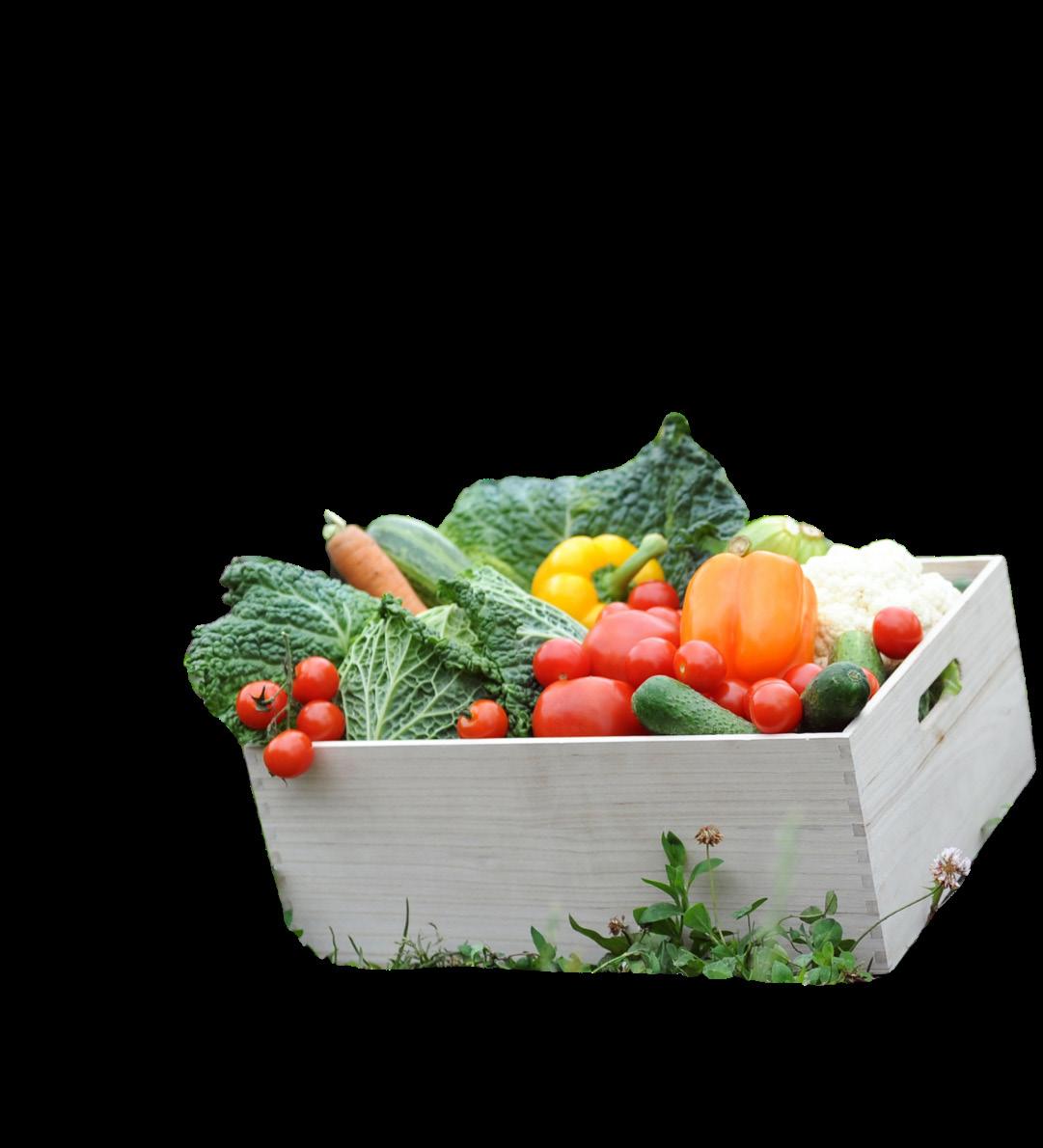
In Barbados, where the tropical climate supports year-round growing, homeowners can cultivate a wide variety of crops including tomatoes, sweet peppers, cucumbers, lettuce, spinach, thyme, parsley, chives, and popular local favourites such as cassava, sweet potatoes, and okras.
The first step in creating a successful garden is selecting an appropriate location. Most vegetables and herbs
require at least six hours of sunlight daily. Choose an area with good drainage and easy access to water.
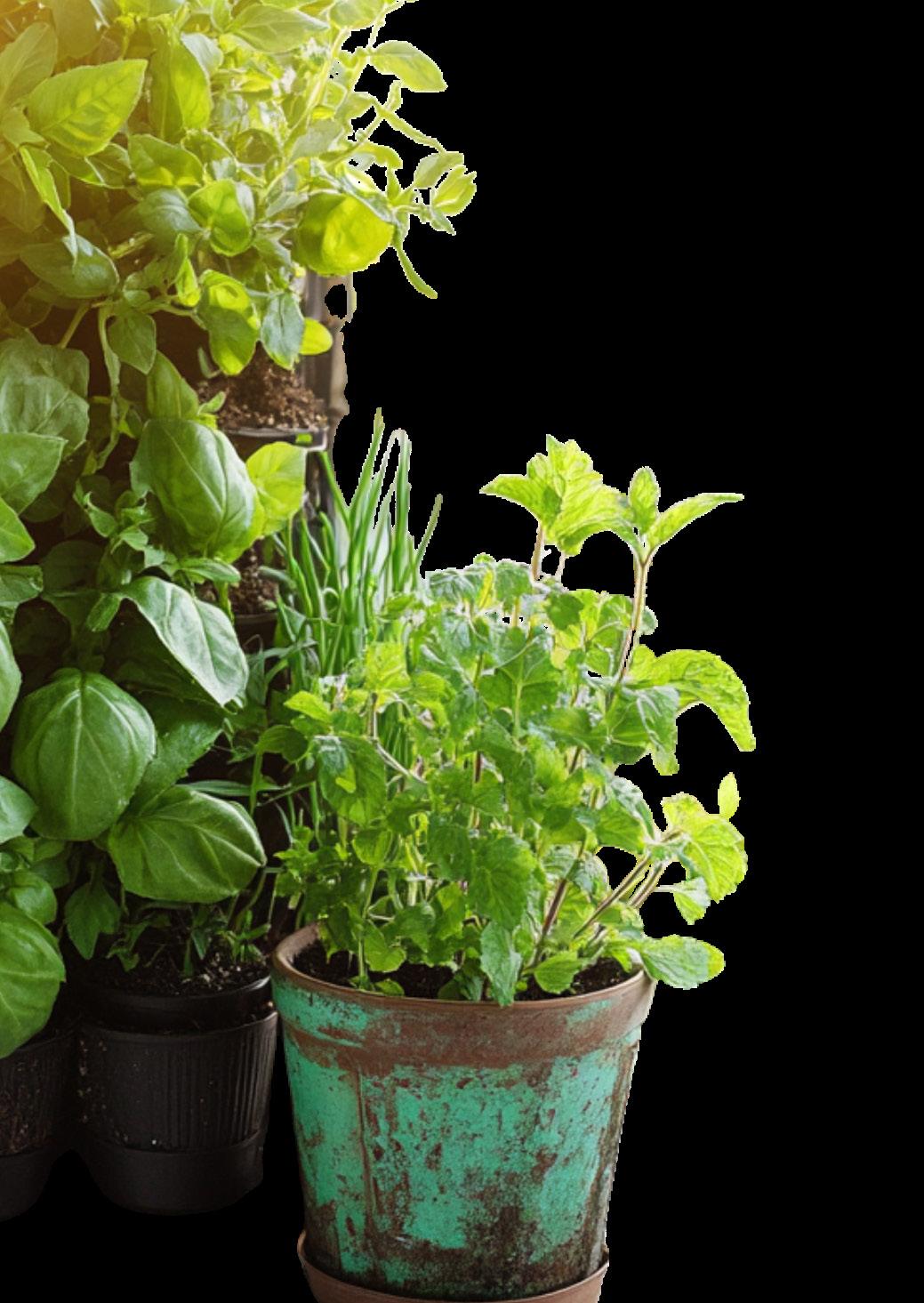
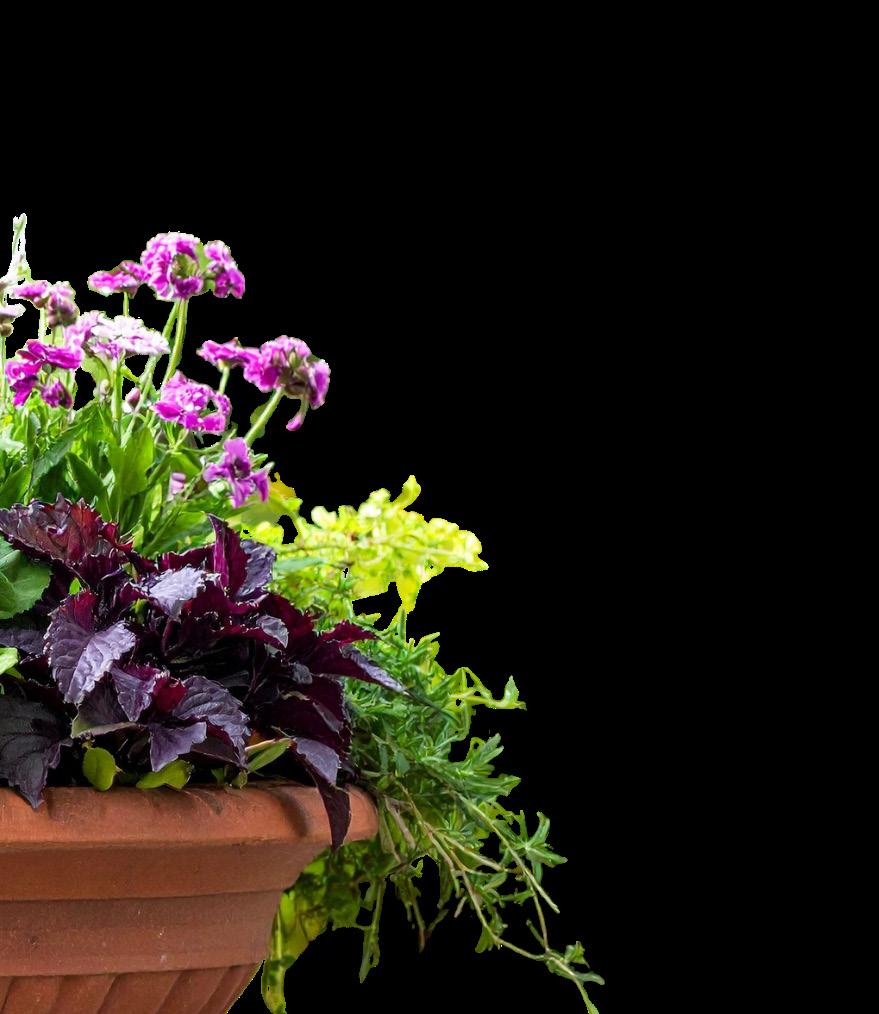
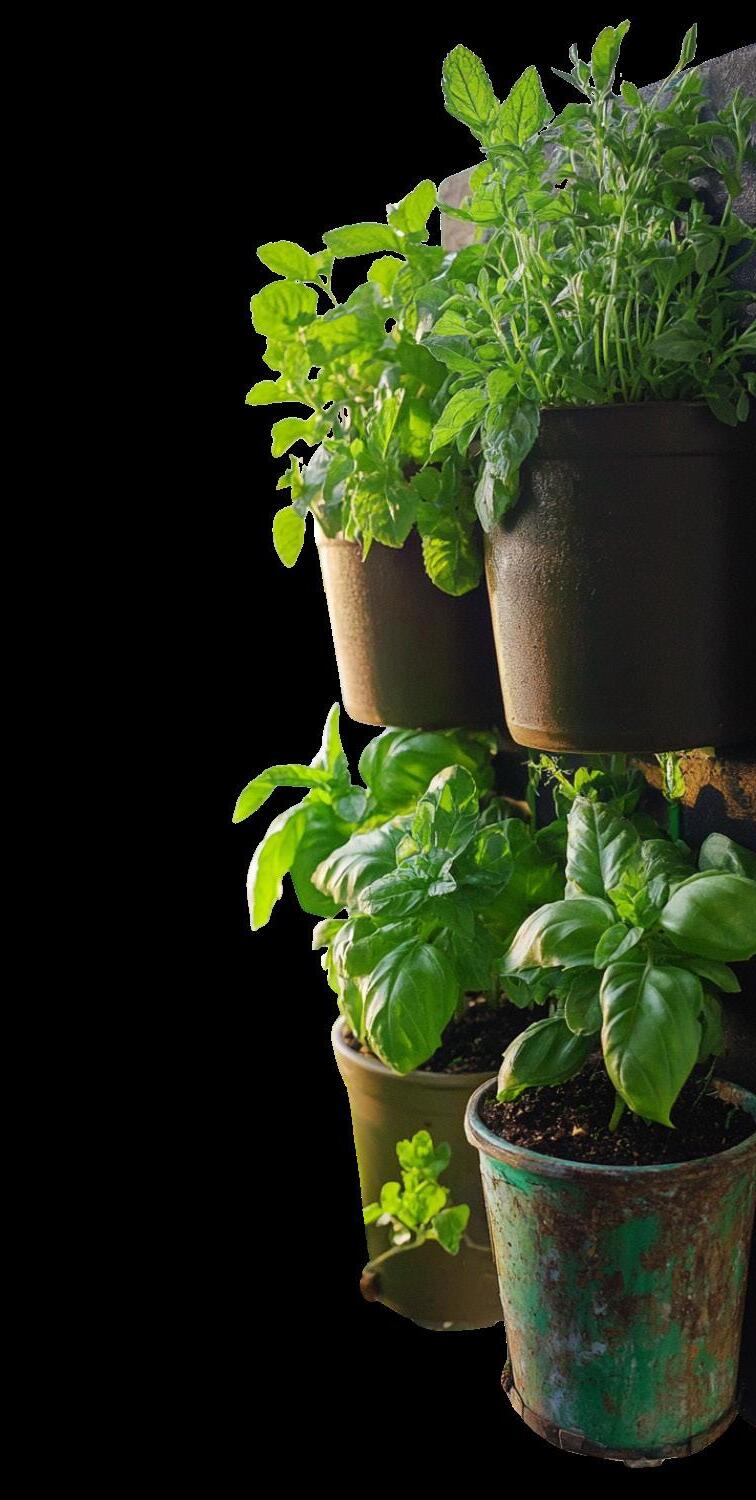
For those with limited outdoor space, container gardening can be an excellent alternative. Pots, raised beds, recycled containers, and vertical gardens can be used effectively on patios, balconies, and small yards.
Healthy soil is the foundation of a productive garden. Home composting is an environmentally friendly way to recycle
kitchen scraps and yard waste while producing nutrient-rich material for plants.
When choosing plants, consider those that thrive in our climate. Herbs such as thyme, basil, mint, and rosemary are easy to grow and highly useful when cooking. Vegetables including tomatoes, peppers, eggplants, and leafy greens
Regular watering is critical, early morning watering is recommended to reduce evaporation and allow plants to absorb moisture before the heat of the day. While mulching around plants helps retain moisture, suppress
weeds, and improve soil health.
With food shortages, the emphasis on growing what you eat and the push to embrace healthier lifestyles and sustainable living practices, kitchen gardening is an affordable and relaxing option. Whether growing a few herbs on a windowsill or cultivating a backyard vegetable patch, every garden contributes to greener, healthier living. With patience, planning, and a little care, anyone can transform a small piece of land into a thriving source of fresh food, beauty, and personal satisfaction.

Ministry of Environment, National Beautification and Fisheries
Minister’s Message for World Environment Day, June 5, 2026
Fellow Barbadians,
I am pleased to join you in observing World Environment Day, celebrated each year on June 5. This year’s theme, “Climate Action,” is a powerful reminder that the time to act is now.
As the impacts of climate change become increasingly evident across the globe, this observance calls on governments, businesses, communities, and individuals to take meaningful action to reduce emissions, build resilience, and safeguard our planet for future generations. The United Nations Environment Programme (UNEP) notes that World Environment Day 2026 focuses on climate change and the urgent signals the Earth is sending through rising temperatures, sea-level rise, ecosystem degradation, and increasingly severe weather events. The campaign challenges all of us to accelerate action and help shape a more sustainable and climate-resilient future.
For Barbados, this message is particularly relevant. As a Small Island Developing State, we remain vulnerable to the impacts of climate change, making it essential that we continue to strengthen our resilience while contributing to global efforts
to address this defining challenge of our time.
At the global level, climate action involves countries working together to reduce greenhouse gas emissions, slow global warming, and adapt to its adverse impacts. International agreements such as the United Nations Framework Convention on Climate Change (UNFCCC) and the Paris Agreement, to which Barbados is a signatory, provide a framework for collective action. This also includes investing in renewable energy, protecting ecosystems, and supporting vulnerable countries in adapting to climate change. Barbados continues to play its part on the global stage and remains a strong advocate for Small Island Developing States in international climate discussions. We have demonstrated leadership in advancing climate justice, particularly through the Bridgetown Initiative, which calls for increased financial support for countries that are disproportionately affected by climate change.
Here at home, climate action is about protecting our island, our people, and our way of life. We are already experiencing the effects of climate change through rising sea levels, coastal erosion, coral reef degradation, and changing rainfall
patterns. Barbados remains committed to reducing greenhouse gas emissions and strengthening climate resilience through a range of initiatives.
Investing in Research and Knowledge
We continue to strengthen our understanding of climate science through institutions such as the Caribbean Institute for Meteorology
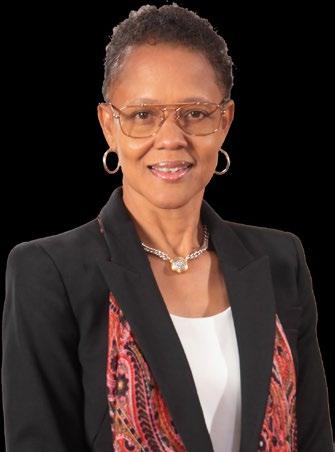
Hon. Miss Santia J. O. Bradshaw, M.P. Deputy Prime Minister.
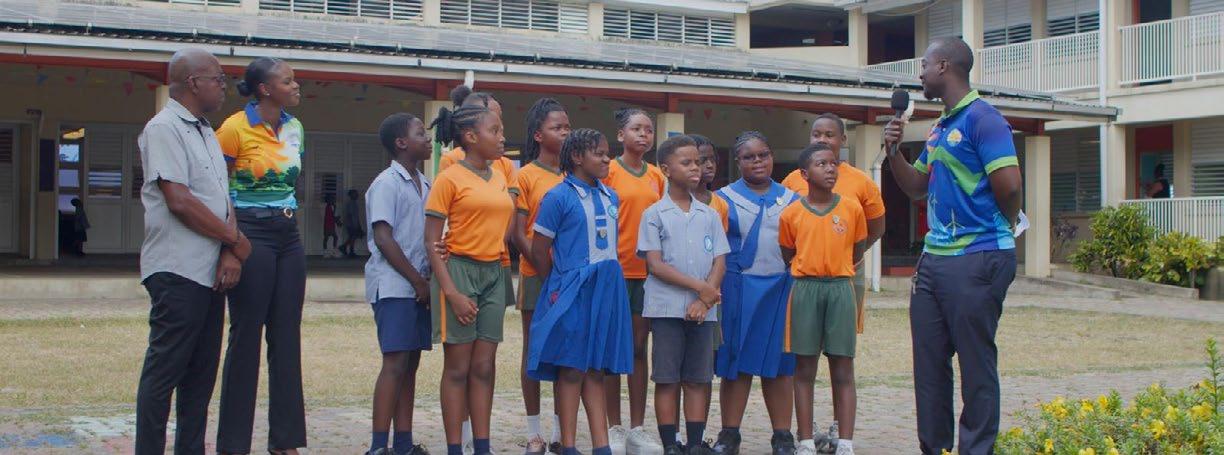
From left: Antoine Williams, Tiffany Foster (MENBF), Students of Blackman and Gollop Primary School and Chad Lavine (MEBC),
and Hydrology (CIMH), The University of the West Indies (UWI), and the Barbados Meteorological Services. These organisations help us better understand weather patterns, water resources, coral reefs, and broader climate impacts, enabling evidence-based planning for the future.
Expanding Renewable Energy
Guided by the National Energy Policy (2019–2030), Barbados is working toward becoming a 100 per cent renewable energy and carbon-neutral island by 2030. Many Barbadians already benefit from programmes such as the Renewable Energy Rider (RER), which enables homes and businesses to generate and sell electricity. Our leadership in solar water heating continues to serve as a global example, while investments in solar photovoltaic systems and battery storage are accelerating our clean energy transition.
Strengthening Policies and Planning
Barbados has committed to reducing greenhouse gas emissions and adapting to climate change through its Nationally Determined Contribution (NDC). We have also strengthened the policy and legislative framework needed to build resilience and support sustainable development.
Key initiatives include:
• Barbados 2035: A Plan for Investment in Prosperity and Resilience, which provides a strategic framework for sustainable growth and climate resilience;
• The Physical Development Plan (Amended 2017–2036), which integrates climate risk considerations into land-use planning and development;
• The Integrated Coastal and Marine Management (ICMM) Act, which modernises coastal and marine governance by expanding the mandate of the Coastal Zone Management Unit to include disaster risk management, climate change adaptation, and marine spatial planning; and
• The National Biodiversity Strategy and Action Plan, which supports the conservation of ecosystems that underpin climate resilience and sustainable livelihoods.
In addition, the Government is advancing the drafting of legislation to establish the Barbados Oceans and Coastal Authority. Once established, the Authority will strengthen coordination in coastal protection, ocean governance, and marine conservation efforts, supporting Barbados’ commitment to sustainable ocean management and climate resilience.
Together, these measures are helping Barbados become more resilient and better prepared for future environmental challenges.
While Government continues to lead, every Barbadian has a role to play. Climate action begins with simple steps in our daily lives. I encourage you to:
• Save energy by turning off lights and appliances when not in use;
• Use renewable energy solutions where possible, such as solar water heaters and solar panels;
• Conserve water, particularly during dry periods;
• Reduce waste by refusing single-use and unnecessary items, reducing overall consumption, reusing products where possible, repairing items instead of replacing them, and recycling materials in an environmentally responsible manner.
• Support local farmers and locally produced goods;
• Walk, cycle, carpool, or use public transportation whenever possible;
• Participate in community cleanups and environmental activities; and
• Help protect our beaches, coastlines, and natural spaces.
Small actions, when taken collectively, can have a significant impact. As Minister of Environment, National Beautification and Fisheries, I reaffirm the Government’s commitment to building a stronger, greener, and more climate-resilient Barbados. On this World Environment Day, let us come together and commit to meaningful climate action. Let us protect the beauty of our island, safeguard our livelihoods, and secure a better future for our children and generations to come. Together, we can make a difference.
Thank you.
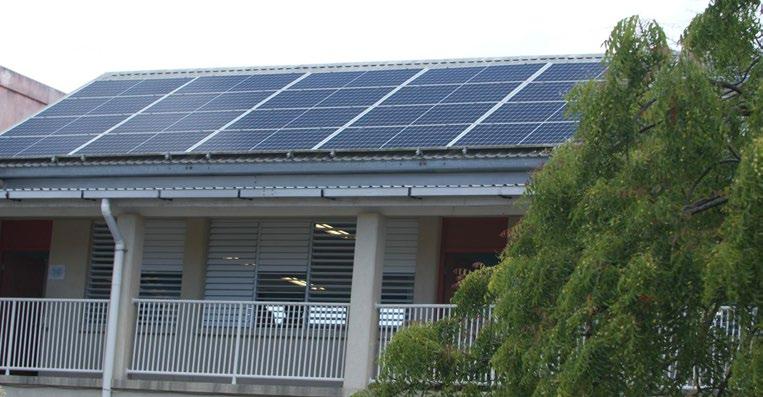
All roof structures at the Blackman and Gollop Primary school have been retrofitted with panels of photovoltaic cells comprising the system
That Makes Its Own Rain
Two hundred and fifty years ago, an island set aside a forest to keep its water flowing. The science behind that decision was a century ahead of its time — and the Tobago Main Ridge Forest Reserve has been proving it right ever since.
By Barry Lovelace, Natural Resource Manager, Tobago
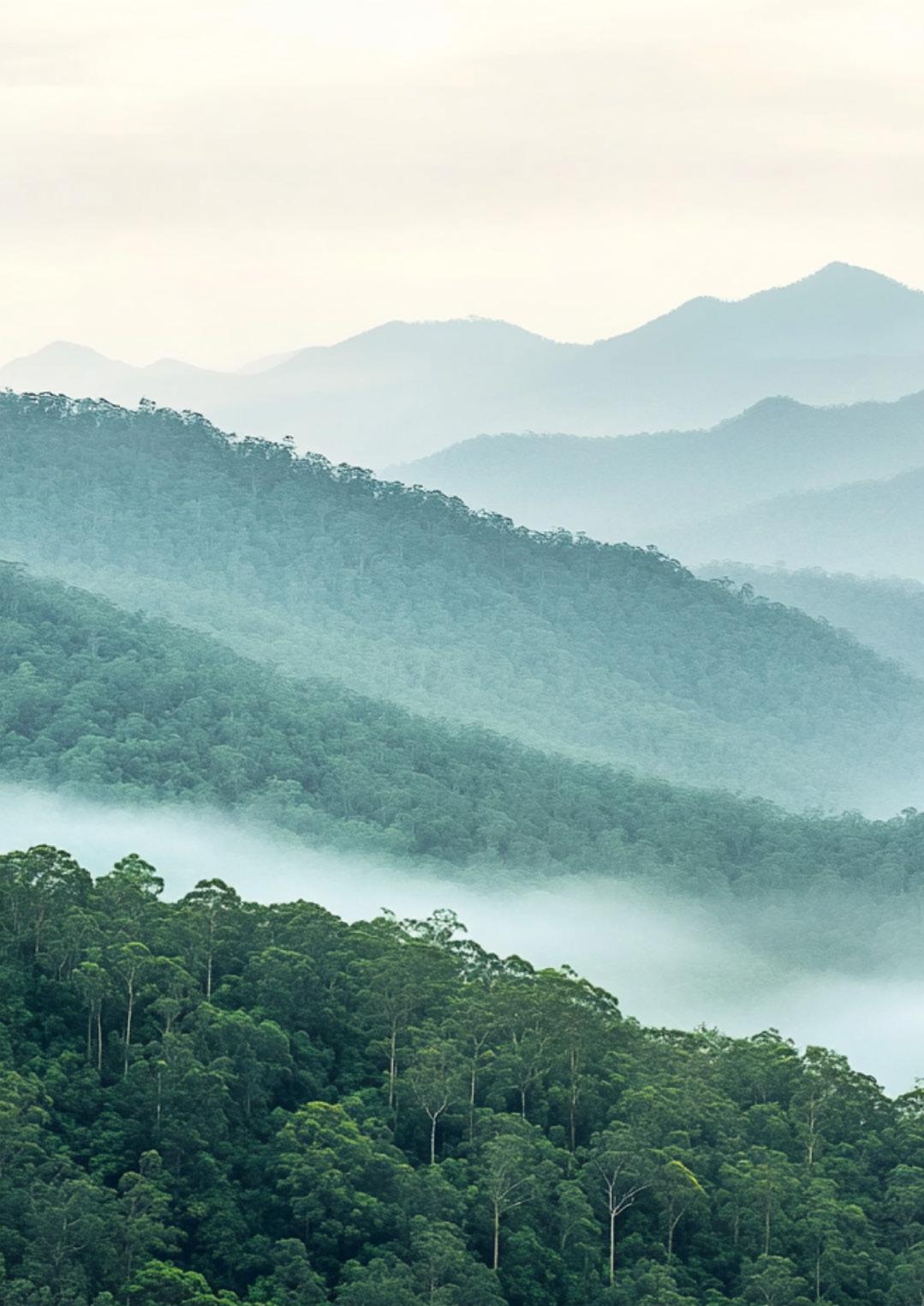
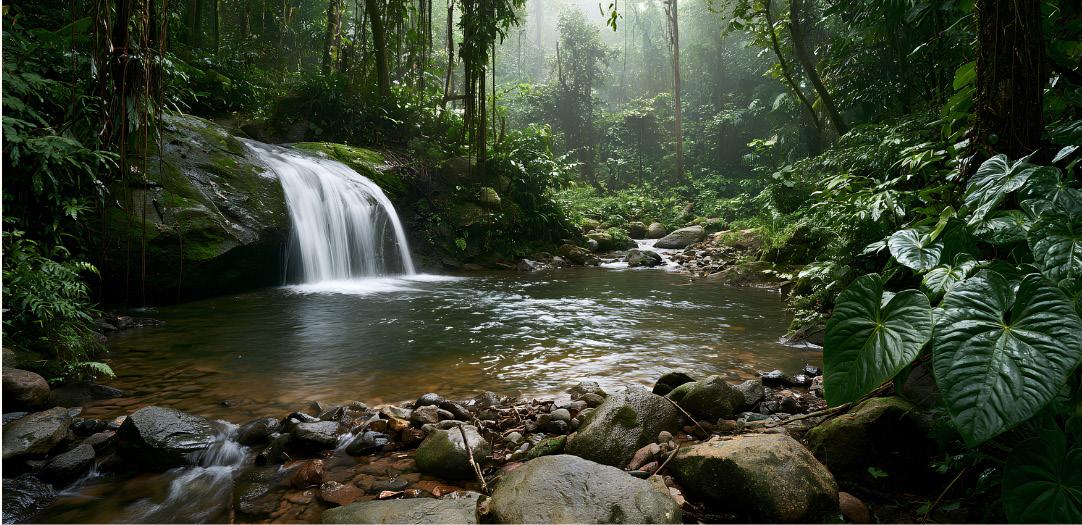
On the northeast spine of Tobago runs a band of high, dripping forest called the Main Ridge — wet, dense, loud with birds, and now widely recognised as the oldest legally protected forest reserve on Earth. Its protection took effect on 30 April 1776, weeks before the American Declaration of Independence was signed. While one arm of the British empire argued over leaving it, another quietly set a forest aside and forbade anyone to touch it. The reason reads today like a modern climate report.
A machine for water
The campaign to protect the ridge owed much to one unlikely figure: Soame Jenyns, a London writer and member of Parliament who never set eyes on Tobago or the forest he helped save. Drawing on the science of his friend Stephen Hales — the eighteenth-century clergyman-scientist who pioneered the study of transpiration — Jenyns argued the case for eleven years before the ordinance finally passed in 1776. His
family seat, Bottisham Hall in Cambridgeshire, still stands, and his collateral descendants live there today, only recently made aware, when Tobago reached out for the anniversary, of the part one of their own had played in protecting a forest an ocean away. What Jenyns grasped, and what the wider world would take another century to accept, was that the forest and the island’s water supply were a single connected system.
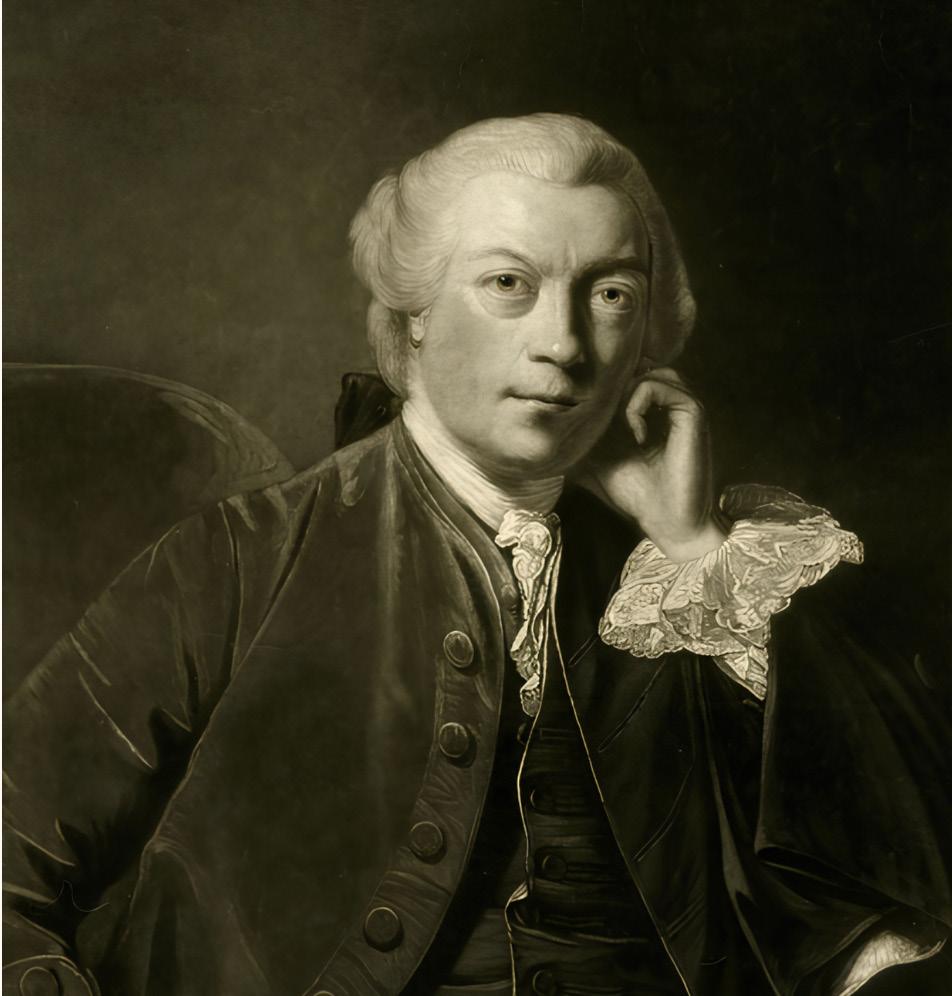
Soame Jenyns, the English MP whose arguments helped secure the 1776 ordinance protecting the Main Ridge.
Portrait: William Dickinson, after Sir Joshua Reynolds. National Portrait Gallery, London. Public domain.
The forest was not protected for its beauty. It was protected for its rain. Where the high forest stood, the rain fell and the streams ran. Strip the ridge for sugar and cotton, and the springs would fail and the island would dry. So the trees were left standing to protect the rain — and through it, the island itself.
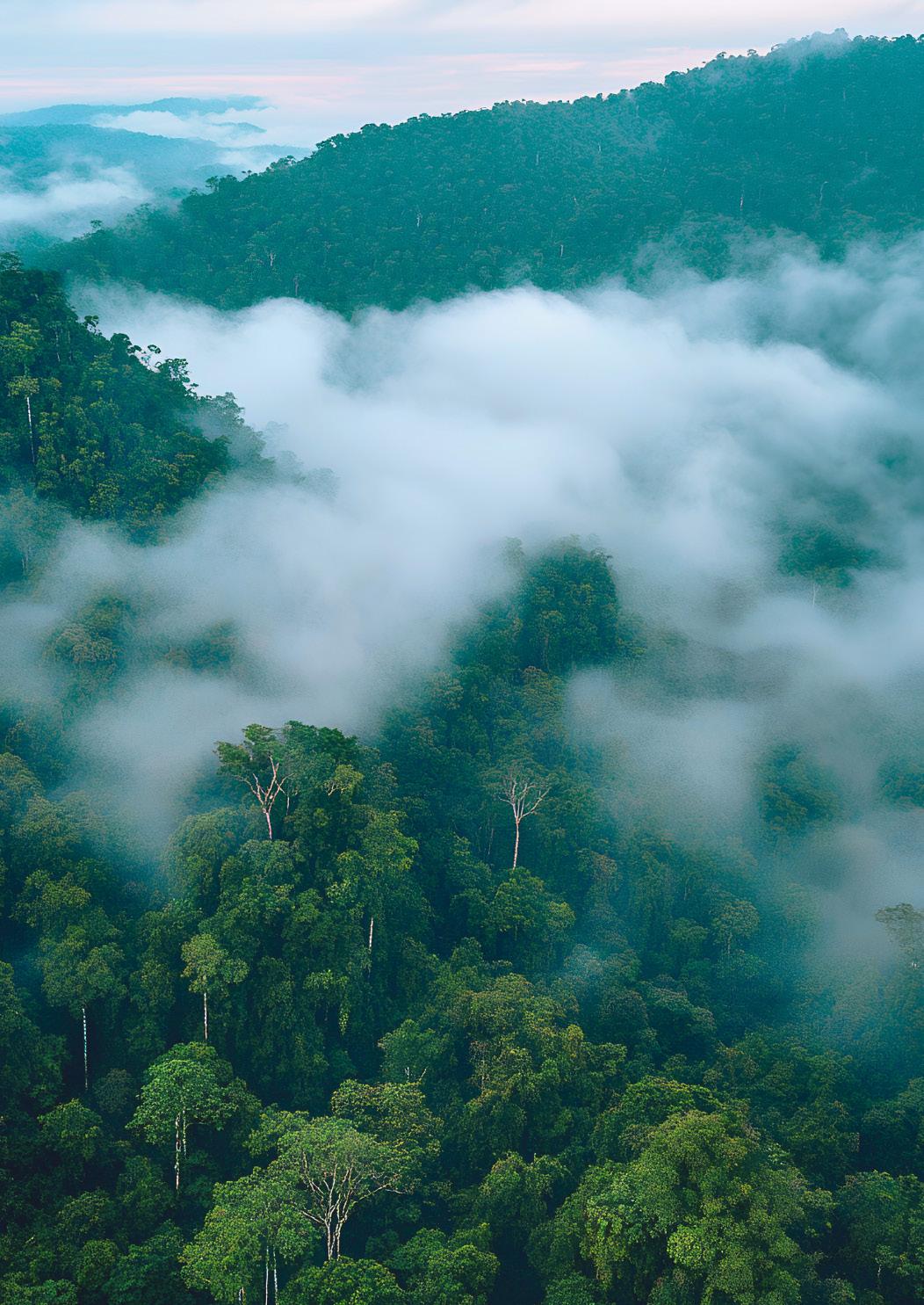
The Main Ridge is, in effect, a rain machine. Warm, moisture-laden trade winds sweep in off the Atlantic and are forced upward as they meet the ridge. As that air rises and cools, its moisture condenses into the near-constant cloud and rainfall that keep the upper forest perpetually wet. The forest then does its half of the work: its canopy intercepts the rain, its roots hold the soil, and its leaves return enormous volumes of water to the air through transpiration — the process by which plants draw moisture from the ground and release it skyward, seeding still more cloud and rain. Clear the trees and the cycle breaks: rainfall drops, soil washes away, and the streams that feed the lowlands run dry.
Hales’s work supplied the argument that a forest and its rainfall are one mechanism — an idea so far ahead of its moment that forcing landowners
to leave valuable land uncleared ran directly against the entire logic of the colonial sugar economy. Tobago did it anyway, on an argument about water. Modern hydrology has only confirmed the reasoning: tropical montane forests like the Main Ridge are now understood to be critical regulators of island water supplies, and their loss is a recognised driver of drought and erosion across the tropics.
What the ridge holds
The reserve protects a stretch of tropical rainforest that climbs across the volcanic hills of northeastern Tobago. Because the island sits closer to the South American mainland than most of the Caribbean chain, the Main Ridge shelters an unusually rich mix of wildlife — much of it more typical of the continent than the islands. Its canopy and understorey support a remarkable density of birds, including hummingbirds, manakins, motmots and the rare white-tailed sabrewing, a species closely associated with this forest.
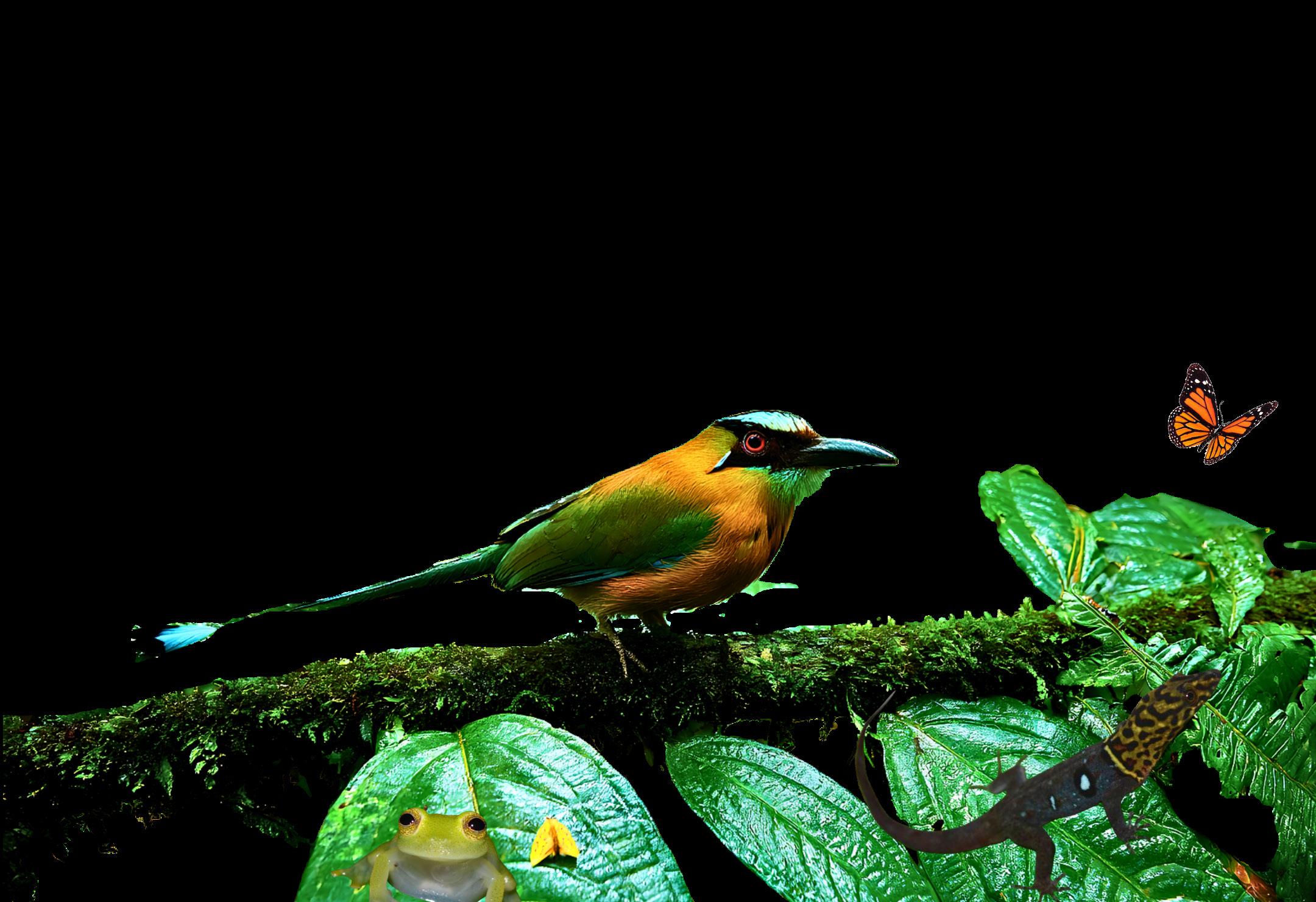
Beneath them live a wealth of butterflies, frogs, non-venomous snakes and other forest creatures, layered through a structure of buttressed hardwoods, epiphytes, ferns
and mosses that thrive in the constant damp.
That biodiversity is not incidental to the water story — it is part of the same system. A complex, intact forest holds and cycles water far more effectively than cleared or degraded land, and the Main Ridge’s unbroken canopy is precisely what has allowed it to keep regulating Tobago’s rainfall for two and a half centuries.
Left alone, and the better for it
For most of the 250 years since, the Main Ridge has simply done its work. Tobago passed between empires again and again, and through all of it the reserve stayed on the books — surviving the end of slavery, the collapse of the plantations, and the road to independence. It survived, in the main, by being left alone. That is the quiet lesson at the heart of its longevity: the single most powerful conservation tool the island ever deployed was restraint.
Today the forest is a working example of how protection pays off over the long run. It anchors Tobago’s freshwater catchments, stabilises the slopes against erosion, draws eco-tourists and birdwatchers from around the world, and stands as living proof that a decision to leave nature intact can echo across centuries.
Reading the record
The “oldest protected forest” badge is a recent one, and it prompted Tobago’s tourism agency to obtain certified copies of the original 1776 ordinance from the UK National Archives for the 250th
anniversary. Reading the document closely corrected a long-standing error: the anniversary, observed for years on 13 April, properly falls on 30 April, and the commemoration has been moved to match. The ordinance also carried severe penalties for anyone who cleared or occupied the land — a fine equivalent to tens of thousands of pounds today — a measure of just how seriously its authors took the forest’s protection.
It is worth noting that the same eighteenth-century document, like much colonial-era law, reflected the brutal realities of its time in its enforcement provisions — a sobering reminder that the people who guard the ridge today are largely the descendants of those the original system wronged. The forest outlived that system, and its protection has passed to the protected.
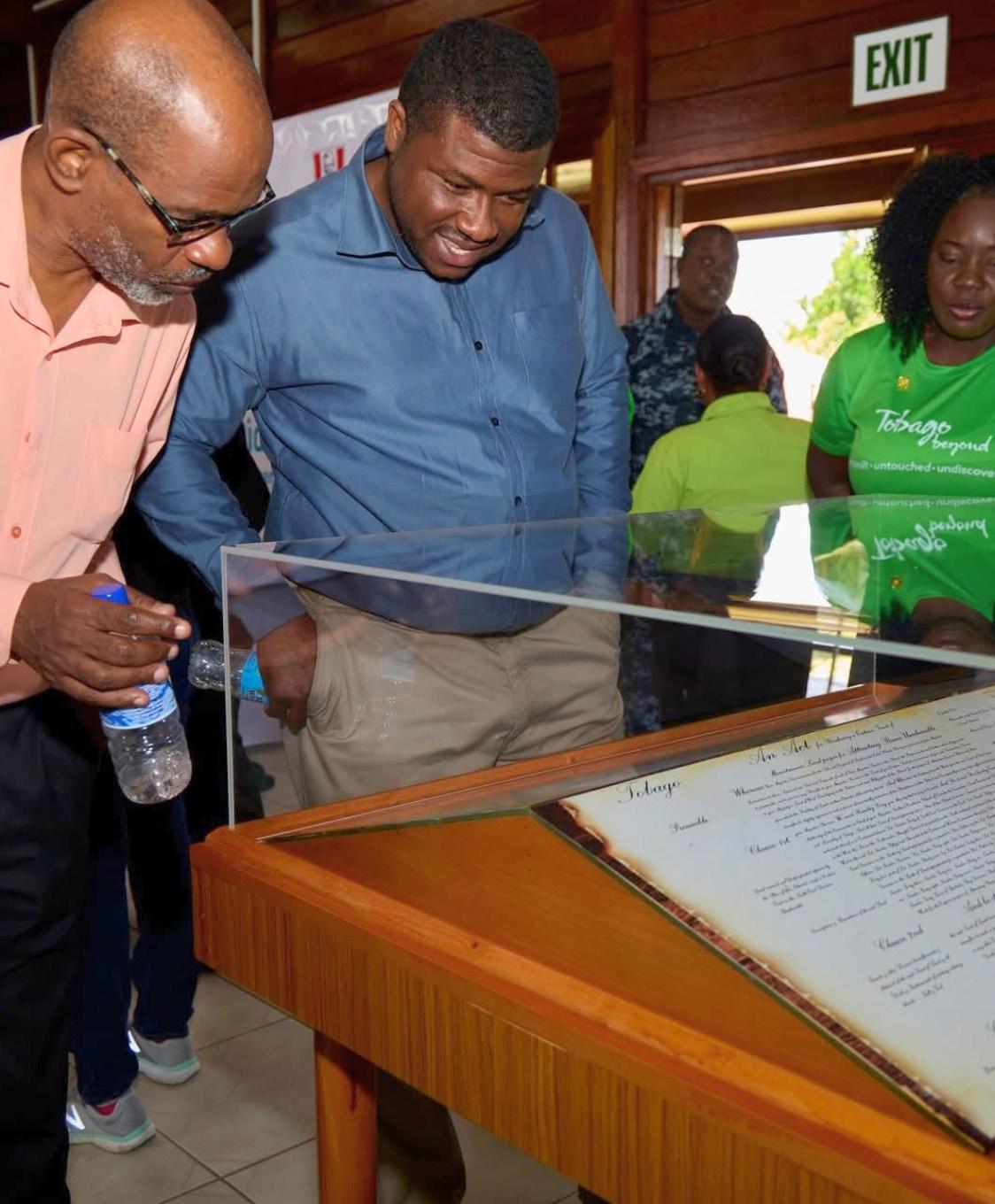
Attendees examine the replica 1776 ordinance, unveiled and now on permanent display at the Main Ridge Orientation Centre.
The people who keep it now
The ridge is cared for today by a small forestry team who see themselves as custodians of something far older than any of them. Kamlyn Melville-Pantin, the first woman to hold the rank of Assistant Conservator of Forests in Tobago, speaks of the pride of helping steward the reserve through its 250th year. Dwight Gomez, who has day-to-day charge of the forest, frames the work as a relay — a leg to be run well and handed on intact to the next generation. The rain still falls on the high forest exactly as the 1776 law intended, kept that way now by those who guard it.
A year for the forest
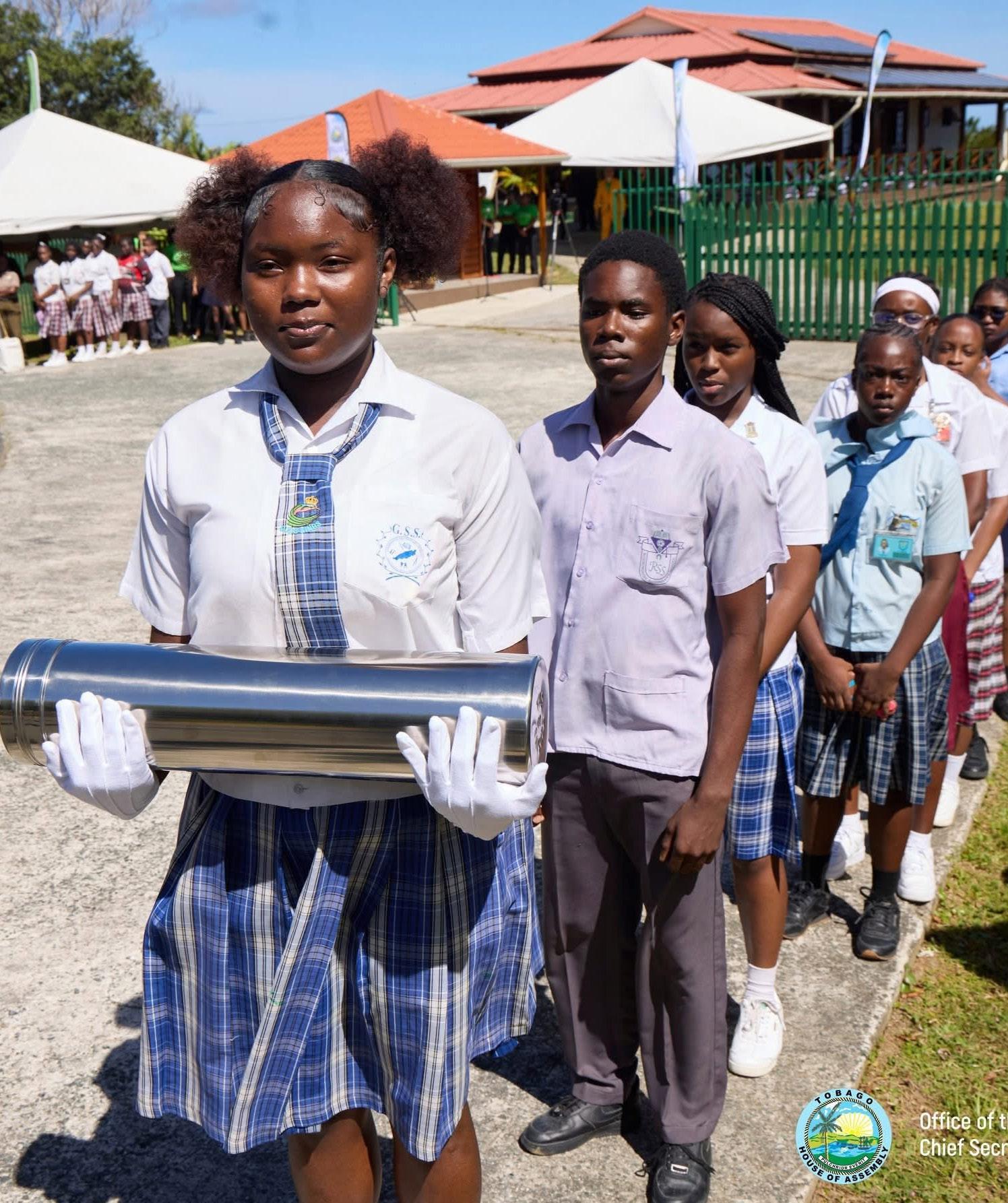
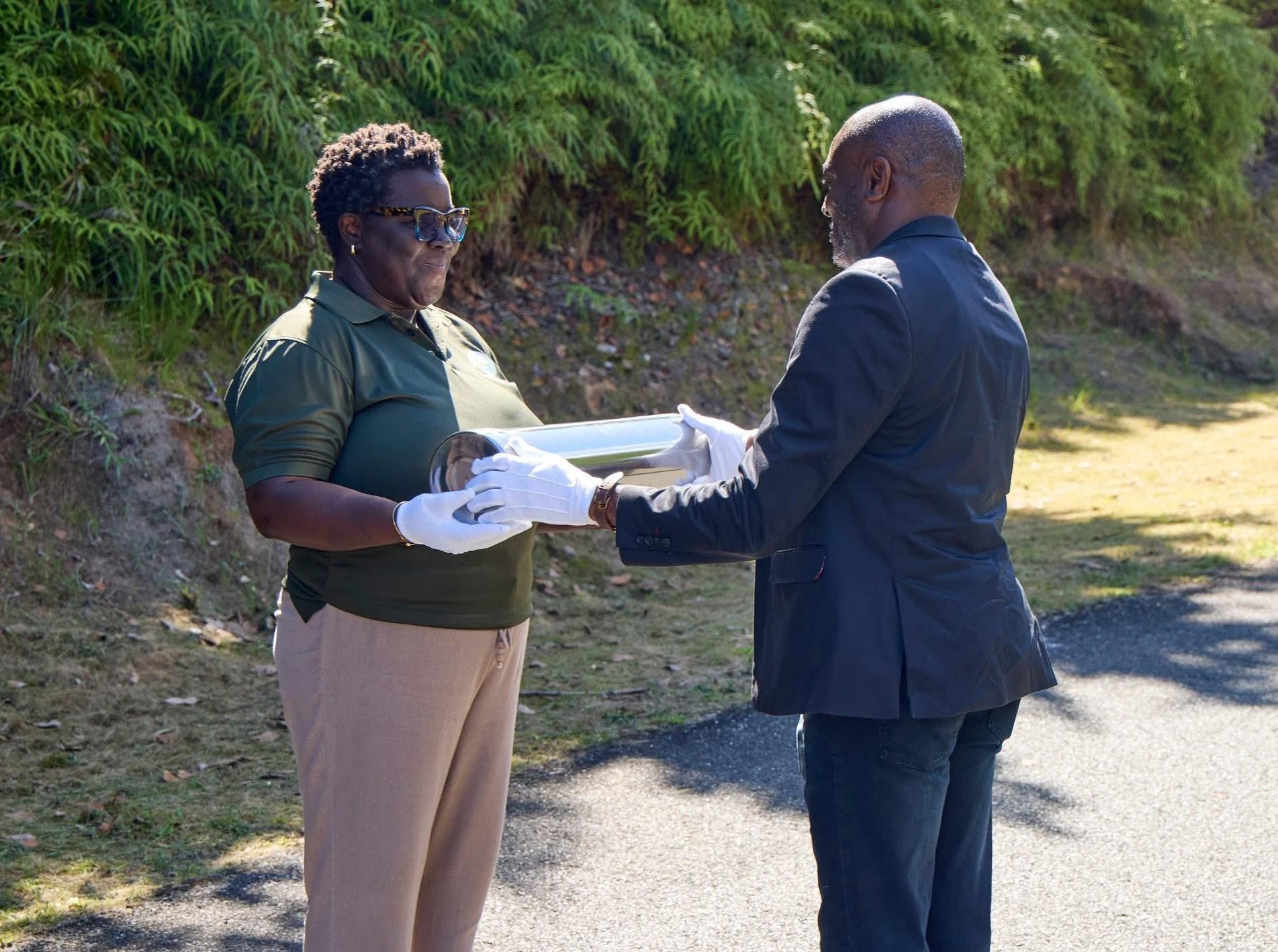
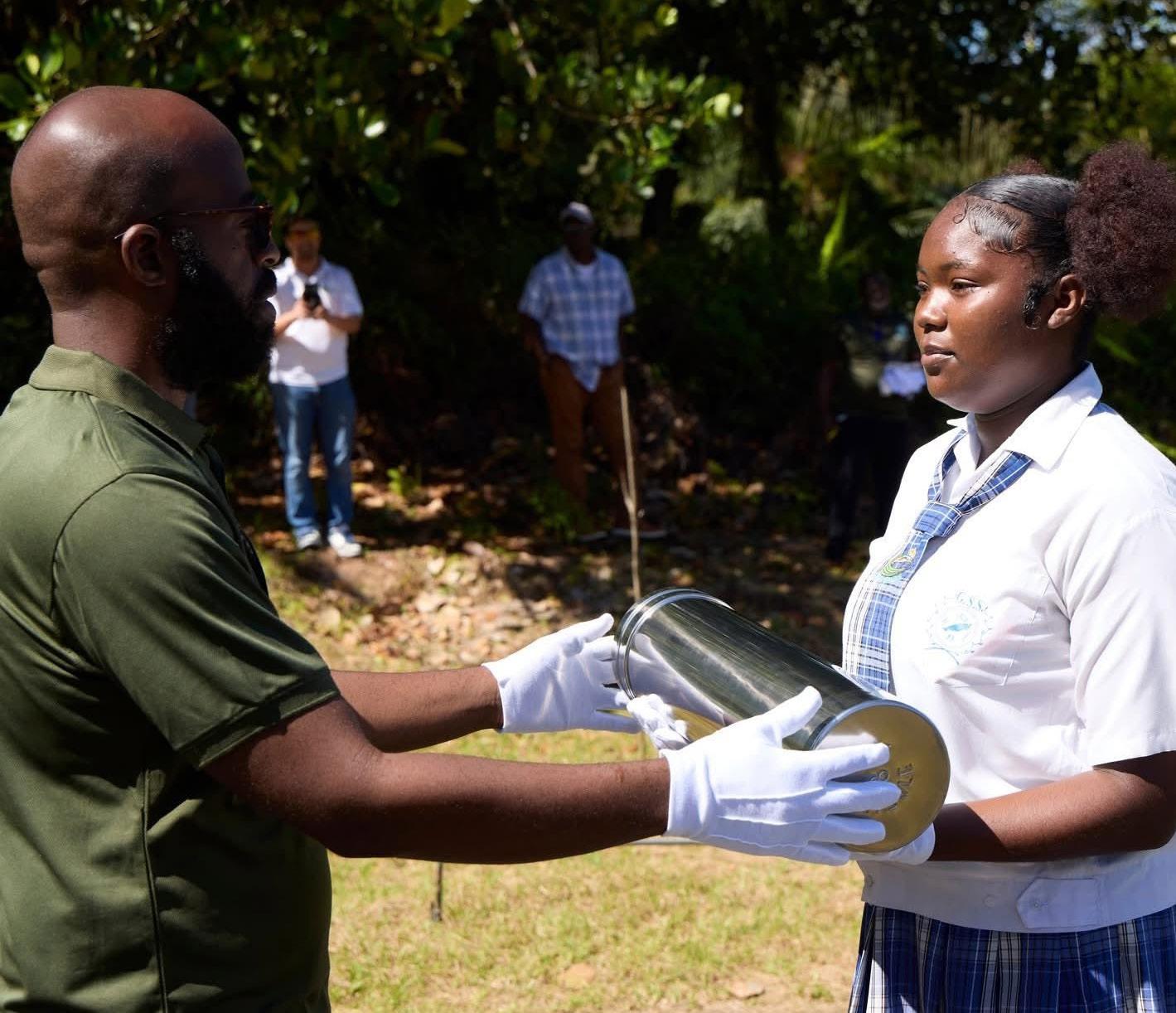
For a week at the end of April 2026, Tobago marked the anniversary with reenactments, a procession to the ridge, and the honouring of twenty-five people for their work in forest conservation and environmental stewardship. A time capsule now waits at the reserve, addressed to a generation not yet born. Tobago has named the period running to April 2027 its Year of Forest.
Two and a half centuries on, the Main Ridge still does the one thing it was set aside to do: it makes the island’s
Arain. A decision taken in 1776 — to value a standing forest over the land beneath it — turns out to be one of the earliest, and most enduring, acts of climate-conscious conservation in the world. The trees are still standing. The rain still falls. And the reasoning, a hundred years ahead of its time, has never stopped being proven right.
PHOTO CAPTIONS
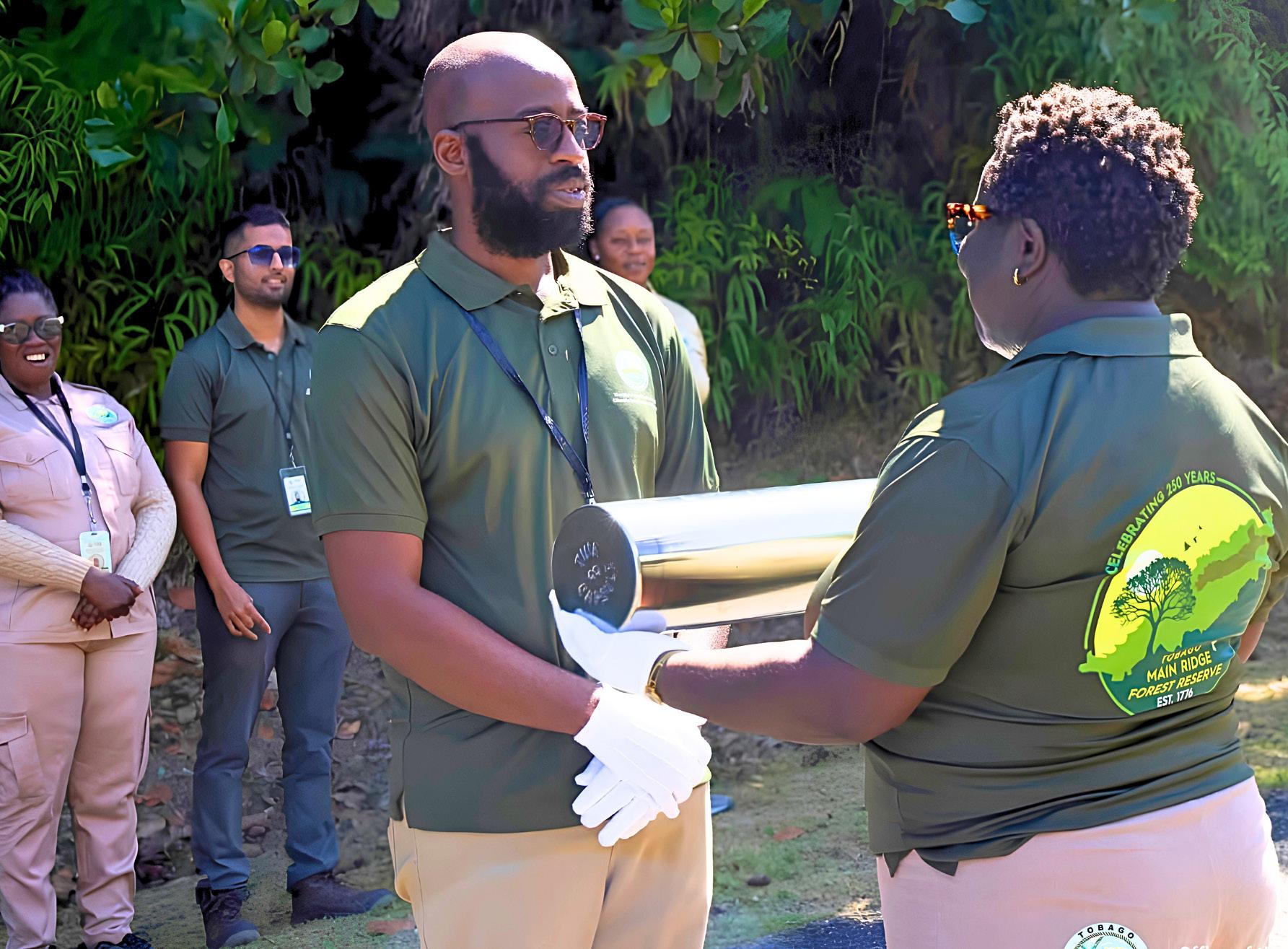
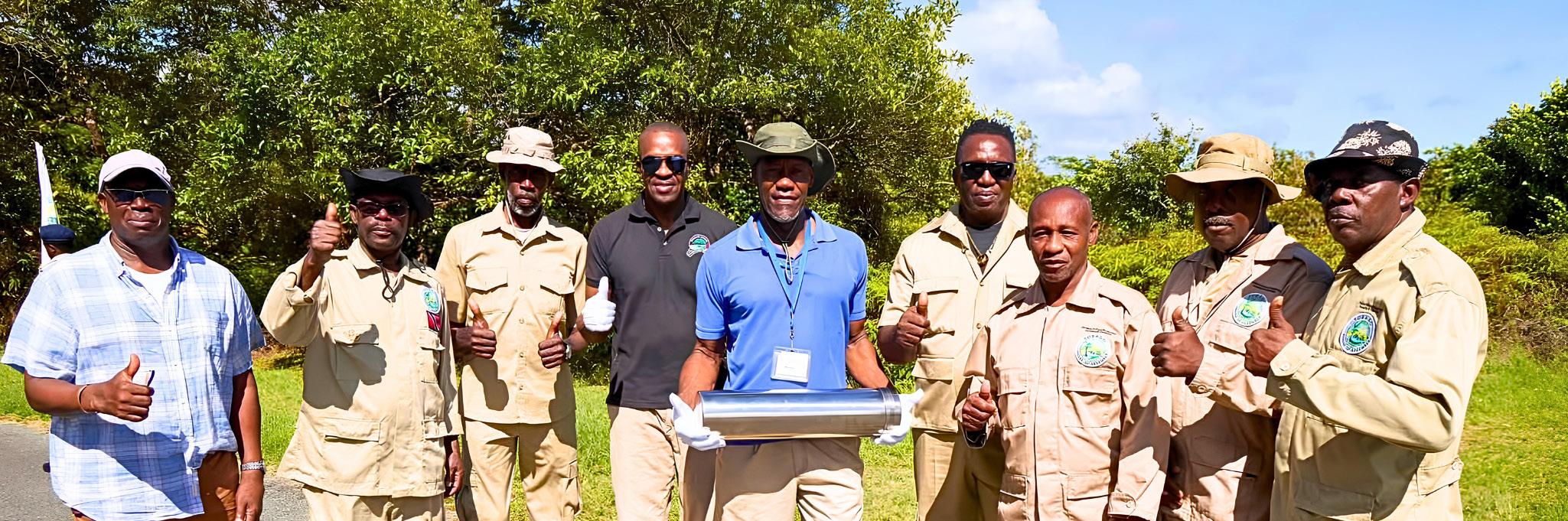
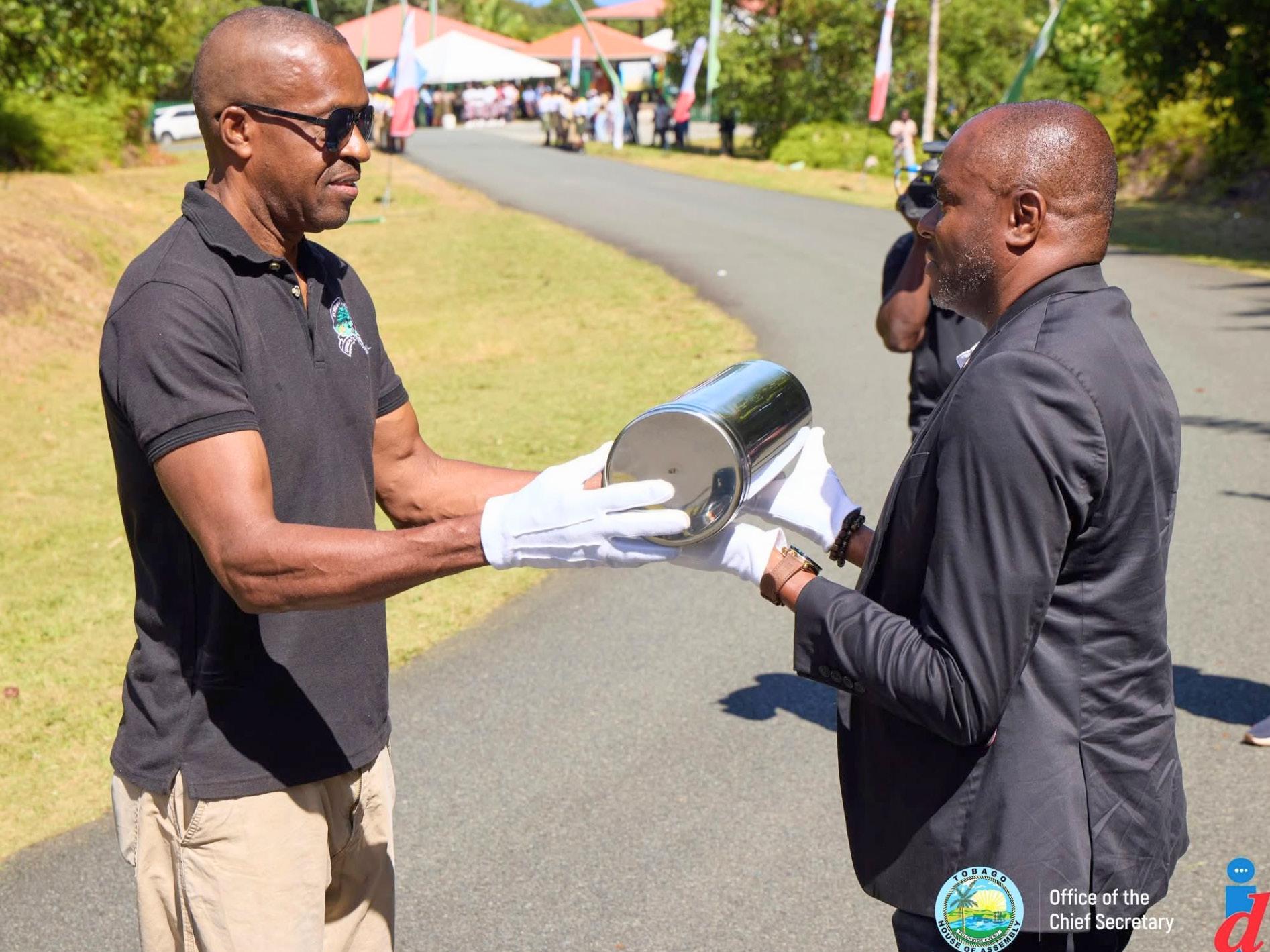
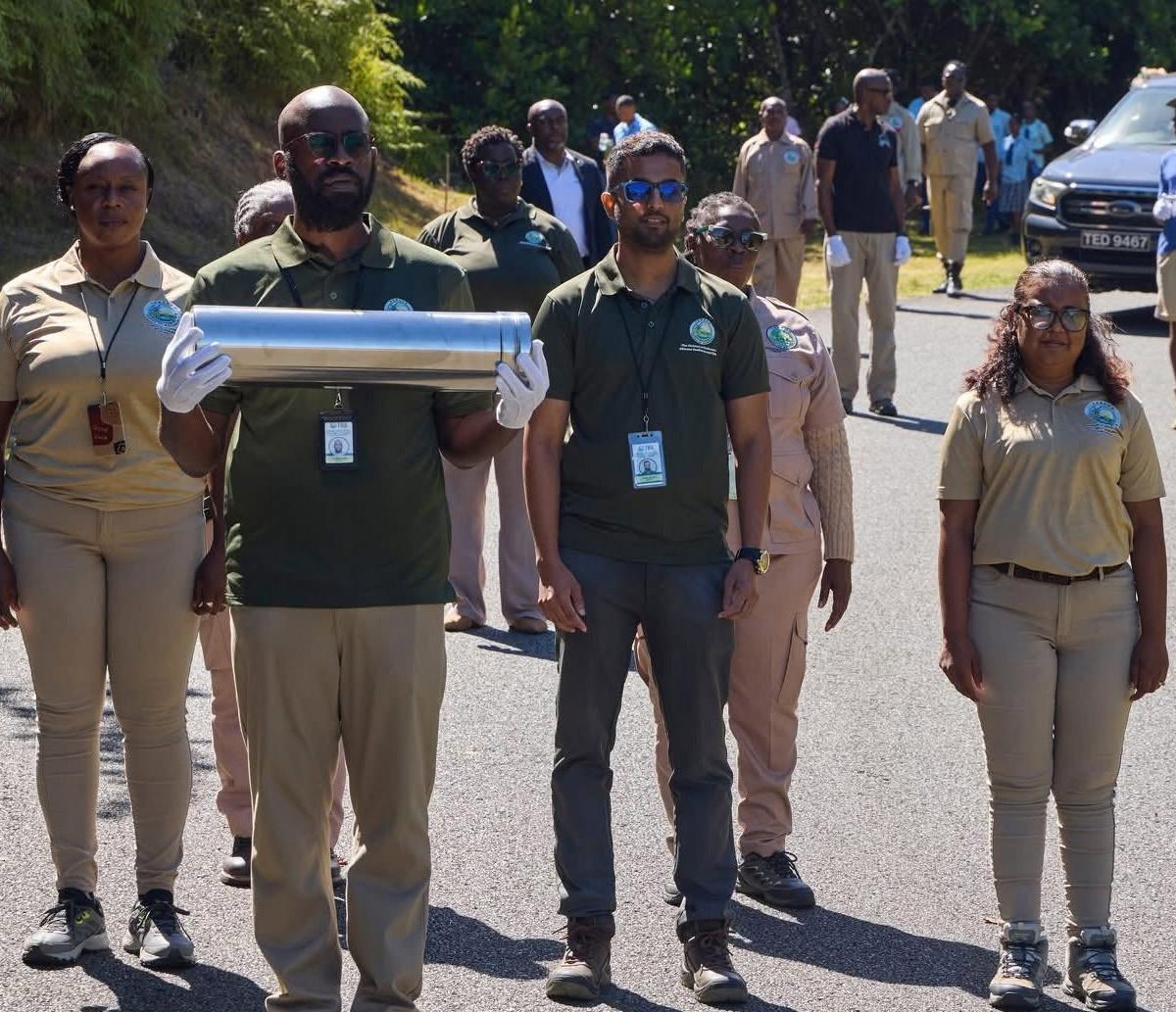
A — Kamlyn Pantin, Acting Conservator of Forests, symbolically passes the time capsule to Dwight Gomez, Forester 1 responsible for the Main Ridge Forest.
B — Past Conservator of Forests Mr Davis passes the time capsule to Secretary Darren Henry, head of the Division with responsiblity for the Environment.
C — Secretary Henry passes the time capsule to Kamlyn Pantin.
D — Dwight Gomez leads the present forest stewardship team, time capsule in hand.
E — Dwight Gomez passes the time capsule to Speyside High School student, who played the role of Jenyngs in the reenactment.
F — Past Conservators of Forests Mr Trim and Mr Davis, centre, with a team of retired forest stewards, many of whom were honoured at the evening gala.
G —Team of students led to lay the capsule for the next fifty years.
H — Tobago's Chief Secretary and Secretary Darren Henry lower the glass case over the newly established time capsule.
[Photos provided by the Division of Environment, Climate Resilience and Energy, Tobago House of Assembly]
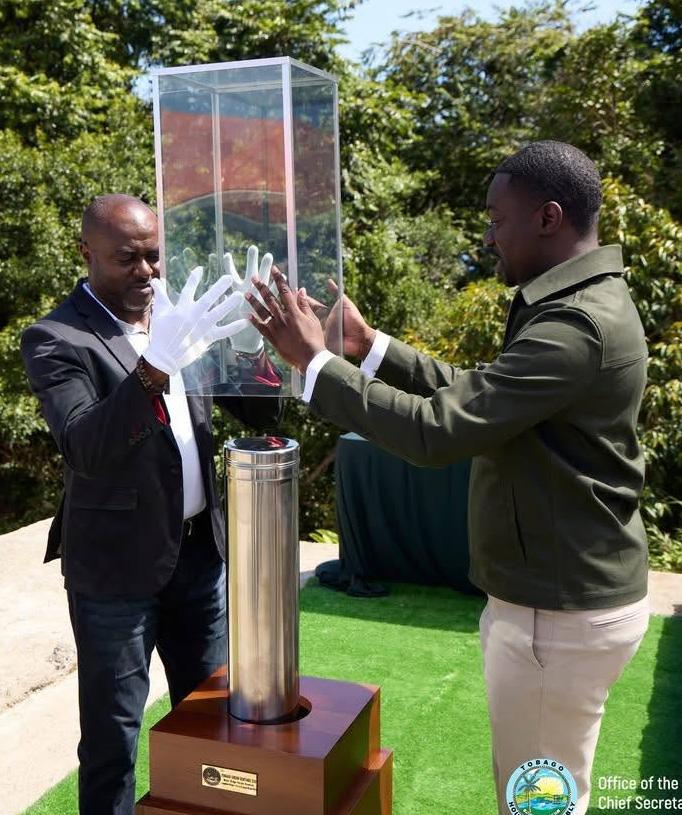
Chief Secretary Farley Augustine (seated) and Secretary Darren Henry (standing) with the sealed time capsule, containing public submissions and commemorative items, now on permanent display. On March 25, 2026, the Tobago House of Assembly declared April 30th Tobago Main Ridge Forest Day going forward. The 250th anniversary logo, developed for the celebrations, positions the rainforest as a destination in its own right.
Time Capsule to be unsealed in the year 2076


Quieter Skies, Smarter Storms: What 2026 Asks of Us

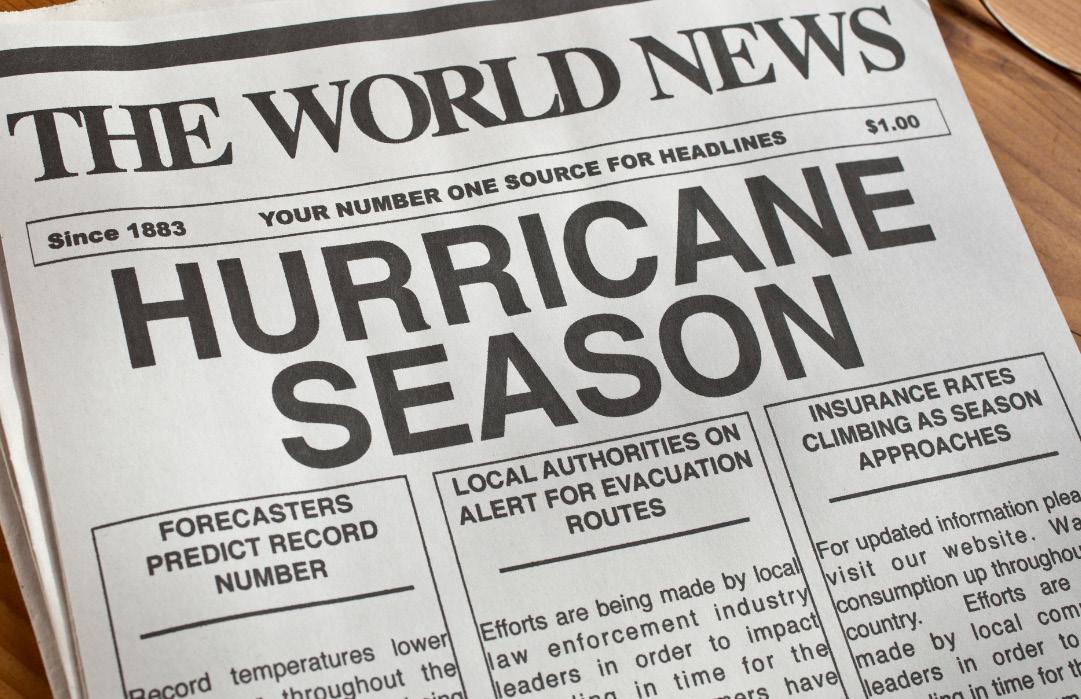
The forecasters expect a calmer Atlantic this year. History is unanimous that a calm forecast has never once kept a single island safe.
The numbers look reassuring. National Oceanic and Atmospheric Administration (NOAA) puts the chance of a below-normal 2026 season at 55 per cent, and a nearnormal one at 35 per cent. It forecasts eight to 14 named storms, three to six of them hurricanes, and one to three major hurricanes. The reason is the same across every forecasting team: a developing El Niño, likely moderate-tostrong at the season's peak. El Niño drives higher wind shear across the Atlantic and Caribbean, tearing storms apart before they organise. For the Caribbean specifically, the chance of a major hurricane landfall is estimated to be below its long-period average.
Yet every forecaster attached the same warning: it only takes one hurricane making landfall to make it an active season, and thorough preparations should be made regardless of what is predicted. The region need only look back a few months. The
2025 season was unremarkable by the count — five hurricanes, none striking the United States — yet it produced Melissa, one of the strongest Atlantic landfalls on record, with Caribbean losses near US$11 billion. A "quiet" year delivered one of the most destructive storms in our memory.
There is a further danger the seasonal numbers cannot capture. Warmer oceans are increasing the share of storms that strengthen with frightening speed; in 2025, four Atlantic hurricanes rapidly intensified, every one reaching the extreme threshold. A storm that leaps to major strength in a single day collapses the time a community has to act — which is why this season's most important developments are technological, not meteorological.
The forecast is getting sharper. For the first time, drone data is being fed directly into NOAA's hurricane model this season, improving intensity forecasts by an estimated 10 per cent. Closer to home, the more useful shift is in how warnings are framed. Across the region this year, agencies are moving to "impact-based" forecasting — warnings that
spell out the likely effect on homes, livelihoods and services, and the actions needed to reduce risk. The emphasis has shifted from issuing warnings to ensuring they trigger early action.
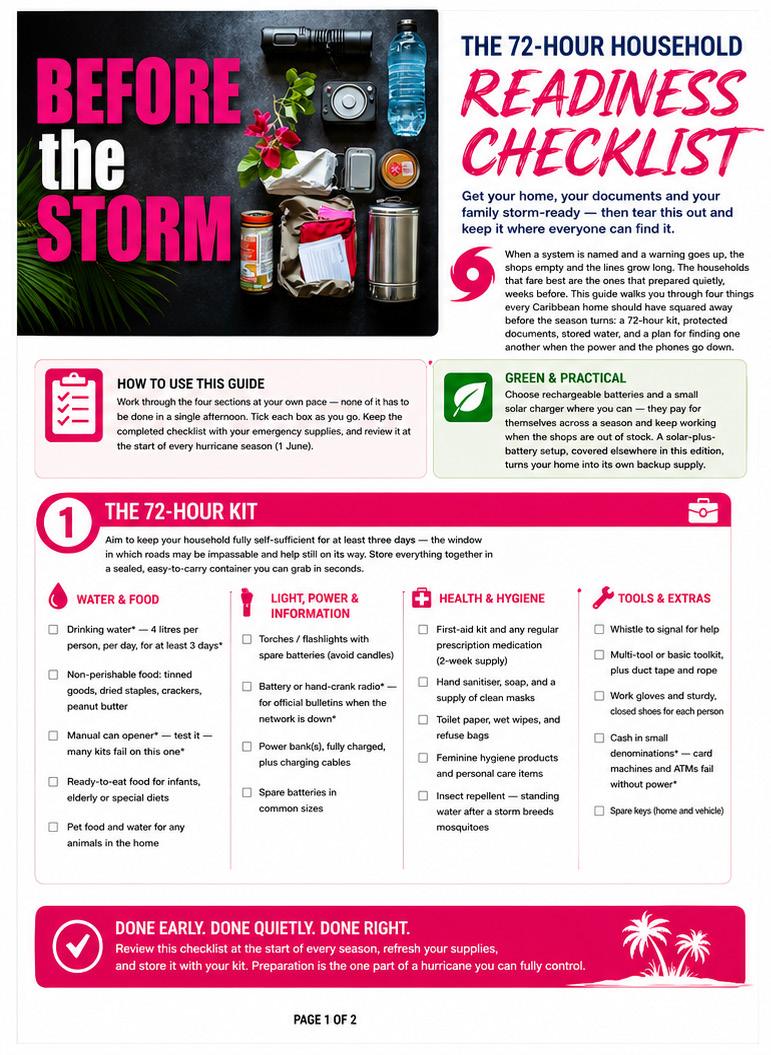
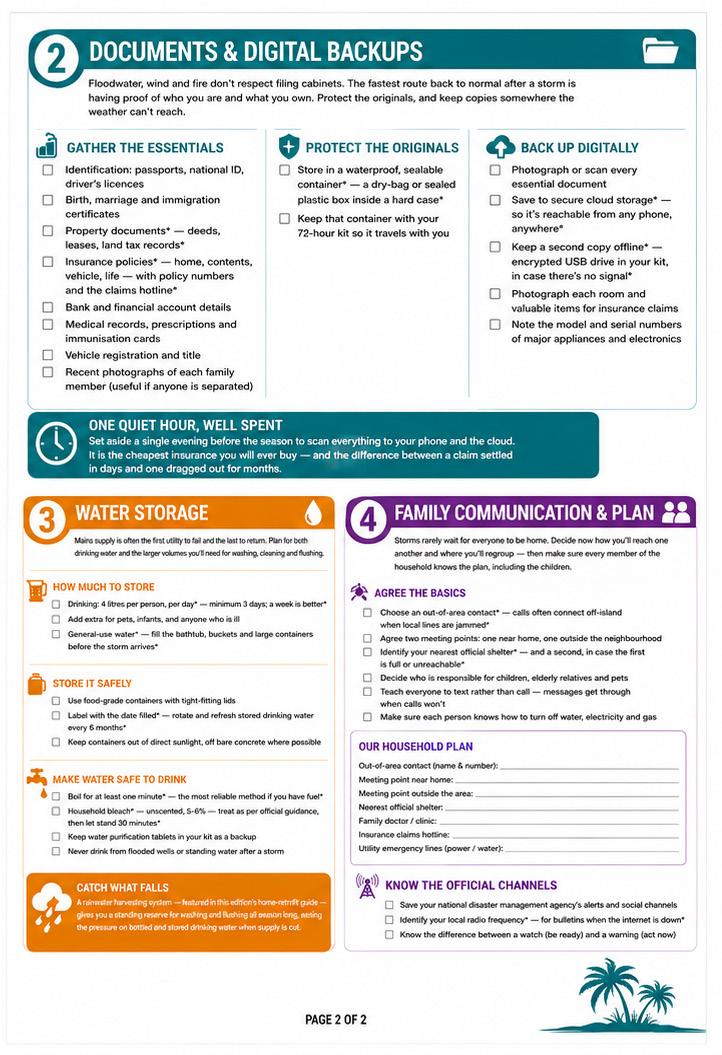
The tools already in your hand. The most useful technology this season is the one in your pocket. Identify the official sources for your island and trust no others: your local met service, with your national disaster office, is the only authority that can issue a watch or warning for your area. Follow your national disaster organisation and CDEMA on the platforms you actually check. Keep a power bank charged and a battery radio ready for when the network fails. Download offline maps, save key documents to the cloud, and agree a family communication plan while the skies are clear.
The physical benchmark hasn't changed. The standard remains 72 hours of selfsufficiency — three days of water, food that needs no cooking, light, medicine and cash that works when the banks are closed. The smartest forecast in the world cannot fill that water container for you.
So here is 2026: a season the science expects to be merciful, riding above an ocean that has learnt to make individual storms more dangerous, watched now by tools that warn sooner than ever. The forecast is better than it has ever been. But it still ends where it always has — a household deciding, in the calm, whether to be ready.
The Atlantic does not read its own forecast. It only takes one.

How Barbados' Department of Emergency Management Is Preparing for Hurricane Season
As the Atlantic hurricane season unfolds, Barbados' Department of Emergency Management (DEM) is leaving little to chance. Behind the scenes, emergency officials, first responders, government agencies, and community organizations are working together to ensure the island is prepared for whatever the season may bring.
From strengthening emergency response systems to educating the public on disaster preparedness, the DEM's mission is clear: build a more resilient Barbados and ensure citizens are ready before a storm threatens the island.
Preparation Begins Long Before the First Storm
While hurricane season officially runs from June 1 to November 30, preparation is a year-round process for the Department of Emergency Management.
Emergency planners spend months reviewing response plans, assessing resources, coordinating with key stakeholders, and identifying potential vulnerabilities. These efforts help ensure that emergency shelters, communication networks, and response teams can be activated quickly when needed.
"Preparedness cannot begin when a storm is already approaching," a DEM spokesperson said. "The work starts months in advance. Every agency
involved in disaster management has a role to play, and coordination is critical to protecting lives and property."
Building a Stronger Response Network
One of the department's primary objectives is maintaining seamless coordination among emergency response agencies. Regular meetings and simulation exercises allow stakeholders to test procedures and strengthen communication channels before an emergency occurs.
The DEM works closely with the Barbados Defence Force, Barbados Fire Service, Royal Barbados Police Service, utility companies, health officials, and local community groups to ensure a unified response during severe weather events.
"Our goal is to have every response partner operating from the same playbook," the spokesperson explained. "When a storm threatens Barbados, decisions must be made quickly, and effective communication can make all the difference."
Public Education
Remains a Priority
A key component of the DEM's hurricane preparedness strategy is public awareness.
Through media campaigns, community outreach programmes, and digital resources, Barbadians are being encouraged to prepare emergency kits, review family evacuation plans, secure their homes, and stay informed through official channels.
Officials stress that individual preparedness is just as important as national preparedness.
"We encourage every household to take responsibility for its own readiness," the spokesperson noted. "A wellprepared family is better able to cope during and after a storm, reducing pressure on emergency services."
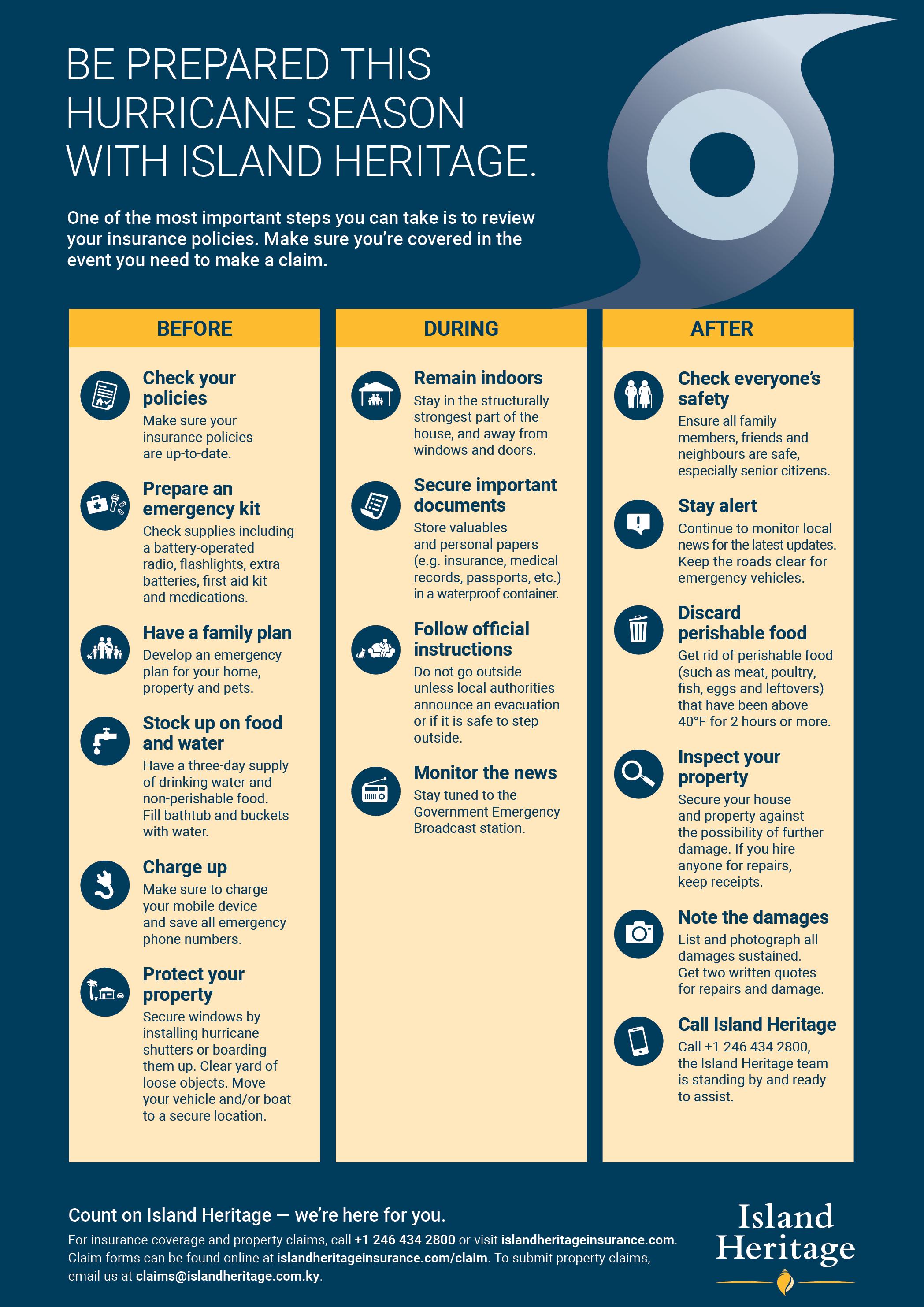
The department recommends that households maintain sufficient supplies of water, non-perishable food, medications, flashlights, batteries, and other essentials to last several days in the event of service disruptions.
Community Resilience Starts at the Local Level
The DEM is also working to strengthen preparedness at the community level. Through partnerships with district emergency organizations and community leaders, residents are receiving practical guidance on disaster planning and response.
These grassroots efforts help create neighbourhoods that are better equipped to support vulnerable residents and recover more quickly following adverse weather events.
"Prepared communities are resilient communities," the spokesperson said. "When neighbours know how to help one another and understand emergency procedures, the entire country benefits."



Learning From Past Experiences
Recent weather events across the Caribbean have reinforced the importance of preparedness. While Barbados has been fortunate to avoid direct impacts from many major hurricanes, storms such as Hurricane Elsa demonstrated how quickly conditions can change.
Emergency officials continue to review lessons learned from previous events to improve planning and response capabilities.
"Every storm teaches us something new," the spokesperson reflected. "We continuously evaluate our performance and identify opportunities to strengthen our systems."
A Shared Responsibility
As meteorologists forecast another active hurricane season, the Department of Emergency Management is reminding Barbadians that preparedness is a shared responsibility.
Government agencies can coordinate response efforts, but citizens must also take the necessary steps to safeguard their families, homes, and businesses.
"The best time to prepare is now," the spokesperson emphasized. "Do not wait until a warning is issued. Review your plans, gather your supplies, and stay informed. Preparedness today can make all the difference tomorrow."
With planning, vigilance, and community cooperation, Barbados continues to strengthen its ability to withstand and recover from severe weather events. As the season progresses, the message from the Department of Emergency Management remains consistent: be prepared, stay alert, and remain resilient.
Hurricane Shelters
Barbados has 31 Category 1 shelters across all eleven parishes. Find the one nearest you, and make the plan before the season turns.
Christ Church 5
Blackman & Gollop
Primary School
Christ Church
Foundation School
Dunamis Outreach
Ministries (Wesleyan
Holiness Church)
St. Christopher Primary School
Gordon Walters Primary
St. Michael 8
Black Rock Seventh Day
Adventist Church
Combermere School
Dalkeith Methodist Church
St. Barnabas Day Care Centre
Lloyd Erskine Sandiford Centre
Harrison College
The University of the West Indies
Faith Wesleyan Holiness Church
St. Andrew 1
Hillaby Seventh Day
Adventist Church
St. James 3
Gordon Greenidge
Primary
Queen's College
The Church of God, Orange Hill
St. Lucy 2
Connell Town
Pentecostal House of Prayer
William Donald George Parish Centre (St. Lucy Parish Church)
St. Philip 4
Ruby Nazarene Church
Six Roads Seventh Day Adventist Church
Six Roads Church of Christ
Hilda Skeene Primary School
IF YOU EVACUATE, BRING
St. George 2
Cuthbert Moore Primary
Ellerton Wesleyan Holiness Church
St. John 1
The Lodge School
St. Joseph 1
Tamarind Hall Library (Eric Holder Municipal Complex)
St. Peter 2
Roland Edwards Primary School
Coleridge & Parry School
St. Thomas 2
The Lester Vaughn School
Hillaby / Turners Hall
Identification · medication · bedding · food and water · essential personal items. Source: Department of Emergency Management. List updated annually; confirm at dem.gov.bb.