
8,850M / 29,035FT

8,850M / 29,035FT
Dates: April to June OR August to October
Duration: 30 or 52 days
Departure: ex Kathmandu, Nepal
Price: Price available on application
Bringing together the very best components of our flagship expedition with flexibility and customised service our Everest Private Expedition is the ultimate personalised expedition package!
If you have a desire to stand on the highest summit in the world, Adventure Consultants can provide you with an excellent chance of achieving that goal. We believe the ascent should be made in the best style possible, a philosophy that has seen our expedition members achieve many successful ascents and given us the best reputation in high altitude expedition guiding.
Everest Private packages are designed with the flexibility and support to provide you with your best chance of success.
Calling on our many years of experience, our very qualified guides and Sherpa crew offer the most seasoned team in the industry and the most professionally run expeditions available. We can quite confidently say that our Everest Private expedition offers you the most flexibility, the best resources, the highest guide/Sherpa-to-climber ratio on the mountain with the foremost equipment, food and Base Camp support of any expedition operator.
Choosing to climb as a private team provides numerous benefits including the services of your own highly experienced and qualified International mountain guide and your own team of Sherpa supporting your climb. Importantly this allows you more freedom of movement on the mountain to travel at a faster or slower pace as your fitness and acclimatisation dictates. It leaves you free from constraints that are implicit in being part of a larger team—such as group pace, health of other members or following a fixed timetable. By being part of a private expedition the schedule is dictated by you and your guide around your health, your acclimatisation and your schedule.
As a private team you will enjoy all the same great benefits that our classic climbers enjoy, including the legendary AC Base Camp facilities, and more! A variety of optional add-ons are available so that you can create an environment that suits your needs, whether that’s choosing to climb and socialise alongside our main climbing team, or creating a private haven with exclusive dining and lounge facilities and even your own personal Base Camp Manager and Chef!
The possibilities are endless and if you are serious about being successful on an ascent of the world’s highest mountain and you want a personalised experience that gives you the best chance of attaining that goal in a private expedition, then Adventure Consultants is the perfect choice.
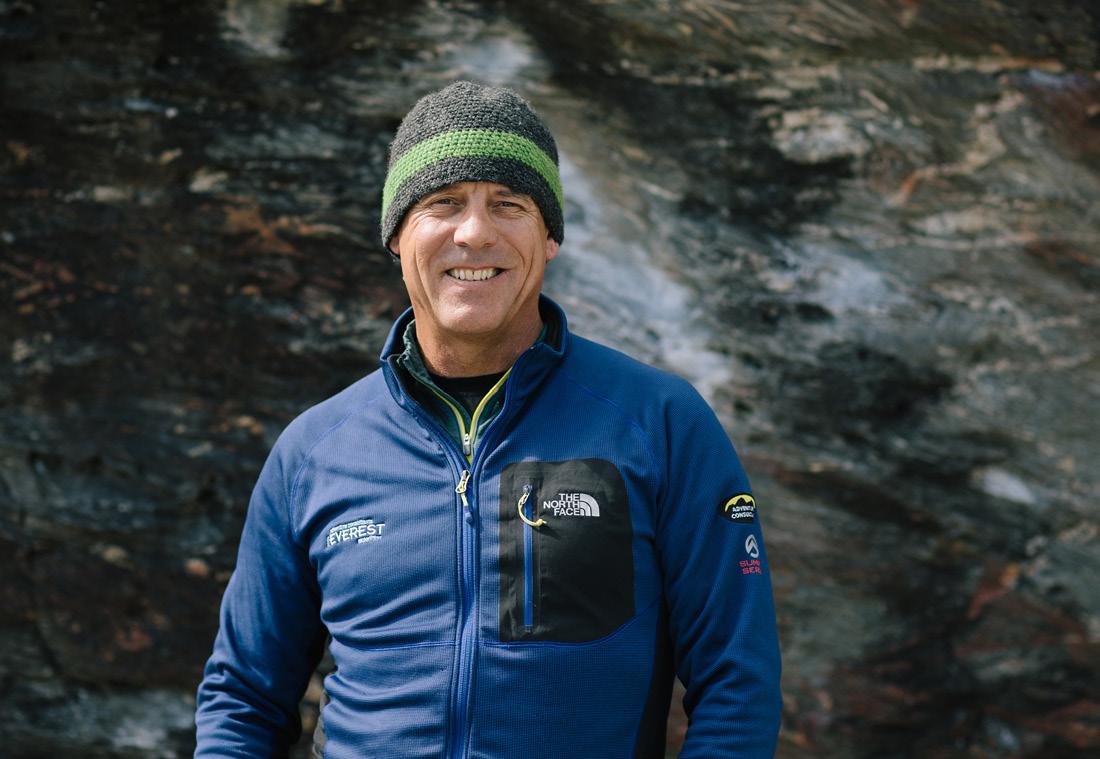
The 2027 expedition is being organised by Guy Cotter, CEO of Adventure Consultants and a veteran of over 30 years of Everest expedition guiding and organisation. With technology constantly evolving, Adventure Consultants have kept abreast of all the new techniques and equipment advancements—encompassing the latest in weather forecasting facilities, equipment innovations and communications systems. Everest is not the place to be with an organisation that is ‘learning the ropes’, there is too much at stake for that. Adventure Consultants expedition staff, along with the operations and logistics team at the head office in New Zealand, provide the highest level of backup and support to the climbing team to maximise your chances of success.
This is coupled with a very strong expedition guiding team and Sherpa contingent, who as you will come to see are second-to-none in the industry.
Our international guiding staff are the best in the business. You will find the Adventure Consultants Mountain Guides companionable and strong expedition leaders with considerable abilities and a strong desire to see you achieve your goals. The number of guides is determined by the team size with the maximum ratio of guides to members being 2:4. Our Everest Private guiding team includes:
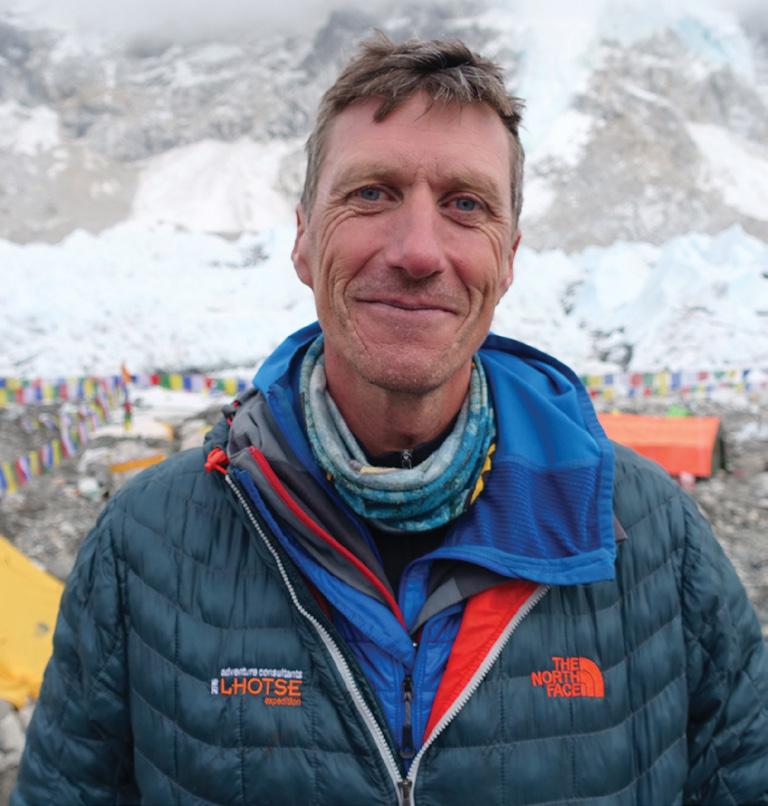
Rob Smith
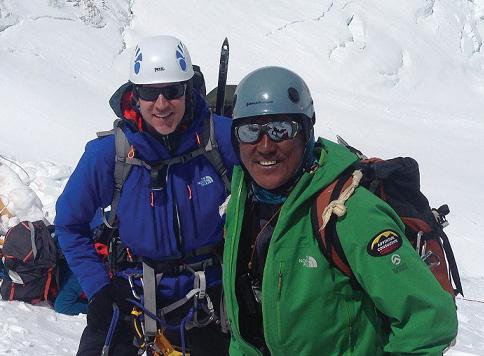
Rob Smith has been guiding since 2000. He divides his time guiding between the Antarctic summer seasons and the greater ranges of the Himalaya. Originally from Omagh, Northern Ireland, Rob is now based in Fort William, Scotland. He has guided for Adventure Consultants for many years and his notable guided ascents include Everest, Vinson Massif, Cho Oyu, Carstensz and Elbrus amongst many others. Rob has summited Everest 10 times and has climbed both the North and South routes.
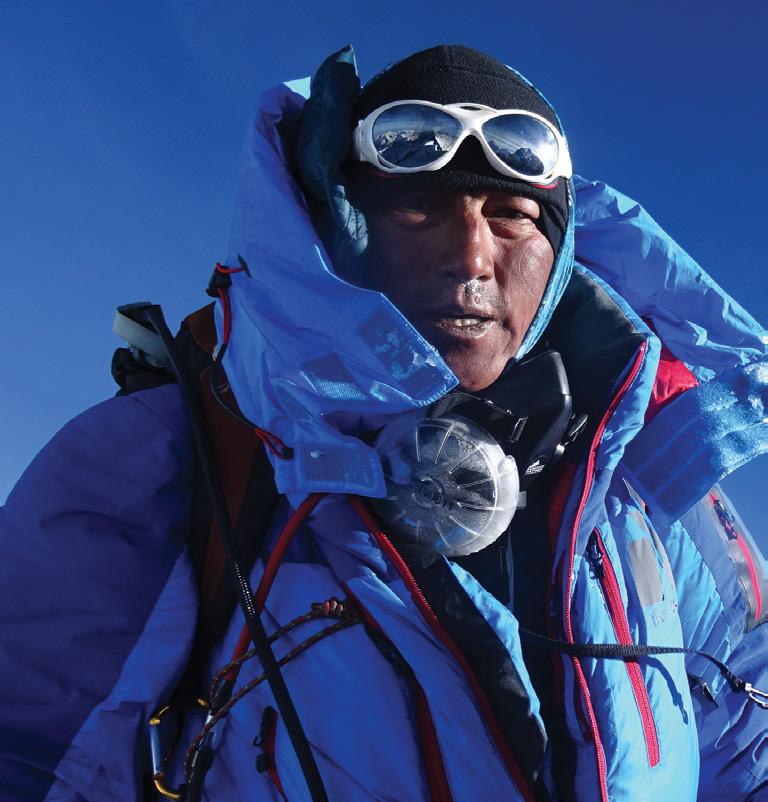
Summiting Everest initially with us in 1992, Ang Dorjee has moved on to achieve 30 ascents of 8,000m peaks, including Everest 25 times! His skills as a climber are legendary. Ang Dorjee is originally from Pangboche Village in the Khumbu Valley of Nepal, but he now lives in the USA. He guides on Mount Rainier and he regularly guides expeditions for Adventure Consultants including Everest, Aconcagua, Peak Lenin and Kilimanjaro.
JB has been climbing and skiing his whole life and took the natural progression to guiding when he was 21. Initially JB worked mainly in the French Alps, before
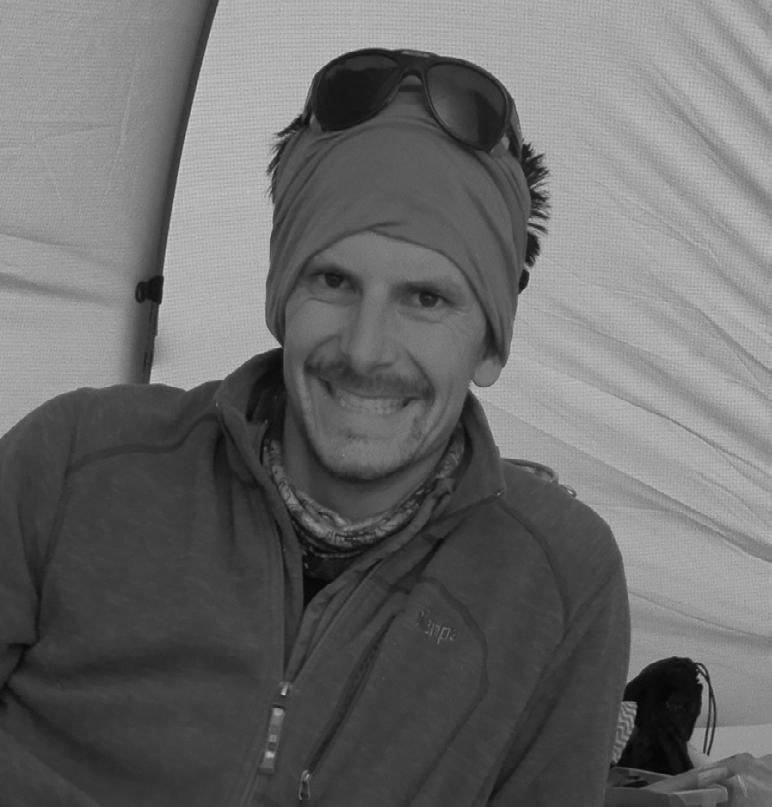
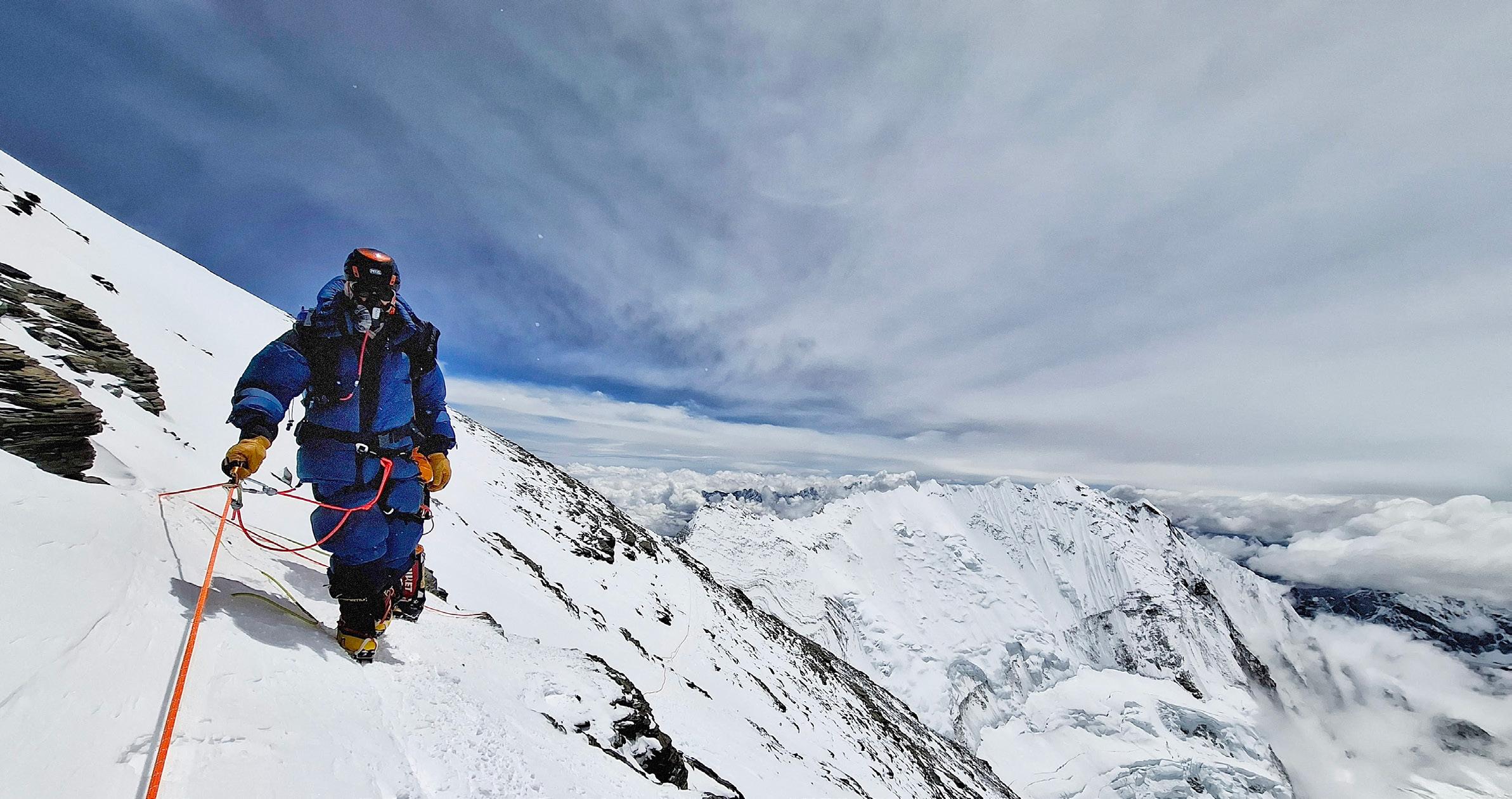
joining the AC team in New Zealand where he spent a number of summers and more recently in the Himalaya and Antarctica. JB’s notable ascents include Everest, Manaslu, Dhaulagiri (8,167m/26,794ft) without oxygen, Aconcagua and Mount Vinson.
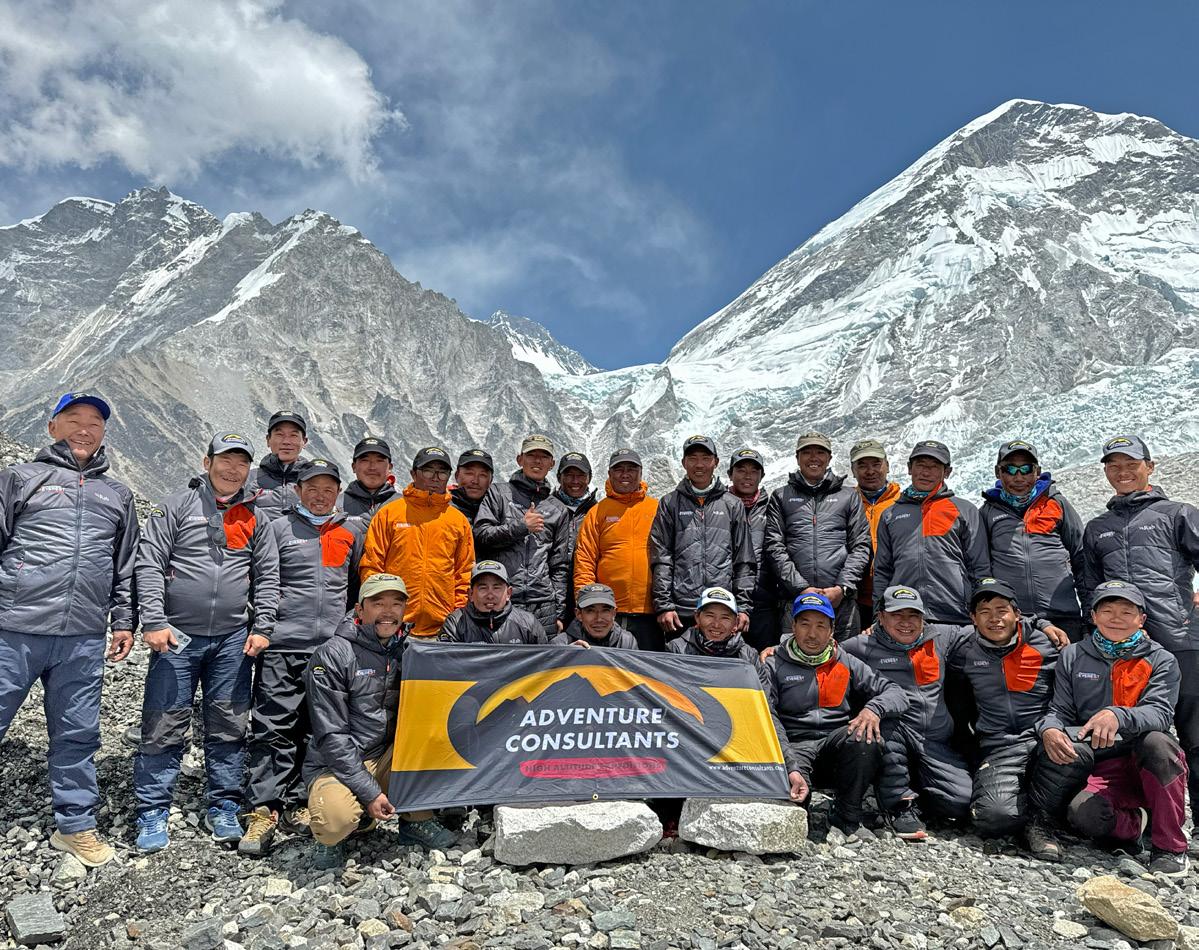
Our Sherpa team has dozens of Everest summits between them. Da Jangbu Sherpa is the Expedition and Climbing Sirdar who has summited Everest an impressive 13 times and brings with him considerable knowledge and experience. Because of his leadership, we have a strong group of Climbing Sherpas who operate in a harmonious atmosphere of cooperation and commitment to the expedition and its members.
Our group of Climbing Sherpas is enthusiastic, motivated and regarded as the strongest and most cohesive group of Sherpas on Mount Everest. It is indicative of the reputation that our Sherpa team has earned that Sherpas from other expeditions enthusiastically pursue a future position with the AC team.
Our cooking staff are very well known for the quality of the cuisine they produce and are coveted by other team leaders due to the reputation they have established. We have been developing the personnel within our Sherpa team for nearly 30 years and they are an integral part of the Adventure Consultants Everest Team.
The South Col route on Mount Everest is not an especially technically difficult climb—nor is it the ‘Yak Route’ some non-Everest climbers have termed it.
However, it is imperative that expedition members are well versed in the latest techniques and have experience in the high mountain environment.
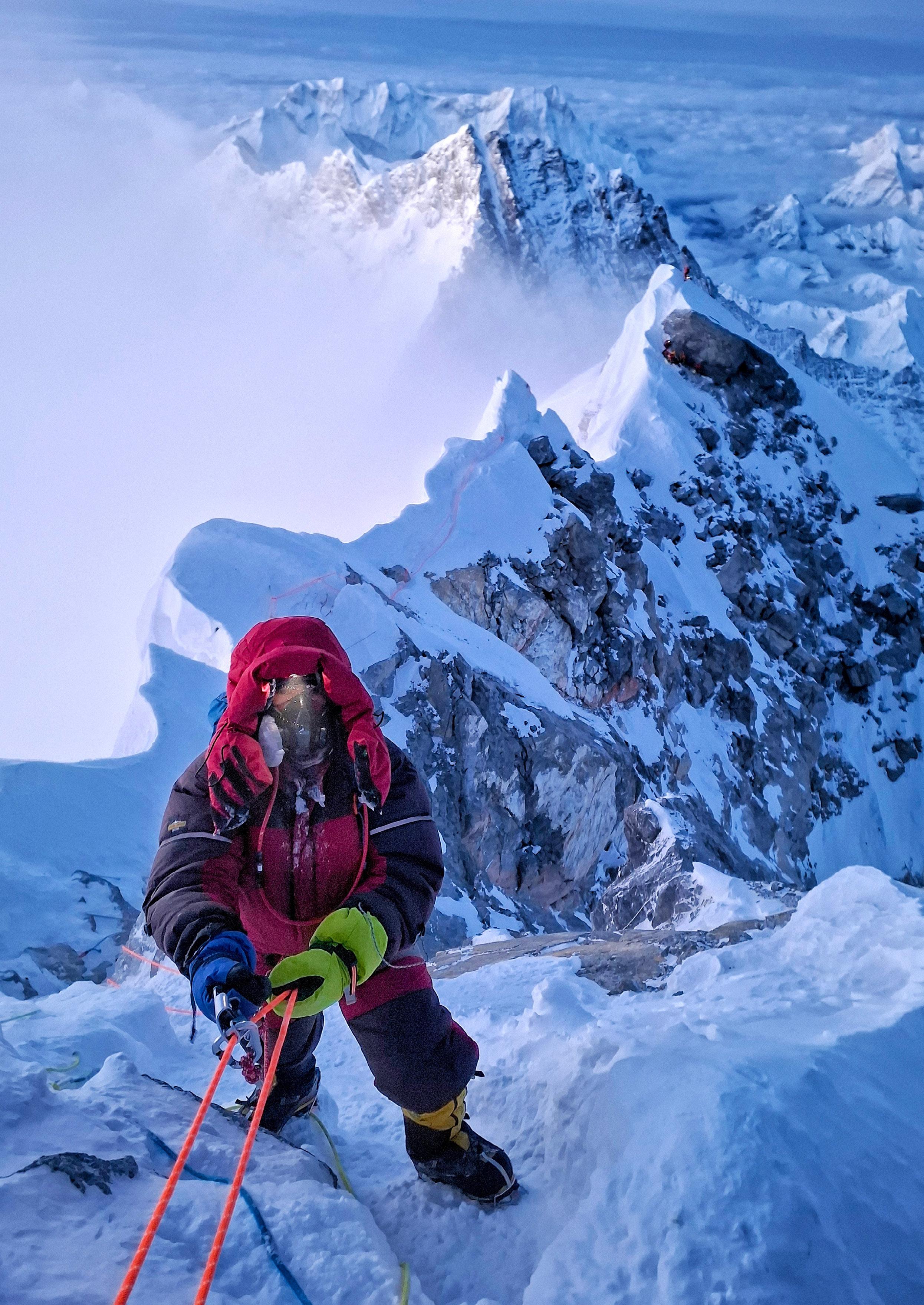
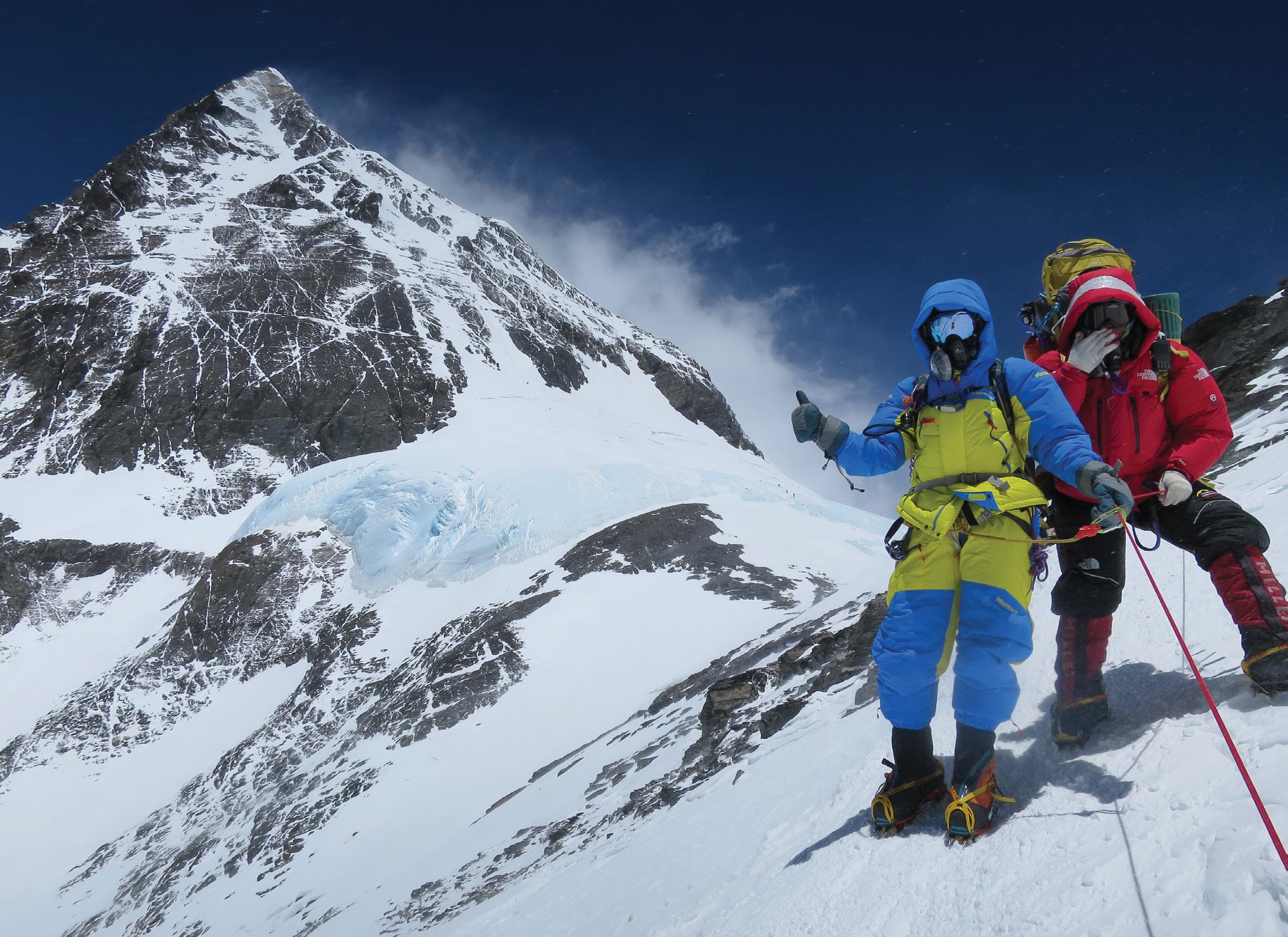
What the photographs do not show are the difficulties of operating at these extreme altitudes. It is a physically demanding ascent, requiring enormous determination and stamina. An expedition to Everest is not a place for those who will give up when the going gets uncomfortable or strenuous. Days can be up to 15 hours long and although we have lightened the loads you personally carry by having enough Sherpa support to carry your equipment, the days are still arduous and taxing, especially over the 7–8 weeks of the expedition.
The outcome of the expedition will be determined by three broad groups of factors. The first is environmental
(weather and snow conditions, etc.). The second is the logistical approach taken by the expedition leaders and the strategies employed to embark on a summit bid. The third is your own preparation in the years prior to the expedition and how you perform whilst the expedition is under way. We can help design a training programme that will both physically and mentally prepare you for the climb, but you need to commit the time and energy to ensure you attain the correct conditioning.
We know that the success of an expedition is determined by factors that are planned well in advance of the outset of the actual climbing. During our 30 previous seasons on Mount Everest, we have observed many other groups attempting to climb the mountain. Many try to emulate our strategies without committing to the level of resources that we provide.
Every step of the way, our head office staff will be there to answer your questions. If they can’t, they will be happy to put you in touch with one of our Senior International Guides who will have first-hand knowledge of the climb.
We recognise that no amount of finely tuned organisation will guarantee anyone the summit of Mount Everest. However, we do believe that our experience, combined with your enthusiasm and
determination, will provide you with the best possible chance of standing on top of the world. Our track record on Everest is unmatched with 419 summits to date!
We want climbers who share our approach—to reach the summit in good style, with the highest level of support and safety possible. We limit our team to 8 climbers and we’re selective about who we accept. Our focus is to build a team of like-minded climbers who have the experience to be there and who you’d want to spend 7 weeks on a mountain with—often forming lifelong friendships. You’ll be backed by qualified and experienced guides and a Sherpa team regarded as the strongest on the mountain. The food and equipment are the best we can provide, from Base Camp to the summit.
So what’s different about us? Our climbers put it better than we can:
“I’ve consistently gone with AC for all my highaltitude trips. While some clients may value an espresso machine, I value safety, experience and a good time. That latte won’t get you to the top, but
our Sherpa team had over 110 summits—I don’t know of another company that has that experience, nor can consistently get all their Sherpas back year after year.” Neil Long
“I cannot recommend AC enough when it comes to the big mountains. I successfully climbed Everest with them and I wouldn’t have wanted to climb with anyone else. World class guides who always have safety at the top of their priority list, but are also great fun to be around. All the logistics went smoothly and the office team were really helpful and great to deal with. The food and accommodation provided were fab which makes all the difference during a long expedition. For a big company you feel like you get a very personal experience and I doubt anyone has been providing this amazing service for as long as these guys have!”
Lisa Jelly
The South Col route from Nepal offers the best chance of success for most climbers. We encourage you to research details about both sides of the mountain. People will argue the virtues of either of the two approaches. However, we maintain that the ‘entire
package’ of the Nepal side makes it the preferred option: the delightful approach through the Sherpa homelands via the Khumbu Valley, enjoying Sherpa hospitality in modern lodges with good food and all the while, being impressed by the spectacular scenery of the incredible peaks of the lower Khumbu.
Statistically, the South Col route from Nepal also offers the best chance of success for most climbers. On summit day the climbing is less technical than the North side, and you spend less time above 8,000m overall. The South Col route is also more sheltered compared to the tough windy condition that are common from Tibet. Historically, high permitting fees from the Nepalese government had created a large disparity between the costs of Everest expeditions from Nepal and Tibet, but recent large increases from the Chinese government have narrowed this gap.
Private expeditions can operate by either the South Col or North Ridge routes and we encourage you to discuss your preferences with us in order to make the best decision.
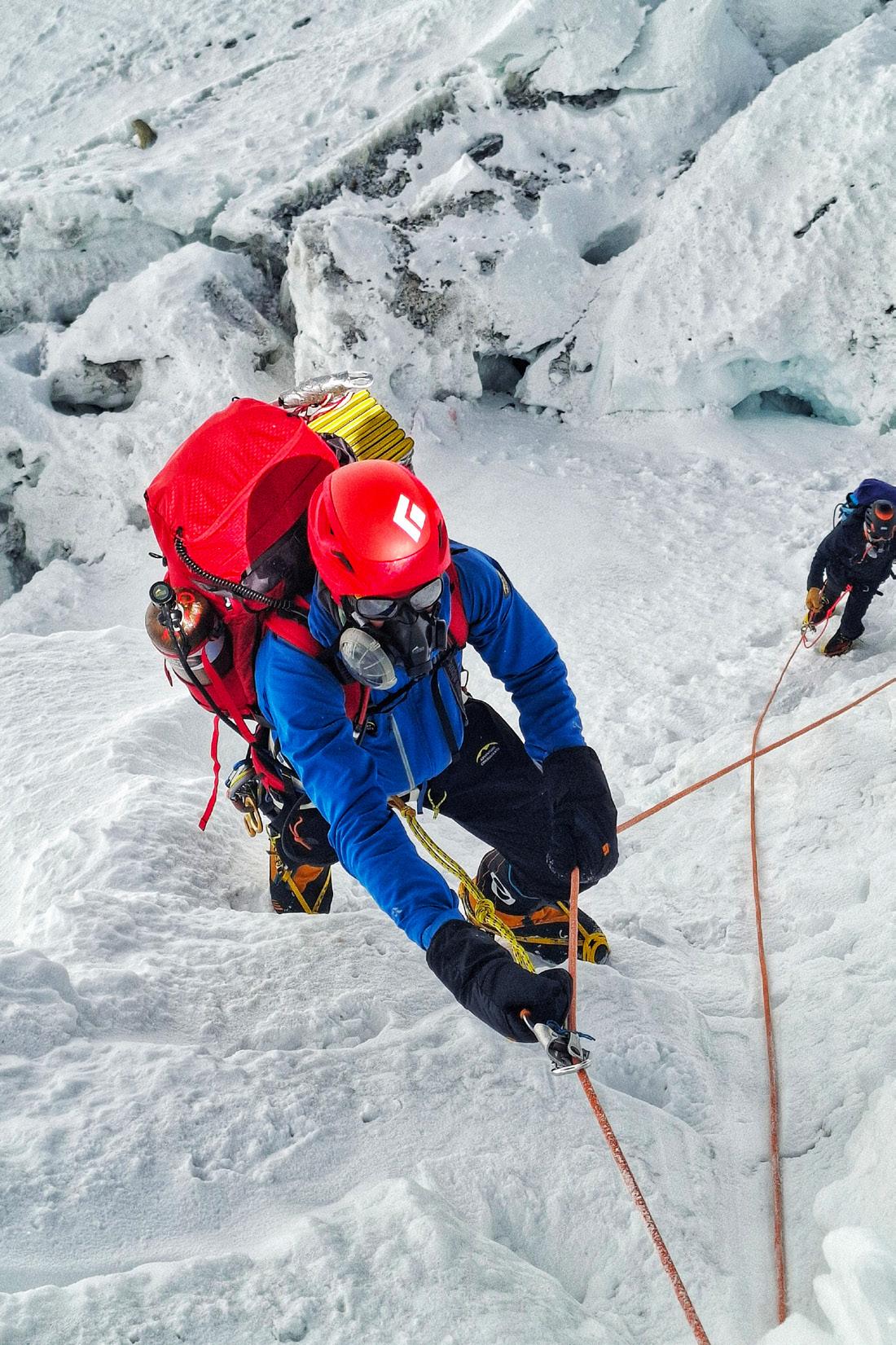
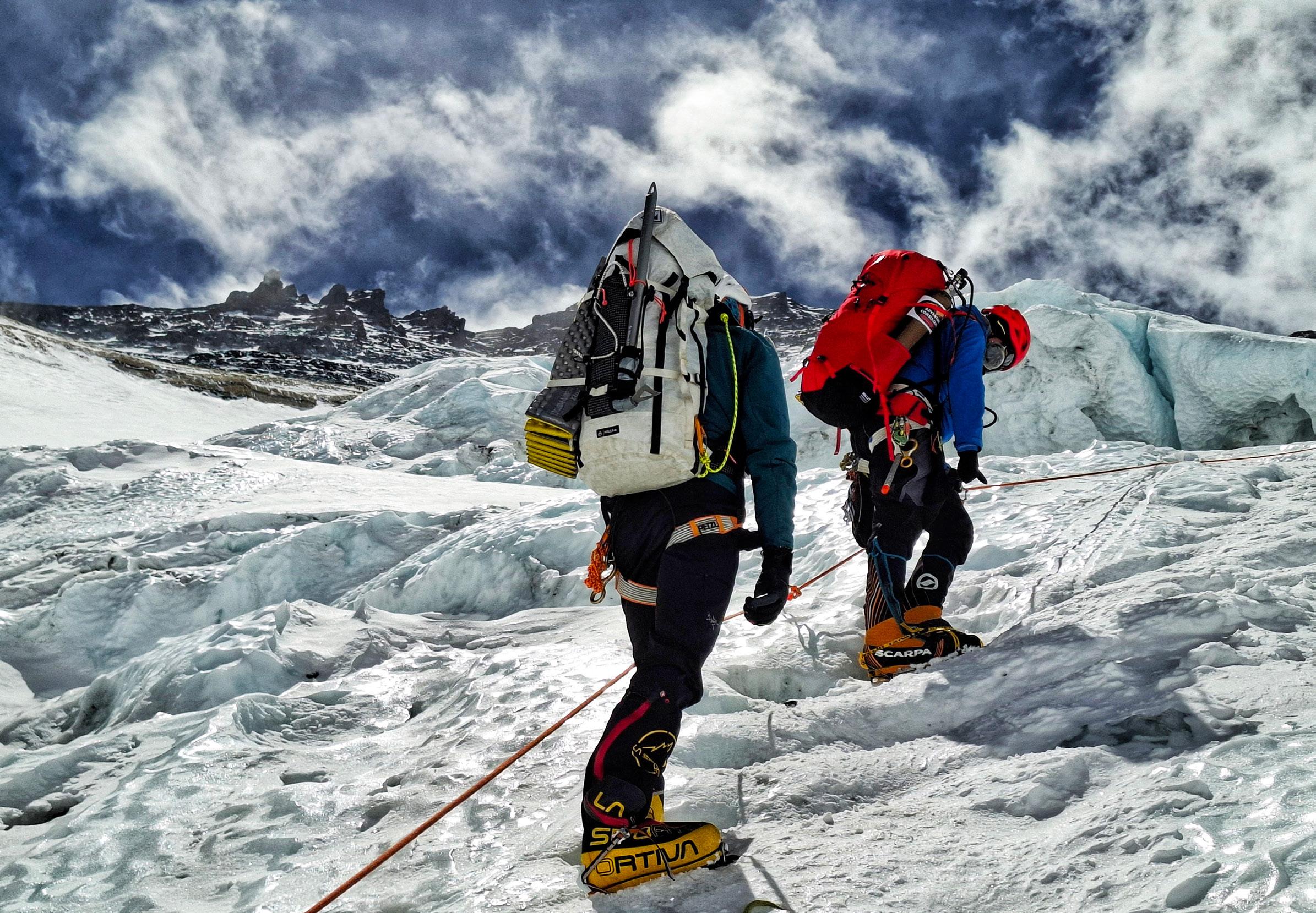
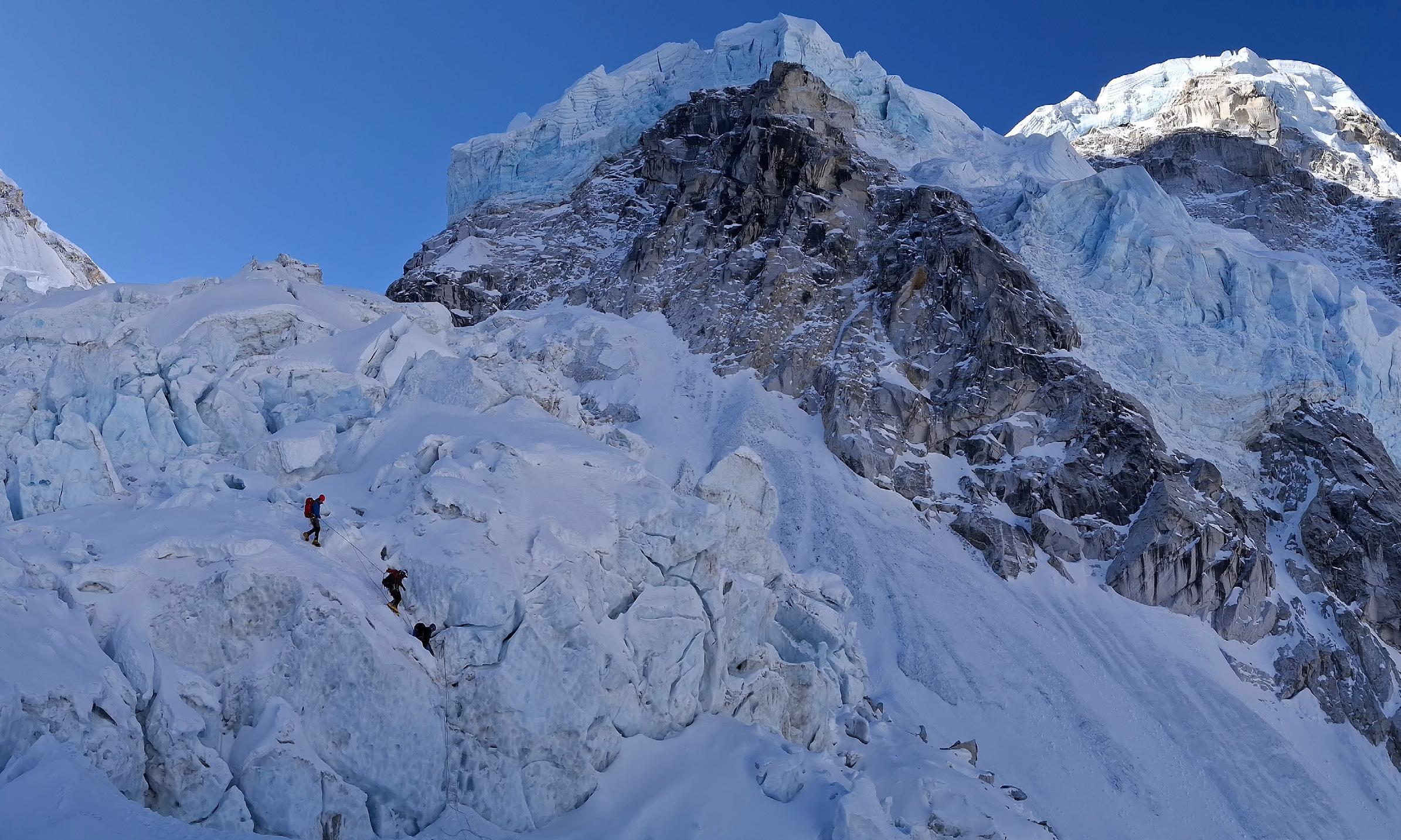
The Khumbu Icefall has a fearsome reputation and it is indeed a phenomenal route to climb. Yet it is an integral characteristic of the South side that it is a ‘Climbers Route’ that requires a mountaineer to be well skilled in the use of crampons and an ice axe. The
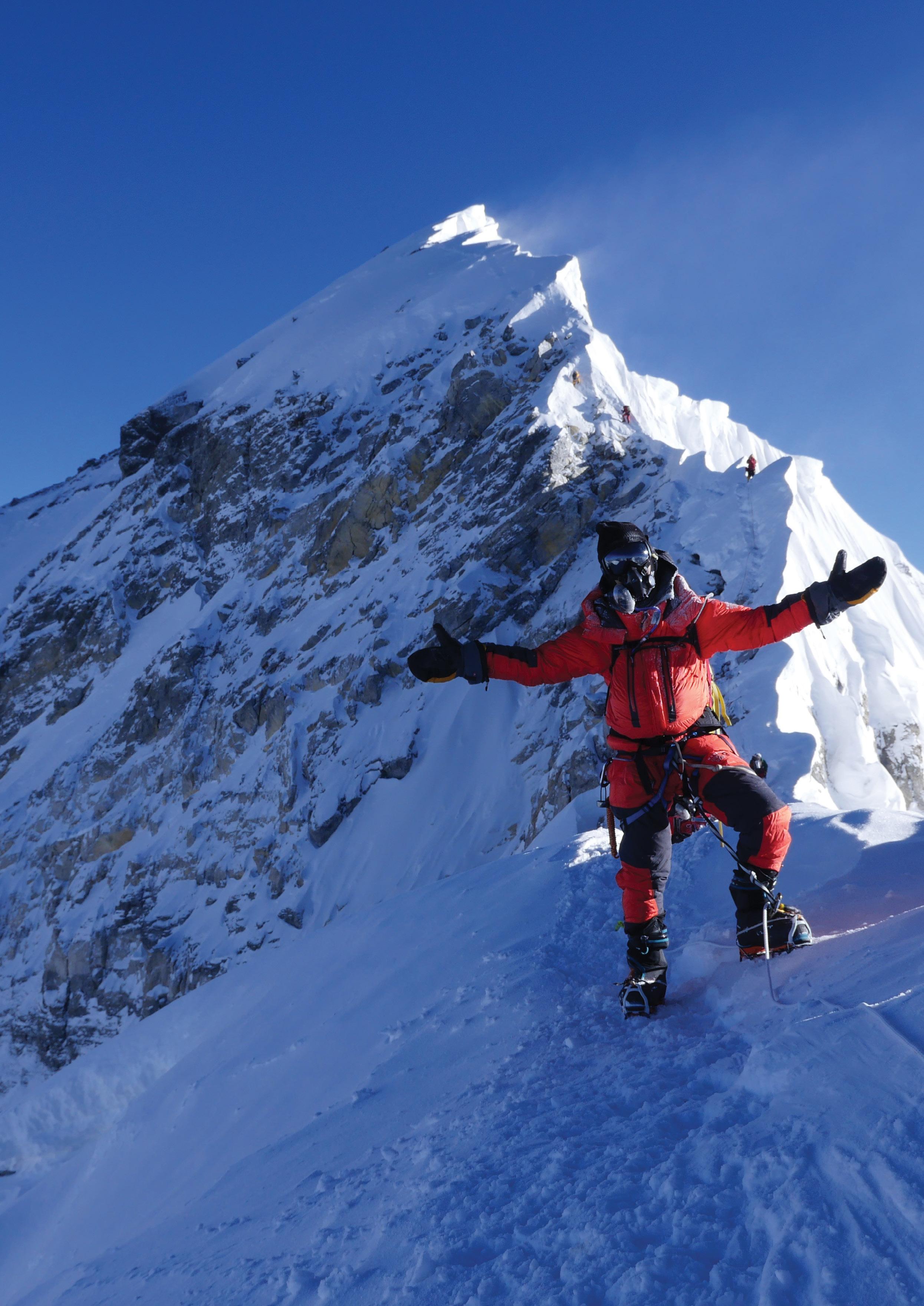
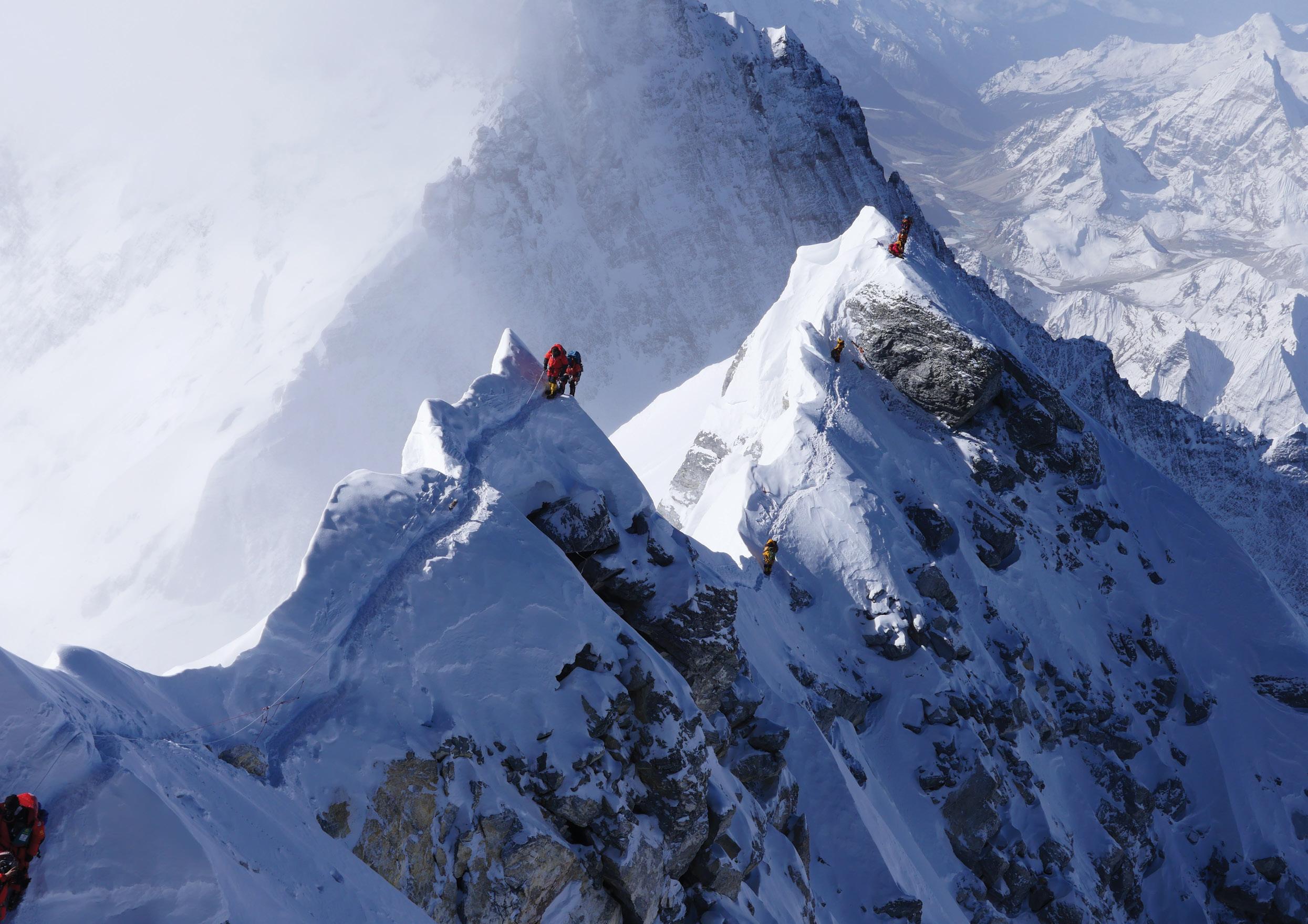
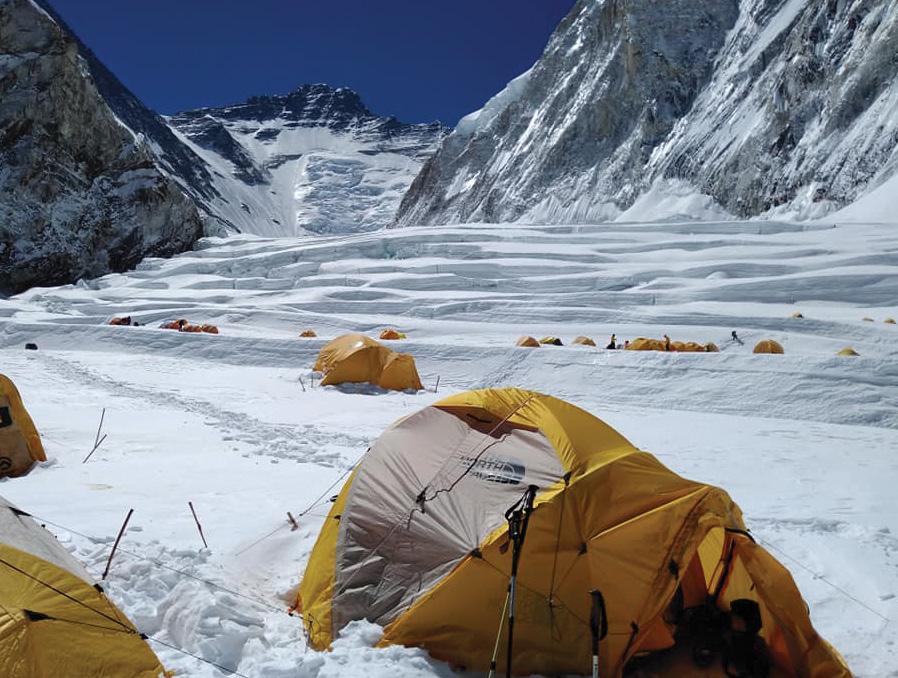
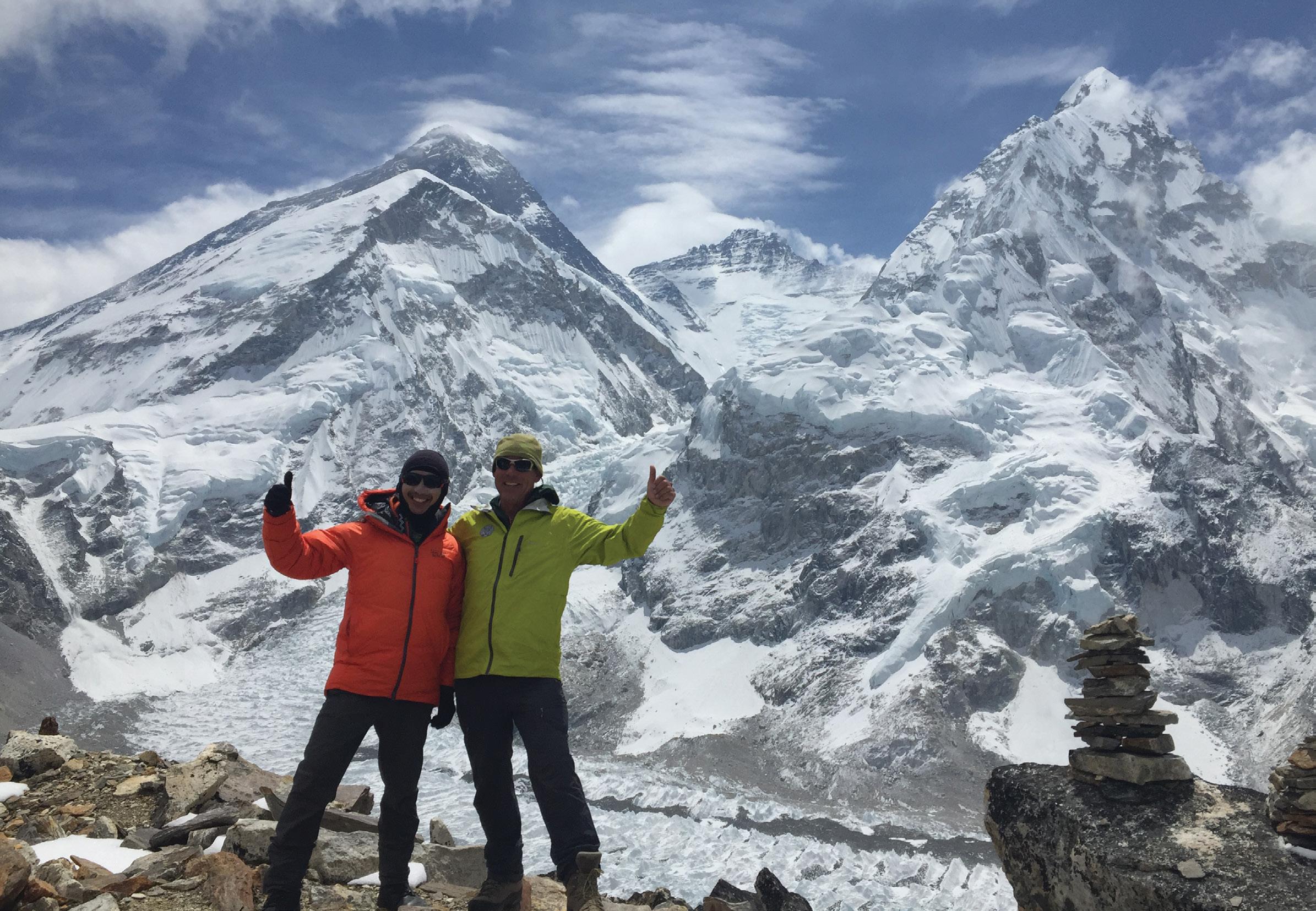
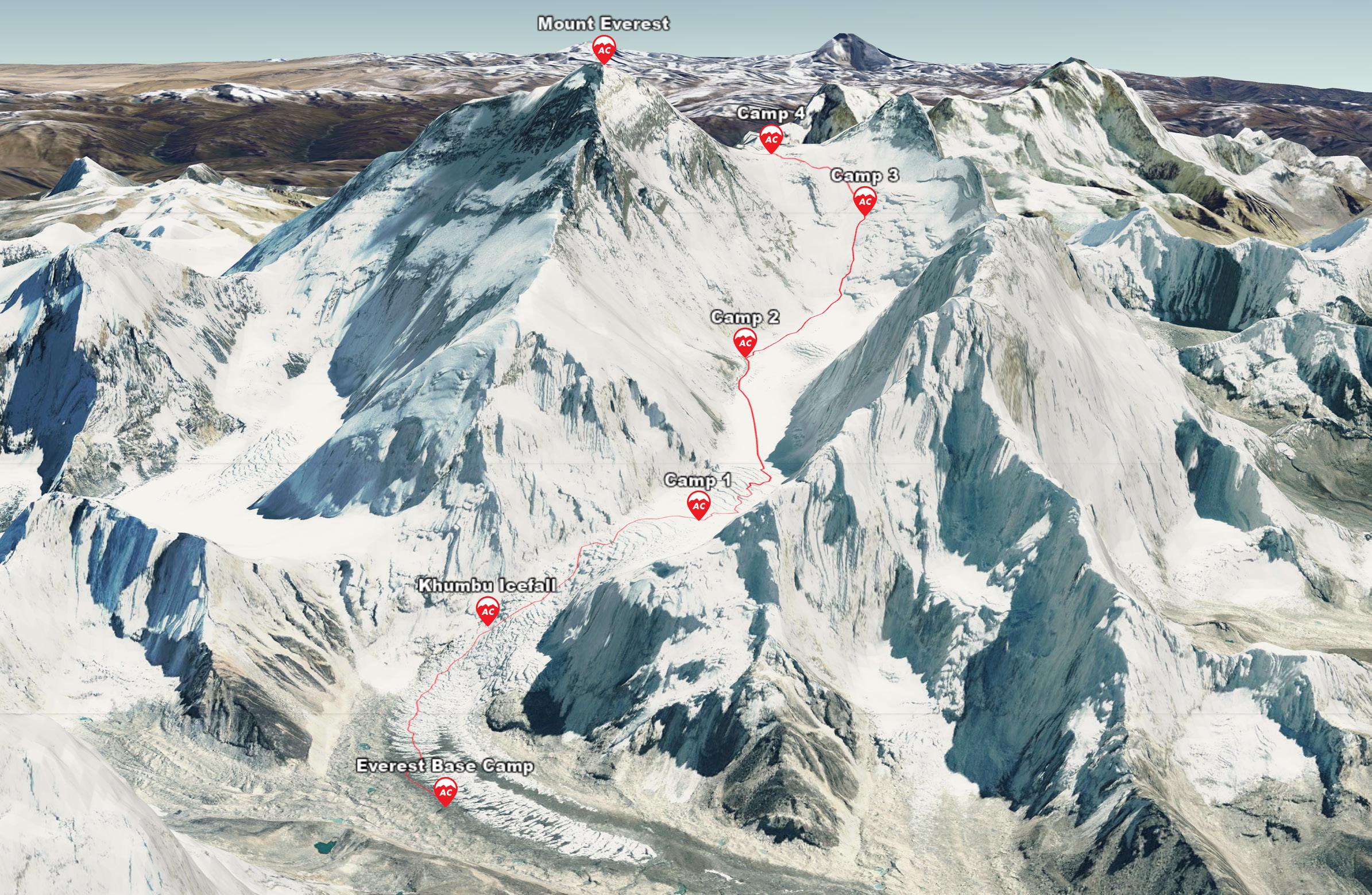
Western Cwm is renowned for its phenomenal views of Lhotse, Nuptse, Pumori and Cho Oyu, and our Camp 2 is situated directly beneath the imposing black hulk of the notorious Southwest Face. As one climbs higher up the route to South Col, the views become even more outstanding with incredible vistas along the Himalayan chain and out towards the lowlands of Nepal. We ascend 900m/3,000ft from the South Col on summit day via moderate snow slopes with the occasional rock step to climb over. As we approach the South Summit, the dawn breaks to reveal astounding views from Kanchenjunga in the East to Shishapangma off to the West, with all the peaks of the Khumbu well below us. The traverse
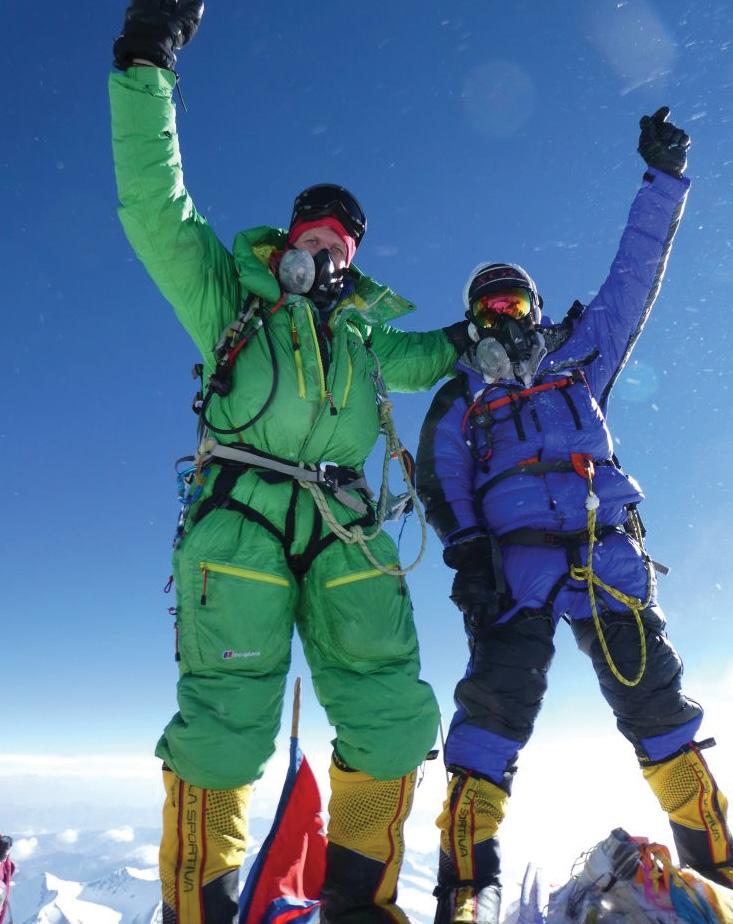
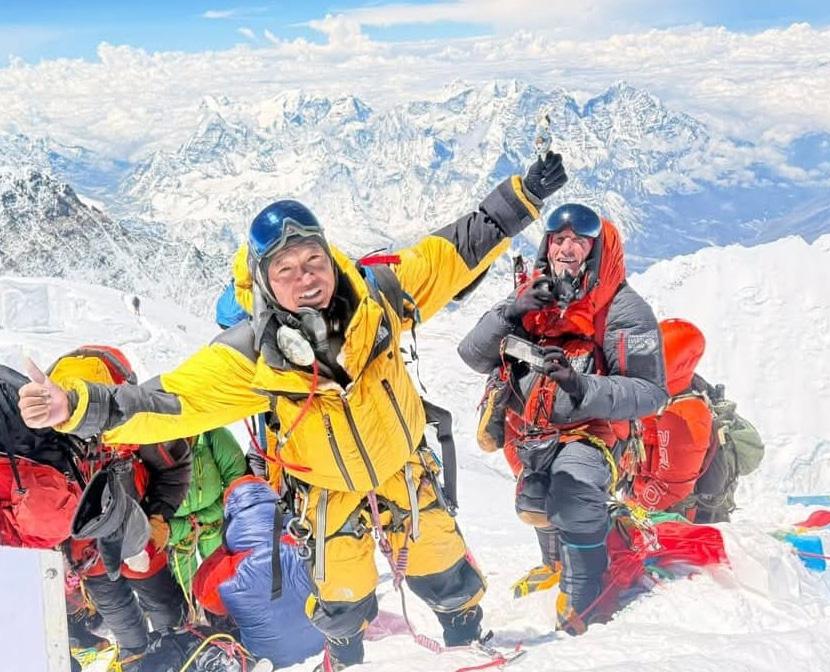
along the summit ridge is exposed and exciting. When we make our way up the Hillary Step, we can look 2,400m/7,900ft straight down onto our Camp 2 in the Western Cwm and 3,000m/9,800ft down the opposite side of the ridge into Tibet! The summit itself provides ample space for the obligatory summit photo and is a time to reflect on the journey thus far. For many, it is one of the most poignant moments of a lifetime.
After the summit we descend via the same route, losing height quickly and generally we arrive back at the South Col some 3–4 hours after leaving the summit. On the north side, climbers must do a long traverse and it is this feature where climbers cannot lose elevation quickly that can cause the demise of tired climbers, especially those who have run out of oxygen.
We usually climb Everest during the spring season because the weather becomes progressively warmer and the days longer. Winter winds have already scoured away much of the snow, which significantly reduces the snow avalanche hazard as well. Contrast this with the autumn; typically, as the expedition goes on, the days get shorter and colder with more snowfall. Consequently, very few expeditions are undertaken in the fall and those that do have a lower chance of success, although can be an option for private climbers looking for a more remote experience on Everest.
By the time you first arrive at Base Camp, a route will already be established with ropes and ladders through to Camp 1. Our strong Sherpa team will be busily involved in ferrying loads of equipment up the mountain. After a few days acclimatisation and training at Base Camp, we descend down valley, where we will spend our first rotation acclimatising and sleeping high on Lobuche East (6,119m/20,075ft).
This ascent gives solid acclimatisation to 6,000m and means fewer trips through the Khumbu Icefall. After summiting Lobuche East you’ll return to Everest Base Camp.
After a few days rest you will climb through the icefall to Camp 1 and rest there for a day. The following day you will continue up the mellower slopes of the Western Cwm to Camp 2 to rest and acclimatise for several more days. A day-climb up the Lhotse Face tagging Camp 3 will complete this first foray before returning to Base Camp for a rest period. During this time, the Sherpa team will be establishing the higher camps and stocking these with bottled oxygen for the summit climb.
In a perfect scenario, weather and health would remain constant and our acclimatisation would take around 3 weeks. In reality, factors such as weather can add several days to the acclimatisation process.
The most likely time for our summit climb will be 15–25 May. Previous summit dates have been:
There is no definite measure for assessing the required skill level to climb Mount Everest, so we like to discuss this on an individual basis. However, there are some broad guidelines that can be applied from the outset.
A successful team member will have been visiting the mountains for at least five seasons and made ascents of peaks up to 5,500–6,000m/18–20,000ft. It is quite common for members to have previously climbed Denali in Alaska, Aconcagua in South America and various Mexican volcanoes as training for Everest.
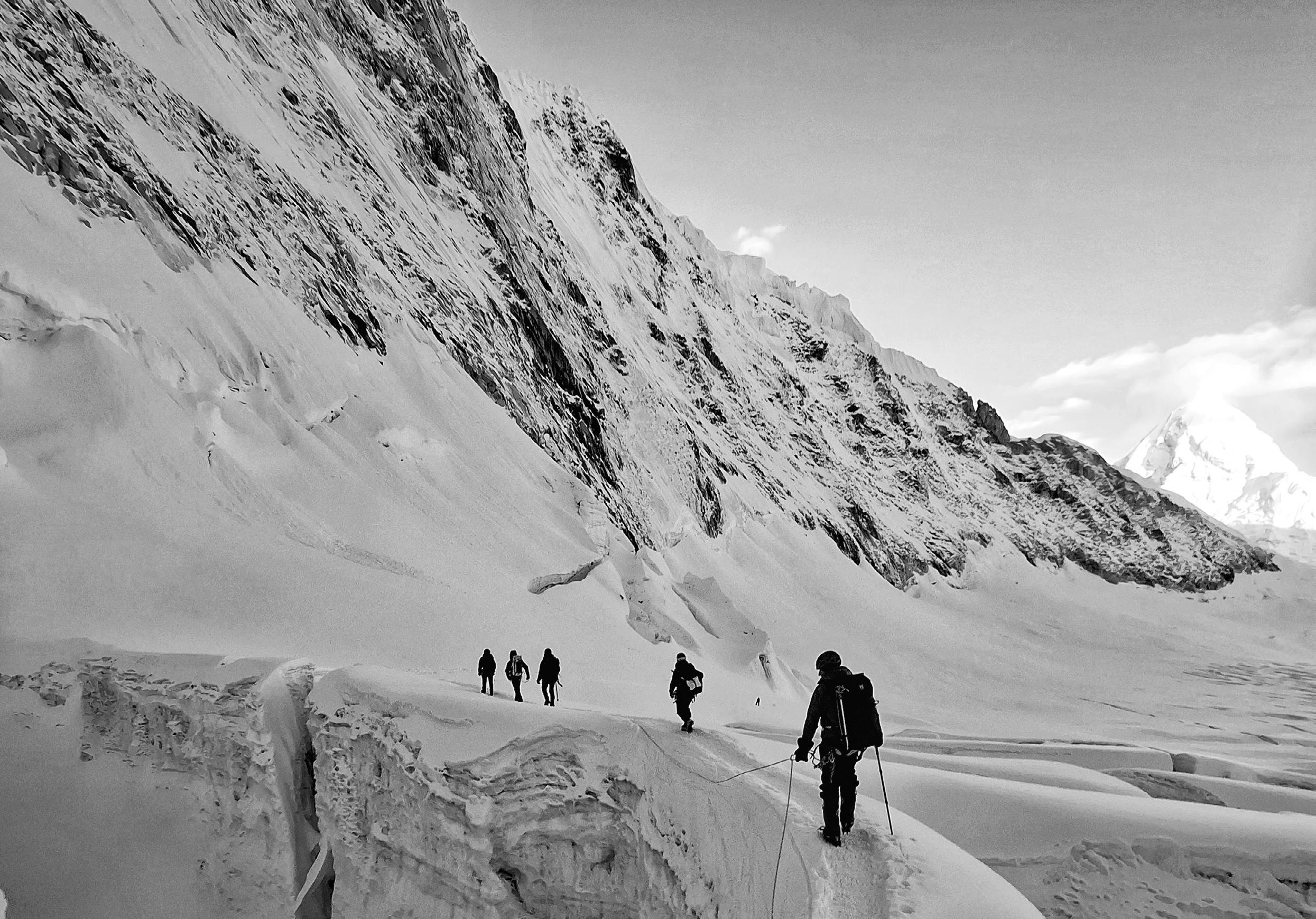
You will be familiar with crevasse rescue and glacier travel techniques and have a good overall standard of fitness. There will ideally be a broad set of climbing skills from basic rock climbing to advanced cramponing on snow and ice, and strong rope skills such as rappelling and rope ascending.
We will climb through the established camps with lightweight packs and climb to Camp 4 on the South Col. All climbers will be sleeping on bottled oxygen before setting out for the summit, carrying only very lightweight oxygen bottles and using Summit oxygen masks. Sherpas and Western guides will accompany all members during the summit climb.
Age itself is no barrier. To date, we have succeeded on Mount Everest with members aged from 20 to 66 years of age. A fierce determination and a burning desire to climb the mountain are essential prerequisites for this expedition. The guides and other expedition staff will provide the leadership, tactics and overall decisionmaking required during the climb, but you will still have to physically put one foot in front of the other to make it to the top and back.
We recommend that you undertake another expedition with us before attempting Mount Everest. Your ability to reach Everest’s summit may be dictated by your understanding of how your body responds to very high altitude and ascending other less demanding peaks at high altitude will increase your confidence and enhance your judgement during summit day on Everest. For example, Cho Oyu from Tibet is an excellent venue to learn about the problems of extreme high altitude, without the time or financial commitment that Everest requires.
Team size may vary depending on your group’s needs. Our maximum guide to climber ratio is 2:4. The Base Camp will be staffed by a medical doctor, Base Camp manager and Sherpa kitchen crew, usually totalling 7–10 people depending on overall group size. Private teams have the option of employing personal Base Camp Staff.
A team of between eight and fifteen Climbing Sherpas will carry loads and support the summit climb. Adventure Consultants have a ratio of at least one Sherpa for each team member or guide on summit day.
Sherpa cooks will occupy Camp 2 in the Western Cwm for the duration of the expedition. Their role is not only to provide us with tasty meals but also to maintain the integrity of Camp 2 during inclement weather. Often our assistant cook will trek down to meet us en route from Camp 1 with tea or juice!
We are also able to offer a ‘Fast Track’ programme for climbers who wish to maximise their time and preacclimatise prior to arriving in Nepal with a system such as Hypoxico.
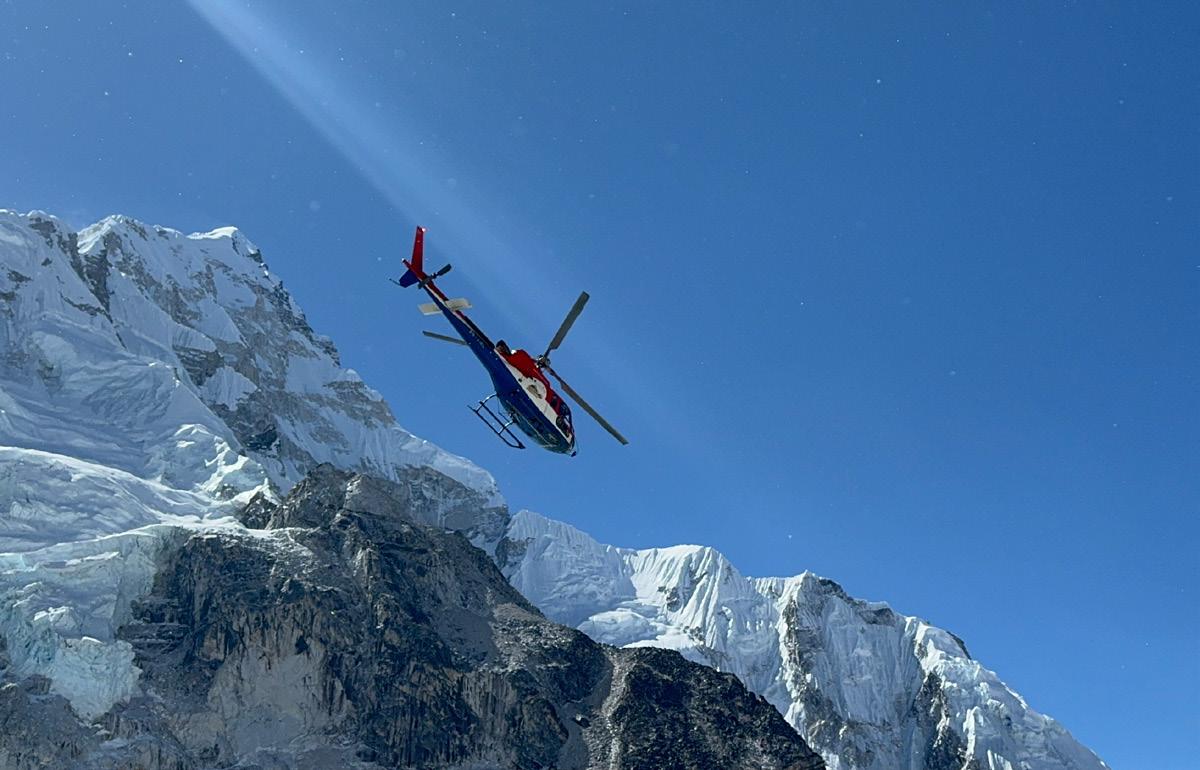
Under this programme you will fly directly from Kathmandu to Pheriche, before trekking to Everest Base Camp, where we will join the main team for their second acclimatisation rotation tagging Camp 3 on Everest.
The perfect option for those on a limited timeframe, please see our webpage at https:// adventureconsultants.com/expeditions/seven-summits/ everest-fast-track for further details.
The following itineraries reflect our classic 52 day schedule and our Fast Track 30 day schedule, private itineraries can vary from these as required.
Day 1
Arrive Kathmandu, Nepal
Day 2 Kathmandu preparations
Day 3 Fly to Lukla (2,860m/9,383ft)
Days 4–12
Days 13–15
Days 16–20
Days 21–30
Trek to Everest Base Camp (5,300m/17,400ft)
Acclimatisation and ice training at Everest Base Camp
Acclimatisation climb of Lobuche East (6,119m/20,075ft)
Establish Everest camps and acclimatise, tagging Camp 3 (7,300m/23,950ft)
Day 31–35 Rest period
Days 36–46
Everest (8,850m/29,035ft) summit climb period
Day 47 Clean up and depart Base Camp
Days 48–50 Trek to Lukla
Day 51 Fly from Lukla back to Kathmandu Day 52 Depart Kathmandu
Day 1 Arrive Kathmandu, Nepal
Day 2 Fly by helicopter to Pheriche (4,270m/14,009ft)
Day 3 Rest day in Pheriche and acclimatisation hike
Day 4 Trek to Lobuche Base Camp (4,800m/15,750ft)
Day 5 Trek to Everest Base Camp (5,300m/17,400ft)
Days 6–9 Rest and preparation at Everest Base Camp
Day 10–17 Acclimatisation climbing rotation on Everest, tagging Camp 3 (7,300m/23,950ft)
Day 18–21 Rest period
Day 22–28 Everest (8,850m/29,035ft) summit climb period
Day 29 Fly by helicopter from Base Camp to Kathmandu
Day 30 Depart Kathmandu
Actual ascent dates may be more or less than these itineraries. We strongly suggest that you keep your homeward flight changeable to allow for flexibility in our summit schedule.
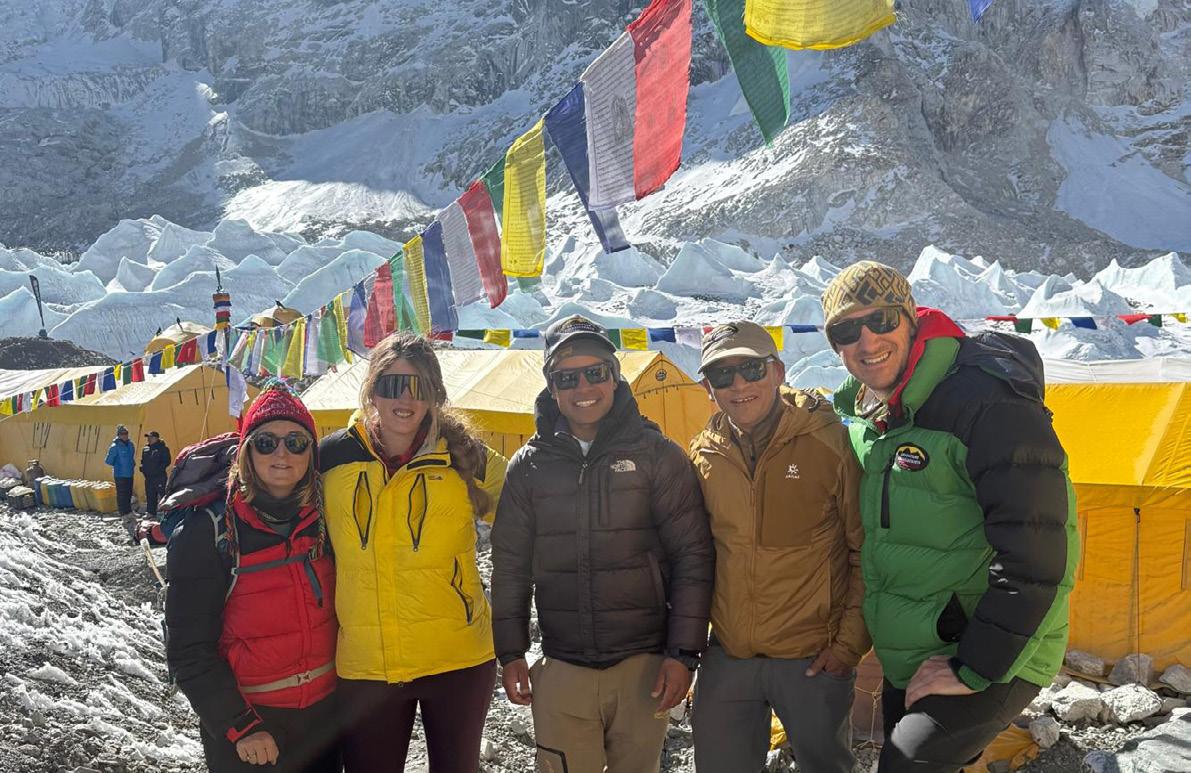
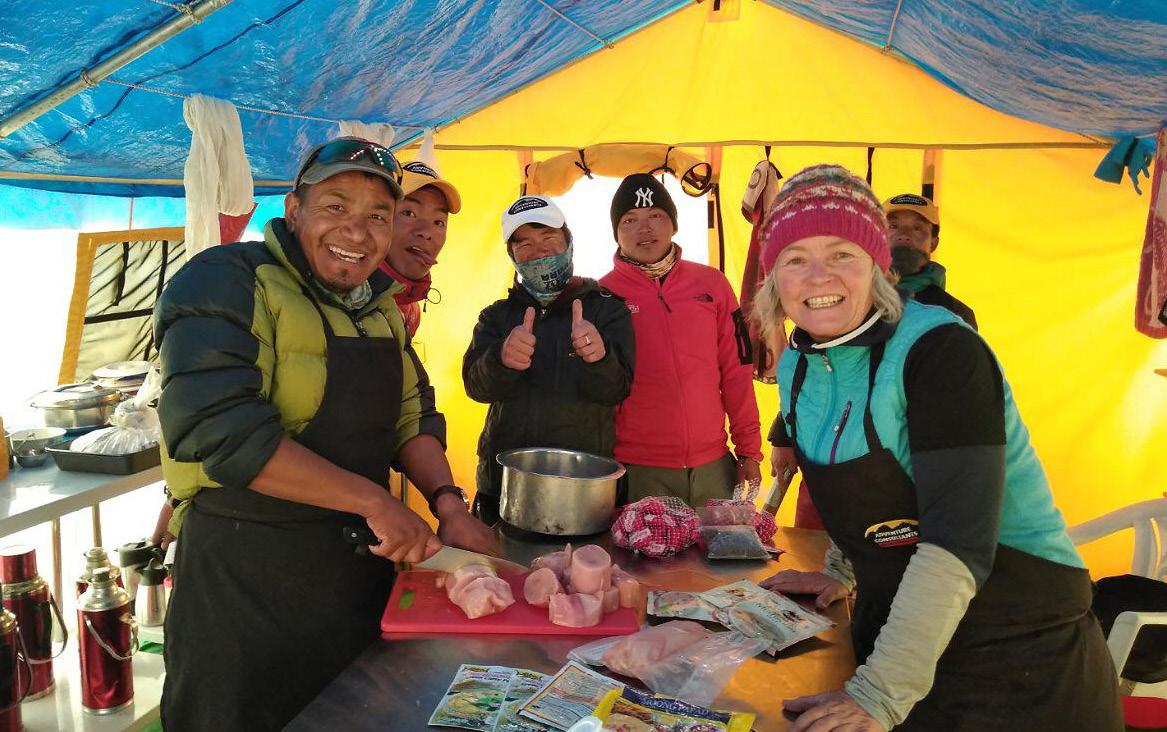
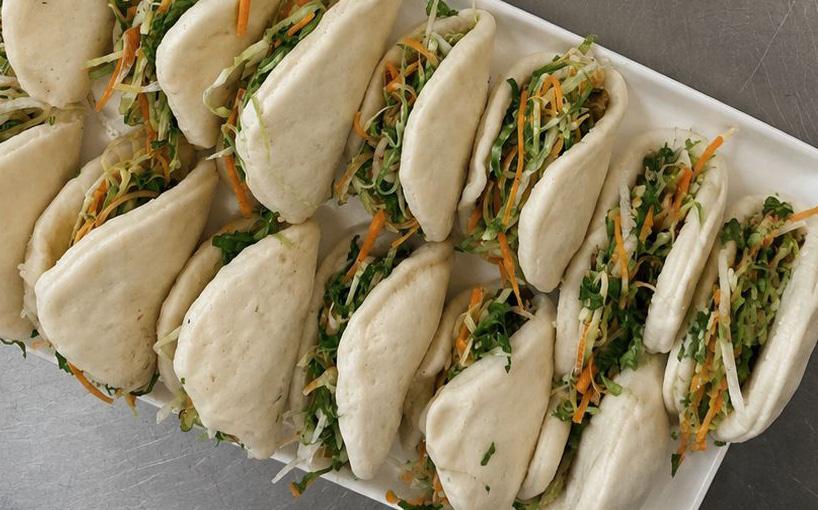
AC provides a high flow oxygen package included in the expedition fee. On the summit push, you will climb on bottled oxygen from Camp 2, up the Lhotse Face to Camp 3, the South Col, and the summit.
Many have found this critical to their success on Everest and we have seen our summit rate increase dramatically with its use. The response from our team members has also been very positive. Climbers have reported having better energy levels, a better appetite, more warmth, a higher degree of strength and greater enjoyment on summit day.
We also ensure we have enough oxygen to wait a day at the South Col and Camp 4, before attempting the summit. Our experiences show that for those who really want to maximise their chance of success, then these high oxygen flow rates allow the best option for ensuring you only need to attempt Mount Everest one time!
AC provides a dedicated doctor at Base Camp for all of our teams as standard. Most other teams use a generic medical provider, whilst our doctor is there primarily for our team members. The doctor will monitor your overall health throughout the expedition and our medical equipment and provisions are there to provide for your health care needs.
Ample resources will be on call to support every climber, not just the first team or fittest members. Should you have higher health needs or monitoring there is an option to employ a personal doctor, see below for detail.
Guarantee the smooth operation of your private expedition with your own Personal Base Camp Manager, who’ll oversee all team logistics, communications and day-to-day management of your expedition. Ideal for those who anticipate a high level of business or personal communications requirements, recommended for larger groups and/or film crews.
Take the pressure off your expedition communications by utilising one of our talented media support team. Ensuring immediate, effective communications to your target audience—including public relations, social media content, website and blog content.
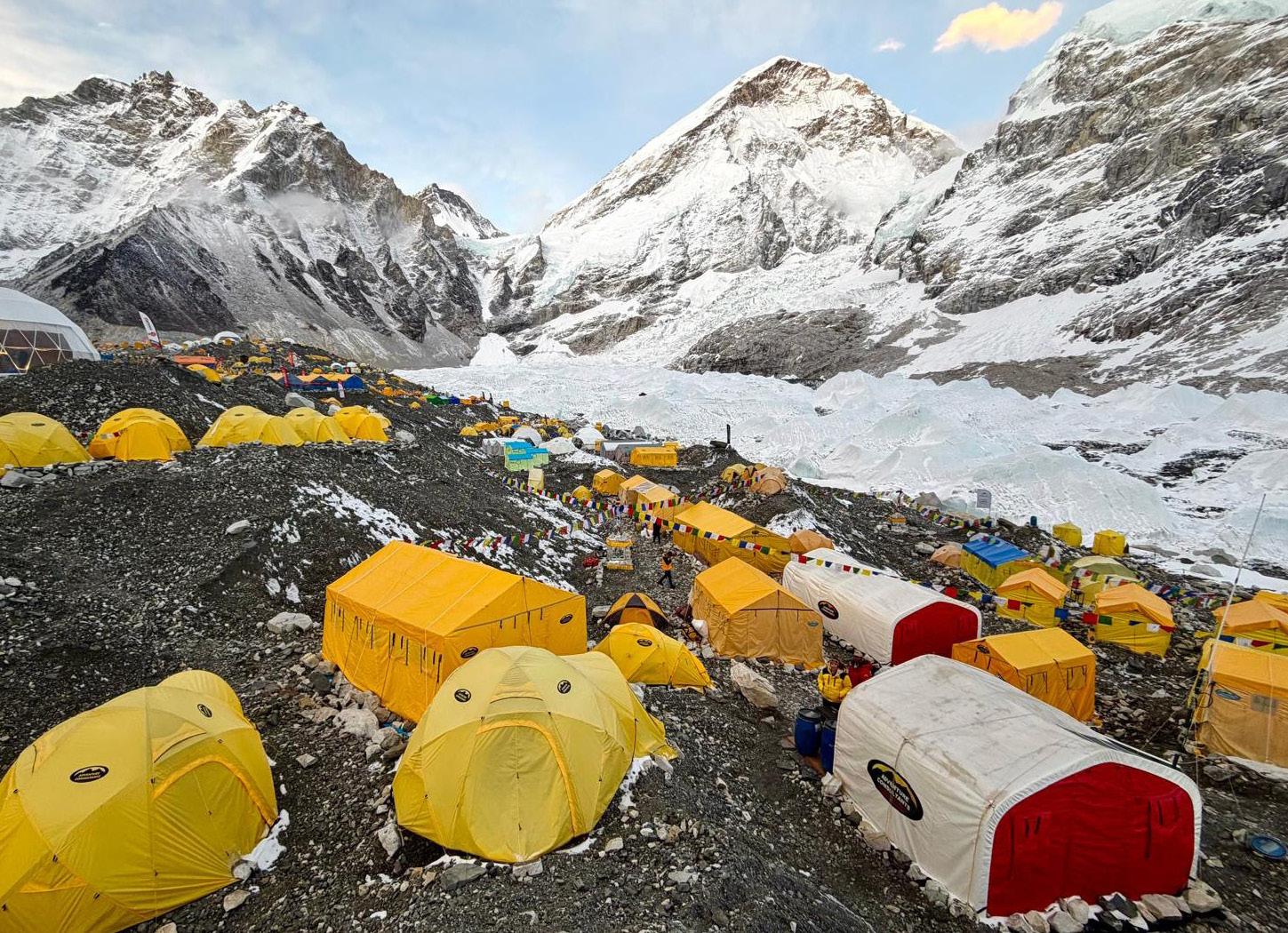
Make the most of your time off the mountain, while still attending to your business commitments. Experienced office professionals who are also used to the rigours of living and working at altitude, your Personal Assistant will filter your work communications to ensure you don’t waste valuable time clearing your inbox.
Take your health and fitness to another level by employing your own private team doctor. Ideal for larger private groups and those choosing to monitor their health to a higher level.
Don’t let your expedition be derailed by a niggling injury! Bringing a physiotherapist onto your team will ensure that even the most minor muscle aches and twinges are treated before they become a problem.
From pre-expedition training through to your final summit push our professional sports coaches can ensure you’re in peak physical and mental condition to meet your goal.
Ensure your dietary tastes and requirements are met to a high standard with your own personal Base Camp Chef.
Daily updates posted to the Adventure Consultants Latest News page allowing friends and family to follow your journey every step of the way.
Choose to dine alongside our main expedition team members or enjoy a more personalised service in your own private dining/lounge tent.
Having the right gear and knowing how to use it is key to any successful expedition, so we recommend you utilise the services of our in-house equipment gurus to ensure that you arrive in Kathmandu ready to go!
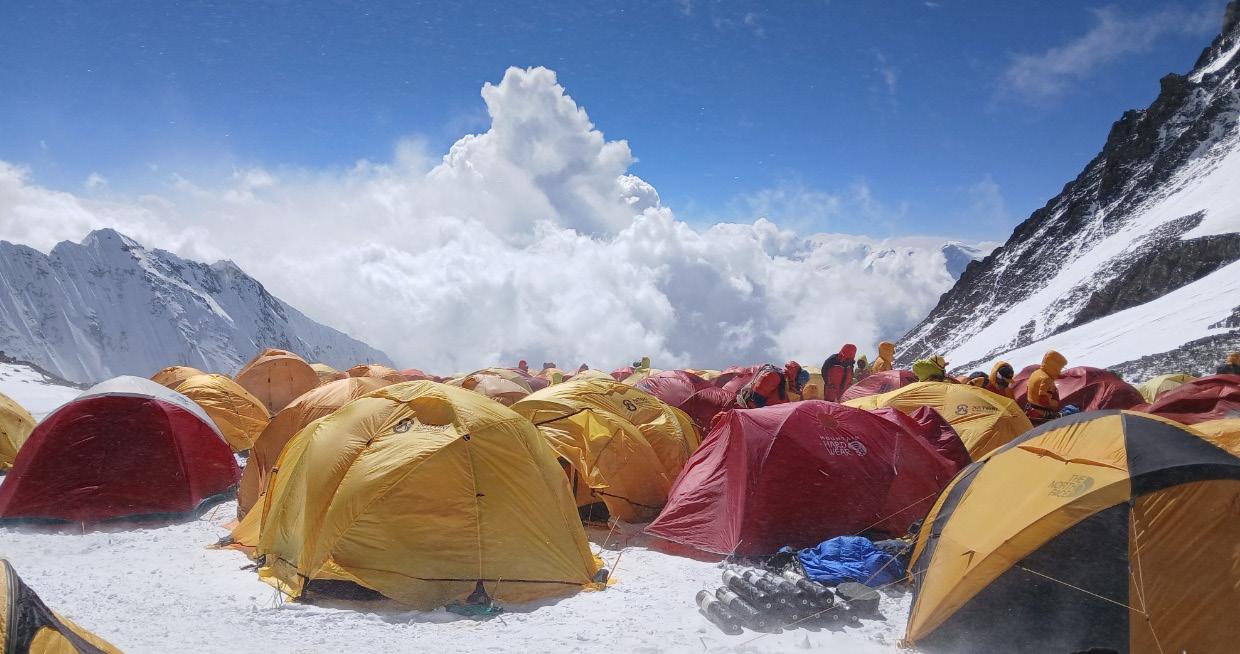
Luxury Trek
We offer the opportunity to trek to Base Camp in comparative luxury with our Luxury Trek Upgrade. This option incorporates the best lodges available in the lower valley and our luxury tented camp in Lobuche, consisting of stand-up sleeping tents, shower tents and heated mess tents, allowing you to arrive at Base Camp rested and in the best possible condition and mindset for the challenges ahead.
We can offer a return helicopter flight directly from Base Camp to Kathmandu if you require a speedy egress after your expedition to meet your personal or business commitments.
The expedition will be equipped with Thuraya satellite phone systems for the duration of the expedition in order to provide reliable email and voice communication globally for business, media or personal use. Limited satellite phone time can be purchased at the rate of US$3.00 per minute. Our broadband satellite Wi-Fi connectivity will be available once the expedition is underway and is included in the expedition fee on the basis of a fair use policy. Additional communications packages are available, including a personal satellite phone or data connection.
We provide comprehensive pre-trip support once you book onto our expedition. You will be assigned an Expedition Liaison to assist with your pre-trip planning and we provide access to our travel app where you will find an array of extensive travel advice, from visa details to insurance and training tips.
A detailed equipment list will also be provided along with notes and recommendations on the best gear to purchase. Our equipment specialists are on-hand to assist with your equipment related questions.
You will be provided with a medical questionnaire by the expedition doctor and asked to visit your family physician to receive a full medical examination. This information will be sighted only by the expedition doctor and Expedition Leader and treated with full confidentiality. Advice on immunisations will be provided at this time. We also require members to have rescue insurance and we will consult with you regarding your insurance needs and solutions for coverage.
The cost of the expedition, ex Kathmandu, is available on application.
Costs are inclusive cost and cover the following:
• Private International Guide
• Minimum 1:1 Sherpa to climber ratio on summit day
• High flow oxygen from Camp 2 on summit push
• Personal equipment carried on the mountain
• Nepalese government royalty fees
• All expedition organisational requirements
• All climbing and trekking permits
• Helicopter air transport within Nepal
• All team equipment
• All expedition staff including Sherpa support
• All food whilst away from Kathmandu
• All supplies necessary to make a safe and strong bid for the summit
• Medical services from our Expedition Doctor
• Base Camp Wi-Fi (fair-use policy applies) and satellite phone facilities
• Internet dispatch page updated daily by guides and Base Camp staff, and semi-hourly on summit day
• dZi Foundation support for their “revitalise a village” programme—likely to include support for a Nepalese child’s education for a year.
The expedition fee does not include the following:
• Air travel to and from Nepal
• Hotel accommodation and meals in Kathmandu
• Nepalese airport entry visas
• Extras on the trek in/out such bottled drinks, showers and laundry
• Personal clothing and equipment
• Personal Insurance/Trip Cancellation Insurance/ Medical Evacuation Insurance
• Actual satellite phone calls
• Gratuities for guides and Sherpa staff.
NOTE: Actual inclusions for private trips may vary depending on individual trip customisations.
All payments should be made by bank transfer to the following bank and account:
Bank of New Zealand, Offshore Branch 42 Willis Street Spark Central Wellington, New Zealand
For the account of Adventure Consultants Limited.
Account Number: 1000-594771-0000
Account Type: US Dollars
Swift Address: BKNZNZ22
NOTE: All bank transfer charges are for the remitter’s account.
We can also accept your deposit and balance payment by credit card (Visa, Mastercard and Amex) plus a 3% card charge.
A non-refundable deposit of US$20,000 is payable to secure a place on the expedition.
The balance is is split into two instalments. The first is payable on 20 October 2026 and the second on 20 January 2027.
An expedition member may cancel their participation on the following basis:
a) Prior to 20 January 2027, then on the basis of a 50% refund of the 20 October 2026 balance payment.
b) After 20 January 2027 but before departure to the mountain from Kathmandu then on the basis of no refund of any monies paid.
We strongly recommend you take out trip cancellation insurance via your travel agent if you wish to be covered against cancellation due to medical or personal reasons.
If you would like to join the Everest Private Expedition, please complete our online booking form and forward your deposit payment at https:// adventureconsultants.com/expeditions/seven-summits/ everest-private#DepartureBookingBlock
If you require more information or assistance planning your trip, please contact us at:
Adventure Consultants Ltd 5/12 Frederick Street PO Box 739 Wanaka, 9343 New Zealand
Phone: +64 3 443 8711
Email: info@adventure.co.nz Website: www.adventureconsultants.com

Adventure Consultants is affiliated to the New Zealand Mountain Guides Association (NZMGA), New Zealand Alpine Club (NZAC) and a corporate member of the American Alpine Club (AAC). Adventure Consultants is a supporter of the dZi Foundation in Nepal for their ‘Revitalise a Village’ programmes.
Adventure Consultants perform to IFMGA/UIAGM standards and are world leaders in high altitude guiding.