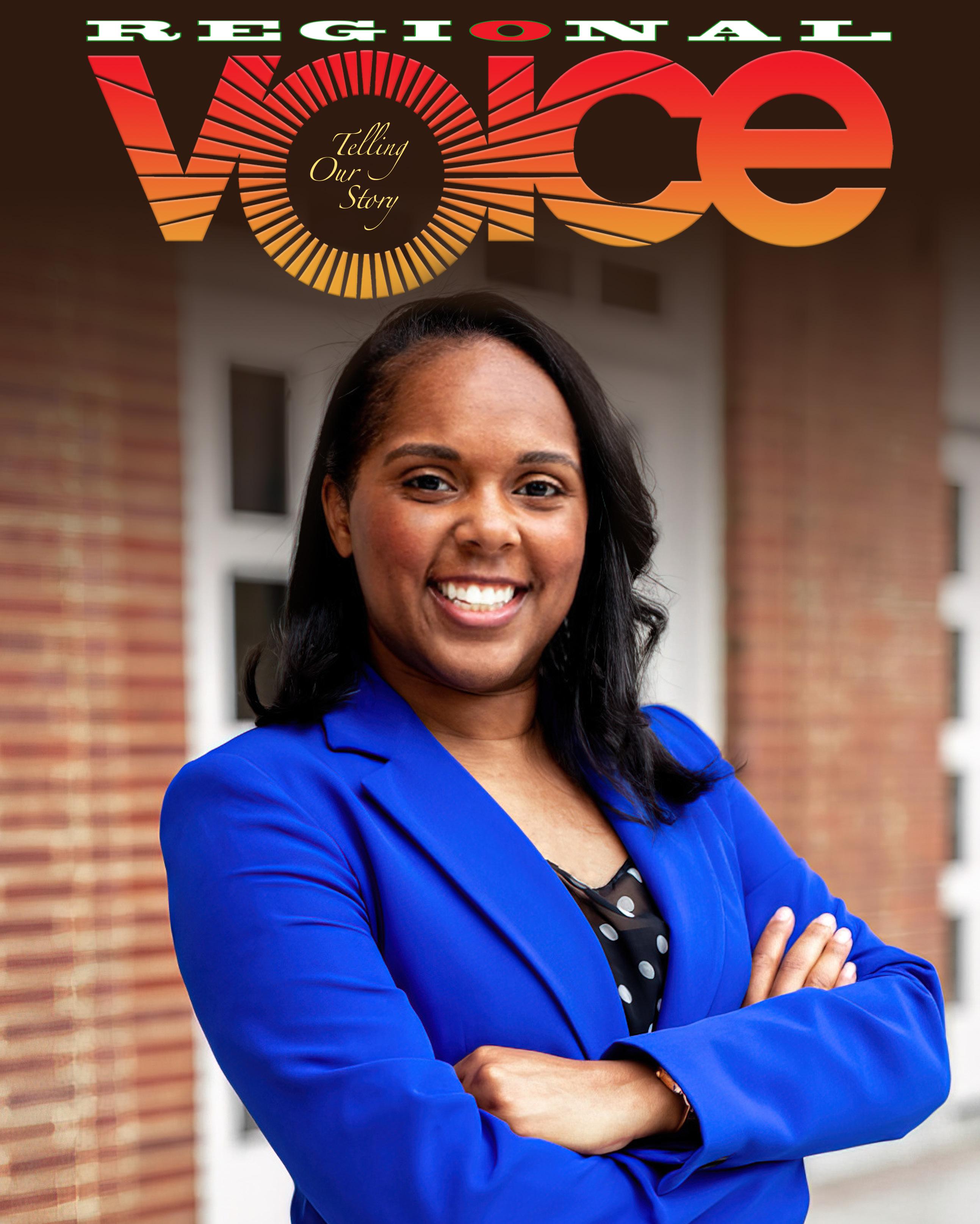
REGIONAL LEADERS
BUILD STRONG CASES FOR SDA CHRISTIAN EDUCATION
ORIGINAL OAKS ALUMNI ASSOCIATION CELEBRATES 100 YEARS THE LAST APOSTLE: TAKE A NEW LOOK AT JOHN CAMP MEETING MEMORIES


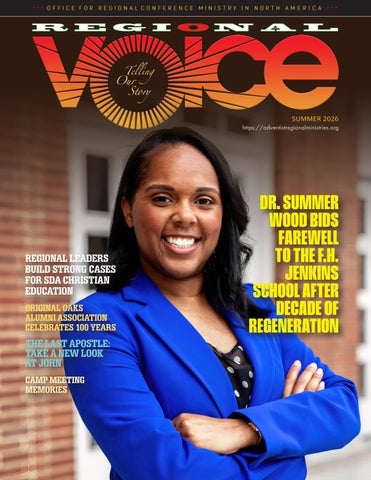
REGIONAL LEADERS
BUILD STRONG CASES FOR SDA CHRISTIAN EDUCATION
ORIGINAL OAKS ALUMNI ASSOCIATION CELEBRATES 100 YEARS THE LAST APOSTLE: TAKE A NEW LOOK AT JOHN CAMP MEETING MEMORIES
www.myalleghenyeast.org
ALLEGHENY WEST CONFERENCE
MARVIN BROWN, PRESIDENT
1080 Kingsmill Pkwy. Columbus, OH 43229 (614) 252-5271. www.awconf.org
CENTRAL STATES CONFERENCE
CRYSTON JOSIAH, PRESIDENT
Trevor Barnes Jr., Communications Director 3301 Parallel Parkway Kansas City, KS 66104 (913) 371-1071. www.central-states.org
LAKE REGION CONFERENCE
DR. ABRAHAM HENRY, PRESIDENT
JeNean Lendor, Communication Director
19860 South La Grange Road Mokena, IL 60448 (773) 846-2661. www.lakeregionsda.org
NORTHEASTERN CONFERENCE
DR. ELDEEN KING, PRESIDENT Lavern Sturrup, Communications Director 115-50 Merrick Blvd. Jamaica, NY 11434 (718) 291-8006. www.northeastern.org
SOUTH ATLANTIC CONFERENCE
CALVIN B. PRESTON, PRESIDENT James Lamb, Communications Director 3978 Memorial Drive Decatur, GA 30032 (404) 792-0535. www.southatlantic.org
SOUTH CENTRAL CONFERENCE
FURMAN F. FORDHAM, PRESIDENT Roger Wade, Communications Director 715 Youngs Lane Nashville, TN 37207 (615) 226-6500. www.scc-adventist.org
SOUTHEASTERN CONFERENCE
DR. MICHAEL OWUSU, PRESIDENT Arnaldo Cruz, Communications Director 1701 Robie Avenue Mt. Dora, FL 32757 (352) 735-3142. www.secsda.org
SOUTHWEST REGION CONFERENCE
DR. CARLTON P. BYRD, PRESIDENT
Leslie Soupet, Communications Director
2215 Lanark Avenue Dallas, TX 75203 (214) 943-4491. www.southwestregion.adventistchurchconnect.org
REGIONAL DIRECTORS/COORDINATORS ROSTER
Virgil Childs, Vice President Regional Ministries
Pacific Union Conference
2686 Townsgate Road Westlake Village, CA 91361 (805) 413-7100. www.puconline.org Cell: 909-225-6438
Jonathan Smith, Assistant to the President Black Ministries, Arizona Conference Cell: 769-232-6664 ismith@azconference.org
James Scarborough, Coordinator African American Ministries
Central California Conference (831) 262-3838
famar@sbcglobal.net
Oneil Madden, Coordinator African American Dept. Nevada-Utah Conference Cell 702-875-5979
pastoromadden@aol.com
EuGene Lewis, Vice President North Pacific Union Conference
5709 N. 20th Street Ridgefield, WA 98642 (360) 857-7000. www.npuc.org
Dr. Andrea Trusty-King, Vice President Black Ministries
Southeastern California Conference (909) 202-0147
Here at The Regional Voice, we have dedicated this issue primarily to Seventh-day Adventist Education.
I am a proud and grateful grade school to graduate school product of Seventh-day Adventist education. I’ve been involved in SDA education for more than 60 years as a student, teacher, parent, pastor, conference administrator, education board chair, local school board member, university board of trustees’ member, and a grandparent – I am grateful. Now, in my retirement years, I serve as a lunch room monitor/volunteer in our local church school. Once a week, I microwave lunches, open containers for the younger children, and when lunchtime is over, I wipe down the tables and sweep the lunchroom floor. I know something about Seventh-day Adventist education.
In this space, I want to share three benefits of Seventh-day Adventist education from what I have experienced:
1. Seventh-day Adventist education is the only system that partners the church and homes in teaching students what the Bible says about the Second Coming of Christ in the near future, and teaching God’s will for their lives in the present.
No other educational system can or will do that.
That isn’t to say that there aren’t some private, church schools of other denominations that are good schools, that will also provide a good religious education –there are. But they cannot provide a Seventh-day Adventist education. What they will teach your child at school, what you will teach your child at home, and what your child is taught in your church will not be the same.
Ideally, what children learn about Jesus and the salvation He offers begins at home and continues at the local church. No one should expect any Seventh-day Adventist school, no matter how good it is, to do what parents and churches are supposed to do.
But it is a mistake to assume that the place where students spend the majority of their waking moments during the school year does not have an important role to play in the development and the salvation of our students. No other school system is designed to play that supporting role for you in the salvation of your child besides the schools in our system.
Years ago, someone introduced the motto/expression “It takes a village to raise a child.”
And some people have pushed back against that. They say as parents, they are
the ones raising their child or children, not some mythical village.
A BENEFIT OF SEVENTH-DAY ADVENTIST EDUCATION IS THAT OUR CHILDREN DO NOT HEAR ONE THING AT HOME AND AT CHURCH, BUT SOMETHING TOTALLY DIFFERENT AT SCHOOL.
I wouldn’t argue with the people who feel that way. However, I would suggest to those who feel that way, like it or not, there is a village involved in raising your child or children. While as parents, all of us would hope to be the major influence in our children’s lives, we are not the only influence. There are other influences and influencers: teachers, coaches, pastors, church youth ministries leaders, social media—and especially during the teenage years—friends. All of these collectively spend as much time with our children as we do. There is a village that influences your child.
A benefit of Seventh-day Adventist education is that it greatly increases the chances that those three major institutions in the village that influence our children are all saying the same thing. That way, our children do not hear one thing at home and at church, but something totally different at school.
Hearing the same messages at home, at church and at school will not guarantee that our children will listen to what they’ve heard and not walk away from it. Lucifer had the best Parent, God, and he came from the best home, Heaven. He chose not to listen. Our children may choose to do that as well, no matter how carefully we construct the village around them.
Ultimately, our job as parents is to put our children in the best possible environment in order for them to make the best possible choices. As parents and, later, as grandparents, Mrs. Edmond and I spent tens of thousands of dollars over a nearly 30-year period to educate our children and grandchildren in Adventist schools. We believe that it was best environment for them to choose Jesus. We do not regret a single dollar that we spent.
2. The second benefit of Seventh-day Adventist education is that it trains denominational workers. There are nearly 400,000 people who work for the Seventh-day Adventist Church in some capacity.
If there were no Adventist schools, where would we get 400,000 workers? Already, we are seeing the beginnings of a teacher shortage. I spent the last two or three years of my denominational service, banging on the table, saying—to paraphrase Paul Revere— “A teacher shortage is coming, a teacher shortage is coming!”
And even though I am retired and no longer have the responsibility of helping to address that potential problem, the problem is still there. We cannot continue to graduate four and five education majors from Oakwood University per year, as we have been doing for the past several years, and expect that there will always be enough to fill teacher vacancies for nine Regional Conferences, Bermuda and the West Coast. To borrow a slang expression, “The math is not math-ing.” Sooner or later, there will be a problem.
Oakwood University is not the only Adventist institution of higher learning in our church. Theoretically, our conferences can, and do, recruit teachers from our other schools. The problem is, anecdotally, those schools are in the same boat as Oakwood. And that boat is leaking. It has been leaking for several years now.
Our academic institutions no longer produce the same number of workers that they used to produce. That is also true on the pastoral side. I sounded the alarm in my final years in ministry about the shrinking number of African-American males in ministry being produced by our schools.
As someone who hired the first female pastor in the history of one of our conferences and who was blessed to begin my ministry in the Caribbean, I am 1000% in favor of hiring all the female pastors and the pastors whose family history comes from outside the United States, as conference budgets will allow. But there is a need for African-American males in ministry as well. It’s not either/or; it’s both/and. The fact is without our school system, it would be difficult to produce workers for our church at all.
3. The third benefit of Seventh-day Adventist education is a little harder to quantify, but it’s real: Adventist education connects the members of our church in a way that few other things do. Oakwood University is a huge connector for the black Adventist community.
But that connection happens with schools on the K-12 level as well. Two years ago, I went to the reunion of my academy graduation. I had some serious challenges in my four years at that school. Some of them were my fault, but some of those challenges were squarely on the school and the way they addressed racial issues in those days.
However difficult some of my days in that particular school were, that 50th reunion was one of the best weekends of my life. My former classmates and I bonded, and no matter how many years had passed or what types of relationships we had when we were students, the bond was still there.
I went back to Memphis, Tennessee for a funeral recently. I pastored there many years ago, as a young pastor. I was there for a funeral. After the service, I was talking to several men who were members of the congregation in those days. All of them were children then. Some of them were not even in pre-school when I arrived.
Now, some of them are grandfathers; they are gray-haired, or without hair, just like me. (Father Time continues to be undefeated.) They talked about the bond they all shared from their days in church and church school, beginning in their pre-school years. They talked about how those ties still bind them together nearly 50 years later.
I knew what they meant.
I thank God for Seventh-day Adventist education. t

In this year of administrative transition, Elder Dana C. Edmond, former ORCM Director, has consented to maintain some editorial roles for Regional Voice magazine, including sharing his thoughts for this feature, the Publisher’s Commentary.
Page 4
PUBLISHER’S COMMENTARY
The Benefits of Seventh-day Adventist Education
It is a mistake to assume that the place where students spend the majority of their waking moments during the school year (at their school) does not have an important role to play in the development and the salvation of our students. No other school system is designed to play that supporting role for you in the salvation of your child besides the SDA system.
By Dana C. Edmond
Page 8
COVER STORY
Dr. Summer Wood Steps Away from Leading F.H. Jenkins
She has been a teacher, grant writer, and playwright for Jenkins’ famous Christmas, Black History and Grandparent’s Day programs, a decorator, cook ( she’s a good one!), costume designer, janitor, and whatever else had to be done.
Interview by Dana C. Edmond
Page 12
BREAKING NEWS
South Central Launches Debt Relief Plan
The South Central Conference Executive Committee recently voted to pay off the mortgages of all South Central Conference churches and schools with balances of $100,000 or less. The action came in support of the vision of South Central President Furman F. Fordham and aligns directly with one of the conference’s core values: Prioritizing the Local Church.
By Dr. Toussaint Williams and Dr. David Lee
Page 14
CHANGING OF THE GUARD
Special Announcement
C. Anslem Paul Brings Vision, Clarity and Creativity to His Work Five guiding principles now shape Pastor C.
Anslem Paul’s work as the new communication director for the Office for Regional Conference Ministries (ORCM) and the Regional Conference Retirement Plan (RCRP).
By Dr. Bryant
Taylor
Page 16
CHANGING OF THE GUARD
LRC Executive Committee Assigns Dr. Harold Cleveland as Executive Secretary
On February 26, the Lake Region Conference Executive Committee voted to assign Dr. Harold Cleveland as Executive Secretary. Dr. Cleveland assumes this position following Dr. Abraham Henry’s transition to the office of President of the Lake Region Conference.
By JeNean Lendor
Page 18
RESA FEATURE
RESA Awarded Grant to Launch Culturally Relevant Social Studies Initiative
The Regional Educational Superintendents Association (RESA) has been awarded a VersaCare grant of $10,000 to support the development and pilot implementation of the Regional Conference Culturally Relevant Social Studies Initiative.
By Schari Fontus
Page 20
REGIONAL EDUCATION –ALLEGHENY EAST
Brothers Rising Initiative Empowers Young Black Men
The Allegheny East Conference proudly launched the Brothers Rising Initiative, an impactful experience designed to inspire, mentor, and prepare young Black men for academic success and leadership, on October 19, 2025. This inaugural experience engaged 73 young men in a powerful journey of history, identity, and higher education.
By Dr. John Alberty Jr.
Page 22
REGIONAL EDUCATION – PINE FORGE ACADEMY
Pine Forge Academy, Built on a Vision Pine Forge Academy has stood as a beacon of excellence, faith, and opportunity for nearly 80 years. Founded in 1946 as Pine Forge Institute, the Academy opened its doors to a pioneering class of 90 students, who are still honored today.
By Jessica Crichlow
Page 24
REGIONAL EDUCATION –PINE FORGE ACADEMY
The Origins of Pine Forge Academy
Not only did several Black conferences come into existence 80 years ago, bringing development, growth and autonomy, but a boarding academy
in a rural setting was envisioned and brought to life. The Fordham and Wagner families were part of this endeavor from its inception. Here are some thoughts their members have shared.
Interview by Walter Fordham III
Page 26
OAKWOOD UNIVERSITY NEWS
Oakwood Writers Gather Event Takes the Stage Again
The spirit of creativity, storytelling, and connection filled the room during the third annual Oakwood Writers Gather event, held during Oakwood University’s 2026 Alumni Homecoming celebration. Creative newcomers are welcome next year.
By Esther Smith
Page 28
OAKWOOD ALUMNI NEWS
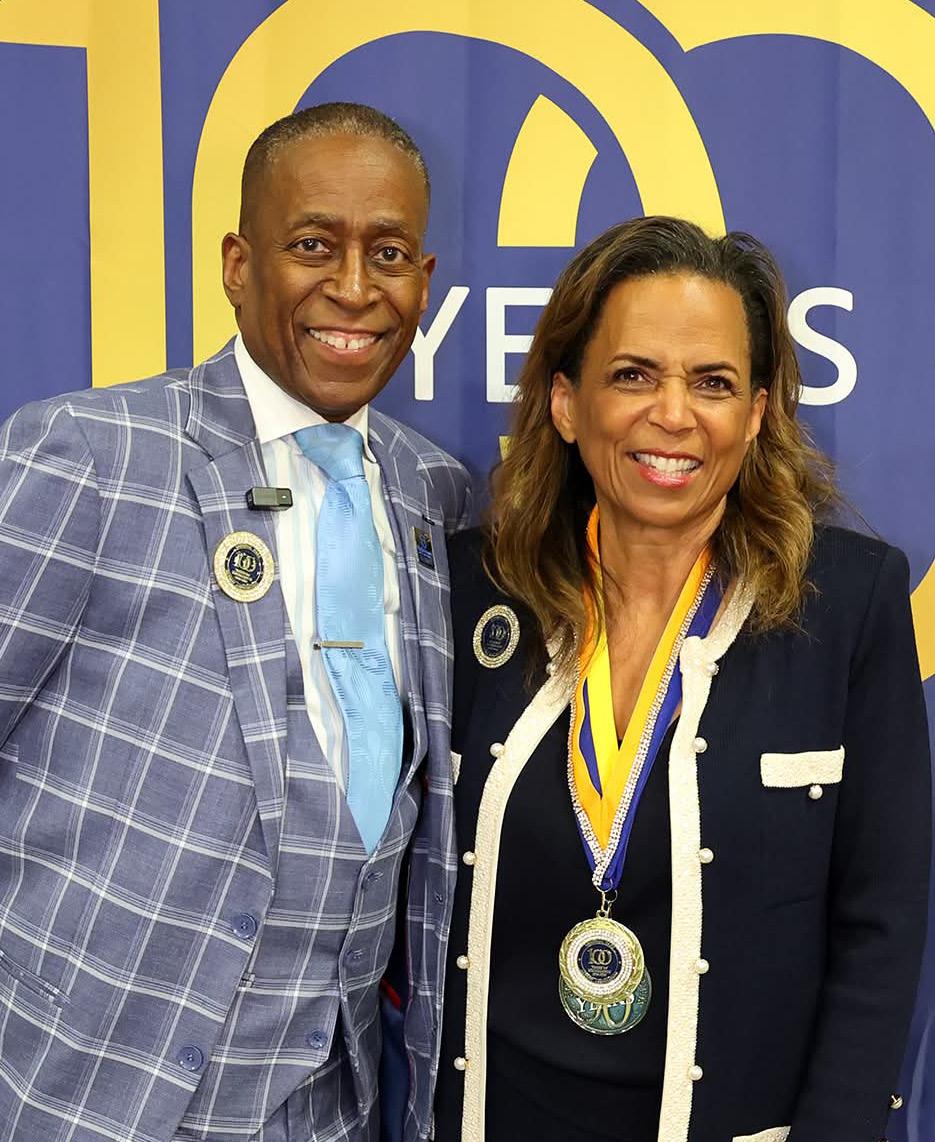
The Original Oaks Alumni Association Marks 100 Years
By 1926, O.B. Edwards served as our first alumni president, and deepened a foundation of support that would span into the next century. From those early beginnings, our association has continued to grow, evolve, and carry forward a powerful legacy, one rooted in unity, service and an unwavering commitment to our mission: raising funds for student scholarships.
By Dr. Cynthia Powell-Hicks
Page 34
REGIONAL EDUCATION –
CENTRAL STATES
Faithful in Little: How God Is Moving Through Adventist Education Jesus taught: “Whoever can be trusted with very little can also be trusted with much.” We are a small department. We oversee one school. And yet, we have come to believe that our size is not a limitation. It is simply the canvas God gave us to work with.
By Schari Fontus
Page 36
REGIONAL EDUCATION –
LAKE REGION
Educating for Eternity: Advancing Adventist Christian Education
As the Adventist message took root and congregations were established 80 years ago, early leaders and members understood that proclaiming the gospel must be accompanied by intentional education. Churches and schools were planted together.
By Deirdre Garnett
Page 38
REGIONAL EDUCATION –NORTHEASTERN
Office of Education Brings Intentional Transformation
One of the most impactful blessings within NEC education is the development, implementation and expansion of income-based scholarships. Over the past three years alone, more than $3 million has been awarded in scholarships — an extraordinary investment that has opened doors for families who may have once viewed Adventist education as out of reach.
By Dr. Sherina Phillips
Page 42
REGIONAL EDUCATION –
SOUTH ATLANTIC
Equipping Educators, Empowering Students, Exalting Christ
Something extraordinary is happening. Students are discovering purpose. Teachers are reigniting passion. Leaders are building stronger schools. Most importantly, young people are encountering Jesus Christ throughout the conference in classrooms, chapels, gymnasiums, science labs, and worship experiences.
By Kim M. Gaiter
Page 44
REGIONAL EDUCATION –
SOUTH CENTRAL
A Shared Year of Growth, Service, and Excellence
Christ-centered learning remained the foundation of SCC schools. A powerful example of this shared commitment was the launch of the South Central Ambassadors Program. Of the 50 seventh-grade students representing SCC schools, more than 40 chose to serve as ambassadors leading worship, prayer, and service initiatives in their schools and local churches.
By
Angela Walton
Page 46
REGIONAL EDUCATION –
SOUTHEASTERN
Advancing Mission Together Through Adventist Education
The Southeastern Conference Office of Education (SECOE) continues to move intentionally toward its five-year vision of sustaining a High Reliability


School System (HRS). Since the launch of the 2022–2027 Strategic Plan, the Office of Education has worked diligently to reach each of its learning communities (10 Early Childhood Centers, 10 K-8, one Junior Academy and one Senior Academy) with a Christ-centered message, while strengthening people, programs, and properties that support Adventist Christian education.
By Sandra Fletcher
Page 48
REGIONAL EDUCATION –SOUTHWEST REGION
A Year of Innovation and Changed Lives
Something powerful is happening in our Adventist schools. In classrooms, on campuses, and in churches, students are not only learning, but they are growing in faith, discovering purpose, and experiencing the transforming love of Christ!
By Steve Baughman
Coverage coordinated by Dr. Carlton P. Byrd, President, SWRC
Page 50
RCRP/ADEL FEATURE
The Last Apostle Standing – What John’s Senior Years Say to You
By the time John reached his final years in Ephesus, his body could no longer support him to attend church. Younger men bore him through the doorway and settled him before the congregation. Week after week, the message was the same. "Little children, love one another." When the brothers finally asked why he always repeated the same words, his answer silenced the room: "Because it is the Lord's commandment, and if it alone is kept, it is enough."
By Dr. Delbert W. Baker

Page 54 IN MEMORIAM
Elder Carl Richard Rogers
He never met a stranger. He exemplified a life of servant leadership, characterized by humility, faithfulness, and a deep love for God's people, and for his family. Regional Voice magazine thanks the Rogers family for this account, and Associate Editor Dr. Bryant Taylor for coordinating this coverage.
Page 56
SCHOLARLY FEATURE
Protect the People Doing the Ministry: Culture and Retention in Adventist Schools
Adventist education has never been solely academic. We educate for character, calling, and wholeness. That is exactly why culture cannot be treated as background music. Culture, in this context, is part of the conditions that sustain teachers. It is the unofficial curriculum teachers and leaders curate, and students absorb before class even begins.
By
Ebony Tyler
Coverage coordinated by Dr. Trevor Kinlock, President, AEC
Page 60
HOPE SERIES
Camp Meeting Memories
These memories were based on times spent at the South Atlantic Conference campgrounds in Hawthorne, Florida, decades ago. At that time, the South Atlantic territory spanned from North and South Carolina to Georgia and all of Florida. Keep this tradition alive. Plan to take your children to Camp Meeting, to give them HOPE!
By Dr. Lisa Hinson
Page 62
CAMP MEETING 2026
Check Here to Find The Schedules It’s that time again. Regional Conferences across the North American Division are gearing up for some great sessions. See this overview of dates and speakers, then start planning for your blessings.

BY DANA C. EDMOND
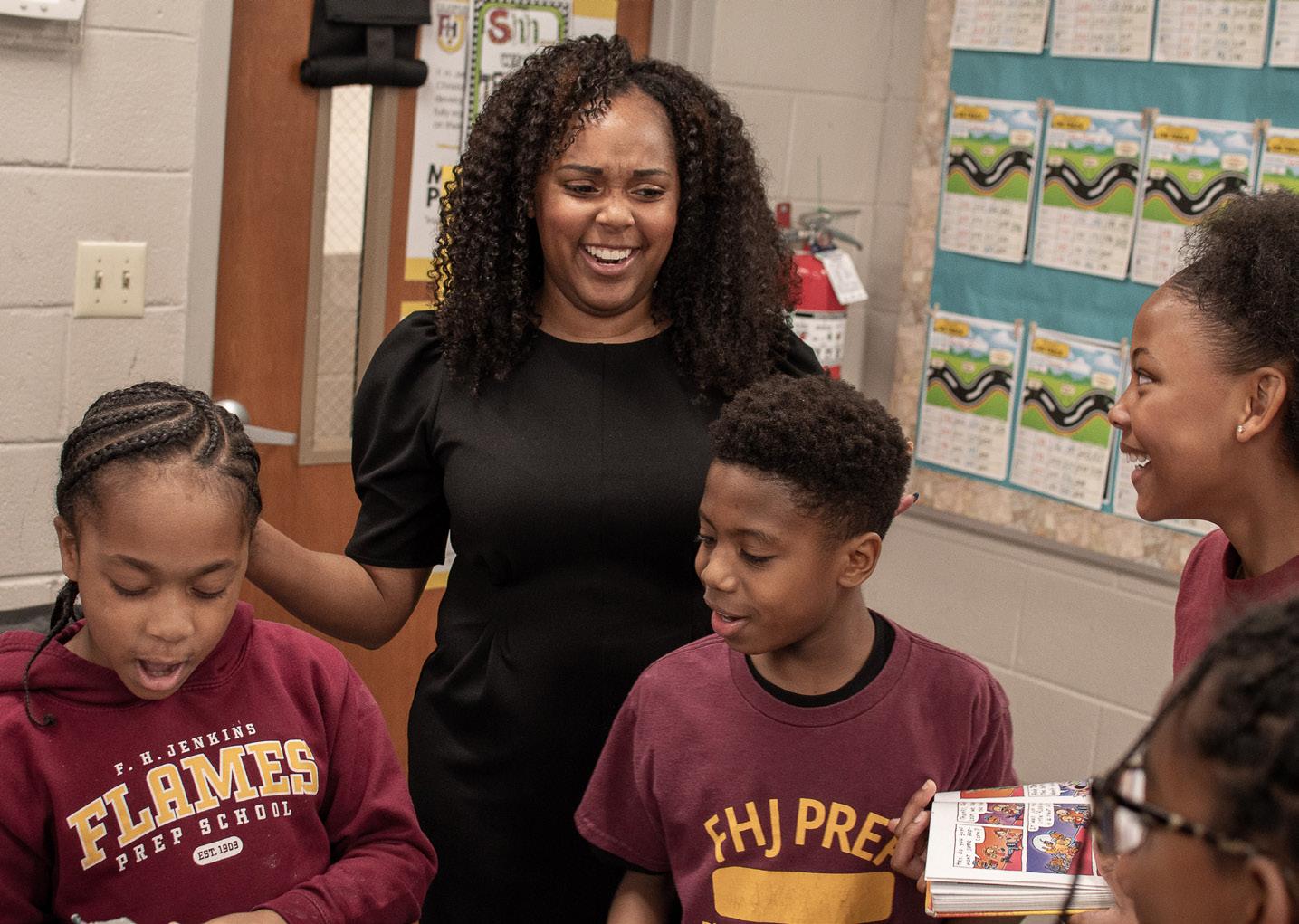
The end of the 2025-2026 academic year marks the end of a highly successful and blessed tenure of Dr. Summer Wood as principal of F.H. Jenkins Preparatory School in Nashville, Tennessee.
During her time as principal, the Lord blessed Dr. Wood to lead Jenkins from a struggling school that nearly closed to a school that is a model of success. The situation was so serious at the time, that the South Central Conference president asked the conference treasurer to develop a contingency plan that would allow the teachers to be paid if the school had to close midyear. It has since become one of the leading elementary schools in our system.
From the time Dr. Wood began as principal of Jenkins, the school has grown from an enrollment of 23 students, five staff members and a budget of $400,000 to an enrollment of nearly 130 students, 10 full-time staff members (including a full-time principal and a full-time assistant principal), 10 part-time staff-members and a budget of more than $1 million.
Dr. Wood first came to Nashville to work on her doctorate at Vanderbilt University, after having worked in the public-school
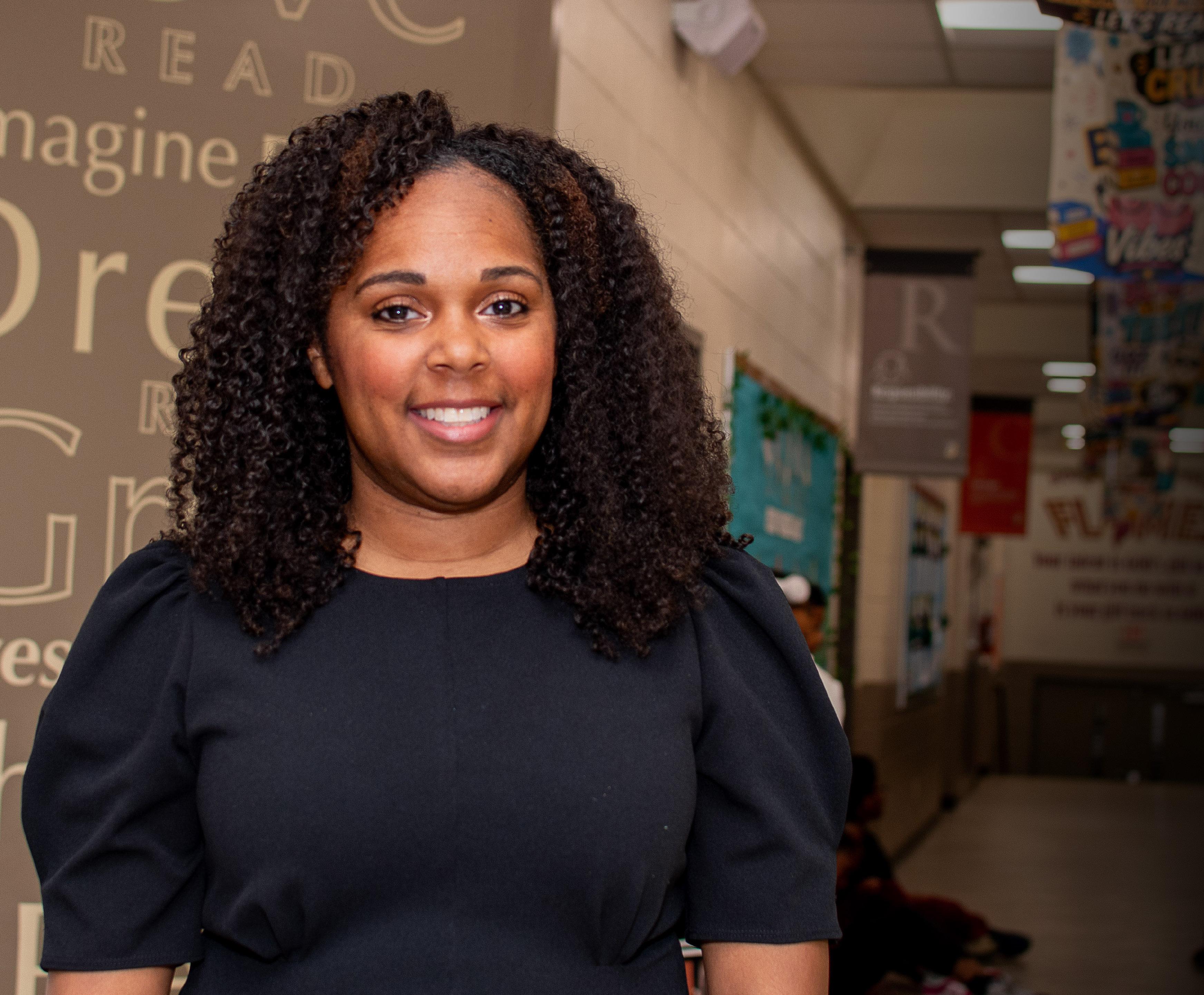
THE LORD BLESSED DR. WOOD TO LEAD JENKINS FROM A STRUGGLING SCHOOL TO ONE WITH INCREASED ENROLLMENT VIRTUALLY EVERY YEAR.

HER

systems in Baltimore and the District of Columbia. In the fourth year of her fiveyear doctoral program, she began volunteering at F.H. Jenkins. She was involved in coaching and training teachers and conducting literacy testing.
Part of her volunteering was connected to her doctoral program. But another part of it was her commitment to Seventh-day Adventist Christian education. She was a product of this education herself, earning her undergraduate degree from Oakwood University.
the enrollment increased and she creatively added additional non-tuition sources of income, Jenkins was able to add additional resources and programs. Each student received a laptop, and a strings program
allowed every student, from kindergarten up, to play a stringed instrument: a violin, a cello, etc.
These programs have offered a wonderful opportunity to expose the F.H. Jenkins
students—“our scholars”—as Dr. Wood relentlessly refers to them, to a cultural experience that is not normally available.
A few months ago, Dr. Wood shared with F.H. Jenkins board members that she believed it was time for her leadership to come to an end. Part of leadership, she said, was knowing when it was “time to shift,” and for her, the time has come.
Dr. Wood hopes to continue to be involved in coaching and training other educators, particularly other principals. Hopefully, there will be the opportunity for her to live out this aspiration; to help other educators do for their schools what the Lord has blessed her to do at F.H. Jenkins. t
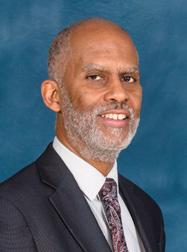
In this year of administrative transition, Elder Dana C. Edmond, former ORCM Director, has consented to maintain some editorial roles for Regional Voice magazine, including conducting special coverage and interviews such as this one.
On July 1, 2015, I officially began my post as the principal of F. H. Jenkins Preparatory School. At the time, I had no idea I was beginning a journey that would stretch me, challenge me, and ultimately become one of the most fulfilling experiences of my life. Initially, I agreed to lead this turnaround effort for five years. At the time, I remember feeling like that was such a large commitment, but I was willing. I understood the assignment. I knew change would not come immediately. I was willing to be a part of the process.
Dr. Wood made a presentation to the F.H. Jenkins School Board on the results of the literacy testing she had done for the school. Impressed by her presentation and knowing that the interim principal who had been serving the school had shared with the Board that she was leaving at the end of the school year, various board members asked Dr. Wood to consider becoming principal. At first, she declined.
But the School Board Chair, Elder Furman Fordham, who was then her pastor at the Nashville Riverside SDA Chapel, and who now serves as president of South Central, asked her to pray about accepting the call to Jenkins.
Her strong work ethic and commitment have inspired her staff to live out a similar work ethic and commitment. It has inspired volunteers to want to be part of her vision. The Nashville constituent churches also support her vision, and donors want to fund that vision.
Virtually every year of her tenure, the enrollment at Jenkins has increased. As
She agreed, and the Lord led her to accept the call in May 2015. Though she was not scheduled to begin until July 1, she saw that the school was critically short of funds. She organized a breakfast fundraiser that raised $30,000 for the school before she even became an employee. That was the beginning sign of the kind of entrepreneurial, willing-to-dowhatever-had-to-be-done mindset Dr. Wood displayed. She has been a teacher, grant writer, and playwright for Jenkins’ famous Christmas, Black History and Grandparent’s Day programs which always played to packed houses! She’s been a decorator, cook ( she’s a good one!), costume designer, janitor, and whatever else had to be done. She brought to her leadership at Jenkins, willing to do so much, and the Lord has blessed her to do all of those things well.
Yesterday, someone asked me, "What did you dream FHJ would be when you first started?" replied, "I definitely never envisioned we would be where we are right now!"
To put things into perspective in the most micro testimony I can, on my first day at FHJ there were 23 scholars (a number that will be permanently etched in my brain). Today, we have 125 scholars and people on a waiting list.
Throughout my time at FHJ Prep, have always been surrounded by amazing staff, board chairs and members, church pastors, community members, donors, families and scholars. This has always been a team effort. Thank you all so much for your continued support of F. H. Jenkins and me (professionally and personally).
This school year will be my final leg of the race. I will be stepping down as principal of this fine institution. I walk away with joy, a sense of accomplishment, legacy established, and with the support of those around me. This is not a story of a church worker that was "beaten up" by the people, pushed too hard, or unsupported. In contrast it was the best place have ever worked. The community was outstanding. The support was phenomenal. The belief in what we could do was unmatched. always say, FHJ is a unicorn of a place.
For all those who have worked for me and with me, Thank You!
For those who trusted us enough to take care of and nurture your children, Thank You!
For those who supported school programming through your volunteer work, Thank You!
For those who supported our school with your financial support, Thank You!
For those who prayed for me and the school, Thank You!
This may be the end of my journey as principal of FHJ, but it is not the end of my relationship!
AM F. H. JENKINS!
SAVE THE DATE:
Dr. Wood’s Farewell - June 6, 2026
BY DR. TOUSSAINT WILLIAMS AND DR. DAVID LEE
In a transformational decision that reflects both visionary leadership and long-term strategic stewardship, the South Central Conference Executive Committee recently voted to pay off the mortgages of all South Central Conference churches and schools with balances of $100,000 or less. The action came in support of the vision of South Central President Furman F. Fordham and aligns directly with one of the conference’s core values: Prioritizing the Local Church.
“THIS INITIATIVE IS ABOUT STRENGTHENING MINISTRY AT THE LOCAL LEVEL,” CONFERENCE LEADERS SHARED.
For many congregations and schools across the territory, this decision represents more than financial relief. It represents opportunity. It creates space for ministry expansion, educational investment, and community impact without the ongoing burden of debt.
“This initiative is about strengthening ministry at the local level,” conference leaders shared. “When churches and schools are free from financial strain, they can focus more fully on serving people, building disciples, and advancing the mission.”
The decision is especially significant for smaller churches that often carry the weight of maintaining ministry while operating with limited financial resources. By eliminating these remaining mortgage balances, local congregations will now be able to redirect funds into evangelism, outreach, facility improvements, youth ministry, and community engagement.
The same is true for South Central schools included in the initiative. Removing debt obligations helps create greater
stability for educational operations, supports salary sustainability, and frees additional resources for classroom tools, technology, and student support. Conference leaders were quick to acknowledge that this moment did not happen overnight. Rather, it is the result of years of intentional planning, disciplined financial stewardship, and a leadership culture committed to mission-first thinking.
Previous South Central Conference
President Benjamin Jones was recognized for laying much of the groundwork that helped position the conference for this historic step. His administration emphasized long-term sustainability, strategic planning, and strengthening the infrastructure of ministry throughout the territory.
Current President Furman F. Fordham has continued that vision, building upon the foundation already established and advancing it with renewed focus and momentum.
“President Jones helped establish the vision and framework,” one administrator noted. “President Fordham has taken the baton and pushed the mission forward in a powerful way.”
Conference leaders also affirmed the significant work done behind the scenes by CFO Sonja Crayton and the treasury team, whose careful planning and financial management over the past four to five years helped make the initiative possible. That planning included strategic savings efforts and a series of targeted investments across the conference. Over the years,
RATHER THAN OPERATING FROM SHORT-TERM THINKING, CONFERENCE LEADERSHIP CHOSE A DISCIPLINED APPROACH THAT BALANCED OPERATIONAL RESPONSIBILITY WITH FUTURE MINISTRY OPPORTUNITIES.
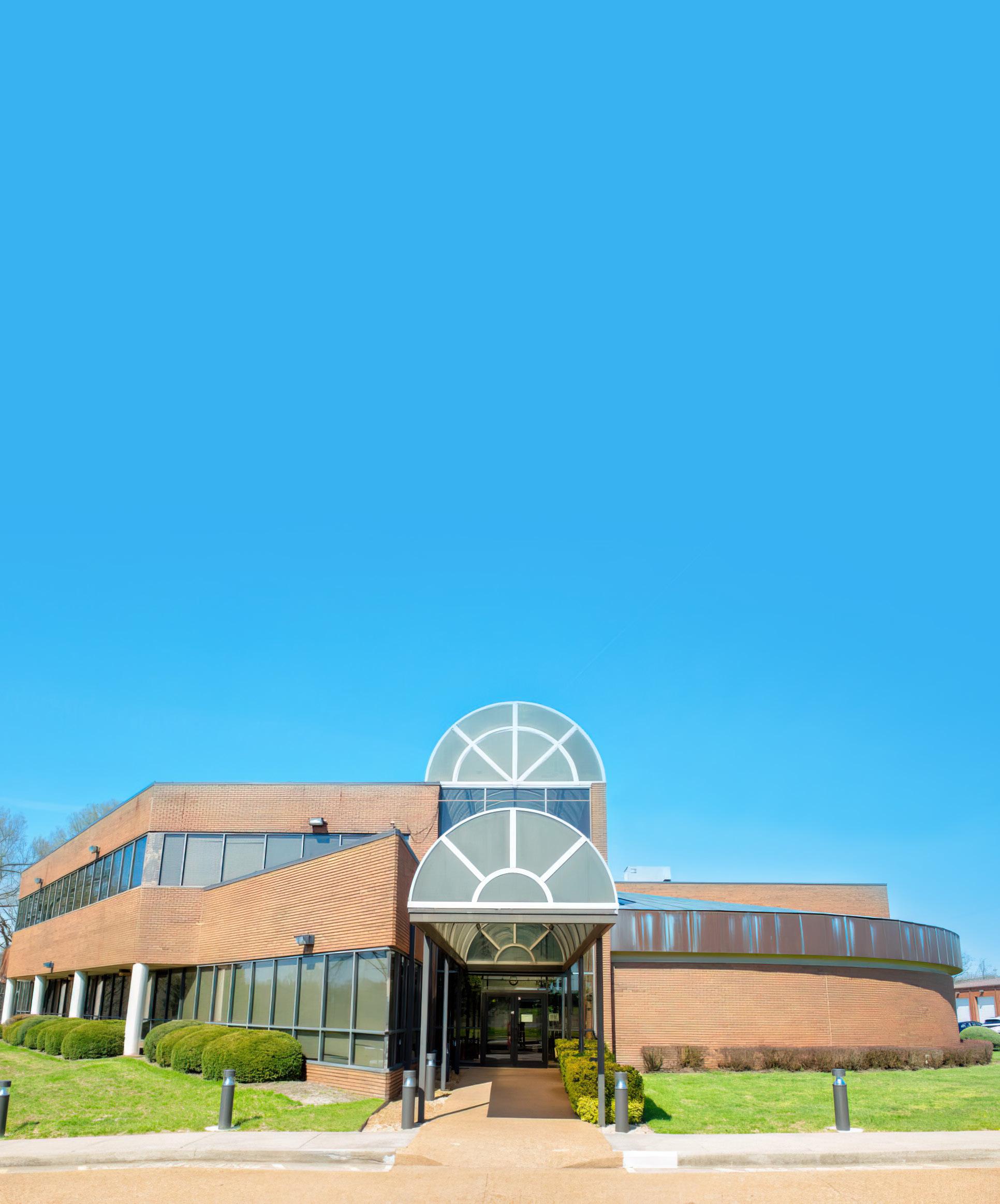
South Central has assisted churches with parking lot improvements, bathroom renovations, signage projects, and other facility upgrades designed to strengthen local ministry presence and effectiveness.
Rather than operating from shortterm thinking, conference leadership chose a disciplined approach that balanced operational responsibility with future ministry opportunities. That strategy has now culminated in one of the most impactful financial support ini-
tiatives in recent conference history.
The Executive Committee, under the leadership of President Fordham, CFO Sonja Crayton, and Executive Secretary Toussaint Williams, voted in favor of the initiative as part of the conference’s broader “Mission First” emphasis.
The South Central Conference mission is clear: to make disciples of Jesus Christ who live as His loving witnesses and proclaim to all people the everlasting gospel of the Three Angels’ Messages in preparation for Christ’s soon return.
Conference leaders recently challenged the Executive Committee to identify three of those core values and demonstrate how they will actively implement them before the end of the year.
This mortgage relief initiative is now being viewed as one of the clearest examples yet of those values being translated into action.
As South Central Conference moves forward, leaders remain hopeful and expectant about what God will continue to do across the territory. With churches and schools now carrying less financial burden, the conference believes the focus can shift even more intentionally toward ministry, discipleship, education, and community transformation.
For many across South Central, this decision marks not simply the paying off of debt, but the opening of a new chapter of possibility. t
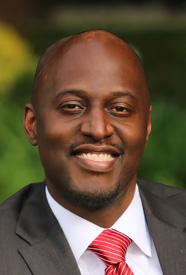
Toussaint Williams, PhD, MBA, M.Div., is Executive Secretary of the South Central Conference of Seventh-day Adventists.
“This is what mission-minded leadership looks like,” one committee member stated. “It is leadership that thinks beyond buildings and budgets and asks how we can better equip churches and schools to reach people for Christ.”
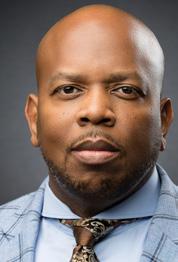
Dr. David Lee is the Associate Ministerial Director of the South Central Conference of Seventh-day Adventists.
BY DR. BRYANT TAYLOR
Communication, according to C. Anslem Paul, should always be five things: clear, credible, consistent, compelling and confidence-building. Those guiding principles now shape his work as the new communication director for the Office for Regional Conference Ministries (ORCM) and the Regional Conference Retirement Plan (RCRP).
Paul succeeds Gerson Pancorbo, who recently accepted a call to serve as communication director for the Southwestern Union Conference.
Known simply as “Anslem” to colleagues and friends, Paul describes himself as “a son of the South.” His roots run deep through the Southern regions of the Seventh-day Adventist Church. Raised in the South Atlantic and Southeastern conferences, he is the son of Elder and Mrs. O.H. Paul. His ministerial journey also includes service in the South Pacific Division, where he pastored in the Victoria Conference in Australia.
A graduate of Oakwood College’s Class of 1996 and later Andrews University, Paul began his pastoral ministry in the Southeastern Conference, where he faithfully served for nearly three decades. Now, his ministry journey brings him to the South Central territory and into a new season of leadership with ORCM and RCRP.
Paul is perhaps best known to many as co-founder, producer and host of The Pastor’s Roundtable, a weekly livestreamed podcast exploring the intersection of mission and structure within the Seventh-day Adventist Church. Designed to keep ministry “relevant, resourced and real,” the platform has helped sharpen his communication, media and storytelling skills—experience he believes will strengthen and expand ORCM’s First Sabbath Series and other communication initiatives.
What ultimately drew him to ORCM and RCRP, Paul said, was the opportunity to intentionally tell the story of Region-

al Conferences and highlight their enduring impact on the mission of the church.
As he begins his tenure, Paul says he views ORCM through four important lenses: missionally indispensable, organizationally competent, strategically aligned, and forward-facing.
PAUL IS PERHAPS BEST KNOWN TO MANY AS CO-FOUNDER, PRODUCER AND HOST OF THE PASTOR’S ROUNDTABLE, A WEEKLY LIVESTREAMED PODCAST EXPLORING THE INTERSECTION OF MISSION AND STRUCTURE WITHIN THE SEVENTH-DAY ADVENTIST CHURCH.
Paul is married to Arcinda, “Cindy,” and together they share a life shaped by ministry, creativity and service. Beyond min istry and media, Paul is a passionate technology enthusiast with interests in videography and photography. He also enjoys golf, scuba diving, skydiving and traveling.
Musically gifted, he occasionally plays the violin, saxo phone, piano, trumpet, clarinet, and flute.
An innovative thinker with a passion for ministry, Paul believes no dream is too big and no effort is too great when it comes to sharing the gospel of Jesus Christ. He believes creativity, intentionality, hard work, prayer, and the power of the Holy Spirit are essential ingredients for meaningful ministry and effective communication.
As ORCM and RCRP look toward the future, Paul brings not only years of ministry experience, but also a fresh vision for telling stories that inspire, inform and strengthen the church. t
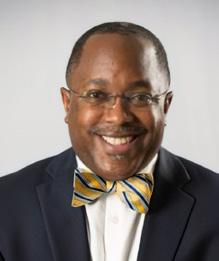
AN INNOVATIVE THINKER WITH A PASSION FOR MINISTRY, PAUL BELIEVES NO DREAM IS TOO BIG AND NO EFFORT IS TOO GREAT WHEN IT COMES TO SHARING THE GOSPEL OF JESUS CHRIST.

BY JENEAN LENDOR
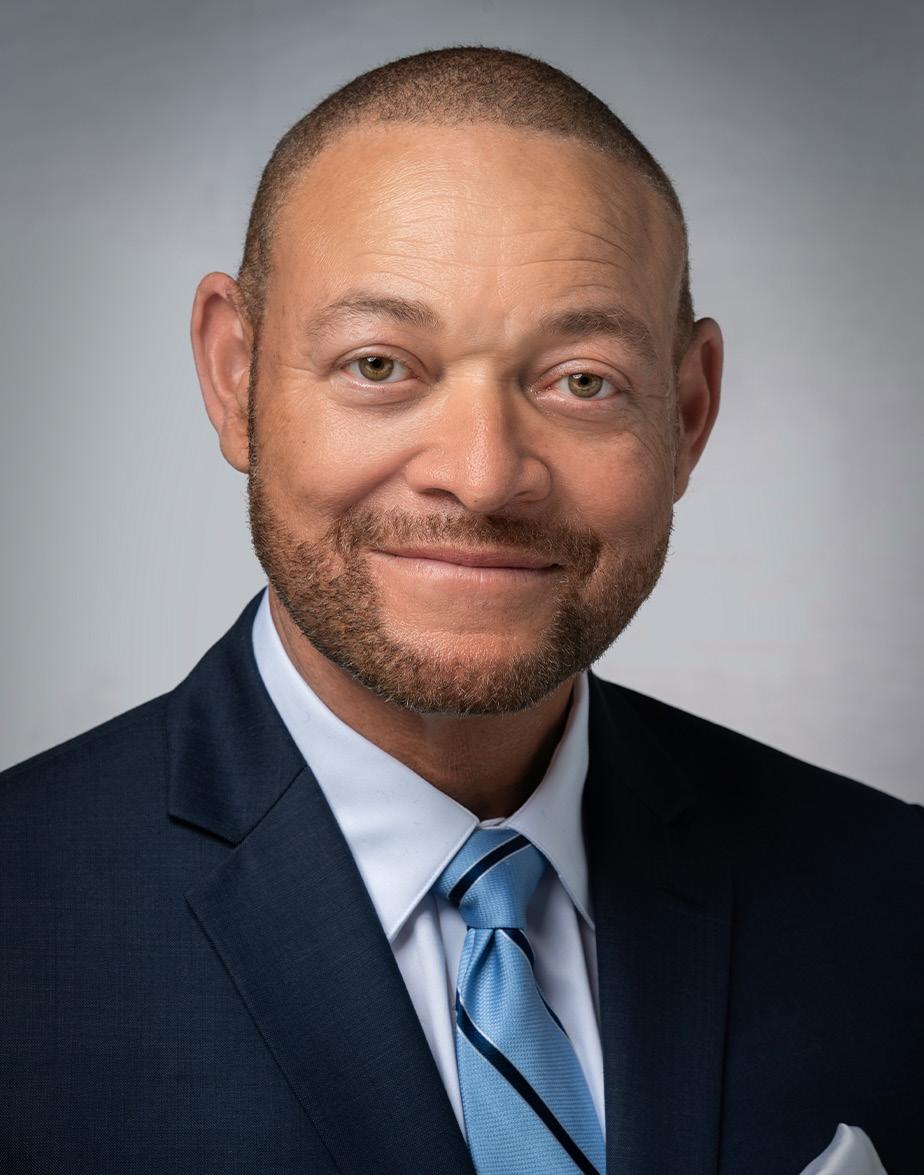
On February 26, the Lake Region Conference Executive Committee voted to assign Dr. Harold Cleveland as Executive Secretar y. Dr. Cleveland assumes this position following Dr. Abraham Henry’s transition to the office of President of the Lake Region Conference.
As Dr. Cleveland serves in this new capacity, he will continue to pastor the Conant Gardens Seventh-day Adventist Church in Detroit, Michigan. With a rich history of pastoral excellence, Dr. Cleveland has demonstrated his commitment to the Seventh-day Adventist community through impactful leadership at various churches and conferences, witnessing significant growth in membership and tithe. He is a seasoned and experienced ordained pastor whose professional portfolio
includes executive leadership in both nonprofit and corporate settings. He also holds multiple educational certifications in human resources, labor law, and management. His multifaceted approach to ministry reflects both strategic vision and deep spiritual dedication.
Dr. Cleveland holds a Bachelor of Arts degree in Theology and a double major in Business from Oakwood University. He ea rned a Master of Business Administration from Xavier University and a Juris Doctor from the Salmon P. Chase College of Law at Northern Kentucky University.
Beyond his pastoral role, Dr. Cleveland is a seasoned attor-
ney with more than 16 years of legal experience. He is married to Dr. Janice Cleveland, who serves as General Counsel for Duke Energy Corporation. Dr. Cleveland is also a devoted family man who cherishes time with his two daughters and grandchildren.
“Dr. Cleveland ’s legal and human resources expertise, along with his deep understanding of the heart of ministry, is one of the reasons I am excited to see him accept this role,” said Dr. Abraham Henry, President of the Lake Region Conference. “Having served as Executive Secretary myself, I understand the scope and demands of the position. I firmly believe that Dr. Cleveland is the right choice for this role. He is God’s appointed leader for this time, and we a re confident that he will do an excellent job.”
The Lake Region Conference anticipates continued spiritual enrichment, strengthened community engagement, and a shared commitment to growth under Dr. Cleveland’s leadership. t
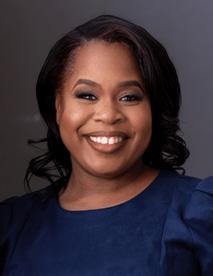
Mrs. JeNean Lendor, Communication Director of the Lake Region Conference, produced this official news release.
BY SCHARI FONTUS
There is something quietly powerful about a child who sees themselves in the pages of their own history. They sit a little taller. They ask better questions. They begin to understand that the story of this nation is also their story, and that their community’s contributions are not a footnote but a chapter worth reading carefully. For too long, many of our Regional Conference students have not had that experience in their social studies classrooms. The Regional Educational Superintendents Association (RESA) has been praying about that gap for some time. And we are grateful to share that God has opened a door.
RESA has been awarded a VersaCare grant of $10,000 to support the development and pilot implementation of the Regional Conference Culturally Relevant Social Studies Initiative. This is a moment we do not take lightly. It is the result of months of collaborative work, institutional partnership, and the kind of unified leadership that reminds us of what regional conferences can accomplish when we move together.
The Regional Conference Culturally Relevant Social Studies Initiative is a curriculum development project designed to address documented gaps in current social studies instruction across regional conference schools. Beginning with fifthgrade American History and expanding through grades five to eight, the initiative will develop a culturally relevant scope and sequence that integrates African American Adventist history, identity formation, and faith-informed civic engagement. Students will engage with primary source documents, con-
duct oral history interviews, and produce written and digital storytelling projects that preserve and communicate regional conference history.
THE REGIONAL CONFERENCE CULTURALLY RELEVANT SOCIAL STUDIES INITIATIVE IS A CURRICULUM DEVELOPMENT PROJECT DESIGNED TO ADDRESS DOCUMENTED GAPS IN CURRENT SOCIAL STUDIES INSTRUCTION ACROSS REGIONAL CONFERENCE SCHOOLS.
Journalism-based, project-based learning will serve as the instructional framework, giving students tools not just to receive history but to research it, interpret it, and share it with their communities. This is the kind of learning that builds both academic rigor and spiritual formation at the same time.
This initiative did not begin with a grant application. It began with listening. RESA formally established a curriculum and grant committee and distributed a unified survey across regional conferences to gather educator input about curriculum gaps, identity formation, and historical representation in current social studies instruction. The voices of teachers across our conferences shaped the foundation of this work. Their responses confirmed what many of us already knew: our students need and deserve a curriculum that reflects who they are and where they come from.
With that foundation in place, RESA moved toward the grant application process. And this is the part of the story we want to make sure is told well, because it moved us deeply. When the time came for regional conference presidents to

review and approve the initiative so the application could be submitted on time, they did not hesitate. Within hours, every approval came in. Conference presidents from across the country responded quickly, unified, and with full support. That kind of leadership is not something we take for granted. Their willingness to trust the process and move together made this grant possible. We are profoundly grateful.
With the grant now awarded, planning is actively underway. A summer curriculum committee composed of regional conference educators and leaders will convene to finalize the culturally relevant social studies scope and sequence, develop sample pilot lessons, and identify a small cohort of pilot schools to begin implementation during the coming academic year. Digital professional development modules will also be created to equip educators in culturally relevant pedagogy, biblical
RESA WOULD LIKE TO EXPRESS SINCERE GRATITUDE TO THE OFFICE FOR REGIONAL CONFERENCE MINISTRIES FOR THEIR PARTNERSHIP AND INSTITUTIONAL SUPPORT THROUGHOUT THIS PROCESS.
worldview integration, and ethical storytelling practices.
The total project budget is $13,000, with $10,000 funded through the VersaCare grant and $3,000 contributed through in-kind support. Funding will cover the development and distribution of journalism-integrated, project-based learning kits for pilot schools, professional printing of pilot curriculum modules, curriculum design and layout, teacher implementation materials, and a digital platform to house and distribute resources across conferences.
RESA would like to express sincere gratitude to the Office for Regional Conference Ministries for their partnership and institutional support throughout this process. Their involvement made it possible for RESA to move forward with the credibility and infrastructure this initiative required.
We are also grateful to the regional
conference presidents whose swift and unified response demonstrated exactly the kind of collaborative spirit that makes our conferences strong.
To our fellow educators across regional conference schools: this initiative belongs to all of us. It was born from your voices, your classrooms, and your deep desire to see your students thrive. We believe that when our children know their history, they walk differently. They lead differently. They understand that God has always been present in the story of their people, and that they are part of something much larger than themselves. The curriculum is coming. The story is being written. And our children are worth every effort it takes to get this right. t

Schari Fontus, Ed.D. Candidate, is Superintendent of Education for the Central States Conference of Seventh-day Adventists.

BY DR. JOHN C. ALBERTY JR.
The Allegheny East Conference proudly launched the Brothers Rising Initiative, an impactful experience designed to inspire, mentor, and prepare young Black men for academic success and leadership, on October 19, 2025. This inaugural experience engaged 73 young men in a powerful journey of history, identity, and higher education.The experience began with visits to two of the nation’s most significant landmarks: the Dr. Martin Luther King Jr. Memorial and the Lincoln Memorial, where students reflected on the legacy of courage, justice, and perseverance that continues to shape their opportunities today. From there, the group moved into intentional college exposure with their first campus visit at Bowie State University. The following day, they continued their college exploration at Howard University, gaining firsthand insight into the culture, expectations, and opportunities that higher education provides.
The Brothers Rising Initiative was developed in response to national concerns regarding the academic outcomes of Black boys. Data from the National Center for Education Statistics shows that only 55% of Black males graduate from high school on time, and fewer than 40% of Black male graduates enroll in college immediately after high school. The Allegheny East Conference is intentionally addressing these gaps through structured exposure, mentorship, and access to meaningful resources that support long-term success.
Through this initiative, the conference is reinforcing a powerful message that our young men are capable, valuable, and being actively prepared for success in college, career, and life.
Program highlights include forums with Historically Black Colleges and Universities and Adventist higher education leaders, financial aid and scholarship awareness sessions, guidance on the college application process, career planning and exploration, and leadership development sessions designed to strengthen identity and purpose.
The Brothers Rising Initiative reflects the Allegheny East Conference’s continued commitment to academic excellence, spiritual growth, and leadership development. By investing in young men today, the Conference is building a stronger future one student, one leader, and one opportunity at a time. t
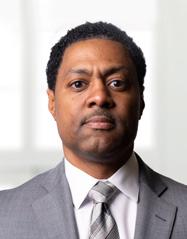
John C. Alberty Jr., Ph.D., is Superintendent of Schools for the Allegheny East Conference of Seventh-day Adventists.

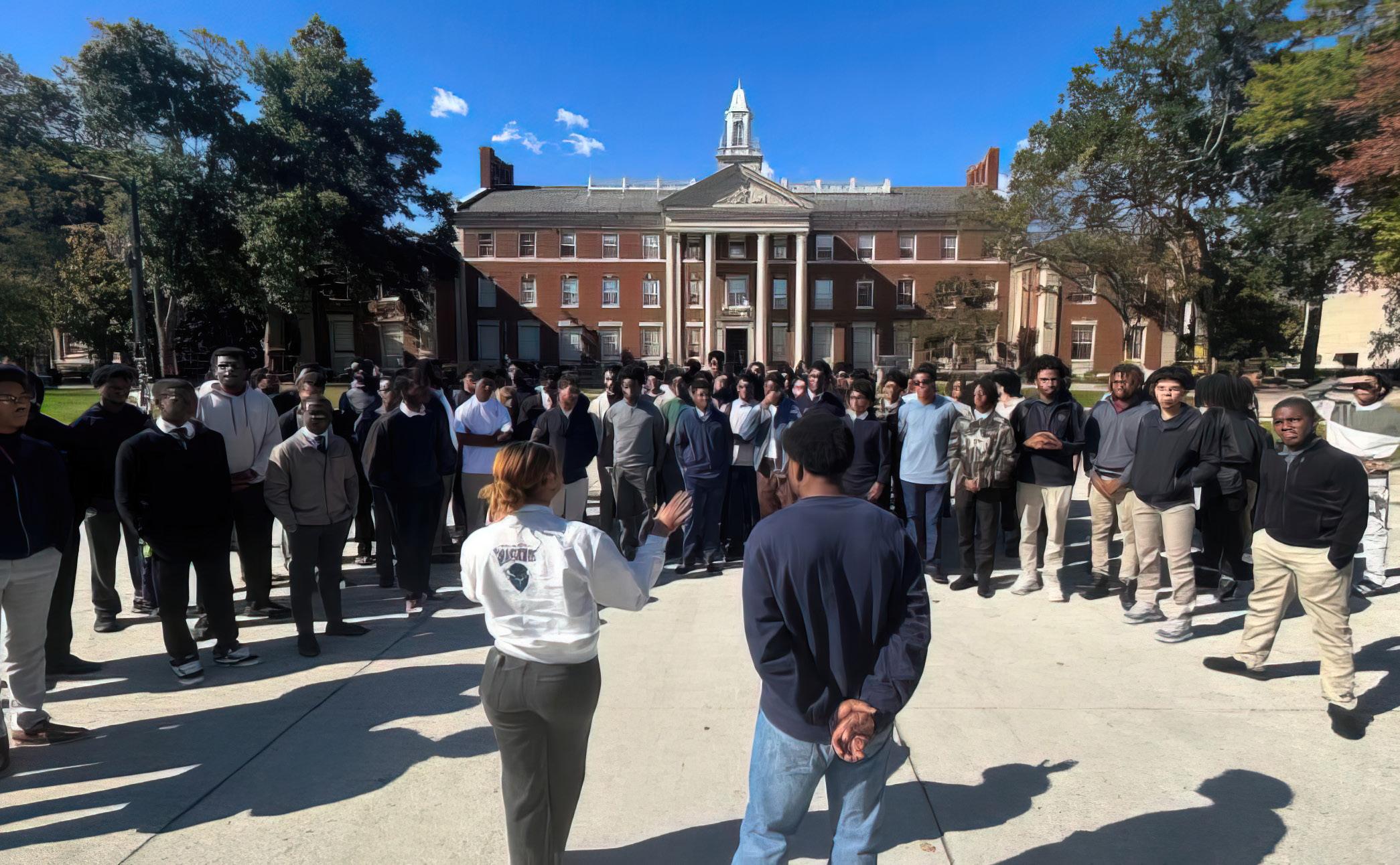
THE BROTHERS RISING INITIATIVE WAS DEVELOPED IN RESPONSE TO NATIONAL CONCERNS REGARDING THE ACADEMIC OUTCOMES OF BLACK BOYS.
BY JESSICA CRICHLOW
Pine Forge Academy has stood as a beacon of excellence, faith, and opportunity for nearly 80 years. Founded in 1946 as Pine Forge Institute, the Academy opened its doors to a pioneering class of 90 students who are still honored today as “The Pioneers.” The school’s historic campus sits on 575 acres of land in Boyertown, Pennsylvania, property once owned by abolitionist iron miller Thomas Rutter and originally deeded by William Penn in the early 1700s. From its very beginning, Pine Forge Academy was built on a vision much greater than academics alone. It was created to provide Black students with a safe, Christ-centered educational environment during a time when racial inequality and segregation deeply impacted education throughout the United States.
ACADEMY REMAINS ONE OF ONLY FOUR STILL OPERATING AND IS THE ONLY HISTORICALLY BLACK, CO-EDUCATIONAL SEVENTH-DAY ADVENTIST BOARDING ACADEMY SERVING GRADES NINE THROUGH 12 IN THE COUNTRY.
culture of achievement and accountability.
The Academy’s motto, “Excellence is No Accident,” reflects its intentional approach to student success. Pine Forge Academy believes that excellence is cultivated through mentorship, structure, faith, and opportunity. Students are surrounded by educators, staff members, and mentors who are committed to preparing them spiritually, intellectually, physically, and socially for service to God and humanity.
At one point, there were approximately 100 historically Black boarding academies across the nation. Today, Pine Forge Academy remains one of only four still operating and is the only historically Black, co-educational Seventh-day Adventist boarding academy serving grades nine through 12 in the country. This distinction makes Pine Forge Academy more than just a school; it is a living legacy of resilience, faith, culture, and educational empowerment.
Though intimate in size, Pine Forge Academy offers a highly competitive and transformative educational experience. The Academy proudly maintains a 100% graduation rate, and every graduating senior is accepted into at least one college or university annually. Additionally, 94% of seniors pursue a college preparatory diploma, and students consistently demonstrate academic excellence both inside and outside of the classroom.
During the 2024–2025 school year, 76% of the student body achieved Honor Roll status, reflecting the Academy’s strong
Pine Forge Academy’s mission is rooted in holistic development. Beyond academics, students are encouraged to grow as leaders, thinkers, and servant-hearted individuals. The Academy provides comprehensive support services that include academic advising, tutoring, mentoring, leadership development, career and college readiness preparation, and personal growth opportunities. These resources are designed to ensure students leave Pine Forge Academy prepared not only for college, but for lifelong success and purpose.
The Academy’s vision is strengthened by its core values. Pine Forge Academy emphasizes loving through personal relationships with Jesus Christ, teaching students to pursue their college and career aspirations, modeling servant leadership, honoring its rich heritage, embracing lifelong connections, caring for the mind, body, and spirit, and respecting diversity within its community. These values shape the culture of the campus and help create an environment where students feel seen, supported, and inspired to grow.
Students and families consistently describe Pine Forge Academy as a place that transforms lives. One parent states, “For anyone considering Pine Forge Academy, know that you’re not just choosing a school; you’re choosing a community that will embrace your child, grandchild, niece, or nephew to challenge them to excel, and prepare them for a future of service to God
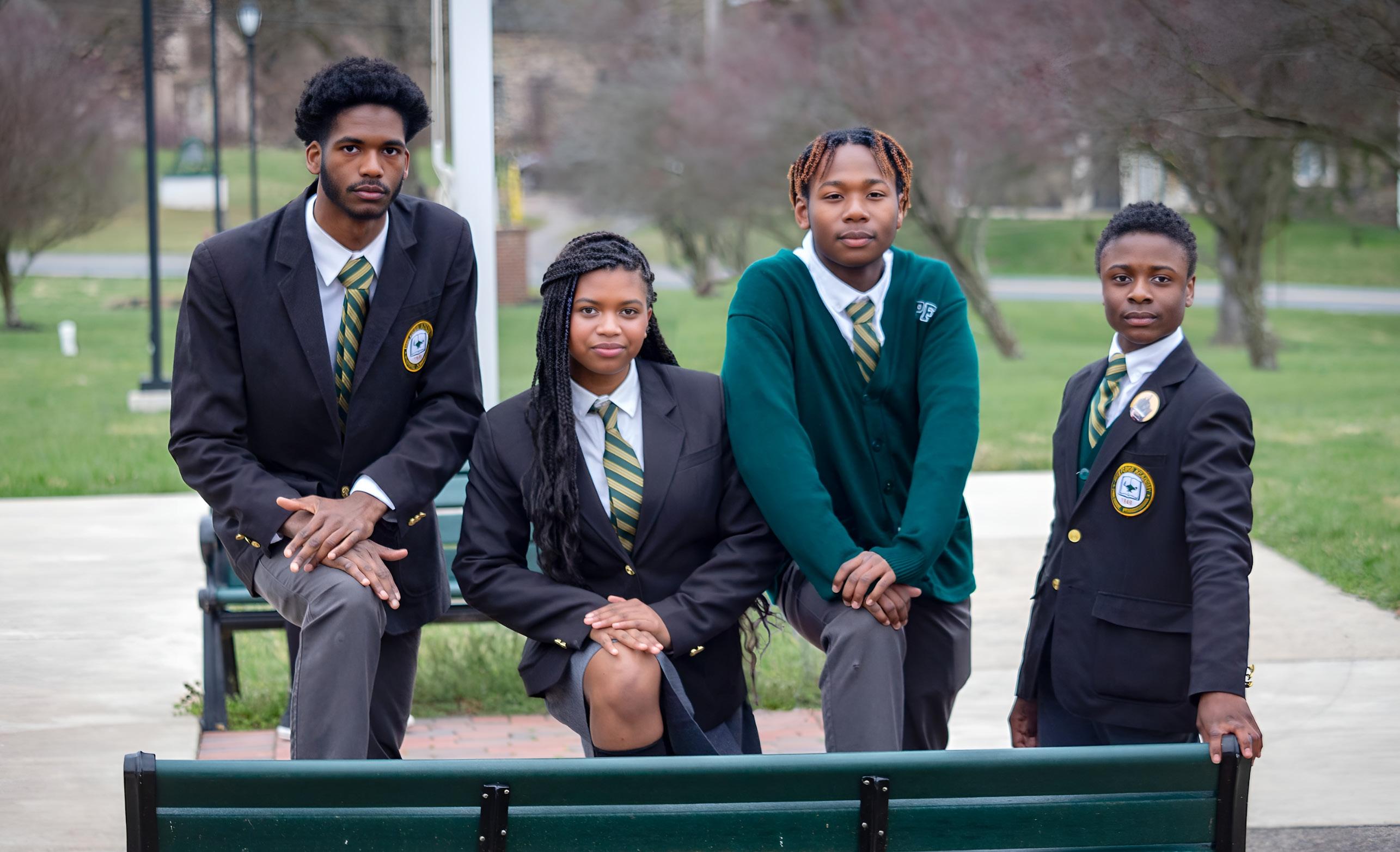
and humanity! In an educational landscape where our children’s needs are not always met, Pine Forge Academy stands as a testament to what is possible when excellence, faith, and cultural pride come together.”
Current students echo those same sentiments. Nathan Henry, a transfer student, 2026 Student of the Year, and United Student Movement Religious Vice President, describes his journey at Pine Forge Academy as one marked by growth, faith, and self-discovery. Arriving as a student new to both the country and its culture, Nathan initially struggled to find where he fit among so many talented peers. However, through those challenges, he discovered a deeper relationship with God, formed meaningful friendships, and gained a clearer sense of purpose. His experience at Pine Forge Academy taught him that true growth often happens in uncomfortable
moments and that embracing those moments can lead to transformation, leadership, and lasting impact.
Pine Forge Academy’s impact can also be seen in the accomplishments of its alumni. Graduates have gone on to attend prestigious colleges and universities across the country and pursue careers in education, medicine, law, music, ministry, entertainment, and public service. Distinguished alumni include Rear Admiral Barry C. Black, the 62nd Chaplain of the United States Senate; actor and entertainer Clifton Davis; Grammy Award-winning artist Joel Kibble of Take 6; actress Starletta DuBois; and comedian David A. Arnold.
Today, Pine Forge Academy continues to build on its historic foundation while preparing students for the future. Through faith, academic excellence, leadership development, and cultural empowerment, the Academy remains
committed to transforming lives and producing graduates who are ready to make meaningful contributions to the world. Nearly 80 years after welcoming its first students, Pine Forge Academy continues to prove that excellence truly is no accident. t

MSW, serves as the Student Recruitment Director/ Branding and Marketing representative at Pine Forge Academy.
coordinated this coverage.
BY WALTER FORDHAM III
Eighty years ago, a great awakening rolled across the United States among Black Seventh-day Adventists. Not only did several Black conferences come into existence, bringing development, growth and autonomy, but a boarding academy in a rural setting was envisioned and brought to life. The Fordham and Wagner families were part of this endeavor from its inception. Here are some thoughts their members have shared.
NOT ONLY DID SEVERAL BLACK CONFERENCES COME INTO EXISTENCE, BRINGING DEVELOPMENT, GROWTH AND AUTONOMY, BUT A BOARDING ACADEMY IN A RURAL SETTING WAS ENVISIONED AND BROUGHT TO LIFE.
Q. What was the climate that led to the founding of Pine Forge Academy?
A. A number of preachers and church leaders in large cities were concerned about crime and the effect it had on their kids. There were a few day academies, but that wasn’t answering the real problem. Also, they wanted something away from the city.
Q. Who had the brainchild?
A. John Wagner Sr., Dr. Kimbrough, who was a Black Adventist female physician in Philadelphia, Elder William Robinson (who would become editor of MESSAGE Magazine), Elder Cheatam, Elder Banfield (who would both become regional conference presidents), and Professor Moran, ( i.e. Moran Hall at Oakwood University).
There were also families from Pittsburgh: the Anderson family and Ms. Ruth Mosby Green, (who later became a dean of women at Oakwood College); Sister Handy (Handy Hall on the Pine Forge campus is named for her), and Ercel Watson (or Winston), who was the first principal.
Q. What has kept the vision alive?
A. Alumni who have sent their own children there, well-known alumni i.e. U.S. Senate Chaplain Barry Black.
Q. What should we do to keep it alive?
A. Send children and offer financial support. There is more competition now that the white schools accept African Americans.
Q. What do you think keeps the boys-to-college ratio so high?
A. A high number of strong male professionals are on staff.
Q. Did this legacy cross your mind when you were a kid there yourself?
A. Not specifically, however, there was definitely an influence later in life spreading
to many other friends and family.
Q. How many Pine Forge Academy graduates have emerged from your personal line so far?
A. There have been 20 from W.W. Fordham’s line, and 50+ from W. W. and his siblings. t
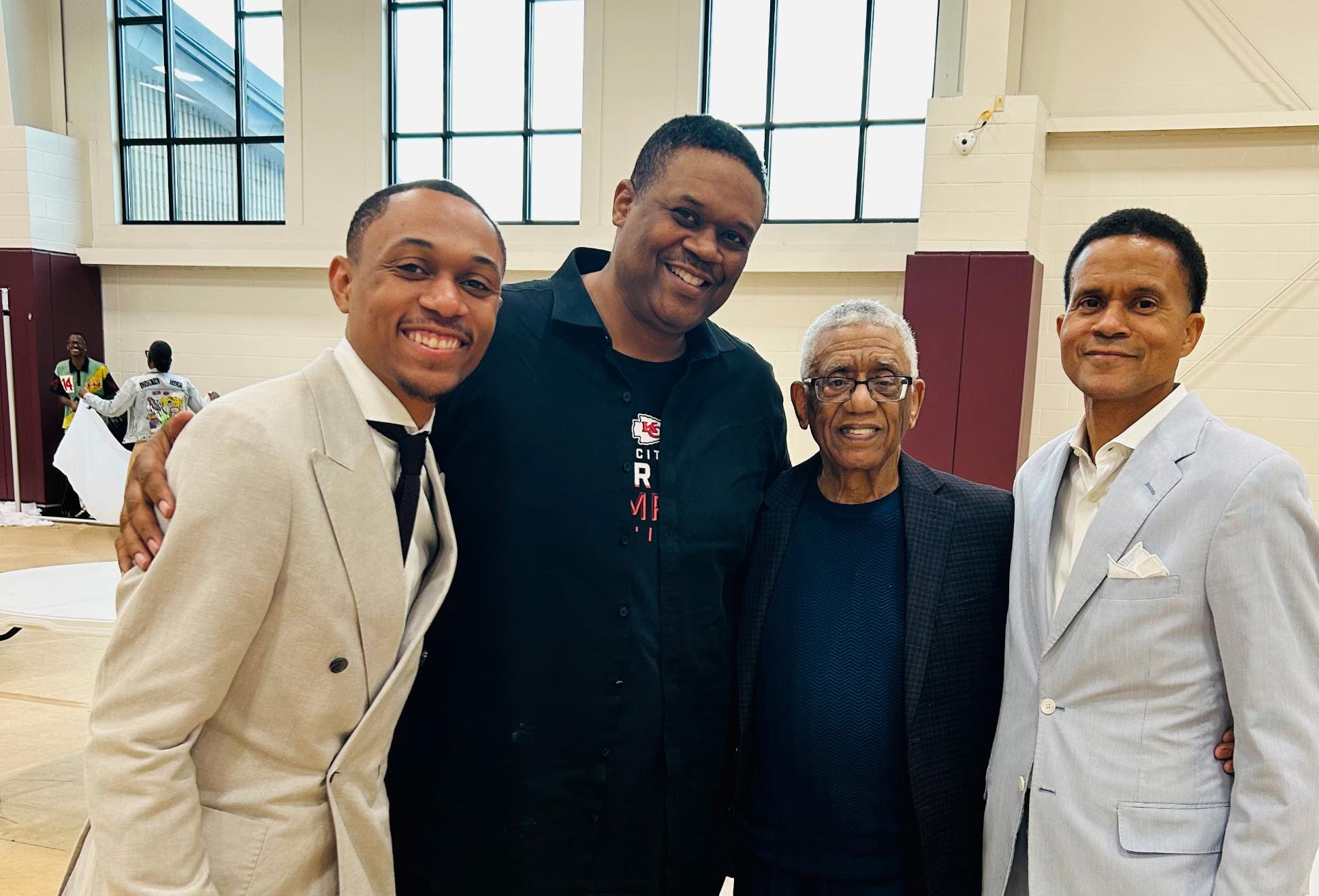
Walter Fordham Jr. and Walter Fordham III, both Pine Forge Academy graduates, are a rare father and son who have both worked as directors of human resource divisions in education and corporations, respectively.
Q. HOW MANY PINE FORGE ACADEMY GRADUATES HAVE EMERGED FROM YOUR PERSONAL LINE SO FAR?
A. THERE HAVE BEEN 20 FROM W.W. FORDHAM’S LINE, AND 50+ FROM W. W. AND HIS SIBLINGS.
BY ESTHER SMITH
The spirit of creativity, storytelling, and connection filled the room during the third annual Oakwood Writers Gather event, held during Oakwood University’s 2026 Alumni Homecoming celebration.
Oakwood Writers Gather began in 2023 as an innovative initiative of Emile Parker, who then served as the alumni relations director for Oakwood University. Determined to establish affinity groups among alums to increase community engagement, Parker sought to assemble key individuals who could anchor and build each group. With the understanding that a fellow co-worker of his had published a book, Parker asked this writer to come on board. Together, the two of us centered the new community of writers around the university’s annual homecoming festivities, and then later established an online Facebook community as well.
Each year, a growing audience of creatives, writers, and authors unite to hear from their own. Accomplished panelists lead discussions that prove insightful for authors across a wide spectrum, including those who have only just begun. Since 2023, Oakwood Writers Gather has continued to grow as a creative space where stories, ideas, and experiences are shared openly across generations.
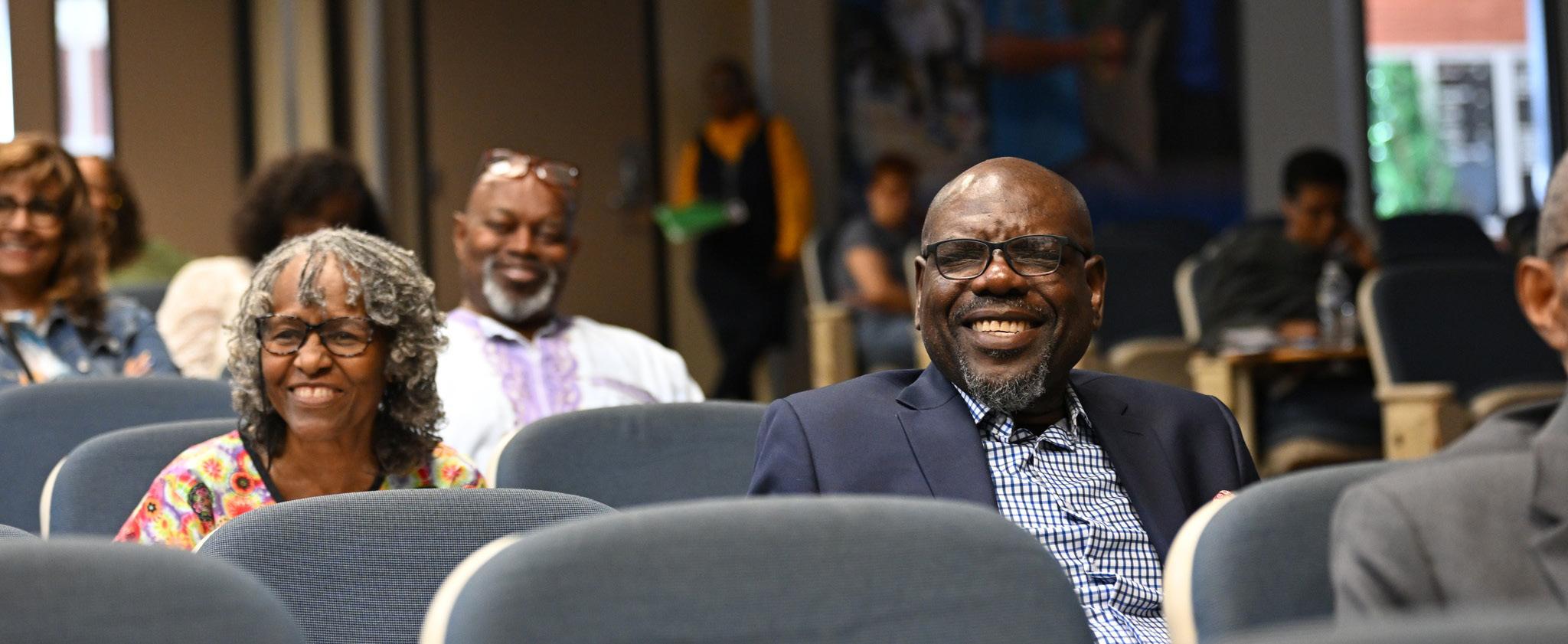
This year’s event reflected the group’s goals poignantly under the theme “Finding Time & Getting It Done.” The gathering drew a strong turnout of university and community members who came not only to hear from established authors and creatives but also to participate in conversations about the realities of pursuing creative goals.
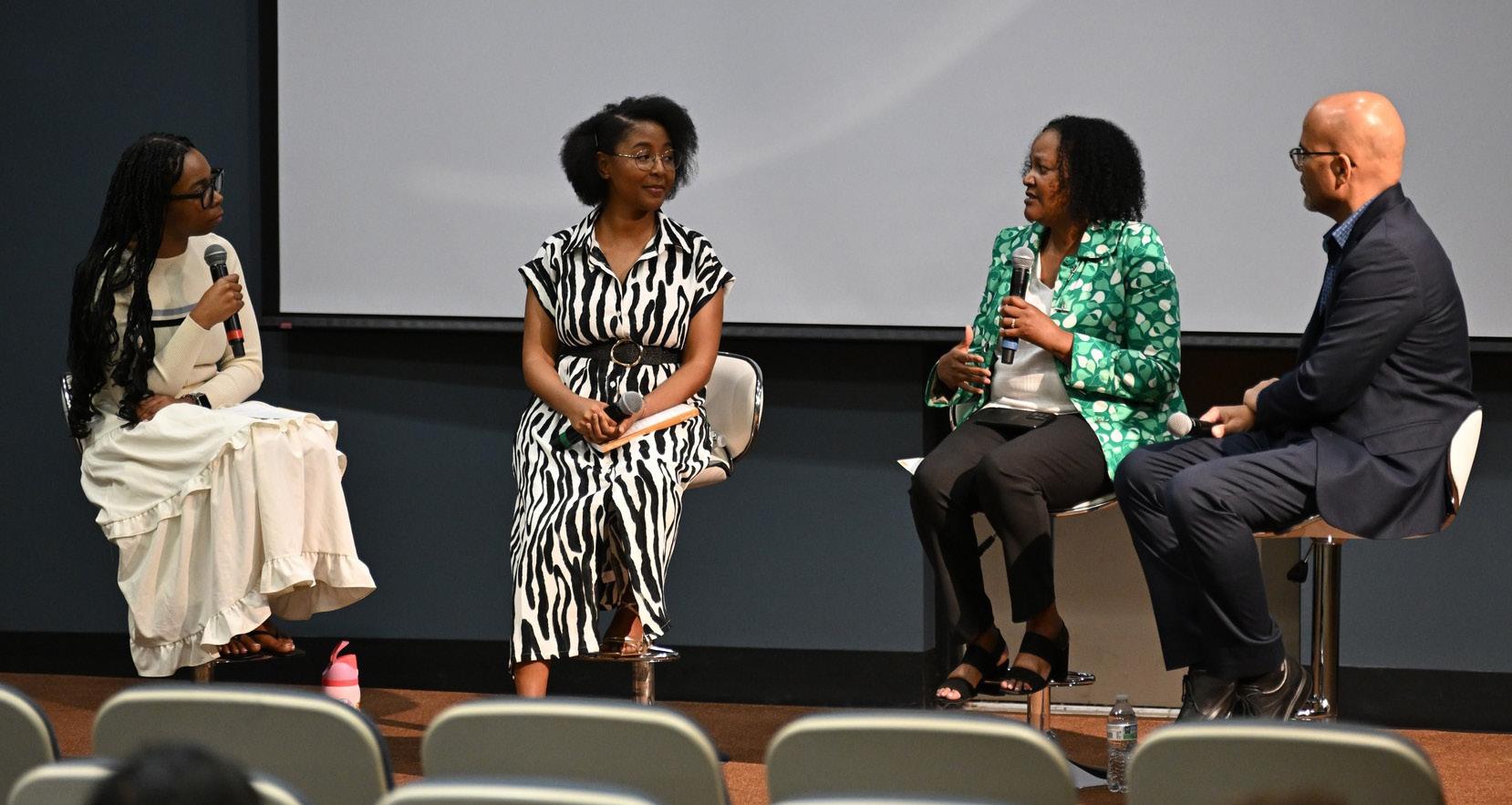
The panel discussion was moderated by Na’veh Matthews, an English professor at Oakwood University and a writer of prose and poetry. Matthews guided the conversation with warmth and insight, creating an atmosphere that encouraged honesty about both the challenges and rewards of pursuing
one’s passion. Throughout the discussion, panelists reflected on their personal writing journeys, their creative disciplines, and the balancing act required to maintain writing practices while managing careers, ministry, family responsibilities, and everyday life.
THROUGHOUT THE EVENING INCLUDED OVERCOMING WRITER’S BLOCK, BALANCING PRIORITIES, PRACTICING SELF-COMPASSION, USING HELPFUL WRITING TOOLS, AND NAVIGATING THE PATH TO PUBLISHING.
______________
Panelist Dr. Davenia Lea, author of The Shulamite Series and founder of Mazuri Ministries, spoke about the importance of writing with authenticity and purpose. Drawing from her experiences empowering women through faith-based storytelling, Lea discussed how writers can remain grounded in their calling even during seasons of doubt or creative fatigue.
Carl McRoy, an ordained minister and Literature Ministries Director for the North American Division, also shared insight from his experiences as an author and ministry leader. McRoy discussed the discipline required to continue writing while serving in leadership and ministry roles. He emphasized the importance of consistency, stewardship of ideas, and remaining committed to the message one feels called to share.
Esther Smith, assistant director of Communications at Oakwood University and author of “Her Purpose Unmuted,” reflected on the importance of stealing time to practice the craft of writing. Smith spoke candidly about the start of her writing journey, navigating lulls in discipline, and learning to make room for her personal writing goals amid her professional writing.
Topics throughout the evening included overcoming writer’s block, balancing priorities, practicing self-compassion, using helpful writing tools, and navigating the path to publish-
ing. Rather than presenting writing as effortless or unendingly glamorous, the panelists offered practical encouragement rooted in lived experience.
A special spotlight during the event was given to a former Oakwood University President, Dr. Mervyn Warren. He shared reflections on his own experience as a prolific author. Warren discussed the discipline and intentionality required to write consistently and revealed that he has written 13 books to date. His remarks offered attendees both inspiration and perspective, particularly regarding the long-term commitment required to produce meaningful written work over the course of decades. His presence added another layer of significance to the evening, reminding attendees of Oakwood University’s rich intellectual and literary legacy.
Beyond the panel itself, attendees were
also invited to share about their own creative projects, published works, and writing goals. Conversations extended beyond the formal program as writers connected with fellow creatives, exchanged ideas, discussed future projects, and encouraged one another in their individual journeys.
Year after year, the Oakwood Writers Gather community continues to establish itself as more than simply an annual event. It has become an ongoing creative network designed to encourage writers at every stage — from first-time journal-keepers and aspiring authors to seasoned professionals and published creatives. Through shared experiences, mentorship, and encouragement, the community seeks to remind writers that their voices and stories matter.
Members of the Oakwood University community who are creatives, writers,
aspiring authors, or supporters of the arts are encouraged to connect with Oakwood Writers Gather through its Facebook community page. The group provides opportunities for fellowship, encouragement, networking, and participation in future events, while continuing to cultivate a supportive environment where creativity and storytelling can flourish. t
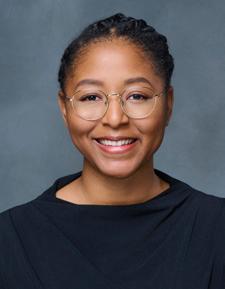
Esther Smith, M.A., is Assistant Director of Communications and Annual Fund Strategist for the Office of University Advancement at Oakwood.
As one of the founders of the Oakwood Writers Gather event, she welcomes new participants.
BY DR. CYNTHIA POWELL-HICKS
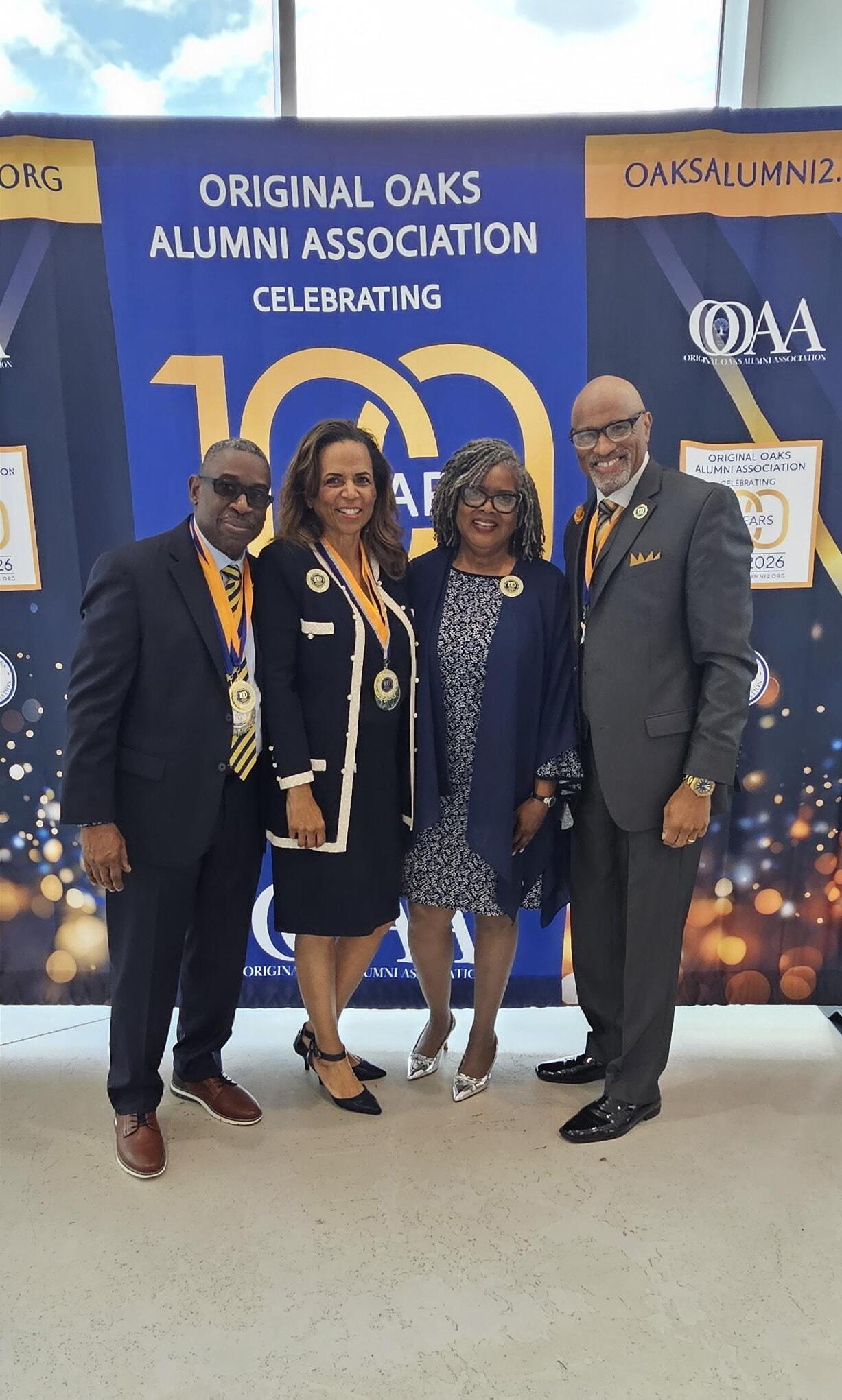
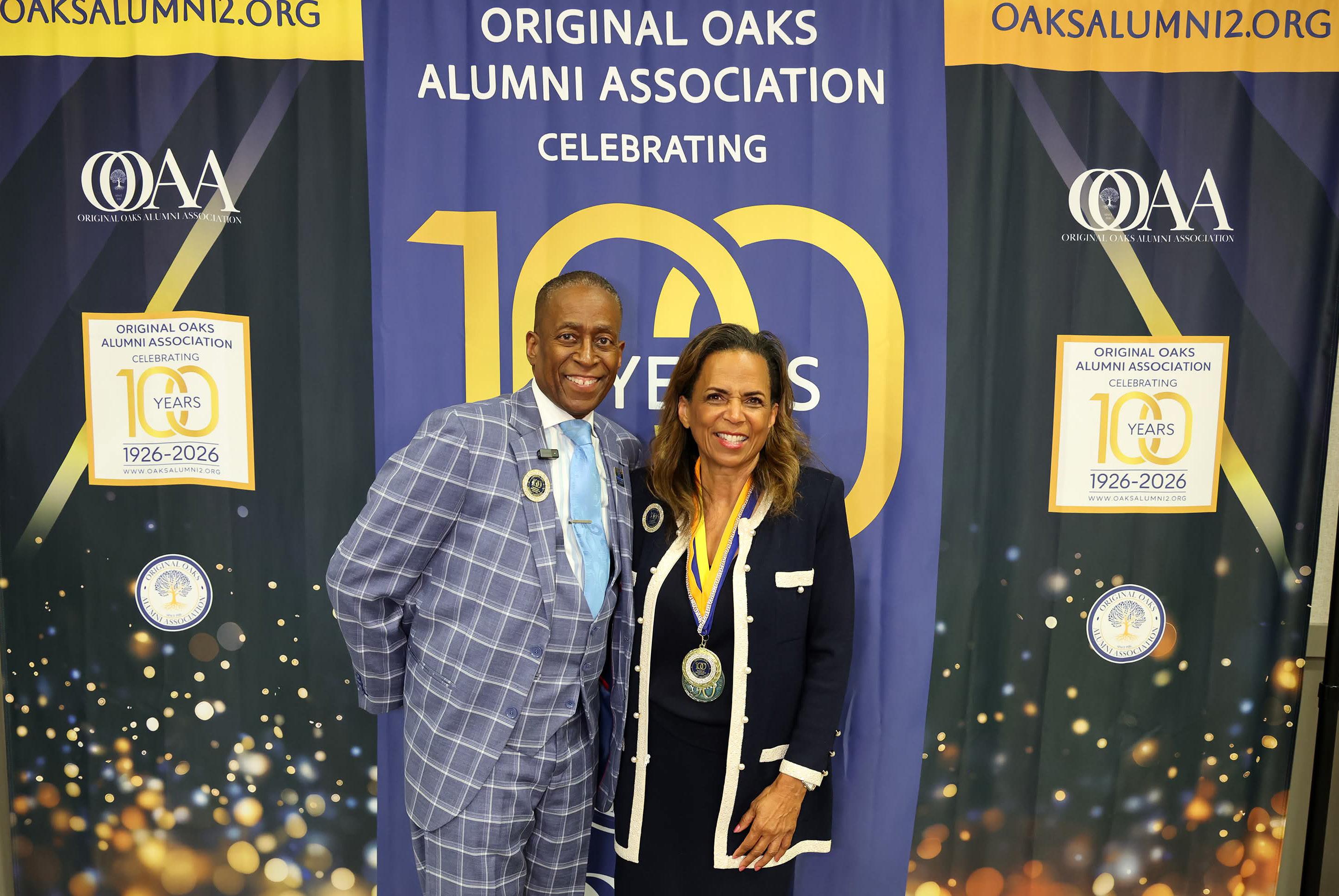
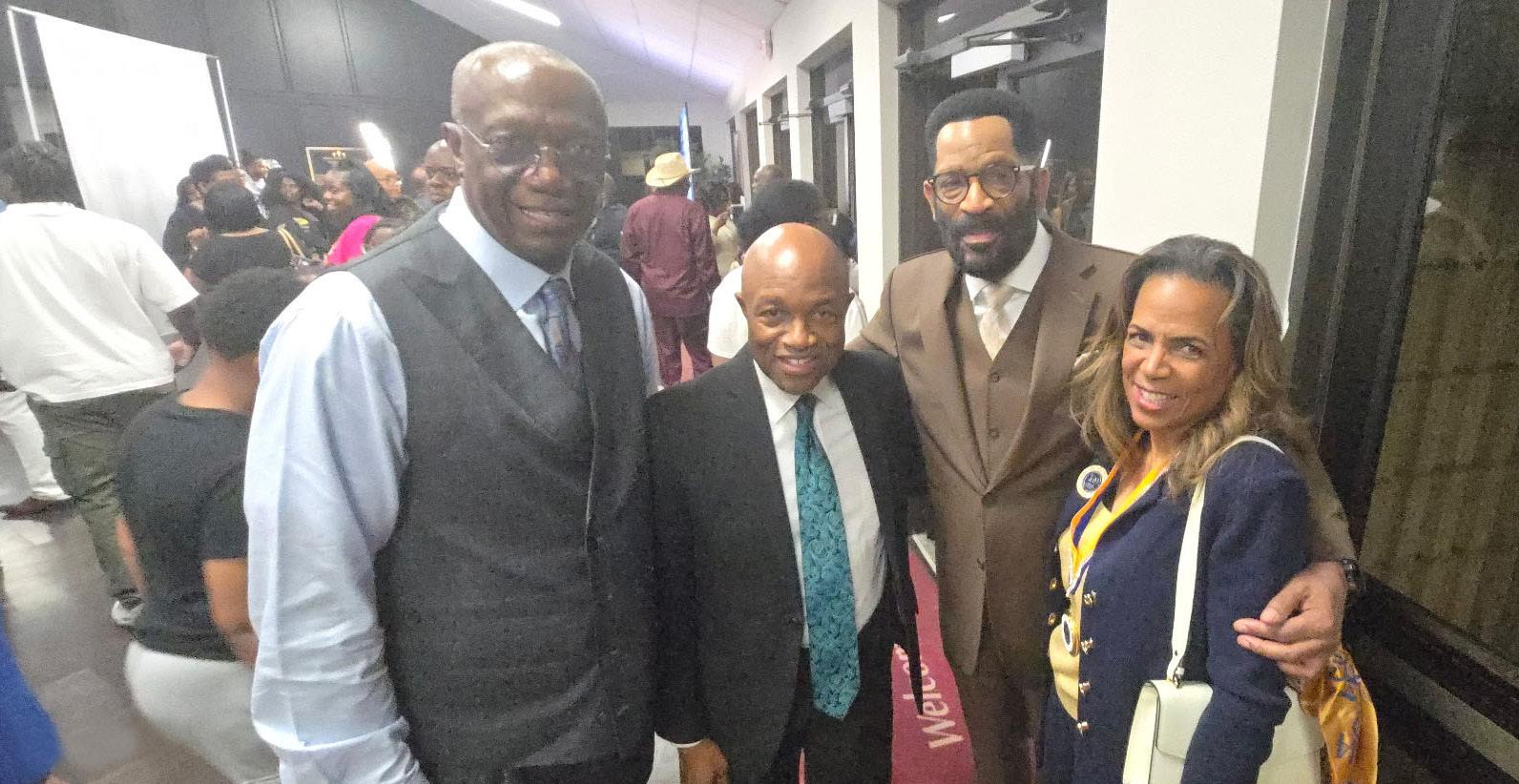
In 1917, when Oakwood Manual Training School progressed to Oakwood Junior College, Herbert Derrick Greene and Eugenia Spence laid the foundation for what became a strong and enduring alumni community. Their vision planted seeds of connection, pride, and purpose that would grow for generations.
By 1926, O.B. Edwards served as our first alumni president, and deepened a foundation of support that would span into the next century. From those early beginnings, our association has continued to grow, evolve, and carry forward a powerful legacy—one rooted in unity, service, and an unwavering commitment to our mission: raising funds for student scholarships. Over the years, our identity has been reflected in the names we’ve carried, each marking a season of growth and connection:
• Alumni Association of Oakwood Junior College
• Oakwood College National Alumni Association
• Oakwood University Alumni Association
• Original Oaks Alumni Association
Though the names have changed over time, our commitment has remained the same.
We have been guided by the leadership of 18 dedicated alumni presidents and strengthened by 30 alumni chapters across the globe (the Rashford, New York Chapter was the first, founded in the early 50s). Each chapter has played a role in expanding our mission.
That legacy is not just history—it is action. During the time allotted in our administration, we made a meaningful impact on the campus. A number of our projects have included:
• Moving the Morning Star Home back to Oakwood’s campus and restoring its presence.
• Decorating the Alumni House.
• Contributing to the 4920 building which houses WJOU radio station.
• Funding the Edwards Hall roof repair.
• Supporting the historic Silos’ renovation.
OVER THE YEARS, OUR IDENTITY HAS BEEN REFLECTED IN THE NAMES
WE’VE CARRIED, EACH MARKING A SEASON OF GROWTH AND CONNECTION.
• Funding name markers for campus buildings.
• Purchasing the marquee for the McKee Business Center.
• Funding “The Tree House” in the Student Center.
• Hosting Freshman Registration Ice Cream Receptions.
• Sponsoring pancake breakfasts on the lawn during final exams week.
• Providing uniforms for the women’s softball team.
• Covering insurance for the men’s basketball team.
• Hosting free clothing giveaways for students.
• Sponsorship of three Aeolians concert tours (two to California and one to Houston).
• Awarding decades of student scholarships. Each of these efforts reflects our
shared purpose to give back, lift up, and invest in the future of our Oakwood students.
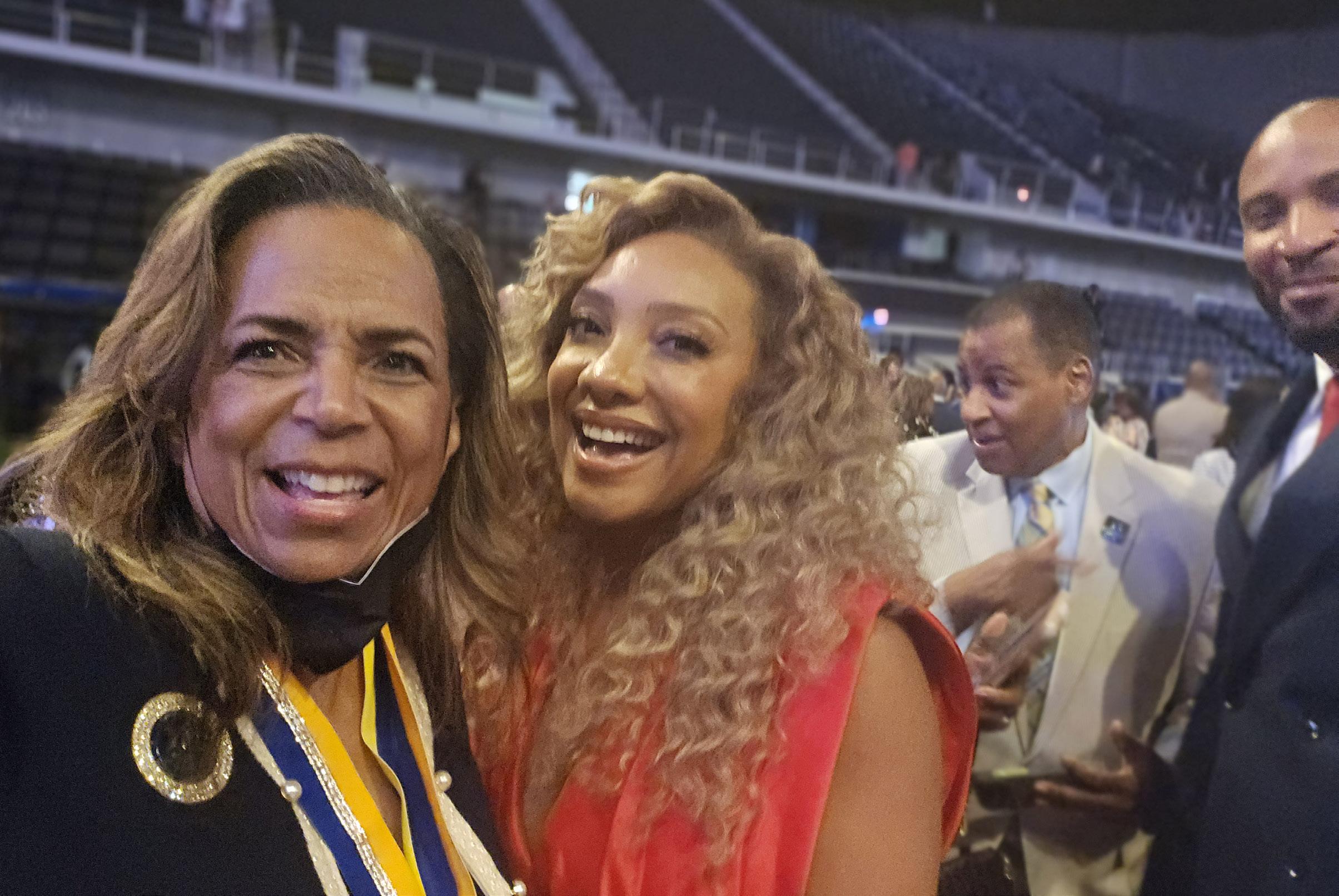
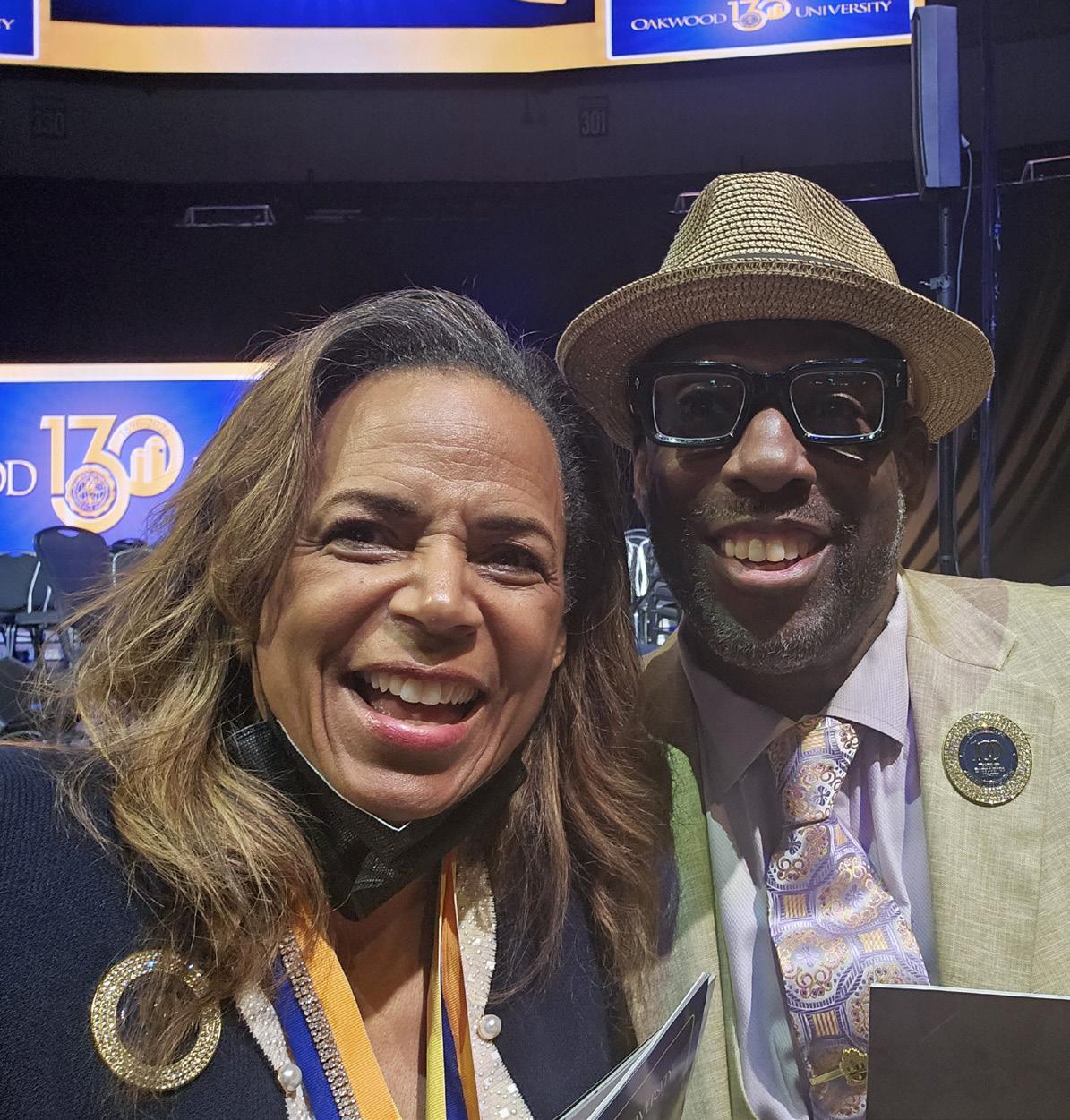
As we celebrated our Centennial Alumni Weekend (April 3-5, 2026), we were truly blessed to experience the extraordinary talents of our alumni during the Friday Night Alumni Concert, a powerful reminder of the gifts God has given our alumni family.
During the Alumni Sabbath Luncheon, we took time to honor and celebrate our own: acclaimed actor Clifton Davis; the legacy of the late Dr. Donald Bedney and family; and the enduring impact of the late Dr. William Coopwood and family. We were also inspired by a meaningful message from Dr. Michael Smith and proudly gave recognition to BAMDA by Dr. Edward Pelote.
Together, these moments reflect the
strength, excellence, and legacy that defines the Original Oaks Alumni Association.
Here’s to 100 years of purpose, progress, and pride, and to the generations still to come. t
Dr. Cynthia Powell-Hicks has served as the OOAA president from 2015 until the present, and has also worked as a member of the Oakwood University Board of Trustees. She is a certified Mental Health, Child and Relationship therapist, an expert Forensic Psychologist, TV personality, and retired CEO for nonprofit residential care facilities and nonpublic educational centers.
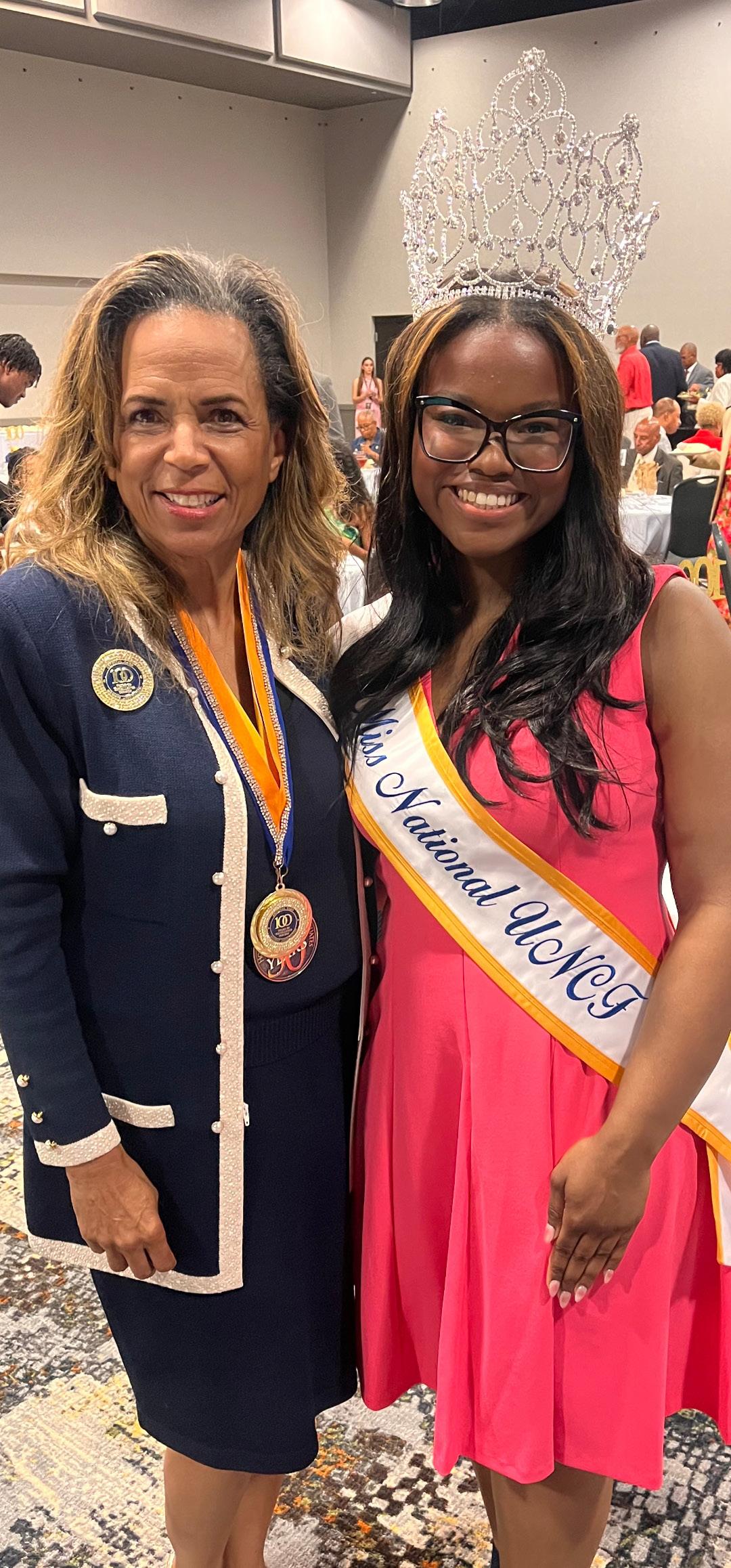
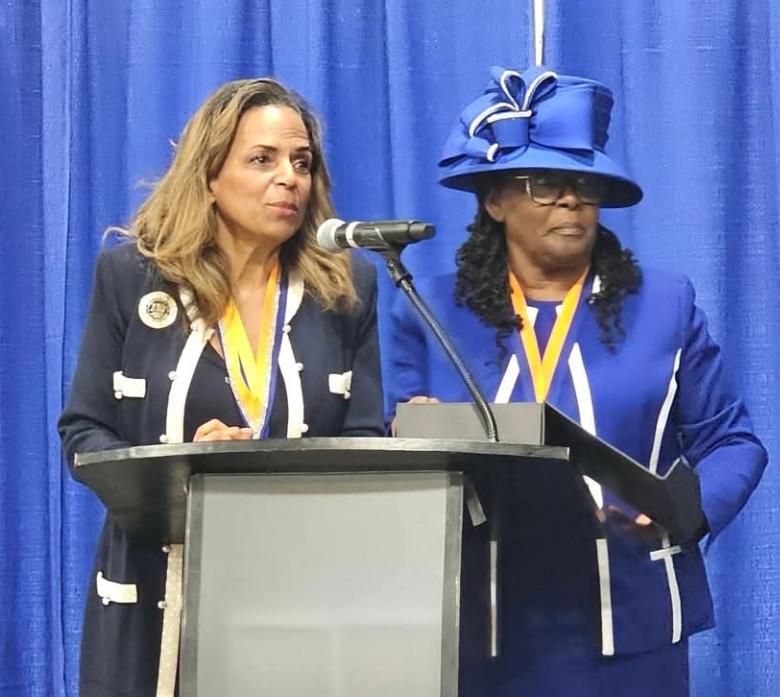
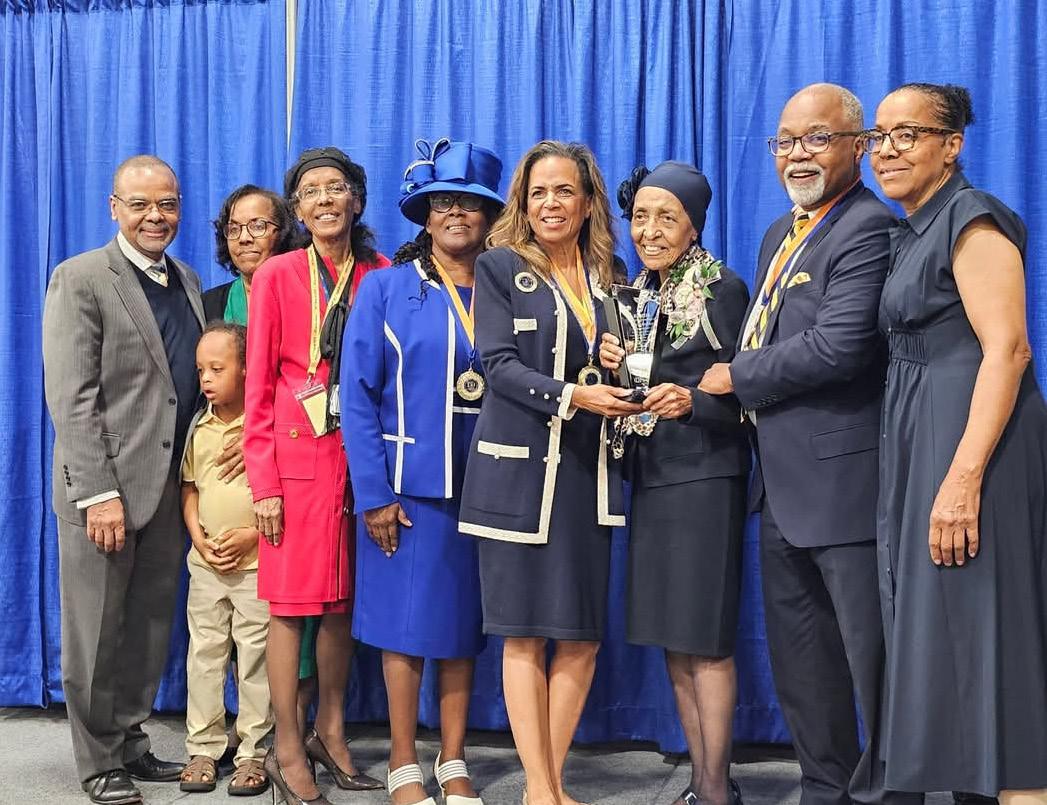
Presentations, well-deserved Honors, and warm Fellowship.

BY SCHARI FONTUS
There is a passage of Scripture taught by Jesus in Luke 16:10, that has quietly guided the work of the Central States Conference Education Department: “Whoever can be trusted with very little can also be trusted with much.” We are a small department. We oversee one school, V. Lindsay Seventh-day Adventist School in Kansas City, Kansas, a PreK– 8 community of 18 students and three dedicated teachers. And yet, we have come to believe that our size is not a limitation. It is simply the canvas God gave us to work with.
IN THE SPRING OF 2025, OUR EDUCATION
BEGAN ASKING A QUESTION WE COULD NOT SHAKE: WHAT IF OUR TEACHERS DID NOT HAVE TO CARRY EVERYTHING ALONE?
We are humbled and grateful to share that on April 16, 2026, V. Lindsay Seventh-day Adventist School was awarded the STEM.org Accredited™ Educational Program designation, achieving the organization’s highest accreditation tier with a score of 95%. This recognition did not happen overnight. It is the fruit of a journey that began quietly about a year earlier, with a question, a willing team, and a whole lot of faith.
In the spring of 2025, our Education Department began asking a question we could not shake: what if our teachers did not have to carry everything alone? Like many small, multigrade schools, our teachers were always asked to teach every subject across every grade level each day. We were grateful for their dedication, deeply so, but we also knew that no one truly thrives when they are stretched that thin. We wanted something better for them, and ultimately, for our students.
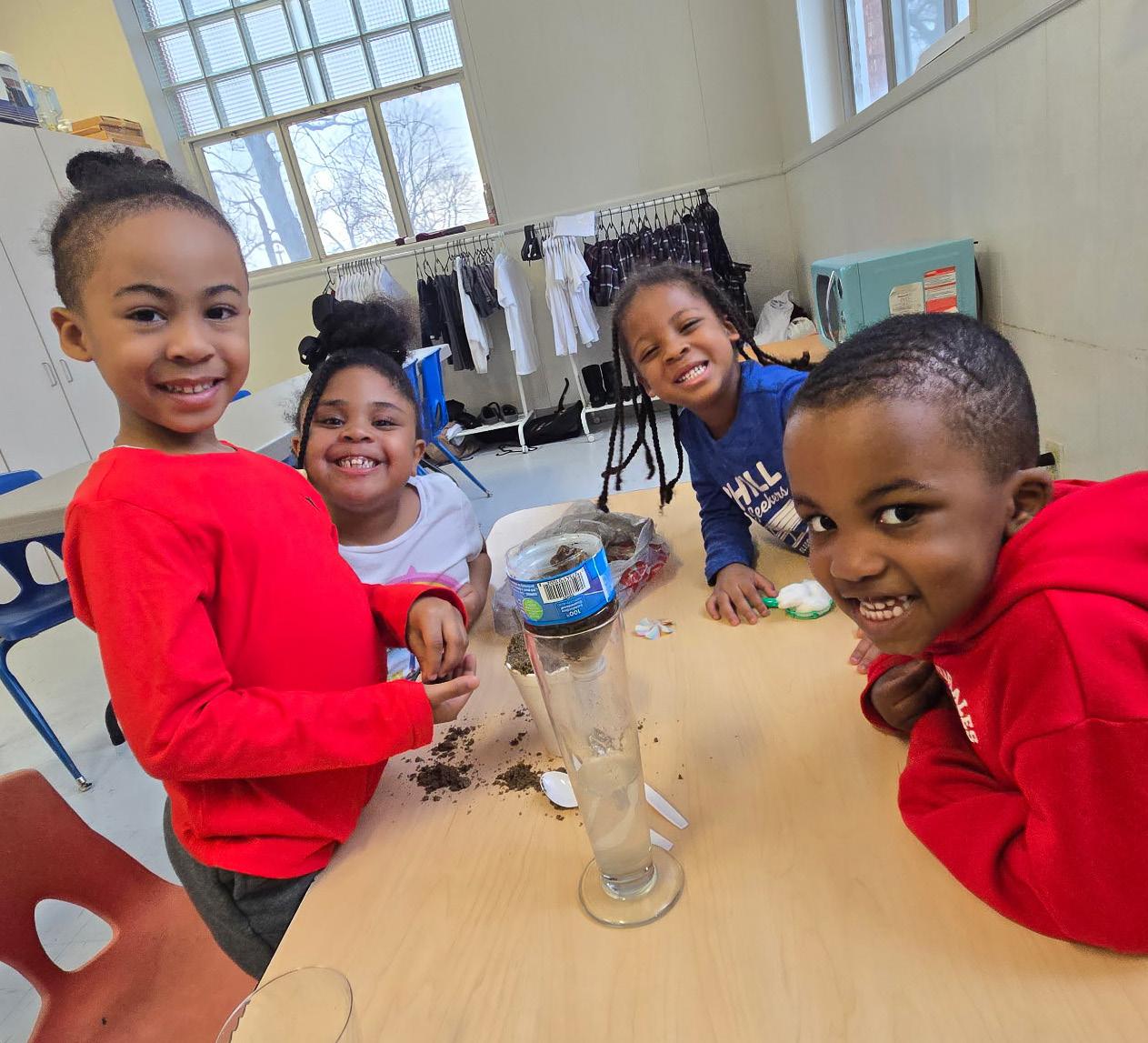
We felt led to try something different, what we now call a strength-based subject specialization model. The idea was simple: let each teacher focus on the subjects God gifted them to teach and bring that expertise to every grade level. Rather than one teacher managing everything in one room, our teachers began traveling between classrooms. They went to the students so that every child could receive concentrated, dedicated instruction in each subject area: math, ELA, reading, science, social studies, and Bible. For the first time, every student from pre-K through eighth grade had access to the same rich, full curriculum, taught by someone who genuinely loved the subject matter they were teaching.
We launched a six-week pilot in the spring of 2025. We will be honest. We hoped it would work, but we were not fully prepared for how quickly it would. Within those six weeks, schoolwide MAP Growth scores increased by more than 30% in both math and reading. Our teachers were energized. Our students were engaged. One eighth grader who had been with us since kindergarten told our principal, “I’ve never seen my scores jump like this before.”
We thanked God and kept going.
The 2025–2026 school year became the first full year of implementation, and what we witnessed exceeded our hopes in almost every way. Student growth has been consistent across every grade level and every subject area. The model has brought steadiness and joy to our building that is difficult to
put into words. But perhaps the most unexpected blessing of this school year has come from our youngest learners. We were not sure how our kindergartners would respond to subject-specific instruction. For our youngest learners, we were especially intentional. Teachers always came to them, ensuring their environment stayed familiar and secure. What happened next surprised everyone. Our kindergartners embraced the structure wholeheartedly. They rose to meet each subject with enthusiasm and focus that we did not anticipate. By the end of the year, we had kindergartners performing at first-grade level in math. We had kindergartners reading independently and demonstrating strong science knowledge, content we might once have reserved for older grades. It reminded us of something we had perhaps forgotten: children will rise to the level of the expectation set before them. When we give our youngest students concentrated, quality instruction and believe they can handle it, they show us that they can.
The Space That Made It All Come Together
Around the same time, God opened a
door we had been praying about. Through the blessing of a VersaCare K-12 grant and a partnership with the Central States Conference, our Education Department was able to bring a long-held vision to life, renovating and launching a fully equipped STREAM Lab and a refreshed library. These were spaces designed to inspire curiosity, support hands-on learning, and send a clear message to every child who walked through the doors—you are worth this.
On March 25, 2026, we were blessed to celebrate the ribbon-cutting ceremony for these new spaces, joined by Elder Cryston Josiah, president of the Central States Conference. The moment was featured as Breaking News in Outlook Magazine, a wonderful encouragement to our small but dedicated team. The STREAM Lab became a natural extension of our specialization model, a place where science, technology, reading, engineering, arts, and math come together in the kind of hands-on, integrated learning our students now expect and love.
The Central States Conference Education Department shares this journey
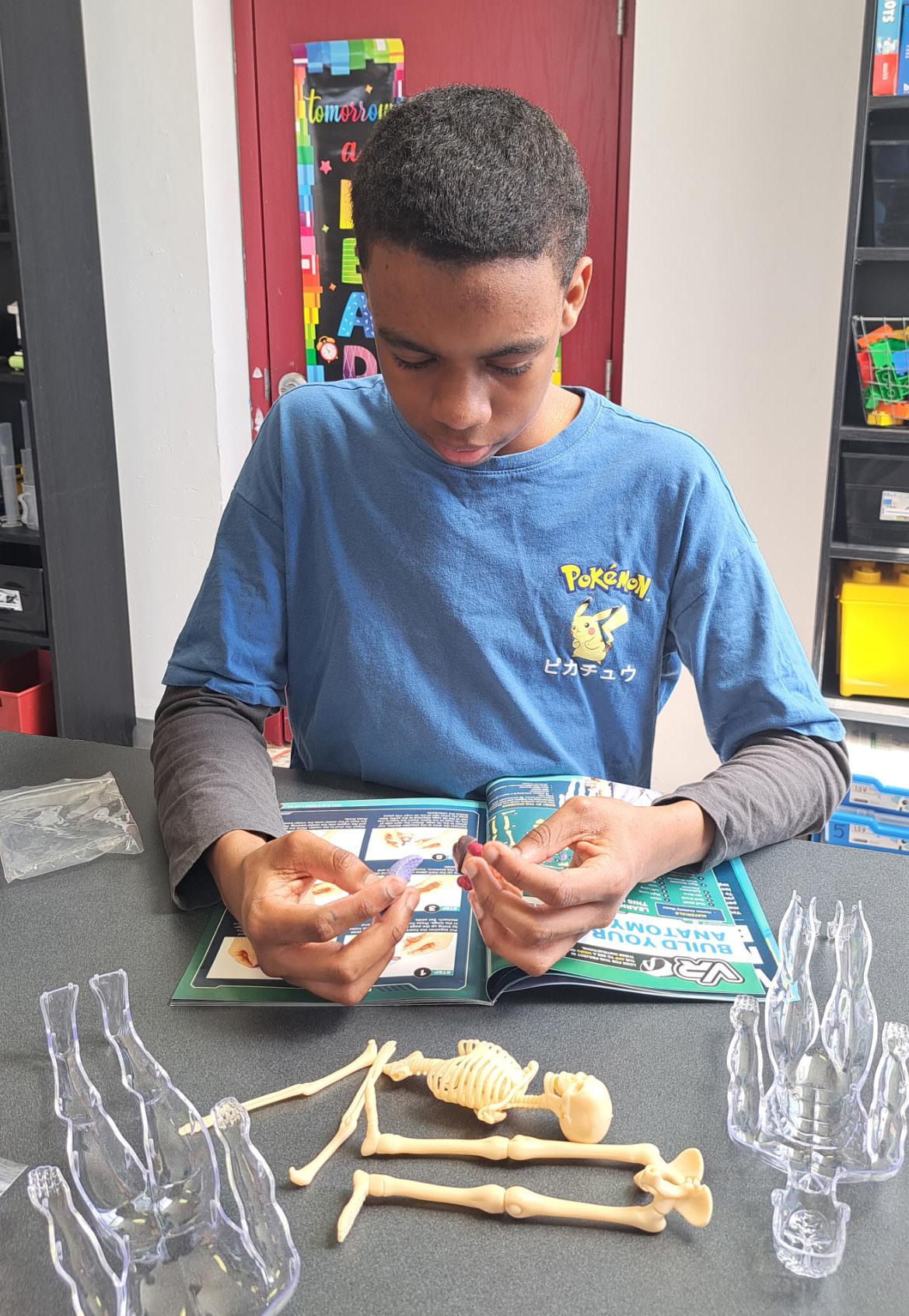
with deep gratitude, not to draw attention to ourselves, but because we genuinely believe this story belongs to anyone willing to hear it. Our teachers are calmer, more collaborative, and more fulfilled. Our families are encouraged. Our students, from kindergarten through eighth grade, are growing in ways that continue to move us.
If there are families searching for a small school setting where every child is truly known, genuinely loved, and academically challenged at every level, we want you to know that place exists. It does not have to be large to be excellent. And to our fellow Adventist educators: we hope this encourages you. Whatever size your school, whatever your resources, God is still in the business of doing extraordinary things through ordinary faithfulness. t

Schari Fontus, Ed.D. Candidate, is Superintendent of Education for the Central States Conference of Seventh-day Adventists.
BY DEIRDRE GARNETT
More than 80 years ago, a dream was born in the Lake Region Conference territory. As the Adventist message took root and congregations were established, early leaders and members understood that proclaiming the gospel must be accompanied by intentional education. Churches and schools were planted together, ensuring that Adventist Christian education would be accessible to the children and families of what became the first regional conference in the North American Division.
That foundational vision continues to guide the mission of the Lake Region Conference today. Anchored in faith, strengthened by community, and shaped by a commitment to whole-person development, Adventist education remains a central ministry of the church across the Conference.
Located in the heart of the Midwest, the Lake Region Conference encompasses large urban and suburban centers, including the Chicagoland area, Detroit, the Motor City, and the home of the Indianapolis 500. Within these diverse and vibrant communities, conference schools serve as more than places of academic in-
struction; they serve as centers of discipleship, outreach, and community connection.
Throughout this school year, conference educators have intentionally designed learning experiences that broaden students’ understanding of the world, cultivate curiosity, and nurture faith. These efforts reflect the enduring belief that education should prepare students not only for academic success, but also for lives of purpose, service, and spiritual commitment.
One of the most significant highlights of the year took place at Chicago SDA Christian School, where 14 students made the heartfelt decision to be baptized. As each student waited in anticipation to take this important step, teachers, parents, family members, and church members shared in the sacred joy of witnessing young lives publicly committed to Christ.
Moments like these powerfully underscore the purpose of Adventist education. Beyond test scores and report cards, conference schools intentionally create environments where students can encounter Jesus, ask meaningful questions about faith, and respond to God’s call in their lives.
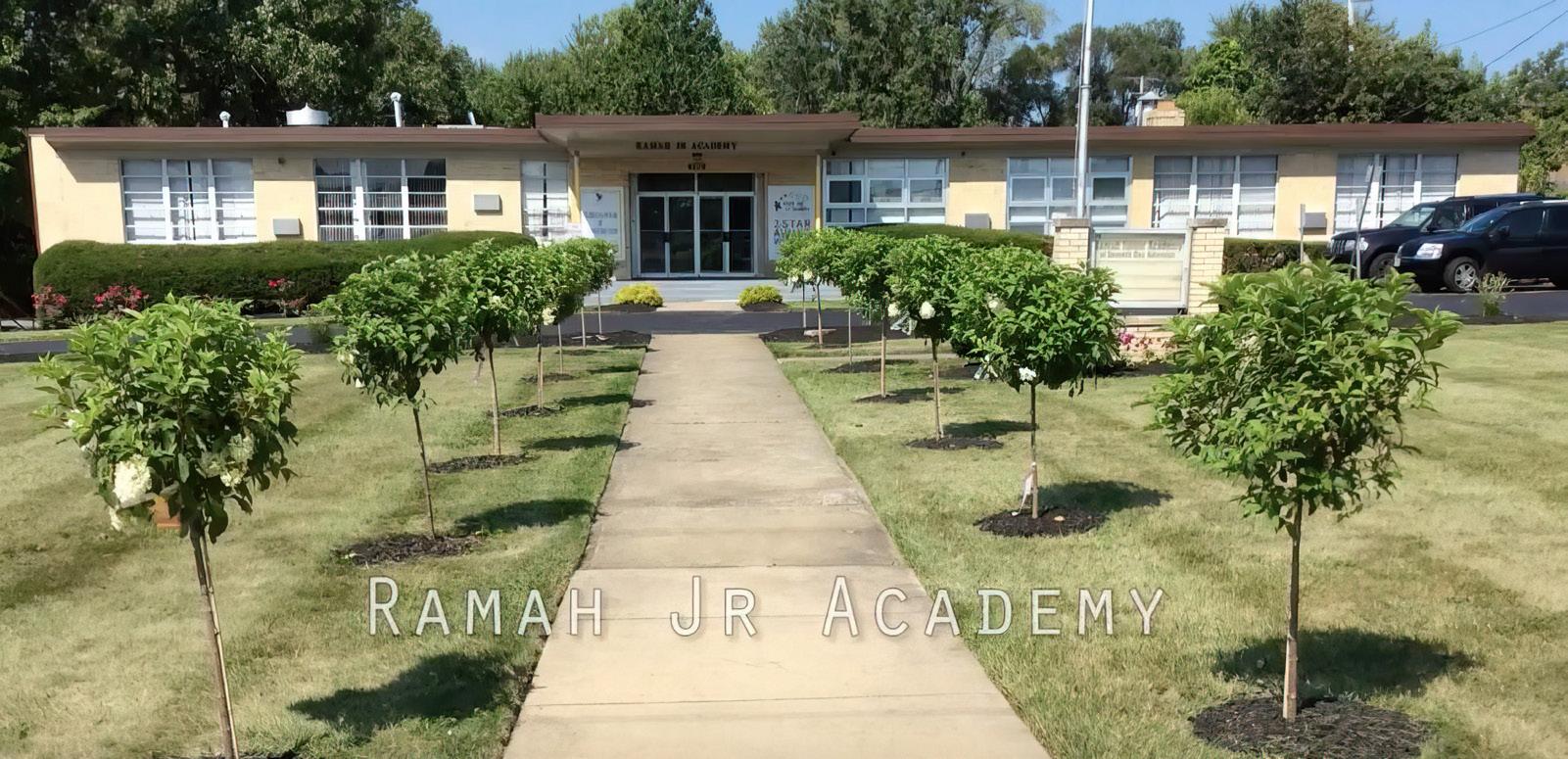
THROUGHOUT THIS SCHOOL YEAR, CONFERENCE EDUCATORS HAVE INTENTIONALLY DESIGNED LEARNING EXPERIENCES THAT BROADEN STUDENTS’ UNDERSTANDING OF THE WORLD, CULTIVATE CURIOSITY, AND NURTURE FAITH.
As the school year progressed, students across the Lake Region Conference participated in a wide array of enriching experiences. Project-based learning initiatives, science fairs, cultural celebrations, educational field trips, and mission-centered activities provided opportunities for hands-on engagement and deeper understanding. These experiences carefully aligned with academic standards while reinforcing collaboration, creativity, and critical thinking through a Christ-centered lens.
At the Flint Fairhaven School, innovation and ministry converged through the work of the Faitheletes, a group of students who created their own podcast for use during children’s story time when visiting area churches. This platform allows students to share faith messages in dynamic and accessible ways while building confidence, public speaking skills, and leadership capacity. Through these experiences, students grow academically while also developing spiritually and socially, embodying the whole-person model of Adventist education.
High-quality education depends on well-prepared, supported educators. Professional development remains a critical priority within the Lake Region Conference, as it directly impacts instructional quality, student engagement, and overall school effectiveness. Continuous professional learning fosters growth, strengthens collaboration, and equips teachers to respond to the diverse needs of today’s learners.
Conference educators engaged in targeted training across several research-based frameworks and systems. These include NWEA MAP (Measures of Academic Progress), which supports data-informed instructional practices; Marzano’s High Reliability Schools framework, emphasizing consistency and excellence; the Danielson Framework for Teaching, which establishes shared expectations for effective instruction; and PBIS (Positive Behavior Interventions and Supports), which promotes positive school culture and student well-being. Together, these initiatives reflect a unified commitment to educational excellence grounded in Adventist values.
In support of instructional innovation, the Lake Region Conference successfully coordinated a conference-wide fundraising effort resulting in the installation of interactive Smartboards in every classroom. This accomplishment represents a significant investment in equity and opportunity, particularly for smaller schools that may otherwise lack access to advanced instructional technology. The Smartboards enable synchronous learning, allowing students and teachers to interact in real time through live vir-
tual platforms. These tools enhance engagement, foster collaboration, and expand instructional possibilities, helping conference schools cultivate 21st-century learning environments while remaining mission-focused.
The Lake Region Conference has also made strategic use of grant funding to strengthen both schools and surrounding communities. Through collaboration with Charde Hollins, founder of Relevant Connections, LLC, and There’s a Grant for That, LLC, conference leaders and educators secured funding that supports innovative programming and long-term sustainability.
At Peterson-Warren Academy in Inkster, Michigan, Out-of-School-Time (OST) grant funding enabled the expansion of after-school and summer programming. These initiatives serve students and families from both the school and the broader community, creating additional opportunities for learning, enrichment, and relationship building beyond the traditional school day.
The conference also received the Thriving Congregations grant through the Eli Lilly Foundation, which supports collaboration between churches and schools as they develop research-based ministries responsive to community needs. This work advances an emerging vision of conference schools as community “hubs,” active not only during school hours but also as centers for evening and extended programming.
Recognizing the importance of mental and emotional health, the Lake Region Conference has partnered with School Counseltation through funding from

the VersaCare Foundation. This on-demand consultation model provides teachers with access to a virtual “Kid-Counselor,” equipping educators with professional support to address students’ social, emotional, and mental wellness needs. This initiative reinforces the conference’s commitment to educating the whole child — academically, spiritually, socially, and emotionally.
A Renewed Vision for the Future Building on this legacy and momentum, Dr. Abraham Henry, the newly appointed president of the Lake Region Conference, has articulated a clear vision that places Adventist Christian education as a priority of his administration. He affirms education as a vital ministry of the church and one of the most effective ways to disciple the next generation.
Dr. Henry is calling churches, pastors, and members to move beyond a mindset of simply supporting conference schools toward one of shared ownership. In this vision, schools are embraced as collective mission fields integral to the life and witness of the church rather than separate institutions. This shift invites every member and congregation to see Adventist education as an investment in spiritual formation, service-minded leadership, and the long-term strength of the church. Church and School- Partners in Ministry! t
Deirdre Garnett, MAT, M. EL , is Superintendent of Education for the Lake Region Conference of Seventh-day Adventists.
BY DR. SHERINA PHILLIPS
The Northeastern Conference (NEC) Office of Education continues to stand as a beacon of opportunity, excellence, and mission-driven purpose, ensuring that every student entrusted to our schools is given the tools, environment, and support needed to thrive. Across our campuses, there is a powerful story unfolding, one marked by increased access through income-based scholarships, meaningful campus renovations, strengthened pastoral partnership, alignment with broader educational frameworks, and a steadfast commitment to strong academic outcomes. Together, these efforts reflect not just progress, but intentional transformation.
One of the most impactful blessings within NEC education is the development, implementation, and expansion ofincome-based scholarships. Over the past three years alone, more than $3 million has been awarded in scholarships—an extraordinary investment that has opened doors for families who may have once viewed Adventist education as out of reach. It has also played a pivotal role in stabilizing enrollment and reversing the enrollment decline that had been the trend across our schools. By aligning tuition support with financial need, NEC is affirming a core belief: that Christ-centered education should be accessible, equitable, and inclusive. As a result, more families are choosing Adventist education, classrooms are filling, and campuses are experiencing renewed vibrancy and life.
These scholarships are more than financial assistance; they are investments in potential, in purpose, and in the eternal trajectory of our students. Families are now able to choose an environment where faith and learning are seamlessly integrated, and where their children are nurtured academically, socially, and spiritually. The ripple effects are profound. Classrooms are becoming more diverse, not only culturally but economically, enriching the learning experience for all students. Students who may not have otherwise had access are now walking through our doors, discovering their God-given gifts, and
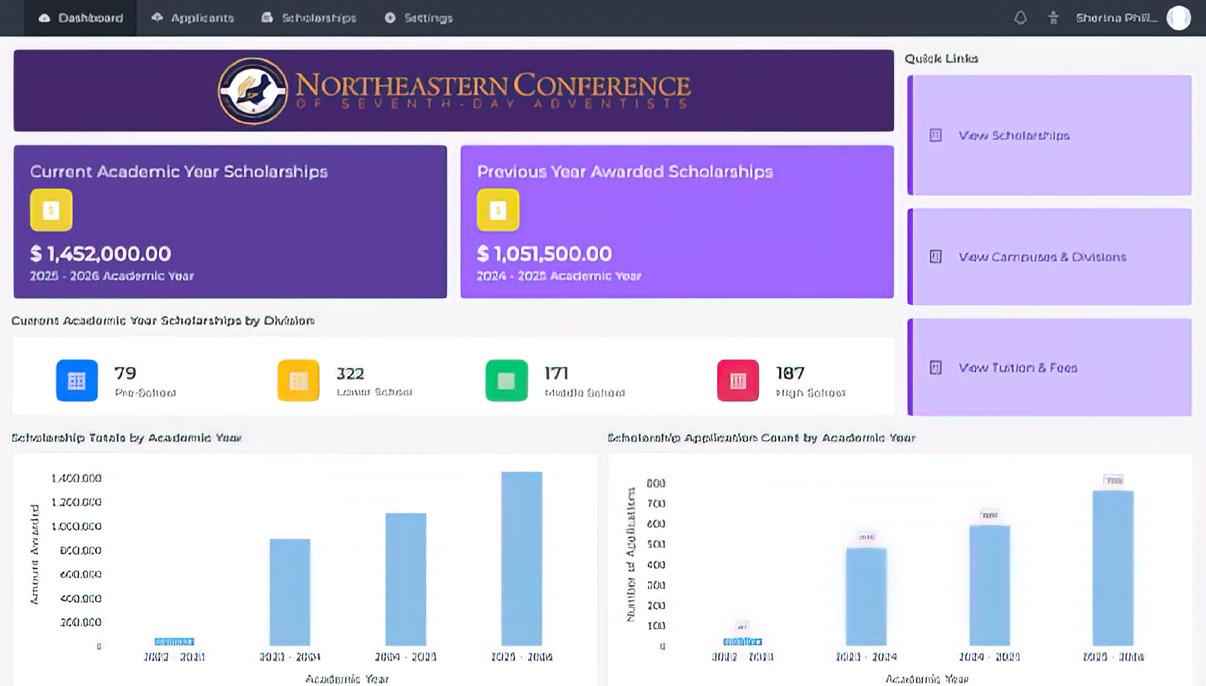
being equipped to serve both church and community. This is mission in action.
In tandem with expanding access, NEC has made significant strides in improving the physical environments in which students learn. Renovations across multiple campuses are transforming our schools into modern, inviting, and functional spaces that reflect the excellence we seek to cultivate. These upgrades have been made possible in large part through the faithful support of our church community, particularly through the 2.5% education funding policy. Through this model, churches contribute 2.5% of their combined budgets directly to education, creating a sustainable and mission-aligned stream of support for ongoing campus improvements. This collective investment is a powerful testament to the shared belief that education is a ministry worth funding and sustaining. From upgraded classrooms and enhanced technology infrastructure to refreshed common areas and improved safety features, these renovations signal to students, staff, and families that they are valued. Learning environments matter. Research consistently shows that well-maintained, thoughtfully designed spaces positively impact student engagement, teacher effectiveness, and overall school culture. NEC’s commitment to campus improvement is not merely cosmetic—it is
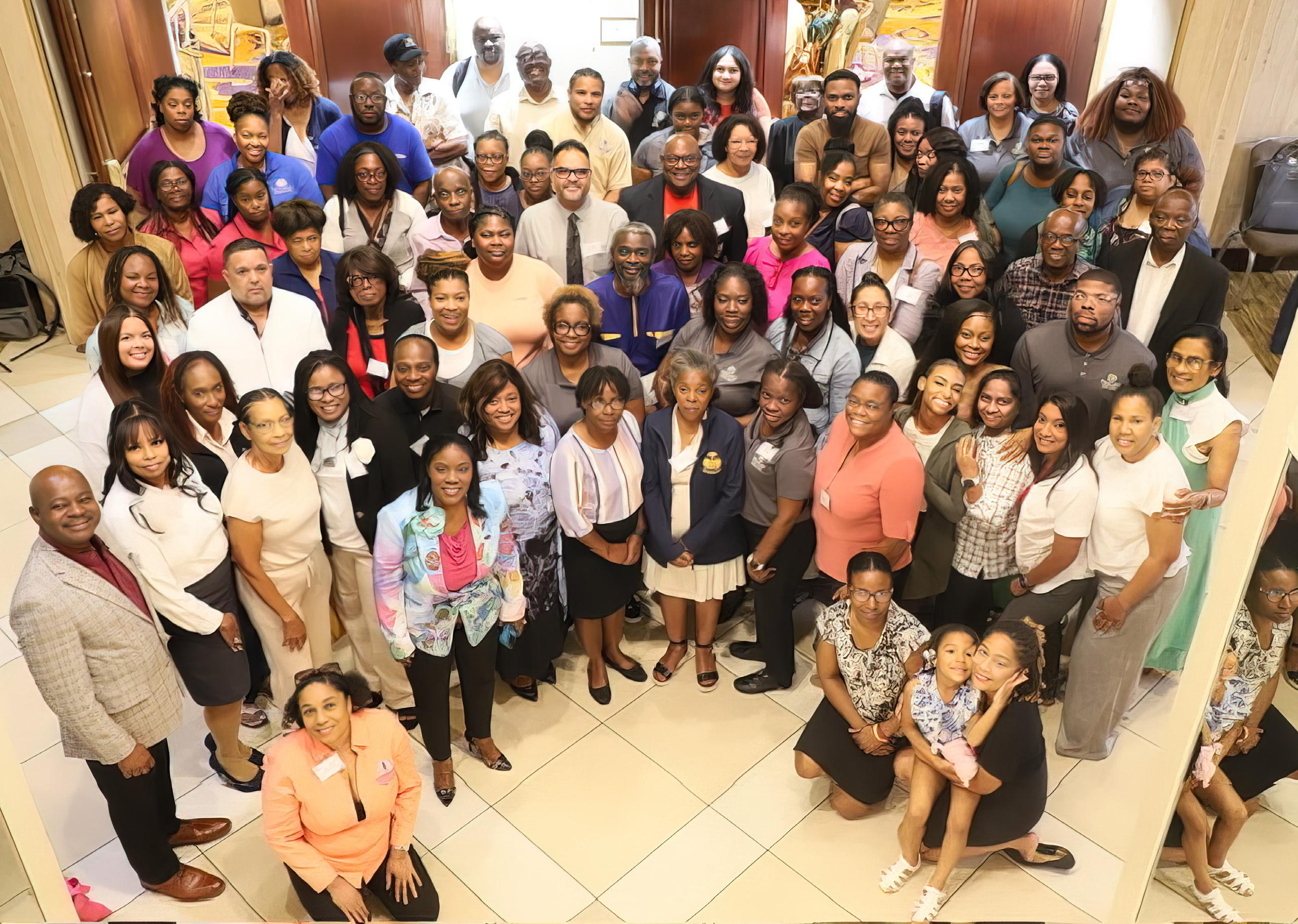
strategic, supporting 21st-century learning and creating spaces where innovation and creativity can flourish. In addition to these advancements, NEC has made significant progress in strengthening the financial health of its schools. Over the past four years, the number of schools carrying debt to the conference has been notably reduced— an important step toward long-term sustainability and stability. For schools that are no longer indebted, NEC has further demonstrated its commitment by covering essential operational costs such as utilities and insurance. Standalone school facilities receive 100% coverage, while schools that share space with a church benefit from 50% support.
This intentional investment has significantly eased the financial constraints on individual campuses, allowing school leaders to redirect resources toward instruction, student support, and program enhancement. Ultimately, this level of support reinforces NEC’s dedication to not only maintaining its schools, but empowering them to thrive.
Another significant shift strengthening NEC education is the move from each school being supported by a single constituent church to a model in which all churches serve as constituent supporters of all schools. This transition has broadened the base of support and reinforced the understanding that Adventist education is a collective responsibility
across the conference. By sharing ownership, our churches are now more deeply invested in the success of every campus, creating a unified front that bolsters sustainability, resources, and long-term growth.
This spirit of shared responsibility is further reflected in the increased pastoral support being seen across NEC schools. Pastors are stepping in with a renewed sense of partnership and actively engaging in the life of our campuses in meaningful and practical ways. From leading Week of Prayer experiences that spiritually uplift entire school communities, to serving as substitute teachers, counselors, and even stepping into teaching roles when needs arise, their
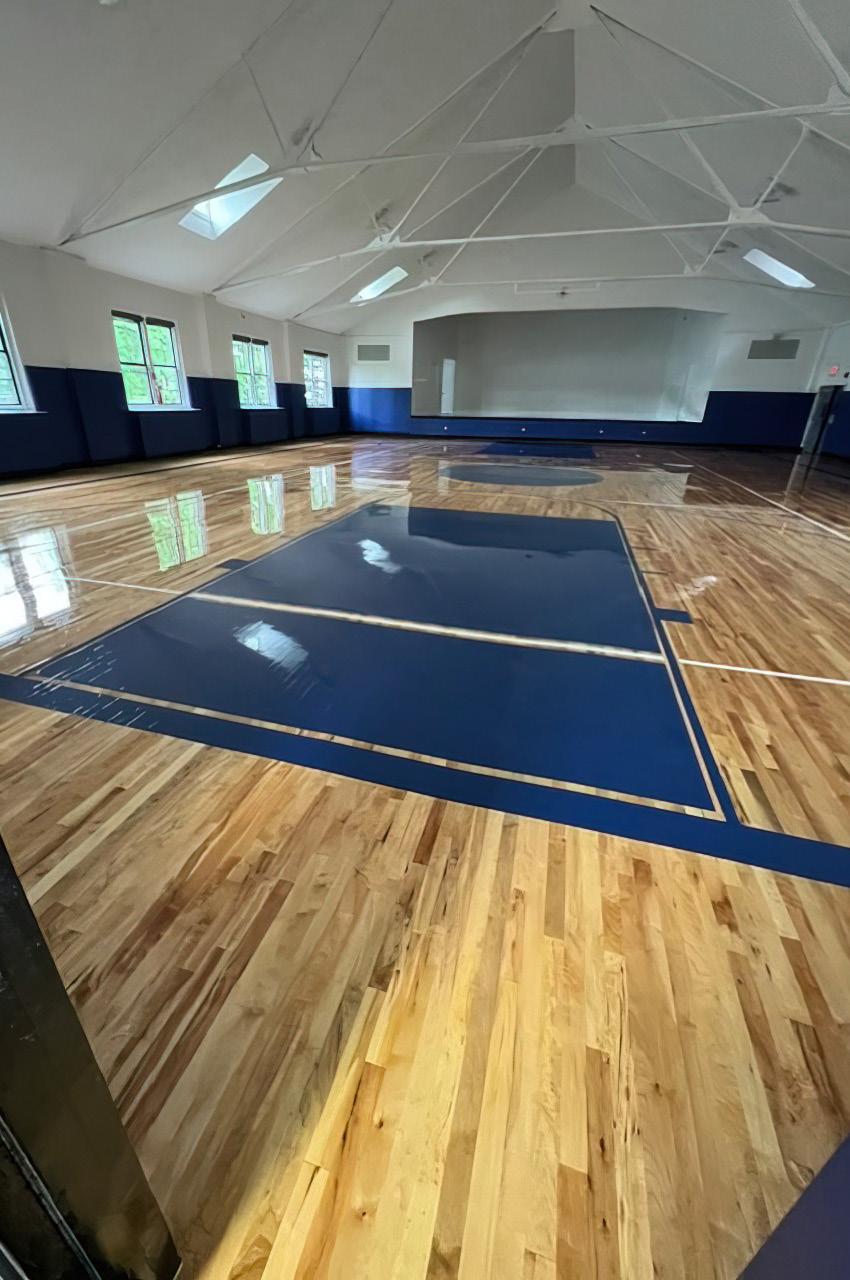


presence is both impactful and inspiring. This level of involvement strengthens the connection between church and school, ensuring that students experience a consistent and living expression of faith.

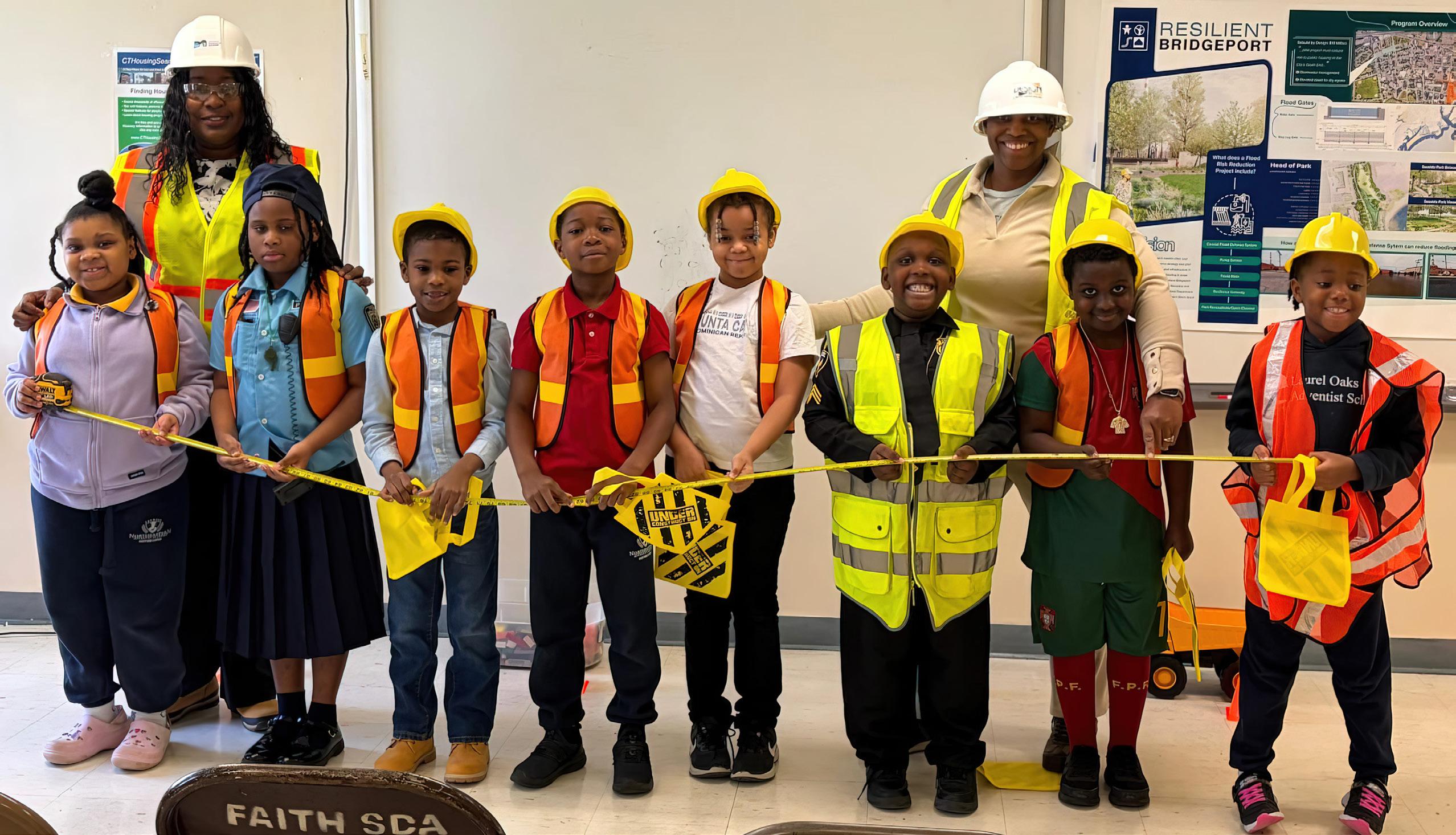
highly effective systems. This framework focuses on key areas such as safe and supportive environments, effective teaching in every classroom, guaranteed and viable curriculum, and competency-based education. By beginning this process, NEC is positioning its schools to operate with greater consistency, accountability, and excellence across all campuses.
Bible study, and service woven into the fabric of each school day. Leadership development is fostered through student government, clubs, and service initiatives, helping students to grow into confident, compassionate leaders. The integration of technology, inquiry-based learning, and innovative practices ensures that students are prepared not just for today, but for the future.
ening of church-school relationships, the increased pastoral involvement, and the ongoing commitment to strong academics and instructional alignment—it becomes clear that NEC education is not standing still. It is moving forward with purpose, unity, and vision.
In support of this work, NEC has also come alongside its schools to help fund student assessments and expand access to additional educational software. This has reduced financial burdens on individual schools, while ensuring that both
At the heart of NEC education remains a strong and unwavering commitment to academic excellence. Our schools continue to demonstrate growth and achievement through data-informed instruction, intentional curriculum alignment, and the integration of effective educational tools.
teachers and students are equipped with the resources needed for success. With the use of platforms such as NWEA MAP Growth and IXL, educators are able to tailor instruction to meet the individual needs of each student, ensuring that no learner is left behind and every learner is challenged appropriately. In alignment with the goals and direction of the North American Division and the Atlantic Union Conference, NEC is also taking intentional steps to strengthen instructional practice and school effectiveness through targeted professional development and systemic improvement models. Teachers across the conference are being trained in standards-based grading, a shift that emphasizes mastery, clarity of expectations, and meaningful feedback over traditional grading practices. This approach ensures that grades more accurately reflect what students know and are able to do, while also supporting deeper learning and academic growth.
Simultaneously, NEC is moving toward the initial phases of implementing the Marzano High Reliability Schools Framework, a research-based model designed to help schools build and sustain
This alignment with Division and Union priorities ensures that NEC schools are not operating in isolation, but are part of a larger, cohesive movement toward educational excellence within Adventist education. It also reinforces a commitment to continuous improvement, equipping educators with the tools, strategies, and frameworks necessary to meet the evolving needs of today’s learners.
Beyond academics, NEC schools remain deeply committed to holistic development. Spiritual life is central, with intentional opportunities for worship,
Equally important is the strong sense of community that defines NEC education. Parents, teachers, administrators, pastors, and church members work together in partnership, creating a support system that extends beyond the classroom. This collaborative spirit fosters trust, strengthens communication, and reinforces the shared mission of nurturing each child’s growth.
As we reflect on these collective efforts—the expansion of income-based scholarships, the reversal of enrollment decline, the faithful financial support through the 2.5% policy, the strength-
This is more than a story of improvement; it is a testimony of alignment, faith, and intentional investment in the next generation. NEC schools are positioning students not only for success in this world, but for a life anchored in Christ that prepares for eternity. And for that, we give thanks—for the blessings already realized and for the greater impact yet to come. t
is the Associate Superintendent in the Office of Education for the Northeastern Conference of Seventh-day Adventists.
BY KIM M. GAITER
Across the campuses of schools in the South Atlantic Conference of Seventh-day Adventists, something extraordinary is happening. Students are discovering purpose. Teachers are reigniting passion. Leaders are building stronger schools. Most importantly, young people are encountering Jesus Christ throughout the conference in classrooms, chapels, gymnasiums, science labs, and worship experiences.
MOST
From Georgia to the Carolinas, the South Atlantic Conference Office of Education (SACOE) continues to lead a thriving educational movement grounded in its mission: Equipping Educators. Empowering Students. Exalting Christ.
Currently serving 1,117 students enrolled in 16 schools and seven early learning centers, the South Atlantic Conference educational system remains deeply committed to the mission of training the God’s Army of Youth to stand strong. Supported by the conference administration and the Office of Education, the school year has been marked by increased enrollment, innovative programming, spiritual renewal, and strengthened partnerships between churches and schools.
Investing in educators has remained a major priority throughout the year. Teachers across the conference participate in the convention, workshops, and monthly Professional Learning Community (PLC) sessions. SACOE also hosted its Annual Education Leadership Summit, bringing together principals, pastors, treasurers, and school board chairs for collaboration, strategic planning, and leadership training. The summit strengthened school governance, financial accountability, and spiritual leadership, while reinforcing the partnership between church and school communities.
Recognizing the vital importance of early childhood education, the South Atlantic Conference has intensified and expanded ECE conference leadership with Assistant Superintendent Sharlene Thomas, organizing director training, SIS processes, and oversight across its early learning centers. These efforts are strengthening Christ-centered learning environments during the most formative years of a child’s development while creating a stronger pipeline into Adventist education. Through enhanced professional development, collaboration, and accountability, the conference continues to invest intentionally in its youngest and most impressionable learners.
One of the signature highlights of the year was the annual Festival Expo held at the beautiful River Oaks Campground. Students from across the conference demonstrated excellence in science, spelling, art, and oratory as families and supporters celebrated the gifts and talents being cultivated through Adventist education.
Students also experienced meaningful growth beyond the classroom through robotics competitions in Raleigh, North Carolina, and Orlando, Florida, as well as through annual athletic tournaments at Southwestern Adventist University in Keene, Texas. Outdoor School continued to be a transformative experience for middle-grade students, combining hands-on science, leadership development, teamwork, physical activity, and spiritual growth in a dynamic outdoor setting. Through mentorship, gender-based growth sessions, and morning and evening worship experiences, students were encouraged to deepen both character and faith. As a result of these intentional efforts, several students once again stepped forward in preparation for baptism. One middle-school student later shared that Outdoor School was the first time she truly understood
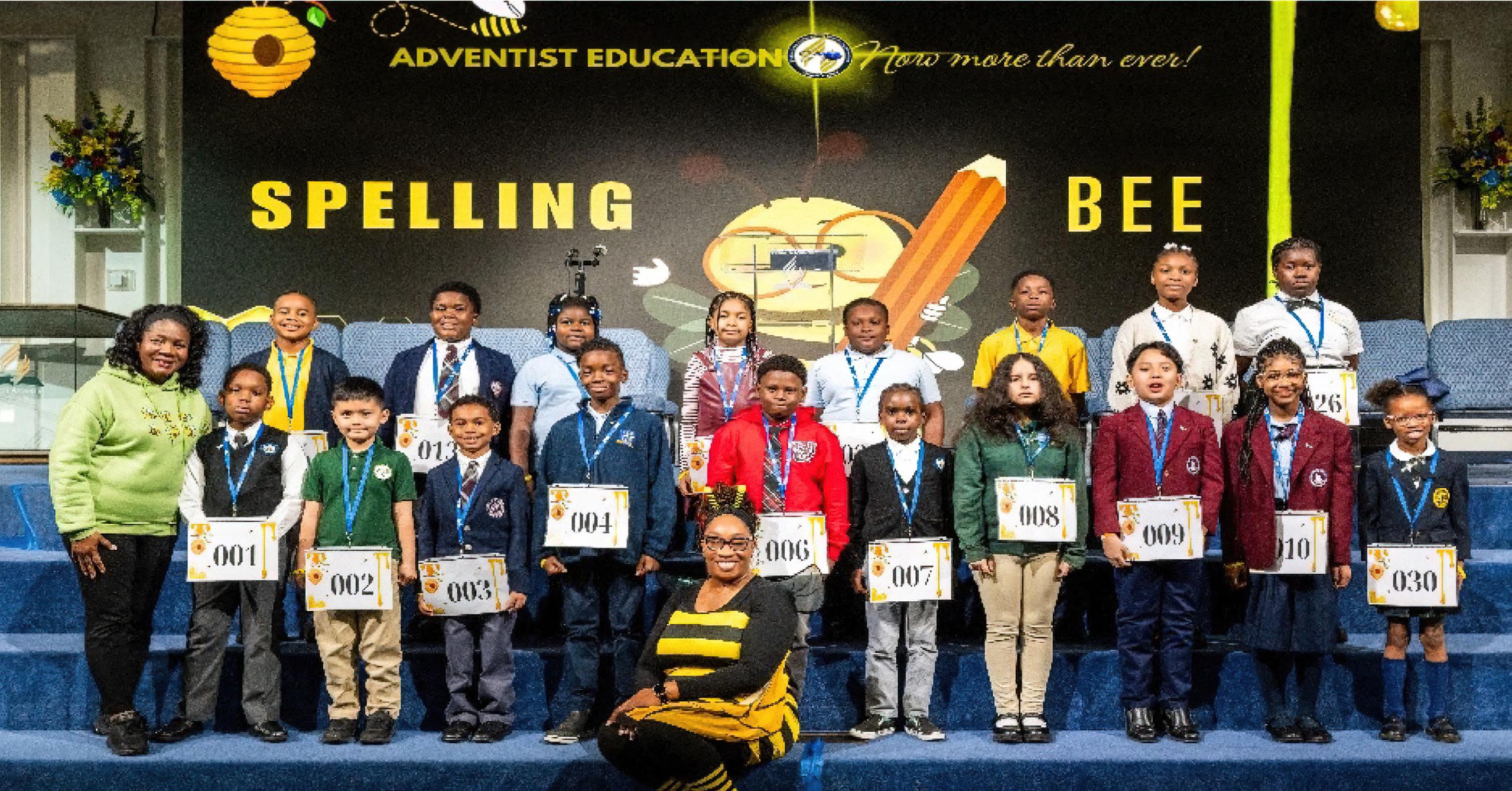
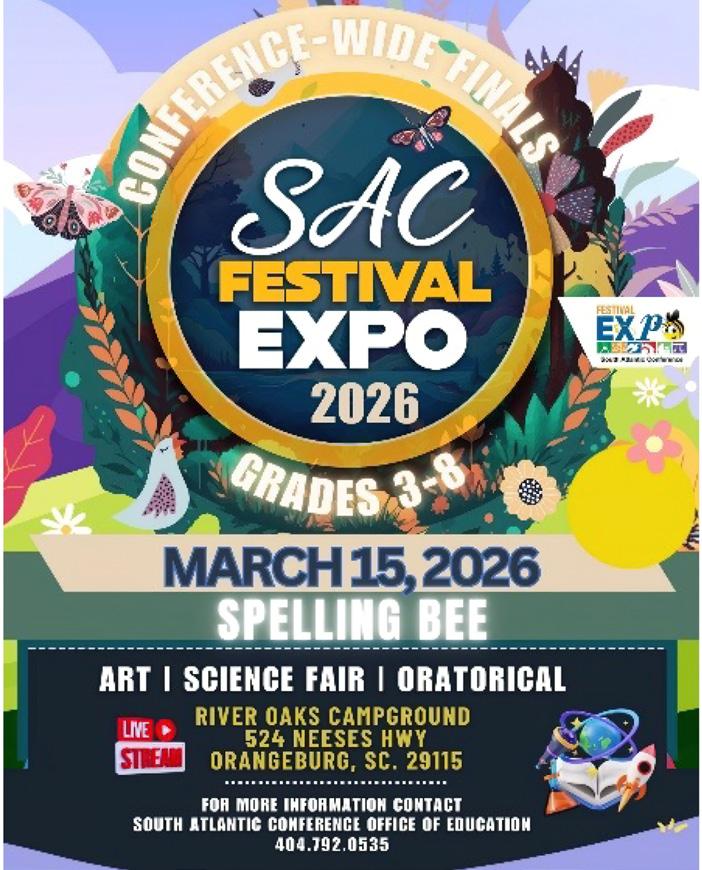
God’s purpose for her life while learning in the beauty of His creation. The conference was also blessed through significant grants from VersaCare! These funds helped secure conference-wide accessibility to professional school counselors and allowed students from the senior academy to attend Pure Reality at Camp Kulaqua in Florida. The camp session was a life-changing spiritual experience that challenged them to deepen their walk with Christ as peer ambassadors of hope for this generation of youth.
Exalting Christ Spiritual emphases remained central
throughout the school year. This year marked the seventh consecutive year of Finishing Strong: A Week of Spiritual Emphasis—a virtual, SAC-produced initiative that united schools across the North American Division through worship, Bible-centered messages, and prayer experiences designed to deepen students’ relationships with Jesus Christ. It was especially inspiring to hear testimonies from students across all grade levels, sharing stories of spiritual renewal, baptisms, and recommitments to Christ.
As the conference approaches its 80th anniversary celebration at this year’s camp meeting under the theme “Faithful: Then, Now, Always,” the SACOE prepares to highlight four schools with more than a century of continuous service during the Camp Meeting Education Hour. These are: Berean Christian Jr. Academy, Atlanta, Georgia; Berean Junior Academy, Charlotte, North Carolina; Ebenezer Junior Academy, Augusta, Georgia, and Ramah Junior Academy, Savannah, Georgia. The SACOE is also planning meaningful tributes that will highlight other schools and alumni
success stories. It will not only celebrate the past but will also cast a compelling vision for the future of Adventist education in the South Atlantic Conference Additionally, the conference continues to invest in the future through an active building project underway at Greater Fayetteville Adventist Academy in Fayetteville, North Carolina, where enrollment is approaching 100 students. According to one leader, the mission can be summarized this way: “As the challenges facing young people continue to intensify, the mission of Adventist education training the Army of Youth becomes even more essential.” Indeed, throughout the South Atlantic Conference, lives are being changed daily through schools committed to excellence in education and faith in Christ. t
Kim M. Gaiter, Ed.S., M. Ed., is the Superintendent/ Vice President for Education in the South Atlantic Conference of Seventh-day Adventists.
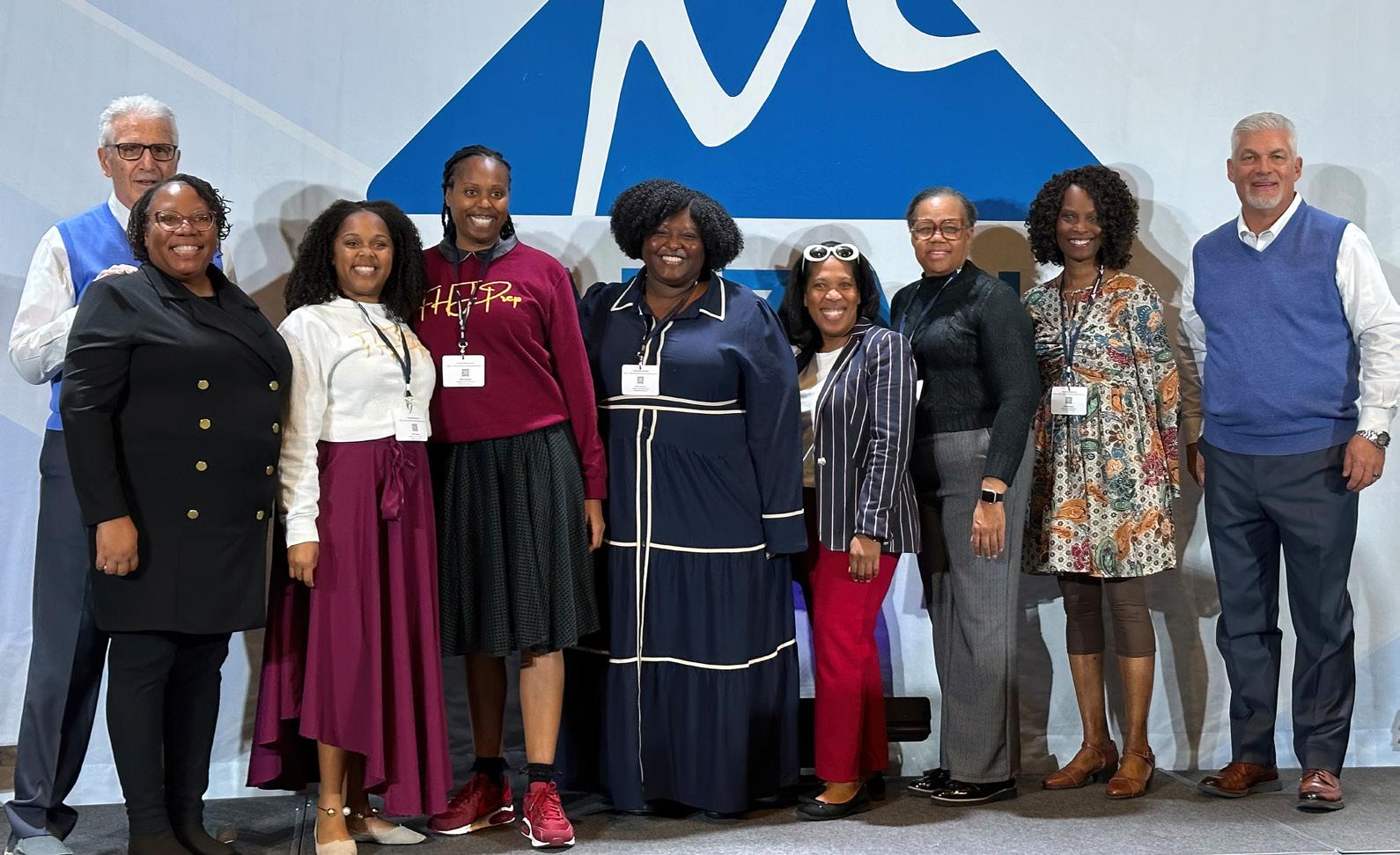
BY ANGELA WALTON
The 2025–2026 school year will long be remembered as a significant milestone for South Central Conference (SCC) schools, which serve students across Kentucky, Tennessee, Alabama, Mississippi, and the Florida Panhandle. Together, SCC schools supported by principals, teachers, school boards, pastors, families, students, and the South Central Conference Office of Education, have faithfully advanced and sustained the nine Driving Initiatives established in 2023 as a shared expression of mission and ministry.
This achievement represents far more than organizational success. It reflects the collective faith, collaboration, and commitment of an educational community deeply invested in the mission of Adventist education and the holistic development of every child. Guided by the unifying motto Christ, Character, Curriculum, SCC schools experienced meaningful growth spiritually, academically, and emotionally throughout the year.
Christ at the Center: United in Discipleship and Leadership
Christ-centered learning remained the foundation of SCC schools. A powerful example of this shared commitment was the launch of the South Central Ambassadors Program, introduced during the annual STEAM Camp in October. Of the 50 seventh-grade students representing SCC schools, more than 40 chose to serve as ambassadors leading worship, prayer, and service initiatives in their schools and local churches.By gathering students at the conference level, SCC schools provide opportunities for deeper relationships, shared faith experiences, and a broader understanding of God’s work beyond individual campuses.
This program is part of a conference-wide middle school faith formation pathway that intentionally brings students together across SCC schools each year through shared spiritual experiences:
• 6th Grade – Outdoor School: Students experienced the
theme “Soaked in the Spirit,” immersing themselves in God’s presence through nature and reflection.
CHRIST-CENTERED LEARNING REMAINED THE FOUNDATION OF SCC SCHOOLS.
• 7th Grade – STEAM Camp: Students explored “Rejoicing in the Overflow,” connecting faith with creativity, innovation, and God’s abundant design.
• 8th Grade – Mission Trip: Students lived out “In His Spirit: Empowered to Serve, Renewed to Go,” putting faith into action through meaningful service experiences.
Character in Action: Service, Social-Emotional Growth, and Belonging
A highlight of the year was the 8th Grade Mission Trip to Saint Croix (March 15–22), where 38 students and leaders from five SCC schools joined with a common purpose to serve as God’s hands and feet. Partnering with the North Caribbean Conference of Seventh-day Adventists, students served at the St. Croix Seventh-day Adventist School and at the St. Croix Educational Complex High School under the theme: “In His Spirit: Empowered to Serve, Renewed to Go.”
Students engaged in impactful service projects including landscaping a 15-foot school sign, refurbishing a basketball court, and creating a wall of affirmations to encourage students daily. These acts of service reflected compassion, teamwork, and excellence—values intentionally cultivated across SCC schools. Equally important was the SCC schools’ intentional focus on Social-Emotional Learning (SEL) throughout the year. Counseling services were made available to support students in areas such as: trauma-informed care; stress management; goal setting; improving social skills; self- advocacy; growth mindset development and coping strategies. These supports strengthened students’ emotional resilience, contributing to a positive school culture to help families feel supported and valued.
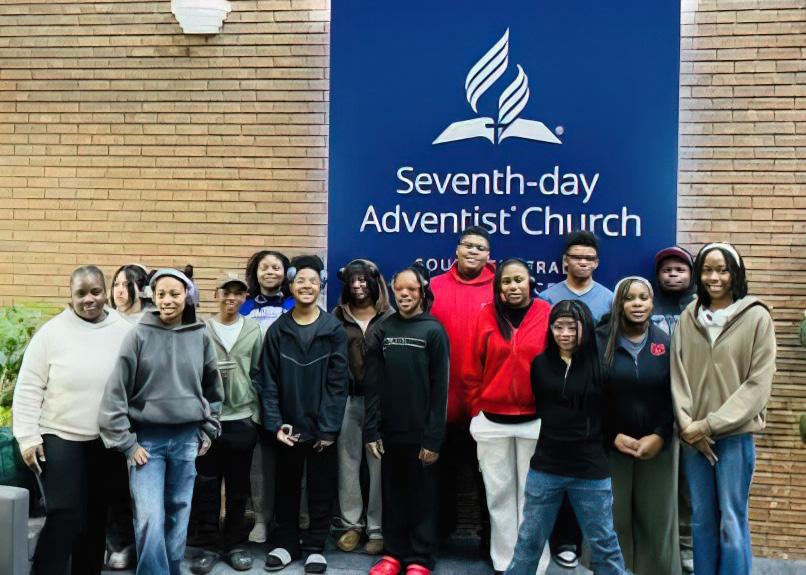
SCC Professional Learning Communities (PLCs) continued to serve as a unifying instructional strategy across SCC schools. Through intentional collaboration, both vertically and horizontally, teachers sharpened their focus on prioritized standards, formative assessments, and interim data to guide instruction. Grounded in collective inquiry and action-oriented planning, PLCs allowed educators to move beyond discussion into purposeful classroom implementation, strengthening instructional consistency and coherence across all seven schools.
The shared use of The New Art and Science of Teaching by Robert Marzano further aligned instruction. Teachers identified professional growth goals,
camp counselors for STEAM Camp.
• Southern Adventist University & Oakwood University—STEM professional development.
Financial stewardship and external support strengthened this work. SCC received approval for a $37,000 VersaCare Grant to continue expanding STEM opportunities for students. Over the past three years, more than $150,000 in grants and donations have been secured to support innovation and student-centered programming.
SCC schools also continued their collective journey toward High Reliability Schools (HRS) certification, prioritizing safe, supportive, and highly effective learning environments. Ongoing feedback from students, parents, teachers, and administrators, now formalized through structured surveys, has strengthened school culture and continuous improvement efforts. This work reached an important milestone as the F. H. Jenkins School became the first regional conference school to earn Level 1 High Reliability School certification, setting a standard of excellence and serving as a model for schools across the conference.
personalized strategies using real-time student data, and collaborated with colleagues across schools pursuing similar outcomes, fostering shared responsibility and instructional excellence.
This year also highlighted the power of partnership. SCC schools continued collaborating with sister conferences and higher education institutions to expand learning opportunities and resources for students and educators alike. Key partnerships included:
• Southern Union – Technology Pilot.
• SCC Principals Retreat & Georgia Cumberland Conference Teacher Convention.
• Oakwood University – Providing
The accomplishments of the 2025–2026 school year stands as a testament to what South Central Conference schools can achieve through faith-filled collaboration. When Christ is central, character is cultivated, and curriculum is strengthened through partnership and innovation, students thrive.
Together, SCC schools continue to build a legacy of Adventist education that nurtures minds, strengthens hearts, and prepares students for lives of service today and for eternity. t
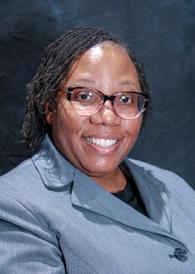
Angela Walton is the Education Superintendent for the South Central Conference of Seventh-day Adventists.
BY SANDRA FLETCHER
The Southeastern Conference Office of Education (SECOE) continues to move intentionally toward its five-year vision of sustaining a High Reliability School System (HRS). Since the launch of the 2022–2027 Strategic Plan, the Office of Education has worked diligently to reach each of its learning communities (10 Early Childhood Centers, 10 K-8, one Junior Academy and one Senior Academy) with a Christ-centered message of hope and wholeness while strengthening the people, programs, and properties that support Adventist Christian education.
One of the defining achievements during this reporting period has been the deliberate effort to create systemness among all Southeastern Conference schools. Through the implementation of Robert J. Marzano’s HRS framework, SECOE established a conference-wide model that fosters collaboration, consistency, and collective responsibility for school improvement. Conference-wide Professional Learning Communities (PLCs) were established, bringing educators together to study student achievement data, strengthen instructional delivery, and align educational expectations with the five levels of HRS: Safe and Collaborative Culture, Effective Teaching in Every Classroom, Guaranteed and Viable Curriculum, Standards-Referenced Reporting, and Competency-Based Education. During the 2024–2025 school year alone, educators met 10 times in specialized instructional cohorts (K–2, English Language Arts, Mathematics).
This focused investment in systemwide collaboration has positioned Southeastern Conference schools to pursue HRS certification, with the conference goal of at least five schools becoming certified within the strategic planning period.
While academic excellence remains a priority, the SECOE has not lost sight of its highest calling: leading children to Jesus Christ. Throughout this quinquennium, every school has been
spiritually anchored by the worship theme, “Following the Master Teacher.” Each year’s emphasis has drawn faculty, staff, and students deeper into the life and ministry of Christ.
ONE OF THE DEFINING ACHIEVEMENTS DURING THIS REPORTING PERIOD HAS BEEN THE DELIBERATE EFFORT TO CREATE SYSTEMNESS AMONG ALL SOUTHEASTERN CONFERENCE SCHOOLS.
These themes shaped monthly staff devotionals, weeks of prayer, daily student worship experiences, and leadership reflections. Teachers and administrators were challenged to model the Master Teacher by dedicating themselves to prayer, diligent Bible study, gratitude, humble service, relationship building, and discipleship.
SECOE also strengthened its evangelistic emphasis through a measurable baptismal initiative, challenging schools to baptize at least 10% of our student enrollment (about 1,300) per year in grades 3-12. We celebrate with gratitude the increasing number of student baptisms across our schools: from 32 in 2023–2024 to 45 in 2024–2025, and continuing to grow in 2025–2026. Pentecost 2025 saw 59 students and parents baptized. One student got baptized at a School Rally this year on April 18. In addition, students also engaged in witnessing by reading and distributing “The Great Controversy,” as part of the General Conference evangelistic outreach.
Strengthening Professional Practice and Leadership Development
The SECOE has made significant strides in developing educational leaders and classroom practitioners. Several platforms for ongoing collaboration and training were instituted, including:
• Monthly Principal and Vice-Principa l Platforms.
• Quarterly New Teachers’ Nest mentoring sessions.
• Rookie Principals and Superintendents Training.
• School Treasurers’ Training.
• School Boards’ Governance Workshops. Conference-wide professional gatherings also served as key
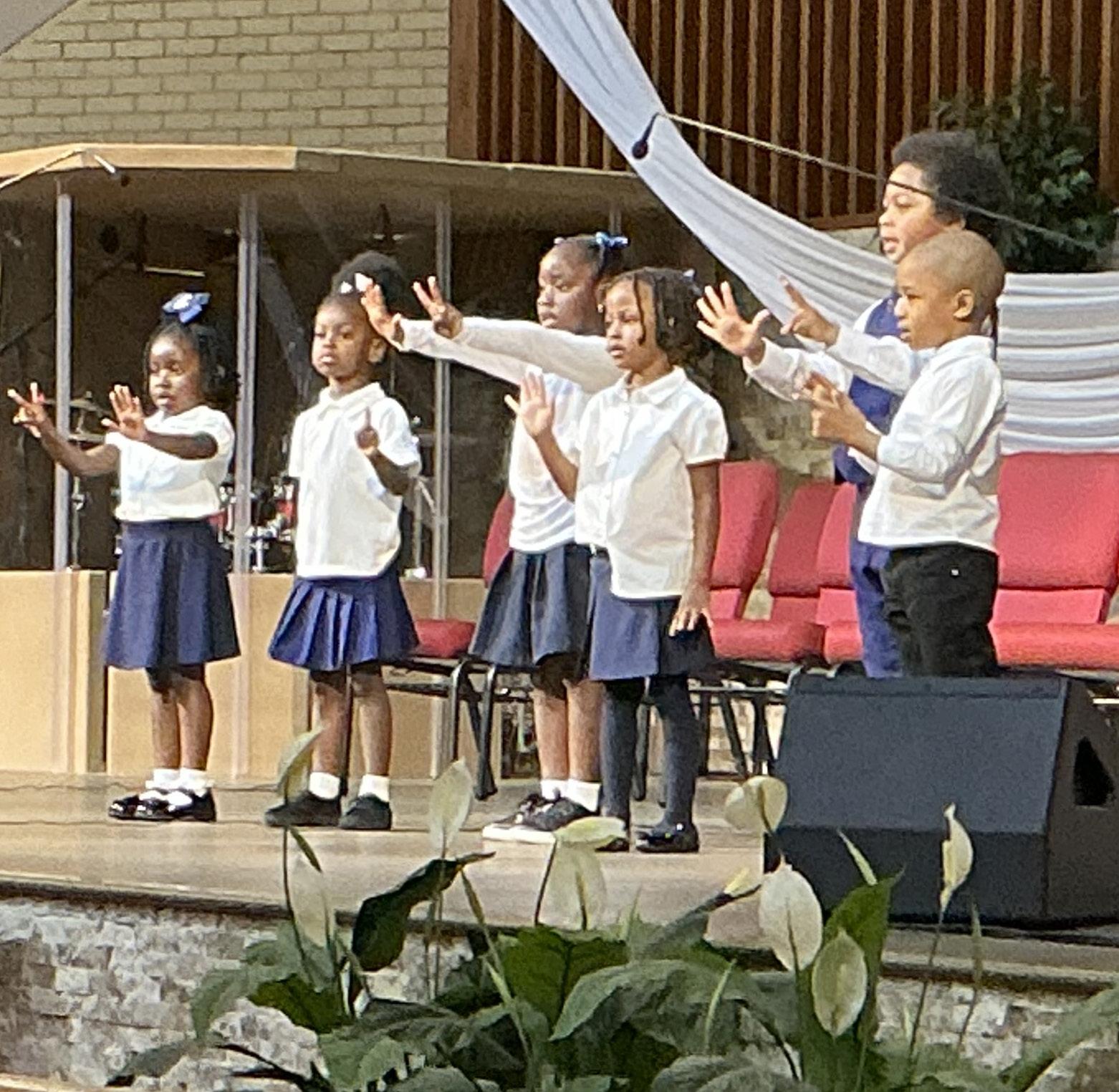
moments of inspiration and renewal. The Teachers’ Convention held in Broward County in 2024 and the Educators’ Convention at Gilgal in 2025 brought together educators for concentrated in-service, worship, and strategic planning. A fullday conference-wide in-service is also scheduled for May 28, 2026, to continue equipping faculty and staff.
Further, SECOE launched initiatives to improve faculty retention and professional excellence by strengthening recruitment, onboarding, evaluation, certification advancement, and employment-rights education. The development of the New Educator Salary Supplement Plan (NESSP) and the promotion of Aspiring Teacher Clubs (ATC) in junior academies and academies represent important steps in building a sustainable educator pipeline.
Another notable achievement was the increased attention to accreditation and accountability. All Southeastern Conference early childhood programs (ECP) are being systematically brought into compliance through evaluation visits, accreditation center board trainings, and administrative support. Three centers have all benefited from this conference initiative. Two others will be visited by an accreditation team this summer. Additionally, the Office of Education has undertaken the development of the SECOE Operational Handbook, scheduled for
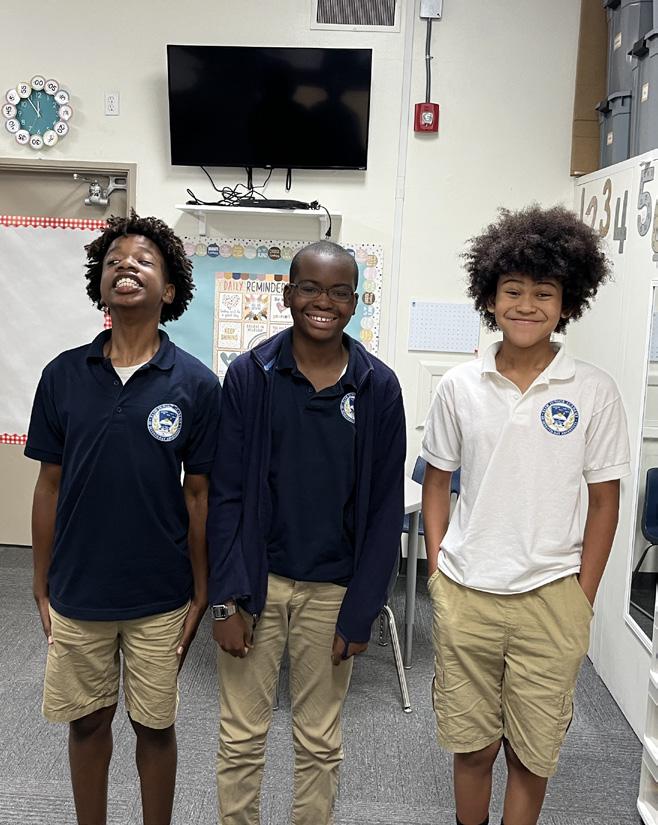
completion in 2026, which will provide unified policies, procedures, and operational expectations across the conference educational system.
SECOE has remained committed to increasing student learning and grade-level achievement through intentional data use and instructional reform. School personnel, through the PLCs, have been trained to use MAP Assessment data, WrAP assessment tools, and differentiated instruction strategies to identify and close learning gaps in Mathematics and English Language Arts.
The Office has also reinforced the North American Division of Seventh-day Adventists curriculum, promoted standards-based education, strengthened textbook alignment, and worked to improve pathways for student ownership of learning. Through Johns Hopkins school culture surveys and classroom coaching, schools are also focusing on creating safe, caring, academically rigorous learning environments.
SECOE has intentionally collaborated with other Southeastern Conference ministries, including Youth, Publishing, Personal Ministries, Health, Stewardship, Women’s Ministries, and Media, to broaden the reach of education. In 2024, five schools benefited from VersaCare

support, while health and Disability Inclusion initiatives, gardening programs, literature evangelism, and grant-seeking efforts further enhanced school life. Technology equity also remains a growing achievement area. Through partnership with conference technology leadership, schools are moving toward stronger internet infrastructure, improved cybersecurity, group purchasing efficiencies, and implementation of the AE-Connect School Information System. The Robotics League and Innovation Initiative are major projects among many of our 12 schools.
As Southeastern Conference schools continue this strategic journey, the Office of Education remains steadfast in its commitment to academic rigor, spiritual vitality, professional excellence, and collaborative mission. Through God’s leading, SECOE is building schools that heal, teach, evangelize, and endure. Therefore, with gratitude to God and appreciation to our conference leadership, we declare: The mission is advancing, the system is strengthening, the harvest is growing, and the best is yet to come. t
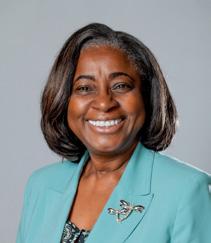
Sandra Fletcher is the Education Superintendent for the Southeastern Conference of Seventh-day Adventists.
BY STEVE BAUGHMAN
Across the Southwest Region Conference (SWRC), something powerful is happening in our Adventist schools. In classrooms, on campuses, and in churches, students are not only learning, but they are growing in faith, discovering purpose, and experiencing the transforming love of Christ!
Adventist education in the SWRC is more than a system of schools; it is a living mission field. Throughout its eight-school network, educators are intentionally shaping environments where young people are known, challenged, and spiritually nurtured. Every lesson, project, and interaction is an opportunity to point students toward a deeper relationship with Jesus. This year, that mission came to life in meaningful and inspiring ways.
At Martin Luther King Jr. Adventist Academy in Baton Rouge, Louisiana, students brought history to life through a “Black History Living Wax Museum.” With careful research and heartfelt presentations, students stepped into the stories of influential figures, sharing not only knowledge, but a sense of identity, dignity, and purpose. Their work reached beyond the classroom, drawing the attention of a local news station and demonstrating the power of student voice, rightly trained. In Athens, Texas, innovation and perseverance were on full display at the annual LEGO robotics tournament held at Lone Star Camp. Students from across the Conference, and beyond, applied STEM skills, teamwork, and creative problem-solving in a spirit of excellence. Southwest Christian Academy’s (Dallas, Texas) first-place victory was a celebration not only of technical achievement, but of dedication, collaboration, and resilience; qualities that reflect the deeper character Adventist education seeks to develop.
Yet, even these accomplishments point to something greater. This year also marks the launch of a visionary partnership with the Bainum Family Foundation, who has supported Adventist education for more than 50 years. Together, the South-
west Region Conference is launching the “Model System,” an innovative approach designed to strengthen and sustain Adventist education for the future.
ADVENTIST EDUCATION IN THE SWRC IS MORE THAN A SYSTEM OF SCHOOLS; IT IS A LIVING MISSION FIELD.
At its heart, the Model System is about people. It is about investing in educators, building strong and supportive school environments, and creating a unified vision for what Adventist education can be at its very best. By aligning resources, strengthening leadership, and supporting high-quality instruction, this initiative seeks to ensure that every student experiences joyful, Christ-centered learning.
Guiding this work is a clear focus on whole-child development, where academic growth, character formation, and spiritual life are deeply interconnected. Through a uniquely designed academic framework, students are being equipped not only to succeed in school, but to live lives marked by curiosity, perseverance, compassion, and faith.
As Southwest Region Conference President, Dr. Carlton Byrd, affirms, “Our children are our most important resource. We need to invest in them in a way that clearly indicates to them that we care about and need them. We owe them a school system that is equipping them to be the future leaders of our communities rooted in a Christ-centered education today, while preparing them for eternity tomorrow. This partnership is an opportunity for our Conference to set a new expectation of what Adventist education can really be.”
And perhaps the clearest evidence of the fruits of that investment cannot be measured in gradebooks, competitions, or professional development, but in transformed lives.
At the Round Rock Seventh-day Adventist Church, constituent church of Applegate Adventist Junior Academy, four students made the life-changing decision to be baptized. In that
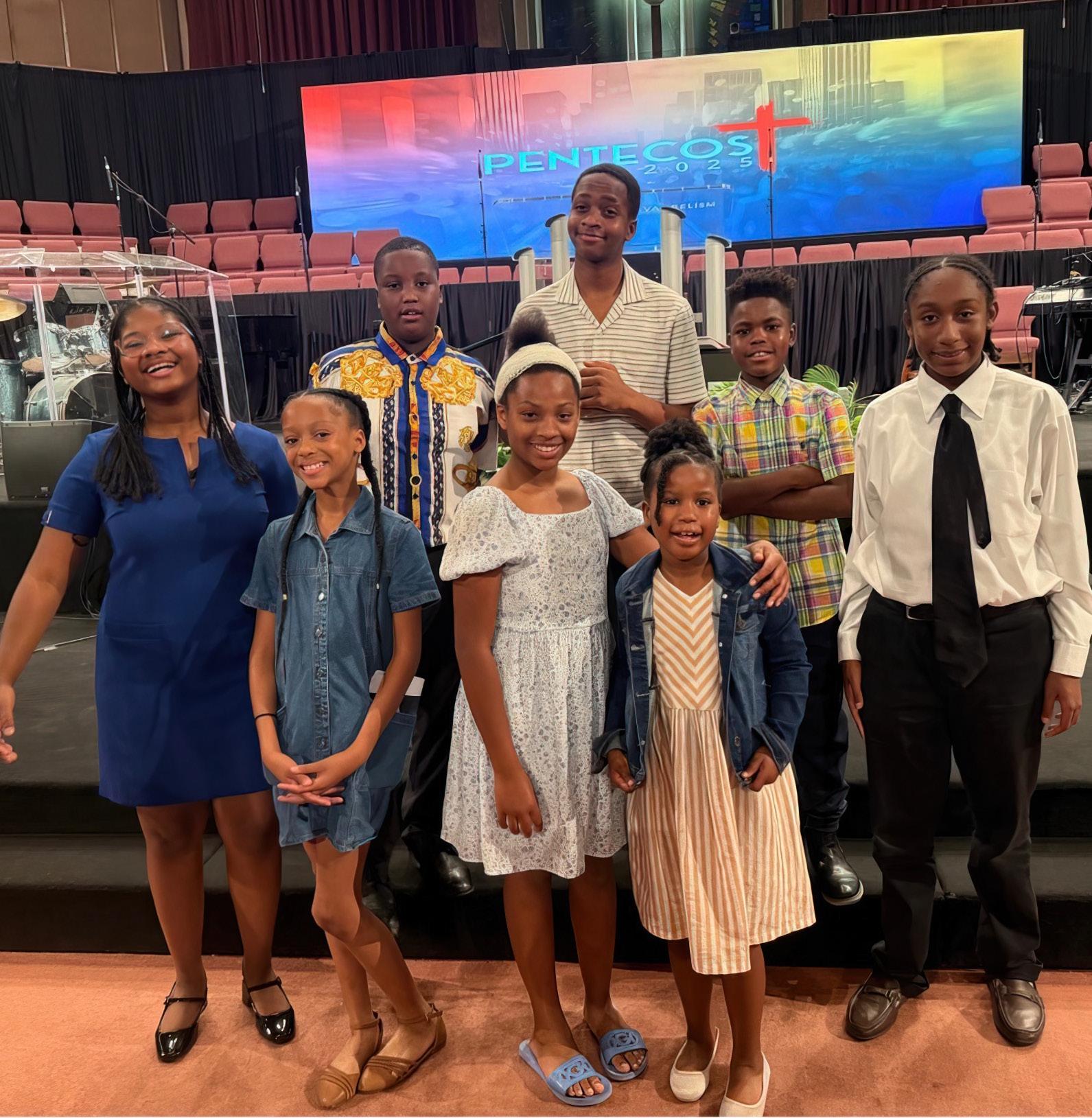
moment, the true purpose of Adventist education was fully realized. Beyond academics, our schools are helping young people choose Christ.
This is the heartbeat of Adventist education in the Southwest Region Conference.
It is seen in classrooms filled with curiosity and joy. It is heard in student voices discovering confidence and calling. It is felt in communities where schools are becoming centers of hope and connection. And it is celebrated in young people’s lives surrendered to Jesus.
As the Southwest Region Conference continues to build, grow, and innovate through initiatives like the Model System, one thing remains clear: Adventist education is not simply preparing students for success in this world, it is preparing them for a life of purpose now and for eternity to come. t
Steve Baughman, M.Ed., is a Senior Manager of the Seventh-day Adventist Initiative at the Bainum Family Foundation and provides Communications and Professional Development support for the Model System in the Southwest Region Conference.
Dr. Carlton P. Byrd., President of the Southwest Region Conference of Seventh-day Adventists, coordinated this coverage.
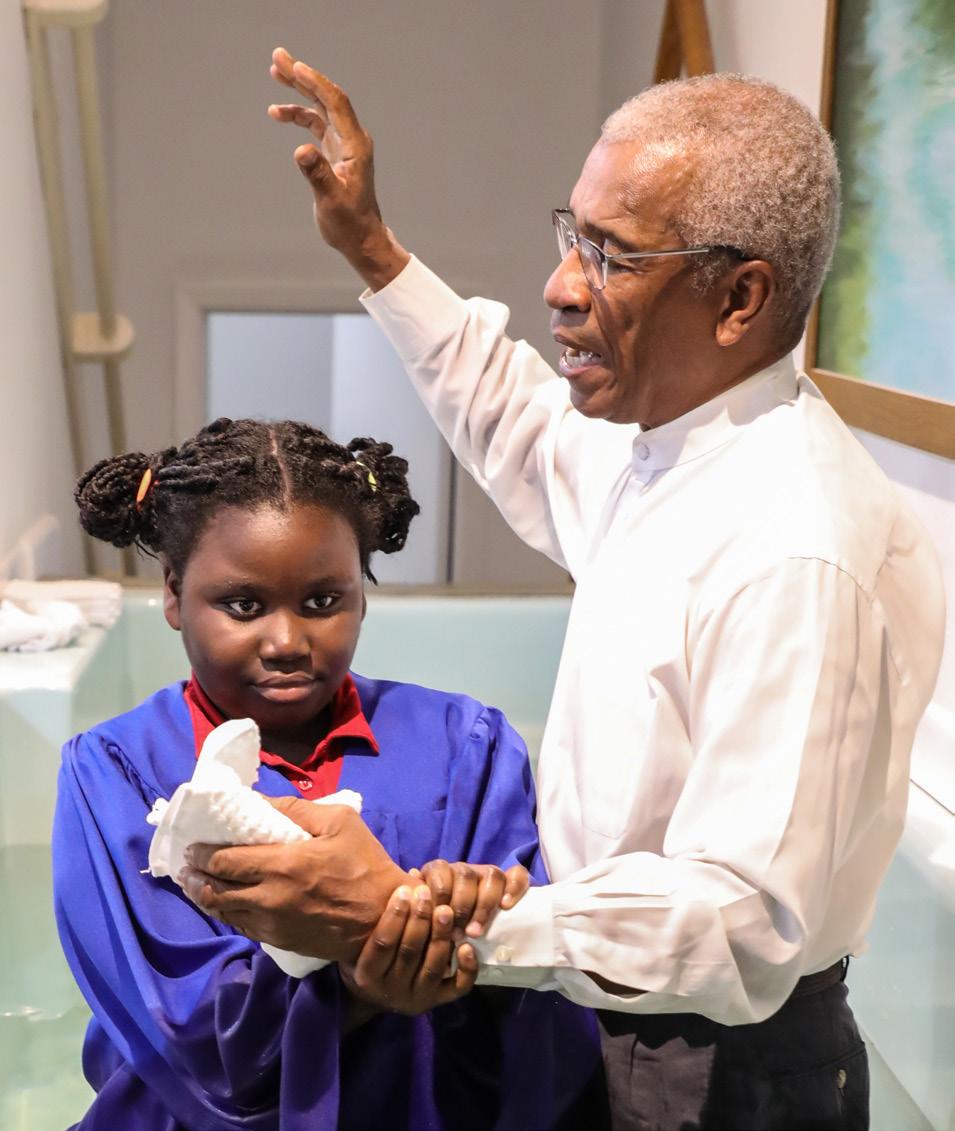
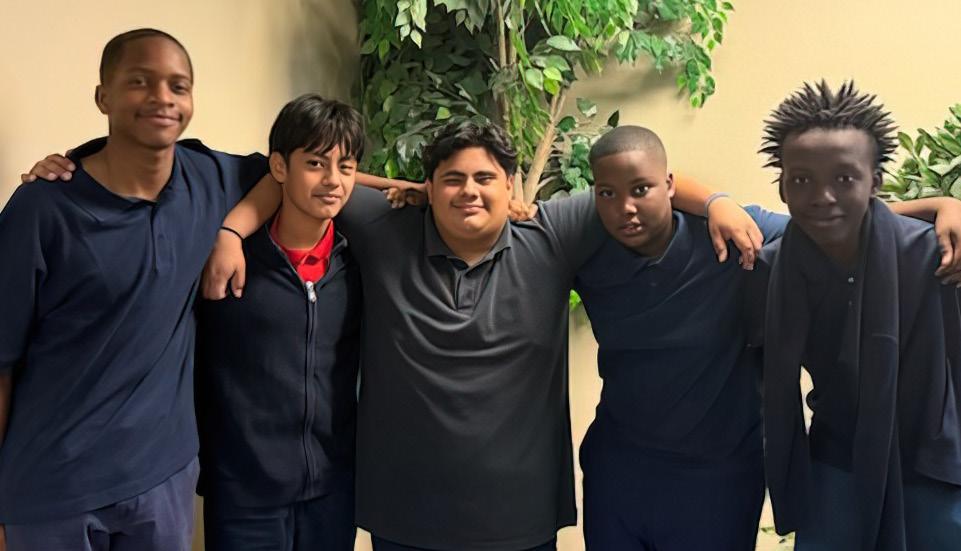

JOHN ENTERED MINISTRY AS A YOUNG FISHERMAN, FIERCE ENOUGH TO EARN THE NICKNAME SON OF THUNDER.

BY DR. DELBERT W. BAKER
They carried him in. By the time John reached his final years in Ephesus, his body could no longer support him to attend church. Younger men bore him through the doorway, settled him before the congregation, and leaned close to catch whatever words his aged voice could still produce. Week after week, the message was the same. “Little children,” he would say, gathering what strength remained, “love one another.” When the brothers finally asked why he always repeated the same words, his answer silenced the room: “Because it is the Lord’s commandment, and if it alone is kept, it is enough.”
That scene, preserved by Church Historian Jerome and passed down through the centuries, is the last image history gives us of the Apostle John. But to understand what it means, we must understand what it costs.
The Man Who Outlived Everything
John entered ministry as a young fisherman, fierce enough to earn the nickname Son of Thunder. He was impulsive, ambitious, and capable of asking Jesus for the seat of highest honor, while also suggesting they call fire down from heaven on a Samaritan village. He was, in the most honest terms, a work in progress.
Then the losses began, and the first was the deepest of all. John stood at the foot of the cross. He did not flee with the others. He was there when
the nails went in; there when darkness fell; there when his Lord looked down from the cross and, with some of His final breaths, entrusted Mary into his care: “Behold your mother.” From that hour, John faithfully took Mary into his own home. He absorbed the grief of the crucifixion, not from a distance but up close. He carried that sacred charge with him for the rest of his life.
Then the losses began to multiply. His brother James, the man who had stood beside him at the Transfiguration and in Gethsemane, was the first apostle to die, cut down by Herod’s sword. Stephen had been stoned. Peter would be crucified upside down. Paul beheaded. Philip, Matthew, Bartholomew. One by one, the faces John had eaten with, prayed with, and labored beside were taken, most of them violently. He watched Jerusalem horribly burn in AD 70, the magnificent temple reduced to rubble. Every landmark of his spiritual formation was gone.
John was the last man standing from the original Twelve.
Surviving the Unsurvivable Rome, apparently unwilling to let time finish what persecution had not, decided to accelerate matters. John was summoned before Emperor Domitian, accused of seditious heresy, and cast into a cauldron of boiling oil. He emerged unharmed. Unable to kill him, Rome banished him to Patmos, a small rocky island in the Aegean Sea, chosen by the Roman government as a place of removal for those too dangerous to ignore and too resilient to destroy.
He was, by every human calculation, finished. Ellen White captured what people assumed: he was “past service, an old and broken reed, ready to fall at any time” (Acts of the Apostles, page 572). What people could not see was that John had spent decades building something that no empire could reach.
The Secret Beneath the Story
How did he do it? How did a man absorb that volume of loss, survive that level of persecution, and arrive at old age not broken and bitter but radiant with love and overflowing with revelation?
The answer is not complicated. It is simply rare.
John kept beholding Christ, daily, deliberately, without stopping. Ellen White traces his entire transformation to this single discipline: “Day by day, in contrast with his own violent spirit, he beheld the tenderness and forbearance of Jesus… He yielded his resentful, ambitious temper to the molding power of Christ” (page 557). The Son of Thunder did not become the Apostle of Love through willpower. He became what he consistently beheld.
He had long since surrendered his identity to Christ before the world stripped his roles away. Notice how John identifies himself in his own Gospel, not as an apostle, not as a church leader, but simply as the disciple whom Jesus loved (see John 20:2). His worth was not in his function. It was in his relationship. Ellen White observed that “self was hidden in Jesus” (page 557). By the time Domitian exiled him, there was nothing left to exile that mattered. His real life was hidden where no emperor could reach it. On Patmos, rather than mourning his losses or what was on the surface, John went deeper. He used isolation as intensification. Ellen White describes it:
“In his isolated home, John was able to study more closely than ever before the manifestations of divine power in nature and in Scripture” (page 573). The exile became a classroom. The silence became a sanctuary. And critically, he never stopped giving out. When he could no longer travel, he wrote. When he could no longer preach in person, he sent letters to seven churches. The form of his ministry changed. The output never stopped.
What Rome designed as a silencing became, in the hands of God, a throne room.
“This gloomy abode,” Ellen White writes of Patmos, “became the gate of heaven.” Then she makes the statement that should arrest the attention of every senior believer: “It was after John had grown old in the service of his Lord that he received more communications from heaven than he had received during all the former years of his life” (page 572). Not fewer communications in his later years. More. Not diminishing revelation as his body aged. Expanding revelation.

WHAT ROME DESIGNED AS A SILENCING BECAME, IN THE HANDS OF GOD, A THRONE ROOM.
“THIS GLOOMY ABODE,” ELLEN WHITE WRITES OF PATMOS, “BECAME THE GATE OF HEAVEN.”
The man Rome had written off became, in his eighties and nineties, the most prolific recipient of divine communication in the apostolic age.
Every one of John’s five biblical books was written after the age of seventy. The Gospel of John, the most theologically majestic account of Christ’s life, opens with “In the beginning was the Word.”
Three Epistles that distilled a lifetime of walking with God into the purest theology of love are found in the New Testament.
The Book of Revelation, written when he was approximately 85 to 90 years of age on Patmos, the most comprehensive prophetic vision in all of Scripture, was entrusted by God to His oldest living apostle. His most enduring work was
his last work. His most expansive vision came when his world was at its smallest.
Perhaps you recognize something of your own story here. Ministry years are behind you. Colleagues are gone. The body requires more maintenance than it once did. There is a sense that the center of action has quietly shifted away from where you stand. John’s life is God’s direct answer to that feeling.
Your Patmos, whatever form it takes, is not your conclusion. It may be your greatest commissioning. The condition is the same one John practiced over nine decades: stay close to Christ, stay encouraged by His providence, anchor your identity in His love, and never stop giving whatever form of output your season permits. When everything else is
stripped away, what remains in a person fully hidden in Christ is not emptiness but concentration. God, it turns out, does His most expansive work in concentrated lives.
“Even So, Come, Lord Jesus”
The last recorded words in the Bible belong to John. Written on an island of exile, in the final years of an extraordinary life, by the oldest surviving apostle: “Even so, come, Lord Jesus.”
Not resignation. Not exhaustion. Those are the words of a man still leaning forward, the same man who once leaned on Jesus at the Last Supper, now leaning toward the horizon where he knew his Lord would appear.
That is the Third Chapter at its finest. Not fading. Not finished. Not past service. But still leaning, still looking, still
learning. Still saying the one thing that matters most: “Little children, love one another!”
Clearly, John’s senior years speak volumes about the power and potential of our own. t
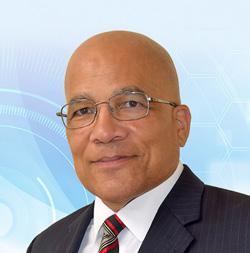
Delbert W. Baker, Ph.D., serves as Director of Research and Development at Regional Conference Retirement Plan. He has been a pastor, professor, a former university president in the U.S. and Kenya, and a General Conference Vice President. He has a Master of Divinity and a Ph.D. in Organizational Communication.
FOR MORE THAN 56 YEARS, PASTOR CARL ROGERS HAS BEEN ON THE BATTLEFIELD FOR HIS LORD.
On Tuesday, February 14, 1939, Pell and Elsie Rogers were blessed with another son. They named him Carl Richard, “Carly” for short. He was their youngest child. Carl had five siblings; three brothers: John, Andrew, and Robert, and two sisters: Altone and Beatrice.
Carl grew up in Charleston, South Carolina, and was educated in their public schools from kindergarten through grade 12. He graduated from Burke High in June 1957. Carl enjoyed sports. He said, “If you can bounce it, kick it, or throw it, then it’s for me.” He played flag football, basketball, and softball. He continued to play and manage teams during his college days at Oakwood and almost flunked out because he spent too much time playing.
Carl was blessed with a Christian mother who introduced her children to Jesus Christ. She was faithful in attending church services and “dragged” him to the meetings. Carl was baptized when he was 12 years old. Praise the Lord! He loved everything about the church because it was “engaging and exciting.” He recalled, “the church had a tremendous program. It was the place to be.”
He said, “The church took a special interest in the youth.” He was able to travel with pastors, assisting with programs which helped cultivate his love for ministry, especially working with young people. God was preparing him for his calling i n ministry.
Carl had set his sights on going to college¸— Oakwood College, the Seventh-day Adventist institution in Huntsville, Alabama. However, his family could not afford to send him. He considered going to the military. But fate, God’s divine guidance, overruled. Carl entered and won the oratorical contest at the South Atlantic Camp Meeting. The monetary prize provided the funds he needed to pay for his college entrance fee. After his first year at Oakwood, Carl became a colporteur (also known as a literature evangelist) in his home conference, South Atlantic. He sold religious books during the summer
break. This was no easy job, but it helped Carl sharpen his people skills, and he earned the money he needed for his tuition in the fall.
Carl chose English as his major at Oakwood. He wanted to be an English teacher, but he had second thoughts about it. He thought his southern drawl and Geechee roots would hinder him. He had to seriously consider an alternate plan
While at Oakwood, Carl met Miss Tecora Mae Bowman from Point Marion, Pennsylvania. She had returned to Oakwood to complete two classes she needed for admission to Loma Linda University, where she planned to study physical therapy. They began dating in 1961. Carl knew she was the woman God had chosen for him. She was destined to become his wife. However, Tecora wasn’t sure she was the right choice for Carl. She had doubts about being a minister’s wife. She made a lot of excuses, but Carl rejected them all. He told her, “He didn’t want her to be a minister’s wife; he wanted her to be his wife.” Tecora didn’t go to Loma Linda. Carl and Tecora were married on August 25, 1963, in St. Albans, New York. Carl graduated from Oakwood College in June 1967 with a Bachelor of Arts degree in theology and a minor in social work.

would sponsor him at Andrews. Praise the Lord! Carl was able to complete his studies at Andrews without duress. He graduated in August 1969, with a Master of Divinity degree. Pastor Rogers was the first ministerial intern sponsored by the Allegheny West Conference to attend Andrews University.
For more than 56 years, Pastor Carl Rogers has been on the battlefield for his Lord. Forty-six plus years were spent in the Allegheny West Conference where he was ordained on July 7, 1973.
He pastored nine churches in this conference: Bethel, Cleveland, Ohio; Mt. Zion, Erie, Pennsylvania/Ashtabula, Ohio District; South Fountain, Springfield, Ohio; Victory, Delaware, Ohio; Central, Columbus, Ohio; Hillside, Zanesville, Ohio; Hilltop Community Worship Center, Columbus, Ohio; and Temple Emmanuel, Youngstown, Ohio.
positions. He was a mentor, a spiritual father, and a pillar within the Allegheny West Conference and the broader Seventh-day Adventist community. His influence will continue to resonate through the countless lives he touched.
Pastor Rogers said his favorite part of ministry was working with youth and ministering to bereaved families. He was frequently called to facilitate or officiate at funeral services.
“Are you pacing yourself?” Pastor Rogers and Elder Martha Lewis would ask one another this question often. They needed to remind each other that “You can’t do it all.” Pastor Rogers believed in knowing your limitations. He said, “Pacing yourself is the key to survival. You have to know when to back off. You need to have the right people in place. I don’t do it all.”
“He never met a stranger. He witnessed to anyone and everyone he met,” son Kevin recalls.
Pastor Rogers’ favorite saying was, “So live that when your enemies speak evil of you, no one will believe them.”
After leaving Oakwood, Carl and Tecora moved to Atlanta, Georgia, where Carl continued to work as a literature evangelist and at the U.S. Post Office. He also served as the youth pastor at the Berean S.D.A. Church where Elder H.L. Cleveland was pastor. The Rogers were there for one and a half years, trying to raise enough money for Carl to attend the seminary at Andrews University. In August 1966, they had finally saved enough money for the entrance fee at Andrews. However, due to unforeseen car repairs along the way, the money saved for school was used up. Carl could not enroll as planned; instead, he got a job teaching fifth grade at a school in Benton Harbor,
Michigan, for one year. While working and saving to attend Andrews, God was working things out for Carl and Tecora. They continued to work toward their career goals with faith, trusting and believing God would answer their prayers. Carl was determined to complete his assignment to become a minister of the gospel. While at Andrews, Carl worked in South Bend, Indiana, with Elder Cheatham for his field school and for several weeks with Elder E.E. Cleveland in a tent meeting in New Orleans. He and Tecora worked hard to stay at Andrews, but when their struggle was no longer realistic, Carl would take his final exams for the semester and the family would leave the seminary and move on to gainful employment and settle down. But God ... Carl received a special delivery letter from the Allegheny West Conference informing him that they
Pastor Rogers’ ministry yielded hundreds of baptisms over the years, because of his effective evangelism and creative ministries. It is impossible to capture on paper a career that has been fully committed to the Lord. Adults and youths were drawn to Christ not only due to the love Pastor Rogers shared with anyone willing to listen, but also because of the hope he shared in spreading the gospel of Jesus Christ.
His tenure with Allegheny West speaks to his versatile gift in managing multiple departmental responsibilities. Departmental leadership included: Youth Director, Health Ministries, Sabbath School, Family Life Ministries, Ushers Ministries, Ministerial Care Ministries, Pathfinders/ Adventurers Ministries, and Sensational Seniors Ministries. Pastor Rogers also served as executive secretary and assistant to the president.
He exemplified a life of servant leadership, characterized by humility, faithfulness, and a deep love for God’s people. His ministry extended beyond titles and
“My dad loved to laugh and talk on the telephone. He truly loved us: Mom, Carla, and me. We truly miss him!” Blessed with 87 years of life, our beloved Pastor Carl Richard Rogers passed away on Wednesday, April 8, 2026, at Riverside Methodist Hospital, in Columbus, Ohio.
He is survived by Tecora, his loving wife of 63 years; his daughter, Carla; his son, Kevin; as well as a host of nieces and nephews. His parents, brothers, and sisters all preceded him in death.
Pastor Rogers’ favorite text was Isaiah 40:31. “But they that wait on the Lord shall renew their strength; they shall mount up with wings as eagles; they shall run and not be weary; they shall walk and not faint.”
Well Done, Thou Good and Faithful Servant. t
Special thanks to the Rogers family from Regional Voice magazine for sharing this beautiful tribute to Pastor Carl Richard Rogers, loved by his God, his family, and humanity. Regional Voice Associate Editor Dr. Bryant Taylor, coordinated this coverage.
BY EBONY TYLER
Adventist education has never been solely academic. In fact, the educators who sustain this system are preparing students for the Kingdom while also equipping them to compete and excel in K–12 and beyond. We educate for character, calling, and wholeness. That is exactly why culture cannot be treated as background music. Culture, in this context, is part of the conditions that sustain teachers. It is the unofficial curriculum teachers and leaders curate, and students absorb before class even begins.
Culture not only shapes what students absorb, but it also shapes what teachers can sustain. To borrow language from Exodus, leaders cannot demand bricks without providing the straw. Adequate support, alignment, shared workloads, and voice are part of the infrastructure needed for the institution to stand strong when the winds blow.
In this article, the term “leaders” refers to school decision makers (superintendents, principals, and education boards). The purpose is to outline practical, measurable steps leaders can take to strengthen culture, support, and retention in ways that improve student outcomes.
This article argues that teacher retention is not a staffing problem. Retention in many institutions is a working-conditions problem. In faith-based schools, the most mission-aligned thing leadership can do is protect the people doing the ministry by reducing overload, clarifying priorities, providing real support, and ensuring that teachers have a voice. This is not a “soft” strategy. It is a researched-based strategy because it sits at the intersection of organizational culture, adult development, and student outcomes (Bolman & Deal, 2021; Schein, 2017).
Culture is not a side note. It is the system. Edgar Schein, a leading scholar in the field of organizational culture, argues that culture is not merely the feel of a building;
it is a pattern of shared assumptions that governs how people interpret reality and respond to pressure (Schein, 2017). That definition matters for schools because school culture is never neutral.
CULTURE NOT ONLY SHAPES WHAT STUDENTS ABSORB, BUT IT ALSO SHAPES WHAT TEACHERS CAN SUSTAIN.
It signals who belongs, who gets the benefit of the doubt, and what counts as success. It is rarely invisible, even if it is never discussed.
Schein’s model is especially useful for conference and school leaders across our school systems because it forces attention to three levels: artifacts (what we see), espoused values (what we say we believe), and basic underlying assumptions (what we operate from) (Schein, 2017). In the school context, artifacts include things like the discipline referral form, hallway posters, staff meeting agendas, teacher schedules, who gets praised, and who gets corrected. Espoused values are the phrases we repeat: “Excellence is no accident,” “Every child can learn,” “We are a family,” “Grace and accountability.” These are great, but the most complex layer, the underlying assumptions, is where culture becomes destiny.
Those assumptions show up in everyday language used by educators. They show up in who is described as “motivated” as opposed to “lazy.” They show up in which parents are labeled as partners or problems, and which teachers are expected to “just figure it out.”
Edgar and Peter Schein also challenge the myth of the all-knowing leader. Humble inquiry reframes leadership as trust-building through dialogue rather than control (Nieves, 2021). In schools, this matters because when leaders cannot hear the truth and staff are afraid, exhausted, or conditioned to perform, culture hardens around avoidance. “We’re fine” becomes the norm. And in that silence, inequity is reinforced

rather than addressed (Schein, 2017; Nieves, 2021). If leaders want different outcomes, they must do more than manage behavior and monitor data. They must surface the invisible assumptions shaping daily decisions (Schein, 2017). Those assumptions do not only shape student experience; they also shape adult experience, including the working conditions that determine whether strong teachers stay.
Retention is mission-aligned work.
Retention has become a long-standing concern in the post-pandemic landscape, as educators are asked to do more with less. Students are carrying more academic and social-emotional need, and that burden often lands first on teachers.
Retention is now spoken about as a pipeline issue: “We can’t find good people.” But retention is more often a conditions issue: “Good people can’t stay under these conditions.” That is why culture and retention are inseparable.
Leadership scholars Lee Bolman and Terrence Deal offer a useful take on this problem. Bolman and Deal’s human
resource frame makes the logic clear: when institutions invest in people, build supportive systems, and align work with human needs, performance improves and commitment deepens (Bolman & Deal, 2021). In school settings, that investment is not a reward. It is a stability strategy for students.
The Allegheny East Conference strategic plan explicitly treats recruitment and retention as measurable leadership work, calling for increased recruitment and retention through competitive salary and benefits, structured mentorship, and professional development, tracked through surveys and retention data (Allegheny East Conference of Seventh-day Adventists, 2025). This reinforces the central claim of this article: retention should be treated as an organizational outcome. When leaders define it, resource it, and measure it, retention becomes improvable rather than mysterious (Allegheny East Conference of Seventh-day Adventists, 2025). A school can preach mission and still create conditions that quietly contradict it. Overload, unclear priorities, and isolation
are culture messages. They tell teachers, “Carry this alone.” Students then experience the downstream effects.
Proximity and hope are leadership requirements, not nice extras.
If you are familiar with Bryan Stevenson’s work, it is clearly rooted in justice, but there is also an embedded leadership lesson that transfers directly to education: systems do not change from a distance. Stevenson argues that proximity exposes what policy can hide and that distance makes it easier to rationalize harm (Nieves, 2023). That matters in schools because leaders who are distant from classrooms will overestimate policies and underestimate people. Conference leadership should build routines that keep leaders present in schoolhouses, and principals need protected time to be present in classrooms, not only for supervision.
Proximity in schools looks like:
• leaders who regularly enter classrooms to learn, not to police.
• leaders who hear teachers before they impose new initiatives.
CULTURE NOT ONLY SHAPES WHAT STUDENTS ABSORB, BUT IT ALSO SHAPES WHAT TEACHERS CAN SUSTAIN.

• leaders who stay close to families, especially when trust is strained.
• leaders who treat student behavior as information, not an interruption.
Stevenson’s line is not an inspirational filler; it is a warning; “Hopelessness is the enemy of justice” (Nieves, 2023). Hopelessness shows up in education as resignation: Nothing will change here. Parents stop asking. Teachers stop speaking up. Students stop trying. Support becomes reactive. Attrition rises. Enrollment drops. But the presence of hope is not measured by positive slogans. Hope is measured by whether leaders build conditions that make people believe change is possible (Nieves, 2023).
If we take culture and proximity seriously, then protecting teachers becomes a concrete leadership agenda, not a sentiment.
Here are five retention levers we should consider that connect the research to actionable leadership practice. These levers are measurable through retention trends, working-condition surveys, workload audits, and structured listening routines that result in visible changes. Some levers sit at the conference level; others sit at the school level; most require shared ownership.
1. Relentless prioritization to reduce overload.
When everything is urgent, teachers carry impossible expectations. Leaders protect mission by naming what is essential, what is optional, and what must stop (Bolman & Deal, 2021).
2. Invest in mentorship that is structured, not symbolic. Retention improves when new and mid-career teachers have real coaching

______________
IF WE WANT BETTER OUTCOMES, ENROLLMENT, AND RETENTION, WE MUST LEAD CULTURE ON PURPOSE AND PROTECT THE ADULTS DOING THE MINISTRY, BECAUSE TEACHERS CANNOT POUR FROM AN EMPTY PLACE, AND STUDENTS CANNOT FLOURISH IN A CULTURE THAT QUIETLY TEACHES SCARCITY.
and problem-solving support, not just encouragement (Bolman & Deal, 2021; Allegheny East Conference of Seventh-day Adventists, 2025).
3. Use humble inquiry as a routine. Ask questions that surface assumptions and barriers: What makes teaching harder than it needs to be? What feels inconsistent? Where do you feel unsupported? (Schein, 2017; Nieves, 2021).
4. Treat teacher voice as data. Surveys are useful, but the deeper data is lived experience. Leaders should build feedback loops that result in visible changes (Bolman & Deal, 2021).
5. Close the distance, consistently. Proximity is not a one-time listening session. It is a leadership posture that shapes decisions and builds trust over time (Nieves, 2023).
For Adventist K-12 institutions and
the people who undergird them, the implication is straightforward: mission language cannot substitute for mission-aligned conditions. If we want better outcomes, enrollment, and retention, we must lead culture on purpose and protect the adults doing the ministry, because teachers cannot pour from an empty place, and students cannot flourish in a culture that quietly teaches scarcity. t

Ebony Tyler is a product leader and educator working at the intersection of education, technology, and equity. With more than 20 years of experience across teaching, school leadership, and now EdTech, she is currently pursuing doctoral studies in Leadership and Innovation at
NYU while focusing on solutions that empower educators and expand opportunity for learners.
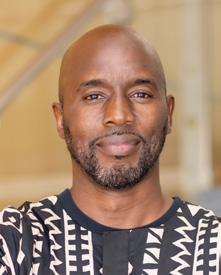
Trevor Kinlock, PhD., M. Div., currently serves as President of the Allegheny East Conference of Seventh-day Adventists. He has more than 20 years of experience leading and supporting Black Adventist schools. He holds a PhD in Sociology and Criminology from Howard University, where he also teaches as adjunct professor. His specializations include race analysis, urban studies, social inequality and the sociology of education. Dr. Kinlock’s research and professional practice are directed toward ensuring equality and access for communities of color to qualitysystems of education. He coordinated this coverage.
References
Allegheny East Conference of Seventh-day Adventists. (2025). Strategic Plan 2025 (Draft Document). Bolman, L. G., & Deal, T. E. (2021). Reframing organizations: Artistry, choice, and leadership (7th ed.). Jossey-Bass. Nieves, L. (Host). (2021). Dr. Edgar Schein & Peter Schein [Audio podcast episode]. In Leadership Lens (L2). NYU Steinhardt. Nieves, L. (Host). (2023). Bryan Stevenson [Audio podcast episode]. In Leadership Lens (L2). NYU Steinhardt. Schein, E. H. (2017). Organizational culture and leadership (5th ed.). JosseyBass.
BY DR. LISA HINSON
These memories were based on times spent at the South Atlantic Conference campgrounds in Hawthorne, Florida, before the conference divided to form two organizations, due to growth. At that time, the South Atlantic territory spanned from North and South Carolina to Georgia and all of Florida. Keep this tradition alive. Take your children to Camp Meeting, to give them HOPE!
Memory 1
Seeing all my friends—and fellowshipping with other preachers’ kids.
Memory 2
As a child, I enjoyed playing to the point of getting [extremely] dirty—even if it meant three baths a day! Mom kept a huge metal tub next to our cabin, filled with water to heat in the sun each time for my multiple baths and multiple changes into other fresh playsuits.
Memory 3
The choirs and groups we would join as children and youth. We also enjoyed other visiting choirs.
Memory 4
Breakfast links with grits and gravy for breakfast. And Redi-Burger sandwiches with a special sauce made by our family friend, Brother Kirkpatrick. Daddy would bring them to us from the store at night in paper sacks filled to the brim with goodness.
Memory 5
Playing baseball on the playground.
Sitting on the perimeter of the basketball court to watch the games and players.
Memory 6
I enjoyed the arts and crafts when I was little, and singing in the children’s choir at the Big Tent for the special children’s service that was always scheduled for the last Thursday morning.
Memory 7
I’ll never forget that we did all of this in the intense, Florida summer heat in those early days.
[The tents for meetings and playgrounds were in the open air; our cabins were not air conditioned.] But if you don’t know anything else, you just don’t know!
Memory 8
I also enjoyed joining youth choirs, even when I was little, and enjoyed singing with the big kids!
Memory 9
I went to all of the daily services, starting in the mid-morning for children, youth, and young adults, which were all age appropriate. I especially loved the noon Power Hour services at the Big Tent, and later at the Pavilion. (And a good lunch would always follow after this service!)
Memory 10
As I got older, I worked in the Snack Bar [which was in a tent], serving sandwiches, veggie hot dogs, grilled cheese sandwiches, and ice cream. I also worked in the cafeteria [which was in a
building]. I collected trays from the tables to be cleaned and served those who were disabled.
Precious, Priceless Memories! t
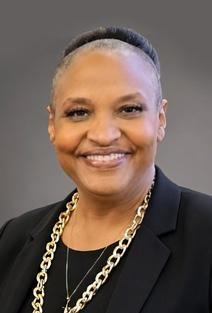
Lisa Hinson, Ph.D. earned her doctorate in mobile and digital communications, and built a career in information technology (IT). She joyfully learned many life lessons at camp meetings in those early years.

AS A CHILD, I ENJOYED PLAYING TO THE POINT OF GETTING [EXTREMELY] DIRTY—EVEN IF IT MEANT THREE BATHS A DAY! MOM KEPT A HUGE METAL TUB NEXT TO OUR CABIN, FILLED WITH WATER TO HEAT IN THE SUN EACH TIME FOR MY MULTIPLE BATHS AND MULTIPLE CHANGES INTO OTHER FRESH PLAYSUITS.
ALLEGHENY EAST
AEC Thrive
Proclaim. Empower. Prepare.
June 27 to July 5
SABBATH SPEAKERS
Debleaire Snell
Dr. Trevor Kinlock
ALLEGHENY WEST
THE TIME IS NOW
June 17 to 20
Guest Speaker
Dr. Emil Peeler, Sabbath
Special Musical Guest
Smokie Norful
SPEAKERS
Philip Baptiste, Wednesday Furman (Pace) Fordham III, Thursday
Vivian Martin, Friday
CENTRAL STATES
ONE
ONE SPIRIT.
ONE MISSION.
UNITED BY THE FIRE
June 10 to 14
SPEAKERS
Hubert Morel
Dr. Lola Moore-Johnston
Paula Correa
Max Gomez

LAKE REGION
MULTIPLY BY MISSION
June 25 to July 4
SPEAKERS
Dr. Abraham Henry, President
Dr. Paula Olivier
Dr. Richard Martin
Dr. Calvin Watkins
NORTHEASTERN ELEVATE
June 27 to July 4
GUEST SPEAKERS
Elder Dana C. Edmond
Pastor Glen O. Samuels
SOUTH ATLANTIC
FAITHFUL: Then. Now. Always.
June 8 to 13
SPEAKERS
Pastor Taurus Montgomery
Dr. Wendy Bartley
Dr. Calvin B. Rock
Elder Calvin B. Preston
Elder Calvin Watkins
Dr. Everton Ennis
Pastor Ishmael Wade
Pastor Timothy Olaore, Youth
Speaker
Doggette Jr., Young Adult Speaker
SOUTH CENTRAL THE FAMILY REUNION 80 th ANNIVERSARY
June 17 to 21 PRESIDENTIAL INAUGURATION
Pastor Furman F. Fordham II
SPEAKERS
Dr. MyRon Edmonds
Dr. Henry Wright, Ordination
Speaker
Dr. Lola Johnston
MUSICAL PRESENTERS
Gale Jones Murphy
Stephen Manders and Decree
SOUTHEASTERN
June 15 to 21
SOUTHWEST REGION
Rooted, Revived and Reaching.
June 10 to 13
SPECIAL GUEST
SPEAKERS
Dr. Noah Washington
Pastor Chanda Nunes-Henry
Pastor Roger Bernard
Dr. Paul Graham
SPECIAL MUSICAL GUESTS
John P. Kee and The New Life
Community Choir
Stephen Manders and Degree
Gale Jones Murphy
Southwest Region Mass Choir
Myron Butler

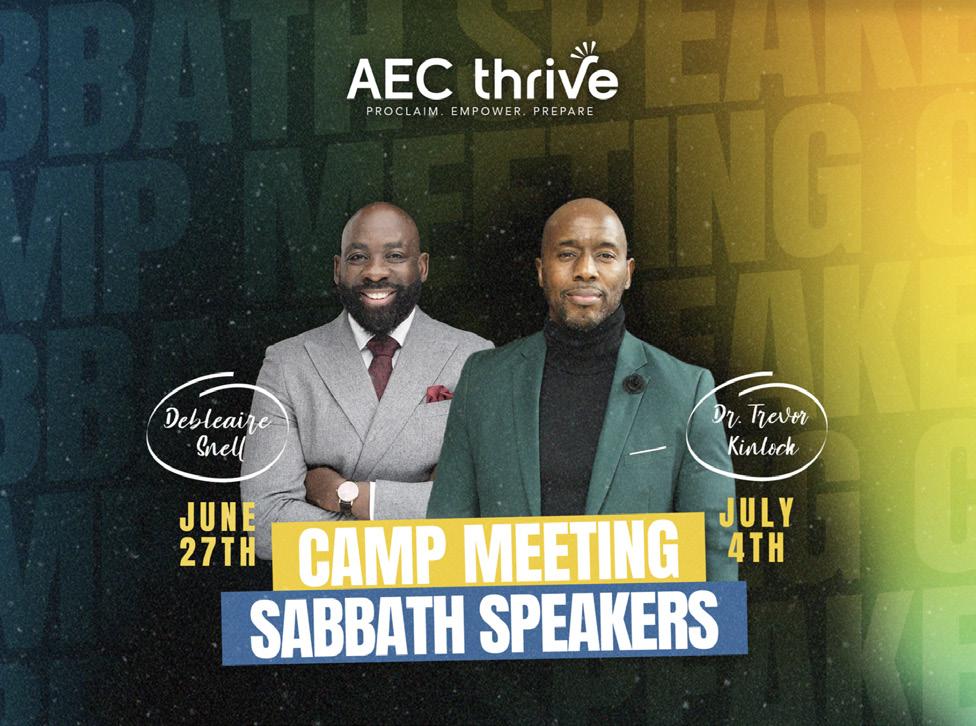
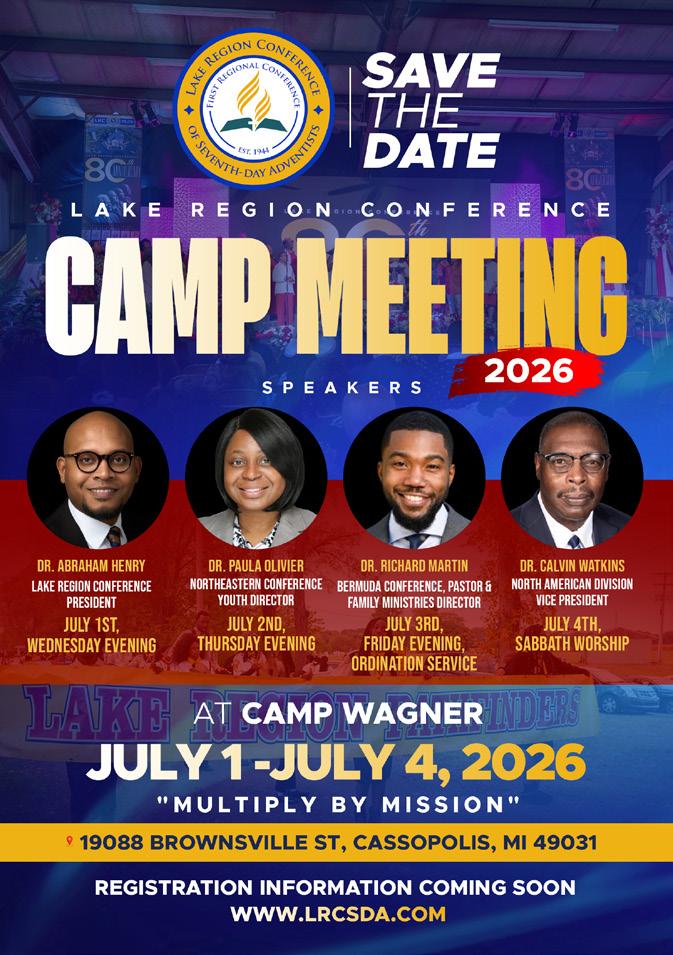
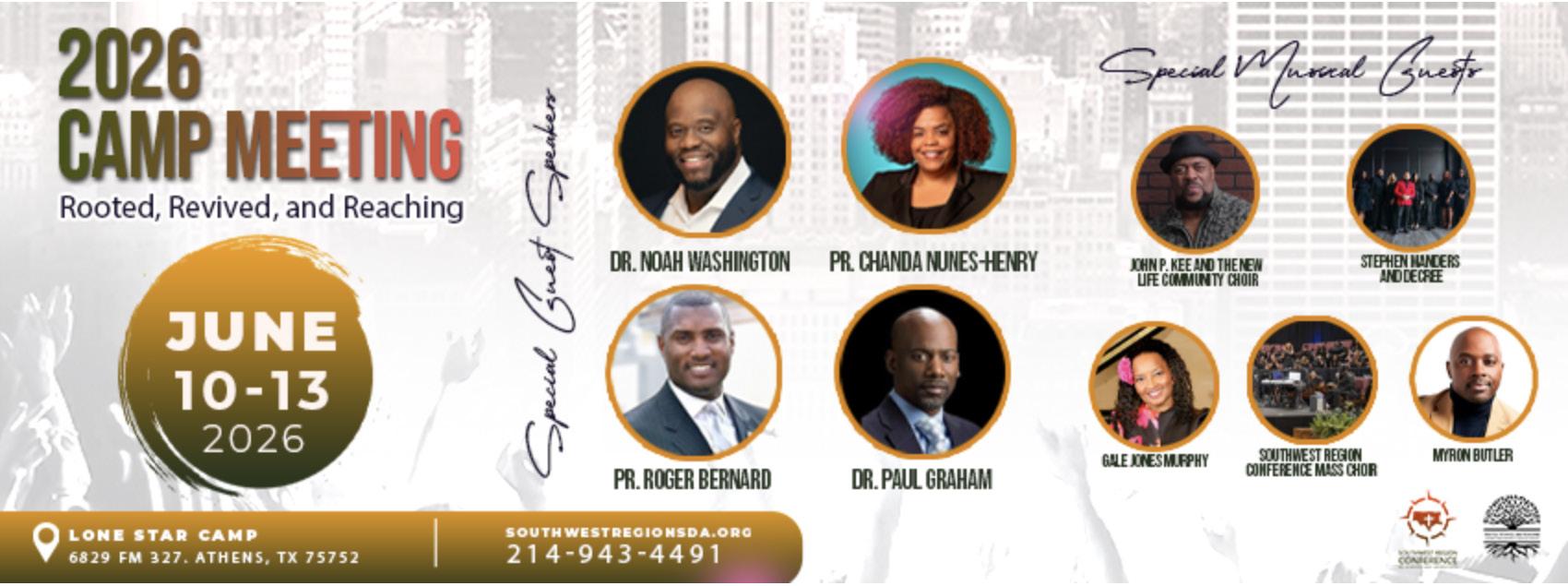

IF YOU HAVE FINISHED A FOUR-YEAR COLLEGE OR UNIVERSITY WITHIN ONE YEAR, OR IF YOU ARE IN YOUR LAST SEMESTER AT A FOUR-YEAR COLLEGE OR UNIVERSITY, YOU MAY QUALIFY FOR A SCHOLARSHIP TO APPLY TO AN AUTO PURCHASE FROM KIA MOTORS OF AMERICA.

FOR MORE INFORMATION, VISIT YOUR LOCAL KIA DEALER.