




























Longer days and warmer air invite us outdoors — onto the golf course, along our trails and into the simple joy of movement that spring brings.
This season also reminds us of new beginnings in another beautiful way as we welcome babies into our hospital and celebrate growing families across Castle Rock. At AdventHealth Castle Rock, it is our privilege to care for you at every stage of life.
Whether you’re staying active and need orthopedic or heart care to keep doing what you love, preparing to welcome a child, or seeking advanced specialty services close to home, our team is here with exceptional quality and compassionate expertise. I am especially excited about the opening of our new Schrader Family Cancer Center, which expands access to comprehensive, leadingedge treatment right here in our community — so families can receive outstanding care without traveling far from home.
As your local, comprehensive hospital, we are committed to delivering phenomenal clinical outcomes and whole-person care you can trust.
May this spring bring health, vitality and time well spent with those you love.
Belonging is good for the soul — and your health.
Loneliness has a negative e ect on physical health equal to that of smoking up to 15 cigarettes a day, and an even greater negative impact than that associated with obesity and physical inactivity, according to a U.S. Surgeon General report released in 2023.
Loneliness has become a public health concern across the country. In fact, one in five people reports feeling lonely, a condition that negatively impacts mental as well as physical health. And, contrary to popular belief, even people surrounded by family and friends can feel lonely.
“Loneliness is a state of not feeling connected,” says Julie Miller, a licensed professional counselor at AdventHealth Castle Rock.
Miller is a member of a team of integrated behavioral health counselors who are embedded in AdventHealth primary care and OB/GYN practices to be easily accessible to patients. She often works with new moms who don’t understand why they are feeling lonely at a time when their partners, families and friends are there for support.
“It can come from not feeling seen,” Miller says. She recommends that new moms join fitness classes, church groups or other programs where they can connect with other women who have recently given birth. “These are women you may never see outside that room, but you feel seen and understood because you have a shared experience.”
Connections can — and should — be made at multiple levels. “Chatting with your barista or with a stranger sitting next to you at the park is just as important as spending time with family or friends,” Miller says. “You need all types of connections.”
Looking for ways to connect? Join a local group of people with shared passions or shared goals.
Like helping people? Volunteer at AdventHealth Castle Rock (see facing page) or volunteer for therapeutic recreation in Castle Rock and help people with di erent abilities swim, bowl and more! Visit VolunteerCastleRock.CRgov.com.
Like history? Become a member of the Castle Rock Historical Society. Email Museum@ CastleRockHistoricalSociety.org
Like to play games or read books? Play board games with new friends, join a book club, or drop by for co ee all at the Douglas County Library in Castle Rock. Find events at dcl.org/featured-events

Blessings,

Like the outdoors? Join the annual Spring Up the Creek on May 2 or become a trail ambassador. See opportunities at volunteercastlerock.crgov.com
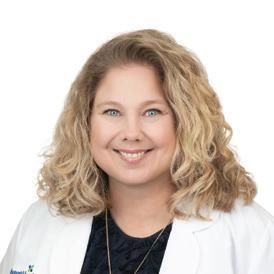
Michelle Fuentes, President & CEO AdventHealth Castle Rock
Michelle Fuentes, President & CEO
To make an appointment with an AdventHealth licensed professional counselor or clinical social worker, call 303-649-3380.
Who are AdventHealth Castle Rock’s volunteers?
Number: 220
Age of the oldest: 90
Age of the youngest: 16

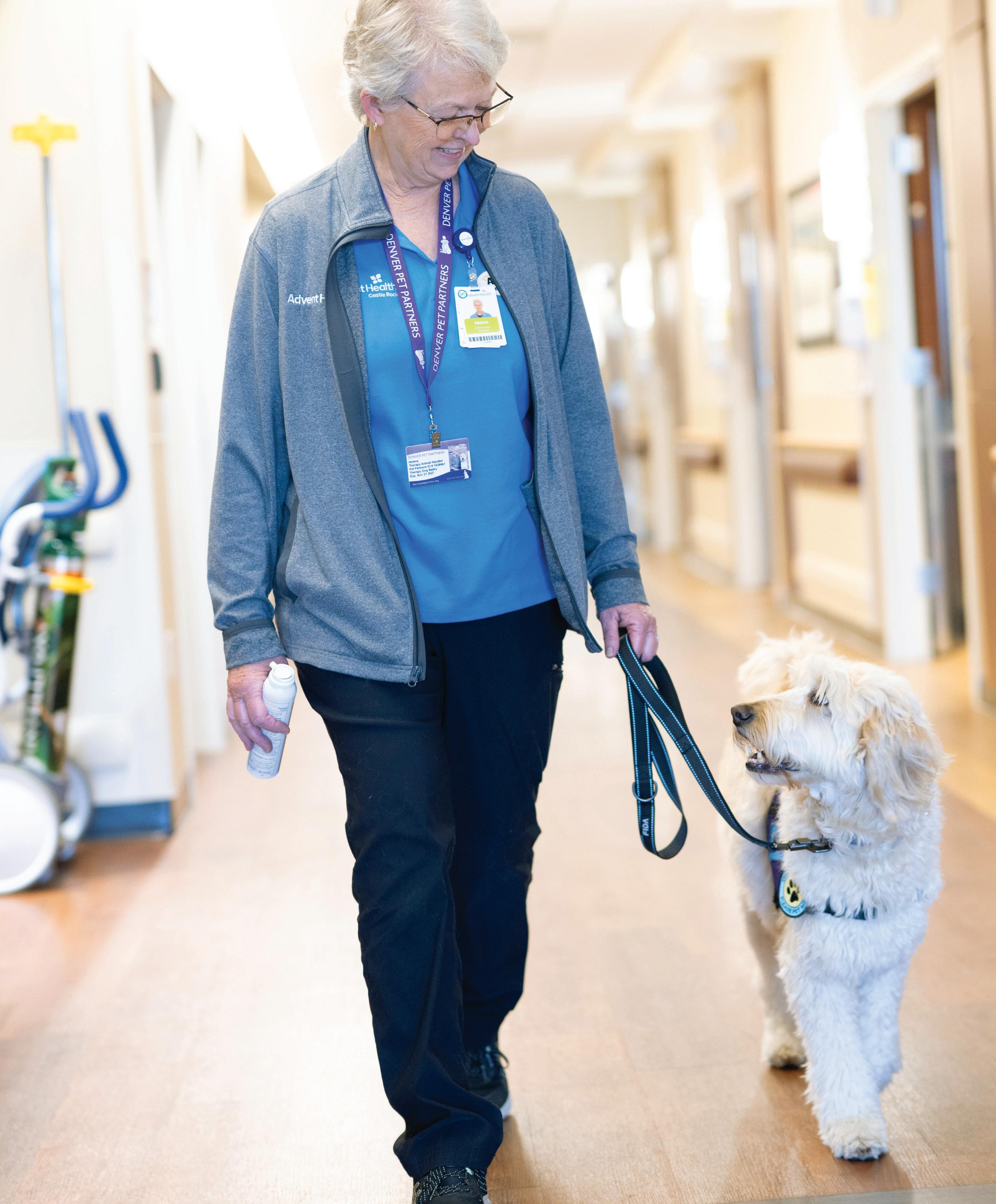

Some people are born to heal. Apparently, some canines — including Bailey, a 3-yearold goldendoodle — are born with the same passion.
Once a week, Bailey spends a couple of hours roaming the hospital with her owner. Bailey sni s out anyone who could benefit from a few minutes with a furry comforter on four legs.


Like all of the hospital’s 12 canine volunteers, Bailey underwent specialized training through Denver Pet Partners, says Marti Jones, volunteer coordinator. She’s seen the di erence dogs make since the hospital first welcomed them in 2016.
“So many studies show a visit from a dog can boost patient morale,” she says, “not to mention what it does for our sta .”
Bailey seems to enjoy it, too, says her owner, Helena Clark.
“Her tail is her emotional barometer,” Clark says. “When it’s time to visit the hospital, her tail is always up. When there are kids in the room, her tail just wags like crazy.”
AdventHealth Castle Rock may be the smallest of AdventHealth’s five Colorado hospitals, but it boasts the most volunteers, Jones says. “We’re blessed to live in this area,” Jones says. “About 98% of our volunteers come from within 10 miles of the hospital.”


They are a dedicated group, who show up week in and week out, in snowstorms and sunshine alike, she says. They serve in dozens of roles, from greeting patients to restocking ER supplies.
Jones says she’s always seeking new ways volunteers can help. One volunteer, after losing his wife, suggested a grief support group that has since developed into a program.


Number of teenagers who volunteer: 41
Number of canine volunteers: 12
Average daily number of volunteers: 25 to 30
Hours donated in 2025: 23,500
“When you serve with people who will give of their time and talent like this, it’s so wonderful,” Jones says.




Advanced cancer treatments based on genetics — along with a new Castle Rock cancer center — are making life easier for local patients.
For many people, cancer treatment brings to mind weeks of chemotherapy and radiation therapy, harsh side e ects and months of putting life on hold. But that picture is no longer accurate in many cases.
In the United States, about four out of 10 people will be diagnosed with cancer in their lifetime. While the statistics feel daunting, advances over the past two decades have dramatically changed how cancer is treated — and how patients feel during treatment.
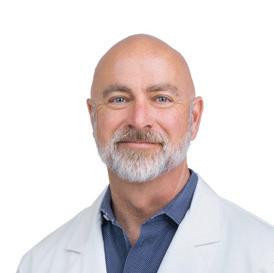
“Today, we’re no longer treating cancer as a single disease,” says Scott Herbert, MD, hematology oncologist with the new Schrader Family Cancer Center at AdventHealth Castle Rock. “We’re learning what makes each cancer grow, and we’re using that information to tailor treatment to the individual patient.”
That shift begins with testing. In addition to traditional lab tests, many cancers are now analyzed at the genetic level. Today, doctors can study the tumor itself to better understand what’s driving growth in each person’s cancer.
This insight allows providers to choose therapies that are more precise and often less toxic than traditional approaches. Rather than relying solely on chemotherapy, doctors can select treatments based on the specific biology of each patient’s cancer.
Modern cancer care includes a growing range of treatments on the medical and radiation therapy sides, including targeted therapies and immunotherapies. Immunotherapy helps the body’s natural
immune system recognize and attack cancer cells, while targeted treatments are designed to turn o specific genetic signals that allow cancer cells to divide and thrive. Radiation therapy, in some cases, can be delivered intravenously directly to the cancer tumor.
Another promising option is antibodydrug conjugates. These medicines use antibodies to deliver small, targeted doses of chemotherapy directly to cancer cells, limiting exposure to healthy tissue.
For patients, these newer treatments often mean fewer side e ects like fatigue, nausea and hair loss. By reducing the side e ects, patients have more ability to continue daily routines, from working and staying active to spending meaningful time with loved ones.
“The goal of the newer therapies is to target the cancer cells while sparing the healthy cells. This helps decrease side e ects and makes sure we’re focused on quality of life while patients are getting treatment,” Dr. Herbert says.
Clinical trials are another important tool of modern cancer care. Clinical trials o er access to therapies that have passed safety tests and are being tested for e ectiveness in patients to obtain widespread approval by the U.S. Food and Drug Administration.
At AdventHealth Castle Rock and its sister hospitals throughout the state, all cancer patients are screened for potential trial opportunities.
New therapies and clinical trials are some of the many considerations that go into customized treatment plans. These treatment plans are guided by a team of cancer care specialists who collaborate on cases through multidisciplinary conferences to ensure each patient’s plan is coordinated and comprehensive.
Scott Herbert, MD, is a boardcertified oncologist and hematologist at the Schrader Family Cancer Center at AdventHealth Castle Rock. He specializes in personalized cancer care, including targeted therapies, immunotherapy and treatment plans guided by genetic testing.
Dr. Herbert joined AdventHealth to help expand access to advanced cancer care in the growing Castle Rock community. “This community deserves a strong local cancer program so patients can receive treatment close to home,” he says. “The new center allows us to build a program tailored to the needs of our patients while delivering the highest level of care.”


Castle Rock community members no longer have to drive long distances to obtain top-quality cancer treatment, thanks to the opening of the Schrader Family Cancer Center.
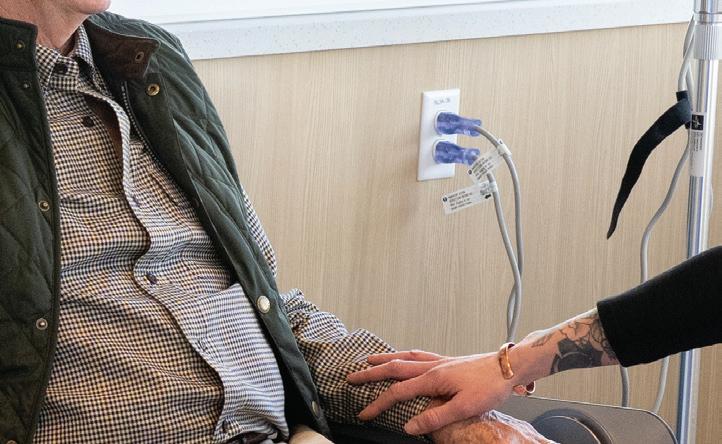
Located on the third floor of the Schrader Building beside AdventHealth Castle Rock Hospital, the center currently o ers medical oncology and an infusion center with 12 treatment bays where patients can get medications that require intravenous (IV) administration, including immunotherapy, targeted therapies and antibody-drug conjugates.
The center was supported by $14 million in community donations,
including an $8 million donation from the Schrader Family Fund.
“Many donors are former cancer patients who had to travel outside Castle Rock for their treatment,” says Michelle Fuentes, Chief Executive O cer of AdventHealth Castle Rock. “They wanted to make the journey easier for future patients.”
In addition to serving cancer patients, the infusion center provides therapies to patients with other conditions, such as osteoporosis and autoimmune and rheumatologic disorders, allowing more community members to receive care close to home. While receiving their treatments, patients will be able to
enjoy panoramic mountain views.
Before or after treatment, patients can utilize thoughtfully designed spaces, such as the Center for Spiritual Care and a Healing Terrace, which provide space and time for quiet reflection and moments of calm during a demanding journey.
The center also features an onsite oncology pharmacy and lab, and a dedicated care team focused on personalized, coordinated treatment. Radiation therapy services will open in 2027, bringing all cancer services under one roof.


To learn more about cancer treatments at the new Schrader Family Cancer Center, schedule a call with a cancer nurse navigator by calling 303-715-7106.












center.







The more researchers learn about sleep, the more it seems there’s nothing shut-eye can’t do for you.
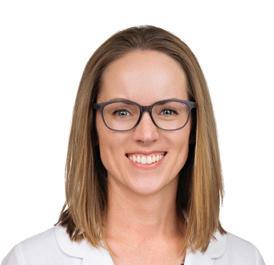
Sleep can be a powerful tool for better health, says Kristin Edwards, DO, a primary care provider at AdventHealth Medical Group Family Medicine at the Meadows. It helps protect brain function and lowers blood pressure. Additionally, it improves insulin sensitivity, which helps guard against type 2 diabetes.
The key to reaping these benefits is not just quantity but also quality.
Sleep quality is determined by how restorative and restful your sleep is. During quality sleep, “you go through four to five cycles a night,” including deep sleep and REM sleep, Dr. Edwards says.
“If you’re missing one of those stages, you might be in bed asleep, but you’re not getting all the benefits,” she says.
So, how do you know if you’re spending quality time under the covers?
Devices such as smartwatches and fitness trackers often provide sleep data, Dr. Edwards says. “The ones you wear are more accurate. They are better at recognizing sleep and can help give you a starting point.”
If those devices indicate you’re not getting the most out of your slumber, it’s nothing to lose sleep over, Dr. Edwards says. Instead, try these sleep hygiene habits:
Limit
ca eine.

The stimulant stays in your body even longer — for up to six hours, so skip the afternoon co ee or ca einated soda.
Create a restful environment.

Keep your bedroom cool and dark (try blackout window coverings or an eye mask), and try using a white noise machine or earplugs to shut out noise.
Give yourself time to wind down.

Shut o electronic screens at least one hour before going to sleep.
Develop sleep routines.

Go to bed and wake up around the same time.
SCAN TO SCHEDULE
To schedule an appointment with Dr. Edwards, call 720-455-3750 or scan this QR code to schedule an appointment online.






Everyone has a sleepless night now and then, Dr. Edwards says. But when you’re lying awake more than three nights a week for several months, it may be time to talk to your health care provider.
“A primary care physician can prescribe a sleep study, which often can be done at home with equipment you mail in for analysis,” Dr. Edwards says.
Whatever the cause, there is usually a treatment. If your lack of sleep is due to insomnia, cognitive behavioral therapy can help by reframing how you think of sleep. Or if you are diagnosed with sleep apnea — a condition where your breathing repeatedly stops and starts without you knowing it, which increases your risk of stroke and heart attack — there are lifestyle modifications, minimally invasive surgery or breathing machines you wear at night that can help, Dr. Edwards says.
In any case, sleep-aid medications are never the long-term answer, she says. “They don’t solve the problem, and there are a host of risks associated with them.”


Persistent abdominal pain, diarrhea, constipation or blood in the stool should be evaluated by a medical professional.

How Crohn’s disease, ulcerative colitis and IBS di er — and why the distinction matters.
Digestive symptoms like abdominal pain, diarrhea and constipation can be frustrating — and confusing. Conditions such as Crohn’s disease, ulcerative colitis and irritable bowel syndrome (IBS) are often mentioned together, even though they are very di erent disorders with distinct causes and treatments.
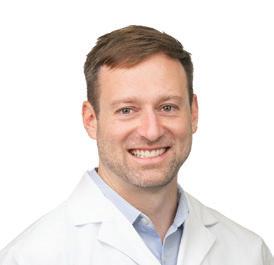
“Part of the confusion comes from how similar the names sound,” says Ryan Smith, MD, a colorectal surgeon at AdventHealth Castle Rock. “Crohn’s disease and ulcerative colitis are both inflammatory bowel diseases, or IBD, while IBS is irritable bowel syndrome, which is not inflammatory at all.”
To help clarify the di erences, Dr. Smith explains in the chart below how these conditions are diagnosed and managed.

What It Is
Where It Occurs
Common Symptoms
How It’s Diagnosed
Primary Treatments
When Surgery Is Needed
Types of Surgery
Crohn’s Disease Ulcerative Colitis Irritable Bowel Syndrome (IBS)
Inflammation of the bowel wall
Any part of the GI tract, from mouth to anus
Abdominal pain, diarrhea, weight loss, bowel obstruction from strictures
Colonoscopy with biopsy or imaging
Inflammation in the lining of the colon

Altered gut function and sensitivity
A ects only the colon Does not damage the GI tract
Bloody diarrhea, urgency, abdominal pain, fatigue

Immunesuppressing medications

For complications that don’t respond to medication
Colonoscopy with biopsy
Constipation, diarrhea, or both, often with abdominal pain or bloating
By ruling out other causes
Immunesuppressing medications Lifestyle changes

Removal of narrowed or damaged bowel segments

If medicine doesn’t work or it gets severe
Removal of the colon
Surgery is not used
Not applicable






Stay in the game by preventing the most common pickleball injuries.


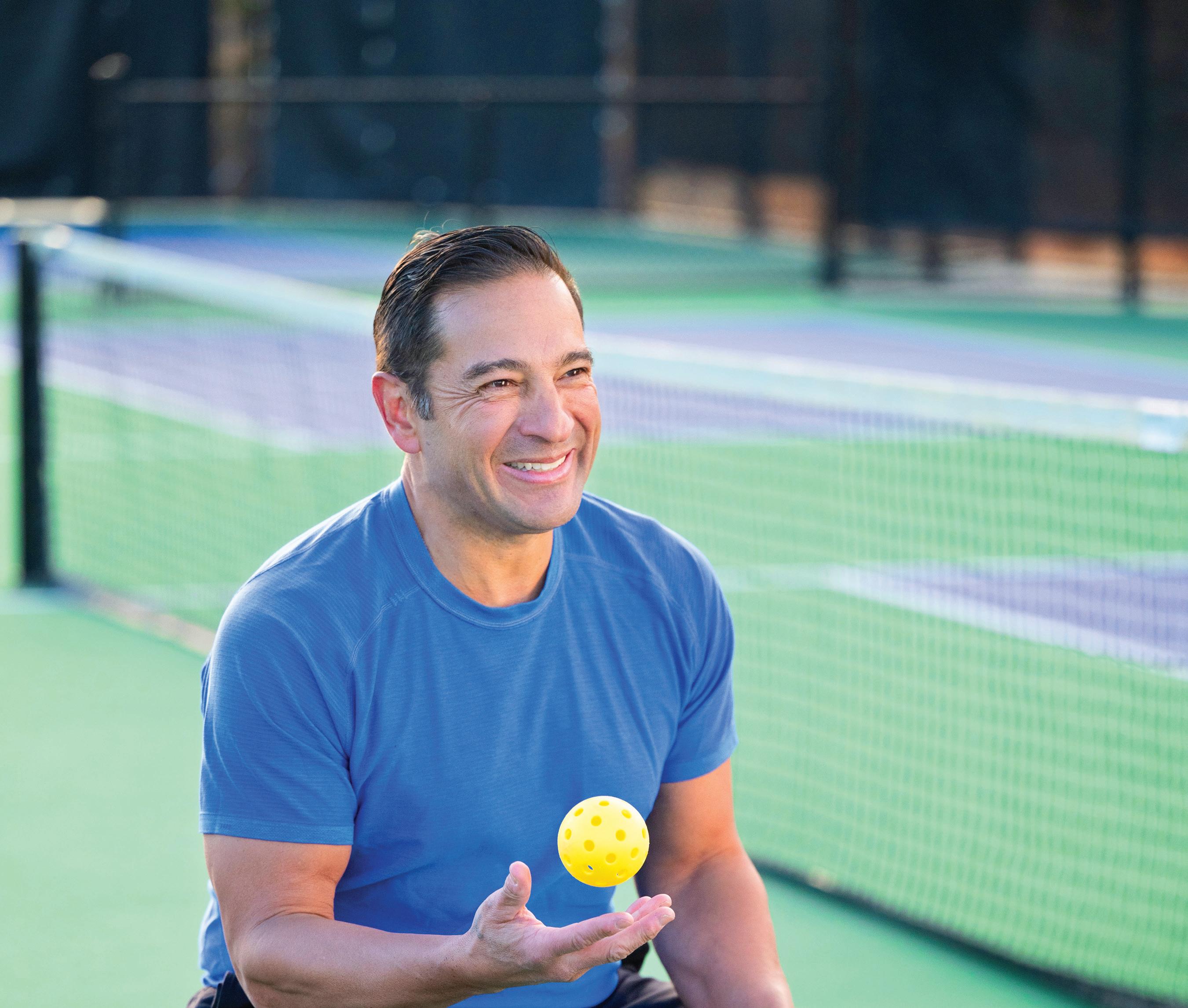
Nearly one in five adults play pickleball every year, a 35% increase since 2022. As participation increases, so do injuries.
“I see at least one to two new patients with pickleball injuries per week,” says Anthony Sanchez, MD, a board-certified orthopedics and sports medicine surgeon at AdventHealth Castle Rock.
Shoulders take the brunt.



Common pickleball injuries di er by the player’s age. Fractures are the most common pickleball injuries in players over the age of 65, but pickleball injuries from overuse and falls are more common with younger players. The average age of participants is now 35, which is reflected in the patients walking into Dr. Sanchez’s Castle Rock o ce.
“I don’t see a lot of fractures, but I do see a lot of overuse injuries,” he says.

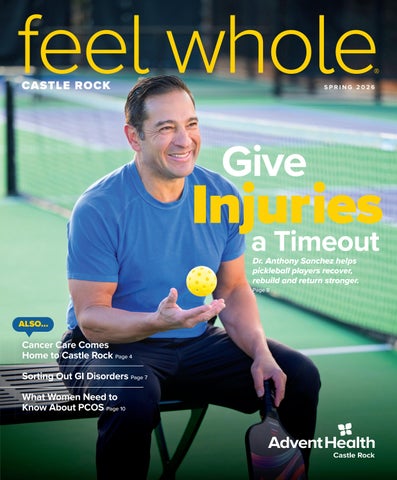
As a pickleball player, Dr. Anthony Sanchez wants to keep his patients on the court without injuries.

The most common injuries Dr. Sanchez treats are:
• Shoulder bursitis — inflammation of the cushiony space between the bones and connective tissue in the shoulder
• Bicep tendonitis — inflammation or irritation of the long muscle that connects the shoulder to the bicep
• Rotator cu injuries — inflammation, strains or damage to the muscles that help shoulders move

“The repetitive motion of swinging the racket coupled with weak muscles and poor posture can put a lot of strain on shoulders,” Dr. Sanchez says. “We spend much of our life hunched over. By improving your posture and core strength, you improve shoulder function and help prevent pickleball injuries.”
The most common acute injury Dr. Sanchez sees is an Achilles tendon rupture, which occurs when the tendon in the back of the lower leg partially or fully tears.
“Whether you’re advanced or just beginning, if you have tight hamstrings and calves, you may subject yourself to Achilles tendon issues,” Dr. Sanchez says.










“I see at least one to two new patients with pickleball injuries per week.”




Preparation and rest prevent injuries.
Many pickleball players do not want to take time o .
“I’ve had patients come in requesting a cortisone shot so they can play in their next tournament,” Dr. Sanchez says. “But they need to take the time to treat the underlying issue.”
Dr. Sanchez and his team work closely with patients to strengthen muscles and create a rehabilitation routine.
“Whether with our physical therapy team or a good homebased exercise program, it’s important for patients to do strengthening and stretching exercises to improve their overall health,” he says.
Stop playing when experiencing pain or unusual soreness to possibly avoid having to sit on the bench much longer, Dr. Sanchez says.

“Come in with minor symptoms, and we can implement therapeutic exercises to help you heal and reduce future injury risk.”




Whether you are new to pickleball or a veteran player, here are three tips to reduce the risk of injury:
1. Stretch and strengthen. Don’t expect your body to be ready for pickleball if you’ve been sedentary for years or never played a racket sport. Proper stretching and strengthening exercises are key to preventing injuries.
2. Take time o . No one can (or “should”) play every day or with injuries. Weave in “o ” days to your routine.
3. Seek care sooner than later. Don’t wait a month or two if you have a nagging injury. Seeing a physician sooner in the process can help reduce inflammation and pain while getting you back on the court sooner.
MEET DR. SANCHEZ!

To learn more about Dr. Sanchez, scan this code. To schedule an appointment, call 720-455-3775.


HealthFit o ers a welcoming environment along with medical recovery programs.
If you’re looking for a gym without crowds, or you’re recovering or living with a health condition, there’s a special place for you on the campus of AdventHealth Castle Rock. HealthFit Gym is a fullservice gym enjoyed by community members who may be looking for intensity in their workouts but not in their workout environment, says Sejal Lange, gym coordinator.
“Our facility is smaller and low-tra c, which creates a more intimate and welcoming environment,” Lange says.
HealthFit kinesiologists work with members to create programs to reach their goals, whether general health or optimal sports performance. HealthFit also supports patients referred from orthopedics, physical therapy, pain management and other medical providers.
“Our personal trainer is certified by the American Council on Exercise and works with all ages of members, from teens to seniors,” Lange says.
“She is also Pink Ribbon-certified and can create exercise programs for individuals recovering from breast cancer and those who have undergone breast reconstruction.”
Additional HealthFit o erings include the following:
• Strength and conditioning classes
• Prenatal and postnatal classes for pregnant women and new moms
Call 720-651-9015 to learn more about special discounts or sign up for a membership.

What polycystic ovary syndrome looks like, why it’s often missed and how it’s treated.
Polycystic ovary syndrome, or PCOS, a ects up to 10% of women and yet, as many as 70% go undiagnosed. That’s because symptoms often overlap with other conditions or change over time, which can delay evaluation and treatment.
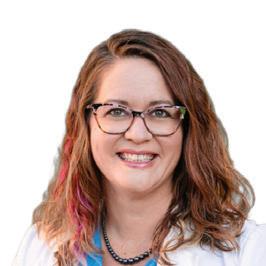
“PCOS is very common, but it’s also frequently misunderstood,” says Christine Snyder, MD, an OB/GYN at OnPoint Medical Group, an a liate of AdventHealth Castle Rock. “There isn’t a single symptom that defines it, and there isn’t one test that gives you a clear yes or no.”
PCOS is a hormonal condition that primarily a ects women during their reproductive years. At its core is irregular ovulation, which can lead to unpredictable menstrual cycles.
Despite its name, PCOS is not diagnosed simply by finding cysts on the ovaries. Diagnosis requires irregular or infrequent periods — typically fewer than eight cycles per year — plus at least one of the following:
• Elevated male hormones, detected in lab work or through symptoms, such as acne or unwanted hair growth
• Specific ultrasound findings related to ovarian size or follicle number
Other conditions, including thyroid and adrenal disorders, must also be ruled out, which is why evaluation by an OB/GYN is important.


Treatment available.
Treatment for PCOS depends on symptoms and goals — and on the woman herself and her lifestyle goals.
“For women who aren’t trying to become pregnant, hormonal birth control is often the most e ective option,” Dr. Snyder says. “It helps regulate cycles, lowers androgen levels and protects the uterine lining.”
For women who want to conceive or can’t take hormonal contraception, treatment may focus on insulin sensitivity and ovulation support (including lifestyle changes), or medications such as metformin or fertility therapies.
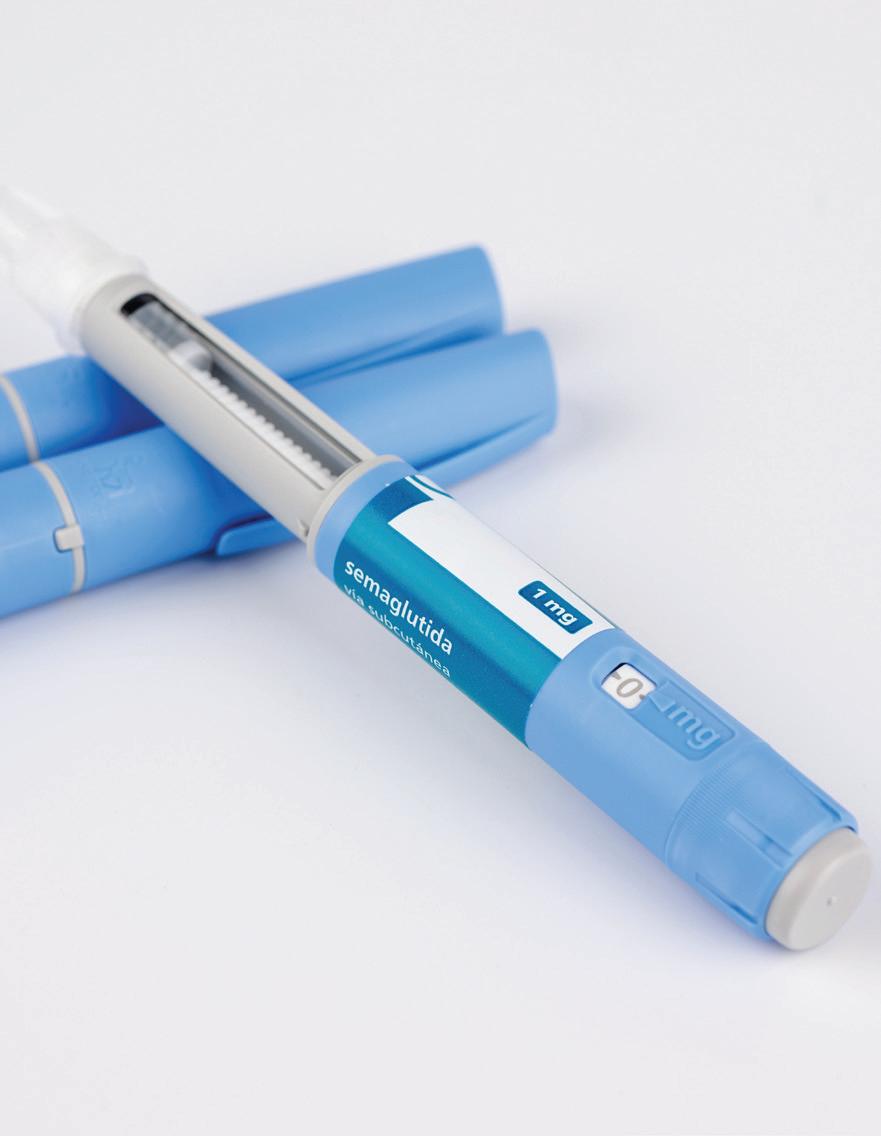
Even modest weight loss of 5% of body weight can help some women resume ovulation naturally.
“PCOS isn’t something to ignore,” Dr. Snyder says. “With the right approach, we can manage symptoms and reduce long-term risks.”



Don’t ignore symptoms.
Irregular periods, persistent acne, unwanted hair growth and di culty getting pregnant can be signs of PCOS. To schedule an appointment with Dr. Snyder, call 303-738-1100.

Researchers are beginning to explore whether popular weight-loss medications, such as semaglutide and tirzepatide (GLP-1 agonists), can help women with PCOS.
Because PCOS is often linked to insulin resistance, improving metabolic health may ease certain symptoms and support more regular ovulation. Early research suggests potential benefits, but experts emphasize that this area is still evolving. GLP-1 medications are not approved to treat PCOS and are not appropriate for women who are actively trying to get pregnant.
AdventHealth Castle Rock ER ranks top 10% in nation for pediatric readiness.

AdventHealth Castle Rock treats more than 2,500 pediatric emergency patients each year.
More than eight out of 10 emergency rooms are not trained or equipped to treat children — an issue that can make a huge di erence in outcomes. Recognizing this issue, AdventHealth Castle Rock worked for the past two years to ensure that kids in the community get the highest level of care.
That work recently paid o when EMSC Colorado awarded the emergency room at AdventHealth Castle Rock its prestigious COPPER award, which stands for COlorado Pediatric Preparedness for the Emergency Room. This Pediatric Advanced designation makes the ER one of only 20 hospitals in Colorado and the top 10% nationwide for pediatric readiness.
“We strive to ensure that all kids receive safe, timely and developmentally appropriate care,” says Kimberly Harbach, BSN, emergency department nurse educator, who worked with hospital leadership to obtain the designation. “This recognition shows that we are dedicated to maintaining readiness and consistently integrating pediatric-specific best practices and education into the ER.”
Children who are cared for in a hospital emergency room that participates in COPPER Pediatric Readiness have an 87% or higher survival rate, with much lower death rates for critically ill or injured children.
COPPER requirements include weighing children in kilograms vs. pounds (which provides more accurate medication dosing), having physician and nurse emergency care coordinators, continuing quality improvement processes and ongoing education, among other things.
“Children are not just small adults,” says Karen Kennedy, MSN, director of emergency services at AdventHealth Castle Rock. “They need di erent care than adults, from head to toe.”

Summer is a time of fun for kids and families alike, but it also brings health risks. At AdventHealth Castle Rock, trauma and poisonings are the most common pediatric summer emergencies.
“E-bike, electric scooter, horse and ATV traumas become more common as the weather gets nicer,” says Karen Kennedy, MSN, director of nursing services. “These devices can go way faster than a human can run, which can make the injuries even more severe.”
Poisonings from medications and cleaning substances are another top reason for pediatric ER visits. “Kids get under cabinets and drink things they shouldn’t, or they see medications and think they are candy,” Kennedy says.
Get a safe start to summer by sweeping the house, garage, yard and storage sheds to make sure that all gardening supplies — chemicals as well as tools — along with medications, cleaning supplies and other hazardous materials are out of reach of children or locked away.
Meet a few of our AdventHealth Medical Group (AHMG) primary care providers. All are accepting new patients.

Christina Hughes, DO
Bryen Turco, MD
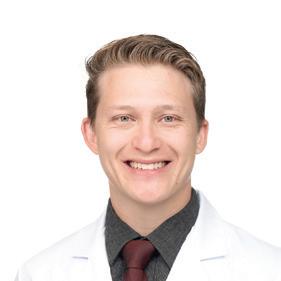
Michael Yuan, MD
AHMG Primary Care
To make an appointment with any of these providers, call 720-455-8024.
2350 Meadows Blvd.
Castle Rock, CO 80109

Join the AdventHealth Castle Rock BirthPlace for a FREE fun family event to learn about valuable family resources in our community. Families in need also can “shop” our Mommy and Me Market for new and gently used pregnancy and baby items at NO cost! Community organizations will be on hand to share information about programs and resources, including:
• Douglas County Health Department
• YANA Strong Moms Thriving Babies
• Manna Resource Center
• Birth Concierge Nurse Team
• Castle Rock Fire & Police Department: Car Seat Checks


Sunday, June 14, 2026 | 11 am to 2 pm
Healing Garden and adjacent parking lot (between the Alexander and Briscoe medical buildings) and hospital conference rooms
AdventHealth Castle Rock | 2350 Meadows Blvd. Castle Rock, CO

Scan this code to learn more or email our Birth Concierge at CRK.BirthConcierge@ AdventHealth.com.

Can’t make it to the event?
Explore a whole collection of free guides and helpful checklists designed to support you through pregnancy, getting ready for birth, and welcoming your new baby. Take a look and download what you need here: CastleRockBirthplace.com