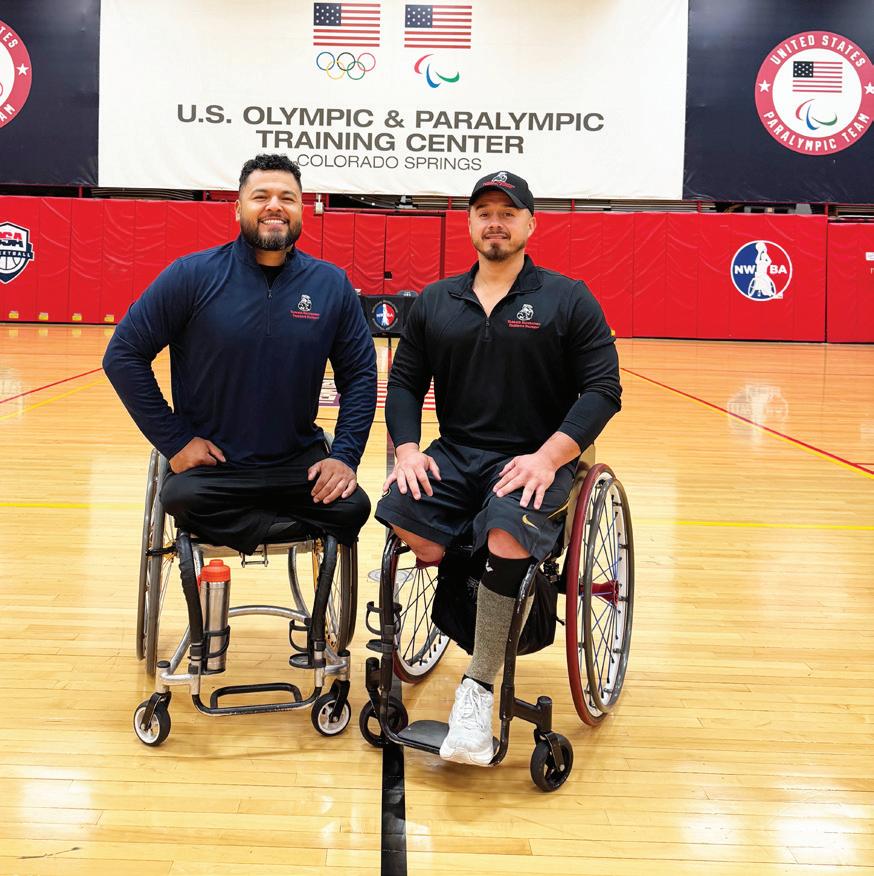
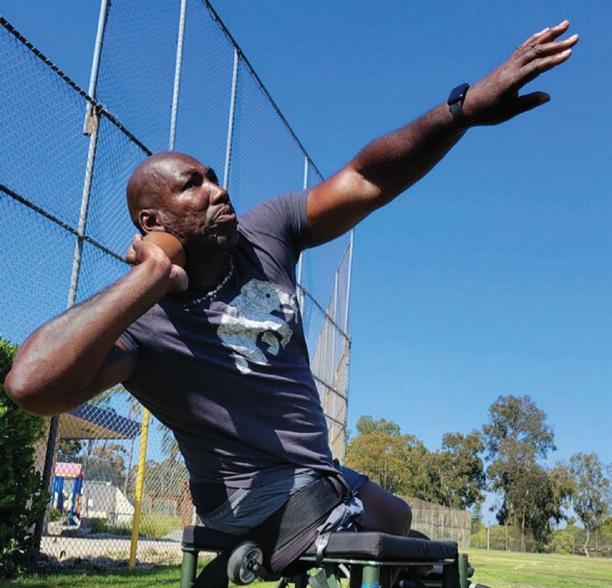
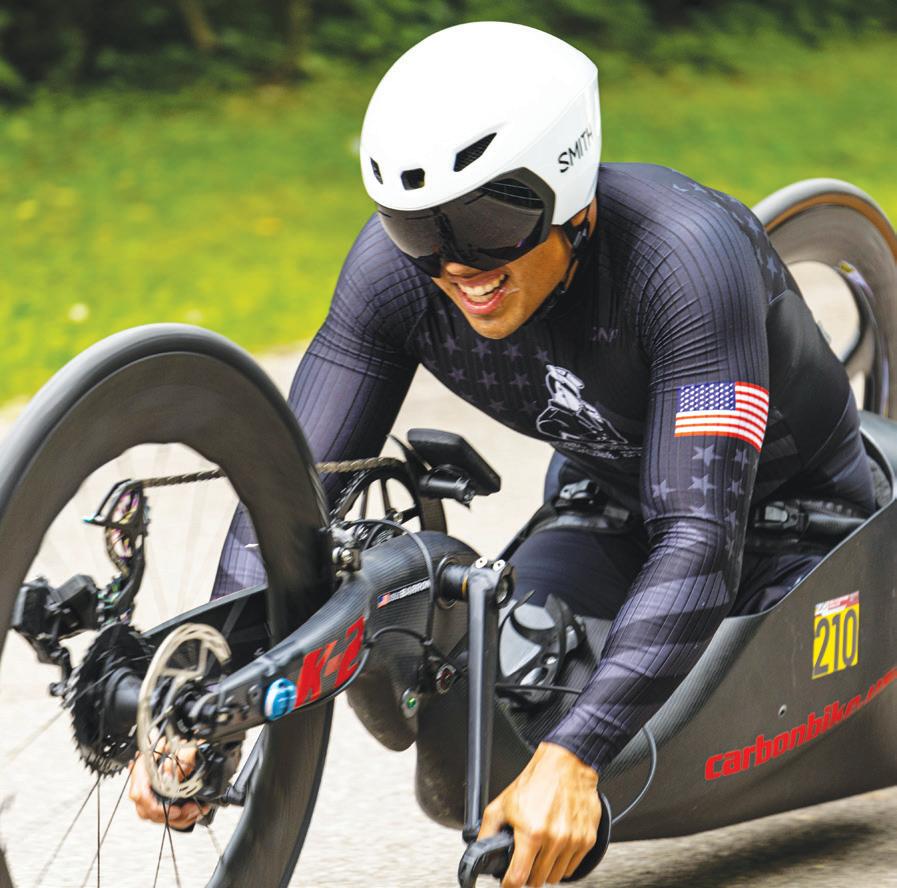
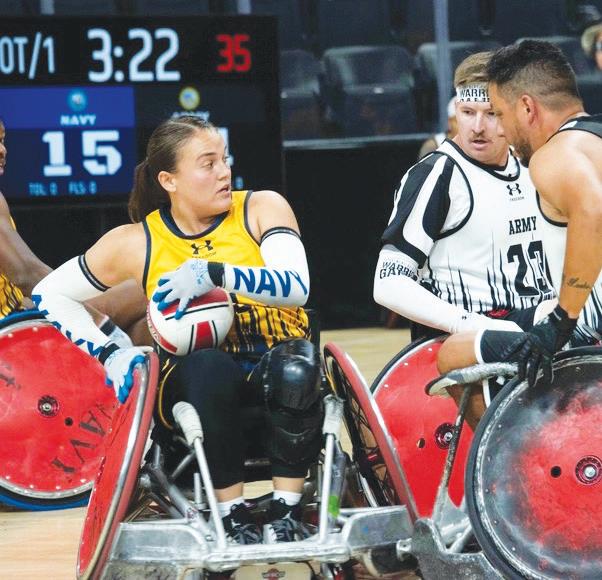
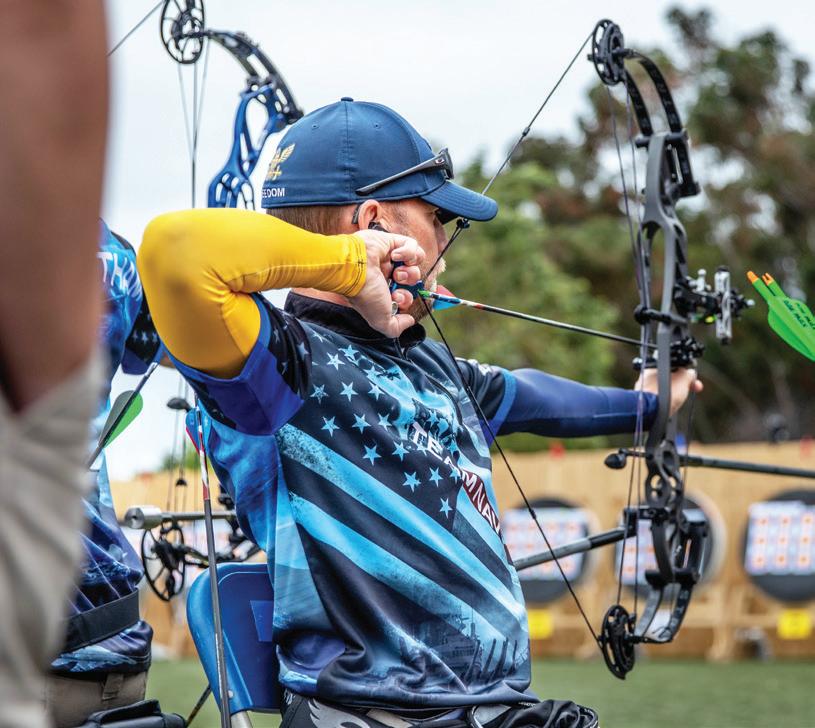
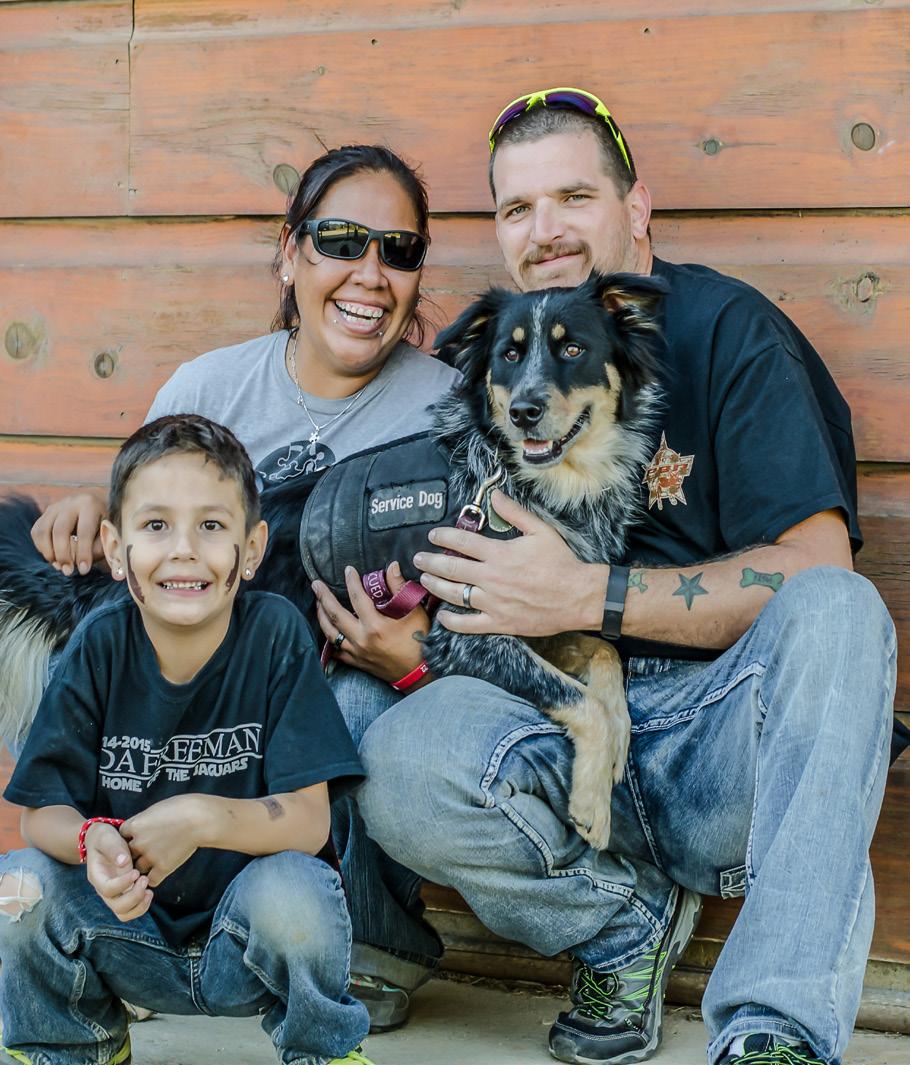
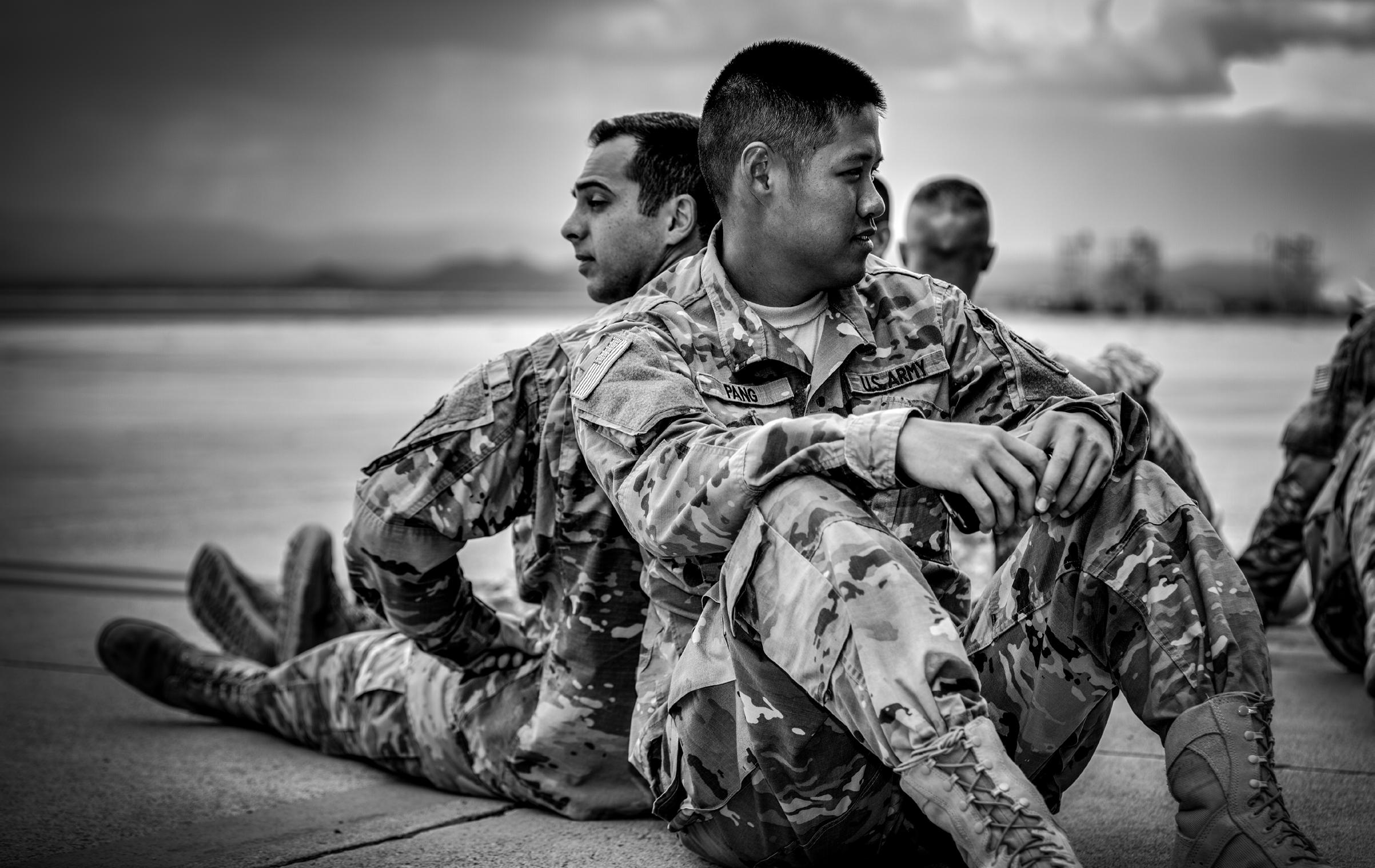
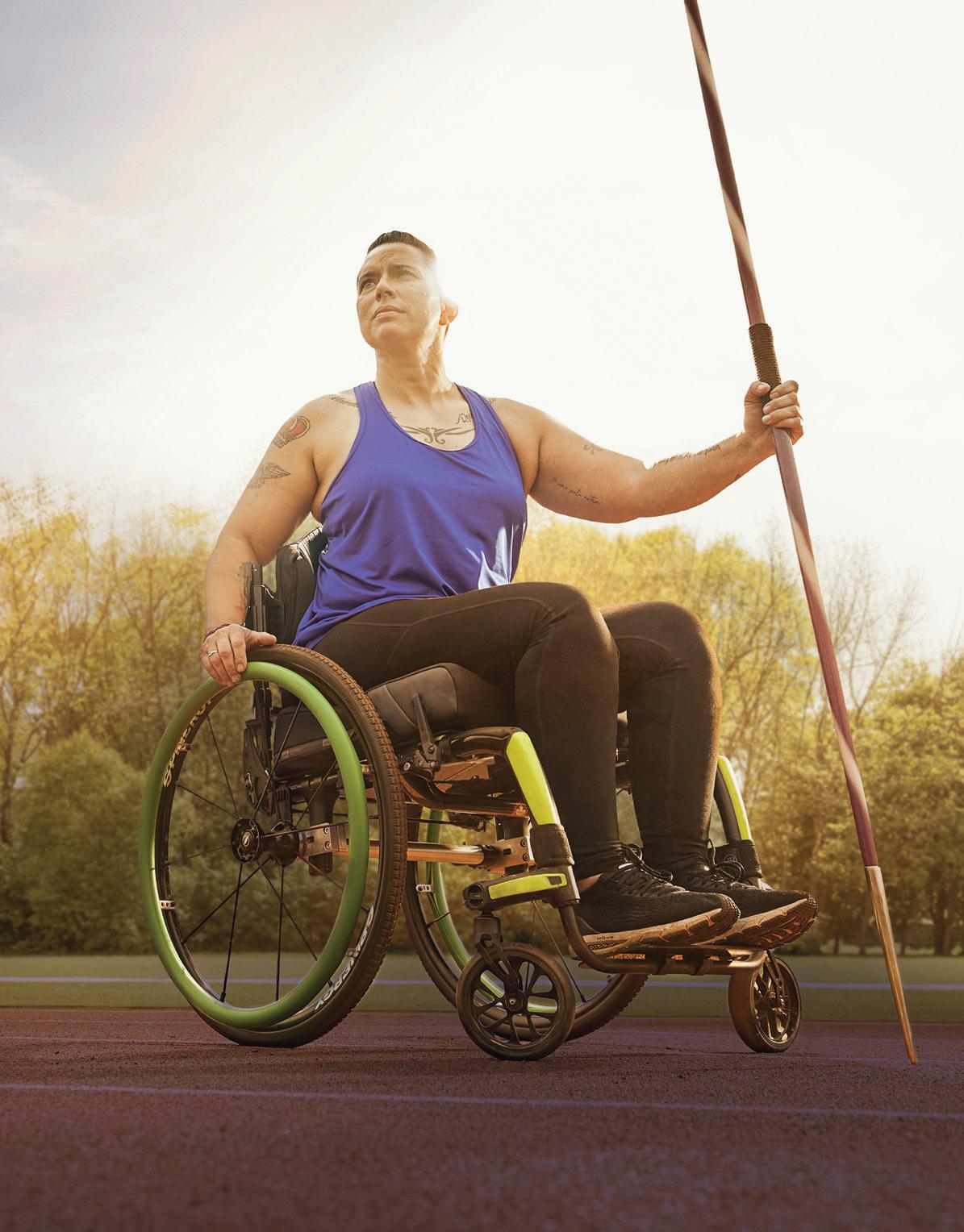
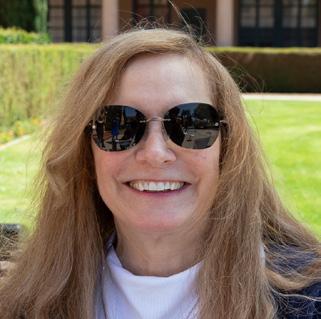
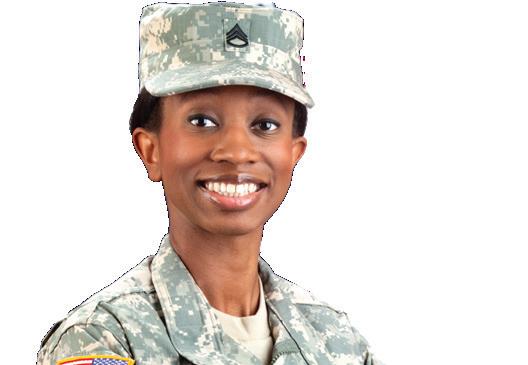
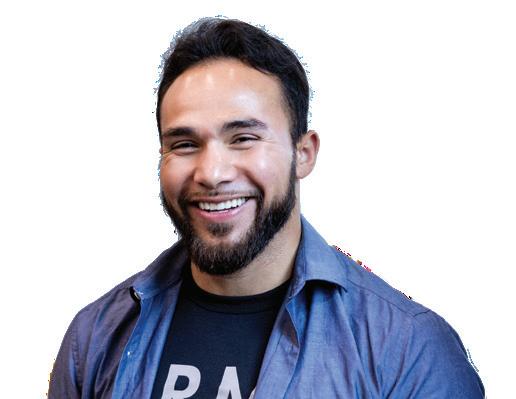
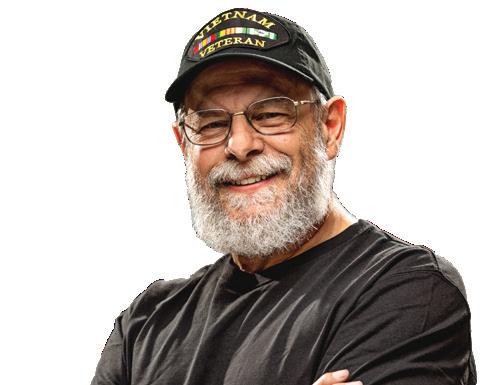
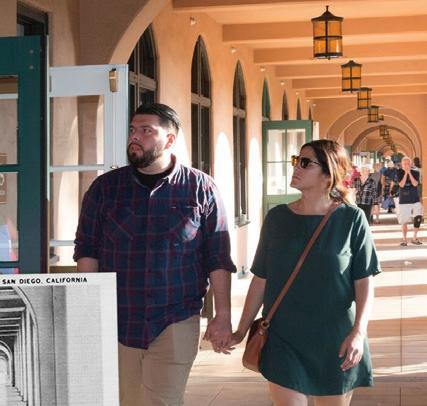
Warrior Foundation Freedom Station is dedicated to empowering our ill and injured Warriors through adaptive sports. More than competition, adaptive sports help Warriors rebuild strength, confidence, independence, and connection. Through specially modified athletic programs, Warriors are able to stay active, challenge their limits, and rediscover the joy of movement after injury. Whether participating in wheelchair basketball, adaptive cycling, or sled hockey, these opportunities inspire recovery, build camaraderie, and remind Warriors that anything is possible.
www.HomelandMagazine.com
Welcome to Homeland Magazine!
Homeland is a veteran-focused magazine throughout the country. It serves to assist all veterans, active military as well as their spouses and families.
It’s the leading veterans magazine emphasizing resources, support and focusing on topics and issues facing today’s veteran community. Homeland focuses on resources, support, community, transition, mental health and inspiration for our veterans, & military personnel.
The content is the driving force behind our magazine and the connection it makes with our veterans, service members, military families, and civilians.
The magazine is supported by a distinguishing list of veteran organizations & members, resource centers, coalitions, veteran advocates, and more.
We are honored to share the work of so many committed and thoughtful people.
Despite all the challenges, our team has upheld their focus and let not one opportunity go to provide resources and support to our veterans & military personnel.
On behalf of our team, we wanted to take this moment to say THANK YOU to the readers and the military and veteran community for supporting our magazine. With that support we aim to make a difference and continuing to make a profound impact on the quality of life for our veterans, military personnel and their families.
If you want to catch up on the current and all past issues please visit: www.homelandmagazine.com/archives
Homeland Magazine 9528 Miramar Road, #41 San Diego, CA 92126 (858) 275-4281
mikemiller@homelandmagazine.com
monthly. Submissions of photographs, Illustrations, drawings, and manuscripts are considered unsolicited materials and the publisher assumes no responsibility for the said items. All rights reserved
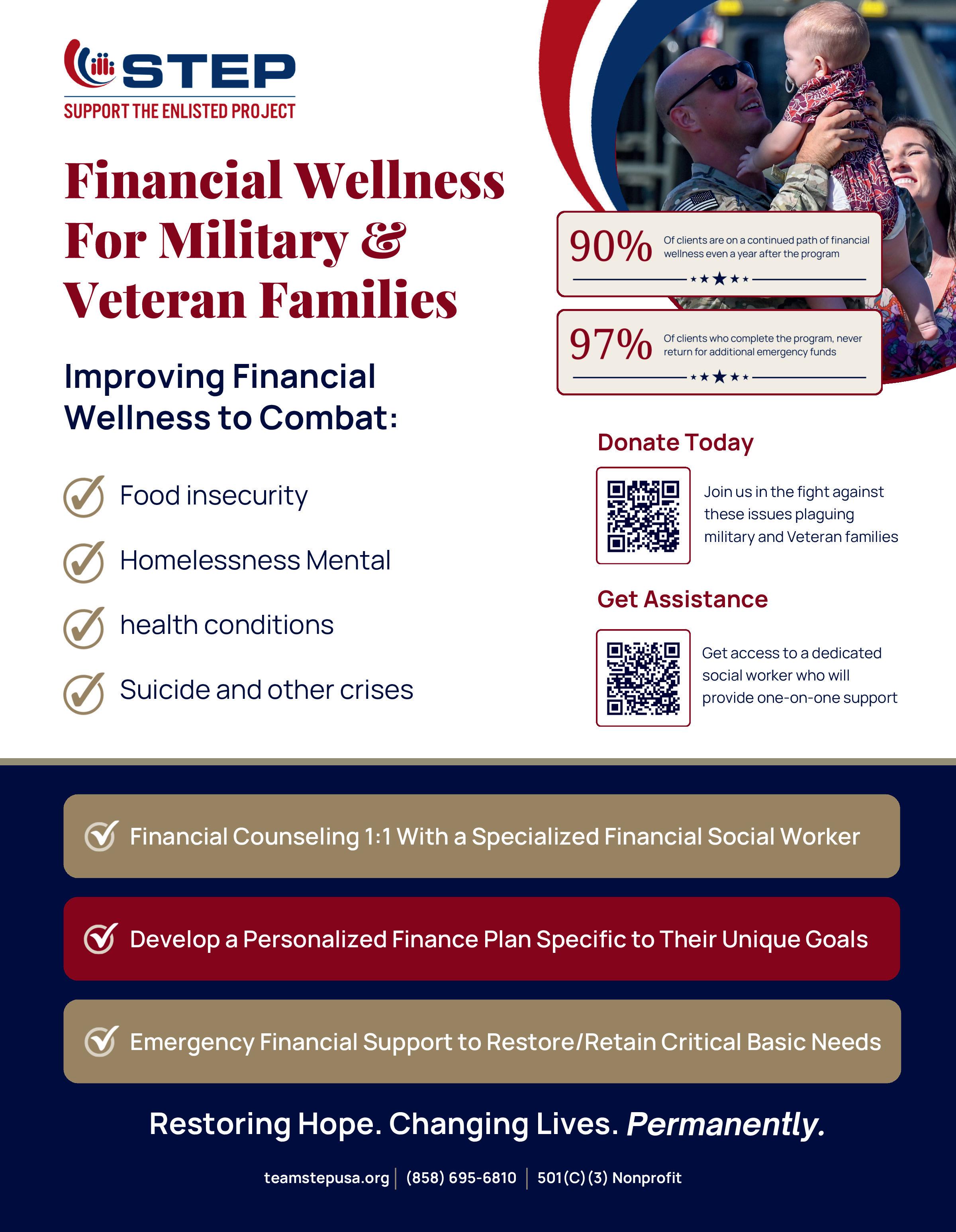
teamstepusa.org
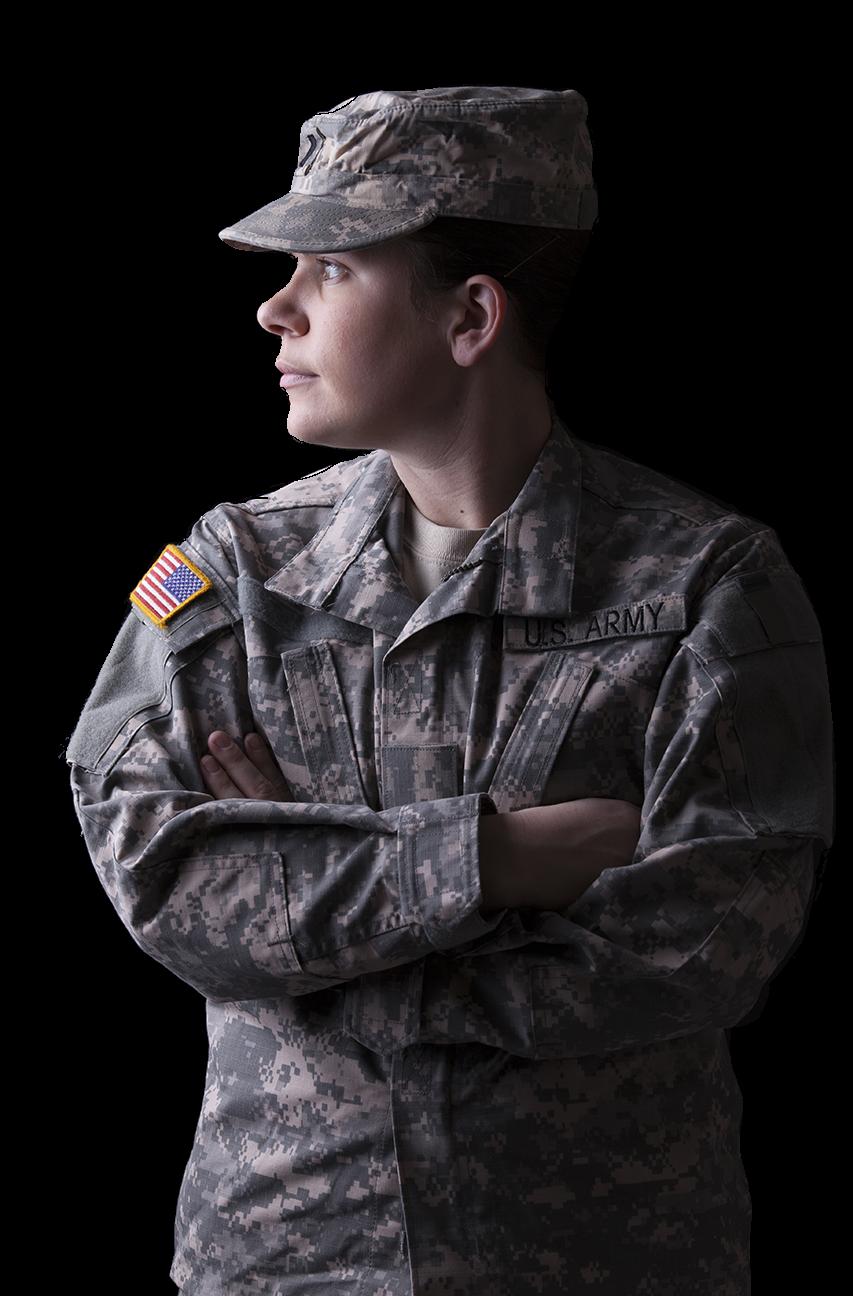
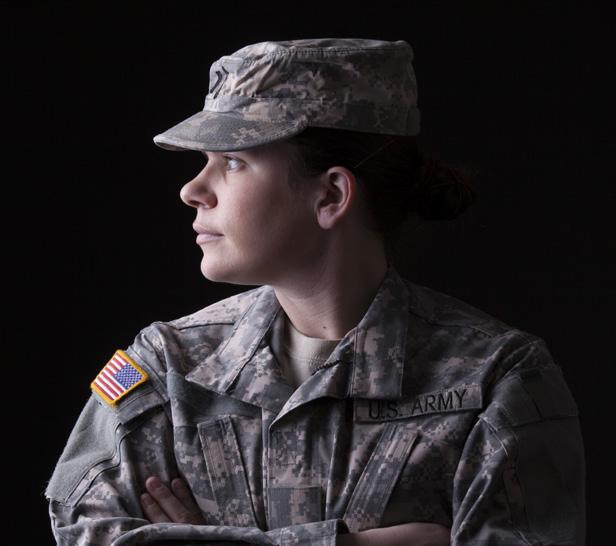
Women Veterans Day, observed every June 12, pays tribute to the courage, dedication, and sacrifices of women who have served in the U.S. armed forces. The date commemorates the 1948 Women’s Armed Services Integration Act, which established women as permanent members of the military.
Key Facts About Women Veterans Day
Significance: Women Veterans Day recognizes the nearly 3 million women who have served and continue to serve in the U.S. military.
Origin: The day commemorates June 12, 1948, when President Harry S. Truman signed the Women’s Armed Services Integration Act, granting women the right to serve as permanent members of the Army, Navy, Marine Corps, and Air Force.
Recognition: Although Women Veterans Day is not a federal holiday, several states have officially recognized June 12 through legislation or proclamations, with Texas becoming the first in 2017.
Celebration: Annual observances are often centered at the Military Women's Memorial, a national landmark honoring the contributions of women in military service.
History: Women have played vital roles in America’s military history since the American Revolutionary War, often serving in disguise or contributing as nurses, aides, and support personnel long before they were formally recognized in 1948.
Ways to Celebrate and Observe Women Veterans Day
Attend Commemorative Events: Take part in ceremonies, programs, and musical performances hosted at the Military Women's Memorial, located at the ceremonial entrance to Arlington National Cemetery.
Wear Recognition Items: Show your support for women veterans by wearing commemorative apparel, ribbons, or pins that honor their service and sacrifice.
Support Ongoing Recognition Efforts: Advocacy continues in Congress to establish Women Veterans Day as an officially recognized national observance, reflecting the growing appreciation for the contributions of women in military service.
Learn and Share: Explore educational resources, historical exhibits, and stories that highlight the legacy and achievements of women veterans, helping raise awareness within your community.
Military Women's Memorial womensmemorial.org
BEYOND THE BLAST
Afghanistan left him with lasting physical and psychological injuries. With DAV’s help, he found a path forward.
By Matt Saintsing
Richard Adams remembers precisely how far he was from the bomb’s explosion in Afghanistan in 2013. Ten feet—far enough to survive the improvised explosive device (IED) blast but close enough to watch his friend, a fellow combat engineer, lose both legs.
“We got tourniquets on almost immediately,” Adams said. “We were quick, and he made it.”
It was seven days after Adams’ 21st birthday. The blast threw him to the ground, knocking the wind out of him as he carried roughly 130 pounds of gear, including an M249 Squad Automatic Weapon. He spent two weeks recovering and being monitored for a brain injury since his eyes weren’t dilating properly.
“I didn’t know it at the time,” Adams said, “but it jacked me up pretty good.”
For him, coming home from war didn’t mean leaving it behind. During his deployment, he was hit with two additional IEDs. That left him with lasting injuries, including traumatic brain injury (TBI) and posttraumatic stress disorder (PTSD), conditions that often overlap, complicating access to care and benefits. But
with guidance from DAV, Adams secured the health care, compensation and educational benefits that gave him a path forward.
Adams experienced gaps in memory from before Afghanistan, including his childhood and high school years. He was also in significant physical pain, enough that he sought medical help while still on active duty.
Recognizing he needed help, Adams turned to Fred White, a DAV benefits advocate and senior associate national service officer in Muskogee, Oklahoma.
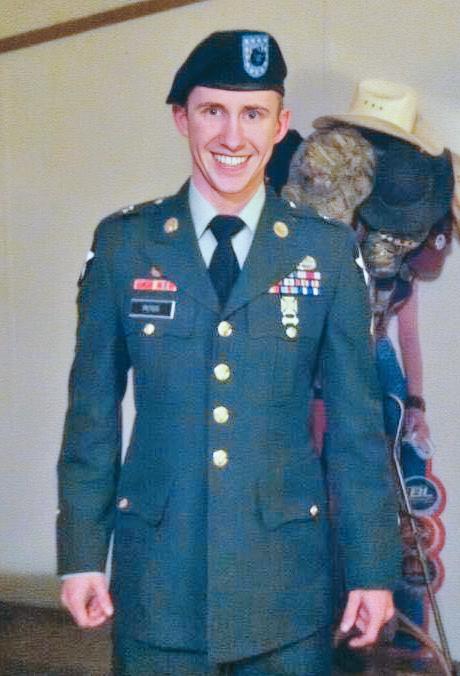
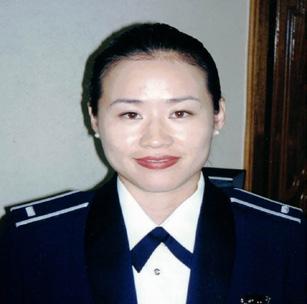
Left: Richard Adams in his Class A uniform after returning from Afghanistan. He later confronted injuries that reshaped his life.
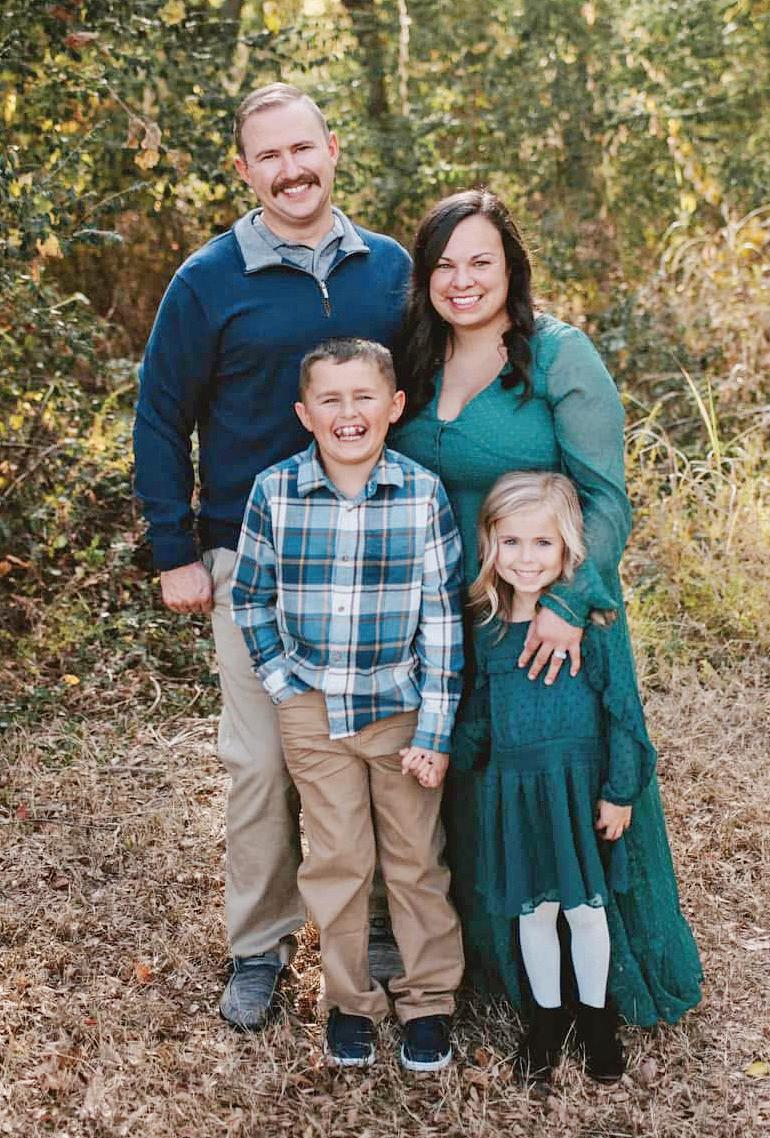
Above: At home with his wife and children, Adams has found new purpose in everything he fought to rebuild.
“He was a little lost and didn’t know how to navigate the VA system,” White said.
White submitted initial claims with the Department of Veterans Affairs for PTSD, TBI, migraines and tinnitus, as well as injuries to Adams’ back, left shoulder and hand. Those ailments also traced back to other brushes with death during his combat deployment.
Two months after arriving in Afghanistan, Adams was driving the lead MRAP (mine-resistant, ambush-protected) vehicle on a route-clearance mission when it struck an IED.
“It was raining, and we couldn’t see the ground well,” Adams said. “I drew the short stick.”
The blast—equivalent to 90 pounds of dynamite— blew off both front tires and filled the cab with smoke and dust. Five soldiers along with Adams stumbled out the back, all concussed.
“Pain was a full-body experience,” Adams said. A third, less perilous IED later struck his Husky, a single-seat vehicle Adams was operating to detect roadside bombs.
As Adams pursued his VA claims, the familiar challenge of merging PTSD and TBI came into the picture.
“The VA often says they can’t distinguish between PTSD and TBI symptoms,” White said. “But in this case, we were able to show they were clearly different.”
The key was pushing for separate medical evaluations focused on each ailment.
“The cognitive issues from his TBI had nothing to do with the nightmares and anger associated with PTSD,” White said. “It came down to making the VA do its due diligence.”
“The compensation lifted a financial burden,” Adams said. “It gives me peace of mind knowing that if I can’t work, that support is there.”
Those claims were approved, and in 2016, Adams’ disability ratings were increased to better reflect his medical reality. Then, after the DAV-championed PACT Act—the largest expansion of veterans benefits in history—was signed into law in 2022, Adams received benefits for presumptive respiratory illnesses linked to burn pit exposure, including asthma.
“We were on a zero-waste base, so we burned everything,” Adams said. “My tent was less than 100 feet from the burn pit.”
Today, his service is a constant reminder. Nightmares are frequent. Loud noises—especially children screaming while playing—can pull him back overseas. Migraines from his TBI still strike several times a month. He must sleep completely in the dark or risk getting sick from sunlight exposure. Musculoskeletal pain makes it difficult to sit, walk or get out of bed.
“I can’t pick my son up, and he’s only 78 pounds,” Adams said. “When I was younger, that wouldn’t have been a problem.”
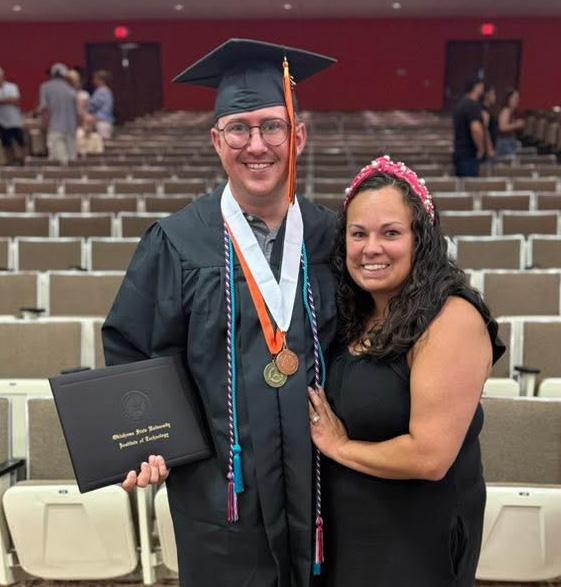
Adams also used educational benefits secured with DAV’s help to earn associate and bachelor’s degrees from the Oklahoma State University Institute of Technology. While crowded classrooms posed challenges, the benefits and support he received helped him adapt.
“It was life-changing,” said Christopher Colon, assistant supervisor of DAV’s Muskogee office, about the assistance Adams received. “There were a lot of moving parts, and DAV was there for all of them.” n
White
With his wife by his side, Adams marks a hard-won milestone—proof that life after injury can still move forward.
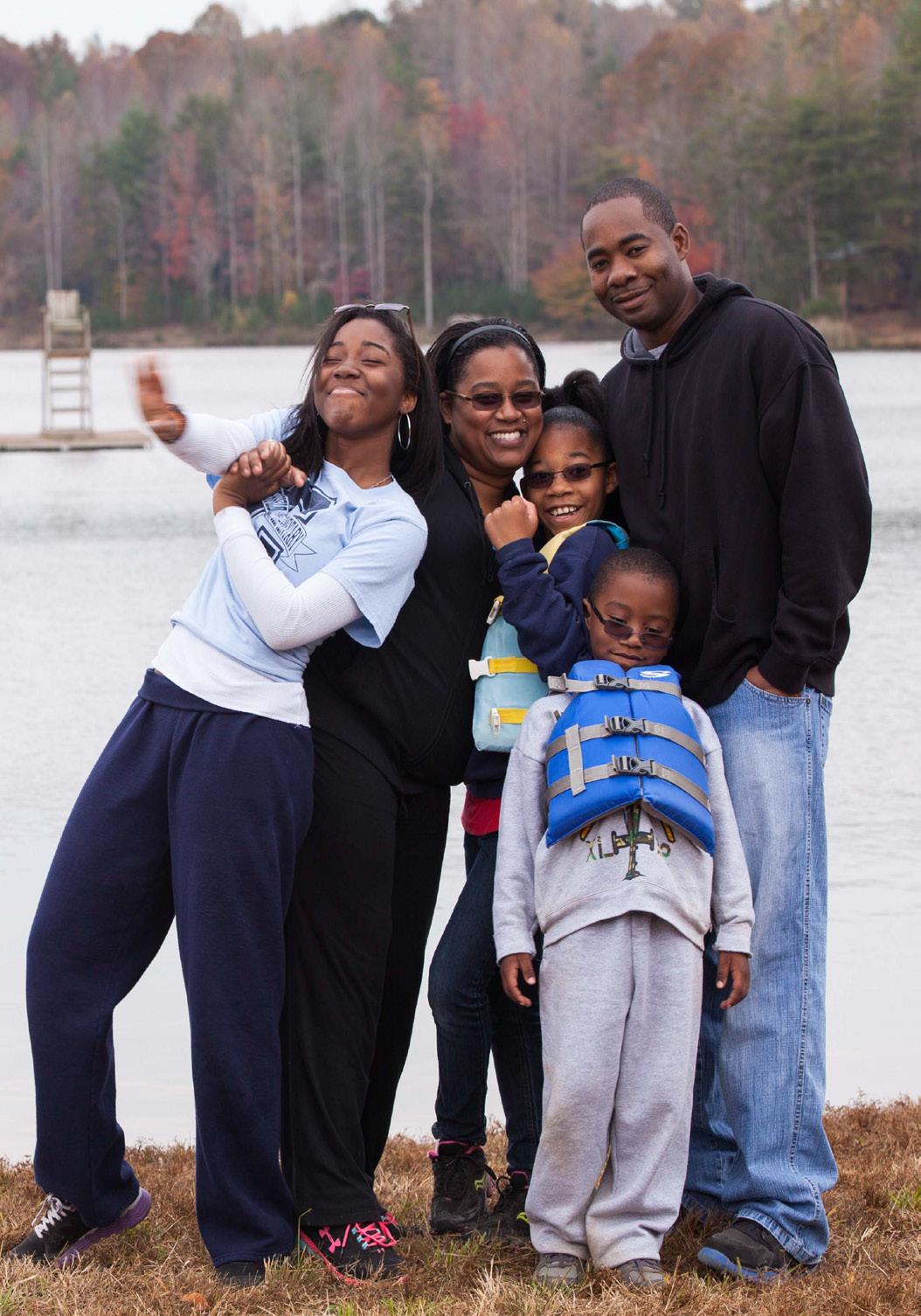
When Warriors Come Home: Healing the Whole Family
Eagle Rock National Center for Veteran Families is addressing the invisible wounds of military service — not just for veterans, but for every member of the family they come home to.
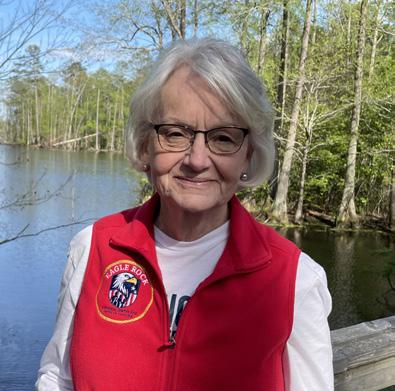
By Lynn Marilla | Founder and CEO, Eagle Rock National Center for Veteran Families
Every June, National PTSD Awareness Month asks us to stop and reckon with a truth that too many American families live with every day: the wars our service members fight do not end when they come home. The body returns. The mind and spirit often do not. According to Operation Deep Dive, a community-based study in partnership with Duke University researchers and America’s Warriors Partnership, as many as 46 veterans die each day from suicide and other selfinflicted means — nearly double the widely cited figure of 22. Behind every one of those numbers is a family that loved someone who could not find their way back.
I founded Eagle Rock National Center for Veteran Families 15 years ago because I knew from my own military family that the visible wounds are only part of the story. The harder wounds — the moral and spiritual injuries, the emotional distance that quietly takes root between a warrior and the people who waited for them — are the ones that traditional veterans’ care systems rarely reach. Eagle Rock exists to reach them.
Healing the Entire Family Unit
What makes Eagle Rock different from most veteransupport organizations is simple: we never separate the warrior from the family. When a service member deploys — and today’s military families routinely endure multiple deployments, years of separation, and the chronic stress of uncertainty — every member of the household is changed. Spouses carry invisible emotional weight. Children struggle to understand why their parent seems different. Marriages fracture under the pressure of homecomings that look nothing like the reunions families imagined.
Our week-long, residential retreats — offered at no charge to veteran and military families — bring couples and their children together in a safe, peer-led environment designed by veterans, for veterans. Set in natural surroundings away from the noise of daily life, the retreats provide immersive workshops, outdoor experiences, guided conversations, and chaplain support. The goal is not just to talk about reconnecting. It is to reconnect — and to leave with practical tools that make resilience a daily practice.
The outcomes speak for themselves. In 2025, 97 percent of veteran couples who completed Eagle Rock retreats reported a higher sense of hope. Nearly 70 percent reported improved marriage satisfaction, and 66 percent said they communicated more frequently with their spouse. One hundred percent of participating families reported significantly lower distress.
Tools for the Long Road Home
Our programming is built around the understanding that healing is not a single moment — it is a process. Retreat participants learn concrete communication and conflictresolution tools: how to listen without defensiveness, how to turn toward a partner instead of away, how to shift
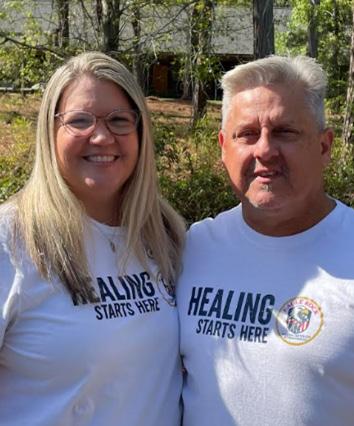
Eagle Rock Staff
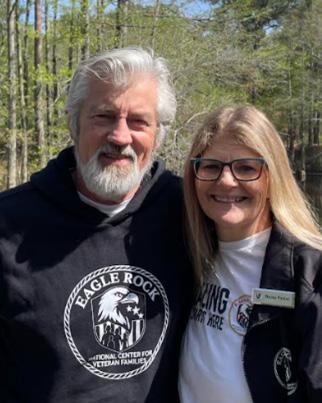
Eagle Rock Staff
from a combat mindset into the rhythms of marriage and parenthood. Children receive age-appropriate parallel programming that gives them their own language for what they have experienced, while parents work on their relationship in the mornings and the whole family reconnects together in the afternoons.
One of our chaplains uses a battered metal toolbox as a teaching centerpiece — a reminder that everything a family receives in a retreat is meant to be used, not stored. When couples call in crisis months later, his first question is always the same: “Where are your tools?” Most of what they need, they already have. They just need the confidence and community to use them.
Eagle Rock’s model relies on veteran peer leaders — couples who have walked the same road and now serve as facilitators, coaches, and chaplains. This peer-to-peer structure means families arrive to people who understand without explanation. You never have to translate the experience of a deployment to someone who has lived it.
A National Mission, A Permanent Home
This year, Eagle Rock takes a major step forward. We are expanding from a handful of retreats annually to 10 full retreats in 2026 — a growth of more than 500 percent in
services delivered. Families are now coming to us from 38 states, and applications have outpaced our capacity. The need is not diminishing. It is growing.
To meet that need, we have launched a three-year, $13 million capital campaign to acquire a permanent Eagle Rock retreat facility. A permanent home will allow us to serve more than 200 families a year across 20 annual retreats, strengthen our aftercare program — which provides ongoing support through phone, video, and community outreach long after a family leaves the retreat — and deepen our partnerships with organizations like Got Your 6 and Reboot Recovery to ensure veterans have access to comprehensive care.
We recently launched a new brand identity and website — www.EagleRockNational.org designed to serve as a national hub where veterans and their families can quickly understand what we offer, access vetted resources, and reach out for help at any stage of their journey. Whether a family is in active crisis or simply struggling to find their footing after a last deployment, I want them to land on that page and feel seen.
This June, as we mark National PTSD Awareness Month, We want every veteran and every military family to know you do not have to hold it together alone. The distance you feel is not permanent. The tools to close it exist. And there is a community of people who have walked where you are walking and come out the other side — still married, still a family, still hopeful, and thriving”.
ABOUT THE AUTHOR
With a multi-generational legacy spanning fromWWI to her own son’s service in the Gulf War, Lynn Marilla intimately understands military life and family trauma. After navigating the premature death of her husband, raising sons alone, and managing her brother’s quadriplegia, Lynn founded Eagle Rock National Center for Veteran Families in 2011 in Hickory, North Carolina. Driven by a mission to heal the invisible wounds many veterans, service members, and their families experience, Eagle Rock serves as a national hub where families can heal together. Support their mission at eaglerocknational.org
Mission Still Matters: Advice for Veterans Considering Starting a Nonprofit
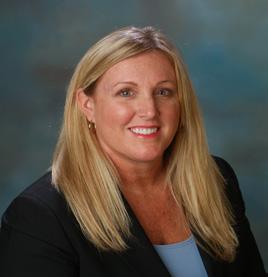
By Lori Noonan, Standards for Excellence Licensed Consultant | Nonprofit Expert
Over the past few months, I’ve spoken with a growing number of veterans interested in starting nonprofits. Some are still exploring ideas, while others already have names, logos, websites and social media pages in motion.
Most share something important in common: They are searching for continued purpose, impact and a way to serve after military life.
That instinct is admirable. Veterans are missionoriented by nature. We identify problems, assess needs and move toward action. Many veterans also see firsthand gaps in services affecting veterans, military families and communities and genuinely want to help close them.
Before launching a nonprofit, however, I offer one important piece of advice: Slow down long enough to plan strategically.
Passion alone is not a nonprofit strategy.
A nonprofit is not simply a cause. It is a business structure designed to produce measurable community outcomes. Organizations must do more than care deeply about an issue. They must clearly define the problem they are solving, who they serve, how success will be measured and what long-term impact they expect to achieve.
Good intentions are not outcomes.
One of the first questions aspiring founders should ask is: What specific community need am I addressing, and can I prove it exists?
Data matters. Community input matters. Listening matters. The strongest nonprofits are built around validated needs, not assumptions.
The second question is equally important: Does another organization already do this work effectively?
If so, partnership may create greater impact than duplication. The veteran nonprofit space is already crowded in many areas, with organizations often competing for the same donors, grants, volunteers and community attention. Starting another organization without a clearly differentiated mission or strategy can unintentionally dilute resources rather than strengthen outcomes.
Collaboration is often the smarter mission decision.
Veterans considering nonprofit leadership should also understand the operational side of the work. Running a nonprofit requires governance, compliance, fundraising, financial oversight, marketing, board development, strategic planning and program evaluation. Most importantly, it requires accountability for results.
Funders today are increasingly focused on measurable impact. They want to know:
• What changed because your organization exists?
• How many people were served?
• Did conditions improve?
• Are outcomes sustainable?
• Is the organization financially and operationally stable?
That level of accountability requires infrastructure, not just inspiration.
Veterans should also think beyond launching and focus on sustainability. Too many organizations are created around immediate passion without a long-term operational plan. Strong nonprofits must be built to survive leadership transitions, economic shifts, funding challenges and evolving community needs.
Before filing paperwork, spend time volunteering, serving on boards, partnering with existing organizations and learning the nonprofit sector from the inside out. Understand where gaps truly exist. Learn how outcomes are measured. Study what sustainable organizations do well.
The veteran community does not simply need more nonprofits. It needs well-led, collaborative and outcome-driven organizations that create lasting impact.Veterans already understand mission focus better than most.
The next challenge is building missions strong enough to last long after the initial passion fades.
About the author: Lori Noonan is a Navy veteran, nonprofit executive, and nationally recognized nonprofit consultant with more than 30 years of leadership experience. As a Standards for Excellence Licensed Consultant, she advises nonprofit organizations on governance, strategic growth, fundraising, sustainability, and operational excellence, with a particular focus on veteran-serving and mission-driven organizations. www.nonprofitexcellenceprofessionals.org
https://tinyurl.com/apply-mosiac
themosaicfoundation.org themosaicfoundation.org
PTSD AWARENESS MONTH
YOU'RE NOT ALONE
PTSD Awareness Month begins on June 1 and continues throughout the month to promote understanding and help reduce the stigma surrounding Post-Traumatic Stress Disorder (PTSD). Officially recognized by the U.S. federal government in 2014, the observance emphasizes that effective treatment and support are available for both veterans and civilians. In addition, June 27 is recognized annually as PTSD Awareness Day.
How the Month Begins and Is Recognized:
Awareness Efforts: Beginning June 1, individuals and organizations encourage the public to pledge support, spread awareness, and share resources such as the Veterans Crisis Line.
Educational Outreach: Groups provide information about PTSD, including common symptoms like flashbacks, anxiety, and sleep disturbances that can develop after traumatic experiences.
Social Media Campaigns: Many campaigns promote awareness through dedicated hashtags, including #PTSDAwarenessMonth.
PTSD Screening Day: Observed on June 27, this day encourages individuals to complete a selfscreening or support someone they know in seeking professional help.
The month also highlights that PTSD is not limited to combat-related experiences. It can affect anyone who has experienced or witnessed a traumatic event, including natural disasters, serious accidents, or other life-threatening situations.
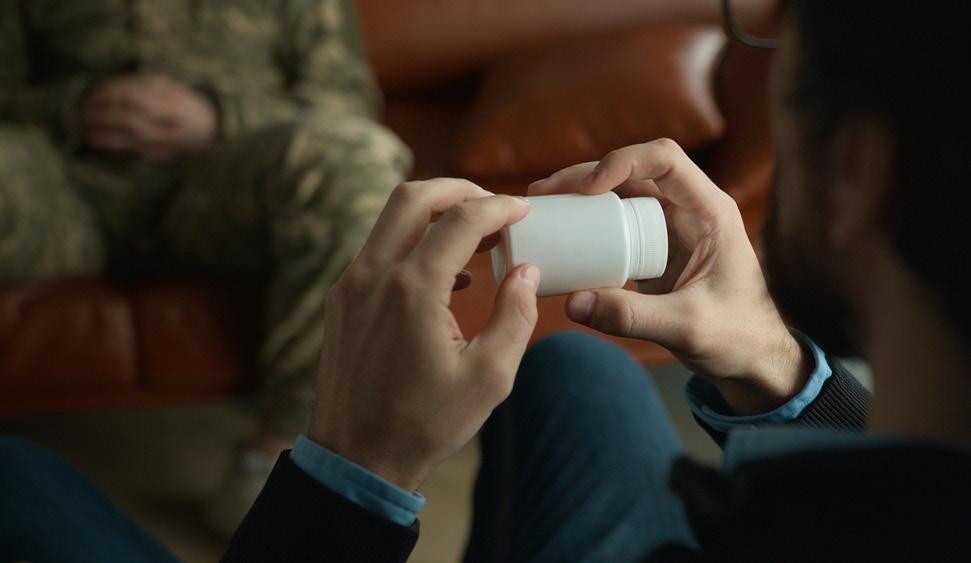
Photo by: Pexels Photography
June is PTSD Awareness Month: Getting Down to the Facts and Support
By Carly Rowe, LCSW, Clinician at Steven A Cohen Military Family Clinic at VVSD, Oceanside
Post-Traumatic Stress Disorder (PTSD) is a term we hear often, yet it remains widely misunderstood. As we observe PTSD Awareness Month this June, it’s time to move past the stereotypes and look at the reality of the condition, the myths that surround it, and the paths toward healing.
What is PTSD?
At its core, PTSD is a mental health condition triggered by experiencing or witnessing terrifying, life-threatening, or traumatic events. It can stem from a wide range of experiences, including natural disasters, serious accidents, or assaults.
Essentially, PTSD is the brain’s “alarm system” getting stuck in the “on” position after a threat has passed.
Clinically, PTSD is defined by four types of symptoms that last for more than one month and significantly interfere with daily life:
The Four Symptom Pillars:
1. Intrusive Memories: Flashbacks or nightmares that feel like the event is happening now.
2. Avoidance: Staying away from specific streets, smells, or even internal thoughts.
3. Mood/Cognitive Changes: Persistent negative beliefs about oneself ("I am bad") or the world ("Nothing is safe").
4. Arousal/Reactivity: Living in a state of "high alert” like being easily startled or prone to irritability.
Debunking the Myths: The biggest barrier to recovery is often the stigma created by common misconceptions.
Myth: PTSD is a sign of weakness or failure. Fact: It is a treatable medical disorder. It is not a character flaw. It is a biological and psychological response to stress.
Myth: PTSD is one size fits all. Fact: Two people can experience the same event, be diagnosed with PTSD and have vastly different symptoms.
Myth: Only those that go to war or have a physical injury are diagnosed with PTSD. Fact: While war or an injury
can be a major cause, PTSD can affect anyone regardless of age, gender, or background. Furthermore, not everyone who experiences trauma will develop PTSD—it is just one of many ways the mind processes difficult events.
Helpful information for loved ones: Supporting someone with PTSD requires patience and presence:
• Listen without judgment: You do not need to "fix" them; just being there helps.
• Learn their triggers: Understand what might cause their distress.
• Provide stability: Consistency and a calm environment can help them feel safe.
You Are Not Your Diagnosis
If you are living with PTSD, remember: You are not alone, and you are not your diagnosis. PTSD is something you are navigating, not who you are. Healing is possible.
Focus on:
• Professional Help: Seek out support from a therapist utilizing an evidenced based treatment. Organizations like Cohen Veterans Network (CVN) offer accessible resources, including clinics tailored to post-911 veterans, active-duty service members, and their families.
• Connection: The first step to healing is simply having your experience validated by others. Find your community-reach out to friends, support groups, group therapy where others share your experience.
• Self-Care: Prioritize sleep, gentle movement, and mindfulness to help regulate your nervous system.
A Call to Action: This June let’s commit to replacing judgement with empathy. So, let’s check in on friends, educate ourselves, and build a community where support is the standard and healings a reality.
LEARN MORE vvsd.net/cohenclinics
How One Veteran Couple Faced PTSD Together and Rebuilt Their Relationship
By Cynthia Weiss, Wounded Warrior Project
“Did you meet in the military?”
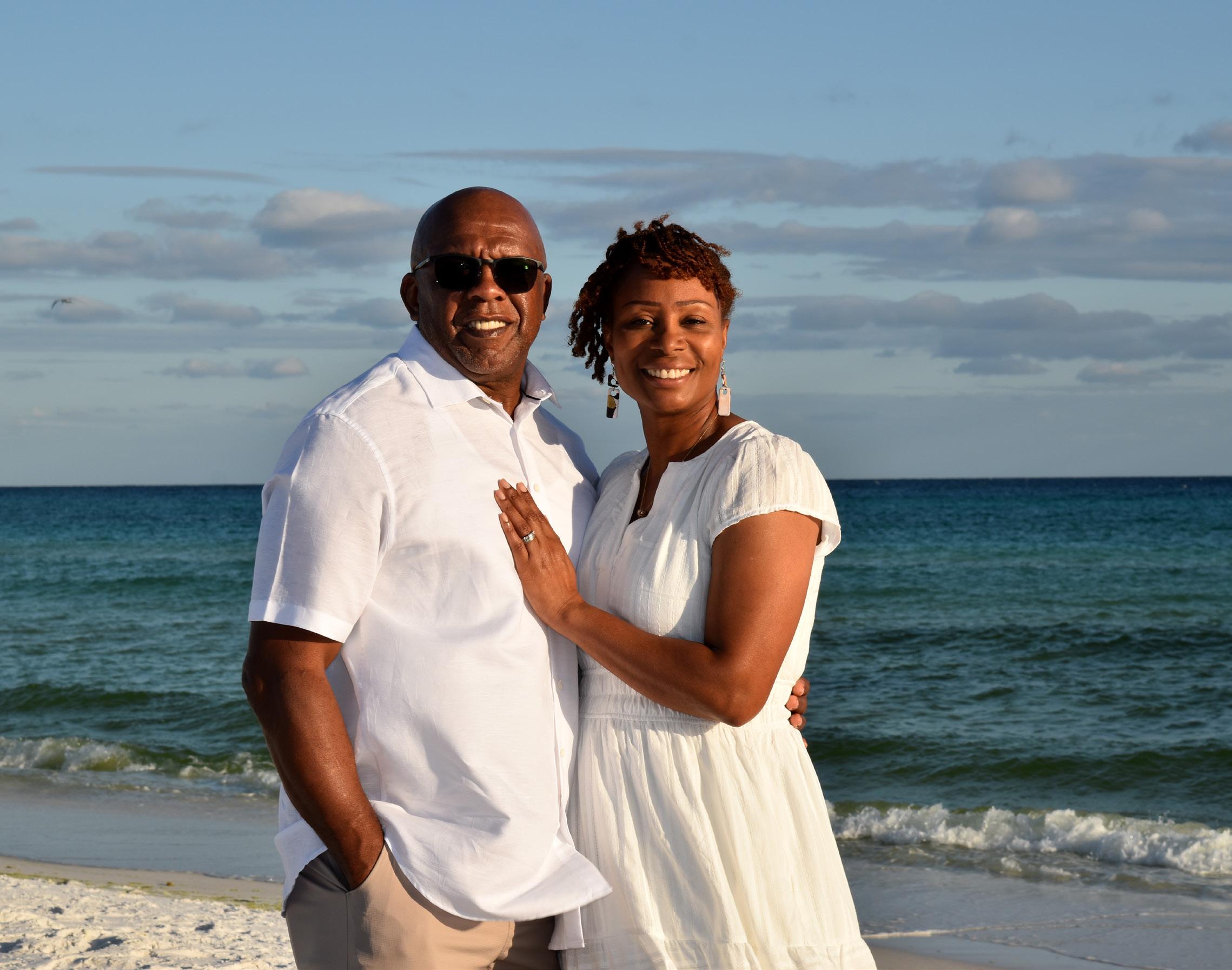
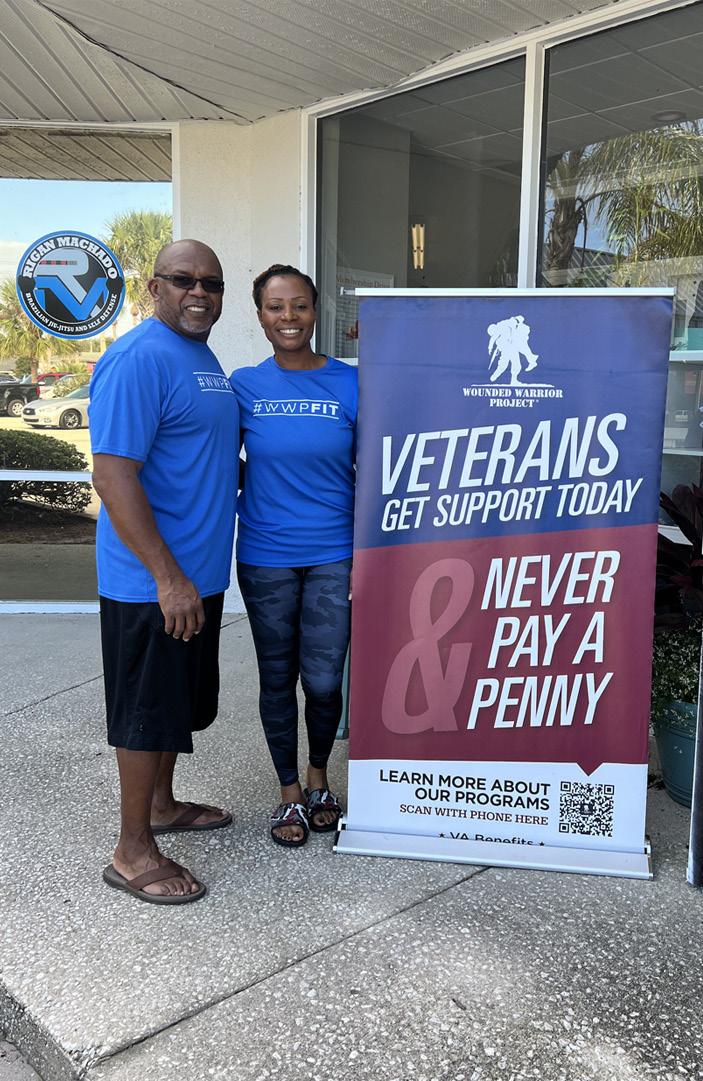
It’s a question Jackie and Randy Price hear often. But the couple, both U.S. Navy veterans, met at a Virginia church. They connected through shared values and a commitment to faith, service, and community. They married in 2006, blending their lives, which included three children and their past experiences.
The couple rarely argued.
“For years, I didn’t even know something was wrong,” Jackie says.
Only when they became involved with Wounded Warrior Project® (WWP) did they realize that unprocessed experiences from childhood and the military were affecting them and their marriage.
Today, Jackie and Randy share with other veterans and military families how they overcame past trauma and strengthened their mental health and their relationship.
For Structure and Duty
Jackie joined the Navy at 17, seeking the structure and stability she lacked growing up. Over a 27-year career, she rose from enlisted logistics specialist to a certified registered nurse anesthetist.
Randy, who grew up in a single-parent household, also valued the military’s structure and sense of purpose. He spent 13 years as a Navy culinary specialist before transitioning into procurement.
When they married, they fell into traditional roles shaped by their upbringing.
“I saw my role as taking care of my family,” Randy says. “That’s what a husband does.”
Jackie often put her own needs aside.
“For the first several years of our marriage, I didn’t really have a voice,” she says. “I agreed with a lot of things because that’s what I thought I was supposed to do.”
From Curiosity to Healing
The couple’s connection to WWP® began unexpectedly after meeting someone who worked with the organization at a yoga class.
Randy admits they assumed WWP was only for people who were physically injured.
“Once we got involved, we saw it was really about connection,” he says. “Being around people who understand military life and what families are dealing with.”
They began attending events and peer support meetings, building connections amidst conversations about mental health, post-traumatic stress disorder (PTSD), and healing.
When another veteran shared his experience with Warrior Care Network, something clicked.
Warrior Care Network is a collaboration between WWP and four leading academic medical centers that provides outpatient, accelerated brain health treatment for military service members and veterans with PTSD, traumatic brain injury, military sexual trauma, and related conditions.
“Although his story didn’t mirror mine, I recognized pieces of myself in it,” Jackie says. “I remember thinking, maybe this is going on with me, too.”
Curiosity prompted Jackie to learn more. “I didn’t deploy, so I didn’t think of myself as someone with trauma. I thought [experiences] was just part of life… and military culture,” Jackie says.
“Wounded Warrior Project gave me the space to look at myself honestly and the support to start doing something about it.”
Finding the Road to Healing
Jackie enrolled in Warrior Care Network at Rush University’s Road Home program.
During the two-week program, Jackie learned more about PTSD and how it can build over time. “I realized it wasn’t one big event. It was years of things I never stopped to feel or deal with,” she explains.
“When you don’t process things, they don’t go away. They show up years later in your relationships and your reactions.”
Finding Your Voice and Learning to Listen
As Jackie gained insight into herself, the couple’s marriage began to shift.
“It was like we were suddenly speaking two different languages,” Randy recalls.
For years, Jackie had kept her feelings to herself. “When I started owning my voice, that’s where the contention began,” she says. “I was becoming a different person, but we didn’t have the tools yet to navigate that.”
Randy wanted to support his wife, but he felt lost.
“I realized that she’s not trying to fight me, she’s trying to be honest and talk to me about what’s going on inside,” he says. “I had to learn how to hear her.”
The transition wasn’t easy. Randy admits there were moments he thought about leaving the marriage.
“We’d have disagreements, and I’d go straight to my computer and start looking for jobs in different states,”
Continued on Next page >
But the couple held tight to their vows.
“We were committed to each other, but not liking each other,” says Jackie.
Neither wanted to give up. Jackie encouraged Randy to seek support for himself.
At first, he was resistant. “I didn’t want to accept that I needed help,” he says. “Eventually, I realized avoiding the work wasn’t serving me or my family. To be the best spouse, the best person, I needed to be honest with myself and take responsibility for my own healing.”
The Right Tools and Skills For Success
As Randy began exploring different counseling and therapy options, Jackie saw an opportunity for them to grow together.
She decided to attend Warrior Care Network again and this time, ask Randy to join her.
At UCLA Health Operation Mend, the couple participated in counseling and caregiver-specific sessions, designed to help families better understand PTSD and navigate challenges within their relationship.
“Problems don’t go away. Triggers still happen,” says Jackie. “But now Randy understands what’s happening instead of guessing.”
For Randy, one of the key takeaways was understanding that support can look different. “The biggest shift for me was realizing I can’t fix it, but I can listen, I can empathize, I can be patient.”
That realization transformed their relationship, Jackie says. “He started listening instead of problem-solving. That changed everything.”
Warrior Care Network also helped the couple realize importance of caring for themselves individually, not just as partners.
“I thought I was just there for her, to know how to help her,” says Randy. “But listening to other caregivers and clinicians helped me see what I was carrying, too.”
Today, Randy leads a WWP peer support group for family members and caregivers.
“Caregivers don’t always realize they need help, too,” he says. “Men especially need to hear from other men who’ve been through it.”
5 Tips for Couples Living With PTSD
1. Realize PTSD doesn’t go away.
Healing is ongoing.
2. Learn each other’s cues.
Notice signs of stress or avoidance; talk about things before conflict escalates.
3. Choose empathy over fixing. You can’t solve everything, but you can listen and validate.
4. Take care of yourself.
Self-care helps regulate emotions and stay present.
5. Ask for help — together or individually. Caregivers and family members need support just as much as veterans.
It’s Never Too Late to Heal
“So many people function in a state of unawareness,” says Jackie. “You feel something is wrong, but you can’t put your finger on it. You’re functioning, but you’re not thriving.”
Her message to others is simple: It is never too late to begin. “You can always become a better version of yourself.”
Randy agrees adding that healing starts from within. “You have to want to be better, for yourself and for your family,” he says.
This year, Jackie and Randy celebrate their 20-year wedding anniversary — a milestone they don’t take lightly. They credit WWP with helping them reach it.
“We didn’t have the tools at first. WWP helped us — and reminded us we didn’t have to do it alone,” says Jackie.
At the end of the day, that’s the secret to their success.
“Marriage isn’t about avoiding conflict,” Randy says. “It’s about learning how to come back to each other.”
To learn more, visit woundedwarriorproject.org or call 888.997.ALUM (2586) to connect with the WWP Resource Center.
WARRIOR BETH KING
Real Talk: Mental Health
The Steven A. Cohen Military Family Clinic at VVSD
www.vvsd.net/cohenclinics
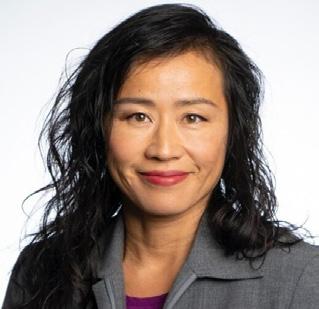
Honoring Women Veterans: Mental Health & Healing
Clinician Suji Yamauchi, LMFT shares inspiring insights for healing.
Let me share what it really felt like for me to come home after military service. The ground suddenly seemed to drop away—it was isolating, a huge transition, and I felt that unspoken pressure to keep everything together. That weight was real. But here’s the thing: it wasn’t the whole story.
Why Your Mental Health is Your New Mission
To my fellow women veterans: I trained to carry the mission. I kept my boots laced, my creases sharp, and I was determined to pass inspection. Now, the mission is me. Taking time to rest, seeking support, and receiving help is not a sign of weakness. For me, it required the same discipline and bravery I brought to every military assignment. I have to prioritize my well-being because I deserve the same intense care and dedication I once gave my country.
As a clinician and a woman veteran myself, I believe it’s time to shift the narrative about women like us. Instead of focusing solely on the hardships of service and transition, I want to actively celebrate our incredible mental health journeys, our growth, and our leadership beyond the uniform. In this column, I’ll share how I—and so many others—have turned hard-won lessons into community strength, and why making our well-being a top priority is truly a lifelong mission.
Shifting the Narrative from Struggle to Strength
For too long, conversations about veteran mental health have focused entirely on trauma. While it’s crucial to honor the pain of transition, I’ve found that real healing also means shining a light on our triumphs. I want to elevate the stories of women veterans like myself who have walked the mental health path and emerged as therapists, educators, entrepreneurs, and leaders in our communities.
I’ve seen how visible success stories change lives. When my local community spotlights women veterans through storytelling events and peer support programs, it does much more than simply honor our past service. It shows future generations of veterans like us that real, lasting support exists.
Increasing this awareness has helped me actively push back against the stigma tied to seeking mental health care. Healing, I’ve learned, isn’t just a private, hidden process—it’s a visible transformation that benefits everyone around me.
I celebrate what I have done and recognize that tending to my mental health is a profound act of selfrespect. I start by setting healthy boundaries in my daily life and give myself permission to pause when I feel overwhelmed. Reaching out to a mental health professional or a local veteran support group has been a tactical, smart move for my future.
The Power of Storytelling in Healing
Healing often begins for me in a quiet room, maybe sitting across from a therapist. But it grows so much more rapidly when I carry that healing out into the world.
When I tell my story and tend to my wounded parts, something inside my chest unclenches. Even more, my healing can become the guiding light that another veteran follows.
I know society sometimes mistakes vulnerability for softness. But in reality, when I speak my truth outside the therapy room, it’s one of the most powerful forms of leadership I can offer. Doing so helps builda stronger, more connected community among fellow women veterans.
When I share my experiences, healing shifts from a lonely process to a shared sense of belonging. I remind others—and myself—that none of us have to carry the heavy weight of our service alone.
Take the Next Step in Your Journey
My mental health journey is proof of my enduring strength. As I continue to navigate life after service, I remind myself that seeking help is a courageous step forward. I reach out to peer support programs, connect with local veteran organizations, and look for therapists who truly understand the military experience.
I won’t hesitate to share my story with others. My experiences have the power to inspire, connect, and heal. I let my journey become the blueprint that helps another woman veteran finally find her way home.
PTSD: Reclaiming Control
By: Robert ‘Bob’ Cuyler, PhD Psychologist and Trauma Expert
New guidelines for PTSD Medications
I’ll stay away from the many controversies swirling around the Health and Human Services Department, but this month I want to highlight recent initiatives around the overprescribing and tapering/discontinuing of psychotropic medications. These moves build on the increasing scrutiny in both professional and media sources. While the current moves place a significant focus on anti-depressants, common practices in prescribing for PTSD are particularly pertinent.
At this point, two anti-depressants (sertraline and paroxetine) are the only medications approved by the FDA for treatment of PTSD. The reality is that a multitude of other medications are commonly used instead of or in addition to the two approved drugs. At this point, I do want to make clear that I am not anti-medication. I have had patients for whom the right medication at the right time has been life-changing if not life-saving.
However, the wide-ranging symptoms of PTSD unfortunately create a slippery slope for over-prescribing. We’re not certain why an anti-depressant helps PTSD, but it’s clear that depression is a frequent feature of posttraumatic stress. But then, what to do about anxiety and panic attacks (also common co-morbidities), nightmares, insomnia, hyper-vigilance, mood swings, and irritability. Over-prescribing is so easy, with a stroke of a pen or a mouse click, new medications get added to address the symptoms that the first medication is not helping. An examination of medication use in the VA looked at prescribed medications for over 700,000 veterans showed that drugs that are recommended against were used in 10% of male and 17% of female veterans. These medications in particular were benzodiazepines and anti-psychotics. Challenges with poly-pharmacy are considerable with sedating medications, implicated in falls, substance abuse, and overdose death.
Discontinuation of anti-depressants, even in the absence of poly-pharmacy, can be problematic. I can’t emphasize too much how important it is to be guided by the
prescribing physician, as abrupt discontinuation on one’s own can make matters worse. What is helpful is that more attention being paid to tapering schedules which can make ‘weaning off’ more tolerable.
So, where do we go from here. Positive, collaboration communication with one’s doctor is key. Good questions to ask: Why are you recommending this drug, what is it targeting? What will be the sign that it’s working and how long till we know? What are the possible side effects? How long do you think I may need to be on this medication and how will we know? Are there any problems when people try to stop this medication and what can we do about it? Are there non-drug alternatives that are available?
The VA practice guidelines for PTSD are also clear that medications are a second choice to talk therapies with strong evidence bases. The new HHS initiative also stresses the availability of non-medication options. What is very clear is that ‘one size fits all’ approaches to PTSD don’t work. That’s as true for the talk therapies as well as the drug approaches. Here’s hoping that we will see more patient-centered care approaches as the standard of care.
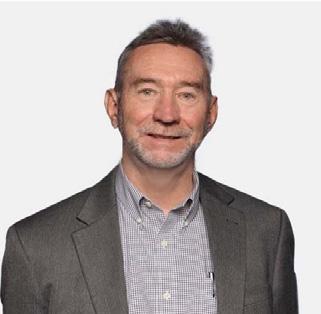
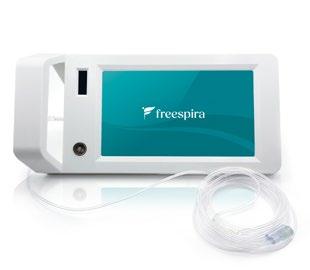
Dr. Cuyler is chief clinical officer of Freespira, an FDA-cleared non-medication treatment that helps people with panic and PTSD manage their symptoms by learning how to regulate their breathing. www.freespira.com
“I am shocked and surprised that this treatment worked. When I think about PTSD, I think about the brain and this being a brain problem… There is no denying the calming effect this treatment had on me. This has made a significant difference in my personal life. This treatment is remarkably effective.”
— Kevin, US veteran whose symptoms included social anxiety and monthly panic attacks before he found Freespira
Resurrecting Lives: Guarding Our Guardians
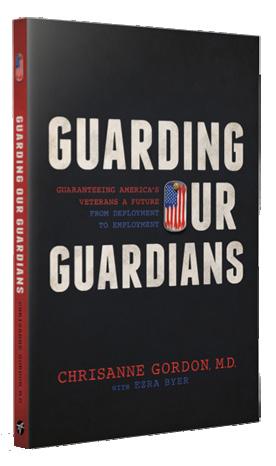
Homeland Magazine spoke with Dr. Chrisanne Gordon, MD, whose work as the Resurrecting Lives Foundation’s founder, physician and author made her a leading voice on Traumatic Brain Injuries (TBI) and the veteran suicide crisis. Her new book, Guarding Our Guardians, is her most urgent call to action yet.
Homeland: You’ve spent more than three decades in medicine, but your relationship with veterans took a personal turn in 2008. What happened that changed everything for you?
Dr. Gordon: A colleague’s nephew, Sgt. Zachary W. McBride, was killed in Iraq at 20 years old. This sad news affected me deeply. I called the VA to donate care baskets in his memory. Instead, the director asked me to volunteer my TBI expertise for second-level screenings. For 15 months, I sat across from veterans and listened. Nearly 85% showed signs of a TBI. That number doesn’t leave you.
Homeland: You’ve described the veteran transition system not as totally broken, but misaligned. In your opinion, what does a coordinated system look like?
Dr. Gordon: The experts who shaped “Guarding Our Guardians” were clear: the issue is transition. Building a coordinated system requires healthcare systems, employers, educators and communities to unite in creating a pathway, which begins before discharge, to guide our Guardians through re-entering the civilian world.
Homeland: For veterans living with a TBI, the transition to civilian life carries a layer of complexity people never see. What does that invisible burden look like?
Dr. Gordon: I experienced TBI myself - in my basement, not on a battlefield. Living with a TBI is like being underwater: nothing in focus, everything in slow motion. Further, there isn’t visible recovery progress. That realization changed me. Our veterans living with a TBI were the strongest people in the nation, until they weren’t. Understanding that frustration made me a better doctor and fiercer advocate.
Homeland: How did your TBI change the way you practice medicine and advocate for veterans?
Dr. Gordon: Total about face. In my recovery, I found pioneers using advanced neuroimaging to map nerve pathways a CT scan can’t reveal. If we see the injury, we can’t dismiss it or the veterans living with it.
Homeland: For veterans reading this who are struggling right now, what do you want them to know?
Dr. Gordon: You deserve care and you don’t have to fight for it alone. Veterans service organizations and nonprofits, like Resurrecting Lives Foundation, are there for you. Find one advocate to stand beside you. You fought for our freedoms, so you shouldn’t have to fight for your care.
Homeland: Your new book ends with a blueprint. What does success look like? What is the most important thing you want a reader to walk away ready to do?
Dr. Gordon: Success is ending the veteran suicide epidemic. Nearly five times more veterans have died by suicide than in combat. I want readers to engage and connect one veteran to one resource. This is a matter of life vs. death. You don’t need to solve the whole system, just take one step.
Guarding Our Guardians: Guaranteeing America’s Veterans a Future from Deployment to Employment
https://bit.ly/guardiansatamazon
T he research study will investigate the effectiveness of meditation and therapy as treatments for PTS.
To Qualify, You Must...
• Be a veteran of the U.S. armed forces or first responder
• Have symptoms of Posttraumatic Stress for at least 3 months
• Be available for both in-person and additional online sessions
Interventions
• You may receive intervention for your PTS symptoms in the form of either Transcendental Meditation (TM) or Present Centered Therapy (PCT).
• Neither intervention involves medication or discussing traumatic experiences.
Compensation
• Qualifying participants will be financially compensated over $800. Find
AGING & END OF LIFE CARE
By: Shelly Dew, CFRE, CDE Director of Philanthropy Hospice of the North Coast www.hospicenorthcoast.org
Caring for Those Who Once Served: Dementia, Caregiver Burnout, and Supporting Yourself Beyond the VA
For many veterans and their families, service does not end when the uniform comes off. In later life, a growing number of veterans face dementia – a condition that gradually erodes memory, judgment, and independence. Alongside this challenge is another, often overlooked struggle: caregiver burnout. Together, these realities place a profound emotional and physical burden on those providing care.
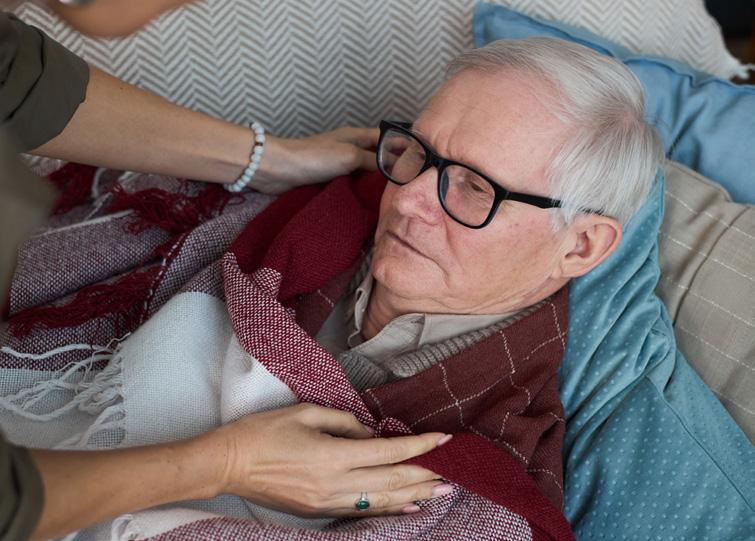
Dementia, including Alzheimer’s disease, is increasingly common among aging veterans. Conditions such as traumatic brain injury (TBI) and post-traumatic stress disorder (PTSD) may elevate risk. As symptoms worsen, caregivers often take on expanding responsibilities such as managing medications, supervising daily activities, and responding to confusion or behavioral changes. Over time, the demands can become overwhelming.
Caregiver burnout occurs when prolonged stress begins to affect well-being. Symptoms may include constant fatigue, anxiety, irritability, and withdrawal. In the veteran community, caregivers – often spouses or close family members – may feel a deep sense of duty that makes it difficult to ask for help.
While VA programs offer valuable support, caregivers can and should build support systems beyond formal channels. Creating a dependable personal network is key. Friends, extended family, neighbors, and faith communities can provide practical help and emotional support. Even small acts, like running errands or sitting with a loved one, can offer meaningful relief.
Community resources are also essential. Local nonprofits, senior centers, and organizations such as the Alzheimer’s Association offer education, helplines, and support groups. These spaces allow caregivers to share experiences, learn coping strategies, and connect with others who understand the challenges.
Respite care is another critical tool. Caregivers often feel they must be constantly available, but regular breaks are vital. Options such as in-home aides, adult day programs, or short-term facility stays can provide time to rest and recharge.
Hospice care can also provide meaningful support – often earlier than families expect. For those with advanced dementia, hospice focuses on comfort, dignity, and quality of life. Care teams offer regular visits, guidance on symptom management, and emotional and spiritual support. While hospice staff are not present in the home around the clock, they are available on call 24/7 to answer questions and respond when urgent needs arise, helping caregivers feel supported and less alone. Hospice also provides counseling and limited respite, easing pressure during one of caregiving’s most demanding stages.
Caregivers must also prioritize their own health. Regular checkups, balanced nutrition, and simple physical activity can improve resilience. Mental health support, including counseling, can help process the emotional weight of caregiving. Setting boundaries and accepting help are essential – not signs of weakness. Even small moments of rest or connection can restore a sense of identity beyond the caregiving role.
Caring for a veteran with dementia is an act of deep commitment. By building support systems beyond the VA and embracing
resources like hospice, caregivers can sustain themselves while continuing to provide compassionate, dignified care. If you have questions or need guidance, you can contact Hospice of the North Coast for resources and support... because no caregiver should have to navigate this journey alone.
Shelly Dew serves as Director of Philanthropy and Community Outreach at Hospice of the North Coast, a community-based nonprofit dedicated to compassionate end-of-life care, comfort, and support for patients
Military Life Is Unpredictable. Your Education Shouldn’t Be.
Earn Your Degree Anytime, Anywhere. Flexible, Affordable, and 100% Online!*
Military life comes with constant changes—deployments, PCS moves, and unpredictable schedules. But your education doesn’t have to wait. At Los Angeles Pacific University, we understand the unique challenges military members, spouses, veterans, and dependents face. That’s why our fully online programs offer the flexibility you need to study at your own pace, no matter where life takes you. Whether you’re on base, deployed overseas, or at home, your degree moves with you!
• 100% Online & Flexible: Learn from anywhere, on a schedule that fits your life.
• Maximize Your Benefits: Use GI Bill®, tuition assistance, and spousal benefits.
• Earn Credit for Your Experience: Take advantage of CLEP, DSST (DANTES), and AARTS/JST to turn your military training and knowledge into college credit.
• Fully Accredited: LAPU offers fully accredited associate, bachelor’s, and master’s degrees through the WASC Senior College and University Commission (WSCUC).
• Faith-Based & Supportive: Dedicated military-friendly success coaches who care about your journey.
Your Future Starts Today! Take the Next Step
*At this time, LAPU is unable to offer distance programs or courses to students residing in the following states and districts: Alabama, Arkansas, Connecticut, the District of Columbia, Indiana, Kansas, Maryland, Minnesota, New Mexico, New York, North Carolina, Oregon, Wisconsin, and Wyoming.
Military Friendly School & Spouse School
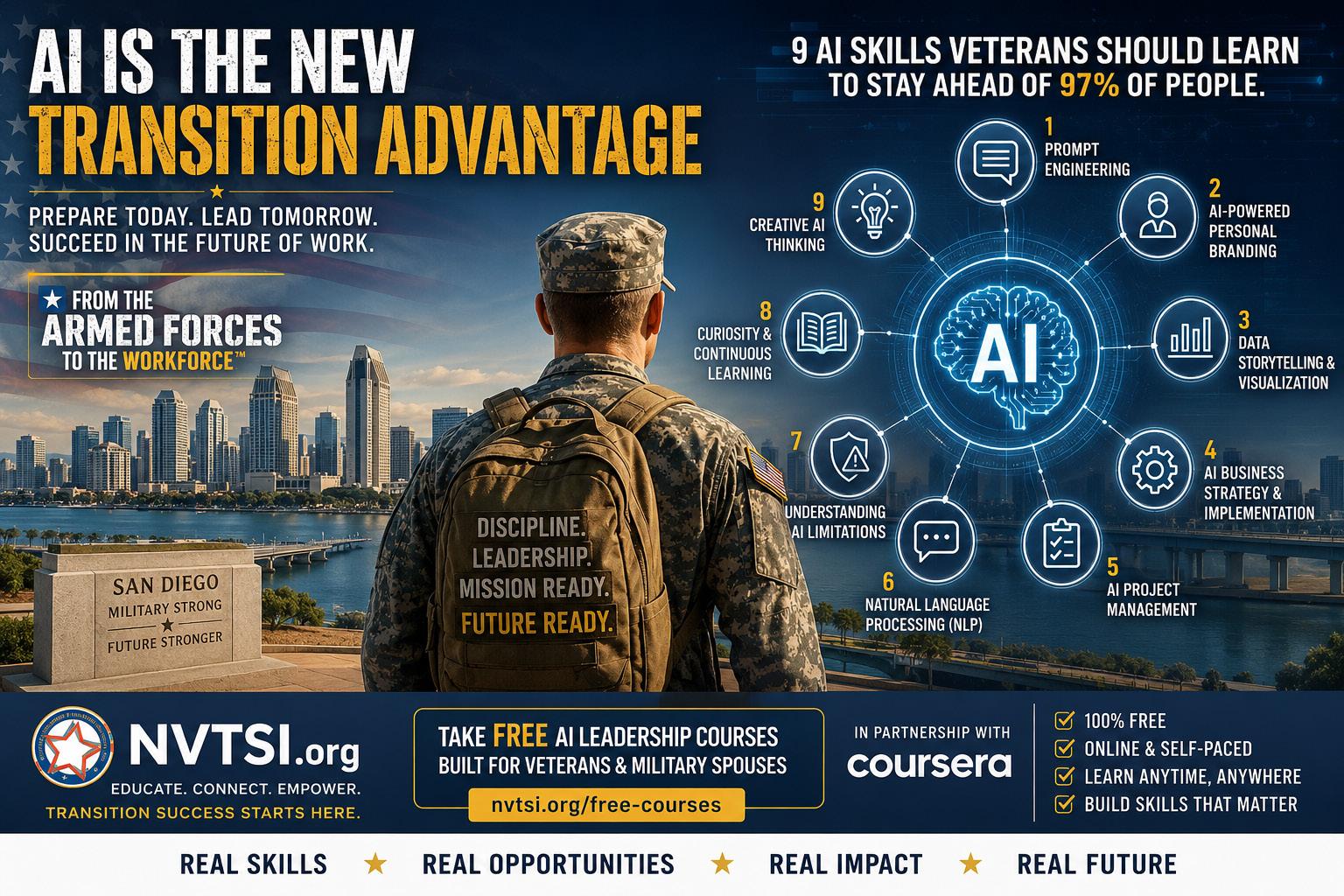
AI Is the New Transition Advantage Why Veterans Must Learn the Skills That Will Define the Future of Work
By Maurice Wilson, NVTSI.org
From the Armed Forces to the Workforce™ Series
The military teaches every service member a timeless lesson: the environment changes, the mission evolves, and readiness determines who succeeds.
Today, that lesson applies directly to the civilian workforce. Artificial intelligence is no longer a future concept. It is already changing how employers hire, manage, analyze, communicate, train, and compete. For veterans and transitioning service members, AI is not just a technology issue. It is a careerreadiness issue.
The next battlefield is work.
Across nearly every occupational category, AI is creating a growing gap between what technology can do and how quickly the workforce is adapting. In fields such as computer and math, business and finance, office administration, management, legal services, engineering, education, healthcare, transportation, production, construction, and protective services, AI is already reshaping tasks. Some jobs will be automated. Many more will be transformed. The veterans who learn how to work with AI will have a major advantage over those who wait.
That is why NVTSI.org is helping veterans prepare now through our “From the Armed Forces to the Workforce™” series and our AI Strategic Leadership Accelerator resources.
The message is simple: veterans do not need to fear AI. Veterans need to understand it, use it, lead with it, and apply it to their next mission.
Military experience remains one of the strongest foundations for civilian success. Veterans bring discipline, adaptability, leadership, operational a wareness, teamwork, accountability, resilience, and decision-making under pressure. But in the AI-powered economy, those strengths must be translated into modern workplace value.
A veteran who says, “I led teams and managed operations,” is describing experience. A veteran who says,
“I led teams, used AI tools to improve reporting, analyzed workflows, supported faster decisions, and helped strengthen operational performance,” is describing futureready value.
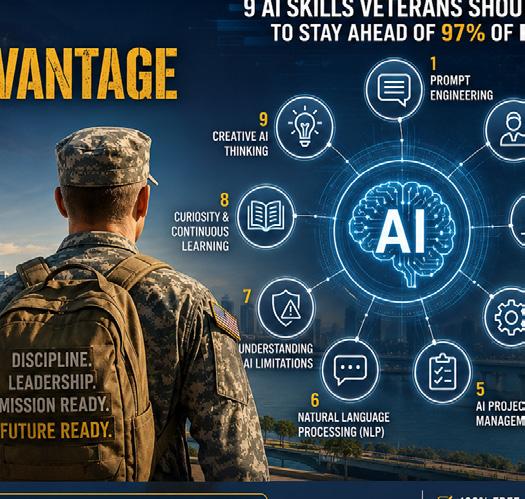
To help veterans make that shift, NVTSI.org is promoting nine AI skills every veteran should begin learning.
The first is prompt engineering—the ability to ask AI tools precise, useful questions. Veterans already know how to issue clear instructions, define intent, and communicate mission outcomes. Prompt engineering turns that skill into a workplace advantage.
The second is AI-powered personal branding. Today’s career search is digital. Veterans need strong LinkedIn profiles, AI-assisted résumés, clear career stories, and professional messaging that translates military experience into employer language.
The third is data storytelling and visualization. Employers do not just want data. They want insight. Veterans who can turn complex information into clear charts, reports, dashboards, and recommendations will stand out.
The fourth is AI business strategy and implementation. Veterans understand systems, logistics, process improvement, and mission execution. Those same abilities can help employers identify where AI can reduce waste, improve service, and increase productivity.
The fifth is AI project management. Organizations need leaders who can guide AI projects from idea to execution. Veterans with project leadership, planning, risk management, and cross-functional coordination experience are well positioned for this work.
The sixth is natural language processing, or NLP. This is the technology behind many AI tools that understand, summarize, and generate human language. Veterans who understand NLP will be better prepared for roles involving communications, customer support, training, intelligence, documentation, and knowledge management.
The seventh is understanding AI limitations. Responsible AI leadership requires awareness of bias, privacy, accuracy, ethics, and risk. Veterans understand the importance of rules of engagement. The civilian workforce now needs that same discipline applied to AI.
The eighth is curiosity and continuous learning. No single AI tool will remain dominant forever. The winning skill is adaptability. Veterans already know how to learn under pressure. That mindset is now essential for career survival.
The ninth is creative AI thinking. AI is not only about automation. It is about imagination. Veterans can use AI to design new services, improve workflows, support teams, solve problems, and create opportunities that did not exist before.
To make this training more accessible, NVTSI.org, in partnership with Coursera, is offering recommended AI leadership courses for active duty service members and veterans at no cost. These curated courses are designed to help veterans stay ahead of their civilian counterparts and build confidence in the future of work.
The NVTSI.org and Coursera AI Strategic Leadership Accelerator includes five recommended learning areas: AI Foundations for Strategic Leaders, Leveraging AI in Business Operations, Ethical AI Leadership and Governance, Building and Leading AI-Driven Teams, and The Future of AI and Emerging Technologies
These courses are especially valuable for senior enlisted leaders, officers, transitioning service members, veterans, and military spouses who want to move into leadership, operations, management, business, technology, human resources, project management, nonprofit, government, defense, healthcare, or entrepreneurship roles.
This is not about turning every veteran into a software engineer. It is about making every veteran AI-literate, career-confident, and ready to compete.
At NVTSI.org, we believe the future of transition must be high-touch, high-tech, and high-trust. VeteranMatch and SpouseMatch use predictive analytics to match veterans and spouses to right-fit jobs, reducing time to hire, extending retention, and promoting advancement. AI, when used responsibly, can help veterans discover better-fit careers, tell stronger stories, and connect with employers who value their service.
San Diego is one of America’s most important military and veteran communities. It is also a hub for defense, technology, healthcare, life sciences, education, logistics, cybersecurity, and advanced manufacturing. That combination creates opportunity—but only for those who prepare.
The call to action is clear.
Learn the tools. Take the free courses. Build your AI vocabulary. Strengthen your personal brand. Translate your military skills. Ask better questions. Lead with ethics. Stay curious.
The workforce is changing fast. Veterans are built to adapt.
Now is the time to prepare for the next mission.
About NVTSI National Veterans Transition Services, Inc. (NVTSI) is a San Diegobased nonprofit dedicated to helping service members, veterans, and spouses successfully transition from military to civilian life.
NVTSI.org
WHAT’S NEXT
Transition to Civilian Life
By Eve Nasby eve@infused.work
Finding Your Anchor: Lessons from Louis Zamperini for Life After the Military
Louis Zamperini’s story begins like many of ours: a spirited individual full of energy and a hint of rebellion, with a drive that refused to be ignored. At just 19, he ran in the 1936 Berlin Olympics, a long-distance runner chasing a dream with relentless discipline. His athletic prowess would later serve him in ways no training could truly prepare for.
During World War II, Zamperini served as a bombardier. In 1943, his plane went down over the Pacific. For 47 days, he survived adrift on a small raft, subsisting on rainwater, raw fish, and birds. Storms raged, hunger gnawed, and danger was constant. Yet even in the most extreme conditions, he learned a vital lesson: surviving physically begins with surviving mentally. The mind must be disciplined, anchored in hope, and steadfast in courage.
As if the ocean wasn’t enough, Zamperini was captured by the Japanese navy and endured brutal POW camps. Starvation, relentless torture, and despair could have broken him—but they did not. He drew upon the mental toughness honed in his youth and at sea, holding tightly to memories of home, the promise of freedom, and a refusal to surrender hope. After the war, Zamperini wrestled with anger and trauma but eventually found redemption through faith.
Forgiving those who had harmed him, he dedicated his life to helping others overcome adversity, inspiring countless people as a motivational speaker. His story, immortalized in Unbroken, stands as a testament to resilience, courage, and the power of hope.
Now, consider this: your transition from military service into civilian life might not put you on a raft in the Pacific, but it can feel just as uncertain. Storms of rejection, unanswered job applications, and the unease of starting anew can test your mental toughness. The good news? The same courage, discipline, and resilience that carried you through boot camp and deployment will carry you now.
“ All I
want to tell young people is that you're not going to be anything in life unless you learn to commit to a goal. You have to reach deep within yourself to see if you are willing to make the sacrifices.”
- Louis Zamperini
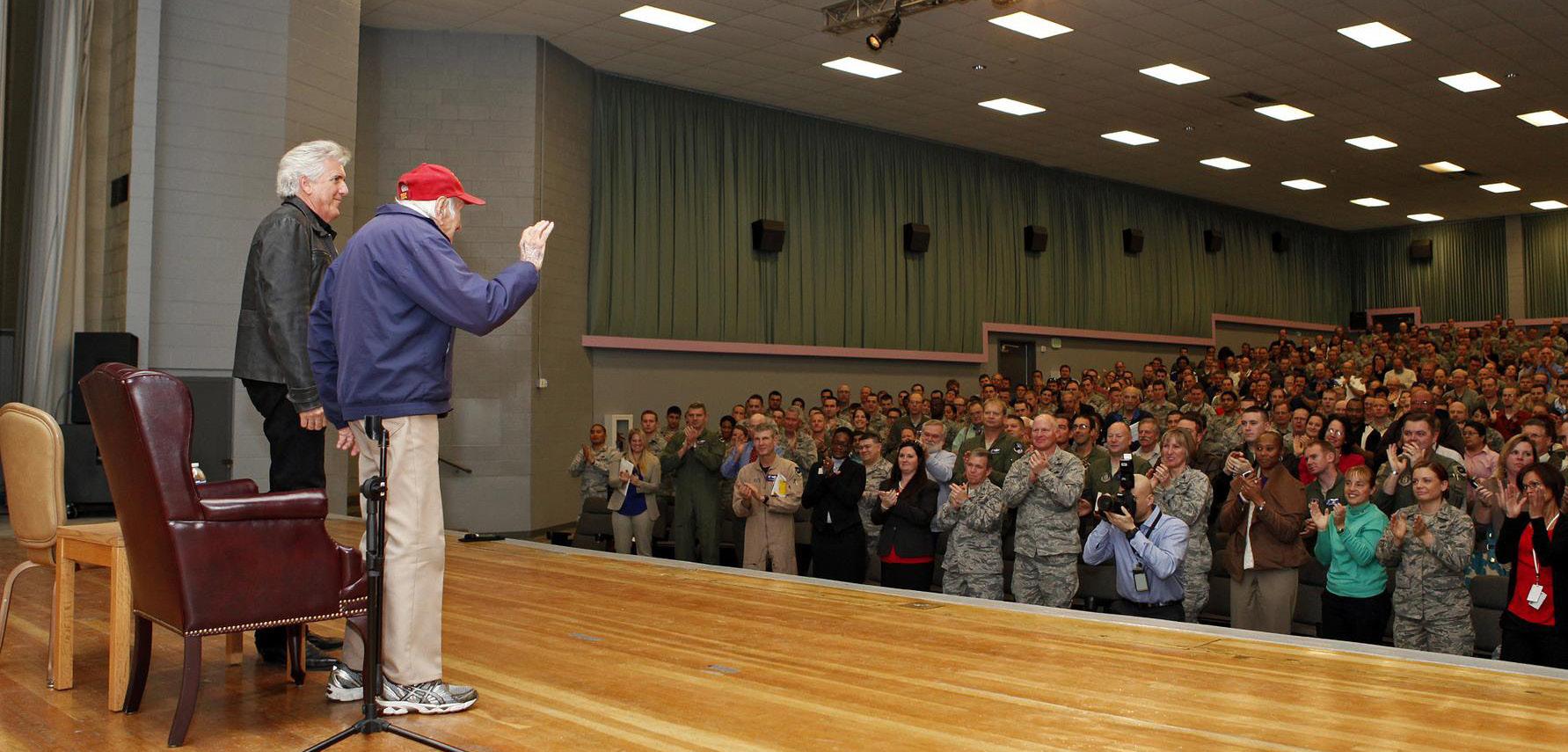
Louis Zamperini with his son, Luke, at the end of his presentation during resilience training at the Edwards AFB - U.S. Air Force photo by Jet Fabara
1. Be Courageously Intentional.
Ask yourself where you want to be in 3–5 years— professionally, geographically, personally. What kind of work will energize you? Where will your family thrive? Consider your lifestyle needs and financial goals. Like Zamperini, who trained with purpose every day to reach the Olympics, approach your transition with deliberate intention. Each day should have a clear goal, a step forward toward the life you envision.
2. Ask Courageous Questions.
Courage isn’t just for the battlefield—it’s for life. What skills do you need to develop? Which opportunities align with your values and goals? Who can guide you? Seek mentors who have walked this path before. Need help with resume writing, interviewing skills, or networking? Explore free resources like VetCTAP, Veterans Beer Club or Reboot. Asking for help is not weakness—it’s a mark of wisdom and strength.
3. Make Courageous Decisions.
Treat your job search with focus. Engage in it like a mission: dedicate time, sharpen your skills, and leverage free coaching or online classes. Take calculated risks. Apply for positions that stretch you, even if they seem intimidating. Thinking of the trades? Why not check out Workshops for Warriors Need a coach? check out: Hire Heroes USA
Zamperini sought out coaches to guide him; you too can access mentors and experts who will help you succeed.
4. Be of Good Courage and Hold Fast to Hope. Storms will come. You may feel adrift. But remember the anchor within you: the training, perseverance, and mental toughness that carried you through military life is still alive inside. Trust it. Lean into faith, resilience, and the support around you. Step by step, day by day, you will navigate this new chapter.
Louis Zamperini’s life shows us that courage is not the absence of fear—it’s the determination to rise despite it. Your transition may feel challenging, but it is also an opportunity to embrace the next chapter with focus, faith, and courage.
You are not alone, and with intentionality, courage and resolve, you will find your anchor and thrive.
Did
Your military discipline, leadership, and unique skills are highly valuable assets, not just memories; focus on transferring that mission-driven mindset, building new habits, and actively seek out a renewed sense of purpose, and remember, you are well-equipped to thrive.
Transitioning out of the Military into the Civilian Workforce?
Finding a job in the civilian workplace may seem easy at first. After all, you have learned skills, practiced leadership and demonstrated initiative that will make you successful wherever you go.
The reality, though, is that In fact, it can be downright depressing, demotivating, and you may feel totally disillusioned. We can help.
In our Veterans In Transition archives you will find helpful and informative articles about what’s next in transition, veterans in business, career, advice, tips, workshops, transition to education, entrepreneurship, veteran franchises, legal tips & resources for veteran businesses and much more...
For assistance in your journey please visit: Veterans-In-Transition https://tinyurl.com/vet-in-transition homelandmagazine.com/category/veterans-in-transition
Need help with your transition? Reach out to Eve via eve@infused.work
Need help with your transition? Reach out to Eve via LinkedIn or email eve@infused.work www.linkedin.com/in/eve-nasby-given-hiring-expert
Transition to Business HUMAN RESOURCES
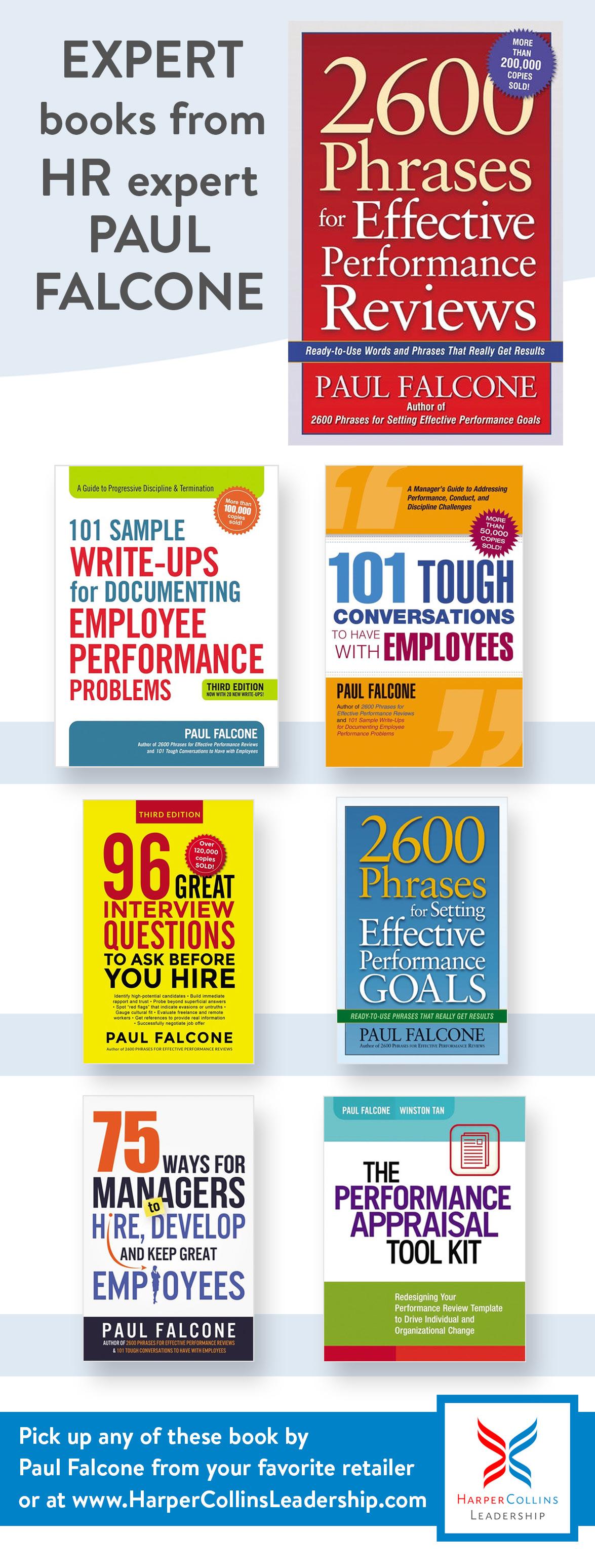
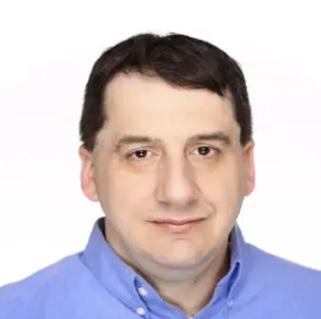
By Paul Falcone PaulFalconeHR.com
What’s Trending in Workplace Health and PTSD Awareness?
Mental health and wellness in the workplace are experiencing a significant transformation, moving beyond reactive measures to proactive, holistic, and integrated strategies. Companies are increasingly recognizing that employee wellbeing encompasses not just mental health, but also physical, financial, social, and even spiritual aspects. The days of siloed wellness programs are fading, replaced by integrated approaches that address the "whole person."
Prioritizing employee mental health isn't just about being a good employer; it's also a critical business strategy. Research consistently shows that robust mental health support leads to increased productivity, higher employee engagement, and better retention, and employers are paying attention. In fact, there's a growing demand for and awareness of preventative and proactive strategies. Instead of only intervening when employees are in crisis, employers are investing in tools and policies that support wellbeing before challenges escalate, recognizing that early identification and support are more sustainable and effective.
Much Wider Acceptance among Employers and Workers
Gen Z “Zoomers”—the 27-and-under crowd—fully embrace mental wellness and wellbeing in the workplace and access employer benefits willingly and much more openly than in the past. Gen Z is the first truly “digital” generation. As such, research shows that the generation, as a whole, suffers from social isolation, loneliness, and depression, even more so than retirees in retirement homes. Combine that with the general sense of burnout and overwhelm facing many workers, and corporate America recognizes that it has a problem on its hands: employee engagement and discretionary effort are down, while resentment is up, leading to a significant swath of workers looking to change jobs. That poses a serious threat to retention and loss of employee institutional knowledge, so today’s wisest employers are meeting their employees “in the moment” by adding mental health benefits that workers welcome and embrace.
PTSD Awareness Trends
There's a growing push to normalize conversations around mental health, including PTSD. Brands and organizations are increasingly embracing mental health as a core value, which helps to break down long-standing stigmas. Social media movements like #stopthestigma and #silencetheshame are helping to reduce the shame and embarrassment often associated with mental health conditions.
Awareness is expanding beyond military veterans to acknowledge that PTSD can affect anyone who experiences a traumatic event, including survivors of sexual assault, natural disasters, accidents, and even those exposed to mass violence or institutionalized oppression.
The impact of current events, such as civil unrest, political polarization, and the lingering effects of the COVID-19 pandemic on individuals with PTSD is likewise recognized as a factor that can exacerbate symptoms.
Further, the VA's National Center for PTSD actively promotes understanding and encouraging individuals to seek help. Campaigns emphasize that effective treatments are available and can significantly improve quality of life. Local communities and mental health centers likewise play a crucial role in organizing events, workshops, and support groups to create safe spaces and to connect individuals with resources. Specific attention is being paid to how trauma affects different age groups, with resources being developed for children and adolescents.
Advances in Treatment and Personalized Care
Research and clinical practices highlight innovative treatments. These include trauma-focused therapies, technology-assisted therapies, and emerging therapies like Accelerated Resolution Therapy (ART) that focuses on rapid symptom alleviation. Overall, there’s a shift towards more personalized care, with neurobiological advances allowing for treatments tailored to individual neural patterns and new medications that can stabilize neurotransmitters involved in triggering PTSD events. The surge in digital health platforms and teletherapy services is making mental healthcare more accessible, particularly in underserved regions. Collaborative care models, including telehealth, are improving patient compliance and outcomes.
The corporate bottom line: companies always strive to be “good corporate citizens.” The workplace is evolving to treat mental health not as a separate issue but as an integral part of overall employee wellbeing and a strategic component of business success. Many organizations are following the trend in PTSD awareness that is characterized by a concerted effort to break down stigma, improve access to diverse and advanced treatments, and broaden the public's understanding of the condition's causes and widespread impact. If this challenge is part of your reality now, speak with your company’s Human Resources team for EAP (Employee Assistance Program) access, benefits programs, and other resources that are available to support you through your journey.
You can connect with Paul on LinkedIn at www.linkedin.com/in/paulfalcone1
Paul Falcone (www.PaulFalconeHR.com) is a management trainer, executive coach, and bestselling author on hiring, performance management, and leadership development.
www.HarperCollinsLeadership.com
How Veterans Can Deal With PTSD in the Workplace
By: Stan Popovich www.managingfear.com
Many veterans face challenges adjusting to the civilian workplace after military service, especially when dealing with Post-Traumatic Stress Disorder (PTSD). With the right coping strategies, support systems, and workplace understanding, veterans can successfully manage PTSD symptoms while building rewarding and productive careers.
Here are some tips on how to deal with PTSD in the workplace.
1. Know your triggers: Certain dates, places, or situations can feel especially difficult after trauma. Learn to recognize workplace triggers such as loud noises, stressful deadlines, conflict, or crowded environments. These reactions are completely normal, and you are not alone in experiencing them.
2. Focus on your breathing: When you get anxious, you might stop breathing normally, which increases your feelings of fear and panic. Focus on taking deep breaths to manage your anxiety.
3. Remind yourself that you are safe: It may help to tell yourself that the trauma is over, and you are not in danger. Spending some time with a loved one can help you feel safe. Talking about your feelings can also help you feel better.
4. Practice grounding: Grounding helps you return to the present during a flashback or anxiety episode. Focus on your surroundings and your senses—what you can see, hear, touch, smell, or taste—to feel safe.
5. Seek assistance: Consider speaking with a trusted supervisor or HR representative about reasonable accommodations if needed. Overcoming PTSD means acknowledging what happened and accepting it as part of your past. Talking to a therapist or doctor can make this process much easier.
6. Adopt a healthy lifestyle: Maintain a healthy routine with consistent sleep, proper nutrition, and regular physical activity to help manage PTSD symptoms.
7. Keep moving: Exercise can do more than boost your mood—it can help your body and nervous system reset. Moving your body can ease the “frozen” feeling that often comes with PTSD and help you feel more in control.
8. Try journaling: Writing down your feelings can be a useful coping skill for PTSD. It can help people express and process their thoughts and feelings, which can be a good way of coping with anxiety and fear. This provides a safe place for random thoughts, feelings, and experiences that would otherwise clutter your mind.
9. Take it one step at a time: Set realistic goals and avoid taking on too much at once to reduce stress and prevent burnout. The key is to take breaks so that you do not become overwhelmed with fear and anxiety.
10. Find a local support group: Stay connected with support systems such as counselors, veteran support groups, friends, or family members. There, you can get advice from others who have similar experiences. Many people who struggle with PTSD will be better able to relate to those who may have similar experiences and insights.
About the Author
Stan Popovich is the author of “A Layman’s Guide to Managing Fear” which covers 200+ techniques that can drastically improve your mental health. For more information, please visit Stan’s website at www.managingfear.com
BUSINESS FOR VETERANS
By Barbara Eldridge www.mindmasters.com
Stand Out or Step Aside: How Small Business Entrepreneurs Can Dominate Their Market
Running a small business in today’s fast-moving world is not for the faint of heart. You’re managing operations, marketing, finances—and trying to stay ahead of the curve. But while many small business owners are stuck reacting to problems, the most successful entrepreneurs are doing something different: they’re leading their markets.
They’ve learned to rise above the noise by sharpening their message, increasing visibility, and staying closely connected to their customers' evolving needs. So, ask yourself—is your business thriving, or just getting by?
Think Like a Market Leader, Not Just a Business Owner
Look at Southwest Airlines. Sure, they’re a big company now—but they started as a scrappy underdog, challenging the status quo. By flying out of smaller airports, offering affordable fares, and creating a new category of travelers, they didn’t just compete—they changed the game.
Small businesses can do the same. In fact, they’re often in a better position to move fast, adapt quickly, and build loyal communities. But you have to know what business you’re really in.
Clarity Is Power: Know What You Actually Deliver
Customers aren’t buying a service—they’re buying a result.
• A personal trainer isn’t just selling workouts—they’re selling energy, confidence, and a healthier life.
• A local bakery isn’t just selling bread—they’re selling comfort, celebration, and community.
• A freelance designer isn’t just offering logos—they’re offering identity, professionalism, and trust.
The clearer you are about the real outcome you deliver, the easier it becomes to market your business, attract the right clients, and raise your value.
Visibility + Consistency = Influence
You don’t need a massive budget or a big PR team to be visible. But you do need consistency and clarity in how you show up.
• Are you regularly sharing insights, tips, or client stories?
• Are you networking (online or in person) with people in your industry or community?
• Are you communicating what sets you apart—not just what you do, but why it matters?
Remember: people do business with people they know, like, and trust. And if you’re not visible, you’re invisible.
Your Brand Can Stand for More Than Profit
Today’s customers care about why you do what you do. One of my clients launched a jewelry business based entirely on fair-trade principles. He partnered with artisans from developing countries, ensured ethical sourcing, and gave a portion of the profits to
organizations fighting human trafficking. It wasn’t just about selling jewelry—it was about creating change And that brand story helped him stand out in a crowded market.
As a small business, your values can be your secret weapon. When you align your business with a cause or mission, it creates emotional connection and brand loyalty.
Refocus Without the Fear
The biggest myth about evolving your business is that it’s complicated and risky. In reality, growth often comes from making small but strategic changes:
• Offering a new service your customers are already asking for.
• Packaging your expertise into a digital product.
• Updating your website or social media to better reflect your values.
• Streamlining your offerings to focus on what’s most profitable and in demand.
You don’t need to overhaul your whole business. You just need to be willing to adapt with purpose.
About the Author
Barbara Eldridge has built a solid reputation as a Results strategies specialist, within industry and business over the past 40 years. Her unique message, since starting Mind Masters 30 years ago for entrepreneurs and small business owners, continually stresses vision, purpose and values as the key elements of business philosophy. Her undying compassion for the entrepreneur’s journey, her tireless capacity to listen, and her sincere enthusiasm for other’s success have insured her growing influence and her own mastery with MIND MASTERS www.mindmasters.com
Did you know?
Veterans are a great fit for companies because they bring unparalleled discipline, work ethic, leadership, and adaptability, honed through rigorous military training, translating to mission focus, teamwork, integrity, and problem-solving.
Transitioning out of the Military into the Civilian Workforce?
Finding a job in the civilian workplace may seem easy at first. After all, you have learned skills, practiced leadership and demonstrated initiative that will make you successful wherever you go.
The reality, though, is that In fact, it can be downright depressing, demotivating, and you may feel totally disillusioned. We can help.
In our Veterans In Transition archives you will find helpful and informative articles about what’s next in transition, veterans in business, career, advice, tips, workshops, transition to education, entrepreneurship, veteran franchises, legal tips & resources for veteran businesses and much more...
For assistance in your journey please visit: Veterans-In-Transition https://tinyurl.com/vet-in-transition homelandmagazine.com/category/veterans-in-transition
VETERANS
Veterans Make Great Entrepreneurs FRANCHISE DREAMs
By Doug Dwyer doug.dwyer@dreammakerbk.com
Misconceptions About Franchising: Insights for Veterans
Franchising presents a unique opportunity for veterans transitioning from military service to civilian life. The structure, support, and established systems can make it an appealing option for those accustomed to discipline and teamwork. However, several misconceptions about franchising can deter veterans. I’d like to take a moment to debunk some of the most common myths, specifically from a veteran's perspective.
Myth 1: Franchising Guarantees Success
A prevalent myth is that franchising guarantees business success. While franchises often have higher success rates than independent startups due to established brand standards and support systems, they are not a guaranteed ticket to prosperity. Veterans, familiar with rigorous training and strategic planning, understand that success depends on several factors such as location, market conditions, and their management skills. The military's emphasis on preparedness and adaptability can be crucial in navigating these variables.
Myth 2: Franchises Are Easy to Run
Some believe that franchises are simple to operate because they come with a set operational model. This misconception can be misleading. Managing a franchise requires effort in areas like staffing, marketing, and customer service. Veterans, who excel in leadership and operational excellence, are well-suited to handle these challenges. The franchisor provides a framework, but veterans must apply their discipline and leadership to execute the business plan effectively.
Myth 3: Franchises Are Mainly for Fast Food
When people think of franchises, they often picture fast food chains like McDonald's. However, franchising spans numerous industries, including healthcare, education, home services, and even kitchen and bath remodeling. Veterans, with their diverse skill sets and experiences, can explore a wide array of franchise opportunities that align with their interests and strengths. This opens possibilities that allow veterans to find a niche that suits their passions and career goals.
Myth 4: Franchisees Lack Independence
Another common misconception is that franchisees are merely extensions of the franchisor with little independence. Franchisees are independently owned and operated, providing you with significant control over your business operations, from staff management to local community involvement. Veterans, who are used to making decisions in high-stakes environments, can thrive in this model. The structure provided by the franchisor ensures consistency, but the day-to-day operations and local adaptations are in the hands of the franchisee.
Myth 5: Franchising Is Only for Large Investors
Many veterans might believe that franchising requires a substantial financial investment. While some franchises do have high entry costs, many are affordable and offer financing options. There are also specific programs and incentives designed to assist veterans in franchise ownership. Organizations like VetFran (go to VetFran.org to learn more) provide resources and discounts to help veterans transition into franchising, making it accessible to those with varying budget levels. At DreamMaker, we’re proud to offer veterans a 20% discount on their franchise fee.
For veterans considering franchising, understanding these misconceptions is crucial. Franchising offers a structured yet flexible path to entrepreneurship, blending the benefits of proven processes and systems with the autonomy of running a business. With realistic expectations and the right approach, veterans can find a rewarding and prosperous career in franchising.
Doug Dwyer is the President & CSO of DreamMaker Bath & Kitchen, a company dedicated to helping its remodeling franchisees achieve Strong Margins and a Quality of Life. doug.dwyer@dreammakerbk.com
www.dreammakerfranchise.com
More Than Gratitude: How Strategic Philanthropy Can Transform the Veteran Transition
By Sylvie Raver
The Milken Institute’s 2025 report Thriving Beyond Service: Strategic Philanthropy for the Military-to-Civilian Transition examines the fragmented veteran support ecosystem and identifies four areas where strategic philanthropic funders can invest to better support the approximately 200,000 service members who transition to civilian life each year. Despite significant federal and nonprofit investment, the report finds that siloed, poorly coordinated efforts leave veterans and their families without comprehensive, effective support during this complex life transition.
Q: What prompted the Milken Institute to turn its attention to the military-to-civilian transition space and who did you partner with to produce this research?
In 2024, the Milken Institute partnered with the Tullman Family Office and The Duchossois Family Foundation to examine why, despite billions in annual spending for veteran support, veterans continue to face high rates of suicide, underemployment, and family hardship. The goal was to create a practical investment guide for individual funders, nonprofits, and policymakers by interviewing 80 experts and reviewing funding data from more than 17,000 organizations.
Q: Most people assume the federal government has veteran support covered. What gaps exist that government programs simply aren’t designed to fill?
Federal programs are broad and standardized by design, which means they often fail to address individualized needs. Key gaps include ineligibility for Department of Veterans Affairs (VA) services due to discharge status, geographic barriers to care, and the needs of military families and caregivers who often fall outside program scope entirely. Nonprofits and philanthropic funders are better positioned to invest in personalized, flexible support systems, but without coordination, those efforts can remain fragmented too.
Q: For someone who wants to make a meaningful difference in the lives of veterans and their families — whether as a donor, a policy advocate, or a community member — where does your research say the greatest opportunities for impact actually are?
The report points to a few high-leverage areas: funding smarter resource navigation so veterans can find and access help; investing in brain and mental health research and treatment access; addressing veteran underemployment (not just unemployment); and centering the family unit (spouses, children, and caregivers) who can often be left out in transition planning.
Q: The report organizes its recommendations around four priority areas. Can you walk readers through those four areas and explain why each one matters to a veteran’s life after service?
The first is fixing the ecosystem itself. With roughly 45,000 nonprofits operating without shared standards or coordination, resources are duplicated and difficult to navigate. The second is health and well-being. PTSD, traumatic brain injury, and suicide affect veterans at dramatically higher rates than they affect civilians, yet access to quality care remains a persistent barrier. Third is economic opportunity: 61% of veterans report being underemployed, military spouse unemployment is four times the national average, and financial instability can unravel an entire family’s transition. Finally, community and connection—perhaps the most overlooked priority. When servicemembers become veterans, they don’t just leave a job. They leave an identity and a sense of purpose. Rebuilding that internal compass in civilian life is critical, yet this area receives the least philanthropic attention of all.
Q: Beyond publishing this report, how else is the Milken Institute hoping to engage with the veteran community?
The Milken Institute is focused on creating jobs, widening access to capital, and improving health and wellness globally, and has a history of centering these issues for veterans. From research to convenings, the Milken Institute looks at a variety of ways to partner and improve the lives of veterans, particularly on the topic of veteran entrepreneurship.
Transitioning service members and veterans are well-suited for entrepreneurship and franchising, leveraging their military-honed skills like leadership, discipline, and strategic thinking.
About the Author
Sylvie Raver, PhD is a senior director with Milken Institute
Strategic Philanthropy’s Science Philanthropy Accelerator for Research and Collaboration. A neuroscientist by training, her expertise spans neuroscience, neurodegenerative disease, mental health, and biomedical research. The Milken Institute is a nonprofit, nonpartisan think tank based in Santa Monica, CA focused on accelerating measurable progress on the path to a meaningful life.
Learn more at milkeninstitute.org/philanthropy
Finding a job in the civilian workplace may seem easy at first. After all, you have learned skills, practiced leadership and demonstrated initiative that will make you successful wherever you go.
The reality, though, is that In fact, it can be downright depressing, demotivating, and you may feel totally disillusioned. We can help
In our Veterans In Transition archives you will find helpful and informative articles about what’s next in transition, veterans in business, career, advice, tips, workshops, transition to education, entrepreneurship, veteran franchises, legal tips & resources for veteran businesses and much more... https://tinyurl.com/vet-in-transition
For assistance in your journey please visit: Veterans-In-Transition www.HomelandMagazine.com
Veterans Chamber of Commerce
By Joseph Molina veteransccsd@gmail.com www.vccsd.org
The Power of Synergy: Flourishing Through Connection
By collaborating with local networks, veteran entrepreneurs can once again experience the unbreakable teamwork and shared mission that defined their time in service. Moving beyond the tendency to "operate in isolation," is an initiative inviting entrepreneurs to bring their business ideas to life. For the military and veteran community, it marks the start of a collaborative journey toward unity.
The Intrinsic Strength of the Unit:
Veteran entrepreneurs bring a unique, mission-driven energy to our local economies. Having flourished in high-stakes team environments, they understand that true victory is a collective achievement. This perspective creates a business model rooted in social belonging and genuine human connection. By prioritizing people over simple transactions, these leaders joyfully focus their expertise on uplifting their neighbors and solving community challenges.
Leading the Way: Champions of Connection
To truly flourish, veteran-owned businesses thrive when they plug into a supportive network that understands their unique journey. Two stellar examples of this collective strength are the San Diego Veterans Chamber of Commerce and the Riverside Veterans Chamber of Commerce. These organizations serve as the gold standard for staying connected and increasing veteran support:
• The San Diego Veterans Chamber of Commerce: As a primary authority for veteran-focused initiatives, they validate the credibility of local programs, ensuring a high-quality ecosystem where veterans and their families can truly integrate and thrive.
• The Riverside Veterans Chamber of Commerce: Through initiatives like the Vet-Friendly Business Initiative, they foster a supportive network that honors those who served. By promoting businesses that offer specific benefits to veterans, they enhance the wellbeing of the entire community.
These local chambers provide the perfect environment for Business-to-Business (B2B) connections. Through collaborative networking, workshops, and mentorship, they allow veteran founders to accelerate their success, proving that a strong, united community is the ultimate foundation for any great venture.
A Legacy of Collective Brilliance
By choosing to support our local heroes and their business ventures, we invest in a bright future where no one has to work alone. Veteran-Owned firms are remarkably resilient, grounded in a commitment to integrity and service that inspires everyone around them. Their success is a testament to the fact that when we work together, we are truly at our best!
National Veterans Chamber (NVCC)
The NVCC acts as a project incubation platform that empowers veteran-leaders to lead transformative projects in their communities that support and empower transitioning military. It focuses on training, and entrepreneurship. www.vccsd.org
Thank you, Lucy, for collaborating on the content for this article. Lucy Reed is a contributor to the NVCC blog, where she provides resources and content for the Chamber’s blog.
legal Eagle
Straight-forward legal tips for Military and Veteran Business Owners
By Kelly Bagla, Esq. www.BaglaLaw.com
ASSET PROTECTION IN CALIFORNIA
California has the highest litigation rate in the country and some of the weakest asset protection laws available to individuals. The state prohibits self-settled asset protection trusts, follows community property rules that expose both spouses’ assets to either spouse’s creditors, and limits LLC protection more than most states.
The two strongest domestic protections are the homestead exemption, which shields up to roughly $744,000 in home equity, and ERISA-qualified retirement accounts held within employer plans. For liquid assets above those thresholds, California law offers little standing between a judgment creditor and a bank account or brokerage portfolio. An offshore trust is the only structure that places assets beyond the enforcement reach of California courts.
How California’s Homestead Exemption Works
California’s homestead exemption protects a portion of a homeowner’s equity in a principal residence from judgment creditors. Since 2021, the exemption amount has tracked the county median sale price for single-family homes, with a statutory floor and cap that adjust annually for inflation under CCP § 704.730.
For 2026, the inflation-adjusted range runs from roughly $361,000 to $744,000. The exact amount depends on the county. In Los Angeles County, where the median sale price exceeds the cap, homeowners receive the maximum exemption. In lower-cost counties like Glenn or Modoc, the statutory floor applies.
The exemption protects equity, not the entire home value. A homeowner with a $1.5 million house and a $400,000 mortgage has $1.1 million in equity. Even with the maximum exemption, roughly $356,000 remains exposed to creditors.
California recognizes both automatic and declared homesteads. The automatic homestead protects against forced sale without requiring any filing. A declared homestead, filed with the county recorder, protects the sale proceeds for six months after a voluntary sale, giving the homeowner time to buy a replacement residence. Most asset protection planning relies on the automatic exemption, but homeowners with substantial equity who anticipate selling should file a declaration.
The homestead exemption does not protect against mortgage foreclosure, mechanics’ liens, or debts secured by encumbrances recorded before the homestead declaration. It also does not apply to IRS tax liens, which operate under federal authority independent of state exemptions.
Community Property Creates Dual-Direction Creditor Exposure
California is one of nine community property states. All assets acquired during marriage are presumed to belong equally to both spouses, regardless of which spouse earned the income or holds title.
Community property rules create a creditor exposure problem that separate-property states do not share. A creditor of one spouse can reach community assets to satisfy the debt. A physician whose spouse runs a business faces exposure from both directions: a malpractice judgment against the physician can reach community assets including the business income, and a business creditor can reach community assets including the physician’s earnings.
The only assets shielded from this bilateral exposure are those classified as separate property: assets owned before marriage, or received by gift or inheritance during marriage. Keeping separate property separate requires strict discipline. Depositing an inheritance into a joint account, paying community expenses from a separate account, or commingling funds in any direction can convert separate property into community property— permanently.
Transmutation agreements can reclassify community property as separate property, but California courts scrutinize these agreements under Family Code § 852. A transmutation executed shortly before a foreseeable claim may be treated as a voidable transfer. Married couples with substantial assets who want to maintain asset separation should execute transmutation agreements early, well before any creditor threat exists.
How AB 2837 Changed Retirement Account Protection
California Assembly Bill 2837, effective January 1, 2025, reduced creditor protection for most retirement accounts in state court proceedings. Before AB 2837, employersponsored plans like 401(k)s and pensions received broad exemption from California judgment creditors. The revised CCP § 704.115 now applies a “reasonably necessary for retirement” means test to virtually all retirement plan categories in state court.
ERISA’s federal anti-alienation provision still prevents creditors from garnishing funds held within an ERISAqualified plan directly. A creditor cannot levy a 401(k) account while the money remains inside the plan. But once funds are distributed, whether as a rollover to an IRA, a lump-sum withdrawal, or periodic retirement payments, California courts can now evaluate whether the amount exceeds what the account holder needs for retirement support. Amounts deemed excessive can be ordered turned over to the creditor.
The practical effect falls hardest on high-net-worth professionals. A 45-year-old physician with $3 million in a traditional IRA may no longer be able to shield the entire balance from a malpractice judgment. A court evaluates the account holder’s age, income, other retirement resources, and living expenses to determine how much is protected.
Private Retirement Plans structured under CCP § 704.115(b) continue to receive full exemption even after AB 2837, provided the plan is genuinely designed and administered for retirement purposes. For Californians whose retirement savings exceed what a court might consider reasonably necessary, a properly structured PRP may preserve protection that a standard IRA or rollover account no longer guarantees. The O’Brien v. AMBS Diagnostics case illustrates the risk of a PRP
that lacks genuine retirement purpose. The court denied the exemption because contributions were irregular, control was excessive, and the timing coincided with litigation.
Why Self-Settled Trusts Fail in California
California law prohibits self-settled spendthrift trusts. If a person creates a trust, transfers assets into it, and retains a beneficial interest, creditors can reach the full amount that the trustee could distribute to the settlor. The statutory basis is Probate Code §§ 15300 through 15304. A revocable living trust provides zero creditor protection for the same reason: the settlor retains both control and beneficial ownership.
The prohibition extends to out-of-state domestic asset protection trusts. A California resident who forms a DAPT in Nevada, South Dakota, or Delaware does not escape California law. When a creditor sues in California, the court applies California’s public policy against self-settled trusts and disregards the DAPT state’s protective provisions. The choice-of-law clause in the trust deed does not override California’s refusal to recognize the structure.
This is the central weakness of DAPTs for residents of non-DAPT states. The trust exists on paper, the annual trustee fees get paid, but when a California judgment creditor seeks enforcement, the trust’s spendthrift provisions provide no defense. California courts have consistently applied this analysis, and nothing in an out-ofstate DAPT statute can compel a California court to apply foreign law against its own public policy.
Third-party spendthrift trusts, where one person creates a trust for someone else, do receive creditor protection under California law. A parent who creates an irrevocable trust for an adult child, with proper spendthrift language and an independent trustee, can shield those assets from the child’s future creditors. The key requirement is that the settlor and the beneficiary must be different people.
LLC Protection and the Curci Investments Problem California’s treatment of LLCs is less protective than most states. In many states, a judgment creditor’s only remedy against a debtor’s LLC membership interest is a charging order—a lien on distributions that does not give the creditor management control or ownership rights. California courts have gone further.
The Curci Investments decision (2018) allowed a judgment creditor to reach the assets of a debtor’s LLC when the court found insufficient separation between the member and the entity. California courts have also shown willingness to issue turnover orders requiring LLC members to surrender their membership interests directly to creditors, bypassing the charging order remedy entirely.
Continued on next page >
Single-member LLCs are particularly vulnerable. Without a second member, there is no independent economic interest to protect, and courts are more likely to treat the LLC as an alter ego of its sole owner. Multi-member LLCs still receive stronger charging order protection, but even that protection is less certain in California than in states with explicit charging-order-exclusiveremedy statutes.
The charging order can create a useful pressure point for settlement. When a creditor holds a charging order against an LLC interest, the creditor may owe income tax on the debtor’s share of LLC income—even if no cash distributions are made. This “phantom income” exposure discourages indefinite collection efforts and has pushed creditors toward settling for substantially less than the judgment amount.
California’s Criminal Fraudulent Transfer Statute
Most states treat fraudulent transfers as a purely civil matter. California goes further. Penal Code § 531 makes it a misdemeanor to execute or file a conveyance instrument when the person executing it has no right, title, or interest in the property. The statute also covers anyone who participates in a fraudulent conveyance with intent to defraud.
The criminal statute does not replace the civil remedies available under the Uniform Voidable Transactions Act. It adds a layer of personal risk that does not exist in most other states. While criminal prosecutions for fraudulent conveyances are rare, the statute gives California prosecutors discretion to pursue cases where transfers are particularly egregious—and exposes professionals who assist in such transfers to potential criminal liability.
For asset protection planning, the criminal statute reinforces the importance of timing and transparency. Transfers made before any claim exists, with full disclosure and legitimate structural purposes, do not trigger criminal liability. Transfers made after a judgment, conducted in secrecy and with obvious intent to prevent collection, carry a risk that goes beyond having the transfer reversed.
What California Residents Can Do
California’s domestic asset protection options are limited compared to states like Florida, Texas, or Nevada. The homestead exemption, ERISA retirement accounts while still held within the plan, private retirement plans, and life insurance proceeds payable to named beneficiaries are the strongest statutory protections. Beyond those, Californians have fewer tools available.
For liquid assets above exemption thresholds, the most effective protection is an offshore trust held in a jurisdiction outside U.S. court enforcement power. A Cook Islands trust places assets with a foreign trustee who has no U.S. presence and no obligation to comply with California court orders. California courts can order a resident to repatriate trust assets, but a properly structured trust gives the trustee, not the settlor, control over that decision.
Multi-member LLCs still provide meaningful protection when properly structured and maintained. The key is genuine economic separation: a second member with a real ownership interest, formal operating agreements, separate books, and consistent treatment of the entity as distinct from its owners.
Third-party irrevocable trusts protect assets for the benefit of family members. Parents who want to shield inheritances from a child’s future creditors or a divorce can use a properly drafted irrevocable trust with spendthrift provisions and an independent trustee.
Bagla Law Firm, APC is a business formation and asset protection firm with more than twenty years of legal excellence coupled with real-life entrepreneurial experience, to help you keep what’s yours.
For more information visit my website at www.BaglaLaw.com
Disclaimer: This information is made available by Bagla Law Firm, APC for educational purposes only as well as to give you general information and a general understanding of the law, and not to provide specific legal advice. This information should not be used as a substitute for competent legal advice from a licensed professional attorney in your state.
Is Your Personal Information on the Dark Web?
Here's how to Find out and what to do if it is
WDARK WEB
ith billions of records exposed in recent data breaches, it’s safe to assume that, unfortunately, your personal information such as your name, Social Security number, and email address have been exposed.
There’s more bad news as veterans and active duty military members are 76% more likely to report identity theft than civilians, according to the Federal Trade Commission (FTC). So where does your personal information end up? It can end up on the dark web.
What is the Dark Web?
The dark web is a hidden part of the internet often associated with criminal activity, including the sale of stolen personal information. Knowing if your personal data is on the dark web is crucial for protecting your identity and your finances
How to Check if Your Personal Information Is on the Dark Web
1. Watch for Warning Signs: A sudden influx of spam or phishing emails from unknown senders can indicate that your email address has been exposed on the dark web. Alerts for applications for credit cards or other lines of credit using your Social Security number that you didn’t authorize also are signs your information is exposed.
2. Use Dark Web Monitoring Services: Dark web monitoring services are available that monitor for your email address, Social Security number, and other data on the dark web. These tools can alert you if your information has been compromised.
Why Hackers Want Your Information
Personal information is valuable on the dark web because it can be exploited for various malicious purposes:
• Identity Theft: Hackers can use your details to open credit accounts, apply for loans, or commit fraud in your name.
• Phishing Scams: Compromised emails are often targeted with scams designed to steal more sensitive data, such as passwords or financial information.
• Credential Stuffing: If you reuse passwords, hackers can use stolen login credentials to try to access multiple accounts.
• Resale of Information: Hackers frequently sell personal data to other criminals.
What to Do if Your Information Is on the Dark Web
If you discover that your personal information has been compromised, take immediate action to mitigate the risks:
1. Change Your Passwords: Update passwords for all accounts, using strong, unique combinations. Enable multi-factor authentication (MFA) wherever possible.
2. Monitor Accounts: Regularly check your bank statements, credit reports, and online accounts for possible suspicious activity.
3. Consider a New Email Address: If your email is heavily targeted, switching to a new address and notifying trusted contacts may be a safer option.
4. Report to Authorities: File a report with local law enforcement and federal agencies such as the FTC to document the breach.
5. Invest in Identity Protection Services: Consider enrolling in identity theft protection and credit monitoring services for added security.
By staying vigilant and taking swift action, you can minimize the impact of having your information exposed on the dark web.
For more information visit www.identityiq.com
RISKY BUSINESS
Insurance Info & Risk Management Tips
By Hadley Wood www.hlinwood-insurance.com
Summer plans can include more driving whether it’s for personal reasons or business.
Let’s talk about Auto Insurance.
Auto coverage, whether it’s a personal or a commercial auto coverage has insurance options - Liability Only or Liability with Comp & Collision. If you have a 1983 old beater car that you own outright and don’t care if anyone steals or damages, you may just opt for Liability Only coverage – which will save you money on the premium but leave you hanging if something happens to your vehicle. Liability Only coverage will come into play should you cause bodily injury or property damage to another person. I recommend a minimum of $500,000 in Liability to cover driving exposures. This may sound like a lot but if you hit a car with 4 people in it, their medical costs could well exceed 100K per person. Plus, the vehicle damage (what if it’s a 100K plus car?) and the attorney fees!
Comprehensive and Collision coverage covers your vehicle should it be stollen (up to the amount insured on the policy), damaged in a collision or damaged by weather, vandalism, tree falls, golf ball to the window, etc. I most always recommend paying a bit more and having this coverage – no one wants to be the victim of something beyond their control and then having to pay for damages out of pocket.
You may have the option to purchase Combined Single Limits (CSL) or Split Limits (SL) coverage for your policy. If you purchase CSL coverage, you are able to use that limit however you may need to use it. Example: If you have 500K in CSL coverage and you accidentally drive through the window of a business and damage that business, but no one was injured, you can use up to 500K to pay for the damages. If you had split limits, you would only be able to use the property damage coverage limit to pay for the property damage. I always recommend having CSL coverage.
Uninsured/Under-insured Motorist Coverage is something I always recommend to my clients. Sadly, there are many people on the road that do not follow the law and do not have auto insurance (or have the state minimums which can be shocking low – California has 15/30/5 limits which equates to 15K medical per person, 30K medical total for all people and 5K for property damage). If they were to hit you and cause bodily injury to you and property damage to your vehicle, and they do not have auto coverage (or have just the minimum limits), you could be out all the money for your medical payments and fixing or replacing your vehicle! I recommend having 500K in Uninsured Motorist coverage.
Hired/Non-Owned Coverage – if you have employees that drive their own vehicles during the course of the business day (not to and from work) on an incidental basis – like picking up documents from a client or running an errand, you will want to have this coverage. This coverage acts as an extra layer of protection for your business. If your employee were to get into an accident during the course of a business duty, and they had low limits on their own personal policy, the company could be exposed to the excess liability that damage caused. Auto coverage can be confusing so its best to reach out to your Broker to make sure you are covered properly
If you have any questions about business insurance, please reach out to me www.hlinwood-insurance.com
Boot camp prepared you for the military. We prepare you for college.
Just like boot camp molded you into the service member you would become, our free on-site and virtual programs mold you into the college student you strive to be.
Scan the code to learn how our programs help enlisted veterans succeed in college