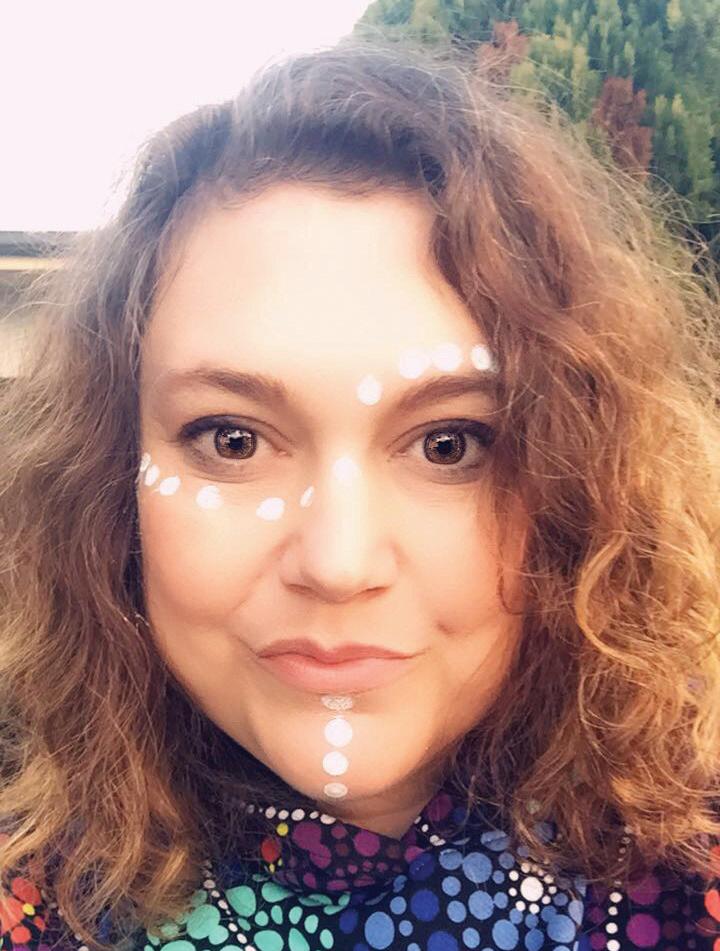
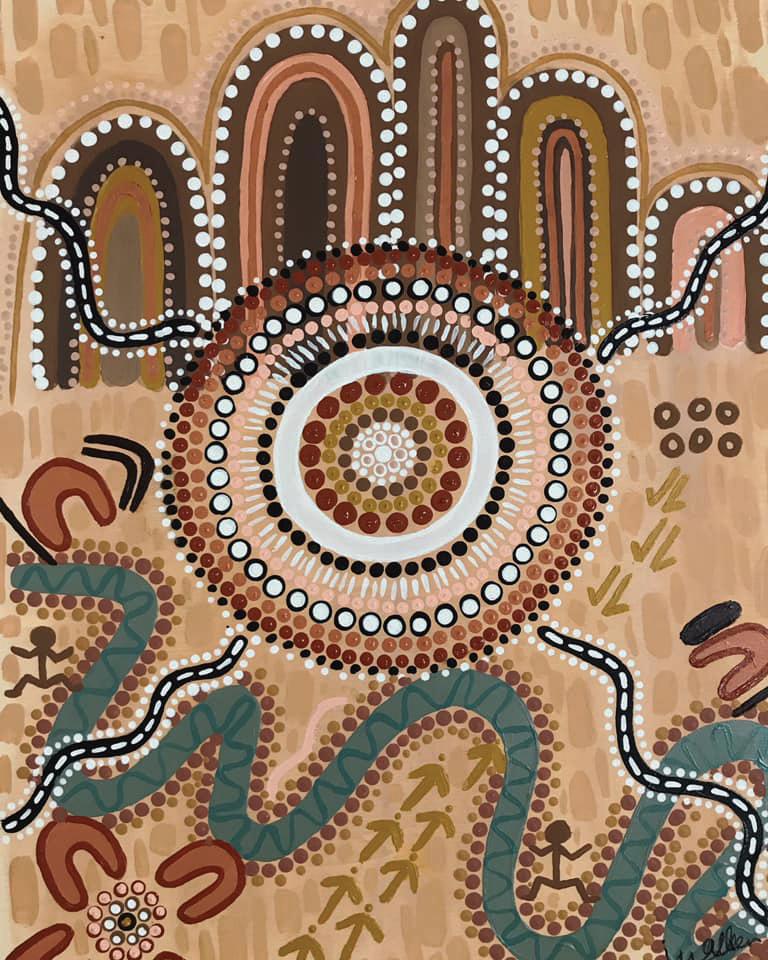
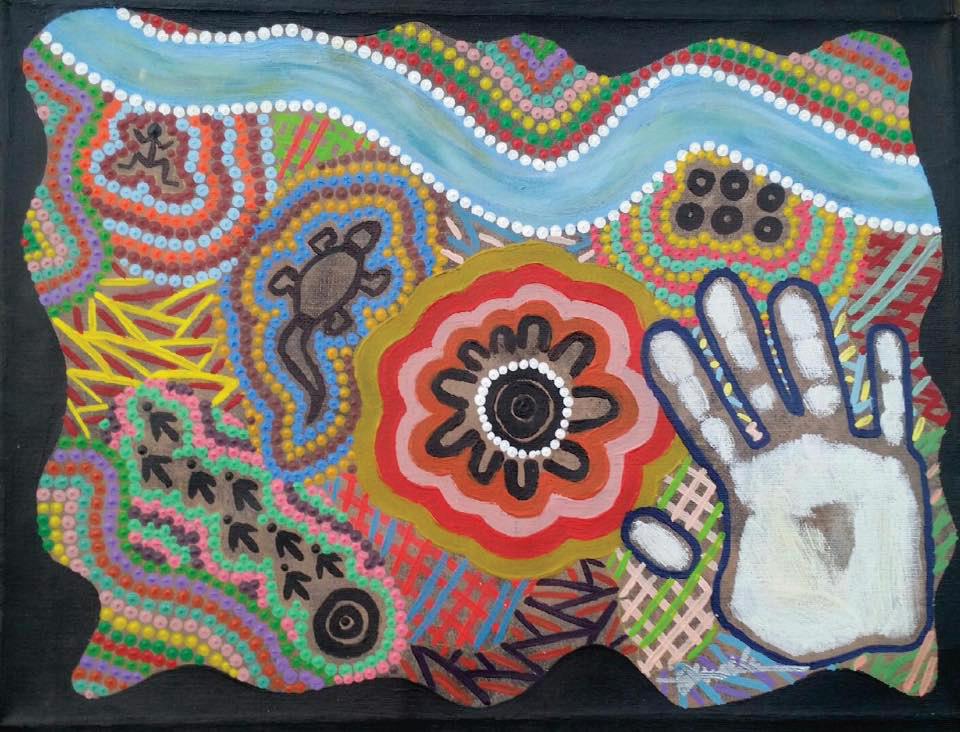
We dedicate this edition of Blak Out to our brothers and sisters who have been killed in custody. We acknowledge the consistent frontline labour undertaken by their families in the fight for justice and join them in demanding that no other family should endure the violence and deadly consequences of the criminal punishment system of this country. At the date of Blak Out’s publication there has been 445 people killed as a direct result of custodial “care” since the Royal Commission into Aboriginal Deaths in Custody in 1991. We know this figure grows exponentially when you extend the date beyond 1991 and count deaths as a result of colonisation and the wellworn scars of incarceration.
We remember them
We honour them 432 435 443 445
Blak Out acknowledges and pays respect to the Kaurna, Boandik and Barngala First Nations Peoples and their Elders past and present, who are the Traditional Owners of the lands on which the University of South Australia’s campuses occupy. We also acknowledge all nations on whose lands we have lived and worked on while preparing this edition.
We recognise that our opportunity to do this work, in this space, on this country is leveraged off the dispossession of sovereign people from their country, because this university and all of its campuses occupies stolen ground. Sovereignty of these lands, both here and wherever you stand was never ceded. As visitors to this country, please commit to treading in this space with soft feet and walking with respect and an open heart. Always was, Always will be... Aboriginal land.
Ngata
Ngatanwarr
Ngathuk ngat leenyong Tabitha
Ngathuk Gunditjmara
Welcome to the first edition of Blak Out!
A magazine showcasing Aboriginal and Torres Strait Islander student excellence.
We’re really excited to be bringing this edition to you. It was first imagined as a way to create a decolonised and dedicated space for Aboriginal and Torres Strait Islander students to share their knowledge, opinions, art, craft and experiences with a wide audience of people both within the Indigenous student cohort and outside of it. We also hoped that it would provide an accessible space for Aboriginal and Torres Strait Islander students to express themselves and to connect with each other through the sharing of stories…. and maybe disrupt some existing hegemonies along the way.
Why Blak Out?
We draw on the work of Destiny Deacon who first used the term ‘blak’ in her exhibition ‘Blak lik mi’ in 1991. In a subsequent exhibition, Deacon defined ‘blak’ as:
‘a term used by some Aboriginal people to reclaim historical, representational, symbolical, stereotypical and romanticised notions of Black or Blackness. Often used as ammunition or inspiration. This type of spelling may have been appropriated from American hip-hop or rap music’
We use blak out as the title of this takeover of Verse as an expression of taking back power and control of this colonial space. Now, more than ever, is a time for our voices to be heard. This is a crucible moment – a time of transformation and change, a time where our stories and truths should and must be elevated.
There is strength in our collective voices, truth in our stories, and ancestral wisdom in our writings. This is just a tiny glimpse into the brilliance of our mob.
Thanks to our incredible guest all Aboriginal editorial team for pulling this together. We also thank the Traditional Owners and Elders of the different nations we have all occupied across this country while pulling together this edition. We acknowledge that our ability to do this work in this space is leveraged off the dispossession of Aboriginal peoples from their lands. We remind you all that wherever you stand today on this great country, you are standing on stolen land.
We have never ceded these lands….they always were, and always will be Aboriginal and Torres Strait Islander lands.
yana poorrpa meerreeng mayapa meerreeng peeneeyt mayapa maar peeneeyt
— Tabitha
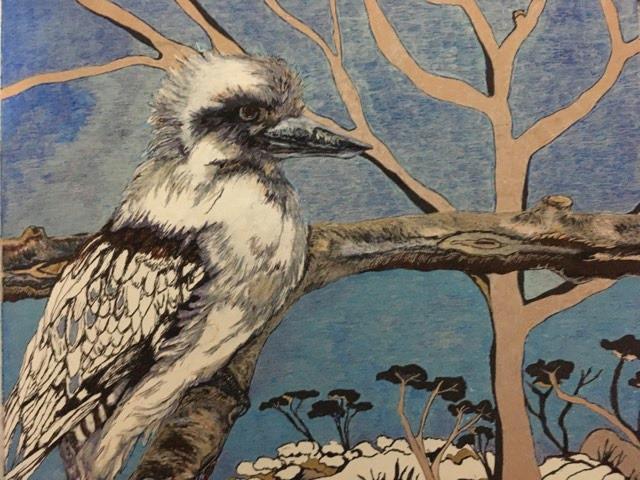
My life by Jessie Walker
“The journey of my discovery with knowing who I am and where I come from within my Aboriginality”.
Meet the team behind Blak Out!
We come from different nations and different parts of this beautiful country. We’ve united to bring you this edition. Meet the team behind Blak Out! Here are our hot lists of all our favourite things, and a few we cant stand…
On my playlist: I always enjoy a bit of Caper or Briggs. But I am currently listening to a lot of Slowly Slowly and HMS Ash.
On my reading list: I’m ashamed to say I’m not doing a lot of reading at the moment, but my favourite book is Do Androids Dream of Electric Sheep? by Philip K Dick.
On my to-do list: Get back into the gym and join up with my old mixed netball team to play some more netball. I’m also trying to learn Danish, Maori and French, so I need to spend more time practicing.
On my wish list: I want to get another tattoo, so that’s definitely on the top of my wish list at the moment.
On my bucket list: I really want to visit Denmark and watch a European Handball game (Go Team Esbjerg!). I also really want to go to New Zealand to watch a Super Rugby match (Go Hurricanes!!!)
On my blacklist: I despise racism and racist people, otherwise I’m pretty relaxed and don’t really have a ‘blacklist’.
On my buy/wear blak list: I always love wearing some Caper merch, I also have a cool t-shirt that says “I see deadly people” on the front which I got from Dark and Disturbing online.
On my ‘cite blak’ list: “You can reach the darkest point in your life and come back, and come good, even better.”— Uncle Archie Roach 2019
Tabitha Lean Gunditjmara
On my playlist: Thelma Plum, Emily Wurramara, Archie Roach, Dr G, Paul Kelly, Nina Simone, Kae Tempest.
On my reading list: Every time I go to a bookshop, I come home with an armful, and have so many by my bed, unread…but right now, I’m reading ‘Freedom is a constant Struggle’ by Angela Davis and a collection of blak poetry in an anthology called “Firefront” edited by the formidable Alison Whittaker.
On my to-do list: Finish my Masters and do a Phd, and abolish the entire prison industrial complex.
On my wish list: Go home to country, put my feet in the dirt and connect with ancestors.
On my bucket list: Visit an immersion exhibition at the Carrieres de lumieres in France.
On my blacklist: Conservative politicians, racists and penal populism.
On my buy/wear blak list: Haus of Dizzy, Gammin Threads, Nunkeri Designs…and my fave tshirt right now is my “Because of her we can” by Sasha Sarago, who is the incredible force behind Ascension Magazine.
On my ‘cite blak’ list: I love Aileen Moreton-Robinson’s work and use ‘Talkin up to the White Woman’ a lot in my work. I also love the work of Chelsea Bond, Lester Rigney and Tyson Yunkapoorta. Can we normalise citing blak already!?
Barry Rundle Pataway/Tulaminakali
On my playlist: Black Boy, Emily Wurramara; Bright Dawn, Illy Kuren; Friends with Feelings, Alice Sky.
On my reading list: Convincing Ground: Learning to Love Your Country, Bruce Pascoe.
On my to-do list: I’m a poet: about country, love, forgiveness and joy.
On my wish list: Go back to country, become one, celebrate unity of purpose.
On my bucket list: Return to country, where I have not been for a while, borders open please.
On my blacklist: Self-expression, advocacy and dance. On my buy/wear blak list: Let my skin do the talking.
On my ‘cite blak’ list: “The evening star is the first star to appear each night every night in the Centre and the Top End. This is the time we bring our music, our song and our dance to life.”—Christine Christophersen
Yaliilan Windl Wiradjuri/Dharawhal (Tharawal)
On my playlist: I have eclectic taste, so very much a variety of music and pod casts. I have many blak artists and groups … In fact, I have albums titled ‘Blak Australia’, ‘Original Storytellers’ and more.
On my reading list: I have multiple books on the go at once, a few I am reading now are; Fire Country by Victor Steffensen, Australia Day by Stan Grant Jr and any books by Aileen Moreton-Robinson.
On my to-do list: Write more articles, poetry and stories, write more of everything in Wiradjuri.
On my wish list: To be well known for making a positive difference in many spaces. Learn as many Indigenous Languages as possible, in Australia and internationally –to preserve and teach (with permission).
On my bucket list: Visit as many Aboriginal, Torres Strait Islander and international nations as possible, learning and reflecting on our beauty and strength.
On my blacklist: Ignorant people. Those whom deny ‘Australian’ Blak history and all associated with this.
On my buy/wear blak list: ANYTHING that is made and sold by Blak organisations/companies and people.
On my ‘cite blak’ list: I love Frances Wyld, Veronica Arbon, Professor Marcia Langton, Aileen MoretonRobinson, Bruce Pascoe, Skye Akbar, Jared Thomas, Tyson Yunkaporta, Fabri Blacklock.
Colin Herring Wiradjuri
On my playlist: Bran Nue Day, Brown Skin Baby (They Took Me Away)…always makes me cry.
On my reading list: Nakata, Errol West, Foley, Karen Martin, Foucault, Mbembe, Pele, Plato’s the Republic and Suetonius’ 12 Caesars.
On my to-do list: Well, aged 66 my bucket list is getting pretty full…..Win Lotto and put a lot of my ideas into practice.
On my wish list: Find that place called home, grow lotsa Melaleuca and Leptospermum, beehives and make medicinal honey. Inland next to a river.
On my bucket list: My bucket list is pretty full. Back to country and disappear amongst my ancestors.
On my blacklist: Politics in general. The idea that the governments work in our best interests, anytime, anywhere. Corrupt Police. False Aboriginal nations created by the Native Title Act.
On my buy/wear blak list: Any genuine Indigenous art work. I have met Dinny Nolan at Papunya and have his family’s artworks including Coolamon and digging/ ceremonial stick, bullroarer.
On my ‘cite blak’ list: Yep Aileen Moreton Robinson cos she isn’t waiting for any anthropologist to catch up to her…practice culture and Linda Tuhiwai - Smith for the ideas of establishing Indigenous based schooling.
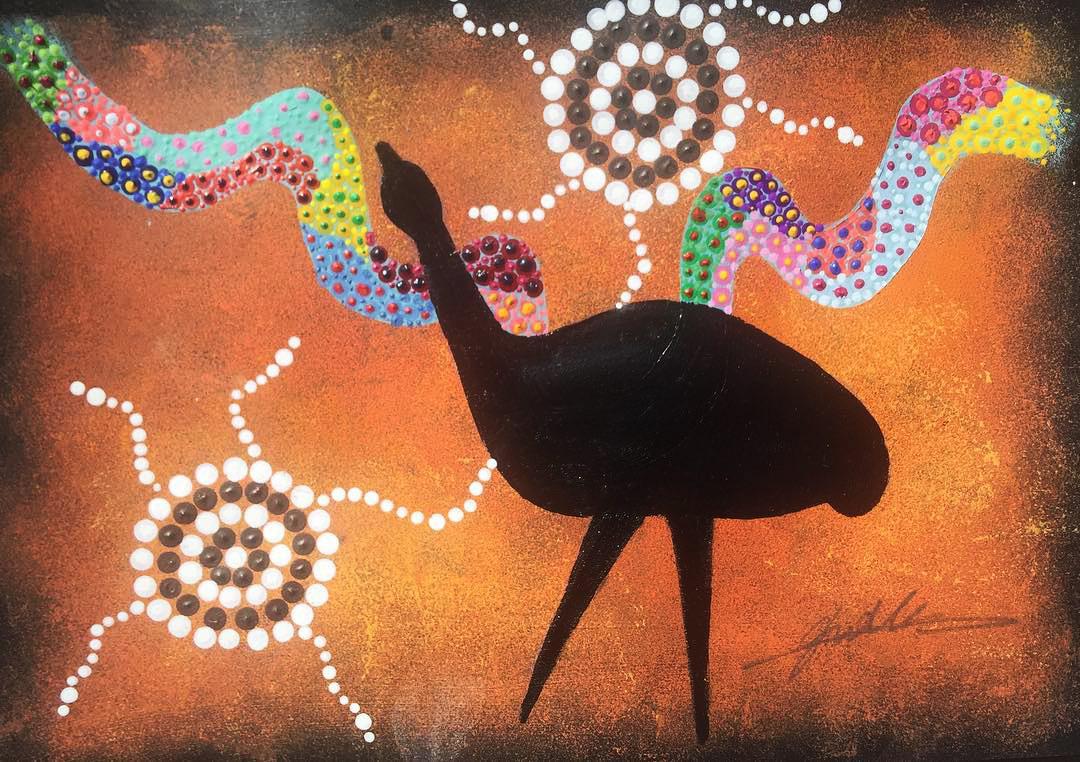
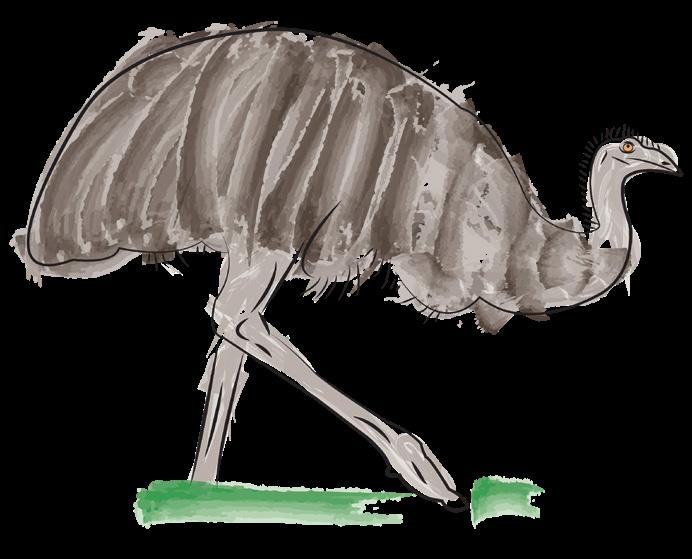
The Murray and the emu by Jessie Walker “The bond between father and daughter and the connection they have with the Murray River and the emu.”
Tal kin jeri by Tabitha Lean
Another day at the zoo
The form reads
Please Print Full Name! I belligerently write “dickhead” Because that’s what people call me When I’ve had too much to drink.
Are you of Aboriginal or Torres Strait descent? A giant microscope appears above my head I suddenly become self-aware;
Do you have any disability? My slightly webbed toes become marginalized And are happy they can hide.
They tell me it is compulsory to vote, Yet I’m obliged to vote for the other side. Because it’s two party preferred and There is no Happy Birthday Party.
Sir Prince Philip was peed upon, By a monkey at the zoo! He said “you dirty buggar”…. A talking Monkey - well I never.
We fight for that right To buy goods from China For one dollar
And sell to other patriotic Australians For forty five and in debt Go to war to avoid money owing.
It’s another day at the zoo Disjointed, bizarre, surreal. Up to me to make sense. Whoever the wise guy is. I’m sick of being told, Recent bushfires were bold.
Sir Prince Philip today…. A bomb exploded…., Senses disabled…. Be afraid, wash your hands……… The disease is round your corner Where the toilet paper used to be.
Drinking tea prolongs your life One lump or two Coffee, tea, milk, sugar I’ll have the usual…thankyou
Words Colin Herring
Wirringka Student Services engages with and provides support to Aboriginal and/or Torres Strait Islander students studying at the UniSA offering students a friendly, comfortable and supportive place to study. Wirringka student centres are accessible at all UniSA campuses, metro and regional, with Aboriginal Student Engagement Officers ready to assist in answering any questions you may have or help you at any point in your student life, whether you are preparing to study, or are a current student or alumni.
Ellen is an Aboriginal Student Engagement Officer (ASEO) based at City West Campus, in this interview we get a little insight into the role of an ASEO
Ellen Bertani
Interview Yaliilan Windl
Photography Ellen Bertani
What is the first and last thing that you do when arriving and leaving the office each day?
What motivates you to be an Aboriginal Student Engagement Officer?
The first thing I do when arriving at the office each day is put on some music in my office. I like to work to background noise so it creates a nice ambiance to work in. The last thing I usually do (other than pack up) is check that I’ve responded to any outstanding and urgent jobs from that day.
When I studied my first semester at university, I was lucky to be in an Aboriginal history topic that was created and taught by strong and empowering Aboriginal women (and men). I came out on the other side of this topic feeling empowered in my sense of identity (both personal and cultural) because now my experiences and opinions on things were not just anecdotal, but I had the facts and knowledge to support what I knew. The sense of power and importance that this gave me to confidently navigate new pathways was invaluable. I believe that education is a really important tool for empowering all Aboriginal people. Education provides pathways to move Aboriginal people to positions that make decisions about the policies and regulations that impact our people. I am motivated in my role because every Aboriginal person I support, who grows their own sense of identity, gains confidence and a powerful sense of knowledge and will return this to our community – to our children, our brothers and sisters and to our Elders.
What do you love the most about your job?
What would a typical workday for you would look like?
What are the duties/ functions/responsibilities of your job?
My absolute favourite part of my job is the interaction and relationships I get to build with Aboriginal and Torres Strait Islander students. I love listening to people’s stories, so hearing about where students have come from, what they’re studying, where they want to take their careers and what obstacles they’ve had to overcome (or are overcoming) is so inspiring. I feel very grateful when people share a small part of their life with me and especially when I get to be a supportive part of it.
A typical workday for me looks like; coming into the office and opening my emails. I check my to-do list to see if there’s outstanding work from the day before, otherwise work through my emails to identify jobs in order of priority.
To summarise, my job is to support the retention, success and completion of Aboriginal and Torres Strait Islander students at the University. From the perspective of my role, this support can take place in many ways whether its pastoral care, assistance with housing or finances, academic support and much, much more. For a lot of our students, they’ve had to overcome a lot of obstacles to even access education. All of those factors I mentioned can have an impact on a student’s ability to focus on their studies and do well, so I try to assist in removing or alleviating as many of these barriers as possible. Most aspects of my role are in relation to the needs of Aboriginal students. I also get to be involved in some of the projects in the University aimed at improving the university’s cultural relevance for Aboriginal students.
What are you most proud of as an Aboriginal Student Engagement Officer?
What have you learnt about yourself, being in this role?
Every single time a student graduates, or gets their first high grade, or completes their first year of study, or gains some other amazing opportunity despite the many obstacles they may have had to overcome to achieve that accomplishment, I feel very proud of this. It shows the strength and resilience in our community through academic success and it makes me really proud of our mob :)
I like to believe that I’ve always been a people person, passionate about hearing people’s unique experiences, adversities and successes. This role has taught me that this aspect of me is a really important component to my work. For me to find value in my work I need to be working with people, supporting and helping them achieve their aspirations.
What attracted you to UniSA?
You are studying currently, what are you studying and what do you think you have in common with fellow students?
What jobs and experiences have led you to your present position?
I have now worked at the three major universities in South Australia and came to find that they were all unique in the type of cultural diversity that existed amongst staff and students. I had known of people who spoke of their positive experiences at UniSA so I started to investigate. I found that UniSA had made great commitments to the inclusion of Aboriginal content, voices and knowledges which was a very attractive quality. I know that words on a page don’t mean much, but I’ve only found that the culture of UniSA is one that strives to be culturally safe and inclusive of Aboriginal people and knowledges. This is supported by policies and strategies which are able to be referred to if there was ever an example of people whose values didn’t align.
I am currently about halfway through my Bachelor of Psychological Science and Sociology. My personal journey with my studies has not been conventional, consistent, linear or by any means perfect. Due to working full time, my study load has varied since I begun and I think it’s really important that people know that this flexibility is available.
I was really fortunate to have sort of grown up in the Aboriginal academic community in Adelaide as a child with both of my parents studying and working at universities. This upbringing gave me the exposure to some people who pointed out opportunities to me, but I didn’t really come into contact with universities until I finally decided to study in 2017. Through my study, I gained a 6 month casual receptionist role at another university, which led me to work at another university and then finally here. Having a working knowledge of university systems is really advantageous in gaining employment in one.
Mandaang guwu (thank you) Ellen for the time you have given for this interview. For being a phenomenal, giving an inspiring ASEO and yinaa.
Dear Settler, Ok, so this might seem a little bit premature. I mean we haven’t even got you mob paying the rent for the space you occupy on our country yet. But the thing is, I don’t just want you to pay the rent, I want you to be good tenants too.
What exactly do I mean by this?
Well, my people have managed this country since the very first sunrise. We lived on this country as caretakers of the land and the waters; we honoured the sky, the river, the stars and the trees. We lived on this country sustainably, since time immemorial. But now our Mother is suffering. She’s straining under all of the pollution, the fracking, the mining, the continual and exponential growth of mega cities, railways, highways and mines. What use is your money to me, your rent, if I have no country left?
So, if you want to be a good tenant, here are some truths you need to reckon with:
You cannot talk about tackling climate change without acknowledging Indigenous people. Please stop white-washing environmentalism, when our mob have been practicing sustainable consumption from the time of our creation. The biodiversity that exists now in this country, has been inherited from our old people – that’s the plants, the animals, the landscapes – you all benefit from their management approaches, credit where credits due, yeah
If your environmentalism isn’t Indigenous-centered, it’s not environmentalism; and if your understanding of ecology and how to salvage what we can from the poison of capitalism isn’t Indigenous-centered, it will fail
Environmental degradation is a direct result of colonialism, and blaming our people for not being vegan, driving a Tesla or using plastic straws while struggling to exist in this country under its imperial violence, won’t solve the problem of white supremacy and capitalism, nor will it save the Earth. Unless you understand the systemic and institutional nature of environmental destruction, you will never be able to fight against it
While settler colonialism is pushing for environmentalism with objectivity and no emotional investment, know that Indigenous people are pushing for land autonomy and that involves not only being emotionally invested, but the land, water and all life is relative to us, and is our kinship systems. Our brand of environmentalism recognizes a web of relationships and the way that preserves and nurtures families…. which leads me to my next point,
Not all environmentalism is created equal! White environmentalism will never have the breadth of connection or depth of understanding that Indigenous environmentalism has. We come from the land, we are forever connected to her, and we will always return to her.
So much of your environmentalism and land movements are about displacing and replacing Indigenous stewardship in order to assert some white nativism, pride, or ownership. All of this means that environmentalism inevitably get weaponized through diverse political dogma. I mean, we’ve all seen it, the well-meaning among you who tokenize our environmental issues, or those that want to simply relegate Indigenous-land relationships as ethnostates, and those conservatives that use environmentalism for their fascist agenda. Settler colonialism is a direct way to control land. That means separating us from the land. Do this, and you will not save the planet.
In summary, if you want to be good tenants, do not underestimate the power of Indigenous people in this country just because you have mistakenly assumed your colonialism is due to our defenselessness. This is our country, we are witnessing a final setting of the sun and we have been preparing for this moment since you set foot on our shores. We are the front line. We have a cultural and spiritual relationship with this country. Be a good tenant, and make a stand beside us because Indigenous people across the globe are the only ones who can make the sun rise from its darkest descent.
We Exist. We Resist. We Rise.
Sincerely,
Me (a daughter of the land)
PS: your rent is late
Caroline Oakley
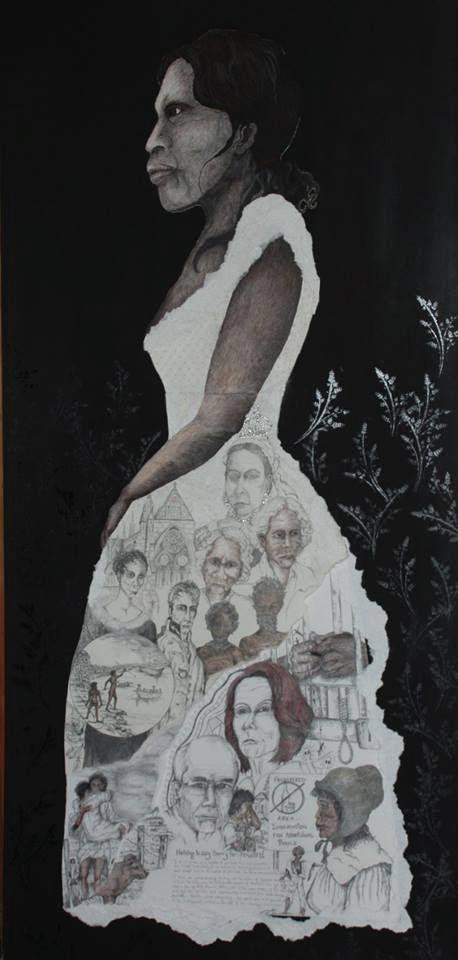
Right: ‘The Affliction of Colonisation’ 2012: 3 Dimensional water colour drawing and mix media on archival paper.
Yaama,
My name is Caroline Oakley; I am a descendant of Gamilaroi (Gomeroi) people of the Liverpool plains, North West of NSW. I come from a complex heritage of Anglo-Celtic, European and Asian culture.
I did not grow up on country, nor did my Gamilaroi family practise their culture, as they signed an exemption ticket. However, they had to apply for exemption to travel around regional New South Wales and Queensland for work as domestic servants for station hands. My Great Grandmother and her sister finally settled in Sydney working as domestic servants for wealthy people along the upper North Shore of Sydney. I found out about my Aboriginal ancestry 25 years ago. I felt there was something missing in my life that was not tangible, so it was no surprise when my father finally told me. I have since spent over ten years walking on country and exploring my heritage, with the help of Elders that are my kin family.
I am currently studying a Masters of Aboriginal studies, third year thesis and Honours in Contemporary Art and Design. My topic of interest for my Masters thesis is mental illness and other psychological disorders and how Aboriginal people have had to shapeshift within two worlds. My Honours, relates to storytelling from the perspectives of Gamilaroi women’s business. As Aboriginal women have been invalidated, oppressed and segregated due to the systems of patriotism. This story relates to my family and the documented history written by Major Thomas Mitchell who wrote in his diaries about my ancestors from Mungindi, Gil Gil creek, New South Wales.
My Great, Great Grandmother was the first Aboriginal woman outside of the Liverpool Plains to have her name on Crown Lands, because of her Scottish father. Caroline Richards nee Carr also wrote to the NSW Department of Lands to petition ‘Bengerang’ and the division that Crown Lands had imposed, as this land had significant cultural history to many tribes that came to perform their corrobborees and initiations on Bengerang water hole. Caroline lost her case, presumably because she was a woman and Aboriginal. ‘Bengerang’, today is a famous property, largely taken over by the cotton industry.
The Afflictions of Colonisation 2012, highlights a story of theft, brutality, rape and pillaging of a 65, 000 year old culture. My three times Great grandmother succumbed to the brutalities of frontier violence, (Waterloo and Mosquito creek ) and how Gomeroi women were used as leverage for womba wanda (white man’s privilege and dispossession).
“Embracing the past and the present of Aboriginal culture enables me to tell a story for future preservation. Art can be the catalyst for an idea to crystallise and record into a creative vision of history that has been challenging for Australia’s first people. Evoking thoughts of women’s business and how Aboriginal people took care of the land has and still is vital for health and wellbeing. Elements of colour form, light and texture give me many options towards the way I create. To encapsulate a time line of oral stories, place and purpose of footprints that are forever embedded into Aboriginal history.”
—Caroline Oakley 2015
As an artist, I mostly work at the dining table at home. Otherwise, I have a studio space at Liverpool Street, Adelaide. This studio is used for arts students that are connected to the Dorrit Building at University of South Australia studying Creative Arts and Design.
Once I’m finished both degrees, I’m hoping to go on and study a Ph.D. in relation to Aboriginal children living within the imagined consciousness of Australia and how they are battling ongoing demons of being incarcerated. I remain hopeful to have the capacity to have my own home where I can set up a studio to purchase a press. As a printmaker, this is my therapy, without the ability to print; I feel a sense of loss, just like being lost within the foundations of growing up being lost in a country that continually invalidates Aboriginal people. I would also like to work with other Aboriginal people who have been lost, as well as teaching non- Indigenous people that Aboriginal people suffer border line personality due to having to shape-shift and navigate between black and white man’s world.
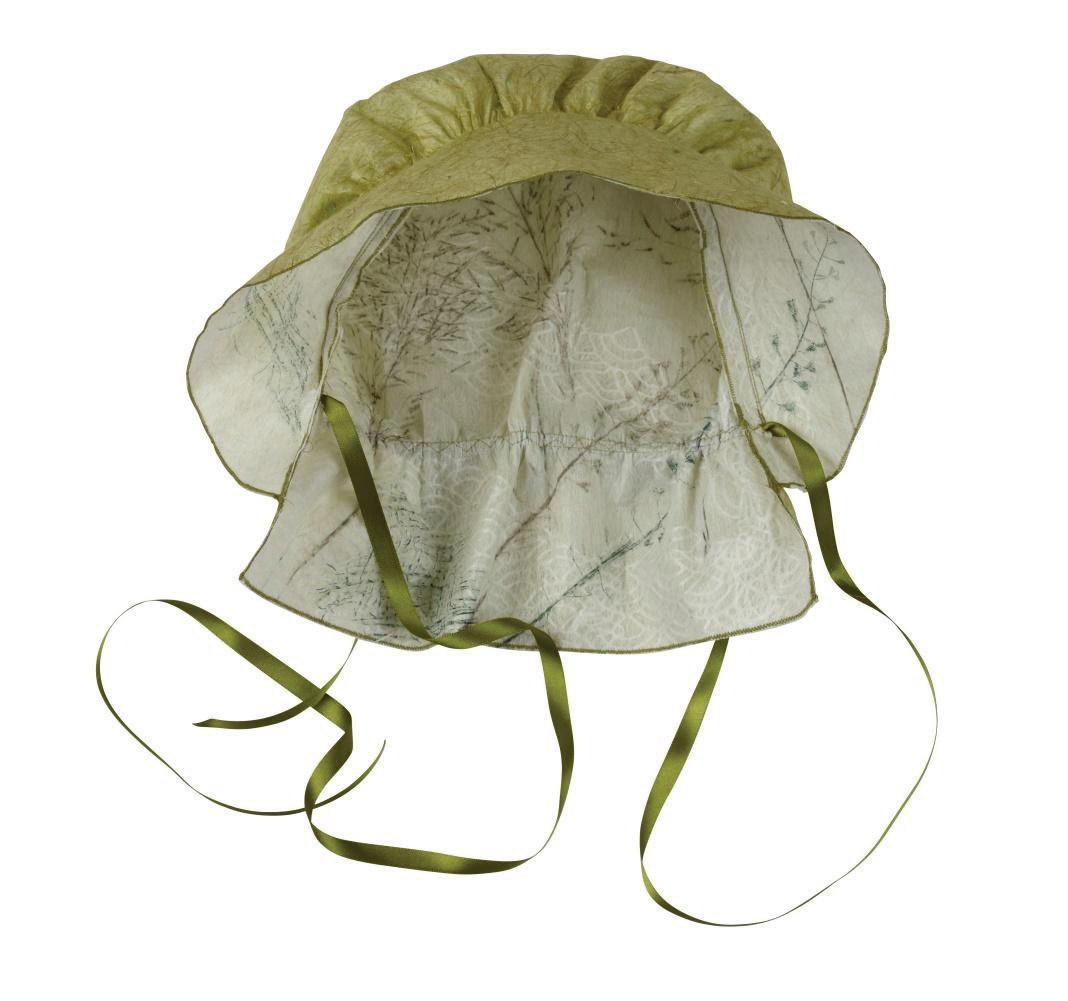
Above: ‘The bonnet that Queen Cora Gooseberry wore’ 2012, Archival paper, stitched and printed with leaf matter.
This bonnet was given to Cora Gooseberry from Governor Lachlan Macquarie’s wife, Elizabeth.
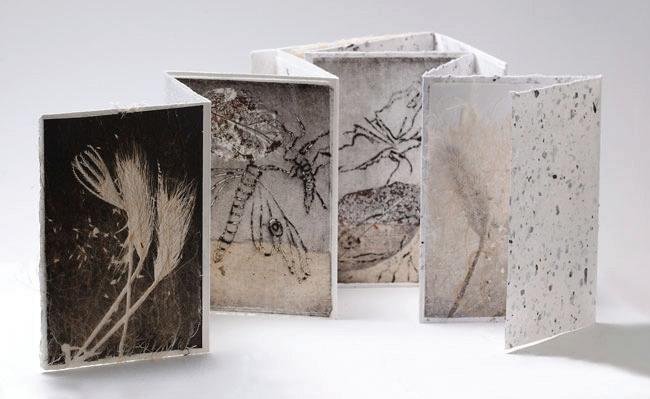
Above: Oakley Handmade book on archival paper 2010, Intaglio Relief, plant matter and mixed media.
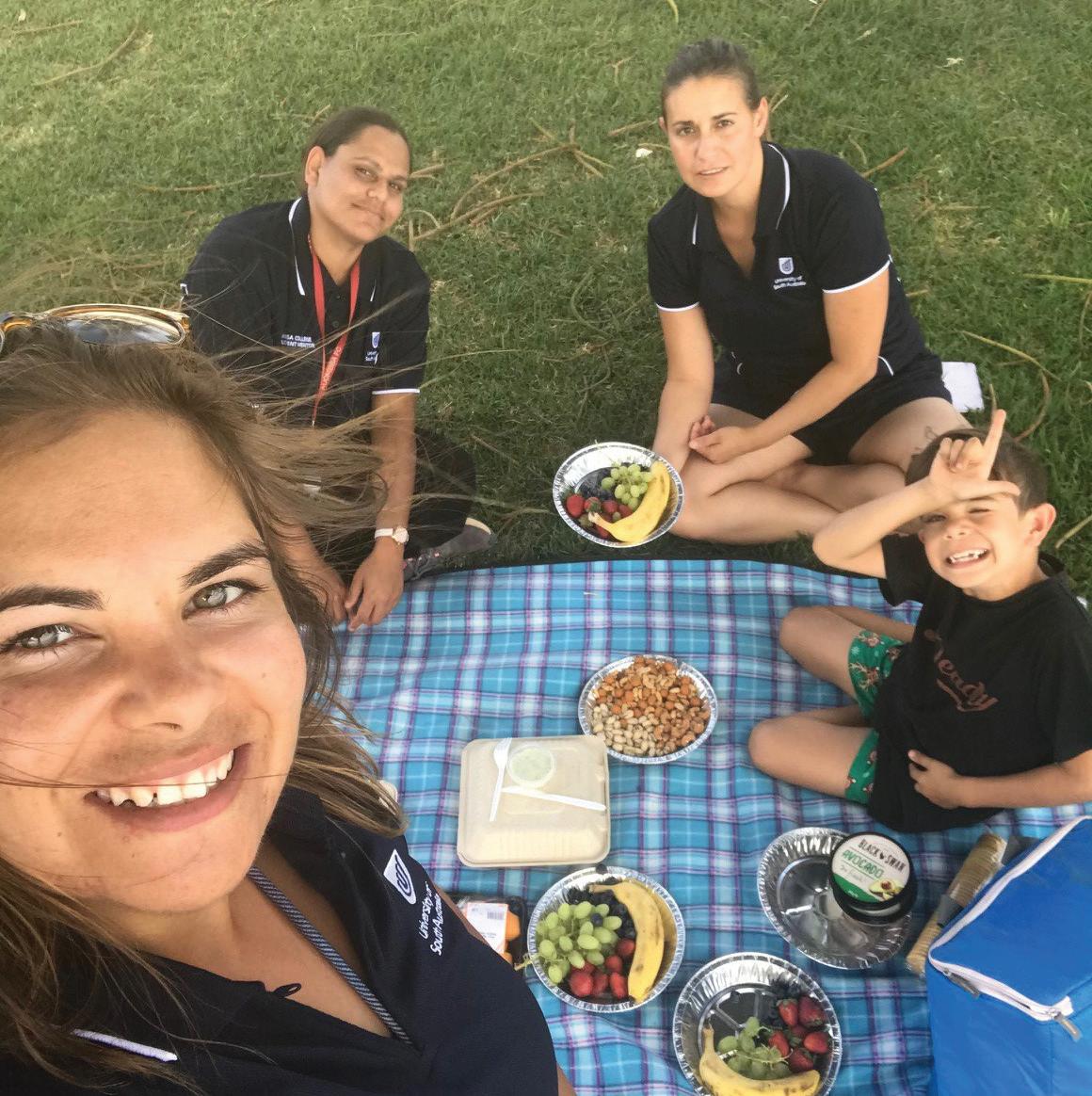
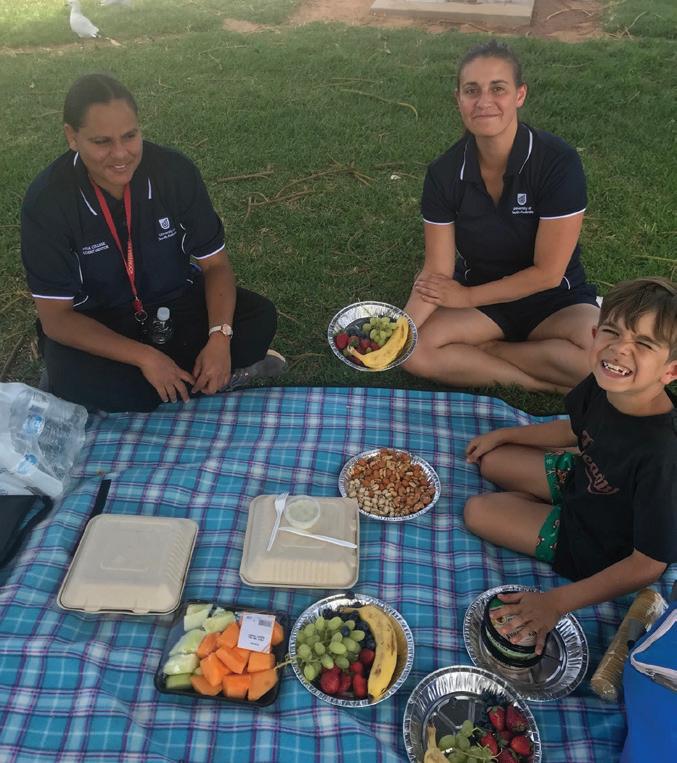
Aboriginal Pathway Program Alumni Picnic in Ceduna
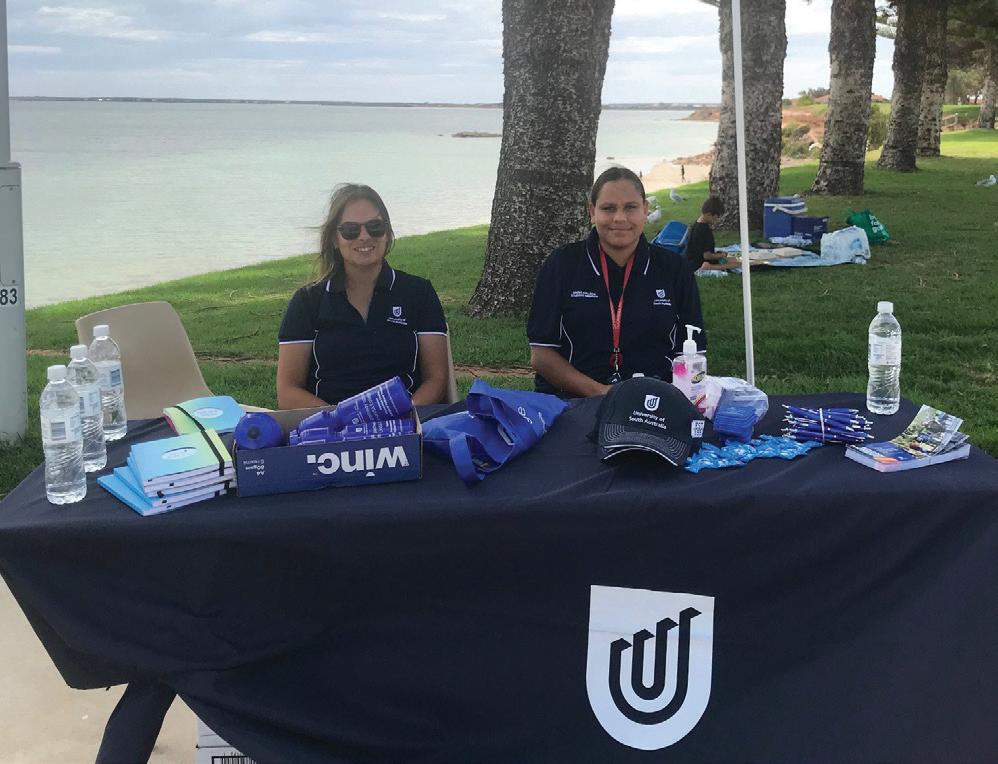
In March, there was a gathering of UniSA College graduates in Ceduna. Three Alumnis from the Aboriginal Pathway Program (APP) held a promotional stall for the APP and enjoyed a picnic lunch.
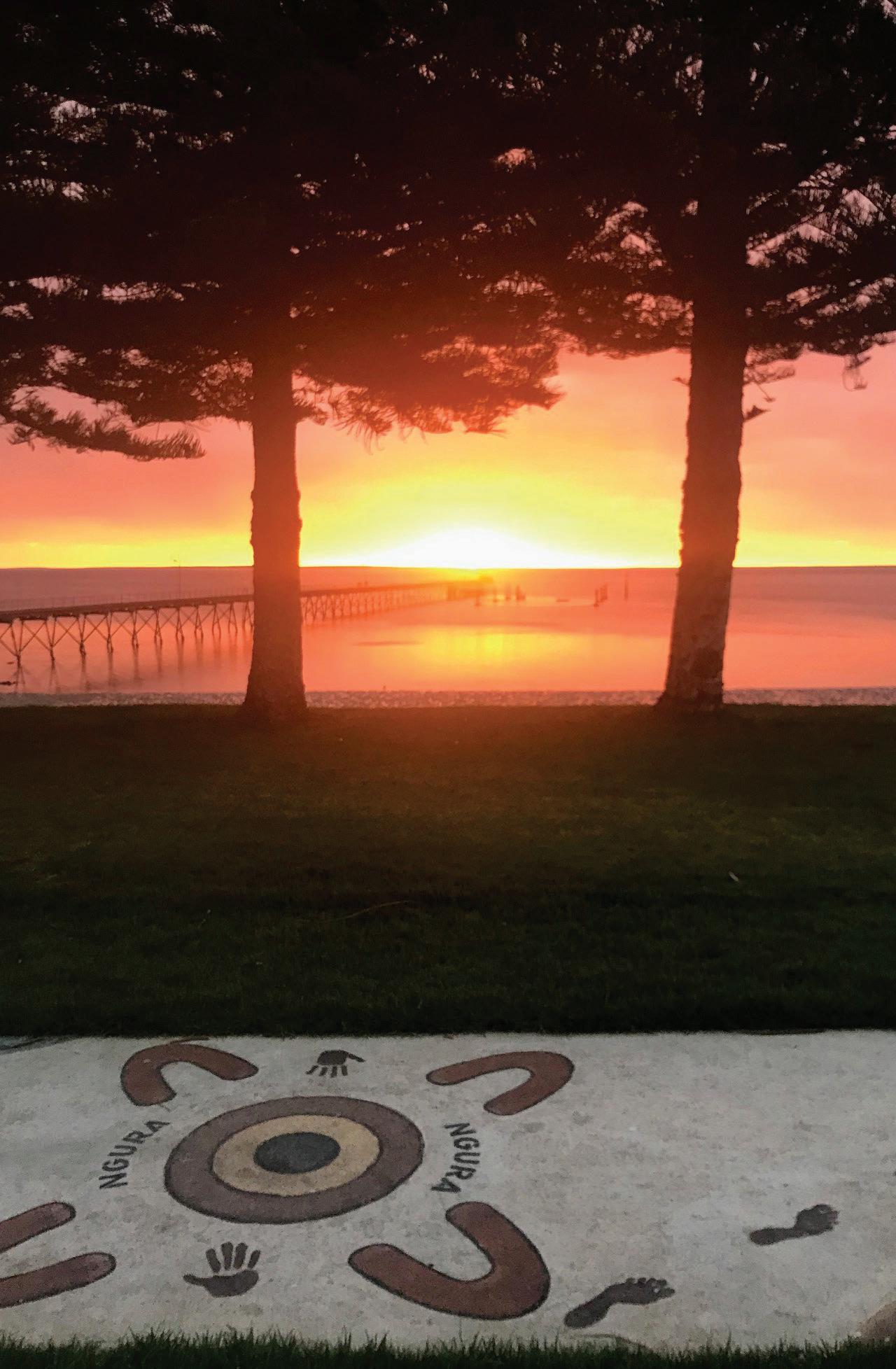
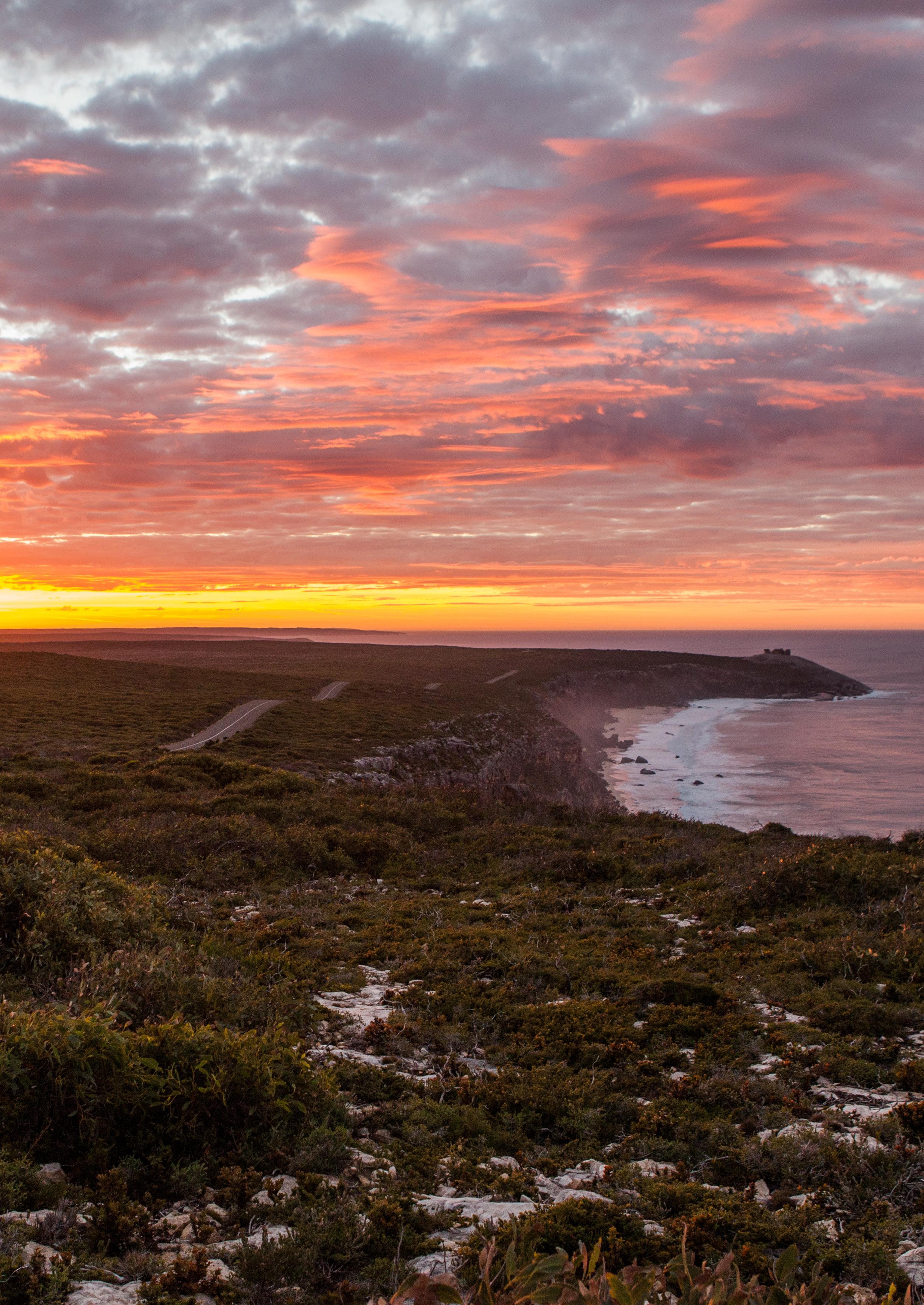
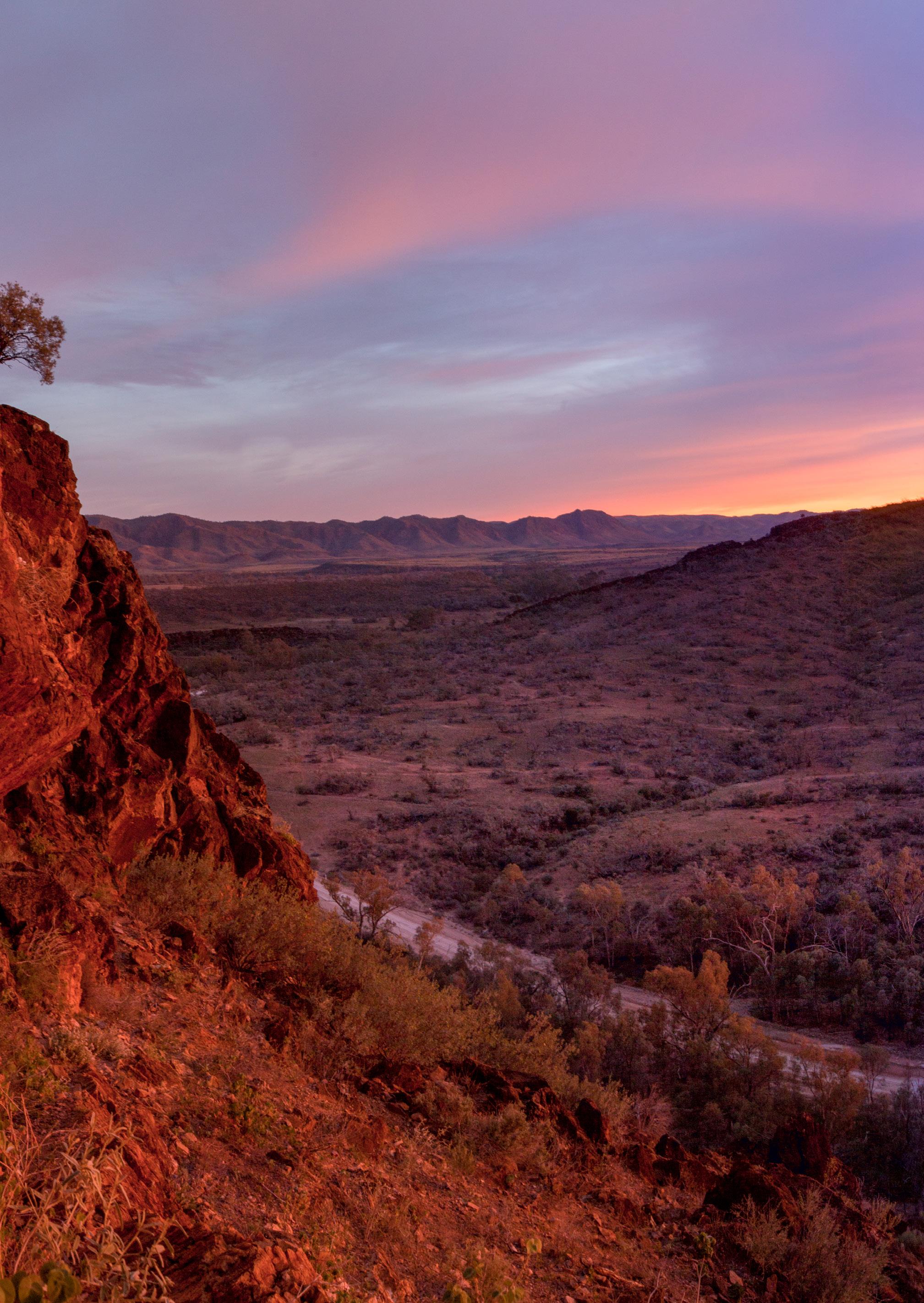
The Alumni and their families enjoyed the afternoon on Ceduna foreshore, some of them stayed until sunset (see the beautiful picture below). The day was affected by 36 degree weather, winds and travel as most alumnis now live away from Ceduna. The children enjoyed swimming while the previous students relaxed and shared their stories with each other about their current studies and plans.
The public was very inquisitive of the stall and expressed interest into the program. Freebies such as water bottles, hats, pens, diaries and notepads were given away. The Aboriginal Pathway Program is a 18-month program which helps develop academic, literacy, digital and numerical skills, whilst increasing students’ knowledge in Aboriginal culture, wellbeing, the community and the environment.
This event was the first Alumni gathering for the Aboriginal Pathway Program and the hope is that it will only grow. As more students become graduates and step into university life, we hope they will stay connected and share their journeys.
(PS - Luckily the event was squeezed in before the COVID restrictions crept in)
Words and Photography Mia Haseldine
Munanjahli and South Sea Islander Principal Research Fellow within the School of Social Science at The University of Queensland.
It’s fair to say that I’m a bit of a tragic groupie when it comes to Dr Chelsea Bond’s work. Having this opportunity to interview her was really exciting. We started off our yarn with me stumbling over myself with gratitude that she would take this time to yarn with me for a humble university magazine. Dr Bond tells me that she is very deliberate with her work and very mindful of where she invests her labour. I resist taking a screenshot of us on the same zoom screen, because I figure that would be weird, and my son had warned me not to fangirl and scare her off.
Dr Chelsea Bond
Interview Tabitha Lean
Academia has traditionally been a white, maledominated sector, which has been notoriously difficult for any woman to break into, but particularly arduous if you’re a black woman. Could you tell me a little about your experience of breaking through that sheer white ceiling?
I don’t see the university as being necessarily just the domain of white men. I think, increasingly white women are doing reasonably well in this place, and also being equally violent as white men. I think that the kind of labour that you’re doing within the institution defines the challenge for black people in the academy. If you’re doing the work of the institution, reproducing racialized knowledge about the ‘native folk’, you can advance your career quite well. If you’re doing work that undermines the legitimacy of the very institution that you’re employed in, well, it doesn’t work so well…even if your metrics and your track record and academic portfolio outshines the colleagues on your floor. So I think, yes, it is challenging for black women in the academy but I think bound up in that is the kind of work that we’re doing in these institutions and what work is valued. You can advance in the university, even if your work is mediocre, so long as it sustains the institution that insists on our inhumanity and that’s the really fucked up part about all this.
For example, I don’t even sit on the floor of the school that my current appointment is in…I’m two floors up in a rented room. So I walk two floors down to get my printing. So yeah, the institution will let you know if you aren’t doing the work that they expect you to do. I think every colonial institution has a kind of violence that it perpetrates, and I don’t think that academic institutions are any less violent than the police service. It just manifests differently. I think people underestimate this kind of violence and how it plays out, because you can’t see the bruises in the same kind of way. With one kind of violence you can go to the doctor to have the bruises measured. I can’t do that with the violence in the academy.
I think people have this idea that racism is merely that people haven’t discovered our humanity, or haven’t realised that we are people too. However, the very insistence that we weren’t human was produced in these institutions that are not prepared to relinquish that notion, in order to share. I think, oftentimes, even students coming through undergraduate degrees get surprised about the balance of the texts they encounter, because they think that this place should be better. It’s like ‘no, it’s a reflection’. The academy produces a knowledge that makes possible the everyday violence that blak fullas experience. So the challenge for the Indigenous academic is: are we going to accessorise that knowing? Or are we going to contest it? And are we going to engage in the ongoing daily battle to do that? I didn’t come to the academy to be an academic. This is a place I come to work to do the work that I want to do.
How do we challenge that?
I ask this because, broadly in society, and particularly in academia, if we do speak out and speak back, we are type cast as angry, black women. I’m wondering how we manage this perception of our perpetual rage. When really we have 232 years of rage sitting within us…
There was a time where I spent a lot of my time pondering what they were thinking of me, wondering how I could be the exceptional one… and we laugh at that as a joke, but there is some of us, that at various times in our lives do subscribe to that idea of wanting to be the ‘black whisperer’ for a white institution, trying to be the palatable black that can somehow magically fix things for our people. More recently in my academic career, I’m thinking about race and how power works. What we know about power is it’s not just given up because people suddenly discovered that some of us are good and are deserving of access to that power. I know a lot of black fullas who are clinging to that idea that if we’re smart enough, good enough, nice enough that will free our people. It’s just another form of domestic servitude that we’re forced into trying to be who they want us to be rather than think about what it means to be sovereign: what it is to be who we are and to stand in our own feet and not have it defined by what the white men down the hall will think. I’ve discovered how violent it is on black souls when you continue to appeal to your oppressor to recognise your humanity. I’ve since learnt the only way you can survive is to compel change, and to be clever and try different techniques. Sometimes we use humour, and sometimes we do the intellectual work for the legal cases that are going on that people don’t know about. There’s all kinds of games that we have to run in terms of undermining how power operates in the lives of black fullas; but being the smart, the articulate, the shiny black is never going to do shit.
I’m always surprised to hear that black women I admire and are very accomplished, suffer from impostor syndrome or self-doubt. I’m wondering whether you can comment on how you combat or tackle any of those feelings of self-doubt or inadequacy…
My best writing comes from anger, saying, ‘of course I’m angry, why wouldn’t we be angry about this place?’. They don’t get to tell me how I should feel, so it is a case of sometimes having to resist some of the logics that have been inscribed upon our bodies.
The other thing is to pay attention to who is applauding. There’s a lot of work that people are doing in public spaces for applause. This is the time we are in. There is a moment in James Baldwin’s, ‘Not your Negro’, when he delivers an iconic speech and he looks over and there’s white people giving him a standing ovation and he looks confused. I think there’s something really troubling if the people that are clapping for you are all white fullas. We cannot subscribe to the idea that by just performing for whiteness, that somehow we will be free from the violence of it. We must be constantly thinking about how it is working and start re-strategizing our resistance around it.
I don’t think I’ve grappled with imposter syndrome, good ways. I don’t do things that I feel I shouldn’t do. We all have limitations and I am not uncomfortable with declaring limitations around my knowing. This doesn’t mean that I am less of a scholar. It means I’m human. It also means that I’m subscribing to the rules that govern our Indigenous knowledge systems, whereby you can’t just know and claim everything.
I also have a good community of people around me that hold me accountable. I surround myself with people who will critique me, because I critique myself more than anyone else can. I know this institution doesn’t want me here, but it doesn’t mean I don’t think I belong here. That to me is what it means to be sovereign: knowing who you are and where you come from. If you’re grounded in that, no one can tell you where you belong or don’t belong.
However, when we subscribe to their way of being as academics, of course, we’re going to have all that anxiety around imposter syndrome, because we’re subscribing to the rules that you have to know everything and you can’t make mistakes. I make mistakes all the time. There are limitations to our work. The beauty of getting to be human is that you’re not perfect.
The other thing is that I don’t do a lot of stuff that’s just me. It’s really important that, in as much as we build our career, we build the community around us, with us. You’re nothing without your community. Also, my work has always been tested with black people. If you’ve been raised in a black family and black community and have not experienced black critique, then I don’t know what kind of family or community you come from! We owe to each other the gift of critique.
I think that’s the thing that frustrates me in this indigenizing moment is that it is ‘any Indigenous person will do’, and we’re not thinking about the quality of Indigenous scholarship. We need to create spaces for people to come through and speak, and not think that there’s one black fulla that can be the representative of everything. The dangerous part of the moment is that there is an appetite for the black commentator, even if they’re not well informed. If we follow our rules in our community, that will save a lot of the anxiety that people are carrying about imposter syndrome, because maybe there’s a reason you’re feeling that, maybe you’re not supposed to be speaking for that.
One of the things that I pick up quite strongly from your work, is about always being accountable to community, can you talk a little more about that?
If you’re not getting black critique, it means your community has stopped caring about you. I don’t waste my critique on people who I don’t believe are deserving of it. Critique is a gift. There are even people that I let go and think, ‘they’ll learn’. So, if someone’s let you go and doesn’t pull you up, then you know that you fucked up. There is not any bit of black critique that hasn’t made me think better…and if we don’t listen to our own mob, that’s fairly messed up in terms of ethics of practice.
If you had to be locked in isolation with any of the great thinkers of any time, any place, who would it be?
Also, I’m used to being in an institution that has insisted that black women are not capable. So to be an academic in these places, to give advice to, to supervise students, I recognise that there are people who can’t see me as a knower and I’m not spending my time trying to convince them that I am. Oftentimes with students I’ll get them to think about my presence in that room. The reality is that when they encounter me for the first time, they’re wondering whether or not I am an authentic ‘Aborigine’ or a legitimate academic, because I cannot possibly be both, at the same time, in the one body. I know that’s how I’m read. I’ve got to be one or the other, I can’t be both; and so my body in its presence is a distraction for most people on this campus.
There’s a few…. One of the ones that I’ve always come back to is Du Bois and his work on “the souls of Black folk’ and double consciousness. It’s always been foundational for when I speak and think. Then it would be my great, great, great, great grandfather, who of course, I’ve never met. There are different accounts of who he was as a person; from someone who supposedly helped the settlers navigate, to another account that he charged them money to come through and was actually a bit of a strategist. I’m interested in so much as I want to stick with people who know strategy, because it is not a matter of us being smart enough. It is about having the right strategy. I would love sit in conversation with my own ancestors about how they strategized and what their endgame was at that time given all they had to deal with.
A COVID perspective
Truth is I’ve been preparing for this for over 40 years. That is what I’ve been practicing for over 25 years— social distancing, living on nothing. So I’ve preserved the peaches, harvested the honey and you could pretty well walk over my garden and not know what is edible. Every time I saw 10 kilos of rice for $7 I bought it. The generator is ready; the garden has a steady supply of greens. It was time for the water tanks, well that’ll come – probably with the free money they keep promising me.
I’m more concerned about the rapid erosion of my rights: troops on the streets, police enforcing social distancing, ordered to stay at home and amidst one of the biggest fear campaigns we are told the solution is hygiene 101; wash your hands, stay away from people and do what you’re told. The only people making big money are the big businesses and all small businesses have been smashed. As I look at the queues and contradictions, realising mainstream media won’t publish this even though I’ve been invited to ask questions about this miniscule imaginary foe. I see people who are afraid of death and a weird enforcement of otherwise unacceptable rules and underneath the surface is people who can so easily whipped into a frenzy of hatred if anyone of us step across the boundaries.
And to the perpetrators of this mass movement of ideology I say touché. It’s pure genius. The think tank behind all this are masterful slaves of the deep state that is really running this show. It explains why all these buffoons are permitted to be in control. And above all the docility of those across the whole world who have let this coup go on. It reads like a horror narrative. It is a nightmare but it’s real and I’m in it.
And yet amid all this the mining continues, the 5G poles are going up in every neighbourhood, the trees are being cut down, the fracking, coal-mining, plans for super railways, megacities, megafarms, theft of water and remaining Indigenous communities cut off by troops and police who think it’s now all a law and order issue. There’s no legal resistance to it all as mega-businesses now have carte blanche to do anything they want. At the same time the sky seems bluer than ever, the air I’m breathing seems cleaner, driving is a cinch. The planet is healing itself. There’s good and bad in
everything. We are faced with a moral dilemma; we know there’s too many people in this Anthropocene, but this silent cull that has been imposed on us all seems to outrage us all. Personally I want to catch it and get over it. If I’m one of the at best 5% who die from it so be it, planet saved. We acquire another immunity. But honestly you buffoons next time it happens shut down the Nation State immediately and be prepared; you were chosen to lead because you’re idiots chasing power not reason.
Words Colin Herring Artwork Tabitha Lean
Left: Untitled by Jessie Walker
“The painting is about the Black Lives Matter movement, saying us Aboriginal people belong in whatever setting we are in, I belong here!”
Above: Indigenous by blood by Jessie Walker
“This painting is about the relationship my mother and I have on our own lands, it tells the story of my mothers Irish heritage about being Indigenous to Ireland as I am Indigenous to Australian soil.”
Trust your struggles
Was as healthy as a horse, feeling happy and fit, It was not until November 2009 where it all went to shit. Went and got bloods twice because the Drs wanted to make sure, The very next day when I was at work, I got the scariest ever phone call.
“Mr Gadd, we need to get you to hospital as fast as you can,” the Dr said, If I had waited 2 more weeks I would have been lying on the floor dead. I was rushed to the hospital not knowing what I was in for, Nerves getting worser each step I take closer to the hospital door. Went in for biopsy as soon as I stepped in the ward, Nervously waiting for result thinking is there such a thing as a Lord. I needed His strength for what I was about to hear, Mr Gadd you have kidney failure, you are so lucky to even be here. One kidney had 25% life left and the other was completely dead, I was confused, sad and upset, had so much things running through my head. You need treatment as soon as possible to make your life the best, Straight into surgery, to get tubes hanging out my chest. They pumped me with steroids, to slow down the disease, I broke down and cried begging for the Lord to help me, please.
The first two years of dialysis was the hardest of all, I’ve missed birthdays, weddings and even my little sister’s funeral. For a 21 year old it was so much to take in, It happened so fast, my head was in such a spin. “Why me? Why me?” I scream as I cry myself to sleep, Laying up in a hospital bed, tears drenchin the hospital sheets. I was upset and sliding down into a depression spiral, It wouldn’t take long for the news of my kidney failure to go viral. I now had to be strong to show everyone I’m fine, But all I wanted to do was curl up into a ball and die. I wish it never happened, but I’m so glad it did, It made me grow up faster and stop acting like a kid.
Well, it’s been 7 years now and I’m still fighting this fight, I’ve been in darkness for years, but I’ve also seen the light, The battle is nearly over, the fight is almost won. So close to a transplant, so relieved its almost done. It’s been a hard 7 years of surgeries, dialysis and tests, I couldn’t have done it on my own, even though I tried my best. It’s been the hardest battle I’ve ever had to face, I wanted to write this poem just to give you a taste. I also wanted to thank everyone who fought my battle with me, From the nurses, Drs, friends and also my family. Thank you to all the other patients and the wise words you have said to me. I wouldn’t change my life at all, even in the death of my kidneys.
It’s made me the man I am today, proud, deadly and strong. And I’ve made so many awesome friends; the list is oh so long. My head is held high, and I’m still standing tall. So I thank each and every one, you saved my life and I love you all….
Words Ramon Gadd
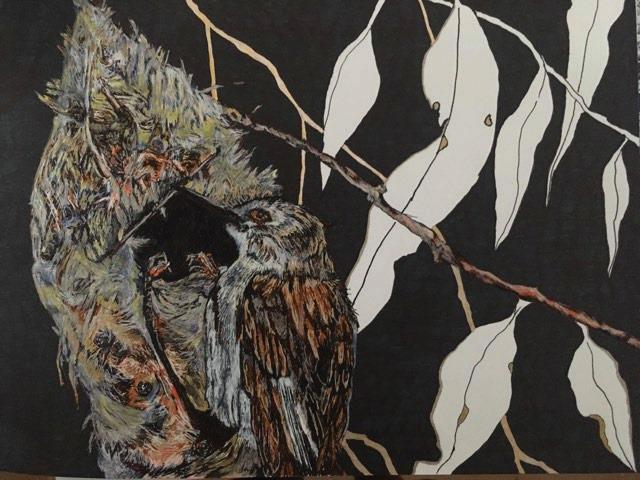
Camping is in the blood of my people by Jessie Walker
“It tells the story of the first time I went camping, to me camping was a time to reflect about nature and to spend quality time with my loved ones.”
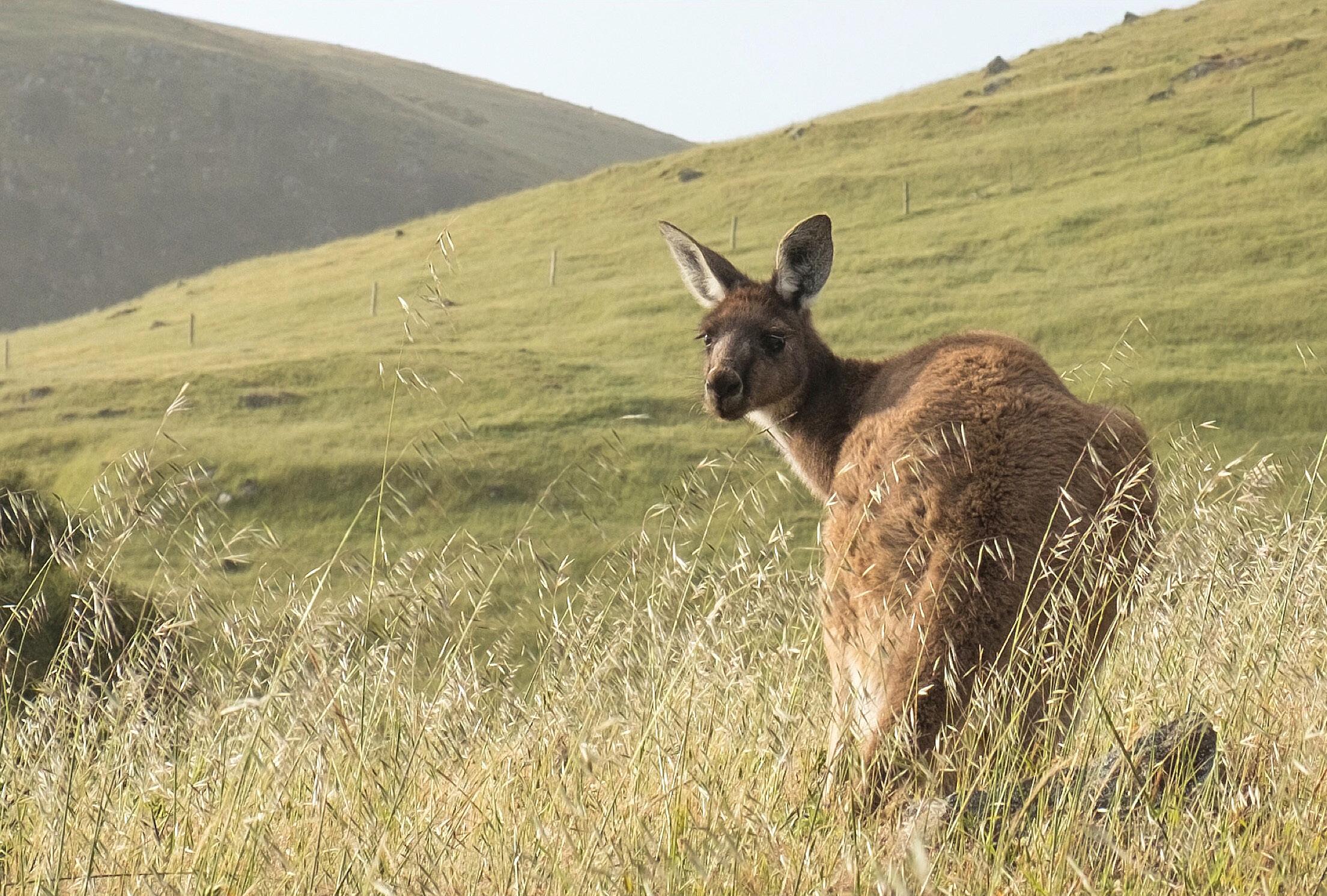
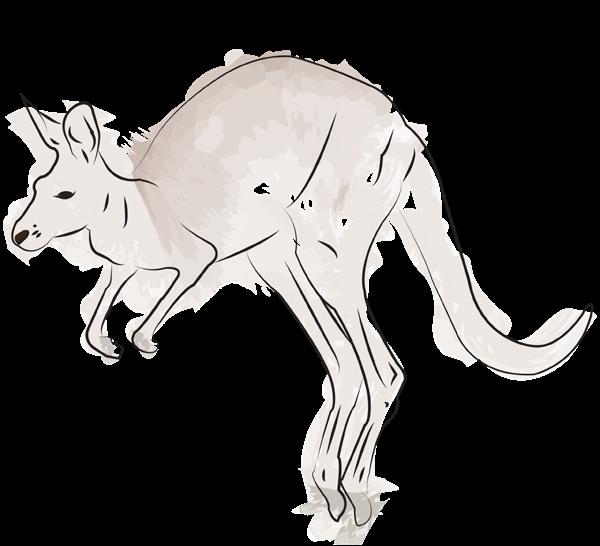
Kangaroo Tail Soup
Ingredients
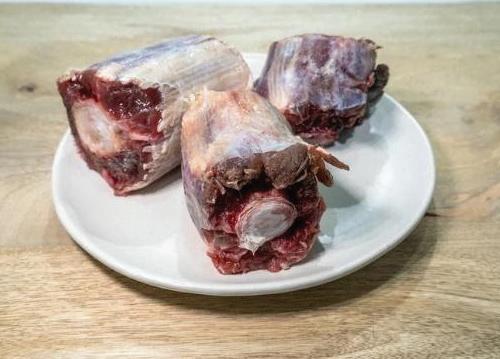
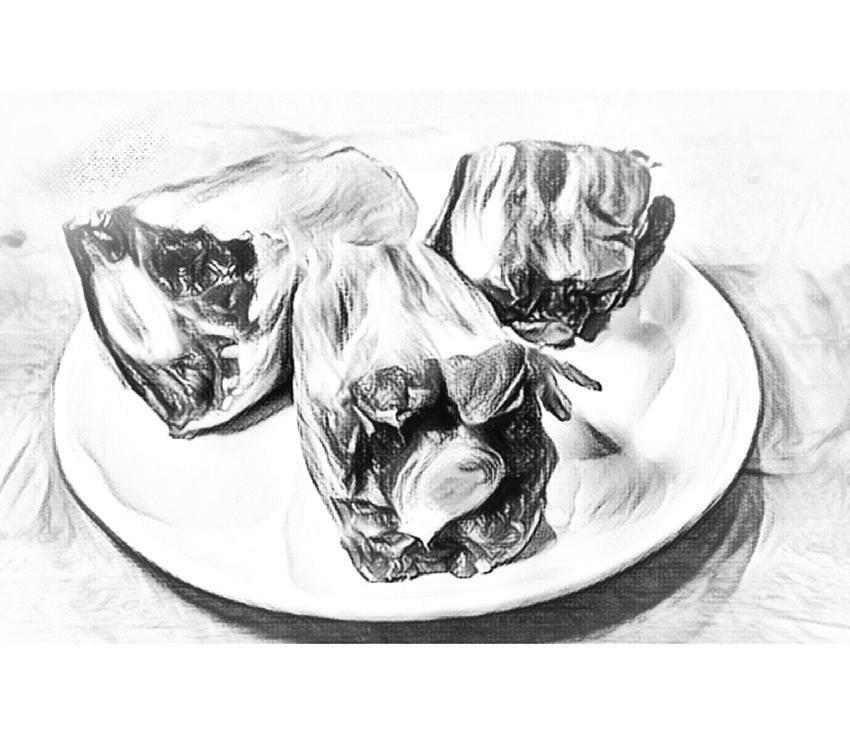
1 Kangaroo Tail, skinned and separated at joints
(see picture below)
1L Vegetable stock or Beef stock
Vegetables
1 Onion, chopped
1 Garlic clove, crushed
2 Carrot, sliced
2 Potato, quartered
1 Sweet Potato, sliced and diced
Half Pumpkin, sliced into chunks
1 Celery, sliced
Salt and pepper.
*Gravox or flour optional
Method
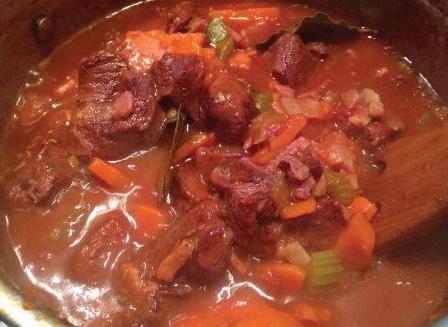
Bring the kangaroo tail, stock, salt and pepper to the boil then simmer until cooked (approx. 45 minutes).
Scrape off the fat and excess froth from the top of pot.
Add in vegetables and bring to a slight boil. Cook until vegetables are soft and enjoy your meal.
Optional:
Add Gravox or flour to thicken the soup.
Swap and change any vegetables to your liking.
Add rice for more filling. Add chilli or spices.
1.
2.
3.
Recipe and Photography Mia Haseldine
Photography Alysha Menzel
Torres Strait Islander
Associate Dean, Indigenous Co-director of the Indigenous-Settler Relations Collaboration
The University of Melbourne
I first met Dr Sana Nakata at a Political Science Conference in Adelaide. I sat in the audience as she moderated the meeting of First Nations political scientists, and she blew me away. Dr Sana is articulate, passionate, knowledgeable and measured. I felt transfixed by the way she conducted herself, and the generosity of her time to emerging academics like myself. Here’s a bit of our yarn….
Dr Sana Nakata
Interview Tabitha Lean
The academy as a whole has mainly been dominated by white men and it’s been notoriously hard for women to break into that area, let alone Aboriginal and Torres Strait Islander women. So I was wondering if you could talk a little bit about your experience of breaking through what could be called the sheer white ceiling and if there’s anything that stands out in your journey or any challenges that you had to overcome because of your being an Indigenous woman…
In a lot of ways my experience has been made easier by those who came before me and I’m very conscious of that. For all the things that made starting out as a student hard, those that stayed hard, and are still hard now, I’ve always had a very clear sense of the way in which it’s been made easier for me. I don’t say that to suggest that in any way it was easy, nor to let the institution off the hook or to deny that work remains to be done, but I’m saying that I’m a second generation, Indigenous PhD. I’ve benefited a lot from watching my father navigate a white colonial institution while being among the first generation of university Indigenous leadership to come through. When I came as an undergraduate student to university to study, I thought that it wasn’t going to be that hard. I thought the universities were welcoming now and that there were people up there in the highest way that were going to advocate for us or protect us or do good things for us. It wasn’t until I got into the university that I understood just how much work is still to be done, and that even when you open doors you cannot guarantee an equitable experience for Aboriginal and Torres Strait Islander students.
However, I don’t really feel like I had to break a white ceiling at my institution because I had really great Indigenous leadership above me. I think that has always been a huge source of support and strength. At different times, knowing that Indigenous leadership has been there, has allowed me to focus on my studies and interests, and has meant that I did not have to engage at all with Aboriginal and Torres Strait Islander politics. There have been periods, particularly as an undergraduate student, where I wouldn’t go to the lecture on Aboriginal history or I wouldn’t go to the tutorial on the criminal justice cycle, because I just wasn’t interested in being the only Indigenous student in a room of white people where white people were lecturing, or pretending that they knew what they were talking about. That just never interested me. It’s not that I wasn’t up for those fights, it’s just that I always thought when I was a student, I was not there to educate, because they’re meant to be there to educate me. Also, my attitude was that when they’ve got nothing to offer, I don’t need to be in the space. The reality is that the Indigenous leadership afforded me that space because I felt like there were other people there making those arguments. There were people contributing to and creating that space and developing the initiatives to transform the institution in many ways. I never set out to break any ceilings, but I guess as I’ve moved from being a student, finished my PhD and then came into the Department of Political Science, I suddenly saw a responsibility to work at the level of the discipline and the faculty to consider what more specific work that I could do in my class, and impose upon my colleagues. The last three years or so has been where my work has really started to focus on the systemic structural work that needs to happen right across the higher education sector. I also work in a particular division and field of research that teaches those kinds of courses and curricula where I have an opportunity to make a contribution.
At university where you are sometimes the only Aboriginal person in the class there can be real issues of cultural safety, particularly if the study is about Indigenous matters. I sometimes find it really draining witnessing non-Aboriginal people having their epiphanies, or moments of reflection about Aboriginal business or whiteness, is that something you’re conscious of?
It’s exhausting, and beyond that, in terms of an intellectual life, it’s really boring. I think of universities as a space that should exist to further our own intellectual life. As Indigenous Australians, I think our intellectual life is much bigger than the university. I like to think it is for all people, but especially for us. I didn’t come to university to learn about the Torres Strait Islands. I came to university to learn about white people, their legal systems and their political structures, because that knowledge is useful for me. If I wanted to know about being stuck on an island, I can go home and talk to my grandma, my cousins, my Elders. I think there is a tension now in the academy where there’s a real kind of fetishization for the embedding of Indigenous knowledges and I question, is that decolonizing? I think Indigenous knowledge exists outside of the institution, and if you want access to it then you have to go and spend a lot of time on country, with Elders and knowledge holders. While there may be parts that we draw upon within the university, which is always a gift, I think part of it is about how you are, how we have to operate across different knowledge systems. In white spaces there’s a fundamental lack of understanding of
I think the other thing I still struggle with is the university rhetoric about valuing and centering Aboriginal voices and Aboriginal knowledges, but there’s still people standing at the gates, arbitrarily appointing who they will listen to, what they’ll listen to, and in what form that knowledge comes in. How do we meet the goals the academy set for us, but still maintain who we are?
what that dynamic involves, so it’s coming up against those epistemological differences that makes those spaces not just hard, or what is described as culturally unsafe, but also not in the interest of progressing our knowledge about the world.
I think it’s deeply difficult work to understand. In the west, to learn theories of knowledge or the history and philosophy of science is actually really difficult, especially if you don’t major in it. It doesn’t matter who we are, or what disciplines we’re sitting in at the university, if you’re a black fulla that has to step into white classrooms, you have to use that. What you’re dealing with in the academy and also with white academics, is not just that they’re not trained or educated in Aboriginal and Torres Strait Islander issues, because some are very well trained in that stuff, it’s that they’re also not trained in more philosophical and theoretical understandings of what our knowledge production involves. For example, there are epistemological foundations for how you understand astronomical knowledge, how you understand geography, how you understand the wild landscape, how you understand timescales, all Indigenous knowledges. Then there are also things that Aboriginal and Torres Strait Islander peoples know based on lived experience. Our learning does not necessarily have to be in a traditional knowledge system to produce that knowledge. The tension in my work has always been that I’m trained as a political theorist in the Western tradition, right? That’s what I do. I do it as a tourist right off the island and I do it in ways that don’t draw around traditional knowledge, but I still think that knowledge has a role to play. The difficulty is that I step into spaces with white academics who don’t understand the difference between those two things. It’s not just when they won’t accept your stories and it’s not just that they won’t accept what you’re trying to incorporate into your work, it’s because they don’t understand knowledge. It’s also that they will also ask you for those stories, or that knowledge when it’s not theirs to have. I don’t know how it is that we expect Aboriginal and Torres Strait Islander peoples to carry really high level advanced, sophisticated understandings when we don’t expect it of our white colleagues.
There are so many blacademics that I admire, including yourself, where I have been highly influenced by your work, and continue to get surprised to hear that you all experience a kind of imposter syndrome. What strategies have you put in place to combat or silence self-doubt, particularly given your unique position of being the first Indigenous tertiary qualified political scientist?
Yes, I think there might be two of us now and obviously there’s lots of PhD students coming through. I think it’s a weird sort of thing, because in a lot of ways, all Aboriginal and Islanders who have PhDs in this country are politics scholars because their work deeply attends to politics. The thing is that none of them until me, as far as I know, came through a political science department, which has a very particular kind of history, its own ideas and identity of how it relates to Indigenous politics and history. So in that sense, I think that I was the first but I would welcome being corrected.
How do I deal with imposter syndrome? I think it’s walking a fine line between acknowledging that it’s a real thing and that it has an effect on how you get up each day and approach your work, and forgiving yourself because it is a deeply forgivable thing… and then actually just telling imposter syndrome to get fucked. I think you have to use everything for your own good, right? So imposter syndrome can be a helpful motivation when it allows you to be self-critical in a constructive way by asking yourself, ‘why don’t I feel confident talking about this idea? Why don’t I feel confident challenging these academics, or this body of work, or having this argument with others in public?’ That’s an opportunity for self-reflection. It says, ‘do I need to go and do some more work? Is there other people I want to talk to about things or that I want to read to be sure for myself of my position before I go forward?’ I think that’s constructive and I think I use imposter syndrome as a self-check sometimes.
The other thing is to stop that process from slipping into a really unconstructive cycle of of negative self talk, and reminding yourself that nobody in the academy gets to tell you what you don’t know. We have waited so long to have a seat at the table, which is a phrase I hate, but we’ve waited so long to have entry to universities, we’ve waited so long to be taken seriously in scholarly publication outlets, we work really hard in every meeting we’re at to be heard, and for our voices to be taken seriously and for that to
It is common that every time we speak up, we disagree or dissent, that we get labelled as angry, black women. How do you manage that perception of our perpetual rage?
have substantive effect…so, who gets to tell me that I’m not entitled to that place? It’s not for me. It’s not an individual thing. It is about the interests of all Aboriginal and Torres Strait Islander peoples who come through the university as students, as professional staff, as people working in the mailroom, it’s for everyone. There is also a symbolic thing, which is about saying the university is for us. We might not want the university as it is. Many will not choose for university to be a place that they want to be at all and I absolutely respect that, but for those of us who choose to do our work in that space there should be no doubt in any of our minds that we are not worthy of that space.
This is a tricky one for me to answer because I’m very diplomatic in institutional spaces and that is to my detriment to be honest. Frankly, if I look back on my twenty years of being a student, and the five years of that being a career, I don’t think I’ve been angry enough. We all know the reasons for that. I know the risk evaluation that takes place when you consider the ways in which you’re interpreted. I grew up in a very different place from Melbourne, where people who were interpreted as angry or aggressive got locked up. So I learnt from a very young age to mediate my emotions, and in a weird way, that’s what’s given me such easy access to the institution because I’ve given no indication of being a threat. However, it also has made it hard because at different times where I feel like I’m saying something that’s quite clear, it has been completely misinterpreted or they have missed the point. I think the only way to manage this is to command knowledge for ourselves about ourselves, because there is always going to be those that expect us to fit their racial stereotype of us as the unintelligent, angry black. I am not interested in fitting any reductive stereotype of our people.
My dear Elder
My dear Elder,
I want you to know that I cherish and adore you, I am thankful for all that you do for me, and all that you teach me in life. I know that there is still so much for me to learn in my lifetime and that I only have knowledge which is deemed as a tiny tear drop in a massive ocean. I also know the reality is I will never know everything there is to know, and that is why we each are picked to carry the knowledge that we do and did.
My dear Elder,
You are always patient and loving, firm but fair with me. You always have time to listen and to teach. Yarning with you is and has always been one of my absolute favourite things to do. I carry your personal stories with me everywhere that I go, keeping them each close to my heart. You are always giving the gentle nudge in the right direction, ensuring that I do take up the opportunities presented to me. Connecting me to people who assist to make me a better person, who can teach me and nurture me.
My dear Elder,
I will be forever grateful to you for fighting for our basic human rights –basic human rights that should have always been afforded to each of us. I am forever grateful for the sacrifices that you have made for our people to be afforded the privileges that people like me enjoy every day. I will be forever grateful that you found ways to teach and pass knowledge down so that we could still retain what we have regarding our traditional practices, Languages, song-lines, songs, art and much more.
My dear Elder,
Your wisdom guides me and I carry it with me every day. I walk with and carry myself with Yindyamarra every day, because you taught me how to do so. Your love and support in all that I have done and continue to do means the absolute world to me. To be able to honour you, thank you and show you the time you have invested in me is not wasted; in fact has made a better yinaa of me. Your wisdom and lessons have allowed me to carry myself in the footsteps of our Ancestors—for that achievement, I thank you.
I promise to always act with Yindyamarra, to honour your wisdom, your time, your lessons and your belief in me. Ngurrbul your Bub girl.
Words Yaliilan Windl
Photography Alysha Menzel
Fifteen songs that define Aboriginal resistance
In no particular order, these songs define the struggles that Aboriginal and Torres Strait Islander people face daily in a colony designed to erase our existence. Among the challenges, these songs also highlight the strength, perseverance and survival of Aboriginal and Torres Strait Islander peoples. We exist.
We resist. We persist.
Playlist Dylan Muldari Ko:rni Peisley
Artwork Tabitha Lean
Please note that some of the songs may contain the names and voices of deceased peoples
Caper
Baker Boy and KIAN
Briggs, Dr G Yunupingu and Dewayne Everettsmith
A. B. Original and Dan Sultan
Archie Roach
Street Warriors
The Last Kinection
Coloured Stone
Thelma Plum
Yothu Yindi
Yung Warriors
DOBBY and Barkaa
Drmngnow and River Boy
Thelma Plum
A. B. Original
How Would You Like to Be Me
Cloud 9
The Children Came Back
January 26
Took The Children Away
Solid Rock
Black & Deadly
Black Boy
Better in Blak
Treaty
Black Deaths In Custody I Can’t Breathe
Indigenous Land
Homecoming Queen
2 Black 2 Strong
Follow us at versemag on Spotify for the full Blak Out playlist especially curated for you by Dylan.
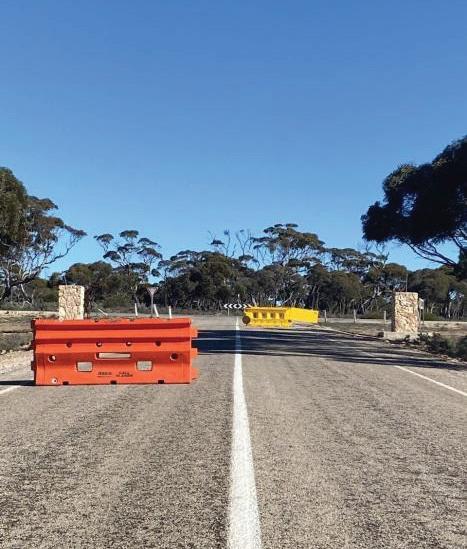
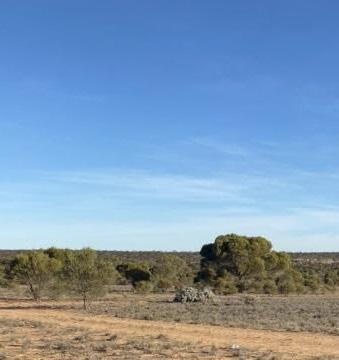
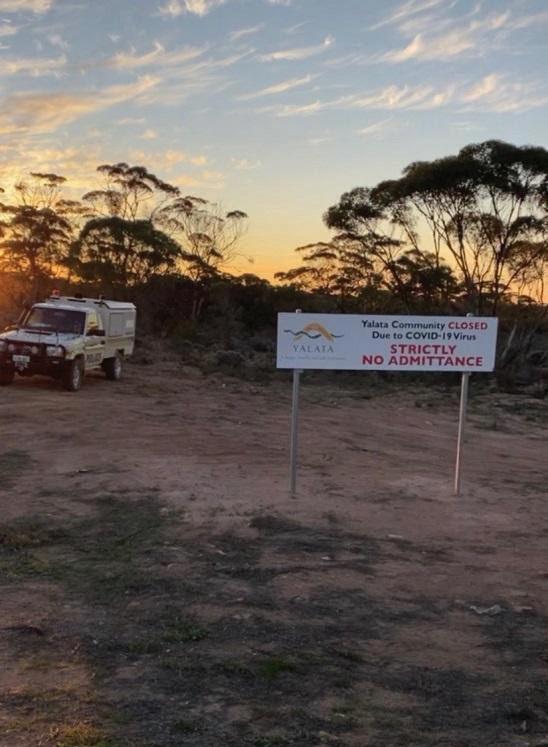
Impact of COVID on the community of Yalata
Food
There was a shortage of food and price rising of goods sold in the stores. At the beginning of lockdowns, bread prices went from $5.50 a loaf to $6.00. After meetings with Outback Stores, bread was sold at $3.00 a loaf; however the bread came from Katherine in the Northern Territory and was stale when people wanted to buy it. There was also a real shortage of toilet paper and baby wipes.
Travel
There were so many restrictions and very little information provided. Initially, community was told that no one was allowed to leave the community. This led to fear and frustration towards the police and other community members.
Lorraine Garay shares some reflections on how COVID has impacted Yalata Anangu communities.
Drugs and alcohol
During the beginning of the lockdown, there was very little drugs coming into the community, and this led to fights between people and there was a rise in attempted suicides by some of our young men. Sadly, we had our first suicide in our community in many years.
Some good news though
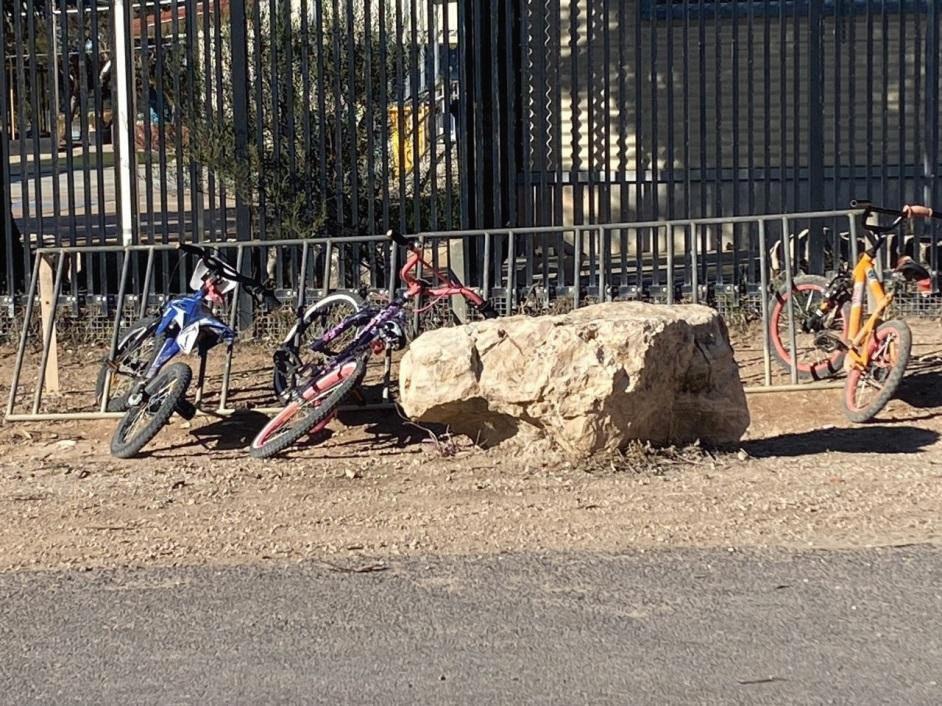
Our kids are happier because parents are home in the community, and with the COVID supplement, parents can afford to buy their kids things like bikes from the store. Not many people are visiting other community members for food so that is helping out. We can spend days out bush every weekend.
Funerals
There was a limit on funerals, the process surrounding it and how many could attend. This affected the way funerals were conducted and it meant people couldn’t mourn properly. Funerals were rushed and the funeral people had to take photos of the mourners. Due to travel restrictions, many family members couldn’t make it which made it harder for families to grieve all together.
5 Little Lost Treasures!
G’day there. My name is Steven. Everyone knows of kangaroos, koalas and maybe wombats—because they are very big. But most people do not know any of the small ones. So, I am going to introduce you to five of the cutest little Australian marsupials that you probably have never seen before.
Numbats
Myrmecobiidae
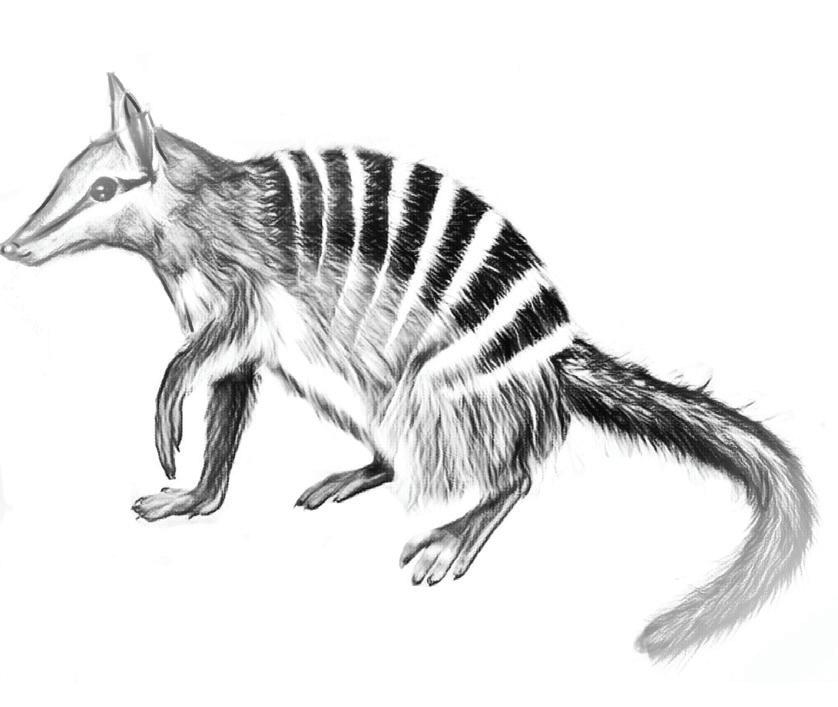
There is only one species of numbat in Australia today. Numbats are unlike and unrelated to any other marsupials. They are insectivorous. Their closest living relatives, the dog sized thylacine was hunted to extinction nearly 100 years ago. The name NOOMBAT, comes from the Nyungar language of southwest Australia, and their other name WALPURTI, is from the Pitjantjatjara Language, of Central Australia. These days they only live in the wild in the south western corner of Australia. They are an endangered species and their numbers are dropping, but there are captive breeding programs, trying to save them and keep these amazing animals existing in Australia.
Dunnarts
Sminthopsis
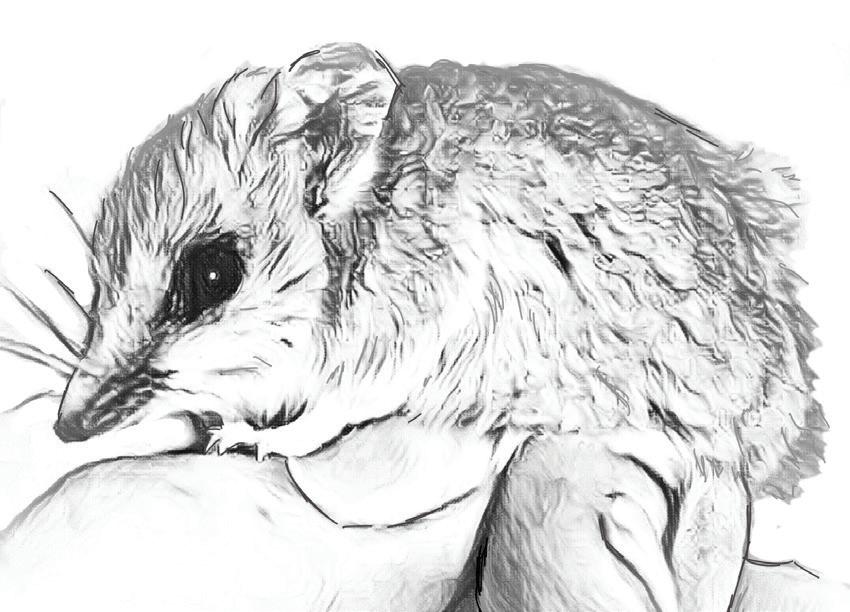
There are 21 species, all of which occur in Australia. The Dunnart is a carnivorous marsupial. They carry their newborn in a pouch like a kangaroo, until they are too big for the pouch. The joeys then cling to the mothers’ underside to be carried around while she hunts, until they are old enough to hunt on their own. Dunnarts are tiny hunters that eat insects, lizards and even mice. They are like mouse-sized marsupial foxes, found all over Australia.
Words Steven Pappin
Artwork Tabitha Lean
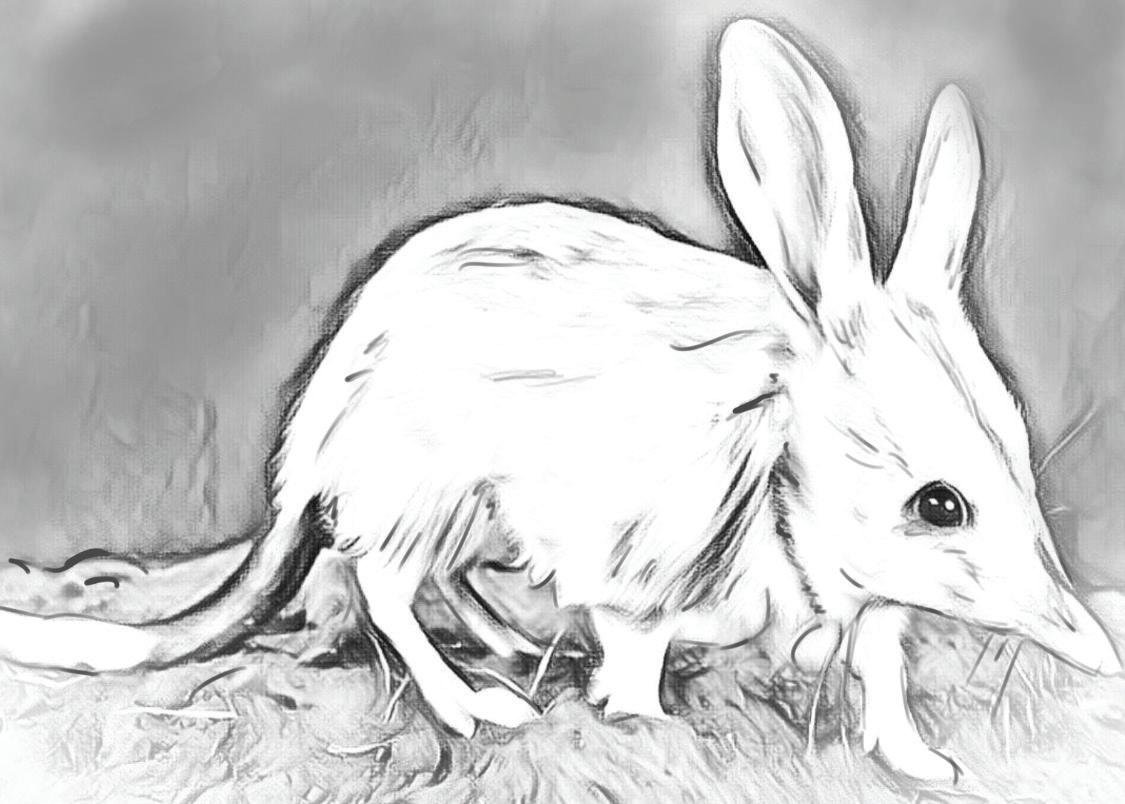
Bilbies
Thylacomyidae
There is one species left. When Europeans began to colonise Australia, they discovered the lesser bilby and thought it so similar to a rabbit that it was an excellent creature to hunt and eat. The lesser bilby was hunted to extinction back in the 1940s. The greater bilby however is only found in the central and western desert regions, so their colonies have faired far better. However, like the numbat, the introduction of predatory species, such as foxes, dogs and cats and competitor species like rabbits, has severely diminished their populations.
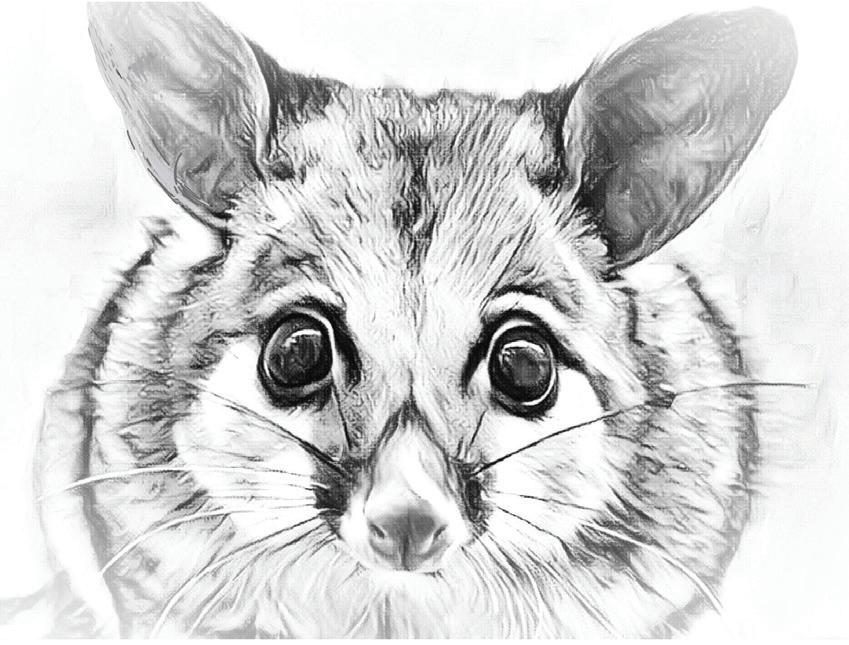
Possums and Gliders
Acrobatidae
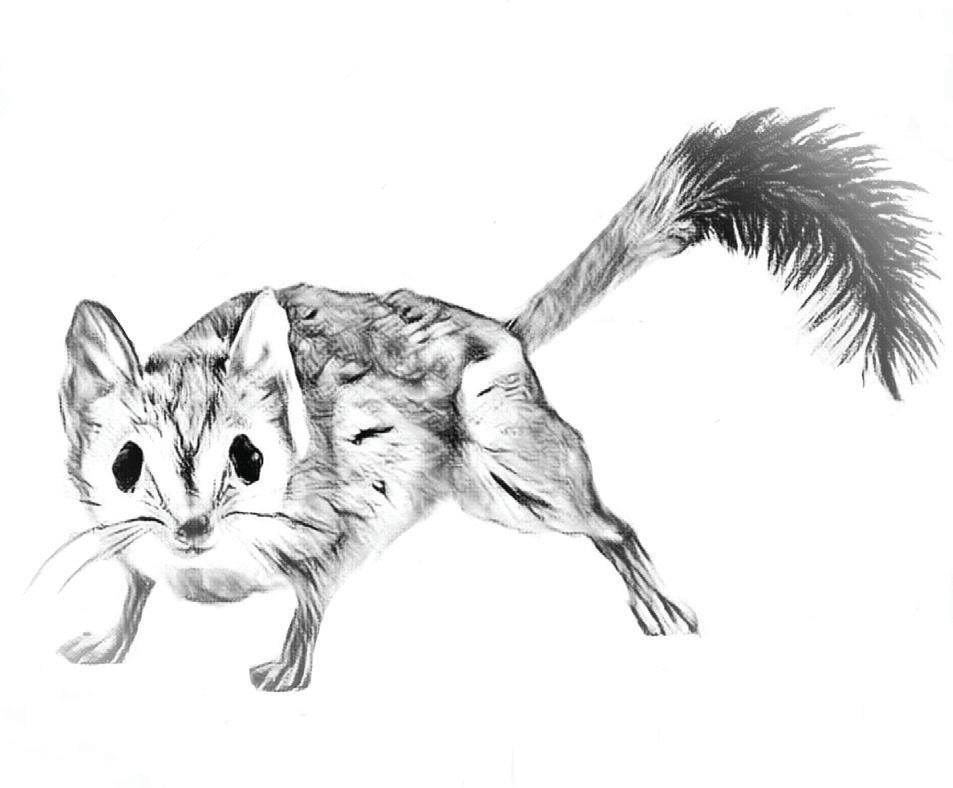
Kowari
Dasyuroides Byrnie
One of the Dasyuridae family, has two subspecies: Kowari are very unique animals and, although they are unlike any other in the world, they are one of the 75 species of carnivorous marsupials belonging to the family Dasyuridae, in Australia. One sub-species, the pallidior, is found in North Eastern South Australia; while the other yrnie, in South Western Queensland, is suspected to have already become extinct. The name kowari come from the Diyari language of northern South Australia.
Australia has 30 species. Possums are our most prolific animal today. They have adapted to live in the city and you can see common brushtail possums in Adelaide’s parklands at nights. The most amazing thing is there are 30 different kinds of possums, of all shapes and sizes all over Australia: five pygmy possums, five brushtails possums (+ two subspecies), seven ringtail possums, two cuscus, one Scaly-tail possum, two micro gliders, five gliders and a greater glider. Australia even has three species of terrestrial possums—all others in the world live in trees. Like gliders: Feather tailed gliders are the smallest gliders in the world. They are also called pygmy gliding possums. They are arboreal marsupials. They have large flaps of skins under their legs that stretch out to catch the air when they jump from a tree so they can soar like a bird, allowing these tiny creatures, smaller than a mouse, to glide for 50 Meters, between trees.
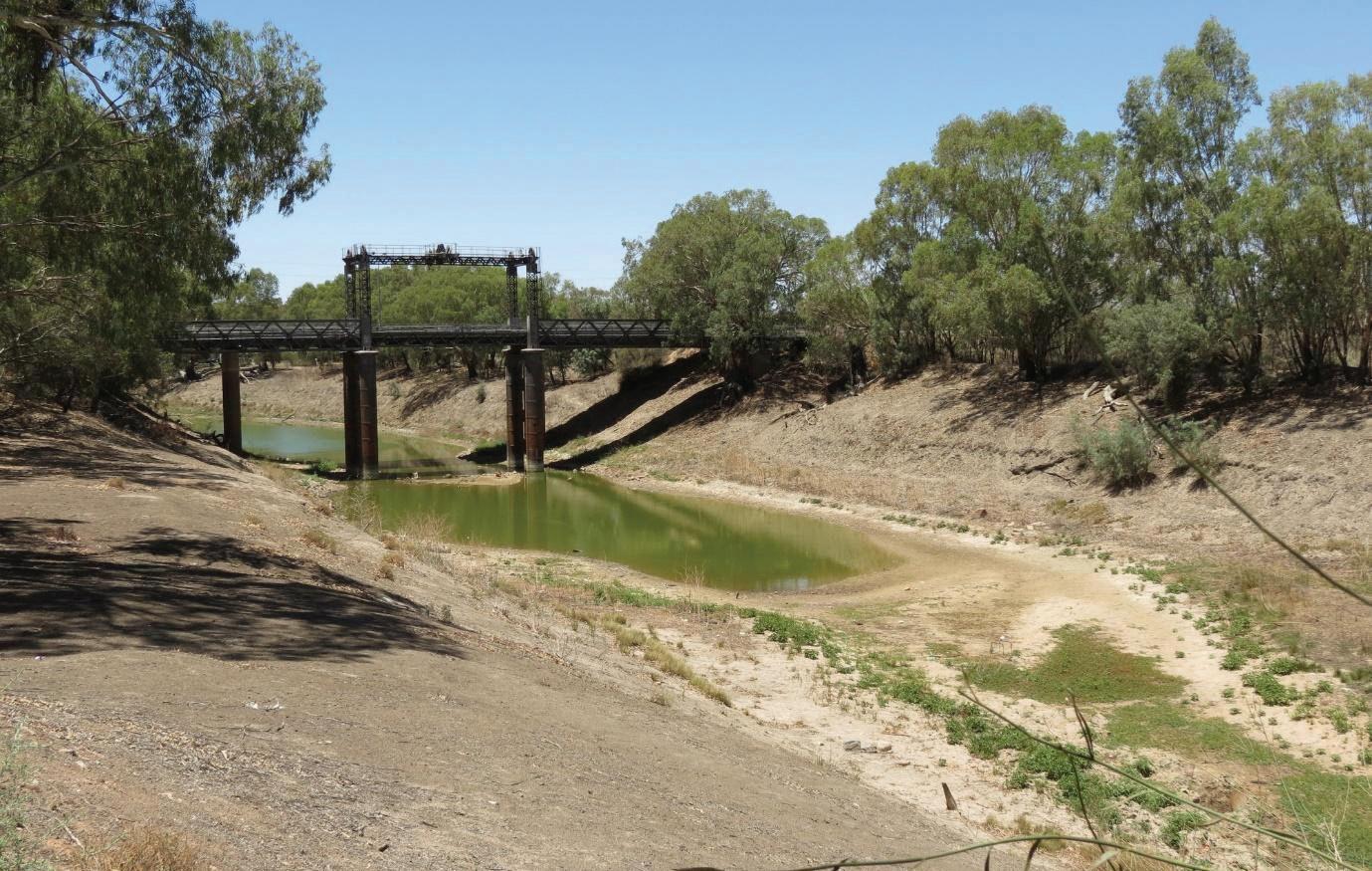
My river will always flow, to bring me home
Words and Photography Steven Pappin of the Barkindji Peoples
For as long as the waters flow, for as long as the rivers run, my country will be here for me.
No matter how far I travel, or how long I am gone, I can always come home.
one day I will come home, to my country, my river.
I have the unwavering confidence of the river. The water cycle is an eternal loop; unending. The waters travel the ocean, the sky and back to the river.
I can go overseas, travel the world. But, I will eventually come home, to my country, my river.
My river flows through my veins. I can walk for days, never feeling lost. my country and river always awaiting my return.
There are two great rivers that nourish our continent. They have come together in my country for 100 million years. For 100 generations and more our footprints have been on their banks.
We respect and sustain the land and the waters. In return they nourish and sustain us. The river brings everything our people need.
It brings us fresh water. It brings us steady food. It brings trade and travel.
Just as our children grow and develop, our culture has grown, on the riverbank. We always have been, we always will be, here.
One day I will be too old to swim, Too old to walk and fish, But the river will keep flowing.
One day and forever more, I will rest here, with my children and their children and their children’s children.
We will rest our bones in these lands, along the banks of these rivers. Yet, the water Will continue to flow.
In 100 thousand years, when people no longer live here, we will be here.
We will continue to be a part of the dust, a part of the soil and the sand, that fills the banks and flows through the rivers.
The voices of my ancestors will always be heard, whispering in their sleeping tongues, when the breeze caresses the river reeds.
This is the essence of my culture. For as long as the rivers flow, my people will always be here.
Today...
My river has stopped flowing
For as long as the waters flowed, for as long as the rivers had run, I always knew my country would be here.
For the first time, I feel alone. I am lost.
Where could the waters have gone, that they could not come back again? The cycle of water, of life, is broken.
My River Is DEAD.
How could this be true? How can something with no beginning ever have an ending?
My river has been swallowed up, by an unquenchable thirst, called greed. No puddles, no ponds, no billabongs, no lakes.
They just took it. They used it, they wasted it.
Until it was gone.
They did not even drink the water. Our bellies got thinner and thinner. The river got shallower and shallower.
They sent it overseas, To other countries, As wine, rice, cotton and fruit.
When this did not satiate their greed, They used the rest for mining. They built wells for gas and poisoned the water.
The gas leaked and poisoned the land.
Now there are dust storms, That blanket the sky, and hide the sun.
The fish have gone. The yabbies are gone. The fires have come.
I have lost my confidence. I cannot see the future. How much longer will we be here?
In my lifetime, I saw the river die.
What do we do now?
Going home to Murrabinna
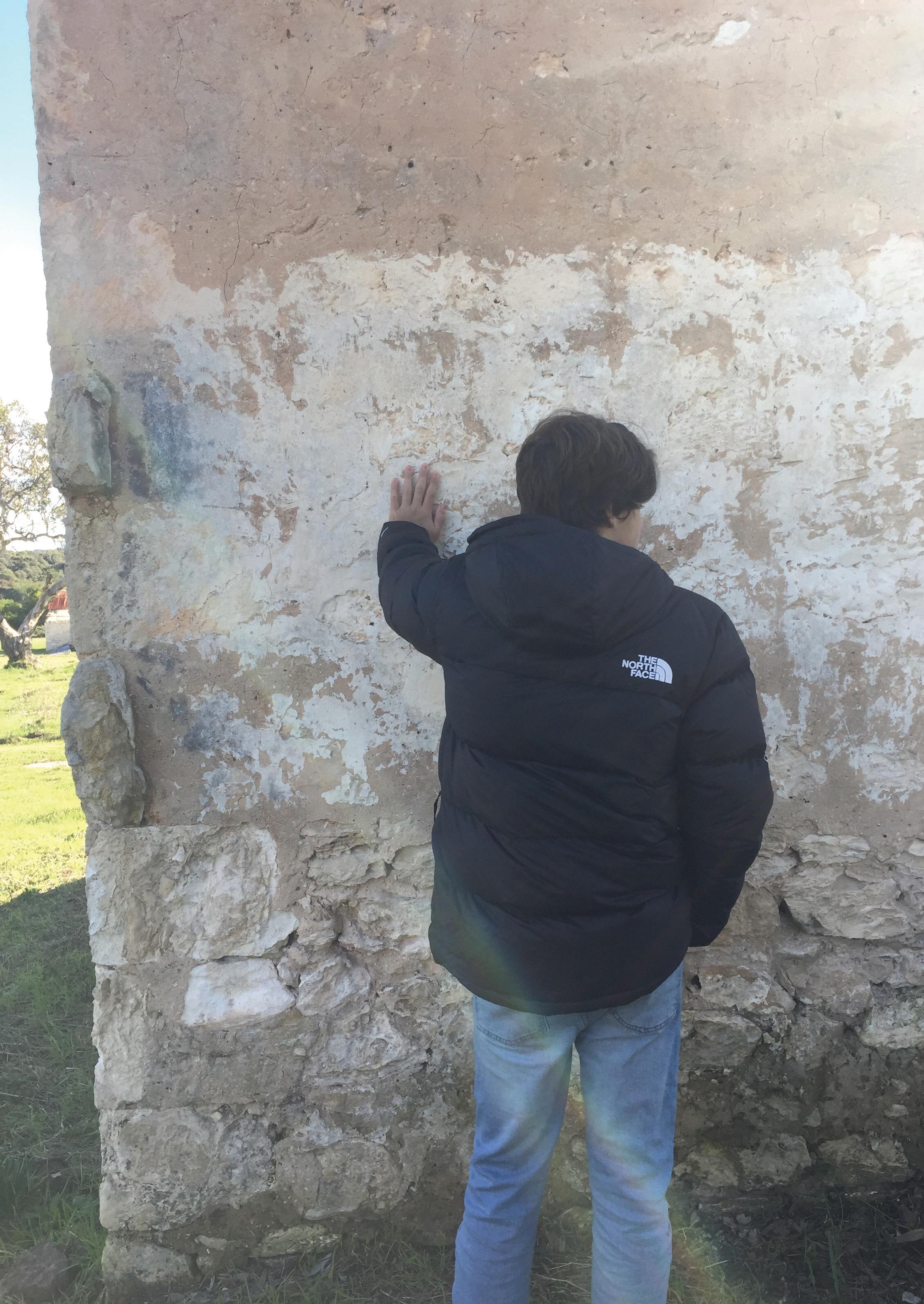
As I place my palm against the cool of the lime stone brick
I’m transported back to the days
When Murrabinna buzzed And families gathered, Songs were sung And children giggled
....because this is the house that Jack built
Today she stands all broken down
Ceilings torn
Floor boards broken
Doors amiss
Fireplace blackened
Fences crumbled
....this was the house that Jack built
In the lands surround
The wangami scramble
Pinyali roam
Muldhari stalk And kookaki call ....this is the land Jack owned
Today she stands still and silent
Empty and lonely
Broken and torn
Fragile and frail
Derelict and weak
....this is the place Jack left
Amid the silence
The animals scamper
The trees sway
The birds sing
The ancestors breathe
A sweet sigh of relief
“You’re home”, they say
.....this is the place I belong
Words and Photography Dylan Muldari Ko:rni Peisley
Nutrition
We know that for thousands of years, prior to colonisation, Aboriginal peoples have been using “bush tucker” and foods provided from the country. Our diets were seasonal, consisting of high protein, complex carbohydrates, micronutrients, and polyunsaturated fats while low in sugars and saturated fat. Very similar to the messaging found today in the Australian Guide to Healthy Eating! Although, today we are using Western science to compare bush tucker with common introduced fruits and foods, and finding Aboriginal foods to be superior in quality and health benefit potential! Since colonisation, Aboriginal food consumption has drastically changed, however today these foods are still consumed and harvested and even offered commercially.
Below are some of the great Aboriginal (super)foods which can be commercially purchased and used in your everyday cooking and diet.
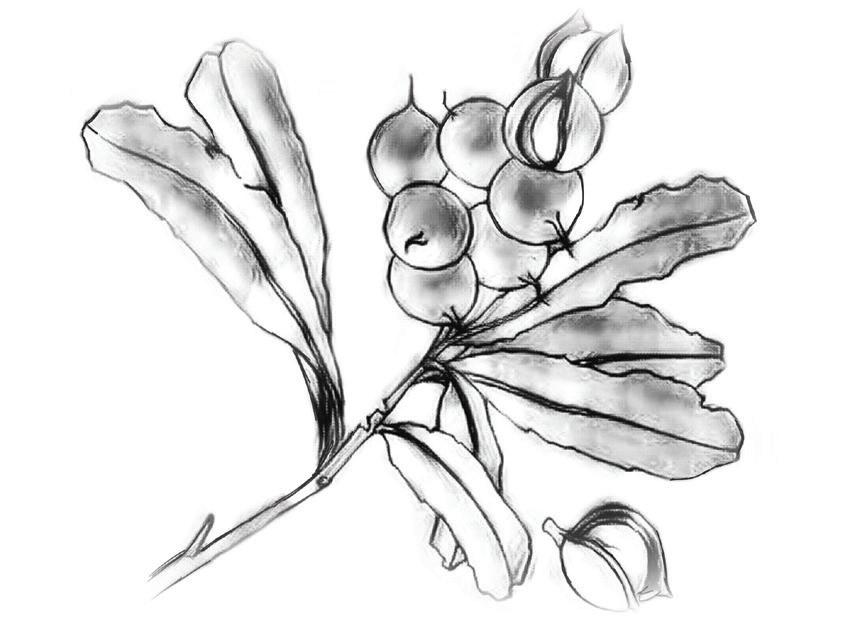
Quandongs
Displays outstanding antioxidant capacity and has comparable levels of Vitamin E with an avocado.
Quandongs can be commonly purchased as a jam and used on toast, pies and stews.
Quandong jams can be purchased online and from some local stores.
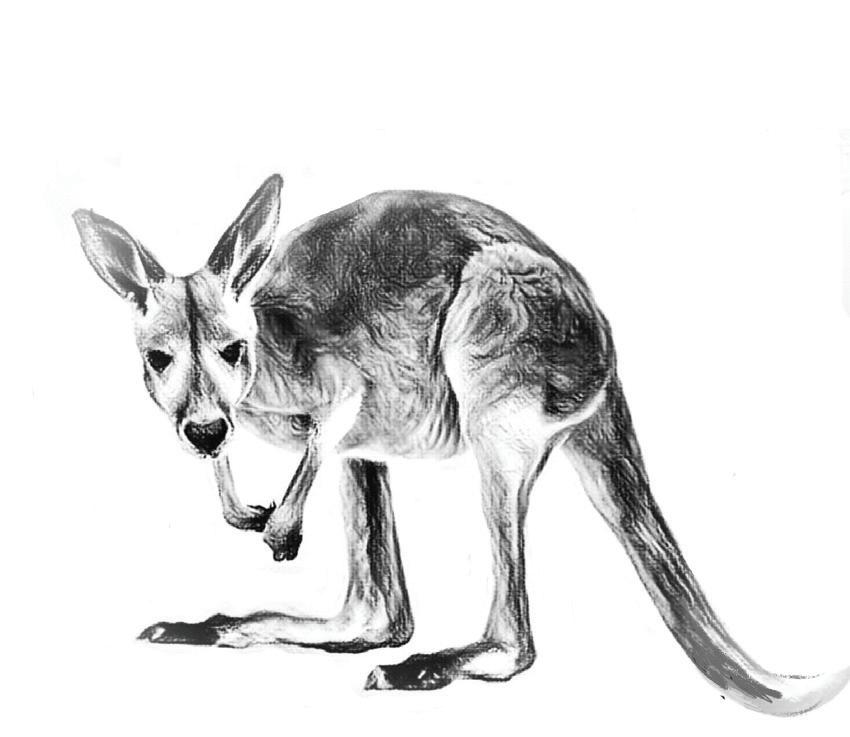
Kangaroo fillet is an extremely lean meat compared to regular red meat options such as beef, and is also a high source of iron.
Kangaroo tails are consumed within the Aboriginal community as a type of delicacy.
Kangaroo meat is best enjoyed in a variety of dishes and can be purchased from Adelaide Central Markets and major supermarkets.
Kangaroo
Words Michael Watkins Artwork Tabitha Lean
Bush tomato
A staple from arid areas of Australia, this fruit is a rich source of potassium and high in vitamin C.
Bush tomatoes can be mixed into a damper (bread) mix, curries, salsas, seasoned onto meat or sprinkled onto baked vegetables.
Dried bush tomato can be purchased from a variety of online stores.
Kakadu Plum
This fruit has comparable levels of Vitamin E with an avocado and is one of the richest sources of antioxidant compounds.
Kakadu Plum has the highest recorded levels of Vitamin C of any fruit in the world, with up to 100 times the amount of Vitamin C content found in an orange.
If you’re interested in trying one of these foods or seeing what else there is commercially available, see the list of native food providers below:
Something Wild: Indigenous owned food and beverage company – Adelaide Central Markets
Warndu: Indigenous owned company which provides native Australia foods and ingredients - Clare, SA
Footeside Farm: – Eudunda SA
Native Oz Bushfoods: Online store specialising in native Australia ingredients. Nativeozbushfoods.com.au
The Ochre Pit
Bidhi Mandaang Guwu to bagir-ngan Darren Waagan Gibir Forbes for translating Wiradjuri verse (referenced).
Mandaang guwu to Mamaba Stan Grant Snr, who without, I would have the privilege of knowing Wiradjuri. Mandaang guwu to my teachers Aunt Iris Reid, Aunt Elizabeth (Beth) Wright, Uncle Lloyd Dolan, Mingaan Letetia Harris and Uncle Harry ‘Yarri’ Lambshead.
Aboriginal woman of Biripai country Writer, academic, consultant
I first “met” Dr Tess Ryan on Twitter, and since that time I have come to greatly admire her. Dr Tess has a gentle and considered way, and she brings people along with her on the journey. It’s her patience and persistence, and the way she gently articulates and crafts her words that has drawn me to her work. Dr Tess joins me for this yarn….
Interview Tabitha Lean
Could you talk a little about the challenges that black women have to overcome in the academy which is largely dominated by white men and white women?
I think when a black woman speaks up or disagrees or dissents in some way, we are type cast as the stereotypical angry, black woman; and there is this perception of our perpetual rage. How do you manage that perception of being an angry black woman?
To be honest, when I first began at university, I was pretty broken. Part of that brokenness was because I realised I’d spent a hell of a lot of time just being completely compliant and accepting things just the way they are. The wonderful gift that university education has given me is an understanding that the Eurocentric design is: a) not 100% Eurocentric in terms of the knowledge it has built as some of it is stolen and appropriated, b) that it’s not the be all and end all, and c) I could really clearly see the way knowledge presents itself is a whiteness-by-default position.
I feel as though education has been a fantastic gift. It’s been a gift to be able to recognize moments in the past where I might have excused someone because I thought they didn’t know any better. Now I know that they should know better. We aren’t the first people of colour to arrive at universities, and there are many, many people, in the world that have come to academia prior to us, and alongside of us. It really shows a sense of complacency to that default whiteness position. There’s definitely something that needs to be said for the institutions that believe they’re doing the right thing, and not being white centred because they have a RAP, when in fact, if it’s just a piece of paper to you, it makes you more white centred than you intend.
Once I started to change the compliance that was conditioned into me, and started expecting that the anger was going to be there whether I liked it or not, I thought maybe I should try and minimize it. I think, though, at the moment, where I am nearly 50-years-old, I’ve decided that I am not minimising this stuff anymore, for anyone, in any situation. That can have consequences though. However, the consequence for me is building my strength. So what people call anger and rage, is really just a talent in being able to call shit out. It’s about saying ‘actually, I see you now, I see what’s happening. I’ve felt this stuff for so long.’ Even as a child you get the feeling that it’s just not right but you don’t have the words for it. In talking to some younger Aboriginal women that are coming through the university space, they say ‘I felt all this stuff, but I didn’t know it was even racism. I didn’t know it was discrimination. I just thought they weren’t very nice people.’ I respond ‘they’re not very nice people’. I explain that it is all steeped in so much history that an unpacking needs to happen and once you begin to see it, you know. Obviously it can be quite confronting, but the way to deal with that feeling of, ‘I’ve been asleep for a while’, is to say, ‘I’m going to be the most awake person you can possibly meet.’ So now I definitely call things out. I call things out in institutions and in people, because if I don’t, I feel as if all I would be doing is performing to a space, and that has no authenticity in it for me. Unless you’re actually going to follow through with action, then it is just a space that you’re building to prop yourself up or to prop up an institution brand. It needs to be more than that for me even if it has implications on my position in an academic space. I think the most powerful Aboriginal and Torres Strait Islander women that I know are regularly told they are being angry black women. I think if people have to call me that, well great that means I am in fantastic company, and thank you for that compliment!
I’m also really fascinated in the way discourse is regularly used against us. Anger really is just showing a power to people in a space where people don’t think we should be. I’ve moved along a trajectory of thinking from ‘if I meet people halfway, if I’m collaborative with them, then we’re going to build an understanding’, to realizing that you can’t actually be collaborative with that kind of power. I think a lot of non-Indigenous people find it quite confronting because they are used to being a certain way and perhaps don’t realise that they are compliant to a system as well as a particular way of being. These days, I don’t think of anger as such a terrible thing, I see it as an act of self sovereignty, and that’s really, really important.
The other thing that I am conscious of is how not being the compliant Black can actually impact your career trajectory within the academy. How people respond to racism or micro aggressions that they encounter every day at work or as a student at
I really appreciate reading your personal accounts online and the way you share so much of yourself in your work, I think there is real strength in that relatability…. How do you combat or tackle any feelings of inadequacy or self-doubt, or imposter syndrome in your work?
university, would largely be motivated by their ambition. If your ambition is centred on your career, you might make certain concessions. I think it depends on whether you want to move forward within the academy or bring knowledge back to the community… and those priorities might shift over time. I have worked in universities with some really high profile, black fullas that are doing this work, and I respect and admire them because they’ve had to work hard for many years to get into those positions. They are still facing barriers and most are still trying to fight through, not for themselves, but for the people that will follow.
I am also really vocal about my motivations to become an academic. My motivation to go to university was to get out of a situation where I felt I was ticking every statistical box you could possibly imagine. I didn’t like that rendering of myself, nor did I like contributing to some story that people constructed in their minds. I was a single parent living in public housing, on a part disability payment and I wanted to improve myself and my financial status. I’ve gone through that journey, and I’ve gotten to a point now where my work is for me, and the thing that I actually really value is being able to use my voice. We don’t all have to be at the chancellor level and we aren’t just here as knowledge production machines for the university either (or even for other black fullas for that matter). However, there are other things that are happening in our ways of being that need to also be talked about and considered. I am very open about the fact that I have a chronic health condition. Therefore, I have to think about how and where I spend my energy and what the purpose is in everything I am doing.
Sometimes I forget about that and think I should just rely on my publication history, and while that is building and is important, I think as a mob of people we need to be able to relate and connect. We need to be able to say that this stuff can be hard sometimes, and actually, it’s hard all the time, in many ways, but we’re here together, we can talk about this stuff openly. I have had some academics tell me to censor my voice on Twitter because of current and future employment. I feel quite disheartened by that suggestion and I have to bring myself back to that idea of why I am here. What is my purpose? My purpose is to connect with people. I love the fact that people contact me and say my work connects with them. I think that’s worth more than a high paid salary.
Honestly, it’s something that I feel I struggle with every day. I have really open conversations with my support networks, and I talk about how I feel, but a lot of it does stem from the colonial project. It can’t not, right? So, if I think about this strange dance that would happen to me even as a young child or as a teenager, of being told I was really smart, that I could do amazing things juxtaposed with being told I should probably be a typist or a secretary, because apparently our smarts don’t entitle us to a key to certain doors or seats at certain tables. I always found that really fascinating that you could be told in one space that you’ve got what it takes and you can do well, and then be told that you can only go so far.
Often now when I go through a struggle, I tell myself, ‘hold on, what am I trying to say here?’ Everyone has a voice. It’s up to you to decide what you want to do with it. You can’t get hung up on who is going to find it more powerful, who it’s going to resonate with, because if you don’t put it out there, and you don’t give it a go, then it’s not going to resonate with anyone. It is just going to be a voice that you keep in your own head.
The other thing is that we forget that thinking is doing. Thinking is action. What we are thinking about might not make an awesome conversation, but it is really important. All of it can filter into your work, but all of it isn’t your work. You sometimes
In universities, on campus or in the academy more broadly, Aboriginal people navigate race, racism, bias and microaggressions daily. I’m wondering what mechanisms you have developed to manage that and whether you feel you have made any self-sacrifice that might have altered you in some way.
need to step back and say, I’m okay to be vulnerable right now and just look after me. That’s still important to do. There’s nothing more important in these spaces than how you feel, even though the academy tells us that there is, or you should write an article about that. That’s just not the case
I think early on in my undergraduate experience, people were saying you should go for this scholarship and that opportunity. While I absolutely needed the assistance, I realised there was always a cost. There was always a cost within a university to fulfil a brand and I think that’s an important aspect to recognize. You are getting paid because you have achieved a good GPA or you’ve done something wonderful, but then you’ve got to pay them, you’ve got to give them some of yourself, including your image and your story. In the past, I was very much suited to a certain image the university was trying to promote. However, I think you have to consider the motivations of why they want to promote you. Are they promoting it because they’re really happy that someone’s changing? Are they promoting that because it reflects that they’re doing the right thing with their Indigenous strategies and meeting all of their Indigenous KPIs? I think you can know and understand all of that and still do it, and I wouldn’t say that I am unhappy that I did some of those things, but I wish I’d done them in different ways and been more awake to it. It took me a while to realise what was happening and I didn’t feel a sense of agency in those spaces. So now my big thing is about making sure you have agency in a space. You can say ‘yes, you can use my story and my image, but I want to know that you’re going to keep showing up with this action’. I don’t care about your strategic plans. I care about the actions. I had a fantastic experience when I moved to Melbourne whilst I was doing a fellowship; I was working in a residential college looking after the Australian students. There was a lovely undergraduate student who had just started and she was struggling financially and the university wanted to use her image because she was a part time model. She said, ‘you want to use my image, but you’re not actually assisting me.’ She was quite forthright and that’s what I love when I see younger students, and I think, ‘wow, I wish I was like that when I was 19 or 20.’ It makes me feel fantastic to see that, because it wasn’t my experience. It makes me feel really positive about the future. I see really strong, empowered young black women coming into these spaces saying, ‘No, you’re not going to do that. We’re going to do it this way instead.’
It’s empowering to see how staunch some of our young people are. I think that they’ve been able to observe what’s happened to people that have come before them and made the decisions that it won’t be their story. I think there’s power in that and huge credit to every one of those people that went before them and had to suffer. I think about the legacy that people have left even when they don’t even realise that they’ve left one.
Sometimes I wonder whether universities exist to support and build free thinking and knowledge or if they exist just to produce the next generation of imperialists and capitalists.
I say this because often the first area that is rationalised or downsized is Indigenous studies units
I think it’s an important point. There’s been this question floating around for a long time, whether we could have a fully decolonized university. It’s a big subject because some people don’t even like the term decolonize. I wrote a piece last year about my dislike of the term ‘indigenized’ because it’s a corporate word that feels really white. So, can we have a completely decolonized university space? Does it have only black fullas or people of colour that have gone through a process of decolonization in their lives and their histories? Can a university that’s modelled on a very Eurocentric and western colonial design really provide enough decolonizing practice? There’s a difference between policy and practice and reality. I’m not sure, but I do continue to engage with the university and hope that it will happen, because there’s something that still keeps that fire that stoked. Largely, that’s because I see all of these younger people coming through and I see the amazing power that we have in some of the research and the ways we disseminate knowledge and translate knowledge. It gets me all excited and I can’t completely let go because there’s still some real power that we can continue to contribute, explore and nurture.
Universities have this rhetoric around elevating the work of Aboriginal people, they have their RAPs, but in my experience they are still very keen on policing Aboriginal aspiration and surveilling Aboriginal voices, so it makes me wonder what decolonization would look like in practice within the university space.
Yeah, it’s a huge topic. I think it’s also very individual to our own experiences. There’s this umbrella term of colonization and we know within that there are moments of history and impacts. However, there are also very deep and personal impacts of colonisation, and then the very deep and individual journey of attempting decolonization, unlearning and relearning. All of that stuff is quite nuanced. For example, my mother doesn’t have language and I am on a journey of trying to reclaim it. However, her language, or her tongue for want of a better word, was essentially cut off in so many different ways. It was through compliance and minimization, and the survival strategy of just be quiet and getting along. There’s all these contracts that we as individuals make, and we don’t see what the impact of those are, maybe not until after and then we have to try and rewrite those contracts and that’s really, really hard. So there are these white institutions that are essentially saying, how do we talk about this and write about this and say we do this without actually using the word? They’re afraid of the word and it frustrates me. Maybe they do that because they’re trying to navigate through all these sites, because there might not ever be a one size fits all way of being decolonized. However, we still need to do the work and be active in these spaces and engage in this conversation. The other thing I think about a lot is how the language of the academy, with words like ontology and axiology, are about containment. However, our philosophy is not about containment, it’s about how it connects and relates to all these different things and it’s a broader kind of a philosophy, in many ways. I mean we know that we have epistemological ways of being, it’s just not something that we pontificate about, you know, in a theoretical sense.
The last question is: if you had to be locked in isolation with any of the great thinkers of any time, any place in any space, who would it be?
Oh, wow. You know, I’ve been really lucky to have met some people that I’ve just thought were amazing and I could learn so much from them just by being in their presence. Some of these people have since passed so I won’t say their names. There is one person who was one of the participants on my PhD research. One of the things I loved about her is that there was power and anger, but there was also real humility and a calmness in the way in which she delivered forthright knowledge.
I would also love to be able to meet an ancestor. There’s so much that I don’t know. I want Aboriginal and Torres Strait Islander people who have these strong lineages and connections to realise how fortunate they are and how wonderful it is that they get to talk about it and share with us when they choose to. It’s something I might never know or will never have because I can only go back so far. So to have that crazy unique opportunity to be sitting alongside one of my ancestors and to learn from them would be amazing. Maybe one day, in another plane, in another world that connection will flow back.
In My Blood It Runs
Review Yaliilan
‘In My Blood It Runs’ was released in 2019 as a documentary by producer Maya Newell. The documentary is centred on the life of Dujuan, a 10year-old boy at the time of filming, and his extended kin who are living in and around Mparntwe (Alice Springs), Sandy Bore Homeland and Borroloola Community, Northern Territory.
‘In My Blood It Runs’ focuses on colonialism that sits at the heart of western education, which prevents First Nations children from growing into their lore and responsibilities to care for Country, and instead perpetuates intergenerational and trans-generational trauma.
The documentary tells the story from Dujuan’s, an Arrente/Garrawa boy, standpoint. Dujuan is struggling to balance living in both First Nations and Western worlds simultaneously. He is a traditional healer who can speak three First Nation languages, with traditional cultural practice and knowledge, and is an intelligent and insightful young boy who finds it difficult to navigate his way through a state education system that appears to fail him continuously along his journey. Dujuan is constantly threatened by the education system with being incarcerated at 10 years of age and lives in constant fear of being taken from his kin by the welfare department, facing persistent harassment by the police.
Through the documentary, we hear Dujuan’s simple message to the world: recognise First Nation peoples and history, show love and compassion, along with kindness and never forget your strength and resistance, and know that you can survive anything.
Dujuan possesses a resilient, almost defiant attitude, which comes from the desire to be “free and live like an Aborigine” on his traditional lands as his Ancestors once did. This is difficult when teachers within the school show ignorance and disrespect toward Indigenous cultures
often ignoring Dujuan and his First Nation peers. It is evident that there is an imbalance of power and there is still the ‘white mans’ ignorance of yesteryear. For example, during NAPLAN testing, all of the First Nations children are sitting together and the teacher states “just pick a bubble and colour it in... this is just like a colouring exercise” and proceeds to laugh.
As Dujuan struggles with being suspended and then excluded from school, it would seem that he is on the path of incarceration. His family fight every inch of the way to keep him safe and out of the welfare and justice systems. It is important to Dujuan’s family that he is provided a solid education in both the Indigenous and non-Indigenous worlds.
Throughout the documentary, there are snippets of media such as the Melbourne protests for Aboriginal Deaths in custody and the protests around the torture in Don Dale Detention Centre.
This movie highlights how disengaged and out of touch the Australian Government is in relation to First Nations cultures and languages within schools and the curriculum and how ignorance is still rampant within the system.
The documentary emphasises there is a serious malfunctioning within the education system, which is pipelining First Nations children into the corrective services system. Dujuan’s story should be used as a powerful, informative and perceptive teaching tool across the world. After all, Dujuan only wants to be free and to live on his traditional country with his kin, be able to live and walk simultaneously in both worlds and to make a difference for other First Nation peoples.
Film
Windle
Photography Alysha Menzel
Top End Wedding
The film ‘Top End Wedding’, written by Indigenous actress Miranda Tapsell and author Joshua Tyler, is jam packed with an Indigenous star studded cast, with the likes of Rob Collins, Shari Sebbens, Elaine Crombie, Dalara Williams, Ursula Yovich, Tessa Rose, Bernard Tipiloura and Lynette Marie Johnson. ‘Top End Wedding’ is a romantic comedy centred on the characters of Lauren and Ned, who with ten days until their wedding must find Lauren’s mother who has gone missing within the remote far north of Australia.
The movie includes issues around family dynamics, intercultural marriage and everyday relationship challenges. The Tiwi ladies choir at the wedding was such a beautiful touch and was quite enjoyable to watch and listen to. Including the Tiwi language was such a beautiful touch, and allows for the audience to see the importance of Indigenous languages and culture being passed down, taught and continued on for eternity. The cinematography is breathtakingly stunning, continually showcasing the beauty of the Northern Territory and Tiwi Islands in all of their glory. The storyline presents a familiar theme that is so intimate to many Indigenous peoples: that family and community are vital to us and our identity.
With a showcase on Indigenous actors, it’s a beautiful representation of our peoples and brilliant for our younger generation to see their faces up on the big screen.
Which local animal are you?
This country is home to some of the world’s most incredible wildlife. Which unique native animal are you most like?
Are you always smiling like a quokka or strutting your stuff like an emu? Read on to find out….
Crocodile
Better at stalking people’s Facebook profiles then the CIA Can be a little snappy when hangry
The perfect day consists of eating a lot and then collapsing into a food coma for the rest of the day
Tasmanian Devil
Can be very feisty
Indecisive and always going around in circles Loud and proud
Koala
Words Dylan Muldari Ko:rni Peisley, Tabitha Lean and Yaliilan Windl Artwork Emma Horner
Kookaburra
Makes inappropriate jokes
Always annoyingly positive
Has a very contagious laughter
Magpie
Gets all up in your personal space
Easily distracted by shiny things
Hates Cyclists
Wombat
Lazy but loveable
Ideal date night is UberEats, Netflix and chill
Can sleep anywhere, any time
Penguin
Always a snappy dresser
Generally underestimated by others
Little in stature, but big in personality
Pelican
Hoards all of the snacks
Often described as an odd ball with a big mouth
Willy wagtail
Likes a good gossip
Always spying on other people
Loves to hit the dance floor
Always cheerful with a smile on your face
Every stranger is just a friend you haven’t met yet Loves to take selfies
Kangaroo
Loves to be around mob
Always eager to hop towards the next big challenge in life
More concerned with the future than the past
Emu
A bit of an odd bird
Has loads of confidence and always strut in style
Absolutely fabulous but fierce, and likes to flaunt it
BLAK: ‘a term used by some Aboriginal people to reclaim historical, representational, symbolical, stereotypical and romanticised notions of Black or Blackness. Often used as ammunition or inspiration. This type of spelling may have been appropriated from American hip-hop or rap music’