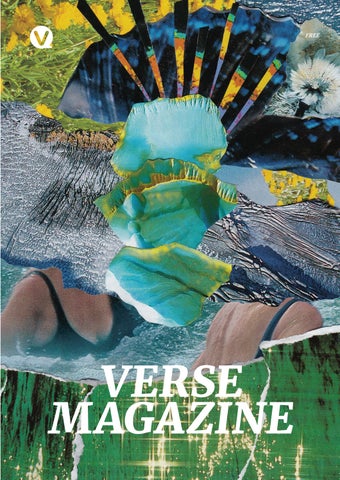
VERSE MAGAZINE

A free wellbeing event for all students.
11 am - 2 pm
City West // Tue 8 Oct
City East // Wed 9 Oct
Mawson Lakes // Tue 15 Oct
Magill // Wed 16 Oct
Whyalla // Wed 9 Oct

10 am - 3 pm
Mt Gambier // Wed 9 Oct

EDITOR'S LETTER
Edition 31 Head Editor | Annabel Bowles
Recently, a woman I had just met told me something that’s stuck with me ever since:
‘There shouldn’t be anything that you can’t have a conversation about. You can be respectful, you can be mindful, you can be tactful, and you should be allowed to talk about anything. You should also be given an answer that’s truthful. It may not have all the knowledge, but you should be given an answer.’
With that idea in mind, we called out for submissions on any topic that you think needs to be talked about more, or in a different way. More than anything, our contributors spoke about abuse, assault, and objectification of women. Some of these pieces aren’t easy to read. They can be ugly and uncomfortable conversations, but they’re so important to have. I’ll let this edition tell you why.
Then these pages will take you from Hong Kong to Delhi; two places where humanity seems to be at the core of both chaos and community. Between the words you’ll also find some of this year’s best artist features; from glassmakers to illustrators, and embroiderers to photographers.
It’s been an immense joy to put together Verse this year. On behalf of Tanner, Oliver, Geena, Ryan and myself, I would also like to say thank you; to our storytellers, artists, and to you, our readers. Verse Magazine has always been for, and about, you. We hope you’ve soaked up just as much from these pages as we have.
Head Editor Annabel Bowles | Co-Head Editor Tanner Muller | Co-Head Editor Ryan Colsey
Communications & Digital Editor Geena Ho | Graphic Designer Oliver White | Printer Newstyle Print
Design & Production Consultant Jackson Polley | Design & Production Consultant Rachael Sharman
The views expressed in this magazine are not necessarily representative of the views of USASA or the editors.
Head Editor Comms & Digital Editor
Graphic Designer
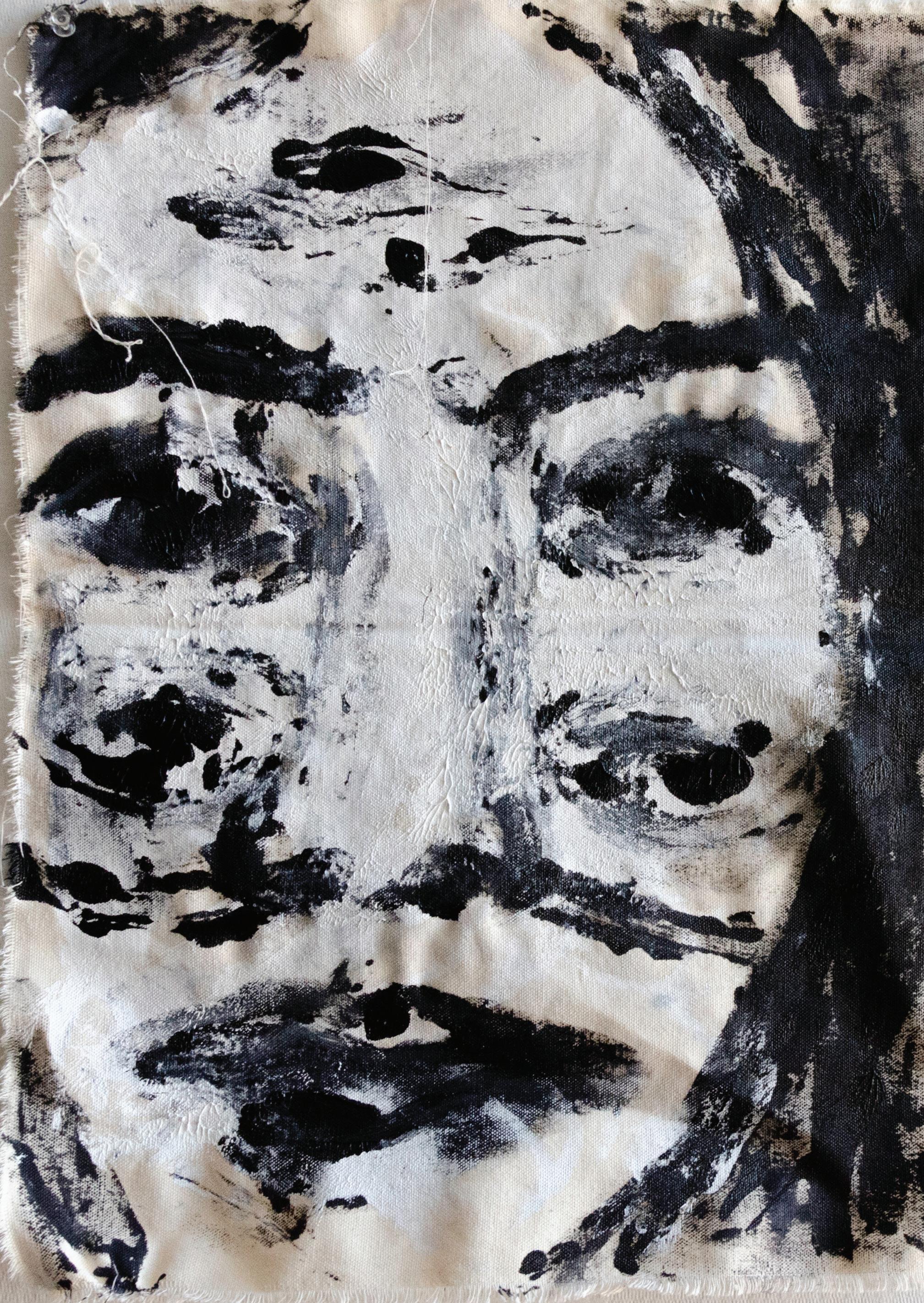
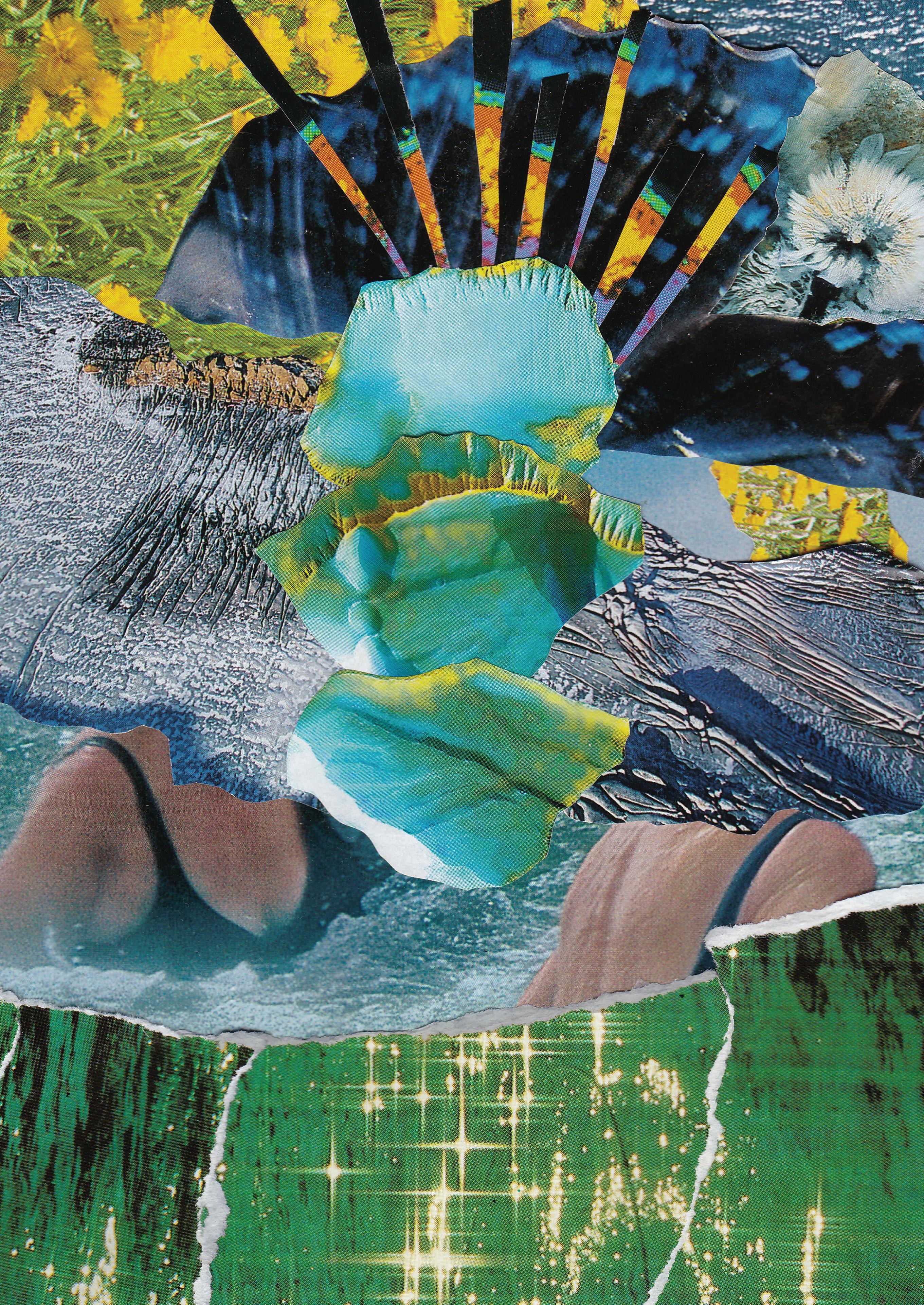
Imagine: Christina Massolino
Interview by Oliver White
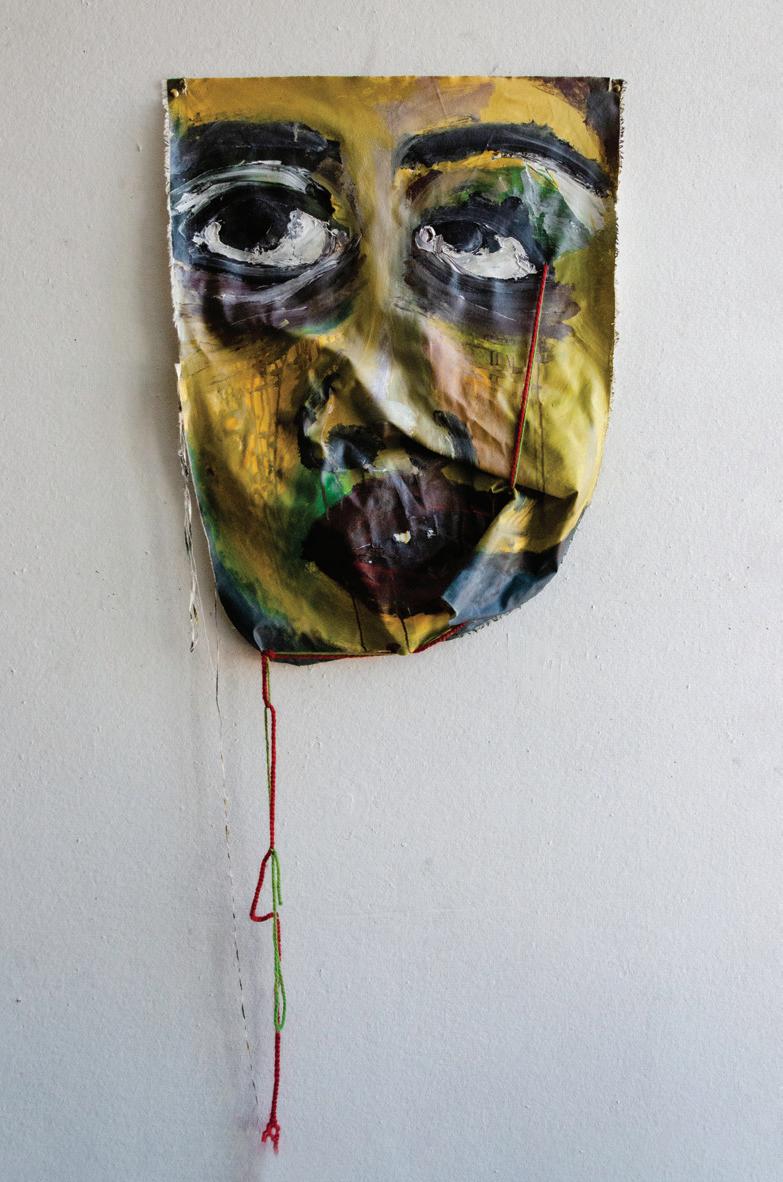
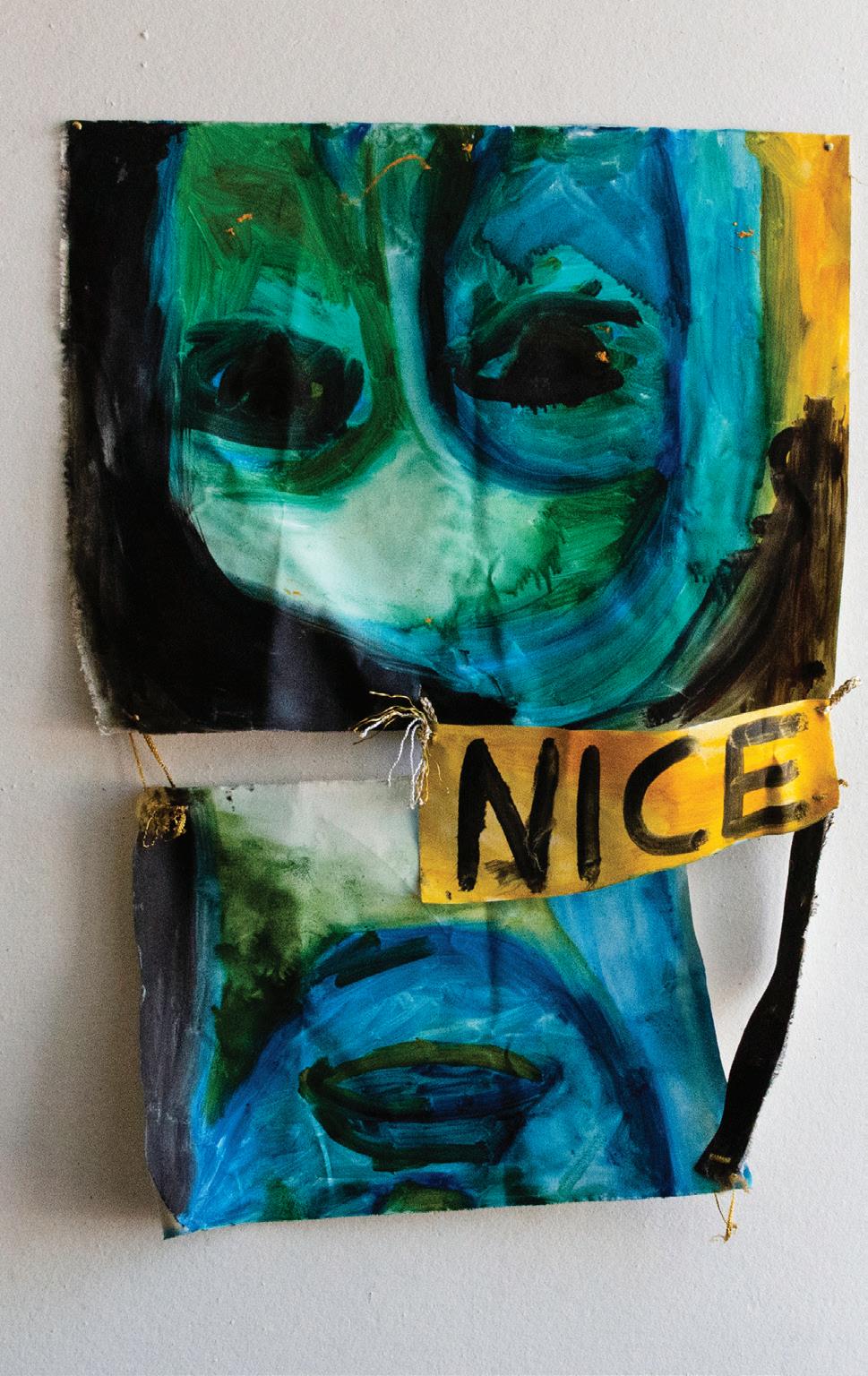
Artwork by Christina Massolino
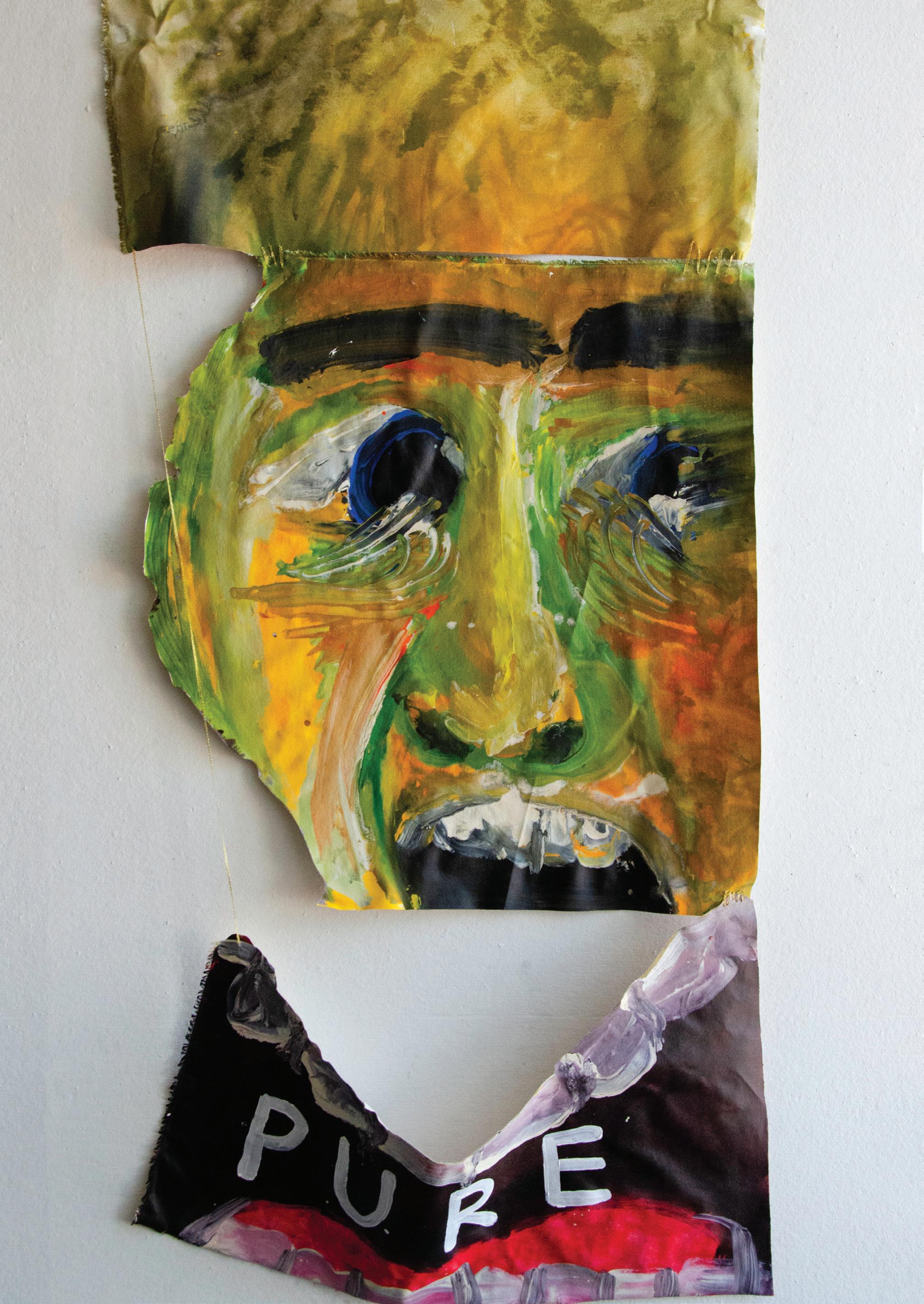
Oliver White, our graphic designer turned interviewer, sat down with third-year contemporary art student Christina Massolino for this edition’s Imagine. Alongside curating for the City of Adelaide council, she creates emotive mixed-method portraits in her disorderly home studio. Her final year has seen her explore sexual assault and its resulting impact on female and female-identifying victims.
Could you tell us a little bit about yourself and what you’re studying?
I’m currently in my third year of a Bachelor of Contemporary Art. I’m also a part of the Emerging Curators Program, which is a City of Adelaide initiative supported by Carclew*. That’s for this whole year and I‘m doing it with two other people as well, Chiranjika Grasby and Jack McBride. So at the moment I’m practicing in art and also doing a bit of curating.
What inspires the subject matter behind your paintings?
Mostly women, and the personal struggle with identity as a woman – as well as people, faces and feelings.
Is there a particular direction you’re focused in for your third year?
Yes, the final year of a Bachelor of Contemporary Art is essentially a year-long project. This year I’ve been exploring ideals of purity and impurity within women and people who identify as women. It started that way, but as the year went on I’ve focused more towards sexual assault and how those who have experienced sexual assault can feel purity and impurity. It’s a very strongly held belief in Western societies and other societies that women have to be pure, such as the concept of virginity, and I find it really interesting
(especially in my own experience) when that choice is taken away from you. Say if you were abused as a child or as a teenager, how then growing up as an adult you might feel impure because you weren’t given that choice, and because people have wronged you. But, you’re also supposed to feel pure because you didn’t make that decision yourself.
I’ve also been talking to some other people who have experienced sexual assault; getting their stories and seeing what this grey area is that we don’t really talk about much. They often reflect on how horrible they feel after being assaulted, but we don’t talk about how a lot of that has to do with feeling dirty or unclean.
My third year started very broad, but it’s now heading in the direction of exploring those themes in my painting. I do portrait painting, however, I also combine traditional painting methods with textile work and thread. Having previously undertaken an exploration of different methods in past years, I have all that experience behind me too.
What are your initial thought processes when you’re starting a new work?
Usually when I start a new work it’s come after a lot of thought and consideration. I will have an idea in my head – a feeling, an emotion, that I’ve been feeling for a couple of weeks, such as guilt or disgust – and then I will start creating that. It happens very rapidly after a long time of consideration.
What age did you begin drawing? Did you begin with drawing?
Yes, I’d say so, more so in high school. In Years 7 and 8 I began drawing more. I definitely feel as though my creative process really stems from my childhood. We had a ‘useful cupboard’ where Mum would place recycled objects and items we weren’t going to throw away, and she would say ‘If you’re bored, do something in the useful cupboard, make something!’ I feel as if that was more important to me than techniques I learnt from drawing and lessons in high school.
Do you think your decision to study an art degree was inevitable?
No, I had originally chosen to do journalism, thinking that was what I wanted to do, but I started and didn’t like it. So, art wasn’t always what I wanted to study.
How has your experience with Carclew been this year?
Working with Carlew this year doing curating has been really good, as it’s something I’ve never done before. I had a curating subject last year as part of my degree, which inspired me to pursue this route. They’ve enabled me to do so many things – curating two exhibitions, working with two other people, and finding a clearer career direction – that I wouldn’t have done otherwise.
How would you describe the perfect working studio space?
I’m a very messy person, so it’s hard when I work in my studio on Level 7 because I have to keep it clean due to it being a shared space. But my studio at home is very messy and I kind of like to work that way. A bit disorganised, but a bit of order to it. I’d love a big warehouse where I could just make massive works. I also definitely prefer to work alone. I wouldn’t be opposed to sharing but prefer to be alone.
What future endeavours are you hoping for in the coming years?
Next year, I’m hoping to get into some more curating work, and I want to work on my own artwork and see where that takes me. After that, I would like to pursue an Honours in Art and Design through UniSA. ◼
*Carclew is South Australia’s only multi-art form and cultural organisation dedicated to people under the age of 27. It supports emerging artists with workshops, events, arts projects, funding programs, and skill development opportunities.
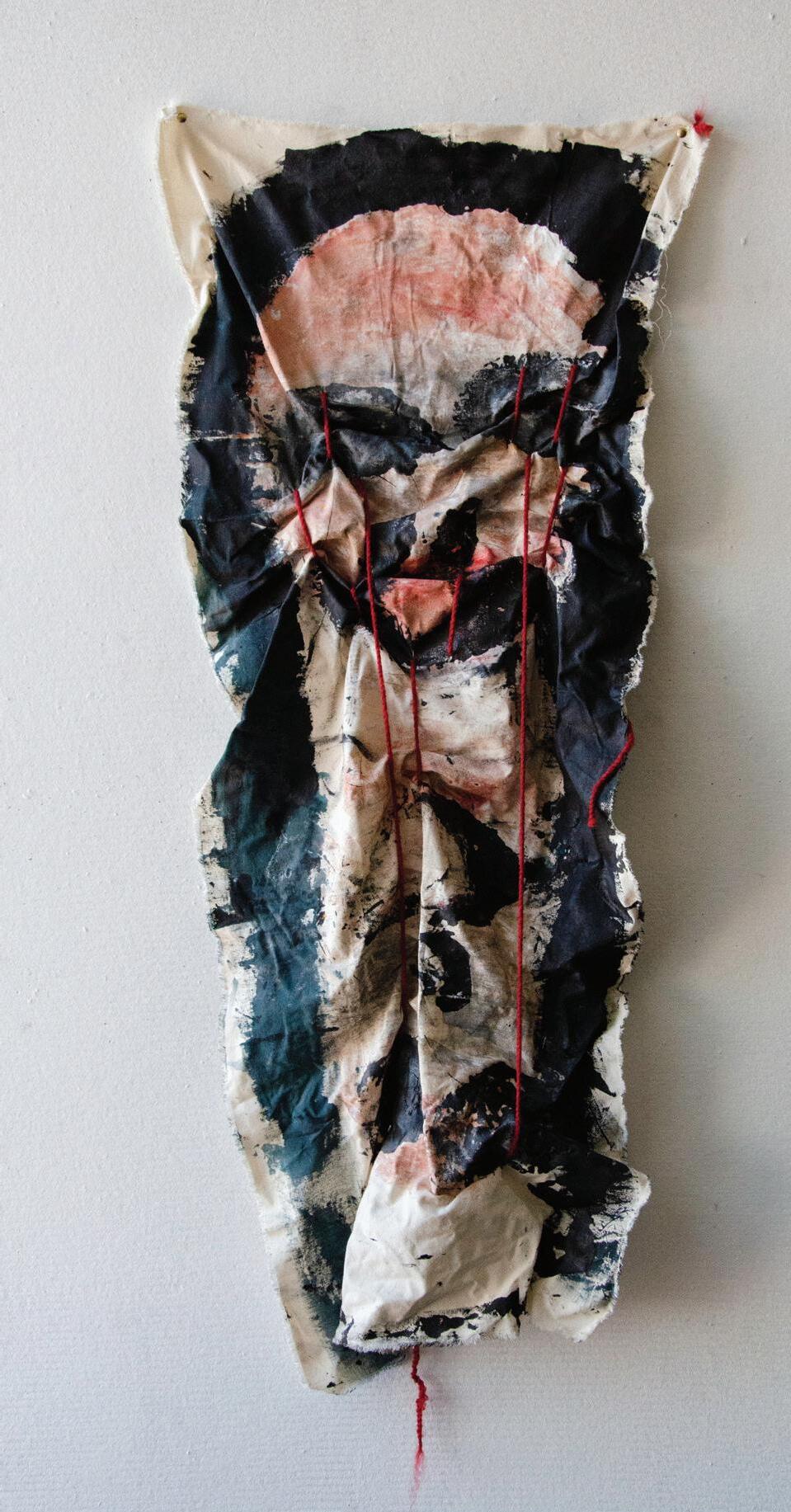
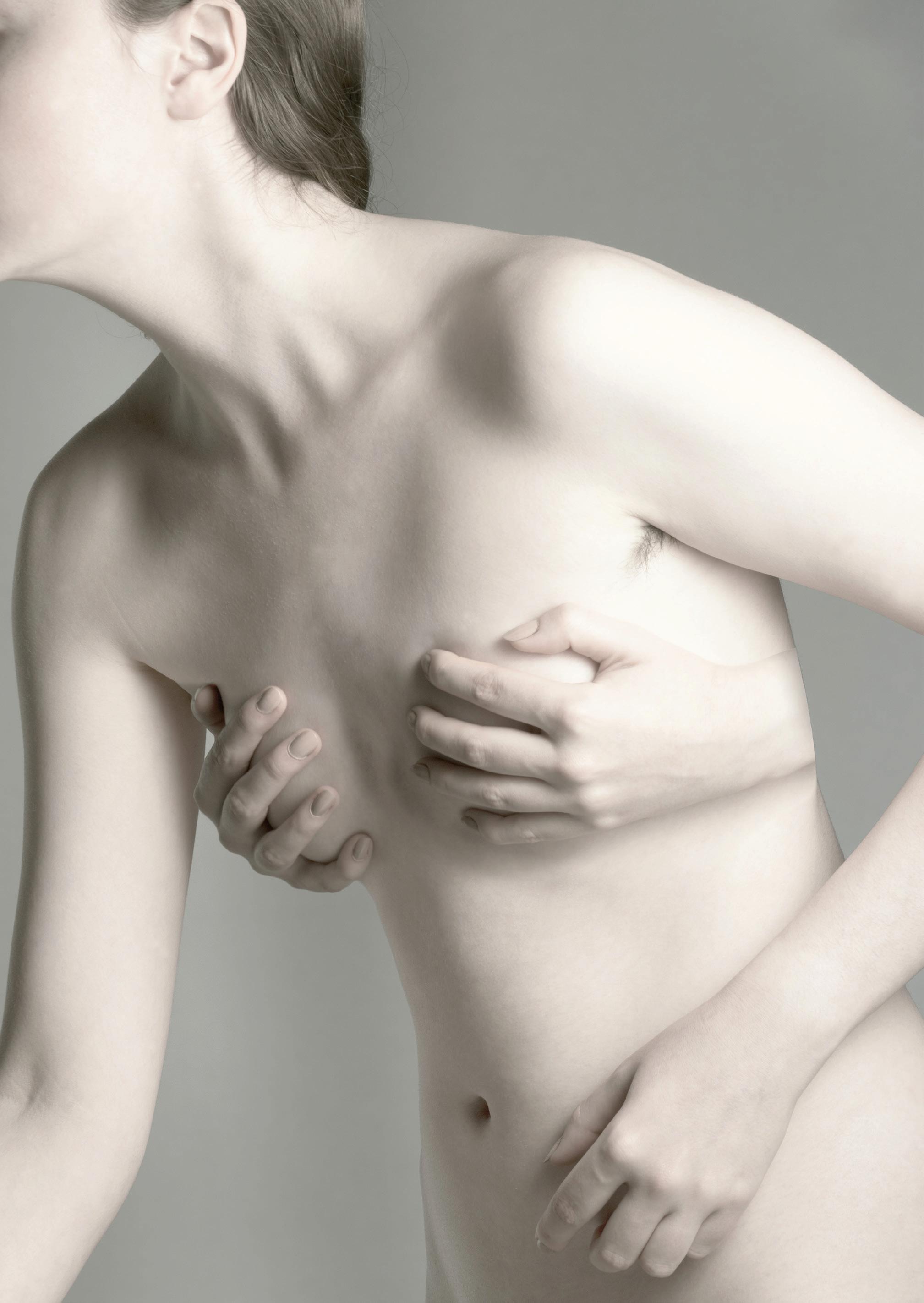
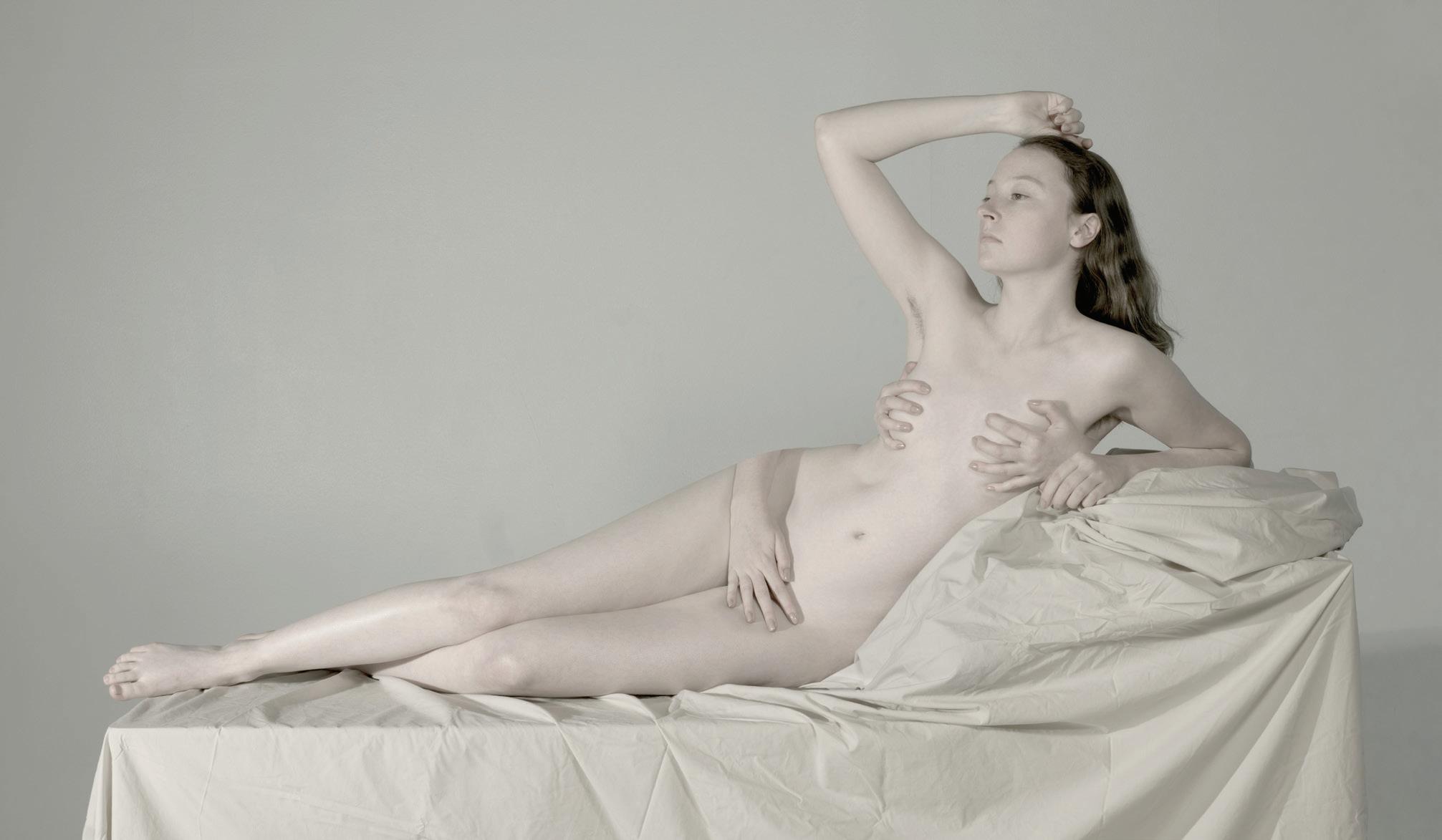
Fig Leaves
Ella-Maude Wilson
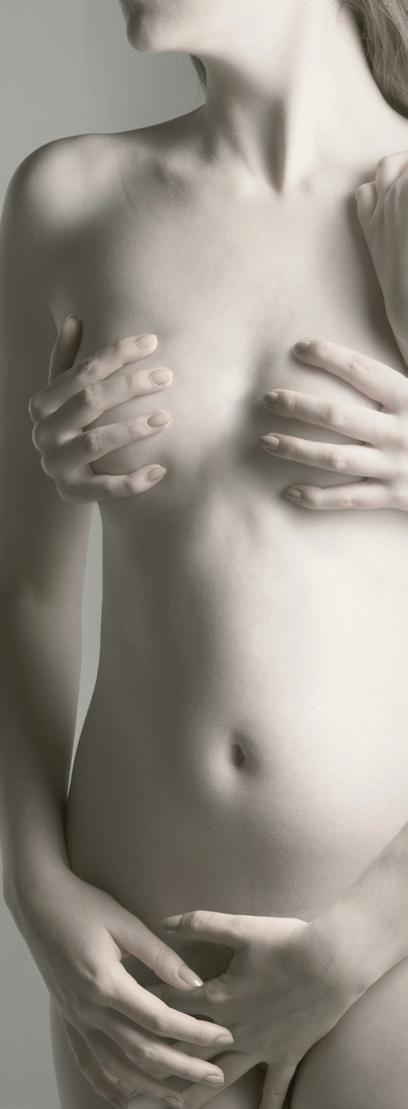
These pieces are inspired by the sculptural work in the Accademia Gallery (home of Michelangelo’s David) in Florence, Italy. When I entered the gallery, the first work I saw was Jean de Boulogne’s Rape of the Sabines, which depicts the struggles of a woman being assaulted by a man. As I walked through the Accademia, I found that the only representations of women were focused on their sexuality or gender. While we all marvelled at the perfection of David in the heart of the Gallery, it struck me how imbalanced the representations of women were to men in these classical sculptures, and how little has really changed today.
In an age of mass accessibility to data, explicit material is instantaneously accessible through our fingertips; yet what does this mean for artistic expression and visualisations of the nude form in the online realm? As the variety of pictorial representations of the nude changes, at what point does photography stop being art and start becoming self-documentation? Is there a place for photographic nudity in contemporary society that isn’t within the pornographic or sexting scope? Or will our dutiful modesty simply adorn fig leaves to genitalia in the hopes of attaining perceivably innocuous art?
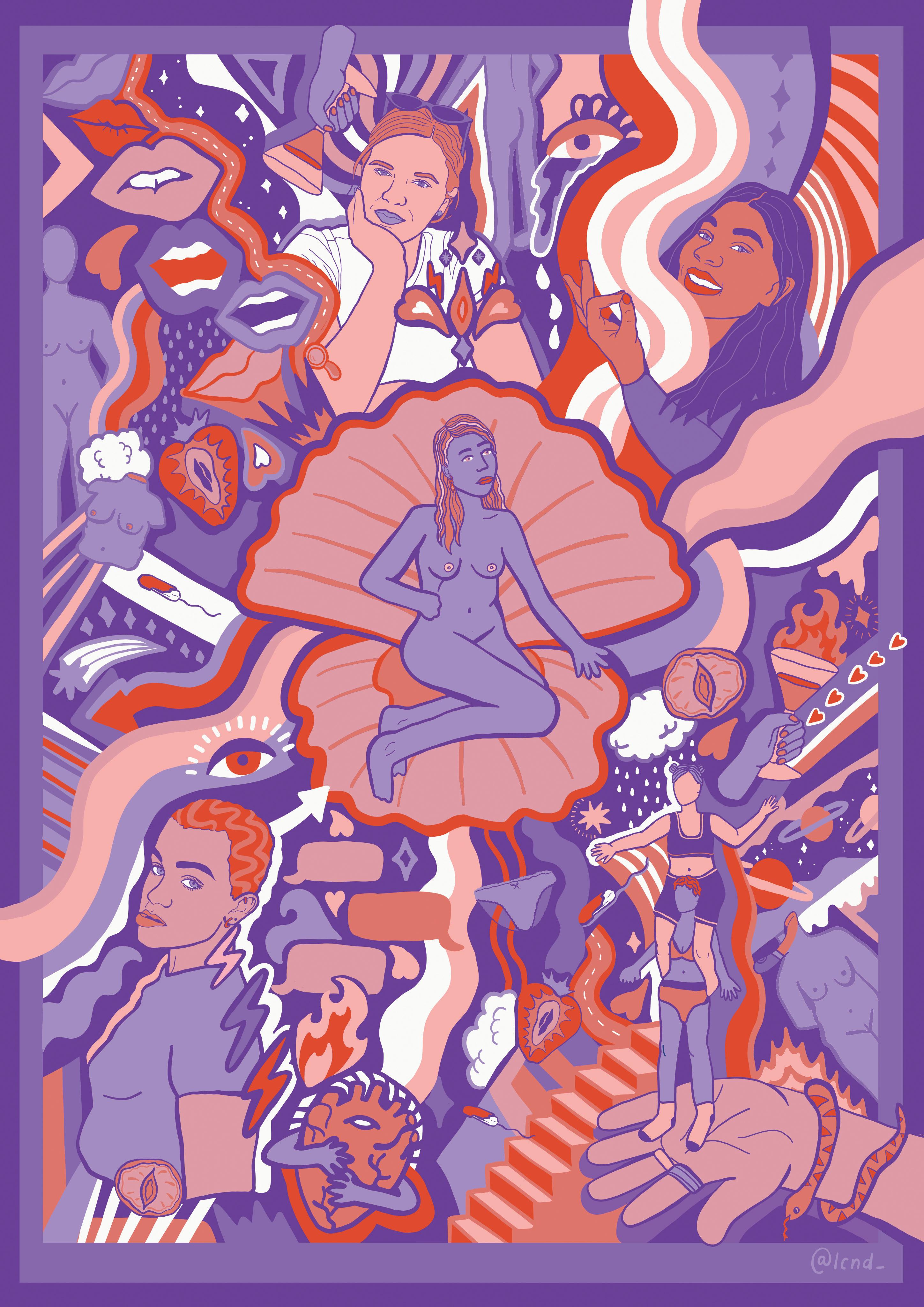
The Quest to Cum
Words by Jemah Finn
Illustrations by Lucinda Penn
I*Warning: this is a true story containing explicit language on sexual assault and rape.
want you to come a journey with me. Nope, I’m not trying to ‘find myself’. Nor am I heading on the trip of a lifetime. I am on a quest. A quest to cum.
That’s right, I’m sharing my journey to orgasm with the world. Why? Because this journey is so much more than a desire to feel good in the bedroom. I’m reclaiming the power that was taken from me when I was sexually assaulted four years ago.
I was just shy of 19 when a ‘friend’ tore away my innocence. In an act I repeatedly said ‘no’ to, he penetrated me with his penis and said 'It’s already in. You may as well let me finish.’ His dick did not give me the pleasure he thought it would, but I don’t think that bothered him anyway. That night, his force and his words took many things from me; confidence, trust, and the ability to find pleasure in sex. I was left with only a brave face to mask the crippling shame and confusion.
For those reasons, I didn’t acknowledge my assault until this year, four years after it happened. A lack of visibility on these issues lead me to suppress the damage it caused. I always believed it wasn’t assault if I agreed to leave the party with him. It couldn’t have been rape if my vagina tingled with satisfaction. I may have said no with my mouth, but my wet pussy was screaming yes.
The circumstances of the first and last time I was close to orgasming are the primary reason why, at 23-years-old, I have barely felt any genital arousal since. And yes, my assault was the closest I have ever been to an orgasm. Weird, right? Don’t worry, I’ve heard it all before. It’s not rape if you like it.
I’ve tried different people. I’ve tried different locations. I’ve also tried myself. But nope, no toe-curling, body-convulsing, scream-inducing pleasure. I’ve even had a man stop mid-thrust and belt out the drum solo to Phil Collins’ In the Air Tonight on my thighs before continuing to penetrate me to the beat … but still, astoundingly, no orgasm.
Throughout all these trials and tribulations, I started to think it was me. I must have been doing something wrong. Still not acknowledging my assault and the impact it had on me, I listened to misguided voices telling me it wasn’t normal to dislike sex. I assumed I was asexual or gay or that my vagina was simply broken. The pressure and desire to orgasm only made me drier than the Sahara Desert and pushed the all-glorious orgasm even further out of reach.
I’m fed up. I just want to feel what you see in the movies; that moment of relinquishing pleasure, where the girl throws her head back and bites her lip in utter indulgence.
Now, I’m on a mission to make it happen.
The journey began, as all journeys do, with searching the depths of the internet. I googled the shit out of broken vaginas. I watched howto videos on orgasms, and my browser history resembled that of a teenage boy who had just discovered porn.
Eventually, I found a Ted Talk that linked shame to pleasure, explaining how it can be hard to feel good if your brain feels any sense of embarrassment. A few more articles soon surfaced, and sure enough, they filled the missing gaps. One told of how the body must be
The first time was when I was just 13 and I was pressured into many sexual acts by someone. Then they got angry at me when I stopped them from having sex with me, just as they were about to
I was then 15 and my boyfriend was 19 and I said no ... and then I felt defeated and just let it happen every other time
When I did manage to find some sort of pleasure in the situation, I felt ashamed and guilty and sick. I felt like my body betrayed me by enjoying some of it.
relaxed to orgasm, which it cannot do if your subconscious is preoccupied. Another article explained that an orgasm is a learned response, like a dog sitting for a treat. Then I found a video discussing the shame women often feel after being assaulted, and their struggle to admit they’d been through a traumatic experience.
This puzzle was putting itself together before my eyes, and after some time, it all made sense. I eventually admitted to myself that I had been assaulted. Because I felt some pleasure at the time, I’d always neglected to recognise it was assault. But it wasn’t my fault. I didn’t want any of it. I now continue to remind myself of the research: genital arousal is a learned response, and never a form of consent.
I was also left wondering how the sticky link between shame and pleasure wasn’t talked about more. Why were there seemingly so little resources for girls like me to access, leaving us (well, me anyway) feeling like I was just overthinking it all? But, according to a 2016-17 Australian Bureau of Statistics report, one in three women experience sexual assault. I couldn’t believe I had to search long and hard for information on something so prevalent.
All of the research on sexual assault also repeated that the perpetrator is most often someone known to the victim. My ‘friend’ was not just being a boy. He was a rapist.
I refuse to feel guilty and ashamed now that I see the event for what it really was. Being unable to orgasm doesn’t mean I’m fucked up. I’m not damaged goods, and I won’t settle for a mediocre sex life. I’m taking back the power of my mind, body and vagina.
Reclaiming this power begins with having conversations. This year I stopped viewing my history as shameful and dirty and began to speak out about my experience. The more I did,

I love him and I know he wants me. But at the same time I’m not enjoying it and he knows that, so it makes him not enjoy it either.
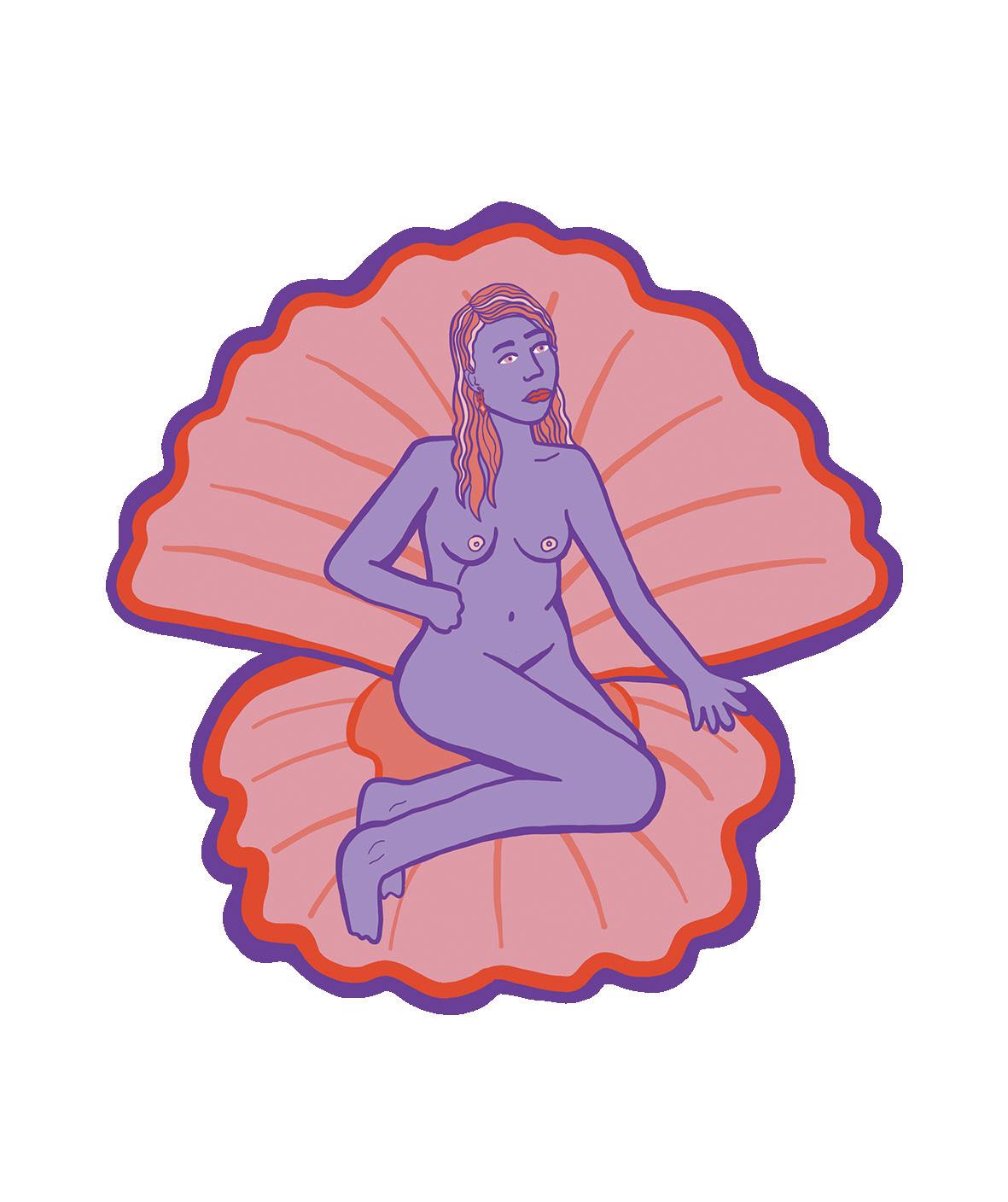
As a man I had no idea that this could be an impact of sexual assault. I can not begin to imagine what it is like for a woman to go through such a traumatic experience and have it imprint on her body long afterwards.
the more I realised just how often shame gets in the way of pleasure (even if someone hasn’t been assaulted). Countless girls have messaged me with similar stories, and the outcome has been astounding. For so long, I thought I was alone. But we’re not alone.
I will continue to be a loud voice in this quiet conversation, in the hope that girls like me may not have to carry their shame for years on end. Female sexual pleasure isn’t gross or embarrassing, in fact it’s the opposite. All of it – vaginas, orgasms, masturbation – is fucking beautiful. If I had the courage to say this sooner, I may have been much further in my journey to orgasming.
Since my assault, I’ve slept with people I care about in safe environments, and it used to shock me that I could never cum. I was attracted to these people, they were doing all the right things. Everything else was working just fine, so why wasn’t my pussy cooperating? But even though my brain might not have been focused on my traumatic past, my vagina sure was. My clit still identifies feelings of pleasure as feelings of harm. In a subconscious act of selfprotection, my body puts up imaginary walls and cuts off any feeling of arousal from vaginal stimulation. All because of the pain my assaulter once inflicted on me, and the challenges of emotionally processing the assault.
But, I’m tired of the foreplay, and I’m close to combusting. This girl needs to orgasm. The pleasure at the end of the tunnel is still some distance away, but every conversation brings it closer.
With any luck, the next piece I write will be a how-to guide for orgasming. In the meantime, have the conversation with your loved ones and be conscious of your actions.
Happy orgasms to all, Jemah xx
*The text bubbles contain real messages Jemah received from people who have had similar experiences, or who wanted to respond to her story.
Crimson love
Words by Zoe Kassiotis
the glitter on my face from a drunken day of dancing glimmers in trust as I welcome him in to my sacred home where others only made lust look above my loving bed and you’ll find littered clues of me the tales of my mystic mind: books, unfinished poems, crawling ivy, fallen leaves, day-old tea of some kind and a light that turns from jade to sapphire and ruby red inside my belly ruby glows too not even the crimson tide can part the sea of us for I am a woman now more than ever and he wants me now more than ever stargazing he groans into the maroon towel that declares itself a sheet under my naked bones damp with his sweat, my blood and the pink milk of our love his aquamarine gaze wraps around me like a satin glove I am a river and he is the waves into each other we crash and flow for he knows when I’m bleeding to take me slow one body and two breathless heartbeats tangled beneath the sheets he pours himself into me and a bloody question sneaks is that love swimming in my soft tummy?
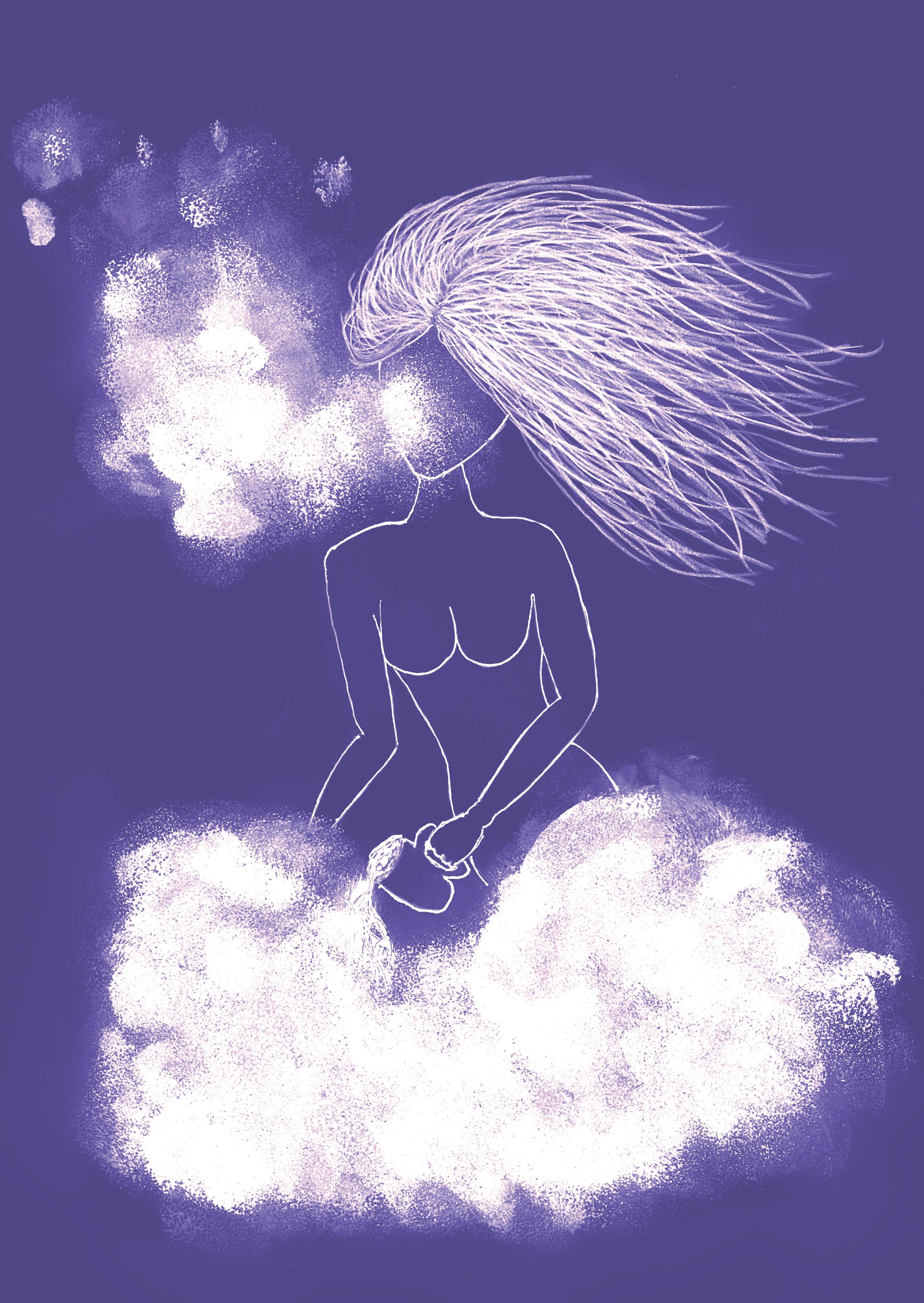
A woman’s mark
Words by Stephanie Montatore
Illustration by Tiana Belperio
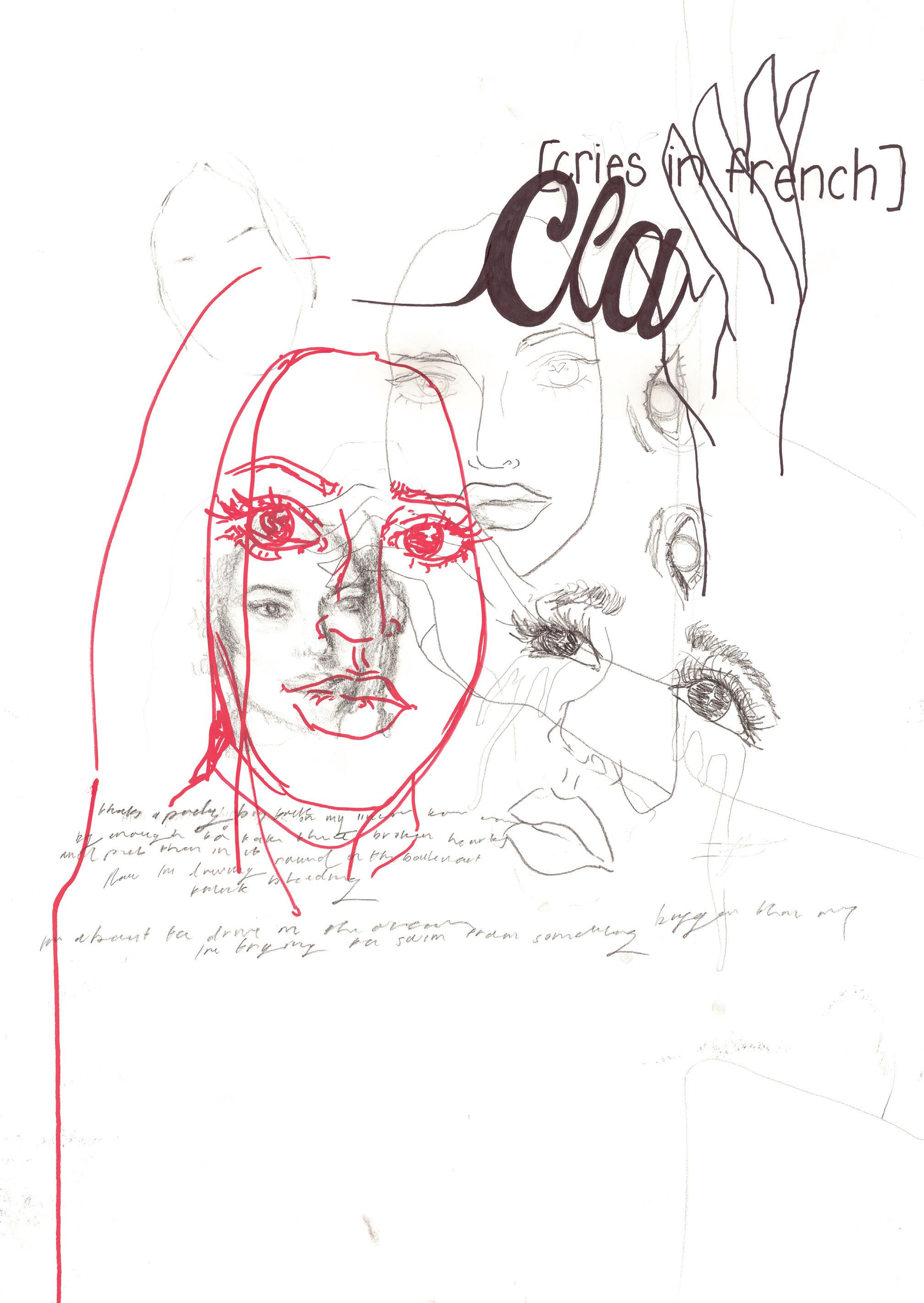
When you see a woman’s lipstick marked on her glass, know that it sinks deeper than the superficial sheen she wears so proudly.
For in a world which so often shames the boldness she was built to exude, the kisses she bares should remind you that her voice is here to stay.
Songs to CELEBRATE ABORIGINAL ARTISTS
Listen to the playlist through our Spotify!
2019 is the International Year of Indigenous Languages. In Australia, there are an estimated 250 Aboriginal and Torres Strait Islander languages, but only about 120 are still spoken. Of these languages, around 90 per cent are endangered.
This playlist celebrates Australian Aboriginal artists, both passed and living, and their preservation of language, stories and culture through music.
Words and photography by Annabel Bowles
Drmngnow,
Electric
Emily
A.B.
Thelma
Birdz,
CAFETERIA
Words by Kate Newman
Illustration by Pippin Ellis
The morning sun beams down on the sterile white floors. Tired students scatter themselves across hard benches and tables, engrossed in morning coffees and Facebook feeds. Everyone is conscious of the steady echo of the space. It amplifies every scuff of sneakers against tile, every patter upon a keyboard, every crunch of breakfast wrappers.
The girl across from me opens her paper bag painfully slow, almost making the sound worse. There’s a slurp of coffee, a suppressed cough, the quiet hum of fridges, and too-loud cafe music.
Humans are creatures of noise, I notice. We’re always making sound, even in some small way, constantly. And in a space like this, where the smallest sounds amplify, everyone turns stiff. They’re sitting too still, moving too carefully.
There’s an unspoken rule to all cafeterias. One that is completely arbitrary in that you have to break the rule eventually, but it holds true all the same. The rule is as follows: Sit at least one seat away, and never directly across from anyone you don’t know, until all ‘appropriate’ seats are taken.
Just now a student hesitates at the threshold of the seating area. There are vacant seats everywhere, and yet the place is at capacity; he has to break the rule. He searches for the best option. Scanning eyes roam over tired students. He settles next to a girl scrolling through her feed, carefully resting his backpack down.
It’s different during the lunch time rush, there’s no space for the rule to exist. Groups of friends crowd around tables, busy students rush to grab their coffees and head to their next class. The long cafe lines twist around packed tables. And just like the rule, those small noises don’t exist here anymore. The suppressed coughs, crunching wrappers, scuffing sneakers and pattering keyboards are drowned out.
Instead the space is filled with obnoxious laughter over inside jokes and weekend shenanigans. There’s games of table tennis and pool, and moaning over assignment stress.
I try to find peace in the noise, drown it out to find other details. I notice no two people are the same here. Different ethnicities, religions, and backgrounds eat together. Some are dressed in suits, while others look just as comfortable in gym gear. Some students relax in jeans and t-shirts while others wear coordinated skirts and sundresses.
We share things though, the little signifiers of our own culture. Whether it's the branded sneakers or the ever-present smartphones. We share the way we plop down our backpacks first before we sit, leaning forward as the straps slide off our shoulders, eager to take the weight off.
We share the way we avoid eye contact across the room. As if we're not all just people, here for the same reason. ◼
WHAT IT ALL COMES DOWN TO
Words by Poppy Fitzpatrick
My commute to Magill takes almost one and a half hours each way – a three-hour round trip. Three years, six semesters, three hours, twice a week. That’s approximately 432 hours (or 18 days) spent with my arse squished against the driver’s seat of my car.
I would like to say I spent this portion of my life wisely, but for the most part, it was occupied by: laughing shamelessly at My Dad Wrote a Porno while stopped at traffic lights; discussing the evening’s dinner menu with my mum on speaker phone; finding short-lived inspiration through TED Talks (see: How to Tame Your Wandering Mind and other things that I Will Never Do); and enduring abominable pop hits on commercial radio (I will drive my car into said Castle on said Hill).
But of course, in between such futile attempts at distraction, everyone knows that long drives are the perfect place to think yourself into oblivion. The theme of this year’s obsessive thought pattern has been fixated on a scary reality I’ve been forced to acknowledge: graduation. Because, once you’ve thrown that overpriced square headpiece into the air and people ask, ‘What are you up to these days?’ you’re suddenly unable to rely on the default answer of ‘studying’. What the heck will I do with that parchment? What even is a ‘career’? How do I pick one? I don’t even know what I want for lunch.
The once comfortable, coddling arms of your tutors will push you out into a world of uncertainty, overwhelming choice and ultimately, unemployment.
By now it must seem that my view of the future is somewhat pessimistic. This outlook is strongly encouraged by a number of world issues; rapidly increasing greenhouse gases, microplastics, ongoing armed conflicts, large areas of burning forests, raids on journalists, et cetera.
But recently, upon the thousandth revisit of my personal inadequacies and fear of the post-graduation abyss, I heard a voice. As I stared vacantly at the grey sky looming above the southern expressway, still unable to come to any decisions regarding my life’s path, a slight break in the cloud cover allowed a tiny ray of sunshine to caress my pasty white forearm.
I'm broke but I'm happy True.
I'm poor but I'm kind I like to think so.
The clouds continued to separate as I edged my window down. A cool breeze swept away the stuffy air inside my car and sent a wave of goosebumps over my skin. I turned the little grey knob clockwise.
... I’m young and I’m underpaid
I’m tired but I’m working, yeah
The bloke in a car to my right seemed to be tapping his steering wheel to the same beat. Was he hearing this too? His lips moved to summarise the exact sentiment of my final university semester:
I'm lost but I'm hopeful, baby.
Although I’d like to boast that this spiritual experience was delivered personally by the hand of God – and that the tradie sitting in the overtaking lane understood me on a strangely intimate level – we may have to acknowledge the power of the crackling radio in my purple Fiesta, a long-overdue hit of vitamin D, and the lyrical genius of our beloved Alanis Morissette. Because, folks, that beautiful bitch is right: What it all boils down to, is that no one’s really got it figured out just yet.
‘Cause I’ve got one hand in my pocket, and the other one’s holding a whopper of a HECS debt.
But who the heck cares?
‘Cause everything’s gonna be fine, fine, fine. ◼
Interview: Shalina Furtado
Interview by Annabel Bowles
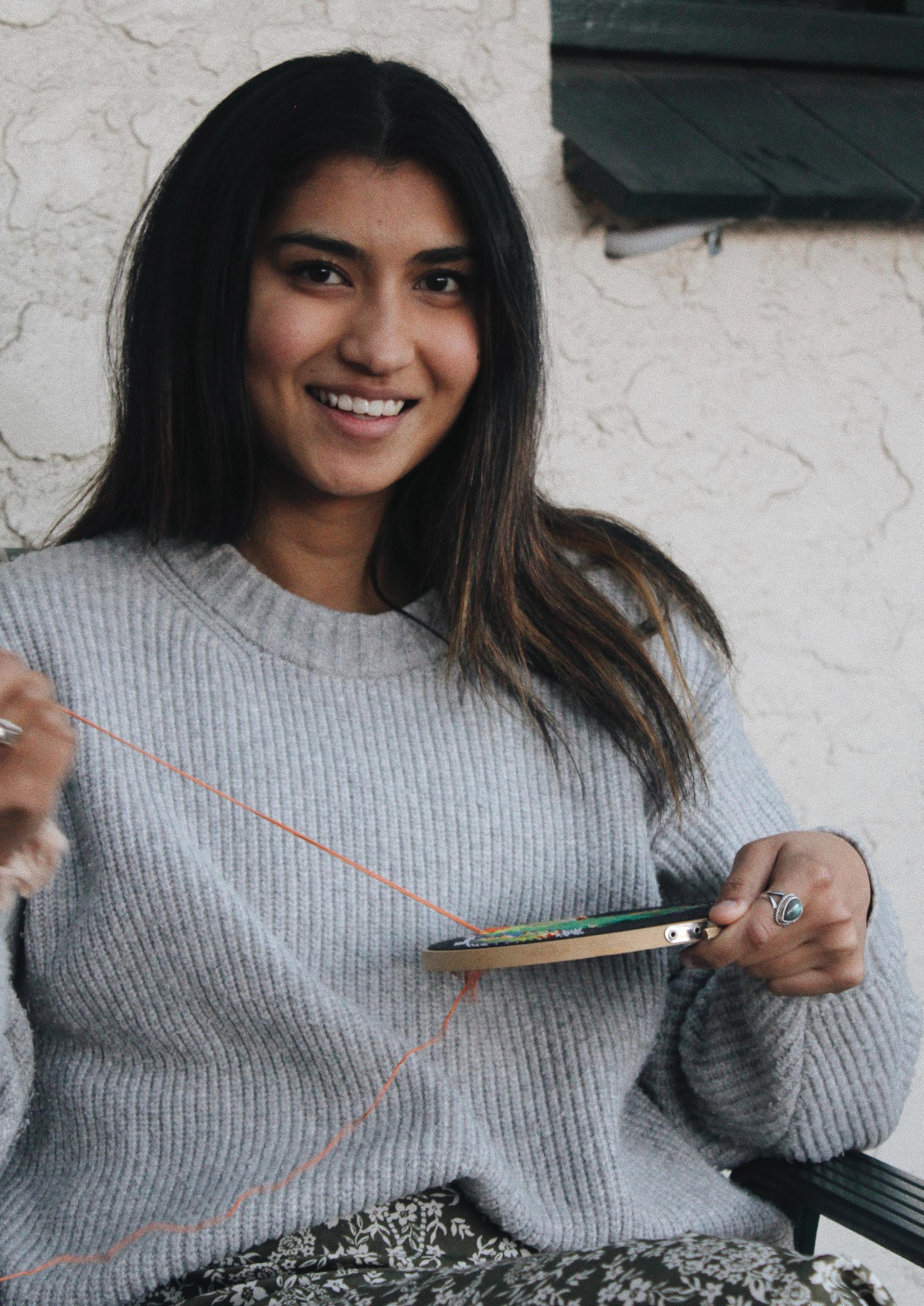
Rather than Verse’s traditional graduate Interview, Annabel Bowles chatted to someone who’s found their calling without that piece of parchment. In fact, embroidery unexpectedly came to Shalina Furtado on a Spotlight trip with her mum; now four years later, it’s knitted into her busy life as a third-year clinical exercise physiology student.
When did you first start stitching?
I started just after Year 12, so about four years ago now. At Spotlight one day I saw a hoop and all this fabric and said to mum ‘What’s this?’ and she’s like ‘Oh you can stitch stuff’, so I was like ‘Whatever, I’ll try it.’ The first thing I made was this really dodgy hoop of plants, but I liked it. It was therapeutic.
Have you always been interested in art?
Yeah, but when I was in Year 11 and 12 I didn’t really know what I wanted to do at uni. I thought I wanted to do graphic design or something to do with art, because I used to really like doing watercolour portraiture – like realism more than anything. I’ve always liked painting.
At what point did embroidery turn from a hobby into a side-gig?
Well I did media in my first year of uni, but stopped because it wasn’t really for me. Then I had a semester off and started sewing a bit more. I sold a few earrings and there were bits and pieces between now and then, but this year it took off after someone I hadn’t met asked me for a commissioned shirt. I’m now taking it a bit more seriously, not to make money but to motivate me to make more things.
What do you love about stitching?
It’s really therapeutic for me, and to be honest, I haven’t painted or drawn since I started embroidering. I don’t really know why. I think there’s more you can do with stitching, and I’m actually not very creative in the sense that I can’t really think of my own designs. When I was painting and drawing all I would do was look at a photo and paint it, as it was. But I can do more with embroidery; like hoops, clothes and bags, as well as make earrings.
What do you normally like to stitch?
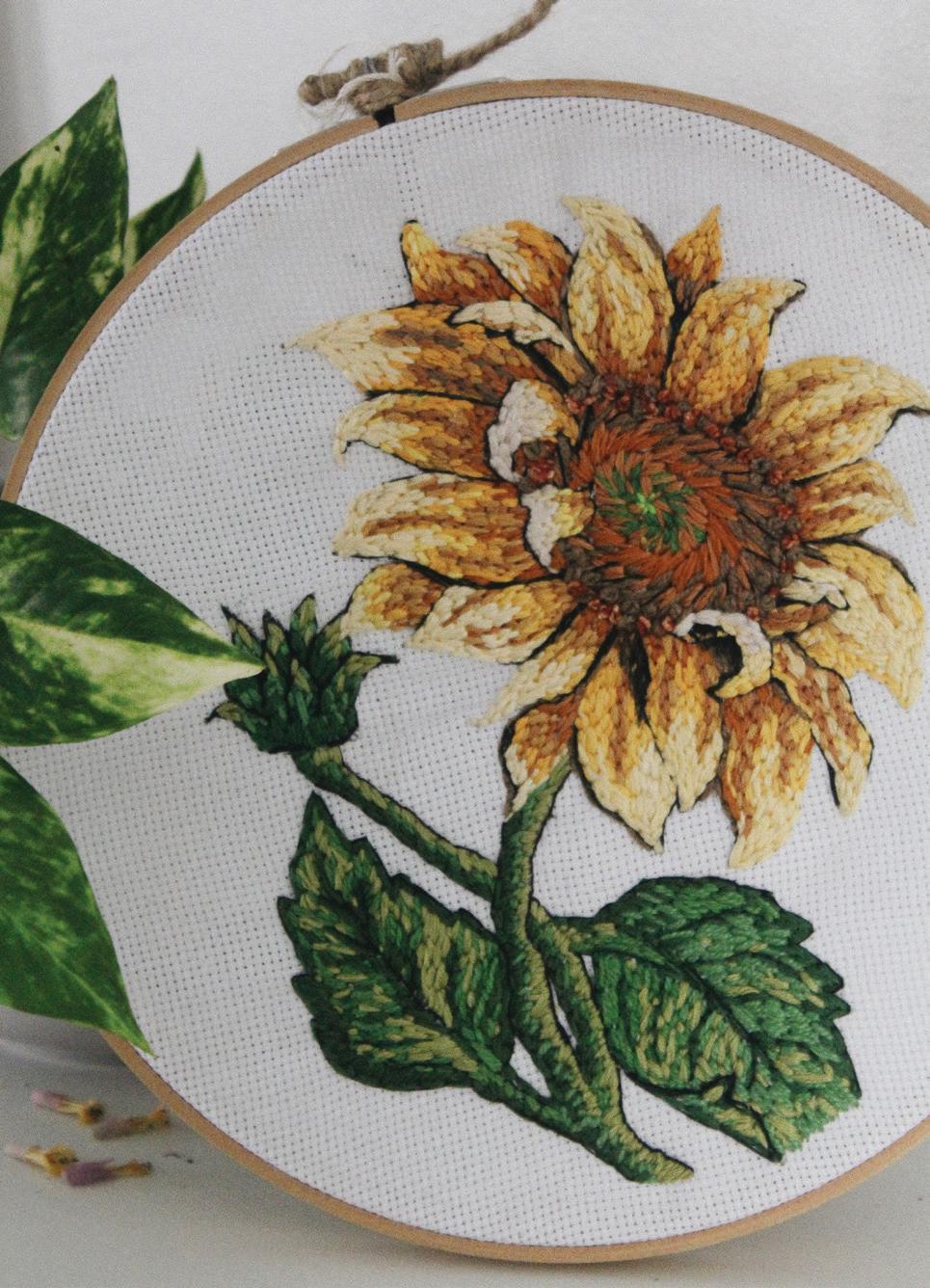
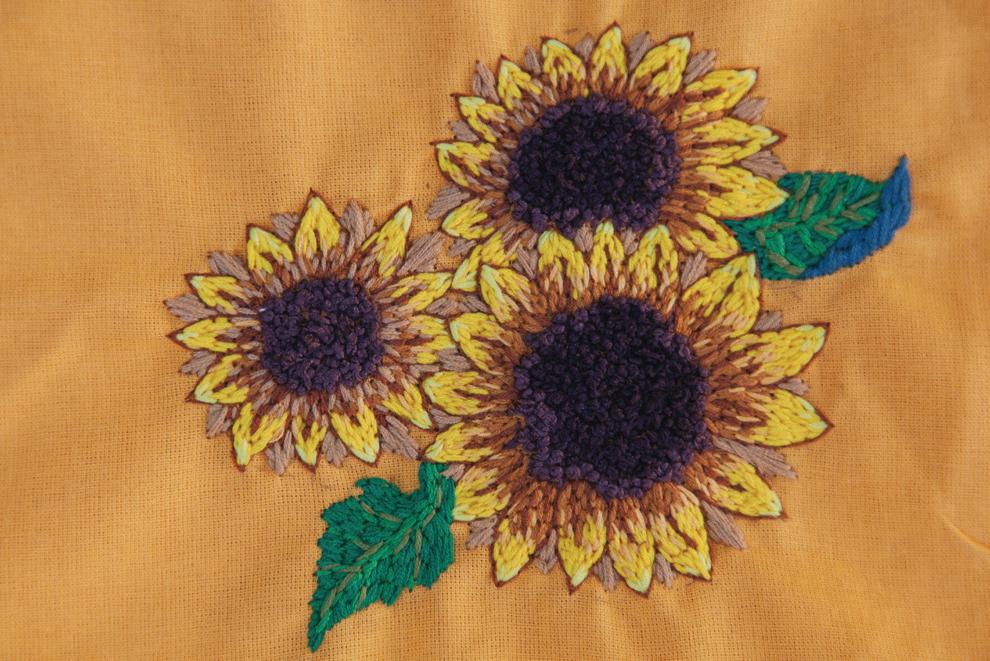
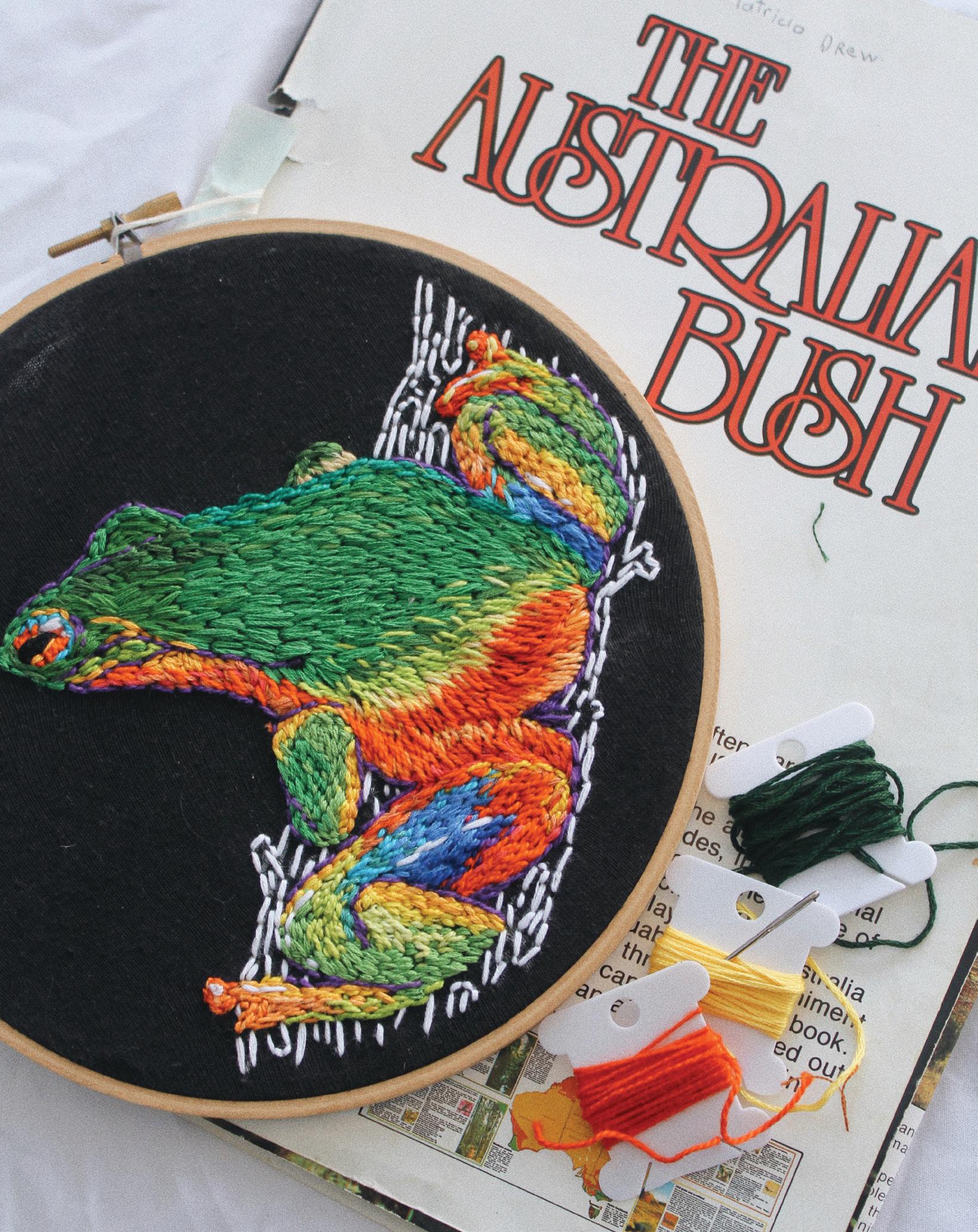
I do a lot of animals and nature, but I try not to do the same thing all the time; like I always just want to do a snake or a tiger. I try not to do too many floral embroideries too, because there’s just hundreds and hundreds of those on Pinterest. But it’s usually animals, nature, and lately, plants; the perfect thing for those who can’t keep their real plants alive, like me.
Is it quite refreshing to do something completely different to your studies?
Yeah it’s good, because I didn’t want to lose that creative side I had from school, and I’m glad I’ve continued with it throughout uni. After a full day at uni (and if I’ve done all my uni work) I’ll come home and just relax by doing some embroidery. I can be doing it for three or four hours and the time will just fly; and it feels more productive than just watching a series or something, although sometimes I’ll watch a series while I’m embroidering. The other day I was watching The Handmaid’s Tale while I was stitching and I felt like I was Serena Joy – it can seem pretty domestic sometimes.
Shalina Furtado
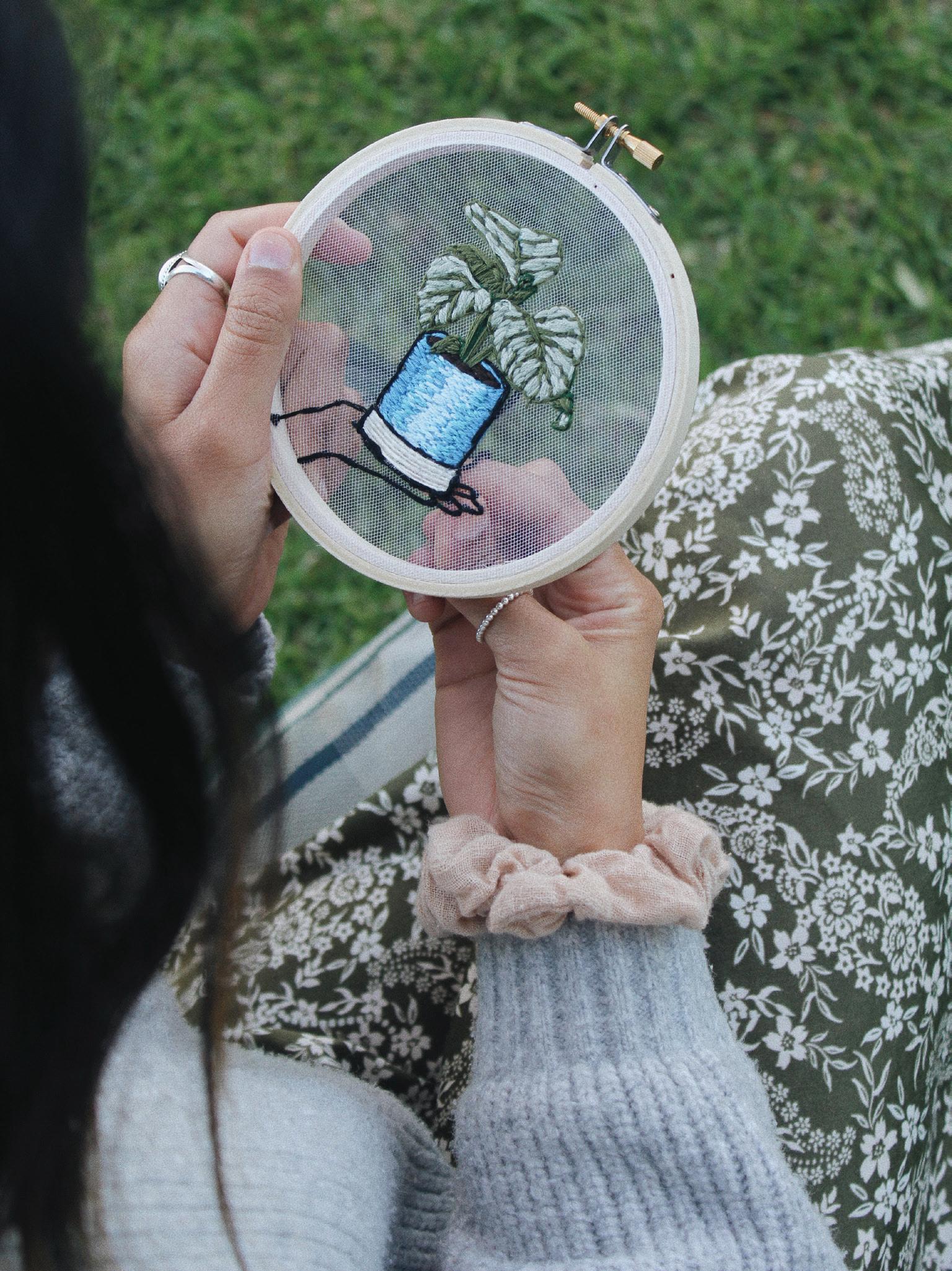
What kind of clothes do you like to embroider on? Hopefully nothing like the handmaid’s robes …
I really like op shopping and I always find second-hand things to embroider on, mostly shirts. A while ago I bought these hot pink pants and thought they would be so cool to use, but at the moment they’re just folded away – they’re pretty obnoxious. So if you know anyone that needs some festival pants, let me know. I can’t really be bothered with hyped-up festival outfits; I always just end up wearing the same thing.
Oh me too! And my clothes are so worn out, can I start sending them to you to fix?
I’m actually like a really bad stitcher in general, like if I had a hole in something, I wouldn’t know what to do. I wouldn’t do a proper nice neat sew, I’d just do whatever. I have a sewing machine but I’ve never learnt to use it properly. I actually only know two stitching techniques, normal stitching and French knots. But I don’t really think you need to know a lot, it’s more about the blending.
Well you’re obviously quite talented if you’re featuring in RAW. Can you tell us about that?
It’s a showcase of all different independent artists; musicians, make-up artists, painters, photographers, and other people who make handmade things. It’s a one-night exhibition/ market in the beginning of November. One of my friends who’s a photographer got asked to do it last year, but he said no because you have to sell 20 tickets, and he didn’t think he knew that many people who would go. I was like ‘Hmm I don’t know if I can either,’ but I’m giving it a go. My boyfriend’s really excited about it at least. ◼
RAW is on November 1st at Burnside Ballroom, 6.30pm. For more details go to rawartists.com/ restitched, or check out Shalina’s work at @_restitched
Humans of UniSA: Edition 31
Everyone has a story. A defining moment of their existence that makes them the person they are today. For Humans of UniSA, we delve into the depths of human nature and speak with some students to discover a slice of their personal history.
Frances Cohen
Bachelor of Contemporary Art
and photography by Tanner Muller
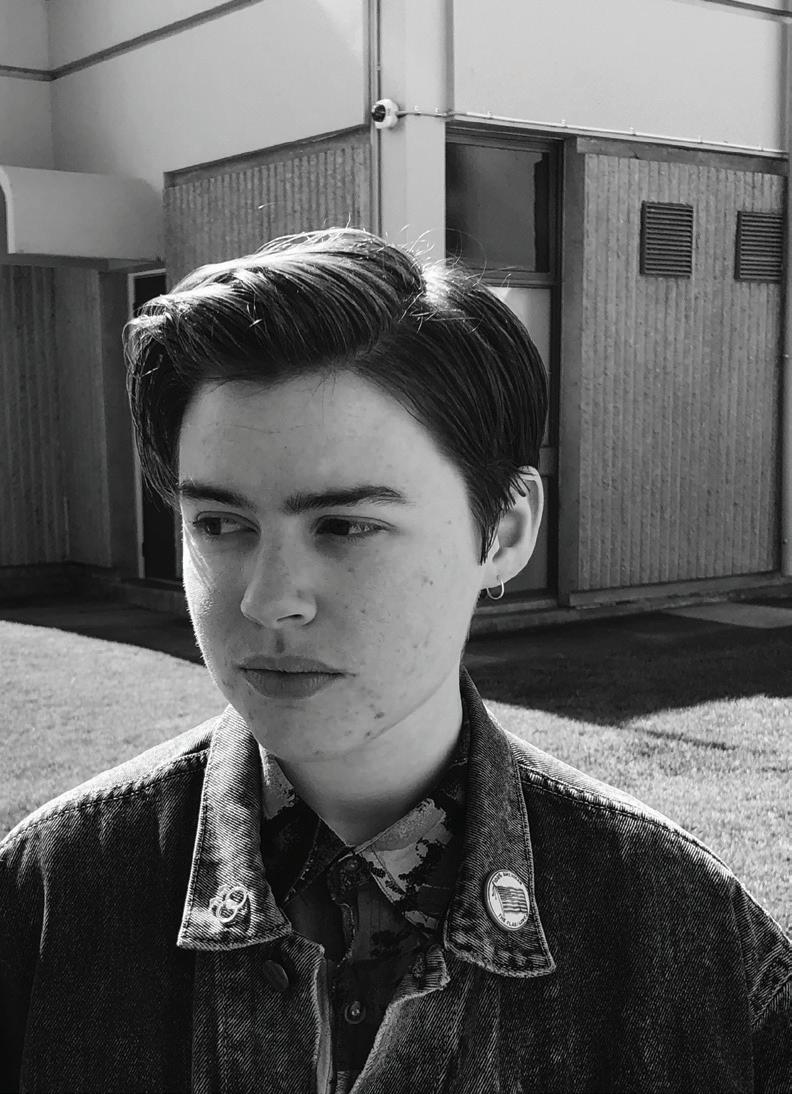
I find that it’s easier to project a message through my art when the face has been concealed. Sometimes I’ll have other components that are a bit obscured too, but overall I tend to bring the attention away from a person’s identity. This aspect wasn’t something I was necessarily conscious of initially. It just started to naturally happen. There’s a lot of subtleties and nods to transgenderism in my work. I actually created a piece recently that depicted this muscular body, with the words ‘she/her’ beside it. I really try to highlight that no matter how you identify, or present yourself, people should be accepting of that. These sorts of bodies actually exist, and no one should make you feel ashamed of who you are. For me, the best way to communicate ideas is to not immediately hit someone in the face with it. You have to be more delicate and allow them to figure it out for themselves. I guess that’s how I’ve been able to make my own work more accessible. Funnily enough, this sort of relates to how I came out to some of the closest people in my life. I never actually admitted anything to them. Over time, I just eased everyone into who I was.
Art has become a way of cultivating my own feelings and opinions on the world. It’s become an outlet for me to process something that might be bubbling under the surface. The subtle detailing in my work plays into this a lot, because I might write something controversial across my artwork when I feel as though something needs to be said, or I’ll rip the edges of the paper when I’m feeling angry. It’s the closest thing I have to a journal.
Frances is the cover artist of our last magazine, the Sex Edition (#30)
Interview
Ben Dawson
Master of Business Administration
Interview and photography by Geena Ho
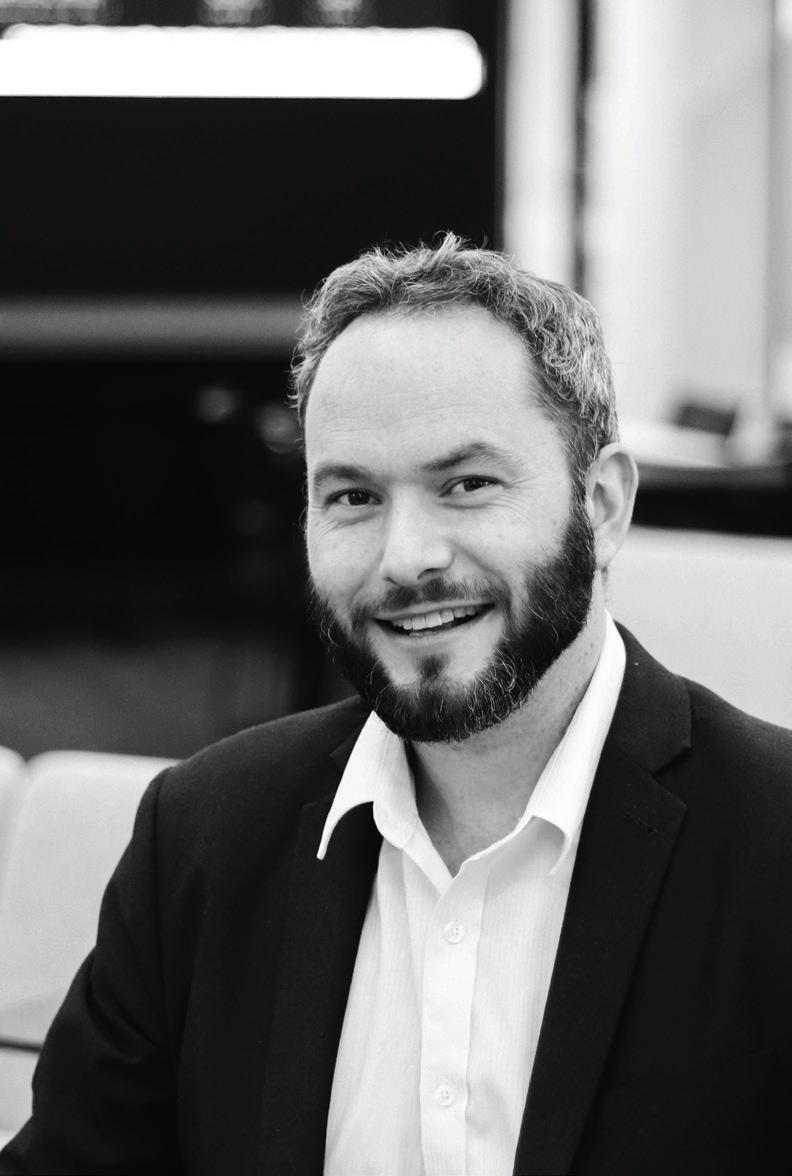
I’ve always had an affinity with animals, but I didn’t want to be a vet. Fortunately for me, an opportunity came up in commercial operations at the RSPCA, and that’s where I’m at now. On average, every year, about 10,000 animals go through the shelter. My main role is making sure we can fund that.
Both my grandfathers were notorious for rescuing animals. My paternal grandfather had pigeons, dogs, and cats. My maternal grandfather was probably even worse with pigs, ducks and sheep, plus all the other normal animals. My sales and business side certainly came from him because he’d always be haggling on prices. But he also had that care for animals, so I think that’s where the worlds collided for him.
Growing up, I loved dogs and cats. We had both – budgies as well. Our first pet was a little black cat called Sammy that nobody seemed to want. My grandfather took him in and my mother had an affinity with him. When she moved out of home, Sammy became sad and stopped eating, so my grandfather said ‘You have to take him.’ Mum then took him in and I was born not long after. Sammy lived for about twenty years.
My other half is really passionate about animals as well. That’s sort of how we met – at an animal event through my work. We’ve now got three rescue cats and a dog, which our kids have grown up with. There’s also a little rescue farm not far from where we live and we often go down there to visit the goats, horses, pigs, chickens and cats. So our children have sort of picked up on the animal responsibility and compassion as well. At wildlife parks little kids are usually scared of emus, kangaroos and other things, but my little boy is happy for them to walk right up to him (of course with close parental supervision!) I think, from that aspect, he’s definitely got that ‘wildlife warrior’ in him.
Shamsiya Mohammadi
Bachelor of Laws (Honours), Bachelor of Journalism and Professional Writing
Interview by Ryan Colsey
Photography by Annabel Bowles
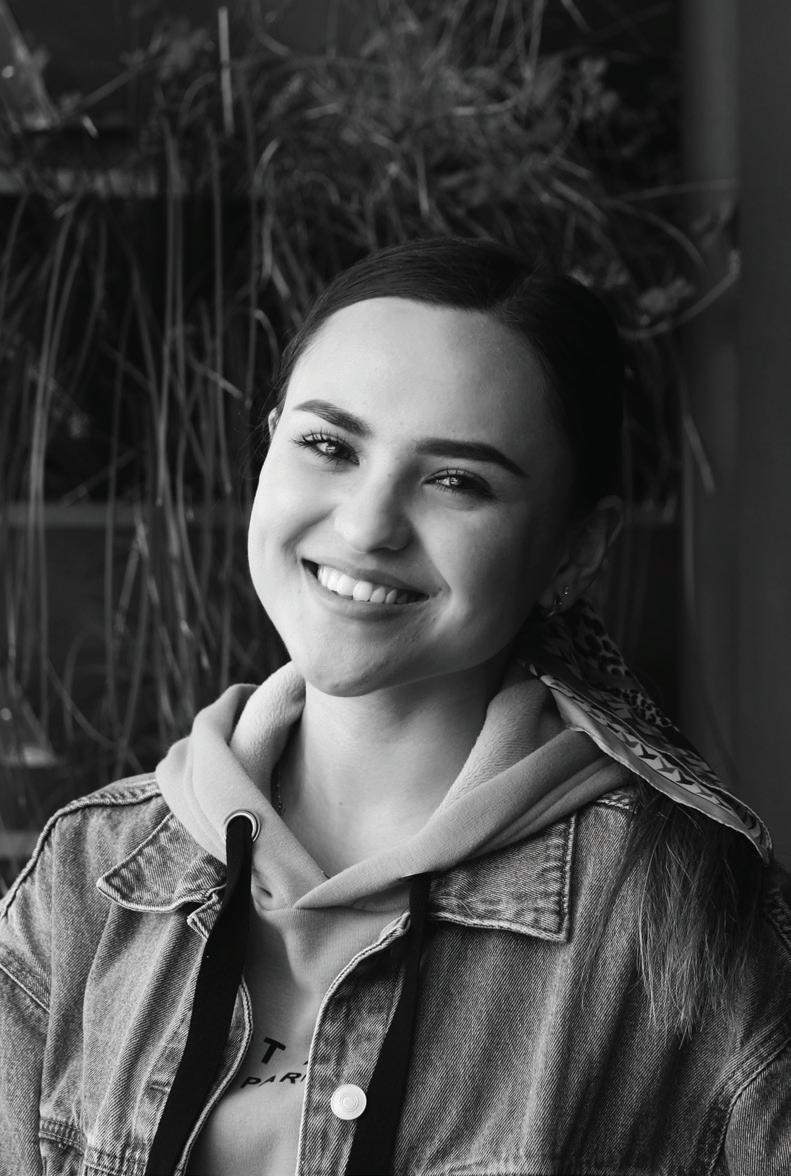
I'm Shamsiya Mohammadi, I’m 22 and I came to Australia as an Afghan refugee at the age of nine. Due to war, my family initially moved to Pakistan, however we still weren’t safe there because we come from a persecuted ethnic minority in both countries. When I arrived here I didn’t know any English. Settling in a new country and culture is difficult on its own, and on top of that, a language barrier is one of the most difficult things. Over time, there’s been a growth in the amount of services available for migrants and people of non-English speaking backgrounds compared to a decade ago, which is great to see. However, there’s still a long way to go in terms of policy-making and adopting an inclusive culture across all platforms.
The migration and refugee discourse is inherently complex but at its core, it comes down to one simple fact: no one chooses where they’re born, what political system or era they were born in, or the faith they were born into. We don’t get to choose any of that. Some of us get lucky, but unfortunately some of us don’t. The only way to tackle the issue on a human level is to move away from ideologies of fear, and towards the idea of unity. There is more that unites us than what divides us. At the end of the day, to lead good lives for ourselves and pave the way for the generations after us, we all need to and deserve to be safe.
What led me into studying law and journalism is the lack of diversity and representation. There are lower numbers of women in both fields and in particular, women of colour. I grew up hardly seeing any Afghan women reading the news, or appearing on TV in general. Media and the law are some of the most influential platforms, and in order for all voices to be heard, it’s important that our media and our laws are representative of the diversity in our nation.
Home
Words and photography by Lok
Hong Kong is full of buildings, traffic, food and people. It’s a densely populated city with over seven million people on a small peninsula. I was born and raised there, and although I came to Australia in 2013, Hong Kong is of utmost importance to me. There is no other place like it.
Although it’s one of the busiest cities in the world, Hong Kong is full of compassion and humanity. We may be ‘physically’ close in the city’s crowded streets, but we’re also connected in care and support for each other – even if we’re not all originally from Hong Kong, or no longer live there.
In English, the word ‘neighbour’ applies only to people who live near you. But the word ‘neighbour’ (gai fong) in Cantonese applies to everyone you see on the street, and I mean anyone, from the security to the lady at the fish market. My mom loves to bake and often offers some of her homemade bread to the guards. She sometimes carries a few extra sweets in case she bumps into someone she knows on the street. It’s so easy to have a conversation with the vendors in the market; you feel like they’re part of your family, and you even know some of their family secrets.
Other people may have three meals a day, but in Hong Kong, we have six – breakfast, morning tea, lunch, afternoon tea, dinner and late-night food (as well as street food 24/7). Food is paramount, no matter your lifestyle. Fusing cuisines from different cultures and making them our own is Hong Kong’s special forte (pineapple buns and milk tea FTW). All meals are placed in the middle of the group you’re sharing it with, and food is forced into one another’s bowls, even if you don’t want it. Food is the source of love and hate, especially in families. The bill at the end is always a cause of ‘polite’ conflict, in which the loser may cut off the rest of the family and refuse to eat with them again. I’m not joking; it’s all out of love.
Such is the simple and humble everyday lives of Hong Kongers. At the end of the day, our only desire is to live the most ordinary life in its fullest – work to raise our families, and come home to food and time with loved ones.
Hong Kong will always have a special place in my heart. Please don’t take this special place from us before its expiry date.
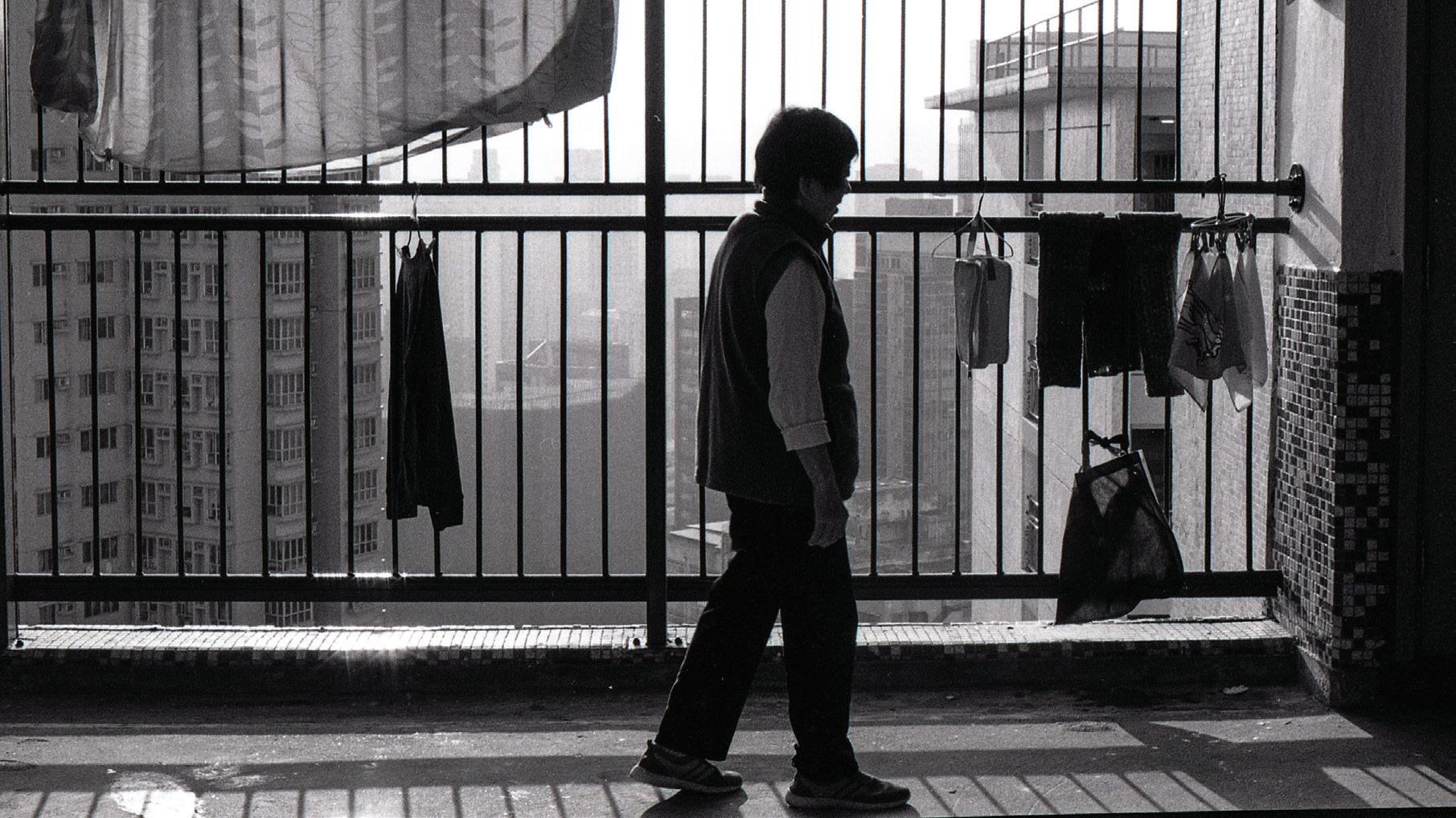
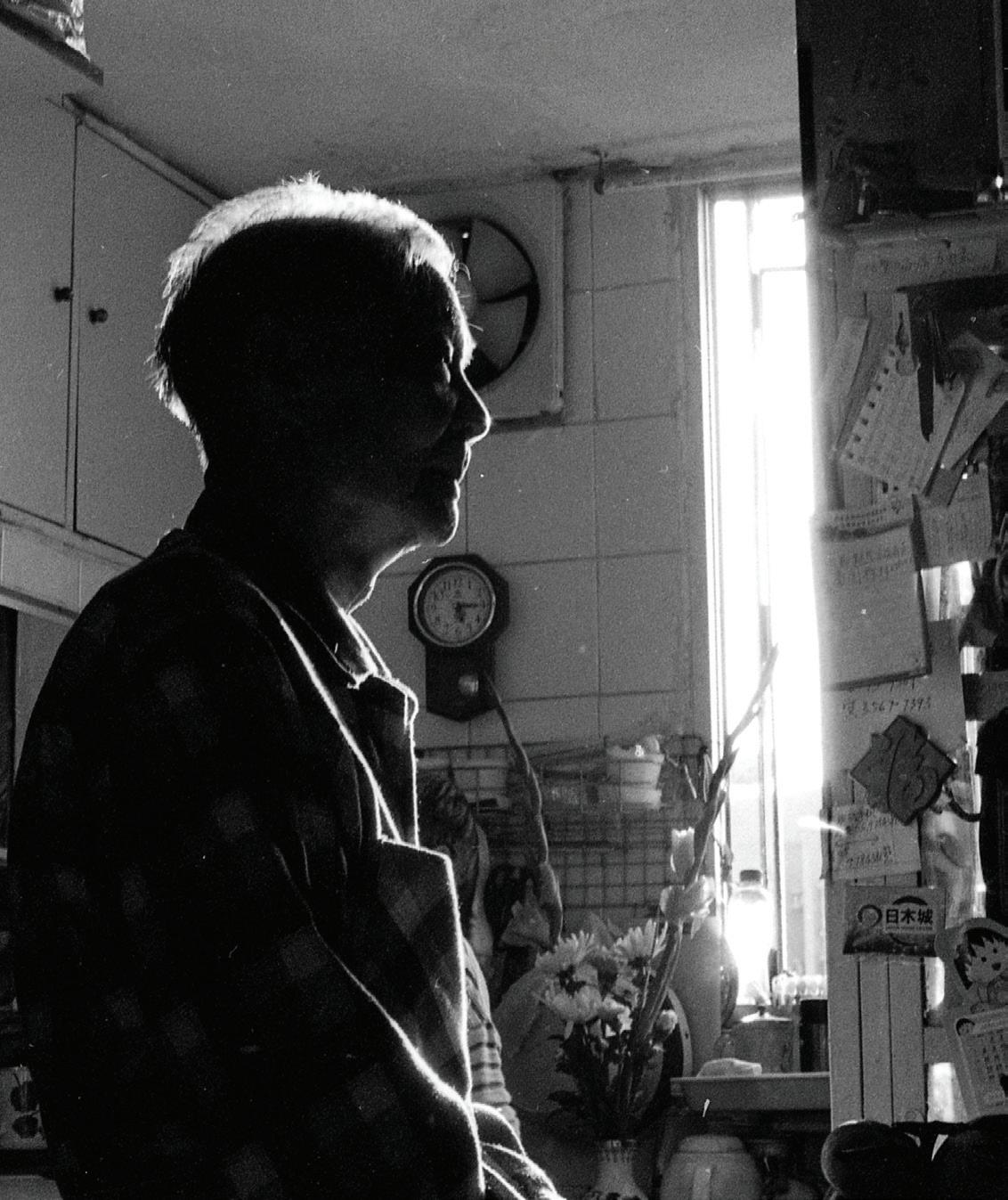
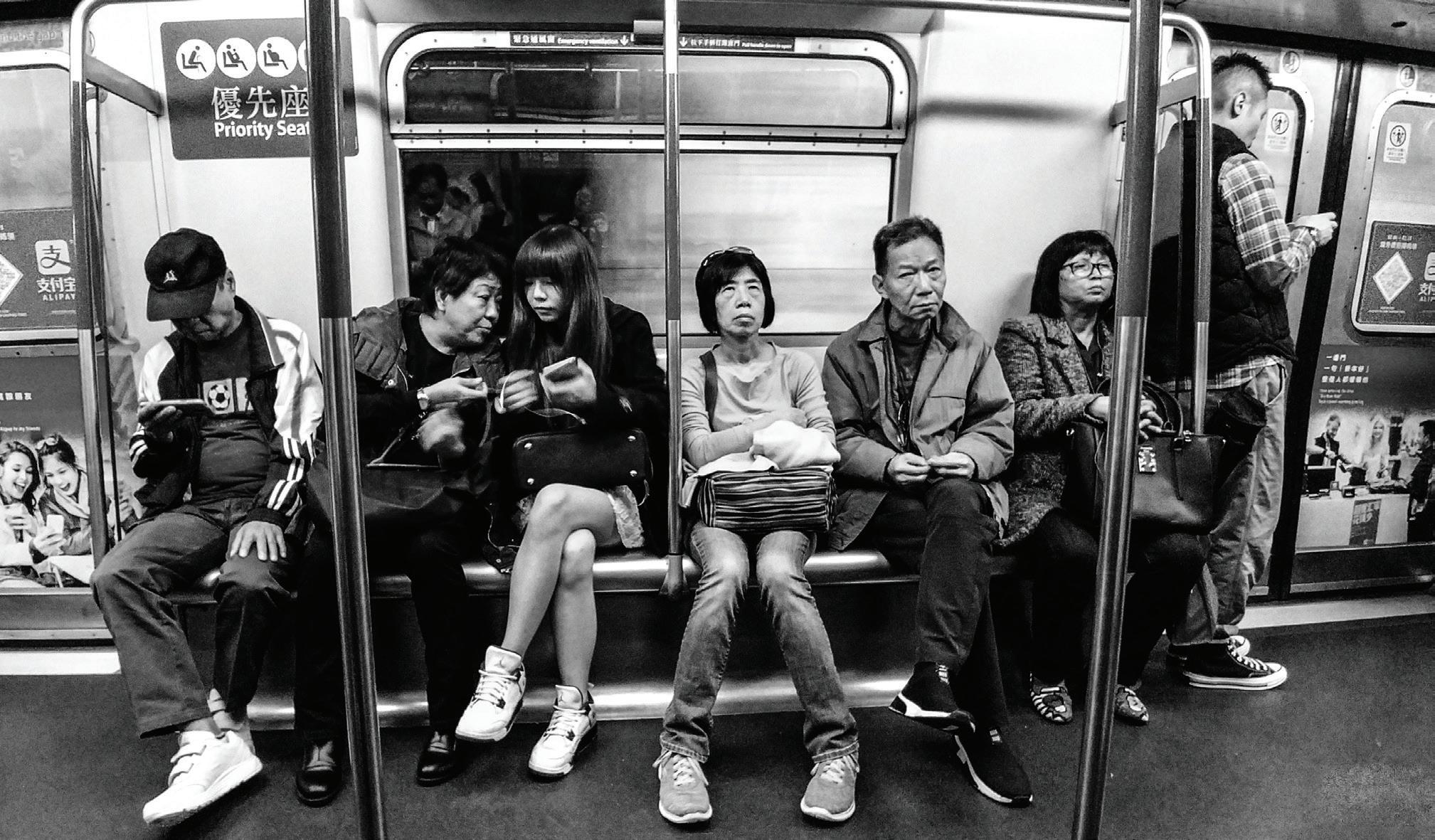
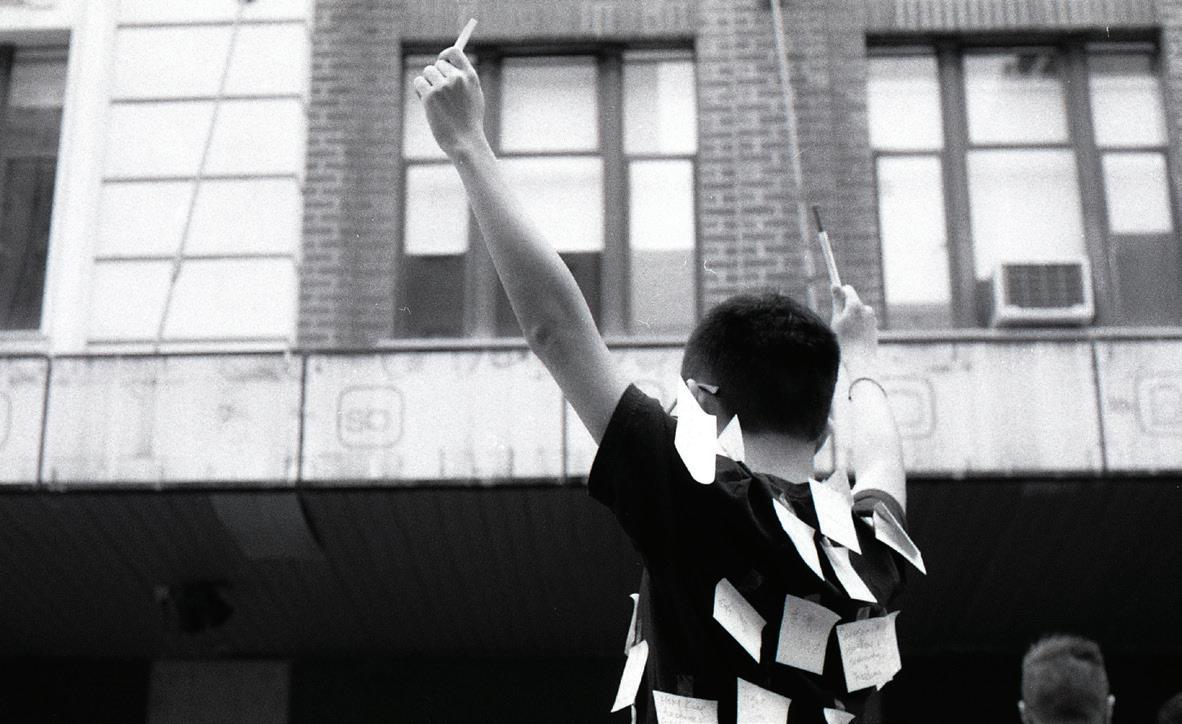
Everything has its own expiry date: food, tools, life and even freedom.
What’s guaranteed isn’t guaranteed forever. What can you do before these things expire? If you’re sick, you can visit the doctor. If your tools become worn or rusty, you can sharpen or oil them.
But what can you do when it comes to democracy and freedom?
When you are facing someone who refuses to listen or respond?
We speak up, we stand strong, support one another, hold our brothers and sisters tight, and keep our heads held high. We maintain hope that justice will finally prevail.
The 50-year promise. One country, two systems – that Hong Kong will maintain its own law system, financial and trade agreements, and relations with foreign countries. However, the One country has broken this promise, and our leader is no longer a leader.
We’re under threat of losing our language, culture, human rights and freedom of speech. Since June 2019, we Hong Kongers have been fighting for what is right. We have cried and suffered, stuck in frustration as our government’s promises have been broken over and over again.
During this period, we have seen different roles in society transform. From protectors to attackers. From authorities to subdued followers. From high school and university students to defenders of the city. From everyday citizens to new leaders of our home.
We’re left to suffer ruthless attacks from the white T-shirt gang – a group of thugs who indiscriminately attack protestors and civilians – and policemen who storm the streets. They keep their identity hidden with reflective masks and no numbers or badges. You can’t even see the eyes of your attacker.
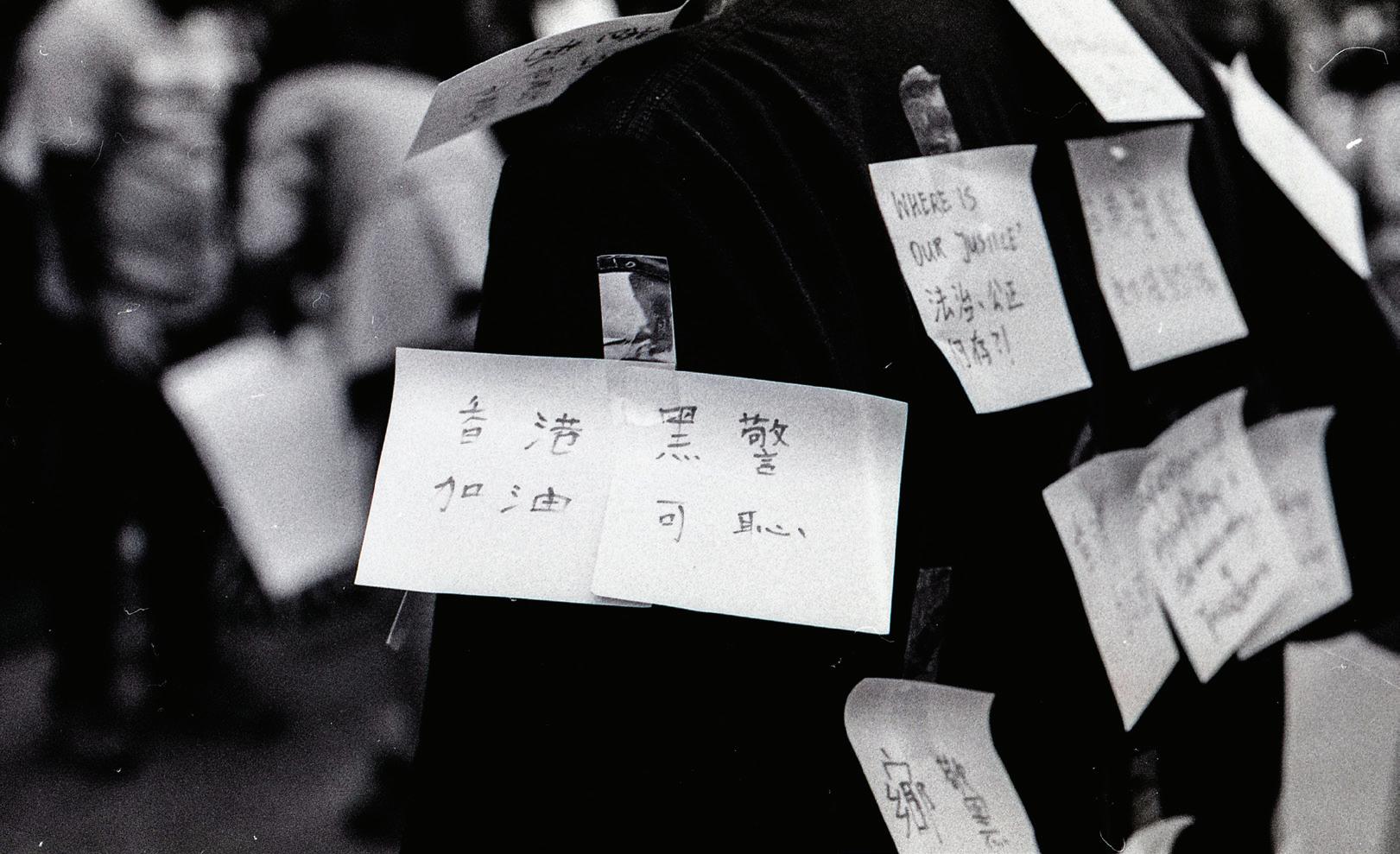
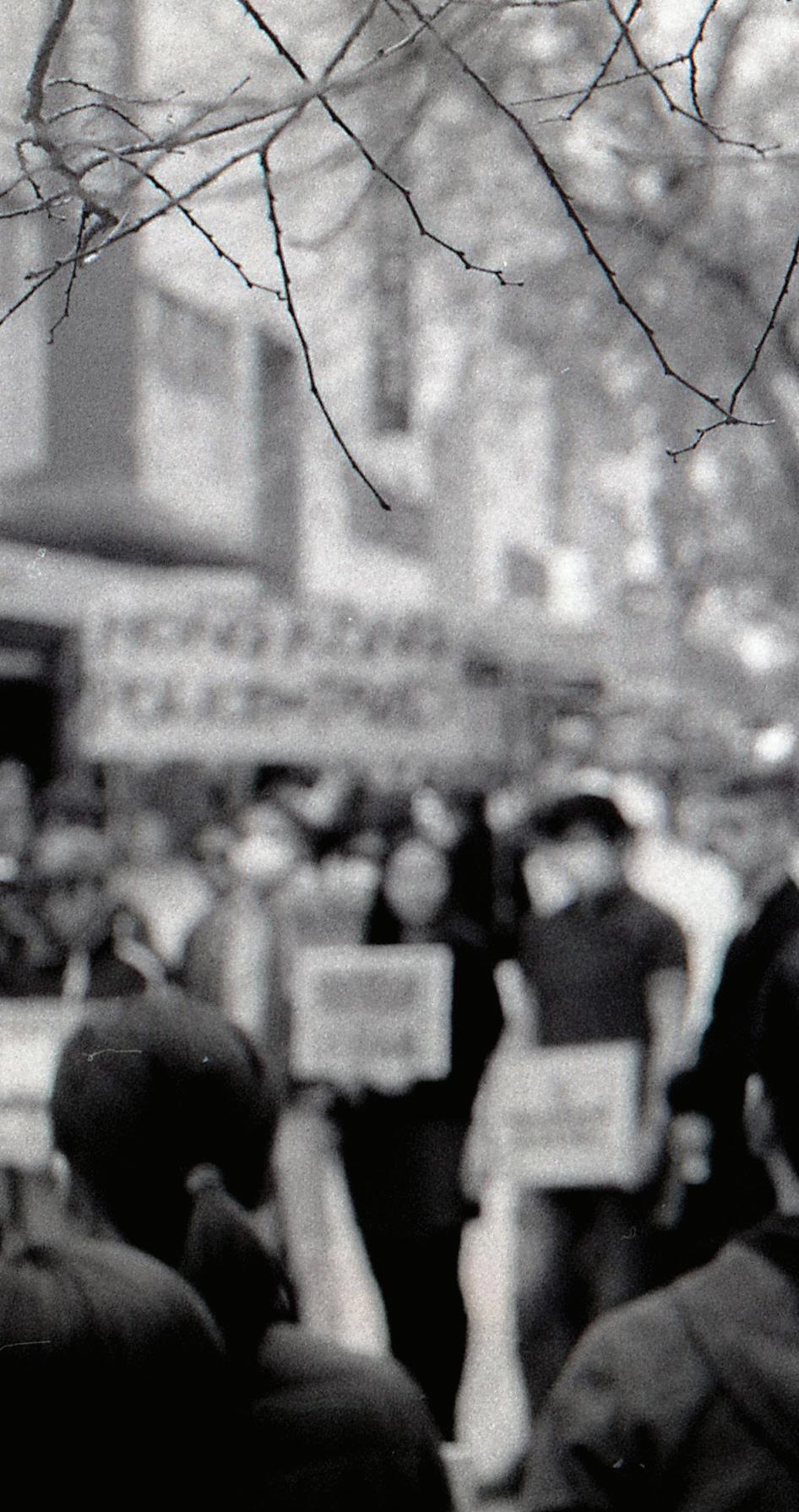
From citizen vs citizen, to citizens vs the state.
But even in moments of crisis, the people of Hong Kong still hold onto their character. They still love and care for one another.
A sense of community is maintained by small generous gestures. People leave free tickets and coins next to the subway ticket machines to ensure others have a safe passage home. They buy meal credits for the next person and volunteer to clean the streets after protests.
This community doesn’t just include the people in Hong Kong, but Hong Kongers all around the globe. We are all united together. We keep on fighting and utilising every possibility to stand in solidarity for Hong Kong, because we love and care for our home, our brothers and sisters, and our family. We are all connected and we will never lose the spirit of what makes us Hong Kongers.
I am proud to be a Hong Konger. #standwithHK #香港人加油
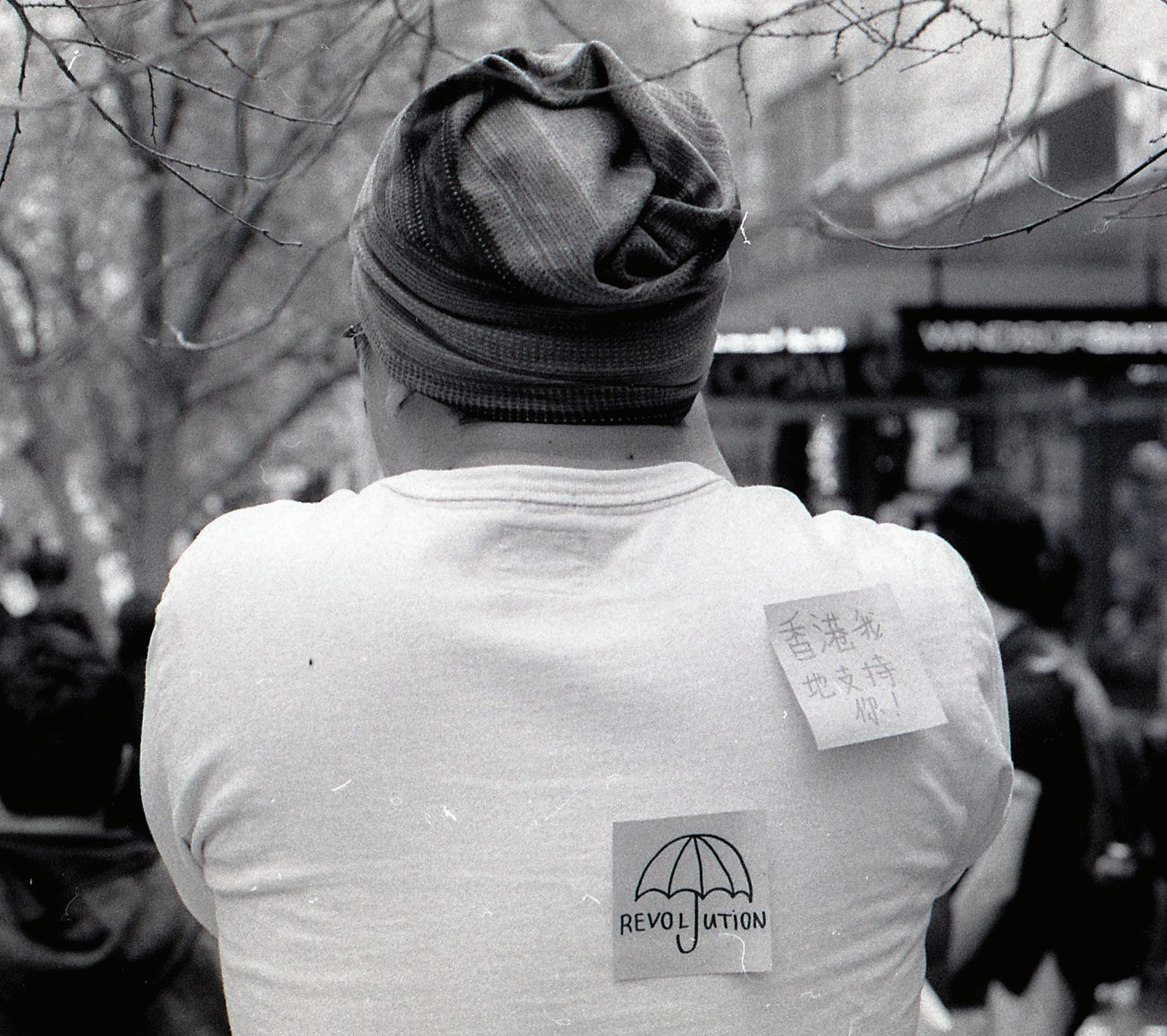
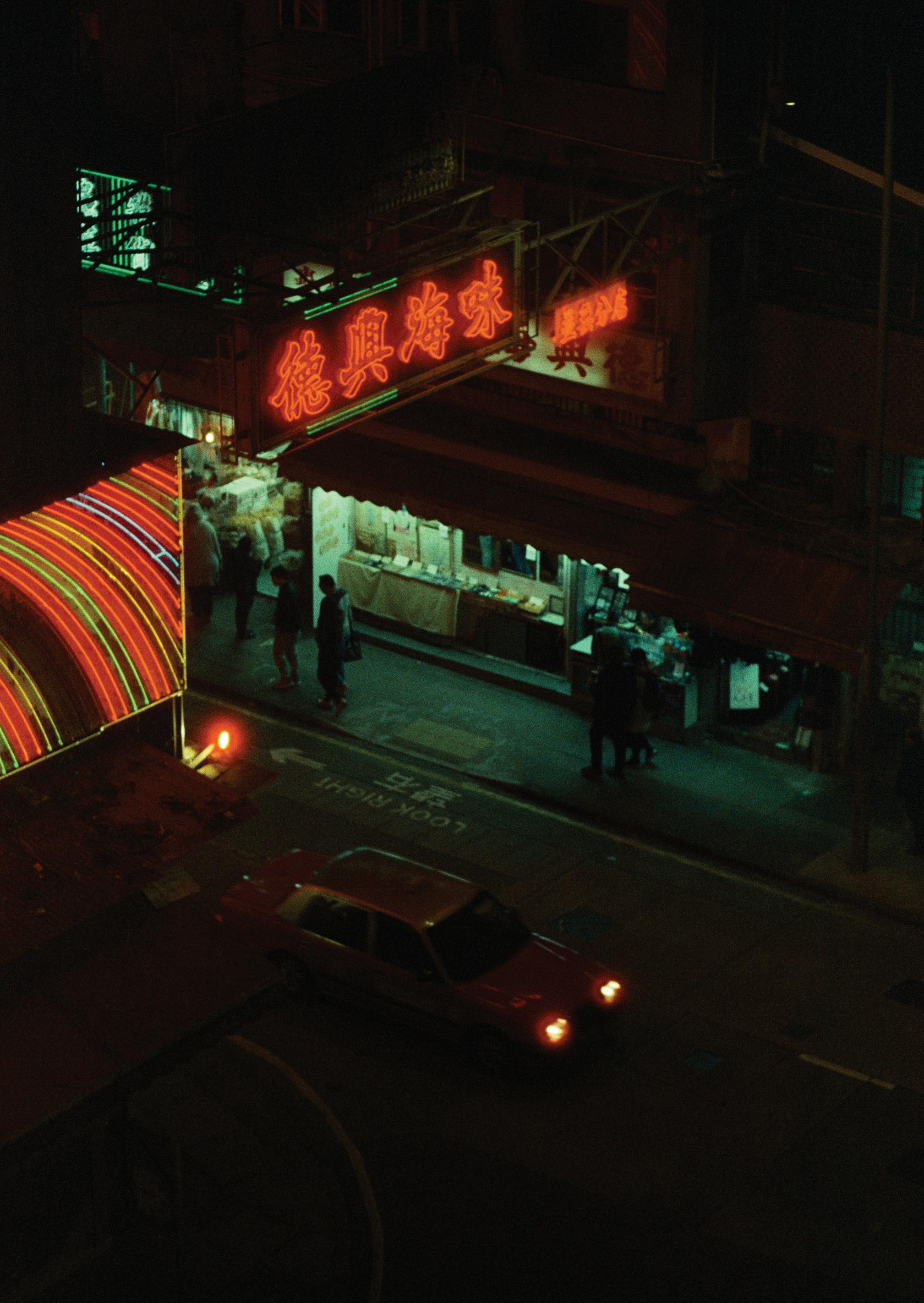
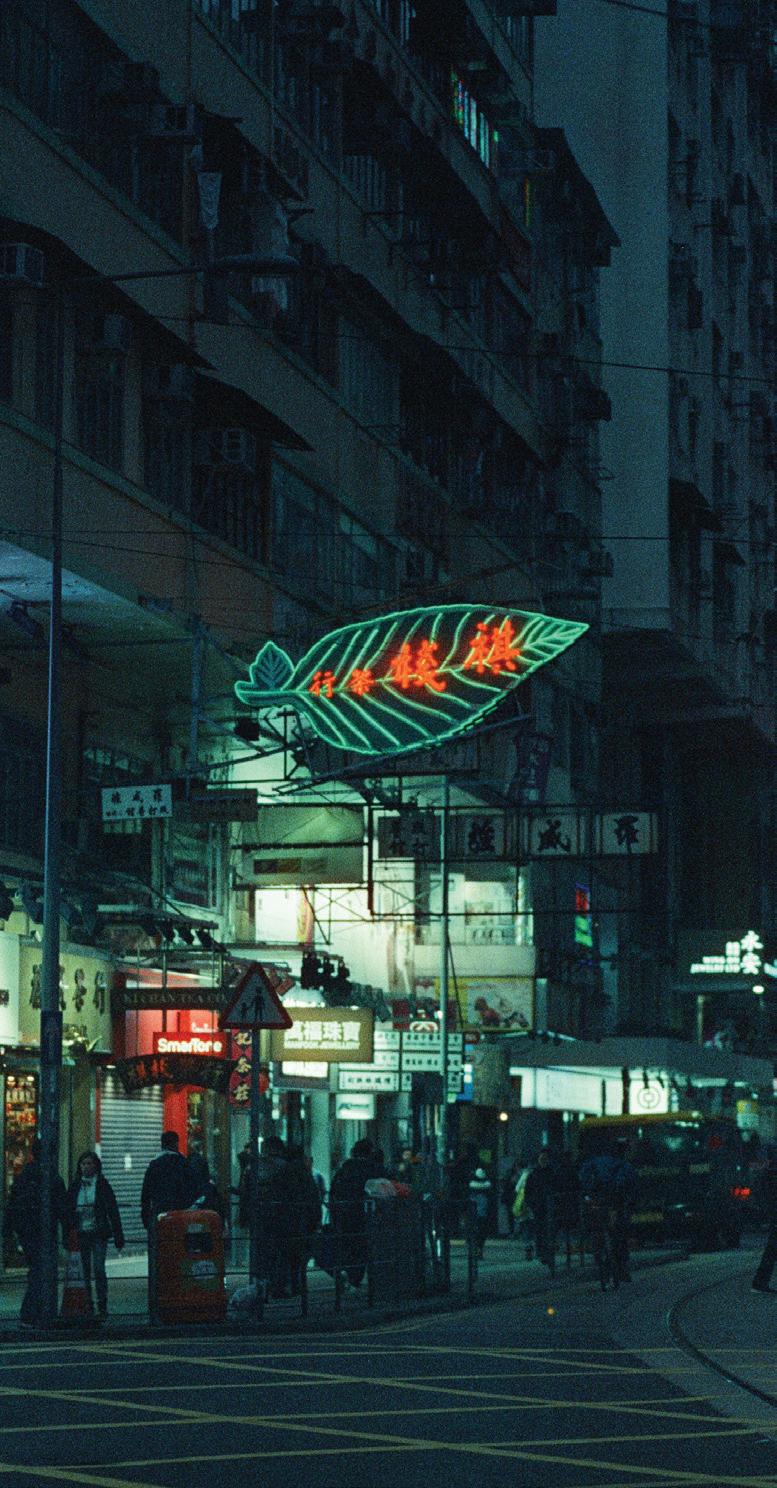
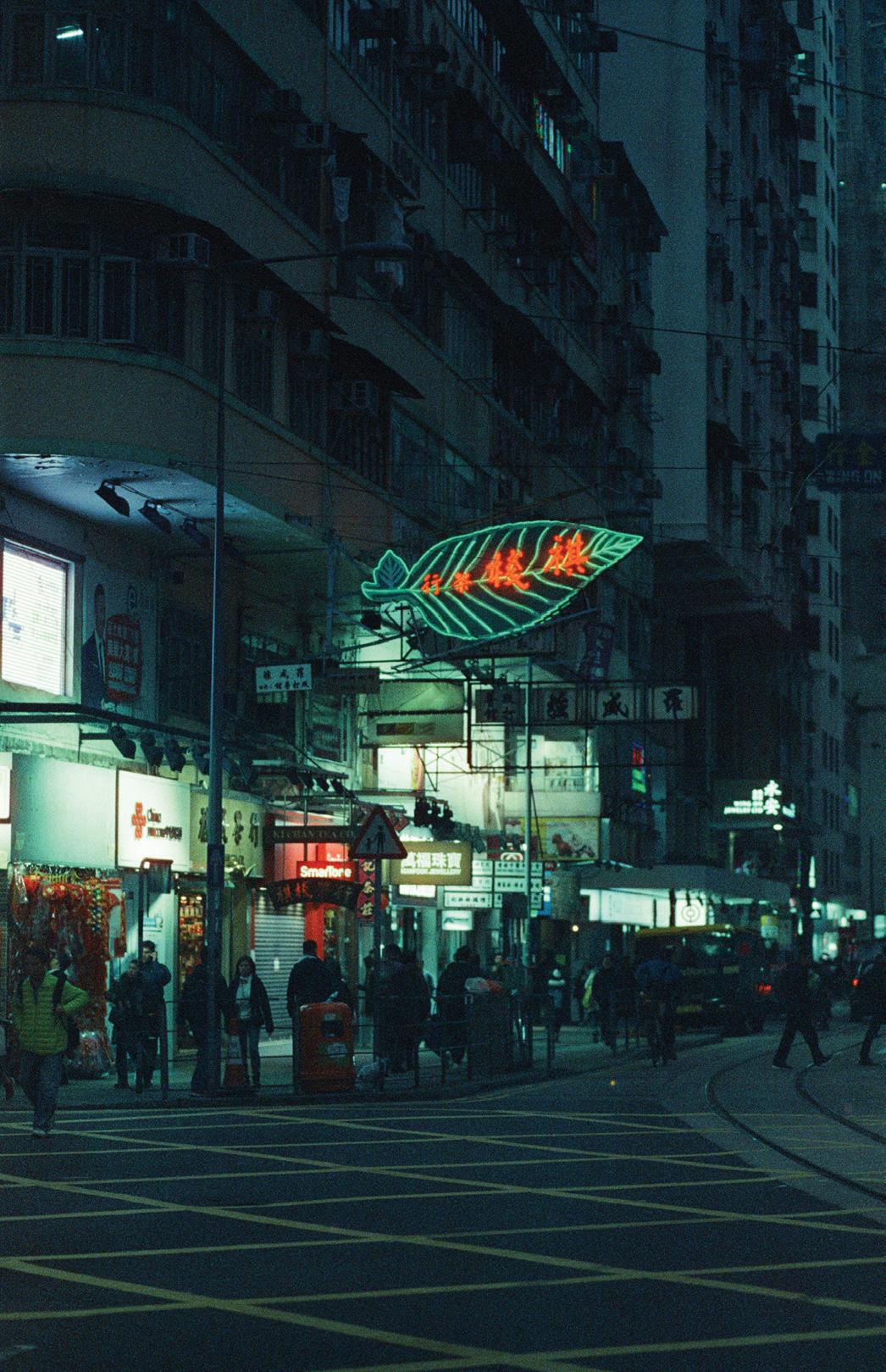
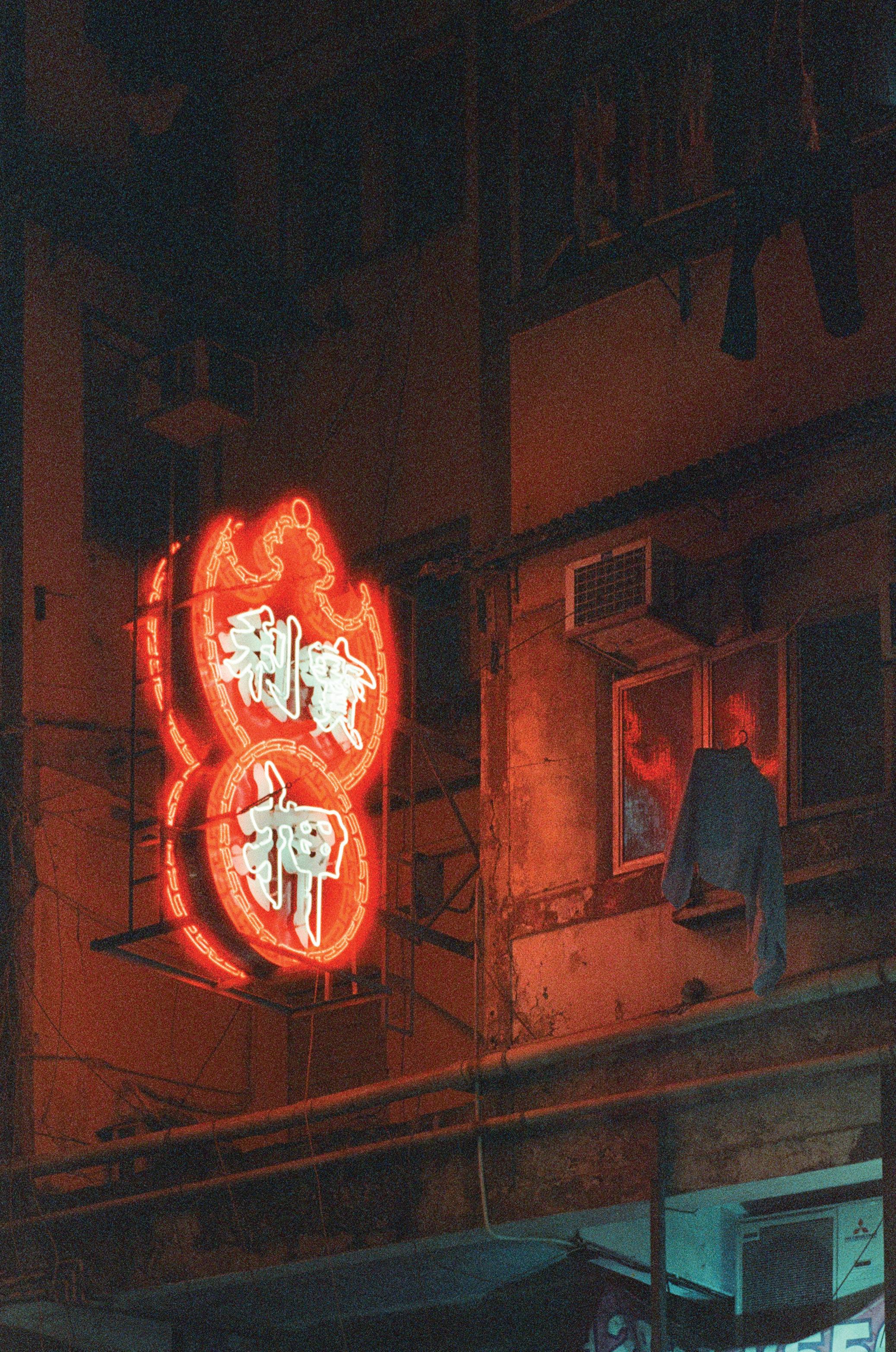
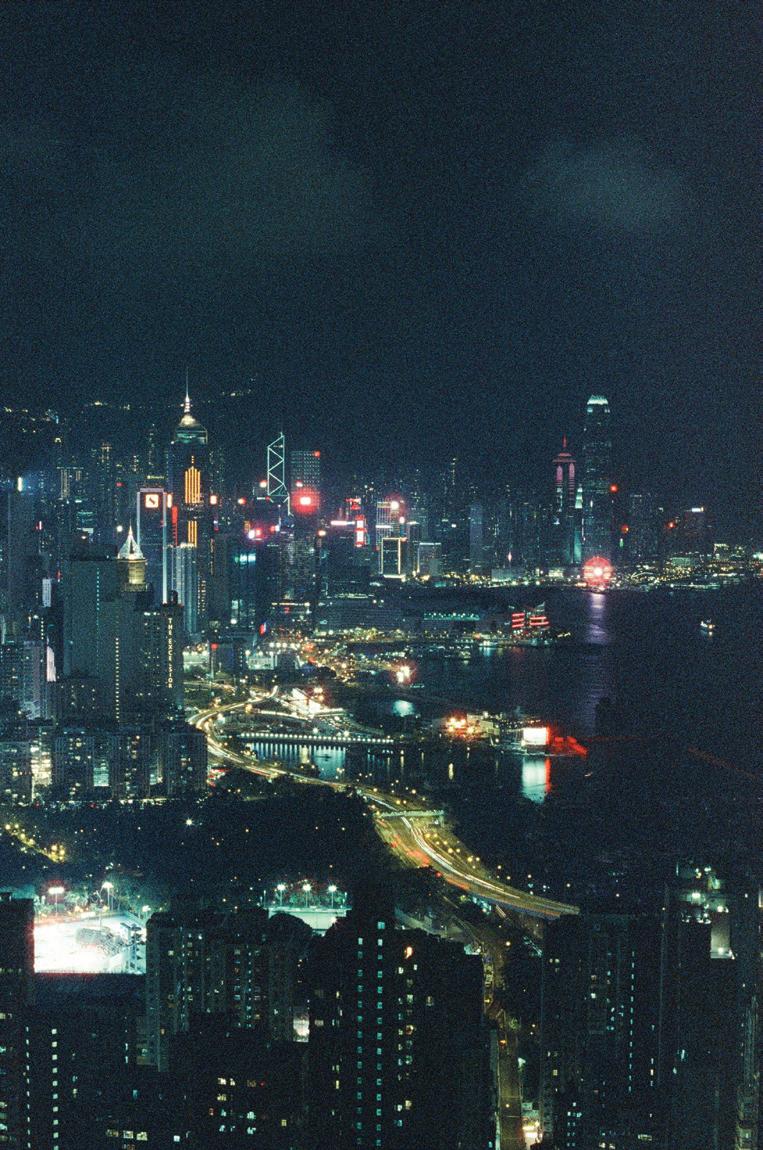
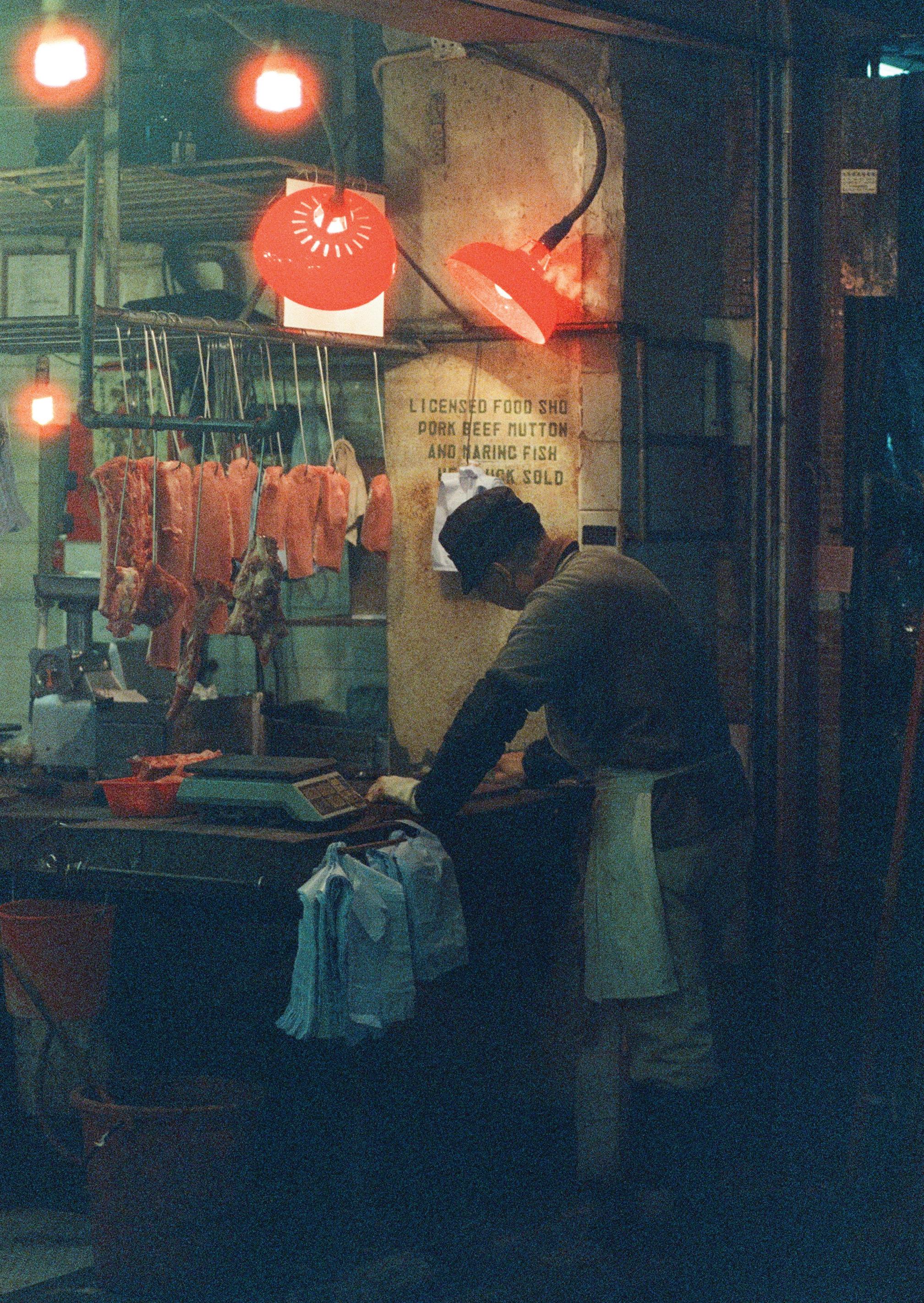
Enrico Becker Neon Nights in Hong Kong
Capturing this vertical city’s vibrant ambience, intimate spaces, and constant feeling of restlessness on Cinestill 800T film.
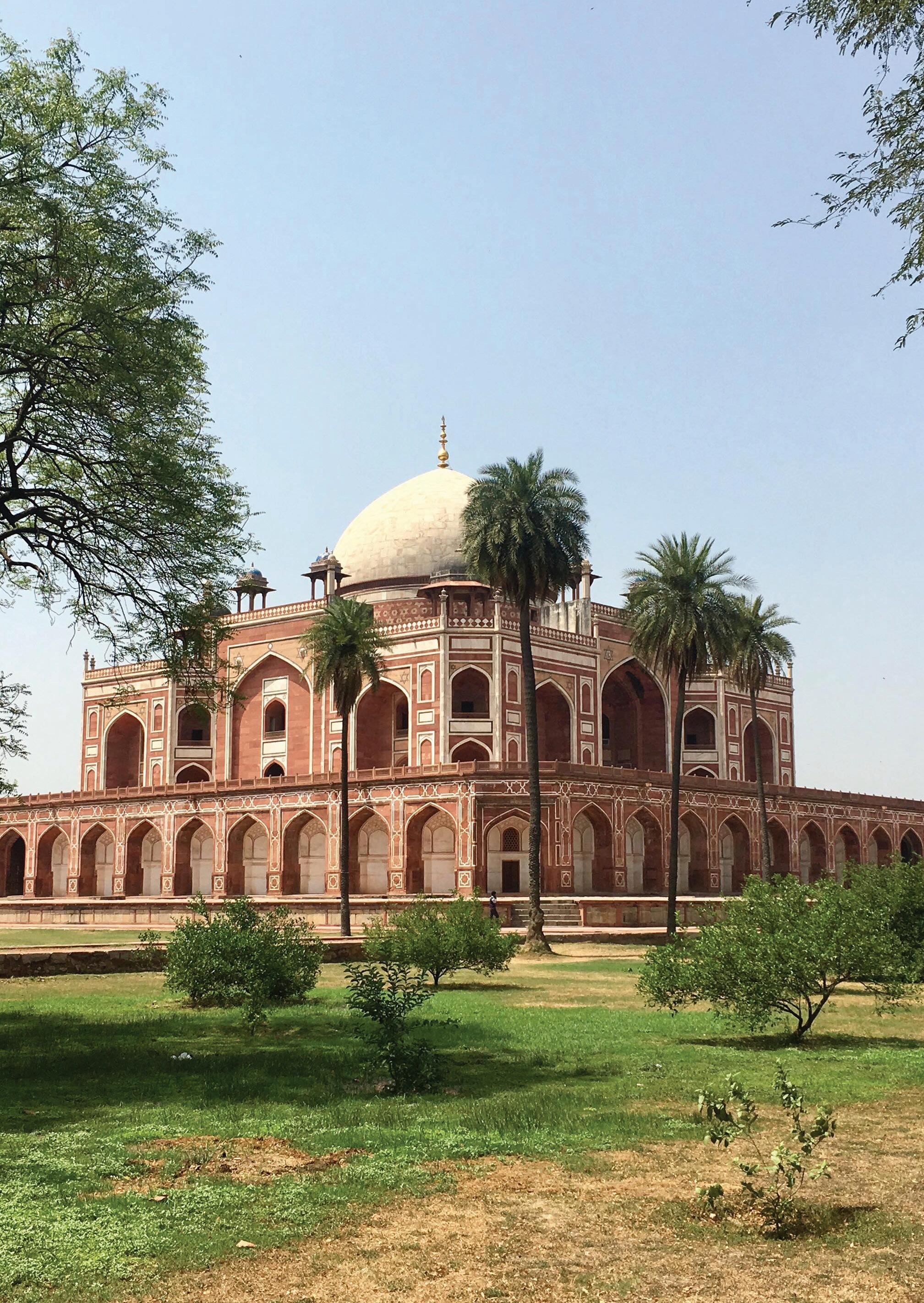
Why India gives me hope for the world
Words by Thomas Kelsall
Photography by Connor Foley
Anyone with even a cursory knowledge of my personality would know I have difficulty finding reasons for optimism about the current state of the world.
Perhaps it’s because our society is defined by economic inequalities so large in scale that they are almost impossible to conceptualise. In 2018, 26 people owned as much wealth as the bottom half of the world’s population. Or maybe it’s something to do with the deteriorating state of democracy worldwide; over the last 15 years, the number of people living under dictatorship rose to 3.3 billion, an increase of over a billion people. A further 24.9 million people are the voiceless victims of human trafficking; a $150 billion industry which demonstrates the persistence of modern-day slavery.
Sri Lanka and Christchurch reminded us that we’re still in a seemingly never-ending terrorism cycle, inflamed by demagogues who stoke fears about migration from the Middle East; a region currently ravaged by two horrific civil wars in Syria and Yemen. The latter involves atrocious Saudi Arabian war crimes that the governments of the US, the UK and Australia continue to supply weapons for.
Oh, and those last three governments I mentioned, how are they all going?
Donald Trump’s erratic first term as President, the utter mess of Brexit and the relentless backstabbing of Australian PMs has reassured us that the ‘civilised’ democracies of the West have got it all under control. To top it all off, we have less than 11 years to take action on climate change before its catastrophic effects become irreversible.
I could pursue this demoralising tangent for countless paragraphs, but I would rather discuss how an unlikely trip to the subcontinent has given me some muchneeded hope for the future.
One would think that travelling to India –the country with the highest number of people
living in extreme poverty (218 million) – would do little to cure my existential frustrations. To be clear, the human hardship you observe is confronting and hard to escape, and a visit to some of the worst-hit regions can elicit feelings of shock, helplessness, even anger. However, what you also observe is the enormous resilience of the human spirit, an ability to rebound from circumstances that are beyond our worst imagination.
Take Matea, a tour guide who works for the Salaam Baalak Trust in Delhi. Before the age of 15, both of Matea’s parents had died from drug overdoses, and she had her leg broken after being run over by a car. When all seemed lost, the Salaam Baalak Trust gave Matea access to a shelter home and a safe bed at night. She now works for the trust, relentlessly striving to give a new generation of disadvantaged children a pathway out of poverty. Still only 17, Matea told us of her dreams to become a flight attendant, and those of us who had the pleasure of meeting her will never forget her story.
The kids who live at the centre also displayed an infectious level of happiness that was in stark contrast to the horrific situation they came from. The joy they greeted us into their classroom with and their untempered excitement to defeat us in a thumb war or show off their dance moves was humbling: enough to take my mind off the visible marks of abuse on their body.
This kind of hospitality is par for the course and perhaps best summed up by an anecdote from Dr Prince Solomon, a social work professor who oversaw a student placement project to build houses for a tribal community in rural Chennai. While the students were building the houses with the locals, the community genuinely questioned why the makeshift huts included doors, as ‘why would I need a door when I want everyone to feel welcome?’
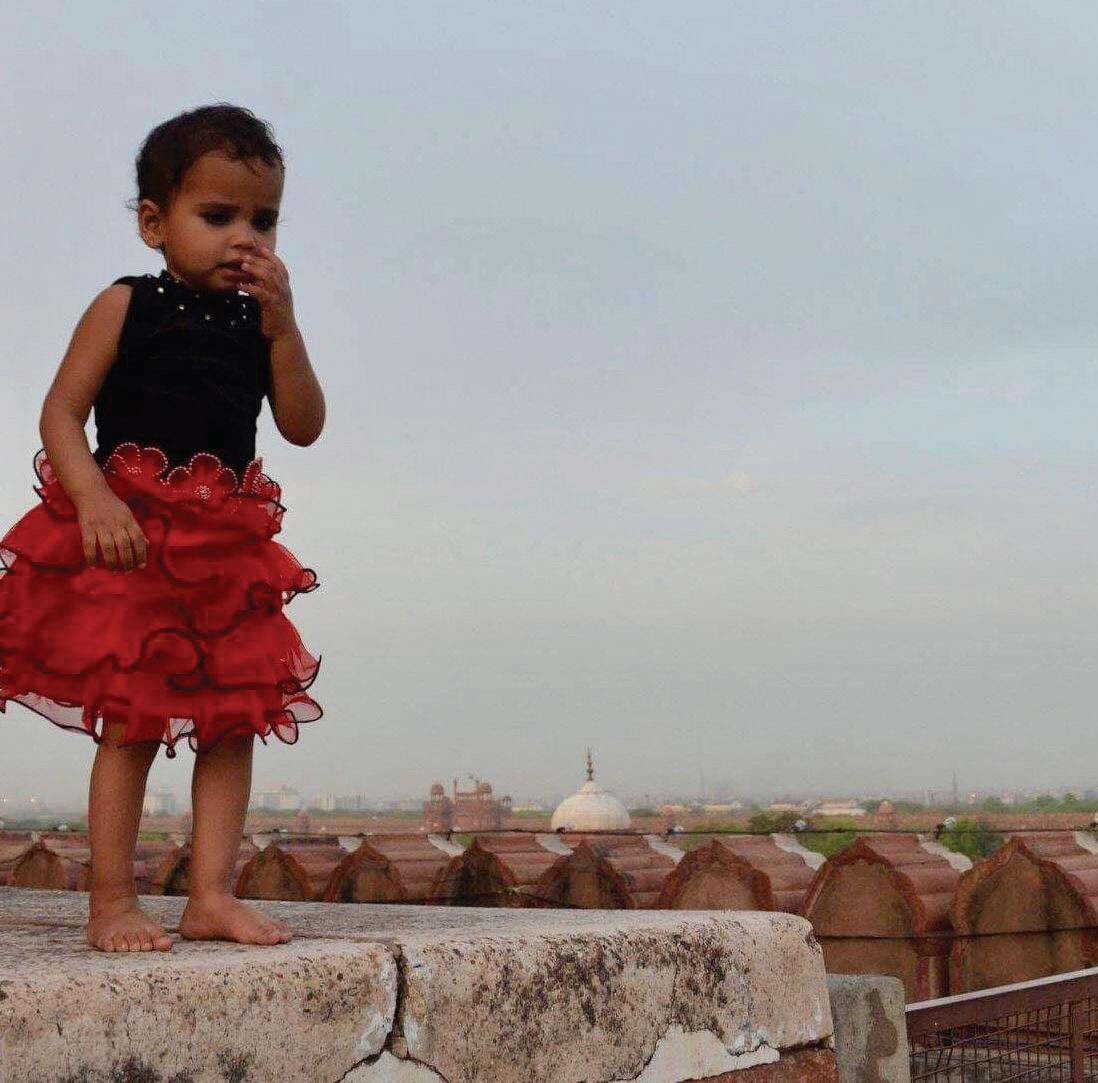
It was in moments like these where you realised whatever you were stressing about was pretty insignificant. As Connor Foley, another student on the study tour, said later that night, ‘if they can smile, so can we.’ When you observe the lengths some Indians go to help each other and their community, it gives you a certain level of reassurance about what’s actually at the core of human nature.
Ms Rita Panicker, the founder of Butterflies India, is another person who embodies the kindness of Indian culture. Since its inception in 1989, Butterflies has helped Indian kids find their voice through various outreach programs, including floating schools, street education, resilience centres, sports programs and a children-run development bank which teaches financial management skills.
Rita gained inspiration for Butterflies while talking to abandoned children on the streets of Mumbai. Since then, over 70,000 children have been supported thanks to her imagination and desire to make a difference. Rita’s story epitomises everything that is so hard to grapple about India. Making a difference in the lives of 70,000 people is a truly superhuman effort, but the scale of the problem is so enormous it hardly bears thinking about –there are nearly 30 million abandoned children in India.
In this sense, Rita is the true essence of the India I saw: a country of herculean individual efforts in the face of overwhelming structural problems. It’s the university student bizarrely trying to sell you children’s books to fund their education; it’s the rickshaw driver working all day for less than $10 pay while having his market undercut by Uber; it’s the small business owner who has come from war-torn Kashmir to sell scarves at a Delhi market.
Sometimes it can be hard to imagine any of these problems improving, especially when 26 million babies are added to India’s population each year. But the more people you talk to, the more you get the impression that the young people are going to drive India towards progressive change.
The sense of optimism you gain from speaking to India’s youth is hard to put into words, so I defer to former New York Times columnist and second-generation American immigrant Anand Giridharadas, who penned this description of his return to India.
‘As I travelled the land, the data did not fit the framework. The children of the lower castes were hoisting themselves up one diploma and training program at a time,’ Mr Giridharadas wrote.
‘The young people were finding in their cell phones a first zone of individual identity. The couples were ending marriages no matter what ‘society’ thinks, then finding love again.
‘The vegetarians were embracing meat and meat-eaters were turning vegetarian, defining themselves by taste and faith, not caste … it is a shift in psychologies, and you rarely meet an Indian untouched by it.’
One can sense a younger generation finding their own way and slowly breaking free from old cultural rigidities. Every month, a million people turn 18 in
India, and the country is home to more than 420 million people aged between 15 and 34. Unfortunately, the three-week glimpse I had can only be described as a surface-level view, and it’s something I’ve had to grapple with constantly while reflecting on my time over there. Extrapolating from anecdotal experience can only take you so far, particularly in a country with 29 states, seven territories, 22 official languages, 1.3 billion people and a seemingly infinite number of cultures.
And it must be said that the political landscape of India remains incredibly grim. With this year’s re-election of Narendra Modi's Bharatiya Janata Party, the Indian people chose to continue down the path of far-right Hindu nationalism; and the issues of corruption, press freedom and Kashmir persist. In terms of the depressing global trends I mentioned earlier, India fares much worse than most other countries. A staggering 73 per cent of India’s wealth is in the hands of the country’s top one per cent of earners, and their tense political climate means they continue to slip down the world democracy index. Estimates for the number of Indian human trafficking victims range in the tens of millions, and the country ranks third for global C02 emissions with 22 of the world’s 30 most polluted cities.
But what gives me hope for the future is the resilience, optimism and vigour those I met in India took towards solving these problems. It gives you a new outlook on the type of attitude needed to tackle the enormous structural inequalities we face in society.
For that alone, I owe India a huge debt of gratitude. ◼
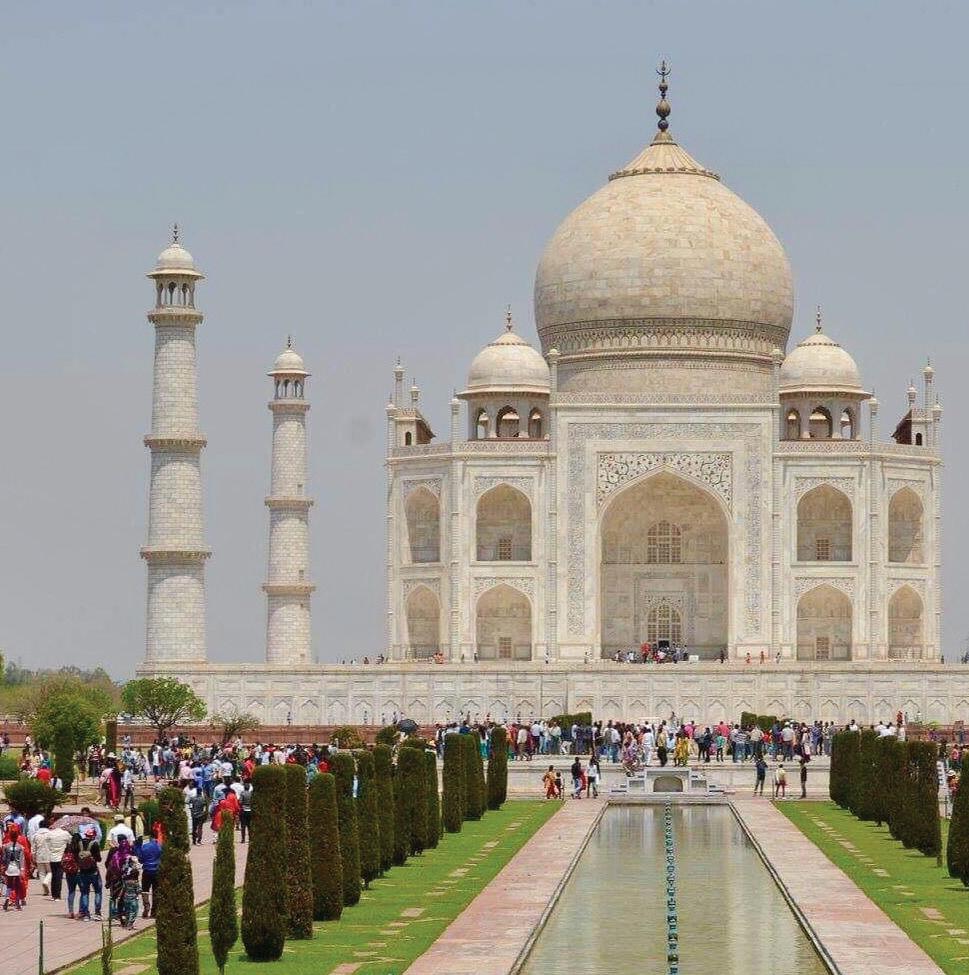
* This is an adaptation of a story that was originally published by On The Record, UniSA’s student-run news site, on May 12th 2019.
* All sources are hyperlinked within this story’s online version on ontherecordunisa.com.au

Ask your Candidates
Magill Reps & Aboriginal and Torres Strait Islander Student Rep
Wednesday 9 October, 12 - 1 pm
Magill Student Lounge (A Building)
Mawson Lakes Reps & Postgraduate Student Rep
Thursday 10 October, 12 - 1 pm
Mawson Lakes (the Hive)
City East Reps & International Student Rep
Wednesday 16 October, 12 - 1 pm
City East Student Lounge (A Building)
City West Rep & President
Thursday 17 October, 12 - 1 pm
City West Student Lounge (CS Building)
MATCH STUDIO: LET’S TALK ABOUT THE TABOO
Words by Emily Draper
Illustrations by Deana Bogojevic
The social stigma and discrimination surrounding mental health is one of the main reasons people struggle to speak out about their issues. This stigma leaves many reluctant to reveal their problems and ultimately reject the idea of seeking help and treatment. But with the emergence of modern disciplines like Communication Design, both designers and mental health practitioners are able to uniquely educate and challenge public perception on aspects of mental health. While still not widely recognised by many in the psychological field, design campaigns have been increasingly successful in destigmatising the topic, demonstrating how mental health is just as important and prevalent as other physical disorders and illnesses. Match Studio’s Visualising Mental Health has helped to demonstrate the importance of a design approach to mental health through its various student-led projects. The program partners third-year Communication Design students with professional psychologists to design concepts that encourage open conversation on mental health.
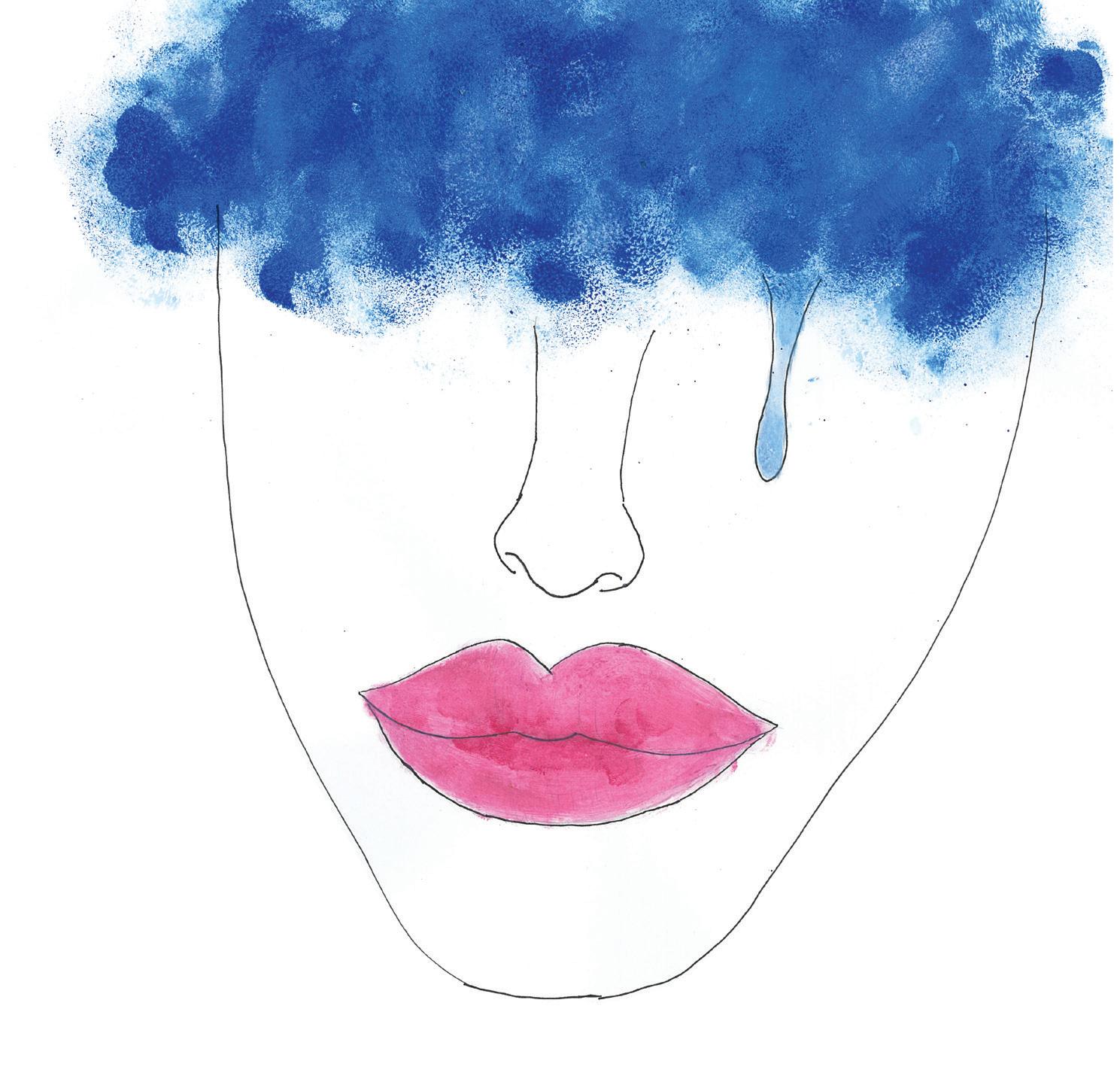
According to the Black Dog Institute, almost half of all Australians will experience a mental illness at some point in their life. However, mass media remains one of the public’s primary sources of mental health awareness, and often, it portrays homogenised stereotypes of these illnesses. For instance, films, TV shows and commercial news stories often portray mental illness sufferers as volatile, cowardly, or attention-seeking. These inaccurate representations may strengthen someone’s fear to speak out; which, in a society that has a limited understanding of mental health, can be a reasonable concern. On the other hand, there is nearly no apprehension in speaking openly about physical illnesses. Physical illnesses are inherently easy to identify, whereas ideas on mental illnesses, such as anxiety and depression, have only been recognised in recent decades. These differences underpin the stigma of mental health; to the point where many people, still to this day, simply do not believe these illnesses exist. This taboo ultimately leads people to internalise their struggles, which in many cases can be particularly harmful.
Match Studio is actively breaking down stereotypes and stigma of mental health through its Visualising Mental Health initiative, which encourages students to design conversation-prompting products. Tok Tea, created by Adam Lockier, Chloe Grimes, Leigh Down and Olivia Hill in collaboration with Match Studio, is one such project. Tok Tea is a packaged tea product that is designed to facilitate conversation about uncomfortable feelings and emotions. Each tea bag’s tag has a question on it that elicits a conversation about one of four emotions – joy, anger, fear, and sadness – in a friendly and non-invasive way. With open questions such as 'What always cheers you up when you’re upset?' and 'What’s the silliest thing you’ve gotten angry about?' individuals have the ability to decide how much or how little they want to share, and this sense of control over the conversation can feel very empowering. The product also helps introduce conversation on mental health in a casual, intimate setting – which may be preferred over a clinical setting.
Tok Tea is just one example in Match Studio’s Visualising Mental Health initiative that challenges the stigma of mental health. Another is the Let's Deal With It game; a product
concept created by Sarah Fazzini, Ethan Haylock, Sarae Morella and Isabella Whittaker (which you can read about in Edition 27). Both designs invite people to not only open up to others, but to themselves, which can help them evaluate and make better sense of scenarios where mental health challenges may arise. Speaking openly about these issues, even in subtle ways, also helps to normalise the language of mental health and demonstrate just how common these difficulties are.
Breaking down the stigma of mental health is something society desperately needs to address. As Communication Design and other areas of visual communication play pivotal roles in society’s perceptions of mental health, it’s through such disciplines that we can illustrate different realities of mental health, as well as demonstrate how common these struggles are. The projects involved in Match Studio’s Visualising Mental Health initiative are great examples of how design can challenge society’s norms and normalise mental health in everyday settings.
The 2019 Visualising Mental Health projects will be on display from October 8th to 23rd, in the Samstag Museum of Art, Hawke Building. ◼
Let’s talk politics
1) What are the most important issues to your Club? 2) What's your club's view on free speech at University campuses?
by Lily Roberts
3) Why does your club think it's important to be politically engaged in 2019?
University of South Australia Liberal Club
1.
We are devoted to ensuring the efficient running of USASA to make sure that it finally operates as a service for all students at UniSA. The same can be said for the NUS (National Union of Students) which, rather than looking after the interests of students, pursues a radical political agenda. Responsible use of resources, such as the SSAF, which is paid by every student (and all too often wasted), is something we are also passionate about as a club. Finally, freedom – such as the freedom to join or to not join a student union/ association – is something that generations of Liberal Students have stood up for and is a tradition that we are proud to uphold.
2.
As a young University Club representing Liberal students on campus, we consider freedom of speech and open discussion to be of utmost importance in creating a healthy university environment, considering that university is the birthplace of many different economic, social and philosophical points of view. Students should not be made to feel scared or intimidated by radical leftists for voicing an opinion or view that is considered to be right-wing. Therefore, as a Club, we provide Liberal Students a platform and a safe space to voice and debate their opinions and views.
3.
With the outstanding re-election of the Morrison Coalition Government this year and the election of the Marshall Liberal Government last year, Liberal students are in an excellent position to help fundamentally transform our Nation and State for the betterment of all Australians. This can only be achieved through Liberal policies. By working with the Liberal Club, students can gain first-hand political experience which can allow them to have their say in how this miraculous transformation takes place. Being the Party of Government at both levels, it is only through the Liberal Club that politically minded students can have their views represented and heard by those in the highest levels of office in our great Country.
Artwork
1.
We strive for a fair and equitable Australia by supporting issues which affect the daily lives of students. Most students, regardless of whether they have paid work or not, are often reliant on payments from Centrelink; but Youth Allowance, Austudy and Newstart are severely below the poverty line. We're a highly educated generation being exploited through underpaid insecure employment. It's no surprise that youth mental health issues are on the rise. This is why people should join their relevant union. We also advocate a return to free higher education so young people start their careers debt-free. Overall, we want students to be safe and feel supported on campus regardless of their backgrounds, and be given equitable opportunities for success.
2.
Freedom of speech is not freedom from consequence. Allowing opinions which promote division based on misinformation only makes such views more acceptable, and gradually they become normalised. History has repeatedly shown that preying on people’s fears can result in mass brutality and oppression. One skill we can all learn from uni is that research and critical thinking are applicable beyond assignments; back up your facts with peerreviewed studies, not tweets. We’re all here to learn, and universities have a responsibility to ensure that students feel safe enough to study. Racism, sexism, queerphobia and all forms of hatred must be always be condemned. Stand up to people who want to restrict rights and opportunities to those who have historically been denied them.
3.
It sounds cliché, but be the change you want to see in the world. Young people are increasingly disillusioned with politics because their views aren’t reflected by those in power. Being politically engaged makes your voice heard, and there are so many ways to achieve that in your own way: vote for candidates who share your beliefs and have kept their promises; sit down and talk to people in power by lobbying them; be an activist who puts up posters and goes to protests. Every decision made by our lawmakers affects everyone – it's no accident that wages are low, employment is unstable, and the gap between rich and poor is growing.
UniSA Labor Club
1.
As socialists we want to overthrow the whole rotten system of Capitalism! This insane world based on profit over human life. A particularly pressing issue today is the impending environmental catastrophe. Greta Thunberg –the 16-year-old who sparked the global Climate Strike movement – was right when she said we should act like our house is on fire. She was also right when she placed the blame of this crisis firmly in the hands of the rich and powerful, the coal bosses and politicians. Today in Australia, we’re seeing not the desperately needed halt to coal and oil, but an expansion of fossil fuels with the Adani coal mine. We’re seeing the Labor government in Queensland shamefully penalising Extinction Rebellion protesters for fighting for the planet.
2.
We are for free speech, standing in the long socialist tradition of defending democratic rights against authoritarians and bureaucrats. Universities are increasingly authoritarian, so it’s important to fight their repressive powers. On campus there are powerful institutions that restrict opinions expressed at Uni. Protests on campus can be forcefully stopped. Posters or leaflets can be banned. Academic departments can be defunded based on the whims of Uni management. Staff members can be dismissed from their jobs, or prevented from expressing their political opinions (like we’ve seen in the racist Ramsay Centre for Western Civilisation). Standing for free speech means defending the existence of student/staff organisations, the right to protest on campus without being fined/ punished, and the rights of staff to express political opinion.
3.
The world has never been more unequal; the racist attacks on migrants and refugees are accelerating and Australia is leading the way. The racists are politically engaged. The coal bosses and politicians who are destroying our planet are politically engaged. Our side needs to be too, in order to fight them. One step towards that is taking a leaf out of Extinction Rebellion and the School Strike for Climate’s book. Beyond that, if you want to get involved, check out our paper at redflag.org.au and message us on Facebook @SocialistAlternativeAdelaide.
Socialist Alternative UniSA
Review: Existential Threats
Words by Ryan Colsey
Illustrations by Oliver White
Afterpay
Uber Eats
Impact: Destructive Impact: Calamitous
If that Facebook post your auntie shared is anything to go by, Afterpay will bring about the demise of us all. Thanks to this capitalist trap, our generation can now spend even more on material goods without actually earning the money to afford them. This could end up leaving every young person vulnerable to debt and stern judgement from their multiple-home-owning parents. Whether it’s a dress, a drink bottle, or the sovereign territory of Greenland, humans will start buying anything and everything with Afterpay, and consumerism will go into overdrive.
Is it a bird? Is it a plane? No, it’s your Macca's meal deal being transported via an Uber Elevate hovercraft! As technology evolves, people devolve; a point highlighted by the fact that we’re now not only too lazy to cook food, but too lazy to go get it. The faster Uber Eats expands, the faster we will forget how the human body is even supposed to move. Eventually we will spend our remaining days bedridden, reduced to washing our 800-pound whale-like bodies with a rag on a stick.
Impact: Disastrous
The year is 2030 and the market has crashed so badly that houses are now valued at merely two thirds of the average smashed avo on rye. There are millions of empty affordable houses available just waiting to be occupied, but every millennial still alive refuses to live in them. Instead, brunch has become the epitome of wealth, and the millennial is dedicating their entire income to consuming as much avocado as humanly possible. In the process, the entire global economy is brought to a grinding halt.
Instagram hiding likes
Verse Magazine
Impact: Cataclysmic Impact: Apocalyptic
Earlier this year, Instagram decided it would hide the number of likes visible on people’s posts, leaving thousands of ‘influencers’ without … influence? With people now not knowing which European model to vicariously ‘live through’, panic will ensue and before we know it, society as a whole will descend into total anarchy. It’s projected that if Instagram doesn’t stop hiding like figures, users will start using Myspace again –a truly cataclysmic outcome.
We’re breaking the fourth wall for this one. Students have reportedly become so hooked on reading Verse that the magazine has been classified by ASIO as more addictive than heroin, morphine and listening to ABBA combined. Reports have emerged revealing that readers are dying of starvation as they’re refusing to eat or do anything other than read Verse. No aviation students have been affected though, owing to their inability to read. May those that have passed due to excessive reading rest in peace; but at least they died knowing which obscure sex position their star sign represents.
Avocado
Ryan Colsey
THE SIGNS AS GAME CHANGERS
Words by Geena Ho
ARIES
21 Mar – 19 Apr
Vincent van Gogh
• Exclusively uses colour-coded sticky notes
• Will take a Netflix date over a party any day
• Goes on Macca’s run just for a McFlurry
CANCER
21 Jun – 22 Jul
Shane Dawson
• Has conspiracy theories about everything
• ‘Nah we don’t need to ask for directions’
• Snoozes alarm ten times
LIBRA
23 Sep – 22 Oct
Kim Kardashian
• Replies to texts by calling you
• Serial ‘feeling cute, might delete later’
• Never reads instructions
CAPRICORN
22 Dec – 19 Jan
LeBron James
• Won’t let you forget they were on TV once
• Makes a point of reversing into car parks
• Always in shorts
TAURUS
20 Apr – 20 May
Mark Zuckerberg
• Posts ambiguous Facebook statuses
• Mismatched socks all the time
• Excited by stickers
LEO
23 Jul – 22 Aug
Neil Armstrong
• Won’t stop talking about the one time they went overseas
• Has extremely high standards
• Scared of heights
SCORPIO
23 Oct – 21 Nov
Captain James Cook
• Travel wishlist: High. Travel funds: Low.
• Loves museum dates
• Picnic aesthetic is on-point
AQUARIUS
20 Jan – 18 Feb
Wolfgang Amadeus Mozart
• Sings in the shower
• Bakes in spare time
• Spends ten minutes curating the perfect playlist for a five minute drive
GEMINI
21 May – 20 Jun
Marilyn Monroe
• Signature is just writing their name
• Always taking photos
• Actually believes in horoscopes
VIRGO
23 Aug – 22 Sep
Beyoncé
• Good taste in fashion
• *Adds $100 worth of clothes to cart* *Refuses to pay $4.95 for shipping*
• ‘I only drink soy lattes’
SAGITTARIUS
22 Nov – 21 Dec
Bruce Lee
• Acts tough but is a big sweetheart
• Actually likes the beep test
• Has to have the last word
PISCES
19 Feb – 20 Mar
Albert Einstein
• Actually measures ingredients when cooking
• Loves a good meat pie
• Almost failed maths
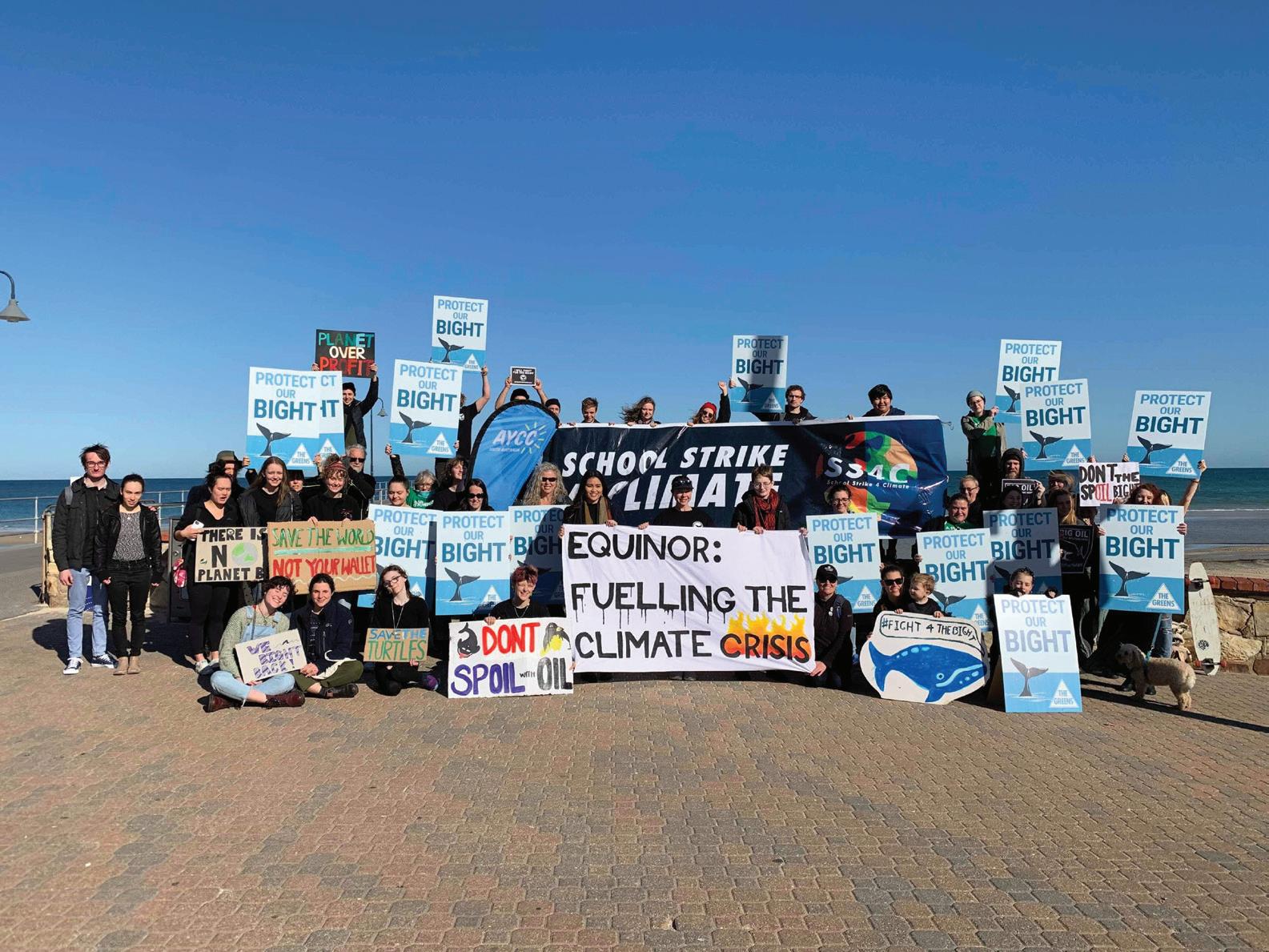
The Australian Youth Climate Coalition (AYCC) is Australia’s largest youth-run organisation. Our mission is to build a movement of young people leading solutions to the climate crisis!
Our vision is for a just and sustainable world, with a safe climate for our generation and future generations to come.
We believe the only way to solve the climate crisis is through a social movement led by young people; standing in solidarity with those on the frontlines of climate change; empowering our community; inspiring change; and holding the decision makers of our community to account.
We work side by side with our sister organisation, Seed, which is Australia’s first Indigenous youth climate network. Together, we run grassroot campaigns that fight for climate justice.
Whilst AYCC has been around for about a decade, AYCC at UniSA was only established in 2017, but already it’s an integral part of the South Australian branch of the Australian Youth Climate Coalition. While we operate at a university level, all of our campaign efforts are carried out as a close-knit team with the rest of the state’s branch, which includes the AYCC clubs from the University of Adelaide and Flinders University. We also work with other AYCC branches from all over Australia.
OUR CURRENT CAMPAIGNS
Fight for the Bight:
Despite the Great Australian Bight being a vital part of our ecosystem that we absolutely cannot afford to lose, Equinor (a Norwegian energy company) is trying to receive approval to drill for oil in the Bight. Along with the Great Australian Bight Alliance, we’re fighting to ensure that Equinor knows young people in South Australia do not see a future for big oil in the Great Australian Bight. And here’s the catch – Equinor’s scheme to drill for oil in the Bight
would be illegal in their home country. Why should they be allowed to do it in our backyards?!
Stop Adani:
Adani is a mining company that’s set to build the Carmichael coal mine in the north of the Galilee Basin, Central Queensland. Ensuring that the coal mine does not go ahead is absolutely critical in order to ensure that we have a clean climate future, as not only would it contribute to global warming – which in turn contributes to the ill health of our wonderful ecosystems, including the Great Barrier Reef – it will also draw water from Queensland’s water reserves. This would have a direct impact on local farmers, as well as Australian flora and fauna. Through grassroot campaigns and empowering youth, we are striving to stop Adani from going ahead with the Carmichael coal mine.
Origin Energy Campaign:
Fracking in the Northern Territory goes beyond being an environmental concern, as it is first and foremost a land rights issue. We stand in solidarity with First Nations People and Seed to let Origin Energy know that we’re calling for a total ban on fracked shale gas. Dirty energy and dirty money do not take priority over the protection of country and thousands of years of vibrant culture.
How you can get involved with fighting the good fight alongside other wholesome youth? Find us on social media! Give our Facebook page @AYCCatUniSA a like, follow the sign-up link and watch that space for new upcoming events! Or simply come say hi to either any of our AYCC team if you see them around campus! ◼
UniTopia - City West
UniTopia - City East
Showpony Open Mic - Showpony
Industrial Design Quiz Night
UniTopia - Mawson Lakes
UniTopia - Magill
Halloween Spooktacular - UniSA Rainbow Club
UniSA Business Ball 2019 - Business Schools
Just ‘PLANE’ Drunk - ASO Pub Crawl SP5
Reasons to Date a Med Rad Student - Med Rad Pubcrawl
Psychology Ball - UniSA Psychology Society
Stigma Smashing Spook-tacular - batyr Ambassadors Self Care Society
UniSA Clinical Exercise Physiology Industry Conference 2019 Let’s Talk About Sex at Magill - UniSA Rainbow Club
Raves Before Raids Pubcrawl
2019 PSS Grad Ball @ Adelaide Zoo
The Annual Exhibition - Architecture & Interior Architecture Club
2019 Medical Radiation Sciences Ball - Med Radical Club
UniSA Art Club
Magill Lunch Project
Bible Talks - UniSA City Evangelical Students
Music Lovers Rehearsals
Overseas Christian Fellowship Weekly Sessions
SP5 UniSA Ballet

USASA PRESIDENT'S LETTER
Thank you and good luck!
By the time you’re reading this, your exams are most likely around the corner – so good luck to everyone, you’re so close! This is my last President’s Letter, and I would like to thank anyone who has spent some time throughout their hectic year to flick through an edition.
It’s been such an amazing experience and a privilege to serve the UniSA student cohort as your USASA President for 2019. I’m so proud to have seen our pilot financial counselling service roll-out successfully, and awareness of our academic advocacy team increase. I’m also proud to say that we can now support clubs more than ever with the new tieredfunding initiative.
Whether you’re aware of USASA or not, we engage with thousands of students across all of our campuses to ensure that everyone’s experience at UniSA is that bit more enjoyable. Hopefully, some of you have interacted with our amazing staff and volunteers at a number of our events, such as; the infamous Pac Crawl Pub Crawl earlier in the year; our bi-annual UniTopia event on all four metro campuses; and more recently, the unveiling of student art at City West (which you can find if you walk from the pedestrian crossing towards the Sir Hans Heysen Building).
I would also like to thank all of the other USASA board representatives who put up their hand to become actively involved as a student leader this year. They’ve ensured that more students like you have a say in what USASA can do as a student-run association for our fellow cohorts.
I must also specially acknowledge the ongoing commitment and hard work of former PostGraduate representative and current Magill
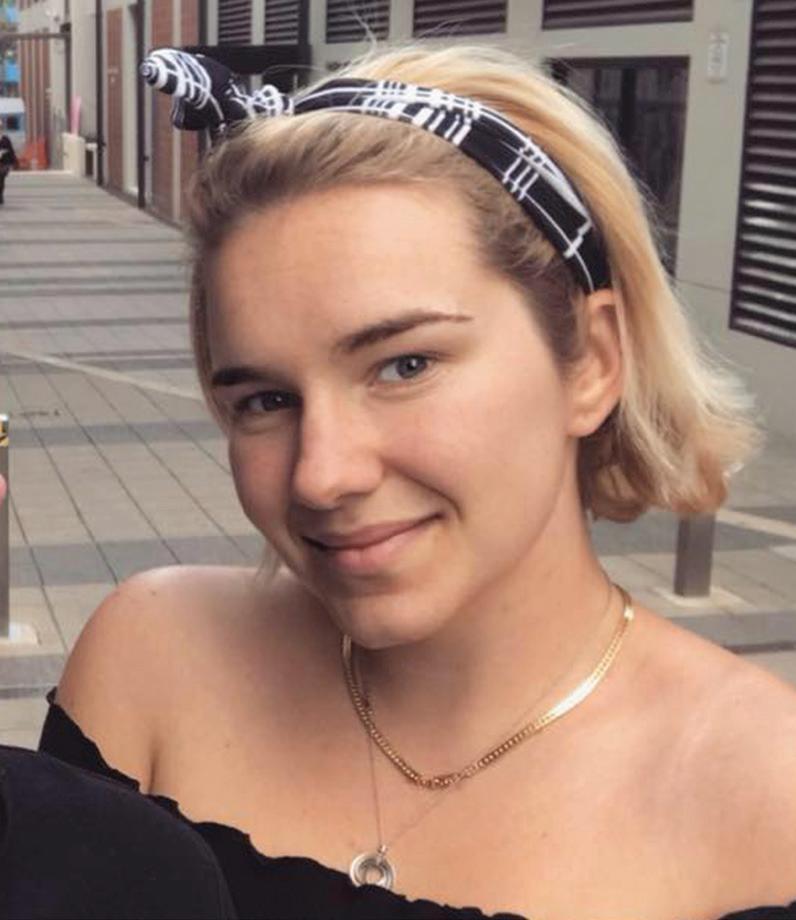
representative, Kate Riggall. She has greatly supported me in my role and has worked extensively with the University over the last two years in advocating for improved policy and procedures in the area of sexual assault and harassment. There is no stronger advocate on this important issue and I appreciate all the time she has taken out of her own study to ensure a safer university community for everyone.
It has been such a rewarding year in my role as the President of USASA and I hope that my position has played some part in bettering experiences for our students. Thank you to all of the fantastic USASA staff who work tirelessly to keep this organisation delivering for students, and a big, big thank you to everyone who has supported me throughout the year! It has been an experience I won’t ever forget.
With love, Grace Dixon
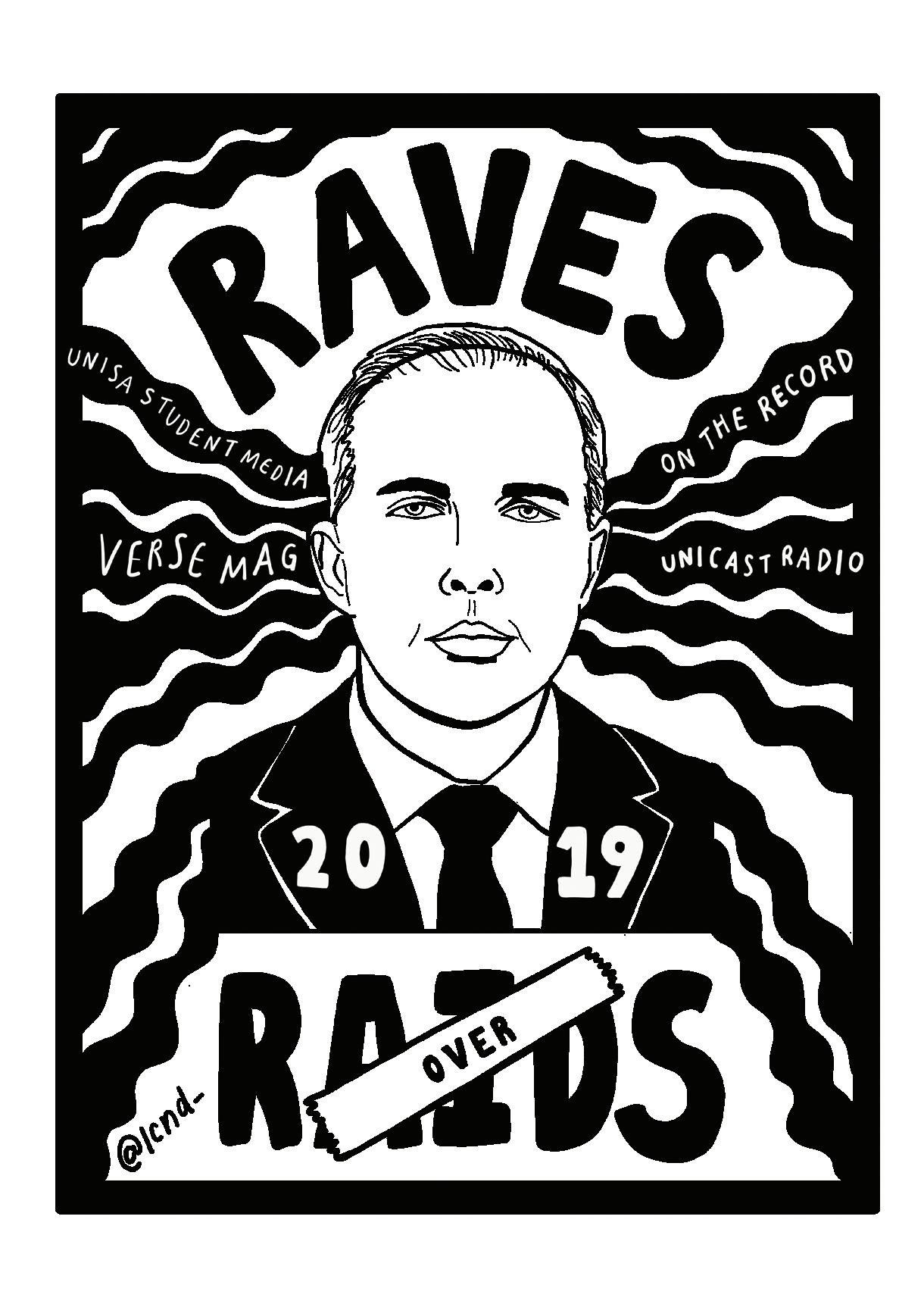
Along with our media mates, UniCast Radio and On The Record, we’re throwing a pub crawl!
Come and loosen up your 'duttons' with us on Wednesday 20th November. Head to @VerseMagazine to find all the deets (and maybe even a special discount code)!

CONTRIBUTORS
ANNABEL BOWLES ....................................... @ANNABEL_JANE
CHRISTINA MASSOLINO ....... @CHRISTINA.MASSOLINO.ART
CONNOR FOLEY .......................................................... @C_FOLES
DEANA BOGOJEVIC
ELLA-MAUDE WILSON ................................. @ELLA_MAUDE_
EMILY DRAPER................................................................................
ENRICO BECKER .............................................. @ENRICOBECKER
GEENA HO .................................................................. @GEENAHO
GRACE DIXON @AUNTIEGI_
JEMAH FINN ....................................................... @JEMAH_FINN
KATE NEWMAN @THEFELTTIPSWORD
LILY ROBERTS..................................................................................
LOK ............................................................................ @SILLYPOON
LUCINDA PENN .............................................................. @LCND_
OLIVER WHITE ........................................................... @OJ.WHITE
PIPPIN ELLIS @PIPPINELLISCREATIVE
POPPY FITZPATRICK .............................. @POPPYFITZPATRICK
RYAN COLSEY ........................................................... @RYANCOLZ
SHALINA FURTADO .......................................... @_RESTITCHED
STEPHANIE MONTATORE ................. @STEPHANIE_EMMA_
TANNER MULLER ..................................... @TANNERMULLER_
THOMAS KELSALL ................................. @THOMAS_KELSALL
TIANA BELPERIO @SOMETHINGBYTIANA
ZOE KASSIOTIS .................................................. @ZOEKASSIOTIS
Verse Magazine is brought to you by