We respectfully acknowledge the Kaurna, Boandik and Barngarla First Nations Peoples and their Elders past, present, and emerging, who are the First Nations’ traditional owners of the land that are now home to the University of South Australia’s campuses in Adelaide, Mount Gambier and Whyalla.
EDITOR'S LETTER
Edition 28 Head Editor | Annabel Bowles
At the pointy end of the semester, you’re probably looking for any kind of distraction from those impending final assessments.
Well, you’ve got one in your hands – and we think it’s a much healthier choice than that Netflix season you’ve already watched three times.
This edition contains a sobering dose of sincerity, with stories on student homelessness, emigration, and destructive love. You may also find yourself traversing unfamiliar places; a museum after dark, Europe through the wobbly footsteps of pensioners, or a glassblowing studio. Along with features on kick-ass creatives and a recipe for the most delicious chicken soup you’ll ever try, there’s a lot of juice to squeeze out of these pages.
Thank you to every writer, artist, and reader of this edition. I’ve pored over every piece submitted and I can’t wait to do it again at the end of the year – after the wonderful Tanner Muller takes on the next two editions.
Head Editor Annabel Bowles | Co-Head Editor Tanner Muller | Co-Head Editor Ryan Colsey
Communications and Digital Editor Geena Ho | Graphic Designer Oliver White | Printer Newstyle Print
Design & Production Consultant Jackson Polley | Design & Production Consultant Rachael Sharman
The views expressed in this magazine are not necessarily representative of the views of USASA or the editors.
I exist therefore I write
'A writer,' I say. The words, punctuated by an upwards inflection and a nervous giggle, reverberate around the room too quickly to take back. I gulp and stare at my hands. The pints of Coopers Session I sculled at the Moseley, a few hours earlier, are steadily gurgling their way up my oesophagus with an acidic vengeance. My $15 chicken parmy dinner isn’t too far behind.
'But, you know,' I add in an attempt to settle my easily flabbergasted belly of half-digested food, 'that’s probably not gonna happen.'
I feel Konrad exhale beside me and sink deeper into the abyss of the tobacco-stained couch. The fresh, musky scent of Hannah’s outdoor strain shrouds us in a momentary veil of white smog. I suppress a cough. Without looking across the coffee table, I know Todd is smiling at me.
'Why not?' Toddy asks, as I knew he would. My body rattles from side to side as I attempt to stifle the rapid shaking of my left knee. I feel the laces of my Dr. Martens brush against a leather satchel by my feet. Conscious of what I’ve left on inside the bag, I attempt to divert the conversation by directing a series of loud ums and whale noises at the floor. Konrad mutters something about Finding Dory and yawns loudly, but Todd isn’t as easily distracted.
Words by Nina Phillips
Illustration by Polly Wigney
'Are you worried about failing?' he asks and leans across the table toward me.
Slowly, like a wounded possum pulling itself over fallen gumnuts, I raise my head to meet Toddy’s gaze. Beyond his sandy mess of blonde curls, Hannah is chatting up the American bloke we met earlier in the night. Her fingers are tracing swirling patterns from the man’s earlobe to his elbow as she gushes about her life as an actor in a warm, breathy whisper. I grit my teeth. The girl’s been in two D-rated, Adelaidebased gymnastics movies for God’s sake. What gives her the right to call herself an actor. Selfconfidence? Naivety? Egotism?
'Slowly, like a wounded possum pulling itself over fallen gumnuts, I raise my head to meet Toddy’s gaze.'
'Why write then?' Toddy sighs. He sits up, arching his back like a cat on a lazy Sunday morning, before slumping back into his armchair.
Why write? Why do I write?
My eyes flicker back towards the satchel on the floor. I recall the lack of hesitation I felt when I arrived at Toddy’s flat and tapped the large red button of my voice recording app.
It was not with an Al Jazeera v. Pauline Hanson intention that I dimmed the hazy, fluorescent light illuminating my face, and gently placed my phone in my bag to preserve the echoing voices of those around me. Rather, at the time, I imagined listening back to our 3am conversations weeks or months from now and writing an eloquent prose of self-discovery. I fancied my words like a woodland path in spring. The kind that snakes its way endlessly in a flurry of wild flowers and hay fever. Worthy of praise, beautiful and something ought to be remembered for the good of posterity.
'It’s like, you feel like you have to. Right?' Konrad says.
His voice cuts crisply through a cloud of murky smoke and attracts the attention of Hannah and the American. As the pair tangle their limbs in an attempt to sit down together, in an armchair beside Todd, I feel Konrad shuffle upon the couch to face me.
'You feel like you can’t bring yourself to say it. But, everything you do is because you’re a writer. Right?' he continues.
It’s as if he recognised the subtle way I decided to capture my surroundings tonight. Perhaps he spotted the dozen or so voice recordings I keep locked inside my phone under a folder titled “Juicy Writing Prompts,” or noticed my heart glow green with envy as
I watched Hannah talk so confidently about acting. He can probably guess that I’m the type of person who taught herself photography, not only as a method of capturing adventures, but to encourage my description to flourish in highdefinition vibrancy.
As my face crumples into a mosaic of furrowed brows, parted lips and darting eyes, I turn toward Konrad.
'And someday soon, you hope your writing will speak loud and clear. With proper purpose,' he says.
I breath in deeply and nod.
In ten, twenty or fifty years from now, perhaps I’ll listen to this recording of a stoned stranger mansplaining my feelings and laugh. But tonight, with Konrad an unmistakable leader of the Thinkpol clearly having hacked my brain, I sink softly into Toddy’s tobaccostained couch and dream of my spring woodland of words. ◼
Mais vinho para mim
Words by Zoe Kassiotis
Photography by Annabel Bowles
The waiter doesn’t remove an inch of my happiness when he strips the perfectly placed plates and glasses on the riverside table for four showered under the dim rays of a weathered Almada street light
Instead he makes space for more food and drink to nourish my growing universe that folds and expands like waves in the milky way
He makes space for silence so that galaxies can grow in my mind content in all its brilliant solidarity
I am woman enough to fill every seat at this candlelit table in the merry-go-round of lovers and friends who dine with the Rio Tejo
- Lisbon October fourteenth
I’m homeless, but I drive a Prius
Words by Jemah Finn
Picture this: you’re homeless, but only at night. You’re sleeping in your car, but your mode of transport is a well-functioning Toyota Prius. You walk into class everyday with an instant coffee in your KeepCup that you made in the student kitchen. No one knows it's not one of the five dollar ones from the cafe.
Well, I don’t need to picture it. I lived it.
My name is Jemah Finn and I’m a 22-year-old full-time university student, who never expected to end up homeless, but was suddenly thrust into that world. Between February and April last year, this was my life. No, I’m not a drug addict, nor a struggling gambler. I completely shatter the stereotype of what it means to be homeless, and I want to shed light on this growing epidemic.
It looks something like this …
You decide you want a tertiary education, to you know, ‘make something of yourself’. So you pack up your belongings, and move to the big smoke – a three hour drive from your hometown. You are loving your studies, and doing pretty well – until you’ve lost your job because you had to keep dropping shifts due to the onslaught of university work (which has to be top priority if you want that dream job, right?) Your Centrelink payments don’t even begin to cover your rent and your parents are going through a bad season on the farm, so they can’t help you out. Before you know it, your lease ends and isn’t renewed, and your parents drop the bomb that they’re moving ten hours away, so you can’t even crash with them between rentals. The next semester is fast approaching, but you’re having no luck finding a new place. ‘We don’t really rent out to university students,’ you hear repeatedly. It doesn’t matter that you work hard and have a flawless rental history. You ring Centrelink (again) and explain your situation and beg for some financial help, but they say ‘actually, if you’re not paying rent, we need to cut your payment.’ With no family in the state to stay with and a bank account that’s suffering a severe drought, you have no choice but to crash in your car and pray something changes soon. Meanwhile, you continue to attend your nine to five classes like you haven’t just had two hours sleep in the backseat of your car, and used dry shampoo and wet wipes instead of showering.
I’m not alone.
The last Census revealed nearly one in ten homeless people are university students, and as many as 27,600 people aged 12 to 24 are without a home. But even these figures are an underestimation. The Australian Bureau of Statistics says generally those who are couchsurfing report a ‘usual’ residence, and therefore the numbers are likely to be much higher.
Photography by Isaac Freeman
In April last year, several students were asked to leave a Charles Sturt University library, when staff discovered they’d been sleeping there. The students said they felt the building was the safest option for them – and who can blame them? Most universities have 24/7 areas, kettles, couches, showers and electricity. If you hide between beanbags, you might be able to get away with ‘studying’. Probably not though; you’ll eventually be seen on the cameras that are everywhere and asked to leave by security staff who don’t care where you go, just like these Charles Sturt students.
A guy I know, Brody* is another student who faced homelessness while studying. He struggled to survive on Centrelink Rent Assistance payments of just $89.87 a fortnight for a single person sharing a house. Fortunately Brody could move back in with his dad, but he says it hasn’t been easy.
'Meanwhile, you continue to attend your nine to five classes like you haven’t just had two hours sleep in the backseat of your car.'
‘I have a single dad who shares his tiny two bedroom unit with me and my sister. Having three of us there means he now sleeps on a fold-out couch in the lounge room so my sister and I have space to study and be 20-year-olds. It’s heartbreaking to think about.’
‘At 18 it’s legal to vote, drink and drive. The government pushes you into adulthood then, when it suits them … but when it comes to moving out to study, they say you’re still dependent on a parent.’
Until you’re 22, you’re not deemed independent, even if you’ve lived out of home for years. When I rang Centrelink and told them I was facing eviction, I was told to ask my parents for a loan because ‘it’s their responsibility.’ My family doesn’t work like that … once you move out, you’re on your own.
As I chat to Brody in their unit, I hear his dad murmur in the background ‘uni is only for the rich to get richer, the little people don’t matter.’
That seems to be the sad truth. Unless your parents can afford to house you near your campus, something will be sacrificed in place of whatever work you do to pay the bills. Often, it’s your studies.
Why am I eligible for more Centrelink money as an unemployed person than a fulltime student? Why are we considered adults at 18-years-old, but not independent until 22? Why do so many of us, who want an education and a career, need to sleep in our cars or on couches just to make that possible?
I’ve contacted many government officials in search of answers, and I’m yet to receive a reply.
Young people are the future of Australia, but we’re not even worthy of a response. ◼
Editor’s note: If this story raises any issues for you, there’s free financial counselling and support available at the City West Campus. You can book an appointment at usasa.sa.edu. au/financialcounselling.
The quiet death of the museum
The museum will close in ten minutes. The taxidermy lion stares out proudly from his plexiglass coffin. A little boy in light up sneakers has been eyeing him off for a while now. The boy notices me noticing him. He sees me staring at his sneakers, so he clicks his heels together to make them blink. He knows this has impressed me. He strides up to the lion’s tomb and pushes his face up against the glass, leaving a greasy smudge in front of the lion’s face. The boy crouches there, unflinching.
A few minutes later he stands up, hands on hips, satisfied that the lion is not a threat. A faint whirring sound from beneath the case draws his attention to the lion’s tail, which flicks up with a sudden jerk. The boy squeals and runs crying to his mum, who has been watching. She points to the tail, which flicks up again with the same mechanical motion. But he has been betrayed. She told him the animals couldn’t move. How could he believe anything she said now? He cries harder.
In the next room, two teenagers with school bags are having a contest to see who can hold their hands against a block of ice for the longest. A bust of Sir Douglas Mawson oversees the proceedings. The pre-recorded whistles and howls of the tundra fill the air like a cheering crowd. The girl pulls away first. The boy gloats triumphantly, so she puts her freezing cold hands on his face. He chases her, laughing, past the jars of Arctic parasites. I have a feeling they want to kiss each other.
The museum will close in three minutes. The voices and laughter drift further away as people leave. I go down the stairs into the next room. The sudden stillness catches me off guard. I now
Words by Frances Cohen
notice the whole building smells of a certain kind of death. Not like dried blood or decay, but like the lingering stale air of a long undisturbed room. Except it’s not, hundreds of people walk through here every day. The past just has a certain smell, like a second-hand store; the stagnating natural scent of people from a time before. Each artefact is doused in the smell of its time, and the collective stench catches in my throat.
'The past just has a certain smell, like a second-hand store; the stagnating natural scent of people from a time before.'
I’m not alone in here, but the room is somehow quieter with someone else in it. At the end of the day, when all the atmospheric sound effects and interactive panels have been switched off, there are no illusions of life. Already inanimate objects seem to die, suffocated in the glass cases. The remaining few people shuffle through the final room in a respectful silence, regarding each artefact like an open casket. The canoes and spears mounted on the walls look like they have lived their whole lives here. The placard of one spear tells me it was born in the Flinders Ranges; but, seeing it hanging in front of me, it’s hard to imagine it has ever been anywhere else. I try to imagine the tree it grew from, the knife used to sharpen it, the hand that threw it. I even try to imagine the body it finally pierced. But all I see is a stick. ◼
IMAGINE: Dessy Georgescu
Interview conducted by Tanner Muller
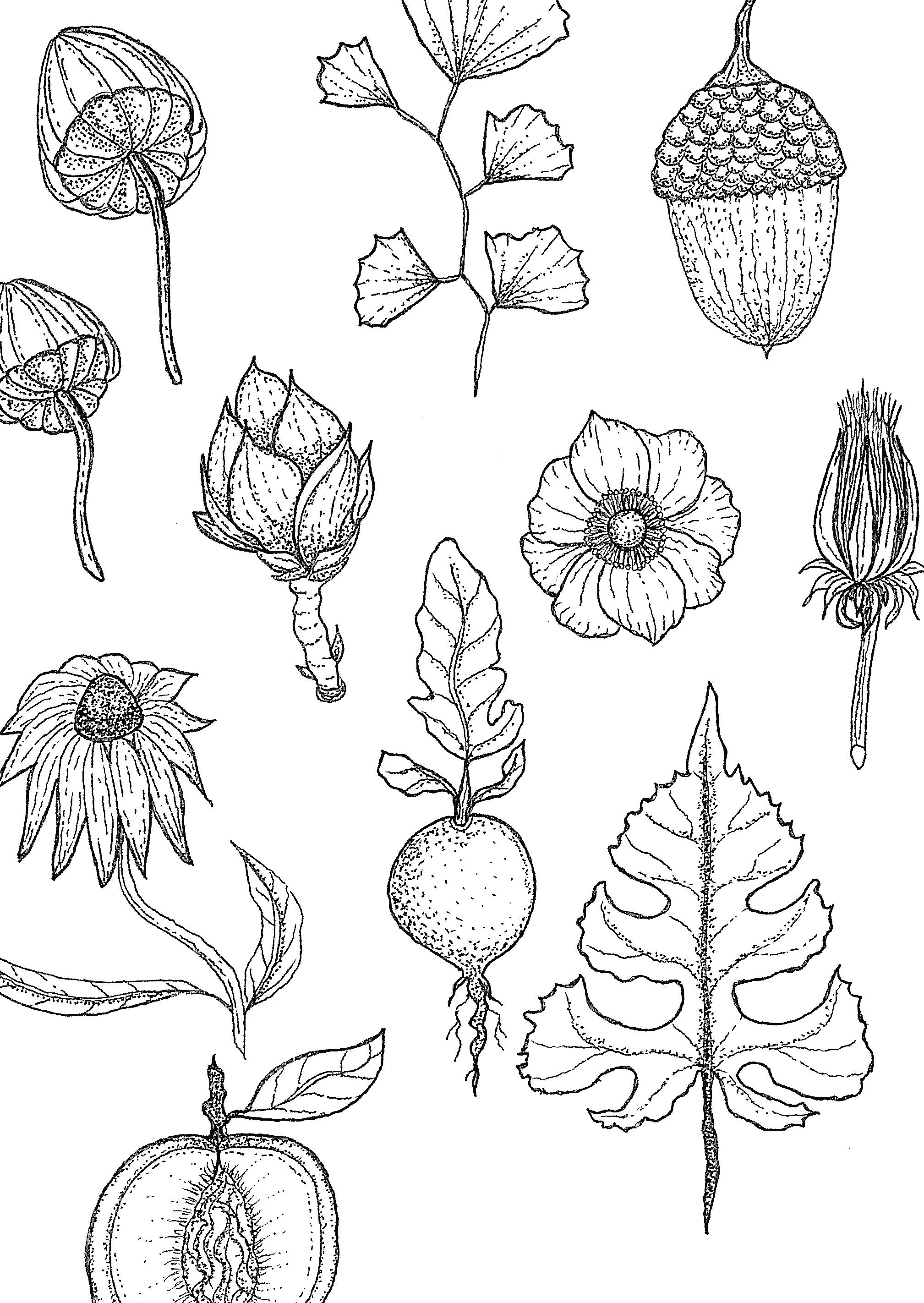
Illustrations by Dessy Georgescu
Dessy Georgescu is a third-year Illustration and Animation student with dreams of conquering the industry of fashion illustration. If you’ve got a keen eye, you might just find a couple of her murals pop-up over the coming year around the City West campus and the Hawthorn railway station. In this interview, Tanner Muller sat down with Dessy to discuss her love for nature, David Attenborough documentaries, and her pet bluetongued lizard.
You’ve contributed plenty of content to Verse in the past, but for those who might not be aware, could you describe the sort of art you do?
I would consider myself to be a fashion/ botanical illustrator. I absolutely love mixing these elements together. For example, I’ll sketch something that has come straight off the runway, but also add my own floral prints to it. I’m very fascinated by the natural world, especially its intricate details – if you look closely enough at a flower (or anything for that matter), you notice features that you would have missed without taking the time to really observe it. My career aspiration at five-years-old was to be in the fashion industry, so sketching clothing and print designs is how I’m able to fulfil that.
What motivates you? Where do you find inspiration?
I have three favourite fashion illustrators that really inspire me: David Downton, Megan Hess and Jessica Durrant. They’ve all worked with iconic labels, such as Chanel, Tiffany’s and Dior, and that’s what I aspire to be one day. These artists work in other mediums too, and I feel like that’s such an important asset to have in the industry. You have to be multifaceted and can’t just stick to what you’re comfortable with.
I also adore the David Attenborough documentaries. In Natural Curiosities he speaks about the death’s-head hawkmoth, which has this skull pattern on its back. So, I started a bit of an internet spiral when I looked for images of them online. I guess that’s the sort of approach I take with most of the work I do. I become so enthralled by something that I just naturally start to invest my time towards it. The creative process flows a lot more for me that way too.
When did you discover your passion for art? How did it all start for you?
Ever since I could pick up a pencil, basically. Back in kindergarten, I always sat myself at the painting table and created something on those thin scraps of paper. I also used to sculpt little figurines and dresses out of Play-Doh. My parents have always encouraged me to follow my artistic passion, even though all of us were unclear on where it could lead me. Thankfully, I have a bit more direction nowadays.
You’re in the developing stages of creating your own children’s book, ‘Meet Blue.’ What’s it all about?
Well, I have this pet blue-tongued lizard called Blue, who’s been with me for about seven years. A friend of my dad’s found him in his toolbox as a baby, and ever since I’ve kept him in my home. He’s my little baby dragon, you know. Although he isn’t as affectionate as I would like him to be, I just love having him around. When I tell people that I have a pet blue-tongued lizard, a common reaction I receive is how afraid they are of the animal. So, with the book I want to let readers know that they’re not as harmful as they seem. The native blue-tongue is actually a really calm creature. ‘Meet Blue’ hasn’t been released to the public yet, but I intend on taking it to a publisher once I’ve finalised everything.
'When you’re working on something you’re passionate about, a piece of yourself becomes attached to it, so the viewer is able to recognise the emotion, and intent, behind your work.'
Dessy
What sort of advice would you give to yourself during your first year at university?
I would tell myself not to stress out so much and to stop thinking about what others might want from you. It wasn’t until recently that I discovered my own illustration style. I spent so many years trying to emulate an idealised version of what I thought everyone wanted from me, that I lost track of myself and the approaches I wanted to take. When you’re working on something you’re passionate about, a piece of yourself becomes attached to it, so the viewer is able to recognise the emotion, and intent, behind your work. So, it’s better to follow your own direction and your own voice. ◼
SONGS TO GROOVE AND MOO-VE TO
Words by Annabel Bowles
@VerseMag
Listen to the playlist through our Spotify!
Photography by Oliver White
Words and Illustration by Taylor Siemelink
life’s not simply black or white its white and black wrong and right it’s brightness in dark shadow in light darkness at day moonlight at night it’s yin and it’s yang the good in the bad it’s black and it’s white joyous and sad
Don’t mistake lipstick for blood
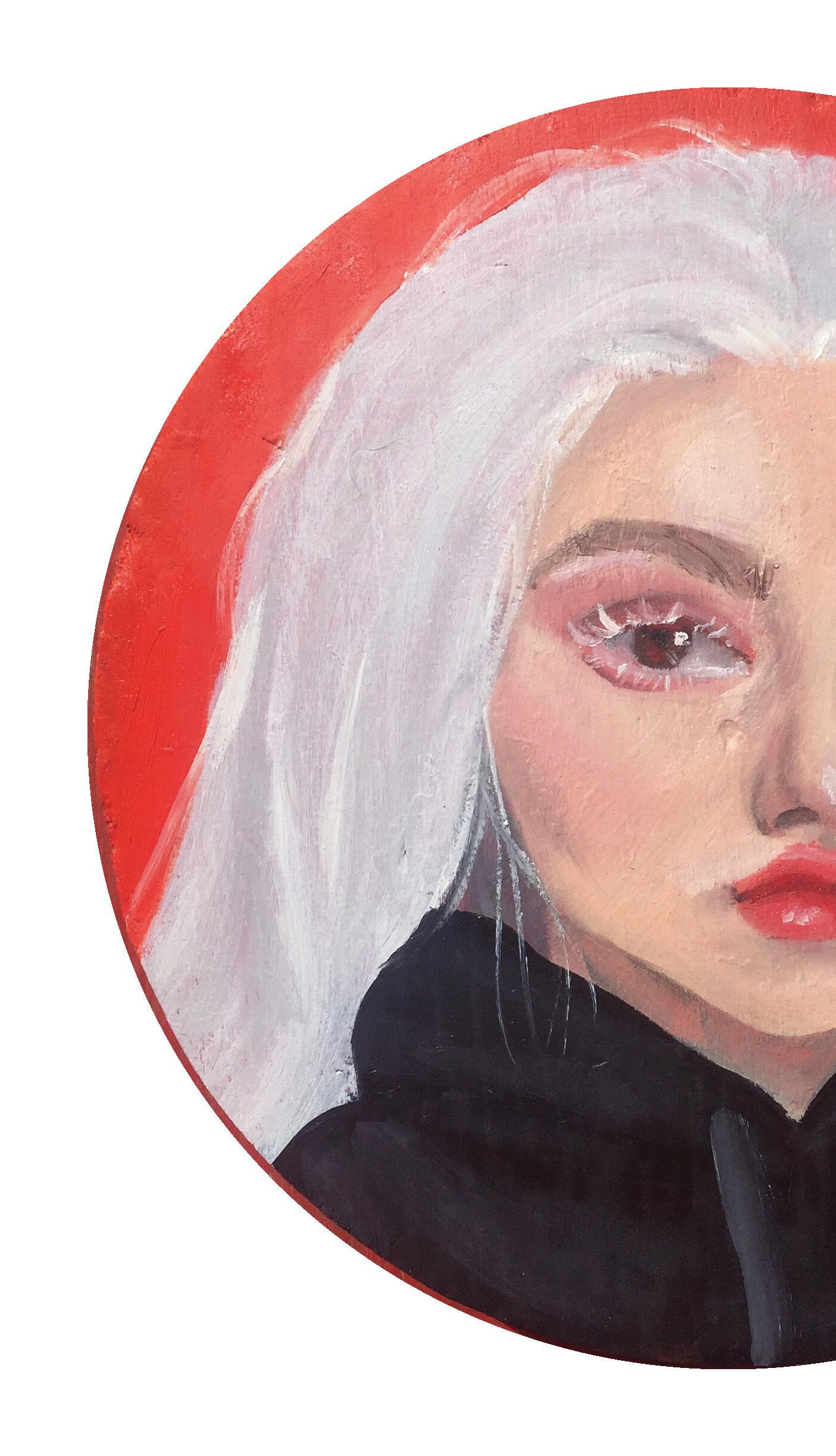
Words by Lauren Rawlings Artwork by Monique Coetzee
a cracked lipstick kiss tastes more than pink, like spat cherry pips staining curtains and carpet.
a scratched cheek, bloodshot eyes from not enough sleep, a heart that is hot with too many beats.
have you ever noticed veins splitting the skin can resemble rivers of life or cracks in a wall, contingent on how your closed open eyes meet them.
and red wine can drip sweetness or claw at the throat, the colour of that lipstick, fervent as a rose or a silent scream, Pandora’s box concealed behind those lips you want to kiss, be careful.
consider the lipstick cracks a fracture in the mask, watch for the warning to keep your closed eyes shut, but wide open.
The right touch of hellfire
Words by Annabel Bowles
Photography by Poppy Fitzpatrick
Studio images supplied by Drew Spangenberg
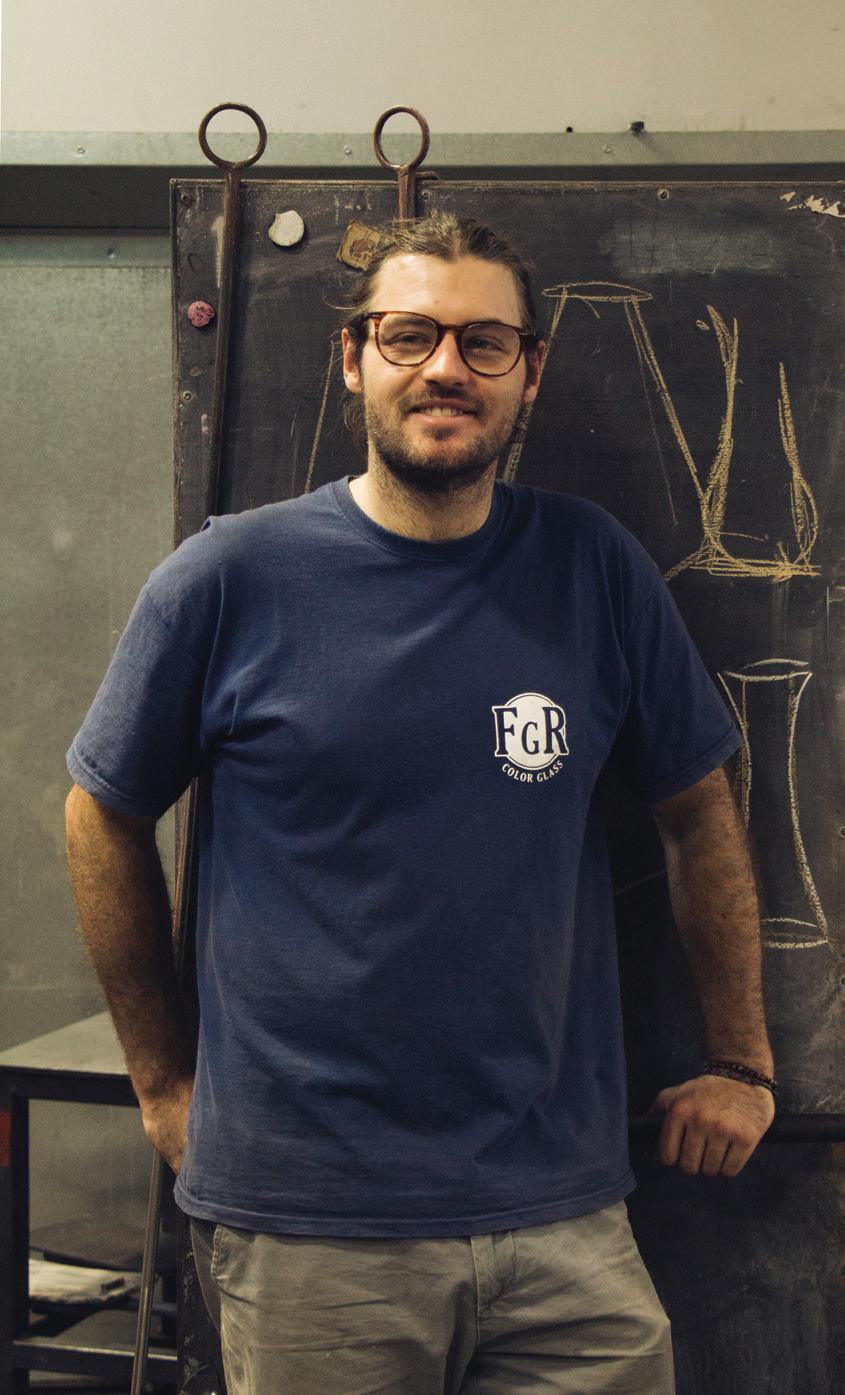
For Verse Mag’s regular Interview segment, Annabel Bowles met UniSA Visual Arts graduate and JamFactory glassblower Drew Spangenberg.
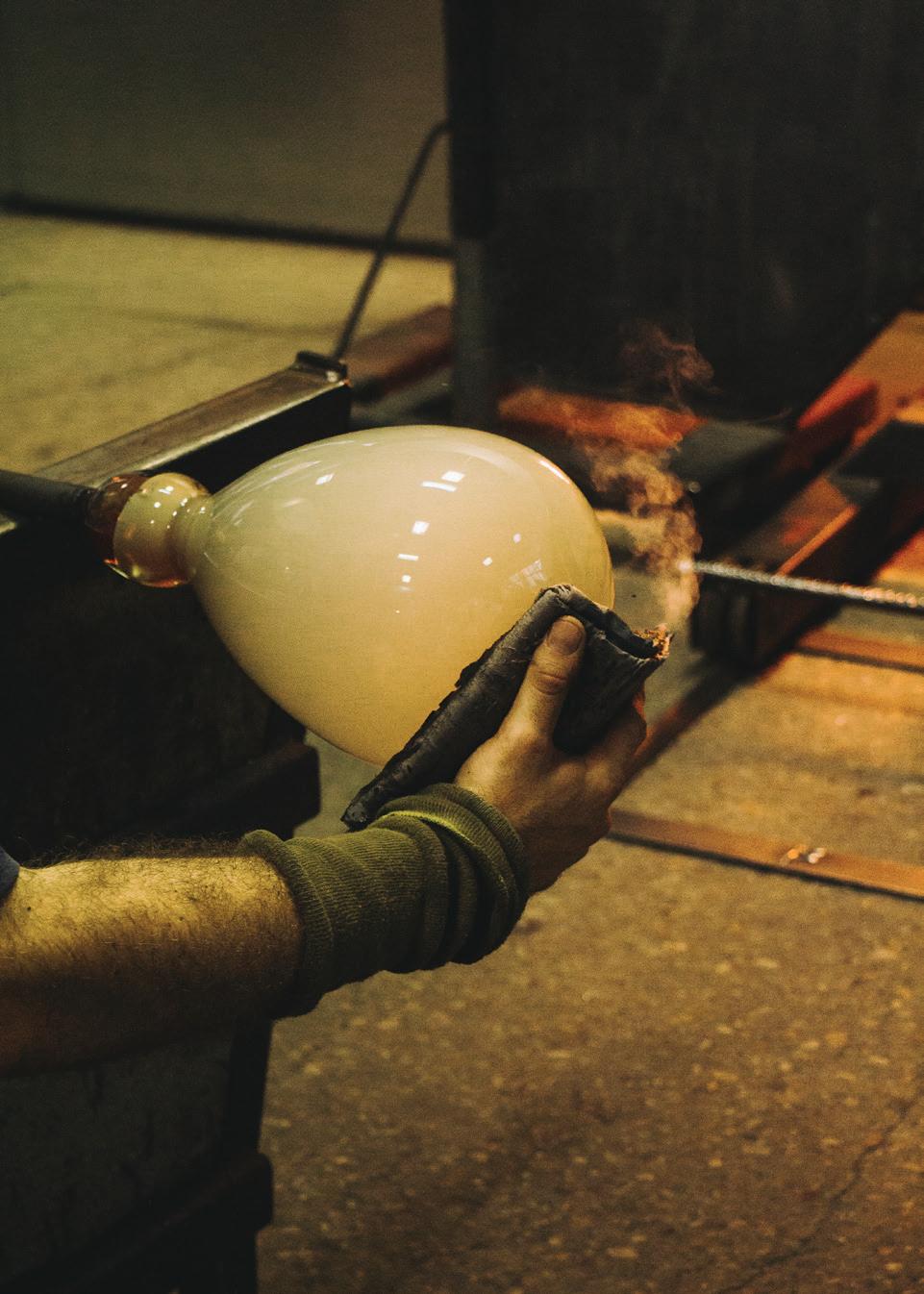
In Adelaide’s West End, a hub of activity hisses and steams behind the manicured JamFactory gallery. The door to the workshop is open, but it’s not inviting me in. Through the window I see a man twirling a metal pipe into the glowing hole of a furnace. A young Japanese woman in pink-tinted glasses paces nearby, effortlessly twisting another rod between two hands, with a radiating blob stuck on its end. They pass the two-metre long pipes to each other in sweeping movements, and continue to dance with their molten lava.
The man is Drew Spangenberg, a 27-yearold glass artist. He finds me outside the door and I follow the back of his messy brown bun to stand at a different entrance, further away from the furnaces. He gives me a rundown of what’s going on, reeling off words like ‘punty’, ‘gaffer’ and ‘glory hole’. It all goes over my head as I half-listen, half-look at what he points to. My eyes are continually drawn to the whitehot balls of goo, which a few people are now elongating in overhead swings. Wordlessly, they work in sync; though I doubt they’d be able to communicate anyway. I can barely hear Drew over the reverberating noise of the workshop in front of us.
‘Glass is its own language ... you can convey your point without using words, most of the time.’
Another rod is now propped onto a frame, and a short-sleeved guy sits at the hot end, tweaking the orb with ungloved hands and metal tools. The woman sits at the other end and follows the twirling pipe with her mouth. ‘You can see there, she’s blowing a bubble now,’ Drew tells me.
Clearly, the language of glassmaking requires an explanation, so we find a seat in a shared studio-turned-storeroom upstairs.
‘Glass is its own language ... you can convey your point without using words, most of the time.’
‘It’s a bit of a jungle in here at the moment,’ he says with a chuckle, as I sit down between cardboard boxes and shelves upon shelves of shiny glass shapes.
The pieces can take anything between a few minutes to five hours to produce, but no matter how long Drew spends glassblowing, ‘it doesn’t really feel like work.’ Despite the unimaginable temperatures and delicate skill required, he describes it like child’s play. They twist honey on sticks, blow bubbles into it, and mould the balloons like Play-Doh. It seems to be done with leisurely ease, though I only watched from afar.
‘It’s kinda like playing with lava. It’s molten, it’s gooey, it’s constantly moving. Once you start a piece, you can’t put it down and go for a cuppa like you can with ceramics. You’re with that piece until it’s in the oven, until it’s done.’
Like moths to a lamp, the ‘glass bug’ draws international and interstate students to the JamFactory workshop, which Drew believes is the country’s best alongside Canberra Glassworks. After completing a Bachelor of Visual Art (Glass) at the University of South Australia in 2013, he began a two-year Associate Program here, which I’m told is ‘second to none in the world.’ A four-hour shift usually costs glassblowers $260 in raw materials and running expenses, as well as their assistants’ wages. But an Associate has only a small annual fee, and the ability to hone their craft with much more freedom.
‘You can essentially blow glass for twelve hours a day if you want. You wouldn’t because you’d bloody kill yourself, but y’know, that’s the most time you can get on the tools in two years, anywhere. That for your skills is invaluable.’
JamFactory is a sharp contrast to the university’s ‘pokey little hot shop’ and ‘handmade mud furnace’ where Drew unexpectedly fell in love with glassblowing. A desire to leave his hometown of Whyalla and a remote interest in photography saw Drew pick a visual arts degree, and with that he became one of few – and perhaps one of the last in Adelaide – to take to glass. After
the cancellation of several interstate glass programs, he says it’s only a matter of time before UniSA’s furnaces stop burning.
‘Their facilities are old and haggard, and it’s reflective of the amount of funding the arts get. But if that goes, it would kill glass in Adelaide, as far as local glassmakers go … which is really sad.’
But Drew’s in the glassblowing game for good, even though he currently spends more time assisting well-established artists than working on his own products. This only drives his obsession to develop his craft, and besides, he likes being ‘constantly surrounded by creative people that make really sweet shit.’
Drew Spangenberg
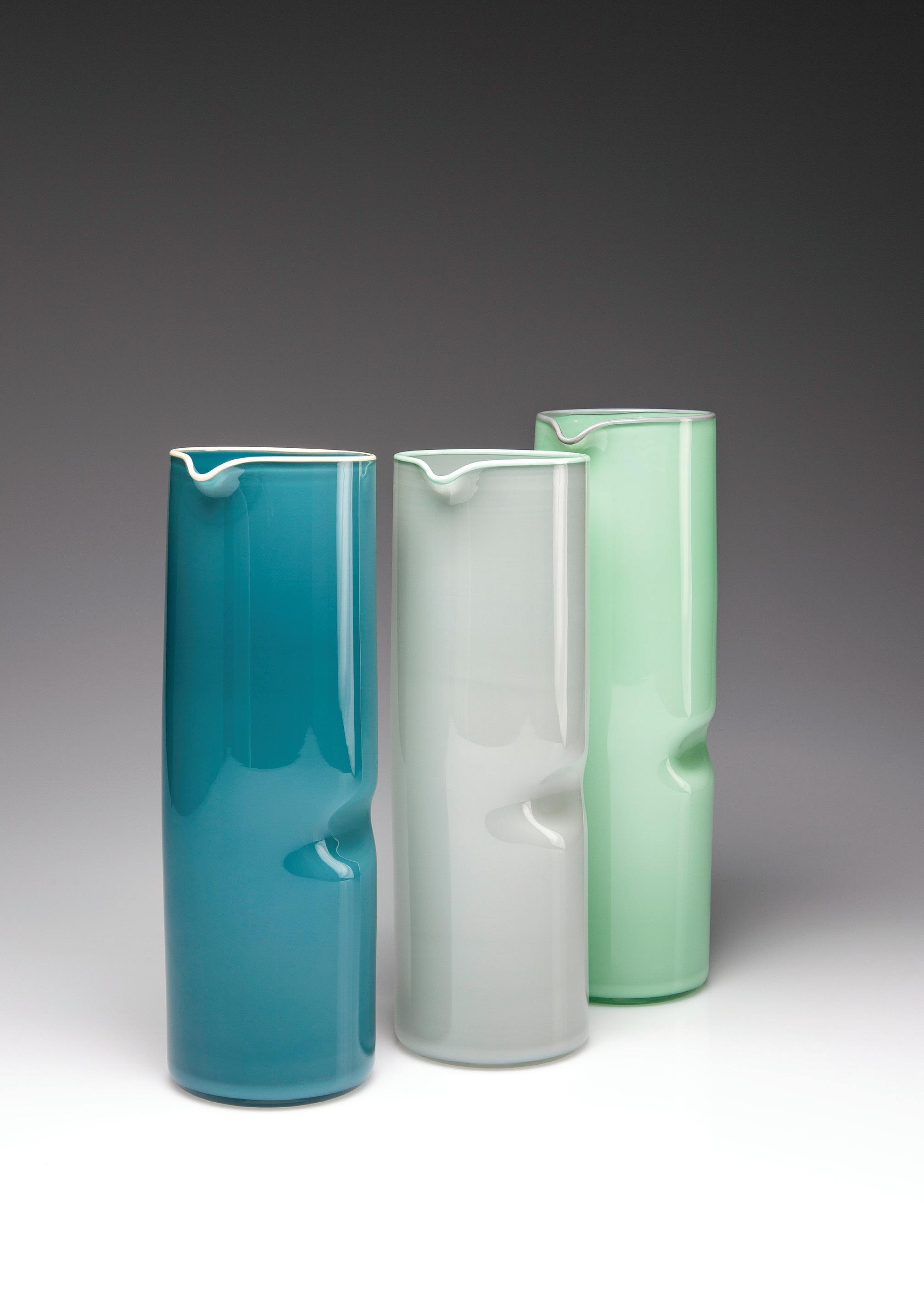
He shows me some of his work; a set of three tall cylinder jugs, in muted colours of mint green, pearl and blue. Other than their thumb indents and glazed finish, they look as simple as they sound, but the process couldn’t be any less.
‘Even the masters are always learning. They say it’s ten years until you make work you like, which I think is bullshit, twenty years before you can teach someone else, and forty years before you can call yourself a master.’
Aside from the fact that the material must be kept at a working temperature well above 600°C, I ask Drew exactly what can go wrong in the process.
‘Everything. If you start with a shit bubble, it’ll be a fight the whole way through to keep it on centre. If you let it get cold, it’ll fall off the punty. If you get it hot in the wrong spot or at the wrong time, you’ll lose your shape,’ he tells me, Rossi boots eagerly tapping the concrete floor.
‘Glass has a really good memory. Whatever you do to it at the start will more often than not be visible at the end of the piece.’
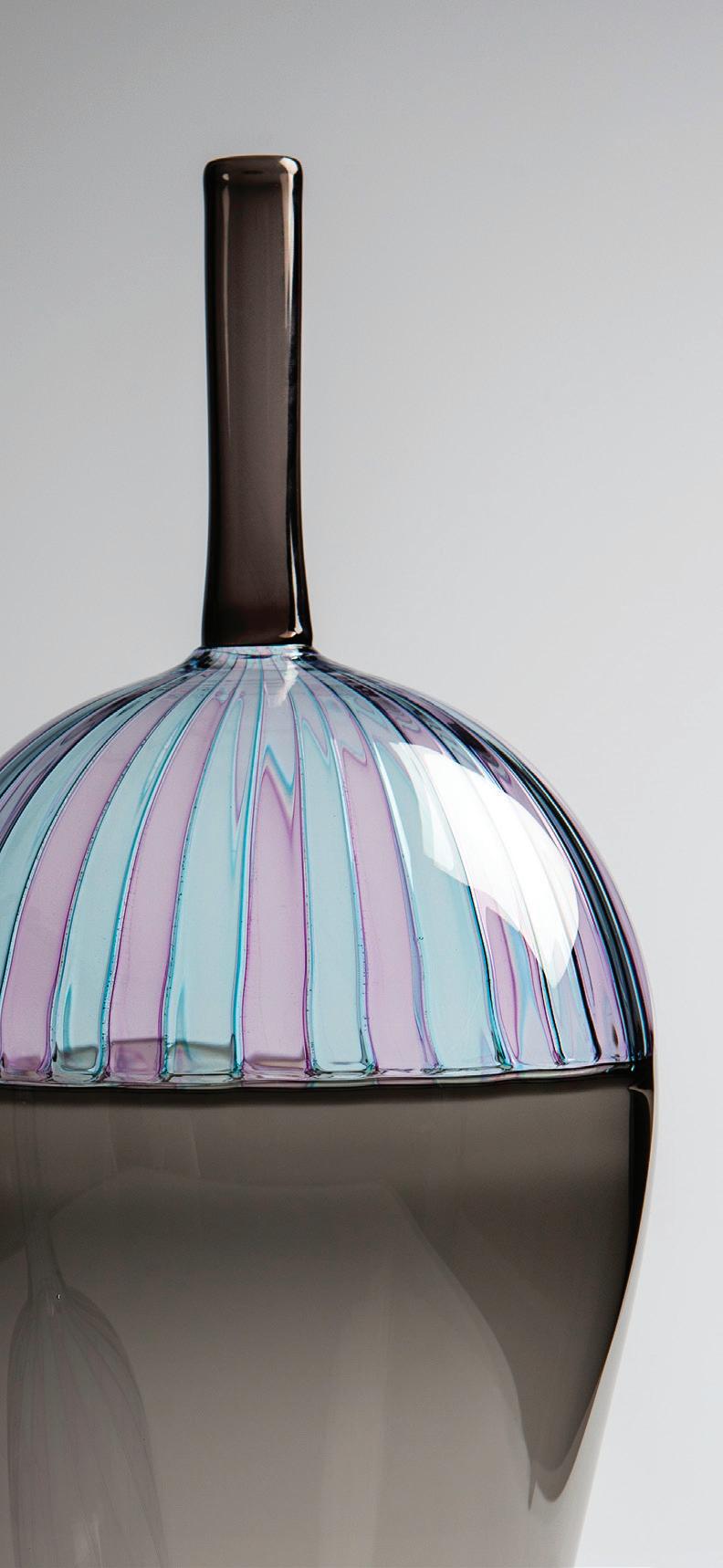
With this in mind, I have a new-found respect for the symmetry of Drew’s products and the meticulous nature of the process. What’s essentially sand (and a bit of ‘nasty stuff’ like fluxes, stabilisers, lime and silica) becomes something immaculate – with the right touch of hellfire. It’s easy to see why glassblowing is so compelling.
‘Glassblowers don’t really retire … they just work till they’re dead. It’s too addictive,’ Drew says, eyes beaming behind his glasses. ◼
‘Even the masters are always learning. They say it’s ten years until you make work you like, which I think is bullshit, twenty years before you can teach someone else, and forty years before you can call yourself a master.’
Getting someone to fall in love with you
Words by Gabriel Olaer
by Grace Plunkett
Artwork
How do you get someone to fall in love with you? Do you ‘like’ their Facebook statuses? Not too much, of course, because that would seem desperate. But a little bit, sparingly, so they know that you like the things that come out of their brain. Perhaps you can even leave the occasional comment on their Facebook wall so they remember you; remember that they should love you.
Do you wear a flattering outfit when you go to meet them for coffee? That way you can remind them that you’re someone worth seeing naked. (It’s all an illusion anyway. How you look naked is completely different to how you look clothed but at that point, a naked body is a naked body. You can always just turn the lights off). Do I rub your knee unnecessarily like Cosmopolitan once told me to do? Will that turn you on? If you were on the fence about loving me back, would a good knee rub be the thing that pulls you onto my side of the fence?
Do I text you? Do I DM you? Do I DARE call you? You’ve called me a few times in the past and I almost passed out every time I saw your name on the screen. I thought to myself, ‘This man has balls! He must really like me!’ and you do. You do like me. That I know for certain. But I’m not interested in just ‘like.’ I’m interested in getting you to love me.
'So fine. I will do the right things, wear nice clothes, and say the correct words – but not too many, and only at the right time.'
There are so many games you can play. Just thinking about the self-imposed rules of dating in our generation is enough to make me weep. Can’t I just go up to you and be like, ‘Hi. I really like you. I feel like I could possibly love you. Do you feel the same? Blink once for yes and twice for no.’ Wouldn’t it be so much faster if I cut the crap and just spoke the truth? Why do I have to let my phone and the internet and the advice from my friends dictate the pace? If I texted you four times in one day, would that really turn you off forever? Is this how fickle feelings have become, where one false move could be enough to end something that’s potentially great?
I guess it is.
So fine. I will do the right things, wear nice clothes, and say the correct words – but not too many, and only at the right time.
For the record, I don’t care if you call or text me. I won’t dock you points for using emojis or telling me that your favorite band is The Fray. Why would I care? I’m not falling in love with your texting skills or music tastes. I’m falling in love with you. Only you. So you don’t have to play games (please don’t actually).
If you become mine and I become yours, I’ll text you endlessly, and I won’t give a shit about rubbing your damn knee. ◼
Humans of UniSA: Edition #28
Everyone has a story. A defining moment of their existence that makes them the person they are today. For Humans of UniSA, we delve into the depths of human nature and speak with some students to discover a slice of their personal history.
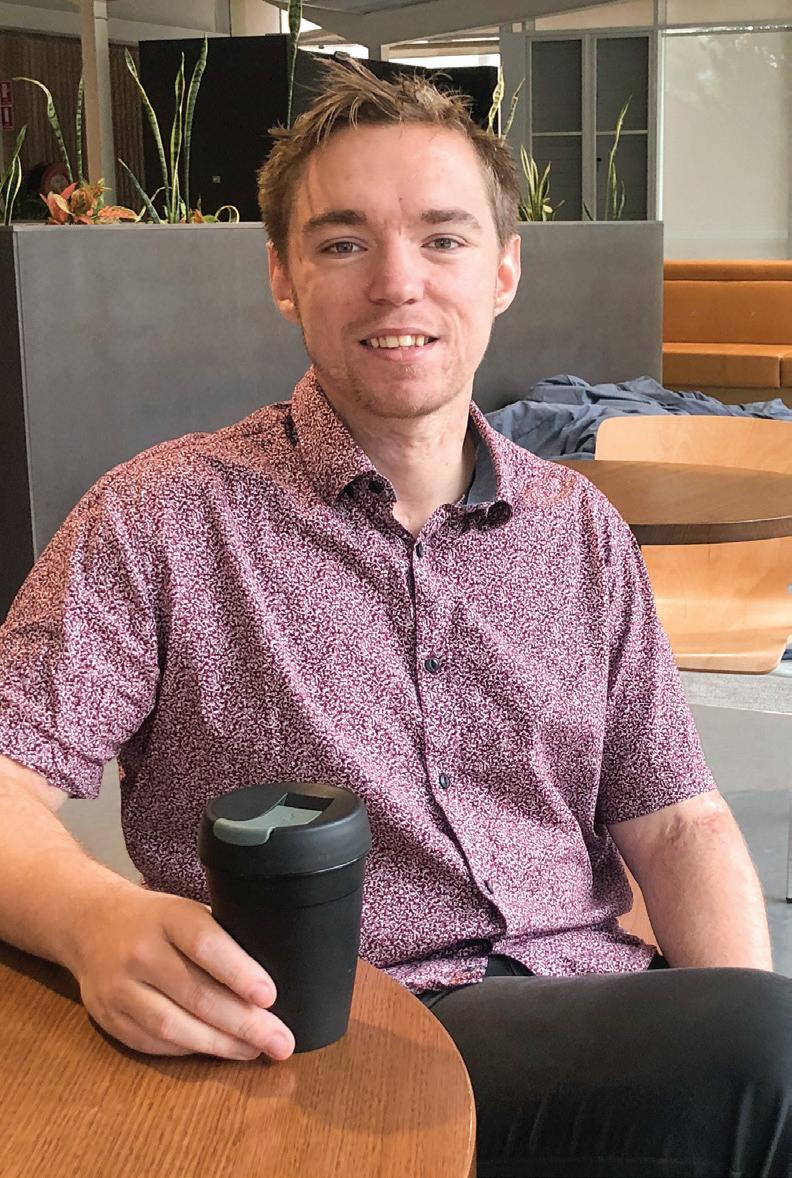
Lachie Blackwell
Bachelor of Arts
Interview and Photography by Tanner Muller
I hate to admit it, but I was scarily homophobic during high school, which is very much the polar opposite to who I am now. When I look back, there was a lot of self-hatred within myself and I was experiencing a major identity crisis. Those who were out of the closet at my school were targeted and bullied for being different, so I tried my best to fit in and became one of the perpetrators. In hindsight, I realise that I was envious of the people who were so open with themselves, because, in the meantime, I was suppressing all these emotions and didn’t know where to channel my frustrations.
I grew up in a religious home and went to church practically every Sunday, which I think contributed to all of that because I was influenced to think and feel a certain way. In front of my church peers, I had to define myself as something I clearly wasn’t and there was a real struggle between these ‘heterosexual’ and ‘homosexual’ identities. In our Australian culture, there seems to be a real stigma attached to this because of masculinity and internalised homophobia, but we need to make more of an effort in closing the gap. The next generation shouldn’t be living in fear because of who they are. I’ve heard there are some religious practices in the U.S. that are more accepting of queer people and try to marry the two together –which is such a great thing. But unfortunately, that just doesn’t seem to happen a whole lot here.
If I could give my younger self any sort of advice, I would say chill the fuck out! I spent so much of my time worrying about the worst possible consequence in everything, especially with my sexuality. Nowadays, I take a more optimistic approach (within reason, of course) and ask myself: ‘what’s the worst that could happen?’
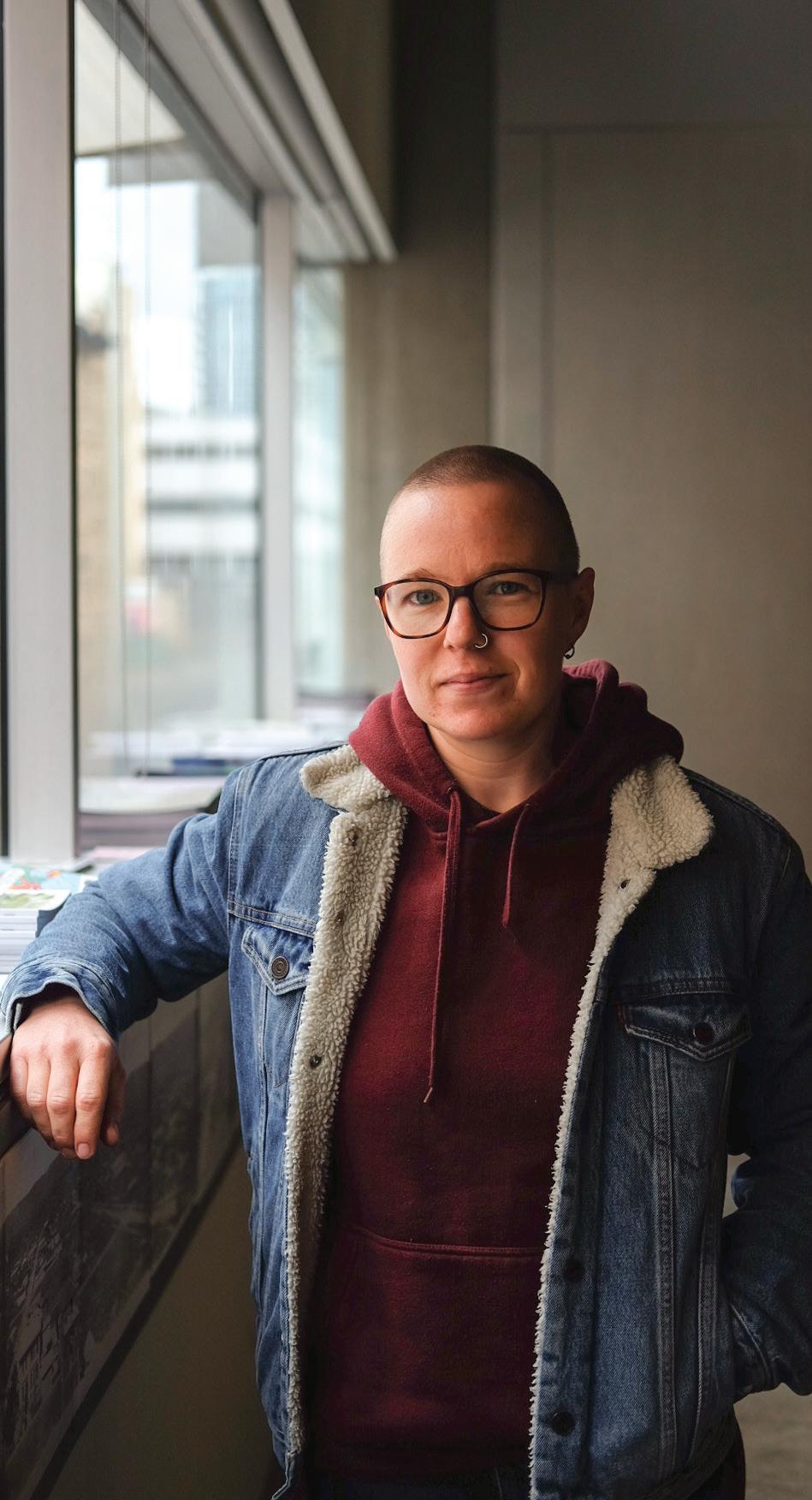
Emma Horner
of Design (Communication Design)
I was born in Adelaide, but my parents are from Manchester. We spent a bit of time there when I was three and I came back when I was four with a very thick accent.
Throughout high school, I was able to be true to myself in terms of my appearance and sexuality. I was able to date boys and girls without experiencing any homophobia. Straight after graduating, I started a social sciences degree, but my twenties ended up being a continuation of my teenage years where I just worked in hospitality and partied. I ended up partying more than going to uni, so over the years I’ve dropped out of a few degrees. Truthfully, I was a substance abuser – it was a way for me to ignore the fact that I didn’t know what I wanted to do for the rest of my life, and the fact that I was terribly bored. I used it to put off making any adult decisions.
For a long time, I was making coffee at lots of different cafes. I landed at one particular cafe where the owners gave me a lot of responsibility, but sometimes also took advantage of me. It made me realise that if I was going to do all of this work for somebody else, I might as well be doing it for myself – so I decided to open my own café with a business partner, Horner & Pratt. Running a cafe is hard because there is no safety net. If you have a quiet week you don't take home much money, so it can be very stressful. You're never off, always on. You can never fully relax. What I loved about it was being able to create my own space, and working front of house is amazing from a social aspect, I formed many lasting relationships at Horner & Pratt. I was there for two years before my partner bought me out. Partnerships can be difficult if it turns out that you don’t have the same vision.
Sometimes I think I could have been more productive in my twenties, but then if I had done anything differently, I wouldn't have ended up where I am now. I might not have started this degree, I might not have met my partner, I might not have made the friends that I've made. I have no idea where my future is headed, which I really like.
Interview and Photography by Oliver White Bachelor
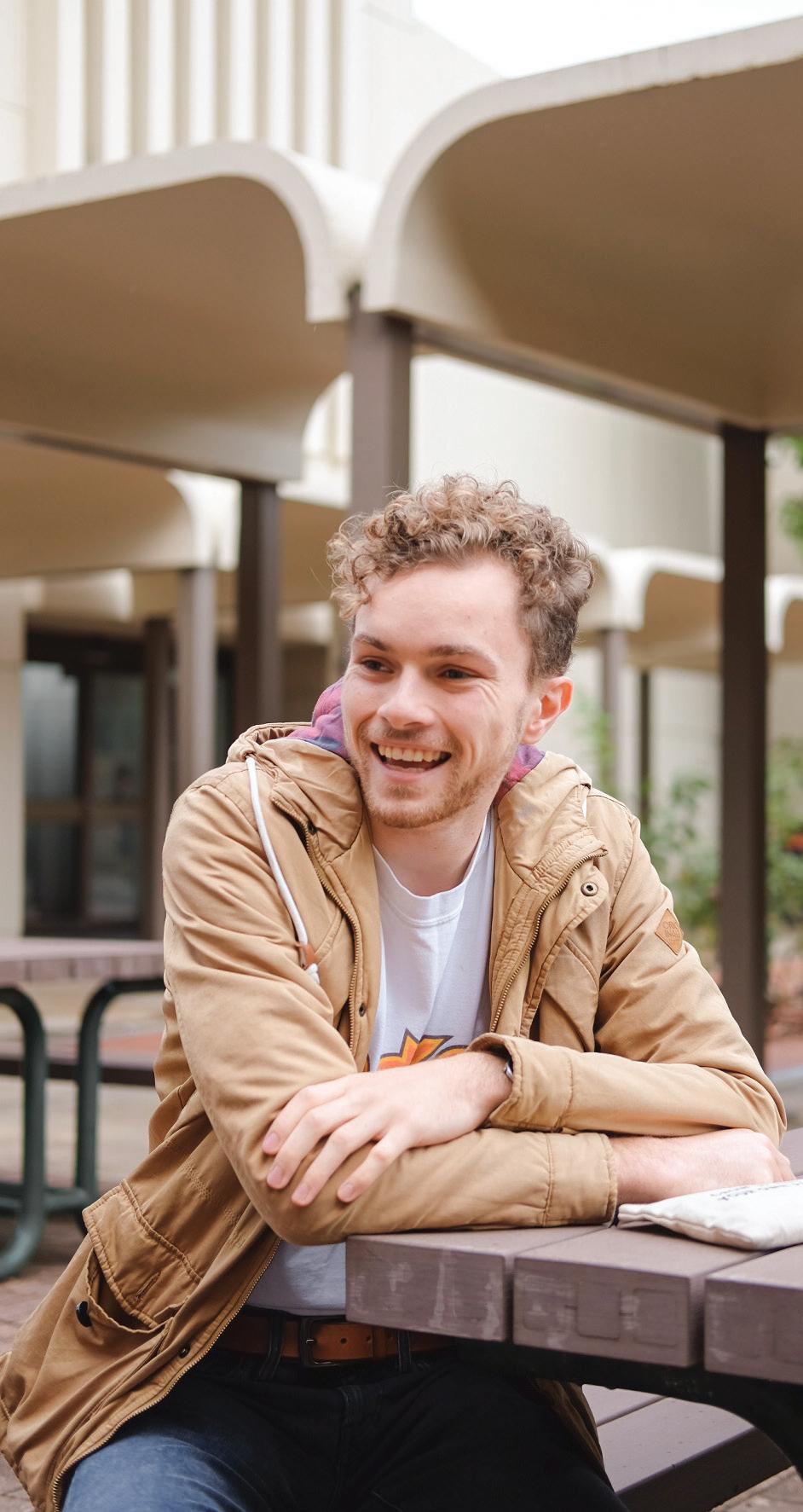
Harrison Davies
Bachelor of Journalism and Professional Writing and Bachelor of Arts (International Relations)
Interview conducted by Geena Ho
Photography by Oliver White
I moved to Australia when I was six-years-old. I was born in a city called San Diego, California, which is right on the border of Mexico. We lived in a bit of a party area in San Diego. A lot of college students live there and, for people our age now, it’s a great area to live with lots of interesting people, cool restaurants, bars, and cafes right next to the beach but, as a young family, it’s not a great place to live. So we were going to move out of the area anyway and my dad, who’s Australian, wanted me to live in Australia for a little while at the very least. He suggested we move here and we just never left.
It’s actually a funny story how my parents met. My dad, who’s a civil engineer, was on long service leave for a year. He travelled the whole world. He went to over thirty different countries. He became an adult at the end of the whole flower power era so he was still kind of living out this hippie fantasy of being really earthy and travelling the world meeting all kinds of different people. He’d been all around; Europe, Germany during the collapse of the Berlin Wall, South America, Asia and India. He knew a bunch of people from America through work and was visiting them and staying with my mum’s neighbour. On the second to last day of his long service leave, before he went back to Australia, they were all going out to a bar. My mum’s neighbour pressured her into coming out with them and that’s when they met.
They had their ‘night of romance,’ as mum describes it, and did long distance over the phone until they both had a $1000 phone bill which, in the ‘90s, was one dollar per minute. After about two and a half months, my dad kind of half-proposed over the phone and my mum said ‘if you show up with a ring, I’ll consider it’ and so, two weeks later, he showed up with a ring. They’ve been married for twenty five years. I actually calculated it and 1000 minutes is about 24 hours so, realistically, they had spoken for about 48 hours before deciding to get engaged. They’re a bit of an odd couple. They don’t have a whole lot in common other than fine wine and ‘70s rock music, but I guess that’s a good basis for a relationship. ◼
Isla in Wonderland Part 1
Words by Isla
Photography by Maria Petroff
Dedicated to all the mourners Adelaide saw me seek companionship. I had biological need for love that was so intrinsic and primal. I yearned to be nursed, to be seen, to be sought. However there is nothing more dangerous than seeking adoration in a state of heightened vulnerability. I was a woman with an injured soul, bathed in brokenness, blazingly committed to the indulgent thought that love would save me.
I met men who were well articulated and rehearsed, men who became the imposters of my life. Men who wreaked havoc and destruction, men who corrupted my innocence. Men who became more dangerous when aroused, men who were only around when the lights went down. Men who lacked authenticity, men who drove me into submission. Men who waved false wands, men who deeply misled, men who kicked away my pillars of hope. Although wary of their promises, some part of me believed I was being looked after – that I was being offered a solution. The rigorous process soothed, at least a little, to some degree. The basic itch was addressed, but I was not satisfied. These men did not have to push, for love was a story I was already sold on, and maybe a story I overcompensated for. Though I felt duped, I believed the glitch lay within me.
Just like a magnifying glass, my sorrows were amplified. I began to develop a measure of learned helplessness, and started fostering symptoms that looked like extreme forms of despair. I became imprisoned inside my own fear, walled off where connection could not reach me. I was alive but so intimate with the dead, scrambling to survive with no way of telling friend from foe.
'I was a woman with an injured soul, bathed in brokenness, blazingly committed to the indulgent thought that love would save me.'
I lived in a twisted black hole of sin and chaos, where fire rained down on me, and a poisonous hatred consumed my heart. I festered in a place where thoughts drift rather than engage, constantly reminded of the insurmountable fractures in my life – the people I no longer spoke to, the parties I could no longer in good conscious attend. I was a woman of sorrows, a wingless angel, dismantled in the horror and the misery of her life. Chaos had followed me, surrounded me; and what once seemed startling became normal. I lived in a realm where the notion of retaliation became more relevant than that of provocation, which further accelerated my retreat from the world. ◼
Match Studio: Unlearning to be creative
Words by Forum Bakrania
At UniSA’s innovative learning space Match Studio, students are taught different design processes and thinking methods, and how they can be used in both their creative and personal lives. However, as Master of Design (Communication Design) student Forum Bakrania explores, learning new ways of thinking also requires the ‘unlearning’ of old ways.
Illustrations by Ethan Haylock
In the 1960s, creativity researcher George Land began studying the imaginative capabilities of three to five-year-olds. 98 per cent of those children scored in the ‘highly creative’ range. Five years later, Dr. Land retested the children and only 30 per cent of them scored in the same range. By age 15 this number dropped to 12 per cent, and as 25-year-olds, just two per cent. You don’t need an long-established study to tell you that children are more creative than adults, but it’s interesting to note that our imagination progressively declines the more educated we become.
Maybe this decline in creativity is somehow genetic, but throughout school we’re generally taught everything has ‘right’ and ‘wrong’ answers. Even within creative disciplines at university, this thinking still applies to some
degree. This why as we get older, introducing (or reintroducing) the concept of ‘unlearning’ can do wonders for our creative capacity. Unlike the name suggests, unlearning isn’t about erasing or rejecting what has already been learnt. It’s about letting go of an assumption you may have otherwise relied on for predictable results, and experimenting with new methods that could lead to similar (or new) outcomes. You may think that everything you’ve learnt will get you past that blank canvas or blank screen, and most of the time, it eventually will. But in unlearning for a moment and recalling those childhood days of play, you may find that creativity comes more naturally.
This is easier said than done though; creativity is a fickle thing. If you’re a writer, artist, designer or any other creative,
I’m sure you’ve spent many late nights lying in bed, head racing with ideas – only to spend much of the next day staring at a blank page. Speaking as a designer, these creative blocks are particularly frustrating as in many cases, they come when you’re trying to address a real world problem. Designers are taught to identify an issue, understand it, and then generate ideas to solve it – before moving on to discover, test and implement a solution. But this process of generating ideas is often the most difficult and time-consuming, due to the complexity of the problem or restrictions imposed. So, designers are often stumped before they’ve even begun to address the issue.
Creativity is also hindered with our natural inclination to solve problems in the most obvious way, which in most cases, is the solution you come up with first. After all, the philosophy of Occam’s razor states ‘the simplest solution is most likely the best.’ While this kind of thinking encourages the removal of unnecessary complexities, in terms of generating creative ideas, it’s very limiting. However, designers often apply the concept of ‘unlearning’ to their practice, sometimes without even knowing it. Successful designers naturally come up with outlandish and childish concepts, which (although rarely make their way into a final design) are an important process in forming innovative solutions. To do this, they must reject what’s the ‘norm’, and create unique ways of thinking.
'our imagination progressively declines the more educated we become.'
'Futurist Alvin Toffler once wrote, "the illiterate of the 21st century will not be those who cannot read and write, but those who cannot learn, unlearn and relearn."'
Futurist Alvin Toffler once wrote, ‘the illiterate of the 21st century will not be those who cannot read and write, but those who cannot learn, unlearn and relearn.’ It may sound ridiculous, but unlearning is much more than disregarding what we know. It’s the continued process of learning, unlearning and relearning – which is so important in today’s state of constant change. It can be hard to put into practice, but it’s worth noting that it’s the process of unlearning that’s important, not necessarily the outcome from it. Letting go of the mundane and forming a new way of thinking can be liberating. With a touch of childlike naivety, fewer concerns for the consequences of your actions can allow your mind to blossom. ◼
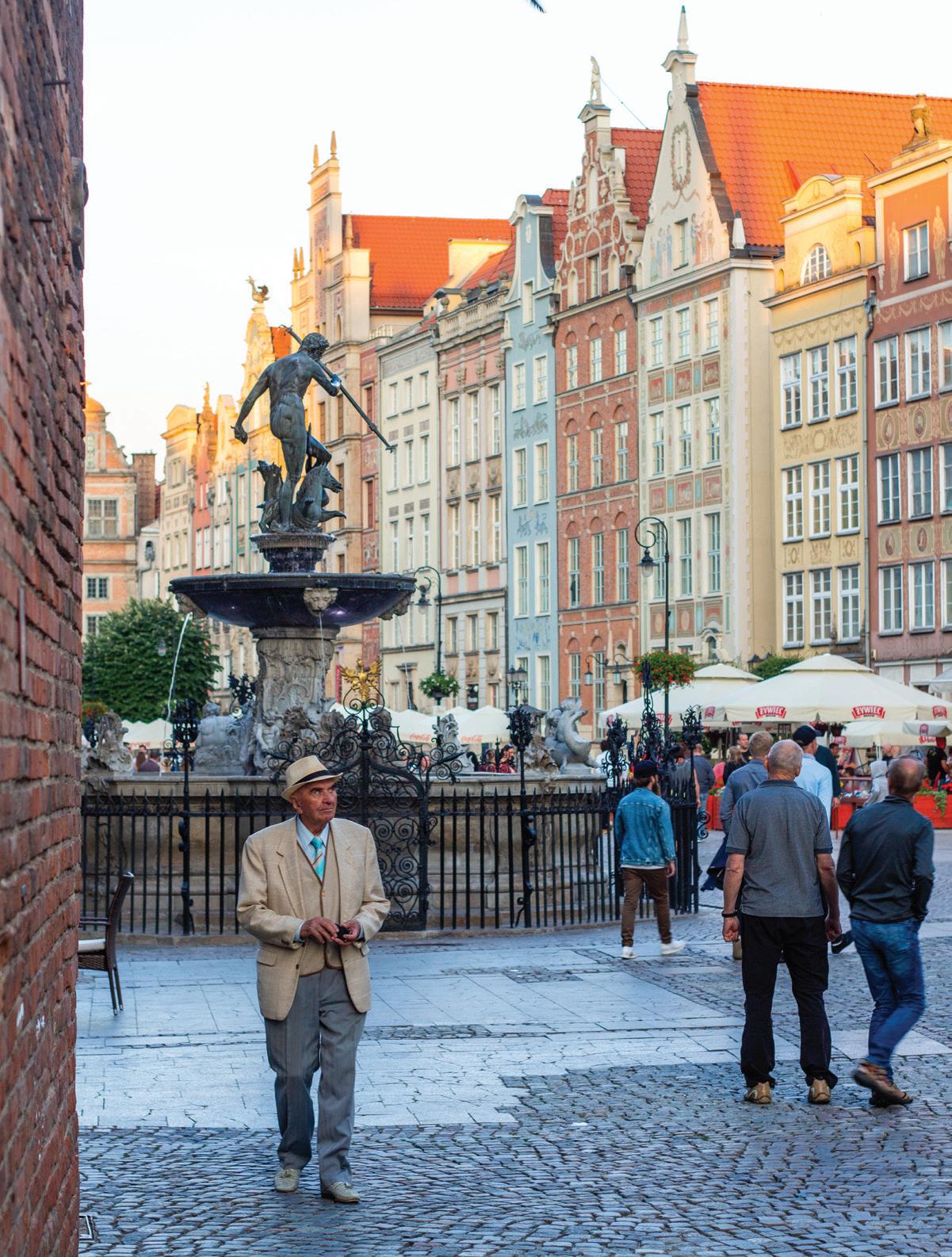
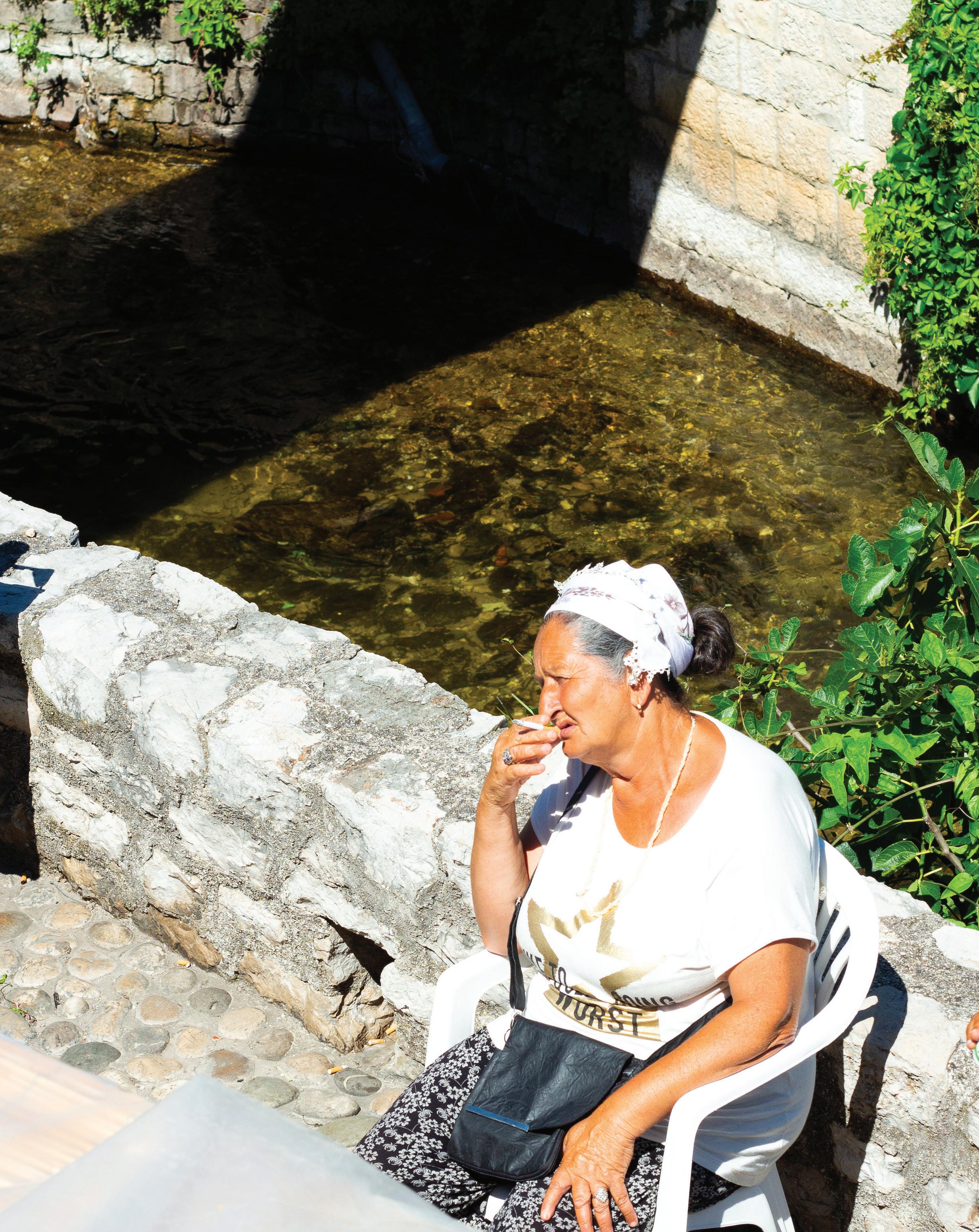
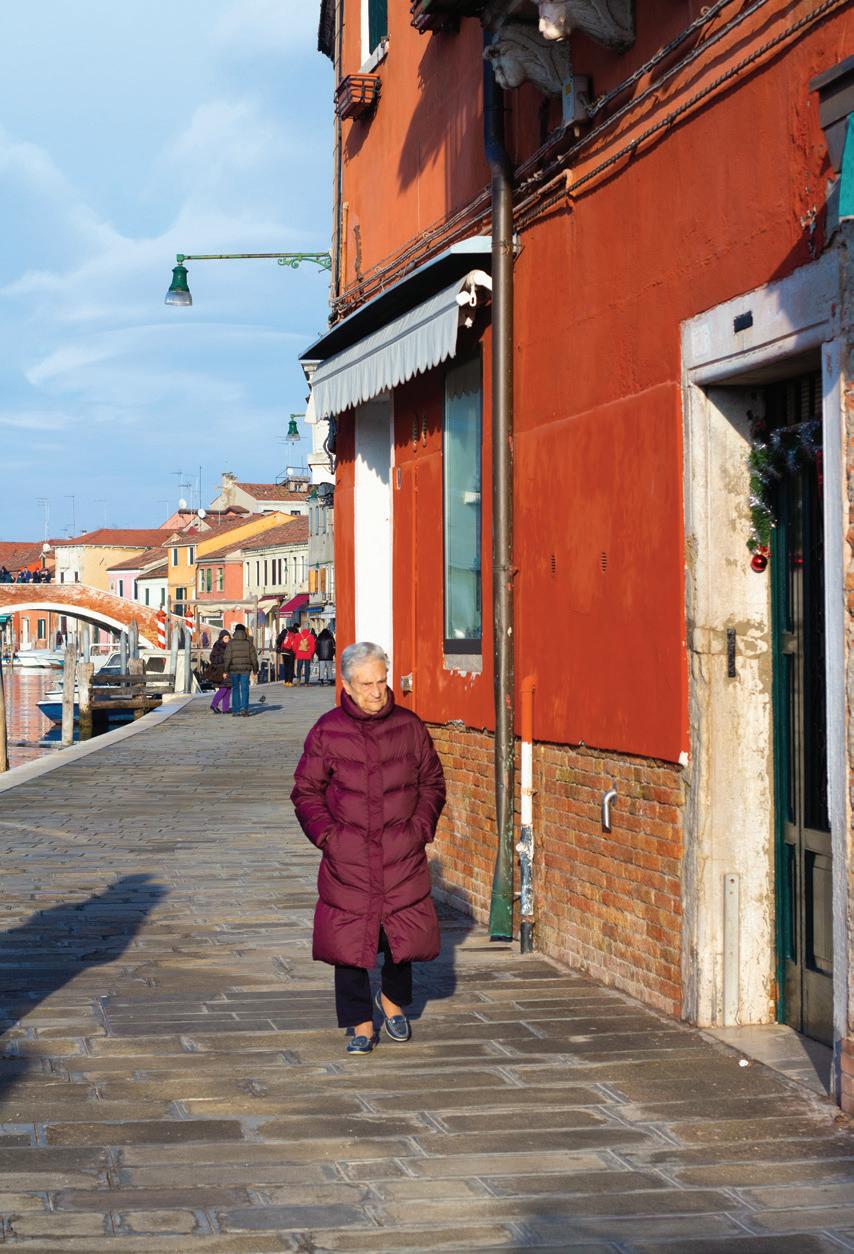
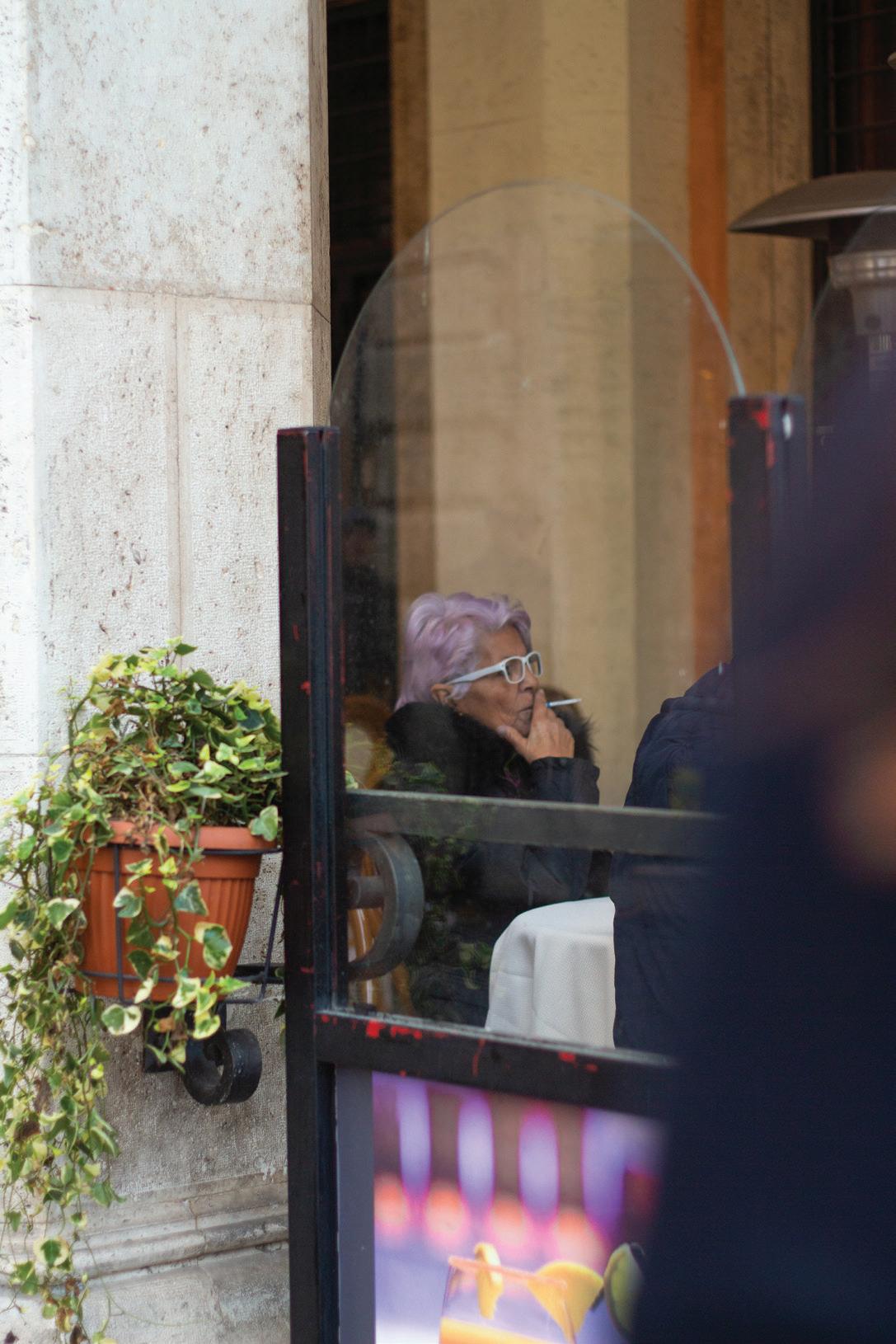
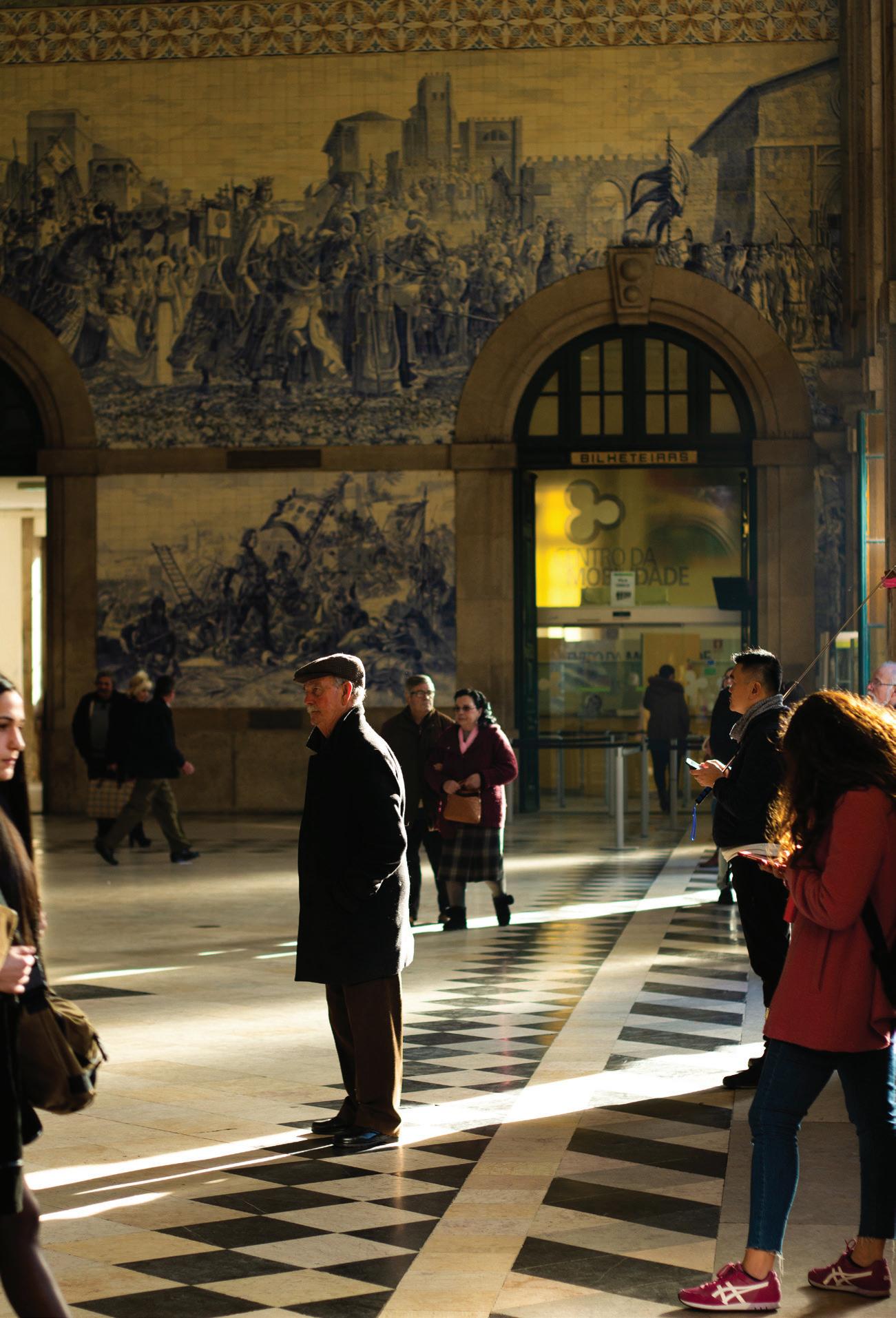
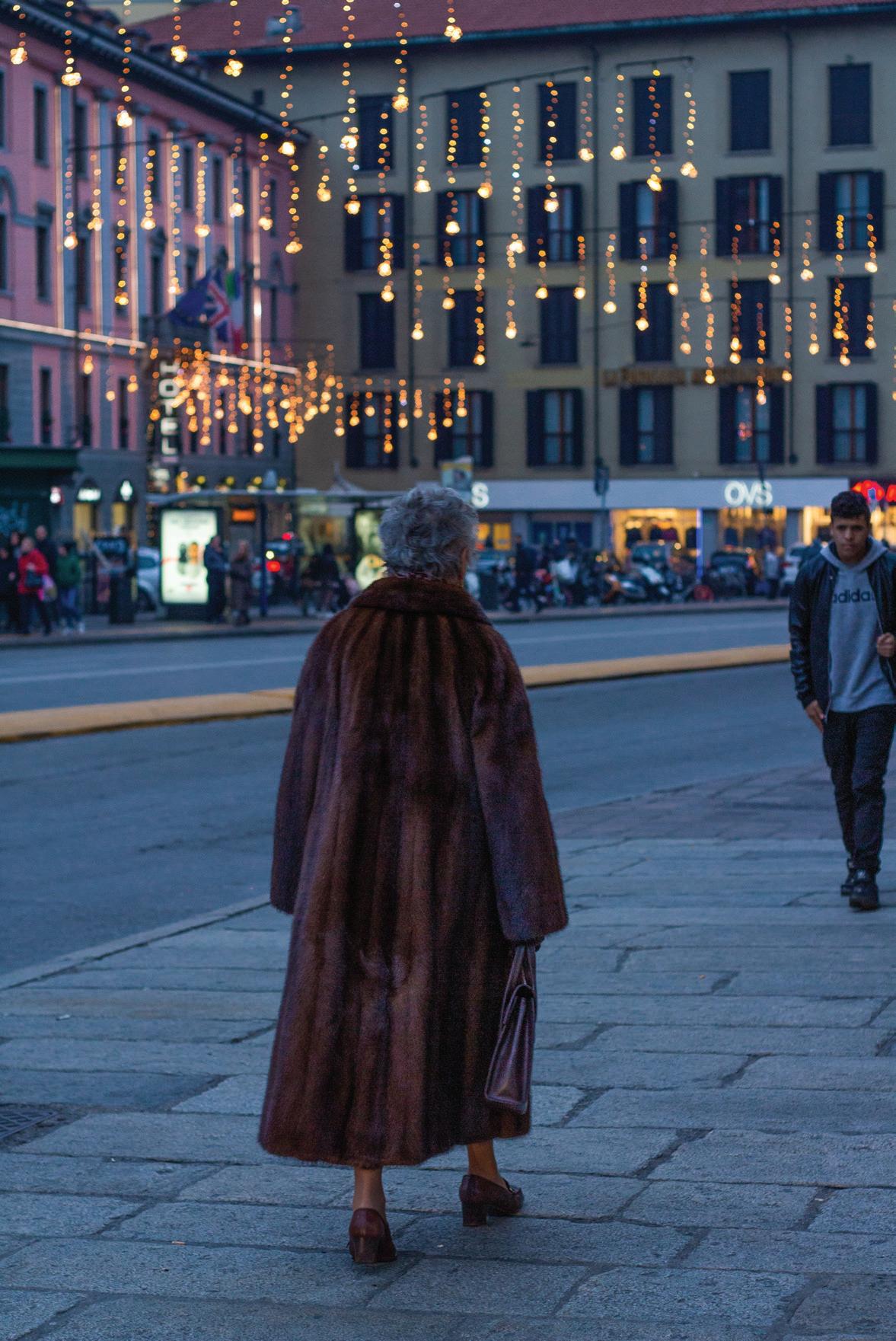
Old Folks in Foreign Places
Photography and Words by Poppy Fitzpatrick
Exploring rich historical locations through people that have long-walked their worn and weathered streets.
Gdansk, Poland
Mostar, Bosnia and Herzegovina
Rome, Italy
Murano, Italy
Porto, Portugal
Bergamo, Italy
A commuter’s trip
Words by Eugene Tabios
There it is again; the sun extending its light, illuminating everything within the vicinity, windless heat accompanying it. Maybe I shouldn’t have worn a long-sleeved shirt. But it’s hard to determine the autumn sky’s mood with each passing day. Sometimes it would sweep the roads with breeze and give me the shivers, but on other days it would draw out, irritatingly, each drop of sweat from my skin.
It’s noon after my only class at university today. I see tents placed over the stretch of grass on the path adjacent to my classroom, and I can sense they’re gradually filling with visitors. It might be nice to participate and probably socialise with people I haven’t met before, but I don’t. It’s not that I look down on people, it’s that they might look down on me.
But the times I spend by myself are the most relaxing moments of my day. I don’t have the difficulty of translating my words verbally, or keeping up with the accents of the people around me. Lately, I’ve been taking leisure in my alone time, without someone interfering in the pleasure of my self-pondering. Although maybe it’s actually bad, I think, that I willingly immerse myself in self-reflection without trying to look at what’s beyond the mirror; the world in which I exist.
Anyway, these thoughts circulate around my head as I stand under the bus shelter. I soon greet the driver, tap my MetroCard, and find an empty seat. I always try to find an empty seat whenever I get on a bus. Again, it’s not that I want to be alone, I just enjoy sitting by the window. I have the chance to look, through the bus’s thick glass panes, at the city that’s still alien to me. The buildings I pass by, with all their stories to tell, cannot speak to me in a way I would understand. The unexplored streets would not greet me as they lovingly do for locals.
Funny enough though, I feel as if the bus itself has become part of my home. In any place, in any time, I would find romance in the beauty of commuting, even if it wasn’t as nice as the public transport here. Back in the Philippines, buses are no more than a life-sized can of tuna with wheels; vacuum-sealed, suffocating, and oily. When all the
'The buildings I pass by, with all their stories to tell, cannot speak to me in a way I would understand.'
seats are filled, the conductor will squeeze in every last passenger, having them stand back-to-back in the already full aisle. The worst spot to be is nearest to the aisle, as you’re sandwiched between the standing passengers and the person seated next to you. The seats aren’t the most comfortable thing in the world either.
It might sound like a really big inconvenience, especially compared to Adelaide’s empty and air-conditioned buses, but commuting is an integral part of the regular Filipino. Everyone expects to be troubled by the tiring, sweaty and often disgusting commuting life. But you learn the nitty-gritty of time management, how to take seats in morally questionable ways, and to endure standing or sitting awkwardly for hours on end. I also got to know more of the world beyond my home, without ever really leaving it.
After my family and I moved to Australia, a friend told us that travelling by car is the way most people get around here. Buses follow a route and timetable after all. Yet I still feel like I get to know this world more and more with every bus ride. There are people caught up in conversations on their phones, parents fitting their kids into strollers, and passengers on their weekly trip to the supermarket. Sometimes they would talk to each other, in a way that still intimidates me (I don’t understand why most of the people seem like they’re shouting at each other – though apparently that’s just normal talking), and sometimes they would miss their stop and blame the bus driver for it. But a lot of times they would wait for the automatic doors to open and thank the driver as they exit.
In some ways, my emigration feels like a very long commuting trip. I hope to go back to my country someday, but for now, I’ll take my time and enjoy the scenery, and bask in the sporadicity of autumn’s sky. It’s the third season since I started riding a bus to university, yet no matter how cold or hot the weather can possibly get, I never tire of commuting. The bus tells me the stories of the houses along its route, acquaints me with the city’s faces and, slowly and gently, brings me closer to this place; to home. ◼
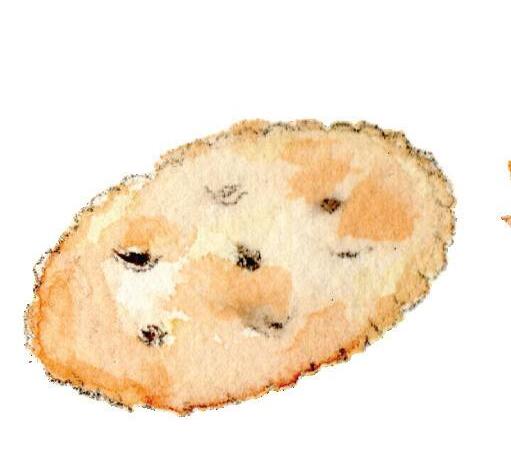
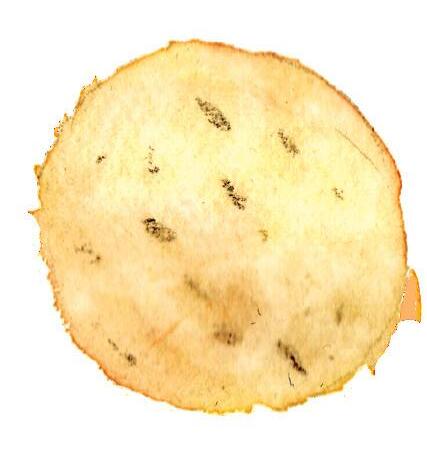
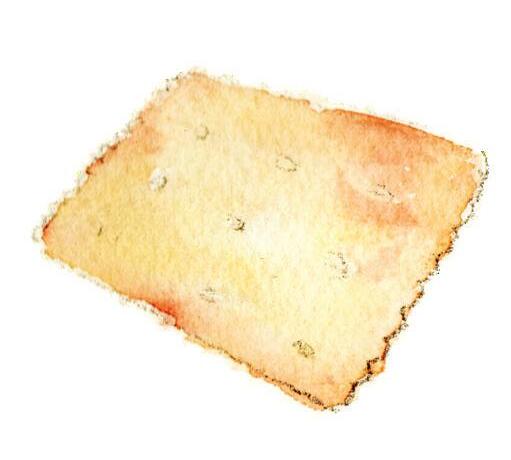
Review: Savoury Biscuits
Words by Poppy Fitzpatrick
Illustration by Oliver White
Shapes
A reliable pantry staple of any well-functioning Australian family. Best to buy a value pack of Originals and commit only to individual servings – buying by the box risks seven serves being devoured in one sitting. Which flavour reigns supreme: Cheddar? Pizza? BBQ? Cheese & Bacon? Dangerous territory to enter and bound to result in major relationship rifts. Start a flavour debate at your next gathering, sit back with a box and observe as chaos ensues.
Cruskits
Crunchy, but chewy. Really good, but simultaneously underwhelming. Rarely crave them, but sometimes they just hit a spot you never knew you had. Best served with lashings of vegemite and butter. Is it supposed to feel like I’m eating cardboard, or did my sibling forget to store them in a snaplock bag after they opened the box? Perpetually stale. You probably still have a half-eaten packet in the pantry from 2007. Eat them; they are only exactly the same with age.
Captain’s Table Classic Water Crackers
Picture this: you’ve just smashed half a wheel of brie with a mate, all the Jatz are gone, and the hummus still has a good few scoops remaining. What do you do? Go to Mum’s back-up biccies, of course. There will always be, without fail, a packet of below average, slightly peppery, very chalky water crackers in the depths of the pantry. Who is buying these? I never actually see them in the shopping trolley. Conspiracy?
Remember that time in primary school when you met your childhood bestie? You probably had Saladas for lunch that day. Last week, when you had a long overdue catch up with old friends? I bet you talked about your mate’s shitty partner over Jatz and dip. Every wholesome Aussie memory is made all the more fond with its light sprinkling of a good savoury biccy.
Slightly sweet, perfectly salty and the most satisfying amount of crunch you could ever want in a savoury biscuit. Beautifully paired with a Black Swan Tzatziki, but also stand perfectly well on their own. May destroy the inner lining of your mouth, but it’s the things we love that hurt us the most, right? Be careful not to buy Ritz just because they’re on sale and ‘basically the same’. They’re not.
It’s impossible to see a packet and not break out into the jingle we all know and love. SA-KA-TA. You’re doing it right now, aren’t you? One of the more enjoyable options for our gluten-free friends out there. Every flavour has its own charm, but chicken tastes like my childhood. Put entire biscuit in mouth, lick off flavouring, get it stuck, break jaw, eat, repeat. If this doesn’t trigger fond (or traumatic) memories, I feel bad for you.
Slap on that spread, sandwich those bad boys together, squish, and watch as the butter worms squiggle out from the holes. You may find yourself covered in crumbs after demolishing a Salada stack. Beware when breaking along the dotted line – there will almost always be one dastardly morsel left behind. Every lunch box has its Salada days. Every lunch box wants to go back. Sigh.
Jatz Sakata
Salada
THE SIGNS AS UNI DEGREES
Words by Geena Ho
Illustrations by Oliver White
ARIES
21 Mar – 19 Apr
Bachelor of Commerce
• Friends with your parents
• Owns the same shirt in three different colours
• Counts the hours of sleep they’re going to get before going to bed
CANCER
Bachelor of Health Science
• Suggests studying together but never gets any study done
• Brunches way too often
• Has an existential crisis every other month
LIBRA
Bachelor of Arts
• Indecisive af
• Drives a Suzuki Swift
• Has a ‘live, laugh, love’ sign somewhere in their house
CAPRICORN
Bachelor of Architectural Studies
• Always complaining about homework but never doing homework
• Can’t stand public transport
• Hates camping
TAURUS
Bachelor of Primary Education
• Loves visits to the zoo
• Shops at Savers
• Obsessed with stickers but will never commit to sticking them anywhere
Bachelor of Nursing
• Always has Band-Aids
• Will reply to texts in 0.5 seconds
• Has orange juice with breakfast
Bachelor of Engineering
• Party animal
• Has a framed photo of themselves in their room
• Never reads prescribed text books but continues to buy them anyway
SCORPIO
Bachelor of Business
• Pretty much already has a job lined up
• Orders UberEATS too much
• Loves birthday cake
AQUARIUS
Bachelor of Psychological Science
• Always walks into class with a coffee in hand
• Owns a Kathmandu puffer jacket
• Liked that indie band before you did
Bachelor of Laws
• Owns one too many coats
• Lives on drama
• Their shoes cost more than your rent
SAGITTARIUS
22 Nov – 21 Dec
Bachelor of Contemporary Art
• Has no filter
• VSCOs all their Insta pics
• Always down for a shopping trip
PISCES
Bachelor of Communication & Media
• Will outtalk anyone
• Easily distracted by swivel chairs
• Has a lifestyle blog
Geena Ho
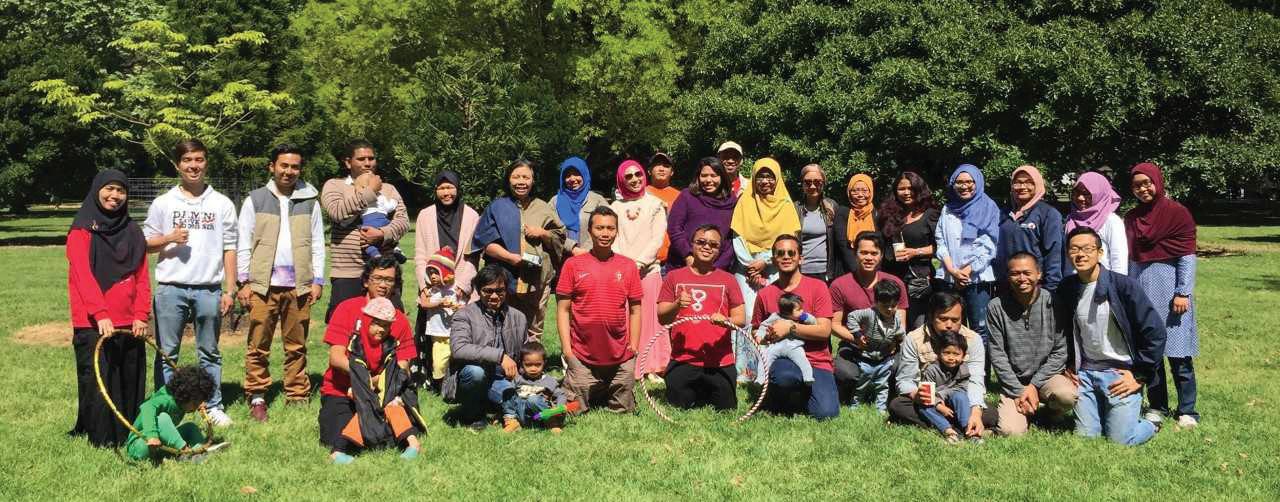
USASA Clubs Feature: Indonesian Student Society
Words by Ryan Colsey Image provided by Arnis Silvia
Adopting the motto, ‘Play and Learn’, the Indonesian Student Society (ISS) prides itself on being one of USASA’s most friendly and nurturing clubs.
Formed several years ago, the club is just one of 33 branches of the Perhimpunan Pelajar Indonesia Australia (better known as the PPIA); an organisation that supports Indonesian students studying in Australia.
ISS currently has 53 active members registered through USASA, although the actual membership of the club is likely to be higher.
‘We know how hard it can be living away from home but we have each other’s back and that’s the best thing about this club.’ Arnis Silvia, Indonesian Student Society.
Keeping in line with the PPIA, the club’s primary goal is for Indonesian students studying at UniSA to connect and support each other as they study in a foreign country with different norms to their homeland.
While they are called the Indonesian Student Society, at UniSA their membership is not just restricted to Indonesian students. Any UniSA student with an interest in Indonesian culture can join in the club and partake in events and activities. The club boasts a diverse membership with students of all ages, degrees and backgrounds taking part.
The biggest event ISS helps coordinate is the annual Women’s Research Day in May, in collaboration with the Indonesian student associations at both Adelaide University and Flinders University.
In addition to this, the club is involved with a number of events throughout the year, including game nights, networking sessions, sports days and food events.
Speaking of food, Indonesia is home to some truly delicious meals, including nasi goreng, beef rendang and soto ayam. For readers that are handy in the kitchen (or at least think they are), there’s a recipe for soto ayam on the opposite page. It’s Indonesia’s version of the humble chicken soup, laden with ginger, turmeric and coriander … do we need to say any more? Enak!
To check out the Indonesian Student Society, find them at @ppia_unisa on Instagram. ◼
SOTO AYAM
Serves: 4 (or 3, if you’re hungry)
Illustration by Oliver White
Ingredients
Yellow Spice:
6 shallots
4 garlic cloves
8 cm piece ginger
3 tsp ground turmeric
3 tsp ground coriander
2 tbsp vegetable oil
Broth:
2 litres chicken stock
1 stalk lemongrass, bruised
250 gm cooked chicken, shredded
120 gm white cabbage, sliced
1 tomato, chopped
To serve:
Cooked rice or vermicelli
60 gm bean sprouts
2 soft-boiled eggs
1 bunch fresh coriander
4 tbsp fried shallots
1 lime
Method:
Process all of the yellow spice ingredients together into a paste and stir fry for a few minutes in a saucepan.
Add chicken stock, lemongrass, chicken, white cabbage, and tomato to the saucepan, and allow to simmer for 20 minutes or more. Season with salt and pepper.
Add some cooked rice/vermicelli to each bowl. Remove the lemongrass stalk, and add the soup to the bowls.
Top each bowl with bean sprouts, half a boiled egg, fresh coriander and fried shallots. Squeeze over lime juice and tuck in. Selamat makan!
USASA Advocacy Column
Words and photo supplied by Tanya
Mackay
Advocacy Officer Tanya Mackay gives Verse Magazine the rundown on what USASA’s free advocacy services are all about, as well as opportunities for students to become an Advocacy Intern.
What is USASA Advocacy and what services does it offer to students?
The advocacy service is a free, confidential and independent service. We are experts in UniSA Academic Policy and Procedures and provide support and advice to students that are facing academic issues. We are centralised at City West but do travel to support students at all campuses if they need to meet with academic staff to resolve an issue. The support we provide includes helping students analyse and prepare their case, mediation with various parties involved in an issue, attending meetings and reviewing documentation.
What is your educational background and how long have you worked as an Advocacy Officer?
I am a qualified social worker and I’ve worked as an Advocacy Officer for two years. Prior to being employed at USASA I worked in the mental health sector undertaking research and providing policy recommendations. This work involved co-designing projects using the expertise of people who have a lived experience with mental health issues themselves or in being a support for someone who did.
During your time as an Advocacy Officer what are some common student academic issues you come across?
We see a huge variety of academic concerns and complaints. The most common issues we see are academic integrity issues, removal from university (preclusions), requests for resubmissions or re-marking, appeal against final grades and placement issues. Though they are often common issues every case is unique, so we can analyse each case individually and provide specific advice that’s tailored to the student.
What advice can you share to help students avoid academic issues?
Communicate with staff early and professionally and read the course outlines, especially in regards to assignment criteria and referencing instructions. Engage with the university’s support services when needed, including advocacy, counselling, international advisers and learning advisors. If something isn’t going well there are a lot of people at UniSA to help! If students are unsure they are always welcome to contact us, and we can refer them to the right service if it isn’t an advocacy case.
With exams and major assessments approaching, where can students find information about final procedures?
Students can contact us if they are having any issues with their exams or they can refer to the university’s Assessment Policy and Procedures Manual. Students should also check their course outlines, Learnonline page and review any information provided by their Course Coordinator or Campus Central about their exams. If students are unhappy with their grades, the advocacy service can help arrange a meeting to review or appeal their final results.
What are the perks of working at a student organisation?
Not only do I work in a fantastic team at USASA, I also get to meet students and help support them in their journey through university. It’s a really rewarding role, where we get to make a difference in students’ experiences.
Even though USASA Advocacy and the university are independent from each other, what oncampus events are USASA Advocacy involved in?
The advocacy service is often at events like O-Week, Campus Fair and UniTopia, so students can meet us and learn about our service. We often have cool activities like colouring competitions for students to get involved in as well. Together the advocates and advocacy interns also support the broader USASA team at as many events as possible!
Can students get involved with USASA Advocacy? If so, how?
Students can apply for our Advocacy Internship if they are interested in gaining some fantastic professional and personal skills. They’ll also get a chance to see how the advocacy service works, learn about the policies of the university and provide peer-to-peer support. We open the internship twice a year, and all UniSA students can apply.
For more information: https://usasa.sa.edu.au/ AdvocacyInternship
If a student requires assistance how can they contact USASA Advocacy?
The best way to contact us is via our website https://usasa.sa.edu.au/advocacy, or email USASA.Advocate@unisa.edu.au
Ending Semester Party - UniSA Ballet Club
Showpony Open Mic
Chill Vibes - Wind down, relax & enjoy.
Games and Chats - Evangelical Students Magill
PSS Trivia Night
Showpony Open Mic - Showpony
Verse Edition 29 Submission Deadline
PSS Pub Crawl #1 - UniSA Physiotherapy Student Society
USASA Leadership & Club Grant June Deadline
UniTopia SP2 - Free wellbeing event for all students.
USASOE Mario Kart Crawl 2019
USASA Leadership & Club Grant May deadline
UniSA Psychology Freudians Pubcrawl 2019
UniSA Physiotherapy Student Society
PSS Trivia Night
**Members Exclusive** Movie Night
Verse Edition 29 Submission Deadline
Weekly
USASA Leadership & Club Grant June deadline
Recurring Events
2019 Social Studio Sessions
Psychology Study Group
Evangelical Students Magill
Recurring Events
The Bible Talks - UniSA City Evangelical Students
Psychology Study Group - UniSA Psychology Society
The Bible Talks - UniSA City Evangelical Students Music Lovers Rehearsals
Social Studio Sessions - UniSA Art Club
Overseas Christian Fellowship Sessions
UniSA Ballet Classes
Friday Sessions - Overseas Christian Fellowship Ballet Classes – Ballet Club
USASA PRESIDENT'S LETTER
Hi everyone!
University is a time of significant change and challenges, and most likely an experience different to anything you’ve done before. If you’ve made it this far – whether you’re completing your first semester or fifth – I commend you. Throwing yourself into the competitive and stressful world of higher education, with its constantly looming deadlines and increasing workload, is not something to take lightly. It is important to constantly look after yourself and your fellow class members, especially around exam periods, to lighten feelings of anxiety that inevitably come with final assessments.
While studying at university often feels overwhelming and stressful, it is important to keep in mind that there are plenty of services here to support you. UniSA has a free and confidential counselling service available to all students. You can book an appointment through Campus Central, the UniSA counselling website, or over the phone:
Metropolitan Campuses – 1300 301 703
Mount Gambier Campus – (08) 8723 1999
Whyalla Campus – (08) 8645 8233
Just keep reminding yourself: once you get through the dreaded month that is June, with all its exams and final assignments, you essentially get a month off to recover!
And, once SP5 commences, you get to do it all over again! However, it’s not all doom and gloom at uni; there are always great events to get involved with. You might have seen UniTopia on your campus a couple of weeks ago, and took part in enjoying the FREE FOOD, live music, pot planting and decorating, as well as my personal favourite – the Doggo Cuddle Cafe! If you missed it, fear not; USASA will have another ClubsFest and UniTopia in the new semester, as well as few Chill Vibes events. There’s always a little something to breakup the constant routine of lecture → tutorial → sleep → repeat.
I know for a fact that everyone is on at least one social media platform, so when you have your phone in hand, follow USASA UniSA Student Association on Facebook and @ USASAadelaide on Instagram to keep updated with everything that’s going on around campus. There are also more than 95 USASA clubs to get involved with. They regularly host social events and food stalls on campus, and provide great opportunities to interact with different people outside of the classroom. There’s no reason to feel alone at uni.
Until next time, keep safe and sane, with a smile on your face!