
FEATURING •
HUMBLE ZEN SPACE GUIDE
BRIAN BOLADO
SPOTIFY
MATCH STUDIO
HUMANS OF UNISA HOROSCOPES
DR EVANGELINE MANTZIORIS
UNISA CAMPUS REVIEW

FEATURING •
HUMBLE ZEN SPACE GUIDE
BRIAN BOLADO
SPOTIFY
MATCH STUDIO
HUMANS OF UNISA HOROSCOPES
DR EVANGELINE MANTZIORIS
UNISA CAMPUS REVIEW
Edition 27 Head Editor | Ryan Colsey

To all our readers, welcome to Edition 27 of Verse Magazine and congratulations on continuing your studies beyond the census date.
With uni back in full swing we’ve been out and about at all four Campus Fairs, handing out free t-shirts and connecting with students young and old to encourage them to read and maybe even submit some of their own work to us too.
The theme for this edition is Zen | Health | Lifestyle and as a result we’ve had a wide range of submissions. You will find the more ‘Zen’ themed works towards the front, followed by the ‘Health and Lifestyle’ submissions.
Our Graphic-Designer-turned-journalist, Oliver, spoke with West Thebarton guitarist Brian Bolado, while the rest of our editorial team have put together some great features including a UniSA version of Humans of New York, a review of the Helpmann Academy, and an interview with one of Adelaide’s leading dieticians, who has busted some of the most common food myths out there.
This is my last edition as Head Editor, after which Annabel will be in charge for Edition 28. It’s been a pleasure, and I wish everyone the best in 2019.
Head Editor Ryan Colsey | Co-Head Editor Tanner Muller | Co-Head Editor Annabel Bowles
Communications and Digital Editor Geena Ho | Graphic Designer Oliver White | Printer Newstyle Print
Design & Production Consultant Jackson Polley | Design & Production Consultant Rachael Sharman
The views expressed in this magazine are not necessarily representative of the views of USASA or the editors.
Words by Zoe Kassiotis
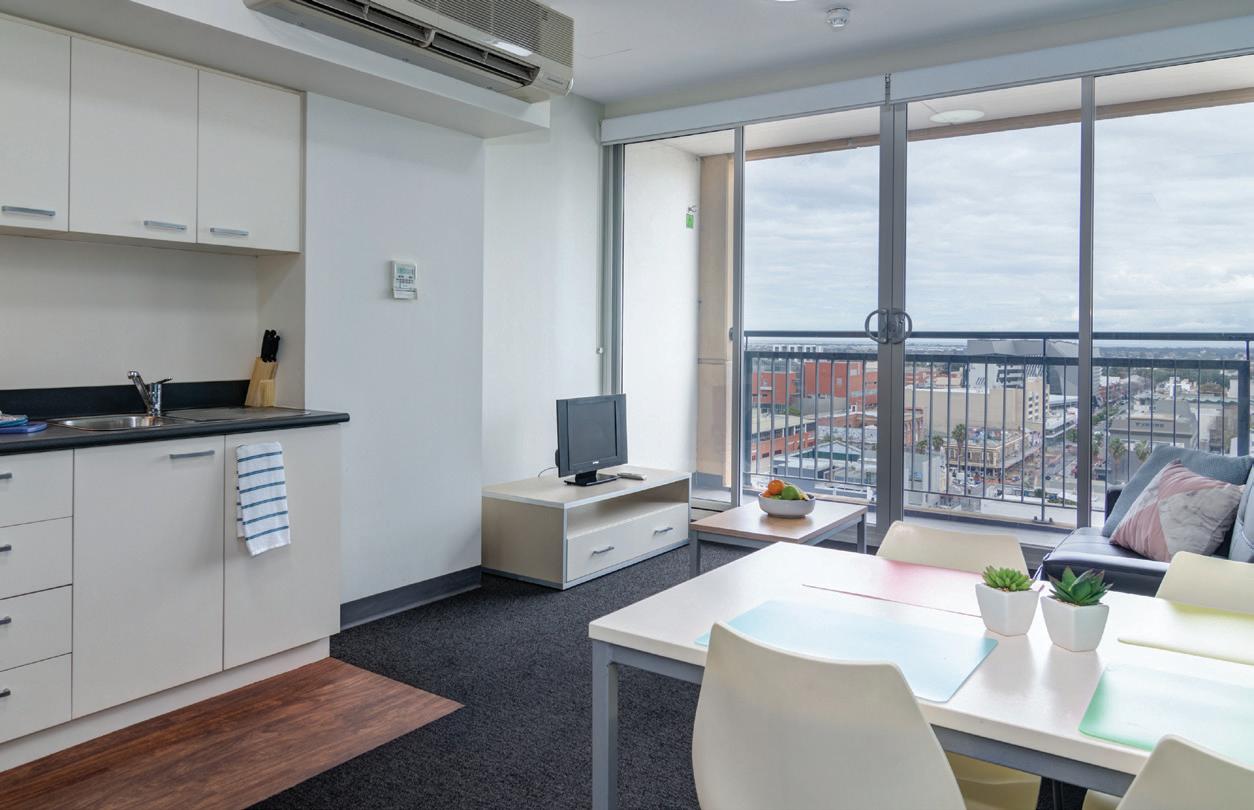
As a self-proclaimed overachieving stress-head, I’m no stranger to the odd guided meditation session. However, since flying the coop, I’ve come to appreciate that your space, whether it’s a room in your parent’s house, a corner of shared accommodation, or a place of your very own, is sacred. This precious space can provide some much needed tranquillity for the grind of a part-time working, full-time studying, social life having and fitness maintaining, modern student. Tried and tested (and tested and tested), here are some ways to bring some Zen into your space.
Music
If you happen to spend a lot of time alone, like me, then you’ll probably have also found yourself in a relationship with music. Music is hands down my go-to way of alleviating loneliness and putting a spring in my sleepdeprived step. My favourite album to cook, eat, sway and study to right now is Scenery by Emily King. Oh and even if you’re not musically gifted, having an instrument around to tinker with is literally Zen on strings. Experiment with the notes of your musically talented housemate’s ukulele or harmonica … just don’t tell your neighbours it was my idea.
Natural light: it makes flowers bloom and birds sing, so there’s no surprise it’s a real mood booster for us humans. Allow the sun into your space and feel positively invigorated for it. Alas, at this time of the year old mate sunshine doesn’t seem to want to spend as much time with us, and for that we have the humble (and affordable) salt lamp. Let the crystallised honey-orange glow become your very own makeshift sun. Whether or not you buy into the associated health benefits of this Himalayan creation, it’s deffo a must-have addition to your calm. I don’t think I’ve turned mine off since May 2017. Hello ambiance.
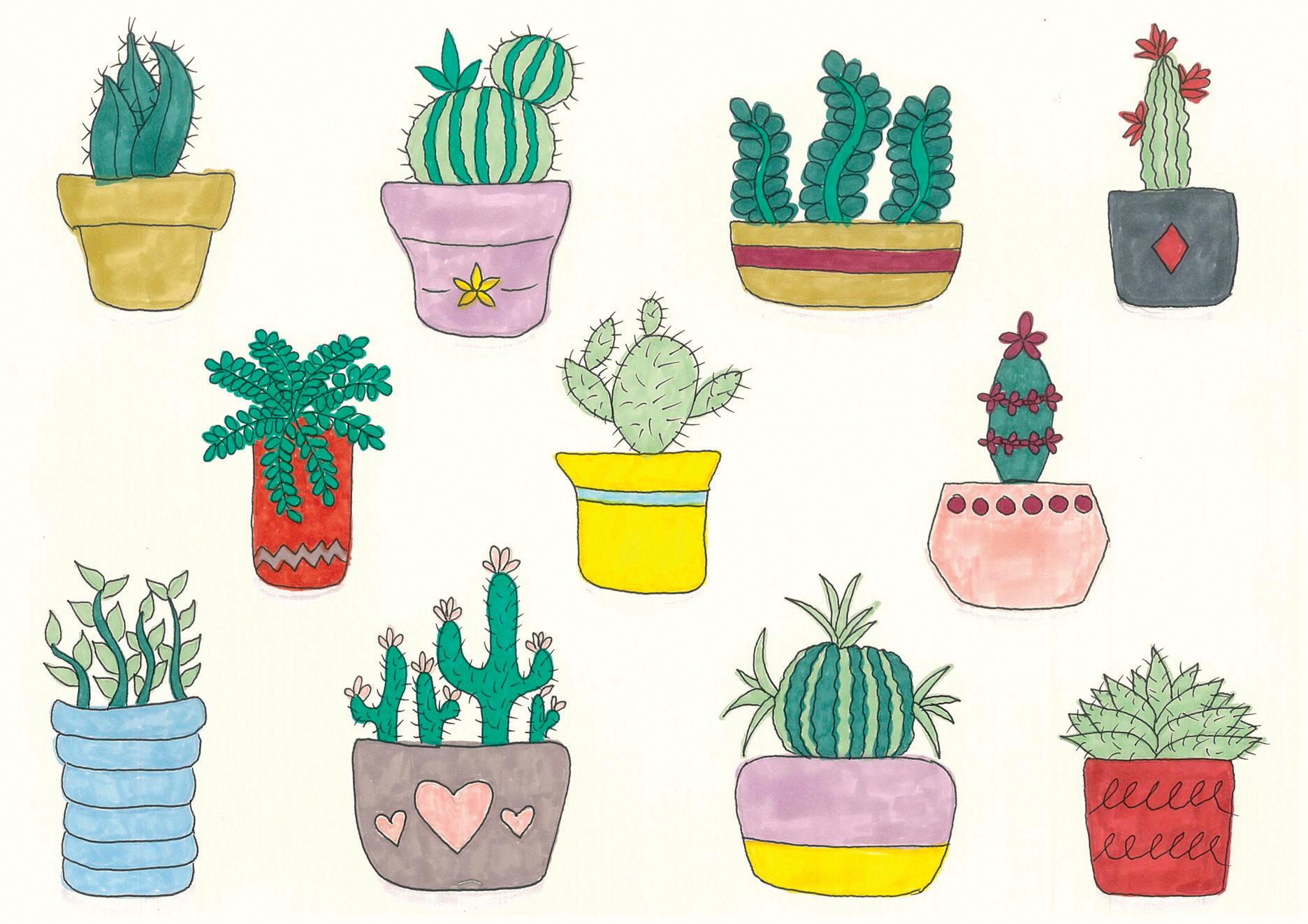
You know who loves catching dem rays as much as us? Our foliage friends … so next time you’re at your local market or Bunnings, why not snatch up a five-dollar succulent? I promise the accomplishment of nourishing life into your friend will make you hella happy. There’s definitely some truth to all that our primary school teachers told us about plants using carbon dioxide to release oxygen. Yay photosynthesis. Though I warn you, plants and tattoos have one thing in common: they’re mighty addictive. I hereby challenge you to transform your space into a whimsical bohemian minimalist sanctuary.
I think it has become rather apparent that engaging the senses is a crucial part of that Zen life. When we’re consciously in tune with our senses we have a deeper awareness of our surroundings and investing in an essential oil diffuser is a great way to achieve this. My diffuser is absolutely my best friend and I’m not ashamed to admit it. Her name is Jasmine and she Netflixes and (literally) chills with me, sleeps next to me and gets ready with me. Quite the intimate relationship isn’t it? Look, if my crippled finances weren’t that of a struggling uni student, then I’d for sure have an oil diffuser in every room. Get yourself faithful Jasmine and feed her with lavender oil to chillax in times of stress or peppermint oil to energise when that mid-semester lethargy strikes.
You’d be surprised how much more inclined you are to a downward dog or two when your yoga mat has a permanent home on the floor. Turns out the gruelling effort of reaching to the depths of your wardrobe and contending with a film of dust and cobwebs is enough to deter you from unrolling that ancient artefact, I mean, yoga mat … who knew. So leave it out, perhaps by a window, and start your day cross-legged on your yoga mat, basking in the sun with breakfast (yes, students, breakfast).
This is a place for you to be unapologetically you. A place for you to ponder, rest, reflect, smile, cry, love and just be. Things to include in your cosy corner: throw rug, books, herbal tea, travel trinkets, photos, artwork, chocolate, candles, quotes and anything that brings you clarity of mind. Basically this is a space to engage your senses and surround yourself with stuffs that make you feel good. ◼












Go #TeamUniSA unisasport .edu.au /unisasport /unisasport













Interview conducted by Oliver White
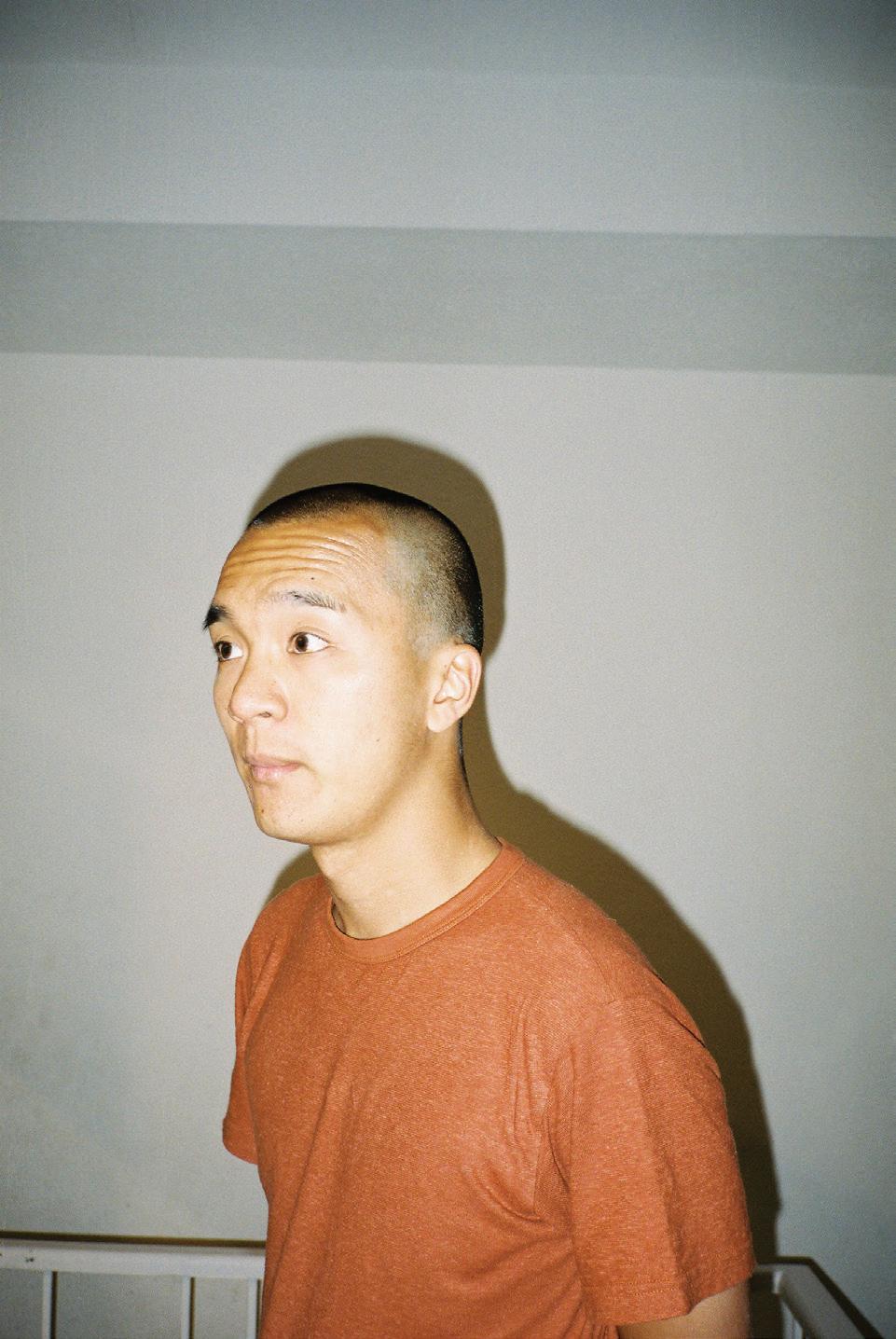
Images supplied by Brian Bolado
After transferring from law to communication design, all while touring around the world with West Thebarton, Verse designer Oliver White speaks to Brian Bolado about his dramatic degree change and the nuances of wellbeing while on tour.

Tell us a bit about your creative background. Who is Brian Bolado and how did he get here?
My name’s Brian Bolado. I’m the only child of two Filipino migrants who worked super hard to give me a good education ahead of my twenties. I also have a tattoo of a mango on my arm.
I didn’t have any siblings growing up so I spent most of my childhood being creative or trying to be creative. I had heaps of coloured pencils, crayons and textas which meant I was always drawing, colouring and making up games or stories.
After high school, I took an interest in art, graphic design and photography but held it at arm’s length. I felt like I had missed the boat to hone my skills to the standard of people whose work I looked up to. After mulling it over for months, I quit my job last year and started studying again. It’s one of the best decisions I’ve ever made.
What enticed you into the field of communication design after pursuing law?
Design is the degree I’ve always meant to do. I honestly thought about doing it after graduating high school but fell into the trap of a traditional career and financial security. I studied law and enjoyed aspects of it but, as much as I wanted to, I couldn’t identify with other students or people who practised it.
I worked a couple of years in health regulation before pulling up stumps and studying design. I came to the understanding that I needed work that engaged my creativity. Some people walk into work, switch off, do the job and leave like clockwork, but I couldn’t. I found it more and more difficult to find a sense of fulfilment and purpose there, so I looked at my options.
Even though I thought about studying teaching and urban planning, my mind kept wandering back to design. I figured there was a good reason for it. I spoke with a few friends about the course and they felt like it would really suit me.
They weren’t wrong. It ties together all of my interests – art, photography, literature, history, philosophy – in a way that looks forward. It’s developing as a discipline and that’s what I like about it.
Being the guitarist of West Thebarton, I see you go on some lengthy tours. How do you settle back in to normality after travelling for extended periods of time?
Most Australian tours run for a month or two over weekends. There’s plenty of early rises, late nights, waiting around, bad food and sleepdeprived tension to keep you busy. It can be an absolute grind on you both physically and mentally.
"There’s plenty of early rises, late nights, waiting around, bad food and sleep-deprived tension to keep you busy. It can be an absolute grind on you both physically and mentally."
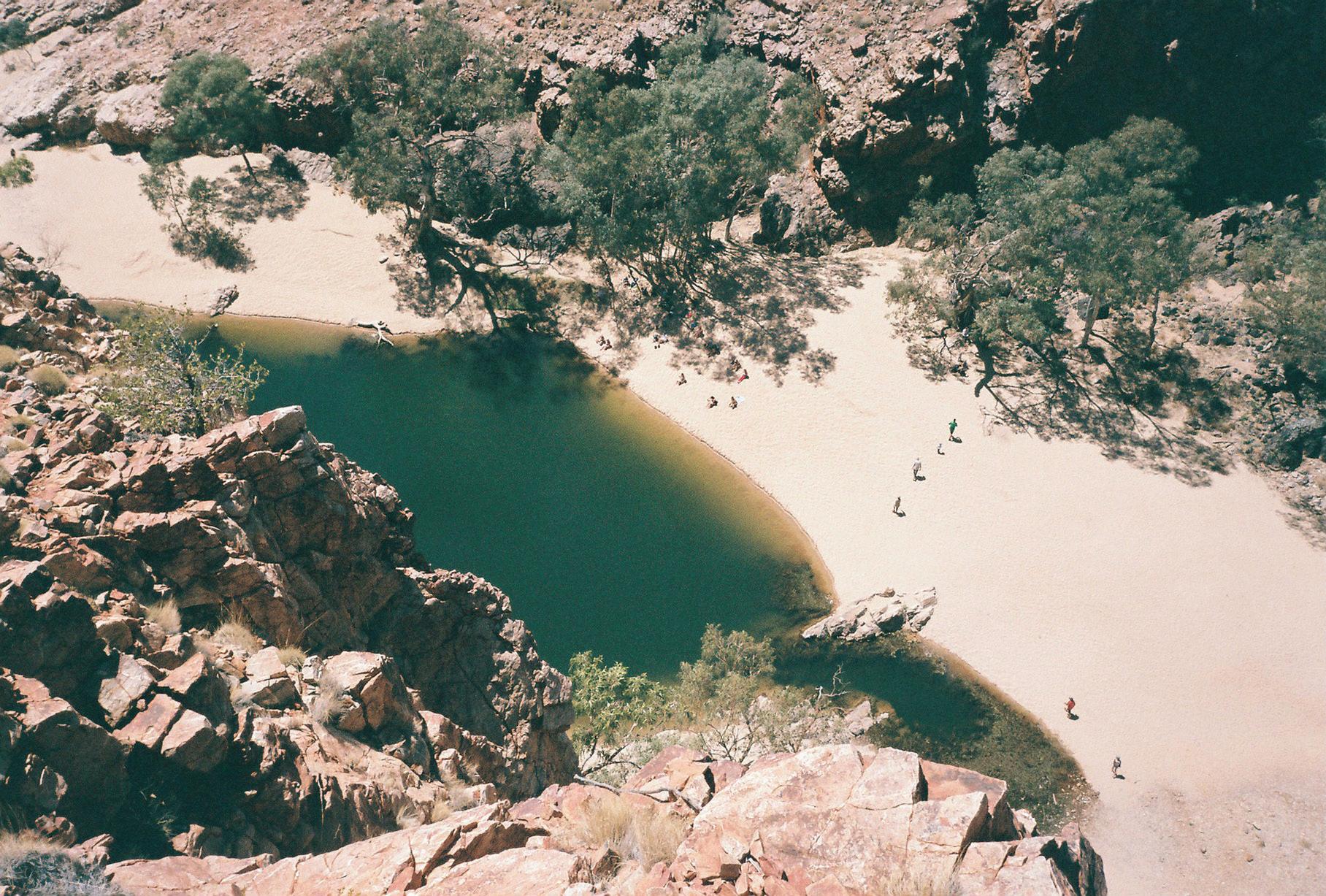
I find the normality of routine to be pretty therapeutic. I like to do boring things like cooking, reading, running, swimming and riding my bike, so if I can tick off most of those within the week, I’m pretty happy.
Could you tell us about maintaining healthy wellbeing while on tour?
It can be tough, that’s for sure. There’s a lot sitting around – in planes, lounges, cars, soundcheck, cafes – so it’s good to make the most of the time on your feet when you’re not doing any of those things. In Europe, we travelled across land by coach, so I brought my runners and ran every few days.
Recently, I’ve been trying and go for a swim wherever there’s a pool around. We’ve also made an effort to plan ahead and look for a decent place for a feed these days but sometimes we’re so time poor that we have to settle on something.
Between weekends, I ride every day then run or swim a few times, but I tend to do that even if we’re not on the road. I figured if this is something we’re going to do long-term, I better get on top of it and look after myself so the tour lifestyle doesn’t avalanche out of control.
In terms of mental health, we try and give each other the space and support needed. We talk on the regular and see each other every week. Most of the band have dealt with mental health in the past so it’s encouraging to be part of family that’s super understanding. Killer shows and rehearsals are great but it means next to nothing if your best mates are having a hard time.
How does your background in music and law influence your design process?
Law’s pretty different to music and design. It’s more structured and methodical but I guess my background’s helped with communicating ideas, interpreting language and constructing arguments.
It’s hard to say whether or not music has a direct influence, but I’ve definitely learned a few things about song writing and performing:
• Go with the flow and chase that idea as far as it takes you.
• You come up with good ideas (sometimes), bad ideas (always) and that’s okay.
• Lay it down and come back to it tomorrow.
• You can work on something for as long as you like. Nothing helps more than showing people you trust.
I just do my best to enjoy every stage of the process these days. Having two creative outlets, both professional and personal, is a pretty fortunate position to be in.
Do you have any advice for others looking to change career paths?
Talk about it. Chat to your friends, family, peers and staff. Chances are they’ve done something similar or know someone who has and are all the better for doing so. It helps to reframe what you don’t like about your current career path, into what you personally need from a career. ◼
Words by Tanner Muller
Listen
Words
Olivia Madonna
I love the idea that words can take you to another place.
Reading a book takes you into a completely different world, a world where you forget all your troubles.
Where you can live the characters’ lives, feel their sadness, share their happiness and grief their losses.
You are transported to a few blissful moments in another universe.
You are completely and utterly content in a world where your problems do not exist, where you do not exist.
Every page turn engulfs your spirit and the eagerness to continue on pulls you in deeper until you no longer feel alone.
Every word speaks to you as you allow yourself to descend into the depths of the pages, unwilling to return back into the real world.
And before you know it, the last page interrupts your time of contentment and returns you back to reality; allowing you to explore once more.

Words by Vanajakumari Vanity Transitory Remya Illustration by Oliver White
Paths untrodden, winding ceaseless: memories one or two crushed here and there hue-less dry leaves in mind, ambiguous fragrance, wind kissed blossoms never in full bloom! an idle dawn rosary behind the door, prayers unanswered cold nightscurled into warm blankets perturbed sleep, passionate snoring, smell of wood and varnish nasal infections coughing laughs. double images in mirror: envy with fear lingering of multiple hopes anguish reins supreme! one question and too many answers confusions of choice. an abyss in the darkbroken words, emotions pain unexpressed intermittent subdued cries; a birth here and a death there.. interplay of souls!
I’m pregnant with fragmented reverie: my senses fail to comprehend sense and time, put me into the realm of silence let me lie there dormant, dormant, my eyes wide open with slumberless dreams…
Do we do great work in spite –or because – of our suffering?
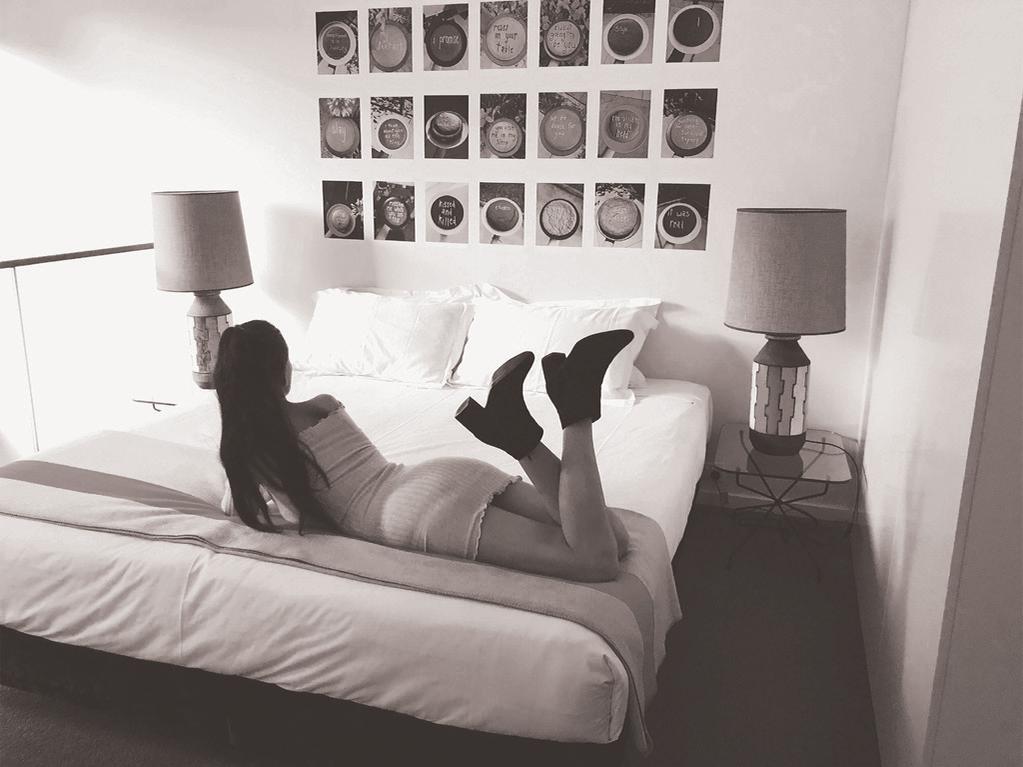
Iwas in the winter of my life. Deeply thirsty for purpose, desperately in search for meaning. Despite the agony that is depression, I did not want to deny myself the experience. I did not want to bury or delegitimize it; I did not want to be restricted by the very things that tormented me.
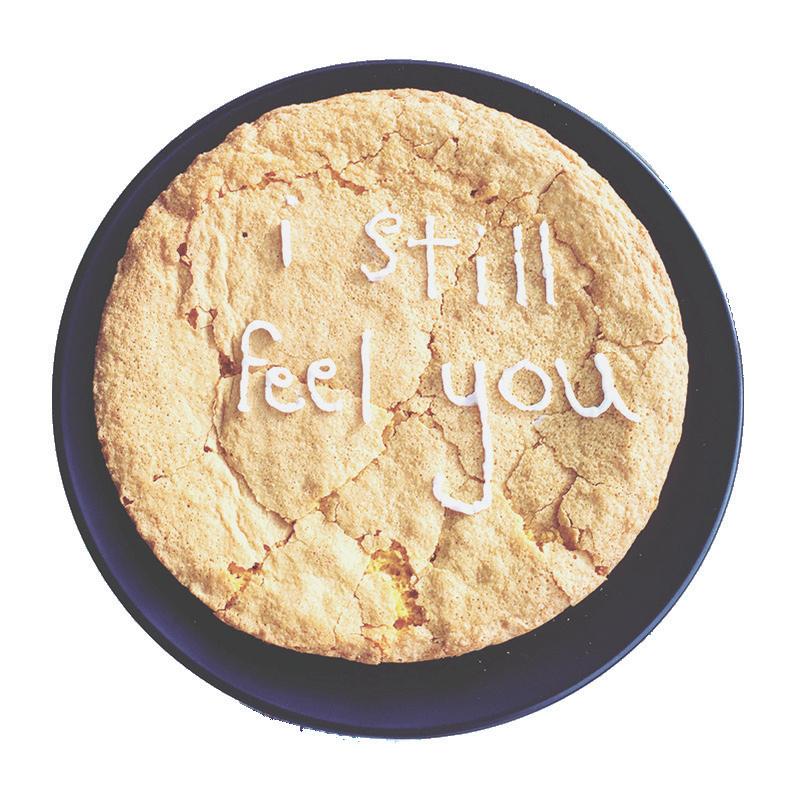
became a flow state, where I got so lost in the task it became meditative, holistic. Self-destruction turned into self-preservation, and I found solace in the engrossing rush of it. I nurtured the places where clarity and energy emerged from, in a territory bordering dreams and reality. Through baking, I was able to understand conflict without necessarily living in it.
I did my best to hold off the demons that sought to destroy me by creating an artificial state where the grotesque was explored. A place where both emotion and intellect could work together; a place where uncomfortable became adaptive. This state both thrilled and terrified me, and in the most wondrous and brutal way I lost myself in a kaleidoscopic world of ‘dark’ and its negative connotations. I became vulnerable in a way that was not weakness. I became vulnerable in a way that birthed innovation, creativity, and change.
Baking allowed me to keep the monsters at bay whilst expressing the ever-shifting desires of my heart. Baking became enlivening, life-affirming, and exactly what I needed to re-engage with the potential of my life. Baking
And so, welcome to my brainchild – a world I call my own. A world transfixed by the phenomenon that is cake. A world that greets the odd with a smile. A world so wildly and absurdly decadently tasteful. A world that keeps the viewer suspended between attraction and repulsion. A world where sensitivity is used to navigate difficult paths in life. A world where every ingredient has its own texture and taste, and each cake has its own history and personality. A world of potions, and dim themes.
I have always been strangely comfortable with the peculiar. Seeing a heart-wrenching phrase on a cake - one of the most identified and hopeful expressions of care - does not distress me. In fact, I feel mildly comforted by it. ◼
Words by Arnis Silvia
1.
Reasons
A long train of excuses
Running on the rail of defense
Its loads are:
Running out of time
Having no chances to tell Being too tired to make it up
I am a disappointed passenger Sitting on a brown cold seat of an empty wagon my brain was instantly switched off your long train of excuses does not even have my name on one of its passenger lists
3.
Understand me
You said that as if I selfish if I did not accept your apology In the most instant way that you want it to be
There was a long train in me And the passengers are disappointment, rejection, disapproval waiting too long to be served to mend to treat to recuperate to recover
So I am sitting in your wagon While walking in a train of my mind
2.
Sorry
You’re sorry for not doing what you’re supposed to do you’re sorry for not making a situation better instead of being sorry for hurting me
And I have to say “I forgive you” And when I say I do
That means I don’t need to elaborate What happened actually Or how I felt really It was bragging – in your dictionary So when I do explain about how I feel It makes you feel guilty, and I have to say sorry
My train is busy serving its passenger
One by one, sweet and kind Rushing, each passenger should be quickly fine In this very moment, they cannot whine
I breathe and I hope my passengers are calm or deeply hurt or deeply numb who can tell?
I am getting back to my cold brown leather seat Your train is still running My tears are still falling You go back to sequence number two And to cover my wound, I said “I forgive you”












































ou have been going through a tough time. Tough may mean difficult, but tough also means being able to endure hardship and pain. Endure, now that’s what you will do. Look at yourself in the mirror and say ‘pain is only temporary’ because it is just that, temporary. That throbbing pain in your heart, that anxious feeling in your stomach will fade. Day by day you will feel fuller, fuller with life as now you will no longer dim your light in fear of outshining others because those who truly love you will celebrate your achievements as you do theirs. You will embrace those who are there for you and cut ties with those who aren’t.
It’s important to expose the gentle, raw, tenderness of your heart to others. Yet, have the perseverance and power to fight for yourself when needed. The world we live in is both savage and beautiful, to survive and thrive you must be both the deer and the wolf.
You will take care of yourself. Now there’s a strange concept. Putting yourself first may feel strange as you’re so used to putting yourself second, third, fourth even, but no you are first, and should always be first in the
game of life.You know where you truly live? In that head of yours, and that is the home that needs spring cleaning because it’s the only one you’ve got. Surround yourself with doers and dreamers, who inspire you to be the best 'you' imaginable, to get out of bed and make your day an adventure. Surround yourself with thinkers and believers, who will stimulate that overfuelled mind of yours to create a better world than you live in today because there are bigger things to worry about than what’s happening now. If it's not something that will impact your life in five years then it isn’t worth worrying about now.
Prioritize. Prioritize presence over hustle, compassion over judgment, progress over perfection, and community over competition. You are now done. Done trying to figure out who is with you, against you, or wandering around between the two. Life is way too short to leave the key to your happiness in someone else’s hands. So take it, it's yours. Take charge in forming the life you want for yourself, to build the future you deserve, because only one person can: you. ◼
Words
by
Ethan Haylock
Photos supplied by Match Studio
Mental wellbeing is often neglected when students struggle to balance study with work, home and their social lives. Whether you suffer from a mental illness or not, maintaining a healthy mind is important for success at Uni. Unfortunately, the complexity of many psychological concepts means that most people don’t know how to deal with specific mental health challenges in practical ways. Match Studio is aiming to change that with their ongoing Visualising Mental Health initiative.
Over the past four years Visualising Mental Health has allowed psychologists and third-year Communication Design students to collaborate and develop unique solutions that address specific aspects of mental health within the wider community. Led by Course Coordinator Dr Doreen Donovan, students are briefed by Psychology and Health Forum Manager Dr Gareth Furber, and Match Studio Director Dr Jane Andrew. Students are then divided into small teams and tasked with developing a professional communication piece based on a mental health related topic. This year’s topics are Emotions, Courtesy, Evidence in Health, Mental Fitness and
Empathy. Throughout the process, psychologists from a number of different backgrounds work with the students to help turn abstract mental health concepts into viable outcomes. This year’s student work will be exhibited at the Kerry Packer Gallery in the Hawke Building from October 8th to the 14th, to coincide with Mental Health Week. At the opening night, representatives from the Australian Psychological Society and the Psychology and Health Forum will assess the designs and select some to receive awards, with the potential for prototype testing and trial within a professional setting.
"Designers are taught to be objective when coming up with solutions, but understanding that aspects of mental health are ubiquitous certainly helped in the success of the project."

As a recent design graduate, I took part in the project during its second year of operation. The design team made up of Isabella Whittaker, Sarah Fazzini, Sarae Morella and myself were tasked with adapting the principles of Cognitive Behavioural Therapy (CBT) into a design piece. CBT can treat an array of mental health problems; in a general sense it helps people change unhealthy or unproductive aspects of their life. One of the foundational ideas behind CBT is that thoughts, actions and emotions are interconnected. This would end up informing the outcome of our design more than anything else.
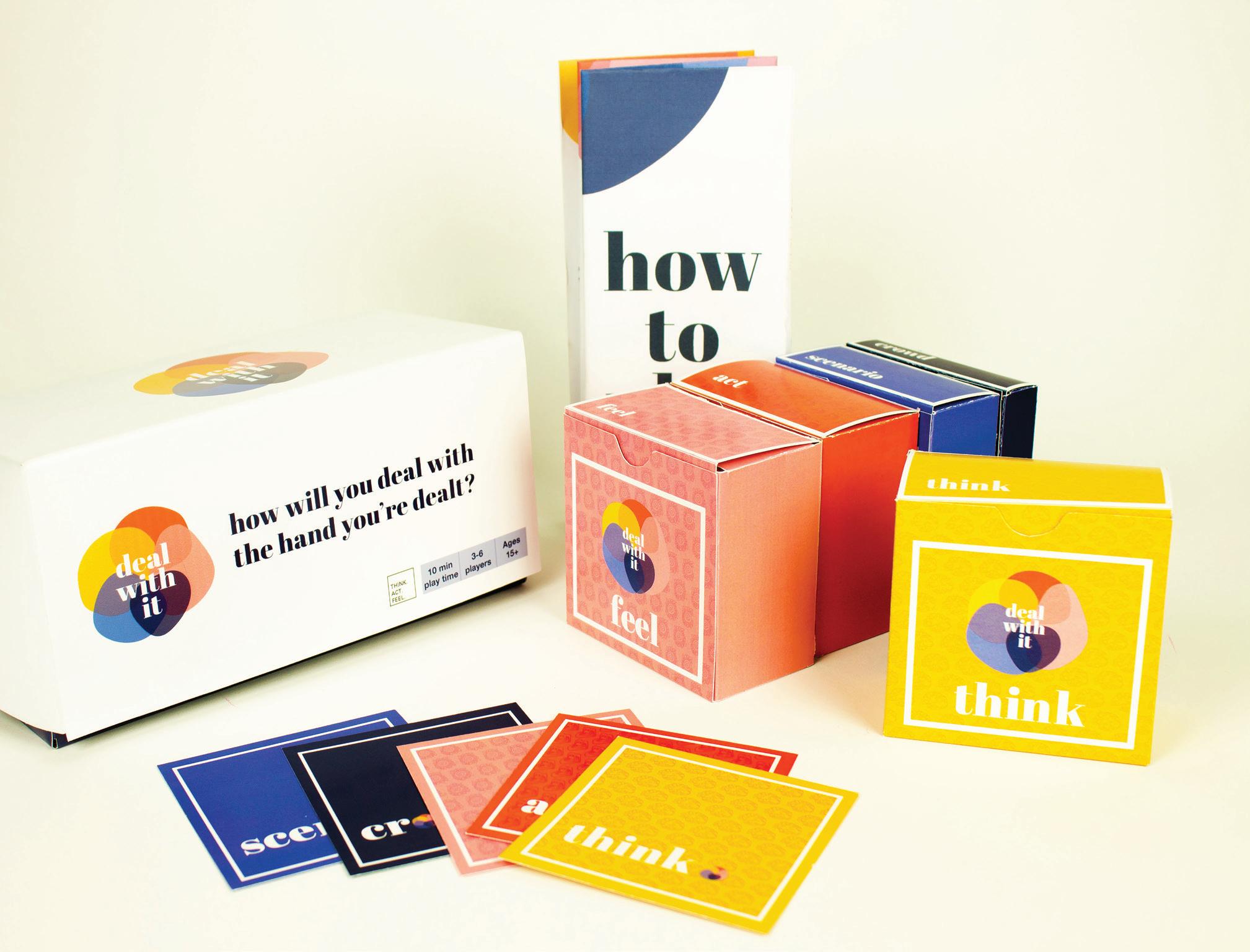
After a preliminary client presentation, we narrowed our three concepts down to one; a card game called Deal With It. The game subtly conveys the principles of CBT, while also encouraging players to manage stressful or problematic scenarios creatively. Our targeted demographic are young adults and our goal is to broaden CBT into a social context. The main feature of Deal With It, and perhaps what exemplifies the tenants of CBT most clearly, are cards based around ‘think’, ‘act’ and ‘feel’.

Olivia Hill | Leigh Down | Adam Lockier | Chloe Grimes
Amitea is a tea-based product that is designed to help build social connections and to stimulate conversations about emotions that can be uncomfortable to talk about.
Amitea includes some customisable invitations to hi-tea, a play on the concept of high-tea, that is a great way of meeting new people. When hosting a hi-tea, the teabag labels can be used as prompts for asking questions that can help people to express their emotions more easily.
The game would begin with the dealer distributing three ‘think’, three ‘act’ and three ‘feel’ cards to each player. The dealer would then draw a card that shows the character trait each player must get in the mindset of, and then another card showing the scenario which that character faces. From their allocated cards players draw one ‘think’, one ‘act’ and one ‘feel’ card, reading out their completed scenario in order, building a narrative in the process. Through discussion the group would then unanimously decide the round’s winner. Winning could be dependent on many things: whether the thoughts, actions and feelings fit the specified character trait, whether a positive outcome is reached, or how creative the player is in justifying their choice of cards.
Amitea is targeted at elderly people, particularly those that are in or moving into aged care. However, it is also suitable for many other groups as a way of engaging in conversations about emotions that are sometimes seen as being off-limits.
These were essentially the rules of play at the time of assessment, however, during the game's development this changed frequently. My group and I struggled to make something that was both fun and engaging while also accurately portraying CBT and other aspects of mental illness. I eventually drew on my own experience with mental health to inform the project’s development, as it helped recontextualise the concept. Designers are taught to be objective when coming up with solutions, but understanding that aspects of mental health are ubiquitous certainly helped in the continued success of the project.

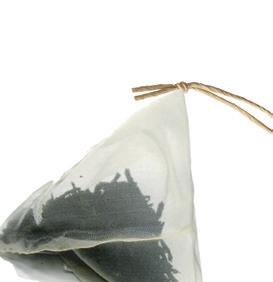


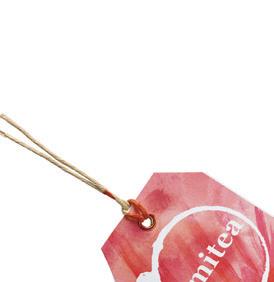

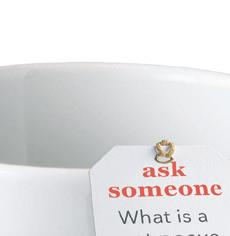
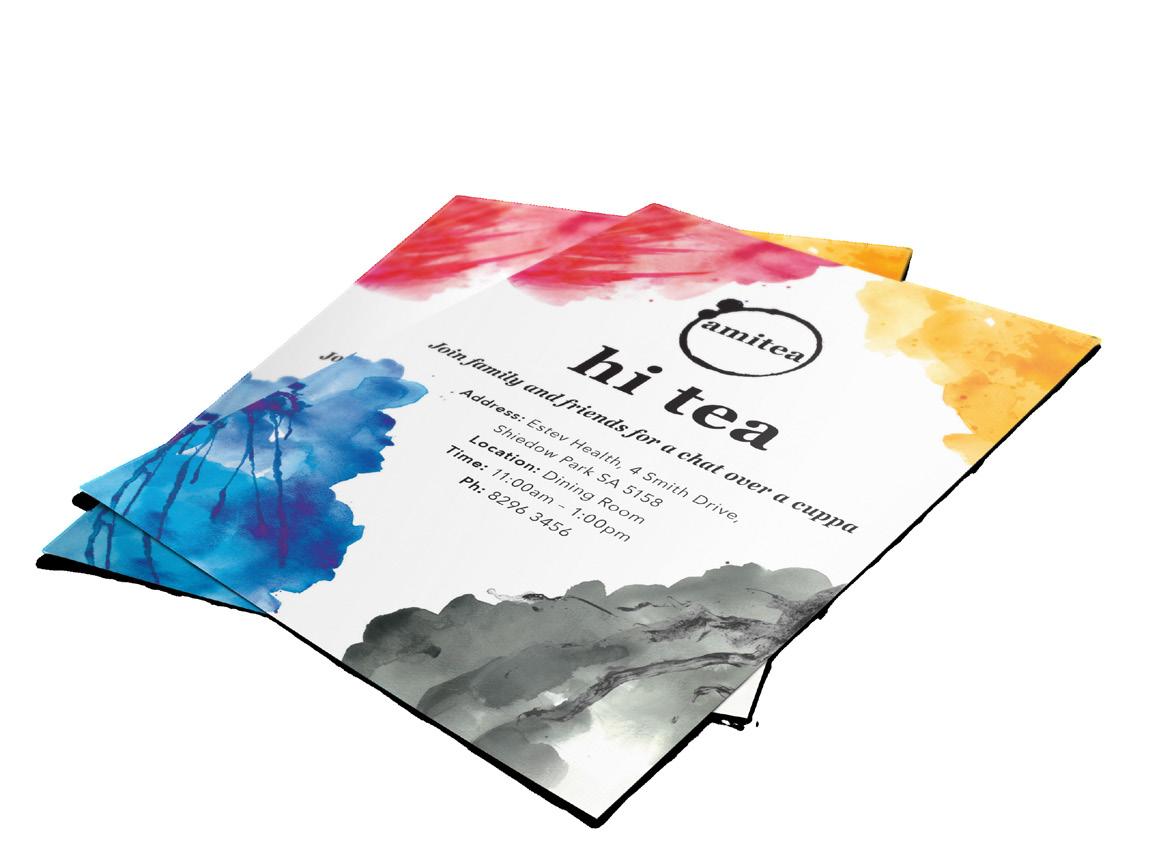


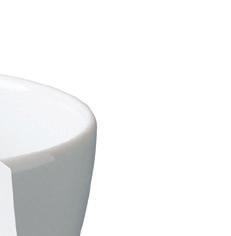
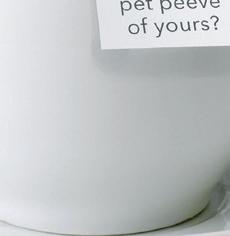


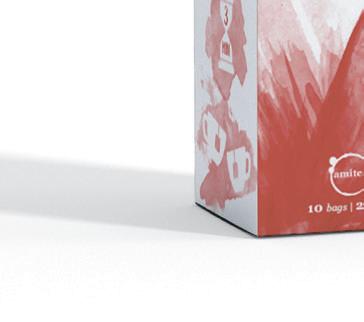






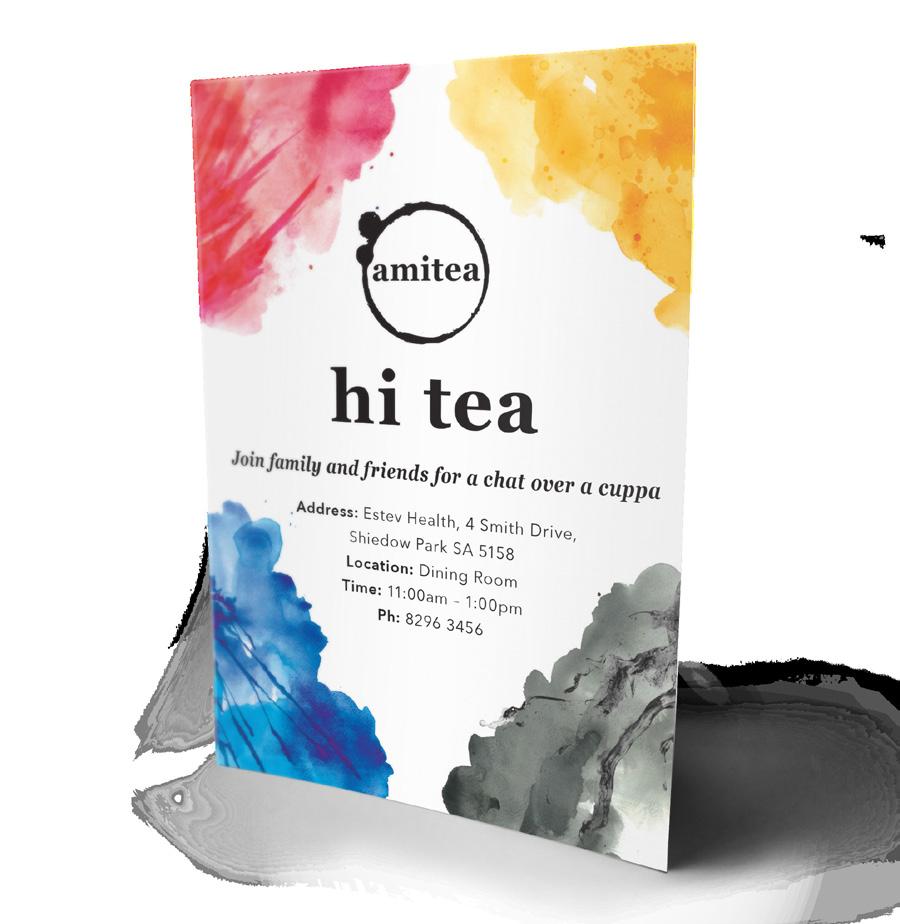


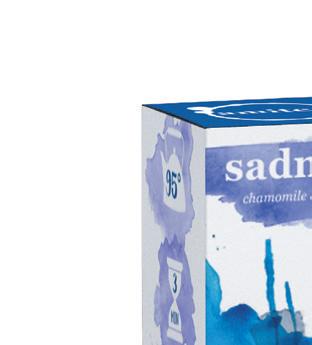

Last year, Deal With It was one of two Visualising Mental Health projects from 2017 selected for prototype development through SA Health’s Office of the Chief Psychiatrist and their South Australian Suicide Prevention Community Grant scheme. The other is Amitea, a tea-based product created by Olivia Hill, Leigh Down, Adam Lockier and Chloe Grimes. Targeted towards the elderly population, Amitea is designed to help build social connections and stimulate conversations about uncomfortable emotions.
With Dr Melinda Gaughwin as design lead, Isabella Whittaker and myself have been working hard to redesign Deal With It for use within a clinical setting, which has included changing the name to Let’s Deal With It, as we found it to be more gentle. We have also redesigned the game’s logo, rules, and packaging.
Most bachelor-level design projects never extend beyond a hypothetical form and concepts remain stuck in portfolios. University is one of the only avenues where unique design ideas are shared without budget constraints, which grants some design projects to be developed further. What makes Match Studio so unique is that it filters and utilises students’ creative concepts into reality. Having dealt with my own mental health issues and seeing the stress and anxiety many students go through, I understand the importance of communicating and finding solutions that have both an individual and broader impact. By establishing this collaborative framework between psychologists and designers, Visualising Mental Health is able to address both aspects of the issue. ◼
Everyone has a story. A defining moment of their existence that makes them the person they are today. For Humans of UniSA, we delve into the depths of human nature and speak with some students to discover a slice of their personal history.
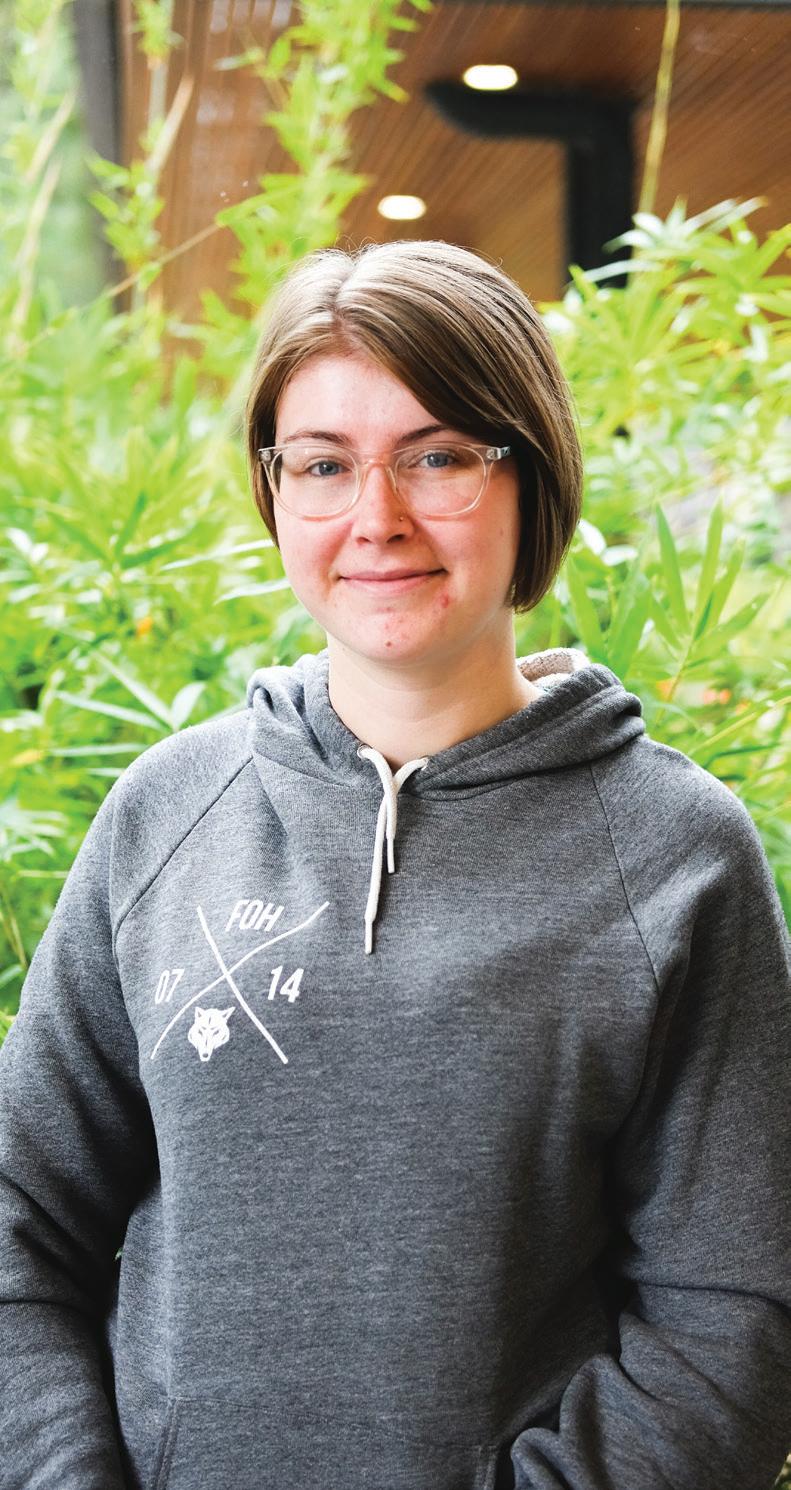
I feel as though I’ve always been shy, but there has certainly been a progression in myself. The person I am now is nowhere near the person I was back then. I’m so much more confident with who I am and the university setting has, in a way, allowed me to gain the voice I thought I never had. I’m able to speak about my opinions in this environment and to have that received in such a positive way is humbling. I’ve always trusted in my intelligence, but had insecurity about it at the same time. Undergoing my study has reassured me that I do have a voice and it’s important for me to have one.
What drives me most about my research is raising the voice of the queer community. I’ve always been interested in exploring diversity and I’m stumped by this idea that if you don’t fit within a certain mould, you are considered different and, often times, are discriminated against because of this. It really makes you consider ‘what is normal?’ and the assumptions surrounding that. I myself have fallen victim to this ‘othering’ because of my uniqueness. But, if there were any piece of advice that I would give to my younger self, it would be to own your weirdness and to love that aspect of yourself.
As I mentioned before, I have always been a bit reserved, and as I reflect back on my high school experience I was the typical quiet girl. In saying that, I eventually found my place and became this massive music nerd. My friends and I would always go out to these gigs every Friday night. I cannot emphasise enough in saying that we were the biggest fangirls back then, to the point where some of us would write fan fiction and even stalk our favourite musicians on social media, in hopes of getting recognised. It was a lot of hard work, you know, and I have the biggest respect for any fangirl out there. I won’t drop any names of the bands we admired to save myself the embarrassment, but let’s just say there were quite a few local names.
Interview
Ho Image supplied by Oliver White Bachelor of Commerce (Accounting)
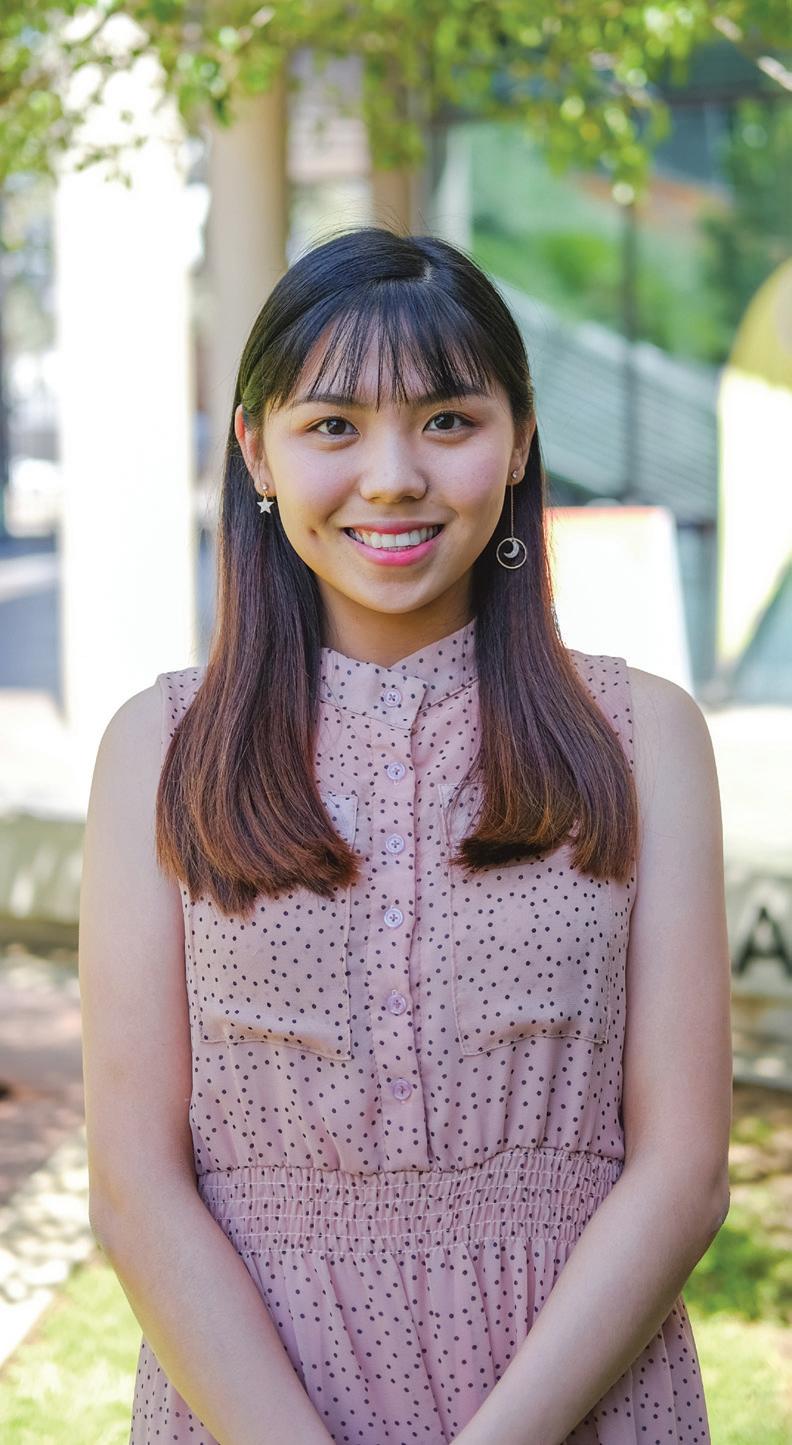
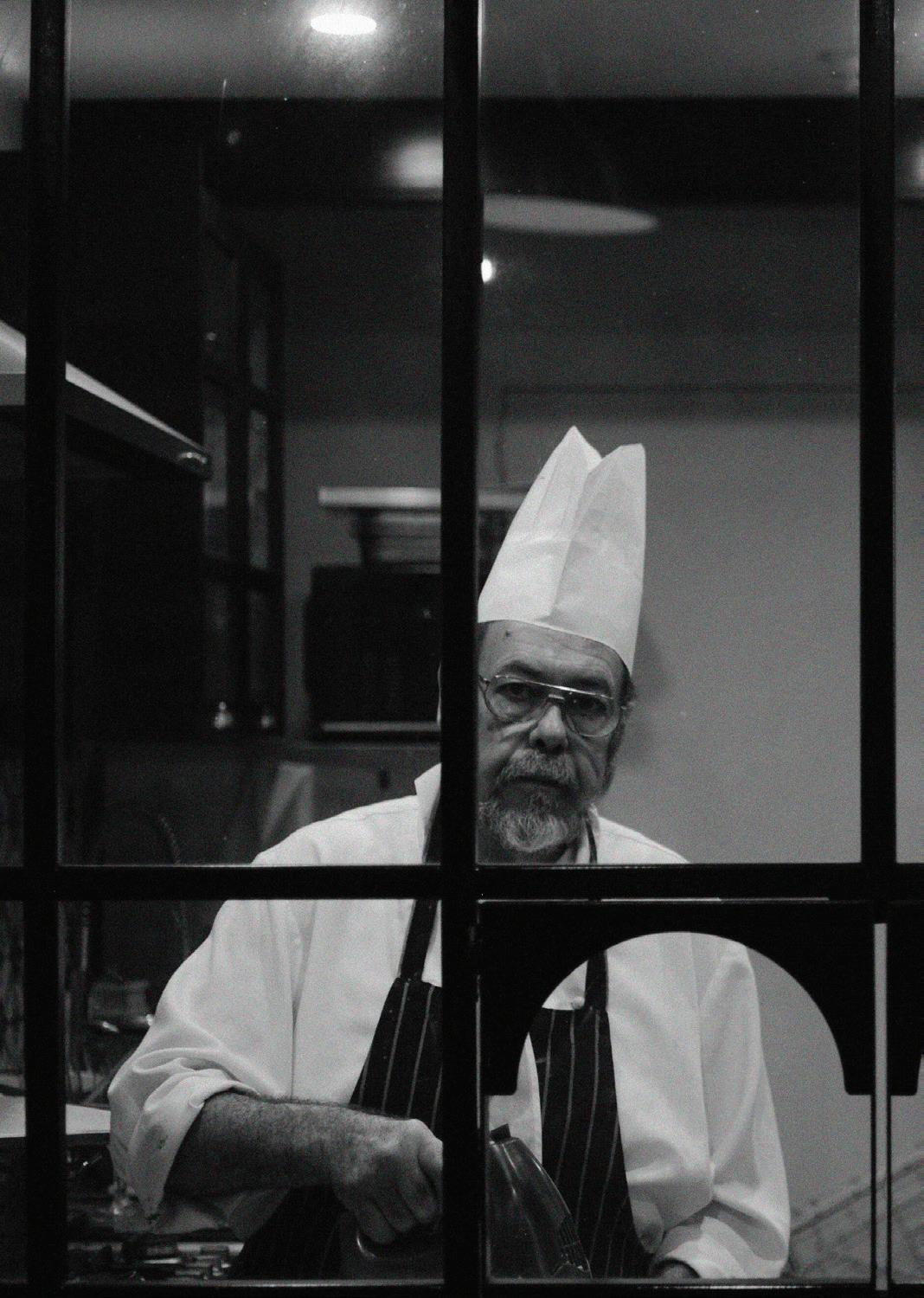
My name is Josphanie. Lots of people, when they hear ‘Josphanie’, their first reaction will just be ‘huh?’. But then I’ll explain how I came up with my name. So my name, ‘Josphanie’, is actually ‘Josephine’ plus ‘Stephanie’ because I didn’t really want to have a name that’s similar to someone else. I wanted to have a unique name. I chose my name before I came to Australia. I’m from Malaysia. It’s common for us to choose our own English names if your parents didn’t choose one for you. I grew up in a part of south Malaysia called Johor Bahru. It’s a smaller city. It’s not like Melbourne or Sydney or those big cities. It’s kind of similar to Adelaide. But Adelaide’s quiet and more peaceful.
When I first came to Australia, I was completely homesick. When I was in Malaysia, my parents pretty much did everything for me like the laundry, dinner, and breakfast. They covered everything for me. Actually, the reason why I’m studying accounting now came from my mum’s ideas. My dream was originally to be a fashion designer and I wanted to study fashion design but my mum said it’s competitive. Even if you step into it, you’ll either be very famous or no one will know you. So she said accounting is a better choice because you can learn a professional skill. It’s a more stable job.
When I was studying in high school, bookkeeping was one of my best subjects. I got good marks in it. That’s another reason why I chose accounting rather than fashion design. Plus, I had never touched any fashion design stuff before so I was kind of afraid that maybe I couldn’t handle it. But I still like to design and decorate stuff. So when I have spare time, I like to draw something, or I have a scrapbook and I like to do all the designs, and I like making cards for my friends as well. Sometimes I still follow fashion to see what’s come up and what’s new but I think my mum’s right. It’s too competitive.
Interview conducted by Geena Ho Image supplied by Oliver White Master of Teaching (Secondary)
As soon as I was eighteen, I moved out of home and joined the military. We did our basic training in Kapooka–about 15km out of Wagga Wagga in New South Wales. Kapooka was basically where all recruits go to do their basic training, no matter where you’re from. I spent eight weeks there and finished my basic training on my nineteenth birthday so it was kind of like a birthday present to myself.
After training, I became a truckie in the army. That was awesome in itself because I got to travel all over Australia and even did a couple of deployments overseas. I did some peacekeeping operations in East Timor and the Solomon Islands. It was my first time overseas but obviously it was for work so it wasn’t exactly a paid holiday. But the Solomon Islands I really enjoyed. We did a joint operation with the Solomon Islander army and helped to train them up so they could manage their own people. They were at a time when there was a lot of civil unrest. It was a cool experience. I managed to get my scuba diving ticket while I was over there and, because we had most of our weekends off, we basically spent them exploring the island.
I was in the army for about seven years. After I left, I moved back home to Mildura and went into personal training, working in a gym, for about a year. I really liked it but needed an excuse to get out of Mildura again. I’d been to most of the capital cities in Australia with the army. Except Adelaide. So I decided to make the big move. I just needed a new place to start over where no one knew me and I could just basically build myself up from the ground again. This is when I decided to go to uni.
When I was at school, I was one of those students that fell between the cracks. I didn’t excel but I didn’t fail. I was kind of in the middle and, because of that, I never really got the attention that I maybe needed. So when it came to Years 11 and 12, I really struggled with writing essays and, when I came to uni, I had to basically reconstruct myself and teach myself how to write an essay because I hadn’t written one in nine years. From then, I saw how important teaching was and saw that, when people learn something that you’ve taught them, it gives you nice, warm, fuzzy feelings inside. I think that really ignited my passion for learning and actually becoming a teacher and educator. I want to make sure that in the future, when I’m teaching, that each individual student gets their time in the spotlight. ◼
March 21 - April 20
Bowling
• Uncoordinated
• Always shouts their friends food
• In bed by 9pm
June 22 - July 23
Soccer
• The popular one
• Can be melodramatic sometimes
• “Can I have the AUX cord?”
September 24 - October 23
Pool
• Colour-coordinates wherever possible
• Likes trips to IKEA
• Actually has really bad aim but just lucky af sometimes
December 22 - January 20
Cycling
• Always first to arrive
• Drives a manual and makes sure you know it
• Wears sunglasses indoors
April 21 - May 21
Golf
• Likes PEACE and QUIET
• Looks after houseplants very well
• Watches documentaries in spare time
July 24 - August 23
Tennis
• Loud
• Only wears brand-name
• Will watch their phone ring out
October 24 - November 22
Basketball
• “Yeah, I go to the gym five times a week”
• Has too many pairs of shoes
• Secretly has a reality TV addiction
January 21 - February 19
Surfing
• Won’t stop talking about life-changing Contiki tour
• Stalks friends on Snap Map
• Has initials monogrammed on phone case
May 22 - June 21
Badminton
• Terrible at video games
• Thinks everyone’s a winner
• Lightweight
VIRGO
August 24 - September 23
Archery
• A bit too good at everything
• Tries too hard to flex on Tinder
• Has to have the volume on an even number
November 23 - December 21
AFL
• Netflix snob
• Bandwagoner
• “Macca’s run after?”
February 20 - March 20
Volleyball
• Only good at sport because they’re tall
• Definitely peaked in high school
• Always hypes up their friends
Words by Mark Vawser
Some say footy is just a game. To them, I say you're not looking hard enough. To me, Aussie Rules Football is more than aerial ping pong; it’s controlled chaos on a grey-green battlefield. It's a hard fight in the blazing sun and belting rain. It's the song you sing arm-inarm with your fellows in victory or defeat. It's the speed of soccer and the roughness of rugby. It's a bastard of a sport but it's our own.
Some say footy ovals all look the same. To them, I say, you're wrong. Each are as unique as the human body. Some curve out ever so slightly, some slender and long, some dip at the ends and rise in the centre. Some home to the hard rolled earth of a cricket pitch, cracked and cratered. Others a mountain of swampy mud masking the concrete hidden beneath. And finally those rare beauties with no cricket pitch at all, unblemished and perfect.
Some say footy takes no skill. To them I say, you're right. Anyone can play. But prepare yourself for the hardball, the battle of wills that asks every man and woman the question: Who wants this ball? And 40 others answer in chorus. Me. Be prepared to curse the heavens when the ball strikes the side of your boot sailing sideways to bounce off the bonnet of a car. Or the sweet hollow thud as the ball hits your bootlace out, tumbling through the air towards the intended target. Be prepared for the bruises, the burn of the grass, the swollen ligaments,
the fire in your lungs, and the taste of dirt. It doesn’t take any skill to play football, just the will to persevere.
Some say it requires no thinking. To them, I say, that's the point. Once you step onto the field the world strips away, nothing matters but that red spheroid full of hot air. Once you cross that chalk line you are no longer a labourer, a student, rich or poor; you are vaulting ambition in a jersey, you are only the person you want to be. The war colours plastered on your breast draw the battle lines, determine friend from foe. Your greatest enemy becomes your greatest ally as you take the field together. We few, we happy few, we band of brothers, in victory and defeat. They push you to work a little harder, run a little further, stand a little taller, until battered and bruised they speak of your deeds over a beersoaked bar-mat. The world is never so simple a place as on the footy field.
Some say footy is just a game. To them, I say you're right, but this game saved my life. ◼
Words by Forum Bakrania
“ I have been climbing for as long as I can remember”. I wish I could say this about myself just like Alex Honnold, who became the first person to climb El Capitan ropeless. Trust me the gods felt powerless when they saw him climb.
I was introduced to the world of rock climbing six months back on a date. I enjoyed it so much that I joined my university’s rock climbing club. Honestly, that’s the best thing that happened to me. It was my escape. A place, where I could focus on myself and be disconnected from all my problems. Rock climbing is not just a hippie sport, it has so much more to it than just providing pictures of shirtless men with ripped bodies on the rocks overlooking a vast blue ocean (TBH, I am not complaining).
In her piece, In Climbing as in Life, NYC cartoonist Connie Sun says: “One aspect of climbing is holding on with all of your strength. The other side, just as essential, is learning to let go to begin again”. Yes, letting go is as important as going up. It gives you a chance to start again; the same way you do in real life, except letting go is much easier in climbing than in actual life.
When I first started climbing I was terrible at it, but the consistent motivation from the community helped me climb beyond the overhang of one of the easiest climbs. That was my first successful climb. I did that. After that,
climbing became a constant in my life. I climbed week after week and got better at it. Now, I can do climbs the shirtless guys excel at. But, I am not done yet, because better is never enough in the rock climbing world. You can never reach your full potential because each climb is different and would require a different strategy.
The best part about rock climbing is that it keeps you grounded which is ironic because you’re off the ground most of the times. The climbing community is the second best part, because they motivate you and help you constantly to reach your goal. Imagine being on the rocks 15 meters off the ground and not being able to find a foothold to make that ascend and other climbers who are on the ground shouting “C’mon you can do it” or “You got it girl” and you magically find a foothold. That’s the power of the climbing community –constant motivation and belief in each other. There are no rivals here. You can only rival your own progression.
To top this off I’ll list the vanity that comes with getting into a sport like rock climbing; piqued interest from non-climbers when you tell them that you rock climb, insane photo opportunities while climbing outdoors, cool climbing gear and shoes that could rival pointe shoes, new friends (because let’s be honest it’s hard to make friends once you leave high school) and a newfound cool persona. ◼
The KEY to SUCCESS is to BELIEVE, VISUALISE and TRUST that by taking small steps each day, even if you are met with never ending obstacles, you will reach your goals. Those obstacles will encourage you to push further and challenge your mind in ways you never thought you could.
When I first began my health and fitness journey back in 2013 I wanted to challenge myself in ways I never had before. I had grown up in a family where alternative practices and treatments were prevalent, and the use of organic and natural remedies over mainstream pharmaceuticals was a must, unless the latter was absolutely necessary.
In 2014, I decided I wanted to test how much muscle mass I could build using a holistic and natural approach as much as possible. This method consisted of no supplementation natural or artificial, minimal meat and high carbohydrate and fruit intake. I had conducted a lot of personal research on bodybuilding and nutrition, and what I discovered was that consuming a diet rich in vegetables, fruit, healthy carbohydrates and minimal meat was excellent for building muscle mass without any additional supplementation or support required, as the five major food groups were being met as well as the necessary vitamins and minerals one must consume.
As you can imagine I was met with opposition by gym peers and friends because I was taking an alternative approach over mainstream practices to build muscle. Some of the statements I received were, "There’s no way you can get big without supplements or steroids,” and, “You would be lucky if you gained one kilo a year on your diet.” Despite these preconceived beliefs, opinions and perceptions from peers and friends, I continued with my natural method and BELIEVED wholeheartedly that I could achieve my goals.
Words by Matthew Besz Image by Oliver White
I would spend each day visualising my chosen aesthetic and took steps to achieve that desired physique I dreamed of receiving one day.
I trained for an hour and a half, six days a week, performing weight exercises as well as up to 15 minutes of light cardiovascular exercises, such as walking on the treadmill. I ate three large and two small meals a day. I regularly set a new goal for myself to achieve and, in just ONE year I gained a considerable amount of muscle mass and dramatically transformed my body beyond any of my expectations.
Since then I have applied the KEY to SUCCESS strategy to different areas in my training and soon hope to in all areas of my life. I just want to end with emphasising that if you choose to experiment with a non-conventional approach, I strongly advise that you don’t speak about it with peers until you have completed what you set out to achieve or showcase your work through example in order to reduce opposition from peers which may impact your results. Always choose what works for you even if it’s different from what others choose.
The main point I would like to get across with this story is that although conventional practices have a high success rate and have been used for decades, for example, protein supplementations such as shakes, bars, cookies, caffeinated pre-workout powder, pancakes etc., they may not always be the healthiest, best option for every individual or the only option for that matter. Don’t be afraid to experiment with different methods to discover what works for you, even if it sounds absurd, as there is no one size fits all and I am living proof that it can be achieved without additional support of these highly popularised products. ◼

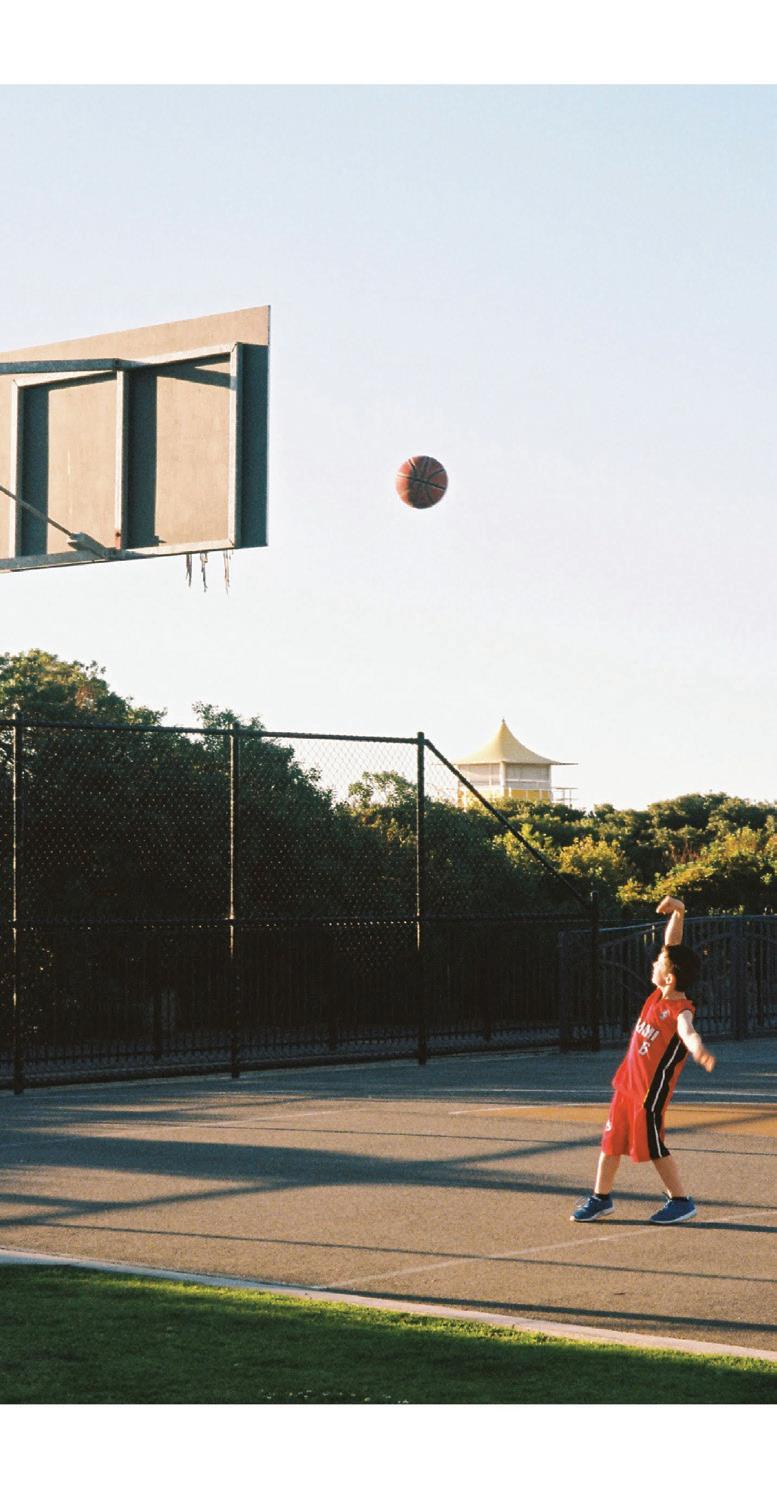
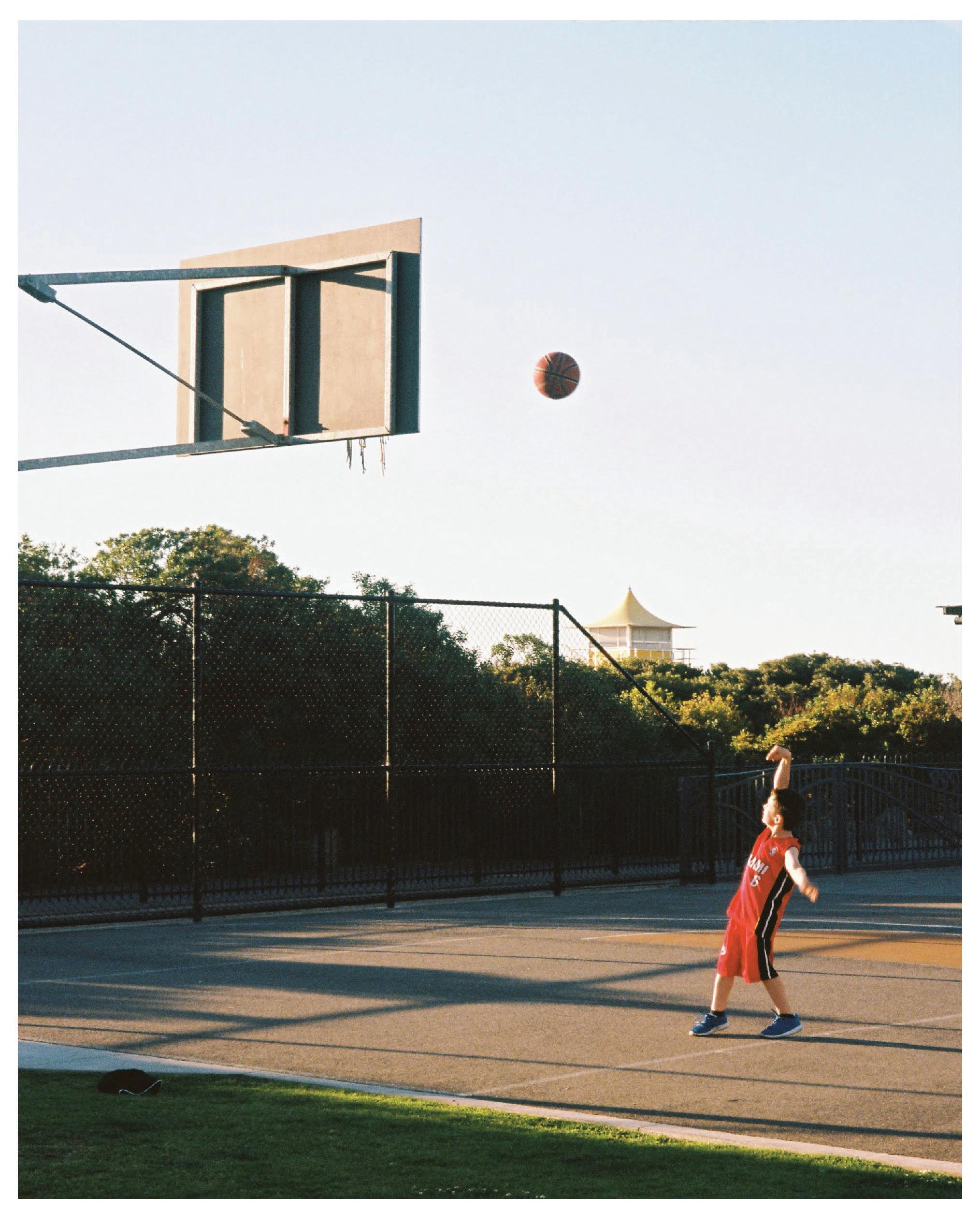
Auni dances swiftly from side to side as she dribbles the basketball with her right hand.
Her dark eyes, framed by a magenta head scarf, are trained on Maddy’s lightly sweating upper-brow. Every so often Auni glances toward Mariam and Aasma who are flailing their limbs by the edge of the court. Auni breathes deeply and bounces the ball toward Mariam just as Syahirah leaps in.
“Sya Sya I’m open,” Maddy yells. Syahirah knocks the ball from Mariam’s grasp in a flash of turquoise and gold. Mariam fumbles through a sea of cotton and attempts to chase after the ball, but she’s too far away. Syahirah grabs the ball with both hands and chest passes it, hard and fast, towards Maddy. Out of habit, Maddy does not dribble. Instead she plants her feet and pivots towards Jeb.
Standing in the corner of the court, Jeb has a clear shot for a three-pointer. He feels his sweat-saturated toes sliding in his Birkenstocks and marvels at how deftly the girls are able to move when thick layers of cotton cocoon their bodies. While Maddy is dressed more casually, in navy shorts and a plain white t-shirt, the arms, legs and head of every other woman on the court is obscured by colourful garments that trace patterns through the wind as they run.
Receiving the ball, Jeb inhales through his nose as he bounces it by his waist. With his plastic bags of dirty laundry cheering him on from the side-line, Jeb feels like Michael Jordan
in Space Jam. Maddy yells something incoherent as she jostles with Aasma, who is readying herself to catch the rebound.
'He feels his sweat-saturated toes sliding in his Birkenstocks and marvels at how deftly the girls are able to move when thick layers of cotton cocoon their bodies. '
“Shoot Jeb,” Syahirah cries. And with that, the Jeb from Davoren Park is gone. Forgotten is the tomato sauce-stained Adidas top that is in dire need of a dry clean. Forgotten is the humidity that clings to his skin in a constant clammy sheen.
Jeb, a red-faced man with a backwards trucker cap, sees every woman on the court for what they are. His equals. Basketballers, netballers, athletes and scholars gliding together in perfect harmony. Each dressed in the way that feels most natural, these women do not hide behind their hijabs or scarfs.
The woman and her abiding cotton move as one.
Propelled by Jeb’s momentum, the ball sails toward the hoop. Rubber kisses the wind and moulds gently into the backboard.
Auni, Maddy, Mariam, Aasma, Syahirah and Jeb stare toward the ring and hold their breath as the world continues to rotate beneath their feet. ◼
Words by Ryan Colsey
Image provided by Dr Mantzioris
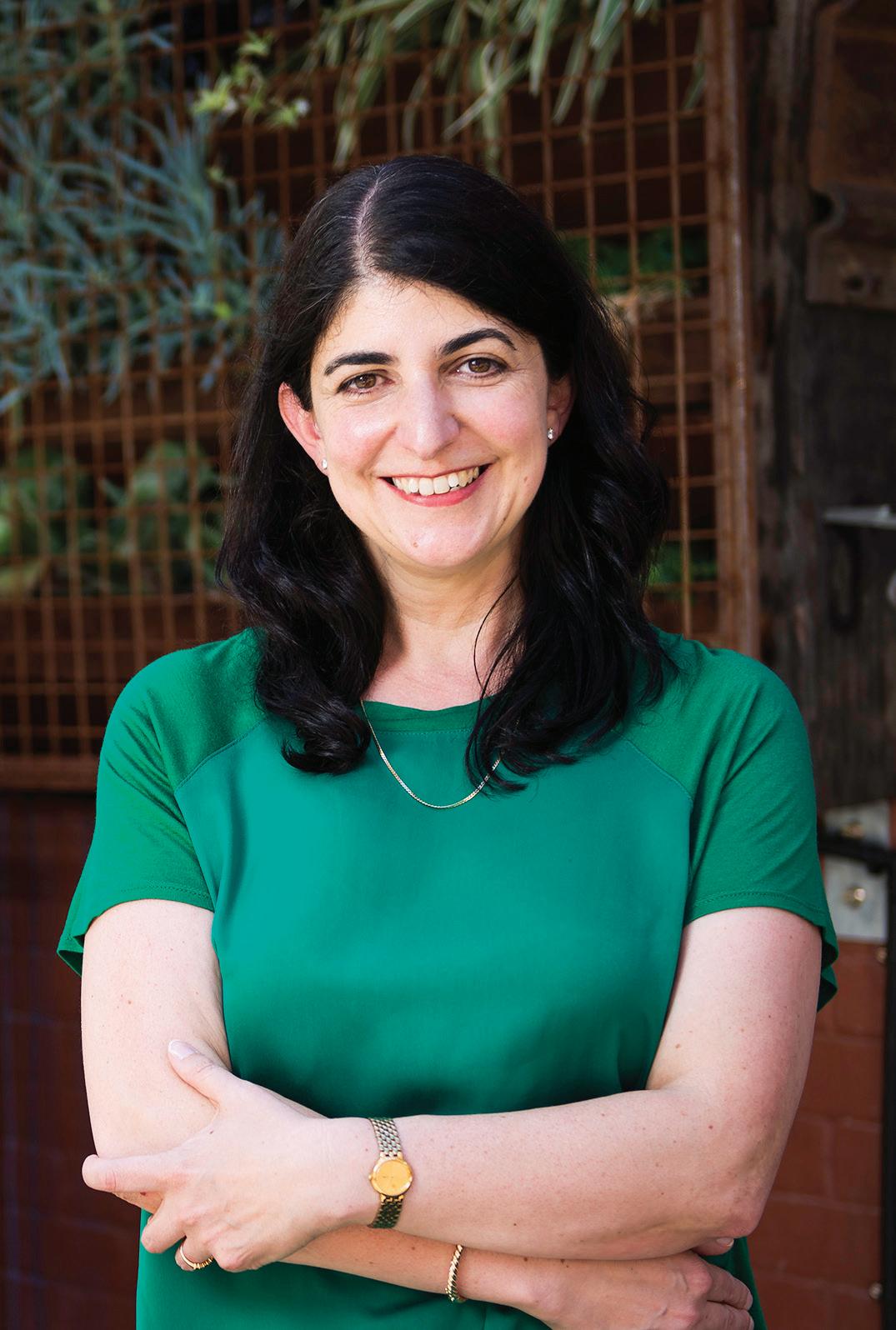
Although it sometimes feels as though we live in a world where there are always differences and no one can seem to get along, there is one thing that unites seven billion people across the globe – food. Whether you’re sitting in the Oval Office furiously tweeting, or going on a highly unsuccessful Tinder date at Rymill Park, at some point during the day your stomach will tell your brain that your body needs food and fluid. Dr Mantzioris is one of Adelaide’s most experienced and respected dieticians, with more than three decades of experience in the field. She has done advanced research on the effects of fish oil on inflammatory mediators and is regularly consulted by media for her take on any issue –even during this interview she received a message from a journalist at the ABC. For this edition of Verse, we got her to bust several commonly held myths on nutrition.
What is the number one myth you hear about diet?
Oh gosh the number one myth … there are so many of them!
I’ve got a bottle of coconut water there and I’ve got it there not because I like it, but to display the amount of misinformation that there is on food packaging. Coconut water doesn’t offer you any nutritional benefit at all. It says it has ‘some’ electrolytes in it, but if you are relying on that for your source of electrolytes you are never going to get enough of them. They [electrolytes] are so abundant in our diet that you don’t need to go to coconut water. It’s a great marketing scam. You get hydrated from just drinking plain old water.
Is it true you need to drink two litres of water per day?
It’s not true. You need to have two litres of fluids a day. Whether they come from tea, coffee, milk or the fluids in fruit and vegetables – that all contributes to your total fluid count. The best measure of working out if you’re well hydrated is the colour of your urine in the morning which should be a light hay colour.
Should we be cutting carbs from our diet?
Another myth that’s been said for many many years is that carbs are bad and you need to remove carbs from your diet to lose weight. When we consume carbohydrates our body needs to regulate the amount of glucose in our blood level and it’s a pretty tight regulation system. What the body does is it converts the glucose in our blood into glycogen and when our glucose levels run short, the glycogen gets converted back to glucose and overnight your glycogen gets refuelled again, so it’s got a store of it for the next day. But the way glycogen is
stored in our body is with two water molecules, so if you deplete the carbohydrates in your diet, you then use up the glycogen that removes the water molecules, and that’s why people see this rather immediate ‘weight-loss’. You lose this immediate water, which comes up as weight on the scales, but in reality when people want to lose weight they don’t want to lose water they actually want to lose adipose tissue [fat], so it defeats the purpose of losing weight.
Another problem is that you then start using fats to produce glucose and that causes ketosis, which makes you crabby and have bad moods. By depleting carbohydrates from your diet you also lose the nutrients that come with those carbohydrates.
A guy I know went on a diet where he only ate eggs, cucumber and oats for two weeks with the purpose of losing weight. Would that actually work?
Apart from being incredibly boring in terms of weight loss, yes, it would lose weight and so people would say it’s successful; however the issue is what happens alongside that.
That diet would have been low in calcium, which may not be that problematic when you are young because you are still building up bone, but we know by the early twenties you stop building up bone. If your calcium intake was dodgy to start with, that’s going to be put at further risk. It’s more of an issue for women, who have higher rates of osteoporosis and are more likely to get it.
That diet has got the protein that comes in through the egg, it’s got the fat that comes in through the egg, it’s got the fibre that comes in through the oats … I’m not quite sure what the cucumber is replacing, however that said I love cucumber but cucumber is not going to replace all the other nutrients you find in all the other
types of fruits and vegetables. To limit yourself to one item in a food group is risky because you’re not going to get all the nutrients you need.
Unless someone has a diagnosed deficiency in a particular nutrient, there is no benefit from taking any supplements. It’s no use taking iron supplements unless you know you have anaemia, likewise it’s no use taking B-group vitamins unless you know you’ve got a B-group deficiency. That’s one of the other great myths that’s been perpetrated by the supplements industry that we ‘need to’ take supplements to feel better. We are better off spending the money that we spend on supplements on the food we like.
On average, how good is the diet of your average uni student?
Well our nutrition students are pretty good!
For a university student, typically, they are time poor, and it’s probably worse if they live out of home and have to do all the housework and duties, so I guess cooking becomes the last thing that is on their mind. With an abundance of quick food that can be purchased there’s a tendency to get take way or easily prepared meals.
I know there’s a limitation of funds but when you look at a whole box of Cheezels and you think, “How can they sell all that for a dollar?” And I always think, “What are Cheezels?” Like can you describe what it is, what food group it is? I can’t, I have no idea what a Cheezel is, but everyone loves sticking them on their fingers!
What advice would you give to uni students?
Uni students need fruit and veg in their diet. Going for the seasonal fruit and veggies will always be cheaper. Frozen or canned fruit and veg is also good; you’ve got to be careful with the canning though because of the amount of sugar that is added to fruit, and salt to veggies. Frozen fruit and veg is quite cheap, and it means they’re accessible for you all the time and it minimises food waste which is another big concern we have at the moment.
Other cheap foods which are still really nutritious are your pasta and your rices and they can be bought at fairly cheap prices. It’s also important to be sure that dairy comes in, such as the yoghurt, the milk and the cheeses. The other thing I would say is not to exclude any food groups. One of the larger expenses for students is meat, but you can replace meat with beans and you get most of the nutrients you get in meat in beans, plus all the fibre.
When I told people I was interviewing an expert in diet and nutrition, they begged me to ask this question, so I’m going to ask it. How much caffeine is it okay to have in a day?
Normally it’s about 400mg per day which equates to about two-to-three cups of coffee per day. So the reason why uni students use caffeine is so they can stay up later and do their assignments and what it does is restore your alertness to what it was before you started becoming tired. It’s also used by athletes because it makes the effort they put into work seem less.
I’ve read that you shouldn’t start the morning off with a coffee because your adrenalin gets you going anyway and your first coffee should be 10am. We know that there are health benefits to coffee but once again it’s limiting it to not more than two-to-three –
but it also depends on your body size as well. Some countries have included in their national guidelines that drinking tea and coffee is beneficial, but Australia hasn’t done that yet.
So what about alcohol?
Well interestingly there’s been a lot in the media about alcohol recently, because the World Cancer Research Fund released a report that any alcohol consumption increases your risk of death from cancer, no matter what you have. Once upon-a-time we always used to say there was a J-curve, so that those people who completely abstained from alcohol had higher risks than those that had one-to-two glasses per day. It seems like that may not be the case but, having said that - having a little bit of red wine, with a good diet, may be protective for heart disease but it’s a really murky area in the science with what people are saying. The evidence that shows us that a little bit of alcohol might be good for heart disease is mainly the epidemiological evidence and they often cite the blue zones [areas where populations have a high longevity].
It’s a difficult statement because I know students are going to drink, right? For me to say you can’t drink isn’t going to work, so then it would be a matter of not having more than oneto-two glasses at a time. Certainly it’s binge drinking that causes the most problems.
Finally, if you had a magic wand and you can complete eliminate three foods/drinks out there in the world, which three do you pick?
I’m a mum with kids, and the three things I don’t let them have are: potato crisps, lollies, and soft drinks or fruit juice. Having said that I know my husband sneaks them in when I travel! ◼
Words by Geena Ho
It’s not that I don’t like City West campus, it’s more that City West gets all the attention. Because it’s UniSA’s main hub and can boast the Jeffery Smart Building, MOD., Pridham Hall, and West Oak, everyone raves about how good City West is but I just don’t see it. Yes, it’s nice with Jeffery Smart open 24 hours and the brand new gym and sport facilities available at Pridham Hall, but it’s a little bit overrated because there’s always so many people around. It’s got a lot going for it and I can see why it’s home to many of UniSA’s events but we gotta share the love around a bit!
Ah, the concrete jungle of the UniSA campuses. City East is both way too easy to get lost in and a bit boring (sorry!). Yeah, they’ve got some awesome tech in their science labs that definitely one-up the classrooms at the other campuses but the buildings are just a little too cramped for my liking. BUT, in saying that, City East does have the best location of any of the campuses, just one street over from Rundle Mall with plenty of public transport options.
*Disclaimer: Please note that this review includes only UniSA’s metropolitan campuses, not because we, at Verse, love Whyalla and Mount Gambier any less, but just because I have not personally visited either of the rural campuses and wanted to present a fair and honest review.
Mawson Lakes feels like a nice mix between the modern industrial vibe and the green nature vibe and we love it! Not only is Mawson Lakes home to the iconic UNISA letters but it also has a community garden that’s very well looked after. Paired with loads of places to grab a bite between classes and you’ve got yourself a winner! (The only downside is the airplanes constantly flying overhead can be a bit distracting sometimes!)
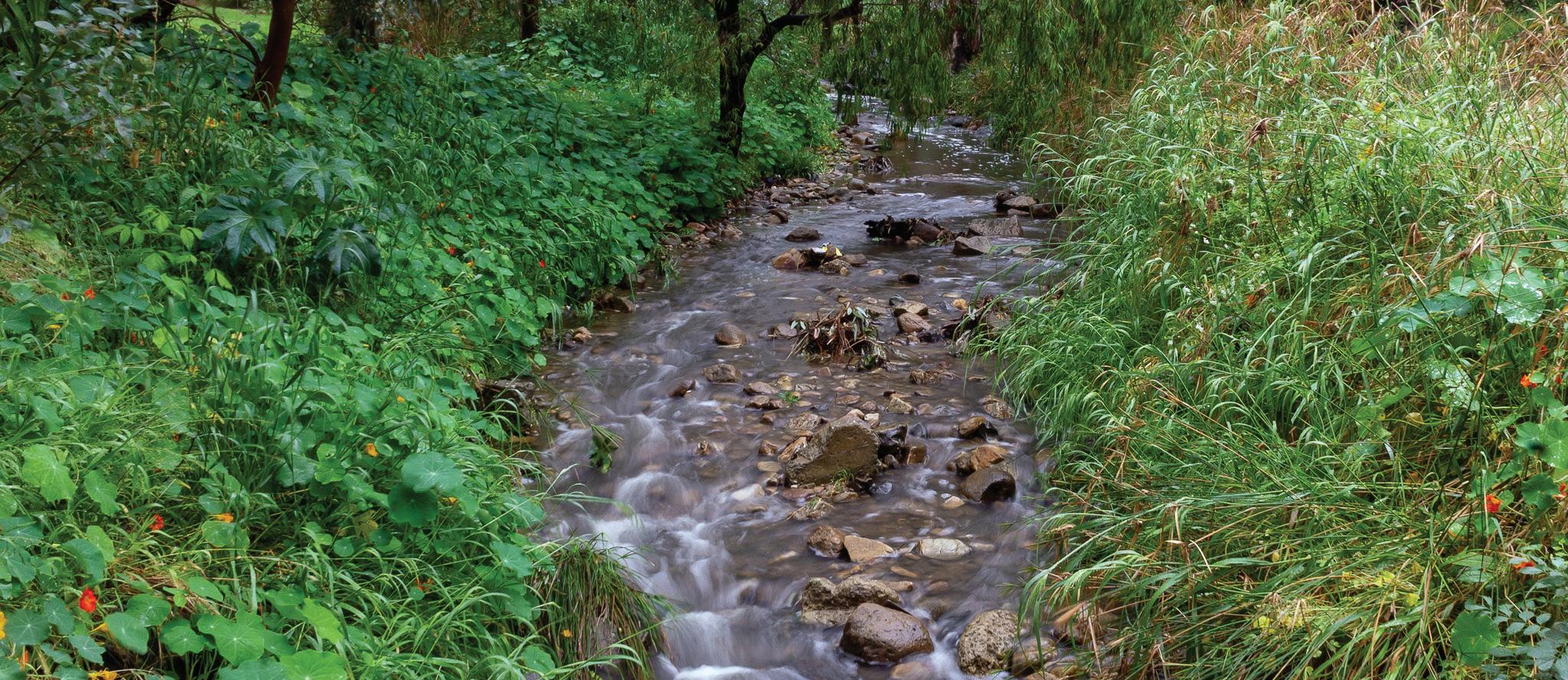
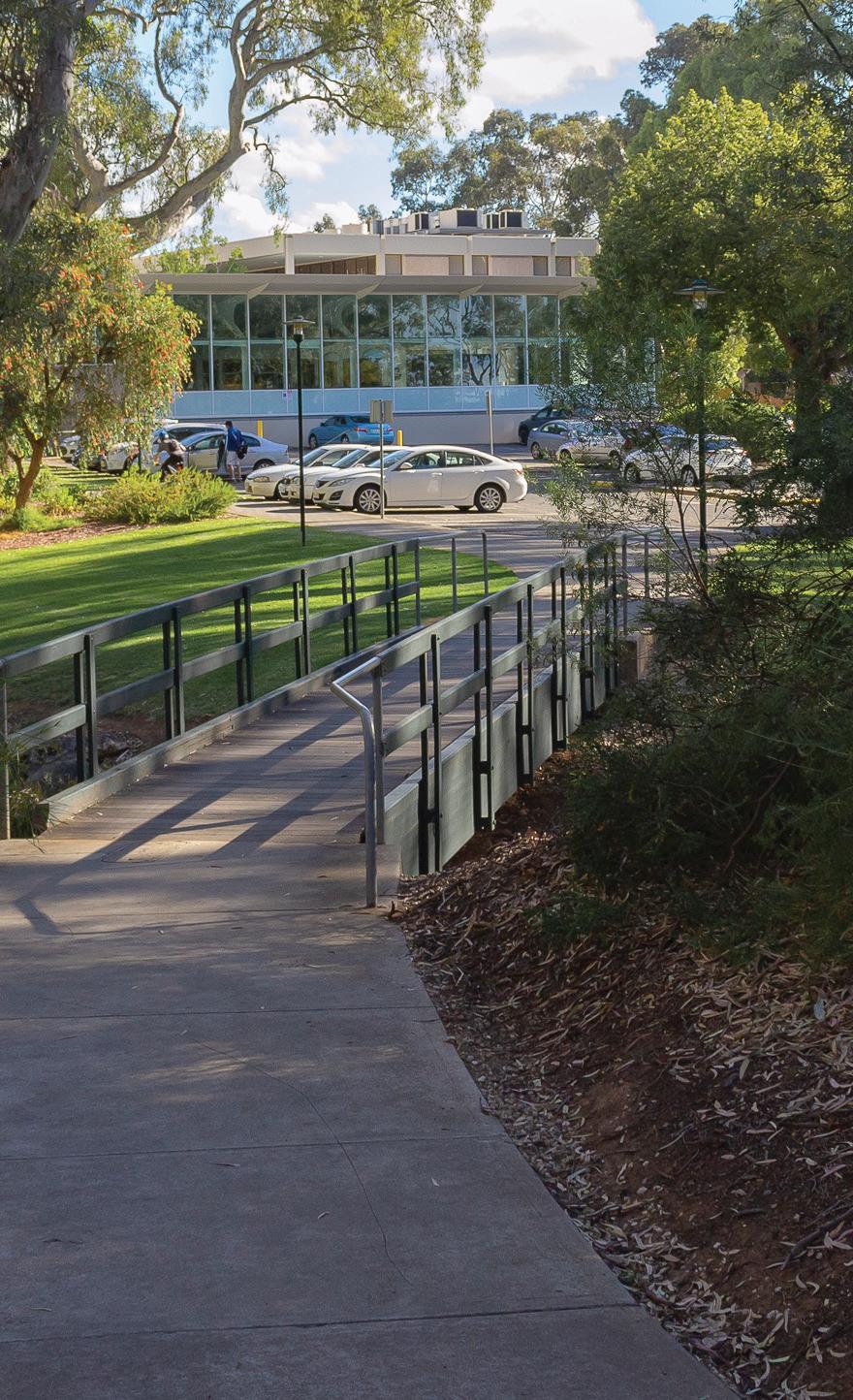
First of all, yes, I may be biased as Magill is my home campus but maybe I’m just lucky that my home campus just happens to be one of the best? Hear me out. Magill has a nice, peaceful setting with only a few buildings sprawled across endless patches of green grass which makes studying outside something that many Magill students enjoy. There’s also a creek that adds extra tranquillity points when it’s a-flowing! Like Mawson Lakes, Magill has minimal stairs with all classrooms spread across just two floors. Plus we have friendly neighbourhood koalas?!
Chill Vibes - Wind down, relax & enjoy.
Games and Chats - Evangelical Students Magill
Showpony Open Mic - Showpony
PSS Pub Crawl #1 - UniSA Physiotherapy Student Society
UniTopia SP2 - Free wellbeing event for all students.
USASOE Mario Kart Crawl 2019
USASA Leadership & Club Grant May deadline
PSS Trivia Night
Verse Edition 29 Submission Deadline
USASA Leadership & Club Grant June deadline
The Bible Talks - UniSA City Evangelical Students
Psychology Study Group - UniSA Psychology Society
Social Studio Sessions - UniSA Art Club
Friday Sessions - Overseas Christian Fellowship
Ballet Classes – Ballet Club
Lifestyle … Zen … hmm, well.
By nature
I’m a very anxious soul and I often need to take a step away from the daily hustle and bustle of life, take a deep breath, and check in with my mental wellbeing. I wouldn’t say I have the healthiest lifestyle; I often skip breakfast, run purely on double-shot lattes, and I haven’t gone to the gym in over 12 months (just this week though I joined UniSA’s very own Pridham Hall gym, so look out yoga class, ‘cause I’m about to get my ‘Zen’ on).
When I’m not running around like a headless chicken, I do like to take time for some selfcare, as I think it is very important.
This time of the semester can be stressful, with first assessments barely finished and second assessments already due, just as you’ve gotten into the swing of things. For those that attended a Campus Fair, we hope you found something that’s made the beginning of this year a little easier; whether it was a friendly new face, a freebie, or a new club to be involved with. The semester will no doubt pick up from now on, so this is your reminder to prioritise your wellbeing and regularly take time to relax.
Whenever I get too overwhelmed, I always make myself a cup of green tea and buy a new houseplant for my room (which is often counterproductive as I’m usually stressed about money, but then spend another $50 without a second thought). If you are also feeling overwhelmed balancing uni alongside work or other commitments, there’s help to be found. USASA is rolling out its pilot Financial Counselling and Emergency Financial Grants program this month, so by all means, look into the options available to support you.
To declutter my mental headspace, I often have to declutter my room. I’ve always believed that the space and environment you’re in play a big part in your overall health and wellbeing.
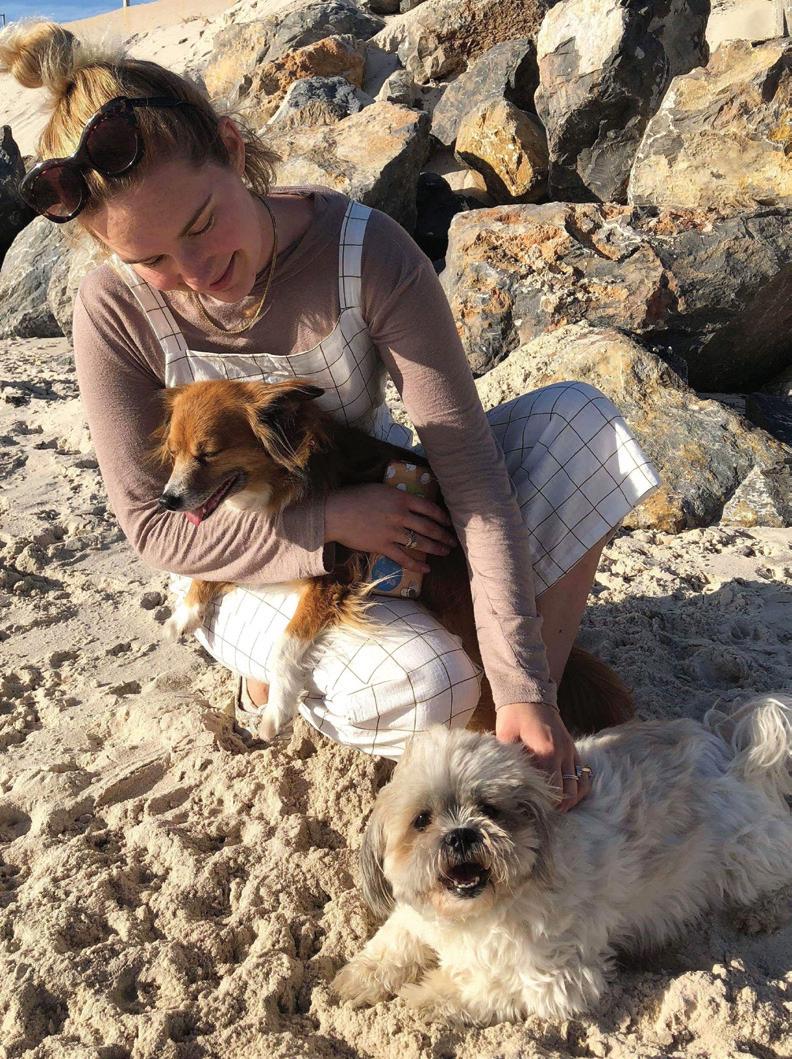

I grew up with a mum who had crystals and essential oils for everything so I guess you could say I’m one of those ‘spiritual types’ *pause for eye roll*.
Keeping my home clean, as well as smelling nice, also helps me relax; which is difficult for someone who has to chase their two walking excessive-lick-giving teddy bears everywhere with a vacuum or a lint roller. If you’re a dog lover as well, then make sure you go to an upcoming UniTopia event. You’ll be able to cuddle to some therapy doggos, pick-up some awesome giveaways, and find many other things to perk up your day.
Another great way to get stressful or upsetting things off my chest is to confide in someone I trust, and to give them the same sort of trust and comfort with me. If you’re new to uni (or even if you’ve been here for a while) there are plenty of counselling services available or social USASA clubs to join. There’s always new people to meet, someone to talk to, and loads of opportunities to escape your computer screen for a while.
Until next time,
Grace Dixon 2019 USASA President Dixgl001@mymail.unisa.edu.au
University can be a stressful time for any student. When facing the sometimes-complex requirements of assignments, or strict structures surrounding referencing, students can feel like even the slightest mistake could result in significantly detrimental outcomes. Having an advocate, especially one who is experienced and knowledgeable in university policy, means that students have strong support in what can be significant, difficult and stressful moments in their life. If a student encounters a problem during their time as a student, it can be difficult for that student to understand what to do next. This is where an advocate, like USASA Advocacy Service, can help in navigating difficult situations and supporting the student with their experience, knowledge and understanding This free service which is provided by your student association can help you figure out what to do next. The services they can offer you in these moments can not only provide you with knowledge and understanding of the situation, but importantly help reduce your stress and worries, by knowing that you have someone there to support you through these moments .
Christopher Regester: USASA Advocacy Intern 2019
I think that having access to a service like USASA Advocacy helps you feel supported in your life at university. If an academic issue arises, students can feel less stressed knowing they have a service that is working in their best interests. Students face all kinds of academic issues that vary in severity and scope. I believe a lot of these academic issues come down to misunderstandings between people and quite often all you need is that independent person to look at the situation from a different angle. Academic issues can be stressful, and everyone reacts to stress differently. I think it is normal for people to go into panic mode and
start thinking about the worst-case scenario. Take a moment to breathe and remember that you have access to support from the USASA Advocacy service. Send an email to the USASA Advocacy team and organise a meeting. The best thing you can do for yourself is to be open to seeking support and following the advice of the advocacy team.
Imogen Leech: USASA Advocacy Intern
The Advocacy service offers support to students facing academic issues and means that students do not have to face these issues in isolation. Throughout my experience at university I’ve observed that many students are impacted by mental health and personal issues, which can result in late submissions and lowered grades. The impact of mental health on academic success can foster a great deal of anxiety and shame within students. The overwhelming nature of these emotional triggers can impact upon the ability to manage and maintain our academic workloads. There are support services available for students experiencing these issues, such as counselling, extensions granted with appropriate supporting documents, and student access plans. It is important for students to be made aware of the support services available to them, to help students struggling with mental health issues to succeed and flourish within their university experience. You don’t need to tackle these issues in isolation. The USASA Advocacy service offers support to students facing academic issues; make use of these services! Educate yourself on your academic rights and responsibilities and access the support services made available to you as a student of UniSA. Don’t let the stress take over and remember that there are always options available to you if you reach out.
Alanna Abbey: USASA Advocacy Intern

To book an appointment visit USASA.sa.edu.au/Advocacy
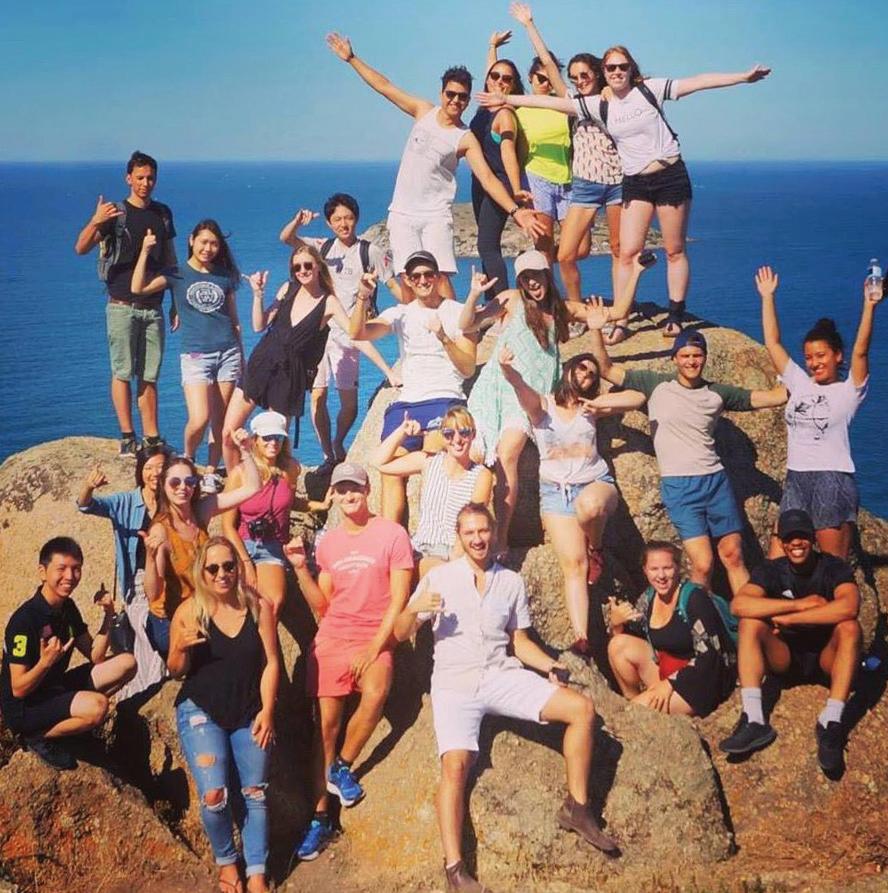
They say time flies when you are having fun and uni is no exception. Whether you’re just starting out in your first year or doing your third PhD researching the floccinaucinihilipilification of Australian males aged seventeen to nineteen, it will soon be over before you can even Google what that means. If you thought your two-year Master’s degree went quickly, spare a thought for the exchange students from overseas, who usually only have six months to truly get the most out of their short-term stay both at UniSA and in Australia. Moving to an entirely new country without knowing anyone can be a daunting prospect. Fortunately for them, there are local students who are here to help.
Operating since 2017, UniSA Buddies is a program run by UniSA students whose mission is to welcome exchange students studying at UniSA and help them to embrace Australian culture. As of 2019 it is now a registered USASA Club and also receives assistance from the University’s International Office.
The club’s membership currently consists of twenty local students, five of whom are executive members. At the time of writing more than 150 exchange students are supported by UniSA Buddies.
This year the new exchange students attended a large welcome event during O-Week, which featured several games to help everyone get to know each other. Some of the activities included playing ‘two truths and a lie’ as well as a campus tour of City West Campus. The exchange students were put into groups of eight and assigned a local ‘buddy’ who acted as a point of contact.
Once this was done a group-selfie competition took place with the winning group receiving the most Australian of prizes – a packet of Tim Tams. Kudos to the committee who spent a lot of time and placed a lot of thoughtful planning into organising activities to ensure that all these new students felt included and were well orientated.
As exchange students, many are only here for a semester so the UniSA Buddies club also runs a program in SP5, for those coming later in the year. The Buddies offer support throughout the duration of the exchange offering advice and practical assistance.
This is a great initiative and the UniSA Buddies scheme is instrumental in ensuring the experience of students here on exchange is a positive one. However, it is incumbent on all of us to make sure we make guests at our uni feel welcome and comfortable. ◼
Words by Annabel Bowles
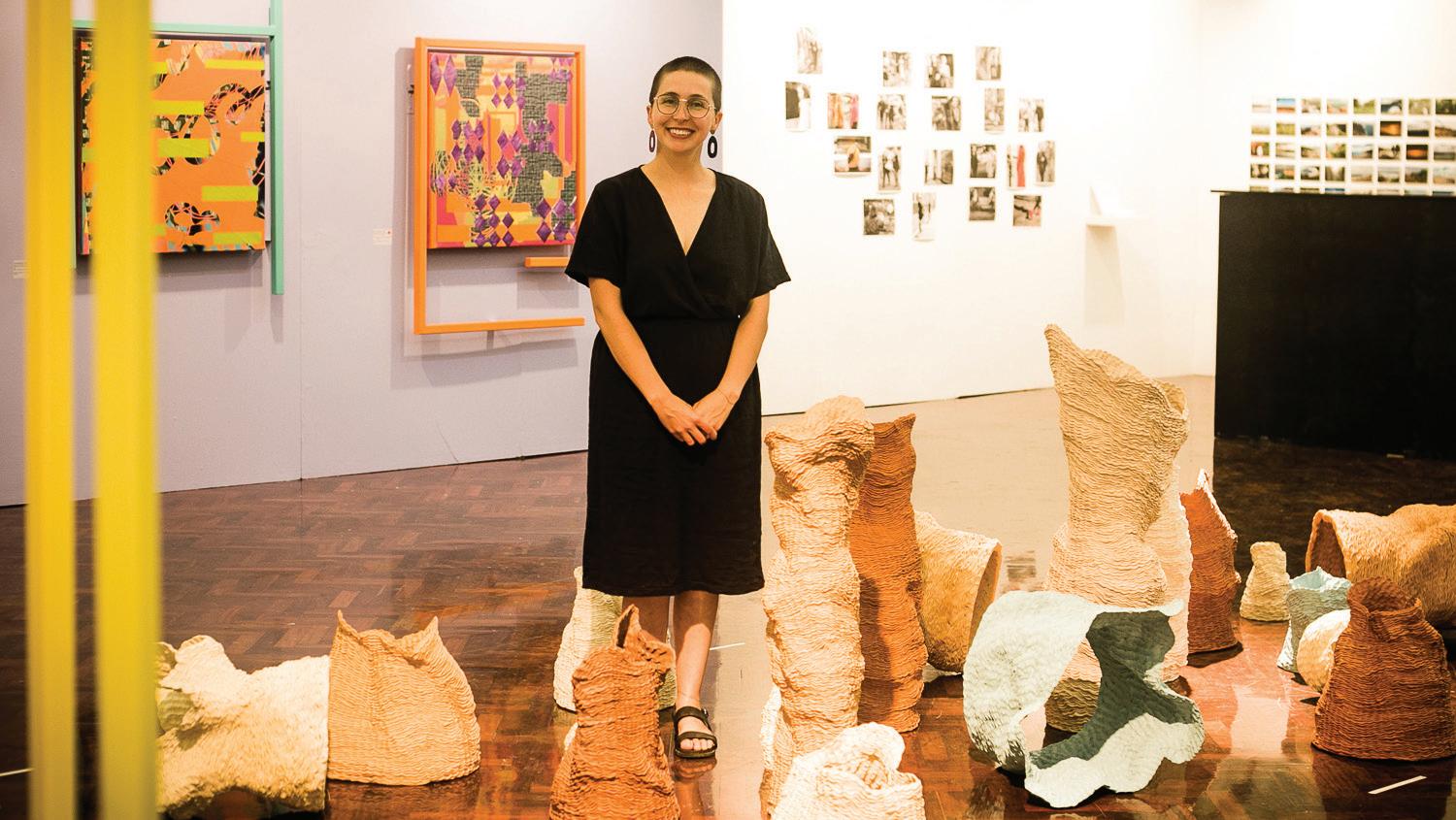
Photos supplied by Helpmann Academy
In our last edition we interviewed Sam Gold: Bachelor of Contemporary Art graduate and recipient of two Helpmann Academy grants. Like me, a financially-deprived student pursuing a creative career, your ears may have pricked at the word ‘grant’. I looked into what it was all about, and discovered that Adelaide’s growing rep’ as a thriving artistic hub owes a lot to Helpmann Academy.
Helpmann Academy was established in 1994, in honour of Sir Robert Helpmann, an internationally-recognised actor and dancer from Mount Gambier. It was, and still is, the only Australian non-for-profit organisation specifically designed to support final-year students and graduates in creative disciplines. While Helpmann’s career spanned fifty years, his legacy will likely last much longer. In 2018, Helpmann Academy assisted over 460 students, and the support it provides continues to expand.
Olivia Power, the Academy’s Marketing and Engagement Manager, is one of just five personnel operating Helpmann Academy. Olivia and the rest of the team are passionate about the arts, and that’s exactly what underpins the organisation’s success in bridging the gap between study and professional careers. Without financial support, many would never successfully make this transition, so Helpmann Academy also help students and graduates draft their applications; whether it's for the Academy’s own grants or for other institutions. “Writing a grant application isn’t necessarily something people learn at uni, but when they’re in the arts, they have to. It’s an absolutely essential skill for any creative practitioner,” Olivia tells me. Financial support is just one type of assistance provided by Helpmann Academy. Through its many events and exhibitions, emerging artists can form connections with one another, and gain practical advice and
affirmation. “That’s part of what we do, we acknowledge that it’s a valuable pursuit, it’s a valuable contribution to our society, to pursue a career in the arts,” said Olivia. She, along with the rest of the small team behind Helpmann Academy, also encourage people to come in for a chat. They’re there to help students and graduates navigate what isn’t “a very linear pathway.”
Thanks to Helpmann Academy, as well as her brilliant work that earned her the top undergraduate prize in the 2019 Helpmann Academy Graduate Exhibition, Sam Gold is currently undertaking a six-month residency at George Street Studios. Yusuf Hayat and Tamara Baillie are another two UniSA graduates that received rare opportunities through Helpmann Academy. Last year, they both completed threemonth residencies at the British School in Rome, one of the Italian capital’s most prestigious foreign academies. Other international residencies offered by Helpmann Academy include a visual arts placement in New Delhi, India, and a handcraft placement in Jingdezhen, China; which is widely considered the porcelain capital of the world.
Until this year, Helpmann Academy have only financially supported tertiary finalyear students and graduates in disciplines of visual arts, theatre, dance, music and film; for UniSA students, only those who have studied a Bachelor of Contemporary Art
(formerly Bachelor of Visual Arts) degree. However, the grants have recently been extended to a long list of degrees across all of South Australia’s four tertiary institutions. Under the UniSA banner, that includes media arts, performing arts, creative writing, illustration, animation, screenwriting and stagecraft.
Substantial financial support is only eligible to final year, or recently graduated, students in one of these disciplines at a South Australian tertiary institution. However for emerging students that don’t fit into this category, there’s a bunch of masterclasses and seminars offered throughout the year. They’re on a variety of topics, such as maintaining resilience and wellbeing in the struggling lifestyle of a creative, designing kickass social media to complement your work, or hearing from those who have successfully developed their practices into careers. These events are free for students of the disciplines listed above, or just $10 for anyone else.
To find out more, and to keep up with the awesome opportunities on offer, check out helpmannacademy.com.au and sign up to their mailing list. Or, drop them an email at info@ helpmannacademy.com.au. ◼
FORUM BAKRANIA ....................................................................................
MATTHEW BESZ
@INKEDBODYBUILDERMATTYB
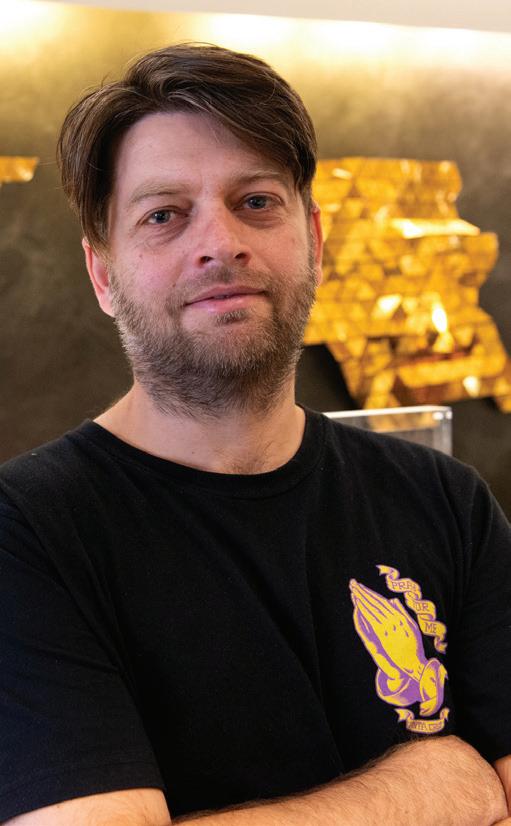
BRIAN BOLADO ................................................................ @BRIBENBOL
ANNABEL BOWLES .................................................... @ANNABEL_JANE
JORDAN BYRNE ..............................................
@JORDANSHAYEBYRNE
RYAN COLSEY ..................................................................... @RYANCOLZ
GRACE DIXON @AUNTIEGI_
DESSY GEORGESCU ..........................................
ETHAN HAYLOCK .....................................
@DESSY_GEORGESCU
@ETHANHAYLOCK.DESIGN
GEENA HO .............................................................................. @GEENAHO
ISLA .............................................................................................................
ZOE KASSIOTIS ............................................................
@ZOEKASSIOTIS
JOSHUA LAMB ................................................................. @LEGGOLOCO
SARAH LANGLEY
@SARAHLANGLEYPHOTOGRAPHY
TOM LITTLE ................................................................ @TOMMYLITTLE_
OLIVIA MADONNA .................................................. @OLIVIAMADONNA
TANNER MULLER ..................................................... @TANNER.MULLER
NINA PHILLIPS ......................................................... @NINAPHILLIPS27
VANAJAKUMARI VANITY TRANSITORY REMYA
LUCAS SHAW .................................................................. @LUCASHAW_
ARNIS SILVIA @ARNISSILVIA
MARK VAWSER .......................................................... @MARK_VAWSER
JORDAN WHITE ................................................... @JORDAN.WHITE306
OLIVER WHITE ...................................................................... @OJ.WHITE
Verse Magazine is brought to you by