FEATURING •
5 TATTOOS ON CAMPUS
DAVID LLOYD
SAM GOLD
SPOTIFY
MATCH STUDIO
MAC MILLER
BEYOND THE LECTERN HOROSCOPES

26 26
FEATURING •
5 TATTOOS ON CAMPUS
DAVID LLOYD
SAM GOLD
SPOTIFY
MATCH STUDIO
MAC MILLER
BEYOND THE LECTERN HOROSCOPES
26 26

A warm welcome to all UniSA students, whether new or returning.
For those who are unaware, Verse is a student-run publication, which provides the opportunity for talented writers and artists to showcase their work. Every article is created by students, for students, and we encourage your submissions.
We hope that our first edition of Verse for 2019 will help those new to our campuses navigate their way through what often feels unfamiliar territory. Don’t worry—we have all been there and many of us are still finding our way.
As well, this edition features a diverse range of written and visual content, including short stories, music reviews and poems. The interview with UniSA Vice-Chancellor, David Lloyd, reveals an interesting insight into his life prior to his move to Australia. Our team also spoke with Match Studio about industry opportunities for students, while our graphic designer caught up with one of Adelaide’s most promising art therapists.
On behalf of all the team, we would like to thank everyone that submitted work to this edition. We hope you have a great start to the year and look forward to seeing you on campus.
Head Editor Ryan Colsey | Co-Head Editor Tanner Muller | Co-Head Editor Annabel Bowles
Communications and Digital Editor Geena Ho | Graphic Designer Oliver White | Printer Newstyle Print
Design & Production Consultant Jackson Polley & Rachael Sharman
The views expressed in this magazine are not necessarily representative of the views of USASA or the editors.
Ihover clumsily over the toilet seat, trying to steady myself as the bus turns a sharp corner. There is no toilet paper, but I make do with the coarse McDonald's serviette I tore in half to share with my friend. I stand to secure my belt, its grip around my waist gradually tightening; full of crunchy roast potatoes, fruit cake and countless litres of beer. The tap pumps a limp stream of water over my soapless hands as I'm thrown again to the other side of the cubicle.
I look down to inspect my grubby jeans: a smear of mud picked up when we trudged through puddles on the coast of Wales earlier in the week; a few fine white dog hairs collected from Bessie on the Somerset farm two days ago; a small patch of toothpaste lingering from my hasty brushing this morning, as we rushed out to meet our new friends for Eggs Benny at the local Spoons.
I dry my hands on the tops of my legs, noticing the small callus on my palm from shovelling horse excrement in return for a warm bed. I turn my hand over and see an assortment of light pink scars, collected on our cliffjumping adventure in the Balkans. Like tattoos, though much less attractive, the small etchings on my skin each tell a tale.
I return to my seat to put in my off-white, slightly gunky headphones, and listen to the same playlist my battered old phone’s been repeating for the past four months. My head
Words by Poppy Fitzpatrick Artwork by Francesco Patrinostro
throbs lightly, punishing me for last night's fun, and my stomach makes a grumbling ploy for a snack. I wince as my knee twinges with pain and vaguely recall a violent encounter between my leg and a bench. I smile. I wiggle my toes inside my shoes and feel one of them poke through a hole in my sock. I look over to my friend, mouth wide open with a faint rhythmic snore, as her head lolls in sync with the twists and bumps of the bus.
My mind swirls with the whirlwind of memories made in mere months and my body vibrates with the strangest mixture of emotions. I feel emotional, euphoric, electric— and fucking exhausted.
How bittersweet it is, to meet and connect with so many weird and wonderful people, who you will likely never see again. There’s the pair of eighty-year-old ladies who ring each other on their curly-corded landlines every morning to check the other hasn’t died; the old English couple who have never left their farm for more than a week; the three Dutch roommates who invited us into their small apartment to drink their strange and potent home brews; the seventy-three-year-old man who took me in for a week in central London and shared the most outrageous stories from his scandalous life; the flamboyant Irish gentleman who told us of his difficult separation from his five beloved Chihuahuas after his house burnt down.
You are left with the smallest taste of so
many lives; their presence so fleeting, but their impact so profound.
With no room in your luggage for any tangible souvenirs, you are left with nothing but the memories you store so carefully in your overflowing mind, along with the temporary marks on your jeans that each tell a precious little story. I stare at them fondly: blood, sweat, tears, sleep deprivation, borderline alcoholism,
"My mind swirls with the whirlwind of memories made in mere months and my body vibrates with the strangest
mixture
of
emotions.
I feel
emotional, euphoric, electric—and fucking exhausted."
garlic mayo, laughter, uncertainty, excitement, sadness, and adventure.
I become attached to the stains; I don't want to wash them away. But as the black denim canvas becomes too full, I must chuck them in the next available coin-operated washing machine to make room for another small collection of artworks.
Also, they fucking stink—but it doesn’t really bother me. Once they are somewhat clean again, I will keep on painting. ▲

Words By Helen Karakulak
Illustration by Oliver White
The art of tattooing came to be a symbol of strength and conformity, due to its rich history in tribal tradition and identification during 20th century wartime. Many techniques and styles which derived from this are still present today. However, many tend to stray from the intention of conformity and argue that a tattoo is a symbol of self-expression and individuality. With tattoos becoming as common practice as they are, and particular designs increasing in popularity, it begs the question: can tattoos still be considered self-expressive and unique to an individual?
Does having an arrow on your forearm, or the word ‘wanderlust’ on your wrist, uniquely express who you are as a person, or merely brand you as a hipster?
Does a Southern Cross on your chest express your patriotism, or boast that you’re a little bit bogan?
Whilst a symbol, an image or a quote that you may choose to get inked onto yourself may be popular, the experience you’ve had, and the reasoning behind getting that tattoo is individual to you. Whatever the reasoning behind the tattoo may be, it is not usually apparent to the onlooker. What is though, is the quality of the design, which has the power to bring admiration or amusement to others.
With this in mind, let’s consider the typical university student. Whether it’s glancing
around a lecture hall out of absent-mindedness, or waiting in line for coffee, chances are you’ve seen students wandering around with adorning art on their skin. Perhaps you have tattoos yourself; perhaps you enjoy admiring others, but ultimately think it’s not for you. Wherever you stand on tattoos, it’s likely you would have seen the following, or perhaps have considered getting one yourself to show off on campus. Or perhaps you’ll just enjoy admiring (or mocking) those that do.
1. The Travel Tattoo. Common among students that just returned from a holiday they’ll take any opportunity to mention. Common designs include: airplanes, maps, waves, or a compass. Either fine line work, or splashed with colours.
2. The Procrastination Tattoo. Usually the tattoo you weren’t serious about at first. It came about from browsing designs online for something to look at when you were bored and procrastinating completing (or in most cases—
starting) that assignment. After falling into the vortex of instagramming artists and searching Pinterest, you figure, why not? Common designs relevant to procrastination include: ‘to do’ lists, and ‘tomorrow’ with a sharp line through it, corrected with ‘today’.
and feminist imagery, such as embellished gender symbols and uteri flipping you off. Some statements directly relevant to student life include maths formulas you don’t want to forget, or ‘leave me alone I voted’; perfect for student-election season!
3. The Motivational Tattoo. Maybe you’ve decided it’s time to adopt the good old Nike adage and ‘just do it’. This tattoo is often a reminder to ‘live, laugh, love’ more and ‘keep moving forward’. Common designs include quotes, semicolons and love hearts.
But what about the simpler things you need motivation for? Like climbing those stairs to the library, or actually going to the gym before class like you always say you will but never do. The solution: tattoo a smiley face onto your stomach and if you let yourself go, it’ll remind you, with the smooth curve of its smile slowly sagging, inspiring you to keep your body happy!
5. The Drunk Tattoo. This one seems pretty self-explanatory. Whether it’s a tattoo you got while drunk, or just in dedication to memories made under the influence, these tattoos don’t often age well. Which is understandable, especially if you were a big NSYNC fan in the 90s and now in your 30s, shamefully try to hide Justin Timberlake’s curls that are permanently on your shoulder blade. Similarly, it’s not uncommon for people to get a tattoo impulsively, and then realise soon after that they really don’t want that dolphin on their ankle, ex-girlfriend’s name on their wrist, or their best friend’s lips on their arse cheek. Other common drunk or impulse designs include: VB or Smirnoff bottles, leprechauns and bin chickens (Ibises).
4. The Statement Tattoo. Whatever you’re passionate about, there’s probably a tattoo for it. Some favourites include brand logos, song lyrics
With these in mind, perhaps we could start a game of campus tattoo bingo! ▲

3-5PM WEEKDAYS
$5 NUGGETS FRIES SMALL DRINK PICK ANY 2 FOR
*Offer includes kids’ size fries w/ a classic sauce
*Fries can be upgraded to sweet potato for an extra $2
* Valid in all stores - not to be used in conjunction with any other offer
* Just present your student card
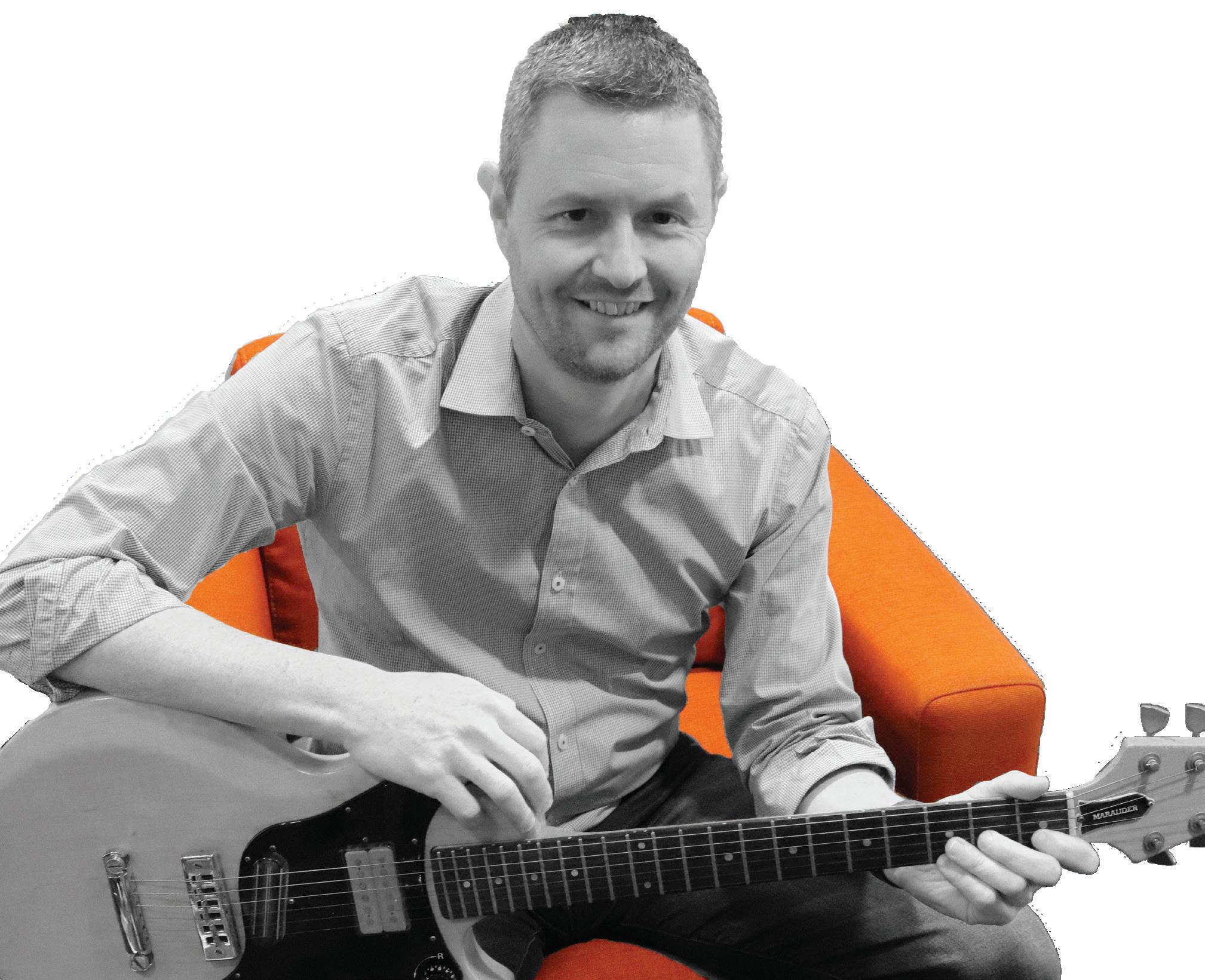

It’s a warm January day in Tamworth and thousands of people have descended into town to see some of Australia’s finest musicians perform. Out on Peel Street, a woman named Mandy is busking by singing her lungs out, trying to engage passers-by with her powerful voice. Next to Mandy, is her partner, an Irishborn gentleman named David, producing rhythms from his guitar to accompany her voice. Like many of the other street performers, he is there to entertain and share his love of music with those who wish to listen.
Unlike the other performers though, by Monday next week he will be sitting back in his office in Adelaide, overlooking UniSA City WestCampus,presidingoverSouth Australia’s largest university. In this Verse Magazine exclusive, we uncover the less well-known musical life of UniSA ViceChancellorDavidLloyd,speakingto the man himself about everything music, from his Dublin-based gigs in his 20s, to his former band member that went on to become a boyband sensation, to what he really thinks of U2, and his own chance encounter with Enya.
Tell us a little bit about the bands you’ve played in. How did it all start?
I got a part-time job in a musical instrument shop when I was sixteen and started thinking a little more seriously about music at that stage. One band I was in was called Degas and we thought it was a very French impressionistic artists’ name but it looked good. Everyone used to introduce us as ‘dig-ass’ and it was me, a lad from the shop and his brother. Our lead singer was a guy called Niall O’Neil. We did a gig and the gig was okay but the band had creative musical differences as you kind of get when you’re in your late teens and Niall left the band and he signed up in a boyband. This is when Take That and engineered bands were starting to become big. Niall ended up in a band called OTT and they were huge, they had Number 1’s across Asia. So he became really famous after he left our band.
Then I ended up in a band which was called Kiev, like the city, and it was actually because the guy who was the lead singer in that band. His real name was Kevin and the Irish for Kevin is Caoimhín and he shortened it to Kiev. He was in the Eurovision song contest in 1989 with his band Kiev Connolly and the Missing Passengers. It was probably the worst performance Ireland had in Eurovision history for a generation. Ireland had probably won it six or seven times and he didn’t do very well. I wasn’t in the band at that stage and Kiev was sort of his comeback.
Were there any other bands you took inspiration from or any musicians that kind of inspired you?
In Degas we liked The Police. Our drummer, Gavin, was very good and he liked how Stewart Copeland drummed so we use to play as many of his songs as we could, and we liked Pink Floyd as well.
Do you still keep in touch with the people you played in the bands with?
Yeah I do actually, through Facebook and it’s funny I have a few WAV files of a band I was in when I was like thirteen when we did a demo and when you kind of listen to it now it’s like

‘oh my god’! I also got given a video by Gavin, the drummer in Degas; his dad found he had an old video cassette of one of the gigs and I was playing in.
Is it a bit nostalgic?
Yeah, and I had much longer hair!
Do you ever wonder if you never completed your PhD whether you’d still be rocking out now?
Well you see when I was doing my PhD I was still working in the shop so even when I was in college we played a few ‘Battle of the Bands’ gigs in Uni. I don’t think I ever stopped rocking, I just couldn’t really see a major career move in it you know.
The Dublin music scene was pretty vibrant and there were a lot of bands that were kinda onehit-wonders that came and went and everyone wanted to be the next U2 at that stage. So yeah we’d get little gigs but you’d never make any money out of it and you could be lucky or unlucky and I look at Niall, the guy who went on to become the singer, he did well he became a producer afterwards and you just need that lucky break and he had the talent. So we were good, but we weren’t great.
Do you see any parallels between being in a rock band and being Vice Chancellor?
I think trying to manage creative tensions is one. Some of it is performance, you know, about actually being able to stand and front up. Now I was never the lead singer but the performance piece in music gives you a certain amount of confidence. I could be standing in front of a room with a thousand people in it trying to just communicate with them and I think when you’ve performed before that comes a little bit easier.
I use musical analogies in the inductions we do for staff. I have a photo which was taken at UniSA when we were doing one of the internal gigs in O-Week about four or five years ago, and the place was jammed. There was a stage which was very vibrant and I used it to show that we were kind of in the middle of the crowd from a university standpoint and we were moving
ourselves forward to the front of the crowd. So for a couple of years I was saying this is the trajectory we are on, from the middle of the pack to the front of the crowd, and then I said maybe we’re actually on the stage - that the University is actually who’s on the stage performing.
Now we’re a band, the University is the band and we’re playing the tune rather than watching someone else do it.
What’s your most memorable experience you’d take out of your time in Degas?
We were doing one gig in a pub and it was called ‘The Meeting Pint’, like the way Irish people speak like ‘the meeting point’ and this was a very long narrow room and we were the warm up act. The sound engineer from the main band was a guy called Jimmy who also worked at the shop so we knew him as a work colleague and as a mate and he was the head roadie. He didn’t really pay attention to what was going on, so he went off to buy some chips in the course of our gig and there’s this massive feedback loop going on. Nobody could figure it out and Jimmy was just gone so that one I always remember.
How did you play that one off?
Badly. We just stopped.
Onto some big stuff now: do you think U2 is overrated or underrated?
Interestingly, last week on Spotify I downloaded Zooroper (1993) and Achtung Baby (1991). I like U2 in a very niche spot from around Rattle and Hum (1988) to probably Zooroper and after then some of it like How to Dismantle an Atomic Bomb (2004) is not a bad album but I just think they’re all very old now…don’t tell them I said that!
His [Bono] advocacy stuff I think has taken away from his music but I mean when they get it right they get it brilliantly right. I think Achtung Baby is a brilliant album.
Enya or Sinead O’Connor?
Sinead O’Connor has a better voice I think, although Enya has had greater commercial appeal.
At the music shop I used to work at, people would just come in and you’d get people who’d buy instruments and things. One Christmas I turned around and Enya was standing there and she was really demure, very quiet, very softly spoken and she bought a book of Christmas Carols…and then she released Silent Night as her next single!
Not just content with being inspired by artists, it looks like you went out and inspired some as well!
No, no, no! I had nothing to do with that; I just sold her the book she knew what she wanted!
Finally, which country do you think produces better music, Australia or Ireland? Keep in mind Verse Magazine is produced in Australia…
Hmm. I think per capita Ireland has had greater musical success than Australia. When I look at Australian music there’s a certain style you can hear, you can hear a genre. There’s an Australian nature to it. Nobody has managed to get me to turn onto Cold Chisel… that hasn’t happened!
Amy Shark I think is good, I think she’s really good. So if it’s good it’s good. I don’t know which is better but in saying that Ireland might have the edge in Eurovision.
Anything else you want to add?
It would be nice to get a Battle of the Bands going at a Uni level, I think that’d be fun. I’d happily MC that one if that could be pulled off. That’s a challenge for USASA to organize that! ▲

Words By Poppy Fitzpatrick
Words by Mateusz Kryszkiewicz
For miles it’s barren, lifeless. Air, thin, too thin to breathe. Path, gone, giants lead the way now.
This bag, heavy. Mask, stifling. I see the emptiness ahead of me where everything is.
I’m scared of what they’re saying, of the worst to come.
I’m closer to heaven yet feels like hell.
Food, tasteless. Day, colourless. I hear them, but I don’t recognise anything, anyone.
I want to stop, I’m tired, too tired. Come on they say. We’re almost there they say.
They don’t know, they can’t see, but I keep going.


Words by Julie Ma Illustration by Oliver White
Biology is a science, From the ecosystem of species that survive. To the myriad of cells in my body, That keeps me healthy and alive.
Biology is an art, It is why I look the way I do. It is part of my identity, And why I have senses too.
Biology is a wonder, It is an accumulation of theories. This year I am eager to contribute, To this field of never-ending queries.

But biology is so much more than that, Far more than what I can see. It is an interconnecting network for my life, Biology is me.
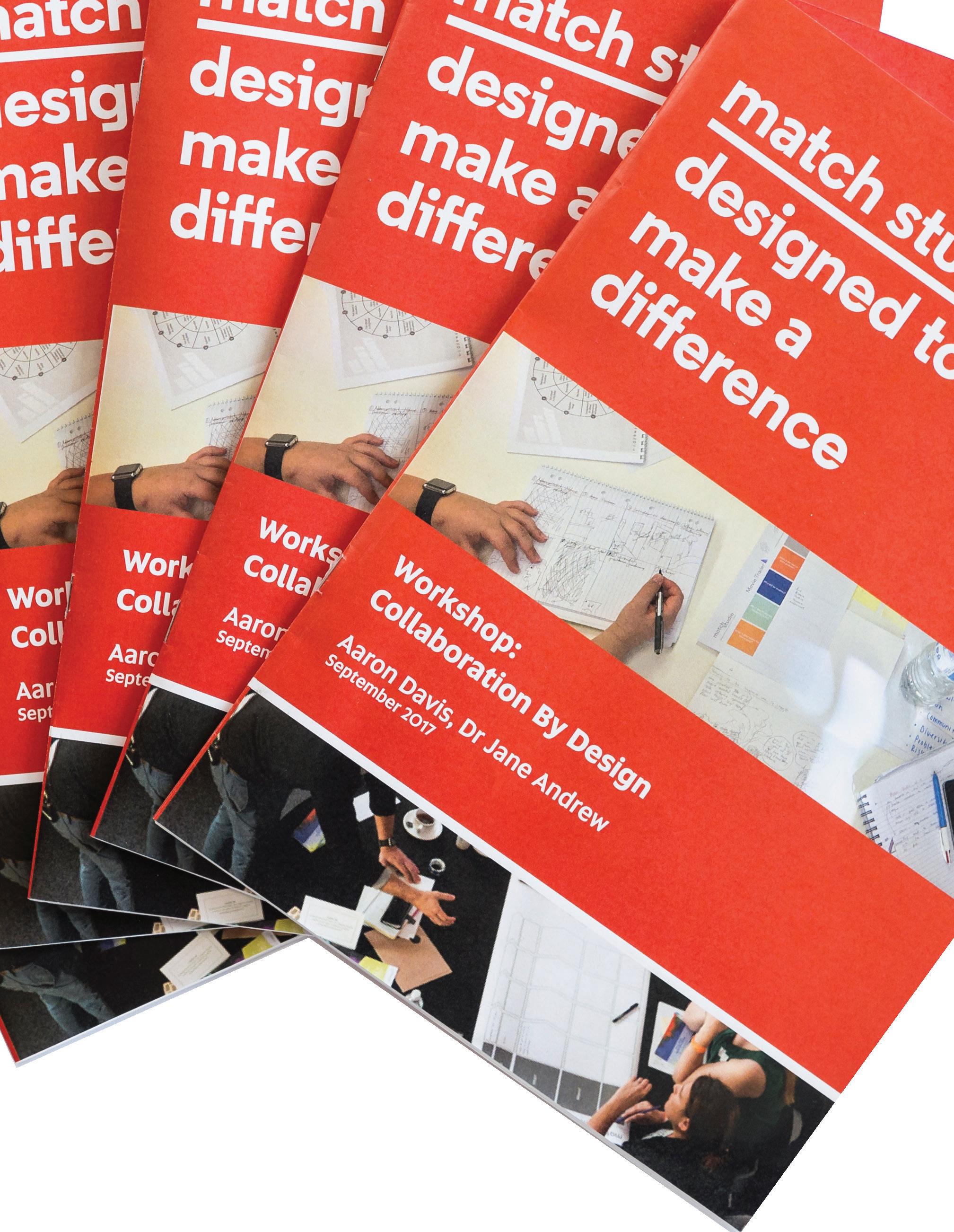

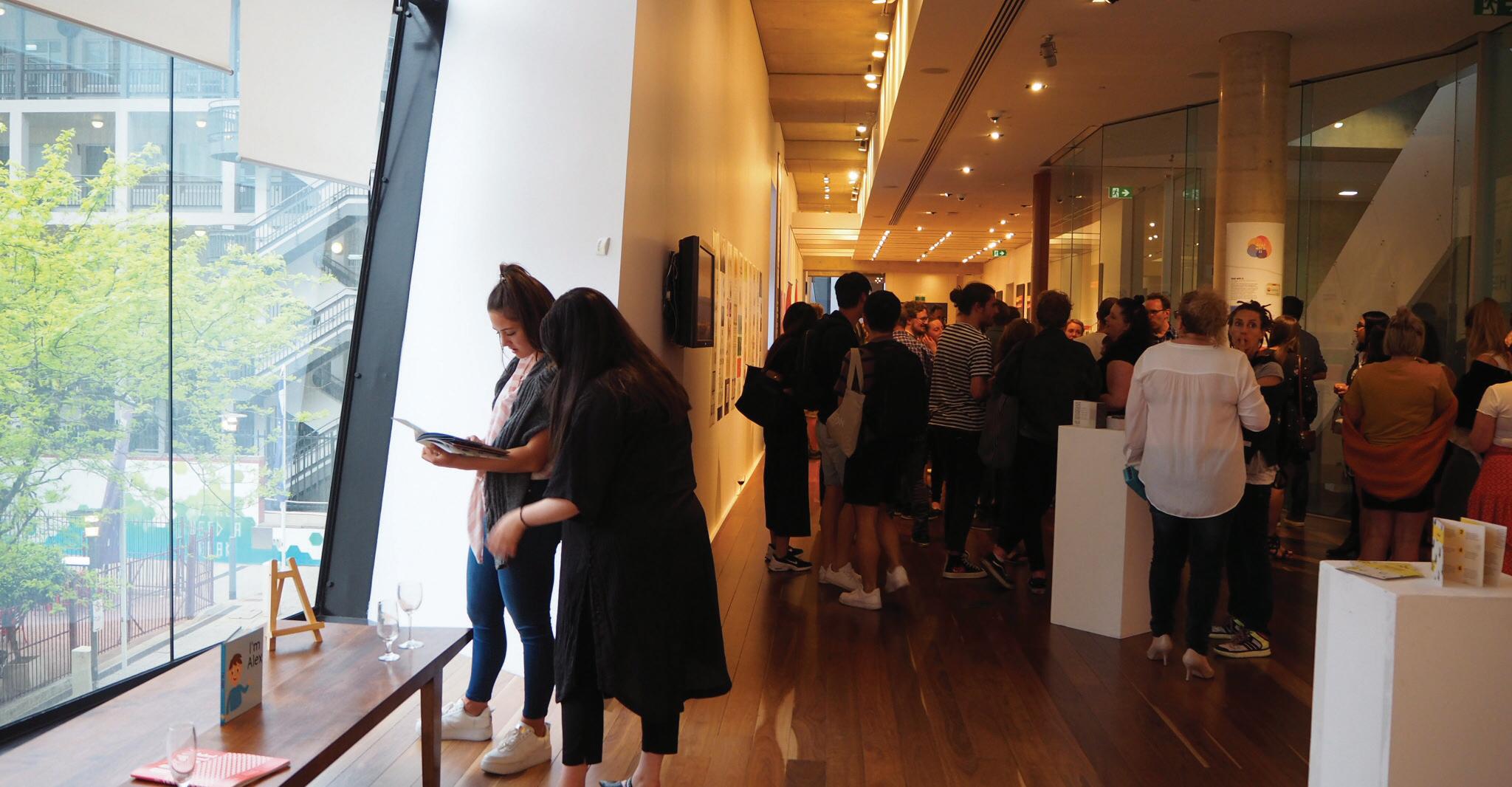
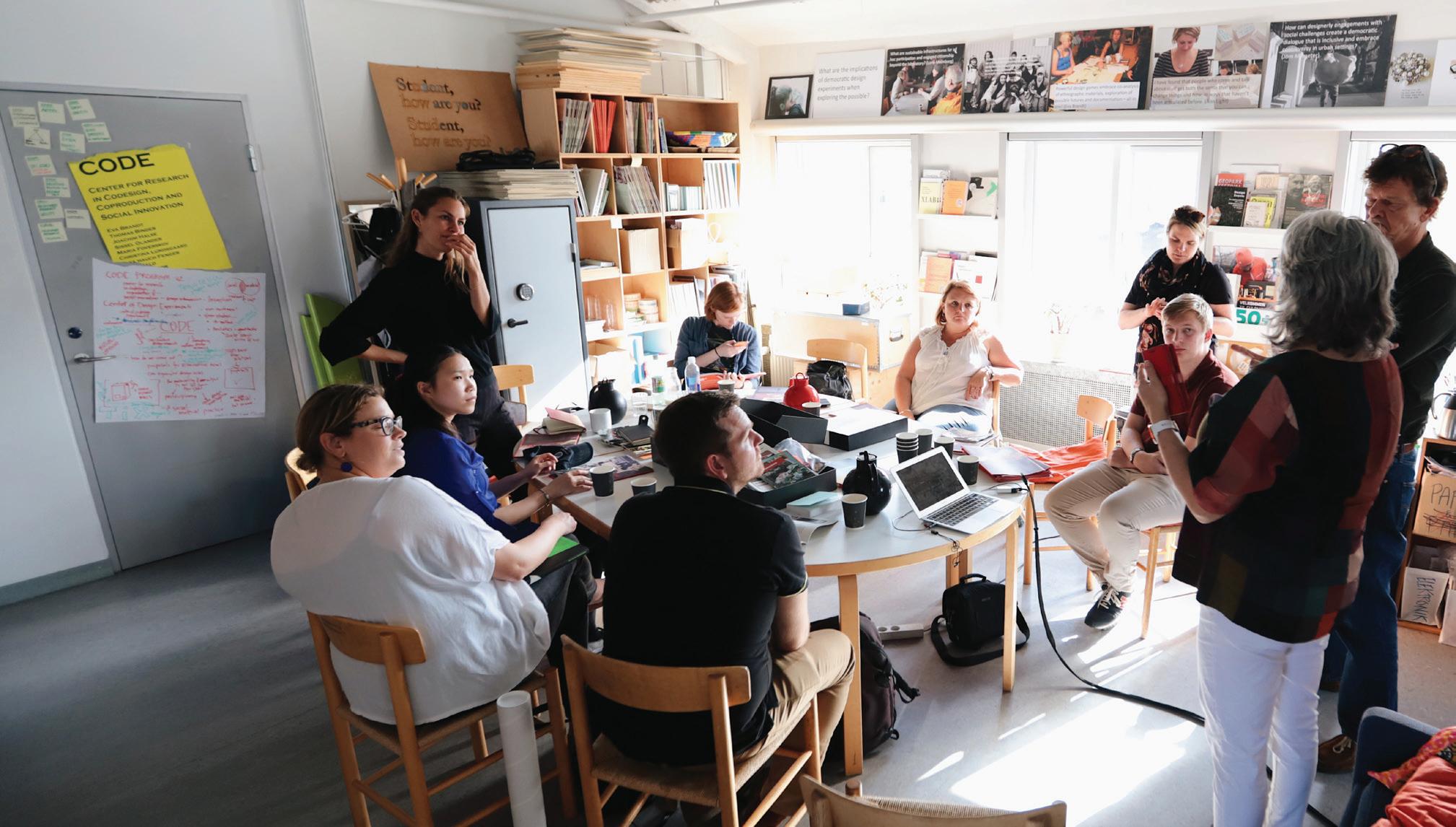
Match Studio is a research and learning space that brings together work-integrated learning and industry-linked projects to create pragmatic, valuable learning experiences. They provide opportunities for students across a range of disciplines to come together, engage, and co-create innovative solutions to real-world challenges.JesseNeillspokewithJaneAndrewandothermembers of the Match Studio team to discuss previous projects and the upcoming opportunities available for UniSA students.
Words
by Jesse Neill
Photos supplied by Match Studio
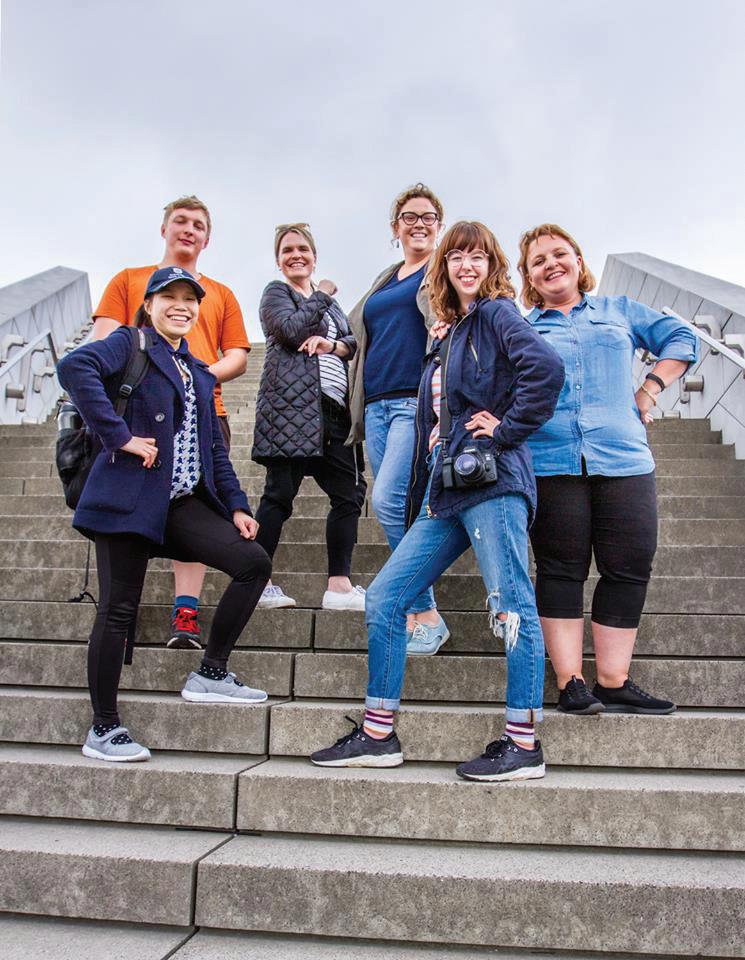
In 2009, Founding Director of Match Studio Jane Andrew, was asked to develop a consultancy with the school of Architecture and Design to help contribute to meaningful project work. The challenge was enabling students to do project work that actually provided them with real-world experience, as many of the practices and businesses within the design field are not able to take on work experience. Jane Andrew explains how out of this challenge came Match Studio, which now draws from more than 40 of UniSA’s academic disciplines to create project-specific groups that approach real-world industry problems from new perspectives.
“Our cross-disciplinary approach means it’s students from different fields working together. For instance, interior architects working with architects happens all the time, what doesn’t happen often in universities and learning environments is taking students from different disciplines and making them work together. This is what is actually happening in the real world when you’re out at work - you might have somebody on a stakeholder group or project group that is from a completely different field of study. How this works in Match Studio is that health professionals could be working with architects and engineers - university students really don’t get that opportunity very often. They might do simulated projects, but they’re
still working in a class with students of the same discipline. The whole notion of workintegrated learning is suddenly coming to the attention of industry and universities, and this is the reason why we’ve been focussing so heavily on this”.
Match Studio is heavily committed to extending work-integrated opportunities beyond traditional placements, providing students with tasks that are useful and important, while giving them a sense of satisfaction in the work they do. They’re giving students the opportunity to engage with various clients, stakeholders, and the community to reach an agreeable outcome and solution that is practical and realistic. As part of a Match Studio project, students must identify and articulate a challenge, then generate and experiment with ideas for products, services, policy and social innovations which they can develop into prototypes. Jane explains that sometimes it can be ambiguous as to what the assessment task might look like or what the outcome might be, but this gives full autonomy to the students.
“What usually happens is we get the client to come in and brief the students. The students then listen to what the client needs and asks questions regarding this preliminary brief. The students then have to go away and do some research. They come back to us with a pitch about what they are going to do to address that
client’s needs. We are not overly directive in this process as we like the students to decide what they want their end product to be”.
Miranda Hurren participated in the Peer to Peer Social Media Campaign for the South Australian Police Force and now works for Match Studio as a Social Media Coordinator and Administrative Assistant. The campaign was designed to confront issues young people face when making unsafe choices while partying. SAPOL approached the group with this issue and it was then up to them to come up with a social media campaign that addressed the problem. The project took groups of students from various fields of study to create a prototype that will hopefully be used by SAPOL in the future.
Miranda explains how this diversity of ideas and opinions contributed to a successful project.
“As a comms student, in previous projects that simulated similar scenarios we’d write a communications plan and that would be it, there’d be no follow up. However, with the Peer to Peer Program, we were really able to contribute to something much bigger by using the wide range of skills from everyone in our group. For instance, design students could bring
the campaign to life with interesting logos and have those flashy skills that [comms students] didn’t necessarily have. IT students could get on the web and make us mock websites, apps, games and other things like that; so the end product wasn’t here what we’d hope to do, it was here’s what we’d hope to do and here’s a prototype of what it would be”.
“It’s also really interesting to see the growth of students that usually wouldn’t socialise and meet. By the end of the project they’re all really comfortable and talking with each other all the time. We end up coming in all hours of the day and night to work - there’s laughter and a real sense of excitement.”
Match Studio puts to use transferable skills in attempting a more contemporary approach to work, compared with the old mentality of being locked into one career pathway. The experience combines the core teachings of uni with unique industry experience that students can learn from and put towards their work portfolio. John Gartland, UniSA’s Senior Placement Officer agrees with this approach and believes it’s a great opportunity for students.
“This breaks the mould of traditional
internships where you would go into the industry and get ‘experience’. Match Studio is a much more realistic approach that challenges students. You are much more likely to get these sorts of interactions in industry, where you are working with people in different fields, and it's about the contrast and combination of these ideas and skills. I guess there is the unwritten experience as well, of actually navigating that cultural space between ‘engineers think a certain way’ and ‘IT students think a certain way’ and often its never the twain shall meet, but bring them all together like we do with Match Studio and they feed off each other - the response is remarkable.”
Match Studio works with industry, government and not-for profit organisations,
demonstrating the wide reach of their industry connections. They’ve been able to cultivate recurrent partnerships, and overtime have conducted different iterations of these projects. Examples of their most
“This breaks the mould of traditional internships where you would go into the industry and get ‘experience’”
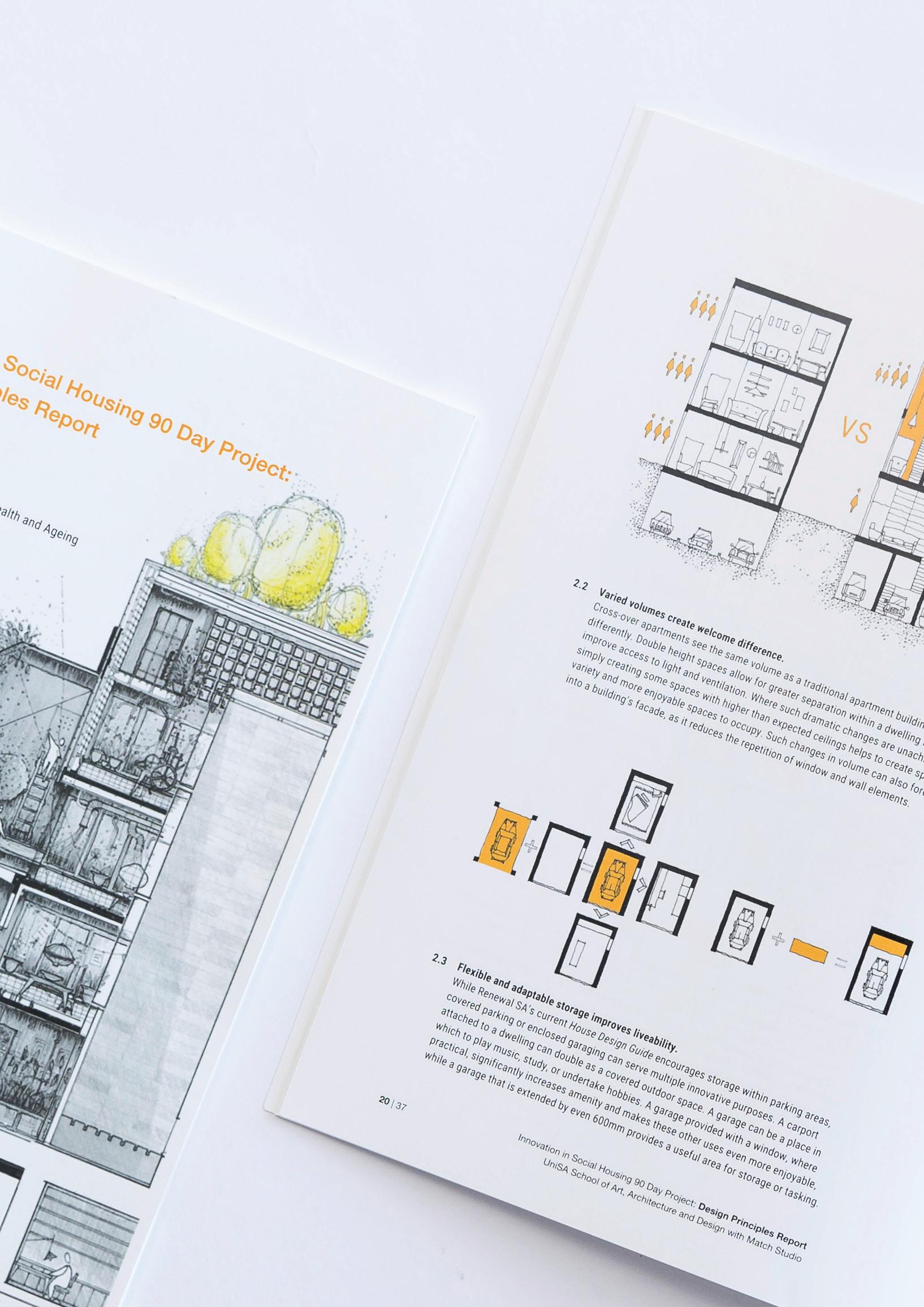
recent projects include the Peer to Peer Drug Driving, Visualising Mental Health, Maggie Beer: Redesigning dining in aged care homes, Modbury Age Friendly Precinct Project, Master Plan and Design Proposals for mine
site remediation, Drink Dine Design, 90 Days of Social Housing Project, and the 2018 Match Tournament.
Overall, these projects stretch beyond normal disciplinary study at university. They provide students with real world experience and take a multi-disciplinary approach to encourage a mixture of ideas and opinions. They are not only focused on students but community initiatives and the ideas that come out of combining different fields and personality types. They hope to grow this opportunity throughout the year so stay tuned to Match Studio. Check out their website at: http://aad.unisa.edu.au/ research/research-areas/matchstudio/projects/ for more information about these past projects and exciting opportunities coming soon. ▲

Words by Patricia Mang’ira
Illustration by Oliver White
Where is it?
What is home?
Home to me are the memories in my head, the feelings in my chest and the scars on my skin
Home to me are living beings who walk on the earth and those buried under it
Home to me is a white house with no electricity or running water but has a warm fire where stories are told
Home to me is a noisy city with shouting touts and sweaty pedestrians
Home was my mother’s womb, my father’s arms, my sisters’ beds



Verse Mag's regular student Art & Design feature
Interview conducted by Oliver White Images supplied by Sam Gold
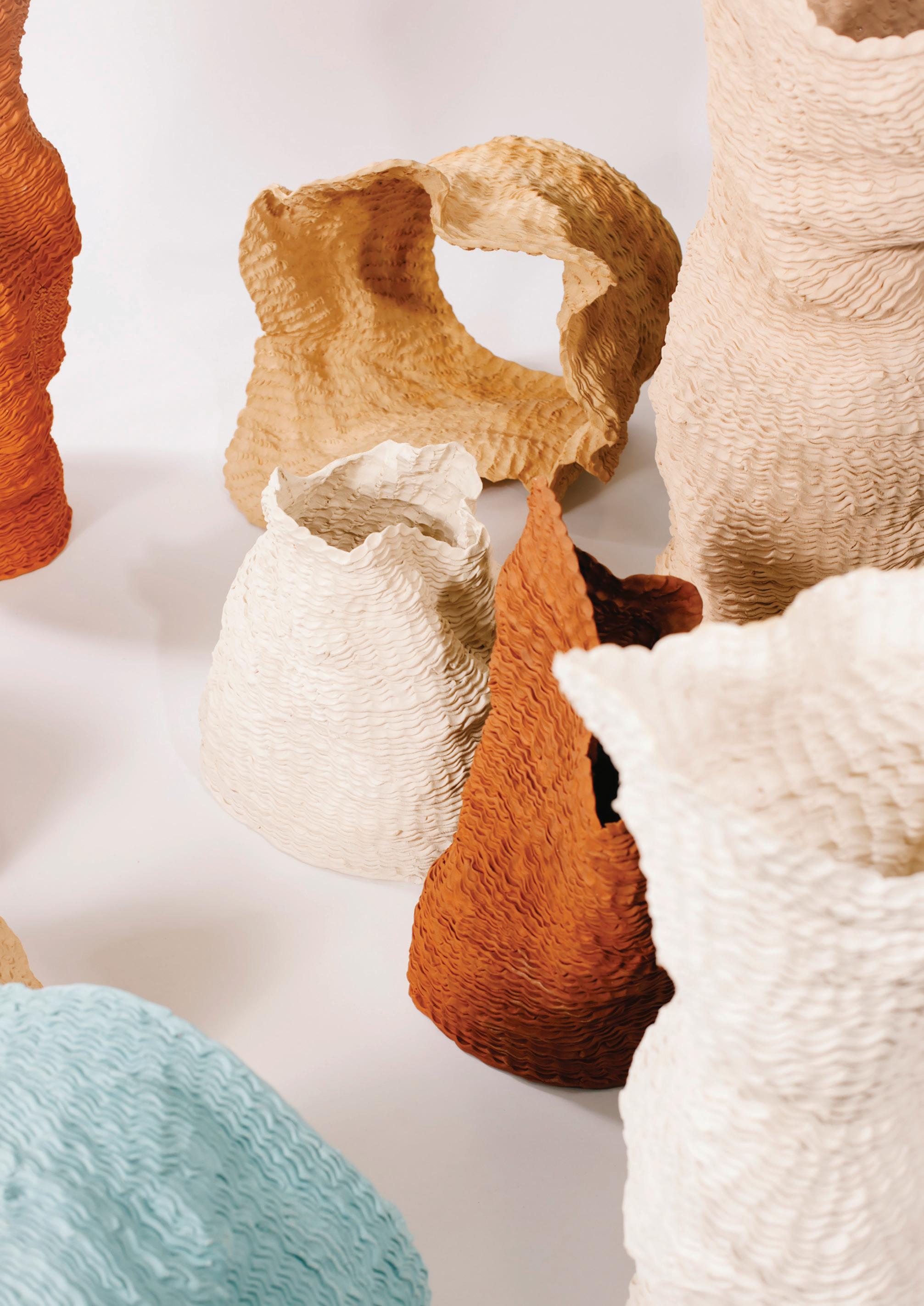
UniSA graduate Sam Gold is a talented artist who works part-time as an arts therapist at a local primary school. While very passionate aboutchildhooddevelopmentandtraumatherapy,sheisalsotrained as a furniture maker and a ceramicist and hopes to run her own practice. Verse designer, Oliver White, spoke with Sam about what motivates her work and her plans for the future.
When was the moment you realised you wanted to be an artist?
I was in year nine in high school and came from a complicated family home. The high school kicked me out of maths, science and English classes because my grades didn’t make the cut and they got me to do all the set design, drama and arts classes. One year I moved in with my dad, my parents were divorced and he lived three bus trips away from my high school.
It was the first night I was staying at his place and I remember distinctly waiting for my dad to pick me up from school and he never showed. By 9 p.m. he finally showed and it didn’t even bother me. I sat at the school tucked in near the light and just drew my surroundings. Drawing was a survival technique for me as a confused teenager growing up in things I couldn’t fully comprehend. I was always very drawn to the relief it gave me. I’m not sure if I ever thought I had skills, I wasn’t bothered by that. It made me feel good and that’s what gave me the direction and slowly the drive to pursue an arts practice
I am super intrigued by the body of work created in your third year. Could you tell us about the process and influences for those projects?
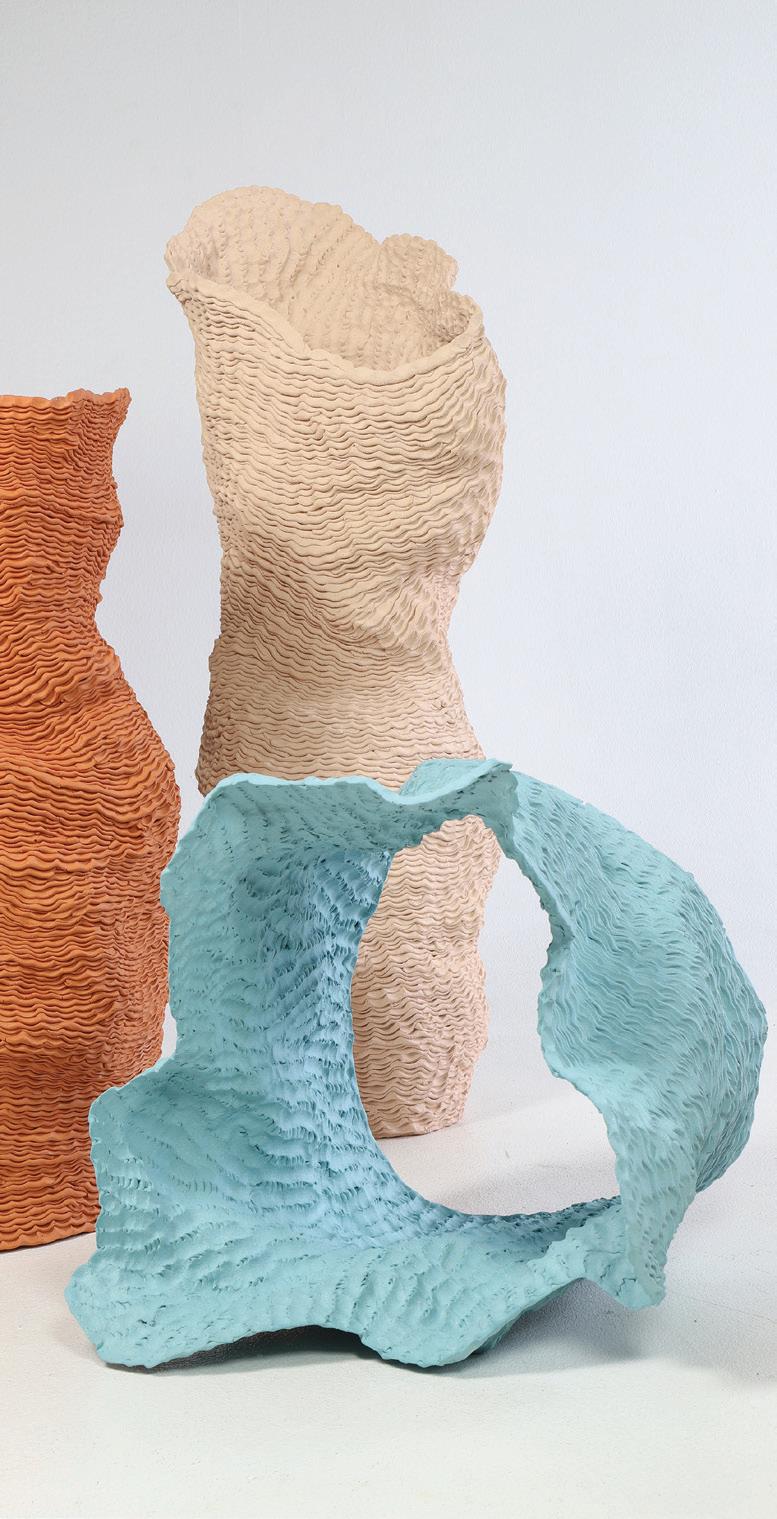
The influences began with theories of the abject and transpersonal art therapy. I focused primarily on rebirth/catharsis as a form of selfrenewal/regulation and the idea of a ritual that was meditative in a rhythmic and repetitious way to purge out the layers of the day. The body of work is both geological strata and figurative; not just one but both. It is here that there are strong themes of non-binary gender theories, but they weren’t the main focus.
The strongest part technically was the indexical trace of gesture, embodying my experience through mark making. The technique that I developed was a compressed coil. I am much more confident on the ceramic wheel, producing utility wares, so last year I challenged myself to become stronger at hand-building. The process was tough to work out and it took me the greater
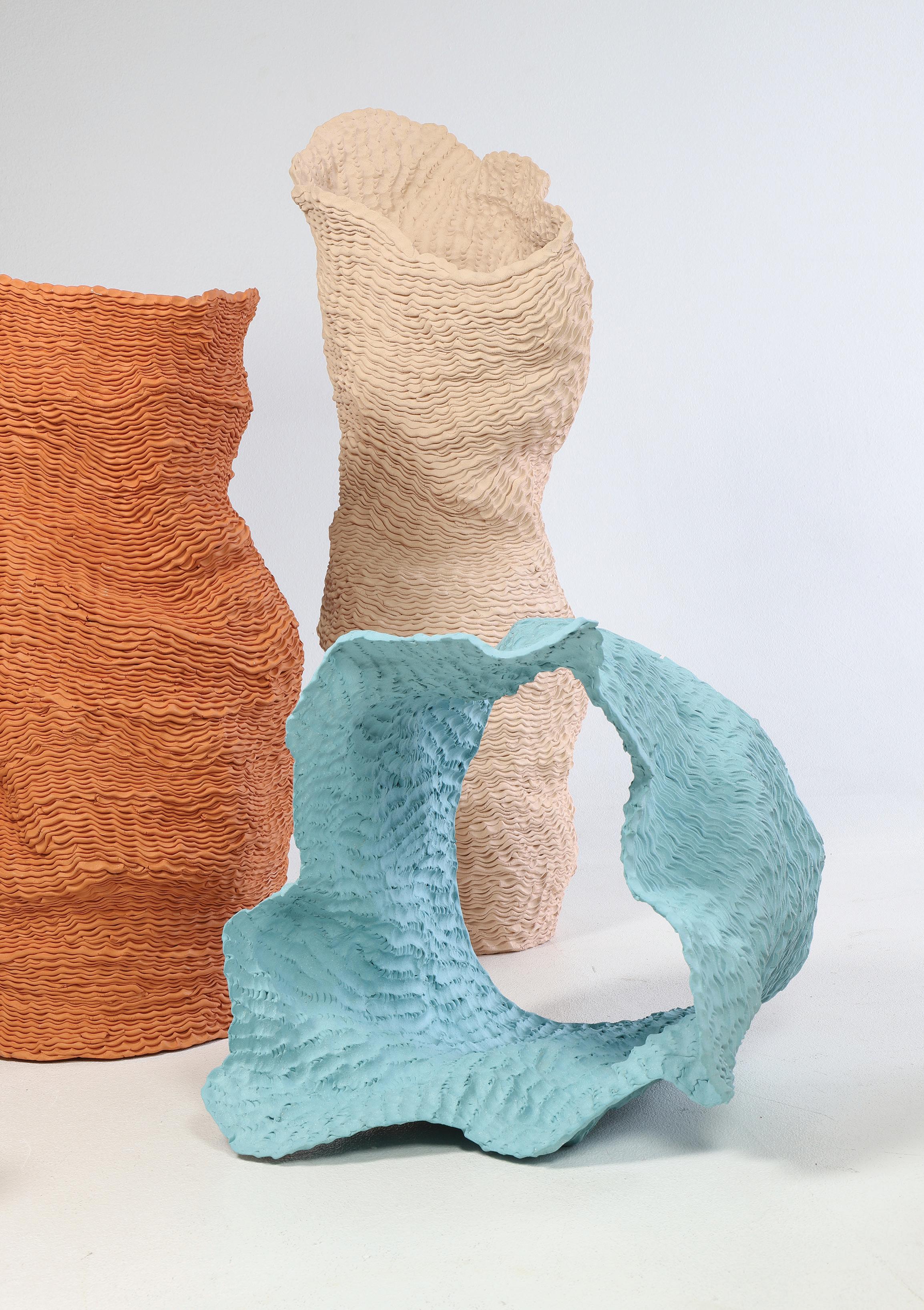
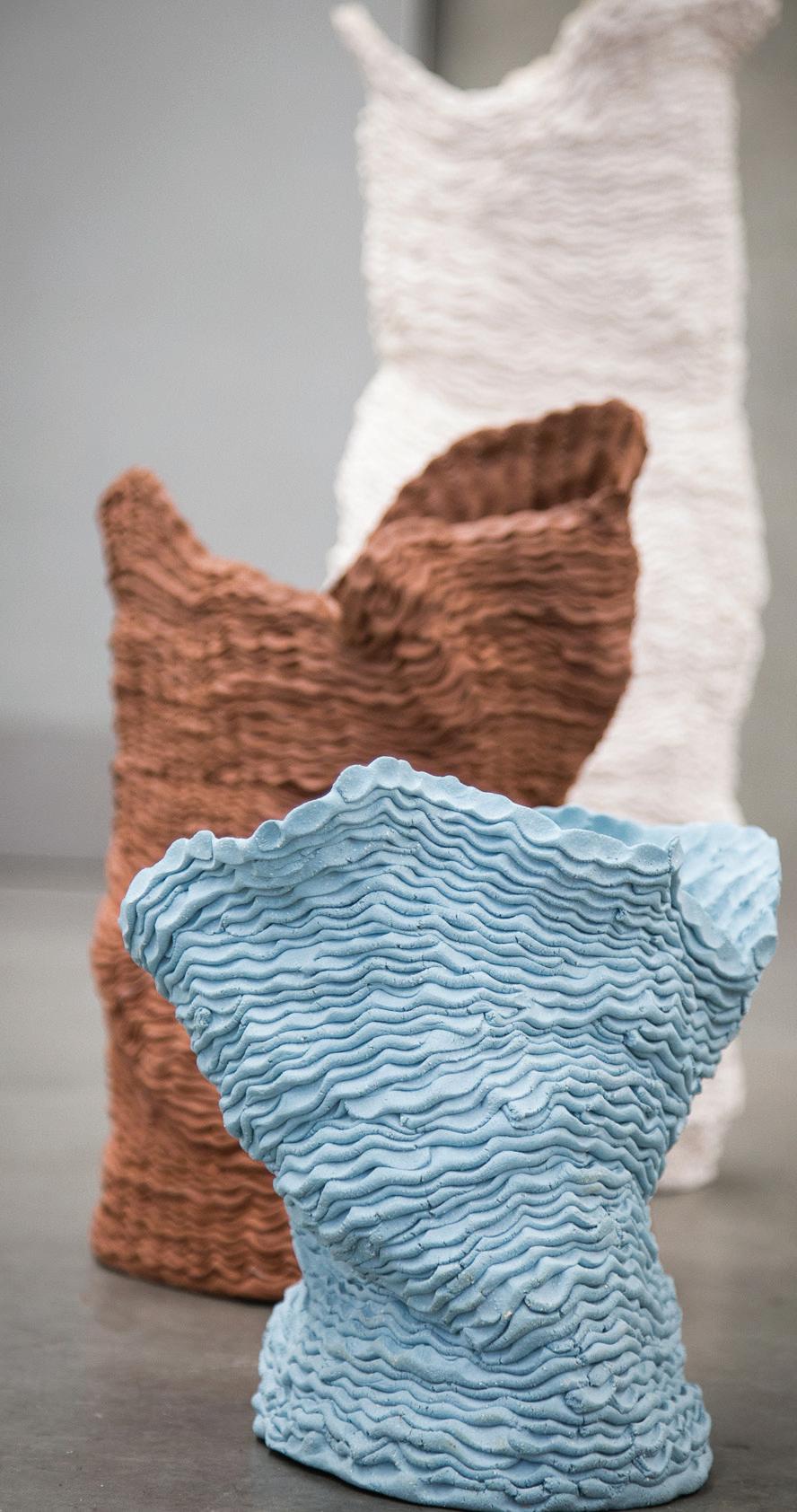
part of the year to really understand how to develop the forms and develop them into a ceramic installation. I work on four or five at a time, changing the firing temperatures in each session to achieve a variation in tone.
We discussed a little bit about your background in art therapy for work. Do you believe this affects the way you produce art in regards to the therapeutic benefits and motivations?
Absolutely, I am a huge advocate for the intersectionality between the Arts and Health. I appreciate the neuroscientific evidence-based responses that art therapy brings, for example, by using your hands you can calm your nervous system when you’re having a bad day. Being a very tactile and physical communicator it’s pretty innate for me.
I feel that through my training as an arts therapist I am constantly aware that it infuses into my own practice, as a processing tool for emotional regulation and as a life skill. I can’t help but see metaphor or perspective through processing life through making and it honestly helps. I’m much more evolved and grounded as a person through seeing the world through this lens.
What has influenced you the most in life growing up?
Mum was into dried flower arranging before her car accident; I’m sure that was an influence. To be honest things were super adverse and unexpected as a kid growing up and we never listened to music or owned art books. Dad was a workaholic, the brilliant minded engineering type; he made a lot of his own computers. That’s probably a work ethic influence that I have adapted too actually! I have a very unconventional family. I’m constantly striving to build and be a better role model to the many children that are in my family, so that the kids in my family can have the perspective and experience to know that they can strive to do and be anything that they desire.
I just love looking at all the experimentation of materiality and technique through your Instagram. Have you got a favourite material that has stood out over the years?
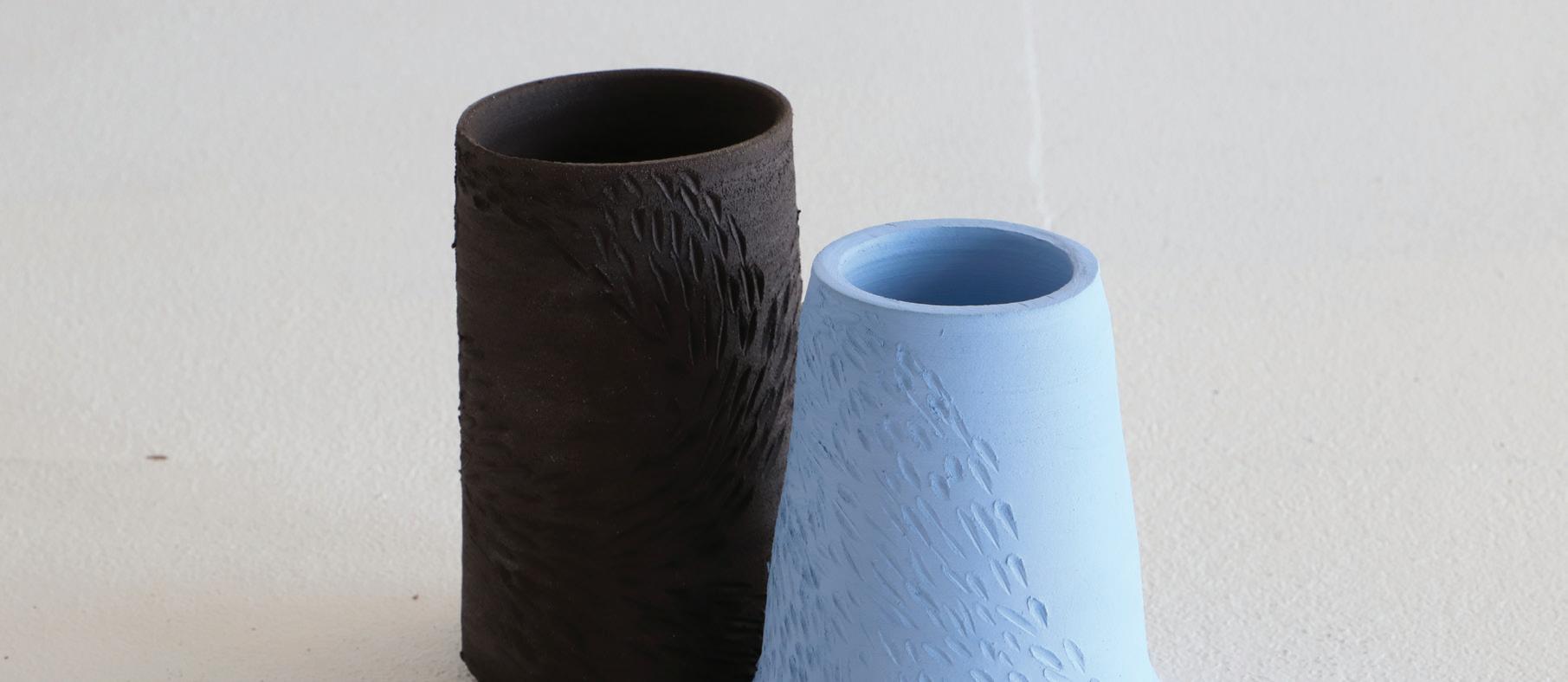
I really love carving into spalted maple a timber species, when I can get my hand on it. I haven’t carved into timber for such a time. I did really enjoyed working in raku clay bodies- that’s a really relevant material for me right now. It’s just so nice to build with!
What advice would you give to first-year Sam Gold today?
I would tell myself to attend every class, to not overwork in a part time job and to completely commit to touching all and every material. I like the Louise Hasselton slogan that most third years get to hear, ‘Show up early and go home late.’ It was my mantra for 2018 and beyond. Take risks and don’t think too literally!
While we’re on that topic, what are your goals for 2019?
For 2019 I would like to produce work for a solo show, take up a mentorship with Kirsten Coelho and honour my time as the recent recipient of two Helpmann academy grants; one a residency for six months at the George Street Studios. I’m currently producing new work for a group show at GAGPROJECTS in February. The second is a group grant to travel to the Tasmanian Ceramic Triennial in Hobart in May. I’m going to apply for residencies for the second half of the year and I will advocate and put myself out there as much as possible! ▲
The true story of a girl who had to start againand the creativity that protected her.
There comes a time, in every course of life, where an individual must examine their level of contentment and satisfaction. This time of reflection leads to some form of action, where said individual will either continue on their present course or alter direction. This very notion flooded the chalice of my mind a year ago, at a time where my happily ever after became a concept that dizzied rather than dazzled. Involved parties will be protected; therefore certain details will be excluded.
However, to execute the significance of this narrative, it is imperative to note that a series of unfortunate events saw my castle crumble. Fire met gasoline, and every dream I had of love in its truest form were dashed and divided like a million stars in the night sky. I was 23, my marriage had ended, and the white picket fence vision I held onto for so long became almost blinding.
My name was Franchesca, and I was born and raised in Canberra. I am an Aquarius, and have three younger sisters. They are beautiful, each richly entwined with innocence and conviction. I went to an all-girls high school, and studied a Bachelor of Science in Psychology soon after. If I were to address one aspect of my former self, it would be my continual, wholehearted conviction in true love. Visions of reciting phrases whilst picking petals off daisies trance my mind.
On the 20th of February 2016, I became a wife. On the 20th of March 2017, I was admitted into
a private mental health facility. To a bystander, these dates may act as mere numerical recaps, but to me they marked defining factors that changed the entire course of my existence.
The beast that is depression is a funny thing. It has the ability to either rob you of control; for example, lacking the incentive to shower daily because you cannot fathom the reflection of your naked body in the bathroom mirror; or the capacity to endorse radical extremities. The beast cast its spell on me through the latter, and October 1 2017 saw me pack my car with the only things I could call my own, and drive as far away from Canberra as possible. I left behind all that I had known for 23 years, and after driving for 13 hours, I arrived in the humble city of Adelaide. I knew almost no one, and held almost nothing to my name. The only thing I had in excess was the burden of grief that patiently sat on my shoulders, steadily carving its claws into the skin of my neck. I spent my first night in Adelaide sleeping on a couch, fuelled by fear of the unknown.
I write this one year later. In the past year I have set up a new life for myself in the best way I knew how, and with the limited means I had. It was not the lure of the unknown that inspired my new beginning, nor was I craving the particular freedom that comes with a new address. Despite the palpable grief that, even still, lingers through the chambers of my heart, Adelaide became a place of sanctuary and refuge.

Here, one year on, my heart feels open. With a different name and a different life, I am still trying to connect the dots. Here are my words to my younger heart…
Dear Franchesca,
It has been a year since you travelled over 1,000 kilometres unaccompanied. There is so much I want to say, but we both know how peculiar I can be when it comes to the arrangement and combination of letters. However, there are a few things I will voice. You know that beast that lives on the back of your shoulders? You will soon invite it down for a mug of hot cocoa. Although hesitant at first, you will sit with it, listen to it, and begin to understand it. The beast will tell you about its origin, and how there were monsters that hurt it, too. You form a pact with the beast, and together you master the art of domestication. You will learn how to tame the beast, and recognise both its triggers and moments of vulnerability, better preparing you for the journey that is your life. Self-harm will change form and eventually turn into something life giving. You will stop drawing lines on your skin, and begin to draw lines on anything you can get your hands on; icing on cakes, glitter on baubles, and paint on canvas will become the children you never had, nurtured with
both consideration and compassion. These will be your gifts to the world. You will create walls of inspiration where you sleep, and even begin postgraduate study. You will spend over 500 hours with individuals battling addiction to substance, and come to realise that each and every person encounters an addiction of some sort. Although it has been over a year since you moved interstate, grief still haunts you, and there are moments where you will continue to feel like your life is measured out in goodbyes. After being a slave to your past, you will change your name to Isla, derived from the name of a Scottish island, and ghosts from your past will bicker, “Why?” However, remain a little cautious talking to individuals who have a home. They may have little idea what it means to seek refuge, for home to be wherever you rest your head.
Trauma has built a labyrinth of walls around you, Franchesca, but within you lies the lantern that will shine a light on the exit. Isla ▲
Words By Matty Besz
Illustration by Rachael Sharman
This is my first review of a rap album in its entirety, and believe it carries a lot of significance since the artist has passed away. Although I enjoy listening to some rap music, it isn't my go-to genre compared to metal, pop and country. It’s difficult not to speculate whether the same meaning and feelings associated with the tracks would have been received if the artist's tragic death had not occurred. Either way I am eager to give the record a listen, and give my honest opinion on the emotional availability and personal interpretation of the lyrical content, instrumental choice and whether the artist’s vocals complement them.
I will be reacting to Mac Miller’s (aka Malcolm McCormick’s) fifth and final studio album, Swimming. Miller co-produced the album alongside J. Cole, Flying Lotus, and DJ Dahi, to name just a few. The record also features vocal appearances from Snoop Dogg, Syd, Thundercat, J.I.D, Dam-Funk and Dev Hynes promising an eclectic, diverse and collaborative sound for the album.
Swimming begins with the first track, ‘Come Back to Earth’ in which Miller talks about how he felt as though he was drowning by stating, "I'm just looking for a way out of my head". As the song progresses, he explains beginning to swim again. The artist eludes to a dark and depressive period in his life which he makes reference to throughout the record
"I respect musicians who are not afraid to be vulnerable and open in their music. It shows that they are human, make mistakes and aren't afraid to admit it."
and how he is beginning to arise from the black hole he has been in. As I was analysing the album, it was difficult not to think of Miller's previous relationship with Ariana Grande as the backstory and inspiration for his lyrics.
As I progressed through the record, each track revealed a clear and concise portrayal of a relationship breakdown through the artist’s eyes. Each song showcased a different phase in Miller's road to recovery after the breakup with a more optimistic vibe on the third track, ‘What's The Use’. I respect musicians who are not afraid to be vulnerable and open in their music. It shows they are human, make mistakes and aren't afraid to admit it. It also allows talent to connect to their audience more as the content is relatable and this album certainly abides by this. An example of relatable content is on the sixth track, ‘Wings’ where the rapper discusses his trust issues and loneliness after becoming famous as shown on the track, ‘Small Worlds’.
Sonically, Swimming produced an eclectic combination of moody, psychedelic, R’n’B, rap and jazz instrumentals with its spacey beats and wave-like synthesized vocals from Miller.
My favourite track on Swimming was ‘Come Back to Earth’ because of its emotionally charged lyrics, mentioned above. My second favourite track was ‘What's the Use’ because of its overall uplifting message not to allow others to dictate your happiness. I also enjoyed the jazz and R’n’B instrumentals on the song
which presented a cross between Bruno Mar's ‘24K Magic’ and ‘Uptown Funk’ and Justin Timberlake's ‘The 20/20 Experience’. My third and final noteworthy tune was ‘Ladders’ with its early 2000 R’n’B vibes which reminded me of Kayne West's ‘Touch the Sky’. I had discovered after listening to the album that Kayne West's main collaborator Jon Brion had worked with the vocalist on the album.
Overall, I really enjoyed Swimming and I would highly recommend it to any individuals who enjoy rap music, as well as R’n’B and Jazz. As a first-time listener of this artist’s work, it’s difficult not to speculate whether the lyrical content presented throughout the record was not a plea for help, as some of the tracks such as, ‘Come Back to Earth’, ‘Wings’ and ‘Small Worlds’ featured a darker and more depressive undertone. However, many of the songs consisted of a more enjoyable, positive and up-beat vibe which balanced the album perfectly. I would have been interested to listen what the artist had created as a follow up to this record, but I’m content with the catalogue he has left us with. ▲
Whether you love them or not, lectures, practicals and tutorials are an integral part of university life. They are the spaces where a student’s learning is guided and developed—where ideas are discussed and debated with academics. UniSA is fortunate to have many incredibly talented staff members with extensive expertise in their fields. Many have led truly remarkable lives and have plenty of stories to share from theirexperiencesandresearch.OurteamofeditorsatVersechaseddown three of their favourite tutors to give a bit of an insight into the lives of these eminent thinkers; beyond the lectern.
School of Creative Industries
Words by Tanner Muller
Amelia Walker currently teaches courses in creative writing and children’s/young adult literature. Throughout her career, she has won numerous awards, including the 'AAWP Postgraduate Prize' in two categories: creative stream and theoretical stream. Although starting out as a registered nurse, she has since gone back to her roots.
‘My passion has always been literature, and literature is in my view something deeply pedagogical, whether or not it happens in the classroom. Writing involves so much thinking and learning. When we write and share our writing, we are learning from others.’
‘The word “pedagogical” I draw from Paulo Freire. Pedagogy isn’t necessarily tied to a classroom context, and it’s not necessarily a situation of teachers and students, but more importantly of engaged learners working together in a community,’ says Walker.
Her PhD thesis explored the benefits of creative writing within higher education and research. As a firm advocate for the arts, she believes creative expression, in all forms, allow us to see and think about things in different ways.
‘There’s a lot of people who believe that creative writing and the arts are just for entertainment and, [are therefore], not relevant to learning or research. The point of my thesis was to show how they are relevant—and we should stop now
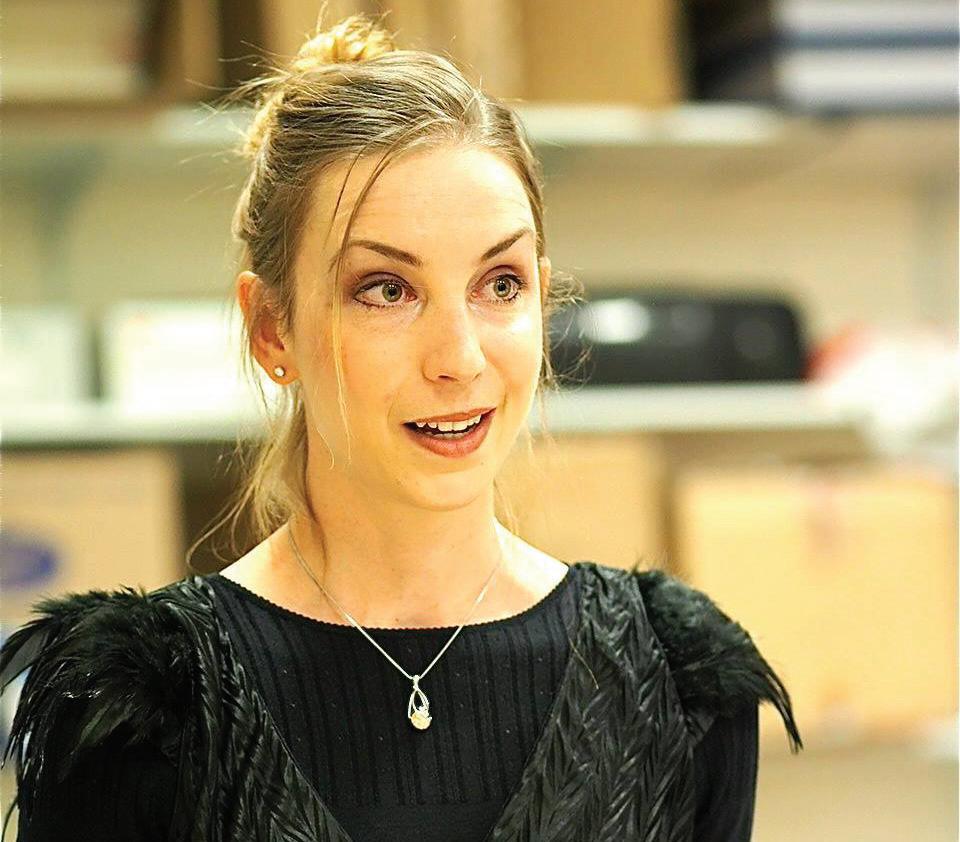
because the rest of the argument takes 80,000 words or so!’ tells Walker.
She is the author of four poetry collections, and three resource books in Macmillan's 'All You Need to Teach' series. Her latest release, 'Dreamday', was written in response to an exhibit at the Campbelltown ArtHouse.
‘It’s kind of a verse-novel about one day in the life of a person who goes to work, does some shopping, and mundane things like that, but along the way they have all these conversations with other people about dreaming, dream symbols and the cultural meaning we attach to different objects, colours, animals, trees, places and so on…Proceeds from the sales of the book support the ArtHouse, which is a great community organisation,’ tells Walker.
When asked about her advice to those who want to pursue careers in the creative industry, Walker suggests:
‘Connect with beautiful humans who share your sorts of creative ideals. Be kind and offer support where you can. You might not always receive the same kindness and support in return, but giving is its own reward, and in the long term you will weave yourself a place within a wonderful community where your ways of being creative will meet with recognition, nurturing and respect.’
Words by Annabel Bowles
To truly discern a foreign culture you must absorb it in every sense; watch the metropolitan buzz, eat from wayside stalls, smell incense wafting from temples, tread ground that’s borne the weight of centuries. This isn’t always possible for university students, but some tutors are able to convey their experiences of crosscultural engagement in a way that makes you feel like you’re really there. Andrew Scrimgeour, of UniSA’s School of Education, is able to do exactly that with his uniquely captivating teaching style.
His insatiable curiosity for our neighbouring region has taken him to remarkable places. He’s hopped across some of Indonesia’s 17,000 islands, rode bullet trains between China’s ballooning megacities, and traversed the Pamir Plateau; one of the world’s most remote and geographically-significant locations. More often than not he chooses the less-beaten paths, backpack in tow, without any fixed preconceptions.
Although being a keen traveller myself I often overlooked Asia, until I took his Australia in the Asian Century class last year. Each week he’d introduce a new country with a combination of media, academic articles and statistics, whilst deftly embedding his own stories in a broader political context. For example, Andrew highlighted the prevalence of Chinese surveillance with a recount of his brief detainment after simply exploring a small village in a sensitive border region.
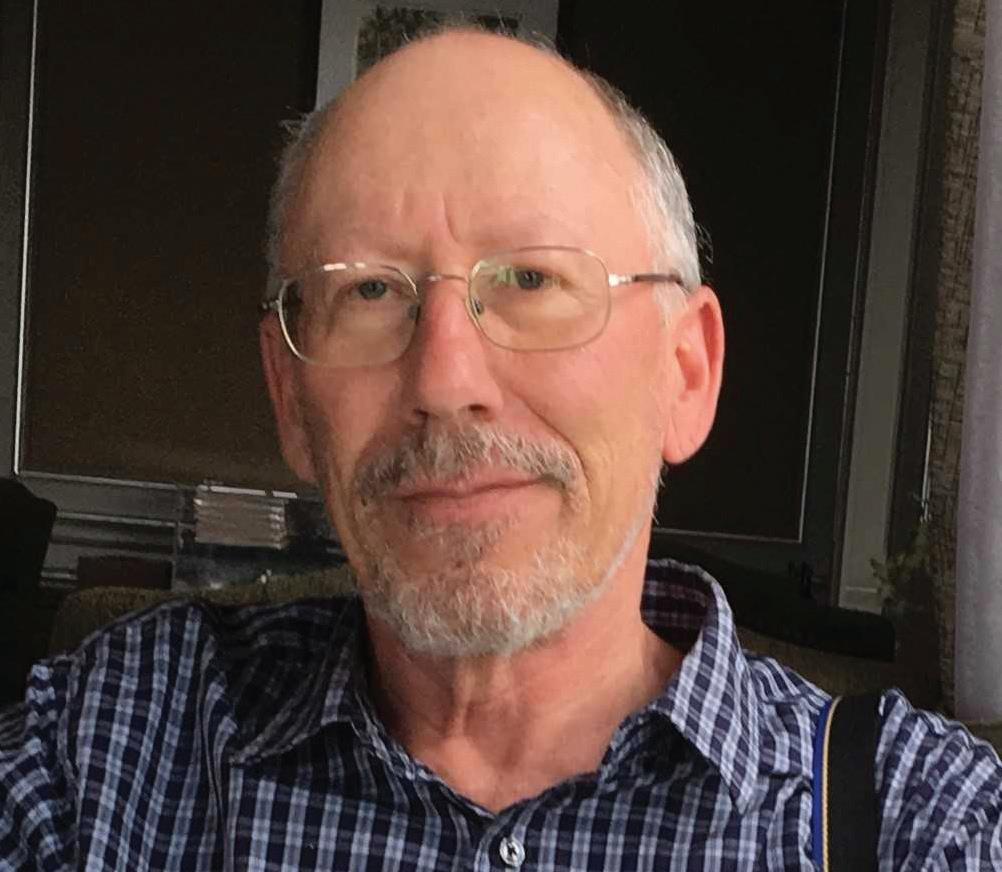
After Andrew’s analysis of Australian media on our closest neighbour, I learned of Indonesia’s rich diversity and turbulent history that’s far more important than the predominant ‘beef, boats and Bali’ narrative.
Not only does he teach content relevant to Australia’s engagement with Asia in a challenging era of strained international relations, Andrew also takes his students on compelling adventures that stretch well beyond the classroom walls. He encourages his students to question the (mis)representations of Asia we see in everyday life, and rethink our perceptions of its myriad of cultures.
‘I try to create an understanding and appreciation that people in Asian societies have different historical experiences and cultural values and practices, and therefore see the world and respond to it in ways that differ from the average Australian’.
With a successful career and an impressive list of academic publications behind him, Andrew’s passion has materialised in Chinese language teaching and language teacher education.
As I write this, I’m sitting in my ‘kos’ in Jakarta, on a two-month journalism placement. After just three weeks I’m utterly obsessed with Indonesia and all its intricacies, and if it weren’t for Andrew I doubt I’d be here.
Words by Tanner Muller
Peter Nielsen has been involved in numerous Australian and International performance works as a theatre producer, musician, composer, sound designer, media artist and performer.
‘The creative arts and the entertainment industry have always been my passion, along with emerging performance technologies, new mediums and art forms,’ tells Nielsen. ‘I sort of fell into the teaching role after many years in the industry.’
‘Mentoring students is [also] my passion…I enjoy eagerly awaiting final projects from each of my students and I’m thrilled whenever I see an industry worthy outcome.’
He’s currently the Senior Technical Officer at the School of Creative Industries, and has recently become the Primary Coordinator for the 3rd year Live Performance Production course, offered to students who are completing performing arts or media arts degrees.
‘I’m planning on directing a new Sci-Fi theatre production. The performances will be held in June 2019 at the Hartley Playhouse, so stay tuned for more,’ says Nielsen.
The man of many talents is also the manager for UniCast, an internet radio station which encourages students to broadcast their own shows.
‘[I believe] all universities should have large platforms for their students to engage with
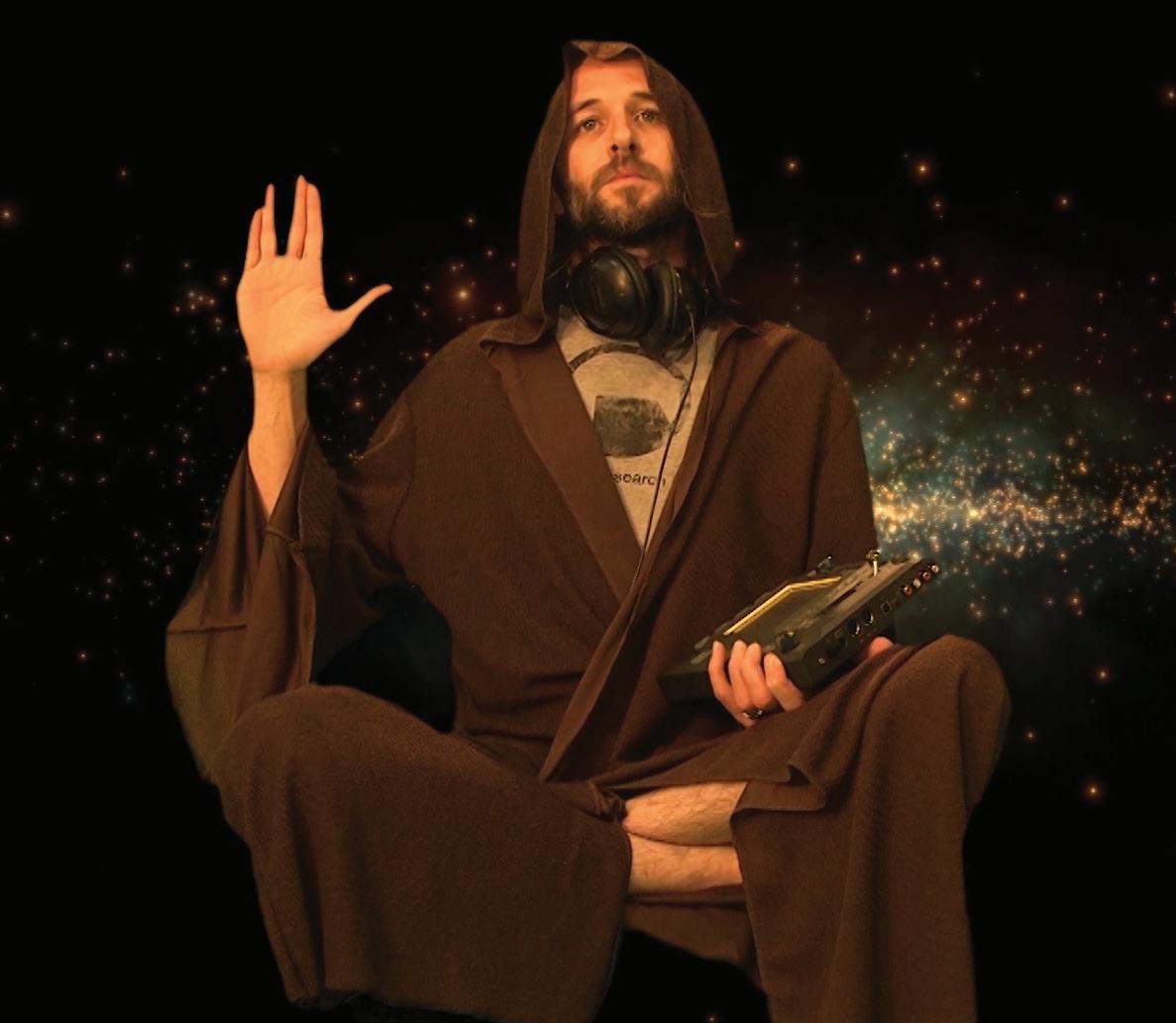
media and broadcasting and, of course, the industry and the ‘real world’…UniCast has two main purposes: to expose students to radio broadcasting in an experiential environment, and to act as a platform for students—with potential industry pathways,’ expresses Nielsen.
‘I remember walking into a radio station when I was twelve-years-old. That day changed my life. I joined the community radio station as a volunteer and it began my journey in the arts and entertainment industries. I hope that a platform like UniCast inspires anyone to do the same.’
Among his busy schedule, Nielsen has also been working on a variety of multi-disciplinary projects in music, radio, theatre, dance media, film, TV, web series, real world games, projection mapping, motion capture and virtual reality.
‘And that’s just a few of the project in the last six months,’ says Nielsen. ‘Strangely, creating new work and exploring new areas motivates me and makes me more determined.’
When asked about his creative process, Nielsen says that ‘it is both happenstance and accidental…all it needs is a simple idea to begin. I think that all ideas need to be tested. They need to be workshopped. Vetted. If someone is inspired with a creative spark, they need to test it out.’


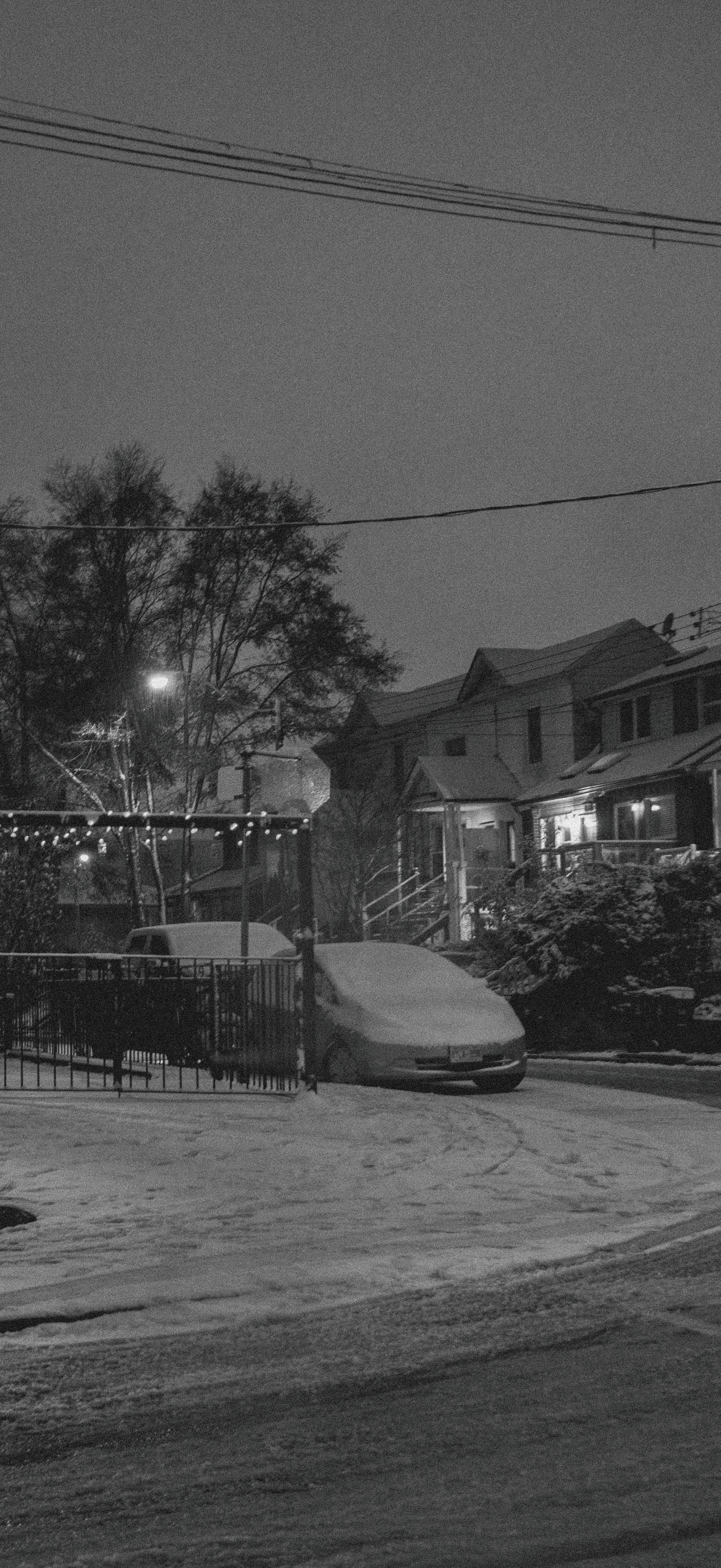

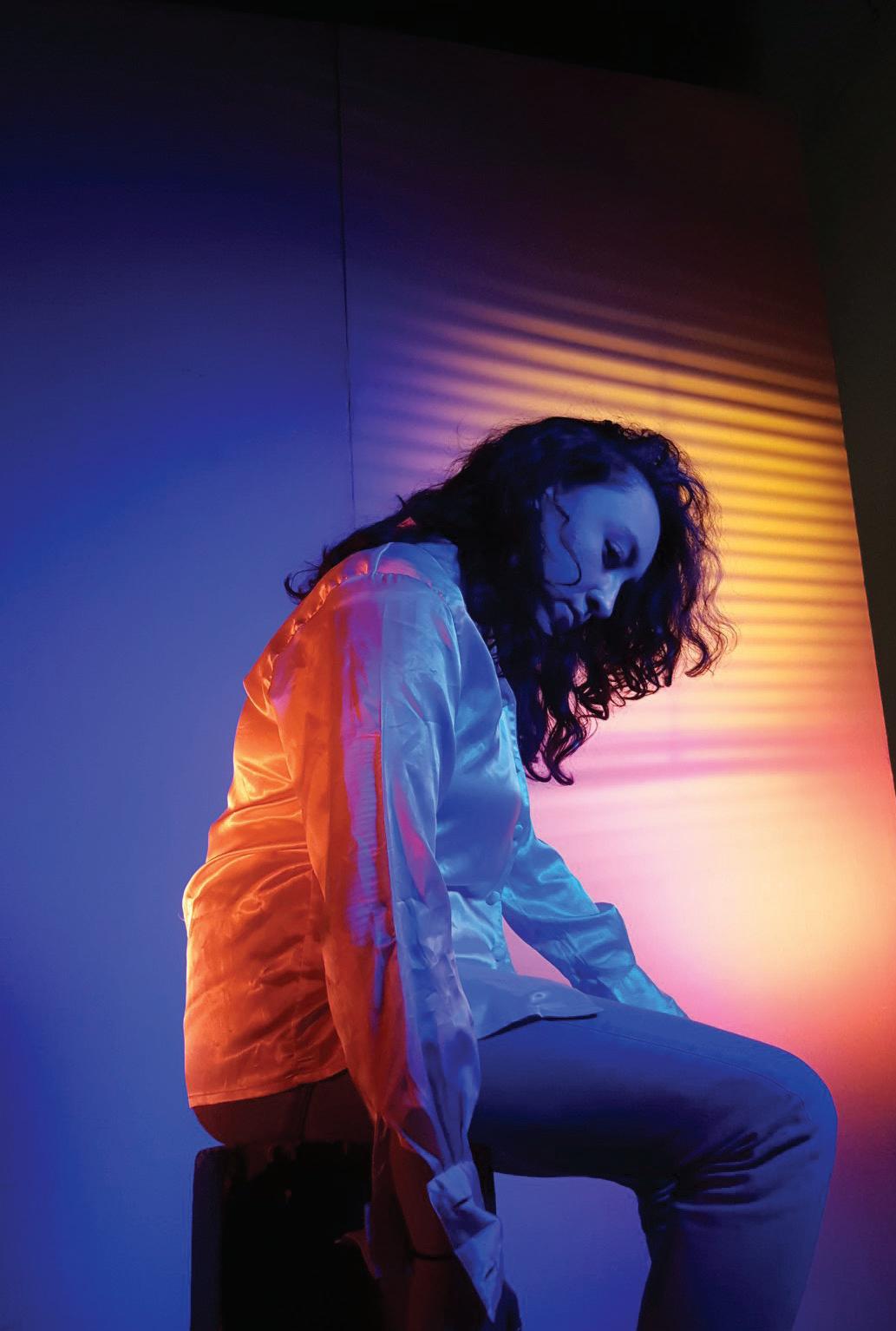
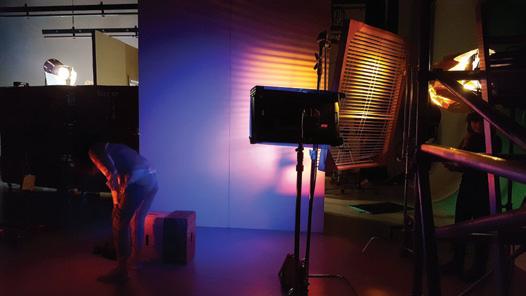
Here’s a whole stack of things to do
Orientation Week - Various Campuses
2019 SP2 Welcome Night - Overseas Christian Fellowship UniSA
AYCC Campus Fair Rummage Sale - City West
Campus Fair 2019 - City West
Campus Fair 2019 - City East
AYCC Campus Fair Rummage Sale - Mawson Lakes
Campus Fair 2019 - Mawson Lakes
Campus Fair 2019 - Magill
Cocktail Party - Nursing & Midwifery Social Club
Freudians Pubcrawl 2019 - UniSA Psychology Society
USASA Pac Crawl Pubcrawl
Ballet Classes – Ballet Club
Studio Sessions - Art Club
Hexhibition: Collaborative Project - Art Club
Badminton - Bangladeshi Students
Info Table - Socialist Alternative
Rehearsal - Music Lovers
Friday Sessions - Overseas Christian Fellowship
Sports - Islamic Society
Weekly Screening - AJAS
Weekly Gaming Session - UniSAGA
Hey folks!
To all the new students of 2019, on behalf of USASA I’d like to warmly welcome you to UniSA and to everyone returning from summer break –welcome back.
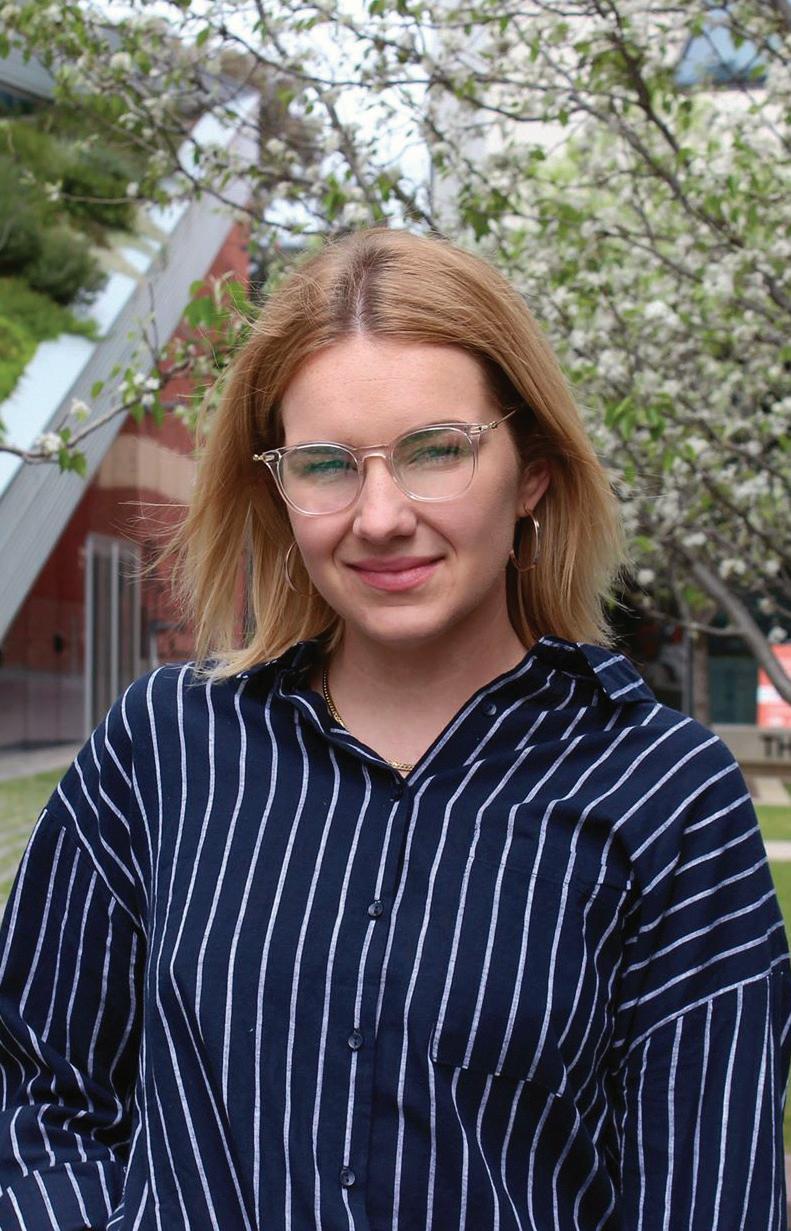
For those who are unaware, my name is Grace Dixon and I am the USASA President for 2019. If you aren’t too sure what USASA is all about, essentially we are the student union body made up of representatives elected by the students to provide a path of communication between students and the University. We are here to ensure everyone's needs and concerns are being heard at both ends, and to support students through the good and the tough times.
If you prefer to focus on the good things in life then jump straight into the social aspect of university life and suss out the clubs that are available across all campuses. USASA throws heaps of great events throughout the year, including UniTopia, free BBQ’s, pub crawls, and more – and if you happen to join a club or already be involved then you might even attend one of the many formal balls hosted throughout the year. Clubs are a great way to meet new people and socialise, especially if just transitioning to life at uni. If you ever get stuck or don’t know where to go just reach out to your relevant campus representative or come find a smiling face to answer your questions at one of USASA’s campus counters where you can also pick up a handful of freebies – including this year’s new and improved 2019 diary.
All fun aside, there will be times when university life is a struggle or overwhelming –and as previously mentioned we are here for you in the tough times as well. USASA offers a free advocacy service with a team who can provide you with free and confidential advice on a whole range of academic issues and their support has helped hundreds of students over the years. It is also important that you utilise the free
counselling services and academic support services offered across the University as they are there to make your uni experience easier, so go use them!
My aim as Student President is to work diligently with the rest of the 2019 board to ensure the relevancy of USASA to the needs of UniSA students. My key targets for this year include increasing engagement across all campuses, improving financial aid for students and continuing support for clubs that will enhance your overall student experiences.
Thank you for giving me a couple of minutes of your attention. I hope that you enjoy all that the University of South Australia has to offer and that every single one of you settles in as smoothly as possible. I look forward to meeting some of you hopefully throughout the year and all best for 2019!
Until next time,

Grace Dixon
Meet the 2019 USASA Student Board
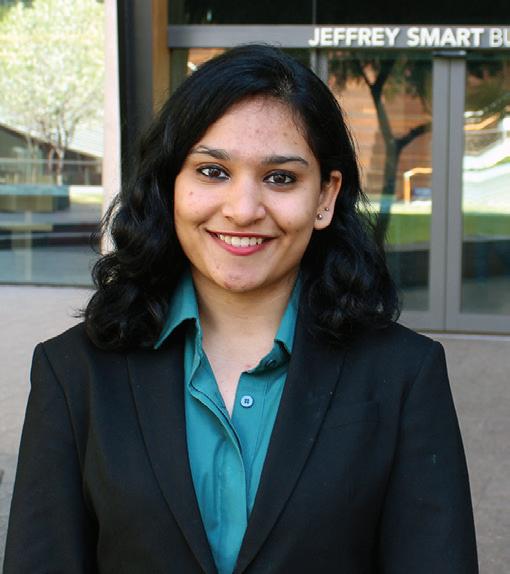
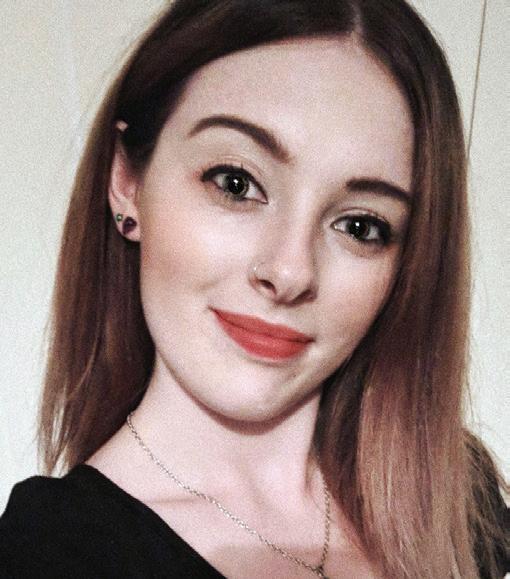
Nida Baig
Position: Post-Graduate Representative
Contact: bainy011@mymail. unisa.edu.au
Studying: Masters of IT (Enterprise Management)
Best piece of advice for your fellow students?
Plan your assignments beforehand, take breaks when you need them the most. Learn and explore from the extracurricular activities provided by the University such as clubs, events, volunteering opportunities and workshops.
Which animal would you back as world leader if the animal kingdom were to rise up and take over?
Wolves!! I consider them to be my spirit animal. They know how to lead, protect and care for one another.
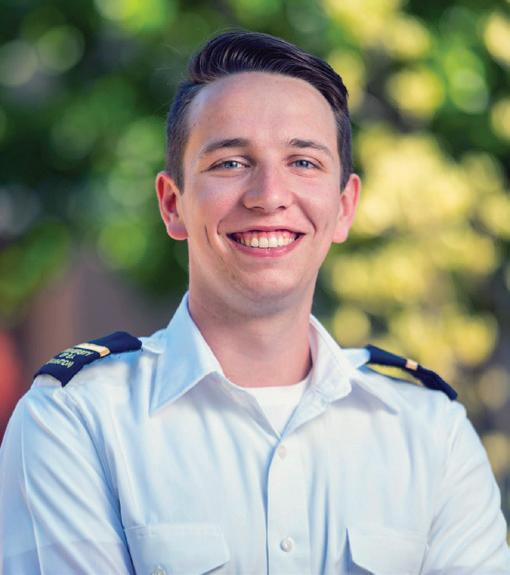
Bridget Barletta
Position: City West Representative
Contact: barba006@mymail. unisa.edu.au
Studying: Bachelor of Laws and Bachelor of Business (Human Resource Management)
Best piece of advice for your fellow students?
Don’t allow your studies to be your only defining feature!
Personal and professional development is also about your extra-curricular activities, your networks and experiences which allow you to grow. Now is a good time to create social networks and undertake new experiences – join a club, go on a study tour, attend some university events or seek out some volunteering opportunities!
Where is your favourite place to go in Adelaide?
Adelaide Botanic Gardens! I absolutely love nature and being outdoors, the Botanic Gardens is great for relaxation. Plus, there’s now a tram which connects it to UniSA City West, making it a perfect study place!
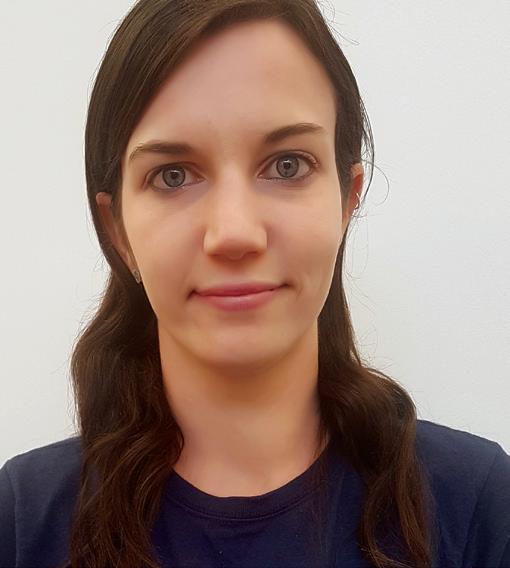
Noah Beckmann
Position: Mawson Lakes Representative
Contact: becny003@mymail. unisa.edu.au
Studying: Bachelor of Aviation (Pilot) and a Graduate Diploma of Aviation
Best piece of advice for your fellow students?
You will get back from your University experience as much as you put in. Get involved in as many clubs and events as you can and make the most of your time.
Which TV character are you most like and why?
Probably a cross between Captain Holt and Jake Peralta from Brooklyn Nine-Nine. I can be either deadly serious or an absolute man-child.
Laurena Byers
Position: Mount Gambier
Representative
Contact: byelj001@mymail. unisa.edu.au
Studying: Bachelor of Social Work
Best piece of advice for your fellow students?
Sleep and don’t cram! This is something that is repeated throughout university that none of us follow, myself included. After my first year I quickly found that I need to allow myself to wind down, breathe and reboot. This is important to keep us balanced and ready to take on the next class or assignment.
Where is your favourite place to go in Mount Gambier?
Ooooo that’s a tough one! I would have to say either the top of Mount Schank, or down the bottom of Leg of Mutton. If you want to know why, be sure to ask me!
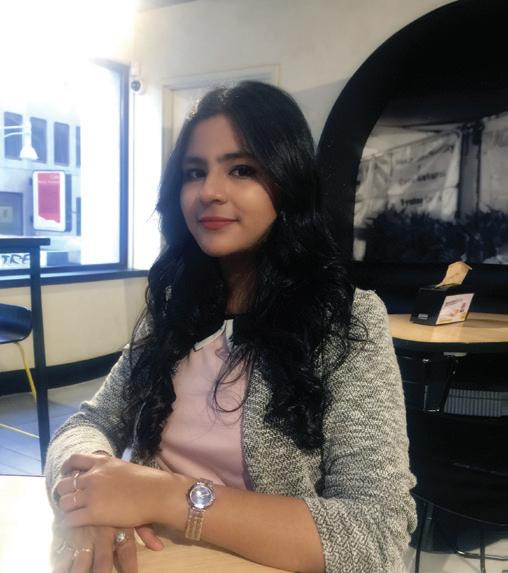
Arunika Dutta
Position: Magill Representative
Contact: dutay003@mymail. unisa.edu.au
Studying: Bachelor of Arts (Sociology)
Best piece of advice for your fellow students?
If we have goals, we can achieve anything, so DREAM BIG!!!!!!!
Which TV character are you most like and why?
Priyanka Chopra, a Bollywood actress now recognised internationally. She is such an inspiration and has been a voice for many girls.
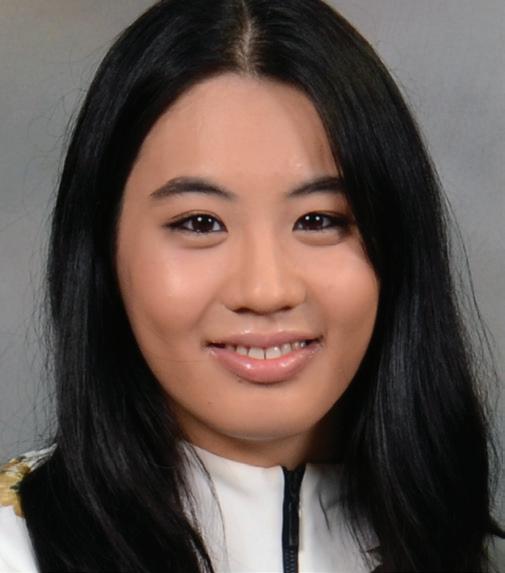
Julie Ma
Position: City East
Representative
Contact: mayjy041@mymail. unisa.edu.au
Studying:BachelorofMedical RadiationScience(MedicalImaging)
Best piece of advice for your fellow students?
To have a go and explore avenues beyond your comfort zone
If you were a bird, what type of bird would you be?
None because I am scared of birds!
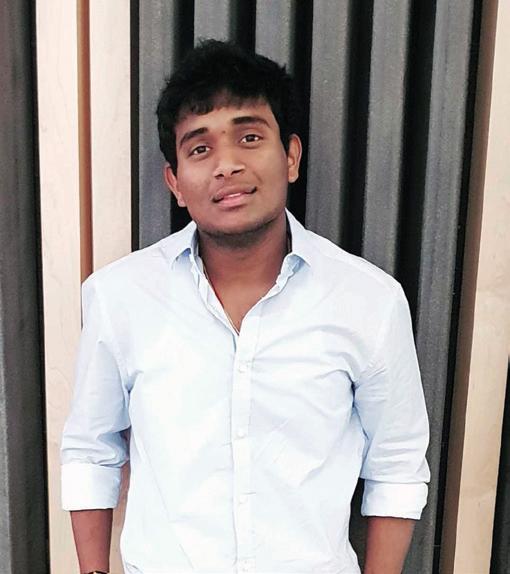
Thanusshan Packiyarajah
Position: Mawson Lakes Representative
Contact: pacty002@mymail. unisa.edu.au
Studying: Civil Engineering BSc (Hons) LHMI
Best piece of advice for your fellow students?
We should not give up and we should not allow the problems to defeat us. You are so much stronger than you think. Success and failure may cross one another but the act of trying remains constant. Don’t call it a dream, call it a plan and never ever give up!
Where is your favourite place to go in Adelaide?
My most pleasant places to go are Victoria Square, UniSA Mawson Lakes and Glenelg Beach.
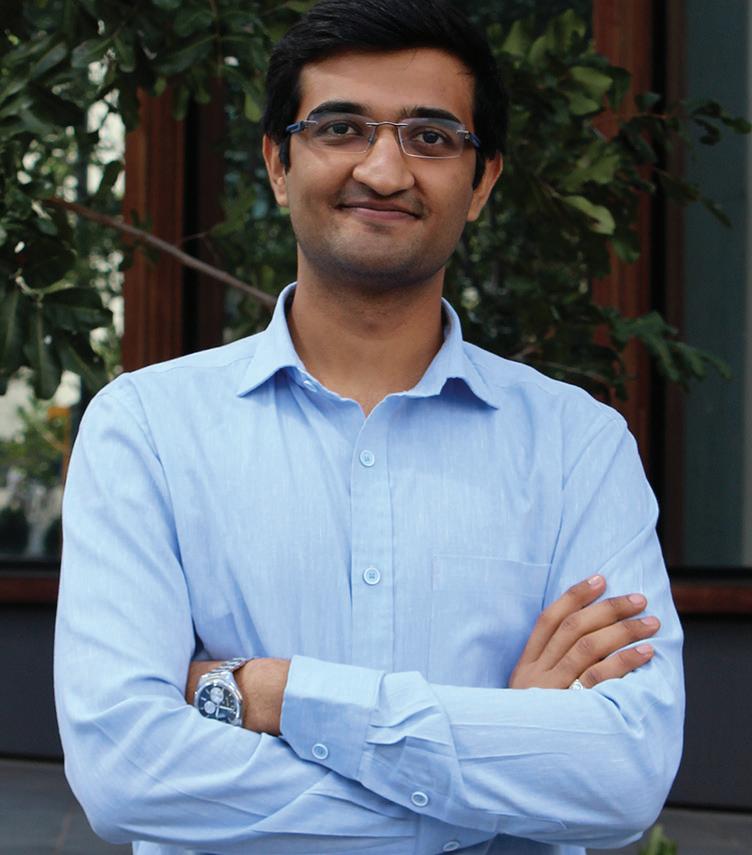
Rana Harsh
Position: International Student Representative
Contact: ranhy006@mymail. unisa.edu.au
Studying: Master of Engineering Management (LMEB)
Best piece of advice for your fellow students?
Life is short, eat dessert first.
Which TV character are you most like and why?
Mr Bean. He taught everyone that no one needs a company to be happy.
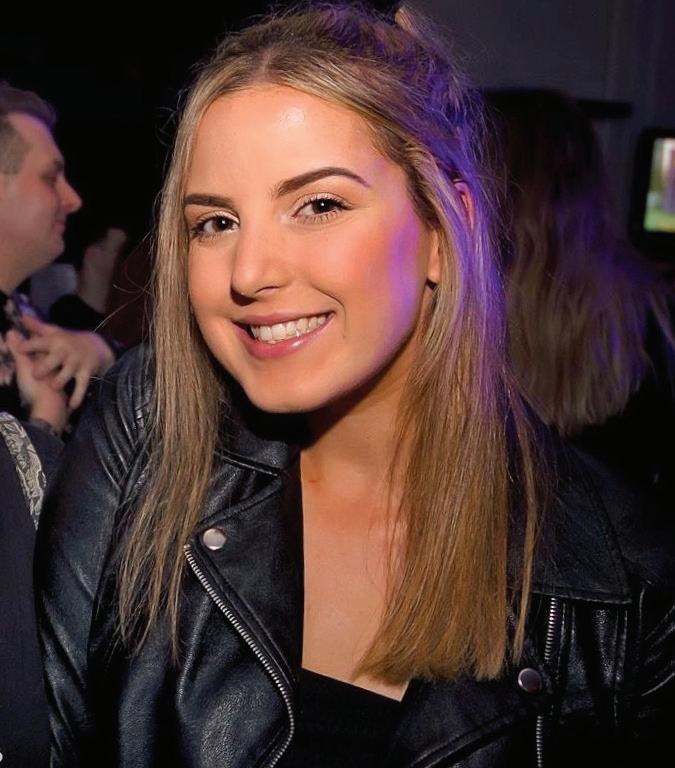
Wenona Reddaway-Worth
Position: Whyalla Representative
Contact: redws001@mymail. unisa.edu.au
Studying: Bachelor of Social Work
Best piece of advice for your fellow students?
Remember why you are studying, never lose sight of and prioritise your end goals! Do your readings! Don’t overthink or over-stress yourself about exams! Use all the support given to you, don’t be afraid to ask! Make friends, get to know others in your classes whether you are external or internal. Always take advantage of the free food!
If you were a bird, what type of bird would you be?
Definitely not a seagull because they are annoying, not a magpie because they are just evil, not a pelican because they are usually lonely….so pretty much any other bird!

Kate Riggall
Position: Magill Representative
Contact: kate.riggall@mymail. unisa.edu.au
Studying: PhD candidate in the Centre for Cognitive and Systems Neuroscience
Best piece of advice for your fellow students?
Social connectedness is a big factor in academic success, so take the time to build friendships and connect with your classmates; it will pay off in the long run. Once you’ve made friends, try to reach out to new students, particularly if they’re new to Adelaide. It’s a simple gesture that could make all the difference to their time at university.
If you didn’t have to sleep, what would you do with the extra time?
I would finish my PhD, finally tidy my house, have time for a social life, and conquer the world.
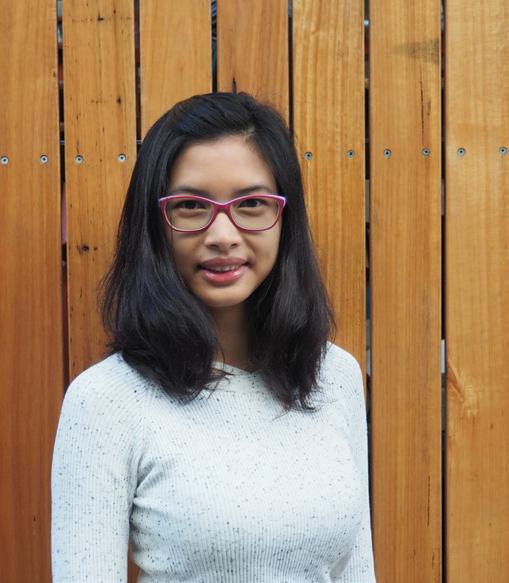
Sopor Tan
Position: City East Representative
Contact: tanpy045@mymail. unisa.edu.au
Studying: Bachelor of Pharmacy (Honours)
Best piece of advice for your fellow students?
Mental and physical wellbeing are keys to a successful university life. Please don’t feel shy or refrained from seeking helps when you feel overwhelmed. There are always extra ears to listen and hands to help.
If you didn’t have to sleep, what would you do with the extra time?
I’d be working on whatever interests strike me most at that time. I’m quite spontaneous!
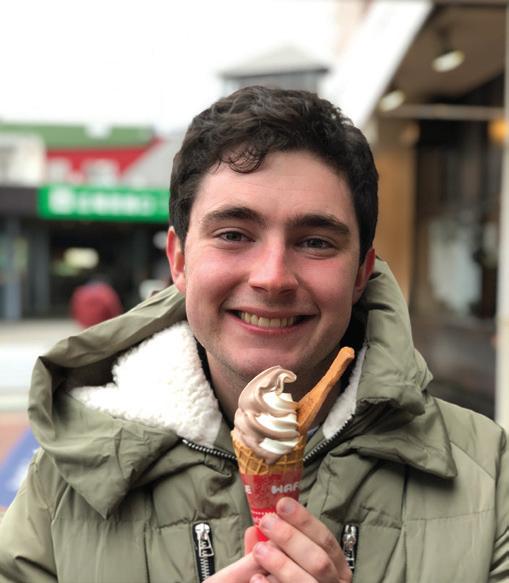
Ned Feary
Position: City West
Representative
Contact: feaek001@mymail. unisa.edu.au
Studying: Bachelor of Urban and Regional Planning
Best piece of advice for your fellow students?
Go to your classes. It helps so much to know the content of your course before you get to the pointy end of the study period (you know you won’t catch up on those lectures) and to have friends in your course. Make sure you go as much as you can.
Which animal would you back as world leader if the animal kingdom were to rise up and take over?
I think a coalition government of Red Deer and African Buffalo would be my preferred option. Studies show that both have levels of democratic processes in deciding when to move to a different grazing patch and I think that’s really cool.
While being a university student is an amazing experience, it can sometimes be a bit overwhelming trying to remember everything at once. You might get a bit stuck and have a question you want to know the answer to but not really sure who to ask.
Belowwe’velookedatsomeofthemostcommon questions students typically want to ask but sometimes are hesitant to do so.
I feel unsafe walking to my car by myself at night, is there anyone that can help me?
The University runs a UniSafe Escort service which will escort any UniSA student from a location at any of the metro campuses (Magill, Mawson Lakes, City East and City West Campus) to either the campus carpark, a designated public transport spot or certain approved student accommodations.
To find out more go to: http://i.unisa.edu.au/ staff/facilities/security/unisafe-escorts/
I need to speak to someone about a disability access plan
For any type of guidance or counselling you can book an appointment online by going to the following website: https://i.unisa.edu.au/ students/student-support-services/onlinebookings/ or alternatively come into Campus Central and they will help make the booking for you.
I don’t need any help I just want to scab as much free stuff as I can
It’s okay, you are most definitely not alone. As well as providing an excellent advocacy service, supporting numerous clubs, hosting on-campus
events and standing up for students, USASA also provides lots of free handouts and utilities including diaries, calendars, and pens. These can be collected at the USASA Spaces on your campus during O-Week and at the start of the semester but get in quick because they do run out.
Also keep an eye out later in the year when USASA gives out free sexual-health packs.
I am considering dropping a few courses in SP2 and switching to part-time study; will I still have to pay for subjects I withdraw from?
If you withdraw from a SP2 course before the Census Date on March 31 you will not have to pay a debt for said course.
Is the Uni open 24/7?
Some parts of the Uni lockup overnight; however each of the four metro-campuses (Magill, Mawson Lakes, City East and City West) will have some IT pools that remain accessible to students 24/7. Keep in mind you will need your student card to gain entry to them. To find out which IT Pools are open all-night at your campus, consult FM Assist.
My tutor has informed me that I’ve breached academic integrity and I have no idea what to do.
In the event that this happens, USASA provides a free advocacy services for any student experiencing any academic issues. These include: appealing against allegations of misconduct (including plagiarism), appealing final grades, appealing against intention to preclude, issues with lecturers, allegations of examination misconduct, advice about University policy, and referral to other services in and outside of the University. To contact an advocate go to: USASA.sa.edu.au/Advocacy

One of the best parts of being at university is the opportunity for students to engage in activities outside the usual academic setting. With the click of a button, any enrolled UniSA student can join one of the 90+ existing USASA Clubs in an instant. From the Nursing and Midwifery Social Club to the Showpony Club, there is something for everyone out there – and if you are really motivated, you can even create your own club!
Last October, nearly one hundred students descended on The Lion Hotel to attend the USASA Club Awards Night to recognise the great work achieved by clubs in 2018.
With an open bar and bangers belting out of the speakers, the mood was set for a lively evening. It was also a terrific opportunity for students from different clubs who might not otherwise get a chance to meet, to mingle alongside one another. Students who had been strangers before the night, ended up just hours later dancing the Nutbush together. Fortunately for the innocent, despite artist Daddy Cool also featuring on the playlist, there was no traditional ‘Eagle Rock dancing’.
Any individual could nominate any person or club for an award and overall nine awards were given out to clubs and individuals, from a total of 44 nominations. With the exception of the People’s Choice Award, the winners and honourable mentions were all determined by
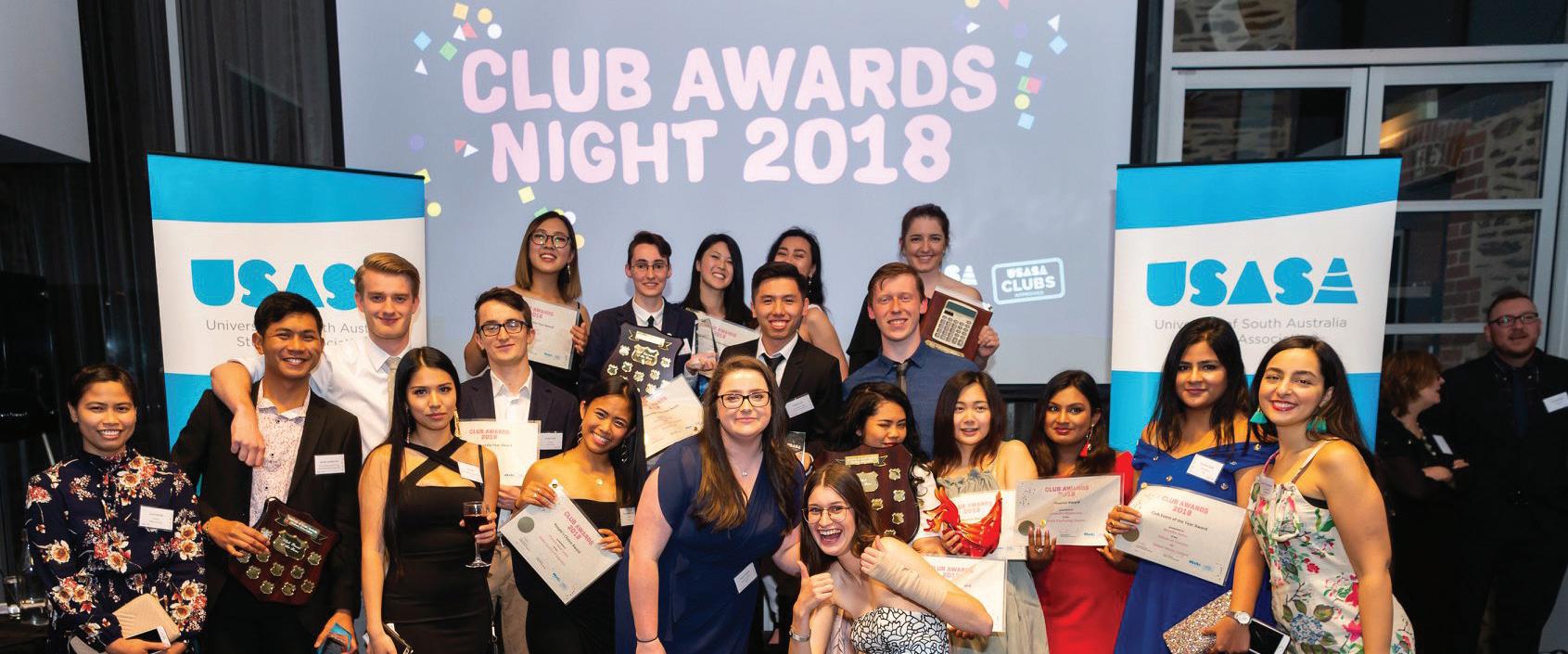
the USASA Clubs Committee, which is made up of several students as well as USASA staff.
The big winner on the night was UniSA Rainbow Club President Natrydð Sigurthur who took home the Club Executive of the Year for their hard work and commitment to the club. In addition to this, the UniSA Rainbow Club also took out the Club of the Year award.
“Being awarded Club of the Year showed that the Rainbow Club's goal of improving student culture at UniSA is not only successful, but also valued. Personally, the Club Executive of the Year award was an honour to accept. My dedication to Clubs is what keeps me going beyond my studies. There's still much to achieve, and this is just the beginning.”
Natrydð Sigurthur, UniSA Rainbow Club
Among the reasons cited for the award, were the club’s engagement with students, numerous successful events, and its continued active and ever-reliable presence at events such as Campus Fair.
Another club to take home an award on the night was Oxfam on Campus UniSA, determined by the Clubs Committee to have hosted the best event in 2018. The event that took out the award was ‘OxFAM Meets Culture!’, which coordinated the Chinese, Indian, Afghani, African, Indonesian, Vietnamese, Malaysian, Sustainability, and
Photography clubs to present a vast array of food and activities on June 12 at City East Campus.
“It felt rewarding and most of all we are so happy that our event won and we can’t thank enough all the clubs that were part of this massive event!”
James Avellanoza, Oxfamon Campus UniSA
At each club awards night, several clubs often receive a miscellaneous award which changes each year. The 2018 edition featured the Phoenix Award, a miscellaneous award acknowledging the club that ‘rose from the ashes’ to transform from a struggling club into a successful one. The winner of this award was the UniSA Psychology Society, which went from being mostly dormant in 2017 to hosting numerous events in 2018, including a tri-school quiz night also involving students from both Flinders and Adelaide Universities.
“We started with three committee members but now we have 16. Together we make better decisions and organise fantastic events.”
Cherry Li, UniSA Psychology Club
Overall the Club Awards Night went down as a success and will return again in 2019! ▲
Yes I am that coffee snob that no one likes, and yes, I will go as far as to put in writing. You’re welcome.
Words by Annabel Bowles | Illustration by Jake Warming
Instant coffee: 3.5/5
It isn’t particularly enjoyable, yet it’s convenient and cheap, so it’s a winner in my books. I think everyone secretly agrees that a cup of Moccona Gold Blend isn’t too bad. Make sure you add a dash of milk before hot water, to avoid burning the already barelyedible, pulverised granules. Handy hint for Magill folk: you can make yourself a cup of Nescafé, for free, at the Magill USASA office. I’ve frequented their kitchen more times than I’d like to admit.
Long black: 4/5
If a barista can make a good long black, they can make anything. It’s hard to perfect so I don’t often order one, and when I’m irresponsibly substituting coffee for breakfast I need some of ‘dem milky calories. However, a long black is a guilt-free cup of bean juice that provides all the benefits of a caffeine buzz, without the first trimester bloating that comes after drinking milk. They’re also the perfect beverage to consecutively smash when you’re studying into the early AM hours.
Decaf coffee: 1/5
I must admit, I haven’t had decaf coffee for years. The abomination I first tried was enough to put me off forever. Perhaps caffeine-extraction methods have improved, perhaps not, but I think it’s all nonsense anyway. Caffeine is as vital to my semifunctioning body as water, sleep and the odd vegetable. I refuse to believe that any student genuinely doesn’t like coffee and maintains a solid eight-hour sleeping pattern. Stop pretending and jump on the bandwagon with the rest of us degenerates.
Soy latte: 5/5
Soy lattes are silky, sexy and sustainable. My choice cup of joe is a healthy double shot with quality soy milk, heated to an optimum temperature of 65 degrees. Not only is soy milk often healthier for you and the planet, its earthy nutty flavour compliments coffee beautifully. Unpopular opinion: Bonsoy isn’t all it’s cracked up to be. It has a funky kinda fruitiness, and not in a good way. Skip the bullshit and bring back the OG of soy milk: So Good.
Piccolo: 3/5
I love piccolos, but I can rarely justify spending an odd $4 on two mouthfuls of coffee. Taking five minutes out of your day to sit and enjoy a warm cuppa is a large part of coffee culture. Although a piccolo can be good for those who need a quick dose of caffeine without the fuss, those who drink them are often the ones that fuss the most. If a piccolo was a type of person, it would be business student who has a villa in Sorrento and a Papa that’s paying their tuition upfront.
Dirty chai: 2/5
I love coffee, and I love chai, but the two are just weird together. The concept is like flavoured teas; you think they’re cool when you initially try them and spend $40 on a tin of loose-leaf, only for it to sit in the boot of your car for seven months. This interesting choice is usually ordered by middle-aged yuppies who upload unwarranted smoothie bowl pics, yet still mispronounce acai. No Tracy, you have not discovered the new ‘big thing’ before everyone else.
Words by Geena Ho | Illustration by Oliver White

It looks like you are trying to discover yourself. Do you need some assistance?

March 21 - April 20
Pen
Very aesthetic handwriting (obvs)
Gets straight to the point
Likes to play board games
June 22 - July 23
Tape
Can be fun but usually just very practical
Loves flash cards
Only drinks coffee because all their friends do
September 24 - October 23
Diary
Always busy
Constantly needs to know what’s going on all the time
Naps a lot

April 21 - May 21
Ruler
Has more followers than you on Instagram
Often relied on by friends and family to help guide them
Sometimes needs guiding themselves
July 24 - August 23
Coloured Marker
Has a strong presence Ironically only wears black Somehow knows everyone
October 24 - November 22
Glue Stick
Sticks to their guns
Good at video games
Loves nature
December 22 - January 20
Scissors
Sharp so use with caution
Sometimes difficult to find
Loves Christmas songs
January 21 - February 19
Paintbrush
Artsy (duh)
Was Tumblr famous at one point
Knows how to play at least one instrument
May 22 - June 21
Highlighter
Takes colour-coded lecture notes
Cried when Mufasa died Always loved by the in-laws
August 24 - September 23
Calculator
Likes to read but gets distracted easily
Always asked for help with maths
Or for their digits
November 23 - December 21
Stamp
Fun and flirty
Doesn’t take life too seriously Always up for karaoke
February 20 - March 20
Sticky Notes
Smol and often overlooked
Easily lost in supermarkets
Cute af
City West / 11am-2pm / Tues 12 March
City East / 11am-2pm / wed 13 March
mawson lakes / 11am-2pm / Tues 19 March magill / 11am-2pm / wed 20 March


enquiries@urbanest.com.au www.urbanest.com.au
1800 260 801
JOSEPH ANTONIADES
@JOSEPH_ANTONIADES
MATTY BESZ ..............................................................................................
ANNABEL BOWLES ....................................................
@ANNABEL_JANE
RYAN COLSEY ..................................................................... @RYANCOLZ
GRACE DIXON ..................................................................... @AUNTIEGI_
POPPY FITZPATRICK @POPPYFITZPATRICK
SAM GOLD ........................................................... @SAM_GOLD_ARTIST
GEENA HO @GEENAHO
ISLA .............................................................................................................
HELEN KARAKULAK .......................................... @HELEN_KARAKULAK
MATEUSZ KRYSZKIEWICZ ................. ADDICTIONINTOTHENOW.COM
JULIE MA ............................................................ @DIEPISMYVIETNAME
PATRICIA MANG’IRA @_CHERONO_
TANNER MULLER ..................................................... @TANNER.MULLER
JESSE NEILL .................................................................... @JESSEE_NEILL
FRANCESCO PATRINOSTRO .......................................... @PATRIZIIART
RACHAEL SHARMAN .......................... @RACHAELSHARMANDESIGN
JAKE WARMING @THE_ELEPHANT_AND_THE_MEERKAT
OLIVER WHITE ...................................................................... @OJ.WHITE
ELLA-MAUDE WILSON @ELLA_MAUDE