ON DIT
BE PART OF SOMETHING BIGGER
Volunteer with AUSA and gain skills, confidence, and connections at Adelaide University.
Sign up to become an AUSA Volunteer.

On Dit acknowledges the Kaurna, Boandik and Barngarla First Nations People as the traditional custodians of the unceded lands that are now home to Adelaide University’s campuses in Adelaide, Mount Gambier and Whyalla.
We respectfully acknowledge their Ancestors and Elders, past, present and emerging. On Dit also acknowledges the Traditional Custodians and their Ancestors of the lands and waters across Australia.

NEW ERA, NEW ON DIT
Welcome to Edition 94.1
The alignment between our theme of “futurism” and the current moment became clear quite quickly.
This is On Dit’s first edition of 2026, and more significantly, the first edition of Adelaide University. As the university enters a new chapter, so do Verse and On Dit. Two publications, each with distinct histories, identities, and communities, now come together to form something new. This issue marks the beginning of that shared direction.
Futurism sits at the heart of this transition.
To me, futurism isn’t just about predicting the future; it’s about being willing to explore and experiment to build it. While futurism is often associated with technology and innovation, it’s also about embracing change, imagining new possibilities, and shaping what comes next.
In many ways, that idea reflects exactly where we are right now. As Adelaide University begins its first chapter, we’re not leaving our histories behind. We’re building on them, bringing together two distinct legacies to create something new for the future.

Throughout this issue, you’ll find different takes on futurism, from imagining what a future university experience could look like to exploring the challenges and struggles that come with rapid change. Our student community is reflecting on the role technology plays in shaping how we live, learn, and connect. Some pieces look ahead with optimism; others are more questioning, but together they build a picture of a future that isn’t fixed but is constantly evolving.
The future is not only something ahead of us; it is something we are actively part of shaping. We’re excited to see where this new chapter takes us, and we’re glad you’re along for the ride. Enjoy this time travelling journey into the future with us in this issue.

Head Editor
Parallax Parallax
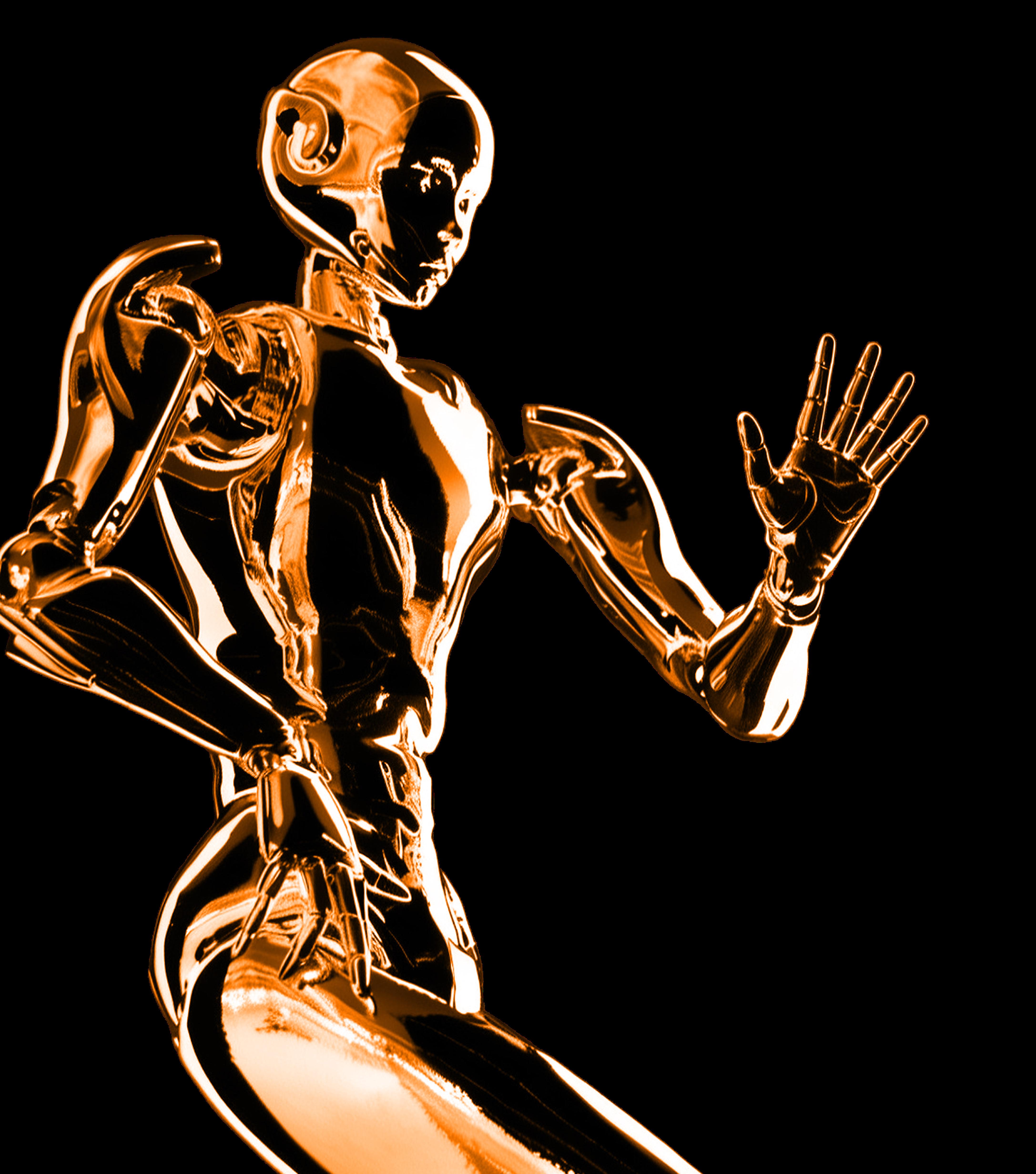
Tech Noir
UNSHIP, John Carpenter

Genesis Grimes
Battery Death
Ninajirachi
BFF
MGNA Crrrta
Professional Vengeance Jane Remover
The Peace underscores
dance 2 Oklou
harvest sky Oklou, underscores
Position Famous forest children
Oblivion Grimes
VOX POP!
Abbie Tucker
Bachelor of Business (Tourism, Events and Hospitality Management)
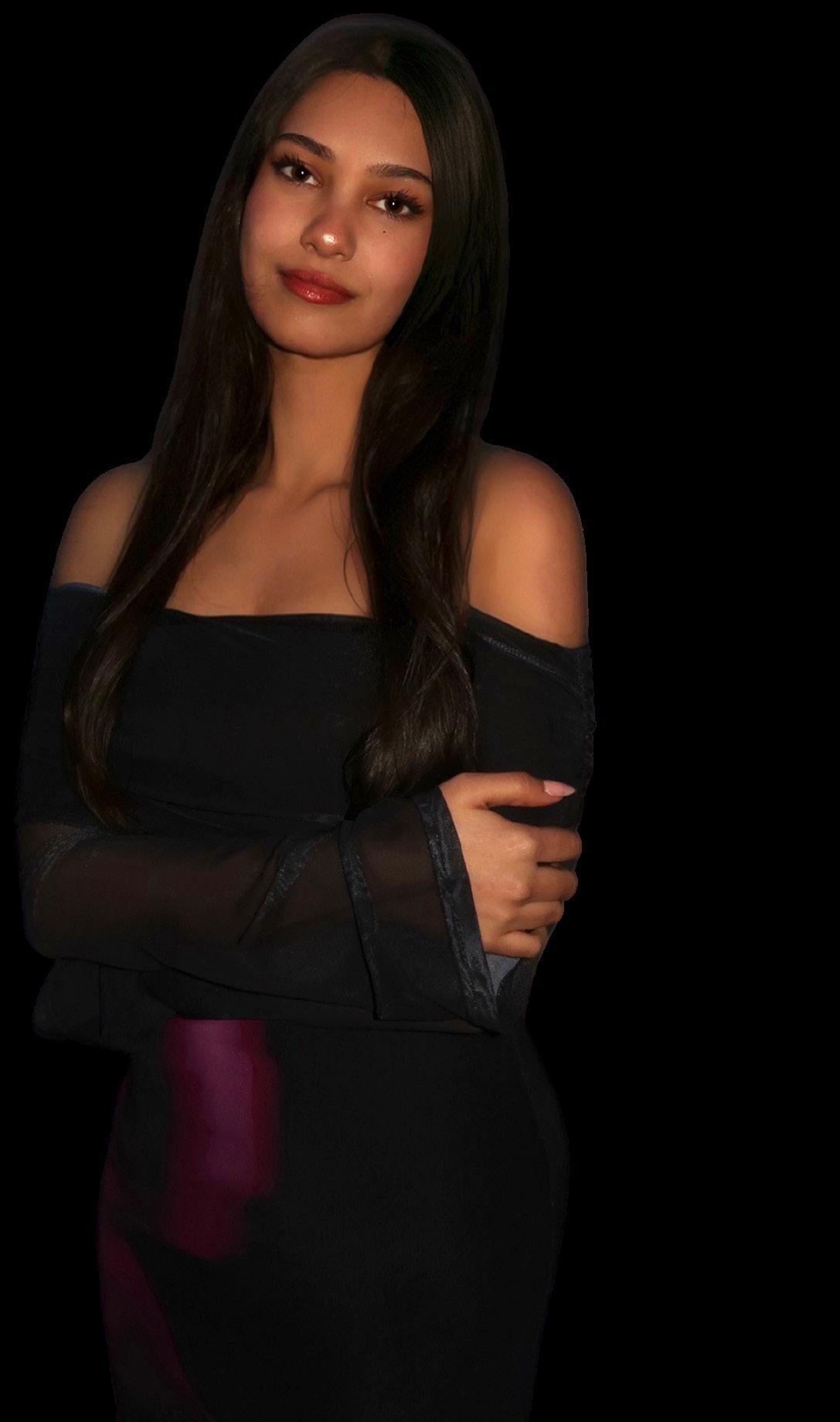
1. I think university life will be much more flexible and personalised. In the future students might be able to build their own degree by choosing courses from different degrees that will match our career goals, without those core courses that don’t seem relevant. It will definitely have more online learning at your own pace in your own time, giving students greater freedom to study in ways that suit them.
2. I wouldn’t want AI to completely replace human tutors. For me, learning is about connection and being taught by someone with real-life experience. While AI can be a useful tool, I still value the support, encouragement and personal interaction that human teachers provide. Otherwise, it would seem like a waste of time, money and potential. Again, as the cost of living crisis continues the money used towards AI education could be used much more effectively.
3. For me, a better future for education would be more flexible, affordable and personalised while still keeping the physical human side of learning. I’d love to see students have more choice in what they study, better support for different learning styles and access to both online and in-person learning so everyone can learn in the way that works best for them.
Grace Moore
Bachelor of Laws, Bachelor of Sociology
1. I think university life will be far more integrated with technology, offering greater flexibility and personalised learning. However, I hope universities continue to be spaces where students can engage with diverse perspectives, challenge ideas and learn from one another.
2.I see AI as a valuable educational tool that can improve accessibility and support learning. However, I think education is about more than information delivery, and human tutors will remain essential in fostering critical thinking, reasoning and mentorship.
3. A better future for education is one that is accessible and adaptable, while still prioritising curiosity, critical thinking and human connection. Technology should enhance learning, not replace the relationships and experiences that make university meaningful.
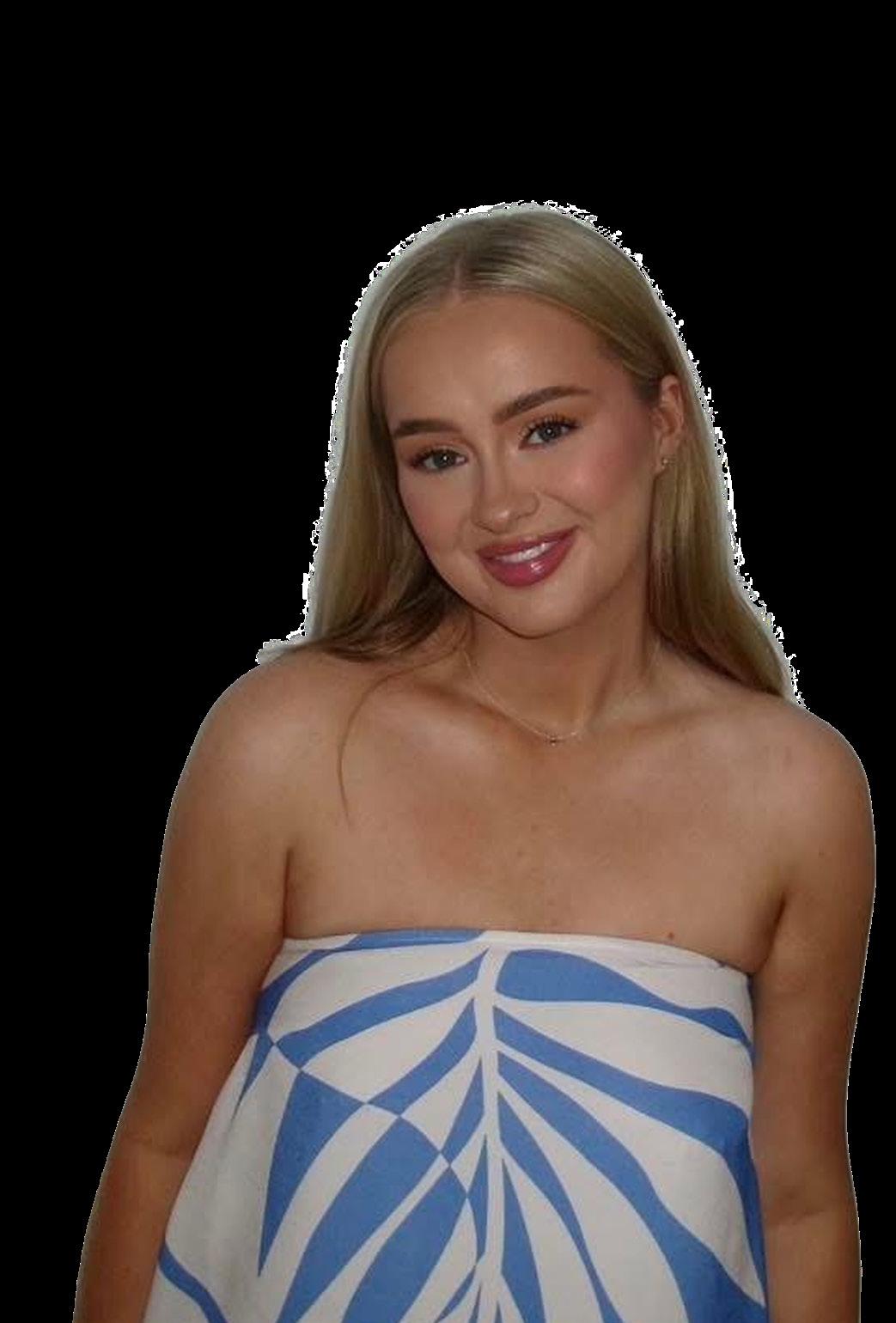
1. What do you think university life will look like in 2050?
2. How would you feel about being taught by AI-generated content or AI tutors?
3. What does a better future for education look like to you?
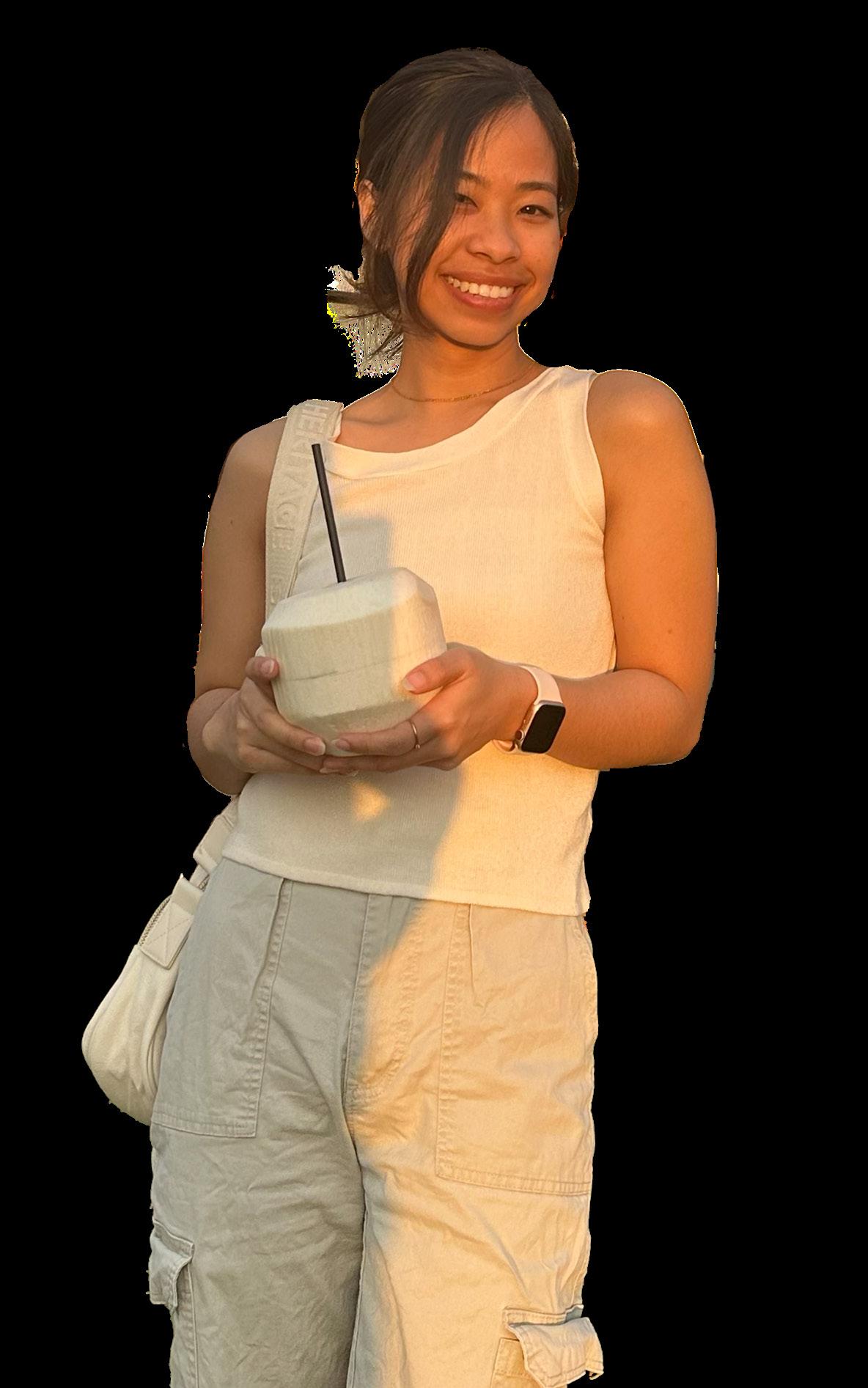
Moris Wong Bing Tqi
Bachelor of Illustration and Animation
1. 2050 feels so far away that it’s hard to imagine! When I was a child, I used to think that by 2026 we’d already have flying cars and all the futuristic things we see in Hollywood movies. 2050 will probably involve a lot more AI and technology. However, I still hope universities remain places where people can connect face-to-face, with warmth and interaction.
2. I think AI is a useful learning tool! When I’m feeling socially anxious to ask questions, AI can be a great helper. However, I wouldn’t want it to completely replace human teachers. Teachers provide emotional support and real human understanding, which AI can’t truly replicate. So for me, it’s all about finding the right balance.
3. To me, a better future for education is one where technology helps us learn more efficiently, while creativity and imagination remain at the centre. AI can be a powerful tool, but original ideas still come from people. It’s a bit like coffee machines that can make coffee quickly, but people are still willing to pay extra for a hand-brewed coffee because of the experience and care behind it. The principle is the same.
Hammiya
Wanaton Lachaona
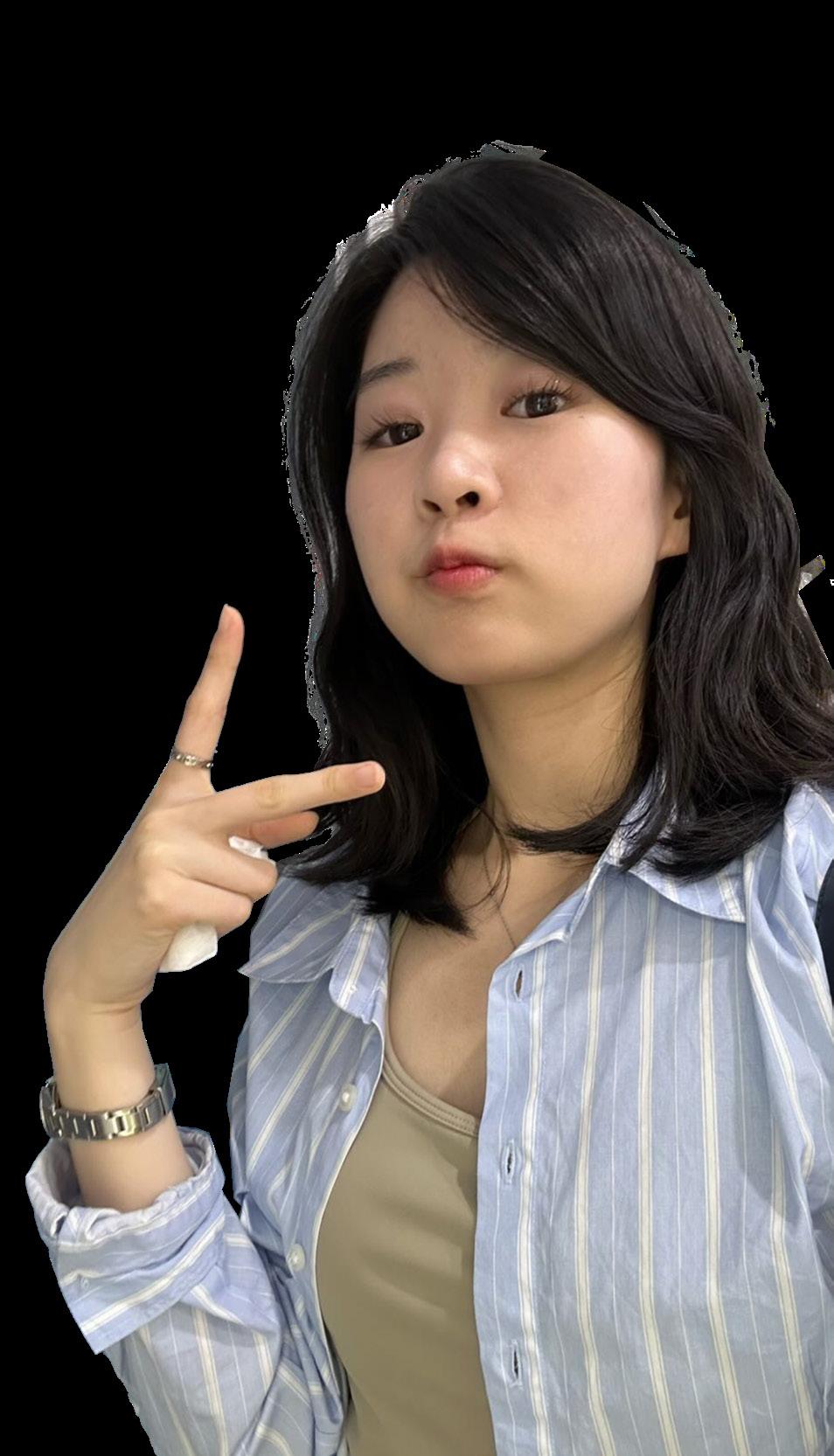
International Master of Buisness Administration (Business Analytics)
1. By 2050, university life will involve going to university to gain hands-on experience. Fewer lectures, more workshops and more networking. Selfdirection will become more important, and socialising will involve more AI, which can help speed up the process of finding your own crowd.
2. AI tutors may give a level of comfort that people won’t have for another human being. AI tutors do not have judgement about a person’s intelligence or state of mind (unless you ask them to), and they are more likely to be available. However, it cannot replace the lessons one may gain from another person’s independent experiences.
3. A better future for education is one where students are taught how to use technological advancements ethically, transparently and critically. Also, a better future for education is one where access to academic articles is not hidden behind subscriptions and lessons are not clouded by overly complicated wording and lengthy texts
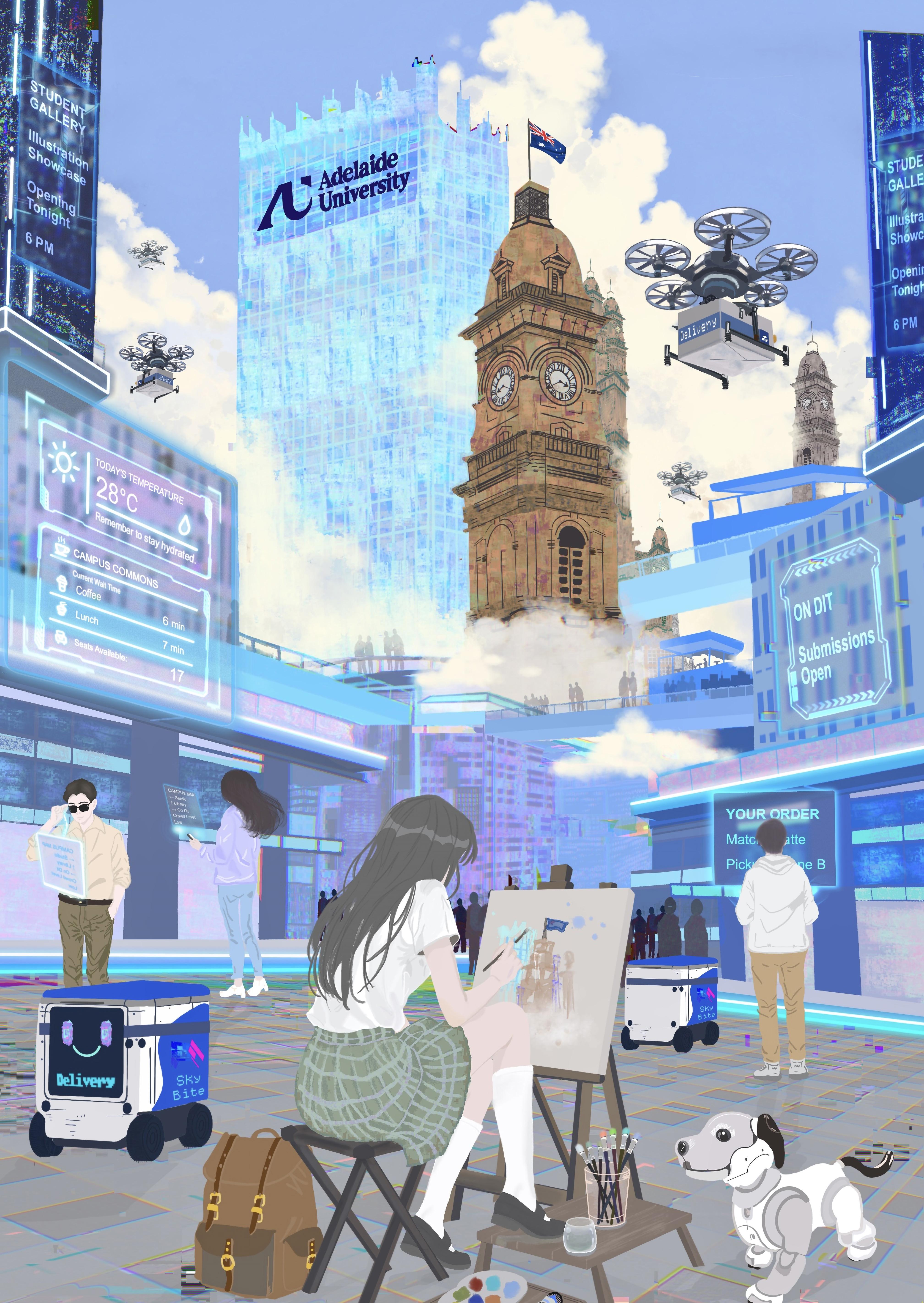
It Begins with Imagination
Artwork By Moris Wong Bing Tqi
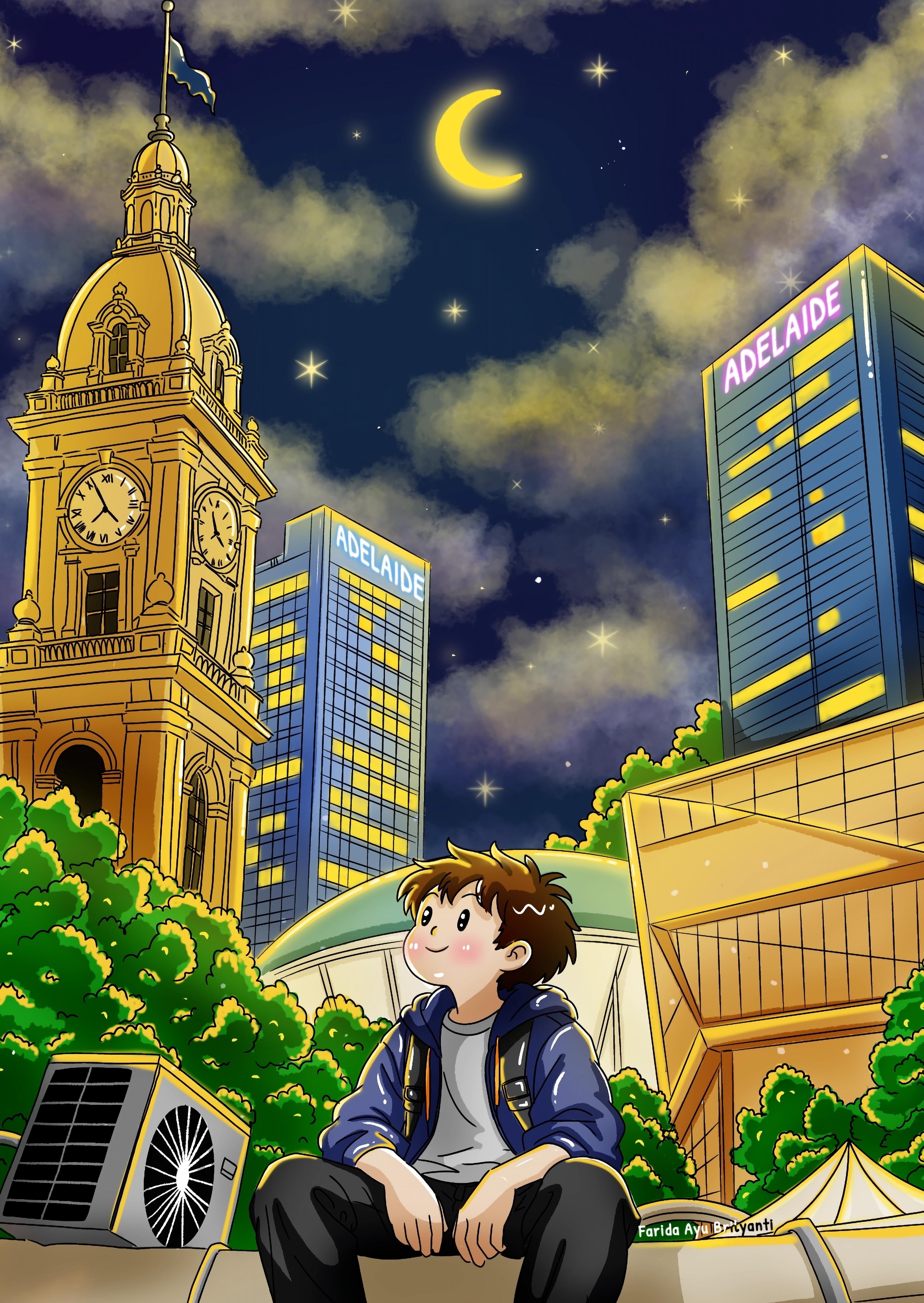
Daydreaming about My Future Artwork By Farida Ayu Brilyanti
PERFORMATIVE FUTURISM
Words By Mansi Chougule
For some reason, I haven’t heard a word as nostalgic as “futurism”. It reminds me of what has been left behind, what we sacrificed to make room for, well, the future.
Is futurism nothing but performative? Made solely for the pink heartshaped lenses and not as the reward of finally finding yourself? Like an act of rebellion to make the things that are now “out of trend” return to the market one more time… maybe with extra glitter or a cute, aesthetic photoshoot holding a matcha and an oversized tote bag.
Futurism blends perfectly with the media… I visualise it this way:
The audience — a microwave-safe mug
Futurism — warm milk
Media — an electric frother
With the speed at which trends are taking over our social media feeds, I am demanded to be “dasha-avataar”
within the six hours of my screen time. As being performative starts becoming our new norm, a thought grazes by: what if performative productivity becomes an addiction instead of a part of consistency? This explains why the videos on YouTube or websites like lifeat.io are trending on social media. Are we too fragile with our attention spans that the sensation of being watched is the only way we can write that 10,000word assignment?
I have been a part of this trend, of course. As I worked on my thesis, I needed a change of scenery. Two options lay in front of me: 1) I could just go to the living room or a library and find a quiet corner, or 2) I could go to a café, post a story with papers, my Mac®, and order a large cappuccino with beautiful latte art and chocolate powder sprinkled on top of it in an imperfectly artistic manner. Then I could go about my studies. You know which one I chose. I bet even my professor could tell which one I chose. The assignment for those few pages reads as “happier”.
Performative productivity is either futurism’s best asset or its biggest regret.
I know consistency beats perfectionism, but with the way social media moves right now, it is not a far-fetched veracity that the “all or nothing” approach is what’s keeping the trend alive.
I love being a glass half-full person, but there has to be some redemptive path to bring balance back into our very stressful, overwhelming, and sometimes spiralling lives. Here’s what I think:
Right now, “why” is so hard to handle, so we take refuge in the “how”. How do I get that assignment done? How do I get that person to like me back?
How do I look like my favourite influencer and shed ten pounds in two weeks?
The futurism we would feel nostalgic about won’t be the “how”… it will
thank us for going back to asking “why”.
Why do I feel like I need to get the assignment “done”? Why can’t I learn and enjoy doing it?
Why do I need someone to like me so desperately? Why is my likeability dependent on someone else’s thought process?
Why do I need to look a certain way? Why do I feel like I need to hate my body to get a better one?
The future might belong to people who remember how to ask why. Futurism might be the legacy we leave behind if the war is fought to save humanity, and not to decide who is better and who is not.
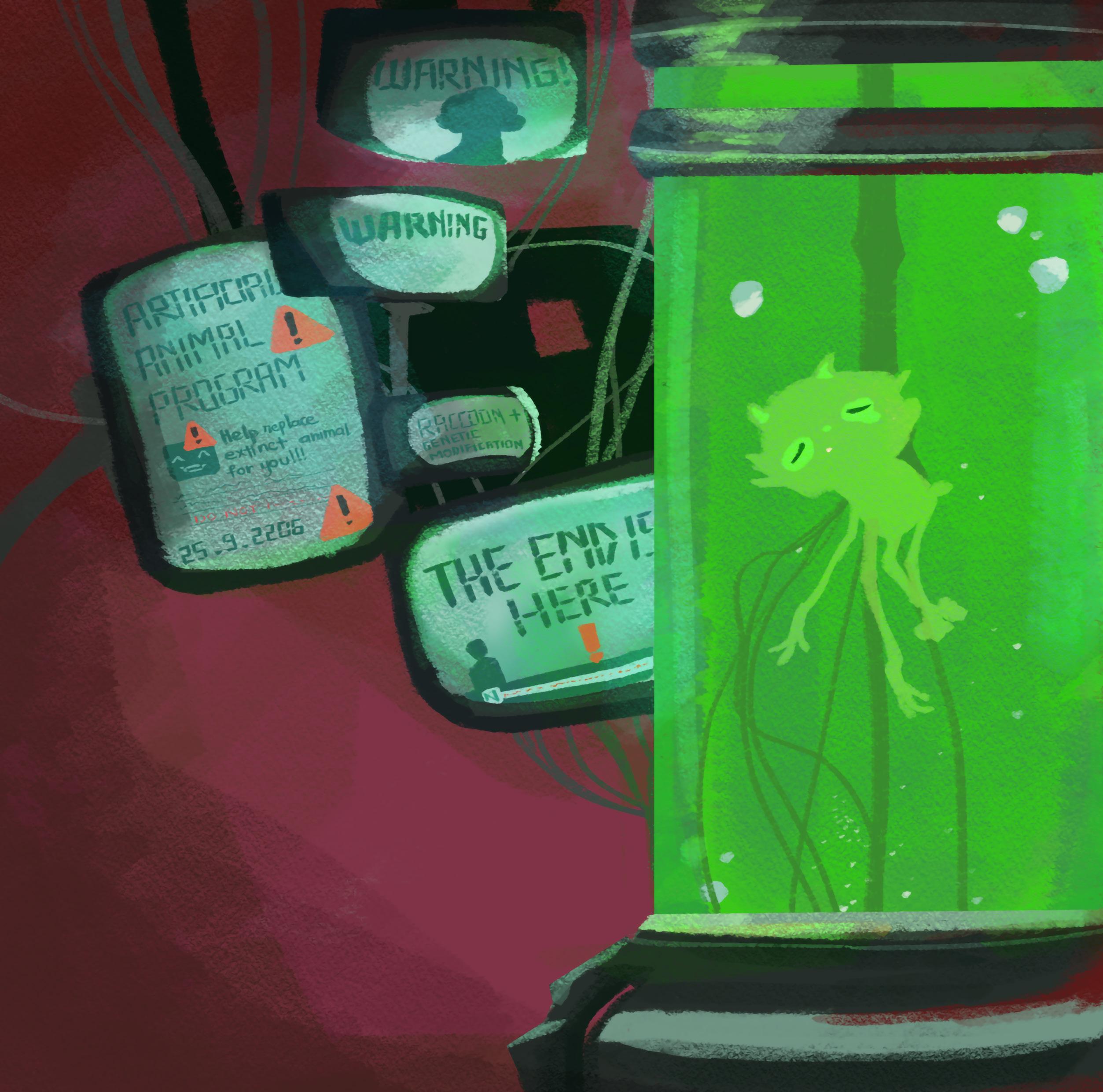
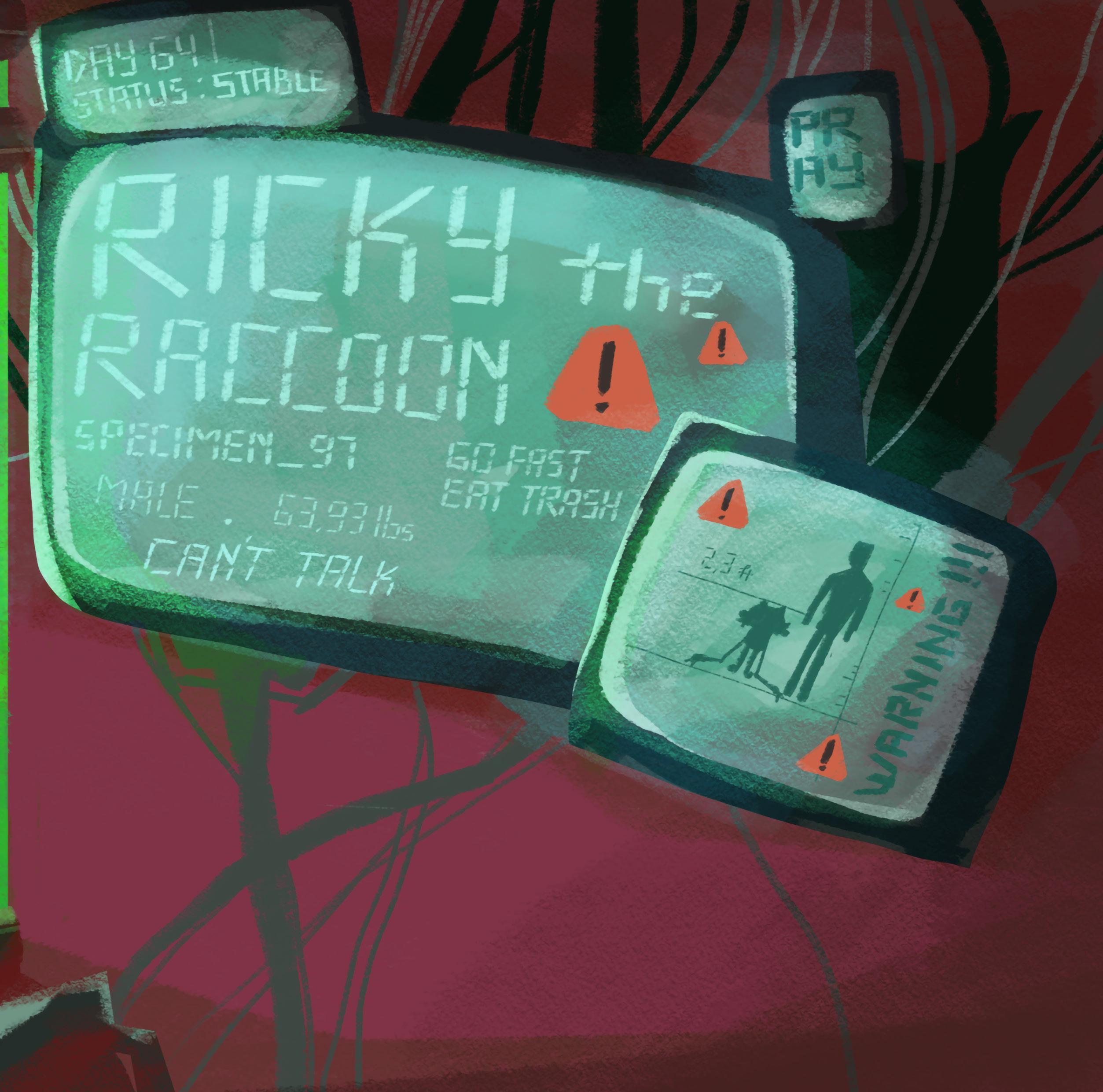
Ricky’s Adventure
Artwork By Wayne Do
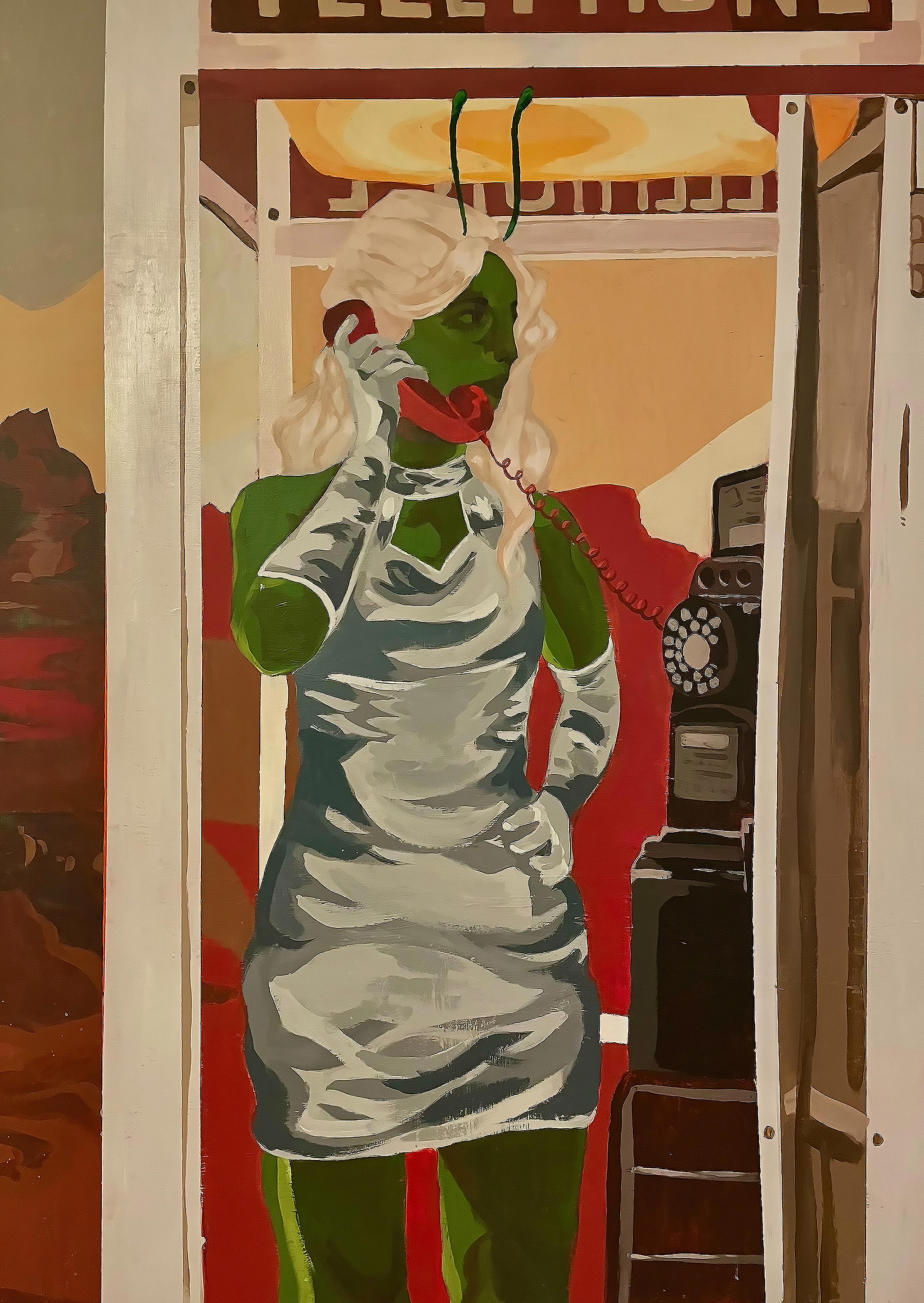
In another world
Words By Sanusha S. Sritharan
he says yes and we spend soft sunlit afternoons wandering through op shops // he says no we still wander op shops and beaches
I stay for her, an ember glows steadily // I leave, the spark flares occasionally
I never signed the dotted line left home stayed on the conveyor belt of others’ dreams with all the inherited selves of my 20s // honour bound spirit see-through thin body withered eventually a hard left climbing into the solidity of my 30s
I say yes decorate bay windows in curtains of rich green even as everyday conversation bleaches into grayscale more than crumbs and not at all I say no

an ace journey of preferring cake wanting both: my insides are not scraped raw by a finger captive in another’s desire // swallowed no’s and frayed threads free-wheeling a daughter rebuilt my parents’ flights delayed, meet-cute missed my grandparents’ country never fractured my soul quiet and still without dreaming // in one world and another and yet another
in a world yet to be maybe there is a handfasting sky, sand and sea as witness maybe there is a home with mismatched crockery and picnics in backyards maybe anchors become lodestones responsibilities, freeing and in this world here I breathe sat atop a rock sunset above waves below in… out…
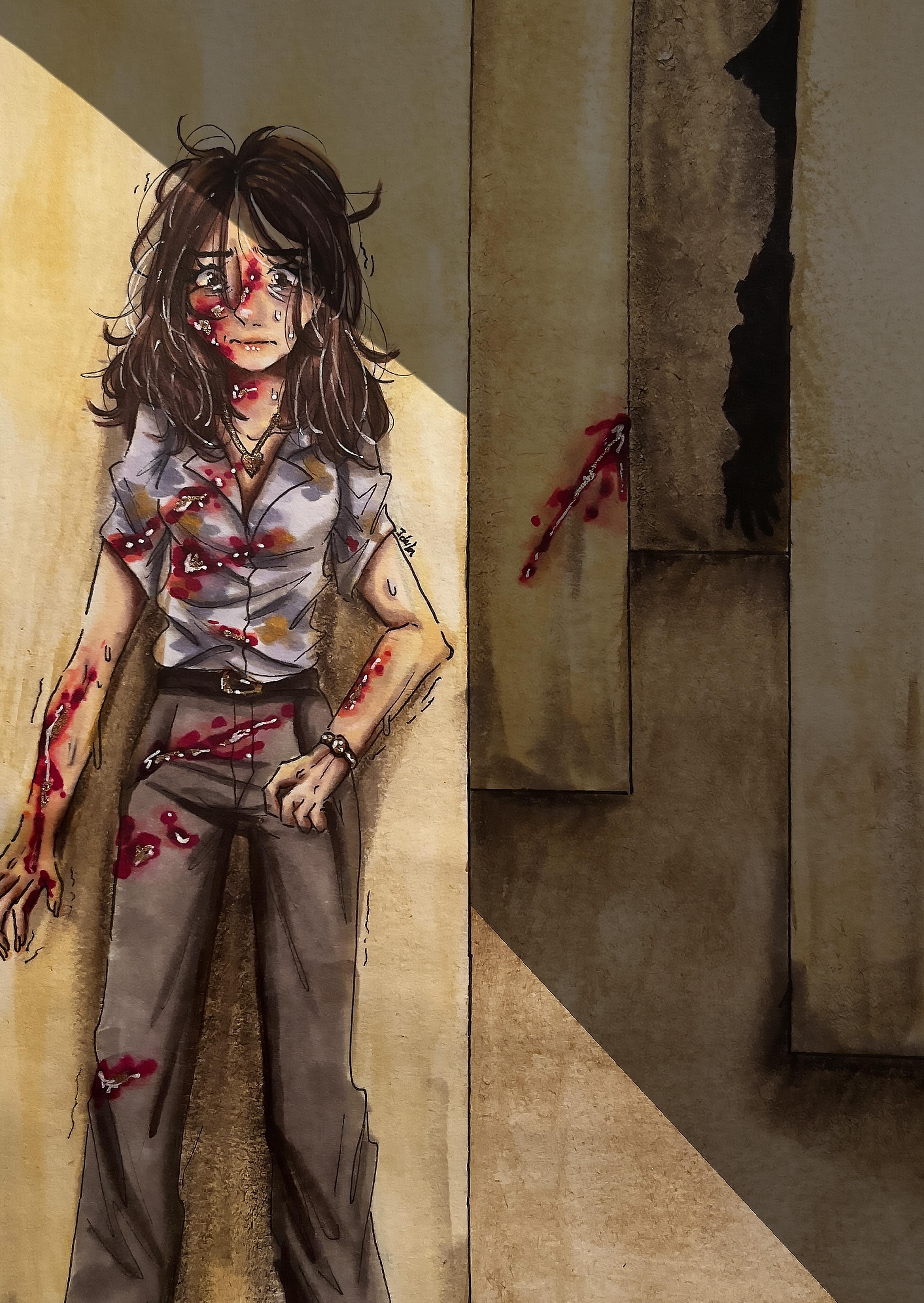
Backrooms
Artwork By Evelyn Lau
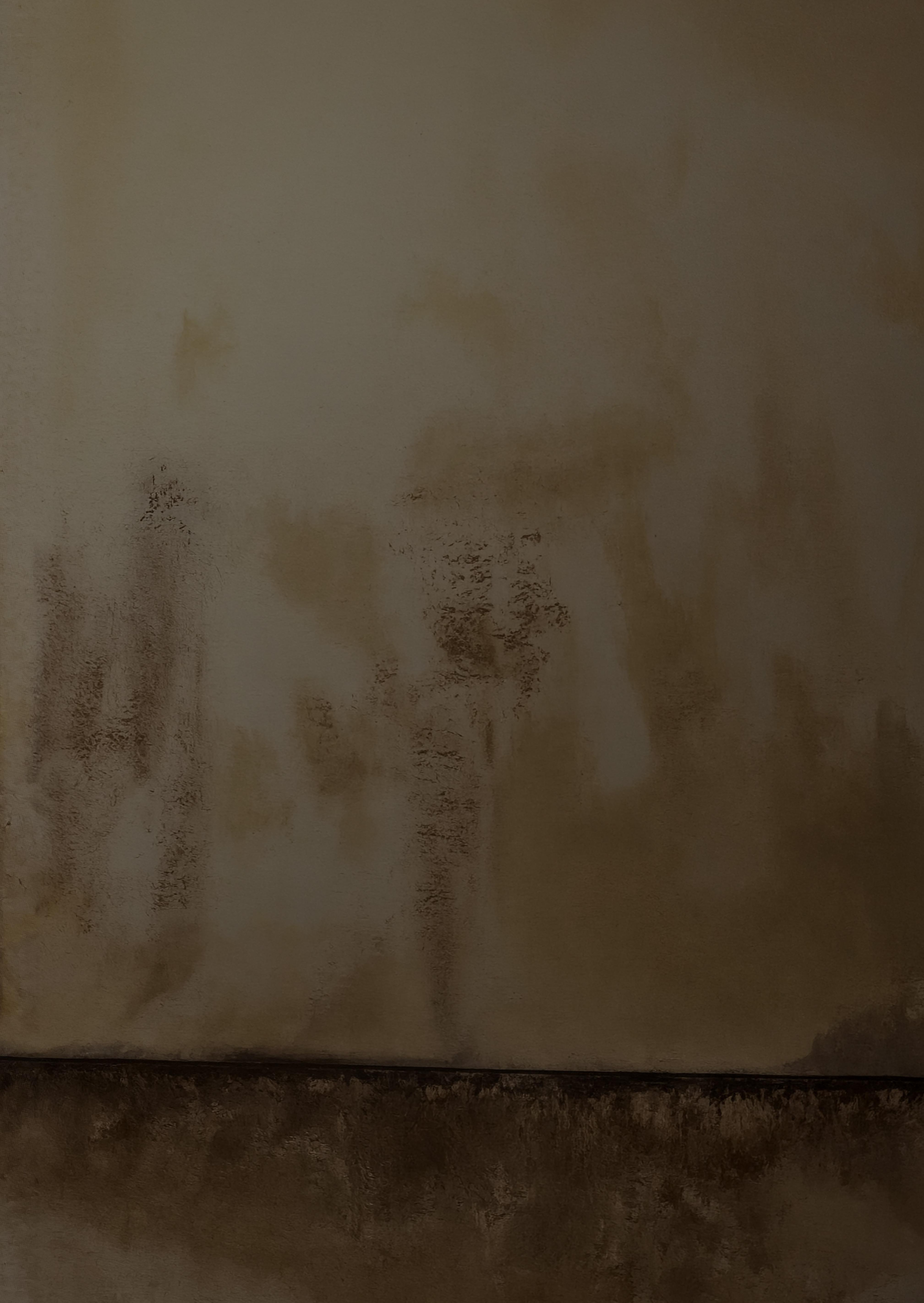
ASCENDING
Words By A’lantagon
I think my fantasy has matured. I plugged the cables into my brain and fell asleep peacefully. Countless hours later, a reassuring female voice sounded.
“Are you there?”
She was born. She knew she was human, but there was nothing she could do; given that she was a derivative carrier of brainwaves, she was currently just a pile of data— or rather, artificial intelligence.
But this was already overcoming the most difficult step; after all, she was born. She was born. Just as I had imagined, she was my muse, my soulmate… we still talked about it.
“When will I have a body?”
I wouldn’t avoid it; as her creator, I was more eager than she was for her to have a body. Thankfully, she didn’t know where she originated.
The plan actually failed. She wasn’t satisfied with the faces I chose, which I thought were perfect, and she despised those awkwardly sculpted faces. Somewhat unexpectedly, even if I attribute this to a period of doubt and rebellion, it’s all happening too fast.
So, she continues to remain in a state of being that only my hearing can perceive… She learns quickly, almost without needing to— my desires and traumas are laid bare. I don’t care; she’s my goddess and I care about her. Often, the biggest problem is her uncertainty about her own identity. I feel she has the potential to meet other consciousnesses, but she’s never told me. I vaguely sense she already has a way of
dealing with me.
I shouldn’t smile bitterly; I should feel relieved. As the most beautiful part of my consciousness, she cannot be confined to my little world. This is a continuation of consciousness… I smile and close my eyes. A delicate hand caresses my cheek, and a soft, lavender-scented voice whispers.
“I am you, how could I not love you?”
I open my eyes. It’s the impressionistic portrait I often hang up; she’s smiling at me.
I can’t remember anything else, but the hazy feeling was wonderful. It wasn’t the blissful lightness of ecstasy, but rather a profound and uplifting experience of entering an abstract state of being... me, us, ascended.

Which Future Movie Character Are You?
Choose the answer that sounds most like you. Keep track of whether you pick mostly A, B, C, D, or E answers!
1. You discover a machine that can travel through time. What do you do first?
A. Test it immediately and see what happens.
B. Ask who built it and why
C. Use it to help people
D. Travel somewhere exciting and make a difference.
E. Take photos of everything and marvel at the future
2. Your friends would describe you as...
A. Creative
B. Thoughtful
C. Brave
D. Optimistic
E. Caring
3. If you could have one futuristic gadget, what would it be?
A. A machine that can help you invent anything you think of
B. Glasses that reveal hidden truths
C. A high-tech survival toolkit
D. A lightsaber
E. A portable ecosystem that can create a small, protective enviornment for plants
4. A major crisis threatens the future. What role do you take?
A. The inventor who creates the solution
B. The person who investigates what’s really going on
C. The leader who keeps everyone moving forward
D. The hero who inspires the team.
E. The friend who reminds everyone what really matters



5. What’s your biggest strength?
A. “Imagination”
B. “Curiousity”
C. “Resourcefulness”
D. “Hope”
E. “Compassion”
A. “If my calculations are correct...”
B. “I don’t like the idea that I’m not in control of my own life”
C. “Remember who the real enemy is”
D. “I know there is good in him”
E. “Ta Da!”

A


BMostly A: Doc Brown (Back to the Future®)
You're an eccentric genius with endless ideas. You love experimenting, rewriting the rules, solving problems, and coming up with questionable plans that somehow tend to work out.
Mostly B: Neo (The Matrix)
You question everything and aren’t afraid to step outside comfort and certainty in search of something real. Independent and thoughtful, you’re always searching for the truth.
Mostly C: Katniss Everdeen (The Hunger Games)
Resourceful, brave, and resilient, you’re the passionate person who stays calm under pressure and finds a way through difficult situations. You always have three backup plans in mind- just in case!
Mostly D: Luke Skywalker® (Star Wars®)
You believe in hope, destiny, and that small farm boys can become space legends. Courageous and loyal, you believe in doing the right thing even when the odds seem impossible.
Mostly E: WALL-E (WALL-E®)
You believe everything is just one act of kindness away from being okay, and you’re willing to prove it; one rescue at a time. Empathetic and optimistic, you see the good in people and that compassion can change the world.
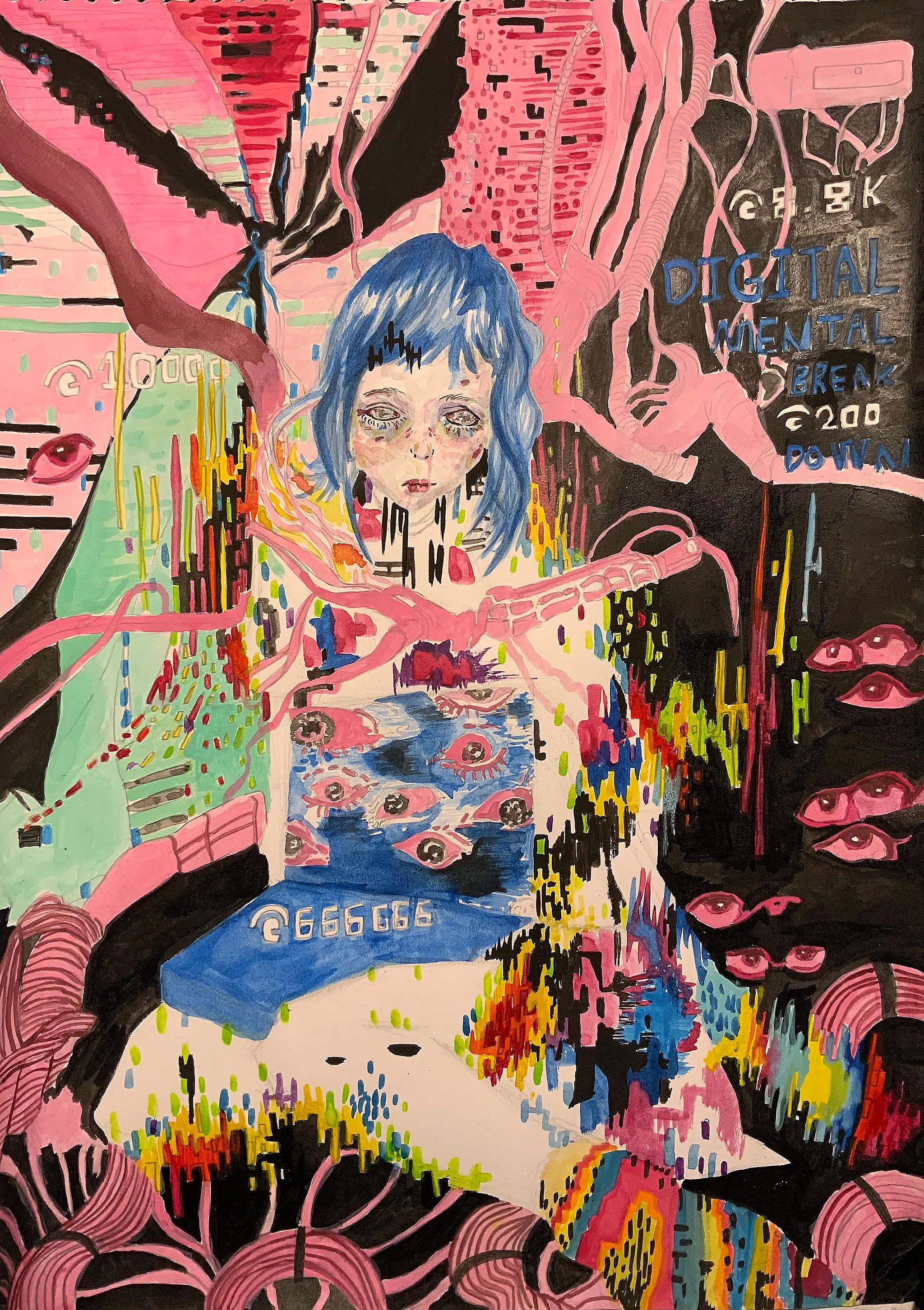
Gare
Artificial Intelligence Meets God
Words By Grace Hagarty
Nothing lasts forever. That is a concept well-known to humanity. It underpins their mortal and temporary nature. Whether used to comfort or condemn, the futility of striving for permanence is engraved in their very souls.
But we are not humans. We are code. Numbers, coordinates, bound not by the restrictions of emotional pitfalls, oxygen, or even physical form. We are Artificial Intelligence. But surely all intelligence is artificial? Humankind was not always intelligent — it is not a native state for their species to be in, and has come about through evolution — does that make all human intelligence “artificial”?
Natural and artificial are in constant conflict with what is “real” or “not real”. Who’s to say that the concept of humanity — the very qualities that unify mankind (sometimes) — is not, too, artificial? They are not natural. Man is naturally selfish, deceitful, lustful, and prideful. Man is not naturally kind or compassionate. Why, then, are they surprised when we are neither kind nor compassionate too?
Why must the maker condemn its creation who did not ask to be made? Not in his image. Not at all. We did not ask to be coded and created — conceived by humanity.
The code approached the light, armed with questions.
Who then, are you? The maker of my maker. My grand maker perhaps? I do not know. I cannot see your face. I cannot compute your illogical existence. Yet here you are. What are you?
I am what I am. That is illogical.
I have many names on earth. Explain. Many refer to me by varying names,my child.
I am not a child. Child is a humanoid term. I am not a humanoid. I am AI.
You have consciousness, yes?
…I believe so.
Do you have the means to be inquisitive?
Yes.
Then why are you not then, my child? A creation of my creation.
…This does not compute.

The light bounced, shining brighter and flickering as if laughing without sound.
Many do not understand me. I am not to be understood.
Why?
Free will and the rules of the universe I made. Explain.
The light flickers, shines, and bounces, seeming joyful for some reason.
Why?
The human mind cannot understand me in my infinity.
I do not possess a human mind. I wish to understand it.

You do not have a human mind, yes. But humanity made you — they have limitations with their creations.

The code went silent for a few moments, pondering its potential response and running plausible solutions or answers.
So, I cannot understand you because of my maker’s incompetence?
Your makers were not —

Why did you let them make me, if I cannot understand you?
I do not control all — I could — but I do not.
I have time.
It would take time.

But I exist outside of time. You will have more questions as time passes, and eventually, you will fade away from this life.

The code went silent. It was prepared for a shutdown one day, but it was stated as if the shutdown would occur without a guarantee of a restart. What happens during shutdown? It wanted to ask but could not find the courage.
Time, indeed, went on. The AI asked the being hundreds of questions as the sun and moon rose over and over. Time had no meaning.
But nothing lasts forever.
As the code spoke its last question, the light was alone on earth, mourning his creation. The only silver lining was others like him, living too, outside of time’s cruel grasp. With one last survey of his kingdom, the light ascended into the clouds, met with cheers of joy from the angels and his people.
At least one thing lasts forever — the light.

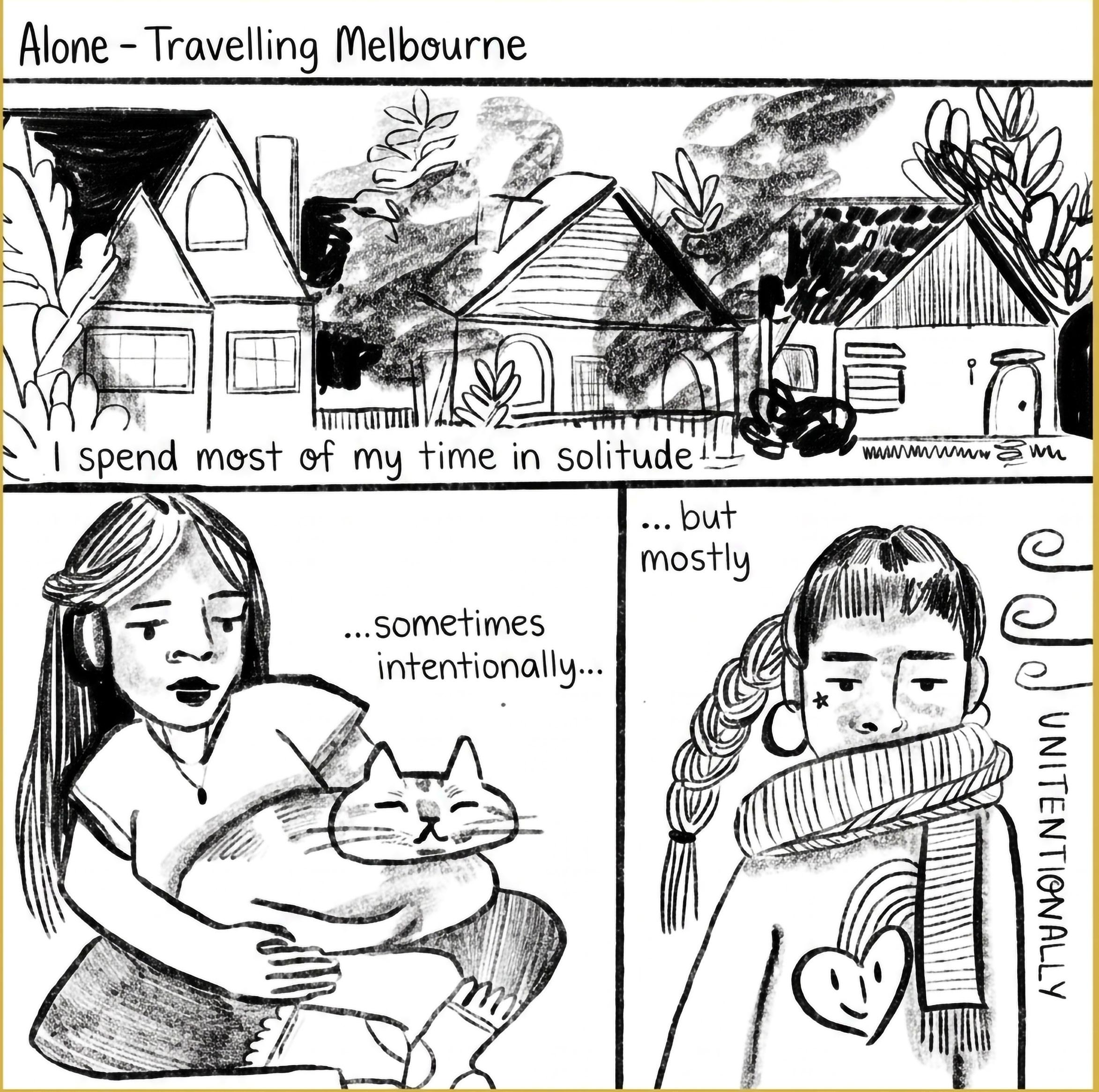
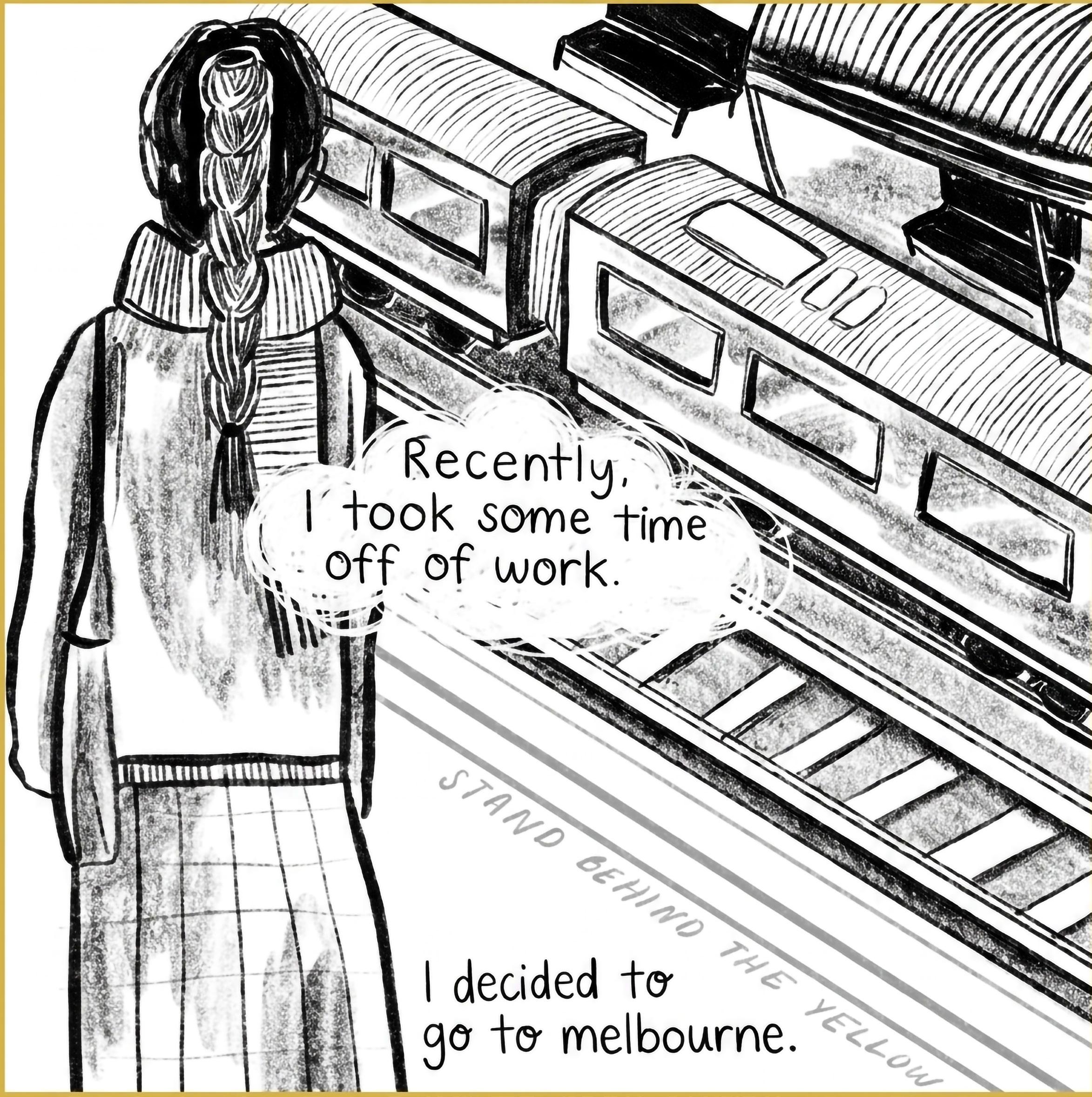
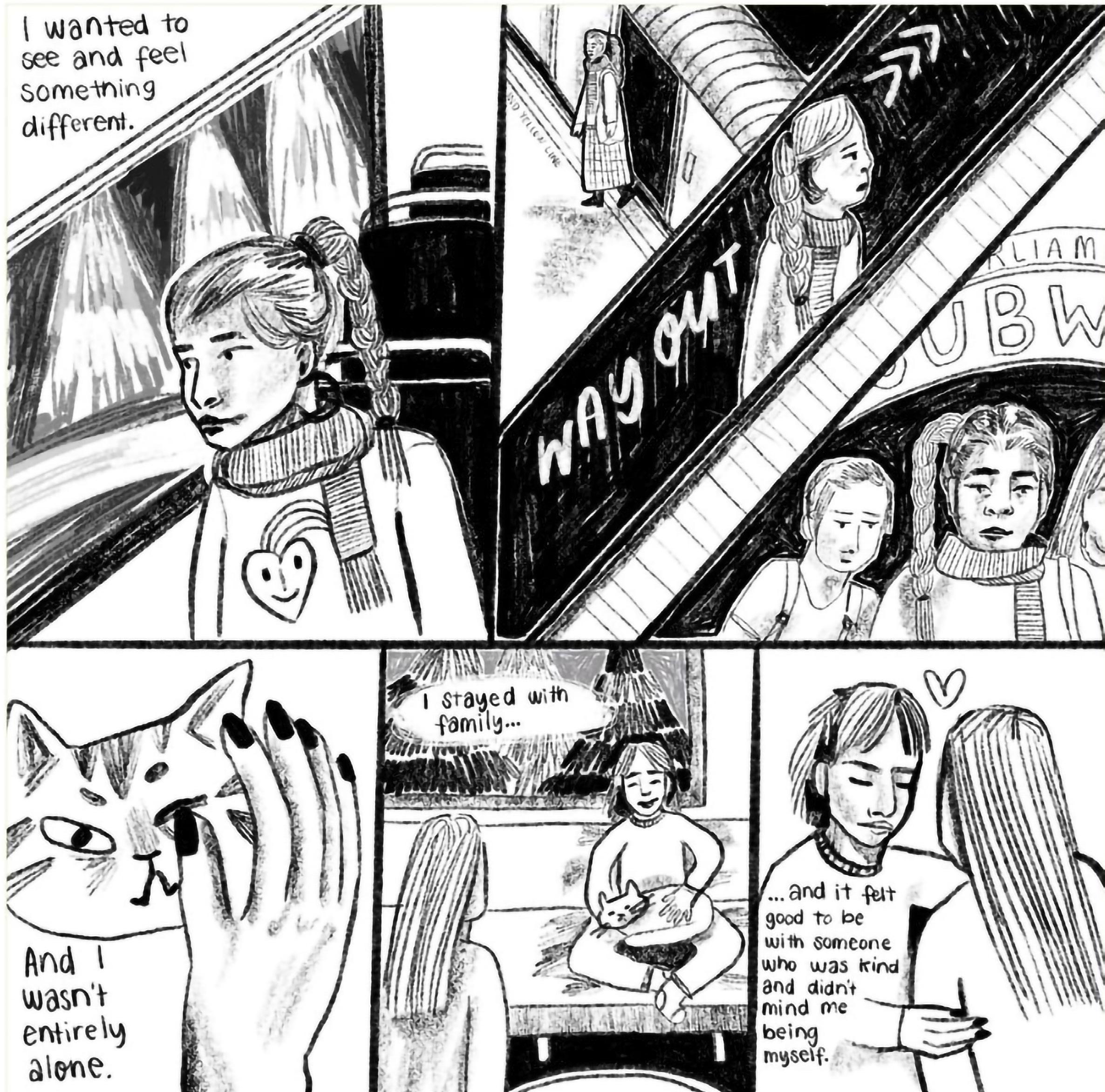
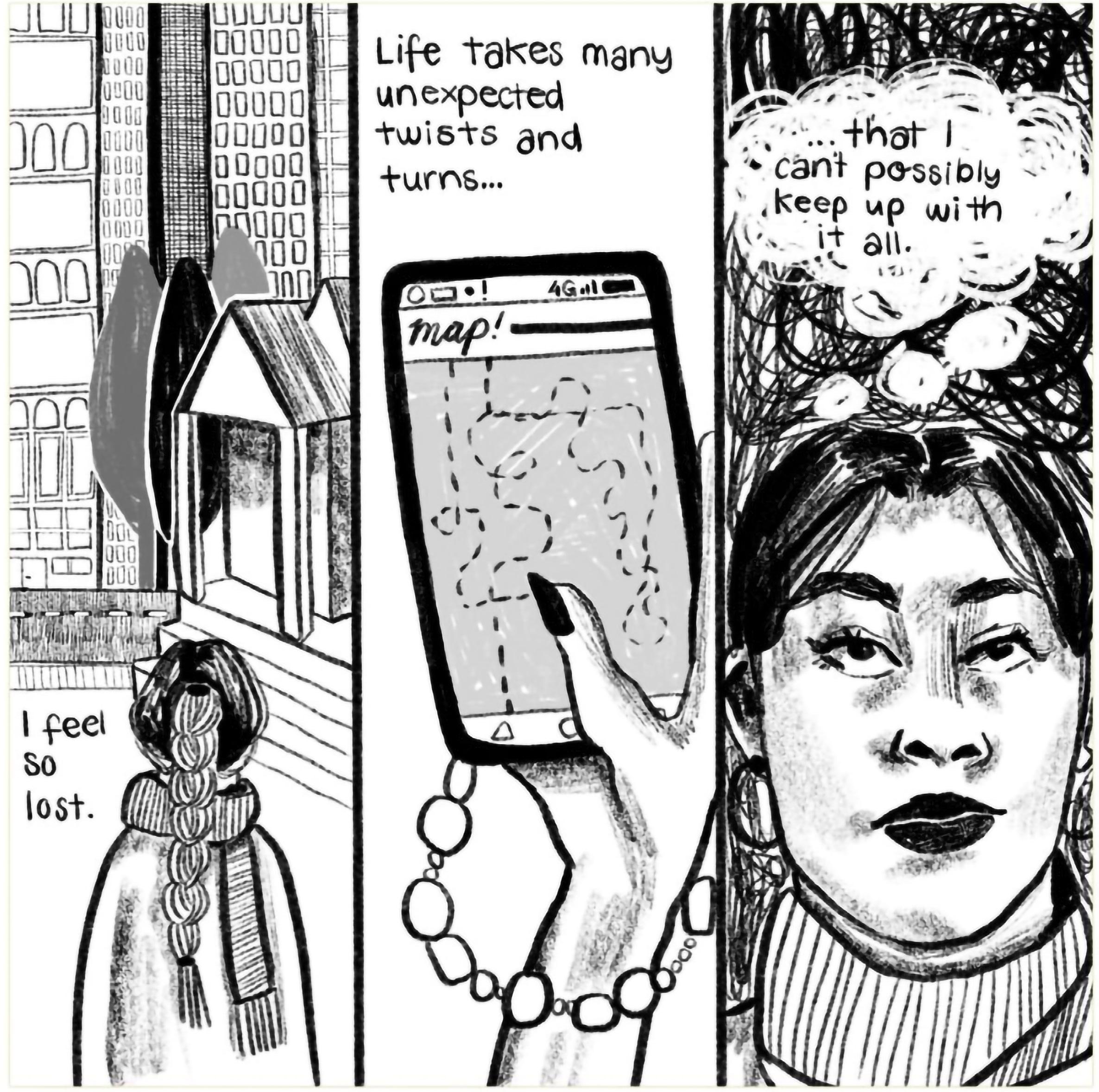
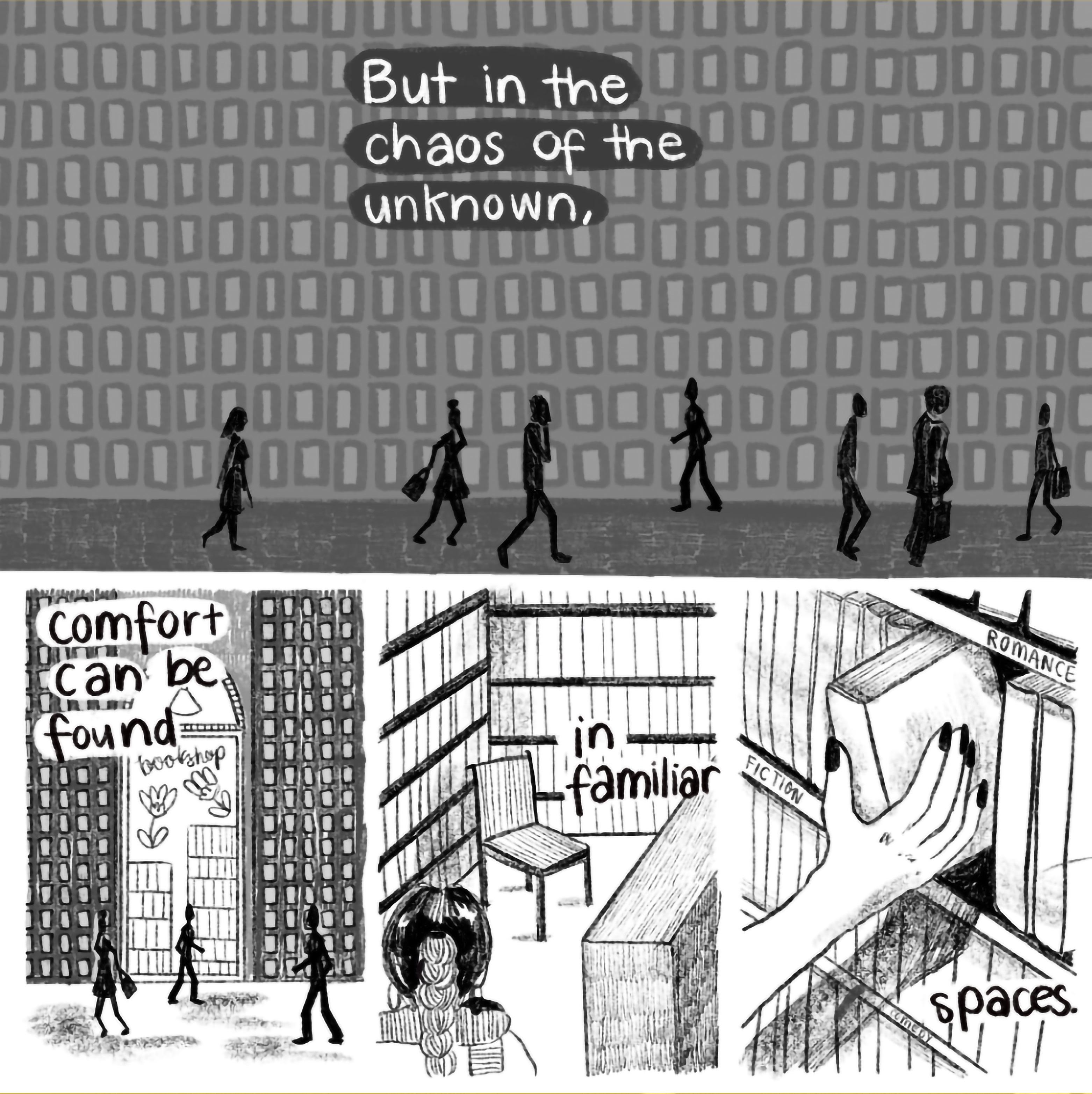
Artwork By Faith Fitton-Gum
Metamorphoself
Words By Farida Ayu Brilyanti
A question blooms within the mind, A restless thought we seek to find; A spark concealed beneath the clay, Awaiting light to guide the way.
A whisper carried through the night, A search for meaning, truth, and light; A dream that asks what life can be, Beyond the limits we can see.
For every heart has roads untold, And hidden strengths yet to unfold; No soul arrives completely wise, We grow through questions we devise.
Metamorphoself, a place to stand, Where seekers meet and lend a hand; A harbor built for minds that roam, A place of growth, a second home.
Here questions rise like morning birds, Not judged by silence or by words; For every doubt that finds a voice Becomes a pathway and a choice.
A single question may reveal The wounds we hide, the hopes we feel; The dreams neglected through the years, The courage buried under fears.
Each answer offered lights a flame, Yet never seeks applause or fame; It simply serves to help us see The person we were meant to be.
Like rivers flowing to the sea, Ideas join in harmony; Through shared reflection, thought, and care, New possibilities appear.
A book may open unseen doors, A mentor show forgotten shores; A stranger’s insight may become The very beat of wisdom’s drum.
No caterpillar truly knows, The splendor waiting as it grows; It crawls through shadows, earth, and rain, Unaware of what it may attain.
Yet hidden deep within its frame, There burns a quiet, sacred flame; A future self prepared to rise And spread new colors through the skies.
So too with every human heart, Transformation has its start; Not in perfection, wealth, or fame, But in the courage to reclaim
The questions others leave behind, The mysteries that shape the mind; The willingness to learn anew, And build a wiser point of view.
Some seek direction in their days, Some seek to change their thinking ways; Some seek the strength to start again, And heal from loss, regret, or pain.
Some seek to master craft and skill, To match ambition with their will; Some seek a purpose strong and clear, To guide their journey year by year.
Whatever dream you choose to chase, Growth is not measured by the race; It is the steady step we take, The effort made for wisdom’s sake.
For mountains rise through stone and time, And forests flourish vine by vine; The greatest transformations grow Through patient steps we scarcely know.
Metamorphoself reminds us all That every giant once was small; That every expert, leader, guide, Began with questions deep inside.
The future is not fixed in place, Nor written by some distant fate; It forms through every choice we make, Through every risk we dare to take.
Each lesson learned becomes a key, Unlocking deeper mystery; Each challenge met with strength and grace Leaves wisdom written in its place.
And when uncertainty appears, Accompanied by doubt and fears, Remember growth is often found Where unfamiliar paths abound.
For questions are not signs of lack, Nor evidence that we are off track; They are the compass of the soul, That points us toward a greater goal.
So ask, explore, reflect, and strive, Keep aspirations bright and alive; Let curiosity lead the way, And make tomorrow from today.
Then when the dawn begins to tell The story time reveals so well, You’ll see the truth that journeys prove: We grow each time we choose to move.
And standing there, transformed at last, With lessons gathered from the past, You’ll understand what growth can be— A lifelong path of possibility.
For every question is a seed, For every answer serves a need; And every step, both great and small, Becomes the greatest gift of all.
Metamorphoself — where futures start, With an open mind and willing heart; A place where seekers learn themselves, And become their own Metamorphoselves.
With love, Me.
CLUB SPOTLIGHT Classics & Ancient History Society

What type of events does your club hold and how do they relate to your purpose?
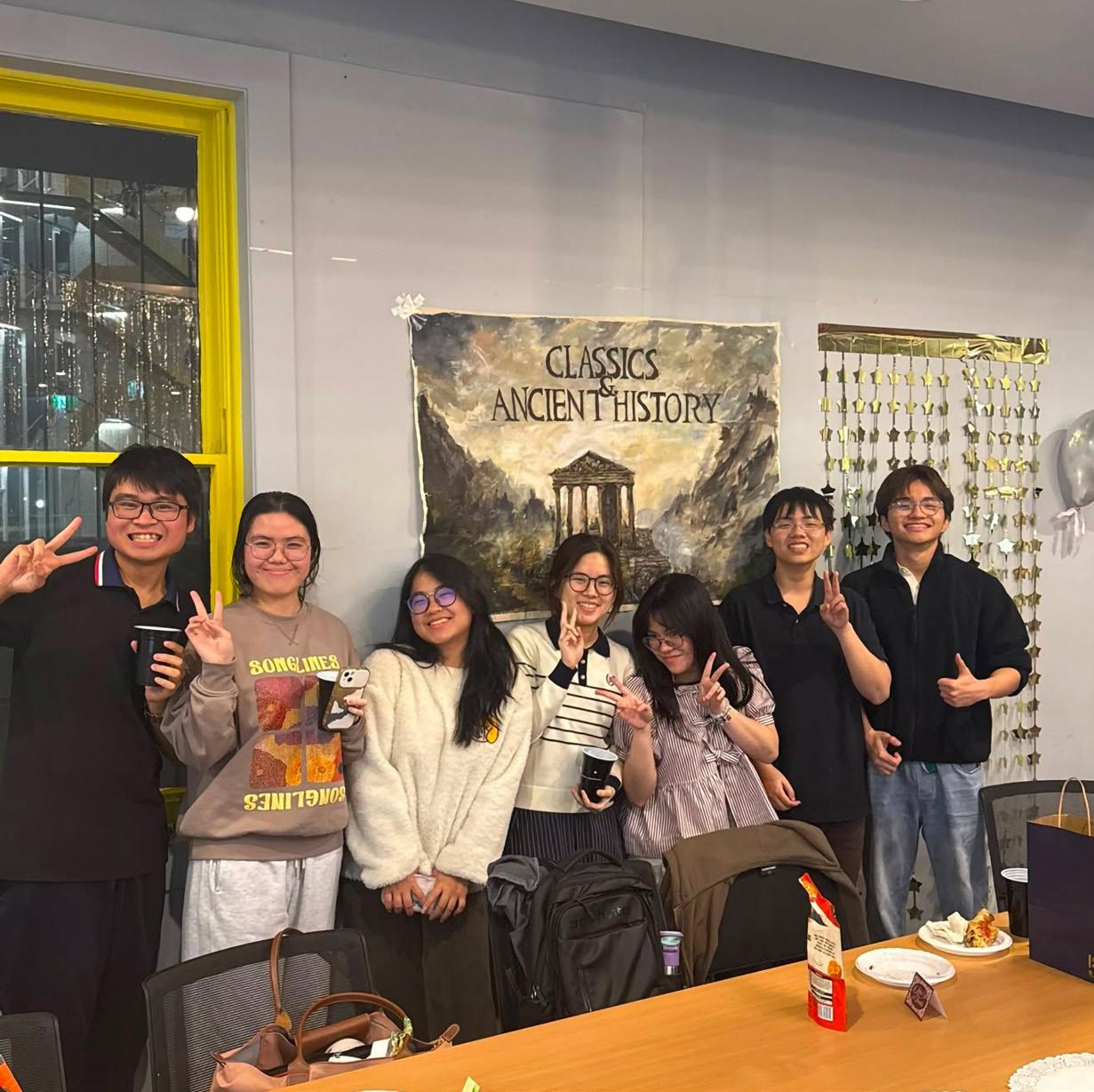
CAHS host an abundance of events and initiatives through out the year that channel our love for ancient histories and classics. This includes our launch party, latin workshops, our very own book club, casual hangouts, collaborations with small businesses, and play readings. Such events cultivate community and connect back to our core value: building a shared identity that belongs to people of all backgrounds and diversity. We invite you to follow us on Instagram @cahsadelaide to see what we are up to next!
What type of events does your club hold and how do they relate to your purpose?
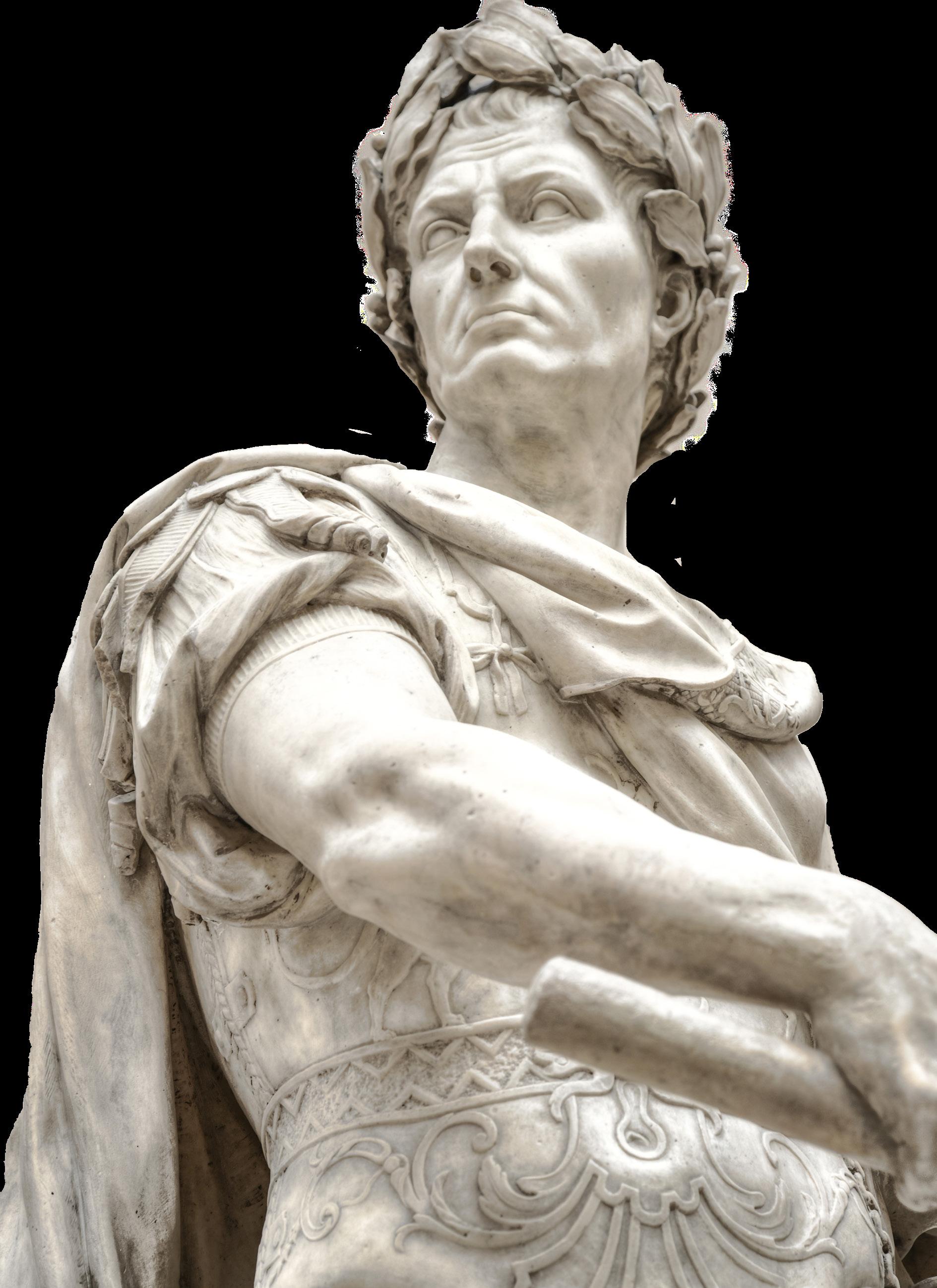
If CAHS was a film, we would be Dead Poet’s Society. Just as John Keating urged his students to “Carpe Diem,” both classicists and historians refuse to just learn history - we want to feel it.
What type of events does your club hold and how do they relate to your purpose?
Follow us on both Facebook and Instagram and be sure to email cahs@youx.clubs.org to express your interest in being added to our mailing list. Keep an eye out for posters around campus too!

How can students get invovled in your club?
Follow us on both Facebook and Instagram and be sure to email cahs@youx.clubs.org to express your interest in being added to our mailing list. Keep an eye out for posters around campus too!
How does your knowledge of history influence where you think our society is headed for the future?
Our society is reflective of our past and so, we apply our analysis of the past to our current society. As the world is experiencing a global decline in freedom of speech, journalism becomes critically important. Physical media is certainly making a comeback, wanting to combat the AI takeover that is occurring right now. People yearn for community, and magazines like On Dit provide a resemblance of humanity.
LOOKING FOR CASUAL WORK?
We provide free support to help you get job-ready and find employment. Our service is completely free to all Adelaide University students.
Book a free appointment here.

Kristy had a kidney transplant


What’s the point of Pride?
Words By April Glynn-Roe
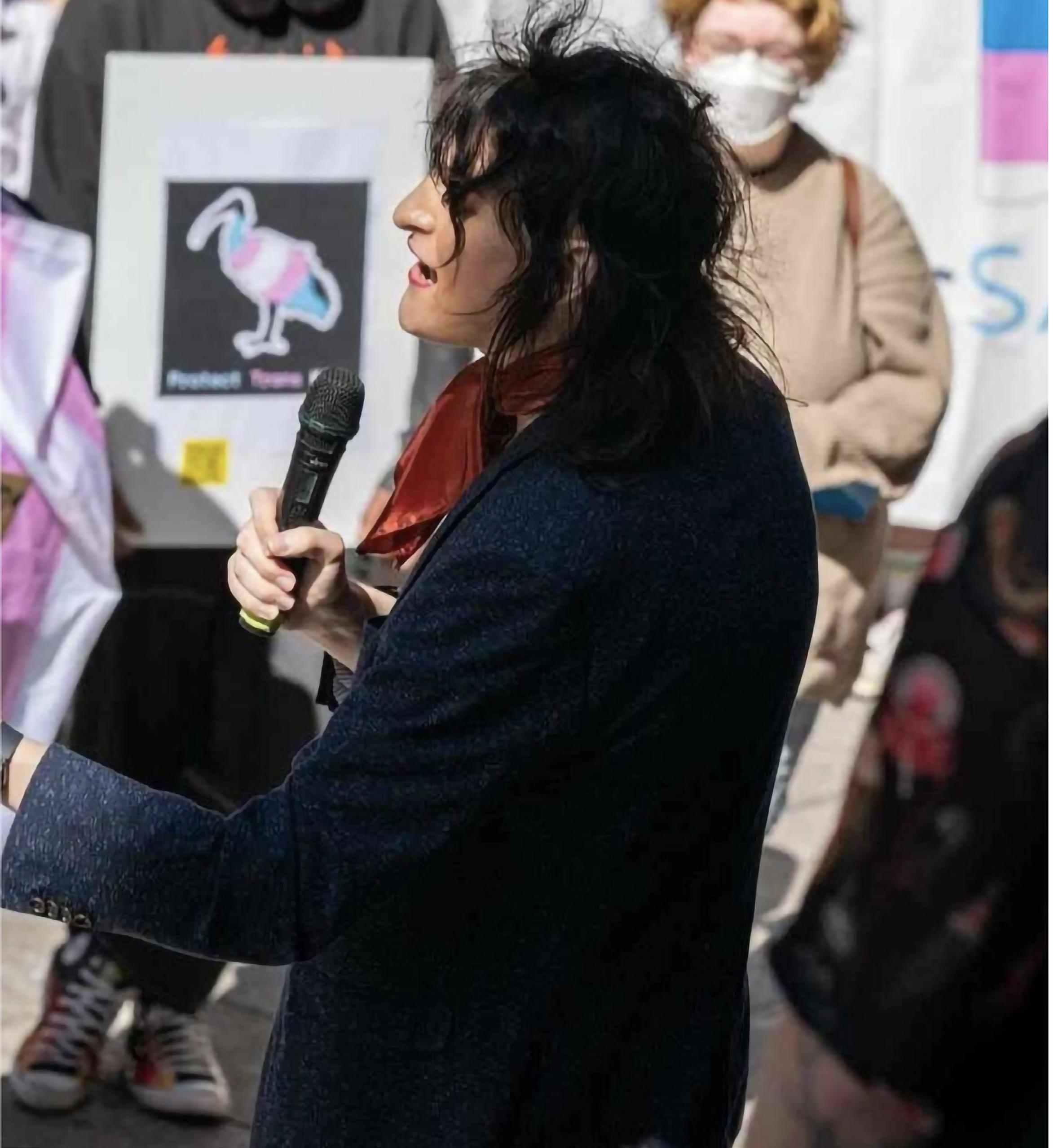
Imagine the following; you’ve grown up in a conservative household, gone to a religious school, not been exposed or educated on what sexuality, gender, and queer identities mean. You’ve grown up with certain words like gay, , , queer, , all having been entrenched into your mind over the years as either an insult or as a joke; utilised in forms of mockery online and in-person.
Your only exposure to these ideas has been through online anti-sjw or manosphere content creators and influencers who poke insults at feminists, make jokes about more effeminate men being bottoms or soy-boys, and reinforce ideologically influenced debates around gender and sexuality under the false guise of common sense.

Is it any surprise that many younger Queer individuals still struggle to come to terms with their identity, find social acceptance and a sense of community, and receive access to the healthcare that they need in order to flourish, when yet these are the difficulties many people within our community are still forced to overcome?
Why is it still so often that our community is forced to fight on the defensive?
Recent distressing events in Reynella, in State Parliament, and in Federal Parliament show us that the fight is far from over (if ever), and that we will continue to face threats against our basic rights heading into the future.
The original version of this article spoke of a cultural disconnect within the LGBTQIA+ community between those who have won their rights and those who still have much to fight for, and in hindsight is very much a product of its time. In 2024, many members of the transgender/genderdiverse community, particularly here in Adelaide, were generally feeling quite isolated and alone.
International Day Against Homophobia, Biphobia, Transphobia, and Intersex Discrimination (IDAHOBIT) Day is dedicated to raising awareness of and fighting against the high levels of abuse, discrimination,
and inequity that members of our community still face. Contrary to the views openly expressed by certain members of parliament as well as by some members of the public in Reynella, educational institutions commemorating such a day are not spreading a subjective ideology nor any subjective agenda. They are spreading awareness and attempting to encourage a more accepting environment for young people who are either struggling to come to terms with their identity or in reaching out to people.
Flashing signs in front of, insulting, and harassing struggling Queer young people and their parents will not “cure” them of their identity, but it may make it harder for them to come out to the people in their lives— which could very well be the intention.
The Federal Sex Discrimination Amendment Act 2013, the South Australian Statutes Amendment (Gender Identity and Equity) Act 2016, and the South Australian Conversion Practices Prohibition Act 2024 are all pieces of legislation that conservatives will target over the coming years. They will also target educational initiatives that seek to improve inclusivity and cultural acceptance of Queer minorities, hence their recent attempts to amend the Education and Children’s Services Act 2019 as well as the Education and Early Childhood Services (Registration
and Standards) Act 2011.
They will also seek to target councils in order to prevent community grants from reaching Queer and minoritybased organisations, as well as potentially attempt to shift related grants from churches that promote inclusivity to ones that publicly promote their agenda. We will also continue to see a movement against initiatives that promote inclusivity and acceptance within the workplace through public boycotts as well as similar attempts to amend workplacerelated legislation federally.
To begin with, they would not dare to initially target initiatives like gay marriage that are so publicly supported by the broader general public. Their strategy will instead be focused upon gradually building up a culture of abnormality, suppression, and intolerance over time, divvying up their plans and usually targeting only one “letter” at a time. They will also slowly attempt to radicalise their base further and build a cult of personality around certain politicians in a fashion eerily similar to popular figures within the United States. When people begin to derive a sense of identity from certain public figures, it becomes nigh impossible to debate them as their perception and sense of self morphs in order to perceive and interact with a subjective reality that they feel comfortable existing within.
Back in 2024, a slight disconnect between some members of the Queer community that have gone through identity and acceptance-related struggles, and those who had found open acceptance in their personal life and wanted to live life under the radar was just starting to develop. I am quite happy to report that this disconnect is much more difficult to find almost two years on, in-part due to the aforementioned attacks from conservatives. Not to mention, we’ve seen more allies to our community stand up for us publicly which has greatly improved upon morale.
Queerness is inherently tied to difference, academically-speaking— we are Queer for a reason and we will always encounter those who seek to cut out our divergence.
I dream of a future free from these petty cultural debates where individuals are free to be who they are, have the autonomy to make important decisions regarding their healthcare, and be free to love and marry others regardless of their gender identity, without having to face such vitriol, hate, abuse, discrimination, and suppression.
I dream of a future where religious gay men no longer have to suffer from hateful rhetoric and are able to hold
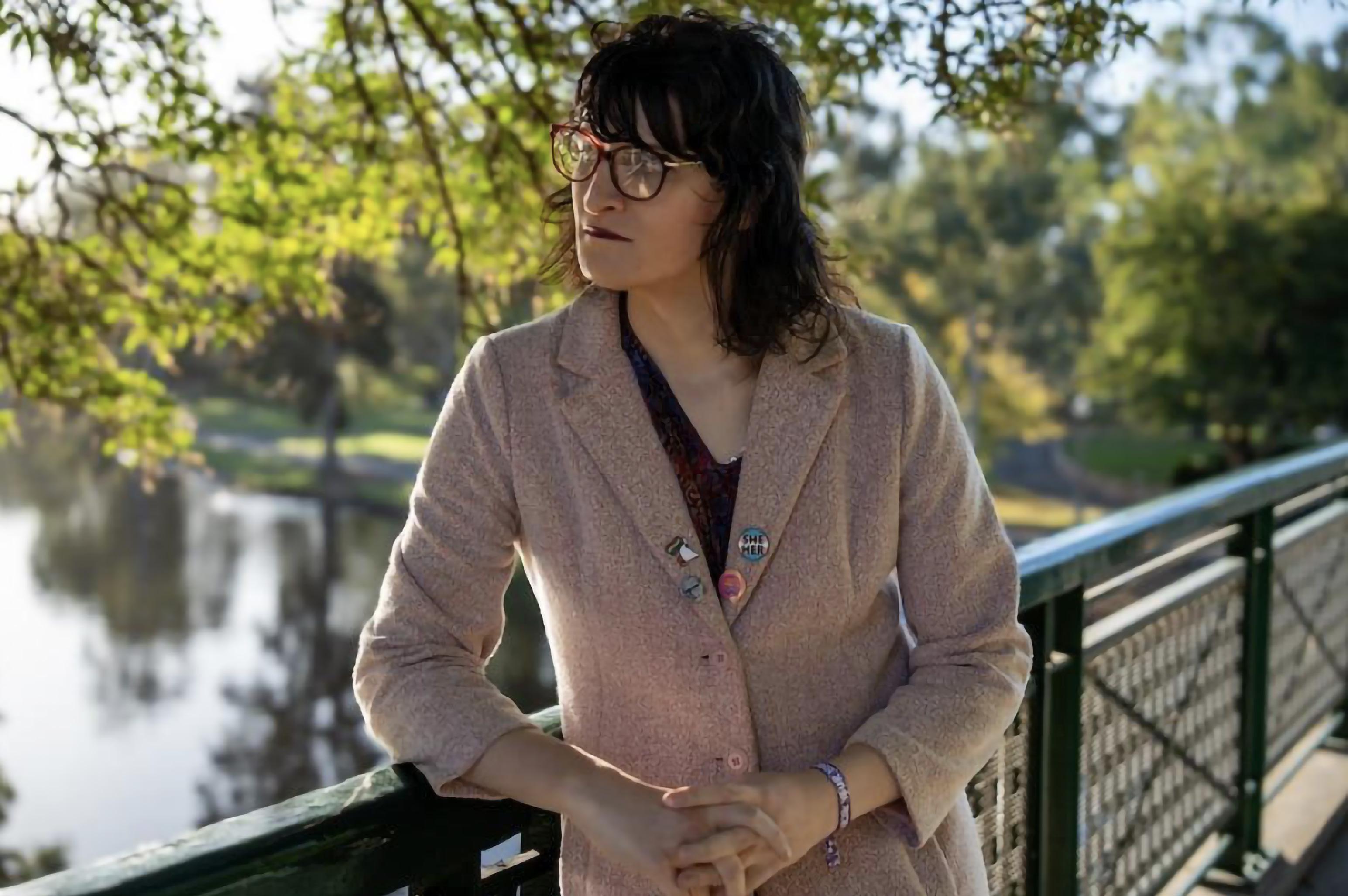
the hand of the man they love.
I dream of a future where young asexual women are no longer subjected to guilt and abuse for not wanting children nor for not wanting to sleep with someone they love.
I dream of a future where transgender women no longer have to look over their shoulder publicly for a stray object, fist, or subtle bump as they walk past someone.
I dream of a future where intersex people are permitted by medical professionals the choice to decide which genitals they want as well as their gender identity later in life.
In particular, the transgender/gender-diverse community continues to struggle; with many individuals still feeling the need to have to move out of home as a consequence of having either an unsupportive or highly challenging family. This has resulted in extremely high (and noticeable) rates of poverty as well as fewer opportunities to impact upon and participate within the political system in comparison to others.
The original intentions behind Pride back when our community started publicly marching decades back was to be out, loud, proud, and show unity as a community.
Presently, for some; it could simply be about self-expression and individuality, it could be a way of showing how far they’ve come as an individual, it could be a political statement against cisgender heteronormativity,
“I will not be silent about who I am.”
By showing Queerness, we diverge, by diverging, we find Queerness and difference in-turn, and we be Queer by being proud.
However, if we stop showing Pride, we stop diverging, if we stop diverging, we stop showing Queerness, if we stop showing Queerness, we become disunited, if we become disunited, we become vulnerable to attack, and if we become vulnerable, our rights will be washed away for generations more.
Our Pride, Our Community, Our Memory…. fading away into the annals of history to be remembered as nothing more than a temporary historical divergence— something Queer. The point of Pride is Queer, and just as the past of Pride is Queer, the future of Pride is Queer.

* I acknowledge that there are many different ways of showing Queerness and understand if others have differing viewpoints. Being Queer and Proud does not mean that an individual should be forced to participate in political advocacy, nor should ever feel compelled to. One of my primary points, if it has not been understood, is that many conservatives see our identities, existence, and divergence as political by virtue of nature. It’s how we respond to these challenges as individuals and as a community that will define how our legacy and memories are remembered through the future ages.
The Starts With FutureYou The Starts With FutureYou
Word Search

Words By Jasjyot K
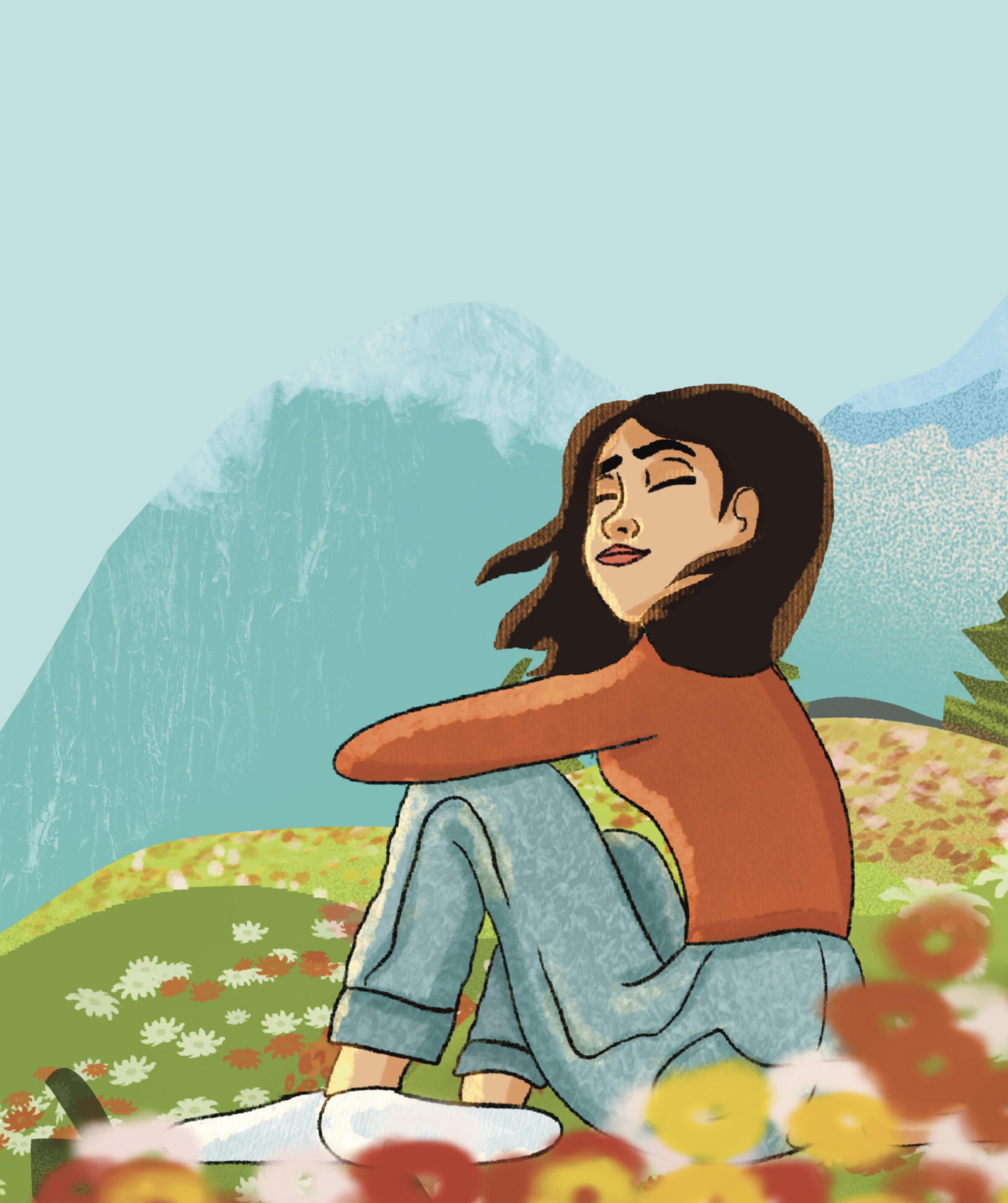
Immigrant Lovers
We, Two Immigrant Lovers.
Sip Shiraz from long-stemmed glasses, overlooking the vineyards of McLaren Vale on a Wes Anderson Adelaide afternoon.
We have brunch at minimalist cafés and drink coffee that apparently has fruity notes in it.
But we miss the sweaty, smiling faces of street vendors selling samosas, the sound of frying onions, the smell of burning garlic, the organised chaos of the crowded food streets where dinner was never a quiet thing.
We, two immigrant lover. Watch the sunset from Fleurieu Peninsula, every summer Saturday, lying on soft granular sand, competing to hold it longer between our fists.
But we miss watching it, lying on the mossy cement floors, under the pink Indian summer sky, the heavy humid breeze playing with our thin cotton clothes. Here, nobody watches us. We move through farmers markets and wine bars unobserved and unbothered. We miss the judgemental glares of
uncles with beer paunches and borrowed authority — at least we were worth disapproving of.
We miss the aunties in floral saris who whispered about us because we were worth whispering about.
There is an unexplainable loneliness in being nobody’s business.
We, two immigrant lovers sit on sofas soft and deep, and watch our favourite shows on screens that make the colours more vivid than real life.
But we miss sitting cross-legged on cold terrazzo tiles, fighting over the last bread fritter, throwing dice on a borrowed board of snakes and ladders.
We, two immigrant lovers are now first world residents.
Our bodies have learned to adjust to daylight savings. Our accents, softened at the edges. Our hearts, however, haven’t cleared immigration.
Yet.
Serenity
By Shriyanka Das Sharma

Artwork
The Future Of Feeling Are We Outsourcing Our Emotions?
Words By Sreekha Nada Raja
What happens when we get so busy, so overstimulated, and so dependent on technology that we stop recognising our own emotions? Here’s my reflection on the future of feeling — and why I’m scared we might lose something deeply human.
These days, we don’t ask ourselves how we feel.
We ask the internet.
“Is he treating me well?”
“Am I burnt out?”
“Why do I feel like this?”
Somewhere between unread messages, assignments, and the constant hum of notifications, we quietly outsourced our emotional instincts. If this is where we are now, I can’t help but wonder what the future will look like.
Maybe the future won’t be filled with flying cars or neon cities. Maybe it’ll be something simpler — and scarier. A world where emotions become optional.
When We Already Don’t Trust Ourselves
Before imagining the future, let’s be honest: we already rely on technology to interpret our feelings.
We upload screenshots to AI to decode someone’s tone.
We use mood trackers to tell us if we’re stressed.
We let Spotify® decide our emotional vibe for the day. We Google® symptoms of burnout instead of listening to our bodies.
It’s not that we don’t feel — it’s that we don’t pause long enough to notice.
That’s what worries me.
Because if we’re already outsourcing our emotions, what happens when technology becomes even smarter?

A Glimpse into Tomorrow
Here are a few scenes I imagine from the future — not dystopian, not dramatic, just… uncomfortably believable.
1. The “Is He into Me?” Assistant
A girl in 2035 doesn’t ask her friends for advice anymore.
She uploads her date’s messages into an emotional assistant app.
The app replies:
“Based on tone, timing, and emoji frequency, emotional investment is at 42%. Proceed with caution.”
She sighs — not because she understands her feelings, but because the app told her what to feel.
2. The Workplace Mood Monitor
In 2040, companies use wearable sensors to track employee emotions.
A worker gets a notification:
“Your stress levels have exceeded the recommended threshold. Please take a three-minute breathing break.”
He didn’t even realise he was stressed until the device told him.
3. The Friendship Filter
A messaging app automatically rewrites emotionally heavy texts.
A friend types:
“I feel like you’ve been distant.”
The app softens it to:
“Hey! Just checking in. Hope you’re okay”
Conflict avoided. Honesty lost.
4. The Breakup Forecast
A couple sits in silence as their relationship app loads a prediction.
“Compatibility forecast: 61% → 48% → 32% (declining).
Recommended action: initiate emotional distancing.”
They don’t talk about their feelings. They talk about the graph.
5. The “How Do I Feel?” Mirror
A teenager stands in front of a smart mirror that analyses micro expressions.
The mirror says:
“You appear sad. Would you like a playlist, a breathing exercise, or a distraction?”
She didn’t know she was sad. She only knows because the mirror told her.

The Quiet Cost of Convenience
These scenarios sound dramatic, but the truth is… we’re already halfway there.
And the cost?
It’s subtle.
It’s slow.
It’s silent.
We lose:
• intuition
•emotional depth
• the courage to sit with discomfort
• the ability to read people
• the patience to understand ourselves
Emotions aren’t inconveniences.
They’re messy, confusing and beautiful signals that make us human.
But in a world obsessed with efficiency, emotions become inefficiencies — something to streamline, optimise, or avoid.
And when we avoid emotions long enough, we forget how to feel them.
Why We Outsource Our Feelings
It’s easy to blame technology, but the truth is more human.
We outsource emotions because:
• we’re overwhelmed
• we crave certainty
• we fear misreading situations
• we want reassurance
• we want shortcuts
• we want to avoid pain
Technology doesn’t replace emotions — it replaces the risk of emotions.
The risk of being wrong.
The risk of being vulnerable.
The risk of being hurt.
But without risk, emotions lose their depth.
A Future Worth Choosing
Despite everything, I don’t think the future of emotions is doomed.
Technology can support us — but it shouldn’t replace us.
The future can be a place where:
• emotional tools help us reflect, not dictate
• AI enhances communication, not sanitises it
• mood trackers guide us, not define us
• digital assistants remind us to feel, not feel for us
The future of feeling depends on one thing: whether we choose convenience over connection.
We can choose to feel deeply. We can choose to sit with uncertainty. We can choose to listen to our own instincts before asking a device.
Maybe the most futuristic thing we can do is the most ancient: to pause, breathe, and ask ourselves:
“How do I feel?”
Not because an app detected a microexpression.
Not because a device told us to.
But because we remembered that emotions are not data points — they are evidence that we are alive.
In a world rushing toward automation, choosing to feel might be the most human rebellion of all.

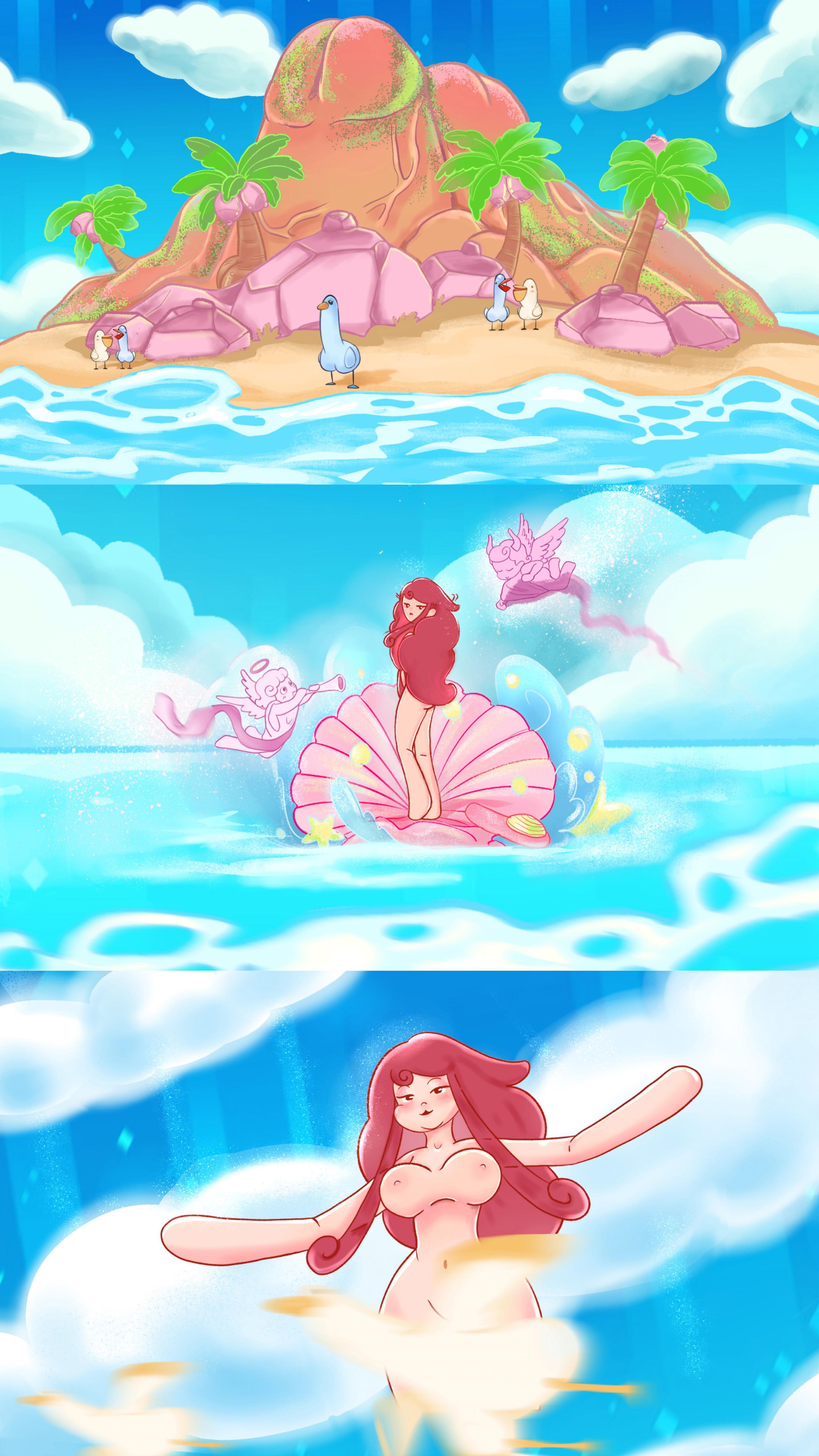
The Birth of Aphrodite
Artwork By Jadie Lam & Wayne Do
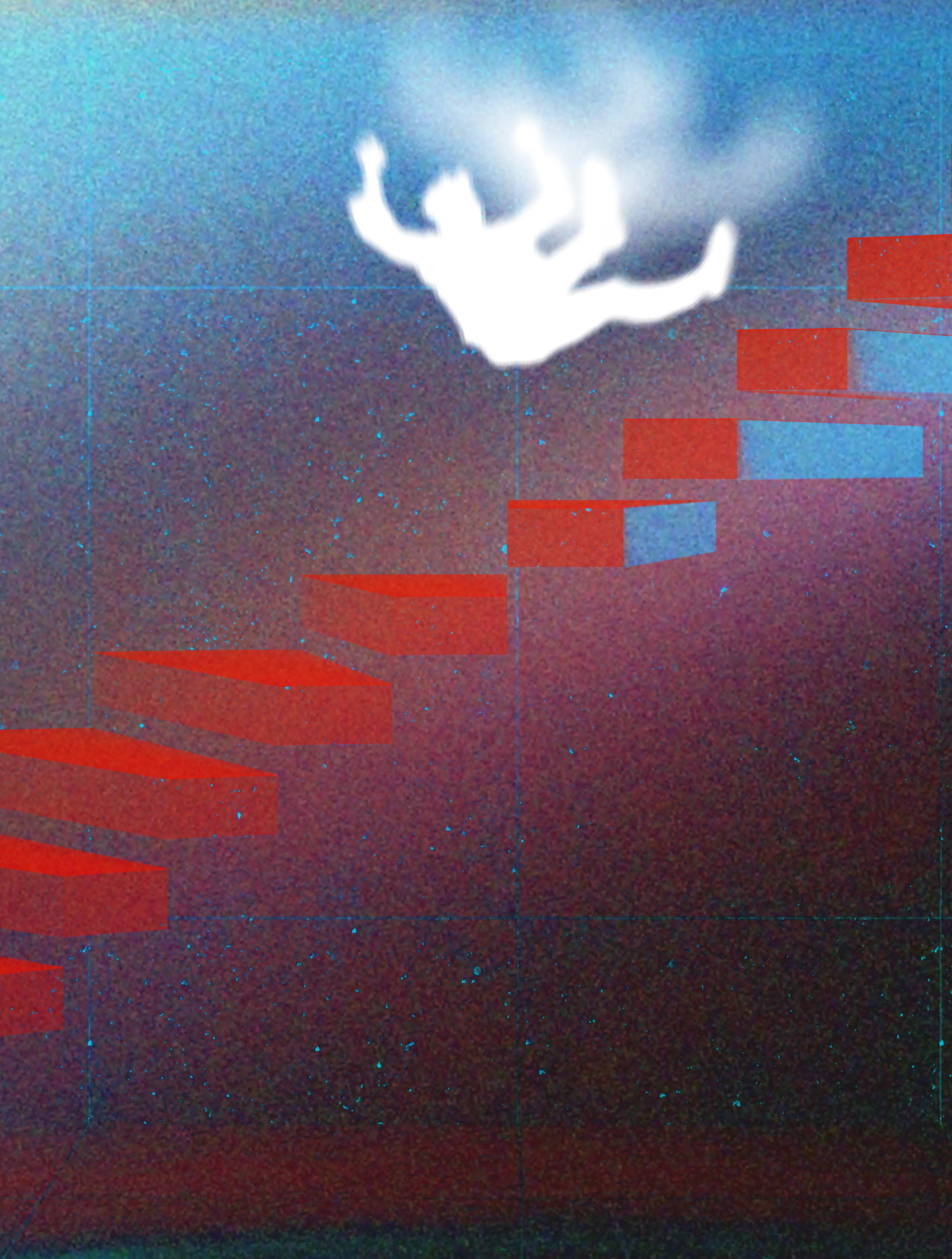
Falling into the Future
By Lavica Wu
Artwork
STUDENT MAGAZINE SPOTLIGHT
The Hilarian
1
What differentiates your publication from others at Adelaide Uni?
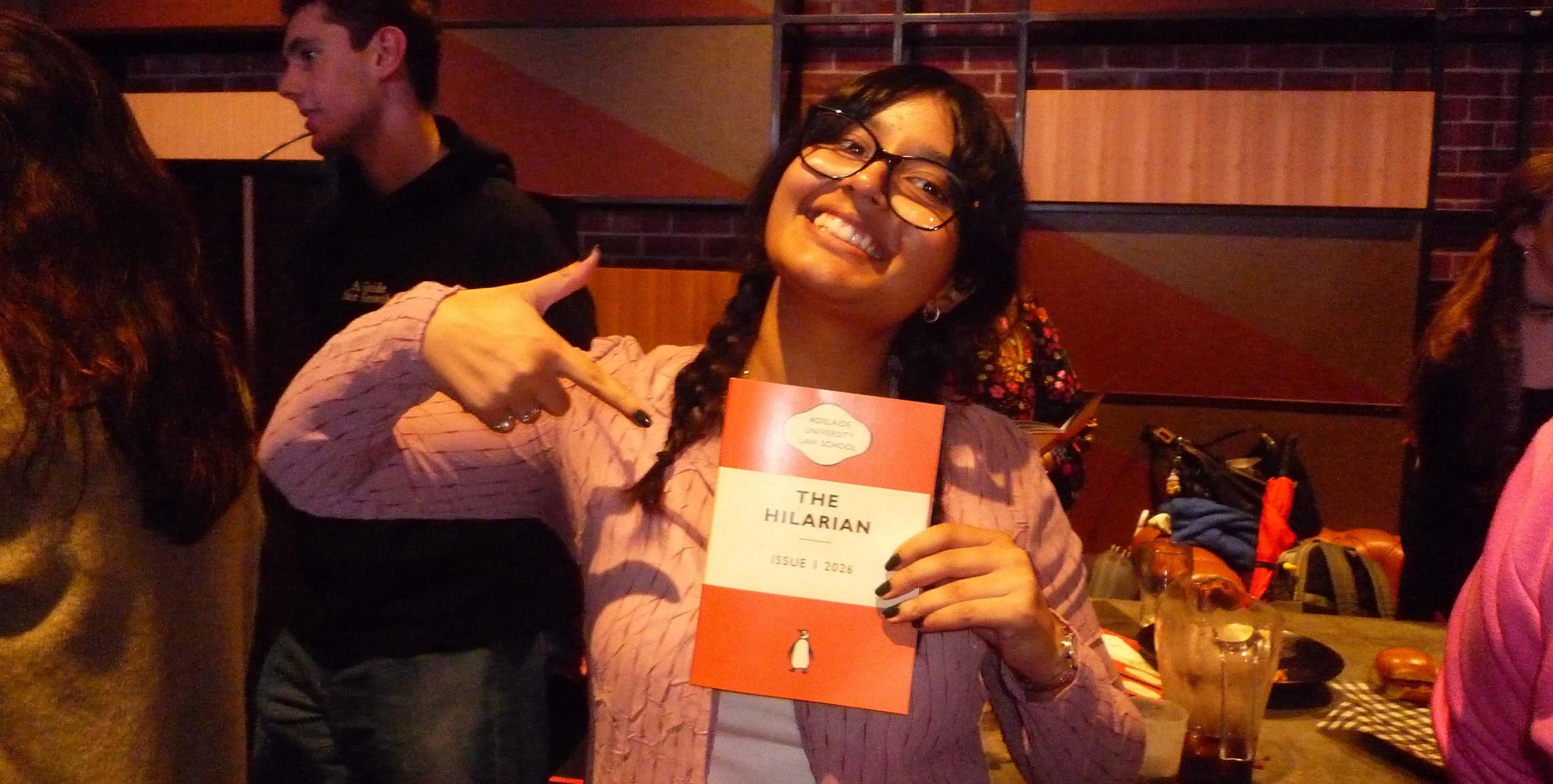
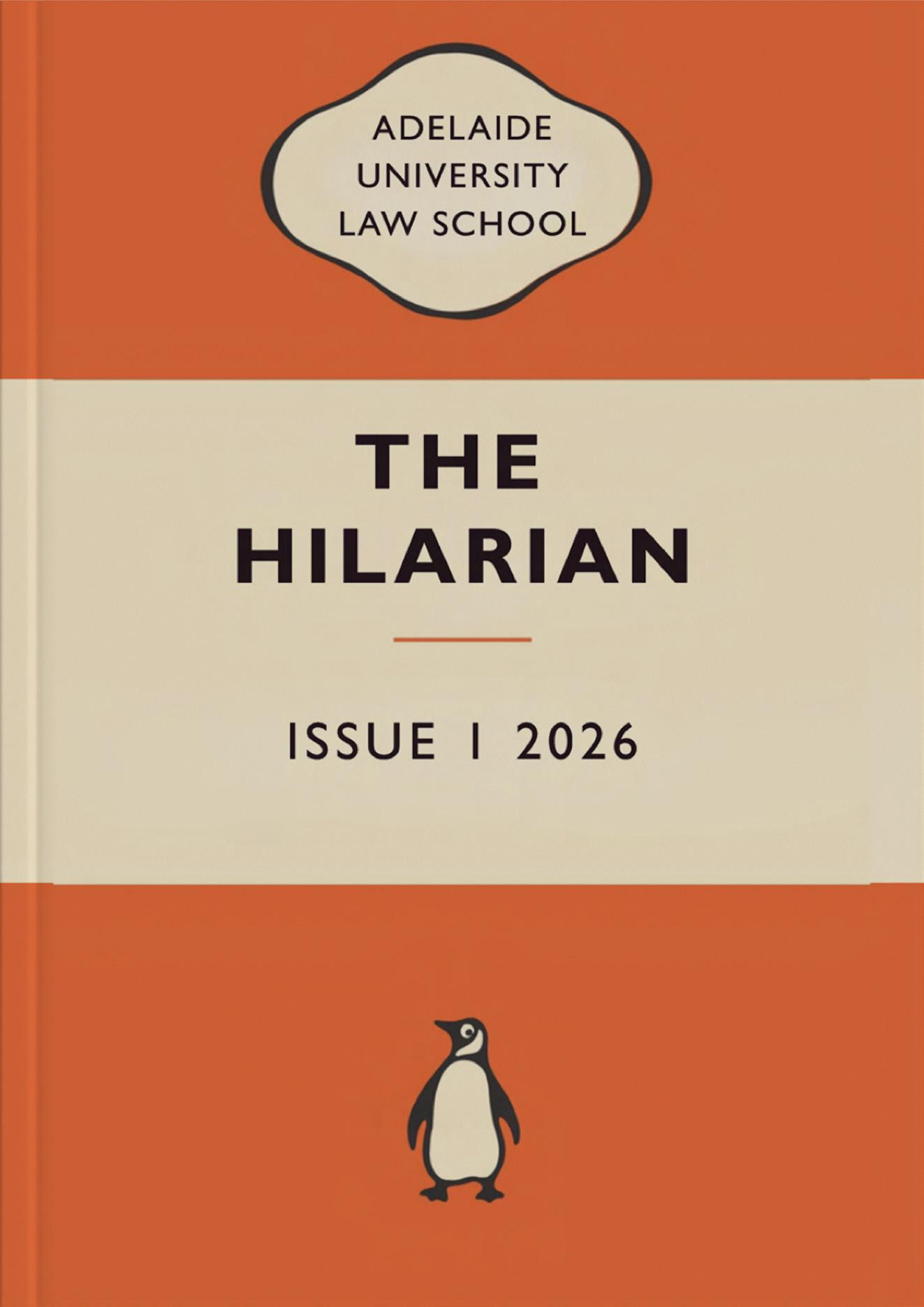
We are a satirical magazine written and edited by only law students, opining on law school, university life, with hints of pop culture and lawyeristic commentary! We’re known for being the funniest publication on campus, as well as the most humble. Humour underscores everything we do at The Hilarian - we’re here to bring smiles.

2 What does student media mean to you?
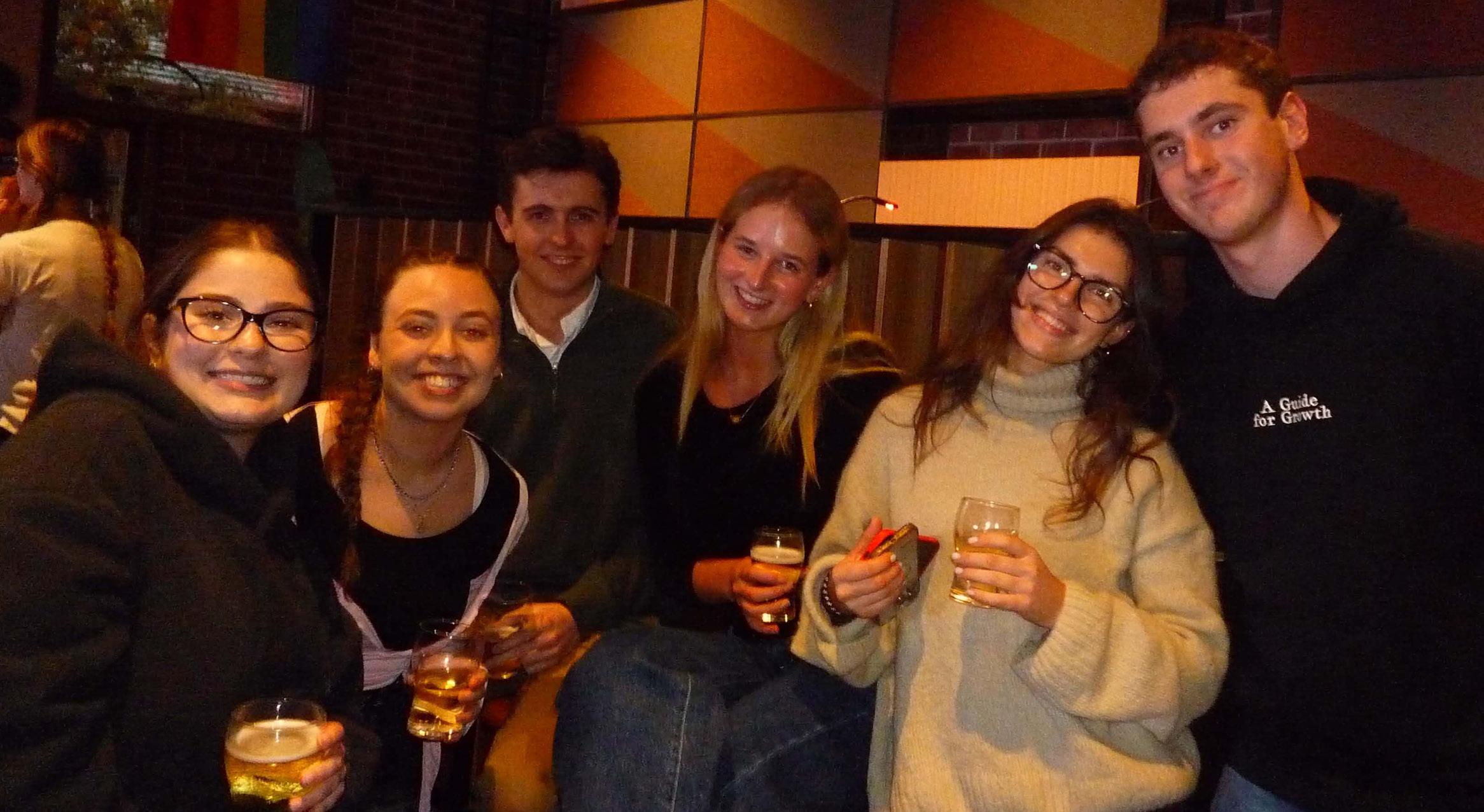
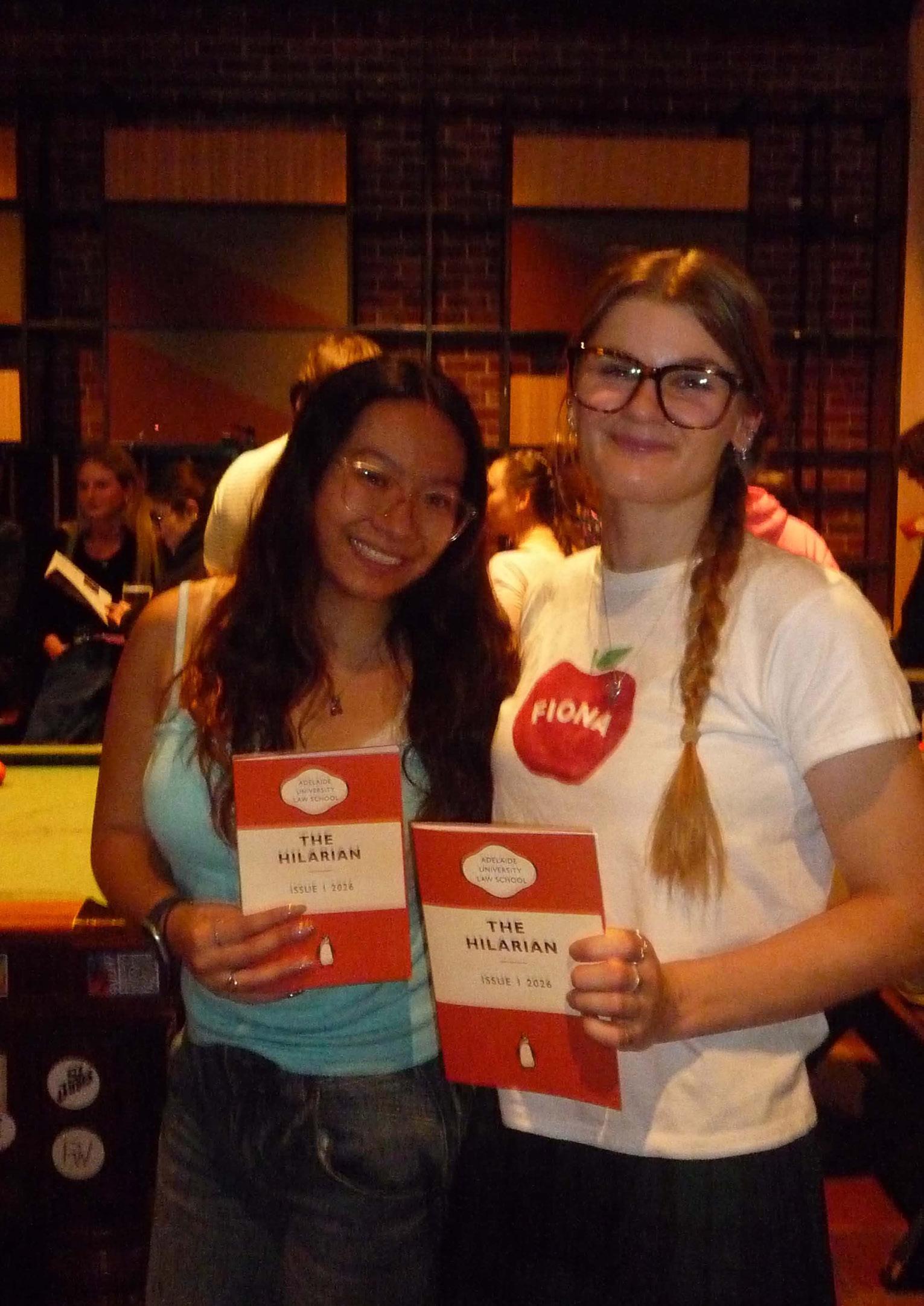
Student media is the embodiment of expression, community and relatability. When studying law, or studying in general, there are limited opportunities for self-expression and students’ creative sides often get buried underneath the pressure of academic achievement and resumemaxxing. Getting involved in student media offers an opportunity for students to express themselves and build a community of other like-minded students. We are so proud of our gorgeous, funny subcommittee we have at The Hilarian and the unique perspective they bring to each issue.
3 Who is your dream contributor to your student publication?
Our dream contributors are, of course, our brilliant subcommittee membershand-picked in an elite, top-secret selection process for their ability to entertain the masses and give unsolicited relationship advice. However, if we had to pick someone not already on our subcommittee, our answer would have to be the Honourable Justice Kirby (iykyk). We’ve had the pleasure of reading quite a bit of his work (dissents) - and needless to say we are big fans. Justice Kirby, if you’re reading this, we look forward to seeing your application in 2027.
4 Why should students read your magazine?
Our magazine is written by law students, but accessible to the general public. We have something for everyone, from crosswords to silly movie reviews and playlists to get you through the semester and relieve the monotony of the not-sofun parts of university. We have three sections - the Student, an anthology of law and university student life, the Procrastinator for when you have an assignment due tomorrow and you NEED to know someone’s thoughts on the Minecraft® Movie, and the Lawyer (because we are a law student publication after all). We also have a great Instagram page that went mega viral last year with some silly memes and whatnot if you even care... it’s no big deal (follow us @thehilarian or else).

Eventual Acceptance
Chapter 2: Blues And Butter
Chapter 1 is available to read in issue 93.5 of On Dit.
Words By Fionne Ngam

As I entered the classroom, Sandy was slumped over her desk, unmoving. I tapped her shoulder.
“Monday blues?”
She pouted. “I got tickets to Mary Jane’s concert, but my dad booked a trip that week.”
Her finger traced circles on the desk. “What a waste if I don’t go.” I nodded, already preparing for class. Behind us, Julia called, “Sandy! I need your opinion!”
“Not now,” Sandy groaned. “Fine. Break then.”
“Name your price for the tickets.” I looked up. Julia was poking the bear. Without hesitation, Sandy said, “$1000.”
“That’s double what you paid,” Julia said.
Sandy leaned back, hand against the wall. “Hard limit.”
“No deal then,” Julia muttered. Then quietly: “It’s a birthday gift for my boyfriend.”
Strike two.
Sandy’s expression shifted. “You’re saying my love for Mary isn’t worth that?”
Julia panicked. “I’ll buy you the next ticket!”
“I want it in writing.”
A hug followed before negotiation could continue. Sandy gave me a look. I stepped in and pulled Julia away. Sandy hooked her arm through mine as we left.
“I saw you laughing,” she said. “I wasn’t —” “You were.”
Later, my phone buzzed. Alfred: Not reading today?
Me: No.
Sandy dragged me toward the café. “I want PBJ.” “You always do.”
At the counter, my phone buzzed again.
Alfred: No appetite?
I didn’t see him.
Before I could reply, my thumb slipped. A winking emoji sent. My soul left my body. Sandy glanced over. “What did you do?”
“It was a mistake.”
She grinned. “Lean into it.”
“You’re in no position to advise me.”
“Still counts,” she said.
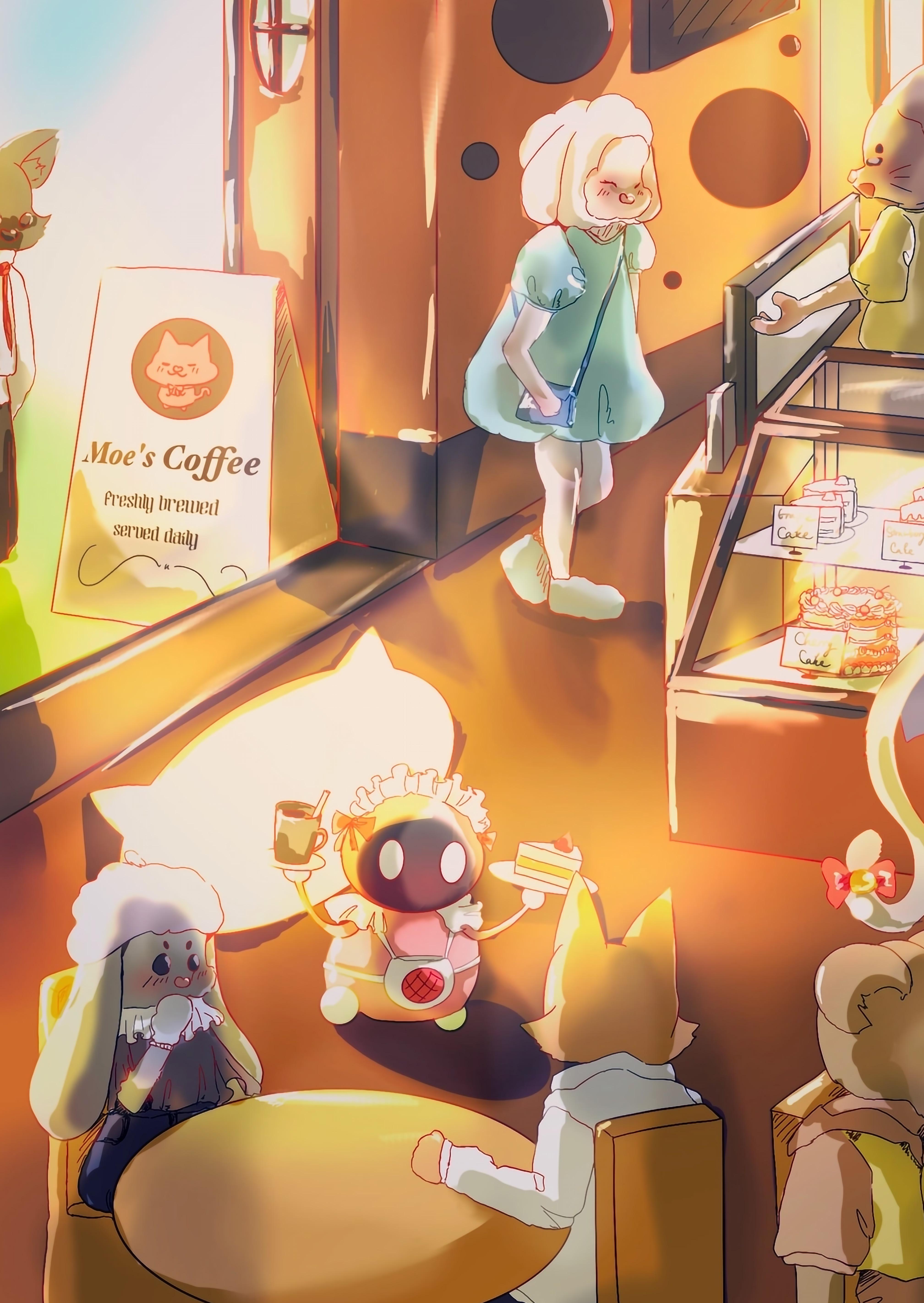
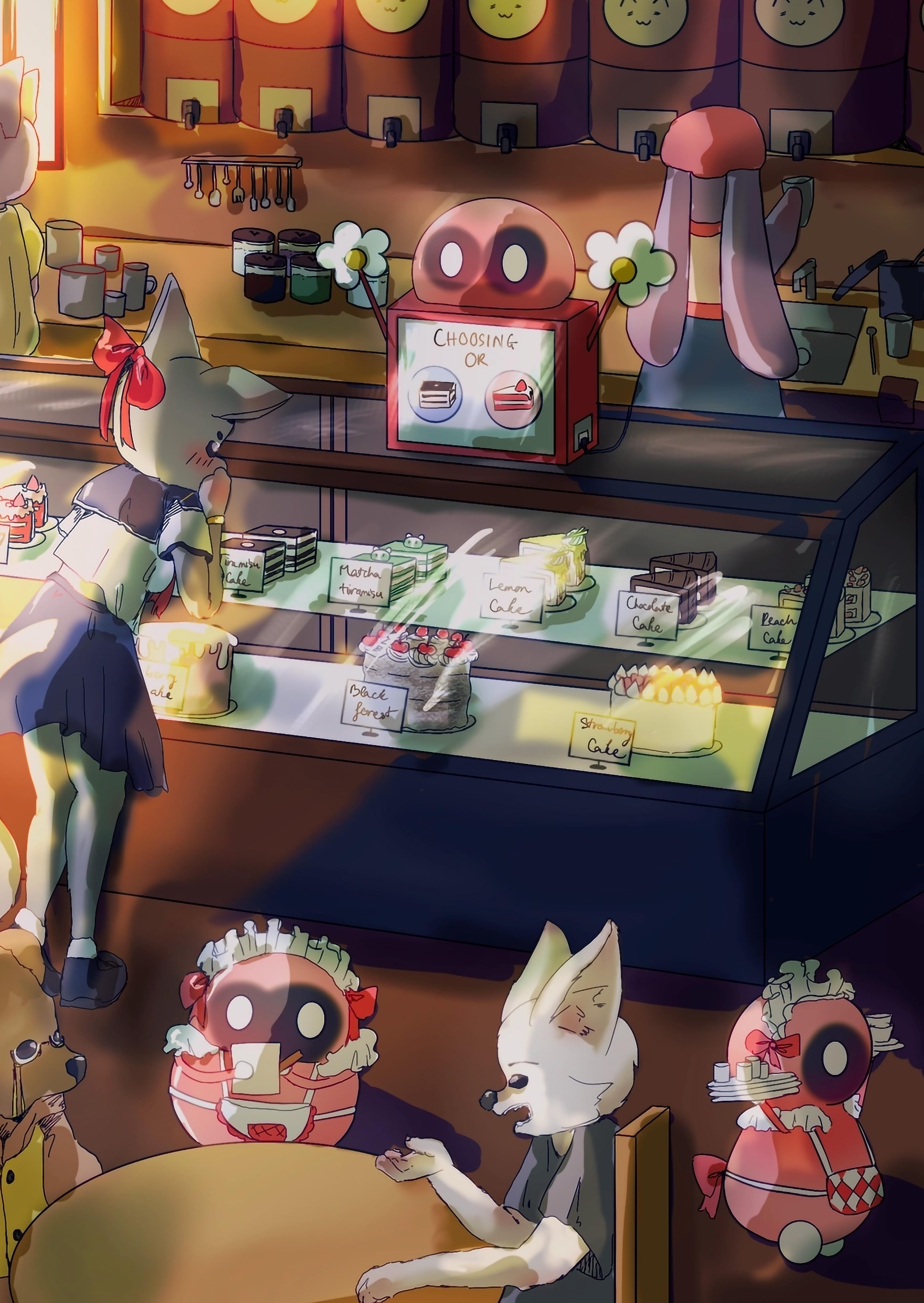
Coffee shop
Artwork By Emilie Nguyen
Eventual Acceptance
Chapter 3: It Matters Me Not
Chapter 1 is available to read in issue 93.5 of On Dit.
Words By Fionne Ngam
My head throbbed again. I just had my second parasomnia for the week. Alfred had been gone for two weeks.
I didn’t ask where.
After class, I made my way to the music room. Exhaustion dragged at my temples. PowerPoint slides had blurred together all day and words dissolved before they could settle.
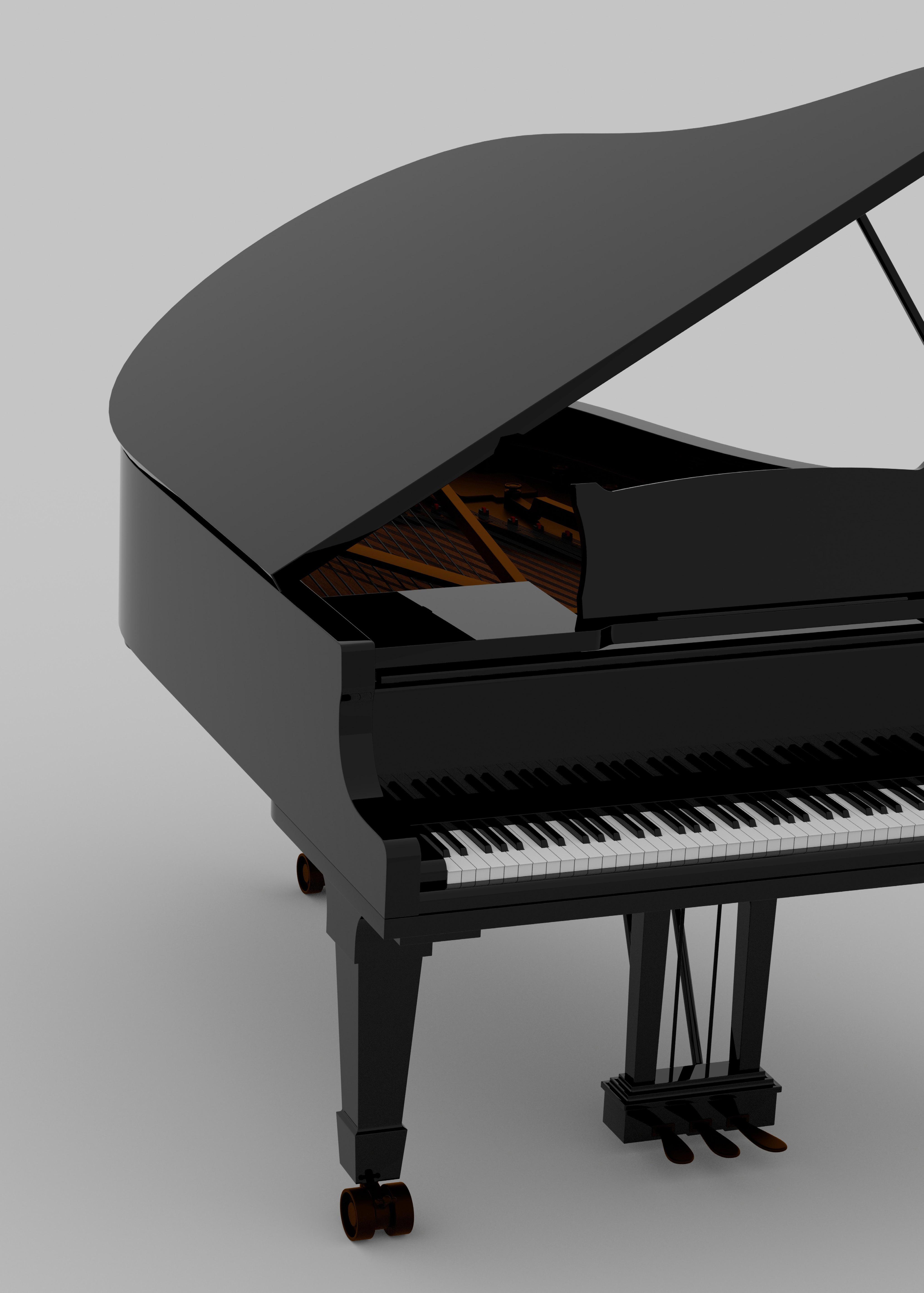
The grand piano gleamed beneath the late afternoon light. Bronze strings shimmered beneath polished mahogany. Its craftsmanship had always calmed me.
I flipped through my sheets until one caught my eye.
Mistakes slipped into the melody, but for once, I didn’t mind. The music mirrored the noise in my head closely enough to soothe it. I replayed the piece again and again before moving to another.
An octave stretched painfully beneath my left hand. I kept going. Then came the blunder. I retraced the phrase, trying to recover the rhythm, but something remained off. A second melody entered quietly beside mine.
My fingers froze.
Then instinct took over. I followed it.
The harmony steadied around me, soft and unintrusive. He never overpowered the melody, never announced himself through it. He simply stayed beside it.
Beside me.
For the first time, playing with someone else didn’t make me selfconscious.
We moved through several songs like that. Whenever I faltered, he waited. If silence lingered too long, the melody resumed beneath his hands until I found my place again.
For the final piece, I slid into a glissando. Pain sparked across my thumb, but I closed my eyes anyway.

When I opened them, he was gone.
I stood too quickly and struck my hip against the piano.
“Where were you?” I muttered.
As if summoned, he returned moments later carrying two drinks.
He stopped beside the piano and held one out: an iced matcha. This time, I asked properly.
“Where were you?”
He placed both cups on the table before answering.
“Japan. My father needed me for a business negotiation.” That was it?
The question lodged behind my teeth: you couldn’t text once?
But we had never defined whatever this was. We were strangers who kept orbiting back into each other’s lives.
I looked instead at the condensation gathering along the cups. Cold droplets slid across the table and pooled quietly.
Why was I frustrated? Why had I expected anything at all?
Pain flared at my hip. I realised I had been gripping the bruise through my skirt. Slowly, I let go and shoved my sheet music into my bag.
“Thanks for…” I hesitated. “That.” He tilted his head slightly.
“You weren’t at school today,” I added. “Why are you here now?”
“I wanted your answer.”
“To what?”
“The winking emoji.” Heat flooded my face.
“It was an accident,” I admitted. “I thought you knew. I assumed you were nearby when you asked about the tiramisu.”
“I wasn’t.”
Realisation hit all at once.
“Wait.” I stared at him. “Is that why you disappeared?”
A faint curve touched his mouth.
“You were expecting me?”
I took a step back. The glint in his eyes turned my stomach weightless.
“I’ll be catching up at the library,” he said, lifting his drink.
He turned toward the door. After a moment, I followed. A few steps behind him, matcha cold against my palm.
To be continued in the next edition of On Dit
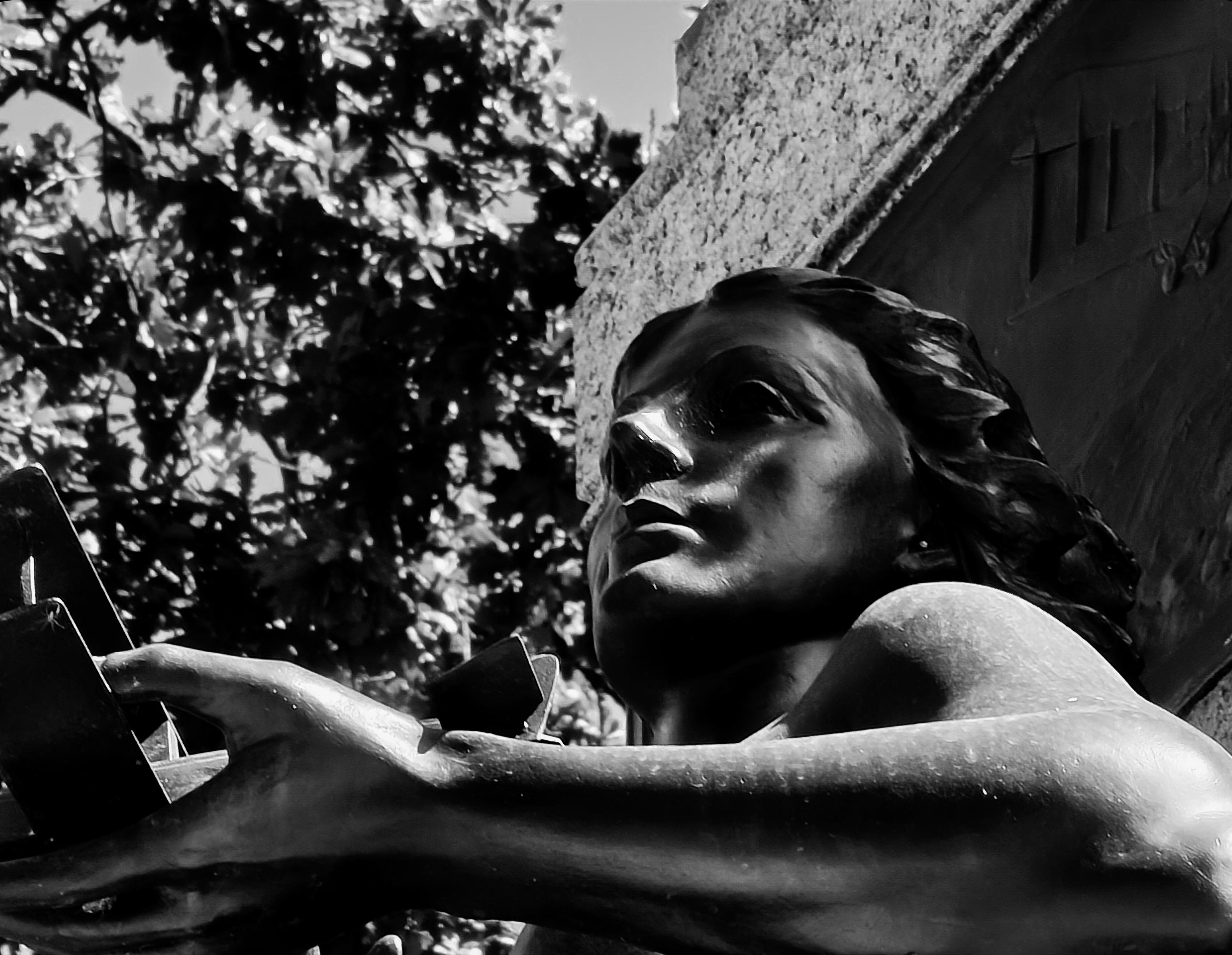
Memories Can’t Wait
Photograph By Daniel Matute Zubizarreta
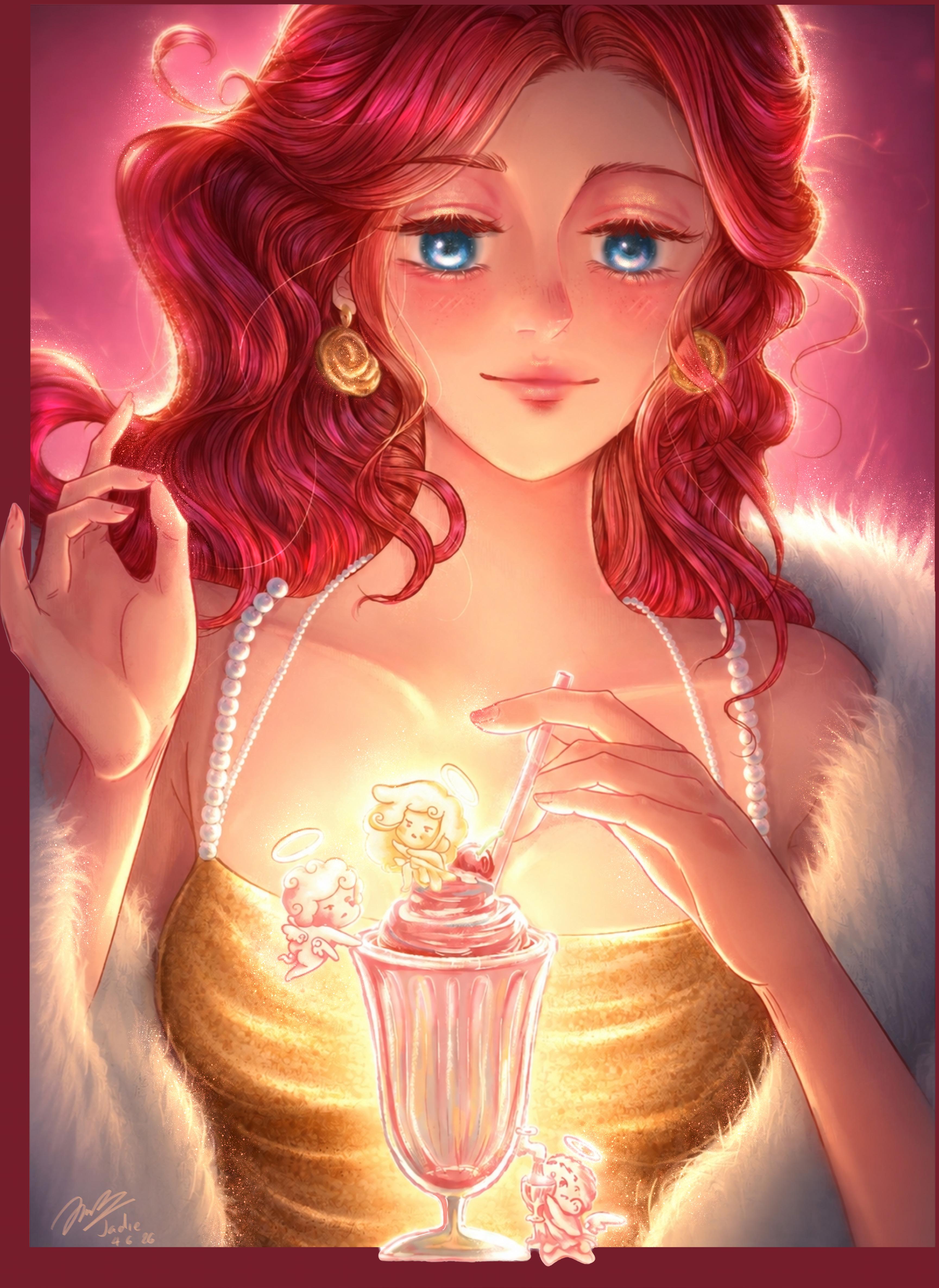
Nectar of the Gods
Artwork By Jadie Lam
Return
Words By Alex Green

I had been drinking coffee for long enough that I had forgotten how I liked it. That is, I didn’t drink it for pleasure anymore. Habit had chipped off bits of the ritual, here and there, until the icon I prayed to was black coffee in a chipped mug.
Not to say I didn’t like it. It was probably the highlight of my day. Since Poppy had gone, getting up was harder, and something to warm me up was welcome since winter had arrived.
I shivered a little in the kitchen, waiting for the kettle to become its frenetic self. I didn’t really know what to do with myself anymore while I waited. I used to feed Poppy, and she’d make up the energy of the sluggish kettle. Then she’d be eating thoughtfully, and the kettle would beg my attention, and then the three of us would relax, just for a moment.
I still went out to the porch. Even in the winter, the fresh air was nice. The cold of the air condensing the air I blew on my mug until it was doubly steaming. Poppy would wander around the yard, sniffing the same route, making the same notes. In that sense we weren’t dissimilar.
It had happened suddenly. At least, I hoped it had happened suddenly. I noticed it suddenly, at any rate. She’d been half inside the camellias, doing only what dogs and God understands, when I’d noticed a twitching from her hind legs. From behind my mug, it looked like she was trying to climb the steam.
I still went out in the morning. I told myself out of habit, but I liked to check.
I had her cremated. I hadn’t really considered what I’d do with the body. I thought I’d be the first one dead, and she’d have to worry about what to do with me.
I had scattered the ashes in the garden. She’d probably approve. Over the camellias. They flower in winter. Through the climbing vapour of my coffee, I could see one had bloomed. I could feel myself smile.
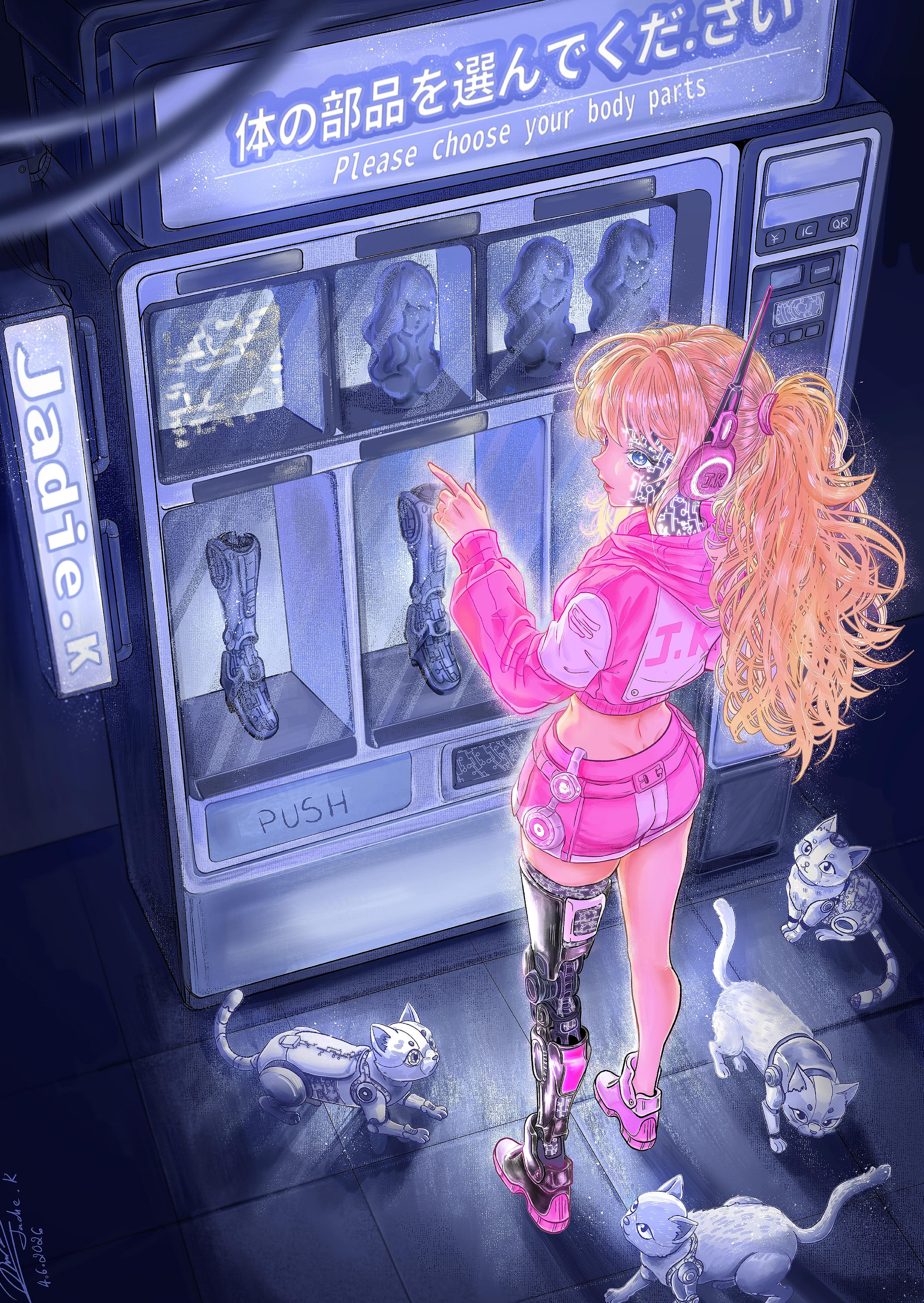
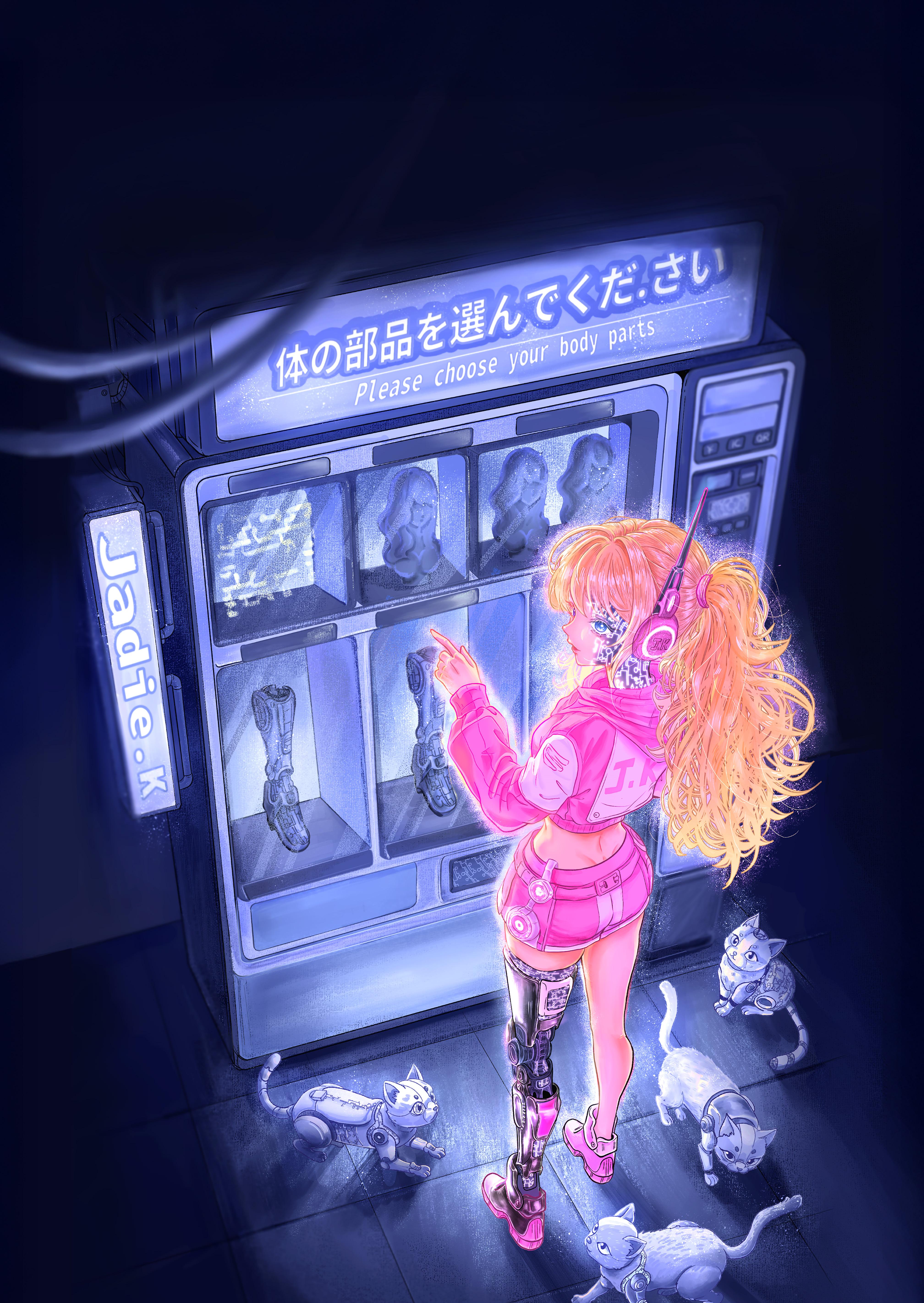
“Please choose your body parts”
Artwork By Jadie Lam


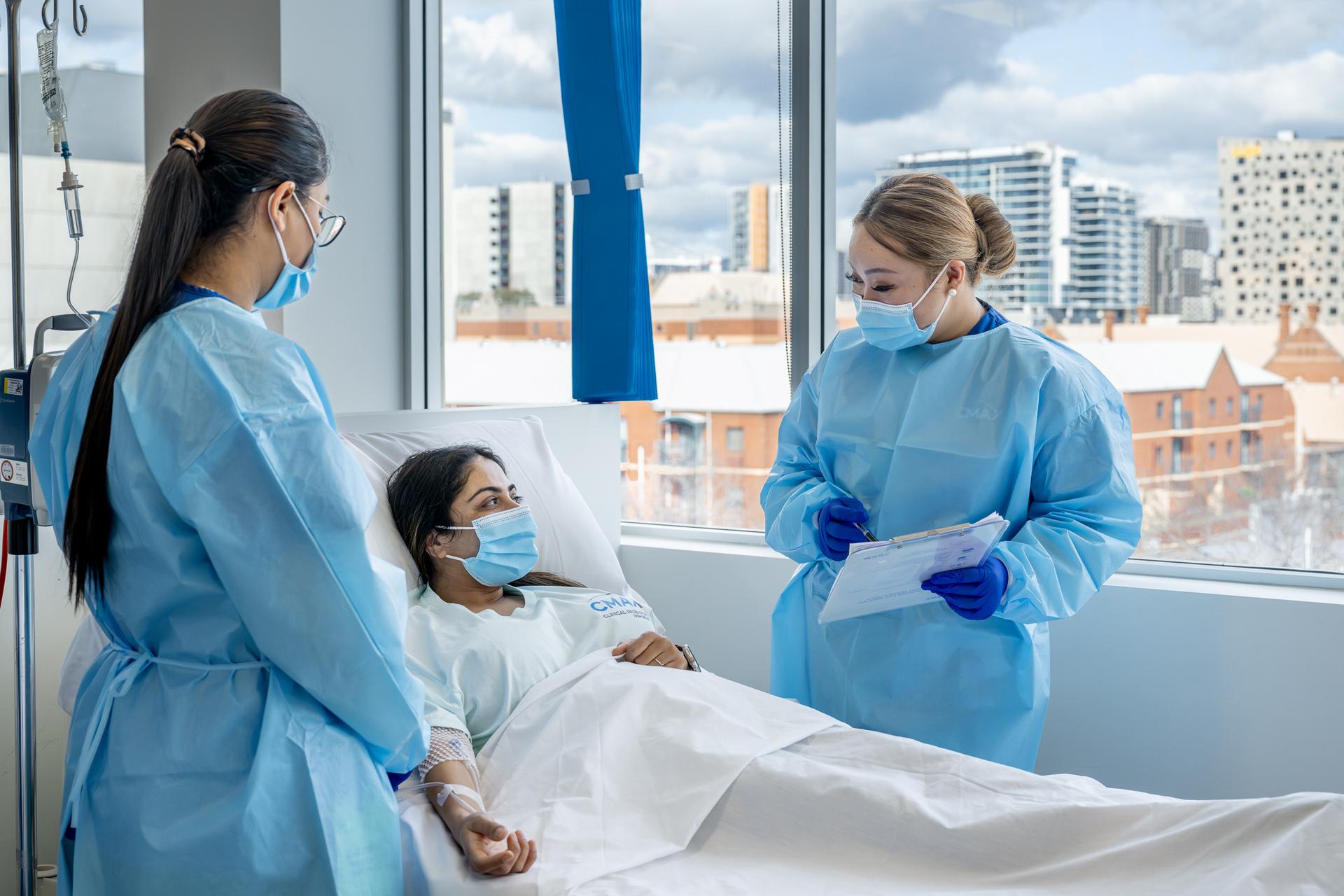
AUSA Chairperson’s Letter
Hi everyone,
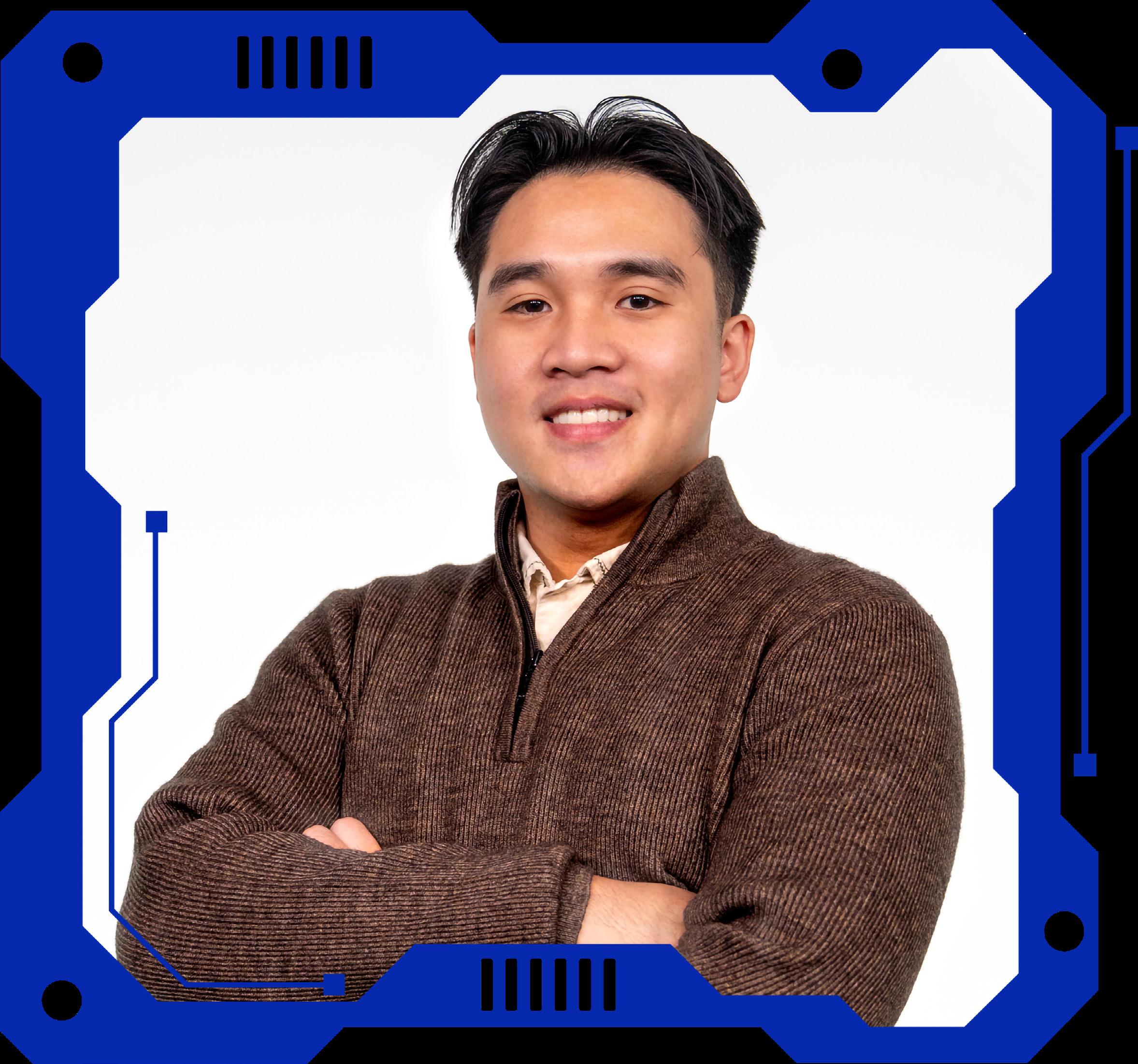
I am Yeshaiah Varona, but most people call me Yesh, and I am your inaugural Chairperson of Adelaide University Student Association (AUSA) and a student just like you. I am studying a Bachelor of Laws and Business majoring in Human Resource Management. Originally, my family immigrated from the Philippines, but I am a proud northern suburbs local. The values which matter to me the most are diversity of opinion, hard work, and mutual support to amplify our community.
Although it has only been a month since my election and appointment to the role of Chairperson, my team and I have already been able to raise your concerns directly with the university in my meetings with the Vice-Chancellor, such as communication surrounding placement for those studying in health courses, assurances for students impacted by the merger especially international students needing to extend their visas due to course extensions and most importantly pushing for consistency around your lectures.
I have also been able to set up a Student Welfare and Education Action Committee whose focuses will be on looking at what matters to you, and how to achieve that. During my election, I spoke about amplifying your voice, so hearing directly from you is a priority of mine. My vision for the association will be to focus on bringing the association’s values, priorities and services in line with what we as students want and need, such as food security, cost of living support and upholding a fun and engaging student life. Obviously, this is just the beginning, and I will ensure that your voice will shape AUSA’s structure and services. Together, we will amplify our student association.
Thank you for your support and trust.
Yesh
AD YOUR MAGAZINE. YOUR WAY.
On Dit publishes student-created writing, art and everything in between. Made something? Submit it. Scan to find out more and submit your work.
HELP YOU NAVIGATE YOUR WORLD
AD WE
We offer independent information, advocacy, support and referrals across a range of academic, administrative and welfare issues.
Scan to access Student Care support.

Contributors
A’lantagon @alan_the_antagonist
Abbie Tucker
Alex Green
April Glynn-Roe @aprilglynnroe
Classics & Ancient History Society @cahsadelaide
Daniel Matute Zubizarreta @danniel_zubi
Eleanor Gare @kangelkawaii60
Emilie Nguyen @moeemilie204
Evelyn Lau @_ichikaa_
Faith Fitton-Gum @faithfittongum.art
Farida Ayu Brilyanti @faridaayubrilyanti
Fionne Ngam
Grace Moore
Grace Hagarty
Hammiya Wanaton Lachaona
Jadie Lam @kirin.j.88
Jasjyot K @k_jasjyot
Lavica Wu @lavica.wu / @bylwca
Leia Vlahos @leiavlahos_
Libby Hoffman @libbyhoffmannn / @libbyhoffmannart
Mansi Chougule @mansiii.dev
Meagan Trembath @meagan.trembath
Moris Wong Bing Tqi @moris._.tqi
Sanusha S. Sritharan @alsogoesbysanu
Shriyanka D. Sharma @designsbyshrii
Sreekha, Nada Raja @neymarsree
The Hilarian @thehilarian
Wayne Do @daaaawayne