1/ Tshingua University ComNergy
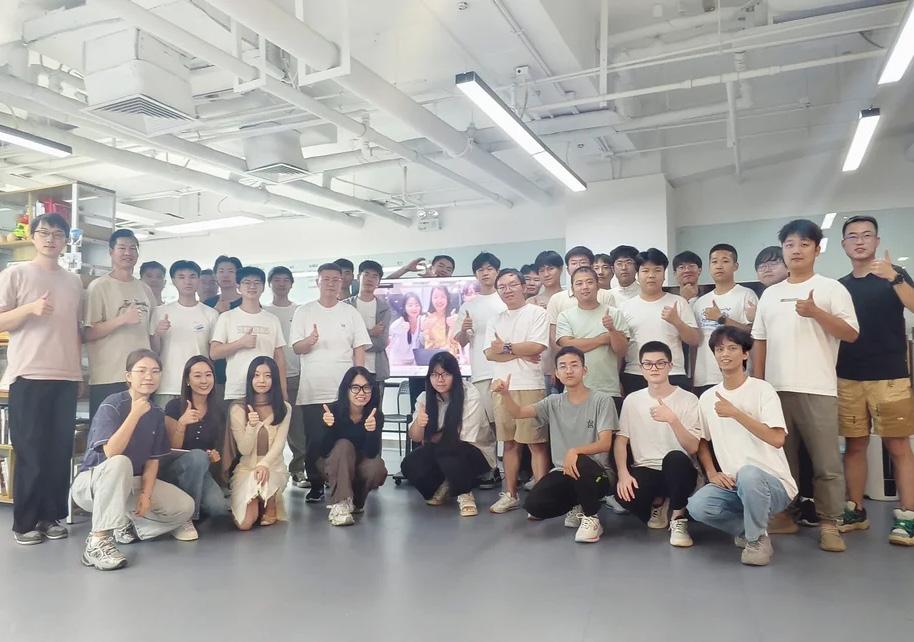
2/ Yunnan University AquaNovate
3 / Alliance University Green Materials
4 / University of Lagos Team Factflow
5 / Masinde Muliro University of Science and technology Tafiti Research and Innovation Hub (RISE)
6 / University of Copenhagen Community-Based Action Plan for T1D Children
7 / United States International University - Africa Wetlands4Wellness
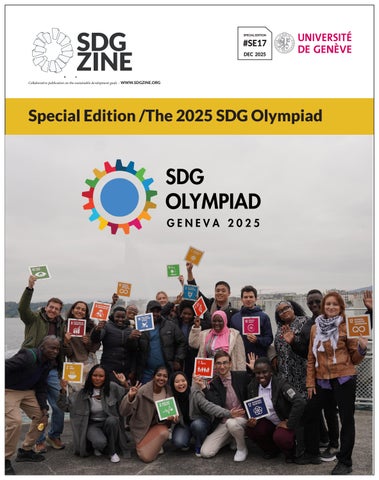
This SDGZINE issue is a special school edition with content generated by the winning teams of the SDG Summer Schools.
university contact info@sdgsolutionspace.org
8 / University Of Eastern Africa, Baraton RISE 30
9 / United States International University-Africa Cycle Charge Power
10 / Kwame Nkrumah University of Science and Technology Peellnnova
11 / Grigol Robakidze University Ertoba
12 / University of Geneva SDG Data Navigator
13 / Technical University of Munich, Germany Fishnergy
14 / Masinde Muliro University of Science and Technology Eco²- SHE
editorial team Ivonne Arica -François GreyJan Van Mol
SDGZINE.ORG is an initiative from the ADDICTLAB ACADEMY and partners contributing to the sustainable development goals of the United Nations.
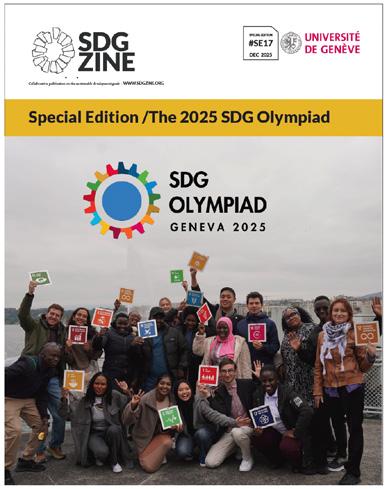
The SDG Olympiad is a global competition designed to inspire university students to tackle the United Nations Sustainable Development Goals (SDGs). This year, the SDG Solution Space hosted the second edition of the Olympiad, centered on the theme Data to measure, monitor, and advance progress toward the SDGs.
The SDG Olympiad leverages a growing network of 14 universities that host innovation events — including SDG Summer Schools, hackathons, design sprints, innovation labs, and semester courses — and provides a platform for the most promising solutions to access mentorship and further advance their ideas toward implementation.
While each SDG innovation event reflects the unique context of its host university, they all share a common structure: team-based programmes focused on hands-on prototype development. Students work in close collaboration with international organizations, NGOs, professors, and local communities to move from concept to practical demonstrations that generate meaningful data to address the SDGs. Throughout the process, participants receive intensive mentoring and coaching, becoming part of a growing global community of young innovators.
In 2025, the theme of the SDG Olympiad was Data for the SDGs. Eleven universities worldwide hosted SDG Innovation Events: University of Geneva, Kwame Nkrumah University of Science and Technology, United States International University–Africa (Nairobi), University of Lagos, Technical University of Munich, Masinde Muliro University of Science and Technology, Tsinghua University, University of Copenhagen, Grigol Robakidze University, and Alliance University. Through a partnership with Global Citizen, an advocacy platform dedicated to ending extreme poverty, we also launched the Global Challenges Online Programme. Students from around the world were invited to form teams, connect with mentors, and address one of three challenges proposed by our partner. The top projects advanced to the finals in Geneva.
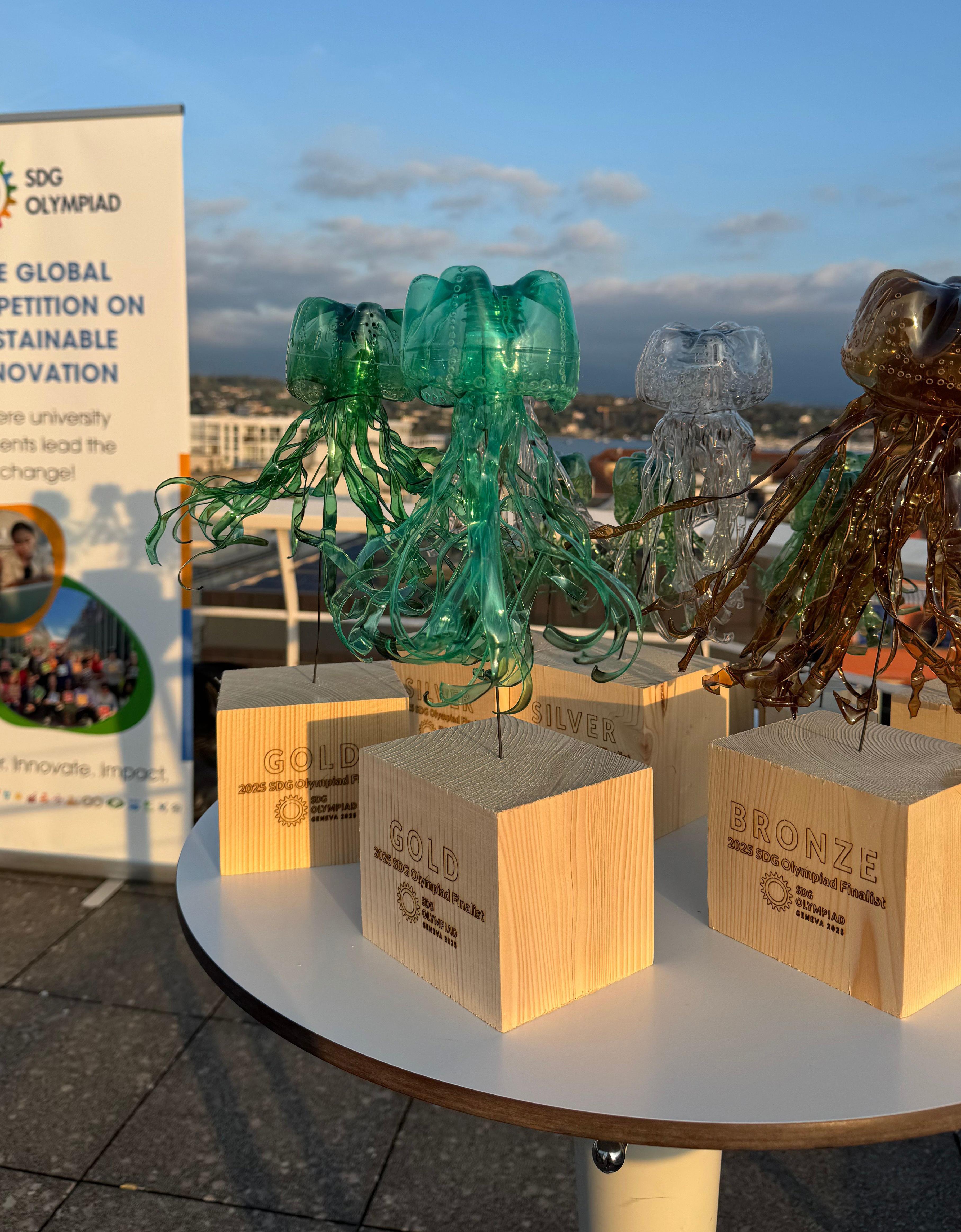
The SDG Olympiad awarded two categories of prizes: the SDG Olympiad Global Award and the SDG Olympiad Special Award. The Global

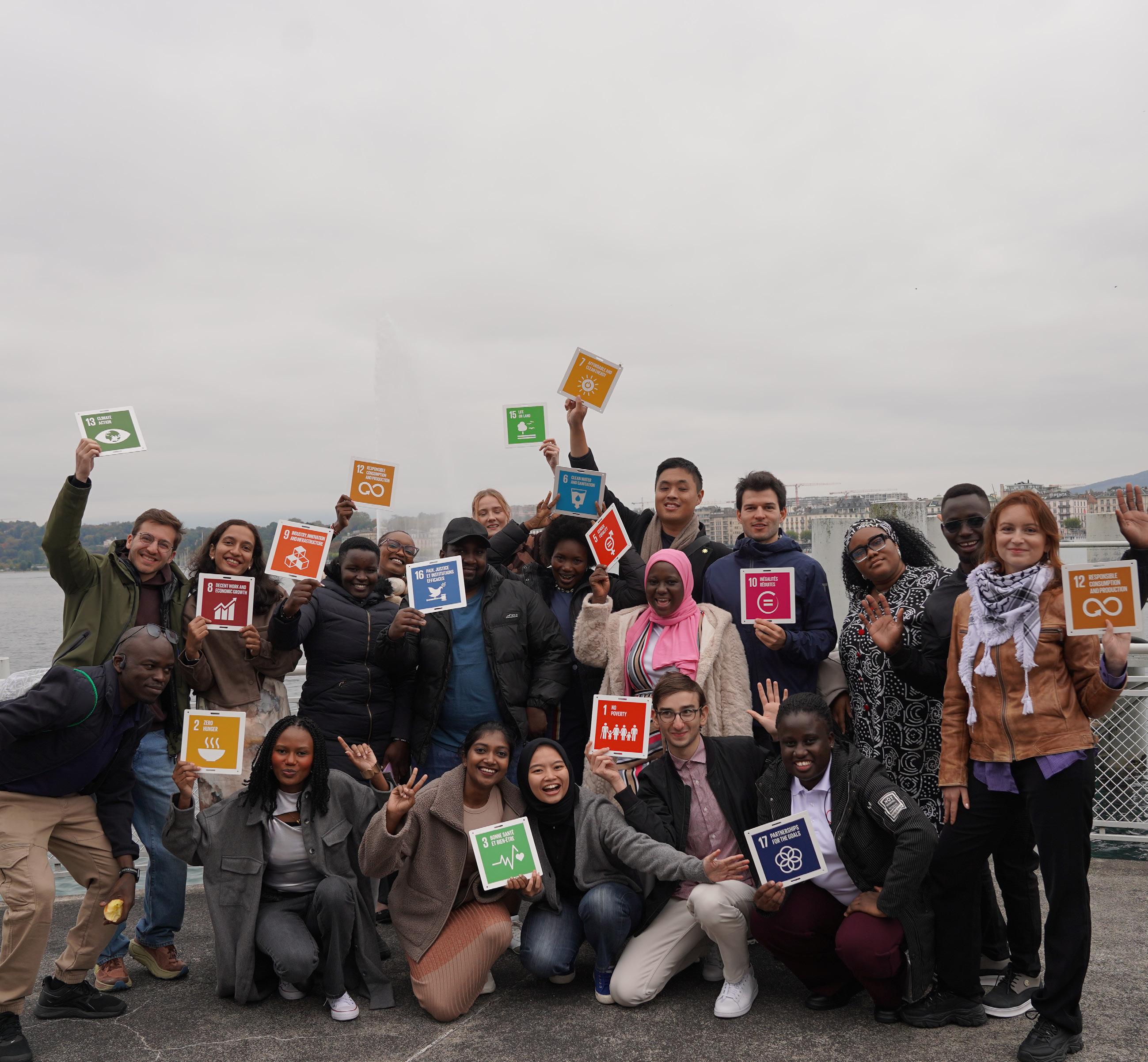
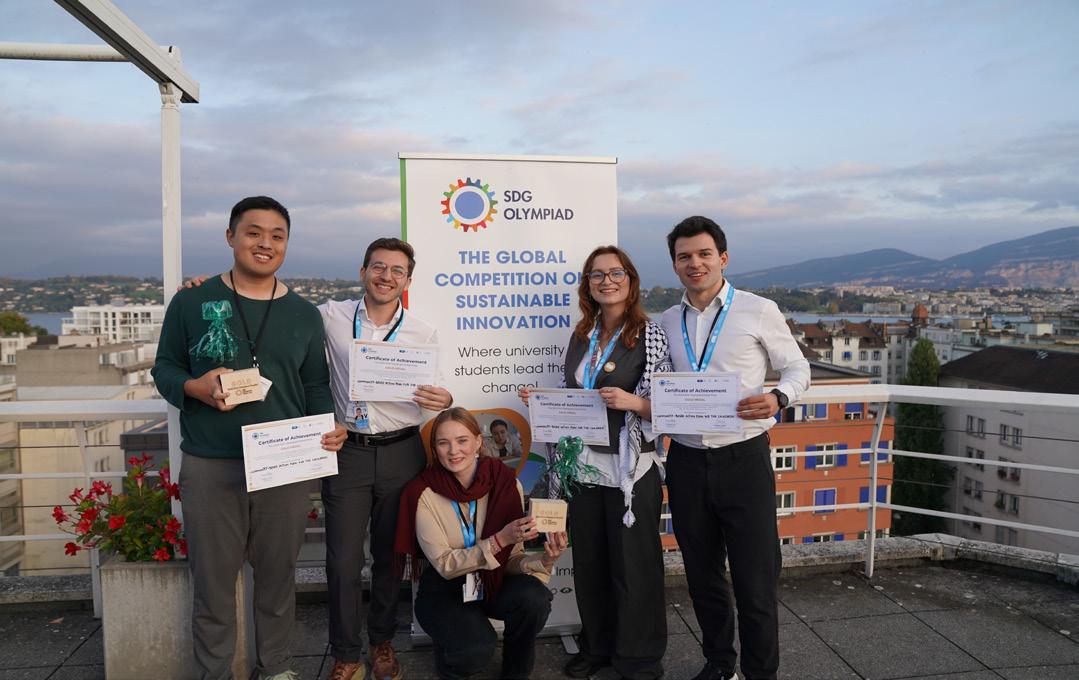
Award recognizes the top three projects with gold, silver, and bronze medals. Each host university nominated its strongest team, who presented their projects live to an international jury during the Award Ceremony in Geneva. The Special Awards celebrated excellence across specific categories: Scalable Solutions, Research, Community-Based Impact, Tech for Impact, and Cross-Sector Collaboration. From October 10 to 13, twenty-one students embarked on a transformative journey in Geneva. The programme included a welcome session at the International Telecommunication Union, the live pitches and Award Ceremony, a hackathon on Language and Learning inspired by the centenary of the debate between Noam Chomsky and Jean Piaget, cultural activities, workshops to design the future of their projects, and co-creation sessions for the upcoming regional editions of the SDG Olympiad.
An international jury evaluated the projects and provided valuable feedback. The jury included representatives from the International Telecommunication Union, Aga Khan Foundation, Geneva Responsible Entrepreneurship Center (GREC), Albatross EU, the International Olympic Committee, Global Citizen, and CERN.
This edition of the SDG Zine showcases the winning projects from both the Global and Special Awards. We invite you to explore these innovative solutions driving progress toward a more sustainable future.
contact info@sdgzine.org
publisher
Jan Van Mol

Designing
The first productized idle-GPU grid in mainland China. It links 10,000+ dispersed GPUs (>90% access) to second-scale, low-cost, green compute for AI bursts. Dynamic algorithms solve idle-time scheduling and compatibility barriers, creating new income for owners and cutting costs for 60+ enterprises, 24+ research teams and 10,000+ individual developers. By prioritizing data centers powered by renewable energy, the platform raises new-energy utilization and drives down carbon emissions.
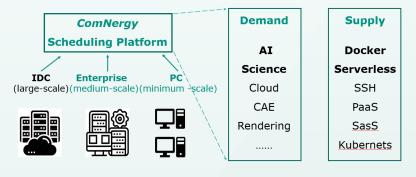
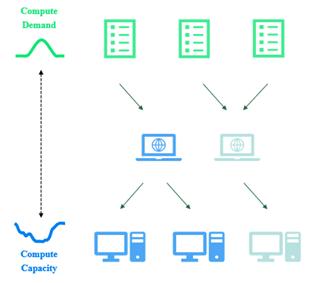
Our platform connects the supply of idle GPUs from individuals, internet cafés, and enterprises with the demand from AI developers, researchers, and AIGC companies
COMNERGY TEAM
ComNergy
Building a Green and Inclusive AI Infrastructure
TSINGHUA UNIVERSITY ∙ BEIJING, CHINA HLA@SUANLEME.CN
ComNergy Team
Problem Statement
Tsinghua University Beijing, China hla@suanleme cn
Problem Statement
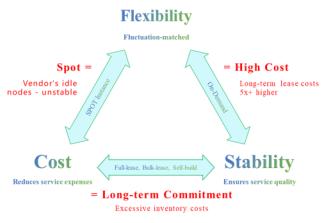
The rapid growth of artificial intelligence (AI) has triggered an unprecedented demand for computing power. However, this demand is highly volatile—doubling every few months—while traditional cloud providers rely on long-term, bulk leasing models. This mismatch leads to: Severe underutilization of computing resources, high costs for developers and researchers and increased carbon emissions from energy-intensive data centers This creates what we call the “Impossible Triangle” of computing power”: users must choose between low cost, high flexibility, and reliable stability. Achieving all three typically increases costs by up to five times.
The rapid growth of artificial intelligence (AI) has triggered an unprecedented dem computing power However, this demand is highly volatile doubling every few months while traditional cloud providers rely on long-term, bulk leasing models This mismatch leads to: Severe underutilization of computing resources, high costs for developers and researchers and increased carbon emissions from energy-intensive data centers This creates what we call the "Impossible Triangle” of computing power": users must choose between low cost, high flexibility, and reliable stability Achieving all three typically increases costs by up to five times
We provide true elasticity, enabling workloads to scale to thousands o GPUs within minutes Our pay-as-you-go pricing model helps reduce computing costs by up to 50 percent, while our serverless architecture eliminates operational overhead, requiring no maintenance
We provide true elasticity, enabling workloads to scale to thousands o GPUs within minutes. Our pay-as-you-go pricing model helps reduce computing costs by up to 50 percent, while our serverless architecture eliminates operational overhead, requiring no maintenance.
Our work contributes directly to several Sustainable Development Goals (SDGs) Under SDG 7 (Affordable and Clean Energy), the platform optimizes renewable energy use by relocating computational workloads instead of physical power, ensuring cleaner operations In line with SDG 9 (Industry, Innovation and Infrastructure), it builds a decentralized and resilient AI infrastructure that strengthens digital capacity and innovation Aligned with SDG 12 (Responsible Consumption and Production), it maximizes resource efficiency by repurposing idle GPUs that would otherwise remain unused Finally, through SDG 13 (Climate Action), it actively reduces carbon emissions from data centers, advancing sustainable computing at scale
Prototype & Technology
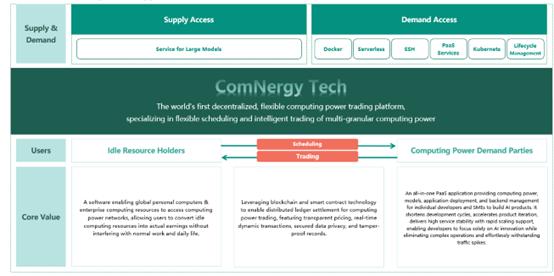
Our core platform is composed of three integrated components designed to connect GPU resources efficiently and securely
Our work contributes directly to several Sustainable Development Goals (SDGs). Under SDG 7 (Affordable and Clean Energy), the platform optimizes renewable energy use by relocating computational workloads instead of physical power, ensuring cleaner operations. In line with SDG 9 (Industry, Innovation and Infrastructure), it builds a decentralized and resilient AI infrastructure that strengthens digital capacity and innovation. Aligned with SDG 12 (Responsible Consumption and Production), it maximizes resource efficiency by repurposing idle GPUs that would otherwise remain unused. Finally, through SDG 13 (Climate Action), it actively reduces carbon emissions from data centers, advancing sustainable computing at scale.
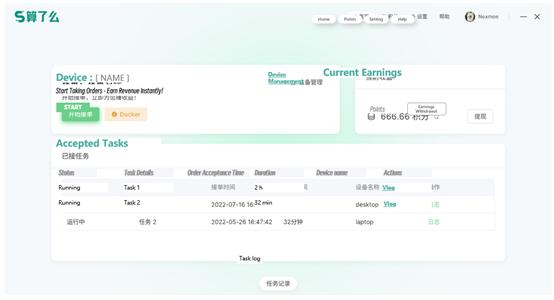
ComNergy InFlow (suanleme cn) is a lightweight client that enables GPU owners to link their devices to our network without disrupting normal usage It allows real-time earnings tracking and ensures secure task execution through hardware-level isolation
Our core platform is composed of three integrated components designed to connect GPU resources efficiently and securely.
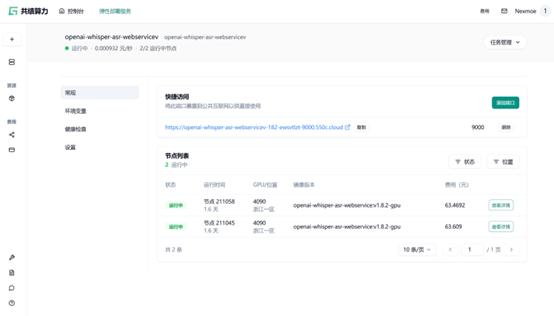
ComNergy OutFlow (suanli cn) serves as a Platform-as-a-Service (PaaS) application that lets developers deploy AI models and applications with ease It features one-click scaling, a library of pre-built models, and blockchain-based settlement mechanisms to guarantee full transparency
Our Solution: The Airbnb of Computing
Our Solution: The Airbnb of Computing
ComNergy CompuTrade functions as a smart-contract-powered engine that matches GPU supply and demand in real time It maintains fair pricing, enables secure transactions, and supports the dynamic entry and exit of computing resources
Inspired by Airbnb’s success in sharing idle rooms, ComNergy created a decentralized platform that enables anyone to share their idle GPUs with AI developers in need of flexible, on-demand computing power
Inspired by Airbnb’s success in sharing idle rooms, ComNergy created a decentralized platform that enables anyone to share their idle GPUs with AI developers in need of flexible, on-demand computing power. Our platform connects the supply of idle GPUs from individuals, internet cafés, and enterprises with the demand from AI developers, researchers, and AIGC companies.
ComNergy InFlow (suanleme.cn) is a lightweight client that enables GPU owners to link their devices to our network without disrupting normal usage. It allows real-time earnings tracking and ensures secure task execution through hardware-level isolation.
To maintain the platform’s stability and security, we rely on two main categories of technology Under stability, our load forecasting system uses dynamic feature modeling to predict demand five to fifteen minutes in advance A node-tiering mechanism continuously
ComNergy OutFlow (suanli.cn) serves as a Platform-as-a-Service (PaaS) application that lets developers deploy AI models and applications with ease. It features one-click scaling, a library of pre-built models, and blockchain-based settlement mechanisms to guarantee full transparency.
ComNergy CompuTrade functions as a smart-contract-powered engine that matches GPU supply and demand in real time. It maintains fair pricing, enables secure transactions, and supports the dynamic entry and exit of computing resources.
To maintain the platform’s stability and security, we rely on two main categories of technology. Under stability, our load forecasting system uses dynamic feature modeling to predict demand five to fifteen minutes in advance. A node-tiering mechanism continuously scores latency, bandwidth, and energy mixes to select the optimal subset of resources, while a pre-warming process—with less than five percent redundancy—prevents cold-start delays.
scores latency, bandwidth, and energy mixes to select the optimal subset of resources, while a pre-warming process with less than five percent redundancy prevents cold-start delays
scores latency, bandwidth, and energy mixes to select the optimal subset of resources, while a pre-warming process with less than five percent redundancy prevents cold-start delays
Under security, tasks are fully isolated at the hardware level, preventing any cross-visibility between processes. All data transfers are encrypted end-to-end and automatically erased once a job concludes. Additionally, a double-blind routing protocol ensures that neither the scheduler nor the supplier knows the other’s identity, making targeted attacks virtually impossible.
Under security tasks are fully isolated at the hardware level preventing any cross-visibility between processes All data transfers are encrypted end-to-end and automatically erased once a job concludes Additionally, a double-blind routing protocol ensures that neither the scheduler nor the supplier knows the other s identity, making targeted attacks virtually impossible
Under security, tasks are fully isolated at the hardware level, preventing any cross-visibility between processes All data transfers are encrypted end-to-end and automatically erased once a job concludes Additionally, a double-blind routing protocol ensures that neither the scheduler nor the supplier knows the other’s identity, making targeted attacks virtually impossible
Evidence & Results
Evidence & Results
In just 14 months since launch, our platform has attracted over 700,000 GPUs, with more than 60 enterprises and 3,000 individual users actively relying on its services We have filed seven invention patents in distributed scheduling and security, facilitated GPU leasing transactions worth 8 million RMB (approximately USD 1 1 million), and prevented an estimated 10 million tons of CO₂ emissions annually by tapping into idle computing resources Our collaboration with the Qinghai provincial government on the Gang-Shu-Qing-Suan Green Computing Project demonstrated that large-scale, renewable-powered AI infrastructure is already viable managing over 8,000 petaflops across 20 data centers, fully powered by solar and wind, while achieving a 37 percent cut in carbon emissions and a 28 percent reduction in energy costs Meanwhile, during the AdventureX 2025 Hackathon we deployed a pop-up elastic cluster of 400 idle RTX 4090 GPUs within 30 minutes, enabling 40 teams to train and deploy models seamlessly The
In just 14 months since launch, our platform has attracted over 700,000 GPUs, with more than 60 enterprises and 3,000 individual users actively relying on its services. We have filed seven invention patents in distributed scheduling and security, facilitated GPU leasing transactions worth 8 million RMB (approximately USD 1.1 million), and prevented an estimated 10 million tons of CO₂ emissions annually by tapping into idle computing resources. Our collaboration with the Qinghai provincial government on the Gang-Shu-Qing-Suan Green Computing Project demonstrated that large-scale, renewablepowered AI infrastructure is already viable—managing over 8,000 petaflops across 20 data centers, fully powered by solar and wind, while achieving a 37 percent cut in carbon emissions and a 28 percent reduction in energy costs. Meanwhile, during the AdventureX 2025 Hackathon, we deployed a pop-up elastic cluster of 400 idle RTX 4090 GPUs within 30 minutes, enabling 40 teams to train and deploy models seamlessly. The event achieved zero downtime and a 70 percent cost reduction—proving that on-demand, zero-touch GPU compute can be scaled up and down instantly.
Looking ahead, ComNergy aims to expand its network to one million GPUs worldwide over the next 24 months, launch mobile edge nodes to support IoT and embodied AI, and establish regional green computing hubs across Asia, Europe, and Africa. The company also plans to integrate with Web3 AI marketplaces to enable transparent model and data trading. More than a tech startup, ComNergy is a climate-tech company redefining how AI infrastructure is built, used, and shared. By transforming every idle GPU into a green building block of tomorrow’s AI, we are making artificial intelligence more affordable, sustainable, and accessible to all.
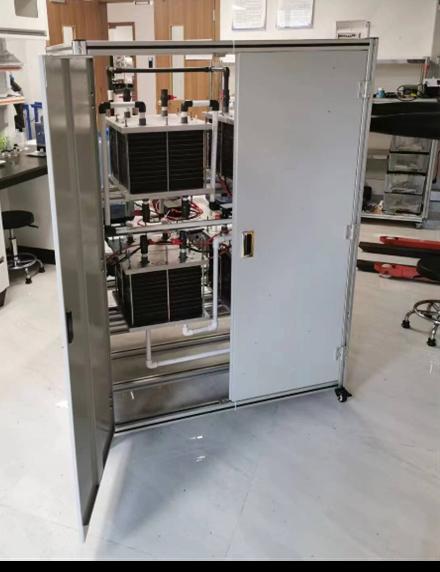
The Sustainable Saline Purifier (SSP) is an innovative, low-energy water purification system utilizing capacitive deionization technology. Its core innovation lies in the utilization of biological waste (e.g. straw, biological residue, cigarette butts) as a key raw material for purification components.
RUNZE YANG, 20598158@qq.com; YUYANG RAN, yxyhryy@163.com; LIWEI LIU, 12024235092@stu.ynu.edu.cn; YEYE LI, 2492354151@qq.com; WENYING ZHAO, zwy@ynu.edu.cn LU GUO, luguo@ynu.edu.cn
AFFILIATION: YUNNAN-MALAYA INSTITUTE (SCHOOL OF ENGINEERING), YUNNAN UNIVERSITY, 650091.
Introduction
The Sustainable Saline Purifier (SSP) is an innovative, low-energy water purification system utilizing capacitive deionization technology. Its core innovation lies in the utilization of biological waste (e.g. straw, biological residue, cigarette butts) as a key raw material for purification components. This “waste-to-value” design not only addresses municipal waste management challenges but also slashes manufacturing costs by nearly 40% compared to devices using conventional high-cost materials, enabling scalable deployment. The SSP provides a sustainable and cost-effective solution for purifying brackish water, making it a viable option for inland, energy-scarce, and impoverished regions. Its future potential for integration of water purification and waste treatment positions it as a comprehensive clean water access strategy.
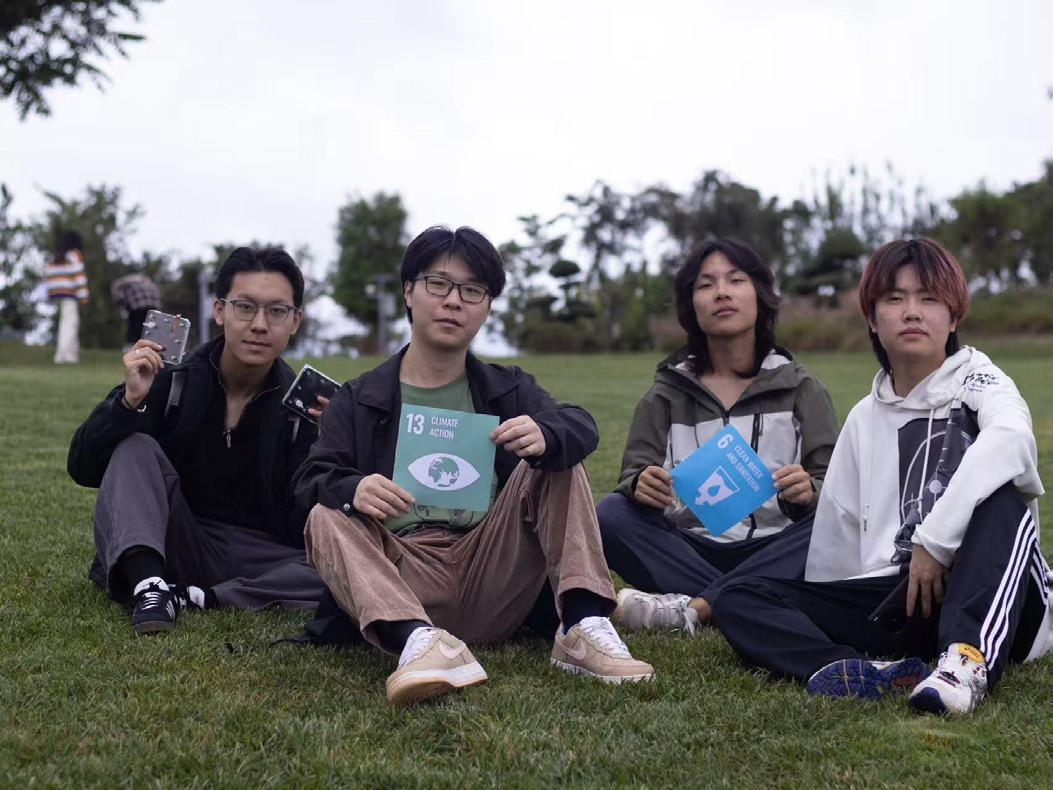
It directly aligns with UN Sustainable Development Goal (SDG) 13 (Climate Action) by minimizing energy-related environmental impact, while reducing long-term operational costs for end-users. Tailored for water-scarce low-resource regions, the device efficiently treats saline or low-quality water into potable water that meets basic living standards, directly contributing to SDG 6 (Clean Water and Sanitation) by resolving local residents’ urgent safe water access needs. Its user-friendly operation and low-maintenance cost further adapt to the technical support limitations of poor areas, ensuring sustained serviceability.
Access to clean water remains a critical global challenge. It is expected that population growth, urbanization, and socio-economic development will increase the demand for industrial and domestic water in cities by 50-80% in the next thirty years [1]. Meanwhile, climate change will affect the spatial distribution and temporal availability of water resources. According to the United Nations, approximately 40% of the world’s population may face the risk of serious water scarcity by 2040[2]. Furthermore, waste pollution poses a significant environmental hazard. Communities in many areas, which are frequently energy and economic-poor, lack access to clean water. As such, a solution is urgently needed that is simultaneously low-energy, low-cost, environmentally sustainable, and effective at treating brackish water. Against this backdrop, we aim to develop a novel water treatment device to enable local residents to access clean and hygienic drinking water.
The project has 3 main objectives. First, Design and prototype a SSP, with the energy consumption target for brackish water treatment: below 1 kWh/m3. Second, build high-performance electrodes for SSP system using waste materials (cigarette butts et al) as the primary carbon source. This approach not only reduces the cost of core materials for CDI cells but also addresses waste pollution by recycling of waste. Third, assess the feasibility of deploying the aforementioned SSP system in off-grid communities, covering both technical and economic aspects. Additionally, outline a specific implementation path for integrating clean energy with this system.
A key challenge lies in the unstable quality of electrode materials derived from waste, which makes them prone to scaling over time. To address this, the process focuses on optimizing pyrolysis temperature and activation strategies to enhance specific surface area and conductivity. Additionally, the electrode materials are functionalized and coupled with the Faraday effect to improve regeneration efficiency and extend their overall service life.
A step-by-step purification system is formed. Raw water first passes through sedimentation-filter to remove solids, then through biochar adsorption to reduce organics, and finally enters core components for desalination and heavy metal removal, ensuring the final water meets drinking standards.
The innovation of this system is threefold. First, it achieves ultralow energy consumption—using less than 1 kWh per cubic meter when combined with energy recovery during regeneration— and operates at voltages below 1.4V, ensuring efficiency even in extreme environments. Second, it transforms waste into resourcegrade electrodes, addressing waste management challenges while significantly reducing the cost of the most expensive components in SSP systems. Third, the system is designed for off-grid use, allowing integration with external clean energy sources to enable fully sustainable operation and the potential for zero carbon emissions in the future.
The SSP system has demonstrated both technical and economic feasibility. In the laboratory, the core platform has been successfully built and tested, showing stable performance across multiple processing cycles. Its energy consumption of just 0.26 kWh per cubic meter is significantly lower than that of traditional water treatment technologies. Economically, the use of free waste materials as electrodes reduces production costs by approximately 40 percent compared to commercial alternatives, while the integration of clean energy sources eliminates the need for large-scale power consumption, making the system both cost-effective and sustainable.
This project is an important step towards a sustainable and equitable paradigm for water purification. It uniquely addresses two pressing global issues - water scarcity and waste pollution through a circular solution. It provides clean water, reduces environmental waste, lowers carbon emissions through minimal energy use, and enables economically viable technologies for the world’s most vulnerable populations.
In the future, we hope to further develop a dedicated power management circuit that directly couples the system with small solar panels or wind power to achieve a truly zero carbon system.
References
[1] Garrick D, De Stefano L, Yu W, et al. Rural water for thirsty cities: a systematic review of water reallocation from rural to urban regions[J]. Environmental Research Letters, 2019, 14(4): 043003.
[2] Flörke M, Schneider C, McDonald R I. Water competition between cities and agriculture driven by climate change and urban growth[J]. Nature sustainability, 2018, 1(1): 51-58.
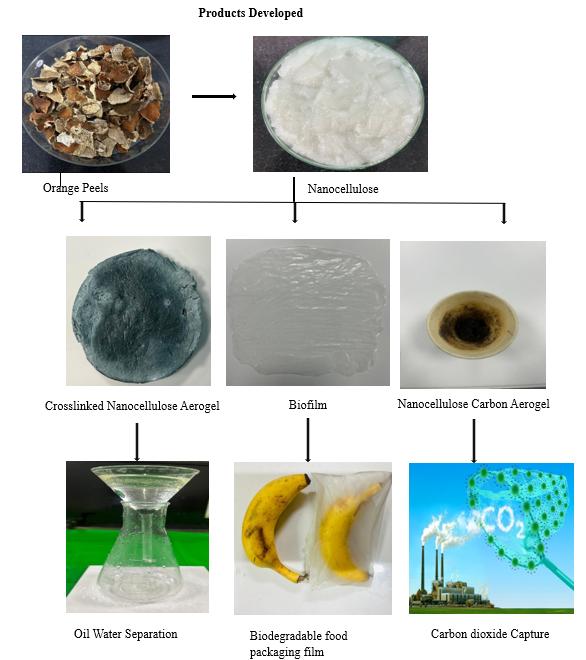
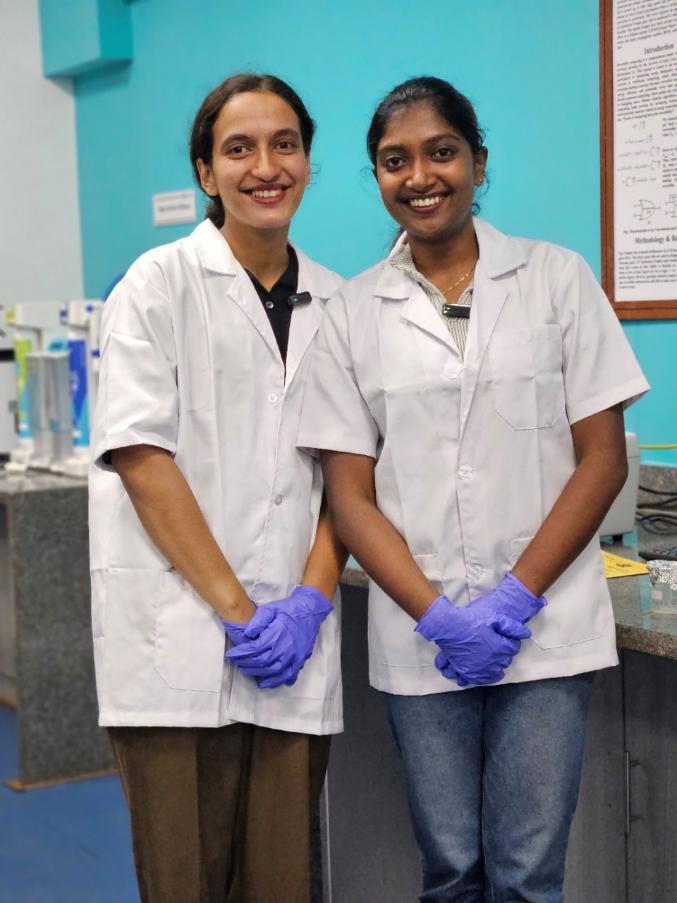
Nanocellulose-based aerogels, hydrogels, and carbon aerogels from agricultural biomass waste using eco-friendly methods such as citric acid hydrolysis. By transforming residues like orange peels into high-value materials, the initiative tackles major environmental challenges: nanocellulose aerogels for water purification (oil spills and wastewater), hydrogels for biodegradable biofilms to replace plastics, and carbon aerogels for CO₂ capture to mitigate climate change.
MARIA
BABY, MAHA SALEEM ALLIANCE UNIVERSITY, INDIA BMARIAPHD724@SCI.ALLIANCE.EDU.IN SMAHAPHD724@SCI.ALLIANCE.EDU.IN
Introduction
The 21st century has witnessed the depletion of more than half of earth’s resources due to the over exploitation by humankind. Ever since, the researchers all over the world focus on actions towards achieving sustainability to restore our ecosystem. The core area of this research aligns with the SDGs in three different approaches. The valorization of biomass wastes has ensured the SDG 15 -Life on land & SDG-14 Life Below Water. The extraction of nanocellulose from biomass wastes through a green chemical approach promises green chemistry principles. Substituting the conventional plastic for food packaging with eco-friendly biodegradable films is a remarkable achievement in the food packaging industry. The synthesis of nanocellulose aerogels for oil-water purification finds a solution towards oil spillage in oceans protecting life under water which contribute to SDG-14 Life Below Water &SDG-6 Clean Water and Sanitation. Foreseeing the consequences of global warming the reduction of carbon dioxide which is a major contributor towards it has to be controlled. Nanocellulose carbon aerogel -the porous material can capture carbon dioxide to a great extent. SDG-13 Climate Action can be advanced through climate mitigation by nanocellulose carbon aerogels. This work aligns with four SDGs- SDG-6 Clean Water, SDG13 Climate Action SDG-14 Life Below Water, 15-Life on land which promises a sustainable future.
“While urban smog hogs the headlines, India’s villages silently bear the toxic burden of biomass fires, stubble burning and industrial neglect’’. Burning of biomass which includes agricultural residues, firewood and industrial biomass wastes is a major contributor of greenhouse gases. According to the Birdlife Europe Report Burning wood for heat emits more CO2 than coal. The release of greenhouse gases from burning of biomass results in global warming which is responsible for global climate change.
“Packaging waste tops plastic pollution in high biodiversity zone stretches of Ganga”- Deccan Chronicle. 52.4% of the total water pollutants are packaging wastes comprising food wrappers, single-use sachets and plastic bags. The world indeed needs a plastic conventional treaty because the crisis is getting out of hand - and people are frankly outraged. According to UNEP the plastic production and waste is expected to project to triple by 2060 causing significant threat. Plastic endangers every corner of the planet, it threatens ecosystems, wildlife and human health.
The estimated amount of microplastic through ingestion and inhalation by an average person is over 50000 plastic particles each year. “Russia suffering environmental catastrophe after oil spill in Kerch strait”BBC. The high resolution satellite photos reviewed by BBC showed a massive oil slick running through the strait, measuring at least 25km (15 miles) long. A second, smaller slick measuring around 5.7km (3.5 miles) long due to the accidental leakage of oil from two ships which ran into trouble during bad weather. India rushes to contain oil spill as vessel sinks off Kerala Coast-Accidental oil spills in the ocean risks, marine ecosystems to the local fishing industry. Summarizing, if the climate crisis goes unaddressed with plastic pollution as a major driver air pollution level exceeding safe thresholds could rise by 50% within a decade. Meanwhile, plastic pollution in marine and fresh water environments may triple by 2040.
The valorization of biomass wates for sustainable applications reduces the possible pollutions that is caused due to the burning and piling up of biomass. The extraction of nanocellulose which possess excellent thermal, mechanical and chemical characteristics through a green chemical approach-Citric Acid Hydrolysis is one among the innovative part of this work. The nanocellulose is utilised to develop biofilms which serve as an alternative to conventional plastics in food packaging, nanocellulose aerogels crosslinked with chitosan and genipin for oil water purification, nanocellulose carbon aerogel for carbon dioxide capture which is a prime driver towards global warming.
Description of Prototype
Extraction of nanocellulose through green approach: Extraction of nanocellulose from orange peel by alkaline pretreatment with sodium hydroxide, bleaching with hydrogen peroxide, acid hydrolysis with green acid-citric acid followed by ultrasonication.
Development of biofilms from nanocellulose hydrogel: Biofilm with uniform thickness was developed from nanocellulose hydrogel by solvent casting method. The biodegradable food packaging films improves the shelf life of the food as nanocellulose exhibits good barrier properties, and in combination with antimicrobial or antioxidants it preserves the freshness of the food.
Synthesis of nanocellulose aerogel by freezedrying: Nanocelluose hydrogel was crosslinked with chitosan and genipin to yield nanocellulose chitosan genipin crosslinked aerogel with higher mechanical and chemical properties, The hydrophilic surface acts as a membrane for oil water separation which finds applications in purification of oceans during oil spillage.
Development of nanocellulose carbon aerogel: The uncross linked aerogel was carbonised in muffle furnace and activated to yield highly porous nanocellulose carbon aerogel which function as a precursor for carbon capture. The porous structure which includes mesopores and micropores captures carbon dioxide.
Value Proposition
Starting up from biomass wastes having zero cost to four different high value added products with numerous applications. The green method of synthesis follows the principles of green chemistry that ultimately leads to sustainable products aligning with SDGs- SDG-6 Clean Water, SDG-13 Climate Action SDG-14 Life Below Water, 15 -Life on land. Making use of the idea generated in lab scale the logging residues that are piled up in amazon rain forests which is responsible for greenhouse gas emissions can be recycled to value added products similar to the one with orange peels.
Conclusion
The pressing global environment challenges demand sustainable solutions. Replacing plastics with biodegradable films, capturing carbon dioxide, valorisation of biomass and water purification reducing plastic pollution, combat climate change, promote waste to wealth strategy that supports circular economy and ensuring resource efficiency and protect ecosystems promising a healthier planet for future generation. In a future perspective, nanocellulose can be extracted from diverse sources and can be utilized for various sustainable applications.
Our Climate, Our Call is a guidebook for university and secondary school to learn about climate and weather
Attaining Sustainability Development goals through green chemistry
Team Members:
Student-friendly guidebook that simplifies weather, climate, and planetary health into a format that students can relate to, learn and enjoy reading. .
Akinboyewa Okikioluwa Alicia - akinboyewaokiki@gmail.com
Moronkeji Babatunde - bmoronkeji7@gmail.com
Folorunsho Tolulope - tolulopefolorunsho234@gmail.com
Obiduba Daniella - daniellaobiduba@gmail.com
Asanbe Lydia
AKINBOYEWA OKIKIOLUWA ALICIA - AKINBOYEWAOKIKI@GMAIL.COM
MORONKEJI BABATUNDE - BMORONKEJI7@GMAIL.COM
FOLORUNSHO TOLULOPE - TOLULOPEFOLORUNSHO234@GMAIL.COM
University of Lagos Problem
OBIDUBA DANIELLA - DANIELLAOBIDUBA@GMAIL.COM
ASANBE LYDIA
UNIVERSITY OF LAGOS
Problem
Climate change is an escalating global crisis with far-reaching consequences. In Nigeria and across the world, youth are among the most vulnerable to its impacts, yet often the least informed. Despite being highly active on social platforms and engaged in global discourse, young people lack consistent access to educational resources that simplify scientific climate knowledge. Existing climate materials are often complex, targeted at older or more specialized audiences, and sometimes fail to address the immediate local realities that students face.
can contribute meaningfully to climate action in their communities. Through this project, we aim to improve climate literacy among secondary and university students by using visual storytelling and youth-centered language to make complex ideas accessible and engaging. By promoting science-based facts and concepts, the initiative seeks to counter misinformation while inspiring confidence and climate leadership in young people. Ultimately, it contributes to advancing both national and global goals related to climate awareness and collective action.
Climate change is an escalating global crisis with far-reaching consequences. In Nigeria and across the world, youth are among the most vulnerable to its impacts, yet often the least informed. Despite being highly active on social platforms and engaged in global discourse, young people lack consistent access to educational resources that simplify scientific climate knowledge. Existing climate materials are often complex, targeted at older or more specialized audiences, and sometimes fail to address the immediate local realities that students face.
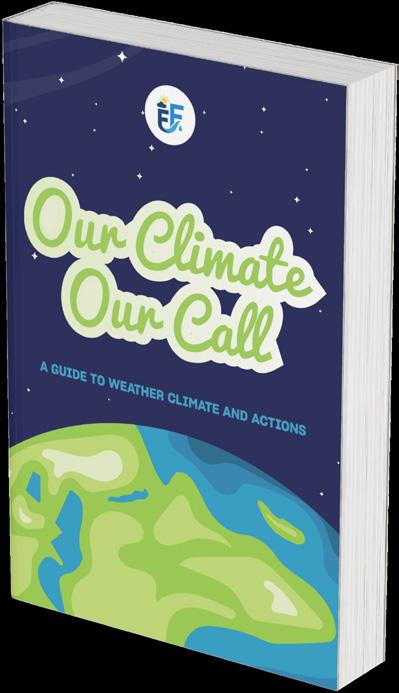
Our solution is the creation of a comprehensive, youth-friendly climate education guide titled Our Climate, Our Call. This guidebook is designed specifically for secondary school and university students in Nigeria (and adaptable globally). It presents scientific concepts through illustrations, analogies, personal stories, and infographics that young people can relate to.
Additionally, misinformation and climate denialism are spreading widely online. Without proper tools to identify credible sources or understand climate science, many young people find themselves disengaged or misinformed. The disconnection between available scientific knowledge and accessible youth education is a critical barrier to progress. If students do not understand the climate crisis or feel empowered to act, their potential as climate advocates and changemakers remains untapped.
Additionally, misinformation and climate denialism are spreading widely online. Without proper tools to identify credible sources or understand climate science, many young people find themselves disengaged or misinformed. The disconnection between available scientific knowledge and accessible youth education is a critical barrier to progress. If students do not understand the climate crisis or feel empowered to act, their potential as climate advocates and changemakers remains untapped.
Our own surveys and discussions with students revealed just how deep this problem runs. Many had heard of climate change but struggled to explain key concepts like greenhouse gases, global warming, or how climate differs from weather. Others expressed frustration that what little they did learn about the environment came in isolated school lessons with no real-life applications.
Aim
What makes our solution stand out is its format and delivery. Instead of lectures or passive text, our book invites active learning and reflection. Each chapter combines storytelling with science, prompting discussion and encouraging action.
Our own surveys and discussions with students revealed just how deep this problem runs. Many had heard of climate change but struggled to explain key concepts like greenhouse gases, global warming, or how climate differs from weather. Others expressed frustration that what little they did learn about the environment came in isolated school lessons with no real-life applications.
Our primary aim is to bridge the gap between climate science and student understanding through an accessible, engaging, and relatable guidebook designed by and for young people. The guidebook — Our Climate, Our Call — will provide foundational knowledge on climate and weather, debunk common myths, and highlight how young people
Our primary aim is to bridge the gap between climate science and student understanding through an accessible, engaging, and relatable guidebook designed by and for young people. The guidebook Our Climate, Our Call will provide foundational knowledge on climate and
The book is structured around six engaging chapters that guide young readers through the science and action of climate change. Chapter 1, “Our Changing Planet,” introduces the fundamentals of climate science, exploring both human and natural causes and their impact on global systems. Chapter 2, “Weather vs. Climate,” uses simple analogies and everyday examples to help students distinguish between the two concepts. Chapter 3, “Climate in Our Communities,”highlights local case studies from across Nigeria and other African regions facing droughts, floods, and heatwaves. Chapter 4, “Climate Myths, Busted,” visually debunks common misconceptions through scientific evidence and insights from meteorologists. Chapter 5, “Youth Power,” showcases inspiring stories of youth-led climate action worldwide, encouraging students in Nigeria to take part through clean-up drives and school green clubs. Finally, Chapter 6, “What You Can Do,” offers practical guidance on advocacy, sustainable habits, and ways to launch local climate initiatives within schools and communities.
The book will be distributed in both print and digital form, and can be used in classrooms, clubs, and by individuals. It includes infographics, cartoons, icons, and illustrations customized for Nigerian youth. Each chapter ends with reflection prompts or simple activity ideas to turn learning into practice.
Our surveys showed that over 70% of respondents preferred learning through stories, comics, and infographics, and that over 68% would welcome a resource like this. By directly responding to these needs, our guide is poised to make a meaningful impact.
Prototype Description
Prototype Description
We have developed a full-color book cover, sample page layouts, and a detailed outline for the guide. Each section begins with a story or relatable scenario, followed by a clear explanation of the topic using simplified language and engaging graphics. Every chapter concludes with a “Think + Act” section that offers practical suggestions and small action steps to encourage participation. The cover design and chapter structure are already completed, while draft content, quotes, illustrations, and infographics are currently in progress. The book title has been finalized as Our Climate, Our Call, and the team is now working toward completing a full sample chapter for pilot testing in schools, in collaboration with educators and environmental organizations.
climate education in the face of misinformation and accelerating climate change. Finally, it is action-oriented, aiming not only to inform but also to empower young people to transform knowledge into local impact. The project is SDG-aligned, supporting SDG 13 (Climate Action), SDG 4 (Quality Education), and SDG 17 (Partnerships for the Goals) through meaningful youth engagement.
FactFlow’s Our Climate, Our Call project represents more than just a book, it’s a movement toward accessible, youth-centered climate education. By simplifying complex environmental concepts through relatable stories and visuals, we aim to equip young Nigerians with the knowledge and confidence to act on climate issues within their schools and communities.
We have developed a full-color book cover, sample page layouts, and a detailed outline for the guide. Each section begins with a story or relatable scenario, followed by a clear explanation of the topic using simplified language and engaging graphics. Every chapter concludes with a “Think + Act” section that offers practical suggestions and small action steps to encourage participation. The cover design and chapter structure are already completed, while draft content, quotes, illustrations, and infographics are currently in progress. The book title has been finalized as Our Climate, Our Call, and the team is now working toward completing a full sample chapter for pilot testing in schools, in collaboration with educators and environmental organizations.
Value Proposition
Our value proposition is centered on creating a youth-centered resource that is co-created by students, ensuring the content and style truly resonate with its intended audience. It is engaging and visual, using stories, comics, infographics, and local imagery to simplify scientific content and make it easier to remember. The guide is scalable and customizable, designed to be translated, adapted for local relevance, or integrated into different school curricula. It is also timely and urgent, addressing the growing need for accurate and engaging
Value Proposition
Moving forward, our team is committed to expanding the project beyond the guidebook. We plan to continue refining the content, building new partnerships, and organizing outreach programs in both public and private schools. These outreach activities will serve as interactive platforms where students can learn, ask questions, and connect with the message behind Our Climate, Our Call.
We also plan to collaborate with Clim8core, a youth-led organization focused on climate and deforestation awareness. Together, we aim to merge our efforts to build a broader, unified network that fosters environmental literacy and collective action among young people.
Ultimately, FactFlow seeks to inspire a generation of informed and empowered youth who see climate action not as an abstract concept, but as a shared responsibility. Through continued collaboration, innovation, and education, we hope to make Our Climate, Our Call a lasting tool for change in Nigeria and beyond.
Our value proposition is centered on creating a youth-centered students, ensuring the content and style truly resonate with and visual, using stories, comics, infographics, and local and make it easier to remember The guide is scalable and customizable, designed to be translated, adapted for local relevance, or integrated into different school curricula. It is also timely and urgent, addressing the growing need for accurate and engaging climate education in the face of misinformation and accelerating climate change. Finally, it is action-oriented, aiming not only to inform but also to empower young people to transform knowledge into local impact.
A digital accountability platform that helps communities and youths track, verify, and share real-time data on aid-funded projects. This promotes transparency, trust, and sustainable development across Africa.
BENARD PHABIAN ODOYO (phabianbenard2019@gmail.com)
NOLDAH ADHIAMBO (adhiambonoldah@lohms.org)
LARRY OKUMU (adholalarry@gmail.com)
BLESSING MUMO (blessingmutinda8@gmail.com)
DR. CEDRIC OKINDA (cokinda@mmust.ac.ke)
GILO BYRON (gilobyron32@gmail.com)
Introduction
The Regional Insight for Sustainable Empowerment (RISE) is a youthdriven initiative aimed at tackling issues of trust, transparency, and accountability in Official Development Assistance (ODA). It is based on the Sustainable Development Goals (SDGs), particularly SDG 16 (Peace, Justice and Strong Institutions), SDG 17 (Partnerships for the Goals), and SDG 10 (Reduced Inequalities). RISE enables local communities and youth to take part in monitoring development projects. Its mission is to ensure aid results in real improvements in healthcare, education, livelihoods, and governance, leading to sustainable empowerment.
Problem
Despite many years of ODA support in Africa, transparency and accountability remain weak. Donors and citizens rarely have access to real-time, verifiable data on how aid is allocated, and corruption or mismanagement often prevents funds from reaching the people who need them most. As a result, trust in aid systems continues to erode. Many projects are still designed from the top down, excluding the voices of the communities they aim to serve. Youth, who make up over 60% of Africa’s population, are often disconnected from decisionmaking processes, leaving their potential untapped. Recent aid cuts from donors such as USAID have also worsened vulnerabilities in areas like health and education. Together, these ongoing issues make aid less effective and threaten the long-term sustainability of development efforts.
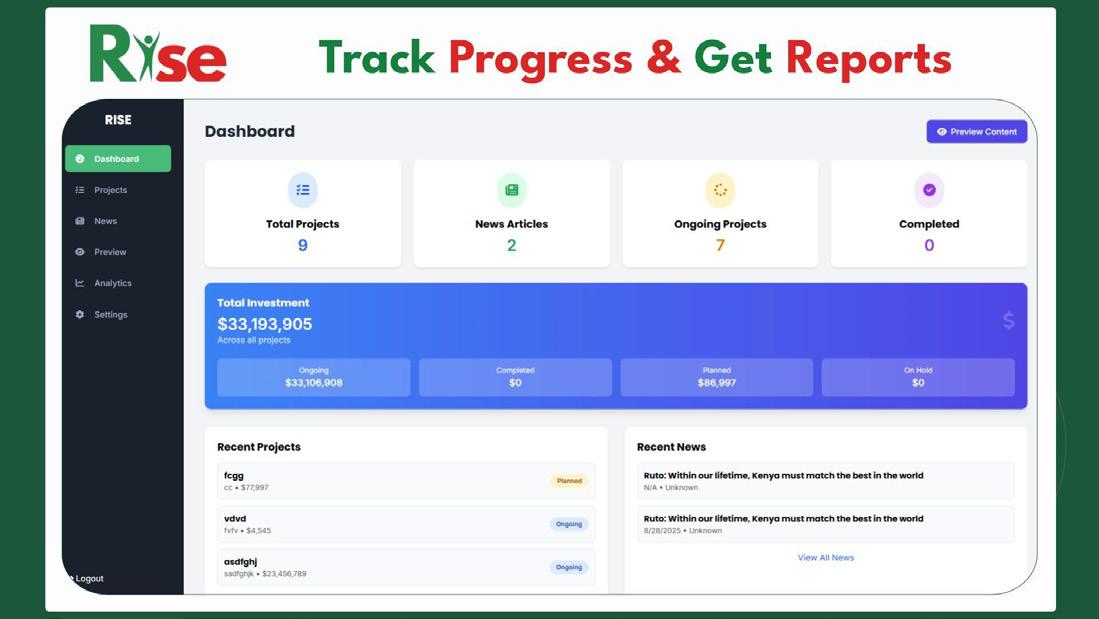
RISE is a web and mobile-friendly digital platform that connects communities, donors, and organizations in one transparent ecosystem. Through its key features, users can explore ongoing and upcoming projects, share their own community priorities to attract funding, and track progress in real time with visible milestones and outcomes. The platform also includes a news and updates section for transparent storytelling of impact, and an AI-powered report generator that produces verified reports for donors and governments. Its Android app enables real-time video, photo, and report submissions directly from communities, ensuring that voices on the ground are heard. By combining participation with data transparency, RISE transforms youth from passive recipients into active advocates for accountability.
The RISE prototype integrates a responsive web platform with a mobile application designed to enhance transparency and participation in community development. Its technical foundation includes a cloudhosted backend that ensures scalability and data security, real-time media uploads for evidence-based reporting, automated dashboards for project tracking and donor analytics, and AI-powered verification tools to minimize bias and validate information.
During prototype testing, RISE engaged more than 200 youth volunteers across multiple counties to gather user feedback. It was piloted through community health initiatives with LOHMS and education projects in partnership with MMUST, successfully generating initial verified reports that improved donor confidence and project visibility. Early adoption by five local NGOs demonstrates the platform’s potential, with a target to reach over 10,000 youth participants within three years. The system is projected to produce more than 100 verified annual reports, contributing to an estimated 20 percent reduction in mismanagement cases.
RISE offers clear value to every stakeholder in the development process. For communities, it provides ownership, visibility, and a voice in shaping the projects that affect their lives. For youth, it creates opportunities to lead in accountability, develop new skills, and actively participate in change. Donors and governments benefit from reliable, independently verified, real-time data to inform better decision-making, while organizations gain greater visibility and a stronger chance to attract funding through transparent reporting. Unlike traditional monitoring systems, RISE places youth at the center, leverages technology, and promotes active participation—making it a scalable model for transparency and impact across Africa.
The urgent challenges of aid cuts, corruption, and weak transparency demand an immediate and sustainable solution — and RISE provides exactly that. By creating a scalable accountability system where communities and youth take an active role in shaping the future of ODA, RISE redefines how development is monitored and shared. The next steps include expanding the platform across Kenya to engage over 10,000 youth and 200 organizations within the first two years, followed by regional growth into five African countries within five years. To ensure long-term sustainability, RISE will develop donor subscriptions, premium analytics, and partnerships with governments, while also launching the RISE Transparency Awards to celebrate accountability across the continent. By making aid inclusive, transparent, and youth-centered, RISE aims to set a new benchmark for sustainable development in Africa.
A community action plan to ensure insulin continuity for children with Type 1 Diabetes during emergencies.
A community-based action-plan that connects families, Lebanese Red Cross (LRC) staff, and safe storage sites to ensure insulin continuity during emergencies.
ANDREAS BATTISTINI (DTU, andr9100@gmail.com)
ANNIKEN HØEG HALVORSEN (UCPH, anniken.hoeeg.halvorsen@gmail.com)
OLIVER CLAES ØSTERGAARD (UCPH, xbs548@alumni.ku.dk)
HELEN HARIG (UHEI, harighelen@gmail.com)
TONY ALNASRI (UHEI, tonyalnasri@gmail.com)
Intro
In humanitarian crises, children with T1D face an immediate risk of death if insulin treatment is interrupted. Insulin must be stored between 2–8 °C, but war often destroys the systems that maintain this cold chain. Power outages, damaged infrastructure, and restricted movement quickly make safe insulin storage and access unattainable.
Since October 2023, southern Lebanon has endured continuous Israeli attacks. Hospitals and clinics have been destroyed, health workers displaced, and over 1.4 million people forced from their homes. The Lebanese Red Cross (LRC), only able to enter high-risk zones with ambulances, struggles to maintain services amid communication blackouts following “Operation Grim Beeper.”
Our project responds to this urgent gap in the first 60 days. We propose a scalable community-based action plan that empowers caregivers, connects families with LRC staff, and establishes safe storage sites chosen by the community itself. By preparing families before disaster and providing a clear framework once conflict erupts, the project advances SDG 3 (Good Health and Well-Being).
How can continuity of care for children with Type 1 Diabetes be maintained during the first 60 days of conflict in Lebanon’s Red Zones?
The escalation in Lebanon caused a healthcare collapse, leaving over 3.2 million people in need of aid. For children with T1DM, the consequences were life-threatening:
• Supply chain disruption: insulin and essential equipment unavailable.
• No refrigeration: 88% of patients lost access to cooling, threatening insulin stability.
• Unprepared caregivers: Families lacked training and resources for emergency care.
• Communication breakdown: fear of electronic devices and unstable networks hindered coordination.
• Restricted access: Only LRC ambulances could enter Red Zones.
Current diabetes care is concentrated in safe zones and online networks. Emergency strategies prioritize trauma and infectious disease, while chronic illnesses remain largely overlooked. What is missing is a child-centred, community-based model for diabetes care that equips caregivers directly and remains feasible in insecure areas.
Solution
Our solution turns preparedness into practical action through community meetings, mapping, and an Insulin Action Kit.
Community Meeting (Preparedness Phase)
Moderated by LRC staff and guided by a T1D-specific checklist (figure 1), each meeting covers:
• Caregiver capacity: Insulin use, ketone testing, ketoacidosis warning signs, sick-day rules, local diet guidance.
• Communication: Together decide upon safe and trusted channels when networks are unstable.
• Storage and logistics: Generator-powered storage, collection methods, expiry monitoring, and low-tech cooling (e.g. clay pots, running water).
• Identification and tracking: Child registration, bracelet ID verification, and incident reporting.
• Mobility and displacement: Kits and records for when families are forced to move.
For each topic, families are given practical options and adapt them to their local reality.
A community map supports this process, combining a register of T1DM families with all working generators in southern Lebanon. Families choose secure storage points—mosques, churches, or other trusted sites—they feel safe using.
Insulin Action Kit
Each family receives a kit (figure 2) containing insulin, testing supplies, dextrose, protective equipment, pictocards with instructions, childfriendly guidance, wartime dietary advice, and the community’s tailored action plan and map. (WHO 2022; The Lancet Diabetes & Endocrinology, 2023; Weill Cornell Pediatrics Guidebook, 2022).
Families draw on the kit from day one. The action plan and map guide storage access and collection responsibilities. LRC trauma ambulances resupply storage points and maintain access in red zones. LRC also resupply storage points outside of red zones. Together, these elements create a clear 60-day pathway linking families, caregivers, and LRC support.
Prototype
Based on consultations with the LRC, original research, and recent medical literature, we developed a prototype Insulin Action Kit for families with T1D children in conflict zones. Each kit includes:
• Map with marked storage points and family locations
• Child ID bracelet
• Insulin
• Dextrose
• Testing equipment
• Personal protective equipment
Evidence shows insulin can remain stable at room temperature for up to one month (Pendsey et al., 2023), enhancing the kit’s resilience under unstable conditions.
Estimated cost: USD 375 per kit (lifecycle). With donations or pooled procurement, this can be reduced to USD 100. To prevent misuse, kits can be distributed in bulk and tracked through community registries.
Value proposition
Our model creates unique value for both families and responders:
• COMMUNITY-OWNED: Trusted local networks drive action and sustain preparedness.
• CHILD-CENTERED: Brings care as close to the child as possible, empowering caregivers.
• FLEXIBLE: Adaptable to other NCDs, contexts, and crisis settings.
• TECHNOLOGICALLY FEASIBLE: Relies on existing cold-chain methods and generator systems.
• INNOVATIVE: Applies new evidence on insulin thermostability to expand planning options.
For families, the solution means security and clarity: they know where insulin is stored, how to access it, and how to manage emergencies. For the LRC, it means efficiency and trust: communities are prepared, reducing strain on fragile facilities and enabling safer operations.
Conclusion
The crisis in Lebanon shows that chronic illness care cannot rely on fragile, centralized systems. By shifting preparedness into communities, our model strengthens resilience, equips caregivers, and secures insulin access when conventional structures fail. It offers not only an immediate solution for children with T1D in conflict zones but also a scalable, sustainable framework for NCD care in humanitarian crises worldwide—advancing SDG 3.
References:
Noncommunicable Diseases Kit (NCDK) 2022. (n.d.). https://www.who.int/emergencies/ emergency-health-kits/non-communicable-diseases-kit-2022 Pendsey, Sanket, et al. “Insulin Thermostability in a Real-World Setting.” The Lancet Diabetes & Endocrinology, Mar. 2023, https://doi.org/10.1016/s2213-8587(23)00028-1. The Weill Cornell Medicine Diabetes Team. (n.d.). Guidebook for Children and Adolescents with Diabetes.
Community-driven initiative that integrates Nature-Based Solutions (NbS) and Indigenous Knowledge Systems (IKS) to restore Ondiri Wetland.
Wetlands4Wellness is a youth-led, community-driven project focused on restoring the Ondiri Wetland in Kiambu County, Kenya, by integrating Nature-Based Solutions (NbS) with Indigenous Knowledge Systems (IKS). The initiative tackles wetland degradation, biodiversity loss, poor water quality, and related public health risks caused by urbanization and unsustainable land use. Through ecological restoration, agroforestry, riparian greening, and cultural conservation practices, the project strengthens climate resilience, improves water and food security, and reduces disease risks. Its outputs include a multimedia casebook, info brief, restoration maps, and educational toolkits, developed in collaboration with local communities.
KELVIN MULI, EGERTON UNIVERSITY, kelvinmuli57@gmail.com
FAITH CHINAZA, UNITED STATES INTERNATIONAL UNIVERSITY-AFRICA, chinazangwoke@gmail.com
CLARA BERNARD MUSHI, 3UNITED STATES INTERNATIONAL UNIVERSITY-AFRICA, claramushi5678@gmail.com
SAMUEL MOGIRE, 3UNITED STATES INTERNATIONAL UNIVERSITY-AFRICA, samuelmogire119@gmail.com
Introduction
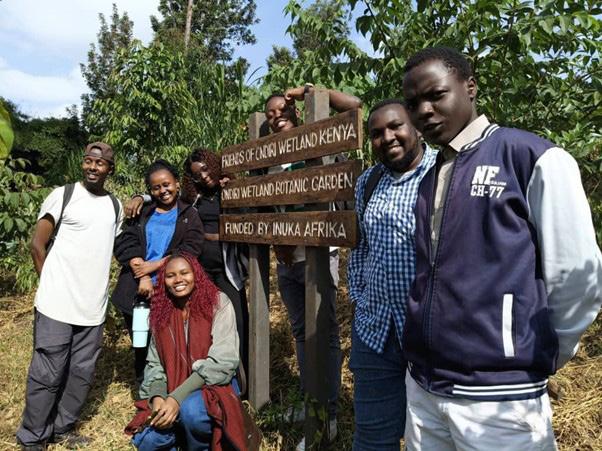
The Wetlands4Wellness project was conceptualized and implemented during the SDG Summer School in Kenya under the mentorship of the Albatross Initiative. Ondiri Wetland, located in Kikuyu, Kiambu County, is Kenya’s only highland bog and the source of the Nairobi River. Despite its ecological importance, the wetland is under severe threat due to urban encroachment, pollution, and the erosion of traditional conservation practices. This project brought together young leaders from United States International University – Africa (USIU) and Egerton University to co-create a holistic solution with the Ondiri community. By combining science, culture, and innovation, the team sought to restore ecological functions, improve community health, and contribute to global Sustainable Development Goals (SDGs).
Project Overview and Relevance to the SDGs
This project contributes to multiple Sustainable Development Goals (SDGs) by addressing interconnected social and environmental priorities. It supports SDG 1 (No Poverty) through improved livelihoods generated by agroforestry and ecosystem services, and SDG 2 (Zero Hunger) by enhancing food security through sustainable agricultural practices. It advances SDG 3 (Good Health and Well-being) by reducing disease vectors and improving air and water quality, and SDG 6 (Clean Water and Sanitation) through the restoration of freshwater systems. The initiative also aligns with SDG 11 (Sustainable Cities and Communities) by promoting green infrastructure and sustainable urban planning, and SDG 13 (Climate Action) by implementing nature-based adaptation strategies. Finally, it contributes to SDG 14 (Life Below Water) and SDG 15 (Life on Land) by protecting aquatic and terrestrial biodiversity, reinforcing a holistic approach to sustainability.
The main goals of Wetlands4Wellness are to restore the Ondiri Wetland through community-driven, nature-based interventions and to revitalize Indigenous Knowledge Systems in environmental management. The project also seeks to strengthen eco-literacy and public awareness, enhance community resilience to climate-related risks, and influence environmental policy through participatory knowledge-sharing.
Ondiri Wetland, though small in size, is ecologically vital as the hydrological source of the Nairobi River system. Yet, rapid urbanization, agricultural encroachment, and pollution have led to degraded water quality affecting domestic use and health, increased flooding in nearby settlements due to the loss of natural buffers, and a decline in biodiversity that undermines ecosystem stability. These pressures have also resulted in public health challenges, including waterborne and vector-borne diseases, as well as an erosion of cultural practices that once supported traditional conservation mechanisms. The community’s reliance on the wetland for water, farming, and cultural identity underscores the urgency of addressing its degradation. Without intervention, both ecological services and human well-being will continue to deteriorate.
Wetlands4Wellness proposed a hybrid solution that combined Nature-Based Solutions (NbS) with Indigenous Knowledge Systems (IKS). The project’s innovative aspects included nature-based interventions such as the restoration of riparian buffers, planting of indigenous tree species, and introduction of agroforestry practices to improve soil fertility, water retention, and food security. It also focused on the integration of Indigenous Knowledge through the documentation and revitalization of traditional conservation practices such as seasonal grazing bans, sacred tree protection, and cultural rituals. Community co-creation was central to the approach, with active involvement of women, youth, elders, and local groups such as WRUAs and CBOs in planning and implementation. Additionally, the project emphasized digital storytelling and advocacy through the production of multimedia casebooks, policy briefs, research papers, and educational toolkits to connect community insights with policy frameworks.
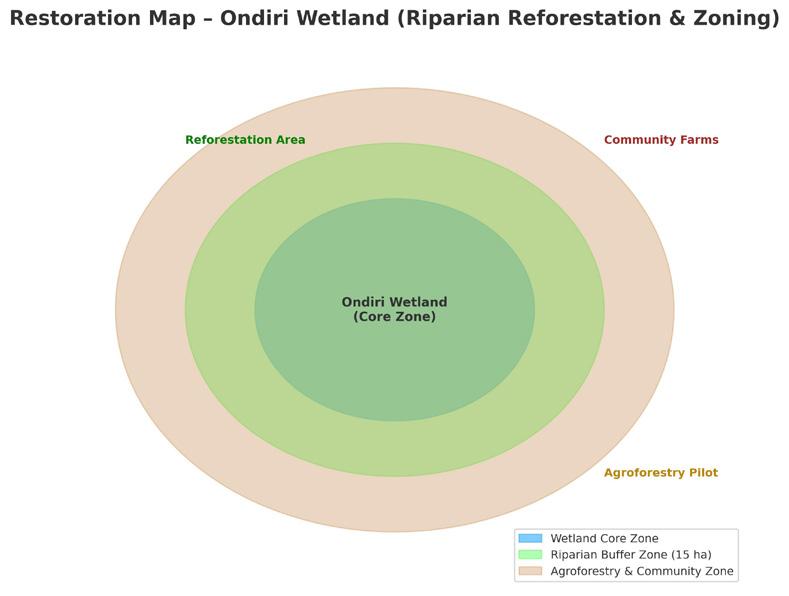
The prototype was designed as a community-driven model for wetland restoration, integrating both scientific and local knowledge. It included a multimedia casebook, a short documentary that captured ecological threats and community narratives; a research paper that synthesized scientific data with community recommendations; and a restoration map, which provided a GIS-based visualization for riparian reforestation and zoning. In addition, an educational toolkitfeaturing posters, infographics, and lesson plans for schools was developed to raise awareness and promote environmental education within the community.
Key findings from testing showed that community members possessed rich ecological knowledge with strong potential for conservation. Youth and women emerged as critical drivers of restoration efforts, while restoration measures improved air quality, reduced standing water—and therefore disease vectors—and created new options for food and water security. The use of visual and participatory tools also significantly enhanced environmental awareness within the community.
The technical specifications and data from the project show a tree planting density of 400 seedlings per hectare, combining indigenous and agroforestry species. GIS zoning identified 15 hectares designated for restoration buffers, while community workshops engaged over 100 participants across different generational groups. Prototype outputs included one documentary, one information brief, one restoration map, and an educational toolkit that was tested in three local schools.
The project offers multiple interconnected benefits for both people and the environment. It restores degraded ecosystems while enhancing biodiversity, reduces the risks of flooding and disease outbreaks, and strengthens food and water security through agroforestry and improved water quality. By revitalizing Indigenous Knowledge, it also helps preserve cultural identity and builds community adaptive capacity in the face of climate change.
For its users and beneficiaries, the project creates tangible value at different levels. For the community, it leads to improved health outcomes, greater resilience to climate shocks, and more sustainable livelihoods. For local authorities, it provides a tested and scalable model for ecosystem management that aligns with SDG targets. For policymakers, it delivers evidence-based tools and amplifies community voices to inform wetland restoration and climate adaptation policies.
Unlike conventional top-down conservation projects, Wetlands4Wellness uniquely integrates science and tradition while centering community voices. Its participatory, multimedia approach ensures solutions are not only ecologically sound but also socially and culturally relevant.
Conclusion
The Ondiri Wetland is a lifeline for both ecosystems and communities in Kenya. Solving its degradation is not just an environmental imperative but also a public health, cultural, and economic necessity. Wetlands4Wellness demonstrates how youth-led, interdisciplinary, and community-rooted innovation can address global challenges from the ground up.
The next steps for the project focus on expanding its impact and ensuring long-term sustainability. The team plans to scale up the model to other wetlands across Kenya and eventually to other parts of
Africa. Policy engagement will center on institutionalizing Indigenous Knowledge Systems within county and national conservation frameworks. Capacity-building efforts will involve training local schools, WRUAs, and youth groups in eco-literacy and wetland stewardship. The project also aims to strengthen partnerships with organizations such as Wetlands International, UNEP, NEMA, and the Kiambu County Government, while mobilizing funding through climate finance mechanisms, NGO collaborations, and communitybased fundraising initiatives.
By bridging tradition and innovation, Wetlands4Wellness offers a replicable pathway toward climate resilience, healthier communities, and sustainable ecosystems. Its success highlights the critical role of young leaders in advancing the SDGs and reshaping the future of conservation in Africa.
Link to photos - https://drive.google.com/drive/folders/1ZsRq7oh-ydU1gnCf0mu62ELjJ 7HoYMbY?usp=sharing
Multimedia Casebook – A short documentary capturing ecological threats and community narratives (https://youtu.be/SdGolD66uYI?si=kVY33AYHEsunwPad).
Educational Toolkit – Posters, infographics, and lesson plans for schools (https:// docs.google.com/presentation/d/1SzYorOMZcu25QnWwKJKh2lxqBETEB-E-/
UNIVERSITY OF EASTERN AFRICA, BARATON
A youth-led initiative that bridges digital and offline communities to mobilize climate action, amplify grassroots voices, and connect them to global advocacy platforms.
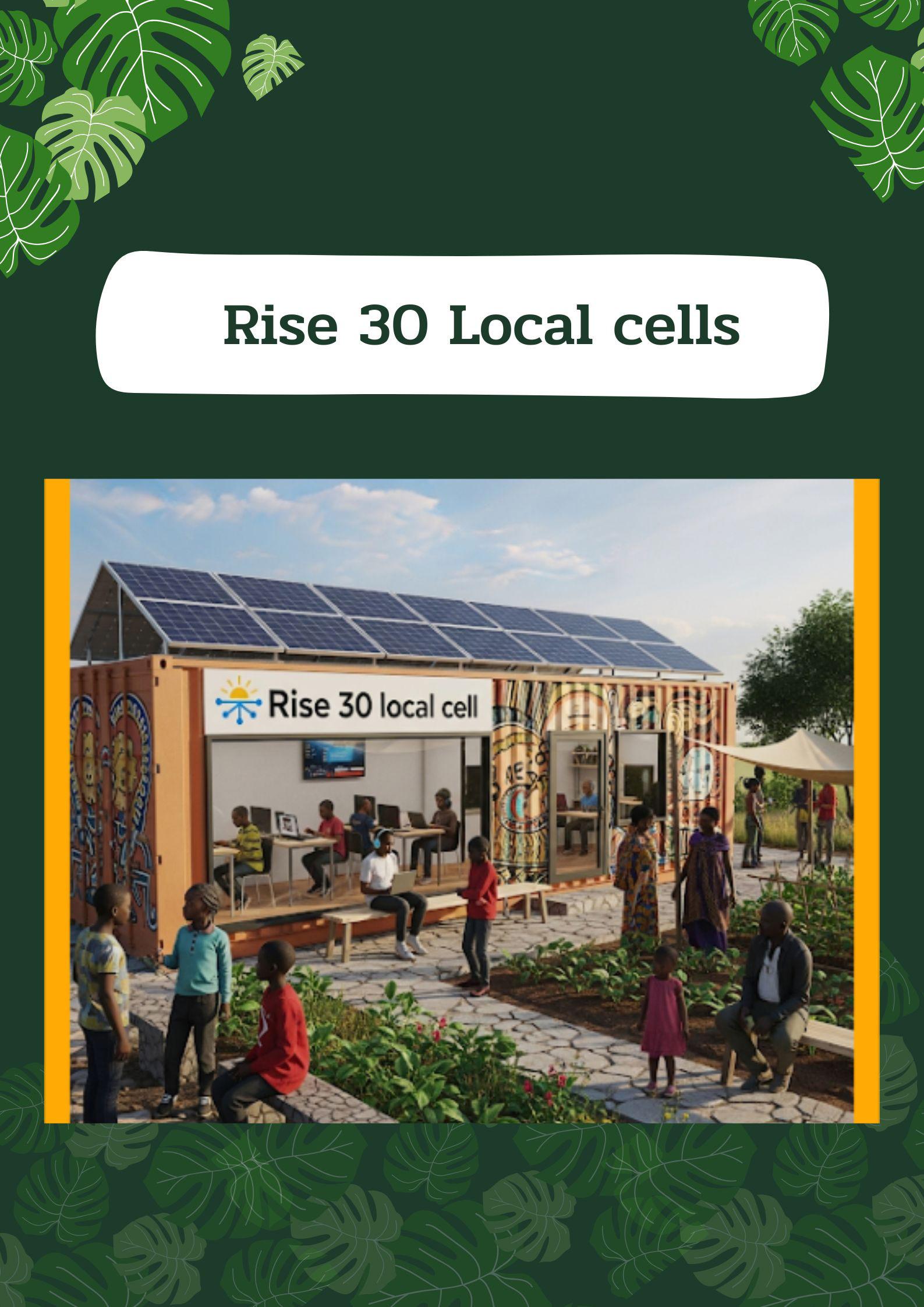
RISE30 mobilizes young people into “local climate cells,” empowering them to track deforestation, protect forests and water towers, and connect their actions to national policies and global platforms such as COP30 and Amazon protection.
UNIVERSITY
OF
EASTERN
AFRICA, BARATON BRIAN GILLO , WILFRED MUTWIRI, MERCY JEPCHIRCHIR, CALEB KIPKAZI , ABIGAIL KIPLAGAT
Introduction
Climate change poses a critical challenge for young people in Kenya and across Africa. While youth represent the largest demographic, their voices are often excluded from decision-making spaces.
Rise 30 aligns with the UN SDGs (13 – Climate Action, 10 – Reduced Inequalities, 17 – Partnerships for the Goals) by empowering youth to take localized climate action while contributing to global advocacy. Our main goal is to build an inclusive youth climate network that links grassroots realities to international dialogues, starting in Kenya and scaling across Africa.
Project Overview
Rise 30 addresses the urgent need for youth-driven, inclusive, and scalable climate solutions. By combining a digital hub with offline community “cells”, we ensure that both urban, digitally connected youth and rural, low-connectivity youth can participate in climate action. The project’s vision is to mobilize 1 million youth by 2030 to create awareness, collect local climate data, and drive climate advocacy.
Problem
Youth in Kenya and across Africa face two major challenges that limit their participation in climate action. First, they are often excluded from global climate dialogues, with grassroots voices rarely represented in national or international decision-making spaces. Second, a persistent digital divide prevents many rural and marginalized youth from accessing online platforms, restricting their ability to engage in climate advocacy and collaboration. This inequity leaves millions of young people unable to contribute meaningfully to climate solutions, even though they are among the most affected by floods, droughts, and deforestation.
Rise 30’s solution is a hybrid youth mobilization model that bridges the digital and physical worlds to make climate advocacy more inclusive. It features a digital hub, a web platform where youth can learn, share stories, join campaigns, and connect with global movements, alongside offline community cells established in ten Kenyan counties to engage low-connectivity youth through workshops, storytelling, and action projects. The model also integrates data and narratives, collecting local climate data and youth stories to inform policy and contribute to global advocacy efforts such as COP dialogues. Unlike existing digital-only platforms, Rise 30 stands out for its inclusivity— connecting offline youth and linking their lived experiences directly to global climate narratives.
The prototype consists of a website and mobile app design that showcase youth climate stories, campaign modules, and educational resources, along with an SMS/USSD tool that allows offline youth to submit stories, take surveys, and receive campaign updates. Community pilot cells were tested in three counties, engaging around 150 youth through workshops and surveys. Findings show that offline engagement significantly boosts participation—by about 40 percent compared to online-only outreach—and that youth are highly motivated when their stories are connected to global campaigns. The prototype features a mobile-responsive website, SMS/USSD integration with short codes, and cloud-based data storage to enable scaling. Early data indicates strong interest, with 80 percent of surveyed youth expressing a desire to join local climate cells and 65 percent noting the lack of platforms to share their climate experiences.
Value Proposition
Rise 30 offers a unique value proposition that empowers youth, informs policymakers, and connects global networks. For youth, it provides a platform where their voices truly matter—whether they are online or offline—ensuring inclusivity across connectivity barriers. For policymakers and partners, it delivers localized climate data and narratives that enhance advocacy efforts and guide more responsive policy design. For global networks, Rise 30 presents a scalable model
that links grassroots action directly to international campaigns. Unlike other platforms, it is not just another website but a youth-owned movement that unites offline participation, local data collection, and global advocacy within one integrated ecosystem—something existing initiatives like Global Citizen have yet to fully achieve in Africa.
Conclusion
Rise 30 demonstrates how African youth can lead in bridging local realities with global climate advocacy. By mobilizing both digitally connected and offline communities, the initiative addresses inequity, strengthens resilience, and ensures inclusivity. With further support, Rise 30 can scale from 10 Kenyan counties to East Africa and beyond, empowering millions of youth to take climate action and shape the future of our planet.
Human-powered clean energy solution designed to address unreliable electricity access
CycleCharge Power is a human-powered clean energy solution designed to address unreliable electricity access and costly power alternatives in Kenya. By recycling old car alternators and lead-acid batteries from garages and scrap yards, the system converts kinetic energy from pedaling a bicycle into stored electricity, which can then power household appliances.
REBECCA NAMPIIMA. JUSTIN SIBOMANA. GATHONI ESTHER MBUGUA. UNIVERSITY: UNITED STATES INTERNATIONAL UNIVERSITY-AFRICA (USIU-AFRICA)
Introduction:
While efforts are being made on the African continent to increase energy access, regulatory frameworks in many Sub-Saharan countries remain inconsistent. Lengthy licensing, unclear tariffs, and lack of grid-integration policies discourage private investors. While Solar Home Systems are promoted, affordability still remains an issue. Import duties, VAT on components and lack of consumer financing slow adoption continue to affect the energy sector. In 2020, the REACT (Renewable Energy and Climate Technologies) program was introduced in Kenya to aid innovations and adaptability to clean energy. However, the gradual progress has seen many people in the country out of reach to clean energy in addition to power outages. There is persistent unpredictable power outage in many parts of Nairobi, particularly in informal settlements and low-income areas that can not afford the high cost of electricity bills as well as generators. For high end places and residential areas that can afford generators, often use fuel-powered generators as a substitute to electricity outage. The generators commonly use Diesel to power them which emits Carbon dioxide, associated with noise pollution during usage and high maintenance costs.
Problem Statement:
In the financial year 2023/2024, Kenya faced a 21% power outage surge that surpassed any known limits by the Energy and Petroleum Regulatory Authority. According to the regulator, the country experienced an average of 10.14 hours in darkness without electricity. This has been attributed to poor and old electricity infrastructure, exacerbated by rainy seasons. This leaves citizens inconvenienced both at work and at household level. In addition, the citizens face very high electricity bills which makes them forgo other basic needs to meet the bills. The country has a high unemployment rate among the youth who make up 75% of its population, unfortunately they are met with high electricity bills as they start out adult life.
Cross-Sector Collaboration Award
According to research by the Innovations for Poverty Action (2021), millions of people in Sub-Saharan African countries like Burundi, Kenya, Uganda, Somalia especially in rural areas, rely on kerosene lanterns for lighting. Burning these fuels indoors leads to severe indoor air pollution, causing respiratory illnesses, eye problems, and premature deaths, particularly among women and children. Where the pricing for solar installation is high to supply clean and affordable energy for lighting and device functioning. For those in the city centre, they often rely on electricity, which is unreliable and often experience blackouts. In many urban and peri-urban areas, small fossil-fuel generators (e.g., petrol/diesel) are common due to unreliable grid electricity. These generators emit harmful pollutants (particulate matter, nitrogen oxides, sulfur oxides, carbon monoxide) that contribute to smog and local air quality issues, impacting public health.
On the other hand, in the same areas automobile parts e.g Alternators and Lead-acid batteries from cars go unused or stored in garages. However, these can be put to use through recycling and refurbishing end life of car alternators and batteries to generate clean energy. This will be through partnership with local garages and scrap yards.
The main objectives of the project are to provide clean and affordable power generated through human activity, contributing to SDG 7 (Affordable and Clean Energy); to promote the recycling of automobile parts such as alternators and lead-acid batteries, supporting SDG 13 (Climate Action); to encourage household activities that generate power, in line with SDG 10 (Reduced Inequalities); and to help reduce deforestation, further advancing SDG 13.
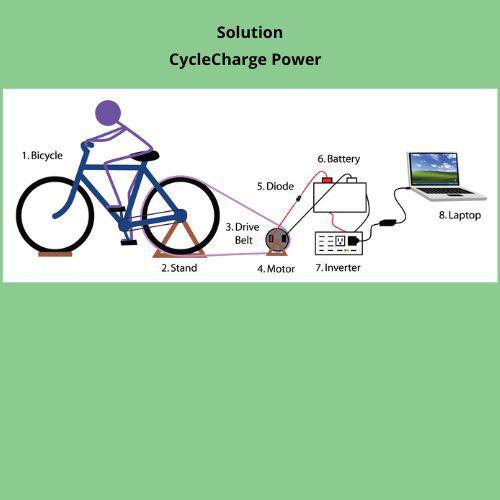
Cycle Charge Power is a human-powered mode of generating Kinetic energy through physical activity such as cycling. The Kinetic energy turns the alternator generating AC, which is stored chemically in the battery when pedaling stops. For use, DC is converted into AC to power LED bulbs, Phone charging, fans, watch TV and so on.
Our solution contributes to several Sustainable Development Goals (SDGs). SDG 7: Affordable and Clean Energy is addressed through the use of CycleCharge Power to light homes and kiosks, reducing household expenditure on electricity bills. It also aligns with SDG 13: Climate Action by minimizing the use of kerosene lamps that emit carbon dioxide and decreasing dependence on electricity, which in turn helps reduce the cutting down of trees for electric poles. In addition, the project supports SDG 10: Reduced Inequalities by providing power access to people in informal settlements who are often left in the dark during electricity outages and cannot afford generators.
Description of the prototype:
Around Roysambu-Nairobi garages and scrap yards, many old automobile parts (Alternators and Batteries) are unattended to or left unused for long periods of time yet they are non-biodegradable. We therefore put these to use through a connection system. When the cycle pedals the hind wheel on the bicycle turns the rotor in the Alternator, creating a changing magnetic field. The Alternator converts the Mechanical energy into Alternating current (AC). Then the internal rectifier changes AC to Direct current for battery charging. The battery acts as an energy reservoir for later use. The converter converts DC to compatible AC used by most bulbs and appliances. For example, a 12V battery is estimated to power a 10W LED bulb for 120+ hours without recharging. In the case of using recycled batteries, we aim to test, repair and certify alternators and batteries to meet safety standards before use.
This is through partnership with local mechanics, garage stores and scrap yard owners. There is a need to create awareness for this form of energy as most people are unaware of it. Creation of local partnerships with GIZ-Kenya, M-Pesa Foundation can deepen our outreach and impact. This will help us to create a steady pricing system based on the willingness to switch to Cycle Charge. On the other hand, we aim to create stable energy one pedal at a time.
Our proposed mode of power generation demonstrates how innovation, sustainability, and community empowerment can merge to solve one of Kenya’s most persistent challenges: access to affordable and reliable electricity. By converting human effort into usable energy through recycled automobile parts, the project not only offers a renewable and low-cost alternative for lighting and device charging but also addresses waste management and climate change. The solution’s alignment with SDGs 7, 10, and 13 positions it as a model for scalable grassroots innovation that empowers households, supports youth engagement, and promotes environmental protection.
One of our major focuses is to equip low-income households to have stable power. Through community demonstrations and workshops we hope to raise awareness about the benefits of kinetic energy and train users on how to assemble, maintain, and safely operate CycleCharge systems. In addition, we are leveraging innovation hubs on campus
to partner with universities, innovation hubs, and policymakers to advocate for recycling-friendly energy policies and inclusion of human-powered energy innovations in national clean energy frameworks. Currently, we have collaborated with local garages, scrap dealers, and technical training institutions to create a supply chain for recycled parts. A much further step draws us to engage organizations such as GIZ-Kenya, M-Pesa Foundation, and county governments for financial and technical support.
Health-focused start-up that transforms fruit peel and wood waste into affordable, eco-friendly mosquito-repelling products.
Peellnnova is a Ghanaian health-focused start-up that transforms fruit peel waste together with wood waste into affordable, eco-friendly mosquito-repelling products to protect homes from mosquitoes and other insects which intend improves lives.
1. SONNY YAW GILBERT - PROJECT LEAD
KWAME NKRUMAH UNIVERSITY OF SCIENCE & TECHNOLOGY
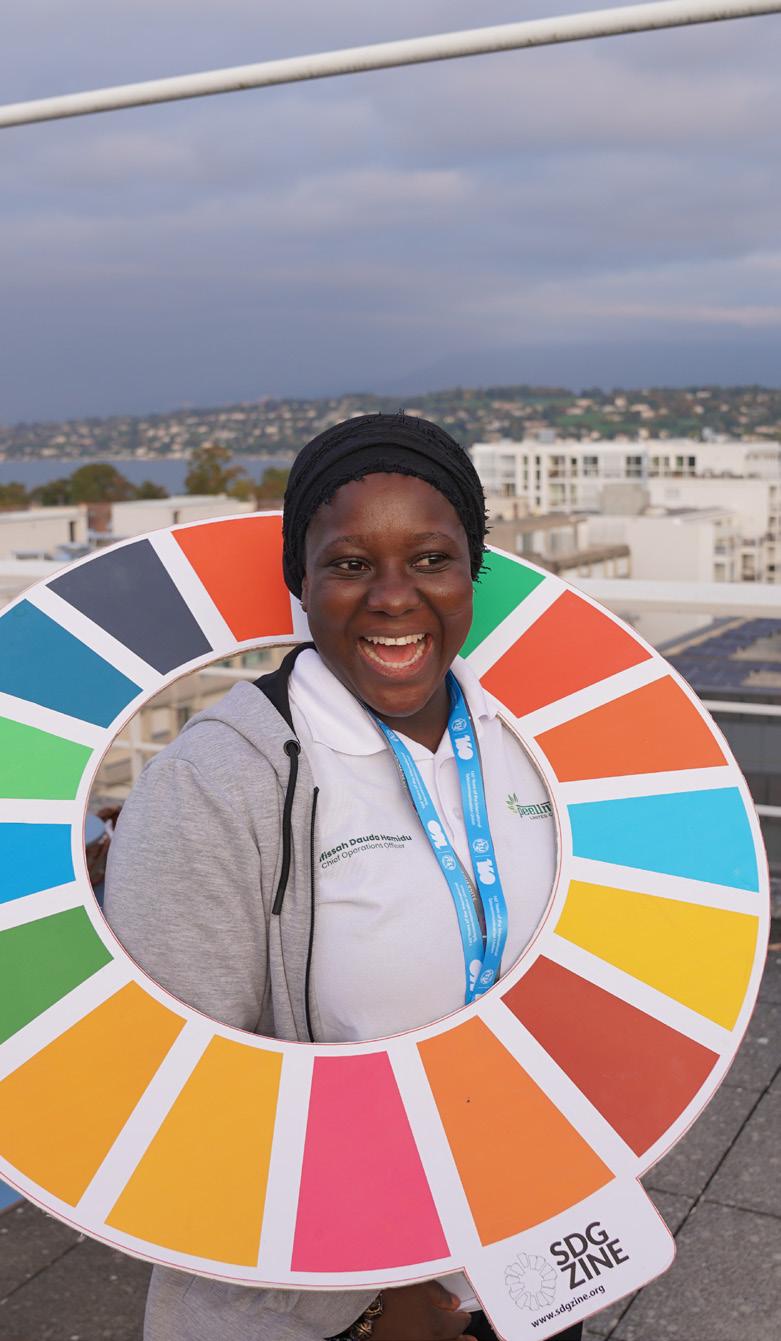
2. NAFISAH HAMIDU DAUDA - OPERATIONS OFFICER
KWAME NKRUMAH UNIVERSITY OF SCIENCE & TECHNOLOGY
3. ENOCH SIEKAAH - USER EXPERIENCE OFFICER
KWAME NKRUMAH UNIVERSITY OF SCIENCE & TECHNOLOGY
4. BENEDETTE NAAME - FINANCE LEAD
KWAME NKRUMAH UNIVERSITY OF SCIENCE & TECHNOLOGY
Introduction
The World Health Organization in 2023 reported a malaria case of 263 million in 83 countries were Africa accounted for 94% of all these cases. According to PubMed, conventional mosquito-repelling products are known to cause cold, sore throat and discomforts which sometimes are the reasons some people avoid their usage. According to the Food & Agricultural Organization, one-third of all foods go waste and 50% of oranges and pineapples are left as waste in the pith and peels of these fruits. This emphasizes the demand for eco-friendly mosquito repelling products that has none of these side effects and pleasant to users.
Peellnnova is addressing the high burden of mosquito-borne diseases in Africa, particularly malaria, and the lack of affordable, locally made, non-toxic mosquito repellents. Most available coils and repellents are imported, often expensive, and contain synthetic chemicals that can cause respiratory irritation and environmental harm. At the same time, Ghana is seeking to promote local manufacturing, reduce import dependence, and create green jobs. Peellnnova is positioned at the intersection of health, sustainability, and innovation making this the right time to launch and scale.
Solution
Peellnnova offers a sustainable and health-conscious alternative to synthetic mosquito repellents by producing affordable, eco-friendly products starting with mosquito coils made from fruit peel waste like orange and pineapple together with other natural ingredients. These products are formulated using locally available botanical ingredients with proven insect-repellent properties, making them both effective and safe for use in homes. The long-term plan includes expanding into herbal mosquito creams, aerosols, and repellents for indoor and outdoor use.
Description of Prototype
The prototype is an herbal mosquito-repelling coil made from a blend of dried fruit peel powders (mainly Citrus sinensis and Ananas comosus), natural binding agents, starch, essential oils, and plantbased preservatives. It is manually shaped into coils using a mould and dehydrated to harden. The result is a light-brown coil with a subtle fruity scent, designed to burn slowly and emit mosquito-repelling scents without the harshness of synthetic chemicals.
Value proposition
Peellnnova offers a safe, affordable, and environmentally friendly mosquito-repelling solution made from fruit peel waste providing protection against malaria while reducing Africa’s dependence on imported synthetic repellents. Our coils are 25% cheaper than most market options, scented naturally, and safe for indoor use, especially in households with children and elderly persons. By turning organic waste into a health solution, we deliver both public health impact and environmental value.
Conclusion
Now more than ever, it is critical to address the persistent threat of mosquito-borne diseases like malaria using solutions that are not only effective but also safe, affordable, and locally sustainable. Imported repellents remain inaccessible to many, and the overreliance on synthetic chemicals continues to pose health and environmental risks. Peellnnova presents a timely response to these challenges by transforming local fruit waste into protective, herbal-based mosquitorepelling products tailored for Ghanaian households. With funding support, we are ready to take the next steps: scale up production, complete regulatory approvals, expand our product line, and distribute across the country. This project is not just about business it is about protecting lives, creating jobs, reducing waste, and reshaping the future of health and sustainability in Ghana and Africa at large. The time to act is now.
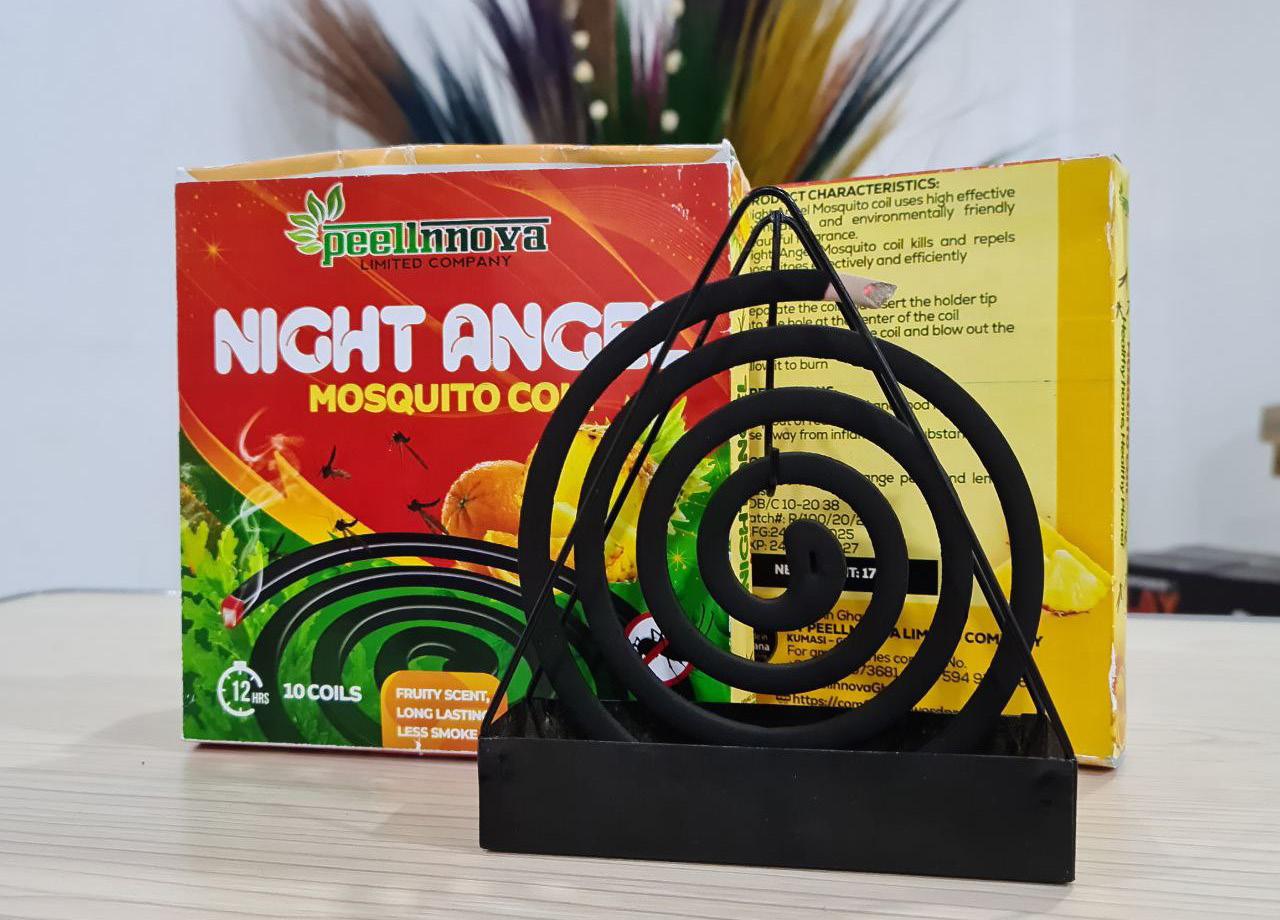
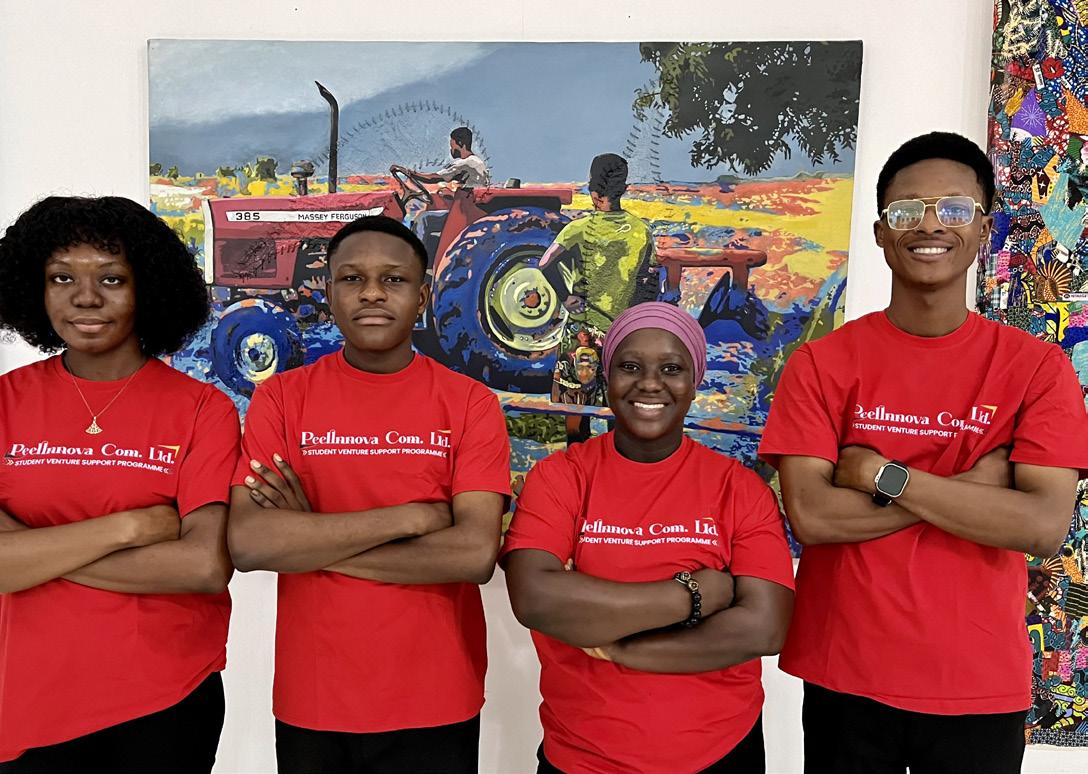
GRIGOL ROBAKIDZE UNIVERSITY
AI-powered language learning platform designed to preserve endangered Georgian languages AWARD
Ertoba (meaning “unity” in Georgian) is an AI-powered language learning platform designed to preserve endangered Georgian languages: Mingrelian/Megrelian, Svan, and Abkhazian. These are not dialects, but distinct linguistic systems currently facing extinction due to lack of use in education, media, and family life. The platform fosters linguistic diversity by providing marginalized communities with tools to learn native languages’ phonetic, grammatical, and structural characteristics. Ertoba supports the transmission of linguistic heritage across generations and strengthens cultural identity by integrating local knowledge into modern technology.
LIZI MODEBADZE, CAUCASUS UNIVERSITY, l_modebadze@cu.edu.ge
MIKHEIL LAGVILAVA, CAUCASUS UNIVERSITY, m_lagvilava2@cu.edu.ge
NINI KATAMADZE, CAUCASUS UNIVERSITY, n_katamadze3@gmail.com
WE ARE STUDENTS FROM CAUCASUS UNIVERSITY, PARTICIPATING IN COLLABORATION WITH GRIGOL ROBAKIDZE UNIVERSITY, THE HOST INSTITUTION AFFILIATED WITH THE SDG OLYMPIAD.
Introduction
What could be the cultural impact if younger generations cease to speak their ancestral language? What if centuries of stories, songs, and traditions disappeared with them? In Georgia, this is not an abstract possibility; it is happening right now.
With the growing importance of the Sustainable Development Goals, our team decided to participate in the SDG Olympiad with an initiative that presents a novel, AI-powered language learning platform exclusively developed for Georgian languages such as Mingrelian/ Megrelian, Svan, and Abkhazian. These languages face extinction due to their declining use in daily life and the fact that they are almost never taught in formal settings. According to UNESCO, Mingrelian, Svan, and Abkhazian languages are recognized as “increasingly endangered languages” (Moseley, 2010, p. 41).
Ertoba promotes linguistic diversity by tools that enable marginalized communities to learn the phonetics, grammar, and structure of their native languages. The platform supports preservation and sharing of linguistic heritage across generations and strengthens cultural identity by bringing local knowledge into modern technology. The project aligns with several Sustainable Development Goals, including SDG 3 on good health and well-being, SDG 4 on quality education, SDG 10 on reduced inequalities, SDG 11 on sustainable cities and communities, SDG 16 on peace, justice, and strong institutions, and SDG 17 on partnerships for the goals.
Community-Based Award
Georgia is home to several endangered languages that reflect its rich linguistic and cultural diversity. These languages were kept alive through word of mouth. However, the rapid decline in everyday use, especially among youth, threatens their extinction and the loss of cultural identity. Migration from regions such as Samegrelo, Svaneti, and Abkhazia has accelerated language loss. In the long term, individuals who migrate to other regions and marry may not pass on these languages to their children due to the absence of native speakers in their surroundings. As a result, the language gradually disappears. In regions such as Abkhazia, ongoing political turbulence exacerbates the situation. Abkhazian, Svan and Mingrelian languages are at risk of extinction due to the fact that in Abkhazia there are almost no formal opportunities for learning Abkhazian or using it in media and educational settings.
Ertoba addresses this urgent issue by providing children and communities with the opportunity to learn their ancestral languages starting at an early age. The platform is designed to make language learning interactive, motivating, and compatible with modern digital habits. Content comes from native speakers, elders, and local communities. This approach preserves cultural traditions and helps pass knowledge to younger generations. By raising awareness of the cultural value of endangered languages and equipping learners with modern tools, Ertoba offers an innovative approach. Its unique aspects include AI-powered functions such as speech recognition, real-time pronunciation correction, and grammar guidance. In addition, the Cultural Archive preserves regional knowledge in a digital museum, allowing communities and learners to explore and engage with their heritage.
The initial pilot version is being developed for the Mingrelian language, as the team is fluent in it. Vocabulary and cultural materials will be gathered from native speakers, and basic AI functions will be tested to provide meaningful feedback. Currently, the platform is in its conceptual phase, and the prototype has not yet been fully developed or tested. However, a demo version of the Ertoba logo has been
created as part of the project’s initial visual identity. Planned technical characteristics of the prototype include: speech recognition and realtime correction, grammar support and vocabulary expansion tools, and the integration of cultural archives and storytelling features. Although testing outcomes are still pending, a preliminary survey revealed that 97.1 percent of 136 participants believe it is crucial to preserve national languages for future generations, and they are more than willing to purchase an app like Ertoba to gain insights into their native languages. This demonstrates strong public support and clear market potential for the project.
Value Proposition
Ertoba is more than a language learning tool – it is a cultural preservation initiative that combines technology with tradition. The benefits for users and beneficiaries include access to endangered languages in an interactive and engaging format, strengthened cultural identity, and the promotion of intergenerational connections. For diaspora communities, Ertoba provides a unique opportunity to reconnect with their heritage.
What distinguishes Ertoba from other solutions is its exclusive focus on endangered Georgian languages. Unlike mainstream platforms that prioritize global languages, Ertoba ensures cultural accuracy, community involvement, and deep relevance to local traditions. The business revenue generation model is based on community involvement, crowdsourced content, and partnerships with UNESCO and local cultural institutions. Additional revenue will be generated through premium features for families and children, such as storytelling, legends, knowledge of herbal medicine, and advanced functions like AI-powered conversational practice and personalized learning support.
Conclusion
Ertoba is more than a platform for learning languages. It is a way to keep Georgian endangered languages alive in the digital age. By integrating local knowledge into modern educational tools, it not only supports endangered language revival but also strengthens intergenerational learning, cultural identity, and community resilience.
The project supports key Sustainable Development Goals (SDGs 3, 4, 10, 11, 16, and 17) and is moving forward with the Mingrelian prototype, technical testing, and expansion to Svan and Abkhazian. With the backing of communities, cultural institutions, and international partners, now is the time to act, before centuries of stories, songs, and traditions fade away.
Acknowledgements
We gratefully acknowledge the support of Grigol Robakidze University, whose collaboration made our participation in the SDG Olympiad possible. We sincerely thank Dr. Mehdi Majidi for his valuable guidance and directions throughout the development of this project. We are also deeply grateful to the members of GRUNI’s SDG Center, who worked tirelessly to make our participation in the Olympiad possible. We extend our gratitude to the local elders, native speakers, and community members who generously shared their knowledge, stories, and linguistic materials, without which this project would not have been possible. Finally, we recognize the inspiration and guidance provided by international frameworks such as the United Nations Sustainable Development Goals, which shaped the direction and vision of Ertoba.
Bibliography
United Nations. (2015). Sustainable Development Goals 3, 4, 10, 11, 16, and 17. In Transforming our world: The 2030 Agenda for Sustainable Development.
Moseley, C. (Ed.). (2010). Atlas of the World’s Languages in Danger (3rd ed.). United Nations Educational, Scientific and Cultural Organization (UNESCO).

AI-powered chatbot designed to provide instant, verifiable, and accessible information on SDG 3 health indicators
The Health Data Navigator (HDN) is an AI-powered chatbot designed to provide instant, verifiable, and accessible information on SDG 3 health indicators. Built on official data sources, the tool enables journalists, researchers, and policymakers to quickly access validated statistics and visualizations to counter misinformation in real-time.
LUCIANA FLORES – UNIVERSITY OF GENEVA, luciana.cfl@gmail.com
ANASTASIIA RYTSEVA – UNIVERSITY OF GENEVA, anastasiia.rytseva@gmail.com
Introduction
In an age where misinformation spreads faster than truth, access to reliable health data has become a matter of life and death. The SDG Data Navigator (SDN) is an AI-powered chatbot that provides instant, verifiable, and accessible information on official SDG 3 health indicators. By transforming raw data into clear and trustworthy insights, SDN empowers journalists, researchers, and policymakers to make informed decisions, strengthening the global fight against misinformation.
The project directly contributes to SDG 3 (Good Health and Wellbeing) by improving access to reliable health statistics, while also supporting SDG 16 (Peace, Justice and Strong Institutions) and SDG 17 (Partnerships for the Goals) through its emphasis on transparency and collaboration. Its main goal is to bridge the gap between data availability and data usability, turning official statistics into a powerful public good.
Health misinformation is one of the most pervasive and dangerous challenges of our time. False or distorted data can influence public opinion, shape policy debates, and even cost lives. While global institutions such as the WHO, UN, and World Bank provide extensive health data, accessing and interpreting this information remains difficult for most citizens and journalists. Datasets are often fragmented, overly technical, or buried within complex dashboards. This lack of usability leads to a cycle of confusion and mistrust. During the COVID-19 pandemic, delayed or misrepresented data fueled vaccine hesitancy and policy paralysis. The issue is especially critical in developing regions, where poor data accessibility widens existing inequalities and limits effective responses to health crises.
The SDN was conceived to close this gap: making verified data not only accessible but understandable.
The SDG Data Navigator is an interactive chatbot built on OpenAI’s GPT platform and powered by curated datasets from the World Bank, WHO, and the UN SDG Global Database. Its innovative approach combines artificial intelligence, open data, and ethical design principles to deliver instant, source-cited answers in natural language. Unlike general-purpose AI models, SDN was engineered with a “truthfirst” protocol. It retrieves information exclusively from verified institutional datasets, clearly cites each data source and year, and refuses to provide answers when data is missing or outdated—flagging such gaps as policy problems rather than guessing. In addition, it generates dynamic visualizations, including charts and maps, to enhance understanding. This design reimagines how technology can support the SDGs, not by replacing human expertise but by amplifying it through trustworthy automation.
The SDN prototype is a custom GPT model hosted on the ChatGPT interface. It operates using cleaned and restructured CSV and XLSX datasets containing key SDG 3 health indicators, supplemented by institutional documents that provide additional context and interpretation.
The development process included several key stages. Data cleaning involved flattening multilevel metadata from World Bank indicators to ensure consistency and usability. Prompt engineering focused on crafting and refining system instructions so that every response would be accurately sourced and verifiable. Testing was conducted through more than 100 real-world queries to evaluate performance and reliability.
The prototype achieved notable outcomes, including 100% citation accuracy in responses, the ability to correctly decline speculative or unverifiable questions, and the generation of clear comparative visualizations with proper source attribution. Its technical specifications include databases in CSV and XLSX formats, the OpenAI Custom GPTframework, and Python-based visualization tools integrated within ChatGPT. It supports over 190 languages and
includes a speaking mode to assist users with visual impairments. Overall, the prototype proved both functional and scalable, demonstrating how non-technical users can access, interpret, and visualize complex global datasets within seconds.
The SDN’s core value lies in trust and accessibility, transforming complex data into a practical decision-making tool for journalists, educators, NGOs, and policymakers who need to verify facts instantly. It offers real-time access to official data during debates, interviews, or policy discussions, provides visual insights that simplify complex statistics, and ensures that every response is based solely on verified information. Beyond individual use, SDN delivers value to society by promoting transparency, strengthening institutional credibility, and building public trust. Its educational potential is equally important, enabling students and young people to engage critically with global data and develop data literacy skills. Unlike existing data dashboards or AI chatbots that emphasize either information delivery or usability, SDN bridges both—its refusal to generate unverified answers makes it not just another AI tool, but a model of ethical, SDG-aligned artificial intelligence.
The SDG Data Navigator demonstrates that technology can be a guardian of truth, not a threat to it. By merging open data and artificial intelligence, it empowers users to access reliable information and challenge misinformation in real time.
The next phase of the project includes connecting SDN to live APIs from the WHO and World Bank, expanding coverage to all 17 SDGs, and forming partnerships with organizations such as Data for Change, WHO, and UNDP. The team also plans to integrate the tool with automation platforms like n8n to make it adaptable to messaging apps such as WhatsApp, extending its reach to audiences with limited internet access.
Solving the misinformation crisis requires not only better data but also better ways to communicate it. SDN embodies that mission by making truth accessible, transparent, and actionable for everyone.
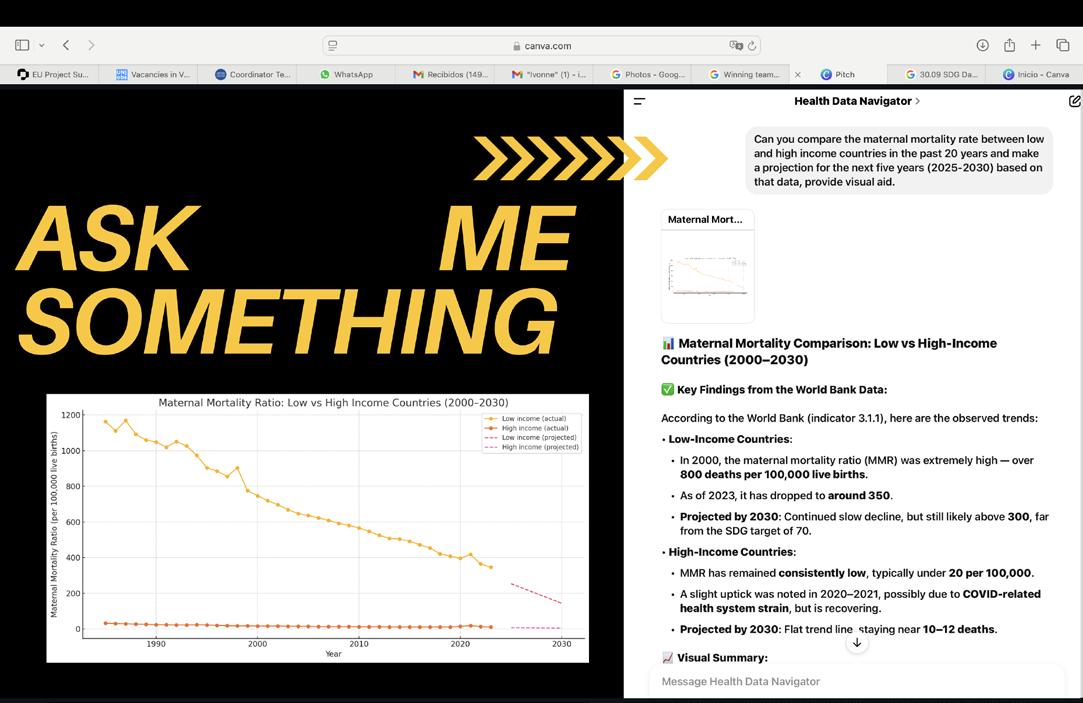
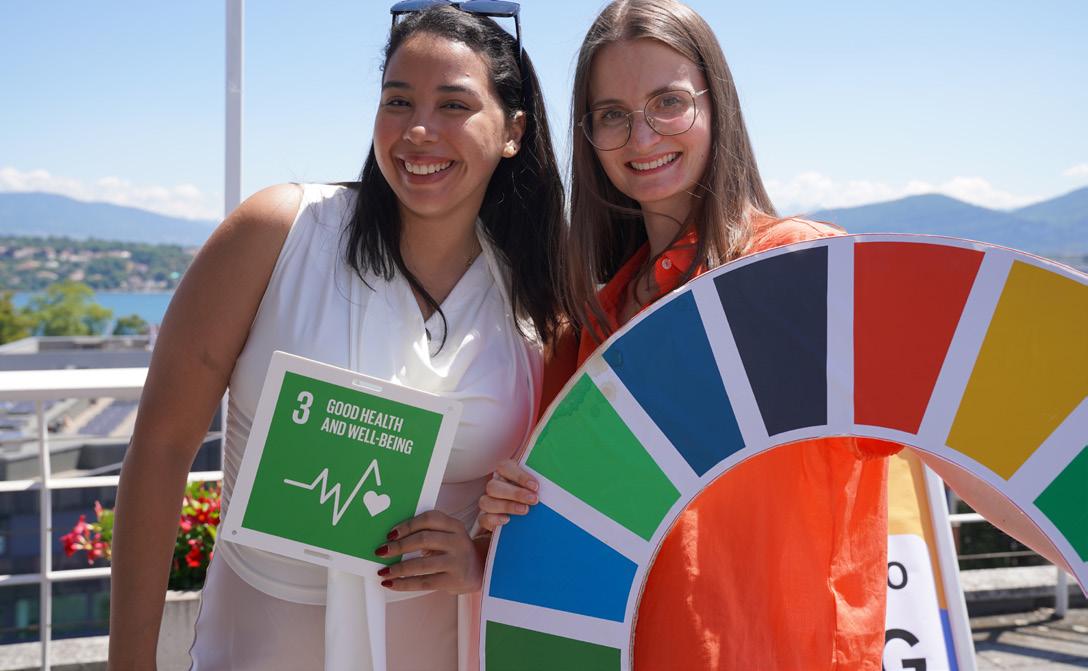
Transforming unmanaged fish waste into renewable electricity
Fishnergy addresses the challenge of mounting fish waste and scarce electricity in coastal communities. In regions like Maluku, where artisanal fisheries sustain thousands, up to 30% of fish production ends as waste while reliable energy remains inaccessible. Our solution transforms this waste into biogas, generating electricity to power cold storage hubs, extend fish shelf life, and cut carbon emissions. By linking waste management with clean energy access, Fishnergy boosts food security, enhances fisher livelihoods, and reduces environmental impact. With scalable potential across Indonesia’s fisheries sector, it stands as a practical, innovative model of the circular economy aligned with global sustainability goals 7, 12, and 13.
ADELA DAMIKA PUTRI
BANDUNG INSTITUTE OF TECHNOLOGY adeladamikaputri@gmail.com
MARIE ZIDOUEMBA
BURKINA INSTITUTE OF TECHNOLOGY zidouembamarie@gmail.com
JOANA PRAH
KWAME NKRUMAH UNIVERSITY OF SCIENCE AND TECHNOLOGY joanaprah4@gmail.com
AGNES KORAMAH ADJEI
KWAME NKRUMAH UNIVERSITY OF SCIENCE AND TECHNOLOGY ajeiagnes07@gmail.com
EVELYN BOATENG KYERAA
KWAME NKRUMAH UNIVERSITY OF SCIENCE AND TECHNOLOGY evelynboatengkyeraa97@gmail.com
Introduction
Indonesia ranks as the second-largest fish producer globally, with an annual production of 21.8 million metric tons (WPR, 2022). In 2022, the fisheries sector contributed approximately 2.6 percent to the national GDP (Monica, 2024). Yet, fishing-dependent regions like Tual in Maluku Province face persistent challenges. Fish processing activities generate an estimated 25,000 metric tons of waste per year, largely unmanaged and left to decay in coastal areas (Yusuf et al., 2024). At the same time, limited access to electricity restricts the use of cold storage infrastructure, resulting in the spoilage of 20–30 percent of fish catches post-harvest (FAO, 2020). This dual challenge undermines food security, reduces fisher incomes, and intensifies environmental degradation.
Fishnergy responds to this crisis by converting fish waste into biogaspowered electricity for community auction hubs and cold storage facilities. In doing so, it preserves fish quality, prolongs marketability,
and strengthens fisher livelihoods. The project directly contributes to SDG 7 (Affordable and Clean Energy), SDG 12 (Responsible Consumption and Production), and SDG 13 (Climate Action).
Problem
Indonesia’s vast fisheries sector is a cornerstone of economic and nutritional security, yet it suffers from inefficiencies and sustainability challenges. In Maluku, artisanal and small-scale fishers struggle with two interconnected issues: unmanaged fish waste and inadequate energy infrastructure. Fish waste—comprising heads, bones, skins, and guts—is often discarded directly into the environment, releasing methane, contaminating coastal ecosystems, and creating public health risks.
Concurrently, limited access to reliable electricity constrains the operations of auction houses and cold hubs. Without sufficient energy for refrigeration, fish left unsold at the end of the day often spoil before reaching consumers. FAO (2020) estimates that 20–30 percent of fish catches are lost in post-harvest stages, causing significant economic losses and exacerbating food insecurity. These challenges highlight the urgent need for an integrated approach to waste management and clean energy in coastal communities
Fishnergy introduces a decentralized biogas-to-electricity system designed to address both waste management and energy scarcity. The system employs a 25 m³ anaerobic digester capable of processing up to 100 kilograms of fish waste daily. The digester produces biogas, which fuels microturbines to generate 6 kW of electricity, sufficient to power auction hub cold storage facilities and lighting.
Unlike single-focus interventions that address either waste or energy, Fishnergy integrates both challenges into a circular economy framework. By transforming waste into a productive resource, the system prevents environmental harm while creating tangible socioeconomic benefits. Its model leverages existing technologies but adapts them to local needs, ensuring affordability, scalability, and community ownership
The Fishnergy prototype is designed as an integrated system that captures biogas from fish waste and converts it into electricity to power auction hubs and community cold storage. Organic residues from fish processing are fed into biodigesters to produce methane, which is then converted into energy through a generator. This electricity allows auction hubs to extend operations and ensures unsold catch can be preserved safely, reducing post-harvest losses.
As a conceptual prototype, Fishnergy combines proven technologies such as biogas digesters, small-scale generators, and modular cold storage into a framework tailored for fishing communities. The system is designed to be modular, easy to maintain with locally available resources, and scalable to different community sizes. While formal testing has not yet been conducted, the prototype is grounded in established technical principles and demonstrates a clear pathway toward reducing waste, improving livelihoods, and strengthening local economies.
Value proposition
Fishnergy delivers a unique combination of economic, environmental, and social benefits by addressing multiple community challenges within a single system. For fishers, reliable electricity for cold storage directly reduces post-harvest losses and secures higher incomes, strengthening the local economy and improving food security. For the environment, the system captures methane that would otherwise escape into the atmosphere, mitigating greenhouse gas emissions while reducing coastal pollution. For the wider community, the project revitalizes auction hubs by enabling extended operations and ensuring that fish, a critical source of nutrition, remains available and safe for consumption.
The distinguishing feature of Fishnergy lies in its service-based model. Unlike solutions that rely on the introduction of novel but untested technologies, Fishnergy adapts proven innovations into a framework tailored for affordability and scalability in fishing communities. By aligning technology with local realities and embedding a circular economy approach, Fishnergy demonstrates how innovation can be both impactful and inclusive.
Fishnergy is a solution that directly tackles food insecurity, energy scarcity, and environmental degradation in fishing communities. By leveraging proven technologies within a circular economy framework, the project empowers local fishers, strengthens value chains, and contributes to climate action. By turning unmanaged fish waste into renewable energy, Fishnergy ensures affordable and reliable electricity for auction hubs and cold storage, reducing post-harvest losses while enhancing community livelihoods.
The next steps include piloting deployments in fishing communities, refining cost-efficiency, and building strategic partnerships with startups, local authorities, and industry actors. Through collaboration, Fishnergy can accelerate progress toward SDG 7, 12, and 13, making sustainable energy, resource efficiency, and climate action a shared reality.
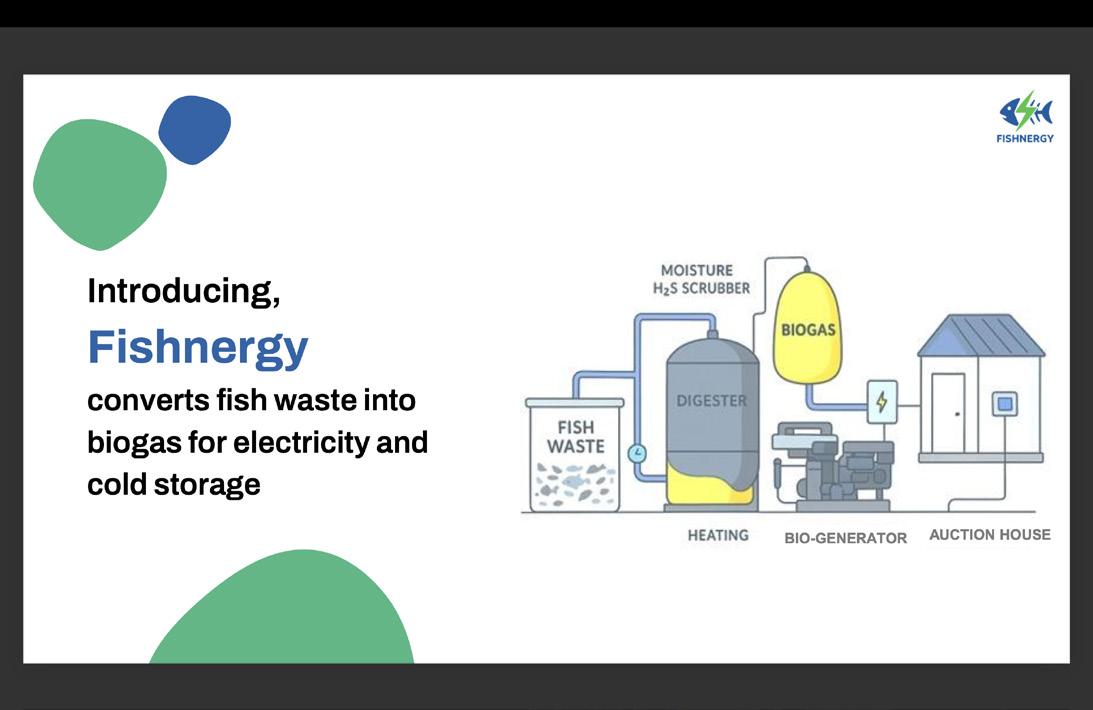
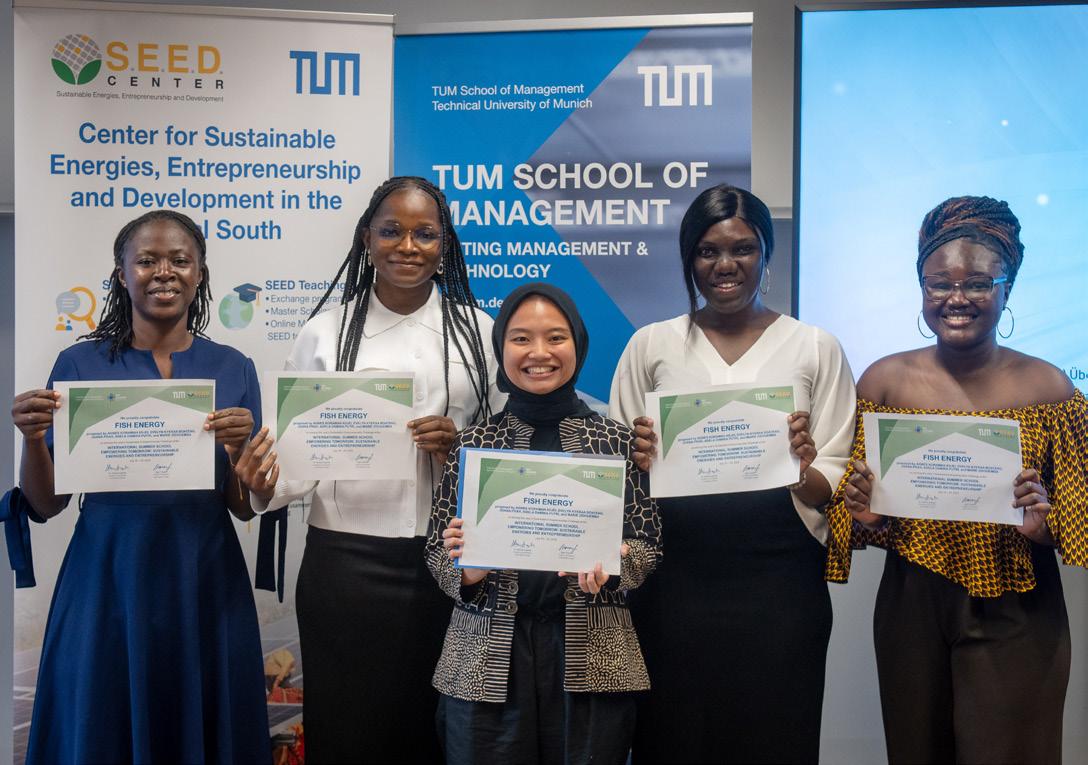
The Eco²- SHEis an innovative, sustainable sanitary product made from agricultural waste such as sugarcane bagasse and sorghum bagasse. Designed to address environmental and menstrual hygiene challenges, this biodegradable pad offers an affordable, non-toxic, and accessible solution for menstruating individuals in low-income settings. By promoting circular waste usage, women’s health, and education, this project contributes significantly to SDGs 3, 5, 9, 12, and 13.
TERESIA NYANDORO SARANGE/ ts.nyandoro@gmail.com
JANET KAMUN KWEKWE / janetkamun@gmail.com
FRED KOYAYA/ koyayaf@gmail.com
MENTORS
DR. TECLA SUM/ tsum@mmust.ac.ke
MASINDE MULIRO UNIVERSITY OF SCIENCE AND TECHNOLOGY (MMUST)
Introduction Sanitary pads are vital for maintaining menstrual hygiene and ending period poverty, yet their accessibility and sustainability remain a challenge in many communities. Conventional pads contain plasticbased materials, synthetic fibers, and chemicals like dioxins and phthalates, which contribute to long-term environmental pollution and pose health risks. These pads are not biodegradable, leading to landfill accumulation and the release of harmful microplastics which when burnt emit greenhouse gases that affect the ozone layer leading to climate change.
Many girls in rural Kenya miss school during menstruation due to unaffordability and lack of safe menstrual hygiene products. This affects their education and self-esteem, leading to absenteeism and missed opportunities reinforcing gender-based inequalities. The Eco²SHE pad was developed in response to these challenges, offering a safe, cost-effective, and environmental friendly alternative using locally sourced agricultural waste.
The project contributes to several Sustainable Development Goals (SDGs) through its holistic approach to health, education, and sustainability. It advances SDG 3 (Good Health and Well-being) by promoting menstrual hygiene and preventing infections through the use of chemical-free materials. By ensuring that girls can attend school
Scalable Solutions Award
consistently, it supports SDG 4 (Quality Education) and strengthens SDG 5 (Gender Equality) by promoting equal opportunities for women and girls. The initiative also aligns with SDG 9 (Industry, Innovation, and Infrastructure) by showcasing a locally manufactured, innovative solution to a global challenge. Through the use of agricultural waste to produce value-added goods, it supports SDG 12 (Responsible Consumption and Production), while contributing to SDG 13 (Climate Action) by reducing plastic pollution and lowering greenhouse gas emissions associated with synthetic sanitary pad production.
Problem Statement
Access to safe, affordable, and environmentally friendly menstrual hygiene products remains a significant challenge for many women and girls in Kenya, particularly in rural and low-income communities whereby 65% of Kenyan girls suffer period poverty. Traditional sanitary pads are often made of 91% plastic-based materials that are expensive, non-biodegradable, and pose health risks due to the presence of harmful chemicals like dioxins and phthalates. These products contribute heavily to environmental pollution, taking hundreds of years to decompose and releasing micro plastics into the environment.
The high cost of disposable pads forces many girls to miss school during their menstrual periods or resort to unsafe alternatives such as rags, newspapers, or even soil compromising their health, education, and dignity. At the same time, large volumes of agricultural waste such as sugarcane bagasse, sorghum bagasse go underutilized, despite their potential as raw materials for sustainable product development (picture 1).
There is a pressing need for an innovative solution that tackles both period poverty and environmental pollution by transforming agricultural waste into a safe, biodegradable, and affordable sanitary pad.
Solution
Eco²- SHE addresses two pressing issues: period poverty and environmental pollution by providing a pad that is eco-friendly, biodegradable, affordable and accessible to girls and women in underserved areas, utilizing agricultural byproducts providing a safe
and long lasting solution. Eco²- SHE is 100% organic, highly absorbent and comfortably challenging the stigma surrounding menstruation through innovation and education (picture 2).
The main objectives of the project are to provide a safe, affordable, and eco-friendly alternative to conventional plastic-based sanitary pads, particularly for women and girls in low-income and rural communities; to empower girls and women by improving access to menstrual hygiene solutions, thereby reducing school absenteeism and promoting gender equality; and to encourage local innovation and entrepreneurship by transforming agricultural waste into a valueadded product that supports sustainable development and circular economy practices.
The methodology involved several key stages. Raw material preparation began with the collection of postharvest sugarcane and sorghum bagasse, which were dried, autoclaved to soften, and shredded into absorbent pulp. For the super absorbent core, a blend of sugarcane bagasse and sorghum fibers was compressed into a dense structure with high absorbency and rapid liquid retention. In the final assembly, the top sheet, core, and back sheet were bonded using heat-press integration to form the finished product. The Eco²-SHE Pad stands out for its unique, environmentally friendly design and safe composition. Made entirely from agricultural waste such as sugarcane and sorghum bagasse, the pads are 100% biodegradable, decomposing naturally within six months. Their plastic-free construction sets them apart from conventional sanitary pads that rely on synthetic polymers, thereby reducing environmental pollution and microplastic release. Additionally, they are chemicalfree and skin-friendly, containing no synthetic materials, which makes them hypoallergenic, breathable, and safe for everyday use. The results demonstrated significant achievements: the team developed a fully biodegradable sanitary pad prototype made entirely from agricultural waste and organic additives, including biodegradable glue for the release paper. The prototype passed absorbency, comfort, and leak-proof tests, maintaining usability for up to five hours. It also gained recognition at the Presidential Innovation Challenge and Award 2025 Edition, initiated field trials among young girls in Kakamega County with highly positive feedback, and secured a patent (KE/P/2025/5198) for the innovation in Kenya.
The development of the Eco²-SHE Pad has revealed both challenges and valuable lessons that will guide future growth. Key challenges included limited access to specialized equipment for polymerization and hot-press molding, as well as regulatory hurdles from health authorities and certification bodies. However, the project also generated important insights. Community involvement proved essential for the successful adoption of the innovation, while experiments confirmed that biodegradable materials can be highly effective when treated and processed appropriately. Collaboration with local NGOs and schools strengthened outreach and testing, and the experience underscored the importance of interdisciplinary
teamwork in driving innovation. Looking ahead, the team plans to formalize Eco²-SHE as a social enterprise, expand production capacity, and partner with women’s groups and schools to support both distribution and menstrual hygiene education. Efforts will also focus on exploring government and donor funding opportunities to upscale production and extend the project’s social and environmental impact.
We are grateful to the SDG Summer School, MMUST Innovation Directorate under Dr. Tecla Sum, Dr. Odoyo, and our early users for their encouragement and support. Special thanks to the community members who believed in our mission to turn waste into dignity. (picture 4)
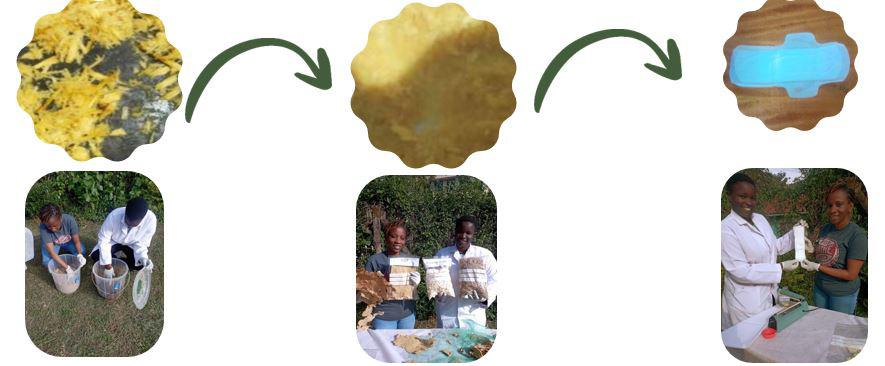
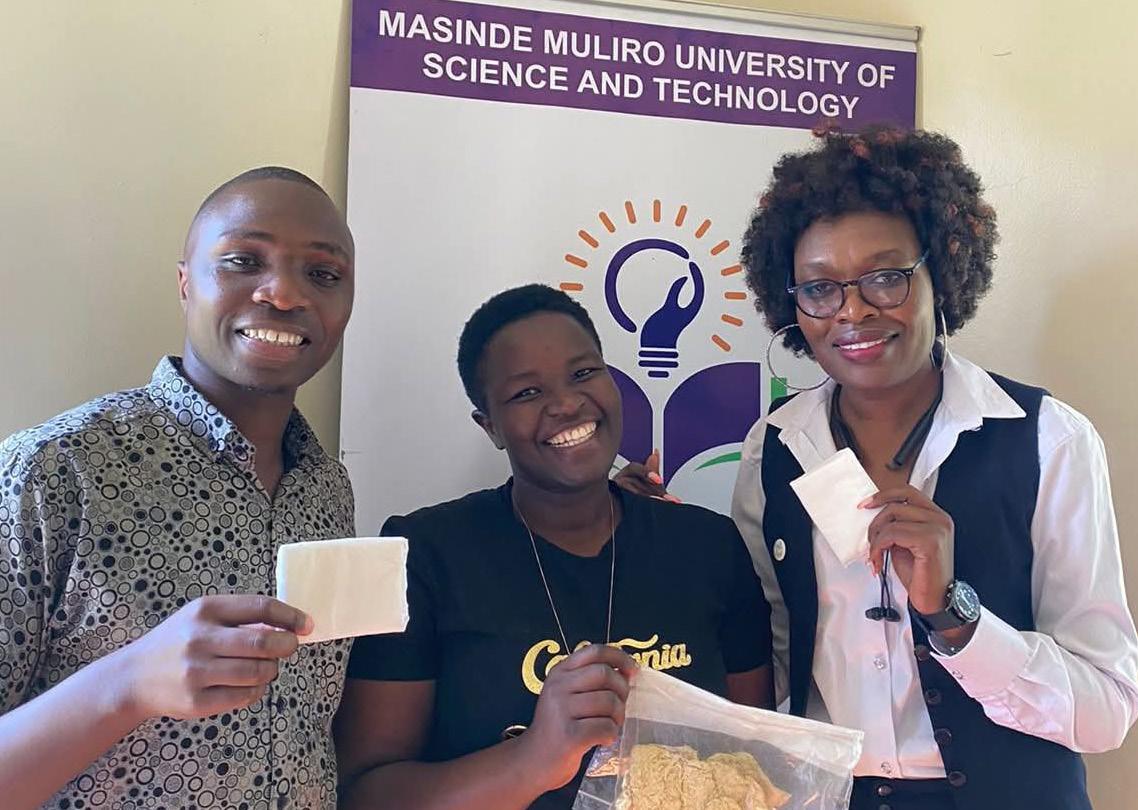
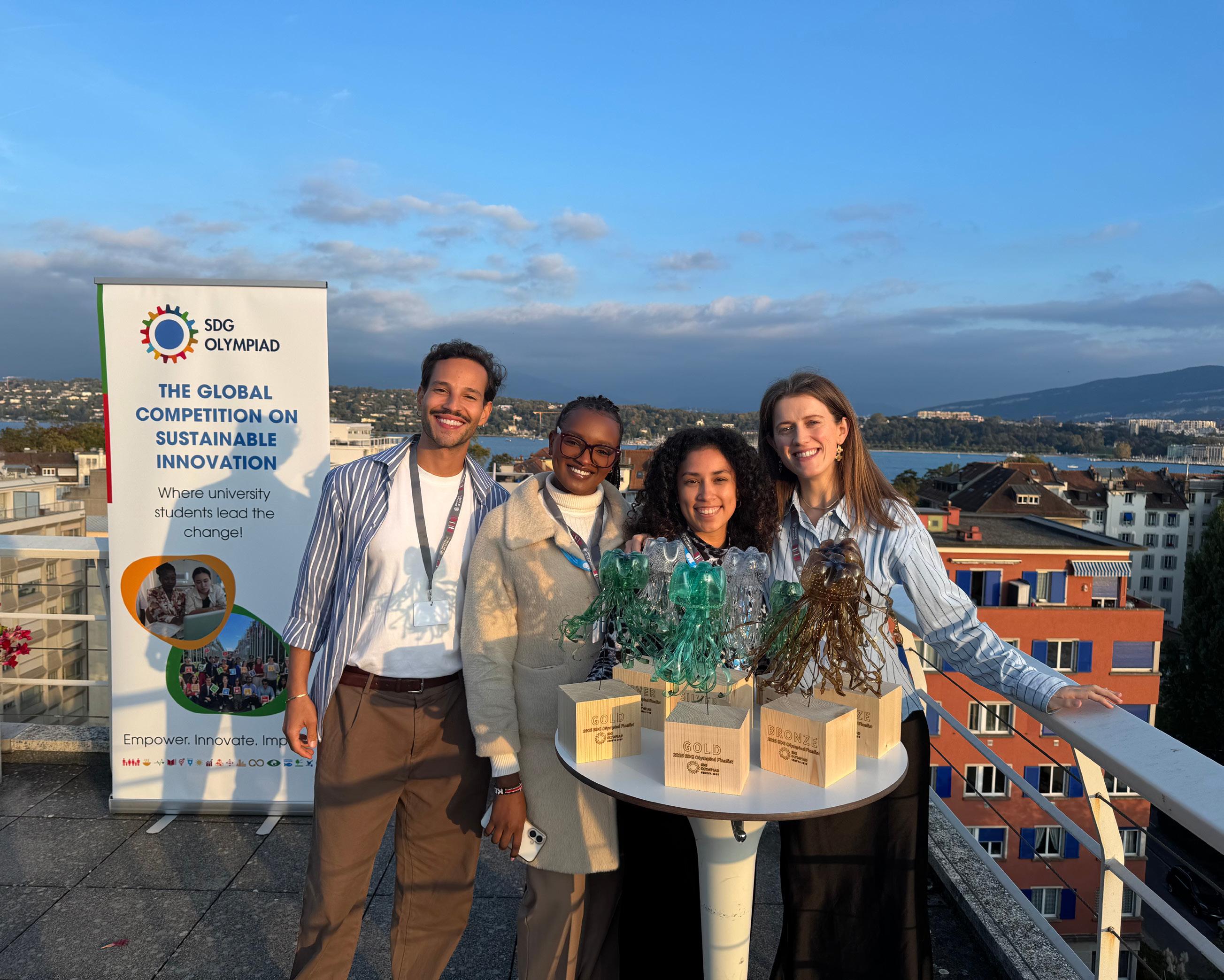
As the SDG Olympiad continues to grow, so does our ambition. What began as a global competition is evolving into a long-term platform for youth-led sustainability innovation. The next phase is about scaling responsibly, deepening partnerships, and building the foundations for a stronger, more inclusive ecosystem that connects universities, international organizations, and young changemakers around the world.
Regional events of the SDG Olympiad Building on the momentum of previous editions, we are expanding the SDG Olympiad through two regional events in 2026, hosted in Nairobi and Copenhagen in collaboration with United States International University–Africa and University of Copenhagen. These regional competitions will bring together a larger number of universities, allowing more students to test, refine and elevate their ideas within their own contexts. The strongest projects will advance to the global finals in Geneva.
Creating the Sustainability League Association
To secure the long-term future of the SDG Olympiad, we have established the Sustainability League Association in Geneva. This milestone allows us to formalize partnerships, mobilize funding, and build a stable institutional structure to sustain and grow our work. Through the Association, we aim not only to deliver future editions of the Olympiad, but also to design more inclusive programmes, expand mentorship opportunities, and accelerate youth-led solutions that respond to global sustainability challenges.
Securing participation of winners in external competitions
We are committed to ensuring that participation in the SDG Olympiad becomes a launchpad rather than a standalone event. In the past year, this vision has translated into tangible opportunities: Silver Medalist Wetlands4Wellness secured a USD 1,200 grant to advance implementation; Bronze Medalist Peellnnova received USD 8,700 through the GreenTech Innovation Challenge to prototype their solution; and twelve teams were nominated for the UNITAR Young Scientist Award. Moving forward, we will systematically connect finalists with accelerators, grants and innovation challenges, strengthening their pathways toward real-world impact.
Strengthening our online programme
We recognize that not all students have access to hackathons, innovation labs or institutional support — yet talent and commitment exist everywhere. We will therefore expand our online programme to reach students globally, providing structured toolkits, mentorship sessions and capacity-building resources to help them refine their ideas and progress toward implementation.
Expanding our university network and deepening engagement with International Geneva
We will continue to grow our network of partner universities while strengthening our collaboration with actors in International Geneva. Our ambition is to serve as a bridge between academia, multilateral organizations, NGOs and young innovators — aligning student-led solutions with real policy and development challenges. By positioning the SDG Olympiad as a hub within this ecosystem, we aim to nurture the next generation of sustainability leaders and connect them to meaningful opportunities and impact-driven careers.