WORLD ORAL HEALTH DAY 2026: CHAMPION ORAL HEALTH AT EVERY AGE

ADAQ’S 2025 STUDENTS GRADUATION BREAKFASTS
PRACTISING ALONE DOESN’T HAVE TO MEAN BEING UNSUPPORTED
WORLD ORAL HEALTH DAY 2026: CHAMPION ORAL HEALTH AT EVERY AGE
ADAQ’S 2025 STUDENTS GRADUATION BREAKFASTS
PRACTISING ALONE DOESN’T HAVE TO MEAN BEING UNSUPPORTED
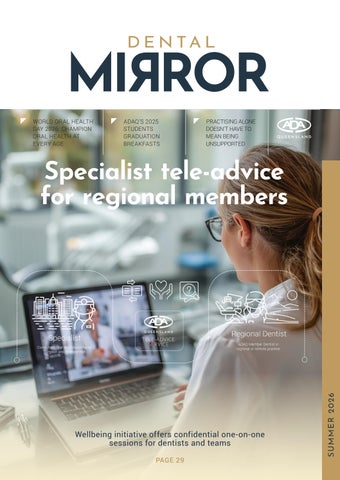
Wellbeing initiative offers confidential one-on-one sessions for dentists and teams
EDITOR
Dr Paul Dever
EDITORIAL TEAM
Dr Kelly Hennessy
Dr Gary Smith
Ms Melissa Kruger
Mr Izak Jamieson
PRODUCTION
Published by the Australian Dental Association (Queensland Branch)
CONTACT
28 Hamilton Place Bowen Hills Qld 4006
PO Box 611, Albion Qld 4010 Phone: 07 3252 9866
Email: adaq@adaq.com.au
Website: adaq.org.au
ADVERTISING KIT
Information on advertising, deadlines and artwork specifications are available in the ADAQ Advertising Kit: adaq.org.au/advertising
GRAPHIC DESIGN
Mr Martin Howard
DISCLAIMER
ADAQ Dental Mirror is published for the information of Members only and is not for general distribution. Copyright is reserved throughout. No part of this publication may be reproduced in part or whole without the written consent of the publisher. This publication is for the purpose of promoting matters of general interest to Members of the Association. The views expressed in this magazine do not necessarily reflect the views and policies of ADAQ or ADA.
Publication of advertisements for products or services does not indicate endorsement by ADAQ. All material is positioned and published at the discretion
4 From the President
8 World Oral Health Day 2026: A Professional Call to Champion Oral Health at Every Age
10 Volunteer with the ADA Dental Health Foundation and Change Lives Through Dentistry
14 Practising Alone Doesn’t Have to Mean Being Unsupported
16 Celebrating Queensland’s Graduating Dental Students: ADAQ’s 2025 Graduation Breakfasts
18 Subsidised Dental Assisting Training Now Available Through ADAQ
21 ADAQ Sub-Branches: Supporting Local Dental Communities Across Queensland
23 Your Professional Safety Net: How the ADAQ Compliance & Advisory Team Supports You
25 Dental Topics in the Tropics
27 Support When You Need It: ADAQ’s Member Assistance Program
29 Study Clubs: Connecting, Learning and Growing Together
31 Building a Resilient Practice: Practical Infection Control Support from ADAQ
33 Meet Dr Albert Tran
37 Dental History: Encounters in Europe
PRESIDENT
Dr Kelly Hennessy
DEPUTY PRESIDENT
Dr Paul Dever
DIRECTORS
Dr Carl Boundy (Regional Queensland)
Assoc Prof Alex Forrest (South East Queensland)
Mr Glen Beckett (Skills-based)
ADAQ SUB-BRANCHES
Bundaberg
Dr Peter Jorgensen (South East Queensland)
Dr Norah Ayad (South East Queensland)
Dr Albert Tran (South East Queensland)
Dr Rachael Milford (Regional Queensland)
Dr Chris Xu Ipswich
Dr Andrew Wong
Cairns
Dr Brian James Kingaroy
Dr Man Chun (Simon) Lee
Gold Coast
Dr Alexander McDonald Mackay Dr Raghu Channapati
ADAQ COMMITTEES
Awards and Honours Committee
Convenor: Dr Kelly Hennessy
Volunteering in Dentistry Committee
Convenor: Dr Jay Hsing
Policy, Advocacy and Advisory Committee Convenor Dr Norah Ayad
Rockhampton
Dr Chloe Sturgess
Sunshine Coast
Dr Peter Jorgensen
Toowoomba
Dr Phoebe Fernando
Governance, Risk and Compliance Committee Convenor: Glen Beckett
Finance and Audit Committee
Convenor: Peter Jorgensen
People & Culture Committee
Convenor: Dr Norah Ayad
DR KELLY HENNESSY
It is with great pride that I write to you in this edition of our Dental Mirror. As we commence a new year, there is much to celebrate, much to prepare for, and much to look forward to as an association and as a profession.
ADAQ’s 2025 Clinic Day gave us a powerful reminder of who we are as a profession – and, just as importantly, who we are becoming. As we look ahead to a new Ahpra CPD triennium, an expanded CPD calendar and a renewed strategic direction for ADAQ, there is a real sense of momentum and optimism about the future of dentistry in Queensland.
Clinic Day has always been more than a date on the calendar; it is a reflection of our shared commitment to service, learning and connection. This year’s program brought together students, recent graduates, experienced clinicians, educators and industry partners in a way that highlighted the strength of our multidisciplinary networks. From practice owners in regional towns to hospital-based specialists and university teams, the breadth of participation spoke volumes about the depth and diversity of our profession in this state.
A central theme of the day was connection – to our patients, to one another and to our own wellbeing as clinicians. Our opening plenary on connected leadership and sustainable wellbeing challenged us to consider not only what we do, but the energy and intention we bring to our work. In a profession where demands are high and time is tight, this lens on leadership is essential if we are to build practices and teams that are both high-performing and genuinely supportive. The conversations that followed, whether in sessions or over coffee, showed how ready our profession is to embrace models of care that are collaborative, multidisciplinary and firmly patient‑centred.
The closing plenary brought the focus to one of the most dynamic frontiers in modern dentistry: artificial intelligence and its legal and ethical implications. AI is already reshaping how we diagnose, treatment plan and manage information. However, it also raises important questions about accountability, consent and professional judgement. Hearing these issues explored through a dento-legal lens highlights ADAQ’s role in helping members navigate change in a way that protects both patients and practitioners.
Clinic Day was also an opportunity to celebrate the people who embody the very best of our profession. The Awards of Merit, Service Medallions, rural practice awards and life memberships recognised colleagues whose careers have been marked by sustained service, leadership, outreach and mentorship across Queensland. This year, the Award of Merit was presented to
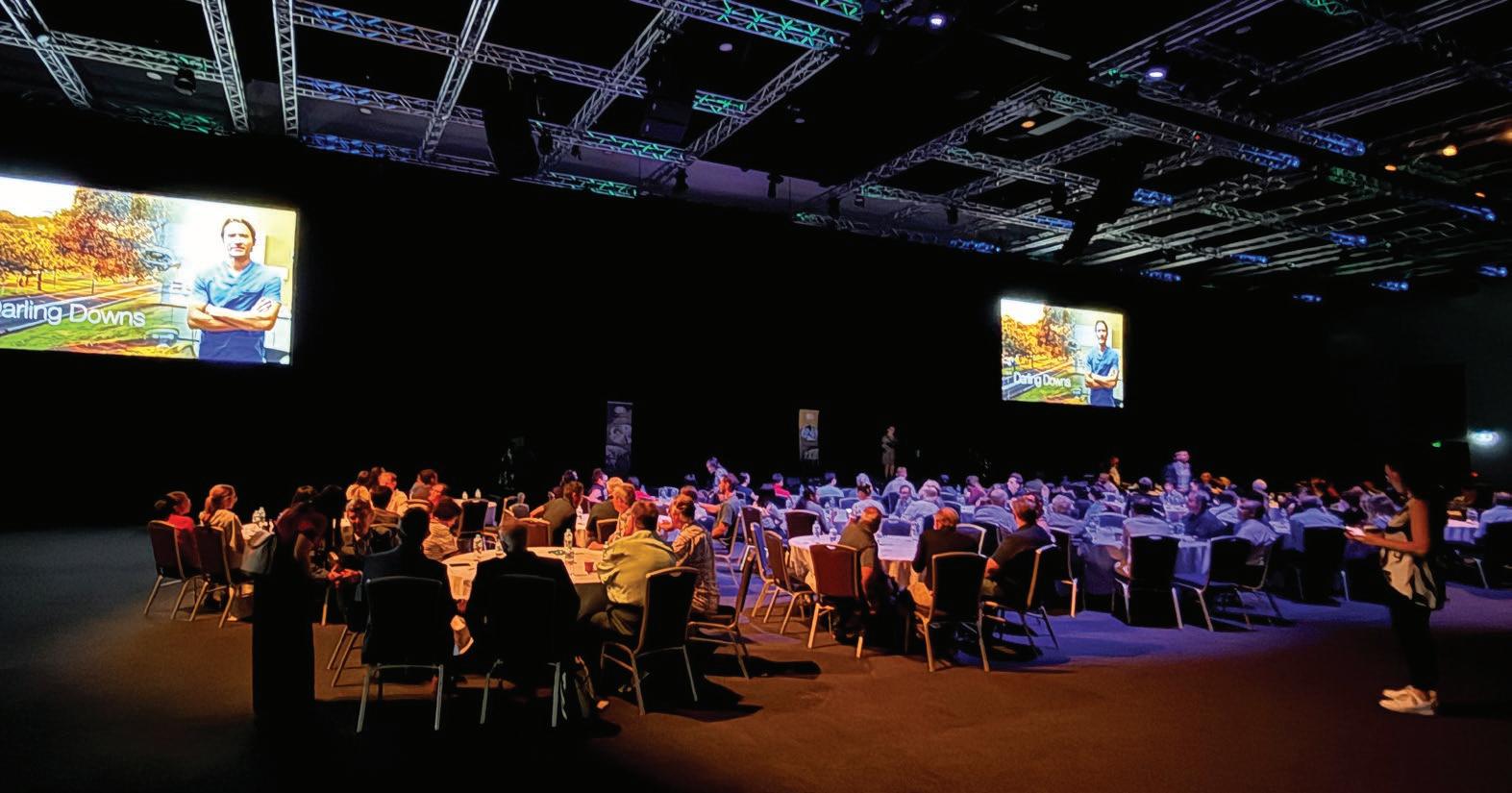
Clinic Day has always been more than a date on the calendar; it is a reflection of our shared commitment to service, learning and connection.
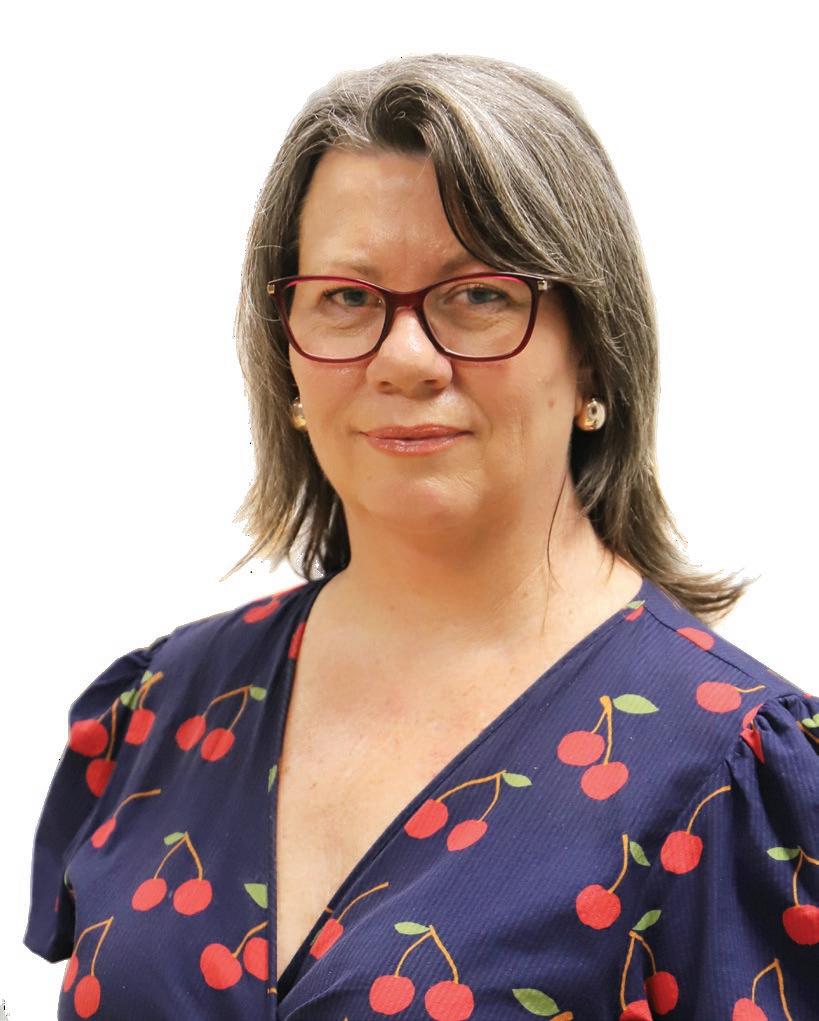
Gloria Silcock, the Service Medallion to Dr Lydia See, and the Edward Walter Haenke Rural Practitioner Award to Dr Donald Clarke, acknowledging their outstanding contributions to the profession and the communities they serve. Life Memberships were also conferred on Dr Neil Savage and Dr Gary Smith in recognition of their enduring commitment to dentistry, education, advocacy and the preservation of our profession’s history. Together, their contributions remind us that dentistry’s impact reaches far beyond the surgery door.
As we turn from reflection to the year ahead, the timing could not be more fitting. With the new Ahpra triennium commencing and the Dental Board’s CPD standards guiding our professional obligations, this is the perfect moment to set clear, purposeful goals for our own, personal learning. Rather than seeing these requirements as a compliance task, I encourage you to treat the new triennium as an opportunity to be intentional about the skills, knowledge and networks you want to build.
To support you in this, ADAQ has developed a refreshed and expanded CPD calendar for 2026 that is designed to be practical, engaging and accessible, wherever you work in Queensland. The program spans clinical updates, hands-on workshops, practice management, compliance, wellbeing and leadership, reflecting the reality that modern practice success depends on far more than technical skill alone. We have also continued to invest in delivery models that make participation easier, including regional events, in-practice training and tele-based advisory support, so members in rural and remote locations can access timely education without the burden of travelling to the Southeast corner.
Advocacy and professional voice remain central to ADAQ’s purpose
One highlight in the 2026 calendar will be the return of Dental Topics in the Tropics in May, in sunny Cairns. Under the theme “Elevating Everyday Dentistry – Integrated Care, Hands-On Skills, Real‑World Confidence”, this event will bring together a program of clinically focused sessions that translate directly to day-to-day practice. It will also offer valuable opportunities to connect with colleagues from across Queensland, making it an ideal event to anchor your new CPD triennium – combining learning, reflection and a reminder of the joy that comes from being part of a vibrant professional community, all for 14 hours of CPD.
Alongside our education program, ADAQ’s work over the past year has continued to strengthen the broader ecosystem that supports members. Our Registered Training Organisation has maintained its strong focus on training dental assistants and building workforce capability, backed by robust quality assurance that gives members confidence in the consistency of our accredited training. Practice Consultancy and Tele-Advice services have provided tailored support to practices across the state, particularly in regional areas, helping teams navigate regulatory, compliance and operational challenges with confidence.
Our aim is clear: to make ADAQ an even more relevant and responsive association for all dentists, and a respected, authoritative voice for the profession in every conversation that shapes oral health in this state.

Advocacy and professional voice remain central to ADAQ’s purpose. Engagement with regulators and key stakeholders has reinforced our commitment to accountability and high standards, while also ensuring that the realities of day-to-day practice are understood by policymakers. Our advocacy on issues such as water fluoridation is one example of how the profession’s expertise can influence public policy for the benefit of community oral health. These initiatives, alongside outreach, museum and community events, demonstrate the breadth of ways in which ADAQ serves members, students and the wider community. Looking forward, one of the most important pieces of work underway is the development of a new strategic plan, led by our CEO, Ben Stockwin, in close partnership with the Board. Over the coming months, we will be engaging widely to ensure the plan is ambitious, relevant and firmly grounded in the realities of practice across Queensland. Our aim is clear: to make ADAQ an even more relevant and responsive association for all dentists, and a respected, authoritative voice for the profession in every conversation that shapes oral health in this state.
I want to acknowledge Ben and the entire ADAQ team for their energy, professionalism and unwavering commitment to our members throughout the year, including the work that goes on behind the scenes to deliver events like Clinic Day. I also want to thank you – our members, students, presenters and partners – for your engagement, feedback and support. As we step into a new CPD triennium, a new CPD calendar and a new strategic chapter for ADAQ, I feel genuinely excited about what we can achieve together for our patients, our communities and our profession.
Dr Kelly Hennessy President, ADAQ president@adaq.org.au

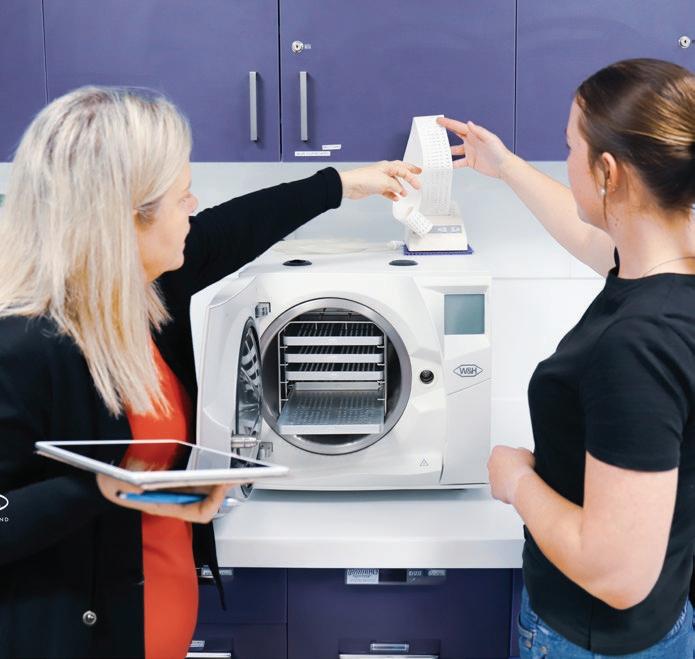
How long has it been since you reviewed your dental practice infection control processes and protocols, are you ready for an audit? Trained staff translate regulations into clear daily routines, meeting practice compliance requirements to protect your reputation. Staff learn to identify problems early, while leadership gains streamlined documentation and smoother accreditation. The result is a resilient, future-ready practice that turns compliance anxiety into lasting competitive strength.
Every consultation is conducted by experienced ADAQ professionals, with a focus on clarity, compliance, and feedback to the practice. Whether preparing for accreditation or simply improving internal infection control practices or protocols, we deliver practical solutions tailored to your needs.
We deliver hands-on training, advice and consultation that is consistent with the latest recommendations for dental practice.
Our consultants ensure your policies, training, and documents reflect the current AS5369:2023 standards and the ADA infection control guidelines 5th Edition amended 2026.


ADAQ’s Consultancy suite ranges from rapid tune-ups to complete system overhauls.
CP1 Practice Health Check offers a comprehensive two-hour infection control onsite assessment, verbal debrief and written summary with recommendations —ideal for practices seeking a fast compliance snapshot.
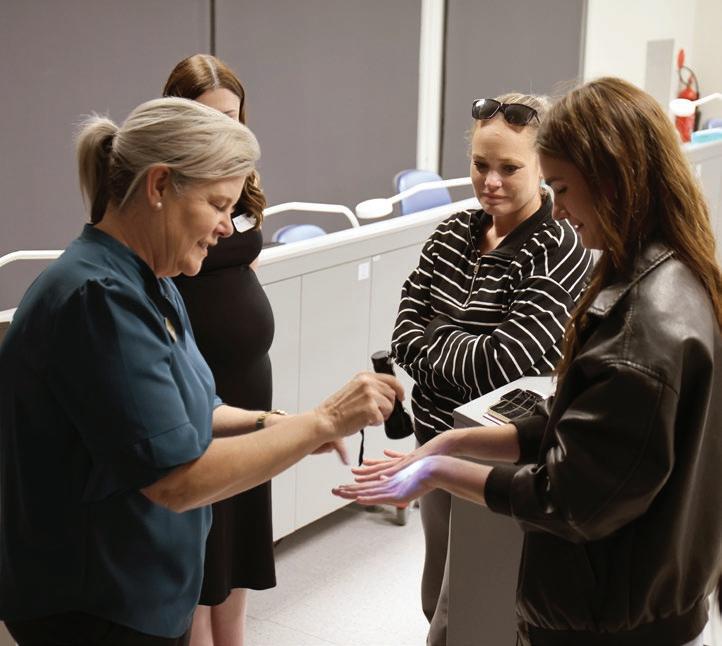
CP2 Infection Control Training delivers interactive two-hour workshops led by qualified ADAQ staff, perfect when staff need practical infection-control or radiation-safety training consistently under the current standards and guidelines. We can tailor longer training sessions to suit your practice needs.
CP3 Infection Control Services + Staff Training provides the complete overhaul: practice documentation, bespoke manual, infection control management plan, and targeted coaching to comply with the recommended dental practice regulations.
CP4 Accreditation Document Development removes paperwork headaches by tailoring, finalising, and uploading all accreditation templates.
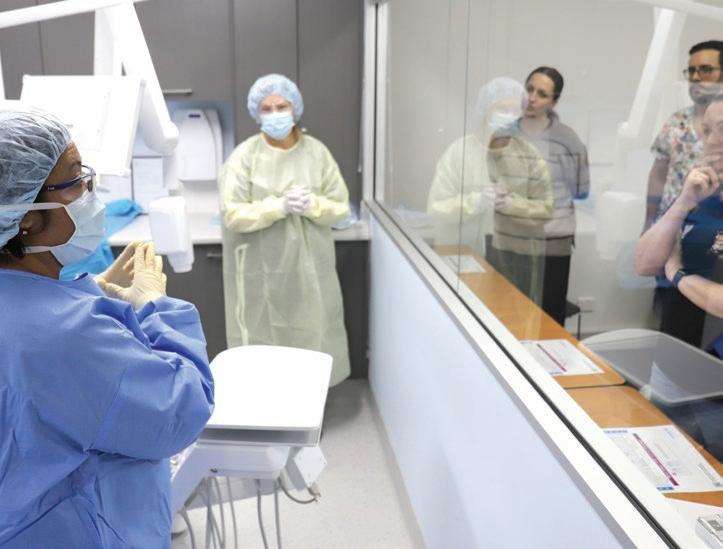
CP5 Surgical Draping Training delivers interactive two-hour on-site training to further educate your team’s surgical set up technique. Utilising your practices draping kit that you provide.

ADAQ DENTAL MIRROR FEATURE
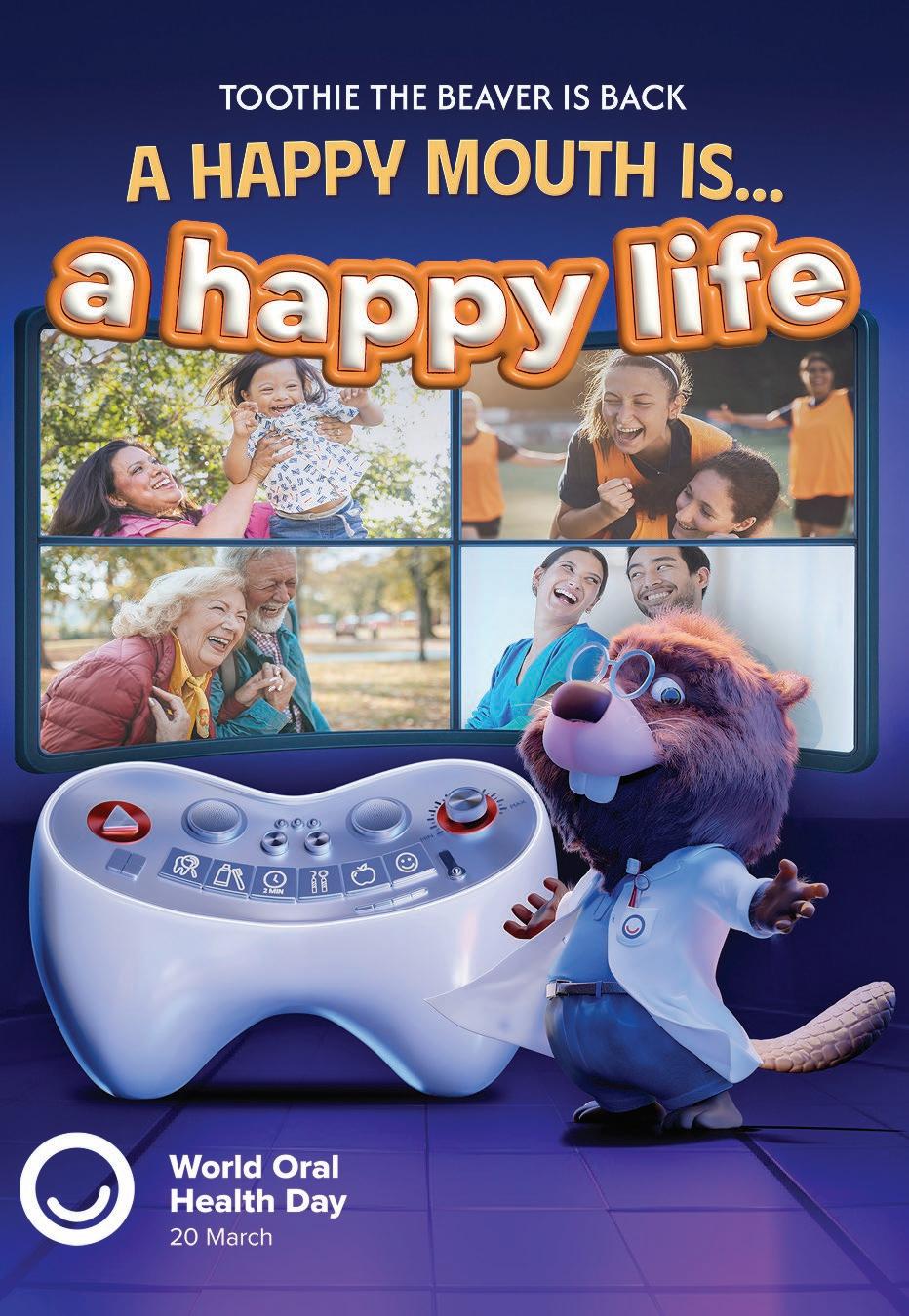
“A Happy Mouth is a Happy Life!” Step back from the chair and see how oral health drives dignity. This World Oral Health Day, we’re protecting smiles at every stage, from infancy to old age.
On 20 March, World Oral Health Day (WOHD) presented a moment to step back from the chair and reflect on the broader impact of our work. In 2026, the campaign theme “A Happy Mouth is a Happy Life” focused squarely on the importance of oral health across every stage of life, reinforcing a principle that underpins daily clinical practice: oral health is inseparable from overall health and wellbeing.
For dentists and dental teams, this year’s theme was particularly resonant. Across careers, we witness firsthand how oral health needs evolve from the first tooth to older age, and how preventive, timely care can change the trajectory of a person’s health, confidence, and quality of life.
ORAL HEALTH ACROSS THE LIFE COURSE: WHAT WE SEE IN PRACTICE
From infancy, oral health sets the foundation for growth and development. Early engagement, parent education, and preventive guidance can dramatically reduce disease burden later in life. As clinicians, we know that the habits established during childhood; brushing technique, sugar exposure, and attendance patterns, often persist well into adulthood.
In adolescents and adults, oral health becomes intertwined with lifestyle, mental wellbeing, and self-image. Increasingly, patients present with heightened expectations, complex medical histories, and competing priorities that can challenge preventive care. Clear communication, informed consent, and realistic expectationsetting are essential clinical skills, not just risk-management tools.
Later in life, the consequences of cumulative oral disease become more visible. Dry mouth related to polypharmacy, declining dexterity, ill fitting prostheses, and untreated periodontal disease can significantly affect nutrition, independence, and social connection. Preventive strategies and tailored care plans are critical in supporting ageing patients to maintain dignity and quality of life.
ORAL HEALTH AS PART OF WHOLE-PERSON CARE
World Oral Health Day also reinforced an increasingly important message for the profession: oral health must be viewed within the context of whole person care. Oral diseases share modifiable



Stream “A Happy Mouth is a Happy Life” on Spotify, Apple Music, or your favourite streaming platform. WANT EXTRA SMILES?



risk factors with many non-communicable diseases, including poor diet, tobacco use, and harmful alcohol consumption. As trusted health professionals, dentists are uniquely placed to identify risks early, reinforce preventive messages, and contribute to broader health outcomes through patient education and referral pathways.
At the same time, inequities in access to oral healthcare remain a persistent challenge. Many patients continue to face financial, geographic, or systemic barriers to care. WOHD was





worldoralhealthday.org
#HAPPYMOUTH #WOHD26

an opportunity for the profession to collectively advocate for oral health to be recognised as an essential component of health policy, prevention strategies, and universal health coverage.
For dental professionals, participation in World Oral Health Day did not require grand gestures. Small, consistent actions; sharing evidence-based resources with patients, supporting community education, engaging with schools, or contributing to professional advocacy, collectively shaped public understanding of oral health.
The 2026 WOHD campaign provided practical tools to support these efforts, including educational fact sheets, advocacy materials, and digital assets that aligned with best-practice messaging. Used thoughtfully, these resources helped reinforce conversations already happening in practices every day.
World Oral Health Day ultimately served as a reminder of the responsibility and privilege of the dental profession. Our work extended far beyond treating disease; it influenced confidence, comfort, connection, and overall wellbeing at every stage of life.
Throughout the year, WOHD invites dental professionals to stand together as clinicians, educators, and advocates, to ensure that oral health remains a lifelong priority. Because when oral health is protected at every age, the impact reaches far beyond the mouth, and into every part of life.
Volunteering through the ADA DHF allows dentists to make a tangible, measurable difference in their communities—while continuing to practise in their own clinics, on their own terms.
Dentistry is a profession grounded in skill, science and service. Every day, dentists restore oral health, relieve pain and improve quality of life for their patients. Yet for many vulnerable people across Queensland, access to dental care remains out of reach. Financial hardship, trauma, and social disadvantage mean that essential dental treatment is often delayed or never received at all.
The ADA Dental Health Foundation (ADA DHF) exists to address this inequity—and Queensland dentists are essential to making that mission possible.
The ADA Dental Health Foundation is a registered Australian charity that coordinates the delivery of dental treatment to disadvantaged members of the community who are in need of dental care. Volunteer dentists and support staff donate their time, skills and practice facilities to provide pro bono dental treatment to eligible patients who have been referred by registered charities and not for profit organisations.
Across Queensland, the demand for care continues to grow. The opportunity to help has never been more important. We need your support!
WHY VOLUNTEER WITH THE ADA DENTAL HEALTH FOUNDATION?
Volunteering through the ADA DHF allows dentists to make a tangible, measurable difference in their communities—while continuing to practise in their own clinics, on their own terms.
For many dentists, volunteering:
• Reconnects them with the purpose that inspired their career
• Strengthens team culture and morale
• Provides professional fulfilment beyond the business of dentistry
• Demonstrates leadership and social responsibility within the profession
Volunteering with the ADA Dental Health Foundation is an opportunity to turn professional expertise into lasting social impact. Whether through Dental Rescue Day®, Adopt a Patient,
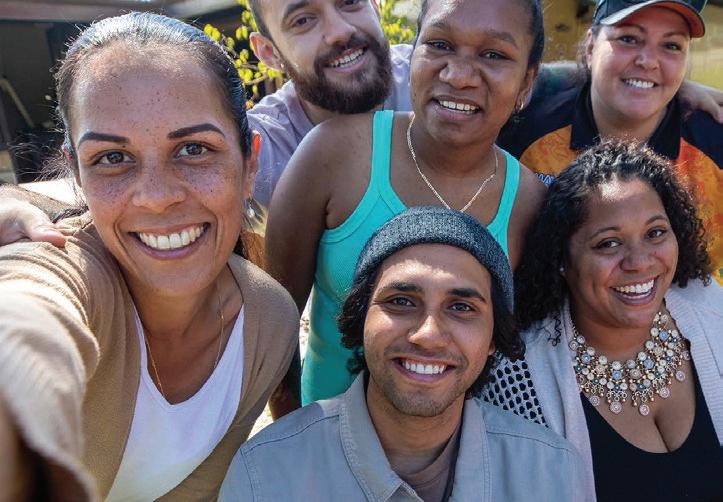
Dentists involved in this program frequently describe it as one of the most meaningful contributions of their careers.
or Rebuilding Smiles®, you can choose a pathway that aligns with your practice, capacity and values. By donating time, skills and facilities, dentists and their teams help restore more than smiles—they help restore dignity, confidence and opportunity. Now is the time to get involved. Together, we can ensure that access to dental care is not determined by circumstance, but by compassion and community.
Because every smile rebuilt is a life changed.
DENTAL RESCUE DAY®: A POWERFUL WAY TO GIVE BACK TOGETHER
Dental Rescue Day® is one of the most visible and impactful
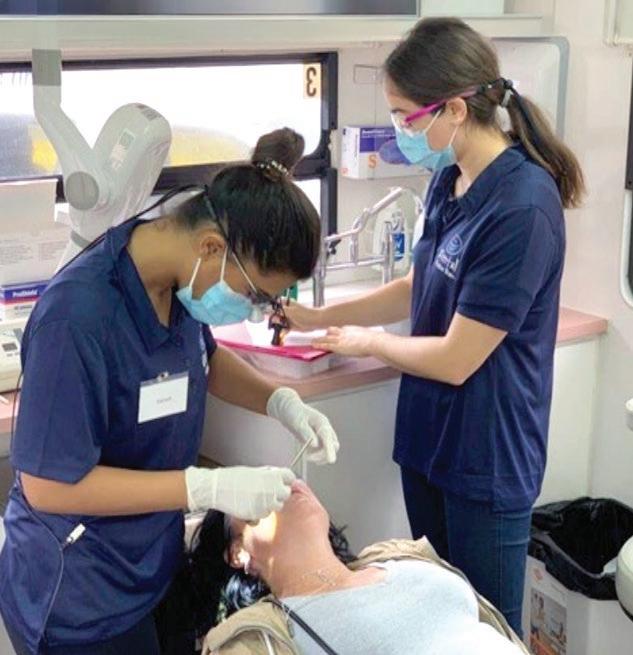
ways for practices to volunteer.
Under this program, a practice allocates:
• A full day
• A half day, or
• One chair within a normal clinical day to treat patients referred through the ADA DHF.
Practices can choose the model that best suits their workflow. Some clinics involve the entire team and dedicate a full day to volunteer dentistry. Others allocate a single chair while continuing to see regular patients. Both approaches make a meaningful difference.
Dental Rescue Day® often focuses on relieving pain, addressing urgent dental needs and stabilising oral health. For patients who may have lived with untreated dental issues for years, the impact is immediate.
For dental teams, it is a shared experience that reinforces why their work matters—and how powerful their combined skills can be in just one day.
ONGOING, AND DEEPLY
For dentists who prefer a less intensive but equally meaningful commitment, Adopt a Patient offers an ideal pathway.
Through this program, a patient in need of dental care is paired with a volunteer dentist, who then “adopts” the patient over a number of appointments to complete a course of treatment. Appointments can be scheduled at times that are convenient for the practice, minimising disruption to regular patient care.
This model allows for:
• Continuity of care
• Relationship building and trust
• Comprehensive treatment delivered at a manageable pace
Many dentists find Adopt a Patient particularly fulfilling because they see the transformation over time—not just in oral health, but in confidence and wellbeing.
It is a simple, sustainable way to volunteer that fits seamlessly into private practice.
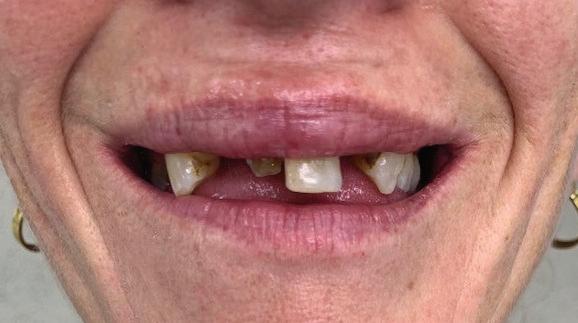
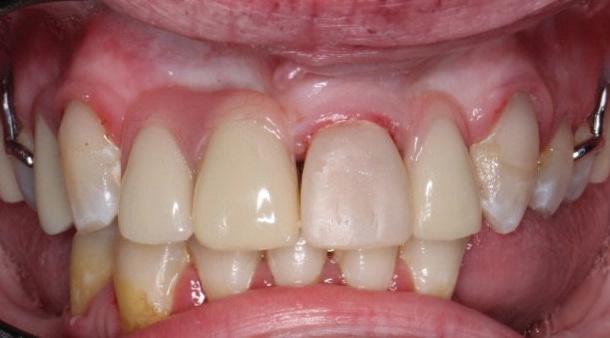
The Rebuilding Smiles® program is one of the ADA Dental Health Foundation’s most impactful initiatives. It focuses on providing dental care to those impacted by domestic or family violence and their families.
Patients are referred by specialist support organisations and allocated to a volunteer practice. The dentist provides a comprehensive initial examination, develops a treatment plan, and continues care over a series of appointments to restore function, oral health and aesthetics.
For survivors of domestic or family violence, dental neglect is often an unfortunate consequence of trauma, displacement and fear. Rebuilding Smiles® offers more than treatment—it offers compassion, safety and respect.
Dentists involved in this program frequently describe it as one of the most meaningful contributions of their careers. While cases can be complex, the ADA DHF provides coordination and support to ensure practices feel confident and supported throughout the process.
One of the strengths of the ADA Dental Health Foundation is the team, locally the state coordinator. Patients are carefully referred through trusted community organisations, ensuring eligibility and
appropriate need. The Foundation works closely with practices to match volunteers with programs that suit their capacity and preferences.
You are not volunteering alone—you are part of a statewide network of dental professionals committed to ethical, compassionate care.
Queensland dentists from metropolitan, regional and rural areas all play a vital role. Every practice that volunteers helps expand access to care for those who would otherwise go without.
The need is real. The programs are in place. The difference you can make is profound.
Whether you choose to support Dental Rescue Day®, Adopt a Patient, Rebuilding Smiles®, or a combination of all three, your contribution as a Queensland dentist can change lives—one appointment, one patient, one smile at a time.
Now is the time to get involved with the ADA Dental Health Foundation and help ensure that no Queenslander is left behind when it comes to dental care.
Please reach out to Tash, ADA Dental Health Foundation QLD/ NT State Coordinator today qld@adadhf.org.au
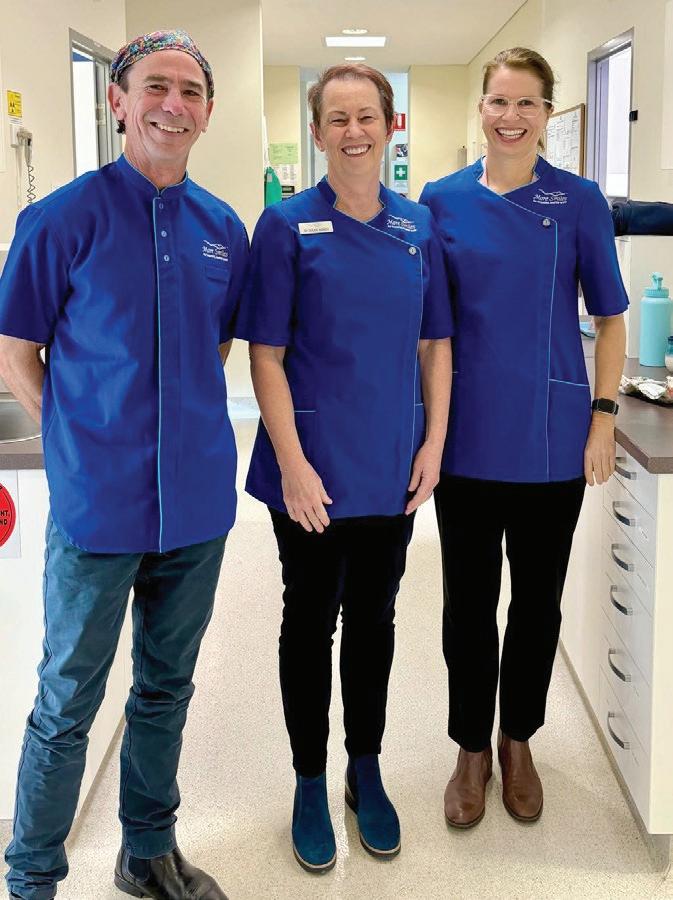
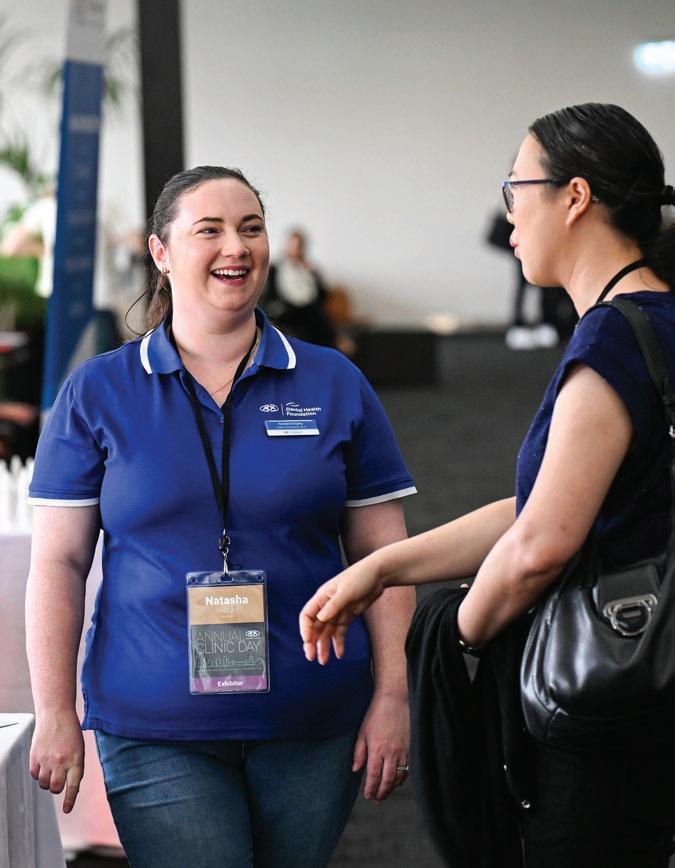
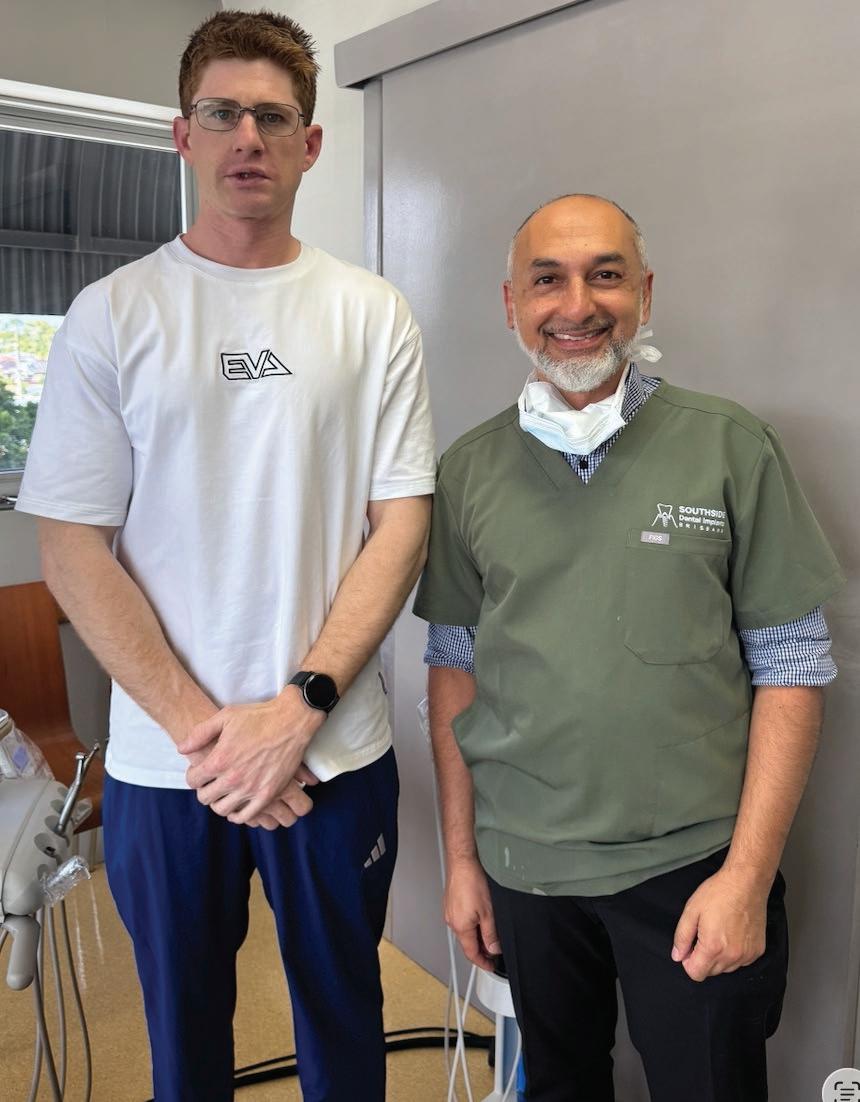

Don't let regional practice mean professional isolation. ADAQ’s specialist tele-advice service connects you with expert surgeons and endodontists, reinforcing your clinical judgment and supporting your wellbeing.
For many regional, rural and remote dental practitioners, professional independence is both an advantage and a barrier. You may be the sole clinician in town and the trusted provider for a community. However, you may also feel professionally isolated at times.
Clinical uncertainty is not a reflection of competency, it is a natural part of dentistry and professional development, particularly when you are working at a distance from specialist services. When complex cases or questions arise, access to timely peer or specialist advice can make a critical difference, not only to patient outcomes but also to your own confidence, wellbeing, and professional satisfaction.
Recognising this, ADAQ introduced a specialist support service exclusively for rural and regional members in 2025.
ADAQ offers regional members access to support via a 30-minute teleconsultation each membership period. This service is designed to support dentists with non patient specific clinical queries, helping you think through complex scenarios, confirm management approaches, and gain specialist insight when it matters most.
It’s important to note this service does not replace the need for formal patient referrals where these are clinically indicated. Instead, it’s intended to provide an additional layer of professional support, particularly valuable in situations where clarity, reassurance, or a specialist peer advice can help guide safe and confident practice.
SUPPORTING CLINICAL CONFIDENCE AND PROFESSIONAL WELLBEING
Beyond clinical decision-making, professional isolation can take a quiet toll. Rural dentists often report increased stress related to complex cases, fear of missing subtle signs, and the emotional burden of being “the final decision maker.”
Having structured access to specialist advice can:
• Reinforce sound clinical judgement
• Reduce cognitive load and decision fatigue
• Support risk management and documentation
• Enhance confidence in patient discussions
• Improve professional wellbeing and job satisfaction
In short, it reminds rural practitioners that they are part of a broader professional community.
Members also have access to our Member Assistance Program (MAP). As part of our commitment to your well-being we have partnered with the workplace wellbeing experts at The Wellness Workshop to provide you with a range of wellness services called the Member Assistance Program (MAP), which you can access here: https://www.adaq.org.au/MAP
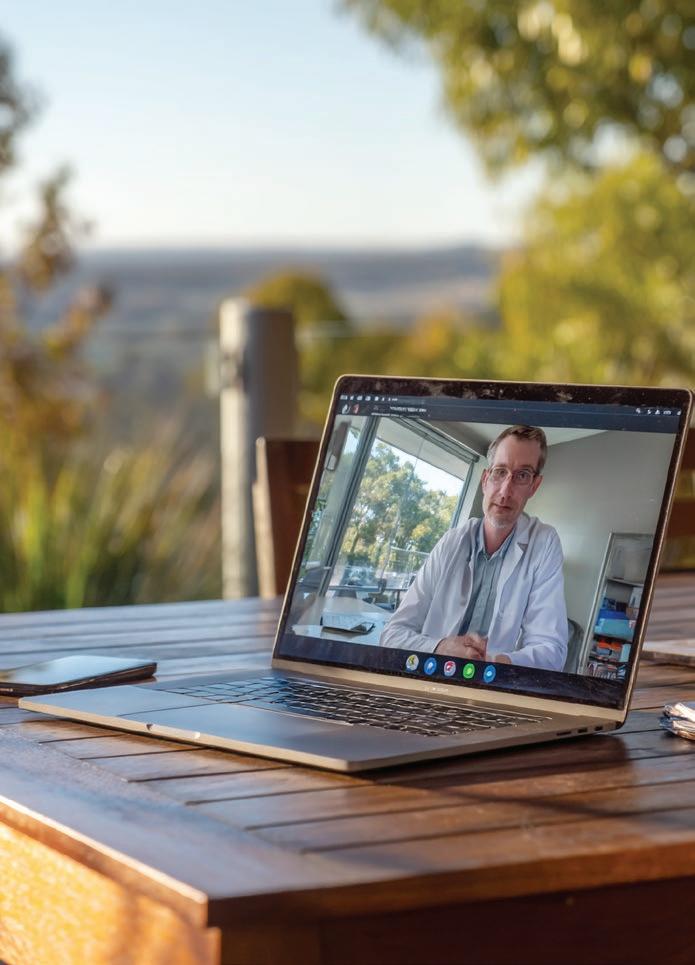

ADAQ rural and regional members are entitled to one complimentary 30-minute specialist tele-consultation per membership period.
To access the service:
1. Contact the ADAQ Compliance & Advisory Services team with your query.
2. The team will assess whether the query is appropriate for this service.
3. Where suitable and subject to availability, a consultation with the Consultant Oral and Maxillofacial Surgeon or Endodontist will be scheduled.
4. If your query falls outside the scope of this service, the ADAQ team will guide you to the most appropriate source of advice or support.
You may practise independently, but you should never feel professionally alone. Please contact the ADAQ Compliance & Advisory Services team if you have any queries or if we can be of assistance.
07 3252 9866 assist@adaq.com.au https://www.adaq.org.au/ Web/Web/Membership/regional.aspx?hkey=4ef667af-80734c32-999c-e487333ed6fa
https://www.adaq.org.au/Insurance/Compliance-and-AdvisoryServices/CAP_expertise

One of the key goals of our student program is to make engaging with ADAQ fun as well as valuable. Whether it’s orientation events, market days, or trade shows, we had the pleasure of interacting with over 1,100 students in 2025.
In 2025, ADAQ marked a significant milestone in its ongoing commitment to supporting the next generation of dental professionals. For the first time, ADAQ hosted dedicated graduation breakfasts for final year dental students across Queensland, celebrating cohorts from The University of Queensland (UQ), Griffith University, and James Cook University (JCU).
These three events, individually tailored to each university cohort, represented more than a congratulatory send-off. They symbolised ADAQ’s deepening connection with students at one of the most pivotal moments in their professional journey: graduation day. As students prepared to transition from university clinics to real-world practice, ADAQ was proud to stand alongside them, offering support, guidance, and a warm welcome to the profession.
Queensland’s dental students are spread across a vast and diverse state, and ADAQ was intentional in ensuring each cohort was celebrated in a way that reflected their unique experience. Rather than a single, centralised event, three separate graduation breakfasts were held, one for each university, allowing for a more personal and meaningful experience.
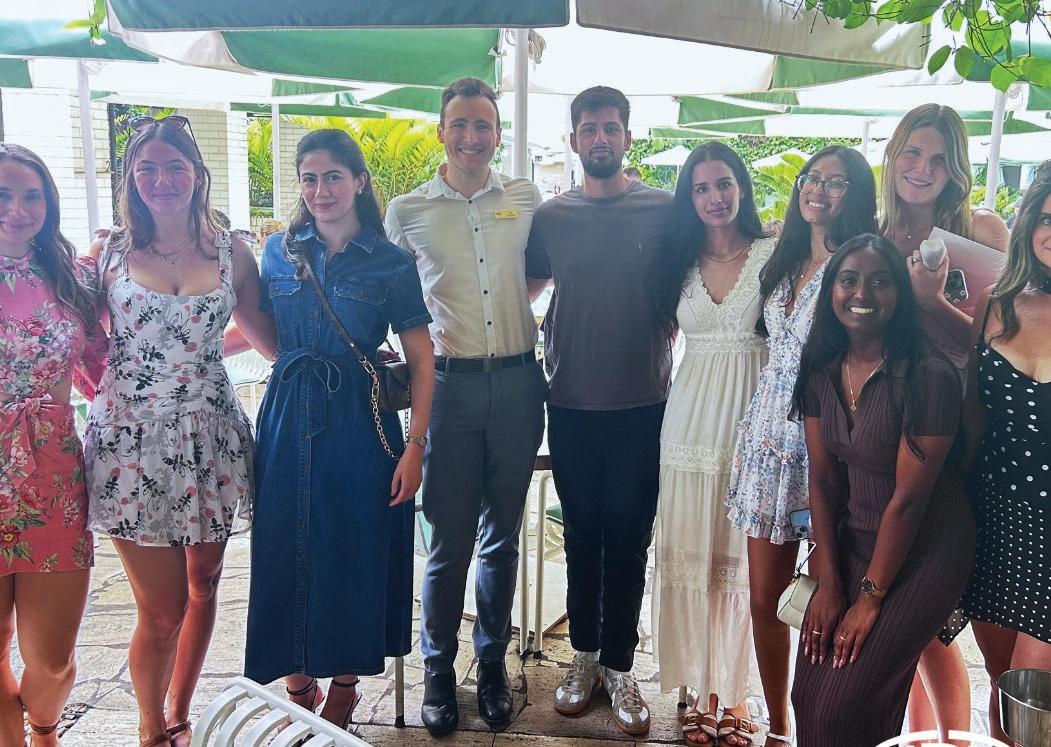
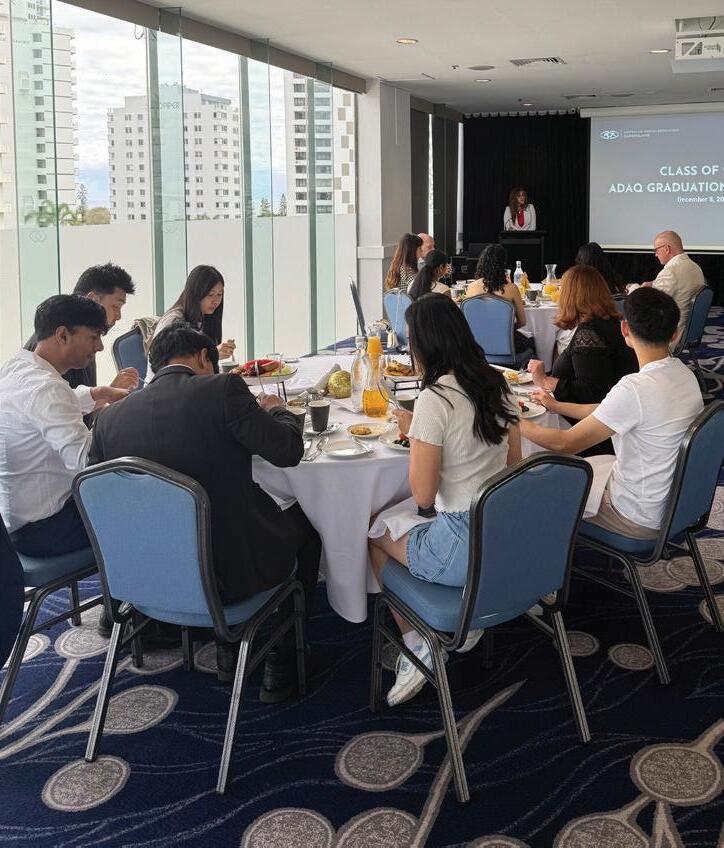
Each breakfast brought together graduating students, ADAQ representatives, and respected voices from across the profession. The atmosphere was celebratory yet reflective, recognising both the immense achievement of completing a dental degree and the realities of stepping into professional practice.
Across all three events, a common theme emerged: connection. Students connected with peers, with leaders of the profession, and with alumni who had once stood exactly where they were now.
INSIGHTS FROM LEADERS OF THE PROFESSION
A highlight of the graduation breakfasts was the opportunity for students to hear directly from the ADAQ CEO and Board
The breakfasts offered a moment to celebrate and reconnect with peers, ask questions in a supportive environment,
representatives. Their addresses focused on welcoming students into the profession, sharing insights into the advocating role of the Association, and reinforcing the importance of professional support throughout a dental career.
Speakers reflected on their own early career experiences, offering reassurance that uncertainty and questions are a natural part of the transition from student to practitioner. Topics such as professional identity, lifelong learning, and the value of community within dentistry were woven throughout the discussions.
For many students, this was their first opportunity to engage with ADAQ leadership in a relaxed and conversational setting, an experience that helped demystify the Association and highlight its role as a lifelong partner in their professional journey.
Graduation day is a moment of pride, relief, and anticipation. By hosting these breakfasts on such a significant day, ADAQ acknowledged the importance of pausing to reflect before the next chapter begins.
For students, the breakfasts offered a moment to celebrate and reconnect with peers, ask questions in a supportive environment, and feel recognised by the profession they were about to formally enter. For ADAQ, it was an opportunity to reinforce its commitment to students and early career dentists, not just
during university, but throughout their careers.
The events also reflected ADAQ’s broader strategy to engage with members early, build strong foundations of trust, and ensure that students understand the resources, advocacy, and support available to them from day one.
As ADAQ reflects on the success of the 2025 graduation breakfasts, there is a strong sense of momentum heading into 2026. These events have set a new benchmark for how the Association celebrates and supports graduating students, and they represent just one part of a growing focus on students and early career dentists.
In 2026, ADAQ looks forward to building on this foundation with even more initiatives designed to support graduates as they navigate their first years of practice. ADAQ remains committed to listening to students and new graduates, understanding their needs, and evolving its offerings to meet them where they are, whether that is in metropolitan centres, regional communities, or rural Queensland.
The inaugural graduation breakfasts were a celebration of achievement, but they were also a statement of intent. They signalled ADAQ’s dedication to fostering a strong, connected, and supported dental community, starting from the very first day graduates step into the profession.
To the graduating classes of UQ, Griffith, and JCU: congratulations on this incredible milestone and we hope your transition into practice has been smooth so far. ADAQ is proud to welcome you and looks forward to supporting you through the challenges, opportunities, and successes that lie ahead
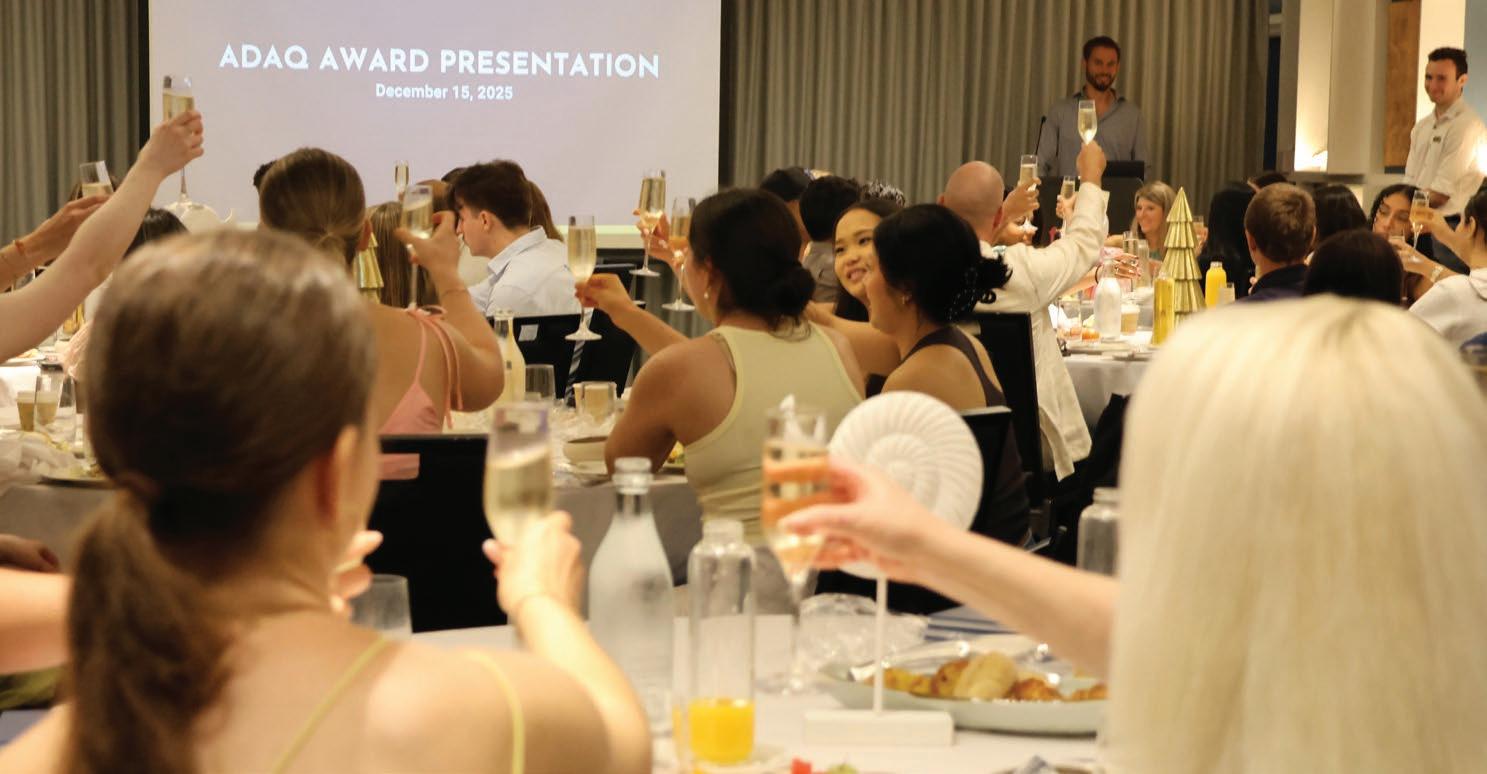
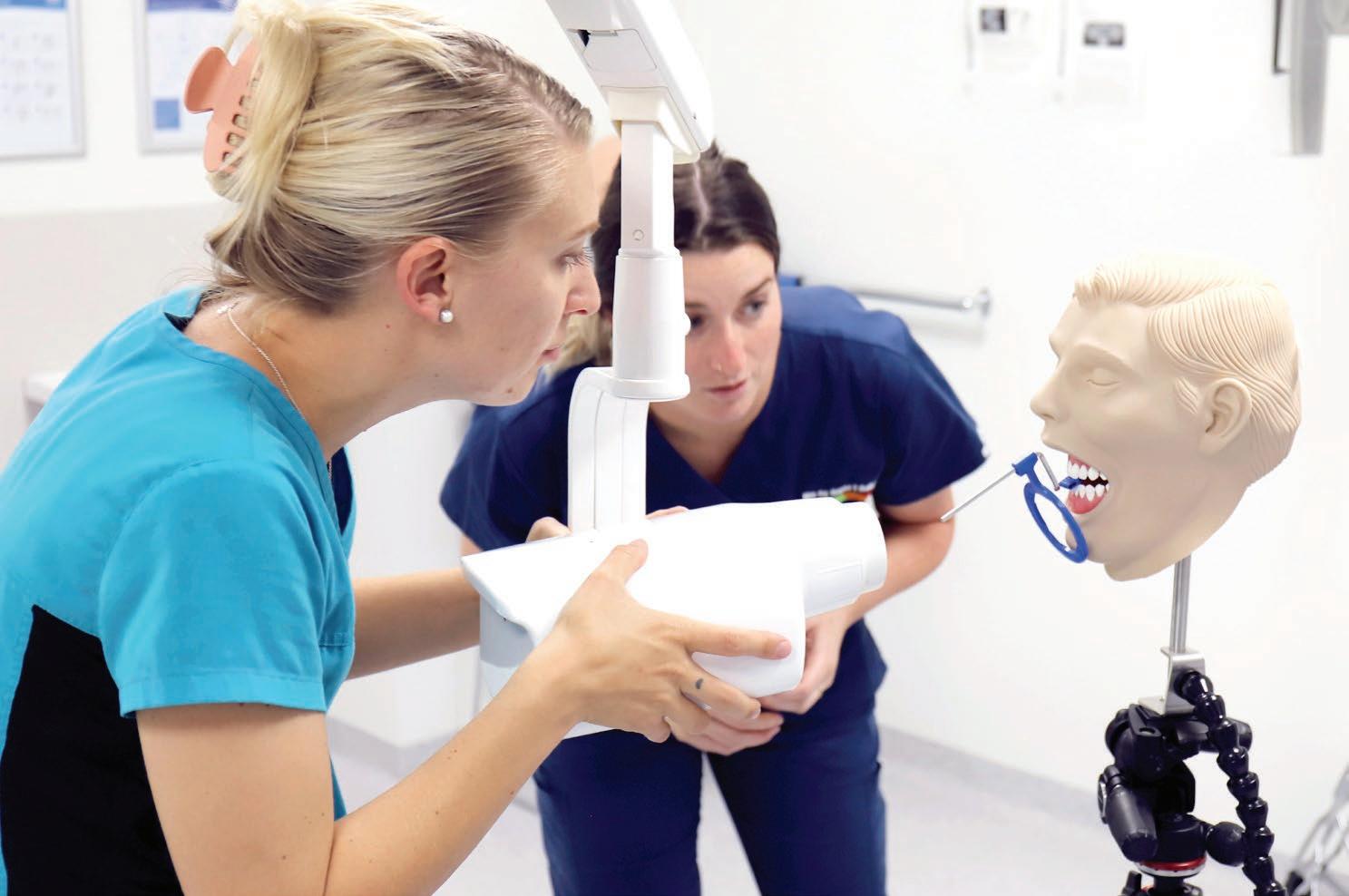
Members can now access the HLT35021 Certificate III in Dental
Assisting through subsidised Career Start funding. It’s a powerful way to upskill your team while significantly reducing costs. Check your eligibility and start today.
ADAQ Training is very happy to let Members know that we have become an approved Skills Assure Supplier (SAS) for Queensland for HLT35021 Certificate III in Dental Assisting trainees. This status enables eligible students to access the qualification at a subsidised rate when enrolling through Career Start.
Career Start Pathway options are:
• Employment-based Traineeship
• General Training Funded
• Fee for service enrolments are also still available
Please see the following information to review your dental assistant's eligibility to access this funding. Dental Assistants are also welcome to enrol as a fee-for-service student if they are not eligible for the Career Start Pathway Options.
To be eligible to receive government subsidised training as a trainee, the dental assistant must:
• have entered into a training contract for a qualification that is funded by the department and be registered on the department's systems
• if from overseas, have a visa allowing them to work in Australia
• not have already completed 2 apprenticeship/traineeship qualifications within the last 10 years. This includes school based apprenticeships or traineeships.
All applicants for this qualification must:
• Be currently employed in a dental practice and working a minimum of 21.5 hours per week – unless working as a parttime trainee
• Have basic English language skills (reading, writing, speaking and listening)
• Be 18 years of age or over. Applicants under the age of 18 require the signed consent of a parent or guardian to enrol.
• Have your enrolment approved by ADAQ
HOW TO COMMENCE A TRAINEESHIP (STEP-BY-STEP)
1. Choose an Apprentice Connect Australia Provider (ACAP) to set up your training contract (they also confirm eligibility and help with support claims). Learn more: australianapprenticeships.gov.au
2. Nominate ADAQ Training (RTO 30621) as your Supervising RTO on the contract.
3. When your contract is registered, contact ADAQ Training to finalise enrolment.
4. ADAQ will then contact you for a pre-enrolment interview and an employer resource assessment
GET YOUR ENROLMENT STARTED!
To start the enrolment process via the Career Start funding pathway please follow this link or QR code to the course information and traineeship expression of interest form.
https://training.adaq.org.au/Training/Training/Skills_Assure_Funding.aspx
If you have any questions or you would like to discuss your traineeship or general training options please contact us via phone on (07) 3252 9866 or email at training@adaq.com.au
However, only 40% of the standard fee will be charged if a trainee meets any of the following criteria:
• Is under 17 years of age at the end of February in the year training is provided, is not at school and has not completed Year 12;
• Holds a Health Care Card or Veteran or Pensioner Concession Card, or is the partner or dependent of someone who does;
• Identifies as Aboriginal or Torres Strait Islander (First Nations people).
Evidence of concession status will need to be provided at enrolment
Co-Contribution Fee: $1168
For apprenticeships and traineeships, the fee is set at $1.60 per nominal training hour for each unit of competency. This amount is the same across all SAS providers. Only the Department of Trade, Employment and Training can adjust the fee amount, which is reviewed each year.
Co-Contribution Concessional Fee: $467.20
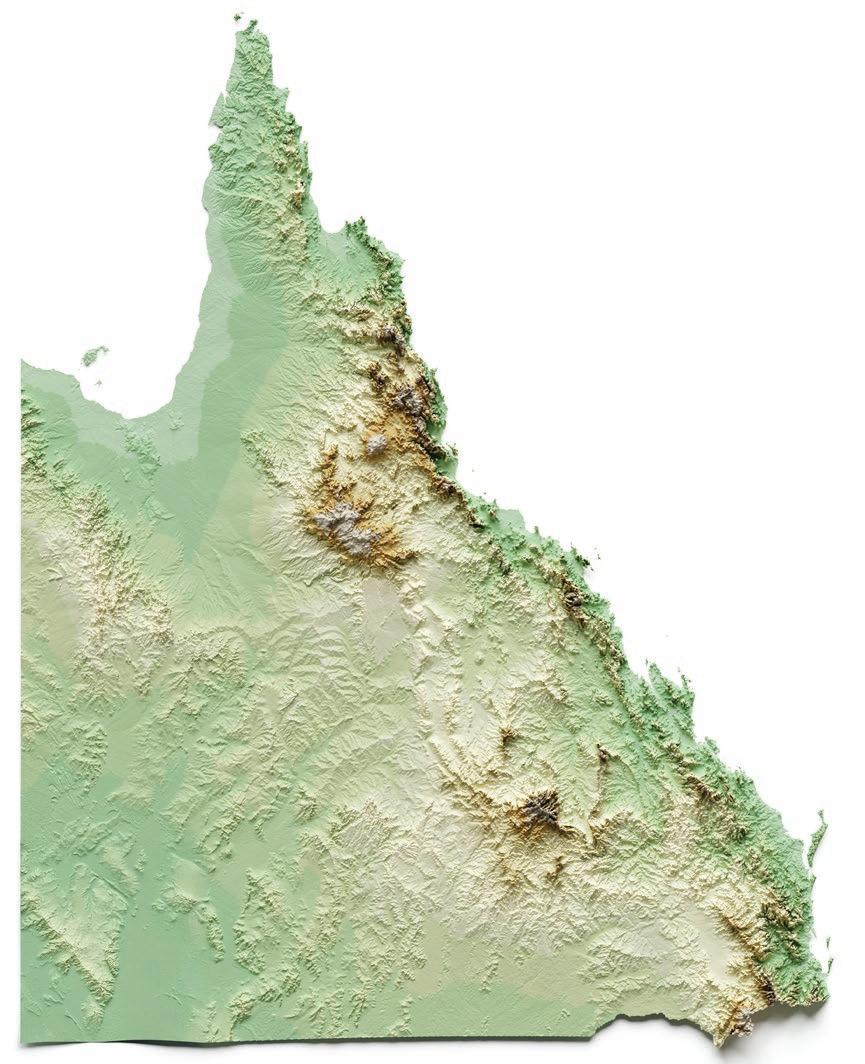
ADAQ Sub-Branches bridge the geographical gap, offering regional members tailored CPD, peer support, and vital professional networks right in their own backyard.
Queensland’s size and geographic diversity mean that staying connected locally is more important than ever. ADAQ Sub-Branches provide members with opportunities to engage with their local dental community, build professional relationships, and access relevant education and support close to home.
Open to ADAQ members within surrounding geographical areas, Sub-Branches bring dentists together through regular meetings, CPD activities and social events. They play a vital role in strengthening professional connections, encouraging peer support and ensuring members remain engaged with the profession at a local level.
Whether you are a newly graduated dentist, an experienced practitioner, or new to a region, joining a Sub-Branch can help you stay connected, informed and supported throughout your career.
All Sub-Branches operate in accordance with ADAQ’s Sub-Branch Guidelines, Constitution and By Laws, and are led by elected office bearers. Their objectives include:
• Supporting the interests and objectives of ADAQ
• Strengthening connections between members practising within local and regional areas
• Providing a forum for discussion on clinical, scientific and professional matters
• Facilitating communication between Sub-Branches and ADAQ
• Encouraging cooperation, peer interaction and professional support
• Delivering CPD activities for eligible members Through these objectives, Sub-Branches help foster strong, connected dental communities across Queensland.
ACROSS QUEENSLAND
• Bundaberg
• Cairns
• Gold Coast
• Ipswich
• Kingaroy
• Mackay
• Rockhampton
• Sunshine Coast
• Toowoomba
GET INVOLVED WITH YOUR LOCAL SUB-BRANCH ADAQ Sub-Branches are an important part of building strong, connected and supported dental communities across Queensland. If you’re interested in joining your local Sub-Branch, attending an upcoming meeting, or learning more about SubBranch activities in your area, ADAQ would be happy to help. Contact ADAQ to find out more about Sub Branches and how to get involved in your local dental community.
Contact ADAQ to learn more about ADAQ Sub-Branches and how to get involved.
www.adaq.org.au/subbranches

Support and pricing tailored to the profession. Special rate for ADA members.
• Dedicated Compliance and Advisory Services team
• In-house claims assistance
• Available for ADA members, across Australia

BY THE ADAQ COMPLIANCE & ADVISORY SERVICES TEAM
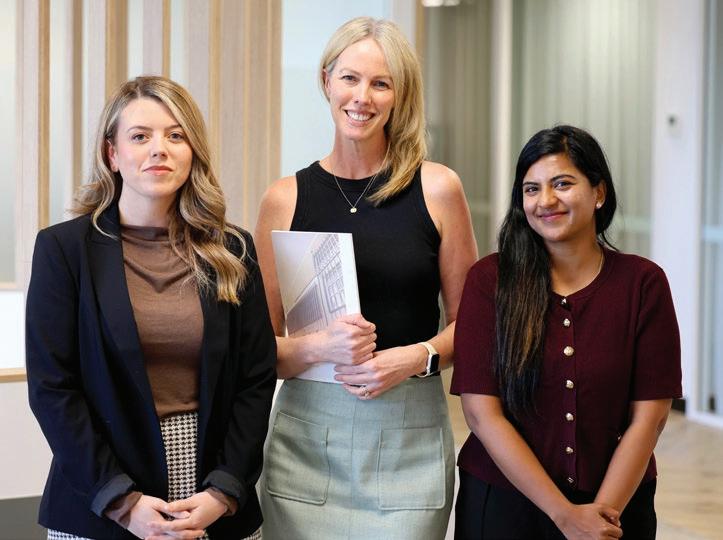
How ADAQ’s Compliance & Advisory team supports dentists with complaints, audits, notifications and PI insurance, offering practical guidance to navigate professional challenges confidently.
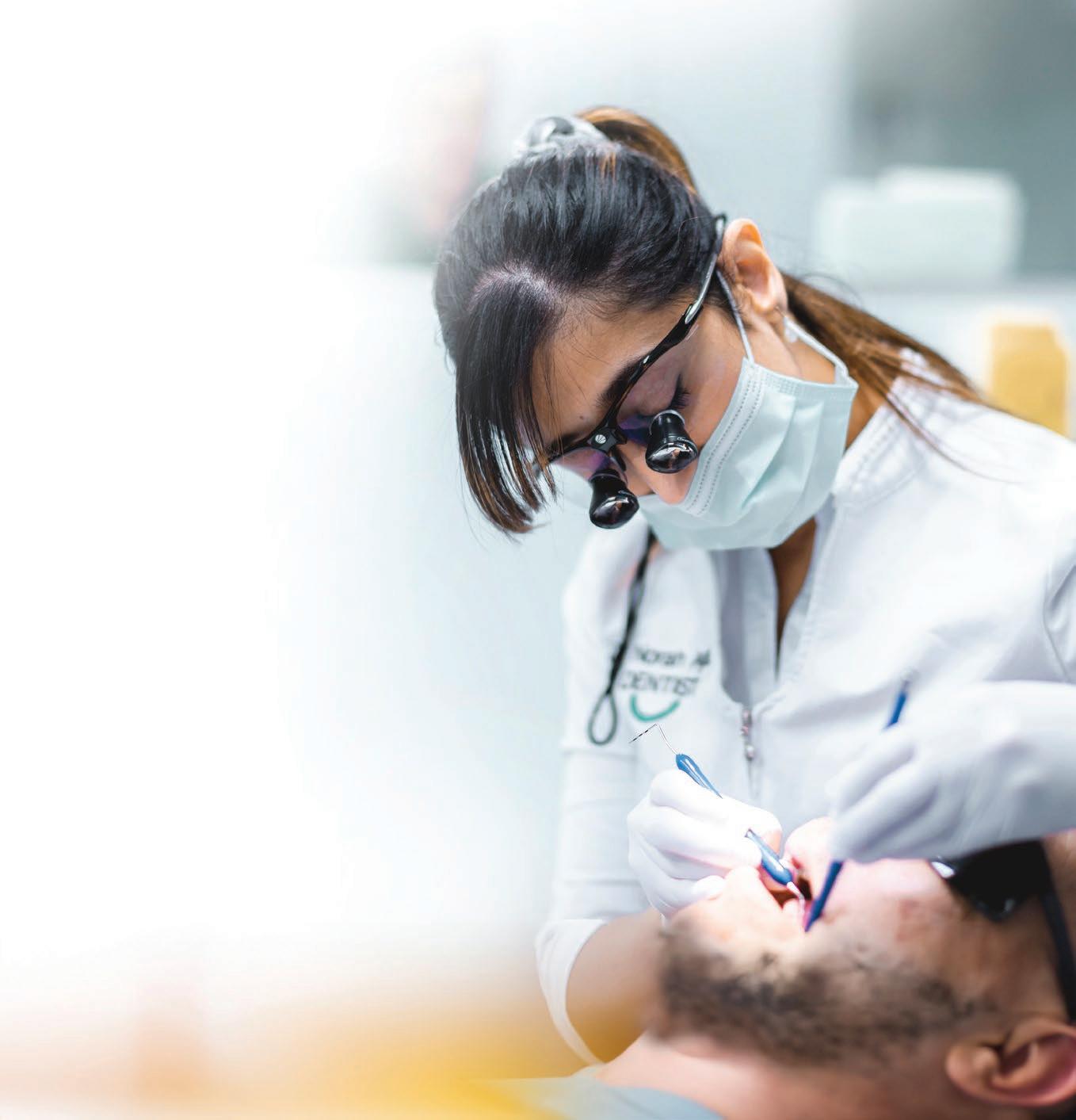
Behind every successful dental career is a strong support system. Many ADAQ members know us as the team you call when something has gone wrong, however our role is much broader. We’re here to support you at every stage of your professional journey, offering confidential advice and support.

Every day we help members navigate their practice, including:
• Managing patient complaints
• Understanding and making professional indemnity (PI) insurance claims
• Responding to regulatory notifications
• Dealing with Medicare or health fund audits
• Meeting your regulatory and professional obligations
• Providing advice to ensure your understanding and compliance with your professional obligations
• And much more!
Below is some general information in response to some of the ADAQ Compliance & Advisory Services team’s most frequently asked questions to highlight the areas we can assist you:
WHAT TO DO WHEN YOU RECEIVE A PATIENT COMPLAINT
Few things unsettle practitioners more than a patient complaint. We understand even minor concerns can feel personal, confronting, and disruptive.
The good news? Early, calm, and thoughtful handling can prevent complaints from escalating and can assist with reaching a resolution for all involved. When a concern is raised, a few simple steps can help keep the situation constructive in the first instance:
• Acknowledge the patient’s concerns with empathy. Recognising their experience can assist in defusing tension and open a pathway to resolution.
• Reassure them you will look into the issue and provide a response. You don’t need to have answers immediately. This can avoid the patient feeling disregarded and making further complaint elsewhere.
• Contact the ADAQ Compliance, Advice and Policy team and your PI insurance provider early. We can help you assess your options and assist with further communication if required.
PROFESSIONAL INDEMNITY INSURANCE: WHEN DOES A COMPLAINT BECOMES A CLAIM?
In some instances, a patient may make a formal demand for compensation or rectification treatment costs. This is where your professional indemnity insurance steps in.
Early, calm, and thoughtful handling can prevent complaints from escalating and can assist with reaching a resolution for all involved.
PI insurance is mandatory for Ahpra registration and provides vital protection for accepted costs for compensation, rectification treatment and legal defence if required (*dependant on your PI policy cover).
If you hold your PI insurance with ADAQ/AIG, a claim is considered to have been made when a patient issues a written demand for money, or when you receive a formal notice under the Personal Injuries Proceedings Act (PIPA).
If your PI cover is held through ADAQ/AIG, we can notify the insurer on your behalf and guide you through the claims process from the outset. This allows us to support you from first notification through to resolution. Where legal expertise is required, we work closely with panel law firms under the terms of your policy.
Some patients choose to raise concerns directly with the Office of the Health Ombudsman or Ahpra.
The OHO generally manages complaints relating to fees or dissatisfaction where there is no clear clinical risk. Their focus is local resolution akin to informal mediation.

Complaints involving clinical standards, professional conduct, informed consent, or boundaries are usually referred to Ahpra. If this occurs, you’ll receive a formal letter inviting you to provide response to the complaint.
We understand how overwhelming these notifications can feel. The ADAQ Compliance & Advisory Services team can support you through this process including responding to the notice. The team understand the regulatory framework and help you to navigate any conditions that may be imposed.
Audits from Medicare or health funds are another common source of stress for practitioners. It’s important to understand most are to ensure appropriate claiming and require no other action.
Issues typically arise when records don’t adequately support the services claimed. In these cases, practitioners may be asked to repay benefits, and in serious situations, claiming rights or HICAPS access may be affected.
Common audit findings that can result in these outcomes include:
• Inadequate clinical records
• Incorrect item number use
• Claims not aligned with fund terms and conditions
Our team can assist with any queries you may have around audits and your professional obligations.
Informed consent is more than a signature; it’s an ongoing conversation that underpins ethical, safe, and patient centred care.
To ensure you have informed consent, you must be confident that the patient understands and agrees to:
• The nature and purpose of treatment
• Expected benefits
• Material risks and complications
• Available alternatives, including no treatment or referral
• Associated costs

In some instances, written consent and supporting materials such as diagrams or take-home information can be a beneficial tool to support your informed consent discussion with a patient.
From a compliance perspective, documentation is critical. Your informed consent discussion should be comprehensively documented in the patient records and the patient should be given opportunity to ask any questions about their care before consenting to treatment.
Whether you’re dealing with a complaint, navigating a claim, responding to a regulator, or simply seeking guidance, the ADAQ Compliance & Advisory Services team is here to support you.
07 3252 9866
https://www.adaq.org.au/Insurance/Compliance-and-AdvisoryServices/CAP_expertise assist@adaq.com.au
Please note this advice is general in nature. We recommend you contact ADAQ or your PI provider for specific advice and assistance.
ADAQ is excited to return to Cairns for Dental Topics in the Tropics: Elevating Everyday Dentistry – Integrated Care, Hands-On Skills, Real-World Results Friday–Saturday, 29–30 May 2026.

We are thrilled to bring this event back to Cairns with a strongerthan-ever CPD program. This immersive two-day experience focuses on practical, real-world dentistry, combining integrated care approaches with hands-on skills development in a vibrant tropical setting.
Dental Topics in the Tropics is designed for dental professionals, including dentists, dental therapists, dental hygienists, dental assistants, and the broader dental community. The CPD program delivers clinically relevant education, the latest developments, and best practices that can be applied immediately in everyday practice.

Register today and stay tuned for program highlights, including expert speakers, interactive sessions, and practical workshops. Take a sneak peek at what is on offer this year by exploring some of the speakers’ topics, lecture content, and hands-on workshops.
SNAPSHOT OF A FEW LECTURES
• Dr Michael Mandikos – The Design and Use of Splints
• Larissa Alderton – From Complaint to Resolution: Strategies for the Dental Team to Manage Patient Complaints and Communicate Effectively
• A/Prof Geraldine Moses AM – What’s New in Therapeutic Guidelines Oral and Dental Version 4?
SNAPSHOT OF A FEW WORKSHOPS
• Patrick Lin – TMD Management from a Physiotherapy Perspective
• Dr Lydia See – SMART Caries Management in Special Needs Dentistry
• Prof Alex Forrest & Adj. A/Prof Geraldine Moses – Advanced Local Anaesthesia & Pain Management



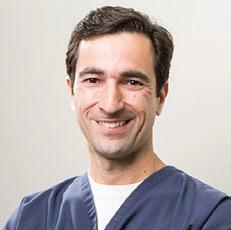

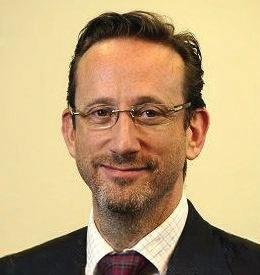
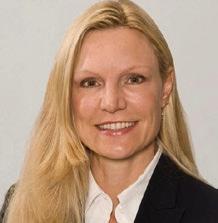
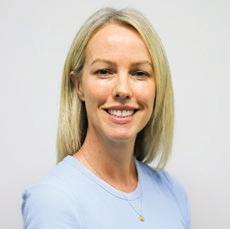


and non-surgical cosmetic regulatory directions.
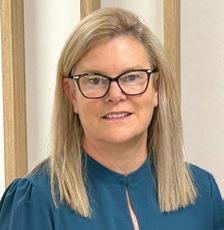

Moses AM Therapeutic guideline updates and safe medication for paediatric and geriatric patients.

This event is a wonderful opportunity to come together as a community of dental professionals and share in both learning and connection. ADAQ remains deeply committed to supporting our members' continuing education, ensuring that every practitioner-whether based in the city, a regional centre, or a remote community-has access to high-quality professional development. Events like this exemplify our mission to strengthen the profession through knowledge, collaboration, and collegiality.
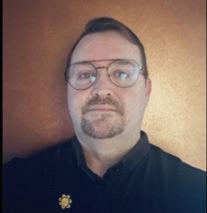
cosmetic procedures.
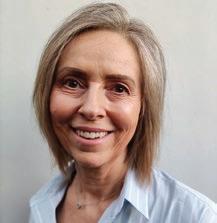
Heather Edwards Regulatory directions and professional impacts of non-surgical cosmetic procedures.
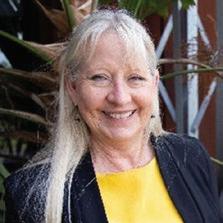
Dr Felicity Croker Part of the award-winning Dentists Domestic Violence - Recognise, Respond, Refer (DDV-RRR) program since 2015
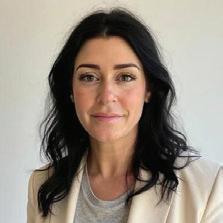
Dr Alex Dancyger Extensive clinical experience and a focus on complex oral health needs, incorporating practical expertise.
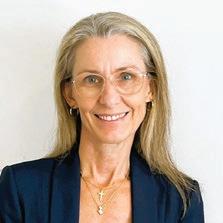
Dr Ann Carrington Over 20 years’ experience in domestic and sexual violence (DSV), trauma, and complex trauma
Pullman Cairns International 17 Abbott Street, Cairn
29/05/2026 08:45 - 30/05/2026
ADA Member $1285
Non Member $1799
Dental Team* $625
Dental Student** $30
14
Clinical excellence requires personal resilience. Proactive, confidential support—from mental health to financial coaching—ensures dental professionals have the holistic resources to thrive both personally and professionally.
Dentistry is a profession built on care for patients, teams, and communities. Yet the demands of clinical practice, leadership, regulation, and life outside the practice can place significant pressure on dental professionals. Recognising this reality, ADAQ’s Member Assistance Program (MAP) is designed to support members’ wellbeing in a practical, confidential, and accessible way.
Delivered in partnership with The Wellness Workshop, Australia’s only multi-dimensional assistance provider of its kind, the Member Assistance Program offers up to three one-hour, oneon-one sessions per year, across a broad range of wellbeing and professional support services. It is a proactive resource, available not only during difficult periods, but whenever guidance, perspective, or support would be valuable.
The Member Assistance Program reflects ADAQ’s commitment to supporting the whole dentist, not just the clinician. Rather than focusing on a single issue or moment of crisis, the program acknowledges that wellbeing is multi-layered, shaped by mental health, financial confidence, physical health, work pressures, and personal resilience.
Through MAP, members can access confidential, individualised support aimed at strengthening both personal and professional wellbeing, helping dentists and dental team members remain healthy, resilient, and engaged over the long term.
The program offers flexibility, allowing members to book sessions that align with their current priorities.
Designed for members navigating stress, burnout, personal pressures, trauma, addiction, or caring for a sick loved one. Counselling sessions provide a safe, confidential space to manage emotions, build coping strategies, improve communication, and work through challenges that may affect both personal life and professional performance.
Financial stress is a common and often unspoken pressure point.

Financial wellbeing sessions support members with budgeting, debt management, superannuation understanding, investing, salary packaging, and major life decisions such as purchasing a home. These sessions aim to improve confidence, clarity and long term financial security.
For members managing chronic conditions, diet-related disease, or seeking to improve daily energy and health, dietetic support offers personalised, evidence-based guidance. Sessions can assist with building a healthier relationship with food, managing energy and mood, and developing sustainable nutrition habits.
Mindfulness and meditation sessions support members looking to manage stress, regulate emotions, improve focus, and prevent burnout. These sessions are practical and skills-based, helping activate the parasympathetic nervous system and improve decision-making in high-pressure environments.
Leadership and interpersonal challenges are part of modern dental practice. Workplace skills sessions support members to strengthen communication, negotiation, conflict resolution,
delegation, emotional intelligence, and time management, skills that are increasingly critical for practice owners, associates, and team leaders alike.
Health and life coaching sessions are ideal for members wanting to take an active role in changing habits, managing lifestyle challenges, and building confidence. Coaching can help with boundary setting, mindset development, emotional regulation, and reducing harmful habits while reinforcing positive ones.
All current ADAQ members and their dental teams are eligible to access the program. Each individual can book up to three onehour sessions per year, within the annual period from 1 June to 31 May. Sessions can be used with one practitioner or spread across multiple services, depending on individual needs. Importantly, MAP is there to be used if and when you need it. Whether you are facing a challenging period, planning ahead, or simply seeking support to function at your best.
A COMMITMENT TO SUSTAINABLE CAREERS
Counselling sessions provide a safe, confidential space to manage emotions, build coping strategies, improve communication, and work through challenges.
The Member Assistance Program reflects ADAQ’s broader commitment to sustainable, healthy dental careers. By offering early, accessible support across multiple dimensions of wellbeing, MAP aims to help members address challenges before they escalate, and to reinforce that seeking support is a strength, not a last resort.
ADAQ MEMBERSHIP TEAM
ADAQ-affiliated Study Clubs offer Queensland dentists vital spaces for peer-led mentorship and clinical exchange. Discover how these collegial networks foster professional growth and lasting community connections statewide.

Caring for others starts with caring for yourself, and ADAQ is here to support you every step of the way. FOR EVERY STAGE OF YOUR
Study Clubs play an important role in supporting dentists to stay connected, informed and engaged throughout their careers. Supported by ADAQ, affiliated Study Clubs provide a collegial environment where members can share knowledge, discuss clinical challenges, explore emerging trends, and build lasting professional relationships.
Whether you’re seeking structured scientific learning, peer discussion, mentoring, or a social way to stay connected with colleagues, Study Clubs offer valuable opportunities for professional development beyond traditional CPD courses.
Below is an overview of ADAQ affiliated Study Clubs currently operating across Queensland.
The Australian Association of Laser Dentistry (AALD) provides a forum for discussing the clinical aspects of laser dentistry in a non-aligned, non-partisan environment. Open to new members, the group meets approximately four times per year and focuses on sharing practical experience and clinical insights to advance laser use in dental practice.
Amara is a study club exclusively for women dentists, offering a supportive and inclusive environment for professional learning, discussion and peer connection.
A newer study club for women dentists based on the Gold Coast, this group meets four times per year and also hosts a High Tea social event, blending professional development with networking and community building.
Founded in 2000, the Bennett Movement Study Club is a small, low-key group comprising general dental practitioners and specialists. The club meets monthly throughout the year (excluding December and January) in a relaxed restaurant setting
and welcomes members with a broad range of experience.
With a proud history dating back over 60 years, the Cadmus Society Study Club brings together general dentists and specialists for regular evening meetings. The Society meets on the first Tuesday of each month at ADAQ, fostering ongoing learning and professional discussion.
An ADAQ affiliated Study Club focused on peer engagement and professional development. Further details are available by contacting ADAQ.
This study group meets three to four times per year and includes graduates from the University of Queensland Class of 2012, while also welcoming guest members from across the profession. The group focuses on discussing clinical and professional issues in a
collegial, mentoring-focused and social environment.
As the first Dental Study Club founded in Australia, this long standing club has limited membership and a strong educational ethos. Members meet monthly and the club hosts an annual three day Scientific Weekend, reinforcing its commitment to further dental education.
Fusion Study Club meets for seven scientific meetings per year at the ADAQ Function Centre. The club aims to foster both continuing education and professional networking, with a diverse membership that includes general dentists, specialists, oral health practitioners and industry representatives. Guest attendance may be available prior to joining.
An ADAQ affiliated Study Group supporting professional learning and peer connection. Further details are available by contacting ADAQ.
An affiliated Study Club focused on professional engagement and ongoing education within a peer-supported setting. Further details are available by contacting ADAQ.
A local Study Club providing opportunities for dentists to connect, learn and share experiences in a collegial environment. Further details are available by contacting ADAQ.
Based on the Sunshine Coast, Synergy Study Club meets bimonthly on Monday evenings for a meal and scientific presentation delivered by a guest lecturer, combining education with social connection.
A long-standing Brisbane-based Study Club comprising both general dentists and specialists. The club meets seven times per year at various restaurant venues and hosts one annual social event. Guest lecturers from a range of expertise areas present at each meeting, supporting high-quality professional learning in a social setting.
Study Clubs offer a valuable way to enhance your professional development, expand your network and stay connected with peers across Queensland. If you’d like to find out more about any of ADAQ’s affiliated Study Clubs or are interested in joining or starting a Study Club, ADAQ would be pleased to assist.
Contact ADAQ to learn more about Study Clubs and how to get involved. www.adaq.org.au/studyclubs

Protect your professional reputation and navigate AS5369:2023 with confidence. ADAQ Consultancy provides hands-on training and tailored documentation, transforming complex compliance into streamlined routines for a resilient, audit-ready Queensland dental practice.
How long has it been since you reviewed your dental practice infection control processes and protocols? Do you feel ready and confident in the event of an external audit? The ADAQ Consultancy team deliver hands-on training, advice, and consultation on the latest recommendations for dental practice. Assisting you and your team to translate dense regulations into clear daily routines and meet practice compliance requirements to protect your reputation. Staff learn to spot potential issues early, while leadership gains streamlined documentation and smoother accreditation. The result is a resilient, future-ready practice that turns compliance anxiety into lasting competitive strength.
Every consultation is conducted by experienced ADAQ professionals, with a focus on clarity, compliance, and feedback to the practice. Whether preparing for accreditation or simply improving internal infection control practices or protocols, we deliver practical solutions tailored to your needs.
We deliver hands-on training, advice, and consultation that is consistent with the latest recommendations for dental practice.
Our consultants ensure your policies, training, and documents reflect the current AS5369:2023 standards and the ADA infection control guidelines 5th Edition.
CP1 PRACTICE HEALTH
• One 2-hour on-site visit by an ADAQ staff member
• Verbal discussion on findings with Dentist and Practice Manager
• Written report with specific, actionable recommendations
CP2 INFECTION CONTROL TRAINING
• On-site training for staff covering all key areas of Infection Control
• Delivered by qualified ADAQ staff
• 2-hour sessions recommended for thorough coverage
CP3 INFECTION CONTROL SERVICES + STAFF TRAINING
• Review and development of practice specific infection control documentation
• On-site visit to conduct a formal Infection Control Health Check (approx. 2 hours)
• Development of a tailored Infection Control Management Plan
• Creation of a customised Infection Control Manual for your practice
• Provision of supplementary documents (e.g., risk registers, sharps protocols, immunisation templates)
• Up to 2 hours of targeted Infection Control staff training
CP4 ACCREDITATION DOCUMENT DEVELOPMENT
• Review of your existing accreditation documents (if available)
• Customisation of ADAQ templates to align with your operations
• One-on-one advisory support to ensure accurate adaptation
• Assistance in applying accreditation policies to your specific context
• Upload of completed documents to Accreditation Pro on your behalf
Please note: this service does not include development of the Infection Control Manual
• On-site training for staff covering all key areas of Surgical Draping
• Delivered by two qualified ADAQ staff, additional costs will apply for two staff members from ADAQ to attend onsite
• Practice to supply their own surgical draping kit for training and demonstration purposes
• Minimum 2-hour sessions recommended for thorough coverage
For a limited time, ADAQ are offering our members free
30-minute introductory digital consulting services (via teams or phone) and this may be of interest to you or your staff.
We can tailor to suit your practice needs.
• Short presentations on infection control
• Answering questions you may have around the new AS 5369 standards and the ADA infection control guidelines 5th Edition
• How to complete the new accreditation templates and documentation
• Accessing the new infection control resources available on our website
For further information contact the Team at ADAQ to discuss your options and book a suitable time via our booking link.
Email - consultancy@adaq.com.au
Phone: (07) 3252 9866
For further information and detailed pricing for consultancy packages on our website Practice Consultants www.adaq.org.au/Consultancy
Drs Anthony and Simon Speed, in association with anaesthetists from the Wesley Anaesthetic Group advise that they can facilitate treatment for patients requiring general anaesthesia in their outpatient facility at Holland Park. This is particularly useful for patients who have no private hospital insurance cover. With an extensive range of experience, the team is willing to undertake wisdom tooth removal, extractions and implant placements and perform routine restorative dentistry on all age groups including children aged 3 and above. Anxious patients, those with a severe gag reflex or difficulty with achieving adequate local anaesthesia and dementia patients have all been
successfully treated over the years along with some of our favourites, our long-term special needs patients.
Additionally, we are now able to offer Cerec single visit crowns so that the patient does not have to return for subsequent cementation. Patients with complex medical needs can be treated at St Andrew's Private Hospital by-arrangement.
If this service can be of assistance to some of your patients, please phone the reception staff on 3397 1339 for further information. Referral pads are available on request.
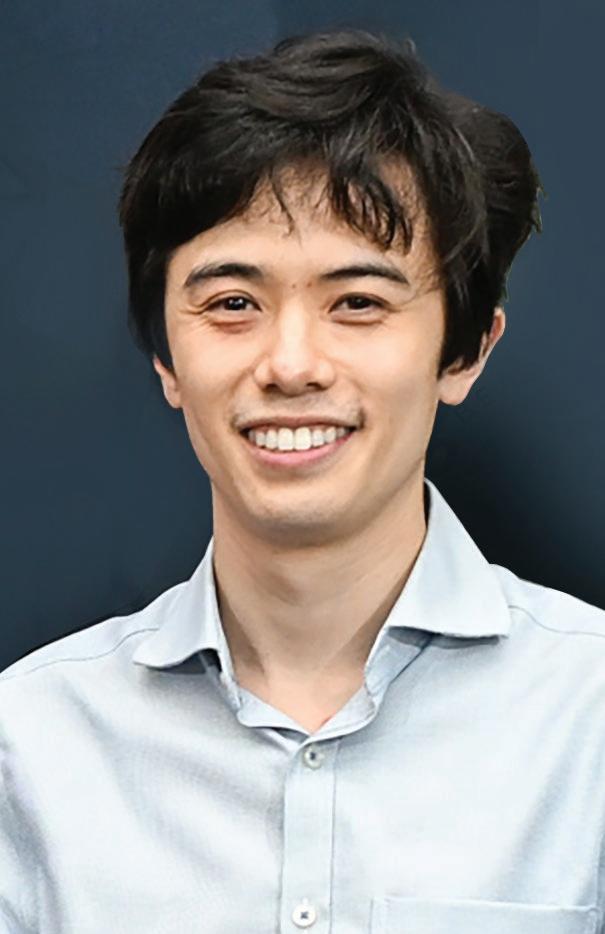
Dr. Albert Tran reflects on eighteen years of clinical evolution. Explore his insights on navigating professional trade-offs, the necessity of mentorship, and why meticulous record-keeping remains the practitioner’s essential “insurance policy” and primary defensive tool in our rapidly advancing era.
Can you introduce yourself and reflect on your professional journey in dentistry, from graduating in Queensland to your roles in practice ownership, education and mentoring?
I graduated in 2008 from the University of Queensland. As a new graduate, I worked as an associate in private practice for approximately eight years before managing and eventually
owning a practice in North Brisbane.
While I am aware that this is not a universal experience, I had a very positive time during my dental training and have fond memories of Turbot Street. This experience guided me to return to UQ early in my career, initially as a preclinical supervisor, which eventually led to further roles in lecturing and course coordinating. I joined the Australian Dental Council in 2017 and currently hold appointments with Ahpra and on the federal ADA’s Dental Informatics and Digital Health Committee. I have been a director on the ADAQ board since 2025.
I completed my Fellowship exams in 2014, which led to a passion for mentoring with the RACDS and the ADAQ. Looking back, the major driver was inquisitiveness: a desire to further the profession and to gain and share knowledge that makes the difficulties of clinical practice easier for patients, and for other dentists.
You’ve worked across public dentistry, private practice and university teaching. How have these different environments shaped your clinical philosophy and approach to patient care?
Working across a wide variety of roles has led me to see decisions, both clinical and organisational, as a series of tradeoffs. Public clinics, private practice, and university teaching are all integral parts of dentistry, yet they have differing objectives, prioritising specific aspects at the expense of others.
Clinical practice is much like this, in that there are often many competing factors. The aim is always to provide the highest level of care to patients within the constraints presented, whether they are imposed by the clinical environment or by the patients themselves. Ultimately, navigating these diverse settings has taught me that clinical excellence is not just about technical skill, but about the ability to adapt and find the optimal path forward within any given situation.
Were there any mentors, experiences, or defining moments early in your career that influenced your decision to pursue a greater involvement in the profession?
I do not recall a specific experience or moment that influenced my professional pathway. It has been more like a series of fortunate events, opportunities and chance encounters. I could provide a long list of names of people who have contributed ideas, values or simple comments that have influenced my involvement in the profession, but that list would not fit in this article. These include my employers, academics who taught me
and those with whom I worked, colleagues, other dentists and non dentists within the field, and even mentees and students whom I supervised; each one has imparted some influence on how I practice and my choice to actively participate in the profession.
With more than 18 years’ experience, what do you see as the most important foundations of high-quality, patient-centred dentistry today?
Trust, transparency and technical skills
Are there aspects of everyday dentistry, such as diagnosis, record keeping, or treatment planning, that you feel are often underestimated or misunderstood?
I know it is constantly repeated to us, but record keeping remains underestimated. It seems laborious or even wasteful that we need to craft highly detailed notes in the hope that they are never used, but they are simply the last line of defence when you receive a notification. Think of them as an insurance policy that you hope you never have to claim, but are glad to have taken out when a complaint or complication arises.
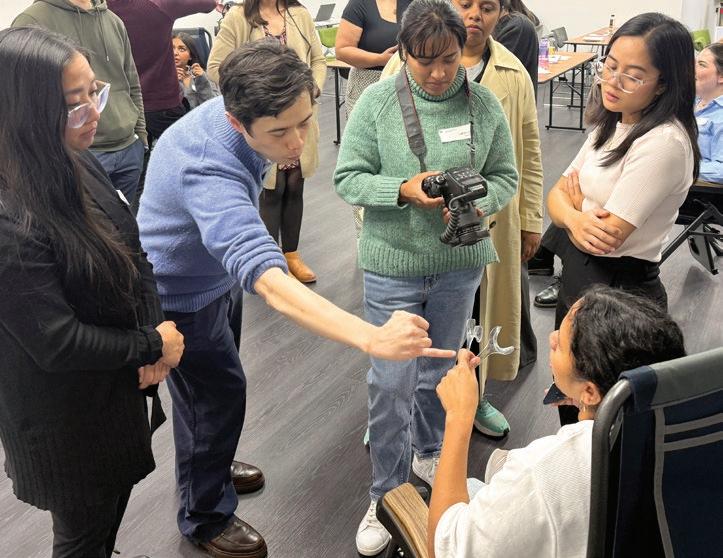
The importance of photographic and radiographic records should also not be underestimated. When speaking to other dentists, I always recommend photographically documenting all cases, especially pre- and postoperatively. This practice aids in communication, engages patients and ensures clinical accountability. On many occasions, these records can deescalate disagreements when memories have faded, serving as a vital defensive tool for a practitioner.
How has general dental practice evolved over the past decade, particularly in areas like restorative dentistry, endodontics and implant treatment?
The real question is, what hasn’t changed? When I graduated, we were still chemically developing radiographs in a dark room, mixing luting cements on a glass slab and writing records in paper charts. Today, we push a button to instantly display radiographs on screens, scan with ubiquitous intraoral scanners and, if you so desire, have an AI scribe transcribe your clinical
Dentistry is a complex ecosystem where dentists must be active participants to ensure the profession remains healthy and sustainable for everyone involved,most importantly, our patients.
notes. The list goes on: heat treated flexible NiTi rotary files, wireless endo handpieces with reciprocation, CBCT, resonance frequency analysis, photogrammetry, 3D printed surgical guides, models and temporary restorations - we are truly living in the future.
I remember being impressed even five years ago whilst walking through a dental school undergoing accreditation and seeing the vast majority of students using loupes with LED batterypowered headlights. This was almost non-existent during my time in dental school, and I still remember my first incandescent headlamp with a fixed power source.
MENTORSHIP AND PROFESSIONAL
Being involved with UQ over the years in teaching positions and clinical supervisory roles, what principles did you strive to instil in undergraduate dental students?
I strive to instil the importance of slowing down and taking the time to diagnose accurately, treatment plan comprehensively, and discuss your approach with patients so that there is a shared understanding of their oral conditions and treatment goals. This includes a realistic and frank discussion of outcomes and the patient's own responsibility in the equation. A little more time spent upfront prevents issues and headaches down the road. While technical skills are important and develop further with clinical practice, mistakes and poor outcomes are inevitable if things are not thought through, rushed, or both.
I always encourage looking towards the academic literature to help solve clinical questions. There is an immense body of knowledge out there established by dedicated clinicians and researchers who had an itching question or problem they wanted to solve. If you have an issue in clinical practice, it is almost guaranteed that it has bothered someone else out there enough for them to explore the topic and document their findings and solutions; why not put their recommendations to practical use?
While it is not as easily accessible as sitting through an online lecture, nor as fun as attending a hands on course, scientific literature is a powerful tool for navigating and solving daily problems. Google Scholar’s motto is "Stand on the shoulders of giants", after all.
You’ve also mentored qualified dentists through the MRACDS program. How does mentoring early-career practitioners differ from teaching students, and why is it so important?
Students are taught in a controlled environment with access to educators and supervisors for guidance. These guardrails effectively disappear upon graduation in what is effectively a
steep cliff. Mentorship provides a softer transition to independent practice, especially when early-career practitioners encounter difficulties surrounding employment, workplace culture, clinical decisions and private-paying patients. Rather than dictating specific solutions or philosophies, mentorship acts as a sounding board and a platform for open discussion regarding challenges and concerns on a one on one basis. I find that this tailored approach assists in developing better clinicians who are able to navigate what more experienced practitioners forget is a “difficult job”, as put rather bluntly by one of my mentees.
I was fortunate and thankful to receive mentorship and guidance in my early career through my employers, and I believe mentorship is important in supporting a strong, capable and collaborative next generation of dental professionals.
In your role as an Australian Dental Council examiner and dental program assessor, what responsibilities come with helping uphold standards across dental education and training?
Objectivity, impartiality and fairness are all important responsibilities in ensuring that we are assessing candidates and dental programs in an unbiased manner. Public confidence in the profession relies upon maintaining high standards, robust assessment processes and high-quality dental education institutions.
The role exists to ensure that anyone entering the Australian workforce, whether a local graduate or an overseas-trained clinician, possesses the clinical judgement and technical skill to treat the public safely.
As both a practice owner and educator, how do you balance clinical excellence with the realities of running a modern dental practice?
Clinical excellence requires time, which is our most expensive commodity. When you prioritise evidence-based decisions and focus on continuous improvement, you drastically reduce "re-do" dentistry, which is the single biggest drain on both a practice’s reputation and its production.
Improvements in technology are able to balance clinical outcomes with practical efficiencies, though newer does not always mean better. There is always some risk in being an early adopter before the data is out, so it is important to retain a critical mind when integrating anything new, as mistakes can be costly.
At the end of the day, apart from the tools at our disposal, running a contemporary dental practice today is no different from the past in that we are still looking after people. Part of aiming for clinical excellence is ensuring that we provide a valuable service to the community and that they can see the value in oral health.
What does ongoing involvement with professional bodies like ADAQ mean to you at this stage of your career?
At this stage of my career, my work with professional bodies is about stewardship and advocacy. Dentistry is a complex ecosystem where dentists must be active participants to ensure the profession remains healthy and sustainable for everyone involved; most importantly, our patients.
I am a fortunate beneficiary of dentistry. It has provided me
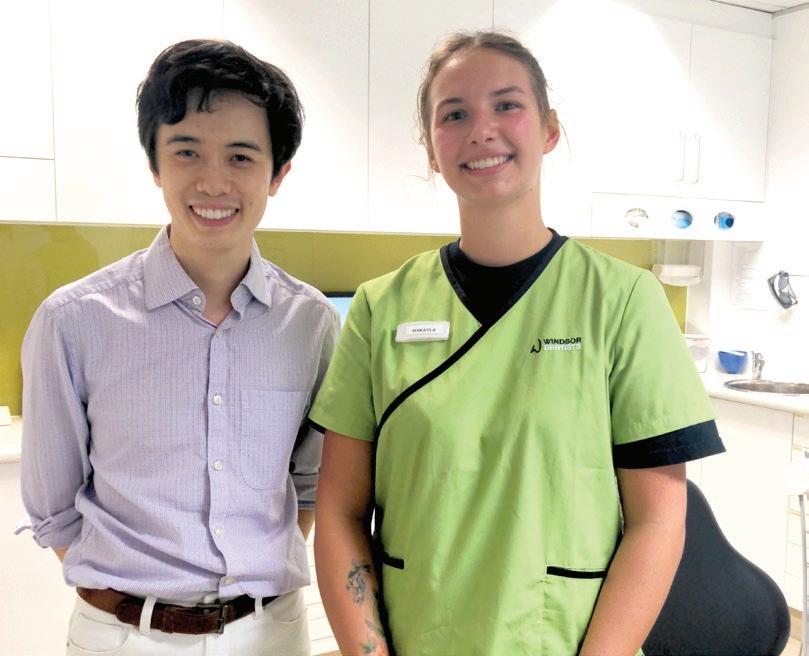
opportunities, independence and clinical autonomy and I can only wish that the profession remains strong enough so that subsequent generations of dentists are able to experience the same.
If dentists do not remain engaged with professional governance, those outside the profession will determine its future.
For students and early-career dentists reading this, what advice would you offer about building a sustainable, ethical, and fulfilling career in dentistry?
I can think of a few points:
Always aim to make things better, whether that is for your patient, for your personal development or for the profession.
Think about the long term. Treatment plan for long-term outcomes. Plan for your career and look long-term at your health and what you do both inside and outside of dentistry.
Be involved with the profession. Consider teaching or mentoring, join a committee or put your hand up for volunteering. It doesn’t have to be extensive, but pick one area outside the clinic that you are interested in to help contribute to.
Always think critically. Seek out quality data to support your decisions and remember that anecdotal evidence, while potentially useful, remains the lowest form of evidence.
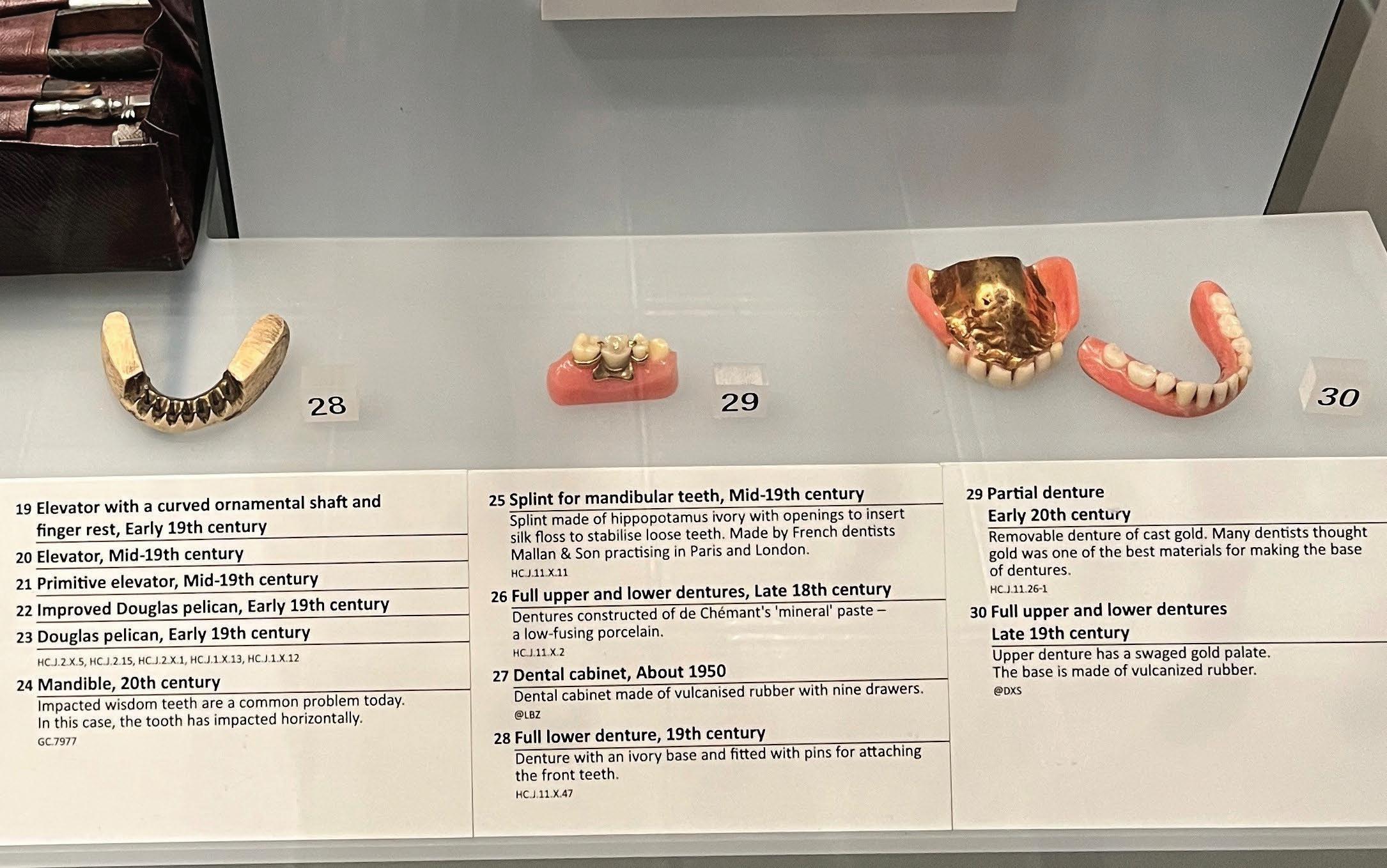
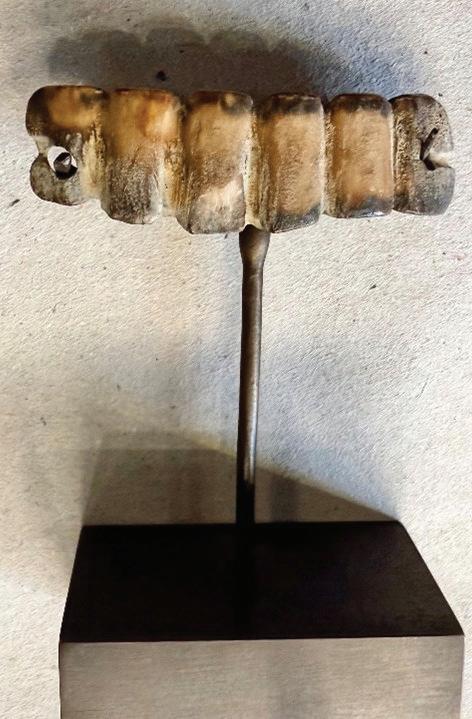

History follows the curious. Join Alessandra Boi and Dr. Gary Smith as they recount fascinating dental history discoveries from European travels, including antique toothpaste jars and rare toothpicks that bring global inspiration to ADAQ’s Museum.
Curators and historians never truly switch off while on a private holiday. History is everywhere. Especially when your travels or family ties bring you to old Europe…
So it happens the ADAQ Museum of Dentistry is a little richer this January, with a couple of interesting ‘in-house' donations, and lots of inspiration, thanks to two history buffs of our own.
Check out ADAQ’s Alessandra Boi and Dr Gary Smith reports of dental history encounters during recent overseas trips with their respective families:
FROM ALESSANDRA
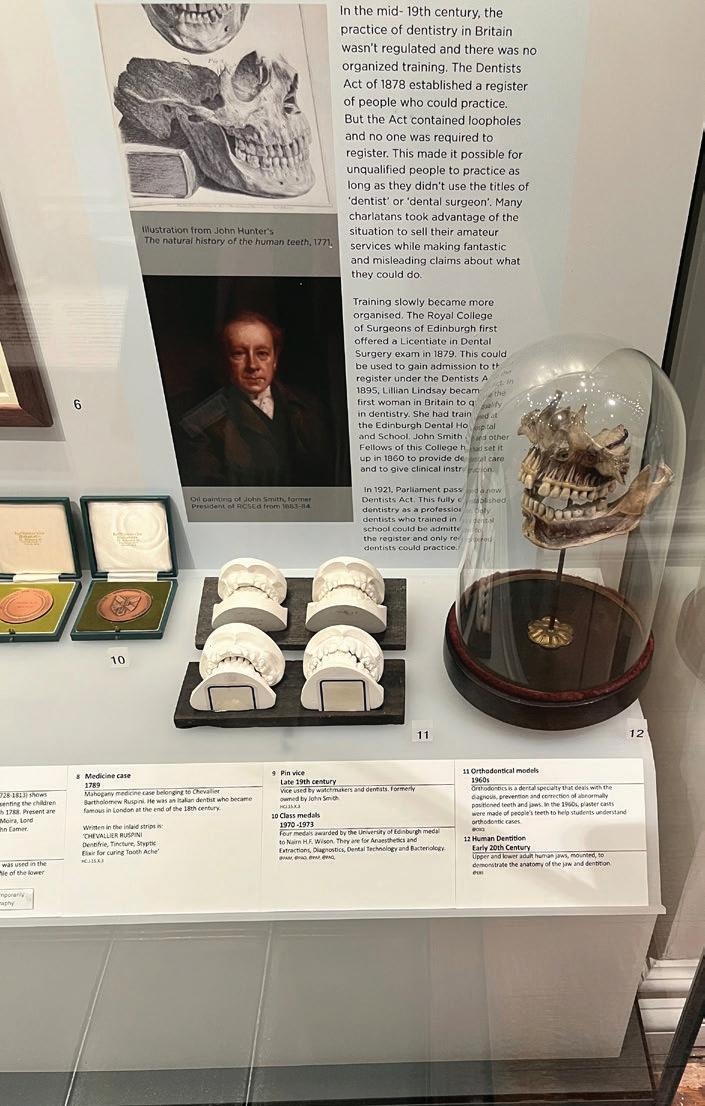
Edinburgh is beautiful in December. While I enjoyed the festive atmosphere strolling down the Royal Mile, I admit I couldn’t wait to visit the mighty Surgeon’s Hall Museums. Housed in the headquarters of the Royal College of Surgeons, a beautiful Neoclassical building, are the largest and oldest collections of pathology specimens and surgical items in the world. In honour of the historical tie between surgery and dentistry, there’s also a magnificent Dental Collection.
Comparing their collection on display to ADAQ’s object collection, I realised we’re doing…pretty well! Viewing the dental display at the world famed Surgeon’s Hall reminded me of how mighty it is that a ‘small’ association branch in Australia has collected, and cared for, so much about the history of modern Western dentistry to this day. And how fortunate I am to have been in the position to facilitate this project these past few years. We just created a brand-new museum for Queensland!
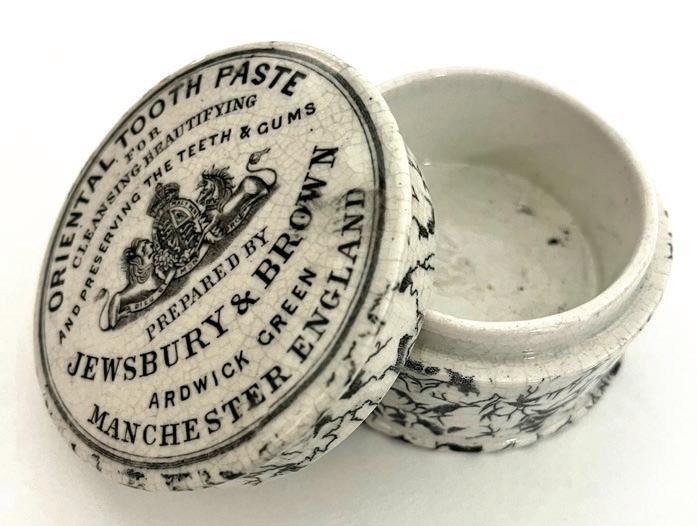
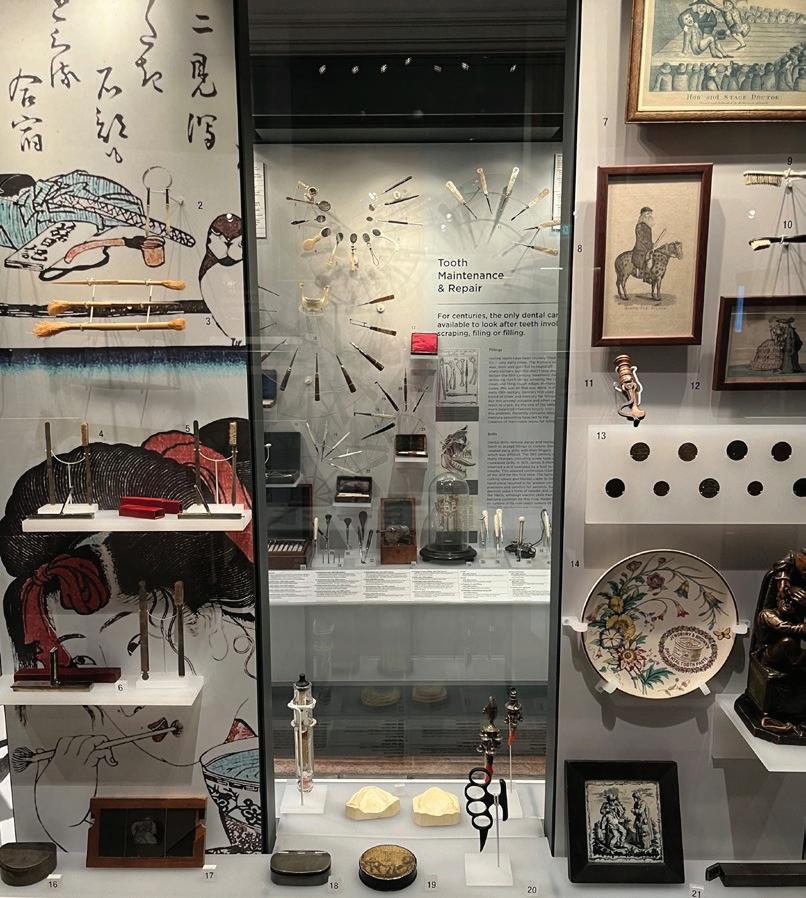
Our members are instrumental in this: they’re the keepers of the past knowledge as well as shaping the future of the profession. On behalf of ADAQ historians and curators, I would like to renew my thanks to all members and to their families, who have kindly donated instruments and other items, shared their lived stories, or helped in other ways to shape the ADAQ collection over many years. I can’t wait to see how our little museum grows, as we continue working to advance it as a teaching resource and make it more available to the public..
The quaint shops of Cecil Court, Soho, London, never disappoint when searching for niche collections like dentistry. This time, I spotted a complete Oriental toothpaste jar with lid, 1890s circa, 75mm in diametre. (see photo at left)
On the lid it is advertised: Oriental Tooth Paste For Cleansing Beautifying And Preserving The Teeth & Gums. Prepared by Jewsbury & Brown Ardwick Green Manchester England. The ceramic is decorated with a delicate faux marble effect.
The story of this brand highlights a fact that strikes us as peculiar and counterintuitive today: toothpaste and fizzy drinks are closely related. The production of dentifrices and carbonated and flavoured waters happened in the same factory, with the same flavouring ingredients.
Soft drinks and flavoured sodas have been destroying enamel since sparkling water was popularised in the late 18th century. The new habit capitalised on the mineral and Spa waters health craze of wealthy Europeans. In fact, ‘aerated’ drinks were the domain of chemists and druggists. For example, in early Brisbane, the Ward family of chemists became popular for their soda fountains.
Jewsbury & Brown also began as a chemist’s shop in Market Street, Manchester, then started trading in drinks and perfumes from 1826. Their ‘Summer beverages’ range included: soda water, lemonade, gingerade, seltzers, carrara, magnesia, and potash water. They moved to a big factory in Ardwick Green from circa 1885, until the company was bought by Schweppes in 1964 (source: Grace’s Guide Ltd, 2026).
In 1922, their specialities were: Mineral Waters, Aerated Beverages, Ginger Beer, Fruit Cordials, and they were also proprietors and makers of a well-known Tooth Paste. They traded in all continents, including Australia, aided by their Royal Warrants (source: the Who’s Who guide, A&C Black London,1922)
Early dentifrice pastes or bars were very abrasive and heavily flavoured. They often contained soap, chalk, cuttlefish shells, rock salt and even sugar granules. Perfumes and spices included
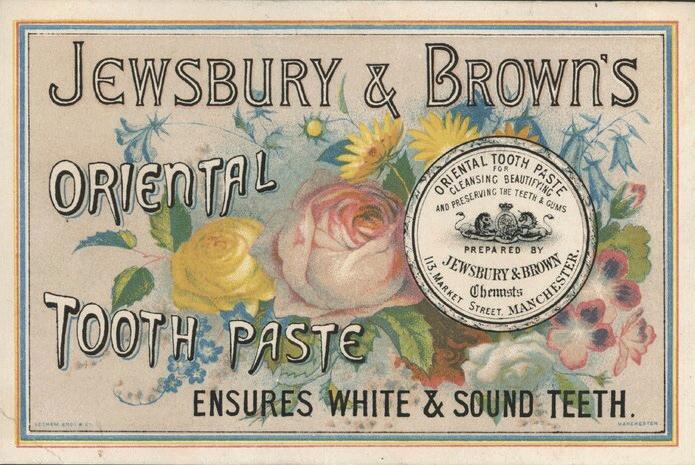
clove oil, rose water, and herbal extracts.
Chemists and dentists came up with their own recipe, which they produced and sold in pots like this one, or even cardboard boxes. The whole household would dip their brush into the same pot or soap bar.
More hygienic and less abrasive cream dentifrices appeared in the 1880s. Dr. Sheffield’s Crème Angelique Dentifrice was the first creamy toothpaste sold in collapsible aluminium tubes.
Dental surgeon Sheffield, a dental surgeon from Connecticut, took inspiration from watching French painters in Montmartre squeezing their paint from small rolled-up tubes. Toothpastes with powdered Areca seeds (Areca catechu) were
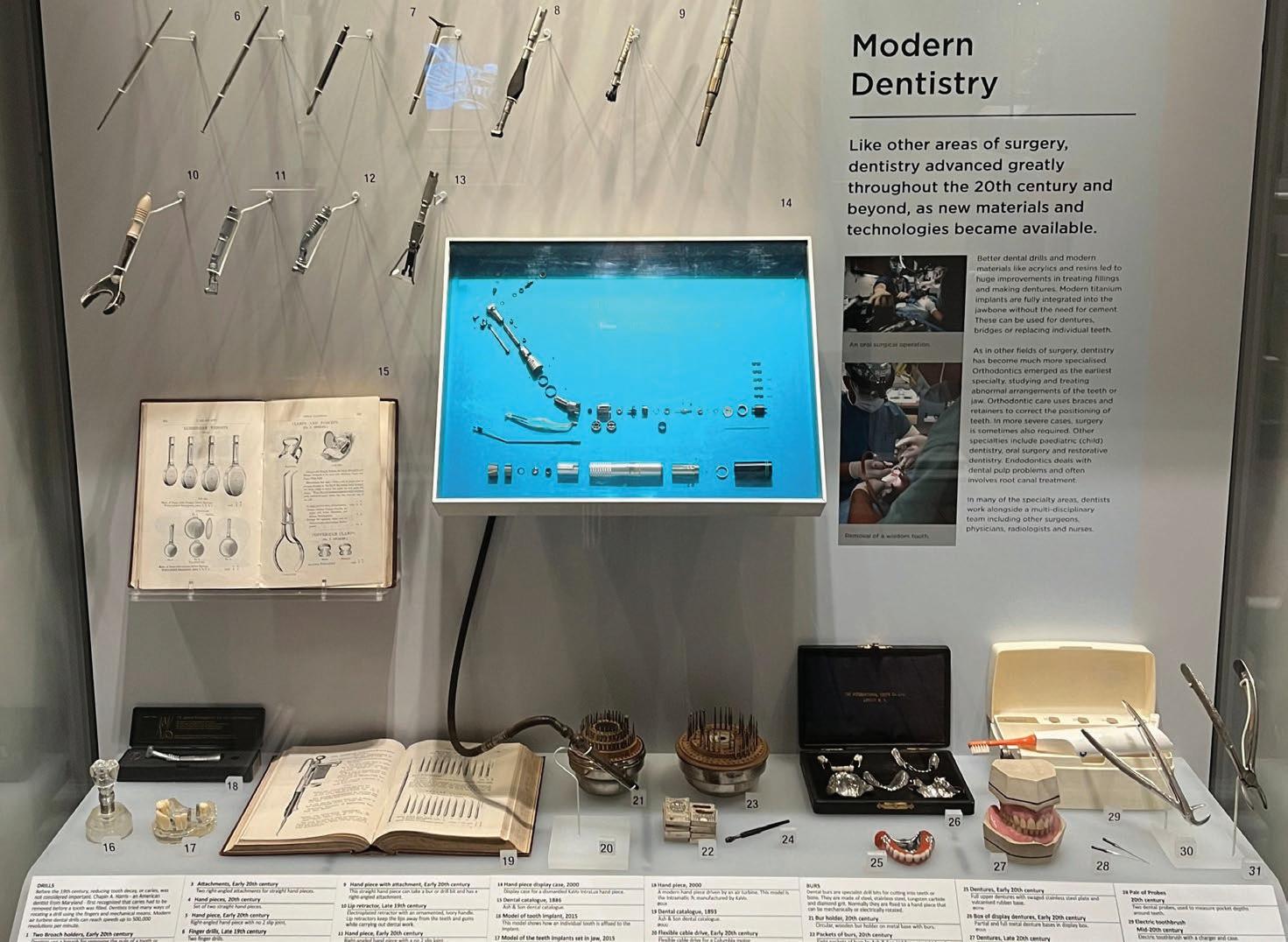
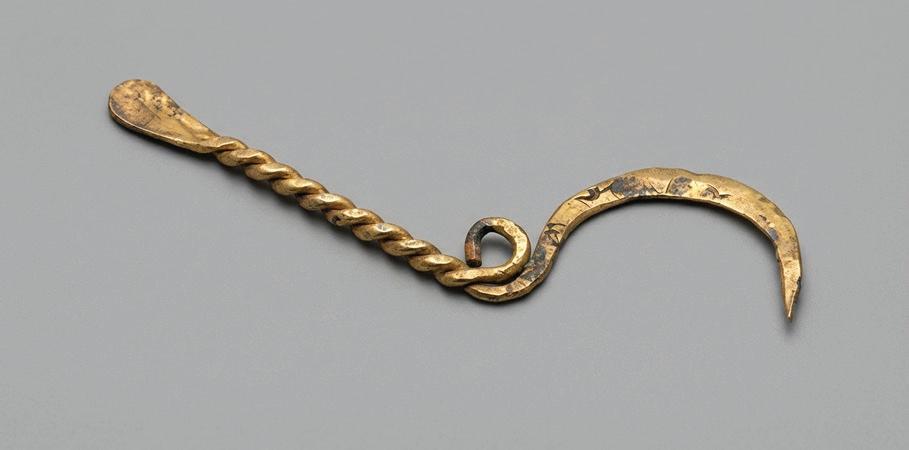
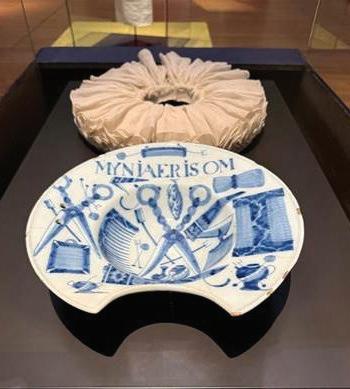
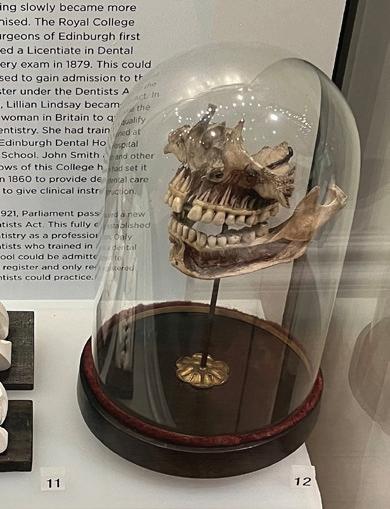
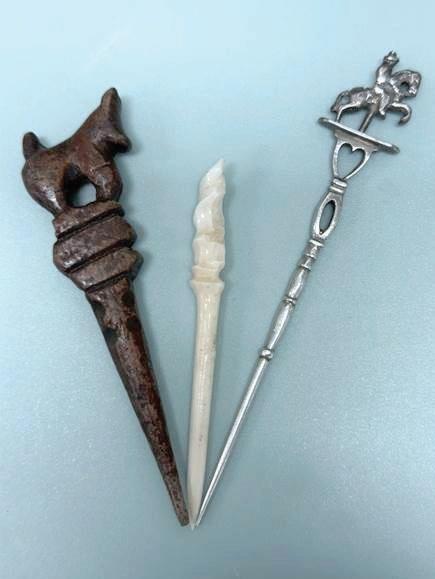
popular in England in the 19th- early 20th centuries. Also known as Betel, Areca purportedly aided with whiteness and gum firmness. Areca is very addictive and is now known to cause oral fibrosis and oral cancer. Words like ‘aromatic’ or ‘oriental’ in pot lids of that time often point to Areca as ingredient.
However, judging from the flowery look of trade cards for the Oriental toothpaste, rose water and other flower extracts might have made up most of its aroma. [Photo top left p38]
On a recent European holiday, I was lucky enough to visit the Rijksmuseum in Amsterdam. I was wanting to look at some 15th century dental paintings and drawings in their collection; unfortunately, they were resting in conservation. Nevertheless, they showed me how to access their online catalogue, so I have been able to look at them on my computer monitor. While not quite as good as seeing them in real life, it is a fantastic alternative on this side of our ‘pale blue dot’.
However, the Rijksmuseum had a special exhibit called At Home in the 17th Century. I spotted a couple of items with a dental connection, including a brass combination toothpick and ear spoon, and a ceramic barber surgeon bowl dated 1670.
Still in Amsterdam, in an antique shop, I found some early toothpicks and I bought three of them! They are wood (16th century), bone (17th century) and silver (18th century).
[Photo above]
Once the store owner realized I was a serious collector of dental paraphernalia, he brought out a hippopotamus ivory partial
denture that replaced teeth 13 to 23. It would have been carved circa 1790.
Unfortunately, it was not in brilliant condition, and he wanted too much ($5000!). In addition, there was no history associated with it other than his father had purchased the denture some forty years earlier. I suspect that it will be in the store for another 40 years.
The denture had holes on the labial of the 13 and 23 and on the palatal aspect of the denture, it would have been tied to the adjacent teeth by either some thin platinum wire or silk thread. The appliance was definitely worn by its owner as there is evidence of decay on the fitting surface. [Photo p36 left]
Our MoD has a lower hippopotamus partial denture that is in much better condition than this appliance. Ours would have been held in place by springs.