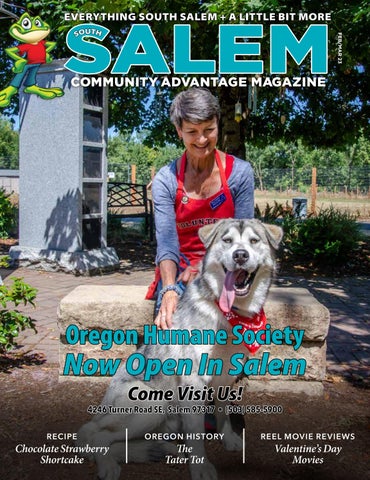

OREGON HISTORY The Tater Tot RECIPE Chocolate Strawberry Shortcake REEL MOVIE REVIEWS Valentine’s Day Movies COMMUNITY ADVANTAGE MAGAZINE EVERYTHING SOUTH SALEM + A LITTLE BIT MORE SALEM FEB/MAR 23 Come Visit Us! 4246 Turner Road SE, Salem 97317 • (503) 585-5900 Oregon Humane Society Now Open In Salem SOUTH








503-523-4859 503-523-4859 WWW. WWW.AA1PLUMBINGINC.COM 1PLUMBINGINC.COM






CommunityAdvantageMagazines.com 3 2305 PRINGLE RD. SE #J ▯ SALEM, OR 97302 OPEN: TUES. - SAT. 9-5 PM COWBOY COWBOY RON RON 503-362-6197 Rags to Riches A Consignment Shoppe 503.588.9286 3595 Liberty Road S. Tue — Sat: 11ish to 5ish facebook.com/rags2richessalem Upscale Women’s Resale Clothing, Accessories and Jewelry New Consignments Welcome! Call For An Appointment With Coupon Expires 4/15/23 A purchase of $25

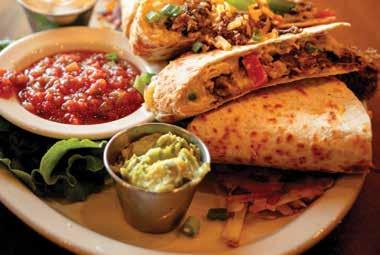








We’re Open: Mon – Sat 7 – 9, & Sun 7 – 2 9015 Portland Rd NE, Salem (503)983-9090 FREE KIDS’ MEAL HAPPY HOUR With the Purchase of 2 Complete Adult meals, Minimum $30 Any Time, Day or Night Buy One Appetizer at Regular Price, Get a Second 1/2 Off 2 to 5 pm Valid only with coupon. One Coupon per visit. Not valid with other offers. Expires 4/15/23 Valid only with coupon. One Coupon per visit. Not valid with other offers. Expires 4/15/23 THE FOOD IS GREAT COME GET SOME! See Our Menu At toastab.com Dine In & Takeout
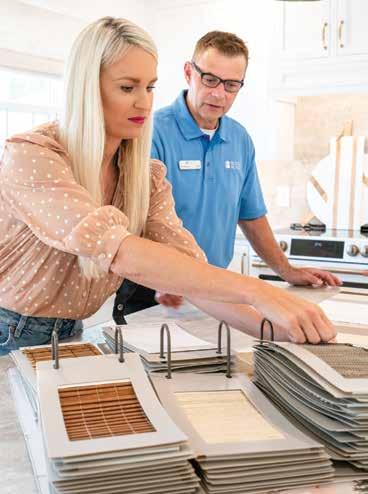





MEASURE INSTALL ENJOY Finding the right window coverings is a journey. That’s why we help you get there with a guide - a local expert who’s there with you, in your home inspiration to installation. FEBRUARY SPECIAL BUY ONE GET ONE FREE Limited appointments available CALL TODAY Restrictions apply, ask your consultant. Request Your FREE In-Home Consultation: 971-304-0544 www.budgetblinds.com/keizer-or CCB# 224767 CommunityAdvantageMagazines.com 5
Adopt A New Love
By Patti Jo Brooks, Contributing Writer
February is a special month to celebrate our loved ones and that often includes our pets. These precious animals enrich our daily lives by serving as companions or aides, and in turn, we provide them with shelter and love. Oregon Humane Society believes in treating all animals with compassion, kindness, and respect, and they play a key role in finding homes for the many animals that end up in their care. After merging with Willamette Humane Society last July, Oregon Humane Society opened its Salem campus, serving the greater mid-Willamette Valley. One primary goal for the Salem campus is to do everything possible to match the right pet with the right owner.
If you’re looking to adopt an animal, “Oregon Humane Society Salem Campus is a great place to come to find your next pet,” says Laura Klink, OHS Media Relations and Communications Manager. You can begin the adoption process online by filling out a form and scheduling an appointment, or you can visit the shelter seven days per week between 10 a.m. and 7 p.m., when it is open for public walk-throughs.
At the time of appointment, Adoption Specialists help clients select pets that are the right fit based on their activity levels and lifestyle. Depending on the animal, the Adoption Specialist may offer various degrees of counseling. Afteradoption behavior resources are also available, including a free behavior helpline, training and behavior classes, and online webinars, all geared to provide additional support as needed. Even with all this care and attention, sometimes an adoption doesn’t work out. In that case, it’s important to know that you can return the pet to the shelter and try again.
“We are here to help you find the right fit,” Laura explains. Adoption is but one of many services offered at Oregon Humane Society Salem Campus. They host a summer camp for kids, community events throughout the year, and have a wonderful volunteer program. Foster volunteers are always needed to house pets who are injured or too young or frail to be adopted yet. The Salem campus also provides low-cost spay/neuter services for cats and veterinary services for the pets in their care. Additionally, Oregon Humane Society Portland Campus has a veterinary hospital that provides subsidized medical care, including preventative care, spay/neuter, urgent care, and dentistry services.
Founded in 1868, Oregon Humane Society is one of the oldest animal welfare organizations in the country. As a nonprofit, it relies on donor support for its adoption, medical, education, outreach, disaster response, and humane law enforcement programs.


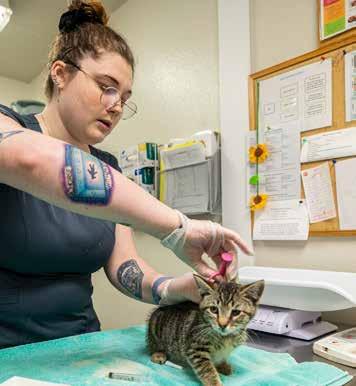
Oregon Humane Society Salem Campus is located at 4246 Turner Road SE in Salem. Visit their website at oregonhumane. org, or give them a call at (503)585-5900.

FEATURE OREGON HUMANE SOCIETY SALEM CAMPUS
6 Advertise With Us! Call 503.825.2111
oregonhumane.org/boop
Wedding Singer



One of my alltime favorite Adam Sandler movies, this is absolutely drenched in ’80s pop culture–movies, cars, fashion, and music. The story follows a talented, funny, and likable wedding singer (Sandler) living in his brother’s basement and who’s terribly in love with the wrong girl. His heart gets broken (of course) and he plunges into a deep pit of despair but refuses to quit working–singing for couples in love–to much expected comedy. Eventually he meets his dream girl (a very cute Drew Barrymore) who’s in love with the wrong guy. Hilarity, flirting, and crossed signals abound, it also stars Alexis Arquette, Christine Taylor, Allen Covert, and more, plus a cameo by Billy Idol. It’s bright and cute and wacky. Rated a strong PG-13 for language and mature content, save this for the older kiddos.
Trolls

Eternal Sunshine Of The MindSpotless



With pure blissful technicolor and heartthumping pop music by Justin Timberlake, the Trolls movie skywrites in bombastic sparkly letters the message of love, joy, happiness, and positivity. A classic Us vs. Them, the meanie ogre Bergens threaten to capture the Trolls once for all–to eat the Trolls one-by-one and finally feel happy. Surely, there’s a better way to find happiness! And through conflict, trial-and-error, and lesson-learning, the Trolls teach the Bergens how to be happy WITHOUT eating others. On a smaller scale, there’s a classic love story: the untrusting hermit, Branch (Justin Timberlake), meets the happy-go-lucky girl-next-door, Princess Poppy (Anna Kendrick). Their relationship very much parallels the Bergens vs. Trolls in their quest to conquer grumpiness and trust. And shocker, they fall in love. There’s singing, dancing, love, good feelings, and colors you’ve never seen before! Rated PG for mild rude humor and the threat of being eaten (I did tell you). Stream these movies where available, or rent from your local movie store, library, or rental kiosk.

This mindblowingly original sci-fi drama romance came barreling out of the early 2000s with an Academy Award for Best Writing and a slew of other awards. One of Jim Carrey’s earlier dramatic roles, his and Kate Winslet’s characters have a bad breakup and opt to have their relationship erased from memory by an experimental doctor, played by Tom Wilkinson. Also starring Kirsten Dunst and Elijah Wood. It’s surreal, quirky, indie, funny, sad, and far too relatable. As chaotic as it is, it’s utterly human with a heartwarming ending. Rated R for language, drug and mature content

POP CULTURE VALENTINE’S MOVIES
(2016)
(2000)
8 Advertise With Us! Call 503.825.2111
(1998)




1360 Tandem Ave., NE • Salem • 503-308-7935 That is why at ADVANTAGE we stop and think of ways to customize your home comfort system but also your entire experience with us. One way we do that is by saying THANK YOU KEIZER for 30 amazing years. We are going back to 1992 to bring you special pricing! $500 OFF any installation Cannot be combined with any other offers, and must be presented at time of payment Must call in by 4/15/23 Smart systems starting at $129 per month *On approved credit* Includes a complimentary duct cleaning $25 OFF any service diagnostic, repair, tune up Cannot be combined with other offers and does not apply to VIP maintenance customers) At Advantage We Believe Comfort Isn’t One-Size-Fits-All. www.advantageheatingllc.com
THE HISTORY OF
Red Velvet Cake
By Donovan Darling, Staff Writer
Cake itself dates back to the 13th century. And for hundreds of years, cakes were basically sweet bread or what we know today as fruitcake, with dried fruits and nuts, and pretty coarse as far as dessert goes. It took about 500 years for bakers to make better cakes, breaking down the flour for a more delicate and delicious cake. But where does the traditional red velvet cake come from?
Historians believe velvet cake was invented during the Victorian Era. In the 1800s, recipes using cocoa for gourmet cakes gained popularity, and the bakers called them “velvet” cakes and served them at fancy parties. To contrast how coarse cakes used to be, they specifically called them “velvet” so the guests would know how delicate and soft the cakes were. And it seemed that bakers were obsessed with trying to perfect the cake recipe. The ingredient cocoa–first imported from the Americas in the 17th century–broke down the coarseness of the flour, resulting in a soft and velvety cake. But where does the red come from? It’s said that the red color is due to a chemical reaction of acid and cocoa, as natural cocoa is high in acidity and functions well with buttermilk and baking soda, common ingredients in cake at the time. In addition to its delectable chocolate flavor, the cocoa is what makes the cake so “velvet.”
Later in the 1900s, cake recipes began using cocoa as the main ingredient. And bakers, home and professional, found recipes for cocoa velvet cakes, red cocoa cakes, and other types. Around 1943, a then successful cookbook, The Joy of Cooking, included a red velvet cake. Irma S. Rombauer, writer of the book, stated she never cared for the cake but felt compelled to include it. And this 1943 recipe was the first official mention of the red velvet cake in U.S. media.
At the outbreak of WWII, food and supplies were rationed to soldiers and civilians, including such baking ingredients as sugar and butter. This resulted in bakers, in lieu of using sugar, choosing beets and beet juice as a sweetener. Funny enough, modern red velvet cake recipes still call for beets! The bright and rich red color of beets made for a more appealing cake, at least aesthetically. Interestingly enough, the beets also made the cake soft and moist, preventing the cake from drying out so easily while being cooked. And during the trying times of war, civilians were actually quite happy to buy red velvet cake because it was different and somehow more special. The beets didn’t adversely affect the flavor, but rather created a soft and moist texture and the dramatic red color the cake is known for, impressing guests with a bright and rich red centerpiece on the dessert table. Still popular today, red velvet remains a wildcard in the baking world, and not just as cake anymore–there’s cupcakes, pie, cookies, and red velvet chicken and waffles! So, ultimately, who is credited as creating red velvet cake?
According to The Adams Extract company, they claim to be responsible for inventing the cake in the United States, as they made a fortune selling red food coloring (instead of beets and beet juice) to make the cake possible. The Waldorf Astoria Hotel also claims they are the inventors and birthplace of red velvet cake. However, in this writer’s opinion, like language itself, it took many years and mouths and minds to evolve what we know today as red velvet cake, and no one person could possibly be credited. Next time you’re enjoying a rich slice of red velvet cake, remember all these bakers who perfected this recipe over hundreds of years!

SEASONAL R2 To Advertise With Us, Call 503.825.2111







To Advertise With Us, Call 503.825.2111 R3 Fall in love with your patio! VISIT US ONLINE! 503-744-6394 Patio Cover People Are HAPPY PEOPLE! Call Pricing!For $300 OFF PATIO COVERS Get our FREE Estimate Then Present Coupon For Real Savings $500 OFF PATIO ROOMS Get our FREE Estimate Then Present Coupon For Real Savings Mention Frog Coupons Magazine when calling. With this coupon. Not valid with other offers or prior purchases. Expires 4/15/23 Mention Frog Coupons Magazine when calling. With this coupon. Not valid with other offers or prior purchases. Expires 4/15/23 Licensed • Bonded • Insured OR CCB#236429 • WA#DIRELSV795MB PATIO COVERS AND ROOMS
Chocolate Strawberry Shortcake


INGREDIENTS
2 cups all-purpose flour
1/3 cup white sugar
¼ cup cocoa powder

1 tablespoon baking powder



1 teaspoon baking soda
½ teaspoon salt
½ cup butter

1 cup milk
2 pints strawberries, sliced
¼ cup white sugar
1 (12 ounce) container frozen whipped topping, thawed



2 tablespoons chocolate syrup
DIRECTIONS
1. Preheat the oven to 400 degrees F (200 degrees C). Grease two 9-inch layer pans.







2. In a large mixing bowl, combine flour, 1/3 cup sugar, cocoa, baking powder, baking soda, and salt. Cut in butter until mixture resembles coarse crumbs. Add milk, mixing until just moistened. Spread batter evenly into the prepared layer pans.
3. Bake in the preheated oven for 15 minutes, or until a toothpick inserted in the center comes out clean. Cool.
4. Meanwhile, in a medium mixing bowl, combine strawberries and remaining 1/4 cup sugar. Let mixture stand for 10 minutes.
5. Remove shortcake layers from the pans. Place one layer on a serving plate; cover with 1/2 of the of strawberry mixture and 1/2 of the whipped topping. Place remaining shortcake layer on top, then remaining strawberry mixture and remaining whipped topping. Drizzle chocolate syrup over top.
R4 To Advertise With Us, Call 503.825.2111 RECIPE Serve this chocolate strawberry shortcake on Valentine’s Day. It’s delicious and looks beautiful.
allrecipes.com/recipe/16029/chocolate-strawberry-shortcake/
WANT TO BE IN THIS MAGAZINE? DIRECT MAIL = DIRECT RESULTS We publish 35+ local area magazines + direct mail collateral! Learn more at ActiveMediaUSA.com ADVERTISE WITH US! CALL 503.825.2111










To Advertise With Us, Call 503.825.2111 R5 5137 RIVER ROAD N., KEIZER 971-719-2673 GROWLMOVEMENT.COM TUES–SAT, 3–7PM KEIZER’S BEST GROWLER FILL STATION AND SELECTION OF DRAFT BEER. WINTER SPECIAL $5 OFF GROWLER FILL Must Present Coupon Expires 4/15/23 ----- OUR TEAM OFFERS ----TREE CARE & PREVENTATIVE MAINTENANCE TREE PRUNING & REMOVAL BRUSH CLEARING & REMOVAL STORM DEBRIS CLEANUP STUMP GRINDING & MUCH MORE! FREE ESTIMATES www.treesplusnw.com CALL TODAY 503-393-0608 CCB# 234684 #PN-9335 A LOCAL TREE EXPERTS Your $100 off Any Service of $1000 or More Coupons only valid on payments made by invoice due date. Late payments result in forfeiture of all discounts and coupons MUST PRESENT COUPON AT TIME OF ESTIMATE. Not valid on PHC services, prior written estimates or invoices. May not be combined with any other offers. Exp. 4/15/23 $50 off Any Service of $500 or More Coupons only valid on payments made by invoice due date. Late payments result in forfeiture of all discounts and coupons MUST PRESENT COUPON AT TIME OF ESTIMATE. Not valid on PHC services, prior written estimates or invoices. May not be combined with any other offers. Exp. 4/15/23




R6 To Advertise With Us, Call 503.825.2111 Order at PapaMurphys.com TUESDAY DEAL ANY LARGE PIZZA $12.99 $15 CHICKEN BACON ARTICHOKE OR HERB CHICKEN MEDITERRANEAN In-Store Orders Only Limited time offer. Limit 3. Excludes XLNY® and Friday pizza deals. Not valid with any other offers, specials, promotions or discounts. Valid at participating locations. Cannot be sold, transferred or duplicated. $12 LARGE GARLIC CHICKEN In-Store Orders Only Limited time offer. Limit 3. Excludes XLNY® and Friday pizza deals. Not valid with any other offers, specials, promotions or discounts. Valid at participating locations. Cannot be sold, transferred or duplicated. $5 OFF ANY FAMILY SIZED STUFFED PIZZA Limited time offer. Limit 3. Excludes XLNY® and Friday pizza deals. Not valid with any other offers, specials, promotions or discounts. Valid at participating locations. Cannot be sold, transferred or duplicated. $15 LARGE ALL MEAT In-Store Orders Only Our Original Crust topped with Traditional Red Sauce, Whole-Milk Mozzarella, Canadian Bacon, Salami, Premium Pepperoni, Italian Sausage and Ground Beef, and Cheddar Limited time offer. Limit 3. Excludes XLNY® and Friday pizza deals. Not valid with any other offers, specials, promotions or discounts. Valid at participating locations. Cannot be sold, transferred or duplicated. $4 OFF FAMILY $3 OFF LARGE In-Store Orders Only Limited time offer. Limit 3. Excludes XLNY® and Friday pizza deals. Not valid with any other offers, specials, promotions or discounts. Valid at participating locations. Cannot be sold, transferred or duplicated. KEIZER • 5093 River Rd N • (503) 393-7272 SOUTH SALEM • 4985 SE Commercial • (503) 371-4777 SOUTH SALEM • 2755 Commercial St • (503) 689-1056


A SHINING EXAMPLE IN OUR COMMUNITY
By Dennis McNabb, Contributing Writer
Mattress stores seem to be a dime a dozen, with locations on virtually every street corner and dozens of online options as well. And you’d think the buying experience would be the same as the next, right? Wrong. For starters, there’s the personability. Sean has been in the business for over 25 years. He started the parent company Furniture Showcase, Inc. in 1995, and has been serving the community as Mattress World Northwest (MWNW) since 2004. He and his team are dedicated to making your mattress buying experience one of a kind. In talking to Sean, it’s obvious he cares deeply about his employees and his customers.
Sean spoke passionately about MWNW’s three-pronged approach to business success. Firstly, they are dedicated to helping their customers get a better night’s sleep. Thorough training and the largest selection in the NW allow them to assist every person to find the most comfortable mattress for a better night’s sleep.
Secondly, MWNW’s business mission is making sure their employees are happy. This is one of those places you hear about but rarely find – a place young folks start working at and never leave! They legitimately treat their employees like family and empower them to live their best lives.
Most impressive and thirdly, MWNW prioritizes giving to the communities they reside in. Sean and the MWNW team incorporate charitable giving and philanthropy into the corporate culture. Walk into any one of their stores throughout the year, and you’ll see they are promoting some sort of fundraising event, whether it’s in support of Polar Plunge For Special Olympics Oregon, the Cystic Fibrosis Foundation, Susan G. Komen’s Race for the Cure, the Senior Citizens Council of Clackamas County, or one of our local schools.
In the month of March, all MWNW stores will be asking for donations to support Polar Plunge

for Special Olympics Oregon. Their main fundraiser, The Polar Plunge, takes place March 11 at Willamette Park in Portland.
SEAN HATHAWAY Owner

According to Special Olympics Oregon, “Polar Plunge is your chance to step out of your comfort zone by jumping into an unforgettable experience that directly impacts the lives of Special Olympics Oregon Athletes. By participating you provide 5,000+ Special Olympics Oregon Athletes access to sports, activities, and community.”
Here is why Special Olympics Oregon is so important: “Special Olympics Oregon believes in the transformative power and pure joy of athletic competition. Every day across the state, we help children and adults with intellectual disabilities become athletes and grow a strong, supportive community of advocates. Through year-round training and serious competition, Special Olympics participants journey along a proven pathway to better health, essential life skills and lifelong friendships.” Please help us raise funds by donating online or visiting one of our local stores. Family-owned and -operated, dedicated to providing their customers the best products at the best prices, all while donating to and participating in their local communities, Mattress World Northwest exemplifies the best of what retail businesses have to offer. This proves that not all mattress stores are created equal.
Get a better night’s sleep and help support your community at your local Mattress World Northwest, with 22 locations across Portland, Salem, Vancouver, and more. Order online at mattressworldnorthwest.com.
March 11th at Willamette Park
PROUD TO SUPPORT OUR COMMUNITY
R8 To Advertise With Us, Call 503.825.2111 SALEM 618 Lancaster Dr NE • 503-837-2281 10 am –8 pm (MON–SAT) • 10 am -7 pm (SUN) SOUTH SALEM 5109 Commercial St SE • 503-837-2292 10 am –8 pm (MON–SAT) • 10 am -7 pm (SUN)
B
L
L
E B O
D / G E T C O
D
Special Olympics Oregon uses sports training and competition to grow acceptance and inclusion of those with intellectual disabilities. Learn more at: soor.org.
VISIT US ONLINE FOR A LOCATION NEAR YOU ORDER BY PHONE: 503-594-0551
Feeling Is Believing.








To Advertise With Us, Call 503.825.2111 R9
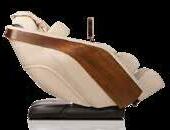
STARTING AT ONLY $1,999! WE HAVE THE LARGEST SELECTION OF HIGH QUALITY, LUXURY MASSAGE CHAIRS! Improve your health and wellness with a full body massage when you want and when you need it. NO APPOINTMENTS. NO WAITING. • Recuperate from exercise • Decompress your back • Increase circulation • Address injuries GET A FREE 30-MINUTE OR 1-HOUR MASSAGE TODAY AT ANY Mattress World Northwest EVERYONE deserves INSTANT COMFORT® THE NUMBER BED That Changes With You $500 ANY MASSAGE CHAIR OFF $50 ANY SET ABOVE $299 OFF $1000 OFF ANY FLEX HEAD SET Not to be combined with other in-store sales or offers. See store for details. Expires 4/15/23 Not to be combined with other in-store sales or offers. See store for details. Expires 4/15/23 Not to be combined with other in-store sales or offers. See store for details. Expires 4/15/23
ProLift Garage Doors of Salem
By Patti Jo Brooks, Contributing Writer
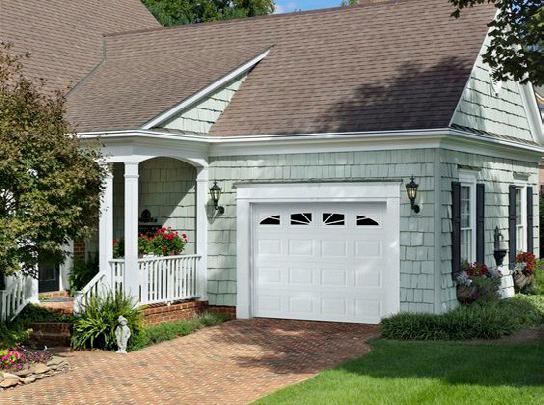
Whether your garage door needs repair or replacing, “Leave the Work to Us, Call the Pros!” ProLift Garage Doors of Salem will send a qualified garage door technician to service your garage door and get it up and running smoothly again. A broken spring, weather stripping for the winter, or replacing a damaged garage door altogether can be easily handled by ProLift Garage Doors of Salem. No job is too large or too small. Let ProLift Garage Doors be your first call!
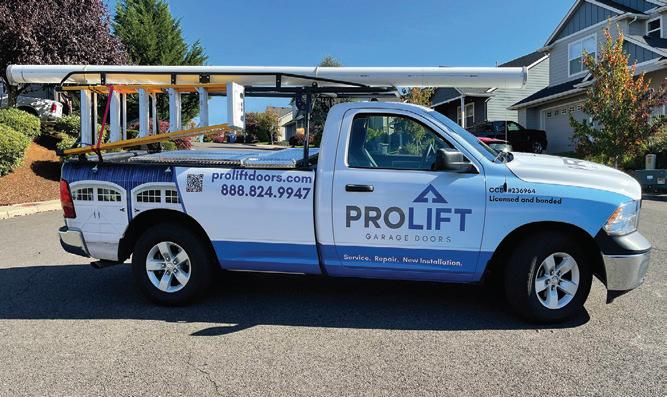
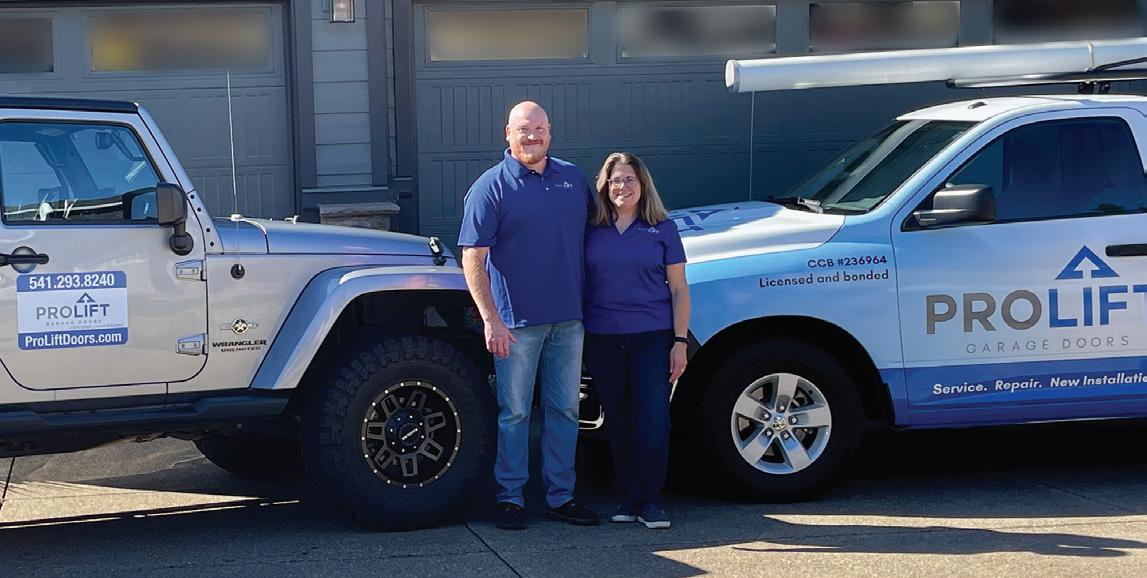
“I really strive to keep our customers happy,” says Gabe Peace, independent owner and operator of ProLift Garage Doors of Salem. His focus is quality work using quality parts. Gabe is currently a dealer for Amarr Garage Doors and hopes to add other manufacturers to that list in the future. He continues by saying, “The two guys I have working for me right now, I’ve had a lot of customers tell me how polite, how great, how informative they were.” Gabe’s goal is to maintain that level of customer care and to “make sure we always do things that way.”
One of only two ProLift Garage Doors franchises in Oregon, Gabe’s Salem location covers a large territory including Newberg, McMinnville, Molalla, Woodburn, Monmouth, Albany, and more. Gabe runs the day-to-day business himself and will occasionally do some of the work, but as the owner he’ll go out to a job whenever he can. His two hired technicians, “the younger guys,” do the heavy work. Gabe also owns two service trucks now, adding the second one last October. With a background in construction, lumber mills, and always mechanically inclined, Gabe saw ProLift Garage Doors as a solid fit for a small business venture. “I like garages,” Gabe thought, when the opportunity presented itself. Together with his wife Renée, they co-own the franchise and opened for business one year ago on October 25th, 2021. “I don’t have to be huge,” Gabe confides. “I just wish to be well-known, reliable, trustworthy, and be a small local business that’s successful.” Gabe’s excited for ProLift Garage Doors of Salem to get the exposure it deserves.
R10 To Advertise With Us, Call 503.825.2111
BUSINESS SPOTLIGHT PROLIFT GARAGE DOORS
Leave the Work to Us, Call the Pros
A member of HBA, you might have seen Gabe at last year’s Home Show at the Salem Fairgrounds. He’s also a member of the Salem Chamber of Commerce, and hosted a sponsorship at South Salem High School. He honors Military, Teachers, and First Responders by offering a 10% discount on Service and up to $150 off on New Garage Doors at any time throughout the year. Gabe looks forward to more involvement in the community. “I
love sports. I played sports growing up,” he comments. “I’d like to sponsor a Little League team. It would be fun!”

Find Gabe on Facebook at facebook.com/proliftdoorsofsalem and on LinkedIn. Visit proliftdoors.com/salem/ for more information or call the Contact Center at (541) 293-8240 and ask for local Salem owner, Gabe Peace. Email him at gpeace@ proliftdoors.com.


facebook.com/ProLiftDoorsofSalem/

To Advertise With Us, Call 503.825.2111 R11
Superior Service & Integrity John’s
Waterproofing
Written by Dennis McNabb, Contributing Writer
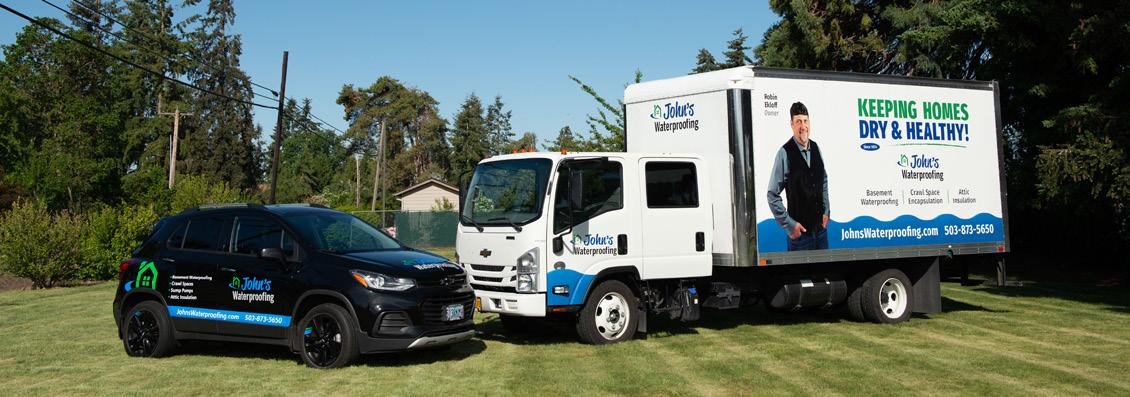
If you’re looking to maintain the structural integrity of your home, not to mention the purity of the air you and your family are breathing within its walls, look no further than John’s Waterproofing! They’ve been serving completely-satisfied customers from Eugene to Vancouver for almost 50 years by providing basement waterproofing, crawl space repair, and foundation repair.

Using a unique waterproofing system design with patented and warrantied products, they guarantee topof-the-line quality and performance so you can rest assured that your home is protected. Founded in 1974 by John Lombardi, the company has risen to prominence due to its tireless commitment to superior customer service, treating every customer like family, and by setting the industry standard regarding the quality of their products and services provided.
Let’s face it: Here in the Northwest we have a lot of moisture. Whether it’s coming up from the ground due to elevated water tables or down through the foundation due to heavy rains, clogged gutters, or improperly graded landscaping, it’s imperative for the health and longevity of our homes to make sure our basements and crawl spaces are sealed and waterproofed. Regardless of the basement and/or crawl space issues you may be experiencing, John’s Waterproofing is the premier local contractor for providing the best long-term solutions
available. Their systems are not merely a quick-fix; they get to the root of the problem and offer intelligent, consummate, enduring solutions that are designed and built to last.
A quick overview of their services includes: basement waterproofing, sump pump services (system installation, repairs, and maintenance), basement and crawl space insulation, crawl space repair (vapor barrier, structural repairs, dehumidifier, thermal insulation), basement finishing, foundation leak repair, flood vents, seismic retrofitting, mold problems, plumbing, attic insulation, and more.
Some services are limited in certain areas, so if you’d like a more in-depth understanding of the services they provide in your region, call them today for a free estimate. When it comes to this type of work, there is simply no one around who does it better!
General Manager Robin Ekloff has been with the company for over 25 years and has owned the company since 2019. He couldn’t be more proud of the team he works with, and the feeling is mutual. I had the pleasure of speaking

R12 To Advertise With Us, Call 503.825.2111
BUSINESS SPOTLIGHT
JOHN’S WATERPROOFING
with Director of Marketing Jessica Dingle, who says that Robin is one of those guys who cares more about his employees than he does himself. More than anything, he wants them to be happy and successful, and he views their successes as his own.
The system Robin has set up — building upon an already solid foundation of good business practices — is producing amazing results.
Something is clearly working right, since in 2020 John’s Waterproofing won two highly prestigious awards in the industry: The Best Contractor Award, and The Best of Porch Award. The latter is only given to the top 1% of professionals on Porch.com and it’s earned by maintaining outstanding community reviews, high response rates, and a track record of overall great and on-
time service with no outstanding or unresolved complaints.
Sounds like Johns’ Waterproofing is the type of business every homeowner dreams of working with! Why call anyone else? Call for a free estimate.
To schedule a free estimate from John’s Waterproofing, call 503-3420444. For more on their services or to read reviews from satisfied customers, visit johnswaterproofing.com.

To Advertise With Us, Call 503.825.2111 R13
The Origins of the Tater Tot


A Tasty Oregon Invention
By Robert Matsumura, Contributing Writer
The Tater Tot. It’s hard to resist these crunchy golden-brown potato morsels piled high in a basket, or nestled on a plate accompanying our favorite burger or sandwich. For many of us, “Tater Tot” and “comfort food” go hand-in-hand. It’s ingrained in our culture—at least from a food perspective!
But did you know that these world famous potato nuggets were invented in Oregon, and that they were the creative byproduct of potato scraps originally used as cattle feed? The story of the Tater Tot traces back to two young Mormon entrepreneurs named Nephi and Golden Griggs who came of age during the Great Depression. Originally from Idaho, the Griggs brothers were potato farmers like most of their neighbors. Throughout the Great Depression and World War II, the Griggs survived by growing and selling potatoes, but during the postwar years as Americans increasingly turned to convenience foods—frozen foods in particular—the Nephi brothers were certain that their road to riches lay in servicing this growing demand.
Convinced that the future of produce resided in the frozen food section, the two brothers mortgaged their farms to purchase a flash-freezing plant in Northeastern Oregon for $500,000 (approximately $4.5 million today). As the factory was located on the border between Oregon and Idaho, they chose to name their new company Ore-Ida.
Corn and potatoes were Ore-Ida’s mainstay and the company soon became the largest distributor of sweet corn in the country, but the real profit lay in french fries. French fries, though immensely profitable, posed certain production problems. Nephi (the leader of the two brothers) described their challenge as follows: “We had a problem separating the fries from the slivers and small pieces of
potatoes that occurred when slicing the irregular shaped potatoes.” Instead of wasting the scrap pieces, the brothers had been feeding it to their cattle and other livestock.
Despite the fact that their potato scraps were being utilized as feed for farm animals, Nephi Griggs—always focused on efficiency and profit maximization—was bothered by their inability to derive any revenue from the constant flow of potato byproducts. In a letter to an OreIda colleague, Nephi vented his frustration at not putting to better use “product that has been purchased from the grower, stored for months, gone through the peeling process, gone through the specking lines and trimmed off defects, only to be eliminated into the cattle feed.”
An unexpected visit by a representative from an equipment manufacturing company, however, proved to be serendipitous. Although the company representative was there to demonstrate a prune sorter, Nephi and his plant superintendent envisioned utilizing the equipment in a different manner. Instead of sorting prunes, could the machinery be refashioned to sort irregular potato pieces from french fries? To their delight, it could.
It wasn’t long before the Griggs and their people at Ore-Ida devised a creative use for the supply of potato scraps. By smashing the bits together using new machinery, then blanching, forming the crushed potatoes into nuggets, and cooking them in oil, a completely new product was
R14 To Advertise With Us, Call 503.825.2111 HISTORY
created. These potato nuggets could subsequently be frozen, bagged, and distributed. Although the original idea was for the nuggets to be fried, it was soon discovered that baking them produced equally good results. According to Nephi, a man on their research committee who “traveled the markets playing a ukulele and demonstrating our product,” came up with the name. Unfortunately, the man’s name has been lost to history, though his talent for creative alliteration lives on. The name “Tater Tot” is iconic across the world for fun, palate-pleasing, potato goodness.
Nephi remarked in his notes (which are now housed at the J. Willard Marriott
“new product has about a three year
the “Tater Tot” name, purchased additional machinery, and began mass producing their tasty invention. Despite the success of the Tater Tot, the process to create them was a bit of a sticky mess—literally. New equipment had to be fashioned to deal with the starchy potato product. Steel drums the diameter of a human torso rotated continuously filling tot-sized molds with potato. These molded potatoes would then be ejected onto a conveyor belt and sent down a line for seasoning and subsequent freezing.
Ore-Ida’s commitment to the Tater Tot, in spite of production difficulties, proved a gamble worth taking. The Griggs brothers’ promotion of their new product at the 1954 National Potato Convention was a huge hit, garnering interest in Tater Tots throughout the industry. The media was also quick to embrace Tater Tots as a convenient

new food for snacks and meals that was tasty and easy to prepare. So successful was the Tater Tot that Nephi referred to it as their “hero profit item,” and cited it as responsible for making Ore-Ida a household name. By the end of the 1950s, Ore-Ida had captured 25 percent of the domestic frozen potato market. A second plant was opened in 1960, and by 1961 Ore-Ida had gone public.
In 1964, despite generating an annual profit of $31 million, problems within the family necessitated the sale of Ore-Ida. The Griggs sold the company to H.J. Heinz in 1965 for $30 million. The Heinz purchase of Ore-Ida was the company’s first foray into the frozen food market. By the time Heinz merged with Kraft in 2015, the Tater Tot was so common of a product that few people realized the name was still trademarked to Ore-Ida. An advertising campaign was even created to differentiate OreIda tots from the competition. The campaign warned, “Don’t be fooled by Imi-taters,” because Ore-Ida Tater Tots were the “original and only.”
Today, as one of America’s cherished food items, Tater Tots have been incorporated in multitudes of home recipes and even elevated to culinary feature items at certain restaurants. There is no end of possibilities when it comes to something as versatile as the Tater Tot! So, next time you find yourself reaching for a crispy golden Tater Tot, think of the Griggs brothers and the Oregonian ingenuity that transformed cattle feed into a delectable treat enjoyed by millions.

To Advertise With Us, Call 503.825.2111 R15
Nephi Grigg was the inventor of the Tater Tot




R16 To Advertise With Us, Call 503.825.2111 BEFORE AFTER ROOF REPAIR ROOF REPLACEMENT GUTTERS GUTTER GUARDS SKYLIGHTS ATTIC INSULATION $500 ANY FULL ROOF REPLACEMENT PROJECT. Restrictions apply. Call for details. Coupons must be presented and redeemed at time of sale. Cannot be combined with any other offer. Expires 4/15/23 OFF $200 ANY AIR SEALING & INSULATION PACKAGE Cannot be combined with any other offer. Not valid for prior work, must be presented and redeemed at time of estimate. Expires 4/15/23. OFF Josh Lowe OWNER ROOFING! 503-683-8282 KRSofOregonMag.com CCB #231578 IT’S NOT RIGHT! It’s wasting your money every month and making your home uncomfortable. If your ATTIC looks like this… THIS IS RIGHT! WHY WAIT? It pays for itself! And it’s what’s underneath that makes your whole house WARMER in winter and COOLER in summer. Call us for a free estimate and find out what it is! CCB #176741 Contact us for a FREE ESTIMATE 503-744-5004 DrEnergySaverPNW.com A NEW ROOF FOR AS LITTLE AS $175 A MONTH!* *Based on $15,000 Reroof







1332 NE Broadway, Portland 97232 elmersflag.com • 503.282.1214 NEW HOURS: M-F 8:30AM - 5:30PM SAT: 10AM - 4PM SUN: Closed An American Flag Store Family and locally owned since 1963 WeOffer: • Kites for the whole family • A huge selection of decorative house banners and garden flags • Free lifetime fly-end repair for flags bought from us • Custom flags and banners for your business or special occasion home exterior decorations kites banners flags weather vanes wind socks & spinners YOUR HOLIDAY GIFT HEADQUARTERS 20% OFF ANY IN-STORE PURCHASE OF $60 OR MORE Must present offer. Max discount $20. Expires 4/15/23 FREE IN-GROUND GARDEN FLAG STAND WHEN YOU BUY 2 IN-STOCK GARDEN SIZE FLAGS ($12.95 VALUE) In store only. Must present offer. Expires 4/15/23 4,000 sq ft of flags, whimsical windsocks, weather vanes, kites, flagpoles & more For All Of Your Flag, Banner, Flagpole & Kite Needs!ForOver59Years
THE HISTORY OF
Red Velvet Cake
 By Donovan Darling, Staff Writer
Cake itself dates back to the 13th century. And for hundreds of years, cakes were basically sweet bread or what we know today as fruitcake, with dried fruits and nuts, and pretty coarse as far as dessert goes. It took about 500 years for bakers to make better cakes, breaking down the flour for a more delicate and delicious cake. But where does the traditional red velvet cake come from?
Historians believe velvet cake was invented during the Victorian Era. In the 1800s, recipes using cocoa for gourmet cakes gained popularity, and the bakers called them “velvet” cakes and served them at fancy parties. To contrast how coarse cakes used to be, they specifically called them “velvet” so the guests would know how delicate and soft the cakes were. And it seemed that bakers were obsessed with trying to perfect the cake recipe. The ingredient cocoa–first imported from the Americas in the 17th century–broke down the coarseness of the flour, resulting in a soft and velvety cake. But where does the red come from? It’s said that the red color is due to a chemical reaction of acid and cocoa, as natural cocoa is high in acidity and functions well with buttermilk and baking soda, common ingredients in cake at the time. In addition to its delectable chocolate flavor, the cocoa is what makes the cake so “velvet.”
Later in the 1900s, cake recipes began using cocoa as the main ingredient. And bakers, home and professional, found recipes for cocoa velvet cakes, red cocoa cakes, and other types. Around 1943, a then successful cookbook, The Joy of Cooking, included a red velvet cake. Irma S. Rombauer, writer of the book, stated she never cared for the cake but felt compelled to include it. And this 1943 recipe was the first official mention of the red velvet cake in U.S. media.
At the outbreak of WWII, food and supplies were rationed to soldiers and civilians, including such baking ingredients as sugar and butter. This resulted in bakers, in lieu of using sugar, choosing beets and beet juice as a sweetener. Funny enough, modern red velvet cake recipes still call for beets! The bright and rich red color of beets made for a more appealing cake, at least aesthetically. Interestingly enough, the beets also made the cake soft and moist, preventing the cake from drying out so easily while being cooked. And during the trying times of war, civilians were actually quite happy to buy red velvet cake because it was different and somehow more special. The beets didn’t adversely affect the flavor, but rather created a soft and moist texture and the dramatic red color the cake is known for, impressing guests with a bright and rich red centerpiece on the dessert table. Still popular today, red velvet remains a wildcard in the baking world, and not just as cake anymore–there’s cupcakes, pie, cookies, and red velvet chicken and waffles! So, ultimately, who is credited as creating red velvet cake?
According to The Adams Extract company, they claim to be responsible for inventing the cake in the United States, as they made a fortune selling red food coloring (instead of beets and beet juice) to make the cake possible. The Waldorf Astoria Hotel also claims they are the inventors and birthplace of red velvet cake. However, in this writer’s opinion, like language itself, it took many years and mouths and minds to evolve what we know today as red velvet cake, and no one person could possibly be credited. Next time you’re enjoying a rich slice of red velvet cake, remember all these bakers who perfected this recipe over hundreds of years!
SEASONAL 10 Advertise With Us! Call 503.825.2111
BILL SCHONELY
FAREWELL TO AN OREGON LEGEND
By Kerry Eggers, Contributing Writer
Yes, Bill Schonely was larger than life. The legendary Portland Trail Blazers broadcaster illuminated any room in which he entered. The author and mayor of Rip City had hundreds of thousands of fervent admirers cast throughout the state of Oregon and southwest Washington. But Schonely, who died on January 20 at age 93, was also a humble man, private in some ways. He enjoyed nothing more than spending a quiet night at home with his high school sweetheart and bride Dottie. He met friends for an occasional lunch and/or dinner date, but he wasn’t a man about town, not in his latter years.
The Schonelys lived in the south Metro area through much of their marriage — first for nearly 20 years in Charbonneau, then for two years in Tualatin, and finally at The Springs at Lake Oswego. They loved the area. Bill and Dottie were natives of Norristown, Pa. Bill went off to the Marines, became a sergeant and was stationed in Guam, where he served from 1948-51. Schonz worked for Armed Forces Radio and got his first taste of football and baseball play-by-play. He was an excellent singer, big band style, and had strongly considered a career in music. But gradually, his interests shifted to broadcasting.
Schonely’s career began at a radio and TV station in Baton Rouge, La., in 1952. He called LSU football and basketball and even served as ring announcer for pro wrestling, once being sprayed with perfume by the valet of the great Gorgeous George’s. Schonz was eventually talked into getting into the ring and wrestling four or five times — and that wasn’t the end of his “rasslin” career.
In 1955, he landed a job in Seattle, staying there for 15 years. He worked with the likes of Keith Jackson at KOMO radio for a spell, called Seattle Totems hockey and Seattle Rainiers minor league baseball, and even got back into the ring for a couple more pro wrestling matches. He also got behind the pipes to play goaltender at a Totems practice, winding up with a shoulder injury that required a cast on his arm.
In 1969, Schonely called play-by-play for the Seattle Pilots in their lone season in the American League. When the Pilots moved to Milwaukee, he thought about joining them. Fate intervened. Harry Glickman called with an offer to do play-by-play for the expansion Trail Blazers. Schonely took the job, and the rest is history.
For the next 28 years and 2,500 preseason, regular-season and postseason games, Schonely was the voice of the Blazers. His “Rip City!” catch phrase was instituted that first season, and now has become the avant-garde nickname for the city of Portland. In 2012, Schonely was honored with the “Curt Gowdy Award” for excellence in sportscasting at the Naismith Basketball Hall Fame induction ceremony in Springfield, Mass. “Bill was the most important Blazer of us all,” says fellow Hall of Famer Bill Walton, the lynchpin of the
1977 championship team.
“From the beginning, he made people believe that what (the Blazers) were doing was worth their interest, their attention, their commitment and their loyalty. Those were all human elements that Bill Schonely had in boundless abundance.”
Schonely’s popularity in Portland — and make no mistake, he is the most important figure in franchise history — stems from a couple of things. One, coaches and players changed often throughout the course of 50-plus years of Blazer basketball. Schonz was the one constant through the years, beginning with the inaugural 1970-71 campaign and continuing through his retirement in April of 2022. He spent much time in the community, representing the Blazers at luncheons and banquets. He emceed countless charity events — mostly gratis — because he was asked to. “I had a hard time turning anybody down,” Schonely told me. His name associated with any event was a big deal in making it a success. During the summers in the early years, Schonely led a caravan throughout the state, visiting radio affiliates and spreading the Blazer gospel. Sometimes, he would take players along. “None of us ever turned down a request from Bill,” Walton says. “We would drive to Bend or Astoria or Pendleton. We would just be friends in the car. Bill would get us there. We would get to the event and Bill had organized it for us to meet with advertisers, sponsors and civic leaders. And Bill would put the show on. It was great to be a part of it.”
During his years as an ambassador for the team, he continued to perform the aforementioned duties, and also had game-night responsibilities. He would start out on the concourse, visiting with fans entering the arena. He would stop by 10 Barrel Brewing’s “Schonely Taproom” for a glass of Chardonnay and more interaction with fans. Then he would head to the suite level, where he would meet with sponsors and suite-holders, many of them starstruck to have a few moments with this iconic character.
Schonely enjoyed it all. Hundreds have photos with him on their cell phones or in photo albums. There will be other broadcasters as the Blazers continue to play in the NBA through the years. There may never be one as beloved, however, as Bill Schonely.
(If you’re interested in purchasing Kerry’s new book, “Wherever You May Be ... Now: the Bill Schonely Story,” go to kerryeggers.com, hit the “store” tab atop the page, fill out the order form, and it will be mailed to you. The book is not available in bookstores or where books are sold.)

CommunityAdvantageMagazines.com 11
Courtesy of the Portland Trail Blazers
Chocolate Strawberry Shortcake


INGREDIENTS
2 cups all-purpose flour
1/3 cup white sugar
¼ cup cocoa powder
1 tablespoon baking powder


1 teaspoon baking soda
½ teaspoon salt

½ cup butter
1 cup milk
2 pints strawberries, sliced
¼ cup white sugar
1 (12 ounce) container frozen whipped topping, thawed


2 tablespoons chocolate syrup

DIRECTIONS
1. Preheat the oven to 400 degrees F (200 degrees C). Grease two 9-inch layer pans.







2. In a large mixing bowl, combine flour, 1/3 cup sugar, cocoa, baking powder, baking soda, and salt. Cut in butter until mixture resembles coarse crumbs. Add milk, mixing until just moistened. Spread batter evenly into the prepared layer pans.
3. Bake in the preheated oven for 15 minutes, or until a toothpick inserted in the center comes out clean. Cool.
4. Meanwhile, in a medium mixing bowl, combine strawberries and remaining 1/4 cup sugar. Let mixture stand for 10 minutes.
5. Remove shortcake layers from the pans. Place one layer on a serving plate; cover with 1/2 of the of strawberry mixture and 1/2 of the whipped topping. Place remaining shortcake layer on top, then remaining strawberry mixture and remaining whipped topping. Drizzle chocolate syrup over top.
RECIPE Serve this chocolate strawberry shortcake on Valentine’s Day. It’s delicious and looks beautiful.
allrecipes.com/recipe/16029/chocolate-strawberry-shortcake/
WANT TO BE IN THIS MAGAZINE? DIRECT MAIL = DIRECT RESULTS We publish 40+ local area magazines + direct mail collateral! Learn more at ActiveMediaUSA.com ADVERTISE WITH US! CALL 503.825.2111 12 Advertise With Us! Call 503.825.2111


Explore our many career pathways and enroll today! go.chemeketa.edu/apply Don’t let the changing economy leave you stranded! Get the education and training you need NOW that will lead to an in demand job! EO/AA/ADA/Title IX institution
Enhance Your Outdoor Living Space
By Dennis McNabb, Contributing Writer
Photos By Laurel Bice
Retail, Wholesale, and DIY customers: Western Interlock is your one-stop shopping solution for all paving and retaining wall systems designed specifically for the Northwest!
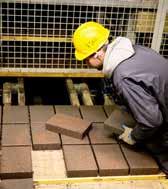

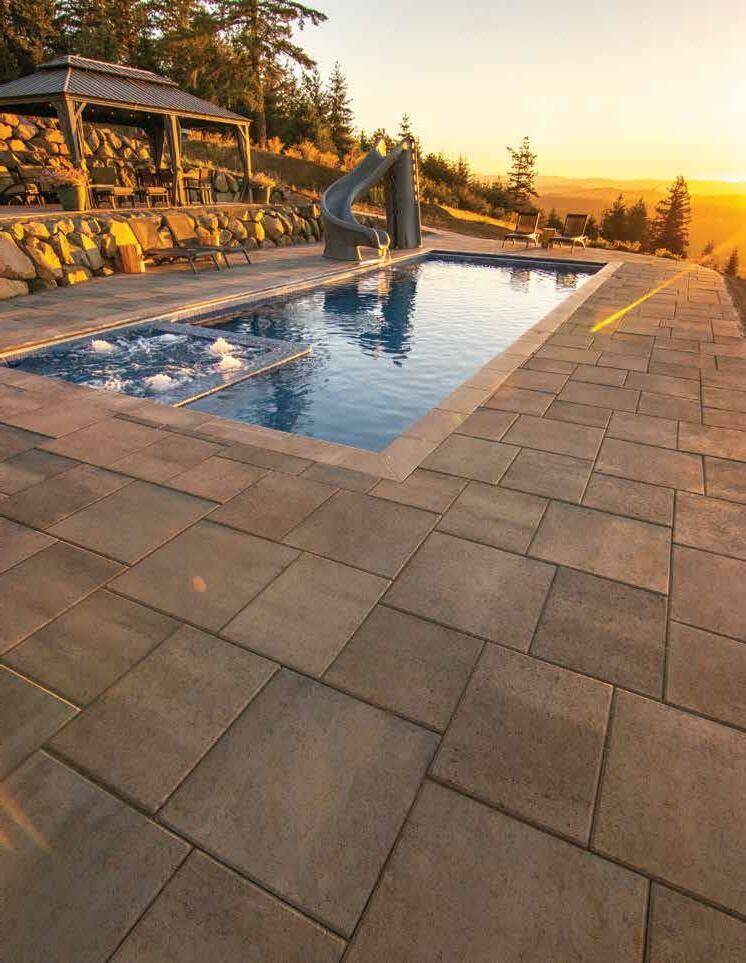
Outdoor living is on the rise, and more and more people are considering how they can enhance and transform their patchy lawns, untended flower beds, and generally unused outdoor spaces into something more functional, more aesthetically appealing, and more comfortable. As a consequence, the question that must be rolling around in people’s heads is, what are my options? Particularly here in the Pacific Northwest, where high water tables tend to flood uneven landscaping, and moss overwhelms lawns and gardens, one of the more intelligent alternatives is hardscaping.
Specifically, interlocking concrete pavers, which come in a multitude of beautiful colors, styles, and patterns; more than you are probably aware! And the possibilities are endless: pave out the entire yard or just strategic portions in combination with your landscaping. Add a new retaining wall, a fire pit, or a pathway. Build a new patio space for your BBQ or that new outdoor furniture you purchased last year. You’re only restricted by your imagination, and as a result: no more backyard lakes! No more mud! No more patchy lawns overrun by moss. Both in form and function, pavers are cleaner, easier to maintain, have higher curb appeal, and add significant value to your property! If that sounds like an attractive proposition, then Western Interlock should be your next stop!
Western Interlock was founded in 1990 by Wyatt Pegg. Family has always been one of his top priorities, and that’s as true in his business as it is in his personal life. While visiting his soon-to-be father-in-law back in the ’70s, Wyatt helped out on a project, which introduced him to the art of installing paving stones (as a part of that family’s landscaping business). That experience planted the seed of an idea—to bring pavers to the Willamette Valley— which would germinate some 15 years later with the development of his very own manufacturing facility in Rickreall. It’s that very same manufacturing facility where Western Interlock still resides today!

Success has come as a result of their strict dedication to one simple founding principle: treat every employee and customer like members of the family! To them, customer service is not a department, it’s an attitude. They have a friendly and knowledgeable sales staff, yard personnel, and delivery drivers, many of whom have been with them for years. Several employees are even second generation! They certainly have no shortage of experienced team members, and their goal is to ensure that your experience with them, their product, and your completed project, exceeds your expectations. Company vice-president Landon Pegg stated, “as a family-owned business, we like to serve our customers directly!”
After more than 30 years, Western Interlock is still the same independent, family-owned and -operated local business they started out to be! Their Rickreall retail facility and its gorgeous 10,000 sq. ft. outdoor display still retains that same relaxed family atmosphere, and is still open to the public for tours. They still serve both retail and wholesale customers in Oregon and Washington, catering to all customers at every level of project involvement. Whether you want to hire a contractor to do the job for you, or participate in any of their regular DIY classes (online and in-person) and learn how to do it yourself, they are ready to assist at every step of the process.
As a side note, because they are a local company, using materials that are both sourced and produced locally, they have not had to battle the same supply chain woes most of their larger, corporate competitors have. If it’s in their brochure, it’s almost assuredly in stock on any given day. Not to mention, the money you spend there goes straight back into the local economy!
So, if you’re ready to get started, regardless of your planned level of involvement, contact Western Interlock and allow their wonderful staff to guide you through your process from start to finish.
Western Interlock is located at 10095 Rickreall Rd. in Rickreall. For more information and to view the entire library of resources, visit westerninterlock.com or diywithwi.com, or give them a call at (503) 623-9084.

FEATURE
WESTERN INTERLOCK
14 Advertise With Us! Call 503.825.2111
Landon Pegg, Vice President










Advantage Magazine DIRECT MAIL • DIRECT RESULTS PO Box 672 ∙ Aurora, Oregon 97002 To Advertise, Call 503.825.2111 Postal Customer PRESORTED STANDARD US POSTAGE PAID ACTIVE MEDIA fi nd more at westerninterlock.com Everyone wants their outdoor spaces to be an extension of their home. As your local family-owned supplier of pavers and wall block, we look forward to helping you make your dream a reality. INSPIRING SALEM HOMEOWNERS FOR OVER 30 YEARS EXPLORE NOW The Concrete Advantage.