


Manijeh Berenji, MD, MPH, FACOEM, FACPM
Health Sciences Associate Clinical Professor, University of California Irvine School of Medicine and the Joe C Wen School of Population and Public Health
A Society for Total Worker Health® Founding Member
Robert McLellan, MD, MPH, FAAFP, FACOEM
Professor Emeritus, Medicine, Community and Family Medicine, and The Dartmouth Institute for Health Policy and Clinical Practice, Geisel School of Medicine at Dartmouth
A Society for Total Worker Health®
Founding Member
Connie Chuang, MD, MPA, MPH, MSc, DipABLM, NBC-HWC
Health Life Work Medical Care, LLC
Marielle Borom, DO
Annemieke De Wilde, MD, MPH, FACOEM, DipABLM
Optimizing Worker Health, ACOEM
Samuel Ko, MD, MPH
Optimizing Worker Health, ACOEM
Muhammad Asif, MBBS, MPH, FACOEM, DoccMed
Saudi Aramco ExxonMobil Refinery, Ltd
Marina Mathew, MD, MPH, FACOEM, DipABLM
Occidental Petroleum Corporation
Beth Garver, MS
Lifestyle Medicine and Community Health Center Consultant
Divya Hedgren, MD, DipABLM
Adult & Geriatric Psychiatrist
Nathan M. Jones, MD, MPH, FACOEM DipABLM
Occupational Medicine Physician Board of Directors, Health and Human Performance Section, ACOEM Lifestyle Medicine in the Workplace, ACLM
Martha Shepherd, DO, MPH, FAAFP, DipABLM, FACLM
Vanderbilt University Medical Center
Valeria S. Tivnan, MPH, Med Vice-President of Population Health Strategy & Well-being, IMA Financial Corp.
Acknowledgement:
The authors wish to thank Nathan Jones, MD, MPH, the ACOEM - ACLM Board Liaison, for guidance and consultation, George Friedman-Jimenez, MD, DrPH for review and edits, and Alyssa Schultz, PhD for editing and document preparation.
© 2026 American College of Lifestyle Medicine. All rights reserved.
This guide is for employer leaders, benefits executives, occupational and environmental medicine clinicians, and practicing lifestyle medicine clinicians. It is designed to be deployable, not conceptual.
The guide provides:

BEST PRACTICES GROUNDED IN EVIDENCE
PRACTICAL FRAMEWORKS
AN IMPLEMENTATION ROADMAP
TOOLS AND RESOURCES

Lifestyle Medicine is a foundational framework for high-value care, prioritizing therapeutic interventions in six core domains—nutrition, physical activity, sleep, stress management, social connection, and substance avoidance— to treat and reverse the root causes of chronic disease. In a landscape where the federal health care spending is projected to cost $23.6 trillion between 2026 and 2035, the shift from a reactive “sick care” model to a proactive health ecosystem is a requirement for employer sustainability.1 With 80% of chronic disease burden and premature deaths rooted in modifiable lifestyle behaviors, employers can no longer afford to be passive payers in an unsustainable fee-for-service system.2

of chronic disease burden and premature deaths rooted in modifiable lifestyle behaviors2
Chronic disease accounts for the majority of healthcare spending and productivity loss1
Physical health conditions and mental health challenges undermine worker health, safety, and organizational performance.
Employers directly influence social, environmental, and economic determinants of health
Lifestyle medicine is no longer an adjunct wellness strategy. It is a clinical, organizational, and financial imperative.

Employers have a unique opportunity to accelerate the adoption of lifestyle medicine through a Total Worker Health lens by implementing supportive workplace policies, practices, and programs. By expanding access to lifestyle medicine and primary care providers, they can enable employees to engage in health promotion, screening, early detection, and effective condition management. Employers can also interact with and exert influence on other spheres within their ecosystem to affect whole health as depicted on the next page in Figure 1.
Equity-centered, whole-person health
Lifestyle medicine as a continuum (prevention → treatment → remission)
ADAPATED FROM:
Integration with Occupational and Environmental Medicine and Total Worker Health® Team-based, multidisciplinary care
Evidence-informed program selection

Business value beyond ROI alone (Value of Investment)
Employers Can Play Important Role in Advancing Lifestyle as Medicine
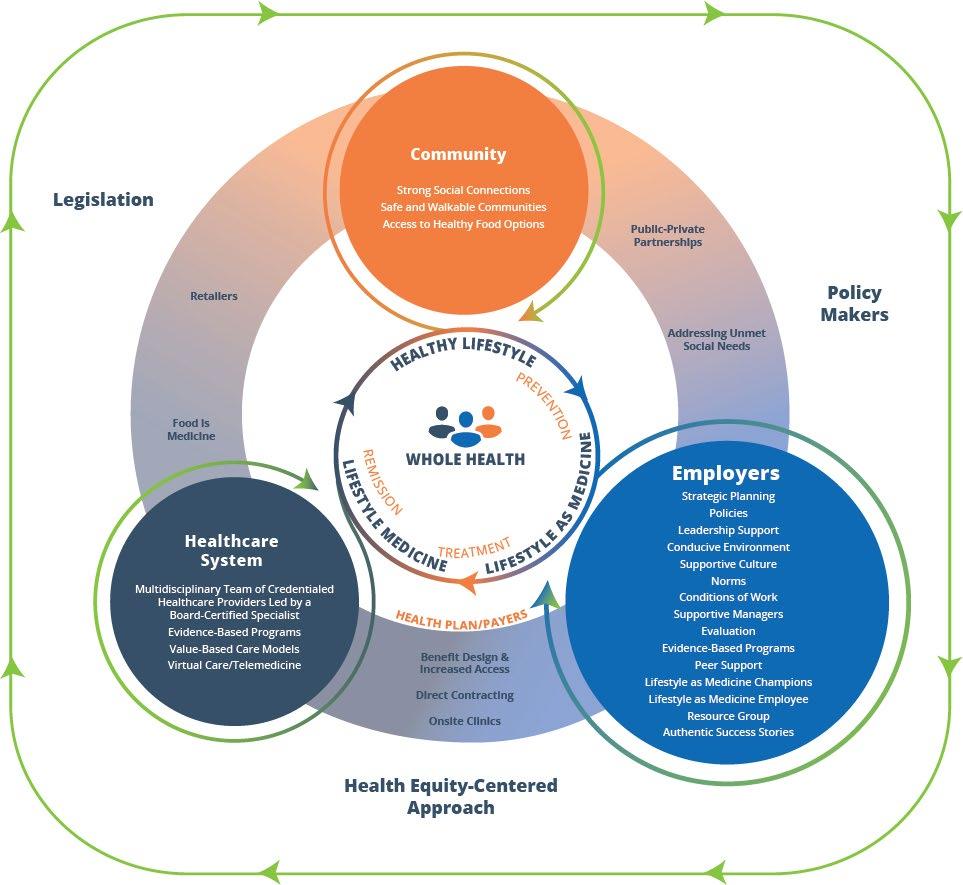
Reproduced from HERO, Grants, https://hero-health.org/research/grants/3

Lifestyle medicine is an evidence-based clinical discipline that uses therapeutic lifestyle interventions as first-line treatment to prevent, treat, and often reverse chronic disease.
Occupational and Environmental Medicine (OEM) is the medical specialty trained to optimize the health of workers and prevent/ mitigate the health effects from hazardous occupational and environmental exposures. Figure 2 highlights the alignment between lifestyle medicine and occupational and environmental medicine.
FIGURE 2
Shared Principles of Lifestyle Medicine and Occupational and Environmental Medicine
WORKPLACE SAFETY
OPTIMAL NUTRITION PHYSICAL ACTIVITY
RESTORATIVE SLEEP
STRESS MANAGEMENT AVOIDANCE OF RISKY SUBSTANCES CONNECTEDNESS
PREVENTION
WELLBEING
SAFETY
HEALTH
PRODUCTIVITY
PSYCHOLOGICAL
WELL-BEING
EXPOSURE CONTROL ERGONOMICS
INJURY PREVENTION
RETURN-TO-WORK
CHRONIC DISEASE MANAGEMENT
MENTAL HEALTH
POPULATION HEALTH MANAGEMENT
ILLNESS/INJURY TREATMENT
LIFESTYLE MEDICINE OCCUPATIONAL AND ENVIRONMENTAL MEDICINE

Integrating lifestyle medicine within a Total Worker Health® (TWH) framework (see Figure 3) offers employers a strategic, evidencebased pathway to create healthier, safer, and more resilient organizations.4 When leadership commitment, hazard elimination, worker engagement, confidentiality, and systems integration are aligned, workplace health initiatives move beyond isolated programs to become embedded components of organizational culture.
ACLM’s High-Value Care Framework (see Figure 4) closely aligns with the TWH (see Figure 5) approach by integrating whole-person health, team-based care, and system-level influences across the continuum of prevention, treatment, and remission. It reflects how worker health is shaped not only by clinical care, but also by workplace conditions, community environments, and organizational culture, reinforcing that optimal outcomes require coordinated strategies that address physical, mental, and social wellbeing both on and off the job.4
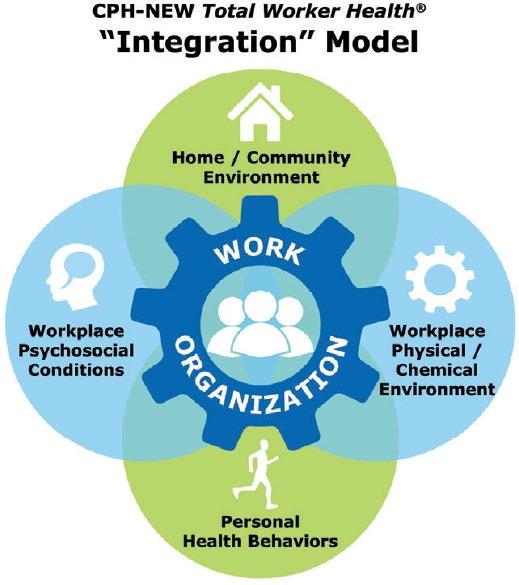
Reproduced from Punnett L, Cavallari JM, Henning RA, et al. Defining “Integration” for Total Worker Health®: A New Proposal. Ann Work Expo Health. 2020;64(3):223–235. doi:10.1093/ annweh/wxaa003. © 2020 The Authors. Used under CC BY-NC 4.4
FIGURE 4
Lifestyle medicine high-value care framework
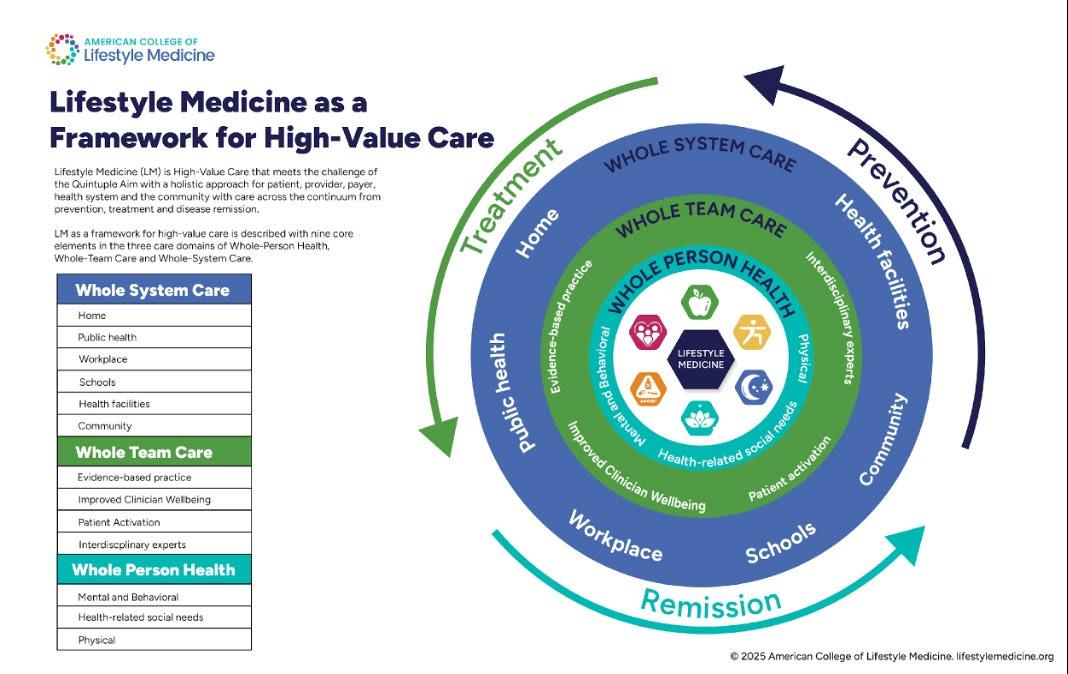
Adapted from Marshall S, Patel P, Anand R, et al. Lifestyle Medicine as a Framework for High-Value Care: A Position Statement From the American College of Lifestyle Medicine. Am J Lifestyle Med. 2025. doi:10.1177/15598276251390437. © 2025 The Author(s).5
5
Hierarchy of Controls Applied to NIOSH Total Worker Health®
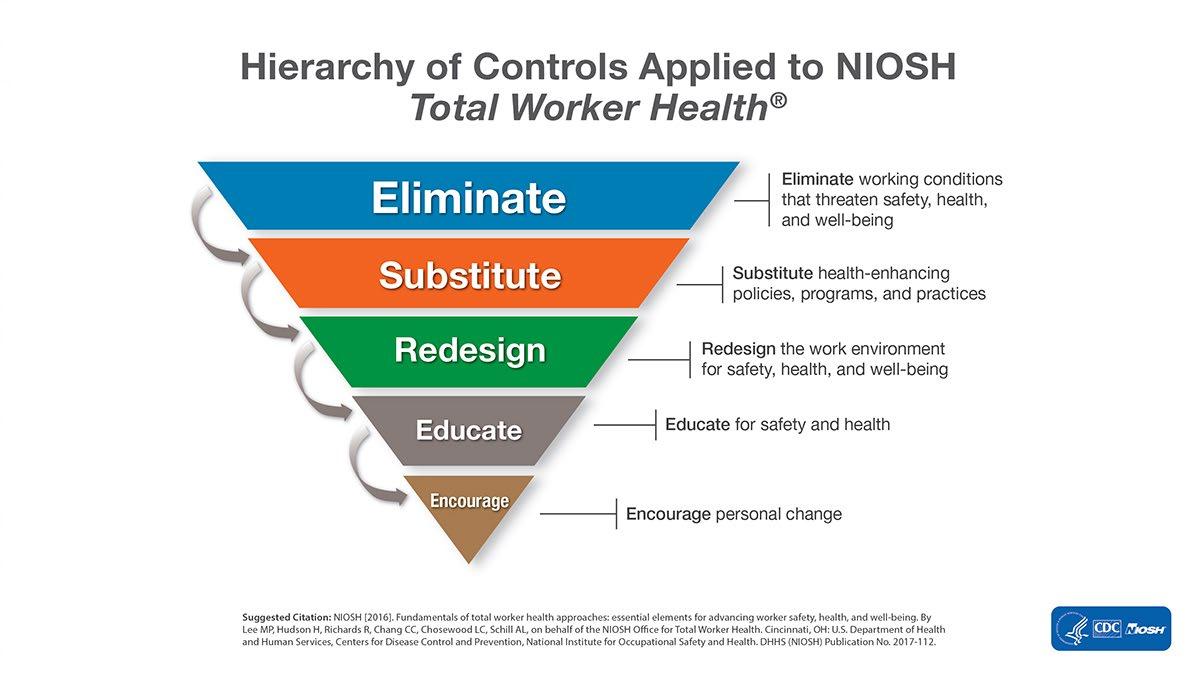
Reproduced from the National Institute for Occupational Safety and Health (NIOSH), Centers for Disease Control and Prevention. May 24, 2024. https://www.cdc.gov/niosh/twh/php/hierarchy/index.html6
Employers can operationalize this by embedding the six pillars of lifestyle medicine which are evidence based, therapeutic lifestyle interventions used to prevent, manage, and reverse chronic diseases. These core components include: nutrition, physical activity, sleep, stress management, social connection, and avoidance of risky substances.
Lifestyle medicine is clinical and prescriptive, not voluntary wellness programming.

Implementing a Lifestyle Medicine-grounded Organizational Health Strategy
The CDC Workplace Health Model provides a framework for implementation that includes assessment, planning and management, implementation, and evaluation, emphasizing how organizational, individual, and community factors shape outcomes like productivity, costs, and overall health.7 Aligned with this framework, the following 12–36-month implementation roadmap can be used to deploy your lifestyle medicine-grounded organizational health strategy. The roadmap begins with assessing readiness, analyzing workforce (+/- dependents) health data, and securing leadership commitment; progresses to building and piloting a tailored lifestyle medicinegrounded organizational health strategy with defined metrics; and culminates in scaling and institutionalizing efforts by embedding them into policies, expanding benefits, and sustaining impact through broader partnerships.
IMPLEMENTATION ROADMAP (12–36 MONTHS)
Phase 1: Assess & Align (0–6 months)
9 Organizational readiness assessment
9 Workforce health and claims analysis
9 Leadership commitment
Phase 2: Build & Pilot (6–18 months)
9 Determine lifestyle medicinegrounded health strategy that best meets organization’s needs
9 Select one condition or population
9 Launch on-site, virtual, or contracted model
9 Establish metrics and scorecards/ dashboards
Phase 3: Scale & Institutionalize (18–36 months)
9 Embed lifestyle medicine and occupational and environmental medicine principles into organizational policies, programs, and performance evaluations
9 Expand benefit coverage
9 Join values-aligned consortiums to leverage aggregated demand, vendor standardization, and negotiated value
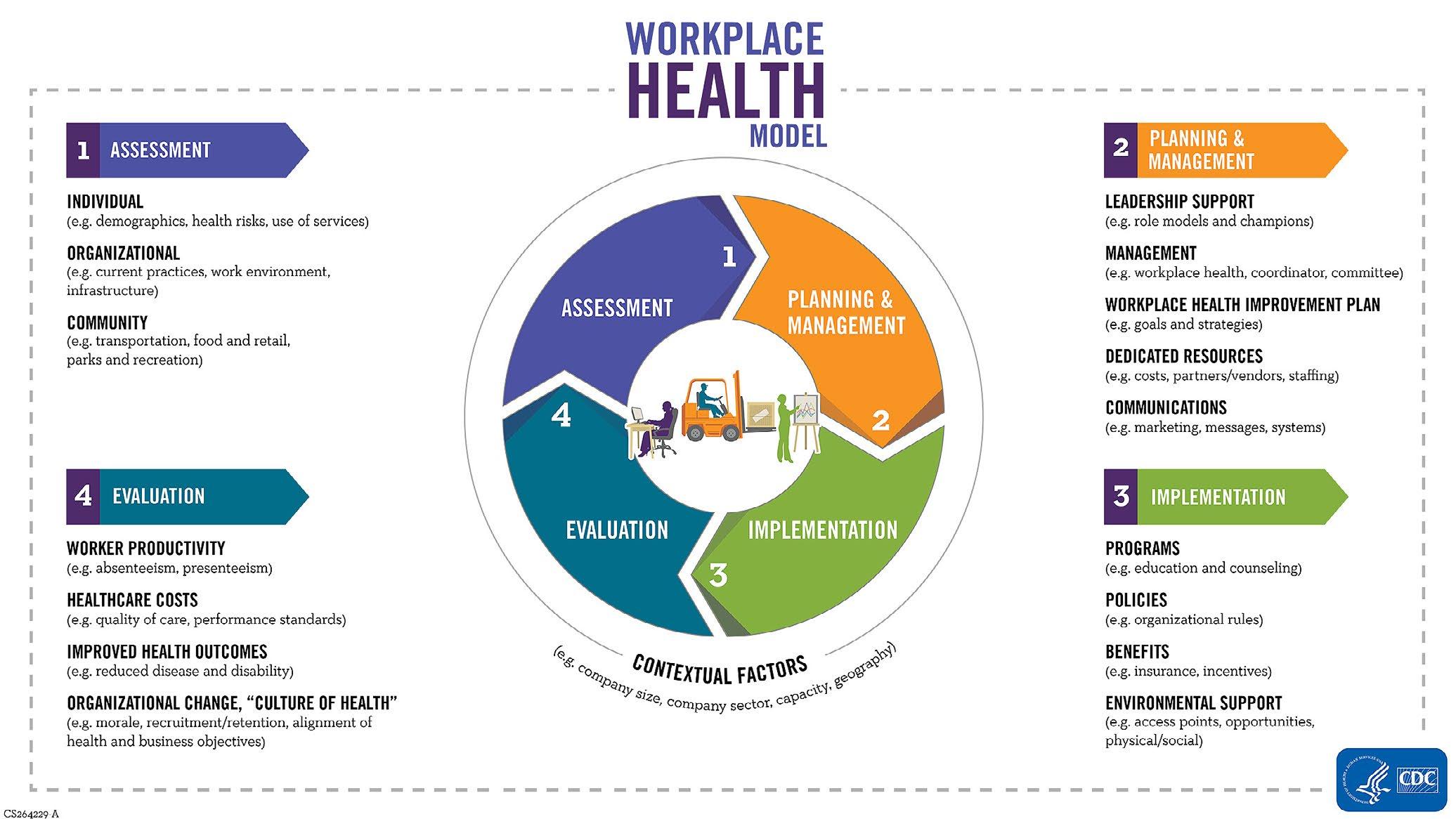
Reproduced from the Centers for Disease Control and Prevention (CDC). CDC Workplace Health Model. Published July 15, 2024. https://www.cdc.gov/workplace-health-promotion/php/model/index.htm7
Conduct an organizational assessment to determine worker health needs and organizational readiness. The table below provides a comparison of workplace assessment tools. See Appendix A for an organizational readiness checklist.

American Heart Association (AHA) Well-Being Works Better™ Scorecard
CDC Worksite Health Scorecard
Healthy Work Survey (HWS)
Hazards; Health, Safety, Job-related metrics
Organizational assessment rather than for individuals; Recognition-based tiering (Bronze-Platinum)
Comprehensive coverage of chronic disease
Free; Employer guide available HERO Scorecard
Programs
Mayo Clinic Well-Being Index Distress / Well-being ~9
Can repeat annually and track longitudinally; can work with vendor to develop strategic plan based on results
Very brief; Dual use: individual respondents receive immediate feedback and organizations can collect deidentified data in aggregate
NIOSH Worker Wellbeing Questionnaire (WellBQ) Total Worker Well-being
Free; Measures multiple domains with validated scales
PHASE 2: BUILD & PILOT
STRATEGY 1 OF 4:
Employer-Supported Lifestyle Medicine Benefits
WHAT THIS LOOKS LIKE
9 Lifestyle medicine delivered as a covered clinical service integrated into OEM clinical practice and employee health clinics (See Appendix B)
9 Equal standing with pharmacologic and procedural care
BENEFIT DESIGN BEST PRACTICES
9 Cover lifestyle medicine visits (in-person and virtual)
9 Reimburse group visits, registered dietitians, health coaches, and other lifestyle medicine clinicians who support six lifestyle medicine pillars (e.g. exercise physiologists, counselors, etc.)
9 Cover intensive therapeutic lifestyle programs for cardiometabolic disease
9 Cover family-based lifestyle medicine programming for healthy lifestyles
9 Remove unnecessary prior authorization barriers

“Therapeutic lifestyle interventions delivered by lifestyle medicine-certified clinicians shall be covered as a first-line treatment option for cardiometabolic conditions.”
RECOMMENDATION:
Cover lifestyle medicine before disease thresholds are met, not only after diagnosis.
STRATEGY 2 OF 4:
On-Site or Near-Site Lifestyle Medicine Clinics
USE CASE
9 Self-insured employers
9 Large employers or multi-site organizations
9 Employers with safety-sensitive workforces
1. Clinical Team: Physician or Advanced Practice Provider (APP) with lifestyle medicine certification or training (e.g., Nurse practitioner (NP) or Physician associate (PA)); Registered dietitian (RD); health coach.
2. Care Model: Individual + shared medical appointments
3. Data: Claims integration, risk stratification
4. Access: Work-time appointments
IMPLEMENTATION TIP:
Start with one high-impact condition (e.g., hypertension, diabetes, obesity) before expanding. A model of conditionagnostic shared medical appointments can also be adopted.

CASE STUDY
Caramel Clary Schools Wellness Center


PHASE 2: BUILD & PILOT
Direct Contracting with Lifestyle Medicine Providers
WHAT IS DIRECT CONTRACTING?
Employer contracts directly with:
1. Lifestyle medicine practices/providers
2. Certified programs
3. Health systems delivering therapeutic lifestyle change ADVANTAGES
9 Predictable costs
9 Alignment with outcomes

Expanding Provider Networks & Purchasing Collectively
INCREASING LIFESTYLE MEDICINE IN HEALTH PLAN NETWORKS
9 Elimination of fee-for-service constraints
CONTRACTING BEST PRACTICES
9 Vet potential partners (See Appendix C)
9 Bundle services around conditions, not visits
9 Include remission-oriented outcomes
9 Provide shared savings reinvestment
EXAMPLE BUNDLED EPISODE
12-month diabetes remission pathway
1. Require identification and categorization of lifestyle medicine-certified providers to streamline billing, verify coverage eligibility, and manage network status (i.e. carrier tagging)
2. Set year-over-year targets for network expansion (See Appendix D)
3. Include lifestyle medicine providers in preferred tiers
CONSORTIUM & GROUP PURCHASING ORGANIZATION (GPO) PARTICIPATION
Ideal for small and mid-sized employers
Benefits include:
9 Cost-sharing
9 Vendor vetting
9 Market signal amplification
Identifying the optimal partners to implement a TWH/lifestyle medicine workplace intervention is a strategic decision that can determine whether an initiative integrates smoothly into operations or remains fragmented and short-lived. Partner selection should be guided not only by technical expertise, but by alignment with organizational structure, culture, data capacity, and long-term strategic goals. Selecting between internal experts, external consultants, or third-party vendors to implement a lifestyle medicinegrounded health program is fundamentally a question of capacity, control, complexity, and long-term institutional goals. Each model serves a distinct function. The decision should be based on implementation needs. The decision matrix below highlights the effectiveness level of each partner type based on various organizational factor and can be used to determine which partner type would be best suited to assist with achieving a particular organizational goal.
To determine the optimal mix, the leadership team/decision-making body should consider these five questions:
1. Do we have internal expertise in implementation science and workplace/ organizational systems?
2. Do we need to focus on designing the strategy and framework, or on executing and delivering the solution in practice?
3. Should this initiative begin as a small-scale pilot to test and refine the approach, or are we ready to deploy it across the entire organization?
4. What level of complexity is involved in integrating this data across our systems and workflows?
5. Is long-term organizational integration a priority?
ORGANIZATIONAL METRICS FOR LIFESTYLE
MEDICINE-GROUNDED HEALTH STRATEGY
On average, the employers surveyed by Ozminkowski et al.8 tracked about seven metrics on their balanced scorecard. The authors found the most commonly tracked metrics were: wellness program participation, health care costs,
absenteeism, wellness program satisfaction, health risks, job satisfaction, and safety. This table is an example of metrics that could be used to evaluate financial performance.
Return on Investment (ROI)
Benefits Measures:
• Reduced healthcare expenditure (e.g. medical, hospitalization, medication use, worker’s compensation
• Increased service/product output (productivity metric)
Cost Measures:
• $ invested into a lifestyle medicine intervention (e.g. smoking cessation program, nutrition education targeted to diabetes/ high cholesterol, functional strength training program; weight loss management targeted to obesity)
• $ invested into a chronic condition intervention (e.g. Type 2 Diabetes Remission Program
• ROI = (Net Benefit / Cost) * 100%
• Follow year-over-year trend
Social Return on Investment / Value of Investment (VOI)
Medical Cost Savings
• Productivity
• Duration of or quantity of disability claims
• Sick days
• Business performance metrics
• Company profitability
• Absolute cost reduction per participant per year
• Percentage decrease in total medical expenditures
• Longitudinal cost trends postintervention
• Presenteeism
• Long-term medical restrictions for chronic diseases
• Employee retention or turnover
• Greenhouse gas emissions
• Food or nutrition security
• Workers’ Compensation Claims Cost Savings
• Disease reversal (to be added in ICD coding)
• Examples9,10
Benefit-to-Cost Ratio (BCR) (BCR) = Total benefits of reduced healthcare expenditures or productivity gains / Unit of investment in a lifestyle medicine intervention
ROI goals can effectively demonstrate the value of workplace lifestyle interventions by utilizing company-specific baseline data, measurable outcome variables, and practical interventions tailored to individual corporate resources.
Value of Investment (VOI) is often a better choice for measuring ROI. Ozminkowski et al., offer recommended metrics, a method to prioritize metrics, and how to tell the VOI story.8
1
Clearly state the reasons why they are offering lifestyle medicine interventions to their workers

2
3
Identify the metrics needed to support their lifestyle medicine rationale
Map out the source of each metric and how it can be accessed by using:
9 Health plan data
9 Vendor data
9 Internal data (e.g. EHR, HR, Incident Reporting, etc.)
4 5
Measure the impact of lifestyle medicine programs on their key metrics
Aggregate findings into a meaningful dashboard based on their priorities
RECOMMENDATION:
Define the metrics that matter most to your workers and organization—such as remission rates and appropriate deprescribing. Establish your metrics before launching the pilot. Use the pilot data to demonstrate impact, build stakeholder support, and inform scaling of your workplace lifestyle medicine strategy.
Lifestyle medicine and OEM align to improve workforce health by integrating healthy behaviors with safe, supportive workplace systems, advancing a TWH approach to create a culture of health. Organizations can use the Hierarchy of Controls to improve worker health by eliminating or substituting harmful conditions, redesigning environments and workflows through engineering and administrative controls, and ultimately supporting individuals with tools such as counseling, health coaching, and lifestyle medicine interventions.6
1. Visible leadership modeling
2. Healthy defaults in the work environment
3. Manager capability and accountability
4. Norms that support recovery and vitality
5. Trust, privacy, and psychological safety
These five cultural enablers support workplace lifestyle medicine implementation by embedding health into leadership, environment, and daily work norms.11 Visible leadership and manager accountability reinforce healthy behaviors, while healthy defaults and recovery-supportive norms make well-being the easier and expected choice. Trust, privacy, and psychological safety ensure employees feel safe engaging in lifestyle medicine programs, increasing participation and sustained behavior change.
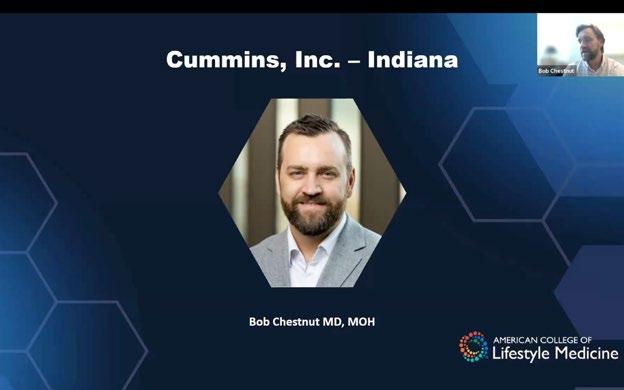
IMPLEMENTATION VIDEO
The Value of Lifestyle Medicine in Employer Settings from Dr. Bob Chestnut. Watch

“Culture change at work changes behavior at home.”
FIGURE 7 | Hierarchy of Controls With Overlay of the Lifestyle Medicine PERFORM Framework
ELIMINATION
Remove the hazard entirely
SUBSTITUTION
Replace with a healthier option
HIERARCHY OF CONTROLS
ENGINEERING CONTROLS
Redesign the workplace
ADMIN CONTROLS
Change policies and practices
BEHAVIOR CHANGE
Healthy and safe choices
PERFORM FRAMEWORK
Physical Activity
Example: Make stairwells visible, accessible, attractive, and safe.
Eat Well
Example: Healthy meals subsidized by employer at 20% below less healthy options.
Restorative Sleep
Example: Eliminate rotating shift work in favor of permanent shifts.
Form Positive Social Connections
Example: Voluntary peer mentoring program pairing early-career staff with experienced employees.
Example: Replace performance reviews to focus on growth and celebrate process goal achievement.
Example: Offer Employee Assistance Program (EAP) with rapid access to counseling and treatment referrals.
Example: Implement Mindfulness-Based Stress Reduction program and continually reinforce strategies.

Successful clinicians practicing lifestyle medicine in employer settings prioritize access and integration by offering work-time visits, delivering team-based care through Lifestyle Medicine Shared Medical Appointments (LMSMAs), and systematically assessing risk using the Lifestyle Medicine Whole Person Health Index (LMWPHI*). Effectiveness is strengthened by organizational literacy and documentation aligned with benefits and claims processes, ensuring sustainability and reimbursement. Common pitfalls to avoid include positioning services as “wellness-only,” addressing behaviors in isolation rather than comprehensively, and relying on short visit lengths that limit meaningful behavior change.
*The LMWPHI is appropriate to incorporate as an evidence-informed tool grounded in validated domain-specific screening tools, recognizing that the composite measure continues to evolve with ongoing validation and should not yet be considered fully evidence-based.
9 Work-time visits
9 Team-based, interprofessional care through Lifestyle Medicine Shared Medical Appointments (LMSMAs)
9 Assessing for lifestyle factors using the Lifestyle Medicine Whole Person Health Index (LMWPHI)
9 Organizational literacy
9 Documentation aligned with benefits and claims
× “Wellness-only” positioning
× Isolated behavior challenges
× Short visit lengths
Equity and access must be central to workplace lifestyle medicine strategies by designing benefits that work for hourly, shift, and frontline workers, not just salaried staff. Programs should incorporate culturally relevant nutrition approaches and address real-world barriers such as food access and time constraints. Ultimately, lifestyle medicine should be implemented in ways that actively reduce health inequities rather than unintentionally widening them.
Design benefits for hourly, shift, and frontline workers
Provide culturally relevant nutrition approaches
Address food access and time constraints
Lifestyle medicine must reduce inequities, not widen them.


Common pitfalls in implementing workplace lifestyle medicine strategies often stem from low engagement, narrow financial expectations, and misaligned partners. Low engagement can be mitigated by enabling work-time access, making participation convenient and integrated into the flow of work. A short-term ROI focus should be reframed toward broader value on investment (VOI), capturing impacts on productivity, retention, and well-being over time. Finally, vendor misalignment can be avoided by rigorously screening for evidence-based approaches and appropriate certifications to ensure quality and alignment with organizational goals.
Low engagement
Short-term ROI focus
Vendor misalignment
Work-time access
VOI framing
Evidence and certification screening
Use an ACLM-certified education or treatment program to avoid vendor misalignment.


Forty percent of our employees come from other countries. They have their own cultures, food, and beliefs—and lots of diabetes and high blood pressure. It’s not easy, but our goal is to get people healthy and off medication. Our on-site medical facility has providers from backgrounds that match our associates. And we’re always trying to provide whatever is required to help our associates make the lifestyle changes they need: Employees can access a doctor trained to identify underlying causes of disease, a dietitian, a chefled educational program, sleep medicine, Zumba classes, mental health services—they can even take part in challenges for things like healthiest recipe. Whatever it takes.
Kenneth Aldridge Jr. Direct of Health Services, Rosen Medical Center
We have the lowest employee turnover in hospitality—the average is 50% and ours is almost single digits. And I believe our benefits are a big reason, especially healthcare. We talk to a lot of senior VPs in other companies about their approach and it’s sad. The other day, an employee gave me a hug as I was walking on a property. He said he smoked two to three packs a day when he started with us, and was told it was unacceptable. He went through our in-house nicotine cessation program and hasn’t had a cigarette in two years.”
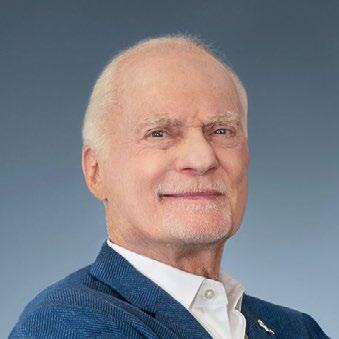
Harris Rosen Founder and President, Rosen Hotels & Resorts
Workplace impacts well-being, so we owe it to employees to create an environment that supports making healthy decisions. One way to do that is by integrating CDC worksite health score results into executive performance reviews. That way we understand how each area of our organization is performing and we bring accountability to that performance. Another approach is to ensure that the healthiest choices at work are the easiest choices. For example, all our snack machines include healthier choices, and we offer healthy foods in our cafeterias. We’ve created walking paths, to encourage physical activity, and we’ve added more lactation rooms to make breastfeeding easier. We’re also constantly learning. After discovering that 75% of our employees experience stress, our most recent five-year strategic plan included a focus on making work life less stressful. Our research has led to widely used Medicare- and Medicaid-reimbursed lifestyle-management programs that can prevent the onset of diabetes and eliminate the need for hypertension medication. The decisions we make today as leaders will impact our organization for generations to come and, ultimately, the health and wellness of our community. Lifestyle medicine helps us connect the dots and make decisions with a bigpicture, long-term view.
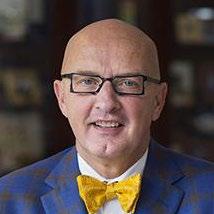
Kevin Sowers President, Johns Hopkins Health System

Integrating lifestyle medicine as a workplace benefit transforms the employee health ecosystem from reactive sick care to proactive health creation. Employers, clinicians, and systems must act together.
REMEMBER:
Lifestyle medicine is a strategic asset, not a perk.


Lifestyle Medicine High-Value Care Framework
Lifestyle Medicine Performance Measures
Employers as Lifestyle Medicine Change Agents Framework
The Economic Benefits of Lifestyle Medicine
Incorporating Lifestyle Medicine into Occupational Medicine Practice
Lifestyle Medicine Integration Roadmap
Lifestyle Medicine Whole Person Health Index (LMWPHI)
Lifestyle Medicine Shared Medical Appointment Toolkit (LMSMA)
ACLM-Certified Treatment and Education Programs
Lifestyle Medicine Board Certification for Onsite Clinicians
Lifestyle Medicine in the Workplace Member Interest Group (MIG)
ACOEM Optimizing Worker Health Section



Does senior leadership prioritize health as a strategic operational asset?
Is there a budget for lifestyle medicine-certified clinical interventions?
Have you addressed health equity and socioeconomic barriers in your plan?
Does the environment support healthy defaults (e.g., plantbased cafeteria options)?
Are managers trained to mitigate resistance to change?
Is health integrated into annual performance reviews?
Are silos between HR, safety, and clinical departments eliminated?
Do you have a data system capable of tracking disease remission and medication deescalation and deprescribing?
Is there a “Social Determinant of Work” assessment in place?
Is there a clear communication strategy for “culture of health creation”?


CHECKLIST
STRATEGY & LEADERSHIP ALIGNMENT
Define goals (e.g., chronic disease reduction, cost savings, productivity)
Align with Total Worker Health® principles and overall benefits strategy
Secure executive sponsorship and crossfunctional buy-in (HR, benefits, clinical, finance)
BENEFIT DESIGN
Determine scope (preventive, treatment, reversal/remission programs)
Cover the six pillars (nutrition, physical activity, sleep, stress, substance use, connection)
Include individual visits, group programs, and digital options
Ensure parity with other medical benefits (copays, deductibles)


NETWORK & PROVIDER ACCESS
Contract with qualified lifestyle medicine clinicians/programs
Integrate with primary care and care management vendors
Ensure virtual and in-person access (including on-site/near-site clinics)
ELIGIBILITY & MEMBER IDENTIFICATION
Define eligible populations (e.g., prediabetes, diabetes, obesity, CVD risk)
Use claims, biometrics, and screenings for identification and outreach
Enable self-referral and provider referral pathways
LIFESTYLEMEDICINE.ORG | ACOEM.ORG
Offer multidisciplinary care (physicians, RDNs, health coaches, behavioral health, exercise physiologist, CHW, etc.)
Include shared medical appointments/group visits
Provide personalized care plans and longitudinal follow-up
Map services to covered CPT/HCPCS codes where applicable
Establish reimbursement for group visits, coaching, and digital therapeutics
Clarify billing pathways (e.g., primary care, specialty, value-based arrangements)
INTEGRATION WITH EXISTING PROGRAMS
Align with disease management, EAP, wellness, and occupational health
Coordinate with pharmacy benefits (e.g., deprescribing support where appropriate)
Connect to community resources (food is medicine, fitness, social supports)
INCENTIVES & ENGAGEMENT
Offer incentives for participation and outcomes (HSA/HRA contributions, premium differentials)
Use behavioral nudges, coaching, and digital engagement tools
Support manager and leadership engagement
Ensure culturally competent, inclusive program design
Address barriers (cost, time, transportation, digital access)
Offer multilingual and literacy-appropriate materials
Define KPIs (clinical outcomes, utilization, cost, productivity, experience)
Establish baseline and ongoing measurement strategy
Track ROI/VOI (return/value on investment)
Ensure compliance with ERISA, ACA, HIPAA, and nondiscrimination rules
Document medical necessity and coverage policies
Establish vendor oversight and performance guarantees
COMMUNICATION & LAUNCH
Develop clear employee communications and benefit guides
Train HR, managers, and care navigators
Launch with targeted campaigns and ongoing education
Review performance quarterly with vendors
Gather employee feedback and outcomes data
Refine benefit design, access, and incentives over time

Clinical Model & Scope
How do you define and operationalize lifestyle medicine across the six pillars (nutrition, physical activity, sleep, stress, substance use, and connectedness)?
Provider Qualifications
What credentials and training do your clinicians have (e.g., board certification, specialized training in American College of Lifestyle Medicine competencies)?

What measurable outcomes have you achieved (e.g., A1C reduction, weight loss, medication deprescribing, cost savings), and can you share peer-reviewed or real-world evidence?
Data & Reporting
What data do you track, and how frequently do you report outcomes to employers (e.g., engagement, clinical outcomes, ROI, absenteeism)?
How does your program integrate with existing benefits (e.g., primary care, behavioral health, disease management, EAPs)?
What care delivery options do you offer (e.g., virtual, in-person, onsite clinics, group visits), and how do you ensure equitable access for diverse employee populations?
What specific strategies do you use to drive sustained employee engagement and behavior change over time?
How do you tailor your program to an employer’s population health needs, workforce demographics, and organizational goals?
What does your implementation roadmap look like (timeline, staffing, onboarding, communications), and what level of support do you provide to HR and leadership teams?
How are your services priced, and what is your demonstrated or projected return on investment (including healthcare cost reduction, productivity gains, and risk mitigation)?
Dear [Health Plan Representative Name],
On behalf of [Employer Name], we are writing to request the inclusion and expansion of qualified lifestyle medicine providers within our employee health plan network. As part of our commitment to improving population health, enhancing employee experience, and managing long-term healthcare costs, we are prioritizing evidence-based approaches that address the root causes of chronic disease.
Lifestyle medicine focused on nutrition, physical activity, restorative sleep, stress management, avoidance of risky substances, and connectedness aligns with our broader strategy to support prevention, treatment, and, where possible, disease remission. Expanding access to clinicians trained in these approaches will strengthen care delivery, complement primary care, and improve outcomes for employees with or at risk for conditions such as diabetes, cardiovascular disease, obesity and other chronic conditions.
We request your collaboration on the following:
● Identification and credentialing of board-certified or similarly qualified lifestyle medicine providers for network inclusion
● Coverage for key services, including individual visits, shared medical appointments, and multidisciplinary care (e.g., registered dietitians, health coaches, behavioral health)
● Integration of lifestyle medicine services within existing care management and value-based care models
● Development of appropriate billing pathways and reimbursement structures to support these services
We welcome the opportunity to meet with your team to discuss implementation options, timelines, and any data requirements to support this initiative. Our goal is to ensure employees have timely access to high-quality, coordinated care that meaningfully improves health outcomes.
Thank you for your partnership and continued support.
Sincerely, [Name] [Title]
[Employer Name] [Contact Information]


1. CBO Projects High Federal Health Program Costs | Committee for a Responsible Federal Budget. Committee for a Responsible Federal Budget. Published February 25, 2026. https://www.crfb.org/blogs/cbo-projects-high-federal-health-programcosts
2. Healthy Living Is the Best Revenge. Archives of Internal Medicine. 2009;169(15):1355. doi:https://doi.org/10.1001/archinternmed.2009.237
3. Grants – HERO. (2025, December 2). HERO. https://hero-health.org/research/ grants/
4. Punnett, L., Cavallari, J. M., Henning, R. A., Nobrega, S., Dugan, A. G., Cherniack, M. G., & CPH-NEW Research Team. (2020). Defining “Integration” for Total Worker Health®: A New Proposal. Annals of Work Exposures and Health, 64(3), 223–235. https://doi.org/10.1093/annweh/wxaa003
5. Marshall, S., Patel, P., Anand, R., Artz, K., Collins, A., Grega, M., Gulati, M., Hemmingson, T. A., Mansfield, S., Nathan, A., Pauly, K., Sugden, S. G., Tivnan, V., Wilson, A., & Staffier, K. L. (2025). Lifestyle Medicine as a Framework for HighValue Care: A Position Statement From the American College of Lifestyle Medicine. American Journal of Lifestyle Medicine, 15598276251390437-15598276251390437. https://doi.org/10.1177/15598276251390437
6. CDC. (2024, June 26). Hierarchy of Controls. Total Worker Health. https://www.cdc. gov/niosh/twh/php/hierarchy/index.html
7. CDC. (2024). CDC Workplace Health Model. Workplace Health Promotion. https://www.cdc.gov/workplace-health-promotion/php/model/index.html
8. Ozminkowski RJ, Serener S, Marlo K, Kichlu R, Ratelis E, Van de Meulebroecke J. Beyond ROI: Using value of investment to measure employee health and wellness. Popul Health Manag. 2016;19(4):227-9. doi: 10.1089/pop.2015.0160.
9. Horstman CM, Ryan DH, Aronne LJ, et al. Return on investment: Medical savings of an employer-sponsored digital intensive lifestyle intervention, weight loss. Obesity (Silver Spring). 2021;29(4):654-661. doi: 10.1002/oby.23117.
10. Kim Y. The effects of smoking, alcohol consumption, obesity, and physical inactivity on healthcare costs: A longitudinal cohort study. BMC Public Health. 2025;25:873. https://doi.org/10.1186/s12889-025-22133-4
11. Lee MP, Hudson H, Richards R, Chang CC, Chosewood LC, Schill AL, on behalf of the NIOSH Office for Total Worker Health®. Fundamentals of total worker health approaches: Essential elements for advancing worker safety, health, and well-being. Cincinnati, OH: U.S. Department of Health and Human Services, Centers for Disease Control and Prevention, National Institute for Occupational Safety and Health. DHHS (NIOSH) Publication No. 2017-112. Available from: https://www.cdc.gov/niosh/docs/2017-112/pdfs/2017_112.pdf?id=10.26616/ NIOSHPUB2017112&id=10.26616/NIOSHPUB2017112. Accessed February 23, 2026.