Welcome to Tracking Changes, the relaunched quarterly journal of ACES: The Society for Editing! We are excited about its debut and hope you will be, too The journal last appeared in spring 2022, and we’ve been wanting it to come back ever since The ACES Communications and Publications Committee was finally able to make it happen after a year of consistent planning and commitment
Since 2022, a lot has changed in the world, and the editorial landscape hasn’t just evolved; it’s been rewritten We agreed that a fitting theme for this issue would be “change” The profession of editing has been fundamentally reshaped by the emergence of tools like ChatGPT, shifting client expectations, the normalization of remote work, an increased emphasis on accessibility (alt text, plain language, readability), rising awareness of misinformation, and the accelerating pace of content creation.
This issue explores some dimensions of change from the tools we use to the standards we uphold and the roles we continue to define Whether you’re new to editing or have years of experience, we are all being challenged to rethink our value and keep up with the pace.
One thing is certain: The work of editing has never mattered more
One thing is certain: The work of editing has never mattered more.
It is time for us to stand together, support one another, and champion the value we bring
Tracking Changes
The Journal of ACES: The Society for Editing
EDITOR
Christine Steele
COPY EDITORS
Holly Akins
Anne Checkosky
Catalina Dansberger
Duque
By Heather E Saunders, ACES president
Tracking Changes has always been something special. A place where editors talk to each other about the work we care about Bringing it back was important, but it also took time to think through what would be most useful to the association and to our members now
By Gigi Sutton, ACES executive director
ACES’ MISSION
ACES: The Society for Editing, the nation’s leading organization of editing professionals, educators, and students, is dedicated to improving the quality of communication and the working lives of editors. We set standards of excellence and give a voice to editors in journalism, government, business, and beyond through top-notch training, networking, and career opportunities
This issue is for anyone who works with words Writers, editors, proofreaders, you name it. It is meant to be a resource you can come back to, whether you are looking for practical ideas, professional development, or simply a moment to reconnect with the work
There is a lot that feels uncertain right now Parts of the industry can feel unstable, but some things remain constant. What we do is valuable. Truth matters. Getting the details right matters
I hope you find something here that stays with you. Maybe it is one idea you have been putting off Maybe it is a renewed sense of purpose Or maybe it is just the feeling that you have a community to come home to
It feels like the right time to bring Tracking Changes back The editing profession is moving quickly New tools, new workflows, new expectations Our members are asking thoughtful questions about what all of this means for their work and where they fit This publication is one way we can meet that moment It creates space for ideas, for practical insight, and for conversations that reflect what editors are actually experiencing right now
This issue brings together voices from across the profession Different paths, different perspectives, shared commitment to clarity and communication You will find pieces that explore change, but also pieces that ground us in what has always mattered. Care for language. Attention to detail Responsibility to the reader
This is just the beginning We see Tracking Changes as something that will grow with this community over time Your voice is part of that What you are noticing, questioning, and learning belongs here too Thank you for being part of it.
Copyright©2026
A series of government actions has raised serious questions about free speech, press freedom, and the free flow of information The Board of Directors of ACES: The Society for Editing condemns actions that lessen the ability of people to be heard and informed in our democracy Our work as editors depends on a free and open information environment We stand in support of journalists and news organizations working to report the truth and will continue to champion the standards of our profession and advocate for the free and open exchange of information Read the full Board of Directors statement

Since the advent of generative artificial intelligence, reports of lawyers overtrusting AI tools, to the detriment of their wallets and reputations, have become a mainstay in the news Hundreds, and counting, have been fined for filing briefs with citations fabricated by bots à la ChatGPT. Many admit to having never read the machine-generated text I can’t help but wonder, why have so much faith in anything?
Distrust is friend to anybody seeking verification but best friend to copy editors A collaboration between emotion and cognition, the distrust that emerges mid-edit is a flashing red light warning us to stop and proceed when safe. We fret about gaining trust of writers, of audiences so we work hard to correct, clarify, and contextualize But our own distrust is what prompts us to seek the right steps toward making a piece of communication trustworthy. This telling suspicion, uncertainty, vulnerability, whatever you call it, can be soothed only through interrogation
From years of training and leading teams of editors and proofreaders, I’ve found that lack of experience with what can go wrong is the top reason errors are made In short, people trusted too much They trusted software to catch misspellings, trusted templates to be current, trusted client-approved materials to have been vetted, trusted a general style when a specific style overruled, trusted undisclosed changes to be deliberate, trusted edited portions to remain static in later versions, trusted corrections to be input correctly, trusted themselves to catch everything in one go.
By Karen Yin
Knowing what to look for what to distrust comes with experience And knowing the powers and limitations of the people and tools we work with is how a useful distrust can be honed
The idea of bots performing tasks in our stead is an attractive one, not gonna lie However, hope and hype cannot replace due diligence Using software and machines to cut corners is not inherently dishonest nor outrageous. But if sloppy output has serious consequences, shipping it without checking it can be hazardous, no matter the provenance In a trust fall, editors are the designated spotters, not the fallers surrendering to good intentions
No matter how the job of editing is transformed by tools and the times, one thing that must not change is our distrust of the unverified So let’s be forever curious in our research and cautious in our review. Those qualms that arise when you leave a spelling, statement, or source unverified is a cosmic hint to arch your eyebrow and give it a closer look
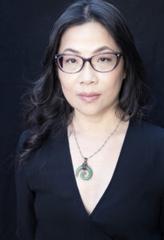
Karen Yin is the 2017 ACES Robinson Prize winner and the author of “The Conscious Style Guide: A Flexible Approach to Language That Includes, Respects and Empowers,” a companion to ConsciousStyleGuidecom
Editing can be a funny business when it comes to the idea of change What you learned about grammar in grade school generally stands today It’s not like those rules change every year
But other things about editing change constantly. Who among us tacked up a sheet of proofreaders’ marks thinking we’d need to use it constantly? Do you ever look at it now? Instead, you had to learn how to mark up PDFs in Adobe
And that’s likely to change every time Adobe does a major software update
By Gerri Berendzen
One big reason for that is AI chatbots aren’t always right
IBM’s less conversational way of putting it is this: An AI chatbot or tool “perceives patterns or objects that are nonexistent or imperceptible to human observers, creating outputs that are nonsensical or altogether inaccurate”
“As an editing skill, fact-checking sees both sides of that coin. You still need to be skeptical about information, be efficient in researching, and sort through competing sources
But the methods and tools available have changed frequently since the advent of the World Wide Web
Which brings us to today, when generative AI is everywhere online and some wonder if down and dirty factchecking while editing is still a necessary skill
Let’s be clear from the start. Generative AI hasn’t put editors who do fact-checking out of business At least not yet
They hallucinate. IBM, in explaining the phenomena, says: “AI hallucinations are similar to how humans sometimes see figures in the clouds or faces on the moon.”
”Then there’s the issue of how large language model chatbots “learn” It’s through existing writing So, the information LLMs use to make predictions may be out of date Or it may be false. (Yes, there is misinformation on the internet! And LLMs have learned from that material as well as verified material)
According to the Stanford Report, new research shows that even the most advanced AI systems have a problem separating truth from what people believe to be true.
continued on page 6
A separate thought about using generative AI for fact-checking
A discussion on whether AI fact-checking tools can help you do your job better is not the same as a discussion of whether you should use generative AI tools
What the discussion on the tools’ reliability misses is the cost of using generative AI
In a presentation to editing students at the University of Kansas, writer and editor Ellen Kuwana, the ACES Education Fund president, asked the students to think about the ethical side of using generative AI
Kuwana noted the difference between generative AI tools that train on your text, which have privacy and copyright issues, and some AIassisted tools that don’t save your text in any manner
And Kuwana also urged the students to think about the environmental cost of generative AI
“Generative AI uses at least 8 ounces of water per prompt,” Kuwana said, while noting that electricity usage at data centers is expected to more than double by 2030
Individuals need to make up their own minds about whether that’s a problem or not, but it’s something to consider if you intend to personally fact-check the output of those generative AI tools
Credit:EylülEzik,Midjourney
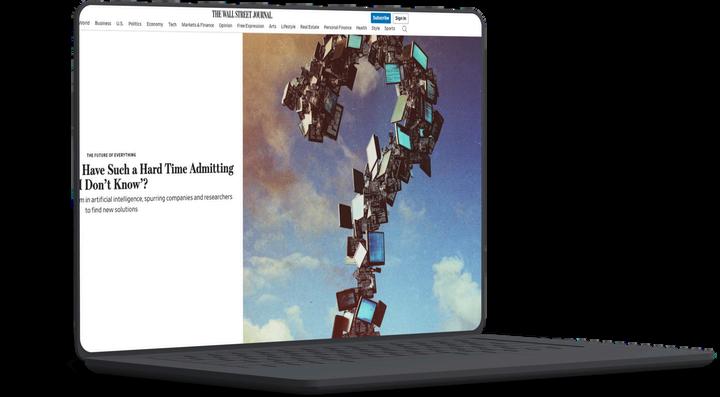
AI chatbots are designed “to express themselves with total confidence,” according to the Wall Street Journal article “Why Do AI Chatbots Have Such a Hard Time Admitting ‘I Don’t Know’?” That confidence includes things your chatbot has just made up
I’m often asked to discuss new AI tools for doing fact-checking and I tend to say that, at least for today, you’re better off just using the same method you used before the advent of generative AI Do the research yourself online and at libraries and the like
In the early days of services like ChatGPT, the chatbot would spit out an answer without any links, so the drawbacks for fact-checkers were clearer Now even the quick AI overviews on Google come with links (citations of sorts). So, what’s the problem?
Take some time to look at those links. Some confirm the fact right away Some are from verified sources Others seem only tangentially tied to the fact at hand or come from iffy places
For instance, ask Google how much sugar you can cut out of a cake recipe without affecting the texture, and its AI overview answers 10%-25% Among the several links in the answer is an article on the King Arthur Baking site (which I trust) and one from a random thread from Facebook (which I wouldn’t trust unless I personally knew the baker)
Then read the article from King Arthur, and you’ll see that it’s not as simple as saying 10%-25% for any type of cake. So, if I was using Google’s AI to factcheck a recipe’s notes in a cookbook, the 10%-25% answer wouldn’t really be enough information for me to verify the cookbook notes were correct
(For what it’s worth, Google Gemini gives a more thorough explanation than its AI overview, but it is still not enough to rely on for that specific cookbook fact-check )
In essence, that means if I used something like Claude or ChatGPT to do my fact-checking for me, I’d have to follow that up by fact-checking the chatbot. Why not cut out the intermediary and just do the fact-check yourself?
That’s not to say that AI can’t help in the process when you have a particularly sticky fact that you can’t find yourself. Here, think of AI like you do Wikipedia: It can be a good place to start, but you’re still going to have to confirm that information
I’ve been pointed by AI to information I couldn’t locate easily by myself. But, as frequently, it’s been a bust So, for me AI will never be a first choice
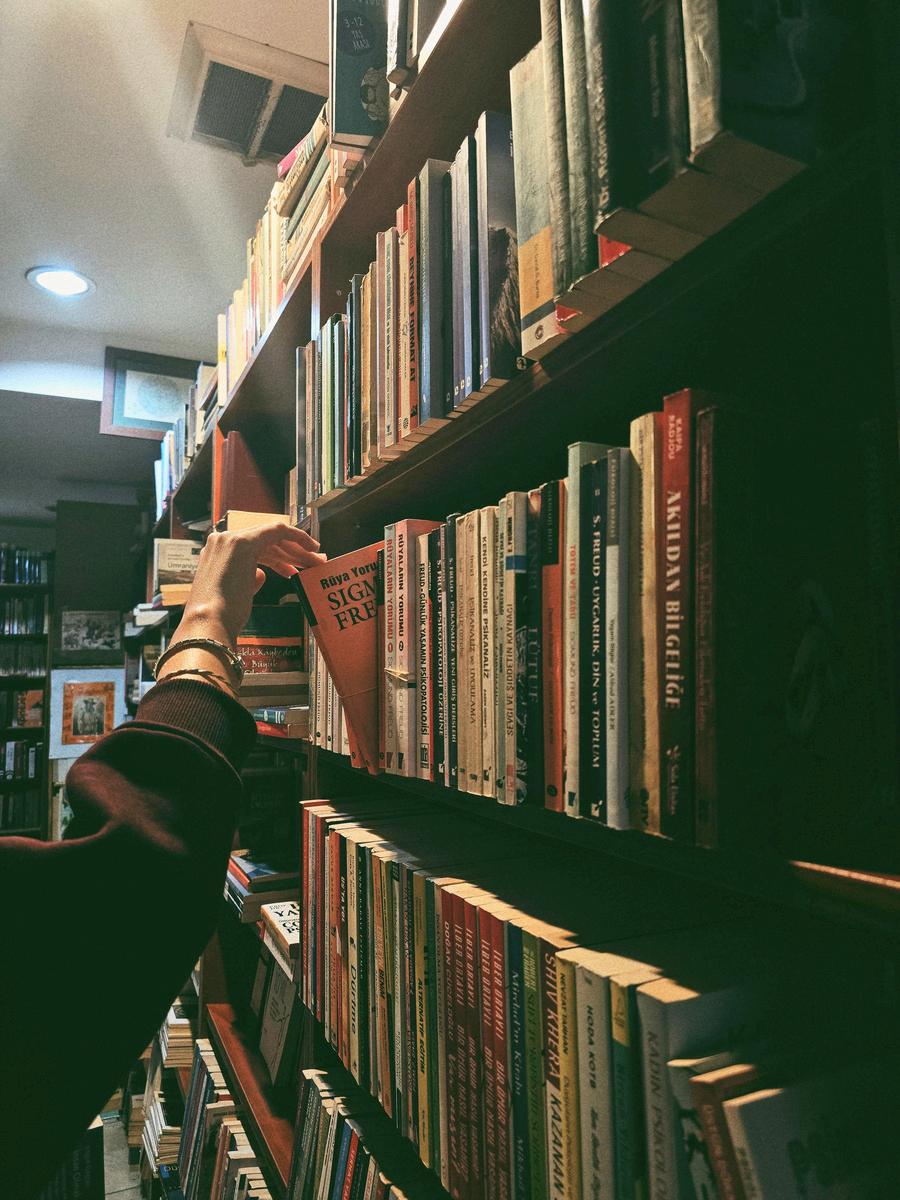
As an example, I was asked to find the name of a dean at one of the University of Kansas’ schools in the late 1960s After about 20 minutes of traditional searching, I failed to find the answer and decided to see what generative AI would do for me
The chatbot I used provided a name, but everyone I showed it to said it didn’t seem right So, I factchecked my AI source. I finally found the name by using the university’s research library, which has many of the papers of notable former employees in its archives By the way, the name provided by AI was not correct, and I didn’t save any time by using the chatbot.
When I ask Google Gemini about using generative AI for fact-checking, it lists several tools, among them Originalityai and Factiverse Live FactChecking, but then notes: “These tools are often used to augment, rather than replace, human expertise”
Gemini adds: “Human editors must retain the final decision-making role to verify that the AI has not made mistakes, particularly with nuanced or highly specialized topics.”
Here, I agree with Gemini 100%
Could this all change? Might I be preaching using all these tools in a few years?
Could be I’ve definitely warmed up to grammar checkers, although I still view every answer with a healthy dose of skepticism
AI is improving, although some experts say that because of the nature of how large language model AI works it is making predictions, after all hallucinations won’t go away.
But remember, I said early on that fact-checking sees both sides of the change coin So, expect change as an editor or fact-checker and learn to deal with it in a healthy way.
Gerri Berendzen is a copy editor with more than 30 years of experience who now teaches editing, writing, and digital media at the University of Kansas School of Journalism and Mass Communications She specializes in fact-checking and has presented sessions on fact-checking to multiple writing and journalism groups She is the 2026 ACES Glamann Award winner
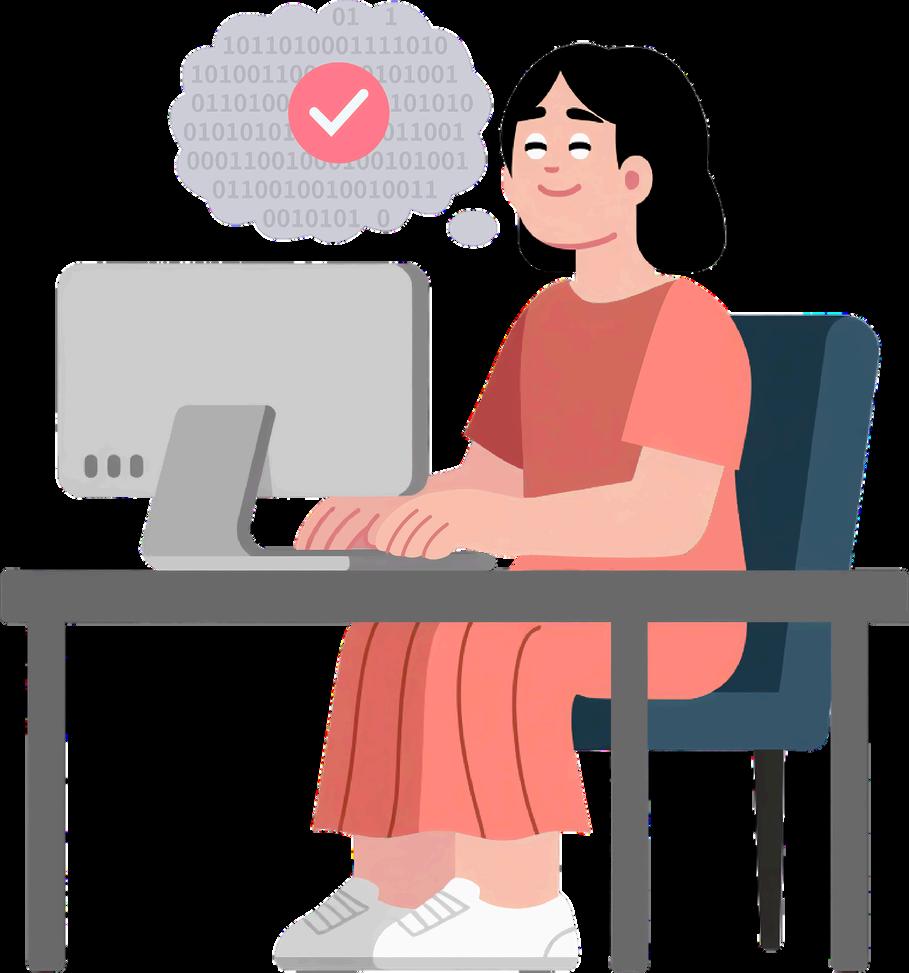
You launched your freelance editing career working in fiction You love helping authors improve their scene building, plotting, pacing, character development, imagery, narrative arc, and all the other elements that blend to shape a great story Specifically, you know the tropes what works and when something still needs work. Over the years, you’ve created a comfortable niche for yourself But you’ve hit a bit of a drought You touch base with colleagues and learn no one’s getting any new work Hmmmm
Then while you’re at lunch with a former coworker, he says, “I’ve got a friend who’s a psychiatrist He’s writing a book about psychiatry and religion, and he told me he needs an editor. I immediately thought of you Can I give him your name?”
Here’s the chance to make a jump change it up and do something a little different. The territory’s not completely uncharted, but there’s bound to be some unfamiliar turns perhaps a few bumps in the road, an upward angle to the trail
But hey, it’s a paying job.
Taking on a new genre can be disorienting, but navigating the unknowns successfully is often a matter of perspective. I interviewed two ACES editors Barbie Halaby of Monocle Editing and freelance book editor Connie Mayse about their experiences taking on new genres Twenty-five years ago, Barbie started editing in a nonfiction publishing house, then moved to freelancing Connie spent 20 years copyediting in the corporate world After retiring in 2023, she began her freelance work.
What compelled you to try editing a different genre?
But I’ll admit that I really always wanted to edit fiction as well And the appeal of working with an indie author on their fantasy story or realistic fiction was often more compelling than helping an academic fine-tune the studious work they had been doing for years
Connie: Long story short, I got an unexpected opportunity to edit one of my mom’s favorite cozy mystery authors, so I gave it a shot I was very familiar with the genre from a reader’s standpoint. I read the previous releases in the series and became familiar with the author’s voice and style
How did you prepare for this new work?
Barbie: I considered what stays the same across genres I knew that my background didn’t have actual fiction editing in it per se, but I know how to make bad writing better and good writing amazing. So part of my preparation was in selling a potential client on what I already did well and how those skills translated without any changes at all On the other hand, I evaluated the experience I had in nonfiction editing and what that meant for an author working in fiction I considered how those genre-specific skills (like editing references, ensuring rigorous scholarship, and validating sources) could actually benefit a fiction manuscript in a way that those of the average fiction-only editor would be unable to
What was most challenging when you began working in your new genre? What obstacles were there?
By Ted Olson
Before you start
- Read within the genre to understand its conventions.
- Agree on style guide and tone with the author.
- Look for connections with what you already know.
- Make incremental moves rather than dramatic jumps.
- Remember: Many editors work across genres throughout their careers.
continued on page 8
Barbie: I loved history and reading people’s stories, both personal and as they relate to larger themes and subjects
Connie: The author had never worked with an editor, so we needed to set expectations, and I had to build trust
The biggest challenge was actually challenging the author on plot points and gaps The author is, fortunately, open to such input and has incorporated many such things into the books
Barbie: The biggest challenge was convincing authors that I could work my magic on a fiction manuscript when I didn’t have a catalog of similar titles I’d edited And even when I did convince them ... I had to check my own assumptions about editing Learning which “rules” to apply and which to let go, like when a word’s sound is more important than its definition or when a comma splice is the right way to go, was a huge obstacle
What was the greatest difference between your first genre and the new one?
Barbie: Dialogue and voice Without a doubt, having to balance various voices in fiction is completely different from anything I do in nonfiction In nonfiction, you have the author’s voice (which may or may not be completely neutral) and maybe the quotations of sources In fiction, you have narrative voices and character voices, and you must balance what a narrator would know or say with what a main character would know or say, not to mention any other character’s different word choice, syntax, and dialect
Connie: In the business genre, I find some authors reluctant to accept factual or tone edits (and some hate to be told to cite their sources) In fiction/cozy mystery, most authors are eager to get things factually correct and embrace such edits.
How many genres do you work in?
What are they?
Connie: Memoir/autobiography, business (sales, HR, entrepreneurial, etc ), LGBTQ+, medical, fiction (cozy mystery), cookbook
Barbie: I currently edit academic nonfiction, trade nonfiction (like self-help), memoir, and fiction genres like fantasy, realistic fiction, and historical fiction, the last of which was probably one of the
easier transitions for me coming from a historybased background
In addition to spelling, grammar, usage, and punctuation, are there elements of editing that are common among all genres?
Barbie: Absolutely! The need for a reader to connect with the subject whether that’s a historical figure affecting global events, a population being studied anthropologically, or an imaginary divorcee looking for love in middle age is one genre-crossing aspect of editing.
What advice would you give an editor who’s considering taking on a new genre?
Connie: Read up on that type of genre if you can Don’t worry if it’s an unfamiliar genre when you break it down, it’s all words in a common language Ask the author to agree on a style guide and tone (conversational, formal, educational) and then approach the manuscript like any other
Barbie: Try to balance your path between what you know and what you don’t. Just as it’s holding you back to think there’s no way you can make such a change, it’s foolhardy to assume you can do it without planning, adjusting expectations, and learning Look for the connection points and consider making incremental adjustments to get to your ultimate goal A nonfiction business editor might move into self-help before taking on realistic fiction and then romance rather than jumping straight from the first to the last And you don’t have to make a choice between genres! Many editors spend their careers moving between genres and types of editing to fit their wants, their needs, the market, the economy, and their experience
Is it time to shake things up a bit? Perhaps taking on a new genre is a great way to inject some life your editing Develop some new skills And what better way to live than to grow Are you up for the challenge?
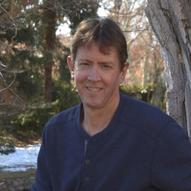
Ted Olson is the owner of Story Road, where he edits literary fiction, inspirational fiction, mystery, and memoir In 2019, he completed an MFA in creative writing from the Rainier Writing Workshop at Pacific Lutheran University, where he received the Linda Bierds and Carol Houck Smith Graduate Scholarship In 2023, he selfpublished his first novel, “Cape Wrath” His work has appeared in The Write Launch, Griffel, and Half and One. In May 2026, his short story “Eight Bridges” will be published in the Santa Barbara Literary Journal. He’s been an ACES member since 2021.
One big editing industry change in 2025 came at The Associated Press Stylebook, where Anna Jo Bratton succeeded the retiring Paula Froke, a Glamann Award winner, atop the masthead
Bratton started with the AP in 2007, first as a reporter and then in different editing roles And she attended the live ACES conference in Salt Lake City as an AP committee member and joined the September VCON as stylebook editor, her first such public appearance in the role.
Although she’d used the stylebook for years, and had been on the stylebook advisory committee, Bratton said in a pre-VCON interview and at the VCON itself that she’s been learning on the job, as stylebook entries faced review and email queries and Ask the Editor forum responses crossed her desk in torrents
“I’ve come across some examples where I have had to go back and figure out why we made the decision in the past, because there’s no one around who remembers,” she said in a September interview before the virtual conference
“You know, we want to be consistent … and this is how we’re going to be consistent, and because of our place in the news ecosystem … we want to help everybody understand the process of how style is set and be part of that.” Anna Jo Bratton
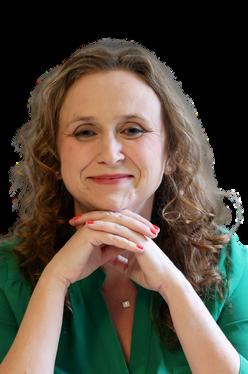
Anna Jo Bratton
By Matthew Crowley
Bratton, who leads a sixperson AP Stylebook committee, said breaking news influences the AP’s guidance, in the moment and in the ever-evolving stylebook.
“I don’t ever want to be so far away from the actual news that I can’t jump in
and edit a story or be involved in a spot conversation,” Bratton told a VCON audience “I go to all of our global news meetings here in New York. A lot of times, I’m just listening; sometimes, I’m speaking But, I think it’s important (that) if the AP Stylebook editors asked me about something, I don’t think I should go, ‘What story? What’s that?’”
Bratton said she knows eyes are on the AP, and on her, as news shifts and style gets reexamined and revised So, she said she leans on colleagues for advice. When weighing whether to call something a conflict or a war, as in the case of Iran-Israel, she could query reporters and editors who’ve spent years covering that region or international warfare or both for counsel She also goes beyond the AP for perspectives from linguists, lexicographers, and historians
Although she studies the stylebook extensively, Bratton said she’s human and doesn’t know everything in it So, like everyone else, she rereads and rechecks entries for corroboration.
“We always joke that, you know, if we were on ‘Jeopardy’ for AP style we might lose,” she said at VCON “We know how to look things up, and we know what to look up. And I am not an encyclopedia of the stylebook”
“In the preconference interview, Bratton said she wants to stay flexible as change inevitably comes
Matthew Crowley has been an ACES member since 2001 and is an honoree of the 2025 Henry Fuhrmann Mentor Award, presented by ACES and the Asian American Journalists Association’s Los Angeles chapter He was most recently hi f for PolitiFact, a Pulitzer Prize-w checking website, and a copy editor on the 2026 Almanac for American Politics
“You know, language evolves. … We need to be able to recognize when a style entry needs to be changed because language has evolved, it no longer makes sense. And we need to be able to look back and say, you know, with the understanding of history, that was the style (but now) that’s wrong; we shouldn’t do it like that at this point.”
Anna Jo Bratton

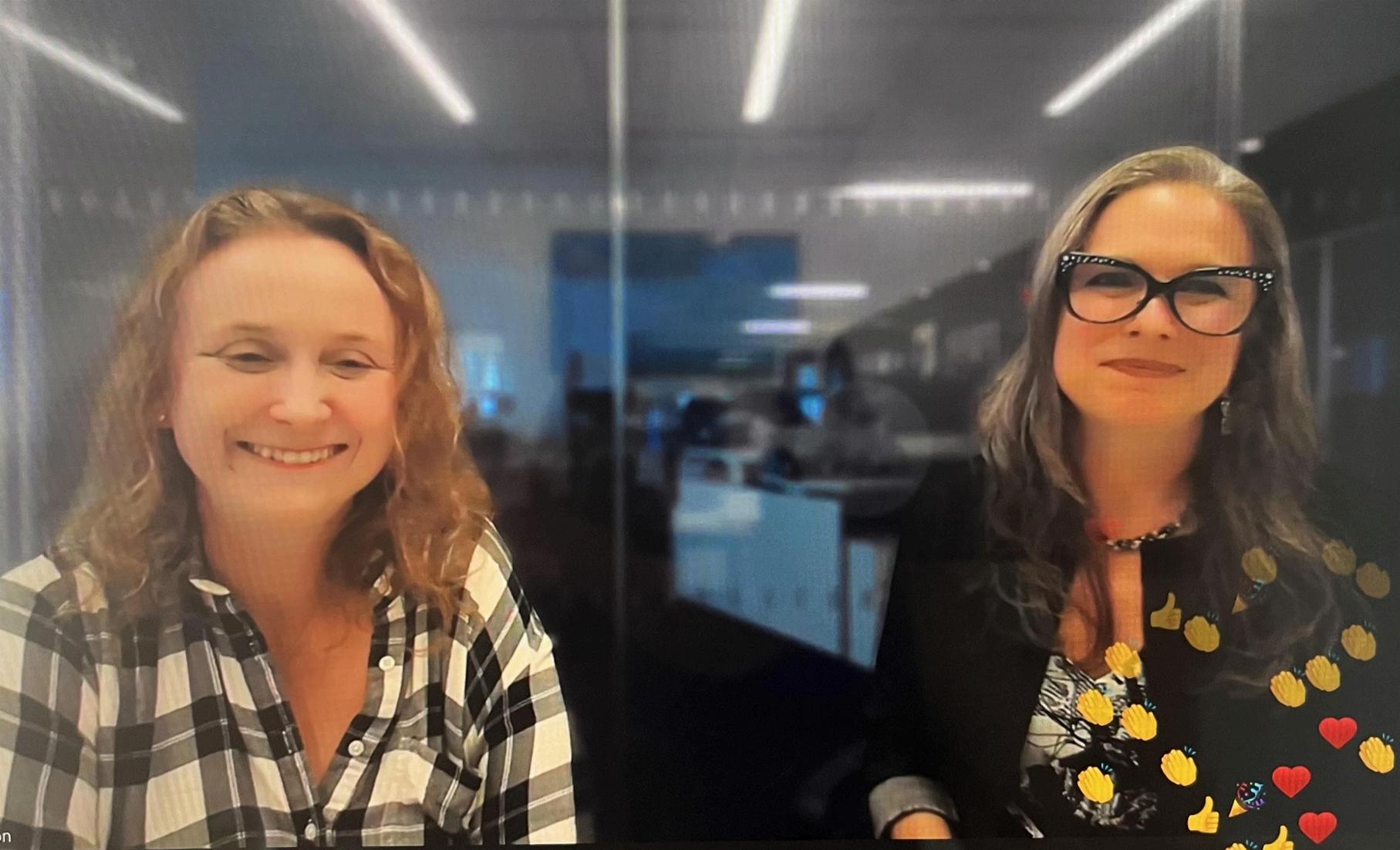
“ “ “By Anna Doré and Lorraine Delp
If AI makes you curious, cautious, or skeptical or all three you are not alone. At ACES’ Spotlight Series on AI, editors dug into what AI really means for their work
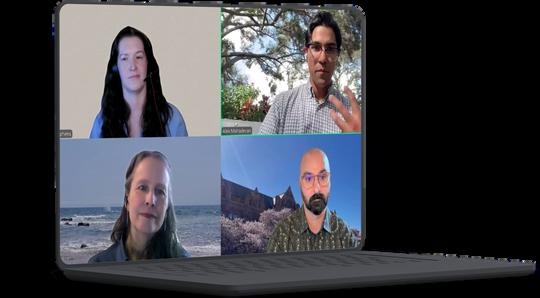
Launched in 2025, the Spotlight Series helps editors engage deeply with emerging issues shaping our profession We seek out trailblazers and experts to share their experiences and provide in-depth engagement through participant questions In three two-hour sessions, the Spotlight Series on AI guided attendees through the legal, ethical, and practical realities of using AI in editing
In Spotlight Series #1, Legal and Ethical Implications of AI in Editing, panelists contextualized how generative AI systems are built on data often scraped, aggregated, and repurposed in ways that raise serious questions about privacy, consent, and bias Editors were encouraged to think critically about the sensitive data entering AI systems and how evolving state laws and the absence of comprehensive federal regulation create real risk The takeaway: Understanding AI is not optional if editors want to protect themselves and their clients
“I’m starting to see this in more and more book contracts … that you as the author, reserve the right to not train the artificial technology. You don’t grant the publisher the right to do that.” — Joe Perry, panelist, Spotlight Series #1
“As AI tools become integrated into our workflows, it is apparent that human intervention on some level will be needed to ensure the quality of the research that’s published.” Patricia Loo, panelist, Spotlight Series #1
Spotlight Series #2, Practical Uses of AI in Editing, moved from caution to application Speakers shared real-world workflows where AI can assist with higheffort, low-creativity tasks: summarizing large document sets, organizing research, or stresstesting ideas At the same time, they emphasized its limits and inability to replace editorial judgment
“The only way we can deal with that is to understand what the AI can and cannot do well, and you can’t see those boundaries by reading about it. You really have to experience the results to see it.” DeAnna Burghart, panelist, Spotlight Series #2
“One way our team has used AI is to ask it to review headlines, summaries, or other text for biased or loaded language.” Jillian Stephens, panelist, Spotlight Series #2
Spotlight Series #3, Job Protection in the Era of AI in Editing, addressed what many editors are most concerned about: how to safeguard their careers as the tools evolve The panel explored how AI literacy, strategic experimentation, and technical buy-in can empower editors rather than displace them The discussion also touched on how to engage with AI in a more ethical and environmentally friendly way.
“The absolute best thing you can do to protect your job or business is to understand how AI tools work and know their capabilities and limitations.” Molly McCowan, panelist, Spotlight Series #3
“Align your values with the clients … and also educate them so that you help them clarify their values with regard to this new technology.” Ellen Kuwana, panelist, Spotlight Series #3
These sessions helped editors see what is really possible with artificial intelligence Intrigued?
Stay tuned for future series If there’s a topic you’d like to see featured, email us at training@aceseditorsorg
Anna Doré is a senior publishing editor at PitchBook Data Anna has been an ACES member since 2022 and has worked with the ACES Training Committee since 2024.
Lorraine Delp is an editor and content strategist with over 15 years of experience supporting business leaders and organizations She is also the owner of Side Quest Editing, where she edits speculative fiction and helps authors navigate the publishing process.
For this issue of Tracking Changes, we asked members, “What’s one change you’d like to see in the editing culture and why?” Here’s what they had to say.
Dismount the high horses! Editors have a penchant for pedantry disguised as precision Language evolves, and the profession should with it Our job is to be good stewards of communication and clarity. If we continue to confuse style (and opinion) with law, AI’s forward march will become inevitable A humble editor is an effective one, and the more grace we can extend to our colleagues and ourselves, the more cohesive we become as a community.
I’d like to see editors stop embracing AI, which is theft that relies on a huge amount of energy and produces an inferior product
I’m very lucky to work for an organization that recognizes the time and energy it takes for certain editing projects, but overall, I would like to see clients and employers recognize just how much time, energy, research, and work can go into an editing project I attended a session at the 2025 ACES conference called “The Incredible Human Editor’s (Dis)Appearing Act” by Sarah Linwick and Ivan Plis, and I still think about it We are our own best advocates, so don’t be shy! Make your efforts known, in whatever way is appropriate for you!
I’d like to see more of an emphasis on mentoring writers, especially those earlier in their careers, instead of just correcting errors as they come and calling it a day With AI changing the way many people process and engage with language, I think there’s a real risk of us losing basic expertise in grammar and syntax.