36 600
2 International conferences - Combined Reach
Total Participants (on-site & online): 600
Total YouTube Views: ~1,6K
Management of 9 EU–funded projects
3 EU–funded projects completed
Started 1 new EU-funded project
Submitted 7 proposals for participation development
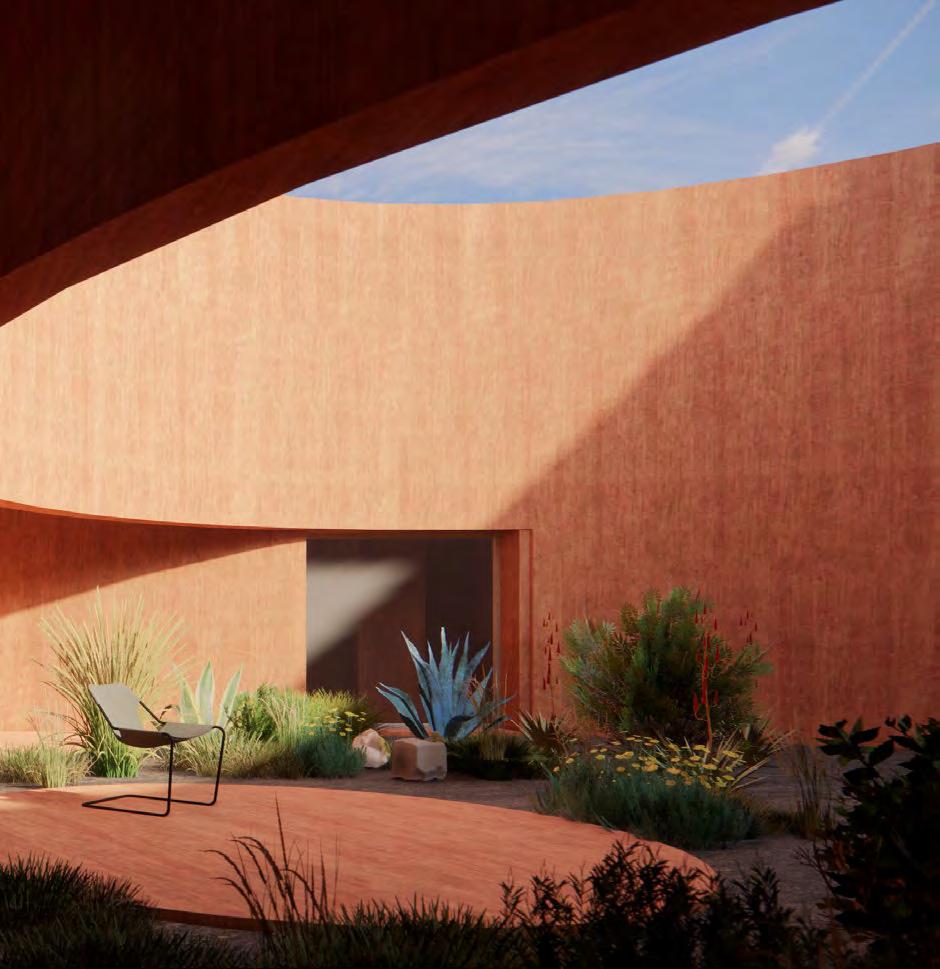
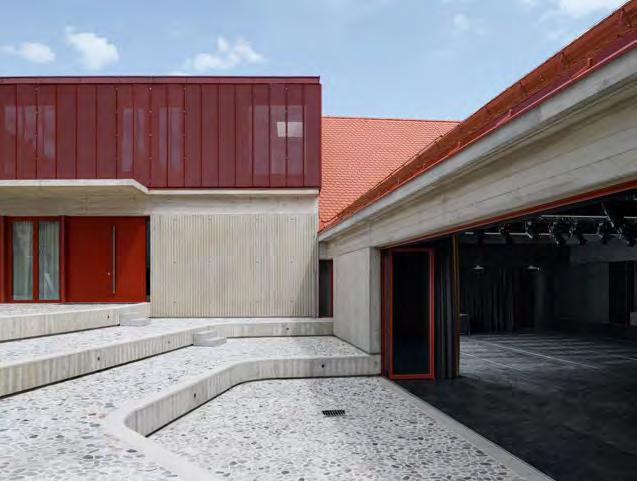
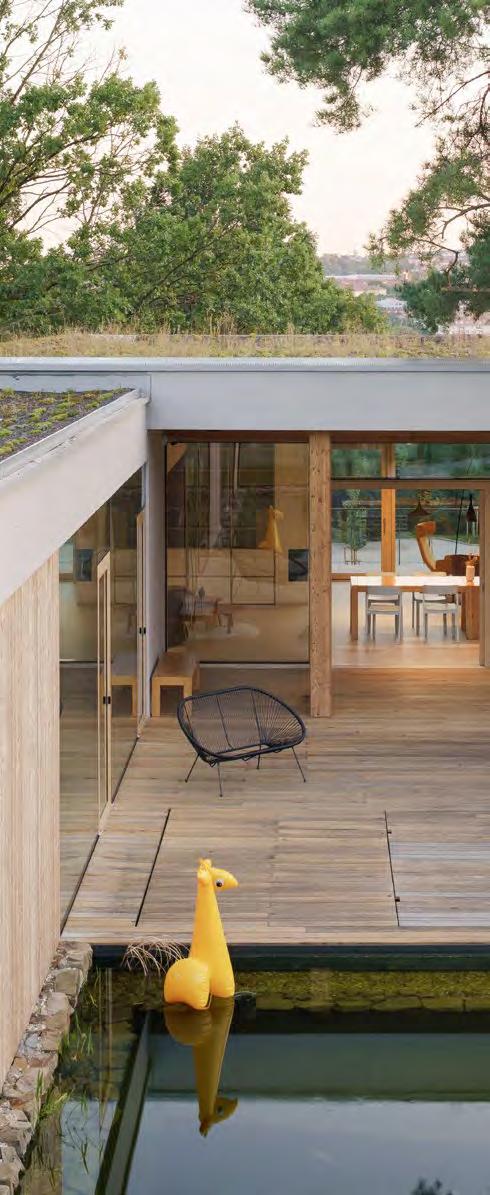
Courtyard house, Malta Architects: Ebejer Bonnici Architects
Photo: Ebejer Bonnici Architects
1 Executive Reports
President’s report
Secretary General’s report
Treasurer’s report
Executive Report
Ruth Schagemann, President (1 January –31 July 2025)
Carl Bäckstrand, President (1 August –31 December 2025)
This final annual report marks the conclusion of a mandate that coincided with one of the most turbulent periods in recent European history. Over the past years, the Architects’ Council of Europe has worked in a rapidly shifting political landscape—one shaped by geopolitical instability, economic uncertainty, technological transformation, and increasing pressure to maintain Europe’s global competitiveness. Throughout this period, architecture has emerged not as a peripheral cultural concern, but as a strategic necessity for Europe’s resilience, social cohesion, and democratic life.
1. Architecture in a Changing European Agenda
The political priorities at EU level have moved significantly. While sustainability remains essential, it is now closely interwoven with broader concerns: economic security, industrial capacity, strategic autonomy, and technological sovereignty. The new European Commission and Parliament evaluate policies increasingly through the lenses of competitiveness, speed of implementation, and resilience.
This shift has created both challenges and opportunities. ACE anticipated this development early. By strengthening our political advocacy and engaging systematically with the institutions, ACE ensured that architectural quality,
planning expertise, and the public interest remain anchored in key European files. Our contributions— whether on buildings legislation, public procurement, or housing—were not reactive interventions but strategic inputs shaping the direction of policy.
2. Tangible Achievements in EU Policy
Public Procurement
Public procurement remains one of the most powerful levers for raising quality in the built environment. ACE played a decisive role in ensuring that the European Parliament’s position recognises design quality, intellectual services, and fair access for SMEs as prerequisites for competitiveness—not obstacles to it. A key achievement was the Luxembourg Declaration, adopted jointly by architects and engineers. For the first time, both professions united behind shared principles: moving beyond the lowest-price model, ensuring quality- and innovation-oriented procedures, recognising intellectual services as a distinct domain, and creating real opportunities for SMEs. This joint voice has already influenced the ongoing reform of the EU’s procurement rules.
Housing and the European Affordable Housing Agenda
Europe faces a housing crisis that is economic, social, and environmental at once. With its Housing Position Paper, ACE brought a clear and realistic message to the EU institutions: affordability must never be achieved by lowering quality, and sustainability cannot be treated as an optional extra. ACE pushed for policies based on “conversion before demolition,” responsible densification, use of regional materials, and architectural solutions that strengthen communities. These priorities are increasingly reflected in the Commission’s work on the European Affordable Housing Plan.
Engaging with stakeholders is essential, and the Prague Declaration on “Affordable and Quality Housing for All” was adopted together with Housing Europe. The declaration is a call for action in four areas: Housing as a human right and public asset, Renovation first, Quality by design, Innovation and Digitalisation.
Energy Performance, Sustainable Construction and Resilient Cities
One of the most important policy advances this year was the adoption of the revised Energy Performance of Buildings Directive (EPBD). For the first time, Europe is moving beyond an exclusive focus on operational energy to a holistic approach incorporating life-cycle assessment, whole-life carbon, and circularity. This transition—influenced by years of ACE advocacy— marks a fundamental shift in how Europe will build for future generations. It acknowledges that buildings are not energy consumers alone, but ecosystems with long-term environmental and societal responsibilities. Climate adaptation and resilience, in a broader sense, play a key role when planning and developing cities for the future and transforming buildings through
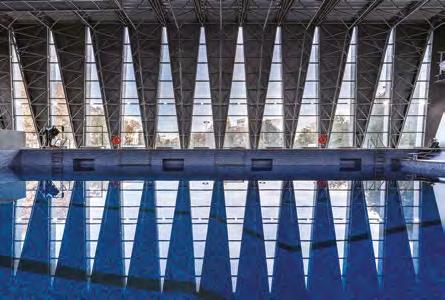
Saku Gymnasium and Sports Complex, Harju County, Estonia Architects: Ralf Lõoke, Maarja Kask, Kerstin Kivila, Ragnar Põllukivi, Margus Tamm, Helina Lass, Martin McLean (Salto AB) Photo: Tõnu Tunnel
a circular approach. When looking beyond Europe, together with organisations like the Davos Baukultur Alliance, the World Green Building Council WGBC and UN-Habitat, there is significant potential for knowledge sharing and innovation.
3. Strengthening ACE as a European Force
Beyond policy influence, ACE has evolved into a stronger, more confident organisation. We enhanced governance, clarified internal processes, and secured long-term EU project funding. Our network now includes 52 Member Organisations from 36 countries, demonstrating the relevance of our work across Europe.
Participation in our working groups and political dialogues has grown significantly. Member Organisations recognise that European legislation is not an abstract exercise in Brussels, but a framework that defines the conditions of our profession. ACE is now a respected interlocutor for the Commission and the Parliament—consulted early rather than late, shaping files rather than merely reacting to them.
This year also brought inspiring examples of national progress that symbolise a broader cultural shift in Europe:
Estonia appointed its first State Architect, signalling a new understanding of strategic spatial leadership.
Germany’s Building Type E initiated a debate on how simplification and quality can coexist without compromising safety or responsibility.
Denmark set new standards by integrating life-cycle assessment into its building permit process.
Poland placed architectural policy firmly back on the national agenda by hosting the European Conference on Architectural Policy (ECAP) under its EU Presidency—reopening a long-overdue national debate and positioning architecture as a strategic political priority.
Slovakia adopted its first National Architecture Policy.
These developments show how European cooperation strengthens innovation at national level.
4. Strategic Alliances and Cultural Leadership
Collaboration has been a defining element of the past year. The European conference “Architects + Engineers: Partnership for Resilient Design” in Luxembourg marked a milestone: for the first time, two major spatial professions sat at one table to negotiate a shared European position. This partnership reflects a broader truth—Europe can only be resilient if disciplines work across boundaries.
ACE also deepened its engagement in cultural policy. Through our contributions to the Cultural Compass and continued involvement in the New European Bauhaus, we highlighted architecture as a cultural, social, and democratic asset. This helped ensure that the built environment remains integrated in EU strategies on identity, cohesion, and community resilience.
5. Looking Ahead
Europe is entering a new political cycle that demands clarity, courage, and collaboration. ACE has laid strong foundations, but the work ahead is significant. Key priorities for the coming years include:
Embedding quality-based procurement across Europe;
Ensuring fair opportunities for SMEs;
Advancing a Planning Services Directive;
Supporting responsible digitalisation, including AI and industrialised construction;
Positioning architectural quality as a core element of Europe’s competitiveness and cultural resilience.
ACE is recognised as a trusted and strategic voice within the European policy landscape. The achievements of recent years demonstrate the impact of speaking with unity, expertise, and purpose. They also show that architecture—far from being a passive backdrop—is a driving force in shaping a resilient, democratic, and competitive Europe. This progress has been possible thanks to the strong engagement of our Member Organisations, whose expertise and commitment continue to give ACE its political relevance. Our sincere thanks also go to the Executive Board for its strategic guidance and steady collaboration, and to our Secretary General and the Secretariat for their professionalism and support in delivering our shared objectives. With a clearer voice, stronger alliances, and growing recognition at European level, ACE is well positioned for the years ahead. The challenges are significant, but the foundations are solid—and the opportunities for our profession have never been better.

2025 was my last year in ACE before retirement and was memorable for a number of reasons.
With ongoing support from DG EAC’s Creative Europe programme, ACE organised a number of events on matters of importance for both the architectural profession and the European institutions.
First, we organised a conference in Luxembourg, together with a number of engineering bodies, on Public Procurement, in readiness for the revision of the Directive in 2026. We reached agreement on four key points that have become central elements of our advocacy, namely:
__ To strengthen the internal market with public procurement rules that go beyond lowest price;
__ To provide for better recognition of the specific nature of intellectual services;
__ To ensure that procurement procedures promote outcomes that are quality-driven and innovative;
__ To improve the access of SMEs to procurement markets.
Second, we organised a conference and Practice Forum in Porto on Architecture’s Value to Society. This allowed us to begin exploring the differences in the scope of service across the EU, including differences in roles and, therefore, in responsibility, liability and compensation. Further research will allow us to develop a better understanding of the differences between national systems but also elements of commonality.
Third, towards the end of the year, we organised a conference in Prague on Affordable Housing and published a joint declaration with Housing Europe. This is a call to action to
__ Recognise housing as a Human Right and a public asset.
__ Put renovation first - from demolition to re-use and care.
__ Advocate for quality by design - Housing that enhances well-being.
__ Promote innovation and digitalisation - tools for scalable, sustainable housing.
This also provides the basis for our contributions to the European Affordable Housing Plan and the European Strategy for Housing Construction.
We also co-organised a number of events such as the Decarbonising Architecture conference in Barcelona, together with the COAC and CSCAE; the European Conference on Architectural Policies in Gdansk; and the “Architecture in the aftermath: rebuilding hope from Disasters” webinar (with UIA).
Many of our policy positions are underpinned by an evidence base obtained from the biennial Sector Study, which is probably the most comprehensive survey of the architectural profession at European level. The 2024 edition was published in February of 2025, once again with the support of the Creative Europe programme.
Following last year’s Draghi and Letta reports, the European Commission issued a Call for Evidence, inviting inputs for the preparation of its Single Market Strategy. ACE advocated for five actions to achieve an integrated Single Market namely to:
__ Improve Professional Mobility;
__ Reduce the regulatory burden;
__ Improve the provisions of the Public Procurement Directive;
__ Make better use of existing regulations;
__ And, fill a regulatory gap.
This allowed ACE to advance some of the recommendations made in its Manifesto for the European Parliament elections the previous year.
Since the publication of the Commission’s Strategy, ACE will focus on the so-called “Terrible Ten” list of
barriers, as well as the ambition to boost markets, put greater focus on SMEs, start-ups and scale-ups, achieve more simplification (less red tape) and pay attention to the enforcement agenda.
We have also been kept extraordinarily busy in responding to the Commission’s period of hyperactivity, addressing numerous Calls for Evidence and consultations on professional qualifications, public procurement, housing, EU Culture Compass, EU Agenda for Cities, EU Circular Economy Act, Construction Services Act, revision of State Aid rules as well as advocating for an ambitious and optimal implementation of the EPBD.
It has been my great privilege to serve ACE over the past 14 years. I believe I leave behind an enhanced sense of operational and strategic rigour; improved governance; greater financial stability; a skilled, dedicated and loyal team; and increased professional and political activity.
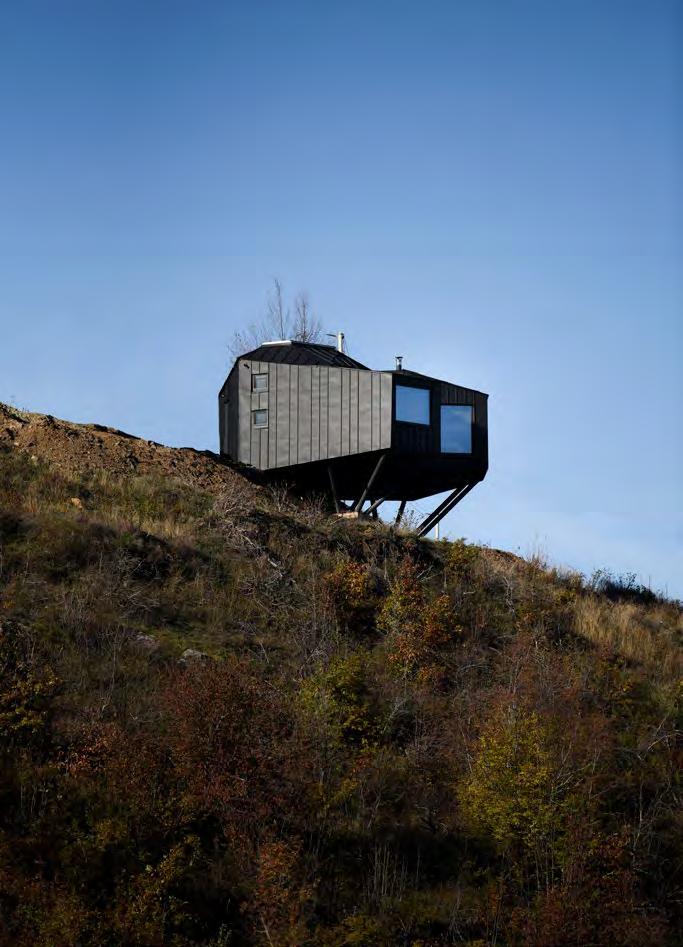
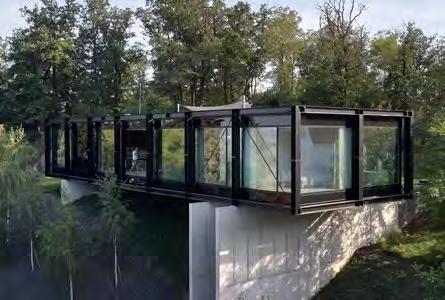
HUT SPACE, Novo Brdo, Kosovo
Architect: Visar Geci
Photo: Visar Geci
1.565.526
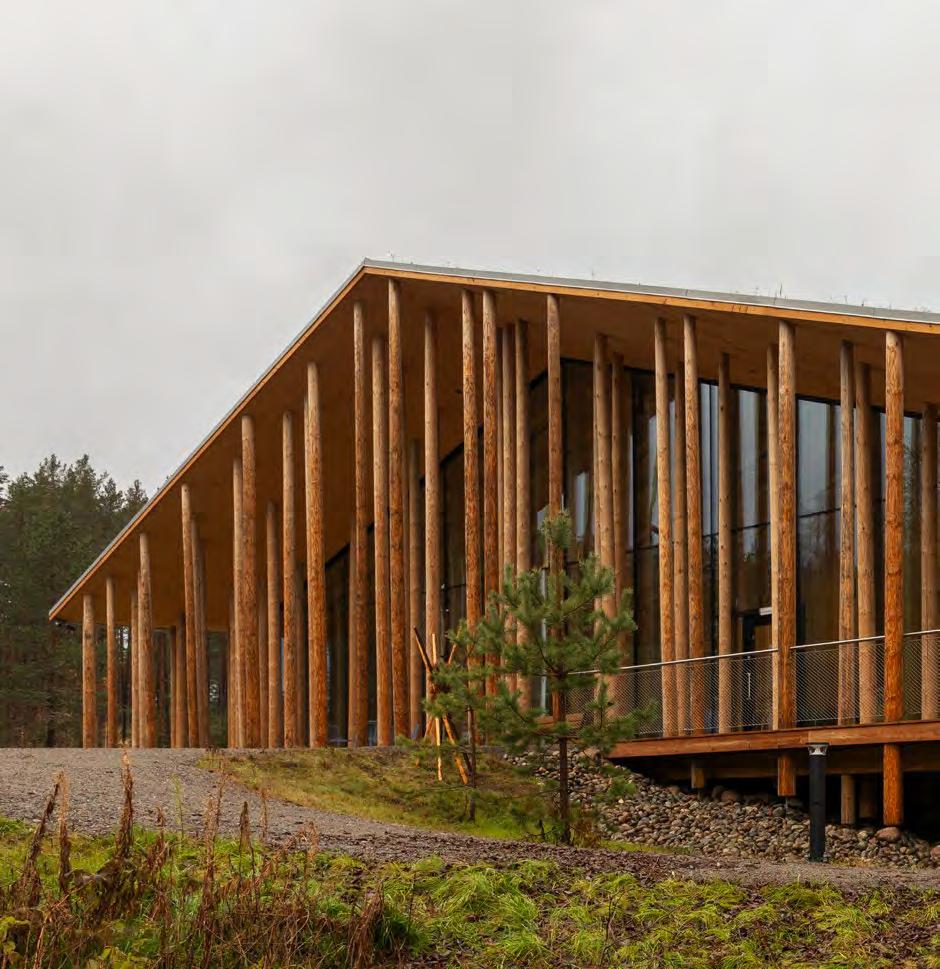
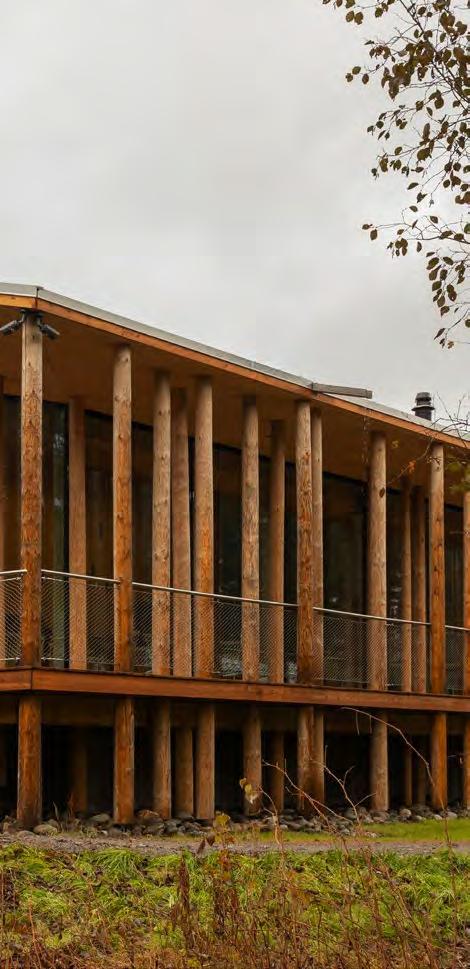
Museum of Forest Finn Culture, Svullrya, Norway
Architects: Lipinski Architects & Lasovsky Johansson Architects
Photo: Anne Bråtveit
2 Professional Issues
Access to the Profession
Practice of the Profession
High Quality Architecture & Built Environment (Baukultur)
Research & Development
Think Tank & Strategic Development
Carla Lima Vieira, Coordinator
In 2025, Area 1 focused on advancing the ACE proposal for a legal instrument on the quality of planning services in the built and natural environment, finalising the Accompanying Certificate (to facilitate cross-border applications for registration), preparing a Study on Access to the Profession and consolidating sector-wide positions for balanced regulation aligned with professional mobility and with the public interest of high-quality architecture and architectural services in the Single Market.
The Area 1 Work Groups (PQD–PPE–CPD and RQI) continued to monitor key elements of the European Commission’s work programme, including the Reform Recommendations on Professional Regulation and related infringement procedures, the Regulatory Restrictiveness
Indicator, the Proposal for a Directive on Traineeships, the application of the Proportionality Test Directive as well as ongoing developments linked to the review of the Professional Qualifications Directive.
Special attention was given to the Commission’s Communication on a Single Market Strategy aimed at reducing barriers. Within this framework, six of the socalled “Terrible Ten” barriers were identified as having potential implications for the architectural profession. ACE is actively monitoring the initiatives proposed to address these issues, responding to pressures for deregulation and consistently advocating for the societal value of architecture and architectural services.
PROFESSIONAL MOBILITY
Accompanying Certificate
By way of voluntary convergence, ENACA and the PQD Work Group developed this digital tool designed to assist Competent Authorities in confirming whether the qualifications of migrants are listed in the Directive. The purpose of such a common form is to reduce user error and make it easier for the host authority to determine whether the applicant should be given automatic recognition, be dealt with under the General System or national law. The tool complements the Commission’s initiative intended to assist the portability of credentials by facilitating recognition and accelerating registration.
Study on Access to the Profession
As part of the Creative Europe programme, ACE is launching a study on the regulatory frameworks governing access to the architectural profession across the EU Member States, Switzerland, Norway, UK, Kosovo, the Republic of North Macedonia, Moldova, Montenegro, Serbia and Ukraine. The study will document national differences, identify best practices, and support greater convergence and mutual recognition. It will also map approaches to Continuing Professional Development (CPD), recognising its essential role in maintaining competence while avoiding barriers to mobility. A third component will analyse procedures for recognising third-country qualifications. The study will be conducted in 2026 by external researchers using a survey for Member Organisations.
REGULATION & QUALITY OF SERVICES AND ARCHITECTURE
Proposal for a legislative instrument on the Quality of Professional Services in the Built and Natural Environment
ACE’s proposal for a legislative instrument on the “Quality of Planning Services in the Built and Natural Environment” seeks to fill a long-standing regulatory gap in the Single Market by ensuring that services with major public-interest implications — including safety, environmental performance, digitalisation and cultural heritage — are delivered by qualified
professionals. Throughout the year, ACE worked closely with key partner organisations — ECCE, ECEC, ECIA, ECTP-CEU, EFCA and IFLA Europe — to secure shared principles and sector alignment. The rationale and scope of this proposal have been refined to reflect a multidisciplinary approach, covering the full ecosystem of planning services in the built and natural environment. Preparations are underway to transition into targeted advocacy with the European Commission.
Call for Evidence for the Single Market Strategy 2025
ACE contributed to the European Commission’s work on strengthening the Single Market for services, highlighting five priority actions to support both professional mobility and the quality of the built and natural environment. ACE advocated for optimising the operation of the Professional Qualifications Directive by using a standardised Accompanying Certificate, resolving issues related to Mixed Qualifications and aligning EU architectural education with international standards. We recommended reducing unnecessary regulatory burdens by relying on existing provisions e.g., rescinding the Proportionality Test Directive and using the OECD-STRI (Services Trade Restrictiveness Index) instead of the COM’s RRI (Regulatory Restrictiveness Indicator); improving the Public Procurement Directive by favouring qualitybased selection and better access for SMEs; and better application of existing legislation. All were highlighted as crucial for a strong Single Market. Finally, ACE reiterated the need to address a regulatory gap regarding planning services, supporting qualified professional involvement where services have clear public-interest implications in our built and natural environment.
Call for Evidence for an Impact Assessment on a Construction Services Act
The future Construction Services Act is a direct followup on the Single Market Strategy 2025, aimed at reducing barriers to cross-border service provision and strengthening the Single Market. ACE used this consultation as a strategic opportunity to advance its proposal for a legislative instrument on quality of planning services in the built and natural environment, highlighting the current regulatory gap affecting planning services. While improved cross-border trade in construction services is welcome, the quality, safety and sustainability of the built environment depend fundamentally on qualified planning professionals
operating under clear, regulated standards. Complex planning services, such as architectural services, cannot be deregulated without putting at risk consumer protection, climate objectives and the public interest. ACE will continue advocating for a complementary EU instrument ensuring that these planning services — with high technical, environmental and cultural relevance — are delivered by competent, accountable professionals.
Thoravej 29, København NV, Copenhagen, Denmark Architects: pihlmann architects
Photo: Hampus Berndtson
Diego Zoppi, Coordinator
Globalisation of the Economy
If it is true that the dynamics of the profession must be aligned with general social and economic dynamics, we must consider that the globalising dynamics of the world economy have accelerated, which, combined with the changing geopolitical landscape, has profoundly altered our European horizon and, with it, the certainties that have accompanied us in recent decades.
We have discovered that what was anticipated in recent years as a possible scenario has suddenly become reality. The European economy faces fierce competitors (US, China and other members of the BRICS), which force us to accelerate our efforts to maintain (or rather, regain) the currently weakened competitiveness. Architects are a professional category embedded in an important production chain and must therefore question their role in this changing landscape and the evolution of their activities, services, and social mission.
Europe’s Weakness
The EU’s market is smaller than that of the US or China, and is fragmented in 27 different states, with different languages, laws, and rules. The EU Single Market is therefore structurally weaker, and consequently, the economy and social conditions are negatively impacted by this situation. Europe's weakness is also accentuated by technological and digital innovation in various economic sectors that is not keeping pace with innovation of other economies.
Need to Strengthen the Single Market
As a result of these conditions, there is a strong need to strengthen the EU Single Market. Mario Draghi and Enrico Letta have presented their reports, which, among other things, assign an important role to the public procurement system. It should serve as a catalyst for innovation and digitaliation for the entire economy. The size of companies is also an important factor: the European economic DNA is composed of many SMEs that can be more flexible and innovative than large corporations and, in the field of services, guarantee a variety of offerings and greater
competition than occurs among large companies. Essentially, the Single Market can be strengthened if a process of homogenization of national regulatory systems is consolidated and a consequent simplification of the global European regulatory system is achieved. Therefore, the upcoming Directives will be crucial for implementing the competitiveness, simplification, and innovation of the EU economy.
Centrality of the Construction Sector
The construction sector in Europe is one of the most important sectors of the economy: it generates €1.207 billion, is the leading producer of waste (therefore it must be innovated), and employs 14 million people, 12% of whom are professionals.
65% of European GDP is generated by the services sector, 75% of European workers work in the services sector, and this percentage is growing in Europe.
Centrality of the Public Procurement System and the New Directive
14% of European GDP derives from the public procurement system. Therefore, from the above, the importance of the upcoming Public Procurement Directive and the impact on architect’s professional services and the construction industry is clear. In 2026, after several years of preparation to which ACE contributed directly, the new Directive will be finalised and will define the new framework for the sector.
__ The Profession of the Architect and its Evolution
The profession of architecture is evolving as important factors are shifting its scope. New environmental and social sensitivities have shifted the professional practice to the entire life cycle of buildings, which must be designed not only for construction, but also for operation and dismantling at the end of their lifespan. Furthermore, they have driven design towards higher quality standards by introducing many more parameters than previously possible.
Digitisation and the widespread use of BIM and AI have introduced new tools that allow the management of the increased number of parameters, also contributing to the evolution of the architectural profession.
__ The Need to Combine NEB Principles with the New Regulatory Framework
However, the primary focus of the architect's work remains the social function linked to the quality of life of the people who use the spaces they design. Therefore, it is important that the new regulatory systems emerging on the horizon be influenced by what European culture has defined in recent decades, such as baukultur, the New European Bauhaus, and the many architectural laws enacted by some European states.
__ ACE’s Activities and Political Position on Procurement
ACE has been intensely active in supporting this process, and Area 2 and all its work groups have also worked in this direction. As an example, we mention
paragraphs from a recent document (September 2025) that explored the issues contained in the Luxembourg Declaration and, regarding the proposals for the new Public Procurement Directive, proposes and describes:
__ Statement of the ACE on the Revision of the Public Procurement Directive
__ Clarification, Simplification, and Digitalisation of the Process
__ SME-Friendly Procurement
__ Quality Selection Criteria
__ Green Public Procurement
Architect and Design Contests (ADC)
Professionalisation
Improvement of procurement practices
__ Conclusion – A Dedicated Chapter for Intellectual Services
The Problem of Diversity of National Regulatory Frameworks
ACE hopes that the European institutions will be able to define a common European regulatory system consistent with the principles described above and that it will guide the way towards increasingly consistent and homogeneous common ground at the national level. The diversity of rules and laws between countries is one of the main obstacles to the transnational nature of architectural services, a situation that particularly affects SMEs and young businesses.
The Problem of Regulatory Differences in the Profession and the Services it Provides
The architectural profession itself is governed by national laws and regulations with a long history, differing from country to country. Likewise, the rules defining architectural services and scopes of work differ, with different definitions, responsibilities, and guarantees. It will be useful soon to work towards creating the basis for common definitions at a European level, using the quality-based principles of services and their regulation as a common factor.
AREA 2 ACTIVITIES
In recent years and for the foreseeable future, Area 2 has focused on coordinating the various work groups to guide the profession toward the new structure described above, so that architects can contribute to strengthening the Single Market and capitalize on its potential.
Public Procurement & Architectural Design Competitions Work Group - PP ADC WG
(Chair: Katarina O'Cofaigh | Vice Chair: Kathrin Rapp)
The group's activity has been to monitor documents related to the new Public Procurement Directive (PPD) and to promote the necessary documents to convey the architectural community's concerns to the European Commission General-Directorates working on the PPD. The guiding principles are those listed in the Luxembourg Declaration, namely:
1. Strengthen the internal market with overarching public procurement rules beyond lowest price (improving the Most Economic Advantageous Tender (MEAT) System);
2. Better recognition of the specific nature of intellectual services (a specific Chapter for Professional Services is required);
3. Ensure quality- and innovation-oriented procurement procedures (main tool: ADC);
4. Improve access to procurement for SMEs and new entrants (the creation of specific Tender Areas for SME is requested).
Also, the collaboration between the WG and ARCH-E platform will be an interesting tool to consolidate the use of ADC across Europe and to share best practices in different countries.
Innovative Business Models Task Force – IBM TF
(Chair: Sergio García-Gasco Lominchar)
With the support of the Creative Europe programme of the European Union, the Architects' Council of Europe released in November 2024 the publication “The Value
Villa Meltem, Salthamn, Gotland, Sweden Architects: m.arkitektur
Photo: Emma Jönsson Dysell
Chain of Construction: How Can Architects Occupy a Larger Role?” Architects contribute to the construction value chain in several ways, with their expertise extending well beyond design alone. This new publication, developed by this WG, outlines actionable strategies for architects across Europe to broaden their professional influence and take on expanded roles in the construction industry. It emphasises the need for architects to promote their broad-based skills to both the public and their peers. It encourages the profession to unite, reinforcing its relevance in shaping future cities that align with sustainability goals.
Digitalisation - BIM WG
(Chair: Peter Hyttel Sørensen)
Digitalisation, as mentioned, is one of the main factors of innovation in our profession, so the evolution towards the new uses of BIM, also applied to administrative procedures, represents an interesting scenario. The Work Group applied itself to:
__ Develop a white paper on ACE position on digitalisation and BIM;
__ Develop a position on how to implement ISO 19650 series;
__ Follow up on ACE/European Federation of Engineering Consultancy (EFCA)’s Position Paper to the European Commission on BIM; Participate in the further development of CEN TC 442.
Innovation in Architecture - IA WG
(Chair: Pavel Martinek)
AI and architecture promise many changes in our daily work, rendering practices we thought immutable obsolete. The project approach using new tools replaces the traditional study of plans, sections, and elevations with modelling that directly imports many parameters and cultural ingredients. The power and impact of these new tools is such that it is essential to raise awareness of their limitations and new frontiers. The WG worked on:
__ Debate, collect case studies, and best practices on how to deal with AI;
__ Prepare a detailed toolbox encompassing expert definitions of the problem, case studies, individual experiences, etc;
__ Actively monitor and contribute to public debates
Practice Committee
(Chair: Ludovica Molo)
During 2025, the foundations were laid to complement traditional activities such as Scope of Services and Insurance studies with a new analysis and research activity on the use of short supply chains for traditional construction materials, used in innovative ways. This activity, linked both to the quality of architecture and to the creation of more resilient economic ecosystems than the current one, could constitute an original contribution to strengthening the European internal market.
Architectural Economic Survey of Professional Practices Task Force - AESOP TF
(Chair: Damir Mance)
All the significant accelerations mentioned require an understanding of the economic aspects associated with the activity of architects and architectural firms. The different rules defining professional costs and fees, competition, and the effects of the Single Market (or their absence) have prompted the organization of research into this topic. The research will be based on questionnaires addressed to MOs and individual architectural firms and will be implemented during 2026 and 2027. The aim is to identify cost mechanisms associated with individual professional services, how competition impacts them positively and negatively, and how to organize a more recognizable cost/benefit framework, also connected to the need for quality-based mechanisms for compensation for the work performed.
High Quality Architecture & Built Environment (Baukultur)
Borys Czarakcziew, Coordinator
For Area 3, 2025 was a period of intense and multifaceted work, focused on the key challenges currently facing European architecture: the energy transition, the housing crisis, the protection and adaptation of cultural heritage, the resilience of the built environment, and quality of life as an overarching public value. The activities carried out under Area 3 were directly aligned with the current priorities of the EU, in particular, the implementation of the revised Energy Performance of Buildings Directive (EPBD), the development of the New European Bauhaus (NEB) and the shaping of European housing and urban policy.
An important part of the work was carried out by the Environment and Sustainable Architecture Work Group (ESA WG), which played a key role in 2025 in interpreting and disseminating the EPBD among architects. The group's work focused on linking energy objectives to architectural quality, cultural context, and the actual social and economic conditions in EU Member States. Of particular importance was the completion of the assessment of existing buildings as a starting point for a renovation policy that clearly emphasised the need to prioritise adaptation and modernisation over demolition. Through its coherent approach, the ESA WG reinforced the ACE's message that the energy transition cannot be reduced to technical issues alone, but must be an integral part of the quality of life and the culture of the built environment. I would like to express my special thanks to Co-Chairs, Judit Kimplian and Greta Tresserra, for their substantive leadership and continuity of work.
At the same time, the Urban and Housing Transformation Work Group (UHT WG) has been heavily involved in the European debate on housing affordability and the quality of the urban environment. In 2025, the group played an important role in developing the ACE's position on new European Commission initiatives in the field of
housing, including the preparation of a letter to the Commissioner for Housing, Dan Jørgensen, responses to European Commission stakeholder consultations and a position paper on off-site construction. This work clearly emphasised that the pace and scale of housing production must not come at the expense of architectural, urban and social quality. The contribution of the UHT WG confirmed that architecture is a key tool for integrating housing policy with climate, social and cultural objectives. I would like to express my special thanks to Eugen Panescu and Corinne GirardYoung for their commitment and consistent leadership of this work group.
The year 2025 also saw significant results from the Heritage Work Group (Heritage WG), which continued to develop an approach that treats heritage as an active resource rather than just an object of protection. The report on heritage and the work on integrating heritage into the NEB clearly showed that the adaptation of existing buildings is one of the key tools for achieving climate, social and cultural objectives. Particular attention was paid to modernist and postwar heritage and its role in shaping the identity of European cities. I would like to thank Stefano Musso and Wacław Szrejko for their professionalism, sensitivity to conservation issues and ability to foster dialogue between the fields of heritage protection and contemporary architectural practice.
The work of the Disaster Relief Task Force (Disaster TF) was also particularly important in 2025, as its work became increasingly relevant in the context of growing climate crises, armed conflicts, and natural disasters. The Task Force’s report created a coherent framework for the role of architects in prevention, crisis response and reconstruction, with a particular focus on quality, sustainability and cultural sensitivity. These activities clearly strengthened the ACE's position as an organisation capable of formulating responsible and long-term recommendations on the resilience of the built environment. In this context, I would like to thank Roberto Rocchi for leading the task force and giving it a strong European dimension.
In 2025, the "QL&A – Quality of Life + Architecture" project was brought to completion, edited to commemorate the 35th anniversary of ACE. This publication provides a synthetic summary of the ACE's many years of reflection on the role of architecture as a common good, a public policy tool, and a foundation for quality of life in Europe. The QL&A combines social, environmental, cultural and professional themes, presenting architecture as a discipline capable of integrating diverse policies and values into a coherent vision of the future. This project would not have been possible without the support of the entire ACE Council (in particular, Anda Kursisa and Ruth Schagemann) and the ACE Office (in particular, Julie Deutschmann and Ian Pritchard), to whom I extend my special thanks for their cooperation, trust and commitment at every stage of the work.
The year 2025 was also the last year of my mission as a member of the ACE Executive Board and Coordinator of Area 3. As I conclude this phase, I would like to express my deep gratitude to all the Work Group and Task Force chairs, members, the ACE Council and the Secretariat for their collaboration, dialogue and responsibility in shaping the role of architecture in Europe. I wish the new Executive Board of the ACE good luck, courage and consistency in further strengthening the position of architecture as a key element of European public policy and the quality of life of present and future generations.
The Working Group is currently preparing ACE's position on housing as a result of the work of all Thematic Areas.
In November 2024, the ACE co-signed a letter with the European Housing Forum calling for the re-establishment of the URBAN Intergroup in the European Parliament. The URBAN Intergroup, established in 2005, has been successfully working to ensure that urban-related challenges, including housing, are adequately reflected in the European Parliament’s decisions and has provided a trusted platform for discussing housing matters in the European Parliament.
“Quality
of Life + Architecture 2025” – Presentation by
Anda Kursiša
The year 2025 marks the 35th anniversary of the ACE. To commemorate this milestone, ACE prepared "Quality of Life + Architecture 2025", an updated strategic study building on the legacy of the 1994 "Europe and Architecture Tomorrow" White Paper and the 2005 "Architecture and Quality of Life" policy book. The new document responds to pressing contemporary challenges: climate change, digital transformation, demographic shifts, social inequality, and the evolving role of architecture as a public policy instrument.
Authors: Boryslaw Czarakcziew and Anda Kursiša, with the support of former ACE President Ruth Schagemann and the Executive Board.
The publication is divided in three thematic blocsSociety, Environment and Profession – and includes nine chapters for practical use by architects’ associations, explainning ACE’s goals and vision for policymakers and the wider public, referencing all recent documents and policies.
Architecture as a Public Good
The publication emphasises that architecture is not merely the design of buildings, but a social, cultural, and political driver of transformation. ACE positions architecture as a common good, combining culture, memory, care, and innovation. Facing climate crises and societal inequality, Europe needs architectural policies that integrate spatial quality with health, housing, education, and sustainability.
Transforming Social Space
European cities are confronting housing shortages, digitalisation, migration, and rising inequality. The report calls for resilient, inclusive, and democratic urban environments shaped through citizen participation, long-term planning, and the integration of heritage into development strategies. Architecture becomes a tool for social cohesion, not merely construction.
Technology, Adaptation and Well-being
The study highlights the growing role of AI, BIM, IoT, and data-driven processes in creating adaptable, health-promoting, and inclusive spaces. Technology must enhance—not replace—human responsibility, empathy, and design judgment. The New European Bauhaus, interdisciplinary collaboration and lessons from the pandemic underscore the value of flexible, green, and socially responsive environments.
Procurement, Value and Professional Conditions
ACE warns that the architectural profession is being devalued by procurement systems focused on lowest price. The report advocates reforms based on quality, innovation and sustainability, simplified procedures, and better recognition of intellectual services. The Luxembourg Declaration (2025) reinforces
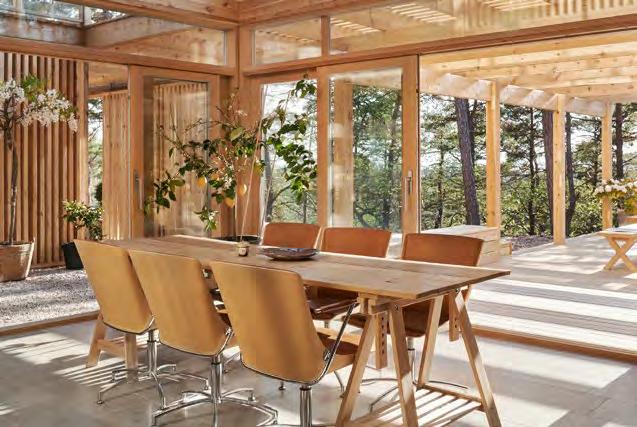
Unser Gartenhaus - House Without Cement, Munich, Germany Architects: Florian Nagler Architekten Photo: Markus Lanz and Sebastian Schels, PK Odessa
architectural competitions as a democratic mechanism for selecting high-quality projects. Support for SMEs and fair remuneration are essential for maintaining Europe’s building culture.
Climate-Responsible Architecture
Central to the study is a framework grounded in climate resilience, circularity, social integration, lowcarbon innovation, and heritage protection. Renovation of existing buildings becomes a priority, aligned with EU directives such as the EPBD which covers, inter alia: zero-emission buildings, renovation passports, digital building logbooks. Architecture must align climate goals with cultural identity and public health.
Housing and Urban Quality
Future cities must combine density, accessibility, green systems, and social diversity. The report urges coherence between the Green Deal, the Renovation Wave and EU housing strategies, emphasising affordability and participation. Architecture should safeguard identity while promoting resilience and inclusion.
Heritage as a Living Resource
Drawing on the Krakow Declaration (2024), ACE highlights seven principles: renovation over demolition, education, blending traditional and modern knowledge, quality, participation, knowledge exchange, and adaptive management. Heritage is reframed as a foundation of sustainability and identity.
Education, Ethics and Professional Development
The modern architect is a designer, mediator, and societal advisor. The publication underscores harmonised EU education, lifelong learning (LLL, CPD) and ethical digitalisation. Architecture remains a profession of public trust requiring institutional support, fair working conditions, and a renewed model of practice.
"Quality of Life + Architecture" is a manifesto for strengthening the role of architecture as a public policy tool. ACE calls for:
__ Stronger architectural influence in decisionmaking;
__ Procurement reform towards quality;
Sustained investment in education, research, and professional conditions;
__ And, recognition of architecture’s role in democracy, identity, and ecological transformation.
As ACE President Ruth Schagemann states: “Architecture is not a luxury, but a prerequisite for a dignified life.”
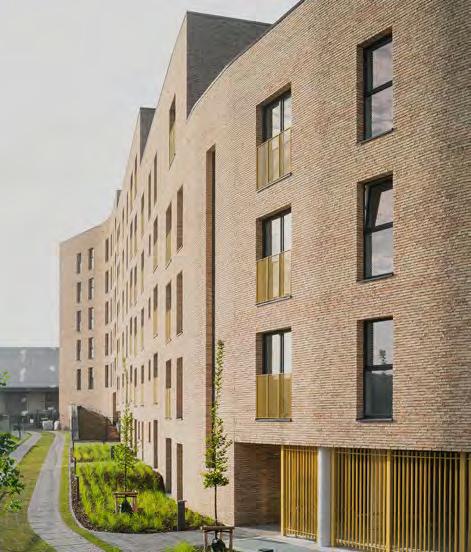
Revitalisation of Old Glassworks and surrounding urban areas in old town of Ptuj, Slovenia
Architects: ELEMENTARNA
Photo: Miran Kambič
With contributions from: Selma Harrington (EUfunded Projects WG Chair), Jacques Timmermann (New European Bauhaus WG Chair), Ruta Leitanaite (Solidarity with Ukraine Task Force Chair), Pierre Obajtek (ACE Senior Policy Officer) and Larissa De Rosso (ACE EU funding and Projects Manager)
Area 4 (Research and Development) of ACE is dedicated to strengthening the role of research, innovation and evidence-based practice in shaping a high-quality built environment across Europe. Its overarching aims are to advance architectural knowledge, support the integration of design-led research into EU policy frameworks and expand opportunities for architects to participate in European collaborative projects. Area 4 also works to reinforce links between practice, education and policy, ensuring that architectural expertise contributes meaningfully to societal, environmental and technological transitions.
The year 2025 marked a major milestone: the 20th anniversary of ACE’s participation in EU-funded projects. To commemorate this achievement, ACE published "Building on Knowledge", a special anniversary publication mapping two decades of engagement, partnerships and accumulated expertise. The publication presents the full list of ACE projects since 2005 and includes reflective contributions from Ruth Schagemann, Dubravko Bačić, Selma Harrington and Larissa De Rosso. It illustrates the evolution of ACE’s project-based work – from early thematic collaborations to today’s broad portfolio addressing decarbonisation, digitalisation, social value, circularity and design excellence. This anniversary year also provided an opportunity to reaffirm the strategic importance of European research and innovation for architectural quality and for the profession’s future development.
New European Bauhaus Work Group
ACE has been a long-standing and active supporter of the New European Bauhaus (NEB), recognising its transformative potential for a sustainable, inclusive and beautiful built environment. In 2025, the NEB Work Group focused primarily on the ACE response to the European Commission’s Call for Evidence on the future of the NEB initiative. ACE welcomed the Commission’s alignment of challenges and endorsed the actions outlined for the forthcoming NEB Communication and Council Recommendations published at the end of the year. The response strongly reiterated that NEB values must be embedded at the heart of all public policies influencing the built and non-built environment if Europe is to achieve meaningful transformational impact.
A central point emphasised by ACE was the need for high-quality public procurement. Implementing NEB principles in the construction sector requires procurement frameworks that support excellence, innovation and design-quality outcomes. For this reason, ACE stressed the importance of ensuring that NEB values and methods inform the upcoming revision of the Public Procurement Directive. The Work Group also contributed to the codevelopment of a NEB Lab on Housing, which successfully passed a pitching session with the NEB community in December. The Lab officially began its activities, with first results scheduled for presentation at the next NEB Festival in June 2026.
Throughout the year, ACE continued to promote the NEB to the architectural community by sharing updates, funding opportunities and policy developments, ensuring that NEB values were fully reflected across ACE’s own policy positions. In 2025, ACE also signed a Memorandum of Understanding with the Fondation Braillard Architectes, laying the groundwork for continued collaboration on methodologies for urban foresight and long-term spatial visions.
EU-funded Projects Work Group
A major highlight of 2025 was the adoption of the ACE Policy Statement on Research & Innovation, formally approved at the General Assembly in Luxembourg (May 2025). This Statement is the result of an extensive internal consultation process carried out over several years, including major contributions from the 2020–21 Executive Board Task Force led by Selma Harrington (Ireland), Pavel Martinek (Czechia) and Eugen Panescu (Romania). Their work led, in 2022, to the creation of Area 4 – Research and Development and to the establishment of a dedicated EU Projects Work Group, aimed at improving peer review, decision-making and strategic alignment within ACE’s project engagements.
The Policy Statement provides a clear framework for ACE’s future participation in EU proposals and projects. Its central objective is to empower Member Organisations and architects from both practice and academia to build skills, knowledge and capacity to engage in EU-funded research and innovation.
It highlights the importance of European collaboration, knowledge exchange and "brain mobility" as essential drivers of professional and societal progress.
The Statement also defines research as an in-depth study aimed at improving knowledge and practice in architecture, reasserting the role of design as a fundamental mode of thinking and knowledge production. It clarifies the distinctions between research and innovation and situates ACE’s engagement within the broader EU legislative and policy landscape. It acknowledges the importance of cross-disciplinarity, cultural values, environmental performance and the need to support the highest standards in education and practice.
Internally, the Statement recognises ACE’s responsibility to develop the capacity and resources needed to engage effectively in research and innovation for the benefit of its stakeholders. The document is underpinned by a comprehensive review of 20 years of ACE project participation, mapping the breadth of topics and partnerships developed since 2005.
EU-funded Projects
In 2025, ACE was active across nine EU-funded projects. Three concluded during the year (Cultural-e, NEBULA and ACCORD) and one new initiative, BUSUnited, was launched in September. BUSUnited will build a Community of Practitioners for professional upskilling aligned with the BUILD UP Skills initiative, offering synergies with ACE’s CPD Work Group and Area 1 activities.
Completed projects delivered key outputs, including: 22 ACCORD training materials on BIM-based permitting and compliance-checking
__ The ACCORD Education Starter Pack in seven languages
ACCORD Policy Recommendations on BIM-based building permits
__ Two Cultural-e webinars and the development of Plus Energy Buildings Design Guidelines
__ A Position Paper supporting policies for Plus Energy Buildings
__ A network of 20 NEB Advisors created under NEBULA
ACE received 11 invitations to join new project proposals in 2025: three were declined, four applications were unsuccessful and four are still awaiting evaluation. ACE was also invited to join three proposals as an associated partner (one declined, two accepted pending results). In addition, ACE issued three newsletters.
Solidarity with Ukraine Task Force
In 2025, the ACE Solidarity with Ukraine Task Force continued its engagement with the U-RE-HERIT project, supporting the sustainable recovery and holistic regeneration of Ukrainian cultural heritage. A key strand of work focused on the holistic renovation of Soviet-era modernist housing, through expert-led research developing methodologies and recommendations that integrate heritage value and damage assessment, social needs, energy performance and participatory processes. These recommendations were tested and refined through pilot projects and student workshops involving 4thyear students from Kaunas University of Technology (Lithuania) and 2nd-year students from the Kharkiv School of Architecture (Ukraine), whose proposals translated the shared framework into concrete architectural strategies and were presented at the Lviv Urban Forum in June 2025.
In parallel, the project advanced comparative legal and methodological research on heritage assessment, delivered educational programmes on critical reconstruction and implemented CPD activities, while engaging local communities through workshops and urban hackathons. The Task Force also supported work on architectural design competitions and contributed to consolidating guidance on materials, technologies and interdisciplinary collaboration for post-war reconstruction. Project results were disseminated at the 3rd U-RE-HERIT Conference in Vilnius on 11 April 2025, with preparations underway for the final conference planned for March 2026.
Communication
and Capacity-building
Three issues of the "ACE Key to EU Funding Opportunities" newsletter were published, supporting innovation and encouraging architectural practices to engage with European research programmes. ACE also underwent a team transition, bidding farewell to colleague Swapna Saha and welcoming Karina Hidalgo as Junior Project Officer.
2026 Key Events
ACE will organise and participate in major final conferences and events of ARCH-E, ARV, CiD, HeriTACE, Cultural-e and SONATA, and will continue its contributions to ECTP and ECCREDI, helping shape the Strategic Innovation and Research Agenda for the construction and built-environment sector. ACE will also continue as an associated partner in NONA, U-RE-HERIT, Caring Nature and Circular Building Convert, with the first three completing in 2026.
ACE R&D, New European Bauhaus Working Group (NEB WG)
ACE has been an early supporter of the NEB and remains committed to contributing to its further development. In 2025, the NEB Work Group developed the ACE response to the Commission’s Call for Evidence regarding the future of the NEB initiative.
ACE concurs with the challenges identified by the Commission and very much welcomes the actions outlined for the next Communication and Council recommendations (- published end of 2025). The ACE underlines that, if one really wants to transform our built environment, NEB values and principles should lie at the heart of all public policies that have an impact on the built and non-built environment. Implementing the NEB in the construction sector requires high-quality procurement procedures that enable excellent and innovative solutions. It is therefore of utmost importance to make sure that NEB values inspire the upcoming revision of the Public Procurement Directive.
In 2025, ACE also co-developed a proposal for a NEB Lab on housing. Following a pitching session with the NEB community in December, the lab began operating and the first presentation of results is expected at the next NEB Festival in June 2026.
ACE has continued to promote the NEB towards the architectural community by sharing relevant information and funding opportunities ensuring that the NEB values are reflected in all its policy positions. In 2025, ACE signed a Memorandum of Understanding with the Fondation Braillard Architectes and it will continue in 2026 to collaborate to promote methodologies for urban foresight vision. Jacques Timmerman & Pierre Obajtek, NEB WG, 10122025.
House Reconstruction in Varusha, Veliko Tarnovo, Bulgaria Architects: Zaruga Pro, Studio Gabbro, arch. Joana Petkova, Atelier Indzhova Angelov
Photo: Alexander Novoselski
ACE Think Tank
Strengthening Cross Cutting Issues
Reto Gmür, Member of ACE Think Tank
Work Groups provide invaluable voluntary contributions on highly specific topics, developing research and policy positions. Seventeen Work Groups and Task Forces are organised across four thematic areas of particular significance to the architectural profession throughout Europe: Access to the Profession, Practice of the Profession, Baukultur, and Research & Development.
Effective communication and knowledge transfer between areas and working groups are essential to ensure meaningful, efficient outcomes and to prevent duplication of effort. To enhance these interconnections, the “Blue Box” Think Tank Team developed a strategic approach to strengthen coordination between working bodies. The second 2025 General Coordination Meeting was expanded into a full-day in-person event, focusing on Public Procurement, the New European Bauhaus, the Single Market Strategy and Housing. The four topics were discussed with a multifocal perspective and thus enriched by this interdisciplinary approach.
Enhancing ACE's Organisational Structure
A comprehensive review of work group organisation revealed that some groups exceed an optimal membership size, leading to unclear task distribution and reduced efficiency. Following consultation with work group chairs at the Spring General Coordination Meeting, organisational improvements were adopted: members may now choose to participate actively as core members or take on an observer role as corresponding members. The review further identified that many task definitions (Terms of Reference) had become outdated and lacked precision. To facilitate more effective collaboration, communication between working groups should be supported by modern digital tools. For the next term, both the definition of tasks and the determination of optimal group sizes and thematic area allocation require further refinement.
These measures are designed to support the invaluable voluntary contributions made by members and to enable more efficient, high-quality outcomes across the organisation.
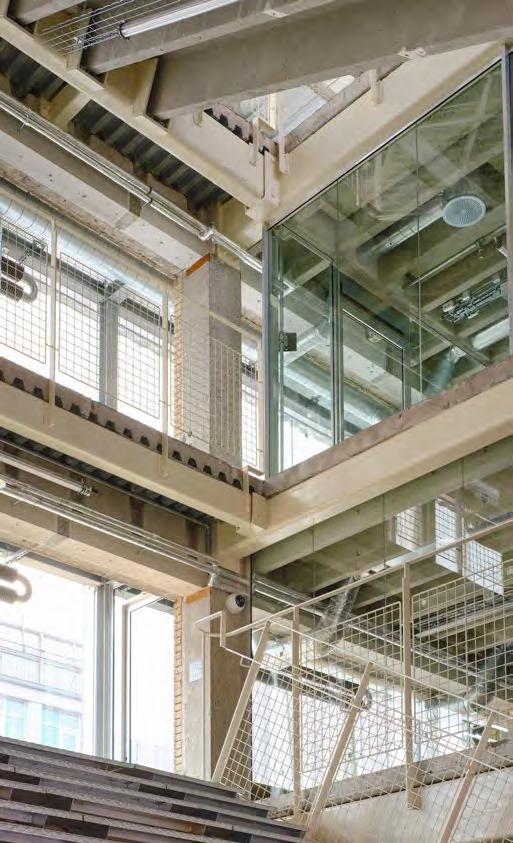
Corvin Palace, renovation of the edifice of the heritage building, Budapest, Hungary
Architects: M-Teampannon Ltd, Minimalismo Ltd
Photo: Attila Glázer, Wolfgang Croce, Borsos Mátyás
Weinlager Residential Conversion, Basel, Switzerland
Architects: Esch Sinzel Architekten
Photo: Paola Corsini
Communications
Strategic alliances and networks
2026 Political context
Communications
Julie Deutschmann
3
ACE Website
ace–cae.eu
Social Media
Linkedin – Architects’ Council of Europe (ACE–CAE)
X @Ace_Cae
Facebook @ArchitectsEU
Instagram @ace.archi.eu
YouTube – Architects’ Council of Europe (ACE–CAE)
Engage and Connect: Strengthening ACE’s Voice Across Europe
In 2025, the Architects’ Council of Europe strengthened its visibility and influence through design, strategic communication, digital development, and engagement with Member Organisations. Communication continued to support ACE’s advocacy role and its contribution to EU policy discussions on architectural quality, sustainability, and the public interest.
Building on the foundations established under the presidencies of Georg Pendl and Ruth Schagemann, ACE’s communication activities focused on collaboration and impact, reinforcing ACE’s position as a credible and influential representative of the architectural profession at European level.
Grenouillette, Haren, Belgium
Architects: LD2 Architecture and Silhouet Photo: Ferdinand Choffray
Visual Identity and Editorial Coherence
ACE’s visual identity remained a key asset, supporting publications and the work of ACE workgroups. In collaboration with Red&Grey, the identity system was further refined to ensure coherence across publications, digital platforms, and campaign materials.
Member perspectives and imagery were integrated within a consistent editorial framework. Typography, layout, graphic elements, and verbal language function as an integrated system, reflecting ACE’s representative mandate and supporting its role as a source of expertise on architecture and the built environment in Europe.
Advocacy, Policy Communication, and Network Activation
ACE contributed to the European Conference on Architectural Policies (ECAP) held on 11–12 June 2025 in Gdańsk, Poland, under the Polish Presidency of the Council of the European Union. Communication activities supported campaign outreach, social media engagement, and Member Organisation mobilisation.
Member Organisations and partners amplified the ACE’s messaging through their own channels, extending reach and reinforcing shared policy positions. ACE also supported the Decarbonisation Day in Barcelona and collaborated with Czech and Luxembourg Member Organisations on the ACE Conferences in Prague and Luxembourg.
ACE continued to strengthen its advocacy and EU policy engagement. Communication supported policy objectives related to sustainability, architectural quality, and the societal value of the built environment. Media capacity was further developed through targeted training on EU media engagement and data-driven press list management.
Digital Transformation: Website and ACE Cloud
The new ACE website, launched in December 2024 and developed by PENROSE, continued to support ACE’s institutional communication in 2025. The platform is multilingual, accessible, and aligned with ACE’s visual identity.
During 2025, ACE operated the first full version of the platform and integrated tools from the EU-funded ARCH-E project, led by ACE Executive Board member Daniel Fügenshuh. A user survey and workshop with PENROSE identified priorities for further development, including usability improvements, strengthened collaboration, system integration, and enhanced digital onboarding.
Outlook
Communication, engagement, and advocacy remain central to ACE’s mission. The developments achieved in 2025 strengthen collaboration with Member Organisations, support targeted policy advocacy at European and national levels, and enhance digital engagement, reinforcing ACE’s role as the representative voice of architects in Europe.
Expanding Digital Engagement: The ACE HUB
A few years ago, ACE introduced the ACE HUB mobile application, supported by Creative Europe. The application provides a digital platform for professional networking, peer exchange, and access to information on architectural events and initiatives across Europe. The ACE HUB supports ACE’s objectives in digital innovation and member engagement. Its continued promotion and integration across ACE activities and Member Organisation networks remains a strategic priority.
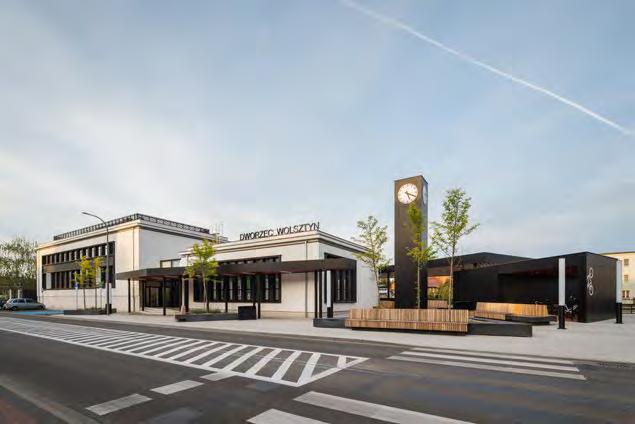
Dworzec Wolsztyn – integrated communication center, Wolsztyn , Poland Architects: PL. Architekci
Photo: N. Cook
Strategic Alliances & Networks
ACE collaborates with a broad range of organisations and networks to amplify the voice of the architectural profession across the EU and internationally. Key partners and alliances include:
AIA - American Institute of Architects
Barbara Cappochin Prize
BBBB (Buy Better to Build Better coalition)
B4P – Built4People
CEN – European Committee for Standardisation
CPEA – Climate Positive Europe Alliance
Davos Baukultur Alliance
DG EAC Expert Group on Cultural Heritage
DG GROW High Level Construction Forum
EAAE - European Association for Architectural Education
EBSA – European Business Services Alliance
ECCE – European Council of Civil Engineers
ECCREDI – European Council for Construction, Research, Development & Innovation
ECEC – European Council of Engineering Chambers
ECIA – European Council of Interior Architects
ECTP – European Construction Technology Platform
ECTP - European Council of Town Planners
EESC - European Economic & Social CommitteeLiaison Group
EFCA – European Federation of Engineering Consultancy Associations
EHA - European Heritage Alliance
EHF - European Housing Forum
ENACA - European Network for Architectural Competent Authorities
ESF – European Services Forum
Europa Nostra
Pauline Monastery, Miercurea Ciuc, Romania
Architect: Mossfern Arhitectura
Photo: Mossfern Arhitectura
FAIB – Federation of International Associations in Belgium
FCARM – Federacion de los Colegios de Arquitectura de la Republica Mexicana
Global ABC – Global Alliance for Buildings & Construction
IFLA Europe – International Federation of Landscape Architects (Europe)
HouseEurope!
Housing Europe
NCARB – National Council of Architectural Registration Boards (USA)
NEBC – New European Bauhaus Collective
NEB Lab – Regulatory Analysis & Experimentation
NEB in Bosnia + Herzegovina (Sarajevo)
NEBINAR
KIRA – Korean Institute of Registered Architects
UIA – International Union of Architects
WGBC – World Green Building Council (#BuildingLife)
European Council - Strategic Agenda 2024-2029
In June 2024, the European Council agreed on the Strategic Agenda 2024-2029, which sets the EU’s priorities and its strategic orientations. It is structured around three pillars:
__ A free and democratic Europe. The priorities within this area include, among others: promoting and safeguarding the rule of law; strengthening democratic resilience and debate; ensuring that tech giants take responsibility for safeguarding democratic debates online.
__ A strong and secure Europe. In this area, the Council’s priorities will be: continued support for Ukraine, including its reconstruction and the pursuit of a just peace; a merit-based EU enlargement process with incentives, to run in parallel with necessary internal reforms.
__ A prosperous and competitive Europe. The EU’s priorities in this area include: a deeper single market; an ambitious, robust, open and sustainable trade policy; the green and digital transitions; investment in skills, training and education; the promotion of an environment conducive to innovation and business.
Read the Strategic Agenda 2024-2029
Council of the EU – Trio Programme
From January to July 2026, Cyprus will assume the Presidency of the Council of the EU. It forms, together with Poland and Denmark, the so-called Trio of Presidencies, whose programme is organised around the following themes:
A Strong and Secure Europe, which refers to external actions, security and defence, migration and border protection, enlargement and internal reforms.
A Prosperous and Competitive Europe, which deals with various components that make up competitiveness, twin transition, innovation, environment and social affairs.
__ A Free and Democratic Europe, which contains references to EU values such as rule of law and human rights.
In July 2026, a new Presidency Trio will take over: Ireland, Lithuania, Greece.
Read the Trio Programme
Children's Hospice House for Julia, Brno, Czechia Architects: ČTYŘSTĚN architekti
Photo: Alex Shoots Buildings
European Commission – 2026 Work Programme
The new College of Commissioners, headed by Ursula von der Leyen, took office in December 2024. Under the motto “Europe’s choice”, the President’s guidelines emphasise the EU's choice to unite its societies and values, to ensure democratic values, to face new realities, and to be bold and ambitious.
In line with the President's political guidelines and highlighting the need for full implementation of Mario Draghi's competitiveness report, the 2026 Commission Work Programme (CWP) places a strong emphasis on competitiveness, innovation and collective security. In parallel, the Commission commits to advancing simplification, implementation and to strengthening enforcement. These three areas will remain key horizontal priorities for the entire Commission mandate. The 2026 CWP puts forward 70 major new legislative and non-legislative initiatives, 44% of which fall under the competitiveness headline ambition.
In 2026, ACE will closely follow up the development of the following initiatives: revision of the Public Procurement Directive (Q2 2026); implementation of the Single Market Strategy, including a proposal for a Construction Services
Act (Q4 2026); implementation of the European Affordable Housing Plan and European Strategy for Housing Construction; development of a Circular Economy Act (Q4 2026); further development of the New European Bauhaus initiative (EC Communication and draft Council recommendations); implementation of the Culture Compass for Europe, including the development of an AI strategy for cultural and creative industries; development of a Skills Portability Initiative; and implementation of the EU Agenda for Cities.
Read the Commission 2026 Work Programme
ACE Governance
The Architects' Council of Europe is an International Not-for-Profit Association. It is composed of a General Assembly, an Executive Board and a permanent Secretariat based in Brussels. The General Assembly is composed of a delegation from each Member Organisation.
It is the supreme body and meets twice a year to formulate and adopt the ACE policies and budget. The function of the Executive Board is to execute the policies established by the General Assembly and to ensure the proper administration of the ACE. It is composed of 11 members.
The primary function of the ACE Secretariat is to support the structure of the ACE governance and to be the permanent interlocutor with the European Institutions for the representation of the interests of the ACE.
ACE Secretariat
Ian Pritchard (Until February)
Secretary General
Dr. Katharina Erdmenger (Since February)
Secretary General
Lukas Bollaert
Policy & Administrative Assistant
Marta Candidi
EU-funded Projects Officer
Larissa de Rosso
EU-funded Projects Officer
Julie Deutschmann
Head of Communications
Pierre Obajtek
Senior Policy Officer
Cat alina Olteanu
Office Manager
Swapna Saha (Until December)
Assistant EU-funded Projects Officer
Karina Hidalgo Reyes (Since May)
Assistant EU-funded Projects Officer
Executive Board Members 2024–2025
Ruth Schagemann
President
Carl Bäckstrand
President
Dubravko Bačić
Coordinator, Research & Development
Borys Czarakcziew Coordinator, Achieving Quality in Architecture/ Baukultur
Daniel Fügenschuh Member of the ACE Think Tank
Reto Gmür
Member of the ACE Think Tank
Kornel Kobák
Treasurer
Anda Kursiša Member of the ACE Think Tank
Carla Lima Vieira Coordinator, Access to the Profession
Andre Pizzuto Vice-chair, Finance Committee
Diego Zoppi Coordinator, Practice of the Profession
2026–2027: Executive Board
Daniel Fügenschuh
President
Elizabeth Gossart Vice President
Arja Lukin
Treasurer
Diego Zoppi and Andro Mänd Coordinators of the thematic area “Access to the profession”
Reto Gmür and Carl Bäckstrand Coordinators of the thematic area “Practice of the profession”
Judit Kimpian and Eugen Pănescu Coordinators of the thematic area “High-quality architecture & built environment/Baukultur”
Istelianna Atanassova and Román San Emeterio Pedraja Coordinators of the thematic area “Research and Development“
Istria House, Bale, Croatia Architectes : Studio AUTORI
Photo : Ilya Ivanov
Advocacy
__ Contribute to the revision of the Public Procurement Directive
__ Contribute to the development and implementation of the Affordable Housing Plan; the Housing Construction Strategy; the Single Market Strategy; the Construction Services Act; the EU Culture Compass; the EU Agenda for Cities; the EU Circular Economy Act; the New European Bauhaus
__ Continue to advocate for an ambitious implementation of the Energy Performance of Buildings Directive
__ Continue to advance the ACE proposal for a Planning Services Directive
Continue to advance the ACE policy positions on the Professional Qualifications Directive
__ Develop a position on Notifications
Develop a position on the recognition of 3rd country qualifications
__ Pursue recommendation for Mutual Recognition Agreement with the Architects Registration Board (UK)
__ Monitor implementation of Mutual Recognition Agreement with Regulatory Organisations of Architecture in Canada (ROAC)
__ Continue to examine compensation issues
__ Contribute to the work of the NEB Lab on Housing
Events
__ Launch the new ACE exhibition on the renovation and transformation of the EU built environment
__ Organise an event during the New European Bauhaus Festival
__ Organise an event during the EU Sustainable Energy Week
__ Organise the second edition of the Practice Forum
__ Organise an event during the UIA Congress in Barcelona
__ Coordinate a briefing session for organisations in accession countries to help build their understanding of the implications of EU membership
__ NEBinar programme - Organisation of a series of 8 webinars
Studies/Publications
__ Commission a study on the Access to the Profession
__ Commission a study on the Practice of the Profession
__ Commission a study on Taxonomy
__ Commission the next edition of the ACE Sector Study
__ Update the ACE Sector Study Observatory
Commission the new ACE exhibition catalogue on renovation
__ Continue promoting the publications “Quality of Life + Architecture” and the “Peer Learning Group Report on Architecture Awards as Instruments of Systemic Change”
__ Curate a podcast on the value chain of architecture
Organisational development
Advance the implementation of the CULTUR-ARCH programme, co-funded by Creative Europe
__ Deliver the second version of the ACE website and advance the development strategy for the ACE HUB mobile app
Workgroups
__ Re-establish a peer-learning group on Architecture Awards
Continue the work to rationalise the number and nature of work groups
EU–Funded Projects
__ Promote the publication “Building on Knowledge, Two Decades of ACE in EU Funded Research”
__ Participate at the EU Research and Innovation Workgroup
__ Ensure ACE representation at ECTP, ECCREDI, IWG5 and the Built4People partnership
__ ARCH-E: co-organise a conference on architectural design competitions on 23 April in Brussels, publish the project results on the ACE website and integrate the ARCH-E community into the ACE HUB Competitions Interest Group
__ ARV: organise an event with Housing Europe on climate-positive circular communities and a final results event on climate-positive circular communities in Prague
__ CiD: contribute to an event focused on Circular Design Upscaling in Vilnius and a concluding event on Circular Design Research in Hannover
__ Cultural- E: host two Plus Energy Buildings HUB webinars (architects’ best practices examples)
HeriTACE : hold 2 webinars on solutions for renovating historic buildings
__ SONATA: Adaptive Architecture for Workplaces workshop, Amsterdam
__ Serve as Associated Partners in NONA, U-RE-HERIT, Caring Nature, and Circular Building Convert
Potential participation in the NEB Festival Fair together with SONATA, ARV and CiD
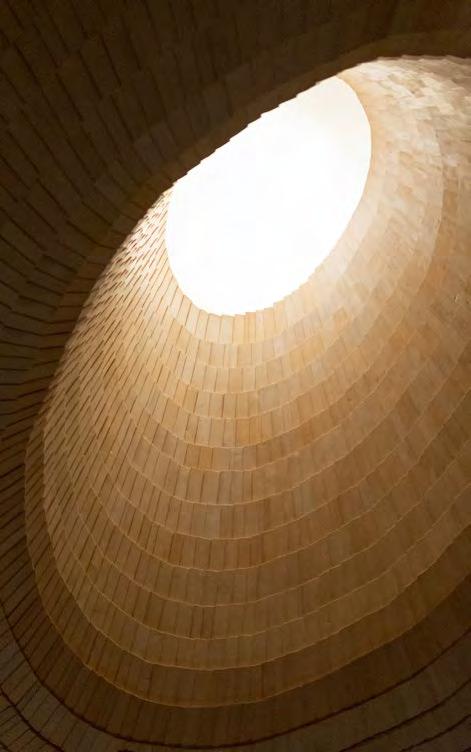
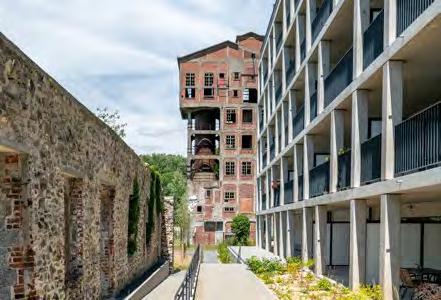
Cement Works Deiwart, Tournai, Belgium
Architects: Atelier d'architecture Meunier-Westrade srl
Photo: Atelier d'architecture Meunier-Westrade srl
Cimenterie Deiwart, Tournai, Belgique
Architectes : Atelier d'architecture Meunier-Westrade srl
Photo : Atelier d'architecture Meunier-Westrade srl
Sea Survival Center, Varna, Bulgaria
Architect: Konstantin Slavov / REDOX
Photo: Georgi Milev
Sea Survival Center, Varna, Bulgarie
Architectes : Konstantin Slavov / REDOX
Photo : Georgi Milev
Production and office building, Dubrovčan, Croatia
Architect: MVA / Mikelić Vreš Arhitekti
Photo: Jure Živković
Bâtiment de production et bureaux, Dubrovčan, Croatie
Architectes : MVA / Mikelić Vreš Arhitekti
Photo : Jure Živković
M-Boutique, Paphos, Cyprus
Architects: VARDASTUDIO
Photo: Maria Efthymiou
M-Boutique, Paphos, Chypre
Architectes : VARDASTUDIO
Photo : Maria Efthymiou
Villa Sidonius, Černošice, Czechia
Architects: Stempel Tesař architekti
Photo: Filip Šlapal
Villa Sidonius, Černošice, Tchéquie
Architectes : Stempel Tesař architekti
Photo : Filip Šlapal
Thoravej 29, København NV, Copenhagen, Denmark
Architects: pihlmann architects
Photo: Hampus Berndtson
Thoravej 29, København NV, Copenhague, Danemark
Architectes : pihlmann architects
Photo : Hampus Berndtson
Tallinn City Theatre, Tallinn, Estonia
Architects: Maarja Kask, Ralf Lõoke, Märten Peterson, Andro Mänd (Salto AB)
Collaborators: Margus Tamm, Tanel Teder, Moonika Liias, Martin McleanTallinn
Photo: Kaupo Kalda
Théâtre municipal de Tallinn, Tallinn, Estonie
Architectes : Maarja Kask, Ralf Lõoke, Märten Peterson, Andro Mänd (Salto AB)
Collaborateurs: Margus Tamm, Tanel Teder, Moonika Liias, Martin McleanTallinn
Photo : Kaupo Kalda
Meander Housing, Helsinki, Finland
Architects: Steven Holl Architects, ARK-house arkkitehdit Oy
Photo: Kuvio Oy
Logement Meander, Helsinki, Finlande
Architectes : Steven Holl Architects, ARK-house arkkitehdit Oy
Photo : Kuvio Oy
Primary School Rosa Bonheur, Aucamville, Haute-Garonne, France
Architects: 360° Architecture
Photo: Kevin Dolmaire
Ecole primaire publique Rosa Bonheur, Aucamville, Haute-Garonne, France
Architectes : 360° Architecture
Photo : Kevin Dolmaire
Innovationsfabrik 2.0 (IFH 2.0) in Heilbronn, Germany
Architects: Waechter + Waechter
Photo: Achim Birnbaum
Usine d'innovation 2.0 (IFH 2.0) à Heilbronn, Allemagne
Architectes : Waechter + Waechter
Photo : Achim Birnbaum
List of Member Organisations
AB
C
Austria
Federal Chamber of Civil Engineers BKZT
Belgium
National Council of the Order of Architects CNOA
Royal Federation of Belgian Architectural Societies
FAB
Bulgaria
Chamber of Architects in Bulgaria CAB
Union of Architects in Bulgaria UAB
Croatia
Croatian Chamber of Architects CCA
Cyprus
Cyprus Architects Association CAA
Czechia
Czech Chamber of Architects CCA
D
E
F
Denmark
The Architect's Association of Denmark AA
Danish Association of Architectural Firms DA
Estonia
Estonian Association of Architects EAL
Finland
Finnish Association of Architects SAFA
Association of Finnish Architects' Offices ATL
France
National Council of the Order of Architects CNOA
Architectural Union SA
National Union of French Architects UNSFA
G
H
I
Germany
Federal Chamber of Architects BAK
Association of German Architects BDA
Association of German Master Builders BDB
Association of Freelance Architects of Germany VFA
Greece
Association of Qualified Architects SADAS–PEA
Technical Chamber of Greece TCG
Hungary
Chamber of Hungarian Architects MEK
Ireland
Royal Institute of the Architects of Ireland RIAI
Italy
National Council of Architects, Planners, Landscapers and Conservators CNAPPC
Observer Members
Kosovo
Architect's Association of Kosovo AAK
Rep. of N. Macedonia
Chamber of Certified Architects and Certified Engineers
Moldova
Union of Architects from the Republic of Moldova UARM
L
M
N
Latvia
The Latvia Association of Architects LAA
Lithuhania
Architects Association of Lithuania AAL
Architects Chamber of Lithuania ACL
Luxembourg
Order of Architects and Consultant Engineers of the Grand Duchy of Luxembourg – Architects Section OAI
Malta
Malt a Chamber of Architects & Civil Engineers, KTP
Netherlands
Royal Institute of Dutch Architects, BNA Bureau Architectenregister, BA
Norway
Association of Consulting Architects in Norway ACA
Norwegian Association of Architects NAL
Norwegian Union of Architects AFAG
P
R
S
Poland
Polish Chamber of Architects IARP
Portugal
Order of Architects Portugal OA
Romania
Architects’ Order of Romania OAR
Slovakia
Slovak Chamber of Architects SKA
Slovenia
Chamber of Architecture and Spatial Planning of Slovenia ZAPS
Spain
High Council of the Colleges of Architects of Spain CSCAE
Sweden
Architects Sweden SA
Federation of Swedish Innovation Companies FSIC
Switzerland
Swiss Conference of Architects CSA
U
United
Kingdom
Architects’ Registration Board ARB
Royal Institute of British Architects RIBA
Montenegro
Professional Chamber of Architects
Montenegro IKCG
Serbia
Union of Architects of Serbia UAS
Ukraine
National Union of Architects of Ukraine NUAU
a_c_e–c_a_e. eu