Establish collaborative governance, leadership and partnership structures to embed heritage as a priority across the Borough
Enhance the sustainability of local heritage by celebrating new and existing contributions and providing recognition and networks
Advocate and prioritise heritage across local, regional and national bodies
Promote the Borough's identity to support heritage-led regeneration and attract investment
Build a strong evidence base by auditing and mapping our heritage, giving us the tools to make informed decisions and unlock investment
Champion collaborative action to ensure our built, natural and cultural heritage is revitalised and resilient for the future
Identify, protect and enhance opportunities for growth and development of key designated sites within the Borough
Create opportunities for people of all ages and backgrounds to engage with our heritage
Increase participation by encouraging more volunteers and enhancing formal and informal learning opportunities
Help and support communities to access the resources they need to explore their heritage
Glossary
ABC Armagh City, Banbridge and Craigavon
ACBCBC Armagh City, Banbridge and Craigavon Borough Council
ACNI Arts Council of Northern Ireland
ASSI Area of Special Scientific Interest
DAERA Department of Agriculture, Environment and Rural Affairs
DfC Department for Communities
DE Department of Education
FE F.E. McWilliam Gallery & Studio
HARNI Heritage at Risk Northern Ireland
LCA Landscape Character Assessment
LLPA Local Landscape Policy Area
LNR Local Nature Reserve
MAG Ministerial Advisory Group (for Architecture and the Built Environment)
Heritage Fund The National Lottery Heritage Fund
PEACEPLUS EU cross-border funding programme for peace and reconciliation
PGI Protected Geographical Indication
PRONI Public Record Office of Northern Ireland
SAC Special Area of Conservation
SLNCI Site of Local Nature Conservation Importance
SPA Special Protection Area
UAH Ulster Architectural Heritage
UNESCO United Nations Educational, Scientific and Cultural Organisation
UN SDGs United Nations Sustainable Development Goals
Executive Summary
Heritage is central to the identity and future of Armagh City, Banbridge and Craigavon (ABC) Borough. It connects our historic and natural environments, our people and communities and our culture and economy. Heritage is the thread that ties together stories of innovation and resilience from the places that define us to the everyday traditions kept alive in farms, fields, music and family memory. This strategy sets a clear direction for the next decade. It will seek to preserve what is valued, widen participation and harness heritage to strengthen wellbeing, place and prosperity.
The strategy has been developed as part of The National Lottery Heritage Fund’s (Heritage Fund) Heritage Places Strategic Initiative. It reflects the Heritage Fund’s broad definition of heritage as “…anything from the past that people value and want to pass on to future generations”1 and builds on extensive engagement with communities, stakeholders and partners across the Borough.
Almost 10,000 people shared what heritage means to them and the message was clear: heritage must be inclusive, useful and rooted in everyday life.
Our vision: By celebrating and protecting our heritage, communities will be empowered to deepen their connection to place, identity, and wellbeing, and drive sustainable growth.
To deliver our vision, the strategy has three overarching themes:
• Establish & Advocate
• Protect & Invest
• Engage & Support
Alongside these themes, ten objectives have been identified to guide our strategic direction over the next decade. These are to:
• Establish collaborative governance, leadership and partnership structures to embed heritage as a priority across the Borough
• Enhance the sustainability of local heritage by celebrating new and existing contributions and providing recognition and networks
• Advocate and prioritise heritage across local, regional and national bodies
• Promote the Borough’s identity to support heritage-led regeneration and attract investment
• Build a strong evidence base by auditing and mapping our heritage, giving us the tools to make informed decisions and unlock investment
• Champion collaborative action to ensure our built, natural and cultural heritage is revitalised and resilient for the future
• Identify, protect and enhance opportunities for growth and development of key designated sites within the Borough
1 The National Lottery Heritage Fund, Heritage 2033
• Create opportunities for people of all ages and backgrounds to engage with our heritage
• Increase participation by encouraging more volunteers and enhancing formal and informal learning opportunities
• Help and support communities to access the resources they need to explore their heritage
Informed by these objectives, a set of actions has been developed to respond directly to our communities’ priorities, i.e. stronger leadership, visible investment in places and more inclusive participation.
A mid-point review in 2030 will track progress, refresh evidence and shape the next phase of delivery through to 2036.
By 2036, success will mean joined-up leadership across the Borough, with communities, partners and the Council working together. It will mean sustainable delivery, supported by clear governance, adequate resources and more diversified funding. It will mean better places, with buildings, parks and landscapes maintained, reused and brought back to life. It will also mean wider participation, where volunteers are supported, young people are engaged and a broader range of inclusive stories is shared.
Armagh City, Banbridge & Craigavon Borough
1. Introduction
Heritage is at the heart of ABC Borough. It connects our historic and natural environments, our vibrant communities and our cultural and economic life. Heritage underpins our identity, inspires pride in place and reflects the many layers of tradition, education, innovation and imagination that make our Borough so distinctive and unique.
Heritage is woven into the diverse landscapes, historic settlement patterns and long-held traditions of ABC Borough. Our heritage spans the millennia, from the City of Armagh, one of Ireland’s oldest cities, to the ‘new town’ of Craigavon, a bold and unique expression of 1960's modern planning. It embraces the region’s numerous ecclesiastical landmarks, archaeological sites, ancient monuments and historic apple orchards and it is expressed through the singular charm of our towns and villages, where contemporary industries thrive amid rural areas, rich in tradition.
The intangible elements of our heritage are equally important. They endure in the customs, traditions and languages of our communities; in stories, songs and music; in the food we eat and the sports we play. From the writers Jonathan Swift and A.E. Russell to the musicians, pipers and storytellers performing today, the Borough is a place where creativity and tradition continually intertwine and evolve.
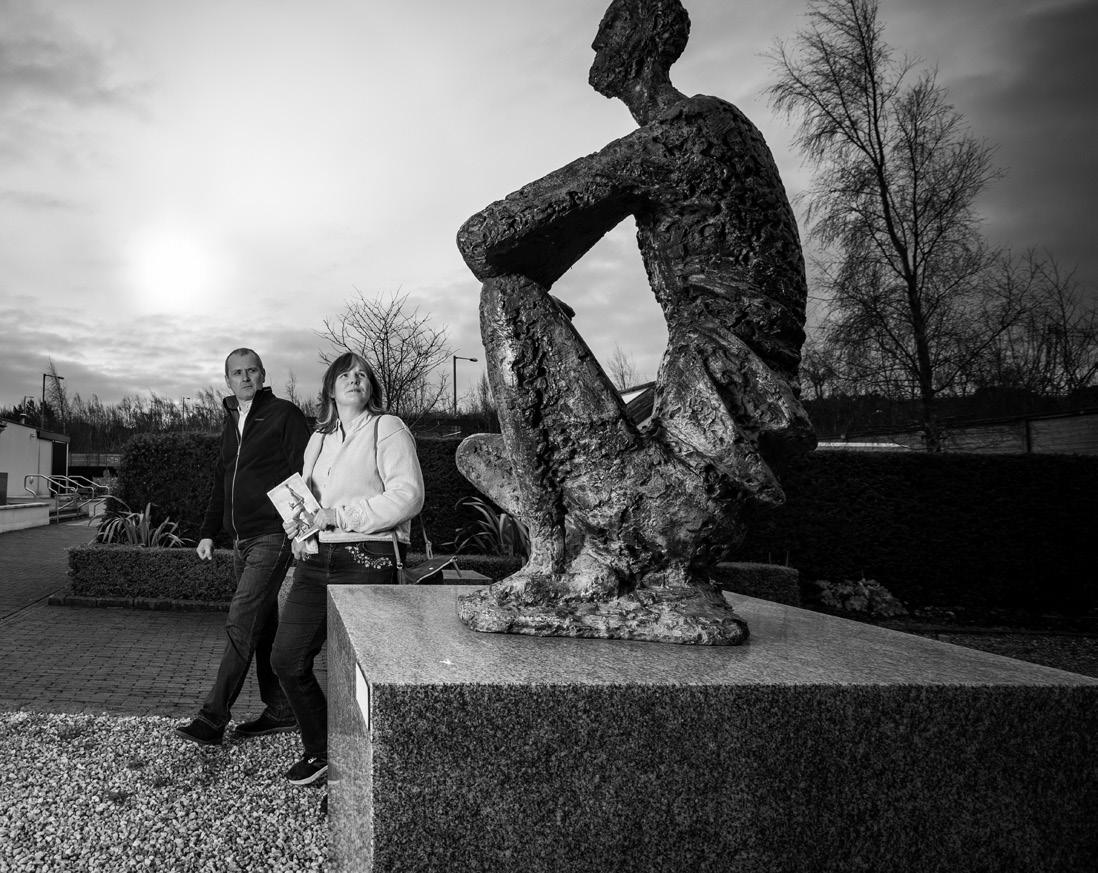
ABC Borough is also home to renowned heritage and cultural institutions such as Armagh County Museum, the F.E. McWilliam Gallery & Studio and the Market Place Theatre – places which safeguard important collections and engage with locals and visitors alike (a detailed overview of heritage institutions within ABC is included under Section 3: Heritage Institutions.)
Our natural heritage is remarkable: a tapestry of drumlins, hills, rivers, lakes, bogs, farmland, forests and parks that sustain diverse wildlife and support health and wellbeing. Farming heritage, land stewardship, family farms, field names and rural skills are part of the ‘ordinary’ but vital heritage of everyday life.
Industrial heritage has left its imprint on this landscape, from canals, railways and mills to Lough Neagh’s eel industry and the linen mills of the Bann Valley and beyond across Counties Armagh and Down. Together, their stories testify to a rich history of enterprise and resilience throughout the Borough, linking it to places both near and far.
For generations, places of worship have stood at the centre of our communities, becoming iconic landmarks across the Borough. St. Patrick, marked Armagh as a place of special significance by founding one of his principal churches here and establishing it as the ecclesiastical capital of Ireland. Today Armagh City is home to both the Catholic and Church of Ireland Archbishops of Armagh. From these early foundations and through later treasures such as the medieval Book of Armagh, worship and its sacred places continue to inspire our Borough’s identity and heritage.
ABC Borough is renowned for its rich sporting heritage and wide variety of sports. From historic sports such as rugby, gaelic games, motorsports, and athletics to the ancient sport of road bowls to name a few. Sports have fostered a lasting legacy of uniting communities and creating hubs of wellbeing, shared values and cultural heritage. Our Borough has produced generations of talented athletes which continues to this day with the next generation.
Armagh City, Banbridge & Craigavon Borough
STRATEGY 2026 - 2036
Taken together, these complex layers offer a unique opportunity to explore what heritage means today, to celebrate its breadth and, most importantly, to listen to our communities about what they value most.
Heritage Places
In October 2023, Armagh City, Banbridge and Craigavon Borough was announced as one of the first nine of up to 20 places across the UK to be designated a Heritage Place by The National Lottery Heritage Fund. Heritage Places is part of the Heritage Fund’s ten-year strategy, Heritage 2033, which aims to make heritage integral to local life - making better places to live, work and visit.
This designation is a real opportunity to take a long-term strategic, heritage-led approach to placemaking in order to boost pride and make stronger connections across whole places, rather than individual projects. It invites partnership and collaboration between local communities, key stakeholders and Council. The development of this strategy has been supported by the Heritage Fund’s Heritage Places Strategic Initiative. It is the first output of this new approach and provides a strong foundation for future action.
The strategy is based on the Heritage Fund’s broad understanding of heritage: “…anything from the past that people value and want to pass on to future generations.” 2 It is built on a wide-ranging process of engagement involving communities, partners, stakeholders and Council, framed by the central question: “What does heritage mean to you?” The answers have been clear: heritage is layered, diverse, personal and powerful - and it belongs to everyone.
These voices are at the heart of the strategy, linked with the vision for 2036:
By
celebrating and protecting our heritage, communities will be empowered to deepen their connection to place, identity, and wellbeing, and drive sustainable growth.
This breadth of experience is an important part of the story of place, influencing how people engage with heritage and how heritage in turn can support wellbeing, inclusion and belonging.
2 The National Lottery Heritage Fund, Heritage 2033
554sq. miles covering most of County Armagh and western County Down
Primary Urban Centres:
6
Armagh City, Banbridge Town, Craigavon Urban Area (including Portadown, Central Craigavon and Lurgan), Dromore.
Northern Ireland council areas (Newry, Mourne and Down District Council - to the south and southeast; Mid Ulster District Council - to the northwest; Lisburn & Castlereagh City Council - to the east) + Republic of Ireland (County Monaghan)
29 66 District Electoral Areas 4
Intermediate Settlements
Keady, Richhill, Tandragee and Waringstown VILLAGES
It is important to highlight the important contribution that rural dwellers and farmers make to our culture, including food and drink, craft and local stories and folklore Engagement response
3 Physical and Environment Regeneration Report 2016
2. Heritage Overview
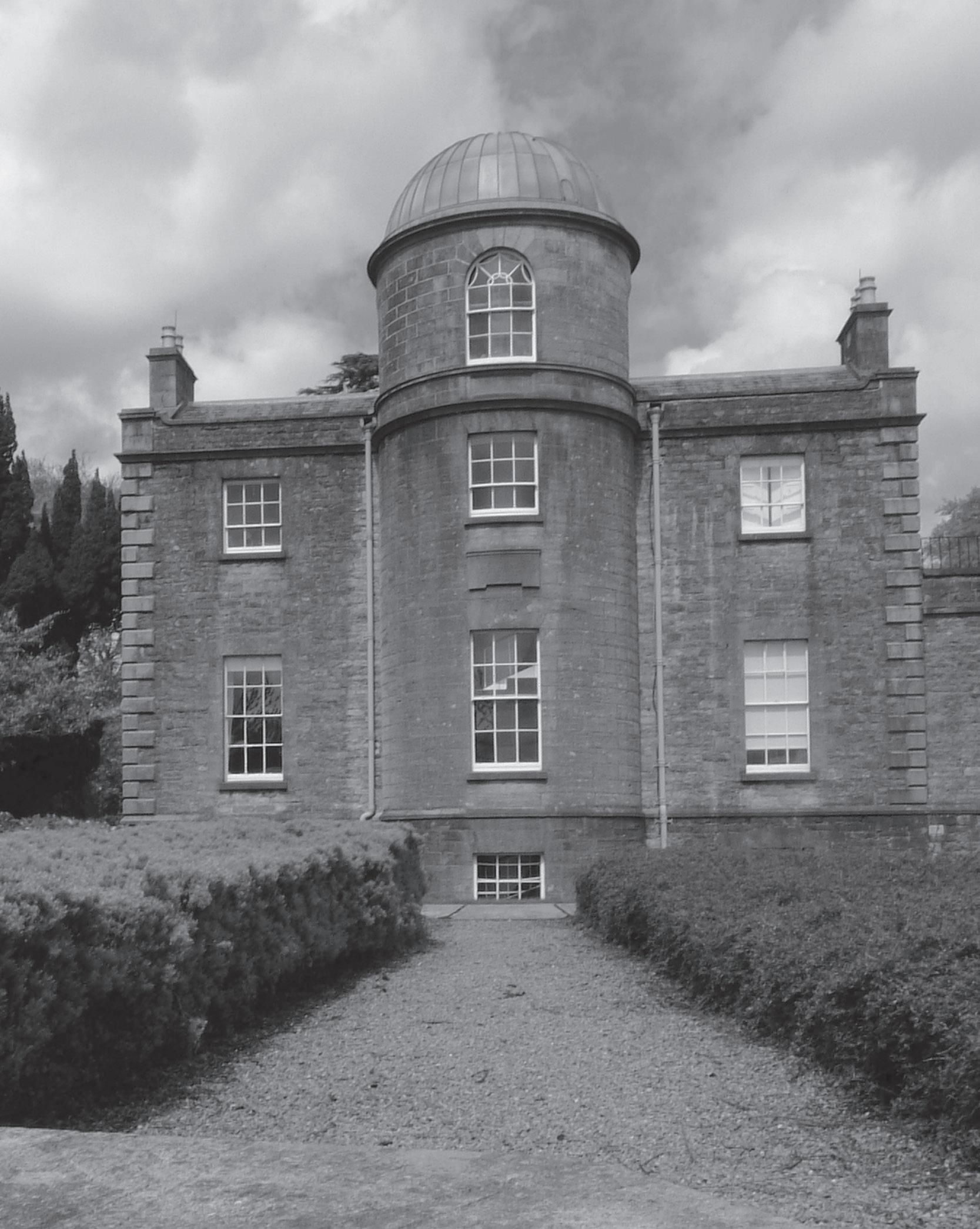
Armagh is one of the oldest cities on the island, shaped by an ecclesiastical legacy dating to the fifth century and the earliest days of Christianity in Ireland, as well as by early royal associations. It boasts two sites on the Irish UNESCO World Heritage Site Tentative List: Navan Fort, one of six Royal Sites of Ireland and Armagh Observatory, one of the three Astronomical Observatories of Ireland. Placement on this list is the first step towards achieving World Heritage status, which recognises outstanding universal value.
The Borough has one of the highest concentrations of listed buildings in Northern Ireland, ranging from grand houses and fine buildings that define our historic streetscapes, to the distinctive mud-walled vernacular clusters found around the shores of Lough Neagh and throughout County Armagh. Its industrial heritage is equally rich, particularly the linen industry’s mills and infrastructure concentrated along the Bann Valley in County Down and in rural areas of County Armagh. Many of the Borough’s towns and villages developed in the fertile agricultural landscapes that supported these industries, which in turn sustained local communities for generations.
As ABC Borough’s oldest and largest city, Armagh has long been a religious and intellectual centre, influenced by Archbishop Robinson and others who continue to inspire art, architecture, music, language, literature and performance. This region has nurtured creativity for centuries - from the Armagh Rhymers and rich piping traditions to artists such as F.E. McWilliam and writers including A.E. Russell, Patrick Brontë, Jonathan Swift and John Hewitt. A variety of languages are spoken by different communities within the region. The linguistic diversity of our communities reflects deep cultural roots, while folklore and storytelling continue to shape identity and belonging.
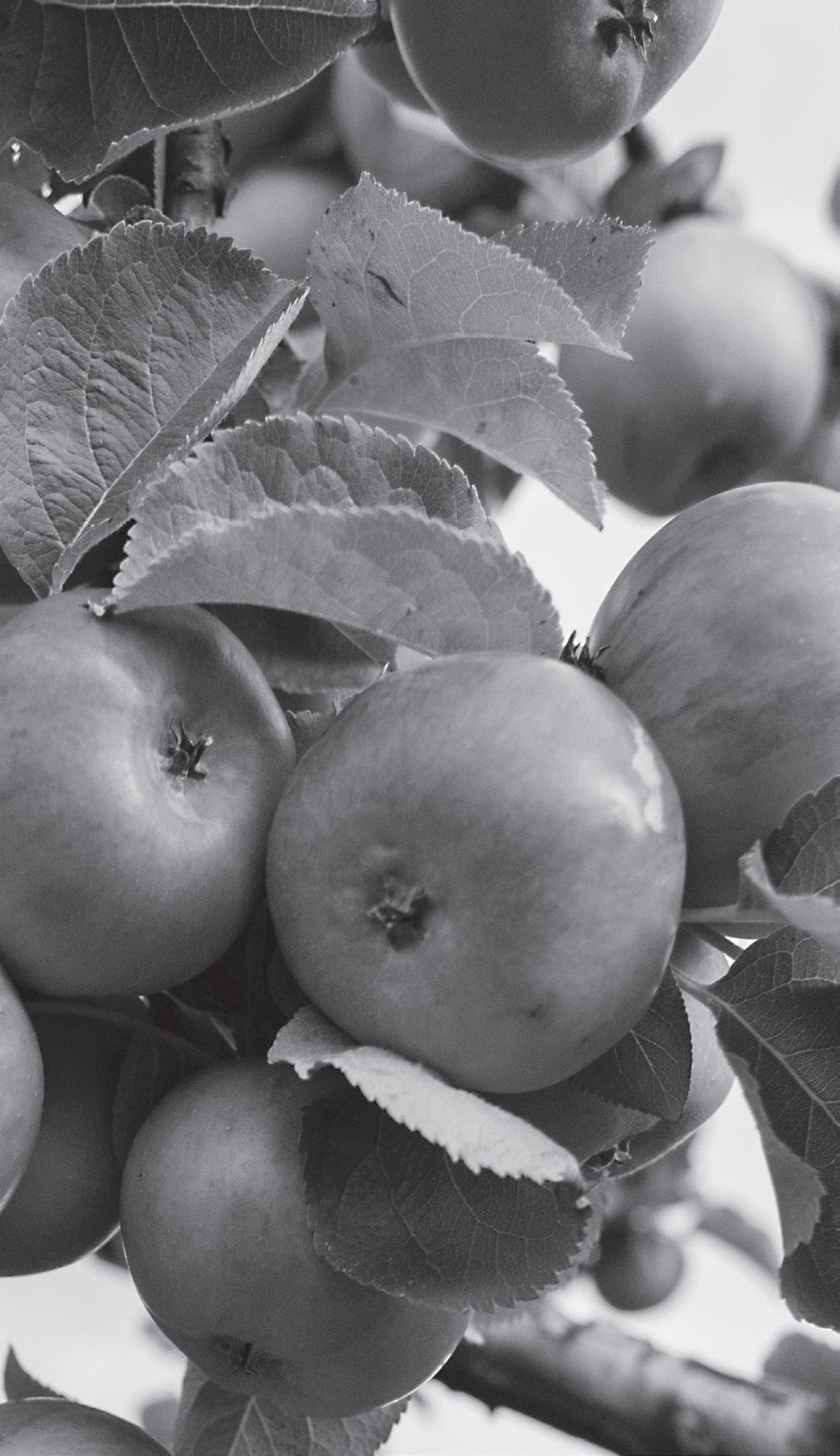
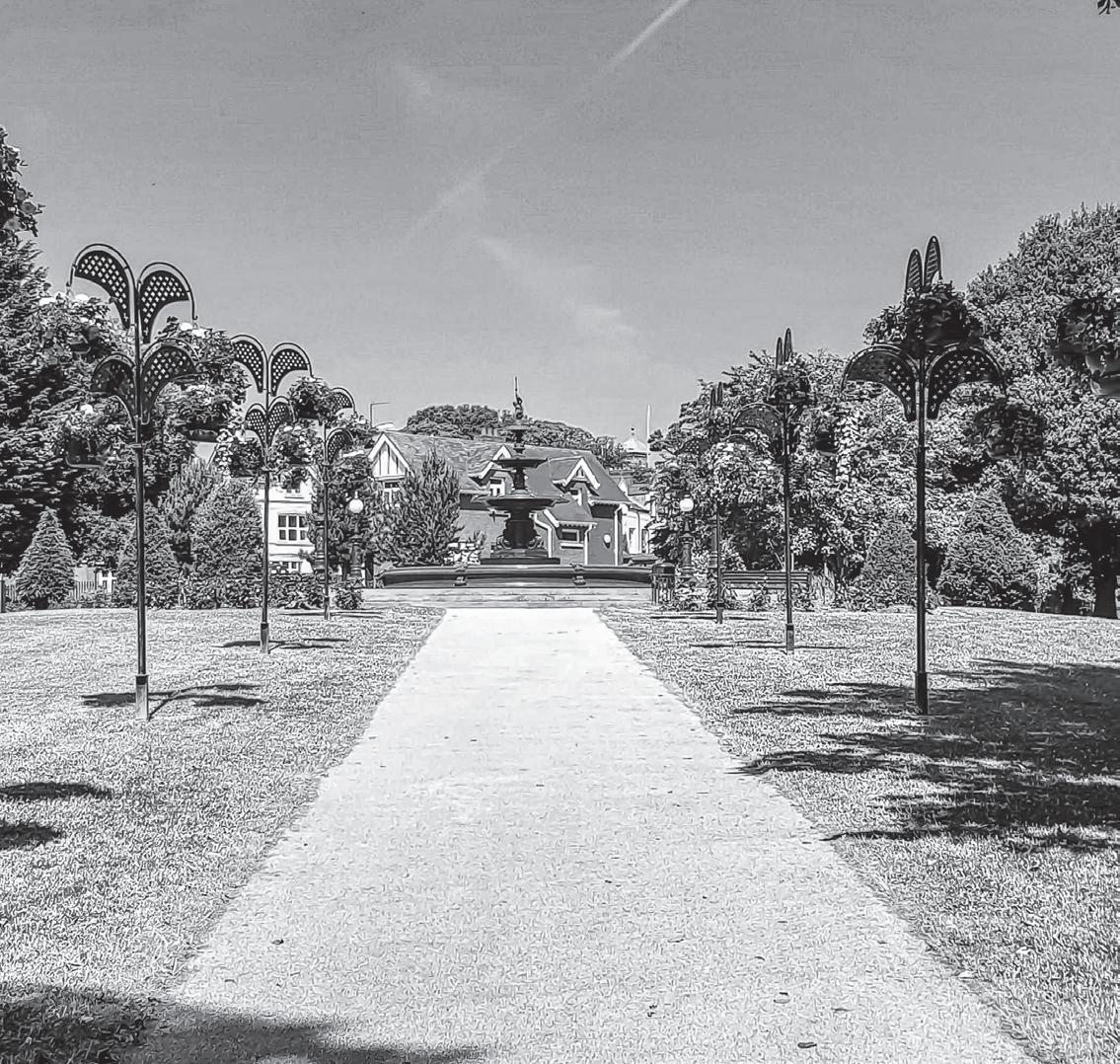
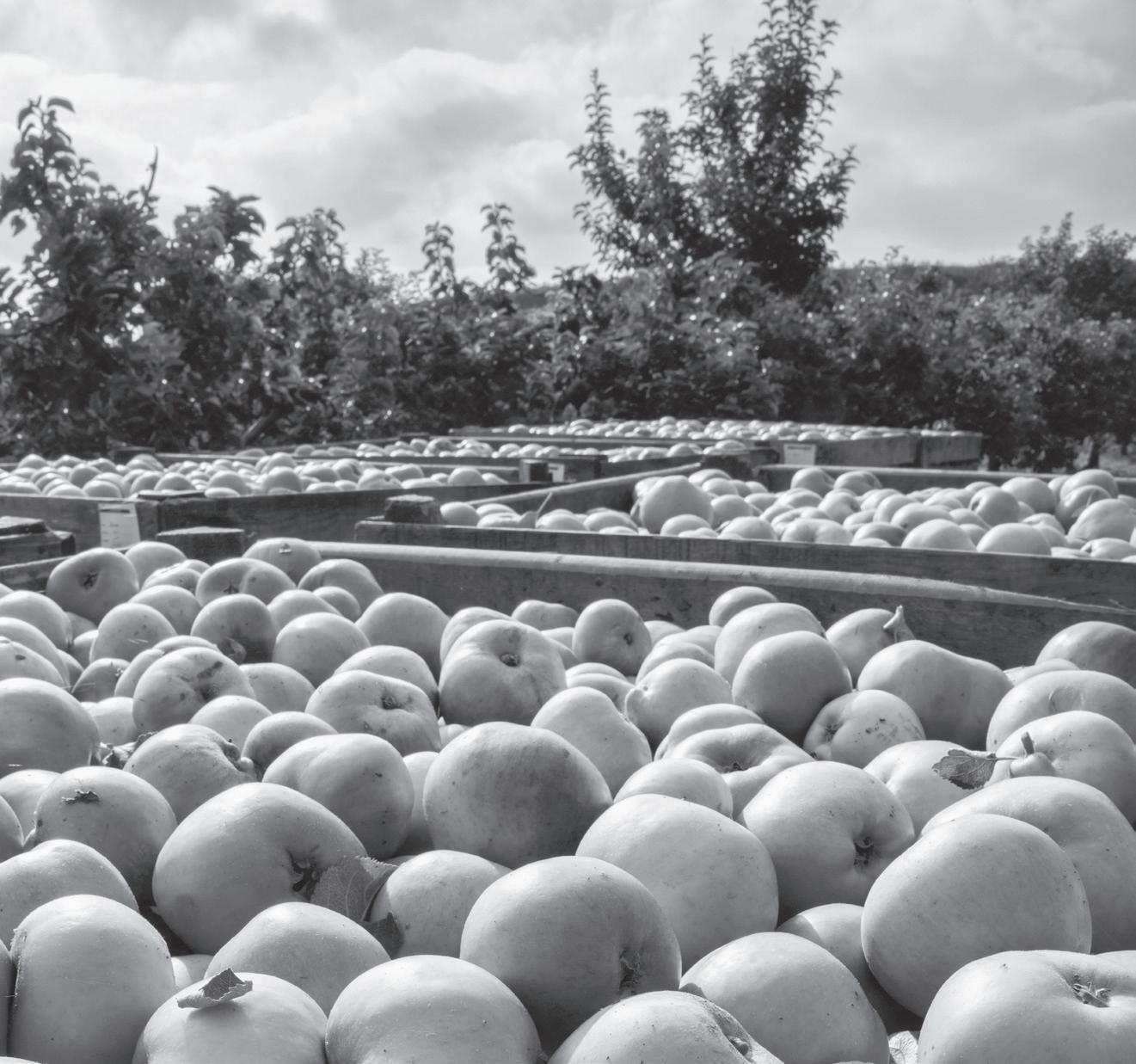
Historic parks and green spaces are another defining feature of the Borough. These range from demesnes such as The Argory, an atmospheric Irish gentry house and estate, to Lurgan Park, the second largest urban park in Ireland and The Mall in the City of Armagh, one of the first planned urban parks on the island to name a few. These open spaces are complemented by abundant natural heritage: the River Blackwater, River Bann, River Lagan, River Cusher and Lough Neagh, plus a patchwork of ancient bogs and wetlands. Together they sustain vital biodiversity and form part of an intricate landscape steeped in story, myth and legend. Agricultural traditions are central to the region’s heritage. Armagh’s apple orchards, for example, remain a defining feature of the historic rural landscape, surviving in their original layout and producing a heritage crop that has become synonymous with the area.
Each rural town and village has its own distinctive character, traditions and community heritage. To highlight a few: Dromore, with its monastic origins, cathedral church and medieval motte, reflects both ecclesiastical and Norman legacies; Rathfriland, the ancient seat of the Magennis family, has its plantation-era square and Covenanting history which connect it to wider narratives of settlement and migration. The ‘New Town’ of Craigavon represents a bold mid-20th-century experiment in town planning.
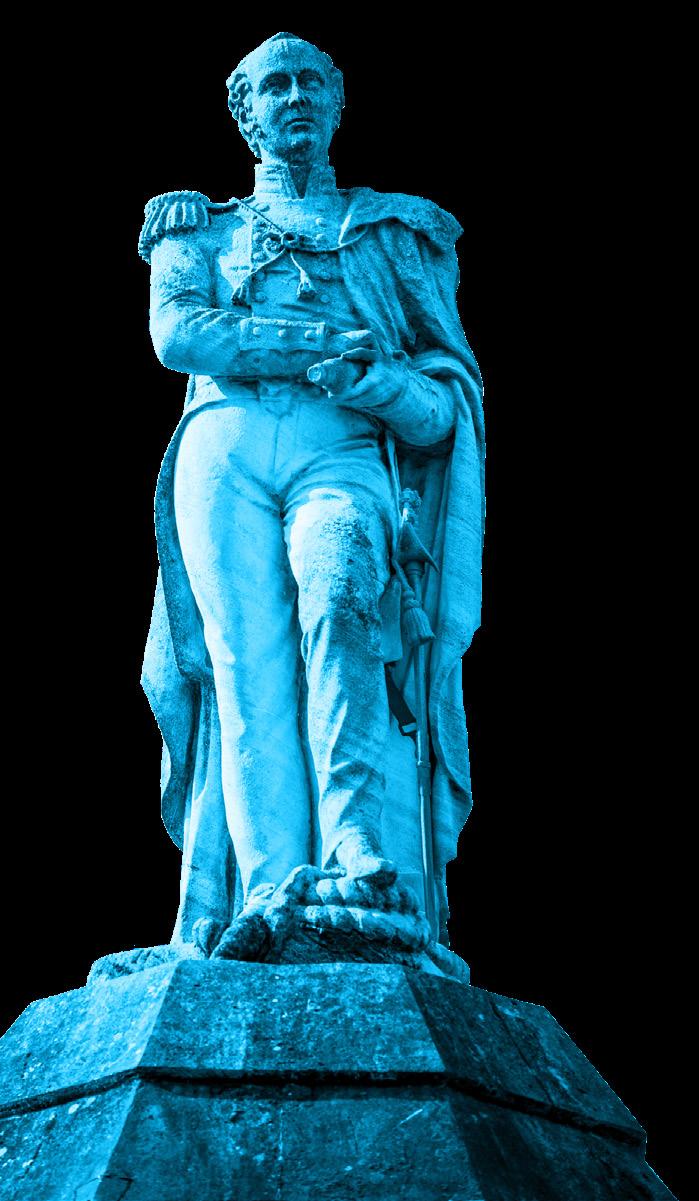
The Borough is also home to many ‘firsts’: the creation of the Grand Orange Lodge of Ireland in Loughgall in 1795; the first Armagh Bramley Apple grown at Crannagael House, Loughgall; the invention of the penalty kick in Milford; ‘The Cut’ in Banbridge, Europe’s first flyover bridge and a pioneering feat of engineering; Captain Crozier from Banbridge who contributed to the early navigation of the North West Passage; and, the Newry Canal,
the oldest canal in Ireland and the first summit-level canal in the British Isles.
Nor is our heritage confined to buildings and landscapes. It encompasses many traditions, sporting heritage, practices, knowledge and skills passed through generations, forming a living tapestry that enriches the more formal aspects of heritage. These living elements sustain identity, express pride and open a space for continuity and evolution by inviting new and more diverse conversations. The Borough’s heritage also continues to evolve through new communities who bring their own traditions, languages and cultural practices. These communities add further layers to the fabric of place, through their stories, food, music and celebrations.
Everything seems so temporal today - it’s very grounding to see where we have come from and to appreciate the buildings and social ideas from the generations and generations before us. In many ways, we haven’t changed much. Our heritage is a treasure worth celebrating and preserving.
Engagement response
3. Heritage Institutions
Our rich and layered heritage is supported by a network of museums, archives, libraries, historical societies and cultural centres that safeguard collections, share stories and connect people with the past. These institutions play a vital role in education, tourism and community life, connecting both local and global heritage. The following list is not intended as a compendium of heritage institutions within the Borough; rather its purpose is to give a flavour of the unique heritage offering of this place.
Museums and Galleries
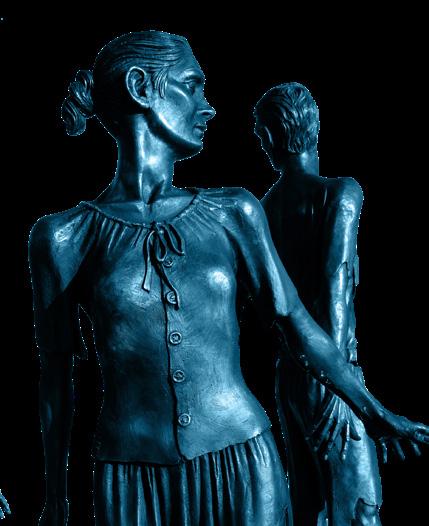
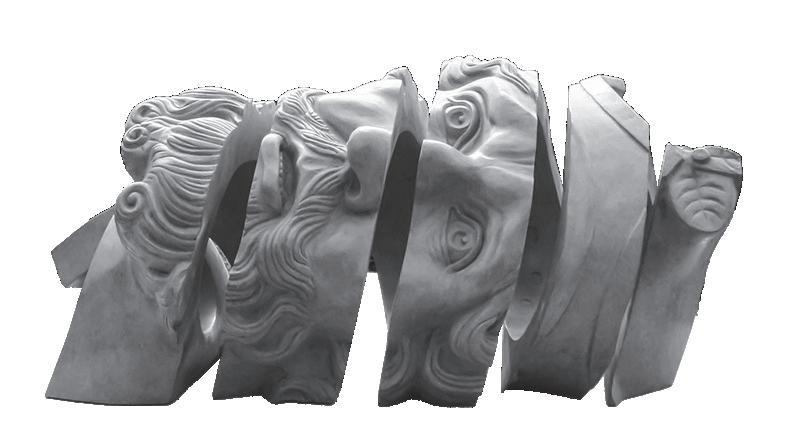
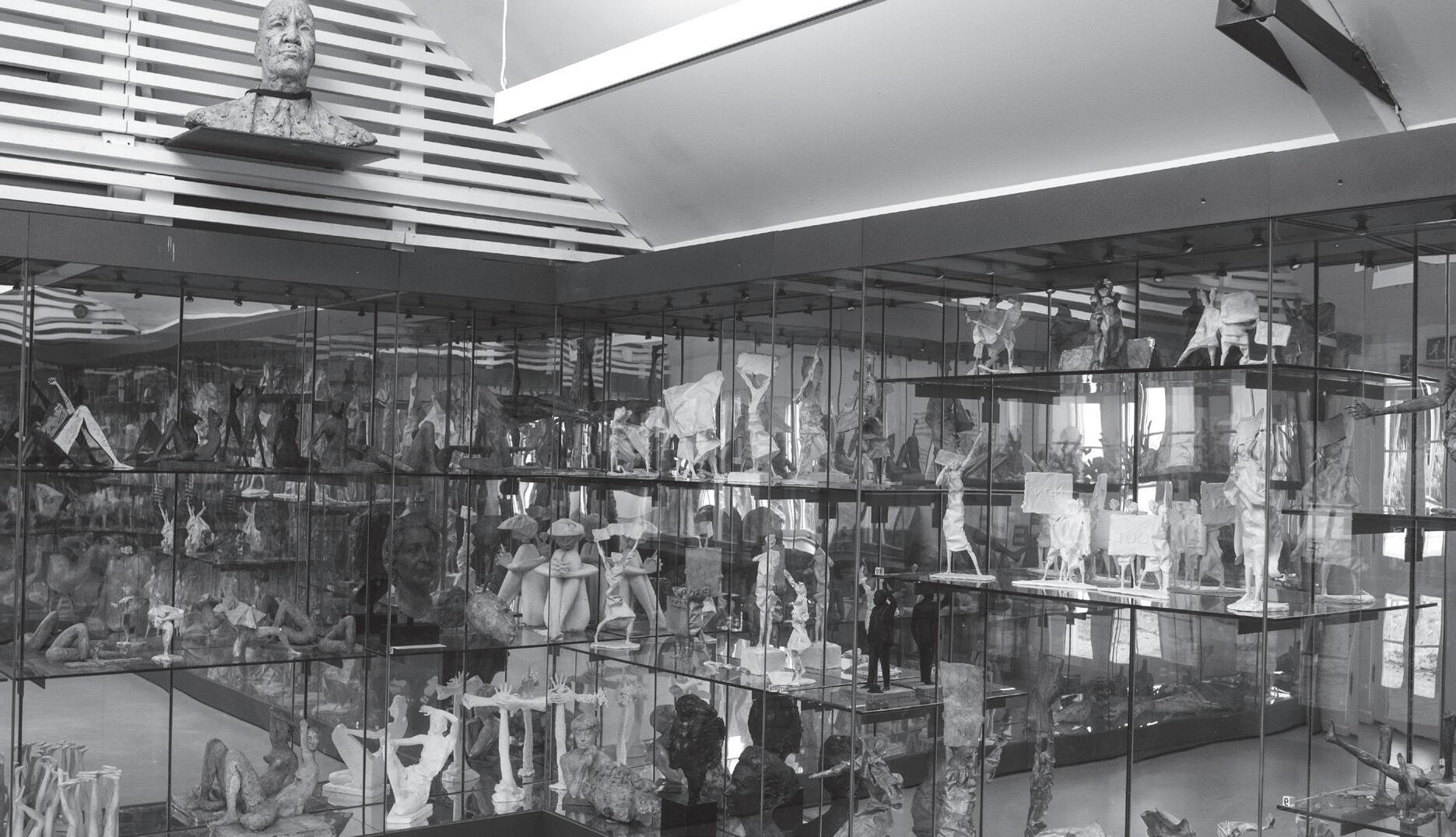
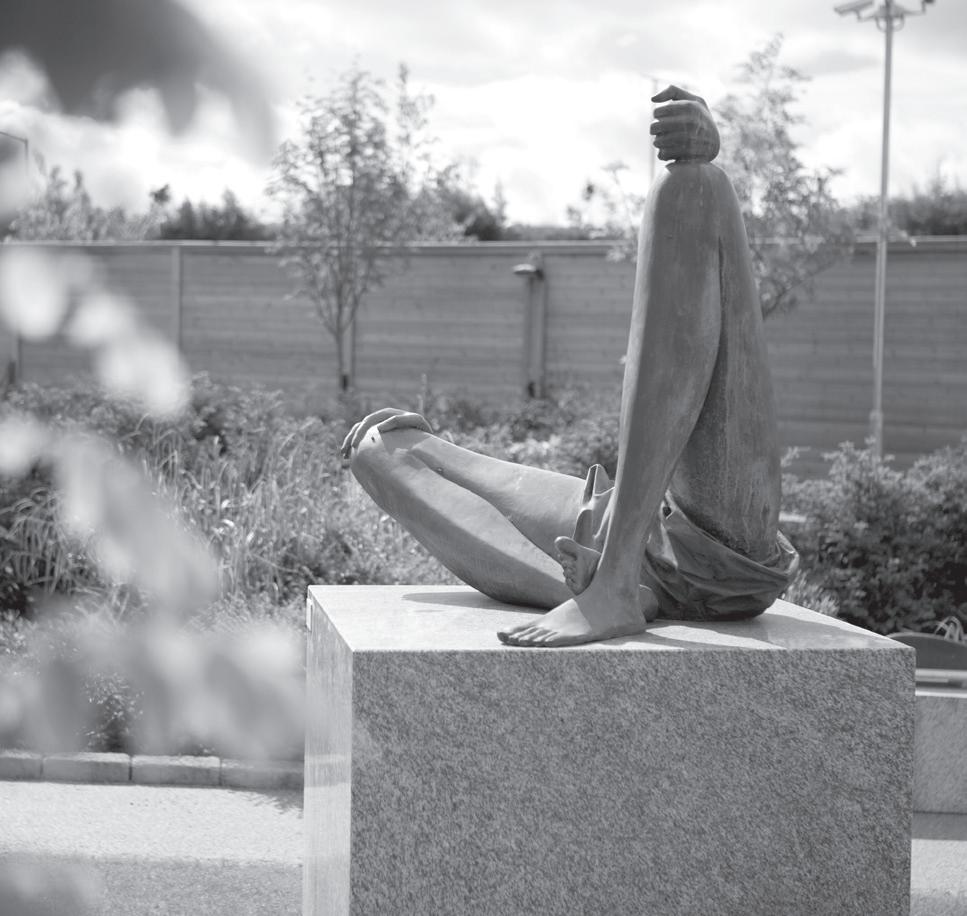
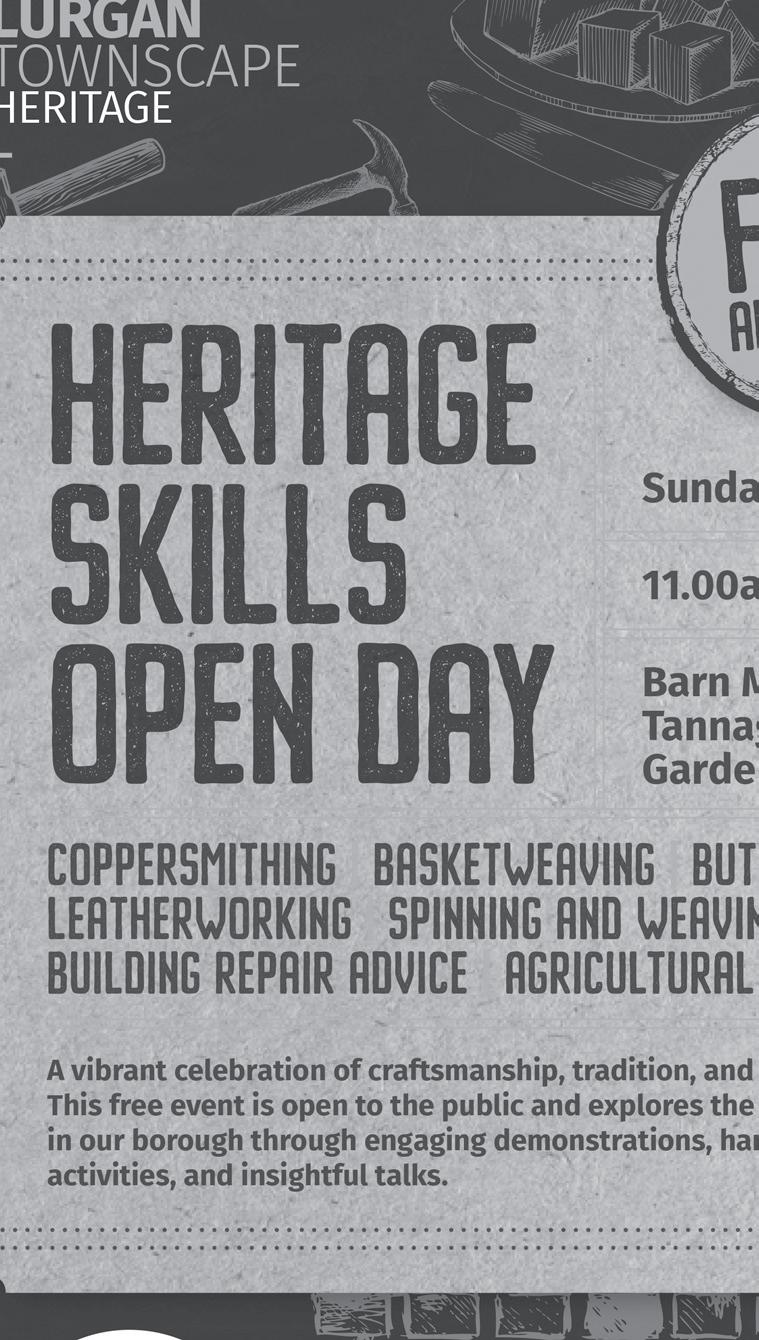
The Borough boasts 7 accredited museums6 Armagh County Museum, the oldest county museum in Ireland, holds extensive collections that tell the story of the region’s archaeology, fine and applied arts and social history. Craigavon Museum at the Barn, Tannaghmore Gardens reflects the rich and varied heritage of the former Craigavon Borough Council area and is dedicated to showcasing rural life in the past. To support these facilities, outreach programmes are delivered by ABC Council across the Borough ensuring that heritage is interpreted in both professional and community contexts. Other more specialist museums, such as the Royal Irish Fusiliers Museum in Armagh, has kept local and military histories visible and relevant. Sloan’s House Museum in Loughgall showcases a collection of artefacts relating to the foundation and development of The Grand Orange Lodge of Ireland. The F.E. McWilliam Gallery and Studio in Banbridge celebrates the life and work of one of Northern Ireland’s most renowned sculptors and regularly hosts exhibitions of contemporary art.
Archives and Libraries
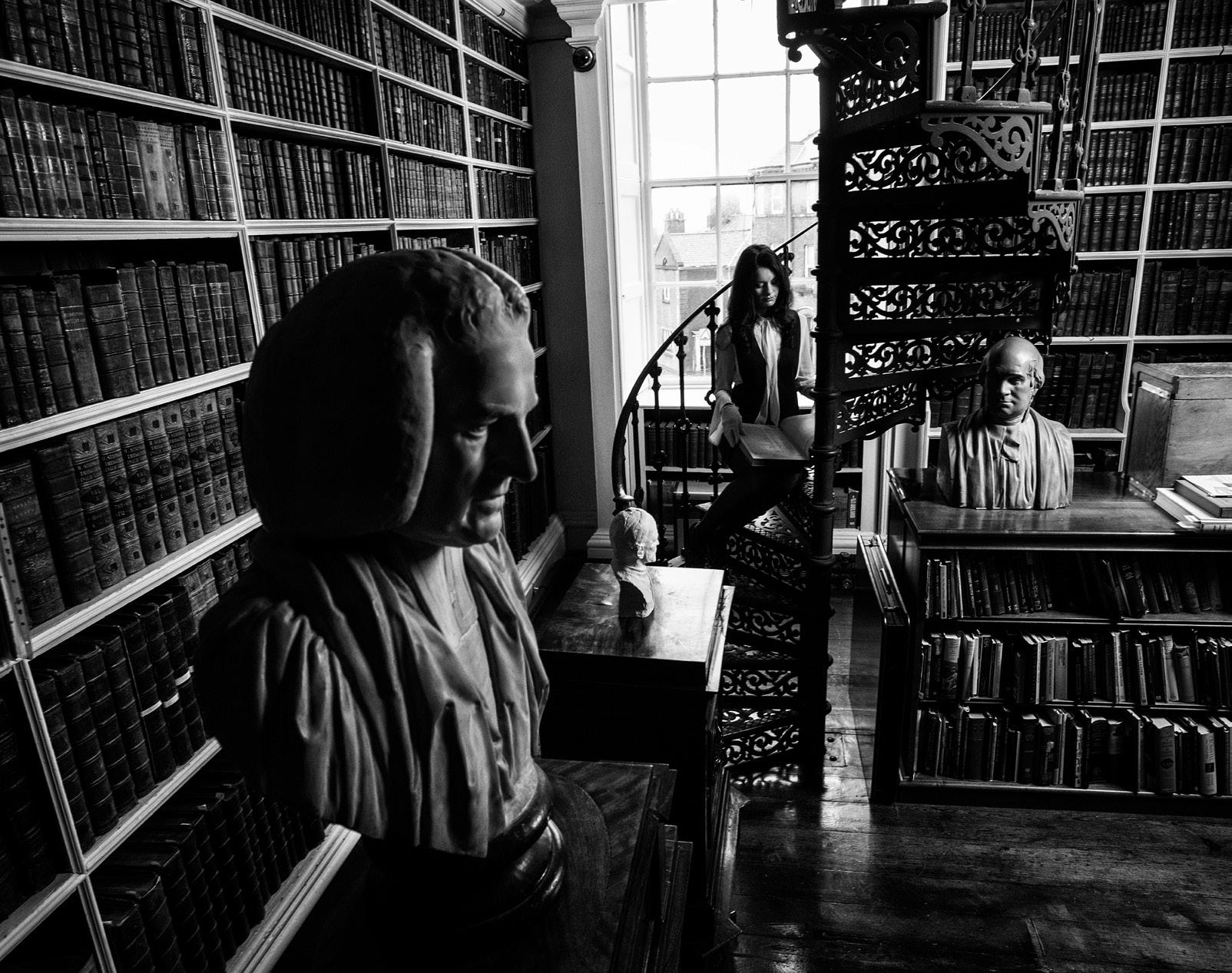
The Borough is also home to archival collections. The internationally renowned Armagh Robinson Library, founded by Archbishop Richard Robinson in 1771, holds treasures such as Jonathan Swift’s annotated copy of Gulliver’s Travels. The Cardinal Ó Fiaich Memorial Library and Archive houses national and international collections showcasing Irish and church history, the Irish language, traditional sports and the Irish overseas – serving as both a cultural and historical hub. The Cultural Heritage Service Library, Armagh, holds over 70,000 volumes, with some extremely rare items dating back to the 17th century. Public libraries and local studies collections across the Borough also provide vital access to community memory, genealogical records and local history resources. These are complemented by strong links to regional and national archives, including the Public Record Office of Northern Ireland (PRONI), ensuring that family history, civic heritage and research materials remain accessible to a wide audience.
Visitor and Cultural Centres
Heritage is animated and shared through a range of key visitor and cultural centres. The Argory and Ardress House are two exceptional National Trust properties within the Borough. The Navan Centre & Fort interprets Navan Fort (Emain Macha), one of the Royal Sites of Ireland and is on the Irish UNESCO World Heritage Tentative List. The Armagh Observatory & Planetarium, another site on the Irish UNESCO Tentative List, reflects the Borough’s long astronomical tradition while connecting cutting-edge scientific research and education. The Market Place Theatre serves as a hub for cultural activity, bringing together traditional and contemporary creativity. Dan
6 NI Museum Council Accredited Museums in ABC Borough: Ardress House, Portadown; Armagh Robinson Library, Armagh; Armagh County Museum, Armagh; Armagh Observatory and Planetarium, Armagh; F.E. McWilliams Gallery & Studio, Banbridge; Royal Irish Fusiliers Museum, Armagh; The Argory, Moy
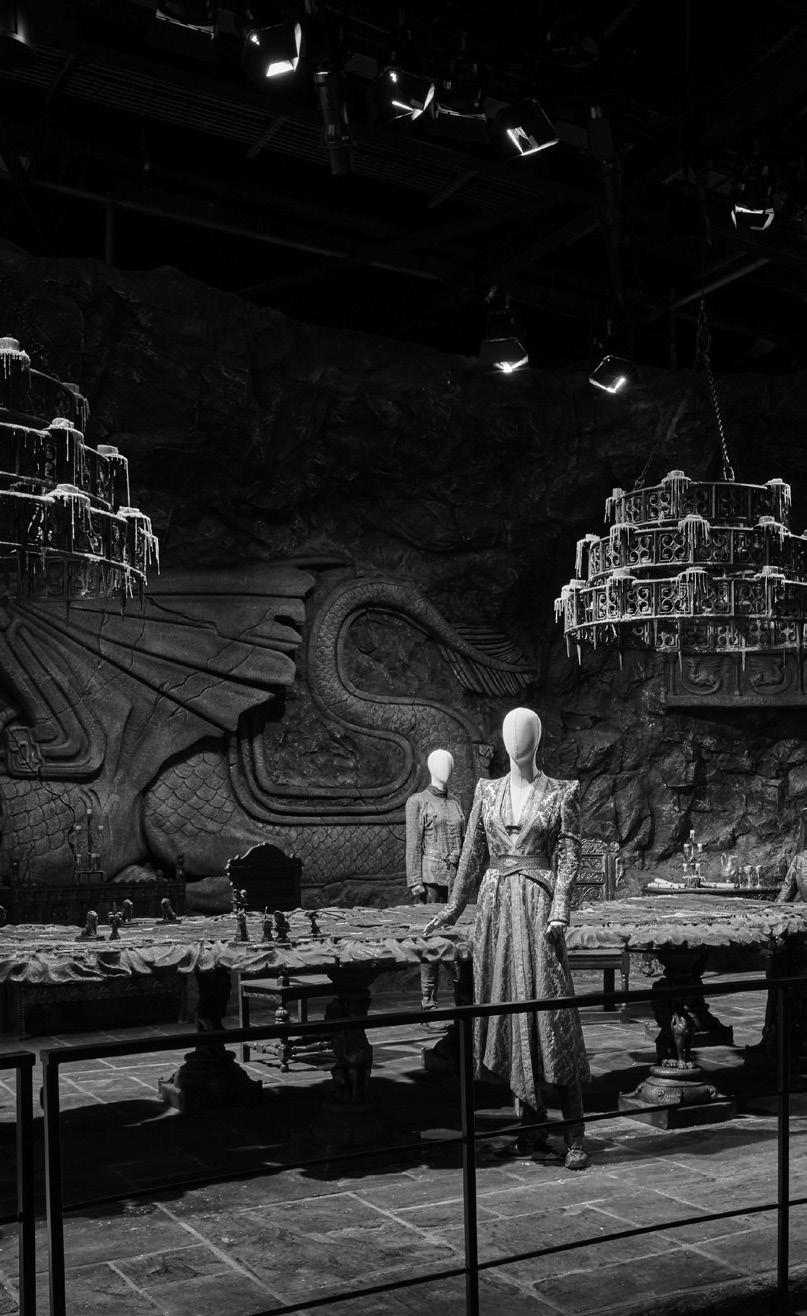
Winter’s Cottage and House are the ancestral homes of Dan Winter, one of the founders of the Grand Orange Lodge. The farmhouses present a picture of the past, displaying relics from the Battle of the Diamond and old farming and dairy artefacts. More recently, the Game of Thrones Studio Tour at Banbridge has attracted global attention, cementing the Borough’s role in screen heritage and tourism.
Community Heritage
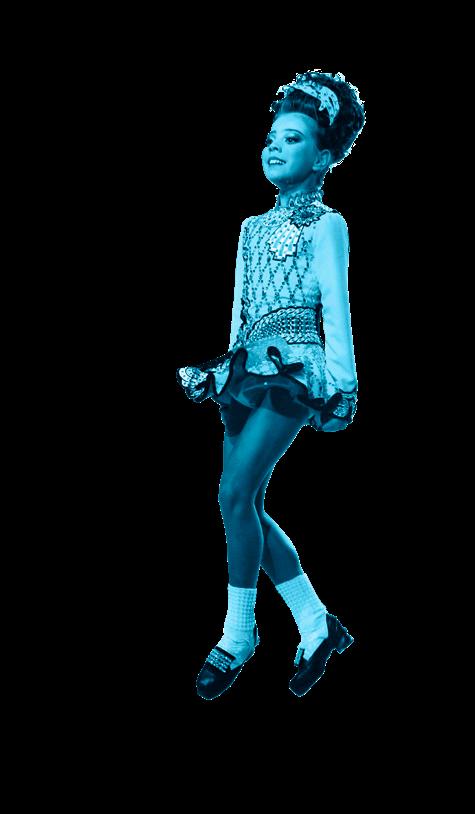
In addition to formal institutions, heritage is celebrated and sustained in community spaces such as houses, halls and cultural centres, which act as living repositories of memory and tradition. Examples include Cultúrlann Aonach Mhacha and Carleton Street Orange Hall, Portadown. These venues are vital in connecting heritage with everyday life, supporting intergenerational engagement and sustaining cultural practices, from music and dance to storytelling and sport. Our Borough is filled with many different interest groups and historical societies. Our residents are fascinated by their local area and with this strategy, we want to build on their outstanding work.
Vital that our communities' heritage is properly recorded celebrated and most importantly shared.
The historic environment within the Borough has numerous designated heritage assets, including individual buildings, monuments and green spaces, as well as areas that have collective heritage value. There are many natural heritage sites, ranging from internationally recognised areas of exceptional interest, to locally important places and priority habitats. The strategy cannot lay these out in full, but an overview is listed below.
4.1 Built Heritage
World Heritage Sites
Armagh City, Banbridge and Craigavon Borough has the notable distinction of having two sites on the Irish UNESCO World Heritage Tentative List, which is the mandatory first step in achieving World Heritage status. Both are transnational bids. Navan Fort, one of the Royal Sites of Ireland, was added to the Tentative World Heritage List in 2022, due to its profound archaeological significance. It is supported by Navan Centre & Fort, an interpretative visitor centre which is open to the public.
Armagh Observatory is the oldest scientific institution in Northern Ireland still in continuous use, with a long unbroken series of meteorological and astronomical observations. Together with the observatories at Birr Castle in County Offaly and Dunsink in County Dublin, it is part of a transnational bid and was added to the Irish Tentative List in 2025. Although Armagh Observatory is accessible for guided tours, public access and interpretation are provided at the adjacent Planetarium.
State Care and Scheduled Monuments
Archaeological sites and monuments are protected under the Historic Monuments and Archaeological Objects (NI) Order 1995. They represent all periods of human settlement in Ireland ‘from around 7000 BC7 to the 20th century’8 and are administered by the Department for Communities. There are 159 state care monuments in the Borough, including high crosses at Dromore and Eglish, the motte and bailey at Dromore, forts and raths - such as those at Navan Fort, Lisnavarragh and Tray - and the Meridian Markers at Armagh Observatory. There are also 169 Scheduled Monuments, as well as 1292 other recorded archaeological sites and monuments across the Borough.
Area of Significant Archaeological Interest and Areas of Archaeological Potential
These are areas classified by Planning Policy Statement 6 (Archaeology and Built Heritage) as having the potential to hold archaeological remains which may be encountered during the course of development or change. The Borough has one Area of Significant Archaeological Interest, encompassing a range of sites at the Navan Complex. This is one of the most important prehistoric landscapes in Ireland and is on the Irish UNESCO World Heritage Tentative List as part of the Royal Sites of Ireland. There are 21 Areas of Archaeological10 Potential within the Borough
Listed Buildings
There are 110811 listed buildings in the Borough, designated for their special architectural or historic interest. They include churches, houses, walls and bridges, as well as the best examples of ‘everyday’ heritage such as post boxes and telephone kiosks. The number
7 Before Common Era
8
of listed buildings is being updated by the Historic Environment Division (HED) of the Department for Communities and is likely to grow as survey work continues.
Heritage at Risk
Heritage At Risk Northern Ireland (HARNI) is a register of historic buildings and monuments across Northern Ireland that are considered vulnerable due to neglect, disuse or threats such as inappropriate development or heritage crime. It is a partnership initiative led by Ulster Architectural Heritage (UAH) and Historic Environment Division (HED) of the Department for Communities. There are 19412 buildings listed on the register in ABC Borough, which is the most of any council area in Northern Ireland and includes ten thatched buildings. It is important to note the Borough contains one of the highest concentrations of listed buildings in Northern Ireland and through a variety of schemes, 40 buildings13 formerly on the register have now been saved.
Historic Parks, Gardens & Demesnes
ABC Borough contains a rich tapestry of parks, gardens and demesnes, representing history, nature and community life and including civic spaces such as The Mall and the lush parkland of the Palace Demesne, both in Armagh City, as well as the wooded expanses of Gosford Forest Park, Markethill, Loughgall Country Park, Tannaghmore Gardens along with many smaller private sites. In all, some 32 sites across the Borough14 are included on the register and they represent an important contribution to our rich historic environment. The Register is compiled by the Department for Communities (HED); registered sites are protected through the planning system, as a material consideration in determining planning applications.
Conservation Areas
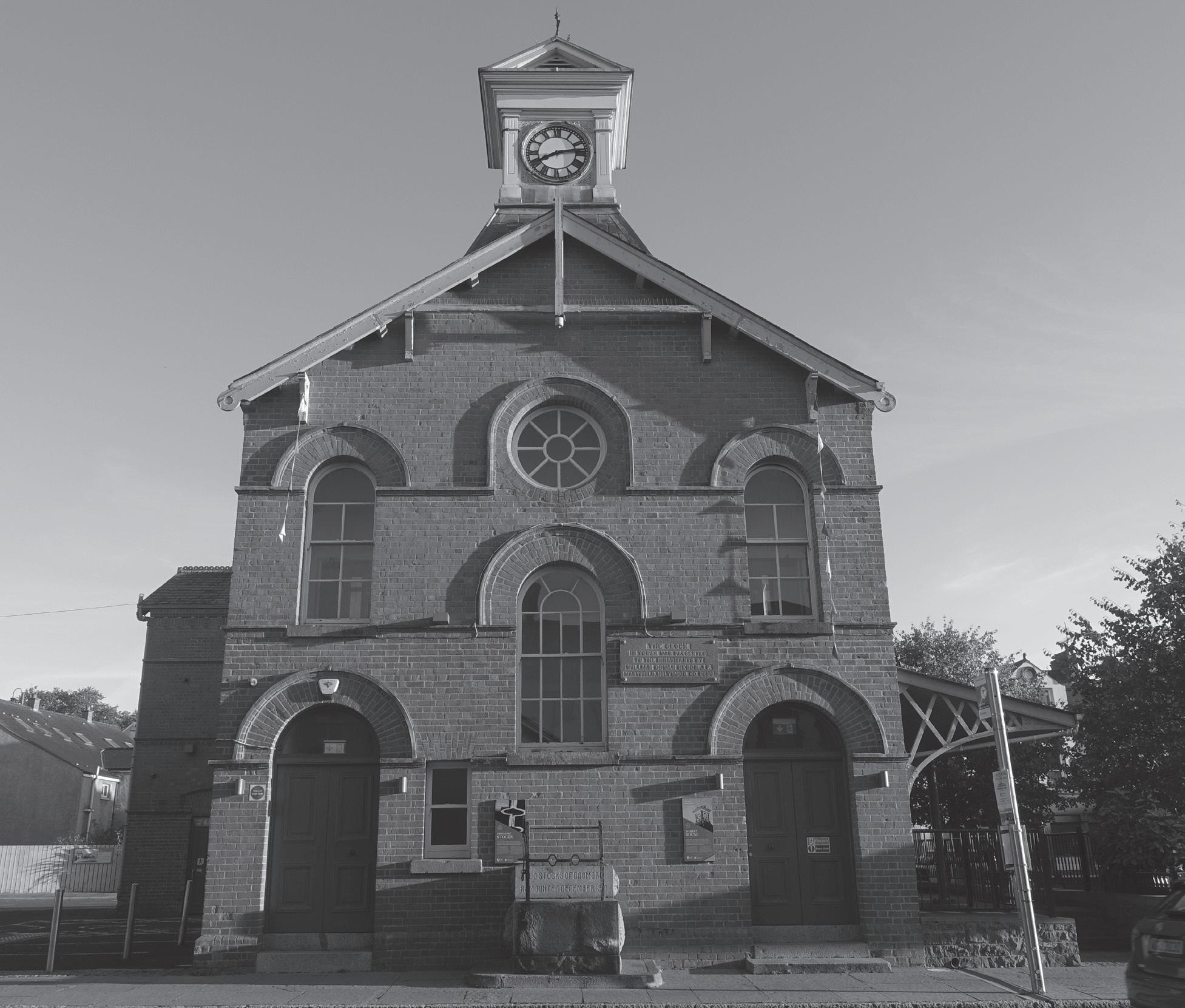
Under Section 104 of the Planning (NI) Act 2011, the Council’s Planning Department may designate an area of special architectural or historic interest as a conservation area where it is considered desirable to preserve or enhance its character or appearance. The five conservation areas in ABC Borough are located in Armagh City, Dromore, Loughgall, Lurgan and Richhill.
Areas of Townscape Character
Areas of Townscape Character are distinctive areas recognised for their special townscape qualities such as layout, historic buildings, streetscape or setting - but which do not meet the full criteria for designation as a Conservation Area.
There are 16 such areas in the borough15, located at:
• Annaclone
• Banbridge (Hayes Park, Peggy’s Loaning, Town Centre)
• Charlestown
• Donaghcloney
• Dromore (Mount Street, Meeting Street)
• Gilford (Gilford Mill & High Street, Town Centre)
• Loughbrickland
• Lurgan (College Walk)
• Portadown (Batchelor’s Walk)
• Rathfriland
• Scarva
• Tullylish
HERITAGE STRATEGY 2026 - 2036
Armagh City, Banbridge & Craigavon Borough
4.2 Natural Heritage
The Borough stretches from the shoreline of Lough Neagh to the foothills of the Mourne Mountains and comprises pastures, drumlins, urban settlements and the Bann and Blackwater river valleys. The diverse topography and geology of these landscapes give rise to wide-ranging wildlife and habitats, including fen, lowland raised bog, wet woodland and reedbed, as well as calcareous grassland and oak woodland.
The area is rich in designated nature conservation sites16 that are of local, national and international importance, established under a range of international conventions, national legislation, regional policies and EU directives. Twenty-two out of a potential 31 Northern Ireland Priority Habitats and 184 Northern Ireland Priority Species are present within the Borough, which is also well represented in sites designated for nature conservation, including sites of local, national and international importance. Key among these is Lough Neagh, which falls partially within the Borough and has multiple designations, including Ramsar, ASSI (Area of Special Scientific Interest), SPA (Special Protection Area) and National Nature Reserve status, reflecting their national and international significance.
The Borough also contains two Special Areas of Conservation (SAC) for lowland raised bog at Montiaghs Moss and located in Peatlands Park, indicating habitat of quality at a national level. Additionally, ABC Borough contains 21 ASSIs (Area of Special Scientific Interest), indicating sites of nature conservation value within the wider region. At a local level, there are 77 Sites of Local Nature Conservation Importance (SLNCI) and three Local Nature Reserves (LNR), designated under the Nature Conservation and Amenity Lands (NI) Order 1985, for their significant education or community value.
Landscape Character Areas
The Borough is home to a wide variety of landscapes, including rolling hills and drumlin landscapes, river valleys and the southern shores of Lough Neagh. The last Landscape Character Assessment (LCA), undertaken by the former Department of the Environment in 2000, identified 23 distinct landscape character areas within the Borough (some shared with other areas). The Blackwater Valley and Lough Neagh Shores were further identified as two distinct Areas of Scenic Quality. The forthcoming Local Development Plan from ABC Council, which is in preparation, will review these LCAs.
Local Landscape Policy Areas
The Council in its role as Planning Authority for the Borough has identified 101 Local Landscape Policy Areas (LLPA) across the Borough. While too numerous to list individually, each has been designated in order to protect areas of significant landscape value in the Borough.
Natural heritage is extremely important. I remember my mum telling me about the wild flowers growing along the hedgerows, eating clover, making daisy chains… this aspect of childhood is largely gone and so too is that connection and opportunity to explore nature.
Engagement response
16
4.3 Designated Assets
Built Heritage Designations:
2 IRISH WORLD HERITAGE (TENTATIVE LIST) SITES
1292 RECORDED ARCHAEOLOGICAL SITES AND MONUMENTS
5 CONSERVATION AREAS (CA)
16 AREAS OF TOWNSCAPE CHARACTER (ATC)
194 HERITAGE AT RISK (2026)
2 AREAS OF HIGH SCENIC QUALITY (AHSQ) Natural Designations:
21 AREAS OF SPECIAL SCIENTIFIC INTEREST (ASSIS)
83 TREE PRESERVATION ORDERS (TPO)
1 RAMSAR SITE (LOUGH NEAGH AND LOUGH BEG)
1 NATIONAL NATURE RESERVE (LOUGH NEAGH)
15 STATE CARE MONUMENTS (SM) MONUMENTS
21 AREAS OF ARCHAEOLOGICAL POTENTIAL (AAP)
1 AREA OF SIGNIFICANT ARCHAEOLOGICAL INTEREST (ASAI)
32 REGISTERED PARKS, GARDENS & DEMESNES
1108 LISTED BUILDINGS
Landscape Designations:
23 LANDSCAPE CHARACTER AREAS (LCA)
101 LOCAL LANDSCAPE POLICY AREAS (LLPA)
2 SPECIAL AREAS OF CONSERVATION (SACS:PEATLANDS PARK AND MONTIAGHS MOSS)
3 LOCAL NATURE RESERVES (LNR)
1 SPECIAL PROTECTED AREAS (SPAS: LOUGH NEAGH)
77 SITES OF LOCAL NATURE CONSERVATION IMPORTANCE (SLNCI)
5. Heritage Strengths and Challenges
5.1 Strengths
Cross-cutting Potential of Heritage
Heritage cuts across many areas of life, connecting culture, society, the economy and the historic and natural environments. It has the power to improve the quality of life for everyone by encouraging new, integrated ways of thinking that cut through traditional boundaries. Heritage builds opportunities for collaboration and partnership and opens new pathways that allow us to build on the past, while finding creative responses to the challenges of today.
Beyond immediate economic impact, it strengthens local communities, supports health and wellbeing and place-shaping and helps preserve traditional skills. In so doing, it generates both direct and indirect benefits which safeguard the rich legacies of our past, sustain our culture and identity and stimulate social and economic benefits.
Strategic Momentum
Stories, folklore and local history
are essential for establishing a sense of
identity
and self.
Engagement response
Fiscal Opportunities
Evidence shows that investment in Northern Ireland’s historic environment delivers a strong financial return, far beyond the initial outlay. UK studies have demonstrated that every £1 invested generates up to an extra £1.60 economic activity over the subsequent ten years17 In 2012 a report was commissioned analysing the Economic Impact of Heritage18 in Northern Ireland and they uncovered that the historic environment generates c. £532 million of output per year.
ABC Borough is well placed to build on recent milestones, including the legacy of the UK City of Culture bid, the City Growth Deal, Townscape Heritage Schemes (Armagh, Lurgan and Richhill) and its recognition as a National Lottery Heritage Fund ‘Heritage Place’. Together, these achievements highlight the Borough’s rich culture and creativity, demonstrate strong community and organisational support and create opportunities for cultural regeneration and investment. In addition, a number of strategic Council initiatives, notably Place Plans, will provide solid foundations for development across the Borough.
Other regional strategies also present opportunities, such as the Community Asset Transfer 19 and the Village Catalyst20 schemes. More recently, the Borough has been involved in the Art Fund’s ‘Going Places’ Project, dedicated to engaging new and under-represented communities in museum collections. These initiatives have inspired, connected and engaged our newest communities in creating a sense of place within ABC Borough.
17 NI Heritage Delivers, How Heritage Delivers, Prosperity
18 Study on the Economic Value of Northern Ireland’s Historic Environment 2012, Department of Communities
19 Community Asset Transfer involves the transfer of publicly owned land and buildings from public authority to community organisations. The process is governed by the 1972 Local Government Act (Northern Ireland). More information can be found on the Department of Communities website
20 Village Catalyst Scheme is a programme between the Departments of Communities, Agriculture, Environment and Rural Affairs, the Northern Ireland Housing Executive and Architectural Heritage Fund. More information can be found on the Department of Communities’ website
Armagh City, Banbridge & Craigavon Borough
HERITAGE STRATEGY 2026 - 2036
Moreover, ABC is currently exploring future heritage, arts and culture initiatives such as ‘Art on your Doorstep’ with the National Gallery, London. By harnessing this momentum, ABC Borough will be well placed to attract further resources, strengthen partnerships and ensure that heritage plays a central role in shaping a vibrant, sustainable future.
Regeneration Opportunities
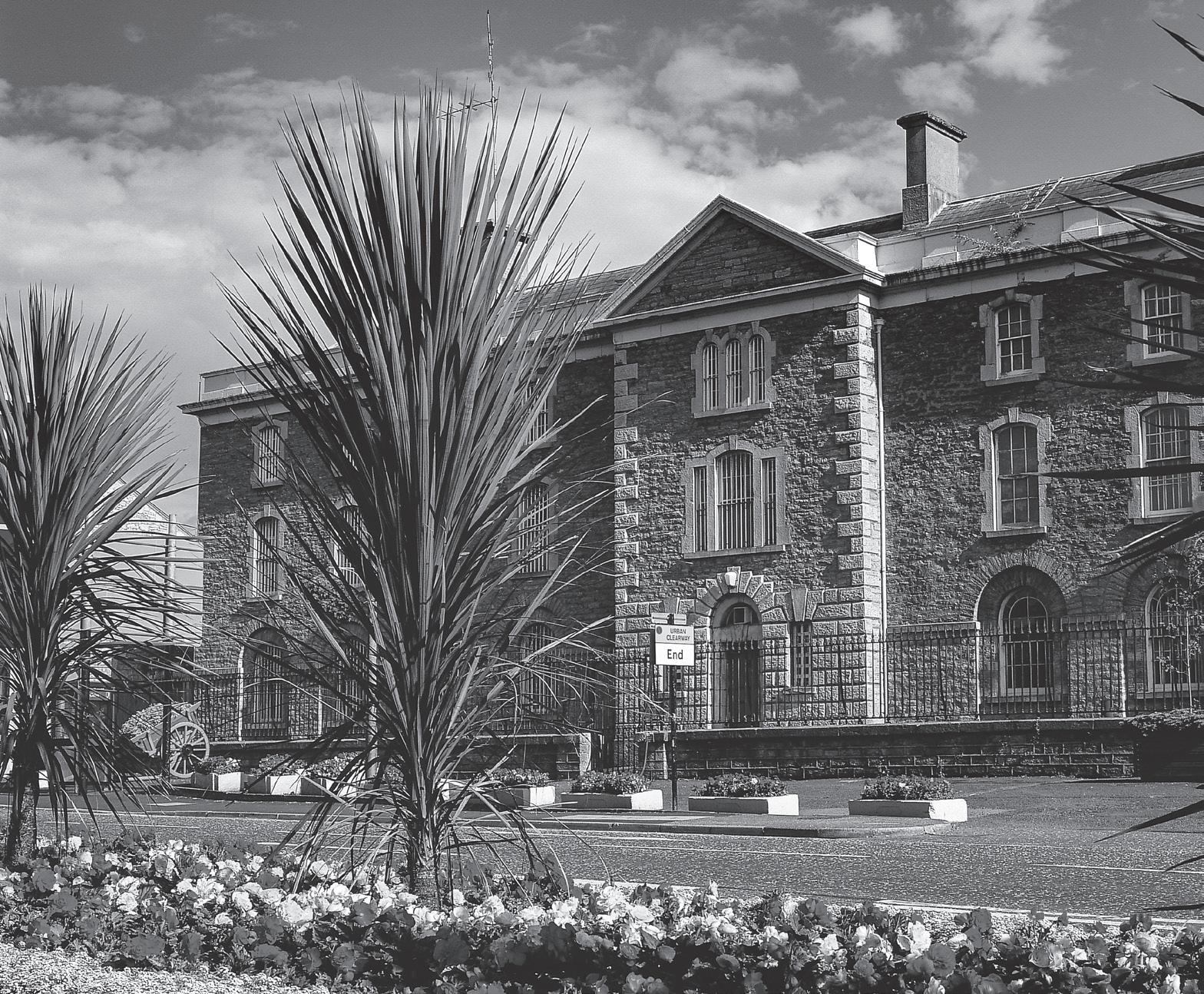
ABC Borough has a strong track record in regeneration, built on successful programmes including the Townscape Heritage Schemes in, Armagh City, Lurgan and Richhill. Across the Borough, there are key buildings with clear but unrealised potential, such as Armagh Gaol, as well as a wider network of untapped assets and under-used spaces that could serve their communities more effectively.
Nature Recovery Opportunities
The value of incorporating nature into urban spaces to support the nature recovery agenda is being recognised across the UK and Ireland21. It offers rich sources of best-practice and inspiration, as well as opportunities to integrate the historic and natural environments for nature recovery. Through a number of ‘CatchmentCARE’22 community projects, local groups in ABC have raised awareness of biodiversity and improved conditions for nature to flourish.
There is great diversity in the Borough’s buildings and this links well with the natural and cultural heritage of our places. This is already happening through the Lurgan and Armagh THIs, which have been fantastic. Once they are finished, it’s important to keep up the momentum and continue courses and projects, while making sure they remain sustainable. Engagement response
A
healthy clean environment, including our rivers and lakes. Engagement response
Quality Parks, Accessible Green Spaces and Landscapes
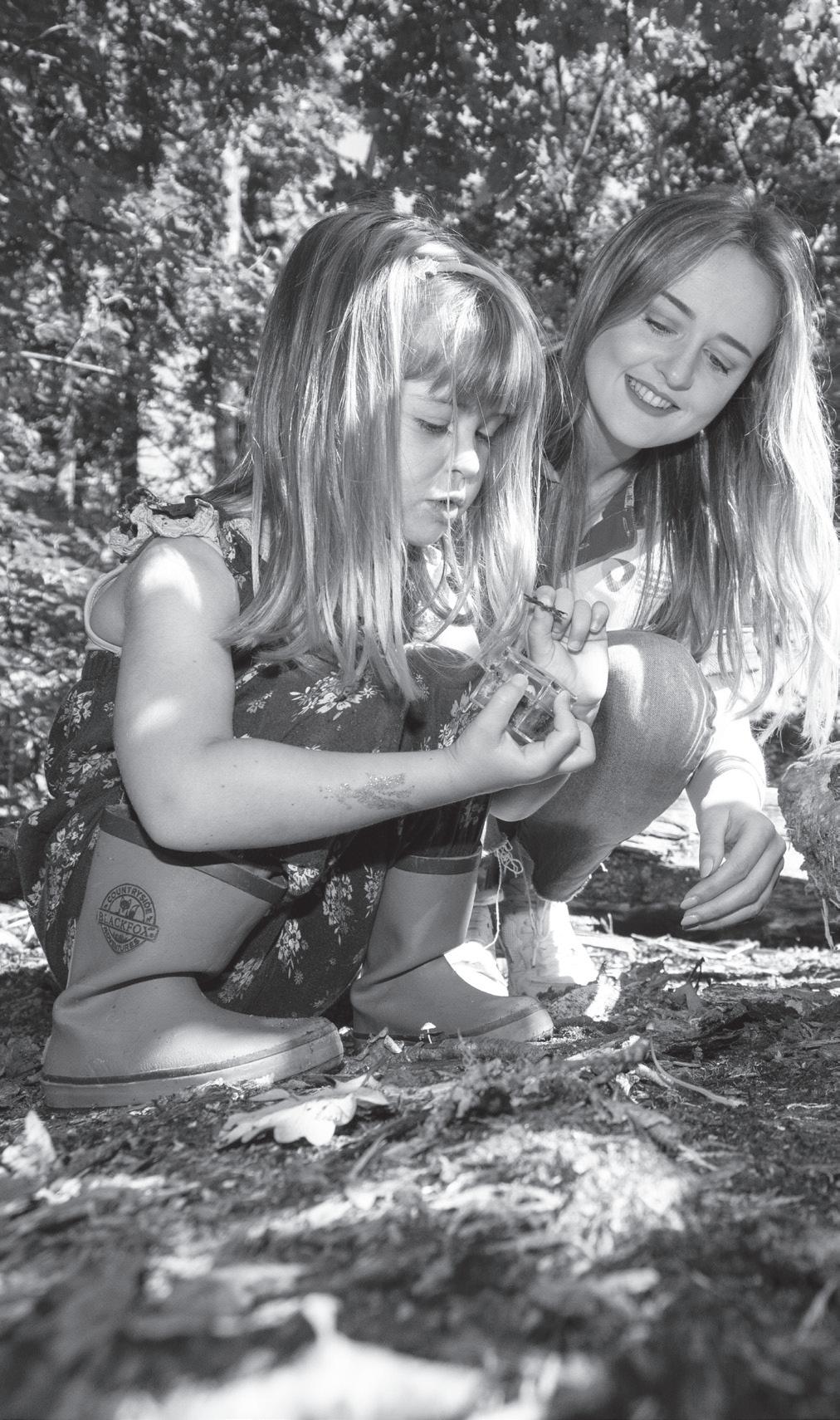
One of the Borough’s greatest strengths is the range and variety of its natural places - both designated and undesignated - including landscapes, wetland, peatland, parkland and green spaces. Connecting these areas could bring significant benefits for people and nature, creating more opportunities for nature recovery, quiet enjoyment, volunteering, health and wellbeing activities and recreation. Our parks and open spaces are already utilised by our residents. Through a number of natural heritage projects our communities have explored nature and their heritage through traditional play, Forest School programmes in Lurgan Park, Oxford Island and Tannaghmore Park and the creation of sensory gardens. These community grow projects are a handson way for our residents to have direct involvement in nature recovery and boost our Borough’s biodiversity.
21 The Nature Recovery Network
22 Catchment CARE (Community Actions for Resilient Ecosystems) Project 2018 -2023. Visit https://catchmentcare.eu/for more details
Arts and Culture
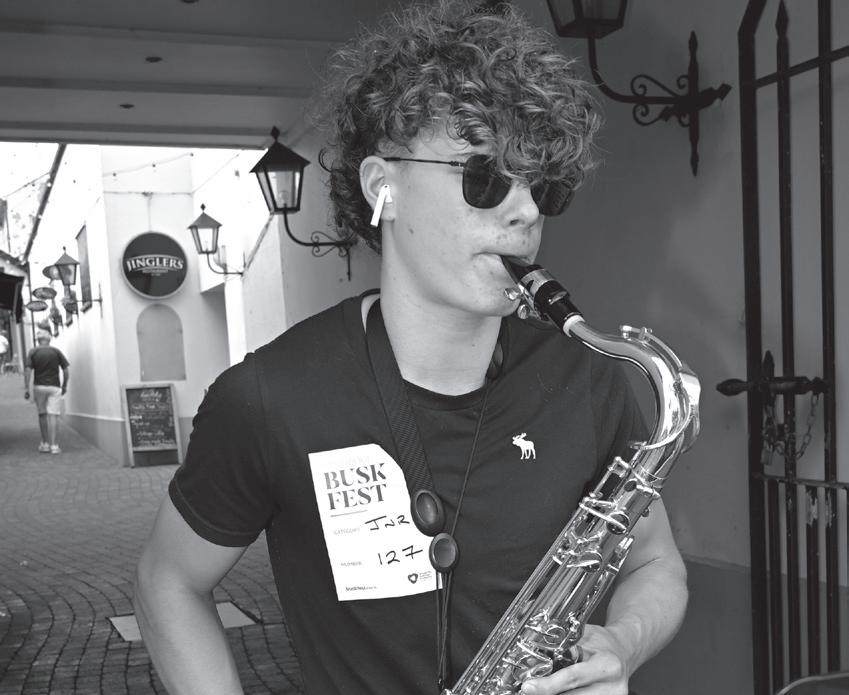
The Borough is well served by arts and cultural venues of local, national and international significance, showcasing both heritage and contemporary creativity. Museums and libraries offer immersive insights into history, archaeology and social life, while cultural centres, theatres and music venues provide diverse cultural experiences. Community arts programmes and festivals further enrich this creative landscape by celebrating the talents of both emerging and established artists. Community festivals across the year reflect the culture and heritage of ABC Borough, including St. Patrick’s Day in March and July parades by the Grand Orange Lodge of Ireland and the Royal Black Institution. Other commemorative festivals - such as ‘John Hewitt International Summer School’, ‘Charles Wood Festival of Music’, ‘A.E. Russell Literary Festival’, ‘Tommy Makem Festival’ and ‘William Kennedy Piping Festival’ - draw on the legacy of our famous writers, artists and musicians. They continue to inspire the next generation of creatives. Signature festivals organised by ABC Council also include ‘7 Hills Blues Fest’, ‘Armagh Georgian Festival’, ‘BuskFest’, ‘Food and Cider’, and ‘Home of St. Patrick’. Events such as these help to bring heritage to life through the creation of immersive and entertaining experiences.
Rich Intangibles
Armagh City, Banbridge and Craigavon Borough’s intangible cultural heritage is a living asset, where music, storytelling, sport and traditions connect generations and shape a strong sense of identity rooted in people’s ‘everyday’ experience of life, community and personal heritage. Agricultural and land-based rural practices, such as apple growing, eel fishing and basket-weaving, also contribute to the Borough’s distinctive character. This rich offering nurtures opportunities to celebrate creativity, strengthen community pride and promote the Borough.
All this local knowledge needs captured now, digitalised for future generations.
Engagement response
Grassroots Energy
The grass-roots heritage and cultural initiatives that take place throughout the Borough underpin that our communities are one of our greatest strengths. Rural Community initiatives such as ‘Dromore Linen Festival’, ‘The Rath Literary Festival’, ‘Poyntzpass Fair Days’ and ‘Country Comes to Town in Portadown’ ensure that our communities are brought together to celebrate their local heritage. But there is so much more to unlock and explore and during engagement for this strategy, people consistently expressed a strong desire to be involved.
Cross-border and International Potential
The Borough’s location, heritage and institutional presence give it a unique position as a place of cross-border and international significance. Armagh City is home to the North/ South Ministerial Council Secretariat, the central institution of political cooperation established by the Good Friday Agreement. This places the Borough at the heart of allisland governance and underscores its role as a neutral meeting ground. Combined with its proximity to the border, its historic status as an ecclesiastical capital and its existing cultural and tourism networks, ABC Borough has strong potential to serve as a hub for cross-border collaboration.
5.2 Challenges
Strategy and Collaboration
The opportunity exists to improve how we work together – to do so in more innovative and collaborative ways and to overcome the tendency for short-term or ‘siloed’ thinking. Not only will this improve the potential of heritage to impact many strategic objectives, it will also create more better-lasting outcomes in service of people, place and environment.
Fiscal Challenges
As with other regions, ABC Borough faces financial pressures, with limited budgets and challenges in securing sustainable income. Delivering the Strategy’s priorities will involve maximising existing resources, diversifying future investments and building strong partnerships. Opportunities include external funding from bodies such as the Heritage Fund and PEACEPLUS, as well as cross-border collaboration, developer contributions, charitable sources and public–private investment. Alternative management models such as trusts, partnerships and communityled organisations may also help attract resources, broaden participation and reduce the financial burden.
Under-performing Assets
Many buildings, towns and villages across the Borough retain their historic character and traditional charm but suffer from a lack of investment. Some of our cultural and community spaces are under-used and underappreciated and are not meeting the needs of the community as well as they should. While recognising that not all aspects of these challenges can be addressed locally, there is an opportunity to take a more strategic and ambitious approach - strengthening our commitment to care, ensuring heritage assets are better used and managed and embedding heritage considerations across strategy and policy.
Too many older buildings being left abandoned.
Historical buildings are being neglected.
Engagement response
Environmental Challenges
Our heritage faces growing environmental pressures, from the effects of climate change on historic places and landscapes, to the rapid loss of biodiversity. Northern Ireland has committed to major action for nature recovery, aiming to manage 30% of land for nature by 2030 through a landscape-scale recovery network. Heritage can play an important role in supporting this nature-positive agenda. There are real opportunities for innovative, collaborative approaches that demonstrate and promote the value of nature in people’s everyday lives.
Community Disconnect
Throughout the engagement processes, it became clear that heritage means different things to different people. At community level, the word ‘heritage’ can sometimes be a barrier, making it hard for people to relate it to what they value and what they want to pass on, as well as the everyday aspects of heritage in their own lives. There is often a gap between people’s lived experience and formal or designated heritage, which can be seen as something ‘for the experts’. Many voluntary efforts are informal and go unrecognised and people’s willingness to be involved is a major untapped resource that can too easily be overlooked.
I genuinely just wouldn’t know how to get involved, where I would fit with it, what ways I could get involved or even where.
Engagement response
Representation
Our community encompasses people from different cultural, religious and political backgrounds and sexual identities, as well as different generations. This means there is an opportunity to make heritage engagement more diverse and representative of these wideranging groups.
Newer communities can become more involved in ‘civic’ heritage initiatives and supported to share their own cultural heritage, building on initiatives such as the ‘Going Places’ project in Armagh County Museum. Intergenerational activity and succession planning are also important, as an ageing population poses real risks to the preservation of traditions and to collective cultural and community memory.
Heritage in ABC Borough is supported and influenced by a wide range of policies at local, regional and national levels. These frameworks highlight how heritage connects to our three strategic themes. The full review of policies is provided in the Appendix.
Policies at all levels emphasise the importance of strong structures, cross-sector partnerships and sustainable investment. Locally, ABC Council’s Corporate Plan (2023-2027) provides a foundation for coordinated action. Regionally, the Arts Council NI Ten-Year Strategy (20242034) and the DfC Heritage, Culture and Creativity Programme Purpose and Framework (2025) underline the need for long-term support and new delivery models. National and cross-border frameworks such as Heritage Ireland 2030, Nature Positive (2021) and the UN Sustainable Development Goals (2015) reinforce the role of culture and heritage in inclusion, education and social sustainability.
Heritage policies strongly connect with frameworks for place-related regeneration, climate resilience and environmental stewardship. These include, the Armagh, Banbridge and Dromore Place Plans and emerging Place Plans for Craigavon, Portadown and Lurgan areas. Plans are also in place to develop Local Towns and Villages Place Plans in Gilford, Keady and Rathfriland. The Tourism Economy Action Plan (2018) and the Climate and Sustainability Action Plan (Draft, 2025) link heritage with sustainable growth. The Lough Neagh Report (2024) highlights the importance of protecting a natural and cultural landmark. Regionally, the High Street Task Force Report (2022), Shaping Sustainable Places consultation (2025) and the Green Growth Strategy (2021) all position heritage within
broader regeneration and climate priorities. National frameworks such as the UK Net Zero Strategy (2021), Nature Recovery Networks and the Water Framework Directive (2000) highlight the shared responsibility for sustaining places and landscapes.
Frameworks also emphasise the role of heritage in strengthening communities and empowering people. Locally, the Connected Community Plan (2017-2030), PEACEPLUS Action Plan (2025) and the Age-Friendly Strategy (2022-2025) highlight inclusion, cohesion and wellbeing. Council’s Our Community Engagement Strategy (2019) sets a clear expectation for collaboration and accessibility. Regionally, the Children and Young People’s Strategy (2020-2030) and Tackling Rural Poverty and Social Isolation (2016) show how heritage can support equality of opportunity and rural participation.
ABC25 UK City of Culture Bid (2022)
Age-Friendly Strategy (2022-2025)
Agriculture Strategy (2022)
Air Quality Action Plan (2022-2024)
Armagh Place Plan (2022)
Arts, Culture and Heritage Framework (2021-2031)
Banbridge Place Plan (2024)
Climate and Sustainability Action Plan Draft (2025)
Connected - Community Plan (2017-2030)
Corporate Plan (2023-2027)
Culture Connects (2023)
Dromore Place Plan (2025)
Environmental Policy Statement (2018)
Our Community Engagement Strategy (2019)
PEACEPLUS Action Plan and Summary (2025)
Tourism Economy Action Plan (2018)
REGIONAL
A Way Forward: Report of the Culture, Arts & Heritage Taskforce (DfC, 2022)
Arts Council NI 10-Year Strategy (2024–2034)
Children and Young People’s Strategy (DE, 2020-2030)
Environmental Improvement Plan (DAERA, 2024)
Food Strategy Framework (DAERA, 2024)
Green Growth Strategy (DAERA, 2021)
Heritage, Culture and Creativity Programme Purpose and Framework (DfC, 2025)
Heritage Delivers: NI Heritage Statistics (2019)
Heritage Skills in NI (DfC, 2018)
High Street Task Force - Delivering a 21st Century High Street (MAG, 2022)
Impact of Climate Change on the Historic Built Environment (DfC, 2021)
Armagh City, Banbridge & Craigavon Borough
HERITAGE STRATEGY 2026 - 2036
Manifesto for Landscapes in NI (Landscapes NI, 2024)
Market Failure Analysis of the Heritage Sector in NI (DfC, 2025)
Mid South West Regional Economic Strategy (2020)
Programme for Government (2024-2027)
Regional Development Strategy (2035)
Shaping Sustainable Places (consultation, 2025)
Study on the Economic Value of NI’s Historic Environment (2012)
Tackling Rural Poverty and Social Isolation (DAERA, 2016)
The Heritage, Culture and Creativity Programme: Purpose and Framework (DfC, 2024)
The Lough Neagh Report (2024)
OTHER / NATIONAL / INTERNATIONAL
Heritage Ireland 2030 (2020)
Nature Positive (UK Gov, 2021)
The Nature Recovery Network (DEFRA)
The 2030 Agenda - UN Sustainable Development Goals (2015)
UK Net Zero Strategy: Build Back Greener (2021)
UK Water Framework Directive (EU, 2000)
7. Engagement
7.1 How we approached engagement
The approach to engagement was shaped by ABC Council’s Our Community Engagement Strategy (2019), aligned with the Rural Needs Act (NI) (2016) and guided by Section 75 of the Northern Ireland Act (1998), which places a duty on public authorities to promote equality of opportunity and good relations. Together, these frameworks ensured that our engagement was inclusive, accessible and responsive to the needs of both urban and rural communities.
Building on this, we blended traditional engagement methods with creative and innovative approaches that captured imagination and inspired a sense of belonging. The engagement was always people-focused, rooted in the communities and places of ABC Borough and guided by the values at the core of The National Lottery Heritage Fund Investment Principle 3: Inclusion, Access and Participation.
The strategy was co-designed with people, not for them. The approach was based on the belief that local residents are the experts and custodians of their own heritage. Activities were designed in partnership with communities and organisations, building capacity and enabling partners to go further together.
The aim was to make participation easy and accessible, meeting people where they are - at school, in local shops, at events and even at the livestock mart. Our focus was on the needs and experiences of participants, ensuring
that people from diverse backgrounds felt comfortable and confident to join in. The sessions were designed to be responsive to people’s needs and activities were varied to suit different styles, ensuring all voices could be heard and valued.
Creative methods were used to highlight the value that anyone can bring to the process. Engagement became a way to embody the project’s values, bringing people together and promoting a positive vision for life in the Borough. We remained open and flexible throughout, responding to emerging needs, discovering new connections and celebrating the Borough’s untapped heritage potential.
7.2 How we engaged with people
Surveys
The ABC Council ‘Citizen Space’ platform was used to run the heritage survey across the Borough. It combined multiple-choice and open questions so people could share both quick feedback and personal stories. The survey was promoted online through Council channels, direct emails and social media. In addition, the Council’s existing Georgian Day survey was expanded with a heritage question to capture views at this popular annual event. Alongside extensive public consultation, residents, stakeholders and the community were offered the opportunity to again share their thoughts on the Heritage Strategy between December 2025 and March 2026.
Meetings
One-to-one and small group meetings were held with key agencies, organisations and interest groups. These conversations allowed us to build relationships, share information and hear strategic insights. Some groups approached the Council directly to take part, while others were invited because of their importance to the long-term success of the strategy.
Social Media
Working with the Council’s communications team, we used the ABC Culture platform to raise awareness of heritage and the Heritage Places programme. Posts highlighted everyday stories, diverse voices and local events, reaching people who might not otherwise become involved in heritage.
Workshops
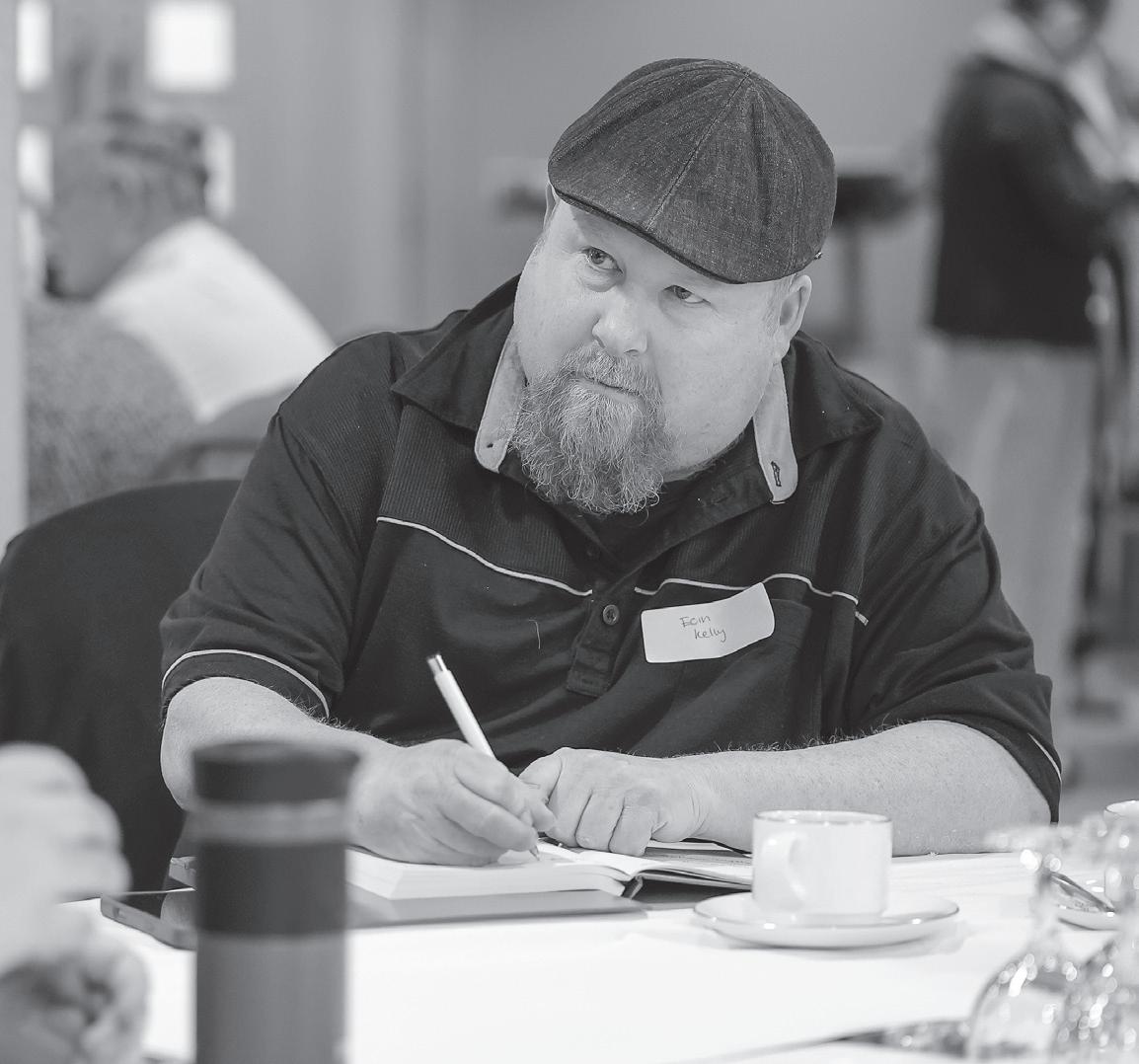
A series of workshops were facilitated on the themes of Built Heritage, Natural Heritage, Culture & Arts and Community. Invitees were identified with the help of Council departments and statutory agencies, while the sessions were also open to interested community organisations. Participants worked in small groups to develop visions, map challenges and identify opportunities. Follow-up workshops were held to prioritise ideas and test emerging actions.
Drop-ins
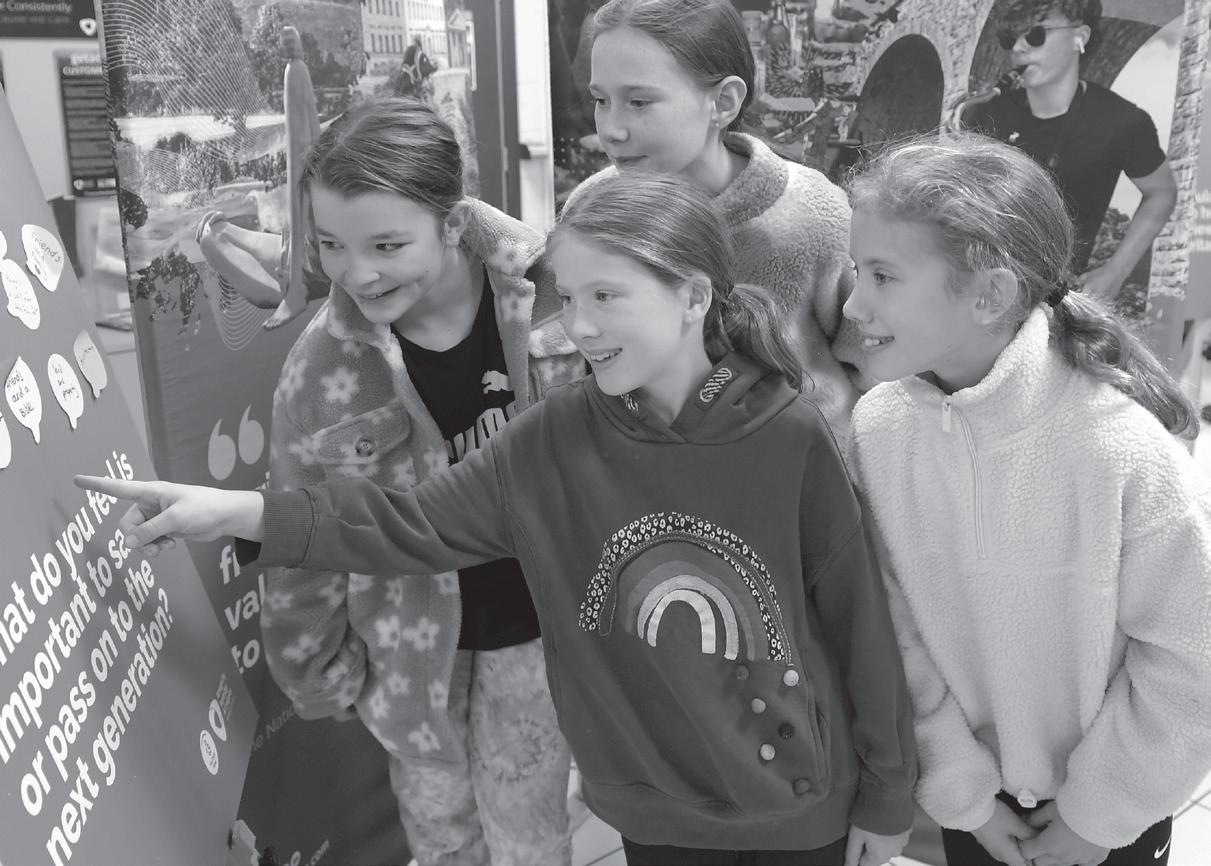
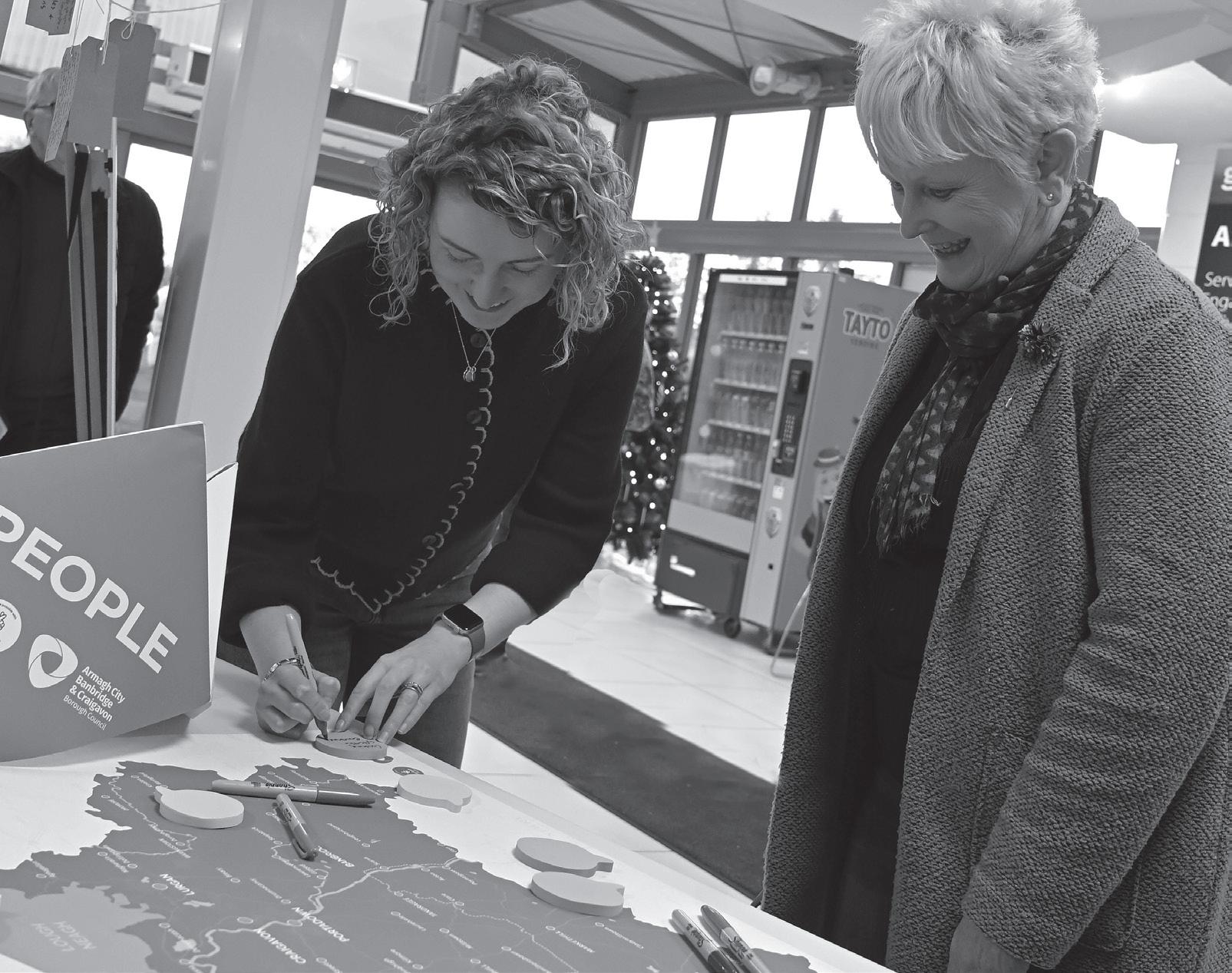
A number of informal drop-in sessions were hosted in all seven District Electoral Areas across the Borough. These took place in unusual venues (such as the Farmer’s Mart and Tesco) and at different times in order to reach as many people as possible. Visitors shared responses to two key questions: ‘What do you value about your place?’ and ‘What do you want to leave for future generations?’
Schools
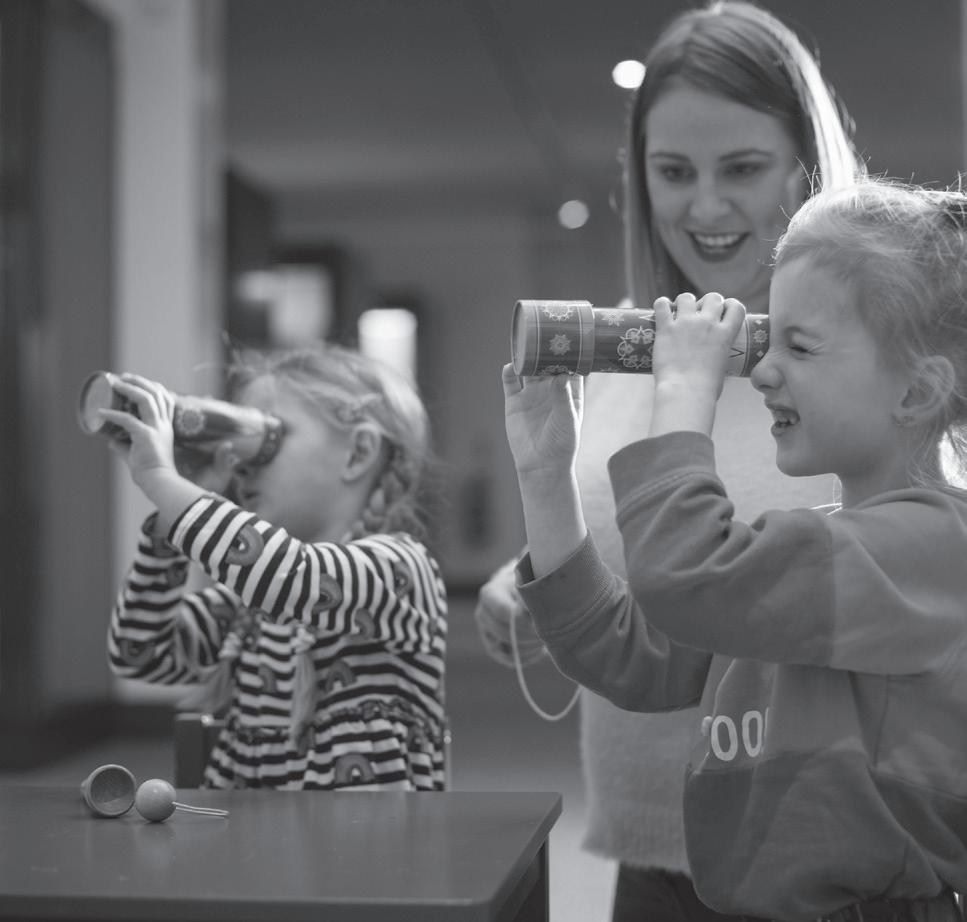
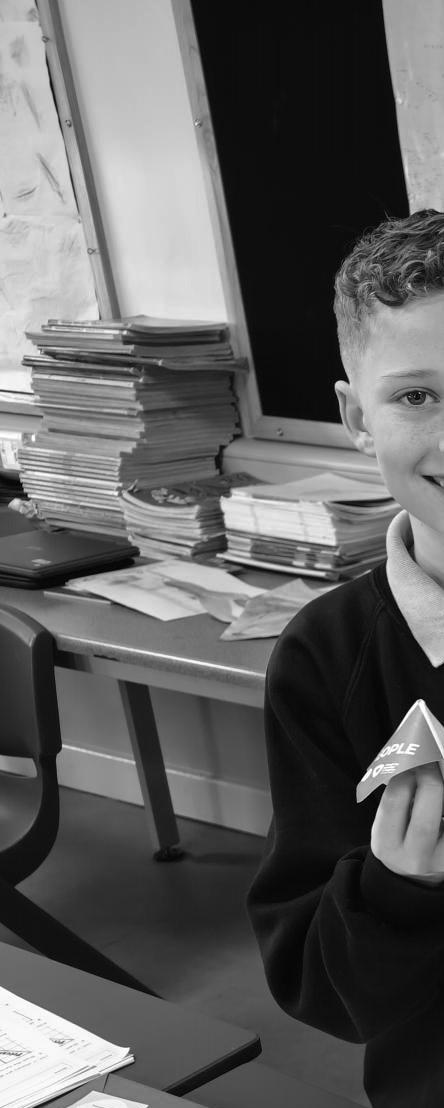
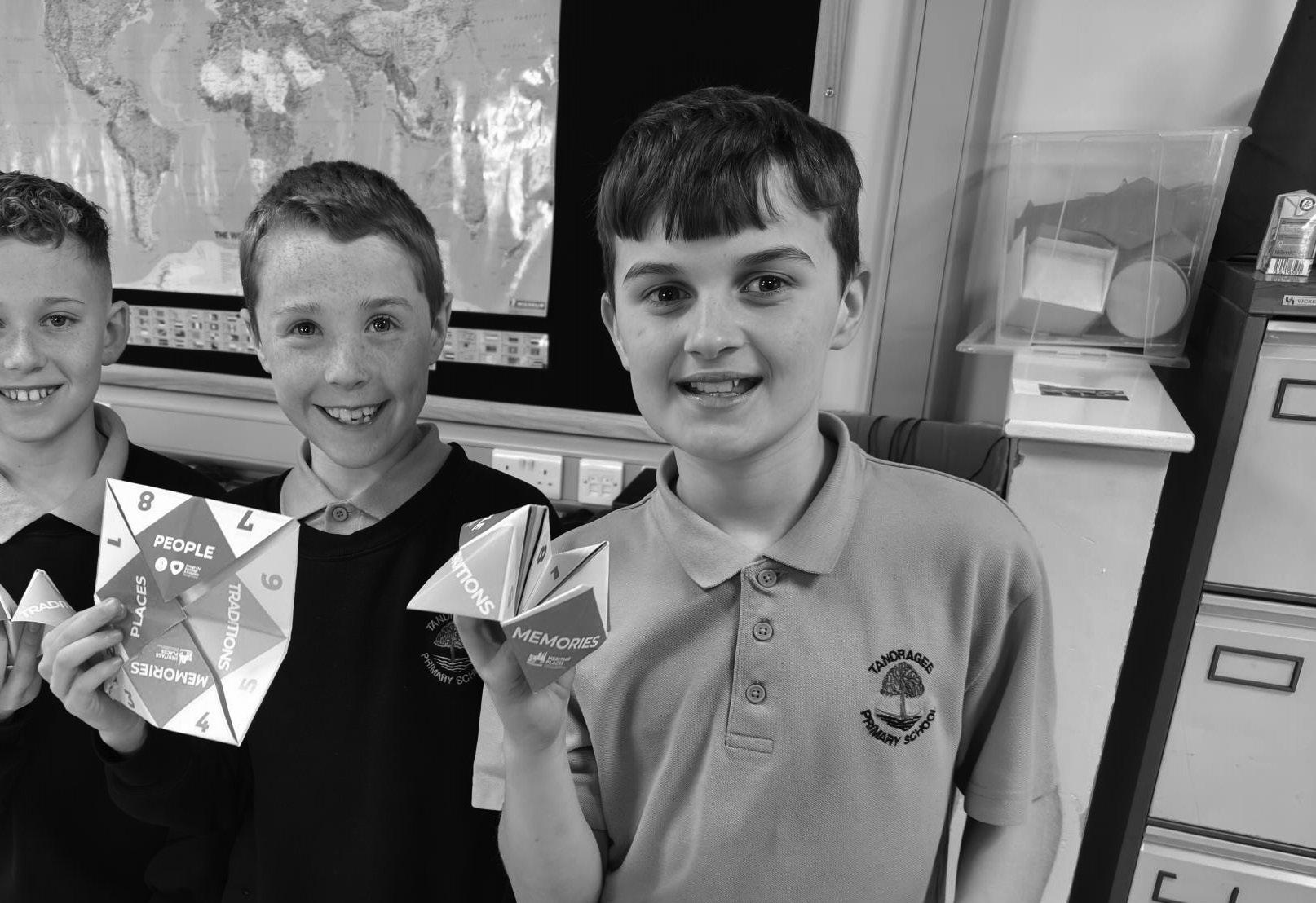
All schools in the Borough were invited to take part in a bespoke heritage programme. Primary schools received activity packs encouraging pupils to record their views on heritage, family stories and recipes. We also created a fun ‘chatterbox’ game to spark conversations. In secondary schools, students explored heritage through digital storytelling, producing a short educational video using archival footage in partnership with the AMMA Centre (Education Authority) and Northern Ireland Screen’s Digital Film Archive. These activities helped us to understand how young people see and experience heritage today.
Creative Programme
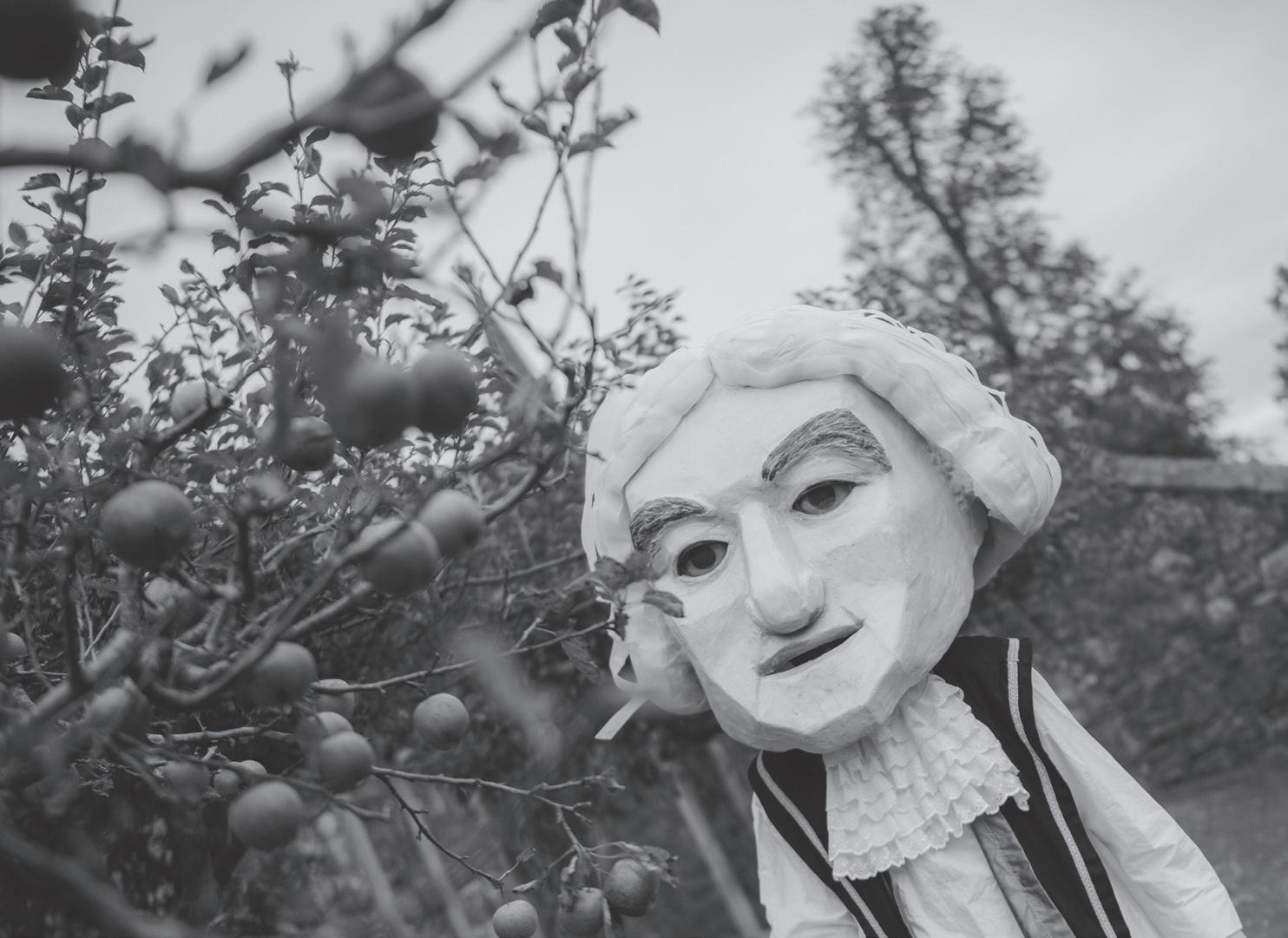
We co-developed creative, site-specific events to celebrate local heritage and reach people who would not usually regard heritage as something for them. Highlights included a World War Two-inspired Murder Mystery at Brownlow Castle, cycle tours along Craigavon’s Black Paths and a roaming mobile museum cart designed by a local designer/maker, which sparked conversations in unexpected places.
Armagh City, Banbridge & Craigavon Borough
Funding Programme
To widen participation and explore existing interest in heritage, we partnered with the Council’s Tak£500+ Participatory Budgeting Scheme. This scheme gives local groups the opportunity to apply for funding to deliver their own heritage-related projects, allowing the local community to have their say on how funding can be spent. It encourages new voices, community ownership, testing ideas and supporting grassroots activity across the Borough. Insights from Tak£500+ projects will help shape pathways for ongoing small grants under this Strategy.
7.3 What people told us
Almost 10,000 people participated in the strategy development. Through workshops, surveys, drop-ins, creative sessions and one-to-one conversations, people across ABC Borough shared a powerful and consistent message that heritage matters and that it must be inclusive, useful and rooted in the everyday lives of local people.
The Engagement Report (see appendices) contains details of each moment of engagement, but here are the key findings:
KEY FINDINGS
Heritage connects beyond the Borough. People want ABC to play a bigger role in shared cultural conversations across borders, across sectors and with the wider world. There is an appetite for cross-border collaboration, diaspora engagement and regional partnerships that amplify what is already happening and that position ABC Borough a leader in heritage practice.
Heritage is personal and local and is deeply rooted in identity, family and place.
People want to be involved in shaping strategy from the start.
Volunteers are vital, but burning out. They need recognition, resources, support and succession planning.
Young people are often missing, with a gap in meaningful engagement for teens and young adults.
Everyday stories matter, from field names to family recipes, people want ‘ordinary’ heritage to be celebrated.
Not everyone relates to the word ‘heritage’.
People want Council to enable, not control. Genuine partnership and co-design are essential. People want the full story explored, inclusive of diverse cultures, identities and uncomfortable histories.
Heritage supports wellbeing, offering connection, pride and healing.
Historic buildings are cherished but often neglected. Communities want to restore and reuse them, not lose them.
Natural and built heritage are inseparable. Rivers, bogs, orchards and green spaces are as valued as buildings.
Waterways, boglands and biodiversity are under threat. They need more recognition, storytelling and care.
Rural places feel forgotten. Smaller towns and villages want visibility, support and inclusion in the Borough’s story.
People need support, networks and new ways of working. Communities, volunteers and professionals called for mentoring, training and opportunities to collaborate.
There is an appetite for innovation. People are excited by digital trails, immersive storytelling, soundwalks and new creative formats.
Many do not know how to get involved. There is a need for clearer pathways, visible entry points, and better communication.
Traditional skills and knowledge are disappearing, from farming to stonework to oral storytelling. People want them revived and passed on.
Short-term funding and siloed working are barriers. People want joined-up support that allows them to lead projects with long-term impact.
Heritage can boost local economies, but communities must share in the benefits, not just visitors.
Heritage should be integrated across Council priorities, including health, education, climate and rural development.
The Borough has huge potential but unlocking it will take joined-up thinking and shared leadership.
ABC Borough can lead the way in best practice. People see the Borough becoming a model for community-led, creative and inclusive heritage work.
A beautiful and diverse landscape full of nature. Not just in protected areas but in the wider countryside where farming allows wildlife to thrive and is not just focused on maximum production. Clean healthy waterways and lakes, bogs conserved and restored to support wildlife and hold carbon. Spaces for nature that are more, bigger, better and more joined up. Also towns and villages where historic and notable buildings are looked after and provide homes for people and spaces for business rather than neglected and at risk of demolition. A thriving craft skill sector where re-use and restoration is providing jobs and opportunities.
This chapter looks to the future, setting out the vision for 2036, along with themes that will guide how heritage in Armagh City, Banbridge and Craigavon Borough can flourish over the next decade and beyond.
Our vision:
By celebrating and protecting our heritage, communities will be empowered to deepen their connection to place, identity, and wellbeing, and to drive sustainable growth.
Themes and Objectives:
In the pages that follow, each theme is explained, together with its objectives and the change we want to see by 2036. We have set out actions to be delivered in the first four years (20262030) and created a platform for longer-term impact across the decade. A mid-point review of the strategy will evaluate progress and set actions for 2030-2036.
Actions 2026-2030:
8.1 Establish & Advocate
As a designated Heritage Place, our Borough is at a pivotal point. We must establish and advocate for our heritage as a cornerstone of community identity and development. This theme is about strengthening leadership, working together and giving heritage the framework it needs to embed as a priority across the Borough.
Our Borough has a rich and diverse heritage, with a strong track record in regeneration, nature recovery and cultural initiatives and activities. By celebrating both new and existing contributions, this approach aims to enhance the sustainability of local heritage by offering recognition and fostering supportive networks. Furthermore, it calls for active advocacy at local, regional and national levels to ensure heritage remains a key agenda item.
By working more closely and effectively with communities, partners, and the Council, our unique heritage can become a powerful driver of identity, wellbeing, economic growth, and heritage-led regeneration. This will attract meaningful investment and support long-term sustainability.
Theme Objectives
• Establish collaborative governance, leadership and partnership structures to embed heritage as a priority across the Borough
• Enhance the sustainability of local heritage by celebrating new and existing contributions and providing recognition and networks
• Advocate and prioritise heritage across local, regional and national bodies
Heritage needs to become a priority, not an afterthought.
Armagh City, Banbridge & Craigavon Borough
8.2 Protect & Invest
Heritage is visible all around us, but too many sites are underused, neglected or not yet fully appreciated. Communities told us they want heritage to feel fresh and relevant, with bold ideas grounded in solid evidence.
The theme ‘protect and invest’ in our heritage means recording, analysing and understanding what we have, maintaining and adapting what matters, focusing on safeguarding and enhancing the Borough’s heritage. By auditing and mapping our built, natural and cultural heritage, we will build a robust evidence base that will support strategic decision-making and attract further investment. This theme promotes collaboration across sectors to ensure heritage is revitalised and resilient for future generations.
Additionally, we will seek to protect and develop key designated sites, as well as identify opportunities for sustainable growth that respect and enhance the unique character of our Borough. With this focus, we will see our places more clearly and reimagine their future with confidence. Through a proactive and informed approach, they will remain vibrant, resilient and relevant for the future.
Theme Objectives
• Promote the Borough’s identity to support heritage-led regeneration and attract investment
• Build a strong evidence base by auditing and mapping our heritage, giving us the tools to make informed decisions and unlock investment
• Champion collaborative action to ensure our built, natural and cultural heritage is revitalised and resilient for the future
• Identify, protect and enhance opportunities for growth and development of key designated sites within the Borough
To enhance and preserve historic structures in the Council area so they can be appreciated and discovered by future generations.
…protect landscapes for the future (leave them better than we found them)
Engagement responses
8.3 Engage & Support
Our people are the living heart of heritage - professionals, volunteers and everyday storytellers who care for our Borough, pass on knowledge and keep traditions alive. This energy is our greatest strength. But we know many feel overstretched, unrecognised or unsupported, risking burnout and the loss of vital skills. This theme is about engaging and supporting the people who make heritage happen - recognising their contribution, offering specialised training and support and co-creating opportunities to care for and share the Borough’s diverse stories.
This theme is also about embracing more participants. It focuses on fostering inclusive engagement by co-creating meaningful opportunities for individuals of all ages and backgrounds to connect with heritage. It aims to increase participation through expanded volunteering pathways and through both informal and formal educational programmes.
Additionally, it supports communities by helping them access the resources they need to explore and celebrate their heritage, encouraging a deeper understanding and appreciation of local and national history.
Theme Objectives:
• Create opportunities for people of all ages and backgrounds to engage with our heritage
• Increase participation by expanding volunteering and by supporting informal and formal learning opportunities
• Help and support communities to access the resources they need to explore their heritage
There don't appear to be very many heritage projects happening, if they are it's very hard to find out about them.
Engagement responses
Armagh City, Banbridge & Craigavon Borough
9. Heritage Action Plan 2026-2036
The first stage of this ten-year Heritage Strategy is a focused programme of ten actions to be delivered in the next four years (2026–2030). These actions have been designed to deliver early impact while laying the foundations for the full ten-year vision.
Ref Action
1 Heritage Partnership
What to do
2 ABC Heritage Network
3 Staff Council Resource
4 An integrated Council approach
The action plan below translates the themes and objectives into practical steps, ranging from new structures, governance, resources and people-focused programmes, some of which will be realised short-term, mediumterm or long-term. A mid-point review of the strategy will evaluate progress and set actions for 2030-2036
Create a Borough-wide Heritage Partnership that provides visible leadership and coordination for this Heritage Strategy
Create a network to celebrate, support and amplify the work of individuals and organisations who are making a significant impact on place, nature, community and culture across the Borough
Allocate dedicated staff resources within the Council to support delivery of this Heritage Strategy and to realise the ambitions day to day
An integrated approach to heritage across Council functions, from planning, regeneration and environment to tourism, arts and culture and community development. This will create a shared understanding of the value and embed heritage principles into everyday decision-making and policy development
5 Heritage Health Check Audit, gather and map built, natural and cultural heritage to build a robust evidence base that will support strategic decision-making and attract further investment
6 Evaluation Framework
Implement a local-level framework over the entire lifecycle of the strategy. As delivery milestones become more specific, progress on achieving the objectives will be reported on annually
7 Capacity Building Provide training, succession planning and mentorship for professional and community organisations and volunteers
8 Heritage Awareness & Education Programme
Building on the Heritage in Schools pilot initiative, this programme will reach people of all ages and backgrounds across the Borough, using games, digital technologies and intergenerational storytelling to raise the awareness of “What is Heritage”
Engage &
Establish collaborative governance, leadership and partnership structures to embed heritage as a priority across the Borough
Enhance the sustainability of local heritage by celebrating new and existing contributions and providing recognition and networks
• Build a strong evidence base by auditing and mapping our heritage, giving us the tools to make informed decisions and unlock investment
• Increase participation by expanding volunteering and by supporting informal and formal learning opportunities • Help and support communities to access the resources they need to explore their heritage
• Create opportunities for people of all ages and backgrounds to engage with our heritage
9 Small Heritage Grant scheme (under £10,000)
Collaborative Heritage Grant
Dromore Heritage-led Regeneration Scheme
12 Parks & Blue/Green Spaces Strategy
13 Revenue fund to enable and leverage future investment for Irish UNESCO tentative bids
Provide a Small Heritage Grant Scheme (under £10k) to support grassroots heritage initiatives, ensuring that community-led projects are resourced, visible and connected to the Boroughwide strategy
Provide a Collaborative Heritage Grant Scheme (up to £45,000) for two or more community organisations to work together and deliver a project
Building upon the success of Townscape Heritage, pilot a buildings scheme for Dromore, one of the conservation areas of the Borough with the highest vacancy
Build on the existing management framework for individual parks and ensure that they are brought together under one vision, integrated across health, social and environmental outcomes
Provide a funding resource to support and enable future investment for the two Irish tentative UNESCO world heritage bid sites. Helping to create meaningful partnerships and collaboration between both tentative sites. 14 Community biodiversity programme
Co-create with the community biodiversity programmes which protect, recover and celebrate our natural heritage. Projects to be aligned with local, regional and national climate agendas and strategies 15 Explore and share our cultural heritage
Co-create and deliver projects that explore, celebrate and showcase our cultural heritage, literary, language and traditions. Projects could encompass a wide range of creative outputs through various methods 16 Built Heritage Maintenance Scheme
Scope and develop a maintenance scheme across the Borough, in partnership with existing schemes in other major regional centres for Listed Buildings and Heritage at Risk
17 Heritage Skills programme
Partner with local and regional training facilities, statutory bodies and further education to deliver a Heritage Skills Programme. This will be designed to teach and upskill people in traditional building methods, crafts and horticultural practices
18 Large Capital Schemes Seek out opportunities to support and invest in Large Capital Schemes throughout the Borough
9.1 Partnerships and Delivery
Armagh City, Banbridge and Craigavon Borough Council will take the lead in the initial implementation phase, establishing the essential foundations to realise the vision of this Heritage Strategy. However, its success depends on strong collaboration between community, partners and the Council. By aligning efforts, sharing resources and pooling funding, we can effectively drive forward and deliver the Strategy’s ambitions.
Partnering with key stakeholders will be vital to strengthening our collective impact and ensuring the long-term sustainability of the celebration of our heritage.
Potential Partners may include (but not exhaustive):
• Architectural Heritage Fund (AHF)
• Armagh City, Banbridge and Craigavon Borough Council (ABCBC)
• ABC Community Network
• Arts Council NI
• Businesses and Traders
• Community Groups
• Community Heritage Groups
• Community Planning Partnership
• County Armagh Community Development (CACD)
• Construction Industry Training Board Northern Ireland (CITB NI)
• Government Departments, Agencies and Bodies
• Heritage Network
• Landscape NI
• Libraries NI
• Local Government Authorities / Councils
• Local community and county museums
• Local Networks and Support Groups
• Lough Neagh Partnership
• NI Museums Council
• National Churches Trust
• National Museums NI
• Portadown and Craigavon Volunteer Bureau
• Queen’s University Belfast (QUB)
• Rural Action
• Rural Community Network (RCN)
• Schools (Primary and Post-Primary) of ABC Borough
• Southern Regional College (SRC)
• Sporting Clubs of ABC Borough
• The Antrim, Down and Armagh (TADA) Rural Community Network
• The Heritage Council
• The National Lottery Heritage Fund
• The National Trust
• Ulster Architectural Heritage Society
• Ulster Farmer’s Union
• Ulster University (UU)
• Ulster Wildlife Trust
• Volunteer Now
• Voluntary Groups
• Waterways Ireland
• Youth Organisations
9.2 Evaluation Framework
An independent consultant team have prepared a comprehensive and detailed evaluation of the ongoing work undertaken as part of the initial phase of Heritage Places. As part of the consultants’ brief, a ‘Local-level’ evaluation framework was developed for the ten-year Heritage Strategy.
The evolving evaluation framework has being aligned with ‘Initiative-level’ approaches developed by Fortia Insight, a separate research consultancy appointed centrally by Heritage Fund to engage with all grantees across the United Kingdom. It is important to note that all grantees must support the Initiative-level evaluation as a condition of receiving Heritage Places funding.
Heritage Fund in their Good Practice Guidance for evaluation recommends a ‘theory of change approach’23. Council’s Local-level evaluation team have engaged with Fortia Insight and reviewed proposed methodologies to understand how they can be adapted in the context of the ten-year Heritage Strategy. A suite of comprehensive documents has been shared, including guidance, toolkits and the Initiative-level Theory of Change model.
Considering that each Heritage Place has distinct local characteristics, variations in focus and different priorities, it is recognised that there needs to be flexibility with developing Local-level frameworks. The starting point for all of this is the action plan and then, logically, it becomes possible to identify what the outcomes of those actions are and what impact they will have. Accordingly, defining outcomes and impact are vital components of the Theory of Change model, describing two different levels of change that flow from the original strategy vision, theme and objectives.
23 Theory of Change is a theoretical approach used to evaluate and explain how and why a programme is expected to lead to desired outcomes to make ‘change’. More information on this approach can be found at The National Lottery Heritage Fund’s Evaluation Good Practice Guidance.
Outcomes
Underpinned by Heritage Funds’ four investment principles, Council’s Locallevel evaluators have presented a series of outcomes (below) that represent changes that will occur through time as a direct result of implementing the action plan. Outcomes are usually explicit by nature but in some cases they are a secondary consequence of actions taken
OUTCOMES
• Sustainable structures and resources are in place to effectively deliver the ten-year Heritage Strategy
• More people are empowered to engage with heritage across age groups, community backgrounds and geographic locations
• Buy-in from key partners, and emergence of local ‘voices’ that can make meaningful contributions to collaborative approaches
• Increased public understanding of heritage - perceptions around what is defined as ‘heritage’ are broadened
• Recognition of the social value of heritage is embedded across Council and within local communities
• More skilled and knowledgeable workforce and volunteers engaged in heritage activities
• Increased recognition of the importance of intangible cultural heritage and local traditions
• Heritage is better preserved, interpreted, maintained and cared for
• Holistic designation/s secured to manage, protect and promote heritage
• Revitalised places arising from the adaptive reuse of built heritage assets
• Job creation in related sectors including construction, retail, hospitality, tourism & culture
• Investment in heritage unlocks financial support from other sources that would otherwise be inaccessible (including private investment)
Impact
Impact refers to significant and enduring changes that occur as a result of achieving the desired outcomes. Impact is typically more far-reaching, difficult to measure, intangible at times and is often influenced by factors beyond the scope of the strategy. At this early stage, Council anticipates the following impacts.
• A more resilient, informed and culturally vibrant society where heritage is actively valued, celebrated and preserved for future generations.
• A Borough transformed by heritage-led regeneration.
• A positive influence on place-based planning policies and decision making.
• Enhanced community cohesion, well-being and civic pride.
As evaluation is an ever-evolving process, it is this strategy’s intention to implement a locallevel framework over the entire lifecycle of the strategy and not just at the end. As delivery milestones become more specific, progress on achieving the objectives will be reported on annually. Such an approach is also aligned to the timeframes for the Initiative-level evaluation advocated by Heritage Fund.
Armagh City, Banbridge and Craigavon Borough possesses a heritage of exceptional depth and diversity, encompassing internationally significant sites, historic settlements, longstanding cultural practices and the everyday traditions of its communities. These assets demonstrate ABC’s long-standing role as a place of creativity, resilience and continuity; they contribute to a strong sense of identity and they provide an enduring foundation to support wellbeing, foster creativity and enable sustainable growth across the Borough.
This Heritage Strategy establishes a clear framework for the next ten years, setting out the actions required to safeguard and enhance the historic and natural environment, while broadening local participation and strengthening civic engagement. It emphasises the need for coordinated leadership, sustained investment and collaborative practice. Through improved stewardship, expanded learning and volunteering pathways and effective crosssector partnerships, the Borough can realise the full potential of its heritage as a driver of social cohesion and sustainable development.
The Council extends its appreciation to all those who contributed to the preparation of this Strategy. The evidence, insights and perspectives provided by residents, community organisations, partners and stakeholders have been invaluable. In particular, the active involvement of members of the public throughout the engagement process has ensured that this strategy is grounded in local experience and reflects the aspirations of the communities it seeks to serve.
The development of this Heritage Strategy is made possible by The National Lottery Heritage Fund as part of the Heritage Places Strategic Initiative. Thanks to National Lottery Players, we have been able to co-create this Heritage Strategy with our communities, stakeholders and local partners to celebrate our heritage and make Armagh City, Banbridge and Craigavon Borough a better place to live, work and visit.
The Armagh City, Banbridge and Craigavon Borough Council Heritage Places team would like to acknowledge the contributions of Starling Start and Arris Heritage Consulting, who were commissioned to support community engagement and assist in shaping the Strategy.
The Council would also like to acknowledge the contributions of Gary Shaw Cultural Management and Mackle Communications who were appointed to prepare a local evaluation framework for this Heritage Strategy.