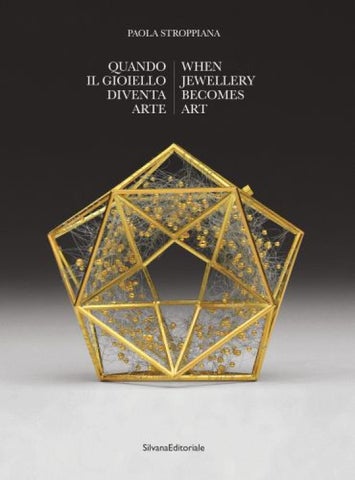
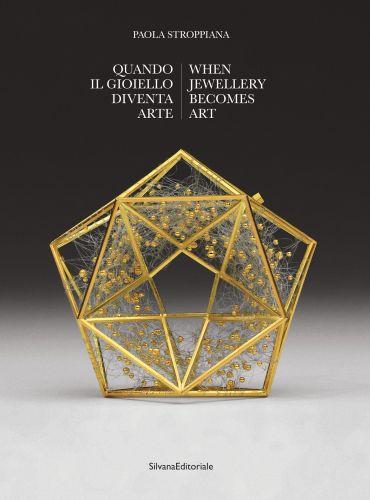
SOMMARIO / CONTENTS
LA SCOMMESSA VINTA THE BET WON
Carmine Festa
IL GIOIELLO COME LINGUAGGIO DELL’ARTE. OGGI, E SEMPRE THE JEWEL AS A LANGUAGE OF ART. TODAY, AND ALWAYS
Paola Stroppiana RITRATTI PORTRAITS
Ada Minola
Piero Gilardi
Bruno Martinazzi
Mario Giansone
Umberto Mastroianni
Enrico Cirio
I MAESTRI MASTERS
Fausto Melotti
Gio’ Pomodoro
Nino Franchina
Man Ray
Lucio Fontana
Max Ernst
Louise Nevelson
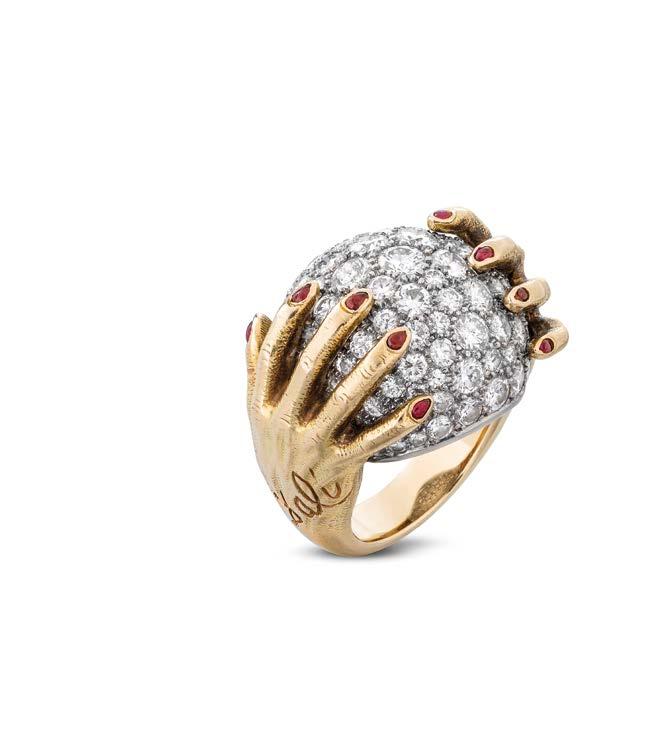
Niki de Saint Phalle
Salvador Dalí
Elsa Schiaparelli
Arnaldo Pomodoro
INTERVISTE INTERVIEWS
Tania Pistone
Jessica Carroll
Giulio Paolini
Ugo Nespolo
Giorgio Vigna
Giovanni Corvaja
Grazia Varisco
Cleto Munari
Giuseppe Penone
Matteo Bonafede
IMPRESA E TERRITORIO BUSINESS AND TERRITORY
Mattioli
Palmerio
Tataborello
Lorenzo e Paola Monticone
Musy
Bibliografia essenziale
Essential Bibliography
Biografia dell’autrice
Biography of the author
RITRATTI PORTRAITS
tura per Natale come dono per gli amici, sempre diverse: un pensiero delicato e unico, parte per il tutto che rimanda in modo fulmineo ai suoi lavori e alla sua poetica: fiori, frutti, sassi, spighe di grano, cactus da applicare su giacche e revers, rivendicando un pensiero ecologico ed estetico.
Nel 2022 ha editato due collane, Sassi, colorati come grandi gemme, e Zucchina, spiritosa in quel suo giallo vivo brillante. Edizione di nove esemplari, sono montate su catene in argento, aggraziate testimonianze di uno spirito gioioso e profondo, non privo di una certa malinconia, proprio come era lui.
Piace qui ricordare una curiosità che forse in pochi conoscono: la madre di Gilardi, l’artista Cecilia Lavelli, prestò il suo volto come modella per il Faro della Vittoria di Torino, scultura realizzata da Edoardo Rubino nel 1928, che da allora domina la città dall’alto del Colle della Maddalena, un fatto che Piero citava spesso con affetto.
ways different: delicate and unique tokens, fragments that instantly recall his works and poetics: flowers, fruits, stones, ears of wheat, cacti to be pinned on jackets and lapels—quiet affirmations of an ecological and aesthetic vision.
In 2022 he created two necklaces, Sassi, coloured like large gemstones, and Zucchina, playful in its vivid, brilliant yellow. Produced in editions of nine, they were mounted on silver chains—graceful testimonies of a joyful and profound spirit, not without a certain melancholy, just like him. It is pleasant here to recall a little-known curiosity: Gilardi’s mother, the artist Cecilia Lavelli, lent her face as a model for the Faro della Vittoria in Turin, a sculpture by Edoardo Rubino from 1928, which has since watched over the city from atop Colle della Maddalena—a fact Piero would often mention with affection.
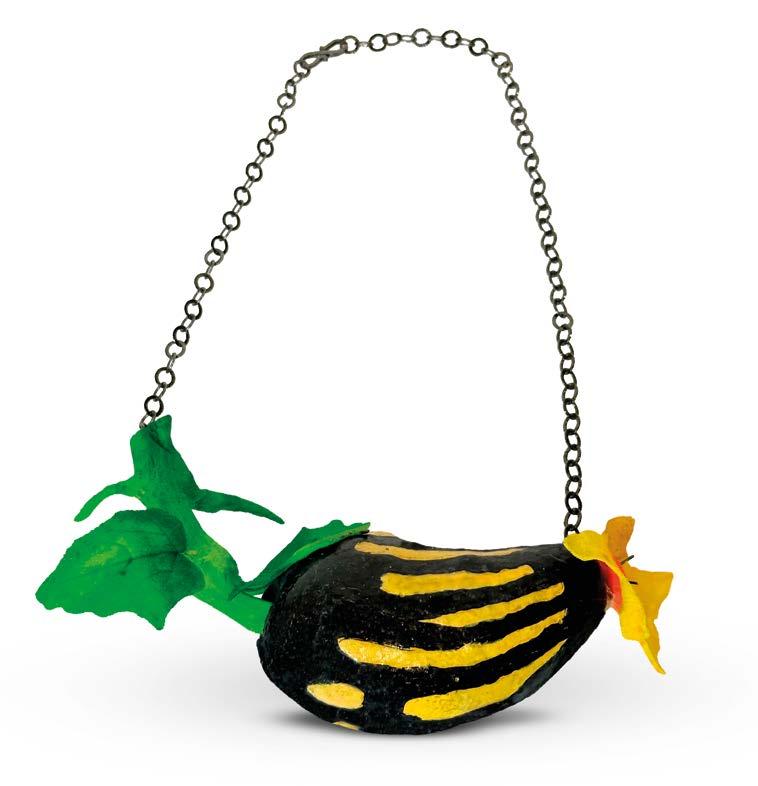
Piero Gilardi
Zucchina, 2022
collana / necklace
poliuretano, argento, rutenio / polyurethane, silver, ruthenium edizione di 5 / edition of 5
BABS Art Gallery, Milano
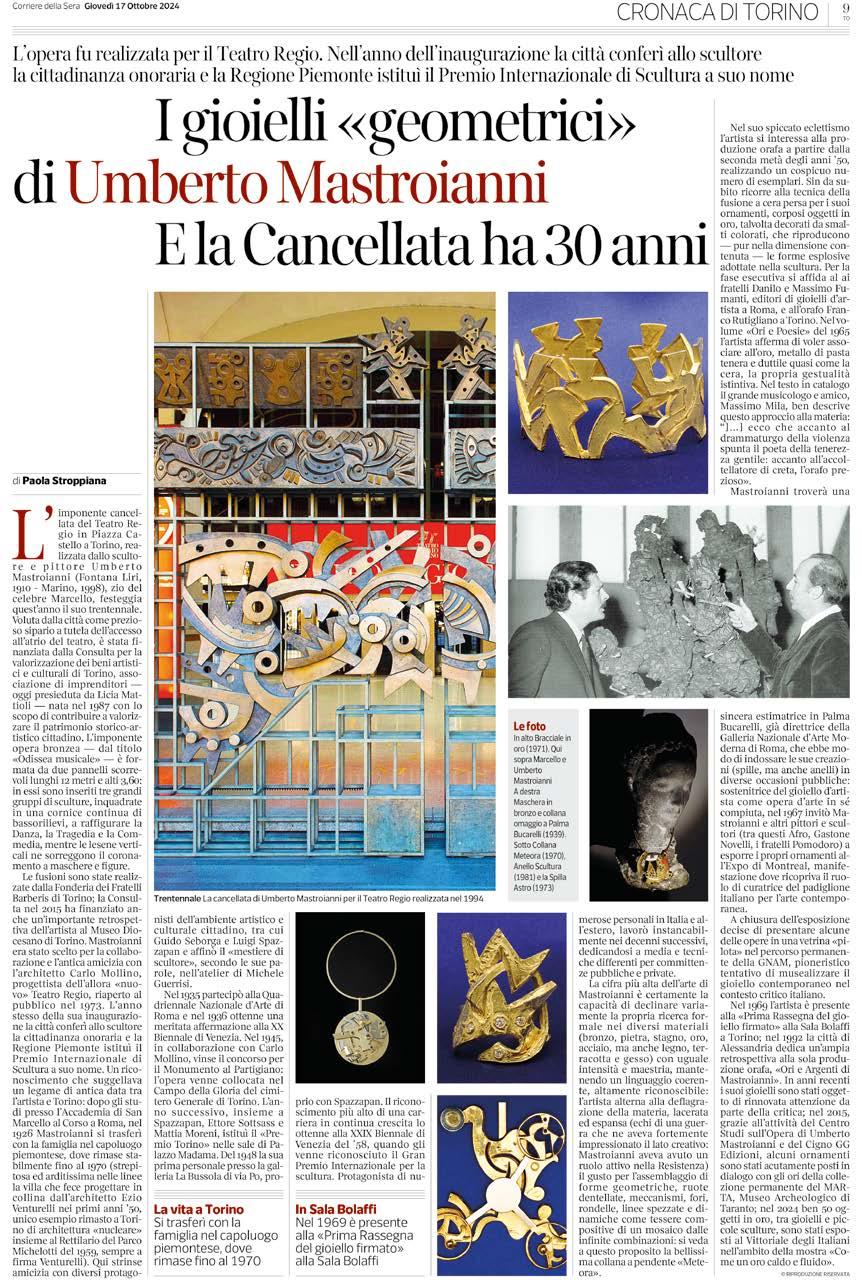
UMBERTO MASTROIANNI
I gioielli “geometrici” di Umberto Mastroianni. E la Cancellata ha trent’anni
17 ottobre 2024
L’imponente cancellata del Teatro Regio in piazza Castello a Torino, realizzata dallo scultore e pittore Umberto Mastroianni (Fontana Liri, 1910-Marino, 1998), zio del celebre Marcello, festeggia quest’anno il suo trentennale. Voluta dalla città come prezioso sipario a tutela dell’accesso all’atrio del teatro, è stata finanziata dalla Consulta per la valorizzazione dei beni artistici e culturali, associazione di imprenditori nata nel 1987 con lo scopo di contribuire a valorizzare il patrimonio storico-artistico torinese. L’imponente opera bronzea – dal titolo Odissea musicale – è formata da due pannelli scorrevoli lunghi 12 metri e alti 3,60: in essi sono inseriti tre grandi gruppi di sculture, inquadrate in una cornice continua di bassorilievi, a raffigurare la Danza, la Tragedia e la Commedia, mentre le lesene verticali ne sorreggono il coronamento a maschere e figure; le fusioni sono state realizzate dalla Fonderia dei Fratelli Barberis di Torino. L’anno stesso della sua inaugurazione la città conferì allo scultore la cittadinanza onoraria e la Regione Piemonte istituì il Premio Internazionale di Scultura a suo nome. Un riconoscimento che suggellava un legame di antica data tra l’artista e Torino: dopo gli studi presso l’Accademia di San Marcello al Corso a Roma, nel 1924 Mastroianni si trasferì con la famiglia nel capoluogo piemontese, dove rimase stabilmente fino al 1970 (strepitosa e arditissima nelle linee la villa che fece progettare in collina dall’amico architetto Ezio Venturelli nei primi anni cinquanta). Qui strinse amicizia
The “geometric” jewels of Umberto Mastroianni.
And the Gate turns thirty
17 October 2024
The imposing gate of the Teatro Regio in Piazza Castello in Turin, created by the sculptor and painter Umberto Mastroianni (Fontana Liri, 1910–Marino, 1998), uncle of the famous Marcello, celebrates its thirtieth anniversary this year. Commissioned by the city as a precious curtain to protect access to the theatre’s atrium, it was funded by the Council for the Promotion of Turin’s Artistic and Cultural Heritage, an association of entrepreneurs founded in 1987 with the aim of helping to enhance Turin’s historical and artistic heritage. The imposing bronze work—entitled Odissea musicale—is formed by two sliding panels, 12 metres long and 3.60 metres high: within them are three large groups of sculptures, framed in a continuous border of bas-reliefs, depicting Dance, Tragedy, and Comedy, while the vertical pilasters support the crowning element of masks and figures; the castings were made by the Fratelli Barberis Foundry in Turin. The same year of its inauguration, the city granted the sculptor honorary citizenship and the Piedmont Region established the International Sculpture Prize in his name. This recognition sealed a long-standing connection between the artist and Turin: after studying at the Accademia di San Marcello al Corso in Rome, Mastroianni moved with his family to the Piedmontese capital in 1924, where he remained permanently until 1970 (the villa he had his friend, the architect Ezio Venturelli, design on the hill in the early 1950s was stunning and very bold in its lines). Here he became
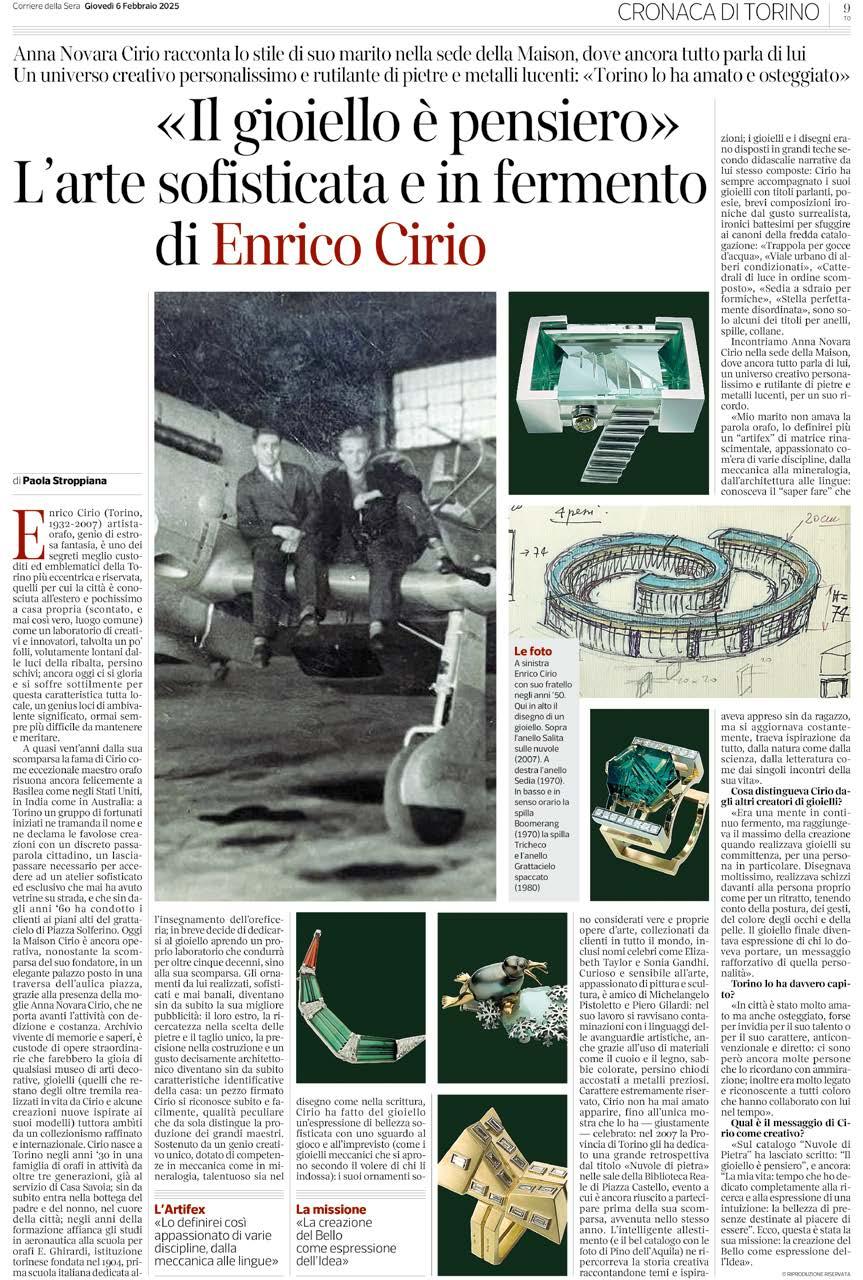
“Il gioiello è pensiero.”
ENRICO CIRIO
L’arte sofisticata e in fermento di Enrico Cirio
6 febbraio 2025
Enrico Cirio (Torino, 1932-2007) artistaorafo, genio di estrosa fantasia, è uno dei segreti meglio custoditi ed emblematici della Torino più eccentrica e riservata, quelli per cui la città è conosciuta all’estero e pochissimo a casa propria (scontato, e mai così vero, luogo comune) come un laboratorio di creativi e innovatori, talvolta un po’ folli, volutamente lontani dalle luci della ribalta, persino schivi; ancora oggi ci si gloria e si soffre sottilmente per questa caratteristica tutta locale, un genius loci di ambivalente significato, ormai sempre più difficile da mantenere e meritare. A quasi vent’anni dalla sua scomparsa la fama di Cirio come eccezionale maestro orafo risuona ancora felicemente a Basilea come negli Stati Uniti, in India come in Australia: a Torino un gruppo di fortunati iniziati ne tramanda il nome e ne declama le favolose creazioni con un discreto passaparola cittadino, un lascia-passare necessario per accedere a un atelier sofisticato ed esclusivo che mai ha avuto vetrine su strada, e che sin dagli anni sessanta ha condotto i clienti ai piani alti del grattacielo di piazza Solferino. Oggi la Maison Cirio è ancora operativa, nonostante la scomparsa del suo fondatore, in un elegante palazzo posto in una traversa dell’aulica piazza, grazie alla presenza della moglie, Anna Novara Cirio, che ne porta avanti l’attività con dedizione e costanza. Archivio vivente di memorie e saperi, è custode di opere straordinarie che farebbero la gioia di qualsiasi museo di arti decorative, gioielli (quelli che restano degli oltre
“The jewel is thought.”
The sophisticated and vibrant art of Enrico Cirio
6 February 2025
Enrico Cirio (Turin, 1932–2007), artist and goldsmith, a genius of extravagant imagination, is one of the best-kept and emblematic secrets of Turin’s most eccentric and reserved side, the one for which the city is known abroad and very little at home (an obvious, yet never so true, cliché) as a laboratory of creative and innovative minds, sometimes a little odd, deliberately far from the limelight, even shy; today, people take pride and suffer subtly for this entirely local characteristic, a genius loci of ambivalent meaning, now increasingly difficult to maintain and deserve. Almost twenty years after his death, Cirio’s fame as an exceptional master goldsmith still resonates happily in Basel as it does in the United States, India, and Australia: in Turin, a group of lucky initiates pass on his name and extol his fabulous creations through discreet word of mouth, a necessary pass to access a sophisticated and exclusive atelier that has never had a shop window and which, since the 1960s, has led customers to the upper floors of the skyscraper in Piazza Solferino. Today, Maison Cirio is still in business, despite the passing of its founder, in an elegant building on a side street off the stately square, thanks to the presence of his wife Anna Novara Cirio, who carries on the business with dedication and consistency. A living archive of memories and knowledge, it is the custodian of extraordinary works that would be the pride of any museum of decorative arts, jewellery (those remaining of the more than three
MAESTRI MASTERS
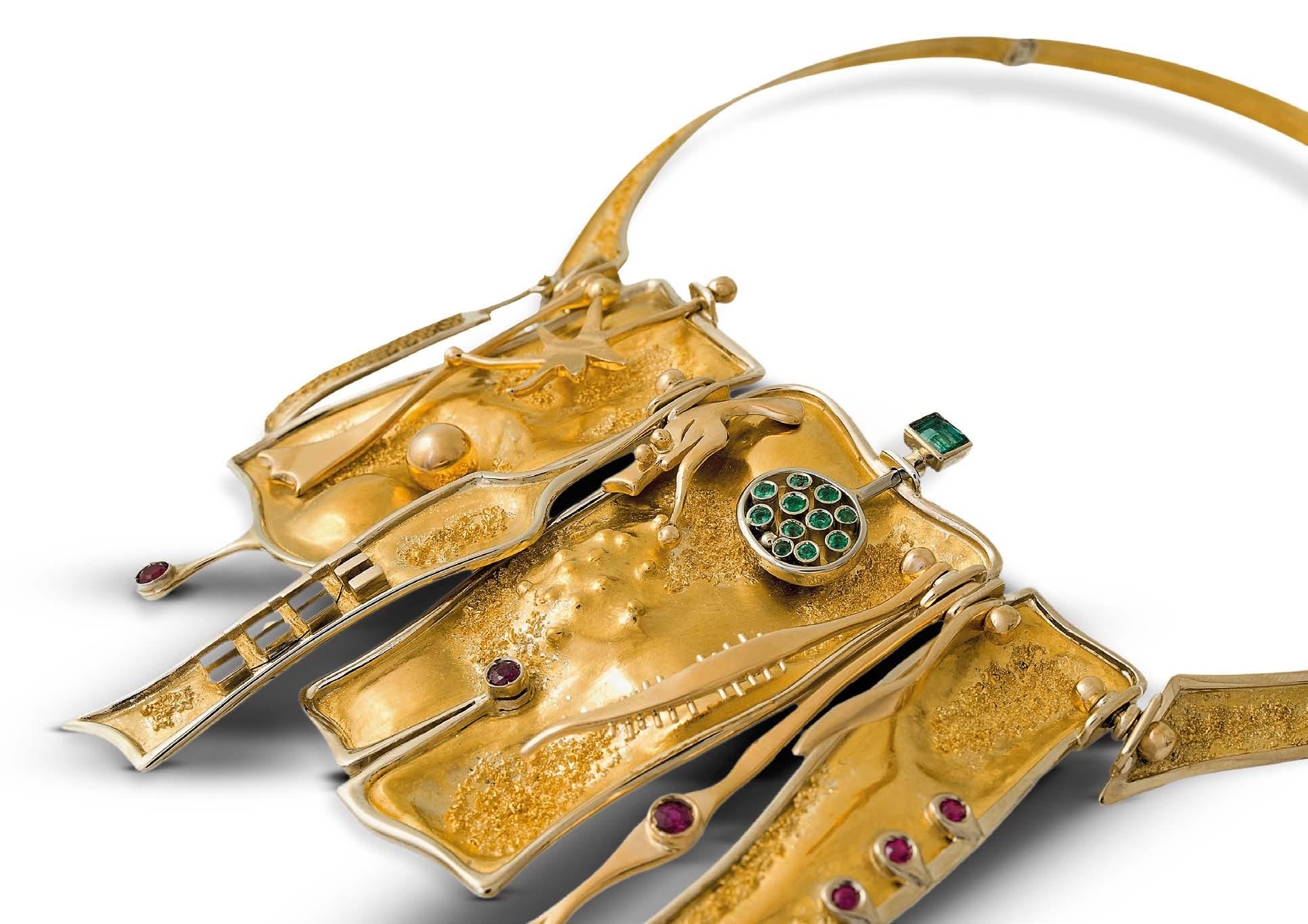
NINO FRANCHINA
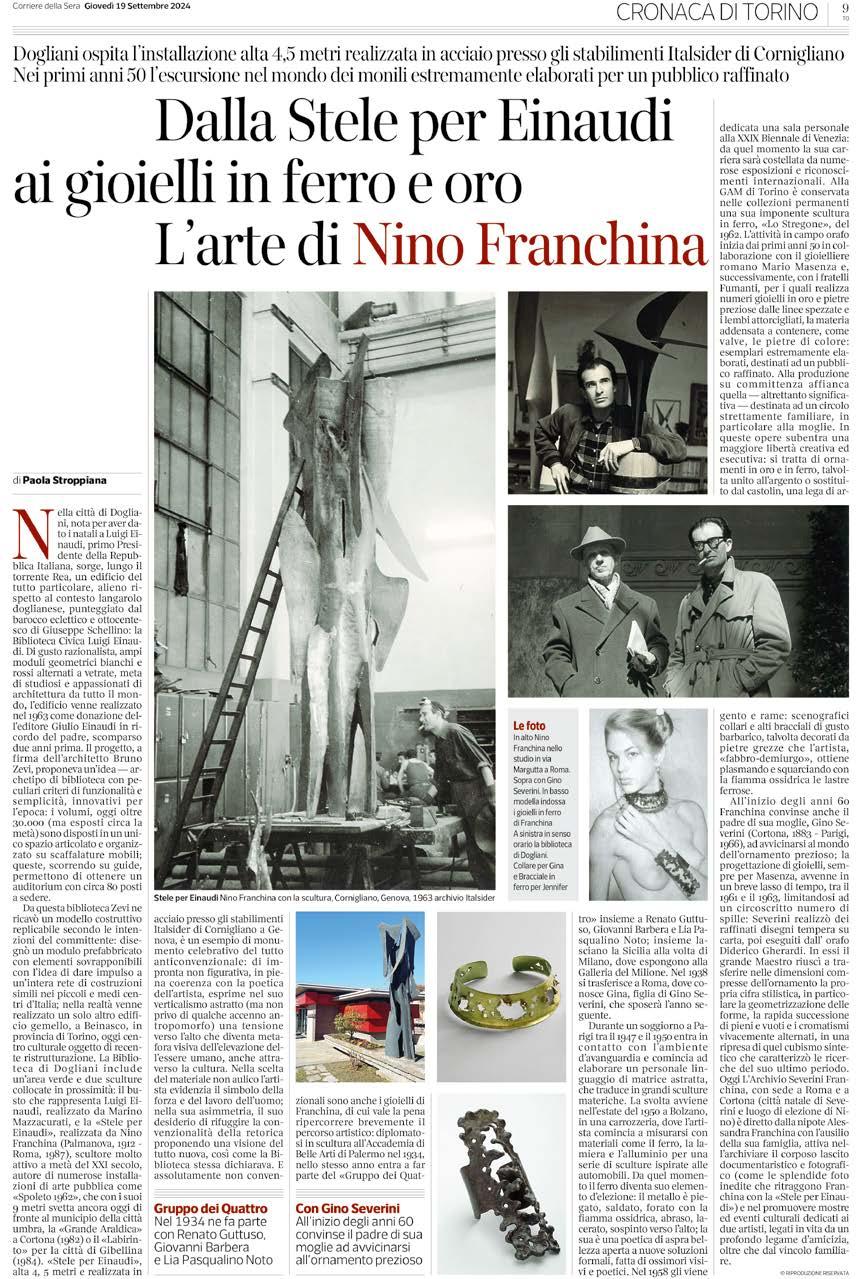
Dalla Stele per Einaudi ai gioielli in ferro e oro.
L’arte di Nino Franchina
19 settembre 2024
Nella città di Dogliani, nota per aver dato i natali a Luigi Einaudi, primo presidente della Repubblica Italiana, sorge, lungo il torrente Rea, un edificio del tutto particolare, alieno rispetto al contesto langarolo doglianese, punteggiato dal barocco eclettico e ottocentesco di Giuseppe Schellino: la Biblioteca civica Luigi Einaudi. Di gusto razionalista, ampi moduli geometrici bianchi e rossi alternati a vetrate, meta di studiosi e appassionati di architettura da tutto il mondo, l’edificio venne realizzato nel 1963 come donazione dell’editore Giulio Einaudi in ricordo del padre, scomparso due anni prima. Il progetto, a firma dell’architetto Bruno Zevi, proponeva un’idea-archetipo di biblioteca con peculiari criteri di funzionalità e semplicità, innovativi per l’epoca: i volumi, oggi oltre 30.000 (ma ne sono esposti circa la metà) sono disposti in un unico spazio articolato e organizzato su scaffalature mobili; queste, scorrendo su guide, permettono di ottenere un auditorium con circa ottanta posti a sedere.
Da questa biblioteca Zevi ne ricavò un modello costruttivo replicabile secondo le intenzioni del committente: disegnò un modulo prefabbricato con elementi sovrapponibili con l’idea di dare impulso a un’intera rete di costruzioni simili nei piccoli e medi centri d’Italia. Nella realtà venne realizzato un solo altro edificio gemello, a Beinasco, in provincia di Torino, oggi centro culturale oggetto di recente ristrutturazione. La Biblioteca di Dogliani include un’area verde e due sculture col-
From the Stele per Einaudi to jewels in iron and gold.
The art of Nino Franchina
19 September 2024
In the city of Dogliani, known as the birthplace of Luigi Einaudi, the first President of the Italian Republic, stands, along the Rea stream, a truly distinctive building— one that feels almost alien within the Langhe landscape of Dogliani, dotted as it is with the eclectic nineteenth-century Baroque of Giuseppe Schellino: the Civic Library Luigi Einaudi. Rationalist in style, with alternating white and red geometric modules and broad glass surfaces, it has become a destination for scholars and architecture enthusiasts from around the world. The building was completed in 1963 as a donation from publisher Giulio Einaudi in memory of his father, who had passed away two years earlier. Designed by the architect Bruno Zevi, it embodied the archetype of a library conceived according to innovative principles of functionality and simplicity for its time. The collection—now numbering over 30,000 volumes, about half of which are displayed—is arranged in a single articulated space organised on mobile shelving. These shelves, sliding on rails, make it possible to create an auditorium with approximately eighty seats.
From this project, Zevi developed a replicable construction model, in line with the client’s intentions: he designed a prefabricated module composed of superimposable elements, with the idea of promoting an entire network of similar buildings in small and medium-sized Italian towns. In practice, only one twin structure was built, in Beinasco, near Turin, now functioning
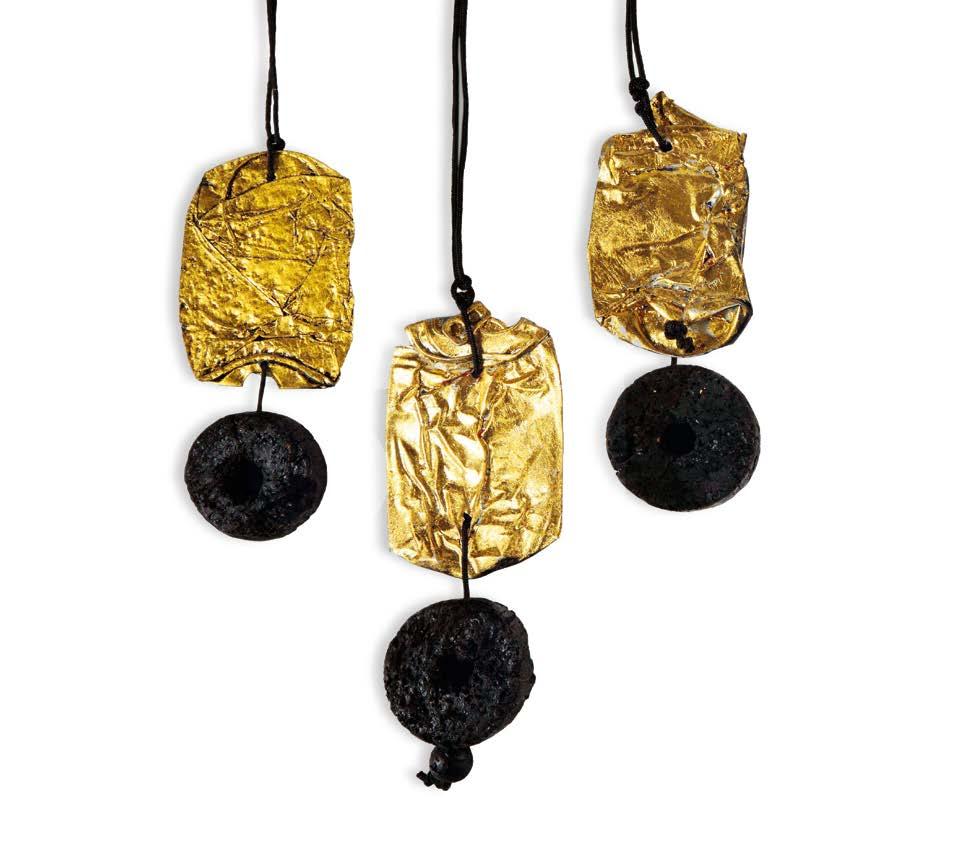
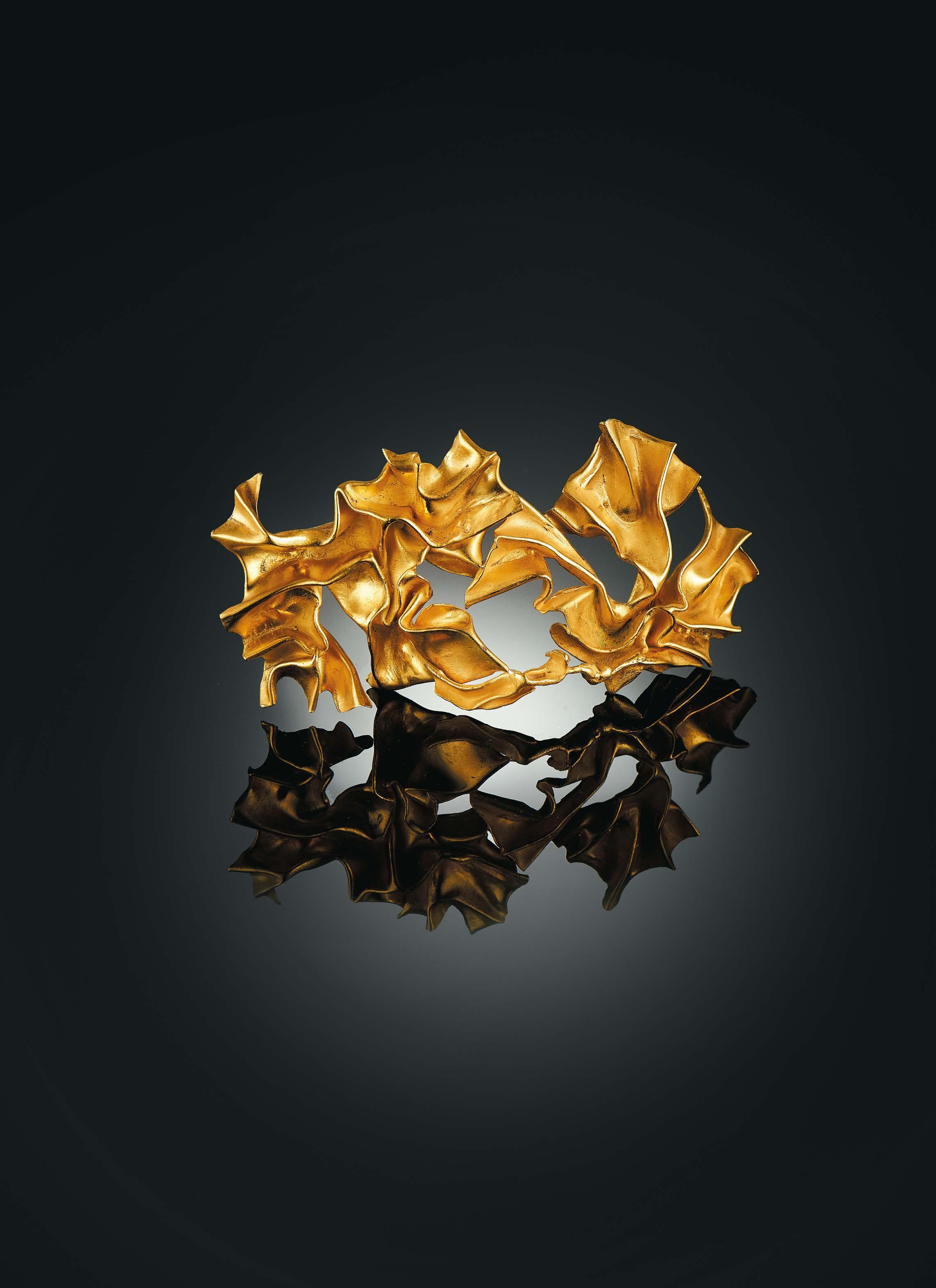
schiacciate e tondini galleggianti da pesca; da un lato le lattine erano dipinte di nero e dall’altro di pittura oro, creando un effetto abbagliante moltiplicato dalle luci di scena. Quando morì nel 1988, oltre ottanta pendenti e spille furono trovati nella sua casa, forse destinati a una mostra. Il Farnsworth Art Museum di Rockland, nel Maine, città dove visse molti anni, ospita
Louise Nevelson
Pendenti / Pendants per / for Orfeo ed Euridice, 1984 tecnica mista, lattine e galleggianti da pesca / mixed media, fishing cans and floats Didier and Martine Haspeslagh, Didier Ltd, London
ing rods; the cans were painted black on one side and gold on the other, creating a dazzling effect multiplied by the stage lights. When she died in 1988, over eighty pendants and brooches were found in her home, possibly intended for an exhibition. The Farnsworth Art Museum in Rockland, Maine, where she lived for many years, currently houses one of the largest col-
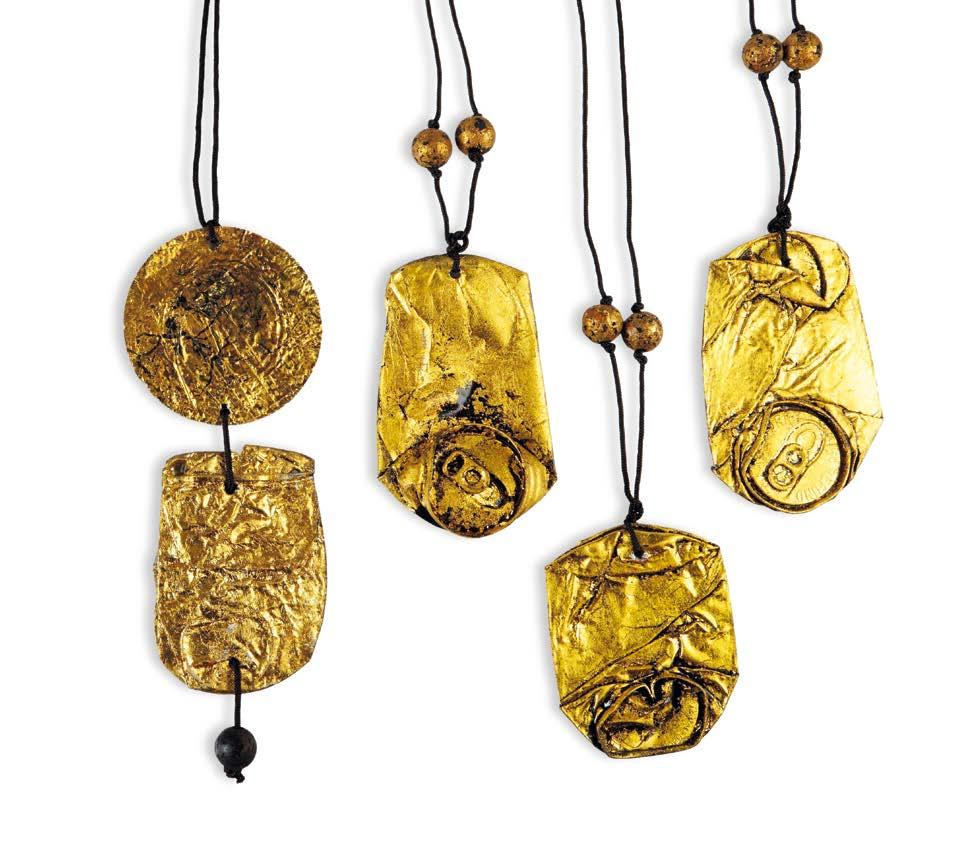
attualmente una delle più grandi collezioni di opere dell’artista, tra cui oltre venti gioielli. Della Nevelson rimane la grande lezione che, forse non a caso, accomuna diverse artiste donne del Novecento che hanno realizzato ornamenti: da Sonia Delaunay a Niki de Saint Phalle, il valore intrinseco del gioiello è da ricercarsi nel progetto stesso, i colori dell’oro e delle gemme sono spesso sostituiti da smalti o pitture, il metallo è il mezzo e non il fine, confermando che la preziosità non è legata ai carati, o almeno non solo. Ricorda ancora la Nevelson: “Volevo dimostrare che il legno raccolto per strada può essere oro.”
lections of the artist’s works, including over twenty pieces of jewellery. Nevelson leaves behind a great lesson that, perhaps not coincidentally, is shared by several female artists of the 20th century who created ornaments: from Sonia Delaunay to Niki de Saint Phalle, the intrinsic value of jewellery is to be found in the design itself, the colours of gold and gems are often replaced by enamels or paints, metal is the means and not the end, confirming that preciousness is not linked to carats, or at least not only. Nevelson recalls: “I wanted to show that wood collected from the street can be gold.”
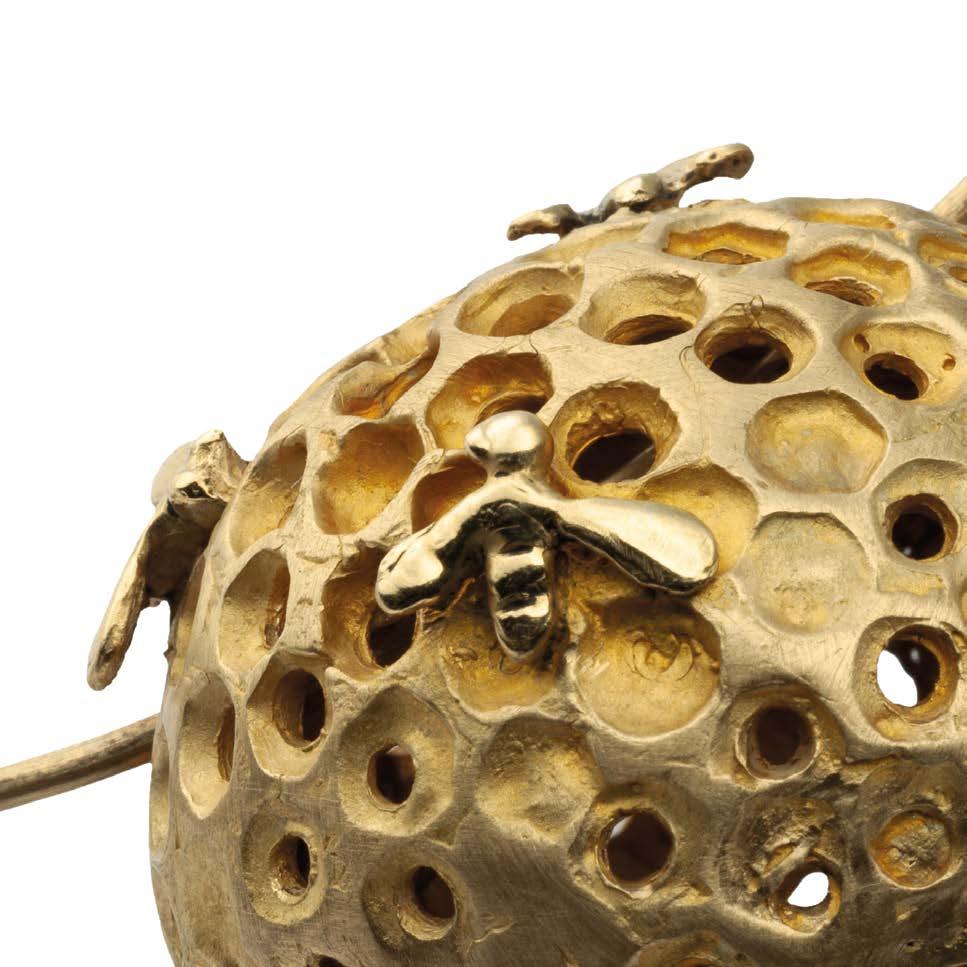
ri e di saper esprimere un vero e proprio linguaggio con le traiettorie di volo, come nella collana Allarme in bronzo sagomato. Il mio interesse nasce grazie all’incontro con un apicultore-ornitologo che mi ha introdotto allo studio delle api; questo è stato l’inizio di un lungo lavoro di osservazione del dato scientifico, ma anche di trasfigurazione secondo i codici dell’arte. Per prima cosa ho iniziato a modellare la cera, che da sempre è uno dei miei materiali preferiti, ho costruito un alveare tondo cercando di imitare la modalità di costruzione delle celle a imbuto esagonale, realizzando persino un piccolo strumento adatto allo scopo. Le api rimangono per me una continua fonte di ispirazione, i voli di comunicazione, le modalità di costruzione, gli sciami. Tutto questo è diventato, sia nel gioiello sia nelle sculture in bronzo di grande formato, un elemento da sviluppare in senso astratto, simbolico. Vorrei che si riflettesse in particolare sulla swarm intelligence, l’intelligenza di sciame: uccelli, api, pesci, formiche e altre forme di vita organizzate prendono decisioni incredibilmente complesse non come singoli, ma come gruppo: una presa di coscienza meno antropocentrica, più rivolta ai modelli della Natura.
form of language through their flight patterns—as in the shaped bronze necklace Allarme. My interest arose from an encounter with a beekeeper-ornithologist who introduced me to the study of bees; that marked the beginning of a long process of observing scientific data, but also of its transfiguration through the codes of art. I began by modelling wax—always one of my favourite materials—and built a round hive, attempting to mimic the construction method of hexagonal funnel cells, even creating a small tool for this very purpose. Bees remain a constant source of inspiration for me: their communicative flights, their building methods, their swarming. All this has become, both in my jewellery and in my large-format bronze sculptures, an element to be developed in an abstract, symbolic sense. I would like particular attention to be paid to “swarm intelligence”: birds, bees, fish, ants and other organised forms of life make incredibly complex decisions not as individuals, but as a group—a less anthropocentric awareness, more attuned to the models of Nature.
Jessica Carroll
Beehive, 2018 (dettaglio / detail) collana / necklace bronzo dorato / gilded bronze edizione di 12 / edition of 12 BABS Art Gallery, Milano
IMPRESA E TERRITORIO
BUSINESS AND TERRITORY