LET’S BEGIN!
THE RANKING OF THE WORLD’S MOST DANGEROUS ANIMALS MAY BE SURPRISING!

What animal do you think is at the top of the list? A shark, a lion, or maybe even a poisonous spider? Are you sure?
Flip through the pages of this book to climb the Top Ten and discover that even animals you’d never expect can hide a lethal weapon!
IF YOU THINK YOU ALREADY KNOW EVERYTHING, KEEP READING. SURPRISES AWAIT— DANGEROUS ONES!
Look for these symbols to learn unexpected TRIVIA and discover what LETHAL WEAPONS make these TEN ANIMALS worthy of our ranking!
THE DANGER LEVEL WILL INCREASE AS WE COUNT DOWN FROM TEN ALL THE WAY UP TO TERRIBLE NUMBER ONE!
LETHAL WEAPON TRIVIA
Atthebottomofthepageyou’llfind the names of the TEN ANIMALS in our positionranking.Trytoguesseachanimal’s andwriteitsnamenexttothe numberyouthinkiscorrect.
AS YOU READ THE BOOK, YOU’LL FIND OUT HOW MANY YOU GUESSED RIGHT!

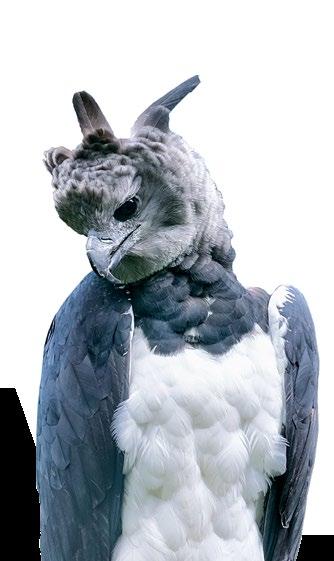
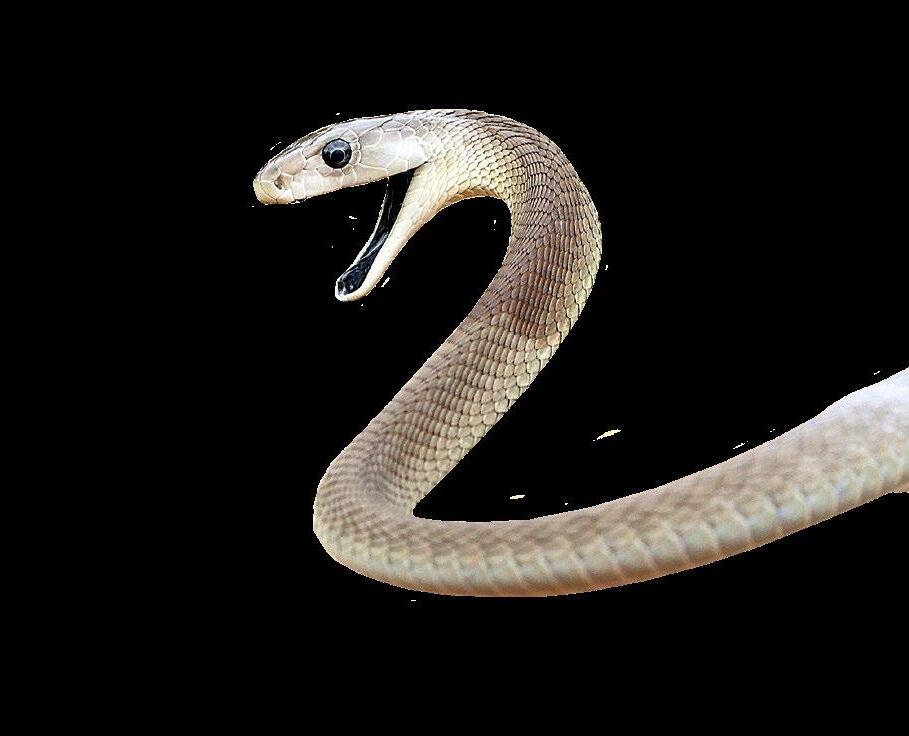
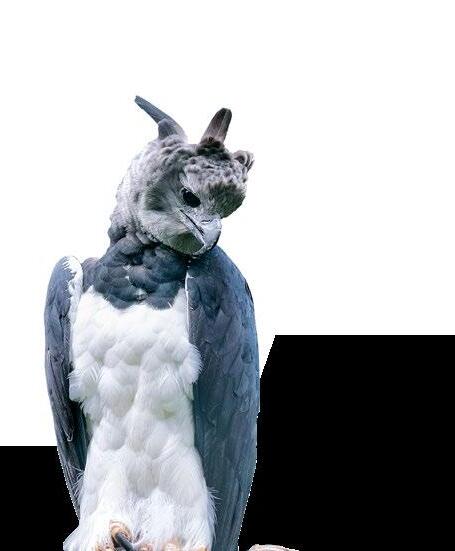
10 HARPY EAGLE
Evensayingmy nameisscary!
SCIENTIFIC NAME: Harpia harpyja
WINGSPAN: 6.5 ft (2 m)
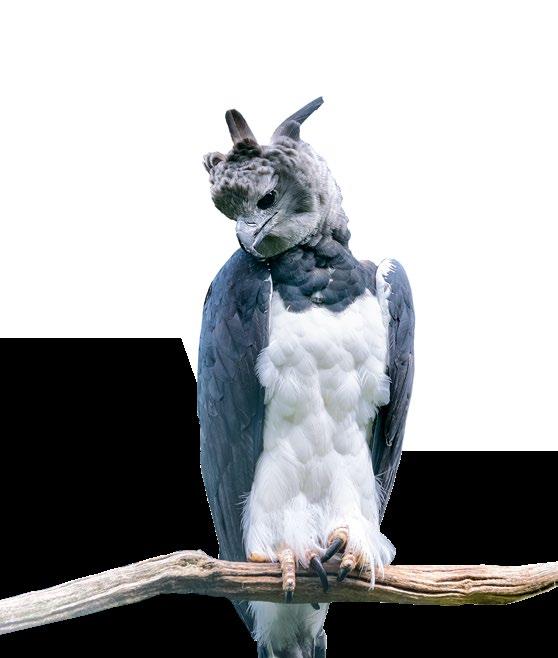
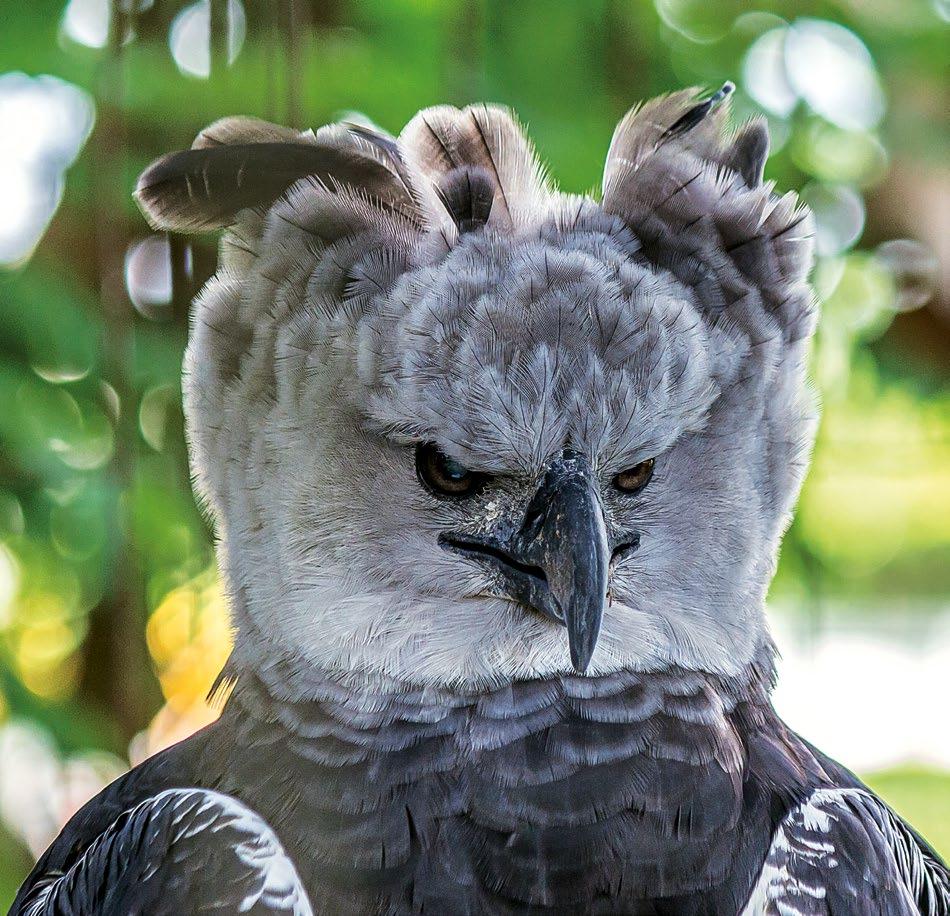
This predator descends suddenly from the forest canopy to strike its prey; sloths, monkeys, and iguanas have no chance once they’re in the grip of its LONG TALONS. When hunting, this eagle lowers and moves its head feathers to direct SOUND WAVES toward its ears. That way, it can hear even the smallest noise. Plus, its vision is 8 TIMES BETTER THAN OURS.
It eats nearly 2.2 lbs (1 kg) of meat a day and hides larger prey among tree branches, consuming its catch over several days.
WEIGHT: 13-20 lbs (6-9 kg) (females) / 9-11 lbs (4-5 kg) (males)
DIET: carnivore (eats other animals)
HABITAT: the rain forests of South America
Andjustthink, numberI’monly10!
LETHAL WEAPON TRIVIA
Talons over 4 in (10 cm) long. That’s as long as a grizzly bear’s!
It builds huge nests, up to 5 ft (1.5 m) wide, which are used for years.
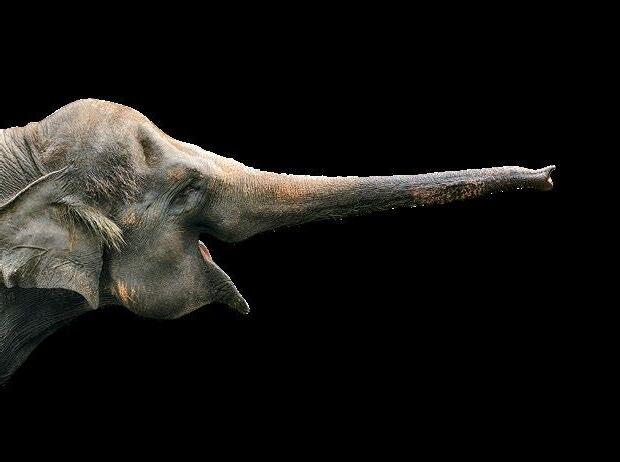
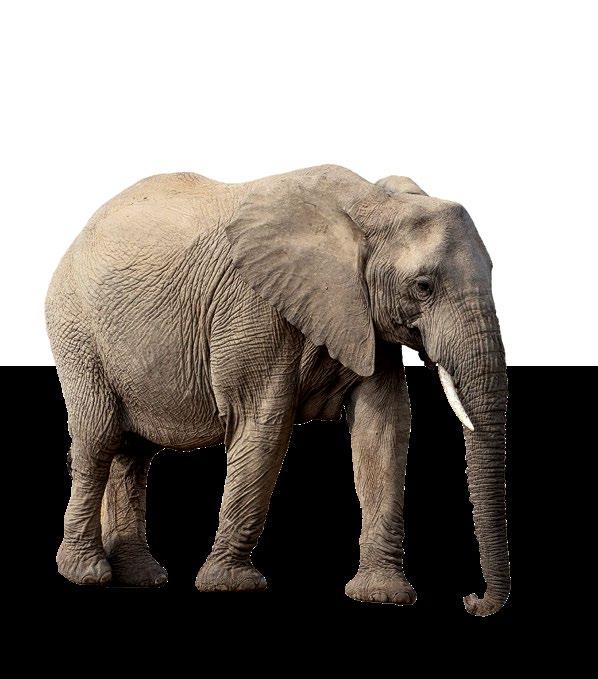
9 AFRICAN ELEPHANT
SCIENTIFIC NAME: Loxodonta africana
HEIGHT: 9.5 ft (3 m)
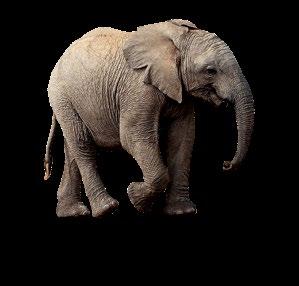
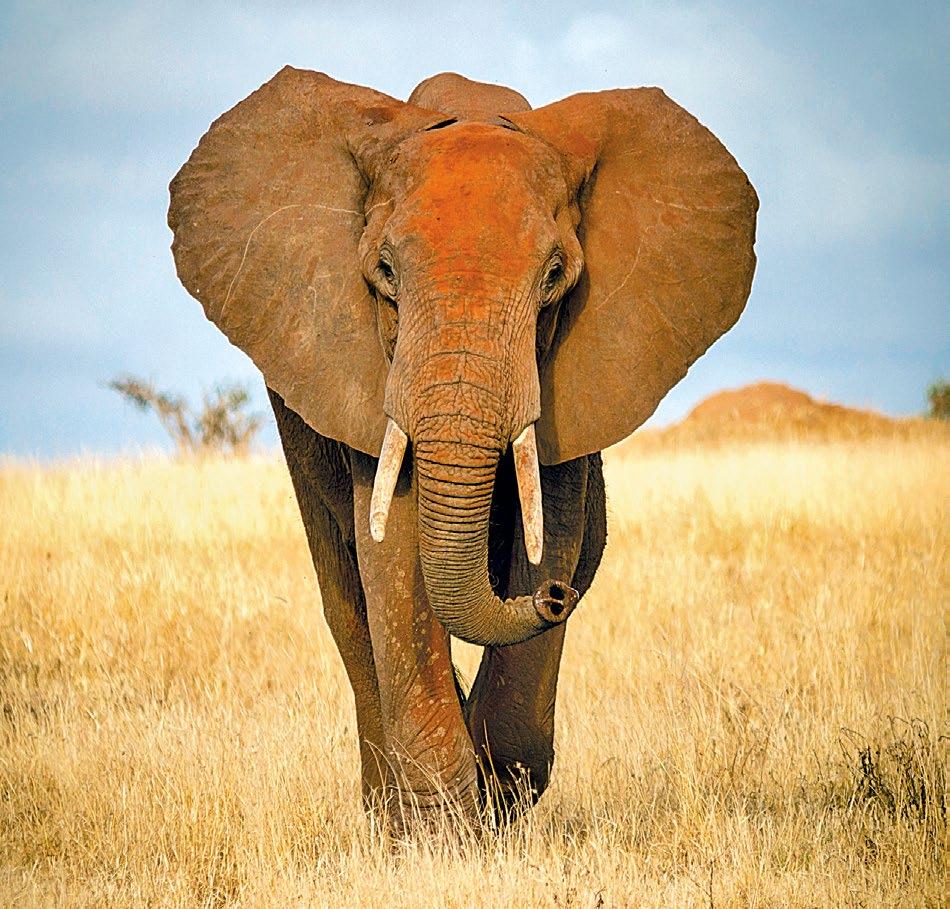
Elephants are gentle giants, but like most animals, if disturbed or provoked, they can be surprisingly AGGRESSIVE and may even VIOLENTLY CHARGE whoever is threatening them. With powerful, IMMENSE BODIES, elephants can run at speeds exceeding 25 MILES (40 KM) PER HOUR, overwhelming and trampling everything in their path. TUSKS and TRUNKS are used to hurl whatever they wish in the air, flinging it far away with ease.
lbs
WEIGHT: 265 lbs (120 kg) (infants), 6.6 tons (6,000 kg) (adults)
DIET: herbivore (eats plants)
HABITAT: African savannas
Youdon’twantto botherme—I’m veryfast!
LETHAL WEAPON TRIVIA
A mighty body, long tusks, and a muscular trunk.
Its trunk is moved by 40,000 muscles!
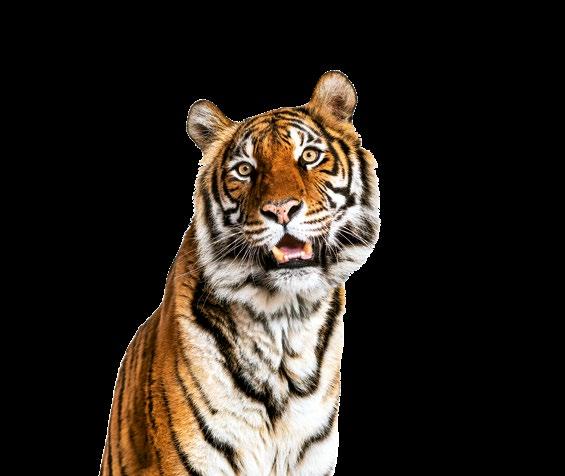
8 TIGER
Whaaat?!
higherIthoughtI’dbe onthelist!
SCIENTIFIC NAME: Panthera tigris
LENGTH: 11.5 ft (3.5 m) (males), 8 ft (2.5 m) (females)
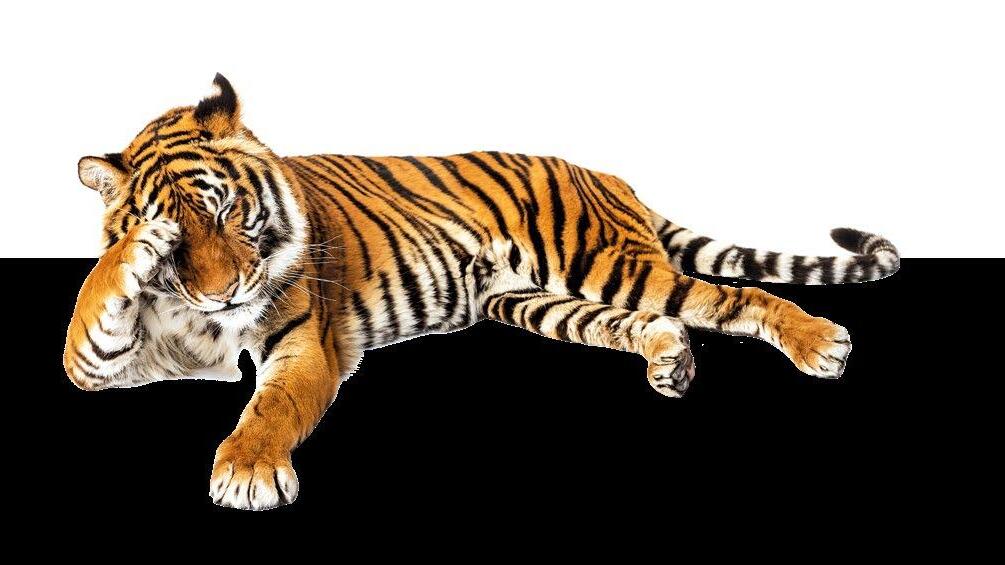
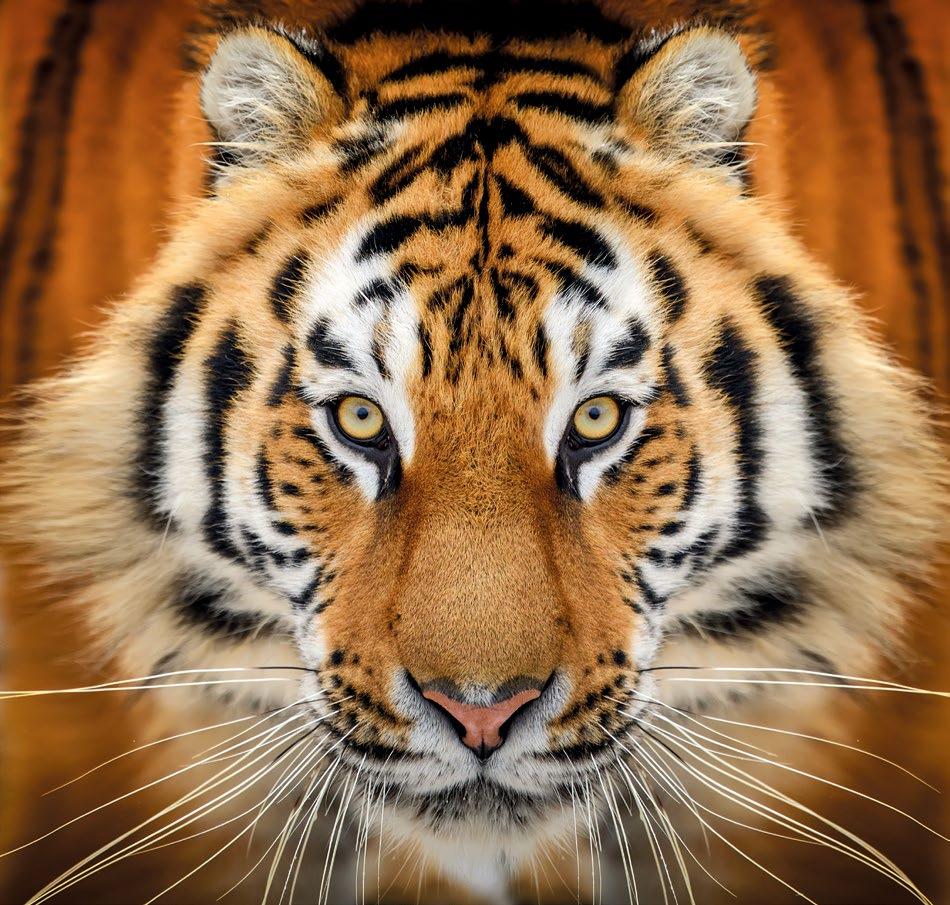
Tigers have features that make them ferocious hunters: CLAWS AS SHARP AS RAZORS, POINTED TEETH, and AGILITY. In addition to these deadly weapons, which all FELINES have, tigers also have powerful MUSCLES and a robust body, making them the BIGGEST of all cats.
Tigers also have an unmistakable STRIPED COAT that allows them to blend in with the light and shadows created by vegetation, where they wait in AMBUSH for their prey.
lbs
WEIGHT: 660 lbs (300 kg) (males), 400 lbs (180 kg) (females)
DIET: carnivore (eats other animals)
HABITAT: forests
I’mnot theonlydangerous bigcat,youknow. Turnthepage ifyoudare!
LETHAL WEAPON TRIVIA
Sharp claws and long, pointed canines!
Tigers can eat up to 90 lbs (40 kg) of meat per meal
5 NILE CROCODILE
SCIENTIFIC NAME: Crocodylus niloticus
LENGTH: up to 19.5 ft (6 m)
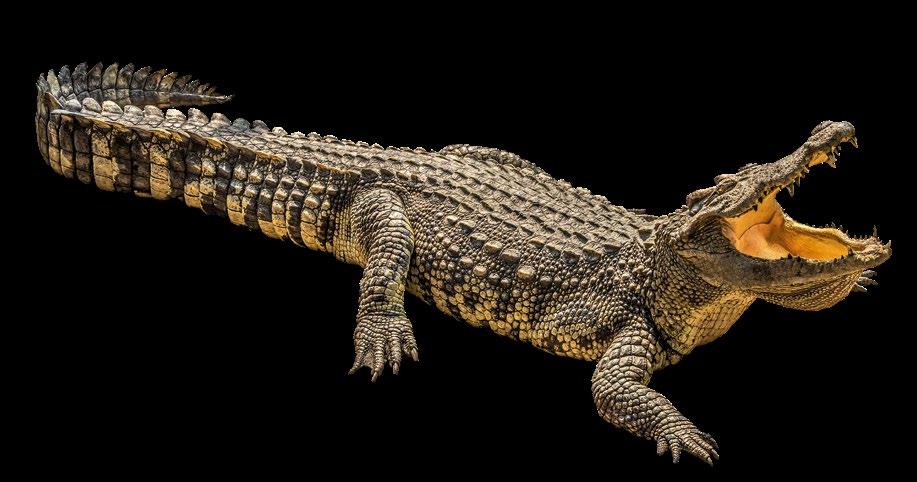
This large reptile is especially dangerous thanks to its ABILITY TO HIDE among aquatic vegetation.
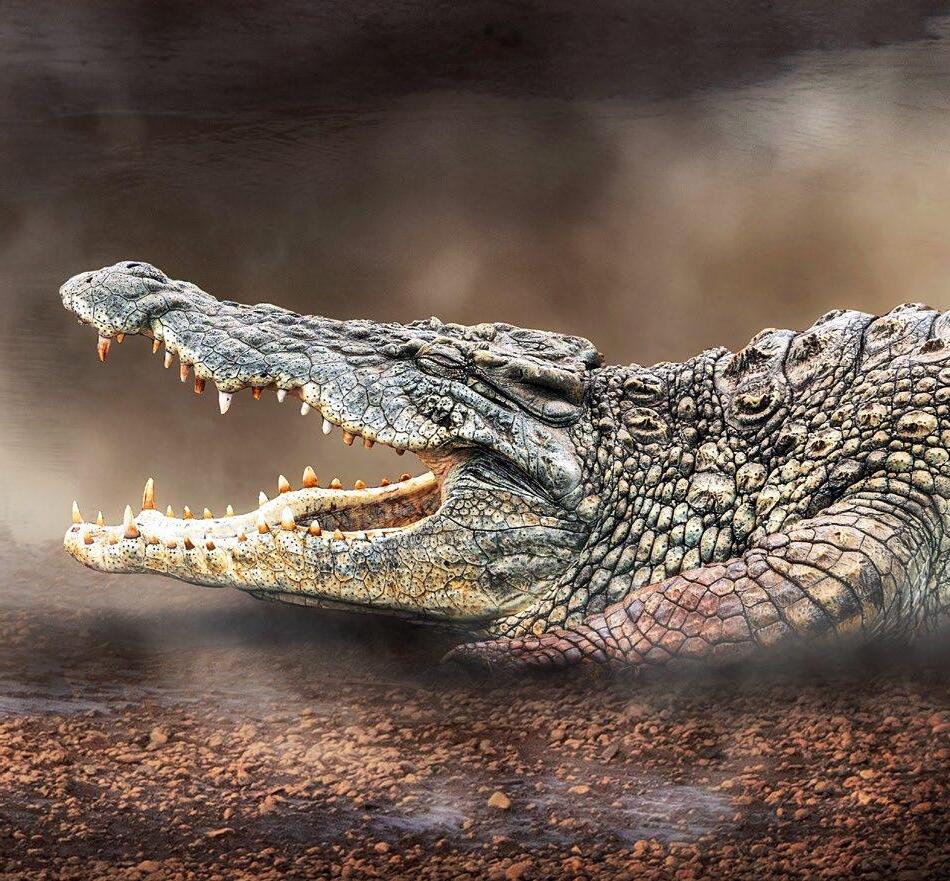
Crocodiles are experts at staying SUBMERGED underwater for hours, totally motionless, waiting for unsuspecting prey to come along. Then, with surprising agility, they launch their attack, charging with their large mouth wide open, armed with SHARP TEETH. With the force of their deadly JAWS, they hold their prey underwater until it drowns.
WEIGHT: 1,540 lbs (700 kg)
DIET: carnivore (eats other animals)
HABITAT: rivers and lakes in Africa
Ihavesuchanice Comesmile,don’tI? closer,letmeseeyours!
LETHAL WEAPON TRIVIA
Powerful jaws and sharp teeth.
Their jaws are 5 times stronger than a lion’s!
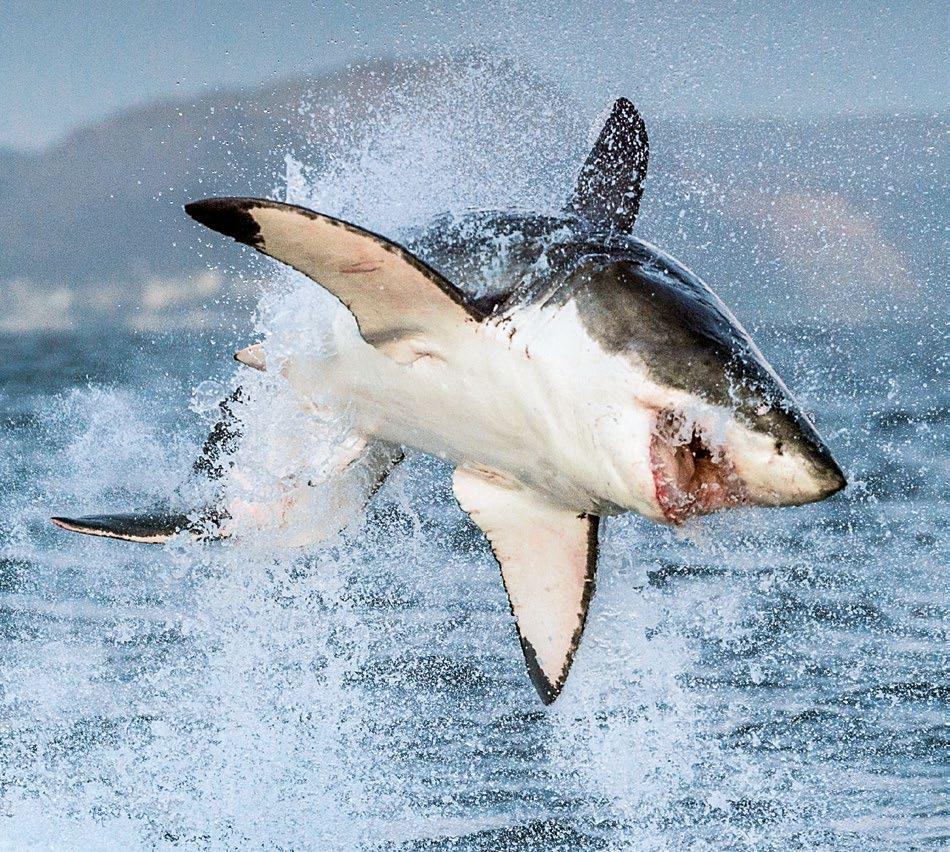
4 GREAT WHITE SHARK
SCIENTIFIC NAME: Carcharodon carcharias
LENGTH: 19.5 ft (6 m) (females), 13 ft (4 m) (males)
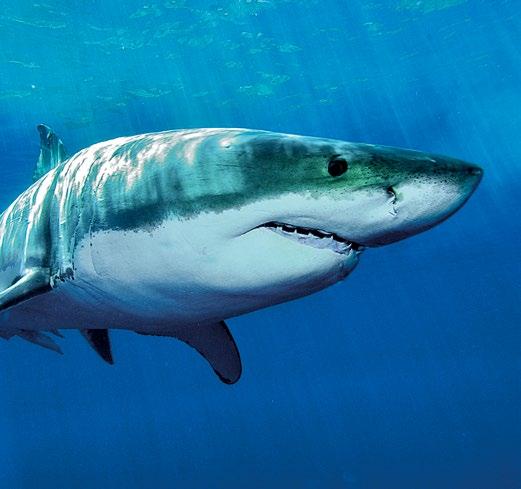
The mouths of great white sharks are lined by TRIANGULAR TEETH, with an extra-sharp serrated edge. These teeth are continuously REPLACED. Like the claws of a cat, shark teeth are retracted and only come out when the animal is ready to bite; it raises its jaw and the first row of teeth moves forward. Thanks to their POWERFUL SENSE OF SMELL, great white sharks can detect their prey even from far away. The attack then occurs suddenly and usually from below.
WEIGHT: 1.7 tons (1,500 kg)
DIET: carnivore (eats other animals)
HABITAT: seas and oceans
How can anyonebemore dangerousthan me?
Bite and sense of smell. Sometimes before killing their prey, they “taste“ it to see if it’s edible.
LETHAL WEAPON TRIVIA
LIKE SHARKS, BUT NICER!
Sharks are fish that have a skeleton made of cartilage and not bone, and they do not have scales to cover their skin. They are all carnivores, but not all are predators!
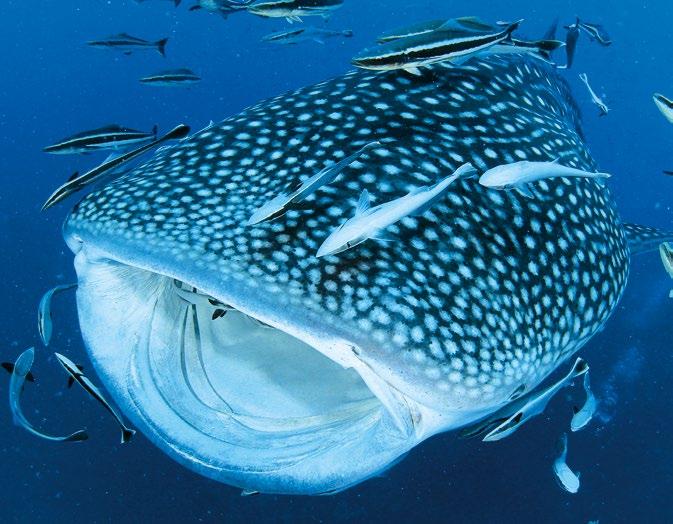
THERE ARE SHARKS THAT DO NOT FEED BY TEARING OTHER ANIMALS APART, BUT INSTEAD FILTER SMALL AQUATIC ORGANISMS THROUGH THEIR GILLS.
Whale shark
None!
It’s believed that they can live up to 100 years!
At 33 ft (10 m) long, whale sharks are the largest of all sharks, but they are often approached by divers because they don’t attack or bite. They swim slowly, filtering 1,585 gallons (6,000 l) of water per hour with their wide mouth to collect plankton.
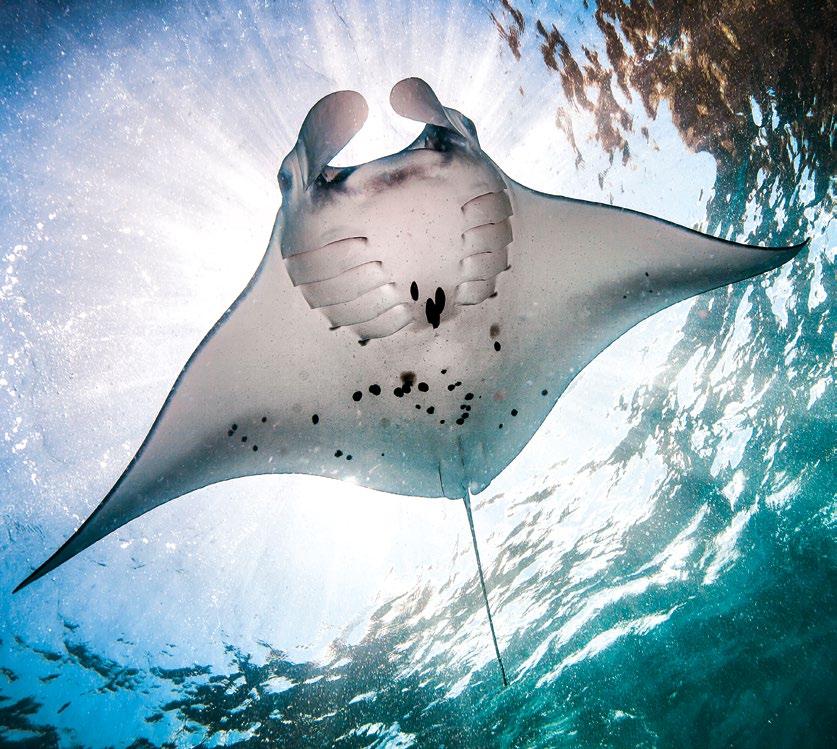
Manta ray
The manta ray is a close relative of the shark but differs from them in its flattened body. Despite their somewhat “devilish“ appearance, manta rays aren’t aggressive or dangerous at all! Similar to whale sharks, they feed only on tiny plankton and other organisms that they gather by using their mouth like a net.
None!
Their pectoral fins resemble two wings that can reach 23 ft (7 m) when open!
3
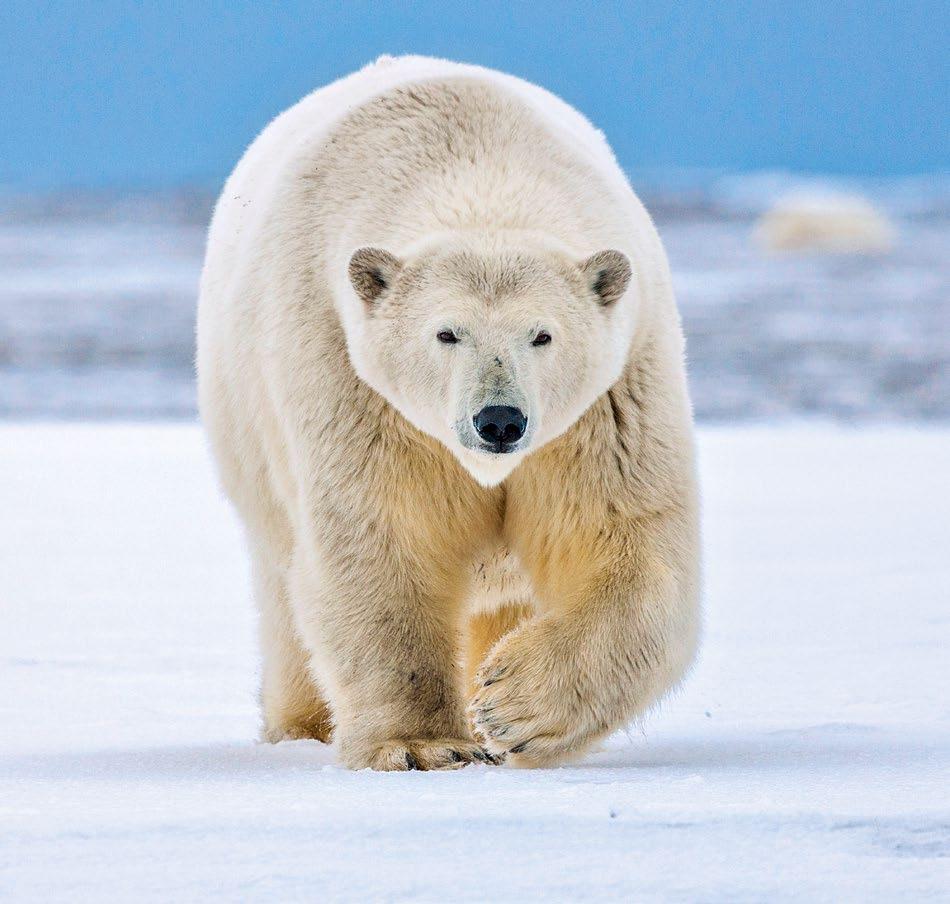
POLAR BEAR
SCIENTIFIC NAME: Ursus maritimus
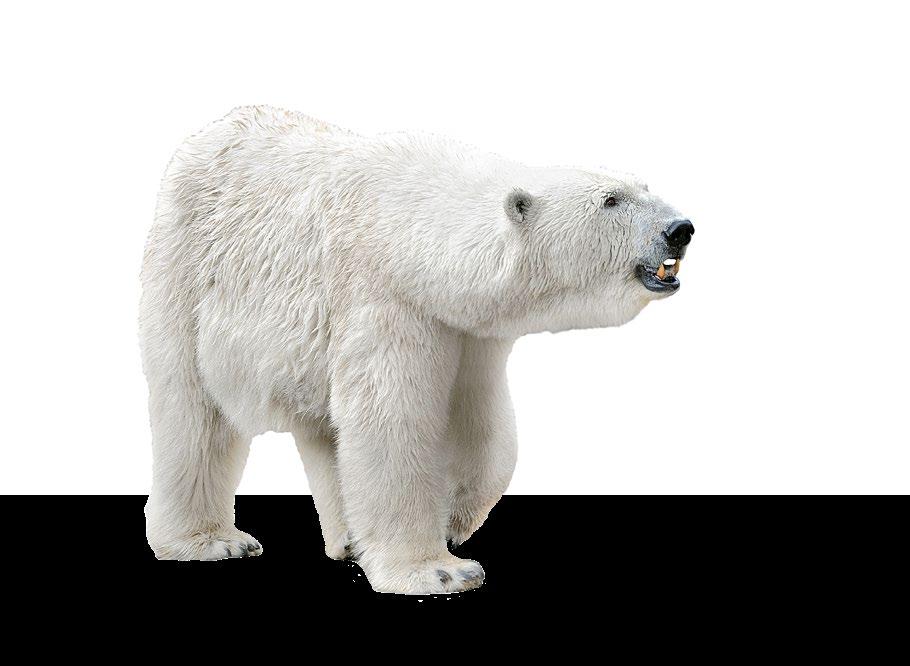
Polar bears are the largest landdwelling carnivores!
LENGTH: 10 ft (3 m)
The largest carnivores on land, polar bears spend half their day searching for prey.
Hunting takes place via AMBUSH: The polar bear waits patiently for a fat seal to come up to breathe from a hole in the ice. It then harpoons the seal with its MIGHTY CLAWS and drags it across the ice to devour it. A polar bear can eat up to 4.4 lbs (2 kg) of fat per day. That FAT is needed to withstand very low temperatures.
WEIGHT: 1,500 lbs (680 kg)
DIET: carnivore (eats other animals)
HABITAT: arctic ice
I’mnocuddly teddybear!
LETHAL WEAPON TRIVIA
Sharp teeth and large paws with claws.
Sniffs out prey more than 10 miles (15 km) away.
FURRY...BUT NOT TOO CUDDLY!
Teddy bears are the playmates of many children, but real bears don’t make very good pets. Indeed, they are the dominant predators in their habitat thanks to their strength, cleverness, advanced sense of smell and, of course, their mighty, sharp claws.
BUT NOT ALL BEARS ARE AGGRESSIVE AND SCARY. HOW DANGEROUS THEY ARE DEPENDS ON THEIR SIZE AND THEIR TASTE IN FOOD. HERE ARE THREE EXAMPLES: TWO DANGEROUS, ONE DEFINITELY NOT!
Grizzly bear

GRIZZLY BEARS have a mouth that can open almost 1 ft wide (30 cm) and canines that are as long as a finger! They also bite with enough force to crush a bowling ball. They like to roll around in anything that’s rotting to hide their smell when they go hunting.
Powerful jaws. They are mainly active at dusk and at night.
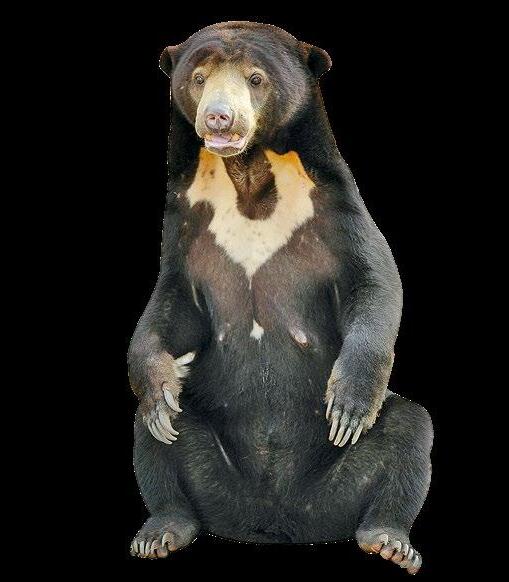
Sun bear
Although the baby of the “family,“ sun bears are very robust and often attack without reason. They have sharp teeth and huge paws with curved claws, which they usually use to open beehives and steal the honey inside.
Teeth and claws.
They are called sun bears because of the patch of lightcolored hair on their chest.
Panda bear
Although technically a bear, pandas don’t share the same diet as their kin. They spend 12 hours a day munching on bamboo leaves, devouring up to 33 lbs (15 kg).
None!
They have an extra finger to better grasp tree branches.

1
Surprise!Never underestimatelittle creatures! We’rethedeadliest ofall!
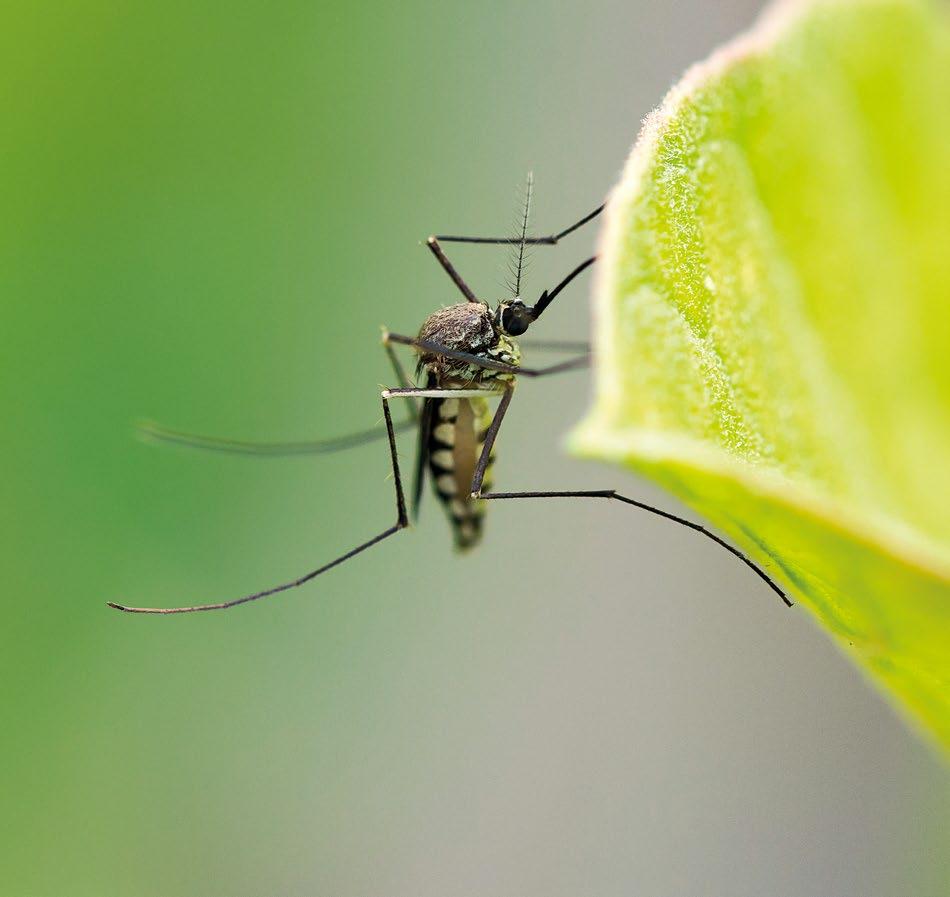
MOSQUITO
SCIENTIFIC NAME: Anopheles sp.

LENGTH: 0.25 in (5.5 mm)
WINGSPAN: 0.18 in (4.5 mm)
Although tiny, this insect is one of the most common causes of death among humans.
Deadly mosquitoes are widespread mainly in tropical regions, and their bite transmits SERIOUS DISEASES. By pricking the skin to draw blood, mosquitoes unintentionally inject humans with a microorganism, Plasmodium falciparum, that causes MALARIA , a deadly disease if not promptly treated.
WEIGHT: about 2 mg
DIET: herbivore/sanguivore (the males feed on nectar, the females on blood)
HABITAT: stagnant water
Check thetoptenyou filledinatthe beginning:What positiondidyou putmein?
LETHAL WEAPON TRIVIA
A stinger-like mouth. They can drink up to three times their weight in blood.
10 QUESTIONS FOR 10 ANIMALS! IF YOU DON’T KNOW THE ANSWERS, THAT’S OK! GIVE THEM A TRY ANYWAY, AND DON’T WORRY ABOUT BEING RIGHT OR WRONG. THEN TURN THE PAGE TO SEE IF YOU GOT THEM RIGHT!
10 - BESIDES ITS DEADLY CLAWS, WHAT CHARACTERIZES THE HARPY EAGLE ?
? ? WILD QUESTIONS
9 - WHAT ARE ELEPHANT TUSKS MADE OF?
8 - WHERE DO TIGERS LIVE?
Speed
Cunning
Strength
Ivory
Bone
Wood
African savannas
Asian forests
The jungles of South America
7-IF THE PREY IS A FISH, WHICH BODY PART DO PIRANHAS ATTACK FIRST?
The belly
The tail
The dorsal fin
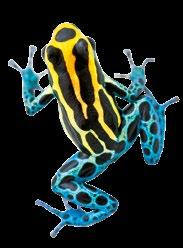
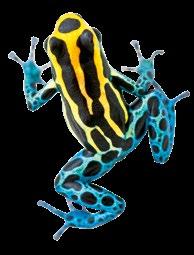
6 - HOW LONG DOES THE EFFECT OF THE POISON DART FROG’S VENOM LAST?
A Years
B Weeks
C Hours
5- HOW MANY EGGS DOES A FEMALE CROCODILE LAY ?
4- WHY DO GREAT WHITE SHARKS ATTACK PEOPLE?
A 2-10
B 15-20
C 25-80
A Because they’re vicious assassins
B Because humans taste good
C Because they get confused
3- WHAT COLOR IS THE SKIN OF POLAR BEARS?
A Yellow
B Black
C Pink
2- WHY DO HIPPOS LEAVE THE WATER EVERY NIGHT?
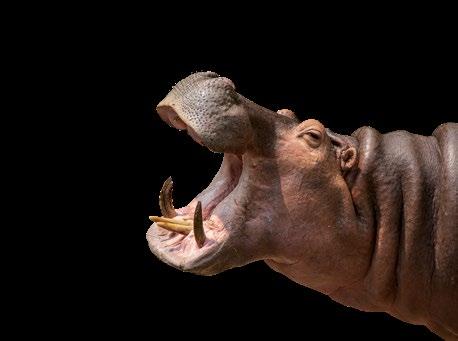
A To look for a safe place to sleep
B To graze
C To save themselves from crocodiles
1- WHY DO ONLY FEMALE MOSQUITOES SUCK BLOOD?
A To nourish their eggs
B Because they’re bigger
C Because that way they’ll grow faster