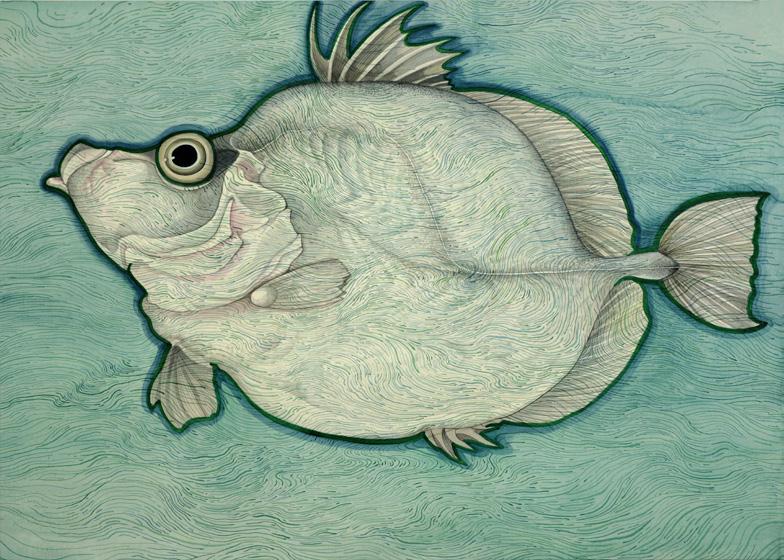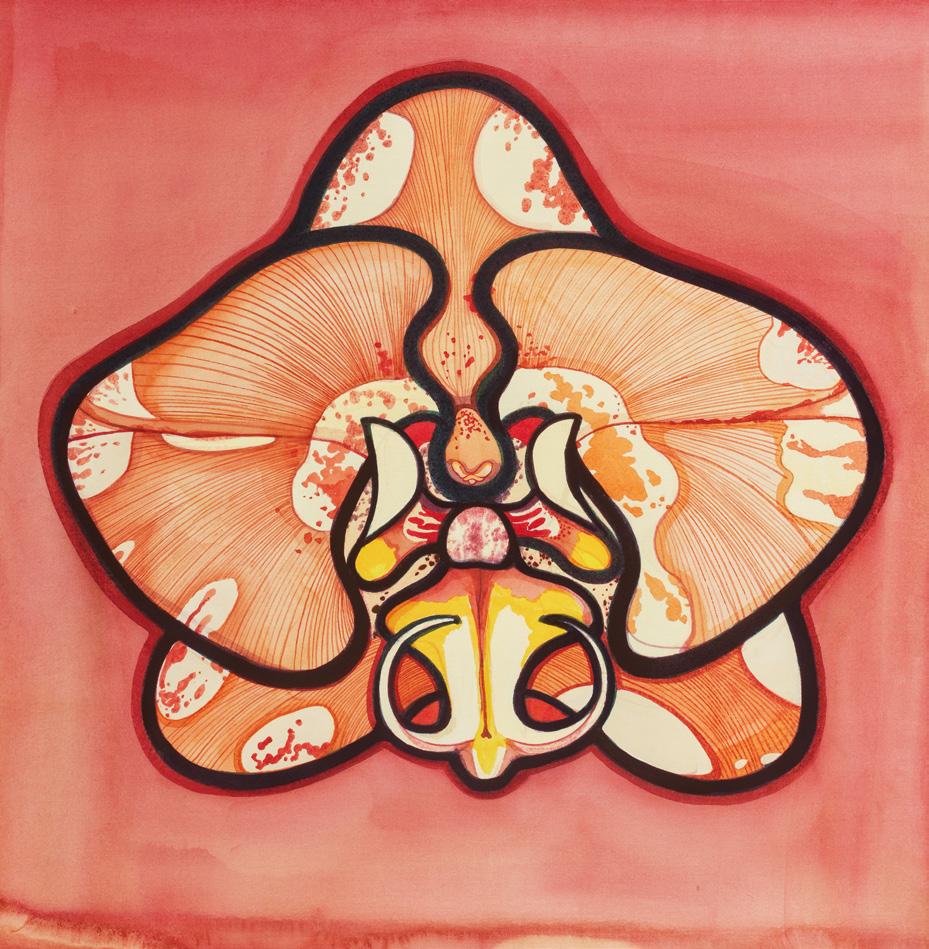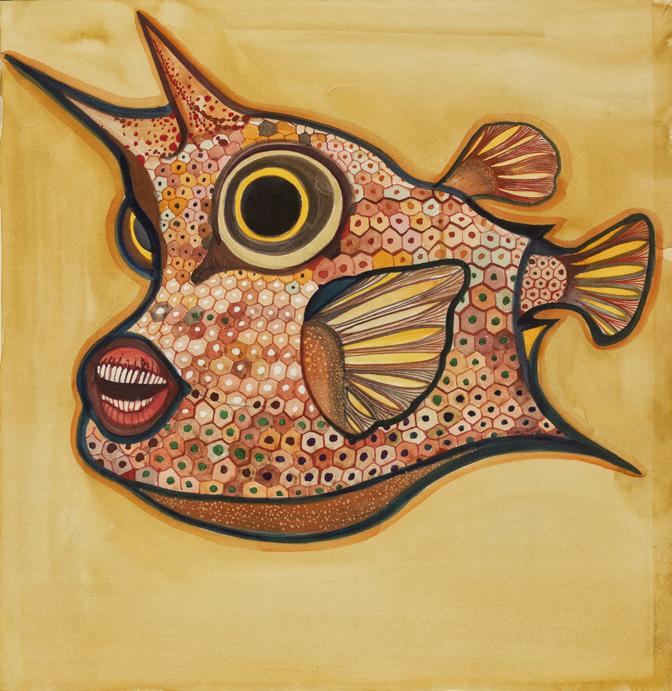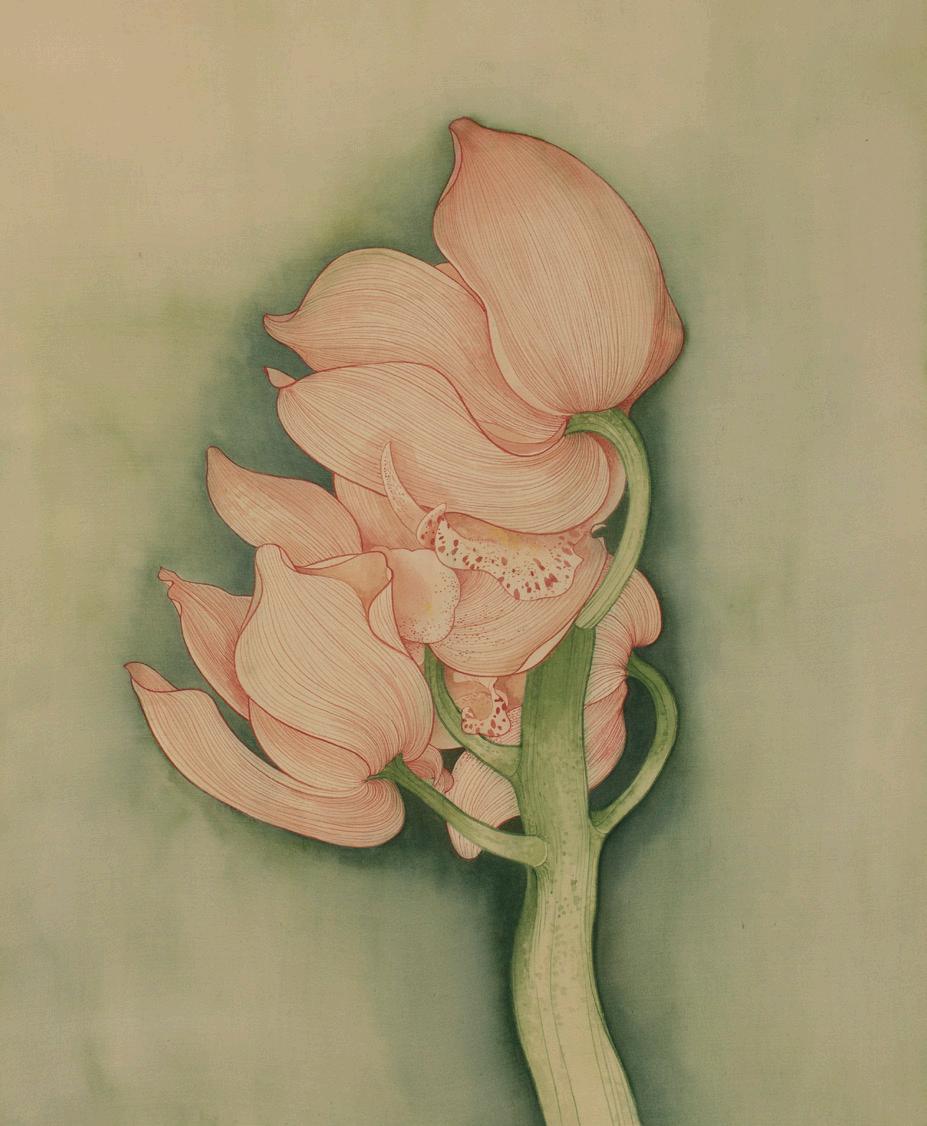
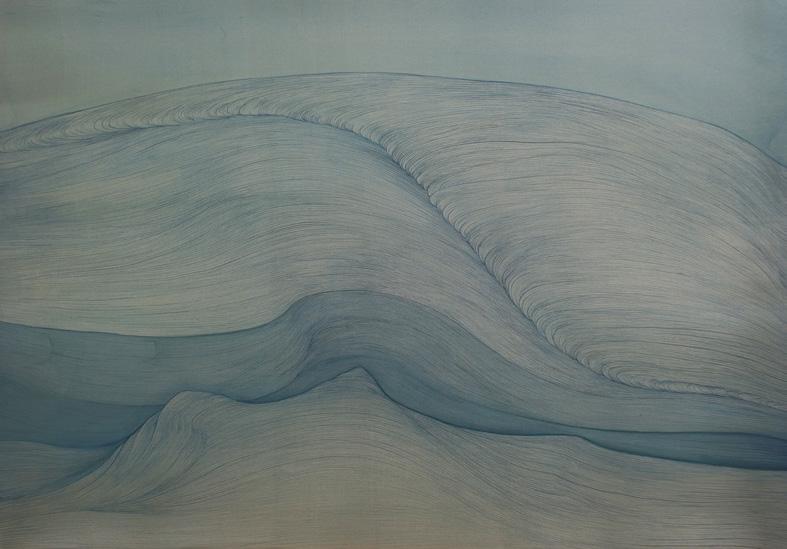
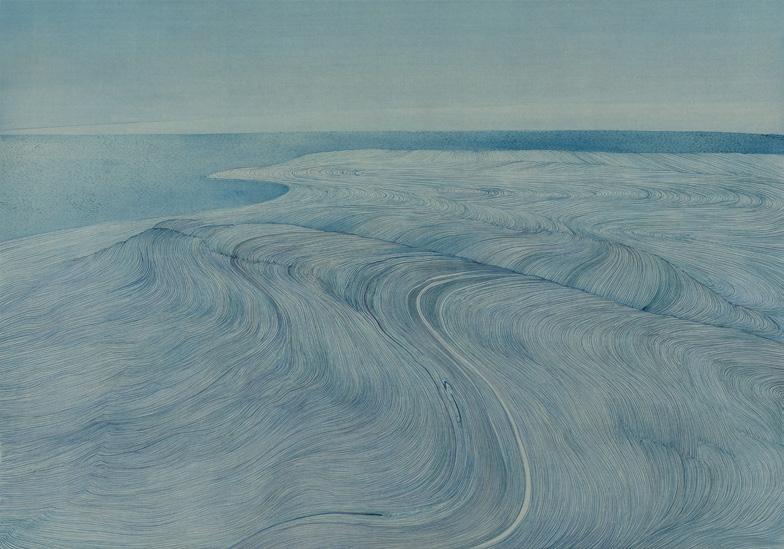
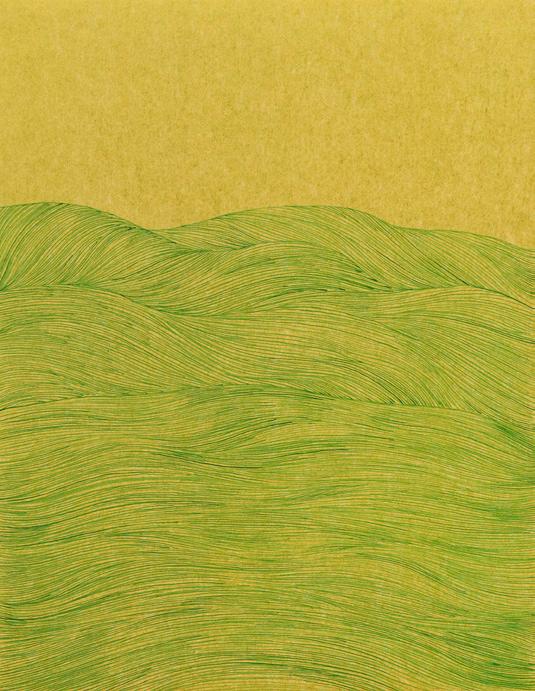
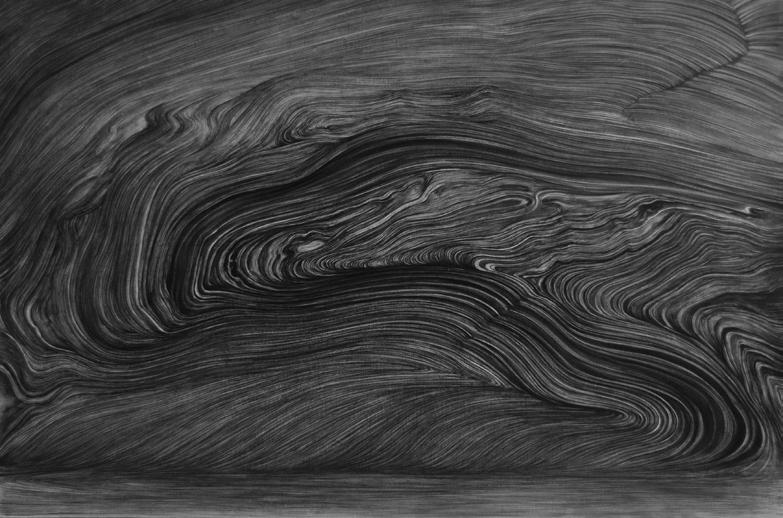
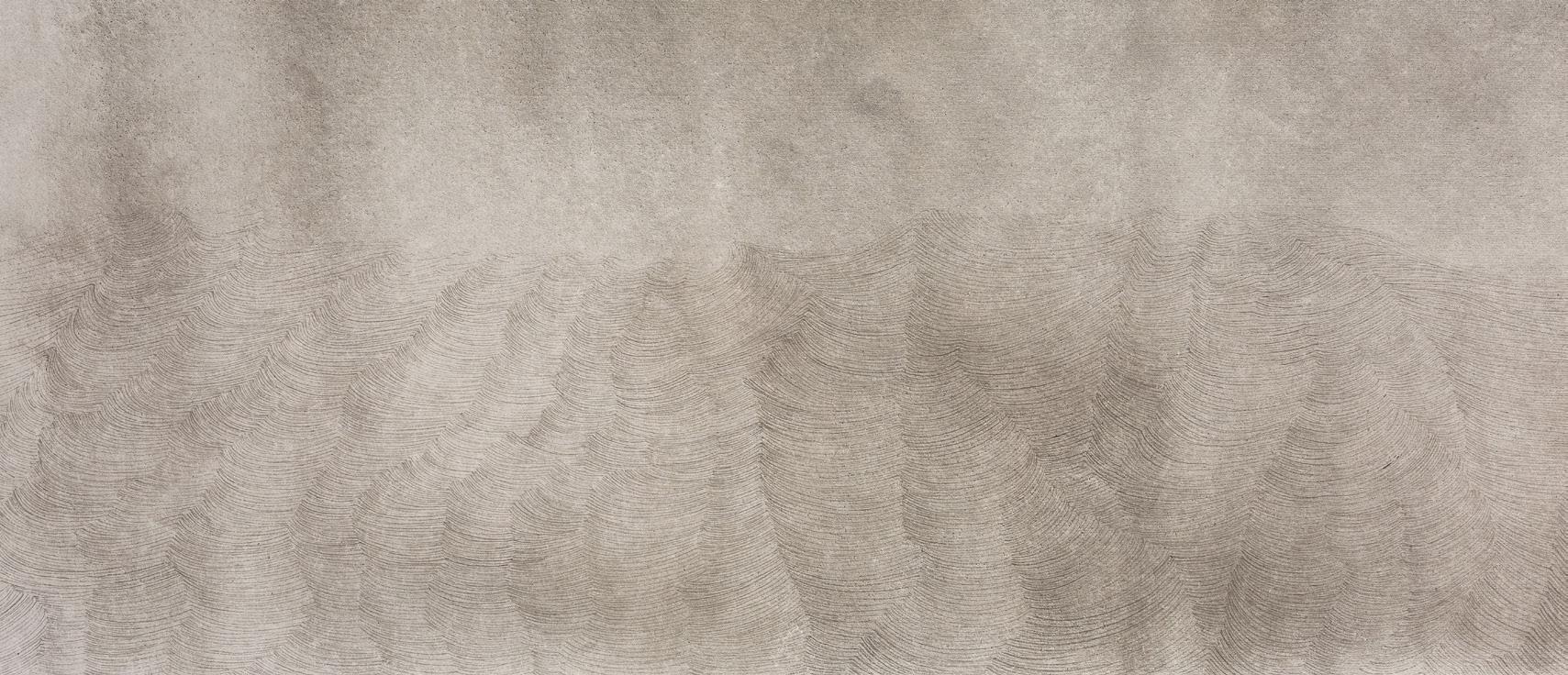
Mineral pigments on paper
80 x 30 cm
2018
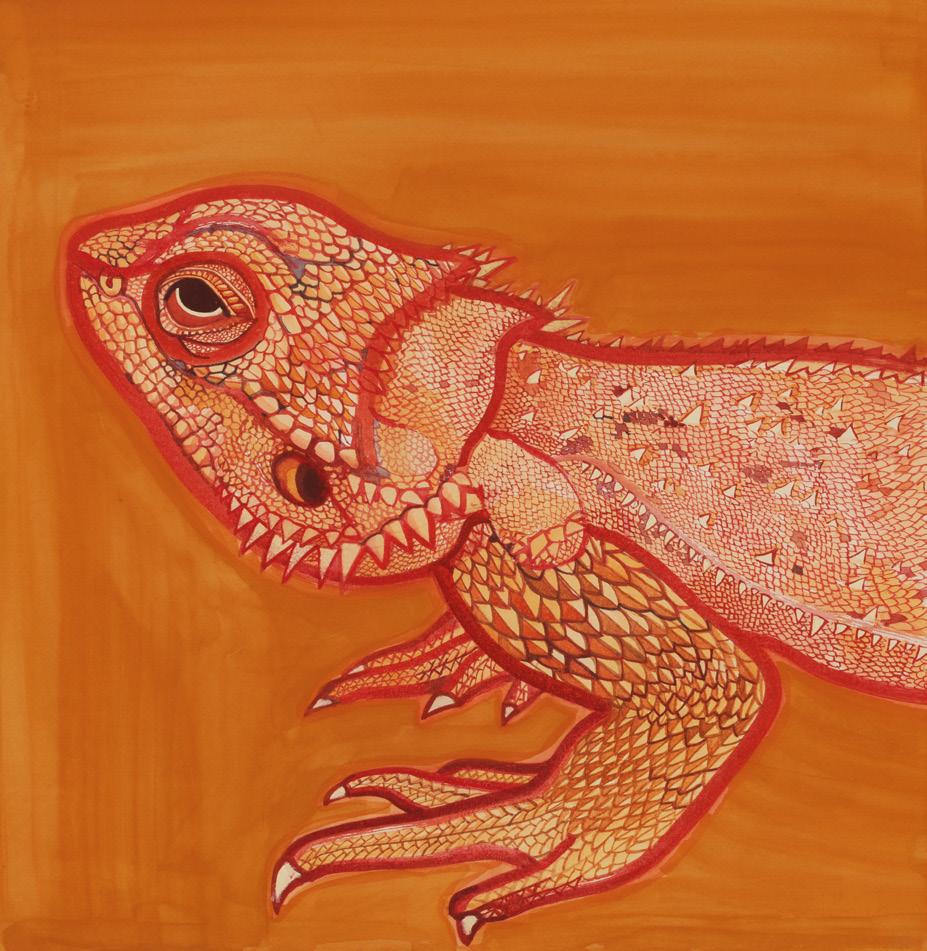
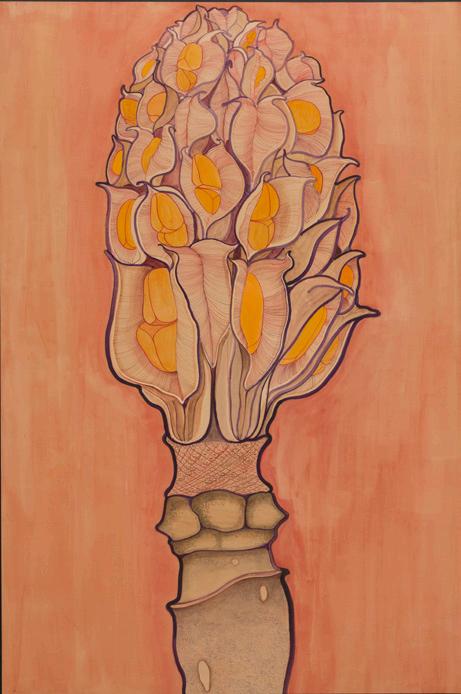
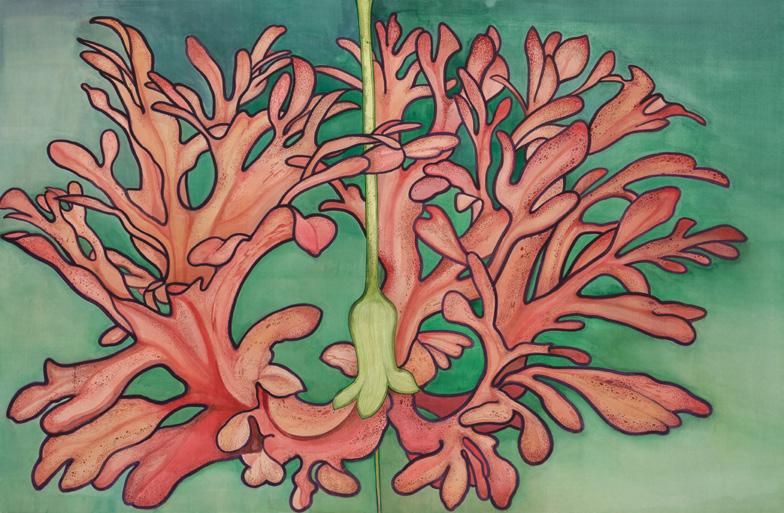
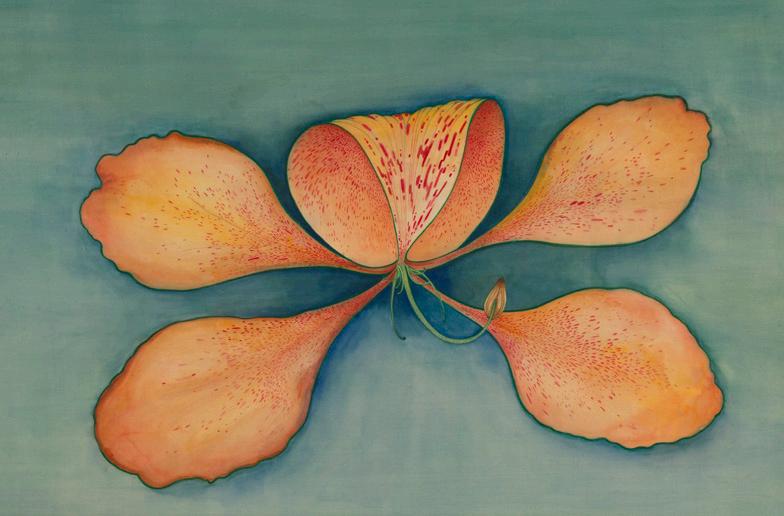
Wuhou (phenology) refers to a visual language documenting the rhythms of natural, seasonal growth and temporal shifts—not a representation of “things” but a grasp of “seasonality”: the seasons when flowers bloom, birds sing, or dew falls. Chen Duxi’s compositions similarly form an image-time system: between each brushstroke, time is “written” into the painting like air currents, rather than “delineated” upon forms.
This temporal structure of imagery is particularly pronounced in the The Order of Body, i.e. Ergong series. The term ergong originates from Confucius’ Analects Yao Yue: “Heaven’s ordained sequence resides in your very person (ergong),” originally signifying the cultivation and introspection of “self”. By adopting this title, Chen transforms viewing into contemplation and painting’s ontology into embodied practice. He portrays not the body itself, but its generative structure, the traces and transformations imprinted on the body by natural forces.
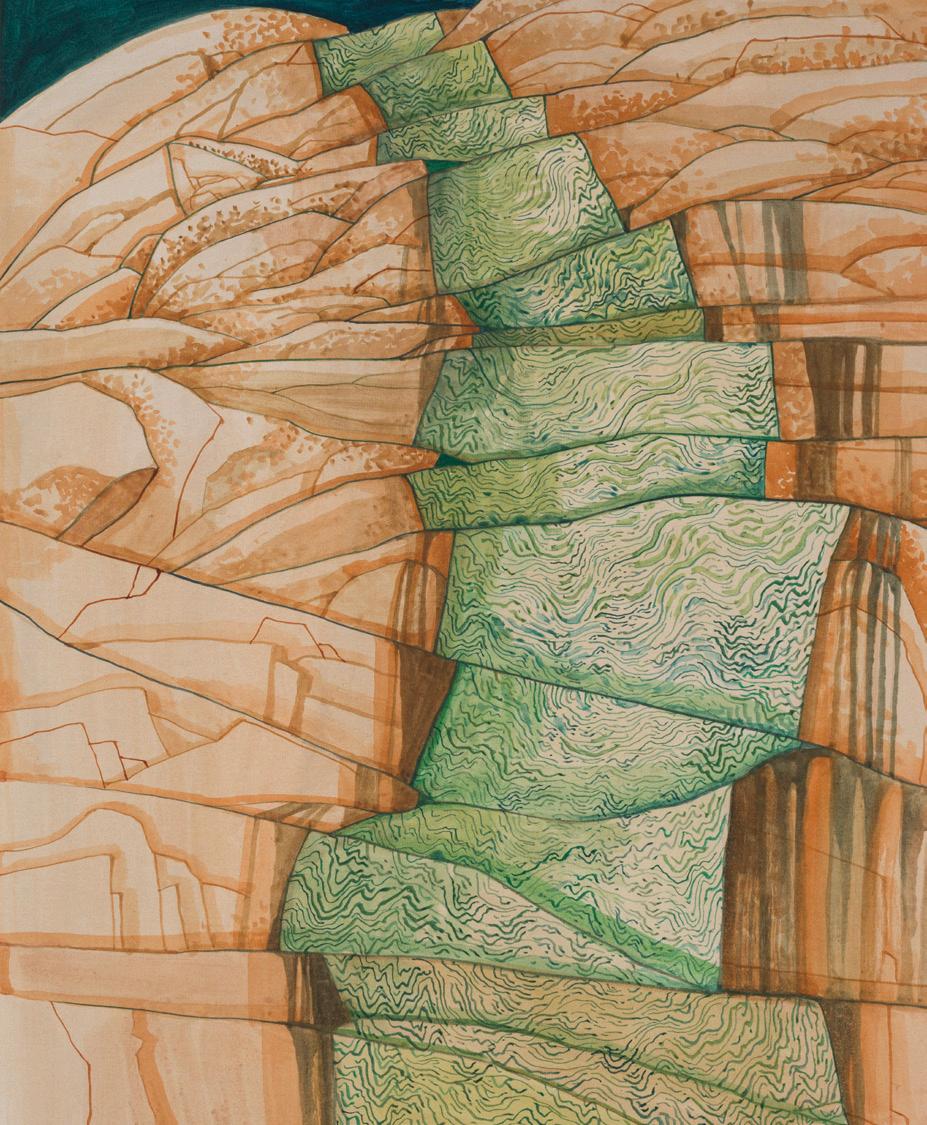
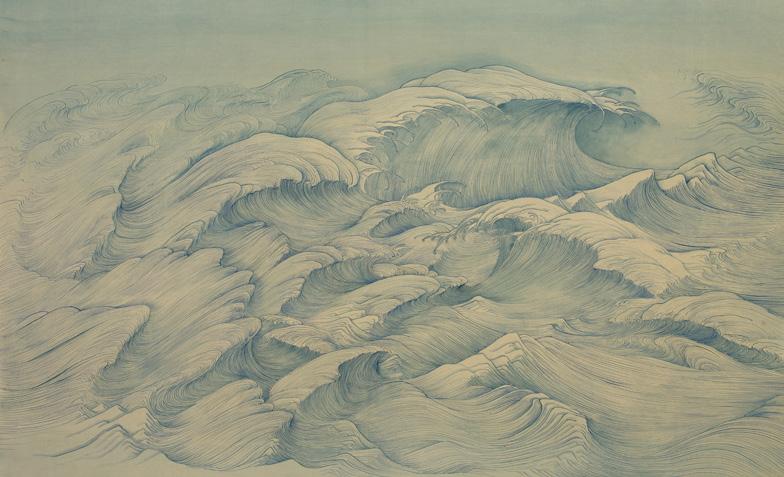
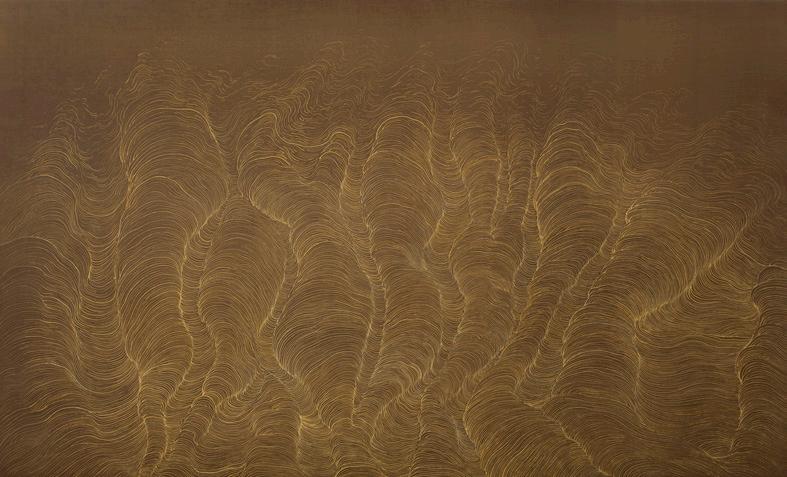
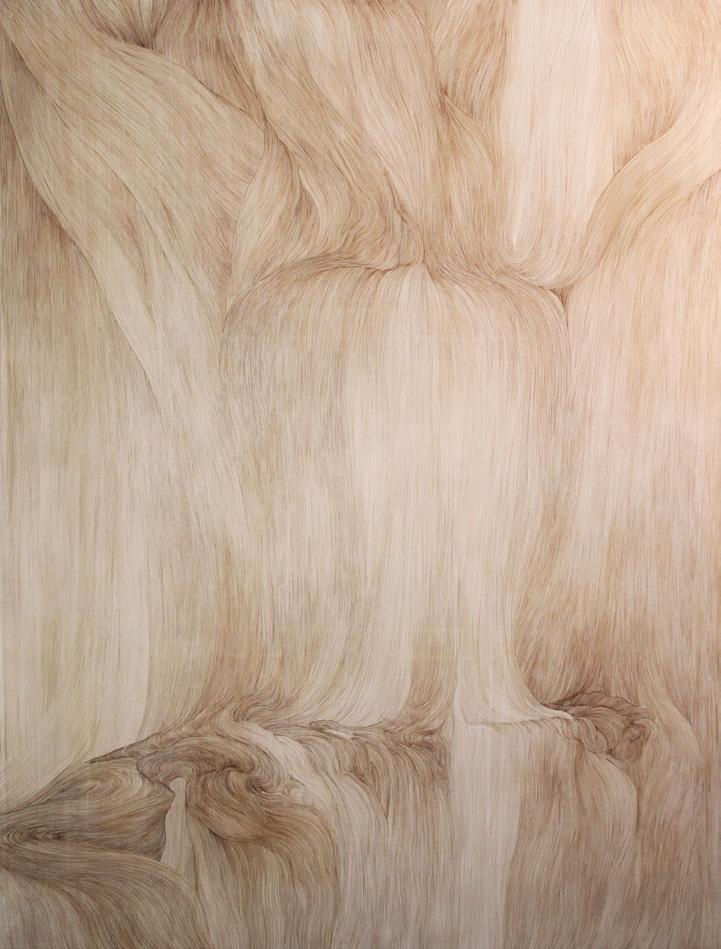
The spiral, folded, cross-sectional, and translucent structures, which resemble both internal organs and seashells, plant rhizomes and mountain profiles—blur boundaries between living and non-living entities, natural and artificial forms, bodily and landscape elements. The images no longer serve as representation of identifiable objects, but manifest as generative visual entities that are continuously deforming, receding, and growing.
Chen Duxi’s bodily images perpetually oscillate between generation and disintegration, as if eternally suspended in the flowing qi.
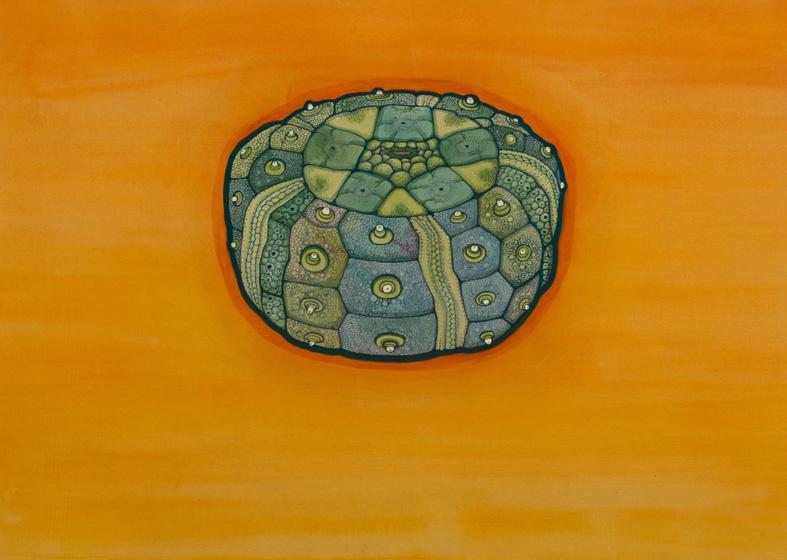
70 x 50 cm
2023